Naked Scientists, In Short Special Editions Podcast
989 episodes — Page 15 of 20

Ep 289Our leaky ancestor
Going back through the generations, eventually you come to the ancestor of all life on earth, something scientists call LUCA (last universal common ancestor).LUCA lived on a hydrothermal vent deep under the ocean, and probably used energy from the natural acidic gradient to survive and reproduce, using a generator called ATP-synthetase. But now Victor Sojo and his colleagues at UCL have come up with an explanation for what might have gone on, suggesting LUCA has a leaky membrane, which might explain some mysteries surrounding bacteria and archea. Kat Arney asked Victor how this leaky membrane... Like this podcast? Please help us by supporting the Naked Scientists

Ep 288How to make energy from oil-eating microbes
One of the remarkable things about the Deepwater Horizon oil spill in the Gulf of Mexico four years ago was the fact that a lot of the contamination was cleaned up by bacteria which simply ate the oil.Now there's more understanding of how microbes exist in oil which could lead to new technologies for extracting energy from oil deposits deep underground.A group of scientists have been studying an asphalt lake in Trinidad and Tobago where it was previously thought microbes couldn't live because of the lack of water, but now microbes have been found.Professor Joel Kostka from the Georgia... Like this podcast? Please help us by supporting the Naked Scientists

Ep 287Remembering to live to a ripe old age
Hello I'm Naked Scientist Hannah Critchlow and I'm concerned about aging. Alzheimer's disease affects around half a million of us in the UK alone, and this number is predicted to increase as the population gets older. However, this week a study suggested that up to a third of cases could be preventable just by changing the way that we live. I spoke to Carol Brayne, Professor of Public Health at Cambridge University. In a collaboration spanning countries, researchers analysed data published from decades of research on 10000s of people across the world and identified several risk factors that... Like this podcast? Please help us by supporting the Naked Scientists

Ep 286In Conversation with Martyn Poliakoff
Type "mad scientist hair" into Google and the number one result is this man, who is one of the country's leading lights in green chemistry but has also attracted a fan base of thousands online with a youtube presence devoted to bringing chemistry alive for the masses. We catch up with the inspirational Martyn Poliakoff. Like this podcast? Please help us by supporting the Naked Scientists

Ep 283Is there a genetic link to schizophrenia?
A large international study has uncovered the strongest evidence yet for a genetic link to schizophrenia. The study, published in Nature this week, is the work of a large collaborative group of scientists known collectively as the Psychiatric Genomics Consortium and based at institutions around the world. The new findings highlight important new avenues for exploring and furthering our understanding of schizophrenia, as science reporter Smitha Mundasad explains Like this podcast? Please help us by supporting the Naked Scientists

Ep 285Will reading as a child make you a smarter adult?
Were you a bookworm as a child? If you were, it might be making you smarter as an adult, according to a new study of identical twins, revealing that better reading ability at a younger age is linked to higher intelligence later in life.Kat spoke to psychologist Stuart Richie from the University of Edinburgh, who led the research, to read between the lines. Like this podcast? Please help us by supporting the Naked Scientists
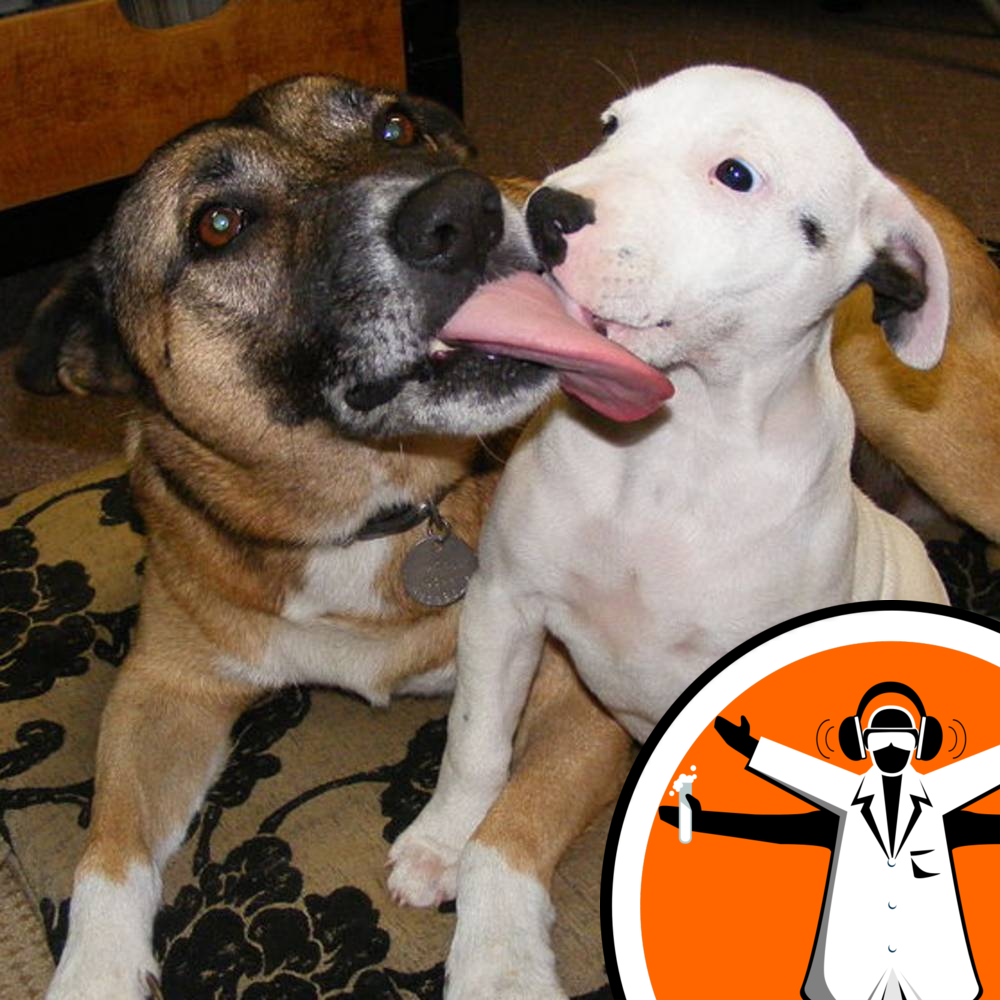
Ep 284Do you own a jealous dog?
Dogs may become jealous if owners pay more attention to another dog. Like this podcast? Please help us by supporting the Naked Scientists

Ep 281The true cost of farming?
When you're deciding what to have for dinner tonight, you might like to think about the environmental impact the food you're choosing. It's long been known that vegetarian crops take up less room, and need less energy to grow than meat from farm animals. But which are the worse offenders and what are the numbers involved? Now new research is showing that beef from cows is doing a lot more damage than anything else. Georgia Mills spoke to Ron Milo of the Weizmann Institute of Science to find out more... Like this podcast? Please help us by supporting the Naked Scientists

Ep 282How windfarms affect seals?
Seals are using windfarms and under sea pipelines as bases for their hunting and fishing exploits. St Andrews University scientist Deborah Russell and her Dutch colleagues glued GPS trackers to the fur of seals living along the coastlines of Germany and the UK near two active windfarms. The tags beamed back high-resolution data on the movements of the animals which the team were able to plot on maps. It then helped them understand how the seals and their prey are interacting with the windfarms and other new structures in their environment. She spoke to Chris Smith to explain... Like this podcast? Please help us by supporting the Naked Scientists

Ep 280Gut bacteria seek out injuries
Marshall Montrose, of the University of Cincinnati, explained to Chris Smith how these gut bacteria, present in half the population's stomachs, can cause problems. Small wounds in the stomach lining, caused by things like aspirin, are quickly and effectively converged upon by these tiny microbes. Like this podcast? Please help us by supporting the Naked Scientists

Ep 279Obesity affects learning
Ifat Levy from Yale University explains to Kat Arney her recent study which looked at participants ability to learn in a task which exposed them to images of money and food. Obese women who were exposed to images of food during the task, showed impaired learning. Like this podcast? Please help us by supporting the Naked Scientists

Ep 278Is your sleep account in credit?
Fruit flies to understand getting our sleep bank account in credit, how we perceive passing of time to help make up our minds in tricky situations. Plus in the news, people prefer shocks to thought. How long could you be left alone with your thoughts? 10 seconds? A minute? Reporting from the Federation of Neurosciences Society Forum in Milan on the hot breaking neuroscience research. Like this podcast? Please help us by supporting the Naked Scientists

Ep 277Morality and Motivation
Would you kill a person to save five others? Does religion evade morality by omission? And can you tweak people's motivations? Reporting on Morality and Motivation in Milan, with breaking hot neuroscience research presented at the FENS 2014 conference. Like this podcast? Please help us by supporting the Naked Scientists

Ep 275The Summer Science Exhibition 2014
Every year the Royal Society hosts the Summer Science exhibition, where members of the public get a chance to see some of the amazing work being done by scientists around the UK. The Naked Scientists take a look around to meet the world's clumsiest dinosaur and find out more about 3D selfies... Like this podcast? Please help us by supporting the Naked Scientists

Ep 276People prefer shocks to thoughts!
How long could you be left alone with your thoughts? 10 seconds? A minute? Well, according to a new study published in the journal Science, people really don't like to be left alone with nothing to do other than think. In fact, when participants of this study were given the choice of thinking for up to 15 minutes or giving themselves a painful electric shock, 67% of men and a quarter of women would rather electrocute themselves. So why do people find thinking so un-enjoyable? Professor Timothy Wilson, psychologist at the University of Virginia, led the study and he spoke to Graihagh Jackson... Like this podcast? Please help us by supporting the Naked Scientists

Ep 274'Neonics' linked to honeybee decline
Neonicotinoids are a group of chemical used as a pesticide on crops. In fact, they're so effective at killing pests, they're currently the most widely used insecticide in the world.These chemicals target the nervous system by mimicking the actions of nicotine, a natural plant toxin. They block signals between nerve cells, causing paralysis and death.However, a study commissioned by the International Union for Conservation of Nature has concluded that these neonicotinoids also are deadly to many beneficial creatures - from earthworms to sparrows - and have even been linked to the decline of... Like this podcast? Please help us by supporting the Naked Scientists

Ep 273Can we use faces as passwords?
Passwords are a tricky business, with thousands of people forgetting them every day, and some being hacked or guessed. The University of York has tested the idea of using recognisable faces which are unique to us, instead of written passwords, as proof of our identity. Rob Jenkins, a psychologist who lead the study, tells Kat Arney more... Like this podcast? Please help us by supporting the Naked Scientists

Ep 270Cheaper Solar Panels
Using a cheap chemical used normally to make tofu stick together, scientists at the University of Liverpool have stumbled upon a much more environmentally-friendly and cheaper way to manufacture very light-weight solar panels called thin film photovoltaics. Science writer Mark Peplow explains the significance of the find to Chris Smith... Like this podcast? Please help us by supporting the Naked Scientists

Ep 269UK government bans 'Qat'
As of midnight on Tuesday, the herb "qat" became a Class C drug. Users chew the leaves of this east African flowering plant to achieve a buzz which, some say, is similar to caffeine. The ban is surprising because the UK's Advisory Council on the Misuse of Drugs have argued that there isn't sufficient evidence that qat causes health problems to justify a ban. David Nutt is professor of neuropharmocology at Imperial College London and spoke to Chris Smith about the stimulant. Like this podcast? Please help us by supporting the Naked Scientists

Ep 271Why stress causes heart attacks
You've probably heard the idea that stress gives you a heart attack, and we certainly know that it is a risk factor, along with things like high blood pressure, high cholesterol, obesity and smoking. But exactly how stress affects the body to increase the chances of having a heart attack is a bit of a mystery. Now a team of US and German scientists think they might have figured it out. It turns out that stress increases the number of immune cells, known as white blood cells, in atherosclerotic plaques - the fatty blobs that clog up your veins and give you a dicky ticker. Lead researcher... Like this podcast? Please help us by supporting the Naked Scientists

Ep 268Mobile Microbiomes
It's not just conversations that we share with our mobiles, but also our bacterial blueprints! According to Oregon scientist James Meadow, every time you interact with your phone you deposit a bug fingerprint unique to you. And this means that our mobiles could actually be used to track how we pick up and exchange microbes with the world around us and even screen doctors and nurses to see who might be carrying potentially harmful bugs.Chris Smith spoke to James Meadow to find out more. Like this podcast? Please help us by supporting the Naked Scientists

Ep 272Do we need another whooping cough vaccine?
Whooping cough, also known as pertussis or the '100 day cough', kills around 300,000 people per year, but is one of the most common diseases that can be prevented by vaccine. Children in Britain are vaccinated several times before starting school. But, scientists at Oxford University have discovered that these vaccines might not be doing enough. When examining children seeing their GP about a persistent cough, one in five of them actually had a case of whooping cough, including children who had been vaccinated against it. Kay Wang, who lead the study, told Chris Smith more... Like this podcast? Please help us by supporting the Naked Scientists

Ep 267Why Salamanders can't get legless
Salamanders can grow back entire limbs if they lose them. A team at University College London lead by Dr Max Yun are looking at the genetic pathways that enable these amphibians to regenerate their arms and legs. This could help us understand how human healing can be improved, as Victoria Gill explains to Chris Smith... Like this podcast? Please help us by supporting the Naked Scientists

Ep 266The Science of Making Colour
The latest digital imaging techniques are literally throwing new light on the ingenious variety of materials that have been used over the centuries to create artists' paint pigments. A new exhibition at the National Gallery in London is looking at the history of colour making over time. Jane Reck has been finding out how preparations were given a helping hand with a state-of the art positioning easel that provides the ability to examine great works of art in unprecedented detail. Like this podcast? Please help us by supporting the Naked Scientists
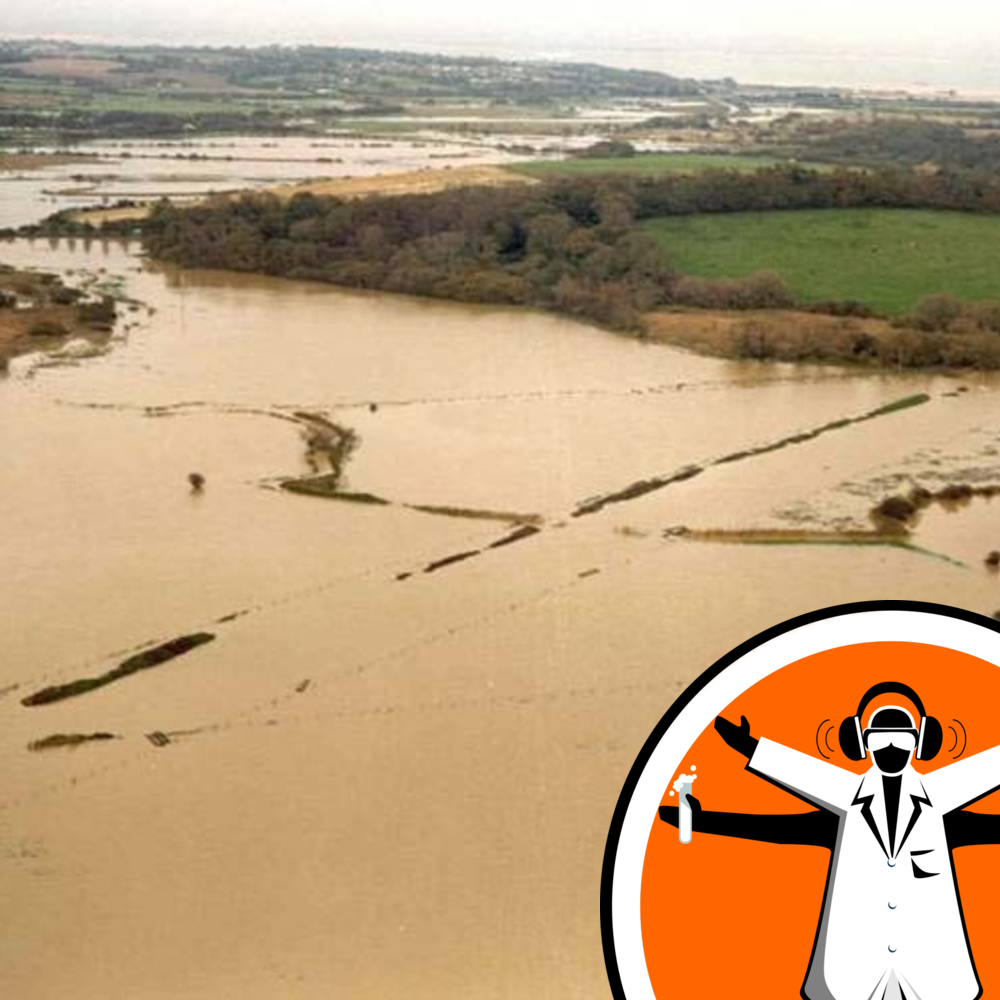
Ep 265The Future of Flooding in Britain
Six months after some of the worst flooding witnessed in Britain, Professor David Dermeritt from Kings College London explains to Graihagh Jackson how these deluges have changed Britain's policies on how we manage rivers, risks and rising water levels. What is the future of flooding? Will climate change worsen it? And how will the government protect property? Like this podcast? Please help us by supporting the Naked Scientists

Ep 264Mountaintop blasted to build largest telescope
This week, 3000 metres up a Chilean mountain, scientists pressed the button to blow up half a million tonnes of rock. The mountain's called Cerro Armazones and the reason it was being blown up was to create the site for what will become the world's biggest most powerful optical telescope. With typical scientific understatement its known as the European Extremely Large Telescope or EELT. Isobel Hook an astrophysicist from Oxford University told Chris more about the project. Like this podcast? Please help us by supporting the Naked Scientists

Ep 263Renewable Bioplastics
Bacteria that can degrade the woody material in plant waste and turn it into an oil-free material for plastics manufacture have been developed by scientists at Warwick University in Britain. Professor Tim Bugg told Chris more... Like this podcast? Please help us by supporting the Naked Scientists

Ep 262One-two punch for evolution
There's a new theory this week claiming that men's faces evolved to take punches. It comes from researchers at the University of Utah and goes against a previous theory that craniofacial evolution was driven by a diet of nuts, seeds and vegetables.The Utah team think that extra-thick bones and muscles in the jaw and brow helped to protect our ancestor's faces when they got into punch ups, presumably while fighting over women.But although it's a neat story, and a different way of looking at the evolution of skulls, there are some problems with the idea, as Kat Arney found out from Julie... Like this podcast? Please help us by supporting the Naked Scientists

Ep 261Massive Super-Earth
Has the likelihood of alien life existing just become a lot more likely? Astronomers at the Harvard-Smithsonian Centre for Astrophysics announced this week that they have found what's being dubbed the "Godzilla of Earths" - it's a rocky planet orbiting a distant star over 500 light years away. But it's over twice the diameter and 17 times the mass of the Earth. So it's exciting for two reasons - first, space scientists had thought that planets could only be that big if they were made of gas, like Neptune or Jupiter, rather than rock, like Earth; and, second, the star this planet is orbiting is... Like this podcast? Please help us by supporting the Naked Scientists

Ep 260Seabirds Chase Ships for Food
Gannets are using fishing boats as fast-food outlets, chasing them for miles over the ocean. Thomas Bodey explains to Chris Smith how GPS tracking on both the birds and ships shows that the gannets can tell trawlers from yachts. But there might be a downside to this kind of convenience cuisine. Like this podcast? Please help us by supporting the Naked Scientists

Ep 259Does Nicolas Cage cause drownings?
Does Nicolas Cage cause people to drown in swimming pools? Does margarine consumption lead to divorce? Tyler Vigen looked at relations between seemingly unrelated statistics to highlight how correlation can be misleading. Like this podcast? Please help us by supporting the Naked Scientists

Ep 258The Battle of the Sexes
The course of true love never did run smooth and this can be seen across the animal kingdom too. The Malacological Society of London held their annual meeting and this year it was all about sexual selection. Like this podcast? Please help us by supporting the Naked Scientists

Ep 257Selecting Species to Save
With as much as 30% of all species potentially at risk of extinction, there is a 'Noah's ark' problem of selecting which species to save. This week the Royal Society held a meeting to discuss extinction risks and the best strategies to prioritise conservation. Like this podcast? Please help us by supporting the Naked Scientists

Ep 256The Naked Mole Rat
The peculiarities of the naked mole-rat: what can we learn from them? Cambridge University pharmacologist Ewan St John Smith hosts this meeting of Cafe Scientifique, Cambridge, kicking off with an interview about the naked mole rat with Chris Berrow... Like this podcast? Please help us by supporting the Naked Scientists

Ep 255David Willetts AAAS Audio Blog
UK Universities and Science Minister, David Willetts, becomes his own radio presenter; here, on a tour organised by the UK's Science and Innovation Network, he charts his meetings with scientists and entrepreneurs in Chicago, including discovering how researchers are trying to develop new batteries, he meets MIRA the Argonne supercomputer, attends a synthetic biology convention, talks to technology start-up CEOs, addresses the AAAS fellows forum and talks in depth to his travelling companions, Nottingham chemist Martyn Poliakoff and Edinburgh Vice Prinicipal Mary Bownes... Like this podcast? Please help us by supporting the Naked Scientists

Ep 254David Willetts Speech to the AAAS
Addressing the American Association for the Advancement of Science (AAAS) 2014 meeting in Chicago, David Willetts, UK Minister for Universities and Science, outlines how the special relationship between Britain and the US, coupled with competition and collaboration, is driving discovery and the next generation of technology... Like this podcast? Please help us by supporting the Naked Scientists
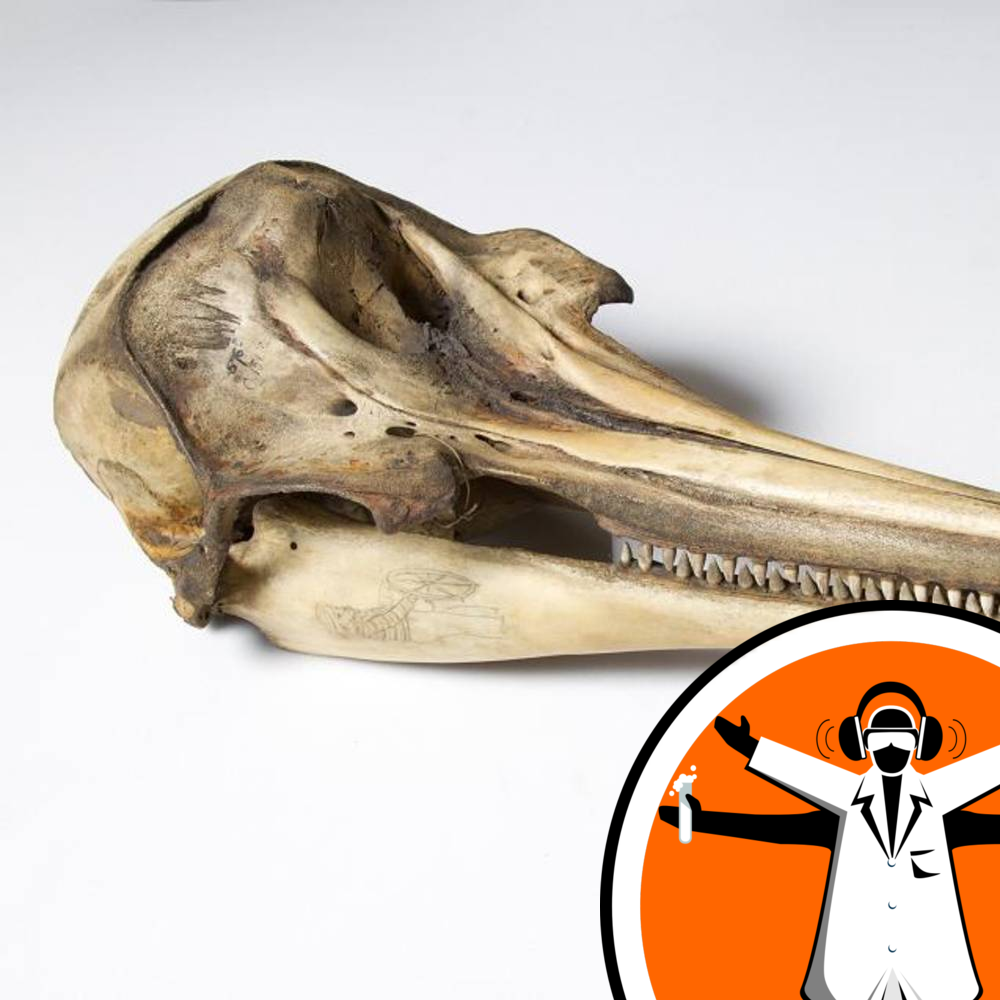
Ep 253Packing Up a Museum
Moving house is one of life's most stressful events; so imagine packing up 4 million artifacts of a museum collection. That's exactly what they are doing at Cambridge University's museum of Zoology. Harriet Johnson went to find out how they're getting ready for the 3 year project to update and improve the museum, and also sneaked a look at some of the best bits of the collection before it all gets packed away... Like this podcast? Please help us by supporting the Naked Scientists

Ep 252Can we eradicate Polio?
Polio might not have been seen in Britain since the 1980's, but despite worldwide efforts the potentially fatal disease is still endemic in three countries. Kate Lamble caught up with the Director of Immunisation at the Department of Health, Professor David Sailsbury as he visited St Johns college in Cambridge to speak about the global effort to eradicate the disease. Like this podcast? Please help us by supporting the Naked Scientists

Ep 251Naked Scientists Guide to Genetics
In The Naked Scientists Guide to Genetics, Simon Bishop explores some common genetics terms, meets a creature from the depths of the sea floor, and befriends a family of fancy rats! The terms DNA, genes, chromosomes and inheritance are explored PLUS are humans really 50% banana? Music featured: Adventure, Darling by Gillicuddy http://freemusicarchive.org/music/gillicuddy/; Dan-O, at http://danosongs.com. Like this podcast? Please help us by supporting the Naked Scientists

Ep 250#genes2shape: Tubby - from obesity to drought tolerance
Recorded at the 2013 Genetics Society Autumn Meeting 'From Genes to Shape', Simon Bishop meets Marco Reitz, who works on the conserved gene 'Tubby'. So-called because mutant Tubby creates obese mice, the gene has a very different role in plants - salt and drought tolerance. Like this podcast? Please help us by supporting the Naked Scientists

Ep 249#genes2shape: Asymmetry... in snails
Recorded at the 2013 Genetics Society Autumn Meeting 'From Genes to Shape', Simon Bishop meets Harriet Johnson, who works on the genes behind left-right asymmetry... in snails. Like this podcast? Please help us by supporting the Naked Scientists
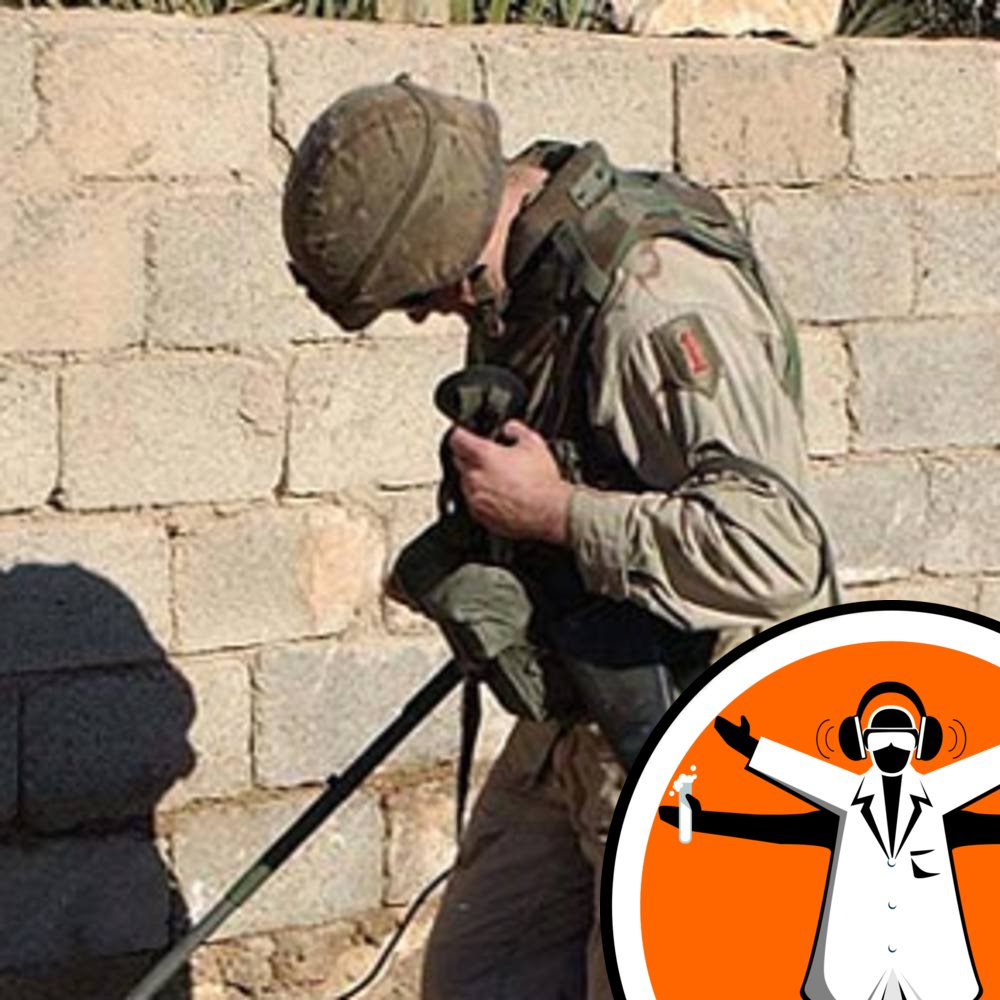
Ep 248Afghanistan on the brain
The mental scars left after trauma and how ecstasy can help treat post traumatic stress disorder (PTSD). Like this podcast? Please help us by supporting the Naked Scientists

Ep 247A weather forecast, for the dinosaurs
Could plankton hold the key to understanding ancient climate conditions? New research suggests ocean temperatures from 200 million years ago could be encoded in sea shell chemistry. Simon Bishop spoke to Professor Simon Redfern from the University of Cambridge, about the work. Like this podcast? Please help us by supporting the Naked Scientists

Ep 246Bodyguard drugs and TB
Tuberculosis is a major world problem, but extremely difficult to treat - vaccines are toxic to humans, and the disease-causing bacteria have a habit of hiding in the very cells tasked with destroying them. Immune system bodyguard drugs that fend off TB before it can hide could soon be possible, according to new research. Simon Bishop speaks to Professor Kurt Drickamer about the work. Like this podcast? Please help us by supporting the Naked Scientists

Ep 245Packing plants with eco energy
Super energy-rich biofuels could soon be possible because of new research, dramatically reducing the environmental impact of intensive farming. Like this podcast? Please help us by supporting the Naked Scientists

Ep 244How important are the microorganisms all around us?
Dr. Jack Gilbert explains some of the surprising effects that microorganisms can have on our lives. Like this podcast? Please help us by supporting the Naked Scientists

Ep 243Diagnosing Emerging Disorders
How do you look for the cause of a brand new medical problem? Simon Bishop speaks to Professor David Goldstein about using genetic sequencing to uncover the cause of new disorders. Like this podcast? Please help us by supporting the Naked Scientists

Ep 242Stopping HIV Spread
HIV attacks the immune system, invading one type of cell called a CD4 lymphocyte. The virus encourages infected cells to sidle up alongside healthy, uninfected cells before making them unload an infectious cargo of HIV, passing on the virus. Now researchers have discovered that a molecule called ADAP plays a critical role in this process. They've found a way to alter this ADAP molecule so that it can still do its normal job inside an immune cell - so the cell stays healthy - but it can't cooperate with HIV, stopping the virus spreading. Chris Rudd from Cambridge University is the lead author... Like this podcast? Please help us by supporting the Naked Scientists

Ep 241Red-tailed Black Cockatoo Conservation
One of Perth, Western Australia's best-loved and most striking birds - the red-tailed black cockatoo - once common, is now in severe decline. Victoria Gill met Murdoch University's Dr Kristen Warren who has been trying to find out why, by using tracking devices... Like this podcast? Please help us by supporting the Naked Scientists

Ep 240Tackling the tangles in Alzheimer's Disease
Until recently, it has been extremely difficult to track the progression of Alzheimer's disease, as the neurons of the brain which are affected by the disease are impossible to view directly. However this week a Japanese research group, writing the the Journal Neuron, announced the development of a new radioactive compound which could be used, in conjunction standard medical imaging, to track the progression of Alzheimer's in the brain. Naked Scientist Priya Crosby spoke to lead author on the paper, Dr Makoto Higuchi, to find out more about this exciting new possibility for Alzheimer's... Like this podcast? Please help us by supporting the Naked Scientists