
Mongabay Newscast
370 episodes — Page 7 of 8

Ep 70Zoos are more key to conservation than ever, Bronx Zoo director says
Jim Breheny is the director of the Bronx Zoo in New York City and joins the Mongabay Newscast to discuss the contributions zoos make to global biodiversity conservation. While many question the relevance of zoos in the 21st century, he argues that as humanity's influence extends ever farther and wildlife habitat continues to shrink, zoos are more relevant than ever since they could save a diversity of species like hellbender salamanders, which his institution is helping to breed and repopulate in the wild. He also discusses how zoos support field work to protect species in the wild, and shares their experience telling the story of zoos through its popular Animal Planet TV show 'The Zoo.' This episode's top news: The Great Insect Dying: A global look at a deepening crisis Twice as many fishing vessels now, but it's harder to catch fish Brazil's Congress reverses Bolsonaro, restores Funai's land demarcation powers Please invite your friends to subscribe to this show via Android, Apple Podcasts, Google Podcasts, Stitcher, TuneIn, Spotify or wherever they get podcasts. Visit www.patreon.com/mongabay to pledge a dollar or more to keep this show growing, Mongabay is a nonproft media outlet and all support helps. See our latest news at Mongabay's homepage: news.mongabay.com or find us on Facebook, Twitter, and Instagram by searching for @mongabay. Thank you! And please send thoughts, questions, or feedback about this show to [email protected].

Ep 69What can talkative river dolphins teach us about their marine relatives?
Gabriel Melo-Santos studies Araguaian river dolphins in Brazil — his work has revealed that the species is much chattier than we'd previously known, and could potentially help us better understand the evolution of underwater communication in marine mammals. He plays some of the recordings he's made of the dolphins, explains how he managed to study the elusive creatures thanks to their fondness for a certain riverside fish market, and discusses how the study of their vocalizations could yield insights into how their sea-faring relatives use their own calls to maintain social cohesion. If you enjoy this show, please visit www.patreon.com/mongabay to pledge a dollar or more to keep it growing. Mongabay is a nonproft media outlet, so all support helps. We love reviews, so please find the reviews section of the app that delivers your podcasts and say what you like about the Mongabay Newscast, and how we can improve. Thank you! Also, please invite your friends to subscribe via Android, Apple Podcasts, Google Podcasts, Stitcher, TuneIn, Spotify or wherever they get podcasts. Thank you! And please send thoughts, questions, or feedback about this show to [email protected].

Ep 68How to discover an untouched rainforest
Ecologist Julian Bayliss used satellite imagery, drones, and technical climbing to make a big discovery last year, an untouched rainforest atop a virtually unclimbable mountain in Mozambique (an "inselberg" or "island mountain") that contains species new to science. Intriguingly, his team also found ancient human artifacts at its top, perhaps linked to people's prayers for the mountain's continued supply of fresh water to the surrounding lowlands. On this episode Bayliss discusses Mt. Lico's novel species like fish, crabs, and butterflies and shares the technical challenges and frustrations inherent in making a discovery of this kind. If you enjoy this show, please visit www.patreon.com/mongabay to pledge a dollar or more to keep it growing. Mongabay is a nonproft media outlet, so all support helps. We love reviews, so please find the reviews section of the app that delivers your podcasts and say what you like about the Mongabay Newscast, and how we can improve. Thank you! Also, please invite your friends to subscribe via Android, Apple Podcasts, Google Podcasts, Stitcher, TuneIn, Spotify or wherever they get podcasts. Thank you! And please send thoughts, questions, or feedback about this show to [email protected].
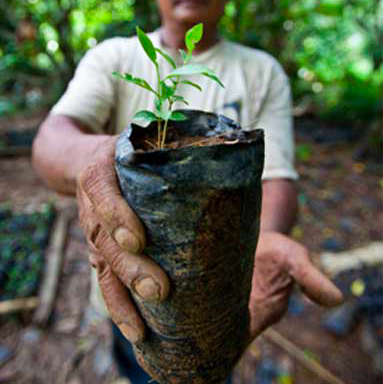
Ep 67Paying for healthcare with a healthy rainforest
Kinari Webb founded Health in Harmony, providing healthcare to people to save Indonesian rainforests. She realized that most illegal deforestation happens when villagers have to pay for medical care, because they have little to generate cash with, except timber. The program has reduced infant deaths by more than 2/3 and the number of households engaged in illegal logging dropped nearly 90%. Her story was one of the most-read articles at Mongabay.com in 2017, so now with Webb expanding the program to new regions, we asked her for an update. If you enjoy this show, please visit www.patreon.com/mongabay to pledge a dollar or more to keep it growing. Mongabay is a nonproft media outlet, so all support helps. We love reviews, so please find the reviews section of the app that delivers your podcasts and say what you like about the Mongabay Newscast, and how we can improve. Thank you! Also, please invite your friends to subscribe via Android, Apple Podcasts, Google Podcasts, Stitcher, TuneIn, Spotify or wherever they get podcasts. Thank you! And please send thoughts, questions, or feedback about this show to [email protected].

Ep 66Unusual tool-using chimp culture discovered in the Congo
Primatologist Cleve Hicks leads a research team that has discovered a new tool-using chimp culture in the Democratic Republic of the Congo. After 12 years of research, their findings include an entirely new chimpanzee tool kit featuring four different kinds of tools. These chimps also build ground nests, which is highly unusual for any group of chimps, but especially for ones living around dangerous predators like lions and leopards. But these chimps' novel use of tools and ground nesting aren't even the most interesting behavioral quirks this group displays, Hicks says on this podcast. If you enjoy this show, please visit www.patreon.com/mongabay to pledge any amount to keep it growing. Mongabay is a nonproft media outlet, so all support helps. We love reviews, so please find the reviews section of the app that delivers your podcasts and tell the world about the Mongabay Newscast, so that we can find new listeners. Thank you! Also, please invite your friends to subscribe via Android, Apple Podcasts, Google Podcasts, Stitcher, TuneIn, Spotify or wherever they get podcasts. Thank you! And please send thoughts, questions, or feedback about this show to [email protected].

Ep 65Sloths' amazing survival skills create a challenge for their survival
Dr. Rebecca Cliffe joins us to challenge myths about sloths like the popular perception of them as lazy creatures: moving slowly is a survival strategy that has been so successful in fact that sloths are some of the oldest mammals on our planet. But Dr. Cliffe also warns of a "sloth crisis" driven by deforestation, roadbuilding, and irresponsible tourism including "sloth selfies," and what you can do to help protect sloths. If you enjoy this show, please visit www.patreon.com/mongabay to pledge any amount to keep it growing. Mongabay is a nonproft media outlet, so all support helps. We love reviews, so please find the reviews section of the app that delivers your podcasts and tell the world about the Mongabay Newscast, so that we can find new listeners. Thank you! Also, please invite your friends to subscribe via Android, Apple Podcasts, Google Podcasts, Stitcher, TuneIn, Spotify or wherever they get podcasts. Thank you! And please send thoughts, questions, or feedback about this show to [email protected].

Ep 64Studying secretive humpback dolphins through sound
How do you study a marine mammal that lives in waters so murky that it can hide from you in plain sight, even in shallow water? On this episode we speak with marine biologist Isha Bopardikar, a researcher using one technique, bioacoustics, to unlock the hidden behaviors of humpback dolphins on the west coast of India. Mongabay's India bureau recently published a story about her work, "What underwater sounds tell us about marine life", which noted that although humanity is making the underwater world even noisier through oil and gas exploration, shipping, and other mechanized vessels, today's research tools can still reveal many of the ocean's mysteries. Bioacoustics combines the study of sound and biology and is increasingly being used to understand marine mammals, so Bopardikar joins us to discuss how, exactly, and play some recordings she's collected of her mysterious cetacean subjects. If you enjoy this show, please visit www.patreon.com/mongabay to pledge any amount to keep it growing. Mongabay is a nonproft media outlet, so all support helps. We love reviews, so please find the reviews section of the app that delivers your podcasts and tell the world about the Mongabay Newscast, so that we can find new listeners. Thank you! Also, please invite your friends to subscribe via Android, Apple Podcasts, Google Podcasts, Stitcher, TuneIn, Spotify or wherever they get podcasts. Thank you! And please send thoughts, questions, or feedback about this show to [email protected].
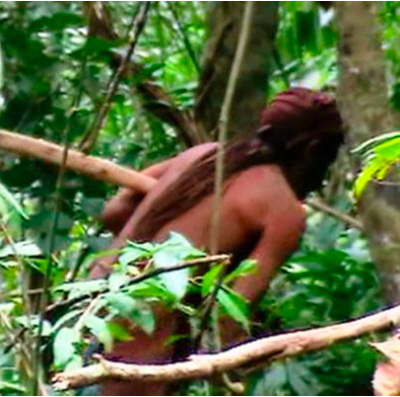
Ep 63Amazon explorer Scott Wallace: Uncontacted indigenous peoples are a true treasure
"The uncontacted and isolated tribes represent a true treasure," National Geographic writer and author Scott Wallace says in this episode. "Their knowledge of the rainforest, of the medicinal properties of the plants, of all the animals, their spirit world — all of this is an incredibly rich trove of knowledge." Wallace's book The Unconquered tells the story of an expedition into remote Amazon rainforests undertaken by the head of Brazil's Department of Isolated Indians to gather information about an uncontacted tribe known as "the Arrow People" in order to protect the indigenous group from the ever-advancing arc of Amazonian deforestation. He joins the podcast to share his experiences and to discuss this particularly perilous time for indigenous peoples in the Amazon. If you enjoy this show, please visit www.patreon.com/mongabay to pledge any amount to keep it growing. Mongabay is a nonproft media outlet, so all support helps. We love reviews, so please find the reviews section of the app that delivers your podcasts and tell the world about the Mongabay Newscast, so that we can find new listeners. Thank you! Also, please invite your friends to subscribe via Android, Apple Podcasts, Google Podcasts, Stitcher, TuneIn, Spotify or wherever they get podcasts. Thank you! And please send thoughts, questions, or feedback about this show to [email protected]. Episode artwork courtesy of FUNAI.
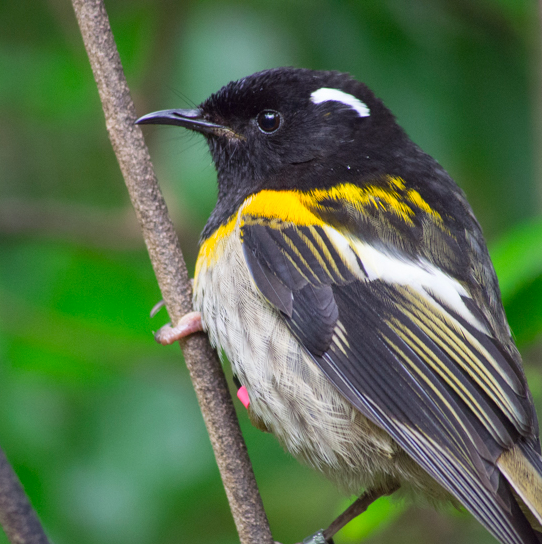
Ep 62How sound can save a rare bird with an AI assist
On this episode we speak with Oliver Metcalf, lead author of a new study using bioacoustics and machine learning (artificial intelligence or "AI") to study a very rare bird in New Zealand. We play some recordings of the beautiful hihi bird that illustrate the success of a last ditch reintroduction effort for this species (and in a place) that are otherwise very difficult to monitor. The findings suggest that bioacoustics can play a key role in assessing the effectiveness of conservation efforts. If you enjoy this show, please visit www.patreon.com/mongabay to pledge any amount to keep it growing. Mongabay is a nonproft media outlet, so all support helps. We love reviews, so please find the reviews section of the app that delivers your podcasts and tell the world about the Mongabay Newscast, so that we can find new listeners. Thank you! Also, please invite your friends to subscribe via Android, Apple Podcasts, Google Podcasts, Stitcher, TuneIn, Spotify or wherever they get podcasts. Thank you! And please send thoughts, questions, or feedback about this show to [email protected].
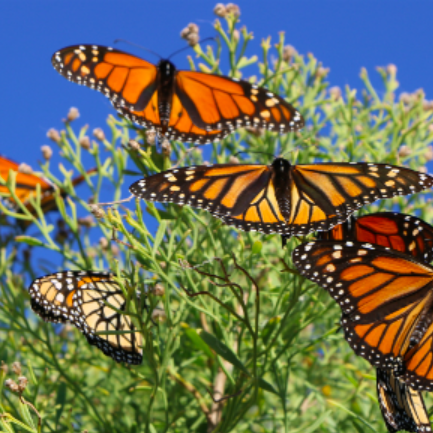
Ep 61Good news from Mexico monarch reserve despite looming threats
On this episode we hear from Mongabay's Mexico City-based contributor Martha Pskowski who recently traveled to central Mexico during the winter 'high season' when tourists flock to see monarch butterflies covering the trees. Her fascinating report on threats to monarchs in these overwintering grounds was tempered by cheerful news that the number of monarchs wintering in Mexico is up 144% in 2019. Pskowski spoke with locals who rely on monarch tourism for their livelihoods, and she investigated impacts on the monarchs' habitat from agriculture and a proposed mine. If you enjoy this show, please visit www.patreon.com/mongabay to pledge any amount to keep it growing. Mongabay is a nonproft media outlet, so all support helps. We love reviews, so please find the reviews section of the app that delivers your podcasts and tell the world about the Mongabay Newscast, so that we can find new listeners. Thank you! Also, please invite your friends to subscribe via Android, Apple Podcasts, Google Podcasts, Stitcher, TuneIn, Spotify or wherever they get podcasts. Thank you! And please send thoughts, questions, or feedback about this show to [email protected].

Ep 60We need nature more than nature needs us: IUCN's Inger Andersen
The IUCN is probably best known for its Red List of Threatened Species, a vital resource on the conservation statuses and extinction risks of tens of thousands of species. But the IUCN does much more than just maintain the Red List, as Inger Andersen, the organization's director general, explains in this episode [producer's note: just after this episode was published, Andersen accepted the role of director at the UN Environment Program]. The International Union for the Conservation of Nature was founded in 1948 and is neither a government body nor an NGO, but is rather a science-based hybrid of these, with the goal of ensuring nature conservation worldwide. Speaking from their Swiss headquarters, Andersen shares insights about how the Red List is built, the key role of women in conservation ("Women represent 3.5 billion conservation solutions"), and plans for the next World Conservation Congress in 2020, which will dictate how conservation progresses in the wake of the Aichi Biodiversity Targets of the Convention on Biological Diversity, which sunset that year. If you enjoy this show, please visit www.patreon.com/mongabay to pledge any amount to keep it growing. Mongabay is a nonproft media outlet, so all support helps. We also love reviews, so please find the reviews section of the program that delivers your podcasts and tell the world about the Mongabay Newscast, so that we can find new listeners. Thank you! Also, please invite your friends to subscribe via Android, Apple Podcasts, Google Podcasts, Stitcher, TuneIn, Spotify or wherever they get podcasts. And please send thoughts, questions, or feedback about this show to [email protected].
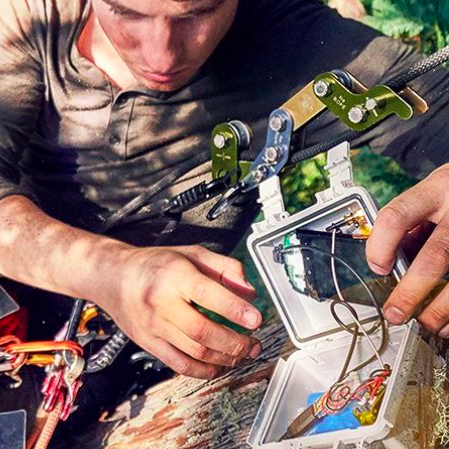
Ep 59Sound can save forests and major rainforest trends to watch with Mongabay's founder
Mongabay founder and CEO Rhett A. Butler joins the podcast to discuss the biggest rainforest storylines to watch in 2019, and a major new paper he co-authored in Science that looks at how bioacoustics can monitor forests for greater assessment of conservation goals and corporate responsibility commitments. This year marks the 20th anniversary since Rhett founded Mongabay, and subscribers to our new Insider Content already know the story of how it happened after travels to places like Madagascar, Ecuador, and Borneo. So overseeing this global environmental news service has provided him with a wealth of insight into the science and trends that are shaping conservation, and he appears on the podcast to discuss his recent articles looking at the top rainforest stories of 2018 and the tropical forest trends to watch in 2019. If you enjoy this show, please visit www.patreon.com/mongabay to pledge any amount to keep it growing. Mongabay is a nonproft media outlet, so all support helps. We also love reviews, so please find the reviews section of the program that delivers your podcasts and tell the world about the Mongabay Newscast, so we can find new listeners. Thank you! And please invite your friends to subscribe via Android, Apple Podcasts, Google Podcasts, Stitcher, TuneIn, Spotify or wherever they get podcasts.

Ep 58How 96 rare sea turtle hatchlings survived a NY City summer
On this episode, the largely untold [and very heartwarming] story of how 96 critically endangered sea turtle hatchlings survived this past summer in New York City—with help from dedicated scientists and a cozy office closet. In July, Big Apple beachgoers spotted a Kemp's Ridley sea turtle laying eggs on West Beach. Two of them called a 24-hour wildlife hotline to report it, which very likely saved 96 tiny, precious lives. This was by far the farthest north a Kemp's has ever been known to nest. But it soon became clear that unusually high tides would swamp the nest, which would have meant disaster for the developing embryos, so an unusual plan was hatched to save them. We speak with scientists and conservationists who cared for the nest and answer questions such as whether it's a good sign that a Kemp's Ridley came all the way to NYC to nest. If you enjoy this show, please visit www.patreon.com/mongabay to pledge any amount to keep it growing. Mongabay is a nonproft media outlet, so all support helps. We also love reviews, so please find the reviews section of the program that delivers your podcasts and tell the world about the Mongabay Newscast. Thank you! And please invite your friends to subscribe via Android, Apple Podcasts, Google Podcasts, Stitcher, TuneIn, Spotify or wherever they get podcasts.

Ep 57Bill McKibben is down on COPs but bullish on climate action
On this episode, we check in about the upcoming international climate summit (COP24, early December 2018) with top American author and climate activist Bill McKibben, to discuss its prospects and the movements that could spur the world to action on global warming: in light of recent developments he says, "I think meaningful action probably isn't going to come now at the UN," adding he does not have high hopes for specific outcomes, but that we need to look to other sources of meaningful climate action, and "happily there are some," which he is happy to share. As an author, journalist, and activist, Bill McKibben is on the frontlines of this fight, having written the first book about climate change for the masses in the 1980s and being arrested numerous times over inaction on the issue. Listen for his personal take on movements like 350.org (which he co-founded) and new exciting ones like the Sunrise Movement on this episode of the Mongabay Newscast. If you enjoy this show, please visit www.patreon.com/mongabay to pledge any amount to keep it growing. Mongabay is a nonproft media outlet, so all support helps. Thank you! And please invite your friends to subscribe via Android, Apple Podcasts, Google Podcasts, Stitcher, TuneIn, Spotify or wherever they get podcasts.
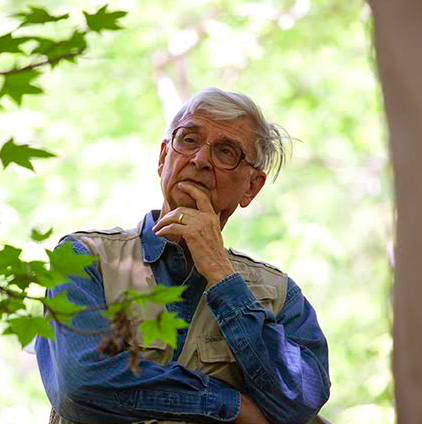
Ep 56E.O. Wilson discusses Half-Earth and conservation solutions
On this episode we share a progress report on the Half-Earth Project (an ambitious effort to set aside half the world for nature) direct from legendary conservation biologist E.O. Wilson. In this return visit to the podcast, Dr. Wilson discusses their effort to map the world's 6,000 bee species, his enthusiasm for the new science of understanding ecosystems, and interesting ties with the business community. Host Mike Gaworeck met Dr. Wilson at Half-Earth Project's recent event at the American Museum of Natural History which featured the launch of a new educational initiative and live discussion between Wilson, musician Paul Simon (listen to Paul Simon discuss why he supports the Half-Earth Project on a March 2017 episode of the Mongabay Newscast), and New York Times columnist Thomas Friedman. If you enjoy this podcast, please visit www.patreon.com/mongabay to pledge any amount to keep it growing. Mongabay is a nonproft media outlet, so all support helps. Thank you! And please invite your friends to subscribe via Android, Apple Podcasts, Google Podcasts, Stitcher, TuneIn, Spotify or wherever they get podcasts.

Ep 55Chasing penguins, a dispatch from Antarctica
In a dispatch from Antarctica's McMurdo Station, Mongabay friend Dr. Michelle LaRue discusses her sixth deployment to the icy continent to document emperor penguin populations, a species that is an important indicator of the Southern Ocean's health. Skype was down at the station so we spoke with her by phone about what she is looking for and what it's like to work in Antarctica. LaRue and team fly in helicopters and planes to make high-res photos of penguin colonies which allow them to verify the population size, though a general lack of favorable conditions for flying is a daily obstacle. If you enjoy this podcast, please visit www.patreon.com/mongabay to pledge any amount to keep it growing. Mongabay is a nonproft media outlet, so all support helps. Thank you! And please invite your friends to subscribe via Android, Apple Podcasts, Google Podcasts, Stitcher, TuneIn, Spotify or wherever they get podcasts.
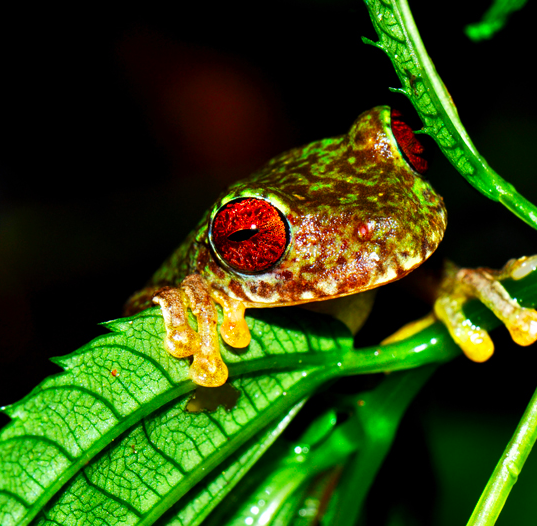
Ep 54Racing to save the world's amazing frogs
On this episode, we discuss the global outbreak of chytrid, which is probably the largest global wildlife disease event in recorded history, with an expert on the front lines fighting its spread. Our guest is National Geographic Explorer Dr. Jonathan Kolby, who founded the Honduras Amphibian Rescue and Conservation Center to study and save sick frogs. He also plays song recordings of the amphibians he studies and shares some positive news of disease resistance in certain populations and age classes of frogs. Plus we round up recent top news. If you enjoy this podcast, please visit www.patreon.com/mongabay to pledge any amount to keep it growing. Mongabay is a nonproft media outlet, so all support helps. Thank you! And please invite your friends to subscribe via Android, Apple Podcasts, Google Podcasts, Stitcher, TuneIn, Spotify or wherever they get podcasts.
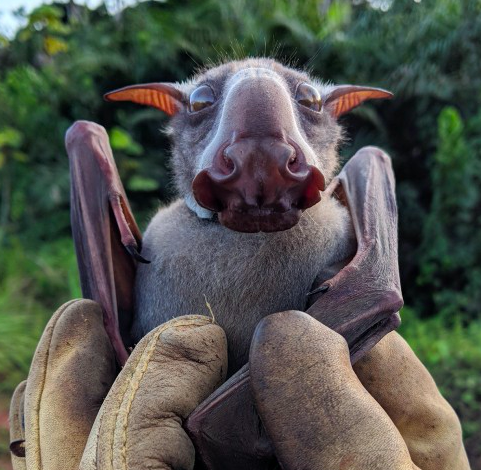
Ep 53Bats and Ebola: studying fruit bats to prevent future outbreaks
Sarah Olson is a researcher for the Wildlife Conservation Society and joins us at a moment when Ebola virus is very much in the news due to a recent outbreak in the Democratic Republic of Congo. A primatologist, Olson has lately been studying hammer-headed fruit bats to understand how Ebola is transmitted to apes and also humans — research which could potentially control or prevent future outbreaks of the deadly disease — beside revealing new details on the behavior of this fascinating species. Plus we round up recent top news. If you enjoy this podcast, please visit www.patreon.com/mongabay to pledge any amount to keep it growing. Mongabay is a nonproft media outlet, so all support helps. Thank you! And please invite your friends to subscribe via Android, Apple Podcasts, Google Podcasts, Stitcher, TuneIn, or listen via Spotify.

Ep 52Getting social for science and conservation
We take a look at how the social sciences can boost conservation efforts with guest Diogo Verissimo, one of the top researchers focused on adapting marketing principles for conservation. A Fellow with the University of Oxford and the Institute for Conservation Research at the San Diego Zoo, he designs and evaluates programs that aim to change human behavior to combat issues like the illegal wildlife trade. If you enjoy this podcast, please visit www.patreon.com/mongabay to pledge any amount to keep it growing. Mongabay is a nonproft media outlet, so all support helps. Thank you! And please invite your friends to subscribe via Android, Apple Podcasts, Google Play, Stitcher, TuneIn, or listen via Spotify.
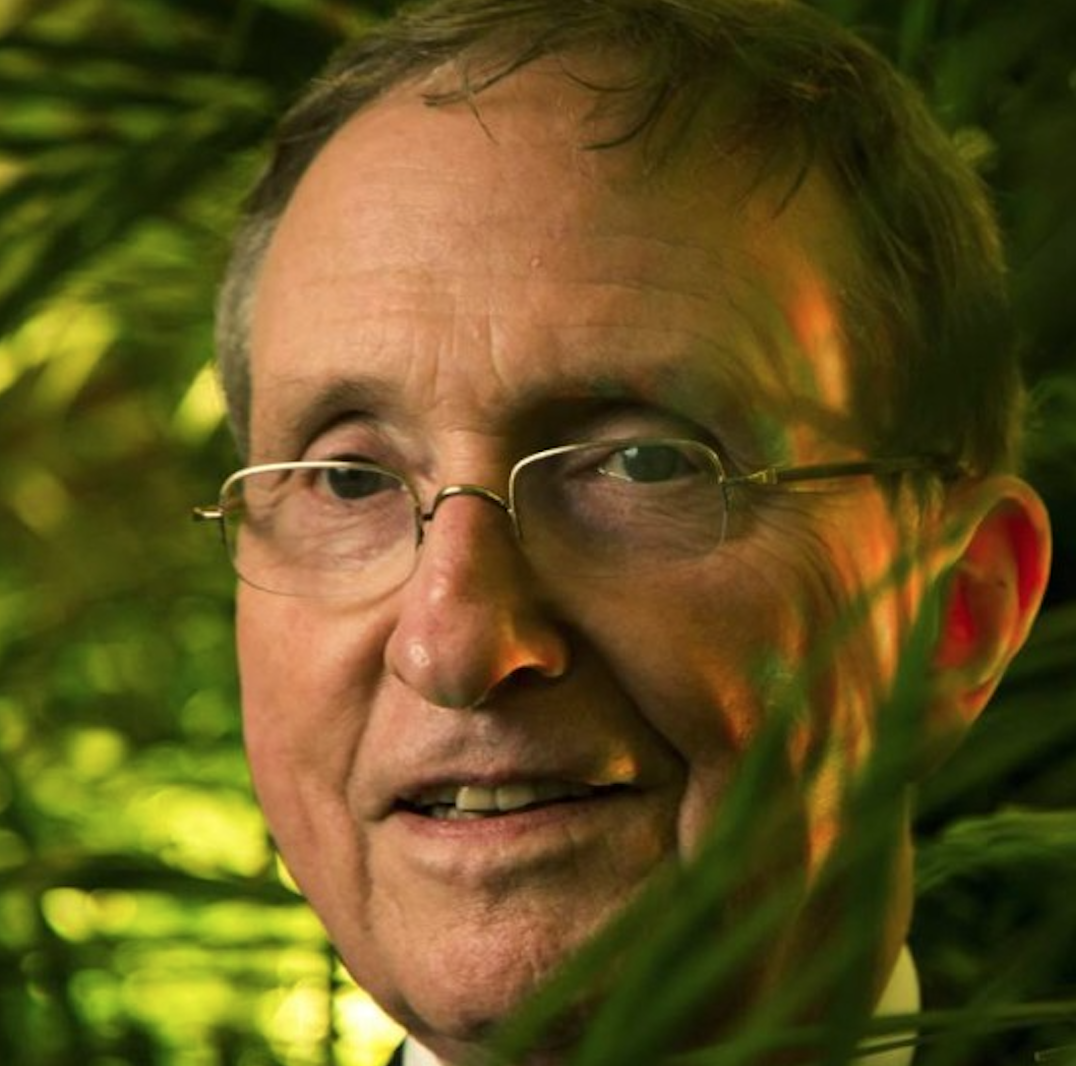
Ep 51'Godfather of biodiversity' says it's time to manage Earth as a whole system
Dr. Thomas Lovejoy coined the term "biological diversity" in 1980 and his work since has helped establish the preservation of global biodiversity as one of the most important conservation issues of our time. We discuss this and some of the most important environmental issues we currently face and why he believes the next decade will be the last decade of real opportunity to address those issues: "We really...need to think about managing the entire planet as a combined physical and biological system," he says. Dr. Lovejoy is a conservation biologist, a Senior Fellow at the United Nations Foundation, and director of the Center for Biodiversity and Sustainability at George Mason University. In the late 1970s, he helped launch one of the longest-running landscape experiments in the Brazilian Amazon to examine the consequences of fragmentation on the integrity of tropical forests and the biodiversity they harbor. If you enjoy this podcast, please visit www.patreon.com/mongabay to pledge any amount to keep it growing. Mongabay is a nonproft media outlet, and all support helps. Thank you! And please invite your friends to subscribe via Android, Apple Podcasts, Google Play, Stitcher, TuneIn, or listen via Spotify.
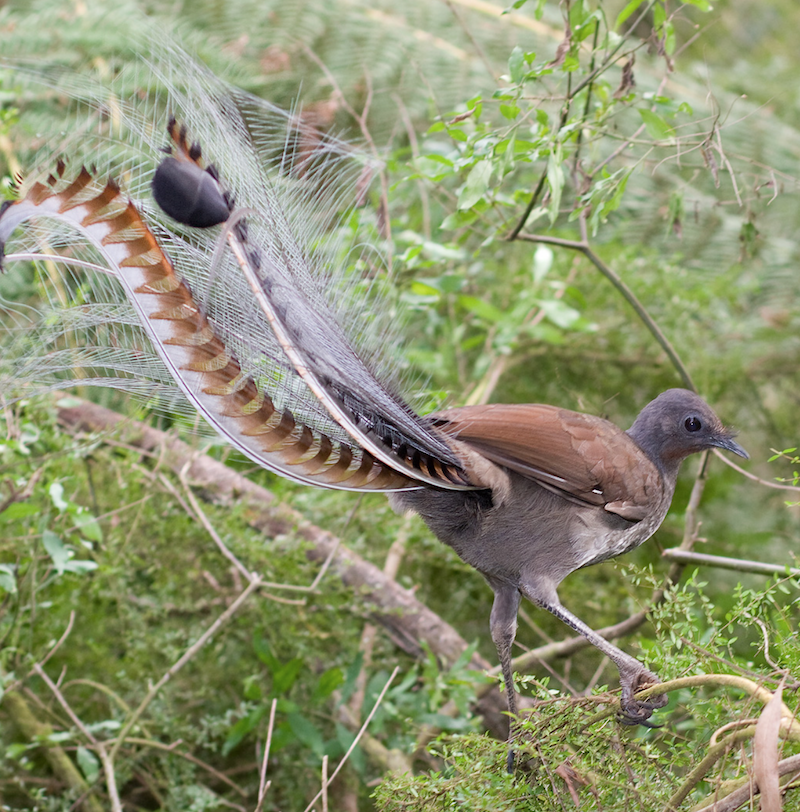
Ep 50The amazing song skills of the superb lyrebird
Sir David Attenborough says the superb lyrebird has one of "the most elaborate, the most complex, the most beautiful song[s] in the world." In this episode we explore the incredible ability these creatures have to mimic sounds in their environment, ranging from predators and possums to squeaky trees and songbirds they compete with for forest habitat. Ornithologist Anastasia Dalziell joins us to discuss her trailblazing work with lyrebirds, and she plays amazing recordings of these spellbinding songsters. If you enjoy this podcast, please visit www.patreon.com/mongabay to pledge any amount to keep it growing. Mongabay is a nonproft media outlet, and everything helps. Thank you! And please invite your friends to subscribe via Android, Google Play, Apple Podcasts, Stitcher, TuneIn, or listen via Spotify.
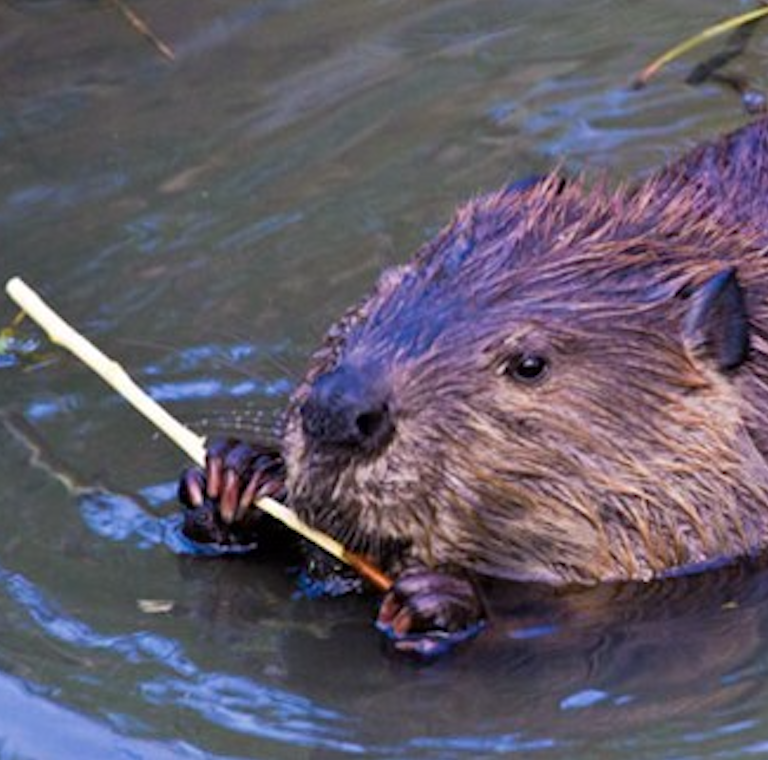
Ep 49Beavers, our brilliant ecosystem builders
You might not think of beavers as remarkable, but they are actually brilliant ecosystem engineers whose dams mitigate flooding, improve water quality, and boost groundwater levels, and they also provide habitat for species like salmon, moose, and mink. Environmental journalist Ben Goldbarb joins us to discuss his fascinating new book putting a bright shine on beavers, Eager: The Surprising, Secret Life of Beavers and Why They Matter. If you enjoy this podcast, please visit www.patreon.com/mongabay to pledge any amount to keep it growing. Mongabay is a nonproft media outlet, and everything helps. Thank you! And please invite your friends to subscribe via Android, Google Play, iTunes, Stitcher, TuneIn, or listen via Spotify.
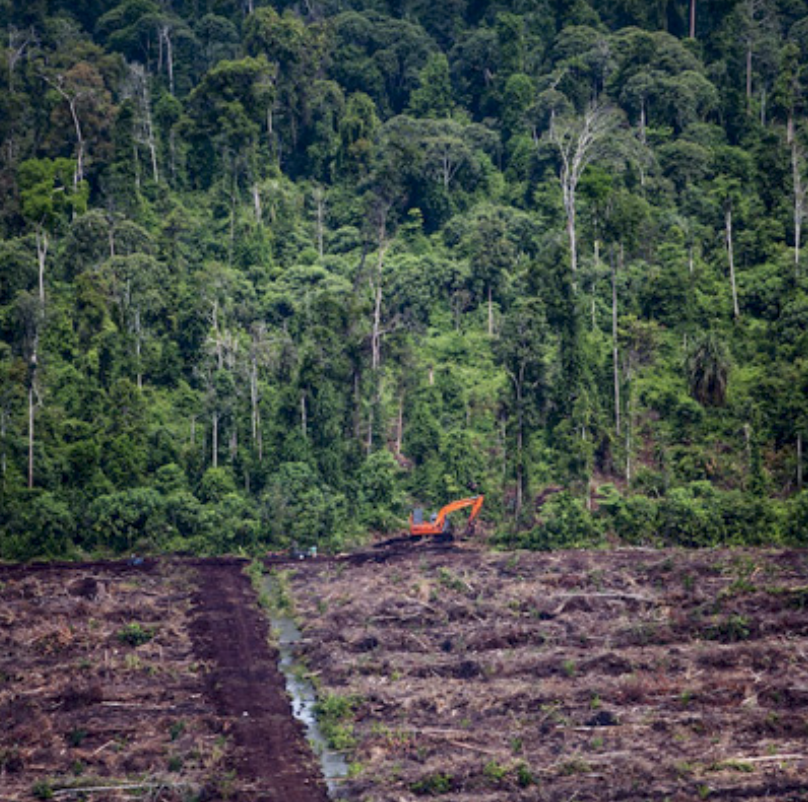
Ep 48How dark money and shadow companies deforest Indonesia and derail its democracy
On this episode we explore the latest revelations about "shadow companies" and dark money associated with the palm oil sector, and how they factor into Mongabay's ongoing investigation into the corruption fueling Indonesia's rainforest destruction and land rights crises (plus how these factors derail democracy in this huge country). Host Mike Gaworecki speaks with guest Phil Jacobson, Mongabay's Indonesia editor. If you enjoy this podcast, please visit www.patreon.com/mongabay to pledge any amount to keep it growing. Mongabay is a nonproft media outlet, and everything helps. Thank you! And please invite your friends to subscribe via Android, Google Play, iTunes, Stitcher, TuneIn, or listen via Spotify.
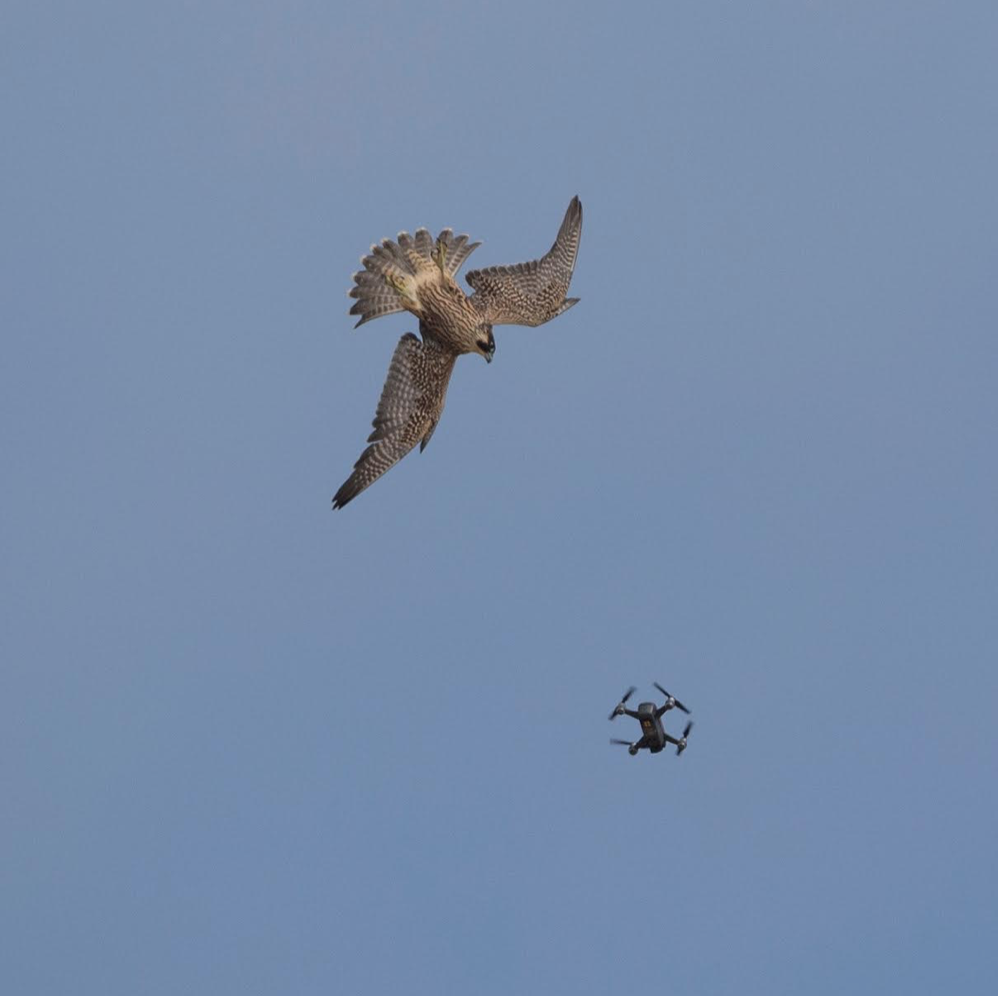
Ep 47How to use drones without stressing wildlife
On this episode of the podcast we discuss the increasing use of drones by wildlife lovers, researchers, and businesses, how these uses might be stressing animals out, and how drone users can make a meaningful contribution to science while avoiding wildlife harassment. Our guest is Alicia Amerson, a marine biologist, drone user ("pilot"), and science communicator. She tells us why it's critical to have best practices for drones in place not only to guide hobbyists making videos of whales or birds, but especially before companies like Amazon.com deploy fleets of drones in our skies. Episode artwork of falcon and drone courtesy of Shane Keena Photography. If you enjoy this podcast, please visit www.patreon.com/mongabay to pledge any amount to keep it growing. Mongabay is a nonproft media outlet, and all donations help. Thank you! And please invite your friends to subscribe via Android, Google Play, iTunes, Stitcher, TuneIn, or listen via Spotify.
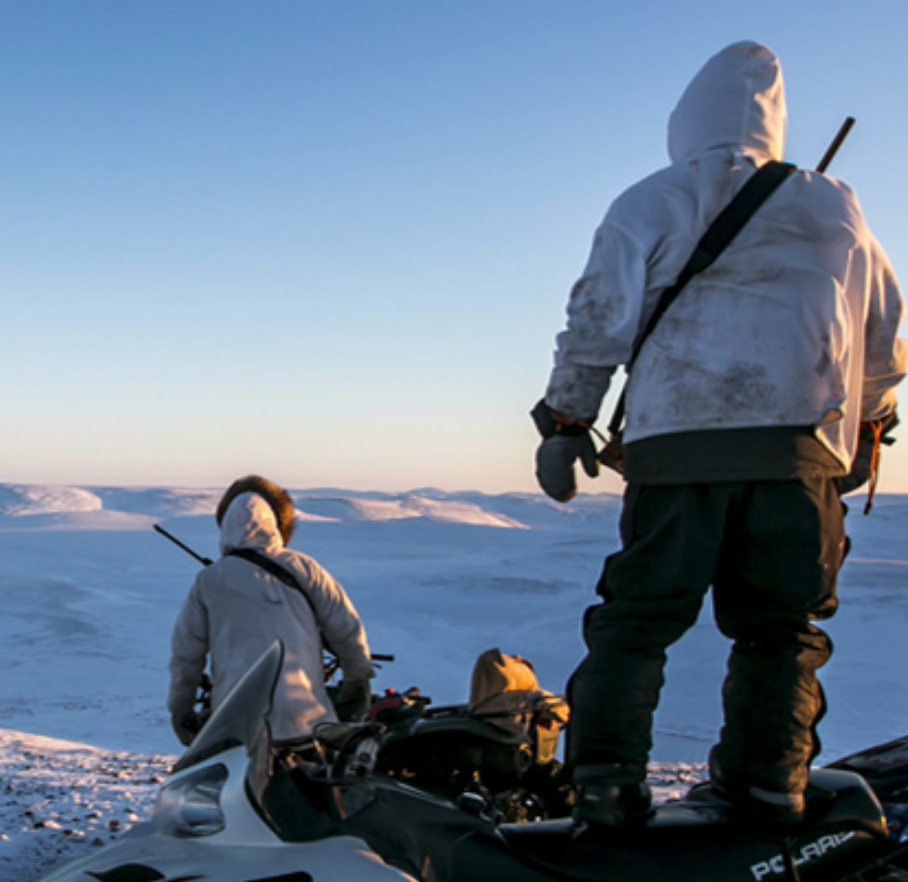
Ep 46Indigenous knowledge and climate science
Traditional indigenous knowledge and climate change is this episode's topic, with Snowchange Cooperative's Tero Mustonen: "Often in the past, science has been seen as quite [a] colonial tool by indigenous peoples," he says. "We are trying to say that we are co-researching, and these knowledge-holders in remote communities are scientists of their own kind." We also hear about Snowchange's ecological restoration and solar power projects, the latter of which empower women and kids in remote indigenous communities. If you enjoy this podcast, please visit www.patreon.com/mongabay to pledge any amount to keep it growing. Mongabay is a nonproft media outlet, and all donations help. Thank you! And please invite your friends to subscribe via Android, Google Play, iTunes, Stitcher, TuneIn, or listen via Spotify. Image courtesy of Nathaniel Wilder, nathanielwilder.com.

Ep 45What can soundscapes tell us about animals and their home landscapes?
In this episode, professor Anne Axel of Marshall University makes the case for a new field of bioacoustics research: soundscape phenology, the study of cyclical life events of plants and animals via sound recordings. She'll be keynoting the biennial Ecoacoustics Congress in Brisbane, Australia later this month on the topic, and gives us a preview while playing just a few of the recordings that have informed this research from the forests of Madagascar. We'd be very glad to have your support for this podcast, please visit www.patreon.com/mongabay to pledge any amount to keep this show growing. Thank you! And please invite your friends to subscribe via Android, Google Play, iTunes, Stitcher, TuneIn, or listen via Spotify.

Ep 44Mexico's community forests find sustainability by including women and youths
On this episode, a special report on community-based conservation and agroforestry operations known as ejidos in Mexico. Ejidos have proven to be effective at conserving forests while creating economic opportunities for the local rural communities who live and work on the land, but have also faced a threat to their own survival over the past decade as younger generations, seeing no place for themselves in the rigid structure of ejido governance, have left in large numbers. A lack of inclusion of women has also posed a challenge. But some ejidos are changing all that, and host Mike Gaworecki visited several of them and spoke with ejidatarios and youths plus outside experts. We'd be very glad to have your support for this podcast, please visit www.patreon.com/mongabay to pledge any amount to keep this show growing. Thank you! And please invite your friends to subscribe via Android, Google Play, iTunes, Stitcher, TuneIn, or listen via Spotify.
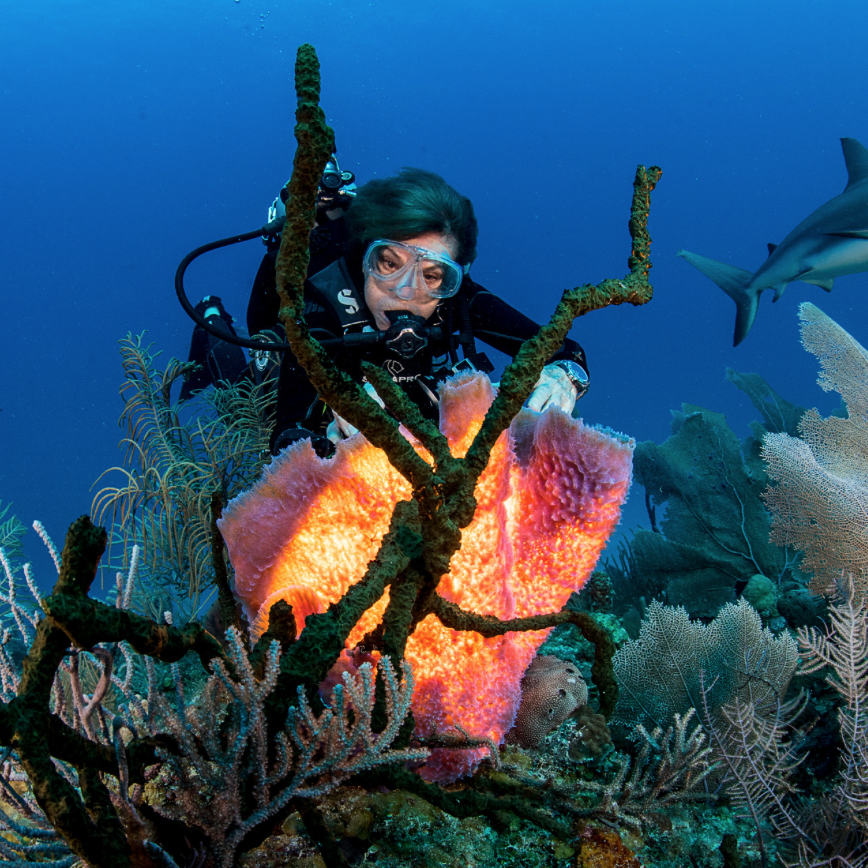
Ep 43Renowned marine biologist Sylvia Earle on acting for the oceans
Legendary oceanographer and marine biologist Sylvia Earle, often called "Her Deepness," is a National Geographic Explorer-in-Residence and former chief scientist at the US National Oceanic and Atmospheric Administration (NOAA). She's a fierce champion for ocean conservation in general and marine protected areas in particular. "The ocean has given us everything, life itself, now it's time to give back," she says in this wide ranging conversation with Mongabay. Despite difficult trends, she also reports being 'seriously optimistic.' We'd be very glad to have your support for this podcast, please visit www.patreon.com/mongabay to pledge any amount to keep this show growing. Thank you! And please invite your friends to subscribe via Android, Google Play, iTunes, Stitcher, TuneIn, or listen via Spotify.
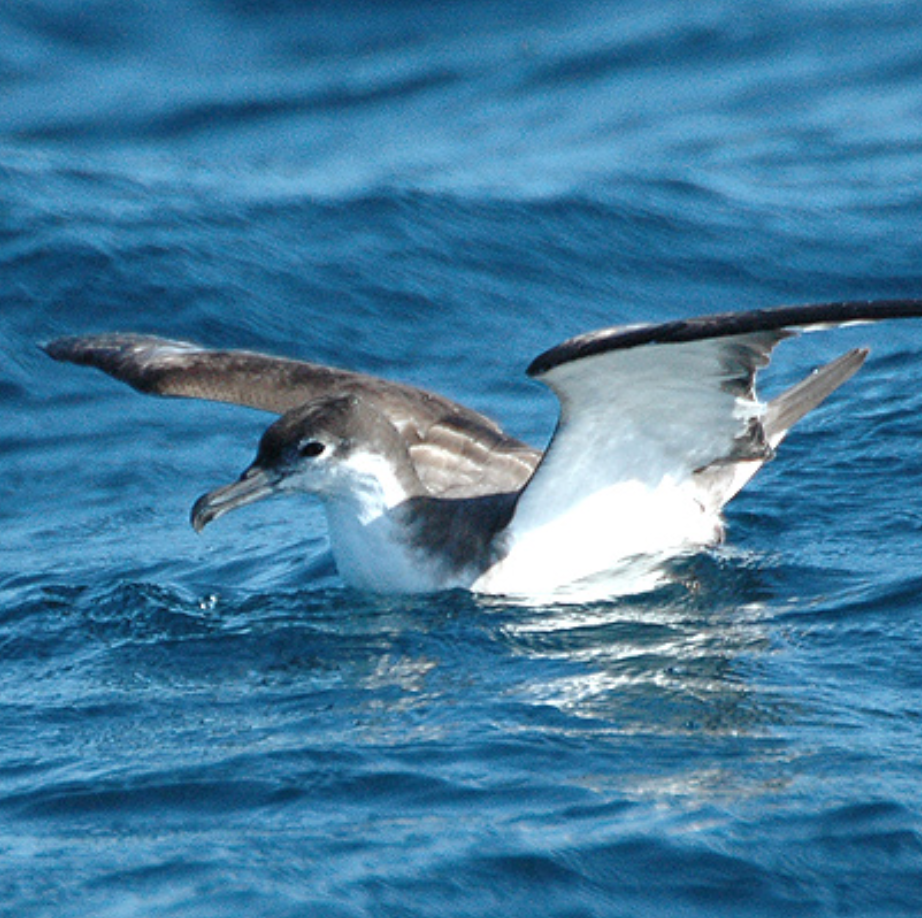
Ep 42Seabird secrets revealed by bioacoustics in New Zealand
Megan Friesen is a conservation biologist using bioacoustics technology to examine the breeding behavior of a secretive Pacific seabird called Buller's shearwater, which breeds on the remote Poor Knights Islands, off of northern New Zealand. In this Field Notes segment, Friesen explains why bioacoustics techniques are critical to the research she's doing with the Northern New Zealand Seabird Trust, and she plays recordings of the birds from both of the main islands where it breeds. If you like what you hear, we'd be very glad to have you as a supporter, so please visit www.patreon.com/mongabay to pledge any amount to keep this show growing. Thank you! And please invite your friends to subscribe via Android, Google Play, iTunes, Stitcher, TuneIn, or listen via Spotify.
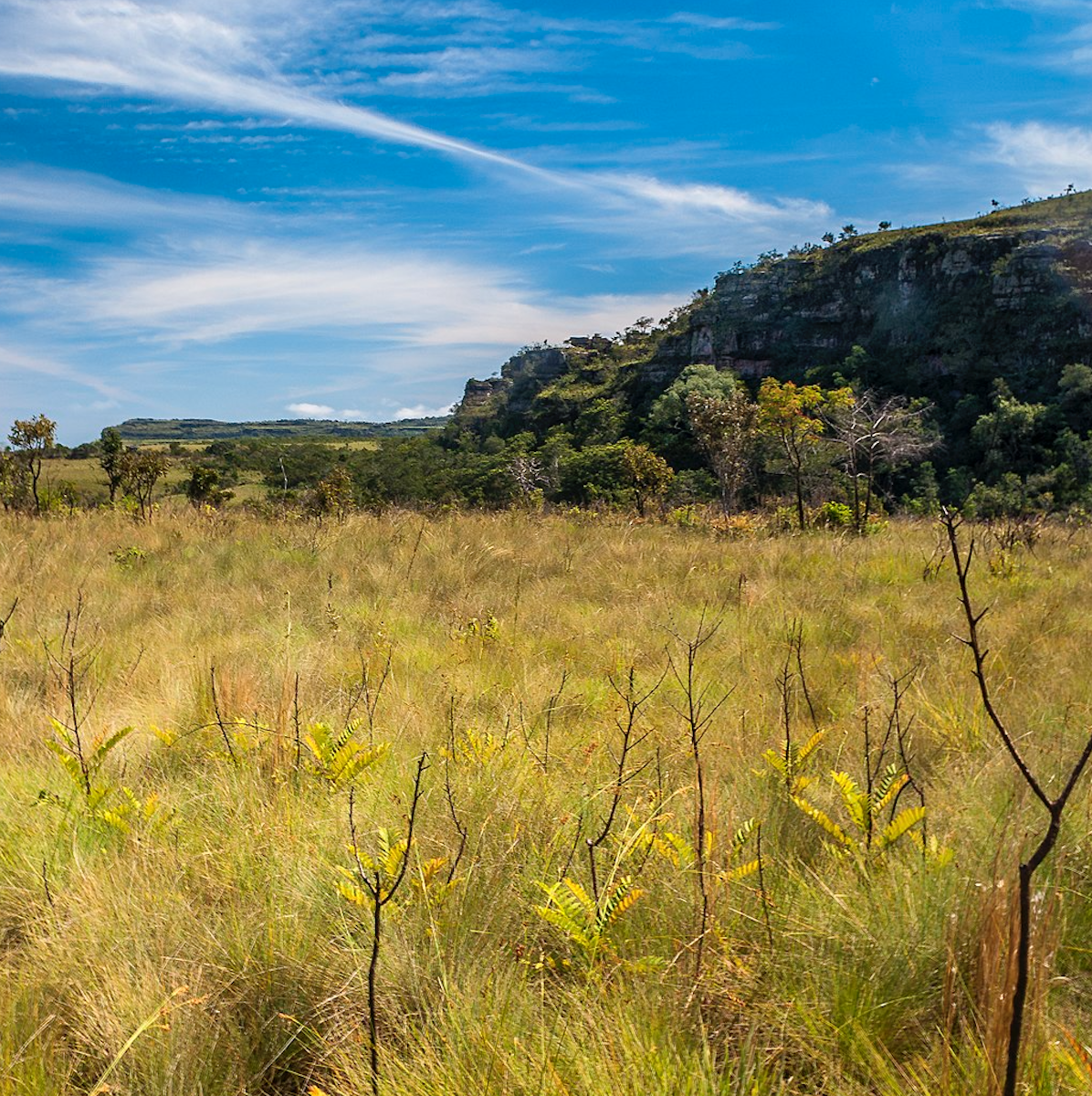
Ep 41Exploring Brazil's biodiverse Cerrado region and the impacts of agriculture
On this episode we discuss the impacts of agriculture on Brazil's Cerrado region, an incredibly biodiverse savannah supporting more than 10,000 plant species, 900 kinds of birds, and 300 different mammals. But it has long been overlooked by scientists and environmentalists alike, and as protecting the Amazon Forest became more of a priority, much agricultural production in Brazil has moved from the rainforest to the vast Cerrado. Mongabay sent two reporters there to learn about the effects of agriculture, and they join us to discuss this 'upside down' forest. If you like what you hear, please subscribe via Android, Google Play, iTunes, Stitcher, TuneIn, or look it up on Spotify, and tell a friend about the show. We'd also be very glad to have you as a supporter, so please visit www.patreon.com/mongabay to pledge any amount to keep this show growing. Thank you!

Ep 40Maroon 5 guitarist James Valentine on stopping illegal rainforest wood from becoming guitars
On this episode we speak with James Valentine, the multiple-Grammy-winning guitarist for Maroon 5 about his work to keep illegal and unsustainable rainforest wood out of musical instruments, and efforts to make concert tours more environmentally friendly. He has been to Peru and Guatemala to see the effects of illegal logging there, and he talks with us about his motivations for stopping this destructive trade. If you like what you hear, please subscribe via Android, Google Play, iTunes, Stitcher, TuneIn, or Spotify and tell a friend about the show. We'd also be very glad to have you as a supporter, so please visit www.patreon.com/mongabay to pledge any amount to keep this show growing. Thank you!
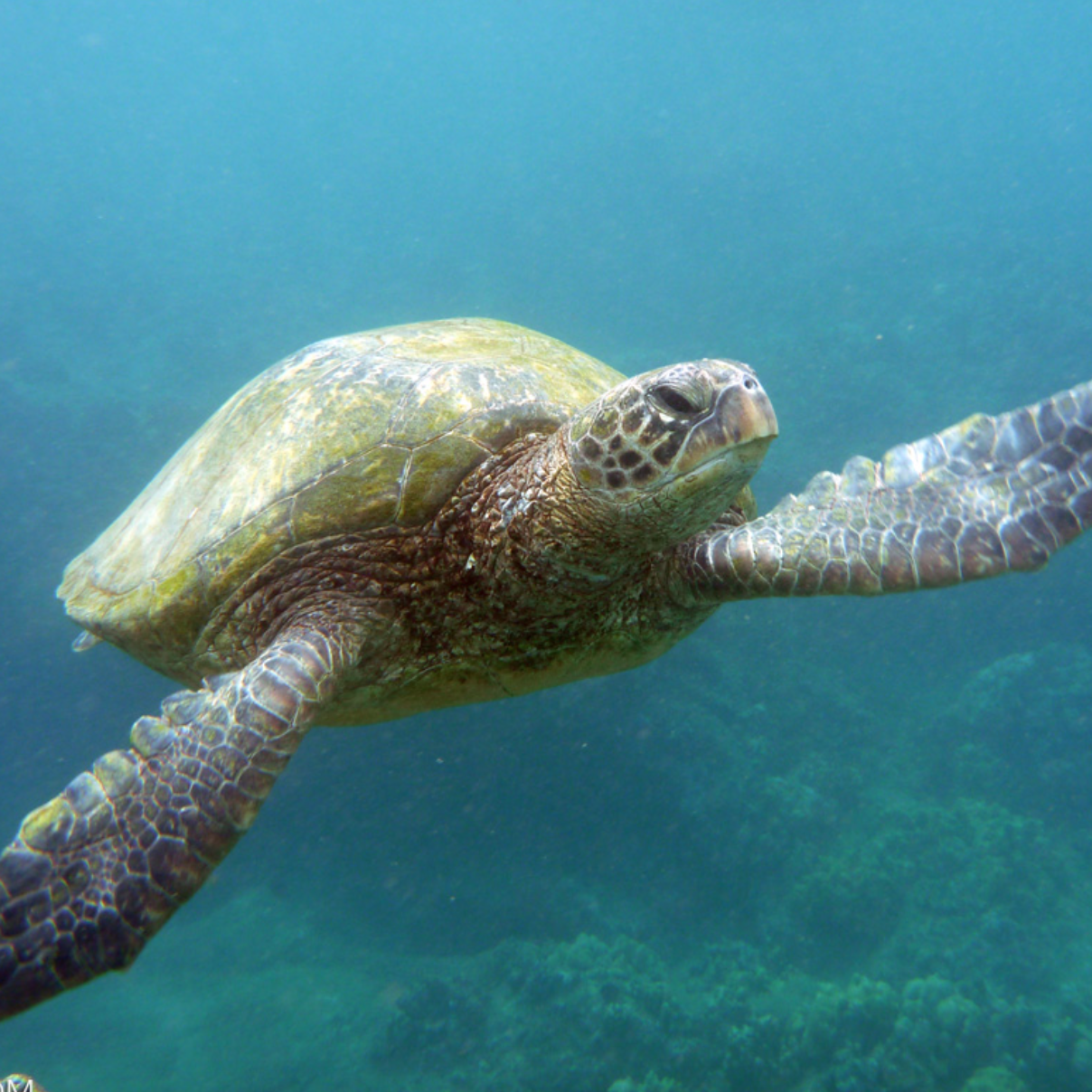
Ep 39Exploring our deep connection to water, plus the sounds of Sandhill crane migration
On this episode, we discuss humanity's deep connection to water and hear sounds of one of the most ancient animal migrations on Earth, that of the Sandhill crane. Our first guest is marine biologist and sea turtle conservationist Wallace J. Nichols, the author of Blue Mind: The Surprising Science That Shows How Being Near, In, On, or Under Water Can Make You Happier, Healthier, More Connected, & Better at What You Do. Then we speak with a team using bioacoustics to document the ecology and phenology of Sandhill cranes on the Platte River in the U.S. state of Nebraska, as the birds make a stopover during their annual northward migration. We play their spellbinding recordings of this amazing scene, plus we round up the recent top environmental & conservation science news! If you like what you hear, please subscribe and tell a friend about the show. And please help us improve the Mongabay Newscast by leaving a review on its page at Android, Google Play, iTunes, Stitcher, TuneIn, or wherever you subscribe to it.

Ep 38How effective is environmental restoration?
How effective is environmental restoration? On this episode, we seek answers to that question with Claire Wordley of Cambridge University, which has just debuted a much needed new project collecting the evidence, and examples of restoration from around the globe. We also speak with Becky Kessler, editor of Mongabay's ongoing series that examines how well a range of other conservation efforts work, about what this project has revealed. Plus we round up the recent top environmental & conservation science news! If you like what you hear, please subscribe and tell a friend about the show. And please help us improve the Mongabay Newscast by leaving a review on its page at Android, Google Play, iTunes, Stitcher, TuneIn, or wherever you subscribe to it.
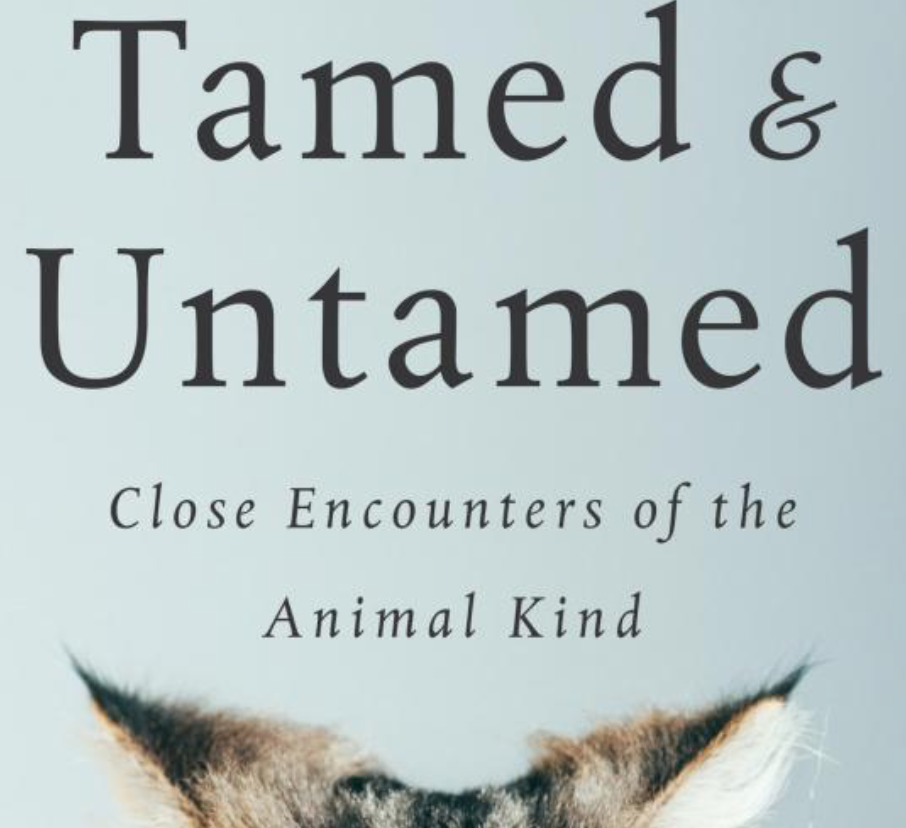
Ep 37Exploring the minds and inner lives of wild animals
On this episode we discuss the amazing minds and lives of animals — their memories, how even electric eels dream, the fact that some creatures like to get drunk (and why) — and we'll hear all about Mongabay's newly launched bureau in India. Author Sy Montgomery teamed up with her friend and fellow animal writer Elizabeth Marshall Thomas to write Tamed and Untamed: Close Encounters of the Animal Kind. Sy is the author of numerous other fascinating animal behavior titles, including "The Soul of an Octopus," which was a National Book Award finalist in the U.S. We also speak with Sandhya Sekar, she is Programme Manager for Mongabay's newest bureau, Monbabay-India, and she shares some fascinating stories that they're already covering. Plus we round up the recent top environmental & conservation science news! If you like what you hear, please subscribe and tell a friend about the show. And please help us improve the Mongabay Newscast by leaving a review on its page at Android, Google Play, iTunes, Stitcher, TuneIn, or wherever you subscribe to it.

Ep 36New eyes in the sky monitor Earth systems like never before
On this episode we dive into cutting-edge remote sensing technologies invented by Heinz Award-winner Greg Asner, the Carnegie Airborne Observatory, which his team uses to monitor ecosystems like rainforests and coral reefs. This airborne laser-guided lab can even see underwater to map reefs, find record-breaking individual rainforest trees that have escaped detection, and more. We also listen to bioacoustic recordings that are used to analyze species richness in tropical forests with a researcher from the University of Puerto Rico, Dr. Mitch Aide. Plus we round up the recent top environmental & conservation science news! Please help us improve the Mongabay Newscast by leaving a review on its page at Android, Google Play, iTunes, Stitcher, TuneIn, or wherever you subscribe to it. And if you like what you hear, please subscribe and tell a friend about the show!

Ep 35David Suzuki on why indigenous knowledge is critical for humanity's survival
On today's episode we feature a conversation with iconic Canadian scientist, author, television presenter, and activist David Suzuki. Suzuki is a biologist who's just as well known for his outspoken views on the need to protect nature. He is the author of more than 50 books and the host of the long-running science program The Nature of Things. He's also the founder of the David Suzuki Foundation and the Blue Dot Movement, which aims to enshrine the right to a healthy environment in the Canadian Constitution. Plus we round up the recent top environmental & conservation science news! Please help us improve the Mongabay Newscast by leaving a review on its page at Android, Google Play, iTunes, Stitcher, TuneIn, or wherever you subscribe to it. And if you like what you hear, please subscribe and tell a friend about this show!
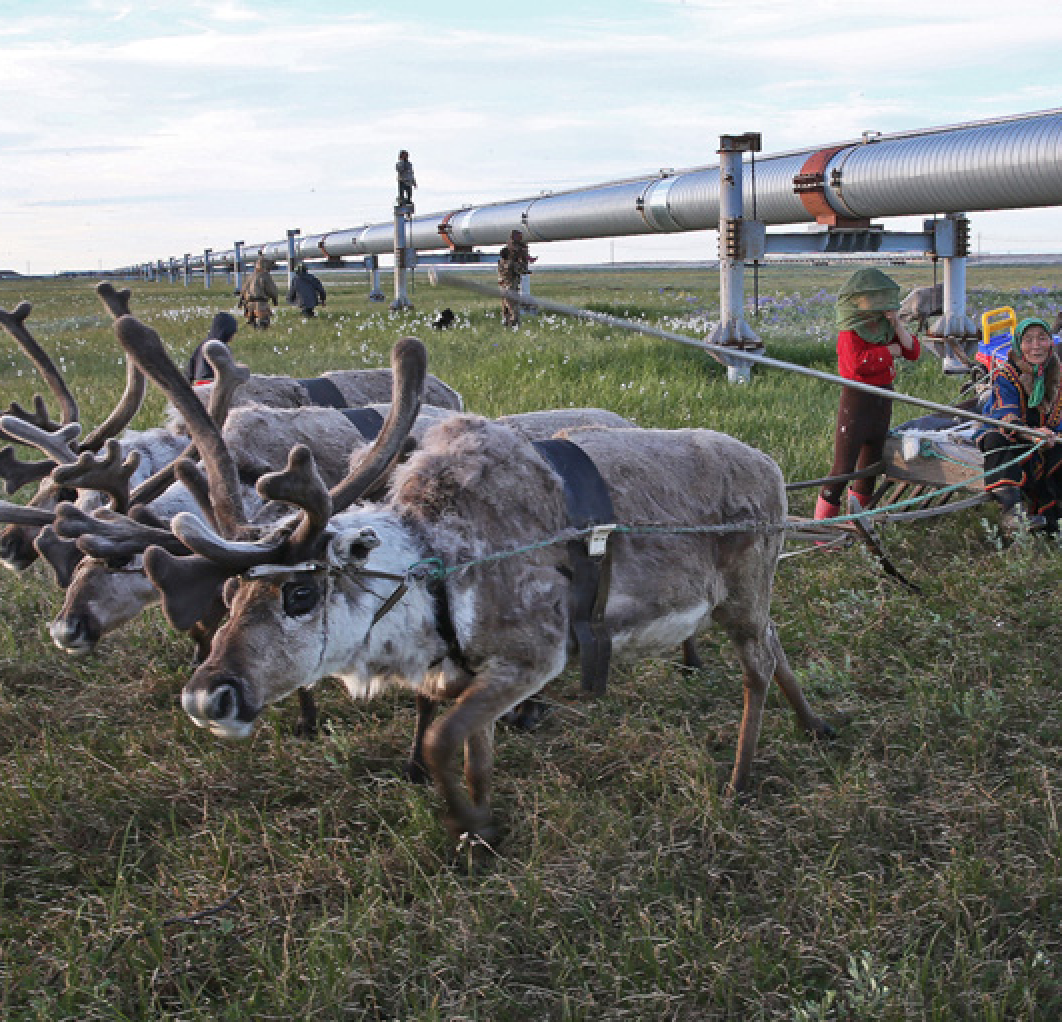
Ep 34Climate lessons from indigenous peoples, plus the mysterious night parrot
On the first episode of 2018, we speak with the author of a new book about the resilience of indigenous peoples in the face of climate change, and a researcher shares recordings of Australia's elusive night parrot. Plus we round up the recent top environmental news! Please help us improve the Mongabay Newscast by leaving a review on its page at Android, Google Play, iTunes, Stitcher, TuneIn, or wherever you subscribe to it. And if you like what you hear, please subscribe and tell a friend about this podcast!

Ep 33Massive Amazonian medicine encyclopedia gets an update, and Madagascar conservation efforts examined
We speak with Christopher Herndon, a medical doctor who as co-founder and president of Acaté Amazon Conservation, has been helping indigenous Matsés people document their traditional healing and plant knowledge in a massive 1,000 page encyclopedia, and in creating living pharmacies for the future. Also on the show is Mongabay contributor Rowan Moore Gerety, the writer behind our recent series on the effectiveness of conservation projects in Madagascar. The island nation has been a global conservation priority for decades, receiving hundreds of millions of dollars in conservation funds from international donors — but rising deforestation, commercial exploitation of wildlife, and degradation of critical habitats suggest that these conservation investments may not be reaching their full potential. Mongabay hired Gerety, a veteran radio and print journalist, to examine the factors that contribute to or hinder success with the aim of informing future conservation efforts. Plus we round up the recent top environmental news! Please help us improve the Mongabay Newscast by leaving a review on its page at Android, Google Play, iTunes, Stitcher, TuneIn, or wherever you subscribe to it. And if you like what you hear, please subscribe and tell a friend about this podcast!

Ep 32Margaret Atwood talks about birds, ecology, and her graphic novel series
Award-winning iconic writer Margaret Atwood recently tackled a medium she is not as well-known for: comic books. Her superhero series Angel Catbird "was a conservation project from the get-go," she tells us in this edition of the podcast, being an effort to shine a light on the plight of wild birds and the house cats who love to stalk them, plus other ecological themes. We also discuss her smash hit "The Handmaid's Tale" and other 'possible futures,' as she calls them. Then we speak with Tyler Gage, a co-founder of the beverage company Runa and author of "Fully Alive," a new book detailing the lessons he learned in the Amazon that led to the launch of Runa and its mission to partner with indigenous communities in business via plant medicine and agroforestry. Plus we round up the recent top environmental news! Please help us improve the Mongabay Newscast by leaving a review on its page at Android, Google Play, iTunes, Stitcher, TuneIn, or wherever you subscribe to it. And if you like what you hear, please subscribe and tell a friend about this podcast!
Ep 31Jane Goodall on being proven right that animals have personalities, and more
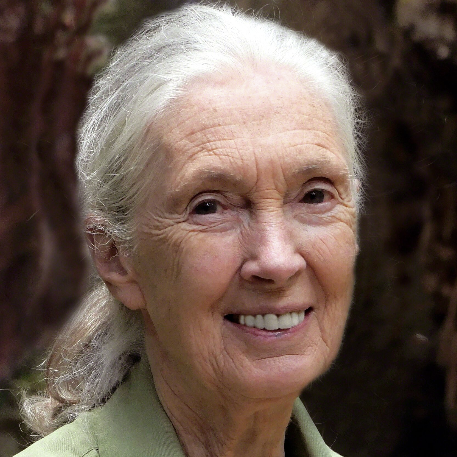
Mongabay is lucky to have Jane Goodall on its Advisory Board, and just before founder and CEO Rhett Butler was scheduled to speak with her most recently, research came out that vindicated her contention, which she's held for nearly 60 years, that animals have personalities, so we recorded her thoughts about that for the Mongabay Newscast. "Quite honestly I think almost everybody recognized that animals have personalities, whether they were in the wild or whether they weren't," she says. Other topics discussed include trophy hunting, activism, and hope for the future (a full transcript will be available at Mongabay.com on 11/17/17). Our second guest is reporter Justin Catanoso, who is covering the UN Climate Change conference (COP23) for Mongabay this week, and he joins us from the event in Bonn, Germany. Plus we round up the top environmental news. Please help us improve the Mongabay Newscast by leaving a review on its page at Android, Google Play, iTunes, Stitcher, TuneIn, or wherever you subscribe to it. And if you like what you hear, please subscribe and tell a friend about this podcast!
Ep 30Gas drilling vs wildlife in Peruvian Amazon and a Goldman Prize winner on mercury contamination
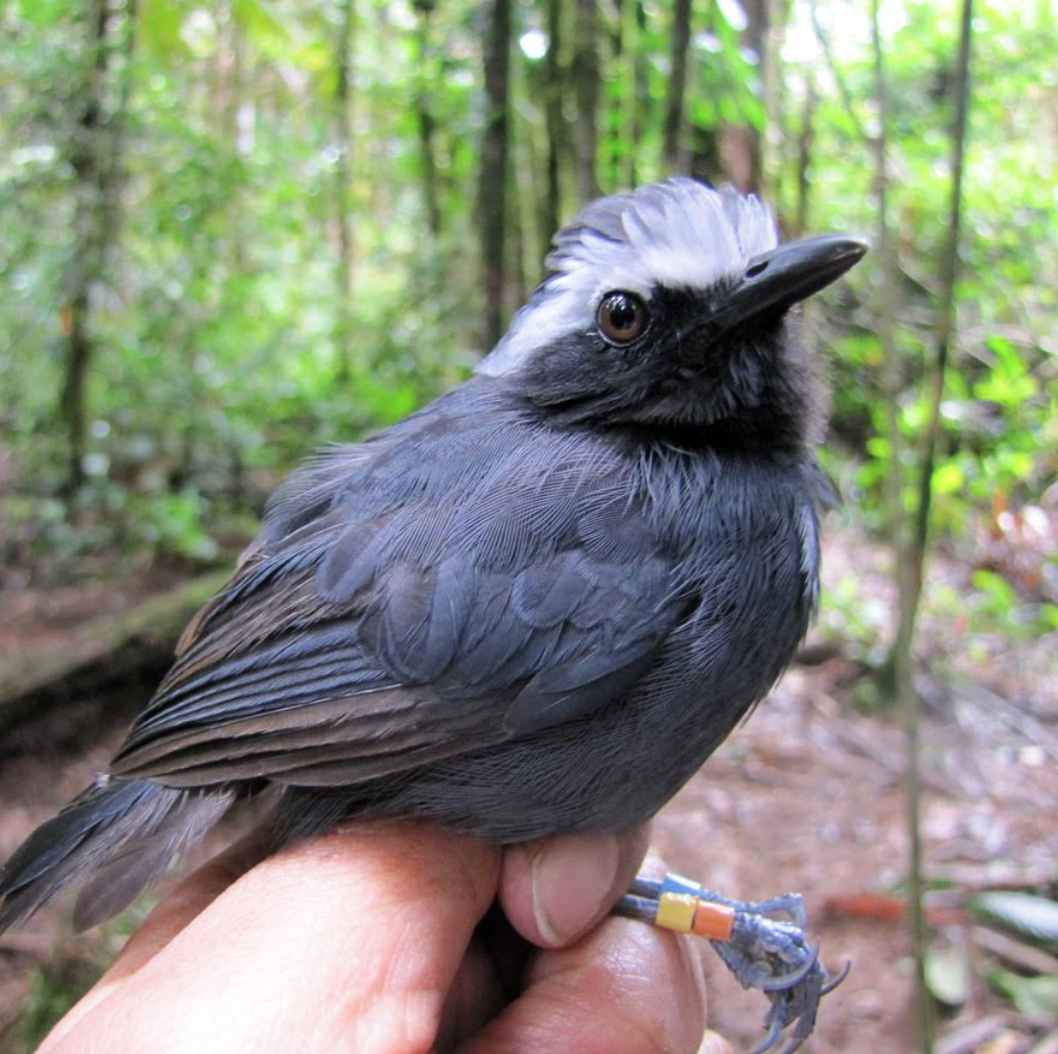
In this episode we discuss new science on the impacts on birds and amphibians of drilling for natural gas in the tropics with a Smithsonian researcher, and a Goldman Prize winner discusses her ongoing campaign to rid mercury contamination from the environment, which is (still) having alarming human health effects. Plus we round up the top environmental news. Please help us improve the Mongabay Newscast by leaving a review on its page at Android, Google Play, iTunes, Stitcher, TuneIn, or wherever you subscribe to it. And if you like what you hear, please tell a friend about this podcast!

Ep 29Bat calls from the Amazon plus how Indonesia's rainforests became palm plantations
Mongabay editor Phil Jacobson joins the Newscast to discuss a new investigative reporting project in collaboration with The Gecko Project called "Indonesia For Sale" about the land deals — and the powerful politicians and businessmen behind them — that have converted vast areas of Indonesian rainforest to industrial palm oil plantations for personal profit. Then we speak with Adrià López-Baucells, whose acoustic studies of bats in the central Amazon reveal the effects of Amazon forest fragmentation on bat foraging behavior. In this Field Notes segment, López-Baucells plays some of the recordings he captured and also explains how this audio led to some species being found in the central Amazon for the first time. Plus we round up the past two weeks' top news. Please help us improve the Mongabay Newscast by leaving a review on its page at Android, Google Play, iTunes, Stitcher, TuneIn, or wherever you subscribe to it. And if you like what you hear, please tell a friend about this podcast!
Ep 28Javan rhino calls and an analysis of 'green' forest certification
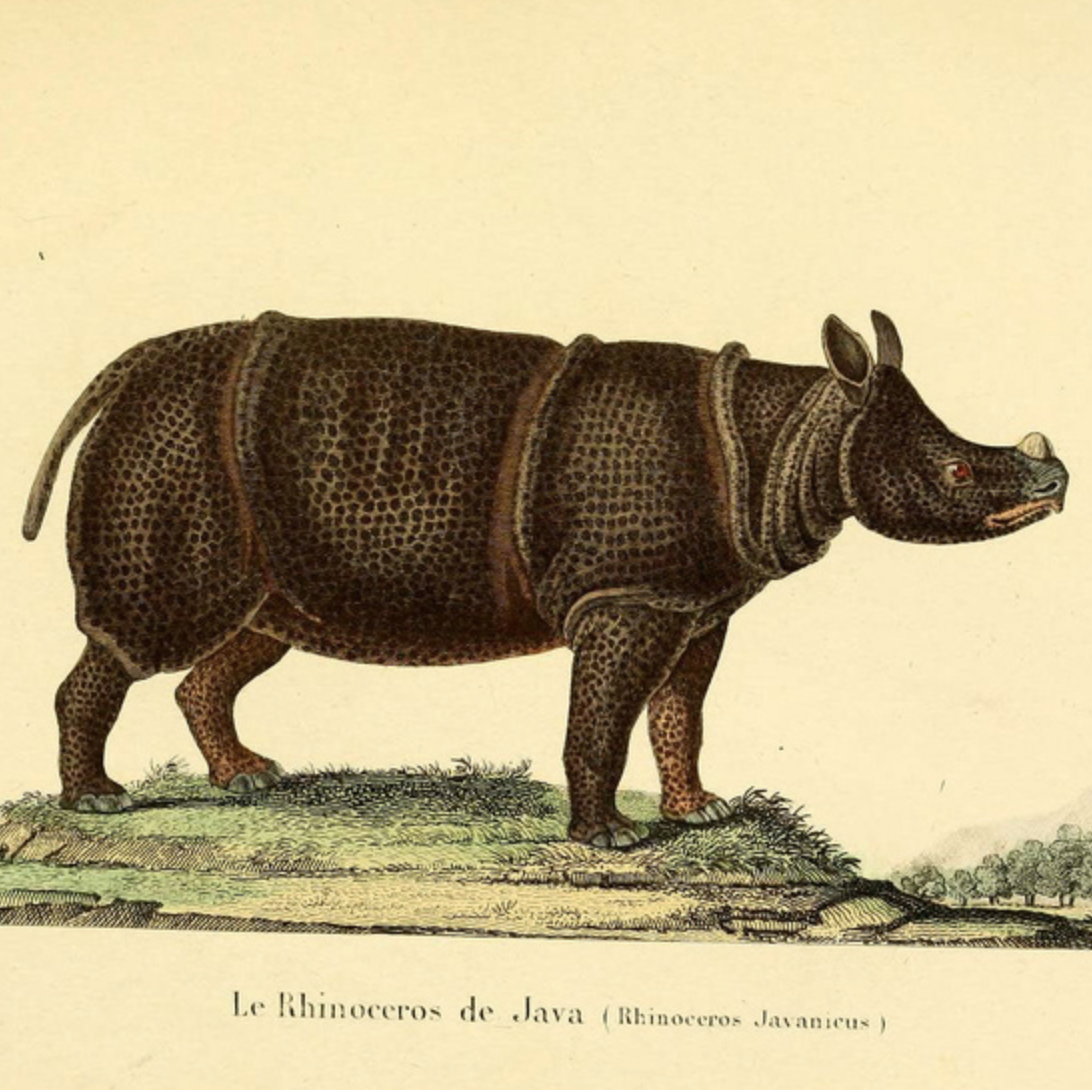
On this week's show we speak with Princeton University's Zuzana Burivalova about whether forest certification schemes like the Forest Stewardship Council (FSC) are actually achieving their environmental, social, and economic goals. Whether they do or not has massive implications for forest conservation worldwide, and while the evidence is hard to find, this tropical forest ecologist has interesting findings to share. Our second guest is Steve Wilson, who has just written a new paper on Javan rhino vocalizations. He plays some recordings of these fascinating sounds and discusses what they mean. Plus we round up the past two weeks' top news. Please help us improve the Mongabay Newscast by leaving a review on its page at Android, Google Play, iTunes, Stitcher, TuneIn, or wherever you subscribe to it. And if you like what you hear, please tell a friend about this podcast!
Ep 27Legendary musician Bruce Cockburn on music, activism, and hope
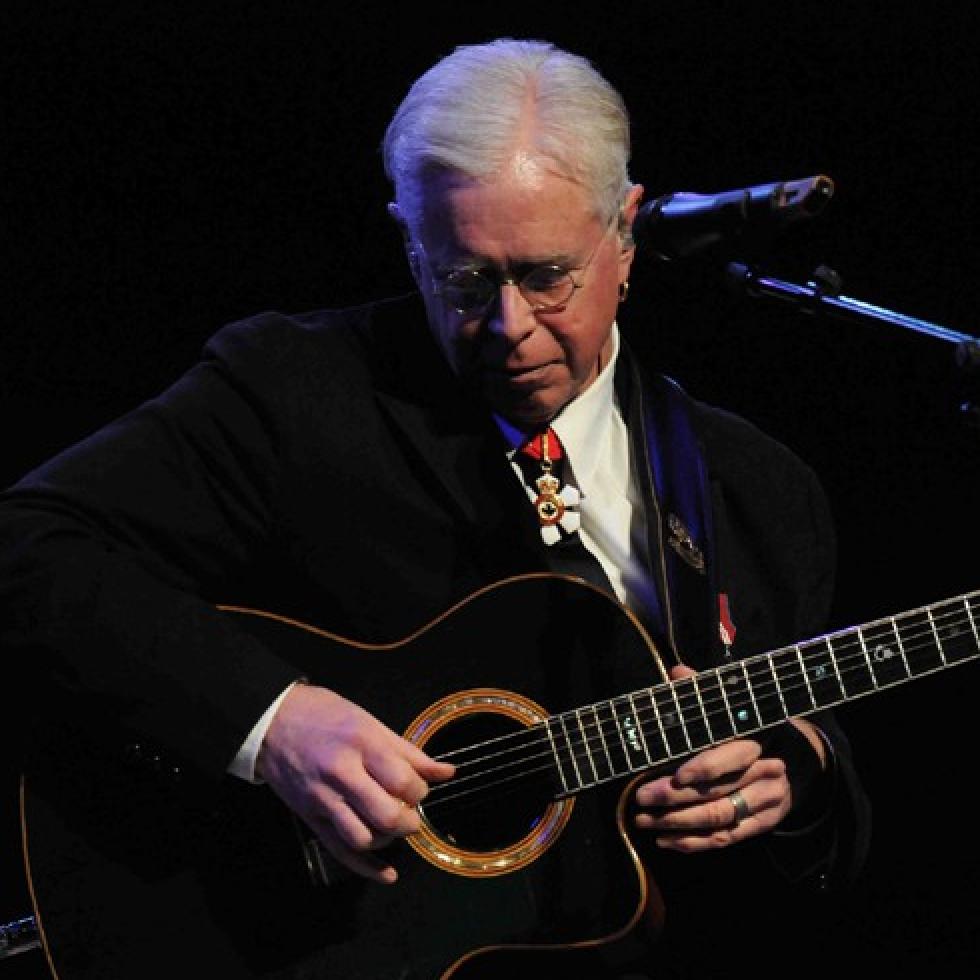
Bruce Cockburn is well known for his outspoken support of environmental and humanitarian causes, and his multi-decade career has yielded 33 records, including his latest, Bone On Bone. This week, he will be inducted into the Canadian Songwriters Hall of Fame alongside another outspoken icon, Neil Young. We spoke with Cockburn about how he came to his ecological worldview, why he wrote iconic songs like "If a Tree Falls" and "If I Had A Rocket Launcher," as well as similar songs on his new record, and we also discuss where he finds hope for the future. Our second guest is Amanda Lollar, founder and president of Bat World Sanctuary, a wildlife rehabilitation center in Texas. Lollar discusses the efforts of a number of dedicated wildlife rehabbers who took action in the wake of Hurricane Harvey to rescue wild animals in Houston and other impacted areas. Plus we round up the past two weeks' top news. Please help us improve the Mongabay Newscast by leaving a review on its page at Android, Google Play, iTunes, Stitcher, TuneIn, or wherever you subscribe to it. If you like what you hear, please tell a friend about this podcast. Photo courtesy of the Office of the Lieutenant Governor of Ontario.

Ep 26From AI to remote sensing, tech and conservation a powerful combo
On this episode we take a look at the role technology plays in conservation efforts. First we speak with Topher White of Rainforest Connection, which deploys used cell phones in tropical forests around the world to provide real-time monitoring of forests and wildlife. Its network alerts local communities when illegal logging activities are taking place and can then be stopped, for example. Then we speak with Matthew Putman, he's the CEO of Nanotronics and an applied physicist with a keen interest in conservation. We discuss some of the technologies that he sees making the biggest contributions to the way we approach conservation, and why he believes these advances can help turn the tide against environmental degradation. Plus we round up the past weeks' top news. Please help us improve the Mongabay Newscast by leaving a review on its page at Android, Google Play, iTunes, Stitcher, TuneIn, or wherever you subscribe to it. Thanks, and we also hope you will tell a friend about this podcast!
Ep 25New Madagascar mine worries locals and lemurs; plus, banjo frogs and whistling ducks in Australia
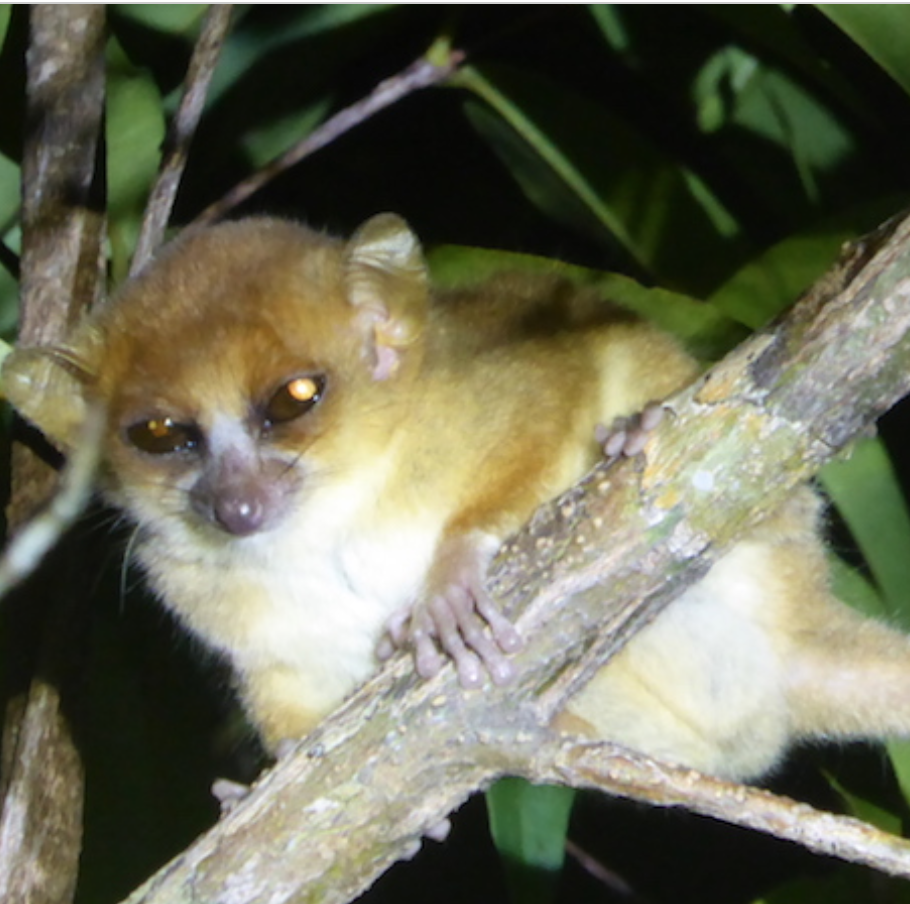
Our first guest for this edition of the Mongabay Newscast is Eddie Carver, a Mongabay contributor based in Madagascar who recently reported about a troubled company that is hoping to mine rare earth elements in Madagascar's Ampasindava peninsula, to make electronic gadgets. This is a highly biodiverse region that is home to numerous endangered lemur species, some of which live nowhere else on Earth. Then we speak with Jo Wood, an Environmental Water Project Officer in Victoria, Australia. In this Field Notes segment, Wood plays for us the calls of a number of indicator species like whistling ducks and "pobblebonks" (also called "banjo frogs") which appear when her team floods their dried up wetland home -- this audio evidence helps her assess the overall success of the "rewetting program" and the health of the wetlands ecosystem. Please help us improve the Mongabay Newscast by leaving a review on its page at Android, Google Play, iTunes, Stitcher, TuneIn, or wherever you subscribe to it. Thanks, and we also hope you will tell a friend about this podcast!

Ep 24Speaking from the heart on climate change with Katherine Hayhoe
"It was a complete breakthrough for me to realize that sharing from the heart, which is the opposite of what we're taught to do as scientists, was the way for me to connect with people," Katharine Hayhoe, an atmospheric scientist, tells us in this episode of the Mongabay Newscast. She is an acclaimed climate communicator and a professor at Texas Tech University and last year, she teamed up with her local TV station to write and produce a web series called "Global Weirding," which tackles common questions, misconceptions, and myths around climate science, politics, and religion. We check in with Hayhoe right as she's in the midst of shooting Season 2 of "Global Weirding." We are also joined by Branko Hilje Rodriguez, a PhD student from Costa Rica, where he's studying the soundscapes of different successional stages of the tropical dry forest in Santa Rosa National Park, the largest remaining remnant of tropical dry forest in Mesoamerica. In this Field Note segment, Hilje Rodriguez plays for us a number of the recordings he's made in the park, allowing us to hear the sounds of the dry forest during different stages of regrowth and different seasons, as well as some of the iconic bird species that call the dry forest home. Please help us improve the Mongabay Newscast by leaving a review on its page at Android, Google Play, iTunes, Stitcher, TuneIn, or wherever you subscribe to it. Thanks!

Ep 23Taiwan's natural soundscapes and a critique of the global hydropower building boom
On this episode of the Mongabay Newscast we speak with Sarah Bardeen, the communications director for the NGO International Rivers. Bardeen wrote a commentary for Mongabay recently after attending an international gathering of river defenders, who face harassment, intimidation, and worse for their opposition to massive hydropower projects. We also speak with Yannick Dauby, who has been making field recordings throughout the small country of Taiwan. In this Field Notes segment, Dauby plays a recording of his favorite singer, a frog named Rhacophorus moltrechtpi, the sounds of the marine life of Penghu, the calls bats, and more. Please help us improve the Mongabay Newscast by leaving a review on its page at Android, Google Play, iTunes, Stitcher, TuneIn, or wherever you subscribe to it. Thanks!

Ep 22A wildlife DJ and a children's book author inspiring the next generation of conservationists
On this episode of the Mongabay Newscast, we take a break from our usual science reporting to look at some of the ways nature inspires people to create art — and how they in turn use that art to inspire others to protect the natural world and its inhabitants. Our first guest is Ben Mirin, aka DJ Ecotone, an explorer, wildlife DJ, educator, and television presenter who creates music from the sounds of nature to help inspire conservation efforts. He'll explain the art and science of his recordings and play several songs he composed. We also speak with Cleve Hicks, author of a new children's book called A Rhino to the Rescue: A Tale of Conservation and Adventure, not only to express his love of nature but to raise awareness of the poaching crisis decimating Africa's rhino population. If you'd like to share your acoustic ecology work with us during a future edition of the show, log on to Twitter and send us a link to a recording you made and any info about the science the clip conveys using the hashtag #Sciencesoundslike. Please help us improve the Mongabay Newscast by leaving a review on its page at Android, Google Play, iTunes, Stitcher, TuneIn, or wherever you subscribe to it!
Ep 21Indonesia's Leuser Ecosystem under threat, plus tracking bird movement in Puerto Rico
On this episode we welcome Gemma Tillack, agribusiness campaign director of the Rainforest Action Network, which has been very active in the global campaign to protect Indonesia's Leuser Ecosystem, one of the richest, most biodiverse tropical forests on the planet that is at risk of being turned into oil palm plantations. Tillack explains just what makes Leuser so unique and valuable and how consumers can help decide the fate of the region. And in the latest Field Notes segment, research ecologist Marconi Campos Cerqueira discusses a recently completed a study that used bioacoustic monitoring to examine bird ranges in the mountains of Puerto Rico, which appear to be shifting related to climate change, and he'll share some of his recordings with us. Please help us improve the Mongabay Newscast by leaving a review on its page at Android, Google Play, iTunes, Stitcher, TuneIn, or wherever you subscribe to it.