
Mongabay Newscast
377 episodes — Page 5 of 8

Ep 141Mongabay Explores New Guinea: Who is destroying these rainforests? The Tanah Merah mystery.
bonusMongabay Explores is an episodic podcast series that highlights unique places and species from around the globe. The Tanah Merah project sits in the heart of New Guinea covering 2,800 square kilometers (1,100 square miles). Roughly twice the size of Greater London, it threatens not only dense, primary, tropical rainforest and Indigenous land, but also could release as much carbon as the U.S. state of Virginia emits by burning fossil fuels for an entire year. However, the true owners of the project have been hidden by a web of corporate secrecy for more than a decade. We speak with Philip Jacobson, senior editor at Mongabay, and Bonnie Sumner, investigative reporter at the Aotearoa New Zealand news outlet Newsroom, to discuss the project from inception to present day, the involvement of a New Zealand businessman, and where the project could go next. Related Reading: The Secret Deal to Destroy Paradise New Zealand developer denies key role in giant palm oil project in Indonesia If you missed the first five episodes of Mongabay Explores New Guinea, you can find them via the podcast provider of your choice, or locate all episodes of the Mongabay Explores podcast on our podcast homepage here. Episode Artwork: Rainforest in Boven Digoel. Image by Ulet Ifansasti for Greenpeace. Sounds heard during the intro and outro include the following: rusty mouse-warbler, growling riflebird, raggiana/lesser bird-of-paradise, superb fruit-dove, long-billed honeyeater, little shrike-thrush, brown cuckoo-dove, black-capped lory. Special thanks to Tim Boucher and Bruce Beehler for identifying them. Please invite your friends to subscribe to Mongabay Explores wherever they get podcasts. If you enjoy our podcast content, please visit www.patreon.com/mongabay to pledge a dollar or more to keep the show growing, Mongabay is a nonprofit media outlet and all support helps! See all our latest news from nature's frontline at Mongabay's homepage: news.mongabay.com or find us on Facebook, Twitter, Instagram and TikTok by searching for @mongabay. Feedback is always welcome: [email protected].

Ep 141Outstanding in the field: researchers head out for a new season
It's the start of field research season in many regions--and some scientists haven't gotten afield since the pandemic started--so we're checking in with a couple researchers to hear what they're planning to work on, out there in the bush. Our first guest is Meredith Palmer, a post-doctoral researcher at Princeton University whose field work this season is testing new conservation technologies like the BoomBox, an open‐source device that attaches to commercially available camera traps and turns them into an automated behavioral response systems. Also on the show is Ummat Somjee, a researcher based out of the Smithsonian Tropical Institute in Panama. He uses insects as models to understand the evolution of extreme structures in animals, like the tusks of elephants or the horns of antelopes. Here are their studies mentioned in this episode: • Palmer, M. S., Wang, C., Plucinski, J., & Pringle, R. M. (2022). BoomBox: An Automated Behavioural Response (ABR) camera trap module for wildlife playback experiments. Methods in Ecology and Evolution, 13(3), 611-618. doi:10.1111/2041-210X.13789 • Somjee, U., Powell, E. C., Hickey, A. J., Harrison, J. F., & Painting, C. J. (2021). Exaggerated sexually selected weapons maintained with disproportionately low metabolic costs in a single species with extreme size variation. Functional Ecology, 35(10), 2282-2293. doi:10.1111/1365-2435.13888 If you enjoy the Mongabay Newscast, please visit www.patreon.com/mongabay to pledge a dollar or more to keep the show growing, Mongabay is a nonprofit media outlet and all support helps! See all our latest news from nature's frontline at Mongabay's homepage: news.mongabay.com or find us on Facebook, Twitter, and Instagram by searching for @mongabay. Please share your thoughts and ideas! [email protected].

Ep 140Mongabay Reports: Degraded forests still provide immense value
bonusA recent study conducted in Malaysian Borneo shows that degraded forests can still provide immense value. The study details five key ecological services provided by degraded forests to Indigenous communities. Yet a government effort aims to convert degraded forests in Malaysian Borneo into timber plantations, despite the fact that researchers say these ecological services cannot be replaced with plantations. This episode features the popular article, "Even degraded forests are more ecologically valuable than none, study shows," by Sheryl Lee Tian Tong: https://news.mongabay.com/2022/02/even-degraded-forests-are-more-ecologically-valuable-than-none-study-shows/ Please invite your friends to subscribe to the Mongabay Newscast via Apple Podcasts or wherever they get podcasts, or download our free app in the Apple App Store or in the Google Store to have access to our latest episodes at your fingertips. If you enjoy this series, please visit www.patreon.com/mongabay to pledge a dollar or more to keep the show growing, Mongabay is a nonprofit media outlet and all support helps! See all our latest news from nature's frontline at Mongabay's homepage: news.mongabay.com or find us on Facebook, Twitter, and Instagram by searching for @mongabay. Photo Credit: Rainforest rainbow in Sabah. Photo credit: Rhett A. Butler/Mongabay
Ep 140Indigenous peoples: the world's top conservationists
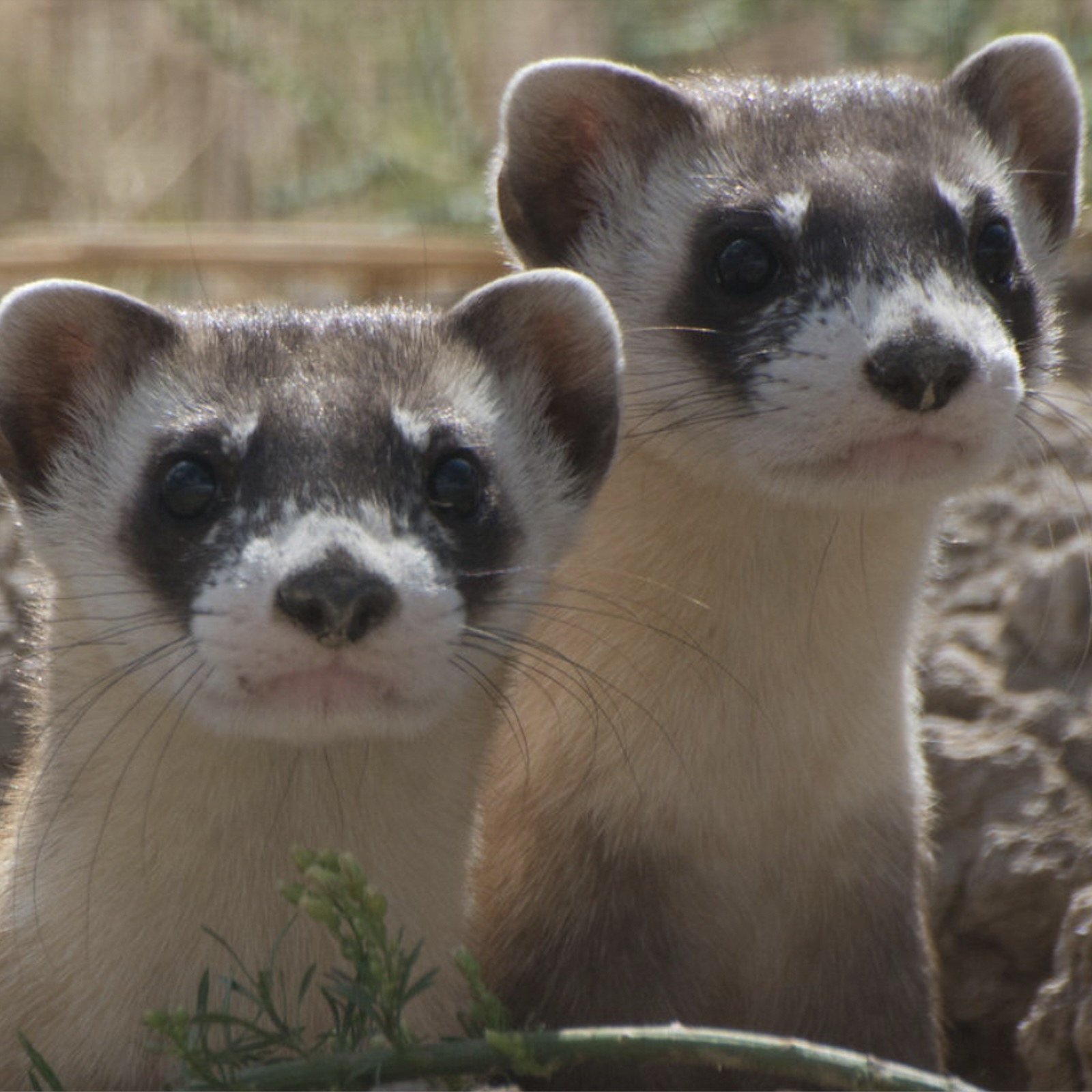
There's growing recognition of how vital Indigenous-led conservation practices are to protecting the planet. Because of this, there's a growing global movement to secure Indigenous land rights, toward safeguarding the Earth's future. And there's plenty of science to support it, such as a World Bank study which found that although Indigenous lands account for less than 22% of the world's land area, their territories protect 80% of the world's biodiversity. This protection is not passive: in fact, Indigenous-led preservation projects are a vital part of the conservation movement across the world and in the United States. On this pre-Earth Day episode, we speak with two guests: the director of the Native American Fish and Wildlife Society – Julie Thorstenson, a member of the Cheyenne River Sioux Tribe – about how America's 574 tribes manage more than 140 million acres of land, and which have scientists working to reintroduce and protect endangered or declining wildlife, from bison to condors, salmon, and ferrets. We also discuss the history of Indigenous-led conservation in North America with award-winning author Michelle Nijhuis, whose latest book "Beloved Beasts" – about the history of the modern conservation movement told through the lives and ideas of the people who built it, including Native Americans – is now out in paperback. Related reading at Mongabay.com, featuring Dr. Thorstensen: "Underfunded but passionate, Native American conservationists call for more support" Please invite your friends to subscribe to the Mongabay Newscast wherever they get podcasts like Apple Podcasts, or download our free app in the Apple App Store or in the Google Store to get access to our latest episodes at your fingertips. Episode artwork: Endangered black-footed ferrets have benefited hugely from the conservation work of multiple Native American communities. Image courtesy of Kimberly Fraser/USFWS. If you enjoy the Newscast, please visit www.patreon.com/mongabay to pledge a dollar or more to keep the show growing, Mongabay is a nonprofit media outlet and all support helps! See all our latest news from nature's frontline at Mongabay's homepage: news.mongabay.com or find us on Facebook, Twitter, and Instagram by searching for @mongabay. Please share your thoughts and ideas! [email protected].

Ep 139Mongabay Explores New Guinea: 'Ghosts of the rainforest'
bonusMongabay Explores is an episodic podcast series that highlights unique places and species from around the globe. New Guinea's dense tropical montane forests are home to 12 of 14 tree kangaroo species. Over the past couple of decades, conservationists have leveraged these charismatic, intelligent marsupials to spearhead community development, conservation efforts, and the establishment of protected areas. In Papua New Guinea, the Torricelli mountain range is home to three species of tree kangaroo, including the critically endangered tenkile. This mountain range sits in the crosshairs of a road project threatening to encroach upon the region; however, the government is in the process of reviewing a draft proposal to have it officially declared a protected area. For this episode of the podcast, we speak with Jim Thomas of the Tenkile Conservation Alliance and Lisa Dabek and Modi Pontio of the Tree Kangaroo Conservation Program. They detail the successes and challenges of working for nearly two decades in PNG to conserve these intelligent marsupials and the lands they inhabit. If you missed the first four episodes of Mongabay Explores New Guinea you can find them via the podcast provider of your choice or find all the episodes of the Mongabay Explores podcast on our podcast homepage here. Episode Artwork: A tree kangaroo, photo courtesy of Tom Jefferson/Greenpeace. Sounds heard during the intro and outro include the following: rusty mouse-warbler, growling riflebird, raggiana/lesser bird-of-paradise, superb fruit-dove, long-billed honeyeater, little shrike-thrush, brown cuckoo-dove, black-capped lory. Special thanks to Tim Boucher and Bruce Beehler for identifying them. Please invite your friends to subscribe to Mongabay Explores via Apple Podcasts or wherever they get podcasts. If you enjoy our podcast content, please visit www.patreon.com/mongabay to pledge a dollar or more to keep the show growing, Mongabay is a nonprofit media outlet and all support helps! See all our latest news from nature's frontline at Mongabay's homepage: news.mongabay.com or find us on Facebook, Twitter, Instagram and TikTok by searching for @mongabay. Feedback is always welcome: [email protected].
Ep 139Are 'nature based solutions' the best fix for climate change?
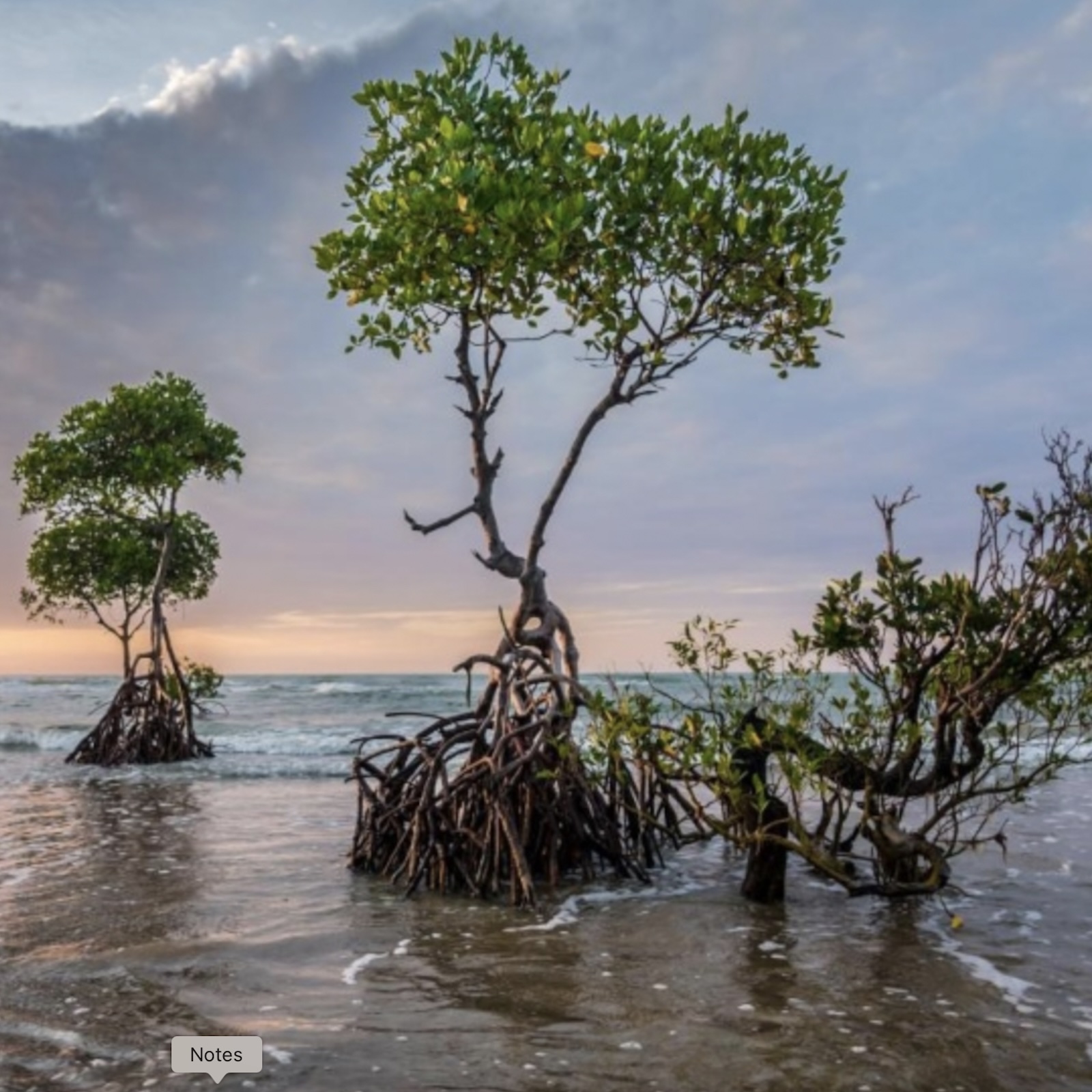
On this episode we discuss mangrove restoration and other "nature based solutions" (NBS) to climate change. Now promoted as the best strategy to slow climate change--and encompassing an array of solutions from reforestation to ecosystem restoration--critics point out that they also have numerous pitfalls that must be guarded against. Mangrove restoration and other 'blue carbon' projects are a common NBS program one hears about, so host Mike G. speaks with Alfredo Quarto, co-founder of the Mangrove Action Project, who shares why mangrove forests are so globally important & what successful restoration projects look like. Norah Berk also joins the show: she's a policy advisor on climate change and forests at the Rainforest Foundation UK, who explains that NBS have, in many cases, been co-opted by corporations that are using them as carbon offset schemes, and discusses why she thinks land titling for Indigenous and local communities is a better solution to climate change which the world should be focusing on. Further reading: • "At a plantation in Central Africa, Big Oil tries to go net-zero" Please invite your friends to subscribe to the Mongabay Newscast wherever they get podcasts like Apple Podcasts, or download our free app in the Apple App Store or in the Google Store to get access to our latest episodes at your fingertips. Episode artwork: Mangrove trees growing on a beach. Photo via Pixabay. If you enjoy the Newscast, please visit www.patreon.com/mongabay to pledge a dollar or more to keep the show growing, Mongabay is a nonprofit media outlet and all support helps! See all our latest news from nature's frontline at Mongabay's homepage: news.mongabay.com or find us on Facebook, Twitter, and Instagram by searching for @mongabay. Please share your thoughts and ideas! [email protected].

Ep 138Mongabay Explores New Guinea: A long and winding road
bonusMongabay Explores is an episodic podcast series that highlights unique places and species from around the globe. Subscribe to the show wherever you get podcasts and stay tuned for subsequent episodes in this season. Spanning over 4,000 kilometers (2,500 miles) and being built over the course of decades, the Trans-Papua Highway cuts across the entire length of Indonesian New Guinea's two provinces, including 7 key protected areas. While the project is nearly complete, experts warn it will cost billions annually to maintain, and threaten to open up untouched rainforest to palm oil expansion contributing an additional 4.5 million hectares of deforestation by 2036. For this episode, we interviewed David Gaveau, founder of The TreeMap and Bill Laurance, distinguished professor, and director of the Center for Tropical, Environmental, and Sustainability Science at James Cook University in Australia. Both experts explained the environmental, financial, and social costs of the project, which runs through Indonesia's Lorentz National Park, a UNESCO World Heritage Site. If you missed the first three episodes of Mongabay Explores New Guinea you can find it via the podcast provider of your choice or find all the episodes of the Mongabay Explores podcast on our podcast homepage here. Episode Artwork: Tearing up trees to expand the road for the Trans West Papua highway. Daniel Beltrá/Greenpeace Editor's Note: Bill Laurance, is a Distinguished Research Professor at James Cook University in Cairns, Australia as well as the founder and director of ALERT (Alliance of Leading Environmental Researchers & Thinkers) and a member of Mongabay's advisory board. Sounds heard during the intro and outro include the following: rusty mouse-warbler, growling riflebird, raggiana/lesser bird-of-paradise, superb fruit-dove, long-billed honeyeater, little shrike-thrush, brown cuckoo-dove, black-capped lory. Special thanks to Tim Boucher and Bruce Beehler for identifying them. Please invite your friends to subscribe to Mongabay Explores wherever they get podcasts. If you enjoy our podcast content, please visit www.patreon.com/mongabay to pledge a dollar or more to keep the show growing, Mongabay is a nonprofit media outlet and all support helps! See all our latest news from nature's frontline at Mongabay's homepage: news.mongabay.com or find us on Facebook, Twitter, Instagram and TikTok by searching for @mongabay. Feedback is always welcome: [email protected].
Ep 138How the sounds of African wildlife aid their conservation
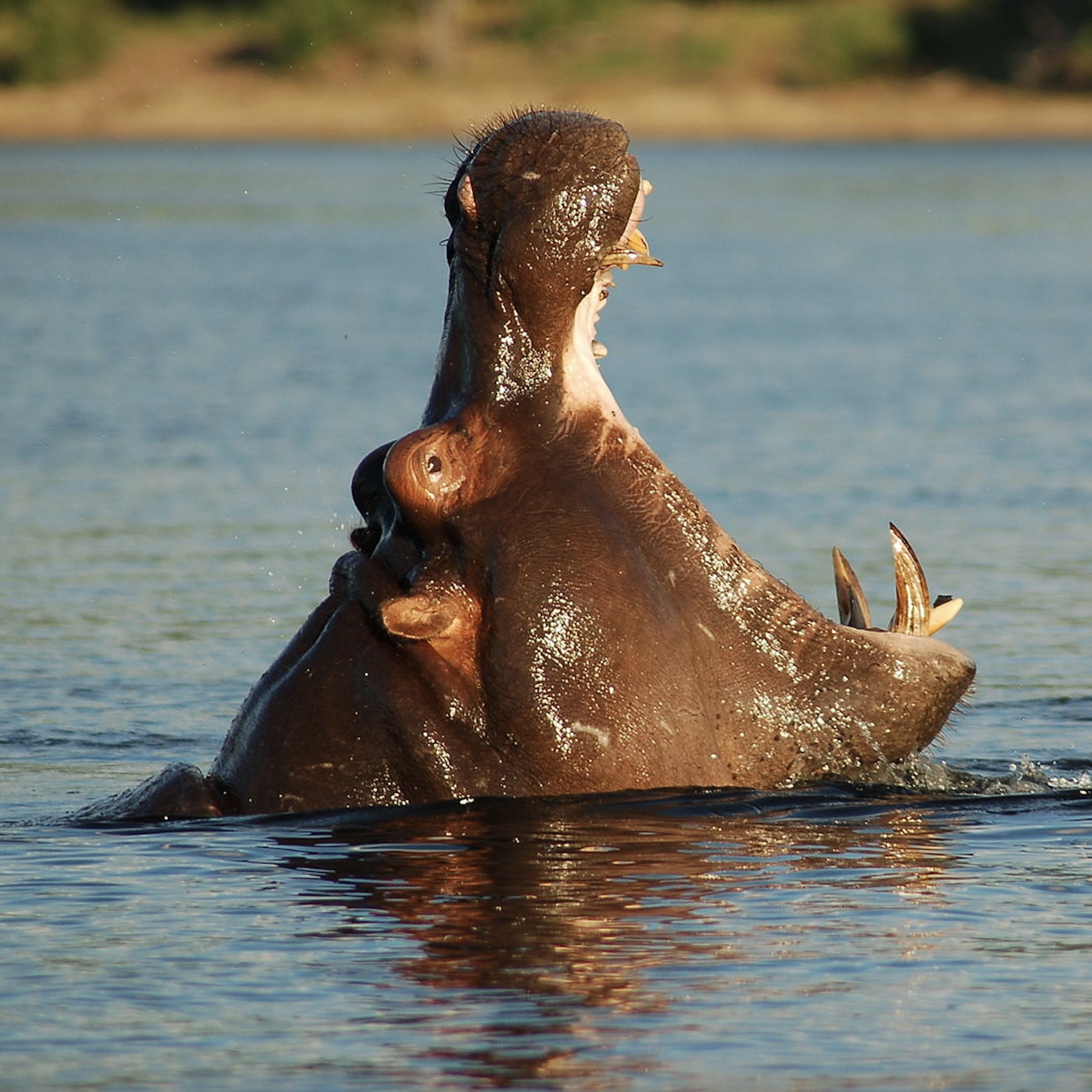
A new study reveals that bioacoustics is an underutilized wildlife study tool on one of the world's most biodiverse continents: Africa. On this episode we discuss this gap by highlighting two new bioacoustics studies of hippos and African manatees - and we of course play recordings of their squeals, squeaks and 'wheeze honks' which can now aid their conservation. Dr. Nicolas Mathevon joins the show to share the results of a study which showed that vocal recognition is used by hippos, and we welcome Clinton Factheu, a PhD student in Cameroon who recently co-authored a study revealing the first recorded African manatee vocalizations. Episode artwork: A hippo in the Chobe River, Botswana, by Joachim Huber via Wikimedia Commons. Please invite your friends to subscribe to the Mongabay Newscast wherever they get podcasts, or download our free app in the Apple App Store or in the Google Store to get access to our latest episodes at your fingertips. If you enjoy the Newscast, please visit www.patreon.com/mongabay to pledge a dollar or more to keep the show growing, Mongabay is a nonprofit media outlet and all support helps! See all our latest news from nature's frontline at Mongabay's homepage: news.mongabay.com or find us on Facebook, Twitter, and Instagram by searching for @mongabay. Please share your thoughts and ideas! [email protected].

Ep 137Mongabay Explores New Guinea: Protecting paradise
bonusMongabay Explores is an episodic podcast series that highlights unique places and species from around the globe. Subscribe to the show wherever you get podcasts and stay tuned for subsequent episodes in this season. New Guinea is home to the third-largest tropical rainforest in the world—of which 80% is still intact. The two-nation island also contains 44 species of unique birds-of-paradise and dense biodiverse regions unlike anywhere else on the planet. Because of its one-of-a-kind biodiversity, and relatively undeveloped landscape, New Guinea is in a unique position to conserve its forest cover as part of an economy that serves its local inhabitants, rather than extracting from and deforesting these communities. For this third episode of the New Guinea season, Mongabay interviews Bustar Maitar, CEO of EcoNusa, and biologist Edwin Scholes from the Cornell Lab of Ornithology about the diverse and charismatic birds-of-paradise and the potential for New Guinea to harness ecotourism to power a sustainable economy. If you missed the first two episodes of Mongabay Explores New Guinea you can find it via the podcast provider of your choice or find all the episodes of the Mongabay Explores podcast on our podcast homepage here. Episode Artwork: A Cendrawasih (bird of paradise) on a tree in Malagufuk village, located in the rainforest in Kalasou valley, Sorong, West Papua. Copyright: Jurnasyanto Sukarno/Greenpeace Sounds heard during the intro and outro include the following: rusty mouse-warbler, growling riflebird, raggiana/lesser bird-of-paradise, superb fruit-dove, long-billed honeyeater, little shrike-thrush, brown cuckoo-dove, black-capped lory. Special thanks to Tim Boucher and Bruce Beehler for identifying them. Please invite your friends to subscribe to Mongabay Explores wherever they get podcasts. If you enjoy our podcast content, please visit www.patreon.com/mongabay to pledge a dollar or more to keep the show growing, Mongabay is a nonprofit media outlet and all support helps! See all our latest news from nature's frontline at Mongabay's homepage: news.mongabay.com or find us on Facebook, Twitter, Instagram and TikTok by searching for @mongabay. Feedback is always welcome: [email protected].
Ep 137Kelp, condors and Indigenous conservation
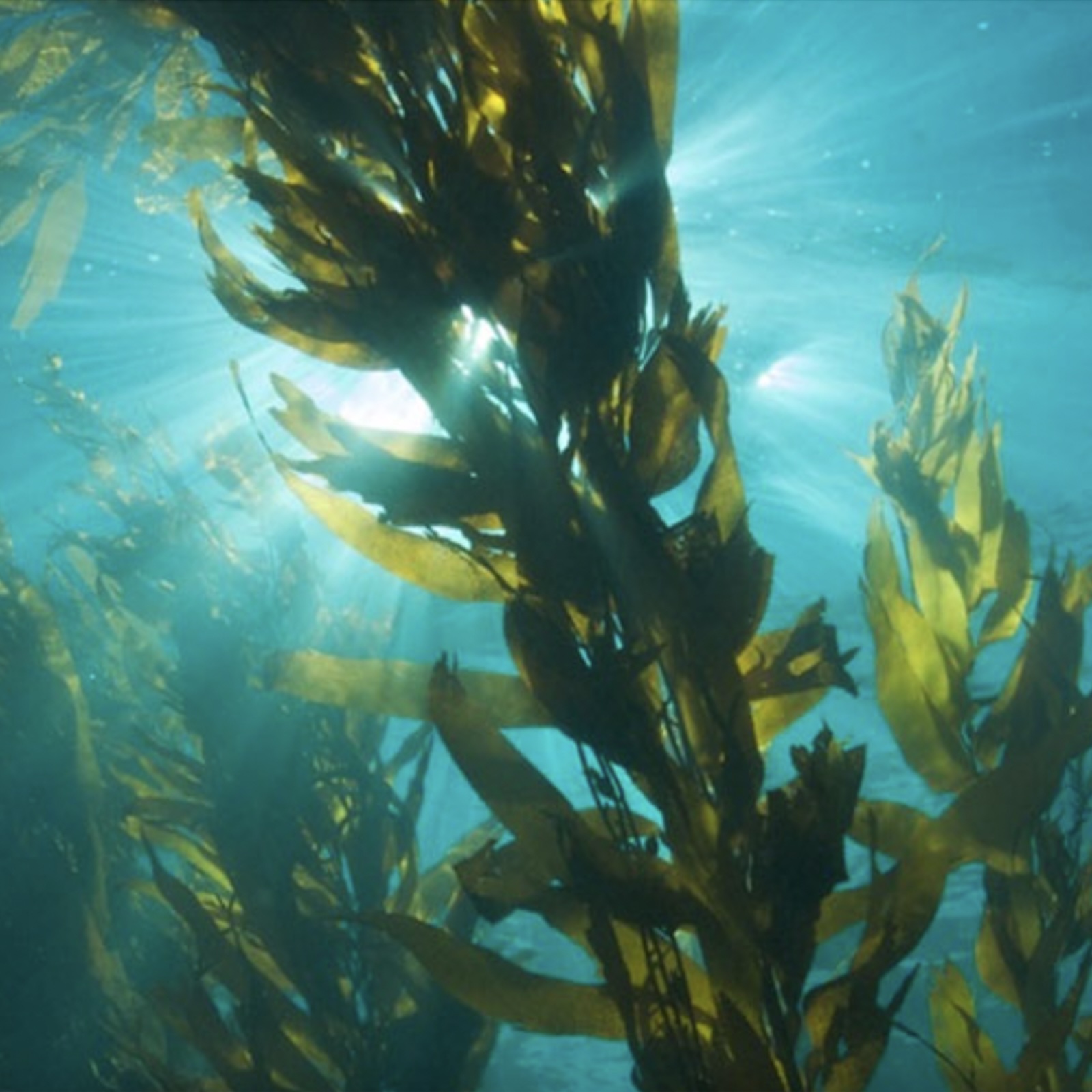
Join us for a dive into two ambitious Indigenous-led conservation initiatives on the U.S. West Coast on this episode. Host Mike G. speaks with Dune Lankard, founder and president of The Native Conservancy, who discusses their work to create a regenerative economy for Alaska's Prince William Sound--based on conservation and restoration-- via projects like kelp farming. We also speak with Tiana Williams-Claussen, she's the director of the Yurok Tribe's Wildlife Department and shares their efforts to bring condors back to the tribe's territory in Northern California, which is set to culminate in the first four birds being released into the wild in April 2022. Articles mentioned: "Thanks to the Yurok Tribe, condors will return to the Pacific Northwest" "By cultivating seaweed, Indigenous communities restore connection to the ocean" Mongabay Series: Indigenous Peoples and Conservation Episode artwork: A condor in southern California by B W via Flickr, CC BY-NC-ND 2.0 Creative Commons license. Please invite your friends to subscribe to the Mongabay Newscast wherever they get podcasts, or download our free app in the Apple App Store or in the Google Store to get access to our latest episodes at your fingertips. If you enjoy the Newscast, please visit www.patreon.com/mongabay to pledge a dollar or more to keep the show growing, Mongabay is a nonprofit media outlet and all support helps! See all our latest news from nature's frontline at Mongabay's homepage: news.mongabay.com or find us on Facebook, Twitter, and Instagram by searching for @mongabay. Please share your thoughts and ideas! [email protected].

Ep 136Mongabay Explores New Guinea: 'Carbon cowboys' and illegal logging
bonusSince 2014, Papua New Guinea has been the world's largest tropical timber exporter: more than 70% of that is considered illegal. Timber companies continue to possess land originally owned by local Indigenous communities through legal loopholes: while the carbon market has gained popularity as an alternative source of revenue for Indigenous communities, it suffers from some of the same land rights abuses as timber extraction. For this episode of Mongabay Explores we interview Gary Juffa, governor of Oro province in Papua New Guinea, and investigative journalist, Rachel Donald. If you missed episode one of Mongabay Explores New Guinea you can find it via the podcast provider of your choice or find all the episodes of the Mongabay Explores podcast on our podcast homepage here. Episode artwork: Loggers from Turama Forest Industries cut down a tree with a chainsaw in the 'Turama extension' logging concession, Gulf Province. These forests are being felled by Turama Forest Industries - a group company of Malaysian logging giant Rimbunan Hijau. Photo by Jeremy Sutton-Hibbert for Greenpeace. Sounds heard during the intro and outro include the following: rusty mouse-warbler, growling riflebird, raggiana/lesser bird-of-paradise, superb fruit-dove, long-billed honeyeater, little shrike-thrush, brown cuckoo-dove, black-capped lory. Special thanks to Tim Boucher and Bruce Beehler for identifying them. Please invite your friends to subscribe to Mongabay Explores wherever they get podcasts. If you enjoy our podcast content, please visit www.patreon.com/mongabay to pledge a dollar or more to keep the show growing, Mongabay is a nonprofit media outlet and all support helps! See all our latest news from nature's frontline at Mongabay's homepage: news.mongabay.com or find us on Facebook, Twitter, Instagram and TikTok by searching for @mongabay. Feedback is always welcome: [email protected].
Ep 136The 411 on forests and reforestation for 2022
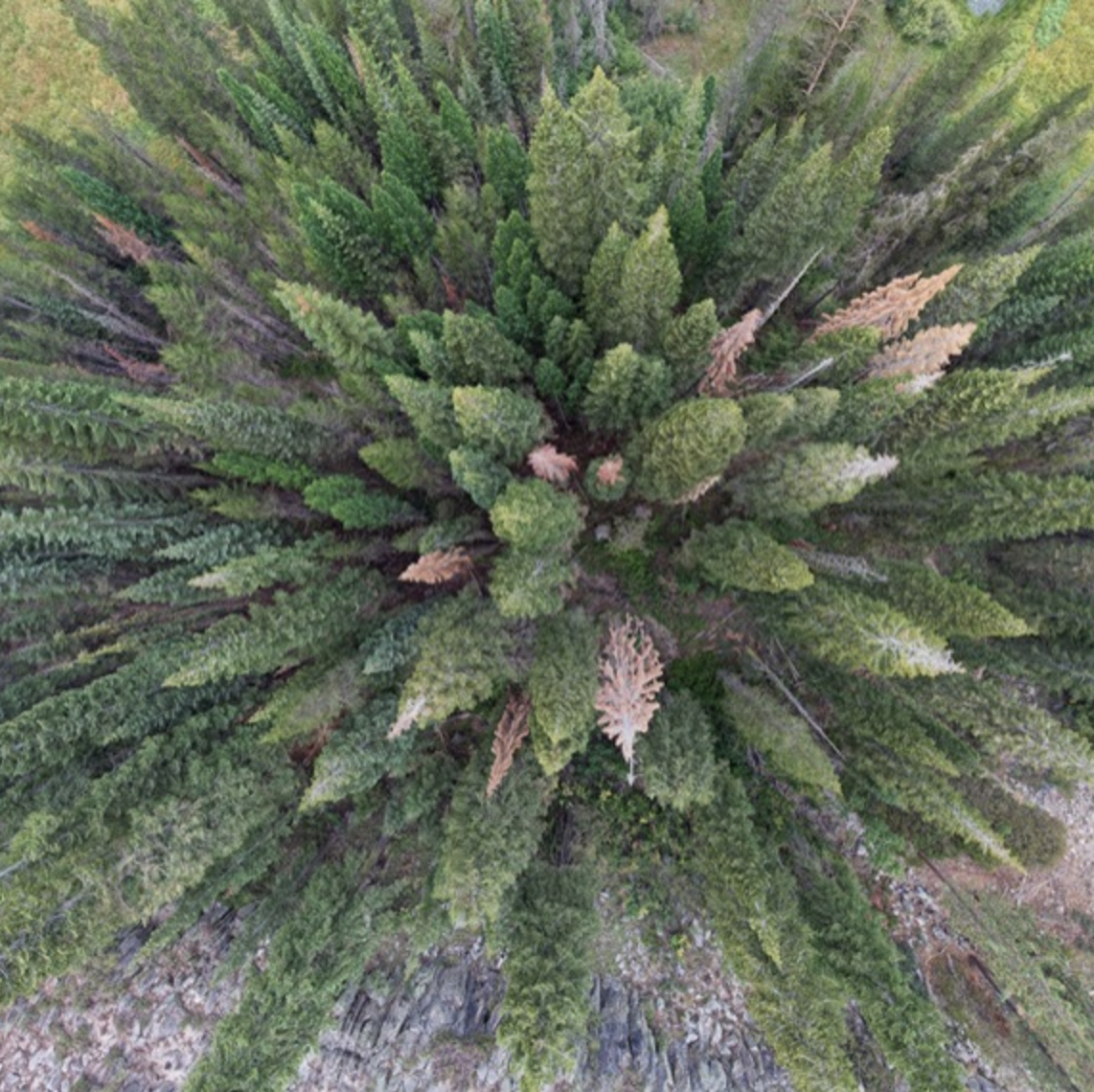
What are the main global forest conservation trends for 2022? Though deforestation is declining, how much forest is the world still losing? Host Mike G. speaks with Mongabay founder and CEO Rhett Butler about the year in forests, forest-related storylines to watch, and Mongabay's expanding coverage of topics like these all around the world. He also speaks with Swati Hingorani, a senior program officer at the IUCN and Global Coordinator for the Bonn Challenge, one of the world's most important reforestation programs. Hingorani discusses reforestation trends and the Bonn Challenge's newly revamped and relaunched Restoration Barometer that tracks ecosystem restoration progress being made by countries around the world. Related reading: "Rainforests in 2022: A look at the year ahead" by Rhett Butler "The year in rainforests 2021" by Rhett Butler "Global ecosystem restoration progress: How and who's tracking it?" "Beyond tree planting: When to let forests restore themselves" Two related podcast episodes mentioned in this episode include episode #133 (December 9, 2021), "What do two giant land deals mean for the future of Southeast Asia's forests?" and "Natural forest regeneration's critical role in reforestation goals" from November 10, 2021 (episode #131). Please invite your friends to subscribe to the Mongabay Newscast wherever they get podcasts, or download our free app in the Apple App Store or in the Google Store to get access to our latest episodes at your fingertips. Episode artwork: Evergreen forest in California via drone, image by Rhett Butler for Mongabay. If you enjoy the Newscast, please visit www.patreon.com/mongabay to pledge a dollar or more to keep the show growing, Mongabay is a nonprofit media outlet and all support helps! See all our latest news from nature's frontline at Mongabay's homepage: news.mongabay.com or find us on Facebook, Twitter, and Instagram by searching for @mongabay. Please share your thoughts and ideas! [email protected].
Ep 135Mongabay Reports: Mt. Pinatubo's 'eruption-proof' mouse
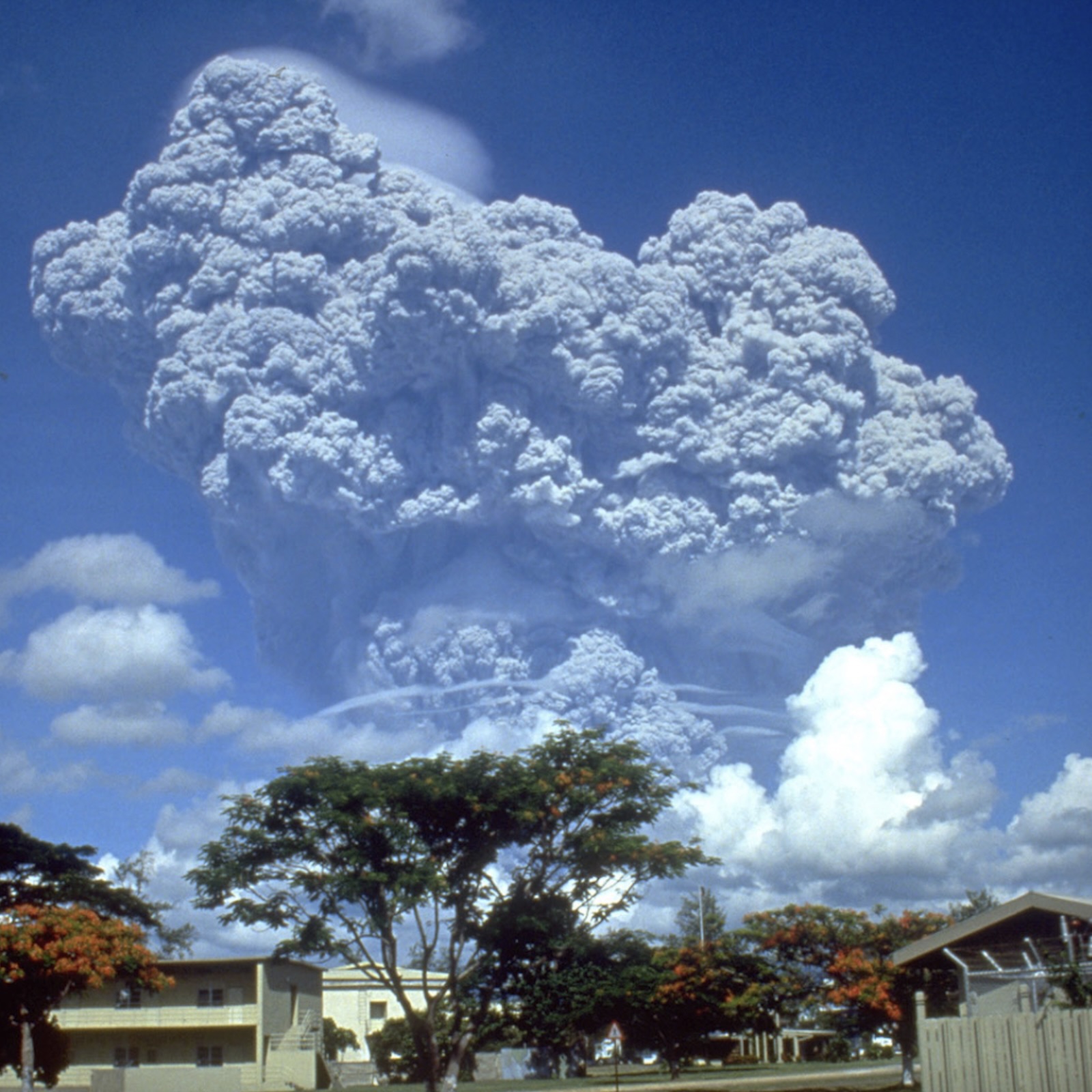
bonusWith the huge Mt. Tonga volcanic eruption in the news, here's a reminder of the resilience of life: 20 years after the eruption of Mount Pinatubo in 1991 that leveled natural old-growth forests, scientists have discovered one endemic mouse has become the dominant rodent species. First discovered in 1956, it wasn't seen again until 2011 when scientists returned to Pinatubo to survey the area. While endemic tropical island species are typically seen as the most vulnerable, Apomys sacobianus bucks the trend. A study published in the Philippine Journal of Science calls the species a "disturbance specialist," noting its resilience to the cataclysmic event. Experts speculate that as the forests around Pinatubo continue to develop and recover, other species requiring more forest cover may move in, dethroning the mouse. However, it's still very possible for ap. sacobianus to continue living in conditions with low leveles of disturbance. This episode features the popular article, "On a Philippine volcano, an eruption proof mouse rules the roost," by Leilani Chavez https://news.mongabay.com/2021/02/on-a-philippine-volcano-an-eruption-proof-mouse-rules-the-roost/ Please invite your friends to subscribe to the Mongabay Newscast wherever they get podcasts, or download our free app in the Apple App Store or in the Google Store to have access to our latest episodes at your fingertips. If you enjoy this series, please visit www.patreon.com/mongabay to pledge a dollar or more to keep the show growing, Mongabay is a nonprofit media outlet and all support helps! See all our latest news from nature's frontline at Mongabay's homepage: news.mongabay.com or find us on Facebook, Twitter, and Instagram by searching for @mongabay. Photo Credit: Mount Pinatubo erupting via Wikipedia.
Ep 135Who will lead the conservation movement now?
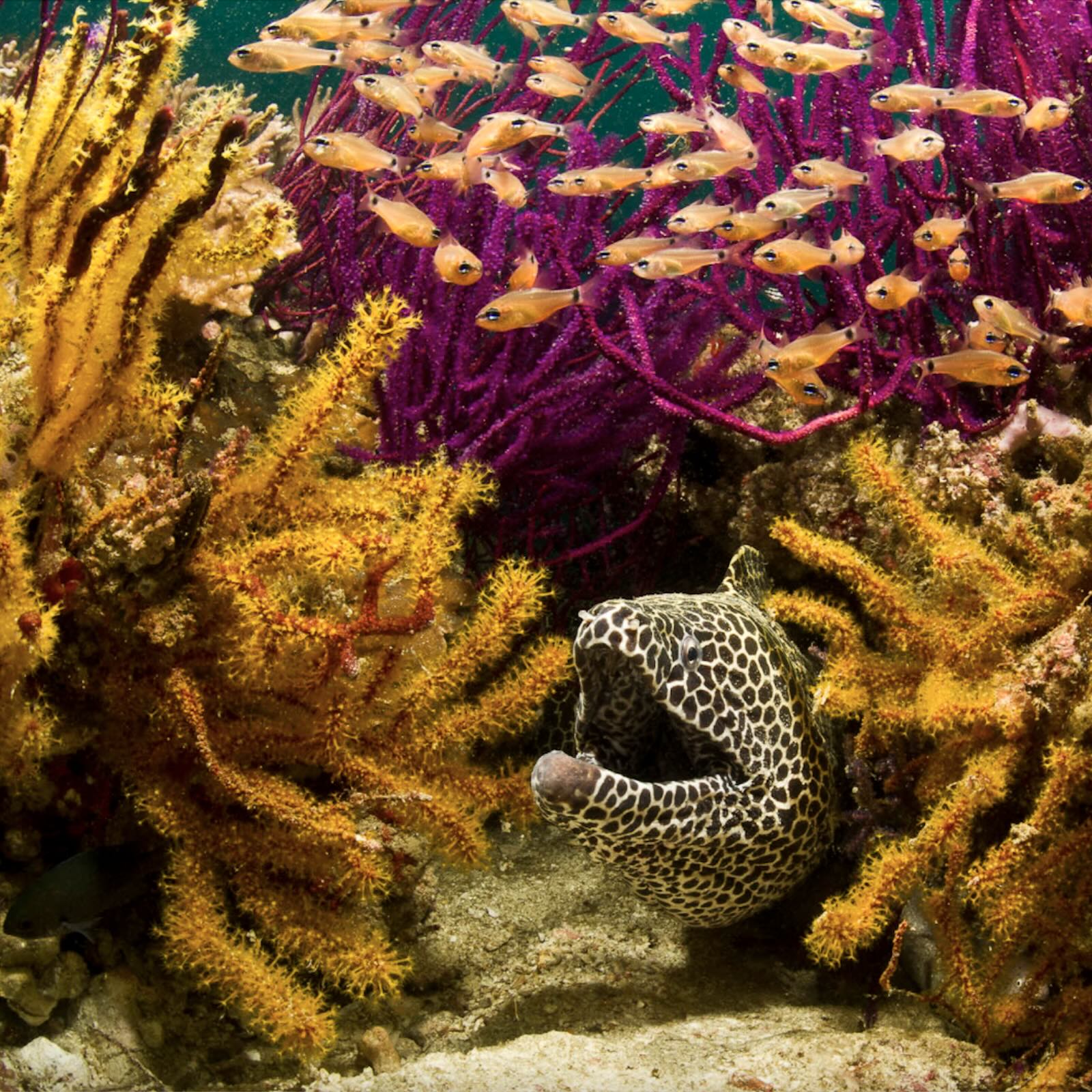
Both E.O. Wilson and Tom Lovejoy were major figures in the conservation field and passed away in late 2021 -- both also appeared on this show, so we play some clips of those conversations and talk with two guests about their legacies, but also where to look for new conservation leadership. Do we need new figures like them, or is this conservation's post-icon era? What about the great diversity of new scientists coming up via programs like STEM, and whole communities like Indigenous ones who have their own scientists, plus rich traditional ecological knowledge (TEK)? We discuss this with two guests: Rebecca McCaffery, who is Society of Conservation Biology's president for North America, and Mongabay staff writer Liz Kimbrough, who interviewed E.O. Wilson just 2 months before his passing. Both of these women hold conservation science PhDs and share expansive views on what's next for leadership in the field. Update 2/2022: In late January, correspondence found among the late E.O. Wilson's papers connected him with J. Phillipe Rushton, whose research in the 1980s and 1990s has been linked with white supremacy. The E.O. Wilson Biodiversity Foundation has now issued a statement. Related listening from the Newscast: Tom Lovejoy on episode #51: The 'Godfather of Biodiversity' on why it's time to manage Earth as a system Wilson on episode #56: E.O. Wilson discusses Half-Earth and conservation solutions And here's Liz Kimbrough's late 2021 print interview of E.O. Wilson & friends for Mongabay.com: Half-Earth, conservation, and hope: An interview with E.O. Wilson, Paula Ehrlich and Sir Tim Smit Please invite your friends to subscribe to the Mongabay Newscast wherever they get podcasts, or download our free app in the Apple App Store or in the Google Store to get access to our latest episodes at your fingertips. Episode artwork: A moray eel in the Daymaniyat Islands, Oman. Image by Warren Baverstock / Ocean Image Bank. If you enjoy the Newscast, please visit www.patreon.com/mongabay to pledge a dollar or more to keep the show growing, Mongabay is a nonprofit media outlet and all support helps! See all our latest news from nature's frontline at Mongabay's homepage: news.mongabay.com or find us on Facebook, Twitter, and Instagram by searching for @mongabay. Please share your thoughts and ideas! [email protected].

Ep 134Mongabay Explores New Guinea: Protecting unparalleled biodiversity
bonusMongabay Explores is an episodic podcast series that highlights unique places and species from around the globe. Subscribe to the show wherever you get podcasts and stay tuned for subsequent episodes in this season. New Guinea is one of the most most biodiverse regions on the planet and also the world's largest tropical island. It makes up less than 0.5% of the world's landmass, but is estimated to contain as much as 10% of global biodiversity. To unpack the vast biodiversity of New Guinea, conservation policy, and NGO efforts to protect land, culture and Indigenous rights, we spoke with Rodrigo Cámara-Leret, of the Department of Evolutionary Biology and Environmental Studies at the University of Zurich, Charlie Danny Heatubun, head of the research and development agency of the provincial government of West Papua, and Miriam Supuma of Synchronicity Earth. In this third season of the podcast, we take a look at what makes New Guinea unlike any other place in this world, the contributing environmental impacts that threaten its culture and biodiversity, and what is being done to protect it. Listen to the previous 2 seasons of Mongabay Explores via the podcast provider of your choice or find them at our podcast homepage here. Episode artwork: (Casuarius unappendiculatus) is one of the majestic birds that New Guinea is famous for. Image by Rhett Butler for Mongabay. Sounds heard during the intro and outro include the following: rusty mouse-warbler, growling riflebird, raggiana/lesser bird-of-paradise, superb fruit-dove, long-billed honeyeater, little shrike-thrush, brown cuckoo-dove, black-capped lory. Special thanks to Tim Boucher and Bruce Beehler for identifying them. Please invite your friends to subscribe to Mongabay Explores wherever they get podcasts. If you enjoy our podcast content, please visit www.patreon.com/mongabay to pledge a dollar or more to keep the show growing, Mongabay is a nonprofit media outlet and all support helps! See all our latest news from nature's frontline at Mongabay's homepage: news.mongabay.com or find us on Facebook, Twitter, Instagram and TikTok by searching for @mongabay. Feedback is always welcome: [email protected].

Ep 134In search of wild spectacles and river journeys with Janisse Ray and Jordan Salama
It's a perfect time to pick up a great book, and this episode's got recommendations for you! We welcome to the show Janisse Ray, award-winning author of "Wild Spectacle: Seeking Wonders in a World Beyond Humans," detailing her search for "heart-pounding flashes of wild spectacle." Ray shares stories of the places she's traveled and explains why she did all that travel without getting on a plane. We also welcome Jordan Salama, whose new book is called "Every Day the River Changes: Four Weeks Down the Magdalena." He discusses 4 weeks spent traveling down Colombia's Magdalena River, which Colombians speak of with "an almost religious fervor," and what he hopes people can take away from his book. These two share some great adventures but also counsel seeking such enlightening journeys close to home, as well! Further reading from the episode: "Rewilding news" on Mongabay FARC peace deal in Colombia sparked war on forests, report says In Colombia, end of war meant start of runaway deforestation, study finds Salama wrote a fascinating 2019 story for Mongabay about community activism for rivers in southern Europe, In Bosnia-Herzegovina, grassroots opposition stalls a hydropower project Please invite your friends to subscribe to the Mongabay Newscast wherever they get podcasts, or download our free app in the Apple App Store or in the Google Store to get access to our latest episodes at your fingertips. If you enjoy the Newscast, please visit www.patreon.com/mongabay to pledge a dollar or more to keep the show growing, Mongabay is a nonprofit media outlet and all support helps! See all our latest news from nature's frontline at Mongabay's homepage: news.mongabay.com or find us on Facebook, Twitter, and Instagram by searching for @mongabay. Please share your thoughts and ideas! [email protected].

Ep 133What do two giant land deals mean for the future of Southeast Asia's forests?
We discuss two big stories from Southeast Asia that Mongabay's been covering which highlight the importance of land rights and also Free, Prior, and Informed Consent for Indigenous and local communities. Cynthia Ong is our first guest, she's founder of LEAP, an NGO based in the state of Sabah in Malaysian Borneo, who shares the fallout from a story broken by Mongabay about a giant carbon deal signed by government officials in Sabah -- covering more than 2 million hectares of the state's forests for at least the next 100 years -- without consulting local communities. Our second guest is Gerry Flynn, a Mongabay contributor based in Cambodia who has been covering a recent government decree that made 127,000 hectares of protected areas available for sale or rent. Flynn discusses why there are fears that it will amount to a land grab by powerful interests. Further reading about the Sabah deal: Is colonial history repeating itself with Sabah forest carbon deal? (Ong's commentary) Details emerge about Sabah carbon deal Articles about Cambodia by Flynn: The great Koh Kong land rush Carving up the Cardamoms: Conservationists fear massive land grab in Cambodia Please invite your friends to subscribe to the Mongabay Newscast wherever they get podcasts, or download our free app in the Apple App Store or in the Google Store to get access to our latest episodes at your fingertips. If you enjoy the Newscast, please visit www.patreon.com/mongabay to pledge a dollar or more to keep the show growing, Mongabay is a nonprofit media outlet and all support helps! Episode artwork: Stung Proat, Cardamom Mountains, Cambodia. Photo via Wikimedia Commons, licensed under CC BY-SA 4.0. See all our latest news from nature's frontline at Mongabay's homepage: news.mongabay.com or find us on Facebook, Twitter, and Instagram by searching for @mongabay. Please share your thoughts and ideas! [email protected].
Ep 132Mongabay Reports: Why chimp GIFs aren't funny
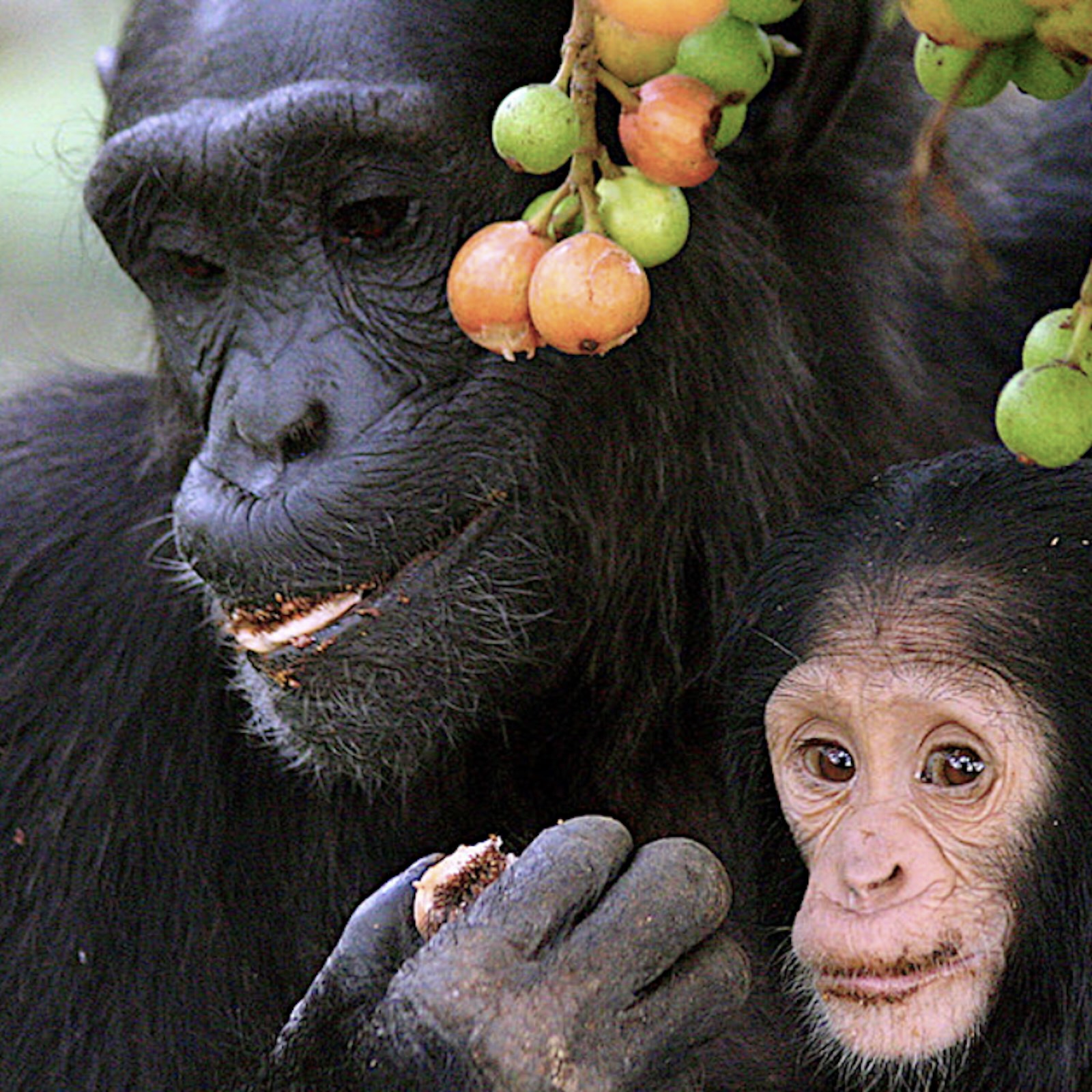
bonusGIFs (animated images) can be a simple and fun way to communicate via text and are increasingly popular. Yet, while a GIF of an ape wearing overalls may seem cute, the animal pictured is often subjected to abuse in the process. All species and subspecies of great apes are endangered or critically endangered. Experts say that GIFs depicting these apes in unnatural situations can also perpetuate the myth that they make good pets which fuels international wildlife trade of these endangered animals. While campaigners have been successful in coercing some stock photo agencies to stop providing images of apes in unnatural situations, many popular GIF sites still don't have policies against these images. This episode features the popular article, "Think that GIF of the smoking chimp was funny? The chimp wasn't laughing," by Tina Deines: https://news.mongabay.com/2021/11/think-that-gif-of-the-smoking-chimp-is-funny-the-chimp-wasnt-laughing/ Please invite your friends to subscribe to the Mongabay Newscast wherever they get podcasts, or download our free app in the Apple App Store or in the Google Store to have access to our latest episodes at your fingertips. If you enjoy this series, please visit www.patreon.com/mongabay to pledge a dollar or more to keep the show growing, Mongabay is a nonprofit media outlet and all support helps! See all our latest news from nature's frontline at Mongabay's homepage: news.mongabay.com or find us on Facebook, Twitter, and Instagram by searching for @mongabay. Photo Credit: Adult female and infant wild chimpanzee feeding on figs in Kibale National Park, Uganda. Image by Alain Houle via Wikimedia Commons (CC BY 4.0).

Ep 132Bill McKibben on climate action, grief and 'radical joy' after COP26 climate summit
Most observers declared the recent climate summit a failure, as world leaders largely delayed action on climate change. Still there was some progress so we discuss those here plus proactive ways we can all stay engaged with this debate over the planet's future atmosphere, with two guests. Bill McKibben is a noted activist, author, and founder of 350.org as well as the newly created Third Act initiative, and shares his response to the failures of COP26, why he was inspired by the activism he saw at the COP, and how he sees climate activism evolving to counter the outsized influence of the industries that rely on burning fossil fuels and clearing the world's forests for profit. And Trebbe Johnson, author of Radical Joy for Hard Times: Finding Meaning and Making Beauty In Earth's Broken Places and founder of an organization with the same name, Radical Joy for Hard Times, tells us about ecological grief, how it can affect people concerned about the future of our planet, and how to deal with that grief and stay committed to working towards a better future for all life on Earth. Please invite your friends to subscribe to the Mongabay Newscast wherever they get podcasts, or download our free app in the Apple App Store or in the Google Store to get access to our latest episodes at your fingertips. If you enjoy the Newscast, please visit www.patreon.com/mongabay to pledge a dollar or more to keep the show growing, Mongabay is a nonprofit media outlet and all support helps! Further reading: • "Hope old and new: COP26 focused on two largely unsung climate solutions" • "'Standing with your feet in the water': COP26 struggles to succeed" • "Do forest declarations work? How do the Glasgow and New York declarations compare?" • "COP26 Glasgow Declaration: Salvation or threat to Earth's forests?" • "$1.7 billion pledged in support of Indigenous and local communities' land tenure" Episode artwork via Twitter. See all our latest news from nature's frontline at Mongabay's homepage: news.mongabay.com or find us on Facebook, Twitter, and Instagram by searching for @mongabay. Please share your thoughts and ideas! [email protected].

Ep 131Mongabay Reports: Earth Defenders Toolkit strengthens Indigenous voices
bonusThe Earth Defenders Toolkit is a collection of apps that support local autonomy of Indigenous lands, giving communities ownership of critical data and reducing the need for outside support. The toolkit, which includes mapping apps like 'Mapeo,' keep the needs of Indigenous communities at the forefront, overcoming barriers inherent to technology, like participation and security. This episode features the popular article, "Sharing solutions: How a digital toolkit is strengthening Indigenous voices," by Caitlin Looby: https://news.mongabay.com/2021/08/sharing-solutions-how-a-digital-toolkit-is-strengthening-indigenous-voices/ Please invite your friends to subscribe to the Mongabay Newscast wherever they get podcasts, or download our free app in the Apple App Store or in the Google Store to have access to our latest episodes at your fingertips. If you enjoy this series, please visit www.patreon.com/mongabay to pledge a dollar or more to keep the show growing, Mongabay is a nonprofit media outlet and all support helps! See all our latest news from nature's frontline at Mongabay's homepage: news.mongabay.com or find us on Facebook, Twitter, and Instagram by searching for @mongabay. Photo Credit: Members of the land patrol from the Kofan community of Sinangoé, Ecuador, test Mapeo Mobile as part of the design process. Image courtesy of Digital Democracy. Caitlin Looby is the 2021 Sue Palminteri WildTech Reporting Fellow, which honors the memory of Mongabay Wildtech editor Sue Palminteri by providing opportunities for students to gain experience in conservation technology and writing. You can support this program here. Editor's note: This story was supported by XPRIZE Rainforest as part of their five-year competition to enhance understanding of the rainforest ecosystem. In respect to Mongabay's policy on editorial independence, XPRIZE Rainforest does not have any right to assign, review, or edit any content published with their support.
Ep 131Let it grow: Natural forest regeneration's amazing reforestation power
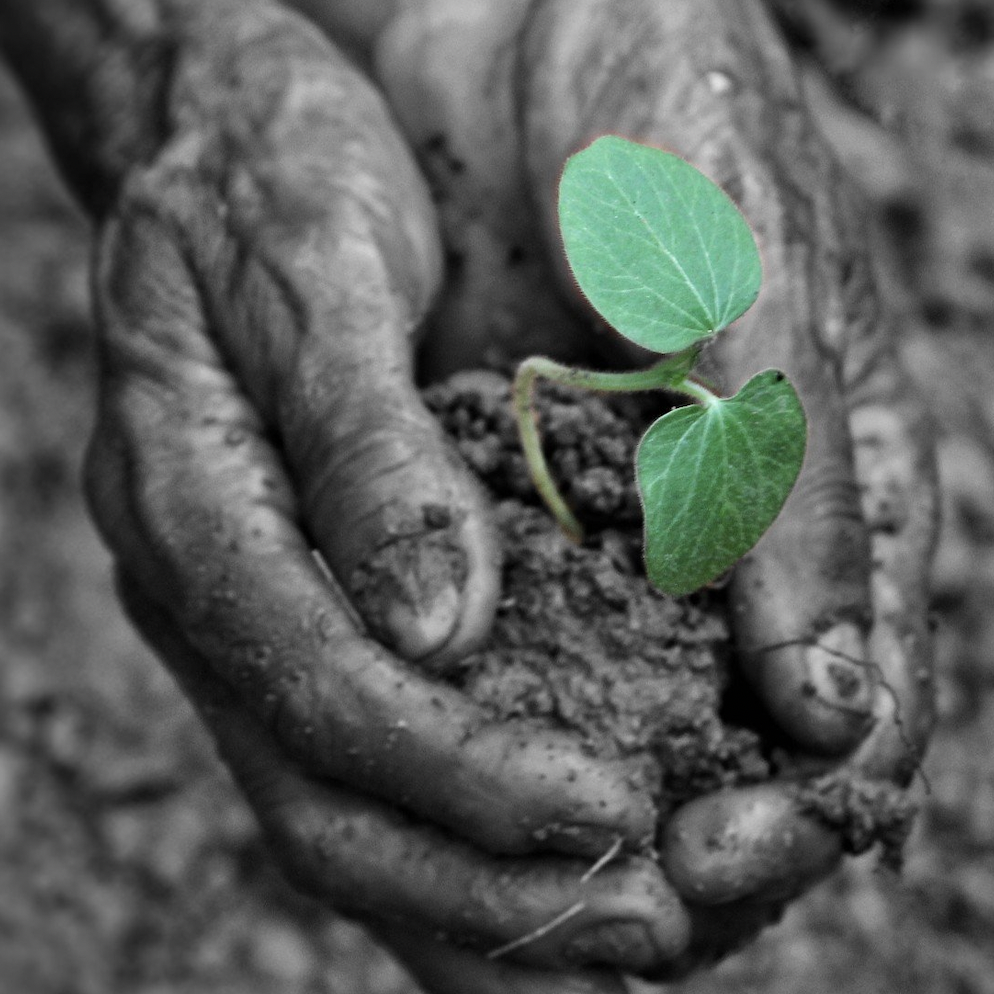
Initiatives to plant billions and even trillions of trees have been popping up like seedlings after a rainstorm. These are important in tackling climate change and biodiversity loss, but what about using natural regeneration, where one allows a forest to regrow using its native seedstock, in such efforts? On this episode we discuss the amazing power of letting forests regrow, and when tree-planting is necessary, plus what we know about the differences between planted and naturally regenerated forests with two guests: University of California professor Karen Holl describes the conditions that are conducive to natural regeneration of forests and shares inspiring examples ranging from current experiments to historical events like in Costa Rica and the Northeast United States. And researcher/restoration consultant Robin Chazdon discusses the decision-making process that goes into successful reforestation projects, and whether today's tree-planting campaigns are likely to be beneficial in the long run. Related resources: "Is planting trees as good for the Earth as everyone says?" "Beyond tree planting: When to let forests restore themselves" Please invite your friends to subscribe to the Mongabay Newscast wherever they get podcasts, or download our free app in the Apple App Store or in the Google Store to get access to our latest episodes at your fingertips. If you enjoy the Newscast, please visit www.patreon.com/mongabay to pledge a dollar or more to keep the show growing, Mongabay is a nonprofit media outlet and all support helps! See all our latest news from nature's frontline at Mongabay's homepage: news.mongabay.com or find us on Facebook, Twitter, and Instagram by searching for @mongabay. Please share your thoughts and ideas! [email protected].

Ep 130Mongabay Reports: Lost chameleon reappears
bonusThe rare Champman's pygmy chameleon has been missing in the wild for over two decades. First described in 1992, it was finally seen in a dwindling patch of rainforest in the Malawi Hills in 2016. Researchers say there are likely more. However, they are unable to travel the long distances between the shrinking patches of their forest home. Scientists' findings of the rare chameleon call for conservation of the chameleon's habitat, which has seen an 80% deforestation rate over the past 40 years. This episode features the popular article, "Rare pygmy chameleon, lost to science, found in dwindling Malawi forest," by Liz Kimbrough: https://news.mongabay.com/2021/08/rare-pygmy-chameleon-lost-to-science-found-in-dwindling-malawi-forest/ Please invite your friends to subscribe to the Mongabay Newscast wherever they get podcasts, or download our free app in the Apple App Store or in the Google Store to have access to our latest episodes at your fingertips. If you enjoy this series, please visit www.patreon.com/mongabay to pledge a dollar or more to keep the show growing, Mongabay is a nonprofit media outlet and all support helps! See all our latest news from nature's frontline at Mongabay's homepage: news.mongabay.com or find us on Facebook, Twitter, and Instagram by searching for @mongabay. Photo Credit: Chapman's pygmy chameleon by Krystal Tolley Liz Kimbrough is a staff writer for Mongabay. Find her on Twitter: @lizkimbrough_

Ep 130Indigenous bioacoustics: listening to the land for conservation and tradition
Indigenous-led conservation initiatives are being aided by the growing field of bioacoustics, with many communities around the world creating listening networks that monitor their lands and help them advocate for their conservation. We speak with two Indigenous leaders and scientists on this episode -- Stephanie Thorassie of the Seal River Watershed Alliance in Manitoba, and Angela Waupochick, a researcher of forested wetlands for Menominee Tribal Enterprises in Wisconsin -- about their projects and how bioacoustics techniques are aiding them. We hear sound clips of bears and birds shared by Waupochick and also Jeff Wells of the National Audubon Society, which partners with the Seal River Watershed Alliance to study the region's importance to wildlife toward establishing a new, 12-million-acre Indigenous Protected Area. Further reading: • "Indigenous-managed lands found to harbor more biodiversity than protected areas" • Canada working towards new future for Indigenous-led conservation (Indigenous Protected Areas) Please invite your friends to subscribe to the Mongabay Newscast wherever they get podcasts, or download our free app in the Apple App Store or in the Google Store to get access to our latest episodes at your fingertips. If you enjoy the Newscast, please visit www.patreon.com/mongabay to pledge a dollar or more to keep the show growing, Mongabay is a nonprofit media outlet and all support helps! See all our latest news from nature's frontline at Mongabay's homepage: news.mongabay.com or find us on Facebook, Twitter, and Instagram by searching for @mongabay. Episode artwork: Polar bears at the mouth of the Seal River. Photo by Jordan Melograna of the Indigenous Leadership Initiative. Please share your thoughts and ideas! [email protected].

Ep 129Mongabay Reports: New species of North America's rare spotted skunks discovered
bonusResearchers analyzed spotted skunk DNA and found that rather than the four skunk species previously recognized by science, there are actually seven. Referred to as the "acrobats of the skunk world" these small carnivores use impressive handstands to warn predators that a noxious spray is coming their way. The plains spotted skunk (included among them) is in significant decline, but figuring out the different species lineages may inform and aid conservation efforts. This episode features the popular article, "In search of the 'forest ghost,' South America's cryptic giant armadillo," by Liz Kimbrough: https://news.mongabay.com/2021/09/pepe-le-new-meet-the-acrobatic-spotted-skunks-of-north-america/ Please invite your friends to subscribe to the Mongabay Newscast wherever they get podcasts, or download our free app in the Apple App Store or in the Google Store to have access to our latest episodes at your fingertips. If you enjoy this series, please visit www.patreon.com/mongabay to pledge a dollar or more to keep the show growing, Mongabay is a nonprofit media outlet and all support helps! See all our latest news from nature's frontline at Mongabay's homepage: news.mongabay.com or find us on Facebook, Twitter, and Instagram by searching for @mongabay. Photo Credit: Western spotted skunk (Spilogale gracilis). Image by Robby Heischman courtesy of the Field Museum. Liz Kimbrough is a staff writer for Mongabay. Find her on Twitter: @lizkimbrough_

Ep 129Extracted, exported and forgotten: the global race for resources and the DRC
The world economy demands clean energy and cheap commodities and these are being extracted at a furious rate in the Democratic Republic of the Congo. So the DRC is benefiting from all this activity, right? Though extremely rich in natural resources, thanks to political instability plus a centuries-long legacy of commercial and colonial resource extraction, the value mainly accrues to the country's east and west, where corporations and governments benefit the most. Joining the show to discuss are Anuradha Mittal, executive director of the Oakland Institute, who describes how Western investors like university pension funds and corporations profit from oil palm plantations where human rights violations and environmental abuses are common. Then Christian-Geraud Neema Byamungu, a Congolese researcher who focuses on natural resource governance, tells us about how the growing demand for cobalt to make electric-car batteries has led to increased mining, the Chinese companies that dominate the DRC's mines, and why the contracts between those companies and the DRC are being called into question. Further reading: • "As energy needs drive demand for minerals, forests face greater threats" • "Pension and endowment funds linked to conflict-plagued oil palm in DRC" Please invite your friends to subscribe to the Mongabay Newscast wherever they get podcasts, or download our free app in the Apple App Store or in the Google Store to get access to our latest episodes at your fingertips. If you enjoy the Newscast, please visit www.patreon.com/mongabay to pledge a dollar or more to keep the show growing, Mongabay is a nonprofit media outlet and all support helps! See all our latest news from nature's frontline at Mongabay's homepage: news.mongabay.com or find us on Facebook, Twitter, and Instagram by searching for @mongabay. Episode artwork: palm oil production in Yalifombo village © Oskar Epelde via Oakland Institute. Please share your thoughts and ideas! [email protected].

Ep 128Mongabay Reports: In search of the 'forest ghost,' South America's giant armadillo
bonusSince 2010, the Giant Armadillo Project has been researching the world's largest armadillo, an animal that despite its size and range across almost every country in South America, is one of the world's least recognized animals. These researchers have made key findings, like the fact that their burrows, which can be up to 5 meters long, serve as shelter for at least 70 other species, including birds, reptiles and mammals. The species is categorized as vulnerable to extinction, especially due to the advance of agribusiness. This episode features the popular article, "In search of the 'forest ghost,' South America's cryptic giant armadillo," by Suzana Camargo: https://news.mongabay.com/2020/09/in-search-of-the-forest-ghost-south-americas-cryptic-giant-armadillo/ Please invite your friends to subscribe to the Mongabay Newscast wherever they get podcasts, or download our free app in the Apple App Store or in the Google Store to have access to our latest episodes at your fingertips. If you enjoy this series, please visit www.patreon.com/mongabay to pledge a dollar or more to keep the show growing, Mongabay is a nonprofit media outlet and all support helps! See all our latest news from nature's frontline at Mongabay's homepage: news.mongabay.com or find us on Facebook, Twitter, and Instagram by searching for @mongabay. Photo Credit: Peering inside a giant armadillo burrow, image courtesy of the Giant Armadillo Project.
Ep 128The key role of Indigenous rights for the future of biodiversity conservation
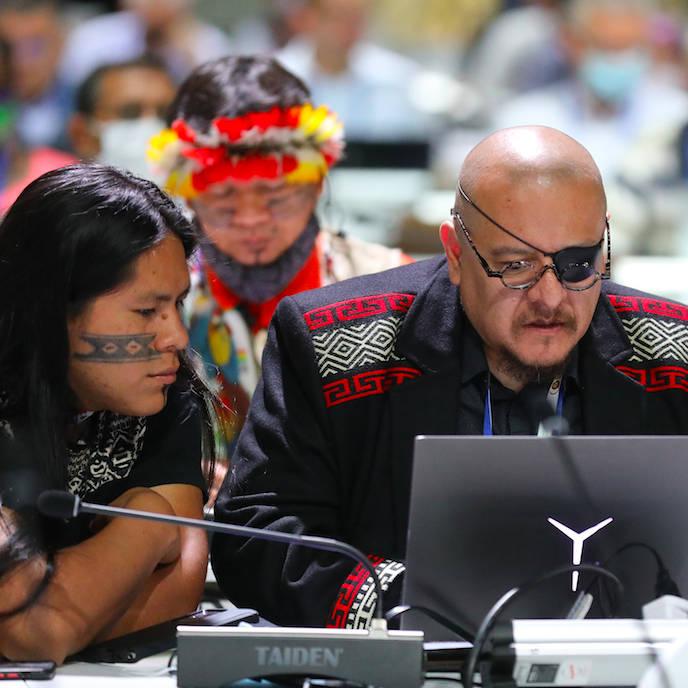
Two top guests join this episode to discuss the importance of Indigenous rights to the future of biodiversity conservation and efforts to build a more sustainable future for life on Earth. Victoria Tauli-Corpuz is the former UN Special Rapporteur on the Rights of Indigenous Peoples, and is the current executive director of the Tebtebba Indigenous Peoples' International Centre for Policy Research and Education, based in Manila. Tauli-Corpuz who is a member of the Kankana-ey-Igorot people of the Philippines describes the Global Indigenous Agenda released at the IUCN World Conservation Congress, why it calls for Indigenous rights to be central to conservation efforts, and what she hopes to see achieved at the UN Biodiversity Conference taking place in Kunming, China next year. We also speak with Zack Romo, program director for the Coordinator of Indigenous Organizations of the Amazon Basin (COICA) who was in Marseilles for the Congress and helped pass the motion to protect 80% of the Amazon by 2025. The rights-based approach that Amazon protection plan calls for, and what the next steps are to making the plan a reality, are discussed. Here's further reading and listening: • "'The tipping point is here, it is now,' top Amazon scientists warn" • "As COP15 approaches, '30 by 30' becomes a conservation battleground" • "'Join us for the Amazon,' Indigenous leaders tell IUCN in push for protection" Please invite your friends to subscribe to the Mongabay Newscast wherever they get podcasts, or download our free app in the Apple App Store or in the Google Store to get access to our latest episodes at your fingertips. If you enjoy the Newscast, please visit www.patreon.com/mongabay to pledge a dollar or more to keep the show growing, Mongabay is a nonprofit media outlet and all support helps! See all our latest news from nature's frontline at Mongabay's homepage: news.mongabay.com or find us on Facebook, Twitter, and Instagram by searching for @mongabay. Episode artwork: Participants at the IUCN World Conservation Congress in 2021, image via IISD. Please share your thoughts and ideas! [email protected].

Ep 127Mongabay Reports: As Gabon gets paid to conserve its forests, will others follow?
bonusGabon recently received the first $17 million of a pledged $150 million from Norway for results-based emission reduction payments as part of the Central African Forest Initiative (CAFI). Gabon has 88% forest cover and has limited annual deforestation to less than 0.1% over the last 30 years, in large part possible due to oil revenues supporting the economy. With oil reserves running low, Gabon is looking to diversify and develop its economy without sacrificing its forests by building a sustainable forest economy supported by schemes such as CAFI. Will other countries follow suit? This episode features the popular article, "Gabon becomes first African country to get paid for protecting its forests." https://news.mongabay.com/2021/07/gabon-becomes-first-african-country-to-get-paid-for-protecting-its-forests/ Please invite your friends to subscribe to the Mongabay Newscast wherever they get podcasts, or download our free app in the Apple App Store or in the Google Store to have access to our latest episodes at your fingertips. If you enjoy this series, please visit www.patreon.com/mongabay to pledge a dollar or more to keep the show growing, Mongabay is a nonprofit media outlet and all support helps! See all our latest news from nature's frontline at Mongabay's homepage: news.mongabay.com or find us on Facebook, Twitter, and Instagram by searching for @mongabay. Photo Credit Elephants in Longue Bai, Gabon, by Jefe Le Gran via Flickr (CC BY 2.0). https://www.flickr.com/photos/jefelegran/857116478 https://creativecommons.org/licenses/by/2.0/
Ep 127Are tuna recovering well, like reports say? It's complicated.
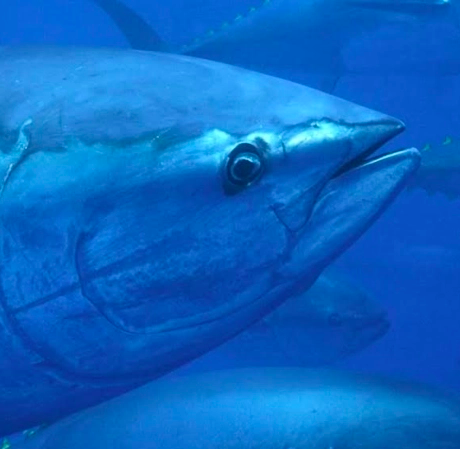
We look at some of the biggest news from the recent IUCN World Conservation Congress, like the upgraded conservation status of 4 tuna species, including Atlantic bluefin. Is it really OK to eat such tuna now, as some media outlets reported? Are bluefin no longer endangered, but a species of 'least concern?' Well, it's complicated. Mongabay staff writer Elizabeth Claire Alberts was at the event and discusses important news and motions that passed, like Indigenous peoples' role in conservation and a resounding rebuke of deep sea mining, for instance. Then, Pew Charitable Trusts' senior officer for international fisheries Grantly Galland discusses the reassessments of tuna extinction risks released by the IUCN during the event, and he shares why species-level assessments don't tell us the whole story about tuna populations. Articles and podcast eps mentioned during the show: • "'Global Indigenous Agenda' for land rights, conservation launched at IUCN congress" by Ashoka Mukpo • "Podcast: Two tunas and a tale of managed extinction" (episode 118 of the Mongabay Newscast) Please invite your friends to subscribe to the Mongabay Newscast wherever they get podcasts, or download our free app in the Apple App Store or in the Google Store to get access to our latest episodes at your fingertips. If you enjoy the Newscast, please visit www.patreon.com/mongabay to pledge a dollar or more to keep the show growing, Mongabay is a nonprofit media outlet and all support helps! See all our latest news from nature's frontline at Mongabay's homepage: news.mongabay.com or find us on Facebook, Twitter, and Instagram by searching for @mongabay. Episode artwork: Atlantic bluefin tuna. Photo by Richard Herrmann/Pew. Please share your thoughts and ideas! [email protected].

Ep 126Mongabay Reports: Can climate-friendly agroforestry transform farming in the U.S. Midwest?
bonusMonocultures of corn and soybeans carpet 75% of the U.S. Midwest, leading to soil erosion, water pollution, and massive greenhouse gas emissions. However, a new wave of farmers is breaking the monocrop monotony by growing these annuals between long rows of perennial shrubs like American hazelnuts, which keep soils intact while harboring beneficial bugs and sequestering CO2 from the atmosphere. Hazelnuts are a huge market internationally and have big potential in the U.S. either as a snack or an oilseed, since the fatty acid profile is very similar to olive oil. Listen to an April 2021 report published at Mongabay.com about this news via this episode of Mongabay Reports, which shares evergreen articles from Mongabay.com, read by host Mike DiGirolamo. This episode features the popular article, "Nuts about agroforestry in the U.S. Midwest: Can hazelnuts transform farming?" Please invite your friends to subscribe to the Mongabay Newscast wherever they get podcasts, or download our free app in the Apple App Store or in the Google Store to have access to our latest episodes at your fingertips. If you enjoy the Newscast, please visit www.patreon.com/mongabay to pledge a dollar or more to keep the show growing, Mongabay is a nonprofit media outlet and all support helps! See all our latest news from nature's frontline at Mongabay's homepage: news.mongabay.com or find us on Facebook, Twitter, and Instagram by searching for @mongabay. Episode artwork: Hazelnuts. Photo by George Hodan, CC0 Public Domain Please share your thoughts! [email protected]
Ep 126What makes conservation projects succeed, or not?
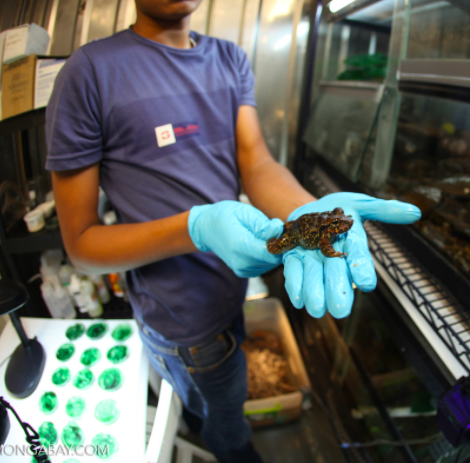
The scientific evidence for what kinds of nature conservation programs actually work is always changing, and the use of such evidence should be standard practice when creating new programs, our two guests on this episode argue. Hiromi Yamashita & Andrew Bladon with the Conservation Evidence Group join us to discuss their massive new "What Works In Conservation 2021" report, which evaluates scientific evidence for the success of conservation initiatives. Yamashita shares her work on how traditional and local knowledge benefit conservation initiatives--especially around coastal conservation projects--while Bladon provides a broad overview and details about the newest sections added to their latest report, like the evidence for mammal conservation project successes or failures: What Works in Conservation, 2021 Also discussed is Mongabay's Conservation Effectiveness series, which looks at the scientific evidence for a number of strategies, from forest certification to marine protected areas and payments for ecosystem services: Mongabay/Conservation Effectiveness series Please invite your friends to subscribe to the Mongabay Newscast wherever they get podcasts, or download our free app in the Apple App Store or in the Google Store to get access to our latest episodes at your fingertips. If you enjoy the Newscast, please visit www.patreon.com/mongabay to pledge a dollar or more to keep the show growing, Mongabay is a nonprofit media outlet and all support helps! See all our latest news from nature's frontline at Mongabay's homepage: news.mongabay.com or find us on Facebook, Twitter, and Instagram by searching for @mongabay. Episode artwork: NGO staffers are deeply involved in programs aimed at species conservation. Photo by Rhett A. Butler / Mongabay. Please share your thoughts and ideas! [email protected].

Ep 125Mongabay Reports: 'Extinction denial' is the latest anti-science conspiracy theory
bonusThere's a growing refusal by some to acknowledge the ongoing global extinction crisis being driven by human actions, conservation scientists say. These views are pushed by many of the same people who also downplay the impacts of climate change, and go against the actual evidence of widespread species population declines and recent extinctions. Listen to a September 2020 report published at Mongabay.com about this news via this episode of Mongabay Reports, which shares evergreen articles from Mongabay.com, read by host Mike DiGirolamo. This episode features the popular article, "Biologists warn 'exctinction denial' is the latest anti-science conspiracy theory." Please invite your friends to subscribe to the Mongabay Newscast wherever they get podcasts, or download our free app in the Apple App Store or in the Google Store to have access to our latest episodes at your fingertips. If you enjoy the Newscast, please visit www.patreon.com/mongabay to pledge a dollar or more to keep the show growing, Mongabay is a nonproft media outlet and all support helps! See all our latest news from nature's frontline at Mongabay's homepage: news.mongabay.com or find us on Facebook, Twitter, and Instagram by searching for @mongabay. Episode artwork: The golden lion tamarin is an endangered species native to Brazil's Atlantic Forest. Photo via Toronto Zoo. Please share your thoughts! [email protected]

Ep 125What can seashells tell us about the oceans' health?
Environmental journalist Cynthia Barnett joins this episode to discuss her fascinating new book, "The Sound of the Sea: Seashells and the Fate of the Oceans," about the many ways humans have prized seashells for millennia, using them as money, jewelry, and art, plus how seashells help us examine the challenges marine environments are facing today. We're also joined by Mongabay's Philippines-based staff writer Leilani Chavez, who describes the incredible marine biodiversity found in the Philippines' waters (among the best in the world) and why there's a movement to expand conservation efforts beyond the extensive coral reef systems. View Leilani's recent report about Philippines' MPAs and links to related coverage, here: • With growing pressures, can the Philippines sustain its marine reserves?" Please invite your friends to subscribe to the Mongabay Newscast wherever they get podcasts, or download our free app in the Apple App Store or in the Google Store to have access to our latest episodes at your fingertips. If you enjoy the Newscast, please visit www.patreon.com/mongabay to pledge a dollar or more to keep the show growing, Mongabay is a nonprofit media outlet and all support helps! See all our latest news from nature's frontline at Mongabay's homepage: news.mongabay.com or find us on Facebook, Twitter, and Instagram by searching for @mongabay. Episode artwork: A selection of gastropods via Wikimedia Commons. Please share your thoughts and ideas! [email protected].
Ep 124Optimism for elephants fuels effective Indigenous conservation effort
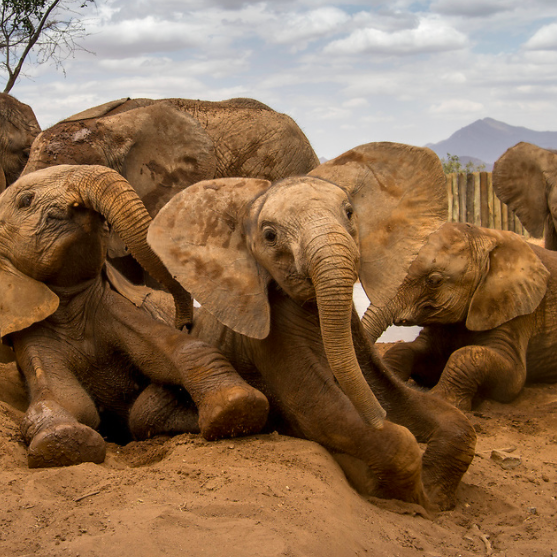
Top conservation photographer Ami Vitale rejoins the show to discuss the work of an Indigenous-owned elephant sanctuary in Kenya, where she has shot a wonderful, new, heart-melting film called Shaba. We discuss the Samburu people's inspiring and 'stubborn optimism' for the species, what they are acheiving at Reteti Sanctuary, and new things they're learning about this intriguing, super intelligent, and endangered species. Then, for this World Elephant Day special, we speak with Duke University researcher John Poulsen about forest elephants of Central/West Africa: why this species is special, how they're key to the health of its rainforest home, and what his research team is learning about their conservation. Want more? Listen to episode 85 (January 2020) to hear Ami discuss how meeting and photographing the last northern white rhino changed her life, and episode 95 (May 2020) features amazing recordings of forest elephant communication, shared by Elephant Listening Project researcher Ana Verahrami. This episode is our most popular one to date, download-wise. Please invite your friends to subscribe to the Mongabay Newscast wherever they get podcasts, or download our free app in the Apple App Store or in the Google Store to have access to our latest episodes at your fingertips. If you enjoy the Newscast, please visit www.patreon.com/mongabay to pledge a dollar or more to keep the show growing, Mongabay is a nonprofit media outlet and all support helps! See all our latest news from nature's frontline at Mongabay's homepage: news.mongabay.com or find us on Facebook, Twitter, and Instagram by searching for @mongabay. Episode artwork: Orphaned savanna elephant calves recuperate at Reteti Sanctuary before their eventual release, photo courtesy of Ami Vitale. Please share your thoughts and ideas! [email protected].

Ep 123Mongabay Reports: Two new Javan rhino calves spotted in the species' last holdout
bonusIndonesia recently announced exciting news, the sighting of two Javan rhino calves in Ujung Kulon National Park, the last place on Earth where the critically endangered species is found. The new additions bring the estimated population of the species to 73; conservationists have recorded at least one new calf a year joining the population since 2012. Listen to a June 2021 report published at Mongabay.com about this news via this episode of Mongabay Reports, which shares evergreen articles from Mongabay.com, read by host Mike DiGirolamo. This episode features the popular article, "Two new Javan rhino calves spotted in the species' last holdout." Please invite your friends to subscribe to the Mongabay Newscast wherever they get podcasts, or download our free app in the Apple App Store or in the Google Store to have access to our latest episodes at your fingertips. If you enjoy the Newscast, please visit www.patreon.com/mongabay to pledge a dollar or more to keep the show growing, Mongabay is a nonprofit media outlet and all support helps! See all our latest news from nature's frontline at Mongabay's homepage: news.mongabay.com or find us on Facebook, Twitter, and Instagram by searching for @mongabay. Episode artwork: A Javan rhino calf spotted on camera trap in Ujung Kulon National Park on March 27, 2021. Image courtesy of the Indonesian Ministry of Environment and Forestry. Please share your thoughts! [email protected]

Ep 123Reforestation done right, from Haiti to Honduras and Ho Chi Minh City
Often called a panacea, 'tree planting' is a hot topic but it can fail when too little thought goes into it, so the guests on this episode reframe the practice, saying that 'tree growing' ought to be the focus of reforestation programs. 'Right tree, right place, right community" is the approach taken by Trees for Climate Health that guest Erin Axelrod directs, whose approach ensures that the dozens of projects it is implementing currently (and its overall goal to grow over 10 million trees by 2025) are appropriate to the areas, likely to succeed and survive, and benefit local communities. We also speak with freelance environmental journalist Mike Tatarski who recently filed a story about Vietnam's plan to plant a billion trees by 2025. Tatarski tells us about the impetus and goals of this nationwide effort, Vietnam's long history of supporting tree planting, and more. Articles discussed: • "How to pick a tree-planting project? Mongabay launches transparency tool to help supporters decide" • "'Drastic forest development': Vietnam to plant 1 billion trees — but how?" Look for episode 119 of the Mongabay Newscast to hear our discussion of reforestation trends and issues with Mongabay staff writer Dr. Liz Kimbrough, who helped develop the new Reforestation Directory and app that rates such projects: Reforestation.app. Please invite your friends to subscribe to the Mongabay Newscast wherever they get podcasts, or download our free app in the Apple App Store or in the Google Store to have access to our latest episodes at your fingertips. If you enjoy the Newscast, please visit www.patreon.com/mongabay to pledge a dollar or more to keep the show growing, Mongabay is a nonprofit media outlet and all support helps! See all our latest news from nature's frontline at Mongabay's homepage: news.mongabay.com or find us on Facebook, Twitter, and Instagram by searching for @mongabay. Episode artwork: Girls from Pine Ridge Indian Reservation planting ponderosa pines in South Dakota, image courtesy of Trees, Water, and People. Please share your thoughts and ideas! [email protected].

Ep 122Reconnecting kids and ourselves to the planet with author Richard Louv
During the past year's pandemic and lockdowns, spending time outdoors has been soothing for many--whether found outside our homes, in parks, or via nature documentaries--and in some ways it was a meaningful reset. Both human health and conservation benefit when we spend time in nature, so today we're discussing reconnection for kids and adults: what we know about its beneficial effects, how a movement to connect with nature is growing globally, and what this means for conservation. Our first guest is author Richard Louv, who coined the phrase 'nature deficit disorder' and wrote the 2005 book that introduced the concept, Last Child in the Woods: Saving Our Children From Nature-Deficit Disorder, in order to facilitate discussion of the human cost of alienation from the natural world. Louv discusses the international movement kicked off by the book, what the latest research says about the connection between nature deficit disorder and a variety of physical and mental ailments, and how the pandemic shifted the public's views on nature. We also welcome to the show educator Megan Strauss, co-editor of Mongabay Kids, which provides kids, families, and educators with content that helps raise awareness of environmental issues and fosters an appreciation of plants, wildlife, and wild places. She shares the philosophy behind the site and the great variety of activities available there, plus her point of view on nature connection from her home region of Australia. Please invite your friends to subscribe to the Mongabay Newscast wherever they get podcasts, or download our free app in the Apple App Store or in the Google Store to have access to our latest episodes at your fingertips. If you enjoy the Newscast, please visit www.patreon.com/mongabay to pledge a dollar or more to keep the show growing, Mongabay is a nonprofit media outlet and all support helps! See all our latest news from nature's frontline at Mongabay's homepage: news.mongabay.com or find us on Facebook, Twitter, and Instagram by searching for @mongabay. Episode artwork: Boy and butterfly by Ryan Hagerty via the Creative Commons. Please share your thoughts and ideas! [email protected].

Ep 121Mongabay Reports: Camera traps in trees reveal a richness of species in Rwandan park
bonusWildlife researchers often use motion-sensing cameras, also known as camera traps, to study animals in the wild. However, these are usually positioned at ground level, leaving a diverse world of animals unexamined: those that dwell in the trees above. Camera traps set in trees in Rwanda's Nyungwe National Park captured 35 different mammal species over a 30-day period, including a rare Central African oyan, a small catlike mammal that had not previously been documented there. Mongabay Reports is a new series that shares evergreen articles like this from Mongabay.com, read by host Mike DiGirolamo. This episode features the popular article, "Camera traps in trees reveal a richness of species in Rwandan park." Please invite your friends to subscribe to the Mongabay Newscast wherever they get podcasts, or download our free app in the Apple App Store or in the Google Store to have access to our latest episodes at your fingertips. If you enjoy the Newscast, please visit www.patreon.com/mongabay to pledge a dollar or more to keep the show growing, Mongabay is a nonprofit media outlet and all support helps! See all our latest news from nature's frontline at Mongabay's homepage: news.mongabay.com or find us on Facebook, Twitter, and Instagram by searching for @mongabay. Episode artwork: A L'hoest's monkey photographed in the park, which is listed as vulnerable on the IUCN Red List. Photo courtesy of WCS Rwanda. Please share your thoughts! [email protected]
Ep 121With billion dollar boost, bioacoustics is set to soar
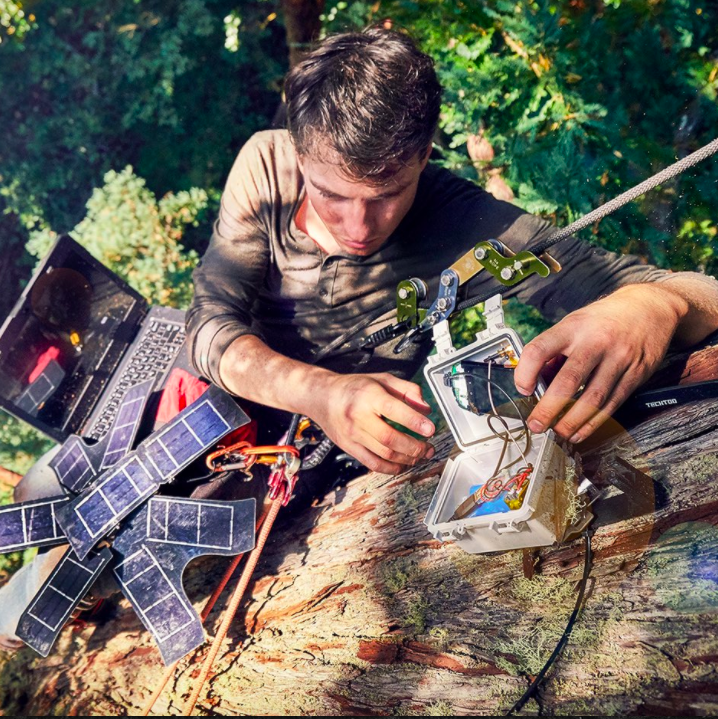
"This is an incredibly exciting time to be part of the field of bioacoustics," our guest on this episode says, and she's right: if you care about wildlife conservation, or really like technology and interesting solutions to big challenges, this episode is for you. Laurel Symes is assistant director of the Cornell Lab of Ornithology's bioacoustics lab, which was founded in the 1980s to study whale songs and elephant rumbles, and it just received a massive $24 million gift and changed its name to the K. Lisa Yang Center for Conservation Bioacoustics. The Cornell program is therefore about to expand this field in many ways, from technology development to implementation, so we discuss their plans and the implications with this repeat guest, who previously joined the show to discuss her own fascinating work on the soundscapes of rainforests (episode 86). Many bioacoustics researchers like her have been featured by this show, so after discussing Laurel's exciting news, we feature some of our most popular acoustic ecology segments: get ready for an absorbing crash course on what people are learning about animal behavior and ecosystem health with these increasingly affordable and ubiquitous listening devices! If you want to hear any of the episodes featured in full, look up the episode numbers listed here in your podcast app of choice, or click its link to hear it via the Mongabay website: Elephant Listening Project, episode 95 Indri lemur choruses, episode 107 Gibbon songs, episode 82 Humpback whales sharing songs, episode 77 Right whales discovered singing for the 1st time, episode 72 Rainforest frogs, episode 54 Please invite your friends to subscribe to the Mongabay Newscast wherever they get podcasts, or download our free app in the Apple App Store or in the Google Store to have access to our latest episodes at your fingertips. If you enjoy the Newscast, please visit www.patreon.com/mongabay to pledge a dollar or more to keep the show growing, Mongabay is a nonprofit media outlet and all support helps! See all our latest news from nature's frontline at Mongabay's homepage: news.mongabay.com or find us on Facebook, Twitter, and Instagram by searching for @mongabay. Episode artwork: Topher White of Rainforest Connection installing a bioacoustics device in the forest canopy. Image by Ben Von Wong. Please share your thoughts and ideas! [email protected].
Ep 120Can Biden's 30x30 plan put the U.S. back on a positive conservation track?
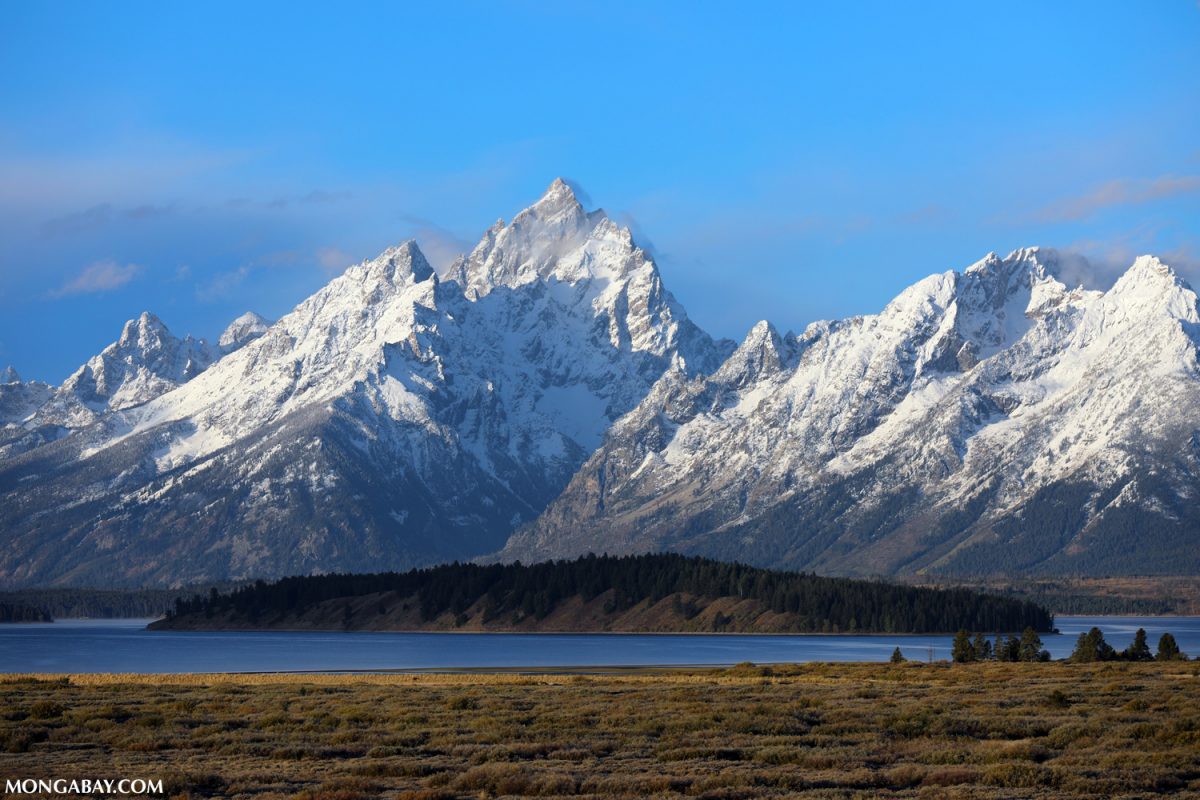
The U.S. has been M.I.A. on many environmental issues for the last few years, but the new Biden Administration has been announcing positive policies regularly. Among the most important is the "America The Beautiful" plan, laying out a vision for conserving 30% of its lands and waters by 2030, making it the latest country to release what's called a 30×30 plan. But is it enough? Despite a lack of specifics, many are celebrating renewed American leadership on this front, which can encourage other countries to get aboard the 30x30 bandwagon, in addition to other green policy objectives. Joining us to discuss is Joe Walston, executive vice president of global conservation for the Wildlife Conservation Society--we talk about how the plan has been received, the most important details of the plan needing to be fleshed out, the important role of Indigenous people and farmers it advocates for, and why the U.S. joining the 30×30 movement could have sweeping global impacts. Other conservation initiatives are also afoot that aim to make profound changes in the way Americans live on the planet. One is through agricultural solutions to the climate crisis, so we're also joined by science writer Sarah Derouin, who recently covered agroforestry programs in the U.S Midwest and Pennsylvania for Mongabay. Derouin shares the goals and accomplishments of these programs, the vision of trees becoming integral to farming even in areas dominated by monocultures, and how agroforestry can factor into the U.S. meeting the 30×30 targets. Articles discussed during this episode: Biden lays out vision for protecting 30% of US land, waters by 2030 Nuts about agroforestry in the U.S. Midwest: Can hazelnuts transform farming? In Pennsylvania, agroforestry holds a key to cleaning up waterways and Chesapeake Bay Please invite your friends to subscribe to the Mongabay Newscast wherever they get podcasts, or download our free app in the Apple App Store or in the Google Store to have access to our latest episodes at your fingertips. If you enjoy the Newscast, please visit www.patreon.com/mongabay to pledge a dollar or more to keep the show growing, Mongabay is a nonproft media outlet and all support helps! See all our latest news from nature's frontline at Mongabay's homepage: news.mongabay.com or find us on Facebook, Twitter, and Instagram by searching for @mongabay. Episode artwork: The Grand Tetons in Wyoming. Photo credit: Rhett A. Butler for Mongabay. Please share your thoughts! [email protected]

Ep 119Mongabay Reports: How many trees are on the Earth?
bonusWhen it comes to the world's forests, two commonly asked questions are "How many trees are on Earth?" and "How many are cut down each year?" A study in the journal Nature proposed answers: 3 trillion and 15.3 billion. Mongabay Reports is a new series that shares evergreen articles like this from Mongabay.com, read by host Mike DiGirolamo. This episode features one of our most read stories of the last several years: "How many trees are cut down every year?" Though it was published in late 2015, the information is quite relevant today. Please invite your friends to subscribe to the Mongabay Newscast wherever they get podcasts, or download our free app in the Apple App Store or in the Google Store to have access to our latest episodes at your fingertips. If you enjoy the Newscast, please visit www.patreon.com/mongabay to pledge a dollar or more to keep the show growing, Mongabay is a nonprofit media outlet and all support helps! See all our latest news from nature's frontline at Mongabay's homepage: news.mongabay.com or find us on Facebook, Twitter, and Instagram by searching for @mongabay. Episode artwork: Redwood trees in California, photo by Rhett A. Butler. Please share your thoughts! [email protected]
Ep 119Reforestation vs deforestation: Forest losses and gains this past year
On this episode we discuss how newly released data shows deforestation rose in 2020, even while tree planting initiatives took root all around the planet. Mongabay founder and CEO Rhett Butler joins us to discuss the 2020 deforestation data, how that fits into broader trends affecting the world's forests, and what good news there is to take from last year's deforestation numbers. We also welcome Mongabay staff writer Dr. Liz Kimbrough to the program to discuss our new database of hundreds of reforestation projects from around the world she helped assemble that aims to help donors find the most effective tree-planting initiatives to support. Find this new Reforestation Directory and app to learn about tree planting projects you might want to study or support at Reforestation.app. Articles discussed in this episode: • "Global forest loss increased in 2020" (31 March 2021) • "A Madagascar-sized area of forest has regrown since 2000" (12 May 2021) • "Is planting trees as good for the Earth as everyone says?" (13 May 2021) • "How settlers, scientists, and a women-led industry saved Brazil's rarest primate" (14 May 2021) • "How to pick a tree-planting project? Mongabay launches transparency tool to help supporters decide" (17 May 2021) Please invite your friends to subscribe to the Mongabay Newscast wherever they get podcasts, or download our free app in the Apple App Store or in the Google Store to have access to our latest episodes at your fingertips. If you enjoy the Newscast, please visit www.patreon.com/mongabay to pledge a dollar or more to keep the show growing, Mongabay is a nonproft media outlet and all support helps! See all our latest news from nature's frontline at Mongabay's homepage: news.mongabay.com or find us on Facebook, Twitter, and Instagram by searching for @mongabay. Episode artwork: A man carries trees during a reforestation project in Tanzania. Image courtesy of One Tree Planted. Please share your thoughts! [email protected]
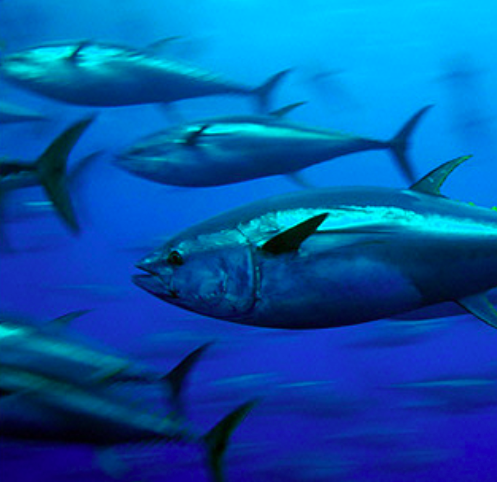
Ep 118Two tunas and a tale of managed extinction
Are international groups that manage declining tuna populations doing too good a job? Two guests on our show this week illustrate how these managers aren't aiming for sustainability, but rather enable maximum extraction of the 'tuna resource' that graces peoples' dinner plates. Author Jennifer Telesca calls the Atlantic bluefin tuna program one of 'managed extinction' while Mongabay staff writer Malavika Vayawahare discusses how the European Union controls the Indian Ocean yellowfin tuna fishery to such a degree that developing nations like the Seychelles that actually border those waters enjoy too little benefit from the fish's formerly extensive population. Telesca's book "Red Gold: The Managed Extinction of the Giant Bluefin Tuna" was published in 2020 and Vayawahare's two April articles for Mongabay elicited strong support from the nation of The Seychelles and a stern riposte from the EU: Red flag: Predatory European ships help push Indian Ocean tuna to the brink European tuna boats dump fishing debris in Seychelles waters 'with impunity' Are the allegations of a "neo-colonial" plunder of developing nations' resources accurate? Should a small number of highly profitable industrial fishing companies be allowed to hunt iconic wildlife like bluefin tuna to extinction? Listen and let us know your thoughts, [email protected] Please invite your friends to subscribe to the Mongabay Newscast wherever they get podcasts, or download our free app in the Apple App Store or in the Google Store to have access to our latest episodes at your fingertips. If you enjoy the Newscast, please visit www.patreon.com/mongabay to pledge a dollar or more to keep the show growing, Mongabay is a nonproft media outlet and all support helps! See all our latest news from nature's frontline at Mongabay's homepage: news.mongabay.com or find us on Facebook, Twitter, and Instagram by searching for @mongabay. Episode artwork: Atlantic bluefin tuna, courtesy of NOAA

Ep 117As humanity exceeds key 'planetary boundaries' many solutions are on the horizon, too
Climate change & loss of biological diversity are just two of the 9 planetary boundaries scientists say humanity is currently pushing the limits of. How long can we sustain society if we keep pushing these limits? We explore this question -- and some leading solutions -- with two guests: Dr. Claire Asher is a freelance science communicator and author who joins us to discuss a recent article she wrote for Mongabay that describes the boundaries, the 4 we are already exceeding, and the opportunities we'll have in 2021 to transform the way we live on this planet and restore equilibrium to Earth's vital ecological systems, from sustainable design and agriculture to key international meetings. "We don't have to give up the nice things to have a planet that is habitable, but we have to start to invest now," Asher says. Then Andrew Willner discusses his recent Mongabay article "New Age of Sail" that would transform the global shipping industry, a major source of CO2 emissions that are shifting the climate. Willner shares how cutting edge technologies are deployed on ships right now to decrease their fuel consumption, including a number of modern types of sails that are once again harnessing the wind to power the ships moving our goods around the world. Related reading: Claire Asher: The nine boundaries humanity must respect to keep the planet habitable Andrew Willner: New age of sail looks to slash massive maritime carbon emissions Episode artwork: view of Earth imaged during ISS Expedition 46, courtesy of NASA. Please invite your friends to subscribe to the Mongabay Newscast wherever they get podcasts, or download our free app in the Apple App Store or in the Google Store to have access to our latest episodes at your fingertips. If you enjoy the Newscast, please visit www.patreon.com/mongabay to pledge a dollar or more to keep the show growing, Mongabay is a nonproft media outlet and all support helps! See all our latest news from nature's frontline at Mongabay's homepage: news.mongabay.com or find us on Facebook, Twitter, and Instagram by searching for @mongabay. Feedback is always welcome: [email protected].
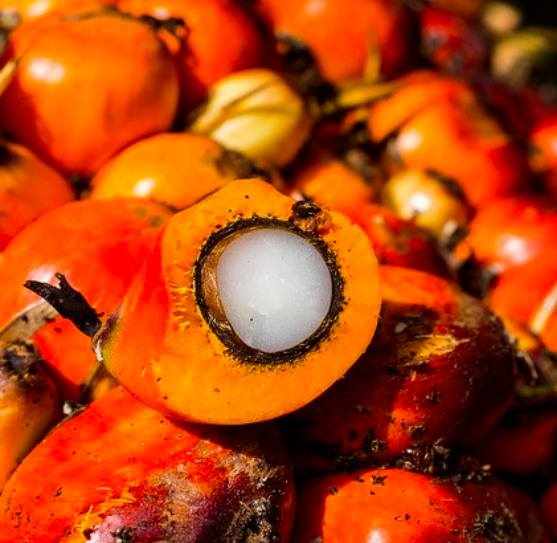
Ep 116New investigation in the Amazon documents impact of palm oil plantations on Indigenous communities
Palm oil plantations look likely to become a new cause of deforestation and pollution across the Amazon: though companies say their supply chains are green and sustainable, critics in Brazil--including scientists & federal prosecutors--cite deforestation, chemical pollution, and human rights violations. Mongabay's Rio-based editor Karla Mendes investigated one such project in Para State and joins us to discuss the findings of her new report, Déjà vu as palm oil industry brings deforestation, pollution to Amazon. Beside the health toll of chemical sprays on Indigenous people whose land it encroaches, Mendes studied satellite imagery to disprove claims that the company only plants on land that's already been deforested. Also joining the show are a scientist who's documented contamination of water sources and related health impacts, Sandra Damiani from the University of Brasília, plus a federal prosecutor in the Amazon region, Felício Pontes Júnior, who is trying to hold palm oil companies accountable for polluting Indigenous communities. Palm oil is used in a huge array of consumer goods sold in most countries--from snacks to ice cream & shampoo---and is a main cause of rainforest loss in Africa and Southeast Asia. Now, the industry sees the Amazon as prime new ground. Episode artwork: Fresh palm oil fruit, West Kalimantan, Indonesia. Photo courtesy of Nanang Sujana for CIFOR. Please invite your friends to subscribe to the Mongabay Newscast wherever they get podcasts, or download our free app in the Apple App Store or in the Google Store to have access to our latest episodes at your fingertips. If you enjoy the Newscast, please visit www.patreon.com/mongabay to pledge a dollar or more to keep the show growing, Mongabay is a nonproft media outlet and all support helps! Supporting at the $10/month level now delivers access to Insider Content at Mongabay.com, too, please visit the link above for details. See all our latest news from nature's frontline at Mongabay's homepage: news.mongabay.com or find us on Facebook, Twitter, and Instagram by searching for @mongabay. Feedback is always welcome: [email protected].

Ep 115Mongabay Explores Sumatra: Solutions and optimism that drive conservation
bonus'I'm amazed how resilient, adaptable and optimistic the people of Sumatra are,' conservationist and HAkA Sumatra founder Farwiza Farhan says in the first moments of this episode about the women and communities she works with during the final episode of Mongabay's special series on Sumatra. The giant Indonesian island of course faces many environmental challenges, but there is also tremendous hope and good progress thanks to the work of people like her and educator Pungky Nanda Pratama, who also joins the show to describe how his Jungle Library Project & Sumatra Camera Trap Project are opening the eyes of the next generation to the need for protecting their fabulous natural heritage. Host Mike DiGirolamo shares the effectiveness of their efforts, what they are hopeful for, their biggest challenges, and the role of grassroots organizing in protecting and revitalizing the land, wildlife, and people of Sumatra. More about these guests' work: Farwiza Farhan: Women's Earth Alliance mentor & board member How one conservationist is sparking a 'young revolution' in Indonesia Saving Sumatran orchids from deforestation, one plant at a time Listen to the previous 9 episodes of Mongabay Explores Sumatra via the podcast provider of your choice or find them at our podcast homepage here. Episode artwork: Pungky with the biggest flower on Earth, Rafflesia arnoldii. Photo by Alek Sander. Please invite your friends to subscribe to the Mongabay Newscast wherever they get podcasts, or download our free app in the Apple App Store and in the Google Store to have access to our latest episodes at your fingertips. If you enjoy the Newscast, please visit www.patreon.com/mongabay to pledge a dollar or more to keep the show growing, Mongabay is a nonprofit media outlet and all support helps! Supporting at the $10/month level now delivers access to Insider Content at Mongabay.com, too, please visit the link above for details. See all our latest news from nature's frontline at Mongabay's homepage: news.mongabay.com or find us on Facebook, Twitter, and Instagram by searching for @mongabay. Feedback is always welcome: [email protected].

Ep 115Can agroecology feed the world?
Agroecology is a style of sustainable farming spreading quickly around the globe, transforming the way food is grown. Industrial agriculture requires chemicals like fertilizers and pesticides that harm natural systems and people alike, but by working with (and even enhancing) ecosystems, agroecology provides an alternative that encompasses many familiar practices--from composting to organic gardening and seed saving--and many less widely implemented ones, like agroforestry, while bringing modern technology like mobile apps and SMS to bear. And studies show that it can indeed feed the world's people: food systems expert and author Anna Lappé joins the show to discuss why the idea that it's a "low yield" practice is a myth and how the adoption of agroecological practices around the globe is key to a sustainable future. And behavioral scientist Philippe Bujold of Rare Conservation's Center for Behavior & the Environment discusses his organization's program that employs behavioral science to encourage farmers in Colombia to adopt agroecology in the face of changing climate conditions, like drought and heat, which are causing traditional growing methods to fail. Episode artwork: Vegetable farmer watering plants at an organic farm in Boung Phao Village, Lao PDR, via Flickr. Please invite your friends to subscribe to the Mongabay Newscast wherever they get podcasts, or download our free app in the Apple App Store or in the Google Store to have access to our latest episodes at your fingertips. If you enjoy the Newscast, please visit www.patreon.com/mongabay to pledge a dollar or more to keep the show growing, Mongabay is a nonproft media outlet and all support helps! Supporting at the $10/month level now delivers access to Insider Content at Mongabay.com, too, please visit the link above for details. See all our latest news from nature's frontline at Mongabay's homepage: news.mongabay.com or find us on Facebook, Twitter, and Instagram by searching for @mongabay. Feedback is always welcome: [email protected].

Ep 114Mongabay Explores Sumatra: Restoration for peat's sake
bonusOnce drained for palm oil or other agricultural uses, Indonesia's peatlands become very fire prone, putting people and rich flora and fauna--from orchids to orangutans--at risk. Over a million hectares of carbon-rich peatlands burned in Indonesia in 2019, creating a public health crisis not seen since 2015 when the nation's peatland restoration agency was formed to address the issue. To understand what is being done to restore peatlands, we speak with the Deputy Head of the National Peatland Restoration Agency, Budi Wardhana, and with Dyah Puspitaloka, a researcher on the value chain, finance and investment team at CIFOR, the Center for International Forestry Research. Restoration through agroforestry that benefits both people and planet is one positive avenue forward, which Dyah discusses in her remarks. For more on this topic, see the recent report at Mongabay, "Indonesia renews peat restoration bid to include mangroves, but hurdles abound." Episode artwork: Haze from fires in a peatland logging concession pollutes the air in Jambi Province, Indonesia. Image courtesy of Greenpeace Media Library. Please invite your friends to subscribe to the Mongabay Newscast wherever they get podcasts, or download our free app in the Apple App Store and in the Google Store to have access to our latest episodes at your fingertips. If you enjoy the Newscast, please visit www.patreon.com/mongabay to pledge a dollar or more to keep the show growing, Mongabay is a nonprofit media outlet and all support helps! Supporting at the $10/month level now delivers access to Insider Content at Mongabay.com, too, please visit the link above for details. See all our latest news from nature's frontline at Mongabay's homepage: news.mongabay.com or find us on Facebook, Twitter, and Instagram by searching for @mongabay. Feedback is always welcome: [email protected].
Ep 114Rewilding, restoration, and real hope for the future
Landscape rewilding and ecosystem restoration are likely our last/best chances to maintain life on Earth as we know it, the guests on this week's show argue. The UN Decade on Ecosystem Restoration just began, so we invited author Judith Schwartz to discuss her new book The Reindeer Chronicles and Other Inspiring Stories of Working with Nature to Heal the Earth, which documents numerous restoration projects around the globe and highlights how the global ecological restoration movement is challenging us to reconsider the way we live on the planet. We're also joined by Tero Mustonen, president of the Finnish NGO Snowchange Cooperative, who tells us about the group's Landscape Rewilding Programme which is restoring & rewilding Arctic and Boreal habitats using Indigenous knowledge and science. He previously joined us to discuss the 'dialogue' between Indigenous knowledge and western science for a popular episode in 2018, a theme we also explored with David Suzuki for another popular show about how Indigenous knowledge is critical for human survival. Episode artwork: Reindeer calf at Lake Inari in northern Finland © Markus Mauthe / Greenpeace. Please invite your friends to subscribe to the Mongabay Newscast wherever they get podcasts, or download our free app in the Apple App Store and in the Google Store to have access to our latest episodes at your fingertips. If you enjoy the Newscast, please visit www.patreon.com/mongabay to pledge a dollar or more to keep the show growing, Mongabay is a nonproft media outlet and all support helps! Supporting at the $10/month level now delivers access to Insider Content at Mongabay.com, too, please visit the link above for details. See all our latest news from nature's frontline at Mongabay's homepage: news.mongabay.com or find us on Facebook, Twitter, and Instagram by searching for @mongabay. Feedback is always welcome: [email protected].

Ep 113Mongabay Explores Sumatra: where are the rhinos?
bonusThe Sumatran rhino is a ridiculously cute but cryptic species that teeters on the brink: with an estimated 80 individuals left in the wilds of its super dense rainforest home, experts are also divided on *where* they are. With conflicting and sometimes misleading data on their whereabouts, it is exceedingly difficult to track them down, and to therefore protect them. To discuss this 'rhino search and rescue' as she calls it, host Mike DiGirolamo contacted repeat guest Wulan Pusparini, who studied them as a species conservation specialist with the Wildlife Conservation Society before pursuing her Ph.D. in Environmental Conservation at Oxford University. Articles discussed in this episode: Rarely seen Sumatran rhinos are now even more elusive as threats close in Signs, but no sightings: The phantom rhinos of Sumatra's Bukit Barisan Selatan Episode artwork: Rosa is the wild-born female Sumatran rhino noted by Wulan during the interview who now lives at the Sumatran Rhino Sanctuary in Way Kambas National Park. Image courtesy of Terri Roth/Cincinnati Zoo. Please invite your friends to subscribe to the Mongabay Newscast wherever they get podcasts. We also offer a free app in the Apple App Store and in the Google Store for this show, providing instant access to our latest episodes and previous ones. If you enjoy the Newscast, please visit www.patreon.com/mongabay to pledge a dollar or more to keep the show growing, Mongabay is a nonprofit media outlet and all support helps! Supporting at the $10/month level now delivers access to Insider Content at Mongabay.com, too, please visit the link above for details. See all of our latest news from nature's frontline at Mongabay's homepage: news.mongabay.com or find us on Facebook, Twitter, and Instagram by searching for @mongabay. Feedback is always welcome: [email protected].