
Mongabay Newscast
377 episodes — Page 4 of 8

Ep 165Mongabay Reports: What's in the new U.N. High Seas treaty?
bonusMore than 15 years in the making, the United Nations has finally reached an agreement on a landmark, legally binding treaty to protect international waters, where a myriad of wildlife big and small live. Why did it take so long, and what happens next? Hear all about it by listening to this audio reading of the popular article by Elizabeth Fitt: As U.N. members clinch historic high seas biodiversity treaty, what's in it? Please invite your friends to subscribe to the Mongabay Newscast wherever they get podcasts from, or download our free app in the Apple App Store or in the Google Store to gain instant access to our latest episodes and past ones. If you enjoy this series, please visit www.patreon.com/mongabay to pledge a dollar or more to keep the show growing, Mongabay is a nonprofit media outlet and all support helps! See all our latest news from nature's frontline at Mongabay's homepage: news.mongabay.com or find us on Facebook, Twitter, and Instagram by searching for @mongabay. Image caption: A humpback whale in Antarctica. Image by Christopher Michel via Flickr (CC BY-NC-ND 2.0). Please send feedback to [email protected], and thank you for listening.

Ep 165Journalist Tom Philpott on how agriculture impacts the environment & agroecology alternatives
The American approach to food production is negatively impacting the environment and depleting natural resources like topsoil and groundwater at an alarming rate. Top agriculture author, journalist, and Johns Hopkins Center for a Livable Future research associate Tom Philpott highlights these problems on this episode first by discussing two regions where such impacts are acutely felt, the Central Valley of California and the Great Plains, and then explains how these problems are spreading to the rest of the globe. But the author of Perilous Bounty: The Looming Collapse of American Farming and How We Can Prevent It, Philpott also says there's hope via sustainable practices like agroecology and agroforestry, new land tenure models, and more. A former food reporter and editor for Mother Jones and Grist, he discusses steps that can be taken to reform our food systems for a healthier and more sustainable future at this moment as a new growing season is about to begin in the Northern Hemisphere. "We don't have to have an agriculture that consumes the very ecologies that make it possible, and leads to this catastrophic loss of species that we're in the middle of right now," our guest says. Related reading: From traditional practice to top climate solution, agroecology gets growing attention · 'During droughts, pivot to agroecology': Q&A with soil expert at the World Agroforestry Centre · American agroforestry accelerates with new funding announcements Please invite your friends to subscribe to the Mongabay Newscast wherever they get podcasts, from Apple to Spotify, or download our free app in the Apple App Store or in the Google Store to get access to our latest episodes at your fingertips. If you enjoy the Newscast, please visit www.patreon.com/mongabay to pledge a dollar or more to keep the show growing, Mongabay is a nonprofit media outlet and all support helps! See all our latest news from nature's frontline at Mongabay's homepage: news.mongabay.com or find us on Facebook, Twitter, and Instagram by searching for @mongabay. Please share your thoughts and feedback! [email protected]. Image caption: Corn is a common food and fodder crop of the Great Plains, and has also long been used to make ethanol. But its most common cultivation methods lead to massive soil erosion, pollution of waterways, and heavy use of chemical herbicides and pesticides. Image courtesy of Tyler Lark.

Ep 164Mongabay Reports: Monarchs make a comeback
bonusIn 2022, the population of western monarch butterflies reached its highest number in decades, 335,000, according to the annual Western Monarch Count in California and Arizona, marking the second year in a row for a positive tally of the species numbers. While that count is celebrated by conservationists, they also point to the need to protect monarchs' overwintering sites in North America, which continue to suffer degradation and destruction each year. Read the popular article by Liz Kimbrough here: Western monarch populations reach highest number in decades Please invite your friends to subscribe to the Mongabay Newscast wherever they get podcasts from, or download our free app in the Apple App Store or in the Google Store to gain instant access to our latest episodes and past ones. If you enjoy this series, please visit www.patreon.com/mongabay to pledge a dollar or more to keep the show growing, Mongabay is a nonprofit media outlet and all support helps! See all our latest news from nature's frontline at Mongabay's homepage: news.mongabay.com or find us on Facebook, Twitter, and Instagram by searching for @mongabay. Image caption: A monarch butterfly (Danaus plexippus). Image by John Banks via Pexels (Public domain). Please send feedback to [email protected], and thank you for listening.
Ep 164Indigenous ecological knowledge: National Geographic photographer Kiliii Yuyan talks TEK
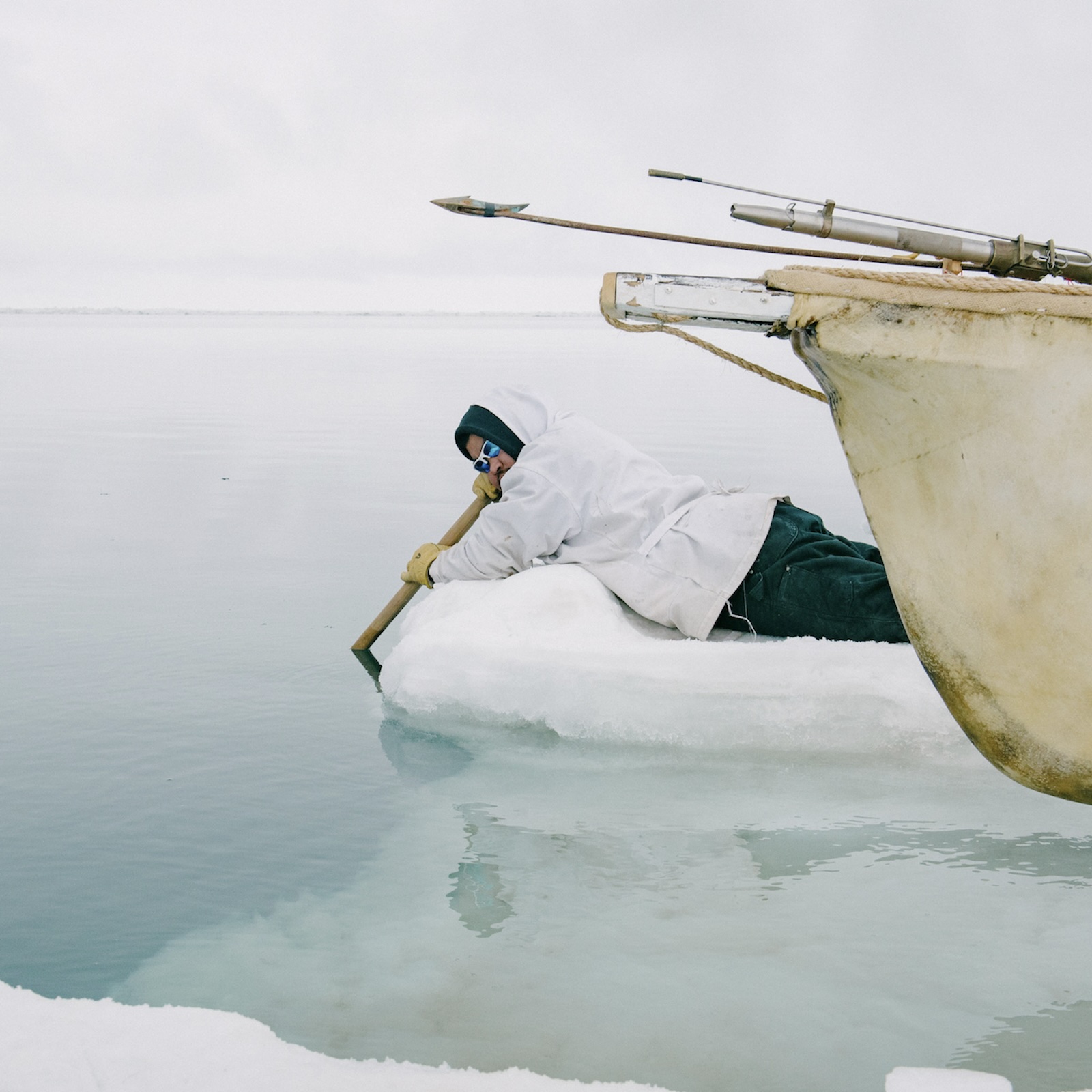
This podcast episode won a 2024 Indigenous Media Award. National Geographic photographer Kiliii Yuyan joins the show to discuss his visits to five Indigenous communities and the value of traditional ecological knowledge (TEK) for protecting the world's biodiversity, which is the subject of his new project, "The Guardians of Life: Indigenous Stewards of Living Earth." An effort in collaboration with previous guest Gleb Raygorodetsky and with support from the National Geographic Society and the Amazon Climate Pledge, the project takes Yuyan to five different Indigenous communities across the world. Yuyan shares insights on the TEK of the Indigenous communities he's visited and his own reflections as a person with Indigenous ancestry doing this work, plus what he wishes more journalists would do when sharing the stories and unique knowledge of Indigenous communities. Related reading: Indigenous lands hold the world's healthiest forests – but only when their rights are protected Will the world join Indigenous peoples in relationship with nature at COP-15? (commentary) Podcast: How marine conservation benefits from combining Indigenous knowledge and Western science Please invite your friends to subscribe to the Mongabay Newscast wherever they get podcasts, from Apple to Spotify, or download our free app in the Apple App Store or in the Google Store to get access to our latest episodes at your fingertips. If you enjoy the Newscast, please visit www.patreon.com/mongabay to pledge a dollar or more to keep the show growing, Mongabay is a nonprofit media outlet and all support helps! See all our latest news from nature's frontline at Mongabay's homepage: news.mongabay.com or find us on Facebook, Twitter, and Instagram by searching for @mongabay. Please share your thoughts and feedback! [email protected]. Image Caption: Larry Lucas Kaleak listens to the sounds of passing whales and bearded seals through a skinboat paddle in the water. Image (c) Kiliii Yuyan.

Ep 163Mongabay Reports: Can you fund reforestation by cutting trees down?
bonusAs the world pursues reforestation on an expanding scale, a recurring question is: how do we pay for it? One emerging solution is to grow and harvest timber on the same land where reforestation is happening, as exemplified in Brazil's Atlantic Forest. Another approach is to grow timber trees and natural forests on separate plots of land, with a portion of the profits from timber harvests supporting the reforestation. However, some experts worry that relying too much on timber revenues could harm ecosystems and existing forests, resulting in additional harvesting. Can we balance the need for funding with the need to preserve native ecosystems? On this episode, listen to the popular Mongabay article by Gianluca Cerullo that discusses all this: Dollars and chainsaws: Can timber production help fund global reforestation? Please invite your friends to subscribe to the Mongabay Newscast wherever they get podcasts from, or download our free app in the Apple App Store or in the Google Store to gain instant access to our latest episodes and past ones. If you enjoy this series, please visit www.patreon.com/mongabay to pledge a dollar or more to keep the show growing, Mongabay is a nonprofit media outlet and all support helps! See all our latest news from nature's frontline at Mongabay's homepage: news.mongabay.com or find us on Facebook, Twitter, and Instagram by searching for @mongabay. Image caption: Native regeneration under 50% dead standing eucalyptus trees in Brazil's Atlantic Forest. Image courtesy of Paulo Guilherme Molin/Federal University of São Carlos. Please send feedback to [email protected], and thank you for listening.
Ep 163Geoengineering and other 'solution problems': Discussion with author Elizabeth Kolbert
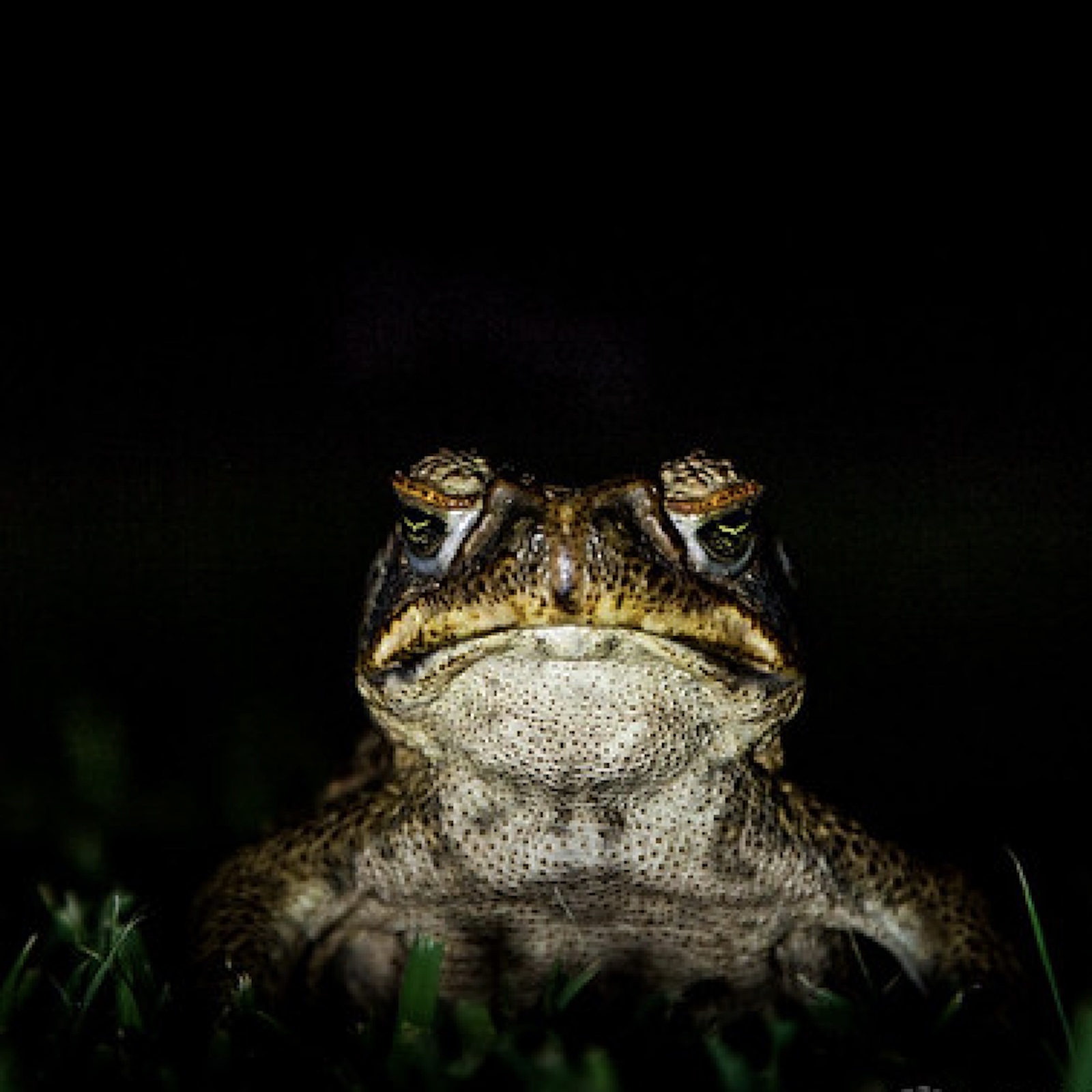
Modern society is constantly crafting mega solutions to problems it has created, many of which come with even more problems, and no guarantee of solving the issue, long term. Whether it's injecting reflective aerosols into the atmosphere to combat climate change (literally turning the sky white), or gene-editing invasive species, "we seem incapable of stopping ourselves," argues journalist and Pulitzer-prize winning author Elizabeth Kolbert. She joins the Mongabay Newscast to talk about her latest book, "Under a White Sky: The Nature of the Future," which explores many of these machinations in detail and why she urges readers to be skeptical of them. Related reading: Geoengineering Earth's climate future: Straight talk with Wake Smith Efforts to dim Sun and cool Earth must be blocked, say scientists Is invasive species management doing more harm than good? (commentary) Release the cats: Training native species to fear invasive predators Please invite your friends to subscribe to the Mongabay Newscast wherever they get podcasts, from Apple to Spotify, or download our free app in the Apple App Store or in the Google Store to get access to our latest episodes at your fingertips. If you enjoy the Newscast, please visit www.patreon.com/mongabay to pledge a dollar or more to keep the show growing, Mongabay is a nonprofit media outlet and all support helps! See all our latest news from nature's frontline at Mongabay's homepage: news.mongabay.com or find us on Facebook, Twitter, and Instagram by searching for @mongabay. Please share your thoughts and feedback! [email protected]. Image: The cane toad (Rhinella marina). Native to South and Central America, the toxic species was deliberately introduced in Queensland, Australia, in 1935 and today it is considered an invasive pest, poisoning native fauna. Image by Paul Williams/Iron Ammonite Photography. Creative Commons (CC BY-NC 2.0).

Ep 162Mongabay Reports: Cheetahs bring vultures back from the brink in Malawi
bonusIn a national park in southern Malawi, the reintroduction of cheetahs (and lions) is bringing four critically endangered vulture species back to the skies, after a 20-year absence: the big cats' kill sites have increased the food supply, encouraging the birds to return in a conservation 'win-win.' A project of African Parks and the Endangered Wildlife Trust begun in 2017, the team has since observed tagged vultures in parks outside Malawi, too. Read or share this popular article by Ryan Truscott here: Cheetah reintroduction in Malawi brings vultures back to the skies Please invite your friends to subscribe to the Mongabay Newscast wherever they get podcasts from, or download our free app in the Apple App Store or in the Google Store to gain instant access to our latest episodes and past ones. If you enjoy this series, please visit www.patreon.com/mongabay to pledge a dollar or more to keep the show growing, Mongabay is a nonprofit media outlet and all support helps! See all our latest news from nature's frontline at Mongabay's homepage: news.mongabay.com or find us on Facebook, Twitter, and Instagram by searching for @mongabay. Photo Credit: A cheetah. Image by Rhett Butler for Mongabay. Please send feedback to [email protected], and thank you for listening.

Ep 162Epic struggle for Ecuador's biodiversity is having success
The Intag Valley in Ecuador is one of the world's most biodiverse places, its dense cloud forests bursting with plant and animal species. But the world's largest copper company wants to build a mine amidst its riches, so local leaders are organizing a conservation campaign: Mongabay's associate digital editor Romi Castagnino recently visited the area and joins this episode to discuss what she and staff writer Liz Kimbrough reported, and how that article sparked key support from one of Hollywood's top environmentalists, Leonardo DiCaprio. Click 'play' to hear what she saw, and read Mongabay's full report from the valley here: In Ecuador, communities protecting a 'terrestrial coral reef' face a mining giant This is the first feature in Mongabay's new series, Conservation Potential: Mongabay's Conservation Potential series asks: Where do we need to protect biodiversity? Here's an update on the effort: Ecuador court upholds 'rights of nature,' blocks Intag Valley copper mine Please invite your friends to subscribe to the Mongabay Newscast wherever they get podcasts, from Apple to Spotify, or download our free app in the Apple App Store or in the Google Store to get access to our latest episodes at your fingertips. If you enjoy the Newscast, please visit www.patreon.com/mongabay to pledge a dollar or more to keep the show growing, Mongabay is a nonprofit media outlet and all support helps! See all our latest news from nature's frontline at Mongabay's homepage: news.mongabay.com or find us on Facebook, Twitter, and Instagram by searching for @mongabay. Please share your thoughts and feedback! [email protected]. Image: A silk eyed moth photographed on the arm of Liz Kimbrough. Image by Romi Castagnino for Mongabay.
Ep 161Mongabay Reports: Protecting forests on a budget? Here's how.
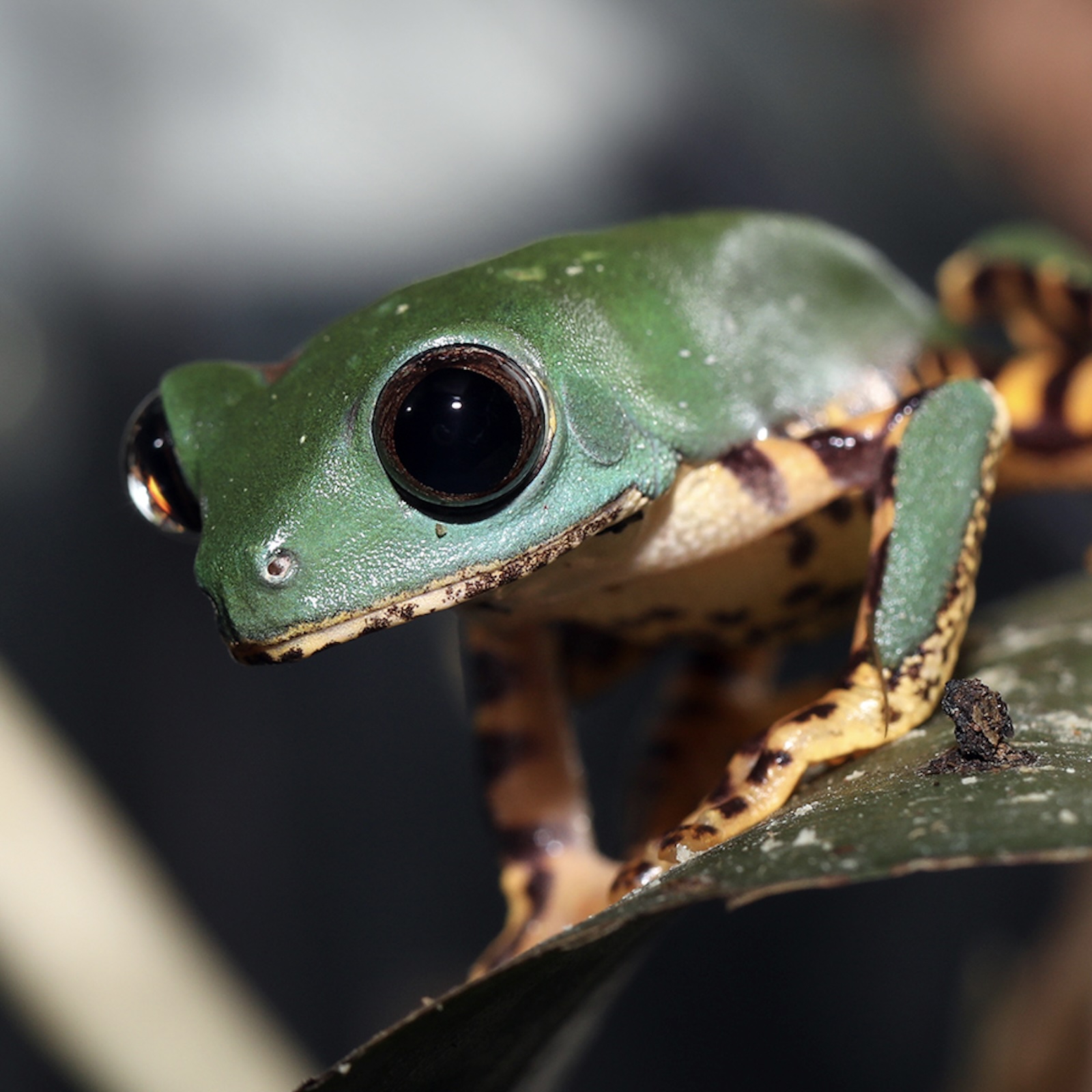
bonusIt's tough to fund conservation, and deciding exactly how (and where) funding gets used is even trickier. However, researchers recently identified where and when to "get the most bang for our buck," in a newly published study. Many of the highest-conservation-priority areas identified fall within lower-income tropical countries. While substantial international funding is likely needed to conserve and restore forests, securing Indigenous peoples' land rights could be a low-cost, and equitable solution, since 80% of the planet's biodiversity lies within Indigenous peoples' territories. Listen to the popular article from Liz Kimbrough: Protecting global forests with a limited budget? New study shows where and when to start Please invite your friends to subscribe to the Mongabay Newscast wherever they get podcasts or download our free app in the Apple App Store or in the Google Store to gain instant access to our latest episodes. If you enjoy this series, please visit www.patreon.com/mongabay to pledge a dollar or more to keep the show growing, Mongabay is a nonprofit media outlet and all support helps! See all our latest news from nature's frontline at Mongabay's homepage: news.mongabay.com or find us on Facebook, Twitter, and Instagram by searching for @mongabay. Photo Credit: Tiger Leg Monkey Tree Frog (Phyllomedusa hypochondrialis). Image by Rhett Butler. Please send feedback to [email protected], and thank you for listening.
Ep 161Are botanists disappearing just when we need them the most?
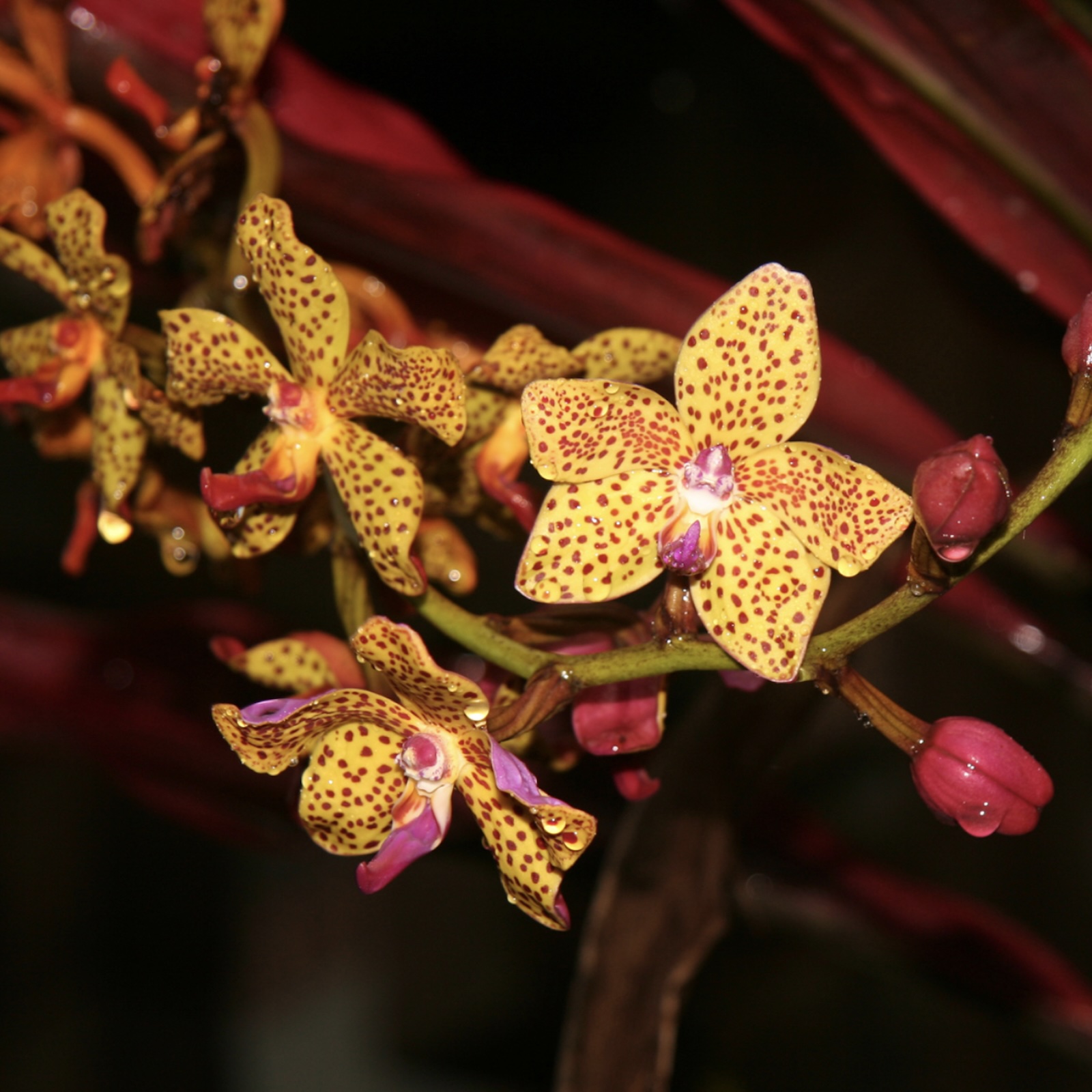
A decline in botany degree programs, paired with a growing lack of general plant awareness, has scientists concerned about society's ability to tackle existential threats like biodiversity loss and climate change, so Leeds University Ph.D. researcher Sebastian Stroud is our guest on this episode of the Mongabay Newscast. While humans depend upon plants for many critical everyday needs, our ability to identify them seems to be decreasing as fewer educational programs continue to study them. Stroud joins us to discuss a recent study he co-authored about this and how we can combat the lack of plant awareness. Related reading: Can 'plant blindness' be cured? Mongabay's plant conservation coverage Please invite your friends to subscribe to the Mongabay Newscast wherever they get podcasts, from Apple to Spotify, or download our free app in the Apple App Store or in the Google Store to get access to our latest episodes at your fingertips. If you enjoy the Newscast, please visit www.patreon.com/mongabay to pledge a dollar or more to keep the show growing, Mongabay is a nonprofit media outlet and all support helps! See all our latest news from nature's frontline at Mongabay's homepage: news.mongabay.com or find us on Facebook, Twitter, and Instagram by searching for @mongabay. Please share your thoughts and feedback! [email protected]. Image: Orange orchid with magenta spots. Torajaland, Sulawesi, Indonesia. Photo by Rhett Butler.
Ep 160Mongabay Reports: Amazon's tallest tree threatened by deforestation
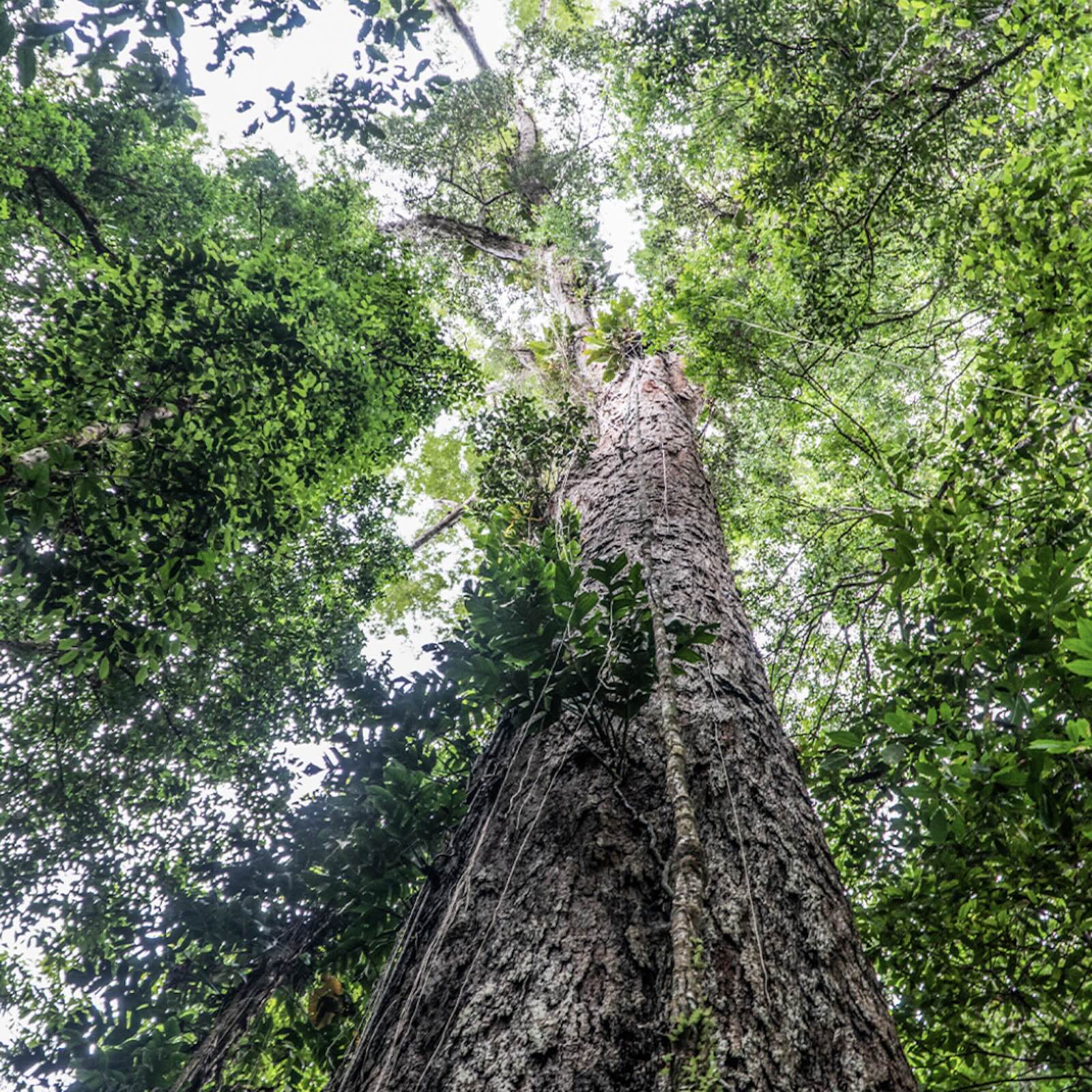
bonusThe Paru State Forest is the world's 3rd-largest sustainable-use tropical forest reserve, and is home to a tree standing 30 stories tall. But in October of last year, its home state of Pará was the 5th-most deforested in Brazil, alarming experts and environmentalists that its giant trees (including the massive red angelim) are at risk. Listen to the popular article from Sarah Brown, Amazon's tallest tree at risk as deforestation nears, by clicking the play button. Please invite your friends to subscribe to the Mongabay Newscast wherever they get podcasts or download our free app in the Apple App Store or in the Google Store to gain instant access to our latest episodes. If you enjoy this series, please visit www.patreon.com/mongabay to pledge a dollar or more to keep the show growing, Mongabay is a nonprofit media outlet and all support helps! See all our latest news from nature's frontline at Mongabay's homepage: news.mongabay.com or find us on Facebook, Twitter, and Instagram by searching for @mongabay. Photo Credit: The Amazon's tallest tree grows in the Paru State Forest and is one of several giant trees in the region. Each one can sequester up to 40 tons of carbon, nearly as much as a hectare (2.4 acres) of typical forest. Image © Havita Rigamonti/Imazon/Ideflor. Please send feedback to [email protected], and thank you for listening.
Ep 160UN Biodiversity Conference an 'important step' toward conserving nature
In December, Mongabay's Montreal-based editor Latoya Abulu attended the 15th meeting of the Convention on Biological Diversity, where the historic Kunming-Montreal Biodiversity Framework was signed by nearly 200 countries. While the agreement was lauded by scientists, advocates, and Indigenous leaders, others say that there are some concerning omissions from the text, and worrying inclusions of "biodiversity credits" sought by corporations. Click play to hear Latoya share details from her time in the conference halls, what was included in the final text of the agreement, and what was left out. Related reading on the event: Nations adopt Kunming-Montreal Global Biodiversity Framework Please invite your friends to subscribe to the Mongabay Newscast wherever they get podcasts, from Apple to Spotify, or download our free app in the Apple App Store or in the Google Store to get access to our latest episodes at your fingertips. If you enjoy the Newscast, please visit www.patreon.com/mongabay to pledge a dollar or more to keep the show growing, Mongabay is a nonprofit media outlet and all support helps! See all our latest news from nature's frontline at Mongabay's homepage: news.mongabay.com or find us on Facebook, Twitter, and Instagram by searching for @mongabay. Please share your thoughts and feedback! [email protected].
Ep 159Mongabay Reports: Anteaters lead the way for species reintroductions
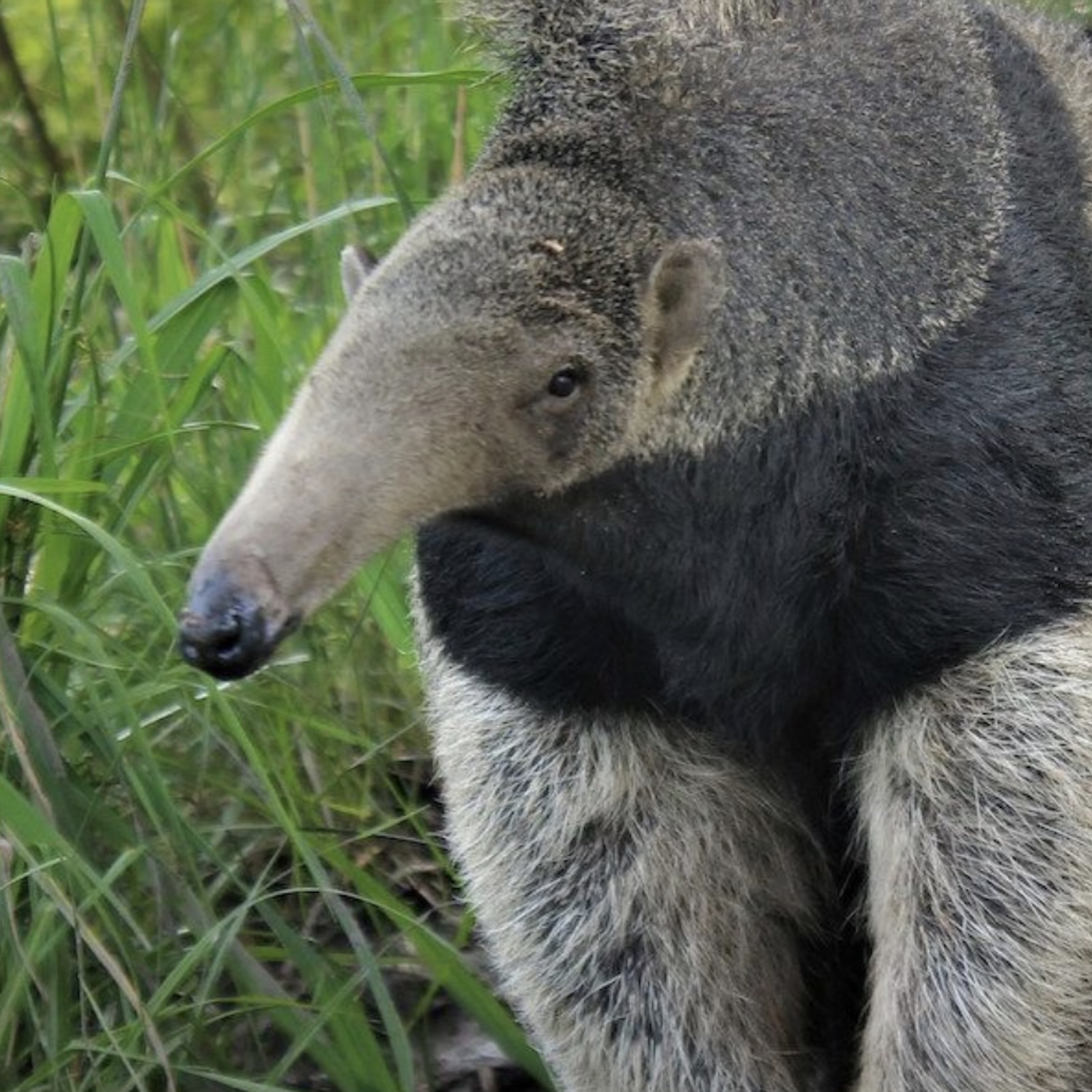
bonusReintroducing rescued anteaters from hunters in northern Argentina into the country's Iberá reserve is no small task. However, In 2007, the first pair was reintroduced by the Conservation Land Trust (now known as the Rewilding Foundation). 14 years on, the program has taken this success and used it as a framework for subsequent reintroduction of other native species. Click the play button to hear the popular Mongabay article by Oscar Bermeo Ocaña aloud: Giant anteaters lead biodiversity resurgence in Argentina's Iberá Please invite your friends to subscribe to the Mongabay Newscast wherever they get podcasts or download our free app in the Apple App Store or in the Google Store to have access to our latest episodes at your fingertips. If you enjoy this series, please visit www.patreon.com/mongabay to pledge a dollar or more to keep the show growing, Mongabay is a nonprofit media outlet and all support helps! See all our latest news from nature's frontline at Mongabay's homepage: news.mongabay.com or find us on Facebook, Twitter, and Instagram by searching for @mongabay. Photo Credit: The giant anteater paved the way for many other reintroduction programs in Iberá. Image courtesy of the Rewilding Foundation. Please send feedback to [email protected], and thank you for listening.
Ep 159A bittersweet bioacoustics bonanza
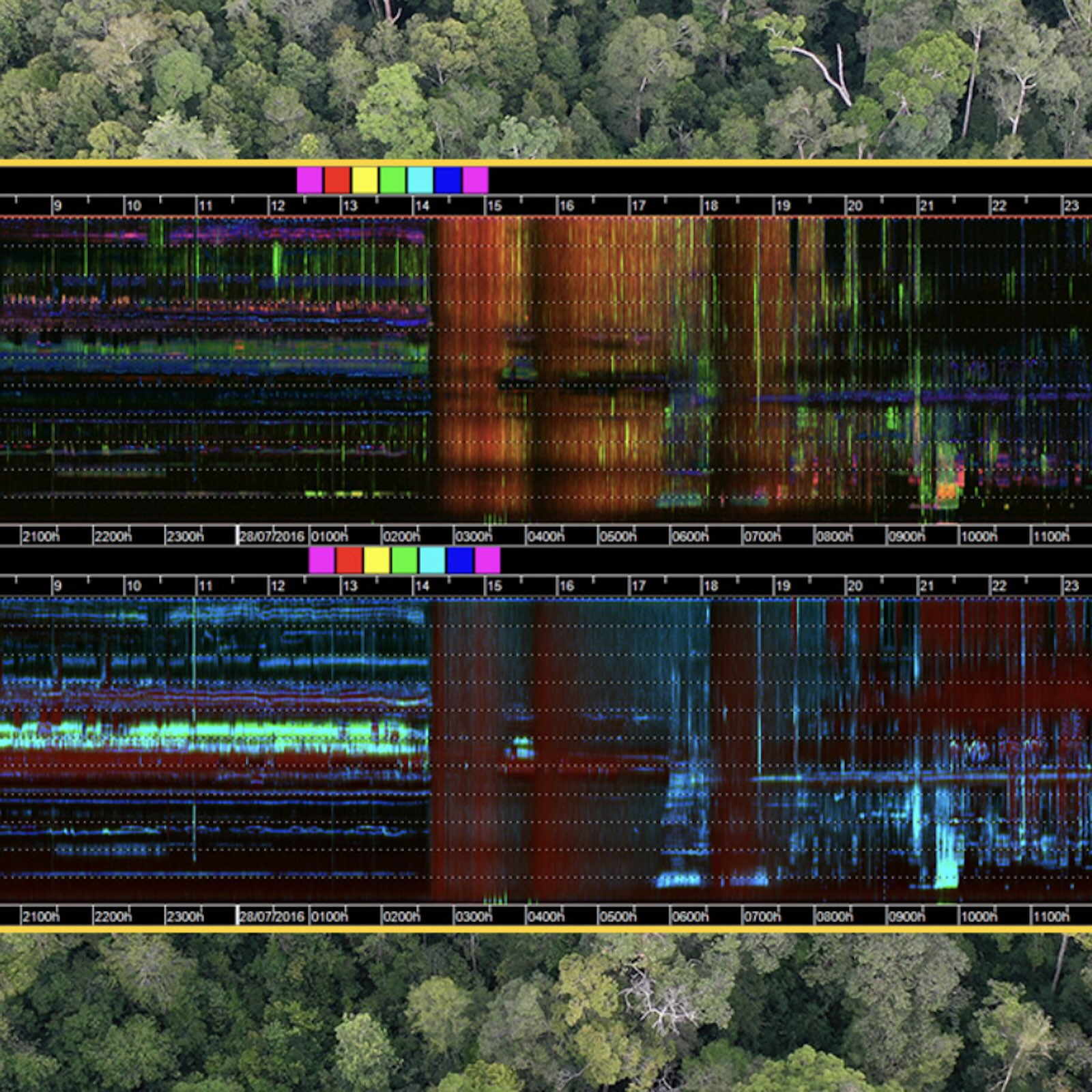
After 6 years and nearly 160 episodes, podcast host Mike Gaworecki is putting his microphone down. The show will go on, but we will miss his expertise and command of conservation science's myriad facets! One of his favorite topics to cover on the show has been bioacoustics, the use of remote acoustic recording technology to study the behavior, distribution, and abundance of wildlife. For his final time hosting the Mongabay Newscast, Mike shares an array of his favorite bioacoustics interviews that illustrate the breadth and potential of this powerful conservation technology. Listen to his bittersweet farewell thoughts, and a range of recordings—from forest elephants to the Big Apple's dolphins—that he shares, and hit play on these episodes for more goodness: • How listening to individual gibbons can benefit conservation • What underwater sounds can tell us about Indian Ocean humpback dolphins • The superb mimicry skills of an Australian songbird • The sounds of tropical katydids and how they can benefit conservation Please invite your friends to subscribe to the Mongabay Newscast wherever they get podcasts, from Apple to Spotify, or download our free app in the Apple App Store or in the Google Store to get access to our latest episodes at your fingertips. If you enjoy the Newscast, please visit www.patreon.com/mongabay to pledge a dollar or more to keep the show growing, Mongabay is a nonprofit media outlet and all support helps! See all our latest news from nature's frontline at Mongabay's homepage: news.mongabay.com or find us on Facebook, Twitter, and Instagram by searching for @mongabay. Please share your thoughts and feedback! [email protected].
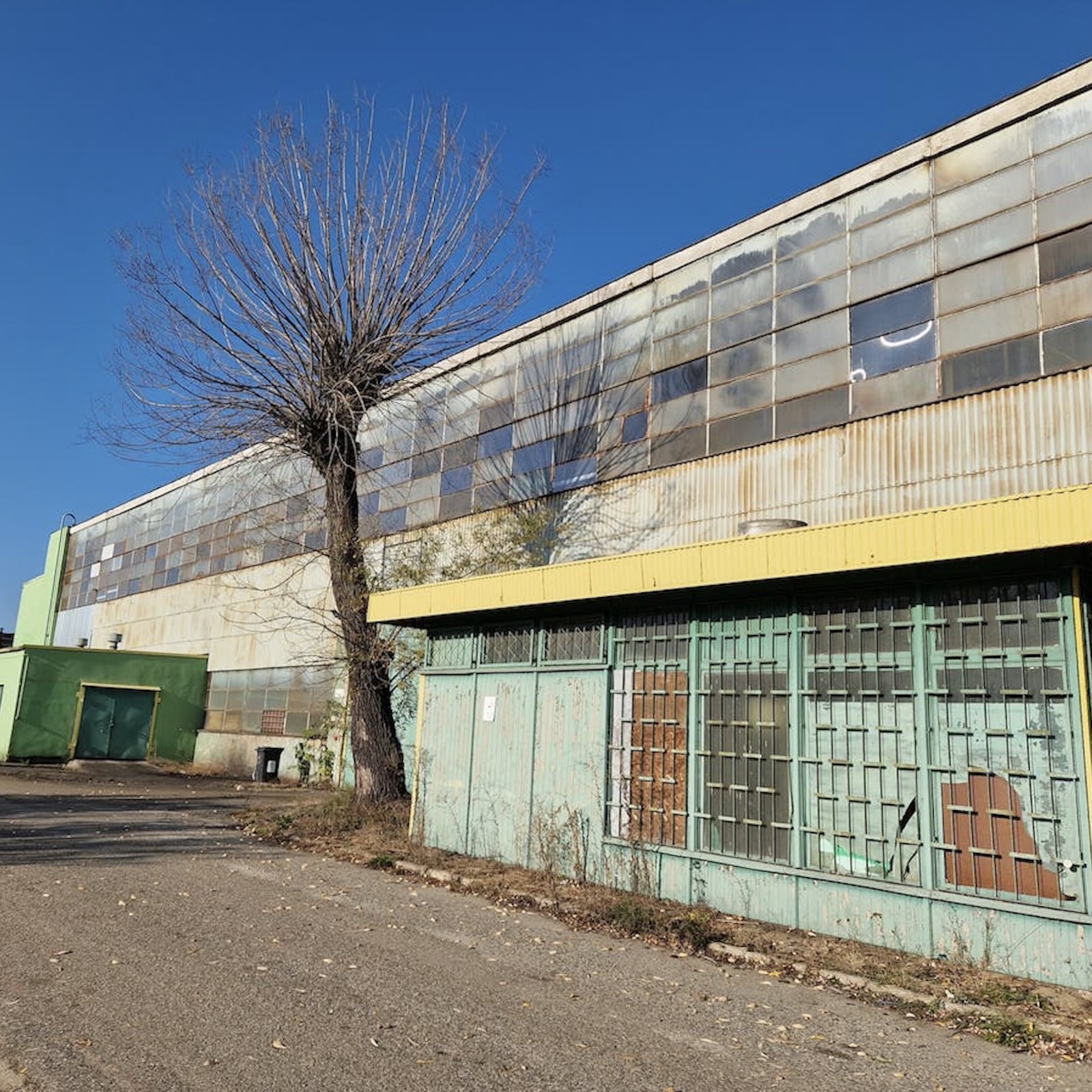
Ep 158Into the Wasteland, 3: Buried in Europe's Recycling
bonusWe all send our recycling somewhere for proper handling, but the operations of one such handling center in Poland makes one ask, is it being done right, or at all? The European Commission estimates that the illegal handling of such waste represents around 15-30% of the total EU waste trade, generating EUR 9.5 billion in annual revenues. So in part 3 of our investigative podcast series, the team dispatches Outriders journalist Eva Dunal to visit one such recycling facility in the pretty town of Zielona Góra close to the Polish-German border, and finds out just how unpopular it is with the neighbors, and especially the city council. They also speak with Jim Puckett, the 'James Bond of waste trafficking' at Basel Action Network, who reveals that much recycling is being 'laundered' via the Netherlands and shipped on to countries where such resources are often dumped, not recycled. In a three-part, "true eco-crime" series for Mongabay's podcast, our hosts trace England's – and Europe's – towering illegal waste problem: investigative environmental journalists Lucy Taylor and Dan Ashby follow this illegal 'waste trail' from their quiet English town to the nearby countryside and as far away as Poland and Malaysia. Please invite your friends to subscribe to the Mongabay Newscast wherever they get podcasts, from Apple to Spotify, or download our free app in the Apple App Store or in the Google Store to get access to our latest episodes at your fingertips. This episode is "The Wastelands" and is part three of the investigative podcast series, "Into the Wasteland," developed with the support of Journalismfund.eu. Banner image: The shuttered Eurokey plant in the town of Zielona Góra. Image by Eva Dunal/Outriders. If you enjoy the Newscast, please visit www.patreon.com/mongabay to pledge a dollar or more to keep the show growing, Mongabay is a nonprofit media outlet and all support helps! See all our latest news from nature's frontline at Mongabay's homepage: news.mongabay.com or find us on Facebook, Twitter, and Instagram by searching for @mongabay. Please share your thoughts and feedback! [email protected].

Ep 158Into the Wasteland, 2: The New Narcotics
bonusThe U.K.'s Environment Agency calls waste crime — where instead of delivering recycling or rubbish for proper disposal, companies simply dump it in the countryside — "the new narcotics" because it's so easy to make money illegally. It's estimated that one in every five U.K. waste companies operates in this manner ('fly-tipping'), and the government seems powerless to stop it: it's so easy to be registered as one of the government's recommended waste haulers that even a dog can do it — and at least one has, as this episode shares. In part 2 of our new investigative podcast series, the team also speaks with a lawyer who describes her year-long campaign to get the government to deal with a single illegal dump site, but they fail to act before it catches fire, in an emblematic 'trash fire' for this whole issue. They also speak with a former official at Interpol who shares that his agency also lacks the resources to tackle the problem. In a three-part, "true eco-crime" series for Mongabay's podcast, our hosts trace England's towering illegal waste problem: investigative environmental journalists Lucy Taylor and Dan Ashby follow this illegal 'waste trail' from their quiet English town to the nearby countryside and as far away as Poland. Please invite your friends to subscribe to the Mongabay Newscast wherever they get podcasts, from Apple to Spotify, or download our free app in the Apple App Store or in the Google Store to get access to our latest episodes at your fingertips. This episode is "The Jungle" and is part two of the podcast series, "Into the Wasteland," developed with the support of Journalismfund.eu. Banner image: The U.K.'s recyclables, plastic packaging and waste soils the countryside across the country and as far away as Turkey (pictured). Image courtesy of Caner Ozkan via Greenpeace Media Library. If you enjoy the Newscast, please visit www.patreon.com/mongabay to pledge a dollar or more to keep the show growing, Mongabay is a nonprofit media outlet and all support helps! See all our latest news from nature's frontline at Mongabay's homepage: news.mongabay.com or find us on Facebook, Twitter, and Instagram by searching for @mongabay. Please share your thoughts and feedback! [email protected].
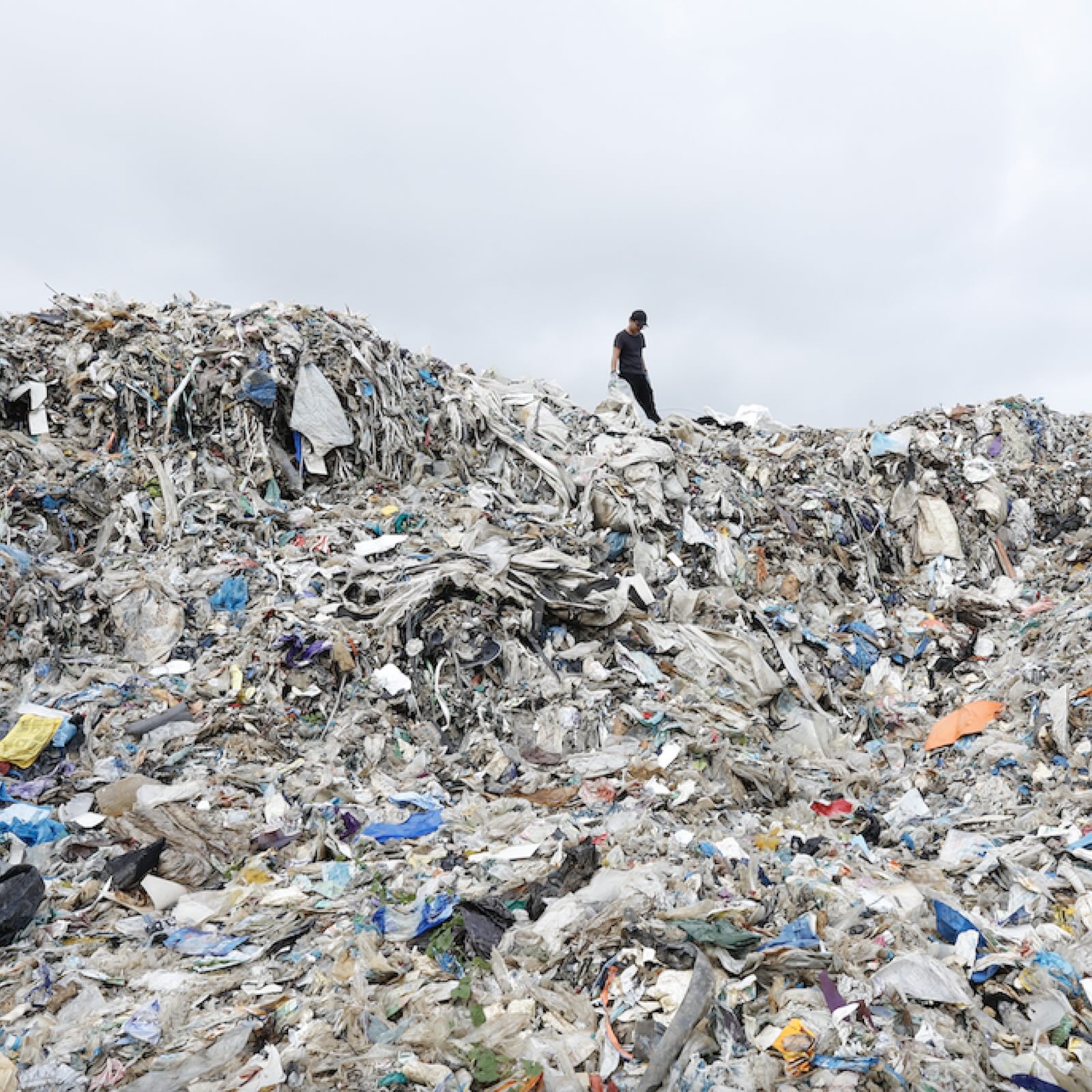
Ep 158Into the Wasteland: The true crime of the UK's waste mountain
bonusThe British countryside is increasingly under siege from a scourge of illegal waste dumping – polluting both water and air – but one man is bravely taking the criminals on, staking out their sites with night vision goggles, drones and more. In a three-part, 'true eco-crime' podcast series for the Mongabay Newscast, investigative environmental journalists Lucy Taylor and Dan Ashby trace this illegal 'waste trail' from their quiet English town to the nearby countryside, and as far away as Poland. Threatened, chased, but undeterred, waste investigator Martin Montague has also established a website, Clearwaste, to document incidents of 'fly-tipping' as the practice is known, and people use it daily to report tens of thousands of incidents all over the country, where illegal landfills are also on the rise. Episodes two and three will air in the coming weeks and take the issue to a wider European scope, discussing it with Interpol and visiting a destination for U.K. waste in Poland. Banner image: A mountain of UK plastic waste near Wespack Recycling Factory in Malaysia, via Greenpeace Media Library. Please invite your friends to subscribe to the Mongabay Newscast wherever they get podcasts, from Apple to Spotify, or download our free app in the Apple App Store or in the Google Store to get access to our latest episodes at your fingertips. This episode is "The Waste Mountain" and is part one of the podcast series, "Into the Wasteland," developed with the support of Journalismfund.eu. If you enjoy the Newscast, please visit www.patreon.com/mongabay to pledge a dollar or more to keep the show growing, Mongabay is a nonprofit media outlet and all support helps! See all our latest news from nature's frontline at Mongabay's homepage: news.mongabay.com or find us on Facebook, Twitter, and Instagram by searching for @mongabay. Please share your thoughts and feedback! [email protected].

Ep 158Finned: A tale of illegal fishing and the fate of Pacific sharks
Host Mike G. speaks with Mongabay reporters whose new investigations reveal a major and illegal shark finning operation by one of China's largest fishing fleets, and the role of a giant Japanese company, Mitsubishi, in buying that fleet's products. Through an exhaustive interview process with deckhands who worked throughout the company's fleet, Mongabay's Phil Jacobson and Basten Gokkon revealed that Dalian Ocean Fishing's massive operation deliberately used banned gear to target sharks across a huge swath of the western Pacific Ocean. The Western and Central Pacific Fisheries Commission is currently meeting to discuss policies that would crack down even further on use of this gear, and we speak with Jacobson who is there covering the event. We also speak with Japan-based reporter Annelise Giseburt who was able to verify that the illegal operation benefited greatly from selling a massive share of its tuna catch to the Japanese conglomerate Mitsubishi. The investigations: Exclusive: Shark finning rampant across Chinese tuna firm's fleet How Mitsubishi vacuumed up tuna from a rogue Chinese fishing fleet Please invite your friends to subscribe to the Mongabay Newscast wherever they get podcasts, from Apple to Spotify, or download our free app in the Apple App Store or in the Google Store to get access to our latest episodes at your fingertips. If you enjoy the Newscast, please visit www.patreon.com/mongabay to pledge a dollar or more to keep the show growing, Mongabay is a nonprofit media outlet and all support helps! See all our latest news from nature's frontline at Mongabay's homepage: news.mongabay.com or find us on Facebook, Twitter, and Instagram by searching for @mongabay. Please share your thoughts and feedback! [email protected].

Ep 157Mongabay Reports: Lebanon's inspiring restoration success
bonusIn a nation gripped by currency depreciation, harsh economic fallout and civil unrest, the Shouf Biosphere Reserve endures as a rare conservation success story in Lebanon. Previously protected by landmines and armed guards, the region (a UNESCO biosphere reserve) forges ahead with community engagement in tree-planting projects while providing the community with food, fuel, and jobs. Click the play button to hear this popular article by Elizabeth Fitt aloud: From land mines to lifelines, Lebanon's Shouf is a rare restoration success story Please invite your friends to subscribe to the Mongabay Newscast wherever they get podcasts or download our free app in the Apple App Store or in the Google Store to have access to our latest episodes at your fingertips. If you enjoy this series, please visit www.patreon.com/mongabay to pledge a dollar or more to keep the show growing, Mongabay is a nonprofit media outlet and all support helps! See all our latest news from nature's frontline at Mongabay's homepage: news.mongabay.com or find us on Facebook, Twitter, and Instagram by searching for @mongabay. Photo Credit: Farid Tarabay, forest guide, under the Lamartine Cedar, one of the oldest in the reserve. Image by Elizabeth Fitt for Mongabay. Please send feedback to [email protected], and thank you for listening.

Ep 157An escape into soundscapes
Healthy ecosystems are often noisy: from reefs to grasslands and forests, these are sonically rich places, thanks to all the species defending territories, finding mates, locating prey, socializing or perhaps just enjoying their ability to add to life's rich chorus. Recording soundscapes in such places is one way to ensure we don't forget what a full array of birds, bats, bugs, and more sounds like, and it couldn't be more important, as the world witnesses a decline in many such kinds of creatures, due to the biodiversity crisis. Soundscape recordings provide a kind of sonic baseline which researchers can also pull data from. On this episode of the podcast, host Mike G. plays a diverse selection of forest soundscapes from South America and Africa and discusses them with their creator, sound recordist George Vlad, who travels the world and shares the acoustic alchemy of nature via his impressive Youtube channel. Join us to explore these sonic landscapes with Vlad and get inspired to find the richness of natural sounds near you. Episode artwork: A writhed hornbill, a Philippines endemic species, singing. Image via Creative Commons (CC BY 3.0). Please invite your friends to subscribe to the Mongabay Newscast wherever they get podcasts, from Apple to Spotify, or download our free app in the Apple App Store or in the Google Store to get access to our latest episodes at your fingertips. If you enjoy the Newscast, please visit www.patreon.com/mongabay to pledge a dollar or more to keep the show growing, Mongabay is a nonprofit media outlet and all support helps! See all our latest news from nature's frontline at Mongabay's homepage: news.mongabay.com or find us on Facebook, Twitter, and Instagram by searching for @mongabay. Please share your thoughts and feedback! [email protected].

Ep 156Mongabay Reports: Sky Bridges for Sloth Safety
bonusOn Costa Rica's Carribbean coast, sloths are losing their habitat to houses and roads, forcing them to cross between forest patches on the ground, making them vulnerable to traffic incidents and dog attacks. However, the Sloth Conservation Foundation, created by British zoologist Rebecca Cliffe, is trying to change that by building rope bridges to allow these famously slow-moving animals to safely cross cleared patches of forest. Read the popular article written by Monica Pelliccia and translated by Maria Angeles Salazar here: Bridges in the sky carry sloths to safety in Costa Rica Please invite your friends to subscribe to the Mongabay Newscast wherever they get podcasts, or download our free app in the Apple App Store or in the Google Store to have access to our latest episodes at your fingertips. If you enjoy this series, please visit www.patreon.com/mongabay to pledge a dollar or more to keep the show growing, Mongabay is a nonprofit media outlet and all support helps! See all our latest news from nature's frontline at Mongabay's homepage: news.mongabay.com or find us on Facebook, Twitter, and Instagram by searching for @mongabay. Photo Credit: Baby three-toed sloth hugging a stuffed panda in a Trio Indigenous community. Suriname, 2012. Image by Rhett Butler. Please send feedback to [email protected], and thank you for listening.
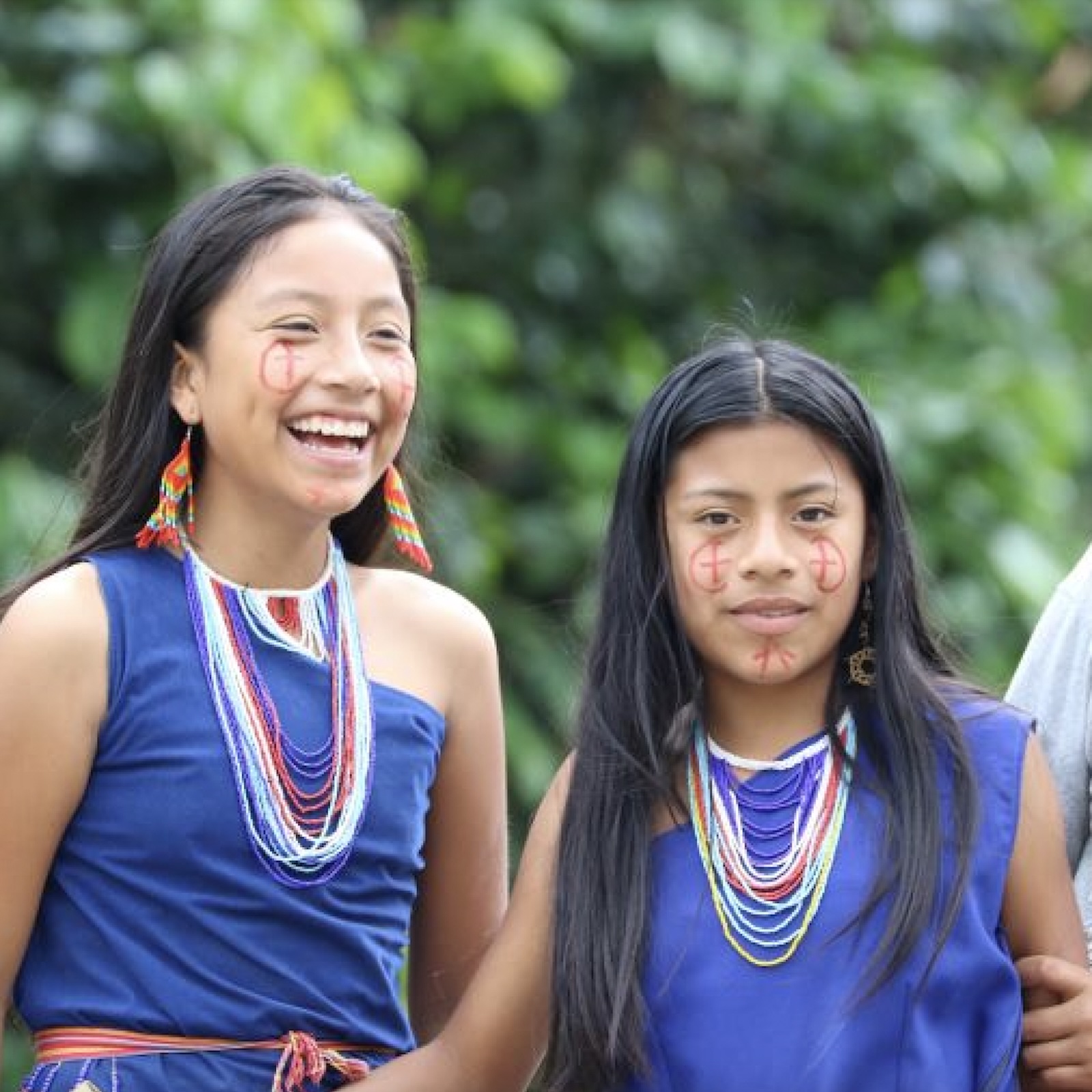
Ep 156How the Indigenous Shuar regained their ancestral forest
"Ecuador had not declared community protected area management by Indigenous peoples until Tiwi Nunka Forest. This area is the first of its kind in Ecuador, and one of the few in the entire Amazon," says Felipe Serrano on this episode. His organization Nature and Culture International recently helped the Shuar Indigenous community in Ecuador win a historic victory to protect its ancestral territory from cattle ranchers, loggers and miners, and he discusses how the community succeeded on this episode. We also speak with Paul Koberstein, editor of the Cascadia Times, an environmental journal based in Portland, Oregon, who with Jessica Applegate recently published "Deep Cut," an article at Earth Island Journal that details the flawed basis for the U.S. State of Washington's new and flawed climate solution: cutting down forests. Episode artwork: Members of the El Kiim community. Photo courtesy of Nature and Culture International. Please invite your friends to subscribe to the Mongabay Newscast wherever they get podcasts, from Apple to Spotify, or download our free app in the Apple App Store or in the Google Store to get access to our latest episodes at your fingertips. If you enjoy the Newscast, please visit www.patreon.com/mongabay to pledge a dollar or more to keep the show growing, Mongabay is a nonprofit media outlet and all support helps! See all our latest news from nature's frontline at Mongabay's homepage: news.mongabay.com or find us on Facebook, Twitter, and Instagram by searching for @mongabay. Please share your thoughts and feedback! [email protected].

Ep 155Mongabay Reports: Spectacular fish is the first named by a Maldivian scientist
bonusCirrhilabrus finifenmaa is a spectacular new-to-science fish species and the first that has been named by a Maldivian scientist. Ahmed Najeeb, a biologist from the Maldives Marine Research Institute, named the fish, which means "rose" in the local Dhivehi language. Fairy wrasses such as this are known for their elegant and colorful appearance with new species often being described. Read the popular article written by Liz Kimbrough, here: Spectacular new fish species is first to be named by Maldivian scientist. This species, while new-to-science is already being traded. Many aquarium-traded fish are caught unethically. Read Robert Wood's 2019 commentary on buying aquarium fish ethically. Please invite your friends to subscribe to the Mongabay Newscast wherever they get podcasts, or download our free app in the Apple App Store or in the Google Store to have access to our latest episodes at your fingertips. If you enjoy this series, please visit www.patreon.com/mongabay to pledge a dollar or more to keep the show growing, Mongabay is a nonprofit media outlet and all support helps! See all our latest news from nature's frontline at Mongabay's homepage: news.mongabay.com or find us on Facebook, Twitter, and Instagram by searching for @mongabay. Photo Credit: A male rose-veiled fairy wrasse (Cirrhilabrus finifenmaa) from the Maldives. The species name 'finifenmaa' means 'rose' in the local Dhivehi language, a nod to both its pink hues and the Maldives' national flower. Photo by Yi-Kai Tea © California Academy of Sciences Please send feedback to [email protected], and thank you for listening.
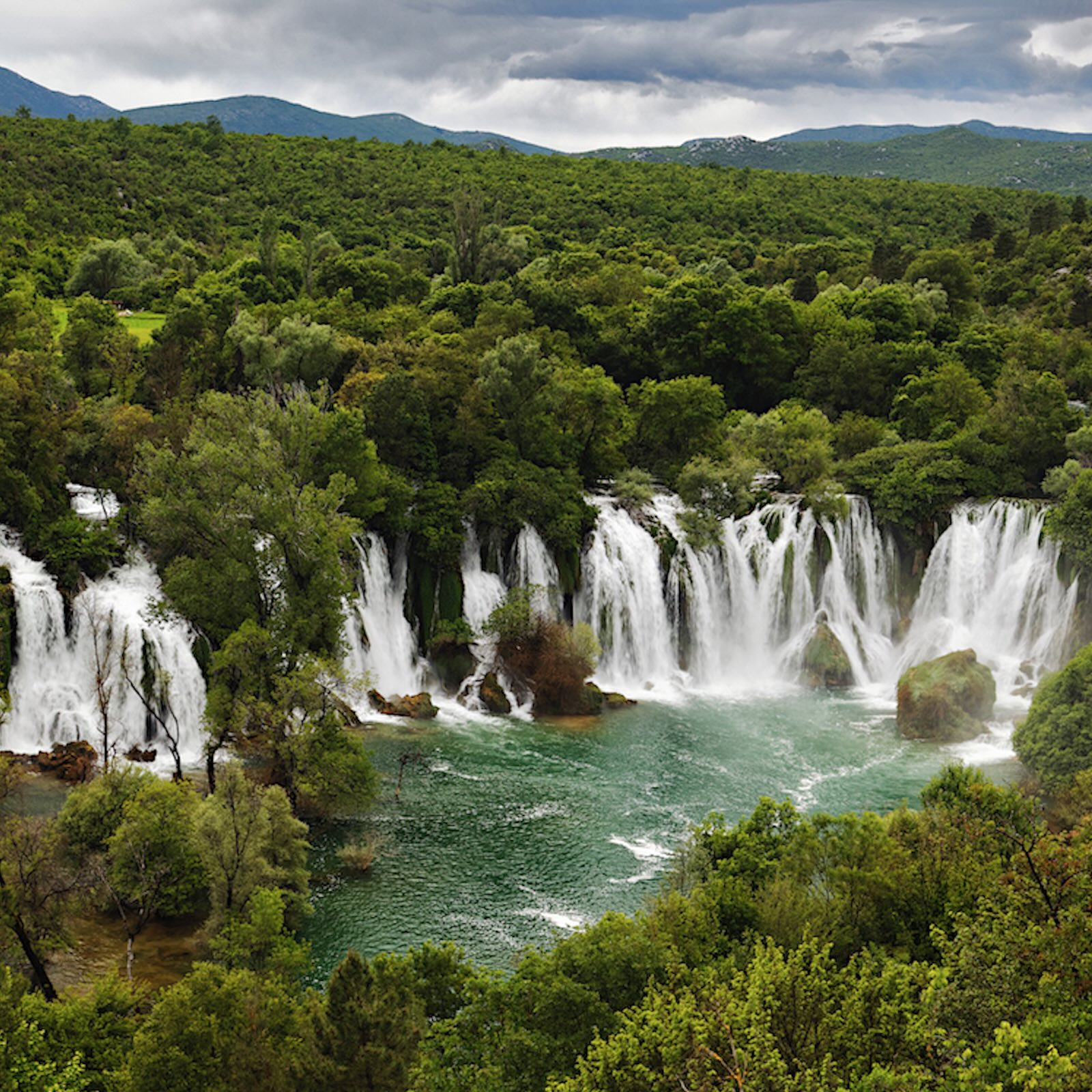
Ep 155Science that saves the biodiversity of free-flowing rivers
"It might be the highest density of trout species on Earth," our guest Ulrich Eichelmann says of a suite of European rivers slated for damming to generate electricity – rivers which also host a vast wealth of birds, bats, bugs and beauty – plus a deep cultural heritage. Rapid biological surveys are a well known way to establish the richness of an ecosystem and advocate for their conservation, and a corps of scientists have used this conservation solution to repeatedly prove that the rush to build hundreds of new hydroelectric dams threatens to drown this heritage, with impressive results: A proposal to dam the last free-flowing river in Europe (the Vjosa) was halted in part on the basis of one such survey conducted by Scientists for Balkan Rivers which Eichelmann coordinates, after the team identified species new to science, in addition to great overall biodiversity. The group has since turned its focus to other threatened rivers in the region, and he describes their activities, plus which rivers' ecologies they are investigating now. Episode Artwork: The biodiversity of Balkan rivers is now becoming more widely known, and also their beauty, such as Kravice Waterfalls on the Trebižat river in Bosnia-Herzegovina. Photo by Goran Safarek for Riverwatch/EuroNatur. Please invite your friends to subscribe to the Mongabay Newscast wherever they get podcasts, or download our free app in the Apple App Store or in the Google Store to get access to our latest episodes at your fingertips. If you enjoy the Newscast, please visit www.patreon.com/mongabay to pledge a dollar or more to keep the show growing, Mongabay is a nonprofit media outlet and all support helps! See all our latest news from nature's frontline at Mongabay's homepage: news.mongabay.com or find us on Facebook, Twitter, and Instagram by searching for @mongabay. Please share your thoughts and feedback! [email protected].

Ep 154Mongabay Reports: A "game changing" ecological restoration playbook
bonusNine leading forest and climate experts defined 10 principles for equitable and transformative landscapes in a "playbook" for ecosystem restoration. The playbook authors say these steps could be game changing if followed. The plan outlines climate change and forest loss as political, economic and social problems, not just biophysical or environmental. Hear more about the playbook by listening to this reading of the original popular article by Liz Kimbrough, New restoration "Playbook" calls for political, economic, and social change. Please invite your friends to subscribe to the Mongabay Newscast wherever they get podcasts, or download our free app in the Apple App Store or in the Google Store to have access to our latest episodes at your fingertips. If you enjoy this series, please visit www.patreon.com/mongabay to pledge a dollar or more to keep the show growing, Mongabay is a nonprofit media outlet and all support helps! See all our latest news from nature's frontline at Mongabay's homepage: news.mongabay.com or find us on Facebook, Twitter, and Instagram by searching for @mongabay. Photo Credit: A toco toucan (Ramphastos toco) by Rhett A. Butler/Mongabay Please send feedback to [email protected], and thank you for listening.

Ep 154Bottom trawling strips the sea of life, but activism is slowing the damage
In a historic move, The European Commission recently announced the protection of an area half the size of Belgium in the North Atlantic from bottom trawling, a fishing practice widely known as being the most destructive, particularly for deep-sea biodiversity and delicate marine ecosystems, such as cold water corals upon which other marine life (and humans) depend. Activist and Goldman Environmental Prize winner, Claire Nouvian, joins the Mongabay Newscast to talk about this and her organization's 7-year journey that led to a French ban on bottom trawling, and a later EU-wide ban. She discusses not just the importance of deep-sea marine life but the effectiveness of grassroots activism and how consumers can avoid bottom trawling and support legislation to ban the fishing gear. Related reading: Europe moves to protect deep-sea sites in Atlantic from bottom fishing Scientists map the impact of trawling using satellite vessel tracking Episode Artwork: A deep-sea coral, Paragorgia johnsoni, with a large, brisingid sea star on its base, pictured in the New England Seamount chain. Image © The Mountains-in the Sea Research Team, IFE, URI-IAO, and NOAA. Please invite your friends to subscribe to the Mongabay Newscast wherever they get podcasts, or download our free app in the Apple App Store or in the Google Store to get access to our latest episodes at your fingertips. If you enjoy the Newscast, please visit www.patreon.com/mongabay to pledge a dollar or more to keep the show growing, Mongabay is a nonprofit media outlet and all support helps! See all our latest news from nature's frontline at Mongabay's homepage: news.mongabay.com or find us on Facebook, Twitter, and Instagram by searching for @mongabay. Please share your thoughts and feedback! [email protected].

Ep 153Mongabay Reports: Agroforestry is climate-positive and profitable, investors say
bonusWhat's a climate-friendly and profitable way to farm? Some investors (and many farmers) say it's agroforestry, which combines trees & shrubs with annual crops for mutual benefits: shade-grown coffee or bird-friendly chocolate, for instance. So why have the agriculture sectors of the U.S. and E.U. largely ignored it? That's a question Ethan Steinberg and his partners at Propagate Ventures sought to answer, and then raised $1.5 million in seed funding to help farmers in eight U.S. states transition from conventional agriculture to agroforestry. Hear more about this growing trend in sustainable agriculture by listening to this audio reading of the popular article Investors say agroforestry isn't just climate friendly — it's also profitable by Stephanie Hanes on this latest episode of Mongabay Reports. Please invite your friends to subscribe to the Mongabay Newscast wherever they get podcasts, or download our free app in the Apple App Store or in the Google Store to have access to our latest episodes at your fingertips. If you enjoy this series, please visit www.patreon.com/mongabay to pledge a dollar or more to keep the show growing, Mongabay is a nonprofit media outlet and all support helps! See all our latest news from nature's frontline at Mongabay's homepage: news.mongabay.com or find us on Facebook, Twitter, and Instagram by searching for @mongabay. Photo Credit: A model rubber agroforestry forest garden, incorporating animal husbandry (silvopasture). Illustration courtesy of Kittitornkool, J. et al (2019). Please send feedback to [email protected], and thank you for listening.
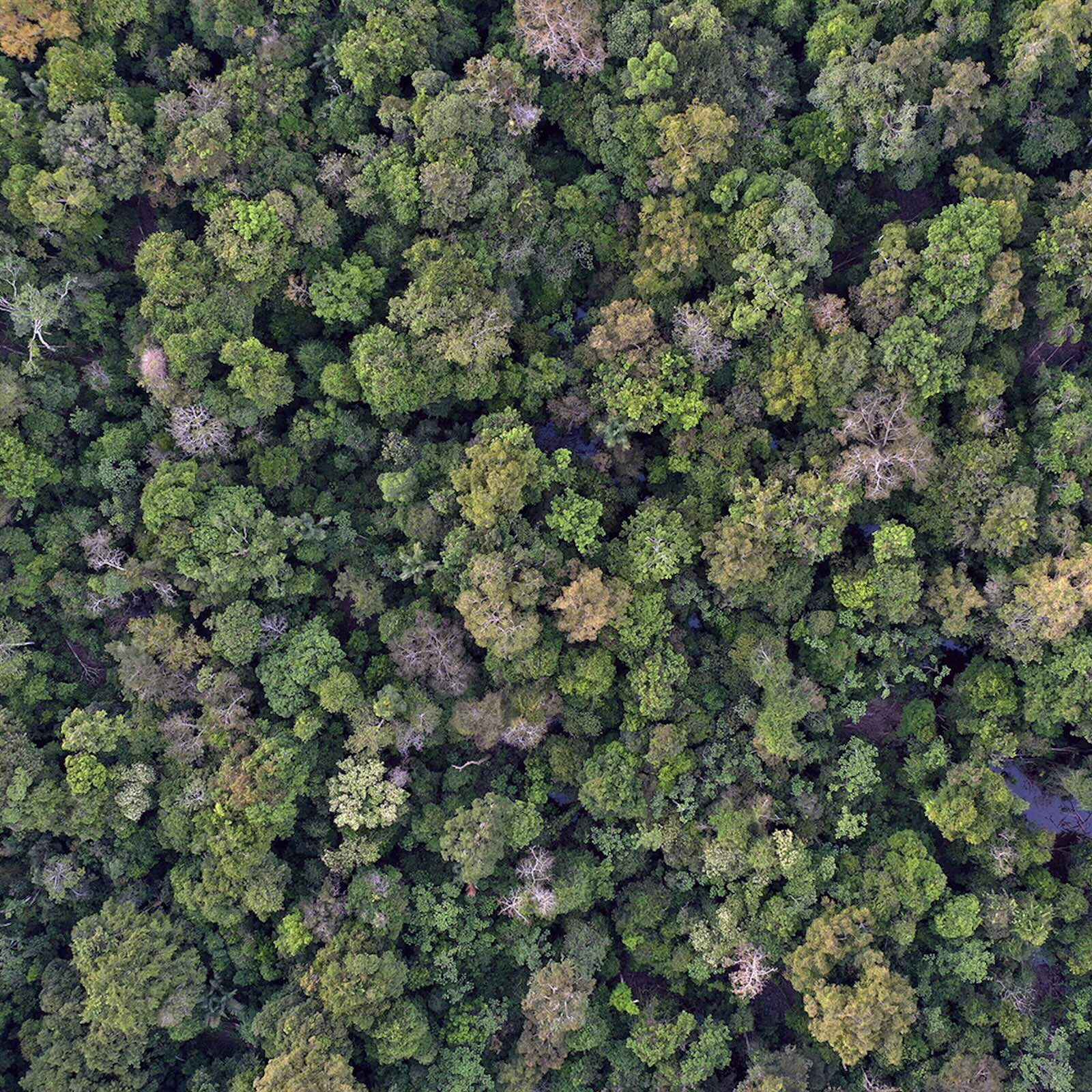
Ep 153Could Brazil's election decide the fate of the Amazon?
Tropical forest news is coming fast lately, and we've got a top expert to discuss it with, beginning with the deforestation rate of the Brazilian Amazon in 2022 which is on pace to match the dismal heights of 2021; however, the upcoming Brazilian presidential election between incumbent Jair Bolsonaro and former president Luis Inacío Lula da Silva (Lula) could change forest conservation prospects. Mongabay's CEO and sought after tropical forest news commentator, Rhett Butler, joins the Mongabay Newscast to share his analysis of how former president Lula could (once again) significantly decrease deforestation in the Brazilian Amazon, like he's done in the past. Rhett also shares his insight into a historic legislative move by the European Parliament to block 14 commodities linked to deforestation from entering the EU. The bill places the onus on the buyer to prove any 'dirty commodities' entering the EU are not linked to deforestation, whether legal or illegal. Rhett also discusses the renewed REDD+ agreement between Indonesia and Norway, which was canceled in 2021 when Norway failed to issue payment. Related reading from Mongabay: Brazil faces two contrasting legacies for the Amazon in October's elections Amazon deforestation on pace to roughly match last year's rate of loss Amazon deforestation in Brazil booms in August To hear our early 2022 conversation with Rhett, listen to Mongabay Newscast episode 136 here: Podcast: The 411 on forests and reforestation for 2022 Episode artwork: Amazon rainforest canopy in Brazil. Image by Rhett Butler. Please invite your friends to subscribe to the Mongabay Newscast wherever they get podcasts, or download our free app in the Apple App Store or in the Google Store to get access to our latest episodes at your fingertips. If you enjoy the Newscast, please visit www.patreon.com/mongabay to pledge a dollar or more to keep the show growing, Mongabay is a nonprofit media outlet and all support helps! See all our latest news from nature's frontline at Mongabay's homepage: news.mongabay.com or find us on Facebook, Twitter, and Instagram by searching for @mongabay. Please share your thoughts and feedback! [email protected].

Ep 152Mongabay Reports: Spies in the sky, albatrosses alert authorities to illegal fishing
bonusCan an albatross detect illegal fishing vessels? Findings from published research say yes: over the course of six-months, 169 albatrosses fitted with radar-detecting trackers covered 47 million square kilometers of the southern Indian Ocean found radar signals from 353 ships. Many of these vessels had no AIS signal, which is an indicator that a ship has switched it off in an attempt to remain hidden, but little did they know that the albatrosses revealed them. Science journalist Shreya Dasgupta reported on the study for Mongabay in 2020, here: Any illegal fishing going on around here? Ask an albatross Please invite your friends to subscribe to the Mongabay Newscast wherever they get podcasts, or download our free app in the Apple App Store or in the Google Store to have access to our latest episodes at your fingertips. If you enjoy this series, please visit www.patreon.com/mongabay to pledge a dollar or more to keep the show growing, Mongabay is a nonprofit media outlet and all support helps! See all our latest news from nature's frontline at Mongabay's homepage: news.mongabay.com or find us on Facebook, Twitter, and Instagram by searching for @mongabay. Episode Artwork: A wandering albatross chick on its nest on Possession Island in the Crozet archipelago of the southern Indian Ocean. The species is listed as vulnerable by the IUCN. Image by Alain Ricci via Wikimedia Commons (CC BY-SA 4.0). Please send feedback to [email protected], and thank you for listening.

Ep 152Sumatran elephants' future may hinge on their 'personhood'
There's less than 10 years remaining to save Sumatran elephants, says guest Leif Cocks, founder of the International Elephant Project, so we followed up with him to learn what is being done to save the critically endangered species' shrinking habitats, and to discuss the growing movement to recognize their 'personhood' and thereby ensure their interests are considered in development decisions. Leif also shares his thoughts on a planned hydropower dam in North Sumatra, sited in the only habitat where the last, critically endangered Tapanuli orangutans live. This project has also, tragically, claimed the lives of 16 workers in less than 2 years. Related Reading via Mongabay: 'Chased from every side': Sumatran elephants pinned down by forest loss Photos: Meet the Indonesians on the front lines of human-elephant conflict in Sumatra 'Cursed' dam project in orangutan habitat claims 16th life in less than 2 years To hear our previous conversation with Leif on Sumatran elephants, see season 2, episode 6 of the Mongabay Explores podcast, here: Podcast: With just 10 years left to save Sumatran elephants, what can be done now? Episode artwork: Sumatran elephants play in water. Image by vincentraal via Flickr (CC BY-SA 2.0). Please invite your friends to subscribe to the Mongabay Newscast wherever they get podcasts, or download our free app in the Apple App Store or in the Google Store to get access to our latest episodes at your fingertips. If you enjoy the Newscast, please visit www.patreon.com/mongabay to pledge a dollar or more to keep the show growing, Mongabay is a nonprofit media outlet and all support helps! See all our latest news from nature's frontline at Mongabay's homepage: news.mongabay.com or find us on Facebook, Twitter, and Instagram by searching for @mongabay. Please share your thoughts and feedback! [email protected].

Ep 151Mongabay Reports: Chocolate frog, anyone?
bonusJust kidding, you really shouldn't eat this. Last February, researchers described a new-to-science species of frog literally unearthed in the Peruvian Amazon during a rapid inventory of the lower Putamayo Basin. The image of the frog circulated on Twitter where it was likened to the chocolate frogs as seen in the Harry Potter film franchise. One user described the frog as a 'smooth lil fella.' The full scientific description of the tootsie-roll resembling amphibian is available here in the journal Evolutionary Systematics. This episode of Mongabay Reports, features the popular article Chocolate frog? New burrowing frog species unearthed in Amazon's rare peatlands. Please invite your friends to subscribe to the Mongabay Newscast wherever they get podcasts, or download our free app in the Apple App Store or in the Google Store to have access to our latest episodes at your fingertips. If you enjoy this series, please visit www.patreon.com/mongabay to pledge a dollar or more to keep the show growing, Mongabay is a nonprofit media outlet and all support helps! See all our latest news from nature's frontline at Mongabay's homepage: news.mongabay.com or find us on Facebook, Twitter, and Instagram by searching for @mongabay. Photo Credit: Synapturanus danta by Germán Chávez. Please send feedback to [email protected], and thank you for listening.
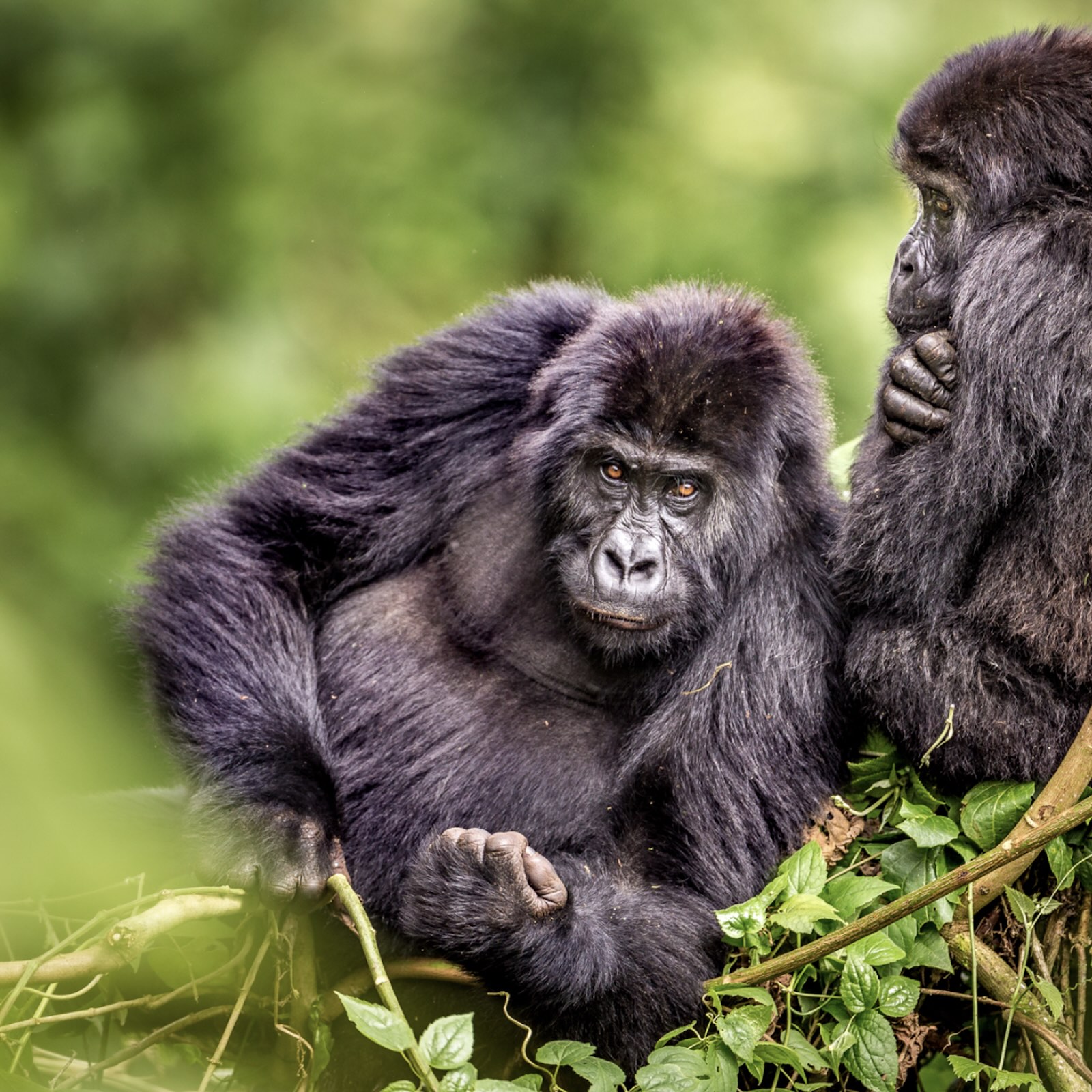
Ep 151Top wildlife photography requires patience, ethics, and kindness
Since 2020, the "Prints for WIldlife" campaign has raised over 1.75 million for conservaiton funding for NGO, African Parks through a collaborative photography based initiative selling over 15,000 unique wildlife prints. Normally in competition with each other, 100+ wildlife photographers have come together to participate in this campaign. Joining the Monagabay newscast is one such photographer, Marcus Westberg, to discuss the unique collaborative nature of this campaign, and ethical wildlife photogrpahy practices. Related Reading: African Parks secures $100M for conservation in Africa Episode artwork: Two Grauer's gorillas in Kahuzi-Biega National Park, DR Congo. Grauer's gorillas are the world's largest primates, and highly threatened, their population having declined close to 80% in just a few decades. Image by Marcus Westberg Please invite your friends to subscribe to the Mongabay Newscast wherever they get podcasts, or download our free app in the Apple App Store or in the Google Store to get access to our latest episodes at your fingertips. If you enjoy the Newscast, please visit www.patreon.com/mongabay to pledge a dollar or more to keep the show growing, Mongabay is a nonprofit media outlet and all support helps! See all our latest news from nature's frontline at Mongabay's homepage: news.mongabay.com or find us on Facebook, Twitter, and Instagram by searching for @mongabay. Please share your thoughts and ideas! [email protected].

Ep 150Mongabay Reports: Can bugs take a bite out of climate change?
bonusCricket One is one of the world's largest cricket farms, and it's serving up an impressive palette of insect protein. Vietnam-based reporter Mike Tatarski reports on companies cashing in on the insect protein wave: coupled with the fact that insects (like crickets) use far less feed than cattle, and produce no methane, there is potential for the industry to replace animal-based protein sources. Could delicacies such as the scorpion skewers served at Bugs Cafe in Cambodia make their way to the West? This episode of Mongabay Reports features the popular 2020 story as read by Mike DiGirolamo. Find the full article here: From scorpion skewers to cricket flour, bug protein is becoming big business Please invite your friends to subscribe to the Mongabay Newscast wherever they get podcasts, or download our free app in the Apple App Store or in the Google Store to have access to our latest episodes at your fingertips. If you enjoy this series, please visit www.patreon.com/mongabay to pledge a dollar or more to keep the show growing, Mongabay is a nonprofit media outlet and all support helps! See all our latest news from nature's frontline at Mongabay's homepage: news.mongabay.com or find us on Facebook, Twitter, and Instagram by searching for @mongabay. Photo Credit: Bugs Cafe in Siem Reap aims to turn insects into artfully presented cuisine, like this scorpion skewer. Image by Rishabh Malik for Atmos/Mongabay. Please send feedback to [email protected], and thank you for listening.
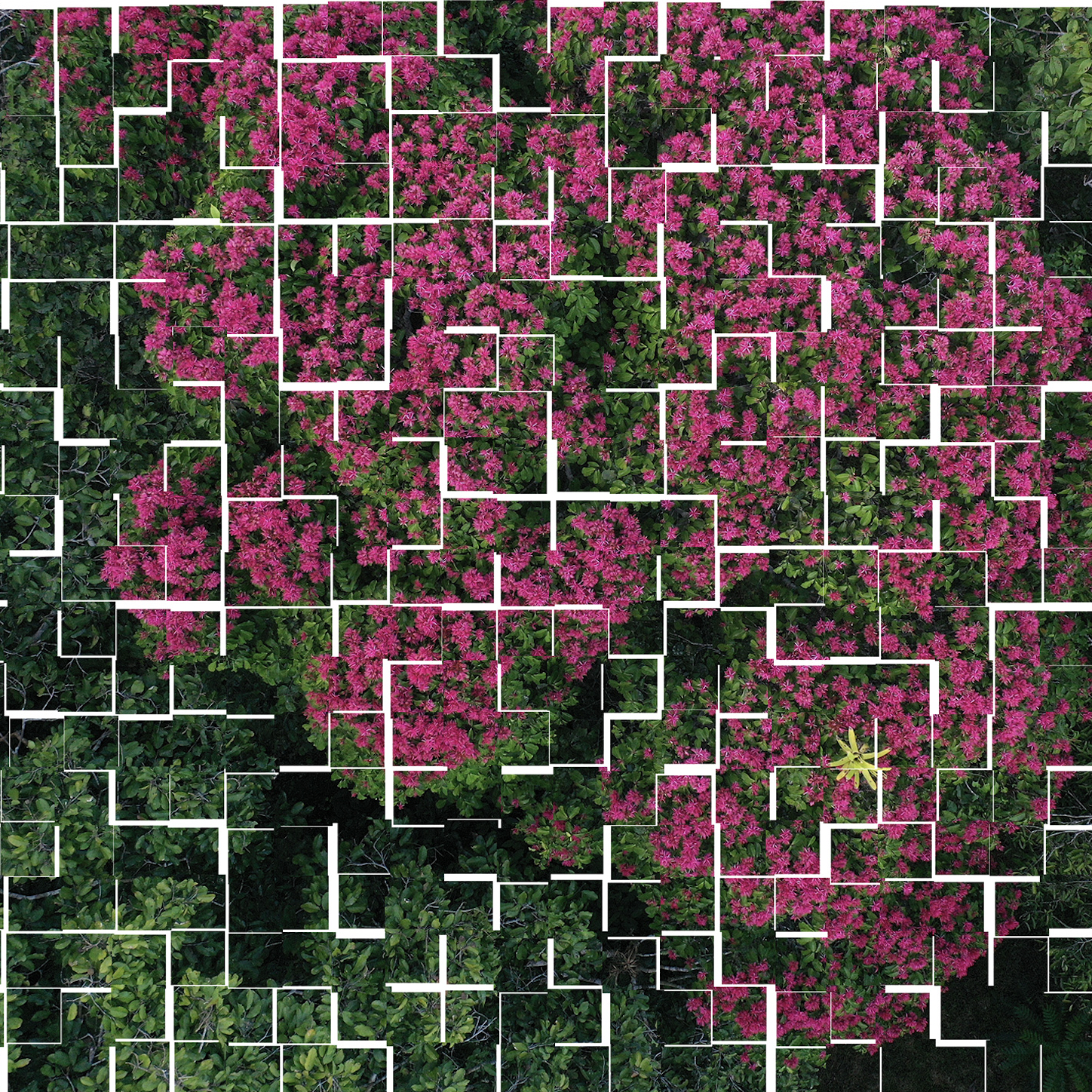
Ep 150Bitcoin, blockchain, and burgeoning energy use
Blockchain is an increasingly popular technology with quite a few applications and iterations, such as Bitcoin, Ethereum, and Non-fungible tokens (NFTs), but can they aid conservation? The answer is complicated. Some conservation groups are trying to use them for fundraising. Other conservationists are exploring the technology for the ability to track and trace payments for ecosystem services. However, downsides abound and depending on which form of the technology you use, they can be impractical, environmentally damaging, or both. Author, Brett Scott, joins the Mongabay Newscast to discuss these complicating factors, some of which he writes about in his new book Cloudmoney: Cash, Cards, Crypto and the War for our Wallets. Also joining the Newscast is journalist Judith Lewis Mernit, who reported on the Bitcoin mining surge in the US state of Texas and the rising energy prices pushed on to consumers. Related Reading: Beyond bored apes: Blockchain polarizes wildlife conservation community Episode artwork: Flowering rainforest tree in the Colombian Amazon. Photo by Rhett A. Butler for Mongabay. Please invite your friends to subscribe to the Mongabay Newscast wherever they get podcasts, or download our free app in the Apple App Store or in the Google Store to get access to our latest episodes at your fingertips. If you enjoy the Newscast, please visit www.patreon.com/mongabay to pledge a dollar or more to keep the show growing, Mongabay is a nonprofit media outlet and all support helps! See all our latest news from nature's frontline at Mongabay's homepage: news.mongabay.com or find us on Facebook, Twitter, and Instagram by searching for @mongabay. Please share your thoughts and ideas! [email protected].

Ep 149Mongabay Reports: Chimpanzee tool innovation reveals cultural evolution
bonusSonso Chimpanzees in Uganda began using a new method to drink water pooled in logs, 'moss-sponging.' Previously known to use balled-up leaves, the chimps began using this new technique with moss, researchers believe, because it is more effective at getting water into their mouths. But then, the technique spread to a neighboring community of chimps, leading researchers to believe that this is evidence of cultural evolution in chimpanzees, a behavior previously only thought to exist in humans. Researchers published their findings in a study in Proceedings of the Royal Society B: Biological Sciences back in 2018. This edition of Mongabay Reports is based on the popular article, Tool innovation shows cultural evolution at work among chimpanzees, by Nina Finley. To also read & share the story, go here: https://news.mongabay.com/2019/02/tool-innovation-shows-cultural-evolution-at-work-among-chimpanzees/ Please invite your friends to subscribe to the Mongabay Newscast wherever they get podcasts, or download our free app in the Apple App Store or in the Google Store to have access to our latest episodes at your fingertips. If you enjoy this series, please visit www.patreon.com/mongabay to pledge a dollar or more to keep the show growing, Mongabay is a nonprofit media outlet and all support helps! See all our latest news from nature's frontline at Mongabay's homepage: news.mongabay.com or find us on Facebook, Twitter, and Instagram by searching for @mongabay. Photo Credit: Karibu, a member of the Sonso chimpanzee community in Uganda, uses a moss-sponge she made to sip water from a small rainwater pool. Scientists say the recent emergence and spread of this socially learned behavior is evidence of cultural evolution in chimpanzees. Image by Cat Hobaiter Please send feedback to [email protected], and thank you for listening.
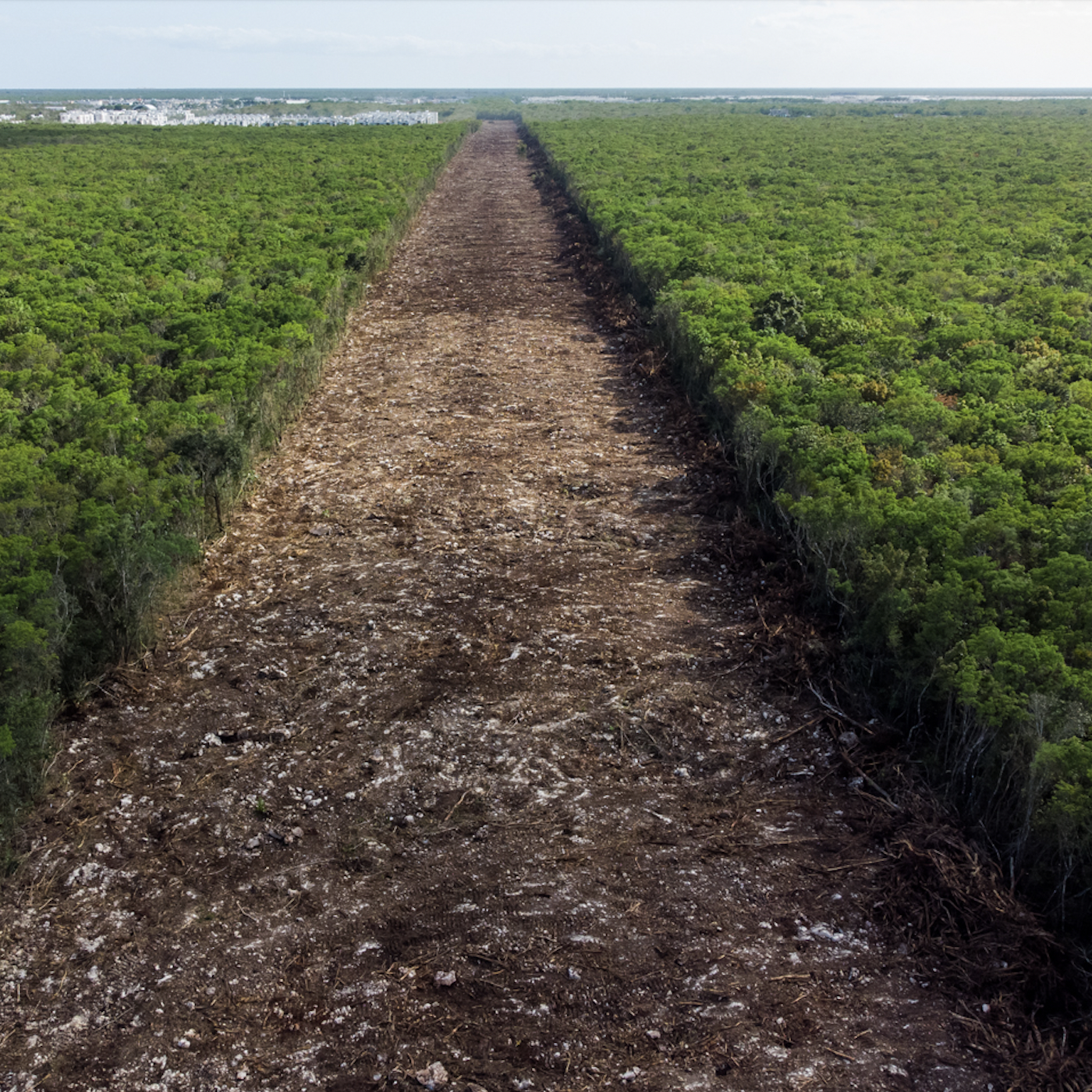
Ep 149Mexico's Maya Train chugs forward, but at what cost?
A multi-billion dollar, 958 mile-long, railway project known as the 'Maya Train' threatens to displace locals and degrade or destroy habitats across five states in the Yucatán peninsula of Mexico. Despite the many legal roadblocks the project has run into, the Mexican government is pushing it through, citing its eventual benefits for tourism and cargo transportation. This week we speak with Mongabay's Mexico City-based staff writer Max Radwin about the project and the impacts it could have on habitats and the lives of locals. We also speak about the legacy of large infrastructure projects that President Andrés López Manuel Obrador is leaving in Mexico. Related Reading: Full steam ahead for Tren Maya project as lawsuits hit judicial hurdles 'What's lacking is respect for Mayan culture': Q&A with Pedro Uc Be on Mexico's Tren Maya Episode artwork: Forest clearing in the municipality of Solidaridad in Quintana Roo for construction of the Maya Train. Image by Fernando Martínez Belmar. Please invite your friends to subscribe to the Mongabay Newscast wherever they get podcasts, or download our free app in the Apple App Store or in the Google Store to get access to our latest episodes at your fingertips. If you enjoy the Newscast, please visit www.patreon.com/mongabay to pledge a dollar or more to keep the show growing, Mongabay is a nonprofit media outlet and all support helps! See all our latest news from nature's frontline at Mongabay's homepage: news.mongabay.com or find us on Facebook, Twitter, and Instagram by searching for @mongabay. Please share your thoughts and ideas! [email protected].

Ep 148Mongabay Reports: New Guinea has the most plant species of any island
bonusA report published in the journal Nature concludes that New Guinea is the most floristically diverse and speciose island on the planet. In addition to being the second largest island in the world, New Guinea is the world's largest tropical island. More than two-thirds of its 13,634 plant sepecies are endemic, occurring nowhere else in the world. New Guinea is not without its conservation challenges. If you are a regular listener of the Mongabay Explores Podcast you'll recall our third season, which explains the historical context, challenges, and drivers of deforestation on the island over seven episodes. Despite these challenges, New Guinea still retains 80% of its original forest cover, making it the final frontier of tropical species discovery and also the third largest rainforest on the planet, just after the Amazon and Congo basin. To also read & share the story, go here: https://news.mongabay.com/2020/08/new-guinea-has-the-most-plant-species-of-any-island/ Please invite your friends to subscribe to the Mongabay Newscast wherever they get podcasts, or download our free app in the Apple App Store or in the Google Store to have access to our latest episodes at your fingertips. If you enjoy this series, please visit www.patreon.com/mongabay to pledge a dollar or more to keep the show growing, Mongabay is a nonprofit media outlet and all support helps! See all our latest news from nature's frontline at Mongabay's homepage: news.mongabay.com or find us on Facebook, Twitter, and Instagram by searching for @mongabay. Photo Credit: Image by Rhett Butler. Please send feedback to [email protected], and thank you for listening.

Ep 148'Water always wins' but 'slow' solutions to water scarcity are growing in popularity
Human-made 'gray' infrastructure is crumbling, causing some urban areas to lose up to 40% of this precious resource: several major cities across the globe now regularly run out of water or have shortages. Yet our pervasive attempts to control water have actually made accessing it harder, especially as humanity faces the silmultaneously occurring biodiversity, climate and water crises. Author and journalist Erica Gies joins the Mongabay Newscast to discuss her new book 'Water Always Wins: Thriving in an Age of Drought and Deluge.' She covers non-invasive solutions ('slow water') that could help humanity not just mitigate our water problems, but also restore biodiversity that's been degraded by 'gray' infrastructure. Cities such as Chennai, India, are already embracing these slow water practices, many of which are rooted in traditional hydrological knowledge, while other areas like coastal Louisiana contemplate managed retreat from rising water. Solving water access and water infrastructure design isn't a simple one-size-fits-all solution, but there are many measures socieities could take today, and on a local level, to make things easier for us in the future. Related Reading: 'The volume of water is beyond control': Q&A with flood expert M. Monirul Qader Mirza Beyond boundaries: Earth's water cycle is being bent to breaking point Episode artwork: A person in an inflatable boat paddles down flooded Highway 610 in the Houston area as rains associated with Hurricane Harvey continue to fall in the area. Image by Mannie Garcia/Greenpeace. Please invite your friends to subscribe to the Mongabay Newscast wherever they get podcasts, or download our free app in the Apple App Store or in the Google Store to get access to our latest episodes at your fingertips. If you enjoy the Newscast, please visit www.patreon.com/mongabay to pledge a dollar or more to keep the show growing, Mongabay is a nonprofit media outlet and all support helps! See all our latest news from nature's frontline at Mongabay's homepage: news.mongabay.com or find us on Facebook, Twitter, and Instagram by searching for @mongabay. Please share your thoughts and ideas! [email protected].

Ep 147Mongabay Reports: Will the vaquita vanish?
bonusThis week the world marks Save the Vaquita Day. Our featured article examines a threat to this critically endangered marine mammal (Phocoena sinus), a small porpoise that lives only in the Upper Gulf of California, and of which only 8 remain in the wild. Mongabay reports that a recent CITES decision lifting a prohibition on the export of captive-bred totaoba fish from Mexico could paradoxically spell disaster for vaquitas--which drown in nets that are set to capture the fish illegally, to feed a black market which will likely continue to thrive if a legal trade in farmed totoaba is established. To also read & share the story, go here: https://news.mongabay.com/2022/06/experts-fear-end-of-vaquitas-after-green-light-for-export-of-captive-bred-totoaba-fish/ Please invite your friends to subscribe to the Mongabay Newscast wherever they get podcasts, or download our free app in the Apple App Store or in the Google Store to have access to our latest episodes at your fingertips. If you enjoy this series, please visit www.patreon.com/mongabay to pledge a dollar or more to keep the show growing, Mongabay is a nonprofit media outlet and all support helps! See all our latest news from nature's frontline at Mongabay's homepage: news.mongabay.com or find us on Facebook, Twitter, and Instagram by searching for @mongabay. Photo Credit: An illustration of a vaquita. Image courtesy of Greenpeace. Please send feedback to [email protected], and thank you for listening.

Ep 147How marine conservation benefits by blending Indigenous knowledge and western science
We discuss the effectiveness of combining traditional Indigenous ecological knowledge and Western science for conservation and restoration initiatives on this episode. Our first guest is Dr. Gary Paul Nabhan, an ethnobotanist at the University of Arizona, who discusses an ancestral food of the Comcaac people in the state of Sonora in Mexico: eelgrass. Nabhan explains how eelgrass is making a big comeback thanks to the people's restoration work, and is retaking its place at the table as a sustainable source of food for the Comcaac community while gaining international culinary attention in the process. Host Mike G. also speaks with Dr. Sara Iverson, a professor of biology at Canada's Dalhousie University, about a research project called Apoqnmatulti'k that aims to better understand the movements of lobster, eel, and tomcod in two important ecosystems on Canada's Atlantic coast. Iverson explains why those study species were chosen by the Mi'kmaq people and why it's so important that the project combines different ways of knowing, including Western science and traditional Indigenous knowledge, which a Mi'kmaq elder dubbed 'two-eyed seeing.' Further reading about Apoqnmatulti'k here: • "In Canada, Indigenous communities and scientists collaborate on marine research" Listen to episode #145 (June 1, 2022) of this podcast to hear about related Indigenous aquaculture traditions via your favorite podcast provider, or here: • "Podcast: Indigenous, ingenious and sustainable aquaculture from the distant past to today" Episode artwork: A conservationist working on a seagrass restoration project. Image courtesy of Seawilding. Please invite your friends to subscribe to the Mongabay Newscast wherever they get podcasts, or download our free app in the Apple App Store or in the Google Store to get access to our latest episodes at your fingertips. If you enjoy the Newscast, please visit www.patreon.com/mongabay to pledge a dollar or more to keep the show growing, Mongabay is a nonprofit media outlet and all support helps! See all our latest news from nature's frontline at Mongabay's homepage: news.mongabay.com or find us on Facebook, Twitter, and Instagram by searching for @mongabay. Please share your thoughts and ideas! [email protected].

Ep 146Mongabay Reports: 'Lost' Amazonian cities reveal sustainability secrets
bonusOur featured article this week examines archaeological research revealing details of a massive, Pre-Columbian urban settlement in the Amazon, 4,500 square kilometers in size, that provides valuable insights into how humanity could develop sustainable cities without degrading their environments. To also read & share the story, go here: https://news.mongabay.com/2022/06/lost-amazonian-cities-hint-at-how-to-build-urban-landscapes-without-harming-nature/ Please invite your friends to subscribe to the Mongabay Newscast wherever they get podcasts, or download our free app in the Apple App Store or in the Google Store to have access to our latest episodes at your fingertips. If you enjoy this series, please visit www.patreon.com/mongabay to pledge a dollar or more to keep the show growing, Mongabay is a nonprofit media outlet and all support helps! See all our latest news from nature's frontline at Mongabay's homepage: news.mongabay.com or find us on Facebook, Twitter, and Instagram by searching for @mongabay. Photo Credit: Incachaca archaeological site in Bolivia. Image courtesy of Greg Keelen on Unspash. Please send feedback to [email protected], and thank you for listening.
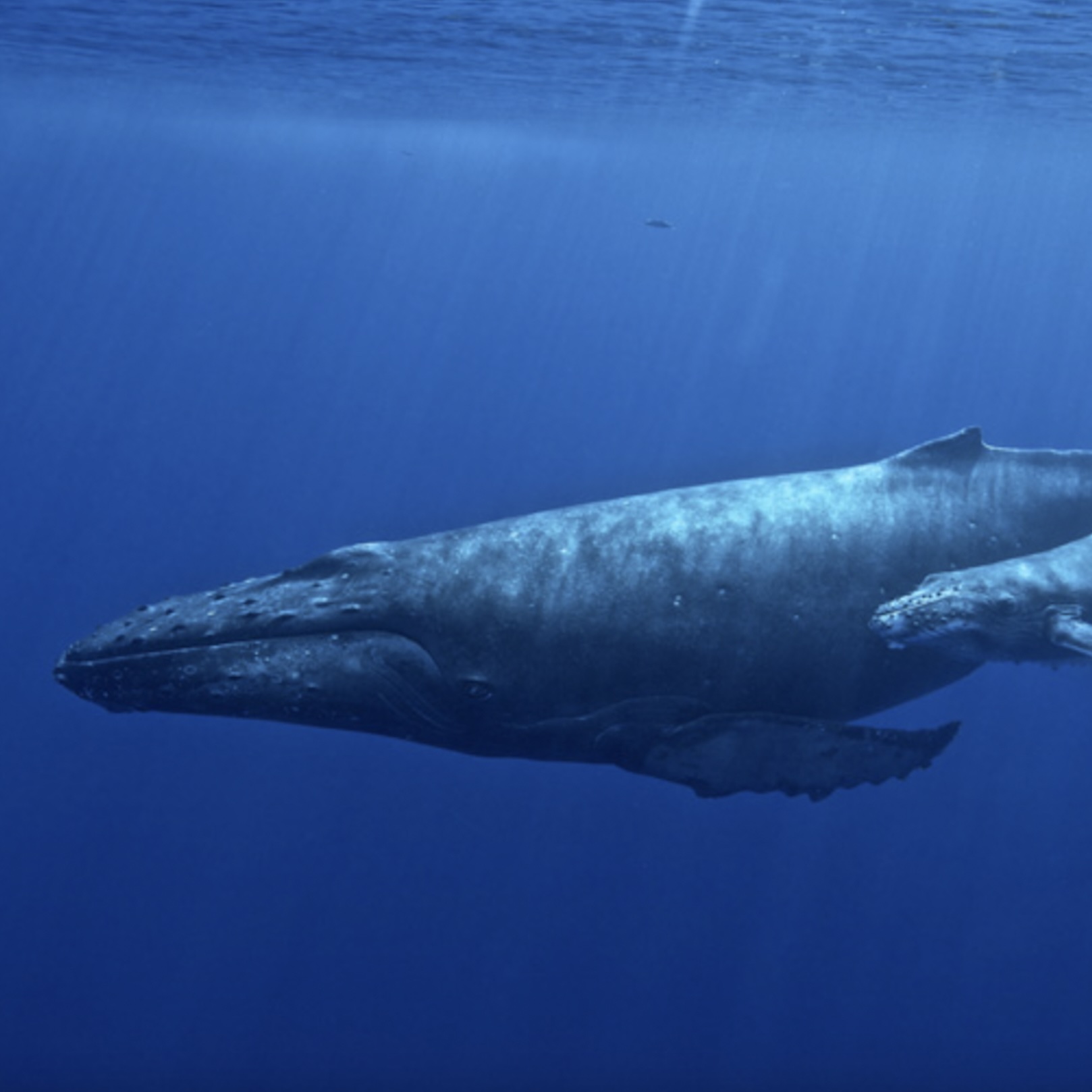
Ep 146New whale calls and dolphin behaviors discovered with bioacoustics
Host Mike G. dives into new discoveries from the exciting field of marine bioacoustics research that are helping us better understand the lives of whales and dophins, and we feature fascinating recordings from that research. His first guest is Erin Ross-Marsh, the lead researcher on a study of humpback whales at the Vema Seamount in the South Atlantic off the coast of South Africa. Ross-Marsh tells us about the study's finding that these humpbacks were making gunshot calls, a type of non-song call that was previously unknown in these particular whales, and plays some humpback songs, non-song calls, and gunshot calls for us to listen to. He also speaks with Sarah Trabue, a research assistant with the Wildlife Conservation Society (WCS) who is the lead author of a recently published paper detailing the findings of a bioacoustic study of bottlenose dolphins in and around New York Harbor. Trabue discusses what the study reveals about dolphin behavior in the highly trafficked waters around New York City and plays for us some of the dolphin vocalizations recorded as part of the study. Further reading: • Mongabay: "What's popping? Humpbacks off South Africa, new acoustic study finds" • WCS: "The New York – New Jersey Harbor Estuary is a Dining Hotspot During Summer and Autumn Months for Bottlenose Dolphins" Episode artwork: humpback whales off the coast of Hawaii. Photo Credit: Ed Lyman/NOAA. Please invite your friends to subscribe to the Mongabay Newscast wherever they get podcasts, or download our free app in the Apple App Store or in the Google Store to get access to our latest episodes at your fingertips. If you enjoy the Newscast, please visit www.patreon.com/mongabay to pledge a dollar or more to keep the show growing, Mongabay is a nonprofit media outlet and all support helps! See all our latest news from nature's frontline at Mongabay's homepage: news.mongabay.com or find us on Facebook, Twitter, and Instagram by searching for @mongabay. Please share your thoughts and ideas! [email protected].

Ep 145Mongabay Reports: Palm oil investigation with BBC and Gecko Project exposes corporate theft from communities
bonusOur featured article this week summarizes a joint investigation Mongabay recently conducted with BBC News and The Gecko Project, uncovering how companies have cut local & Indigenous communities out of the profits from Indonesia's palm oil boom, despite being legally required to share those profits. Major brands including Kellogg's, Johnson & Johnson, Pepsi, and numerous others have sourced palm oil from these plantations. To also read & share the story, go here: 'A hidden crisis in Indonesia's palm oil sector: 6 takeaways from our investigation.' https://news.mongabay.com/2022/05/a-hidden-crisis-in-indonesias-palm-oil-sector-6-takeaways-from-our-investigation/ Read the responses from consumer goods firms to our plasma investigation: https://thegeckoproject.org/articles/responses-from-consumer-goods-firms-to-our-plasma-investigation/ Read the full investigation here: 'The promise was a lie': How Indonesian villagers lost their cut of the palm oil boom. https://news.mongabay.com/2022/05/the-promise-was-a-lie-how-indonesian-villagers-lost-their-cut-of-the-palm-oil-boom/ Please invite your friends to subscribe to the Mongabay Newscast wherever they get podcasts, or download our free app in the Apple App Store or in the Google Store to have access to our latest episodes at your fingertips. If you enjoy this series, please visit www.patreon.com/mongabay to pledge a dollar or more to keep the show growing, Mongabay is a nonprofit media outlet and all support helps! See all our latest news from nature's frontline at Mongabay's homepage: news.mongabay.com or find us on Facebook, Twitter, and Instagram by searching for @mongabay. Photo Credit: A bag of oil palm fruitlets gathered by the Suku Anak Dalam. Image by Nopri Ismi. Please send feedback to [email protected], and thank you for listening.
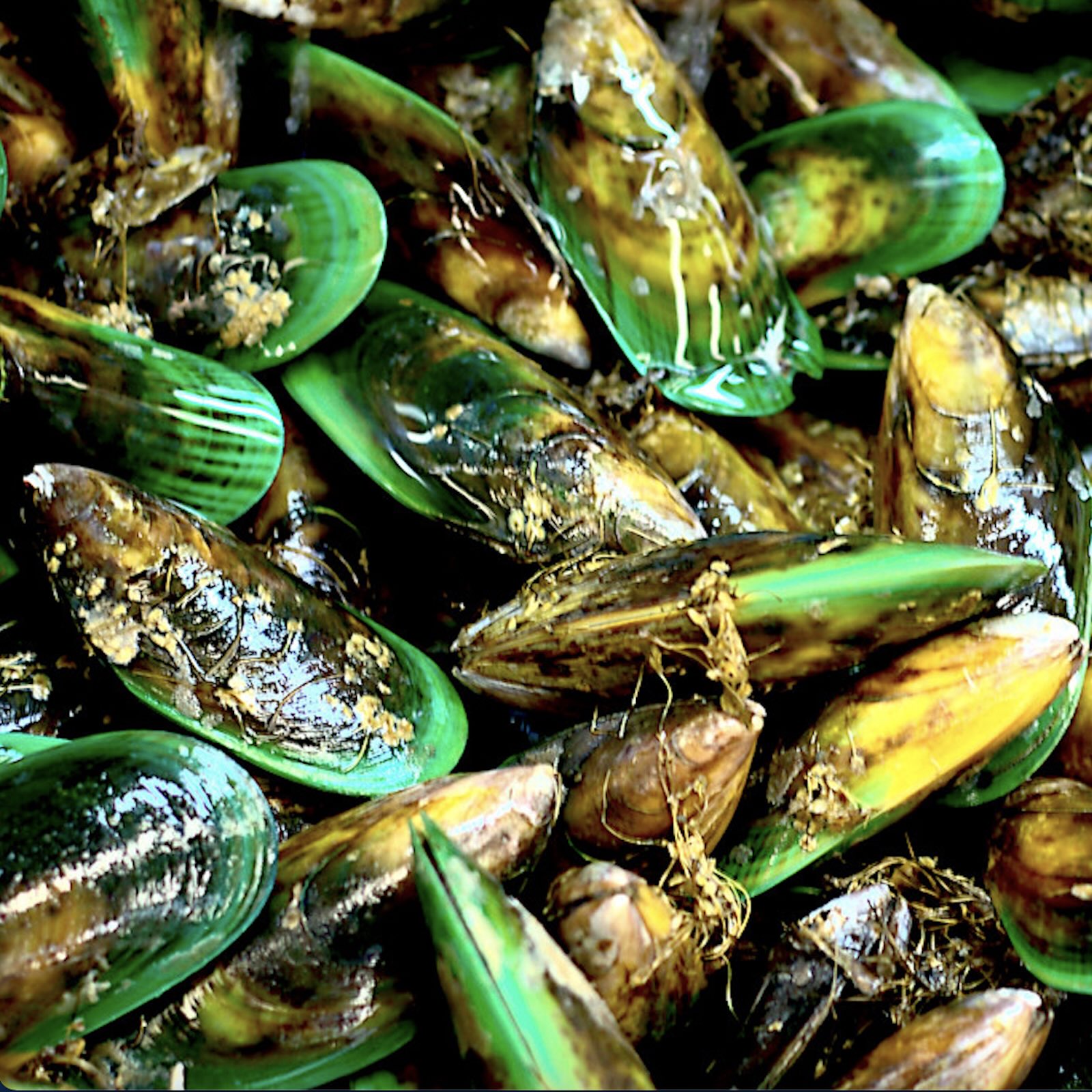
Ep 145How Indigenous aquaculture leverages traditional ecological knowledge
Coastal cultures have often enjoyed abundant lifestyles thanks to the wide array of food, fiber, and other useful resources provided by the world's seas, sounds, estuaries and oceans. Indigenous peoples have also developed strong marine conservation traditions and ingenious methods of ensuring sustainable long-term harvests through practices commonly called 'aquaculture' today. On this episode we hear from Nicola MacDonald about Kōhanga Kūtai, a project in New Zealand that aims to replace the plastic ropes used by mussel farmers with more sustainable alternatives. MacDonald tells us about the project's basis in blending traditional Maori knowledge with Western science. We also speak with Dana Lepofsky, a professor in the archaeology department at Simon Fraser University in British Columbia, Canada. Lepofsky tells us about her research into clam gardens on the Pacific coast of North America, some of which have been found to be as much as 3500 years old. These clam gardens are such a reliable and sustainable source of food that there's a movement afoot today to rebuild them. Resources & reading: • 'We have a full pharmacopoeia of plants': Q&A with Māori researcher Nicola Macdonald • The Clam Garden Network website Hear our conversation with Dune Lankard of the Native Conservancy about their kelp aquaculture project in Alaska on episode #137 or here: • "Podcast: Kelp, condors and Indigenous conservation" Episode artwork: Green-lipped mussels are endemic to New Zealand and are commonly grown in aquaculture operations. Image courtesy of Adrian Midgley via Flickr (CC BY-NC-ND 2.0). Please invite your friends to subscribe to the Mongabay Newscast wherever they get podcasts, or download our free app in the Apple App Store or in the Google Store to get access to our latest episodes at your fingertips. If you enjoy the Newscast, please visit www.patreon.com/mongabay to pledge a dollar or more to keep the show growing, Mongabay is a nonprofit media outlet and all support helps! See all our latest news from nature's frontline at Mongabay's homepage: news.mongabay.com or find us on Facebook, Twitter, and Instagram by searching for @mongabay. Please share your thoughts and ideas! [email protected].

Ep 144Mongabay Reports: Can celebrities 'rewrite extinction'?
bonus'Rewriting Extinction' is a new conservation funding group trying to reach fresh audiences that has so far raised $180,000 for projects in Europe, Asia and Latin America. Critics of the organization say 'Rewriting Exctinction' has made exaggerated claims about what it can, or has, achieved. Some experts say the effort should still be applauded. This episode features the popular article "Can celebrities and social media influencers really 'rewrite extinction'?" by James Fair: https://news.mongabay.com/2022/05/can-celebrities-and-social-media-influencers-really-rewrite-extinction/ Please invite your friends to subscribe to the Mongabay Newscast wherever they get podcasts, or download our free app in the Apple App Store or in the Google Store to have access to our latest episodes at your fingertips. If you enjoy this series, please visit www.patreon.com/mongabay to pledge a dollar or more to keep the show growing, Mongabay is a nonprofit media outlet and all support helps! See all our latest news from nature's frontline at Mongabay's homepage: news.mongabay.com or find us on Facebook, Twitter, and Instagram by searching for @mongabay. Photo Credit: Art for Rewriting Extinction created by mxvisoor. Please send feedback to [email protected], and thank you for listening.

Ep 144Vandana Shiva on the agroecology solution for climate change, the biodiversity crisis, and hunger
Agroecology applies ecological principles to agriculture, and it's a key strategy for mitigating--and adapting to climate change--which also boosts biodiversity and food security--and it is the focus of a special series at Mongabay. Joining us first to discuss agroecology as a science, a practice, and a movement is Dr. Maywa Montenegro, an assistant professor of environmental studies at the University of California, Santa Cruz. Then host Mike G. speaks with iconic Indian scientist, activist and Right Livelihood Award winner Dr. Vandana Shiva, whose brand new book, Agroecology and Regenerative Agriculture: Sustainable Solutions for Hunger, Poverty, and Climate Change, synthesizes decades of agroecology research and implementation. She's also the founder of Navdanya, which is both an agroecology center and a global food sovereignty movement. Dr. Shiva shares how agroecology is an effective solution not just to climate change but also for a host of other ecological crises we're facing, such as water scarcity, land degradation, nutrition and biodiversity loss. Further reading: • "From traditional practice to top climate solution, agroecology gets growing attention" by Anna Lappé • "Transitioning to sustainable agriculture requires growing and sustaining an ecologically skilled workforce," Frontiers in Sustainable Food Systems, 96. doi:10.3389/fsufs.2019.00096 Episode artwork: Dr. Vandana Shiva, photo by Kartikey Shiva. If you enjoy the Mongabay Newscast, please visit www.patreon.com/mongabay to pledge a dollar or more to keep the show growing, Mongabay is a nonprofit media outlet and all support helps! See all our latest news from nature's frontline at Mongabay's homepage, news.mongabay.com or find us on Facebook, Twitter, and Instagram by searching for @mongabay. Please share your thoughts and ideas! [email protected].

Ep 143Mongabay Explores: She's here! A Sumatran rhino is born
bonusMongabay Explores is an episodic podcast series that highlights unique places and species from around the globe. On March 24th, Indonesia's Ministry of Environment and Forestry announced the birth of a new female Sumatran rhino calf at the SRS captive breeding facility at Way Kambas National Park in Indonesia's Lampung province. For this bonus episode of Mongabay Explores, we speak with senior staff writer for Indonesia, Basten Gokkon. He explains the significance of this event, the difficulty in breeding Sumatran rhinos, and what this birth means for the future of this critically endangered species. If you missed the ten part series of Mongabay Explores Sumatra, you can find them via the podcast provider of your choice, or locate all episodes of the Mongabay Explores podcast on our podcast homepage here. Related Reading: It's a girl: Super rare Sumatran rhino born in captive-breeding center Episode Artwork: Rosa and her child. Image courtesy of Indonesia's Environment and Forestry Ministry. Please invite your friends to subscribe to Mongabay Explores wherever they get podcasts. If you enjoy our podcast content, please visit www.patreon.com/mongabay to pledge a dollar or more to keep the show growing, Mongabay is a nonprofit media outlet and all support helps! See all our latest news from nature's frontline at Mongabay's homepage: news.mongabay.com or find us on Facebook, Twitter, Instagram and TikTok by searching for @mongabay. Feedback is always welcome: [email protected].

Ep 143Wonder on wings: the fierce nature and enduring beauty of birds
It's a really busy time of year for birds all over the world as they migrate and prepare for a new breeding season, so on this episode we discuss the amazing fierceness and beauty of birds, why they deserve your interest and attention, plus some recent research and avian conservation trends in Nepal. We welcome back the incomparable and award-winning author Sy Montgomery, whose most recent books are all about our avian friends: The Hawk's Way: Encounters With Fierce Beauty, which is now in stores, and also 2021's The Hummingbird's Gift: Wonder, Beauty, and Renewal On Wings. In her signature & wonder-rich way, Montgomery shares some of the truly amazing things learned from personal experiences with falconry and hummingbird rehabilitation, and discusses why we find birds so fascinating. Host Mike G. also speaks with Mongabay staff writer Abhaya Joshi about the birdlife in his country of Nepal, a new bird-counting app that's sparking newfound interest there, and some of the most recent conservation actions being taken in the country to protect birds. Hear Sy Montgomery's previous appearance on this show here (or search for episode #37 in your podcast app): "Podcast: Exploring the minds and inner lives of animals" Further reading about Nepal's birdlife by Abhaya Joshi: "Bird-counting app kindles interest in Nepal's rich avian life" "Nepal's first bird sanctuary takes flight, raising hope for conservation" "Study: Farmland birds in Nepal, India in dire need of conservation action" Episode artwork: Fiery-throated hummingbird at Paraiso del Quetzal, Costa Rica, by Joseph C Boone via Wikimedia Commons. If you enjoy the Mongabay Newscast, please visit www.patreon.com/mongabay to pledge a dollar or more to keep the show growing, Mongabay is a nonprofit media outlet and all support helps! See all our latest news from nature's frontline at Mongabay's homepage, news.mongabay.com or find us on Facebook, Twitter, and Instagram by searching for @mongabay. Please share your thoughts and ideas! [email protected].

Ep 142Mongabay Explores New Guinea: Community empowerment and forest conservation grow from the galip nut
bonusMongabay Explores is an episodic podcast series that highlights unique places and species from around the globe. By 2025, the edible nut industry will be worth an estimated $2 billion globally. In Papua New Guinea (PNG), a traditional and plentiful staple, the galip nut (Canarium indicum), holds the promise of tapping into that demand. Its familiarity and the ease with which it can be grown together with coffee and cocoa is adding up to a new source of income for thousands of small scale farmers across PNG while preserving forest cover. On this episode of Mongabay Explores, we speak with Dorothy Devine Luana, an entrepreneur from the province of East New Britain, whose company grows galip nuts using agroforestry, a farming technique rooted in traditional knowledge that grows multiple cash crops alongside woody perennials. We also speak with Nora Devoe, research program manager for a special project focused on the galip nut at the Australian Centre for International Agricultural Research (ACIAR). This project has been funding more than a decade of research seeking to understand the viability and potential of the galip nut to drive the canarium industry in PNG and foster new markets for entrepreneurs and locals like Dorothy to sell the crop. If you missed the first six episodes of Mongabay Explores New Guinea, you can find them via the podcast provider of your choice, or locate all episodes of the Mongabay Explores podcast on our podcast homepage here. Episode Artwork: Tinganagalip Women Cooperative Group Chairwoman Caroline Misiel holds a handful of galip nuts. Image by Conor Ashleigh. Sounds heard during the intro and outro include the following: rusty mouse-warbler, growling riflebird, raggiana/lesser bird-of-paradise, superb fruit-dove, long-billed honeyeater, little shrike-thrush, brown cuckoo-dove, black-capped lory. Special thanks to Tim Boucher and Bruce Beehler for identifying them. Please invite your friends to subscribe to Mongabay Explores wherever they get podcasts. If you enjoy our podcast content, please visit www.patreon.com/mongabay to pledge a dollar or more to keep the show growing, Mongabay is a nonprofit media outlet and all support helps! See all our latest news from nature's frontline at Mongabay's homepage: news.mongabay.com or find us on Facebook, Twitter, Instagram and TikTok by searching for @mongabay. Feedback is always welcome: [email protected].
Ep 142Convention on Biological Diversity: progress, hope and hard work ahead
After many delays due to the pandemic, final negotiations on the UN Convention on Biological Diversity are happening this year in Kunming, China, and preparations for it just ended in Geneva, so we are pleased to speak with Assistant Secretary General of the United Nations & Executive Secretary of the Convention on Biological Diversity, Elizabeth Mrema, about the outcomes in Switzerland, why the world failed to meet the previous Aichi Biodiversity Targets, and how COP15 can provide a roadmap to actually halting biodiversity loss and safeguarding nature. Because the roles and rights of Indigenous communities are widely agreed to be key to its success, we also speak with Jennifer Tauli Corpuz, a member of the Indigenous Caucus at the Convention on Biological Diversity and senior global policy and advocacy lead for Nia Tero. Jennifer provides the Indigenous perspective on what's currently in the draft biodiversity framework, what changes are needed to better support Indigenous land rights, and the overall importance of Indigenous leadership toward preserving Earth's biodiversity. Related reading: Reaching the Paris Agreement without protecting Indigenous lands is 'impossible', says report Indigenous land rights take center stage in a new global framework for biodiversity conservation Climate efforts won't succeed without secure community rights, says Nonette Royo Momentum is building for a 'robust' biodiversity framework: Q&A with Elizabeth Mrema If you enjoy the Mongabay Newscast, please visit www.patreon.com/mongabay to pledge a dollar or more to keep the show growing, Mongabay is a nonprofit media outlet and all support helps! See all our latest news from nature's frontline at Mongabay's homepage, news.mongabay.com or find us on Facebook, Twitter, and Instagram by searching for @mongabay. Episode artwork: Red-eyed tree frog. Photo Credit: Rhett A. Butler/Mongabay. Please share your thoughts and ideas! [email protected].