
Mongabay Newscast
377 episodes — Page 6 of 8
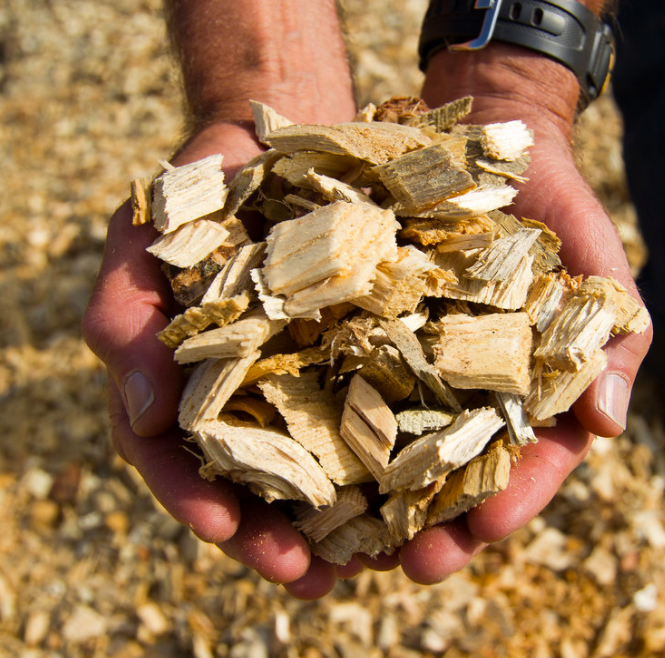
Ep 113Biomass and hydropower: climate solutions or delusions?
Two technologies being promoted as climate solutions, biomass and hydropower, actually have big environmental consequences and might not be sustainable at all. Can we burn and dam our way out of the climate crisis? We speak with Justin Catonoso, a Wake Forest University journalism professor and Mongabay reporter, who describes the loopholes in renewable energy policies that have allowed the biomass industry to flourish under the guise of carbon neutrality, even though the burning of trees for energy has been shown to release more carbon emissions than burning coal. We also talk to Ana Colovic Lesoska, a biologist who was instrumental in shutting down two large hydropower projects in her Balkan country's Mavrovo National Park. This recent Goldman Environmental Prize winner says there is a tidal wave of 3,000+ other hydropower projects still proposed for the region, and discusses whether hydropower can be a climate solution at all, at any scale. Articles mentioned in this episode: Will new US EPA head continue his opposition to burning forests for energy? EU renewable energy policy subsidizes surge in logging of Estonia's protected areas In the Balkans, grassroots opposition stalls another hydropower project Read all of Mongabay's coverage of biomass here and hydropower here. Please invite your friends to subscribe to the Mongabay Newscast wherever they get podcasts, or download our free app in the Apple App Store and in the Google Store to have access to our latest episodes at your fingertips. If you enjoy the Newscast, please visit www.patreon.com/mongabay to pledge a dollar or more to keep the show growing, Mongabay is a nonproft media outlet and all support helps! Supporting at the $10/month level now delivers access to Insider Content at Mongabay.com, too, please visit the link above for details. See all our latest news from nature's frontline at Mongabay's homepage: news.mongabay.com or find us on Facebook, Twitter, and Instagram by searching for @mongabay. Feedback is always welcome: [email protected].

Ep 112Mongabay Explores Sumatra: Omens and optimism for orangutans
bonusThe Sumatran orangutan is a lowland species that has adapted to life among this Indonesian island's highlands, as it has lost favored habitat to an array of forces like deforestation, road projects, plus the trafficking of young ones to be sold as pets, so this great ape is increasingly in trouble. On this episode, Mongabay speaks with the founding director of Orangutan Information Centre in North Sumatra, Panut Hadisiswoyo, about these challenges plus some hopeful signs. His center is successfully involving local communities in this work: over 2,400 hectares of rainforest have been replanted by local women since 2008, creating key habitat for the orangutans, which also provides the villagers with useful agroforestry crops, for instance. Related reading from this episode: Deforestation spurred by road project creeps closer to Sumatra wildlife haven Call for prosecution of Indonesian politician who kept baby orangutan as pet 'We are losing': Q&A with The Orangutan Project's Leif Cocks on saving the great ape Please invite your friends to subscribe to the Mongabay Newscast wherever they get podcasts. We also offer a free app in the Apple App Store and in the Google Store for this show, providing instant access to our latest episodes and previous ones. If you enjoy the Newscast, please visit www.patreon.com/mongabay to pledge a dollar or more to keep the show growing, Mongabay is a nonprofit media outlet and all support helps! Supporting at the $10/month level now delivers access to Insider Content at Mongabay.com, too, please visit the link above for details. See all of our latest news from nature's frontline at Mongabay's homepage: news.mongabay.com or find us on Facebook, Twitter, and Instagram by searching for @mongabay. Feedback is always welcome: [email protected].
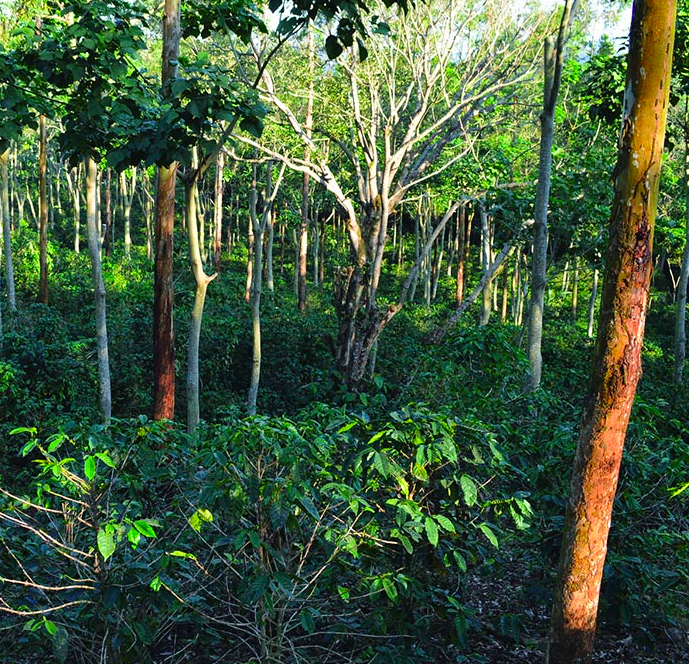
Ep 112Agroforestry: the most climate-friendly and biodiversity-positive agriculture technique is growing
Ever drink 'shade grown' coffee or eat 'bird friendly' chocolate? Then you've enjoyed the fruits of agroforestry, an ancient agricultural technique practiced on a huge scale across the world which also sequesters a staggering amount of carbon from the atmosphere. Agroforestry is poised for growth as the world searches for solutions to the climate crisis, and this one is special because it also produces grains/fruits/vegetables/livestock, builds soil and water tables, and is highly biodiversity-positive. Today we discuss its power and promise with three guests: Mongabay's agroforestry series editor Erik Hoffner; the director the Center for Agroforestry at the University of Missouri, Sarah Lovell, who discusses agroforestry's history and extent in the United States, plus what the Biden Administration might do with it; and a true icon in the field, Roger Leakey, an author, researcher, and vice president of the International Tree Foundation. Leakey explains how helps build food security, boosts biodiversity, and reduces conditions that lead to deforestation and migration. Mongabay's entire series on agroforestry can be viewed here, but here are some features discussed on the show: "Investors say agroforestry isn't just climate friendly — it's also profitable" "An ancient 'indigenous technology' with wide modern appeal" "Trees are much more than the lungs of the world" "Agroforestry: An increasingly popular solution for a hot, hungry world" Episode artwork: chocolate thrives under a mix of fruit and timber trees, image via World Agroforestry. Please invite your friends to subscribe to the Mongabay Newscast wherever they get podcasts, or download our free app in the Apple App Store and in the Google Store to have access to our latest episodes at your fingertips. If you enjoy the Newscast, please visit www.patreon.com/mongabay to pledge a dollar or more to keep the show growing, Mongabay is a nonproft media outlet and all support helps! Supporting at the $10/month level now delivers access to Insider Content at Mongabay.com, too, please visit the link above for details. See all our latest news from nature's frontline at Mongabay's homepage: news.mongabay.com or find us on Facebook, Twitter, and Instagram by searching for @mongabay. Feedback is always welcome: [email protected].

Ep 111Mongabay Explores Sumatra: Elephants and eternity
bonusThe Sumatran elephant is a small species of Asian elephant whose numbers are dwindling as their lowland forest habitats are converted to crops like oil palms. Experts say that Indonesia has 10 years to turn this trend around and save them from the eternity of extinction--and that doing so will have many additional benefits for human communities and wildlife. To explore the issues surrounding the species' conservation, we spoke with 3 guests: Leif Cocks, the founder of the International Elephant Project, Sapariah "Arie" Saturi, Mongabay-Indonesia's Senior Writer who's reported regularly on the issue; and Dr. Wishnu Sukmantoro an elephant expert at Indonesia's Bogor Agricultural University. Two recent articles Arie reported for Mongabay on the topic: As a forest in Sumatra disappears for farms and roads, so do its elephants On plantations and in 'protected' areas, Sumatran elephants keep turning up dead Episode artwork courtesy of World Wildlife Fund's Sumatran elephant program. Please invite your friends to subscribe to the Mongabay Newscast on the Google Podcasts app, Apple Podcasts, Android, Stitcher, via Pandora or Spotify or Audible, or wherever they get podcasts. We now offer a free app in the Apple App Store and in the Google Store for this show, so you can have access to our latest episodes at your fingertips. If you enjoy the Newscast, please visit www.patreon.com/mongabay to pledge a dollar or more to keep the show growing, Mongabay is a nonprofit media outlet and all support helps! Supporting at the $10/month level now delivers access to Insider Content at Mongabay.com, too, please visit the link above for details. See all our latest news from nature's frontline at Mongabay's homepage: news.mongabay.com or find us on Facebook, Twitter, and Instagram by searching for @mongabay. Feedback is always welcome: [email protected].

Ep 111What's in store for the world's forests in 2021?
From fires to COVID, 2020 was a *bit* of a rough year for forest conservation efforts. But what's in store, and hopeful, for 2021? On this episode, we catch up with Mongabay's founder and CEO Rhett Butler to hear what's on his radar for the year--from the Amazon to Africa and Indonesia--plus for a forest focus on Africa, we ask Joe Eisen, the executive director of the NGO Rainforest Foundation UK, for his take on the past year and the major issues and events likely to impact Africa's tropical forests over the course of 2021. Here's Rhett's latest article: Rainforests: 11 things to watch in 2021 Related episodes mentioned during the show: • "New Latin American treaty could help protect women conservation leaders — and all environment defenders" (28 October 2020) • "What can we expect from tropical fire season 2020?" (13 May 2020) • "Reporter Katie Baker details Buzzfeed's explosive investigation of WWF" (29 October 2019) Please invite your friends to subscribe to the Mongabay Newscast on the Google Podcasts app, Apple Podcasts, Android, Stitcher, via Pandora or Spotify, or wherever they get podcasts. We now offer a free app in the Apple App Store and in the Google Store for this show, so you can have access to our latest episodes at your fingertips, please download it and let us know what you think via the contact info below. If you enjoy the Newscast, please visit www.patreon.com/mongabay to pledge a dollar or more to keep the show growing, Mongabay is a nonproft media outlet and all support helps! Supporting at the $10/month level now delivers access to Insider Content at Mongabay.com, too, please visit the link above for details. See all our latest news from nature's frontline at Mongabay's homepage: news.mongabay.com or find us on Facebook, Twitter, and Instagram by searching for @mongabay. Feedback is always welcome: [email protected].
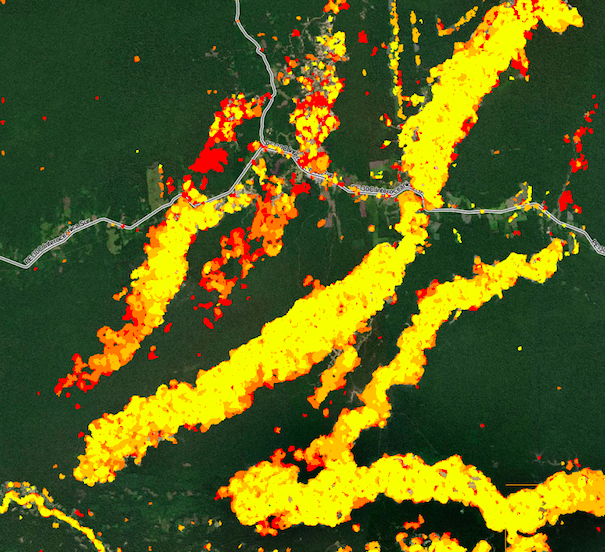
Ep 110New conservation tech to clean up mining sector
Valuable minerals are regularly dug out of sensitive ecological areas like rainforests, and a growing slice of this mining is of the small, "artisanal," and unregulated kind. The result is often a moonscape devoid of trees that is difficult to restore. But a new tech interface called Project Inambari, which was recently named a winner of the Artisanal Mining Challenge, aims to change that with technology, so that communities and authorities can better protect their resources. Bjorn Bergman is an analyst for SkyTruth and is one of the project's developers, and he joins the podcast to describe their vision. Also joining us to discuss the impacts of mining and its mitigation is Dr. Manuela Callari, a Mongabay contributing writer who recently wrote about the tens of thousands of abandoned and shuttered mine sites in Australia and what communities are doing about them. Episode artwork: satellite view of artisanal mining in rainforests of Madre de Dios, Peru, courtesy of SkyTruth. Please invite your friends to subscribe to the Mongabay Newscast on the Google Podcasts app, Apple Podcasts, Android, Stitcher, via Pandora or Spotify, or wherever they get podcasts. We now offer a free app in the Apple App Store and in the Google Store for this show, so you can have access to our latest episodes at your fingertips, please download it and let us know what you think via the contact info below. If you enjoy the Newscast, please visit www.patreon.com/mongabay to pledge a dollar or more to keep the show growing, Mongabay is a nonproft media outlet and all support helps! Supporting at the $10/month level now delivers access to Insider Content at Mongabay.com, too, please visit the link above for details. See all our latest news from nature's frontline at Mongabay's homepage: news.mongabay.com or find us on Facebook, Twitter, and Instagram by searching for @mongabay. Feedback is always welcome: [email protected].

Ep 109Mongabay Explores Sumatra: Tiger on the highway
bonusThe wildlife rich island of Sumatra is experiencing a road building boom, causing some of its iconic creatures to be seen by construction workers: a photo of a Sumatran tiger crossing a highway work-site went viral this summer, for example. This smallest of all tiger subspecies still needs its space despite its stature: up to 250 square kilometers for each one's territory. A single road cut into their forest habitat encroaches on these key areas, where less than 400 of these critically endangered animals persist. Road building creates access to impenetrable forests that are home to all kinds of creatures, though, enabling illegal hunting and fragmenting habitats. To discuss the impact of - and alternatives to - such infrastructure projects as the billion dollar Trans-Sumatran Highway, we reached Hariyo "Beebach" Wibisono, a research fellow at the San Diego Zoo Global & director of SINTAS Indonesia, plus Bill Laurance, a distinguished professor at James Cook University, who is also head of ALERT, the Alliance of Leading Environmental Researchers and Thinkers. Related reading: Tiger on the highway: Sighting in Sumatra causes a stir, but is no surprise China's Belt and Road poised to transform the Earth, but at what cost? Batang Toru: Worker feared dead as landslide hits quake-prone dam in orangutan habitat Please invite your friends to subscribe to the Mongabay Newscast on the Google Podcasts app, Apple Podcasts, Android, Stitcher, via Pandora or Spotify or Audible, or wherever they get podcasts. We now offer a free app in the Apple App Store and in the Google Store for this show, so you can have access to our latest episodes at your fingertips, please download it and let us know what you think via the contact info below. Episode artwork: a critically endangered Sumatran tiger (Panthera tigris sondaica). Image courtesy of the Zoological Society of London. If you enjoy the Newscast, please visit www.patreon.com/mongabay to pledge a dollar or more to keep the show growing, Mongabay is a nonprofit media outlet and all support helps! Supporting at the $10/month level now delivers access to Insider Content at Mongabay.com, too, please visit the link above for details. See all our latest news from nature's frontline at Mongabay's homepage: news.mongabay.com or find us on Facebook, Twitter, and Instagram by searching for @mongabay. Feedback is always welcome: [email protected].
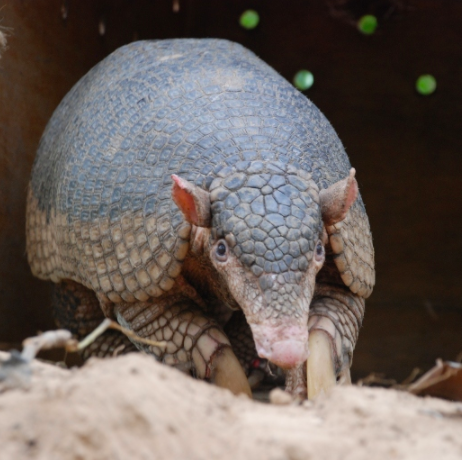
Ep 109Cerrado solutions: Creative conservation for Brazil's massive savanna
On this episode we look at how the largest and most biodiverse tropical savanna on Earth, Brazil's Cerrado, may finally be getting the conservation attention it needs. We're joined by Mariana Siqueira, a landscape architect who's helping to find and propagate the Cerrado's natural plant life, and who is collaborating with ecologists researching the best way to restore the savanna habitat. Arnaud Desbiez also joins the show: he's founder and president of a Brazilian wildlife research NGO who describes the Cerrado as an important part of the range for the giant armadillo, an ecosystem engineer which creates habitat for many other species. So conserving their population will have positive effects for the savanna's overall biodiversity, he argues. Read more about the Giant Armadillo Conservation Project here & view all of our recent coverage of the Cerrado here. Please invite your friends to subscribe to the Mongabay Newscast on the Google Podcasts app, Apple Podcasts, Android, Stitcher, via Pandora or Spotify, or wherever they get podcasts. We now offer a free app in the Apple App Store and in the Google Store for this show, so you can have access to our latest episodes at your fingertips, please download it and let us know what you think via the contact info below. Episode artwork: A giant armadillo (Priodontes maximus), photo courtesy of Giant Armadillo Conservation Program. If you enjoy the Newscast, please visit www.patreon.com/mongabay to pledge a dollar or more to keep the show growing, Mongabay is a nonproft media outlet and all support helps! Supporting at the $10/month level now delivers access to Insider Content at Mongabay.com, too, please visit the link above for details. See all our latest news from nature's frontline at Mongabay's homepage: news.mongabay.com or find us on Facebook, Twitter, and Instagram by searching for @mongabay. Feedback is always welcome: [email protected].

Ep 108Mongabay Explores Sumatra: Will the world's newest great ape species face a dammed future?
bonusNorth Sumatra is home to 1 of only 8 known great ape species in the world, the newly described Tapanuli orangutan, first classified in 2017 after its habits and DNA proved them to be unique. As with many animals in Sumatra, they are amazing creatures that are critically threatened, with a maximum of 800 individuals estimated to be living in an increasingly fragmented habitat. Now a hydroelectric dam proposed for the center of the animals' tiny territory further challenges this special species' chances of survival, as well as that of 23 other threatened species which also live in the area. To understand what's interesting about this animal and how the proposed Batang Toru dam would impact it, we speak with a biologist who helped discover its uniqueness, Dr. Puji Rianti of IPB University in Bogor, and Mongabay staff writer Hans Nicholas Jong in Jakarta, who has been covering the controversy over the project, as it's been called into question by activists and funders alike and faces numerous delays. The saga is definitely not over, and this episode explains why. Dam that threatens orangutan habitat faces three-year delay Fighting to save an endangered ape, Indonesian activists fear for their lives Allegation of forged signature casts shadow over China-backed dam in Sumatra Eight species, including Tapanuli orangutan, make first appearance on list of most endangered primates Please invite your friends to subscribe to the Mongabay Newscast on the Google Podcasts app, Apple Podcasts, Android, Stitcher, via Pandora or Spotify or Audible, or wherever they get podcasts. We now offer a free app in the Apple App Store and in the Google Store for this show, so you can have access to our latest episodes at your fingertips, please download it and let us know what you think via the contact info below. If you enjoy the Newscast, please visit www.patreon.com/mongabay to pledge a dollar or more to keep the show growing, Mongabay is a nonprofit media outlet and all support helps! Supporting at the $10/month level now delivers access to Insider Content at Mongabay.com, too, please visit the link above for details. See all our latest news from nature's frontline at Mongabay's homepage: news.mongabay.com or find us on Facebook, Twitter, and Instagram by searching for @mongabay. Feedback is always welcome: [email protected].

Ep 108Land rights, and wrongs: How Indigenous and local communities are fighting to gain title to their territories
We're taking a look at the importance of securing Indigenous & local communities' land rights -- and the global push for privatization that can deprive such people access to their territories -- with two guests on this episode. A 2018 study found that Indigenous Peoples steward about 38 million km2 of land in 87 countries, that's more than a quarter of the world's land surface, making them the most important conservationists on the planet, you might say. But governments and corporations increasingly want access to these lands, too, so the issue of land rights and titles is heating up. To discuss the issue and learn how people are gaining title to their lands, we welcome Daisee Francour, a member of the Oneida nation of Wisconsin (U.S.) who is also director of strategic partnerships and communications for the NGO Cultural Survival, plus Anuradha Mittal who's executive director of the Oakland Institute, a think tank that recently released a report titled Driving Dispossession: The Global Push To Unlock The Economic Potential Of Land. We now offer a free app in the Apple App Store and in the Google Store for this show, so you can have access to our latest episodes at your fingertips, please download it and let us know what you think via the contact info below. Please invite your friends to subscribe to the Mongabay Newscast on the Google Podcasts app, Apple Podcasts, Android, Stitcher, via Pandora or Spotify, or wherever they get podcasts. Episode artwork: In Zambia, a resident displays a map of her village's land. Villagers confirm that individual plots of land are accurately depicted and will be given a certificate conferring rights to farm and use the land. Photo courtesy of Sandra Coburn/Oakland Institute. If you enjoy the Newscast, please visit www.patreon.com/mongabay to pledge a dollar or more to keep the show growing, Mongabay is a nonproft media outlet and all support helps! Supporting at the $10/month level now delivers access to Insider Content at Mongabay.com, too, please visit the link above for details. See all our latest news from nature's frontline at Mongabay's homepage: news.mongabay.com or find us on Facebook, Twitter, and Instagram by searching for @mongabay. Feedback is always welcome: [email protected].

Ep 107Mongabay Explores Sumatra: Deforestation demystified
bonusSumatra contains some of the largest tracts of intact rainforest left in the world, but it's at the center of a complicated web of deforestation drivers, many of which began during the Dutch colonial era and are now spurred further by corruption and the global demand for cheap palm oil used in a wide range of consumer products. To understand the rapid expansion of industrial-scale agribusinesses that market both palm oil and pulp & paper to the global market from this, the largest island in the Indonesian Archipelago, podcast host Mike DiGirolamo speaks with Nur "Yaya" Hidayati and Philip Jacobson. Hidayati is the national executive director of Walhi, the largest and oldest environmental advocacy NGO in Indonesia, while Jacobson is a contributing editor at Mongabay who has been covering Indonesia for six years. They discuss what causes the massive deforestation in Sumatra in particular and Indonesia in general, why it's so difficult to control, what exacerbates efforts to stop it, and what can be done globally and locally to slow or stop the expansion of continued land exploitation. We now offer a free app in the Apple App Store and in the Google Store for this show, so you can have access to our latest episodes at your fingertips, please download it and let us know what you think via the contact info below. Please invite your friends to subscribe to the Mongabay Newscast on the Google Podcasts app, Apple Podcasts, Android, Stitcher, via Pandora or Spotify, or wherever they get podcasts. If you enjoy the Newscast, please visit www.patreon.com/mongabay to pledge a dollar or more to keep the show growing, Mongabay is a nonprofit media outlet and all support helps! Supporting at the $10/month level now delivers access to Insider Content at Mongabay.com, too, please visit the link above for details. See all our latest news from nature's frontline at Mongabay's homepage: news.mongabay.com or find us on Facebook, Twitter, and Instagram by searching for @mongabay. Feedback is always welcome: [email protected].

Ep 107In Madagascar, award-winning plant passion & lemur love
We have amazing recordings of indri lemur songs (click for the choruses, stay for the roars) and the award-winning architect of protected areas that house Madagascar's rich plant life on this episode of the Mongabay Newscast. Mongabay has a special tie to this biologically-rich East African country--our name comes from an island just off its shores--so we're thrilled to return for this episode. Jeannie Raharimampionana is a Malagasy botanist who identified 80 priority areas for conservation of plant life there, 11 of which have now been protected: this achievement recently won her the National Geographic Buffett Award for Leadership in Conservation in Africa and the title of National Geographic Explorer. We also speak with Valeria Torti from University of Turin who researches critically endangered indri lemurs in the protected forests of the Maromizaha region. Torti tells us about the threats indris are facing and plays for us a number of wild recordings of their calls. Episode artwork is of an indri lemur in the Analamazaotra Special Reserve, photo by Charles J Sharp. We now offer a free app in the Apple App Store and in the Google Store for this show, so you can have access to our latest episodes at your fingertips, please download it and let us know what you think via the contact info below. Please invite your friends to subscribe to the Mongabay Newscast on the Google Podcasts app, Apple Podcasts, Android, Stitcher, via Pandora or Spotify, or wherever they get podcasts. If you enjoy the Newscast, please visit www.patreon.com/mongabay to pledge a dollar or more to keep the show growing, Mongabay is a nonproft media outlet and all support helps! Supporting at the $10/month level now delivers access to Insider Content at Mongabay.com, too, please visit the link above for details. See all our latest news from nature's frontline at Mongabay's homepage: news.mongabay.com or find us on Facebook, Twitter, and Instagram by searching for @mongabay. Feedback is always welcome: [email protected].
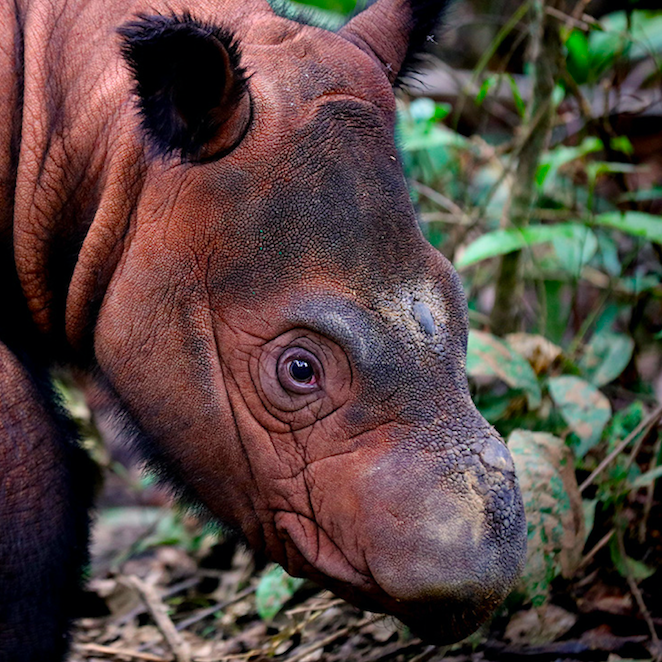
Ep 106Mongabay Explores Sumatra: Saving the singing rhino
bonusSumatran rhinos are unlike anything else in this world: small in stature and docile by nature, they sport a coat of fur and sing songs reminiscent of a dolphin. In other words, this ancient species surprises and enchants anyone lucky enough to encounter it. But Sumatran rhinos are also one of the most endangered large mammals on the planet. While its population is difficult to pinpoint, experts estimate there could be as many as 80 – or as few as 30 – still in the wild, leaving their future in doubt. To understand the wonder and worry associated with this species, Mongabay Explores podcast host Mike DiGirolamo speaks with two guests, Wulan Pusparini and Jeremy Hance, about the unique challenges of conserving them, what is being done for them currently, and what needs to happen in order to save them from extinction. Pusparini studied them as a species conservation specialist with the Wildlife Conservation Society before pursuing her Ph.D. in Environmental Conservation at Oxford University, while Hance is Mongabay's senior correspondent who's traveled Sumatra extensively to cover the species (and is the author of a new book about such travels, "Baggage"). To learn more, see Mongabay's twin series authored by Hance on the conservation efforts and the scientific advances made in their captive breeding, here: "Is Anyone Going to Save the Sumatran Rhino?" "The Rhino Debacle" Music heard during this episode is by Sorbatua Siallagan, chief of the Dolok Parmonangan Indigenous community. The song is called "Gondang tu Mulajadi," where Gondang means 'music' and also 'prayer,' and Mulajadi means God. This kind of music is typically performed when Indigenous communities in Batak areas of Sumatra conduct rituals. Series theme music heard at the beginning and end is called "Putri Tangguk" and was licensed via Pond5. Sounds of Sumatran rhinos heard during the show courtesy of Save the Rhino International. We now offer a free app in the Apple App Store and in the Google Store for this show, so you can have access to our latest episodes at your fingertips, please download it and let us know what you think via the contact info below. If you enjoy the Newscast, please visit www.patreon.com/mongabay to pledge a dollar or more to keep the show growing, Mongabay is a nonprofit media outlet and all support helps! Supporting at the $10/month level now delivers access to Insider Content at Mongabay.com, too, please visit the link above for details. See all our latest news from nature's frontline at Mongabay's homepage: news.mongabay.com or find us on Facebook, Twitter, and Instagram by searching for @mongabay. Please invite your friends to subscribe to the Mongabay Newscast on the Google Podcasts app, Apple Podcasts, Android, Stitcher, via Pandora or Spotify, or wherever they get podcasts. Feedback is always welcome: [email protected].

Ep 106Amazon defenders, especially women, are set to get new protections
Women are key leaders in Amazon conservation, and we're taking another look at this issue with a discussion of an international agreement that could help protect environmental defenders — of all genders — in Latin America, one of the most dangerous places in the world to be an environmental activist, especially as a woman. Joining us to discuss is Osprey Orielle Lake, founder and executive director of the Women's Earth and Climate Action Network (WECAN), who talks about the Escazu Agreement and some of the inspiring indigenous female conservationists whose work and safety would be supported by it. We also speak with journalist Nicolas Bustamente Hernandez about a young Colombian conservationist whose work he recently chronicled for Mongabay, Yehimi Fajardo, who is founder of the Alas Association, which is helping people in her rainforest region of Putumayo in Colombia become bird watchers and forest stewards. Read more about these women leaders at Mongabay.com: Patricia Gualinga (regarding her pursuit of environmental justice in the face of threats on her life) Sonia Guajajara (about her run for Vice President of Brazil) Nemonte Nenquimo (who was just named to Time Magazine's 100 most influential people list) Yehimi Fajardo (founder of Alas Association in Colombia) Mongabay covered the Escazu Agreement here in 2018 & an update can be viewed at its official UN website here. Episode art: Photo of Nemonte Nenquimo, Waorani leader of the Ecuadorian Amazon by Mitch Anderson/Amazon Frontlines. We now offer a free app in the Apple App Store and in the Google Store for this show, so you can have access to our latest episodes at your fingertips, please download it and let us know what you think via the contact info below. Please invite your friends to subscribe to the Mongabay Newscast on the Google Podcasts app, Apple Podcasts, Android, Stitcher, via Pandora or Spotify, or wherever they get podcasts. If you enjoy the Newscast, please visit www.patreon.com/mongabay to pledge a dollar or more to keep the show growing, Mongabay is a nonproft media outlet and all support helps! Supporting at the $10/month level now delivers access to Insider Content at Mongabay.com, too, please visit the link above for details. See all our latest news from nature's frontline at Mongabay's homepage: news.mongabay.com or find us on Facebook, Twitter, and Instagram by searching for @mongabay. Feedback is always welcome: [email protected].

Ep 105Mongabay Explores Sumatra, Episode 1: A land like no other
bonus"Sumatra is like a fossil relic of rare species...a giant, rhino horn-shaped island blanketed in the richest rainforest you can imagine...there's nothing like it," one of our guests declares. The 6th largest island in the world and the 2nd largest economy in Indonesia, Sumatra is the only place in the world where you can you find tigers, elephants, rhinos and orangutans all living together in an incredibly rich landscape of rainforests that, until recently, were largely untouched by human activities. But that's changing rapidly, and this new biweekly series from Mongabay Explores dives into what's special about Sumatra, its amazing biodiversity heritage, and what's at stake as forests fall for uses like oil palm plantations, mines, and hydropower dams. We'll also discuss positive trends for conservation and solutions that meet human and nonhuman needs. Host Mike DiGirolamo speaks with two guests: Rudi Putra, a biologist who won the Goldman Environmental Prize for his inspiring conservation work in Sumatra and who now serves as chairman of the Leuser Conservation Forum, plus Greg McCann, a biologist and Assistant Professor at Taiwan's Chang Gung University, whose People Resources and Conservation Foundation team is exploring and documenting the incredible richness of Sumatra so that it can be better conserved. View all of Mongabay's news coverage from Sumatra here, visit Rudi Putra's organization Leuser Conservation Forum's website to learn more about their work, and Greg McCann's organization PRCF has multiple projects in Indonesia described here (and details on the project in Dolok Simalalaksa/ Hadabuan Hills he discusses are here). We now offer a free app in the Apple App Store and in the Google Store for this show, so you can have access to our latest episodes at your fingertips, please download it and let us know what you think via the contact info below. If you enjoy the Newscast, please visit www.patreon.com/mongabay to pledge a dollar or more to keep the show growing, Mongabay is a nonprofit media outlet and all support helps! Supporting at the $10/month level now delivers access to Insider Content at Mongabay.com, too, please visit the link above for details. See all our latest news from nature's frontline at Mongabay's homepage: news.mongabay.com or find us on Facebook, Twitter, and Instagram by searching for @mongabay. Please invite your friends to subscribe to the Mongabay Newscast on the Google Podcasts app, Apple Podcasts, Android, Stitcher, via Pandora or Spotify, or wherever they get podcasts. Series theme song "Putri Tangguk" is inspired by traditional Indonesian gamelan music and licensed via POND5. Episode artwork: Sunset over Sumatran rainforest by Rhett Butler/Mongabay. Feedback is always welcome: [email protected].

Ep 105Gorilla Radio: innovation in conservation of super rare great apes
The Cross River gorilla is one of the world's rarest great ape subspecies, with only 300 individuals estimated to be living in Nigeria's Cross River State, but creative efforts to conserve their population and habitat there are changing their fortunes and reduce human-gorilla conflict. Joining the show is Hillary Chukwuemeka, host of the radio program "My Gorilla My Community" that is heard by nearly 4 million listeners in communities on the frontlines of gorilla conservation there. Chukwuemeka talks about why it's an effective means of community engagement, and the impacts he's seen among local communities. We also speak with Inaoyom Imong, program director for the Cross River landscape with Wildlife Conservation Society-Nigeria and a member of the IUCN Primate Specialist Group. Inaoyom discusses the major threats to Cross River gorillas, barriers to their conservation, and why community-based conservation measures are so important in this context. Here are some recent Mongabay articles referenced in this episode: • Gorilla radio: Sending a conservation message in Nigeria • For the world's rarest gorillas, a troubled sanctuary • Camera snaps first ever glimpse of a troop of the world's rarest gorilla We now offer a free app in the Apple App Store and in the Google Store for this show, so you can have access to our latest episodes at your fingertips, please download it and let us know what you think via the contact info below! If you enjoy the Newscast, please visit www.patreon.com/mongabay to pledge a dollar or more to keep the show growing, Mongabay is a nonproft media outlet and all support helps! Supporting at the $10/month level now delivers access to Insider Content at Mongabay.com, too, please visit the link above for details. See all our latest news from nature's frontline at Mongabay's homepage: news.mongabay.com or find us on Facebook, Twitter, and Instagram by searching for @mongabay. Please invite your friends to subscribe to the Mongabay Newscast on the Google Podcasts app, Apple Podcasts, Android, Stitcher, via Pandora or Spotify, or wherever they get podcasts. Feedback is always welcome: [email protected].

Ep 104Can the oceans support a renewable energy transition?
Slowing climate change will require a massive increase of renewable energy assets while reducing use of fossil fuels. And who wouldn't like to have a quiet, clean, electric car? But renewable energy technologies from wind turbines to solar panels and rechargeable batteries to power your Tesla Roadster require large amounts of mined metals and minerals. That's a problem because mining creates significant environmental impacts on land, and now, there's a concerted effort to open up vast areas of the ocean floor to mining for this purpose. On this episode speak with journalist Ian Morse and MiningWatch Canada's research coordinator Catherine Coumans about the overarching implications of mining things like metallic nodules and vents on the sea floor to huge areas of Indonesia for nickel used in rechargeable batteries. Our guests also explain how recent improvements to recycling of existing mined metals could supplant the need for risky projects like deep sea mining. We now offer a free app in the Apple App Store and in the Google Store for this show, so you can have access to our latest episodes at your fingertips, please download it and let us know what you think via the contact info below! Please invite your friends to subscribe to the Mongabay Newscast on the Google Podcasts app, Apple Podcasts, Android, Stitcher, via Pandora or Spotify, or wherever they get podcasts. If you enjoy the Newscast, please visit www.patreon.com/mongabay to pledge a dollar or more to keep the show growing, Mongabay is a nonproft media outlet and all support helps! Supporting at the $10/month level now delivers access to Insider Content at Mongabay.com, too, please visit the link above for details. See all our latest news from nature's frontline at Mongabay's homepage: news.mongabay.com or find us on Facebook, Twitter, and Instagram by searching for @mongabay. Episode artwork: an electric car charging station in South Korea by hssbb79, CC BY-SA 3.0. Feedback is always welcome: [email protected].

Ep 103Great ape forest gardeners of Africa benefit from big conservation victory
Conservation of great apes in Africa relies on forest protection, and vice versa: on this episode we discuss a campaign in Cameroon to protect the second-largest rainforest in the world and its incredibly diverse (and mysterious) ape inhabitants, and share an intriguing tale of forest gardening by chimps. Ekwoge Abwe is head of the Ebo Forest Research Project in Cameroon, and shares how he became the first scientist to discover chimpanzees there use tools to crack open nuts. He also discusses ongoing efforts to safeguard Ebo Forest against the threats of oil palm expansion and logging, against which it just won a surprise reprieve. We also speak with Alex Chepstow-Lusty, an associate researcher at Cambridge University who shares the incredible story of how chimpanzees helped Africa's rainforests regenerate after they collapsed some 2,500 years ago, by spreading the forests seeds (a phenomenon known as 'zoochory') and why that makes chimps important to the health of forests like Ebo Forest both today and into the future, as well. We now offer a free app in the Apple App Store and in the Google Store for this show, so you can have access to our latest episodes at your fingertips, please download it and let us know what you think via the contact info below! If you enjoy the Newscast, please visit www.patreon.com/mongabay to pledge a dollar or more to keep the show growing, Mongabay is a nonproft media outlet and all support helps! Supporting at the $10/month level now delivers access to Insider Content at Mongabay.com, too, please visit the link above for details. See all our latest news from nature's frontline at Mongabay's homepage: news.mongabay.com or find us on Facebook, Twitter, and Instagram by searching for @mongabay. Please invite your friends to subscribe to the Mongabay Newscast on the Google Podcasts app, Apple Podcasts, Android, Stitcher, via Pandora or Spotify, or wherever they get podcasts. Feedback is always welcome: [email protected].

Ep 102In the Amazon, women are key to forest conservation
Women everywhere are key voices for conservation, and an increasing body of research now recognizes the direct link between gender equality and environmental protection. Mongabay has published a number of stories lately focused on successful Amazonian conservation initiatives led by women activists and scientists, and we wanted to highlight the issue on this episode of the podcast. Sarah Sax recently wrote about the Women Warriors of the Forest, an all-female indigenous group that is employing new tactics and building new alliances to protect the forests they call home. Sax joins us to discuss the Women Warriors and some of her other recent reporting that has centered on women conservation leaders in the Amazon. We're also joined by Dr. Dolors Armenteras, who was the subject of a recent profile published by Mongabay. Armenteras is known as a pioneer in the use of remote sensing to monitor Amazon forests and biodiversity, and has been named one of the most influential scientists studying forest fires. Despite her prominence, Armenteras has faced discrimination as a woman scientist, and shares with us how she has navigated that and how she supports the next generation of women scientists to overcome such biases. Episode artwork of Maisa Guajajara at the march of Indigenous women in Brasilia, 2019, courtesy Marquinho Mota/FAOR. We now offer a free app in the Apple App Store and in the Google Store for this show, so you can have access to our latest episodes at your fingertips, please download it and let us know what you think via the contact info below! If you enjoy the Newscast, please visit www.patreon.com/mongabay to pledge a dollar or more to keep the show growing, Mongabay is a nonproft media outlet and all support helps! Supporting at the $10/month level now delivers access to Insider Content at Mongabay.com, too, please visit the link above for details. See all our latest news from nature's frontline at Mongabay's homepage: news.mongabay.com or find us on Facebook, Twitter, and Instagram by searching for @mongabay. Please invite your friends to subscribe to the Mongabay Newscast on the Google Podcasts app, Apple Podcasts, Android, Stitcher, via Pandora or Spotify, or wherever they get podcasts. Feedback is always welcome: [email protected].

Ep 101Singing cetaceans: New whale & dolphin recordings intrigue researchers
Bioacoustics studies help scientists discover things never before known about all kinds of animals, but especially marine life -- on this episode of the Mongabay Newscast we go under the waves to share new recordings of cetaceans (whales and dolphins) from southern Africa and hear from researchers what they think the sounds & songs may mean. Dr. Tess Gridley's team recently discovered that humpback whales sing in South Africa's False Bay, and she plays some brand new recordings they just captured. Sasha Dines also joins the show to share her PhD studies of Indian Ocean humpback dolphins, which focuses on these animals' signature whistle calls. *Turn up the volume to fully appreciate these songs, roars, growls and whistles! Host Mike G. also discusses the upcoming African Bioacoustics Community conference with his guests, this is a virtual event aimed at bringing more researchers into the acoustic sphere to better understand the continent's incredible natural heritage. We now offer a free app in the Apple App Store and in the Google Store for this show, so you can have access to our latest episodes at your fingertips, please download it and let us know what you think via the contact info below! If you enjoy the Newscast, please visit www.patreon.com/mongabay to pledge a dollar or more to keep the show growing, Mongabay is a nonproft media outlet and all support helps! Supporting at the $10/month level now delivers access to Insider Content at Mongabay.com, too, please visit the link above for details. See all our latest news from nature's frontline at Mongabay's homepage: news.mongabay.com or find us on Facebook, Twitter, and Instagram by searching for @mongabay. Please invite your friends to subscribe to the Mongabay Newscast on the Google Podcasts app, Apple Podcasts, Android, Stitcher, via Pandora or Spotify, or wherever they get podcasts. Feedback is always welcome: [email protected].
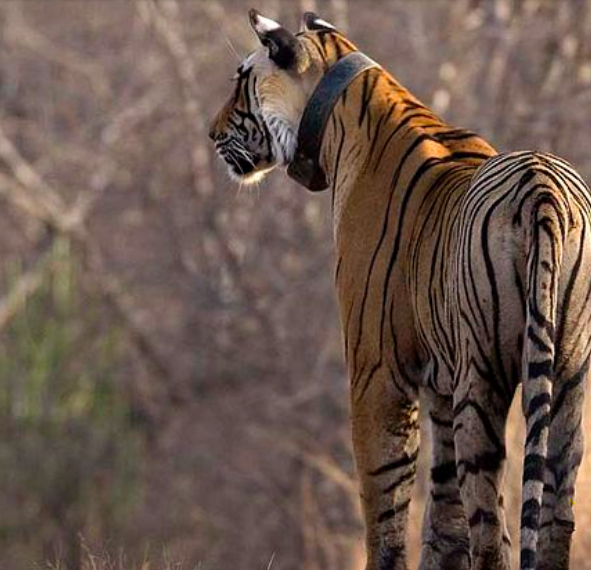
Ep 100From parks to payments, which conservation methods work best?
For the 100th episode of the Newscast, we revisit Mongabay's groundbreaking Conservation Effectiveness series which asked a simple question: How can we know if conservation methods are working if we don't test their effectiveness? From marine protected areas to parks and certification schemes like 'green' labels on lumber, our team reviewed published studies and evaluated the evidence for each method. On this episode we speak with Mongabay's founder and editor-in-chief Rhett Butler about the Conservation Effectiveness series & the ongoing need to test conservation outcomes, and with Sven Wunder, a principal scientist at the European Forest Institute in Barcelona, who is also a senior associate at the Center for International Forestry Research (CIFOR), about the effectiveness of several of these conservation methods, like "payments for ecosystem services." Review all the features from the series here, https://news.mongabay.com/series/conservation-effectiveness/ We now offer a free app in the Apple App Store and in the Google Store for this show, so you can have access to our latest episodes at your fingertips, please download it and let us know what you think via the contact info below! If you enjoy the Newscast, please visit www.patreon.com/mongabay to pledge a dollar or more to keep the show growing, Mongabay is a nonproft media outlet and all support helps! Supporting at the $10/month level now delivers access to Insider Content at Mongabay.com, too, please visit the link above for details. See all our latest news from nature's frontline at Mongabay's homepage: news.mongabay.com or find us on Facebook, Twitter, and Instagram by searching for @mongabay. Please invite your friends to subscribe to the Mongabay Newscast on the Google Podcasts app, Apple Podcasts, Android, Stitcher, via Pandora or Spotify, or wherever they get podcasts. Feedback is always welcome: [email protected].

Ep 99Mongabay Explores the Great Salamander Pandemic, Part 6: Hellbenders and super spreaders
bonusHellbenders are North America's largest salamanders, living in rivers and growing to an incredible length of over two feet. Eastern newts are tiny and terrestrial, but both are susceptible to a fungal pathogen called Bsal. While Bsal has yet to make an appearance in the global hotspot of salamander diversity that is North America, it has wreaked havoc on populations in Europe, so biologists worry its impact could be even worse if it does. Eastern newts' susceptibility to Bsal coupled with their notable mobility mean they could act as "super-spreaders" of Bsal if the fungus ever gets to North America. For hellbenders, which are already listed as endangered and suffer from habitat degradation, a new pathogen is hardly good news. On this episode we speak with Dr. Becky Hardman from the University of Tennessee-Knoxville, and Dr. Anna Longo of the University of Florida about these fascinating and unique species, and discuss what is being done to prepare for a Bsal invasion that experts say is inevitable. More on this topic: Super-spreaders: How the curious life of a newt could ignite a pandemic Hellbenders threatened by disease & stress Mongabay's article series on Bsal is here United States Bsal Task Force website To hear Part 1 of this special salamander series, see bonus episode #94, "Mongabay Explores the Great Salamander Pandemic, Part 1: Are we ready?" -- Part 2 (bonus episode #95) discussed the amazing diversity of salamanders, "Why are salamanders so diverse in North America?" Parts 3, 4, & 5 are also helpful in understanding the conservation community's response to the threat (and some opportunities) presented by Bsal. Based on a multi-year article series that Mongabay.com published about Bsal, episodes of this special podcast series delve further to learn what's known about this issue, now. If you enjoy this show, please invite your friends to listen and subscribe via Android, Apple Podcasts, Google Podcasts, Stitcher, Spotify, Pandora, or wherever they get podcasts. See all our latest news from nature's frontline at Mongabay's homepage: news.mongabay.com or find us on Facebook, Twitter, and Instagram by searching for @mongabay. Please visit www.patreon.com/mongabay to pledge a dollar or more to keep this show growing, Mongabay is a nonprofit media outlet and all support helps! Supporting at the $10/month level now delivers access to Insider Content at Mongabay.com, too, visit the link above for details. Feedback is always welcome: [email protected].

Ep 99Finding nature in the city
More than half of the world's population now lives in urban areas. And thanks to the COVID pandemic, many of us who are city-dwellers have spent at least part of the past several months on lockdown in our homes. But living in a city doesn't mean that you can't get out and enjoy some nature. On this episode we explore cities with author Kelly Brenner and urban forester & educator Georgia Silvera Seamans. Kelly Brenner is a naturalist and writer whose most recent book is called Nature Obscura: A City's Hidden Natural World. Brenner, who lives in Seattle, Washington, joins us to discuss some of the wildlife encounters she writes about in the book and to provide some tips on how anyone can go about exploring nature in their city. We also welcome to the program Georgia Silvera Seamans, an urban forester who has spearheaded a number of "hyper local urban ecology" projects in New York City. Silvera Seamans tells us about the Washington Square Park Eco Projects, which include monitoring, education, and advocacy efforts in the iconic NYC park, and shares how urban ecosystems benefit all city-dwellers. Please visit www.patreon.com/mongabay to pledge a dollar or more to keep this show growing, Mongabay is a nonproft media outlet and all support helps! Supporting at the $10/month level now delivers access to Insider Content at Mongabay.com, too, please visit the link above for details. See all our latest news from nature's frontline at Mongabay's homepage: news.mongabay.com or find us on Facebook, Twitter, and Instagram by searching for @mongabay. And please invite your friends to subscribe to the Mongabay Newscast on the Google Podcasts app, Apple Podcasts, Android, Stitcher, via Pandora or Spotify, or wherever they get podcasts. Feedback is always welcome: [email protected].

Ep 98Mongabay Explores the Great Salamander Pandemic, Part 5: Policy possibilities?
bonusThe U.S. Fish and Wildlife Service imposed a trade ban on 201 salamander species in 2016 in order to prevent the import of the the fungal pathogen Batrachochytrium salamandrivorans ('Bsal') which could be a major threat to the world's salamander hotspot of North America (and the U.S. in particular). However, the recent discovery that frogs can also carry Bsal has led scientists to urge the American government to ban the import of all salamander and frog species to the country. But what other policies or regulations could be enacted to prevent Bsal from wiping out this rich amphibian heritage? In this 5th "Mongabay Explores" bonus episode, host Mike DiGirolamo speaks with Priya Nanjappa, former Program Manager for the Association of Fish and Wildlife agencies, and Tiffany Yap, a Staff Scientist at the Center for Biological Diversity, about animal trade policy, differences in the way the United States conducts this policy from other nations, and what the U.S. might do to more effectively combat the threat. More resources on this topic: On the hunt for a silent salamander-killer Scientists are racing to stop a pandemic before it starts – but will they find it in time? Mongabay's special series on 'Bsal' is here United States Bsal Task Force website To hear Part 1 of this special salamander series, see bonus episode #94, "Mongabay Explores the Great Salamander Pandemic, Part 1: Are we ready?" -- Part 2 (bonus episode #95) discussed the amazing diversity of salamanders, "Why are salamanders so diverse in North America?" Parts 3 & 4 are also helpful in understanding the threats and opportunities presented by Bsal. Based on a multi-year project Mongabay.com published about Bsal at the site (link above), episodes of this special podcast series delve further to learn what's known about this issue, now. If you enjoy this show, please invite your friends to listen and subscribe via Android, Apple Podcasts, Google Podcasts, Stitcher, Spotify, Pandora, or wherever they get podcasts. See all our latest news from nature's frontline at Mongabay's homepage: news.mongabay.com or find us on Facebook, Twitter, and Instagram by searching for @mongabay. Please visit www.patreon.com/mongabay to pledge a dollar or more to keep this show growing, Mongabay is a nonprofit media outlet and all support helps! Supporting at the $10/month level now delivers access to Insider Content at Mongabay.com, too, visit the link above for details. Feedback is always welcome: [email protected].
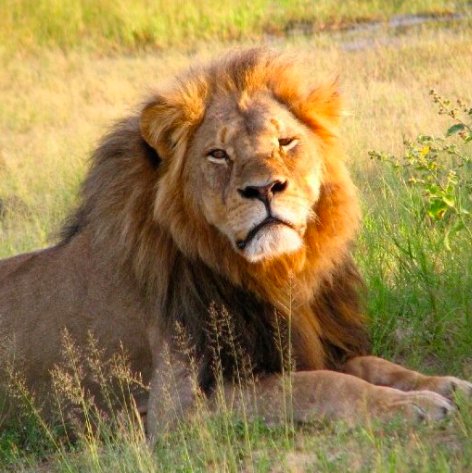
Ep 98Does trophy hunting support or hurt conservation?
On this episode we take a look at the ongoing debate over trophy hunting 5 years after the killing of Cecil the Lion sparked global outrage: he was a famous attraction for tourists and photographers visiting Hwange National Park in Zimbabwe, but in July 2015, an American dentist and recreational hunter killed Cecil just outside the park. To what degree does trophy hunting support conservation and local communities where iconic wildlife live? What happens to animal populations who've lost members to hunters? Does trophy hunting support or harm scientific inquiry or conservation goals? To discuss questions like this and what's changed (or not) in the debate since 2015, we hear from four experts who share a diversity of information and opinions that may change the way you think about this important issue: Iris Ho of Humane Society International conservation icon Jane Goodall Amy Dickman, founder of the Ruaha Carnivore Project Maxi Pia Louis, director of NACSO, a Namibian organization that works with local communities to support conservation efforts. Please visit www.patreon.com/mongabay to pledge a dollar or more to keep this show growing, Mongabay is a nonproft media outlet and all support helps! Supporting at the $10/month level now delivers access to Insider Content at Mongabay.com, too, please visit the link above for details. See all our latest news from nature's frontline at Mongabay's homepage: news.mongabay.com or find us on Facebook, Twitter, and Instagram by searching for @mongabay. And please invite your friends to subscribe to the Mongabay Newscast on the Google Podcasts app, Apple Podcasts, Android, Stitcher, via Pandora or Spotify, or wherever they get podcasts. Feedback is always welcome: [email protected].

Ep 97Mongabay Explores the Great Salamander Pandemic, Part 4: The 'Bsal battalion'
bonusNorth America (and the US in particular) is the world's hotspot of salamander diversity, hosting about 1/3 of all species. Researchers think that about half of these may be susceptible to a deadly fungus called Bsal, and believe it's a matter of time before it gets to North America. If and when it does, it could mean devastation and maybe extinction for a massive amount of amphibians. To head off the threat, scientists created the Bsal Task Force in 2015 and in this fourth "Mongabay Explores" bonus episode, host Mike DiGirolamo interviews the group's Dr. Jake Kerby who is also the associate chair of biology at the University of South Dakota. Dr. Kerby details the working relationships their 'Bsal battalion' has with federal entities in Canada, the US, and Mexico and how they are working together to manage and mitigate the damage of this potential pandemic. He also discusses what citizens can do to help protect North America's amazingly diverse salamander species. More resources on this topic: On the hunt for a silent salamander-killer Scientists are racing to stop a pandemic before it starts – but will they find it in time? Super-spreaders: How the curious life of a newt could ignite a pandemicTheir susceptibility to Bsal coupled with their mobility mean eastern newts could act as "super-spreaders" of Bsal if the fungus gets to North America. Mongabay's special series on 'Bsal' is here United States Bsal Task Force website To hear Part 1 of this special salamander series, see bonus episode #94, "Mongabay Explores the Great Salamander Pandemic, Part 1: Are we ready?" -- Part 2 (bonus episode #95) discussed the amazing diversity of salamanders, "Why are salamanders so diverse in North America?" Based on a special series Mongabay.com published to its website in 2018-19, the next couple episodes of this special podcast series made possible in part by our Patreon supporters will delve further into this topic to learn what's known about this issue, now. If you enjoy this show, please invite your friends to listen and subscribe via Android, Apple Podcasts, Google Podcasts, Stitcher, Spotify, Pandora, or wherever they get podcasts. See all our latest news from nature's frontline at Mongabay's homepage: news.mongabay.com or find us on Facebook, Twitter, and Instagram by searching for @mongabay. Please visit www.patreon.com/mongabay to pledge a dollar or more to keep this show growing, Mongabay is a nonprofit media outlet and all support helps! Supporting at the $10/month level now delivers access to Insider Content at Mongabay.com, too, visit the link above for details. Feedback is always welcome: [email protected].

Ep 97Animals have culture, too, and for some it's crucial to their survival and conservation
Animal societies have culture, too, as science keeps showing us ever since Dr. Jane Goodall first pointed it out, and on this episode we explore the culture and social learning of sperm whales, scarlet macaws, and chimpanzees with author Carl Safina and whale culture researcher Hal Whitehead. Safina examines how these species are equipped to live in their worlds by learning from other individuals in their social groups — which he argues is just as important as their genetic inheritance — in his new book, Becoming Wild: How Animal Cultures Raise Families, Create Beauty, and Achieve Peace. In the book, he calls Hal Whitehead "the pioneering sperm whale researcher" who has studied social learning in whales and dolphins for decades. A professor at Canada's Dalhousie University, he was one of the first scientists to examine the complex social lives of sperm whales and their distinctive calls known as codas, and appears on the podcast today to play some recordings of them and tell us about sperm whale culture and social learning. See all our latest news from nature's frontline at Mongabay's homepage: news.mongabay.com or find us on Facebook, Twitter, and Instagram by searching for @mongabay. Please visit www.patreon.com/mongabay to pledge a dollar or more to keep this show growing, Mongabay is a nonproft media outlet and all support helps! Supporting at the $10/month level now delivers access to Insider Content at Mongabay.com, too, please visit the link above for details. And please invite your friends to subscribe to the Mongabay Newscast on Android, the Google Podcasts app, Apple Podcasts, Stitcher, via Pandora or Spotify, or wherever they get podcasts. Feedback is always welcome: [email protected].

Ep 96Mongabay Explores the Great Salamander Pandemic, Part 3: On the Hunt
bonusReporter Benji Jones and wildlife disease ecologist with U.S. Geological Survey, Daniel Grear, join this special edition of Mongabay's podcast to discuss the hunt for Batrachochytrium salamandrivorans (Bsal) in North America, which Benji has described as "searching for a needle in a haystack except the needle is invisible and the hay stretches for thousands of miles." Host Mike DiGirolamo talks with Jones and Grear about the search, the difficulty in finding it, and what we can expect if the disease ever makes its way to U.S. shores. This third bonus episode of the podcast tackles these important questions with Senior Editor Morgan Erickson-Davis, who produced Mongabay's series on this topic for the website last year. For the next several episodes, this special podcast series (made possible by our Patreon supporters) called Mongabay Explores will dive into this topic to learn what's known about this issue, now. More resources on this topic: On the hunt for a silent salamander-killer Scientists are racing to stop a pandemic before it starts – but will they find it in time? Super-spreaders: How the curious life of a newt could ignite a pandemicTheir susceptibility to Bsal coupled with their mobility mean eastern newts could act as "super-spreaders" of Bsal if the fungus gets to North America. Mongabay's whole series on 'Bsal' is here United States Bsal Task Force website To hear Part 1 of this special salamander series, see bonus episode #94, "Mongabay Explores the Great Salamander Pandemic, Part 1: Are we ready?" -- Part 2 (bonus episode #95) discussed the amazing diversity of salamanders, "Why are salamanders so diverse in North America?" If you enjoy this show, please invite your friends to listen and subscribe via Android, Apple Podcasts, Google Podcasts, Stitcher, Spotify, Pandora, or wherever they get podcasts. See all our latest news from nature's frontline at Mongabay's homepage: news.mongabay.com or find us on Facebook, Twitter, and Instagram by searching for @mongabay. Please visit www.patreon.com/mongabay to pledge a dollar or more to keep this show growing, Mongabay is a nonprofit media outlet and all support helps! Supporting at the $10/month level now delivers access to Insider Content at Mongabay.com, too, visit the link above for details. Feedback is always welcome: [email protected].
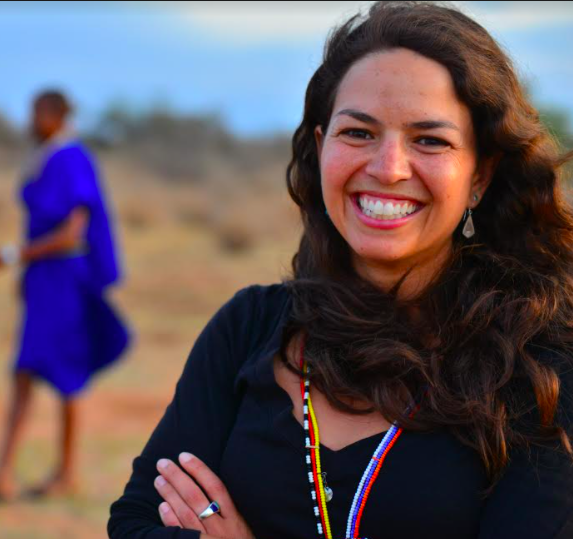
Ep 96Conservation leaders create community & opportunity amid current crises of violence and viruses
On this episode we look at how current environmental crises intersect with two others: the pandemic and the systemic racism and police brutality that have sparked protests around the U.S. and world in recent weeks, with guests Leela Hazzah, founder and executive director of Lion Guardians, and Earyn McGee, a herpetologist and science communicator who just helped organize the first-ever Black Birders Week, a celebration of black birders and nature lovers. McGee tells host Mike G. how Black Birders Week came together so quickly and why it's necessary to celebrate black nature lovers, and Egyptian conservationist Hazzah discusses what she sees as opportunities for transformative change in conservation due to the pandemic, like for instance that conservation has been named an "essential service" during the health crisis by the Kenyan government, plus the fact that more female and African representatives have been present at important conservation meetings lately, now that they're all virtual. "I hope that we continue using these virtual tools so we can continue to have more diverse voices at important meetings," Hazzah says, while also reducing our carbon footprints, she adds. And as McGee says, diversity is important, and people want to be part of the conservation movement as her group's event proved: "The interest is there...we want to do this work, but there are barriers in our way." Episode artwork photo of Leela Hazzah © Philip J. Briggs. See all our latest news from nature's frontline at Mongabay's homepage: news.mongabay.com or find us on Facebook, Twitter, and Instagram by searching for @mongabay. Please visit www.patreon.com/mongabay to pledge a dollar or more to keep this show growing, Mongabay is a nonproft media outlet and all support helps! Supporting at the $10/month level now delivers access to Insider Content at Mongabay.com, too, visit the link above for details. And please invite your friends to subscribe to the Mongabay Newscast on Android, the Google Podcasts app, Apple Podcasts, Stitcher, via Pandora or Spotify, or wherever they get podcasts. Feedback is always welcome: [email protected].

Ep 95Mongabay Explores the Great Salamander Pandemic, Part 2: Great diversity and danger
bonusWhy are salamanders so incredibly diverse in the United States? Among other things, a fluke of geography contributed to making it the global hotspot of salamander diversity. But now, another pandemic is on the march toward the U.S., and this time it's got salamanders in its sights. In this second special episode about salamanders, we'll give you the full context. How big a role do these ubiquitous animals play in the environment, and what would it mean to forest biodiversity, climate change, and forest food chains to lose whole populations of salamanders? This second bonus episode of the podcast tackles these important questions with Senior Editor Morgan Erickson-Davis, who produced Mongabay's series on this topic for the website last year. For the next several episodes, this special podcast series (made possible by our Patreon supporters) called Mongabay Explores will dive into this topic to learn what's known about this issue, now. More resources on this topic: On the hunt for a silent salamander-killer Scientists are racing to stop a pandemic before it starts – but will they find it in time? Super-spreaders: How the curious life of a newt could ignite a pandemicTheir susceptibility to Bsal coupled with their mobility mean eastern newts could act as "super-spreaders" of Bsal if the fungus gets to North America. Mongabay's whole series on 'Bsal' is here United States Bsal Task Force website To hear part 1 of this special salamander series, see bonus episode #94, "Mongabay Explores the Great Salamander Pandemic, Part 1: Are we ready?" If you enjoy this show, please invite your friends to listen and subscribe via Android, Apple Podcasts, Google Podcasts, Stitcher, Spotify, Pandora, or wherever they get podcasts. See all our latest news from nature's frontline at Mongabay's homepage: news.mongabay.com or find us on Facebook, Twitter, and Instagram by searching for @mongabay. Please visit www.patreon.com/mongabay to pledge a dollar or more to keep this show growing, Mongabay is a nonprofit media outlet and all support helps! Supporting at the $10/month level now delivers access to Insider Content at Mongabay.com, too, visit the link above for details. Feedback is always welcome: [email protected].

Ep 95How listening to elephants can help conserve rainforests
The Elephant Listening Project is a bioacoustics research effort that aims to preserve rainforests of Central Africa--and the biodiversity found in those forests--by listening to forest elephants, and on this episode we hear those animals' calls, rumbles, and trumpets with ELP researcher Ana Verahrami. Verahrami has spent two field seasons in the Central African Republic collecting behavioral and acoustic data vital to the project & joins us to explain why forest elephants' role as keystone species makes their survival crucial to the wellbeing of tropical forests and its other inhabitants, and to play some of the fascinating recordings that inform the project's work. Helping frame the discussion is Terna Gyuse, Mongabay's Cape Town-based Africa Editor. ELP is part of the Cornell Lab of Ornithology, whose bioacoustics research team we've featured several times in the past, listen to these episodes for more fascinating bioacoustics studies that feature the calls, songs, and sounds of diverse animals what they may mean for them and for conservation: • How listening to individual gibbons can benefit conservation • What underwater sounds can tell us about Indian Ocean humpback dolphins • The superb mimicry skills of an Australian songbird • The sounds of tropical katydids and how they can benefit conservation Photo of forest elephants at Dzanga bai in Central African Republic © Ana Verahrami, ELP. See all our latest news from nature's frontline at Mongabay's homepage: news.mongabay.com or find us on Facebook, Twitter, and Instagram by searching for @mongabay. Please visit www.patreon.com/mongabay to pledge a dollar or more to keep this show growing, Mongabay is a nonproft media outlet and all support helps! Supporting at the $10/month level now delivers access to Insider Content at Mongabay.com, too, visit the link above for details. And please invite your friends to subscribe to the Mongabay Newscast on Android, the Google Podcasts app, Apple Podcasts, Stitcher, via Pandora or Spotify, or wherever they get podcasts. Feedback is always welcome: [email protected].

Ep 94Mongabay Explores the Great Salamander Pandemic, Part 1: Are we ready?
bonusAnother pandemic is currently on the march, and it's got salamanders in its sights. You may not have heard about 'Bsal' before, but it nearly wiped out a population of salamanders in Europe, and scientists worry it could invade the United States--the home of the world's greatest diversity of salamanders--next. Is the U.S. ready for Bsal, and can a pandemic in this global salamander hotspot be prevented, unlike the one that's currently crippling human societies globally? What's being done, and what would it mean to lose salamanders on a landscape-wide level in North America? This first bonus episode of the Mongabay Newscast tackles these important questions, just as spring and salamanders emerge in the North. For the next couple months, this special series made possible by our Patreon supporters called Mongabay Explores will dive into a recent project our writers and editors produced on the topic, to learn what's known about this issue now. More reading from Mongabay on this topic: On the hunt for a silent salamander-killer Scientists are racing to stop a pandemic before it starts – but will they find it in time? Mongabay's whole series on Bsal is here United States Bsal Task Force website If you enjoy this show, please invite your friends to listen and subscribe via Android, Apple Podcasts, Google Podcasts, Stitcher, Spotify, Pandora, or wherever they get podcasts. See all our latest news from nature's frontline at Mongabay's homepage: news.mongabay.com or find us on Facebook, Twitter, and Instagram by searching for @mongabay. Please visit www.patreon.com/mongabay to pledge a dollar or more to keep this show growing, Mongabay is a nonprofit media outlet and all support helps! Supporting at the $10/month level now delivers access to Insider Content at Mongabay.com, too, visit the link above for details. Feedback is always welcome: [email protected].
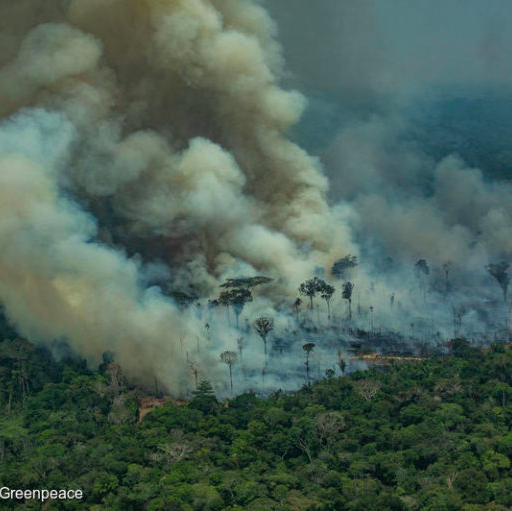
Ep 94Forest fire season 2020: what will it look like and what can we do?
Australia's fire season may have just ended, but most of the world's tropical forest regions will soon enter their own. We look at what's driving the intense fires in the Amazon, Indonesia, and elsewhere in recent years with three guests, who discuss what we can expect from the 2020 tropical fire season while sharing some solutions to this problem, which has huge effects on biodiversity, indigenous peoples, forests, and climate change. Joining us are Rhett Butler, Mongabay's founder and CEO, who provides a global perspective; scientist Dan Nepstad, who worked in the Brazilian Amazon for more than three decades; plus Aida Greenbury, an Indonesian sustainability consultant for projects like the High Carbon Stock Approach to forest protection. If you enjoy this show, please invite your friends to listen and subscribe via Android, Apple Podcasts, Google Podcasts, Stitcher, Spotify, Pandora, or wherever they get podcasts. More reading from this episode: Rhett Butler for Mongabay: "Rainforests in 2020: Ten things to watch," December 2019 "Amazon deforestation increases for 13th straight month in Brazil," May 2020 Dan Nepstad for the New York Times, "How to help Brazilian Farmers Save the Amazon," December 2019 See all our latest news from nature's frontline at Mongabay's homepage: news.mongabay.com or find us on Facebook, Twitter, and Instagram by searching for @mongabay. Please visit www.patreon.com/mongabay to pledge a dollar or more to keep this show growing, Mongabay is a nonproft media outlet and all support helps! Supporting at the $10/month level now delivers access to Insider Content at Mongabay.com, too, visit the link above for details. Feedback is always welcome: [email protected].

Ep 93How to photograph wildlife ethically and why that's so necessary
At a time when so many people are trying to make photographs of wildlife -- to break the pandemic lockdown blues, or to share on social media -- we speak with two guests about how to do this without harassing, exploiting, or harming them. Internationally renowned wildlife photographer Suzi Eszterhas shares her experiences and advice, saying that the most important practices are both better for wildlife and capture the most compelling images. This is "kind of a win-win," Eszterhas says, because "we're treating the animals with kindness and respect and we're not affecting their lives in a very negative way" while delivering superior photos. Also joining the discussion is environmental journalist Annie Roth, who recently wrote an in-depth article for Hakai Magazine exploring how wildlife pay the price when humans get too close in order to snap a few pics that they hope will score them likes on social media. If you enjoy this show, please invite your friends to listen and subscribe via Android, Apple Podcasts, Google Podcasts, Stitcher, Spotify, Pandora, or wherever they get podcasts. Please visit www.patreon.com/mongabay to pledge a dollar or more to keep this show growing, Mongabay is a nonproft media outlet and all support helps! Supporting at the $10/month level now delivers access to Insider Content at Mongabay.com, too, visit the link above for details. See our latest news from nature's frontlines at Mongabay's homepage: news.mongabay.com or find us on Facebook, Twitter, and Instagram by searching for @mongabay. Episode artwork of jackal pups courtesy of Suzi Eszterhas. Feedback is always welcome: [email protected].

Ep 92Inspiration for the 50th anniversary of Earth Day amid a global pandemic
What does it mean to celebrate the 50th Earth Day amidst a pandemic? Our guests for this episode provide options and inspiration to mark this important anniversary in the face of a global virus outbreak, which ironically has roots in the destruction of nature. We speak with Trammell Crow, the founder of the largest Earth Day event in the world, EarthX, which has big plans with National Geographic for a virtual celebration, and Ginger Cassady, the executive director of the Rainforest Action Network, an environmental advocacy group that works to end deforestation and respond to the climate crisis. They share stories of inspiration, challenge, and triumph as we mark 50 years of Earth Day with an eye on what comes next. If you enjoy this show, please invite your friends to subscribe via Android, Apple Podcasts, Google Podcasts, Stitcher, TuneIn, Spotify, Pandora, or wherever they get podcasts. Please visit www.patreon.com/mongabay to pledge a dollar or more to keep this show growing, Mongabay is a nonproft media outlet and all support helps! Supporting at the $10/month level now delivers access to Insider Content at Mongabay.com, too, visit the link above for details. See our latest news from nature's frontlines at Mongabay's homepage: news.mongabay.com or find us on Facebook, Twitter, and Instagram by searching for @mongabay. Feedback is always welcome: [email protected].

Ep 91The link between pandemics and the destruction of nature, with John Vidal
Acclaimed environmental journalist John Vidal joins the show to discuss the current pandemic's links to the wildlife trade and the destruction of nature. We speak about his recent Guardian/Ensia feature on what we know about the origins of the outbreak, what he's learned while reporting from similar outbreak epicenters in the past, how the destruction of nature creates the perfect conditions for diseases to emerge, and what we can do to prevent future outbreaks. See related Mongabay podcast episode: How studying an African bat might help us prevent future Ebola outbreaks Here's this episode's top news: National parks in Africa shutter over COVID-19 threat to great apes Shell of bioluminescent shrimp not only glows but detects light Seychelles extends protection to marine area twice the size of Great Britain If you enjoy this show, please invite your friends to subscribe via Android, Apple Podcasts, Google Podcasts, Stitcher, TuneIn, Spotify, Pandora, or wherever they get podcasts. Please visit www.patreon.com/mongabay to pledge a dollar or more to keep this show growing, Mongabay is a nonproft media outlet and all support helps! See our latest news from nature's frontlines at Mongabay's homepage: news.mongabay.com or find us on Facebook, Twitter, and Instagram by searching for @mongabay. Feedback is always welcome: [email protected].

Ep 90Songs and sounds of Bering Sea whales and seals reveal a story of change
The songs, calls, clicks, and bumps of beluga whales, bearded seals, bowhead whales, ribbon seals, and walrus are the stars of this episode, which also features the co-author of a recent study that used bioacoustics to assess how variation in sea surface temperature and sea ice extent affects these animals' populations in the northern Bering Sea. Dr. Howard Rosenbaum is the director of the Wildlife Conservation Society's Ocean Giants Program, and his team is creating an acoustic baseline for how marine noise pollution and climate change are affecting large mammals in this area of the Arctic. Learn more about Dr. Rosenbaum's team's study here and press play to hear the fascinating sounds they captured. Here's this episode's top news: Conservationists set the record straight on COVID-19's wildlife links Record-high global tree cover loss driven by agriculture In Afghanistan, a new national park carries hopes for conservation and peace If you enjoy this show, please invite your friends to subscribe via Android, Apple Podcasts, Google Podcasts, Stitcher, TuneIn, Spotify, Pandora, or wherever they get podcasts. Please visit www.patreon.com/mongabay to pledge a dollar or more to keep this show growing, Mongabay is a nonproft media outlet and all support helps! See our latest news from nature's frontlines at Mongabay's homepage: news.mongabay.com or find us on Facebook, Twitter, and Instagram by searching for @mongabay. Feedback is always welcome: [email protected].

Ep 89New technologies deliver cutting edge conservation, discussion with Shah Selbe
Shah Selbe is a rocket scientist who put his engineering skills into building a lab that uses open-source technologies to empower local communities to solve conservation challenges. His team has been deploying technologies like drones, sensor networks, smartphone apps, and acoustic buoys to monitor protected areas, wildlife, and biodiversity. But their big news is the launch of the open-source hardware and online platform FieldKit that anyone can use to deploy a local sensing network and mesh that with remote sensing data for real-time ecosystem monitoring: he joins us to discuss its potential plus the conservation tech he's currently most excited about. Here's this episode's top news: China beefs up wildlife trade ban as COVID-19 outbreak intensifies 'Out of control': Unprecedented fires ravage Brazil's Pantanal wetlands Camera traps confirm presence of lowland gorillas in central mainland Equatorial Guinea for first time in over a decade If you enjoy this show, please invite your friends to subscribe via Android, Apple Podcasts, Google Podcasts, Stitcher, TuneIn, Spotify, Pandora, or wherever they get podcasts. Please visit www.patreon.com/mongabay to pledge a dollar or more to keep this show growing, Mongabay is a nonproft media outlet and all support helps! See our latest news from nature's frontlines at Mongabay's homepage: news.mongabay.com or find us on Facebook, Twitter, and Instagram by searching for @mongabay. Feedback is always welcome: [email protected].

Ep 88Conservation is a growth industry for Africa, Fred Swaniker says
Fred Swaniker is the founder of the African Leadership University, which recently launched a School of Wildlife Conservation to help young Africans develop the skills and knowledge necessary to "own and drive" the conservation agenda on the African continent. Swaniker sees Africa's natural heritage as a strategic advantage for the continent, and argues on this episode that the immense young workforce can be engaged in its conservation in many ways, from management to filmmaking, science communications and technology. He also shares highlights from ALU's recent "Business of Conservation Conference" in Kigali, Rwanda. Here's this episode's top news: Jeff Bezos establishes $10 billion 'Earth Fund' to combat climate change Deforestation in Brazil continues torrid pace into 2020 Rhino poaching in South Africa declines for fifth straight year Learn more about African Leadership University's School of Wildlife Conservation at its website, www.sowc.alueducation.com. If you enjoy this show, please invite your friends to subscribe via Android, Apple Podcasts, Google Podcasts, Stitcher, TuneIn, Spotify, Pandora, or wherever they get podcasts. Please visit www.patreon.com/mongabay to pledge a dollar or more to keep this show growing, Mongabay is a nonproft media outlet and all support helps! See our latest news from nature's frontlines at Mongabay's homepage: news.mongabay.com or find us on Facebook, Twitter, and Instagram by searching for @mongabay. Feedback is always welcome: [email protected].
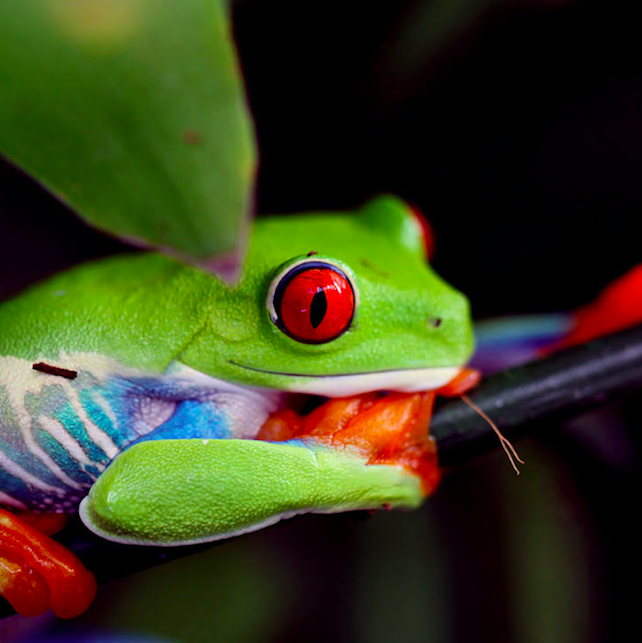
Mongabay Newscast trailer
trailerTop scientists, authors, and activists appear on the Mongabay Newscast to discuss their latest research, describe new solutions for tough challenges, or to share their views on conservation and the environment: subscribe to this free show via Apple Podcasts, Spotify, Amazon, or wherever you get your podcasts. Mongabay.com is a 25 year-old award-winning nonprofit news service with 5 million monthly readers who consume our daily reporting in 6 languages via 5 international bureaus. So to stay on top of key trends, new science and fresh thinking on the global environment, find, subscribe and follow the Mongabay Newscast for news and inspiration from nature's frontline.

Ep 87Galina Angarova on the indigenous relationship to land, conservation, and the sacred feminine
'Without the land, indigenous people cannot exist' the new leader of Cultural Survival, Galina Angarova, tells host Mike G. in this new episode. Raised in a Buryat community in Siberia, she's had a number of top roles through the years, but her recent appointment to this key indigenous rights organization is perhaps the most important one yet. She grew up eating wild berries, mushrooms, nuts, wild garlic, deer, and more on the shores of Lake Baikal, and therefore has a strong sense of relationship to the land and how important it is that indigenous peoples like her community are allowed to keep stewarding these places: it's been proven that indigenous communities are the best stewards of land, waters, forests, and animals. Angarova joins the show to discuss this plus the power of indigenous radio programs, and her idea of the sacred feminine. Here's this episode's top news: Catastrophic Amazon tipping point less than 30 years away: study Dam that threatens orangutan habitat is 'wholly unnecessary': Report Indigenous, protected lands in Amazon emit far less carbon than areas outside Belize officially declares wildlife corridor in key protected area complex Learn more about Galina and the work of Cultural Survival at their website, culturalsurvival.org. If you enjoy this show, please invite your friends to subscribe via Android, Apple Podcasts, Google Podcasts, Stitcher, TuneIn, Spotify, Pandora, or wherever they get podcasts. Please visit www.patreon.com/mongabay to pledge a dollar or more to keep this show growing, Mongabay is a nonproft media outlet and all support helps! See our latest news from nature's frontlines at Mongabay's homepage: news.mongabay.com or find us on Facebook, Twitter, and Instagram by searching for @mongabay. Feedback is always welcome: [email protected].
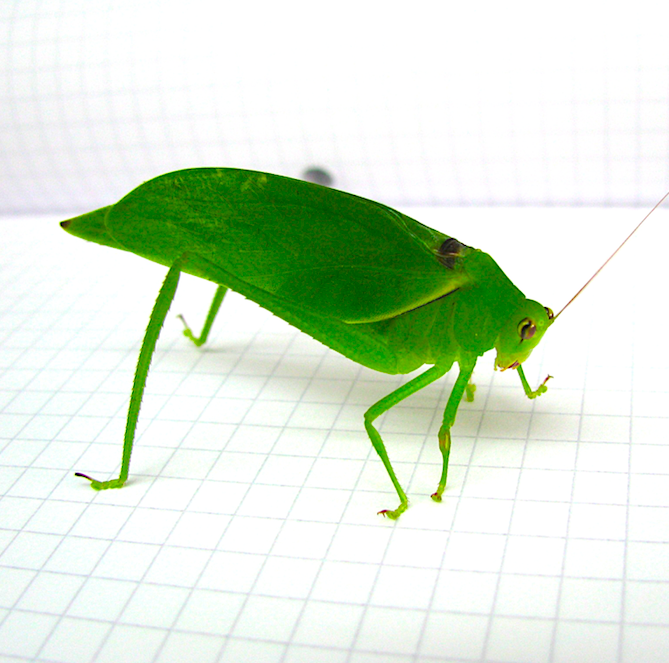
Ep 86How the sweet sounds of tropical katydids can benefit rainforest conservation
Laurel Symes is a biologist who uses bioacoustics to study tropical katydids in Central America, and she joins us to play some of her hypnotic rainforest recordings and say how tracking these insects' interesting sounds can aid rainforest conservation. Based on the Osa Peninsula in Costa Rica, she uses machine learning to detect and identify these creatures, which are grasshopper-like insects that are important to the rainforest food web, because they eat a lot of plants and are in turn eaten by a lot of other species, including birds, bats, monkeys, frogs, and more. Here's this episode's top news: 2019 was second-hottest year on record, 2010s hottest decade Indigenous lands hold 36% or more of remaining intact forest landscapes Update to biodiversity treaty proposes protecting at least 30% of Earth One six-week expedition discovered ten new songbird species and subspecies in Indonesia If you enjoy this show, please invite your friends to subscribe via Android, Apple Podcasts, Google Podcasts, Stitcher, TuneIn, Spotify, Pandora, or wherever they get podcasts. Please visit www.patreon.com/mongabay to pledge a dollar or more to keep this show growing, Mongabay is a nonproft media outlet and all support helps! See our latest news from nature's frontlines at Mongabay's homepage: news.mongabay.com or find us on Facebook, Twitter, and Instagram by searching for @mongabay. Feedback is always welcome: [email protected].

Ep 85Top conservation photographer Ami Vitale discusses rhinos, pandas, hope and more
Ami Vitale is an award-winning war correspondent turned conservation photographer, and her iconic images of animals like Sudan the Rhino adorn the pages of National Geographic and other top outlets often. But she's so much more than a woman with a camera, rather, she's a force of nature helping create change and grassroots conservation all over the world through her work, words, and advocacy. She joins the podcast to talk about the most inspiring and heartbreaking moments from her recent projects (don't miss the beautiful story at the end about the behavior of elephant orphans) and she shares where she finds her seemingly boundless energy and optimism. Here's this episode's top news items: Study declares ancient Chinese paddlefish extinct 'Tainted timber' from Myanmar widely used in yachts seized in the Netherlands New monkey discovered on "island" amid deforestation in Brazil Episode artwork of a panda keeper in China is courtesy of Ami Vitale. If you enjoy this show, please invite your friends to subscribe via Android, Apple Podcasts, Google Podcasts, Stitcher, TuneIn, Spotify, Pandora, or wherever they get podcasts. Please visit www.patreon.com/mongabay to pledge a dollar or more to keep this show growing, Mongabay is a nonproft media outlet and all support helps! See our latest news from nature's frontlines at Mongabay's homepage: news.mongabay.com or find us on Facebook, Twitter, and Instagram by searching for @mongabay. Feedback is always welcome: [email protected].

Ep 84Best animal calls and songs of 2019
For this last episode of 2019, we take a look back at some favorite bioacoustics recordings featured here on the Mongabay Newscast and play them for you. As regular listeners will know, bioacoustics is the study of how animals use and perceive sound, and how their acoustical adaptations reflect their behaviors and relationships with their habitats and surroundings. Bioacoustics is a fairly young field of study but it is already being used to study everything from how wildlife populations respond to the impacts of climate change to how entire ecosystems are impacted by human activities. Here's this episode's top news: Tropical forests' lost decade: the 2010s Central American countries pledge to protect Mesoamerica's '5 Great Forests' Mountain gorilla census reveals further increase in numbers If you enjoy this show, please invite your friends to subscribe via Android, Apple Podcasts, Google Podcasts, Stitcher, TuneIn, Spotify, Pandora, or wherever they get podcasts. Please visit www.patreon.com/mongabay to pledge a dollar or more to keep this show growing, Mongabay is a nonproft media outlet and all support helps! See our latest news from nature's frontlines at Mongabay's homepage: news.mongabay.com or find us on Facebook, Twitter, and Instagram by searching for @mongabay. Feedback is always welcome: [email protected].
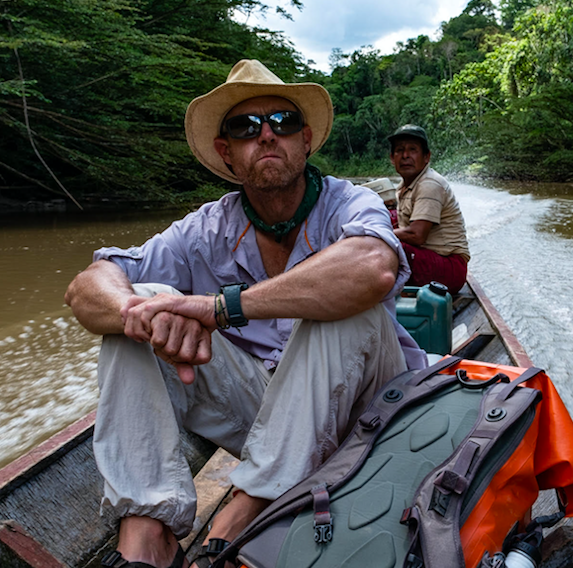
Ep 83Cleared for coca: Chris Fagan on his new investigation from Peru's rainforest
We speak with National Geographic writer Chris Fagan about the investigative report he just filed for Mongabay revealing a massive invasion of national parks in the Peruvian Amazon, in an area relied upon by isolated indigenous communities. Traveling up the Sepahua River with indigenous guides, Fagan counted more than 250 plots of land illegally cleared for cocaine production in recent months. He met some of these growers and describes for us a very 'Wild West' scene that Peruvian officials know little about, in an area that was thought to be largely protected. Read Chris's full report and see the stunning video and drone footage here: https://news.mongabay.com/2019/12/coca-farms-close-in-on-protected-areas-isolated-tribes-in-peruvian-amazon/ Here's this episode's top news: Revealed: Government officials say permits for mega-plantation in Papua were falsified Hopes dim as COP25 delegates dicker over Article 6 and world burns: critics Newly spotted calves boost Javan rhino population to 72 If you enjoy this show, please invite your friends to subscribe via Android, Apple Podcasts, Google Podcasts, Stitcher, TuneIn, Spotify, Pandora, or wherever they get podcasts. Please visit www.patreon.com/mongabay to pledge a dollar or more to keep this show growing, Mongabay is a nonproft media outlet and all support helps! See our latest news from nature's frontlines at Mongabay's homepage: news.mongabay.com or find us on Facebook, Twitter, and Instagram by searching for @mongabay. Photo of Chris Fagan by Jason Houston/Upper Amazon Conservancy. Feedback is always welcome: [email protected].

Ep 82How haunting gibbon songs can aid their conservation
Dena Clink is a primatologist studying individuality and variation in Bornean gibbon calls, which she says could aid these primates' conservation. She joins this episode to play some recordings of these fascinating songs & calls she's made in the course of her research, and explain how they're used and what they may mean to the species. We've featured a wide variety of bioacoustics studies here on the Mongabay Newscast, from whales to bats and birds, but these are usually recordings of species at the population level. Our guest today focuses on how calls vary between each gibbon, and what that can teach us about the animals, and their conservation needs. If you enjoy this show, please invite your friends to subscribe via Android, Apple Podcasts, Google Podcasts, Stitcher, TuneIn, Spotify, Pandora, or wherever they get podcasts. Please visit www.patreon.com/mongabay to pledge a dollar or more to keep this show growing, Mongabay is a nonproft media outlet and all support helps! See our latest news from nature's frontlines at Mongabay's homepage: news.mongabay.com or find us on Bluesky or Instagram by searching for @mongabay. Photo of a Mueller's gibbon (Hylobates muelleri) via People Resources and Conservation Foundation. Feedback is always welcome: [email protected].
Ep 81All zoos should put themselves out of business, Damian Aspinall argues
Damian Aspinall is chairman of the Aspinall Foundation, a UK charity that works to conserve endangered animals and return them to the wild. Despite his foundation operating two zoos, he's a vocal critic of how zoos are generally run, and feels their focus should be upon breeding rare animals and reintroducing them to the wild, vs keeping them in captivity for public entertainment, as he says. "European zoos spend at least 15 million pounds a year, at least, on looking after their elephants and rhinos...imagine what you could do with that money in the wild," toward stopping poaching & rebuilding their habitats, he argues on this episode of the podcast. Aspinall also talks about numerous other ethical problems he sees with 'the zoo-ocracy,' discusses his own program for breeding and reintroducing gorillas, lemurs, gibbons and more, and he shares his vision for a 'zoo-less future' on Earth. Here's this episode's top news: Controversial dam gets green light to flood a Philippine protected area Emperor penguins could disappear by 2100 if nations don't cap emissions There's a new fin whale subspecies in the North Pacific Listen to our recent conversation with Bronx Zoo director Jim Breheny about zoos' role in conservation on Mongabay's podcast, here. If you enjoy this show, please invite your friends to subscribe via Android, Apple Podcasts, Google Podcasts, Stitcher, TuneIn, Spotify, Pandora, or wherever they get podcasts. Please visit www.patreon.com/mongabay to pledge a dollar or more to keep this show growing, Mongabay is a nonproft media outlet and all support helps! See our latest news from nature's frontlines at Mongabay's homepage: news.mongabay.com or find us on Facebook, Twitter, and Instagram by searching for @mongabay. Feedback is always welcome: [email protected].

Ep 80Buzzfeed's Katie Baker details their explosive investigation of WWF
Katie Baker is a reporter for the Buzzfeed News team investigating human rights violations committed against local & indigenous people by park rangers paid by the major environmental NGO WWF to protect creatures like rhinos from poachers. "No one is saying that [WWF's rangers] don't have really difficult jobs...but just because they have a difficult job doesn't mean they can rape and kill and torture with impunity or arrest people without evidence," she tells host Mike G, and adds that the pushback from the NGO has been rather meek: "I have not received any hate mail from [WWF employees] telling me I got it wrong." Baker discusses the explosive findings of her team's investigative reports, what it took to chase these stories down, and the impacts she's seen from her reporting. Here's this episode's top news: Violence against indigenous peoples explodes in Brazil Study finds massive reorganization of life across Earth's ecosystems $85 million initiative to scale up agroforestry in Africa announced Once close to extinction, western South Atlantic humpback population close to full recovery Mongabay reported on the effects on local communities as revealed by Baker's reporting here, and here's Mongabay's investigation of harassment, bullying, and retaliation against whistleblowers at another major environmental NGO, Conservation International. If you enjoy this show, please invite your friends to subscribe via Android, Apple Podcasts, Google Podcasts, Stitcher, TuneIn, Spotify, Pandora, or wherever they get podcasts. Visit www.patreon.com/mongabay to pledge a dollar or more to keep this show growing, Mongabay is a nonproft media outlet and all support helps! See our latest news from nature's frontlines at Mongabay's homepage: news.mongabay.com or find us on Facebook, Twitter, and Instagram by searching for @mongabay. Feedback is always welcome: [email protected].

Ep 79Deep sea diva: A dive to the ocean floor with biologist Diva Amon
Plans for ocean floor mining are moving forward globally -- especially around thermal vents that create deposits of metals like gold, silver, copper, manganese, cobalt, and zinc -- but humans have explored less than 1% of the deep sea, so it's fair to say that we really have no idea what's at risk. On this episode we speak with deep sea biologist Dr. Diva Amon about what we do -- and don't -- know about biodiversity at the bottom of the ocean. Raised on the shores of Trinidad & Tobago, Dr. Amon's fascination with what lies below the surface has taken her on journeys to great depths, and she shares insights and glimpses of amazing creatures gained there. Here's more about this episode's top news: Eight ape species, including Tapanuli orangutan, make first appearance on list of most endangered primates Madagascar calls for assistance as fires imperil its protected areas Rare songbird recovers, moves off endangered species list And see all of our coverage of deep sea mining issues here. If you enjoy this show, please invite your friends to subscribe via Android, Apple Podcasts, Google Podcasts, Stitcher, TuneIn, Spotify, Pandora, or wherever they get podcasts. Visit www.patreon.com/mongabay to pledge a dollar or more to keep this show growing, Mongabay is a nonproft media outlet and all support helps! See our latest news from nature's frontlines at Mongabay's homepage: news.mongabay.com or find us on Facebook, Twitter, and Instagram by searching for @mongabay. Feedback is always welcome: [email protected].

Ep 78Hitting the highway in Borneo to assess diversity and development
Mongabay's adventurous Middle East-based staff writer John Cannon just traveled the length of the Pan Borneo Highway and shares what he discovered on the journey about biodiversity, development, and the natural future of this, the world's 3rd largest island. It took him 3 weeks to travel the route proposed to connect the rainforest-rich Malaysian states of Sabah and Sarawak as well as the Indonesian part of the island of Borneo--to make commerce and travel easier in a region that is notoriously difficult to navigate--and also to encourage tourists to see the states' cultural treasures and rich wildlife, from elephants to crocodiles, gibbons and clouded leopards. But scientists warn that the highway is likely to harm the very wildlife it seeks to highlight, by dividing populations and degrading their habitats. Here's where you can find John's six-part series and his "top 5 revelations from traveling the Pan Borneo Highway" at Mongabay.com. These are the episode's top news items if you want to learn more: 'Full-blown crisis': North America has lost nearly 3 billion birds since 1970 At the UN, losing the race against time to fight climate change 'The Blob' is back: Pacific heat wave already second-largest in recent history Episode photo: A female Sunda clouded leopard and one of her cubs crossing a road in Sabah, still image from footage shot by Michael Gordon. Please invite your friends to subscribe to this show via Android, Apple Podcasts, Google Podcasts, Stitcher, TuneIn, Spotify, Pandora, or wherever they get podcasts. Visit www.patreon.com/mongabay to pledge a dollar or more to keep this show growing, Mongabay is a nonproft media outlet and all support helps! See our latest news from nature's frontlines at Mongabay's homepage: news.mongabay.com or find us on Facebook, Twitter, and Instagram by searching for @mongabay. Feedback is welcome: [email protected].