
Mental Health Training
337 episodes — Page 5 of 7

S4 Ep 132Apology Accepted
Apology accepted by Stephanie Lam. Saying sorry can be a powerful plea for forgiveness, a humble act and a virtue. But when used too often or without thinking, it might not be such a good thing. The word 'sorry', when used appropriately, can be packed with power. It can heal wounds and bridge divisions. Admitting you made a mistake and taking responsibility for it is not a mark of weakness, but a virtue. It would be impossible to go through life without ever causing anyone discomfort or upset, however, unwittingly. Asking for forgiveness genuinely can be the stitch that mends and also shows the strength of character. On the other hand, imagine what happens when sorry seems to be not the hardest word, sadly as Elton John sang, but the easiest? When does an apology turn into a verbal tic or a rhetorical filler? Or if it ends up being appended to almost any idiom - or becomes a conversation in itself. Think of those interactions that seem entirely to consist of saying 'sorry'. This deluge of forgiveness-begging might not seem to matter. It can be seen as a form of good manners, a way to soften what's said, the verbal equivalent of an emoji. Maybe it's a way to deliver the truth without appearing too candid. Yet if the insincere plea becomes overused, it could shift the meaning of the word. When uttered tonelessly or even aggressively, indeed, it then implies the opposite. In this context, sorry is not sorry at all. In any case, overusing any word diffuses its strength. Its impact is lessened with each time it's unmindfully applied until it becomes insignificant. Think about it: if you've no reserved word in your vocabulary, what if you want to make a heartfelt show of remorse? If you've hurt someone's feelings and need to show them you care, what's the point in saying the same word you've already uttered 20 times today? The truth is, language matters, and making unnecessary apologies can undermine inner strength and resilience. A supposedly innocuous, yet needless, request for absolution can then become a habit of presenting yourself in the wrong. It can even appear to beg pardon for the so-called inconvenience of daring to exist. At the same time, it can be a habit that's hard to break if it takes root. I've caught myself in pointless sorries so many times, including apologising to a chair because you walked into it! But perhaps, and you can start understanding when repentance is unwarranted, over time, it will become easier to hold back, hang on to one's self-esteem and keep this powerful word for the times when it's appropriate. Check out your list of Sorry's Try to recognize how other people's unnecessary apologies impact your judgments of them. It might be the same way they see you. • Notice if you say sorry without thinking, how often you, do it, and why. These apologies might affect your sense of self-worth more than you know. • Think of replacement words you might use instead of it, alternatively, is it necessary at all. • Enjoy holding back on saying sorry, despite the discomfort you might feel. • A heartfelt show of repentance can make a real impact. Think of times you've used this powerful word when it was truly needed - and how that felt.

S4 Ep 131Adverse health consequences of Isolation and Loneliness
Isolation is the “silent killer” affecting an estimated 8 million elders in the U.S., but it is an epidemic that often goes unnoticed and untreated. On average, 40% of seniors are impacted by the isolation that comes with living alone and the resulting feelings of loneliness, increasing their risk for depression, dementia, and premature death. What is isolation? Isolation is the experience of being separated or cut off from other people. It is usually felt when an individual has minimal human contact, but it can also occur within an emotionally unsatisfying personal relationship. A few people may choose to be isolated and enjoy their solitude, but the situation is often regarded as unwelcome. Nearly everyone experiences feelings of isolation at some time in their lives, if only for a short while. For example, when starting a new job or beginning at college, loneliness is common until new networks and friendships are made. Like the elderly and young mothers with pre-school children, some people may be at risk of prolonged spells of isolation in their own homes. Isolation is often accompanied by loneliness. People need relationships with family and friends to maintain a sense of self-esteem. Such networks provide warmth and support and provide shared interests and concerns. Without these relationships, loneliness may follow, with a resulting loss of self-confidence and perhaps even the onset of depression. Are loneliness and social isolation linked? Loneliness and social isolation are different but related concepts. While loneliness can be closely related to social isolation in many people’s minds, social isolation can lead to loneliness, and loneliness can lead to social isolation. Both may also occur at the same time. People can experience different levels of social isolation and loneliness over their lifetime, moving in and out of these states as their circumstances change. Loneliness and social isolation also share many factors that increase the likelihood of people experiencing each, such as deteriorating health and sensory and mobility impairments. Loneliness and social isolation during the COVID-19 Period? Before the COVID-19 pandemic, loneliness and social isolation were prevalent across Europe, the USA, and China. The situation has only worsened with the restrictions imposed to contain the viral spread. However, there is a high cost associated with the essential quarantine and social distancing interventions for COVID-19, especially in older adults, who have experienced an acute, severe sense of social isolation and loneliness with potentially severe mental and physical health consequences. The effects of loneliness Everyone at one point or another experiences' loneliness, and like all feelings, its causes are unnumbered. You could spiral into a vortex of loneliness from anything: stress, loss of a loved one, a tragic event, or feeling isolated from friends and family. Feeling alone doesn’t equate to loneliness. It’s important to understand that distinction. You should always separate those two states of mind because alone time is a good thing. It’s a great thing. How does isolation occur? The anonymity of modern, urban living gives rise to much loneliness, especially where people live in high-rise housing without community facilities. People in rural areas are also prone to isolation, as meeting places are few and public transport is limited. Women seem to be more at risk than men, as they are more likely to be tied to the home, caring for children, with little access to social outlets. Read the full article..............
S4 Ep 130Mindfulness, No-Mind and Choiceless Awareness
Mindfulness, No-Mind and Choiceless Awareness Imagine what it might be like to be an animal such as a squirrel. A squirrel doesn’t have worries about the dynamics of their workplace, about debt or about their relationships. Squirrels don’t have their head in the clouds daydreaming about what might be… They don’t have regrets, and they don’t have delusions. Instead, a squirrel simply experiences the world as it is. Hyperreal across all the senses, squirrels simply take in the world around them as it happens and react on a dime. This is something that a lot of people aspire to, as they believe that it will make them happier and help them to enjoy the world around them more. But just as important and just as valuable is the incredible benefit that this type of presence and mindfulness has in terms of athletics. Bruce Lee and ‘No Mind’ An aspiration for many martial artists, including the legendary Bruce Lee, is to reach a state known as ‘no-mind. No-mind effectively means that you are reacting without thought, purely on instinct. Instead of experiencing your surroundings, thinking about how best to respond and then reacting; you instead react without pause or consideration. In martial arts, this state of no mind is accomplished through rigorous training. By simply repeating the same block over and over again, you eventually reach a point where your arm moves to block without any need for you to consciously command it to do so. Likewise, by repeating the same punch over and over, martial artists can reach the point where they’re able to punch perfectly. At this point, they have strengthened the neural pathways required to deliver the perfect technique, and thus it reaches the point where it is really second nature. Many athletes in other sports achieve similar performance when they are completely engaged with what they are doing, and this is often called a ‘flow state’. As you might imagine, then, the practice of mindfulness will only enhance your skill as a combatant and as an athlete. And in fact, there is a similar term used within the context of CBT: ‘choiceless awareness’. Being Aware of Your Body Just as mindfulness and meditation can help you to improve your physicality, so to can being more physical help you to be more mindful. This is because focusing on our bodies will take focus away from our monologue. Simply try being aware of your distribution of weight, of your breathing, of your temperature – and you’ll find that instantly you become far more ‘present’ and much closer to mindfulness and choiceless awareness.
S4 Ep 129How to Use Mindfulness With CBT
How to Use Mindfulness With CBT Mindfulness is the practice of ‘getting out of your own head’ and of simply being rather than constantly thinking, worrying and stressing. While mindfulness is a common part of many meditative practices, it is also an integral part of cognitive behavioural therapy (CBT). More specifically, mindfulness is used for ‘cognitive restructuring’ which is an aspect of CBT concerned with the ‘reprogramming’ of thoughts. How Cognitive Restructuring Works The idea behind cognitive restructuring is to deconstruct a patient’s beliefs, thought patterns and feelings regarding certain matters in a bid to improve mental health. For instance, then, cognitive restructuring is often used to help combat phobias. When someone suffers from a phobia, often they will find themselves having illogical thoughts regarding that trigger. If you’re deathly afraid of heights, then, you might find yourself worrying that you’ll fall off – or even worrying that you’ll feel compelled to jump. Of course, in most cases, neither of these things are going to happen. Likewise, we have no reason to be afraid of spiders – even if we do find ourselves worrying that they might ‘jump into our mouths’. Cognitive behavioural therapy restructures these thoughts and beliefs and replaces them with healthier ones. The Steps The first step in cognitive restructuring is to assess the nature of your thoughts and to identify the specific damaging ruminations that are leading to your health problems. This is where mindfulness comes in as an incredibly powerful tool: simply sit quietly and allow yourself to experience your thoughts as they occur, taking note of what they are and letting them drift by ‘like clouds’. Likewise, you might assess the kinds of thoughts you often find yourself having when you are in situations that make you phobic. From there, you can then begin the process of cognitive restructuring. You do this first by using ‘thought challenging’, wherein you simply ask yourself how likely your beliefs are to be accurate. Are you really going to fall if there are railings to keep you safe? A more advanced strategy is ‘hypothesis testing’. Here, you simply test your belief through exposure to your fear. If you’re afraid of speaking in public because you think people will laugh, try purposefully allowing yourself to stutter while speaking to a large audience and see what happens. Finally, use more mindfulness as you go about your day to simply remind yourself of your new beliefs and to keep your heart rate low and your mind calm.
S4 Ep 128Why Mindfulness is the Perfect Antidote to Modern Living
Why Mindfulness is the Perfect Antidote to Modern Living As much as many of us choose to overlook it, there is a lot of wrong with the way most of us currently live our lives. We evolved in an environment completely foreign to the world we live in now and adapted to gain abilities and traits that in many ways leave us unsuited for our current environment. We sit in chairs all day long gaining weight, we eat processed foods, and we face constant stresses from work, from our relationships and from our finances. What’s more, we are constantly in demand and constantly ‘plugged in’ and ‘stressed out. Our phones are always ringing, texts are always coming in, we get a new e-mail every two minutes… And even when most of us aren’t working or being bothered, we have a near addiction to technology that means we’re still unable to really decompress. Is it any wonder that mental health problems are so rife? Using Mindfulness to Escape Modern Stress This is probably a big part of the reason that mindfulness is so popular right now. Mindfulness simply means directing attention purposefully. Sometimes this will mean focusing on our thoughts (in an objective and non-judgemental way) but in other cases, it will mean simply being more present and focusing on our breathing and our environments. Either way, the idea of mindfulness is to enjoy the calmness and to stop the incessant chatter of our minds. When you are completely engaged with the world around you, or when you decide to disengage with your thoughts, it provides you with relief from stress and from fear – and instead allows you to simply relax and recover. Mindfulness for Concentration What’s more, practising mindfulness is also the perfect tool for improving concentration. Mindfulness forces you to develop a ‘mental discipline’ that is sorely lacking for many of us today. Too often, most of us have 20 things vying for our attention. While we have allegedly become better at multitasking as a result, we’ve also become much worse at focusing on one thing for extended periods. This makes it harder for us to read a large passage of text for instance, or to work without feeling the need to continuously check Facebook. Again, mindfulness is the perfect tonic. Here, you are tasked with focusing on your environment, your thoughts or your feelings for an extended period of time. And as such, you improve your own focus and mental discipline.
S4 Ep 127A Guide to Your First Meditative Session for Beginners
Meditation is something that we’re constantly being encouraged to use. Every self-help guru, every highly successful individual and even many athletes trumpet its many benefits and the research too seems to back up its value. So why don’t more people practice it? The main problem for most of us is that it’s really rather daunting, obtuse and complicated. Meditation is ultimately about reaching enlightenment and inner peace, right? Sounds a bit heavy for a Friday evening! The real question for many people then is where to start. This article will provide you with a good starting point and help you with your first meditative experience. From there, you should feel a little more confident to try it again in future… Some Tips to Begin With The first tip is to set yourself a timer for 10 minutes. 10 minutes is a short enough amount of time that most of us will be able to fit it into our busy schedules and by setting an alarm you prevent yourself from having to keep checking the clock to see how much longer you have – this is not conducive to meditation as you might imagine. The next tip is to sit comfortably in a chair or cross-legged. You don’t want to lie down for fear of falling asleep, but you should be comfortable. Focus The next thing you’re going to do is to focus. This can mean focusing on your breath or repeating a mantra (a word of your choice) over and over. This will be your ‘anchor’ and you will come back to this whenever your mind starts to wander. If you struggle with these anchors, another option is to watch a flame. Lighting a candle and watching it can be a surprisingly effective form of meditation. Just ‘Be’ Now just ‘be’ for 10 minutes. The mistake many people make here is to try and force themselves to have a ‘still mind’ devoid of thoughts. This is almost impossible for a beginner and will lead to nothing but stress. Instead, we’ll take the mindfulness approach of simply letting the mind wander. When it does, make a note of it and simply focus back on your anchor. This removes the stress and gives you a safe environment in which to practice directing your attention inwards. The same goes for itching and coughing – just let it happen and then return. Try to repeat this three times a week for a couple of months and see what happens… You’ll be glad you did!
S4 Ep 126What is Mindfulness?
Mindfulness is a term that gets thrown around a lot at the moment, and which is often hailed as some kind of ‘solve all’ for every kind of problem under the sun. Mindfulness is part self-help technique, part clinical tool and has lately grown to spawn countless e-books, courses and evening classes. But what precisely is it, and how do you define it? Mindfulness: An Explanation Boiled down to its essence, mindfulness is the observation of one’s own thoughts and emotions. In other words, it means stepping back and then simply being aware of what you’re feeling, what you’re thinking and what you are experiencing. This can then in turn be used to help treat a wide range of different psychological problems and to generally improve your psychological health. The reason for this is that it brings more attention to the way that we handle various different events and to how our thoughts and emotions normally control us. This then in turn allows us to anticipate them, to deal with them, and ultimately to prevent them. For instance, someone who deals with social anxiety will likely have a number of ruminations that contribute to their symptoms. These might include worries that they will ‘make a fool of themselves, that they will be laughed at, that they will stammer… Many of these thoughts are likely to be inaccurate, but it is only by being aware of them that it’s possible to manipulate them, to rise above them or to suppress them entirely. Uses of Mindfulness When used to combat such conditions as social anxiety, mindfulness can be seen as a clinical tool. Specifically, it is an important part of ‘CBT’ or ‘Cognitive Behavioural Therapy. This is a psychotherapeutic approach that involves the practice of essentially replacing and reprogramming underlying thoughts, beliefs and ruminations. At the same time, though, mindfulness has also long been a part of other meditative practices. Here, the goal can often be somewhat different. In this case, the objective is to be more aware of the present moment in terms of the sensations, the sounds and the emotions. By practising this, they can eventually become more ‘present’ at the moment and better able to react to what’s going on around them without judgement and without the constant ‘brain chatter that so many of us experience. Mindfulness is a broad tool that too is used in a number of different ways. In almost every scenario, though, the true end goal is to be aware of the present moment and to find an inner calm that often eludes us.

S4 Ep 125Submissive behaviour
Submissive behaviour is the tendency towards being passive and willing to yield to others. It involves being overly obedient and quick to give way to the demands of others, letting them make decisions for you. Most of us are submissive at times, depending on the behaviour of other people, or the particular circumstances in which we find ourselves. We accept we cannot always have our own way, and make a judgement to be passive. However, some people continually submit to others, and refuse to stand up for themselves. They often feel they are being taken advantage of, but do little to alter the way they behave, thereby allowing this cycle of submissiveness to continue. Women have traditionally been seen as being prone to submissive behaviour, both in their personal and professional lives, allowing themselves to be constantly dominated by family members and/or business colleagues. Individuals with eating disorders (anorexia nervosa) and bulimia nervosa are also consistent with significantly higher levels of submissive behaviour, which has been observed within this population and related to the severity of their symptoms. Learn more: Full article

S4 Ep 124Top Five Benefits to Embracing Imperfection
There’s more pressure than ever before to get things right in every part of your life, to be perfect. Gadgets, apps, and advice on how to be your very best all the time surround us. But that’s such an illusion. No one can be perfect; it just isn’t humanly possible. It’s great to set the bar high, to go after challenges and stretch yourself. But you can’t expect to win at everything all the time. Sit back for a minute and consider the benefits of embracing imperfection. 1. You’ll be happier Perfectionists carry a LOT of emotional baggage from trying to look as though their entire world is 110% wonderful all the time. They’re at a higher risk of depression and anxiety, and hardly ever content with what they have. Embrace the messy, flawed parts of your life and yourself, and you’ll be happier and way less stressed. 2. You won’t fear failure so much Accepting imperfection means failure shrinks back down to being just another aspect of life. Perfectionists tend to take failure personally. It becomes a catastrophe and something that defines their sense of self. But accepting that to make mistakes is human means you see failure as an opportunity to learn, make the necessary changes, and move on. 3. Embracing imperfection makes you a nicer person If you’re comfortable with imperfection, you won’t be so quick to criticize and judge others. And that will make you a much nicer friend, colleague, and family member. You’ll be less likely to blow your fuse at trivial things, you’ll cut people slacker, and relationships will be calmer and more rewarding. 4. Your self-esteem will grow People who accept their flaws and quirks and are less likely to be hard on themselves when they make a mistake. Perfectionists are usually their own harshest critics; their self-esteem is fragile and easily crushed. Acknowledgement of your humanity means you’re less likely to feel guilty or ashamed when you make a mistake or don’t reach your goals as soon as you might have liked. 5. You will inspire others Imperfection is the keynote of being a human. It's how we learn and progress and connects us. That's okay, and gracefully accepting the ebbs and flows of life will make you someone peoples look up to and admire. Your kids will see that you value them more than that vase they broke. It's more important to spend time with them instead of asking if they've done their chores.

S4 Ep 123The Benefits of Having a Mentor
Have you ever thought about having a mentor? Mentors can be useful for many people; students, employees, entrepreneurs, or even just in your personal lives. Below are some of the main benefits of having a mentor. They’ll Give You Advice As you work towards achieving your goals, chances are your mentor will have some advice for you. And when selecting a mentor, you should choose one who has been on a similar journey as you for this reason! When you come across something that you aren’t quite sure how to handle, don’t be afraid to contact your mentor as they can help you overcome all sorts of obstacles. They’ll Encourage You Besides just guiding you on your journey, a good mentor will also encourage you every step of the way. And encouragement, especially on the days you may not be feeling so great about your journey, is essential when it comes to staying on your path! A good mentor will know the right methods to encourage you and to keep you on task! They Will Give You Feedback Another great thing about mentors is that they will also give you feedback on how you are doing. This can be helpful because it can be very difficult to judge yourself or the things that you are doing. A good mentor will also help hold you accountable and let you know when they think you are doing something that isn’t great for you or your journey. They Will Help You Network A good mentor probably mentors a few different people, and while this may have you thinking this is a bad thing, this isn’t true at all. If you get along really well with a mentor, then chances are you will get along with the other people he or she is mentoring, and this can expand your social circle. Additionally, your mentor may have some contacts in your field that could help you with everything from finding a job to a new house or even just telling you where you should have dinner! There are so many reasons that you should have a mentor in your life. But some main benefits of having a mentor are that they can guide you through your journey, encourage you to stay on it, and give you feedback when you may be getting a little lost. A mentor will also provide invaluable experience when it comes to expanding your network.

S4 Ep 122Back to nature
Did you know, nature can be advantageous for our emotional health and well-being? For example, when healthy adults view nature scenes rich in vegetation, areas of the brain associated with emotional stability, empathy, and love are more active. These same pathways are activated when a person looks at pictures of a loved one … These findings support previous investigations showing that nature scenes can enhance brain-wave activity in ways that are similar to the benefits of meditation.” According to the biophilia hypothesis, attempts to explain the associations between increased rates of mental illness among individuals who live in cities. People who live in or close to natural settings have better mental health. A longitudinal study from over 5,000 households, found that over a five-year period, individuals who had moved to greener areas displayed improved mental well-being for at least a three-year period. In fact, those who had moved to cities reported a decline in their mental well-being, But you don’t have to pack up and move to the countryside to experience some of nature’s benefits — you could just take a long walk in nature. Learn more
S4 Ep 121Mental Health Awareness
When you imagine someone who is mentally ill, how do you picture them? Your response can help you determine if you are feeding into the stigma of mental health. According to the American Psychiatric Association, this stigma can stem from misconstrued stereotypes and prejudices that indicate that people with mental illness are dangerous or unpredictable. This type of public shame can lead to self-stigma, making the individual feel guilty of their illness and creating more extensive discrimination in society. Nearly 1 in 5 American adults live with a mental illness, and an estimated 19 million Americans experience a major depressive episode each year. With such prevalence, why the stigma? “A common misconception is that mental health is all or nothing. For example, there are various diagnoses within mental health. I think the blame leads people to consider that mental health is more of the severely mentally ill, like those who are psychotic or schizophrenic,” said Latasha Ellis, a psychotherapist at Iredell Psychiatry. https://www.iredellhealth.org/news/releases/mental-health-awareness-squashing-the-stigma/ “In all actuality, a lot of people struggle with less challenging situations, but those characters may still fall under the umbrella of mental illness. The most common mental illnesses are depression and anxiety — something that multiple individuals have faced. The mental health stigma may prevent individuals with a mental illness from seeking treatment to avoid being incorrectly labelled as “crazy” or “dangerous.” In addition, this stigma may create a lack of understanding from family, colleagues, or others. According to the National Institute of Mental Health, men with mental illnesses are less likely to have received mental health treatment than women. However, men are more likely to die by suicide than women. Why is this? Women are typically more open and emotional. Men may not share readily because society has groomed males to “man up” and not talk about or share their feelings. But anyone can experience mental health concerns,” said Ellis. This added societal pressure on men directly influences the mental health stigma. According to the APA, more than half of people with mental illness do not receive help for their disorders. In addition, many avoid seeking treatment due to concerns about being treated differently in society. Especially after the previous year, consumed with the unprecedented pandemic, many have come to know depression and anxiety all too well. Living with fear, staying at home, and abstaining from all social interaction is enough to make anyone anxious or depressed. However, the pandemic was not all bad for mental health. “The pandemic has brought more awareness to mental health because a larger amount of people are talking about it. Also, the COVID-19 pandemic made mental health a little more acceptable in conversation because it brought forth a lot of anxiety in many of us. How can I help stop the stigma? The past year has demonstrated how talking openly about mental health, even sharing it on social media, can help reduce the stigma of mental illness. “It’s essential for everyone to be open about their mental health because it helps kill the stigma. When more people are talking about it, and awareness is growing, those struggling secretly or privately are more comfortable coming forward and getting the help they need. If you know someone who has a mental illness, it’s crucial to be supportive and validate what they are experiencing to be real and true to them. You should also minimize judgment and encourage the individual to seek the help they need. Frequently, the need for help can be temporary; it does not have to be a permanent change in their life. Therefore, the sooner one seeks help, the better. https://mentalhealthtraining.info/

S4 Ep 120Hacks to Boost Your Memory
Hacks to Boost Your Memory Have you started finding it difficult to remember certain things? Does your memory seem to be failing you? If this sounds familiar, then it's time to boost your memory using these four easy hacks. 1. Do Memory Task It may sound a bit strange, but your memory is like a muscle, and the best way to make it stronger is by working it! Numerous phone apps on the market can help you practice your memory, so download one and make a commitment to spend some time on it each day. Daily activity is key to boosting your memory. 2. Stop Eating Sugar Sugar can have a huge effect on your memory capabilities, so it's time to put down the sweets and eat something healthy instead! Switch out all of your sugary snacks for nuts, or veggies, and hummus. It's also time to check the sugar content of your morning coffee or tea. You'll be surprised at just how many things in your life contain added sugar that can negatively affect your memory. 3. Exercise As weird as it sounds, exercise can go a long way towards boosting your memory. This is because when you exercise, your blood delivers the brain the oxygen it needs to boost its memory capabilities. For best results, you should try to be physically active each day. Try to work out for at least half an hour, doing an activity that raises your heart rate and keeps it elevated for the duration of the activity. 4. Repeat Things To Yourself If you are really struggling with your memory, it may be time to engage in the "practice tactic." This tactic means you should repeat any information you wish to remember frequently and out loud to yourself. You can also try creating acronyms or motions to go with the words to help you recall them better in the future. Just know that what works for one person may not work for you, so it may take some time for you to discover the best tactic to help you remember! Losing your memory is a very scary thought which most people tend to face as they age. But luckily, using the above hacks, you can work to boost your memory so that you don't have to worry about forgetting something important. And before you know it, you may have the best memory on the block!

S4 Ep 119Pillars of Motivation.
Do you ever wake up in the morning, and the last thing you want to do is get out of bed? How about the mornings when you wake up, hop out of bed ready to take on the world? What's the difference between those two scenarios? Motivation. Motivation is what compels us to set goals, and more importantly - drives us towards them. If you want to know how to tap into the power of motivation, then read the tips below. 1. Know What You Want What is the point of motivation if you don't know what you want? Without having a clear vision of exactly what you desire, you won't be able to build up enough motivation to get through the obstacles you are sure to face. 2. Know Why You Want It This step is just as important as knowing what you want. Why do you want to reach specific goals? What will it mean to your life? Think about all the people in your life that you don't want to let down. These are the "whys," and they are essential. 3. Set Goals That Excite You It's beneficial to set reasonable goals that are easy to reach. I would never suggest stopping that. However, it can also help to set some relatively wild or audacious goals. These goals might seem out of reach right now, but the allure of reaching them in the future might motivate you in the present. 4. Track and Measure Your Results Tracking and measuring your progress is key to motivation. When you can actually see your efforts paying off, your motivation will naturally rise. If you don't track and measure, how else will you know if you are making profess? 5. Reward Yourself If you are tracking your progress, make sure you reward yourself as well. Rewarding yourself will ensure that you stay motivated. You are more likely to keep plugging away when you can see that reward getting closer and closer. 6. Use Your Social Circle Building accountability through your social circle is a great idea. When you have a big goal you want to achieve, let the people in your life know. Besides them potentially helping you along the way, it will also make you more accountable. The funny thing is, we are more likely to let ourselves down than our loved ones. 7. Fake It Not feeling motivated or energetic today? Try faking it. This tactic won't work all the time, but it could help you get through a slow morning or 2. Pump yourself up with some music. Chug some coffee. Jump around if you have to. Anything to make yourself feel a bit more energetic. 8. Take Action Have you ever sat down to work, and you just couldn't get started? Sometimes all it takes to give your motivation a little boost is to accomplish one simple task. Pick the single, most straightforward thing you can do towards any of your goals and do it. Most likely, this will motivate you to take on the next challenge. 9. Find Your Inspiration People get inspired by different things. If you want to maximize your motivation, then you need to figure out what inspires you. Maybe it's a specific type of music. Perhaps it's a view from your house. It could be a motivational speaker or celebrity. Find out what inspires you and schedule some time to immerse yourself in it each day.

S4 Ep 118Overcoming Imposter Syndrome at Work
Imposter Syndrome at work is especially damaging. It’s what holding you back from promotions. It’s the reason no one gives you additional responsibility. Furthermore, it’s also the cause of too much stress, too many lost weekends where you put in hours upon hours while no one else does. It’s also the reason you micromanage and can’t let go of mistakes. Especially your own. So how do you deal with Imposter Syndrome before it derails your career entirely? Know the Statistics Did you realise that 70% of people and some studies put this as high as 87% may suffer from Imposter Syndrome at some point in their life? So you’re not alone in feeling this way. Some would even say it’s normal. Understand the Origin Not everyone has the exact reason for having Imposter Syndrome, though. When you start feeling like you don’t measure up, it’s time to ask yourself questions. Do you feel like you do not understand the task? Could it be you’re in the wrong department or, worse, the wrong occupation entirely? Or are you just thinking you might be in over your head?
S4 Ep 117The psychology of Gaslighting
The term gaslighting has existed for decades now, but its usage seems to have spiked in recent years. Gaslighting is when someone makes someone else question their sanity, perception, or memories. It seems like people finally realize how serious and manipulative the behaviour is. One of the most nefarious aspects of gaslighting is that it often happens so gradually, the victim doesn't even notice. That's why you need to watch out for these nine warning signs. Blatant Lying One of the clearest warning signs of gaslighting is when someone regularly lies to you. Not just any lies, though, blatantly untrue lies that are easily disproved. When people do this to you, their goal is to get you to doubt your recollections or sense of reality. Focus on Your Insecurities A gas-lighter finds it easier to manipulate their victims when they are already beaten down. If anyone in your life regularly pokes fun or attacks your insecurities, they may be attempting to lower your confidence, so it's easier to manipulate you. Denying Things They Said If anyone in your life routinely denies saying things you know they said, then they are likely gaslighting you. Sometimes, people forget what they said, but it's a warning sign if it happens all the time. It's a huge red stop sign if the person refuses to acknowledge what they said, even when you have the receipts (i.e., a screenshot of a text.) Constant Negativity When someone is constantly negative, it might just be their attitude or dealing with something in their life. If that person is continually trying to get you to feel the same way or urging you to think negatively about every situation, they may be trying to manipulate you. They Always Flip The Blame Have you ever had anyone in your life who flipped the blame every time they did something wrong? Instead of taking responsibility or offering you an explanation, they will try and convince you that you are to blame. If you didn't do X, they wouldn't have done Y. Constantly Correcting Your Recollections If someone in your life is constantly correcting your recollection of events, they may be trying to gaslight you. By chipping away at your recollections, they are laying the foundation for you to doubt all of your memories. Once you start doubting your memories, the gas-lighter gains control. They Call You "Crazy" This is one of the most classic warning signs of gaslighting. You have likely heard the term described as "someone trying to make you feel crazy" First off, crazy shouldn't be casually tossed around as an insult, period. Secondly, gas-lighter gains so much control if they can get you to doubt your sanity. They Trivialize Your Feelings If someone is attempting (or actively) gaslighting you, they will always trivialize your feelings. To them, no matter how you feel, you should "suck it up." Your feelings aren't real, and you should control them. They will always make sure their feelings take precedence over yours. Want to Keep You Isolated A gas-lighter will typically want to keep you isolated. They will do this by actively trying to turn you against friends or family. They may also make you feel guilty about not spending all your time with them. It is much easier to control and manipulate someone if they feel like they have no one else to turn to.

S4 Ep 116Mental health and wellness
Mental health may be considered an umbrella term for a continuum – with mental illness at one end and mental wellbeing at the other. Because of the Covid-19 pandemic, the lockdown has aggravated mental health issues worldwide. Equally, more people acknowledge the fundamental need to improve their mental health, increasing the need for more support schemes. Interestingly, most individuals still associate mental illness with the shame surrounding mental health issues, making it difficult for patients to get help and medical attention. There are many reasons why mental wellbeing is essential. Not only is it protective against physical illnesses and linked to greater productivity, but the mental wellbeing of a population is necessary for a country’s sustainability, long-term growth and development. Mental illness may describe various conditions, such as depression or anxiety, affecting emotion, thinking, and behaviour. Even though depression, addictive behaviours, or personality disorders are often mocked as lazy, unmotivated or unproductive. Yet, mental health is vital as it is the foundation of our emotions, thinking, communication, learning, and self-esteem. You may be familiar with the term resilience, which is how well you are coping with everyday stresses. But, on the other hand, a reduction is associated with distress and problems functioning and dealing with daily life or employment pressure. A common feature is that mental illness involves feeling bad and performing poorly at work or home. Learn more......... https://mentalhealthtraining.info/health-and-wellness/wellness
S4 Ep 115The Most Important Key to Self-Reliance
If you look up self-reliance in the dictionary, it will tell you that it means that you can follow your capabilities, judgment, or resources to be independent. To do that, you’ll need to learn to accept responsibility for everything you do without depending on what someone else says, does or thinks. Solutions Over Problems – A self-reliant person will look for answers to any problems instead of focusing only on issues. Where most people see just dilemmas, they see solutions. Don’t Blame Others – If you want to be self-reliant, you cannot blame other people for your choices. It’s a tricky thing to look at a situation and choose the correct part you have control over to do better next time. Know Where Your Influence Ends – You don’t control everything, and intelligent, self-reliant people understand where their influence ends. They know that there is no point trying to control those things outside their power. Accept the Responsibility That You Own – Being able to admit to doing something wrong, and even doing something good, is a sign of a truly independent person. You don’t need to take the blame if you’re not also taking the credit. Life Is Not Fair – Bad things happen to good people. Good things happen to bad people. There is no real “karma”, but you can do it if you set out to accomplish something; you might have to modify things a little. Stop Complaining – Learning how to turn negative thoughts into positive thoughts to avoid complaining is something independent people do. Don’t Take Everything Personally – Sometimes things aren’t about you. Even if you think someone is talking to you about something that hurts, remember that you should not take things personally without understanding it’s meant for you. Harness the Power of Intention – When you are ready to do something, you intend to do it. For example, if you want to lose weight, you will use discretion to eat right and focus more to succeed. When you can become more self-reliant, you’ll be able to not only stop taking everything personally, but you’ll know exactly how to harness the power of intention to impact your life and others in a big way truly. That means that self-reliance is all about accepting responsibility when it’s appropriate.
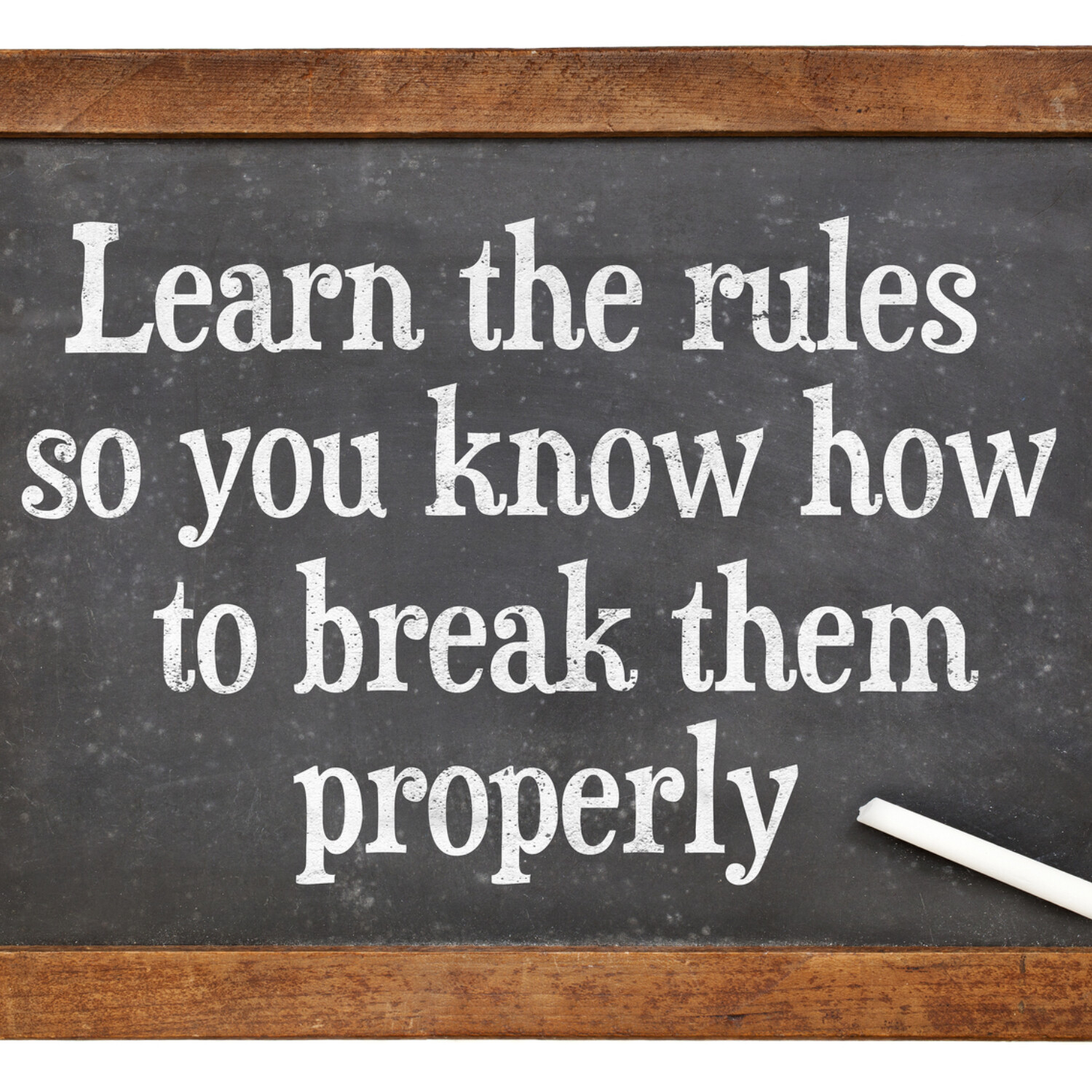
S4 Ep 114five Risks of Breaking the Rules
You’ve probably been disciplined for breaking a rule in the past. It may have been a rule your parents made to keep you safe, and you learned a lesson from breaking it. There are risks to every rule you choose to break, and you may be the type who loves to break them. Adrenaline rushes from rule-breaking become addictive to some people. If you don’t agree with specific rules of society and plan to break them – either in business or your personal life, consider these five risks involved: 1. The risk of antagonizing people you need or want in your life. Think carefully about breaking a rule that can alienate you from the very people who could benefit you and whom you love. For example, if you go against your parents’ wishes, you may cause them anguish. Weigh the benefits and then act accordingly.2. Lose your job. Some rule-breaking may result in the loss of a job or position in a company. Insisting that you can work from home and get more done may alienate other co-workers who trudge to work each morning. You may also miss out on valuable one-on-one time with your boss or others significant to your job.3. You were expressing your opinion. Standing up for your values can be a risk that gives you great satisfaction and can boost your self-esteem. It may also alienate you from a person – or group of people. Beware of the consequences of your words and then do the right thing.4. Unqualified for the job you’re in. You may have accepted a position by promising that you’d be a fast learner and meet all expectations required of you. At some point, you may be overwhelmed by the amount of work or learning process that you didn’t expect. Know what you’re getting in to before leaping into a job you’re not equipped for.5. You were not taking yourself seriously. This rule needs to strike an equal balance. When you take yourself very seriously, you run the risk of others perceiving you as pompous and a “know it all.” But, if you don’t find the balance between being severe at times that require it and having fun at appropriate times, you may never be seen as the authority figure you want to be. Breaking rules can harm some areas in your life that you may not expect. Study the pros and cons of law before deciding to break it and then act in your best interest. Consider your actions and long-term outcome. https://mentalhealthtraining.info/
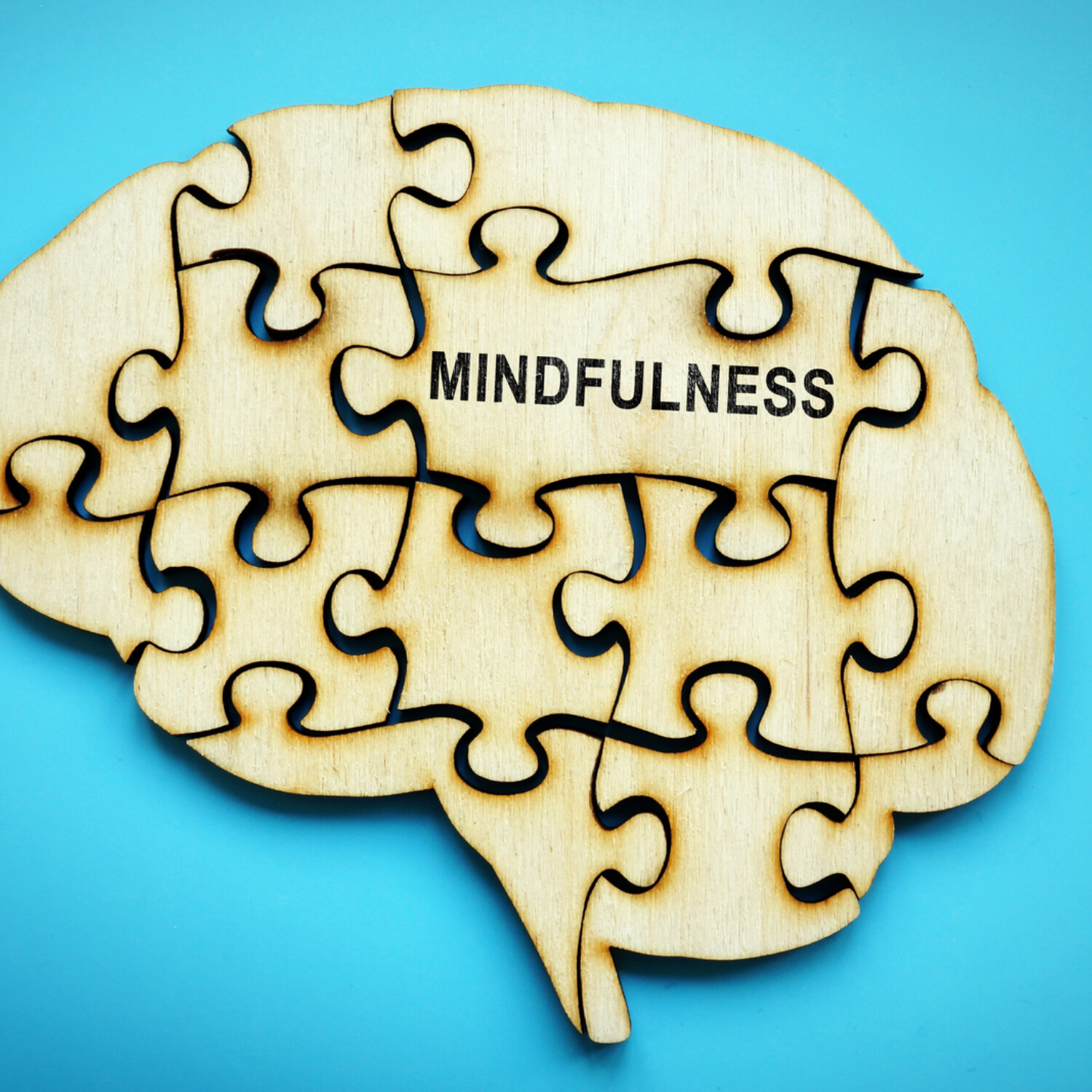
S4 Ep 113What Does it Mean to Be More Mindful?
Most of our lives are occupied with interpreting the past and planning for the future. Because of this, most of us don’t even know what’s happening right now. Often, we go through the motions in our daily life without fully experiencing them. However, if you want more happiness and success, now it will help you to become more mindful. Fully Experiencing What is Happening Right Now As you listen, are you also watching TV or listening to other external noises within your environment, trying to stop your cat from jumping on the kitchen table? Instead, try to listen carefully, blocking everything else out. It’s only going to take about two minutes of your life to hear this without interruption. Letting Go of Expectations of What You Are Experiencing in the Present If you have a big event to attend, it’s easy to allow expectations to rule the moment. You may even go into the situation with too many ideas of what will happen to ruin your experience. Instead, try to stay grounded so that you honestly know what is happening.
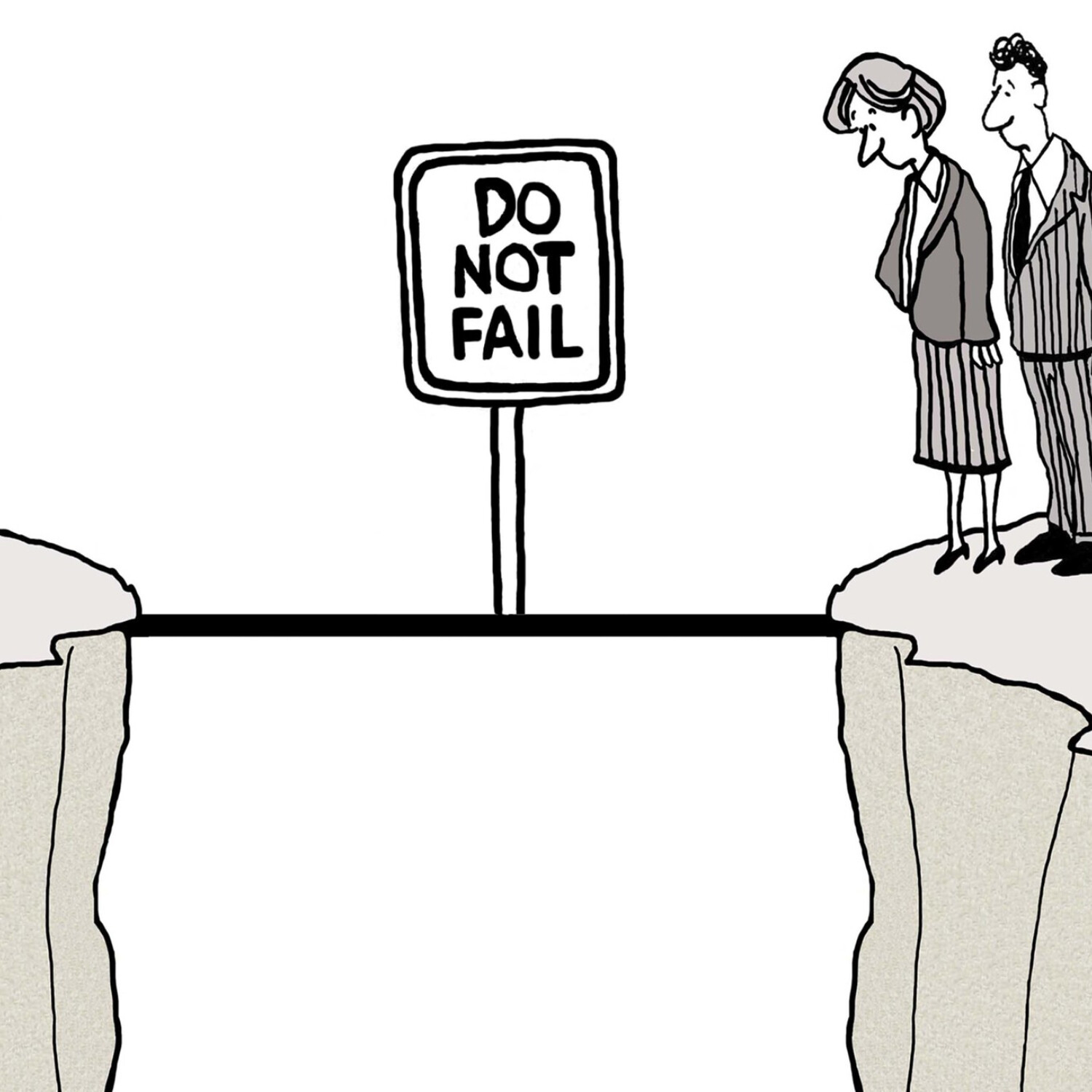
S4 Ep 112Exceeding our expectations
We tend to expect perfection from every situation in this day and age, and nothing else will do. But the key to getting off the perfection roller coaster is to unchain yourself from the shackles of expectation completely. Sometimes the very idea of lowering expectations can be a trigger for a perfectionist, believing that anything less than perfection is judged a failure. Perfectionism is a scourge upon humanity that convinces you that you’re never good enough, no matter how much effort you put into things. You’d think we would avoid this kind of thinking just because it’s so much work, but in truth, we’re raised to believe that if you can’t do something right, perhaps you shouldn’t be doing it at all. However, ‘perfect does not exist, so if we seek something unattainable, then there will always be a disappointment when it is not achieved. So often, an expectation of how something ‘should be’ can ruin what could be a joyous occasion. If we can work towards accepting that life is not scripted, that it’s often messy, and the intention is more important than the outcome - then life would be so much more manageable. Perfectionists tendencies can lead us to become very harsh and judgmental, especially toward ourselves. When you’re ready to embrace imperfection, this is the first thing you need to tackle. Seeking approval Stop seeking approval from someone (a parent, boss, child or a social media following) that is not forthcoming will always be a fruitless exercise. If you have to force approval out of someone who is not genuine, will that make you happy? https://mentalhealthtraining.info/news/motivation/perfection

S4 Ep 111Why Is Mindfulness So Important?
You’ve probably heard at some point in your life that being mindful is an essential part of a healthy and happy life. But you may be wondering just why this is. And this is because being mindful has the power to change many aspects of your life. Mindfulness Helps With Mental Health When you spend your entire life running around, worrying about all the things which may be happening in your life at present and in the future, you’re likely to run into mental health problems. When you aren’t mindful of yourself and how you feel, you become stressed, which can have numerous effects on your mental health. To take care of your mental health and lower your stress levels, it’s crucial to be mindful of your environment and how you feel and respond. This will help you be more at peace mentally and keep your brain feeling fresh. Mindfulness Boosts Creativity Not only does mindfulness help preserve your mental health, but it also nurtures your creativity. This can be especially important when you face challenges in your life, as creativity is a part of learning to overcome challenges. According to various studies, mindfulness has even been discovered to improve brain function and memory, which can also help an individual navigate the twists and turns of life more easily. And those who were more mindful in their everyday life didn’t tend to suffer the same memory loss issues later in life as those who weren’t mindful. Mindfulness Keeps You Healthy Besides just mental benefits, mindfulness also has several physical benefits for your body. It works to improve immune function so that you can stay healthy and fight off infections more quickly when you do get sick. One study even discovered that being more mindful increased enzyme activity in the body which slowed down the ageing process (Accelerated telomere shortening in response to life stress, Epel et al.). This means that mindfulness is scientifically a part of leading a longer, healthier life. Conclusion Mindfulness is an integral part of leading a happy and healthy life, no matter how you look at it. Mindfulness helps to keep you mentally sane, boosts your creativity, and works in several ways to keep you physically healthy as well. So, if you want to live your best life, it’s time to start being more mindful today.

S4 Ep 110Have you considered changing your life?
If we sit down and think about it, most of us have goals. The problem is, they are often undefined thoughts just sitting in our subconscious. In reality, these are more daydreams than goals. If you are ready to set a goal that can change your life, then follow these tips: Figure Out What You Want to Change If you could change one aspect of your life, what would it be? Would you focus on your career, family or health? It doesn't matter what you choose, and you simply need to figure out what area of your life you need to change. Know Why You Want to Change Why do you want to change that area of your life? Think about this a lot. This is essentially your motivation. Take some time to brainstorm all the benefits of changing this area of your life. Go back to the list often, especially when motivation starts to wane. Dare to Dream Big SMART goals are essential. Specific, measurable, achievable, realistic and timely goals should make up the majority of our goals. That said, don't fear dreaming big. Sometimes it takes a big goal to motivate us. What may seem unrealistic now might not be as far out of your reach as you think. Write Your Goal Down Keeping your goal in your head is only worth the paper it is printed on. You can't set reasonable goals without writing them down. Simply writing your goals down will differentiate you from the vast majority of people. Please choose your destination and write it down. It is simple as that. Break Your Goal Down into Smaller Goals If you took the above advice, you dared to dream big. That has probably left you with a big goal that may overwhelm you. The best way to deal with this is to break this larger goal down into smaller, more achievable goals. These smaller goals can be considered your action plan. Set Deadlines Every goal you set should have a deadline. You don't need to be cut throat here, but you should be aggressive. If you struggle with hitting deadlines, then consider building a reward system. If you meet a goal by the deadline, reward yourself in some way. Take Action Achieving your goals comes down to you. Are you ready to not only set goals but take action upon them? Taking action is the only way you will ever achieve a goal. If you are struggling with where to start, choose the most straightforward task and start there Have you considered changing your life? Reflect and Adjust There is real value in taking time to reflect on your goals. Setting goals should be considered a fluid undertaking. Every once in a while, you need to stop and think about working and what isn't working. You also need to check in with yourself to see if your wants/needs are still the same. Taking some time to reflect on your goals and adjusting where needed will make sure you stay on course Don't Stop Did you reach your goal? Perhaps, you reached an obstacle or impasse? Whatever the case - you keep going. Once you reach a goal you set, plan another one! If you get stuck on your goals, you either deal with the obstacle, or you move on to a new one. You can't change your life overnight, and it takes persistence and dedication.

S4 Ep 109Over-Sensitivity
Long-term over-sensitivity can lead to intermittent tearfulness, tension, nervousness, and social anxiety because they get overwhelmed when they have too much “people time.” and overthinking. Sufferers may fear being observed by others or worry that others may be talking about them behind their backs. They may be over-sensitive to innocent comments or questions and become withdrawn. These types of thoughts are called “cognitive distortions” in psychology – a term that means that the way you are thinking about something doesn’t necessarily match up with the reality of what’s going on. Sensitivity and anxiety tend to go hand in hand, and more seriously, over-sensitivity can develop into depression, mainly if there are constantly worrying about what others think. It can also lead to serious problems within families or at work. If someone constantly bursts into tears or takes comments too seriously, others may become unwilling to talk to them. This can lead to social difficulty, making it hard to be relaxed and friendly when meeting new people, or preventing relationships and friendships from developing. https://mentalhealthtraining.info/health-and-wellness/over-sensitivity

S4 Ep 108A Guide to Your First Meditative Session for Beginners
Meditation is something that we’re constantly being encouraged to use. Every self-help guru, every highly successful individual and even many athletes trumpet its many benefits and the research too seems to back up its value. So why don’t more people practice it? The main problem for most of us is that it’s really rather daunting, obtuse and complicated. Meditation is ultimately about reaching enlightenment and inner peace right? Sounds a bit heavy for a Friday evening! The real question for many people then is where to start. This article will provide you with a good starting point and help you with your first meditative experience. From there, you should feel a little more confident to try it again in the future… Some Tips to Begin With The first tip is to set yourself a timer for 10 minutes. 10 minutes is a short enough amount of time that most of us will be able to fit it into our busy schedules and by setting an alarm you prevent yourself from having to keep checking the clock to see how much longer you have – this is not conducive to meditation as you might imagine. The next tip is to sit comfortably in a chair or cross-legged. You don’t want to lie down for fear of falling asleep, but you should be comfortable. Focus The next thing you’re going to do is to focus. This can mean focusing on your breath or repeating a mantra (a word of your choice) over and over. This will be your ‘anchor’ and you will come back to this whenever your mind starts to wander. If you struggle with these anchors, another option is to watch a flame. Lighting a candle and watching it can be a surprisingly effective form of meditation. Just ‘Be’ Now just ‘be’ for 10 minutes. The mistake many people make here is to try and force themselves to have a ‘still mind’ devoid of thoughts. This is almost impossible for a beginner and will lead to nothing but stress. Instead, we’ll take the mindfulness approach of simply letting the mind wander. When it does, make a note of it and simply focus back on your anchor. This removes the stress and gives you a safe environment in which to practice directing your attention inwards. The same goes for itching and coughing – just let it happen and then return. Try to repeat this three times a week for a couple of months and see what happens… You’ll be glad you did!

S4 Ep 107Why Mindfulness is the Perfect Antidote to Modern Living
As much as many of us choose to overlook it, there is a lot of wrong with the way most of us currently live our lives. We evolved in an environment completely foreign to the world we live in now and adapted to gain abilities and traits that in many ways leave us unsuited for our current environment. We sit in chairs all day long gaining weight, we eat processed foods, and we face constant stresses from work, from our relationships and from our finances. What’s more, we are constantly in demand and constantly ‘plugged in’ and ‘stressed out’. Our phones are always ringing, texts are always coming in, we get a new e-mail every two minutes… And even when most of us aren’t working or being bothered, we have a near addiction to technology that means we’re still unable to really decompress. Is it any wonder that mental health problems are so rife? Using Mindfulness to Escape Modern Stress This is probably a big part of the reason that mindfulness is so popular right now. Mindfulness simply means directing attention purposefully. Sometimes this will mean focusing on our thoughts (in an objective and non-judgemental way) but in other cases it will mean simply being more present and focusing on our breathing and our environments. Either way, the idea of mindfulness is to enjoy a calmness and to stop the incessant chatter of our minds. When you are completely engaged with the world around you, or when you decide to disengage with your thoughts, it provides you with relief from stress and from fear – and instead allows you to simply relax and recover. Mindfulness for Concentration What’s more, practising mindfulness is also the perfect tool for improving concentration. Mindfulness forces you to develop a ‘mental discipline’ that is sorely lacking for many of us today. Too often, most of us have 20 things vying for our attention. While we have allegedly become better at multitasking as a result, we’ve also become much worse at focusing on one thing for extended periods. This makes it harder for us to read a large passage of text for instance, or to work without feeling the need to continuously check Facebook. Again, mindfulness is the perfect tonic. Here, you are tasked with focusing on your environment, your thoughts or your feelings for an extended period of time. And as such, you improve your own focus and mental discipline.

S4 Ep 106Mindfulness and Meditation, companions on your journey throughout life.
Meditation is often associated with bells, chants and gongs. The reality is Meditation can help everyone because we all have one thing in common, our “busy” mind. Meditation brings focus and quietens the mind. In some states in America, Yoga is banned in schools due to its religious beliefs but, there is no study to show yoga exercise converts people to Hinduism. Yoga is commonly practised initially to prepare and oneself for meditation and self-realization. Many meditation techniques commonly practised today originate from ancient Buddhist meditation texts, which continue to be used by followers of the religion today. Meditation can be used as a form of prayer in the Christian faith to connect with and reflect upon the word of God. It commonly consists of focusing on a series of thoughts, such as a passage from the Bible and reflecting on its meaning. It differs from other forms of meditation that originated in the East, as it does not utilise mantras that are repeated to help in the process of enlightenment. Instead, it is believed to deepen the personal relationship with God. Bring mindfulness into your daily activity In its simplest form, mindfulness is about being completely present in whatever you are doing. It means giving your mental focus solely to the activity you’re taking part in, which can be a lot more complicated than it sounds for many of us. For example, how simply drinking water can become mindful. When you awaken, or just before you go to bed, you may like to explore the process of sipping a glass of water mindfully. Learn more:

S4 Ep 105Understanding Agoraphobia and Coronaphobia
As we currently pass the first anniversary of the Covid 19 and then learn, there could be two more mutations possible, making it even more contagious even though the previous 12 months have been arduous for most of us. Who hasn’t felt anxious during this period? Who hasn’t needed to retreat from the World in a blink of an eye? Lockdown restrictions required you to remain housebound during COVID-19 in an attempt to make you and others all feel safer — and in lots of locations. You now start to feel much less secure in public areas; continually, seeking reassurance. This uneasiness could be attributed to a dysfunction, often called agoraphobia? If you’re questioning whether this worry is normal, you may need to seek help from a professional if it influences your daily life. What is agoraphobia? People with agoraphobia progress into anxiety when they feel helpless, uncontrolled, trapped or judged. Someone who has agoraphobia may keep away from areas where they may feel confined (similar to a workplace assembly) or placed on the spot and evaluated — maybe during a chat at a party. Still, it would help if you didn’t disregard social anxiety either. Agoraphobics might also keep away from situations or locations that feel uncontrolled. For example, if they cannot manage the schedule and timing of an open, public venue. As an outcome, individuals who have agoraphobia are typically concerned about leaving their homes. In the U.S., about 2% of adults and youths have agoraphobia, in line with the Diagnostic and Statistical Manual of Mental Disorders, Fifth Edition. Roughly a third to a half of these individuals have had a panic attack before diagnosis. What are the signs of agoraphobia? Usually, the primary trigger for a panic attack is when individuals are outside of their home or comfort zone and feel vulnerable. An anxiety attack is an intense bout of anxiety with physical signs of a racing heart, shortness of breath, chest pain, sweating, and dizziness. This could be confused with a heart attack. Worrying about having another panic attack away from home could also make their agoraphobia symptoms even worse. Pandemic and anxiety disorders Agoraphobia is an anxiety dysfunction that makes somebody worried unintentionally and keeps them away from situations that may cause them to perceive as threatening. However, their concern is usually out of proportion to its actual risk of danger. Fearing public areas as COVID-19 continues to unfold, could be considered a normal response or even indicative of coronaphobia, being an excessive response or fear of contracting the virus causing COVID-19, on this occasion. In February (2021), a clinical study on mental health’s impact within the Covid 19 pandemic found that their psychiatric status was systematically higher within all anxiety disorders than individuals without any mental health disturbances or a pre-existing illness. Learn more...........

S4 Ep 104Fantasy
EWhat is fantasy? Fantasy is a mental image of objects, people or scenarios, which is not present. Some experts distinguish between conscious fantasies, and daydreams, or unconscious fantasies. Who has fantasies? Almost everyone has fantasies, but they are usually experienced most intensely by young children and teenagers. Small children have very vivid inner lives, often inventing imaginary playmates or imaginary best friend. However, in their early years, they sometimes find it difficult to distinguish between fantasy and reality. Imaginative play is part of their emotional and intellectual development, helping them make sense of new experiences and relationships with family and friends. The fantasy media has certainty made money by franchising its merchandise to promote this illusion. Nevertheless, this has produced some big box office events with fan-engagement with previous films and fantasy television drama box sets in demand. Learn more: https://mentalhealthtraining.info/news/relationships/fantasy

S4 Ep 103The 3 Fundamentals of Self-Kindness
In talking about the importance of kindness, it’s easy to forget that you have to start with being kind to yourself. How does it feel to hear that? Maybe it makes you uncomfortable. After all, you were probably brought up to think of others first, to be unselfish, to put your own needs behind other people’s. But having genuine compassion means that you treat yourself the same way as you would a friend who was suffering. There are three fundamental elements of building compassion and learning self-kindness. Letting go of self-judgment Listen to your self-talk for a moment. How do you feel about the whole idea of self-kindness? Many people have a negative mixtape inside their heads full of judgment and self-criticism aimed at themselves. A negative loop that uses words they would never dream of saying to other people. Developing self-compassion means letting go of perfectionism. It means being okay with making mistakes and even embracing failure. Self-kindness acknowledges that life is full of ups and downs and that going through hard times isn’t necessarily someone’s fault. By accepting the reality of life and letting go of self-judgment, you will find calm and understanding. Accepting that it’s not just you One of the worst aspects of going through a tough time is feeling that you’re alone in your suffering. Be kind to yourself and acknowledge that being human means being imperfect and vulnerable. Bad times come, and bad times go, and you’ll make it through. It happens to everyone because it’s part of the human condition. So, take a deep breath, take a step back, and treat yourself gently until the storm has passed. Seeking a middle ground It can be tempting to fall into negativity when things don’t go your way. But try taking a mindful approach that acknowledges your feelings but doesn’t over-identify with them. Wallowing in your unhappiness or beating yourself up is unhelpful. Mindfulness means taking a step back and observing what is happening without getting caught up in the emotions, or at the other end of the scale, trying to suppress or deny what you’re feeling. Acknowledge your emotions and the situation you find yourself in, but also find some perspective. Consider what is happening in your life and compare your experience to what is happening in the world. To develop genuine compassion, you must acknowledge your pain and come from a place of acceptance for yourself so that you can offer it to other people.

S4 Ep 102Herbs for Health and Wellness
Certain herbs have specific curative effects, and there are many. However, it is not necessary, nor is there usually the time, to become an expert on the subject before you start. Do it gradually build up your botanical knowledge slowly and surely. Begin by limiting your selection to familiar herbs to the garden and field varieties that flourish locally. Learn more: https://mentalhealthtraining.info/health-and-wellness/herbal-remedies

S4 Ep 1013 Ways to Stay Hopeful During Uncertain Times
Life isn’t always the way we want it to be. All we have to do is to glance at the headlines to see that we live in very uncertain times. The job we thought was safe might not be there tomorrow. There’s always some natural disaster somewhere. And people seem to be more cruel than kind. It’s easy to get caught up in a negative spiral of self-doubt and anxiety. How do you stay hopeful and positive when around you all you see are negative messages and fear? Be here now By focusing on the present, you will find it easier to take a step back and act as an observer. By practising mindfulness, you’ll see you can enjoy the simple things in life, no matter how bad things may seem. All worries and fears of the unknown can melt away if you focus on the present. Look for something in your life for which you're grateful. Look for ways to exhibit compassion and empathy Spreading hope needs to start somewhere. Begin with the one person you can control, yourself. By looking for opportunities to pay it forward through random acts of kindness, you then become the impetus for others to do the same. Your compassionate heart and ability to walk in another’s shoes will be the guide to those around you. And even if it’s not? You’ll have at least changed one heart - your own. Do something The person without hope becomes stagnant, preferring to hide from the world. If you find that’s the case with yourself, then it’s time to force yourself into action, even if you don’t feel like it. Get out of the house. Call a friend and suggest an outing or go by yourself. Find a green space somewhere because these places have been found to create calm and contentment in those who spend even a few minutes there. The goal is to find a positive action and embrace it, whatever that might be. Pick up litter, hug a child, do something that makes you feel good inside, and there you will find hope blossoming. It’s so easy to get caught up in the negativity of the world around you. Only by actively seeking hope will you find it. By practising these three steps regularly, you’ll find yourself able to look forward to each day, no matter what’s going on around you.
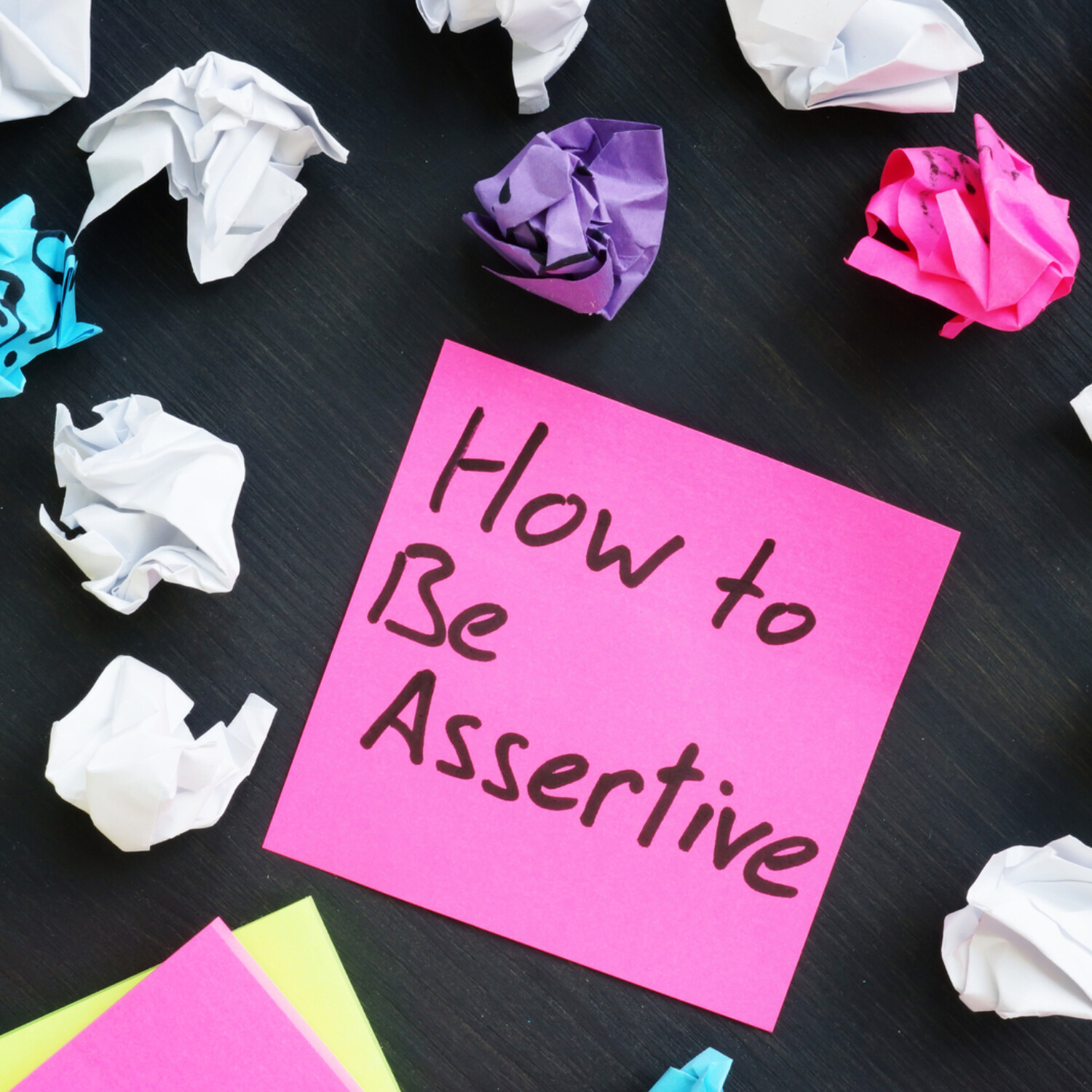
S4 Ep 100How Assertive are You
An essential part of life skills is the development of assertiveness. Without it, you could feel disrespected or disregarded in relationships and career paths. Assertiveness is all about feeling confident in your ideas, thoughts and beliefs that you can ask or demand what you want calmly and effectively. Assertiveness is also about refusing to accept what you don’t want. For example, if someone cuts in front of you at the supermarket, do you call them on it or just keep quiet? If you don’t speak up, you probably leave the store feeling angry and frustrated. If you’re an aggressive personality, you may react to the same situation by becoming over-angry and shouting at the person who cut in line. That type of behaviour is unacceptable and can cause serious conflict. You may have problems being assertive with those in authority – for example, parents, bosses, or others who you feel are “above” you. You may not have the confidence to speak up around these people for fear that you’ll lose your job or be looked at as confrontational. Ask yourself the following questions to gauge how assertive you are: · Do you speak up when you disagree with someone? · Do you do what’s right even though it goes against what others are doing? · Would you remind a person about the money they borrowed and need to pay back? · Can you ask for help if needed? · Can you tell people when you’re disappointed in them? · Do you tell someone if they’ve hurt your feelings? · If someone is consistently late, do you tell him how it makes you feel? · Can you refuse if someone asks you to do something wrong? Think about the people you admire? Chances are they display the honourable quality of being assertive when needed. There’s a fine line between aggressiveness and assertiveness, but the consequences may be far-reaching. Common sense can lead you away from being too aggressive to feel hurt, and relationships are lost. As you practice assertiveness in your daily life, you’ll become more adept at knowing when and where the line is crossed and being able to avoid it. Learn all you can about assertiveness and apply the lessons where needed in your life. The self-esteem that comes from standing up for yourself and demanding that your rights be respected can transform your life and lead you to success.

S4 Ep 99Practising Mindfulness Everywhere, Anyplace, Wherever!
One of the joys of mindfulness is that you can do it anywhere! You don’t need to sit in silence for hours, chant mantras, or even close your eyes. Mindfulness means bringing your complete attention to the present, where you are right now, not distracted by memories of the past or anxieties about the future. Right here, right now. Here are some great mindfulness hacks you can use to stay grounded and present no matter what time of day or where you are. Breathe! You can use the 3 Breaths technique to anchor your awareness firmly in the present. It’s so easy you can do it right now as you’re reading this. Bring your attention to your breath – breathing in slowly and gently, following the path of your breath with your mind. Feel it deep in your belly. Then breathe out slowly and gently, again paying attention to the movement of your breath. Can you feel a subtle energy shift, a calm peacefulness? That is how mindfulness feels. You can do this anywhere at any time, and no one will know that you are practising mindfulness. Check-in with your senses If you’re finding it a little tricky to access your inner peace, or you find your mind is distracted, try the 5 Senses Check-in. Make a conscious decision to disconnect from distractions and focus your awareness on what you can see, feel, hear, smell and taste. This simple exercise will ground you in the present moment anytime you feel stressed or harried. Seize opportunities Take every opportunity that comes your way to practice mindfulness. It’s perfect to use times when you might feel frustrated and impatient, like waiting in line or while you’re stuck in traffic. Put a half-smile on your face and watch your breath. Let the breath breathe you—don’t try to control it. In no time, you’ll feel your frustration melt away. 1. Use mindfulness to create space No matter how busy you are, you can use mindfulness as a stealth tactic to build some more space into your day. Before you send an email, take time to breathe and notice your breath, then reread the email and decide if you want to send it. As you’re walking along, look up and genuinely see the sky, the leaves on the trees, flowers budding, or blooming? Smile at other passers-by and notice their reactions. Choose to ignore or switch off all your devices for a while. Instead of jumping in with a reactive response, sit back and listen. Give the other person your full attention and respect, and you’ll have a more meaningful and productive conversation. https://mentalhealthtraining.info/mental-health/mindfulness/mindful-2

S4 Ep 98Five Excellent Leadership Characteristics You Should Embrace
Do you aspire to be a strong leader, respected in your field? Maybe you want to inspire your team and lead them to great success. If you’re going to step up and become a transformational leader, you should consider adding these characteristics to your management style toolbox. 1. Know Your Leadership Style There is no one right way to be the best leader. The style that will work for you is the one that comes naturally. To improve your leadership skills, you need to know what your preferred personal style is. Take some quiet time and reflect on your skills, your strengths, and your weaknesses. What do you enjoy about leadership? What do you find difficult or shy away from doing? There are plenty of resources on the internet, like quizzes, to help you work out where your talents lie and give you insight into your management style. 2. Choose to be a Positive Role Model Whether you like it or not, your team member will echo your management style. They will live up to your expectations and follow your example regarding work practices, professional relationships, and motivation. You can choose to be a leader who only expects the best from their staff, which places the most significant importance on integrity, behaving ethically and professionally, and working hard to get the job done. 3. Encourage Creativity Leaders get better results from their team members if they encourage creative thinking. You will get more innovative approaches if you encourage staff to challenge the status quo and think outside the box. Practice active listening and collaborative problem-solving. Share and celebrate successes and foster creative thinking. 4. Be Passionate Enthusiasm is contagious. Share your passions with your team members and show them that you care about the projects you’re working on. Get them to look beyond the immediate tasks to see what impacts the project intends to achieve. Make their work meaningful beyond just hitting targets. 5. Be Positive True leaders stay positive, no matter what the circumstances. It’s a given that there will be hiccups, setbacks, even failures that you will have to navigate with your team. Their motivation and confidence rely upon you taking an optimistic, constructive perspective no matter what. Celebrate those successes and use failures to learn, adapt, and move forward. With you to inspire them, your team will stay energized and focused on more and more success.

S4 Ep 97Getting Angry Can Cost You Your Job
Let’s face it. People are going to get under your skin at work. In most cases, you are not in charge of picking the people who you work with. That means you will find plenty of incompatible people in the workplace. But blowing a gasket when someone makes you reach your boiling point could cost you your job. It would help if you found ways to diffuse your anger. You will not only be the bigger person in doing so; you may even save your job. It will show your company that you can handle pressure, which is an essential aspect of a business. Your parents and teachers have all told you to count to ten whenever you are angry. This is still good advice. Also, try to walk away from the person or people who are irritating you. You have a greater chance of not saying something you will later regret. When you are trying to compose yourself, try to put yourself in the other person’s shoes. Perhaps there is something you did that is making them react in a hostile manner. Playback in your head, any interactions you had with that person and see if you did something to upset them. Keep in mind that you don’t have to cave into people. If they are in the wrong, you’ll want to put yourself in a position of strength, but do it only when you are no longer angry. Businesses appreciate employees who can defuse altercations. As a last resort, you may need to approach your manager regarding the behaviours of some of your co-workers. If so, present both sides of the situation as good as you can. Your manager will see that you are not trying to manipulate him or her into only seeing your side of the story. Managers should also keep anger in check. While it’s common for managers to lay into their employees, this behaviour can backfire on them. Good managers need to handle situations in a firm but fair manner, without losing control of their emotions. Otherwise, employees may seek alternative employment. Upper management may start to notice managers who are overly aggressive with their employees and take disciplinary actions. Find ways to blow off steam. People spend many hours each week working together. There are bound to be heated situations. While not always easy, keeping your composure is going to go a long way in helping you from losing your job.

S4 Ep 96Don't Feel Guilty When You Say No
When was the last time you said no to someone! Do you find it hard to say no and feel guilty when you do? Unfortunately, it is a common occurrence for many people. If you do are one of these people, it is essential that you learn how to say no and not feel guilty when you do. Firstly, why is it hard for you to say no? Is it because you are afraid of what other people will say or think of you? Are you worried that your refusal to help them could affect how they treat you and maybe even ruin your friendship or relationship? The problem is if you keep on saying yes, many people will take advantage of you, and it will burn you out emotionally. This doesn’t mean that they are necessarily bad, but most people will take the least resistance path. So if you can always be relied on to say yes, you will be the one who is always assumed will do the things no one else wants to. Remember that saying no doesn’t necessarily mean that you don’t want to help. Sometimes you can’t do it because you’re busy and have other tasks of your own to prioritize. So, don’t feel guilty when you have to say no. Here are some tips on how you can say no and stop feeling guilty about it. Offer An Alternative When you can’t help by saying yes, one of the best ways you can do so is by giving an alternative solution. For instance, if you’re not available to accompany your best friend this week because your schedule is full, try to offer a time the following week. Suggesting an alternative is an excellent way to show that you want to help, even if your current situation won’t allow you. Don’t Beat Around The Bush If you have to say no, just say it, direct and short. In many situations, you should not be required to offer an explanation. The more excuses that you give, the more you give hope to the other person. You will also be giving them the power to continue asking you until you give in. Don’t beat around the bush and let them know that you really can’t do what they want right now. Establish Boundaries Early On One of the best things that will help you not feel guilty every time you have to say no is to set boundaries. Evaluate what you stand for, your role in the relationship, and why you are saying no. For instance, if you’ve set a price for your service and a prospective client offers you less than what you expect, you don’t have to feel obliged to accept. If it’s non-negotiable, politely decline because it’s outside of your pre-determined boundaries. Be Assertive Without Being Aggressive When you say you can’t or don’t want to fulfil a request, be firm about it even when they insist. You have to be assertive and take power by saying you’ll let them know when you can help them. You may have to repeat yourself several times, but stick to your basic answer. Try not to engage if they keep asking you questions or trying to negotiate with you to get you to comply. Think About Yourself First Most often, you’re not saying no just because you want to be contrary. Usually, you’re really swamped with work, or you’re too tired to do anything. So, it’s okay to think about yourself first. Sometimes you have to be selfish for your good. Before you say yes, think about how it can affect your personal situation, health, and well-being. You have to say no, especially when you have to take care of yourself first. If you are not well, how can you do more for others? Don’t Apologize It may take a lot of practice, but try not to apologize every time you have to say no to someone asking you for something. When you apologize, it makes you feel guilty even when there’s nothing to feel wrong about. Of course, you don’t have to be rude. You may be finding it hard to say no when someone asks you anything, but learning to do so is an essential life skill. For the sake of your own mental health, you have to think about yourself first, what you stand for, and what your priorities are...... Learn more: https://mentalhealthtraining.info/

S4 Ep 95Resilience After A Crisis
At some point in your life, you are going to have to deal with a crisis. Some lucky few people never experience this. However, most people will. When it does happen, it may at first seem like it’s never going to end. But, it takes some resiliency. And that can help you get through it. When a crisis hits, don’t go it alone. When others are affected, like family members or friends, keep in touch with them. Talk it out and be there for each other. Agree to meet frequently to come up with ideas on how to move forward. Don’t keep your feelings to yourself. It’s only going to bottle up, and then you are going to explode with emotions later. By discussing your feelings, you can manage them more comfortable. Look to outside groups who deal with crises. There are hotlines and websites specifically for this cause. Sometimes, getting an external view of a situation can offer new perspectives. These people may have dealt with problems similar to yours. But, even if they only deal with crises in general, that can still help. If the crisis is big enough that it is overwhelming you, consider seeking out professional help. There are plenty of counsellors and psychiatrists who can help you get through your darkest moments. The key is to use these resources as soon as possible. It may take longer for them to help if you wait too long. If you are struggling financially due to the crisis, contact your government to see if financial aid is available. You would be surprised at how much help is available, and people don't use this to their advantage. Government budgets are explicitly created with a certain amount of money for crises. You can also hit up crowdfunding if there is nothing available in the government coffers. People will often give crisis causes. When you pursue this avenue, make sure you create a video to describe your situation. Videos are a great help when obtaining this type of funding. If you belong to a church or religious organization, see what is available from them. Either financial help or member involvement may be available. If you need to rebuild your house, for instance, there may be people available within the organization to lend a hand. People help each other during times of crisis. Don’t be overly proud and refuse help. It can make the difference in staying resilient during the crisis.

S4 Ep 94Five Must-Take Steps You May Have Avoided to Prepare for Retirement
You’re almost there! You’ve been preparing for retirement for a while now, and the day is on the horizon. From here, it looks exciting. But have you remembered all the details? There’s more to preparing for retirement than making sure you have enough money to get by (though that’s a big one) and downsizing your belongings. Chances are you might have missed a few things by avoiding these simple steps: Power-of-Attorney No one likes to think they might reach a point where they can’t handle their finances anymore, but in truth, it generally happens to everyone sooner or later. The key is to make sure whoever starts writing the checks, is trustworthy. This is why you don’t want to leave this detail for the last minute. Figure out someone who doesn’t mind managing things and can juggle multiple responsibilities. This might be a relative, and it might not. Pro tip? If you’re choosing your spouse, be sure to add in a secondary in case you outlive them. Medical Proxy Like power-of-attorney, your medical proxy makes decisions for you, this time of a medical nature. Don’t make the mistake of thinking just because you have a power-of-attorney set up that they can make decisions regarding your healthcare. These are two separate things! Again, you should never put off this particular task as you never know when you might need it, so be sure to make this a priority. Also, you’re going to want a secondary on this document as well, if you’re using your spouse. Long-term Care Speaking of medical things, have you figured out what you’d like to do regarding long-term care? This is something to explore now, while you’re able. You’re also going to want to let your medical proxy know these plans. Have you considered how to pay for this? There are several options, such as Medicaid or even unique insurance plans to help with this. Living Will Again, this is something to discuss with your medical proxy, as this document lets others know what you want in life-threatening situations. This is truly something you want to set up, as it clearly states what your wishes are regarding treatment in these situations. Your Will Have you determined how you want your assets distributed on death? Who do you want to manage this? You’ll need to appoint an executor to hand these details. No one likes doing any of these things, but you’ll feel so much better when you do. After all, then there’s nothing to worry about except the enjoyment of your actual retirement. Why not give yourself the gift of peace of mind as you step into this next phase of your life?

S4 Ep 93How your bedtime habit can offer you a better lifestyle
Most successful people swear by their daily routines. These are often tested-and-proven habits that deliver the most productivity and satisfaction to their days and lives. In other words, daily routines are our life systems. But we don’t have to be the CEO or a bestselling author, or a multimillionaire to value our routines and put more intention, and therefore effectiveness, into them. A meaningful life is made up of its little parts, done well each day, contributing to our happiness, success, and progress over time. Read more

S4 Ep 92Developing Social Intelligence
One aspect of achieving success in life that many people never think about or discuss is the idea of social intelligence. In his book, Mastery, Robert Greene defines social intelligence as “the ability to see people in the most realistic light possible”. In other words, social intelligence is all about reading other people and figuring out the reasons why they behave the way they do. Think of it as your ability to think from another person’s perspective. When you have a “run-in” with someone whether it is a heated argument or just a subtle confrontation, do you find yourself getting wrapped up in your own emotions and assuming a position of defensiveness? Or do you separate yourself from the emotion of the situation and put yourself in the other person’s shoes trying to see the world as they see it? Most people opt for option #1 not because they want to, but because they are unaware that there is a better, more rewarding option. As you develop your social intelligence, you will find that you naturally become more persuasive and appealing to people of all kinds of personality types. Instead of trying to force your ideas and opinions on someone who’s a view of the world doesn’t match yours, you alter your approach to appeal to their nature. It doesn’t mean you have to sacrifice your own beliefs and adopt theirs, it just means that you choose to suppress your opinion because you know it is a useless battle to enter. For example, if someone is ranting and raving about a political or cultural issue, and you don’t agree at all, you let them sound off and hold your opinion to yourself. You can let them blow off some steam and just reply with something like, “I can see why that would be frustrating.” Again, you don’t have to agree with them and compromise your own beliefs, but you also are not required to share your opinion. Something very powerful happens when you choose this approach. You get to study and examine how this person thinks, what makes them tick, what makes them get emotional. You can use all of these triggers as ammo when you are dealing with them in the future. Knowing this information, you can customize your approach when you deal with them in the future. If you need a favour or if you have to do a project with this person, you will be in a much stronger position to persuade them and speak/behave in ways that will win them over. So the next time you come across someone who rubs you the wrong way or has a difficult personality, use it as an opportunity to enhance your social intelligence and you will gain more personal power than you had before. This power will only continue to grow the more you use it!

S4 Ep 91Five Signs That You’re Experiencing an Anxiety Attack
You might listen to people talking about panic attacks and anxiety attacks like they’re the same thing. However, this is when things start to get confusing because panic attacks are listed in the Diagnostic and Statistical Manual of Mental Disorders (DSM-5), whereas an anxiety attack isn’t. According to the Diagnostic and Statistical Manual of Mental Disorders (DSM-5) (American) or the International Statistical Classification of Diseases (ICD-11) (WHO / European) for health, research and diagnoses purposes. Using either one will hinge upon their geographical area and in some cases, personal preference. Think of it as the A to Z book for the brain that pinpoints information on mental illness, for diagnoses purposes in mental health. An anxiety attack and panic attack is a good analogy like the diagnostic books previously mentioned above because both are different but still have similarities between them. Both activate the fight or flight response. Causing an overwhelming rush of physical symptoms with racing heartbeats, and trouble breathing. Indicative of a panic attack in most cases. An anxiety attack often comes in reaction to a stressor. There can be a specific trigger, such as an exam, workplace issues, a health issue, or a relationship Problem. For example, you are walking down a dark alley and hear footsteps. You start to feel fearful, apprehensive at the start, and your body begins to respond to a potential threat from the sound. In your mind, you begin to imagine the worst possible outcome from sexual assault to an alien invasion, and the worry becomes overwhelming and real, which can feel like an attack. Learn more.. Follow and like on facebook. https://www.facebook.com/emotionalrelationship

S3 Ep 90Insomnia and anxiety are ubiquitous in young people
Read the full storey at https://mentalhealthtraining.info/insomnia/sleep

S1 Ep 90Insomnia and anxiety are ubiquitous in young people
If you have difficulty falling asleep, staying asleep, and waking up very early in the morning, you may have insomnia. It is not enough to close your eyes, and count sheep and hope you will eventually enter the world of snooze. Most people have occasional sleeplessness, irrespective of their age. You will experience it due to changes in your sleep schedules (e.g. during travel) or stressful circumstances, to name a few. However, when it starts happening frequently and becomes long-term, it can cause problems in your daily schedule. You may feel sleepy putting you and others at increased risk of injury if you drive a vehicle or operate machinery. According to the Harvard Medical School, you have an increased risk for many chronic health problems, including obesity, diabetes, and heart disease. You may also have trouble concentrating and experience problems with your memory. When you are not getting enough sleep due to insomnia, little stressors can feel like a mammoth amount of pressure, blowing everything out of all proportion and interrupting your thoughts and decision making. At this point, your coping skills deteriorate fast, and you may become confused, irritable and then angry. Eventually, your relationships with your family, friends, or co-workers will suffer as well. Read the full story at......... https://mentalhealthtraining.info/insomnia/sleep

S3 Ep 89Applying the Four A's of Stress Relief to Your Life
Stress relief begins by knowing specific coping strategies that you can apply to your life every day. We can never eliminate all our stress, but we can learn ways to decrease it and deal with it. This can help to prevent stress-related illnesses, and ensure you live a healthier life.

S3 Ep 88Dealing with jealousy
Everyone has the potential to be jealous. Some people will experience small bouts of it while it will become an obsession with others. Slight incidents are usually no reason to worry, and you can probably pass them off. However, if you are overly jealous of someone, it means you don’t trust them. When you start to become obsessive, you may want to look into ways to reduce it. Jealous vs Envious While many people believe that jealousy means fearing, someone will take what you have, and envious means desiring what someone else has.... Read more: Learn more on social media
S3 Ep 87Depression and suicide
Depression is the most common illness among those who die from suicide, with approximately 60% suffering from this condition. Research shows that mental illness is the most critical risk factor for suicide; more than 90% of people who commit suicide, psychiatric illness, most often a mood disorder or an addictive disorder. Unfortunately, suicide is one of the most deadly complications of depression in all age groups and therefore, plays a role in more than one-half of all suicide attempts. However, most suicide prevention strategies concern the elderly because they are at greater risk of suicide. Even though depression is often diagnosed in women, the peak suicide rate is repeatedly found in men older than 75 years of age. The suicide rate is four times higher for males than females. In the United States, male deaths make up almost 80% of all suicide deaths. Also, men always tend to use more lethal methods, resulting in more terminal and completed suicide reports. This was due to the statistical data, not always reflecting the correct number of suicides, as some families chose not to report the cause of death or instead transcribed the death as ‘accidental.’ https://mentalhealthtraining.info/mental-health/dementia/depression-2

S3 Ep 86Want a Better Memory
Try Using Storytelling Do you remember facts easily? How about a well-crafted story? If you are like the majority of people, you will take good stories over dry facts any day. Some people revel with facts alone. There is nothing wrong with this. But, our brains have been created to tell and hear stories. Therefore, storytelling has to be an easier way to better memory. When we hear a good story, we will likely tell our family and friends that story. They will also be more tempted to pass the information on in the form of a story. Of course, there is the possibility that as the story moves from one person to the next, the meaning may alter along the way. There are going to be differences in how each person tells the story. They will also embellish the story that makes it deviate from the original. You may remember the game called Telephone (or Chinese Whispers) when you were young. There would be a row of people, and the first person would whisper a short story to the person next to him or her. This would follow on down the row of people. By the time you get to the last person and ask him or her what the story is, it will be completely different from the original. This can be problematic if the information contained within the story is factual. If not relayed as a story, the pure facts won’t change as much, but they won’t be as easily remembered either. While storytelling can be a great way to help remember, not everyone is good at telling stories. If someone is a poor storyteller, they will either get the story wrong, and they won’t present it in an engaging manner, or both. In this case, it is better for the person to keep strictly to the facts and avoid trying to tell stories. Storytelling is a skill that can be practised. Some people are natural at it, and that gives them a big advantage. Because of these natural storytellers, others may feel intimidated and may believe it is impossible to learn the skill. That is not the case. It does take some time before you will be good at it, and you may not be as good as others, but you will eventually get much better at it. This means that you can be instrumental in improving your own memory as well as that of others. https://www.facebook.com/emotionalrelationship
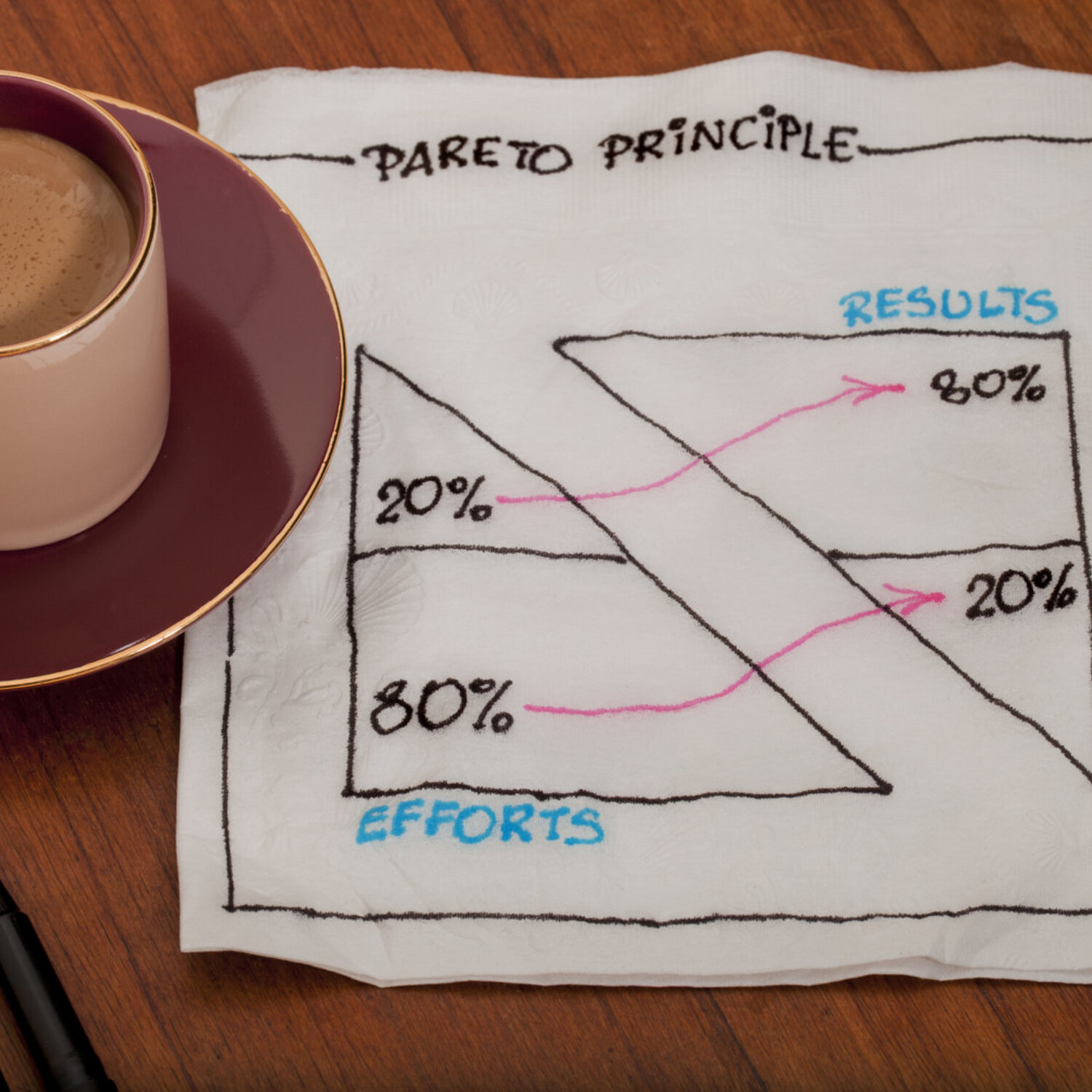
S3 Ep 85Pareto Principle.
Our modern world recognises being as busy as being important. It seems the more running around you do, the more urgent tasks you have, the more respected you are. Think about it - have you ever talked about how busy you were when someone asked you how you were? Probably. We all do it. But being busy doesn’t mean we are being effective at making the changes we want in our lives. It may mean the opposite - that we are wasting time on tasks that aren’t that important. That leaves us drained of energy and wondering what it’s all for. The Pareto Principle, maybe better known as the 80/20 principle, is a way to use your time effectively, so you get more done and are working on the right activities. In a nutshell, the principle says that approximately 20% of your effort yields 80% of your results. Similarly, the reverse is also true. There are tasks that take 80% effort, yet only yield 20% of your results. The goal is to determine which tasks are which. The easiest and fastest way to achieve your outcomes and reach your potential is to streamline your action items. Some tasks that don’t make the cut (don’t yield 80%) can be ignored as unimportant, while others may still need doing, but not necessarily by you. Those 20% yield tasks that still need to be completed can be outsourced, so you are free to complete the creative tasks you are best at. Here’s how to see if an item is a 20% or an 80% job: · Keep a list of outcomes handy so you can review it throughout each day. · Write down each task that you need to complete for the day. · Now, go through each item and compare it to your outcomes. Does it align? From past experience, how much effort did the thing take? And what was the benefit? Is it worth it? · If it is, but you don’t need to do it, hand it off to someone else. · If it’s not, mark a line through it and move on to the next item on the list. · Use a simple tracking system to measure the results vs the effort on each task or technique you use. This will help you determine if something is 20% or 80% undertaking later. The point of this exercise is to keep firmly in your mind that not all activities yield the same benefits. And that it’s not necessary to implement every idea that you come across. Choose only those that align with your goals and will offer the most reward.

S3 Ep 84The Benefit of Accepting Those You Don’t Like and How to Get Started
Let’s face it, you’re not going to like everyone. Sometimes the feeling is mutual. We meet someone who just rubs us wrong. You’re instant rivals, right down to the barely suppressed sneer and curled lip. Other times it’s not quite so dramatic. You might be making every effort to build a relationship, but they’re just not having it. Or there’s some previous history standing in the way of a relationship with someone. Whatever the case, there comes a time to let dislike go. Holding onto animosity, even something so subtle as not wanting to be around a certain individual at work only winds up hurting you in the end. In fact, you might be missing out on some hidden benefits by accepting someone you don’t like. Intrigued? Read on to discover the why of it, and better yet, the how. The benefits of accepting those you dislike are many: · Reduces stress caused by the tension within the relationship · Cuts down anxiety regarding what the other person will say or do · Frees you from destructive thought patterns regarding this individual · Allows you to enjoy your relationships fully without worrying about how someone will or won’t react In order to get started, you only need to follow these three steps. Address Any Fears Frequently, when we dislike someone, it’s because they’re triggering us somehow. By looking deeper into the emotions being raised, and addressing them, you’ll be able to let go of a lot of the negativity you’re feeling toward them. This is especially true of fears, which have a way of looking like a lot of other things, such as dislike. Let Go of the Anger Much like fears, anger has a way of keeping up a pretence of hearty dislike. This is what happens when you let things fester, especially over something you’ve been holding onto for a while. Pro tip? Try forgiveness. Lay the past to rest between you and try accepting this individual now, at the moment. Look for the Good in the Relationship If you’re caught up in dislike, you might not have noticed there has been a positive impact on your relationship. Look for the things you’ve learned from the individual. Even harsh lessons have a way of guiding us onto new paths, benefitting us in the long run. Sometimes we do ourselves a great disservice by hanging onto an immediate feeling of dislike for someone. As humans who grow and change, if we allow for it, relationships with those we don’t like can improve. Even if the connection never becomes stronger, accepting that the person is just the way they are will bring more peace into your life.