
Mental Health Training
337 episodes — Page 3 of 7

S5 Ep 230Finishing that task
How many times have you started something with the best of intentions only to fizzle out before you ever got the idea fully off the ground? Frustrating. This feels especially bad when you quit after making significant inroads into the project. You wouldn’t think you’d leave something hanging like that, but you do. Why? We tend to be bad at reaching our goals. Not because we can’t make a decent goal or even put the work in. It's the follow-through that gets us down, mostly because goals tend to involve future success. It's hard to stay excited about something you're not going to finish for days or even weeks from now, even when we're motivated to do so. The problem isn't us so much as the idea being somewhat abstract. Let's face it; we'd much rather do something which will give us immediate gratification. Games on your phone are designed to give you this instantly. Every level fulfilled sparks and dances with joy, giving you a pleasant little surge of dopamine in your brain with every high score. Because we like this kind of immediate feedback, we tend to put off those far-off projects for more immediate gratification. If you’re like most people, you’ve probably even gotten good at justifying this abandonment. Trading one project for another, which is easier with a faster culmination, is easy to do. But is it satisfying? Let's face it; sometimes, you do want to finish what you started. Those great big, interesting goals are the things that can change lives when you reach them. So how can you act with diligence and get things done even when the world pulls you in all directions? Try This Hone the Vision It’s impossible to finish anything when you’re not clear what the eventual goal is. Take a few minutes and examine the project you have in mind. Can you visualize the outcome you want? Be Fully Committed Once you have a clear idea of where you're going, ask yourself why you're doing this. What motivates you? What about this excites you? Hold onto these thoughts and make a verbal commitment to this goal. And yes, saying it out loud does make a difference! Create Your Space Here’s where you need to set up where the magic happens. Wherever you choose to work, make sure you’ve reduced distractions. Make Temptation Impossible This is crucial no matter what the goal. If you have a project you need to dig into for work, it might be you need to turn off your phone or put it in a drawer for a bit. If you're working on your health, this is where you get rid of the cookies from the cupboard. Make it as difficult as you can to throw off your progress. Organize Do you have the tools you need to start? Now is the time to assemble them if you don’t. This is also a good place to get any research done you might need. Once you’ve got the materials, take a few minutes to create a game plan. What’s the goal for today? What do you need to get done for the next milestone? This should be laid out in simple, bite-sized pieces of work. Set the Stage Do you work better with peppy music? Does it help to listen to an inspiring podcast before you begin? Do you have a mantra you use to put yourself in the right mindset? By creating a routine before work, you tell your brain you're ready to work now and get things done. Do this often enough, and you'll turn this routine into a trigger that puts you in the perfect headspace instantly, which is important in creating the necessary momentum. Start Early If you can, begin working as early in the day as possible. Studies have shown an earlier start to the day is crucial to success. This is important even if you're not what you would term a 'morning' person. Why? The longer you wait to start your day, the more likely you are to put off beginning until tomorrow. Also, if you jump in early, you're going to feel amazingly productive by lunch.

S5 Ep 229The impact of social isolation and loneliness on your mental health
The Social Care Institute for Excellence (SCIE) says "social isolation and loneliness have a detrimental effect on your health and well-being". Some consider loneliness a primary emotion, on a par with fear and anger. For millions of years, survival relied on being part of a gathering; being isolated from your community was dangerous. But now, a fear of loneliness can keep us in a toxic relationship, unfulfilling jobs, or destructive marriages. Loneliness comes in many guises. It can be temporary with situational loneliness where you find yourself without any camaraderie or support. Or you can be going through a life crisis that results in more extended social isolation. A relationship breakdown, losing your job, being seriously ill, and needing to self-isolate with the virus can make you feel completely cut off from love and support. The COVID-19 pandemic forced us to confront loneliness in a new way. Social distancing restrictions and lockdowns meant many more people now faced social isolation and loneliness. Studies by University College London reported in the Nursing Times concluded that "efforts to reduce social isolation of older people are likely to have positive outcomes for their well-being, and this research suggests that they could also reduce mortality". However, everyone feels lonely from time to time. It’s a normal part of the human experience and is something you can’t avoid in life. But some people are more vulnerable to slipping from loneliness into depression. Or there can be hard times in your life when feeling lonely is only one step away from isolation and depression. Types of Loneliness If you wish to live a happier life, you may have to learn how to deal with loneliness when it happens. Psychologists have identified seven different types of loneliness. 1. ‘New Kid’ Loneliness 2. Not Fitting in Loneliness 3. Lack of Romance Loneliness 4. Missing a Pet Loneliness 5. Too Busy for Me Loneliness 6. Toxic Fringes Loneliness 7. Lack of Company Loneliness
S5 Ep 2285 Steps to Defeat Perfectionism Once and For All
5 Steps to Defeat Perfectionism Once and For All We all have moments where we fall into perfectionism. For some of us, this might happen kind of often. For others, it's reserved for those special occasions where we have a project where we can't rest until we get it right While occasional super-attention-to-detail is okay, it’s when we make perfectionism a way of life that it becomes a problem. Those are the times when we finally need to take charge of our lives and learn how to let go. Try this: Start at the Core Why are you so wrapped up in perfectionism? Are you truly trying to become a better person somehow, or are you just trying to impress someone else or meet expectations from those around you? Neither of these reasons is very healthy, and both need to be addressed. Drop the “Should” The moment you start using this word in a conversation, especially regarding your action, you're already driving yourself crazy. Remind yourself you don’t need validation from anyone. You’re good just by being you. Rewrite the Script What are you telling yourself as you throw yourself into perfectionism? Do you think this is the path to success? Or do you have other unrealistic expectations of the outcome? Here's where you switch up your self-talk to get out of any negative spaces and unrealistic outcomes. Drop the Comparisons Speaking of self-talk, just who are you holding up as role models? Has this to become unhealthy, going from "I want to be more like them" to "Why can't I have everything they do?” Wouldn’t it feel better to celebrate where you are right now and all the effort you’ve been putting into things? Show Some Mercy Perfection never allows for excuses. If you can't succeed, you're automatically a failure. By chasing imperfection, you learn the value of self-forgiveness and the ability to let go of your mistakes in favour of embracing the lessons you can learn from them. You wouldn’t think these steps are all so very important at first glance. After all, is chasing imperfection worthwhile? The answer is a resounding, "Yes!" Perfection is what pulls us away from others and gets us so tangled up inside with worry and stress about getting things right; that we negatively impact our mental and physical health. With this in mind, isn’t it time to let go and enjoy life once and for all?
S5 Ep 2273 Visualizations for a Calmer, Happier You
3 Visualizations for a Calmer, Happier You Calm down. Seriously. We all have things that leave us on edge. Sometimes it’s an event or a person (like a visit from your mother-in-law). Sometimes we’re more anxious due to more significant issues, leaving us unsure of our safety and well-being, like when a severe illness is going around. Whatever the case, anxiety is adept at derailing our lives and keeping us from accomplishing what we want and need to. How do you handle this kind of nervous worrying? If you’re lucky, you eventually learn how to take it in stride. For some people, their coping skills aren’t healthy. For others, they flounder, trying to find their way. If you’re in these latter groups, consider this: Visualization is a proven skill shown to reduce anxiety and create a calmer and happier you. Let’s explore how. Go Somewhere Else Feeling especially fearful? It’s time for a trip to feel someplace safe. For some, this might be the beach. Or perhaps you’d feel more at home by a mountain lake or city café sipping coffee. Wherever you feel the safest and most at home, you want to go there now in your mind. Start by sitting back and making yourself comfortable. Close your eyes and picture yourself in your favourite place. Add in every detail you can to make this experience as real as possible. Include all your senses in the background. Breathe deeply, holding yourself in this place until you feel calm and somewhat refreshed. Unwind with some String Feeling all tense and coiled up inside? This usually comes when you’re holding back too many emotions. Picture yourself carrying around all these knotted emotions tangled up with words you’ve wanted to say all day but couldn’t. Make all these feelings into an imaginary ball of yarn. Now sit back and take several calming breaths as you withdraw this ball of yarn and hold it in your hand. Do you feel the weight? Good. Now drop it on the floor, holding onto the end of the string so that the ball rolls away from you, unravelling as it goes. Watch all the strands of yarn unwind, disappearing as they do. Stay in the vision until the entire ball is unwound and gone, and you’re feeling lighter and more relaxed. Shut it Out Our thoughts can be noisy things. We hear so many voices in our heads, reminding of us deadlines, things to do, and people to see. Add to this the negative self-talk which creeps in occasionally and the half-heard phrases we’ve carried with us, which sound suspiciously like our parents, and you’ve got a lot of chatter and no peace. For this kind of problem, visualize yourself in a room with a big open window. Set all these voices outside the window. Now, take a deep breath and shut the window firmly. This is a nice thick double-paned glass. You can no longer hear the voices when the window is closed. With visualizations like these, you tell your mind to calm. You take back control where you need it most and set your feet back on a better path. Remember, you’re in charge of what goes on in your head. Don’t let anxiety set the tone for you.

S5 Ep 2269 Steps for Creating Powerful Affirmations
9 Steps for Creating Powerful Affirmations Using positive affirmations every day is a powerful way of switching up your mindset and setting you on the path to success. More and more people, from sports stars to entrepreneurs, are using affirmations to change their mindsets to concentrate on achieving their goals and creating the life they really want. You’ll be surprised at how easy it is to create your own, powerful, positive affirmations focused on what you want. 1. Take Control with “I Am” Statements Affirmations are much more powerful if they start with the words “I am.” Those two little words immediately make whatever follows personalized and immediate. Straight away, the affirmation is not generic, but yours is focused on what you want to be or have right now. Keep it in the Present Notice the words “I am” are not “I want” or “I will.” A powerful affirmation puts you right in the middle of what you want to achieve right now. Not something to work towards or wish might happen, but is happening now. Keep it Positive Powerful affirmations make you feel good. They are positive. Keep the focus on want you want, not what you don’t want. Keep it Brief You’re not writing an essay or even a wish list. Keep your affirmation short and focused, so it’s easy to remember. Keep it Specific A powerful affirmation is focused on precisely what you want. If it’s a house in a particular street or a trip to a small Tuscan village, or a specific weight goal, the detail in your affirmation. Make it as real as you can. Include an Action Powerful affirmations have energy—they have an active, present tense verb in them. Think of what you’re doing in your desired life. Are you enjoying your new home? Relaxing on that Hawaiian beach? Driving your new car? Include a Positive Emotion If your affirmation is going to make you feel good, you have to evoke the positive emotion you want to feel. How will you feel when you achieve your goal? Happy? Grateful? Proud of yourself? Stay Attentive to Yourself The most potent affirmation are the ones you make for yourself. That’s why generic affirmations have a limited effect. They might feel good at the moment but won’t go to the heart of what you want for yourself. Create an Affirmation Habit Like any new behaviour, affirmations are most powerful when they are repeated regularly and consistently. Set up a positive habit by writing down your affirmations and committing to repeating them to yourself at least three times a day. Morning, midday, and bedtime might be convenient times for you. Include positive affirmations that are part of your regular routine and manifest the life of your dreams.

S5 Ep 225Learning to Trust Your Emotions
Learning to Trust Your Emotions We are all born with a certain amount of intuition. From a very young age, the problem is that we are often told to ignore our emotions or that our feelings are just wrong. Much like force-feeding an infant can cause the child to ignore their natural hunger control mechanism, it is the same with emotions. The more we have been taught to push down our feelings, the more likely we are not to trust our innate emotions. You Get a Feeling in Your Gut That Something Is Wrong Everyone has a natural ability to know if something is not right in any given situation. The problem is, over time, you may have pushed down those emotions as wrong or even absurd. You meet a new person, and you feel like something is off for no known reason. You talk to someone and believe they are lying. While you may not want to react to these instances that aren’t cause for immediate danger, keep an open mind and keep your eyes open. You’ll find out that you’re right more than you’re wrong. The Hairs on the Back of Your Neck Stand Up Every human is born with a “flight or fight” reaction. Sometimes the hairs on the back of your neck will stand up, or you get prickly and feel like running. Most of the time, you should pay attention to this feeling. Often, you’ll find that when you think that way, a spider is nearby, or you are in grave danger. Do not ignore these nagging feelings, ever. Even if you’re wrong, it’s best to be safe. You sense the need to help someone. T.V. commercials use these emotions when they want you to send money to save the starving child in Africa or donate to save abused animals. When watching those commercials, the emotion you feel is typical, and you should respect them. Please don’t push it down when you feel compelled to help people. Freely offer help because denying your feelings about this will cause you to feel bad about yourself. You Feel Pulled to Do Something Different You’re sitting in your cubicle, bored to tears wanting desperately to do something different, but you are afraid to change. If you feel pulled in a new direction, take the time to give it real consideration instead of nixing it immediately. Bill Gates didn’t allow nagging doubt to stop him from becoming so successful. Read more
S5 Ep 224Why You Need to Let That Anger Go
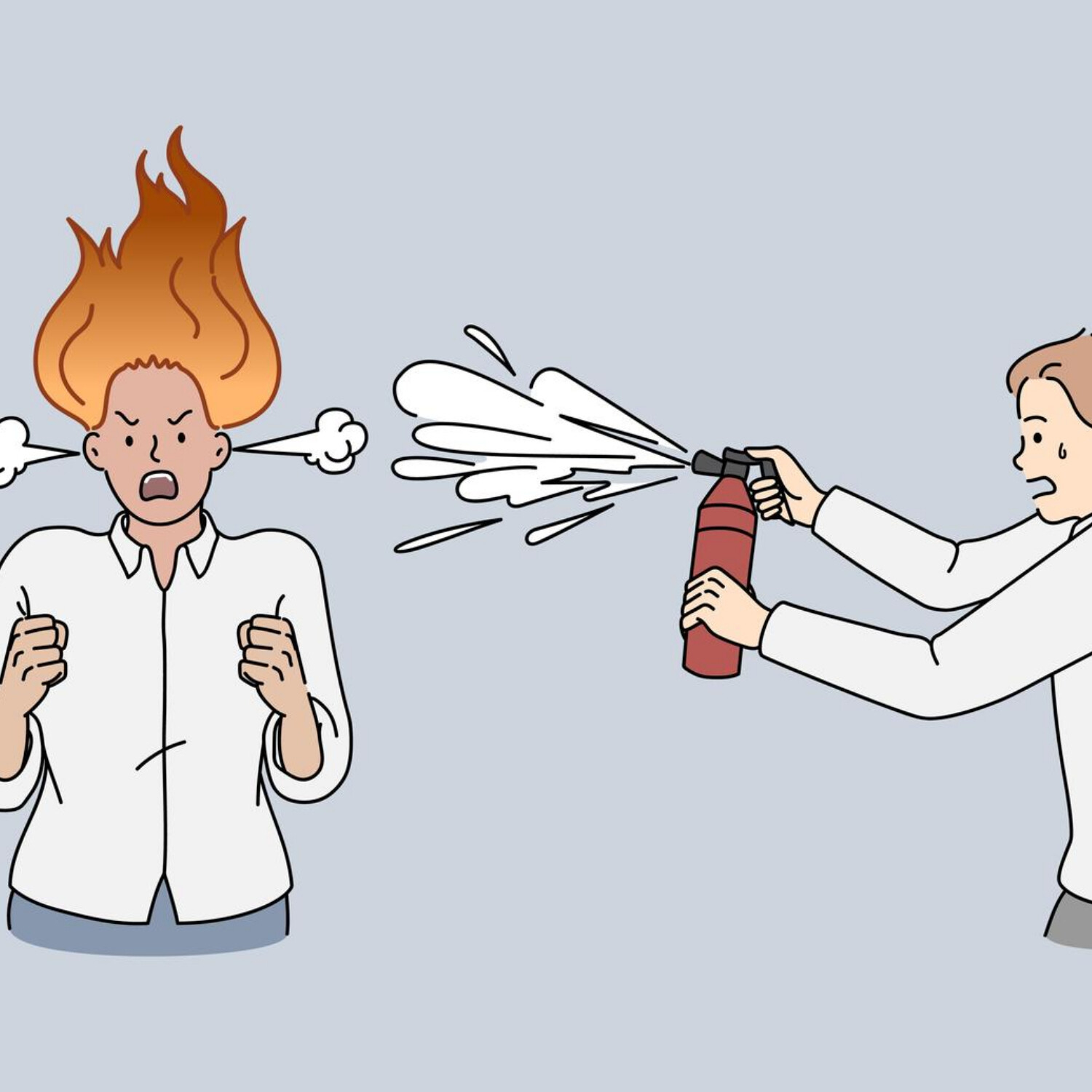
Why You Need to Let That Anger Go Many of us have been taught that anger is a bad thing. Your parents, teachers, and other authority figures reminded you to reign in your outbursts. You have probably shared that with your kids or others. Yes, there are times when getting angry helps you. It might spur you on to change. However, holding onto anger can affect you, your relationships, and your health. When you strive to let go of those things that don’t serve you or your goals, letting go of anger should be at the top of your list. How Anger Harms Your Health and Wellbeing Think about the last outburst you had. Do you remember how your body tensed up? Did you see fear creep into your partner’s eyes as your face turned red? Uncontrolled anger will cost you many things, including your health. Here is how living in a state of rage hurts your overall well-being: Your Heart Breaks: This isn’t heartbreak from losing the love of your life, though it could happen. Outbursts may put you at a greater risk of a heart attack. Repressed anger is no better, as it may be associated with heart disease. Your Stroke Risk Increases: Some studies suggest that you may be three times more likely to have a stroke after an outburst. Your Immune System Takes a Hit: Want to ward off sickness? Get rid of the anger. It’s possible to lose some significant infection-fighting power when you stay angry. Your Anxiety May Skyrocket: Anger may exacerbate your anxiety, making day-to-day living much harder. Internalized anger may do the most damage. Your Lifespan May be Shortened: Anger causes your body to live in a constant state of stress. Stress is linked to your overall well-being. That's to say – staying angry equals a short lifespan.

S5 Ep 223Four Things You Aren’t Doing That Are Keeping You Dissatisfied
Are you one hundred per cent satisfied with your life? Do you feel your life is fulfilling and full of meaning? Or are there things you gripe about and think you can’t change? If you feel like you spend your life trying to be happy but never quite getting there, instead of shrugging your shoulders, why not decide to change, right now. Here are four of the most common things people don’t do, that keep them stuck in dissatisfaction. 1. You don’t know your purpose Knowing your purpose is key to living a fulfilled and happy life. Once you know what you’re good at, what energizes you and makes you want to get out of bed in the morning, you can really live an authentic life. Choose not to stay stuck acting like the victim, choose not to be powerless, choose not to stay unhappy. Take a good look at your values, and what you’re really passionate about, and go for it! 2. You don’t act on your potential Once you know what you want to do, you need to realize your potential and make it happen. But don’t be discouraged if it’s not as easy as you would like. There will be setbacks, disappointments, and maybe even failure. But if you’re committed to your purpose, be strong and keep pushing and learning and adapting. You’ll never regret trying to become your best you. 3. You’re not living in the present Dissatisfaction looks around and sees what you didn’t do, and casts doubt on what you will do. Don’t be that person! Real contentment finds happiness in the here and now. Don’t get caught up in brooding over past mistakes or worrying about the future. You can’t go back and fix the past, and it’s up to you to do your best tomorrow. Look around and see what you have right now and enjoy it. 4. You’re holding onto negativity The person who has the most influence on your happiness is you. Sit back and think of how that mixtape in your head runs. What’s your self-talk like? Is it encouraging or blaming? If you have a barrage of negative messages in your head, it’s hard to stay afloat, let alone have the energy to be your best you. Turn that negative self-talk around and become your own cheerleader. If you tell yourself you’ll succeed, you’re much more likely to think you can - and then you will!

S5 Ep 222How to Let Go of Past Grudges
How to Let Go of Past Grudges Who hasn’t been hurt by someone? Your spouse cheated on you. Your best friend from high school stole your boyfriend. Maybe you have a co-worker stealing your ideas or a boss who bullies you. Worse, you might have experienced trauma from physical, mental, or other forms of abuse. As time passes, some wounds don’t heal, and when that happens, you may be carrying a grudge. Grudges are those leftover feelings of anger and resentment that prevent you from growing as a person. It’s time to let go and move beyond your past. Tips to Let Go of Grudges and Get Your Life Back Holding a grudge is often an indication of unforgiving. It can tear at your soul and corrode your physical and emotional health. It can affect all of your current and future relationships. Take the needed steps to release the grudge and gain your life back: 1. Establish Why You Are Holding The Grudge: You need to determine what the problem is so that it can be forgiven. Sometimes, you will find that the offence is not worth the grudge. Other times, you will know precisely what is causing the pain. 2. Consider the Benefits of Forgiveness: Choosing to forgive does not mean you forget, nor does it mean that the other person won. Instead, it means you let go of the resentment holding you back from living your life fully. 3. Acknowledge Your Emotions: Avoid stuffing the emotions down. Use a journal if you want, but take some time to examine your feelings about the harm you received. Also, think about how this affects your behaviour and your relationships. 4. Look at it from Their Perspective: This will not always apply, depending on the harm done. However, try putting yourself in their shoes. Under similar circumstances, would you have done the same thing to them? 5. Talk with the Other Party: Open communication can remedy some grudges simply. If you believe it will help, approach the other party to see if they will talk with you. 6. Release the Victimhood: Choose to accept what happened and your feelings about it. You don’t have to wait for an apology. (HINT: You may never get one.) Instead, stop playing the ‘wounded one’ card and take back your life by healing, releasing the anger and the grudge. 7. Avoid Dwelling: This may be the most challenging part, but it is critical. Once you choose to forgive, don’t look back. Avoid dwelling on the situation. If others want to bring it up, change the subject. Your healing is worth it. Grudges don’t need to define you as a person. Let go of the past and spring forward to your new life by releasing resentments today.

S5 Ep 221Fear-Based Motivation
Fear-Based Motivation Fear can be an effective catalyst for motivation. For example, if your boss tells you to get your project done on time or you will lose your job, you can be sure you’re going to do everything in your power to get that project done. You may resent your boss for doing this, but you are probably going to do as he or she wishes unless you are looking to get fired. Another situation where fear will motivate you is when something crucial breaks in your home. It could be the furnace giving out in the middle of winter. You are at a point where you have no choice but to call for expensive repairs. If you don’t, you’ll risk the pipes freezing and being uncomfortable. We all have a certain amount of fear-based motivation. But, is it the best way to get people to do things? In the case of the furnace, you’ll have no choice and have to chalk it up to being a part of life. But, in the case of your boss harping on to you, is there a better way for him or her to handle the situation? Can you continually work in an environment based on that kind of fear? It’s questionable whether motivation based on fear is sustainable. If you are an employee and there aren’t many jobs available as alternatives, you may feel like you have no choice but to comply. But, sometimes, this kind of negative working environment gets people more motivated to get out of the situation. In other words, the motivation tactics may work in the short term, but eventually, employers may experience a high turnover when those employees recognize there are other choices. The internet is a great equalizer in this regard, as more people can choose to freelance on their terms. There’s an old saying about how you catch more flies with honey. If managers would recognize they would get more loyalty out of people by offering incentives rather than scare tactics to get their employees to do the work, maybe turnover wouldn’t be so high. Unfortunately, these managers don’t learn this until it’s too late. And even then, will they make any changes? Often, they make the justification that it’s the employee’s fault, and they decided to leave. Think about the impact you have if you are a manager trying to motivate your employees. If you have used fear as a motivator, is it something that has worked for you in the long term? Or, did you simply set an environment where people couldn’t wait to getaway?

S5 Ep 220Pillars of Motivation
Do you ever wake up in the morning, and the last thing you want to do is get out of bed? How about the mornings when you wake up, hop out of bed ready to take on the world? What's the difference between those two scenarios? Motivation. Motivation compels us to set objectives and, more importantly - forces us towards them. If you want to know how to tap into the power of motivation, then listen to the following tips. Know What You Want What is the point of motivation if you don't know what you want? Without having a clear vision of exactly what you desire, you won't be able to build up enough stimulus to get through the obstacles you are sure to face. Know Why You Want It This step is just as important as knowing what you want. Why do you want to reach specific goals? What will it mean to your life? Think about all the people you don't want to let down in your life. These are the "whys," and they are essential. Set Goals That Excite You It's beneficial to set reasonable goals that are easy to reach, and I would never suggest stopping that. However, it can also help to set some relatively wild or audacious goals. These goals might seem out of reach right now, but the allure of reaching them in the future might motivate you in the present. Measure Your Results Tracking and measuring your progress is key to motivation, and your motivation will naturally rise when you can genuinely see your efforts paying off. If you don't track and measure, how else will you know if you are making progress? Reward Yourself If you are tracking your improvement, make sure you reward yourself. Rewarding yourself will ensure that you stay motivated. You are more likely to keep plugging away when you can see that reward getting closer and closer. Use Your Social Circle Building accountability through your social circle is a great idea. When you have a big goal you want to achieve, let the people in your life know. Besides them potentially helping you along the way, it will also make you more accountable. The funny thing is that we are more likely to let ourselves down than our loved ones. Fake It Are you not feeling motivated or energetic today? Try faking it. This tactic won't work all of the time, but it could help you get through a slow morning or 2. Pump yourself up with some music. Chug some coffee. Jump around if you have to. Anything to make yourself feel a bit more energetic. Take Action Have you ever sat down to work and couldn't get started? Sometimes, all it takes to boost your motivation is accomplishing a straightforward task. Pick the single, most direct thing you can do towards any of your goals and do it. Most likely, this will motivate you to take on the next challenge. Discover Your Inspiration People get inspired by different things. To maximise your motivation, you need to figure out what inspires you. Maybe it's a specific type of music. Perhaps it's a view from your house, and it could be a motivational speaker or celebrity. Find out what inspires you and schedule some time to immerse yourself in it each day. Actionable Stages Think about all of your goals and desires. Now list why each is important to you. If you don't want to get overwhelmed, focus on one or two primary goals. Keep thinking about the goals from the last tip. Now, think about how you can reward yourself for hitting your milestones along the way. When is a good time for a reward? What is a good bonus? Find 2-3 things that truly inspire you. Maybe it's a TedTalk on Youtube, or it might be a music playlist you can put on whenever you need it. Regardless of what it is, find what inspires you, and immerse yourself in it.

S5 Ep 219Fake it Until You Make It
Fake it 'Til You Make It Right now, I want to talk about the notion of faking it 'til you make it, which is kind of a common term if you read a lot of self-improvement books. The idea is that if you act a certain way, even if you don't feel that way if you act that way long enough you can create the feeling. You can create this new result. Which can work when used properly, but I think it's misunderstood. A lot of people think fake it 'til you make it means you pretend you're successful when you're not. You borrow a bunch of money to buy a fancy car or suit or watch, to give other people the impression that you're successful at sales, but meanwhile you never actually learn how to sell anything. That's not really good implementation of fake it until you make it. You're probably just going to go broke. A better implementation of fake it 'til you make it would be you take on a new job and that job requires that you deliver presentations, that you're a trainer, and you speak in front of people, and you hate doing it. You're scared. You're terrified. You don't want to get in front of that crowd because it's a scary thought. You're not used to doing it But you have to do it because it's part of your new job. Well, you don't have to let your audience know that you're terrified, that on the inside you feel these anxieties and these fears. You can fake it. You can fake confidence. You can act as though you're confident, you're well-prepared, that you're ready to tackle the world. That you love doing it. You can act that way. You can appear to the outside world that you love what you're doing. On the inside, they don't really know what's going on. You can hide the fact that you might be feeling a little nervous right now, or maybe even worse than that. This is an example of fake it 'til you make it, where it actually works. The thing is if you act that way long enough, and I've actually done this because I used to be a speaker and a trainer who was very, very nervous, and I tried this, and it worked flawlessly. I started walking into my training rooms, acting like I owned the place. Behaving like I was totally confident. Meanwhile, on the inside, I was really almost falling apart with nerves. But I would crack jokes, I'd have a smile on my face, I would hold my head high, I would practice the body language of somebody who was confident. Before I knew it, I would do this for maybe just a couple of days, and by the end of that little exercise, I was feeling massive levels of confidence. The level of nerves and anxiety that I had experienced had drastically been reduced. This is an example of faking it until you make it that actually works, that actually causes change, and that's a little more truthful when you think about it. If you start flashing cash and showing that you drive an expensive car when really you haven't earned any of those things, that's really going to hurt you in the long run. When you fake your confidence, when you fake a way of being, a personality, if that's not your true personality, but you want to be like that, faking it until you make it a reality is actually the way to do it. That's how you alter your self-image. That's how you become this new person. It's really practising who you want to become. From a personality perspective, faking it 'til you make it is perfect. Just use it within the right context.

S5 Ep 2186 Tips for Making Friends as an Adult
6 Tips for Making Friends as an Adult Who are your friends? A recent survey has determined you might not have a lot of close relationships in your life. In fact, the number of people who claim to have more than three solid friendships in their lives is only 37% or one-third of the population. Even more discouraging is the idea that fully 27% of adults say they have no close relationships at all. Making friends as an adult is a daunting idea. For one thing, we’re swamped. We get caught up on our personal responsibilities and business goals that frequently we don’t make time for a social life outside of loose connections with our children’s friends’ parents and professional networking. Who has the time? Thankfully, you do. It actually takes less time than you think to discover the joy of adult friendships. You can start with these simple tips: Start with the Old Why reinvent the wheel? Instead, ask yourself who your friends used to be. Is it possible you can rekindle some old friendships? In this era of social media, tracking down your best friend from high school is easier than ever. Why not shoot someone a quick message or text to open up the conversation all over again? Become a Listener When in groups of new people, rather than working hard to be the life of the party, why not take a step back? Making a point to actively listen to people makes you more attractive to those around you (everyone loves a listener) and puts you in the position of discovering the things which intrigue you most about others. It’s a simple way to learn about shared interests, so you can strike up a friendship. Take it to the Next Level Have acquaintances, but aren’t quite ready to call them friends yet? Try opening up a little. Being vulnerable forges intimacy with others and deepens the friendship, taking it to the next level. Stay in Touch Worried about how to hang onto the friends you have? If you want to keep people from falling off the radar and becoming distant, make a point to check in with them once in a while. Send a text, make a call, and set up a chance to get together. By checking in, you’re telling the other person they’re important to you and worth your time. A general rule of thumb? Connect about every two weeks. Make a Group Even better? Start putting your friends together in one place by creating a group of friends. There’s nothing more fun than hanging out in a gathering of people who enjoy each other’s company. Start simple, with a lunch date or drinks after work.

S5 Ep 2173 Truths About Reclaiming Confidence You Need to Know Right Now
3 Truths About Reclaiming Confidence You Need to Know Right Now Not everyone is going to get it right. Sadly, there’s always someone quick to point out when you’re getting it wrong. It’s when you come under fire that you lose confidence quickly. To get past this kind of blow to our confidence, you need to understand these simple truths: Not Everyone Has It Right. Not Even You Haters are going to hate. But just because someone comes at you with the most reasonable-sounding explanation in the world of why you’re an idiot (and you’re an expert at giving that speech to yourself), the truth is, the person doing the talking quite likely doesn’t know what they’re talking about. This is because of one simple truth: People really don’t know everything, and even when they think they do, they have a tendency to get things wrong. So just because something nasty has been said, it doesn’t make it right. Regardless of who it’s coming from. A Lot of Criticism is Grounded in Jealousy That disaster you’re beating yourself up over? How much of it was the result of the green-eyed monster? Too often, we give people authority over us, they don’t deserve it. We listen to their complaints thinking they’re right without questioning why they’re attacking what you’re doing. The biggest culprit of why you’ve drawn the attention of the critics is jealousy. Don’t let someone pull down your confidence just because they’re feeling threatened by where you are. You’re Better Than You Think The loss of confidence can make you a critic. Why? Because now you’re looking for justification for thinking you’re no good. And trust me, when you go hunting for this kind of justification, you’ll always find it. Here’s where you need to back up and take a good, hard, impartial look at yourself. Ask: · Is This Thought Really True? For example, you might be thinking, “I fail at everything I do.” Is this realistic? Probably not. · If This Thought Isn’t True, What Emotion is it Coming From? The most likely explanation? A lot of negative emotions come from fear. In the previous example, you might be afraid of failing, so by convincing yourself you’re a failure already, you no longer have to try. · What’s a Truer Statement I Might Make Instead? Try rewording the thought and keep it honest. ‘I’m afraid of failing, but since I’ve succeeded in the past, there’s good reason to think I will succeed now.” Confidence comes from accepting the reality of who you are and where you are. Remember, nobody, not even you, has a right to make you feel small.

S5 Ep 216What Happens When You Surround Yourself with the Wrong People
What Happens When You Surround Yourself with the Wrong People? If you read enough self-help books, you will notice the recurring theme of surrounding yourself with the right people. You may have even heard your mom tell you to stop running with the wrong crowd. These are helpful suggestions, but what happens when the wrong type of personality surrounds you? How can the kinds of people affect your success goals? How the Wrong People Affect You You don’t want to eliminate relationships with everyone, but sometimes it makes sense to limit your exposure to them. Consider these ways that the wrong or unhelpful people in your life affect your path to success: 1. They leave you physically and emotionally drained. Some people are happiest when they can bring you down to their level. Think of that friend, cousin, or sibling that doesn’t want to see others doing better than they are. These are the ones who will point out all the reasons you shouldn’t do things instead of cheering you on. We all have at least one. If you notice that you feel worse about your choices after being with them, then it might be time to limit your exposure to them. 2. Their limiting beliefs will limit you. These are the people who have a scarcity mindset. They are generous with their criticism but stingy with their praise. They don’t believe there is enough to go around, and you should be on the same plane of thought as they are. Hanging around with a person with limiting beliefs can stifle your creativity. You may have to discern what types of conversations you can have with them, as they just don’t understand. 3. Their negativity will pull you down into the cesspools of negative thoughts. Not everyone is positive all the time. Most of us try to keep a positive outlook and look for the good in others and the circumstances. Negative people don’t. They don’t seem ever to see the bright side of things. If you are around this type of attitude for too long, you may join them in the quicksand of negative emotions. Don’t try to combat a negative person, and don’t sink to their level. Keep your positive outlook and look for those who want to share your positivity. Make the most of your success journey by surrounding yourself with those who will support and help you on your way.

S5 Ep 215How A Gratitude Mindset Can Help You Reach your Goals
How A Gratitude Mindset Can Help You Reach your Goals When we have a long-term goal we are working towards, it’s easy to be so focused on it that we start to believe we won’t be happy until we reach it. It’s important to have long-term goals, but not at the expense of your daily life. Staying in a place of gratitude for what you already have and what you’ve already achieved in your life can be a huge benefit in reaching your goals. Gratitude Makes You Happier Neurologists have learned that feelings of gratitude actually change the way your brain works. When you are consciously aware of all the wonderful things in your life, you are happier and more content. When you are happy and feeling good about your life, it’s easier to believe that more good things await you down the road. Gratitude Lowers Stress A life filled with the struggle to always be better will lead to a life of stress. Yes, you want to reach your goals. You want to unlock all the potential that’s inside you. But finding a way to balance this desire with gratitude for what you’ve already accomplished and what you have in your life today is also important. When constantly pushing yourself forward, it’s easy to believe you aren’t good enough today. Focusing on what you have to be grateful for today lowers your stress level and helps you enjoy the journey to your ultimate goal. Gratitude Makes You More Optimistic Believing the grass is always greener on the other side is a sure way to ensure your dissatisfaction with life. It makes you feel like you may never get the life you want. This pessimism just makes everything in life harder. You may even just give up on your dreams because you don’t believe you can attain them. Keeping a grateful mindset offers you a way to enjoy life now and look forward to the future, once your goals have been realized. Obtaining a grateful spirit doesn’t take a lot of time and effort, but it makes a huge difference in your life. Start by keeping a small notebook with you or using an app on your phone to note the little things that happen throughout your day that you are grateful for. Some people prefer to keep a gratitude journal by their bed and add a short list of things that they are grateful for that day. Give it a try if you feel you’ve been too focused on a goal, and it’s making you unappreciative of what you already have.

S5 Ep 215How Can I Stop Avoiding My Feelings?
How Can I Stop Avoiding My Feelings? In this day and age, individuals are usually encouraged to suppress their feelings and emotions for several reasons. Your job wants you to remain professional, and kids are taught that expressing emotions makes you weak. But all this avoidance of feelings can cause them to fester and grow into serious issues such as anxiety and depression. This is why it is time to stop avoiding your feelings. Mindfulness The number one tool you can use to stop avoiding your emotions is applying mindfulness to your life. Mindfulness is taking time out of your day to spend with yourself, your thoughts, and your feelings. Mindfulness will teach you who you are as a person and how to accept yourself just the way you're. It can also teach you about how and why you feel certain emotions, and you’ll learn to express them properly instead of burying them within. Meditation Another easy way to begin to confront your feelings and work through them is through the practice of regular meditation. Medical professionals worldwide simply rave about the health benefits of meditation. Several studies have shown that it can help with even more serious issues such as anxiety and depression. So, it’s time to engage in meditation in your own life daily, so you can spend time processing your emotions in a safe space. Deal With Your Emotions Immediately A common tactic in emotional repression is when you experience something that you resolve to deal with it later. The problem is, that you rarely actually end up dealing with it later. This is why it is good practice to decide to work through your emotions when they come around. If someone says something that upsets you, tell them that, right then and there, and then the issue can be resolved immediately. This is much better than burying the pain of the hurtful words until they grow to be something worse when the words may have been a simple misunderstanding. Overall, it can be a challenging task to learn to stop avoiding your feelings. But if you are going to live a happy and healthy life, you must learn to express your feelings to yourself, and others, respectfully. So, start with a bit of mindfulness, meditation, and immediacy, and soon you’ll find you’ll no longer feel like you need to hide your emotions.
S5 Ep 214Apply These Five things to Make Sure You Stay Motivated
Apply These Five Métiers to Make Sure You Stay Motivated You’re midway through the project, and you’re losing appeal. Motivation is about to go out the window, and you feel helpless to keep it. What can you do to stay motivated so that you can stay on track through the remainder of the project? Try these tips: 1. The first thing you need to do is visualize your success. Before you go another step, you need to see yourself at the end of the project with everything accomplished to your satisfaction. Why? Because what we tell ourselves will happen – will happen exactly how we tell ourselves. So if you’re caught up in thoughts of failure, you’re already likely to crash and burn. Likewise, if you see yourself at the finish line, with the project completed, you’re much more likely actually to succeed. So keep a positive image in your head, and keep going. 2. Next, stop worrying. Yes, that’s easier said than done, but the more you worry, the more you’re going to derail your motivation and any energy and enthusiasm you still had for the project. To do this, you will have to look critically at what you’re doing and ask yourself if there are things you can change. If so – change them. If not, then let them go. Motivated people don’t get caught up in worry, but instead, they make it a habit of looking to the future. 3. If you intend to stay motivated, you’re going to need to be consistent in action and set positive goals. Motivation flags when neglected, so to keep the energy where it’s going to do the project the most good, you’ll want to make sure that you’re constantly moving forward. That means checking your motivation levels daily and then taking action to keep those levels up. Even if you’re taking the weekend off from work, you should take at least a few minutes to indulge in thoughts about your project, where you remind yourself that you’re looking forward to jumping back in on Monday morning. That keeps motivation and interest high even when you’re not working. 4. If you’re still having trouble with motivation, check to see who’s hanging around. It could be that you have too many negative influences around you. Surround yourself with positive people who are also highly motivated individuals. All that positive energy is bound to rub off on you! 5. Lastly, keep a positive environment where motivation can thrive. Listen to music that motivates. Use positive affirmations, read motivational books, or listen to podcasts that make you want to jump right back into your project. A lot of staying motivated comes from feeding yourself with a steady diet of inspiring things. Staying motivated doesn’t have to be an impossible task. Some attention to the details will keep you on track as you work and help you to get to the finish line. Be mindful of what you’re doing, and with a variety of positive influences, you’ll get to where you want to go.

S5 Ep 213Does Having Aspirations Matter?
Does Having Aspirations Matter? As a kid, did you dream about being a police officer, astronaut, or computer game programmer? If so, you had long-term hopes that influenced everything you did, from the television, shows you watched to the classes you took in school. Without those aspirations, you may have felt like you were floundering in the choppy seas called life. Many people go through life without a real feeling of accomplishment or end goals. They graduate high school, maybe go to college, and enter adulthood with all their responsibilities. Without having a sense of a bigger purpose to guide them, they may feel hopeless and have developmental health issues, such as depression. Why Having Aspirations Matter Your life makes a difference when you have lifelong dreams. Having a long-term goal in mind gives you a roadmap for your life. It gives you hope when things go askew. Here is why 1. They Help You Figure Out the ‘Why’ in Your Life: Why do you go to the same job every day? Why did you choose to get a degree in biology? When you answer similar questions, you are developing your aspirations. Your answers may take you into a new area of your career or family life. You will start finding your purpose. 2. They Guide Your Life and Career Choices: As you determine the type of person you want to be or the type of career you want, your dreams will guide your decisions. For example, you may end toxic relationships. You may take a new position or turn down a promotion based on where you see yourself later in life. 3. They Motivate You: Let’s say you have children and hope one day to have grandchildren. Yet, you are overweight and struggle to keep up with your kids. If you dream that you will be an active grandmother, you will find ways to change your life now to get healthier. You will have the motivation to enhance your life. 4. You Become Self-Aware: Being self-aware keeps you in touch with your feelings and helps you make better life decisions. You will learn what brings you inner peace and happiness. You will pursue those goals that are intrinsically rewarding, too. Avoid chasing the wind. Take time to think about your life now and how you want it to be in the future. Soon, you will find yourself in a much more rewarding place as you work on your aspirations.

S5 Ep 211How Aspirations Can Affect Our Relationships
How Aspirations Can Affect Our Relationships When you have dreams, you hope that your loved ones will come alongside you and help you achieve them. This is especially true in a romantic relationship. Sometimes, your aspirations will align, and things will be smooth sailing. Other times, you may feel like you are on opposite ends of the universe with no way to meet in the middle. It is possible to support each other in your respective pursuits. It takes some patience and open communication, but it is doable when you understand how aspirations can affect your relationship. Relationships vs. Aspirations: How They Affect Each Other It is vital to understand that your goals, dreams, and aspirations will ebb and flow as you live life. They will also affect your relationships and vice versa. Consider how relationships and aspirations go hand-in-hand or battle it out for your future: 1. Love has a way of distracting you: That new love will keep you busy with dates and fun activities. This also means you may stop writing or painting daily. You may even skip class or networking events so that you can be with your new love. 2. You may forgo your dreams, so they can pursue theirs. It’s not a bad thing to support your significant other as they aim for their goals. What may cause issues is if you are not offered the same support. 3. Your dreams may change in ways you never thought of: As you grow in your relationship, you may find that you and your partner share goals and ideals. For example, you may want a strong family unit, so you can set down roots and have children. 4. You forget your aspirations because life is too comfortable: Let’s say you want to build an online business, but you find your evenings filled with cuddling in front of the television instead. Hard work sometimes means deciding to forgo the couch. 5. Your partner may be jealous of your growth: It is possible that when you decide to refocus on your aspirations, your partner may feel left out. This can lead to jealousy and possibly a rift in your relationship. It’s vital to support each other and communicate openly to ensure you remain a couple. Relationships and aspirations can work together when you know what you are up against. Enjoy both by keeping your focus, encouraging each other to pursue interests, and communicating openly. Soon, you will both be on top of the world as an unstoppable force.

S5 Ep 212What are Aspirations
What Are Aspirations? Do you have hopes and dreams? Do you have the ambition to achieve a life goal in the future? You have aspirations. These big picture life goals give us a sense of purpose and direction as we live out each day. Don’t be mistaken. Having goals and aspirations is not the same thing. Goals are action steps to get you to a final destination, while aspirations tend to be more general and long-term future-focused. Think of it this way, when you want to look back on your career and know you met all your goals, that is an aspiration. Obtaining a new position within six months is a goal. They work together, but they have separate functions. A Breakdown of Aspirations Having aspirations gives your life more meaning and focus. There are various types that we lean on when we start dreaming of our future. People have different outlooks on what their aspirations are. Some are simple, such as being a steady provider for their family. Others aim higher to become famous or rich. Researchers have discerned there are two main types of aspirations we aim for – intrinsic and extrinsic. They are centred on common themes that can indicate our sense of purpose. Here is the breakdown between the two kinds to help you in determining what types of aspirations you tend to focus on: 1. Intrinsic: These are the aspirations that satisfy your need to enhance your well-being. Typically, they are centred on relationships, contributions to the community, health, and personal growth. For example, you may aspire to make friends, build relationships, and volunteer for a good cause. This would be considered a social aspiration. Other examples include building a family (family aspirations) or developing new skills, such as in music or art (skill aspirations). 2. Extrinsic: This variety includes achieving an instrumental outcome. If you want to be seen as physically attractive, wealthy, or popular, then you are aiming for extrinsic aspirations. When you were growing up, did you want a million dollars? That is a financial aspiration. In high school, did you want to be popular? You may have had popularity goals. What about career aspirations? Many of us hope to accomplish certain things within our careers that are both intrinsic and extrinsic. They are often tied to our desire to have a certain image or salary, but they can also have bits of personal growth and community contributions mixed in.

S5 Ep 210Four Ways You Can Use Technology to Stay Connected
Four Ways You Can Use Technology to Stay Connected Whether you've got to work from home indefinitely, or you've got a friend who lives miles away that you are trying to keep in touch with, technology can help you stay connected. However, it can be difficult to use technology to stay connected if you don't know where to start. Keep reading to get some ideas to know the most efficient way to use technology to stay connected. Video Calls Gone are the days when a phone call is enough. These days, you need to make sure you have good WIFI to a video call when you are apart. You don't just have to sit there and stare at each other. Make a night of it! Each of you can buy a bottle of wine and have a virtual drink or a virtual coffee if the call is in the morning. Have Group Chats Trying to stay in touch with the group from high school? Unfortunately, this will only get harder as you get older, but the best way to stay connected is by making a group chat. This way, even as people are too busy to get together in person, they can still send pictures and videos of their life and talk about current events with one another. Just be prepared for the number of messages you will receive. Maintain Your Social Media Some people love to hate social media, but the reality is, that it's there for people to stay connected with their friends and family. Even if someone doesn't reach out regularly, at least they can check-in and see how you are doing! While you use social media, just be sure that you don't post anything too personal like addresses, phone numbers, or other personal information! Join Virtual Groups Besides just staying connected with friends and family, it might be ideal to use technology to stay connected with the world and other people in the world. This is very easy to do if you join a virtual group of something you are interested in. For example, there are virtual workout groups, virtual wine drinking groups, virtual reading clubs, virtual gaming groups, and even virtual art classes. So take a few minutes, surf the net, and stay connected with an activity you enjoy with like-minded people. Staying connected as you get older can be difficult. Everyone seems to be so busy, whether friends or family members! Employ the above four suggestions to stay connected with the loved ones in your life using technology. You'll be surprised by how well these methods work.

S5 Ep 209Live your Truth, Grow your Self-Worth
Living a happy life is everyone’s goal. Who doesn’t want to feel good about themselves? And yet so many of us live a life of self-doubt, feeling undeserving or incapable, or wishing we were walking another path. However, living a happy life, being a happy person, is a matter of how you perceive yourself and your place in the world. You can “think yourself happy” by taking action, being honest about yourself, your patterns of thinking, and being open to your capacity to change. Self-knowledge is the key to living a happy life. And that means living your truth, not other people’s truth, or what society tells you is your truth. Socrates famously said that the unexamined life is not worth living. An ongoing process of self-analysis and self-examination leading to greater understanding and self-knowledge is also the basis for most of the world’s religions and belief systems, for a good reason. If you don’t know who you are, you're not your true self in the world. If this is the case, you’re living a passive life, reacting to whatever comes along instead of taking control. Living unconsciously like this is living half asleep, and if you’re half asleep, you can’t be your best you. Living an authentic life does not mean going off the grid. It does mean a daily practice of being honest about how you’re feeling and why, and reminding yourself that you are in control of how you feel. It means being clear about what your values and beliefs are – what “rules” you live your life by. Are your values yours, or have you absorbed them from other people in your life? Do they still fit with the life you want to lead? Five steps to living a more authentic life 1. Be clear about how you want your life to be right now and where you want to go. Understand and live by your values and beliefs. 2. Be aware of yourself and how you react and interact with other people, situations, events, and the world. 3. Set and maintain conscious boundaries. Be clear in your mind and be at peace with what you can and can’t control. 4. Be okay with imperfection in yourself and others. Be objective about your weaknesses so that you can improve upon them without letting them get you down. 5. Be kind and forgiving to yourself and others. Living your truth means taking responsibility for your life and building deep self-knowledge that will ultimately lead to contentment and happiness.

S5 Ep 208Seven Ways to Turn Worry into Excitement about Getting Things Done
Everybody worries sometimes. Right now, you’ve probably even got a few worries on your mind. You might be thinking about a relationship or a situation at work, causing you trouble. Maybe you’re worried about your health or whether you’re going to have enough money to pay the bills at the end of the month. Whatever the case, worry happens whether we intend for it to or not. This becomes a problem, though, when worry starts to take over your life. So, what is the goal? Is stopping worrying enough to put you on an even keel, or are you hoping for something…more? What if, instead of worrying, you could become excited, and then use this excitement to get more done? Let’s look at seven ways to achieve this: Be Here Now Worry has a way of trapping you anywhere but here. Either you’re worried about something which happened long ago, or you’re caught up in fretting about something still to come. Neither is going to get you anywhere. To stop worrying, you need to focus on the present. What interests you right now? Realize This Gets You Nowhere Fast Worrying stops you cold. In fact, most procrastination is caused by worrying. With this in mind, why are you wasting your time and energy worrying? Sometimes just recognizing what a waste worry is, will be enough to derail it altogether. Especially when you have better places to be. Throw Yourself into Something Interesting Worry needs your attention to survive. Get busy doing something engaging to your mind, and you’ll find you forget all about worrying. Rewrite the Script If you’re seeing everything blow up around you, maybe you should try focusing on the perceived disaster. Ask yourself how you could do things to handle the situation were it to happen. Once you have it, practice the scenario in your mind. Picture yourself handling matters. Practice Worried about something you need to do later? Having a dress rehearsal in your head will make things go smoother and keep worried at bay entirely. Ask Challenge your worry. Dig in and get to the roots until you understand your worry intimately. Ask yourself where the negativity came from. Peel back the layers until you get down into the heart of the matter. Try a New Path In the end, worry can become very attached to the familiar. Challenge yourself. Find a different way to do things. Explore where this path takes you. The main point in all of these is to enjoy the journey. This is where you find the excitement and enthusiasm, which leads to getting things done. The rest is all momentum and a lot of brand-new accomplishments just waiting to happen.

S5 Ep 207What Is Idolatry?
What Is Idolatry? Idolatry is obsessive and unrealistic worship, devotion or love directed at another person, who has then been termed an idol. The obsessed person is the idolater, and invariably has a false mental perception of who or what the idol represents. Idolatry is sometimes called idol worship, and the people who worship idols can be called idolaters. The idol may be someone who the idolater knows, such as a school friend or teacher; or, as is frequently the case with teenagers, a public figure such as a pop music star, film star or sports personality. When idolatry occurs in adults, it is often at the beginning of a new relationship, when individuals may be unaware of their partner's faults and may even try to avoid discovering them. Idolaters are most commonly young women who fall obsessively in love. The idol is put on a pedestal and regarded as the only person who can bring happiness. Sufferers may try to pursue a relationship by trying to contact the idol, even though the person has given no sign of interest and is not even remotely familiar with the idolater.
S5 Ep 206How to Use Positive Affirmations to Change Your mindset
This may take about a week, but before you start using positive affirmations, you’ll want to be more mindful about when and how you’re using negative self-talk. Get a small notebook that you can keep with you to write down the negative self-talk you are using now. Create Positive Affirmations from Negative Self-Talk After you write down those negative things, organise them into categories so that you can work on each area over time. For example, if when you are getting ready in the morning, you negatively attack your looks, you’ll want to tie that to self-esteem. Then create positive affirmations that will raise your self-esteem. “I’m a normal healthy weight, and my skin is clear and beautiful.” Even if you have problems, when you do this, you’ll likely make better choices during the day, not to ruin your good health and your skin. Write Your Affirmations Down Because positive affirmations are written in the brain’s language, they follow a precise formula.. Keep your affirmations in the present. Your brain will only ever optimally respond to positive present tense affirmations such as “I am calm.” Hence, avoid using past or future tenses. If you see affirmations that say “I will…,” “I used to…,” or “I’m going to…,” then this is NOT an affirmation. Only include positive words. “Don’t,” “can’t,” or “won’t” aren’t positively-inclined words, so steer clear of using them. For example, change “I won’t worry” to “I’m always calm.” When you use negatively charged words, your brain has to put in a lot of extra effort to evoke meaning and seek out positive instruction. Once you create the positive affirmations from your negative self-talk, you should write them down. Write your affirmations on small slips of paper and put them in a jar. Grab one when you need it. Write them on pretty note cards and stick them where you need to see them. For example, you can put one of your affirmations right on the bathroom mirror or directly on your door, so you see it as you’re leaving. Set Times to Using Your Affirmations Remember, your brain is a creature of habit, always looking for instructions, and is eager to set you up for success – all you have to do is instruct it in a language it understands and keep repeating it. Once you’ve created your affirmations, you can start using them. Use them at the same time you usually use the negative self-talk in place of that negativity. At first, it’s going to feel a little weird, but you’ll develop a habit. Right now, just do it by rote, and eventually, it’ll feel more natural. Like any habit, affirmations take 21 to 30 days to stick to the brain. So, to change your thoughts, affirmations should be practised daily. Say Your Affirmations, Aloud Speak your positive affirmation confidently as if it were true. Statements that contain words like “might” and “could” aren’t nearly as powerful as statements that contain words like “am” and “do”. For example, “I could be calm in every situation” is not as solid as “I am calm.” Your brain will respond to this, even if you secretly don’t believe it to be accurate. When you are stating your affirmations in private, express them aloud. When you state them aloud, you hear them with your ears, and that is a different form of memory than writing them and reading them. As you listen to it, you’ll begin to believe it over time, as you should.
S5 Ep 205Resiliency and Positivity Go Hand-in-Hand
Resiliency and Positivity Go Hand-in-Hand It’s hard to imagine being resilient without being positive. Some people can be resilient in their negativity. However, in the long run, that negative behaviour will sap the energy out of them. You cannot thrive for very long in an environment filled with negativity. You will lose resiliency in this environment. When you project a positive outlook, others will follow along. People are attracted to this outlook and will want to make it continue. While some people will be attracted to others who are negative, on the whole, they prefer positive people. When this happens, you will be resilient by bringing others along. When you are positive, you are more likely to look for solutions to problems. When you are negative, you are more likely to look for excuses. How can you be resilient when you are looking for excuses? Nothing will get done, which means you will hold yourself (and others) back. Plus, if you are one to look for excuses constantly, others will catch onto this and avoid you. If you do this in your job, it could eventually lead to your dismissal. After being fired from your job, there's no way you can be resilient. Being positive doesn’t mean you should never complain. Sometimes, you need to point out weaknesses where you know they exist. However, positive people tend to offer up alternatives that make them part of the solution. Imagine if several such people offered up alternatives. Solutions would surface quickly, wouldn’t they? Contrast this to excuse-makers. They will never find solutions. It’s believed that people with positive attitudes have a greater chance of beating life-threatening diseases as well. Your body has the best mechanisms available to fight diseases, even better than medications. If you are positive about your outlook, it will set your body to the optimal conditions that should help you battle those diseases. Even if this weren’t true, it certainly is better than being negative, which increases stress. Stress has been proven to block the disease-fighting aspects of your body. Think back to positive and negative times in your life. When were you happier, negative or positive? It’s likely that you chose positive times as being happier. It’s also likely that you were the most productive during this time. By extension, being productive means you were resilient. It all came from that positive attitude.

S5 Ep 204How to Deal With Emotionally Overwhelmed
How to Deal with Emotional Overwhelm Emotional overwhelm can leave you drained. It can threaten your happiness and cause problems in relationships. If you let it go on for too long, you may find that you are consumed with your emotions. No one can function well for any period of time without addressing what is causing the emotional overwhelm. You can take charge of your emotions and set your life back on even footing when you learn how to deal with emotional overwhelm. 7 Suggestions to Handle Emotional Overwhelm Emotions can get in the way of living your life in a way that brings you happiness. Often, work, financial struggles, and family turmoil can leave you emotionally spent and ready to throw in the towel. However, you can put a stop to emotionally overwhelm with these seven suggestions: 1. Analyse What Is Going On: When you feel negative emotions build up, stop and consider what is happening. Try to figure out what may be causing the feelings. Are you hungry? Have you struggled to sleep well at night? 2. Review What Is Going Well: You work hard to achieve things. Times will happen when you will overlook your needs and fail to celebrate what you are doing right. Rewrite the story in your head to include everything you are accomplishing and how far you have come. 3. Accept Yourself: It is okay to consider what emotions are working within you at the moment. Avoid invalidating them. Acknowledge them; accept them, and move on in a healthy way. 4. Journal: Writing down your thoughts, feelings, and moods helps you better understand what is going on in your life. It also gives you a record to which you can refer when things get harry later, and you need a reminder of how you overcame the last time this went wrong. 5. Find a Health Outlet: You may need to regroup and refocus your emotional energy in a different direction, such as through exercise or a hobby 6. Reduce or Eliminate Stress: Look for those things that trigger your stress and consider what you can do to reduce or eliminate it. 7. Make Sleep a Priority: A lack of adequate sleep will make your emotions run rampant and increase your stress levels. Focus on making sleep a high priority in your life. You might need to cut out caffeine, cut out naps, and make your bedroom conducive to a good night’s rest, but it will be worth it. Don’t let emotional overwhelm rob you of your happiness and attaining your dreams. Learn to handle your emotions and enjoy the rewards.

S5 Ep 203Redefining trauma
Trauma is an individual event that is out of the ordinary for you. Still, everyone experiences trauma and deals differently with this distress, and something that may be traumatic for you could be an everyday life situation for someone else. The unconscious aspect of trauma For example, if you never witnessed animals in an abattoir being slaughtered, your reaction to seeing this for the first time would be extremely different from someone who regularly works there. I have known many individuals become vegetarians following a visit to this place. Surprisingly, they do not have open days. It can be difficult to judge how a person will react in any given situation; some of the most unlikely individuals in history has turned out to be heroes. Perhaps it is deep-seated compassion that exists in all of us, we just love to see the underdog come good. I remember my first time as a medical student many years ago visiting a mortuary for the first time; all the cadavers (20 in total) laid out on plinths in a partial state of dissection with the intense aroma of Formaldehyde. It wasn’t until the late afternoon; one of our classmates returned to the lessons. She was so traumatised by the event that day. She had left the autopsy early without any of us noticing. When questioned, She had no idea where she had been for the last few hours or any recollection of leaving the room in the first place. The physiological aspect of trauma During a traumatic event, a sensor called the Amygdala triggers your brain to activate a “fight-or-flight” survival response. This reaction, which is all emotional, sends a message to your adrenal gland in a split second, leading to cortisol and adrenaline production to get you out of danger, which then activates a series of physiological and metabolic effects. Your mouth will suddenly get dry, your heart will start racing, your stomach will be upset, and you’ll feel like you are going to be sick or pass out. All this requires energy, to stand and fight or run away, and the body’s metabolism (i.e. raising plasma glucose) is activated. Learn more:

S5 Ep 202Why is Adult Friendships so Important
Five Reasons Why Adult Friendships are so Important Why is it we never put enough emphasis on the important things in life? Are we really that busy? Sadly, we tell ourselves precisely that. In fact, studies have shown we’re not taking the time for friends like we used to. According to a survey taken in the 1980s, the average adult had a minimum of three friends they were close to. Thirty years later, the same study came out with some chilling news. As many as one in four people claim to have no friends at all. Why is it we don’t enjoy adult friendships? Could it be we’ve somehow got the idea they’re really not necessary? This is absolutely not the case. In fact, below, you will find five reasons why adult friends are crucial to your life and your good health. Friends Give Necessary Support We’re not meant to go it alone. We need friends to act as everything from cheerleaders to a shoulder to cry on. Friends Teach Us How to Act How do we conduct ourselves? If you’re socially awkward, it might be because no one taught you specific social skills critical to success. Friends are where we learn those skills. It’s with friends that we practice, finding out both what’s acceptable and what’s not. What’re more, friends help us get out of the ruts we fall into and challenge us to try social situations we might not otherwise consider. Friends Give Us a Reality Check Who else but a friend is going to tell you when you’re lying to yourself or wandering down the wrong path entirely? This kind of tough love is what keeps us from disaster and guides us away from the pitfalls of life. Couple Friendships Guide Our Own Relationships Not everyone was blessed with parents who modelled good relationship skills. Having “couple friends” is where we form our impressions of how couples in romantic relationships interact. It’s from these relationships we learn how to balance things like work and romance, and how to handle the parenting component. Being able to talk to other couples about challenges unique to this kind of relationship also gives a much-needed place to learn. Friendships are Good for Your Health Studies have shown people who sustain healthy friendships live longer and enjoy a better quality of life. People who regularly spend time with friends are shown to adopt healthier lifestyles, experience fewer physical ailments such as heart disease, and have fewer issues with dementia as they age. In short, adult friendships are an important part of your life and worth exploring. Now is not the time to hold back. Get out there, meet people, and discover all that life has to offer. Making time for friendships should be a priority for all adults.

S5 Ep 201Challenge Your Inner Critic’s Voice
Six Strategies to Challenge Your Inner Critic’s Voice It’s time you cultivated an attitude. Look, life can be hard sometimes. The last thing you need is your Inner Critic taking the wheel, getting on your case about every last little thing you’re trying to do. Why are you listening to someone who doesn’t have your best interest at heart? No, it’s time to challenge your Inner Critic and silence their voice once and for all. How? Try these tried and true strategies: Start Noticing Inner Critics like to whisper, never to speak out loud. The last thing they want is to be noticed for their nefarious schemes. By paying attention to what’s going on in your head, you draw their lies out into the light, where they cannot stand. Give it a Nickname Whenever the Inner Critic speaks up, give it a silly name. Think to yourself things like “Hey, it’s Moldyvort, back again to cause trouble.” By making fun of this voice, it’s a lot harder to take seriously. What about a Voice? Do you hear some pretty negative things? Try saying them out loud. By giving voice to these thoughts, you’ll hear just how ridiculous they sound. Take a Negativity Break Tell your Inner Critic, they can only come out to play at a particular time each day. During that time, take a break and tell the Inner Critic to do their worst. Be sure to set a timer for the space allotted, so you don’t give more time to the negativity than necessary. Sit back and let it speak its piece. The funny thing? Most of the time, you won’t even remember what it was the Critic had to say by the time your negativity break rolls around. Even if you do, when the timer goes off, remind yourself you’re done and walk away. Question Everything Is there any truth to what your Inner Critic is saying? Examine the statements. Feel free to argue back. Point out the flaws in the reasoning and back it up with examples of times when you’ve proven those things aren’t true. Replace the Words Finally, drop the negative words entirely and rewrite the script to turn each negative into a positive. For example, saying, “I’m terrible at writing reports” can become “I did a great job on the last report I wrote. I bet this one will be fine too.” Remember, silencing an Inner Critic is going to take time and energy. This kind of voice doesn’t just shut up because you told them to go away once. No, you’re going to have to do the work, using these strategies, until you’re finally free of the nasty little voice. Once you’ve got it, though? Your world will change enormously in some pretty great ways. After all, without your criticism to hold you back, you’re primed for success in a huge way.

S5 Ep 200Five Brain Hacks to Build Your Belief in Yourself
5 Brain Hacks to Build Your Belief in Yourself There just aren’t enough hours in the day to do everything you want. We find ourselves caught up in a slew of obligations involving everything from work to taking care of our families. At the end, who has time to better themselves? Or are there enough hours after all? If your self-belief is dragging, the last thing you need is to put yourself on the back burner. Why? Because you need self-belief if you’re going to succeed in your life. Thankfully, there’s help. Keep reading to discover five brain hacks guaranteed to build your belief in yourself, without taking up a lot of your extra time. Affirmations You’ve probably already seen a lot about positive affirmations, mostly because they actually work! By writing out several statements to encourage yourself, and then making an honest effort to read them daily (especially out loud) you’ll find after a while, you start believing them. How to make them work with minimal effort? Write them on sticky notes and place them around your house where you’ll find them as you go about your daily life. Make a point of reading them when you find them. Work Your Subconscious The beauty of our brains is we don’t always realize how much is being processed without our awareness. Put positive reminders around that trigger feeling of confidence and contentment. Won an award? Hang it where you can see it. That letter of commendation? Why not frame it? Journal We process things better when we write them down. Keep a journal and write about the things you’ve accomplished each day. Add in what inspires you, and notes toward positive growth. Re-read previous passages to remind you of how far you’ve come. Watch the Talk If that internal voice is what’s getting you down, it’s time to tell your inner critic to shut up and find somewhere else to live. Put a stop to negative self-talk. Instead, substitute more positive variations on what’s being said. Replace lies with truths about how much you’ve already done, and how awesome you truly are. Meditate You don’t have to dedicate an hour for meditation to be effective. Taking even 10 or fifteen minutes to empty your mind and relax will help you focus inward. If you have a little more time, try a guided meditation, focusing on one of your affirmations for an extra positive jolt. None of these items has to take long to be effective. The key is to repeat these steps daily until they become a habit. Before you know it, your confidence will rise. Self-belief is ready to open the door to a more productive, happy, and successful life.

S5 Ep 199Hybristophilia in Relationships
EHybristophilia is one of the countless paraphilias with abnormal or extreme sexual desires. It is also known as Bonnie and Clyde syndrome. The term hybristophilia applies to those who get sexually aroused over someone else committing an offensive or violent act. What’s behind it isn’t necessarily sexual in nature—classified as a form of paraphilia - is sexual activity outside the scope of what is currently conventional. This can include recurring sexually arousing mental imagery or behaviour that involves socially unacceptable or unusual sexual practices. It turns out that brutally violent male offenders often have many female love interests. No, they’re not women who were in any romantic relationships with them before they were incarcerated. It can partly explain why so many convicted serial killers receive letters of adoration whilst in prison from a hybristophiliac or Passive Hybristophilia. They are more likely to be a woman. Aggressive Hybristophilia This involves cases where the individuals attracted to the person who has committed the atrocities are sexually aroused by the acts themselves and want to join in with them. Read more
S5 Ep 198What is Minimalism?
What is Minimalism? We are bombarded with ads to buy new stuff in today's society. Our social media feeds include the latest weight loss wonder pill, new leather bag, or other items enticing you to cough up your money. Spending your money on possessions is fine when they serve a purpose. The over-accumulation of belongings leaves most people frustrated and overwhelmed with clutter. What is this fad that hasn't seemed to fade away? For many, they have reached the end and are ready to take a new approach through minimalism. It is a way of living intentionally with only the items you genuinely need. It is a tool that helps you find freedom from the rat race of life. 6 Hallmarks of Minimalism There are no clear-cut rules to minimalism. Instead, you can make up what it looks like to you. Here are a few helpful markers for those seeking to live this lifestyle. They: 1. Choose to own fewer possessions. Owning too much stuff causes distractions. You do not have to throw everything out. Instead, it is about only holding onto those items that bring you happiness and matter to you. The rest can be sold, donated, or thrown out. 2. Choose experiences over things. Intentionally, spending time with family leads to a richer life than purchasing material items. Think about kids on Christmas morning. You pay excessive money on a popular toy for the kids to play with the box. They have it right; simple is good. 3. Understand that minimalism is simple, but it is not easy. It is a process of removing items from your life that no longer serve a purpose or are not needed. For some people, determining what is truly required will be challenging. 4. Enjoy a slower pace of life. By keeping only the essentials, minimalists don't have to work the long hours to pay all their bills. They do not have to keep up with the feverish pace that many do. Instead, they can disengage from the hysteria and take the slow lane. 5. Comprehend that minimalism is a mindset shift. Learn that becoming a minimalist is not only about material possessions. It is about their mind and how they can make different decisions that leave a lasting impact on their family and lives. If you want freedom from your things and the rat race of life to live a life authentic to your values, then minimalism may be right for you.

S5 Ep 197Are Spontaneous Decisions Always Bad?
Are Spontaneous Decisions Always Bad? When faced with decisions, you want to have the best information possible. Some people spend too much time trying to find as much information as they can, and they miss opportunities because of it. Information is a key component in decision-making. However, sometimes, you simply have to decide and live with the decision without any information. You don’t want others to view you as someone who makes rash decisions. You’ll lose credibility when you do this and people won’t take you seriously. However, you must prepare yourself for certain times where being decisive is necessary. For instance, you may be registering for classes at your college and discover that a few of the courses you were hoping to take are full. You are given other choices but are unsure of how that will fit into your overall plan. Do you enrol in those alternative classes? You may decide to go for the classes. If they are part of your curriculum, you can always rework your plan so that they fit in. Talk to your academic advisor and ask how to proceed after taking this new path. Of course, you could always drop the classes if they don’t fit well. The point is if a decision doesn't work out, the wrong results can usually be fixed. Don’t be afraid to take the plunge. The shoe company Nike has a slogan that has worked for them for several decades now. That slogan is, 'Just Do It!' A structured living doesn't fit well with some people. They need the excitement that comes with making spontaneous decisions. Who is to say that their way is wrong? It may not work for others, but for them, it works quite well. You may know people who are like this and are envious of them. That isn’t the same scenario as people who don’t do much with their lives. Spontaneous decision-makers are often doing many activities. You can decide to do nothing, but you won’t get very far. Unless you are lucky enough to come from money and your parents are willing to give you that money, you will need to find something to do. Most people will find a balance of decisions they make based on the information and spontaneous decisions. The process of decision-making becomes easier the more you do it. Therefore, when you need to make spontaneous decisions, it will not be as difficult after a while.

S3 Ep 197Are Spontaneous Decisions Always Bad?
Are Spontaneous Decisions Always Bad? When faced with decisions, you want to have the best information possible. Some people spend too much time trying to find as much information as they can, and they miss opportunities because of it. Information is a key component in decision-making. However, sometimes, you simply have to decide and live with the decision without any information. You don’t want others to view you as someone who makes rash decisions. You’ll lose credibility when you do this and people won’t take you seriously. However, you must prepare yourself for certain times when being decisive is necessary. For instance, you may be registering for classes at your college and discover that a few of the courses you were hoping to take are full. You are given other choices but are unsure of how that will fit into your overall plan. Do you enrol in those alternative classes? You may decide to go for the classes. If they are part of your curriculum, you can always rework your plan so that they fit in. Talk to your academic advisor and ask how to proceed after taking this new path. Of course, you could always drop the classes if they don’t fit well. The point is if a decision doesn't work out, the wrong results can usually be fixed. Don’t be afraid to take the plunge. The shoe company Nike has a slogan that has worked for them for several decades now. That slogan is, 'Just Do It!' A structured living doesn't fit well with some people. They need the excitement that comes with making spontaneous decisions. Who is to say that their way is wrong? It may not work for others, but for them, it works quite well. You may know people who are like this and are envious of them. That isn’t the same scenario as people who don’t do much with their lives. Spontaneous decision-makers are often doing many activities. You can decide to do nothing, but you won’t get very far. Unless you are lucky enough to come from money and your parents are willing to give you that money, you will need to find something to do. Most people will find a balance of decisions they make based on the information and spontaneous decisions. The process of decision-making becomes easier the more you do it. Therefore, when you need to make spontaneous decisions, it will not be as difficult after a while.

S5 Ep 196Five Ways to Release Regret
5 Sure-fire Ways to Release Regret Regret happens. What doesn’t have to happen is you holding on to it forever. Releasing regret is a process, one that is different for every person and every situation. However, you can give various forms of releasing regret a try and learn about yourself in the process. 1. Practice Daily Gratitude Practising daily gratitude is a great way to consistently remind yourself of all that you have. Family, friends, a home, food to eat, maybe even a cute puppy to come home to. Whatever your gratitude is toward, reminding yourself of it is a great way to reflect on the good in your life and make the regrets seem less important in the grand scheme of life. 2. Trust the Journey Reminding yourself that even the adverse events in life are part of a bigger journey allows you to look at the larger picture. Yes, you regret this one mistake. But, did that one mistake lead you down a different path that had good outcomes? Everything happens for a reason, trust that in time you will find out why that mistake or loss occurred. 3. Learn to Release Emotions Emotions in the grand scheme of life (once again; are you seeing the bigger picture yet?) are fleeting yet. Learning to release your feelings when they are not serving you will aid you now and in the future. Stop beating yourself up for something that happened in the past and learn to move on with a clear mind and focus. 4. Accept the Lesson Learned Situations or actions we regret typically offer us a lesson—if we are open to learning it. Accept that you learned a lesson and move on with it. Living through a challenging event means nothing if you don’t continue living and implement what you learned into your future life. 5. “What If-ing” the Past Doesn’t Change the Future Living in the land of “what ifs” is tempting. However, “what ifs” literally mean nothing in the practice of daily life. You can spend hours or even days guessing at a different outcome, but it doesn’t matter. Those what-ifs will never directly impact your future other than to steal from it. Stop reliving it and move on. If you are living your life being swallowed alive by your regret, start exploring ways to release it and move on. You deserve a life that is fulfilled and happy, not a life that leaves you stuck in the past and wallowing in disappointment.

S5 Ep 195Nine Positive Reasons to Try Something New
Nine Positive Reasons to Try Something New What comes to mind when someone tells you to try something new? Are you eager to jump in and try it out, or are you afraid of possible adverse outcomes? See, most people get scared away by the thought of trying something they’ve never tried before. And that’s okay. The next time you get the nerves about experimenting with something new, come back to your “why,” and remind yourself of these positive outcomes. 1. You’ll Learn What You’re Really Capable of How do you know if you don’t try? Once you start mixing it up and trying new things, you’ll unveil new things about yourself that you never knew before. You may have a hidden talent or a secret interest that can be made into something big. 2. Humility is an Added Bonus So you try something, and you fall on your face – the bright side is that you earn a sense of humility. 3. Capitalize on the Accomplishments Putting yourself out there makes it that much better when you hit the jackpot. Sure, it takes a lot of trial and error, but it’s worth it to be able to celebrate your big wins. 4. One Down, Many to Go Once you conquer one new thing, it feels like you can take on the world. You may start with something small like learning how to paint, and the next thing you know, you’ll be trying to learn a new instrument and master a new language. 5. You’ll Stop Feeling Like You’re Alone Because you’re not. Trying something new teaches you that it’s been done before many times. You’re not alone in this adventure – and you can reach out to others for support and help in your endeavour. 6. Excuses will Subside An excuse is an easy way out. It’s a coping mechanism, and it’s a sign of weakness. In the past, you may have said something like, “No, I’ll do that next year,” with regard to something new. But as you begin to try more new things, you’ll feel less inclined to dole out the excuses. 7. You’ll Have More Control It’s a dichotomy because, in some respects, you lose control. Trying something new puts you in a vulnerable place—you’re not always sure what will happen, and you’re not 100% in control of the situation. But at the same time, losing control teaches you how to have control over the things you CAN control. 8. Learning Opportunities Trying something new = learning something new. There’s a world of opportunities out there waiting to be discovered! 9. You’ll be a Role Model People are vetted off their abilities to handle life and create exciting experiences for themselves. If you’re hoping to be a role model for someone, put yourself out there and show them how it’s done!

S5 Ep 194Hello, Lover.
Valentine's Day is the biggest holiday of the year for love and romance. Shops are stocked up with roses, cards and heart-shaped chocolate boxes. Restaurants are booked, subject to lockdown rules, dates are set, and people are desperately looking for new ways to express their love. But behind the fuss, many see Valentine’s Day as simply over-hyped. For them, the day is too commercial and too stressful for genuine romance. However, Some people are sincere about the recess, while others are just going through the motions. For somebody in a long-term relationship, a little romantic reminder may be what’s needed, but It’s one day of focus, but what happens to the other 364 days? The Valentine’s Day hype makes it easy for us to forget that every day is an opportunity for couples to build intimacy and renew their passion. We often forget to put a little fantasy in our relationships to rediscover the oomph we used to have. In Mexico, the holiday celebrated on February 14th is called “El Día del Amor y la Amistad” (The Day of Love and Friendship) Please, remember that Valentine’s Day is a celebration of love in all of its forms—toward family, friends, and yourself in addition to romantic love. The more you recognise the love that already exists within and around you, the less lonely you will feel.

S5 Ep 193Four Excellent Reasons to Develop Patience
Four Excellent Reasons to Develop Patience Today's society looks for easy ways to make more money, have better health, and develop relationships. We are stuck in a fast-paced rut that leads many to lose their cool under inconsequential circumstances. As tempers flare, we begin to see the ramifications of an instant-gratification world. The anger and tension people experience affect their bodies, increasing stress levels, and decreasing happiness. Even in an unhappy, stressful world, you have a choice to overcome the whirlwind threatening to engulf your life. It starts by developing the skill of patience. Why You Should Develop Patience Developing patience takes time…and patience. However, it is worth the journey as your body and life will reap the benefits. If you know you need to become more patient, take a moment to consider these four great reasons to kiss impatience goodbye and embrace patience instead: 1. You Enjoy Better Mental Health: When you are patient, you tend to experience less depression and negative emotions. Practising patience gives you the tools to handle stressful or challenging situations. You will experience more hope and gratitude and not be stuck feeling like a spring under tension waiting for a release. 2. Your Physical Health Benefits: Think of how your body reacts when you are aggravated and impatient. Your blood pressure rises, and you feel tension wracking your body. As the stress increases, it can harm the body. Patient people do not have the same reaction, which means their bodies are not reeling from stress's effects on it. 3. You Will Attain Your Long-Term Goals: Few people want to invest the needed time and steps to reach their goals. When you develop patience, you can reach your long-term goals easier. For example, many people want to lose weight fast. Some do not necessarily keep the weight off because they do not take the time to learn new habits to override poor ones. Those that choose to be patient and understand that it requires lifestyle changes tend to keep the weight off longer. 4. Your Relationships Will Deepen: We are social creatures, but good relationships take time and energy. Patient people learn to overlook the idiosyncrasies of others to deepen their relationship. Those with healthy relationships benefit from their mental health. Choose to develop your patience. It primes the pump to better mental and physical health, achieving your goals, and deepening relationships. Overall, it will lead you to success in all aspects of your life.

S5 Ep 192Have you heard that meditation is good for you
I certainly doubt you haven’t heard that meditation is good for you, and it can help you feel more relaxed and has a host of other benefits. However, meditation isn’t appealing for many people because it sounds like another new-age wellness crank you don’t have time to do. You may have become curious about this ancient technique that’s making a comeback in modern times. Let’s explore what you can do to learn more about meditation and, most importantly, how to give it a try. How To Start Meditating Getting started with meditation is a lot easier than you may think. There isn’t any special equipment you need to buy or classes you should be taking. While buying a book, a guided meditation audio recording or an app for your smartphone are certainly options, and you don’t even have to do that to get started. I’ll share everything you need to know to get started meditating right here in this post. Start by getting comfortable in a spot that’s as free of distractions as possible. You want to sit down either on a chair with your feet firmly planted on the floor or sitting cross-legged. If you sit on the floor, you’ll be more comfortable if you sit on a cushion. It’s essential that you can sit in whatever position you choose comfortably and that you’re keeping your back straight. Slumping may make you sleepy while you meditate, and bad posture may cause you to ache after a while. Before starting with the actual meditation, let’s get back to distractions. In the beginning, you want to cut as many of them out as possible. Choose a quiet spot where no one will interrupt you. Turn off the ringer on your phone close the blinds if you think it will help create a calm and soothing space. You won’t always have to go through all this trouble to meditate because, after a bit of practice, you’ll be able to do the little meditation exercise I’m about to share with you anytime, anywhere. But like any new skill, meditating can be a little tricky initially. It sounds simple enough, but it’s easy to get distracted. That’s why it’s essential to set yourself up for success by cutting out any distractions you can. One of the simplest forms of meditation is to become aware of your breath. Sit comfortably, calm your mind, and focus all your attention and conscious thought on breathing in and out. It’s more complicated than it sounds and takes a bit of practice. Still, once you get comfortable with this particular exercise, it’s a form of meditation you can do anytime, anywhere by following these steps. Here’s how to meditate. Sit down, close your eyes, and focus on your breath. Notice how the air flows in and out of your nose and mouth. Try to think of nothing else. This is the hard part and something that takes practice. Start meditating for a few minutes here and there and increase the time as you move along. Don’t judge yourself when your thoughts stray. Keep bringing yourself back to the sensation of the breath anytime you notice that you’re thinking of something else. That’s all there’s to it. Getting started with meditation is simple, but like any new skill, it takes practice. Be patient with yourself. Be kind to yourself. Stick with it and keep practising these new meditation skills. You’ll be glad you did. From there, you can explore other options like guided meditations online, such as audio recordings and the likes., for example. There are also some great apps out there with guided meditations. Search for meditation in your phone’s app store will help you increase your meditation time as you go along, and they are a great starting point. Above all, I encourage you to look into meditation and try it. There are so many traditions and practices out there. If you keep an open mind, I’m sure you’ll find the one that’s right for you.

S5 Ep 191Pleased to meet you?
Why Do We Become People Pleasers Merriam-Webster defines people, pleasers, as "a person who has an emotional need to please others often at the expense of his or her own needs or desires. People-pleasing is a state of mind where individuals convince themselves that pleasing others is much more important than their own happiness. While this may not sound that bad, ignoring your own needs for others can negatively impact your life - significantly. Most people-pleasers know how bad it can be, so how did they end up doing it anyway? People Pleasing Comes From an Unstable Childhood The number one reason adults become people pleasers is that their needs weren't met as a kid. If you are raised in a home without a great parent, you may have begun people-pleasing as a matter of survival. For example, people-pleasing is typical in an individual raised by a parent with mental illness. A child can't comprehend conditions like bipolar or depression. If the parent regularly took out their emotions on the child, the child became a people pleaser to avoid the parent's outbursts. This behaviour continues into adulthood. People Pleasing Comes From Trauma Not all people-pleasing comes from people who had a rough childhood. Instead, it comes from people who spent a long-time experiencing trauma that they never recognised or learned to overcome. For example, someone in an abusive relationship might become a people pleaser to avoid their partner's wrath. Suppose the relationship continues for an extended period, which these relationships frequently do. In that case, people-pleasing becomes a habit that is tough to shake. This behaviour will often continue, even when the abusive relationship eventually - and thankfully - comes to an end. While sometimes the origins of people-pleasing are dark, that isn't always the case. People Pleasing is a Habit Sometimes people-pleasing is just something you got used to. If you found out early in life that people-pleasing leads to good outcomes (making people happy, words of thanks, etc.), then, of course, you continue the behaviour. Some people get so used to putting others first that they never learn to put themselves first. It can be hard to break past people-pleasing habits, even when they try. People-Pleasing Is Easy Sometimes people-pleasing is just more straightforward, and it's easier to give in than stand your ground. But that is no way to live your life. Under the self-sacrifice, aphorism, "it is better to give than receive," is generally classed under the old metaphors and principles, to "devote our lives to the service of the greater good". Therefore, it could be argued that societies are now based on voluntary agreements for mothers and fathers to care for children together. They are moral but not political by following a "conjugal society". Learn more Affirmation List My needs are as important as anyone else'sI need nobody's approval except my ownI will achieve my dreamsI refuse to apologise for who I amI respect myselfMy needs are as important as other peoples'My heart is goodI will stop trying to please everyone apart from myself I can achieve whatever I set my mind to I am strong. I am kind. I am importantI forgive myselfI do not compare myself to othersI welcome failures as learning opportunitiesI do not judge others, and I do not judge myself

S5 Ep 190Five Signs You Might Be A People Pleaser
Has someone told you that you are a people pleaser? It might be true, but it's a good idea to get a second opinion if you aren't sure. Below are 5 signs that you might be a people pleaser - consider these to be your "second opinion." 1. You Can’t Say No, Your friend has asked you for a favour for the 10th time. Your boss just asked you to stay late again. Both of your divorced parents want to see you for the holidays. A people-pleaser says yes to all of these people because they can't seem to say no to anyone. Not saying no means you are definitely a people pleaser, especially when you say yes to things that you know aren't going to work out. 2. You Constantly Wonder What Others Think, Are you always worried that your friends might hate you? Or that your significant other doesn't see you in the way you want them to see you? These anxious thoughts are a sure sign of people-pleasing behaviour. Thoughts like these cause you to please others before taking care of yourself. 3. You Feel You Never Have You Time Self-care is important, and most people-pleasers find they simply don't have the time. Mostly because they are too busy saying yes to everyone else. Take a look at your schedule. Do you have time pencilled in just for you? If not, you're probably a people pleaser. 4. You Feel Bad Saying No Okay, so maybe you can say no, and you have before. However, did you feel bad or guilty when you said it? You have every right to say no, and you shouldn't feel bad doing it. If you do, this is another sign that you are a people-pleaser. 5. You Constantly Apologize Are you always apologizing for everything, even stuff that may not be your fault? This isn't healthy and means that you are probably a people-pleaser. People pleasers want people to like them no matter what, which can lead to them apologizing for things they didn't just to make sure they stay in the person's good graces. Did you find that three or more of these things described you and how you feel? If so, you are likely a people pleaser. If you don't want to damage your own health pleasing others, it's definitely time to accept that you are a people pleaser and begin looking for help to overcome your people-pleasing ways.

S5 Ep 189Emotionally charming
Charming is defined as being pleasant, polite, friendly, and likeable. The most important part of that definition is "likeable." Being more likeable can make a significant difference in many areas of your life. Your relationships, business, career, and social life can all improve if you turn on the charm. If you want to learn more about becoming more charming, then check out these nine tips. Read more....

S5 Ep 188Seven Ways to Turn Worried into Excitement about Getting Things Done
Everybody worries sometimes. Right now, you’ve probably even got a few worries on your mind. You might be thinking about a relationship or a situation at work, causing you trouble. Maybe you’re worried about your health or whether you’re going to have enough money to pay the bills at the end of the month. Whatever the case, worry happens whether we intend for it to or not. This becomes a problem, though, when worry starts to take over your life. So, what is the goal? Is stopping worrying enough to put you on an even keel, or are you hoping for something…more? What if, instead of worrying, you could become excited, then use this excitement to get more done? Let’s look at seven ways to achieve this: Be Here Now Worry has a way of trapping you anywhere but here. Either you’re worried about something which happened long ago, or you’re caught up in fretting about something still to come. Neither is going to get you anywhere. To stop worrying, you need to focus on the present. What interests you right now? Realize This Gets You Nowhere Fast Worrying stops you cold. In fact, most procrastination is caused by worrying. With this in mind, why are you wasting your time and energy worrying? Sometimes just recognizing what a waste worry is, will be enough to derail it altogether. Especially when you have better places to be. Throw Yourself into Something Interesting Worry needs your attention to survive. Get busy doing something engaging to your mind, and you’ll find you forget all about worrying. Rewrite the Script If you’re seeing everything blow up around you, maybe you should try focusing on the perceived disaster. Ask yourself how you could do things to handle the situation were it to happen. Once you have it, practice the scenario in your mind. Picture yourself handling matters. Practice Worried about something you need to do later? Having a dress rehearsal in your head will make things go smoother and keep worried at bay entirely. Ask Challenge your worry. Dig in and get to the roots until you understand your worry intimately. Ask yourself where the negativity came from. Peel back the layers until you get down into the heart of the matter. Try a New Path In the end, worry can become very attached to the familiar. Challenge yourself. Find a different way to do things. Explore where this path takes you. The main point in all of these is to enjoy the journey. This is where you find the excitement and enthusiasm, which leads to getting things done. The rest is all momentum and a lot of brand-new accomplishments just waiting to happen.

S5 Ep 187Monday Blues
If there is one thing we can all agree on, Mondays are the worst! Right? Well, what if that didn't have to be the case? What if we could take a few easy steps and change our Monday's mindset, so they weren't that bad? In reality, why settle for "not bad"? Here are nine tips that can help you frankly look forward to Mondays! Keep The Same Sleep Schedule on WeekendDisconnect on The WeekendCreate A Monday Morning RitualPrep For Monday on FridayFlip Your Internal ScriptConnect With Your Favourite PeopleGrab A Special LunchMake Fun Plans After WorkDo Something Nice for Someone Learn more:

S5 Ep 186How To Improve Your Mental Health With Positive Thinking.
There will always be conversations within our own minds that dictate our words, our actions, and how we perceive the world. Full Article Link Our thoughts, the things we tell ourselves, have the power to raise us to the greatest heights, and likewise, plummet us to the deepest depths. In fact, it can be argued there is nothing so telling regarding our success as our own self-talk and whether or not the things we tell ourselves are positive or negative. This alone is why it is so incredibly important to eradicate negative self-talk from your mind. You would think this would be an easy task. One has only to think positively to effect the desired change, right? Sadly, this isn’t quite the case. While an awareness of the words you use can make things better for a time, it’s truly our habits that define us. If you are customarily talking to yourself in negative ways, then chances are you’ve fallen under the spell of habits that need to change, now, before your life can improve. Thankfully there’s hope. You really don’t have to live like this. Let’s look at these habits and talk about ways in which you can eradicate them, thus freeing you to the life you’re meant to live.

S5 Ep 185Five Tips to Handle Awkward Conversations
Sometimes in life, you have to have some awkward conversations—it's inevitable. However, there are ways to make awkward conversations less awkward. You have to know how to handle them. Keep reading to learn a few easy tips for handling the awkward conversations that you have to have in your life. 1. Don’t Let the Conversation Pause Although the conversation is already awkward, it will be more awkward if there are lots of long pauses. Try to keep the conversation going, even if it is tough. If you don't know what to say right away and need a moment to think, then say that. It will keep the conversation going and give you a moment to think without awkwardness. 2. Add in a Joke Depending on the tone of the awkward conversation, it may help to work in a joke. Of course, this is not appropriate for all awkward conversations, but it can help lighten the mood when it is. It can also be a humorous comment about the current situation. Just be sure the joke is appropriate. 3. Find Middle Ground Many conversations are awkward because you don't agree with the point of view of the person you are talking to. If this is the case, try to find a middle ground before continuing the conversation. For example, if you disagree about something, find something that you both can agree on in the topic and start there. 4. Change the Subject Occasionally, you may accidentally find yourself in an awkward conversation, and it can help to change the subject when this happens. After all, there is no reason to keep a conversation awkward when it doesn't have to be. Just make sure you change the subject to something less difficult to discuss. 5. End the Conversation Gracefully Some awkward conversations don't have a conclusion. You and the other person may never see things the same way. If this is the case, it's time to end the conversation. There are many ways to do this gracefully. Thank the person for their time, compliment their discussion style, or even just let them know that they are a great person, but now it is time for you to go. No matter who you are, there will be a time in your life when you need to have an awkward conversation. Use the above tips to help you handle the conversation with ease when this happens. Remember, even if there is no solution to the awkwardness, you can always discontinue the conversation. Just ensure you do so with grace.
S5 Ep 184Why do we procrastinate?
The following piece includes nine powerful tips and three actionable steps you can take right away. It also lists suggested readings for those looking for even more information. Foremost tips Sometimes you need to hold off on a task, job, or project because something more pressing comes up. When you continually push it off, you may be struggling with procrastination. There are many reasons people procrastinate, from perfectionism, remaining in your comfort zone, or just being overwhelmed, but defeating procrastination is possible with these nine tips. Read the full article: https://mentalhealthtraining.info/news/motivation/procrastination 1. Figure Out Why You Procrastinate 2. Write Out a To-Do List 3. Prioritise What You Need to Do 4. Break Projects Down into Bite-Sized Tasks 5. Do Away with Distractions 6. Take Care of the Hardest Job When You Are at Your Peak 7. Tie a Reward to an Accomplishment 8. Find an Accountability Partner 9. Get Started

S5 Ep 183What is Our Comfort Zone?
At some point in your life, you have probably had someone tell you to "step out of your comfort zone," but how do you know what your comfort zone is exactly? The truth is, your comfort zone isn't as easily defined as you might think. Comfort Zones Look Different For Everyone The hardest thing about defining your comfort zone is that it looks completely different from everyone else's. While there might be something that is well within your comfort zone, like taking an international trip alone, this could be well outside the realm of someone else's comfort zone. That same person, who stepped outside of their comfort zone to travel internationally alone, could be right at home trying new foods while you feel uncomfortable doing so. Because comfort zones are so different, this means that only you can define your own. No one can tell you what you are and are not comfortable doing. Only you know you. Comfort Zones Don’t Always Get Better As they tell you to step out of your comfort zone, most people think that this will help you grow and become more comfortable with things. However, the opposite can also be true. Sometimes, when you step too far outside your comfort zone, this can cause anxiety that you aren't ready to face just yet. This can cause you to retreat further in your comfort zone and to associate things you once considered comfortable as uncomfortable. Think of it this way. If you want to run a marathon and go out and run one tomorrow without any practice or work, you would likely injure yourself. A marathon is just too long to do without proper preparation. Comfort Zones Need Exercise Does the above make you scared to step out of your comfort zone? It shouldn't. It should make you cautious about how you step out of your comfort zone. A comfort zone is a bit like a muscle. It would help if you worked it out. Start working towards big steps outside your comfort zone little by little. Are you scared to travel internationally alone? Try a weekend trip to a nearby city first. Then try a trip to a different state. Then conquer an international trip. Also, like a muscle, a comfort zone needs to be worked out regularly; otherwise, it will shrink, and you will quickly become less comfortable with things you were previously comfortable with. Overall, no one can tell you your comfort zone besides you. Just like anything else in life, a comfort zone can change over time if you don't treat it properly.