
Mental Health Training
337 episodes — Page 2 of 7

S5 Ep 279Co-dependency Malaise
Co-dependency Malaise Robert Burney once coined the term “co-dependent” in the 1940s and defined it as someone who depends on another person to meet their emotional needs. Co-dependency is putting somebody else’s needs before your own. Thereby, being co-dependent is hardly the same thing as simply being dependent. A co-dependent person may feel responsible for the happiness or well-being of others — especially if they have experienced abuse or neglect growing up. This term was widely used in the 1950s in the context of Alcoholics Anonymous, and Co-dependency is often found in alcoholic families. The word co-dependent was originally employed as synonymous with the earlier term enabler. As it was broadly defined, within Alcoholics Anonymous that assisted problem drinkers were then hidden by enablers that made excuses for them by minimizing or denying the many repercussions of their dysfunctional behaviour to maintain the family secret. The enabler or co-dependant supported—or at least enabled but tolerated their behaviour Since then, it has been applied not only to addictions in general but well beyond that to other types of mental health and behavioural problems, including domestic violence and emotional abuse. Just to clarify, Co-dependent means “dependent upon another person who has a power imbalance in the relationship.” It describes someone who relies too heavily on others to meet their needs. People with co-dependency problems tend to focus on what they need from others rather than on what others need. They often feel responsible for making sure everyone else is happy and satisfied, which leads to feelings of guilt and self-doubt. In this way, the underlying issue with co-dependency isn’t really that you care too much, but rather, that you don't care enough by losing sight of your own values and desires. While your relationship is based upon love and feeling responsible for them, it is unhealthy when your individuality is dependent upon someone else. They then sacrifice themselves to make sure their significant other is happy by maintaining an unhealthy relationship. It goes without saying that it is nice knowing you’re being supportive, and it feels positive knowing you’re contributing to someone else’s success and happiness. Unfortunately, you can lose sight of your own values, responsibilities, needs and desires by adopting the role of a caretaker. A key question to ask in any relationship are you concerned with your companion’s development (“altruism”), as well as decreased respect for oneself (“selflessness”). Every relationship will have an element of sacrifice, and your willingness to sacrifice for your relationship shows that you care for your partner. A partner who feels loved and cared for is more likely to reciprocate with loving-kindness towards you in building a healthy relationship. In healthy partnerships, altruism is a two-way street. Consequently, individuals who are prepared emotionally to make sacrifices for others are often regarded as victims or altruistic Co-dependency in a relationship usually occurs when one of the partners has a personality disorder, you might find yourself stuck in a toxic relationship. There is often an attraction between individuals with co-dependent inclinations and those with narcissistic tendencies. Narcissists, with their ability to get others to “buy into their vision” and help them make it a reality, seek and attract partners who will put others’ needs before their own. In this case, the prey tends to be people-pleasers, thriving on helping others (or even thinking they may ‘fix’ them). The target might fulfil their need to be needed—and thus valued by another. When caring for another person stops you from meeting your own needs, or if your self-worth depends on being needed, you may be heading down the co-dependency. Learn more

S5 Ep 278Is my inner voice driving me mad?
Is my inner voice driving me mad? So many terms have been used to indicate the inner voice, also known as inner monologue, internal dialogue, inner speech, verbal thoughts and the voice or chatter inside your head. Does Everyone Have an Inner Voice? In most cases, the term “inner voice” refers to the constant stream of thoughts that run through our heads. Such thoughts are a sort of conversation with themselves in their mind. For those individuals who talk to themselves, the phenomenon is called Inner speech having most of the same characteristics as external speech except that no external sounds are produced: it can proceed at the same rate of speed and pitch, with the same emotion as external speech. Inner speech is frequent but not for everyone, and those thoughts can be positive or negative, depending on whether they serve us or harm you. For example, if you are anxious about a test, your inner voice will tell you that you will fail. Such thoughts will cause stress and anxiety, negatively affecting your performance and ultimately becoming a self-fulfilling prophecy. Some individual differences exist—some people talk to themselves a lot, some never, and some occasionally. We all have a voice in our head in some shape or form, and most people are conscious of an inner voice that provides a running monologue throughout their lives. This inner voice, or self-talk, combining conscious thoughts and unconscious beliefs and biases, providing a way for the brain to interpret and process daily experiences, is then considered a hypothetical doorway between the self and the physical world. Another skill that appears linked to inner speech is silent reading. While children learning to read often need to read aloud. The brain’s two hemispheres are not identical twins, with the dominant left supervising inner speech and the right hemisphere observing social speech as an articulatory rehearsal. It shouldn’t be surprising to learn that articulatory rehearsal in dementia is disrupted, along with inner speech. A case study was taken over two decades ago on a 69-year-old man with dementia. During this period, the patient started reading aloud at bedtime, annoying his wife. His voice was thunderous, and it was difficult for him to stop. Moreover, he often spoke aloud to himself during the day or suddenly began singing, all features very unusual for him. Suggesting a prefrontal inhibitory role in the control of inner speech via an early loss of speechless reading was an initial indication of early onset frontotemporal dementia due to executive dysfunction caused by frontal lobe damage. Read more
S5 Ep 277Increased risk of dementia with night terrors
According to the World Health Organization (WHO), over 50 million people worldwide have dementia today. By 2050, this number is expected to surpass 131 million. In most cases, dementia is connected to Alzheimer's disease. Unfortunately, its symptoms often go unnoticed until they become too severe to treat. If left untreated, Alzheimer's disease (AD) can eventually result in death, and early detection and treatment could help prevent or slow down the progression of the disease. New research published in The Lancet shows that those who experience frequent night terrors are at greater risk for developing Alzheimer's disease later in life. The prevalence of dementia has increased with life expectancy: more than one-third of individuals over 80 are likely to develop dementia. Approximately 5% of adults experience nightmares weekly, becoming more frequent with advancing age. A study saw that distressing dreams become more common years or even decades before thinking and memory problems set in. People who had weekly nightmares from 34 to 64 were four times more likely to suffer cognitive decline over the next ten years. People aged 79 and over were twice as likely to be diagnosed with dementia if they also had recurring bad dreams, with the link strongest in men. We've shown for the first time that disturbing dreams, or nightmares, may increase the risk of developing Alzheimer's disease and cognitive decline later in life. Because there are so few risk factors for Alzheimer's that can be detected before people reach their 50s, we consider that dream disturbances could be one of them. While further study is needed to confirm these links, we believe that nightmares may be an effective method for identifying people likely to develop Alzheimer's disease and putting strategies to slow down its development in place. The cohort study examined data from three groups of people in the US. At the beginning of the study, all participants were free of dementia and Parkinson's disease and were tested for episodic memory impairment. Afterwards, they were asked about their sleep quality, and these measures were compared with test scores indicating their cognitive function. Those with frequent nightmares were five times more likely to acquire Alzheimer's disease than those without them. In females, the increased risk was reduced to 41%. They predicted a strong association between cognitive decline and dementia among men. If somebody can graphically remember their dreams, it might indicate they are at risk. What if we could spot dementia before symptoms started? The hope is to recognise the disease before the cognitive deficits have reached the prodromal stage of dementia, before irreversible brain damage or mental decline. Mild cognitive symptoms appear, but they do not interfere with daily activities, and this may be tricky to distinguish from normal ageing or dementia. However, these findings align with several recent investigations that showed disturbing nightmares also predict faster cognitive decline and dementia in people with Parkinson's. However, this association is not just specific to individuals with Parkinson's disease and can be inferred to the general population. Learn more:

S5 Ep 276Early Signs of Depression in Females
According to the National Institute of Mental Health (NIMH), nearly 20 million Americans each year have a mental illness. These include major depressive disorder (MDD) and dysthymia, both considered forms of clinical depression. While some people experience depression throughout their lives, others develop symptoms later in life, and this is especially true for women who tend to experience depression earlier than men. Because women are nearly twice as likely as men to suffer from depression, they often don't seek treatment due to the belief their symptoms are typical or that they should get over it. We asked a psychologist who has treated women with depression for many years to share some essential facts on this matter. While the exact causes of depression remain unknown, gender distinctions between males and females play a role in why some women develop depression earlier than men. Women are almost twice as likely as men to be diagnosed with depression because of their unique social and hormonal characteristics. What are some early signs of depression in females? The signs of depression are often subtle and complex to recognise in women due to cultural norms and societal expectations. Depression is common in young girls and women because they face challenges such as body image issues, social isolation, or academic stress. Many women don't recognise key signs of depression, making it harder to get timely support. Depression can improve with the proper treatment, including therapy, medication, or both. One noteworthy misbelief about depression is that it's a "normal part of being a woman." This notion may be rooted in the fact that depression commonly affects women. Approximately one in eight American women will develop clinical depression during their lifetime. Moreover, women are almost twice as likely as men to experience symptoms of depression, which may be due to certain societal, hormonal, and biological factors unique to women. Women often face extraordinary challenges, such as dealing with pregnancy or childbirth and balancing work and family responsibilities. These issues contribute to women's anxiety, stress, and depression rates. Women who experience depression also tend to exhibit specific behavioural changes, such as decreased appetite, fatigue, sleep disturbance, psychomotor agitation or retardation, feelings of worthlessness, guilt, diminished ability to concentrate, and suicidal ideation. Here are six things that women living with depression need to know. 1. The key signs aren't always obvious Some symptoms of depression in women are easier to spot — like changes in appetite or sleeping habits, irritability, or feelings of hopelessness. However, your loved ones may brush this off or fail to notice other crucial symptoms. These symptoms include: Anhedonia: This symptom refers to an inability to get enjoyment from activities that previously interested or inspired you. Given that many women toil with feeling exhausted and overworked, this meaningful sign of depression is often confused with burnout or lack of sleep. Diminished interest in sexual activity Drinking extensively: Isolation: Retail therapy: 2. It won't necessarily derail your life completely 3. Depression triggers may relate to your circumstances 4. Depression can set in during certain life stages Prenatal depression Uncomfortable bodily changes, hormonal shifts, and intense planning that come with pregnancy can be overwhelming for expecting mothers — particularly if you Most maternal-mortality statistics exclude suicide and self-harm Postpartum depression (Blues) Perimenopausal depression 5. Changing habits that fuel depression can be difficult to notice 6. Depression is highly treatable Learn more

S5 Ep 275Traits Of A Good Friend
Traits Of A Good Friend Friendship is a crucial element in protecting our mental health and well-being. Thereby allowing you to share positive experiences and provide emotional support when needed. Friendships can range from close relationships and family attachment to co-workers or casual acquaintances. Even simple interactions alleviate loneliness and make us feel better. Have you ever thought about what makes a perfect friend? It might not seem like the most pressing issue, but knowing what characteristics make a good friend can profoundly impact your life. It lets you know how you should act to be a better friend to the people in your life. At the same time, it also teaches you what you should expect from somebody in your life. If you are interested in knowing what makes a good friend, then please start with these essential traits all suitable friends should have: They Have Your Back When someone has your back, they are there to support you unconditionally. A good friend will have your back through challenging situations or prevent you from being “blindsided”. It’s easy to be friends with someone when everything is good, but who will be there when you fall into hard times? The people who stick by you in those periods are good friends, and your life is greatly enhanced. They Are Unrestricted Echoing an old English proverb, “A friend in need is a friend indeed”. A friend doesn’t have to be available at all times for your every whim, but they should be available when you need them. A true friend will help you when you need it. We are all very busy with our own lives, but if you have a friend you love, you make at least some time for them. They Listen All good friendships need a little give and take. Good friends listen as much as they talk. They don’t just focus on telling you all their problems; they actively listen to you. Listening and thoughtfully responding is a hallmarks of a great friendship. They Accept Who You Are You are lovely, just the way you are. A good friend will recognise that, and they will embrace your authentic self and not judge you on their emotional decisions. A good friend should support your options if you aren’t hurting yourself. They Are Fun to Be Around A good friend doesn’t have to be a non-stop party, but it should be fun. It would be best if you looked forward to seeing a good friend because you enjoy spending time with them. Of course, there will be painful events along the way, but you should be happy to be around your friends in general. They Are Dependable How can you be good friends with someone if you don’t depend on them? Without trust, there is no close friendship. You should feel equally comfortable sharing your secrets, no matter how annoying they can be. A good friend will gain your confidence and respect it. They Tell Us The Truth When it comes down to it, one of the most admirable traits is truthfulness, and they say that honesty is the best policy. Honesty is essential for any relationship in your life. A good friend is no different, and they should respect you enough to be candid with you. This might even mean they must be brutally honest with you when needed — friendships and relationships last through honesty. Compassion Studies suggest that acts of giving and kindness can help improve your mental well-being by creating positive feelings and a sense of reward. People enjoy doing something for someone they like. It is so much more enjoyable to spend time with kind individuals. Your friends might get your offensive jokes, but they should treat you with kindness at the end of the day. Even better is if your friend is thoughtful to everyone, which is a good sign, they will make a good friend. This leads to the following characteristic, agreeableness. Read more....

S5 Ep 274Seven Truths about Fear You Need to Know
7 Truths about Fear You Need to Know Fear. It’s more than a reaction to a scary film. Fear is a deep-seated emotion that leads to anxiety and worries, with the added component of adrenaline guaranteed to keep your heart in your throat and your palms sweaty. Fear can also be crippling, taking over your mind, body, and soul. But did you know there’s more to fear than meets the eye? If you think you understand fear, read on to discover seven truths about the fear you might not have realized. Fear Can Be Good for You There are times in our lives when we’re supposed to be afraid. Fear is what keeps us from jumping off of cliffs and doing other things that might hurt us. Fear also alerts us to danger, helping us to stay safe. Fear Has Levels Fear ranges from feeling a moment of trepidation all the way to full-on panicked flight. The level you’re at is determined by the type of danger you perceive. You’re Not Born with Fear Fear is generally taught by experience and from the lessons given by those around us through observation. You also learn fear from your parents and teachers when they teach us things like “Stranger Danger” or how to cross a street safely. Some fears are perfectly reasonable, rational, and necessary, while others, like phobias, might be unrealistic and even ridiculous. Fear Doesn’t Need Danger Phobias, anxiety and catastrophizing can be the result of the poor teaching you’ve had in your life. In more extreme cases, you can suffer from Post-Traumatic Stress Disorder or panic attacks, which might seem to come out of nowhere. Fear Feeds on Itself If you’re already afraid, you can wind yourself up easily into a higher state of fear. The more you concentrate on it, the bigger it grows. Fear Likes to Be in Charge Fear is one of those emotions which wants to dictate what you’re going to do next. The problem is, that we tend to let it. Fear is a strong motivator to do things. The problem? Sometimes the things fear would have us do are unnecessary or might even hold us back from trying something new. Fear Builds Heroes When you’re afraid and act anyway, you discover the secret to courage. This is where heroes are born. The bigger the fear, the more heroic the fight. So, don’t let fear hold you back. Become the hero you’ve always been meant to be.

S5 Ep 273A brief introduction to mental illness
A brief introduction to mental illness I’m sure you’ve heard about mental health issues before. And yes, they affect millions of us every year. But did you know that over half of us may experience some mental disorder at least once during our lifetime? Mental illness can be depicted as a disease which causes an individual to experience severe disturbances in their moods, thoughts, emotions, behaviours, or ability to function at work or home. You may be familiar with several mental illnesses, including anxiety disorders, depression, bipolar disorder, schizophrenia, obsessive-compulsive disorder, eating disorders, personality disorders, etc. Research has shown that these conditions often go undiagnosed or untreated for years. Mental illnesses are common and can be tough to understand, and they’re also something that we don’t often talk about. We live among people who struggle with mental illness; in many cases, they have little support or understanding from those around them. Mental illnesses affect an individual’s mind and emotions. Emotions play a significant role in our lives and influence our moods, behaviour, and decisions. They can impact an individual’s ability to think, process information and feelings, behave appropriately, respond to situations, and take care of oneself. Even though someone may seem functional on the outside, it might be much more challenging on the inside. Mental illness can make life miserable. For some individuals, this means they’re depressed or anxious all day long, and others may experience hallucinations or delusions. Some people live their lives feeling trapped by these symptoms. Many people conceal their struggles with mental illness because they are concerned about how others will view them or are fearful that others won’t understand what they are experiencing and, therefore, won’t be supportive of them. This article will outline some common mental illnesses and tips for friends and family members who may be concerned about someone they know struggling with these problems. Many people don’t realise that there are different types of mental illnesses, some of which are just as common as depression or anxiety. But the most important thing to remember is that mental illnesses are not just a label; they are genuine and must be treated. It is necessary to know what mental illness you might be suffering from. Let’s take a closer look at six specific diagnoses you could observe or encounter in society these days. Depression Depression is a prevalent mental illness and affects around 16% of adults in the United States. Depression is a long-term condition characterised by sadness and hopelessness, withdrawal from social interactions, changes in appetite and sleep, loss of energy, low self-esteem, and thoughts of self-harm. In general, people with depression are not interested in being active or going out; they may feel anxious, guilty, hopeless, worthless, angry, sad, unmotivated, lonely, or agitated. They may also experience sleep problems. If you are worried about someone who may be struggling with depression or other mental illnesses, it is essential to remember that everyone experiences emotions differently. Some people might feel lonely or isolated, while others might display hostile behaviours such as aggression or violence. It’s important to recognise the signs that someone may be struggling with these issues, so they can be supported. If you notice something like these signs in your friend or family member, try talking to them and encouraging them to talk about their struggles without making assumptions about what they are dealing with. Learn more
S5 Ep 272The Lies We Tell Ourselves
The Lies We Tell Ourselves I am sure most of us consider ourselves to be honest people. Outside of the odd white lie, we find it difficult to lie to our friends and loved ones. This makes it all the more confusing than that we find it so easy to lie to ourselves. You might have bristled at this thought, huffed, and thought, "I do no such thing!" The nine lies below are common lies we tell ourselves. Sometimes they are harmless, but often they hold us back from reaching our goals. 1. I'll Get to It Eventually How many times have you told yourself this, then failed to "get to it"? If you are like most of us - plenty of times! It is much better to set a specific deadline for all of your tasks. Alternatively, you could just do it now as well. 2. I Can't Escape my Past Many of us have skeletons in our closets, or if not, the trauma that we never properly dealt with. The reality is you can get over your past. Your past doesn't define you. You might have to work a little harder or work on yourself, but you can get past your past. 3. There is Something Wrong With Me Have you ever felt like such a failure that you assume there must be something wrong with you? This a powerful lie that can hold you back from even trying to accomplish your goals. Whether you are different, struggling, or even failing, that is the circumstance. That isn't who you inherently are as a person. 4. I Know Exactly What I am Doing A self-confidence is a powerful tool in your arsenal. Sometimes it even helps to fake confidence! That said, we need to be careful not to go overboard. There is nothing wrong with being honest that you need some help because you don't know what you are doing. 5. I Would be Happy If Only... I know it's easy to focus on what you want or think you need for happiness, but it rarely works out that way. Even if you acquire what you think you need to be happy, you will just move the goalposts further and think about something else. You need to figure out how to be happier on your terms. 6. I am Too Busy to... While this is true sometimes, and especially true for people who are working and raising a family, a lot of the time, it isn't. Downtime is important, but almost all of us waste time in some fashion. Take an honest appraisal of your day, and you will likely find some extra time to spare. 7. I Can Change Him/Her I bet a couple of you are nodding in agreement about this one! Many of us have this moment where we meet someone we like, but they are toxic to be around. You think that with enough love and caring, you can change this person. We always find out that we can't. It isn't even our job to try and change someone else. That's on them. 8. I'm Too Old To... I heard a 25-year-old the other day say they were too old to do something. I had never felt older. The reality is, that we can still do almost anything we want as we age. It's never too late to go back to school or change careers. It's not too late to take chances. It's never too late for you to try and live the life you dream about. 9. I'm a Failure While all of us will deal with failure at one time, that does not make us failures. Failure is something we deal with; it isn't something we are. If you feel like a born loser that always fails, try to focus on your wins. We all have some wins in our lives, no matter how small they may seem. Also, failing is good - it is the best way to learn about yourself.
S5 Ep 271Anxiety on Mental Health and Wellbeing
Anxiety on Mental Health and Wellbeing If you’re having trouble sleeping well or feeling anxious most days, you probably aren’t alone because over 40 million Americans yearly suffer from anxiety disorders. Excessive worry has become common for many people today, and it affects their ability to sleep well, perform daily tasks, concentrate, or enjoy social interactions—and that’s not healthy! There’s an evolutionary reason behind anxiety. Anxiety is basically preparing our brains and bodies to escape potential danger, an evolutionary mechanism that has helped humans survive as long as they have. Anxiety, coupled with fear, is often necessary for a specific event. For example, if we’re confronted with a lion, it may help us to run much faster than we would without any form of anxiety or dread. Parts of the brain are evolutionarily wired for our survival. Because of this, we sometimes still perceive many non-life-threatening cases as “life-or-death situations,” as if a sabre tooth tiger were chasing us down in the urban jungle. Furthermore, the brain’s emotional system is also hardwired to respond in an emotionally set way to life-and-death situations. The amygdala is one part of the limbic system involved in emotion. It has been shown that when people are exposed to threatening stimuli (such as images or sounds), while their amygdala may be stimulated unconsciously, they experience fear. What are some signs that your anxiety levels are too high? With so much happening in our lives today, we tend to worry a lot. Worry can take many forms, including irrational fears, overthinking, and worrying too much about things that may never happen. Learning to manage these feelings and not let them control you is crucial. It’s natural to feel occasional anxiety. Some anxiety levels can be helpful, as they provide a “red flag” that something is meaningful in our lives and worth giving more awareness to. For example, mild anxiety about an upcoming exam can serve as a reminder that this event is ‘out there,’ and we can use that anxiety to our advantage by ensuring we study for the exam. The effects of prolonged anxiety, however, can be detrimental to both our physical and mental health. If you experience the following signs and symptoms more often than not for at least a couple of weeks, you may be experiencing more anxiety than is healthy with significant changes in sleep and appetite, muscle tension, fatigue, difficulty concentrating, and frequent worrying and rumination. If excessive worry negatively impacts your social activities, work, or relationships with others, you may have too high a stress level. Read More:
S5 Ep 270The Power Of Adaptability
The Power Of Adaptability Did you know that the ancient Chinese symbol for “crisis” is precisely the same as the symbol for “opportunity?” Seeing problems as opportunities is the best way to succeed in business and life. It’s a matter of perspective, so shouldn’t you adopt the mindset that will lead to success and not failure? Problems, change, and stress are all part of everyone’s life, and no one is exempt. Adaptability means seeing these things as usual. Successful people develop a mental toughness which causes them to see adversities and failures as ways to learn lessons and improve. They expect challenges so that even before the challenges occur, they intend to face them and find solutions. There are two ways to adapt to situations: the first is to adapt ourselves to circumstances beyond our control, and the second is to adapt to situations that are better for us. One of these two options provides the solution to most problems, so you want to alter either yourself or the case in the most productive, worthwhile way. Adaptability is a choice, and it’s you making up your mind to be flexible, responsive, analytical, and solution-oriented. Being adaptive instead of fighting the issue means giving yourself the liberty to take action to find a solution. Choosing to be adaptive means you’re the victor and not the victim. How adaptable are you? Here are some techniques to help you increase your adaptive talents: 1. How’s your sense of humour? It can be a great ally for you. One of the things witty helps you do is to get some perspective on yourself and your situation. Humour can help you see the fun in the situation when you make a mistake and make it easier for you to learn from it. 2. How well do you control your negative emotions? Negative emotions can get you into a lot of trouble. When you’re in a stressful situation, try to remove yourself until you have your emotions under control. When you’re calmer, deal with the problem. 3. Do you see change as standard, or does it throw you into a loop? Evaluate the way you react to unexpected events. Make a conscious effort to take changes in stride. This is a skill you can learn, and it will help you in many different ways. 4. How good are you at saying “No”? If you’re stressed because you’ve overcommitted yourself, it’s harder to adapt to situations as they arise. Make your schedule work for you, not against you. Learn to say “No,” calmly and firmly when needed. 5. Is your life way too complicated? Learn to simplify your life. Get rid of clutter and distractions that wear you out and get in the way. Decide what’s essential to you and what you want to do with your time, and concentrate on that. When you experience a violent storm, it’s easy to rail against the weather. The wind and the rain can seem terrifying, especially when coupled with the crash of thunder and the bright crackle of lightning splitting the sky. But ask any farmer, and they’ll tell you that even storms have their benefits. The rain is necessary for their crops. And believe it or not, lightning, when it strikes the ground, puts nitrogen into the soil so badly needed for things to grow. Likewise, conflict in the workplace has certain benefits that we don’t always see initially. Please keep reading to find several of them you might not have considered before now.

S5 Ep 269How to survive a heatwave
Heatwaves are silent killers, and the death toll is often recognised only months after the official figures emerge. If heatwaves were named as storms to highlight the risk they pose, the dangers would be more widely recognised. Indeed, one in Europe in 2017 got more attention when it was nicknamed Lucifer, which kills many more people each year in the UK than in any storm. Heat exposure has also been linked with an increased risk of death or disability among children, older adults, people with chronic medical conditions and those who are obese. The heatwave that swept through Europe in the summer of 2003 caused an excess of deaths over the normal seasonal average. Extreme heat exposure can be dangerous for those already vulnerable to the heat, such as the elderly or those living in poorly ventilated buildings. In addition, excessive heat exposure is linked to increased crime rates, domestic violence incidents, and increased instances of road traffic accidents. In the UK, for example, one in six deaths is attributable to extreme heat. With temperatures in the United Kingdom breaking records this month, what is the impact of heat waves on your health? Because higher temperatures can pose additional challenges for individuals with Physical and Mental Health conditions. Roughly 1,000 to 3,000 people die every year as a result of heat. Stress-related conditions that are increased by heat waves are known as psychosocial stressors. These include the subjective experience of a perceived threat from hot weather and the social impact of staying outside during these conditions. The public health implications can be demonstrated by the fact that these psychosocial stressors often result in higher rates of anxiety, depression, aggression, addiction and suicide during extreme heat. Are heatwaves a consideration for your mental health? “In recent years, there’s been an increasingly large body of research showing us that heatwaves exacerbate outcomes for those with underlying psychiatric illnesses,” says Dr Laurence Wainwright, (University of Oxford UK). Rates of suicides go up, and for those with existing conditions, symptoms can be intensified” he adds, noting that for people with conditions such as bipolar disorder, extreme heat can trigger manic phases. Prof Tahseen Jafry, Glasgow Caledonian University, said: “With increased temperature rises, there is evidence to show that there are more frequent visits to hospitals for mental health, mental illnesses and behavioural and mood disorders.” A study published in 2007 found a 3.8% increase in suicide rates for every 1C rise in average temperature above 18C. Researchers also found that higher temperatures are associated with increased aggression and violence – possibly due to the impact on various hormones – and can affect cognitive function, leaving people feeling fuzzy-headed. In Australia, where suicide rates were found to be higher on days when temperatures reached above 20 °C (68 °F). How does heat affect mental health? https://mentalhealthtraining.info/health-and-wellness/heatwave Read more:

S5 Ep 268Headache explained
One of the body’s most influential alarm signals is a headache, which is often a sign of physical or psychological overload. A headache occurs because of a primary or secondary cause. Globally, it has been estimated that the prevalence among adults of current headache disorder is approximately 50%. Half to three-quarters of adults aged 18–65 worldwide have had a headache in the last year. Primary headaches Migraine, or tension headaches, are among the most common primary headaches that lead people to seek medical treatment, and they affect an estimated 3 billion people each year. This type of headache isn’t a symptom of any disease, but a condition on its own. It is a “primary headache“ because it is the main concern. Often, stress and disruptions in your sleep patterns cause these headaches. Secondary headaches Secondary headaches manifest as a symptom of another health disorder. Different types of illnesses and disorders can cause a headache, including: Infection Medication OveruseHigh Blood PressureMental Health ConditionsHead Injury or TraumaStrokeTumourNerve DisordersSinus Congestion Learn more

S5 Ep 267What Is A Narcissistic Personality Disorder
What Is Narcissistic Personality Disorder? Narcissistic Personality Disorder (NPD) is a condition marked by a pattern of grandiosity, fixation on power fantasies, desire for admiration, arrogance, lack of empathy, and envy. Individuals with NPD may be overly sensitive to criticism, though they may hide their fragile self-esteem behind a self-important exterior. NPD is the second most prevalent personality disorder, affecting about 6.2% of the population1. It is one of ten personality disorders listed in the Diagnostic and Statistical Manual of Mental Disorders (DSM-5). Along with histrionic, antisocial, and borderline personality disorders, NPD is a Cluster B disorder, which causes affected individuals to appear erratic, emotional, or dramatic. Narcissistic Personality Disorder: Symptoms Though symptoms may manifest in different ways, people with NPD experience at least five of the following: Inflated sense of self-importancePreoccupation with fantasies of power, beauty, or ideal loveThe belief that they are unique and should only associate with other special or high-status people and institutionsRequires admirationUnreasonable entitlementTakes advantage of othersLacks empathyEnvious of others, or believing that others are envious of themArrogant behaviours or attitudes Narcissistic Personality Disorder: Other Signs Though the DSM symptoms are used to diagnose NPD, the following associated features may help clinicians support a diagnosis. These can include: Low self-esteem. Despite their outwardly arrogant presentation, people with NPD often have low self-esteem. They are vulnerable to injuries to their egos and may become angry or humiliated.Unwillingness to engage in potentially humiliating tasks. Because of their low self-esteem, people with NPD are hesitant to struggle publicly.Eating disorders. Because some people with NPD rely on external validation, they are susceptible to developing eating disorders to increase their perceived self-worth.Substance abuse. Though there is an established link between substance use disorder and NPD, there is no consensus on a specific cause. There are likely varied reasons that people with NPD develop substance use disorders. Grandiose vs Vulnerable Narcissism Though both the DSM-5 and popular ideas of narcissism centre on open arrogance, NPD researchers identify two different subgroups: grandiose and vulnerable. Grandiose narcissism is the familiar self-important expression of narcissism. Grandiose narcissists will be more likely to display narcissistic traits such as: EntitlementManipulation of othersOvert arroganceAggressionAnger/Rage Vulnerable narcissism is a less understood aspect of narcissism, but one that research is beginning to consider. Vulnerable narcissism is covert narcissism, as many symptoms are not readily visible to outside observers. Vulnerable narcissists do not have grandiose self-esteem and are sensitive to rejection or criticism. Though vulnerable narcissists do still have grandiose fantasies and believe they are somehow “special,” they display different symptoms, such as: ShynessShameFew meaningful relationships due to fear of rejectionHyper-vigilanceNeed for outside approvalLow self-esteem
S5 Ep 266Smart, Effective Ways to Protect Yourself from Negativity.
Smart, Effective Ways to Protect Yourself from Negativity Negativity affects your life on every level. It can ruin relationships, decrease work performance, and increase stress levels. The good news is that you can fight it by changing your mindset. Not sure where to start? Listen to the following bright, effective ways to protect yourself from negativity: Don't Take It Personally. Most people act in a certain way based on their previous experiences and current circumstances. Perhaps someone took credit for your colleague's work in the past, so now he doesn't trust his team anymore. That doesn't mean he has something against you; he doesn't trust people in general. Stop taking things personally. If someone is misjudging you, prove to them that they are wrong. Be kind and authentic rather than stressing over it. Personal Boundaries No matter how hard you try, you'll never be able to please everyone. On the contrary - people will always come up with new demands and take advantage of your kindness. That can undermine your self-esteem and keep you from focusing on your priorities. Learn to say No and set clear boundaries. If someone reacts negatively or tries to hurt you, move on. That person isn't worth your time or attention. A true friend will understand that you have other things to do and are unavailable around the clock. Embrace a Positive Mindset Be grateful for what you have, and then seek ways to achieve more. Start a gratitude journal and write a few things every day. That will reinforce positive thinking patterns and reduce negativity. Your positive attitude will also inspire others and strengthen your relationships. The more you focus on the good in your life, the more opportunities will arise. Find Solutions, Not Problems Most people tend to focus on their problems instead of actively seeking solutions, resulting in feelings of guilt and dissatisfaction. Whenever you have a problem, take the steps needed to solve it. The longer you wait, the more obstacles you'll face along the way. Stay away from people who make a drama out of everything. They're only wasting your time and energy, and their negativity will affect you sooner or later. Surround yourself with positivity. Build relationships with people who encourage and support you. Remember that people don't care much about what you say or do. Focus on whatever makes you happy and stop feeding the surrounding negativity. Once you take these steps, you'll be more comfortable and see new opportunities that you'd otherwise have missed.

S5 Ep 265Boost Your Self-Respect
Self-respect and respect from others are closely aligned. They are both something that everyone desires. Self-esteem is an admirable trait. It is something that we can recognize in another person by their actions, attitudes and demeanour. When we see someone manifesting self-respect, we unconsciously respect them more. Conversely, it is harder to respect someone who exhibits little respect for themselves. While on the surface, it is reasonable to assume that everyone deserves respect, this is tempered by the fact that many people do things that make them undeserving of the connection of other people. Our self-respect is not a gift, nor is it fixed. We can strengthen our self-esteem by our thinking and our actions. It can also be diminished, even crushed, by our behaviours, and how these subsequently make us feel about ourselves. Other people also can affect our self-respect, positively or negatively. The degree to which they can is a measure of how resilient we are and how healthy our self-esteem is. This report can help you to understand the interaction between self-respect and respect from other people, and most importantly, how to increase both.
S5 Ep 264How, to look after the most important person in your life.
How to look after the most important person in your life. Interestingly, one of the things that we typically feel guilty about is taking care of our own needs. It feels downright selfish to focus on yourself when there is so much you could be doing for others. While compassion, empathy, and kindness are outstanding qualities, we also have to direct a little of that towards ourselves. If you have ever felt guilty about self-care, take some time to think about the following nine facts. Self-Care Isn't a Luxury, Taking care of your own needs isn't some fanciful act of selfishness and is vitally influential to your well-being. If you aren't taking care of yourself, you jeopardise your physical and mental health. Other Individuals Practice Self-Care Many people don't have any hang-ups about practising self-care. Many people in your life have no scruples about taking care of themselves. If other people have no issue putting their own needs first, why shouldn't you? If you don't look after yourself, who will? Enabling Yourself, To Help Others If you want to care for anyone else, you must meet your own needs. The happier and healthier you are, the more competent you will be to help the people you love. A rational explanation is that flight attendants tell you to put your mask on before helping others. Your Loved Ones Will Want You To Take Care of Yourself No one is going to envy you for focusing on your self-care. Well, no one that matters, anyway. Your closest loved ones will want the best for you, including practising self-care. When you neglect your self-care, you are ignoring the wishes of your closest friends and family. Getting Comfortable With the Word "No" It can be hard to say no, but you should strive to get used to it. People feel guilty when they say no, but that is often the best answer. Setting limitations on your time and energy isn't a bad thing. On top of that, you don't have to explain yourself - "no" is a complete sentence. Self-Care is Vital to Your Objectives Do you have any goals or dreams you aspire to accomplish? If you do, you are doing a disservice when you avoid self-care. When attacking them healthy and happy, it is much easier to reach your goals. Self-Care is About Self-Respect Do you respect yourself? If you answered yes, but have been ignoring your self-care, then you are lying to yourself. You can't possibly respect yourself if you don't honour your own needs. If you respect yourself, you should know you deserve self-care. Self-Care Shields You Proper self-care protects you from many additional things. Self-care helps protect your health, energy, mind, time, and boundaries. Self-care is one of the best time investments you can make to protect yourself from future harm(s). You Deserve It There isn't a better reason for you to stop feeling guilty about self-care than the fact that you deserve it. Life is tough, and we are all on a journey, and it makes sense that we take some time to take care of ourselves. You deserve to enjoy the moments you can.

S5 Ep 263What’s Love Got to Do With It
What’s Love Got to Do With It One way to define love is as a strong connection between two individuals. This relationship can be either romantic or platonic. Romantic love means that both parties are attracted to each other and want to spend time together. Platonic love refers to a close companionate friendship where people care deeply about each other without sexual involvement. Both relationships require trust, respect, honesty, and mutual understanding. We feel love when we care about another person. We give them our time, attention, and affection when we care about them. We also show them kindness and respect. Love is not just something you feel, and it is also something you do. Falling in love can surprise you and make you feel emotions. It can distract you from the rest of the world, be passionate and euphoric, and so many things are going on in your brain at once. Love has a considerable impact on your mind, and below are a few things that happen when you experience it. Of course, the love we feel from our differentia relationships, not just those of a romantic nature, offers immense value for the health of mind, body, spirit and overall wellbeing. Emotional Strength Love strengthens the grey matter volume in your brain, which develops your emotion-processing centres and allows you to be more empathetic. When you are more in touch with your feelings from a love perspective, you are better at processing these emotions when they arise in other forms throughout your life. Since love is a rollercoaster full of emotions, it prepares you and builds up the skills needed to balance and manage them. It is not uncommon for people to want a partner who will do anything for them and be there when they need it. They are looking for someone to hold their hand during the tough times and to help make their dreams come true.
S5 Ep 262Increase Trust in Yourself
Tips to Increase Trust in Yourself You may have a difficult time trusting yourself. Don’t despair. You are not alone. It is something that many people experience, and find difficult to overcome. When you lose trust in others, you start to lose trust in yourself. To help you overcome this problem, you need to focus on key aspects of trust. The first is to have faith in your accomplishments. If you pass off your accomplishments as not being that important, when you need to rely on them, they won’t be there for you. That is sure to interrupt the process of trusting yourself. You also need to trust your instincts. You won’t always be right, but you will be more often than not. An instinct is something you feel strongly about and does not come only from experiences. They come from something internal that no one can truly explain. It’s part of that inner voice that is telling you what to do. You need only listen. How many times have you said to yourself that you should have listened to your instincts? You should rely on other people. If you open yourself up to letting others into your life, you will find that you become more trusting of yourself. Whether you like it or not, you need other people. You can’t know everything there is to know about every subject. Use the strengths of others to supplement what you know. It will take the burden away from you to do everything. That will help open the possibilities to put trust in yourself. Try to filter out negative information. You get bombarded with this throughout your life. It occurs every day in the news, at work, and in many cases, your home. The more you learn to focus on positivity in your life, the easier it will be to trust yourself. A good first step towards this goal is to avoid negative people. They work hard to try to bring you down. Trusting yourself sometimes requires a leap of faith. Take some chances. While you want to be smart regarding the risks of your choices, you don’t want to overanalyze every decision you make. If you do, you will never make any decisions, and you will stagnate. It’s true that not everything will work out the way you plan. But, you will never know unless you try. The good news is when you are ready to try, many of your decisions will work for you.
S5 Ep 261How to enhance your well-being
Feeling a bit down lately, maintaining a positive mood when life gives us lemons can be challenging. If you are feeling down, there are ways to help yourself feel better. Here are some natural remedies that will help lift your spirits and improve your well-being Read A Book, Listen To A Podcast Or Music Reading a book or listening to a podcast is an easy and accessible way to take care of your mental health and relax. A book can be an enjoyable escape with something for everyone, while podcasts are compact and versatile. They can be listened to on the go or while doing chores around the house. Imagine you were caught up in tedious chores and lost in thought. You could feel less inhibited and relaxed if tossed on a favoured soundtrack. Listening to the upbeat melody and a gradual rhythm can brighten the darkest days. Utilising music to release negative energy can be helpful for multiple reasons. There is some evidence that calming audio before bedtime can encourage deeper sleep. Listening to everything from the sound of rain to peaceful white noise as you try to doze off. Music does make a difference. Several studies are showing that music can improve mood and decrease anxiety. This is true because music is processed in the same brain areas as emotion. When you hear certain types of music, it activates specific regions of the brain associated with memory. Dancing along to the beat can help you relax and focus. Develop A Meditation Habit A pinnacle in the World of wellness, individuals, have long used Meditation routinely helps them find balance and manage the negativity in their lives. A study conducted at Johns Hopkins University showed impressive results when using meditation to help treat depression. After the researchers collected data, a clear trend emerged, offering substantial improvements. Meditation for eight weeks led to an improvement in depressive symptoms by 20 per cent. Additionally, they saw a five per cent decrease in anxiety symptoms, indicating promise. Meditation is a practice that focuses the mind on the present. It helps you to become aware of your emotions, thoughts, and surroundings. It also allows you to relax and reduce stress. Meditation can help you to deal with anxiety, depression, and other mental health issues. However, mindfulness isn't for everyone. A study published in the Evidence-Based Mental Health journal showed that school-based mindfulness training does not appear to boost well-being or improve the mental health of teenagers. The research found that many pupils were bored by the course and did not practise it at home. Meditation is one of the simplest ways to start practising mindfulness. Mindfulness has become a popular meditation technique aimed at focusing the mind on the present moment and involves learning how to pay attention and manage feelings and behaviour, to improve resilience in the face of external stressors. To live mindfully is to live in the moment and reawaken oneself to the present, rather than dwelling on the past or anticipating the future. While it has been found to help with the symptoms of depression and anxiety in some studies. Prof Mark Williams, the founding director of the Oxford Mindfulness Centre and co-investigator at the University of Oxford, said the findings confirmed the considerable burden of mental health challenges that young people face and the urgent need to find a way to help them. Supportive Friends The most important thing to remember is that the brain is a complex organ, with many parts working together to create our thoughts and feelings. It’s not just one part of the brain that controls your emotions; it’s all working together. So if you want to change how you feel, you need to work on changing how they communicate, and a healthy friend group can benefit the mind and body. However, there is no ideal number of friends Learn more:
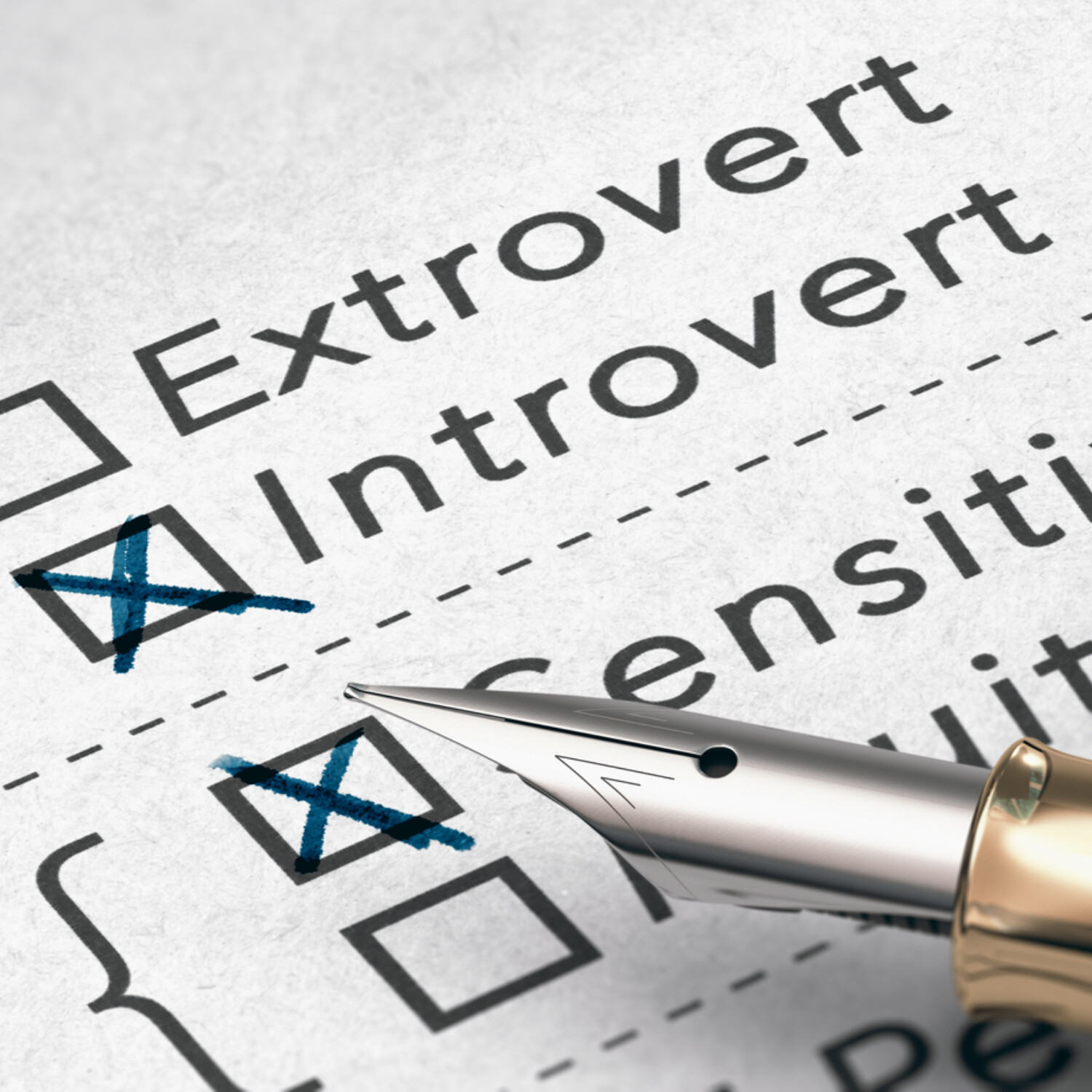
S5 Ep 260What’s the Difference Between Introverts and Extroverts?
Extroverts and introverts are two types of people who generally prefer different activities, environments, and work styles. Extroverts tend to be more social and enjoy being around other people, and they seek stimulation from their environment and thrive on new experiences. They may appear to be having fun, but they’re likely just doing it for you. Introverts are the opposite. They generally don’t enjoy being around many people or doing activities requiring attention from others. Instead, they prefer to spend time alone to recharge their batteries and think more abstractly. However, that doesn’t mean that extroverts are incapable of understanding the needs of an introvert or vice versa. In fact, most extroverts are comfortable spending time alone as well. Here is an overview of the differences between an extrovert and an introvert so that you can better understand your friends or family members who may seem like they dislike being around others or who don’t seem like they enjoy your company. Introversion and extroversion are clarified Introversion is the tendency to prefer spending time alone and can be an influential part of one’s personality. It’s characterised by a preference for solitude and reflection over social interaction. Someone introverted will likely avoid parties, large gatherings, or other situations in which they would have to engage with lots of people. On the other hand, extroversion is the tendency to seek out social interaction and stimulation to feel comfortable. Extroverted people enjoy being around others and even thrive in many social situations. They also tend to talk more regularly than someone introverted. Extroverts typically enjoy getting together with friends and can sometimes be found at parties or other gatherings without any real sense of awkwardness or discomfort. As you might have guessed, extroverts are always looking for new people or experiences, whereas introverts are often content with their own company or want some peace and quiet time away from it all. However, there’s still a lot of overlap between these two personality types regarding how they spend their free time! Extroverted people are almost always willing to talk about themselves and their thoughts on various issues, especially topics that interest them. Conversely, introverts may have a more demanding time talking about themselves or very rarely do so unless they’re under close observation in social settings where they usually wouldn’t feel comfortable doing so, for example, when asked questions like “What do you". Introverts and Extroverts Together: Why They’re Different? Introverts and extroverts are two different types of personalities. They do not always see eye to eye on things, but they can cooperate when necessary. If you’re trying to communicate with an introvert, it’s best to break the conversation into smaller segments so that the introvert can process what you’re saying. That is unless they’re very well-adjusted and socialised. In general, extroverts don’t feel like they need to be around people all the time to have a good time. They thrive off of new experiences without being distracted by their surroundings. They also tend to do things for other people, as it’s more fun that way than if they were doing it themselves. Introverts typically feel like they need time alone to think more clearly or recharge their batteries before engaging with others again. Because of this, they might not respond well if someone tries to make them come out of their comfort zone quickly or if someone tries to force them into social situations where they don’t want to be. It’s important not to push an introvert too hard because that will make them feel like you’re trying to manipulate them into doing something that doesn’t fit who they are or what makes them happy.

S5 Ep 259Five Steps to More Confident Decision Making
Five Steps to More Confident Decision-Making How do you make a decision? Do you know the steps? If you’re having trouble feeling confident in your actions and wish you had an unwavering self-belief in your decisions, maybe it's time to look at your decision-making process. Decisions made impulsively or without careful thought might not always turn out the way you hope they will. Of course, there's something to be said for instinct and even dumb luck. But what if good decisions were inevitable rather than occasional? Imagine for a moment how it would feel to know you're right before you even act. This is because there are steps you should be going through when making a decision. Let’s take a look at those now. Start With an Open Mind Do you automatically have all the answers? Probably not. Some of your beliefs might be biased, faulty, or illogical. Accepting you might have things to learn is the first and most crucial step to making decisions. Take a step back from everything but the raw facts regarding what you're trying to decide. Get the Facts Do you have all the information you need to make an informed decision? Are there things you need to learn? What about examining the options? Have you considered multiple solutions? Take time to put the work in to gather what you need to proceed with confidence. Predict the Future Once you have some choices in mind, try to imagine how they're going to play out. Sometimes what looks good might be a great temporary solution, but you're going to need to do something different in the long run. If you make a certain decision right now, ask yourself if this will still be a good decision in the morning? What about next week? Or next year? Get Another Opinion Do you have a mentor or someone you can trust whom you could talk to about this? While you might skip this step on the small stuff, it's worth having someone you trust to weigh in with their opinion whenever you make a big decision. They might see something you're missing. Act Sometimes the hardest part of making decisions lies in making the actual decision. It’s tempting to go back over the research a few more times or keep looking for other alternatives. At some point, you’re going to need to act. Take your best solution and move forward with it with confidence. You’ve done all the work. Now comes the part where you put this newfound trust in yourself into action. The best part? The more you run through this process, the more confident you’ll feel about making decisions in the first place.
S5 Ep 2588 Tips for Stopping Negative Thinking Patterns That Really Work
8 Tips That Work for Stopping Negative Thinking Patterns You’re tired, and it’s been a long day. It feels like there’s more in your life going wrong than going right. You come home and slump on the couch and wonder just how it was that your life started going so wrong. Stop. We all fall prey to negative thought patterns. It’s so easy to see the worst-case scenario, to focus on the bad things in our lives, especially when we’re tired. But by focusing on the negativity, what we’re doing is hurting ourselves mentally and even physically. Negativity drives us down by making us depressed and anxious. With too much negativity, your sleep becomes difficult. Your body even starts to show the effects on how you feel, and also how you’re able to fight something as mundane as a cold. So how do you stop these negative thought patterns? 1. Remember to breathe. When a negative thought surfaces, before you get caught up in the negative cycle, take a deep breath. Relax. Accept that negative thoughts are going to creep up once in a while. 2. Acknowledge the thought. Without focusing too heavily on why the thought is there, stop and listen to it for a moment. Remind yourself that this is something that very likely isn’t true and that it can’t control you. 3. Examine the triggers. Why do you have the negative thought? What just happened that led to your having this thought? 4. Look for the root. The chances are that those triggers are rooted in something much deeper. Where did the thought originate? What do you need to work through to keep these thoughts from happening again? Don’t let this step overwhelm you. If the roots are deep, it might be that you’ll need help to dislodge them. Don’t be afraid to ask for help or to visit a counsellor to help with this step. 5. Focus on where you’re going. Realize that this negative thought doesn’t control your future. Keep your eyes on your goals! 6. Replace the thought with something else. With your eyes firmly on your goal, focus on what you need to do next to realize that dream. Fill your mind with that thought instead. 7. Erase perfectionism. Realize that all of this takes practice and that you’re not always going to succeed on the first try. It’s OK. Jump in where you are, and if you fail, try again. You will get this! 8. Adopt a positive attitude. Remember, positivity is a choice. YOUR choice. Stopping negativity is one of the most important habits that you’ll ever break. By pulling more positivity into your life, you’re going to feel better, and even like yourself a lot more. You’ll be more productive and experience less stress. With all that on the line, don’t you think it’s time to think positive?
S5 Ep 257Self Confidence
Confidence I talk to a lot of professionals and salespeople and even entrepreneurs, people starting their own businesses, and they want to learn how can I develop more confidence or even just get myself a bit of confidence so that I can be more successful in what I do. You have to realize what confidence comes from and what confidence means. Confidence is your ability to take action and feel good about yourself. Feel like whatever it is you're about to endeavour into, that you can do a good job and that you can come out of the other end of it looking good. Now, this doesn't happen by accident. When you look at the way confidence appears in our lives, it appears as a result of doing things over and over again and developing a proficiency from it. Confidence, in and of itself, is not something that you're born with or not born with. It's something that's developed over time through practice and through repetition. When you first learn how to walk, when you were let's say 12 months old or 13 months old or whatever it may be for you, you were not very confident at walking. In fact, you couldn't walk. But you were determined to try. You stood on the side of the sofa, and you pushed yourself off, and you would fall. You would try it again, and you would fall, and you would do it over and over again. Your level of confidence, in the beginning, was tiny. In fact, there probably was no confidence. But you were so determined to do it, that you kept going. Eventually, you took a step, you followed that with another step, and soon enough you were walking, and now you're an adult, and you can walk from one side to the other of a room or a hallway or whatever, and not even think about the act of walking. It's just something that comes to you naturally. If someone were to ask you your level of confidence on a scale of 0 to 10, how confident you are that you could walk across the room, you'd probably say 11. It doesn't even occur to you. You just do it. The same thing goes for confidence in all areas of life, including your professional life. Let's say your success right now requires your ability to sell. To sell a product, to sell an idea, to sell a service, sell a training program. I don't know what it is for you. Well, you might not be confident right now in your ability to communicate the value and close a deal, AKA sell. However, how are you going to get that confidence? You weren't born with it. Right now, you think about yourself going into a situation where you might have to sell somebody, and you're nervous. How do you get to a point where you're confident in doing it? Well, you go through the nerves, you go through those comfort zones, you put yourself in situations where you're probably not all that comfortable, you're a little nervous, and you do it. You learn from it, and you make mistakes, and you fall on your face, just like you fell on the ground when you were learning how to walk. But you do this once, and you get a bit of feedback, you get a bit of insight. Maybe your manager was with you on that sales call and saw a couple of things that you could have improved on and gives you that feedback.

S5 Ep 256Goal Setting
I want to talk a little about goal setting and goal achievement, which quite truthfully is probably the most overdone topic in any genre in the world. Everybody has done a goal-setting exercise at some point, whether it was in high school or in college or university or their first job. I realize that we've all done it, but the truth of the matter is very few people, in the grand scheme of things in this world, anywhere on the globe, very few people have goals written down. What that tells me is that very few people actually know what they want. Why is that? Why do so few people know what they want? I believe it's because a lot of us are programmed, from a pretty early age, to not acknowledge that we can have what we want. Instead, we're told what we should be doing and what we shouldn't be doing, and we should follow this path to be successful. You should do this to make sure that you have enough money when you grow up to do whatever it is you need to do. They never actually think, "Well, is that really what I want? What if I want to spend my life travelling the world?" A lot of times, somebody that says that will just get laughed at or mocked, that that's not a realistic thing to want. But here's the thing. You can want anything you want, but it's up to you to create it. A lot of people, and maybe this is you, the very first thing you need to do when it comes to goal setting is have an acknowledgement with yourself that there are things that I want me to don't have right now. It could be some pretty big things that you're looking at like I'm at a job that I hate. I don't want to be here. What I want is to do X. By coming to that realization, the next step is to translate that into something you can control, which is where goal setting comes into place. Acknowledging that it's okay to have wants, then defining what those wants are. Next, turning that into a goal. So, "I don't want to work here. I want to travel the world. Let's set a goal that 12 months from now, I'm not going to be in this job. I'm going to be travelling at that point." How do you make that become a reality? That's when the real work kicks in, the goal achievement. Setting the goal is really the easy part. It's the fun part. Figuring out the rest is much, much harder to do. But that's where your real test of character comes in. Goal achievement can't happen without goal setting. But goal achievement also can't happen without commitment. So that's the big equator in this whole thing. The level of commitment you have to making your goals become a reality.

S5 Ep 2558 Proven Ways Walking Improves Your Brain
8 Proven Ways Walking Improves Your Brain It might surprise you to hear that something as simple as walking can actually improve your brainpower. It doesn’t even have to be full-on power walking! Even a twenty- or thirty-minute walk during your lunch break can have a positive impact on your brain. Here are eight ways science has proven that walking is excellent for your brain. 1. Walking Helps Lower Your Risk of Depression Walking is an excellent way to improve your mental health. A 2018 study showed that any kind of moderate aerobic exercise like brisk walking can boost your brain health and lower your risk of developing depression by a third. 2. Walking Improve Your Cognitive Function A number of studies have shown that the magic amount of twenty to thirty minutes of daily aerobic exercise, such as walking, improves cognitive function and memory. 3. Walking Stimulates Endorphins Just ten minutes of walking is enough to start your brain releasing endorphins, the brain chemicals that lower stress, boost your mental health, and make you feel good. You’ve heard of the runner’s high? Well, you can get a similar positive rush from a brisk walk! 4. Walking Releases the Brain’s Magic Protein Brain-Derived Neurotrophic Factor (BDNF) has been dubbed the brain’s ‘magic protein’ as it helps to rewire and build new neural pathways. Scientists believe it can even help lower your risk of Alzheimer’s Disease. And cardiovascular exercise is an easy way to stimulate the production of BDNF and keep your brain in peak condition. 5. Walking Lowers Physical and Mental Fatigue A 2008 study by the University of Georgia found that just three sessions a week of low-intensity exercise like walking can reduce fatigue levels by as much as 65 per cent. 6. Walking Builds Hippocampus Strength Your hippocampus is the key part of the brain for forming and storing memories. Research has shown that even brief walks can actually increase the size and efficiency of your hippocampus. 7. Walking Improves Creativity Artists, writers, and philosophers have long known the importance of walking for clearing blocked creativity and getting inspiration flowing again. Science can now back this up with a 2014 study by Stanford University that shows that walking increases your creative output by up to sixty per cent. 8. Walking Increases Blood Flow to the Brain Blood is vital for every organ in your body, not least of all, your brain. That magic twenty-minute is all it takes to increase the blood flow to your brain to keep it active and healthy.

S5 Ep 254The Good, Bad, And The Ugly Side Of Emotions
In psychology, emotion is often defined as a complex state of feeling that results in physical and psychological changes that influence thought and behaviour. In other words, It impacts how we feel, believe, and behave, and it also plays a role in determining how we manage social situations and make decisions. Different Types of Emotions There are three main types of emotions: 1. Positive Emotions (enthusiasm, joy, love, pride, gratitude, and hope), 2. Negative Emotions (anxiety, depression, guilt, shame, envy, resentment, jealousy, rage, and hatred). 3. Neutral Emotions (including boredom, indifference, apathy, confusion, disgust, and surprise). These emotions affect our behaviour and influence our decisions. For example, we tend to eat more food when feeling sad, angry, or anxious. We see these emotions in ourselves and others, and awareness is the key to controlling them. There are many ways to manage our feelings, including meditation, yoga, and mindfulness, and these techniques help us gain perspective and become aware of our emotions. Learn more:
S5 Ep 253When Is Empathy the Wrong Response?
When Is Empathy the Wrong Response? Are you an empathetic person? A lot of people will answer that question positively. No one likes to admit that they're selfish or that they can't understand the emotions of others. Then there are those people who simply don't realize they aren't good at identifying situations that require an empathetic response. The definition of empathy is understanding another person's feelings about a situation by looking at it from their point of view. Empathy then means stepping forward and providing some assistance in an attempt to move that person out of a negative emotional situation. By the way, this isn't always the right response when you notice someone struggling emotionally. Just because you can put yourself in someone else's shoes doesn't mean you should act. You don't owe anyone your empathy. That may sound cold. We're not encouraging you to stand by and let someone suffer. We're just saying that some individuals in certain situations should be left to their own devices. Imagine the following scenario. You have a friend who's always causing problems. In your group of friends, this person brings people down and seems to go out of his way to harm relationships and cause emotional damage. You might wonder what's going on in his life and why he acts this way. Wanting to help this person is admirable. He's a friend, so you might want to talk to him about his actions. In many cases, this type of person isn't going to respond positively to you or anyone else pointing out what you see as negative behaviour. Here's another time when empathy might not be the best course of action. You Don't Take Care Of Yourself First Do you know anyone like this? Everyone says she's the most wonderful person. She's selfless. Maybe she's always volunteering at a charity or a homeless shelter. She's that caring person who is so empathetic that she's always bringing home another stray dog or cat. Those are wonderfully selfless actions. The problem is that sometimes these people go out of their way to find situations where they can respond with empathy. They place the world's problems ahead of their own. They don't take care of themselves physically. Finances and relationships suffer because of their constant empathy. Being empathetic is beautiful. It means you have a kind soul. Know when to treat yourself with empathy instead of suffering in some way because you're always taking care of others. Empathy Can Give You Tunnel Vision Here's what sometimes happens. You find someone in a desperate situation. You respond with empathy because that's who you are. You identify their emotional distress and provide assistance in some way. That's beautiful. Sometimes when this happens, you can put on blinders. All you see is that person needing assistance over and over and over. You develop a sort of focused vision on that person's problems, and on nobody else. The result is that you become pushy and the person feels you're smothering them with your good intentions. They also might think your constant attention means you believe you're better than them. Neither one of these outcomes is what you were trying to produce, but things turned out that way despite your best efforts. Empathy can be a wonderful thing. It can also be the wrong response. Use the situations we just discussed to see if you're possibly turning to empathy when there's a better response.
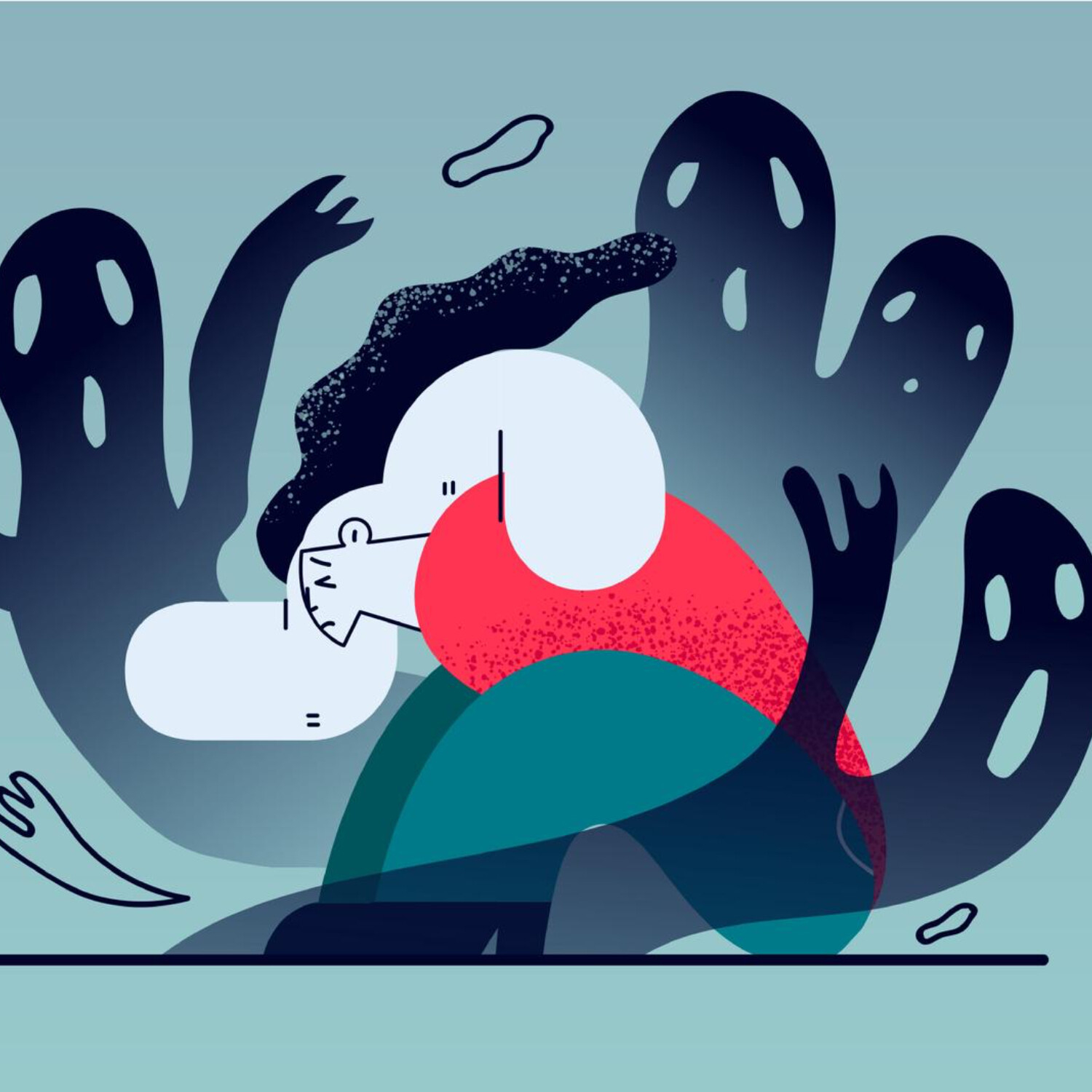
S5 Ep 252Resilience through grief
Introduction Grief is a powerful emotion generally associated with death. You might hear that someone is grieving after the loss of a loved one. It's a natural step to recovery. Psychiatrist Elizabeth Kubler Ross published a book in 1969 titled "On Death and Dying" and introduced us to the five stages of grief. These are different emotions a person experiences when dealing with a terminal illness or the death of someone close to them. Author David Kessler added a sixth stage of grief in his book, "Finding Meaning: the Sixth Stage of Grief" in 2019. As an expert on death and grieving, he says he's noticed that people who suffer the death of a loved one usually attempt to find some meaning in their loss. To some lesser degree, we all experience similar emotions when we experience one of life's hardships. The feelings you have to work through to recover after losing a job or failing to achieve some personal goal can be found in the grieving process. Understanding the different emotions you may deal with after any setback or hardship can help you recover more quickly. You have the resilience to absorb and overcome the setbacks and speed bumps life will lay in your path. Knowing that you're going to have to deal with them before failure or loss appears in your life makes you more resilient. You can prepare emotionally for their arrival. It can speed up the recovery process, so you get back on your feet as soon as possible. Let's take a look at these different emotional states of recovery that can improve your bounce-back ability from any setback, large or small. (It should be noted that these are not sequential in every case. You may experience them in any order. They don't necessarily appear in the order listed here. Additionally, you may not have to work through all these emotions. Just knowing you may encounter them after experiencing one of life's difficulties can power you with the resilience to overcome them.)
S5 Ep 251Understanding the 3 Types of Empathy
Understanding the 3 Types of Empathy Empathy is a wonderfully selfless response to someone else's plight. Not only do you feel sympathetic for someone in a bad situation, but you understand their feelings. You fully experience the event from the perspective of the person going through it. In some cases, it's almost as if you're physically and emotionally living through the experience yourself. This can be very draining for the highly empathetic individual. They're always seeing situations where they internalize another person's emotions and feel they have to help in some way. Some people don't have that level of empathy. They will happily help another person and might even understand the point of view of an individual. They don't necessarily identify with what caused the problem in the first place. Even so, they still respond with empathy. To understand more about yourself and your feelings, let's take a look at the three different types of empathy. One isn't better than another. They're just different ways of responding to the same situation. 1 – Understanding Emotional Empathy We'll introduce you to cognitive empathy in a minute. One of the best ways to understand emotional empathy is with a comparison to the cognitive variety. Just remember this. "Cognitive empathy is an attempt to walk a mile in another person's shoes, while emotional empathy is screaming in pain when someone else steps on a nail." That definition from the MasterClass website hits the nail on the head, pun intended. This almost always occurs when someone experiences something you've been through before. You might not respond in that way if you never stepped on a nail yourself. If you have, and you see someone else do it, your mind and body can go through a nearly identical physical and visceral experience. This is truly understanding what another person is experiencing because it's accompanied with a physical response of some kind. 2 – Cognitive Empathy We just talked about how this form of empathy is different than when you have an emotional empathetic response. Cognitive empathy can be described as taking someone else's perspective. You relate to what someone else is going through even if you've never experienced it yourself. This might mean looking at a situation or listening to someone talk while actively trying to imagine their feelings. You aren't inserting your personal point of view. There's no bias on your part and you're not trying to insert your own experiences. Cognitive empathy simply means a conscious effort to understand the perspective of someone else. This is used in interviews to get the subject to open up and share deeper feelings. 3 – Compassionate Empathy and Problem-Solving Do people often come to you for advice? This might be because you've displayed compassionate empathy. It's a wonderful skill in problem-solving situations. Compassionate empathy means looking at a negative situation and trying to get at the cause. You analyse the underlying reasons why something happened, as well as the effects. Compassionate empathy can be considered a hybrid of both the cognitive and emotional forms of empathy. With this ability, you can demonstrate to a person that you totally understand where they're coming from. You don't offer any bias or prejudice. You may even offer an alternative way of thinking or some insight that helps the person in need. Empathy in any form makes the world a better place. It's selfless and caring. Understanding what type of empathy you're practising can give you a better idea of the reasons behind your response.

S3 Ep 251Understanding the 3 Types of Empathy
Understanding the 3 Types of Empathy Empathy is a wonderfully selfless response to someone else's plight. Not only do you feel sympathetic for someone in a bad situation, but you understand their feelings. You fully experience the event from the perspective of the person going through it. In some cases, it's almost as if you're physically and emotionally living through the experience yourself. This can be very draining for the highly empathetic individual. They're always seeing situations where they internalize another person's emotions and feel they have to help in some way. Some people don't have that level of empathy. They will happily help another person and might even understand the point of view of an individual. They don't necessarily identify with what caused the problem in the first place. Even so, they still respond with empathy. To understand more about yourself and your feelings, let's take a look at the three different types of empathy. One isn't better than another. They're just different ways of responding to the same situation. 1 – Understanding Emotional Empathy We'll introduce you to cognitive empathy in a minute. One of the best ways to understand emotional empathy is with a comparison to the cognitive variety. Just remember this. "Cognitive empathy is an attempt to walk a mile in another person's shoes, while emotional empathy is screaming in pain when someone else steps on a nail." That definition from the Masterclass website hits the nail on the head, pun intended. This almost always occurs when someone experiences something you've been through before. You might not respond in that way if you never stepped on a nail yourself. If you have, and you see someone else do it, your mind and body can go through a nearly identical physical and visceral experience. This is truly understanding what another person is experiencing because it's accompanied by a physical response of some kind. 2 – Cognitive Empathy We just talked about how this form of empathy is different from when you have an emotional empathetic response. Cognitive empathy can be described as taking someone else's perspective. You relate to what someone else is going through, even if you've never experienced it yourself. This might mean looking at a situation or listening to someone talk while actively trying to imagine their feelings. You aren't inserting your personal point of view. There's no bias on your part, and you're not trying to insert your own experiences. Cognitive empathy simply means a conscious effort to understand the perspective of someone else. This is used in interviews to get the subject to open up and share deeper feelings. 3 – Compassionate Empathy and Problem-Solving Do people often come to you for advice? This might be because you've displayed compassionate empathy. It's a wonderful skill in problem-solving situations. Compassionate empathy means looking at a negative situation and trying to get at the cause. You analyse the underlying reasons why something happened, as well as the effects. Compassionate empathy can be considered a hybrid of both the cognitive and emotional forms of empathy. With this ability, you can demonstrate to a person that you totally understand where they're coming from. You don't offer any bias or prejudice. You may even offer an alternative way of thinking or some insight that helps the person in need. Empathy in any form makes the world a better place. It's selfless and caring. Understanding what type of empathy you're practising can give you a better idea of the reasons behind your response.
S5 Ep 250The Benefits of Empathy
The Benefits of Empathy The empathetic person takes on the feelings of another. When you act with empathy, you share emotions and feelings. Some people can almost physically feel what another person is going through. Others might have a less intense experience. In any situation, empathy helps you to understand and relate to others. It's a social skill that everyone should develop. Empathy can help you build trust in your personal and career relationships. Like sympathy, empathy means you feel bad about what someone is going through. Unlike sympathy, empathy always means following up with kindness. You do something to try to help the person get out of a negative situation or experience. What's really neat is that empathy doesn't just benefit the person on the receiving end of kindness. The Benefits of Empathy for the Giver Studies show that the empathetic person experiences less stress and anxiety than others. Everyone is different. Some people just aren't that empathetic. It doesn't mean they're mean people or that they don't care about others. It just means their emotional radar isn't as sensitive as someone who's highly empathetic. That's a shame, because empathy lowers stress. Experts believe this is because of a shared emotional experience. It could be that there is a physical process internally that triggers the release of "feel good" hormones and chemicals. Whatever happens, data clearly shows that if you want less stress, anxiety and depression in your life, learn to be more empathetic. Empathy Makes You Grateful for What You Have Sometimes getting in the emotional point of view of another person can help you appreciate what you have. You see someone struggling emotionally. You ask a few questions. Likewise, you get to know the situation. Perhaps you were in a similar spot yourself at one time. You can identify very clearly with the emotional issues that person is experiencing. It causes such a response in you that you reach out. You feel compelled to offer assistance and to help this person in some way. After this experience has passed, it's not uncommon to feel gratitude. You're reminded when you went through the same problem. You understand that this individual you encountered is currently working through a difficult time. Not only that, but you additionally realise that you are fortunately not going through the same issue. This can cause you to take a little time and express gratitude for your wonderful life and all the blessings in it. Empathy Is a Boomerang Act with empathy for someone else, and you're more likely to get the same response when it's needed. When people see you acting selflessly and with great empathy, they remember. Sometime down the road, when you could benefit from empathy, people will recall when you helped them or someone in their family. This could result in a wonderful boomerang of kindness that gives you assistance right when you need it. Empathy is often returned to the giver. It helps you grow emotionally and socially. You can improve your relationships at work and at home by showing a little more empathy. You also enjoy less stress and anxiety when you become an empathetic person

S5 Ep 249Five Steps to Shift Your Limiting Beliefs for Good
5 Steps to Shift Your Limiting Beliefs for Good How are you your own worst enemy? We limit ourselves so much. We live in our heads and come up with all these ways to keep us from getting anything accomplished. Even though deep down, we know we're good enough, and how much we're fully capable of getting things done. The only way to get past these self-sabotaging behaviours is to take active, intentional steps to remedy your thinking. Let's look at 5 steps that will shift your limiting beliefs for good. Stop Wait a minute; what were you thinking? If a thought feels off about something, it's time to stop and examine this idea much closer. Is this perhaps a self-limiting belief? Think About What You're Saying Where is the lie in this thought? You've already figured out there's something wrong with it, or you wouldn't be going through this process. This means something about it is not ringing true. When you understand where the lie is, it becomes easier to know how to counter it. Look for the Proof Is there any proof this self-limiting thought is true? Let's examine the part you feel is a lie. Here's where you need to take a step back from the situation if you can and look very impartially at what's going on. Is any grain of truth in what you're thinking? Take Control If what you were thinking is a lie, it's relatively easy to counter the false aspects of the statement with the truth. But what if this thought was at least partially true? You start by reminding yourself this isn't always the case. For example, you might be thinking you are always late. Maybe you are, in fact, late sometimes. To perform this step, you would need to recall various instances when you were on time. By countering the lie, you are taking control of the situation, and not allowing the limiting belief to have any sway over you. Get Help Sometimes it can be challenging to remove limiting beliefs by yourself. In these instances, it can be beneficial to talk to a friend, or even a counsellor, to help you see the truth. There is nothing wrong with getting help, especially from someone who is in a position to be impartial. Self-limiting beliefs don't have to control your life. By examining your thoughts, especially those that seem to hold you back, you will find it much easier to move forward toward your goals. Soon you will realize success.
S5 Ep 248Seven Tips for Restoring Your Self-Worth After a Toxic Relationship
Restoring Your Self-Worth After a Toxic Relationship Well, that didn’t go right. We walk into a relationship with so much enthusiasm. We think what we’ve found is the best thing in the world, which is a heady feeling for while it lasts. Sadly, when a relationship is toxic, we’re frequently the last to know. By the time we escape, our self-worth has already taken a hefty blow. So, how do you restore positive feelings about yourself after a toxic relationship? Release Your Victimhood The more you focus on what happened, the more you get stuck, so the sooner you can quit revisiting the past and dwelling on perceptions of ill-treatment, the sooner you’re going to put all this behind you. This doesn’t mean to say this was your fault, but obsessing about the ‘should’ and going back over every encounter is only going to hurt you regardless of whether you were in the right or not. Drop the Blame Was it your fault? Not. The sooner you can let go of any residual guilt or bad feelings about the relationship, the happier you’ll be. The next step should help. Silence Their Voice The problem with toxic relationships is you tend to believe what the other person said about you, no matter how outlandish it seemed at the time. Now their voice is there, lurking in your head to remind you of all your so-called shortcomings at every opportunity—time to tell them to shut up once and for all. Embrace the New You Find joy in being single. Spoil yourself. Do that thing you always wanted to do. Take lessons, and build your skill set as you build yourself up. Become your own best friend in a way that doesn’t require validation from any outside source. Believe Your Friends You hear the compliments, but they’re going in one ear and out the other. Rather than brush off the nice things, people around you are saying, start listening. Listening until these words become a part of who you are. Create Goals You Love What would you like to do with your life? Too often, our goals reflect the needs and desires around us. Now is the time to reverse this. Accepting you are capable, and your goals are worth fighting for, what do YOU want to do? Affirmations Work through the worst offenders of negative self-talk through positive affirmations. Take note of what you’re telling yourself. Rewrite the script and turn these statements around into affirmations that you read to yourself every day. Remember, this is a process and is likely to take time. By reminding yourself of just how amazing you are, and focusing hard on these steps, eventually, you will start feeling the difference even if you don’t see it yet. Hang in there!

S5 Ep 247Love or hate work
Do You Love Or Hate Your Work? Back in my corporate days, I worked for a huge company where it was easy to become just another face in the crowd. It was your typical corporate setting where you would find many people who truly hated being there. There was one lady in particular whose cubicle I would pass on a daily basis. Practically every time I walked by, she would be on a social networking or celebrity gossip website. If managers were in the area, she would quickly perk up and look busy. When the coast was clear, back she would go to the time-wasting. I also remember her being negative and miserable a lot of the time. I actually felt terrible for her. As someone who dropped out of the corporate life to pursue something with more meaning for me, I can see with hindsight exactly what was going on. She hated her position and did not want to be there. But another part of her believed that she must keep this job because there was no other option. Thinking back, I’m sure she wasn’t a lazy person by nature, and I bet she had hobbies or other interests outside of work that made her feel alive and positive. She could immerse herself in these activities for hours and feel like no time had passed at all. This is the kind of engaged, focused activity that makes people feel genuinely happy. For me, I know I always feel my best when I have put my heart and soul into a project that has meaning for me and that I am passionate about. It's even more powerful if you can get paid for it! The challenge then becomes, how do you align your entire life so that you spend the majority of time engaged in the kind of work that makes you come alive? How do you find something that you are already good at, already enjoy, and want to become the best at? All it takes is the willingness to try something new. If you are in a job you hate and have passion for something totally different, you don’t have to quit your job and risk the farm. But you can take on a small passion project that you devote your weekends to. Sometimes, all you have to do is start, and you will create the momentum you need to remap the entire direction of your life in a new, more exciting direction.

S5 Ep 246Am I Too Impatient?
Am I Too Impatient? The next time you get on an elevator, pay attention to the other passengers when they get on. The patient ones will step in, push the button to their desired floor, step aside and smile while they ride. An impatient person will step in, choose their floor, and start tapping the close door button if it doesn’t move fast enough. You might shake your head at the spectacle unless you can commiserate with the impatient person. It is possible to be too impatient. Your quality of life decreases while your stress levels increase when you are. We all lose our patience now and again, but are you too impatient? 5 Indications That You May be Too Impatient If you have ever worried that you are an incredibly impatient person, consider these five indications that suggest you are: 1. You grow frustrated standing in long lines. Whether it is the bank or the grocery store, you hate waiting more than 30 seconds for the line to move. In your opinion, you have a million other things you could do in that span of time. You may even voice your frustration in an embarrassing way. 2. You see no problem in interrupting people because it saves time. Waiting for your mom to tell you of her trip to the doctor is torture as she recounts her entire day. You find yourself interjecting to help her get to the point. You always want to speak over someone to hurry the story along. 3. You are a beacon of nervous energy. Family and friends constantly ask you to sit down or stop tapping your foot. You are a bundle of nerves and cannot stand to sit idle when there are things you need to do and are anxious. 4. You have a quick temper. If things do not go the way you planned, you explode. The family has to walk on eggshells around you, especially when they see you have reached your boiling point. 5. You refuse to count on others to ensure things get accomplished. You prefer to do things yourself because you don’t trust others to get things done. While you may want help, you prefer to head the project since others are not as capable as your mind. We all have moments when we lose patience. However, some people struggle harder with it than others. You may find that being impatient drains your energy and hampers your relationship. Now is the best time to put that poor behaviour behind you and learn the skill of patience.
S5 Ep 245Reasons We Struggle with Patience
Reasons We Struggle with Patience The alarm fails to go off, so you oversleep. Now you are late, and you have a flat tire to make things worse. You know that if one more thing happens, you might explode with some expletives that would make a sailor blush. Every day, we fight to maintain a sense of calm as the world around us pushes our patience buttons. We may have heard that patience is a virtue, but why is it so hard to be patient? What factors play into our ability to let go of our frustrations and let things roll off our backs? 6 Reasons People Are Impatient Our fast-paced society has us frustrated over small things. Even though we know we need to learn how to be patient, we all still struggle, and here’s why: 1. Our habits are disrupted. Habits offer comfort. They give us a sense of calm in a chaotic world. We become impatient when something comes along and disrupts our typically scheduled patterns. 2. Things are important, but time is running out. You have an important meeting. While you left with plenty of time to get there, delays occurred. You may have a flat tire, or there is an accident on the highway. As the clock hands move closer to the appointment time, your patience grows thinner and thinner. 3. Other people succeed, and we don’t. The comparison trap can cause much upheaval in your life. Seeing others succeed in pursuing their goals while you are stuck in a rut is bound to cause jealousy and some impatience on your part. 4. We feel overwhelmed. Having too much to do leaves many of us feeling overwhelmed. So we move from task to task, working fast and efficiently, until someone comes along and tips the apple cart. Now things are stalled, and patience is lost. 5. We don’t see results as fast as we think we should. Let’s say you want to lose weight. You research methods and choose to eat healthier and exercise. You start out great and drop seven pounds your first month. Then you lose two; then none for several weeks. When progress stalls, it is easy to grow impatient. 6. We are tired and hungry. Anytime you are tired, you are likely to lose your patience with others fast. Being hungry has the same effect. Recognizing why we become impatient is the first step in pursuing a happier life filled with patience. Consider which of these reasons play the most significant factors for you, and then learn how to combat impatience.

S5 Ep 244Embrace Your Failure
Great Leaders Embrace Failure – You Should Too If you hate failing, that's a good thing. It means you're driven. People that aren't fazed by failure or loss don't expect much of themselves. You're different. You're like most folks because failure is frustrating to you. You can begin to question yourself when you get something wrong. Likewise, you wonder if you're capable of achieving what's important to you. Even small failures can lead to an "I quit" attitude. Have several small setbacks in a row, and you might feel like giving up on making an effort at all. That's not what great leaders do. They embrace failure. That's definitely the case for a man who was defeated in a run for the state legislature. He failed in business several times. Shortly after one such failure, the love of his life died. This led to a nervous breakdown the following year. He returned, only to be defeated in his run for speaker of the house two years later. Then he was defeated for nomination to Congress. He was eventually elected to Congress, only to lose renomination two years later. He was rejected as a land officer and then defeated in his attempt to become a US Senator. A couple of years later, defeat would once again come calling, as he lost the nomination of Vice President for his party in 1858. His Failures Were So Legendary They Were Given a Name You could easily forgive such a man if he gave up. That's a staggering list of failures. It would be easy to believe the world was just against you if there had been your experiences. The man's lack of success was so legendary it was given its own name ... "Lincoln's Failures." We're talking, of course, about the 16th President of the United States of America. Abraham Lincoln recovered from those staggering failures, only to be faced with a Civil War and a political struggle that saw many in his own party turn their backs on him. Yet, he continued to do what he had done so many times in his past; he refused to give up. He would eventually go on to help end slavery in America. This allowed African-Americans to finally enjoy the civil and social freedoms they had been denied. Many historians that talk about such things count Abraham Lincoln as one of the highest-achieving presidents in US history. Failure Can Defeat You, or It Can Teach You Prodigious inventor Thomas Edison failed more than 1,000 times before he successfully invented the incandescent light bulb. He's famous for saying he didn't regard lack of success as a failure. He simply learned 1,000 different ways that wouldn't work. Abraham Lincoln no doubt had the same approach. His perseverance in reaching the highest leadership role in the United States was partly responsible for his eventual attainment of that title. He also learned from his failures. He embraced them as teachers instead of despising them for creating so much hardship in his life. Successful leaders don't give up. They persevere in the face of failure. They also learn from their failures and embrace them as teachers instead of declarations of who they are. A failure is just an event, nothing more. It's up to you whether you learn from it and move forward with better information, or bow down to your failure and give up.
S5 Ep 243Steve Jobs Gives You Permission to Be Different
Steve Jobs Gives You Permission to Be Different Steve Jobs was notoriously hard on his staff. It's well known that he could be difficult to work for. He was also superb at running Apple Inc., which he co-founded with Stephen Wozniak. The two young men began business together in 1976. They worked out of Jobs' garage. What would eventually become a hugely successful computer and cell phone manufacturing company started out with very little money? Wozniak sold a programmable calculator, and Steve Jobs sold his Volkswagen minibus for start-up capital. Jobs then went to work finding financial backers. Just one year later, the Apple II made its debut. Success was almost immediate due to the perfect timing of an explosion in the popularity of personal computers. Apple Inc. had an initial public offering in 1981 that broke records. Two years later, Apple joined the Fortune 500 list of the top companies in America. It was the quickest any company had ever gone from IPO to inclusion on that exclusive list. The First Trillion-Dollar Company In 2018 Apple became the first company in the world to boast a market capitalization of $1 trillion. It took over two more years for the Jobs/Wozniak creation to hit a $2 trillion market cap. That was another record-breaking cap number. What can we learn from this man identified as quirky, personable, a great thinker, weird, and sometimes incredibly unlikeable? Let's look at one of his famous quotes for that answer. "Don't be afraid to be different." Steve Jobs frequently said that it's the crazy people that change the world. He surrounded himself with people that had different ideas about how to get things done. He understood that many people saw him as weird and downright different. He so believed in this idea that he used it in Apple's "Think Different" advertising campaign. The many times he was interviewed on the subject, Jobs said that people shouldn't make an effort to be different. But if they are different than most people, that's okay. In other words, he didn't want people to be anything other than what they were as individuals. He believed that if you're different from most other people, embrace that. In many cases, it's a sign you have something new and innovative to bring to the table. Jobs was worth $1 million when he was 23. Just two years later, his personal net worth was $100 million. While that's impressive, he said he never did anything for the money and instead loved what he was doing. He was just being himself. That's what mattered to him. His incredible ideas and creations may never have seen the light of day if he had bowed down to conformity. Don't worry if you're different. That might be the best thing for you and the world.

S5 Ep 242What a Dyslexic High School Dropout Turned Billionaire Can Teach You about Leadership
What a Dyslexic High School Dropout Turned Billionaire Can Teach You About Leadership If you accumulate a billion dollars in net worth, you'll develop some leadership skills in the process. Hit that billion-dollar figure several times over, and your ability as a leader has to be pretty sharp. That's the case with a high school dropout who ran away from education at the tender age of 16. His teachers called him lazy. He just didn't seem to fit in. He didn't know it at the time, but many of his problems in school came from the fact that he had dyslexia. Dyslexia is a condition that makes it difficult to understand what someone is reading. A dyslexic can struggle to read, write, spell and even speak. At the time of this eventual billionaire's problems in school, when he dropped out in 1966, not as much was known about dyslexia. Children were often diagnosed as troublemakers and problems. There was no efficient treatment because this mental disorder had yet to be studied thoroughly. Even with these staggering difficulties, the young man in question started a business venture as a teenager. He created a magazine called "Student." Though it quickly became profitable, it began to lose money in the late 1960s, after he had left school. That's when Richard Branson formed Virgin Mail Order Records. It was the first of many successful businesses he would launch in his life. Sir Richard Branson Credits Dyslexia For Teaching Him the Power of Delegation Great leaders understand they can't do everything. Successful leaders will always hire people that can do things they can't. They seek out the best of the best, and they put them to work. They delegate tasks and responsibilities and follow up effectively. Branson, who received the British honour of Knighthood in 1999, said his response to dyslexia was important for developing this core leadership quality. He struggles to understand terms even as an adult and sometimes has problems reading. This is how he learned to delegate as a young man. He said he quickly realized that if understanding everything about a business was up to him, he would fail miserably. He began to hire people that could do the things he couldn't. Today he says that during business deals if he can't fully grasp what's being said and communicated, he doesn't worry. He hires people to do that for him. You can only do so much. You may be the most productive person in the history of mankind, but there's only so much you can do. Whether you need help with the chores around the house or you're a Fortune 500 CEO that wants to be more productive, learn to delegate. If this skill is credited with turning a high school dropout into a successful manager of more than 400 businesses, it can help you.

S5 Ep 241Sexual Orientation.
EGender identity Gender is used to describe the characteristics of men and women that are socially constructed, while sex refers to those that are biologically determined. Individuals are born male or female but learn to be boys and girls who grow into men and women, and this learned behaviour makes up their gender identity and determines gender roles. (The WHO gender policy, 2002). Gender identity, and sexual orientation, are two very different things. Gender identity refers to a person’s sense of self, which may not correspond to the sex assigned to them at birth. Many individuals are identified as male or female, while others may not feel they fit into this particular category. Identities that are not binary are commonly referred to as nonbinary. These individuals do not conform to any of the established social roles for men and women. In addition, the overlap between gender identity and sexual orientation is often confusing for individuals and people seeking support. For example, author Diane Ehrensaft relates the case of a teenage client who self-identified as a gay boy and an androgynous man. The experience of this young person is both dramatic and complex. But the underlying theme is the same: gender identity and sexual orientation are fundamentally different, and they often disagree. As a result, transgender and intersex individuals may encounter social and legal barriers. Obtaining a legal ID and gaining access to public benefits may be difficult, particularly for people whose genitalia are not matched by anatomical sex. Some states allow transgender people to change their name to reflect their post-operative gender, but may not recognise the applicant as someone of the same gender in other areas. Sexual Gratification & Diversity Heterosexuals Heterosexuals and homosexuals and same-sex attraction are closely related to their reproductive potential. Both groups engage in sexual activities with the opposite sex, but in terms of a higher percentage, homosexual men are less likely to father children than heterosexual men. Researchers found that plasma sex hormone levels were not associated with sexual preference in mice. Sexual orientation is independent of sex hormone levels in their plasma. Heterosexuals do not engage in more sexual activities with the opposite sex as homosexuals do. Some researchers studied this question, and they found similarities in the lives of gay and lesbian children from four countries. The findings suggest that both sexual orientations are biologically determined. In addition, the researchers found that differences in family size, gender roles, and cross-dressing between heterosexual men and lesbian women did not affect the likelihood of having children. Some may believe that sexual orientation does not change over time but can be defined by the social structure that a society has. While there is no clear genetic cause of sexual orientation, studies show that environmental factors and biochemical mechanisms during development may influence it.

S5 Ep 240Would you like to make an excellent impression within a social setting?
Would you like to make an excellent impression within a social setting? How would you like to leave a room and people start talking about you in a way that is not only flattering but where they wished you hadn’t gone? That is how to be unforgettable in a positive way. It’s not as difficult as you think, either. It does take a bit of practice and maybe even a bit of refocusing on your core beliefs. But, it’s possible, and you should get started now. Be punctual Another significant thing to remember is always being on time because it makes you look reliable. But there’s another critical reason for this. The world is made up of two types of people. The first group is a stickler for time, and being late is one of their largest pet peeves. The other group has a more flexible interpretation of being on time and doesn’t mind waiting for someone for a few minutes or being late themselves. Become a Storyteller Which would you choose if you had the choice between hearing statistical information on a particular topic or a narrative that brilliantly described that subject? If you are like most people, you will choose the narrative. People love to hear stories, and we are wired that way. If you have the added skill of being able to tell stories, people will remember you for this. Some people have a natural ability to tell stories, and it seems like they were born with this skill. Because of this, many people feel they cannot pick up this ability, and it’s simply not true. It just takes some practice. Pursue books, seminars, etc., on the subject and start getting better at telling stories. Get Interested in What Others Are Interested In Dale Carnegie wrote the book, How to Win Friends and Influence People. He wrote this in 1936, while the Great Depression was still underway, and it continues to sell many copies to this day. In the book, one of the foundations is to become genuinely interested in other people. Ask questions related to their interests. Look for information or other items on their behalf that shows you have taken an interest in them. They will greatly appreciate you for this and will remember you. Do this with enough people, and you will have a tremendous following. Think About Others Who Are Unforgettable to You If you want to learn how to be unforgettable, follow people who already are (or were). Read stories and profiles of famous people who you would like to emulate. While you don’t want to be exactly like them, you want to try to take after what they did, as long as it fits your personality, and you are comfortable repeating their steps. Of course, sometimes it’s better to get outside that comfort zone to grow as a person. When you learn to take the same steps, you can also, become as memorable as them. Think Outside the Box No one gets remembered for doing the same thing everyone else does, and you will stand out among your peers when searching for ways others aren’t. It may not seem popular when you first set out to do things differently, but if you make it work, this will turn around quickly. Over time, somebody will remember you as being innovative and welcome your ideas, as they will see them as possible solutions. You probably always hear the advice about thinking outside the box, but do you ever hear about how actually to do it? While there are no rules for thinking outside the box (that’s entirely the point), there are some ways to approach it. When you are confronted with a problem, look at how others have dealt with that problem. Try an alternative approach to see if you can come up with another resolution. For example, a person looking for concert tickets came up short when trying to obtain them in the Northeast United States. Instead of giving up, he called up Ticket Master locations in California that were just starting to sell.

S5 Ep 239Five Steps to Using Visualization to Get What You Want What do you want out of life?
5 Steps to Using Visualization to Get What You Want What do you want out of life? More importantly, how do you intend to go about getting it? We all have so many wants. Some are very simple, such as wanting to lose five pounds in time for swimsuit season. While others, such as changing to a new career, are more complex. What’s interesting is that you can use the very same technique to get precisely what you want, whether your goal is big or small. Visualization is the technique of picturing a goal in your mind in detail so that you can manifest this change in your life. Sound hard? Really, it’s not. By following these five simple steps, you’ll get exactly what you want in almost no time at all. Engage Fully in the Vision You absolutely must put yourself into the visualization as fully as you possibly can. Use all your senses and emotions to experience this vision in a way that is real to you. There can be no holding back here. Experience Different Viewpoints What does this visualization feel like to you? Experience it first as yourself so that you can connect emotions to actions. You want to feel every part of it. Now, step back and experience it again as if you’re watching yourself succeed from outside yourself, like watching a movie. Why? This helps you to see details you might miss otherwise. Live the Success When you’re done with the visualization, it’s time to live the part. Become the person you saw at the end of the vision. How does that person move? Think? Act? Reinforce the Message Visualization needs back-up to be successful. The world is full of negative influences, some of them finding root in your own mind. Keep your self-talk positive, use affirmations, and look for ways to constantly reinforce the vision in your mind without tearing it down Make the Vision Tangible in a Way You can See it Creating a dream board or collage will set out your visualization in a place where you are constantly reminded of the experience. Seeing it over and over will also reinforce your goals and strengthen your resolve. By following these steps, you’ll find you will find your dream becoming more and more solid. Of course, you’re going to have to put in the work to achieve what you want. However, by using visualization, you get clear where you’re going and how to get there.

S5 Ep 238Inner Calm For Internal Peace
Inner Calm For Internal peace What if someone told you that you could control your brain? Well, the good news is you can. All you need is some practice and a bit of knowledge. Neuroscience isn’t rocket science, and it’s a skill that can be learned with time, practice, and patience. Ready to learn how to be calm under pressure? 1. Understand “Fight or Flight.” You can thank your school teachers for beating this one into your head. If you need a little recap, “fight or flight” describes how the body reacts in stressful or threatening situations. To put it simply, you either decide to flee the scene (flight) or take action (fight). This explains why you react in a certain way to survive on a subconscious level. However, “fight or flight” is irrelevant in many scenarios in our modern world. Yet, our brain senses danger when we experience things outside what is “typical.” For example, if you feel your body tensing up, a by-product is the stress hormone cortisol, which can do more harm than good. The next time you think you’re experiencing this action, ask yourself, “Is this real or a life and death situation? Or should I calm down and realise it will be okay?” 2. Call out your Emotions Detaching from your emotions is prescribed by many meditation experts and leaders who have mastered the art of staying calm. We’re only human, so we’re inevitably going to experience the whole gamut of sensations. That being said, we can choose to heed them rather than adhere to them. That means when you feel a surge of anger, call it out. Say, “That’s anger I’m experiencing because of an XYZ trouble. I know that this will pass, but I acknowledge that my feelings are valid.” Be sure to validate your emotions rather than exacerbate or dismiss them. Your feelings are real, and it is okay that you’re experiencing them! 3. Breathe Sometimes, all you need to do is breathe. Connect to your breath. Count your breaths. Be grateful that you’re breathing. There are many ways to experience the delight of breathing, so take some time to figure out which approach works best for you. The important thing is that you’re doing it. As we mentioned with “fight or flight,” the body reacts to stress and adverse events. We may choke up, forget to breathe or hyperventilate our way into a panic attack. Those things impact the mind. Focus on your breathing and remain in the now to instil a sense of calm throughout your body.

S5 Ep 237Were You Taught the Definition of Insanity When You Were Young?
Were You Taught the Definition of Insanity When You Were Young? A lot of adults never grasp the true definition of insanity. You might be thinking of some defining terms yourself. While there could be many definitions of that word depending on the situation, there's one that we'd like to talk about. "Insanity is doing the same thing over and over, and expecting different results." That's a pretty simple definition. It's been credited to Albert Einstein, one of the smartest humans ever to walk the planet. Whoever came up with that definition is absolutely on the money. Think of how many times in your life you suffered from this practice. We all have. We tried something and failed. So we tried it again, doing the exact same things we did before. The reward was once again failed. Sometimes we do this unconsciously. We don't consciously choose a certain set of behaviours. However, that's exactly what happens. You'll hear people say that they always choose the wrong type of partner. By saying this out loud, they're virtually guaranteeing they're going to continue to do the same thing. What you speak often times becomes your reality because it's planted into your subconscious. Simply put, if you don't change your actions, you're not going to change the results you get from those actions. People Should Be Taught This Insanity Definition Early in Life Do you have a few extra pounds you'd like to lose? A lot of us do. It's believed that as many as two out of three adults in the United States are overweight or obese. The numbers are very similar in other countries. This means you might have tried a few diets. Then you started exercising. Did you lose some weight? Many people lose a few pounds at the beginning of embracing smarter lifestyle choices that lead to weight loss. Then they inevitably gain those pounds back, sometimes packing on a few more. What happened? Insanity struck. They had changed their actions in the beginning. They were eating better and working out. The reward was the results they wanted. Then they slowly went back to an unhealthy diet and quit being physically active. The same thing is going to happen in that situation that happened every time they adopted those unhealthy habits in the past. You can't go back in time. That's a shame because you have so much to teach the younger version of yourself. All you can do now is remember this insanity definition for the future decisions you make. You can't create a different reality without doing things differently. Embrace different behaviours if you want to create a new and different life.

S5 Ep 236The Snowflake Philosophy
The Snowflake Philosophy Generation Snowflake has become the new norm. This article examines the nature of the Snowflake at the end of today’s cultural climate, and it also looks like the overly sensitive Snowflake characters of today. This article concludes by identifying some key characteristics of a Snowflake. The core metaphor is that such people are delicate like snowflakes, easily hurt by the complex realities of life, and think of themselves as unique without realising they are entitled and privileged— because every snowflake is different, as they say. Whether you are a Generation Snowflake or a Snowflake in real life, you are bound to relate to one or all of these personalities. But, in the 1970s, Snowflake was a disparaging term for a white man or for a black man who was mocked if he was witnessed acting white. It was also utilised as a slang term for cocaine. Before either of those, it was used for a time with a very particular political meaning. But before either of those, it was used for a time with a very particular political meaning. In Missouri in the early 1860s, a snowflake was a person who was opposed to abolishing slavery — the implication of the name being that such people valued white people over black people. What is the origin of the term snowflake? Snowflake first became famous as an insult in the US after releasing the 1999 Brad Pitt Cult Film Fight Club. Chuck Palahniuk, who wrote the original book in 1996, claimed he invented the term, but it actually resonates more than two decades on. (https://www.standard.co.uk/news/londoners-diary/londoner-s-diary-chuck-palahniuk-i-coined-snowflake-and-i-stand-by-it-a3448226.html) One of the prominent lines, “You are not special. You are not a beautiful and unique snowflake,” clearly struck a chord, and the phrase took off. Generation Snowflake The term “Generation Snowflake” was a put-down used to describe the current generation of sensitive millennials, and was popularized by a discussion on Fox News of a 2015 Yale University confrontation over culturally insensitive Halloween costumes. The issue revolved around how universities should intervene and whether students are offended; they should simply “look away”. This view is not without merit, but there are also many negative aspects of the epoch, including an apparent lack of intellectual curiosity and a tendency to be too critical of the past. In March 2015, the National Union of Student Women’s Conference in Solihull (UK) tried to ban clapping if it triggered anxiety, instead suggesting the use of “jazz hands” instead of clapping due to clap-induced anxiety. The term is often regarded as derogatory, as it is a label applied by conservatives to liberals. Young people usually identify as “snowflakes” when their sense of individuality characterises them. Critics label this generation as fickle, sensitive and overly politically correct. But is the term genuinely accurate? Regardless of its definition, it is clear that this generation cannot accept criticism without resentment. Political snowflake Read more: Link

S5 Ep 235Why is it important to listen to other people views
Why is it important to listen to other’s people views When you disagree with someone, likely, you don’t want to waste your time listening to their views. Although listening to something you disagree with isn’t always fun, it is vital to your future. You, Will, Understand Something New When you take the time to listen to someone else and their perspectives, you are exposed to opinions that don’t exist in your mind and philosophies you may not have considered before. And even though you may not like what you hear, you often learn new things by listening to others. This also helps expand your mind to be more accepting of new ideas, which could help you be more successful in the future. Listening Helps You Develop Patience As previously mentioned, sitting there and listening to someone you disagree with is difficult. You will have to have patience. And if you haven’t already developed the necessary tolerance for this task, just the practice of hearing others more often will help you to create it. If you find you are struggling with the activity, try to remember you are listening to learn something new. You can also listen with the intent to ask questions, and this will help you focus on the words the other person is saying more carefully How to Grow Your Network People love when others listen to what they have to say, it makes them feel important. When you take the time to listen to someone else, even though you may disagree with what they are saying, you make that person feel better about themselves. And this can help you make a new friend or connection. This can help you on your path to success in the future, as you never know when you may need to know someone in a specific field or area of study. And hey, expanding your network is always a good idea. Overall, listening to someone else who has an opposing viewpoint from yourself will never be an easy task. But when you resolve to listen to someone else, this helps teach you new things and further develops your patience. It also allows you to grow your network, which could provide unmeasured value to you in the future. Thus, it’s time to learn how to listen to others sooner rather than later if you want to succeed.

S5 Ep 234Anger Management Information
Anger Management Information There is plenty of relevant anger management information. First and foremost it is imperative to understand the anger and the consequences of anger. Anger management will not work without knowing what it is an individual is attempting to change or manage. Anger is an emotion and totally normal. It is a reaction to various situations. It is okay to be angry but when this anger becomes intense, frequently, there can be major problems; problems within the family, relationships, and work and it can cause health problems. People who are unable to manage their anger in a positive way are likely to transfer their anger to other situations such as child and spousal abuse, violent crimes and other types of recklessness. This anger management information is something an individual should consider when recognising they have a problem. There are all sorts of anger-provoking situations, and more anger management information that might be useful in working through anger-related issues. Some people become mad or angry when they are frustrated when something doesn't work out the way they planned or they failed to succeed after giving their all, circumstances like these may cause a person to become frustrated. This frustration may lead to anger which can then spin off into a whole list of negative consequences. Irritations provoke anger. Daily incidents such as constant reminders or regular interruptions can cause a person to become irritated. This irritation continues to grow and the result is a sudden fit of rage. Depending on the individual this rage can cause a person to resort to different ways of releasing their anger, some of which may be painful to themselves and others. When an individual is being verbally abused, perhaps sexually abused, these situations provoke anger. People deal with these disturbing experiences differently but for those who become angry because of the abuse, the outcome could be very serious, even violent. Anger management information such as this is imperative, especially in a situation where a person feels threatened. Being treated unfairly often provokes feelings of anger. Often people are blamed for things, whether warranted or not, it can cause them to feel angry and act out because of these feelings. There is so much information important to understanding anger management. The more details a person can gather, the better equipped they are when faced with circumstances involving an angry individual or if needing to tap into the information themselves. Anger management information is available through many sources; books, movies, as well as the Internet. For a person who requires anger management information, the Internet is an excellent source. Many websites dedicated to anger management, it is very proficient in supplying the necessary information required concerning anger, consequences of anger, people affected by anger and anger management information. Without the appropriate anger management information, it would be difficult to begin a course of treatment that would be beneficial. It doesn't matter where the anger management information comes from. It does matter, however, what an individual does with the information they are given. Reading and studying the information is essential but deciding what to do with this information will make the difference in resolving anger-related issues or not.

S5 Ep 233Consider Using Support Groups for Traumatic Incidents
Consider Using Support Groups for Traumatic Incidents It’s always a good idea to let the past stay in the past. However, a traumatic experience can make this more challenging. Any incidents may affect the abilities of a person both physically and mentally. While time will help to a certain extent, it takes much more to get over something traumatic. trauma There is help available for people going through events like this. A first step may be to get therapy, which often requires months to years of extensive treatments before seeing significant results. Of course, outcomes will alter, which is based on each individual, but it can give people hope that things can improve. Their lives may never be the same as before the event, but at least they can live a more fulfilling life by receiving therapy. Support groups can also be an excellent means to improve the lives of traumatic event victims. These groups often consist of others who are experiencing the same problem. The significant part about joining a group is people at various stages in their healing will be members of the group. That can help newer victims knowing that life can improve. People’s attitude regarding their chances for improvement is a big part of the process. If someone isn’t hopeful, they won’t take the steps needed to move in the right direction. The support groups will offer encouragement, and they will also have members who can refer them to qualified resources in their recovery journey. Many groups allow their members to speak at meetings and describe their feelings and progress. Without this, solitary can make having a support group worthwhile. It’s good for people to know they aren’t alone and that they can get the help they need and the encouragement of the group. One of the enormous benefits of a support group is meeting new friends. These groups go on for years, and people get to know each other quite well. The relationships last beyond the group, and people often get together for different events and meetups. To find a group, speak with your therapist to see if any are available in the area you live. You may need to dig to make sure the group you select is right for you when searching the web. They are growing, and some may be more general-purpose meetings when you need something specific to your trauma. Learn more

S5 Ep 232What Does It Mean to be Innovative
What Does It Mean to be Innovative? Innovation. We hear that term each time we see a new product come out. It’s easy to think of innovation as creating something never thought of before. That’s not always the case. For example, using a telephone as a video device was built in the 1970s. But we don’t remember that because the timing was wrong. Instead, when Apple brings out their Facetime software, we think it’s an innovation. No. They had the right timing. The market was ready. Innovation keeps the world spinning, but it isn’t quite what you may think. It can be used in business and your personal life. If you let it, it will bring you great personal growth and depth. 5 Characteristics of Being Innovative To grow in your personal and professional life, you should consider how innovative you are. It’s not a trait you are born with, which is excellent because it means you can learn to be more innovative. Here are five characteristics of an innovative person: 1. Outside-the-Box Thinking: It’s not about rule-breaking, per se. It’s about looking at an issue and considering all alternatives, including those that seem odd or unconventional. When you use your creative juices, you are well on your way to being an innovative thinker. 2. Patience: Developing new ideas or business ventures take time. It helps if you had a high level of patience to work on that project or create that new online course. This can be tough when you want to hit the ground running, but often a little patience now leads to better success later. 3. Ability to be Proactive: Always being reactive will leave you scrambling and increase your stress. Instead, by being proactive, you are on the lookout for solutions to challenges before they overwhelm you. It may include seeking coaching, taking a course, or asking for feedback. 4. Excellent at Communicating: Innovative people are not shy about talking and networking with others. They understand the importance of communicating ideas and thoughts with others so that everyone is on board, especially if a change is coming. 5. Lifelong Learners: Innovators can innovate because they don’t stop learning. If you love to learn, you are well on your way to developing your innovative muscle. You not only need to keep learning, but you should also have the desire to improve. This may include spending time to self-reflect and discover where you need to grow. Innovation isn’t just for Big Tech companies. It’s for you personally and professionally. Strive to become an innovative person and take the first step to build the life of your dreams.

S5 Ep 231Are Creativity and Innovation the Same Thing?
Are Creativity and Innovation the Same Thing? Creativity and innovation are often used interchangeably. In reality, they are more like two sides of the same coin. When put together, they have different functions that produce new products and ways of thinking. Understanding the difference and how they work together gives you an edge on your business and personal goals. You have to have both to make your mark on the world. How Creativity and Innovation Differ from (and Support) Each Other You might think you know how to be creative. You may even consider that being creative is to be innovative. That’s not quite the case. Creativity can exist without innovation. But innovation is nonexistent without creativity. When you understand the difference between the two and how they can be used together, the sky is the limit: Creativity Is a Characteristic: Think about all of the ideas you come up with – widget to solve a customer problem or the ending to the novel you are writing. That’s being creative. It’s the generation of new ideas, alternatives, possibilities, and solutions. It’s using your imagination. Innovation Is Putting Ideas into Practice: All of those ideas remain on paper without innovation. That widget goes from an idea to testing to the marketplace through innovation. It’s taking creative ideas and putting them into action. Other Ways to Think of Creativity and Innovation: Creativity often happens in a brainstorming session; however, it remains in a creativity status unless an idea is implemented. You can measure innovation by the product or service produced. You cannot measure creativity. Another way to look at both is to see creativity as a front-end process that must happen before innovation can. Innovation takes risks; creativity does not. You Need Both to Prosper: Today’s world seeks continual upgrades and new products or services. That means a company or entrepreneur needs to be innovative. You cannot implement a new idea if you don’t first generate the idea. That means you must be continually working on ideas. You cannot achieve success without innovation, and innovation requires creativity. Innovation takes your ideas, considers how to bring them into reality, tests them, and then presents them to the world. Without creative thinking, though, your innovation will fall flat. Ensure you stay relevant in the market by embracing both creativity and innovation. Encourage creative thinking with your colleagues and team members. Then put the ideas into practice through innovative techniques.