Mark Leonard's World in 30 Minutes
656 episodes — Page 6 of 14
The Power of Crisis with Ian Bremmer
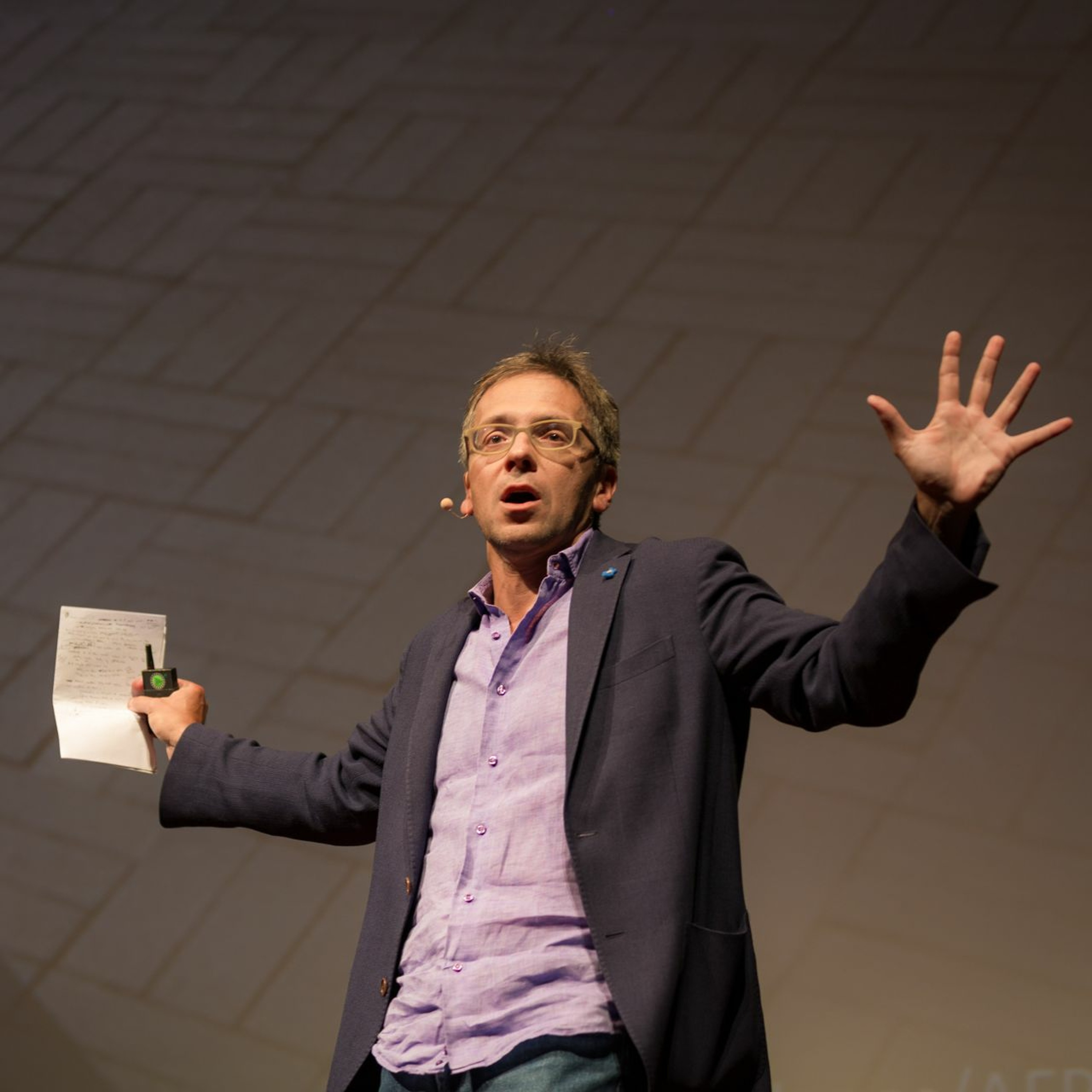
Ian Bremmer wrote his latest book before Russia's all-out invasion of Ukraine. Yet, ‘The Power of Crisis’, which went into press on 26 February 2022, identifies three transformational global challenges besides the war: public health emergencies, the technological revolution, and climate change. In today's podcast, Bremmer joins Mark Leonard to discuss the concept of a “goldilocks” crisis, the effects of the covid-19 pandemic, and Europe’s role in global upheavals. How can Europeans learn to survive and even thrive during current and forthcoming crises? And how can countries cooperate effectively in an age of great power competition?This podcast was recorded on 13 June 2022.Further reading- The Power of Crisis by Ian Bremmer https://buff.ly/3uKRbzdBookshelf - The Body Scout by Lincoln Michel Hosted on Acast. See acast.com/privacy for more information.
Ukraine in the age of unpeace with Fiona Hill
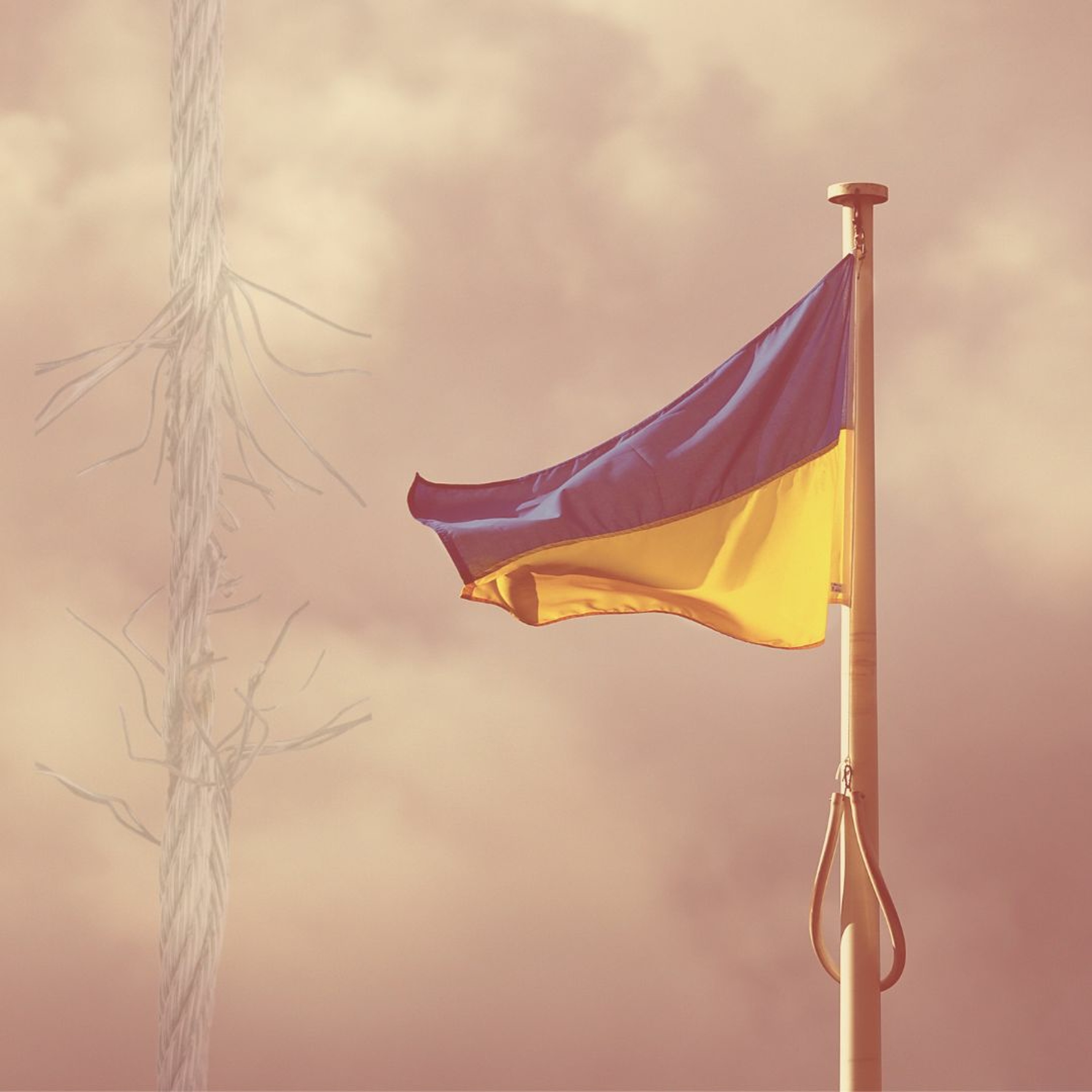
In July, Mark Leonard launched the newly released paperback edition of his book - "The Age of Unpeace: How Connectivity Causes Conflict" (Penguin) - with a brand-new essay on the war in Ukraine and its geopolitical impact. Together with Fiona Hill, senior fellow at Brookings, and Jason Cowley, editor-in-chief of the New Statesman, he discusses a new way of looking at the origins of the war in Ukraine, the way it is being conducted and the implications for global (geo-)politics. Is the “Age of Unpeace” just another term for a cold war? And will global challenges – like climate change – in the end still bind us together? Or does the “Unpeace” era make us even less able to tackle those? The material for this podcast was recorded on 8 July 2022. Available here: https://buff.ly/3RAyiZCLearn more about “The Age of Unpeace”: - https://soundcloud.com/ecfr/age-of-unpeace - https://www.politico.eu/article/welcome-to-the-age-of-unpeace-geopolitics-conflict/ Bookshelf - There Is Nothing for You Here: Finding Opportunity in the 21st Century by Fiona Hill - Mr. Putin: Operative in the Kremlin by Jason Cowley Hosted on Acast. See acast.com/privacy for more information.
Can the Iran nuclear deal be saved?
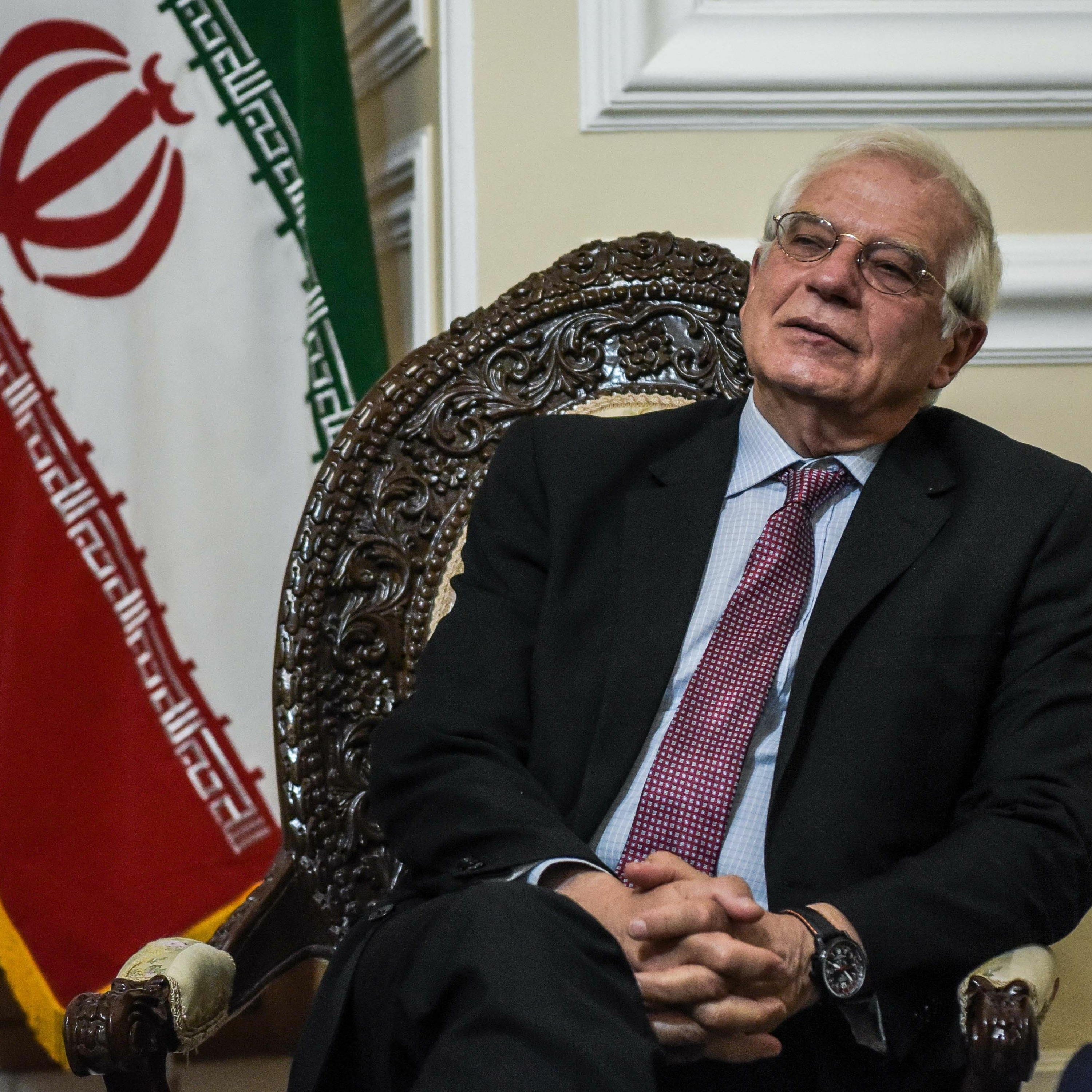
EU foreign policy chief Josep Borrell’s visit to Teheran in June was meant to revitalise negotiations around the Iran nuclear deal. But the talks, which recently resumed in Doha, remain mired in mistrust and intransigence from both sides. For this week’s podcast, Mark Leonard has assembled a team of Iran experts to take stock of the negotiations in Qatar: ECFR senior policy fellow, Ellie Geranmayeh; former Iranian diplomat and security and nuclear policy specialist at Princeton University, Hossein Mousavian; professor of Middle East studies and international affairs, Vali Nasr; and the director of International Crisis Group's Iran project, Ali Vaez discuss the latest developments and evaluate different possible outcomes and their consequences. Is there any chance of breaking the stalemate without escalation? And what will be the impact of the upcoming midterm elections in the US? This podcast was recorded on 1 July 2022. Further reading:- Borrell in Tehran: How to overcome three obstacles to the Iran nuclear deal By Ellie Geranmayeh Bookshelf:- Iron net: Digital repression in the Middle East and North Africa by James Lynch - Born in Blackness by Howard W French - Master of the Game by Martin Indyk - Republics of Myth by Hussein Banai, Malcolm Byrne, And John TirmanCover image: EU High Representative Josep Borrell visits Iran · Image by European Union, 2022 Hosted on Acast. See acast.com/privacy for more information.
The NATO Summit and the future of European Defence
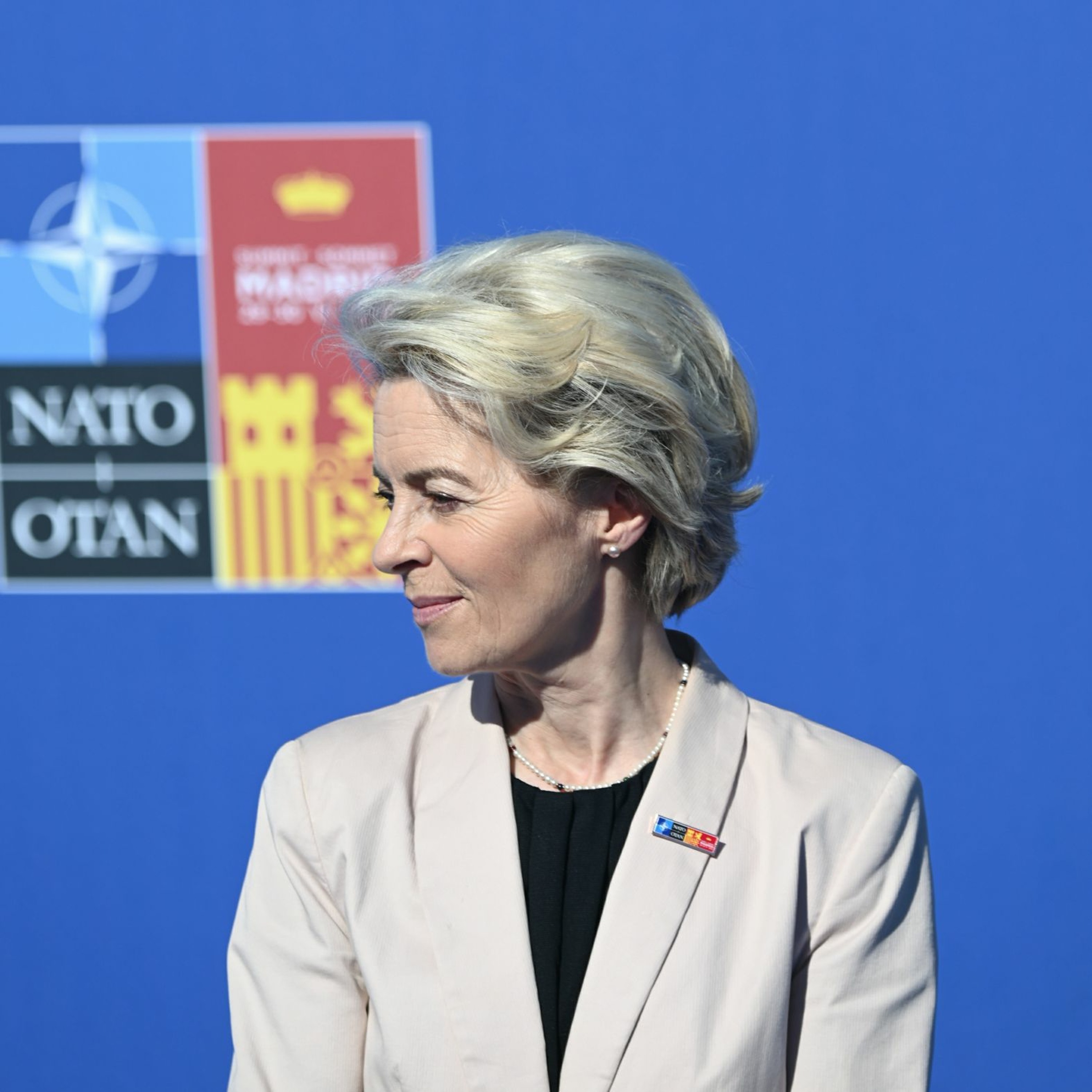
NATO members emerged from their summit in Madrid this week having reached consensus on a new Strategic Concept, Sweden’s and Finland’s accession, and increased readiness capabilities on the eastern flank. This week, Mark Leonard is joined by Nick Witney, senior policy fellow at ECFR and former chief executive of the European Defence Agency; Jana Puglierin, head of ECFR’s Berlin office; and Tara Varma, head of ECFR’s Paris office, to evaluate the summit’s outcomes, especially regarding European defence. How can Europeans coordinate increased military expenditure? What is the European Defence Union? And was Nick Witney right to describe the summit as “the most promising conjunction of planets”? This podcast was recorded on 1 July 2022.Further reading:- NATO’s new Strategic Concept - The EU’s Strategic Compass Bookshelf:- The Way We Live Now by Anthony Trollope - Au café de la ville perdue by Anaïs Llobet - The NATO summit is chance to wean Europe off US military might- Machtwechsel by Anna SauerbreyCover image: Ursula von der Leyen, President of the European Commission, takes part in the NATO summit last Wednesday in Spain · Image by European Union, 2022 Hosted on Acast. See acast.com/privacy for more information.
Lessons for a post-Ukraine world with Fareed Zakaria
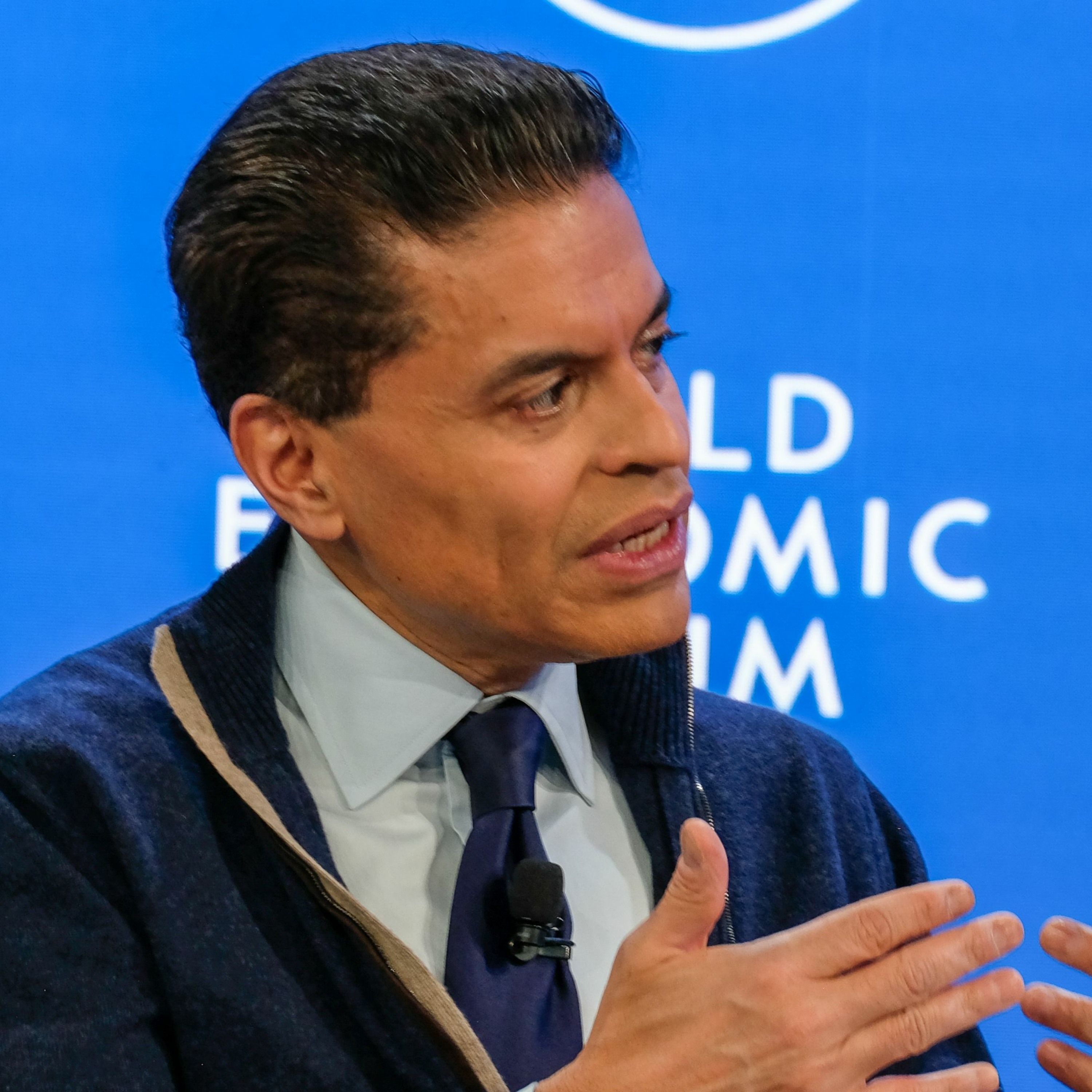
In his recently published book, Fareed Zakaria, television host, columnist, and chair of the recently established International Strategy Forum, outlines the main pillars, trends and fault lines of a post-pandemic world. He joins Mark Leonard to discuss the political, geopolitical, and geo-economic changes to the world order. How did the world react to the war on Ukraine? What are the reactions to these reactions? Will globalisation be replaced by fragmentation?This podcast was recorded on 21 June 2022.Further reading:- Ten Lessons for a Post-Pandemic World by Fareed Zakaria: https://buff.ly/3tZQBgO - ECFR’s and Schmidt Futures’ International Strategy Forum: https://buff.ly/3nfeU6CBookshelf: - The Avoidable War — averting a conflict between the US and China by Kevin Rudd- Middlemarch by George Eliot- Dominion by Tom Holland Hosted on Acast. See acast.com/privacy for more information.
Peace versus Justice: The coming European split over the war in Ukraine
New ECFR research captures European public opinion on Russia's war against Ukraine. It reveals that Europe's remarkable unity in the early days of the war is under threat from an emerging split – between those who want peace as soon as possible and those who favour justice for Ukraine.This week, senior policy fellow and head of ECFR's European Power programme, Susi Dennison, turns the tables on one of the report's authors, Mark Leonard, as he becomes a guest on his own podcast. They are joined by Leonard's co-author, ECFR founding board member and chair of the Centre for Liberal Strategies, Ivan Krastev to discuss the results of the poll and examine what this means for the European response to the war. What should European leaders do to bridge the fault lines and maintain unity? And how important is Ukraine’s EU membership application? Hosted on Acast. See acast.com/privacy for more information.
The European Sovereignty Index #FactsThatMatter
This week, ECFR launched its European Sovereignty Index. The index scores the EU and its member states on their contribution to European sovereignty, highlighting strengths and weaknesses, and uncovering regional divisions. Hosting this week's episode, ECFR's research director, Jeremy Shapiro, is joined by two researchers of the index – ECFR policy fellow, Pawel Zerka, and senior policy fellow and head of ECFR's European Power programme, Susi Dennison. They discuss their main findings – as well as some surprising results, trends, and developments. How will the European sovereignty effort progress and which areas need the most work? How can the EU and member states close the gap between ambition and capability in their quest for European sovereignty?This podcast was recorded on 9 June 2022Further reading :European Sovereignty Index https://t.co/xepxnkA16L Bookshelf:- Time Shelter by Georgi Gospodinov- This Is How They Tell Me the World Ends by Nicole Perlroth- The hundred-year war for American conservatism by Matt Continetti Hosted on Acast. See acast.com/privacy for more information.
White privilege in international relations
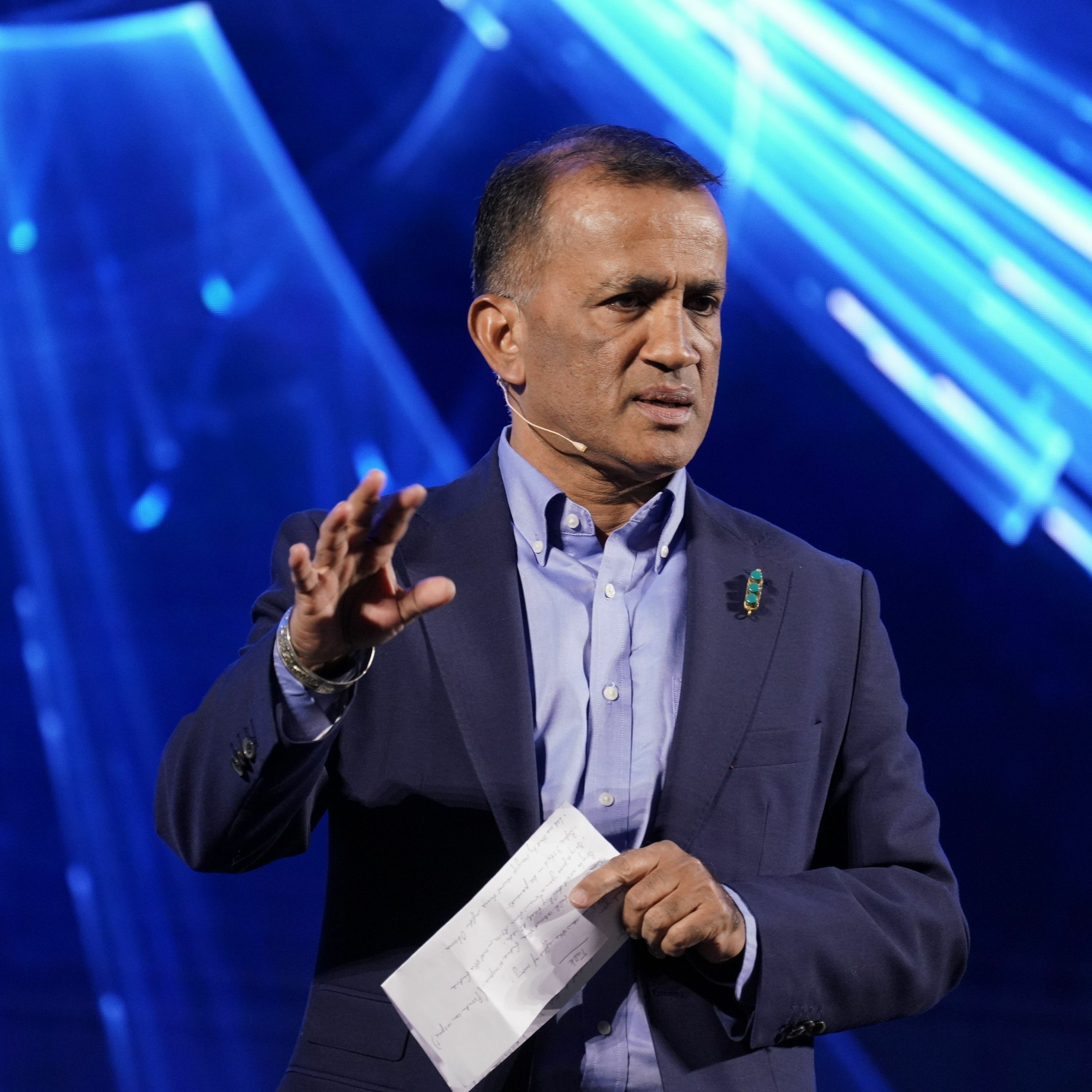
Chandran Nair, CEO and founder of the Global Institute for Tomorrow (GIFT) argues in his latest book that dismantling white privilege will require deconstructing the entire superstructure of international relations. So, what is white privilege and how deeply is the idea of the superiority of white people and Western culture interwoven into international relations? How does white privilege manifest itself in current international relations issues like the Ukraine war? Together with Mark Leonard, Nair talks about the origins, realities and futures of white privilege. This podcast was recorded on 2 June 2022.Further reading- Dismantling global white privilege: Equity for a post-Western world by Chandran Nair- Chandran Nair on white privilege in international relations by Shannon Tiezzi in The Diplomat- A new imperial alliance threatens peace in Asia in by Chandran Nair in Noema MagBookshelf:- Last night I dreamed of peace: The diary of Dang Thuy Tram by Đặng Thùy Trâm Hosted on Acast. See acast.com/privacy for more information.
The new Davos man: Ukraine, energy, and global powers
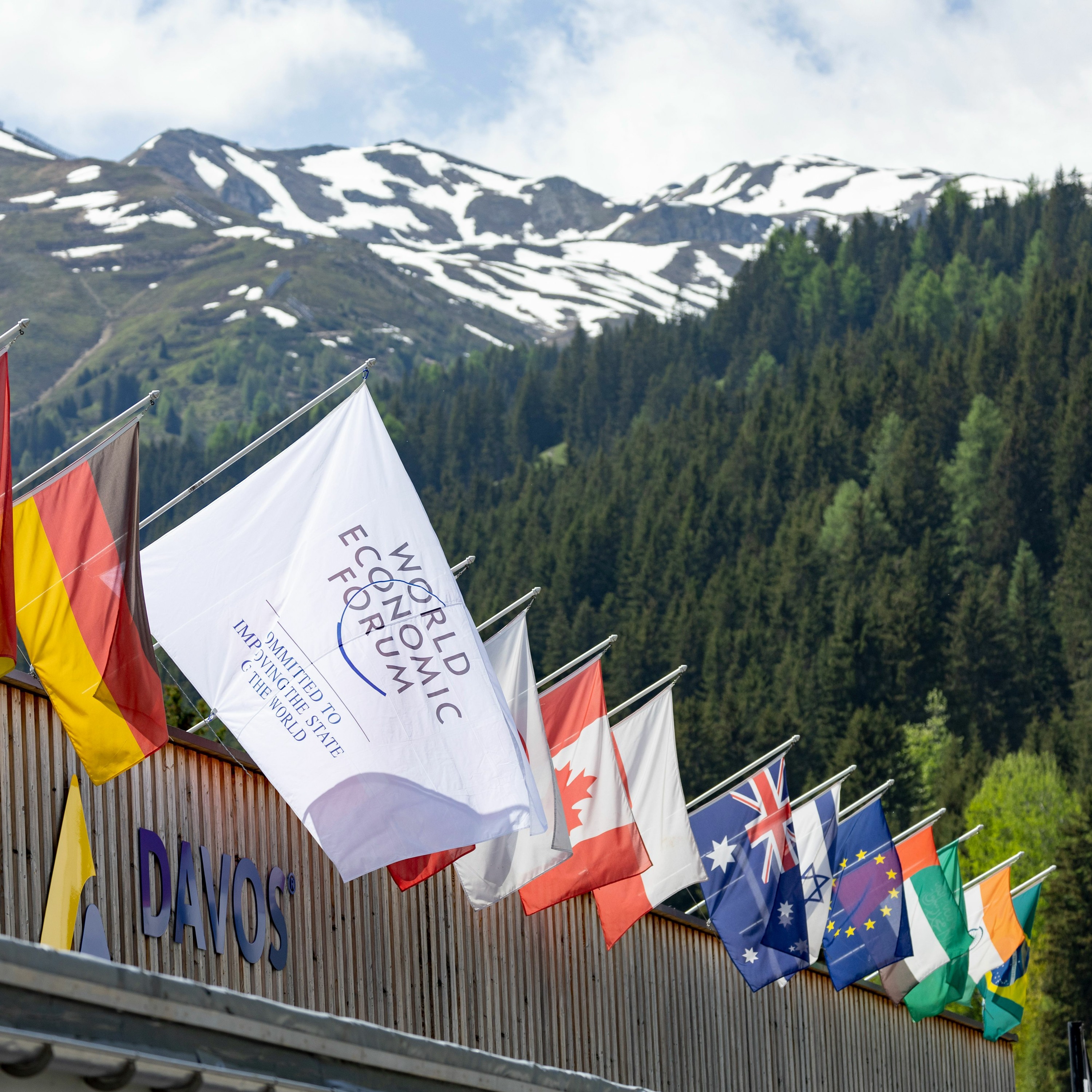
Three months into Russia’s war on Ukraine, social, economic, and political leaders from across the globe retreated to Davos in the Swiss alps to discuss how to set about creating a brighter future for the world. Recording from the heart of the World Economic Forum, Mark Leonard is joined this week by Yara Bayoumy, world and national security editor at the New York Times opinion section, to dissect the impulses that weaved in and out of this weekend’s discussions. What were this forum’s biggest themes? Which discussions on the Ukraine crisis were the most convincing? And what balance was there between the West and the rest?This podcast was recorded on 26 May 2022Bookshelf:- "Our Country Friends" by Gary ShteyngartPicture (c) World Economic Forum / Benedikt von Loebell Hosted on Acast. See acast.com/privacy for more information.
European solidarity and the Russia-Ukraine war
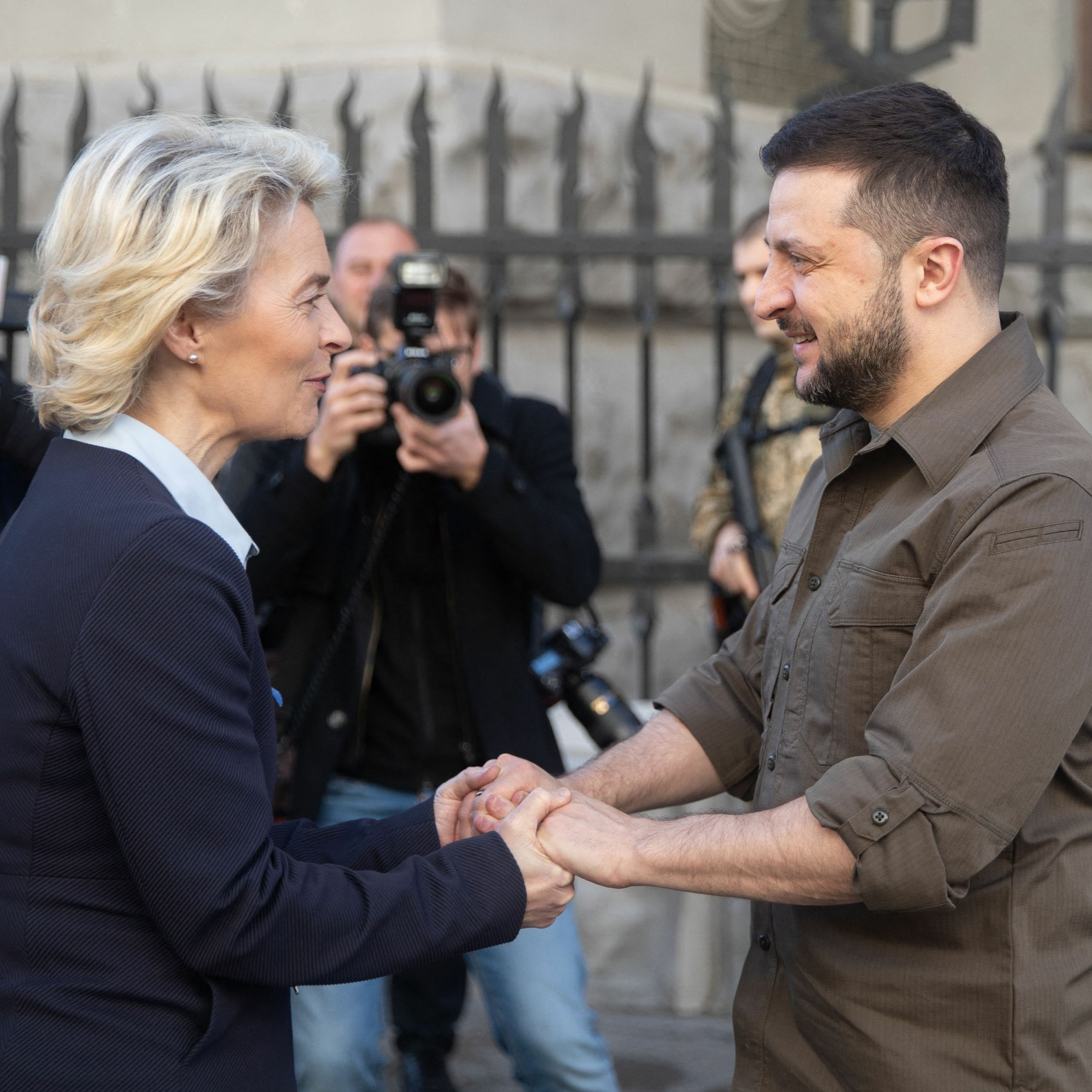
Russia’s war on Ukraine has led to an unprecedented display of European unity. But the European Union now faces a daunting combination of migration, food, military, and energy crises. Assembling an all-star cast at ECFR’s annual staff retreat in Malaga, host Mark Leonard is joined by senior policy fellows Marie Dumoulin, director of the Wider Europe programme, Piotr Buras, head of the Warsaw office, and Arturo Varvelli, head of the Rome office, to discuss Europe’s solidarity on the war in Ukraine. How sustainable is European unity? What scenarios of solidarity or division can be expected in the next few months? And what factors matter most to different EU member states? This podcast was recorded on 19 May 2022 Hosted on Acast. See acast.com/privacy for more information.
Germany’s Zeitenwende: what does it mean for Europe?
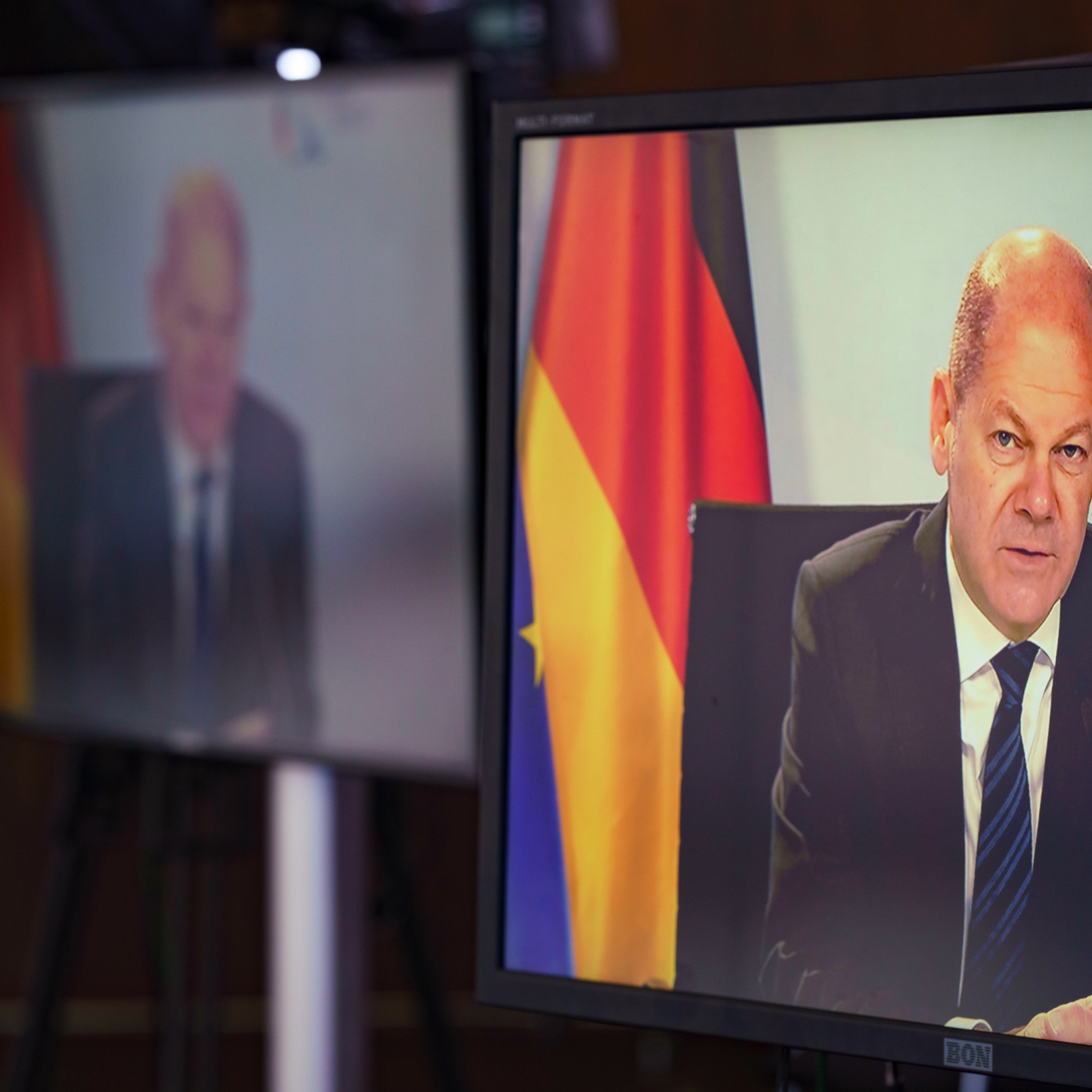
German chancellor, Olaf Scholz, is facing criticism for not meeting the expectations he created with his Zeitenwende speech. But how fair is this criticism? Mark Leonard ponders this question and others with some of his German colleagues: ECFR senior policy fellows Janka Oertel and Jana Puglierin, and policy fellow and head of ECFR’s Task Force for Strengthening Europe against Economic Coercion, Jonathan Hackenbroich. How is Germany actually doing in turning round its security and defence policies? And what kind of change is afoot in Germany’s most beloved field, economic policy? This podcast was recorded on 11 May 2022.Further reading:- How Germany can sustain its policy revolution by Rafael Loss, Angela Mehrer: https://buff.ly/3hE5PBv- Zeitenwende: Germany as a pioneer in foreign and security policy? https://buff.ly/3sAo7K7- The birth of a geopolitical Germany by Jonathan Hackenbroich, Mark Leonard: https://buff.ly/3soxQmJBookshelf:- BBC Radio 4 Desert Island Discs with Fiona hill - China’s Ukraine Conundrum. Why the war necessitates a balancing act by Yan Xuetong in Foreign Affairs- SupChina podcast: Chinese international relations scholar Dingding Chen on Beijing’s position in the Russo-Ukrainian War- The deluge: The Great War, America and the remaking of the global order, 1916-1931 by Adam Tooze- Ist der Tod kein Meister aus Deutschland mehr? by Andreas Wirsching in Die Zeit Hosted on Acast. See acast.com/privacy for more information.
The age of the strongman
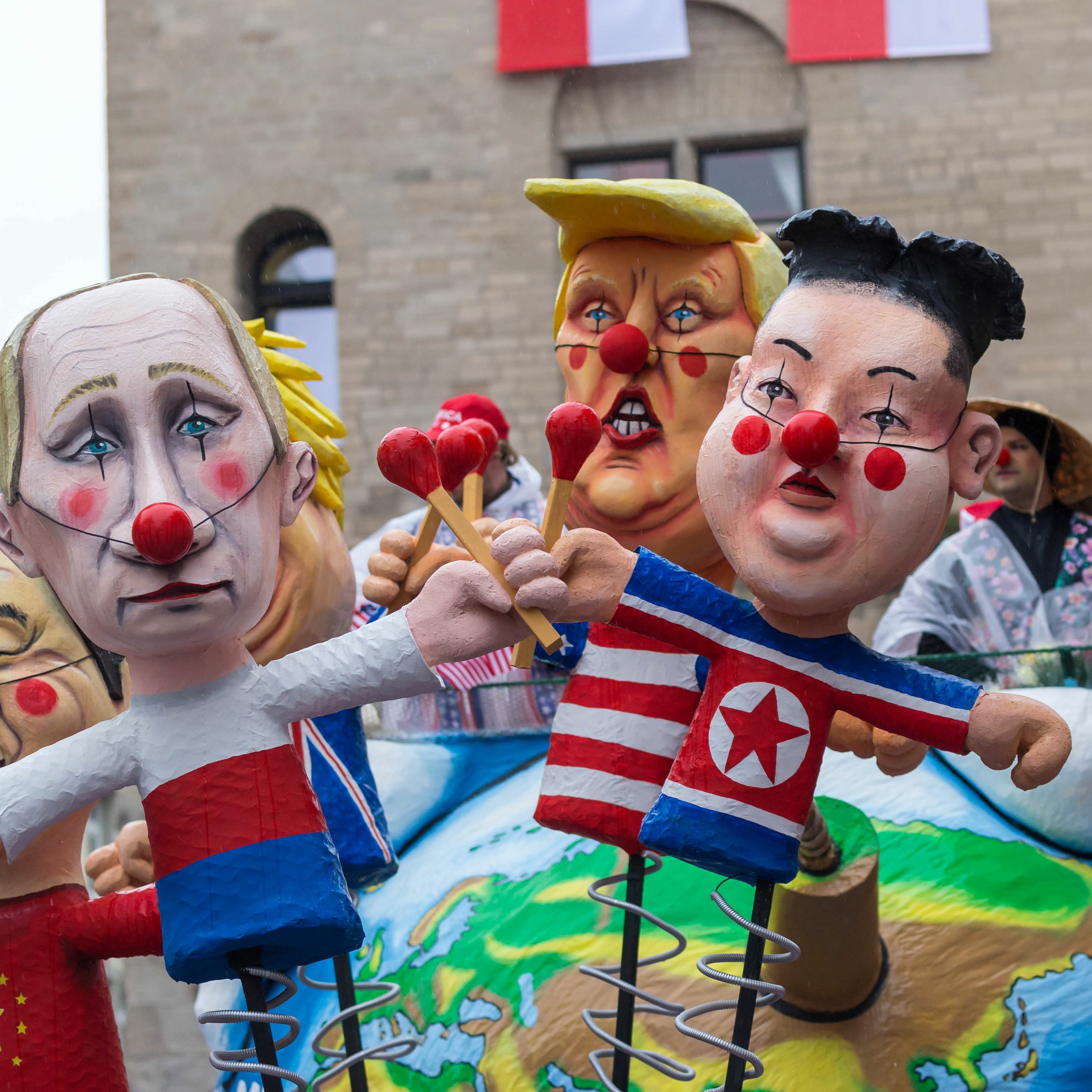
The world is currently focused on one strongman: Putin. Yet strongmen are threatening democracies across the globe. Mark Leonard is joined this week by chief foreign policy commentator at the Financial Times, Gideon Rachman, to dissect the latter's recently published book “The Age of the Strongman”. They discuss such questions as what defines a strongman, and what varieties of this curious species exist? Are there any strongwomen? And when did the age of strongmen really begin?This podcast was recorded on 28 April 2022.Further reading:The Age of the Strongman by Gideon RachmanThe rise and risks of “The Age of the Strongman” “The Age of The Strongman by Gideon Rachman review – a rogues gallery of autocrats” by Simon TisdallBookshelfStrongmen: Mussolini to the Present by Ruth Ben-GhiatAmerica Second by Isaac Stone Fish Hosted on Acast. See acast.com/privacy for more information.
A European Confederation: a common political platform for peace
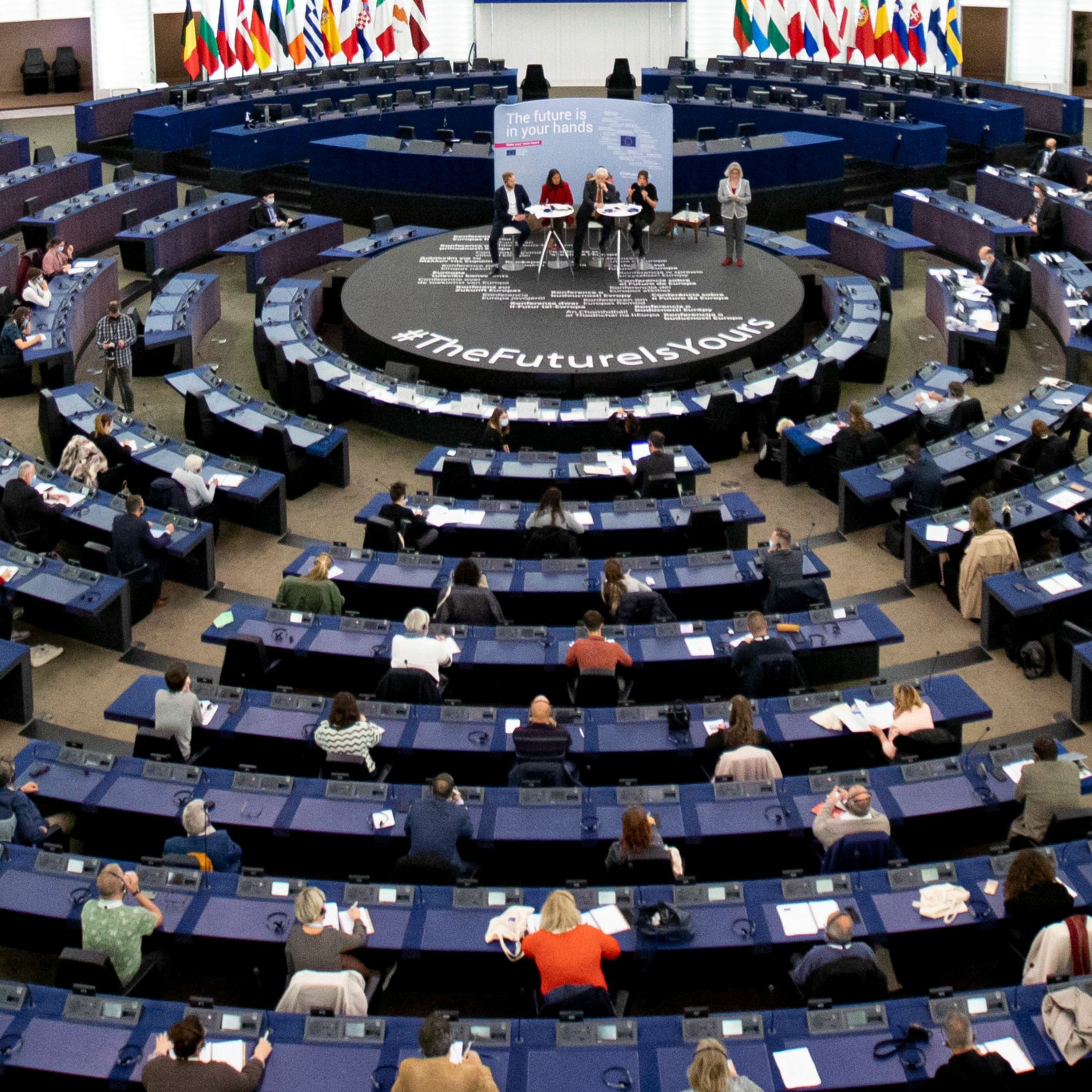
As Russia undermines democracies and reduces Ukrainian territory to a mere power play, European ideology is flourishing more than ever before. In this week’s episode, Mark Leonard hosts Enrico Letta, former Prime Minister of Italy and current President of the Jacque Delors Institute, to discuss his solution to the EU’s problems: a European Confederation. Nations such as Ukraine, Georgia, and Moldova want the security of EU membership, but how likely are they to be accepted into the union? How could a European Confederation aid greater cross-European integration? And is it a realistic alternative to the EU?This podcast was recorded on 28 April 2022.Further reading:- “A European Confederation: a common political platform for peace” by Enrico Letta- “The EU moves together on the total embargo on Moscow, says Enrico Letta” by the Observatorial- “Letta for a federal Europe” by Roberto CastaldiBookshelf:- The Man Inside: A European Journey Through Two Crises by Marco Buti Hosted on Acast. See acast.com/privacy for more information.
New era, new alliance: NATO, Sweden, and Finland
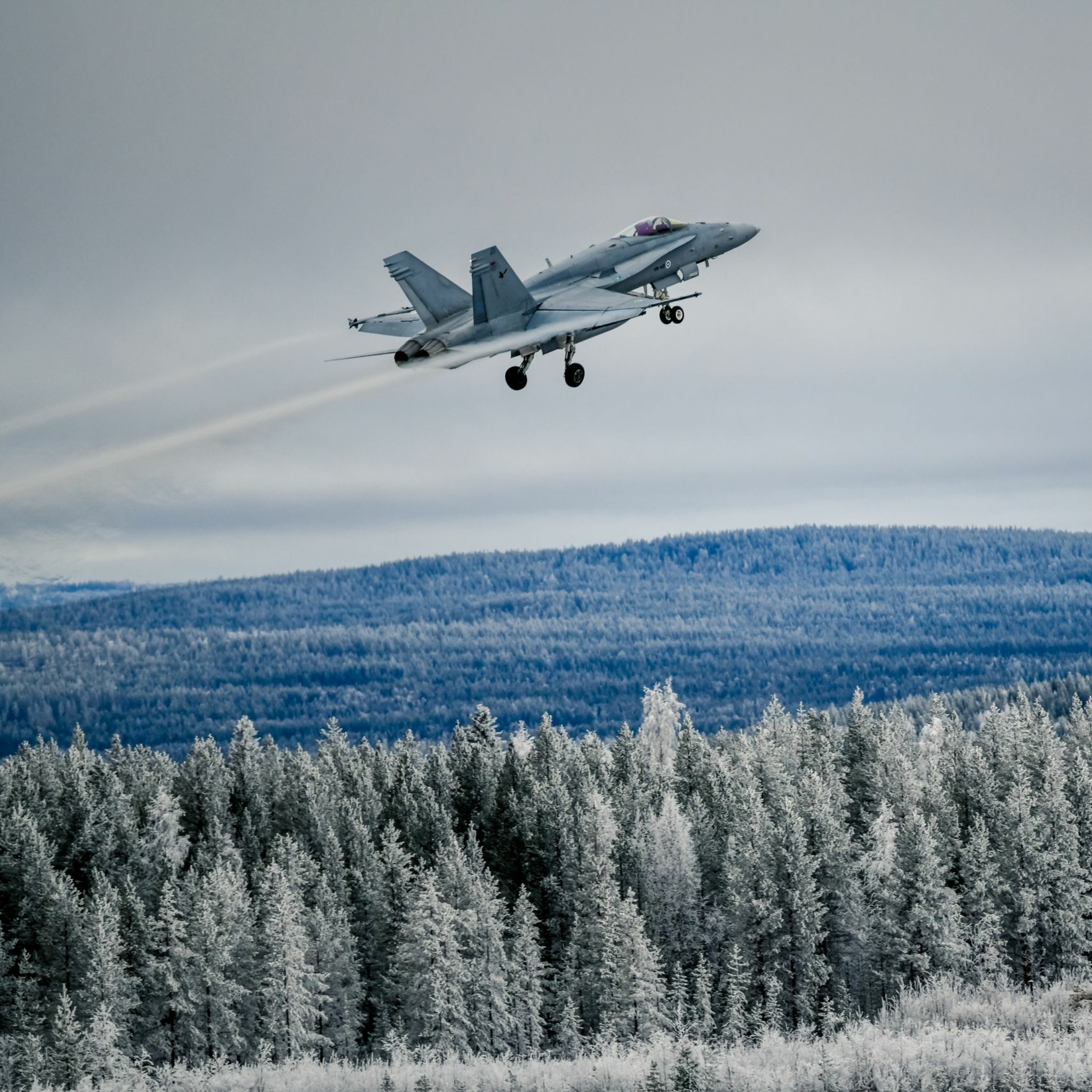
As Russia shifts the focus of its military offensive to southern and eastern Ukraine, Finland and Sweden are moving closer to NATO membership. In this week’s episode, Mark Leonard speaks to Carl Bildt, former prime minister of Sweden and current ECFR co-chair, and Alexander Stubb, former prime minister of Finland and current ECFR council member. Beyond both countries’ expressions of intent, where do they stand on NATO membership? What can Sweden and Finland offer NATO? And are they worried about the Kremlin’s threats to attack their countries? This podcast was recorded on 21 April 2022. Further reading: - Between Russia, Sweden, and NATO: Finland’s defence of “sovereignty equality” by Hanna Ojanen - How the Russia-Ukraine crisis could change Sweden’s security policy by Mats Engström - “Whoever shows weakness, will be attacked” by Francesco Collini Bookshelf:- The Unknown Soldier by Väinö Linna - Ravenna: Capital of Empire, Crucible of Europe by Judith Herrin - The New Age of Empire by Kehinde Andrews Hosted on Acast. See acast.com/privacy for more information.
What a Le Pen presidency would mean for Europe and the world
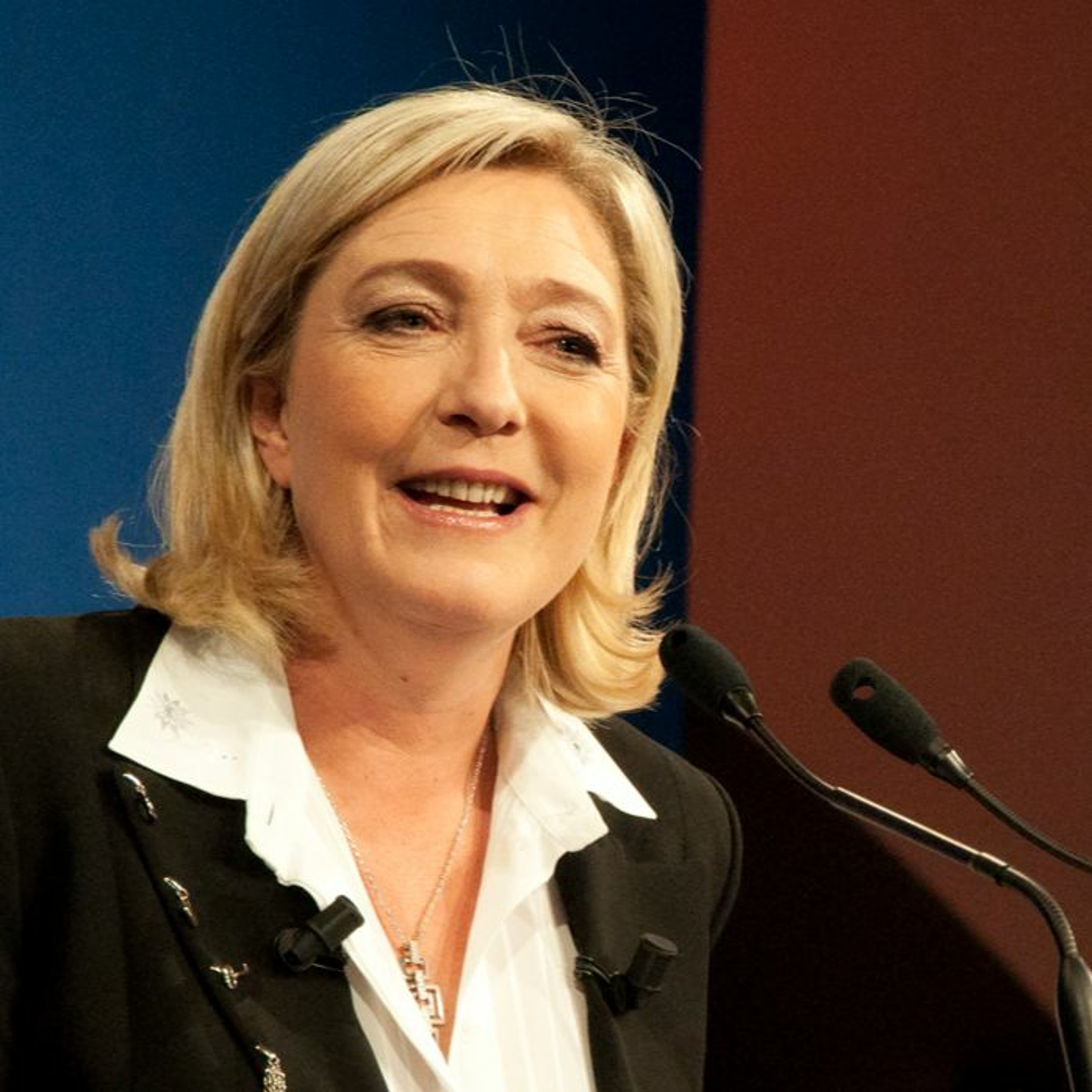
Emmanuel Macron and Marine Le Pen will face off against each other in the second round of the French presidential election on April 24. We have a good idea of what a second Macron presidency would look like, but Marine Le Pen is another story all together. How would her presidency affect Europe and the world? Jeremy Shapiro – seizing the reins of the podcast this week from a complaisant Mark Leonard – will explore this question with Agneska Bloch, a senior research assistant at a DC-based think tank, where she works on European affairs.This podcast was recorded on 14 April 2022.Further reading:All ECFR analysis on the French election: https://ecfr.eu/topic/france-2022/ Bookshelf:- East West Street by Philippe Sands - My Brilliant Friend by Elena Ferrante Hosted on Acast. See acast.com/privacy for more information.
European defence reloaded
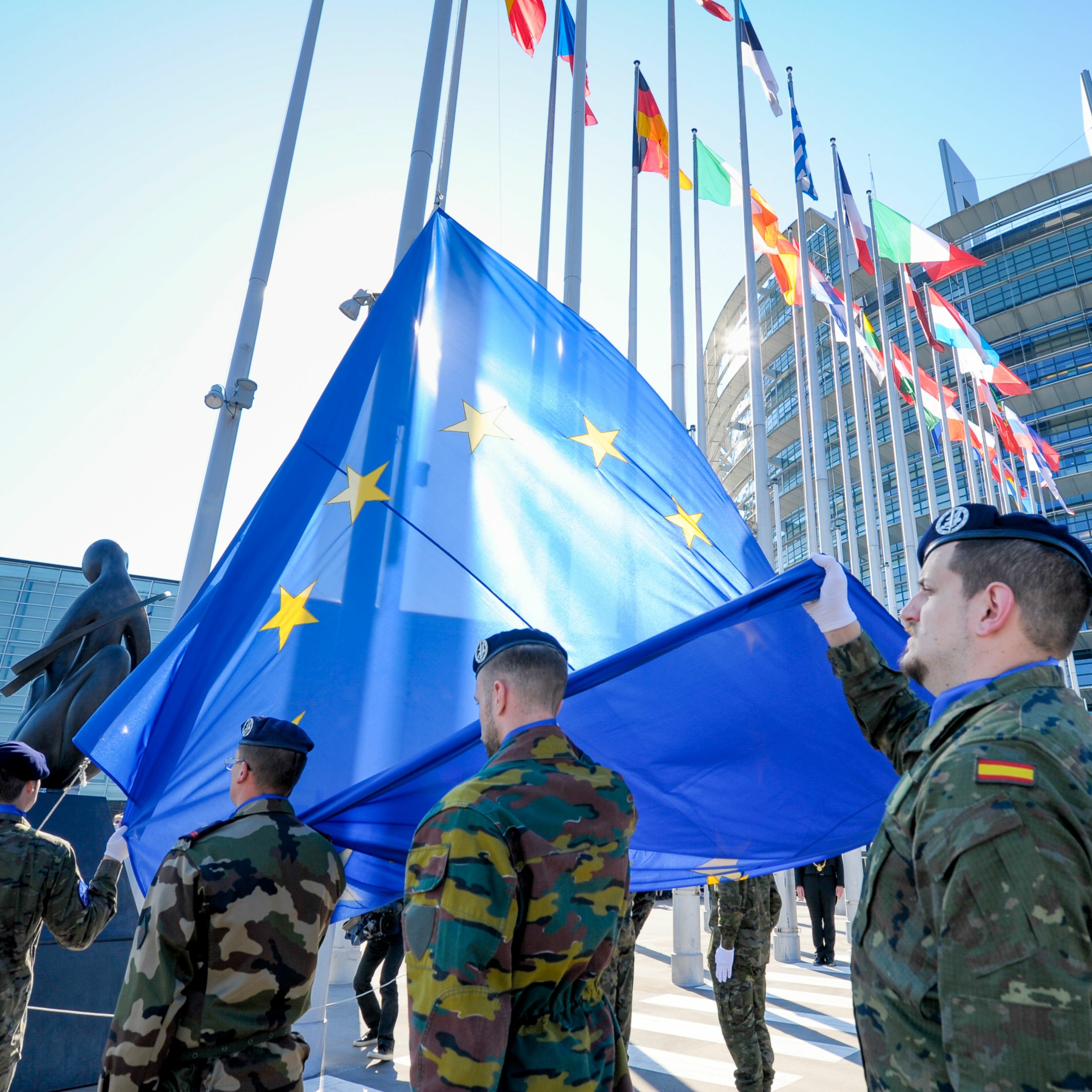
Russia’s war in Ukraine has turned European defence and security policy upside down. The German Zeitenwende, the Versailles Summit in March, and the recently published Strategic Compass for Security and Defence are all testament to this rediscovered priority on European leaders’ agenda. Jana Puglierin takes over the podcast to talk with ECFR senior policy fellows Nick Witney – who served as the first chief executive of the European Defence Agency – and Gustav Gressel about the state of European defence and its future. Will it be different this time? What are the biggest challenges in building greater European sovereignty in defence? And how will this effort be funded? This podcast was recorded on 5 April 2022. Further reading: - The EU’s Strategic Compass: Brand new, already obsolete by Nick Witney https://buff.ly/3wZEKkW- Out of the dark: Reinventing European defence cooperation by Gustav Gressel & Nick Witney https://buff.ly/3qidU3v Bookshelf: - East West Street by Philippe Sands - Rochan Consulting - Top 10 books about tumultuous times Hosted on Acast. See acast.com/privacy for more information.
The Middle East and the Ukraine war: energy supplies, nuclear deals and regional tensions
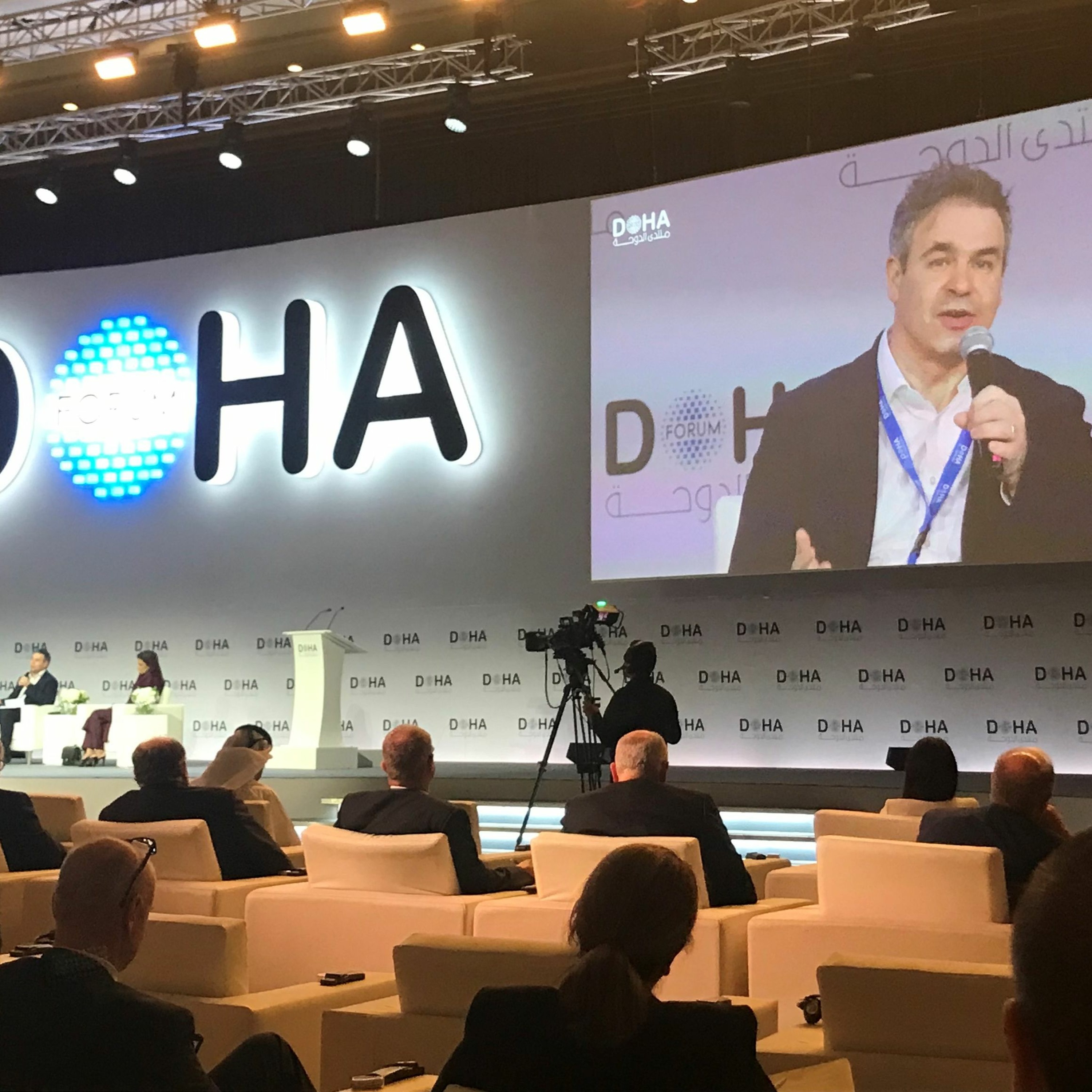
Mark Leonard is joined by the head of ECFR's Middle East and North Africa programme Julien Barnes-Dacey, ECFR visiting fellow Cinzia Bianco, professor of political science at the University of Tehran Nasser Hadian, and founder and chair of the Gulf Research Center Abdulaziz Sager to analyse current developments in Gulf energy security and the Iran nuclear deal. On location at the Doha Forum 2022, they discuss questions like: following Western energy sanctions on Russia, why is there a reluctance in the Gulf states and the West to cooperate on energy supplies? Is the resurrection of the Iran nuclear deal tangible? And what role do sanctions on the Islamic Revolutionary Guard Corps and regional security threats such as conflict in Yemen play in such decisions?This podcast was recorded on 27 March 2022.Further reading on ecfr.eu:•Europe’s Russian energy dilemma by Cinzia Bianco, Jonathan Hackenbroich, Filip Medunic, & Pawel Zerka•Order of engagement: Assad’s visit to Abu Dhabi by Julien Barney-Dacey & Cinzia Bianco•Agreement and uncertainty: The Iran nuclear deal in a new global order by Esfandyar Batmanghelidj•Balance of power: Gulf states, Russia, and European energy security by Cinzia BiancoBookshelf:•“Midday event: trace of blood” film by Mohammad Hossein Mahdavian •“Establish geographic inclusivity in the Security Council” by Abdulaziz Sager•“The thick of it” TV series•“A certain idea of France” by Julian Jackson Hosted on Acast. See acast.com/privacy for more information.
Ukrainian identity and Russian strategy
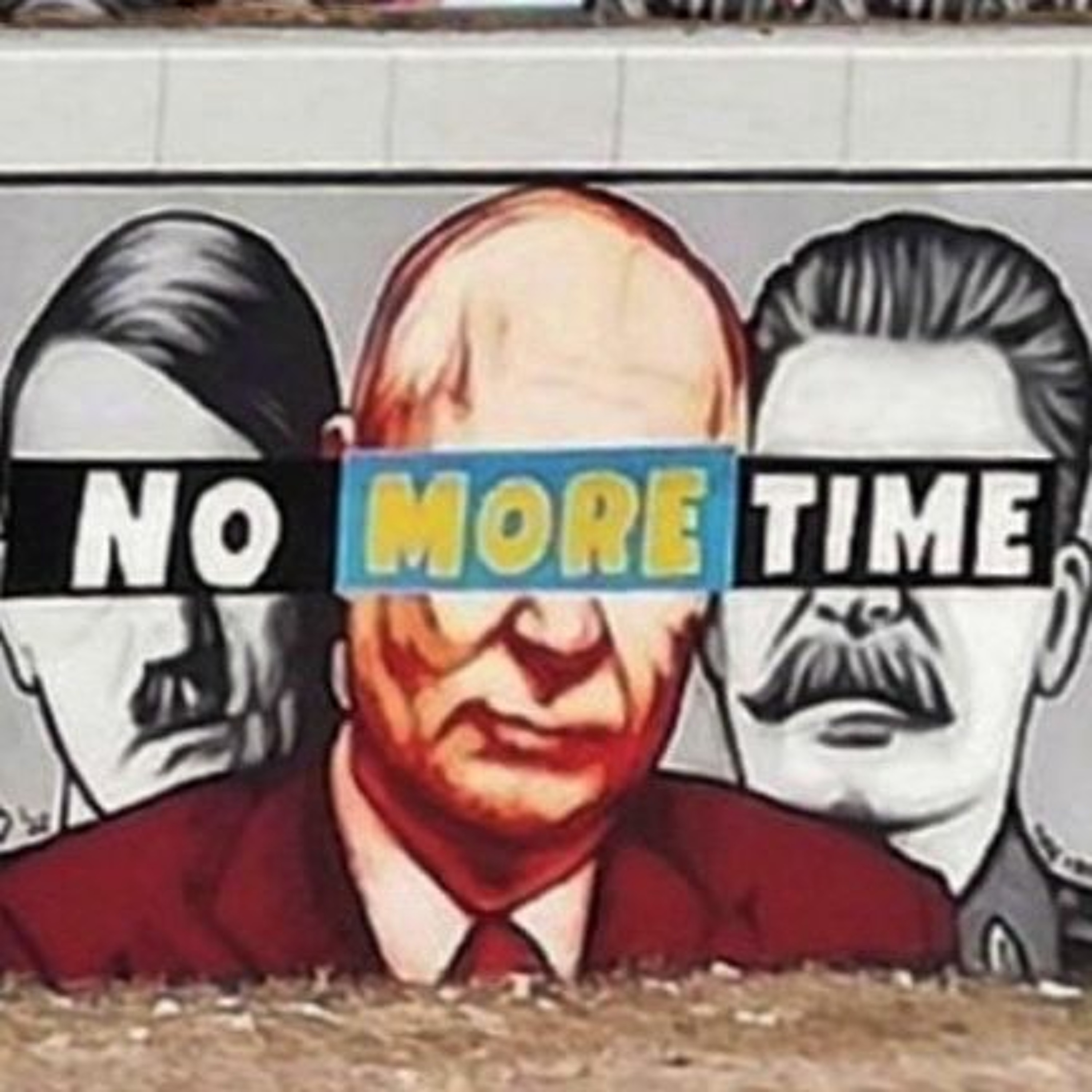
Mark Leonard is joined by Andrew Wilson, senior policy fellow at ECFR and Ukraine expert, and Volodymyr Yermolenko, a Ukrainian philosopher and editor of the blog Ukraine World, to dissect Russia's war against Ukraine from a Ukrainian intellectual perspective. What concepts define Ukrainian history and identity, and how is this important in understanding Ukraine’s response to the Russian invasion? What role does Westsplaining play for Ukraine in the current context? And what do Russia’s zoopolitics mean for Ukrainian futures?This podcast was recorded on 22 March 2022.Further reading:• All ECFR Ukraine analysis: https://ecfr.eu/topic/russia-ukraine-crisis/• Ukraine world https://ukraineworld.org/Bookshelf:• “The last empire” by Serhii Plokhy • "Explaining Ukraine" podcast: https://buff.ly/3uwd9W2 • Ukraine in Histories and Stories, essays by Ukrainian intellectuals: https://buff.ly/3DbTEGa If you want to support Ukraine World, you can become a patron and donate via patreon.com/ukraineworld! Hosted on Acast. See acast.com/privacy for more information.
War in Ukraine: a stale-mate for the West and NATO’s future?
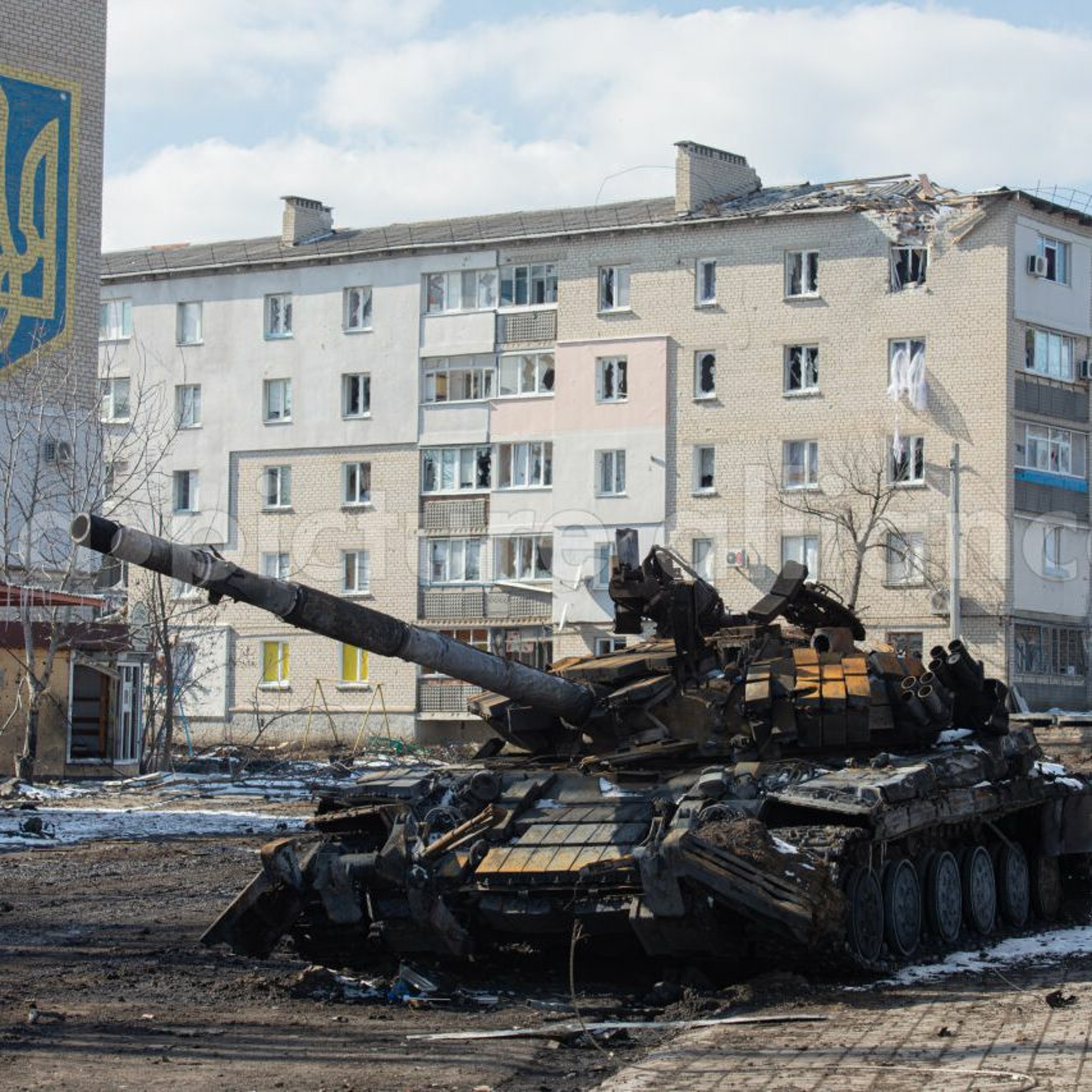
Mark Leonard is joined by Marie Dumoulin, head of our Wider Europe programme, and ECFR’s research director, Jeremy Shapiro, to talk yet again about the ongoing war in Ukraine and some possible different scenarios for its resolution. Does this war actually mean – as per one US strategist – a complete collapse of NATO member states’ policy? How should Europe react to Russian loss or indeed victory in this war? And what are the possible ramifications for the West?This podcast was recorded on 15 March 2022.Further reading: All ECFR Ukraine analysis https://ecfr.eu/topic/russia-ukraine-crisis/Bookshelf:“The end of diplomacy? Seven glimpses of the new normal by Andrey Kortunov https://russiancouncil.ru/en/analytics-and-comments/analytics/the-end-of-diplomacy-seven-glimpses-of-the-new-normal/“Death and the penguin” by Andrey Kurkov https://www.npr.org/2012/04/24/150972348/death-and-the-penguin-captures-post-soviet-reality?t=1647353925557 Hosted on Acast. See acast.com/privacy for more information.
How Putin’s war is shaping France’s election
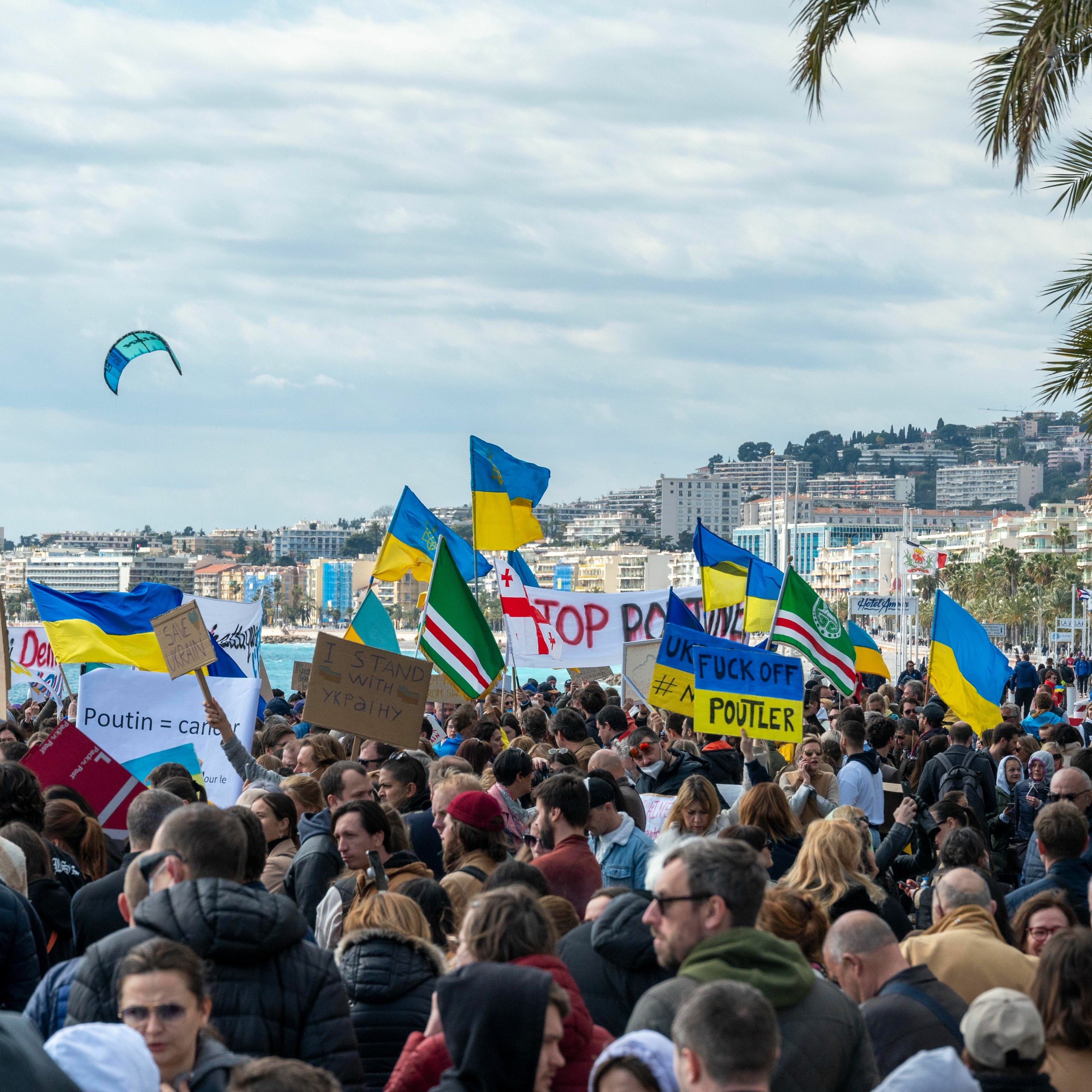
Mark Leonard and senior policy fellow and head of ECFR´s Paris Office, Tara Varma, sat down in Paris to talk about how Vladimir Putin's war on Ukraine is affecting France and the French presidential race. In the shadow of the Eiffel Tower and facing the Ministry of Foreign Affairs, they discussed such questions as: what kind of role did foreign policy play in the election campaigns before Russia's invasion of Ukraine and what role is it playing now? Have we seen candidates change their positions on Russia and Putin? And will Emmanuel Macron’s approach to European politics and defence policy help him win another term as president? This podcast was recorded on 9 March 2022. Further reading: • EU defence facing Russia: Eastern European security after the invasion of Ukraine by Kristi Raik: https://buff.ly/3pxKLB8• How Russia’s war on Ukraine is shaping the French presidential race by Mathilde Ciulla and Amandine Drouet: https://buff.ly/3suVZZ0• A certain idea of Europe: How the next French president can lead by Susi Dennison and Tara Varma: https://buff.ly/3sSqybg Bookshelf: • “Anéantir“ by Michel Houellebecq Hosted on Acast. See acast.com/privacy for more information.
Sino-Russian relations after the Kremlin’s attack on Ukraine
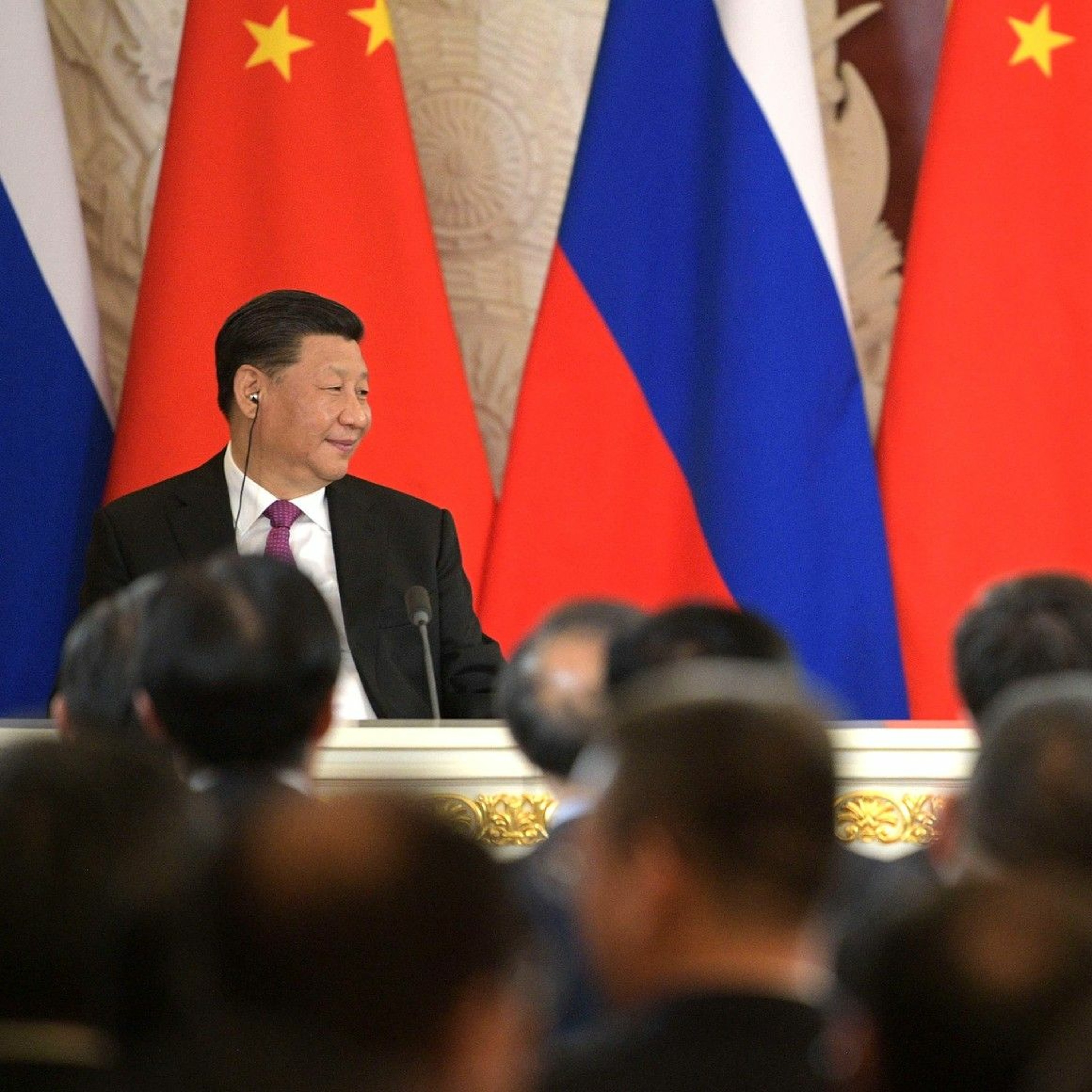
In this week’s early podcast, Mark Leonard is joined by ECFR senior policy fellow Kadri Liik and the head of ECFR’s Asia programme Janka Oertel to talk about how the Ukraine war is affecting Sino-Russian relations. How is Russia's attack on Ukraine perceived in China? Will Russia and China be joining forces in an ‘alliance of autocracies’? What does Russian and Chinese policymakers planning look like now - and what should Europeans do? This podcast was recorded on 1 March 2022. Further reading: Russia’s escalation in Ukraine: Views from Asia by Frédéric Grare, Janka Oertel & Elli-Katharina Pohlkamp Games changer: How China is rewriting global rules and Russia is playing along by Janka Oertel All other ECFR Ukraine analysis: https://ecfr.eu/topic/russia-ukraine-crisis/ Hosted on Acast. See acast.com/privacy for more information.
War in Ukraine
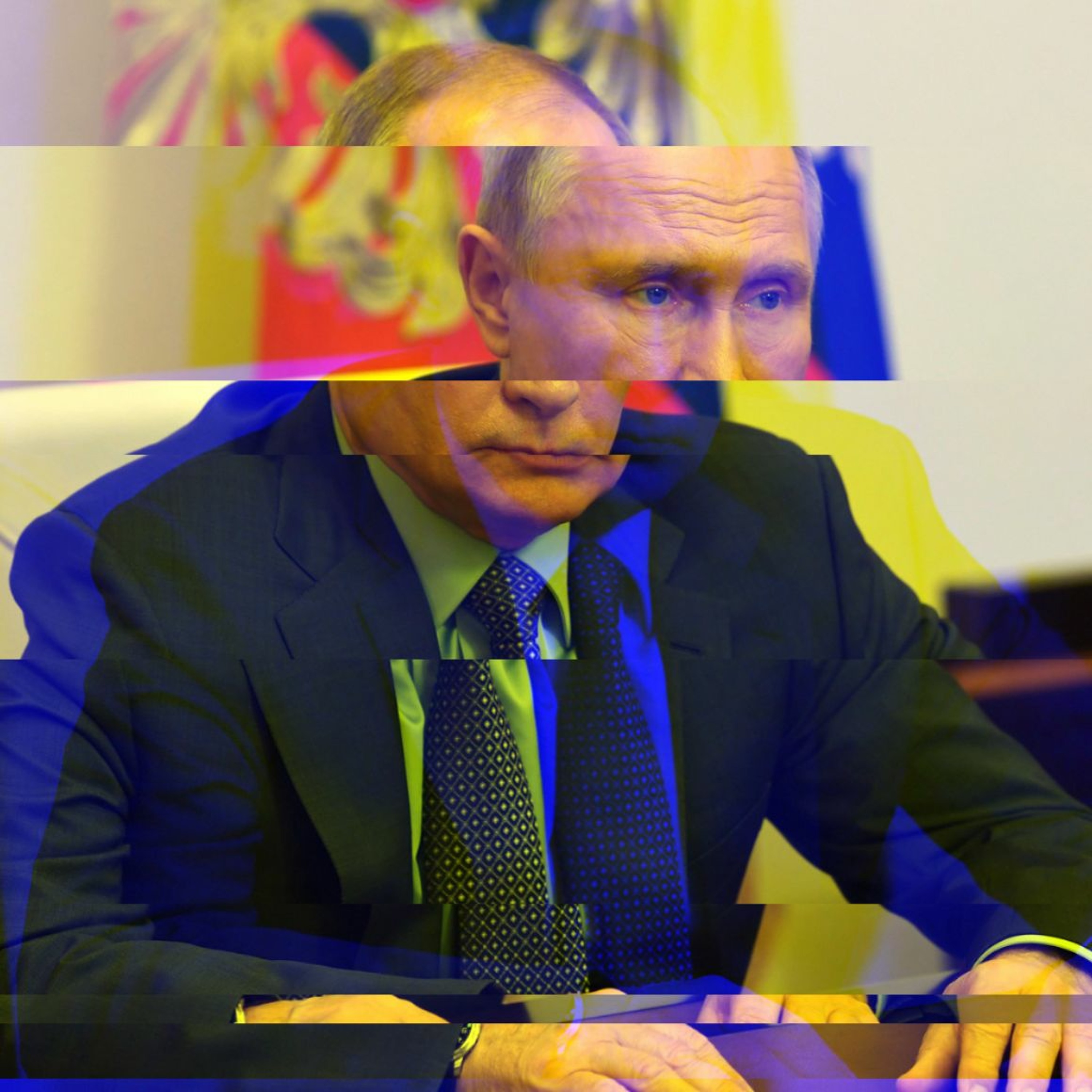
War in UkraineAs the situation at the Ukrainian border escalates, Mark Leonard sat down with Marie Dumoulin, director of ECFR’s Wider Europe programme, and senior policy fellows Gustav Gressel and Kadri Liik – as well as Jonathan Hackenbroich, head of ECFR’s Task Force for Strengthening Europe against Economic Coercion – to talk about the recent developments and the state of play at the ground: What does the situation look like militarily? And what reactions from the West have we seen so far? Are economic sanctions enough to react to Putin’s war? This podcast was recorded on 23 February 2022. Hosted on Acast. See acast.com/privacy for more information.
Will Western unity on Russia hold? Reporting from Munich Security Conference
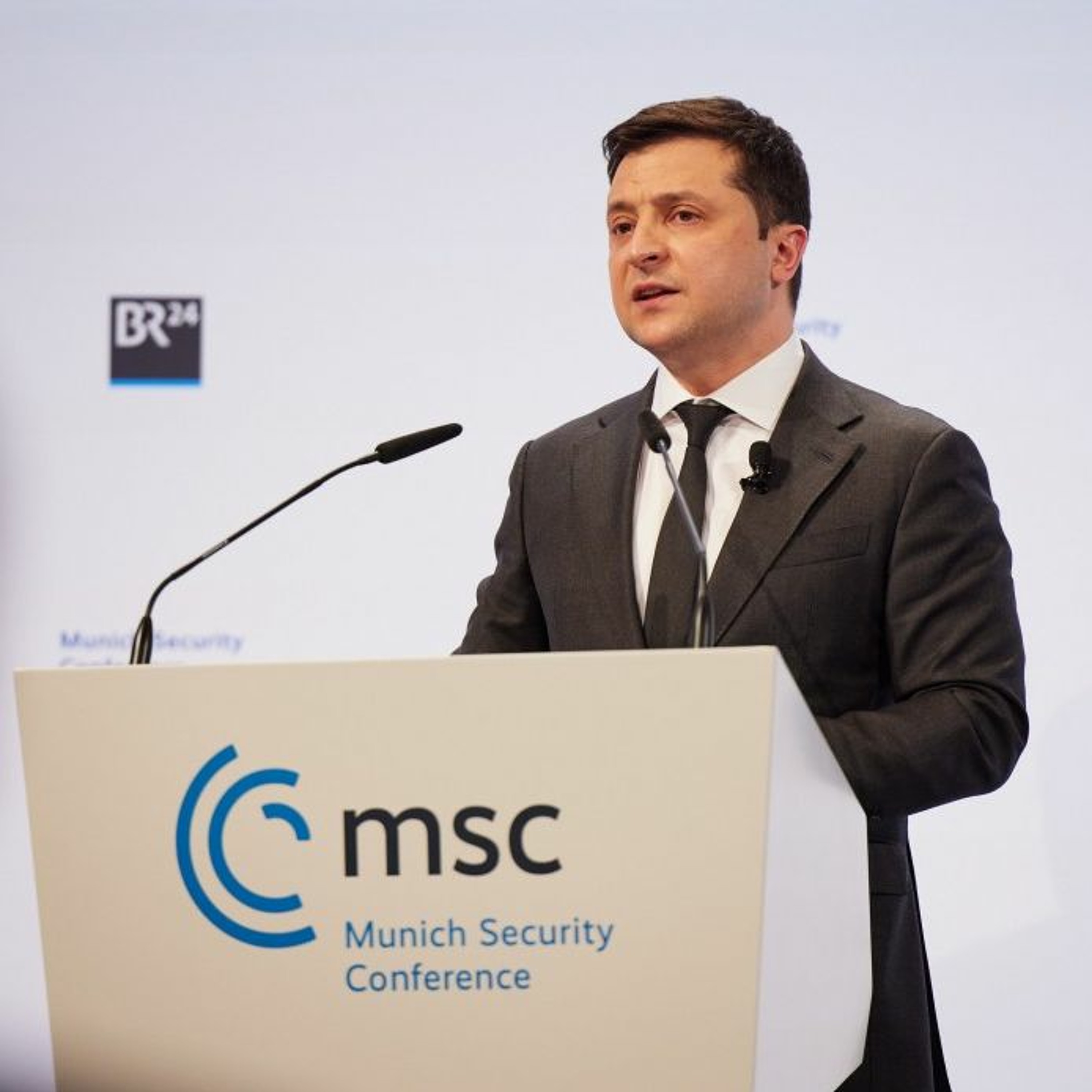
Live from the Munich Security Conference (MSC)! Mark Leonard huddled together with editorial director for Le Monde and ECFR board and Council Member Sylvie Kauffmann and Jana Puglierin, head of ECFR’s Berlin office in one of the many rooms of the Bayerischer Hof to talk about the West’s thinking and reaction to the geopolitical challenges and battles of today: In the spotlight is of course the question about Ukraine. Has the West really started to “unlearn helplessness” that defined the Western countries’ policy responses? Did the MSC mark the revival of a forceful and united transatlantic alliance, ready to move away from affirmative words to assertive actions? This podcast was recorded on 20 February 2022. Further reading: Munich Security Conference Report https://securityconference.org/publikationen/munich-security-report-2022/ Hosted on Acast. See acast.com/privacy for more information.
Health of Nations: How Europe can fight future pandemics
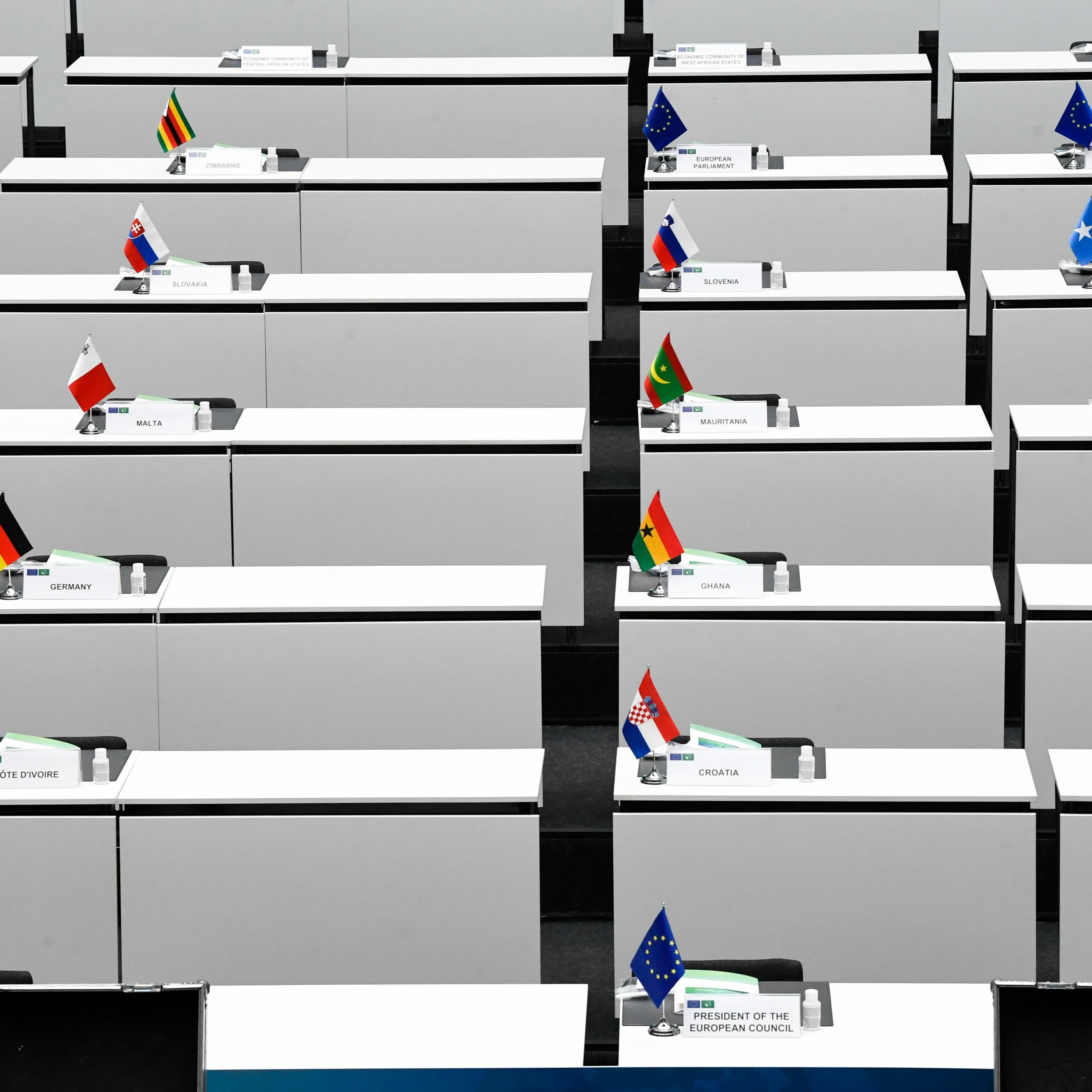
This week, ECFR senior policy fellow, Susi Dennison, takes over the podcast to talk about international cooperation on global health. As many European countries are starting to see light at the end of the tunnel after yet another hard winter struggling with covid-19, attention is refocusing on global inequity around tackling the pandemic. What does effective multilateral cooperation on global health and pandemic preparedness look like in a growing geopolitically competitive world? And what needs to change in Europe’s approach to cooperation in this area with the African Union and African states? ECFR Council Member Gunilla Carlsson – vice-chair of the Global Fund Strategy Committee, former deputy director of UNAIDS, and former Swedish minister for international development cooperation – and ECFR senior policy fellow Anthony Dworkin share their insights and recommendations from ECFR's latest report on this topic.This podcast was recorded on 10 February 2022.Further reading:The Power Atlas, Health chapter by Anthony Dworkin: https://buff.ly/3lSfyXpHealth of Nations: How Europe can fight future pandemics by Anthony Dworkin: https://buff.ly/3LyS3xIBookshelf:“Beloved” by Toni Morrison“The Global Fund Report”“Oxford Guide to Plain English”“The uncounted” by Sara L.M. Davis Hosted on Acast. See acast.com/privacy for more information.
The crisis of European security: What Europeans think about the war in Ukraine
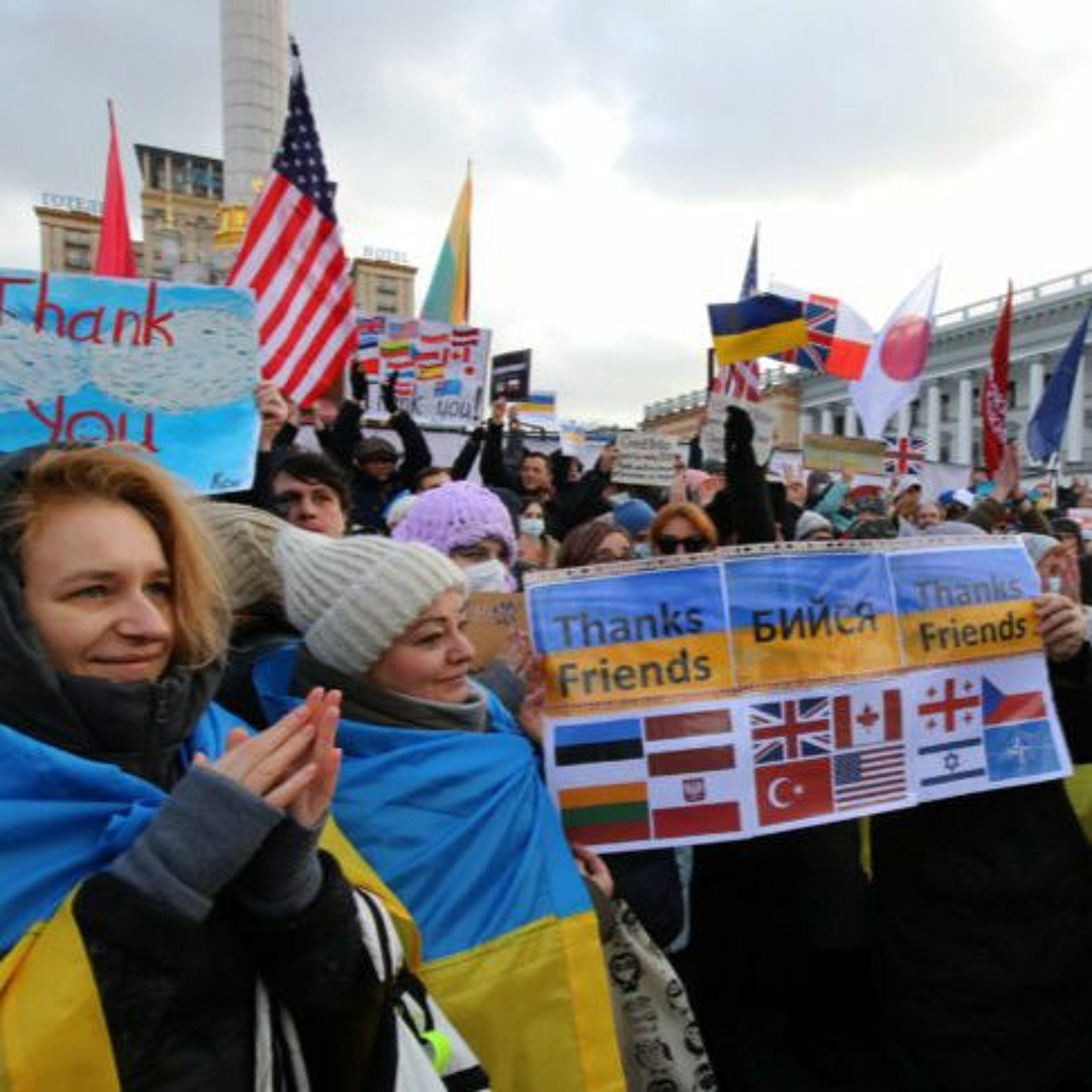
In this episode, we reverse the usual roles: today’s host is ECFR’s Research Director Jeremy Shapiro and Mark Leonard tries out the role of guest. They discuss the surprising findings of ECFR’s latest public opinion poll on the Russia-Ukraine conflict. In recent weeks, many commentators, including this podcast’s interim host, have focused on Europe’s divisions and lack of agency in the Russia-Ukraine crisis. But Mark Leonard and Ivan Krastev demonstrate that there exists a surprising consensus and even resolve within the European public when it comes to the possibility of a Russian invasion of Ukraine. Together, Jeremy and Mark discuss the report’s key conclusions and how European policymakers might adjust their policies to reflect the public mood it reveals. This podcast was recorded on 10 February 2022.Further Reading: The crisis of European security: What Europeans think about the war in Ukraine by Ivan Krastev and Mark Leonard: https://buff.ly/3uHq60VWhy Europe has no say in the Russia-Ukraine crisis by Jeremy Shapiro: https://t.co/o7vYzXo2sqBookshelf:After Life by Ricky Gervais (TV Series)Termination Shock by Neal Stephenson© Image byVolodymyr Tarasov / Avalon / Photoshot / Picture Alliance Hosted on Acast. See acast.com/privacy for more information.

System failure: The causes of humanitarian crises
Humanitarian crises in places like Afghanistan, Yemen or Ethiopia are not only a reflection of internal turmoil – but mirror a much grander development: system failure. In today’s episode, Mark Leonard is joined by David Miliband, president and chief executive officer of the International Rescue Committee and a former UK Foreign Secretary. Together, they discuss his model describing the four levels of system failure: what are the drivers behind it and what must be done in order to confront and counter the current developments? A solution to the system failure, they argue, should be conceptualised as a cross-sectorial endeavour beyond the humanitarian subdivision. This podcast was recorded on 1 February 2022.Further reading:David A. Morse Lecture at the Council on Foreign Relations by President and CEO of the International Rescue Committee David Miliband: https://buff.ly/34yc9apBookshelf:Cricketing Lives: A Characterful History from Pitch to Page by Richard H. ThomasMission Economy: A Moonshot Guide to Changing Capitalism by Mariana MazzucatoEmpireland: How Imperialism Has Shaped Modern Britain by Sathnam Sanghera Hosted on Acast. See acast.com/privacy for more information.
The Age of Unpeace: Therapy for internationalists | Session 5 with A. Bradford, T. Wright & F. Zhang
Since the holiday season, we have brought to you a special mini-series looking at how the things that keep us connected – like trade, tech, the internet, and migration – can also tear us apart. But rather than despairing at the state of the world, the geopolitics, and ongoing superpower battles, Mark Leonard is joined by a number of high-level thinkers in this mini-series in order to find strategies for shaping and surviving our new reality. We call it The Age of Unpeace: Therapy for internationalists.Join us on this journey to a more therapeutic approach to international relations. The mini-series brings you five special episodes with guests including today’s guests: Anu Bradford, Thomas Wright, and Feng Zhang. We hope you find some healing!For past episodes in this series, check them out here: buff.ly/3ecRbiO _____________On today’s couch, we gathered Anu Bradford, Henry L. Moses Professor of Law and International Organizations at Columbia Law School; Thomas Wright, Senior Fellow and Director of the Center on the US and Europe at Brookings; and Feng Zhang, professor of international relations and executive dean of the Institute of Public Policy at the South China University of Technology. Together with Mark Leonard, they discuss the three empires of connectivity – the US as a gate-keeping power, the EU as rule-making power, and China as a relational power. The big question in this group therapy session is: How can those three powers have a peaceful and constructive relationship with each other? Further reading:• “Brussel effect” by Anu Bradford • “ Aftershocks: Pandemic Politics and the End of the Old International Order”by Thomas Wright • “The rise of Chinese exceptionalism in international relations” by Feng Zhang Hosted on Acast. See acast.com/privacy for more information.
Europe’s role in tackling the Russia-Ukraine crisis
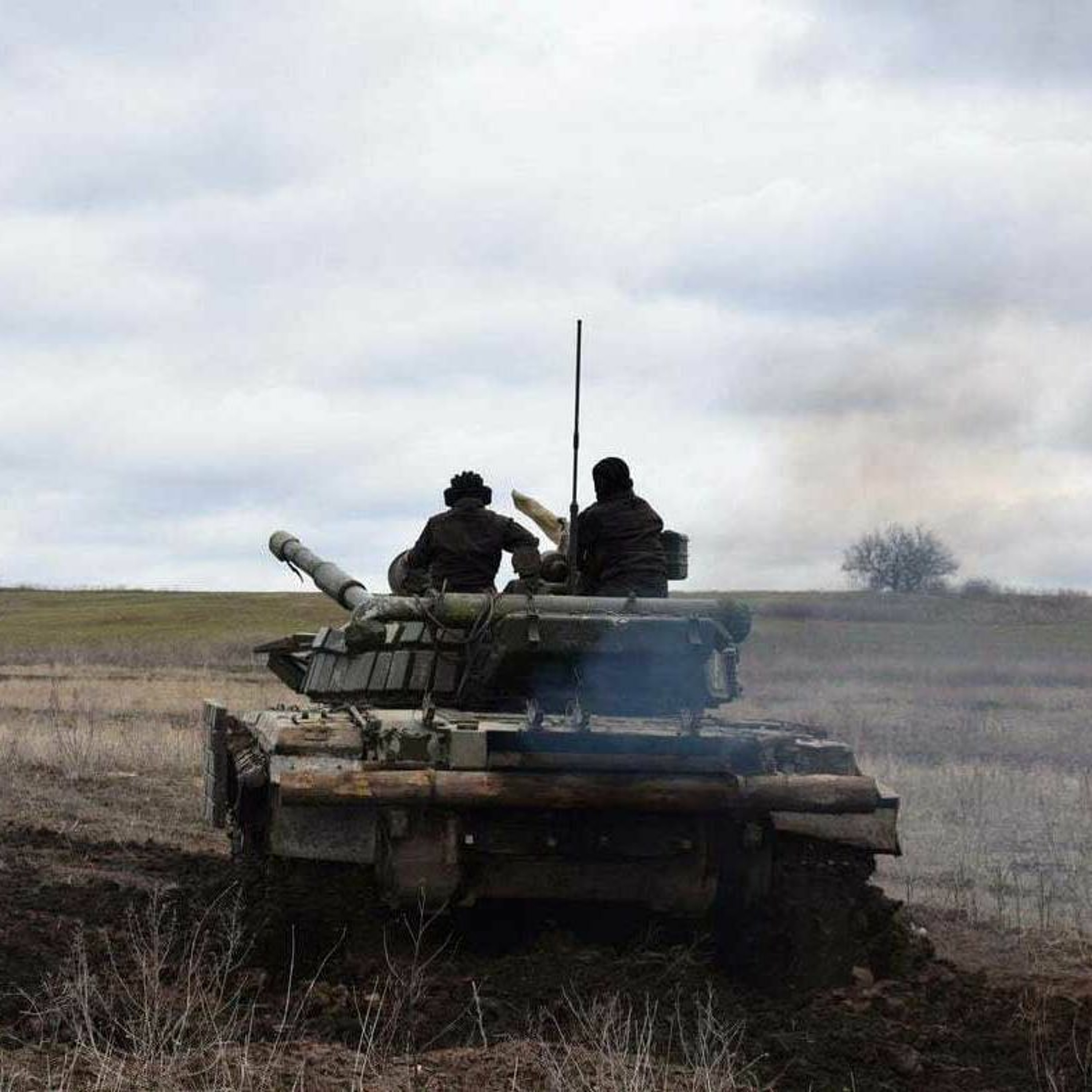
Diplomatic talks about the Russia – Ukraine crisis are increasingly icy. While Europeans continue to gnash their teeth over a patchy security architecture, US president Biden and the Russian president Putin are struggling to come to a peaceful conclusion in their bilateral negotiations. It seems Europeans are caught between the prospect of a “new Yalta” or a full-scale war on the European continent that could easily escalate out of control. To discuss these happenings, Mark Leonard welcomes Marie Dumoulin, director of ECFR’s Wider Europe programme, Kadri Liik, ECFR senior policy fellow at ECFR and Jeremy Shapiro, ECFR's research director and in-house US expert.This podcast was recorded on 19 January 2022.Bookshelf La France dans le bouleversement du monde by Michel DuclosTermination Shock by Neal StephensonХельсинкский процесс (The Helsinki Process) by Andrei Zagorski Hosted on Acast. See acast.com/privacy for more information.
The Age of Unpeace: Therapy for internationalists | Session 4 with Anne-Marie Slaughter
Since the holiday season we have brought to you a special mini-series looking at how the things that keep us connected – like trade, tech, the internet, and migration – can also tear us apart. But rather than despairing at the state of the world, the geopolitics and ongoing superpower battles, Mark Leonard is joined by a number of high-level thinkers in this mini-series in order to find strategies for shaping and surviving our new reality. We call it The Age of Unpeace: Therapy for internationalists. Join us on this journey to a more therapeutic approach to international relations. The mini-series brings you five special episodes with guests including today’s Anne-Marie Slaughter, Marietje Schaake, and Anne Marie Slaughter. We hope you find some healing! For past episodes in this series, check them out here: buff.ly/3ecRbiO_____________ Today Mark is joined by Anne-Marie Slaughter, chief executive of the think-tank New America. Previously, she was dean of Princeton School of Public and International Affairs and director of policy planning in the US State Department. Together, Mark and Anne-Marie go through the five steps of self-help for internationalists and discuss the reconceptualisation of globalisation while focusing on different players that form the hidden wiring of much of our everyday lives: Why are our societies are increasingly divided over identity, equality, and history? What effect does connectivity have on societies? Further Reading:- Renewal: From Crisis to Transformation in Our Lives, Work, and Politics by Anne-Marie Slaughter- The Chessboard and the Web: Strategies of Connection in a Networked World by Anne-Marie Slaughter Hosted on Acast. See acast.com/privacy for more information.

Top 10 foreign policy trends for 2022
Traditions die hard, or so they say. And thus, we are especially excited to continue one of our most popular traditions: Predicting ten foreign policy trends for 2022. This week, host Mark Leonard and Jeremy Shapiro, Research Director at ECFR, are looking into their crystal balls to foretell the forces and events that will shape the upcoming year. They also convened an impartial jury consisting entirely of themselves to rate last year’s predictions. It concluded that Mark and Jeremy set a new high score of 8/10 points in 2021. Can they outdo themselves with their 2022 projections? Or do you think you have better predictions? Send us an email or tweet them at us! This podcast was recorded on 4 January 2022. Further reading: https://ecfr.eu/article/2022-the-road-to-recovery-again/Bookshelf: “The Lincoln Highway” by Amor Towles“A Gentleman in Moscow” by Amor Towles“Born in Blackness” by Howard W. French Hosted on Acast. See acast.com/privacy for more information.
The Age of Unpeace: Therapy for internationalists | Session 3 with Dan Drezner
Over the holiday season, we are bringing you a special mini-series looking at how the things that keep us connected – like trade, tech, the internet, and migration – can also tear us apart. But rather than despairing at the state of the world, the geopolitics and ongoing superpower battles, Mark Leonard is joined by a number of high-level thinkers in this mini-series in order to find strategies for shaping and surviving our new reality. We call it The Age of Unpeace: Therapy for internationalists. Join us on this journey to a more therapeutic approach to international relations. The mini-series brings you five special episodes with guests including today’s Dan Drezner, Marietje Schaake, and Anne Marie Slaughter. We hope you find some healing! For past episodes in this series, check them out here: https://buff.ly/3ecRbiO_____________Today on the couch is Dan Drezner, professor of international politics at the Fletcher School of Law and Diplomacy at Tufts University and non-resident fellow at the Chicago Council on Global Affairs. Together with Mark Leonard, they go through the five steps of self-help for internationalists and discuss how trade and financial relations are increasingly weaponised by some countries in order to enhance their geopolitical power and economic gain. Further reading: •“The United States of Sanctions. The Use and Abuse of Economic Coercion” by Daniel W. Drezner in Foreign Affairs, September/October 2021• “All Politics Is Global: Explaining International Regulatory Regimes” by Daniel W. Drezner• “The System Worked: How the World Stopped Another Great Depression” by Daniel W. Drezner Hosted on Acast. See acast.com/privacy for more information.
The Age of Unpeace: Therapy for internationalists | Session 2 with Parag Khanna
Over the holiday season we are bringing you a special mini-series looking at how the things that keep us connected – like trade, tech, the internet and migration – can also tear us apart. But rather than despairing at the state of the world, the geopolitics and ongoing superpower battles, Mark Leonard is joined by a number of high-level thinkers in this mini-series in order to find strategies for shaping and surviving our new reality. We call it The Age of Unpeace: Therapy for internationalists. Join us on this journey to a more therapeutic approach to international relations. The mini-series brings you five episodes with guests including today’s Parag Khanna, Thomas Wright, and Anne Marie Slaughter. We hope you find some healing! _____________Next up on the couch is Parag Khanna, founder and managing partner of FutureMap, a data and scenario-based strategic advisory firm and best-selling author. He has recently published the book ”Move: the forces uprooting us” in which he looks at how mass migration will reshape the world. Together with Mark Leonard, they go through the five steps of self-help for internationalists and discuss the weaponisation of migration which we see in today’s world more and more. Hosted on Acast. See acast.com/privacy for more information.
The Age of Unpeace: Therapy for internationalists | Session 1 with Marietje Schaake
Over the holiday season, we are bringing you a special mini-series looking at how the things that keep us connected – like trade, tech, the internet and migration – can also tear us apart. But rather than despairing at the state of the world, the geopolitics and ongoing superpower battles, Mark Leonard is joined by a number of high-level thinkers in this mini-series in order to find strategies for shaping and surviving our new reality. We call it The Age of Unpeace: Therapy for internationalists. Join us on this journey to a more therapeutic approach to international relations. The mini-series brings you five episodes with guests including today’s Marietje Schaake, Thomas Wright, and Anne Marie Slaughter. We hope you find some healing! _____________First up on the couch is Marietje Schaake, International Policy Fellow at Stanford University’s Institute for Human-Centered Artificial Intelligence. Together with Mark Leonard, they go through the five steps of self-help for internationalists and discuss how the internet has gone from being seen as the ultimate unifier of a global village to being ‘the perfect weapon’. Hosted on Acast. See acast.com/privacy for more information.
Jamil Anderlini: Inside scoop on POLITICO Europe
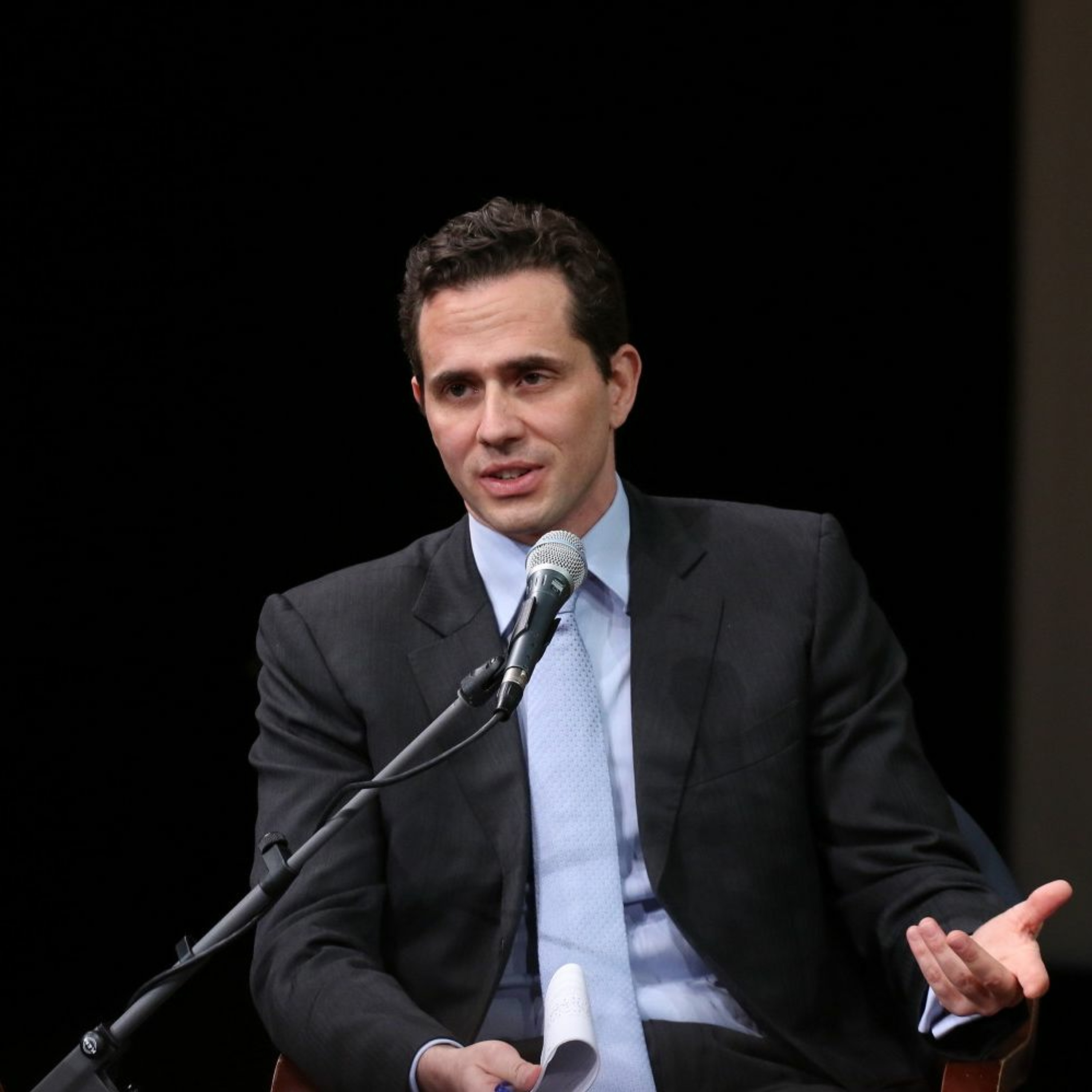
In this episode, host Mark Leonard is joined by POLITICO Europe's Editor-in-Chief Jamil Anderlini to discuss his plans for POLITICO. They talk about life in Brussels, breaking news in Asia, how to find a good story and what makes good reporting. Also, many of the big impetuses that have changed Europe in the past came from the outside, and likely in the future, mainly from Asia: what does Anderlini think about China's rise and security issues coming from Asia think?This podcast was recorded on 10 December 2021.Further reading• “Measured response: How to design a European instrument against economic coercion” by Jonathan Hackenbroich & Pawel Zerka: https://buff.ly/3zTgkZo Bookshelf• “The guns of August” by Barbara W. Tuchman • “Red Roulette: An insider's story of wealth, power, corruption, and vengeance in today's China” by Desmond Shum Hosted on Acast. See acast.com/privacy for more information.
Syria’s war, Europe’s problem
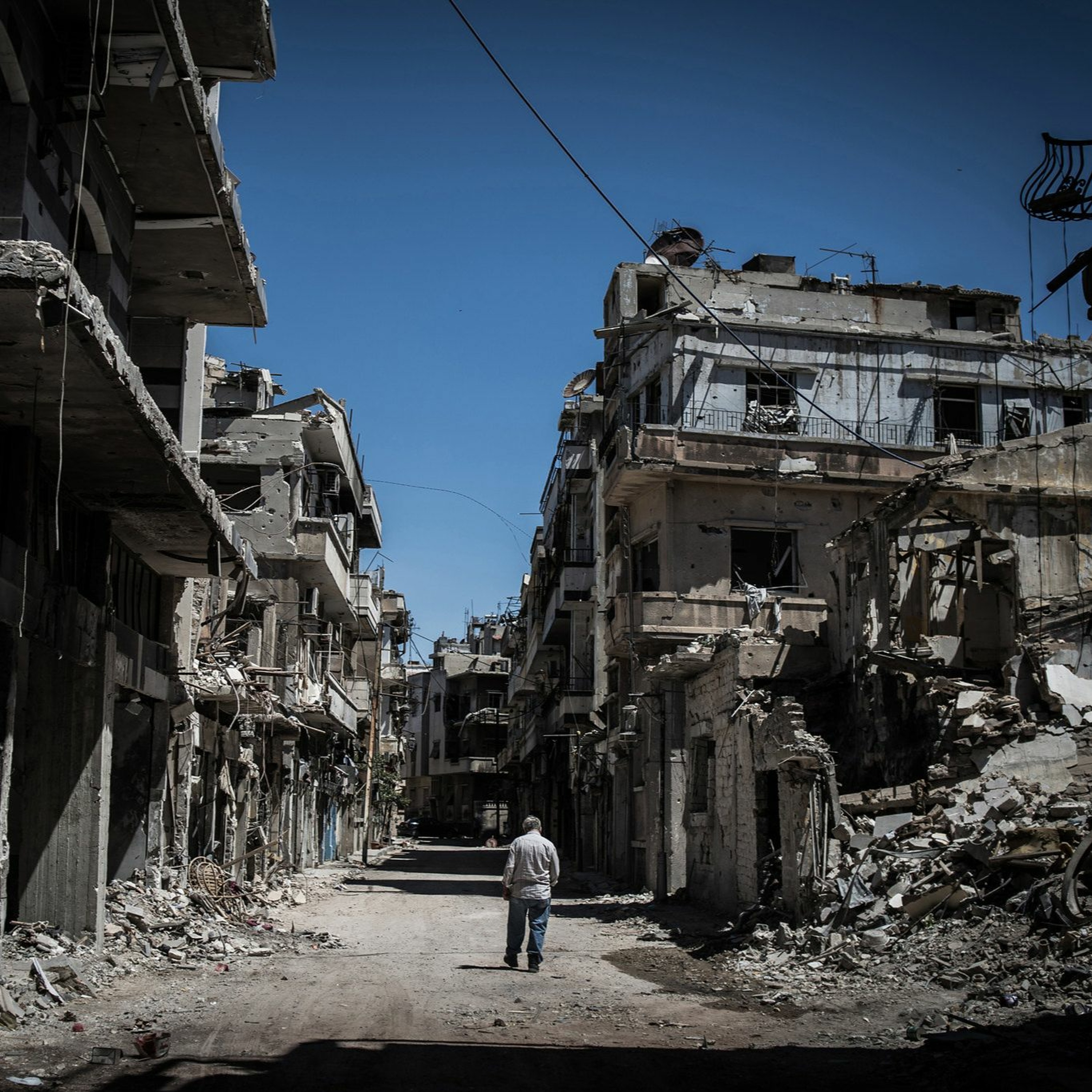
After more than a decade of death and destruction – and despite a string of international efforts to end his regime - Syrian President Bashar al-Assad remains in power. Meanwhile, the country faces deteriorating economic and humanitarian crises, with over 90% of its population currently living below the poverty line. In this week’s episode, host Mark Leonard is joined by ECFR Council Member Bassma Kodmani who is also a member of the opposition delegation for peace negotiations and a member of the Constitutional Committee for Syria, Ralph Haddad Coordinator of Advocacy & Research at the Syrian NGO Basmeh & Zeitooneh for Relief and Development, and Julien Barnes-Dacey, head of ECFR’s MENA programme. Together, they analyse the changing dynamics in the ‘struggle for Syria’: What does the re-engagement of regional actors mean for the future of the country? And what role can Europe play to create breathing space in Syria? This podcast was recorded on 29 November 2021. Further reading: -" A decade of death and ruin: How Europe can create breathing space in Syria" by Julien Barnes-Dacey https://buff.ly/3ePDHLIBookshelf: - "How the Assad Regime Systematically Diverts Tens of Millions in Aid" by Natasha Hall, Senior Fellow, Middle East Program, CSIS - "Black Spartacus: The Epic Life of Toussaint Louverture" by Sudhir Hazareesingh- "Without" by Younis Alakhzami Hosted on Acast. See acast.com/privacy for more information.
The new German coalition’s roadmap for foreign policy
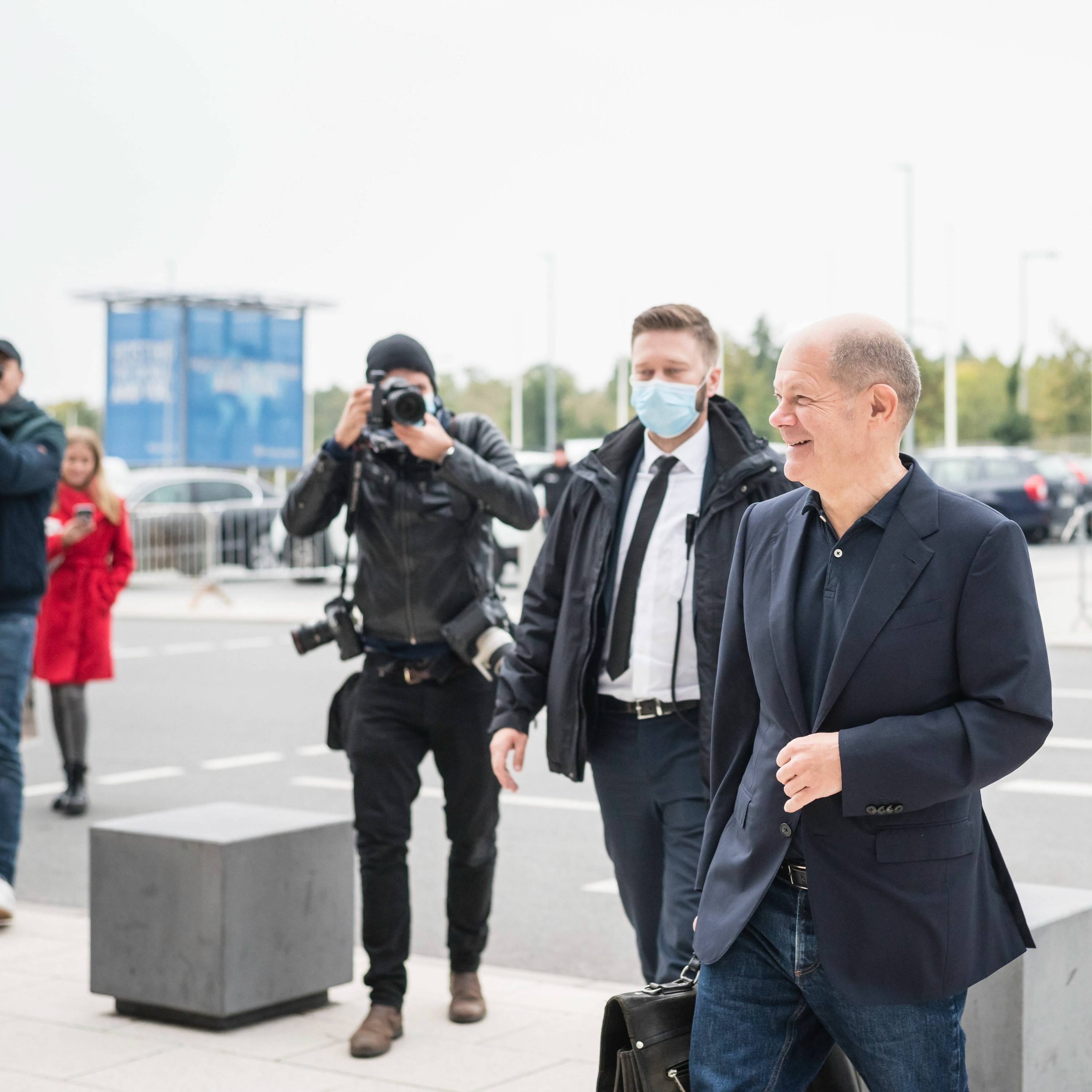
On Wednesday afternoon, the German Social Democrats, the FDP and the Greens presented their coalition agreement. The long-awaited deal sets out the roadmap for the “traffic light” government for the upcoming four years led by Olaf Scholz (SPD). In this episode, Mark Leonard and ECFR senior policy fellows Janka Oertel and Jana Puglierin take a deep dive into the 170+ page-long document: what does it say about foreign policy issues, China, defence and security? What is in there about the future of Europe? And how do we see the transatlantic relationship developing in the new coalition?This podcast was recorded on 24 November 2021Further reading:Coalition treaty [in DE]: https://buff.ly/2ZpvyIt Germany announces coalition agreement | DW News Live: https://buff.ly/3cOmBeCWhat’s in the German coalition deal for Europe (and the UK) | Politico: https://buff.ly/3cQX6tepicture (c) Paul Lovis Wagner | Campact Hosted on Acast. See acast.com/privacy for more information.
The Russian troop build-up near Ukraine
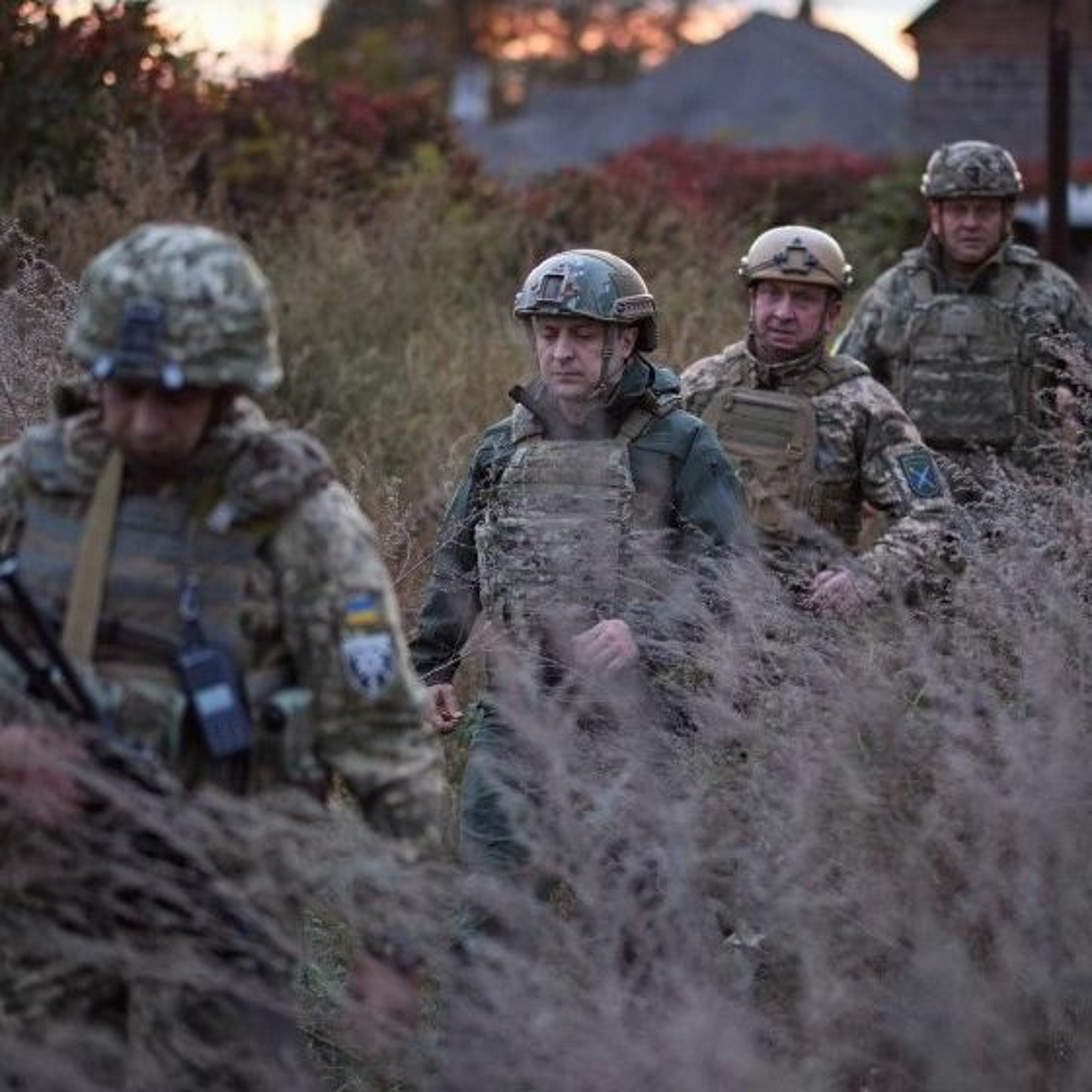
At the beginning of this week, NATO warned about an ‘unusual’ concentration of Russian forces close to the Ukraine border. So far, the Kremlin has dismissed the warning as “alarmist” while the US alerted allies about the possibility of Moscow preparing for a possible invasion of Ukraine. Mark Leonard is joined by Marie Dumoulin the new director of our Wider Europe programme, in her first week on the job, and ECFR Senior policy fellows Gustav Gressel and Kadri Liik to talk about the Russian military built up on Ukraine´s borders: how serious is the situation? And what should - and should not NATO do about it?This podcast has been recorded 17 November 2021.Further reading:Russia’s military movements: What they could mean for Ukraine, Europe, and NATO by Gustav Gressel https://ecfr.eu/article/russias-military-movements-what-they-could-mean-for-ukraine-europe-and-nato/ Bookshelf:• “Ukraine: Putin’s unfinished business” by Eugen Rumer & Andrew Weiss • “Russia in Global Affairs“, Volume 19, No. 3, Jul-Sept 2021• “Practical political science. A guide to getting in touch with reality” by Ekaterina Schulmann [in RU] Picture © picture alliance / AA | Ukrainian Presidency / Handout Hosted on Acast. See acast.com/privacy for more information.
How migration became a weapon: the Belarus-Polish border crisis
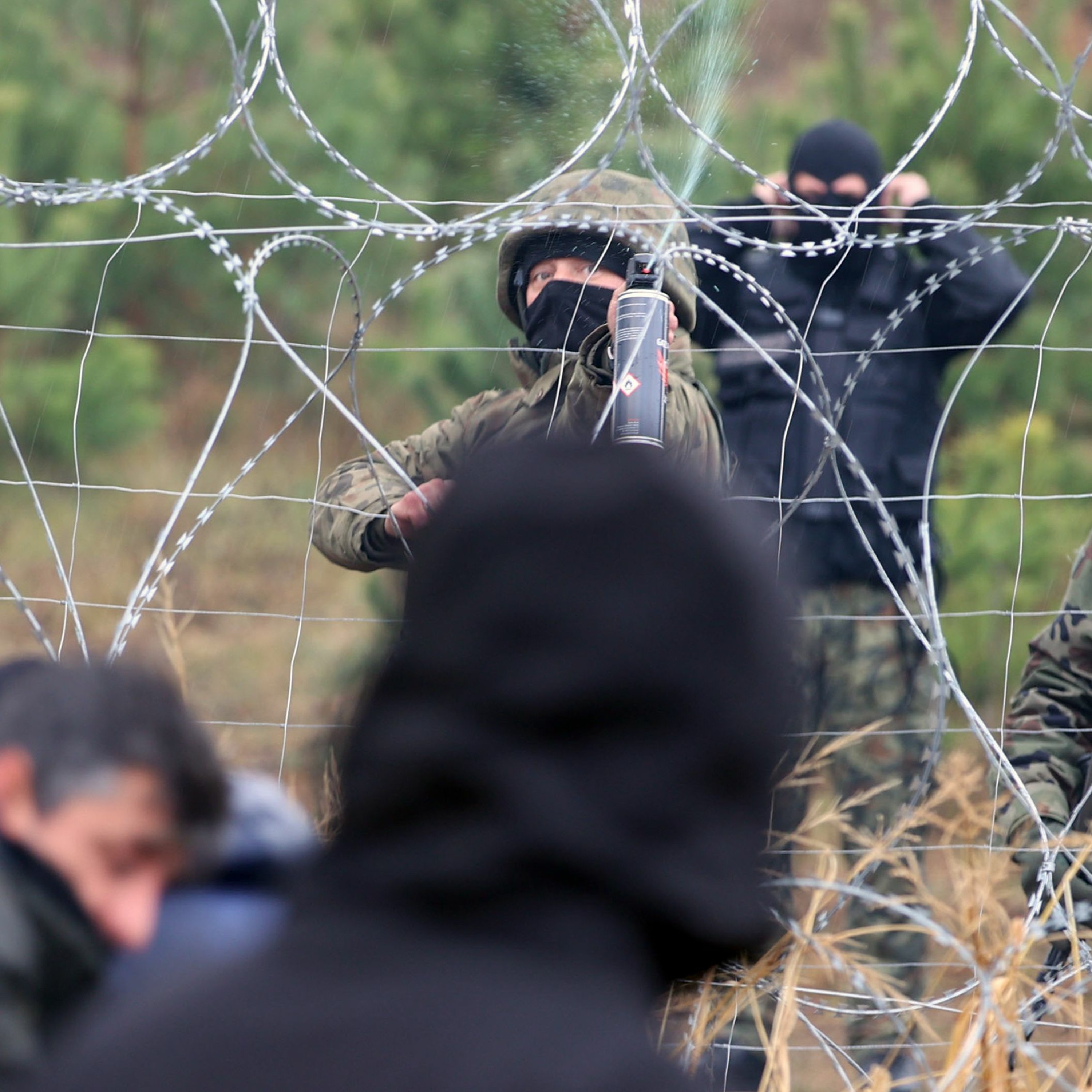
In the recent months, the EU and especially Poland, Lithuania and Latvia, have all seen an increasing number of people trying to enter their countries from Belarus. An estimated 2,000 migrants are said to be stranded at the Belarus border with Poland at the moment. But how did we get here? Host Mark Leonard talks to ECFR policy fellow Pawel Zerka and visiting fellow Pavel Slunkin about the situation on the ground. Moreover, we asked Kelly Greenhill, 2020-21 Leverhulme Trust visiting professor at SOAS, to explain what coercive engineered migration is and how successful it is. Is Belarus’s president Alexander Lukashenka’s act of revenge for EU sanctions and criticism working? What would be the best way for the EU to respond to Minsk’s tactics? This podcast was recorded on 10 November 2021.Further reading:• "No quiet on the eastern front: The migration crisis engineered by Belarus" by Gustav Gressel, Joanna Hosa & Pavel Slunkin: https://buff.ly/3EYVidF • "How half-hearted sanctions put the future of Belarus at risk" by Pawel Zerka: https://buff.ly/3imsSBHBookshelf:• "Madam Secretary" by Madeleine Albright • "Belarusians’ views on the political crisis" by Chatham House • "EU sanctions on Belarus as an effective policy tool" by Anders Åslund & Jan Hagemeier in Belarus Insight 02/2021• "On consolation: finding solace in dark times" by Michael Ignatieff Photo © picture alliance / ASSOCIATED PRESS | Leonid Shcheglov Hosted on Acast. See acast.com/privacy for more information.
COP26 and Europe’s green grand bargain
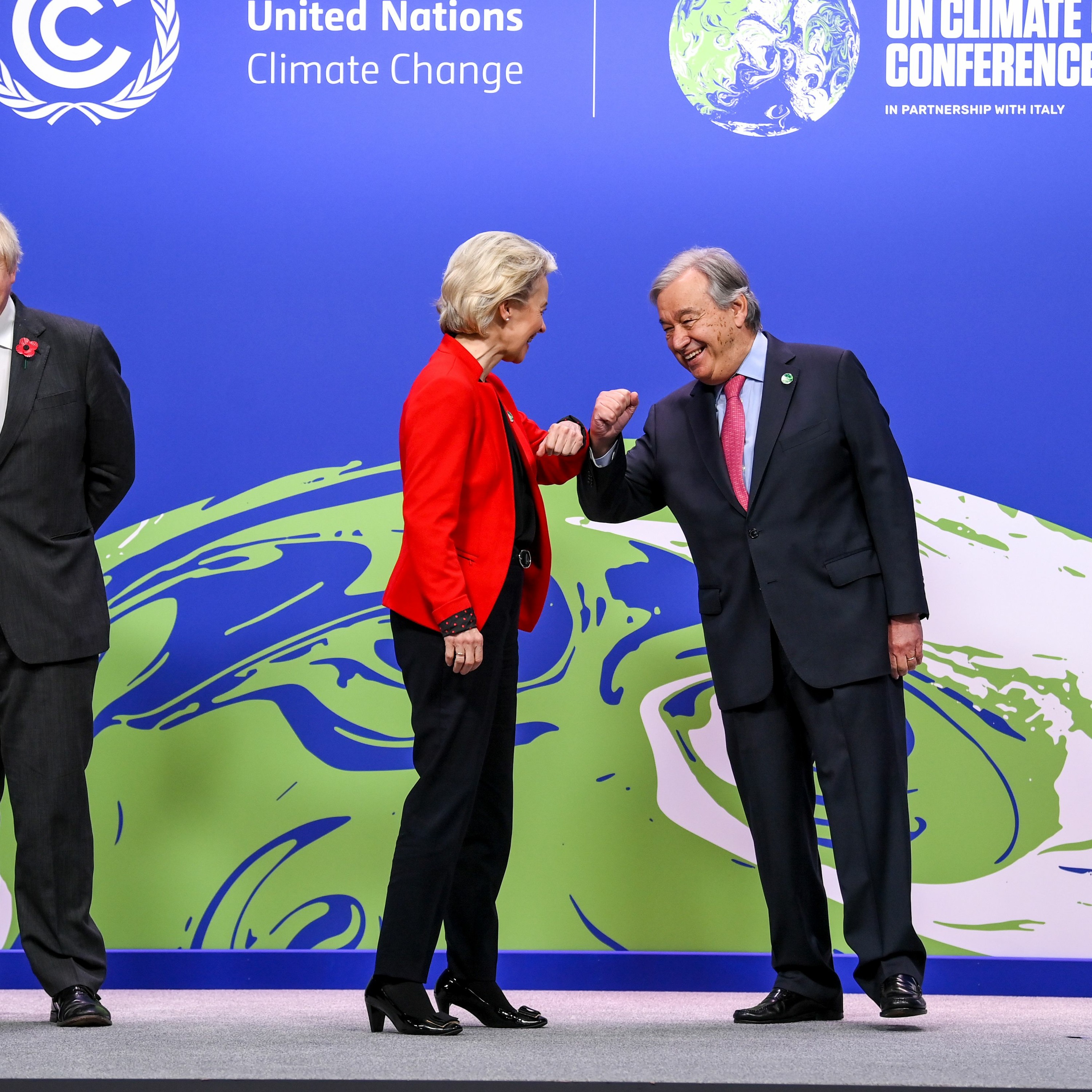
Negotiations of the 26th Conference of the Parties to the United Nations Framework Convention on Climate Change (COP26) are underway in Glasgow. This week, host Mark Leonard speaks with Lykke Friis, ECFR board member and director of the Danish Think Tank Europa and former minister for climate and energy of Denmark; Susi Dennison, head of ECFR’s European power programme; and Alex Clark, researcher at the Smith School of Enterprise and the Environment at the University of Oxford and ECFR visiting fellow. Together, they analyse the prospects of success at COP26 and particularly what role the European Union can and should play. Is the EU in a position to deliver a green grand bargain, or is its role as peripheral now as it was at COP15? This podcast was recorded on 3 November 2021.Further reading;Climate of cooperation: How the EU can help deliver a green grand bargain by Alex Clark, Susi Dennison, and Mats Engström: https://buff.ly/3BrI9HPLast chance for Global Climate Leadership in Glasgow? Event with Lykke Friis, Susi Dennison, Dan Joergensen, and Lars Aagaard: https://buff.ly/3bOmRd5 Hosted on Acast. See acast.com/privacy for more information.
Ask the author anything! - Mark Leonard on "The Age of Unpeace"
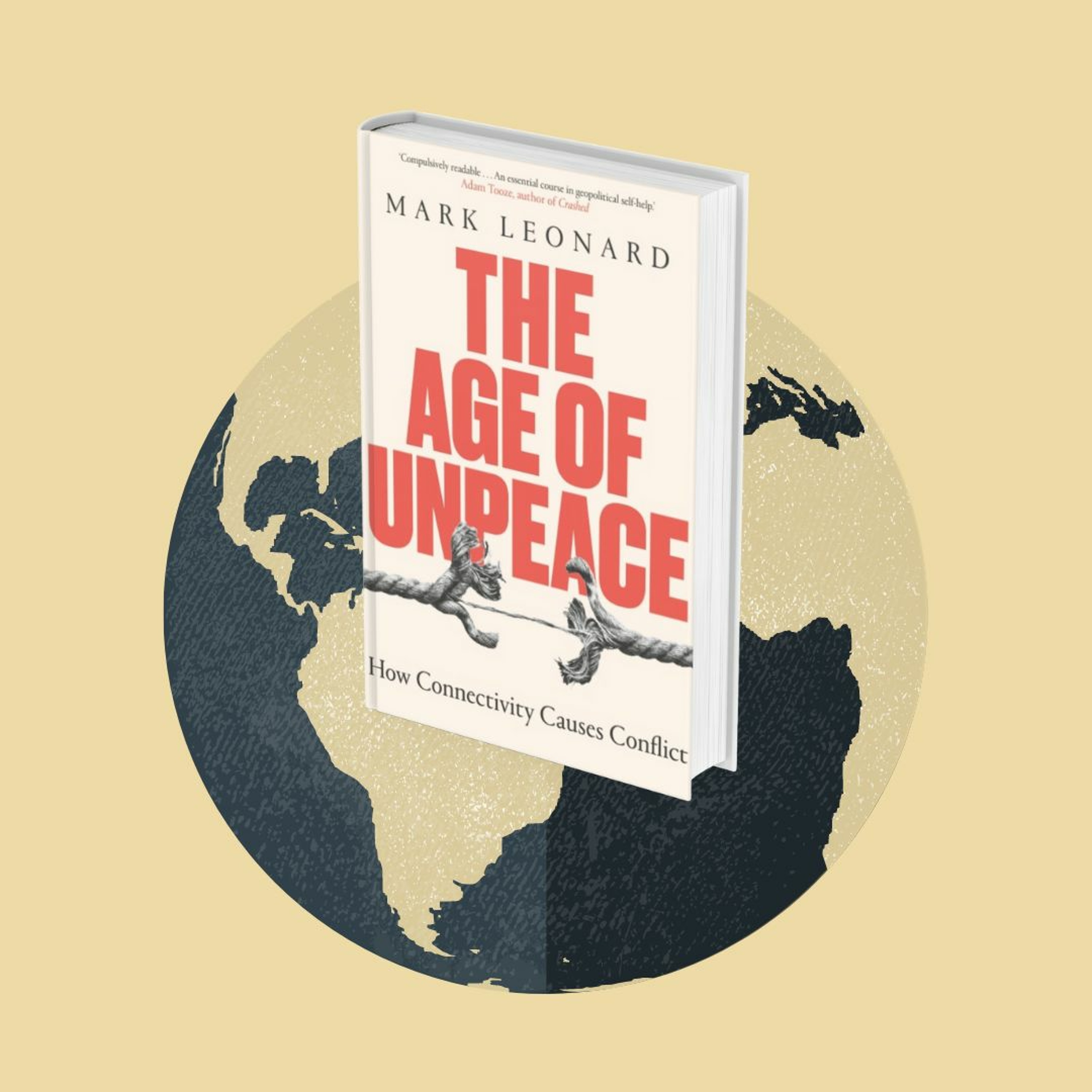
This week, Mark Leonard answers your most burning questions about his newly released book, “The Age of Unpeace: How Connectivity causes Conflict”. Hosted by ECFR’s head of communications, Ana Ramic, the special Ask Me Anything episode features Mark responding to loyal podcast listeners Zebulon Carlander, Robert Cooper, Teresa Gouveia, Antonio Notario, Jonas Parello-Plesner, Timi Okoya, and Patrycja Sasnal. This episode was recorded on 22 October 2021 **and contains spoilers**! Thanks to everybody who submitted questions! Listen to a sneak-peak: https://soundcloud.com/ecfr/sneak-peek-age-of-unpeace-mark-leonard Learn more about “The Age of Unpeace”: • Podcast with Mark Leonard & Janka Oertel: https://soundcloud.com/ecfr/age-of-unpeace• "Welcome to the age of unpeace" by Mark Leonard in Politico https://www.politico.eu/article/welcome-to-the-age-of-unpeace-geopolitics-conflict/ Get the book here: https://www.penguin.co.uk/books/144/1443237/the-age-of-unpeace/9781787634657.html#:~:text=The%20%22age%20of%20unpeace%22%20%5B,his%20own%20beliefs%20have%20evolved. Hosted on Acast. See acast.com/privacy for more information.
French connection: Macron’s plans for Europe
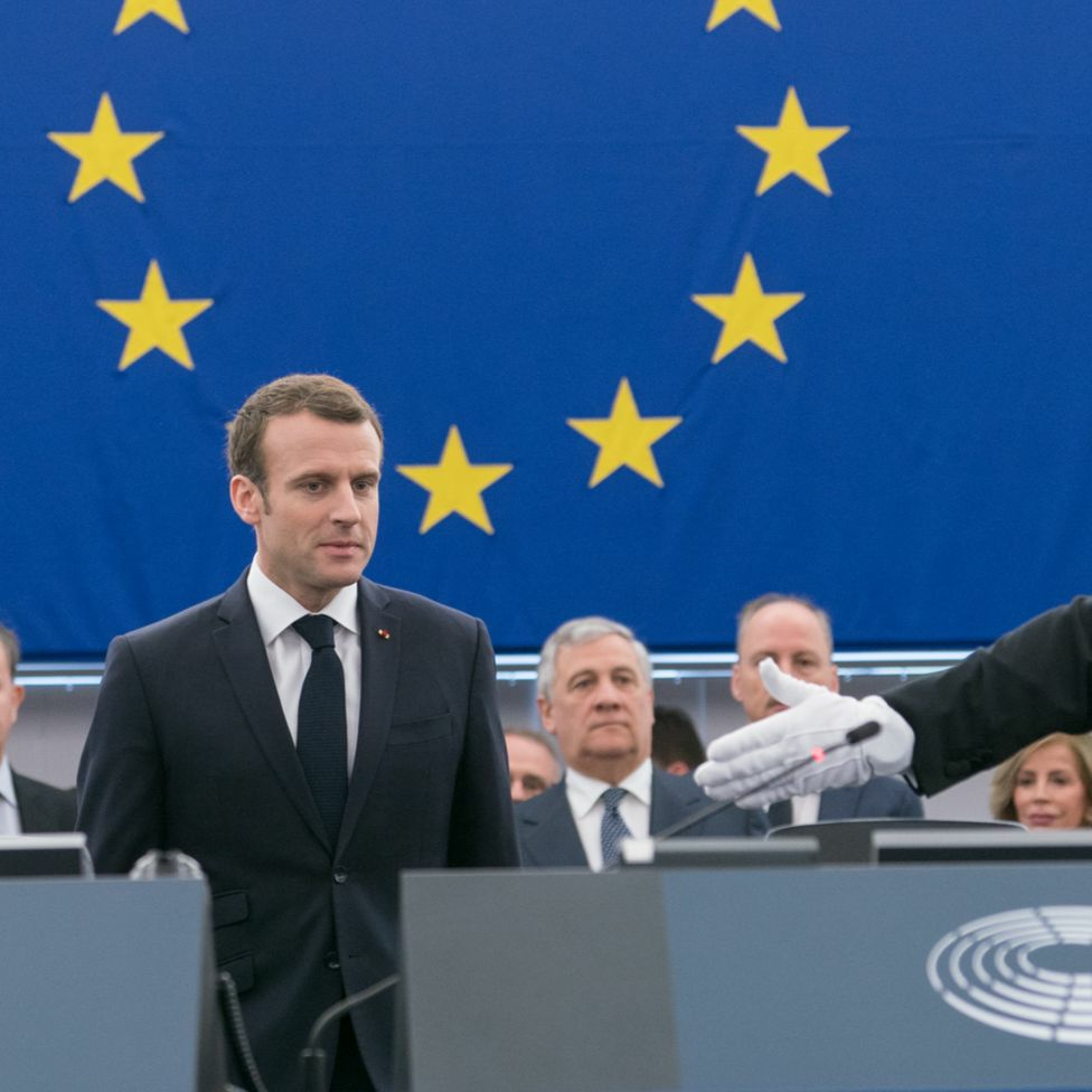
Last week, French president Emmanuel Marcon presented a massive investment plan – “France 2030”. The roadmap sketches out France’s digital and green transformation and is meant to set up the country – as well as Europe – for growth and success ahead of the French EU Council presidency. But is this strategy only part of electoral campaigning, as critics say? Or does “France 2030” echo bigger plans which the EU has already set out for the bloc? Host Mark Leonard is in our Paris office talking to office head and ECFR policy fellow Tara Varma: What are Macron’s plans for the EU Council presidency in 2022 and beyond? Can France fill the void that Germany leaves post-Merkel while forming a new government, and how?This podcast was recorded on 19 October 2021.Further reading:- The lonely leader: The origins of France’s strategy for EU foreign policy” by Tara Varma and Mathilde Ciulla: https://ecfr.eu/article/the-lonely-leader-the-origins-of-frances-strategy-for-eu-foreign-policy/ Bookshelf:- Peut-on changer de logique?, Philosophe Magazine No. 153 - October 2021 Hosted on Acast. See acast.com/privacy for more information.
Out of Order: the Polish Constitutional Court’s challenge to the European Union
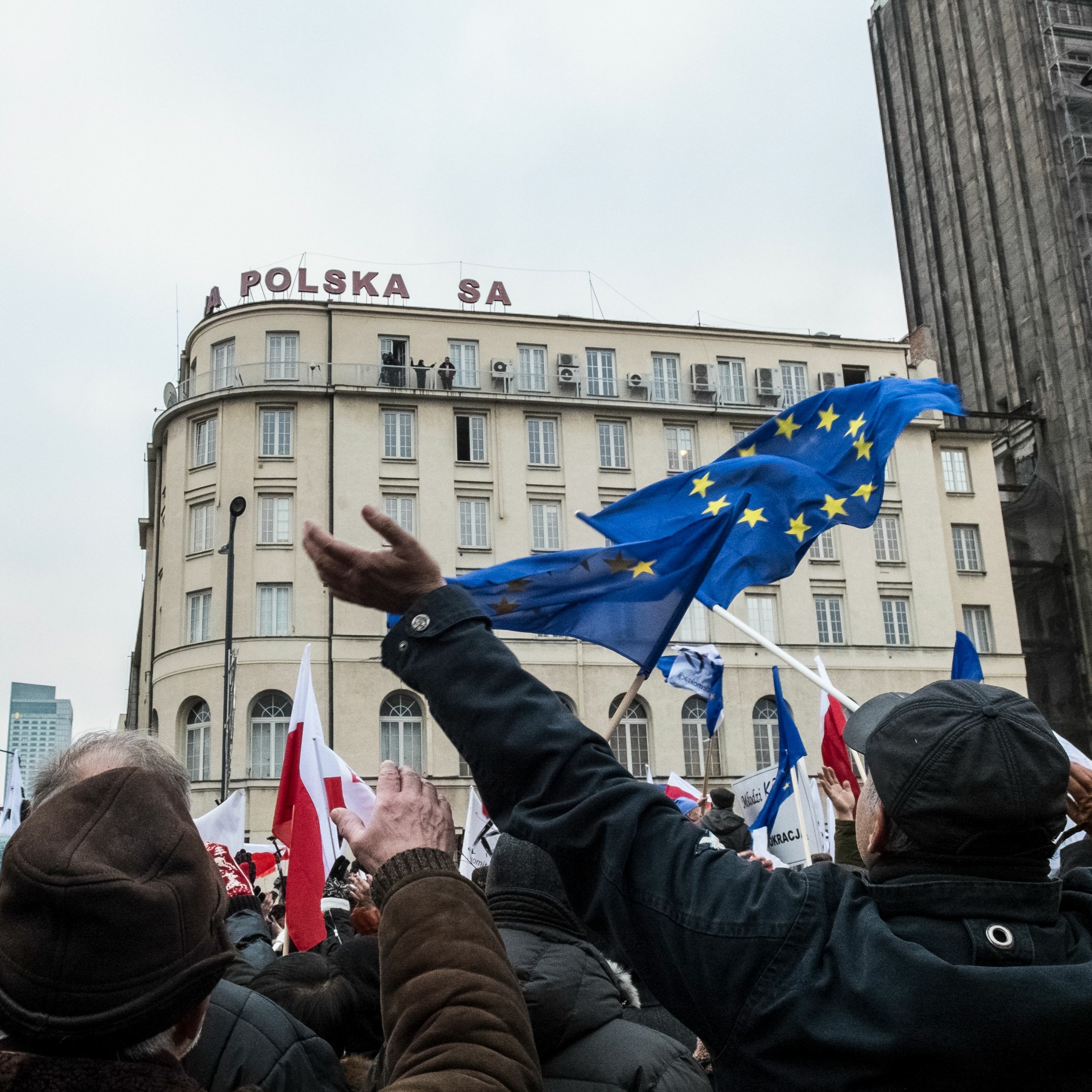
A major ruling of Poland’s Constitutional Court challenging the primacy of EU law has escalated Warsaw’s legal and political dispute with Brussels and unleashed serious concerns of a ‘Polexit.’ In this week’s episode, host Mark Leonard speaks with Piotr Buras, head of ECFR’s Warsaw office, and Jana Puglierin, head of ECFR’s Berlin office, about the implications of the ruling for Poland as well as for the European Union. Should the EU fear ‘Polexit’? What steps can the EU take to defend its legal order and protect the authority of the Court of Justice of the European Union?This podcast was recorded on 14 October 2021.Further reading:Forget Polexit – the EU must defend the CJEU by Piotr Buras on Balkan Insight: https://buff.ly/3FA2Ftj Bookshelf: - Aftershocks: Pandemic politics and the end of the old international order by Colin Kahl and Thomas Wright- Angela Merkel: Die Kanzlerin und ihre Zeit by Ralph Bollmann- The Age of Unpeace: How Connectivity causes Conflict by Mark Leonard Hosted on Acast. See acast.com/privacy for more information.
Europe’s role in a post-American Middle East
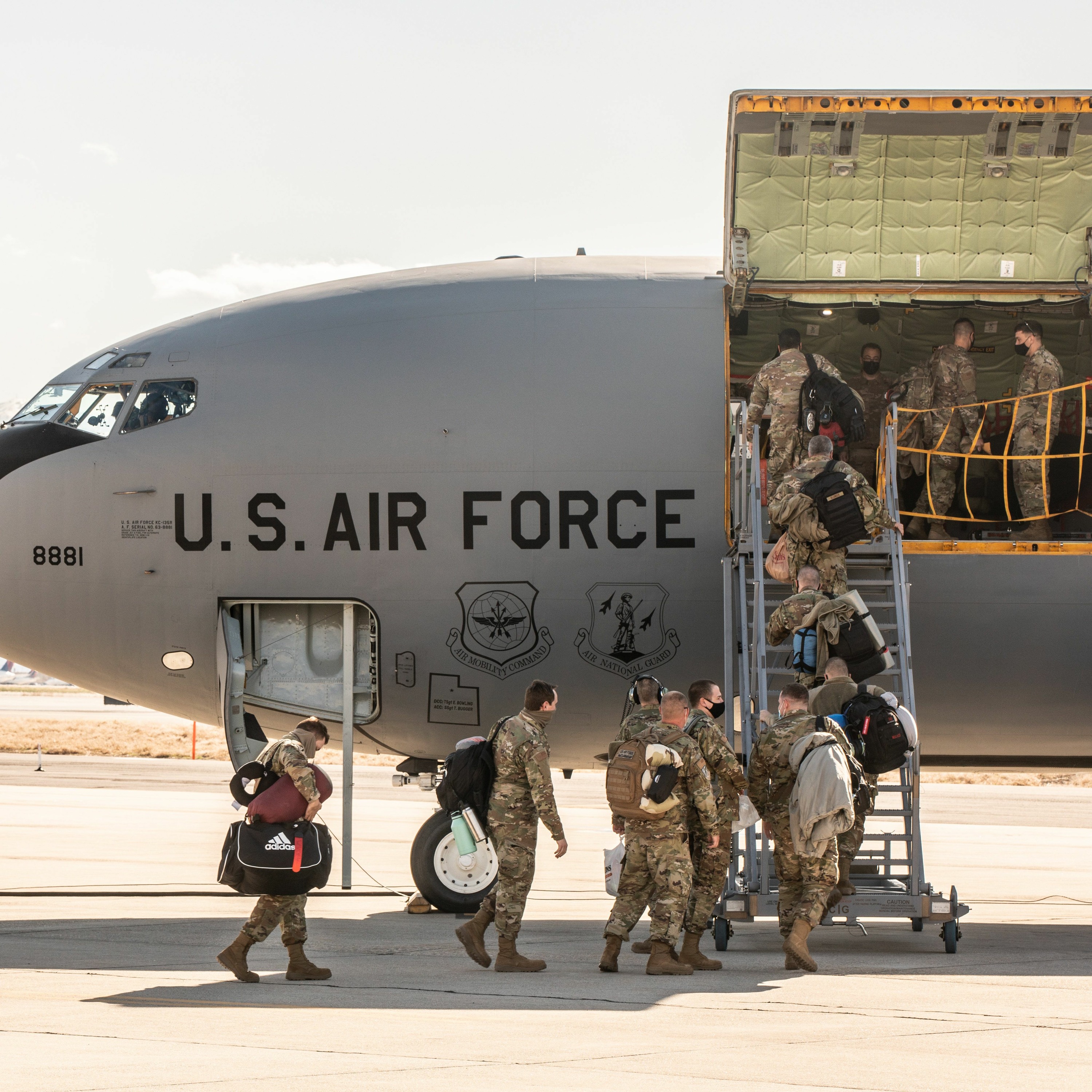
As the US looks to disentangle itself from various conflicts globally, it leaves behind power vacuums. In the MENA region, various regional – and global - powers are vying to fill the void. In this week’s episode, host Mark Leonard is joined by three guests directly from ECFR’s MENA Forum in Rome: Abdulkhaleq Abdulla, professor of political science in the UAE; Alia Moubayed, MENA chief economist for Jefferies; and Julien Barnes-Dacey, head of ECFR’s MENA programme. Together, they analyse the changing geopolitical and regional dynamics in the MENA region: Who is filling the vacuum which the US is increasingly leaving behind? How are regional actors reacting to US disengagement? And what does this mean for Europe’s future role in the region? This podcast was recorded on 5 October 2021.Further reading: - Iraq’s parliamentary election will produce more of the same by Nussaibah Younis: https://buff.ly/3A5xORd - Europe’s post-Afghanistan to-do list by Arancha Gonzalez Laya: https://buff.ly/3AHJyuC- Autonomous in Afghanistan: How the Europeans could have stayed after US withdrawal by Mary Kaldor: https://buff.ly/3CaB0wiBookshelf: Black Spartacus: The Epic Life of Toussaint Louverture by Sudhir Hazaareesingh After the Sheikhs: The Coming Collapse of the Gulf Monarchies by Christopher Davidson Beautiful World, Where Are You by Sally Rooney Hosted on Acast. See acast.com/privacy for more information.
Germany’s election result and what it means for Europe
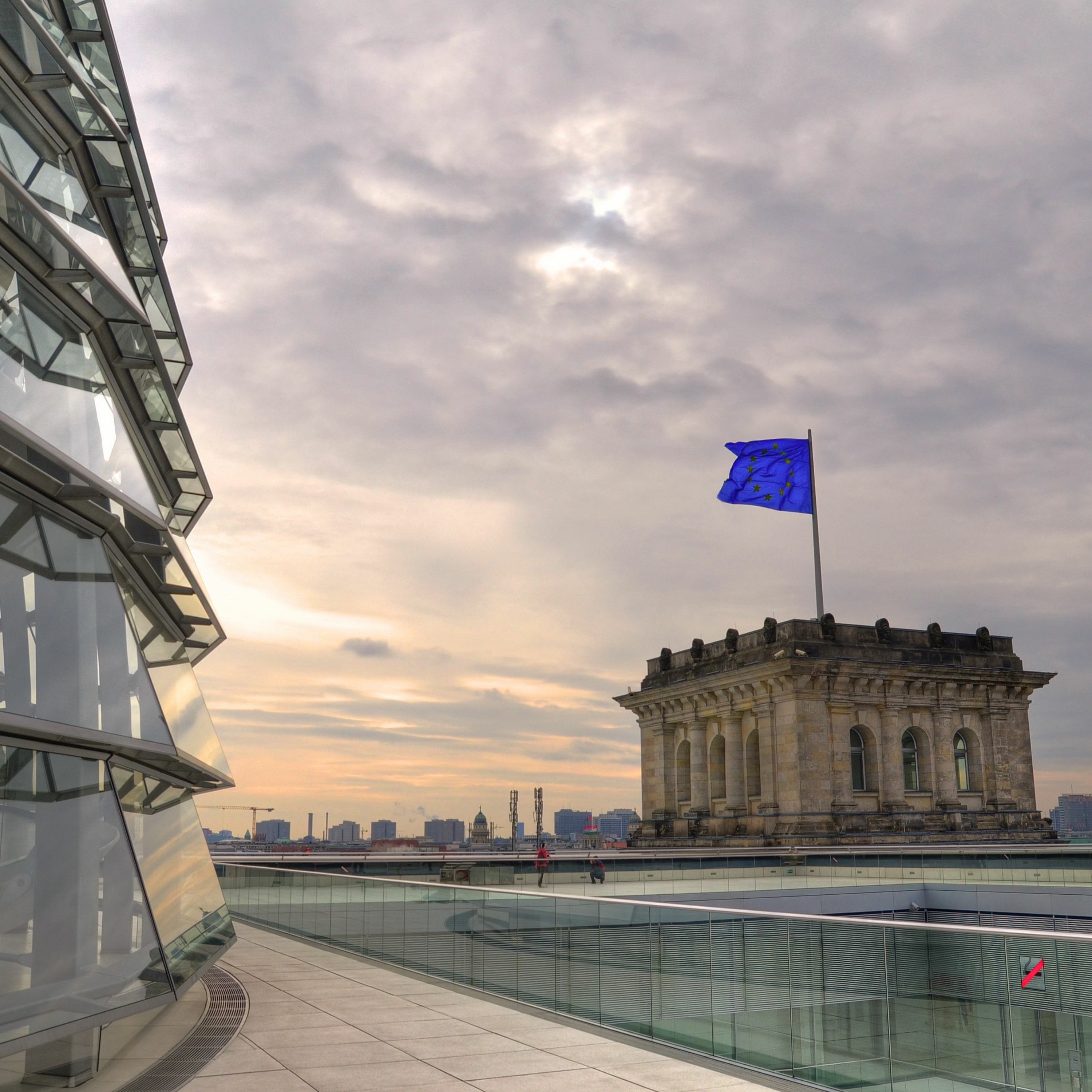
German election results are in, and they mark a new era for Germany. On 26 September, Germans headed to the polls to vote in one of the most unpredictable elections since Angela Merkel took office over a decade and a half ago. Now, Germany will have to endure weeks – or possibly months – of fraught coalition talks before a new government can be formed. In this week’s World in 30 Minutes episode, host Mark Leonard talks with Jeremy Cliffe, international editor of the New Statesman, Jana Puglierin, head of ECFR’s Berlin Office, Lykke Friis, ECFR co-chair and Director of the Danish Think Tank Europa, and Sylvie Kauffmann, editorial director of Le Monde, about the fragmented election result and its implications for Europe. What coalition – the ‘traffic light’, ‘Jamaica’ or ‘grand’ – is most likely? How are the results being perceived throughout Europe? And what do they mean for the future of our continent? This podcast was recorded on 29 September 2021.Bookshelf: -How Olaf Scholz and the SPD could lead Germany’s next government by Jeremy Cliffe -The Fateful Chancellor: What the end of the Merkel era means for the world by Jeremy Cliffe - Speak, Silence: In Search of WG Sebald by Caroline Angier - Pandemonium: Europe’s COVID Crisis by Luuk van Middelaar - Age of Unpeace: How Connectivity causes Conflict by Mark Leonard - The Vaccine by Joe Miller with Dr. Özlem Türeci and Dr. Ugur Sahin - Le Premier XXIe siècle by Jean-Marie Guehenno - Crime and persuade by Peter Baldwin Hosted on Acast. See acast.com/privacy for more information.
The transatlantic meaning of AUKUS
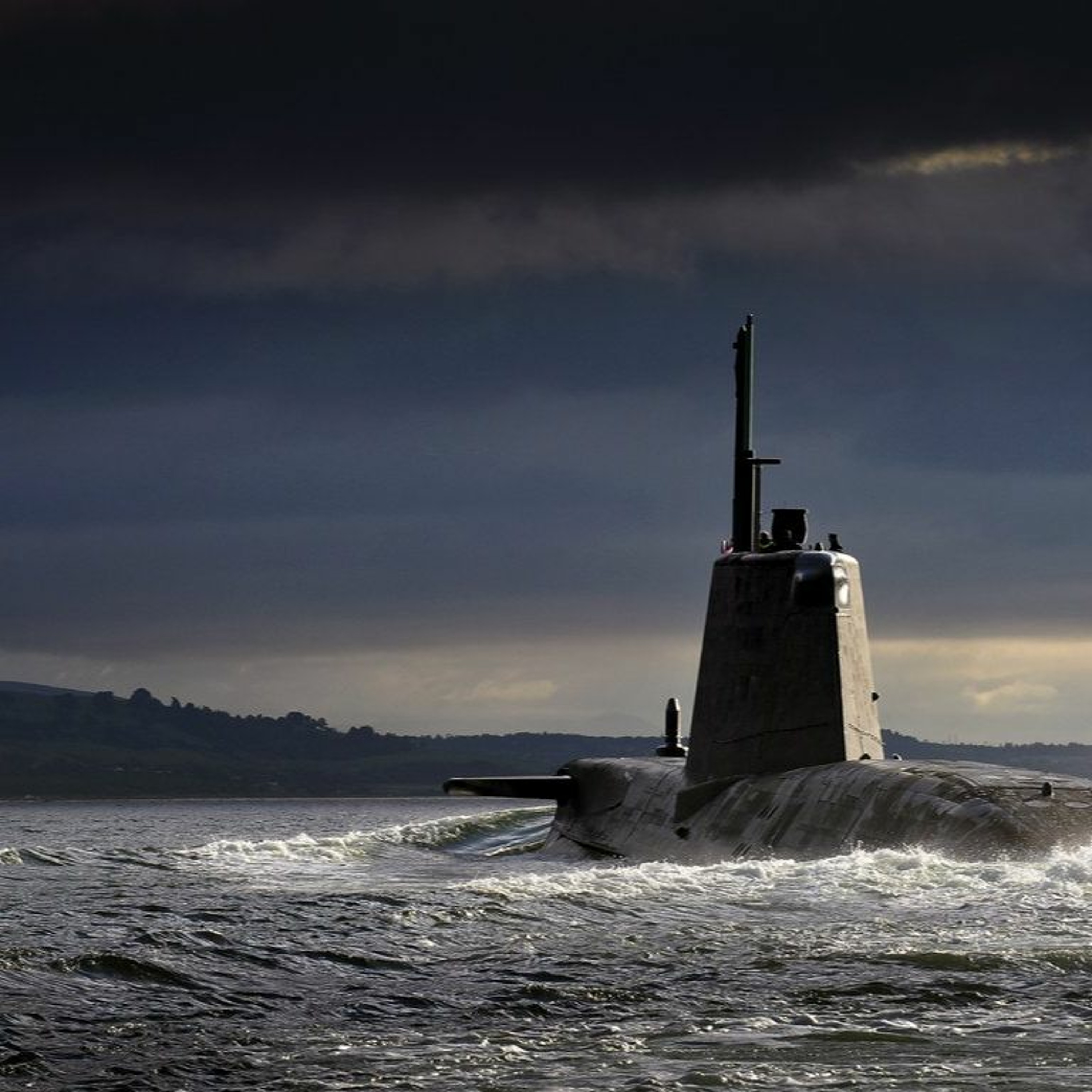
The announcement of the new Indo-Pacific security alliance between Australia, the United Kingdom, and the United States - dubbed ‘AUKUS’ - has led to the biggest crisis in transatlantic relations since the Iraq war in 2003. In this week’s podcast, host Mark Leonard talks with Janka Oertel, head of ECFR’ Asia programme, Jeremy Shapiro, ECFR’s research director, and Tara Varma, head of ECFR’s Paris office, about the new security pact and its implications for Europe. What does it mean for the future of transatlantic relations? And what lessons can be drawn for European strategic autonomy and European sovereignty? This podcast was recorded on 20 September 2021.Further reading:- What Europeans think about the US-China cold war by Ivan Krastev & Mark Leonard: https://buff.ly/3hT6Iqa- After AUKUS: The uncertain future of American and European cooperation in the Indo-Pacific by Tara Varma: https://buff.ly/3CC3I9S- AUKUS: After the sugar rush by Nick Witney: https://buff.ly/3zyho3zBookshelf: - NüVoices - Podcast- Born a Crime by Trevor Noah: - Stalin an Appraisal of the Man His Influence by Leon Trotsky Hosted on Acast. See acast.com/privacy for more information.
Sneak Peek | The Age of Unpeace: How Connectivity Causes Conflict
Get a sneak peek into Mark Leonard's latest book "The Age of Unpeace - How Connectivity Causes Conflict", read by the author himself.Additionally, in October we will have a special “ask me anything” episode with Mark Leonard and ask all of you to send in your burning questions about the book to [email protected] which will then be answered in the forthcoming episode.All those who submit questions will be eligible to win a free signed book from Mark, so start emailing! We are happy to receive your questions in written or audio (voice-memo) form. Hosted on Acast. See acast.com/privacy for more information.
The Age of Unpeace
In his newly released book “The Age of Unpeace: How Connectivity causes Conflict” ECFR director Mark Leonard explains how many of the forces that we thought would bring us together have ended up driving us apart. Trade, technology, the internet, and travel were once promised to create a global village but have instead created an era of “unpeace”, where the distinctions between war and peace are breaking down.In this week’s episode, Mark Leonard becomes the guest of his own podcast to talk with ECFR’s Asia programme director Janka Oertel about the main themes of his book and particularly how China’s growing role in this interconnected world poses threats for Europe.This podcast was recorded on 16 September 2021.Further reading:Age of Unpeace by Mark Leonard“The Afghan tragedy and the age of unpeace” by Mark LeonardBookshelf:“Doom” by Neil Ferguson“Shutdown. How Covid Shook the World’s Economy” by Adam ToozeMove by Parag Khanna“Renewal: From crisis to transformation in our lives, work, and politics” by Anne Marie Slaughter“China unbound: a new world disorder” by Joanna Chiu Hosted on Acast. See acast.com/privacy for more information.
The fall of the Afghan government and what it means for Europe
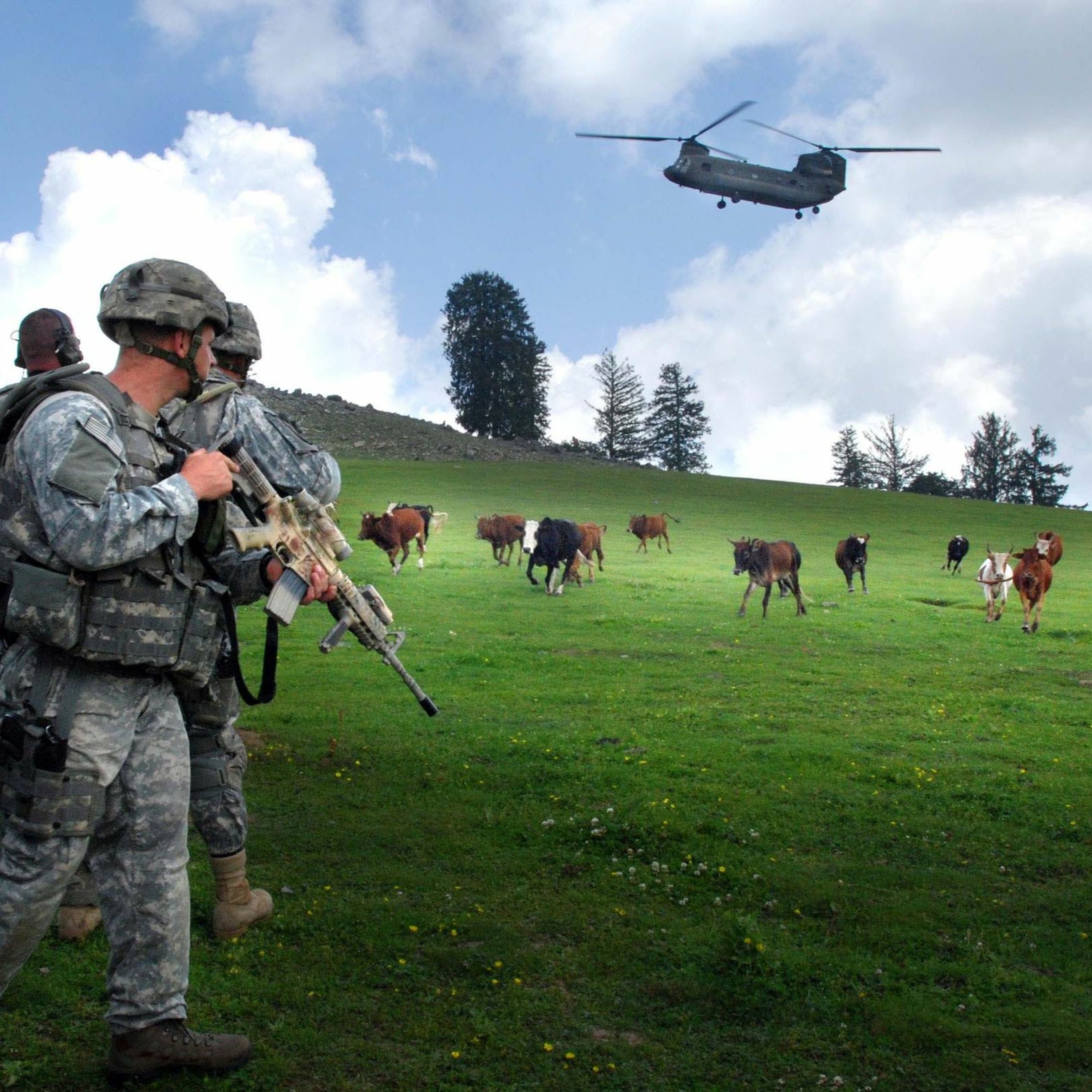
The collapse of Afghan government forces and the rapid seizure of power by the Taliban has unleashed a series of intense debates about the implications for Europe. How will the Western withdrawal impact on the state of European defence and military capabilities? Are we likely to see a shift in Europe’s relationship with other powers - such as Turkey, China, and the United States? In this week’s podcast, host Mark Leonard talks with Jeremy Shapiro, ECFR’s research director, and senior policy fellows Asli Aydintaşbaş and Andrew Small about what the withdrawal of Western forces from Afghanistan means for Europe and the future of transatlantic relations.This podcast was recorded on 8 September 2021.Further Reading:- “The fall of the Afghan government and what it means for Europe” by ECFR policy experts: https://buff.ly/3kqkOjh - “The Afghan tragedy and the age of unpeace” by Mark Leonard: https://buff.ly/3gXZTmSBookshelf:"Age of Unpeace" by Mark Leonardhttps://www.penguin.co.uk/books/144/1443237/the-age-of-unpeace/9781787634657.html- "Faust’s Metropolis - A History of Berlin" by Alexandra Richie- “Mr. Five Per Cent” by Jonathan Conlin - “Red Roulette" by Desmond Shum Hosted on Acast. See acast.com/privacy for more information.
Introducing Mark Leonard's World in 30 Minutes | Trailer
Every Friday, Mark Leonard invites top-level speakers from across the EU and beyond to debate Europe’s role in the world. We feature and discuss everything from our own research at ECFR to practical pan-European policy – and news from Africa, Asia, Middle East and North Africa, Wider Europe and our own European Power programme. So basically, we bring you the world – in 30 minutes. Hosted on Acast. See acast.com/privacy for more information.
CDU foreign policy post-Merkel
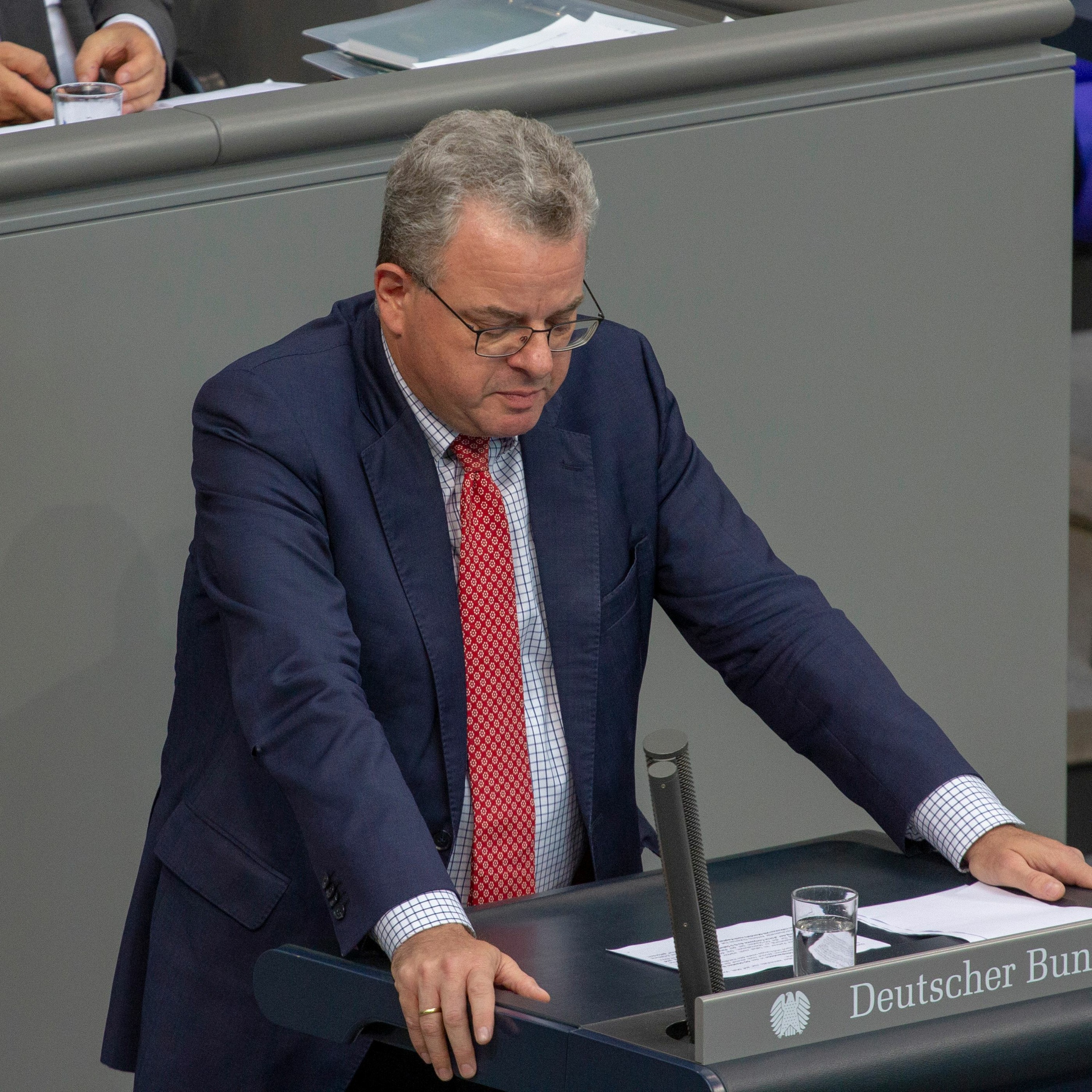
With Germany’s federal elections rapidly approaching, chancellor Angela Merkel is set to depart the political stage. What will the foreign policy of her party, the CDU, look like when she’s gone? In this week’s podcast, host Mark Leonard talks to ECFR senior policy fellow Ulrike Franke and Andreas Nick, a CDU member of the German Bundestag. How would a chancellor Armin Laschet approach China, Russia, and defence? And what exactly sets the CDU’s foreign policy apart from those of the Social Democrats or the Greens? This podcast was recorded on 1 September 2021.Further Reading: ECFR German Election 360https://ecfr.eu/topic/german-election-2021/ Bookshelf: “Age of Unpeace: How Connectivity Causes Conflict” by Mark Leonard https://www.penguin.co.uk/books/144/1443237/the-age-of-unpeace/9781787634657.html “Has China Won?” by Kishore Mahbubani https://www.publicaffairsbooks.com/titles/kishore-mahbubani/has-china-won/9781541768123/ “From Cold War to Hot Peace” by Michael McFaul https://fsi.stanford.edu/content/cold-war-hot-peace “Europe: The Struggle for Supremacy” by Brendan Simms https://www.newstatesman.com/culture/2013/04/reviewed-europe-struggle-supremacy-brendan-simms German party election platforms: https://www.aicgs.org/2021/07/a-guide-german-party-election-platforms-2021/ Hosted on Acast. See acast.com/privacy for more information.