Mark Leonard's World in 30 Minutes
656 episodes — Page 5 of 14
The great reset? How the EU and the UK can rethink their cooperation on foreign policy
War has returned to the European continent, putting many previous divisions into perspective. This has caused European leaders to think afresh about their politics – and raised the question of the United Kingdom’s role in European foreign policy. Seven years after the Brexit referendum, the EU and the UK have finally resolved some of their differences through the Windsor Framework. The possibility of a reset between the UK and the EU on foreign policy could be on the horizon. In this year’s mini-series, Mark Leonard and Susi Dennison examine what a reimagined EU-UK relationship might look like. In this second episode, Mark and Susi welcome David Lidington, who was the United Kingdom’s longest serving minister for European affairs between 2010 and 2016, to discuss what this renewal of relations might look like. How can the Conservative and Labour parties ensure a constructive and forward-looking approach to the UK’s relationship with the EU? Can bilateral relationships complement engagement with Brussels in navigating the UK’s position in Europe? This podcast was recorded on 23 June 2023. Bookshelf:The Conservative Party After Brexit: Turmoil and Transformation, by Tim BaleWhat went wrong with Brexit: and what we can do about it, by Peter FosterAubrey & Maturin series, by Patrick O'Brian Hosted on Acast. See acast.com/privacy for more information.
Climate and geopolitics: What role for the EU?
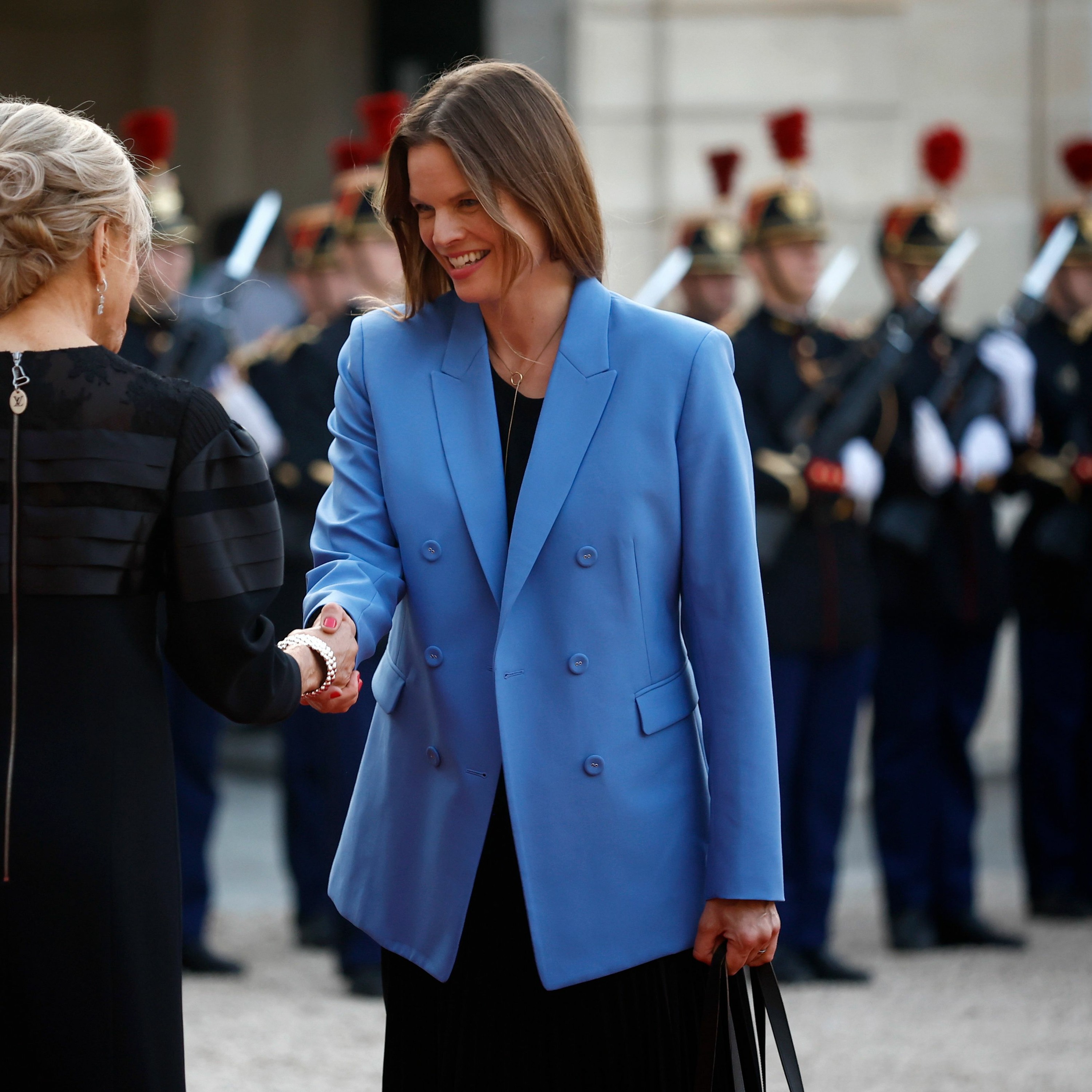
July has seen extreme weather events ravage all of the world’s continents, reinforcing – yet again – the urgency of collective action on climate change. In this week’s episode, Mark Leonard welcomes Kate Hampton, CEO of the Children’s Investment Fund Foundation and former head of policy at Climate Change Capital to delve into the complexities of that action within a competitive global landscape – marked by inequalities between the global north and south. Together, they consider possible pathways towards compromises and how to empower sustainable transitions on the way to a resilient future. How can civil society and NGOs drive global climate action? What strategies can Europeans employ to navigate a fractured multilateral landscape in the face of climate change? And how can the West and the global south work together towards sustainable energy solutions?This podcast was recorded on 14 June 2023. Bookshelf:The Big Con: How the Consulting Industry Weakens Our Businesses, Infantilizes Our Governments, and Warps Our Economies, by Mariana Mazzucato How Big Things Get Done: The Surprising Factors That Determine the Fate of Every Project, from Home Renovations to Space Exploration and Everything In Between, by Bent Flyvbjerg and Dan Gardner Hosted on Acast. See acast.com/privacy for more information.
NATO’s Vilnius summit: The highlights and the future challenges
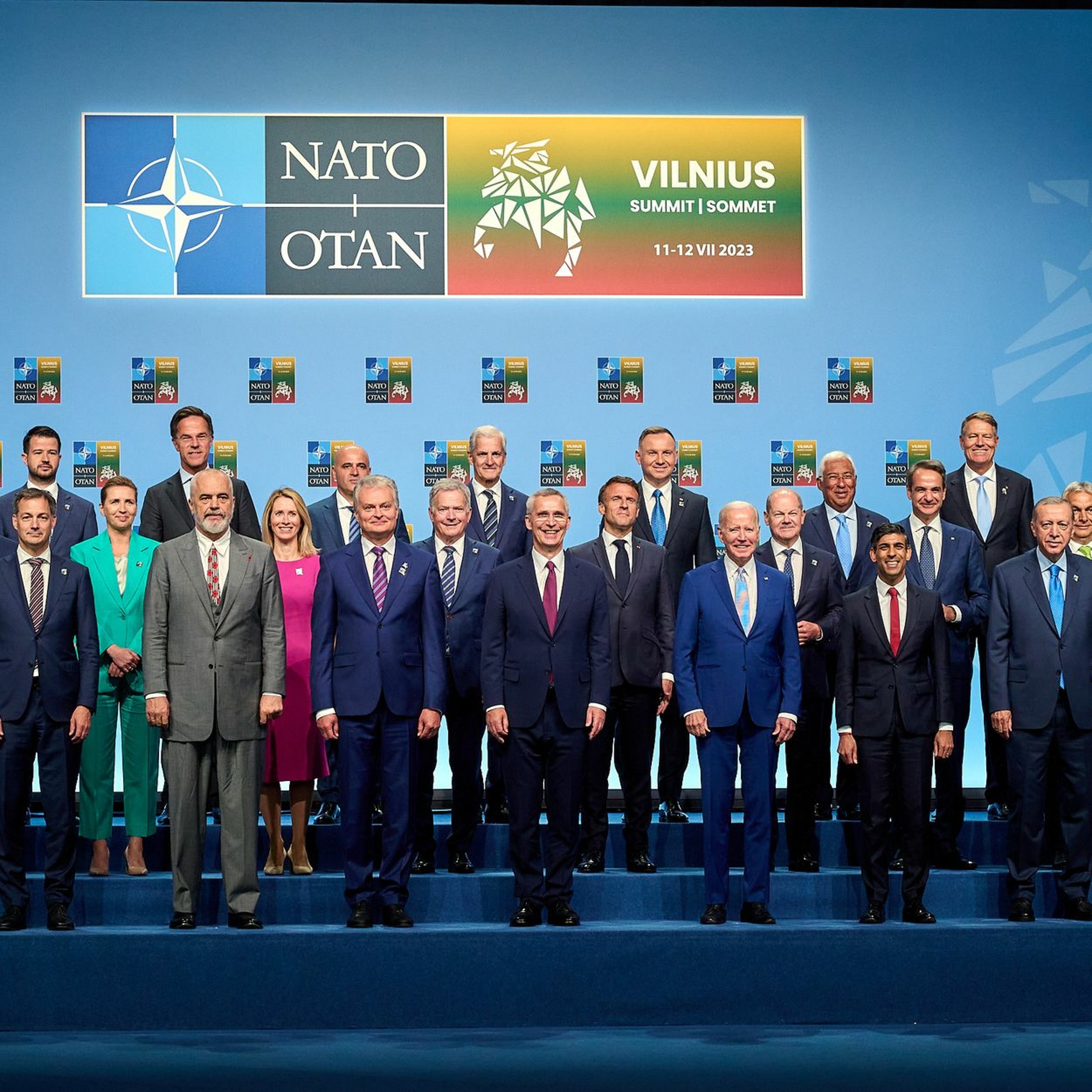
This week, the leaders of NATO member countries gathered in Vilnius for the organisation’s annual summit. The summit addressed crucial issues and implications for international security. From Sweden’s accession to NATO and Ukraine’s aspirations for membership to new defence plans and security guarantees, this week’s episode explores the summit’s highlights and potential impact on the global security landscape. Mark Leonard welcomes Alex Stubb, former prime minister of Finland, Lykke Friis, former Danish climate minister and ECFR co-chair – all on ECFR’s board of trustees – and Camille Grand, former assistant secretary general for defense investment at NATO and distinguished policy fellow at ECFR, to discuss the outcomes of the NATO summit in Vilnius. What were the main takeaways from the summit? What led to Erdogan’s decision to greenlight Sweden’s accession to NATO? What did the alliance offer Ukraine? And what are the key points of NATO’s new defence plans?This podcast was recorded on 13 June 2023. Bookshelf:The Russo-Ukrainian War: The Return of History, by Serhii Plokhy The Unbearable Lightness of Being by Milan KunderaGuerre en Ukraine et nouvel ordre du monde by Michel Duclos Hosted on Acast. See acast.com/privacy for more information.
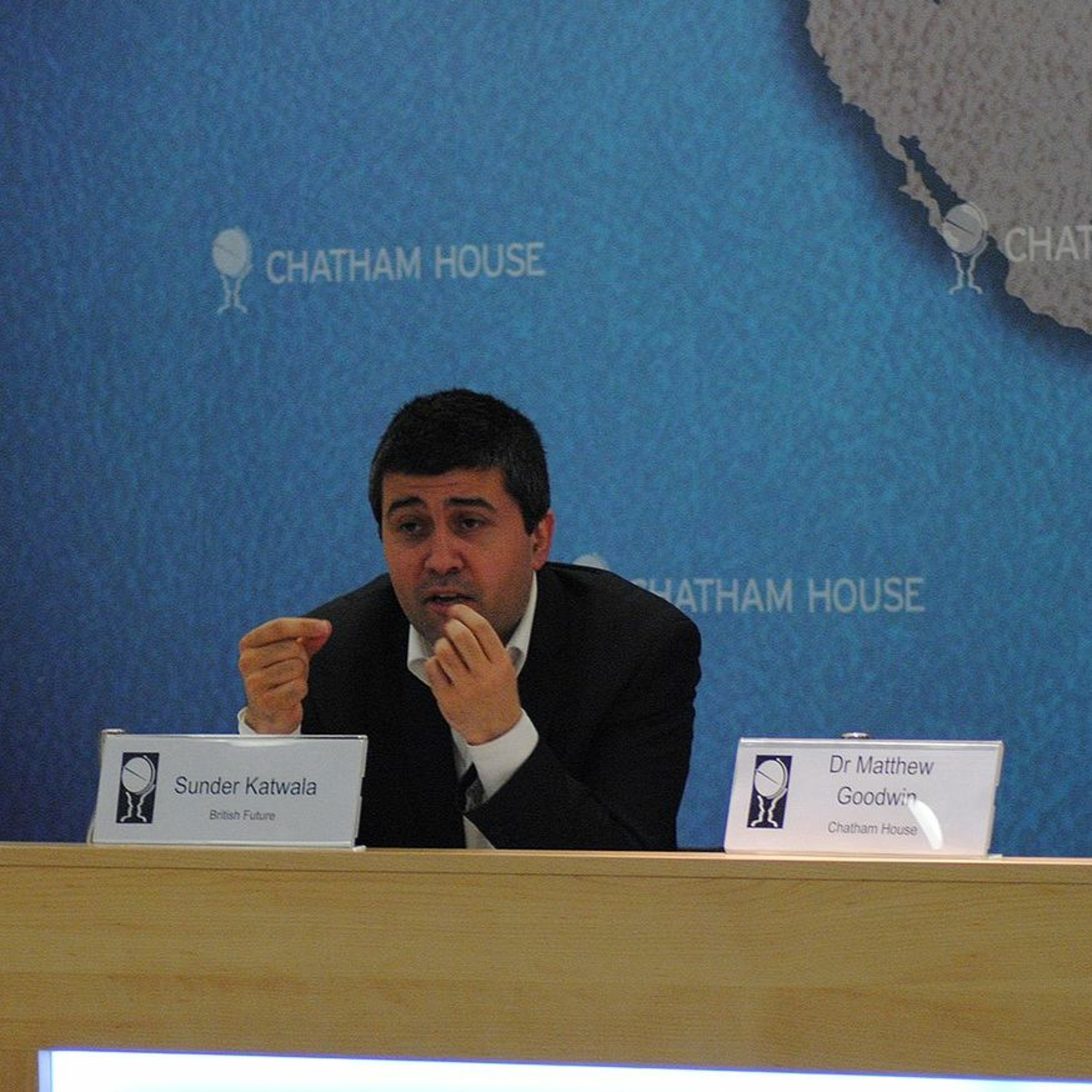
Immigration, identity, and Europe: Lessons from post-Brexit Britain
What does it mean to be patriotic in 2023? Following the significant population movements of recent years, leaders in European states are increasingly trying to foster a sense of identity that can hold together their diverse societies. In his recent book, “How to be a patriot: Why love of country can end our very British culture war”, Sunder Katwala draws on many years of research and scholarship in the UK to consider what collective identity without division, fear of immigration, and racism might look like.In this episode, he joins Mark Leonard to explore some identity-related dilemmas in post-Brexit Britain. How did immigration and European interact in the run-up to the 2016 referendum? And can the rest of Europe draw any lessons from the UK’s experience?This podcast was recorded on 19 June 2023.Bookshelf:How to Be a Patriot: Why love of country can end our very British culture war? by Sunder KatwalaWindrush: 75 Years of Modern Britain, by Trevor Phillips and Mike PhillipsBlack and British: a forgotten History, by David Olusoga Hosted on Acast. See acast.com/privacy for more information.
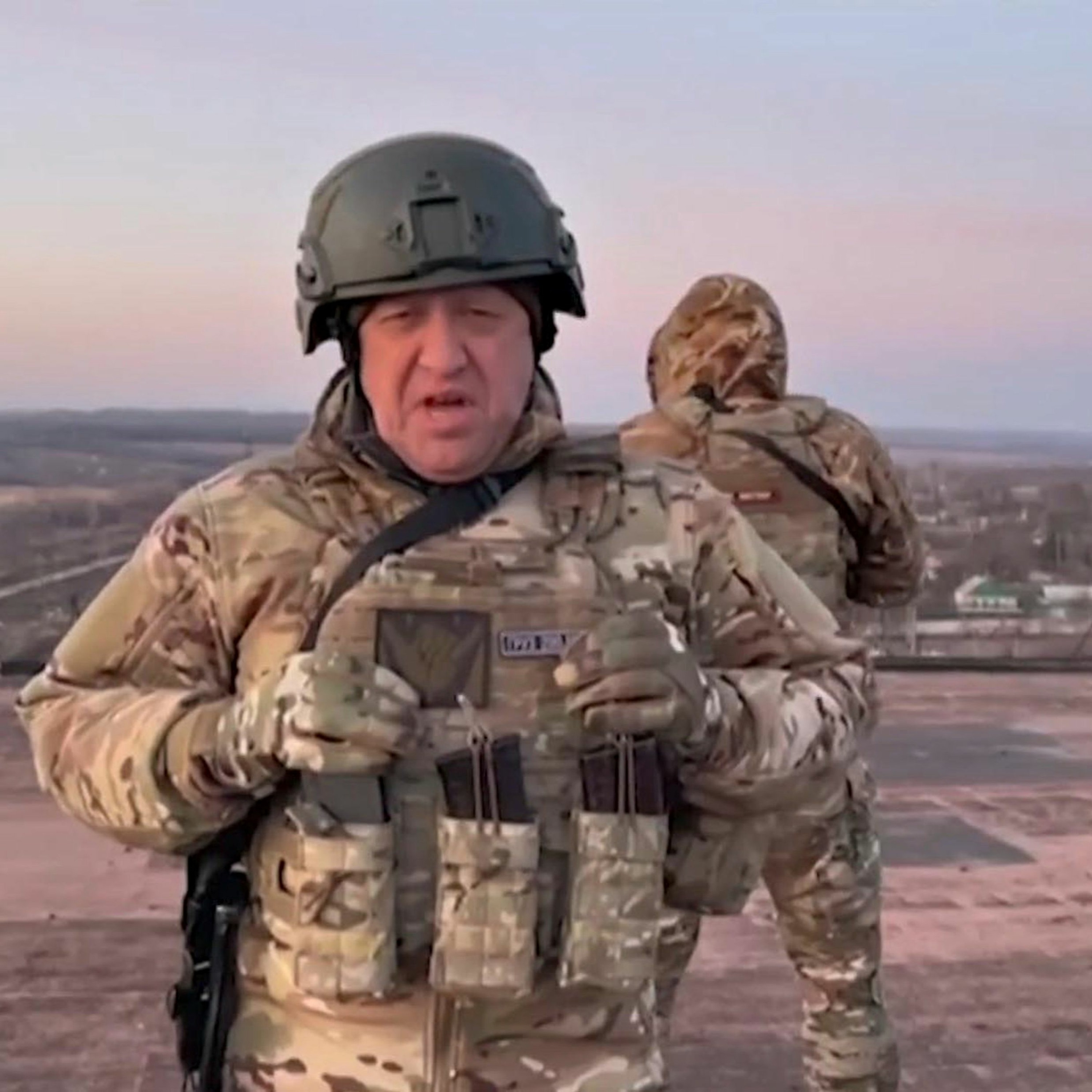
Podcast special: Wagner v Putin
The past two days will surely go down in Russian history. What started on Saturday as an armed rebellion within Russia by Yevgeny Prigozhin’s Wagner mercenaries ended in something of a whimper, with Vladimir Putin’s former caterer-turned-warlord agreeing to leave for Belarus in exchange for some ambiguous concessions from the Kremlin. Was this a coup, a mutiny, a rebellion, or something else? What were Prigozhin’s goals? What does this mean for Putin’s domestic reputation and his political survival ? How will it affect Ukraine’s ongoing counteroffensive? And how have Europeans responded? In this special episode, Mark Leonard welcomes head of ECFR’s Wider Europe programme and senior policy fellow, Marie Dumoulin, senior policy fellow, Kadri Liik, and visiting fellows Pavel Slunkin and Kirill Shamiev to shed light on the weekend’s events and discuss the new reality that has opened up in Russia. Hosted on Acast. See acast.com/privacy for more information.
The great reset? How the EU and UK can rethink their cooperation on foreign policy
War has returned to the European continent, putting many previous divisions into perspective. This has caused European leaders to think afresh about their politics – and raised the question of the UK’s role in European foreign policy. Seven years after the Brexit referendum, the EU and the UK have finally resolved some of their differences through the Windsor Framework. The possibility of a reset between the UK and the EU on foreign policy could be on the horizon. In this year’s mini-series, Mark Leonard and Susi Dennison examine what a reimagined EU-UK relationship might look like. In this first episode, Mark and Susi welcome Anand Menon, professor of European politics and foreign affairs at King’s College London and director of the UK in a Changing Europe initiative to discuss what this renewal of relations might look like. Which areas offer the most potential for fruitful collaboration? What challenges and opportunities might the reset bring for energy security, trade, and freedom of movement? Can bilateral relationships, like that between the UK and France, play a role in the reset? This podcast was recorded on 9 June 2023. Bookshelf : Brexit Land by Maria Sobolewska and Robert Ford Brexit and British Politics by Anand Menon and Geoffrey Evans Where next? The future of the UK-EU relationship by Anand Menon Hosted on Acast. See acast.com/privacy for more information.
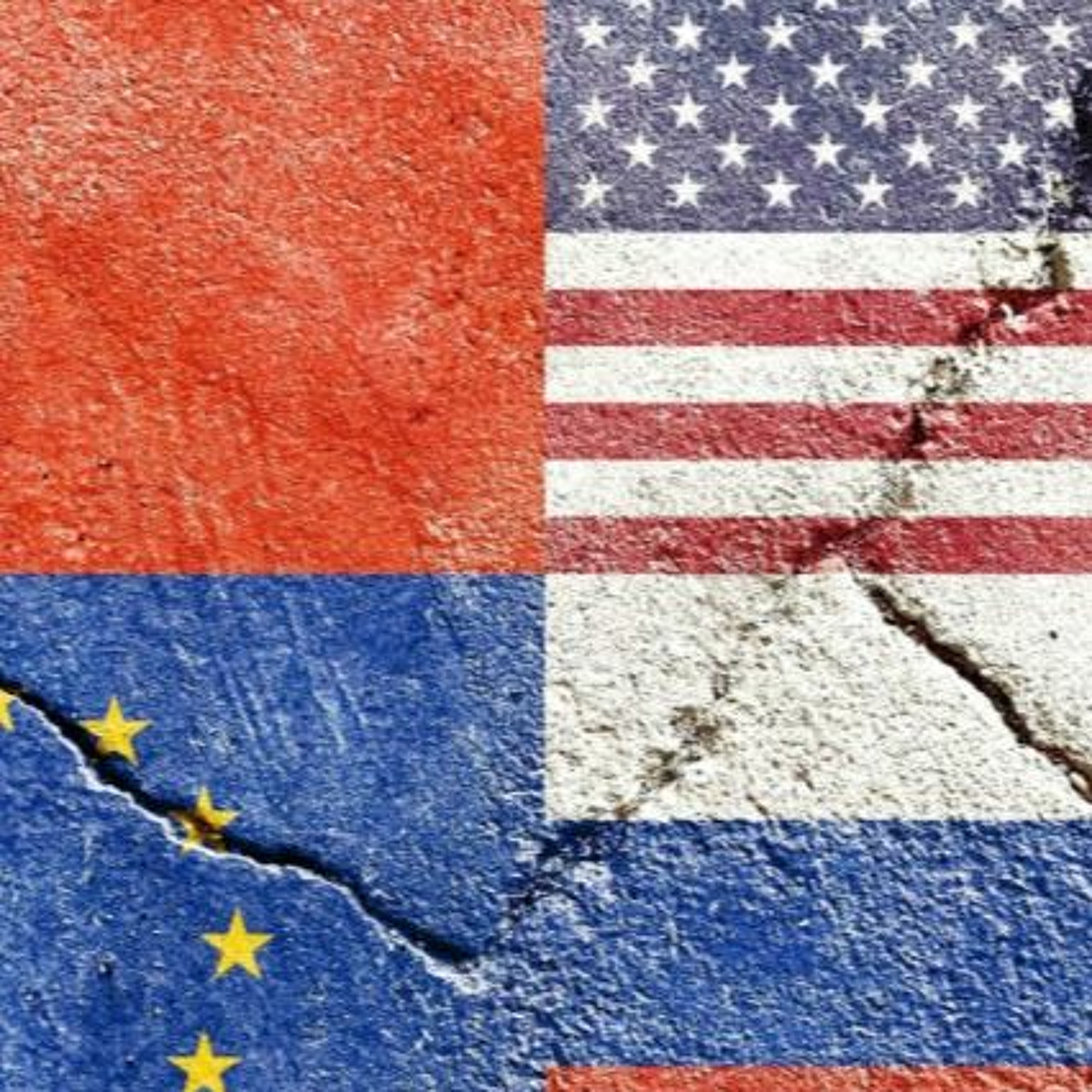
Keeping America close, Russia down, and China far away: How Europeans navigate a competitive world
European citizens are adapting slowly to the new geopolitical landscape. But leaders have an opportunity to build public consensus on the EU’s approach to China, the US, and Russia. ECFR’s latest polling report – based on data from 11 EU member states – analyses what European citizens think about Europe’s place in the world and its relationship to these other powers. In this week’s episode, Mark Leonard welcomes the two authors of the report: Jana Puglierin, senior policy fellow and head of ECFR’s Berlin office, and Pawel Zerka, senior policy fellow at ECFR, to discuss and analyse their results. What kind of relationship do Europeans want with Russia? How do they understand China’s growing influence? And what do they expect from the future of transatlantic relations? This podcast was recorded on 14 June 2023. Bookshelf: - Andrew Small, No Limits: The Inside Story of China´s War with the West - Timothy Garton Ash, Homelands: A Personal History of Europe -Georgi Gospodinov, Time Shelter Hosted on Acast. See acast.com/privacy for more information.
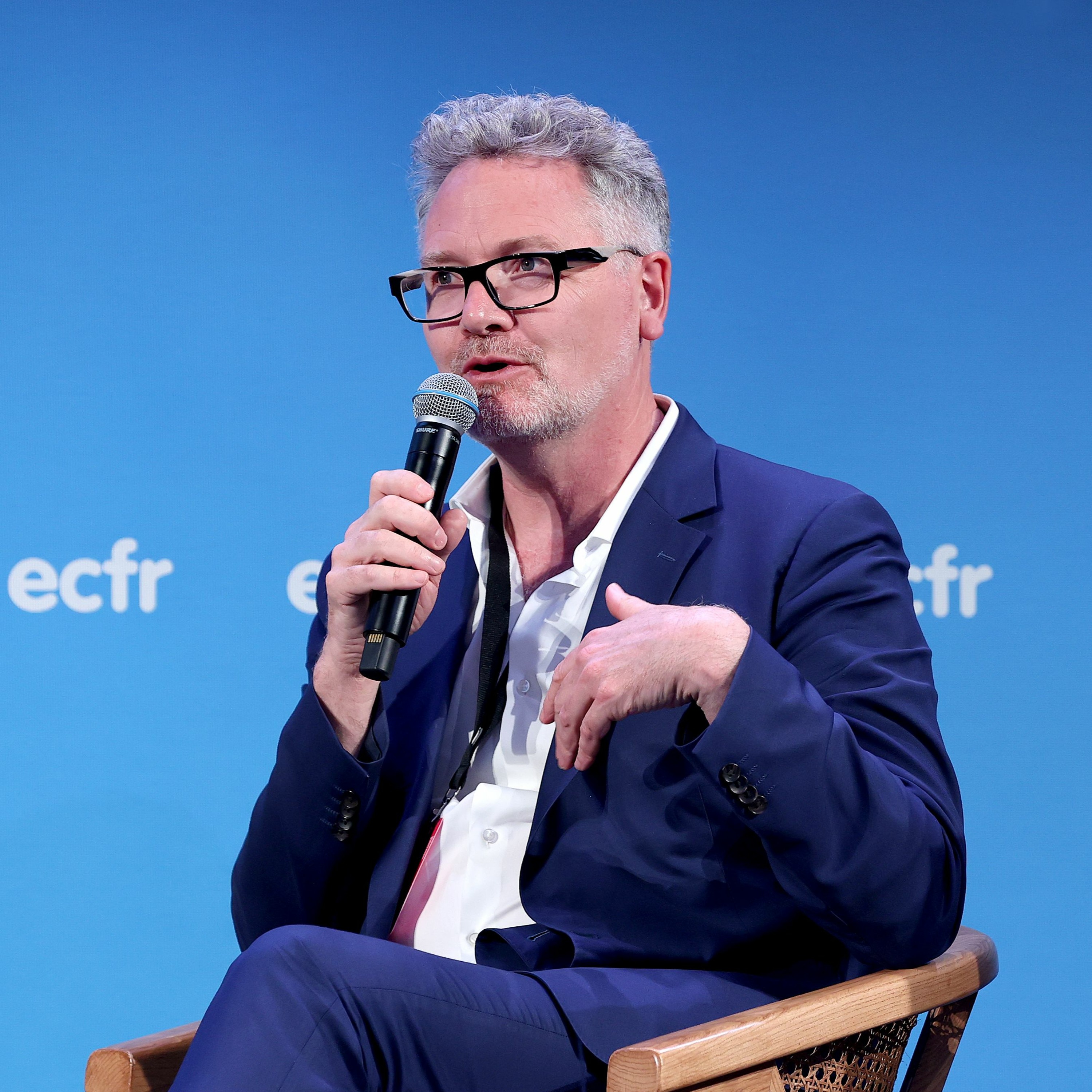
Democracy in the age of polycrisis with Adam Tooze
This week, European decision-makers and opinion-shapers gathered in Stockholm for ECFR´s annual council meeting.There, they discussed how democracy might survive the complex interaction of multiple overlapping crises: from covid-19 to climate change and Russia´s war on Ukraine.In this week´s episode, Mark Leonard welcomes ECFR trustee and director of the European Institute and professor of history at Columbia University, Adam Tooze, to examine the notion of polycrisis.What exactly does the term polycrisis mean, and what does it tell us about the present realities affecting Europe? Can we talk about “an age of polycrisis”? And how will the polycrisis shape global dynamics and the future of the European continent?This podcast was recorded on 8 June 2023. Bookshelf :• Phenomenal World, a blog by Kate Mackenzie and Tim Sahayhttps://www.phenomenalworld.org/series/the-polycrisis/ • Leçons d'un siècle de vie, Edgar Morin Hosted on Acast. See acast.com/privacy for more information.
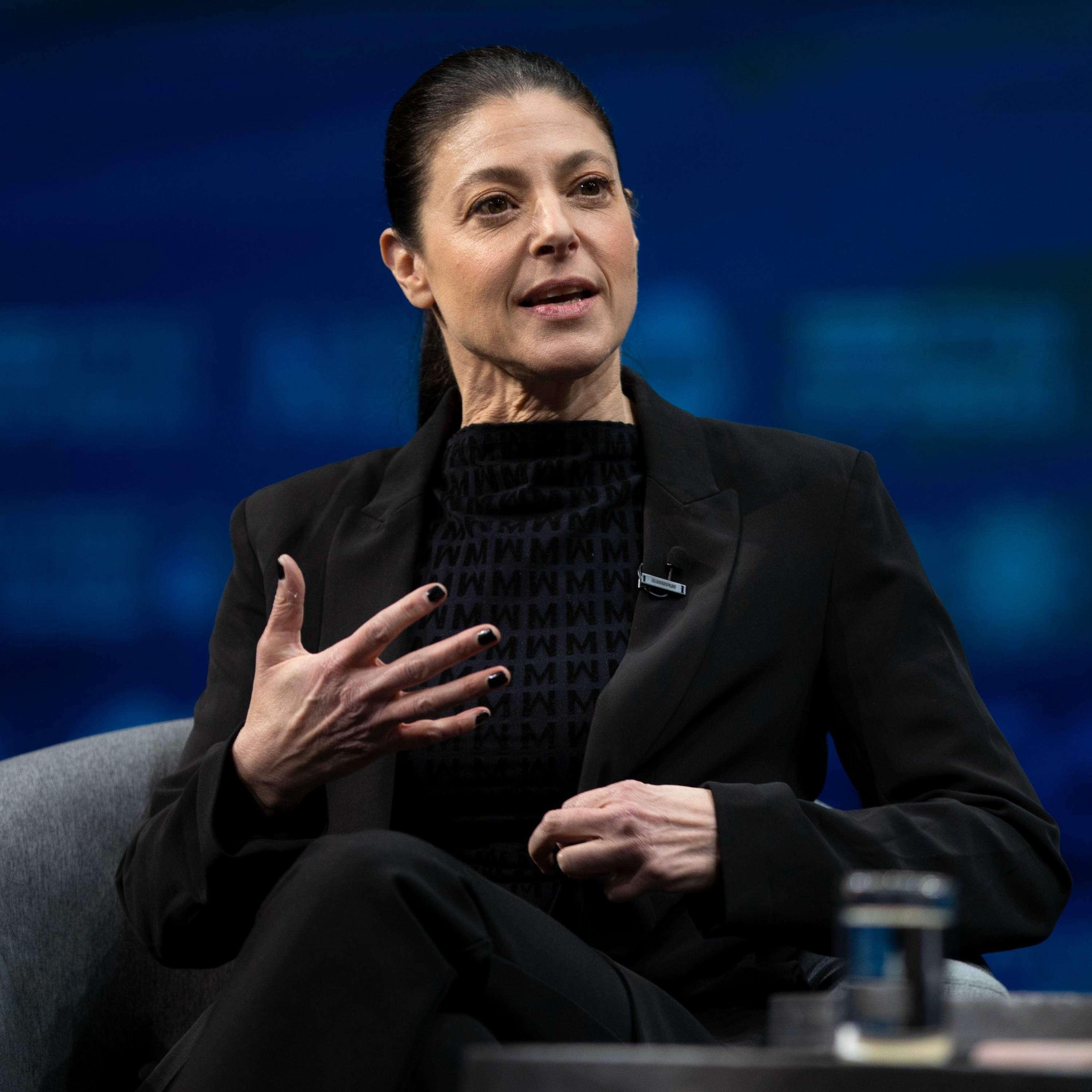
Israeli politics with Merav Michaeli
Earlier this month, Israel marked its 75th birthday amid one of the biggest crises of democracy the country has ever experienced. Since returning to power in December last year, prime minister Benjamin Netanyahu has introduced a set of controversial judicial reforms, resulting in mass protests on the streets of Tel Aviv and beyond.This week, Mark Leonard welcomes member of the Knesset and leader of the Israeli Labor Party, Merav Michaeli, to discuss what is at stake with these reforms and how they could affect the country’s global standing. What is behind the waning influence of the left in Israel over the past 20 years? What can be done to reinvigorate the peace process with the Palestinians? And what might the next 75 years have in store for the Israel? This podcast was recorded on 23 May 2023. Bookshelf: The Age of Innocence by Edith Wharton Hosted on Acast. See acast.com/privacy for more information.
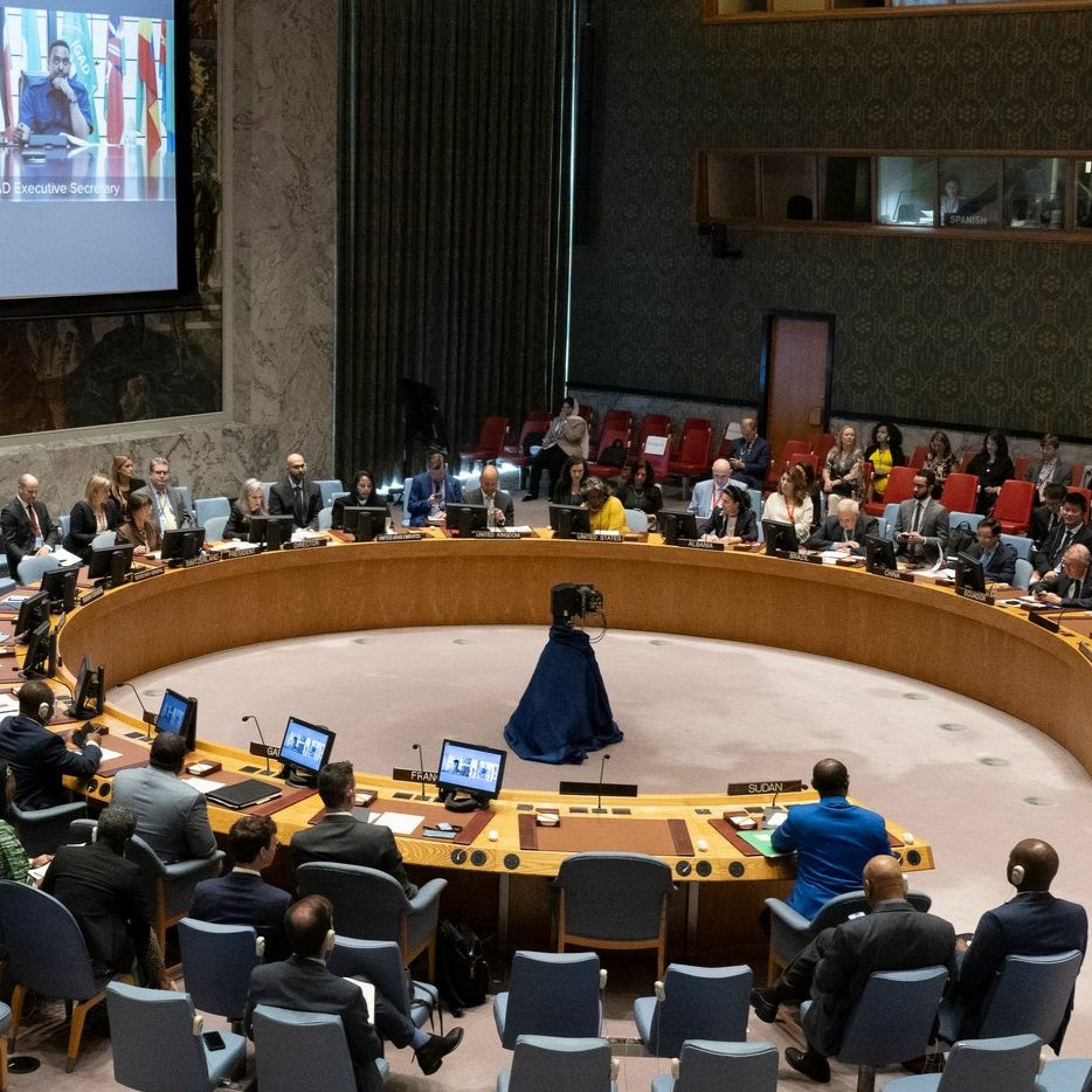
The Sudan conflict and its impacts on the region
The crisis in Sudan is now in its sixth week, with no end in sight. Neither the Sudanese Armed Forces nor the paramilitary Rapid Support Forces have been able to gain decisive victories in the capital, Khartoum. On 22 May, the two sides signed a seven-day ceasefire, sponsored by the United States and Saudi Arabia. So, what are the current scenarios for negotiation, and what role should the West play in this process? This week, Mark Leonard is joined by Theodore Murphy, Julien Barnes-Dacey, and Marie Dumoulin, the heads of ECFR’s Africa, Middle East and North Africa, and Wider Europe programmes. They discuss why stability in Sudan is critical to the Middle East and North Africa, and what is at stake for other politically unsteady countries, such as South Sudan, Ethiopia, and Chad. Is there a risk of regional spillover, and where are the Sudanese refugees going? This podcast was recorded on 22 May 2023. Bookshelf: Putin’s Wars: From Chechnya to Ukraine by Mark Galeotti A Stranger in your own City: Travels in the Middle East’s Long War by Ghaid Abdul-Ahad The Nonaligned World by Foreign Affairs A conversation with Henry Kissinger in The Economist Hosted on Acast. See acast.com/privacy for more information.
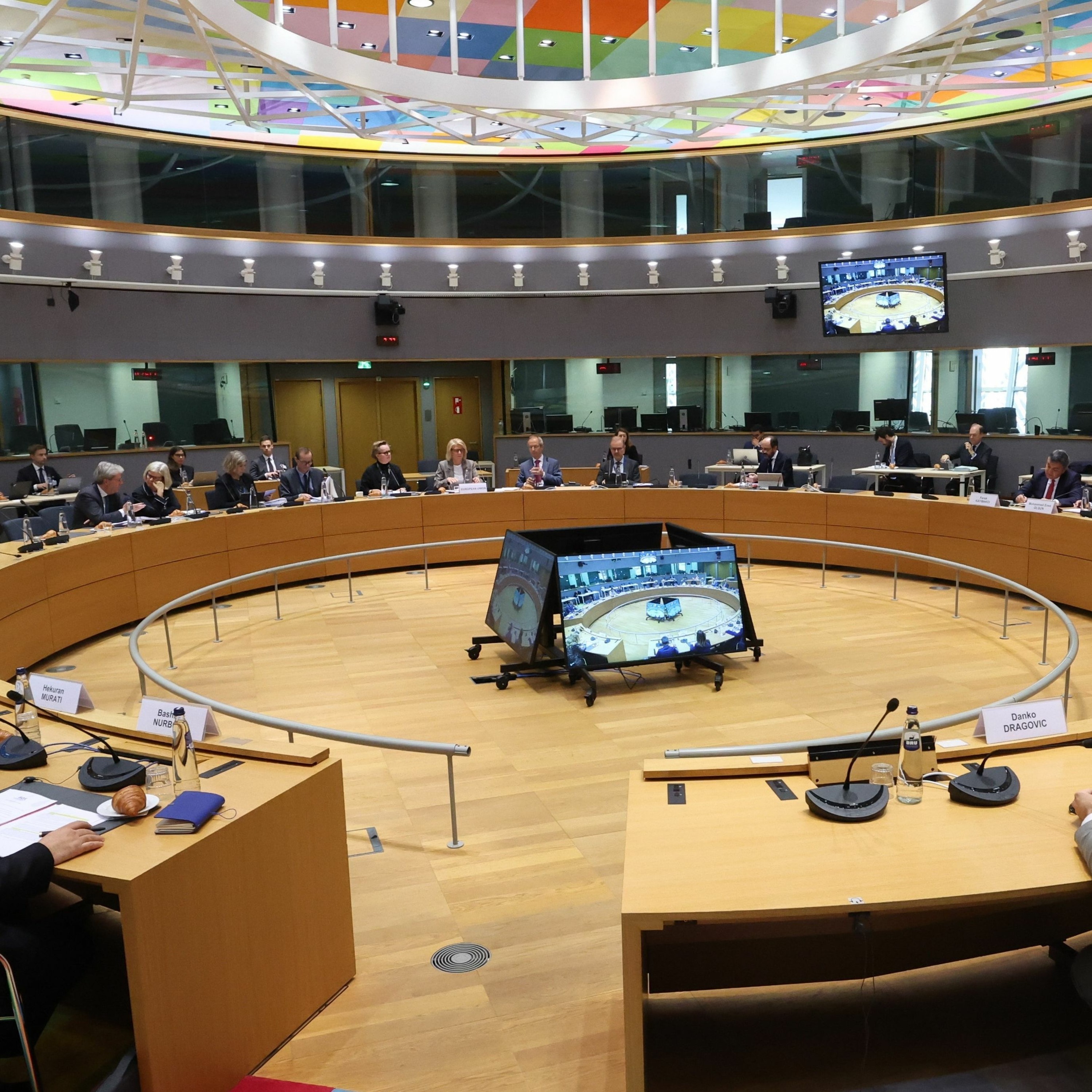
World order with Ayse Zarakol
Even if China’s priorities might be different from those of the West, it embraces many of the ontological assumptions of the current world order. In her recent book “Before the West: The Rise and Fall of Eastern World Order”, Ayse Zarakol conceptualises world order as a non-Western concept and puts forward an alternative model of sovereignty. In this week’s episode of the World in 30 Minutes, Mark Leonard is joined by Ayse Zarakol, author and professor of international relations at the University of Cambridge. They talk about how to define world order, what sort of order we are in today, and what factors eventually cause orders to decline. What could be done to strengthen our current world order? And can we even imagine what would replace it? This podcast was recorded on 16 May 2023. Bookshelf: Before the West: The Rise and Fall of Eastern World Order by Ayse Zarakol Sacred Kingship in World History: Between Immanence and Transcendence by A. Azfar Moin and Alan Strathern Hosted on Acast. See acast.com/privacy for more information.
The future of European politics
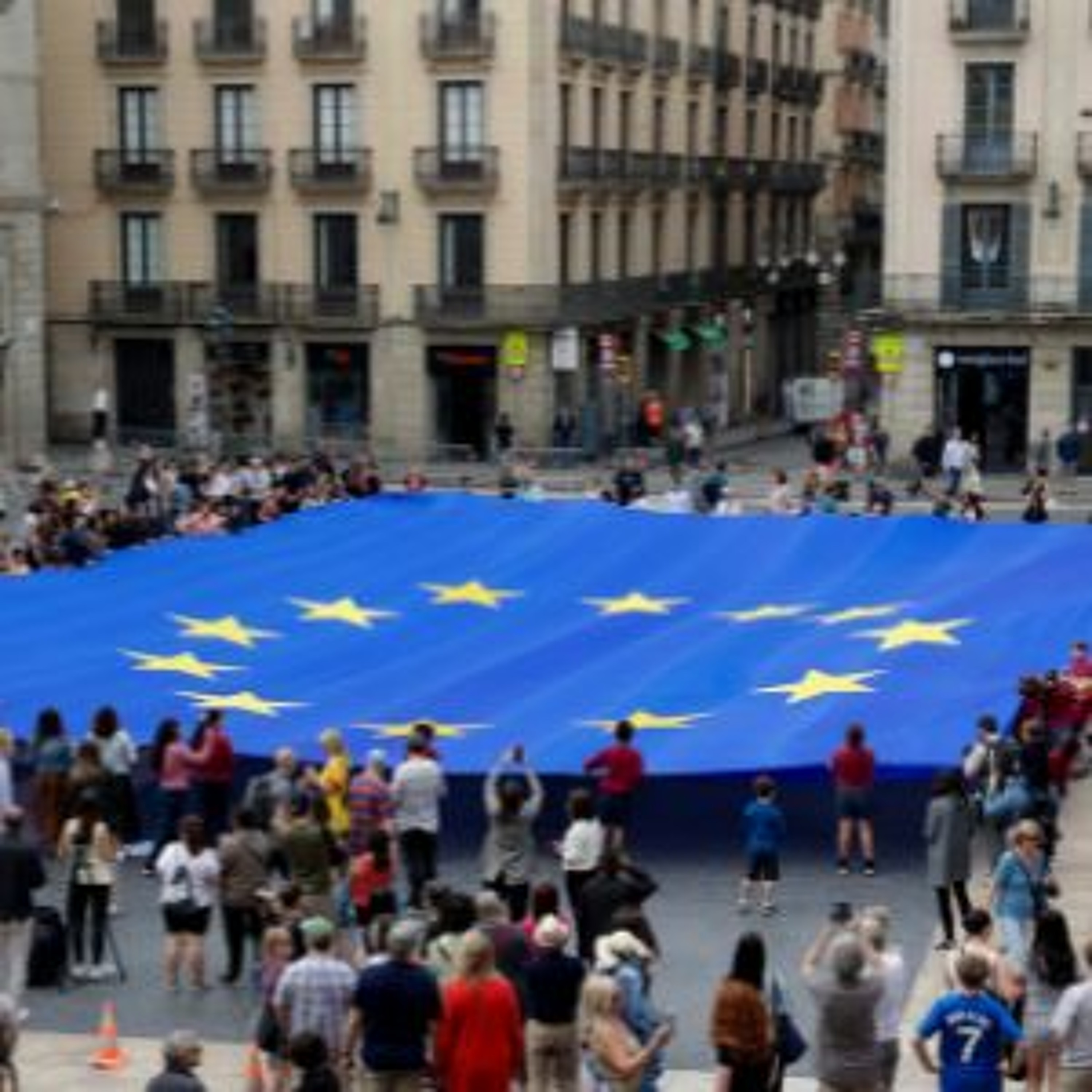
A year ahead of the EU elections, commentators are already feverishly speculating about whether Ursula von der Leyen will stay on as president of the European Commission. Meanwhile, others lament the ongoing lethargy of the Franco-German motor. But focusing too much on these questions risks ignoring key players outside the traditional halls of European power, some of whom have been growing in influence. What can these countries and their domestic politics tell us about the future of the EU? In this episode – live from ECFR’s staff retreat in Porto – Mark Leonard welcomes the heads of ECFR’s national offices: Nacho Torreblanca, Arturo Varvelli, Vessela Tcherneva, and Piotr Buras. Has it become harder for the Polish government to attack the EU, given its pro-Ukraine policies? What is the status of coalition talks in Bulgaria? And how will Spain’s EU presidency shape the political agenda from July to December?This podcast was recorded on 10 May 2023.Bookshelf:And then what?: Inside Stories of 21st Century Diplomacy by Catherine Ashton Turkey: The Insane and the Melancholy by Ece Temelkuran Putin’s People: How the KGB took back Russia and then took on the West by Catherine Belton I am Giorgia Meloni: my rules, my ideas by Giorgia Meloni Hosted on Acast. See acast.com/privacy for more information.
The case for sending fighter jets to Ukraine
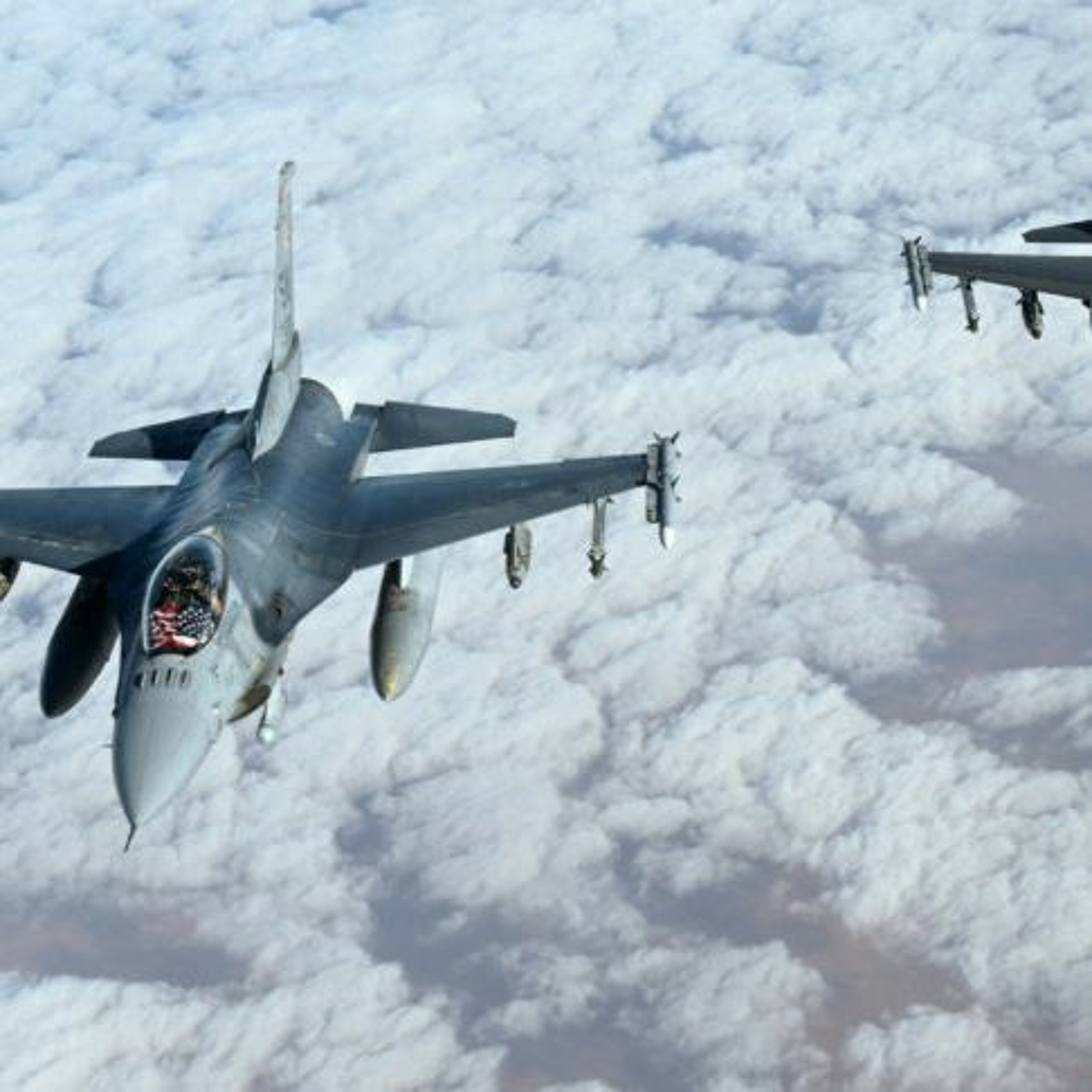
In recent weeks, the conversation on military aid for Ukraine has shifted from battle tanks to fighter jets. Poland and Slovakia have already delivered Soviet-era MiG-29s, and Ukraine's leaders have repeately called for the West also to supply modern jets. As with tanks, a decision from the US to supply its own fighters to Kyiv could be highly influential for European governments. This week, Mark Leonard welcomes ECFR senior policy fellow, Gustav Gressel, whose recent commentary argues that Ukraine’s allies should supply fighter jets to Ukraine as quickly as possible. But would they arrive in time for the anticipated Ukrainian counter-offensive? How would Putin respond? And what are the risks of escalation? This podcast was recorded on 3 May 2023. Bookshelf: Faustian Bargain. The Soviet-German Partnership and the Origins of the Second World War by Ian Ona Johnson The case for sending fighter jets to Ukraine by Gustav Gressel Hosted on Acast. See acast.com/privacy for more information.
How the West should prepare for the Turkish elections
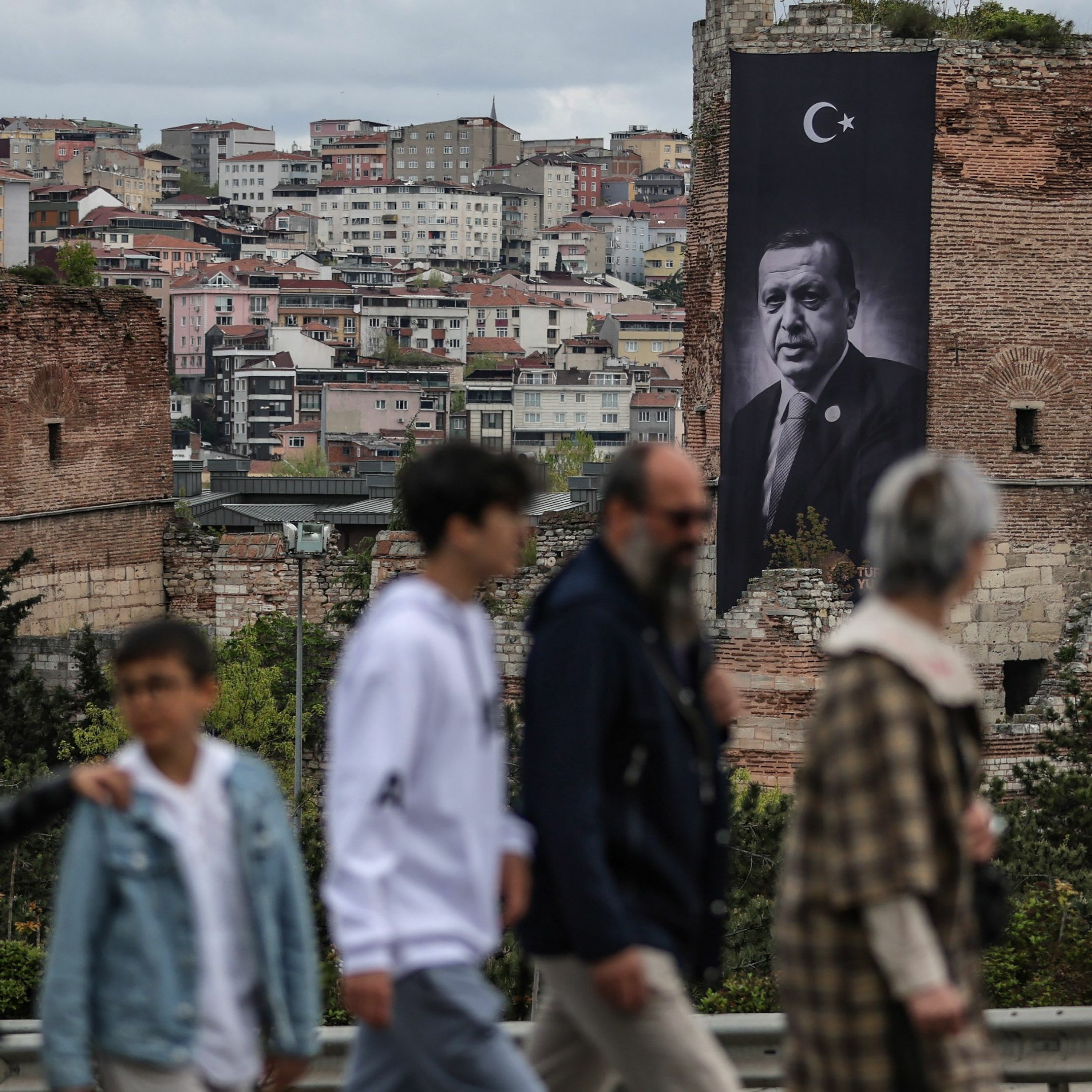
Despite being a NATO member, Turkey has stayed neutral in the war in Ukraine and continues to block Sweden’s accession to the alliance. Yet, Turkey's president, Recep Tayyip Erdogan, is better known domestically for his economic mismanagement and shoddy response to the earthquake that killed 60,000 people in February than his government's increasingly aggressive international strategy. Presidential and parliamentary elections on 14 May could even raise the prospect of a Turkey without Erdogan. In this episode, Mark Leonard welcomes ECFR’s research director Jeremy Shapiro and associate senior policy fellow Asli Aydintasbas who have just published a commentary on how the West should prepare for the Turkish elections. Can the opposition unity candidate Kemal Kilicdaroglu pull off a victory? What would a post-Erdogan EU-Turkey relationship look like? And could Turkey's EU accession negotiations restart? This podcast was recorded on 27 April 2023. Bookshelf: The Keys to Democracy: Sortition as a New Model for Citizen Power by Maurice Pope Memoirs, 1925-1950 by George F. Kennan The Diplomat – A Netflix Series Hosted on Acast. See acast.com/privacy for more information.
Macron and Europe: the French vision for strategic autonomy
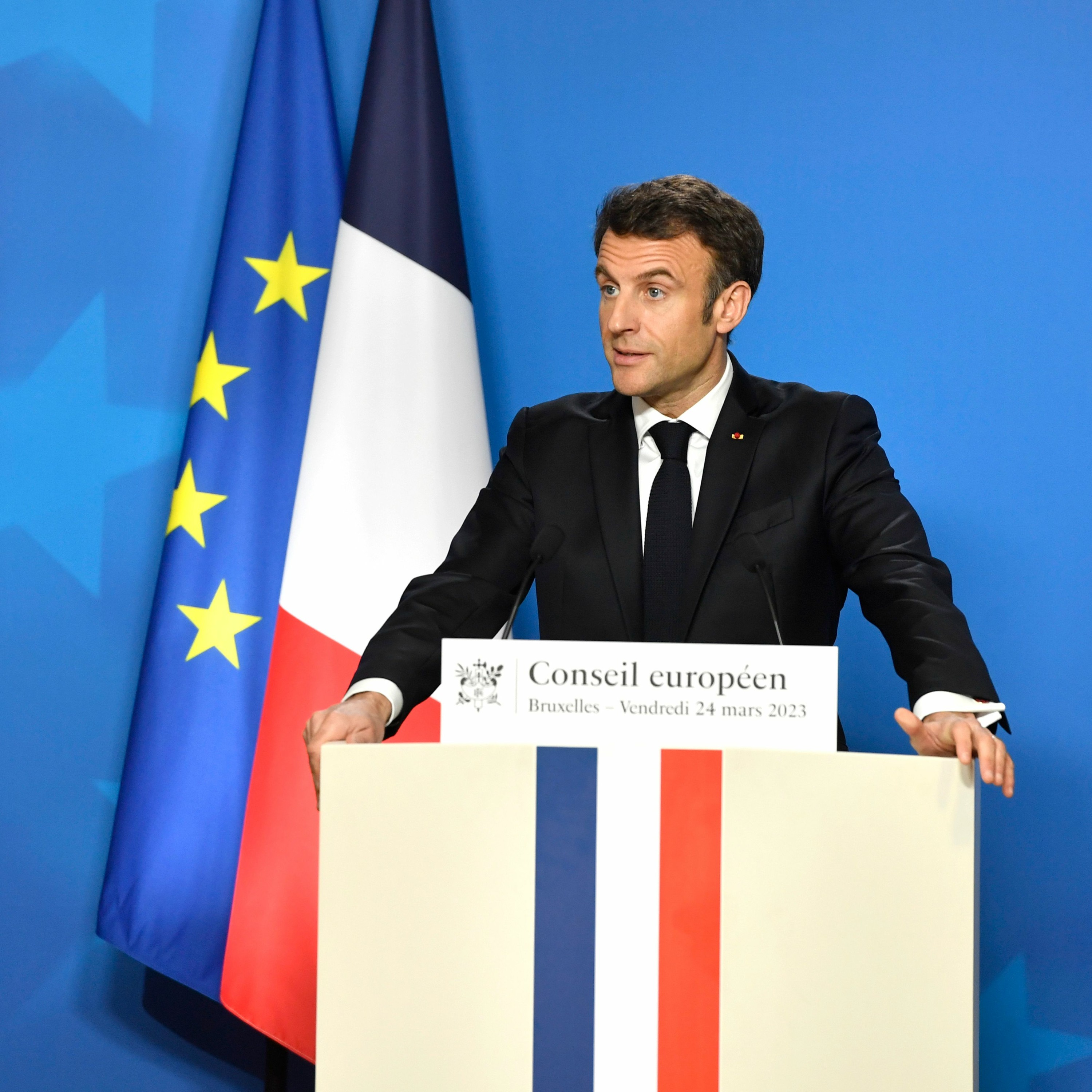
Last week, France’s president Emmanuel Macron threw the EU bubble into turmoil by suggesting that Europe should not become the United States’ “vassal” over Taiwan. But is the controversy overshadowing the possibility that he could be right? This week, Mark Leonard welcomes two ECFR colleagues: director of the Wider Europe programme and former French diplomat, Marie Dumoulin, and head of the Paris office and expert in French and US foreign policy, Célia Belin. . What explains Macron’s way of thinking and is there a domestic context to his comments? And what do the strong reactions say about how Europeans view strategic autonomy in the context of the war in Ukraine? This podcast was recorded on 17 April 2023. Bookshelf: The Cat and the General by Nino Haratischwili Living with our Dead by Delphine Horvilleur Hosted on Acast. See acast.com/privacy for more information.
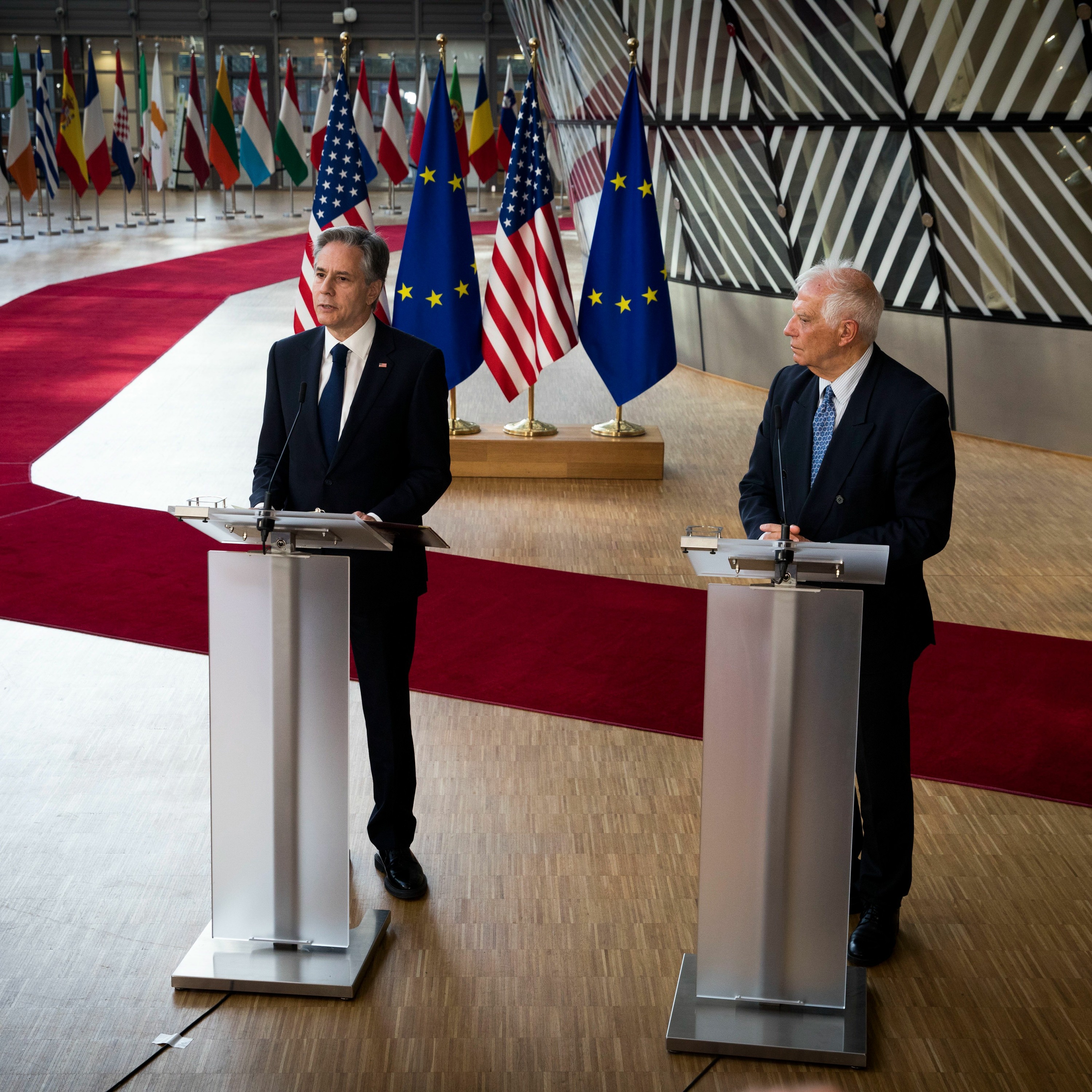
The US, Europe, and the art of vassalisation
Although European leaders have stepped up in many ways to support Ukraine, the war has also laid bare Europe’s profound dependence on the United States. This reality was at the heart of French president Emmanuel Macron’s recent call for more “strategic autonomy”, which stirred a new debate over the transatlantic power imbalance. It was also the topic of a new publication, “The Art of Vassalisation”, from ECFR’s research director, Jeremy Shapiro, and senior policy fellow and head of the Berlin office, Jana Puglierin, who join week Mark Leonard for this week’s episode. What factors influence “vassalisation”, and is it really more beneficial for the Americans? And how seriously are Europeans taking the risk of a Republican victory in 2024? This podcast was recorded on 3 April 2023. Please note that we adapted the introduction to Macron’s interview on 9 April, but some views of our experts might be outdated. An in-depth analysis of the current events will soon follow in an extra episode. Bookshelf:-Revanche: Wie Putin das bedrohlichste Regime der Welt geschaffen hat by Michael Thumann-Smart Brevity: The Power of Saying More with Less by Jim VandeHei, Mike Allen & Roy Schwartz-Slow Horses with Jack Lowden, Kristin Scott Thomas & Gary Oldman Hosted on Acast. See acast.com/privacy for more information.
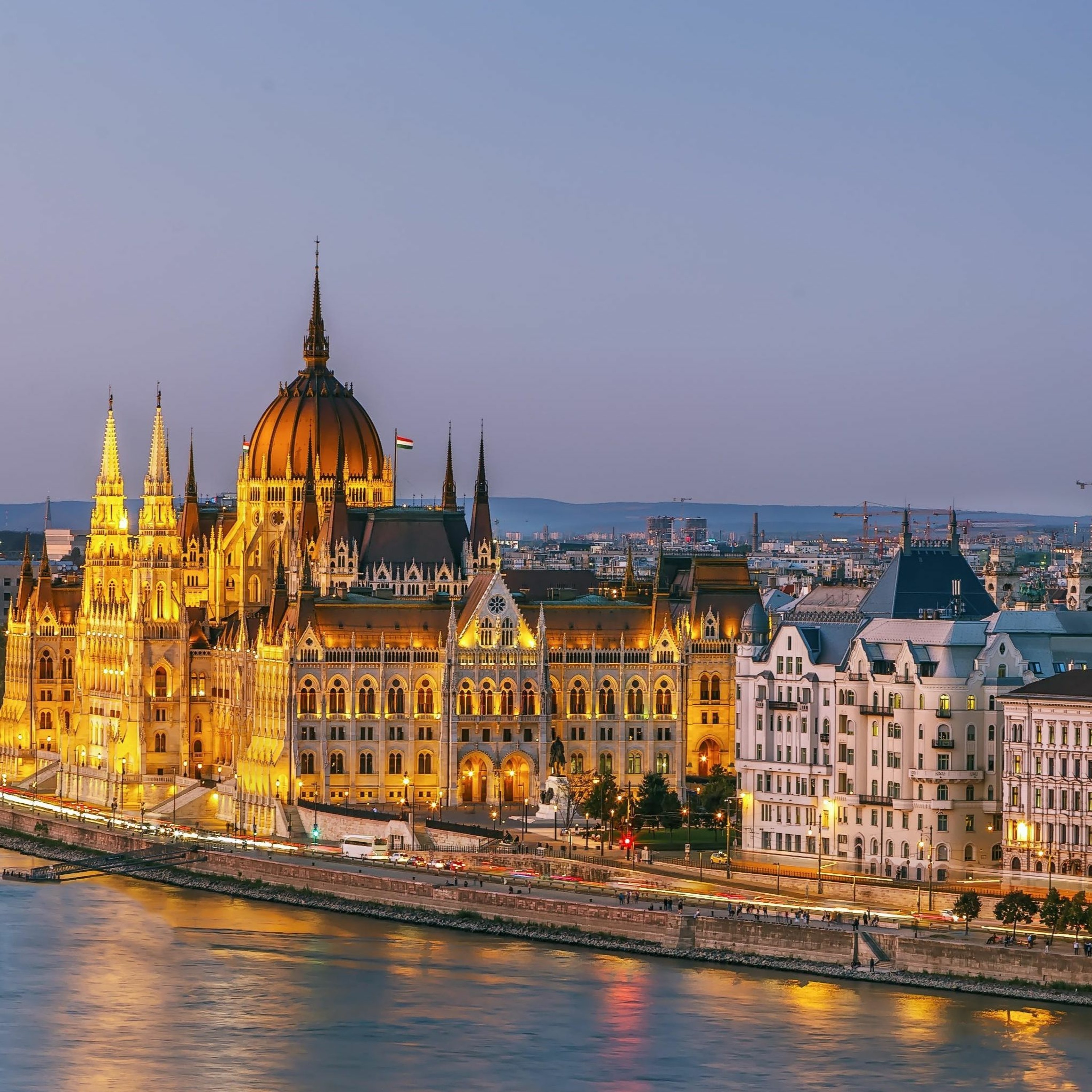
Hungary’s strategy of connectivity
From the rise of China and Russia’s invasion of Ukraine to more independent middle and regional powers – our global political order is rapidly changing. But what is Hungary’s position in this increasingly multipolar world?In this week’s episode, Mark Leonard is joined by Balazs Orban, the political director of Hungarian prime minister Viktor Orban. (They are not related.) Balazs is also the chair of the board at the Mathias Corvinus Collegium and in 2021 wrote a book called “The Hungarian Way of Strategy”, in which he describes the country’s “strategy of connectivity”. How does the European Union fit into this vision? And what kind of relationship does Hungary expect to have with Russia when the war eventuallycomes to an end? This podcast was recorded on 20 March 2023. Bookshelf: The Hungarian Way of Strategy by Balázs Orbán Leadership: Six Studies in World Strategy by Henry Kissinger Nationale Interessen: Orientierung für deutsche und europäische Politik in Zeiten globaler Umbrüche by Klaus von Dohnanyi Hosted on Acast. See acast.com/privacy for more information.
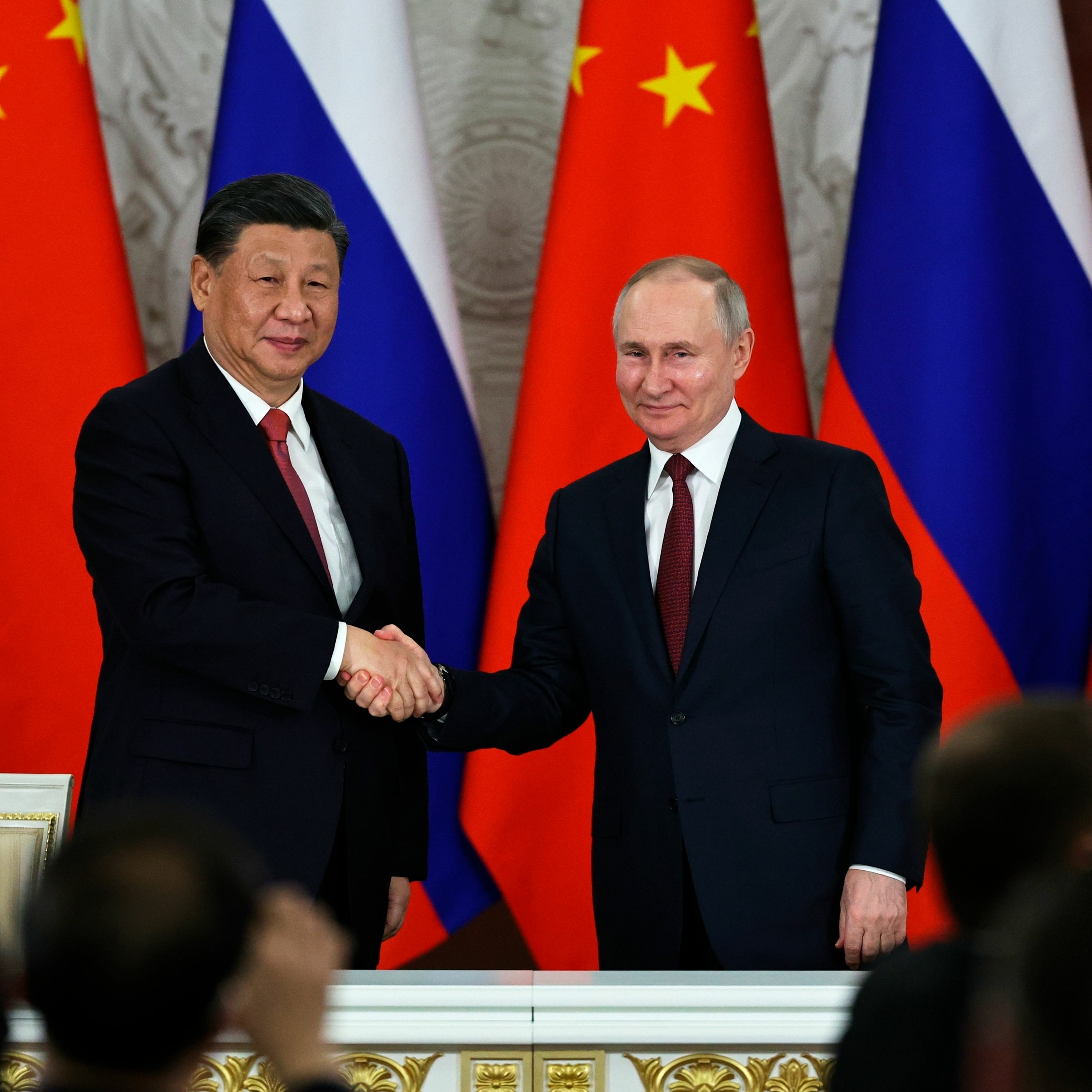
China and Russia: a friendship without limits
Last week, the Chinese leader Xi Jinping completed a three-day visit to Moscow, his first since Russia's full-scale invasion of Ukraine. Before the war, Xi and Vladimir Putin had famously announced a “friendship without limits”. But it is unclear whether that relationship is purely transactional, a marriage of convenience, or based on more fundamental, ideological factors. In this week’s episode, Mark Leonard is joined by the director of ECFR's Asia programme, Janka Oertel, and ECFR policy fellow, Alicja Bachulska, to discuss China-Russia relations. How best to explain the “friendship without limits”? What are the key takeaways from Xi's Russia trip? And how has Xi's embrace of Putin been perceived in central and eastern Europe? This podcast was recorded on 28 March 2023. Bookshelf: Our Share of Night: a novel by Mariana Enriquez Economists at War: how a handful of Economists helped win and lose the World Wars by Allan Bollard Hosted on Acast. See acast.com/privacy for more information.
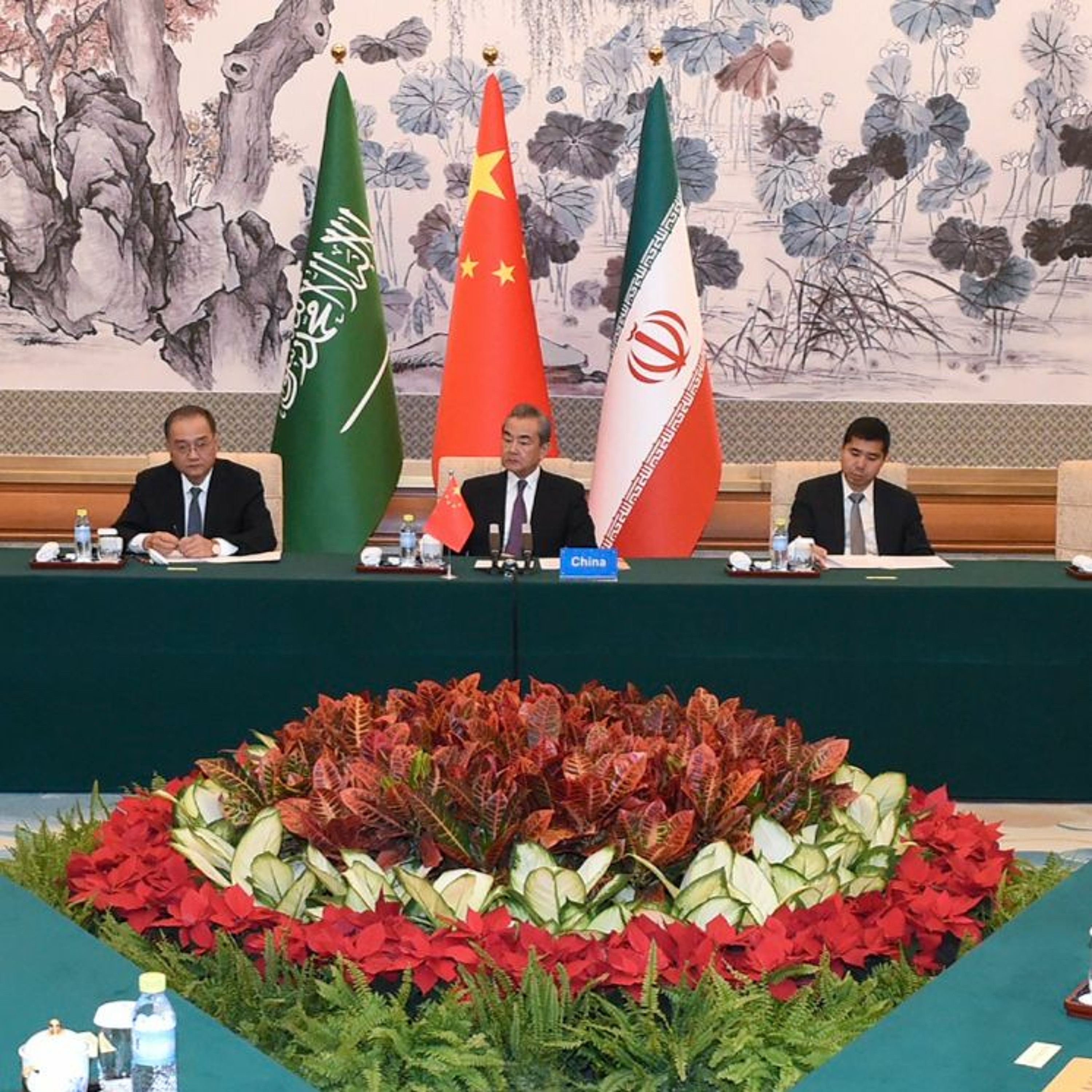
The Iran-Saudi deal and its impact
Last week, China helped broker an agreement between long-feuding Saudi Arabia and Iran to begin the process of normalising their relations. Both the deal and China’s role surprised many observers – especially in the West. So, how significant is the agreement, and what consequences will it have for the Middle East? To address this and other questions, Mark Leonard welcomes Julien Barnes-Dacey, director of ECFR’s Middle East and North Africa programme; Cinzia Bianco, ECFR visiting fellow and Gulf expert; and Andrew Small, China expert and senior transatlantic fellow at the German Marshall Fund. Does this deal mean Beijing could play a constructive role in ending the war in Ukraine? Or should the United States be alarmed that China is encroaching on its traditional sphere of influence? This podcast was recorded on 22 March 2023. Bookshelf: Aftermath: Life in the Fallout of the Third Reich, 1945-1955 by Harald Jähner Berlin: The Story of a City by Barney White-Spunner Economists at War: How a Handful of Economists Helped Win and Lose the World Wars by Allan Bollard Hosted on Acast. See acast.com/privacy for more information.
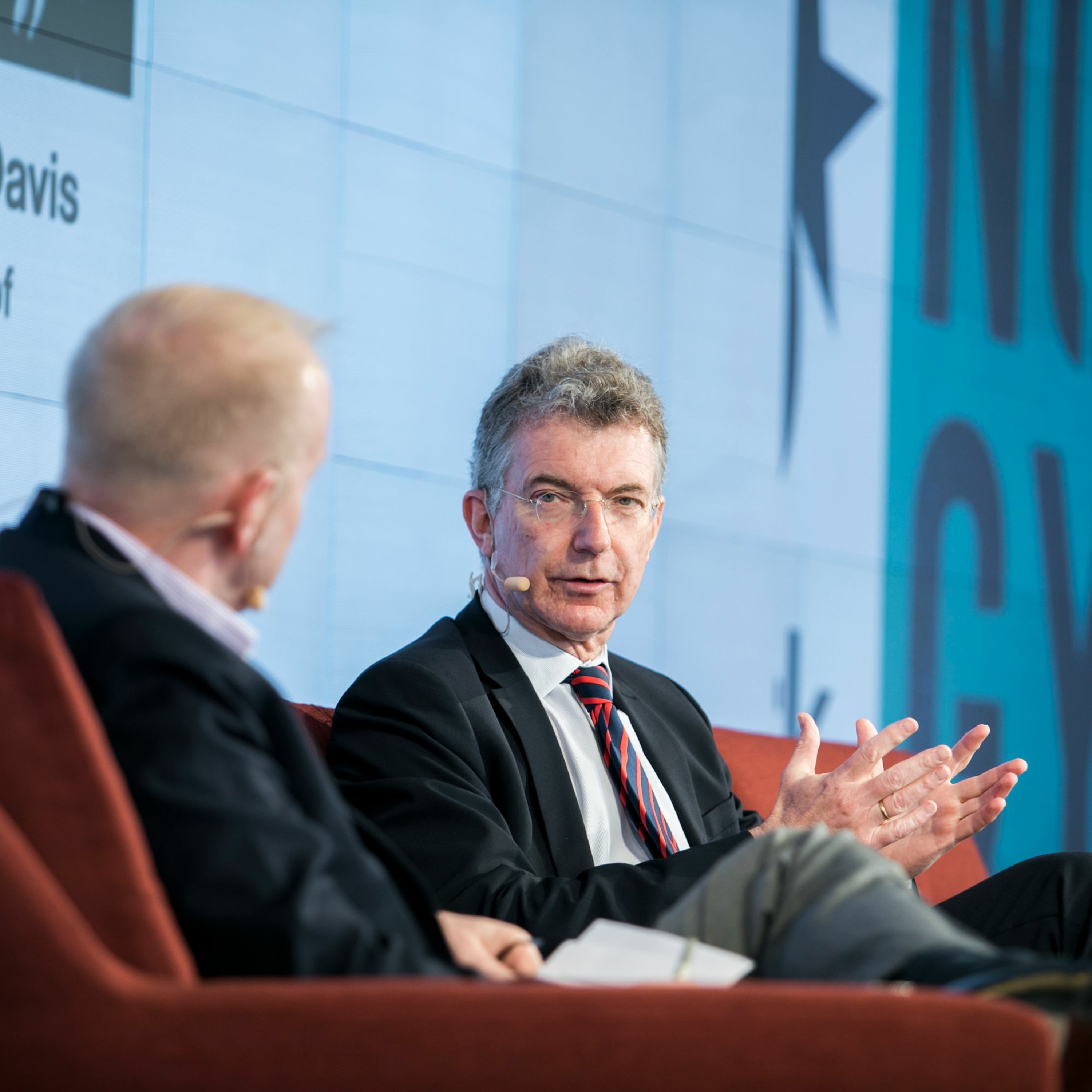
German foreign policy with Christoph Heusgen
This week, Mark Leonard welcomes Christoph Heusgen, longstanding foreign policy chief during the Merkel years and now chair of the Munich Security Conference. They discuss Western and non-Western reactions to the war in Ukraine – and, in particular, the role of Germany. Should Berlin have taken a harder line against Russia after 2014? How can Scholz realise his vision for the Zeitenwende? And what is stopping Germany from engaging more in developing countries? This podcast was recorded on 13 March 2023. Bookshelf: The Age of Unpeace: How Connectivity Causes Conflict by Mark Leonard Führung und Verantwortung: Angela Merkels Außenpolitik und Deutschlands künftige Rolle in der Welt by Christoph Heusgen Hosted on Acast. See acast.com/privacy for more information.
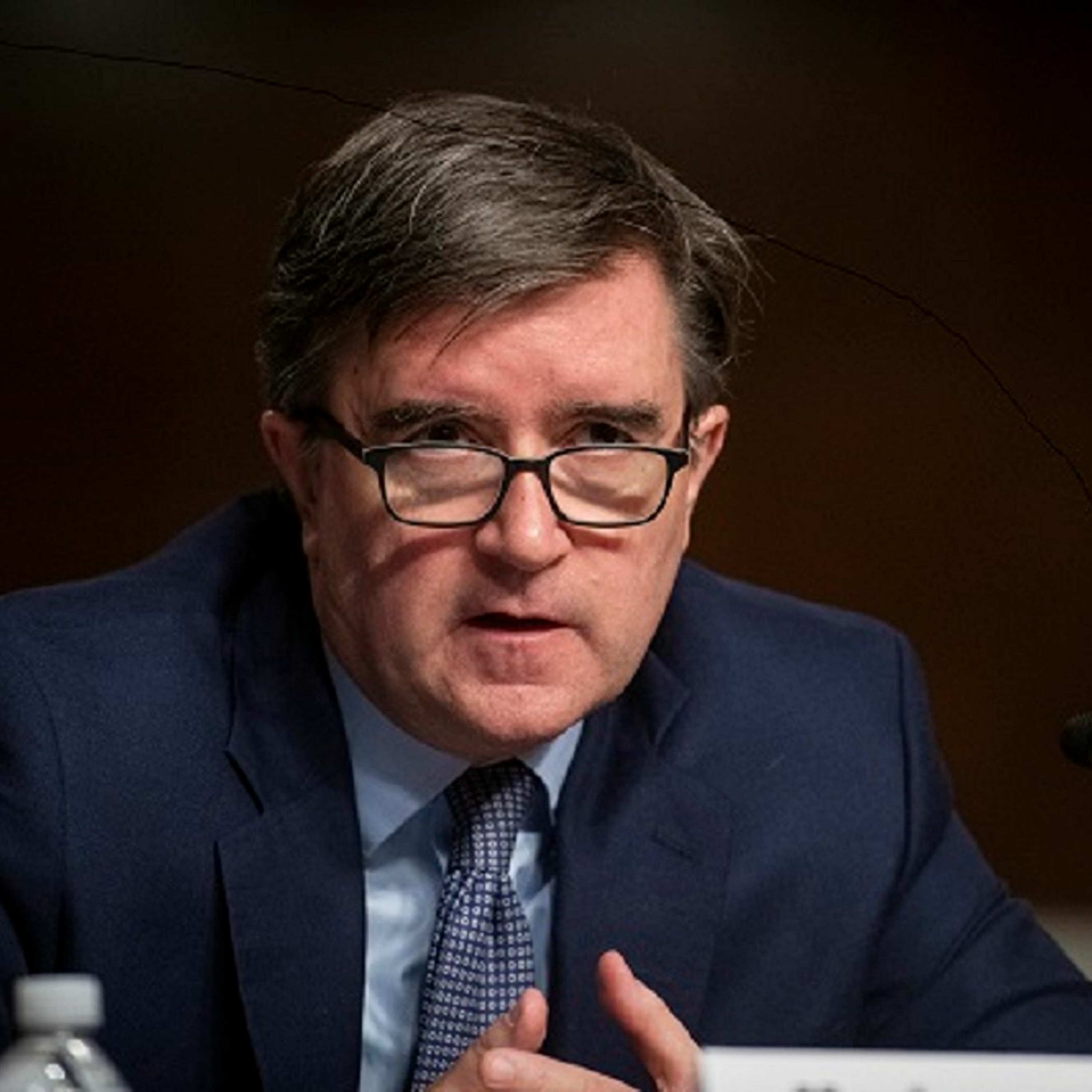
James O’Brien on sanctions
A year into the war in Ukraine, economic sanctions remain the West’s strongest instrument against Russia. But the Russian economy has proven surprisingly resilient: Russia still sells oil to Turkey and China, and – according to a recent investigation by The Economist and SourceMaterial – the Kremlin’s sanctions-dodging is becoming increasingly advanced. This week, Mark Leonard is joined by James O’Brien, head of the office of sanctions coordination at the US State Department, to discuss the efficacy of economic sanctions. What ripple effects have sanctions had for Western and third countries? Is the United States currently mulling sanctions against China? And what alternatives are there, if sanctions no longer work as intended?This podcast was recorded on 6 March 2023.Bookshelf-Backfire by Agathe Demarais-Russia’s sanctions-dodging is getting ever more sophisticated by The Economist and SourceMaterial -Talking to Terrorists by Jonathan Powell-We Don’t Know Ourselves by Fintan O’Toole-The Baseball 100 by Joe PosnanskiPicture (c) picture alliance / Consolidated News Photos | Rod Lamkey - CNP Hosted on Acast. See acast.com/privacy for more information.
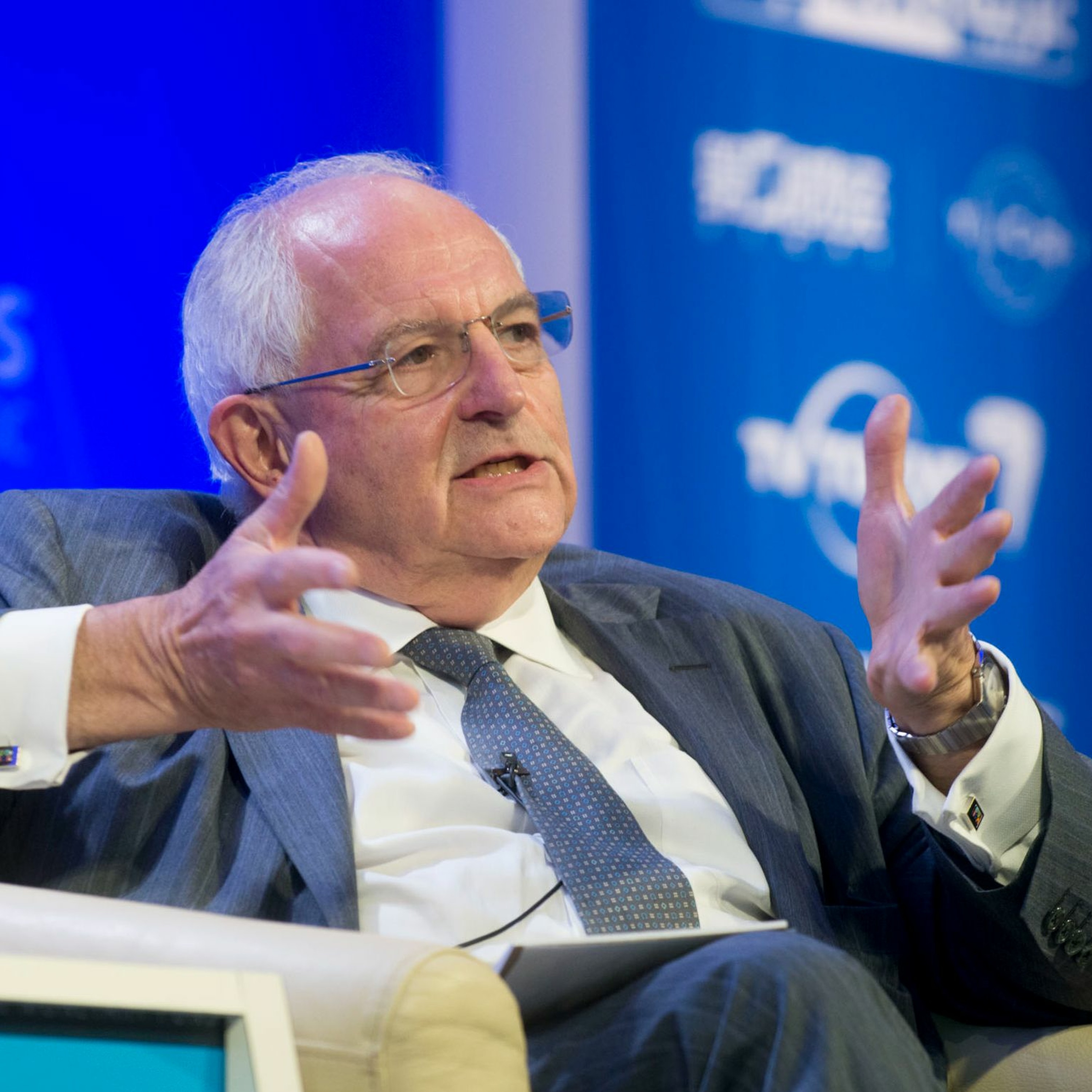
The crisis of democratic capitalism with Martin Wolf
Some analysts argue that capitalism would work better without democracy, while others believe that democracy would be better off without capitalism – so what’s the solution? In his new book “The crisis of democratic capitalism”, Martin Wolf, chief economics commentator at the Financial Times, sets out how they actually need one another if either is to thrive. In this week’s episode, host Mark Leonard welcomes Wolf to discuss what democratic capitalism is all about and how it is threatened by two distinct authoritarian versions of capitalism. What does all this mean for the development of democracy and capitalism in developing and emerging economies? And what are the chances that democratic capitalism will remain the model to which countries around the world aspire?This podcast was recorded on 10 February 2023. Bookshelf - The crisis of democratic capitalism by Martin Wolf - Slouching towards utopia by J. Bradford DeLong Hosted on Acast. See acast.com/privacy for more information.
United West, divided from the rest: Global public opinion one year into Russia’s war on Ukraine
A major new public opinion poll from ECFR indicates that, a year into Russia's war on Ukraine, the Western alliance is consolidating – but that there are divisions between the West and other global powers. These divergences range from their views of the conflict to their interpretations of democracy and their ambitions on the world stage. In this week's episode, the authors of the research – Mark Leonard, Timothy Garton Ash, and Ivan Krastev – discuss its main findings and the future of the world order. Does Europe have a strong role to play in a multipolar world, or will it forever live in the United States’ shadow? How can the West use the desire in emerging powers to act on their own terms to its advantage? And what principles should drive Europe’s engagement with those countries?This podcast was recorded on 18 February 2023.Further reading- United West, divided from the rest: Global public opinion one year into Russia’s war on Ukraine by Timothy Garton Ash, Ivan Krastev & Mark Leonard https://ecfr.eu/publication/united-west-divided-from-the-rest-global-public-opinion-one-year-into-russias-war-on-ukraine/ Bookshelf- Homelands: A Personal History of Europe by Timothy Garton Ash - The Frontline by Serhii Plokhy- The Shape of the Ruins by Juan Gabriel Vásquez Hosted on Acast. See acast.com/privacy for more information.
Live from the Munich Security Conference: Where is world politics turning?
Russia’s invasion of Ukraine upended many Western leaders’ previous assumptions about security policy, warfare, and the international order. Mark Leonard and his ECFR colleagues Camille Grand, Jana Puglierin, and Ulrike Franke got together at the Munich Security Conference (MSC) last weekend to discuss the dramatic changes – such as Germany's Zeitenwende – that have taken place as a result of these revisions. They analyse MSC speeches from Volodymir Zelensky, Olaf Scholz, and Emmanuel Macron, as well as the announcement of a plan for peace talks by China's top diplomat Wang Yi. What is on the transatlantic to-do list? And how can the West forge more and better alliances with countries in the global south? This podcast was recorded on 17 February 2023.Further reading: - The Munich Security Report 2023 Bookshelf: - Au café de la ville perdue [FR] by Anaïs Llobet - Les Loups [FR] by Benoît Vitkine Hosted on Acast. See acast.com/privacy for more information.
How Putin created the most threatening regime in the world – with Michael Thumann
This week, Mark Leonard is joined by Michael Thumann, foreign affairs correspondent for the German weekly newspaper Die ZEIT, longtime expert on Russia, and one of the only German correspondents still reporting from Moscow. Following the publication of Thumann’s new book, “Revanche. Wie Putin das bedrohlichste Regime der Welt geschaffen hat” (“Revenge: How Putin created the most threatening regime in the world”, currently only available in German), he and Leonard discuss the roots of the Russian regime’s imperialistic behaviour. What is the relevance of Vladimir Putin’s interpretation of Russian history? Could Russia become a ‘normal country’ in the future? And how have Germans’ views of Russia changed since its full-scale invasion of Ukraine?This podcast was recorded on 1 February 2023.Further reading:- Revanche by Michael Thumann [available only in GER]: https://buff.ly/3lppnPn - The old is dying and the new cannot be born: A power audit of EU-Russia relations by Kadri Liik: https://t.co/W42ylXEfDp Bookshelf:- Geschichten aus der Heimat by Dmitry Glukhovsky [available only in GER]- Day of the Oprichnik by Vladimir Sorokin- The Frontline Essays on Ukraine’s Past and Present by Serhii Plokhy Hosted on Acast. See acast.com/privacy for more information.
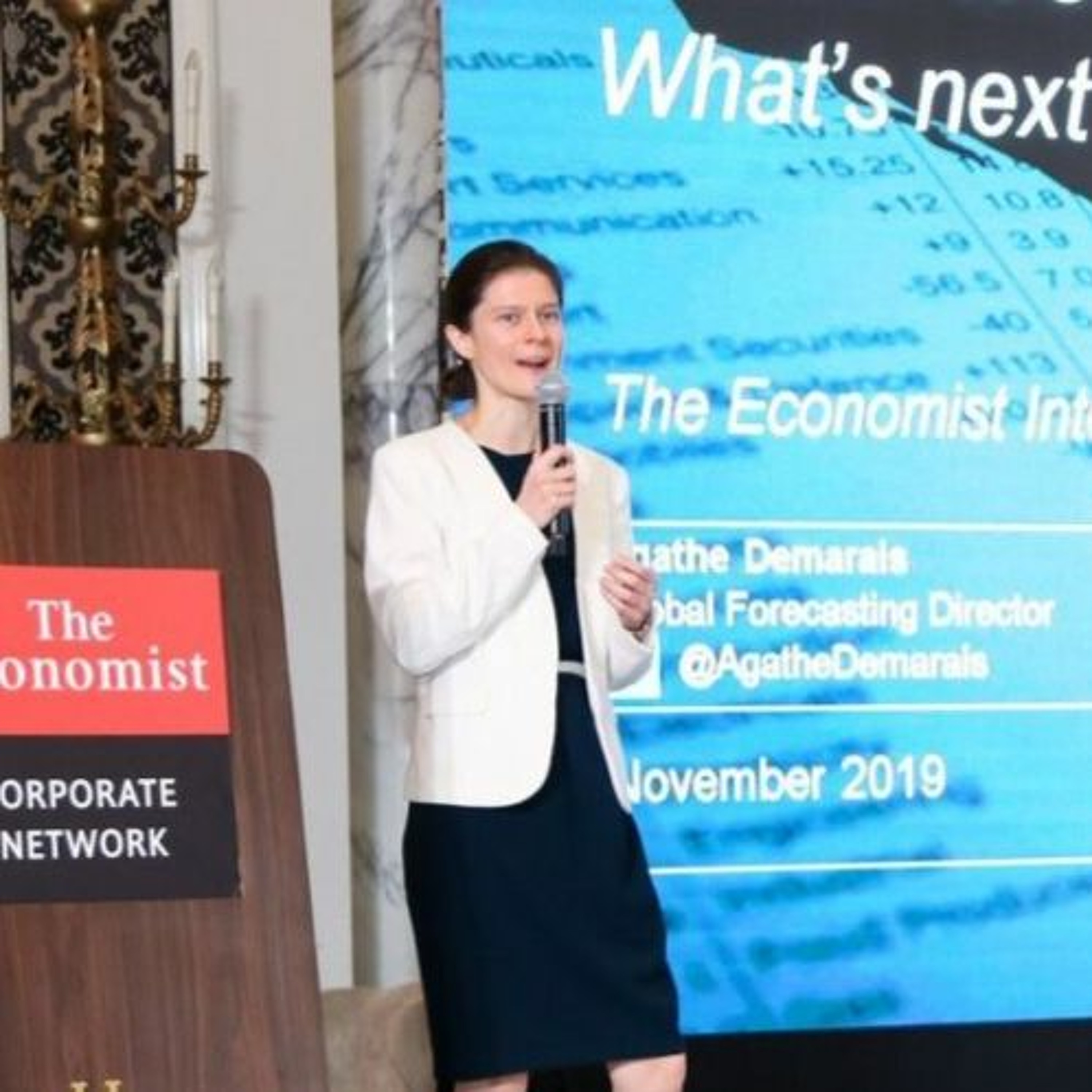
Agathe Demarais on sanctions as a foreign policy tool
Over the last decades, sanctions have become the West’s diplomatic tool par excellence. Faced with wars, humanitarian crises, and human rights violations, the West’s response has often been to impose sanctions to avoid resorting to military force. This week, Mark Leonard invited Agathe Demarais, global forecasting director of the Economist Intelligence Unit and author of “Backfire - How Sanctions Reshape the World Against US Interests”, to talk about how sanctions work and how they can be truly effective. Have the sanctions on Russia been successful? Is there a danger of the West becoming over-reliant on them? And will they eventually be replaced by other economic weapons?This podcast was recorded on 24 January 2023.Further reading-ECFR’s work on geo-economics: https://ecfr.eu/category/europeanpower/economic-sovereignty/ - Backfire: How Sanctions Reshape the World Against U.S. Interests by Agathe Demarais- The global race for semiconductor hegemony with Janka Oertel, Chris Miller and Andrew SmallBookshelf- What You Have Heard Is True: A Memoir of Witness and Resistance by Carolyn Forché - Kochland by Christopher Leonard- Say Nothing by Patrick Radden KeefePicture © Agathe Demarais Hosted on Acast. See acast.com/privacy for more information.
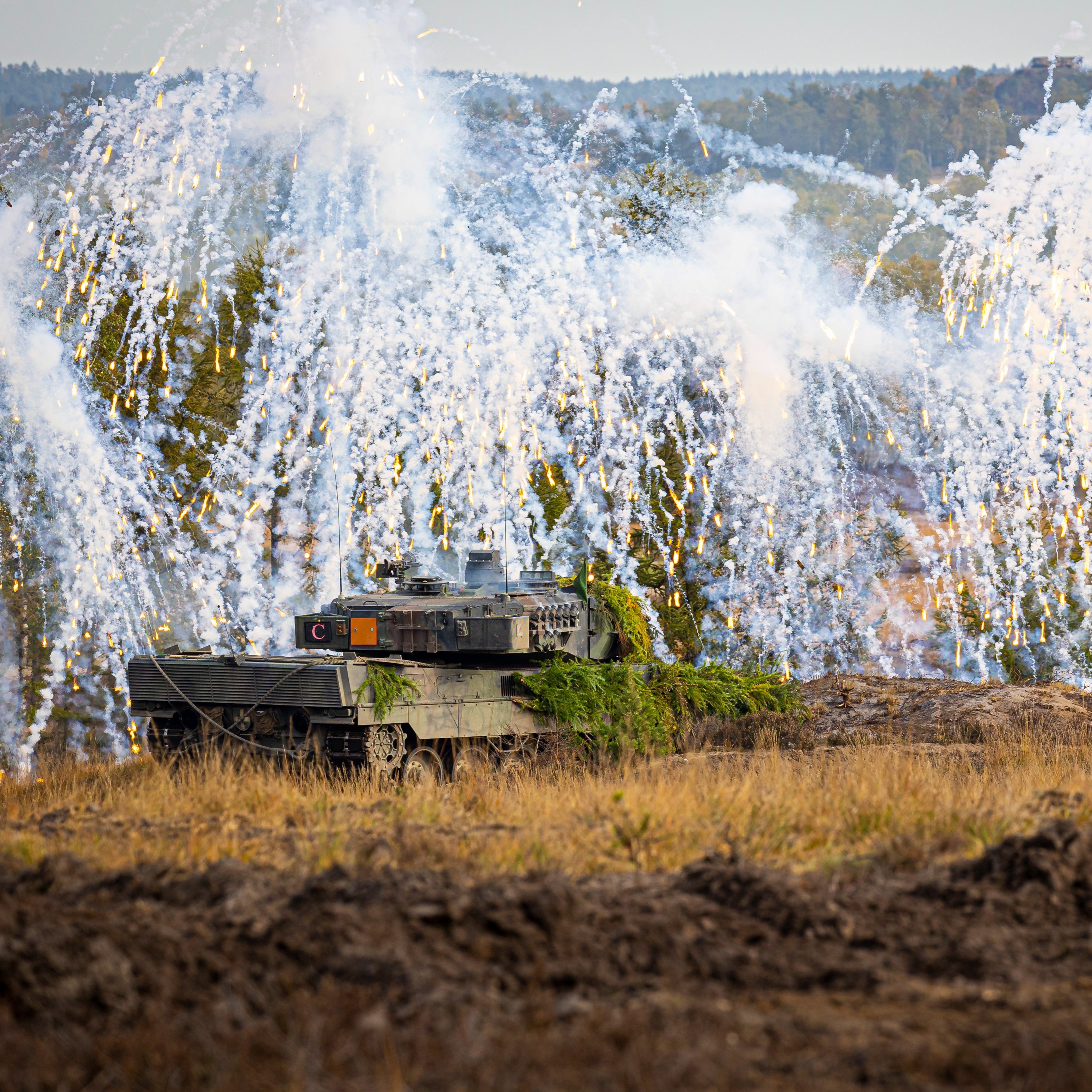
The Leopards are free!
On 25 January, after months of deliberation, Germany's chancellor Olaf Scholz announced he would send Leopard 2 tanks to Ukraine – and permit other countries to do the same. What led to this turnaround? Mark Leonard is joined by ECFR heavyweights on security and defence policy – Camille Grand, Gustav Gressel, Jana Puglierin, and Jeremy Shapiro – to discuss what this decision means for the war in Ukraine, for German diplomacy, and for transatlantic relations. Will the unity on show at last week's Ramstein meeting continue in the long term? And what is the future of military aid for Ukraine? This podcast was recorded on 25 January 2023. Further reading - The Leopard plan: How European tanks can help Ukraine take back its territory by Gustav Gressel, Rafael Loss and Jana Puglierin: https://t.co/2798lmtF1x - Send in the Leopards: Why Western allies should deliver tanks to Ukraine by Margaryta Khvostova & Dmytro Kryvosheiev: https://t.co/BV7Hs0TvYx Bookshelf:- Les Ambitions Inavouées by Thomas Gomart- Putin's People: How the KGB Took Back Russia and Then Took On the West by Catherine Belton - Maybe Esther by Katja Petrowskaja - Peace Talks Between Russia and Ukraine: Mission Impossible by Sabine Fischer - The Bernie Gunther series by Philip Kerr Hosted on Acast. See acast.com/privacy for more information.
Davos world: Alexander Stubb and Mark Leonard live from the WEF
This week’s episode comes to you all the way from the snowy peaks of Davos, Switzerland. Mark Leonard is joined by ECFR board member Alexander Stubb – who is director of the school of transnational governance at the European University Institute in Florence and a former prime minister of Finland – to give us their take on this year's World Economic Forum. What does cooperation in a fragmented world look like? Does the war in Ukraine still top the bill in every WEF session, and how do leaders discuss the energy crisis? Leonard and Stubb share their thoughts on all this and more, including the US Inflation Reduction Act, India’s role in the multipolar world, and Olaf Scholz’s speech. This podcast was recorded on 18 January 2023. Bookshelf:• Personality and Power: Builders and Destroyers of Modern Europe by Ian Kershaw• Leadership: Six Studies in World Strategy by Henry Kissinger Hosted on Acast. See acast.com/privacy for more information.

Catherine Ashton on 21st century diplomacy
In this episode, Mark Leonard welcomes Catherine Ashton – the European Union’s first high representative for foreign affairs and security policy and the first female EU commissioner for trade – to talk about her new book “And Then What? Inside Stories of 21st Century Diplomacy”. As a seasoned mediator, Ashton played a crucial role in negotiating the ‘Brussels agreement’ between Serbia and Kosovo in 2013 and the Joint Plan of Action with Iran the same year. But what is her outlook on diplomacy today? How can diplomats lay the groundwork for success? Concerning Ukraine, what are the chances for diplomacy under such difficult global conditions? And what role should the United Kingdom play in future European and international relations? This podcast was recorded on 1o January 2023.Bookshelf:- And Then What? Inside Stories of 21st Century Diplomacy by Catherine Ashton - Never by Ken Follett - Leadership: Lessons from a Life in Diplomacy by Simon McDonald Hosted on Acast. See acast.com/privacy for more information.
Top ten foreign policy trends for 2023
Our beloved predictions episode is back! As they do every year, Mark Leonard and ECFR research director Jeremy Shapiro forecast the foreign policy trends and events for the year ahead.If other analysts saw it coming, Mark and Jeremy certainly didn’t. Their 2022 prediction of “no large-scale Russian invasion of Ukraine” really threw last year’s scoring off leaving them with only 6/10 points. Will they do better this time? And what are your foreign policy predictions for 2023? Send us an email or tweet them to us using #Worldin30Minutes! This podcast was recorded on 4 January 2023.Further reading:2023: The year we learn to stop worrying by Mark Leonard & Jeremy ShapiroBookshelf:•Vladimir by Julia May Jonas•Anéantir by Michel Houellebecq•Exhalation by Ted Chiang Hosted on Acast. See acast.com/privacy for more information.
A battle on two fronts: Poland, Germany, and the rule of law
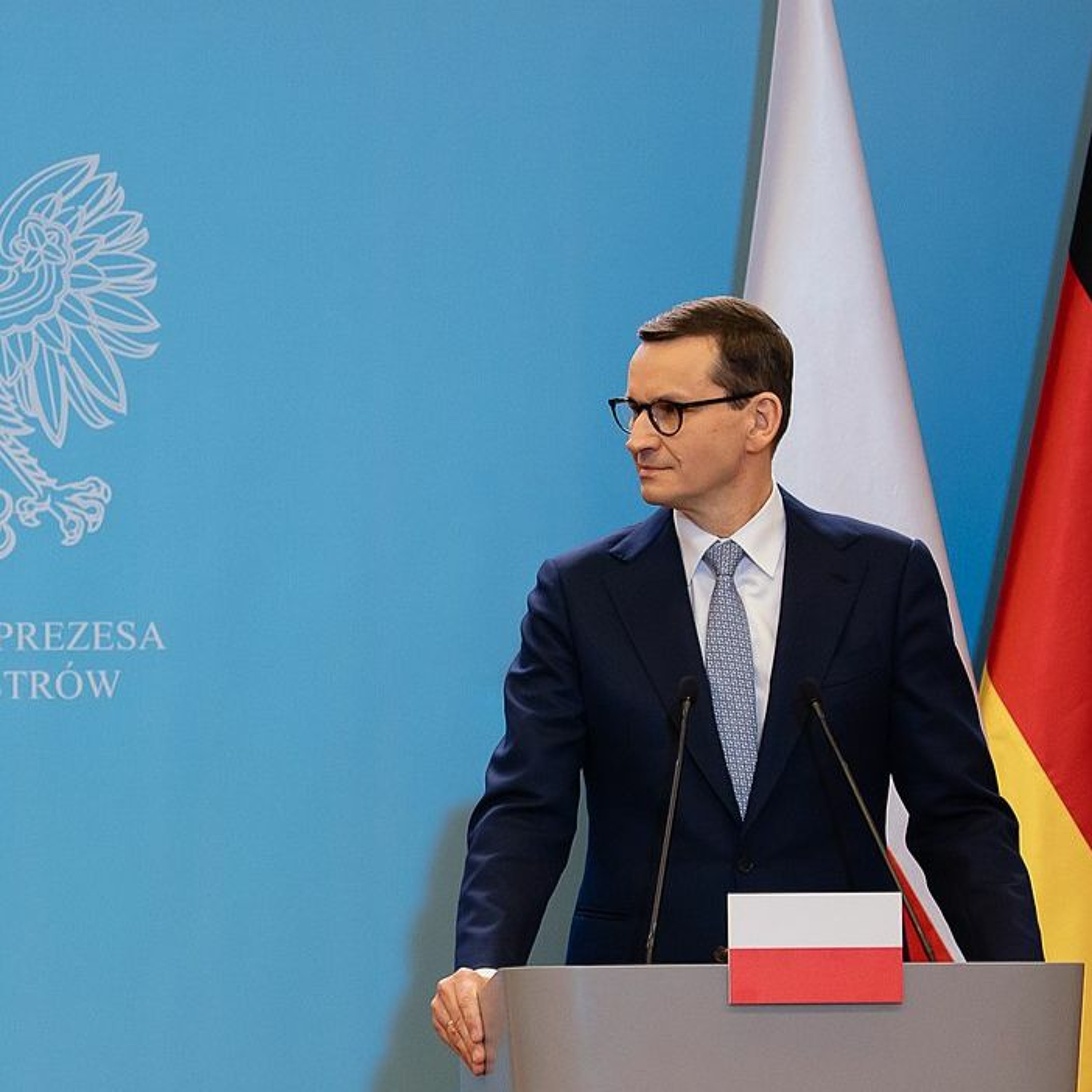
After the EU finally came to an agreement with Hungary over financial aid for Ukraine, all eyes are now on Poland and its own protracted conflict with Brussels over its rule-of-law inadequacies. Meanwhile, a series of public spats between Warsaw and Berlin has drawn attention to the rifts within the EU and a new East-West divide. In this week’s episode, Mark Leonard is joined by Piotr Buras and Jana Puglierin, heads of ECFR’s Warsaw and Berlin offices respectively and senior policy fellows. Together they talk about Poland’s standing within the EU and Polish-German relations. What is the state of the rule of law in Poland? How has the war in Ukraine affected Polish politics and Poland’s relationship to its neighbours and the EU? And finally, why does Poland have it out for Germany? This podcast was recorded on 16 December 2022. Further reading - “The final countdown: The EU, Poland, and the rule of law” by Piotr Buras: https://buff.ly/3WjF7k6 Bookshelf - “Spat Over Patriot Missiles Reveals Deepening Rifts in Europe Over Ukraine” by Steven Erlanger in the New York Times - “Barcelona” by Robert Hughes - “Youth: Scenes from Provincial Life II” by J. M. Coetzee Hosted on Acast. See acast.com/privacy for more information.
Introducing: In:Sight China with Wang Jisi
New mini-series! Subscribe here: https://soundcloud.com/ecfrclips China is becoming ever more important to global affairs. But the covid-19 pandemic, as well as political and geopolitical challenges, mean that Europeans’ ability to engage with Chinese thinkers and understand their views and ideas about the world has diminished. In this mini-series, Mark Leonard and Janka Oertel will try to change that by engaging in conversations with some of the best Chinese academics, researchers, writers, and journalists on diverse topics in Chinese internal debates that matter most to Europeans.In the first episode, the hosts are joined by Wang Jisi, the founding president of the Institute of International and Strategic Studies at Peking University and one of the world’s most prominent scholars on US-China relations. Together, we will learn about China’s understanding of global order and the recent developments in the geopolitical landscape with a focus on US-China. What can we take away from China’s stance at the G20 summit? What is to come for US-China relations going forward? And finally, what do the outcomes of the 20th Party Congress mean for Europe and the world?This podcast was recorded on 23 November 2022, one day before the Urumqi apartment fire, which was followed by nationwide protests against the zero-covid policy in China. Hosted on Acast. See acast.com/privacy for more information.

Backsliding democracy: Zsuzsanna Szelenyi on Hungary
The European Council is considering freezing €7.5 billion in funds allocated to Hungary due to concerns about rule of law violations. Meanwhile, prime minister Viktor Orban has embarked on a controversial “national consultation” concerning EU sanctions against Russia, increasingly isolating Hungary among member states. In this week’s podcast, Mark Leonard is joined by Zsuzsanna Szelenyi, a Hungarian politician and foreign policy specialist, to discuss the situation in the country. What would the freezing of EU-funds mean for Hungary-EU relations and Hungary’s role in the union? What new alliances is Orban trying to foster among other illiberal governments in Europe? And finally, how could Hungary’s confrontational approach to Brussels shape European foreign policy when it comes to Russia, and even China?This podcast was recorded on 7 December 2022.Bookshelf:• “Tainted Democracy: Victor Orbán and the Subversion of Hungary” by Zsuzsanna Szelényi• “Mind the gaps: The pending suspension of Hungary’s EU funds” by Zsuzsanna Végh•“How to Stand Up to a Dictator” by Maria Ressa Hosted on Acast. See acast.com/privacy for more information.

Rethinking the purpose of AI with Stuart Russell
From search engines to social media, from navigation systems to medical gear, our everyday lives are already intertwined with artificial intelligence. But as AI becomes ever more powerful, questions around security risks, ethical use and disinformation arise. In this week’s episode, Mark Leonard is joined by Stuart Russell, professor of electrical engineering and computer sciences and holder of the Smith-Zadeh Chair in Engineering at the University of California at Berkeley. They discuss artificial intelligence’s capabilities to solve global problems and humans’ ability to control its dark side. What benefits can AI bring to health and education? How do algorithms foster extremism and the polarisation of public debates? And finally, could lethal autonomous weapons be ethically used? This podcast was recorded on 3 November 2022. Bookshelf: -“Superintelligence: Paths, Dangers, Strategies” by Nick Bostrom - “Life 3.0: Being Human in the Age of Artificial Intelligence” by Max Tegmark - “The Precipice: Existential Risk and the Future of Humanity” by Toby Ord - “The Culture series” by Iain M. Banks Hosted on Acast. See acast.com/privacy for more information.
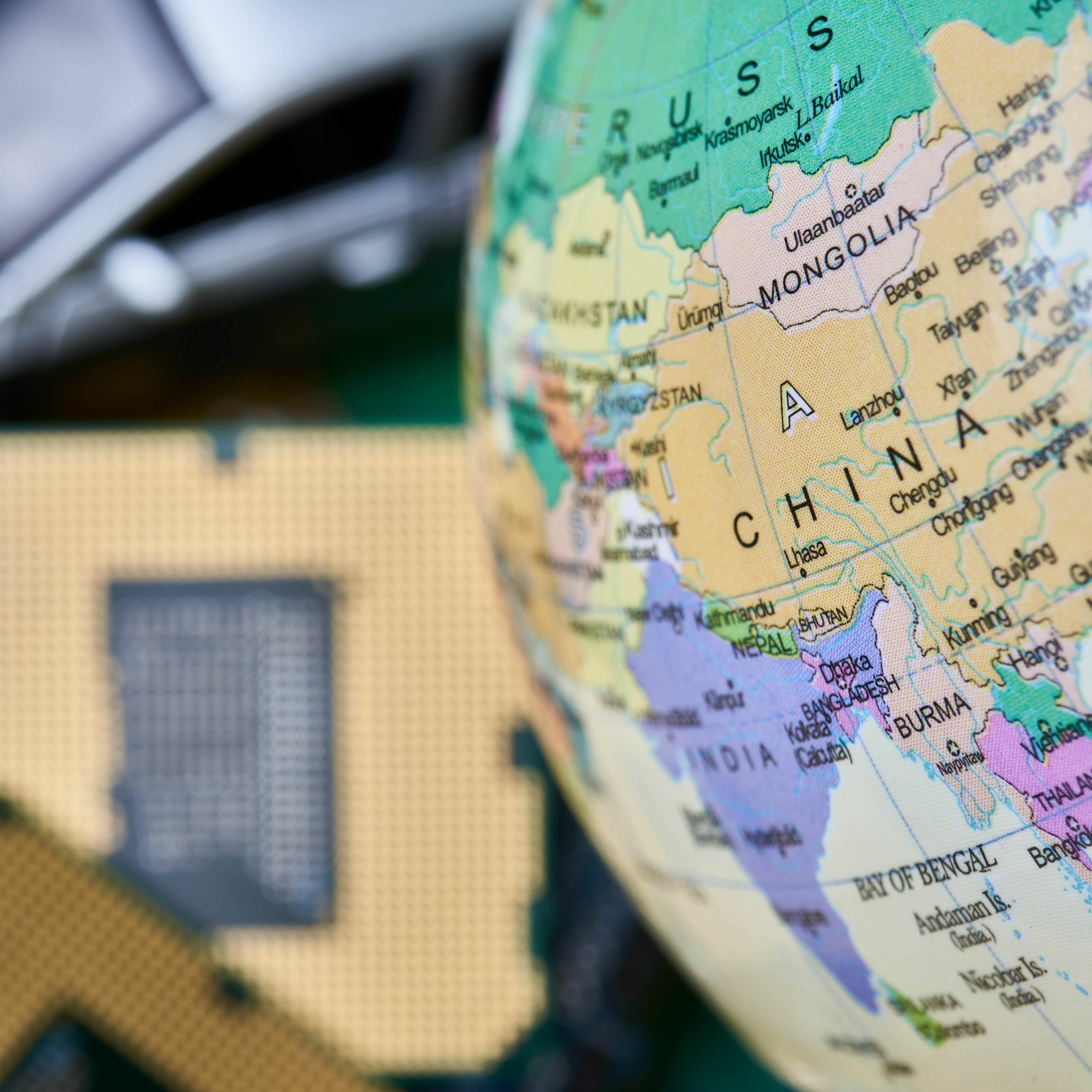
The global race for semiconductor hegemony
The semiconductor industry has become the cornerstone of the structure of the global economy and the balance of geopolitical power. And Europe has now joined the United States and China in a ‘chip war’ for global semiconductor domination.In this week’s episode, Janka Oertel, head of ECFR´s Asia programme and senior policy fellow, is joined by Chris Miller, assistant professor of international history at Tufts University, and Andrew Small, senior transatlantic fellow at the German Marshall Fund and ECFR alumnus. They discuss how chips decide power in today’s geopolitical competition. What role does Taiwan’s leadership in semiconductor production play in tensions with China? And to what extent will Europe align and integrate with the United States’ China policy in the upcoming years?This podcast was recorded on 16 November 2022.Bookshelf:•“Chip War: The Fight for the World's Most Critical Technology” by Chris Miller• “The Rupture: China and the Global Race for the Future” by Andrew Small - One of the FT Best Books on Politics 2022• “Prestige, Manipulation, and Coercion: Elite Power Struggles in the Soviet Union and China after Stalin and Mao” by Joseph Torigian• “The Cashless Revolution: China's Reinvention of Money and the End of America's Domination of Finance and Technology” by Martin Chorzempa Hosted on Acast. See acast.com/privacy for more information.
The Clash of Orders with Comfort Ero on Nigeria
Many Europeans see the war in Ukraine as an attack on the ‘rules-based order’. But to many people in other parts of the world, there is no consensus on a set of rules to govern global affairs – and no sense of order. In this mini-series, Mark Leonard will go on an intellectual tour of the world, talking to key thinkers about how order is being defined by different powers. He explores how the clash between these different notions plays into the big shocks facing the world – from climate change and future pandemics to geopolitical struggles and technological disasters – and what this means for national and global politics.-----In this sixth instalment, Leonard is joined by Comfort Ero – president and CEO of the International Crisis Group – to learn more about the Nigerian perspective on global order. How can oil and gas output help Nigeria position itself advantageously in the context of the war in Ukraine? What role do African regionalism and Pax Africana play in building the continent’s capacity to respond to crises? And finally, to what extent do the recent crisis in Libya and the hypermilitarisation of the Sahel shape understandings about ‘order’ in Nigeria today?Further reading: • “Principles for global order: How Europeans and the global south can shape the international order together” by Theodore MurphyBookshelf:• “Africa and the International System: The Politics of State Survival” by Christopher Clapham• Africa Confidential newsletter• “Why is the US role in Africa Shrinking?” by Zainab Usman• “Imagine Nigeria: Exploring the Future of Nigeria” by the Government of Nigeria and UNDP Hosted on Acast. See acast.com/privacy for more information.

15 years of ECFR: Reflections on Europe in a tumultuous world
9 November is a day of low and high points in history – moments of both loss and of joy. Some important examples include the Pogromnacht in 1938 or the fall of the Berlin Wall in 1989, which marked the end of the cold war. But 9 November 2007 was also the day that brought ECFR’s 50 founding members together, united by a sense that the EU member states could combine their values and resources to become a prototype for a global open society.In this special episode, ECFR council member Mabel van Oranje hosts director Mark Leonard, as well as ECFR founding members Timothy Garton Ash, professor of European studies at the University of Oxford, and Ivan Krastev, chair of the board at the Centre for Liberal Strategies in Sofia. They explore how the momentous historical events of 9 November can help Europeans make sense of the current moment of disorder. Is a reversal happening of the world order brought about by 9 November 1989? What has ECFR’s role been in helping Europe find a strong, united voice and what will it be in the critical times ahead? And finally, can we expect a rebalancing of power in Europe after the war in Ukraine?This podcast was recorded on 9 November 2022. Hosted on Acast. See acast.com/privacy for more information.
The Clash of Orders with Vali Nasr on Iran
Many Europeans see the war in Ukraine as an attack on the ‘rules-based order’. But to many people in other parts of the world, there is no consensus on a set of rules to govern global affairs – and no sense of order. In this mini-series, Mark Leonard will go on an intellectual tour of the world, talking to key thinkers about how order is being defined by different powers. He explores how the clash between these different notions plays into the big shocks facing the world – from climate change and future pandemics to geopolitical struggles and technological disasters – and what this means for national and global politics.---In this fifth episode, Leonard is joined by Vali Nasr – Majid Khadduri professor of International Affairs and Middle East Studies at the Johns Hopkins -SAIS, and a non-resident senior fellow at Atlantic Council’s South Asia Center – to learn more about the Iranian perspective on global order. What role does anti-Americanism play in advancing Iran’s interest in the Middle East? How are notions of power, freedom, and justice between Iranian leaders and the population different? And finally, to what extent do the Iran-Iraq War and Western sanctions shape understandings about “order” today in Iran?Bookshelf:•“The Dispensable Nation: American Foreign Policy in Retreat” by Vali Nasr• “Forces of Fortune: The Rise of a New Muslim Middle Class and How it Will Change Our World” by Vali Nasr• “The Shia Revival: How Conflicts within Islam will Shape the Future” by Vali Nasr• “Persians: The Age of the Great Kings” by Lloyd Llewellyn-Jones Hosted on Acast. See acast.com/privacy for more information.
The Clash of Orders with Fyodor Lukyanov on Russia
Many Europeans see the war in Ukraine as an attack on the ‘rules-based order’. But to many people in other parts of the world, there is no consensus on a set of rules to govern global affairs – and no sense of order. In this mini-series, Mark Leonard will go on an intellectual tour of the world, talking to key thinkers about how order is being defined by different powers. He explores how the clash between these different notions plays into the big shocks facing the world – from climate change and future pandemics to geopolitical struggles and technological disasters – and what this means for national and global politics.---In this fourth instalment, Leonard is joined by Fyodor Lukyanov – chair of the Council on Foreign and Defense Policy and editor-in-chief of the Russia in Global Affairs journal – to learn more about the Russian perspective on global order. Why is the Kremlin so keen on regional integration? How can power guarantee freedom and achieve justice in a rules-based order? And finally, what role do the Soviet Union and notions of imperial greatness play in Vladimir Putin’s ideal of Russia?Bookshelf:• Russia in Global Affairs journal, Issue 3 2022 July/September and Issue 4 2022 October/November• “Europe, Russia and the Liberal World Order: International Relations after the Cold War” by Timofei Bordachev• Complete works of Nikolai Gogol Hosted on Acast. See acast.com/privacy for more information.
The Clash of Orders with Pratap Bhanu Mehta on India
Many Europeans see the war in Ukraine as an attack on the ‘rules-based order’. But to many people in other parts of the world, there is no consensus on a set of rules to govern global affairs – and no sense of order. In this mini-series, Mark Leonard will go on an intellectual tour of the world, talking to key thinkers about how order is being defined by different powers. He explores how the clash between these different notions plays into the big shocks facing the world – from climate change and future pandemics to geopolitical struggles and technological disasters – and what this means for national and global politics.---In this third episode, Leonard is joined by Pratap Bhanu Mehta – Laurance S Rockefeller visiting professor at Princeton University and former president of the Centre for Policy Research, a New Delhi-based think tank – to discuss the Indian perspective on order. What is the link between civilisational power and Hindu nationalism? Why is the concept of development so important for a just international order? And finally, how does the deep memory of independence and partition shape contemporary Indian politics? Bookshelf• “The Burden of Democracy” by Pratap Bhanu Mehta• “Public Institutions in India: Performance and Design” by Devesh Kapur & Pratap Bhanu Mehta• “Non-Alignment 2.0: A Foreign and Strategic Policy for India in the 21st Century” by Sunil Khilnani et al. • PM Modi's speech at foundation stone laying ceremony of development projects in Ayodhya• “The Mirror & The Light” by Hilary Mantel Hosted on Acast. See acast.com/privacy for more information.
The Clash 0f Orders with Aslı Aydıntaşbaş on Turkey
Many Europeans see the war in Ukraine as an attack on the ‘rules-based order’. But to many people in other parts of the world, there is no consensus on a set of rules to govern global affairs – and no sense of order. In this mini-series, Mark Leonard will go on an intellectual tour of the world, talking to key thinkers about how order is being defined by different powers. He explores how the clash between these different notions plays into the big shocks facing the world – from climate change and future pandemics to geopolitical struggles and technological disasters – and what this means for national and global politics.--In this second instalment, Leonard is joined by Aslı Aydıntaşbaş, associate senior policy fellow and in-house Turkey expert at ECFR, to talk about the country’s understanding of order. Does Russia’s control and presence in Turkey's backyard pose a strategic problem? How can the Pax Ottomana push back against a Western-dominated world order? And finally, what role do narratives about the Battle of Independence and the Conquest of Istanbul play in repositioning Turkey’s greatness?Bookshelf:• “The Balance Game” by Selim Deringil• “The Dangerous Decade: A Foreign Policy for a World in Crisis” by Richard Haas• “The Ministry for the Future” by Kim Stanley Robinson Hosted on Acast. See acast.com/privacy for more information.
The Clash of Orders with Rana Mitter on China
Many Europeans see the war in Ukraine as an attack on the ‘rules-based order’. But to many people in other parts of the world, there is no consensus on a set of rules to govern global affairs – and no sense of order. In this mini-series, Mark Leonard will go on an intellectual tour of the world talking to key thinkers about how order is being defined by different powers. He explores how the clash between these different notions plays into the big shocks facing the world – from climate change and future pandemics to geopolitical struggles and technological disasters – and what this means for national and global politics.--In this first episode, Leonard is joined by Rana Mitter, vice-president of the British Academy and professor of the history and politics of modern China at the University of Oxford, to talk about the Chinese understanding of order. How are economic inequalities and covid-19 challenging Chinese stability? What is the role of multilateralism in the international system? And finally, how do narratives of the past shape understandings of ‘order’ today?Bookshelf•“China’s Good War: How World War II Is Shaping a New Nationalism” by Rana Mitter• “Is the Growing Pessimism About China Warranted?” (2016) ChinaFile Conversation• “In the Name of the People” (2017) TV series Hosted on Acast. See acast.com/privacy for more information.
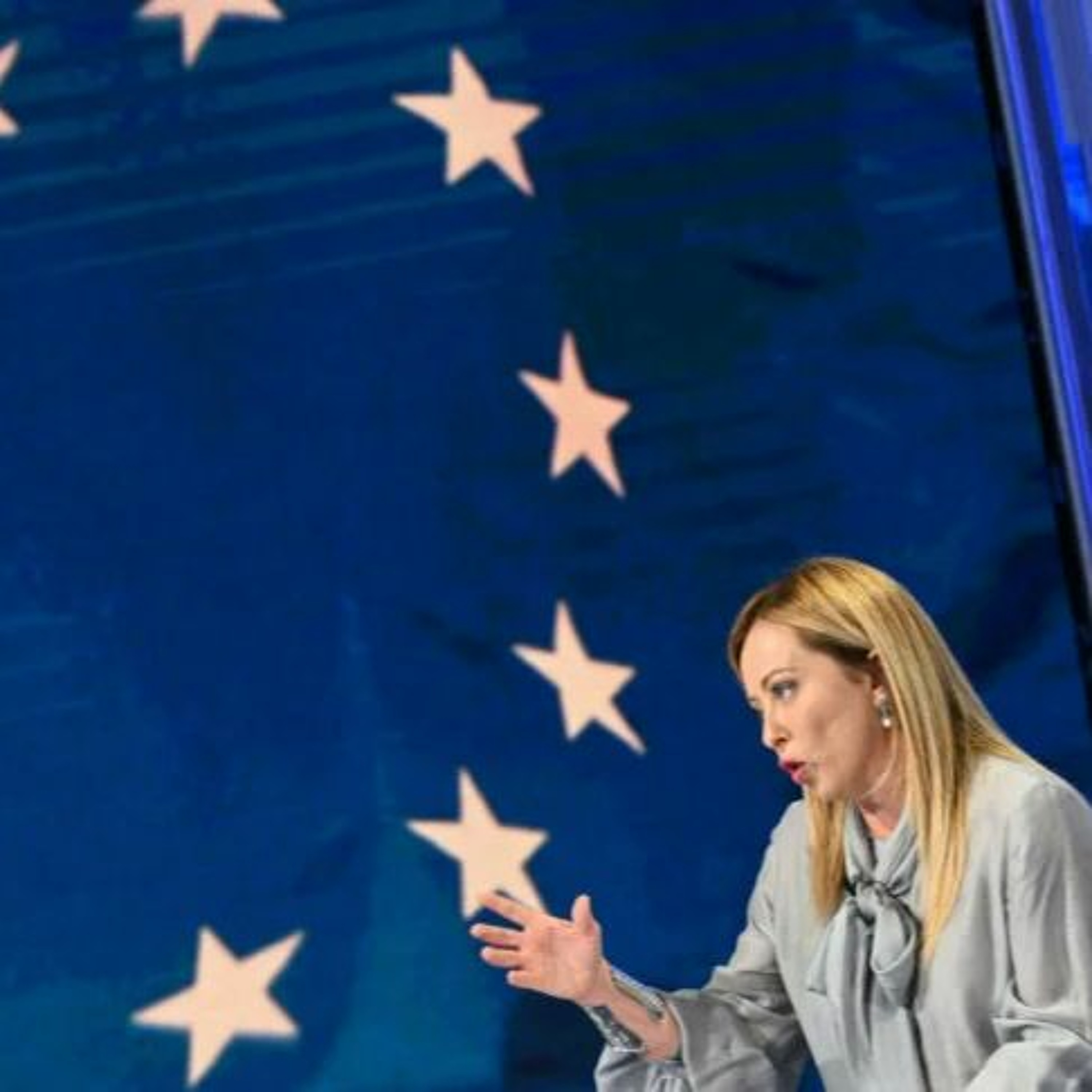
Giorgia on my mind: The Italian election and European foreign policy
The success of Giorgia Meloni's Brothers of Italy in the recent Italian general election has sent shudders around Europe. With Meloni set to form a coalition of right-wingers and Eurosceptics, her foreign policy agenda could call into question the very foundations of the European project. Alongside Poland and Hungary, Italy could join calls for greater national sovereignty, aiming to shift the balance of power away from Brussels technocracy. In this week’s episode, Mark Leonard is joined by ECFR council members Nathalie Tocci, who is the director of Italy's Istituto Affari Internazionali, and Marta Dassu, senior advisor for Europe at the Aspen Institute, as well as Arturo Varvelli, head of ECFR´s Rome Office and senior policy fellow. They discuss the implications of the new government in Rome and whether it does indeed point to a shift to the right. What will be the new government's stance be on Russia and its war in Ukraine? And how could constraints such as debt and the coherence of the coalition challenge Meloni’s government? This podcast was recorded on 27 September 2022. Further reading:The Draghi effect: Italy’s new-old national interest by Arturo Varvelli https://buff.ly/3SpBirt Bookshelf - “Italy Transformed: Politics, Society and Institutions at the End of the Great Recession” by Martin J. Bull & Gianfranco Pasquino - “Bloodlands” by Timothy D. Snyder - “A Green and Global Europe” by Nathalie Tocci - “Il mago del Cremlino” by Giuliano da EmpoliImage by picture alliance / EPA | CLAUDIO PERI © Hosted on Acast. See acast.com/privacy for more information.
Survive and thrive: A European plan to support Ukraine in the long war against Russia
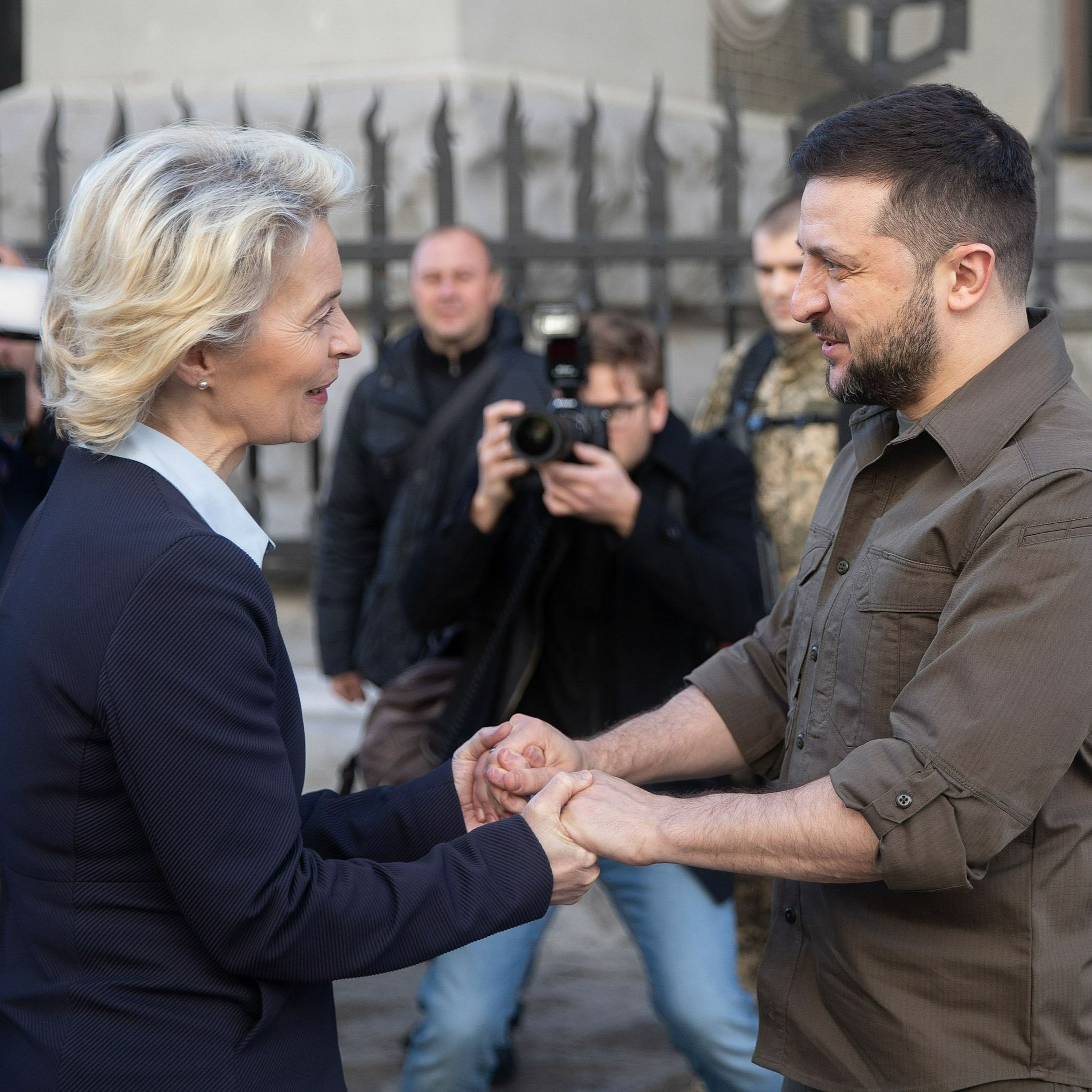
Vladimir Putin’s announcement of a partial military mobilisation in Russia reinforces the idea that the Ukraine war will not end quickly and that Ukraine and its partners need to prepare for a long war. The Kremlin is sending a clear signal to the West that it will do whatever it takes to succeed—or at least not to fail. For Ukraine to survive and thrive in the long-war, the EU and its member states should formulate a comprehensive mechanism to support their eastern neighbour. In doing so, Europeans can lay the foundations for a functioning Ukraine, deter Russia from further aggression, and perhaps even point the way toward a settlement of the conflict. In this week’s episode, Mark Leonard is joined by ECFR's Piotr Buras, Gustav Gressel, Kadri Liik, and Jeremy Shapiro to describe and debate the potential military, security, and economic aspects of the long-war plan. Why is investment in industrial warfare supply chains so crucial? How can security assurances for Ukraine enhance deterrence and reduce the potential for escalation? And finally, why should the EU provide medium-term access for Ukraine to the European single market? This podcast was recorded on 20 September 2022. Further reading:Survive and thrive: A European plan to support Ukraine in the long war against Russia, by Piotr Buras, Marie Dumoulin, Gustav Gressel & Jeremy Shapiro https://ecfr.eu/publication/survive-and-thrive-a-european-plan-to-support-ukraine-in-the-long-war-against-russia/Bookshelf - “Essays” by George Orwell - “Jerusalem: The Biography” by Simon Sebag Montefiore - “The Habsburg Empire: A New History” by Pieter M. Judson - “The Found and the Lost: The Collected Novellas of Ursula K. Le Guin” by Ursula K. Le Guin Hosted on Acast. See acast.com/privacy for more information.
Rogue NATO: The new face of the Shanghai Cooperation Organisation
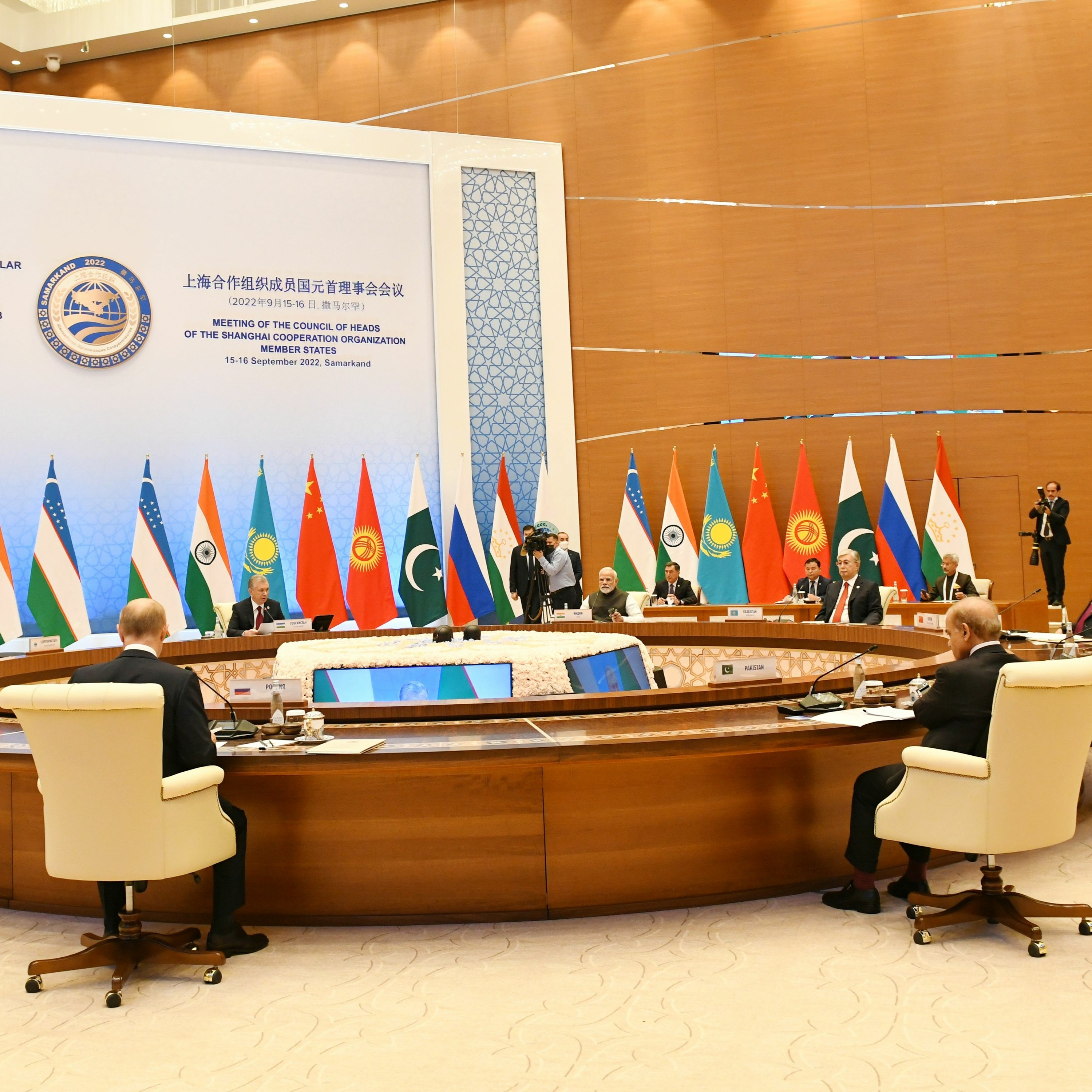
This week's Shanghai Cooperation Organisation (SCO) summit makes tangible the existence of an alternative international community. Featuring leaders from Russia, China, and India it is the organisation's first face-to-face meeting since the Russian invasion of Ukraine. There is a clear goal at the core of the discussions: power politics and the race to multipolarism as an alternative to Western liberalism. In this week’s episode, Jeremy Shapiro joins an all-star ECFR panel of experts to discuss the summit's geopolitical implications. How is SCO “dialogue partner” Turkey using the Ukraine war to get the best of both worlds? How much will Iran's imminent membership advance its security? And finally, what would be the implications for Beijing if Putin were to lose power, and how can China support the Kremlin? This podcast was recorded on 16 September 2022. Further reading:Rogue NATO: The new face of the Shanghai Cooperation Organisation, by Aslı Aydıntaşbaş, Marie Dumoulin, Ellie Geranmayeh & Janka Oertel: https://buff.ly/3xuLMOaBookshelf - “Jamais Frères? Ukraine Et Russie: Une Tragédie Postsoviétique" by Anna Coulin Lebdevev - “The Rest Is Politics” podcast by Alastair Campbell and Rory Stewart. - “Die beste aller möglichen Welten” by Michael Kempe - “The Ministry for the Future” by Kim Stanley Robinson - “The Found and the Lost: The Collected Novellas of Ursula K. Le Guin” by Ursula K. Le Guin Hosted on Acast. See acast.com/privacy for more information.
The future of open society with Leonard Benardo
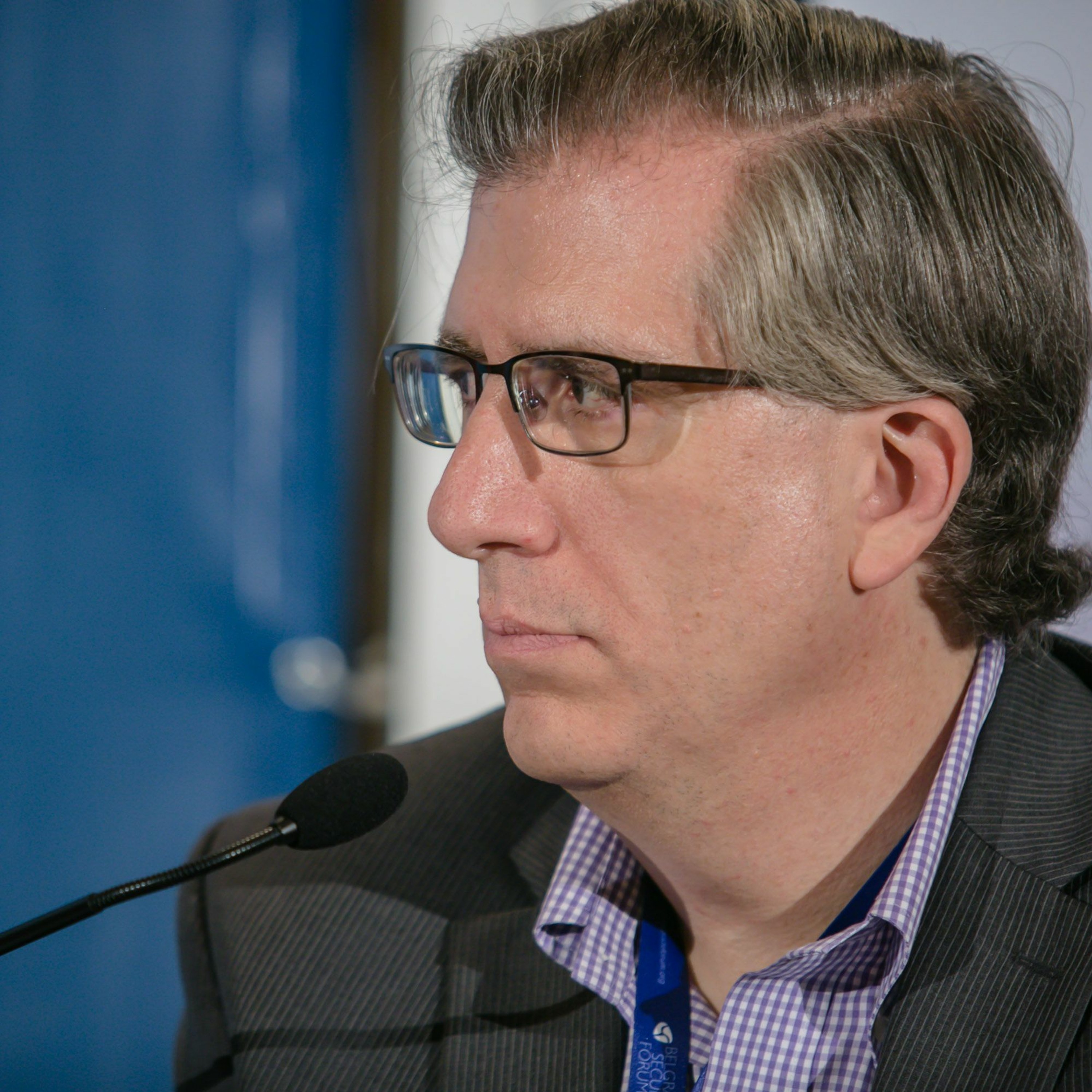
As fundamental freedoms are being challenged worldwide, the very idea of open societies is being questioned. The crisis of liberalism and the decline of the West, together with increased disinformation and polarisation, have revealed inequality and the need for critical public debate as a central issue for the advancement of open societies. In this week’s podcast, Leonard Benardo, executive vice president for the Open Society Foundations, joins Mark Leonard to discuss the great challenges open societies are currently experiencing. What role do identity politics play when thinking about solidarity and social cohesion? How can the digital revolution impact electoral democracy? And finally, how can we ensure that Ukraine as an open society is retained? This podcast was recorded on 6 September 2022.Bookshelf:- "Against Decolonisation. Taking African Agency Seriously" by Olúfẹ́mi Táíwò - "Know Your Enemy" podcast hosted by Matthew Sitman and Sam Adler-Bell - Follow @samagreene and @rochowanski for food for thought and debates on the Eurasian space Hosted on Acast. See acast.com/privacy for more information.
Rethinking global interdependence - Live from the European Forum Alpbach
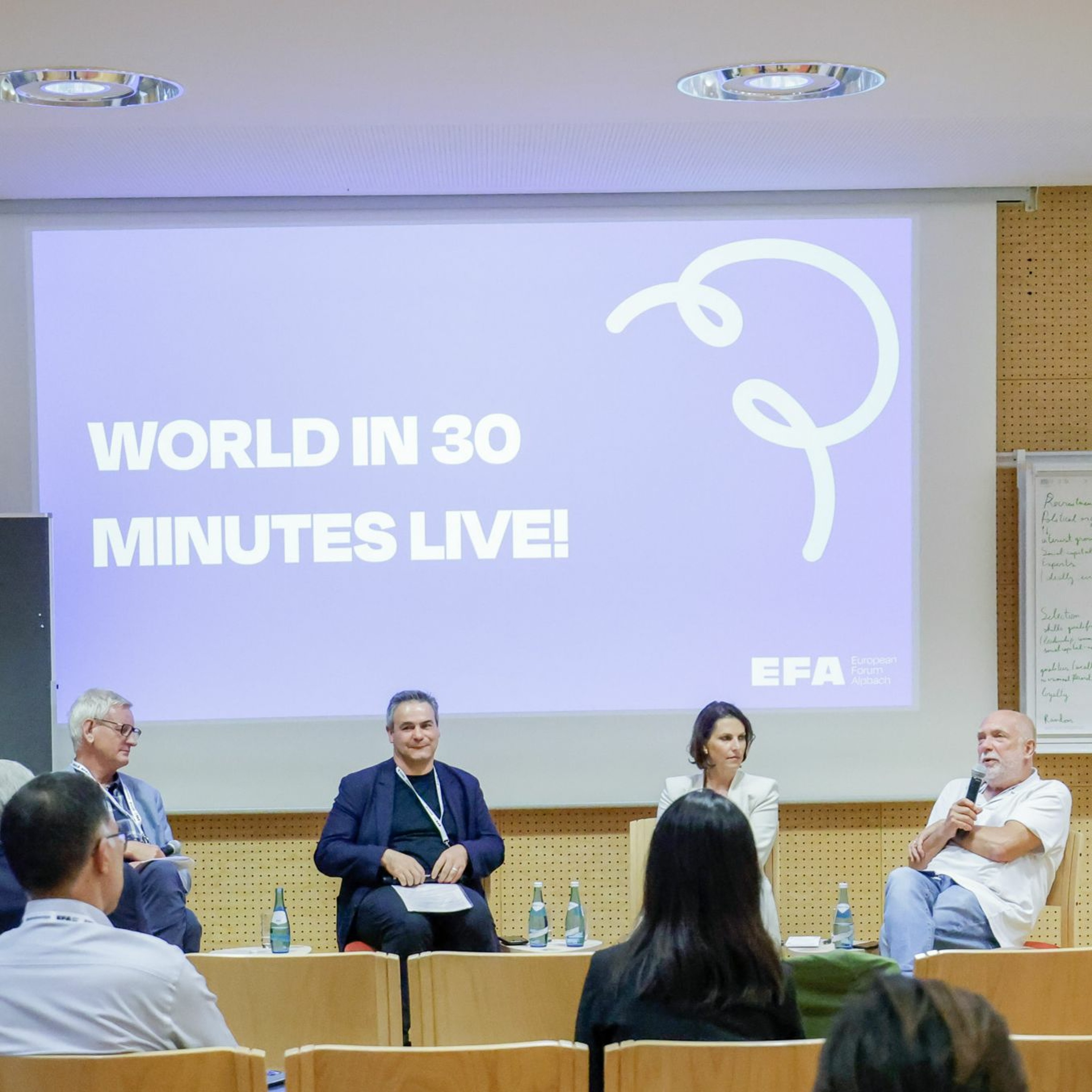
Global crises – from the covid-19 pandemic and climate change to Russia's war on Ukraine have challenged the core tenets of the globalised world. Europe has been at the centre of this upheaval. And the continent now faces tough decisions on its energy markets, trade partnerships, and supply chains. In this special episode, recorded in front of a live audience at the European Forum Alpbach in Austria, Mark Leonard is joined by co-chair of ECFR, Carl Bildt, Austrian federal minister for the EU and constitution, Karoline Edtstadler, and non-resident fellow at Bruegel, Thomas Wieser. Together, they discuss how to strike the right balance between the need for sovereignty and the benefits of globalisation. What are the biggest threats to the European market economies and what are the opportunities? Will Europeans learn from Russia’s weaponisation of energy when it comes to its dependencies on China? And is there a way to ‘disarm’ connectivity? This podcast was recorded live at the European Forum Alpbach on 1 September 2022.Bookshelf: - The World of Yesterday by Stefan Zweig- Dunkelblum by Eva Menasse- History of the Adriatic: A Sea and Its Civilization by Egidio Iveticpicture (c) Hans Hofer Hosted on Acast. See acast.com/privacy for more information.

Another world is possible: The transformative power of political imagination
In his recent book “Another World Is Possible”, Geoff Mulgan – professor of collective intelligence, public policy, and social innovation at University College London – identifies a crisis that does not usually feature prominently in threat assessments: an absence of political imagination. This deficit has not only distorted policymakers’ sense of the past and present but also weakened their ability to make future-proofed decisions in various areas. In this week’s episode, Mulgan joins Mark Leonard to explore the causes and consequences of this crisis. They discuss how to restore imagination and harness creativity to solve current and future problems. Why does the idea of utopia matter? How can we harmonise competing narratives about the future? And where do China and India come in to all this?This podcast was recorded on 6 July 2022.Further readingAnother World Is Possible: How to Reignite Social and Political Imagination by Geoff Mulgan: https://buff.ly/3A1xUgd The Ministry for the Future by Kim Stanley RobinsonBookshelf: The Trial by Sergei Loznitsa Babi Yar. Context by Sergei Loznitsa Hosted on Acast. See acast.com/privacy for more information.
Machtwechsel: The new generation of German politicians
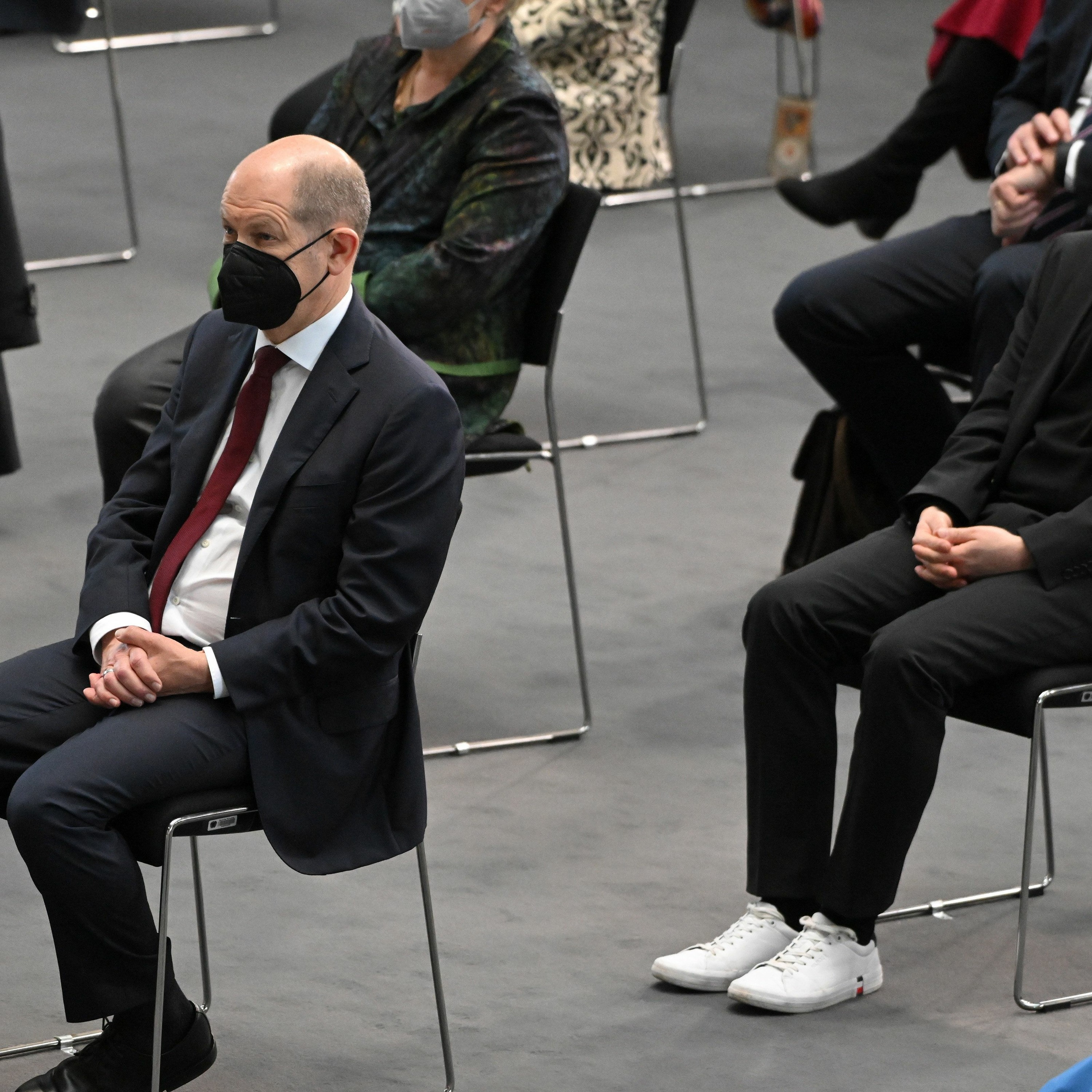
Germany's ‘traffic light’ coalition has ushered in a new age of German politics – and a new generation of political figures. Last year, in a departure from the staid Merkel era, German citizens elected a parliament that is less ‘pale, male, and stale’ than ever before. The new cabinet reflects this change – in terms of youth and gender at least. In this week’s episode, Mark Leonard, interviews the German author and journalist, Anna Sauerbrey. They discuss her latest book, “Machtwechsel” (Change of Power), in which she analyses how this diverse intake is challenging the status quo of German politics. But how does Chancellor Olaf Scholz fit in? What is a ‘Zeitgenosse’? And what do white sneakers have to do with anything? This podcast was recorded on 6 July 2022. Further reading - Machtwechsel by Anna Sauerbrey: https://buff.ly/3Spm5au - War and Indignation by Jürgen Habermas in Süddeutsche Zeitung: https://buff.ly/3BCQKvb - A Millennial considers the new German Problem after 30 Years of Peace by Ulrike Franke in War on the Rocks: https://buff.ly/3xhFCz3 Bookshelf: - East West Street by Philipp Sands - The Economic Weapon: The Rise of Sanctions as a Tool of Modern War by Nicholas Mulderpicture (c) picture alliance / EPA | SASCHA STEINBACH / POOL Hosted on Acast. See acast.com/privacy for more information.
Winter is coming: Europe’s energy transition and the war in Ukraine
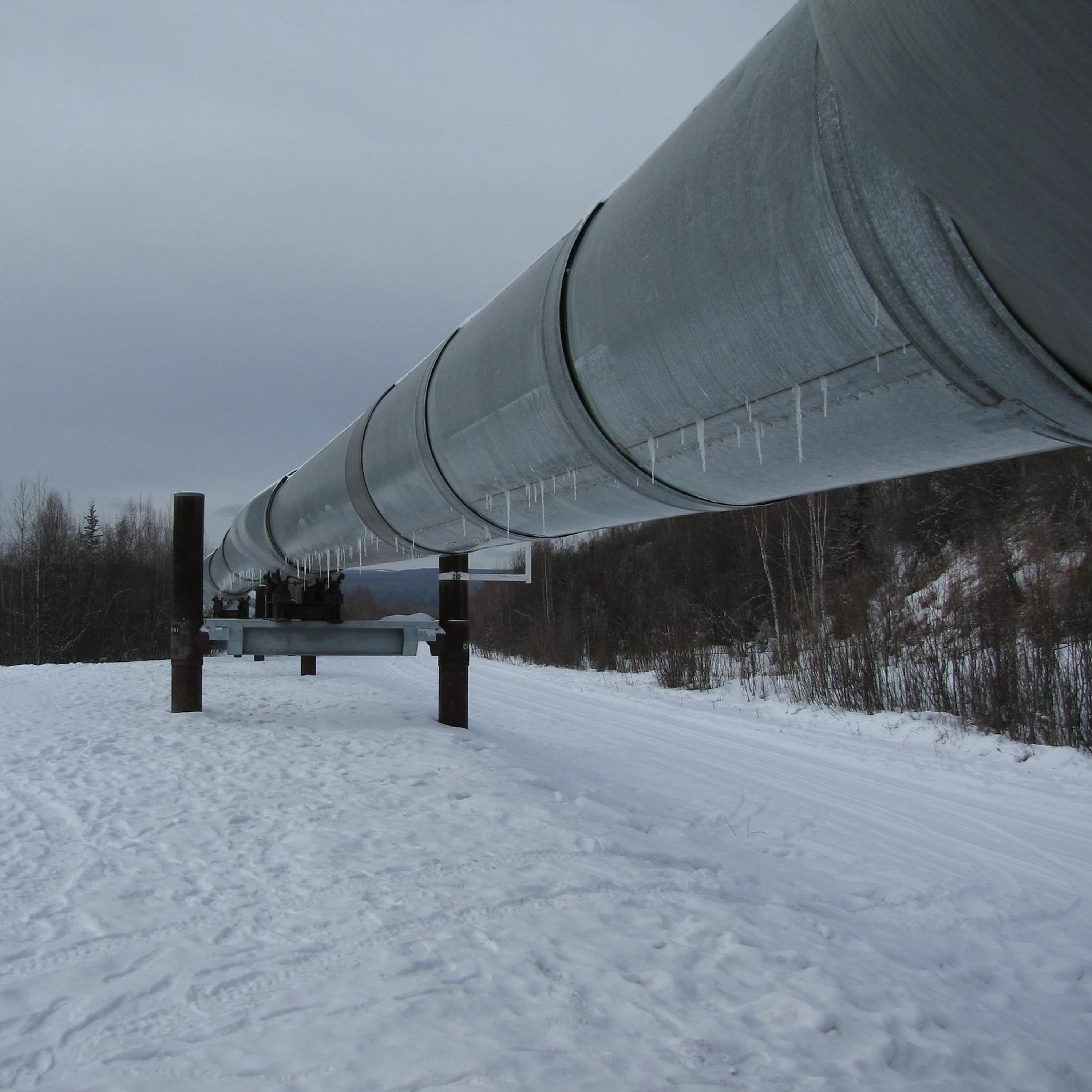
As blistering heatwaves and raging forest fires sweep across Europe, climate change is once again back on the agenda. But Russia’s attack on Ukraine and the consequent reduction in energy supplies to Europe has greatly complicated Europe’s green transition. Some observers argue that a cold-turkey withdrawal from Russian fossil fuels will speed up the transition to renewable energy, but others predict that climate goals will fall by the wayside as European leaders turn to coal and whatever else is available to make up for the lack of Russian oil and gas. In this week’s episode, Jeremy Shapiro, ECFR’s research director seizes the reins of power as host from a vacationing Mark Leonard and talks to Susi Dennison, director of ECFR’s European Power programme, and Simone Tagliapietra, senior fellow at Bruegel about these competing narratives. Will Europe manage to maintain unity as winter approaches? What does this mean for its efforts in climate diplomacy? This podcast was recorded on 19 July 2022. Further reading - Green peace: How Europe’s climate policy can survive the war in Ukraine by Susi Dennison: https://buff.ly/3NqrHxw- Own coal: Why Europe could lose its green transition by Susi Dennison: https://buff.ly/3R2QuL7- Circuit breakers: Securing Europe’s green energy supply chains by Agatha Kratz, Charlie Vest, and Janka Oertel: https://buff.ly/3w67gABBookshelf: - How the World Really Works: A Scientist’s Guide to Our Past, Present and Future by Vaclav Smil - Violetta by Isabel Allende - The Neapolitan Novels by Elena Ferrante Hosted on Acast. See acast.com/privacy for more information.