Mark Leonard's World in 30 Minutes
656 episodes — Page 8 of 14
The Biden effect and the future of US-Europe relations | Part II
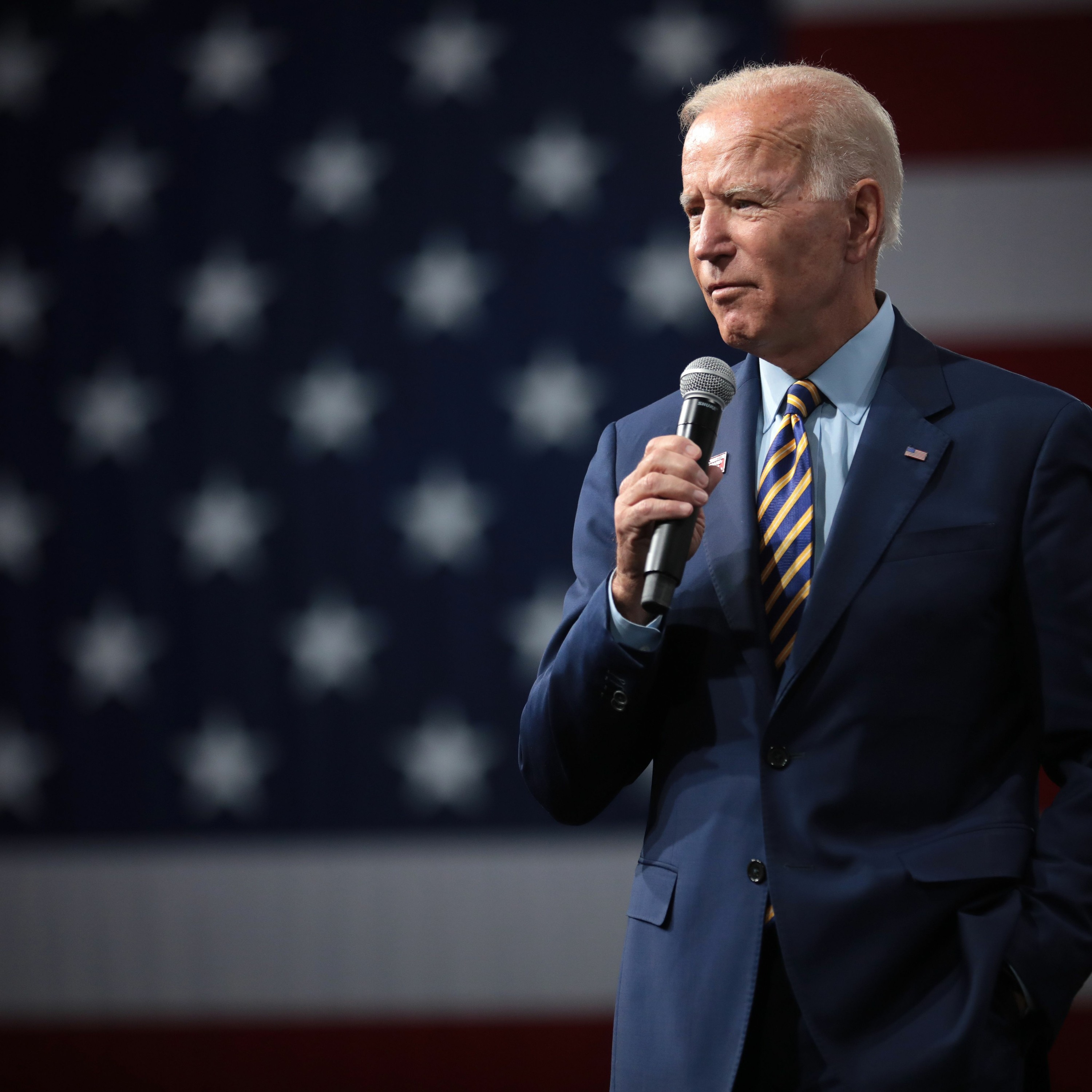
After last week’s discussion with Matt Duss and Jeremy Shapiro, Mark Leonard follows up by gathering the European views on a possible Biden win and its effect on US foreign policy. Vessela Tcherneva, deputy director of ECFR and head of our Sofia office, Jana Puglierin, head of ECFRs Berlin office, Tara Varma, head of ECFRs Paris office and Jeremy Shapiro, ECFR´s research director and in-house US expert analyse what a potential Biden administration would mean for European sovereignty and EU foreign policies. How do expectations differ in France, Germany and Central and Eastern Europe? What would another Trump or Biden administration mean for European security? And could Biden also restore the public image of the US which has worsened during the coronavirus crisis significantly in Europe? This podcast was recorded on 29 July 2020.Bookshelf:-" Falken im Sturm“ by Constanze Stelzenmüller in Internationale Politik - "Counterpart“ -“Twilight of Democracy: The seductive lure of authoritarianism” by Anne Applebaum -“The Song of Achilles” by Madeline Miller -“Quest for Status: Chinese and Russian Foreign Policy” by Alexei Shevchenko and Deborah Welch Larson Hosted on Acast. See acast.com/privacy for more information.
The Biden effect and the future of US-Europe relations | Part I
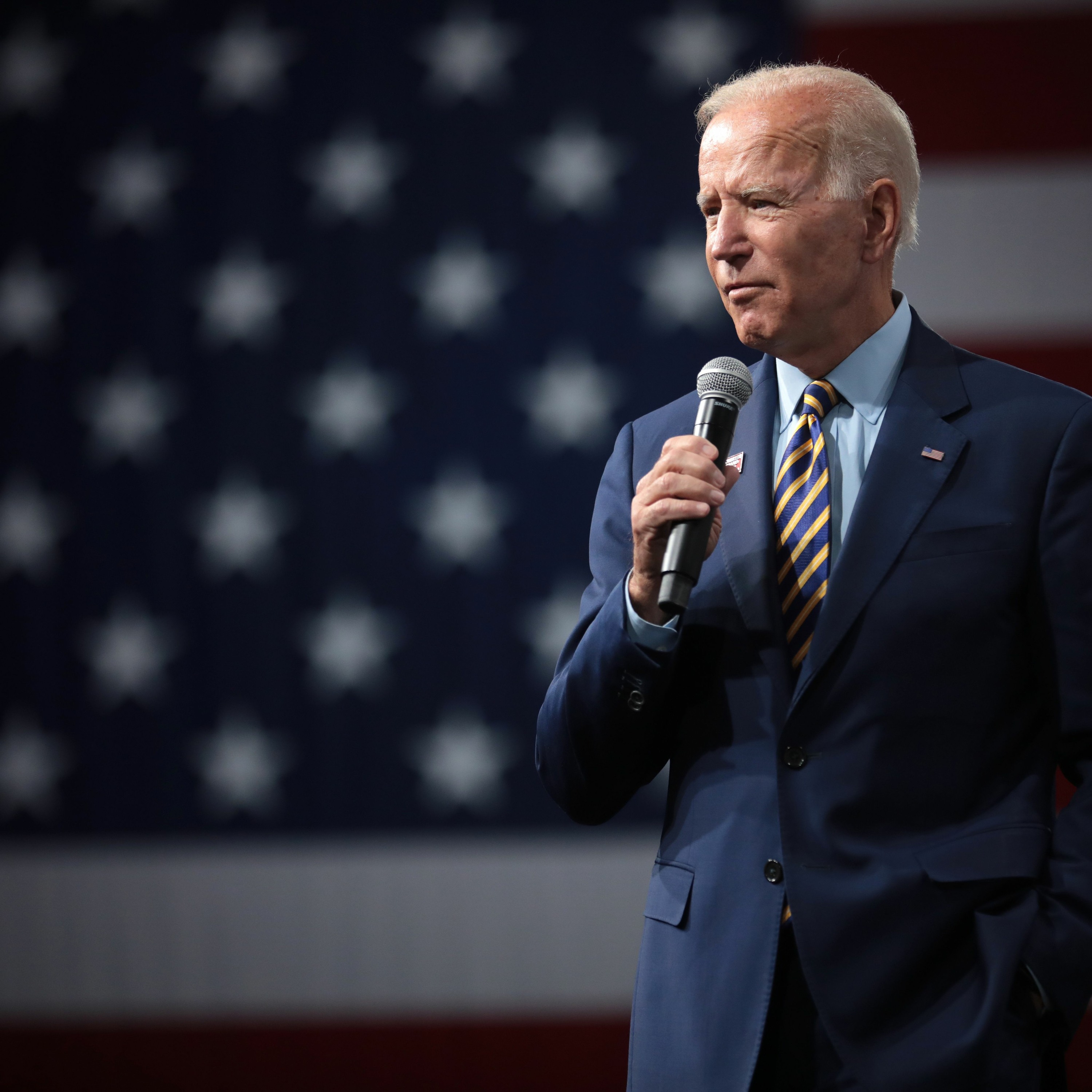
The United States presidential election is approaching and there is no doubt that its result will have a significant and large-scale impact on global politics. Across the Atlantic, European analysts already started to discuss the possible outcomes and what they would mean for Europe and the transatlantic partnership. What changes would a Biden win bring? How could US foreign policy look like under him as President? How would it affect the US-Europe relations? In this week’s podcast, Mark Leonard is joined by Matt Duss, foreign policy advisor to the Bernie Sanders 2020 presidential campaign and Jeremy Shapiro, ECFR´s research director and in-house US expert to discuss what Biden will bring to the table. This podcast was recorded on 29 July 2020Bookshelf: - “Blowback” by Brendan James and Noah Kulwin - “Miles: The Autobiography” by Miles Davis with Quincy Troupe - “Circe” by Madeline Miller - “Why We're Polarized” by Ezra Klein Hosted on Acast. See acast.com/privacy for more information.
The EU’s budget and recovery fund deal – a historic moment for Europe?
The over 90-hour European Council summit in Brussels ended with a deal on a €1.82 trillion financial package. What does this deal mean for the future of Europe? Will the EU recovery fund, made up of €390 billion in grants and €360 billion in loans, be a historic change of our Europe and the eurozone, as Macron said? In this week’s podcast, Mark Leonard is joined by Guntram Wolff, Director of Bruegel, Piotr Buras, head of ECFR's Warsaw office and José Ignacio Torreblanca, head of ECFR's Madrid office to discuss the EU deal on the bloc's budget and economic recovery fund. This podcast was recorded on 22 July 2020 Bookshelf: The Balkans: Nationalism, War and the Great Powers 1804 – 1999 by Misha Glenny https://www.penguinrandomhouse.com/books/311471/the-balkans-by-misha-glenny/ How to Lose a Country: The 7 Steps from Democracy to Dictatorship by Ece Temelkuran http://www.4thestate.co.uk/2018/11/cover-reveal-how-to-lose-a-country-by-ece-temelkuran/ AI Superpowers: China, Silicon Valley, and the New World Order by Kai-Fu Lee https://www.aisuperpowers.com/ Hosted on Acast. See acast.com/privacy for more information.
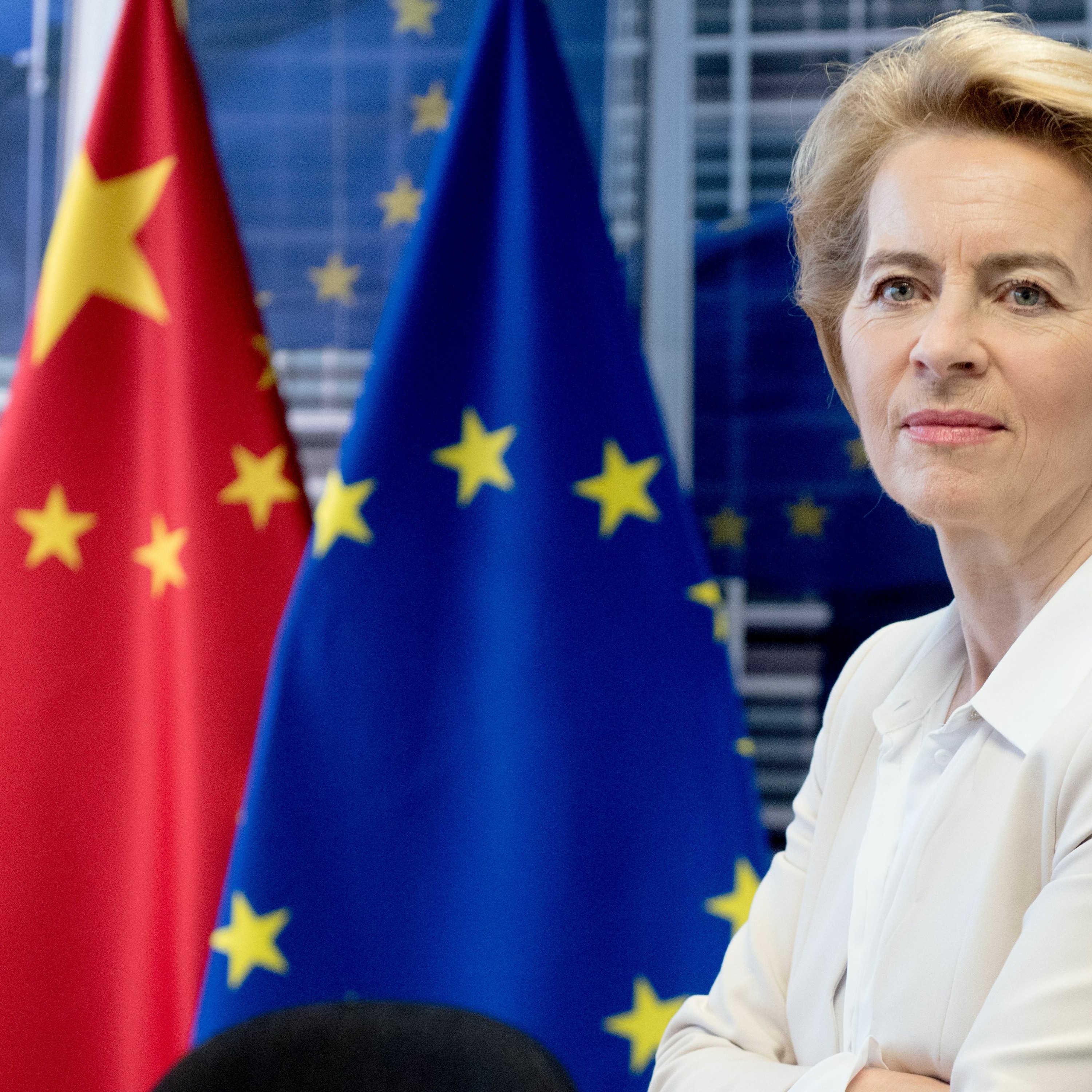
It’s complicated: Europe-China relations in a world of superpower competition
Can Europe compete in today’s new geopolitical realities? Does the Union find itself in a technology war with China? And are at least cooperative solutions with China on climate policies possible? In this week’s podcast, Mark Leonard is joined by Agatha Kratz, Associate Director at Rhodium Group and expert on EU-China relations, Janka Oertel head of ECFR´s Asia programme as well as ECFR co-chair Carl Bildt, former Prime Minister and Foreign Minister of Sweden. Together, they answer these questions and discuss if and how Germany – as current EU Council Presidency holder – can find ways to recalibrate the EU’s handling and approach to China. A Europe Ready to Compete? EU-China relations and new geopolitical realities: https://youtu.be/DaoiVm9zHzE “Europe, China, and Hong Kong: Why new red lines will be worth the cost” by Janka Oertel https://www.ecfr.eu/article/commentary_europe_china_and_hong_kong_why_new_red_lines_will_be_worth_the_c “Booster or Brake? COVID and the Belt and Road Initiative” by Agatha Kratz et al: https://rhg.com/research/booster-or-brake-covid-and-the-belt-and-road-initiative/ “In times of strategic confusion, deeper dialogue is a must” by Carl Bildt: https://www.ecfr.eu/article/commentary_eu_india_relations This podcast was recorded on 13 July 2020.Bookshelf:• “The Paladin: A Spy Novel” by David Ignatius• “Counting the Infected” “The Daily” Podcast by The New York Times • “The Adriatic Sea” by Harry Hodgkinson Hosted on Acast. See acast.com/privacy for more information.
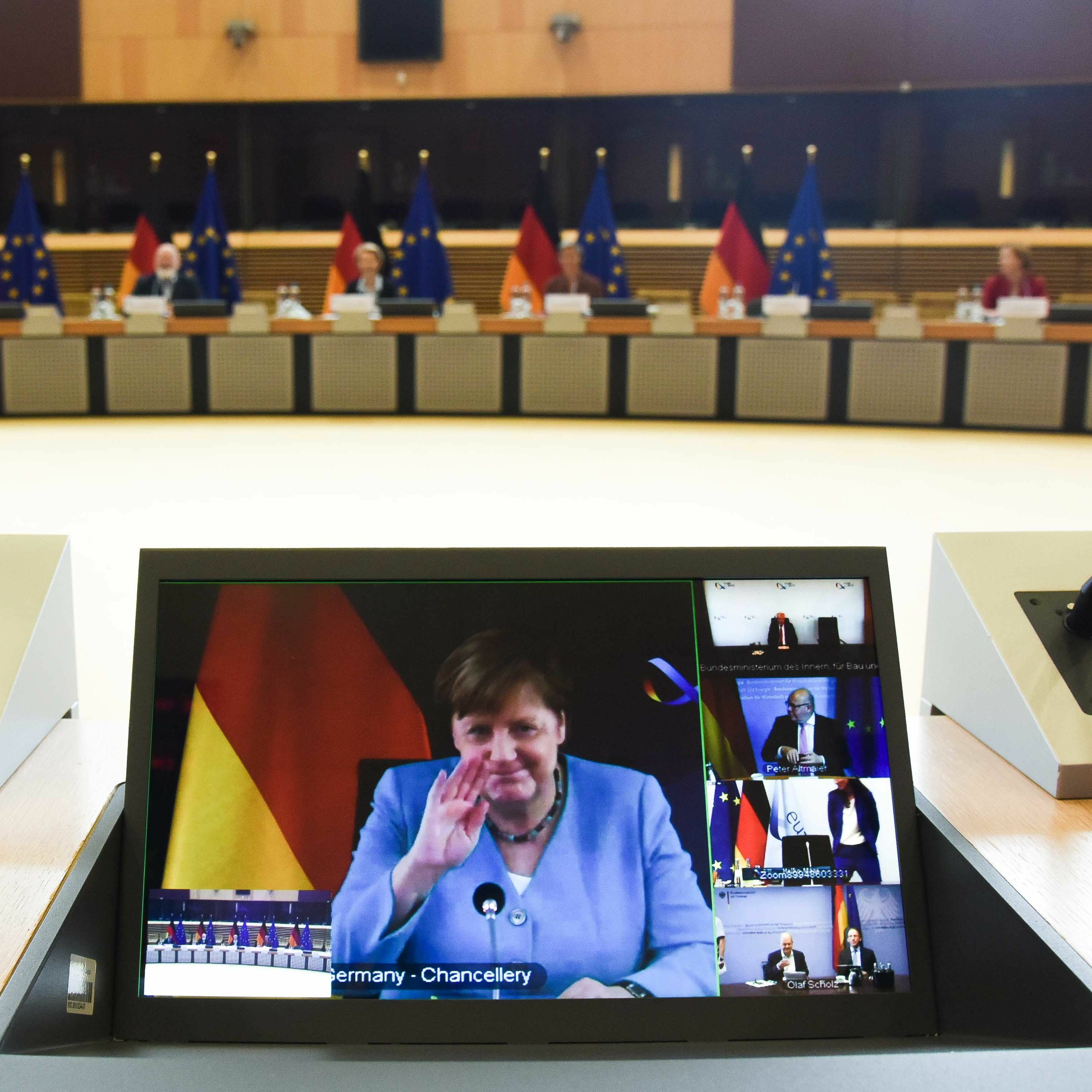
Solidarity and sovereignty: a “mission possible” for Germany’s EU Council Presidency?
In his opening remarks at our virtual Annual Council Meeting, German Foreign Minister Heiko Maas, spoke about Germany’s Presidency of the Council of the EU and the high expectations which are placed on it. According to him, the next six months will be centred around two things: solidarity and sovereignty.In this week’s podcast, Mark Leonard is joined by our expert Jana Puglierin, head of the Berlin office to discuss the German EU Presidency in detail. What are the biggest challenges? Can Germany deliver on a greener, more social, and innovative recovery plan for the EU? Or are the expectations so high that they are set to fail?Watch the opening session of our Annual Council Meeting on Germany in Europe and the German EU Council Presidency here: https://youtu.be/r9FxIX6WapQRemarks from Heiko Maas, Foreign Minister of Germany, at ECFR's virtual Annual Council Meeting 2020: https://www.ecfr.eu/article/remarks_from_heiko_maas_foreign_minister_of_germany_at_ecfr_annual_councilThis podcast was recorded on 3 July 2020Bookshelf:· “Believer: My Forty Years in Politics” by David Axelrod Hosted on Acast. See acast.com/privacy for more information.
Europe’s role in global health & how to build European health sovereignty
“If it’s about Europe´s role in global health, a big part of it is Europe's health sovereignty which we want to make one of the big topics of the German EU Council Presidency”, Germany’s Federal Minister of Health Jens Spahn said in our Virtual Annual Council Meeting. The coronavirus pandemic brought the issue of health sovereignty affront: how can health security be achieved across Europe? In this week’s podcast Mark Leonard is joined by our experts Tara Varma, head of the Paris office, policy fellows Anthony Dworkin and Jonathan Hackenbroich, to discuss the components of European health sovereignty and how it can be attained.Further reading: Health sovereignty: How to build a resilient European response to pandemics by Jonathan Hackenbroich, Jeremy Shapiro and Tara Varma https://www.ecfr.eu/publications/summary/health_sovereignty_how_to_build_a_resilient_european_response_to_pandemics Watch the session from our Annual Council Meeting featuring Jens Spahn and Mark Suzman here: https://www.youtube.com/watch?v=yfwZUU_0wus&feature=emb_title This podcast was recorded on 1 July 2020Bookshelf:-“The lying life of adults” by Elena Ferrante - “The “restructuring” of Hong Kong and the rise of neostatism” by Sebastian Veg - “National power and the structure of foreign trade” by Albert O. Hirschman - “Life and fate” by Vasily Grossman Hosted on Acast. See acast.com/privacy for more information.
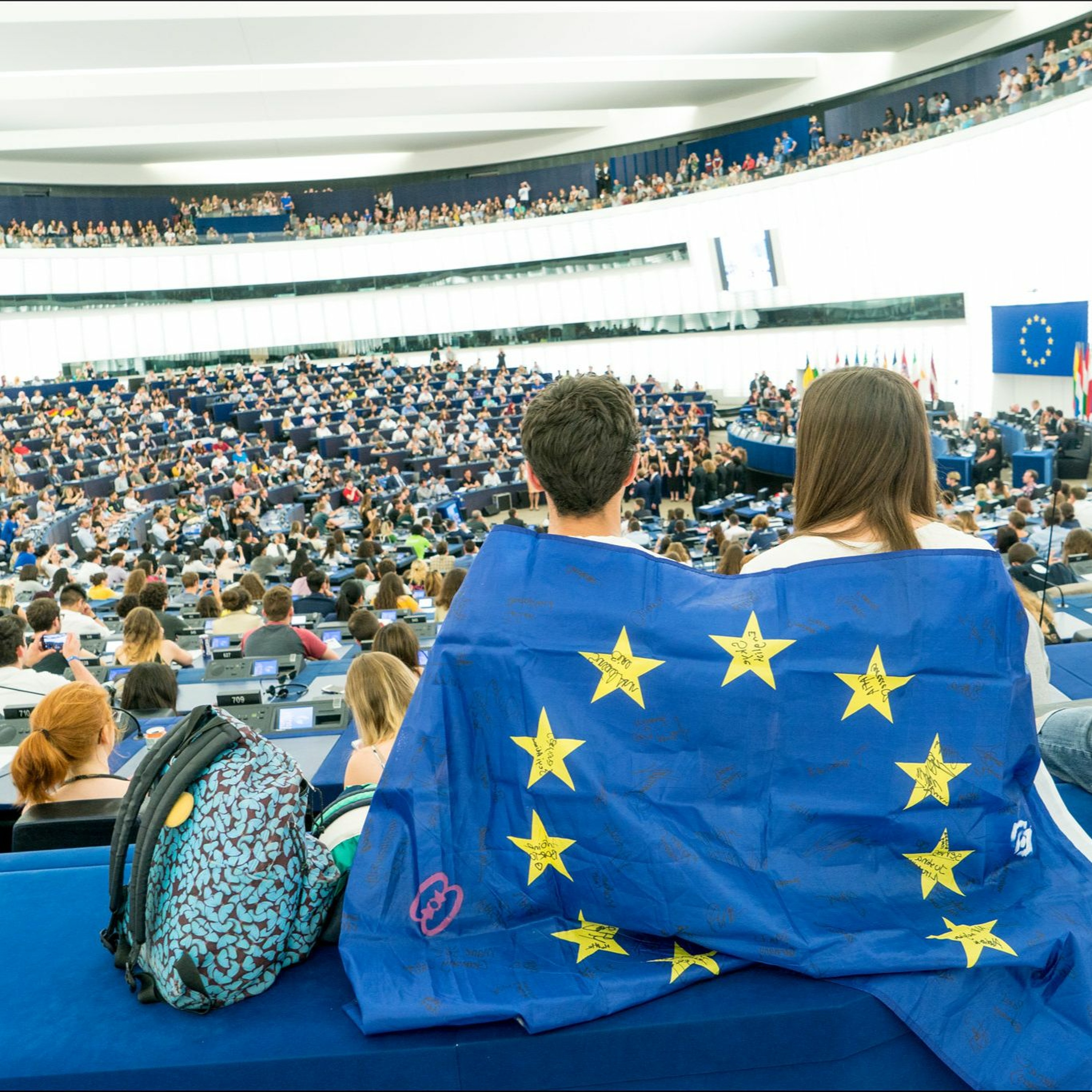
Europe’s pandemic politics: How the virus has changed the public’s worldview
As covid-19 raged, speculation grew that the crisis would re- strengthen public support for the state; faith in experts; and both pro- and anti-Europeanism. But ECFR’s latest research reveals these all to be illusions. Instead, the crisis has revolutionised citizens’ perceptions of global order – scrambling the distinctions between nationalism and globalism. Host Mark Leonard is joined by Ivan Krastev, co-author of the new Unlock study and chair of the Centre for Liberal Strategies in Sofia as well as by ECFR co-chair Lykke Friis and Ismaël Emelien, co-founder of En Marche! and President Emmanuel Macron 's former special advisor for strategy, communication and speeches. Together they discuss the findings of ECFR’s Unlock project: how has the pandemic changed European politics and the Europeans’ view of the EU and the world? Find the paper by Ivan Krastev & Mark Leonard here: https://www.ecfr.eu/publications/summary/europes_pandemic_politics_how_the_virus_has_changed_the_publics_worldview This podcast was recorded on 25 June 2020Bookshelf:-“Is it tomorrow yet?: Paradoxes of the pandemic” by Ivan Krastev -“The uncontrollability of the World” by Hartmut Rosa -“The new progressivism: a grassroots alternative to the populism of our times” by Ismaël Emelien & David Amiel Hosted on Acast. See acast.com/privacy for more information.
Europe’s way out of the coronavirus crisis: from self-interest to solidarity?
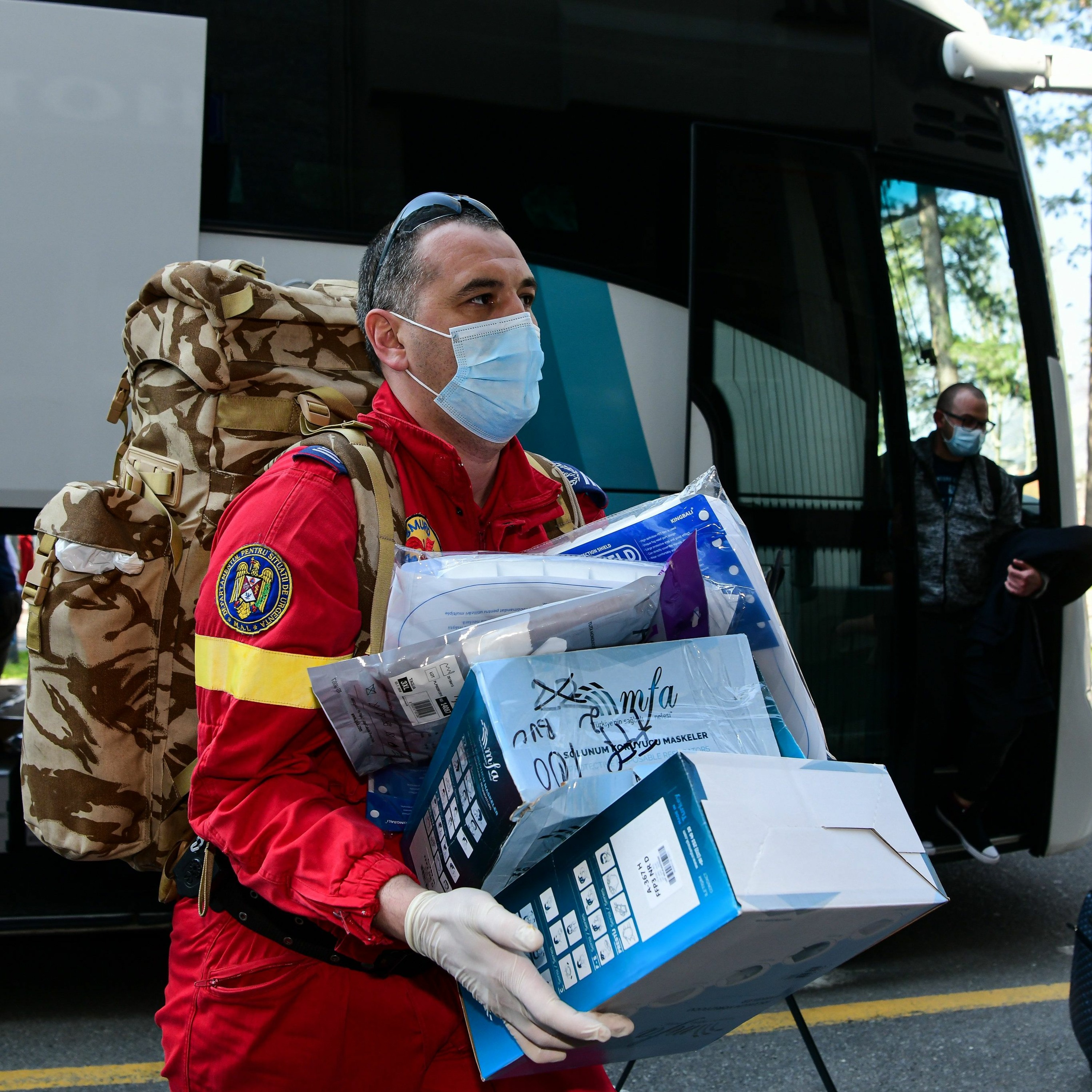
The coronavirus crisis brought about financial hardship for the European Union, and many agree that a recovery fund would be needed to overcome it. In the beginning, countries like Italy and Spain, in particular, felt left alone in dealing with this health, social and economic crisis. And still, support for financial burden-sharing is low in the “frugal” countries which would be the net contributors to such a recovery fund. But does this mean, there a general lack of solidarity in Europe? Can solidarity go in line with member states’ self-interest? In this week’s podcast Mark Leonard is joined by ECFR’s heads of offices Jana Puglierin (Berlin), Arturo Varvelli (Rome) and José Ignacio Torreblanca (Madrid) to discuss how solidarity is perceived across Europe and what ECFR’s Solidarity Tracker can teach us about pan-European solidarity during the covid-19 crisis. Find the European Solidarity Tracker here: https://www.ecfr.eu/solidaritytrackerThis podcast was recorded on 17 June 2020.Bookshelf:· “Forget Hamilton. This Is Europe’s Calonne Moment.” by Trevor Jackson in Foreign Policy· “Russisches Roulette: Vom Kalten Krieg zum Kalten Frieden” by Horst Teltschik · “Germany and the European Union: Europe's Reluctant Hegemon?” by Simon Bulmer, William E. Paterson Hosted on Acast. See acast.com/privacy for more information.
Fighting racism together: anti-racism protests in the US and Europe
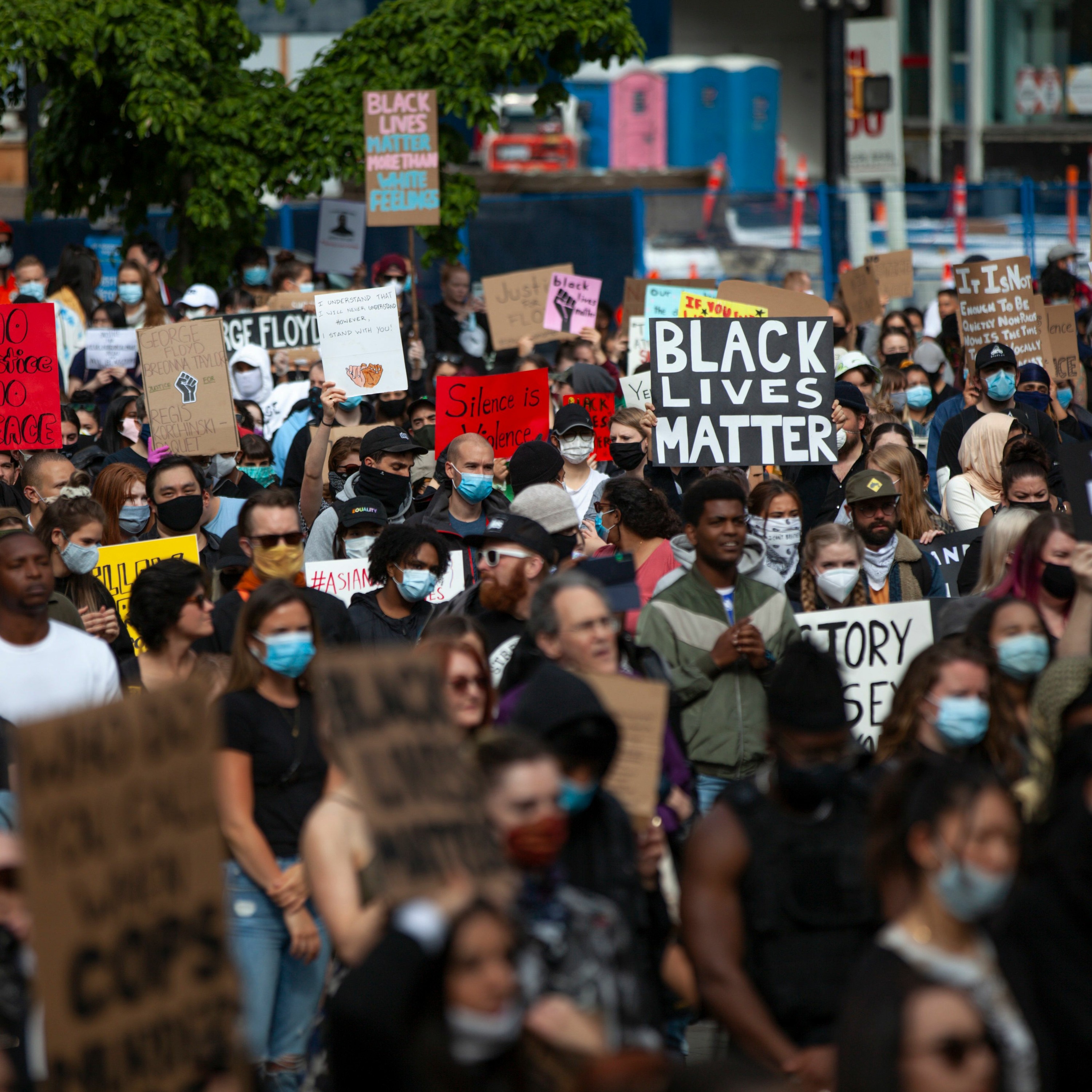
The ongoing anti-racism demonstrations in the United States spurred by the brutal killing of George Floyd spread across the Atlantic. In many European countries, people are getting behind the cause and protesting racism and police violence against BIPOC. How are the demonstrations in France and Germany connected to the ones in the US? Is Europe also starting to confront racial injustice on its own soil? And what does it mean for the transatlantic relationship? In this week’s podcast Mark Leonard is joined by the head of our Paris office Tara Varma, Member of the German Bundestag and Council member Omid Nouripour, as well as Spencer Boyer, director of the Washington office of the Brennan Center for Justice to discuss the recent anti-racism protests and their impact on the transatlantic relations. This podcast was recorded on 10 June 2020.Bookshelf:• "Between the World and Me" by Ta-Nehisi Coates • "Strategy: A History" by Sir Lawrence Freedman• "Time on Two Crosses: The Collected Writings of Bayard Rustin" by Bayard Rustin, Devon Carbado• "Les exilés meurent aussi d’amour" by Abnousse Shalmani• "The Bureau", TV Show•"Mais d'où viens-tu en fait?" Plaidoyer pour un nouvel universalisme by Tara Varma for Huffington Posthttps://www.huffingtonpost.fr/entry/mais-dou-viens-tu-en-fait-plaidoyer-pour-un-nouvel-universalisme_fr_5ede5c61c5b690659234f07d Hosted on Acast. See acast.com/privacy for more information.

Russia’s Syria, Turkey’s Libya?
The attempt of a peace process in Libya is facing several substantial hindrances, where a variety of actors keep on inducing significant upheavals in its territory. Recently Turkey was observed to use Libya more and more as a playing field for its advancements - with some arguing that Turkey is becoming the new Russia on the geopolitical stage. In this week’s podcast Mark Leonard is joined by ECFR policy fellows Asli Aydıntaşbaş, and Tarek Megerisi as well as Nicu Popescu, Director of ECFR´s Wider Europe Program to discuss Turkey’s recent actions and aims in Libya. Is Turkey in Libya mirroring Russia in Syria?See also:“Deep sea rivals: Europe, Turkey, and new eastern Mediterranean conflict lines” by Asli Aydıntaşbaş, Julien Barnes-Dacey, Cinzia Bianco, Hugh Lovatt, Tarek Megerisi: https://www.ecfr.eu/specials/eastern_med This podcast was recorded on 4 June 2020.Bookshelf:- “Libya's Fragmentation: Structure and Process in Violent Conflict” by Wolfram Lacher -“The Great Influenza: Tthe Story of the Deadliest Pandemic in History” by John M. Barry -“Three Byzantine Military Treatises” by George T. Dennis - “The Hacker and the State: Cyber Attacks and the New Normal of -Geopolitics” by Ben Buchanan Hosted on Acast. See acast.com/privacy for more information.
The EU recovery plan – rather a “Merkron” than a “Hamiltonian” moment?
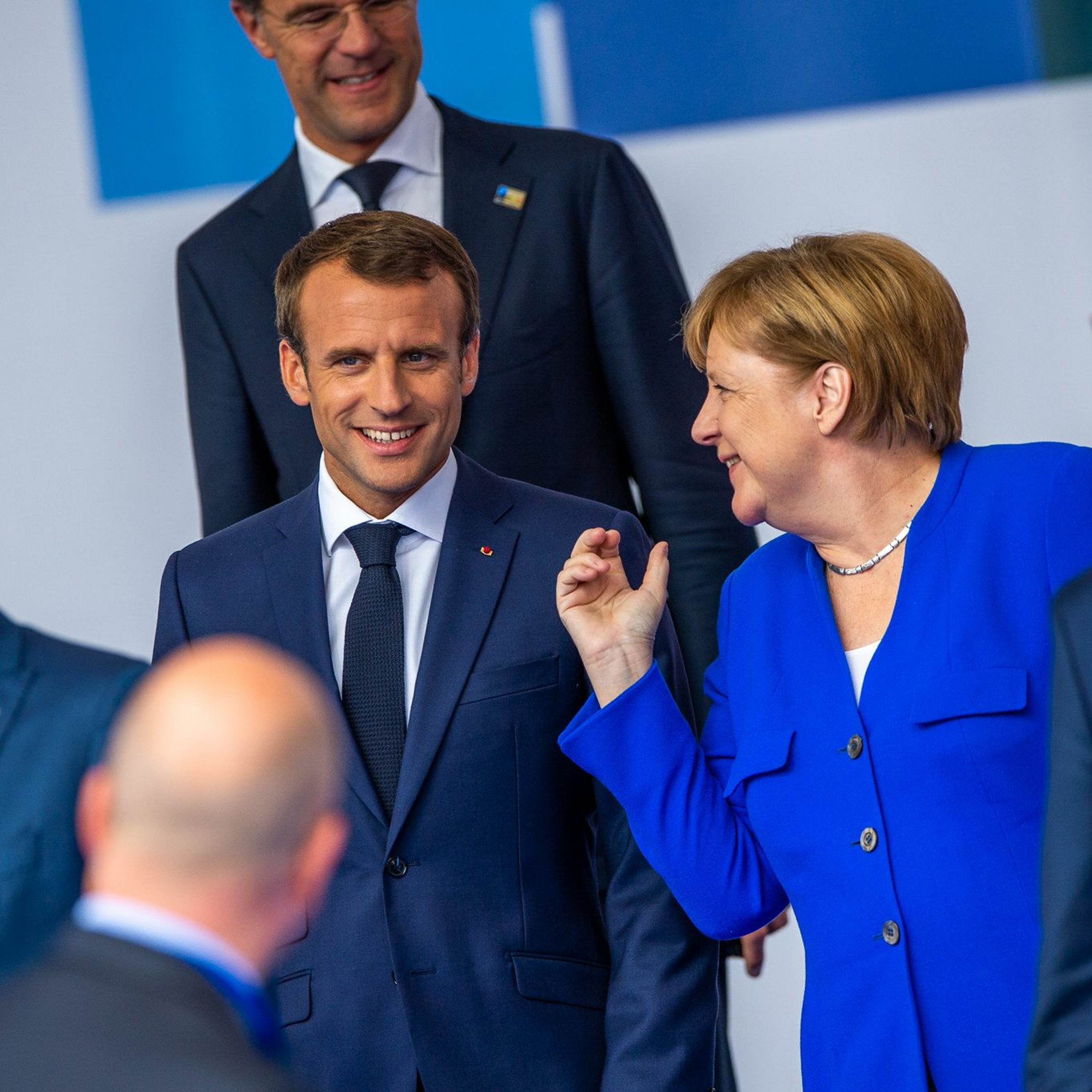
The recent Franco-German proposal for an EU recovery fund sparked a lively debate on possible changes in EU’s nature, suggesting that the plan to raise €500bn through common EU debt and hand it out as grants, not loans, marks an important shift in EU policy. But is this really a “Hamiltonian” moment, as some labelled it? In this week’s podcast Mark Leonard welcomes Lykke Friis, ECFR co-chair and director of the Danish think tank EUROPA; ECFR Council Members Coen van Oostrom, Dutch-based founder and chief executive officer of EDGE Technologies and Jean Pisani-Ferry, Senior Fellow at Bruegel to discuss the ambitious Franco-German proposal and what it means for the future of Europe.This podcast was recorded on 26 May 2020.Bookshelf:· "Helmut Kohl: Eine politische Biographie" by Hans-Peter Schwarz· "The Ride of a Lifetime" by Robert Iger · "How to Fix Globalization—for Detroit, Not Davos" by Lawrence H. Summers in The American Interest Hosted on Acast. See acast.com/privacy for more information.
A triangle deal - How covid-19 is reshaping the global order and EU-China relations
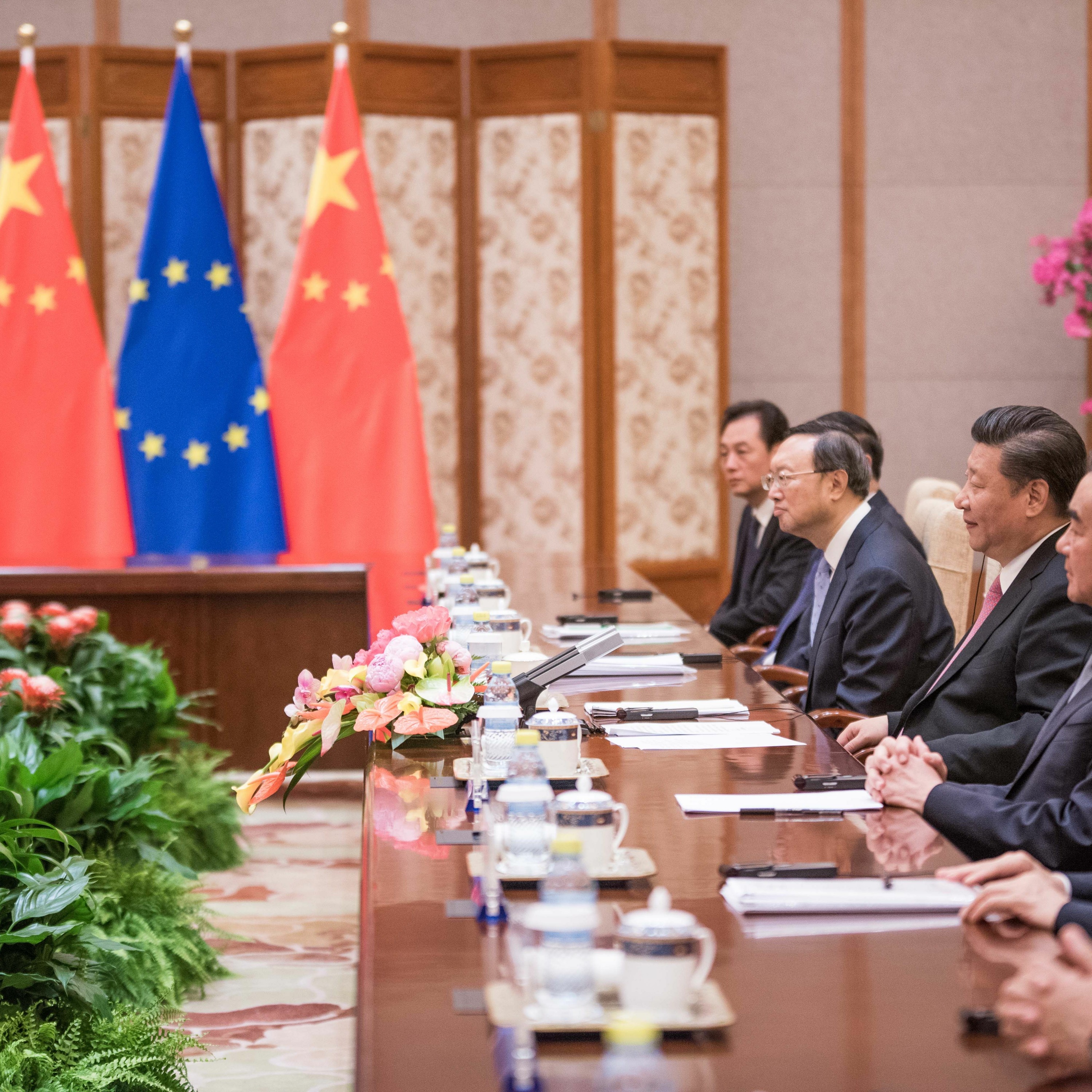
Last year, the European Union published a strategic outlook in which it reviewed China as a partner, competitor and a strategic rival, creating a lively debate about the nature of the EU-China relations. However, this outlook was designed for a pre-corona world. How has covid-19 reshaped the EU-China relations? What changes to the global order will the pandemic bring? Who will be the main actors in the international arena? In this week’s podcast Mark Leonard welcomed Lanxin Xiang, Professor in International History and Politics at the Graduate Institute in Geneva and Director of the Centre of One And One Road Studies, who shares his insights on the changing global order, China’s attitude towards the EU and the Chinese “wolf warrior diplomacy”This podcast was recorded on 20 May 2020.Bookshelf:· "John Maynard Keynes 1883-1946: Economist, Philosopher, Statesman" by Robert Skidelsky · "The meaning of systemic rivalry: Europe and China beyond the pandemi"c by Andrew Small https://www.ecfr.eu/publications/summary/the_meaning_of_systemic_rivalry_europe_and_china_beyond_the_pandemic· "The post-coronavirus world is already here" by Josep Borrell https://www.ecfr.eu/publications/summary/the_post_coronavirus_world_is_already_here Hosted on Acast. See acast.com/privacy for more information.
“We are all in this together” - The coronavirus crisis as a collective emotional experience?
Emotions are an increasingly important part of contemporary politics. Strategies based on fear, nostalgia or hope are used by political leaders all over Europe to mobilize populations. Sociologist Karolina Wigura explored the role of emotions in times of corona in the latest episode of our ECFRQUARANTIMES series. In this week's podcast, this topic will be analysed further with a strong focus on the situation in Poland, the US and France. What are the dominant emotions in these countries? Which people and parties are trying to take advantage of this crisis and transform emotions into policies? What kind of impact covid-19 had and will have on elections? Our Host Mark Leonard is joined by ECFR experts Jeremy Shapiro, Piotr Buras, and Tara Varma. They share their feelings and tell us about the emotional experiences of their countries: how do Poles, the French and US-Americans experiences fear, suspicion and uncertainty in times of corona? Watch: ECFR Quarantimes episode with Karolina Wigura:https://www.ecfr.eu/article/ecfr_quarantimes_5_with_karolina_wiguraThis podcast was recorded on 14 May 2020.Bookshelf:- “We Have Been Harmonised: Life in China’s Surveillance State” by Kai Strittmatter- “The meaning of systemic rivalry: Europe and China beyond the pandemic” by Andrew Small on ecfr.eu- “A Gentleman in Moscow” by Amor Towles- “Is it tomorrow yet?” (working title) by Ivan Krastev based on some of the arguments, he laid out in his article “Seven early lessons from the coronavirus” on ecfr.eu - “Baron Noir”, TV Series Hosted on Acast. See acast.com/privacy for more information.
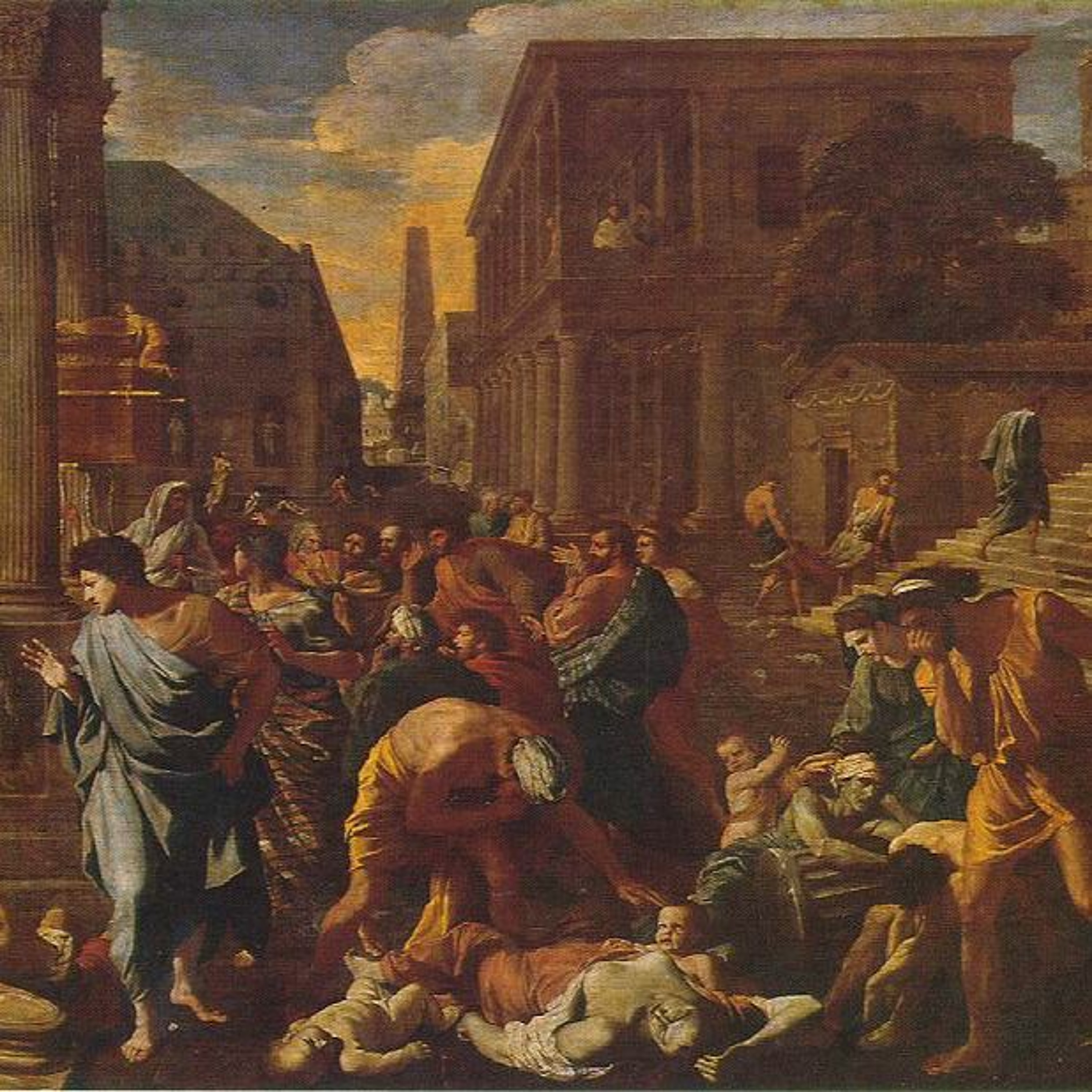
Covid-19 as the first pandemic of globalisation
Epidemics like the coronavirus outbreak are a mirror for humanity. Mark Leonard talked in our ECFR QUARANTIMES session to Frank Snowden, Professor Emeritus of History and History of Medicine at Yale University, about how infectious diseases have shaped societies, inspired political reform, altered the outcome of wars, transformed religion, and entrenched racial and economic discrimination. What lessons can we draw from post pandemic's to prepare our politics, economies and societies for the future? This podcast is a recording of the ECFR QUARANTIMES session, 6 May 2020: https://www.ecfr.eu/article/ecfr_quarantimes_4_with_frank_snowdenBookshelf:“Epidemics and Society: From the Black Death to the Present" by Frank Snowden Hosted on Acast. See acast.com/privacy for more information.
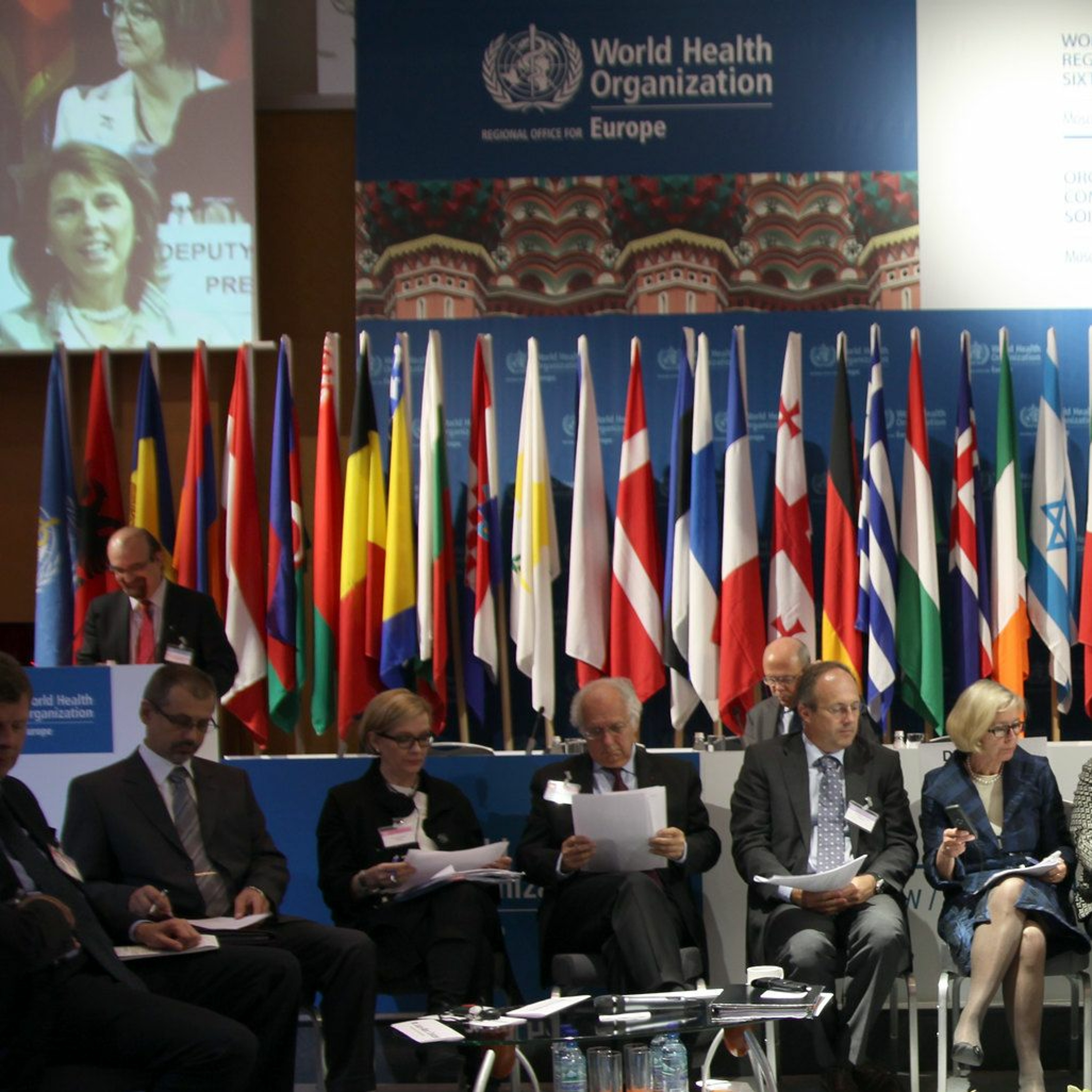
An energizing side-effect? How covid-19 could revive multilateralism
Recently, we have seen funding cuts to the WHO in the middle of the coronavirus crisis and national governments closing borders instead of calling for a G20 or G7 summit. On the positive side, we heard Spanish Foreign Minister Arancha González in our ECFR Quarantimes session arguing that covid-19 could serve as a catalyst for multilateral solutions on global health. But do this week’s podcast guests agree? Mark Leonard is joined by Gunilla Carlsson, former Swedish Minister for international development cooperation, and ECFR Senior Policy Fellow Anthony Dworkin to discuss the future of multilateral institutions like the WHO and what role the EU could play when it comes to global health? Can Europe be the forerunner? ECFR Quarantimes Session with Arancha González: https://www.ecfr.eu/article/quarantimes_arancha_gonzalezThis podcast was recorded on 30 April 2020Bookshelf:- “And the band played on. Politics, people and the AIDS Epidemic” by Randy Shiltz- Collected works by Selma Lagerlöf- “The WHO v. coronavirus: why it can't handle the pandemic” by Stephen Buranyi, The Guardian - “WHO becomes battleground as Trump chooses pandemic confrontation over cooperation” by Colum Lynch, Foreign Policy - “EU limits on medical gear exports put poor countries and Europeans at risk” by Chad P. Bown, Peterson Institute for International Economics - “The Cosmopolitan Tradition: A Noble but Flawed Ideal” by Martha C. Nussbaum Hosted on Acast. See acast.com/privacy for more information.
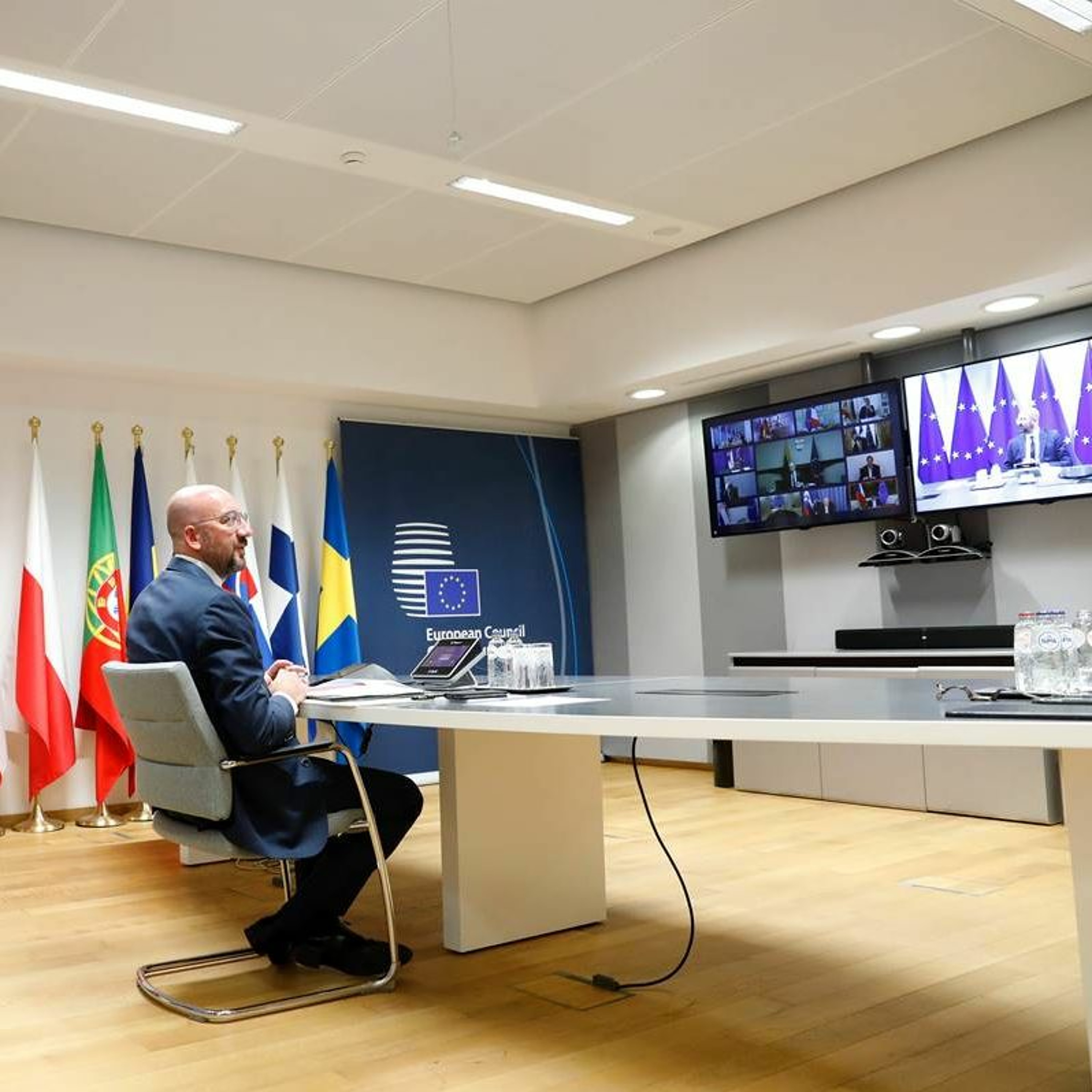
Stumbling into its moment of truth: the EU’s debate over its economic response to covid-19
“We are at a moment of truth, which is to decide whether the European Union is a political project or just a market project. I think it’s a political project… We need financial transfers and solidarity, if only so that Europe holds on”, French President Emmanuel Macron said in an interview with the Financial Times. In yesterday’s virtual EU Council Meeting, the EU tried to rise to this challenge. But did it succeed? Host Mark Leonard is joined by Henrik Enderlein, President at the Hertie School & Director of the Jacques Delors Centre think tank and Jana Puglierin, head of ECFR’s Berlin Office: what have been the expectations for and conclusion of the meeting? What happened to the swirling coronabonds discussion? And what’s Germany’s take on Macron’s vision and way forward for Europe?This podcast was recorded on 24 April 2020Bookshelf- "Macron, Merkel, and Europe's 'moment of truth'" by Tara Varma and Jonathan Hackenbroichhttps://www.ecfr.eu/article/commentary_merkron_no_more - "The Great Transformation" by Karl Polanyi,"The New Progressivism: A Grassroots Alternative to the Populism of our Times" by David Amiel & Ismael Emelien Hosted on Acast. See acast.com/privacy for more information.

App-solutely necessary? Technology as a way out of the coronavirus crisis
Word on the street suggests that technology will be the way out of the coronavirus crisis and the lockdowns in many European countries. This seems to be confirmed by a multitude of projects such as the EU’s Pan-European Privacy-Preserving Proximity Tracing (PEPP-PT), the aim of which is to make it possible to interrupt new chains of infection with the coronavirus. Through apps and data sharing, we will be able to track the spread of the virus, those infected and those who developed a degree of immunity to the disease and thus are allowed to return to participate normally in society. As good as it sounds, however, the issue comes with its own set of profound ethical questions regarding individual rights such as privacy and consent. Our Host Mark Leonard is joined by ECFR experts Ulrike Franke and Anthony Dworkin as well as independent researcher and broadcaster Stephanie Hare to break down the current discourse around tech in the age of corona and its implications.This podcast was recorded on 15 April 2020.Bookshelf“The age of surveillance capitalism” by Shoshana Zuboff“In the shadow of justice” by Katrina Forrester“Pale rider” by Laura Spinney“The mirror of yoga” by Richard Freeman Hosted on Acast. See acast.com/privacy for more information.
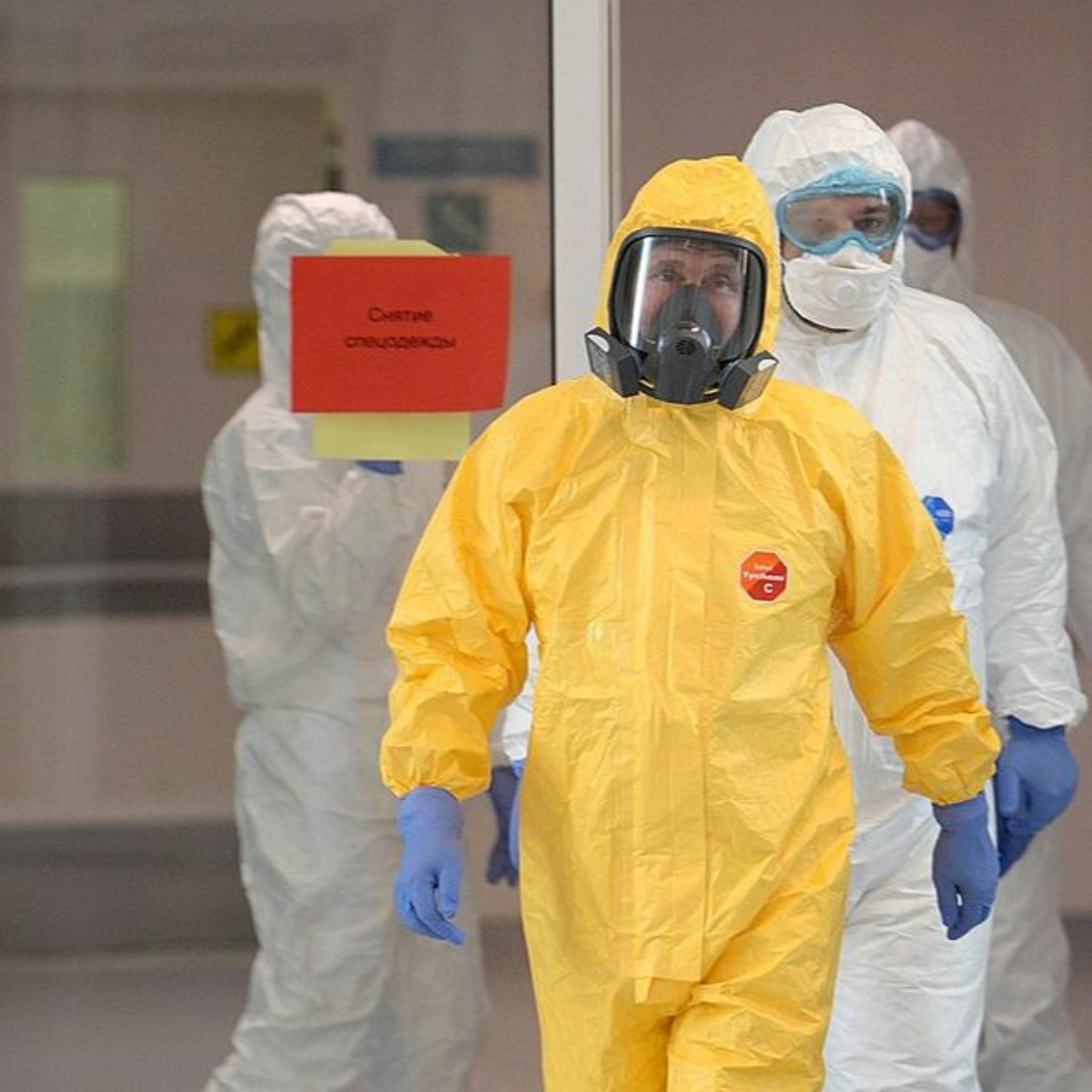
As covid-19 arrives, Putin disappears – Russia in the age of corona.
How is Russia dealing with covid-19? What impact does the pandemic have on the other underlying political issues in Russia – such as the change of the constitution and Putin’s decision to essentially stay in power until 2036? Our ECFR experts also point out the strange absence of the Russian leader from the fight against corona – has covid-19 as well as the oil price crisis caused more turbulence and chaos in the country as he wants to admit? Host Mark Leonard, Gustav Gressel, Kadri Liik and Nicu Popescu come forward with analyses and predictions: if the EU doesn’t handle the crisis well, could Russia have been right in its Hobbsian view of the world? Check out our “Dive Deep into Russia” lecture series by the ECFR Wider Europe Programme!Bookshelf:- "The Idiot" by Fyodor Dostoyevsky - "The Rise and Fall of 'Neutral' Sweden's Secret Reserve Option of Wartime Help from the West" by Robert Dalsjö- "Чужая и наша война - Сборник стихотворений и песен о военной операции Вооружённых Сил Российской Федерации против международных террористов в Сирийской Арабской Республике” by Сост. В.А. Силкин - "Why Russians don't get coronavirus” by Albatros - "Summertime" by JM Coetzee - "Discovering Judith Shklar sceptical liberalism of fear” by Samantha Ashenden & Andreas HessThis podcast was recorded on 8 April 2020. Hosted on Acast. See acast.com/privacy for more information.
Bonding over coronabonds? How the financial question divides Europe
The EU members states have been caught up in a heated discussion on possible European ‘coronabonds’, a joint debt assistance by the Union to help those countries hit by the virus particularly hard. Soon enough, the discussion seemed to produce little of substance and rather to ignite previously existing divides between the member states in regard to a common fiscal policy and mutualisation of debt. In this unprecedented crisis, in which solidarity should be more than ever the Union’s raison d’être, what is the correct course of action? And, should a final solution not be met, what is at stake for Europe? Host Mark Leonard is joined by Guntram Wolff, Director of Bruegel, Jose Ignacio Torreblanca, and Jonathan Hackenbroich to break down the situation and a possible way forward. This podcast was recorded on 1 April 2020.Bookshelf:Love in the time of cholera by Gabriel Garcia MarquezRadical Uncertainty: Decision-making for an Unknowable Future by Mervyn King and John Kay Hosted on Acast. See acast.com/privacy for more information.

Geopolitics in the coronavirus era – who will be crowned winner?
Last week’s episode saw our experts dissecting the coronavirus’ implications for Europe. In today's episode, we’re breaking down how the crisis is unfolding in the rest of the world. From the Middle East to Russia and Asia, and all over across the Atlantic – what long-term effects could it have on these regions? And what does it mean for geopolitics, the global system and its institutions? Our Host Mark Leonard is joined by the ECFR heads of programme Julien Barnes-Dacey, Susi Dennison, Janka Oertel & Nicu Popescu to discuss how the virus is manifesting in these regions, and the implications it carries with it – and it doesn’t look too good. For all the gloominess this podcast will create, our experts recommend turning to poetry for some soul-healing. Recommendations below!Bookshelf:- "The Love Song of J. Alfred Prufrock" by T.S.Elliot - "Happy Everyday" by Benjamin Zephaniah - "MBS: The Rise to Power of Mohammed Bin Salman" by Ben Hubbard- "Sandworm" by Andy Greenberg- "The Pursuit of Power" by William H. McNeill- "Weapons of Math Destruction: How Big Data Increases Inequality and Threatens Democracy" by Cathy O'Neil - "The Psychology of Pandemics. Preparing for the Next Global Outbreak of Infectious Disease" by Steven Taylor - "The Coronavirus pandemic and the new world it is creating" by Josep BorrellThis podcast was recorded on 25 March 2020. Hosted on Acast. See acast.com/privacy for more information.
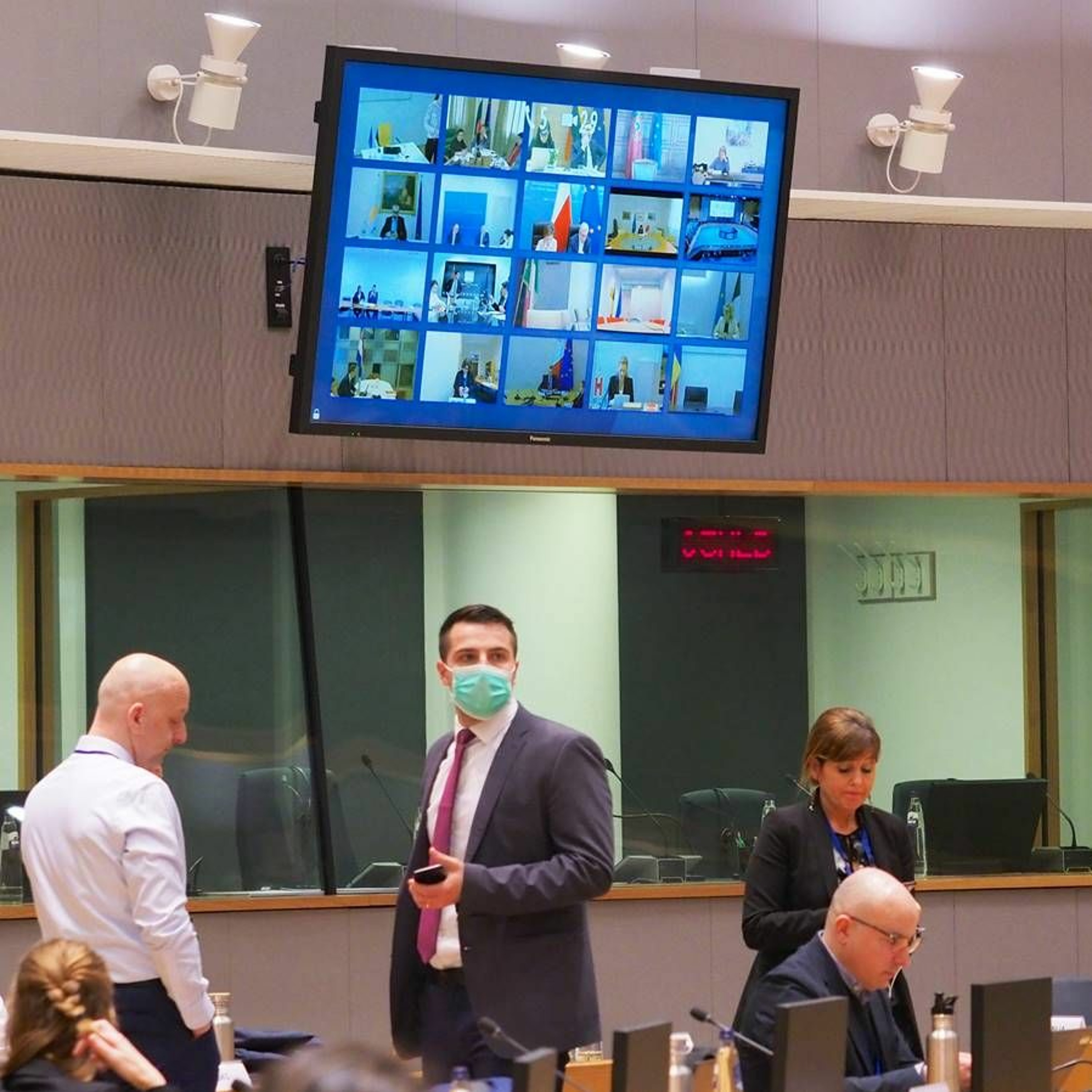
Corona Angst – How the virus puts the European Project and globalisation at risk
Recently declared a global pandemic, it is undeniable that the coronavirus will be a global political, social, financial and economic crisis - requiring actions that reach far beyond unilateral measures by single states. Within Europe, the virus seems to be calling into question the fundamentality of a shared European solidarity also due to rising dissatisfaction at the lack of a coordinated response. Whilst it is too early to tell, to what extent, it seems more and more certain that this crisis will have long-lasting consequences for the European project and life as we know it. Host Mark Leonard is joined by his fellow home office workers Jana Puglierin, Arturo Varvelli, Jose Ignacio Torreblanca and Pawel Zerka to dissect the European response to the COVID-19 pandemic. This podcast was recorded on 18 March 2020. Bookshelf:"We need to talk about Putin" by Mark Galeotti“The bethrothed” by Alessandro Manzoni“I burn Paris” by Bruno Jasienski“Europe and the virus: The battle of narratives” by Pawel ZerkaFurther reading: www.ecfr.eu/coronavirus Hosted on Acast. See acast.com/privacy for more information.
Many elephants in the room: the EU and the Turkey, Syria, coronavirus and refugee crises
The European Union faces a multi-crisis situation at the moment. As the conflict in Idlib and the circumstances at the Greek-Turkish border has erupted, Europe seems to have troubles to respond to latest developments in the Syrian war and threats from Turkey.Host Mark Leonard is joined by ECFR co-chair and former Prime Minister of Sweden, Carl Bildt as well as by the ECFR experts Asli Aydintasbas and Julien Barnes-Dacey to discuss the reasoning behind Ankara’s recent moves and the EU’s reactions. How to avoid a 2015-like situation but without tossing its own values and human rights out off the window? And how to deal with the other seats of fire within the Union itself?This podcast was recorded on 12 March 2020.Further reading:- Syrian voices: Where next for European policy?https://www.ecfr.eu/article/commentary_syrian_voices_where_next_for_european_policyBookshelf:"The Anarchy" by William Dalrymple"Pax Sinica: implications for the India dawn" by Samir Saran & Akhil Deo"Black Lamb and Grey Falcon" by Rebecca West"Blame Europe, not just Turkey, for migration deal collapse" by Kati Piri on politico.eu"Beyond blackmail at the Greek-Turkish border" by Nathalie Tocci on politico.eu"Clash of Empires: Currencies and Power in a Multipolar World" by Charles Gave & Louis-Vincent Gave Hosted on Acast. See acast.com/privacy for more information.
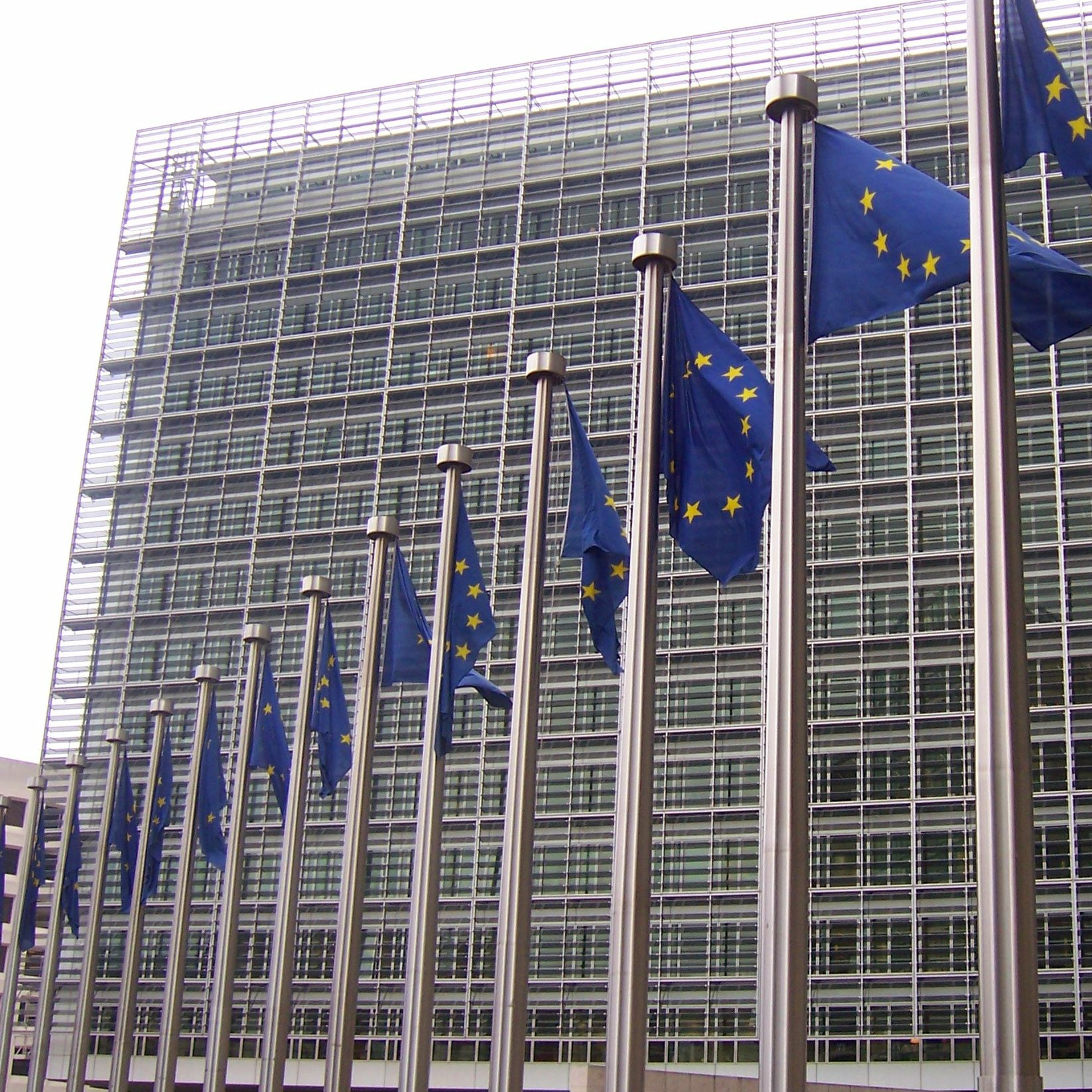
The EU as regulatory superpower: can EU law be a geopolitical tool?
This week’s podcast episode sees very special participation from Anu Bradford, law professor at Columbia and author of “The Brussels Effect: How the European Union Rules the World”. Bradford’s book focuses on the way the EU manages to continuously set standards and have a say in the global playing field by unilaterally regulating its powerful single market, and consequentially reinforcing its status as a global powerhouse. Joined by our usual Host Mark Leonard and Head of ECFR Berlin Jana Puglierin, and drawing on many examples from the digital economy to climate change, this episode explores how a global regulatory race to the top will be how the EU gets to have a say in the 21st century.Bookshelf:- The Brussels Effect by Anu Bradford - “The Great Reversal: How America Gave Up on Free Market ” by Thomas Philippon - “The World as It Is” by Ben Rhodes - “The Sanders Doctrine” in The Atlantic by Uri Friedman This podcast was recorded on 2 March 2020. Hosted on Acast. See acast.com/privacy for more information.
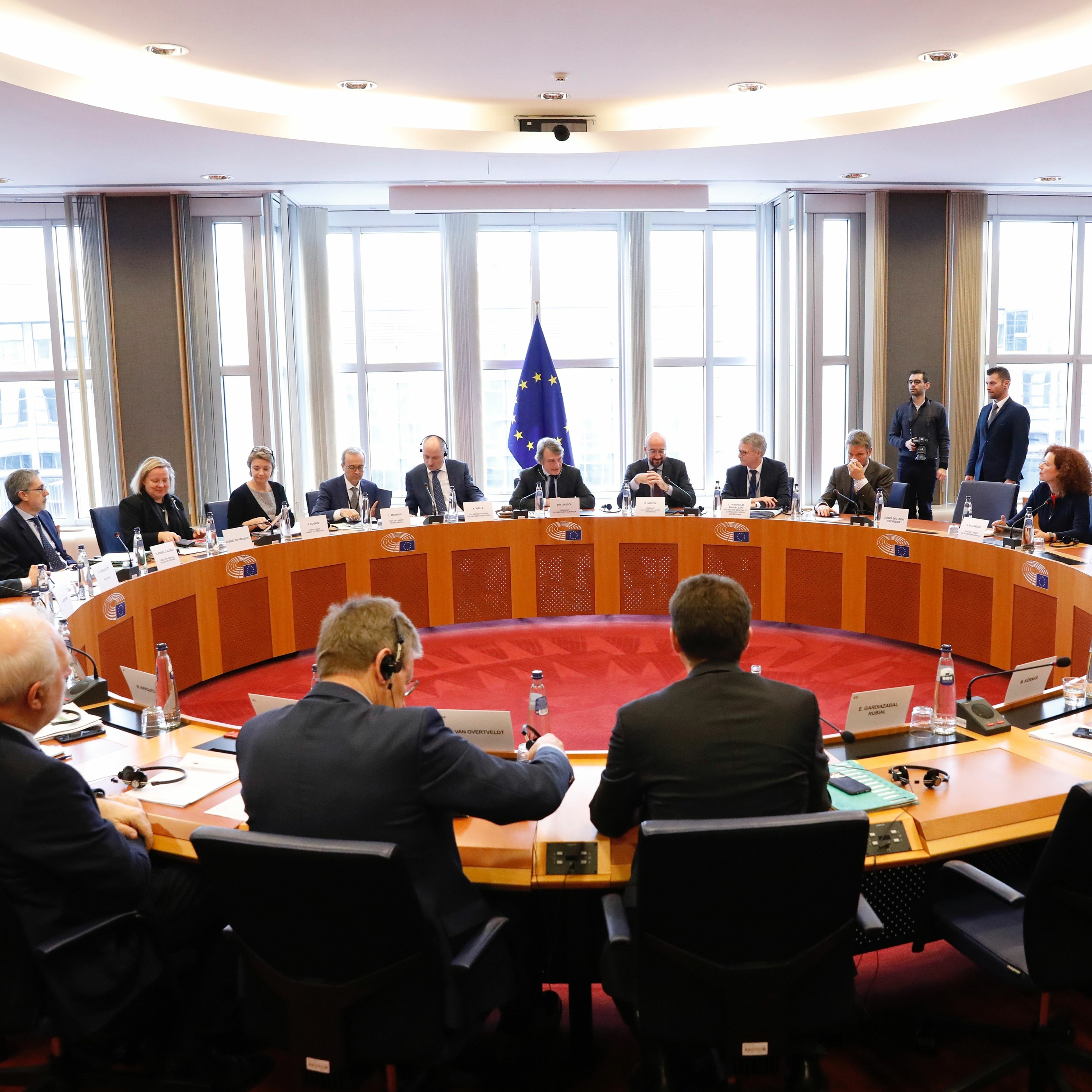
You better bring a book – the start of the EU’s lengthy budget talks
Negotiations over the Multiannual Financial Framework (MFF) for 2021 – 2027 just have started. But as tensions and divergences between the EU member states are rising, a final agreement seems considerably far away for now. The European Union is subject to a series of unprecedented constraints, the most significant one being the UK’s departure and the withdrawal of the money it once granted. Still, the implications of the budget allocation are manifold and extremely far-reaching. It will affect major themes which stand at the very basis of the Union and its future role on the global stage, such as national sovereignty, climate and innovation. Our Director Mark Leonard is joined by ECFR co-chair and director of the Danish think tank EUROPA Lykke Friis, as well as ECFR experts Jonathan Hackenbroich and Pawel Zerka to dissect the ongoing status of the discussions. Inspired by Dutch Prime Minister Mark Rutte, here are some recommendations by our podcast crew on what to read during the long hours of MFF negotiations: Bookshelf:- “Den nya oredans tid” by Carl Bildt - “The three escapes by Hannah Arendt” by Ken Krimstein - "The books of Jacob“ by Olga Tokarczuk - “Exorbitant Privilege: The Rise and Fall of the Dollar and the Future of the International Monetary System” by Barry Eichengreen -- - "Håbets Europa” by Lykke Friis - "En kuffert i Berlin: Rejse i Angela Merkels Tyskland“ by Lykke FriisThis podcast was recorded on 25 February 2020.Picture (c) European Union Hosted on Acast. See acast.com/privacy for more information.
Feeling the Westlessness at the Munich Security Conference 2020
The annual Munich Security Conference was themed "Westlessness" defining “a widespread feeling of uneasiness and restlessness in the face of increasing uncertainty about the enduring purpose of the West”. Is the West becoming less relevant in global affairs? Are the West’s international partnerships endangered? And if so, what will the world look like in the future? Our Director Mark Leonard is joined by an all-star ECFR cast including Janka Oertel, Ulrike Franke, Ellie Geranmayeh and Jeremy Shapiro, for a very special episode recorded straight from the MSC – and covering everything from 5G, China, Iran and the future of Europe’s transatlantic relationship.Further readingsLand of the lost: My trip to the Munich Security Conference by Jeremy ShapiroEurope, 5G, and Munich: The China challenge and American mission by Janka OertelFacing the West’s Demons: The 2020 Munich Security Conference by Mark LeonardWestlessness: Lessons from the Western Balkans by Majda RugeCharm defensive: Macron and the Germans at the Munich Security Conference by Jana PuglierinThis podcast was recorded on 15 February 2020.Picture (c) MSC/Becker Hosted on Acast. See acast.com/privacy for more information.
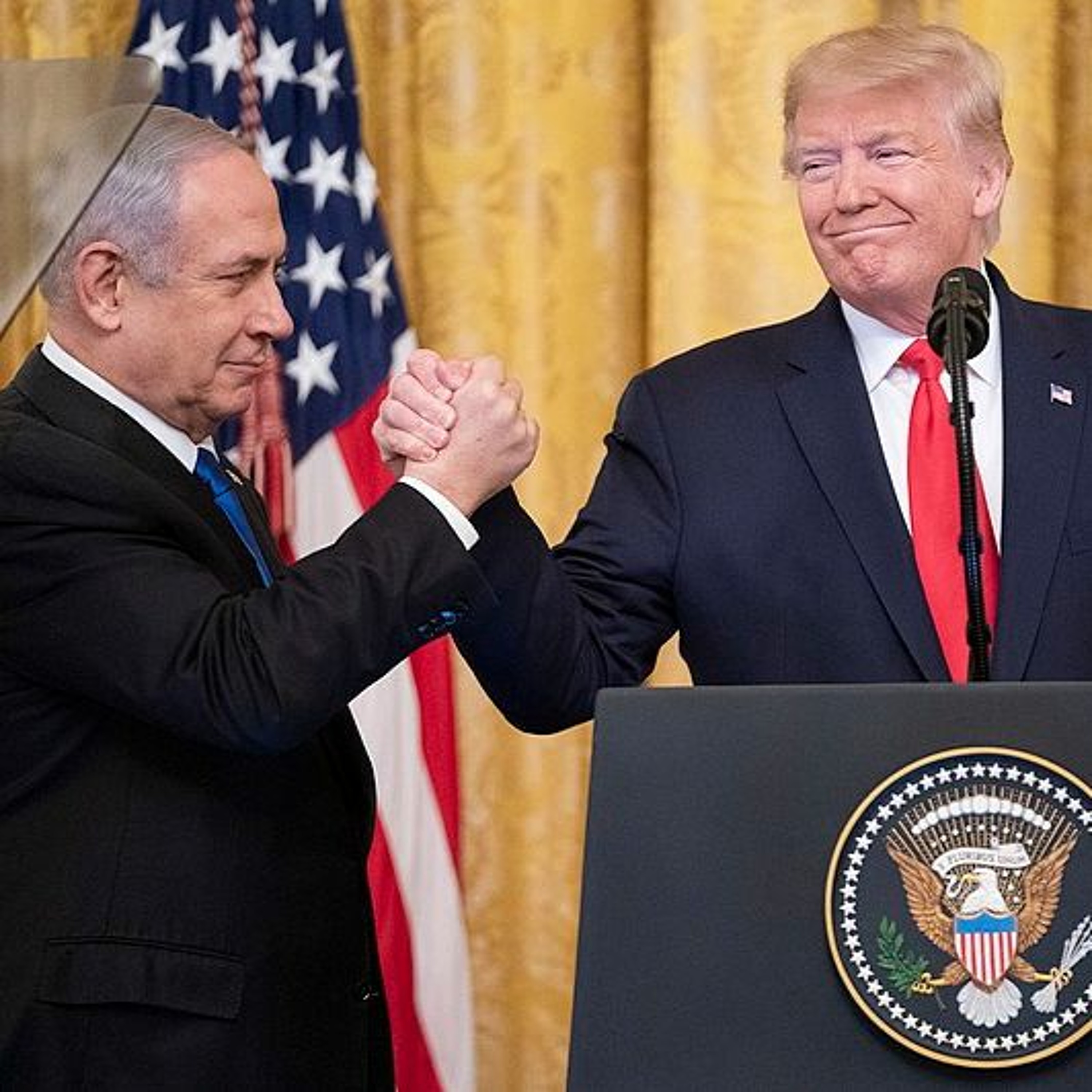
Trump’s “Deal of the Century” debunked: is there something in it for Palestine at all?
When US-President Donald Trump revealed his much-awaited plan for peace for Israel and Palestine it was set to solve one of the world's longest-running conflict. But this “deal of the century” was not met with the same enthusiasm in Palestine as it was seen on Trump’s and Netanyahu’s faces – to say the least. Host Mark Leonard and our MENA experts Hugh Lovatt and René Wildangel are analysing in depth the “Peace Plan” and show how little there is actually in it for the Palestinians. “The proposal clearly challenges the internationally agreed parameters,” said the EU’s chief diplomat Josep Borrell. But what can and should Europe do beyond statements? Further read: From negotiation to imposition: Trump’s Israel-Palestine parameters by Hugh LovattBookshelf:"Drinking the Sea at Gaza: Days and Nights in a Land Under Siege" Amira Hass"The living mountain" by Nan Shepherd"My Struggle" by Karl Ove Knausgård"Embracing Europe’s Power" by Josep BorrellThis podcast was recorded on 12 February 2020. Hosted on Acast. See acast.com/privacy for more information.

To Huawei or not to Huawei
Last week the European Commission published its EU Toolbox on 5G Cyber Security, with the aim of aiding the Member States in evaluating the risks associated with future usage of 5G infrastructure and networks. This was a step forward given the polarising debate surrounding the role of Chinese telecommunications firms like Huawei and ZTE within a future 5G network in Europe. The decision, however, will ultimately be a national one taken by individual member states. Our Director Mark Leonard is joined by Asia Programme Director Janka Oertel and Project Director of Stiftung Neue Verantwortung Jan-Peter Kleinhans to discuss the significance and implications of the toolbox and what this might mean for the EU.Bookshelf:"The logic of strategic assets" by Jeffrey Ding and Allan Dafoe "The Path to Power" by Robert Caro "Clash of Empires: Currencies and Power in a Multipolar World" by Charles Gave and Louis Vincent Gave "All the Names" by Jose SaramagoThis podcast was recorded on 5 February 2020. Hosted on Acast. See acast.com/privacy for more information.
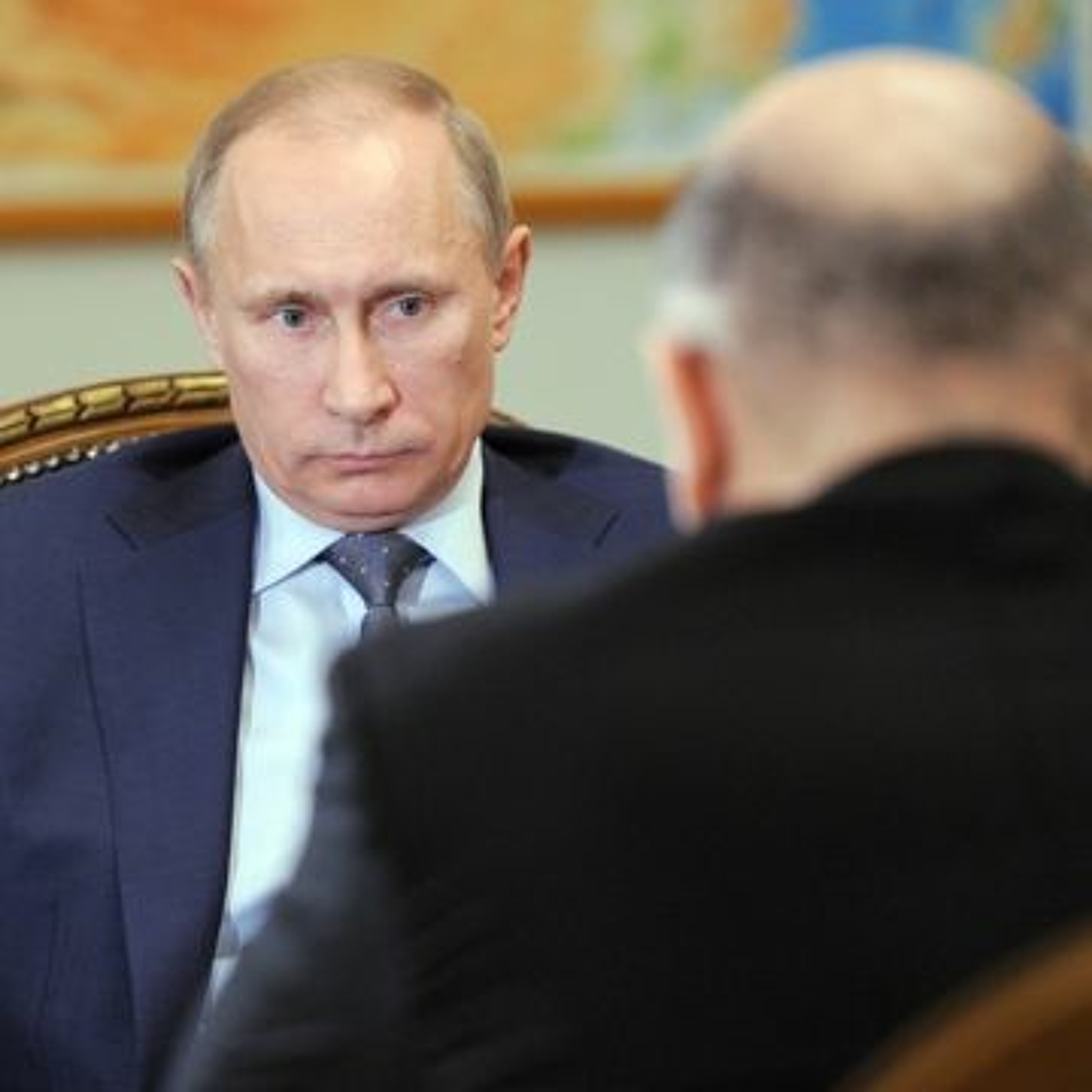
Reshuffling Russia's leadership - old wines in new bottles?
It came as a surprise when Russia’s government resigned just hours after Putin’s announced his plans for a possible referendum of constitutional changes. Host Mark Leonard is joined by Kadri Liik and Gustav Gressel to elaborate on the recent political changes that have happened in the world’ largest country over the course of just the past weeks. What role will Putin play in the future in Russia and on the global stage? Is there a change to recent the relationship between the EU and Moscow? And was does this all mean to Belarus, Ukraine and the NordStream 2 project? Further read:- "Will he stay or will he go? Putin’s role will change" by Kadri Liik- " The last of the offended: Russia’s first post-Putin diplomats" by Kadri LiikBookshelf:- "Brennender Enzian: Die Operationsplanung der NATO für Österreich und Norditalien 1951 bis 1960" by Dieter Krüger - "Admissions" by Henry Marsh"When Breath Becomes Air" by Paul Kalanithi- "Traditions and Trends in Global Environmental PoliticsInternational Relations and the Earth" ed. by Olaf Corry & Hayley StevensonThis podcast was recorded on 27 January 2020. Hosted on Acast. See acast.com/privacy for more information.
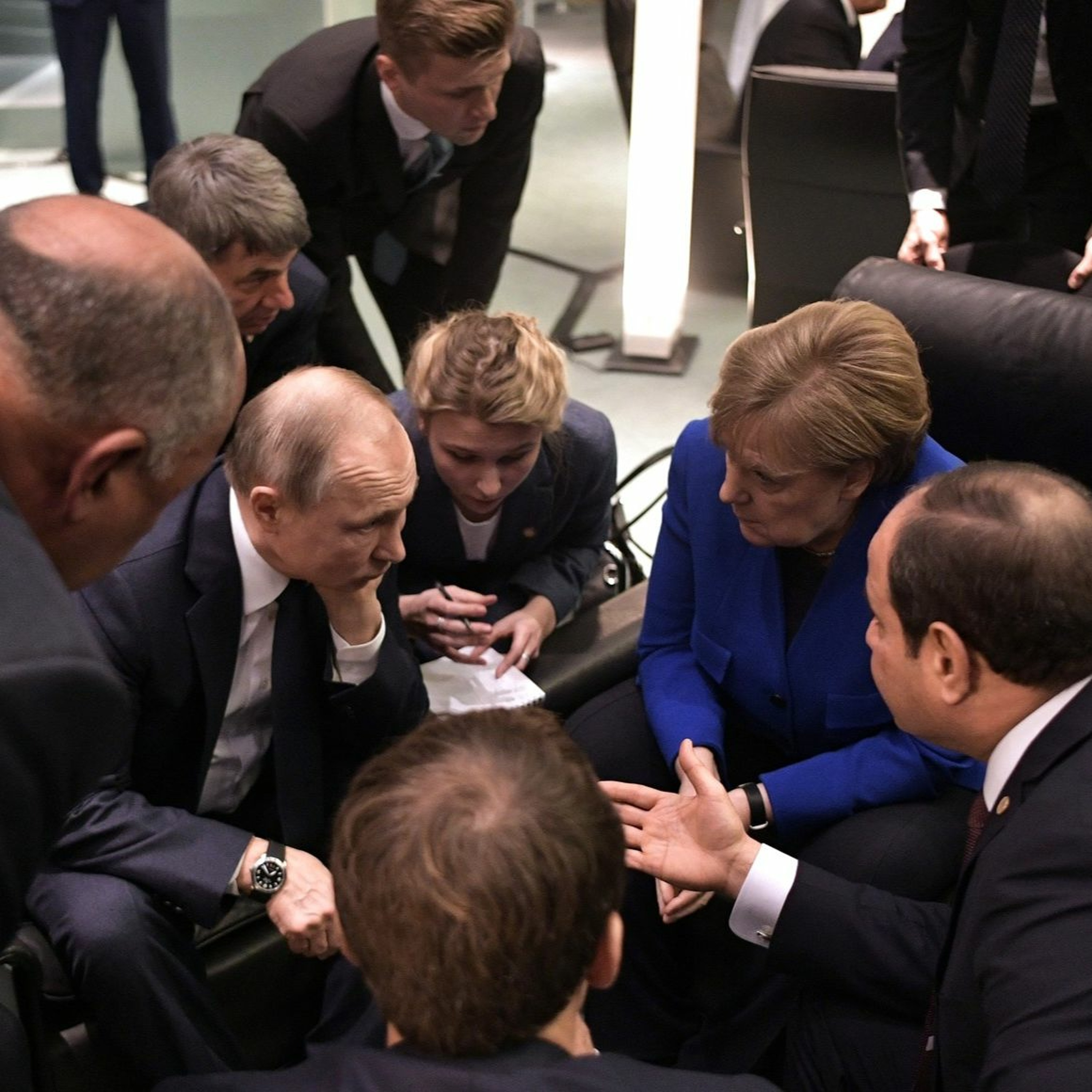
The Berlin Libya Conference: a moment to shine for European foreign policy?
Anthony Dworkin stands in for our usual host, Mark Leonard, to de-brief the Berlin Conference on Libya. Together with the ECFR’s experts Asli Aydıntaşbaş, Tarek Megerisi and Arturo Varvelli, he discusses Europe’s attempt to get back in the game in Libya after the country has been torn apart by many foreign forces and players. They evaluate the conference’s turnout and analyse the final agreements – while also looking at another question: what does this all say about European foreign policy?This podcast was recorded on 23 January 2020.Bookshelf:- "The Confines of the Shadow" by Alessandro Spina - "International Schemes, Libyan Realities" by Wolfram Lacher- "The Balkan Trilogy" by Olivia ManningFurther read on ecfr.eu- Views from the capitals: The Libya conference in Berlin- A chance for leadership: German foreign policy after the killing of Qassem Soleimani by René Wildangel- How Italy was marginalised in Libya by Mattia Giampaolo- How to repair Europe’s credibility in Libya by Tarek Megerisi Hosted on Acast. See acast.com/privacy for more information.

Can Europe catch up in the digitalisation and innovation race?
During the Munich Strategy Forum 2019, host Mark Leonard sat down Toomas Ilves, the former president of Estonia aka the first smart country and “digital nation” in the world. What could we learn from this small EU member state when it comes to digitalisation? How did the digital revolution change foreign relations and international relations? And what role does Europe play it in? Frankly, does it play any role at all? Toomas Ilves points out how the lack of a common digital market puts the EU behind in advancing innovation and digitalisation in the 21st century. He urges Europe to finally merge the “two cultures” of sciences/tech and humanities to become a digital player in the world. This podcast was recorded on 2 December 2019.Bookshelf:• Two cultures by C.P. Snow • LikeWar: The Weaponization of Social Media by Peter W. Singer • The Age of Surveillance Capitalism: The Fight for the Future at the New Frontier of Power by Shoshana Zuboff Hosted on Acast. See acast.com/privacy for more information.
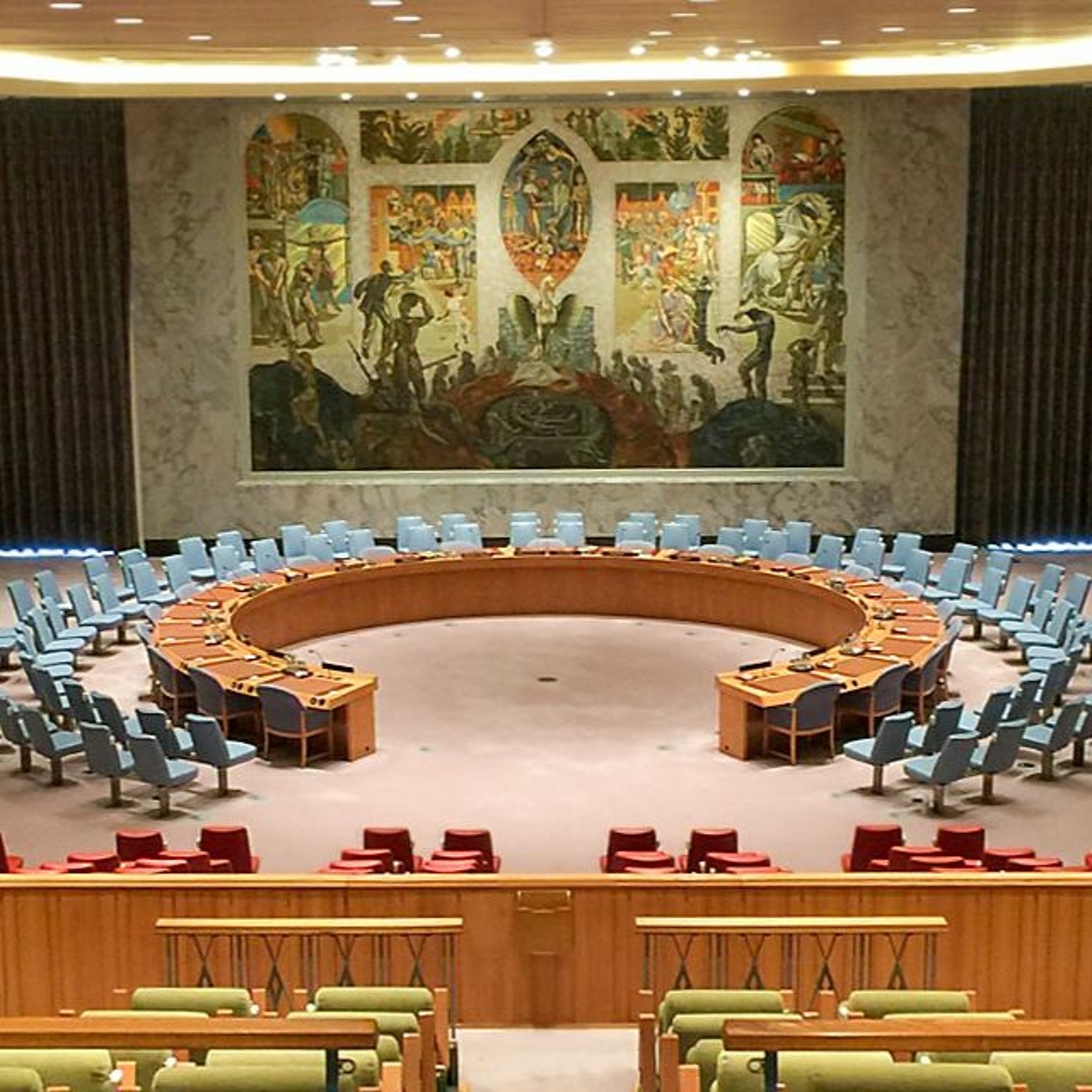
Multilateralism is dead – long live multilateralism!
Today, 100 years ago, the Versailles Contract went into effect which established the League of the Nations and laid the foundations for multilateralism. In 2019, Germany and France launched the Alliance for Multilateralism aiming at showing that countries still "support multilateralism and support the United Nations (to) remain the majority in the world," as French Foreign Minister Le Drian said. Planning to establish a network of countries ready to join forces and efforts on inequality or climate change, the Alliance also wants the members to strongly commit to a rules-based international order. But how will this look like in reality? Christoph Heusgen, Permanent Representative of Germany to the United Nations, explains to Mark Leonard some concrete measures and how the old tale of the German-Franco friendship still serves as a role model for other countries for how to overcome decades of conflicts and rivalry. Further information: www.multilateralism.orgThis podcast was recorded on 3 December 2019. Bookshelf:•The Universal Declaration of Human Rights Hosted on Acast. See acast.com/privacy for more information.
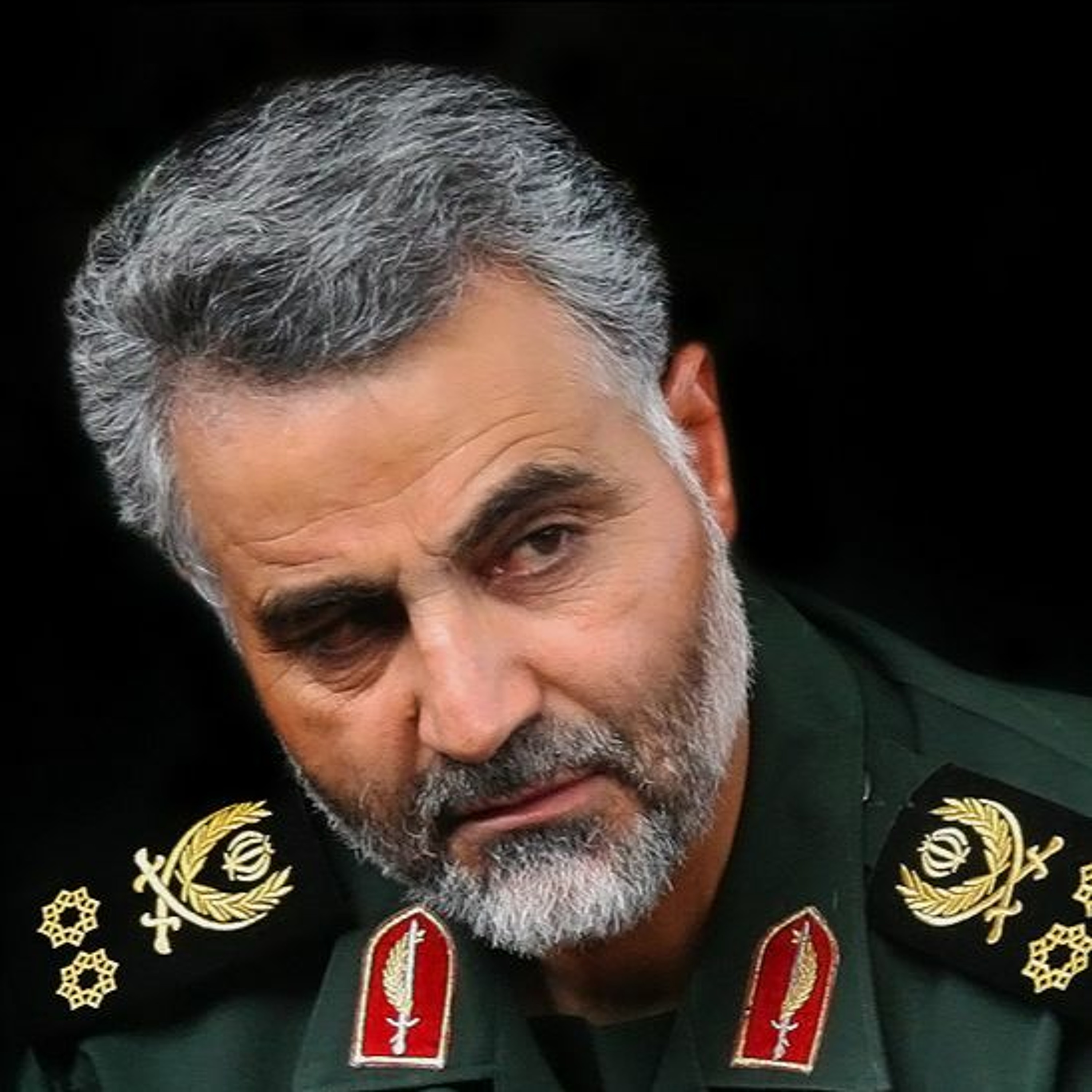
De "facto declaration of war"? - Soleimani's killing as turning point in the Middle East
With the US-killing of the Iranian military leader, Qassem Soleimani, the Middle East has been yet again sent in the heart to geopolitical uncertainty and frenzy. What does the killing mean for the future of the region, the Iran Nuclear Deal and the US role within it? Was there a strategy behind this offence and if yes, what kind? How should Europe react? In a special podcast edition, Mark Leonard talks with our senior policy fellows Ellie Geranmayeh, Jeremy Shapiro and Julien Barnes-Dacey about the implications for the neighbouring countries, Europe’s mediation role and whether there is a chance for de-escalation.This podcast was recorded on 6 January 2020.Bookshelf:- "Crisis in Iran will drive wedge between Europe and Washington" by Ellie Geranmayeh: https://www.politico.eu/article/crisis-in-iran-will-drive-wedge-between-europe-and-washington/ Picture (c) sayyed shahab o din vajedi/wikicommons Hosted on Acast. See acast.com/privacy for more information.

Ten Foreign Policy Trends for 2020
‘Tis the season! ...when Mark Leonard and Jeremy Shapiro review the year gone by and predict 10 foreign policy trends (plus two bonus ones) that will define 2020, the beginning of a new decade. With a score of 6.5/10 they couldn’t sustain last year’s success but can still pat themselves on their backs - or what do you think? Let us know about your foreign policy predictions for the upcoming year. Comment below or e-mail us! Bookshelf:- Ten Foreign Policy Trends for 2020 by Mark Leonard & Jeremy Shapiro - Mapping European Leverage in the MENA region by the ECFR MENA Programme: https://www.ecfr.eu/specials/mapping_eu_leverage_menaThis podcast was recorded on 16 December 2019. Hosted on Acast. See acast.com/privacy for more information.
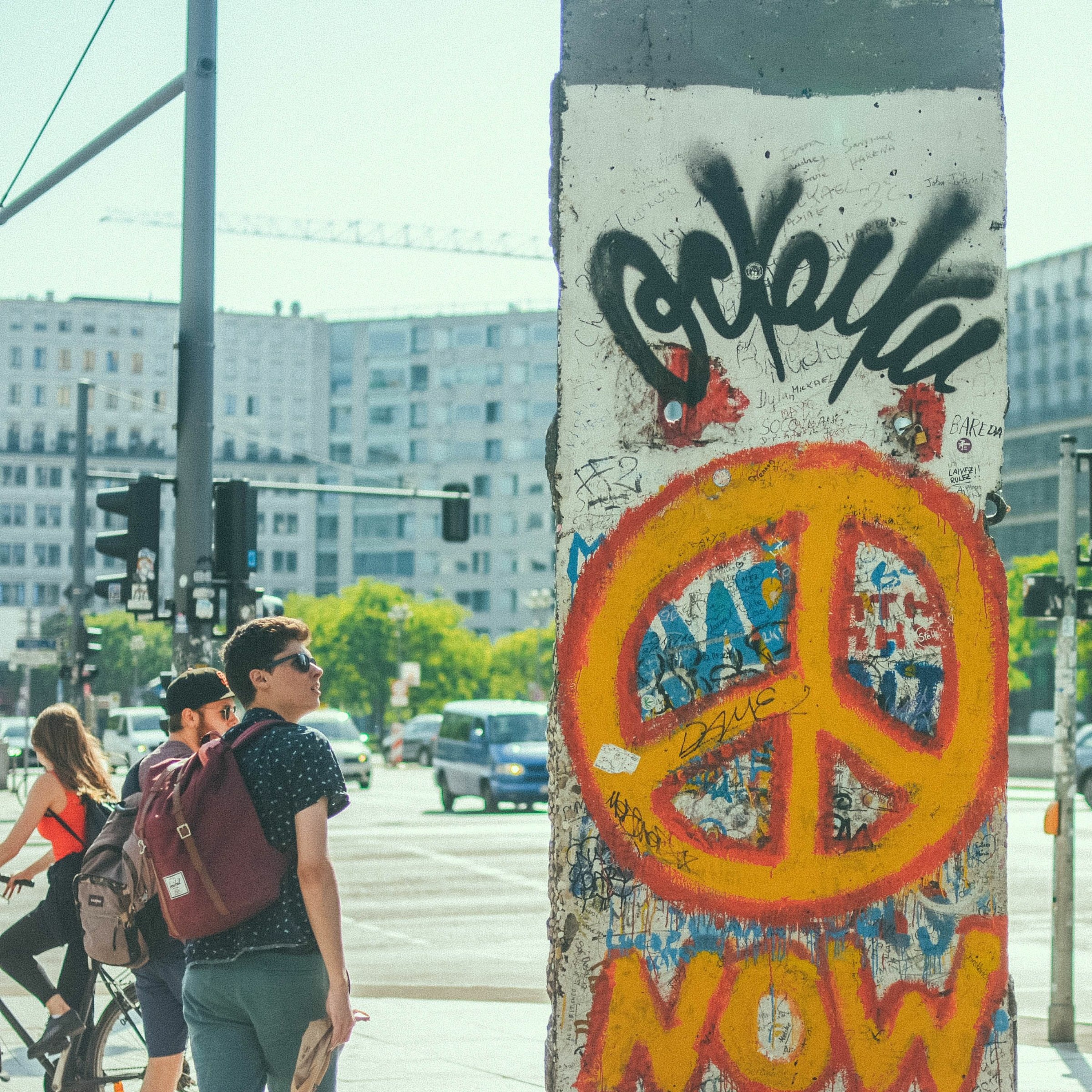
1989 - The Firstborns of a New Age
In this bonus episode of our 1989 podcast miniseries, host Mark Leonard is joined by ECFR's young generation, all born between 1988-1990. Coming from the former GDR and Yugoslavia, Bulgaria, Venezuela and the UK, they grew up in a borderless world, in a united Europe, with their parent's optimism about the future but with their teenage years shaped by the financial crisis and 9/11. So what did 1989 mean for their lives? And how will this generation influence the world and politics once it's their turn? This podcast was recorded on 18 December 2019.Bookshelf:- "Cruel Optimism" by Lauren Berlant- "The Wall" by John Lanchester- "My Parents: An Introduction" by Aleksandar Hemon- "Homo Deus: A Brief History of Tomorrow" by Yuval Noah HarariFilms:- "Sonnenallee"- "Good-Bye, Lenin!"- "The Lives of Others" Hosted on Acast. See acast.com/privacy for more information.
1989 – the beginning of history
In the 1990s 13 out 15 European countries were led by social democratic governments and the transatlantic relationship came out strong by “winning the Cold War”. The fall of Berlin Wall and dissolution of the Soviet Union was considered as a turning point for Europe’s future and it symbolized the greatest common achievement of US and Europe at that time. But since then, EU-US relations and most of the social democratic parties in Europe have been deteriorating. Did the West underestimate the forces of liberalism and globalisation which took European states by storm? In this episode, Sylvie Kauffmann with host Mark Leonard untangles some of the many interconnections and which 1989 provoked or brought to light.Bookshelf:- Sylvie Kauffmann's article series in Le Monde (in French)(1/4) Qui a perdu la Russie? (2/4) Comment la chut de l’URSS a bouleversé l’Occident (3/4) La revanche de la Chine(4/4) La social-démocratie, continent englouti- "Firebird: The Elusive Fate of Russian Democracy" by Andrei KozyrevThis podcast was recorded on 4 December 2019.Picture: Aron Urb (EU2017EE) Hosted on Acast. See acast.com/privacy for more information.
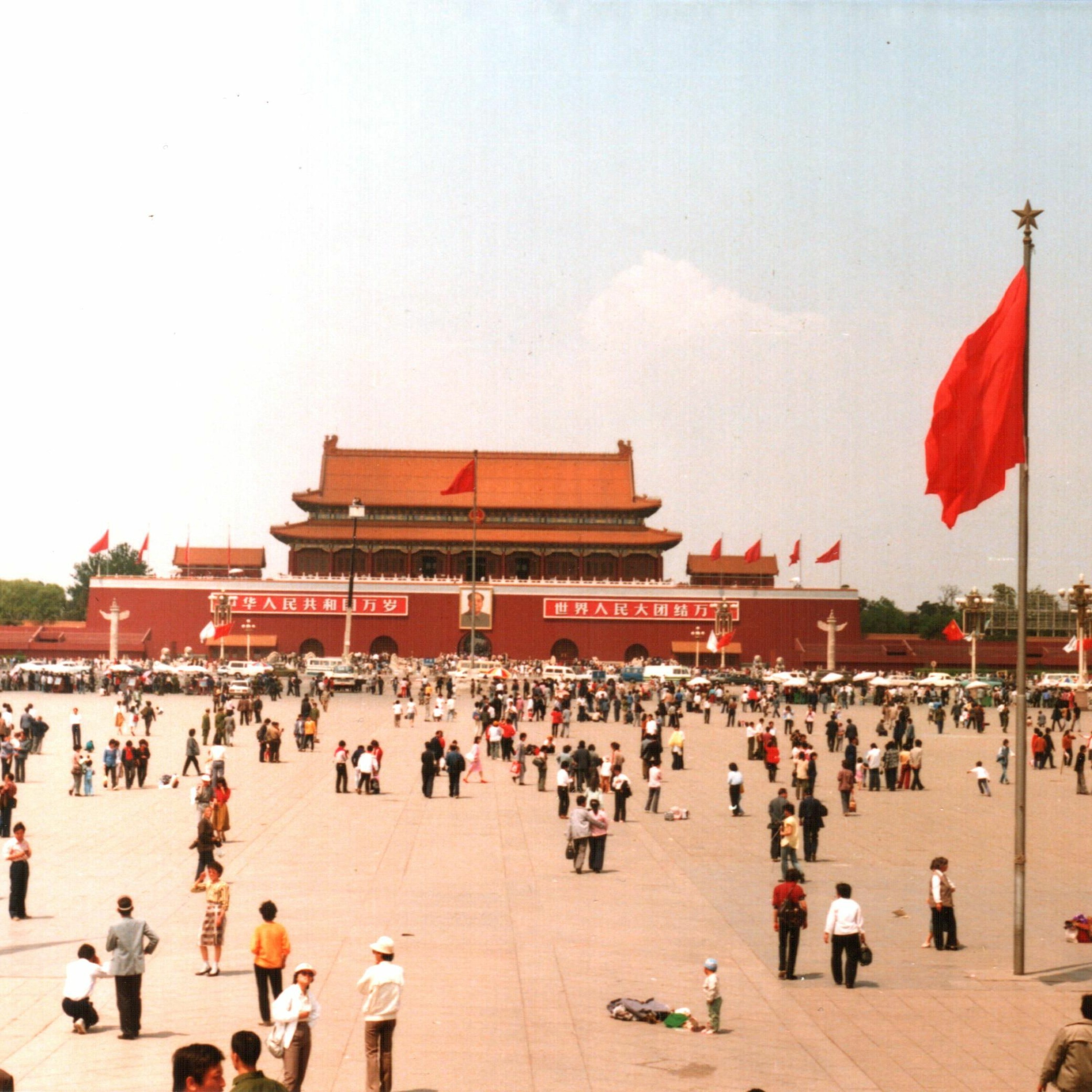
China's 1989
Anthony Dworkin stands in for host Mark Leonard to talk about how China experienced 1989 back then and today. In some ways, it is more comparable to the changes 1968 provoked in the West, claims podcast guest and China expert Jeff Wasserstrom. Looking beyond the dreadful Tiananmen Square Massacre, how did China change after 1989 politically and socially? And can we draw a line from the protests back then to the ones in Hong Kong right now?This podcast was recorded on 2 December 2019.Bookshelf:"Vigil: Hong Kong on the Brink" by Jeffrey Wasserstrom"Minjian: The Rise of China’s Grassroots Intellectuals" by Sebastian VegFollow: Yangyang Cheng Twitter@yangyang_chenPicture (c) Derzsi Elekes Andor, WikiCommons Hosted on Acast. See acast.com/privacy for more information.
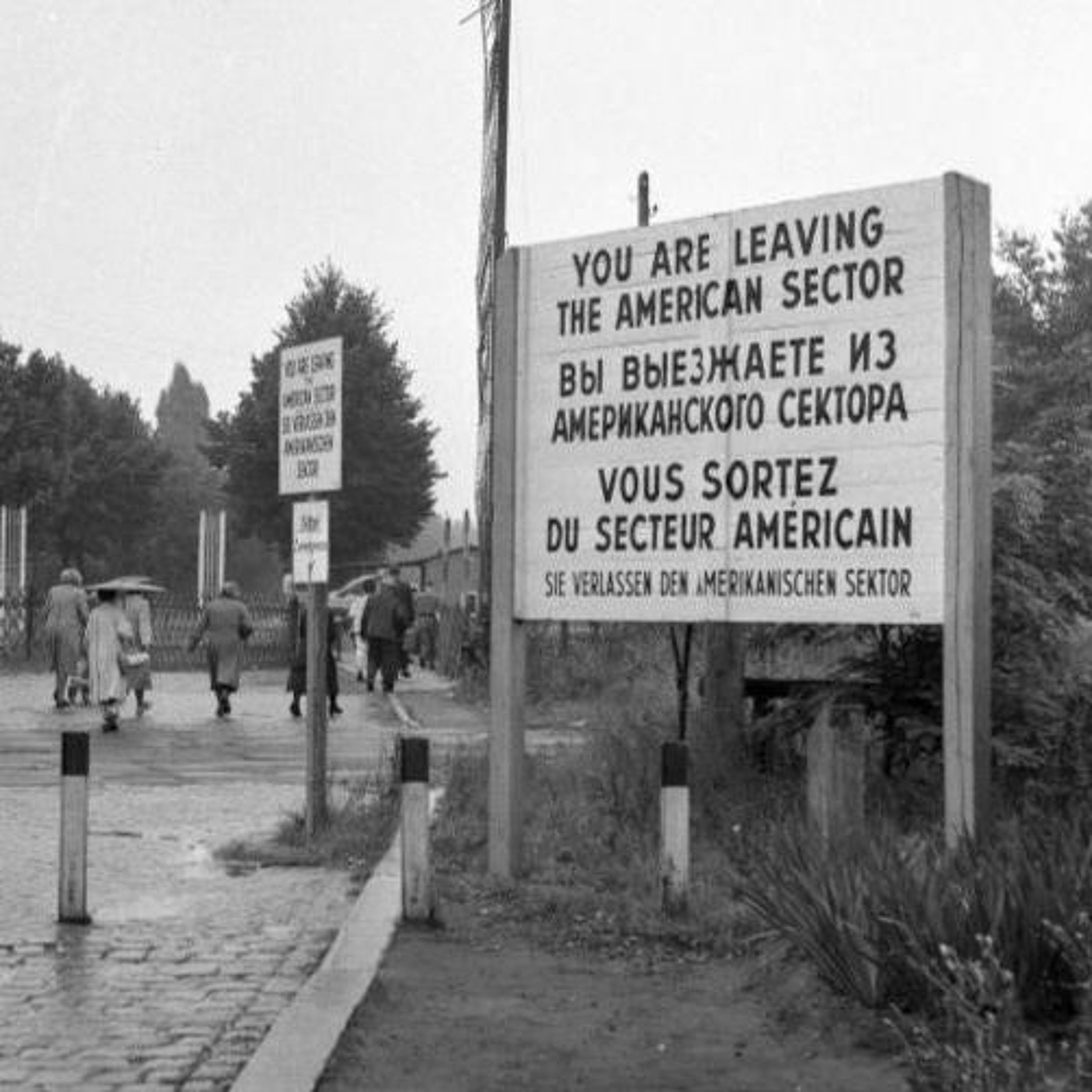
America's 1989
In the fourth episode on the events of 1989 and how they have shaped, and may continue to shape our world in the years to come, host Mark Leonard is joined by Jeremy Shapiro. Jeremy Shapiro is research director here at ECFR, and is able to provide an account of the American experience of 1989, which was much less dramatic than European and Russian collective memories of the event. Nevertheless, 1989 is an interesting jumping off point for thinking about the lenses of US foreign policy and the foreign enemy paradigm it appears to require. In dialogue with our previous contributors- Timothy Garton Ash and Fyodor Lukyanov- Shapiro analyses the neglect of Russia in American foreign policy thinking and addresses issues such as the rise of China. Did the EU ever really develop a security order accepted by the Russians? What could the US or Europe have done differently in the wake of the Cold War?This podcast was recorded on 27 November 2019.Bookshelf:1989: The Struggle to Create a Post-Cold War Europe, by Marie Elise Sarotte Hosted on Acast. See acast.com/privacy for more information.
The first beneficiaries of 1989
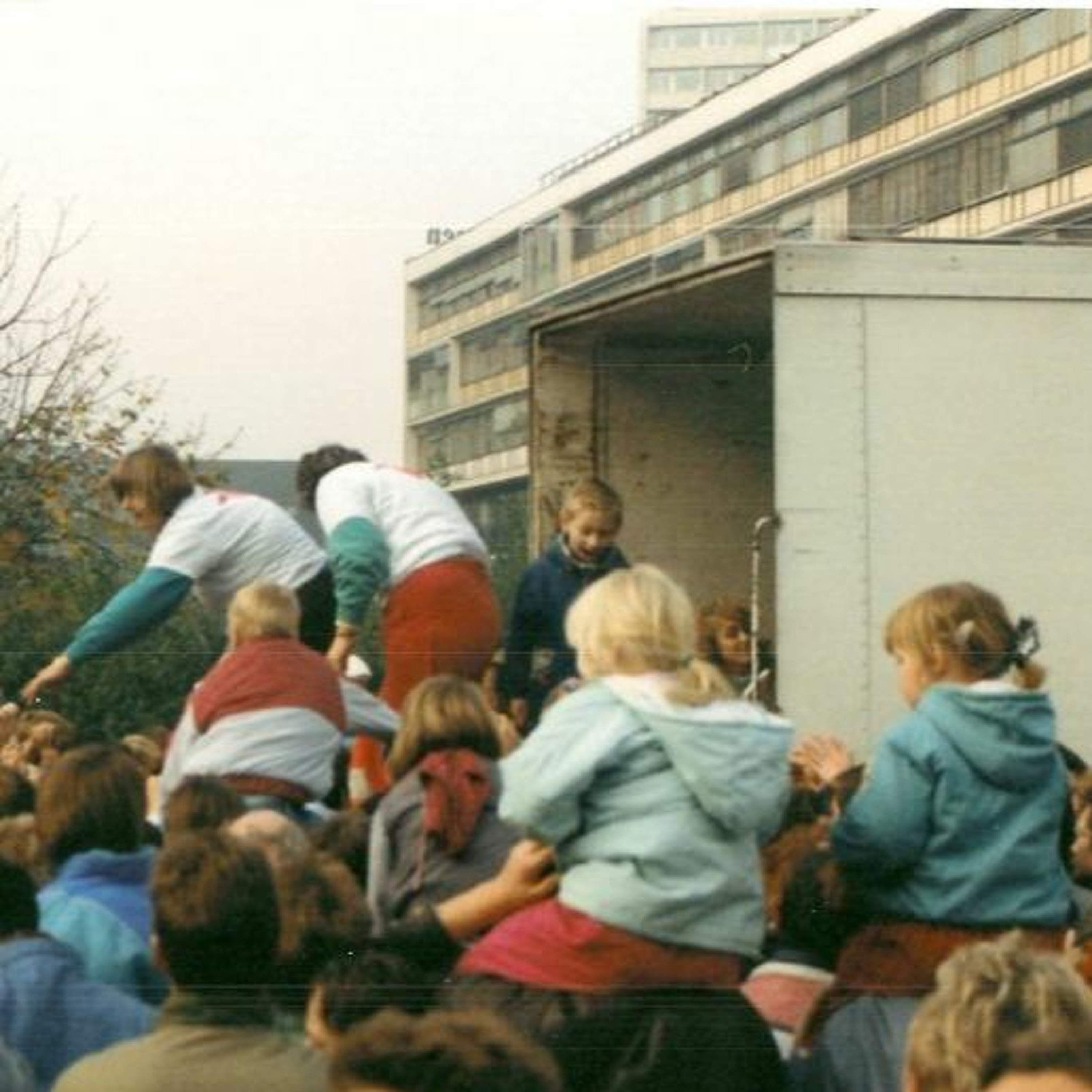
Host Mark Leonard has an intimate discussion with our heads of office from Sofia and Warsaw, Vessela Tcherneva and Piotr Buras about their experiences, hopes and dreams during the transition times of the 1990s. How did their life and future change the minute the Berlin Wall fell? What are this generation’s thoughts 30 years later and predications for Europe in the coming 30 years? This podcast was recorded on 21 November 2019.Bookshelf:- The light that failed by Ivan Krastev- Bulgaria under Communism by Ivaylo Znepolski et al. - Reflections on a ravaged century by Robert Conquest- Die Welt braucht den Westen by Thomas Kleine-BrockhoffPicture (c)Gavin Stewart/Flickr Hosted on Acast. See acast.com/privacy for more information.
Russia's 1989
In the second in our series on the events of 1989 and how they will shape our world for decades to come, host Mark Leonard is joined by Fyodor Lukyanov. Lukyanov is Editor-in-Chief of Russia in Global Affairs, Chairman of the Presidium of the Council on Foreign and Defense Policy, and Research Director of the Valdai International Discussion Club. In this podcast, recorded in Dubai, the two discuss America's and Russia's differing views on the Cold War and its end. The trauma of 1989, but also the euphoria it generated in Europe, and Putin's development as a political actor, are set into context. This context allows for a multifaceted understanding of the events of 1989.It also allows the arc of Russian foreign policy to be traced to today, and in doing so provides a useful accompaniment to the Eurocentric 1989 celebrations.This podcast was recorded on 4 November 2019Bookshelf:Mikhail S. Gorbachev "Perestroika: New Thinking for Our Country and the World" Hosted on Acast. See acast.com/privacy for more information.
Iran & the US escalation game - What Europe can do?
In this episode, live from Brussels, Ellie Geranmayeh is standing in for our host Mark Leonard to discuss Iran’s further withdrawal from the 2015 Nuclear Agreement. After the Iran Strategy Meeting meeting, she met with Hossein Mousavian (Princeton University), Ilan Goldenberg (Center for a New American Security) and Nasser Hadian (University of Teheran) to analyse the responses coming from the US and European governments, in particular from France. By marking the 40th anniversary of the Iran Hostage Crisis, they look back on how this has shaped the Iran-US relations in the past 4 years. Moreover, after one year, how has the re-imposition of the US sanction impacted Iran domestically? This podcast was recorded on 6 November 2019.Bookshelf:- "The United States Overthrew Iran’s Last Democratic Leader" by Roham Alvandi & Mark J. Gasiorowski - "U.S. Maximum Pressure Meets Iranian Maximum Pressure" by International Crisis Group- HBO Series “Our boys”Picture (c)Tasnim News Agency Hosted on Acast. See acast.com/privacy for more information.
1989- the greatest year in European history?
In the first in our mini-series on the events of 1989, host Mark Leonard is joined by very special guest Timothy Garton Ash, historian and Professor of European Studies at Oxford University. This series considers how 1989 and it's events will shape our world in the future. Was 1989 the greatest year in European history? How much of what is going on was a blip? Are we witnessing the decline of liberalism today? Ash provides insights into the course of our political history, but cautions on prescribing a course to our future. The neglect of solidarity, identity and community as part of the development of the European Union project has led to a hollowing out of European identity. Global challenges and populism put the future of the liberal democratic world into question, unless answers are found.This podcast was recorded on 31 October 2019.Bookshelf:The Light that Failed: A Reckoning, by Ivan Krastev and Stephen HolmesThe Power of the Powerless, by Václav Havel Hosted on Acast. See acast.com/privacy for more information.
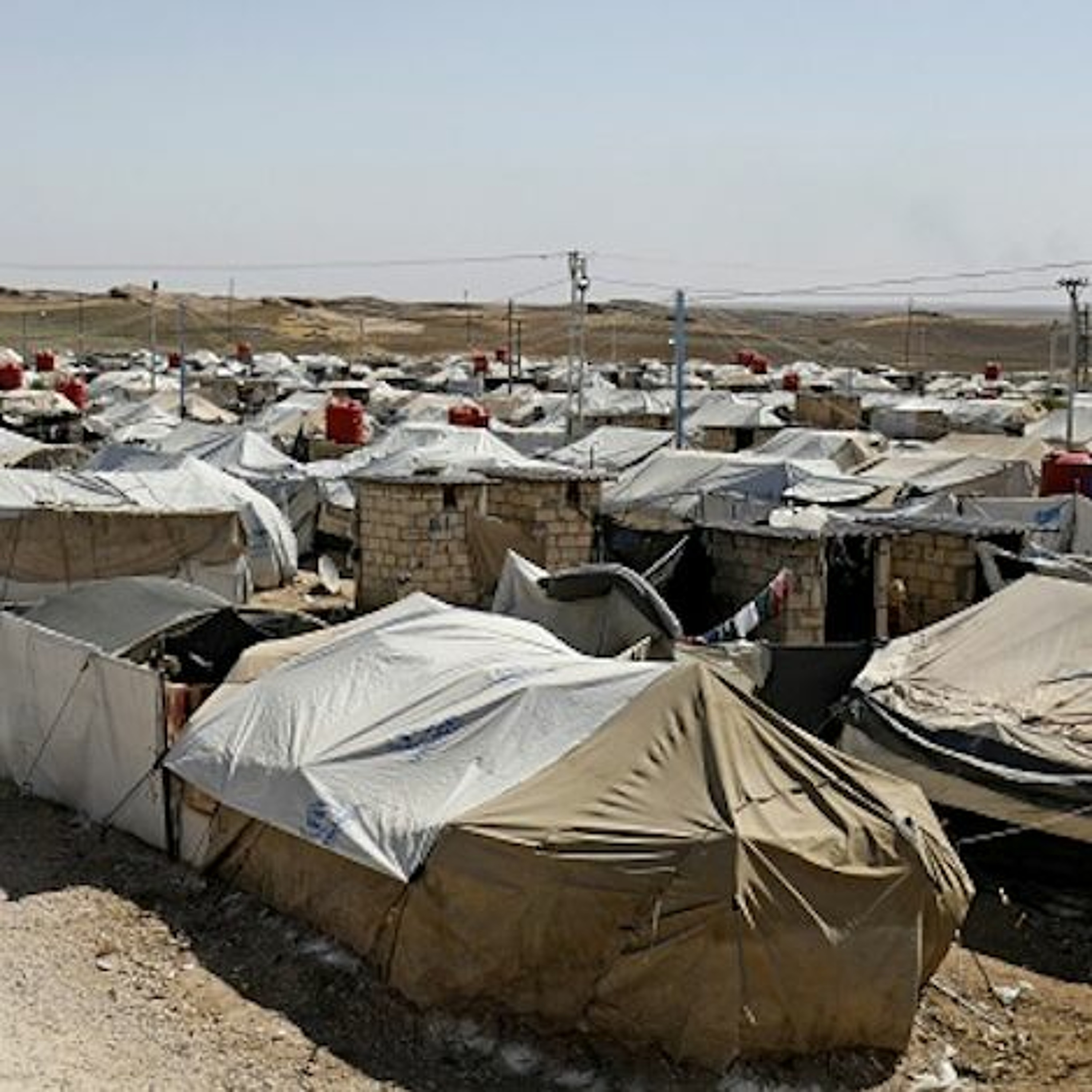
After Baghdadi is before Baghdadi: How the West still has to fight ISIS
How will IS leader Abu Bakr al-Baghdadi’s killing impact ISIS as a terror organisation and the situation in Syria? Host Mark Leonard is joined by Anthony Dworkin and Asli Aydıntaşbaş to analyse the current events and political implications for Syria’s neighbouring countries, the US and the EU. As the European Union has failed to come up with a coherent policy on how to handle their citizens who travelled to join ISIS, they argue it would still be best, to bring them home and to try them there. But how could the EU member states go ahead with the process?Further read: "Beyond good and evil: Why Europe should bring ISIS foreign fighters home" by Anthony Dworkin - https://t.co/06xbm6A2Th The podcast was recorded on 30 October 2019.Bookshelf:- "Sweet Caress" by William Boyd- "They will have to die now" by James Verini- "The Topeka School" by Ben Lerner- "Human Compatible" by Stuart Russell Hosted on Acast. See acast.com/privacy for more information.
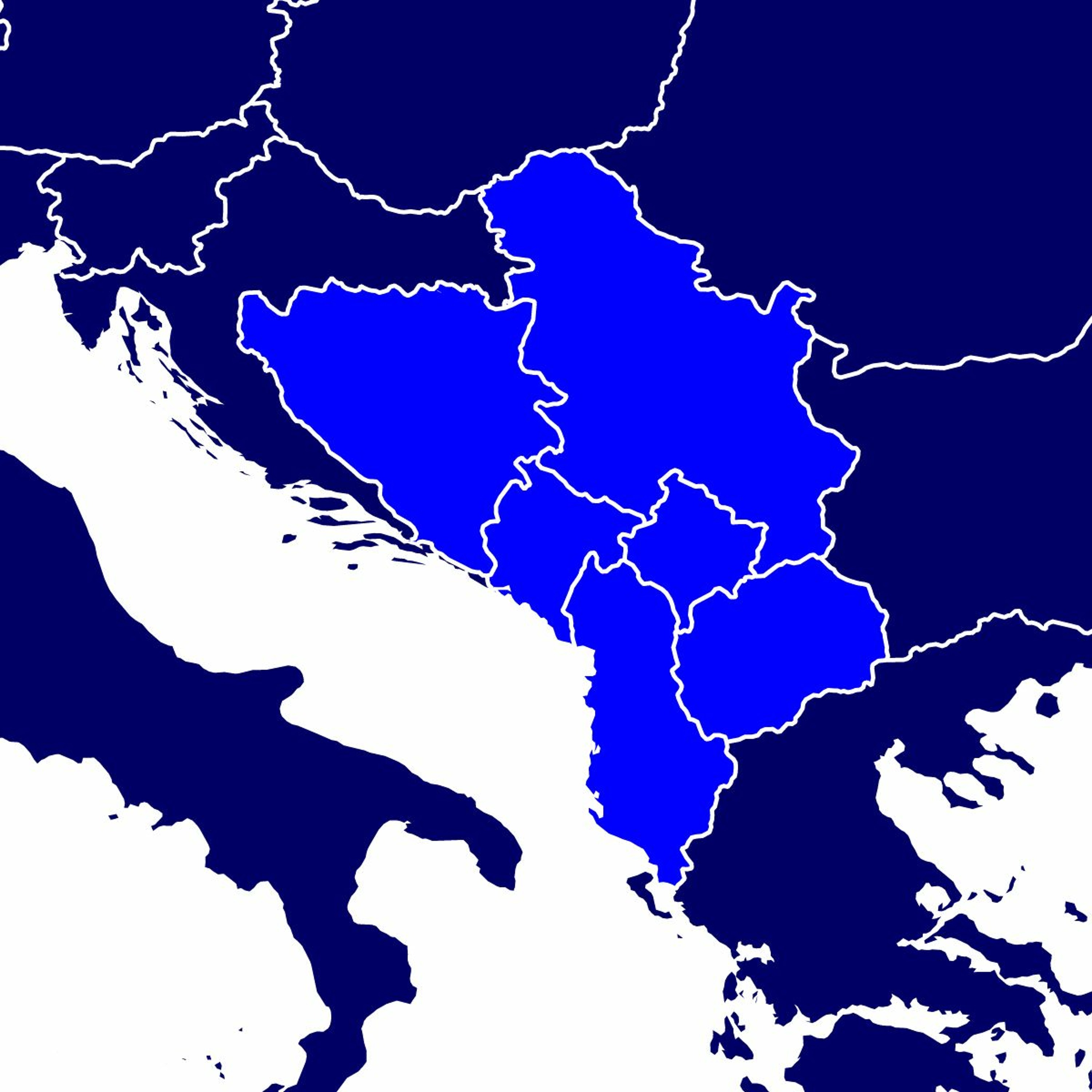
How to deal with our Western Balkan neighbours?
North Macedonia and Albania wanted to start negotiations with the EU after having been candidate countries since 2005 and 2014. But the enlargement plans seemed to have stalled especially after opposition from France. Host Mark Leonard is joined by Susi Dennison, José Ignacio Torreblanca and Vessela Tcherneva to get to the bottom of things and the divisions particularly between France and Germany on this issue.Bookshelf:- "The Age of Surveillance Capitalism" by Shoshana Zuboff- "Spring" by Ali Smith - "The light that failed" by Ivan Krastev & Stephen Holmes - "State of the Union" Miniseries on BBC TwoThe podcast as recorded on 17 October 2019.Picture (c) JLogan|Wikipedia Hosted on Acast. See acast.com/privacy for more information.
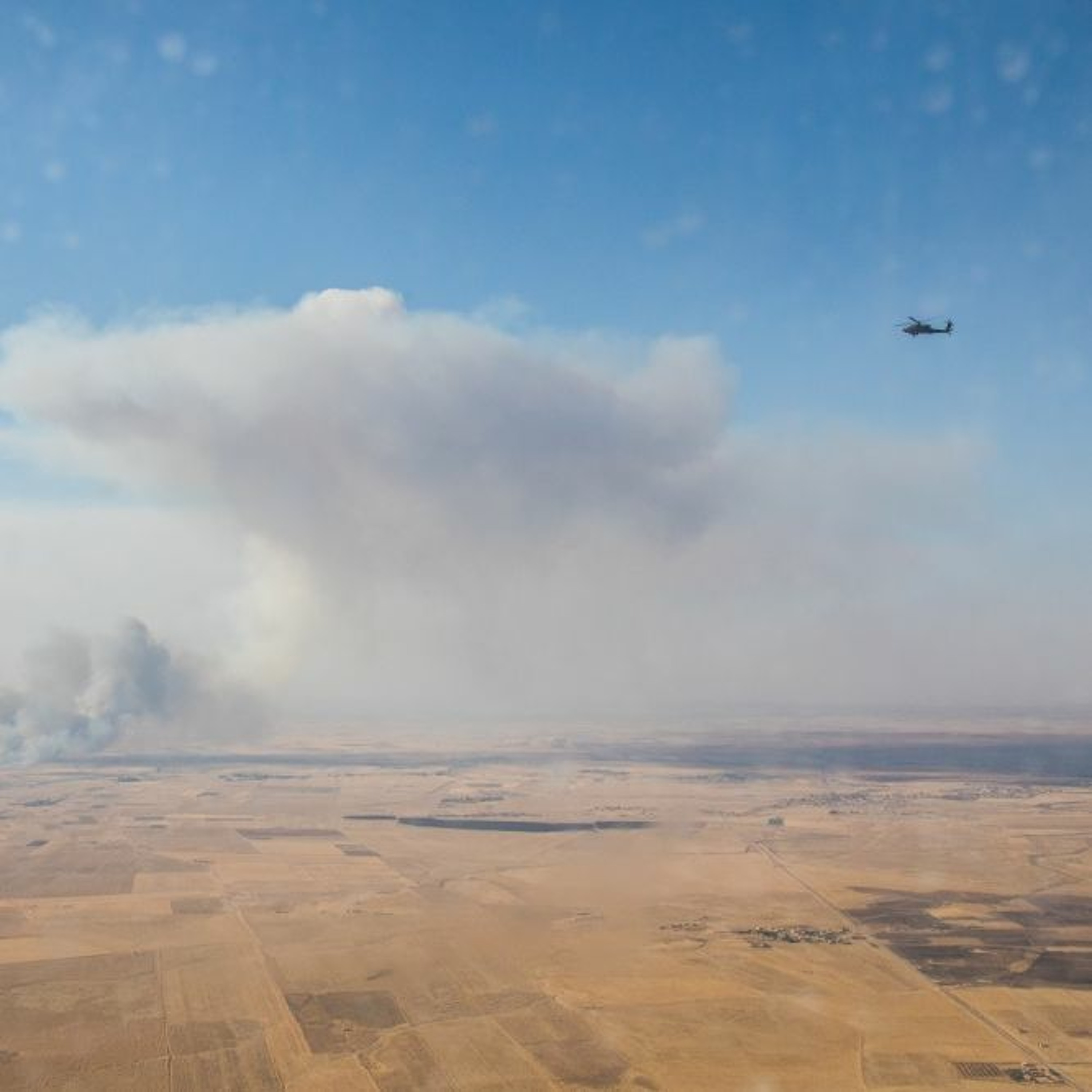
Europe with no cards to play: Erdoğan, Trump, and Europe's weaknesses
Turkey's offensive into northeastern Syria is moving at an unprecedented pace with grave consequences. Europe's utter irrelevance in the face of US withdrawal from the Turkish/Syrian border has been thrown in to stark light, particularly as it fails to take responsibility for European Isis members in the region. Europes weakness on migration and the refugee crisis as a whole has also been highlighted. What can and should Europe do at this crisis point? As events unfold, Asli Aydıntaşbaş, senior policy fellow with the Wider Europe programme joins host Mark Leonard from Turkey. Mark is also joined by head of ECFR's MENA programme, Julien Barnes-Dacey. Jeremy Shapiro, our research director, provides insight into Trump and Erdoğan's relationship breakdown and what US foreign policy under Trump may continue to look like.Bookshelf:"The Fall of the Ottomans: The Great War in the Middle East, 1914-1920" By Eugene Rogan"The Noise of Time" by Julien Barnes"Chimera" by Alexandros YannisThis podcast was recorded on the 10th of October Hosted on Acast. See acast.com/privacy for more information.
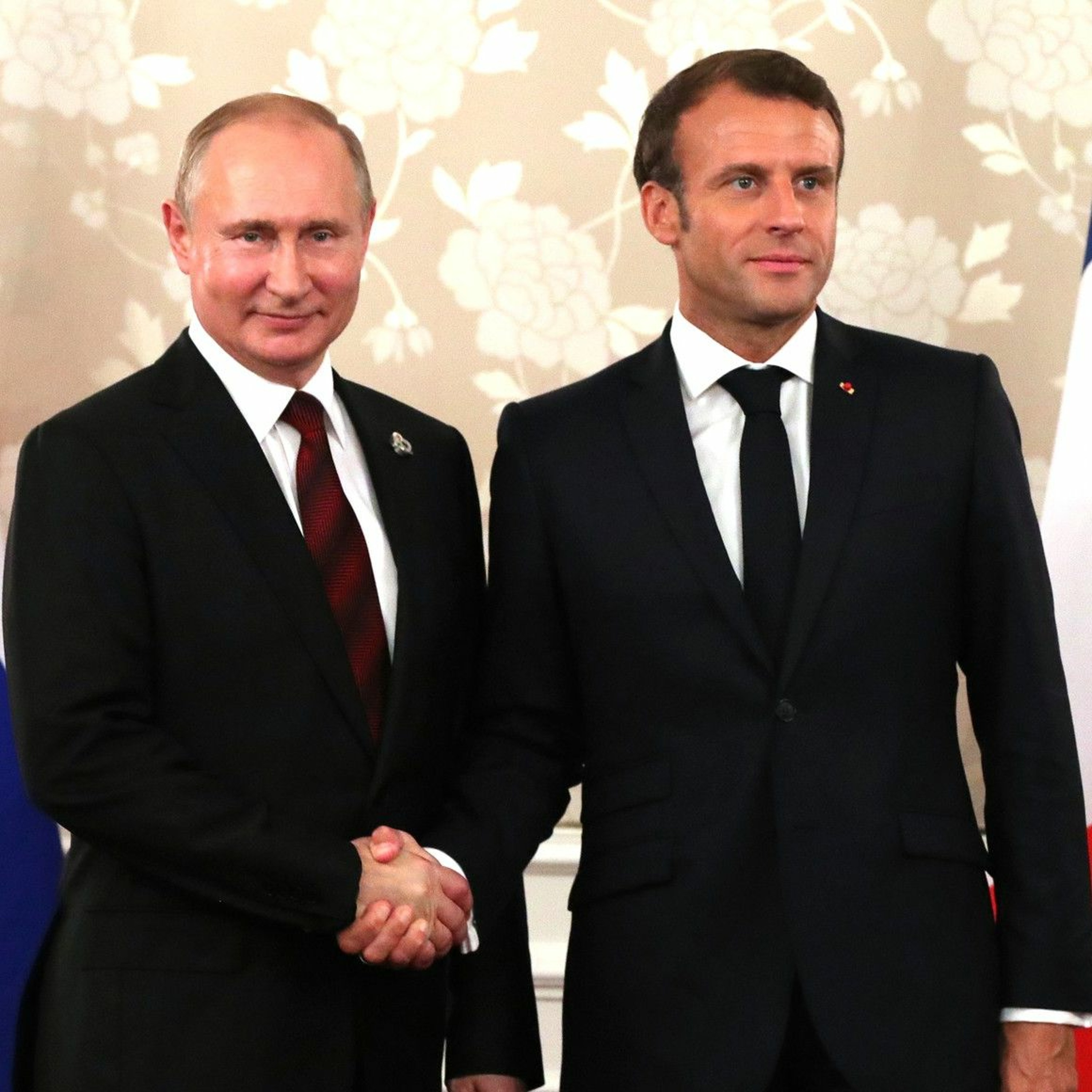
Reaching out to Russia – joining hands or getting the mitten?
In this week’s podcast, Mark Leonard, Gustav Gressel and Kadri Liik analyse Macron’s plans and ideas for recreating the European security order, an initiative which he launched with a speech at the Ambassador’s conference this year. Moreover, according to French officials, France will instead of starting with a top-down plan, try to build European security from the bottom-up and see if there is a desire in Moscow to make progress on specific issues, one brick at a time. They have laid out a roadmap with five different areas: Disarmament, security dialogue, crisis management, values, and common projects.Further read: “Emmanuel Macron’s very big idea on Russia” by Gustav Gressel, Kadri Liik, Jeremy Shapiro & Tara VarmaThe podcast was recorded on 30 September 2019.Bookshelf- “We Need to Talk About Putin. Why the West gets him wrong, and how to get him right” by Mark Galeotti - “Psychopolitics. Neoliberalism and New Technologies of Power” by Byung-Chul Han Hosted on Acast. See acast.com/privacy for more information.
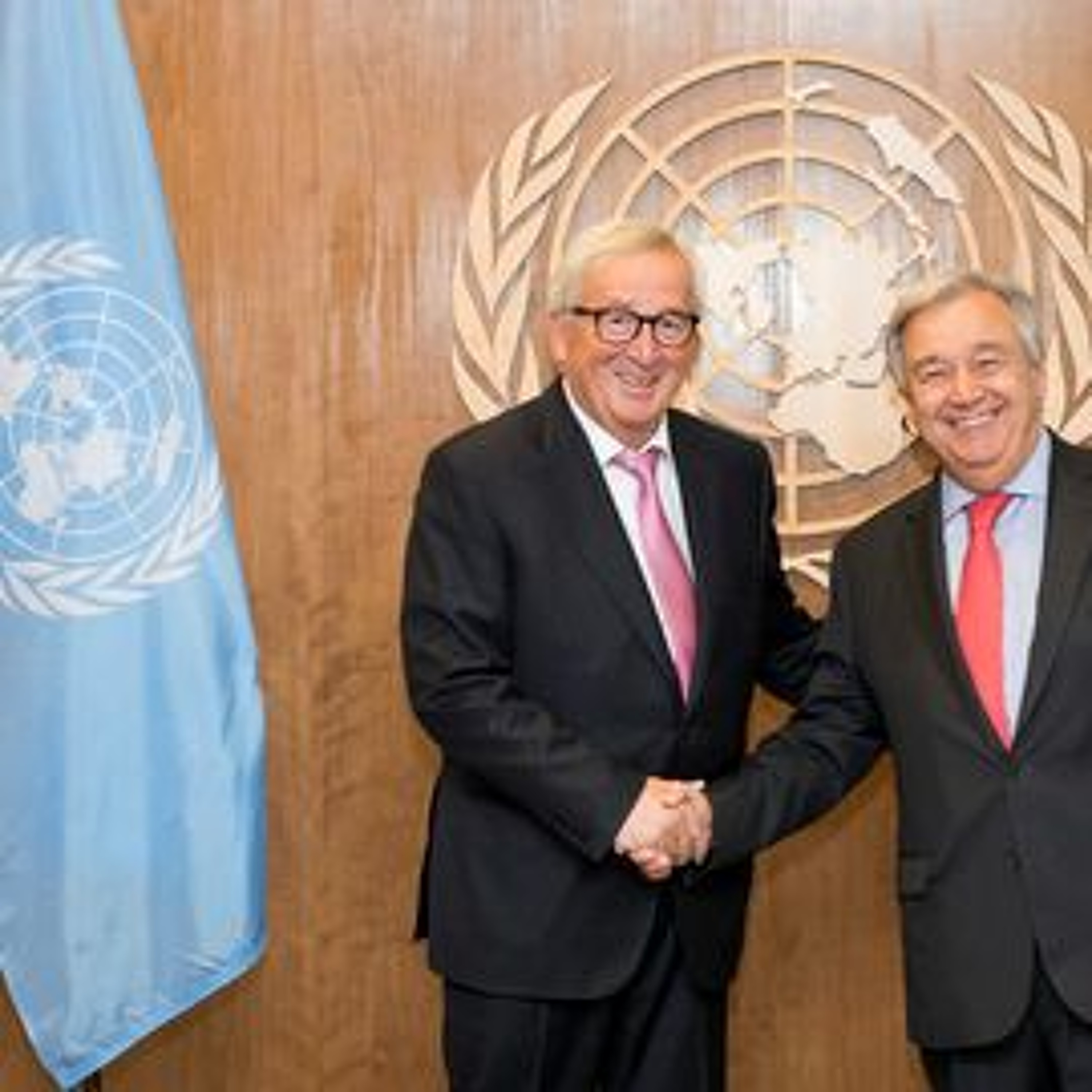
David McAllister on how MEPs will quiz the next Commissioners
Mark Leonard welcomes a very special guest, David McAllister MEP to the podcast, talking about the process of doing all the hearings for the European Commission over the next weeks. Additionally, David McAllister gives his view on Europe on the world stage and his vision of European foreign policy.The podcast was recorded on 25 September 2019.Bookshelf:"Aufstehen, Kilt richten, weiterkämpfen" by John McGurkLivestream to the hearings:https://www.europarl.europa.eu/ep-live/en/schedule Hosted on Acast. See acast.com/privacy for more information.
Three crises and an opportunity: Europe’s stake in multilateralism
The multilateral system faces three related crises of power, relevance, and legitimacy. This fraying consensus threatens the EU, which is committed to multilateralism. But the situation also represents an opportunity for European influence! Mark Leonard discusses Europe's stake on multilateralism with the ECFR experts Richard Gowan and Anthony Dworkin.Bookshelf:"The Education of an Idealist: A Memoir" by Samantha Power"The Final Act: The Helsinki Accords and the Transformation of the Cold War" by Michael Cotey Morgan"Three crises and an opportunity: Europe’s stake in multilateralism" by Richard Gowan & Anthony DworkinThe podcast was recorded on 19 September 2019. Hosted on Acast. See acast.com/privacy for more information.
Von der Leyen's EU Commission: Picks for a Union that strives for more
Mark Leonard is meeting his ECFR colleagues, Tara Varma, Piotr Buras and Teresa Coratello in Berlin to go through the newly selected EU Commission. What have been surprises, disappointments and challenges in von der Leyen's new cabinet? And what role did geopolitics play during the selection process?This podcast was recorded on 10 September 2019.Read von der Leyen's Vision Statement here: https://www.europarl.europa.eu/resources/library/media/20190716RES57231/20190716RES57231.pdf Bookshelf:- "Wer wir sind: die Erfahrung ostdeutsch zu sein" by Jana Hensel & Wolfgang Engler- "L’art de perdre " by Alice Zeniter- "The testaments" by Margaret Atwood- Speech by Liliana Segre in front of the Italian Senate - "The Virtual Weapon and International Order" by Lucas KelloPicture (c) LIBER Europe Hosted on Acast. See acast.com/privacy for more information.
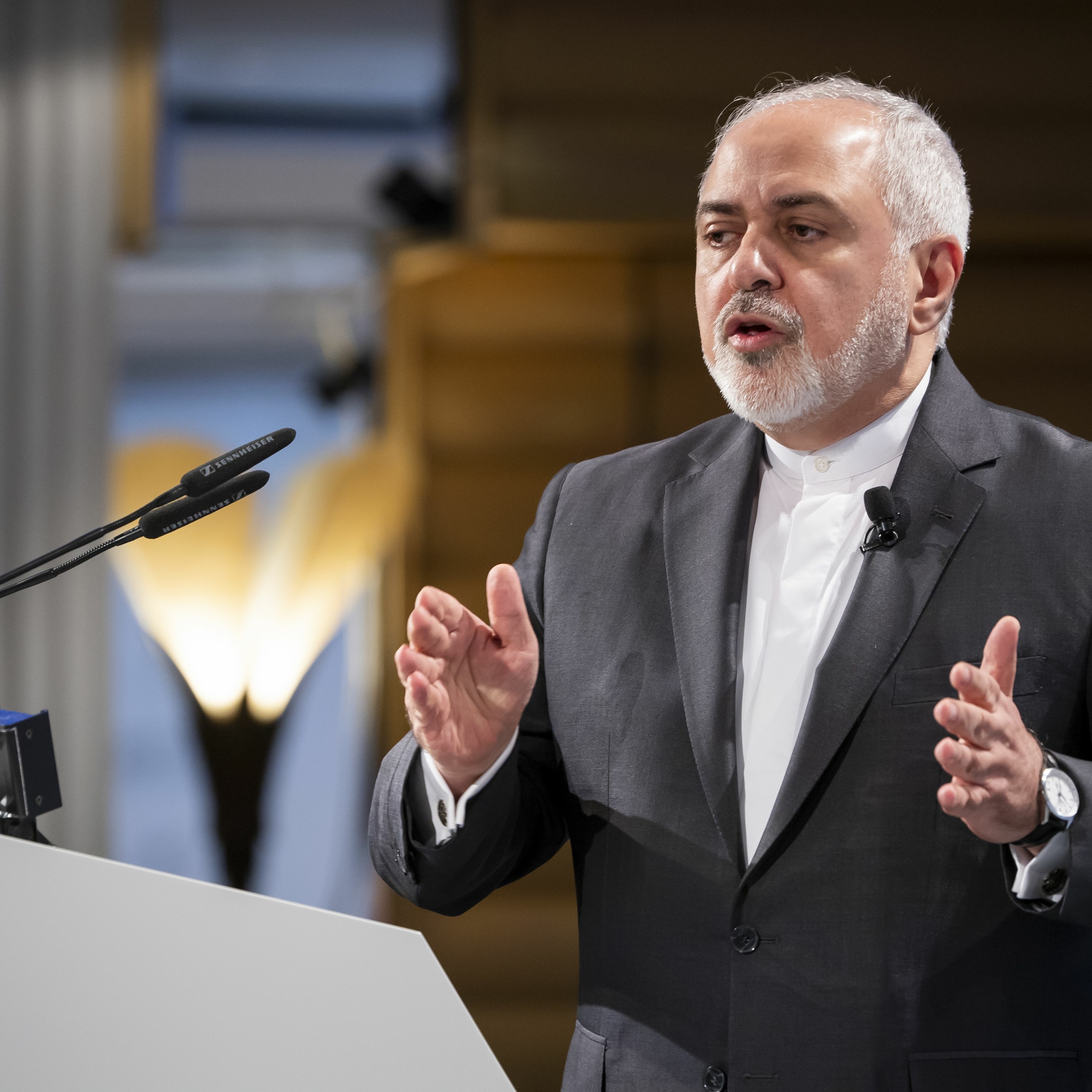
Meddling or Bargaining? Emmanuel Macron's Iran Initiative
This week, ECFR director Mark Leonard discusses with experts Ellie Geranmayeh and Julien Barnes-Dacey the French president Emmanuel Macron's bold initiative: Europeans are now to explore a credit line for Iran to entice the sanctions-battered country to keep abiding by an international nuclear deal. But the US and president Trump are sceptical.Bookshelf:"Crashed" by Adam Tooze"21 Lessons for the 21st Century" by Yuval Harari"Eric Hobsbawm: A Life in History" by Richard J. EvansThe podcast was recorded on 6 September 2019Picture: MSC / Balk Hosted on Acast. See acast.com/privacy for more information.
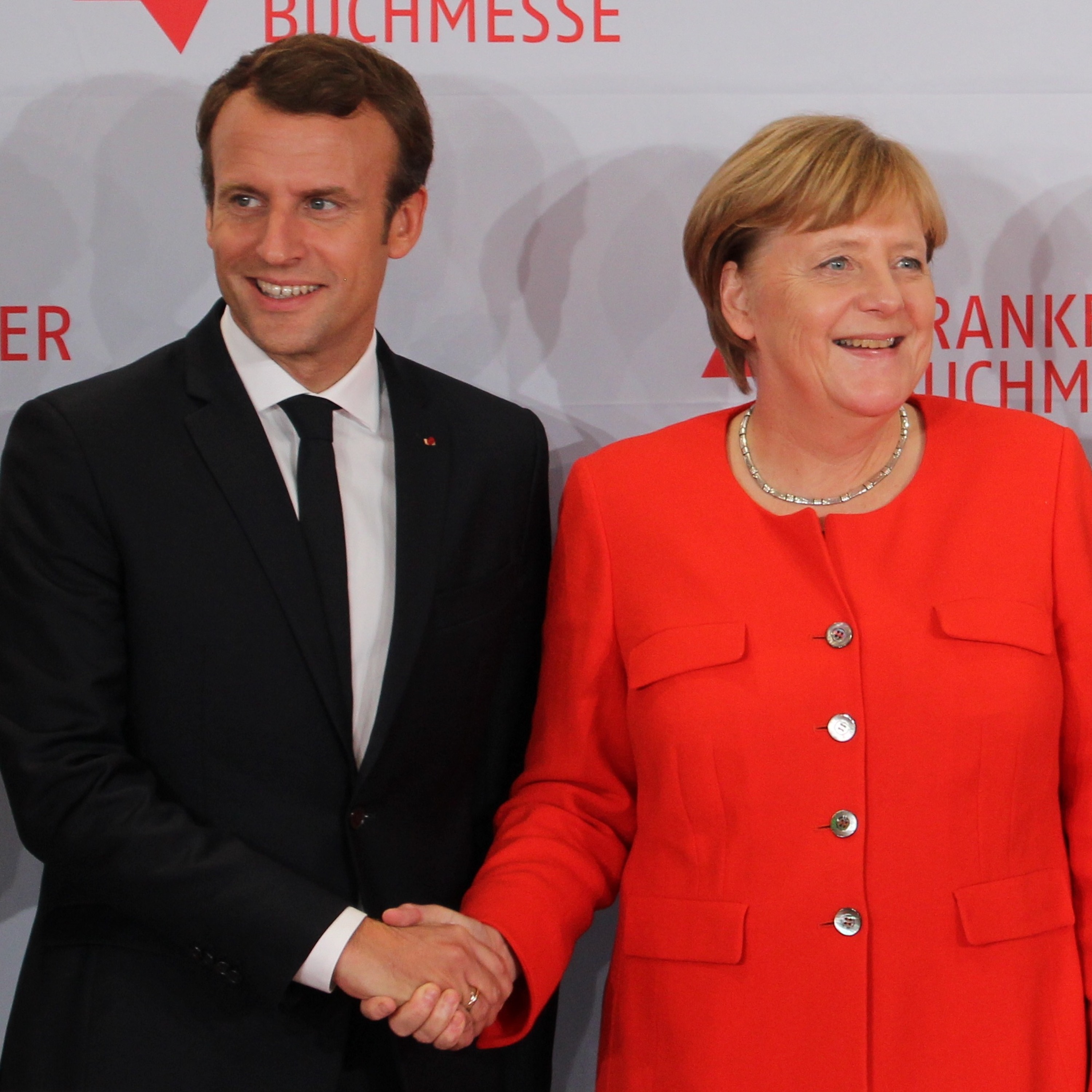
Independence Play: Europe's Pursuit of Strategic Autonomy
In the final episode of our special summer series on European strategic sovereignty, regular host Mark Leonard is joined by two of ECFR’s own experts: research director Jeremy Shapiro and Senior Policy Fellow and head of the Paris office Tara Varma. Topic of discussion is research led by Ulrike Franke and Tara Varma looking at how Europeans from all of the different EU member states see strategic autonomy. Is the idea of strategic sovereignty owned by the French? If it is, does French ownership pose a problem for the acceptance of the idea? What is the military component of European strategic sovereignty? What role is there for the UK after Brexit? These are some of the questions they discuss. The paper that is referred to can be found here: https://www.ecfr.eu/specials/scorecard/independence_play_europes_pursuit_of_strategic_autonomy This podcast was recorded on Friday, August 30, 2019. Picture retrieved from https://commons.wikimedia.org/wiki/File:Emmanuel_Macron_and_Angela_Merkel_(Frankfurter_Buchmesse_2017).jpgPublic domain. Hosted on Acast. See acast.com/privacy for more information.