Mark Leonard's World in 30 Minutes
656 episodes — Page 4 of 14
The far-right falters: Outcomes of the French snap election
Against all the odds and polls, the French far-right party National Rally, led by Marine Le Pen and Jordan Bardella, landed in third place in the second round of the French snap election. And in a runner-up upset for President Emmanuel Macron’s centrist Ensemble alliance, the left-wing alliance New Popular Front took the lead with 182 seats. In this special episode, Mark Leonard welcomes the head of ECFR Paris and senior policy fellow Célia Belin to discuss the unexpected results of this snap election. What changed between the first and second round that led to such drastically different results? How are parties organising themselves within their electoral alliances? What are the coalition options for this new distribution in the National Assembly and who is the leading choice for prime minister? Bookshelf Ravage, by René Barjavel Represent, directed by Francois Uzan and Jean-Pascal Zadi Hosted on Acast. See acast.com/privacy for more information.
Victory and visions: Labour’s approach to the EU
After 14 years of Conservative government in the United Kingdom, the Labour Party is back. Dissatisfaction with economic and tax policies, various political scandals, and a growing distrust in the Conservative leadership have all contributed to a Labour majority in the UK parliament. And, while the new Labour-led cabinet has already distanced itself from the prospect of rejoining the European Union is now potential for greater economic cooperation and alignment in a post-Brexit EU-UK relationship. In this emergency episode of the World in 30 Minutes, Mark Leonard welcomes ECFR Council Member and French Europe Minister, Laurence Boone, the last British European commissioner before Brexit, Julian King, and Britain’s former permanent representative to the EU, Ivan Rogers, to discuss what the Labour victory means for the UK and Europe. What are prime minister Keir Starmer’s, and new foreign secretary David Lammy’s, plan for future EU-UK relations? And, in turn, what exactly does Europe expect from the UK? Hosted on Acast. See acast.com/privacy for more information.
The World after the West: Nasser Hadian on Iran
Iran plays a key role in the global order. The leadership in Tehran asserts Iran’s role in the Middle East through the backing of allied groups, most notably Hizbullah in Lebanon. Meanwhile, on the global stage, its nuclear program has positioned Iran as an adversary of the West, and as a result the country faces heavy economic sanctions. In the second episode of the Re:Order series, Mark Leonard welcomes Nasser Hadian, professor of political science at the University of Tehran, where he served as the director of graduate studies, to delve into Iran’s geopolitical positioning. To what extent does Iran replicate its strategy of regional influence and deterrence on the world stage[PK2] ? How does Iran’s relationships with China and Russia affect the global order? How does Iranian participation in new institutions such as BRICS+ and the Shanghai Cooperation Organisation shape both the organisations themselves and Iran’s foreign policy?This podcast is part of Re:Order and was produced with support from Stiftung Mercator.We encountered some technical difficulties during the recording process and apologize for the not optimal sound quality.BookshelfWorks by Javad Zarif Hosted on Acast. See acast.com/privacy for more information.
The World After the West: Ayşe Zarakol on Turkey
A growth in membership to organisations such as BRICS+, the New Development Bank, and the Shanghai Cooperation Organisation demonstrates the continued rise of ‘middle powers’ – countries which belong to neither the West nor the global south but play a significant role in the developing world order. This week, the World in 30 Minutes kicks off its new summer podcast series ‘RE:Order: The world after the West’, in which ECFR director Mark Leonard welcome various guests to discuss how middle power countries are using these institutions to advocate for their interests at the global level. For the first episode in the RE:Order series, Mark Leonard welcomes Ayşe Zarakol, professor of international relations at the University of Cambridge and author of “Before the West: the Rise and Fall of Eastern World Order” (2022), to discuss the framework of global order beyond its Western conceptions. How do middle power institutions leverage their membership to develop an identity separate to the historically dominant blocs? What can non-Western institutions such as BRICS+ offer dissatisfied ‘middle’ countries? And how is Turkey using these in the context of a new global order?BookshelfBefore the West: the Rise and Fall of Eastern World Order, by Ayşe ZarakolThe Other Great Game: The Opening of Korea and the Birth of Modern East Asia, by Sheila Miyoshi Jager Hosted on Acast. See acast.com/privacy for more information.
Europe is shifting: EU election results could divide Europe
The results of the European Parliament elections show varying trends across the EU. As predicted by experts in the build-up, Europe’s far-right parties made substantial gains– most notably in France, Germany, and Italy – while election fatigue plagued Bulgaria; the EU election saw its population head to the polls for the sixth time in three years, with the country recording a low turn-out. On the other hand, amid a shift to the right, voters in Poland and Spain demonstrated stronger support for pro-EU parties than perhaps expected.In this week’s special episode of Europe in 30 Minutes, deputy director of ECFR Vessela Tcherneva welcomes the ECFR national office heads of Berlin, Paris, Madrid, Rome, Sofia and Warsaw, Jana Puglierin, Célia Belin, José Ignacio Torreblanca, Arturo Varvelli, Maria Simeonova, and Piotr Buras, to discuss national implications of the EU elections. What might a weakened Scholz and strengthened Meloni mean for Europe’s future? Which coalitions are likely in Bulgaria? How can Tusk leverage his national support at EU level? And what is Macron’s thinking behind calling France’s snap election? Bookshelf sectionWinds of change: the EU’s green agenda after the European Parliament election, by Susi Dennison, Mats Engström, and Carla Hobbs. Hosted on Acast. See acast.com/privacy for more information.
NATO and beyond: America’s domestic politics and Ukraine
How is America’s domestic politics impacting the war in Ukraine? Last week, the Biden administration authorised Ukraine to use US-supplied weapons to strike within Russia’s borders – but, beyond July’s NATO Summit, the United States’ long-term strategy is unclear. As well as how the Biden administration’s response to Ukraine might develop, this uncertainty will only grow should the American public elect Donald Trump again in November.In this week’s episode, Mark Leonard welcomes Jeremy Shapiro, director of research and director of ECFR’s US programme, to discuss the next moves in US policy on Russia’s war in Ukraine. What are the motivations behind the Biden administration’s latest decision? What is the American domestic consensus on supporting the war in Ukraine? And is it possible for NATO to protect itself from Trump?This episode was recorded on 5 June 2024.BookshelfU.S. escalation in Ukraine needs a plan, by Jeremy Shapiro and Samuel CharapAssyria: The Rise and Fall of the World’'s First Empire, by Eckart FrahmNew Cold Wars: China’s Rise, Russia’s Invasion, and America’s Struggle to Defend the West, by David E. Sanger Hosted on Acast. See acast.com/privacy for more information.
The Great Firewall: How China regulates big tech
In the past couple of decades, China has produced a multitude of big tech giants. Companies like Alibaba, Tencent, ByteDance and others are well on their way to becoming household names, unique in their ability to rival their American counterparts, such as Amazon, Google, or Microsoft. Still, their relationship with the Chinese state is far from frictionless, as shown by China’s October 2020 tech crackdown, in which they unleased of an array of regulatory measures against big tech firms.In this week’s episode, Mark Leonard welcomes Angela Zhang, associate professor of law at the University of Hong Kong and director of the Philip K.H. Wong Centre for Chinese Law, to discuss China’s big tech regulation. How is China regulating its big tech firms? What role do these firms play in China’s competition with Europe and the United States? And what are the lessons for Europe’s own attempts at tech regulation?This episode was recorded on 21 May 2024BookshelfHigh Wire: How China Regulates Big Tech and Governs Its Economy, by Angela ZhangWuhan: How the COVID-19 Outbreak in China Spiraled Out of Control, by Dali L. Yang Hosted on Acast. See acast.com/privacy for more information.
Algorithmic agendas: The globalisation of political technology
Political technology, or the professional engineering of politics, has been endemic to Russia since the Soviet era. But these practices have now spread across the globe – with manipulation occurring in China, European countries, India, the United States, and many others. And the political engineering industry goes well beyond mere online disinformation. From data mining to astroturfing and propaganda apps, a global market is emerging for the whole gamut of manipulation techniques. In this week’s episode, Mark Leonard welcomes Andrew Wilson, senior policy fellow at ECFR and professor of Ukrainian studies at University College London, to discuss political technology and the globalisation of political manipulation. Where did the term political technology originate? How does it spread? And what can democracies do to defend themselves? This episode was recorded on 21 May 2024 Bookshelf Political Technology: The Globalisation of Political Manipulation, by Andrew Wilson How to Steal a Presidential Election, by Lawrence Lessig and Matthew Seligman Hosted on Acast. See acast.com/privacy for more information.
The sweet spot: Between de-risking from China and Europe’s green future
A key priority for both the European Union and the United States is to reduce dependencies on China in green industries. Only this week, the United States announced a ramping up of tariffs on Chinese-made electric vehicles, solar panels, steel, and other goods. However, with China’s dominant position in the production of green technologies, European policymakers are facing difficult decisions when it comes to de-risking. Again and again, national security and domestic economic considerations have to be weighed against the effects of climate change. In this week’s episode, Mark Leonard welcomes Robbie Diamond, founder and CEO of SAFE, and of its European Initiative for Energy Security (EIES), and Janka Oertel, director of ECFR’s Asia programme and co-author of ECFR’s upcoming policy brief on de-risking, to discuss de-risking and the future of Europe’s green industries. How should the EU tackle the issue of dependency on China? Is it possible to find a sweet spot between successful de-risking and not slowing down the green transition? And how is the US response different from the EU’s? This episode was recorded on 15 May 2024 Hosted on Acast. See acast.com/privacy for more information.
A vision for the future: Adapting Europe’s single market
When Europe’s single market was first conceived in the 1980s, the number of member states was half of what it is today, the Soviet Union still existed, Germany was not yet reunified, and the Chinese and Indian economies comprised less than 5 per cent of the global economy. Now, the European Union’s economic, political, and demographic landscape is almost unrecognisable. While the single market continues to be a cornerstone of European integration, it urgently needs strengthening to adapt to this changing global order.In this week’s episode, Mark Leonard welcomes former Italian prime minister and ECFR council member Enrico Letta to discuss his report examining the European single market’s future. Why is the single market so important? How can it be improved to meet today’s geopolitical challenges? And what are the dangers if the EU doesn’t adapt?This podcast was recorded on 26 April 2024.BookshelfSalviamo l’Europa: Otto parole per riscrivere il futuro by Michele BelliniL’Europe enfla si bien qu’elle creva: De 27 à 36 États? by Sylvie Goulard Hosted on Acast. See acast.com/privacy for more information.
The European pulse: the election and beyond
With the European Parliament election only one month away, there is feverish speculation about who will get the top jobs of Commission President, President of the Council, and High Representative of the Union for Foreign Affairs and Security Policy. With predictions of a far-right surge and the influence of domestic politics, this electoral cycle will be crucial in shaping the very future of European politics. Live from the ECFR staff retreat in Bologna, Mark Leonard welcomes Jana Puglierin, Célia Belin, José Ignacio Torreblanca, Arturo Varvelli, Maria Simeonova, and Piotr Buras, the heads of our Berlin, Paris, Madrid, Rome, Sofia, and Warsaw offices, respectively, to discuss the election. In addition to giving their best guesses as to who will get what jobs, they will take a closer look at how domestic politics is likely to influence the elections and shape the Europe that emerges from them. The podcast was recorded on 28 April 2024Bookshelf Battle redux: Macron, Le Pen, and France’s European election campaign by Célia Belin The long shadow of the populists: Donald Tusk’s first 100 days by Piotr Buras Turning point or turning back: German defence policy after Zeitenwende by Jana Puglierin Hanging in the balance: How to save Bulgaria’s foreign policy from political turmoil by Maria Simeonova La hora más crítica de la Unión Europea by José Ignacio Torreblanca The Atlantic is not enough: The Italian government’s difficult relations in Europe by Arturo Varvelli The European Union as a War Project: Five Pathways toward a Geopolitical Europe by Mark Leonard Hosted on Acast. See acast.com/privacy for more information.
High stakes in the strait: US -China competition and Taiwan’s future
Taiwan has come to represent a strategic flashpoint in US-China relations. As Beijing ramps up its political and military pressure on Taipei, any escalation could trigger a major conflict between the two powers. Unlike Russia’s invasion of Ukraine, China may have to reckon with direct US intervention if it chose to invade Taiwan. Alongside this, the US-China strategic competition is rising, with the United States’ strategic approach involving aggressive export controls, maintaining tariffs, and creation of alliances in the Indo-Pacific.In this week’s episode, Mark Leonard welcomes Dmitri Alperovitch, co-founder and chairman of national security think-tank Silverado Policy Accelerator, to discuss US-China competition and the likelihood of a Chinese invasion of Taiwan. What would the consequences of an invasion be? What can the US do about it? And what role should Europeans play in all of this?This episode was recorded on 25 April 2024Bookshelf:To Run the World: The Kremlin's Cold War Bid for Global Power by Sergey Radchenko Hosted on Acast. See acast.com/privacy for more information.
Pathways to peace in Gaza: The prospects for Palestinian statehood
As the world awaits Israel’s response to Iran’s Saturday attack, the humanitarian catastrophe in Gaza persists and the territory remains on the brink of famine. While Israel’s attention is momentarily diverted towards Iran and its proxies, prime minister Binyamin Netanyahu insists he is still planning an offensive on Rafah, discussions around a ceasefire and hostage exchange remain in deadlock, and a possible two state-solution recedes further into the distance. In this week’s episode, Mark Leonard welcomes senior policy fellow Hugh Lovatt and chief of programmes and communications at the Euro-Med Human Rights Monitor, Muhammad Shehada from Gaza, to discuss the war in Gaza and the prospects for Palestinian statehood. What pathways for a solution to the conflict remain? Should the emphasis continue to be on Palestinian statehood, or on self-determination in a broader sense? Can Europeans play a constructive role in finding a peaceful solution? This episode was recorded on 17 April 2024 Bookshelf: Crossing the Divide: Intergroup Leadership in a World of Difference by Todd Pittinsky The Bank Manager and the Holy Grail: Travels to the Weirder Reaches of Wales by Byron Rogers Hosted on Acast. See acast.com/privacy for more information.
Podcast special: Iran attacks Israel
On Saturday evening, Iran launched a major attack on Israeli territory, with a combination of 300 drones and missiles. Israel’s air defense seems to have intercepted most of these and the airspace over Israel and Jordan has since been reopened. In this special episode, Mark Leonard welcomes Julien Barnes-Dacey, director of ECFR’s Middle East and North Africa programme, and Hamidreza Azizi, visiting fellow at the German Institute for International and Security Affairs (SWP) in Berlin, where he focuses on Iranian foreign policy and regional issues. But the attack remains historically unprecedented and leaves the Middle East sliding to the edge of a regional war. What motivated Iran to attack? How will Israel respond? And what role is the us playing? The podcast was recorded on 14 April 2024 Hosted on Acast. See acast.com/privacy for more information.
Shifting sands: The geoeconomic triumphs of the Gulf
Amid growing geopolitical fragmentation and the rise of middle powers, the United Arab Emirates and Saudi Arabia stand out for their successful attempts to reinvent themselves as regional linchpins. Despite having to operate within an increasingly difficult economic environment, the Gulf states have simultaneously expanded their ties with China, Europa, Russia, and the United States and reaped remarkable economic rewards in the process. In this week’s episode, Mark Leonard welcomes senior policy fellow Agathe Demarais, visiting fellow Cinzia Bianco, and policy fellow and Deputy Head of ECFR’s Paris office, Camille Lons, to discuss the geoeconomics of the Gulf. How have the UAE and Saudi Arabia managed to juggle different competing powers? What lessons do their strategies hold for other middle powers? And what should the European Union be doing to pursue its own interests in the region? This episode was recorded on 11 April 2024 Bookshelf: 3 Body Problem – a Netflix TV Series by David Benioff, Daniel Weiss, and Alexander Woo Blind Man’s Bluff: The Untold Story of American Submarine Espionage by Sherry Sontag and Christopher Drew, with Annette Lawrence Drew The Power of Currencies and Currencies of Power by Alan Wheatley There’s Still Tomorrow – a film by Paolo Cortellesi Hosted on Acast. See acast.com/privacy for more information.
From crisis to crisis: evaluating Biden’s foreign policy
With the US withdrawal from Afghanistan, Russia’s full-scale invasion of Ukraine, and the war in Gaza, US president Joe Biden has been forced to deal with some major foreign policy crises. Guiding him through these, a team of seasoned foreign policy professionals, among which Antony Blinken, Bill Burns, Avril Haines, and Jake Sullivan, were brought on to “restore” America’s foreign policy after four years of Donald Trump’s presidency. In this week’s episode, following the launch of ECFR’s Washington office, Mark Leonard welcomes national security reporter at Politico, Alexander Ward, and research director and director of ECFR’s new US programme, Jeremy Shapiro, to discuss Biden’s foreign policy performance. Has it been a success? Where has it fallen short of the goals Biden set? And has his team of foreign policy experts lived up to the promise of restoring America’s foreign policy? This episode was recorded on 27 March 2024 Bookshelf: The Internationalists: The Fight to Restore American Foreign Policy after Trump by Alexander Ward 20 Days in Mariupol - an AP News and Frontline documentary film by Mstyslav Chernov Collisions: The Origins of the War in Ukraine and the New Global Instability by Michael Kimmage Hosted on Acast. See acast.com/privacy for more information.
The role of international law and justice in a fragmented world
The wars in Ukraine and Gaza have led questions of international law and justice to filter into everyday discourse. Both conflicts are deeply rooted in complicated and at times controversial discussions concerning the validity of territorial claims, the permissibility of use of force, the role of the International Criminal Court and the International Court of Justice in prosecuting wrongdoers, and the complexities of international humanitarian law. In this week’s episode, Mark Leonard welcomes ECFR senior policy fellow Anthony Dworkin to discuss the role of international law and justice in an increasingly fragmented world. What are the limits of international law? Is there any merit in accusations of Western double standards? And what role can international law play when it comes to justice in Ukraine, Gaza, and other places around the world?This episode was recorded on 13 March 2024 BookshelfEquality: The History of an Elusive Idea by Darrin M. McMahon Hosted on Acast. See acast.com/privacy for more information.
Under fire: Unpacking Germany’s defence policy drama
It has been a rocky month for German defence policy. With a naval frigate almost shooting down a US drone in the Red Sea by mistake, discussions of military officers on the deployment of Taurus missiles leaking, and Olaf Scholz and Emmanuel Macron openly arguing about military aid to Ukraine, Germany’s policy on European defence is embroiled in internal and external intrigue. In this week’s episode, Mark Leonard welcomes senior policy fellow Ulrike Franke and senior policy fellow and head of ECFR’s Berlin Office, Jana Puglierin, to discuss the current state of Germany’s policy on the war in Ukraine and European defence. What does the recent turmoil say about Germany’s strategic culture and its so-called Zeitenwende? What are the sources of tension for Franco-German defence relations? And how much potential does the attempted revival of the Weimar triangle between Berlin, Paris, and Warsaw have for agreeing on a common path forward? This episode was recorded on 18 March 2024 Bookshelf: Zeitenwende: The Bundeswehr’s Paradigm Shift by Léo Péria-Peigné and Elie Tenenbaum Breaking Bad – an AMC television series Hosted on Acast. See acast.com/privacy for more information.
De-risking and its impact on the global economy
A few years ago decoupling was all the rage, but Western economies are now moving towards de-risking as they strive to reduce their economic reliance on China. A United States keen to preserve its technological superiority leads the way – and aims to bring its allies along for the ride. In this week’s episode, Mark Leonard welcomes ECFR senior policy fellow, Agathe Demarais, and senior director at risk advisory firm Global Counsel, Stephen Adams, to discuss de-risking and its impact on European countries and the global economy. Where did the phrase originate? What does de-risking mean in practice? And what does an economic landscape conditioned by de-risking look like? Bookshelf:Underground Empire, by Henry Farrell and Abraham NewmanState of Emergency: Britain, 1970-1974, by Dominic Sandbrook Hosted on Acast. See acast.com/privacy for more information.
The future of the war in Gaza
The death toll in Gaza now exceeds 30,000. Five months into the war, much of the sympathy the international community had for Israel following the 7 October attacks has evaporated amid such violence and destruction.In this week’s episode, Mark Leonard welcomes senior policy fellow Hugh Lovatt, director of ECFR’s Middle East and North Africa programme Julien Barnes-Dacey, and research director and director of ECFR’s new US programme Jeremy Shapiro. Together, they discuss the current situation in Gaza and how the war could create the opportunity for a “grand bargain” which could unblock the previously stuck status quo and solve the decades-long Arab-Israeli conflict. How likely is it that there will be a ceasefire in time for Ramadan? How are US and European governments responding to the war? And what are the odds that we could end up with a grand bargain that results in a two-state solution?This episode was recorded on 7 March 2024.Bookshelf: The Gaza Crisis: Mapping the Middle East's Shifting Battle Lines by Hugh Lovatt, Julien Barnes-Dacey and Cinzia Bianco The Secret World: A History of Intelligence by Christopher AndrewCrash Landing on You – a tvN television seriesThe Imperfectionists by Tom RachmanGaza: A History by Jean-Pierre Filiu Hosted on Acast. See acast.com/privacy for more information.
Ukraine’s future in NATO
The conflict in Ukraine has crystallised into a war of attrition. As military losses pile up on both sides, Russia could take advantage of this year’s electoral uncertainty in the West to strike a settlement deal on its terms. To ensure a durable peace, Europeans must make clear what red lines Moscow is not allowed to cross. And the history of the cold war may provide Europeans with some valuable lessons on how to do that.In this episode, Mark Leonard welcomes ECFR’s board member Ivan Krastev, who is the chairman of the Centre for Liberal Strategies in Sofia and a permanent fellow at Vienna’s Institute for Human Sciences. Together they discuss how NATO accession could strengthen Kyiv’s negotiating position vis-à-vis Russia and if it could enforce the West’s red lines in Ukraine in the same way as it did in West Germany almost 70 years ago. How should the West approach negotiations with Moscow? What is the de-escalation potential of Ukraine’s NATO membership? How can Europeans ensure a durable peace on the continent?This podcast was recorded on 23 February 2024.Bookshelf:How Civil Wars Start by Barbara F. Walter Hosted on Acast. See acast.com/privacy for more information.
Two long years of war in Ukraine
Tomorrow the war in Ukraine will enter its third year. Kyiv’s counteroffensive has proved much less successful than the Ukrainian government had hoped. And as Western support threatens to dry up, Ukraine’s setbacks are mounting. Last weekend, while speaking at the Munich Security Conference, Ukrainian president Volodymyr Zelensky was forced to admit that the town of Avdiivka in the Donetsk region had fallen to the Russians, which he blamed on a lack of ammunition and, by implication, on a lack of Western support.In this episode, Mark Leonard welcomes senior policy fellow Gustav Gressel and ECFR’s research director Jeremy Shapiro, who also heads our new US programme, to understand which factors will determine the course of the war in the coming year. Who does the current status quo most benefit? Could Ukraine’s recent setbacks and Navalny’s death encourage more Western support for Kyiv? And what impact will elections in Europe and the US have?This podcast was recorded on 21 February 2024.Bookshelf:The Secret World: A History of Intelligence by Christopher AndrewWars and elections: How European leaders can maintain public support for Ukraine by Mark Leonard and Ivan Krastev Hosted on Acast. See acast.com/privacy for more information.
How Europe can prepare for America’s withdrawal
In the past weeks, Donald Trump caused alarm bells to go off in the European capitals, stating that he would “encourage” Russia to punish his European NATO allies that do not reach the spending requirements, were he elected US president for the second time. Shortly after, Estonian intelligence revealed Russia has plans to beef up its military presence near Finland and the Baltic states.In this episode, recorded live from the Munich Security Conference, Mark Leonard welcomes ECFR board member Arancha González Laya, former Spanish foreign minister and current dean of the Paris School of International Affairs, along with distinguished policy fellow Camille Grand, who leads ECFR’s brand new defence initiative. Together, they discuss how Europeans can prepare for a second Trump presidency. What dangers does a second Trump term hold for Europe? How should it respond if Trump abandons Ukraine on his first day in office? What consequences will America’s gradual disengagement have for Europe’s role in the world?This podcast was recorded during the Munich Security Conference (16-18 February 2024)Bookshelf:The Divider, Trump in the White House, 2017-2021 by Peter Baker and Susan GlasserLes Aveuglés, comment Berlin et Paris ont laissé la voie libre à la Russie by Sylvie KauffmannFoolproof: Why Misinformation Infects Our Minds and How to Build Immunity by Sander van der Linden Hosted on Acast. See acast.com/privacy for more information.
A life in the American century
With the United States’ presidential election just a few months away, the stakes go far beyond domestic politics. The results will decide the future of American foreign policy, at least for the next four years. In the corridors of power in Washington, US policymakers will need to adapt to a new leadership and navigate the complexities of today’s international system accordingly.In this episode, Mark Leonard welcomes political scientist Joseph Nye, who served as the former assistant secretary of defense for international security affairs and chair of the national intelligence council during Bill Clinton’s first presidency. He is also the former Dean of the John F. Kennedy School of Government at Harvard University and co-founder to the international relations theory of neoliberalism. Together, they discuss Nye’s new book “A Life in the American Century”. Are there similarities between today’s great power competition and the days of the cold war? Should we be optimistic about America’s (and by extension, the West’s) long-term prospects? Where is China headed?This podcast was recorded on 7 February 2024. Bookshelf:A Life in the American Century | Joseph NyeChip War: The Fight for the World's Most Critical Technology | Chris MillerOverreach: How China Derailed Its Peaceful Rise | Susan L. Shirk Hosted on Acast. See acast.com/privacy for more information.
A new defence strategy for Europe
Facing a major war in Europe, as well as an expanding conflict in the Middle East, it is increasingly important for European leaders to meet the security challenges of tomorrow. This week, the inaugural event of ECFR’s new defence initiative brought together a strategic community of leaders and practitioners to think creatively and practically about how Europe can strengthen its role as a geopolitical actor and global powerFrom the event in Brussels, Mark Leonard welcomes distinguished policy fellow Camille Grand, who is the former assistant secretary general for defence investment at NATO and is now leading ECFR’s work on defence and disruptive technologies in European security. Together, they discuss where Europe’s defence sector is headed. What is the current state of play? How can NATO and the EU work together while avoiding duplication? What should Europeans be doing to plan for the day when they can no longer depend on US security guarantees?This podcast was recorded on 1 February 2024.Bookshelf:Les Aveuglés, comment Berlin et Paris ont laissé la voie libre à la Russie | Sylvie Kauffmann Hosted on Acast. See acast.com/privacy for more information.
The future of the Red Sea
Two weeks ago, the United States and the United Kingdom launched airstrikes against Houthi targets in Yemen in response to the group’s continued attacks on commercial shipping in the Red Sea. While the intervention degraded some of the Houthis’ military capabilities, the airstrikes were insufficient to sustainably secure the Red Sea and encourage a return of international shipping. Meanwhile, the Houthis have vowed to continue with their attacks, claiming to act in solidarity with Gaza.In this week’s episode, Mark Leonard welcomes visiting fellow Cinzia Bianco, an expert in the Gulf region, and Theodore Murphy, director of ECFR’s Africa programme. Together, they discuss the crisis in the Red Sea and its escalation potential. What are the Houthis’s motivations? How have countries on the Red Sea reacted to the crisis? What makes the Red Sea such a geopolitical tinderbox, and what should Europe’s role be?This podcast was recorded on 25 January 2024.Bookshelf:Yemen in Crisis: The Road to War | Helen LacknerTo Rule the Waves: How Control of the World's Oceans Shapes the Fate of the Superpowers | Bruce Jones Hosted on Acast. See acast.com/privacy for more information.
Live from Davos: The 2024 emergency watchlist
Every year, the International Rescue Committee publishes an emergency watchlist, an assessment of the 20 countries at greatest risk of humanitarian emergency. According to the IRC’s report for 2024, the scope of this year’s challenges is broad: Gaza and the West Bank rank only second on the watchlist, behind Sudan. And Ukraine, Syria, Yemen, and Afghanistan don’t even make the top ten. In this week’s podcast, recorded at the World Economic Forum in snowy Davos, Mark Leonard welcomes David Miliband, former British foreign secretary, now president and CEO of the IRC and an ECFR council member, to discuss the organisation’s priorities for 2024. How can Europe address this year’s crises? What will happen if we do not act?This podcast was recorded on 18 January 2024. Bookshelf:Hidden Potential: The Science of Achieving Greater Things | Adam GrantWavewalker: Breaking Free | Suzanne Heywood Hosted on Acast. See acast.com/privacy for more information.
Ten foreign policy predictions for 2024
Change is inevitable, and so is our beloved predictions episode. As always, Mark Leonard and ECFR’s research director Jeremy Shapiro start the year off by revisiting the ten predictions they made last year and then look into their crystal ball at the forces that will shape the upcoming one. Their predictions for 2023 left them with a score of 7/10. Will they do better this year? Let us know if you think they missed something! You can write your own predictions to [email protected]. This podcast was recorded on 9 January 2024 Hosted on Acast. See acast.com/privacy for more information.
Africa and the changing global order
This month, ECFR’s Africa Forum brought together African and European policymakers and thinkers for discussions on the two continents’ strategic partnerships in the changing global order. In this new episode, Jeremy Shapiro welcomes the head of ECFR’s Africa programme, Theo Murphy. They are joined by ECFR visiting fellow, Adebayo Olukoshi, who is a distinguished research professor at the Witts School of Governance in South Africa; and Brian Kagoro, managing director of programmes at the Open Society Foundations. How do Africans view Europe and the EU’s role in the world? What steps can Europeans take to improve their relationships in Africa? Which powers are competing with Europeans for attention in Africa? And what is the EU’s unique selling proposition?This episode was recorded on 12 December, 2023.Bookshelf:Keepers of the Flame: Understanding Amnesty InternationalThe First Black Slave Society: Britain’s “Barbarity Time” in Barbados, 1636-1876 | Hilary McD. Beckles Hosted on Acast. See acast.com/privacy for more information.
Understanding the current military situation in Ukraine
Going into the holiday season, the mood among Ukraine’s supporters far from festive. It is difficult to escape a sense that general war fatigue is kicking in, as Europeans bicker over military aid, dysfunction paralyses the US Congress, and the war in Gaza continues to hog the world’s attention. What is more, the frontiers of the Ukraine war have barely budged since last year.In this week’s episode, Jeremy Shapiro welcomes Michael Kofman, senior fellow at Carnegie Endowment’s Russia and Eurasia programme, and Gustav Gressel, senior policy fellow at ECFR. What is the current state of the war? Whatever happened to Ukraine’s much-heralded counteroffensive? And what steps can the West take to help Ukraine prepare for what 2024 might have in store?This episode was recorded on 4 December, 2023Bookshelf:The Seven Moons of Maali Almeida by Shehan KarunatilakaBefore the West. The Rise and Fall of Eastern World Orders by Ayşe Zarakol Hosted on Acast. See acast.com/privacy for more information.
The role of the Persian Gulf in the war in Gaza
Second only to the United States, the Gulf countries have emerged as key players in the Israel-Hamas war. Qatar has been a crucial go-between in negotiating the recent hostage return and seven-day ceasefire, but has also come under fire for its chummy relationship with Hamas. The United Arab Emirates, for its part, has maintained a studious neutrality and appears more keen on preserving economic ties with Israel than getting pulled into the conflict. And as the region’s biggest player, Saudi Arabia could still play a decisive role in bringing Israelis and Palestinians to the negotiating table after the war ends (at least the Biden administration hopes so). What is at stake for the Gulf? And is there a constructive role for the region’s countries to play as Israel continues its fight against Hamas amid mounting international criticism?In this week’s episode, Jeremy Shapiro welcomes ECFR visiting fellow, Cinzia Bianco, and senior policy fellow, Hugh Lovatt to discuss the role of the Persian Gulf in the ongoing conflict in Gaza.This podcast was recorded during the Doha Forum on 8 December 2023.Bookshelf:Emperor of Rome: Ruling the Ancient Roman World | Mary Beard Seeking Stability Amidst Disorder: The Foreign Policies of Saudi Arabia, the UAE and Qatar, 2010-20 | Tobias Borck Hosted on Acast. See acast.com/privacy for more information.
Digital empires: The global battle to regulate technology
“Digital empires” – the geopolitical entities that wield their influence and control in the digital landscape – shape much of how we interact with the online world. Currently, the United States, China, and the European Union are taking the lead, with their substantial investments in technology, innovation, and digital infrastructure, and their efforts to shape and regulate the digital economy. In this week’s episode, Jeremy Shapiro welcomes Anu Bradford, author and Henry L. Moses professor of law and international organization at Columbia University, to discuss her new book “Digital Empires: The Global Battle to Regulate Technology”. In it, she argues that the global regulatory battle between the US, China, and the EU is intensifying, as they try to rein in powerful tech companies while attempting to expand their influence in the digital world. What role do the companies being regulated have to play? Do they have any agency in this great regulatory game? What about the rest of the world’s digital influence? Bookshelf: Digital Empires: The Global Battle to Regulate Technology | Anu BradfordSlow horses - Apple TV Hosted on Acast. See acast.com/privacy for more information.
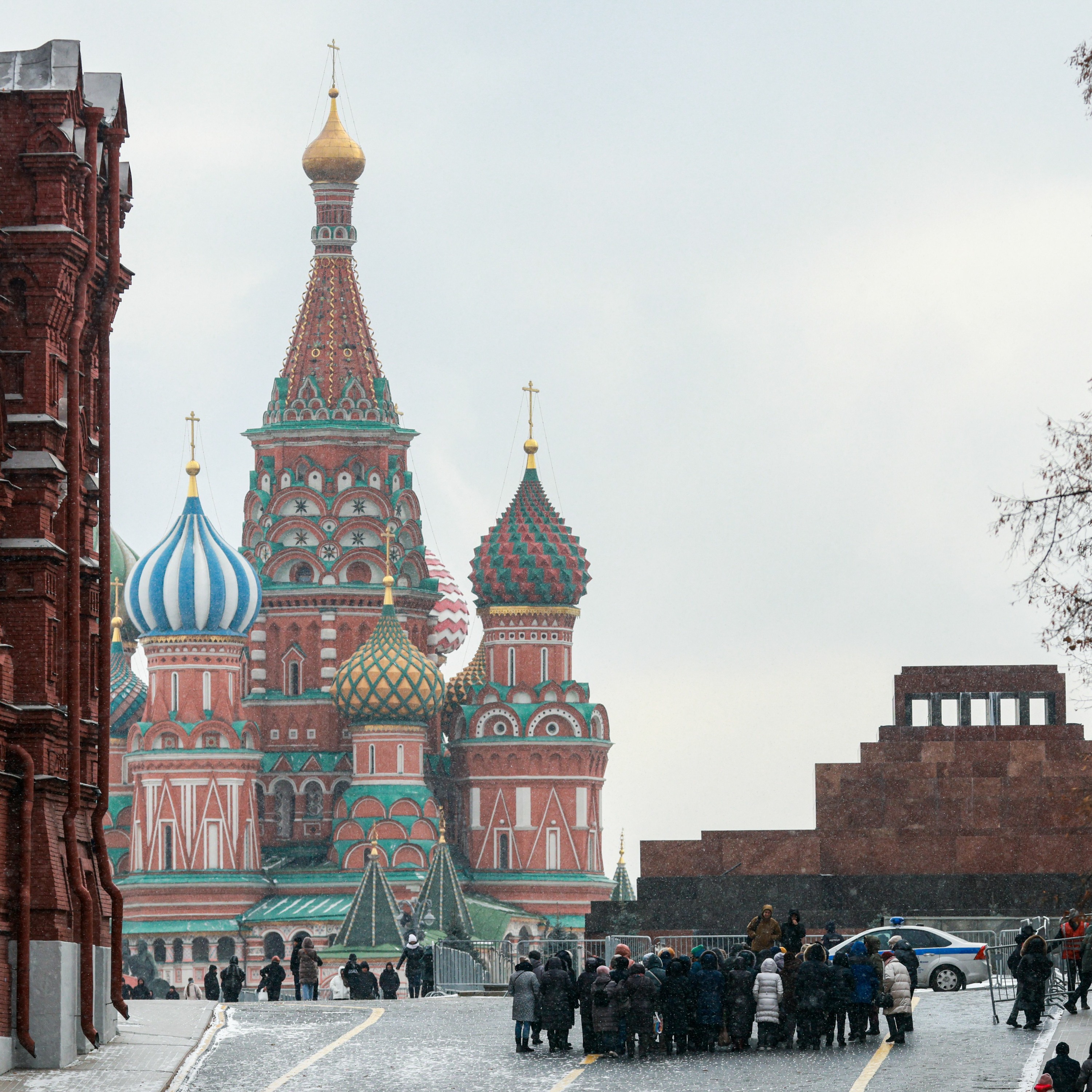
Views from Moscow
The West perceives Russians as either indifferent or supportive of the war being waged on their doorstep. But a sharp decrease in on-the-ground reporting since February 2022 means that the country has become poorly understood.In this week’s episode, Jeremy Shapiro welcomes senior policy fellow Kadri Liik and Valerie Hopkins, an international correspondent for The New York Times covering the war in Ukraine as well as Russia and the countries of the former Soviet Union. Together, they discuss how Russian society really sees the war in Ukraine. How long will Putin be able to sustain the war effort while keeping public dissent to a minimum? And three months after disposing of Prigozhin, how solid is Putin’s grip on power?Bookshelf:War and Punishment | Mikhail Zygar In Different Years | Anatoly Adamishin Hosted on Acast. See acast.com/privacy for more information.
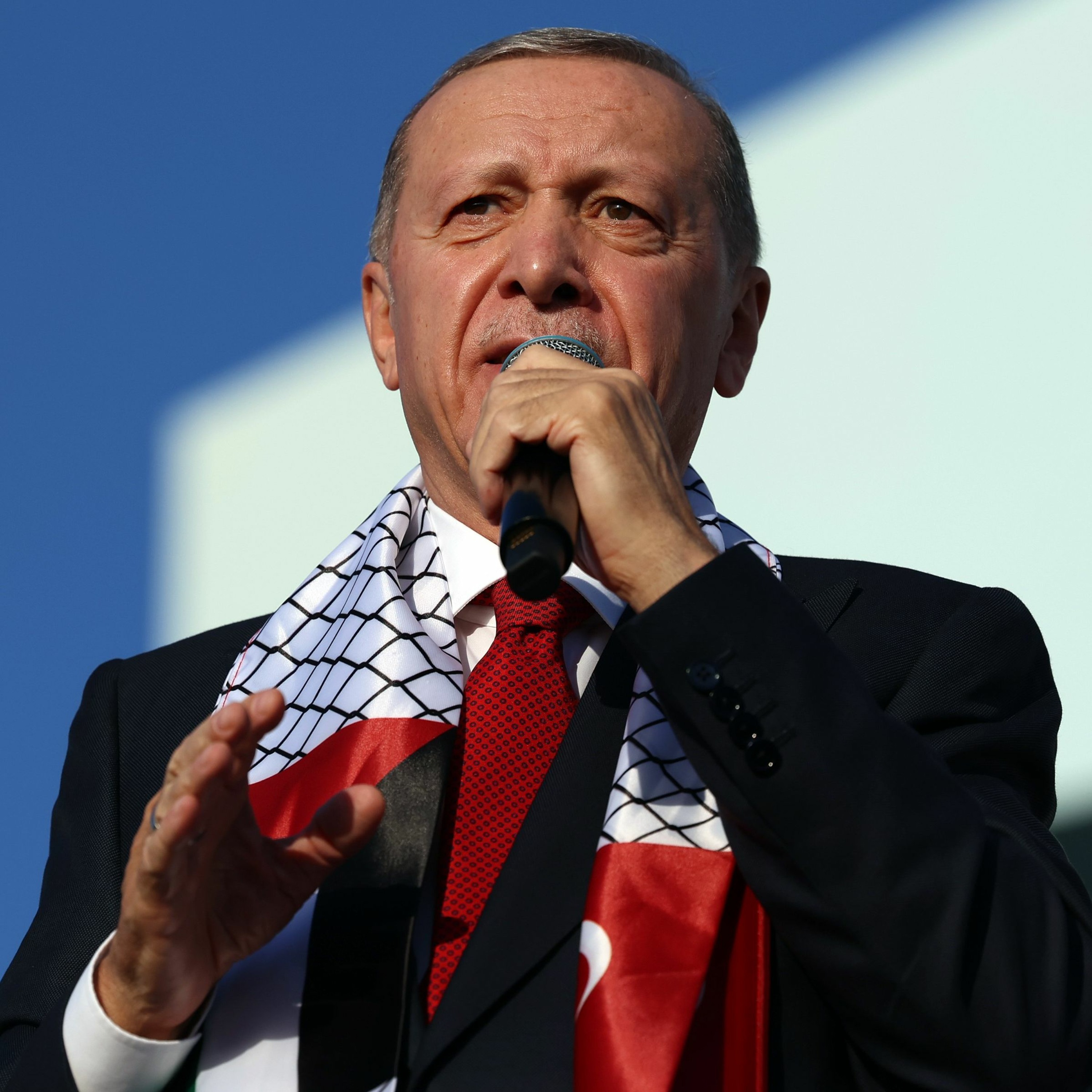
What the war in Gaza means for Turkey
Since the war in Gaza, Turkey’s president Recep Tayyip Erdoğan has raised eyebrows among his Western allies for his strident criticism of Israel and refusal to condemn Hamas. Likewise, the atmosphere in Turkey has been heated, with attempts to storm an airbase hosting US troops as well as the Israeli consulate in Istanbul.In this week’s episode, Jeremy Shapiro welcomes senior policy fellow Aslı Aydıntaşbaş, a visiting fellow at the Brookings Institute, and Dimitar Bechev, a nonresident senior fellow at the Atlantic Council and the director of the European Policy Institute in Sofia. Together, they look beyond the heated rhetoric and street politics and discuss what the war means for Turkey’s foreign policy. Where do Israel-Turkey relations stand now? Could Turkey play a role similar to Qatar’s? How are US officials reacting to Turkey’s response?This podcast was recorded on 21 November 2023. Bookshelf: Odessa: Genius and Death in a City of Dreams | Charles KingAmerican Prometheus: The Triumph and Tragedy of J. Robert Oppenheimer | Kai Bird, Martin J. SherwinVirtual Politics: Faking Democracy in the Post-Soviet World | Andrew Wilson Hosted on Acast. See acast.com/privacy for more information.
Living in an à la carte world: What European policymakers should learn from global public opinion
ECFR’s new global opinion poll reveals that many people outside the West want Europe and the US in their lives for all they have to offer – but that does not translate into full political alignment. In this week’s episode, ECFR’s research director Jeremy Shapiro welcomes council member Timothy Garton Ash, who is a bestselling author and professor of European studies at Oxford University; Ivan Krastev, who is a founding board member of ECFR and chairman of the Centre for Liberal Strategies in Sofia; and ECFR’s director Mark Leonard to discuss how public sentiment can guide Europe in building partnerships for the world of tomorrow. What is the basis for the West’s soft power? What sort of offer is China making the world? And whom do countries in the ‘global south’ prefer when faced with a choice between the West and China?This podcast was recorded on 7 November 2023.Bookshelf:Places of Mind: A Life of Edward Said | Timothy BrennanEnvironmental Political Theory | Steve VanderheidenLes Aveuglés, comment Berlin et Paris ont laissé la voie libre à la Russie | Sylvie KauffmannLiberalism against Itself: Cold War Intellectuals and the Making of Our Times | Samuel MoynYou Report to Me: Accountability for the Failing Administrative State | David Bernhardt Hosted on Acast. See acast.com/privacy for more information.
The consequences of the war in Gaza for Ukraine
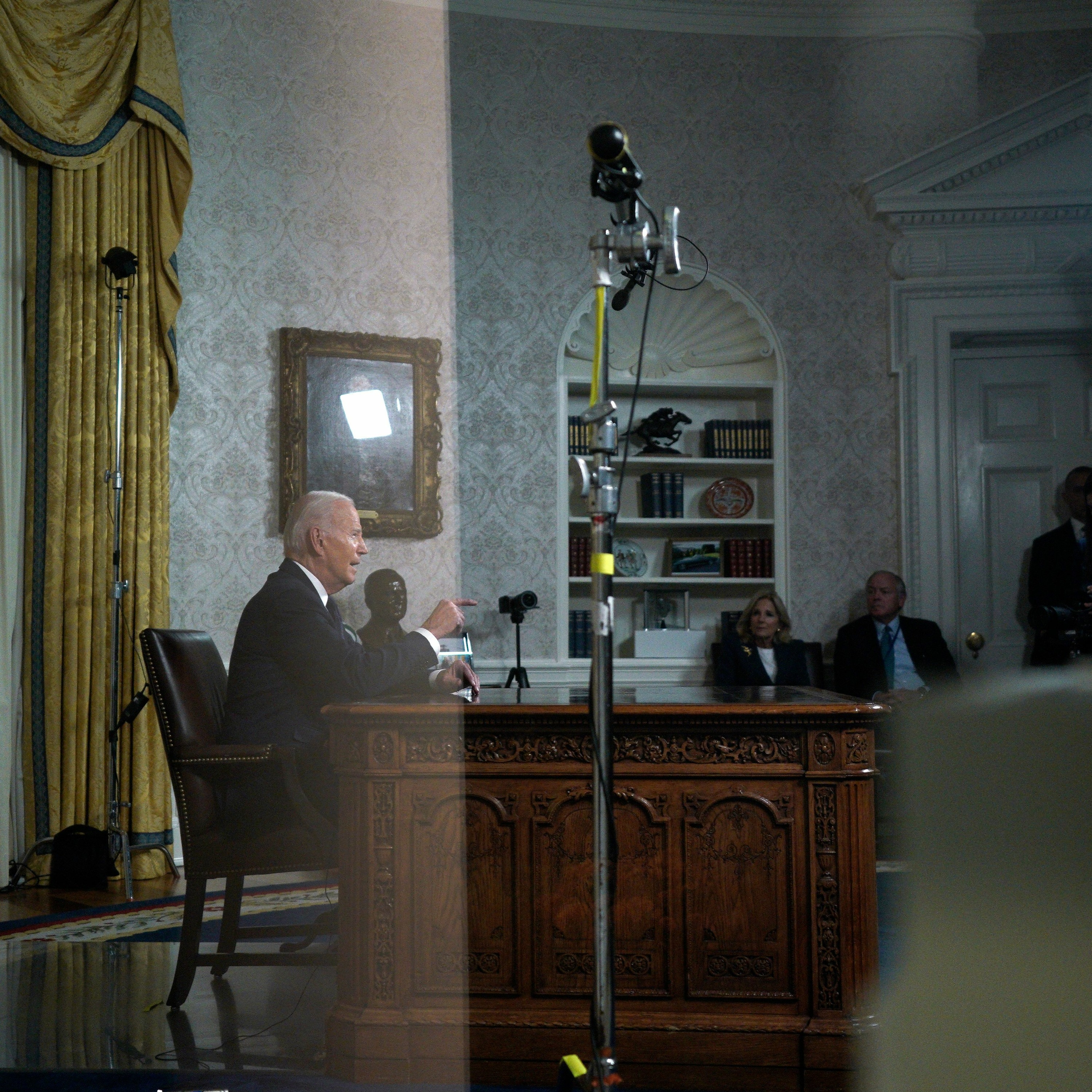
For Kyiv, the war in Gaza couldn’t have come at a worse time. It has taken the global spotlight just as the fighting between Russian and Ukrainian forces has reached a stalemate (as top Ukrainian general Valery Zaluzhny wrote in The Economist last week) and division in the US Congress threatens to sever its military aid lifeline.In this week’s episode, Jeremy Shapiro, ECFR’s research director, seizing control from Mark Leonard over the next few weeks, welcomes Gustav Gressel, senior policy fellow with the Wider Europe Programme focusing on Russia, and Kirill Shamiev, visiting fellow and expert in Russia’s civil-military relations, domestic politics, and policymaking.Together, they discuss the consequences of the war in Gaza for the war effort in Ukraine. How has the Ukrainian government responded to this new crisis? What consequences will it have for the Ukraine war? And what can Europe do to manage an ever-growing list of crises in its neighbourhood?This podcast was recorded on 6 November 2023. Hosted on Acast. See acast.com/privacy for more information.
What Europe can expect from the next US president
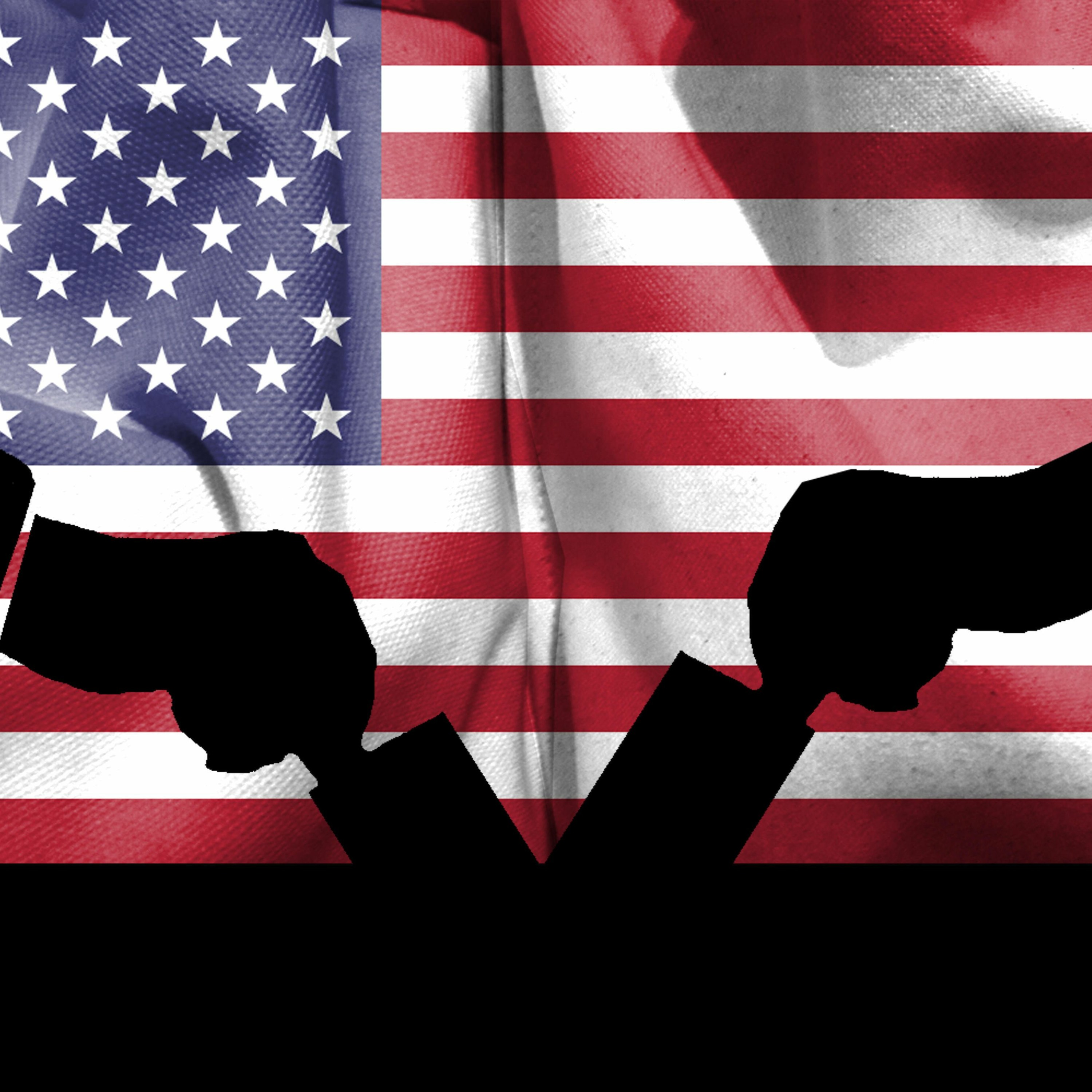
On 5 November 2024, America will elect its next president. As of now, the race for the White House is shaping up to be a replay of the 2020 presidential election – with Joe Biden and Donald Trump standing out as the likely candidates for their opposing parties. This time around, however, the United States’ engagement in the Middle East and in Ukraine, coupled with its global competition with China, could play a significant role in defining the outcome of the election. In this week’s episode, Mark Leonard welcomes ECFR’s research director Jeremy Shapiro, who is also the director of ECFR’s brand new US programme, and senior policy fellow Majda Ruge, who has worked extensively on US politics. Together, they discuss what America’s foreign policy could look like after the 2024 election and how Europe could engage proactively with the next US president. What should we expect from a second Biden presidency? Or from a second Trump presidency? What should Europeans do to plan ahead? And how can ECFR’s new US programme help them do so?This podcast was recorded on 1 November 2023.Bookshelf:The Wizard of the Kremlin: A Novel | Giuliano da Empoli Hosted on Acast. See acast.com/privacy for more information.
The blindsided: How France and Germany cleared the way for Russia
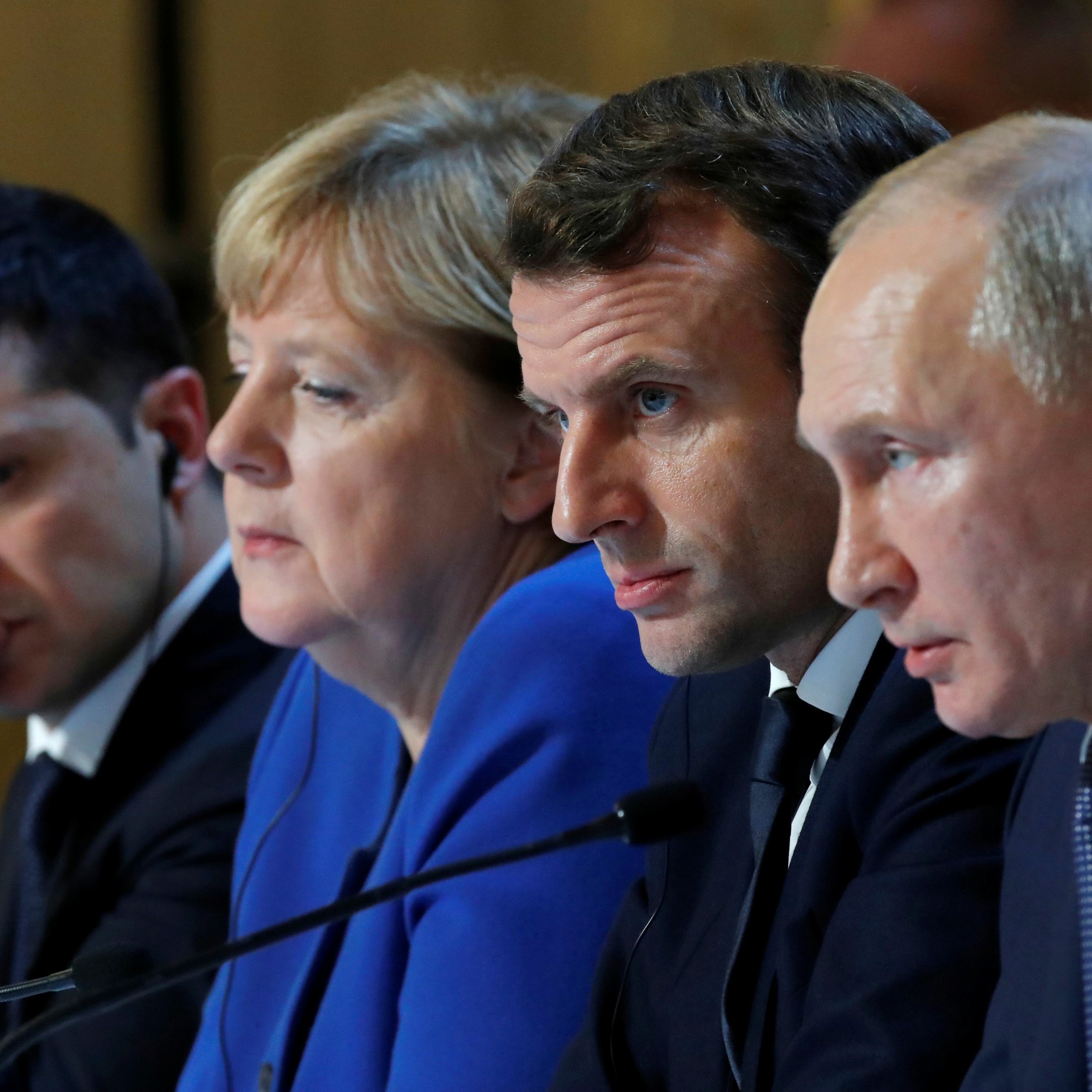
On 24 February 2022, Russia blindsided most of Europe with its all-out invasion of Ukraine. This forced an overdue reckoning for Europeans on the failures of their Russia policy and the realities of Vladimir Putin’s agenda. In particular, France and Germany had been hoodwinked by promises of cheap Russian energy supplies, as well as the pipe dream of a common European security architecture with Moscow. In this week’s episode, Mark Leonard welcomes ECFR board and council member, Sylvie Kauffmann, who is editorial director, lead writer, and columnist at Le Monde; and ECFR council member, Timothy Garton Ash, who is a bestselling author and professor of European studies at Oxford University, to discuss Kauffmann’s new book “Les Aveuglés, comment Berlin et Paris ont laissé la voie libre à la Russie” (“The Blindsided: How Berlin and Paris Cleared the Way for Russia”). How and when could France and Germany have acted differently and changed the path of history? At what point was it clear that Putin was heading down this path? And why did Europeans, again and again, ignore the warning signs?Bookshelf: Les Aveuglés, comment Berlin et Paris ont laissé la voie libre à la Russie | Sylvie KauffmannHomelands: A Personal History of Europe | Timothy Garton Ash Hosted on Acast. See acast.com/privacy for more information.
How the Polish elections will change Europe
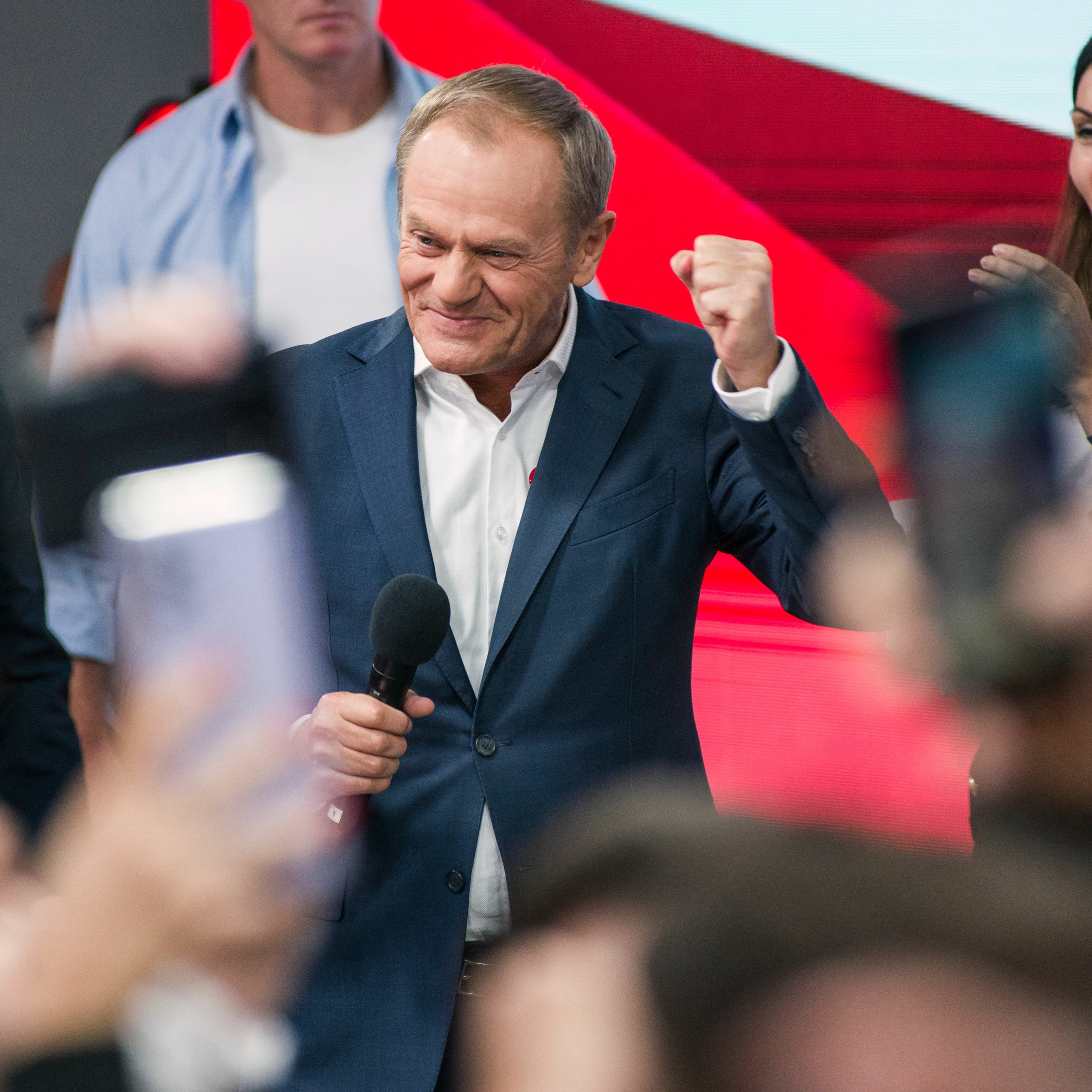
Poland is returning to European politics as a constructive player. The country’s National Electoral Commission confirmed on Tuesday morning that the Polish opposition has gathered enough votes to form a government and end the Law and Justice party’s eight-year rule of illiberalism and Eurosceptism. The results also hold two key lessons for Europe: a country’s illiberal turn can be reversed, and polarisation is an insufficient tool to mobilise progressive voters.In this week’s episode, Mark Leonard welcomes senior policy fellows Piotr Buras, head of ECFR Warsaw, and Jana Puglierin, head of ECFR Berlin, to understand what we can expect from Poland’s new government and what Poland’s return to the EU’s centrist fold means for its neighbours and for Brussels. What options do Law and Justice have in opposition? What immediate consequences will the election results have for how Poland relates to the EU, to Germany, and to Ukraine? What effect will they have on the enlargement debate and on European elections next year?This podcast was recorded on 17 October 2023.Bookshelf:A Tale of Love and Darkness by Amos OzDie Möglichkeit von Glück by Anne Rabe Hosted on Acast. See acast.com/privacy for more information.
Podcast special: Hamas’s surprise attack on Israel
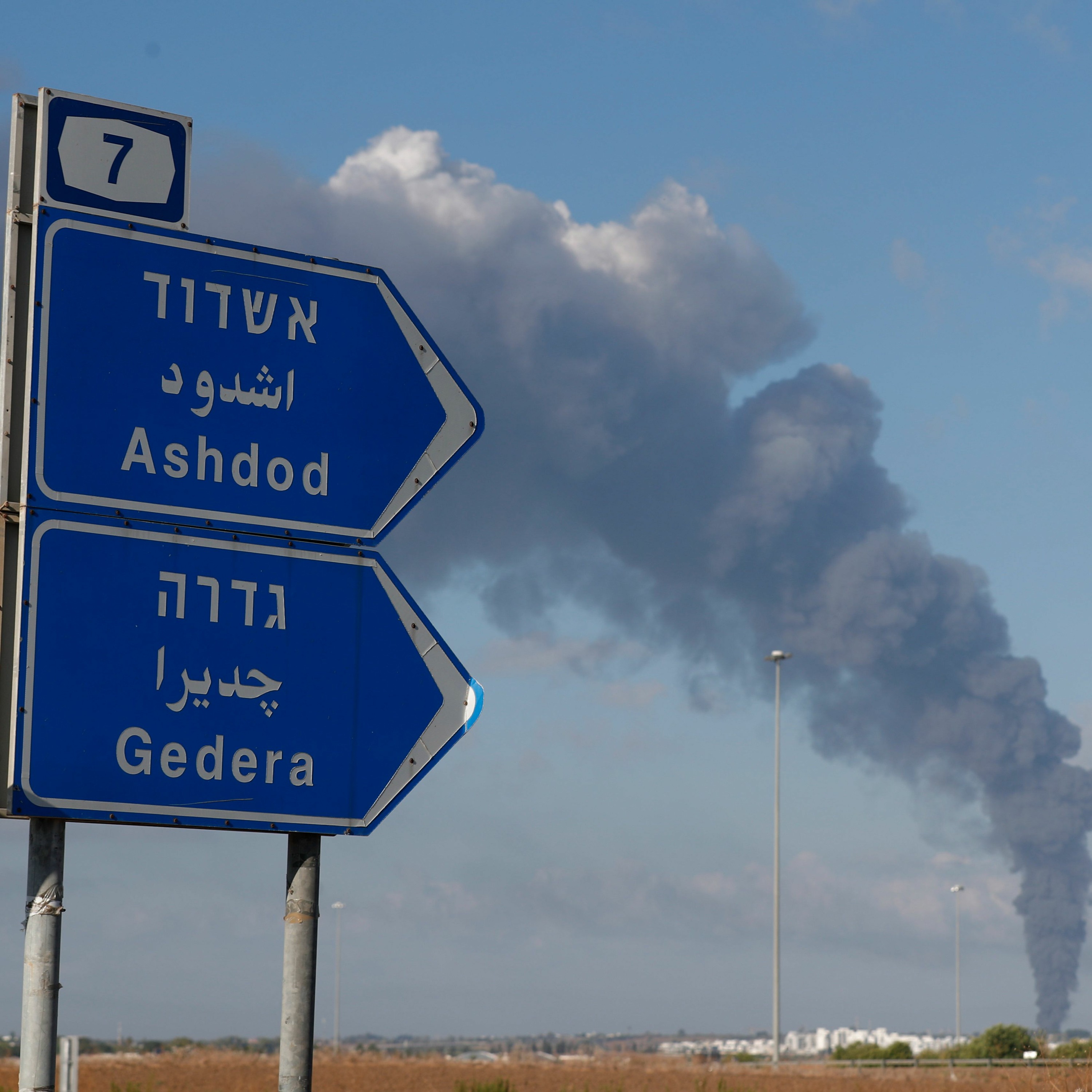
On Saturday morning, Hamas carried out an unprecedented attack on Israel, firing thousands of rockets, but also infiltrating cities, towns, and kibbutzim in the south of the country. It is the first time a hostile power has taken Israeli territory since the Yom Kippur war in 1973. This surprise offensive – which has already killed more than 800 Israelis and left over 400 Palestinians dead in Gaza after initial Israeli military reprisals – marks a significant turning point in the Israeli-Palestinian conflict.In this special episode, Mark Leonard welcomes Israeli diplomat and strategist, Eran Etzion, who is a former head of policy planning at Israel’s Ministry of Foreign Affairs and former deputy head of the country’s National Security Council. They are joined by Julien Barnes-Dacey, director of ECFR’s Middle East and North Africa programme, and ECFR senior policy fellow Hugh Lovatt to discuss what is behind Israel’s intelligence failure and consider possible future scenarios. How did Hamas militants manage to infiltrate Israeli territory? What does this mean for the future of Abraham accords as well as prospects for Saudi-Israel normalisation? And for Netanyahu, and his hold on power? Finally, is there any role at all that Europeans can play in preventing a regional conflagration? This podcast was recorded on 9 October 2023. Bookshelf: How Europeans should respond to the Hamas offensive against Israel | Julien Barnes-Dacey, Hugh Lovatt Hosted on Acast. See acast.com/privacy for more information.
Spain and Poland at the ballot box: what’s next for Europe?
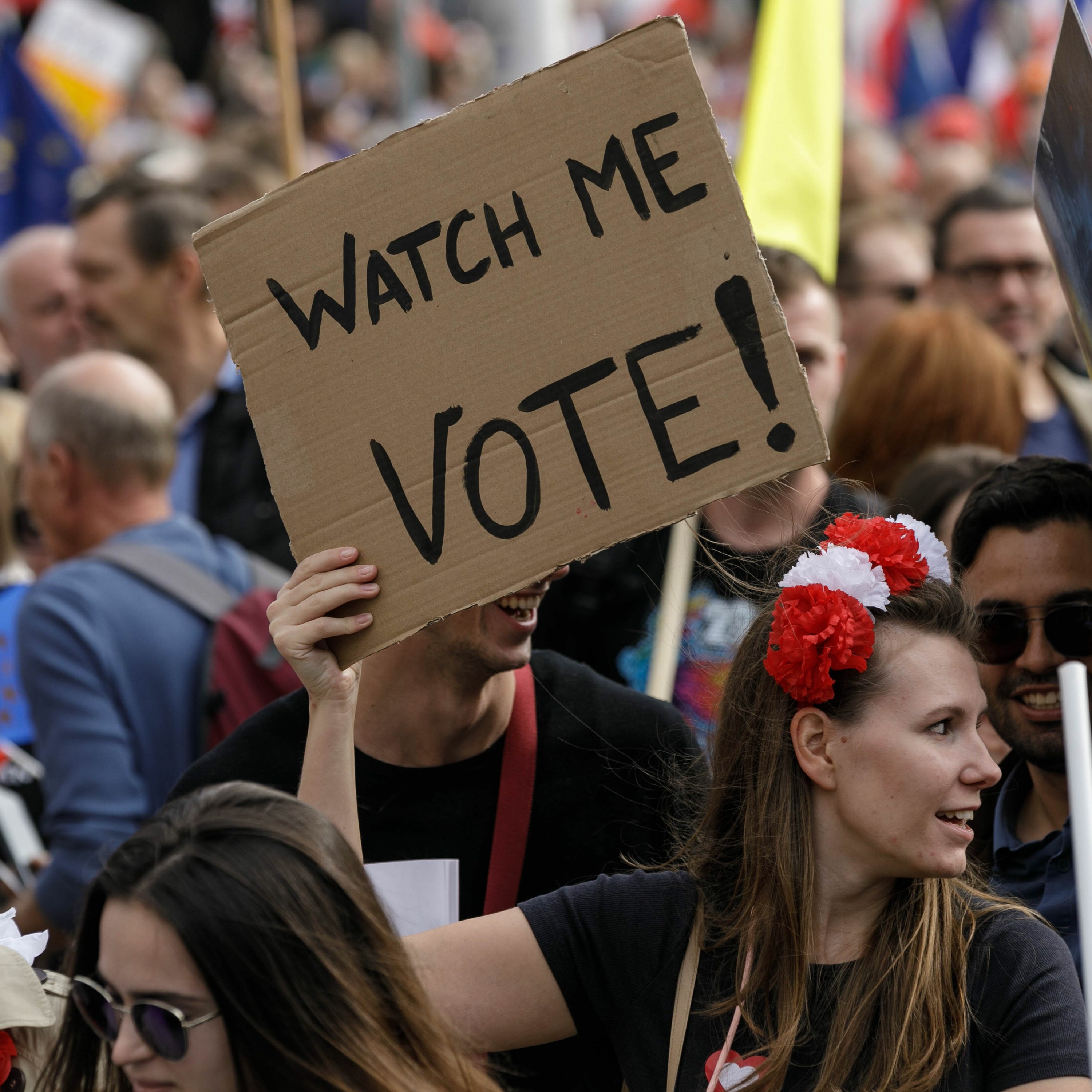
Last week, Alberto Núñez Feijóo, leader of Spain’s People’s Party, lost his second bid at leading the country’s government. All eyes are now on Pedro Sánchez, acting prime minister and leader of the Spanish Socialist Workers’ Party, as he tries to gather enough support to hold his office for another term.Across the continent, Poland is preparing for the next parliamentary election on 15 October – and the rising far-right party Confederation is set to swing the balance between right-wing incumbents Law and Justice, and the liberal opposition.In this week’s episode, Mark Leonard welcomes senior policy fellows José Ignacio Torreblanca, head of ECFR Madrid, and Piotr Buras, head of ECFR Warsaw, to discuss how Spanish and Polish politics will affect Europe’s political map, the bloc’s support for Ukraine, the growing debate on enlargement, and next summer’s European elections. Are mainstream parties in Poland willing to form a government with Confederation?Whose support will Pedro Sánchez need to form a new government, and what happens if he too fails? What is causing voters to flock to right-wing parties in Poland but punish them in Spain? How are Poland’s pre-election debates on refugees and grain affecting European support for Ukraine?This podcast was recorded on 29 September 2023.Bookshelf: Free: Coming of Age at the End of History | Lea YpiChip War: The Fight for the World's Most Critical Technology | Chris MillerSpołeczeństwo populistów | Przemysław Sadura, Sławomir Sierakowski Hosted on Acast. See acast.com/privacy for more information.
Understanding the multipolar Middle East with Ellie Geranmayeh and Alistair Burt
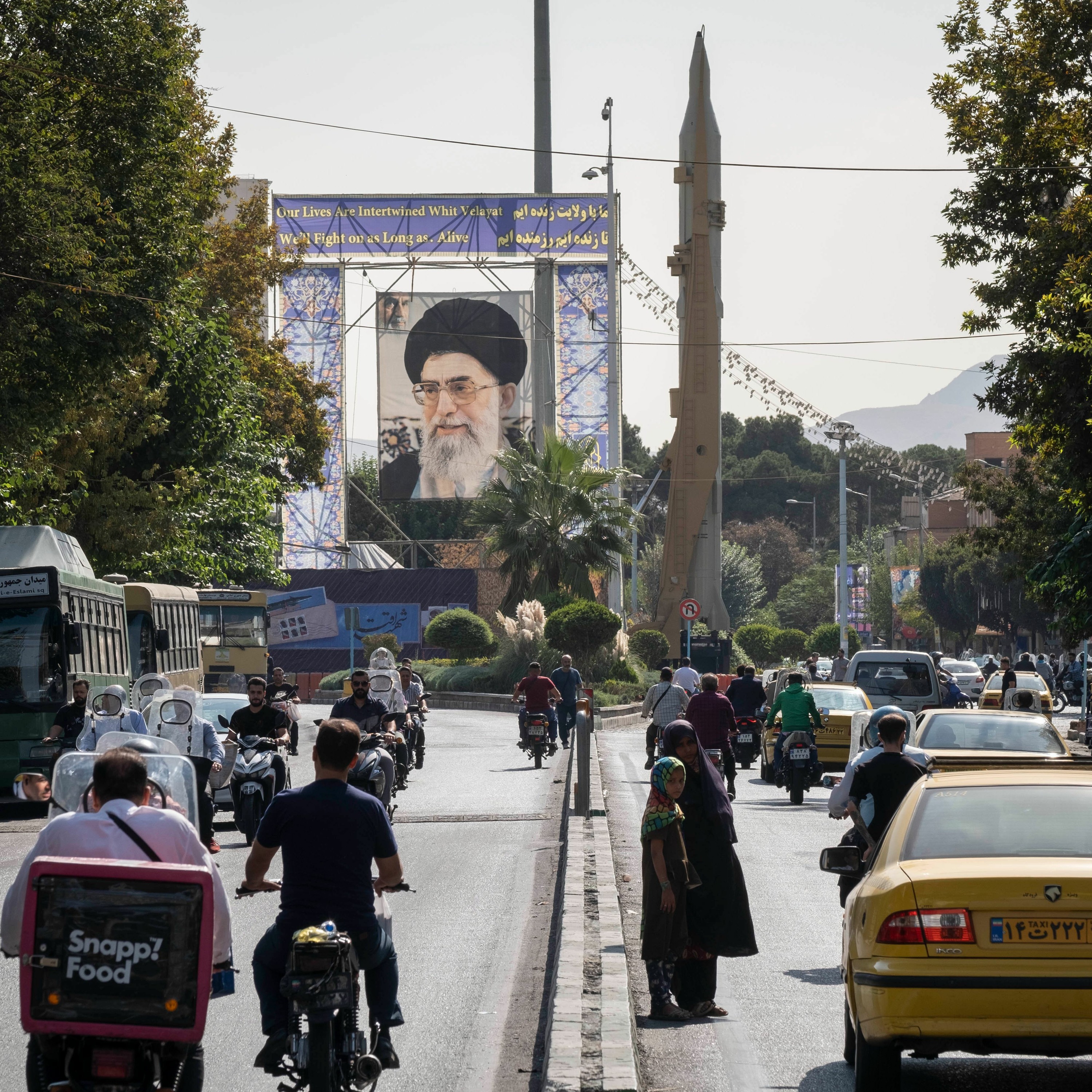
For the past few months, the United States has been trying to broker a groundbreaking bilateral deal between Saudi Arabia and Israel. Iran, meanwhile, is forging an ever closer and ever more dangerous partnership with Russia. Finally, Saudi Arabia, the United Arab Emirates, and Egypt were invited to join the BRICS this summer – and are turning more and more towards the east. In short, the Middle Eastern order has shifted towards multipolarity. In this week’s episode, Mark Leonard welcomes Ellie Geranmayeh, senior policy fellow and deputy director of ECFR’s Middle East and North Africa programme, and Alistair Burt, pro-chancellor of Lancaster University and former UK minister of state for the Middle East and North Africa. Together, they discuss the power dynamics that are shaping the Middle East’s embrace of multipolarity. Who are the winners and losers in these power shifts? How are China and Russia exploiting them? And what can Europe do to pursue its own interests in a region that has become much more comfortable with hedging? This podcast was recorded on 12 September 2023. Bookshelf: A Year on from the Mahsa Amini Protests: Where Iran is headed and the Implications for Western Policy | Ellie Geranmayeh And then what?: inside stories of 21st-century diplomacy | Catherine Ashton Assad | Con Coughlin 1923 | Ned Boulting Hosted on Acast. See acast.com/privacy for more information.
The End of Germany's China Illusion
In her state of the union address, European Commission president, Ursula von der Leyen, announced an anti-subsidy investigation into Chinese electric cars. This summer, the German government released its first comprehensive China strategy, noting that “China has changed, and therefore we must change our approach.” These events mark a turning point in EU-China relations.In this week’s episode, Mark Leonard welcomes Janka Oertel, director of ECFR’s Asia programme, to discuss her new book “End of the China illusion: How we must deal with Beijing’s claim to power”, published by Piper Verlag (in German). What threats do today’s China pose to Europe and to Germany? What are the West’s biggest misconceptions about China? And what, really, does China want?This podcast was recorded on 20 September 2023.Bookshelf:Ende der China-Illusion: Wie wir mit Pekings Machtanspruch umgehen müssen | Janka OertelFive Times Faster: Rethinking the Science, Economics, and Diplomacy of Climate Change | Simon SharpeLenin: The Man, the Dictator, and the Master of Terror | Victor Sebestyen Hosted on Acast. See acast.com/privacy for more information.
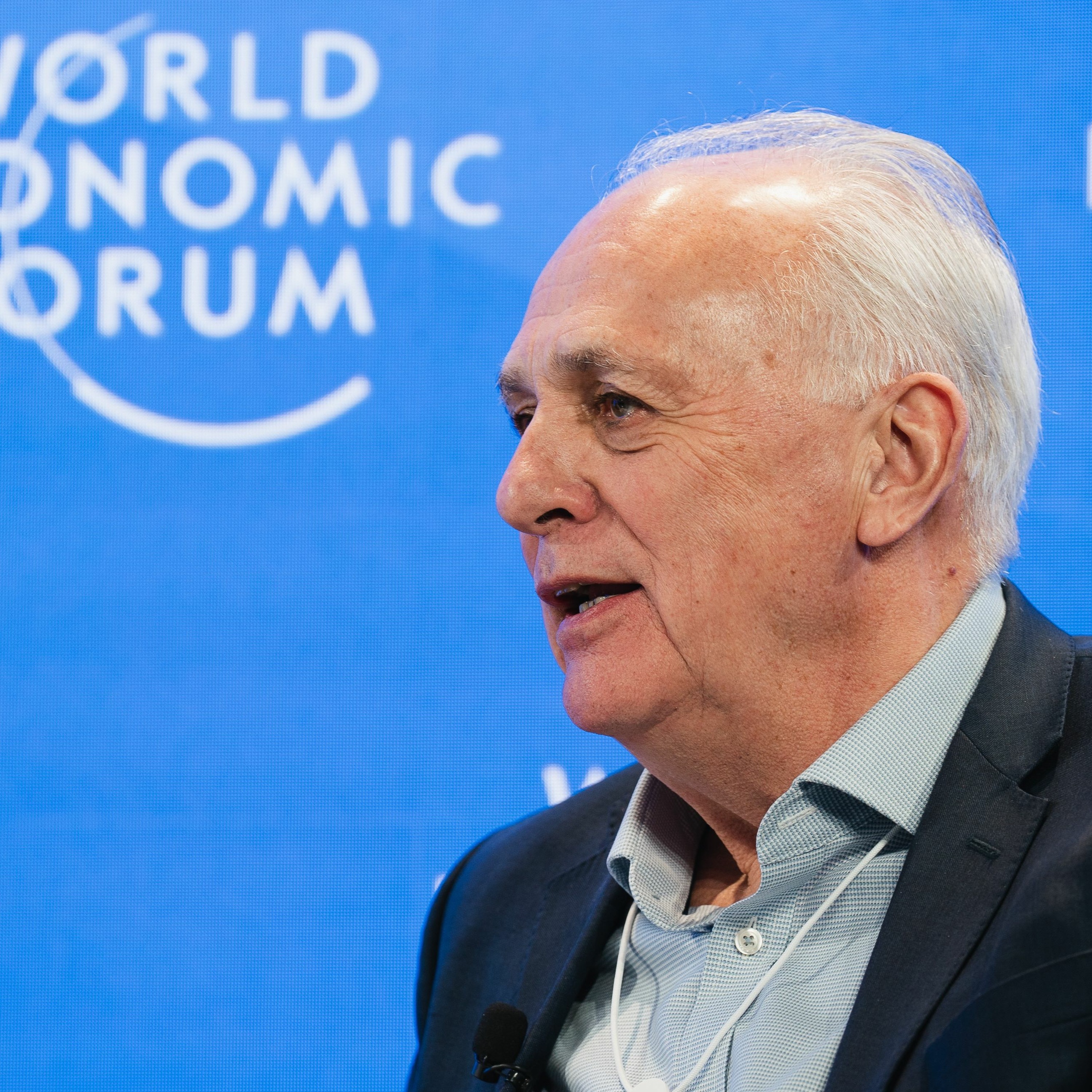
Defending the open society with Mark Malloch-Brown
Global freedom has been declining for 17 years. Authoritarian turns are increasing, and current events – such as the rise of populism and Russia’s war on Ukraine – are shaping the future of democracy across the globe. In this week’s episode, Mark Leonard welcomes the president of the Open Society Foundations (OSF), Mark Malloch-Brown – who previously served as UN deputy secretary-general under Kofi Annan – to discuss open societies and OSF’s role in promoting justice, democratic governance, and human rights worldwide. What are OSF’s next steps in the new global reality? How could changes in the organisation’s presence in Europe affect civil society on the continent, especially in places like Poland, Hungary, and Ukraine? And how crucial is 2024, a year of big elections in Europe and the United States, for defending the open society model?This podcast was recorded on 13 September 2023. Bookshelf:Open Society BarometerThe Wide World | Pierre Lemaitre Hosted on Acast. See acast.com/privacy for more information.
The great reset? How the EU and the UK can rethink their security and defense cooperation
War has returned to the European continent, putting many previous divisions into perspective. This has caused European leaders to think afresh about their politics – and raised the question of the United Kingdom’s role in European foreign policy. Seven years after the Brexit referendum, the EU and the UK have finally resolved some of their differences through the Windsor Framework. The possibility of a reset between the UK and the EU on foreign policy could be on the horizon. In this year’s mini-series, Mark Leonard and Susi Dennison examine what a reimagined EU-UK relationship might look like. In this seventh episode, Mark and Susi welcome ECFR senior policy fellow, Nick Witney, who previously served as the first chief executive of the European Defence Agency, and ECFR distinguished policy fellow, Camille Grand, who is a former NATO assistant secretary general. How have Brexit and then the war in Ukraine affected UK-EU defence cooperation? What potential is there for future collaboration in defence, especially in the areas of industry, technology, and energy? And could NATO act as a vehicle for a different kind of defence relationship between the UK and EU member state s?This podcast was recorded on 20 July 2023. Bookshelf:What Just Happened?! by Marina HydeLeMay: The Life and Wars of General Curtis LeMay, by Warren KozakThe Bomber Mafia, by Malcolm Gladwell (Podcast) Hosted on Acast. See acast.com/privacy for more information.
The Great Reset? Challenges and opportunities for EU-UK cooperation
War has returned to the European continent, putting many previous divisions into perspective. This has caused European leaders to think afresh about their politics – and raised the question of the United Kingdom’s role in European foreign policy. Seven years after the Brexit referendum, the EU and the UK have finally resolved some of their differences through the Windsor Framework. The possibility of a reset between the UK and the EU on foreign policy could be on the horizon. In this year’s mini-series, Mark Leonard and Susi Dennison examine what a reimagined EU-UK relationship might look like. In this sixth episode, Mark and Susi welcome former permanent secretary in the UK’s Department for Exiting the European Union, Philip Rycroft, who prior to that held several roles in Westminster and Brussels, including in Leon Brittan’s cabinet. How is post-Brexit Britan approaching trade deals and regulatory alignment with third countries? How has Brexit affected the movement of people and labour across borders? What are the implications of the Northern Ireland Protocol for the UK’s relationship with the EU? And what challenges and opportunities does the UK face in the evolving global economy, particularly considering China’s influence?This podcast was recorded on 20 June 2023. Bookshelf:North and South, by Elizabeth Gaskell Hosted on Acast. See acast.com/privacy for more information.
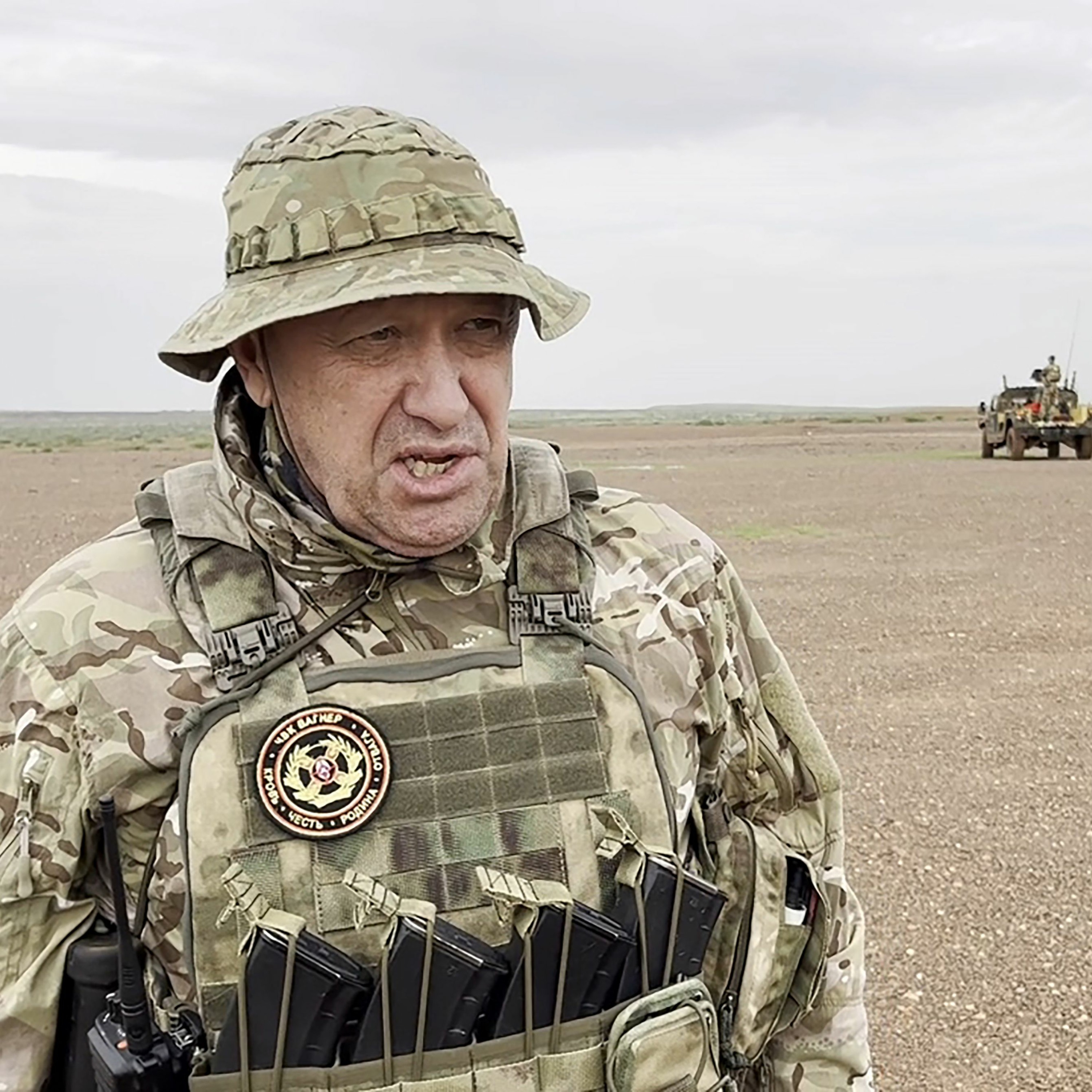
Podcast special: Yevgeny Prigozhin’s death
On 23 August, Wagner leader Yevgeny Prigozhin’s private jet crashed, leading Russian state media to declare his death. The enigmatic circumstances surrounding the event raise crucial questions about the incident itself, but also about its potential ramifications, which could extend well beyond Russia. In this special episode, Mark Leonard welcomes the head of ECFR’s Africa programme, Theodore Murphy, senior policy fellow, Kadri Liik, and visiting fellows Pavel Slunkin and Kirill Shamiev to dissect the aftermath of the development.To what extent will the Wagner group be able to maintain its autonomy from the Kremlin following Prigozhin’s death? How might Prigozhin’s death affect the power dynamics within Russia’s security apparatus and intelligence agencies? And what could the implications be for the future of Wagner, both in Ukraine and in Africa? The podcast was recorded on Thursday 24 August 2023.Bookshelf:The Redline podcast – episode 95: The Death of the US Dollar?Russian archive about the Revolution and the Civil War Hosted on Acast. See acast.com/privacy for more information.
The great reset? How the EU and the UK can rethink their cooperation on foreign policy - Ivan Rogers
War has returned to the European continent, putting many previous divisions into perspective. This has caused European leaders to think afresh about their politics – and raised the question of the United Kingdom’s role in European foreign policy. Seven years after the Brexit referendum, the EU and the UK have finally resolved some of their differences through the Windsor Framework. The possibility of a reset between the UK and the EU on foreign policy could be on the horizon. In this year’s mini-series, Mark Leonard and Susi Dennison examine what a reimagined EU-UK relationship might look like. In this fifth episode, Mark and Susi welcome Britain’s former permanent representative to the EU, Ivan Rogers, who also served as David Cameron’s advisor for Europe and as principal private secretary to Tony Blair. How could the evolving geopolitical landscape, particularly the US-China relationship, influence security dynamics in the EU and the UK? What challenges and opportunities might a new UK government face when rethinking the country’s economic and financial relationship with the EU? In what areas is the UK and the EU’s cooperation on rule-making asymmetrical, and how does that affect their ability to collaborate on various policy matters?This podcast was recorded on 19 July 2023. Bookshelf:Revolutionary Spring: Fighting for a New World 1848-1849, by Christopher ClarkThe Sleepwalkers: How Europe Went to War in 1914, by Christopher Clark Hosted on Acast. See acast.com/privacy for more information.
The Great Reset? How the EU and the UK can rethink their cooperation on climate and energy
War has returned to the European continent, putting many previous divisions into perspective. This has caused European leaders to think afresh about their politics – and raised the question of the United Kingdom’s role in European foreign policy. Seven years after the Brexit referendum, the EU and the UK have finally resolved some of their differences through the Windsor Framework. The possibility of a reset between the UK and the EU on foreign policy could be on the horizon. In this year’s mini-series, Mark Leonard and Susi Dennison examine what a reimagined EU-UK relationship might look like. In this fourth episode, Mark and Susi welcome Nick Butler, energy policy adviser at the Cavendish Laboratory, University of Cambridge, and the Faraday Institution, and previously senior policy advisor to former prime minister Gordon Brown and co-founder of the Centre for European Reform think tank. How does the EU-UK relationship sit in the context of global energy challenges and climate change? What areas of common interest exist between the UK and the EU in terms of energy storage, renewable energy development, and technological advancements? How can cooperation be strengthened on creating a more integrated and resilient energy market?This podcast was recorded on 19 July 2023. Bookshelf:The Long Journey of English: A Geographical History of the Language, Peter Trudgill Hosted on Acast. See acast.com/privacy for more information.
The Great Reset? The view from Brussels
War has returned to the European continent, putting many previous divisions into perspective. This has caused European leaders to think afresh about their politics – and raised the question of the United Kingdom’s role in European foreign policy. Seven years after the Brexit referendum, the EU and the UK have finally resolved some of their differences through the Windsor Framework. The possibility of a reset between the UK and the EU on foreign policy could be on the horizon. In this year’s mini-series, Mark Leonard and Susi Dennison examine what a reimagined EU-UK relationship might look like. In this third episode, Mark and Susi welcome the Eurasia Group’s managing director for Europe, Mujtaba Rahman, who previously served at the UK Treasury and the European Commission’s directorate general for economic and financial affairs, to discuss what this renewal of relations might look like. How has Brexit affected the UK’s economy? How can the UK negotiate a new agreement with the EU that avoids political difficulties around freedom of movement while still being attractive to the bloc? What areas of cooperation could the UK and the EU explore beyond the existing trade agreement?This podcast was recorded on 12 July 2023. Bookshelf:Johnson at 10: The Inside Story, by Anthony Seldon and Raymond NewellThis is Europe: The Way We Live Now, by Ben Judah Hosted on Acast. See acast.com/privacy for more information.