
Intelligence Squared
1,654 episodes — Page 29 of 34
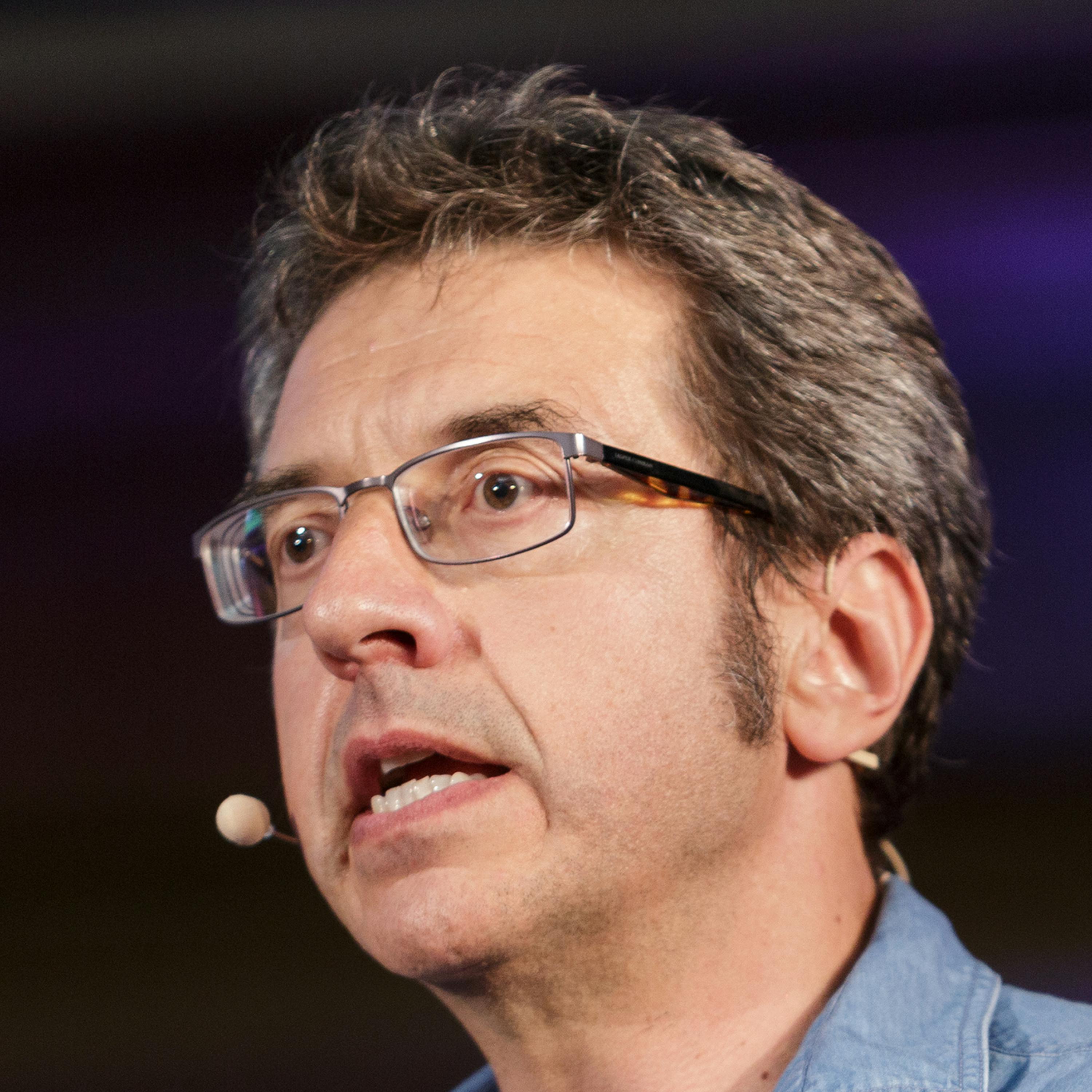
The Battle for the Countryside: Britain Should Rewild its Uplands
This event was recorded on the 10th of July 2018 in London SPEAKERS FOR THE MOTION: Mark Cocker - Author and naturalist and George Monbiot - Guardian columnist, environmental campaigner and author of Regenesis: Feeding the World without Devouring the Planet. AGAINST THE MOTION: Minette Batters - President of the National Farmers' Union and Rory Stewart Former Conservative government minister, whose new book is Politics On the Edge: A Memoir from Within CHAIR: Jonathan Dimbleby - Broadcaster, documentary maker and author Imagine if swathes of the British countryside were allowed to be wild once again, if trees and rare plants could flourish and beavers, boars and white-tailed eagles could retake their place in the ecosystem. That’s the goal of the growing numbers of nature-lovers who support the idea of rewilding Britain’s uplands. We tend to think of these uplands as ‘wild’ and ‘natural’. But in fact, as the rewilders point out, they are entirely man-made, the result of clearances by man to make way for millions of sheep whose grazing over the last 200 years has rendered the land bare. Sheep farming, once a major source of Britain’s wealth, is now largely uneconomic and depends on billions of pounds of subsidies. But where rewilding is taking place, in Britain and in Europe, a boom in tourism is providing a more sustainable local economy. We must make space for wild nature in places where farming does not make sense. That’s romantic tosh, say the opponents of rewilding. People matter too, and the idea that we should do away with traditional ways of life for the sake of wild bilberries and wolves is getting things out of proportion. Get rid of the farms in the uplands and you will destroy not just the livelihoods of farmers, shepherds and vets, but also the village schools, shops and pubs that are at the heart of rural communities. Yes, upland sheep farms are subsidised but so is almost every other kind of agriculture. And do we really want rampant scrub to replace peaceful scenes of grazing sheep and gambolling lambs, and introduce dangerous animals who will all too soon encroach upon the outskirts of our towns and villages? Intelligence Squared brought together four speakers who care passionately about the countryside but disagree profoundly on how we should manage it. — We’d love to hear your feedback and what you think we should talk about next, who we should have on and what our future debates should be. Send us an email or voice note with your thoughts to [email protected] or Tweet us @intelligence2. And if you’d like to support our mission to foster honest debate and compelling conversations, as well as ad-free podcasts, exclusive bonus content, early access and much more, become a supporter of Intelligence Squared today. Just visit intelligencesquared.com/membership to find out more. Learn more about your ad choices. Visit podcastchoices.com/adchoices

Mary Beard on Women and Power, with Miriam González and Laurie Penny
EMary Beard is Britain’s best known classicist. Widely admired for her scholarship and popular television programmes about the ancient world, she is also one of this country’s most prominent feminists. By refusing to be cowed by the misogynistic trolls who have abused her on Twitter, she has become a heroine for our times. On June 7th Beard comes to the Intelligence Squared stage to talk about the themes of her No. 1 bestselling book Women and Power: A Manifesto. Examining misogyny’s deep cultural roots, she will explore the ways in which women have been excluded from power for thousands of years. Take the decapitated, snake-haired head of Medusa in Greek mythology – seen by Freud as a castrator figure. It has been used recently to demonise Theresa May, Angela Merkel, and in the 2016 presidential campaign Hillary Clinton, who appeared in a meme as Medusa, with Trump holding her severed head aloft. The message? That the ultimate way to silence a woman is to kill her. Beard will also highlight a passage in Homer’s Odyssey, some 3,000 years old, where Penelope’s son tells her to shut up and go back to her spinning and weaving because speech is ‘the business of men.’ Muted women, men as aggressors: the injustices that the #MeToo movement is addressing are millennia old. So how do we combat misogyny in all its forms? Is the kind of collective action we have seen recently in the Women’s March and #MeToo going to effect the change longed for by so many? Should women who seek political power simply accept the status quo and follow the male template, or do we need a radical rethink of the entire nature of power and spoken authority? Beard explored these urgent questions, in conversation with lawyer and campaigner Miriam González and radical commentator Laurie Penny, with writer and broadcaster Afua Hirsch in the chair. Support this show http://supporter.acast.com/intelligencesquared. See acast.com/privacy for privacy and opt-out information. Learn more about your ad choices. Visit podcastchoices.com/adchoices

James Comey in Conversation with Emily Maitlis on Speaking Truth To Power
When President Trump sacked James Comey as FBI Director in May last year, he ignited a political firestorm with huge implications for American democracy. Comey’s dismissal led to the appointment of Special Counsel Robert Mueller to look at possible links between the Russian government and the Trump campaign — an investigation which may bring to light dark secrets about President Trump and his close associates. Now to mark the publication of his global bestseller, A Higher Loyalty, Comey came to the Intelligence Squared stage for an exclusive event. In conversation with the BBC’s Emily Maitlis, he revealed what really happened in those strange early months of the Trump presidency, as well as his long career in public service and speaking truth to power. Before his tenure at the head of the FBI under Obama from 2013 to 2017, Comey served in the highest echelons of American law enforcement, first as a senior prosecutor during the Clinton administration and then as Deputy Attorney General under President George W. Bush. His career under both Republican and Democratic presidents brought him to the centre of the most important cases in modern history, including prosecuting the mafia, overhauling the Bush administration’s surveillance and counterterrorism policies, securing the conviction of lifestyle guru Martha Stewart and leading the controversial investigation into Hillary Clinton’s private email server. In today’s era of fake news, polarised politics and ‘alternative facts’ — when the truth itself often seems under attack — integrity, honesty and ethical leadership seem more important than ever. Comey, who served under four very different presidents, has witnessed and experienced the struggles that arise when patriotism and principles careen headlong into the partisanship that has gripped American politics. Support this show http://supporter.acast.com/intelligencesquared. See acast.com/privacy for privacy and opt-out information. Learn more about your ad choices. Visit podcastchoices.com/adchoices

The World Should Recognise Jerusalem As Israel’s Capital
Many of Israel's supporters, including Donald Trump, claim Jerusalem should be recognised as the country's capital city. After all, it has been the Jewish people's spiritual capital for millennia. But will recognising Jerusalem be the death blow for the Israeli-Palestinian peace process? Arguing in favour of the motion "The World Should Recognise Jerusalem As Israel’s Capital" were Ehud Omert, former Israeli Prime Minister; and Natasha Hausdorff, barrister at Six Pump Court Chambers and a director of the NGO ‘UK Lawyers for Israel’. Against them were former UK Foreign Secretary Jack Straw and leading Palestinian activist, academic and writer Ghada Karmi. The debate was chaired by Emily Maitlis, presenter of BBC Newsnight and one of the UK's best known broadcasters. Support this show http://supporter.acast.com/intelligencesquared. See acast.com/privacy for privacy and opt-out information. Learn more about your ad choices. Visit podcastchoices.com/adchoices

Anshel Pfeffer in conversation with Catherine Philp on Netanyahu and The Future of Israel
This week's Intelligence Squared podcast features Anshel Pfeffer, Haaretz journalist and author of Bibi - The Turbulent Life And Times Of Benjamin Netanyahu in conversation with Catherine Philp, diplomatic correspondent on The Times. In this in-depth podcast on the leadership and story of Israeli Prime Minister Benjamin Netanyahu, they discuss the state of modern Israel and the future of the Middle East. Support this show http://supporter.acast.com/intelligencesquared. See acast.com/privacy for privacy and opt-out information. Learn more about your ad choices. Visit podcastchoices.com/adchoices

The Threat From Russia: Can Putin Be Stopped?
Is Vladimir Putin the most powerful – and dangerous – man in the world? With Putin in the Kremlin, we have returned to an era where former Russian spies are mysteriously poisoned on British soil and where Russia feels emboldened to roll its tanks into an eastern European state. The Kremlin uses deadly force to wipe out opponents and stifle dissent at home, while overseas it props up Bashar al-Assad, the butcher of Damascus, who slaughters civilians with barrel bombs and chemical weapons. And that’s not to mention Moscow’s alleged meddling in the US election, which may have played a decisive role in the rise of Donald Trump. Tensions have increased so much in recent months that the UN secretary general António Guterres has warned of a ‘full-blown military escalation’ between Russia and the West. So what should we do? Some argue that the West has been appeasing Russia for too long, and that it’s finally time to get tough. Putin’s crimes in Syria and Ukraine – and allegedly on the streets of Salisbury – can’t be allowed to go unchecked, so we need to start ramping up the military pressure. Others claim, however, that the West is culpable for the new Cold War. After all, it was NATO’s decision to expand eastwards and take in former Soviet states that kick-started this new era of conflict. So should we instead show some humility and try to rebuild trust and fresh channels of communication with Russia? And what about the billions of pounds of dirty Russian money being laundered through the London property market and financial system? Much of Putin’s power stems from Russia’s kleptocratic economy, where his cronies control vast swathes of the nation’s wealth and hoard it overseas. By allowing the oligarchs to stash their cash in the City, are we not bolstering Putin’s grip on power? Support this show http://supporter.acast.com/intelligencesquared. See acast.com/privacy for privacy and opt-out information. Learn more about your ad choices. Visit podcastchoices.com/adchoices

The Disunited States: Is the Trump presidency causing irreparable damage to America?
America has never seen anything like this. Time and again, Donald Trump has attacked the very fabric of US democracy. He has called the press ‘the enemy of the American people’. He says that claims that Russia interfered in the US election are a hoax. And that the FBI - currently investigating his campaign - should be personally loyal to the president. And it’s not just political institutions Trump is damaging, his opponents say: in America he has stoked racial tension, coddled Wall Street and given succour to the gun lobby. On the world stage, he’s alienated key allies, slapped $50 billion in tariffs on China that may spark off a trade war, and appointed the hawkish John Bolton, who has advocated regime change in Iran and North Korea, as national security adviser. If Trump is a new kind of threat, the big question is whether the damage he is doing to America will be permanent. Will the country that survived two world wars, the Cold War and the attacks of 9/11 really be put off its stride by a reality show host who could be gone in less than three years’ time? Or is Trump dismantling the robust system that has kept America united and irreparably damaging its standing as the most powerful nation on earth? But perhaps this is all liberal hand-wringing. Could Trump, in fact, be that rarest of things - a politician who delivers on his promises - and prove to be the reformer the American electorate voted for? To examine the political health and standing of the United States at this crucial moment, Intelligence Squared brought together Ronan Farrow, former US government adviser and journalist, who has just been awarded the Pulitzer Prize for breaking the Harvey Weinstein scandal; Mark Lilla, the American political scientist who hit the headlines last year with an article arguing that it is the left’s preoccupation with identity politics that opened the door to Trump’s victory; Lionel Shriver, award-winning novelist and commentator; and Brian Klaas, an expert on authoritarianism who claims that with every autocratic tweet Trump is edging America away from its democratic norms. Support this show http://supporter.acast.com/intelligencesquared. See acast.com/privacy for privacy and opt-out information. Learn more about your ad choices. Visit podcastchoices.com/adchoices
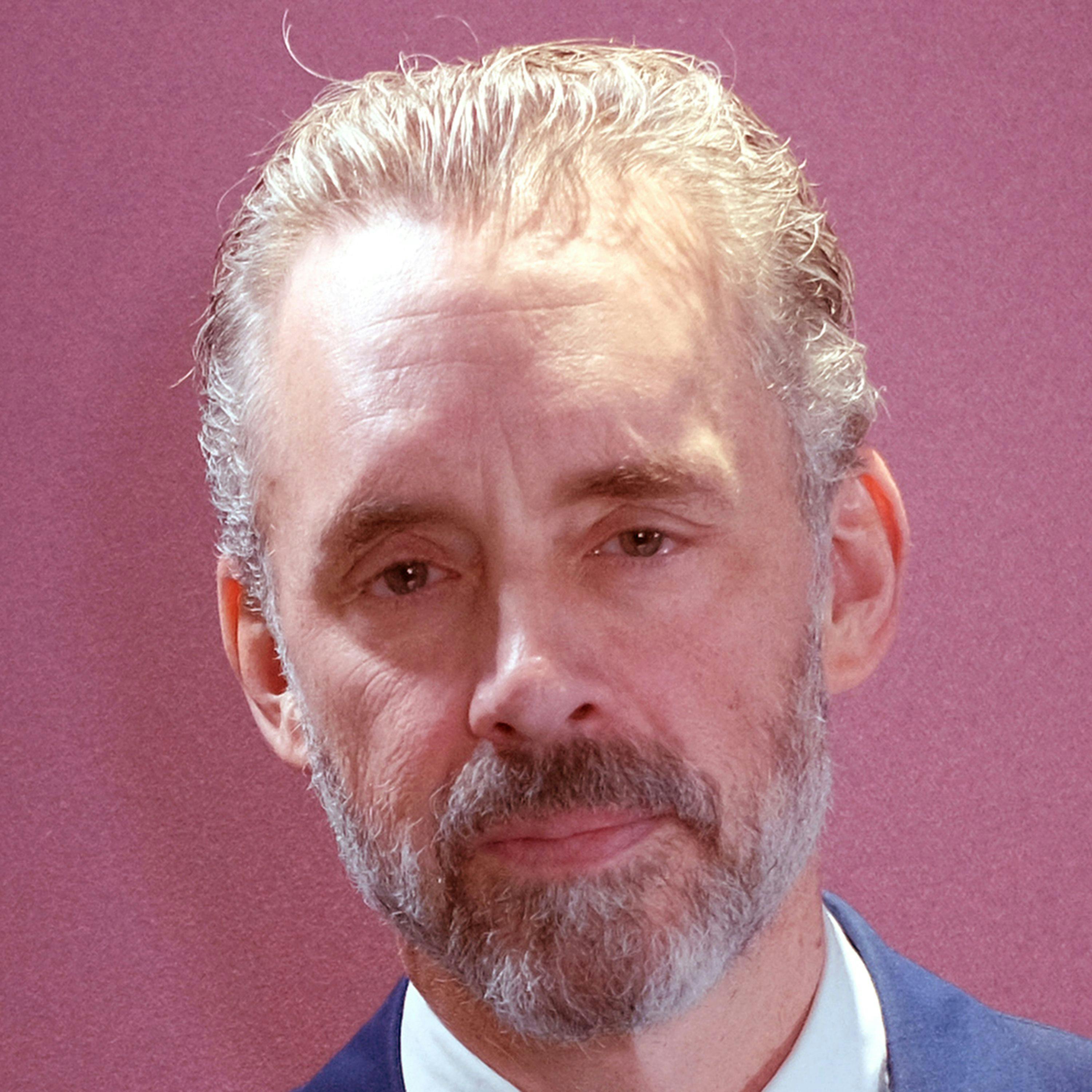
Jordan Peterson on Gender, Patriarchy and the Slide Towards Tyranny
In May 2018, we recorded a special episode of the Intelligence Squared podcast in London. Jordan Peterson, author of 12 Rules for Life: An Antidote to Chaos, was joined by Anne McElvoy, Senior Editor at The Economist and head of Economist Radio, to discuss identity politics, liberalism and #MeToo. Support this show http://supporter.acast.com/intelligencesquared. See acast.com/privacy for privacy and opt-out information. Learn more about your ad choices. Visit podcastchoices.com/adchoices

Revere or Remove? The Battle Over Statues, Heritage and History
Statues and memorials to famous figures of the past adorn our towns and cities but what should be done when some of these figures have come to be seen by many people as controversial symbols of oppression and discrimination? In Britain, the Rhodes Must Fall campaign hit the headlines when it demanded the removal of the statue of Cecil Rhodes from Oxford’s Oriel College, of which he was a leading benefactor, because of his colonialism. In the US, violent protests in Charlottesville were sparked by a decision to remove from a park a statue of Robert E. Lee, a Confederate general in the American Civil War, because of the association of the Confederacy with slavery. Passions run high on both sides. Are those calling for the removal of controversial statues seeking to right an historical injustice or are they trying to erase history? And are those who object to removing memorials defending the indefensible or are they conserving historical reality, however unpalatable that may be? To discuss these emotive questions and examine the broader cultural conflicts which lie behind them, Intelligence Squared joined forces with Historic England to bring together a stellar panel including historians David Olusoga and Peter Frankopan, the journalist and author Afua Hirsch and the cultural commentator Tiffany Jenkins. The event was chaired by Guardian columnist, broadcaster and author Jonathan Freedland. This debate was made in Partnership with Historic England, on the 14th of May 2018 in London and was produced by Executive Producer Hannah Kaye — We’d love to hear your feedback and what you think we should talk about next, who we should have on and what our future debates should be. Send us an email or voice note with your thoughts to [email protected] or Tweet us @intelligence2. And if you’d like to support our mission to foster honest debate and compelling conversations, as well as ad-free podcasts, exclusive bonus content, early access and much more, become a supporter of Intelligence Squared today. Just visit intelligencesquared.com/membership to find out more. Learn more about your ad choices. Visit podcastchoices.com/adchoices

The nuclear deal with Iran won't make the world a safer place
For this week's episode we're revisiting our debate from November 2015, "The nuclear deal with Iran won't make the world a safer place". Alan Dershowitz, one of America’s most formidable and celebrated lawyers, and Emily Landau, one of Israel’s top nuclear proliferation experts, went head to head with senior politicians Norman Lamont and Jack Straw, both impassioned advocates of rapprochement with Iran. Support this show http://supporter.acast.com/intelligencesquared. See acast.com/privacy for privacy and opt-out information. Learn more about your ad choices. Visit podcastchoices.com/adchoices

S1 Ep 247Send Them Back: The Parthenon Marbles Should be Returned to Athens
What’s all this nonsense about sending the Parthenon Marbles back to Greece? If Lord Elgin hadn’t rescued them from the Parthenon in Athens and presented them to the British Museum almost 200 years ago, these exquisite sculptures – the finest embodiment of the classical ideal of beauty and harmony – would have been lost to the ravages of pollution and time. So we have every right to keep them: indeed, returning them would set a dangerous precedent, setting off a clamour for every Egyptian mummy and Grecian urn to be wrenched from the world’s museums and sent back to its country of origin. It is great institutions like the British Museum that have established such artefacts as items of world significance: more people see the Marbles in the BM than visit Athens every year. Why send them back to relative obscurity? But aren’t such arguments a little too imperialistic? All this talk of visitor numbers and dangerous precedents – doesn’t it just sound like an excuse for Britain to hold on to dubiously acquired treasures that were removed without the consent of the Greek people to whom they culturally and historically belong? That’s what Lord Byron thought, and in June 2012 Stephen Fry took up the cause. In this debate Fry argues we should return the Marbles as a gesture of solidarity with Greece in its financial distress, and as a mark of respect for the cradle of democracy and the birthplace of rational thought. Joining Fry on the "For" side was Andrew George. Chair of Marbles Reunite and Liberal Democrat MP for St Ives. Against them were Felipe Fernández-Armesto, the William P Reynolds Professor of History at the University of Notre Dame; and Tristram Hunt, Labour MP for Stoke-on-Trent Central and a broadcaster, historian and newspaper columnist. The debate was chaired by BBC World News presenter Zeinab Badawi. — We’d love to hear your feedback and what you think we should talk about next, who we should have on and what our future debates should be. Send us an email or voice note with your thoughts to [email protected] or Tweet us @intelligence2. And if you’d like to support our mission to foster honest debate and compelling conversations, as well as ad-free podcasts, exclusive bonus content, early access and much more, become a supporter of Intelligence Squared.. Just visit intelligencesquared.com/membership to find out more. Learn more about your ad choices. Visit podcastchoices.com/adchoices

Jamie Bartlett in conversation with Helen Lewis on how the internet is threatening our freedoms
This week's Intelligence Squared podcast features Jamie Bartlett, tech journalist and author of The People vs Tech in conversation with the New Statesman's Deputy Editor Helen Lewis. In this in-depth discussion on the politics of technology, they explored the addictive nature of social media and whether the tech giants are a threat to democracy. Support this show http://supporter.acast.com/intelligencesquared. See acast.com/privacy for privacy and opt-out information. Learn more about your ad choices. Visit podcastchoices.com/adchoices

Rembrandt Vs Vermeer: The Titans of Dutch Painting
(For a list of all paintings referenced by Simon Schama and Tracy Chevalier in this debate please go to: https://www.intelligencesquared.com/events/rembrandt-vs-vermeer-titans-of-dutch-painting-simon-schama-tracy-chevalier/ Rembrandt van Rijn is the best known of all the Dutch masters. His range was vast, from landscapes to portraits to Biblical scenes; he revolutionised every medium he handled, from oil paintings to etchings and drawings. His vision encompassed every element of life – the sleeping lion; the pissing baby; the lacerated soles of the returned prodigal son. Making the case for him in this debate was Simon Schama. For him Rembrandt is humanity unedited: rough, raw, violent, manic, vain, greedy and manipulative. Formal beauty was the least of his concerns, argues Schama, yet he attains beauty through his understanding of the human condition, including to be sure, his own. But for novelist Tracy Chevalier it can all get a little exhausting. Rembrandt’s paintings, she believes – even those that are not his celebrated self-portraits – are all about himself. Championing Vermeer, she will claim that his charm lies in the very fact that he absents himself from his paintings. As a result they are less didactic and more magical than Rembrandt’s, giving the viewer room to breathe. The debate was chaired by art historian , broadcaster and Director of Artistic Programmes at the Royal Academy Tim Marlow. Support this show http://supporter.acast.com/intelligencesquared. See acast.com/privacy for privacy and opt-out information. Learn more about your ad choices. Visit podcastchoices.com/adchoices
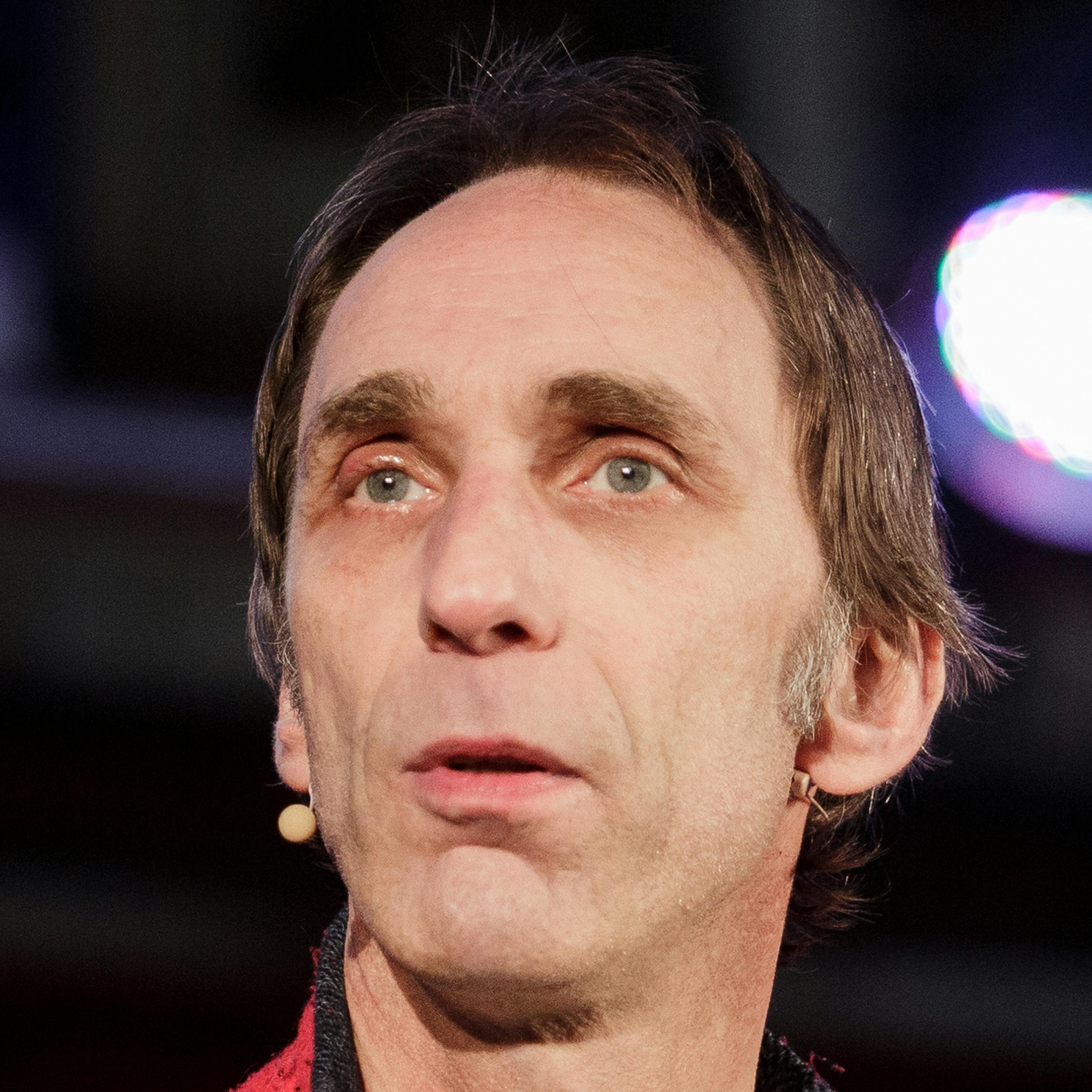
Psychiatrists & the pharma industry are to blame for the current ‘epidemic’ of mental disorders
Drug pushers. We tend to associate them with the bleak underworld of criminality. But some would argue that there’s another class of drug pushers, just as unscrupulous, who work in the highly respectable fields of psychiatry and the pharmaceutical industry. And they deserve the same moral scrutiny that we apply to the drug pedlar on the street corner. Within the medical profession labels are increasingly being attached to everyday conditions previously thought to be beyond the remit of medical help. So sadness is rebranded as depression, shyness as social phobia, childhood naughtiness as hyperactivity or ADHD. And Big Pharma is only too happy to come up with profitable new drugs to treat these ‘disorders’, drugs which the psychiatrists and GPs then willingly prescribe, richly rewarded by the pharma companies for doing so. That’s the view of those who object to the widespread use of the ‘chemical cosh’ to treat people with mental difficulties. But many psychiatrists, while acknowledging that overprescribing is a problem, would argue that the blame lies not with themselves. For example, parents and teachers often ramp up the pressure to have a medical label attached to a child’s problematic behaviour because that way there’s less stigma attached and allowances are made. And psychiatrists and the pharma companies also take issue with those who argue that the ‘chemical imbalance’ theory of mental disorder is a myth. ADHD is a real condition, they say, for which drugs work. Research shows that antidepressants really are more effective than just a placebo, especially in cases of severe depression. Defending the motion in this Intelligence Squared debate at London's Emmanuel Centre in November 2014 were author and journalist Will Self and psychoanalyst and author Darian Leader. Opposing the motion were former Head of Worldwide Development at Pfizer Inc. Dr Declan Doogan and President of the Royal College of Psychiatrists Professor Sir Simon Wessely. The debate was chaired by Matthew Taylor, Chief Executive of the RSA. Support this show http://supporter.acast.com/intelligencesquared. See acast.com/privacy for privacy and opt-out information. Learn more about your ad choices. Visit podcastchoices.com/adchoices

Hilton Als and Afua Hirsch on Race, Gender and Identity
In March 2018, we recorded a special episode of the Intelligence Squared podcast at the Acast studio in east London. Pulitzer prize winning writer and chief theatre critic for The New Yorker Hilton Als was in conversation with Guardian columnist and author Afua Hirsch. In this wide ranging discussion, they talked about issues of race, gender, culture and identity, which were some of the themes explored in Als' recent book White Girls. Image © Brigitte Lacombe (2018). Support this show http://supporter.acast.com/intelligencesquared. See acast.com/privacy for privacy and opt-out information. Learn more about your ad choices. Visit podcastchoices.com/adchoices

Stop Brexit
It’s time we came to to our senses. Brexit is a disaster and must be stopped. Leave campaigners promised our exit from the European Union would herald a glorious new era – the sunlit uplands of ‘global Britain’, with new trade deals signed in a matter of months and an extra £350 million per week for the NHS. But what do we have today? Sterling has collapsed, Boris has been busy bungling in Brussels, and the government’s own leaked economic assessments show that leaving the EU will harm every single region of the country, especially ‘left behind’ areas that voted to Leave. The public was misled, and as David Davis once said, ‘If a democracy cannot change its mind, it ceases to be a democracy’. Let’s end this madness and call the whole thing off. That’s the reasoning of the Remoaners. But can you imagine the damage we’d do to our politics if we overturned the democratic expression of 17 million people – the single biggest mandate in British history? If these sneering liberals had their way, the masses would be forced to vote in referendum after referendum until they gave the ‘correct’ answer. What part of ‘take back control’ don’t they understand? And spare us the whingeing over economic forecasts. We all remember Project Fear and the phoney establishment warnings that the sky would fall in once we voted to Leave. Is it time the public voted again on this defining issue of our times? Or should we embrace the opportunities presented by leaving the EU? Arguing in favour of the motion were Gina Miller, the businesswoman and campaigner who wasd the lead claimant in the successful legal fight to allow parliament to vote on whether the UK could start the process of leaving the EU; and Chuka Umunna, Labour MP for Streatham and a prominent pro-EU campaigner, who is now the leader of a coalition of cross-party groups representing 500,000 members pushing for a referendum on the final EU deal. Arguing against the motion were Gerard Lyons, one of the country’s leading economists and an expert on the global economy, and co-author of Clean Brexit: Why Leaving The EU Still Makes Sense; and Isabel Oakeshott, a pro-Brexit journalist and broadcaster who was political editor of The Sunday Times and authored The Bad Boys of Brexit, an inside account of Nigel Farage and Arron Banks’ Leave.EU campaign. The debate was chaired by Nick Robinson, presenter on Radio 4’s Today programme and former BBC political editor. Support this show http://supporter.acast.com/intelligencesquared. See acast.com/privacy for privacy and opt-out information. Learn more about your ad choices. Visit podcastchoices.com/adchoices

If You Believe You Are a Citizen of the World, You Are A Citizen of Nowhere
When Theresa May uttered these words at the Tory party conference in 2016, there was uproar. May was targeting the liberal establishment, who flit business class from Mayfair to Monaco, from Davos to Doha; those in positions of power, who, as May put it, ‘behave as though they have more in common with international elites than with the people down the road’. But many people who don’t fit in this frequent flyer category felt under attack too. For this group, believing you are a citizen of the world is a badge of honour, not shame. The cosmopolitan impulse, they believe, isn’t about loyalty to any single community. On the contrary, you can be a citizen of your street, your city, your country and the entire globe. And in our interconnected world, those with a burning concern for global justice, for the environment, for the strife and carnage happening beyond our borders, see themselves as part of humanity at large – as citizens of the world. But for a different group of people, May’s words resonated deeply. These are the people who feel genuinely rooted in their communities, who feel the strongest sense of solidarity with those who share their history, language and other elements of a common culture. These people often feel sneered at as nationalists or worse, as bigots, by the elites who do not understand their profound intuition that the nation state is the natural expression of group identity. We were joined by Simon Schama, one of Britain’s most celebrated historians, who embodies the cosmopolitan spirit; Elif Shafak, the Turkish novelist and commentator, who calls herself a ‘world citizen and a global soul’; David Goodhart, author of the bestseller The Road To Somewhere; and David Landsman, a former diplomat now in the corporate world. The event was chaired by BBC economics editor Kamal Ahmed. Support this show http://supporter.acast.com/intelligencesquared. See acast.com/privacy for privacy and opt-out information. Learn more about your ad choices. Visit podcastchoices.com/adchoices

Disruption Ahead: Will Future Transport Systems Benefit Society Or Drive It Apart?
A transport revolution in our cities is under way. Ride-sharing schemes, driverless cars and electric vehicles look set to bring us all kinds of benefits, such as lower pollution, faster flowing traffic and fewer accidents. But these benefits won’t just fall into our laps. What will we have to do to ensure that we reap the rewards of these changes and avoid potential pitfalls? Will technological change bring us closer together as a society or drive us further apart? Will we the consumers be the ones who make the all-important decisions, or will we be at the mercy of the tech and car companies and the policy-makers? And will these decisions actually result in a lower carbon future? There’s a lot of excitement about the future of cars: will people be prepared to give up the independence of the privately owned vehicle and use hailing schemes? Given that a total switchover to electric vehicles is unlikely to happen within the next ten years, how will a mix of vehicles on our streets affect the way we live? And is all this talk about cars a distraction from much needed investment in public transport? We were joined by author, journalist and Director of the Centre for the Analysis of Social Media, Jamie Bartlett; Uber's Head of Cities in the UK and Ireland, Fred Jones; creative technologist at the open innovation consultancy company Five by Five, Eugena Ossi; and journalist, author, and railway historian, Christian Wolmar. The debate was chaired by broadcaster Edith Bowman. You can continue the conversation online using #makethefuture. Support this show http://supporter.acast.com/intelligencesquared. See acast.com/privacy for privacy and opt-out information. Learn more about your ad choices. Visit podcastchoices.com/adchoices

The Power of Poetry, with William Sieghart, Jeanette Winterson and Helena Bonham Carter
Poetry is the perfect medication against some of life’s challenges, so William Sieghart has found. In this accessible and warming exchange, from tea towel poems to T.S. Eliot, Sieghart brings to life a few of the experiences that inspired his book ‘The poetry pharmacy: Tried-and-True Prescriptions for the Heart, Mind and Soul’. Here he has collected poems that can each serve a different need: fear of the unknown, unrequited love, stagnation, purposelessness, convalescence and oppression, to name a few. Joining Sieghart in conversation are actor Helena Bonham Carter, author Jeanette Winterson, comedian Sue Perkins, actor Jason Isaacs, and actor Tom Burke along with journalist Sarah Montague as your host for the night. Together they explore poetry’s remarkable ability to calm, console and, above all, connect us to the minds and experiences of others. This event was recorded on the 2nd March 2018, in London and Produced by Executive Producer Hannah Kaye — We’d love to hear your feedback and what you think we should talk about next, who we should have on and what our future debates should be about. Send us an email or voice note with your thoughts to [email protected] or Tweet us at @intelligence2. At Intelligence Squared we’ve got our own online streaming platform, Intelligence Squared+ and we’d love you to give it a go. It’s packed with more than 20 years’ worth of video debates and conversations on the world’s most important topics as well as exclusive podcast content. Tune in to live events, ask your questions or watch on-demand, totally ad-free with hours of discussion to dive into. Visit intelligencesquaredplus.com to start watching today Learn more about your ad choices. Visit podcastchoices.com/adchoices

Western Parents Don't Know How to Bring Up Their Children
EWhy are there so many Chinese maths and music prodigies? Because Chinese mothers believe schoolwork and music practice come first, that an A-minus is a bad grade, that sleepovers, TV and computer games should never be allowed and that the only activity their children should be permitted to do are ones in which they can eventually win a medal - and that medal must be gold. These methods certainly seem to get results but do they make for the rounded individuals Western parents are striving to bring up? Isn't it better that our children should be happy rather than burnt-out brain boxes? Who's right and who's wrong? In this debate from June 2011, Amy Chua, author of the best-selling Battle Hymn of the Tiger Mother, and Theodore Dalrymple, the writer and psychologist, speak for the motion. Justine Roberts, co-founder of Mumsnet, and Frank Furedi, emeritus professor of sociology at the University of Kent and parenting expert, speak against the motion. The debate was chaired by columnist and broadcaster Jenni Russell Support this show http://supporter.acast.com/intelligencesquared. See acast.com/privacy for privacy and opt-out information. Learn more about your ad choices. Visit podcastchoices.com/adchoices

The Left has right on its side
Letís be honest. Itís the political Left that has societyís best interests at heart, that works for the good of all. It has always been the Left that has struggled to protect the weak from the strong, that has fought for workersí rights, for sexual and racial equality, for the welfare state. It is the Left that now challenges abuses of power by corporations and financial institutions. And it is the Left that seeks to build a world based on mutual respect, not individualistic self-seeking. It is the Left, not the Right, that has right on its side. Yet according to conservatives, it is precisely that self-regard, that attempt to monopolise virtue, which exposes the hypocrisy of left-wing ideology. To flaunt your concern for your fellow man doesnít make you right ñ it just gives you the smug glow of virtue signalling. In fact, by expanding the state, overtaxing the rich and splurging benefits on the poor, the Left has always damaged society by crippling peopleís natural instinct to better themselves. It is the Right, by championing free markets, free choice and social cohesion, that has right on its side. Speaking for the motion were Labour MP for Walthamstow Stella Creasy and Guardian journalist and polemicist George Monbiot. Speaking against the motion were Conservative MP for Spelthorne Kwasi Kwarteng and Britainís leading philosopher of conservative thought Roger Scruton. The event was chaired by Razia Iqbal, one of the main presenters of Newshour and a regular presenter of The World Tonight on Radio 4. Support this show http://supporter.acast.com/intelligencesquared. See acast.com/privacy for privacy and opt-out information. Learn more about your ad choices. Visit podcastchoices.com/adchoices
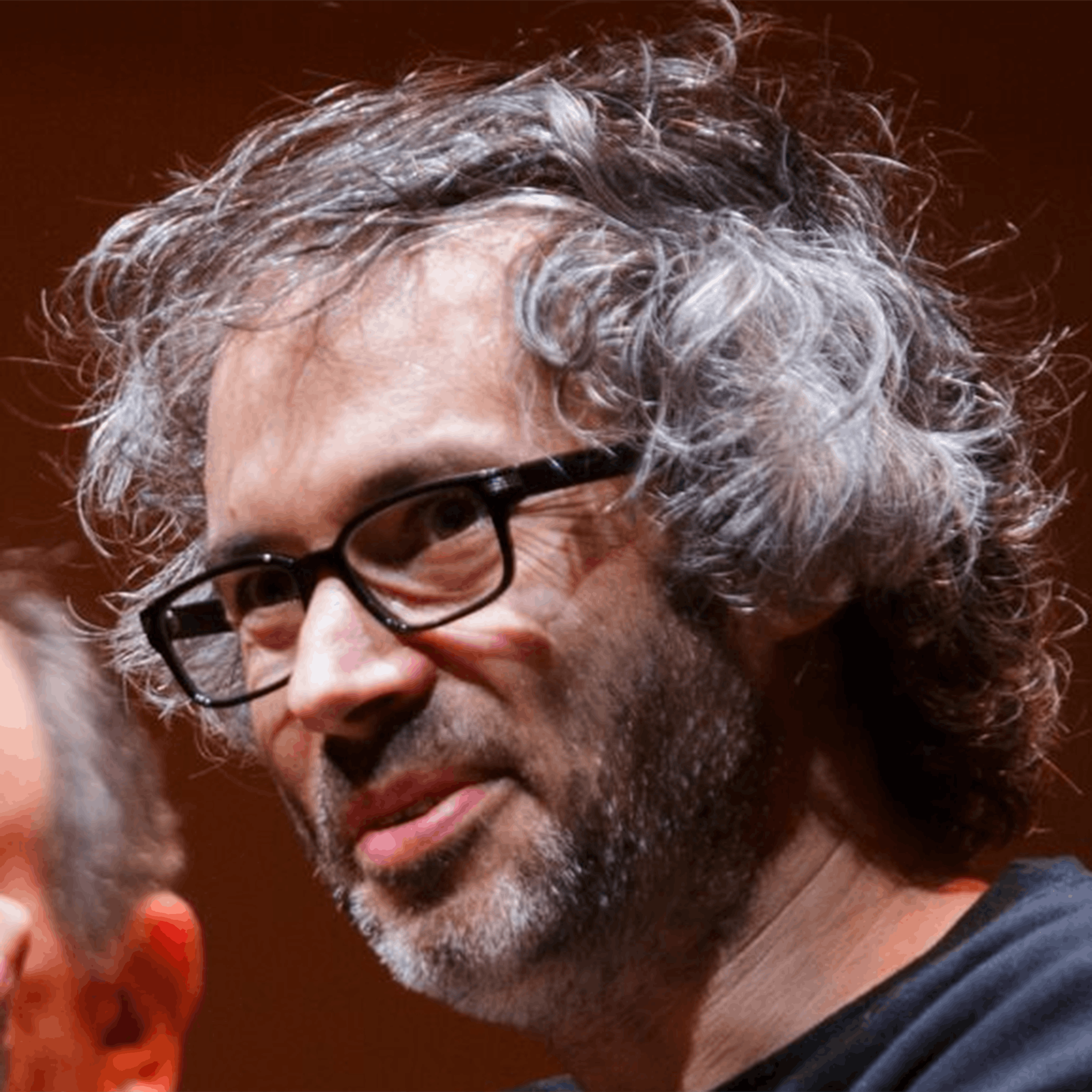
James Rhodes And Armando Iannucci on the Transformative Power of Music
EArmando Iannucci and James Rhodes met on the Intelligence Squared stage to discuss the transcendent power of music, using the concert grand at Cadogan Hall to help tell their remarkable stories. The chair is broadcaster, author and leading voice on all things musical, Clemency Burton-Hill. James Rhodes is known as the wild man of concert pianists. His approach to the piano is raw and unbridled – the diametric opposite to the composed figure in white tie and tails of classical music convention. His knowledge of, and passion for, the great composers is unrestrained, pouring forth in recitals, documentaries, best-selling albums and his 2015 memoir, Instrumental. Armando Iannucci is one of Britain's leading comedy writers, the creator of Alan Partridge, Veep and The Thick of It. He is also an obsessive classical music fan, devoted since childhood to what he calls ‘the single most inspiring, most moving, most magical thread running through my whole cultural experience’. He longs to enthuse the public with his conviction that the greatest artistic miracle of all is man’s ability to create something as extraordinary as Bach’s Goldberg Variations. This event was recorded on the 31st of January 2018, at Cadogan Hall in London. It was originally produced by Executive Producer Hannah Kaye — We’d love to hear your feedback and what you think we should talk about next, who we should have on and what our future debates should be about. Send us an email or voice note with your thoughts to [email protected]. At Intelligence Squared we’ve got our own online streaming platform, Intelligence Squared+ and we’d love you to give it a go. It’s packed with more than 20 years’ worth of video debates and conversations on the world’s most important topics as well as exclusive podcast content. Tune in to live events, ask your questions or watch on-demand, totally ad-free with hours of discussion to dive into. Visit intelligencesquaredplus.com to start watching today Learn more about your ad choices. Visit podcastchoices.com/adchoices

Ten Years On: The Financial Crisis and the State of Modern Capitalism
It’s been ten years since we saw suddenly unemployed Lehman Brothers bankers carrying their possessions out of their offices in boxes; since whole neighbourhoods in suburban America turned into empty ghost towns; since the British and American governments pumped trillions into the banking system, saving some institutions and abandoning others. The crash of 2008 and 2009 shook the very foundations of modern capitalism. So where are we today? Although we may have been spared a second Great Depression, post-crisis productivity has flatlined and the last decade has seen Britain’s worst pay squeeze since the nineteenth century. And according to some, the seeds of today’s political upheavals, from Brexit to Trump to the Corbyn surge, were sown during the 2008 crash, which irreparably damaged public trust in the establishment and its institutions. To look back at this critical moment for the global economy and examine its repercussions today, Intelligence Squared brought together a panel of the country’s top economic experts: Mervyn King, Governor of the Bank of England during the crash and its aftermath; acclaimed UCL Economics Professor Mariana Mazzucato, who recently advised Jeremy Corbyn on industrial strategy; and Torsten Bell, Director of the Resolution Foundation, a think tank focusing on improving the living standards of those on low incomes. Chairing the discussion will be the BBC’s economics editor Kamal Ahmed. Has enough been done to regulate the banks and protect our economy from future shocks? Is it only a matter of time before we face a new, even worse crash? And did we let the crisis go to waste by failing to rethink the system and rebalance the economy away from financial services? Support this show http://supporter.acast.com/intelligencesquared. See acast.com/privacy for privacy and opt-out information. Learn more about your ad choices. Visit podcastchoices.com/adchoices

Karen Armstrong on Religion and the History of Violence
Karen Armstrong has written over 16 books on faith and the major religions, studying what Islam, Judaism and Christianity have in common, and how our faiths have shaped world history and drive current events. She came to the Intelligence Squared stage to talk about her forthcoming book 'Fields of Blood: Religion and the History of Violence'. Journeying from prehistoric times to the present, she contrasted medieval crusaders and modern-day jihadists with the pacifism of the Buddha and Jesus’ vision of a just and peaceful society. And she demonstrated that the underlying reasons – social, economic, political – for war and violence in our history have often had very little to do with religion. Instead, Armstrong celebrates the religious ideas and movements that have opposed war and aggression and promoted peace and reconciliation. Armstrong was in discussion with journalist and broadcaster Tom Sutcliffe. Support this show http://supporter.acast.com/intelligencesquared. See acast.com/privacy for privacy and opt-out information. Learn more about your ad choices. Visit podcastchoices.com/adchoices

Brian Cox and Alice Roberts on the Incredible Unlikeliness of Human Existence
Who are we? Why are we here? Are we alone in the universe? How did we become the creatures that we are? How might we further evolve? These are some of the big questions that Brian Cox and Alice Roberts tackled when they came to the Intelligence Squared stage in December. Brian Cox is the rockstar who became a scientist, and is now a rockstar scientist. He is known to millions as the presenter of the BBC Wonders series in which he unravels the complexities of the universe with calm clarity and an infectious sense of wonder. Alice Roberts is a no less talented science story-teller. A doctor, anatomist, osteoarchaeologist and writer, she has enthralled television audiences with BBC series such as The Incredible Human Journey. In this wide-ranging conversation Cox and Roberts discussed the origins of the universe, life and humanity – and you. You’re the product of what seems to be an extremely unlikely chain of events. Our universe was born with just the right laws for galaxies to form, with at least one planet capable of producing and sustaining life. The origin of muliticellular life on this planet was essentially an accident; the mammals were lucky to outlive the dinosaurs; a handful of two-legged apes survived, against the odds, on the plains of Africa… and then there’s the unlikeliness of your mother meeting your father and that particular sperm fusing with that particular egg. The chance of you being here at all is tiny. How can physics and biology help us to make sense of all that unlikeliness? How did chance and accident combine to create us? Support this show http://supporter.acast.com/intelligencesquared. See acast.com/privacy for privacy and opt-out information. Learn more about your ad choices. Visit podcastchoices.com/adchoices

Break Up The Tech Giants
It is time to call the tech companies to account. In the space of just ten years, Google, Apple, Facebook, Amazon and Microsoft have become the biggest companies on the planet and have accrued a level of power that threatens us all. They control our data, warp our democratic discourse, and exert increasing dominance over our markets. No wonder we are in the middle of a long-awaited ‘techlash’ against the technology giants. Look at the EU’s recent crackdown on tax avoidance by Amazon and Apple, or its record €2.4 billion fine of Google. In the UK, the Committee on Standards in Public Life has just set out guidelines for prosecuting web giants such as Facebook, arguing that they are publishers, not mere ‘platforms’, and therefore responsible for the content they host. Through the influence of ‘network effects’ (whereby the first to dominate a market reaps almost all the rewards), these companies have snuffed out the competition. This matters to everyone – not simply for the sake of healthy markets, but for the democratic wellbeing of all of us. The power of these companies lies not just in their size, but in the 21st century’s most valuable asset, data, the oil of the digital economy, which the tech companies extract freely from us, the users. With so much data and power centralised in the hands of a few West Coast companies, the tech giants have become a serious threat to our basic freedoms and must be broken up. That’s the argument that was made at this major Intelligence Squared debate by the FT’s global business columnist Rana Foroohar and by businessman and former chairman of Channel 4 Luke Johnson. But others would argue that it’s all too easy to make the tech giants a scapegoat for the inevitable upheavals caused by the digital revolution. The real winners of this revolution are not the tech companies but us, the users. Who could now imagine living without the services of Amazon, Apple, Google, Facebook and Microsoft? That’s the case that was made in our debate by former head of Facebook’s European politics and government division Elizabeth Linder and competition law expert Pinar Akman. The simple reason these companies have become so huge is that we prefer their services to anyone else’s. Amazon, for example, have served the consumer by keeping prices low – hardly a sign of anti-competitive behaviour. And when it comes to competition, the dominance of today’s tech giants is far from assured. Digital tools and cheap market entry have made it easier than ever for rival startups to launch new online businesses. Tech companies are uniquely vulnerable to changes in fortune. Far from being untamed monopolies, the tech giants face fierce competition from each other. Yes, they should be fairly regulated. But we should champion the benefits they have brought to the wider world. Support this show http://supporter.acast.com/intelligencesquared. See acast.com/privacy for privacy and opt-out information. Learn more about your ad choices. Visit podcastchoices.com/adchoices
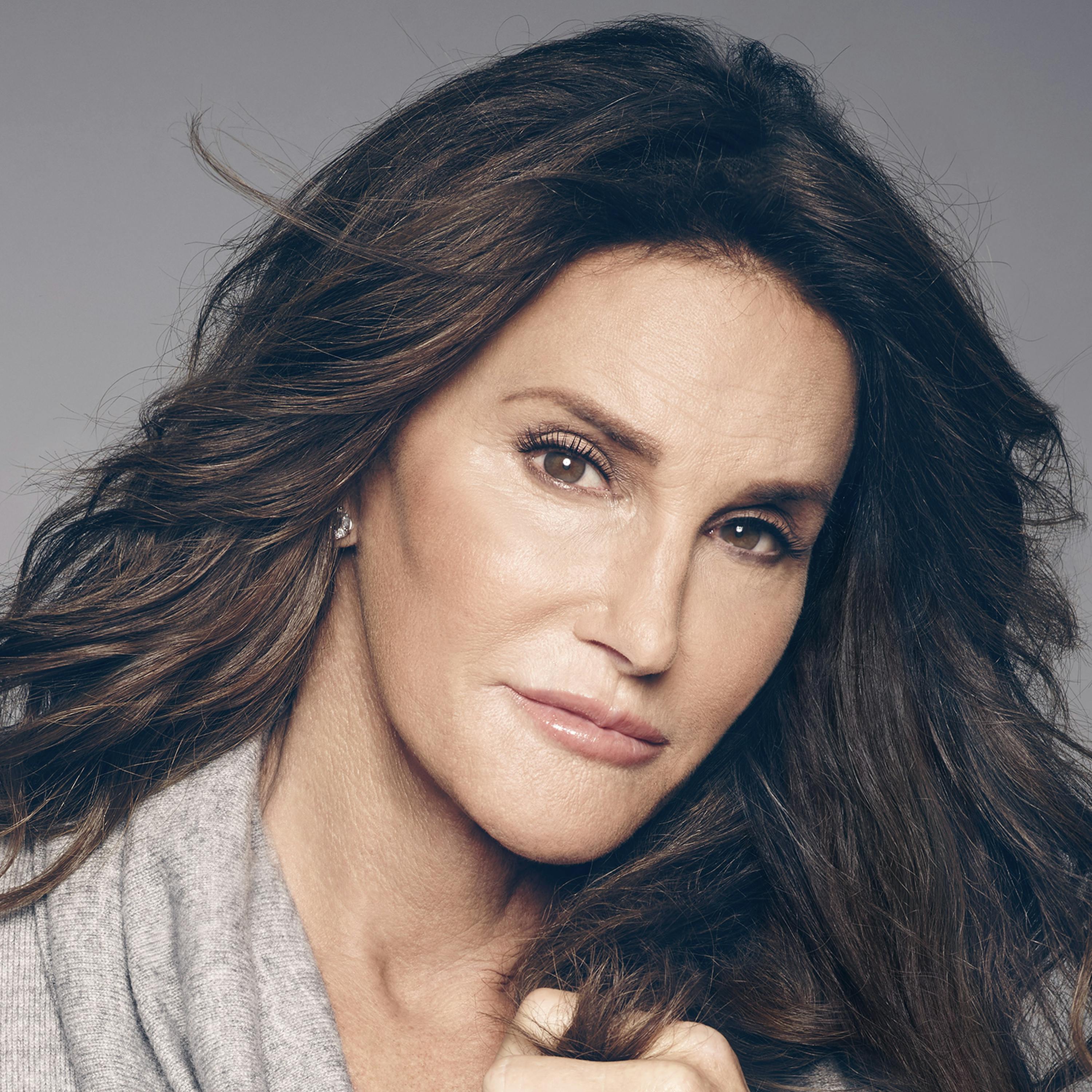
Caitlyn Jenner on Identity and Self-Realisation
This week's episode of the Intelligence Squared podcast was recorded in a studio in London's Soho. We were joined by Caitlyn Jenner, the world's most famous transgender woman, as she talked with the Guardian's Jonathan Freedland about US politics, Caitlyn's fascinating personal journey and the recent revolution in how people think and talk about gender and sexuality. Support this show http://supporter.acast.com/intelligencesquared. See acast.com/privacy for privacy and opt-out information. Learn more about your ad choices. Visit podcastchoices.com/adchoices

David Brooks on the Road to Character
In May 2015, New York Times columnist David Brooks came to the Intelligence Squared stage to share the insights of his latest book, 'The Road to Character'. Brooks argued that today’s ‘Big Me’ culture is making us increasingly self-preoccupied: we live in a world where we’re taught to be assertive, to master skills, to broadcast our brand, to get likes, to get followers. But amidst all the noise of self-promotion, Brooks claimed that we’ve lost sight of an important and counterintuitive truth: that in order to fulfil ourselves we need to learn how to forget ourselves. Brooks was joined on stage by writer and lecturer on psychology, politics, and the arts Andrew Solomon. Support this show http://supporter.acast.com/intelligencesquared. See acast.com/privacy for privacy and opt-out information. Learn more about your ad choices. Visit podcastchoices.com/adchoices
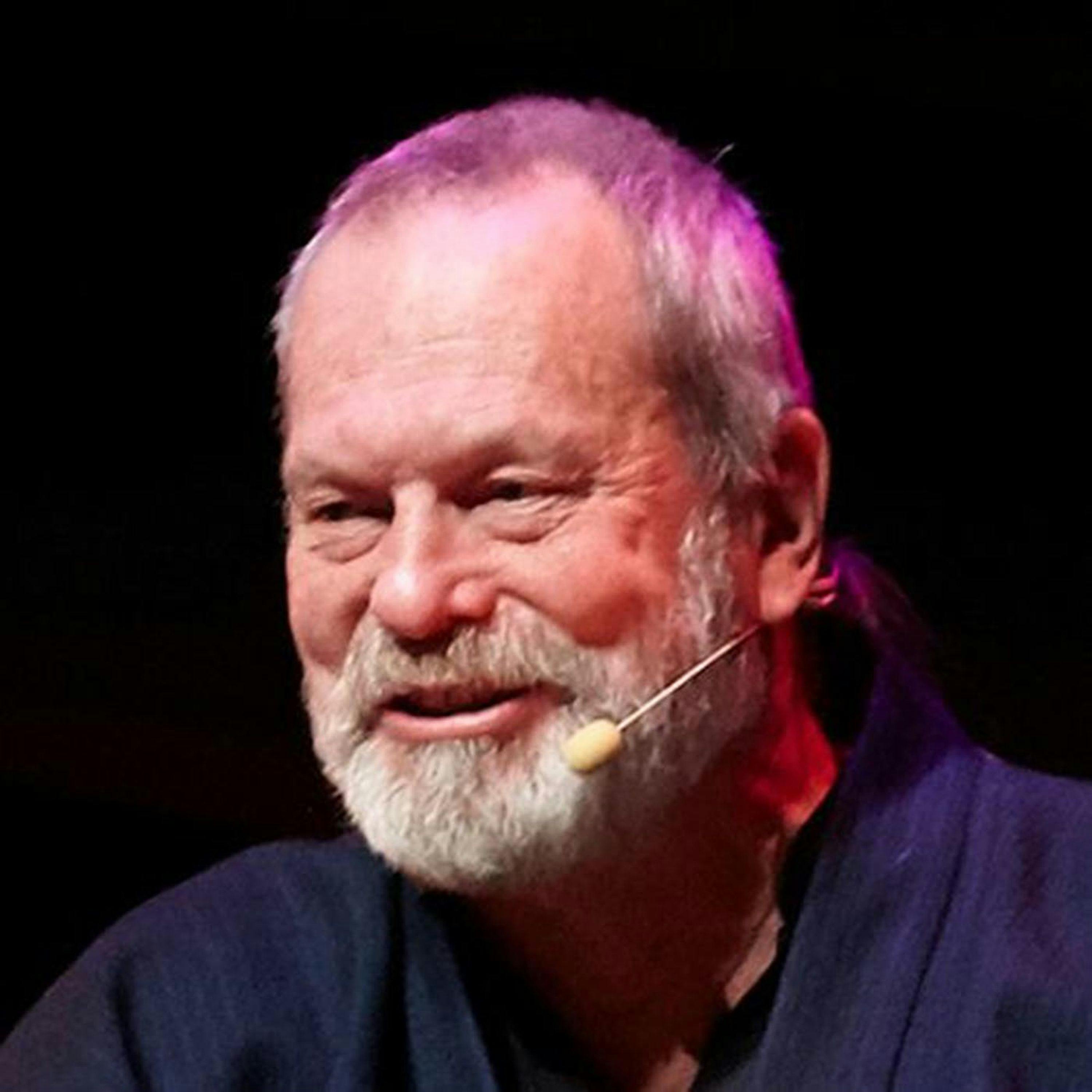
Inside The Head Of Terry Gilliam
ETerry Gilliam is one of the most multifaceted, visionary talents alive. He first found fame as a member of Monty Python, the surreal comedy troupe that has had a cult following since its inception in 1969 right up to today. Had Gilliam stopped there, his artistic immortality would have been guaranteed. But over the decades his talent has rampaged across different genres – comedy, opera and above all cinema. He ranks among the tiny handful of film directors the world’s leading actors will drop everything for. Hollywood royalty including Robert De Niro, Bruce Willis, Brad Pitt, Robin Williams, Uma Thurman and Johnny Depp have flocked to work on his masterpieces Brazil, Twelve Monkeys, The Adventures of Baron Munchausen and Fear and Loathing in Las Vegas. In October 2015, Gilliam made an exclusive appearance at Royal Festival Hall, presented by Intelligence Squared and Southbank Centre. Joined on stage by BBC arts editor Will Gompertz, he took us on an immersive, multimedia journey through the many inspirations he has drawn on — from the Bible and Mad magazine to Grimm’s fairy tales and the films of Powell and Pressburger. Listen as we venture inside the mind of the filmmaker once described as ‘half genius and half madman’, whose popularity has remained undimmed for almost half a century. Support this show http://supporter.acast.com/intelligencesquared. See acast.com/privacy for privacy and opt-out information. Learn more about your ad choices. Visit podcastchoices.com/adchoices

Joseph Stiglitz on the Great Divide
Inequality is an increasing problem in the Western world, leaving everyone – the rich as well as the poor – worse off. The dream of a socially mobile society is becoming an ever more unachievable myth. That’s the view of Nobel Prize-winning economist Joseph Stiglitz, who came to the Intelligence Squared stage for a rare London appearance on May 20th. Stiglitz argued that inequality is not inevitable but a choice – the cumulative result of unjust policies and misguided priorities. Stiglitz was joined on stage by Economics Editor of Sky News Ed Conway. Support this show http://supporter.acast.com/intelligencesquared. See acast.com/privacy for privacy and opt-out information. Learn more about your ad choices. Visit podcastchoices.com/adchoices
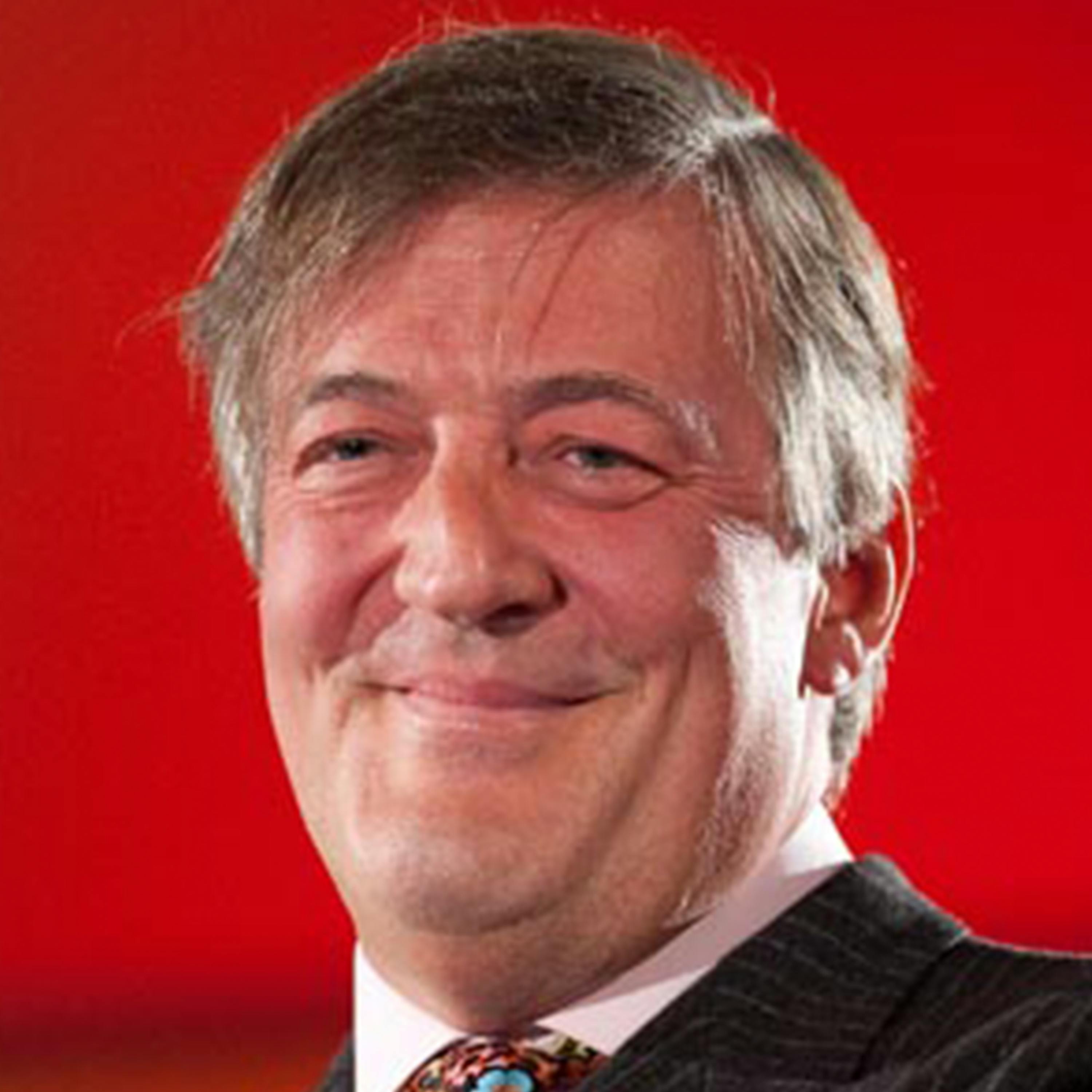
Stephen Fry and Friends on the Life, Loves and Hates of Christopher Hitchens
In this historic event, Stephen Fry and other friends of Christopher Hitchens came together to celebrate the life and work of this great writer, iconoclast and debater. Fry was joined on stage by Richard Dawkins and the two discussed Hitch’s unflinching commitment to the truth. Hollywood actor Sean Penn was beamed in from LA and, between cigarette puffs, read from Hitch’s acclaimed work, The Trial of Henry Kissinger. Five friends of Hitch spoke via satellite in New York: satirist Christopher Buckley and editor Lewis Lapham mused on Hitch’s prowess as a journalist. ‘Like a pot of gold’, said Lapham. Martin Amis, Salman Rushdie and James Fenton delighted the audience with stories of Hitchens as a young man. Rushdie drew roars of laughter when he recounted a word game invented by Amis and Hitchens where the word ‘love’ is replaced with ‘hysterical sex’. Particular favourites included Hysterical Sex in the Time of Cholera and Hysterical Sex Is All You Need. Watching the event with Hitch at his bedside in Texas, Hitch’s wife Carol and novelist Ian McEwan provided commentary. ‘His Rolls Royce mind is still purring beautifully’, typed McEwan. The event originally took place on the 11th November 2011 at The Southbank Centre’s Royal Festival Hall and was watched live by 2500 at the venue, and by thousands more in UK cinemas and online. It was produced by Executive Producer Hannah Kaye — We’d love to hear your feedback and what you think we should talk about next, who we should have on and what our future debates should be about. Send us an email or voice note with your thoughts to [email protected] or Tweet us at @intelligence2. At Intelligence Squared we’ve got our own online streaming platform, Intelligence Squared+ and we’d love you to give it a go. It’s packed with more than 20 years’ worth of video debates and conversations on the world’s most important topics as well as exclusive podcast content. Tune in to live events, ask your questions or watch on-demand, totally ad-free with hours of discussion to dive into. Visit intelligencesquaredplus.com to start watching today Learn more about your ad choices. Visit podcastchoices.com/adchoices

Words that Changed The World, with Jeremy Irons and Carey Mulligan
To celebrate some of the most influential and impactful speeches ever made, we invited Barack Obama’s director of speechwriting, Cody Keenan and Tony Blair’s former speechwriter, Philip Collins, to discuss the power of the spoken word. Our host was journalist and presenter Emily Maitlis, with actors including Jeremy Irons and Carey Mulligan joining us to reenact speeches that have defined pivotal moments in history. This event took place in on the 20th of November 2017 in London and was originally produced by Executive Producer Hannah Kaye and Eleanor Head. Editing was by Executive Producer Rowan Slaney and Producer Catharine Hughes was your host — We’d love to hear your feedback and what you think we should talk about next, who we should have on and what our future debates should be about. Send us an email or voice note with your thoughts to [email protected] or Tweet us at @intelligence2. At Intelligence Squared we’ve got our own online streaming platform, Intelligence Squared+ and we’d love you to give it a go. It’s packed with more than 20 years’ worth of video debates and conversations on the world’s most important topics as well as exclusive podcast content. Tune in to live events, ask your questions or watch on-demand, totally ad-free with hours of discussion to dive into. Visit intelligencesquaredplus.com to start watching today Learn more about your ad choices. Visit podcastchoices.com/adchoices

Brave New World vs Ninety Eighty-Four
Dystopian books and films are in the zeitgeist. Reflecting the often dark mood of our times, Intelligence Squared are staging a contest between two of the greatest dystopian novels, Brave New World and Nineteen Eighty-Four. Each book captured the nightmares of the 1930s and 40s. But which vision looks more prescient to us now in the 21st century? Are we living in George Orwell’s sinister surveillance state? Or in Aldous Huxley’s vapid consumerist culture? To battle it out, we are bringing two celebrated writers, Adam Gopnik and Will Self, to our stage. After Donald Trump was elected, it seemed as if Nineteen Eighty-Four had clinched it. The book shot to the top of the bestseller charts. It felt so ominously familiar. In Orwell’s dystopia, the corporate state controls the news, insisting that ‘whatever the Party holds to be truth is truth’. That sounds very like Trump’s ‘alternative facts’, and the war he is waging on the ‘fake news’ media. Orwell imagined two-way telescreens spying on every citizen’s home. Today we have Amazon’s ‘always listening’ Alexa device, while Google, Facebook and the security agencies hoover up our personal data for their own ends. Orwell also described an Inner Party – two percent of the population – enjoying all the privileges and political control. Isn’t that scarily close to the ‘one percent’, reviled for their wealth and influence by anti-capitalists today? No wonder everyone rushed out to buy the book. But Orwell’s critics say Nineteen Eighty-Four is a dated dystopia, a vision that died along with communism. The novel that better resonates with our present, they say, is Brave New World. Here Aldous Huxley imagined a plastic techno-society where sex is casual, entertainment light and consumerism rampant. There are pills to make people happy, virtual reality shows to distract the masses from actual reality, and hook-ups to take the place of love and commitment. Isn’t that all a bit close to home? Huxley even imagined a caste system created by genetic engineering, from alpha and beta types right down to a slave underclass. We may not have gone down that road, but gene-editing might soon enable Silicon Valley’s super-rich to extend their lifespans and enhance the looks and intelligence of their offspring. Will we soon witness the birth of a new genetic super-class? Both these novels imagined extraordinary futures, but which better captures our present and offers the keener warning about where we may be heading? Join us on November 28th as our advocates go head to head, with a cast of top actors who will illustrate their arguments with readings from the novels. Support this show http://supporter.acast.com/intelligencesquared. See acast.com/privacy for privacy and opt-out information. Learn more about your ad choices. Visit podcastchoices.com/adchoices

Michael Lewis On How Behavioural Economics Changed The World
Michael Lewis is one of the most successful non-fiction authors alive. He has been acclaimed as a genius by Malcolm Gladwell and as the best current writer in America by Tom Wolfe. In a series of titles that have sold 9 million copies worldwide, he has lifted the lid on the biggest stories of our times, enthralling readers with his knack for humanising complex subjects and giving them the page-turning urgency of the best thrillers. Liar's Poker is the cult classic that defined Wall Street during the 1980s; Moneyball was made into a film with Brad Pitt; Boomerang was a breakneck tour of Europe’s post-crunch economy; and The Big Short was made into a major Oscar-winning film starring Christian Bale, Ryan Gosling and Steve Carell. In November 2017 Lewis came to the Intelligence Squared stage, where he was joined by Stephanie Flanders, former economics editor at the BBC. Discussing the themes of his latest book, The Undoing Project: A Friendship that Changed the World, they explored the extraordinary story of the relationship between Daniel Kahneman and Amos Tversky – a collaboration which created the field of behavioural economics. This is the theory which shows that human beings are not the rational creatures we imagined ourselves to be, and has revolutionised everything from big data to medicine, from how we are governed to how we spend, from high finance to football. It won Kahneman the Nobel Prize in economics in 2002 – the first time the award had gone to a psychologist. Support this show http://supporter.acast.com/intelligencesquared. See acast.com/privacy for privacy and opt-out information. Learn more about your ad choices. Visit podcastchoices.com/adchoices

Jaron Lanier on the Future of Our Digital Lives
Jaron Lanier is one of the foremost digital visionaries of our times. One of Silicon Valley’s key early innovators, this dreadlocked digital prophet has been dubbed the ‘father of virtual reality’ and named as one of Time’s 100 most influential people in the world. A former goatherd and midwife, and a virtuoso player of rare instruments, Lanier is sometimes called the ‘alternative Steve Jobs’. Neither a tech optimist nor a doom-monger, he is unique for always seeing the opportunities offered by technology as well as the dangers. In bestsellers such as You Are Not A Gadget and Who Owns the Future? he sounded an early warning about the perils of the internet – describing the tech giants as ‘spy agencies’ and ‘lords of the clouds’ for the way they reduce the value of humans to that of the data they provide. But he has also proposed another, more imaginative way to use technology. A ‘human-centered approach’, he argues, ‘leads to more interesting, more exotic, more wild, and more heroic adventures than the machine-supremacy approach, where information is the highest goal.’ Now Lanier is going back to the field where he did his pioneering work in the 1980s: virtual reality. VR has become the new frontier of human engagement with tech, and has become a medium that has transformed surgical trials, aircraft design and the treatment of injured war veterans. But it is not only about design, games and headsets, as he argues in his new book, Dawn of the New Everything. Virtual reality can extend the ‘intimate magic’ of childhood into the adult world, Lanier says, and allow us to imagine life beyond the limits of biology. But it will also test who we are. In the same way that he foresaw the dangers of web 2.0, Lanier offers a warning. Virtual reality has the potential to isolate us from each other – and render us even more in thrall to predatory tech companies. Lanier was joined om conversation by Economics editor at the BBC, Kamal Ahmed. Support this show http://supporter.acast.com/intelligencesquared. See acast.com/privacy for privacy and opt-out information. Learn more about your ad choices. Visit podcastchoices.com/adchoices
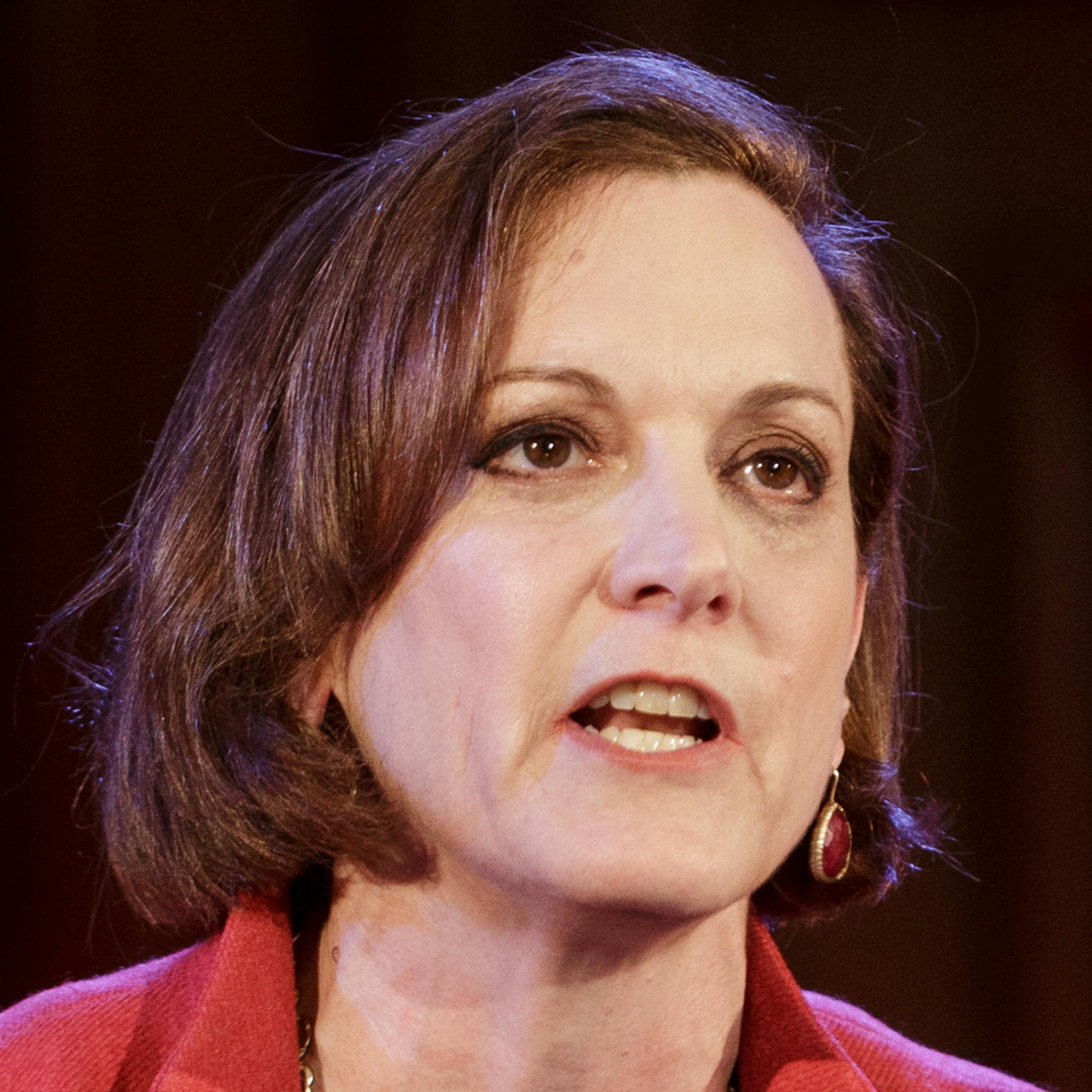
Neville Chamberlain did the right thing: Appeasement of Hitler was the best policy for the British government in the 1930s
If ever a politician got a bum rap it’s Neville Chamberlain. He has gone down in history as the British prime minster whose policy of appeasement in the 1930s allowed the Nazis to flourish unopposed. He has never been forgiven for ceding part of Czechoslovakia to Hitler in the Munich Agreement of September 1938, and for returning home triumphantly declaring “peace for our time”. The very word “appeasement” is now synonymous with him, signifying a craven refusal to stand up to bullies and aggressors. What a contrast to Winston Churchill, the man who took over as prime minister and who has ever since been credited with restoring Britain’s backbone. But is the standard verdict on Chamberlain a fair one? After all, memories of the slaughter of the First World War were still fresh in the minds of the British, who were desperate to avoid another conflagration. And anyway what choice did Chamberlain have in 1938? There’s a good case for arguing that the delay in hostilities engineered at Munich allowed time for military and air power to be strengthened. Support this show http://supporter.acast.com/intelligencesquared. See acast.com/privacy for privacy and opt-out information. Learn more about your ad choices. Visit podcastchoices.com/adchoices
Me, My Selfie and I: Self-Expression in the Digital Age
We are living in the age of selfie mania. Everyone from the Pope to Obama has appeared in one. In the past, only a handful of people were able to propagate their own images, whether it was artists like Rembrandt or Van Gogh painting self-portraits, society beauties commissioning fashionable artists to create a flattering likeness of themselves to be admired by a select few. But now, the smartphone has democratised visual self-expression. The instant transferability of photos to social media and imaging apps at our disposal allow us all to constantly ‘curate’ our look and present ourselves as we want the world to see us, recording ourselves day by day. But what effect is this cultural addiction having on us? Do we look out at our exciting world as observers full of curiosity, or do we simply wonder how we look in it, and what filter would work best? Has the selfie reduced life to a popularity contest governed by likes, Instagram followers and Facebook friends? How do we deal with the increasing social pressure to constantly post images of an impossibly perfect self? in July 2017, Huawei and the Saatchi Gallery brought together a panel from the worlds of cultural criticism, social media and neuroscience to discuss the impact of selfie culture from a multitude of perspectives. The event was hosted at the Saatchi Gallery, where the exhibition ‘From Selfie to Self-Expression’, presented by Huawei was on display. Support this show http://supporter.acast.com/intelligencesquared. See acast.com/privacy for privacy and opt-out information. Learn more about your ad choices. Visit podcastchoices.com/adchoices

Warfare: The New Rules - The Cyber Threat to States, Businesses and All of Us
We are at war: cyberwar. Cyber attacks are becoming the weapon of choice for states, terrorists and criminal organisations. Through the fragile, interconnected structure of the web, anything can be hacked – from national infrastructure to an individual’s identity. The recent worldwide Ransomware epidemic, for example, affected more than 200,000 computers in 150 countries, targeting individuals and global companies including Fedex. The nightmare scenario of an entire city’s physical infrastructure being brought down by cybercriminals is well within the realms of possibility. As tensions escalate, will they explode into traditional military conflict? Or – almost as frightening – will countries wall off their internets to protect themselves, bringing the dream of an global, open worldwide web to an end? To discuss this pressing topic, Intelligence Squared brought together a panel of the world’s top intelligence professionals and cyber experts: Jeh Johnson, former Homeland Security Secretary under President Obama, who led the agency during Russia’s cyber attack on the 2016 election and Jamie Bartlett, renowned digital technology expert and author who presented the recent BBC series “Secrets of Silicon Valley”, and Angela Sasse, a cyber security expert with a special interest in how humans interact with technology. Chairing the discussion was Radio 4’s Today presenter and former BBC political editor Nick Robinson. How should the West respond to cyber aggression from hostile states? In the new fog of cyberwar, terror, crime and state hostility are all intermingled on the same battlefield. How do governments and international institutions set about regulating this complex new landscape? Support this show http://supporter.acast.com/intelligencesquared. See acast.com/privacy for privacy and opt-out information. Learn more about your ad choices. Visit podcastchoices.com/adchoices

Oslo: Can We Bring Peace Between Enemies?
On October 17th Intelligence Squared staged a pre-theatre discussion, ‘Can We Bring Peace Between Enemies?’ before a performance of the award-winning play Oslo. The play is a political thriller which tells the true story of two maverick Norwegian diplomats who coordinated top secret talks culminating in the groundbreaking Oslo Peace Accords. The discussion took place at the Harold Pinter theatre, and brought together James Rubin, former Assistant Secretary of State for the US State Department, William Sieghart, founder of an NGO which works with leaders from all parties on both sides of the divide in the Israel/Palestine conflict, and award-winning CNN correspondent Clarissa Ward. Chaired by Jonathan Freedland, they discussed their experience of against-the-odds peace negotiations and what lessons can be learned from the past that apply to the political climate today. To find out more about the play and book tickets, please visit www.OsloThePlay.com. Support this show http://supporter.acast.com/intelligencesquared. See acast.com/privacy for privacy and opt-out information. Learn more about your ad choices. Visit podcastchoices.com/adchoices

Randall Munroe with Marcus du Sautoy on Making the Complicated Simple
On 2nd October, Intelligence Squared brought together two of the world’s best-loved masters of explaining and popularising science, who lifted the lid on the technology we love and on the cutting edge of current scientific research. Randall Munroe is a physicist who once built robots for NASA. His webcomic xkcd uses simple cartoons and diagrams to make science funny, touching and incredibly clear. It gets a billion hits a year. In his latest series, Munroe has simplified the workings behind everything from space rockets to smartphones, while using only the thousand most common words in the English language. On stage with Munroe was Oxford’s professor for the public understanding of science Marcus du Sautoy, who has won a wide following through his bestselling books and TV programmes explaining the elegance and complexity of mathematics. While Munroe unpicked the detailed mechanics behind such technological breakthroughs as the large hadron collider at CERN, du Sautoy will examined some of the broader, philosophical questions about the nature — and limits — of scientific enquiry itself. Join Munroe and du Sautoy for this far-reaching exploration of the technology that drives our world, and have your chance to put your questions to two of the sharpest minds in science. Support this show http://supporter.acast.com/intelligencesquared. See acast.com/privacy for privacy and opt-out information. Learn more about your ad choices. Visit podcastchoices.com/adchoices

Microsoft CEO Satya Nadella on hitting refresh and seizing the opportunity of the digital revolution
Satya Nadella is one of the world’s most inspirational business leaders, as much a humanist as a technologist and executive. On September 28th, he comes to the Intelligence Squared stage to discuss his personal journey from a childhood in India to becoming CEO of Microsoft, the culture change that he has driven inside his legendary technology company, and the transformation that is coming to all our lives as we face the most disruptive wave of technology humankind has experienced: artificial intelligence, mixed reality, and quantum computing. While many people worry about the negative impact of exponential digital growth – from automation taking over our jobs to the increasing power that algorithms are having over our lives – Nadella will proffer his optimistic vision of the future, which he sets out in his forthcoming book Hit Refresh. He will argue that, as technology upends the status quo, the very human quality of empathy will become increasingly valuable. And he will explain how people, organisations and societies must transform in their quest for new energy, new ideas, relevance and renewal. Support this show http://supporter.acast.com/intelligencesquared. See acast.com/privacy for privacy and opt-out information. Learn more about your ad choices. Visit podcastchoices.com/adchoices
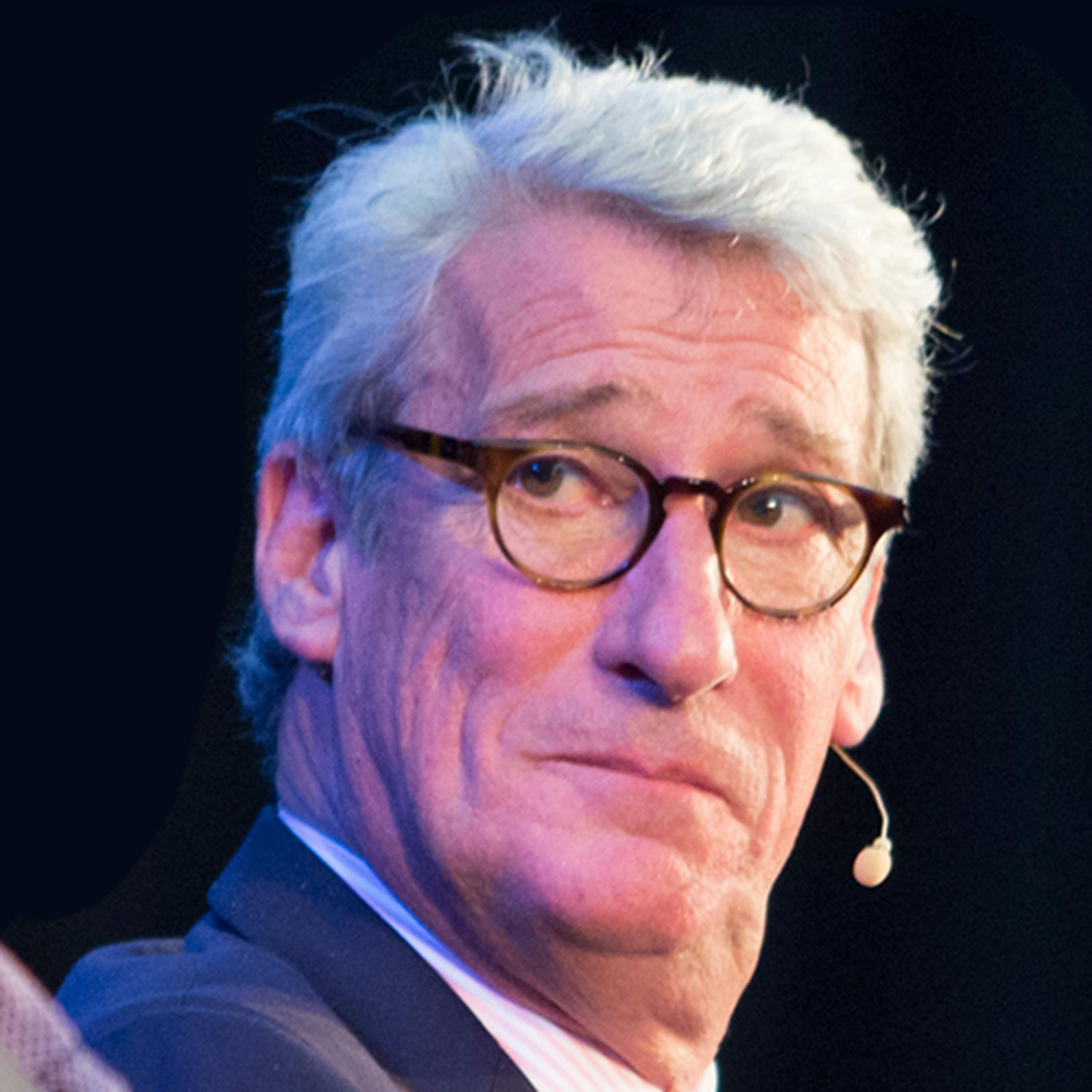
Napoleon the Great? A debate with Andrew Roberts, Adam Zamoyski and Jeremy Paxman
How should we remember Napoleon, the man of obscure Corsican birth who rose to become emperor of the French and briefly master of Europe? In 2014, as the 200th anniversary of the Battle of Waterloo approached, Intelligence Squared brought together two of Britain’s finest historians to debate how we should assess Napoleon’s life and legacy. Was he a military genius and father of the French state, or a blundering nonentity who created his own enduring myth? Was his goal of uniting the European continent under a common political system the forerunner of the modern ‘European dream’? Or was he an incompetent despot, a warning from history of the dangers of overarching grand plans? Championing Napoleon was historian Andrew Roberts, author of, among other books, 'Napoleon the Great', 'Napoleon and Wellington', and 'Waterloo: Napoleon's Last Gamble'. Opposing him was fellow historian Adam Zamoyski, author of, among other books, '1812. Napoleon's Fatal March on Moscow' and 'Rites of Peace. The Fall of Napoleon and the Congress of Vienna'. Support this show http://supporter.acast.com/intelligencesquared. See acast.com/privacy for privacy and opt-out information. Learn more about your ad choices. Visit podcastchoices.com/adchoices

The Great Realignment: Britain's Political Identity Crisis
Is Britain facing an identity crisis? The traditional dividing lines of left and right seem to be dissolving into new political tribes – metropolitan liberals versus the culturally rooted working classes, graduates versus the uneducated, the young versus the old. In June's general election, traditional Labour heartlands like Mansfield went Conservative, while wealthy areas such as Kensington swung to Corbyn. Britain seems utterly confused about its politics. As the far left and Eurosceptic right have gained strength, much of the country has been left feeling politically homeless. So what’s going on? How will these new alignments play out as the country faces the historic challenge of leaving the EU and forging a new relationship with the rest of the world? Are the Conservatives really up to the job, as they bicker over what kind of Brexit they want and jostle over who should succeed Theresa May? Is it now unthinkable that Jeremy Corbyn could be the next prime minister? Looming over the current turmoil is the biggest question of all: What kind of Britain do we want to live in? What are the values that should hold our society together? We were joined by Ken Clarke, the most senior Conservative voice in Parliament; Hilary Benn, Labour MP and Chair of the Brexit Select Committee; and Helen Lewis, deputy editor at the New Statesman and prominent voice on the left. Alongside them was David Goodhart, author of one of the most talked about analyses of post-Brexit Britain, and Anand Menon, a leading academic thinker on Britain’s fractious relations with the EU. The event was chaired by Stephen Sackur, one of the BBC’s most highly regarded journalistic heavyweights. Support this show http://supporter.acast.com/intelligencesquared. See acast.com/privacy for privacy and opt-out information. Learn more about your ad choices. Visit podcastchoices.com/adchoices

Sam Harris on the Science of Good and Evil
Where do our ideas about morality and meaning come from? Most people - from religious extremists to secular scientists - would agree on one point: that science has nothing to say on the subject of human values. Indeed, science's failure to explain meaning and morality has become the primary justification for religious faith and the reason why even many non-believers feel obliged to accord respect to the beliefs of the devout. In this podcast, recorded at our event in April 2011, Sam Harris, the American philosopher and neuroscientist, argues that these views are mistaken - that amidst all the competing arguments about how we should lead our lives, science can show us that there are right and wrong answers. This means that moral relativism is mistaken and that there can be neither a Christian nor a Muslim morality - and that ultimately science can and should determine how best to live our lives. After an opening speech, Revd Dr Giles Fraser, former-canon chancellor of St Paul's Cathedral, joins Harris in conversation. The event was chaired by Jeremy O'Grady, Editor-in-chief of The Week magazine and co-founder of Intelligence Squared. Support this show http://supporter.acast.com/intelligencesquared. See acast.com/privacy for privacy and opt-out information. Learn more about your ad choices. Visit podcastchoices.com/adchoices

Is London too rich to be interesting?
It used to be so easy. You left university, came to London and got yourself a flatshare in one of the cheaper areas: Notting Hill, Maida Vale or Highgate. Living was cheap and if it took you a while to find out what you really wanted to do with your life you could drift about a bit and get by. But now thanks to vast City bonuses and the influx of foreign billionaires, London house prices have soared beyond the reach of all but the seriously rich. Parts of Notting Hill and Kensington have become ‘buy to leave’ ghost towns, the houses boarded up and showing no signs of life. Shoreditch and Hackney, not long ago the hip new outposts for musicians and artists, are now home to well-paid professionals. And London is the worse for it. That’s the argument of those who worry that London is becoming too rich to be interesting. But is there any evidence that the city is growing bland? Quite the reverse. On any evening almost wherever you go London’s streets are abuzz with life. People here crave a communal experience and the city provides it with its 600 parks, thousands of pubs and dynamic cultural scene. There’s a dynamic between wealth and creativity that keeps London exciting. If you prefer greater egalitarianism and more cycle lanes, there’s always Stockholm. Joining us to discuss the question "Is London too rich to be interesting?" were rapper and poet Akala, journalist Tanya Gold, artist Gavin Turk, and author and journalist Simon Jenkins. The event was chaired by Kieran Long, senior curator of contemporary architecture, design and digital at the V&A. Support this show http://supporter.acast.com/intelligencesquared. See acast.com/privacy for privacy and opt-out information. Learn more about your ad choices. Visit podcastchoices.com/adchoices

Atheism is the new Fundamentalism, with Richard Dawkins and Richard Harries
Does God exist? Has atheism replaced religion as the new faith of the secular age? Are today's atheists as blinkered and dogmatic as they claim religious believers to be? This Intelligence Squared debate from November 2009 was recorded at Wellington College. Arguing for the motion were former Bishop of Oxford Richard Harries and Editor of the Daily Telegraph Charles Moore. Arguing against the motion were evolutionary biologist and science author Richard Dawkins and philospher AC Grayling. The debate was chaired by historian, author and Master of Wellington College Anthony Seldon. Support this show http://supporter.acast.com/intelligencesquared. See acast.com/privacy for privacy and opt-out information. Learn more about your ad choices. Visit podcastchoices.com/adchoices

The Allied bombing of German cities in World War II was unjustifiable
No one doubts the bravery of the thousands of men who flew and died in Bomber Command. The death rate was an appalling 44%. And yet until the opening of a monument in Green Park in 2012 they had received no official recognition, with many historians claiming that the offensive was immoral and unjustified. How can it be right, they argue, for the Allies to have deliberately targeted German cities causing the death of hundreds of thousands of civilians? Even on a strategic level the offensive failed to bring about the collapse of civilian morale that was its intention. Others, however, maintain that the attacks made a decisive contribution to the Allied victory. Vast numbers of German soldiers and planes were diverted from the eastern and western fronts, while Allied bombing attacks virtually destroyed the German air force, clearing the way for the invasion of the continent. Arguing for the motion were AC Grayling, philosopher and author of 'Among the Dead Cities: Is the Targeting of Civilians in War Ever Justified?'; and Richard Overy, Professor of history at Exeter University who has published extensively on World War II and air power in the 20th century. Arguing against them were Antony Beevor, award-winning historian and author of the No. 1 international bestseller 'The Second World War'; and Patrick Bishop, historian and author of 'Bomber Boys'. The debate was chaired by Jeremy O'Grady, Editor-in-chief of The Week magazine and co-founder of Intelligence Squared. Support this show http://supporter.acast.com/intelligencesquared. See acast.com/privacy for privacy and opt-out information. Learn more about your ad choices. Visit podcastchoices.com/adchoices

Britain Should Not Have Fought in the First World War
The First World War is not called the Great War for nothing. It was the single most decisive event in modern history, as well as one of the bloodiest: by the time the war ended, some nine million soldiers had been killed. It was also a historical full stop, marking the definitive end of the Victorian era and the advent of a new age of uncertainty. By 1918, the old order had fallen: the Bolsheviks had seized power in Russia; the German, Austro-Hungarian and Ottoman empires had been destroyed; and even the victorious Allied powers had suffered devastating losses. It was supposed to be the war to end all wars. And yet barely two decades later, the world was again plunged into conflict. Little wonder then that historians still cannot agree whether Britain's engagement was worth it. For some, the war was a vitally important crusade against Prussian militarism. Had we stayed out, they argue, the result would have been an oppressive German-dominated Europe, leaving the British Empire isolated and doomed to decline. And by fighting to save Belgium, Britain stood up for principle: the right of a small nation to resist its overbearing neighbours. For others, the war was a catastrophic mistake, fought at a catastrophic human cost. It brought Communism to power in Russia, ripped up the map of Europe and left a festering sense of resentment that would fuel the rise of Nazism. We often forget that, even a few days before Britain entered the war, it seemed likely that we would stay out. H. H. Asquith's decision to intervene changed the course of history. But was it the right one? Arguing for the motion in this Intelligence Squared debate were John Charmley, Professor of Modern History at the University of East Anglia; and Dominic Sandbrook, historian, columnist and broadcaster. Arguing against them were Max Hastings, historian, journalist and former newspaper editor; and Margaret MacMillan, Warden of St Antony’s College and Professor of International History at the University of Oxford. The debate was chaired by senior editor at The Economist, Edward Lucas. Support this show http://supporter.acast.com/intelligencesquared. See acast.com/privacy for privacy and opt-out information. Learn more about your ad choices. Visit podcastchoices.com/adchoices

Marina Abramović on art, performance, time and nothingness
Marina Abramović is one of the most celebrated performance artists in the world. Over a career spanning four decades she has pioneered performance as an art form and accumulated a devoted following. Using her body as both subject and object, Abramović explores notions of nothingness and time, and draws in the audience as part of her performance. At her 2010 exhibition, ‘The Artist is Present’, at New York’s MOMA visitors were invited to sit silently opposite her and gaze into her eyes for an unspecified amount of time. Every day people broke down in tears. In conversation with the Artistic Director at the Barbican Centre, Will Gompertz, Marina Abramović tells us what she has learnt about process and people from a world in which she is interested in everything. With her characteristic strong character, intelligent wit, and radiating warmth, Abramović discusses her role as healer, art as meditation, and how her challenging childhood has given her much material to work with. This event was recorded in September 2014 at the Royal College of Music, in London and was produced by Executive Producer Hannah Kaye — We’d love to hear your feedback and what you think we should talk about next, who we should have on and what our future debates should be about. Send us an email or voice note with your thoughts to [email protected] or Tweet us at @intelligence2. At Intelligence Squared we’ve got our own online streaming platform, Intelligence Squared+ and we’d love you to give it a go. It’s packed with more than 20 years’ worth of video debates and conversations on the world’s most important topics as well as exclusive podcast content. Tune in to live events, ask your questions or watch on-demand, totally ad-free with hours of discussion to dive into. Visit intelligencesquaredplus.com to start watching today Learn more about your ad choices. Visit podcastchoices.com/adchoices

The EU is Failing Europe's Citizens
In the eyes of pro-Europeans, the founding of the EU after WWII secured peace across the continent for decades. But one needn’t look further than Brexit to see that the EU is teetering on the edge. By showing itself blind to the concerns of ordinary people and incapable of reform, has the European Union failed its citizens? Or should we ignore the doomsayers and march ahead with more European integration? Listen to the arguments from our inaugural Intelligence Squared debate in Berlin. Support this show http://supporter.acast.com/intelligencesquared. See acast.com/privacy for privacy and opt-out information. Learn more about your ad choices. Visit podcastchoices.com/adchoices