
Intelligence Squared
1,654 episodes — Page 32 of 34
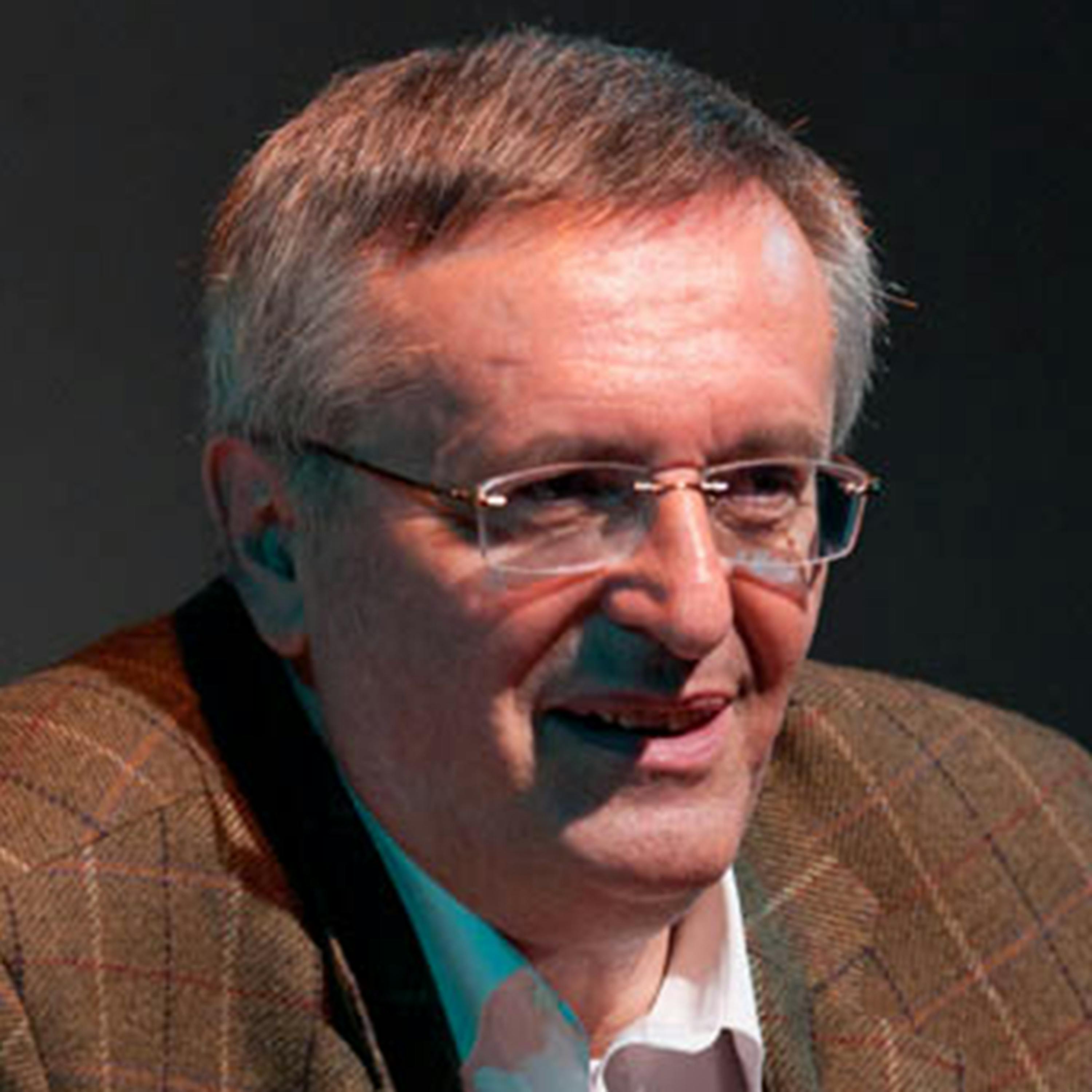
John Gray and Adam Phillips in conversation on humankind's search for immortality
Political philosopher John Gray and psychotherapist and essayist Adam Phillips came to the Intelligence Squared stage in 2011 to discuss themes of science and immortality. Can we in the 21st century claim to be no longer gripped by the hope that somehow science can make us invincible? Support this show http://supporter.acast.com/intelligencesquared. See acast.com/privacy for privacy and opt-out information. Learn more about your ad choices. Visit podcastchoices.com/adchoices

Digital Summit Highlights: 'London's Star Tech Enterprise' and 'Who we are on the Web'
This week's episode of the Intelligence Squared podcast features two sessions from our recent Digital Summit with Vanity Fair. In the first session, 'Who are we on the web?' we examined how deeply the internet is affecting us as human beings. Our panel of experts comprised blogger, journalist and science fiction author Cory Doctorow; author of 'The Dark Net' Jamie Bartlett; Director of the 2013 film 'InRealLife' Beeban Kidron; and Director of the Governance Lab at NYU Beth Simone Noveck. It was chaired by the UK editor of Vanity Fair Henry Porter. In the second session, 'London's star tech enterprise' we explored how London startups can scale up and compete on the global stage, with founder of Ariadne Capital Julie Meyer; CEO of Telefonica UK (O2) Ronan Dunne; YouTube entrepreneur and founder of SBTV Jamal Edwards; CEO and co-founder of HelixNano Carina Namih; and co-CEO of Decoded Kathryn Parsons. This session was chaired by co-founder of Second Home and former Senior Policy Adviser to David Cameron... Support this show http://supporter.acast.com/intelligencesquared. See acast.com/privacy for privacy and opt-out information. Learn more about your ad choices. Visit podcastchoices.com/adchoices

Churchill was more a liability than an asset to the free world
Does the fact that Winston Churchill is routinely cited as Britain’s greatest hero say more about us than it does about him? Yes, he warned us of the need to face down Hitler when others were urging appeasement and yes, he gave a good speech. But what of his tendency to initiate disastrous military campaigns – think of Gallipoli in World War I or Norway in World War II. What of the fact that his generals constantly had to restrain him from embarking on even more madcap ventures? Could it be that the British had - and still have – a deep need to lionise their war leader in order to disguise from themselves the relative insignificance of Britain’s contribution to defeating the Nazis in comparison with that of the Soviet Union or America? Is our refusal to diminish Churchill’s stature born of the fear that we may have to diminish our own? We were joined by a panel of experts at Methodist Central Hall Westminster in September 2009 to debate the motion "Churchill was more a liability than an asset to the free... Support this show http://supporter.acast.com/intelligencesquared. See acast.com/privacy for privacy and opt-out information. Learn more about your ad choices. Visit podcastchoices.com/adchoices

Digital Summit Highlights: 'The Hopes of the Pioneers' and 'Artificial Intelligence'
This week's episode of the Intelligence Squared podcast features two sessions from our recent Digital Summit with Vanity Fair. In the first session, 'This is For Everyone: The hopes of the pioneers', we explored the hopes and memories of the internet's early days – could the internet have developed in any other way than the one we know today? Our panel of experts featured former Guardian editor Alan Rusbridger; entrepreneur and co-founder of lastminute.com Martha Lane Fox; journalist, blogger and science fiction author Cory Doctorow; and Chief Executive Officer of Telefónica UK (O2) Ronan Dunne. It was chaired by the UK editor of Vanity Fair Henry Porter. In the second session, 'Artificial Intelligence: Are we engineering our own obsolescence?' we looked forward to how we will meet the daunting but thrilling challenge of advanced artificial intelligence. We were joined by leading AI expert Nicholas Bostrom; Professor of Cognitive Robotics at Imperial College London Murray Shanahan; neuroscientist Daniel... Support this show http://supporter.acast.com/intelligencesquared. See acast.com/privacy for privacy and opt-out information. Learn more about your ad choices. Visit podcastchoices.com/adchoices

S1 Ep 101Angela Merkel is destroying Europe
The stakes couldn’t be higher, as Greek prime minister Alexis Tsipras seeks a new agreement on a bailout and German chancellor Angela Merkel refuses any talks before this Sunday’s referendum. What will happen is anyone’s guess, but for anyone looking for background information, Intelligence Squared is posting again the podcast of our 2013 debate ‘Angela Merkel is destroying Europe’. Listen to The New Statesman's Mehdi Hasan and Greek MP Euclid Tsakalotos take on historian Anthony Beevor and Belgian-born veteran journalist Christine Ockrent. The debate was chaired by journalist and broadcaster Nik Gowing. — We’d love to hear your feedback and what you think we should talk about next, who we should have on and what our future debates should be. Send us an email or voice note with your thoughts to [email protected] or Tweet us @intelligence2. And if you’d like to support our mission to foster honest debate and compelling conversations, as well as ad-free podcasts, exclusive bonus content, early access and much more, become a supporter of Intelligence Squared.. Just visit intelligencesquared.com/membership to find out more. Learn more about your ad choices. Visit podcastchoices.com/adchoices

The West should get out of bed with the House Of Saud
Have we no morals? We know that the Saudis created the monster that is Islamic terrorism, allegedly spending some $100 billion on exporting fanatical Wahhabism to other Muslim nations around the world. We know about the public beheadings and floggings, and the treatment of women that amounts to gender apartheid. Yet Western governments persist in cosying up to the Saudi royal family, making an ally of one of the most reactionary regimes in the world, so that we can buy their oil and sell them our expensive weaponry. Enough: we should stop turning a blind eye and start treating Saudi Arabia with the condemnation it deserves. That’s the liberal, reformist position. But others would maintain that even if we find many of its practices abhorrent, it is of vital interest to the West to stay in bed with the Saudi kingdom. After all, it is one of our most important allies amongst the Arab states, helping curb Iran’s ambitions for supremacy within the Middle East. It has also joined the coalition against the... Support this show http://supporter.acast.com/intelligencesquared. See acast.com/privacy for privacy and opt-out information. Learn more about your ad choices. Visit podcastchoices.com/adchoices

The internet is a failed utopia
This week's podcast comes from the closing session of our recent Digital Summit with Vanity Fair. See intelligencesquared.com for more information about the summit. To many the hopes we had for the internet when it first emerged have been smashed by the revelations of government surveillance of our personal data – with the cooperation of the tech giants who know and record our every move online. But to others the technological advances of the last 20 years have opened up an unprecedented world of abundance. It’s not just as consumers of physical goods that we have benefited, but as users of information from books, websites and communication with people on the other side of the world. Is the dream a failed one, or still to come? We were joined by a panel of experts to debate the motion "The internet is a failed utopia". Arguing for the motion were Silicon Valley’s favourite controversialist Andrew Keen and big data and financial algorithms expert Frank Pasquale. Arguing against the motion were Founder... Support this show http://supporter.acast.com/intelligencesquared. See acast.com/privacy for privacy and opt-out information. Learn more about your ad choices. Visit podcastchoices.com/adchoices

Faramerz Dabhoiwala on the Origins of Sex
Rising star historian Faramerz Dabhoiwala came to the Intelligence Squared stage in February 2012 to describe how the permissive society arrived in Western Europe, not in the 1960s as we like to think, but between 1600 and 1800. It began in England and is now shaping and challenging patterns of sexual behaviour all over the world. For most of western history, all sex outside marriage was illegal, and the church, the state, and ordinary people all devoted huge efforts to suppressing and punishing it. This was a central feature of Christian civilization, one that had steadily grown in importance since the early middle ages. Three hundred years ago this entire world view was shattered by revolutionary new ideas - that sex is a private matter; that morality cannot be imposed by force; that men are more lustful than women. Henceforth, the private lives of both sexes were to be endlessly broadcast and debated, in a rapidly expanding universe of public media: newspapers, pamphlets, journals, novels, poems, and... Support this show http://supporter.acast.com/intelligencesquared. See acast.com/privacy for privacy and opt-out information. Learn more about your ad choices. Visit podcastchoices.com/adchoices

David Brooks on the Road to Character
On May 26th 2015, New York Times columnist David Brooks came to the Intelligence Squared stage to share the insights of his latest book, 'The Road to Character'. Brooks argued that today’s ‘Big Me’ culture is making us increasingly self-preoccupied: we live in a world where we’re taught to be assertive, to master skills, to broadcast our brand, to get likes, to get followers. But amidst all the noise of self-promotion, Brooks claimed that we’ve lost sight of an important and counterintuitive truth: that in order to fulfil ourselves we need to learn how to forget ourselves. Brooks was joined on stage by writer and lecturer on psychology, politics, and the arts Andrew Solomon. Support this show http://supporter.acast.com/intelligencesquared. See acast.com/privacy for privacy and opt-out information. Learn more about your ad choices. Visit podcastchoices.com/adchoices

Joseph Stiglitz on the Great Divide
Inequality is an increasing problem in the Western world, leaving everyone – the rich as well as the poor – worse off. The dream of a socially mobile society is becoming an ever more unachievable myth. That’s the view of Nobel Prize-winning economist Joseph Stiglitz, who came to the Intelligence Squared stage for a rare London appearance on May 20th. Stiglitz argued that inequality is not inevitable but a choice – the cumulative result of unjust policies and misguided priorities. Stiglitz was joined on stage by Economics Editor of Sky News Ed Conway. Support this show http://supporter.acast.com/intelligencesquared. See acast.com/privacy for privacy and opt-out information. Learn more about your ad choices. Visit podcastchoices.com/adchoices

Spotlight On Piketty
In this rare appearance in London, French economist Thomas Piketty appeared centre stage for Intelligence Squared, along with a panel of experts, to debate his findings of his book 'Capital in the 21st Century', an analysis of the causes and growth of inequality that was the publishing sensation of 2014. Do the alleged inaccuracies found in Piketty’s historical data affect the premise of his book? Is he right to predict that inequality will continue to rise during the 21st century? Is the allegedly growing wealth gap a threat to democracy? And what should we make of his proposal for a global tax on wealth? Appearing alongside Piketty were Economics Editor of the Sunday Times David Smith and Associate Editor and Chief Economics Commentator at the Financial Times Martin Wolf. The event was chaired by former BBC economics editor Stephanie Flanders. Support this show http://supporter.acast.com/intelligencesquared. See acast.com/privacy for privacy and opt-out information. Learn more about your ad choices. Visit podcastchoices.com/adchoices

Post-Election Dissection
On May 12th, before the dust had settled on the General Election, Intelligence Squared hosted a post-election dissection with pundits and politicians of all persuasions. They battled it out over what the outcome means for the future of British politics. Is it fair, for example, that a bunch of Scots who want to leave the Union should have so much sway over the rest of the country? Will a break-up of the Union be inevitable? How long will any minority government, reliant on querulous smaller parties, be able to survive? Are we hearing the death knell of the two-party political system? And if so, do we need fundamental reform of our electoral system? We were joined by constitutional expert Vernon Bogdanor, Labour MP Margaret Hodge, Conservative MP Jesse Norman and columnist and interviewer for The Times Alice Thomson. The event was chaired by columinst and author Simon Jenkins. Support this show http://supporter.acast.com/intelligencesquared. See acast.com/privacy for privacy and opt-out information. Learn more about your ad choices. Visit podcastchoices.com/adchoices
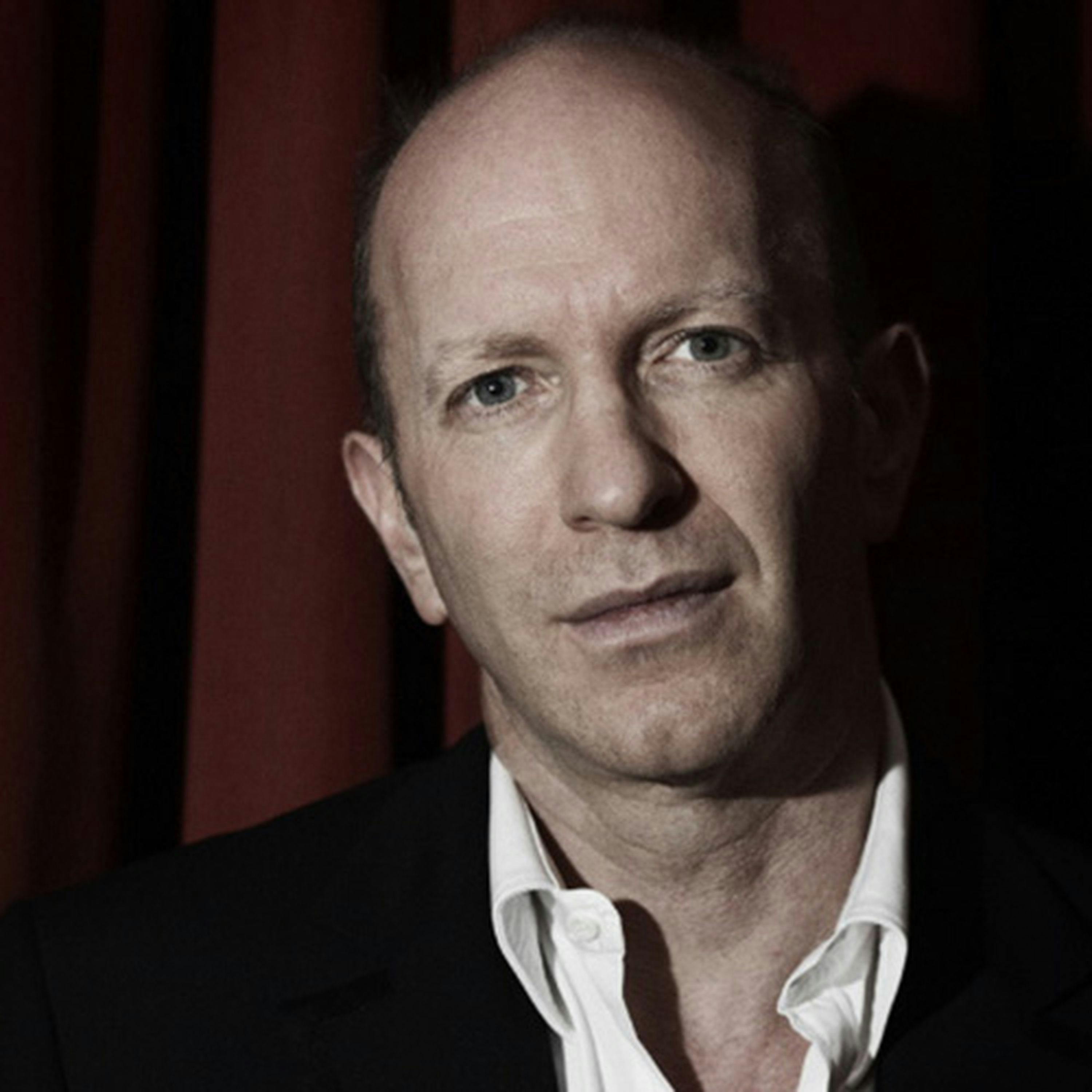
Simon Sebag Montefiore on Jerusalem
Jerusalem. How did this small, remote town became the Holy City, the desire of every empire, and the key to Middle East peace? In this dazzling talk from February 2011, Simon Sebag Montefiore revealed the ever-changing city through its many incarnations, bringing every epoch and character blazingly to life. Jerusalem’s biography was told through the wars, adventures, love-affairs and messianic revelations of the men and women – kings, empresses, saints, conquerors, prophets and whores – who created, destroyed, chronicled and believed in the Holy City. Its cast varies from Solomon and Saladin to Churchill, Cleopatra and Caligula, from Abraham, Jesus and Muhammad to Jezebel, Nero, Napoleon, Rasputin, Herod and Nebuchadnezzar, from the Kaiser, Disraeli and Lloyd George, to Yasser Arafat, King Hussein and Moshe Dayan. Support this show http://supporter.acast.com/intelligencesquared. See acast.com/privacy for privacy and opt-out information. Learn more about your ad choices. Visit podcastchoices.com/adchoices

The World Needs Religion Even if it Doesn't Need God
God is dead and man has no need of the myths and false consolation that religion offers. That’s the battle-cry of Richard Dawkins and other tough-minded critics of religion. And yet millions cling to their faith, finding value and meaning in the concepts and rituals they adhere to. But is this dichotomy all we have to choose from – prostration or denigration? Some would argue that there’s another way, that it’s possible to remain an atheist and still make use of certain ideas and practices of religion that secular society has failed to engender – the promotion of morality and a spirit of community, for example, and the ability to cope with loss, failure and our own mortality. But is this “religion for atheists” something that would ever catch on? Without belief in the numinous and some form of authority wouldn’t it all fall apart? And do atheists really need sermons and reminders to be good? Arguing against this motion in this debate from January 2012 were philosopher and author Alain de Botton and... Support this show http://supporter.acast.com/intelligencesquared. See acast.com/privacy for privacy and opt-out information. Learn more about your ad choices. Visit podcastchoices.com/adchoices
The Future of Parliamentary Democracy
In the wake of the MPs’ expenses scandal (May-June 2009), we brought a panel of politicians and journalists to the Intelligence Squared stage to discuss the state of democracy in Britain – is the system rotten to the core, or was the expenses scandal simply a storm in a teacup? In a departure from the usual debate format, the seven panelists each present their views on the current state of affairs and suggest if, and how, the system needs to be reformed. Joining us were historian Sir David Cannadine; former Foreign Secretary Sir Malcolm Rifkind; barrister and Labour Peer Helena Kennedy; constitutional expert Vernon Bogdanor; Professor of Politics at the University of Westminster John Keane, author and Daily Mail political columnist Peter Oborne; and author and Times columnist David Aaronovitch. The event was chaired by Standard columnist Sir Simon Jenkins. Support this show http://supporter.acast.com/intelligencesquared. See acast.com/privacy for privacy and opt-out information. Learn more about your ad choices. Visit podcastchoices.com/adchoices

Can art be taught to the Facebook generation?
We were joined at the Saatchi Gallery in July 2009 by Turner Prize-winning artists Grayson Perry and Antony Gormley; author, philosopher and television presenter Alain de Botton; design critic, author and columnist Stephen Bayley and founder of the charity Kids Company Camila Batmanghelidjh, as they debated the motion "Can art be taught to the Facebook Generation?" The debate was chaired by author, journalist and broadcaster Joan Bakewell. Support this show http://supporter.acast.com/intelligencesquared. See acast.com/privacy for privacy and opt-out information. Learn more about your ad choices. Visit podcastchoices.com/adchoices

Debate: Burgundy vs Bordeaux
Among wine lovers, there is no greater divide than that between Burgundy and Bordeaux. These are the world’s most celebrated wine regions. What separates them and why the great rivalry? Back in 2015 we invited two of the UK's top wine critics, Jancis Robinson and Hugh Johnson, to debate the issue. Chairing the event was Michelin-starred chef and restauranteur Michel Roux Jr. We’d love to hear your feedback and what you think we should talk about next, who we should have on and what our future debates should be. Send us an email or voice note with your thoughts to [email protected] or Tweet us @intelligence2. And if you’d like to get ad-free access to all Intelligence Squared podcasts, including exclusive bonus content, early access to new episodes and much more, become a supporter of Intelligence Squared today for just £4.99, or the equivalent in your local currency . Just visit intelligencesquared.com/membership to find out more. Learn more about your ad choices. Visit podcastchoices.com/adchoices

The Extreme Present: An Evening of Self-Help for Planet Earth
Shumon Basar, writer, thinker and cultural critic, Douglas Coupland, the renowned author of 'Generation X', and Hans Ulrich Obrist, one of the world’s best-known curators, joined forces for a special event with Intelligence Squared to explore the challenges that the planet faces in the Extreme Present. Ours is an era so unfamiliar that in their book, 'The Age of Earthquakes' – their 21st-century update of Marshall McLuhan’s seminal 1967 book 'The Medium Is the Massage' – Basar, Coupland and Obrist have developed a new ‘Glossarium’ to describe the unsettling experiences of the always-on, networked age. Do you suffer from ‘monophobia’ (the fear of feeling like an individual) or from ‘connectopathy’ (a range of irregular behaviours triggered by the rewiring of our brains)? Do you spend more and more of your time ‘deselfing’ (willingly diluting your sense of self by plastering the internet with as much information as possible) or, as technology makes you ever smarter yet leaves you feeling ever more stupid... Support this show http://supporter.acast.com/intelligencesquared. See acast.com/privacy for privacy and opt-out information. Learn more about your ad choices. Visit podcastchoices.com/adchoices

The Art World is a Boys' Club
Botticelli's Venus. Warhol's Marilyn. Chen Yifei’s Beauties. Historically, the creation of art has been largely the preserve of men. And not a lot has changed. In recent years, the top 100 highest grossing living artists at auction were men, selling predominantly to male buyers. Women run just a quarter of the biggest art museums in the world, earning about a third less than their male counterparts. More women then men graduate from art school, but fast forward a few years and it's the men who are making it big, in the market, the galleries and the museums. So what's going on? The art world is a boys' club, that's what. This is the gripe of those who think the system is stitched up against women, but whose fault is it really? Perhaps women don’t ‘lean in’ enough, or get sidetracked by motherhood. And while gender imbalance remains a fact, things have improved quite dramatically for women in the art world, especially when compared to the business world and its glass ceilings. From Middle Eastern... Support this show http://supporter.acast.com/intelligencesquared. See acast.com/privacy for privacy and opt-out information. Learn more about your ad choices. Visit podcastchoices.com/adchoices

Muhammad Yunus on a new kind of capitalism
‘Making money is a happiness. And that’s a great incentive. Making other people happy is a super-happiness.’ These are the words of Muhammad Yunus, the Nobel Peace Prize-winning Bangladeshi economist world-famous for starting the microfinance movement. That movement is just part of Yunus’s mission to ‘put poverty in the museums’. A charismatic visionary, as much at ease with global leaders as he is with the poorest of street beggars, Professor Yunus believes every person can play a part in reducing poverty. And they can do this not by writing out a cheque to a charity or through hard-headed capitalism, but by means of a model that lies somewhere between the two. He calls this model social business. As Professor Yunus likes to explain it, social business isn’t just about helping the poor – it can also help to change us. When we put on ‘social business glasses’ we start looking at the world and thinking about it in new ways. We bring fresh insight to our conventional profit-maximising companies and become... Support this show http://supporter.acast.com/intelligencesquared. See acast.com/privacy for privacy and opt-out information. Learn more about your ad choices. Visit podcastchoices.com/adchoices

Be afraid, be very afraid: the robots are coming and they will destroy our livelihoods
They are coming to an office near you: job-gobbling robots that can do your work better and more cheaply than you can. One in three jobs could be taken over by a computer or a robot in the next 20 years. Most at risk are less skilled workers such as machine operators, postmen, care workers and professional drivers. The CEO of Uber, the ride-sharing company, recently said that his goal is to replace all the firm’s drivers with autonomous cars. That’s the view of the tech pessimists, but others would argue that all this automation anxiety is overblown. While advances in technology have always caused disruption, in the long run they have led to the creation of more jobs. To give an example, in the 19th century the industrial revolution wiped out jobs on the land as farm workers were replaced by machinery, but millions found new work in factories as they sprang up in the cities. Why should things be different with the AI revolution? We were joined by a panel of experts to debate the motion "The robots are... Support this show http://supporter.acast.com/intelligencesquared. See acast.com/privacy for privacy and opt-out information. Learn more about your ad choices. Visit podcastchoices.com/adchoices

Rembrandt Vs Vermeer: The Titans of Dutch Painting
Rembrandt van Rijn is the best known of all the Dutch masters. His range was vast, from landscapes to portraits to Biblical scenes; he revolutionised every medium he handled, from oil paintings to etchings and drawings. His vision encompassed every element of life – the sleeping lion; the pissing baby; the lacerated soles of the returned prodigal son. Making the case for him in this debate was Simon Schama. For him Rembrandt is humanity unedited: rough, raw, violent, manic, vain, greedy and manipulative. Formal beauty was the least of his concerns, argues Schama, yet he attains beauty through his understanding of the human condition, including to be sure, his own. But for novelist Tracy Chevalier it can all get a little exhausting. Rembrandt’s paintings, she believes – even those that are not his celebrated self-portraits – are all about himself. Championing Vermeer, she will claim that his charm lies in the very fact that he absents himself from his paintings. As a result they are less didactic and more... Support this show http://supporter.acast.com/intelligencesquared. See acast.com/privacy for privacy and opt-out information. Learn more about your ad choices. Visit podcastchoices.com/adchoices

Money can grow on trees: what's good for nature is good for business
Capitalists don’t care about the environment. Industry, agriculture and commerce have long exploited nature’s resources. The pursuit of profit pays scant regard to the underlying cost of using up the planet’s capital. That’s the familiar story that we hear about capitalists. But a growing number of voices are claiming that big business and nature in fact make perfect partners. Intelligence Squared, in partnership with The Nature Conservancy, brought together some of the world’s leading conservation experts, along with voices from the worlds of finance and industry, to ask whether working in tandem with nature is the soundest investment that business can make. CHAIR Matthew Taylor - Chief Executive of the RSA and soon-to-be Chief Executive of the NHS Confederation FEATURING Tony Juniper - Sustainability adviser Nick Dearden - Director of the World Development Movement Peter Kareiva - Chief scientist for The Nature Conservancy Jeremy Oppenheim - Senior partner at McKinsey Lucy Siegle - Ethical living columnist for The Observer This event was recorded at the Royal Institution of Great Britain, in London, on the 9th of February 2015 — We’d love to hear your feedback and what you think we should talk about next, who we should have on and what our future debates should be. Send us an email or voice note with your thoughts to [email protected] or Tweet us @intelligence2. And if you’d like to support our mission to foster honest debate and compelling conversations, as well as ad-free podcasts, exclusive bonus content, early access and much more, become a supporter of Intelligence Squared today. Just visit intelligencesquared.com/membership to find out more. Learn more about your ad choices. Visit podcastchoices.com/adchoices

Keep 'em off the streets and behind bars: tough prison sentences mean a safer society
Lock them up. That’s the way we’ve always dealt with offenders. Criminals deserve to be put away for their crimes. Prison works because it keeps those criminals out of circulation, and acts as society’s most effective deterrent. Rehabilitation is all well and good – but the fundamental purpose of prison is to protect the public, and to punish those who have done wrong. That’s the argument of the bang ’em up brigade; but others say that there’s a better way. New prison models have emerged in several European countries that suggest it’s not incarceration alone that prisoners need – it’s treatment for drug, alcohol, social and mental health issues. Norway, for example, has a ratio of almost one prison worker per inmate to help them overcome these problems. This system isn’t simply humane, say its advocates, it’s good for society. In England and Wales, 47% of inmates reoffend within a year of leaving prison. In Norway, by contrast, only 20% do. Its prison system works because it treats inmates as human... Support this show http://supporter.acast.com/intelligencesquared. See acast.com/privacy for privacy and opt-out information. Learn more about your ad choices. Visit podcastchoices.com/adchoices

Magna Carta: Myth and Meaning
June 2015 will see the 800th anniversary of Magna Carta, the ‘Great Charter’ which was signed at Runnymede by King John to resolve a political crisis he faced with his barons. Buried within its 69 clauses is one of immeasurable importance. This is the idea that no one should be deprived of their freedom without just cause, and that people are entitled to fair trial by their peers according to the law of the land. At the time Magna Carta did nothing to improve the lot of the vast majority of English people, and all but three of its provisions have been repealed. Yet Magna Carta has come to be seen as the cornerstone of English liberty and an international rallying cry against the arbitrary use of power. But Where does Magna Carta stand today? In a time of secret courts in Britain and the Guantanamo gulag, the threat to rights from terror laws and state surveillance of our online activities, do we need to reaffirm its basic principles? Should we take things even further, as Tim Berners-Lee has suggested... Support this show http://supporter.acast.com/intelligencesquared. See acast.com/privacy for privacy and opt-out information. Learn more about your ad choices. Visit podcastchoices.com/adchoices

Art must be beautiful
In May 2011, Intelligence Squared Asia presented four leading voices in the arts to argue the motion "Art must be beautiful". Can aesthetic standards of the day dictate the long-term value of art? Who defines taste? Do parameters of institutional validation differ from collector ideals? Does concept in art triumph over creation? Is meaning in art an obligation or an afterthought? Arguing for the motion were artist and acclaimed photographer David LaChapelle and Co-founder of Phillips de Pury and Co Simon de Pury. Arguing against the motion were Award-winning Singaporean multimedia artist Ming Wong and best-selling author Stephen Bayley. The debate was chaired by Lars Nittve, Executive Director of M+ at the West Kowloon Cultural District. Support this show http://supporter.acast.com/intelligencesquared. See acast.com/privacy for privacy and opt-out information. Learn more about your ad choices. Visit podcastchoices.com/adchoices

An evening with Britain's best poets
Love. Sorrow. Anger. Death. Laughter. God. Sex. Hell. Home. Only one profession can get to the heart of that lot – the poets. And not any old poets but amongst Britain's very best: Wendy Cope, Andrew Motion and Don Paterson – plus Clive James who's been here so long he almost counts as British. They came to the Intelligence Squared stage in April 2011 to read and talk about not just their own poems, but their favourite works by poets from the past. Support this show http://supporter.acast.com/intelligencesquared. See acast.com/privacy for privacy and opt-out information. Learn more about your ad choices. Visit podcastchoices.com/adchoices

The High Street is dead, long live the High Street
A screen, an image, a click. Proceed to checkout. Sign for it the next day. We are the first generation to enjoy the thrill and convenience of online shopping. No queuing, no frustration at going home empty-handed, because we can always find what we’re looking for online – anywhere, anytime, on our laptop or smartphone. For centuries the high street has been the focus of local community, the place where people meet to trade and exchange news. But many high streets in the UK are struggling and some say that the online revolution is to blame. In October 2014, Intelligence Squared, in partnership with eBay, brought together a panel of experts to debate how the most forward-looking businesses are using technology to marry the best of online and bricks-and-mortar to meet ever-changing consumer expectations. Click-and-collect, location-based technology that sends special offers to your phone in store, augmented reality that shows you what a sofa would look like in your living room – these are just some... Support this show http://supporter.acast.com/intelligencesquared. See acast.com/privacy for privacy and opt-out information. Learn more about your ad choices. Visit podcastchoices.com/adchoices

The War on Terror was the right response to 9/11
Have the West’s efforts to eradicate Al-Qaeda around the world simply been fuelling the flames of hatred and violence? Or would we have suffered even more atrocities if we’d left the militants to plot in their hiding places? Is the US right to be pursuing its hard line against militants in countries such as Pakistan and Yemen? These are just some of the questions explored in this Intelligence Squared debate from September 2011, which saw former President of Pakistan Pervez Musharraf and former US Deputy Assistant Secretary of State for Public Diplomacy Colleen Graffy defend the motion. Opposing the motion were former French foreign minister and co-founder of Médecins Sans Frontières Bernard Kouchner and former UK Permanent Representative at the United Nations in New York Sir Jeremy Greenstock. The debate was chaired by BBC World News presenter Zeinab Badawi. Thanks to Audible for supporting the Intelligence Squared podcast. Get a free audiobook of your choice at audiblepodcast.com/debate. Support this show http://supporter.acast.com/intelligencesquared. See acast.com/privacy for privacy and opt-out information. Learn more about your ad choices. Visit podcastchoices.com/adchoices

Bernard-Henri Lévy on the Libyan intervention and universal values
Bernard-Henri Lévy is France’s best-known public intellectual, passionately committed to the causes he believes to be just. A writer, journalist, and film-maker, he has the status of a rock star in France where he is known simply as BHL, and has repeatedly turned down the Légion d'Honneur. In this rare appearance in London for Intelligence Squared he lectured on liberal interventionism (he is credited with persuading President Sarkozy to take the lead in the international intervention in Libya), the crisis in Europe, the race for the US presidency, and French politics; he also touched on his literary and philosophical heroes and the role of the public intellectual in France and elsewhere. Support this show http://supporter.acast.com/intelligencesquared. See acast.com/privacy for privacy and opt-out information. Learn more about your ad choices. Visit podcastchoices.com/adchoices

Beware of the dragon: Africa should not look to China
We all know that the Chinese are the neo-colonialists of Africa. They've plundered the continent of its natural resources, tossing aside any concern for human rights and doing deals with some of the world's most unsavoury regimes. The relentless pursuit of growth is China's only spur. But is this picture really fair? In Angola, for example, China's low-interest loans have been tied to a scheme that has ensured that roads, schools and other infrastructure has been built. China has an impressive track record of lifting its own millions out of poverty and can do the same for Africa. And is the West's record in Africa as glowing as we like to think? After decades of pouring aid into Africa, how much have we actually achieved in terms of reducing poverty, corruption and war? So which way should Africa look for salvation - to the West, to China, or perhaps to its own people? Defending the motion in our debate from 28th November 2011 were Ghanaian economist and author George Ayittey and Portuguese MEP Ana Maria... Support this show http://supporter.acast.com/intelligencesquared. See acast.com/privacy for privacy and opt-out information. Learn more about your ad choices. Visit podcastchoices.com/adchoices

Umberto Eco In Conversation With Paul Holdengräber
The persistence of conspiracies. Grasping the infinity of lists. Writing fiction about the real. The future of books. These are some of the topics Umberto Eco discussed with Paul Holdengräber, Director of LIVE at the New York Public Library, when he came to the Intelligence Squared stage in November 2011. Their wide-ranging conversation focused in part on Eco's book 'The Prague Cemetery', an historical pseudo-reconstruction set in a 19th-century Europe teeming with secret service forgeries, Jesuit plots, murders and conspiracies, and covering everything from the unification of Italy, the Paris Commune, the Dreyfus Affair to The Protocols of the Elders of Zion. It has been criticised by both the Vatican-backed newspaper the Osservatore Romano and the Chief Rabbi of Rome. Support this show http://supporter.acast.com/intelligencesquared. See acast.com/privacy for privacy and opt-out information. Learn more about your ad choices. Visit podcastchoices.com/adchoices

Brian Cox & Alice Roberts on the Incredible Unlikeliness of Human Existence
Who are we? Why are we here? Are we alone in the universe? How did we become the creatures that we are? How might we further evolve? These are some of the big questions that Brian Cox and Alice Roberts tackled when they came to the Intelligence Squared stage on 2nd December 2014. Brian Cox is the rockstar who became a scientist, and is now a rockstar scientist. He is known to millions as the presenter of the BBC Wonders series in which he unravels the complexities of the universe with calm clarity and an infectious sense of wonder. Alice Roberts is a no less talented science story-teller. A doctor, anatomist, osteoarchaeologist and writer, she has enthralled television audiences with BBC series such as The Incredible Human Journey. Support this show http://supporter.acast.com/intelligencesquared. See acast.com/privacy for privacy and opt-out information. Learn more about your ad choices. Visit podcastchoices.com/adchoices

P.J. O'Rourke: The Funniest Man in America
P.J. O'Rourke is America's premier political satirist and has more citations in The Penguin Dictionary of Humorous Quotations than any other living writer. In this live appearance for Intelligence Squared in 2010, he discussed his new book, "Don't Vote - It Just Encourages the Bastards", a brilliant, hilarious and ultimately sobering look at why politics and politicians are a necessary evil — but only just barely necessary. Moving from Adam Smith to Milton Friedman to a late-night girls' boarding school game called Kill-F*@k-Marry, O'Rourke explored the nature of the social contract. For him the essential elements are power, freedom and responsibility: the people like the freedom part, politicians like the power part, and hardly anyone wants to hear the responsibility part. This leads him to postulate the "Death, Sex and Boredom Theory of Politics." Thanks to Audible for supporting the Intelligence Squared podcast. Get a free audiobook of your choice at audiblepodcast.com/debate. Support this show http://supporter.acast.com/intelligencesquared. See acast.com/privacy for privacy and opt-out information. Learn more about your ad choices. Visit podcastchoices.com/adchoices

I'd rather Be a Roundhead than a Cavalier
In the 1640s England was devastated by a civil war that divided the nation into two tribes – Roundheads and Cavaliers. Counties, towns, even families and friends were rent apart as the nation pledged its allegiance either to King Charles I (supported by the Cavaliers) or to Parliament (backed by the Roundheads). Some 200,000 lives were lost in the desperate conflict which eventually led to the victory of the Roundheads under Oliver Cromwell and the execution of the king in 1649. The ideas that circulated in that febrile climate 350 years ago have shaped our democracy and also created a cultural divide that still resonates today. The Cavaliers represent pleasure, exuberance and individuality. Countering them are the Roundheads who stand for modesty, discipline and equality. To debate both the historical and present-day significance of this divide, Intelligence Squared brought together two acclaimed historians: Charles Spencer to defend the Roundhead cause (in spite of the fact that his forebear the Ist... Support this show http://supporter.acast.com/intelligencesquared. See acast.com/privacy for privacy and opt-out information. Learn more about your ad choices. Visit podcastchoices.com/adchoices

David Grossman in conversation with Linda Grant
One of Israel’s most acclaimed writers, David Grossman is the author of numerous pieces of fiction, nonfiction and children's literature. His work has dealt with Jewish history, the occupation of the West Bank, the cost of war and the dramas of family life, and has been translated into 25 languages around the world. He has been a vocal critic of Israeli policy towards the Palestinians and has been one of the most prominent cultural advocates of a two-state solution to the Israeli-Palestinian conflict. He came to the Intelligence Squared stage on October 4th 2011 to discuss his life and work with novelist and journalist Linda Grant. Thanks to Audible for supporting the Intelligence Squared podcast. Get a free audiobook of your choice at audiblepodcast.com/debate. Support this show http://supporter.acast.com/intelligencesquared. See acast.com/privacy for privacy and opt-out information. Learn more about your ad choices. Visit podcastchoices.com/adchoices

Psychiatrists & the pharma industry are to blame for the current ‘epidemic’ of mental disorders
Drug pushers. We tend to associate them with the bleak underworld of criminality. But some would argue that there’s another class of drug pushers, just as unscrupulous, who work in the highly respectable fields of psychiatry and the pharmaceutical industry. And they deserve the same moral scrutiny that we apply to the drug pedlar on the street corner. Within the medical profession labels are increasingly being attached to everyday conditions previously thought to be beyond the remit of medical help. So sadness is rebranded as depression, shyness as social phobia, childhood naughtiness as hyperactivity or ADHD. And Big Pharma is only too happy to come up with profitable new drugs to treat these ‘disorders’, drugs which the psychiatrists and GPs then willingly prescribe, richly rewarded by the pharma companies for doing so. That’s the view of those who object to the widespread use of the ‘chemical cosh’ to treat people with mental difficulties. But many psychiatrists, while acknowledging that... Support this show http://supporter.acast.com/intelligencesquared. See acast.com/privacy for privacy and opt-out information. Learn more about your ad choices. Visit podcastchoices.com/adchoices

William Gibson on 'Zero History' with Cory Doctorow
On 5th October 2010, Intelligence Squared paired author William Gibson with popular blogger and science fiction writer Cory Doctorow in a wide-ranging conversation that gives a fascinating insight into the mind of the man heralded as the "architect of cool". Thanks to Audible for supporting the Intelligence Squared podcast. Get a free audiobook of your choice at audiblepodcast.com/debate. Support this show http://supporter.acast.com/intelligencesquared. See acast.com/privacy for privacy and opt-out information. Learn more about your ad choices. Visit podcastchoices.com/adchoices

Stop Bashing Christians! Britain has become an anti-Christian country
Are Christians victims of a hateful animus, or are they demanding special treatment in a secular state which in fact applies the law equally to all? Peter Hitchens fears that without Christianity, we might end up undermining the whole foundation of law in this country. But agony aunt Claire Rayner thinks that we shouldn’t need God in order to be good. Journalist Matthew Parris wonders how intelligent people can still believe in God. They were joined by former Archbishop of Canterbury George Carey, leading human rights lawyer Geoffrey Robertson QC and Benedictine monk and former school headmaster Dom Antony Sutch to debate the motion "Stop Bashing Christians! Britain has become an anti-Christian country" at the Royal Geographical Society on 3rd November 2010. The debate was chaired by Executive editor and columnist at the Guardian, Jonathan Freedland. Support this show http://supporter.acast.com/intelligencesquared. See acast.com/privacy for privacy and opt-out information. Learn more about your ad choices. Visit podcastchoices.com/adchoices

Is London too rich to be interesting?
It used to be so easy. You left university, came to London and got yourself a flatshare in one of the cheaper areas: Notting Hill, Maida Vale or Highgate. Living was cheap and if it took you a while to find out what you really wanted to do with your life you could drift about a bit and get by. But now thanks to vast City bonuses and the influx of foreign billionaires, London house prices have soared beyond the reach of all but the seriously rich. Parts of Notting Hill and Kensington have become ‘buy to leave’ ghost towns, the houses boarded up and showing no signs of life. Shoreditch and Hackney, not long ago the hip new outposts for musicians and artists, are now home to well-paid professionals. And London is the worse for it. That’s the argument of those who worry that London is becoming too rich to be interesting. But is there any evidence that the city is growing bland? Quite the reverse. On any evening almost wherever you go London’s streets are abuzz with life. People here crave a communal... Support this show http://supporter.acast.com/intelligencesquared. See acast.com/privacy for privacy and opt-out information. Learn more about your ad choices. Visit podcastchoices.com/adchoices

Karen Armstrong on Religion and the History of Violence
Karen Armstrong has written over 16 books on faith and the major religions, studying what Islam, Judaism and Christianity have in common, and how our faiths have shaped world history and drive current events. She came to the Intelligence Squared stage to talk about her forthcoming book 'Fields of Blood: Religion and the History of Violence'. Journeying from prehistoric times to the present, she contrasted medieval crusaders and modern-day jihadists with the pacifism of the Buddha and Jesus’ vision of a just and peaceful society. And she demonstrated that the underlying reasons – social, economic, political – for war and violence in our history have often had very little to do with religion. Instead, Armstrong celebrates the religious ideas and movements that have opposed war and aggression and promoted peace and reconciliation. Support this show http://supporter.acast.com/intelligencesquared. See acast.com/privacy for privacy and opt-out information. Learn more about your ad choices. Visit podcastchoices.com/adchoices

Napoleon The Great?
How should we remember Napoleon, the man of obscure Corsican birth who rose to become emperor of the French and briefly master of Europe? As the 200th anniversary of the Battle of Waterloo approaches in 2015, Intelligence Squared brought together two of Britain’s finest historians to debate how we should assess Napoleon’s life and legacy. Was he a military genius and father of the French state, or a blundering nonentity who created his own enduring myth? Was his goal of uniting the European continent under a common political system the forerunner of the modern ‘European dream’? Or was he an incompetent despot, a warning from history of the dangers of overarching grand plans? Championing Napoleon was historian Andrew Roberts, author of, among other books, 'Napoleon the Great', 'Napoleon and Wellington', and 'Waterloo: Napoleon's Last Gamble'. Opposing him was fellow historian Adam Zamoyski, author of, among other books, '1812. Napoleon's Fatal March on Moscow' and 'Rites of Peace. The Fall of Napoleon... Support this show http://supporter.acast.com/intelligencesquared. See acast.com/privacy for privacy and opt-out information. Learn more about your ad choices. Visit podcastchoices.com/adchoices

Steven Pinker on Good Writing with Ian McEwan
Steven Pinker is one of the world’s leading authorities on language, mind and human nature. A professor of psychology at Harvard, he is the bestselling author of eight books and regularly appears in lists of the world’s top 100 thinkers. In 2014 he returned to the Intelligence Squared stage to discuss his latest publication 'The Sense of Style', a short and entertaining writing guide for the 21st century. Pinker argued that bad writing can’t be blamed on the internet, or on “the kids today”. Good writing has always been hard: a performance requiring pretence, empathy, and a drive for coherence. He answered questions such as: how can we overcome the “curse of knowledge”, the difficulty in imagining what it’s like not to know something we do? And how can we distinguish the myths and superstitions about language from helpful rules that enhance clarity and grace? Pinker showed how everyone can improve their mastery of writing and their appreciation of the art. Professor Pinker was in conversation with Ian McEwan, one of Britain’s most acclaimed novelists, who has frequently explored the common ground between art and science. This event took place on the 25th September 2014 at the Royal Geographical Society in London. The original producer was Executive Producer Hannah Kaye, with editing by Executive Producer Rowan Slaney and Daisy Moll. Producer Catharine Hughes was your host. — We’d love to hear your feedback and what you think we should talk about next, who we should have on and what our future debates should be about. Send us an email or voice note with your thoughts to [email protected] or Tweet us at @intelligence2. At Intelligence Squared we’ve got our own online streaming platform, Intelligence Squared+ and we’d love you to give it a go. It’s packed with more than 20 years’ worth of video debates and conversations on the world’s most important topics as well as exclusive podcast content. Tune in to live events, ask your questions or watch on-demand, totally ad-free with hours of discussion to dive into. Visit intelligencesquaredplus.com to start watching today Learn more about your ad choices. Visit podcastchoices.com/adchoices

Francis Fukuyama in Conversation with David Runciman
Professor Francis Fukuyama came to the Intelligence Squared stage in September, to square up with one of Britain’s most brilliant political thinkers, David Runciman, to assess how democracy is faring in 2014. We certainly haven’t attained the rosy future that some thought Fukuyama was predicting in his book 'The End of History and The Last Man' in 1992: authoritarianism is entrenched in Russia and China, in the last decade the developed democracies have experienced severe financial crises and rising inequality, and Islamic State militants are wreaking havoc in Iraq and Syria. Is religion becoming the new politics? How will the technological revolution continue to impact our politics? And in the West are we in danger of becoming complacent about the challenges to democracy that we face? Support this show http://supporter.acast.com/intelligencesquared. See acast.com/privacy for privacy and opt-out information. Learn more about your ad choices. Visit podcastchoices.com/adchoices

Marina Abramović on art, performance, time and nothingness
Marina Abramović is one of the most celebrated performance artists in the world. Over a career spanning four decades she has pioneered performance as an art form and accumulated a devoted following. Using her body as both subject and object, Abramović explores notions of nothingness and time, and draws in the audience as part of her performance. At her 2010 exhibition, ‘The Artist is Present’, at New York’s MOMA visitors were invited to sit silently opposite her and gaze into her eyes for an unspecified amount of time. Every day people broke down in tears. In conversation with the Artistic Director at the Barbican Centre, Will Gompertz, Marina Abramović tells us what she has learnt about process and people from a world in which she is interested in everything. With her characteristic strong character, intelligent wit, and radiating warmth, Abramović discusses her role as healer, art as meditation, and how her challenging childhood has given her much material to work with. This event was recorded in September 2014 at the Royal College of Music, in London and was produced by Executive Producer Hannah Kaye — We’d love to hear your feedback and what you think we should talk about next, who we should have on and what our future debates should be about. Send us an email or voice note with your thoughts to [email protected] or Tweet us at @intelligence2. At Intelligence Squared we’ve got our own online streaming platform, Intelligence Squared+ and we’d love you to give it a go. It’s packed with more than 20 years’ worth of video debates and conversations on the world’s most important topics as well as exclusive podcast content. Tune in to live events, ask your questions or watch on-demand, totally ad-free with hours of discussion to dive into. Visit intelligencesquaredplus.com to start watching today Learn more about your ad choices. Visit podcastchoices.com/adchoices

History Shows Us That Scotland and England Would Be Better Off as Separate Kingdoms
This event was recorded at the Chalke Valley History Festival in July 2014. The future of the Union will be voted for in a referendum soon, and this debate explored the historical relationship between Scotland and England, and the direct bearing that has on the vote facing the Scots in a few days' time. The United Kingdom faces one of the biggest constitutional issues in its history, and our panel debated this most important of decisions. Proposing the motion were journalist and historian Simon Jenkins and Lecturer at the Department of History, Texas State University Bryan Glass. Opposing it were Liberal Democrat politician Sir Menzies Campbell and Secretatry of State for Education the Rt Hon Michael Gove. The debate was chaired by Editor of Prospect Magazine Bronwen Maddox. Support this show http://supporter.acast.com/intelligencesquared. See acast.com/privacy for privacy and opt-out information. Learn more about your ad choices. Visit podcastchoices.com/adchoices

London Should Love Its Bankers
Do the British have a death wish? You’d be forgiven for thinking so the way so many of them seem to want to cripple the most dynamic part of their own economy. What is the world’s largest market for dollars? London. Where does the Chinese State Administration of Foreign Exchange go when it wants to buy or sell billions of US Treasury bonds? London. Which sector of the economy delivers £12 out of every £100 in tax to the Chancellor of the Exchequer? London’s financial centre. Its accumulated skills, its light touch regulation, its openness to competition – these have made London the envy of the world, the magnet for all the smartest financiers: they have turned London into the most exciting city to live in on the planet. Of course there have been scandals – what do you expect in the world’s most competitive market place? Yet instead of lauding London’s banks for their achievement in outclassing all their rivals, we seem interested only in penalising them and letting New York or Frankfurt steal the show.... Support this show http://supporter.acast.com/intelligencesquared. See acast.com/privacy for privacy and opt-out information. Learn more about your ad choices. Visit podcastchoices.com/adchoices

Has Martin Luther King's Dream Been Realized?
This event was on the 50th anniversary of Martin Luther King’s ‘I Have a Dream’ speech. On 28 August 1963, civil rights campaigners marched on Washington to secure equality before the law. Today, America’s first black president sits in the White House, yet more African-Americans are on probation, parole or in prison than there were slaves in 1850. In the UK, 45% of young black people are unemployed as opposed to 20% of young whites. Meanwhile support for European far right organisations like Golden Dawn is growing. On the anniversary of his seminal speech, Versus brought together five global voices to discuss Dr. King’s legacy. To what extent has his dream been realised? Are Muslims now the new targets of racism post-9/11? And will racism still be blighting us in 50 years’ time? Support this show http://supporter.acast.com/intelligencesquared. See acast.com/privacy for privacy and opt-out information. Learn more about your ad choices. Visit podcastchoices.com/adchoices
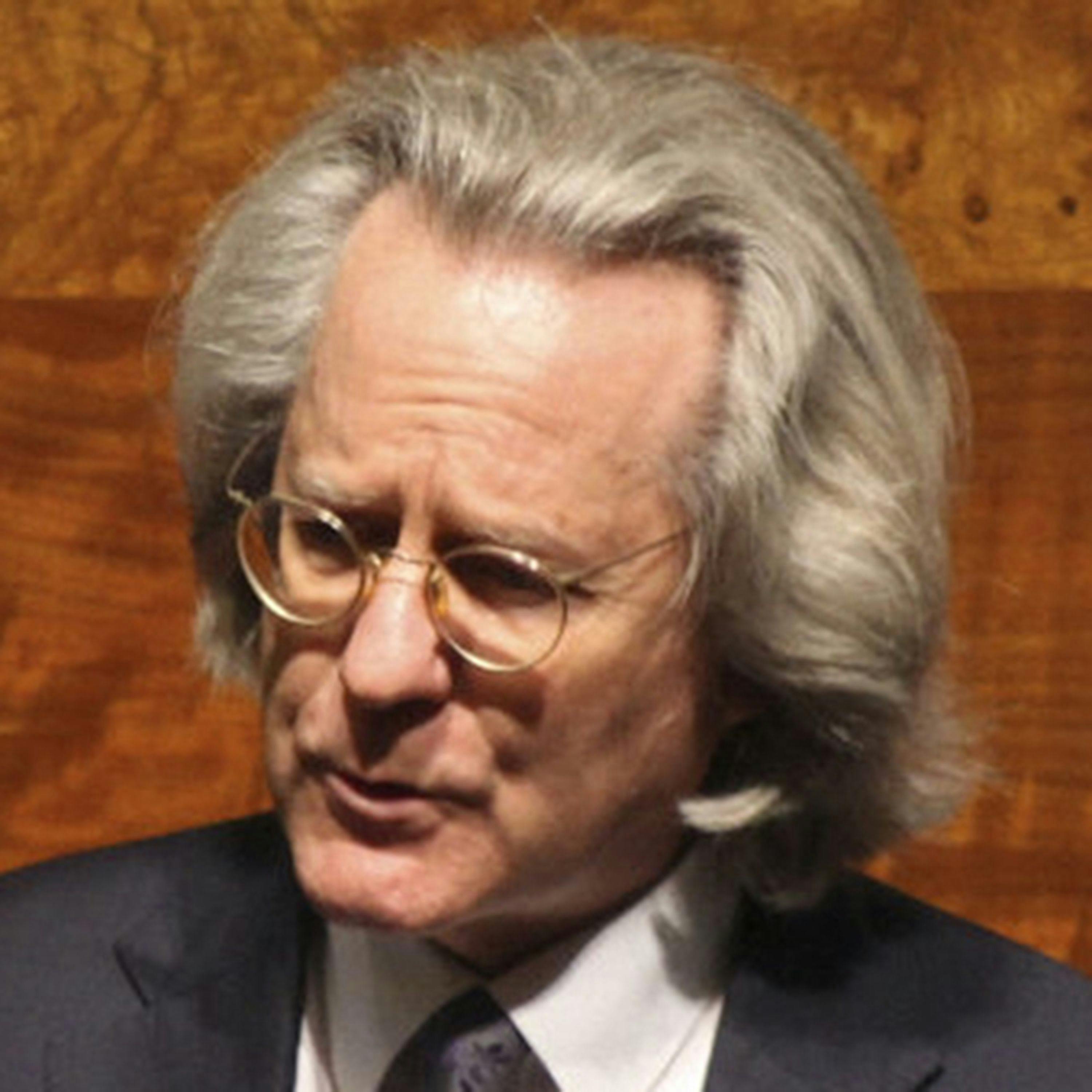
Money Can't Buy Happiness
Leading voices from the fields of science, philosophy came to the Intelligence Squared Asia stage for this thought-provoking debate about the pursuit of wealth and its relationship to happiness. Among other topics, this debate raised questions about the link between being rich and being happy, what constitutes happiness, whether economic prosperity is key to personal satisfaction - or to political stability, and if so, what the policy implications should be. Speaking for the motion in this debate in Hong Kong in September 2011 were philosopher and author A C Grayling and best-selling author of "The Science of Happiness" Dr Stefan Klein. Opposing it were prominent Taiwan diplomat, novelist and commentator Ping Lu and former President of the Oxford Student Union Lewis Iwu. The debate was chaired by Douglas Young, Founder of the leading Hong Kong lifestyle brand Goods of Desire (G.O.D.). Support this show http://supporter.acast.com/intelligencesquared. See acast.com/privacy for privacy and opt-out information. Learn more about your ad choices. Visit podcastchoices.com/adchoices

University is an unwise investment
For many Western teenagers university has long been considered a passport to the good life: a rite of passage consisting of mind-expanding reading and writing or the acquisition of a professional qualification, and meeting like-minded people often over a drink or three – all ending up in a well paid, interesting job and a network of useful contacts. But in these straitened times is the traditional university education really worth the time and money – and the hangovers? More and more young people are attending university in Britain and the US, and ever fewer graduates are finding jobs. Costs are soaring too: fees at American universities have increased by over 1000% in the last 30 years and British institutions have nearly tripled their annual fees to £9000 in the last year. The result? A new type of high-school leaver is emerging who combines formal learning with on-the-job experience. Businesses are increasingly interested in employing young people with a sense of determination, grit and a strong work... Support this show http://supporter.acast.com/intelligencesquared. See acast.com/privacy for privacy and opt-out information. Learn more about your ad choices. Visit podcastchoices.com/adchoices