
Intelligence Squared
1,654 episodes — Page 28 of 34
Anti-Zionism is Anti-Semitism
Is there a country in the world that attracts so much criticism as Israel? Studies consistently show Israel to be one of the most disliked nations in the world (along with Iran and North Korea). But how much of this is to do with genuine concern about Israel’s actions, and how much is actually a cover for the age-old hatred of the Jews? In this week's podcast Mehdi Hasan of The Intercept and the Israeli historian Ilan Pappe go head to head against Times columnist Melanie Phillips and Israeli former Member of the Knesset Einat Wilf. Support this show http://supporter.acast.com/intelligencesquared. See acast.com/privacy for privacy and opt-out information. Learn more about your ad choices. Visit podcastchoices.com/adchoices
The Revolt Against The Rich, with Anand Giridharadas and Anne McElvoy
Thought-leaders, change agents, the new philanthropists. These are some of the terms used to describe rich and powerful figures who talk publicly and enthusiastically about their efforts to build a better world. But to Anand Giridharadas — Editor-at-Large at TIME magazine and author of Winners Take All: The Elite Charade of Changing the World — the global elite actually have very little interest in changing a system that has been rigged to keep power and wealth in the hands of the select few. Giridharadas came to the Intelligence Squared stage to explain what he calls the charade whereby wealthy CEOs, political leaders and do-gooder celebrities fight for equality and justice any way they can – except in ways that threaten the social order and their position at its pinnacle. He showed how they rebrand themselves as saviours of the poor, while doing nothing that will address the devastating effects of today’s unparalleled wealth and income inequality. Why, Giridharadas asked, should the world’s problems be solved by an unelected elite who dodge taxes and lobby governments to entrench their own power, rather than by public institutions supported by the taxpayer? And what needs to be done to make our institutions more robust and democratic so that they can take on the gruelling task of truly changing the world? Support this show http://supporter.acast.com/intelligencesquared. See acast.com/privacy for privacy and opt-out information. Learn more about your ad choices. Visit podcastchoices.com/adchoices
The Daily: The Rise of Nationalism Across the Globe
In this week's podcast, we hosted a live conversation from "The Daily", The New York Times' flagship podcast. In an event in partnership with The New York Times, we were joined by the podcast's host Michael Barbaro, as well as Berlin Bureau Chief Katrin Bennhold, London-based International Correspondent Ellen Barry, Executive Producer Theo Balcomb and Producer Clare Toeniskoetter for a conversation about the implications of the nationalist undercurrent currently sweeping across Europe. Support this show http://supporter.acast.com/intelligencesquared. See acast.com/privacy for privacy and opt-out information. Learn more about your ad choices. Visit podcastchoices.com/adchoices
Identity Politics Is Tearing Society Apart
EIs identity politics, with its emphasis on gender, ethnicity and sexual orientation, sowing division? Or is it a call for social justice for everyone? On 22nd May 2019 we were joined by a panel of experts to debate the motion "Identity Politics Is Tearing Society Apart". Arguing in favour of the motion were Trevor Phillips, Founding chair of the Equality and Human Rights Commission, and Lionel Shriver, novelist and journalist. Against the motion were Dawn Foster, Guardian columnist and staff writer for Jacobin magazine, and David Lammy, Labour MP for Tottenham and a campaigner for social justice. The debate was chaired by Kamal Ahmed, Editorial director of BBC News and former BBC economics editor. Support this show http://supporter.acast.com/intelligencesquared. See acast.com/privacy for privacy and opt-out information. Learn more about your ad choices. Visit podcastchoices.com/adchoices

The Victorians Who Made Britain: Jacob Rees-Mogg vs Tristram Hunt
For Jacob Rees-Mogg the 19th century was a golden era. It was a time of moral certainty, of a global vision for Great Britain, and a confidence in the essential goodness of our great nation. And it is a period of history that offers us guidance as we collectively seek a way forward for Britain in these confusing times. In a new book Rees-Mogg celebrates twelve prominent figures from the Victorian era, including the statesmen Palmerston, Peel, Gladstone and Disraeli, two military leaders, Napier and Gordon, and of course Victoria herself and her consort Albert. Rees-Mogg salutes the Victorians’ drive and reforming zeal – to lower the cost of food, reform the prison system and abolish the slave trade. They bequeathed us a stable democracy, the rule of law and freedom of speech, which led to the stable and prosperous state we enjoy today, Rees-Mogg argues. There is much that we can emulate in the Victorians’ sense of duty and self-belief. While few would deny that the modern age owes a debt to the Victorians, many would argue that Rees-Mogg’s vision is a somewhat blinkered one, reflecting his own position as a Conservative MP on the right of the party and an ardent Brexiteer who believes in a post-Brexit global Britain. Joining Rees-Mogg on stage to challenge his views was Tristram Hunt, director of the V&A, former Labour MP and historian of the Victorian era. Rees-Mogg believes that if Britain can regain the self-confidence, moral certainty and outward-looking vision of the Victorians, we will thrive. But in the complex, interconnected world of the 21st century, is this vision of Britain not an outdated one? Support this show http://supporter.acast.com/intelligencesquared. See acast.com/privacy for privacy and opt-out information. Learn more about your ad choices. Visit podcastchoices.com/adchoices
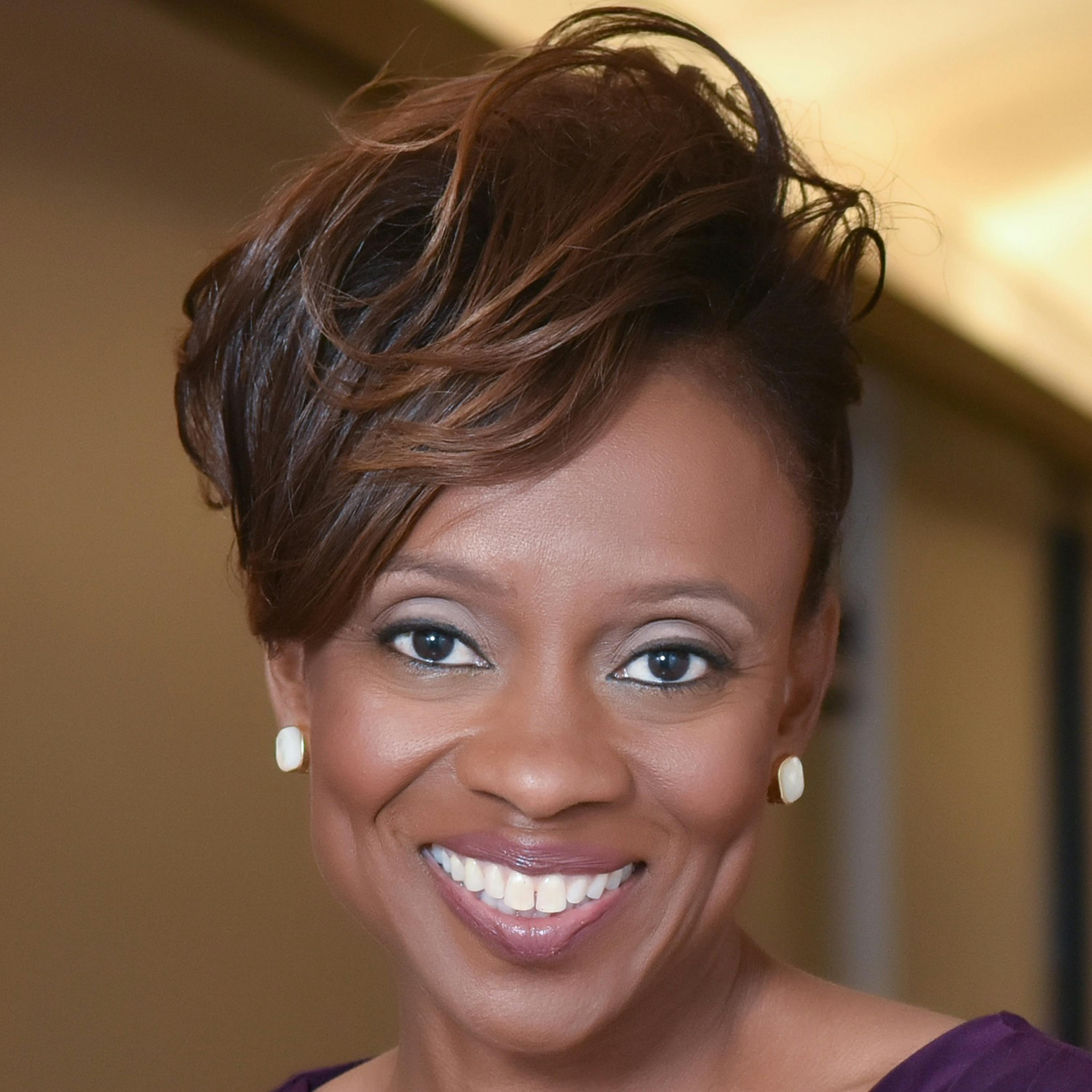
Jennifer Eberhardt and Razia Iqbal on the Psychology of Racial Bias
For this week's episode of the Intelligence Squared podcast we were joined by Jennifer Eberhardt, Social Psychologist at Stanford University and author of Biased: Uncovering the Hidden Prejudice That Shapes What We See, Think, and Do. In a wide-ranging interview by the BBC's Razia Iqbal, she explored the science behind the hidden prejudices that shape racial inequality around the world. Support this show http://supporter.acast.com/intelligencesquared. See acast.com/privacy for privacy and opt-out information. Learn more about your ad choices. Visit podcastchoices.com/adchoices

Eric Kaufmann and Razia Iqbal on the End of White Majorities
In this week's podcast we were joined by Eric Kaufmann, Birkbeck politics professor and author of Whiteshift: Populism, Immigration and the Future of White Majorities, in conversation with the BBC's Razia Iqbal. In a challenging and wide-ranging conversation, they discussed how demographic shifts are transforming our politics, and what we should do about it. Support this show http://supporter.acast.com/intelligencesquared. See acast.com/privacy for privacy and opt-out information. Learn more about your ad choices. Visit podcastchoices.com/adchoices

Adam Higginbotham and Evan Ratliff on the Untold Story of Chernobyl
In this episode of the Intelligence Squared podcast, released on the 33rd anniversary of the Chernobyl disaster, journalist and author Evan Ratliff was joined by Adam Higginbotham, author of Midnight in Chernobyl: The Untold Story of the World's Greatest Nuclear Disaster. Higginbotham and Ratliff, talking at Acast's studio in New York, explore the political and social environment that allowed such an unprecedented human and environmental catastrophe, examining the disaster through the eyes of the men and women who lived through it. And Higginbotham explains how the disaster and its aftermath – along with the Soviet government's wholly inadequate response – might ultimately have hastened the collapse of the Soviet Union. Adam Higginbotham picture: Peter Eavis. Support this show http://supporter.acast.com/intelligencesquared. See acast.com/privacy for privacy and opt-out information. Learn more about your ad choices. Visit podcastchoices.com/adchoices

Julia Shaw and Rosamund Urwin on the Science Behind Humanity's Dark Side
In this episode of the Intelligence Squared podcast we were joined by Julia Shaw the psychologist and author of Making Evil, alongside Rosamund Urwin of the Sunday Times, in a wide-ranging exploration of evil — why do humans do and think bad things? Support this show http://supporter.acast.com/intelligencesquared. See acast.com/privacy for privacy and opt-out information. Learn more about your ad choices. Visit podcastchoices.com/adchoices

Thomas Friedman On The World In 2019
Earlier this month we were joined by Thomas Friedman as he brought his wisdom and insight to the world’s current predicaments: How should the West respond to an emboldened China? How do we rebuild the global economy so that it creates prosperity for everyone, not just the few? And how, above all, should we handle the tectonic shifts – technological, demographic and political – that are reshaping our world today? Support this show http://supporter.acast.com/intelligencesquared. See acast.com/privacy for privacy and opt-out information. Learn more about your ad choices. Visit podcastchoices.com/adchoices

Viral Sensation Rutger Bregman On How Utopian Ideas Can Become Reality
This week's episode features Rutger Bregman, historian and author of Utopia for Realists: And How We Can Get There. In conversation with Helen Lewis, associate editor of the New Statesman, he discusses subjects ranging from Universal Basic Income, the benefits of the four-day working week, climate change, and his solutions for saving capitalism - plus his recent speech at Davos calling for higher taxes for the rich, a video of which went viral. Support this show http://supporter.acast.com/intelligencesquared. See acast.com/privacy for privacy and opt-out information. Learn more about your ad choices. Visit podcastchoices.com/adchoices

How I Found My Voice: Rose McGowan
This week's episode is something a little different: an episode of Intelligence Squared's new podcast How I Found My Voice. How I Found My Voice is the podcast that explores how some of the world's greatest artists and thinkers became such compelling - and unique - communicators. Hosted by Samira Ahmed, guests include Rose McGowan, Adam Buxton, Philip Pullman, Katherine Ryan and Benjamin Zephaniah. In this week's episode, Samira Ahmed speaks to Hollywood actor and activist Rose McGowan who was one of the first to speak out against Harvey Weinstein. From growing up in a religious cult in Italy to becoming a TV and film star and speaking out against one of the most powerful men in Hollywood - they discuss what moments shaped and inspired Rose to find her voice. If you liked this episode, you can subscribe to How I Found My Voice now on Acast, Apple Podcasts, or wherever you get your podcasts. Support this show http://supporter.acast.com/intelligencesquared. See acast.com/privacy for privacy and opt-out information. Learn more about your ad choices. Visit podcastchoices.com/adchoices

Nationalism is a Delusion: Our Futures Depend on Ever Closer Union
This week's episode of the Intelligence Squared podcast is a special episode produced by Intelligence Squared Germany in collaboration with the ECFR. Arguing for the motion "Nationalism is a Delusion: Our Futures Depend on Ever Closer Union" were Polish politician and journalist Radek Sikorski and Swiss political activist Flavia Kleiner. Against the motion were journalist and author Douglas Murray and German-Polish political scientist Aleksandra Rybińska. The debate was chaired by Josef Janning of the ECFR. Support this show http://supporter.acast.com/intelligencesquared. See acast.com/privacy for privacy and opt-out information. Learn more about your ad choices. Visit podcastchoices.com/adchoices

Letters That Changed The World
Following on from Intelligence Squared’s acclaimed events on great speeches and poetry, when Carey Mulligan, Simon Russell Beale, Helena Bonham Carter and other stars took to our stage, we now present Letters That Changed The World, based on award-winning historian Simon Sebag Montefiore’s new book Written in History: Letters that Changed the World. Joining him on stage were No 1 bestselling novelist Kate Mosse. Together they discussed letters by Michelangelo, Catherine the Great, Sarah Bernhardt, Rosa Parks, Nelson Mandela, Virginia Woolf, Alan Turing and Leonard Cohen. Some are inspiring, some unsettling, others express foreboding and despair. Many celebrate love and sex. A cast of performers, including Young Vic director Kwame Kwei-Armah, rising star Jade Anouka, Dunkirk actor Jack Lowden, and West End star Tamsin Greig, brought the letters to life on stage. Listen and discover the bravery, beauty and visceral immediacy in these letters. This event was recorded in London on the 28th of February 2019. It was originally produced by Executive Producer Hannah Kaye — We’d love to hear your feedback and what you think we should talk about next, who we should have on and what our future debates should be about. Send us an email or voice note with your thoughts to [email protected] or Tweet us at @intelligence2. At Intelligence Squared we’ve got our own online streaming platform, Intelligence Squared+ and we’d love you to give it a go. It’s packed with more than 20 years’ worth of video debates and conversations on the world’s most important topics as well as exclusive podcast content. Tune in to live events, ask your questions or watch on-demand, totally ad-free with hours of discussion to dive into. Visit intelligencesquaredplus.com to start watching today Learn more about your ad choices. Visit podcastchoices.com/adchoices
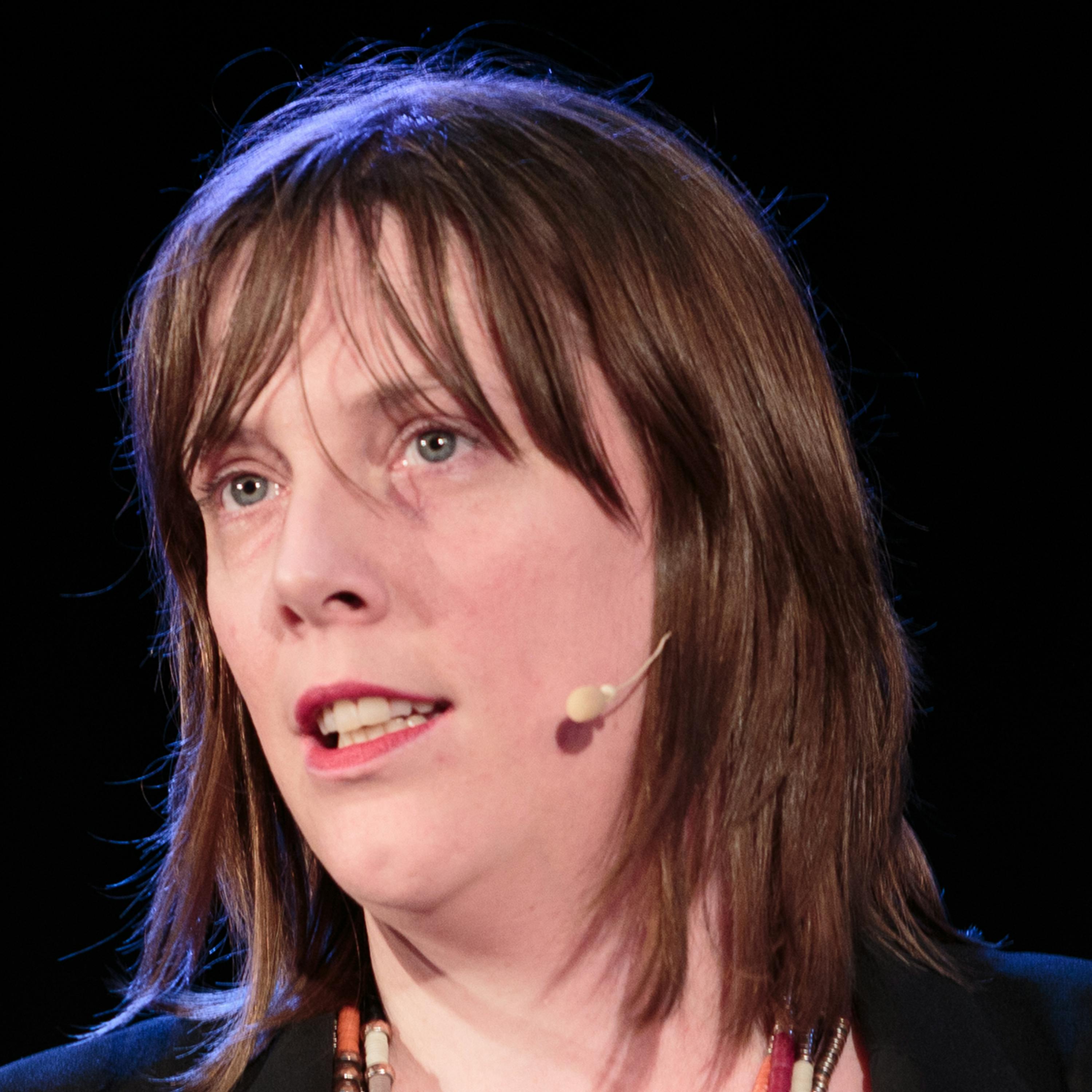
On The Brink Of A No-Deal Brexit: The Town Hall Debate
Britain is now facing one of the biggest constitutional crises in its history. As Brexit looms, Intelligence Squared staged a special town hall meeting with some of the country’s most prominent political leaders. We were joined on stage by former Conservative MP and UKIP MP Douglas Carswell; Conservative MP Kenneth Clarke; Director of UK in a Changing Europe Anand Menon; MP for North Antrim for the DUP Ian Paisley Jr; and Labour MP for Birmingham Yardley Jess Phillips. The debate was chaired by the Guardian's Jonathan Freedland. Support this show http://supporter.acast.com/intelligencesquared. See acast.com/privacy for privacy and opt-out information. Learn more about your ad choices. Visit podcastchoices.com/adchoices

China: Friend or Foe?
Is China, with its unfair trade policies and shameless theft of intellectual property, an enemy that needs to be reined in? Or is it in the West’s best interests to view China as a strategic partner and aim for mutual respect and cooperation? We were joined by Beijing-born Professor of Economics at the LSE Keyu Jin; politician and former cabinet minister Sir Malcolm Rifkind; and Martin Wolf, Chief Economics Commentator at the FT. The event was chaired by Carrie Gracie, BBC News Presenter and the BBC’s first China Editor. Support this show http://supporter.acast.com/intelligencesquared. See acast.com/privacy for privacy and opt-out information. Learn more about your ad choices. Visit podcastchoices.com/adchoices

Blame Liberals For the Rise of Populism
Have the left’s policies of high immigration and multiculturalism caused the disaffection which has given rise to populism? Or is it the right, with its tabloid scare stories about foreigners eroding national identity? We were joined by Matthew Goodwin, Professor of Politics at Kent University; Daniel Hannan, Conservative MEP for South East England; Elif Shafak, award-winning novelist; and John Simpson, BBC World Affairs Editor, columnist and author. The discussion was chaired by BBC journalist and broadcaster Ritula Shah. Support this show http://supporter.acast.com/intelligencesquared. See acast.com/privacy for privacy and opt-out information. Learn more about your ad choices. Visit podcastchoices.com/adchoices

David Wootton and Giles Fraser on the Philosophy of Profit, Power and Pleasure
This week's episode of the Intelligence Squared podcast features David Wootton, historian and author of Power, Pleasure, and Profit, in a wide-ranging conversation with the journalist and Anglican priest Giles Fraser. They examined the four centuries of Western thought — from Machiavelli to Madison — which led to the pursuit of success as the ultimate goal in today's society. Support this show http://supporter.acast.com/intelligencesquared. See acast.com/privacy for privacy and opt-out information. Learn more about your ad choices. Visit podcastchoices.com/adchoices

The West Should Cut Ties With Saudi Arabia
Should the West end its alliance with the Saudi regime? Or should we give its Crown Prince Mohammed Bin Salman a chance? In this Intelligence Squared podcast we were joined by Mehdi Hasan, Madawi al-Rasheed, Mamoun Fandy, Crispin Blunt and Lyse Doucet. Support this show http://supporter.acast.com/intelligencesquared. See acast.com/privacy for privacy and opt-out information. Learn more about your ad choices. Visit podcastchoices.com/adchoices

Leonard Mlodinow and Rosamund Urwin on the Power of Elastic Thinking
In this episode we were joined by Leonard Mlodinow, the theoretical physicist, Star Trek screenwriter and author of Elastic: Flexible Thinking in a Time of Change in conversation with Sunday Times journalist Rosamund Urwin. In a wide-ranging discussion, they talked about the neuroscience of change, and how we can train our brains to be more comfortable with our rapidly changing world. Support this show http://supporter.acast.com/intelligencesquared. See acast.com/privacy for privacy and opt-out information. Learn more about your ad choices. Visit podcastchoices.com/adchoices

Germany Is Endangering European Stability
This week's podcast comes from an event hosted by Intelligence Squared Germany, in collaboration with ECFR Berlin. Our panel of speakers, including representatives of the Five Star Movement, Fidesz and the ECFR asked: is Germany really the bastion of European stability that it likes to portray or is it actually the source of European fracture? Speaking for the motion were Deputy Minister for Education and Member of the Italian Parliament with the Five Star Movement Lorenzo Fioramonti and Hungarian politician and MEP for Victor Orban’s Fidesz party György Schöpflin. Arguing against the motion were Programme Director and Head of the Sofia Office at the ECFR Vessela Tcherneva and author of the critically-acclaimed 'The Shortest History of Germany' James Hawes. The debate was chaired by Katrin Bennhold, the Berlin bureau chief for The New York Times. Support this show http://supporter.acast.com/intelligencesquared. See acast.com/privacy for privacy and opt-out information. Learn more about your ad choices. Visit podcastchoices.com/adchoices

Bruce Daisley and Jamie Bartlett on Re-Envisioning the World of Work
In this episode of the Intelligence Squared podcast we were joined by Twitter's European VP and author of The Joy of Work Bruce Daisley and tech journalist Jamie Bartlett, for a wide-ranging conversation on how to to re-imagine the world of work and fall in love with our jobs again. Support this show http://supporter.acast.com/intelligencesquared. See acast.com/privacy for privacy and opt-out information. Learn more about your ad choices. Visit podcastchoices.com/adchoices

Rachel Botsman and Helen Lewis on Technology and Trust
In this episode of the Intelligence Squared podcast we were joined by Rachel Botsman, world renowned trust expert, Oxford academic and author of Who Can You Trust? She was interviewed by Helen Lewis, associate editor of the New Statesman, for a wide-ranging conversation on our relationship with trust and how technology is radically rewriting the rules. Support this show http://supporter.acast.com/intelligencesquared. See acast.com/privacy for privacy and opt-out information. Learn more about your ad choices. Visit podcastchoices.com/adchoices

Siva Vaidhyanathan and Helen Lewis on How Facebook Disconnects Us and Undermines Democracy
In this episode of the Intelligence Squared podcast we were joined by the cultural historian, media scholar and author of Antisocial Media Siva Vaidhyanathan in conversation with the New Statesman's Helen Lewis. In this wide-ranging discussion, they looked at how Facebook's went from an innocent social site into a force that poses major challenges to our democracy. Support this show http://supporter.acast.com/intelligencesquared. See acast.com/privacy for privacy and opt-out information. Learn more about your ad choices. Visit podcastchoices.com/adchoices

Bruno Maçães and Linda Yueh on the Chinese World Order
In this episode of the Intelligence Squared podcast we were joined by Bruno Maçães, the former Europe minister of Portugal, in conversation with Oxford economist and broadcaster Linda Yueh. They talked about China's Belt and Road strategy, widely acknowledged to be the most ambitious geopolitical initiative of the age. Covering almost seventy countries by land and sea, it will affect every element of global society, from shipping to agriculture, digital economy to tourism, politics to culture. Support this show http://supporter.acast.com/intelligencesquared. See acast.com/privacy for privacy and opt-out information. Learn more about your ad choices. Visit podcastchoices.com/adchoices

Mishal Husain and Martha Lane Fox on Careers, Life and Leadership
Equal pay. Gender bias. Sexual harassment. A year on from the start of the #MeToo movement, conversations around these topics have exploded – and progress on many fronts can seem slow. Nearly 80 percent of British companies have a gender pay-gap; more than two thirds of MPs are male; and FTSE 100 companies are more likely to be led by a man called David than by a woman of any name. It is clear that new ideas and concrete actions are needed to redress gender inequality at work. Award-winning broadcaster Mishal Husain and tech entrepreneur Martha Lane Fox have a game plan. Intelligence Squared hosted a and personal conversation between two leaders in their respective fields about the challenges and opportunities that women face rising to the top. Mishal Husain has over twenty years of experience as a journalist and is perhaps best known as presenter of BBC Radio 4’s Today programme. Her reporting and interviewing have taken her all over the world, from Rohingya refugee camps to Prince Harry and Meghan Markle’s first interview on their engagement. Her new book, The Skills – From First Job to Dream Job; What Every Woman Needs to Know, aims to inspire, motivate and encourage women of all ages to reach their potential by focusing on practical skills that make a difference in the workplace. Martha Lane Fox is one of Britain’s best known businesswomen. She co-founded lastminute.com, was appointed the government’s Digital Champion and became the youngest ever female member of the House of Lords at the age of forty. She now serves on the board of Twitter and has founded a charity which fights for a fairer internet and responsible technology. Support this show http://supporter.acast.com/intelligencesquared. See acast.com/privacy for privacy and opt-out information. Learn more about your ad choices. Visit podcastchoices.com/adchoices

LinkedIn Founder Reid Hoffman on Building a Billion-Dollar Business at Lightning Speed
Some of the world’s most successful and powerful companies began as tiny startups and became global giants within only a few years. The list is long and includes world-changing companies like Amazon, Google, Airbnb, Facebook, Uber and Alibaba. But what are the secrets to these startups' extraordinarily rapid successes? According to Reid Hoffman, the man who founded LinkedIn, turned it into the world’s most important recruitment website and oversaw its sale to Microsoft for $26.2 billion, the secret is 'blitzscaling' — a philosophy which prioritises speed over efficiency and allows businesses to scale up at a furious pace. Blitzscaling means throwing out many of the old rules of business: it means embracing chaos, spending capital in ways that conventional business wisdom would consider wasteful, and tolerating practices traditionally thought of as bad management — all with the goal of growing as fast as possible. In November 2018 Hoffman came to the Intelligence Squared stage for an exclusive London event where he revealed the methods he used to speed LinkedIn’s transformation into the billion-dollar business it is today and described his revolutionary strategies for companies to win in a world where doing things incredibly quickly is the best way to beat the competition. Support this show http://supporter.acast.com/intelligencesquared. See acast.com/privacy for privacy and opt-out information. Learn more about your ad choices. Visit podcastchoices.com/adchoices

The Battle Over Free Speech: Are Trigger Warnings, Safe Spaces and No-Platforming Harming Young Minds?
Many would argue that these are the fundamental goals of a good education. So why has Cambridge University taken to warning its students that the sexual violence in Titus Andronicus might be traumatic for them? Why are other universities in America and increasingly in Britain introducing measures to protect students from speech and texts they might find harmful? Safe spaces, trigger warnings and no-platforming are now campus buzzwords – and they’re all designed to limit free speech and the exchange of ideas. As celebrated social psychologist Jonathan Haidt argues in his forthcoming book The Coddling of the American Mind, university students are increasingly retreating from ideas they fear may damage their mental health, and presenting themselves as fragile and in need of protection from any viewpoint that might make them feel unsafe.The culture of safety, as Haidt calls it, may be well intentioned, but it is hampering the development of young people and leaving them unprepared for adult life, with devastating consequences for them, for the companies that will soon hire them, and for society at large. That, Haidt’s critics argue, is an infuriating misinterpretation of initiatives designed to help students. Far from wanting to shut down free speech and debate, what really concerns the advocates of these new measures is the equal right to speech in a public forum where the voices of the historically marginalised are given the same weight as those of more privileged groups. Warnings to students that what they’re about to read or hear might be disturbing are not an attempt to censor classic literature, but a call for consideration and sensitivity. Safe spaces aren’t cotton-wool wrapped echo chambers, but places where minority groups and people who have suffered trauma can share their experiences without fear of hostility. On November 19th Haidt came to the Intelligence Squared stage to discuss and debate these ideas. Joining him were the former chief rabbi Jonathan Sacks, who believes that educating young people through debate and argument helps foster robustness, author and activist Eleanor Penny, and sociologist Kehinde Andrews, one of the UK’s leading thinkers on race and the history of racism. In partnership with Index on Censorship Support this show http://supporter.acast.com/intelligencesquared. See acast.com/privacy for privacy and opt-out information. Learn more about your ad choices. Visit podcastchoices.com/adchoices

Bonus Episode - The Brexit Deal: Decision Time
It’s a defining moment for British democracy. This December, Parliament will vote on whether to approve or reject Theresa May’s draft Brexit withdrawal agreement. With the nation’s future hanging in the balance, some have called this the greatest crisis Britain has faced since Suez. On Monday December 3rd, Intelligence Squared brought together three prominent lawmakers to debate the three options ahead. Should Parliament vote to accept May's deal? Should MPs vote it down, so the government can return to the EU negotiations and threaten to leave without a deal? Or should there be a second referendum on the withdrawal agreement, with the option of remaining in the EU? Arguing in favour of a second referendum on the deal, with the option of remaining in the EU: Andrew Adonis - Labour Party peer who served as a minister in the governments of Tony Blair and Gordon Brown for five years. He supports Britain remaining in the European Union. Arguing for the government to renegotiate and threaten to leave without a deal: Daniel Hannan - Leading pro-Brexit politician and Conservative Member of the European Parliament for South East England. Arguing for Theresa May’s draft withdrawal agreement: Nicky Morgan - Conservative MP for Loughborough and former Secretary of State for Education under David Cameron. She is now Chair of the Treasury Select Committee. She has come out in support of Theresa May’s deal. The debate was chaired by presenter on Radio 4’s Today programme and former BBC political editor Nick Robinson. Support this show http://supporter.acast.com/intelligencesquared. See acast.com/privacy for privacy and opt-out information. Learn more about your ad choices. Visit podcastchoices.com/adchoices

Jeanne Marie Laskas and Bonnie Greer on Love, Hate, Anger, and Hope in the Obama Years
In this episode of the Intelligence Squared podcast we had Jeanne Marie Laskas, the American professor, journalist and author of To Obama, looking back at the Obama presidency through the lens of tens of thousands of letters the President received every day from ordinary American citizens. Jeanne Marie was interviewed by the playwright, critic and broadcaster Bonnie Greer. Support this show http://supporter.acast.com/intelligencesquared. See acast.com/privacy for privacy and opt-out information. Learn more about your ad choices. Visit podcastchoices.com/adchoices

Parenting Doesn't Matter (Or Not As Much As You Think)
The multibillion-pound parenting industry tells us we can all shape our children to be joyful, resilient and successful. But what if it’s all bunk? Intelligence Squared are bringing together a panel of top geneticists and parenting experts to explore just how important parenting is. Arguing in favour of the motion are Robert Plomin, Psychologist and Professor of Behavioural Genetics at the Institute of Psychiatry, Psychology and Neuroscience at King’s College London; and Stuart Ritchie, Lecturer in the Social Genetic and Developmental Psychiatry Centre at King’s College London. Arguing against the motion were Susan Pawlby, a developmental Clinical Psychologist with over 30 years of experience working with mothers and babies both in clinical and research contexts; and Ann Pleshette Murphy, a therapist, parenting counsellor and advocate for young children and their families. The debate was chaired by Xand van Tulleken, a medical doctor and broadcaster who has presented numerous shows for the BBC and Channel 4, often alongside his identical twin brother Chris. Support this show http://supporter.acast.com/intelligencesquared. See acast.com/privacy for privacy and opt-out information. Learn more about your ad choices. Visit podcastchoices.com/adchoices

Special episode with Anthony Scaramucci, former White House Director of Communications
In this episode of the Intelligence Squared podcast we were joined by Anthony Scaramucci, the former White House Director of Communications for a whopping 11 days. He was interviewed by Josh Lowe, Deputy Editor of Apolitical, for a wide-ranging and often outrageous discussion on the Trump presidency this far. Support this show http://supporter.acast.com/intelligencesquared. See acast.com/privacy for privacy and opt-out information. Learn more about your ad choices. Visit podcastchoices.com/adchoices
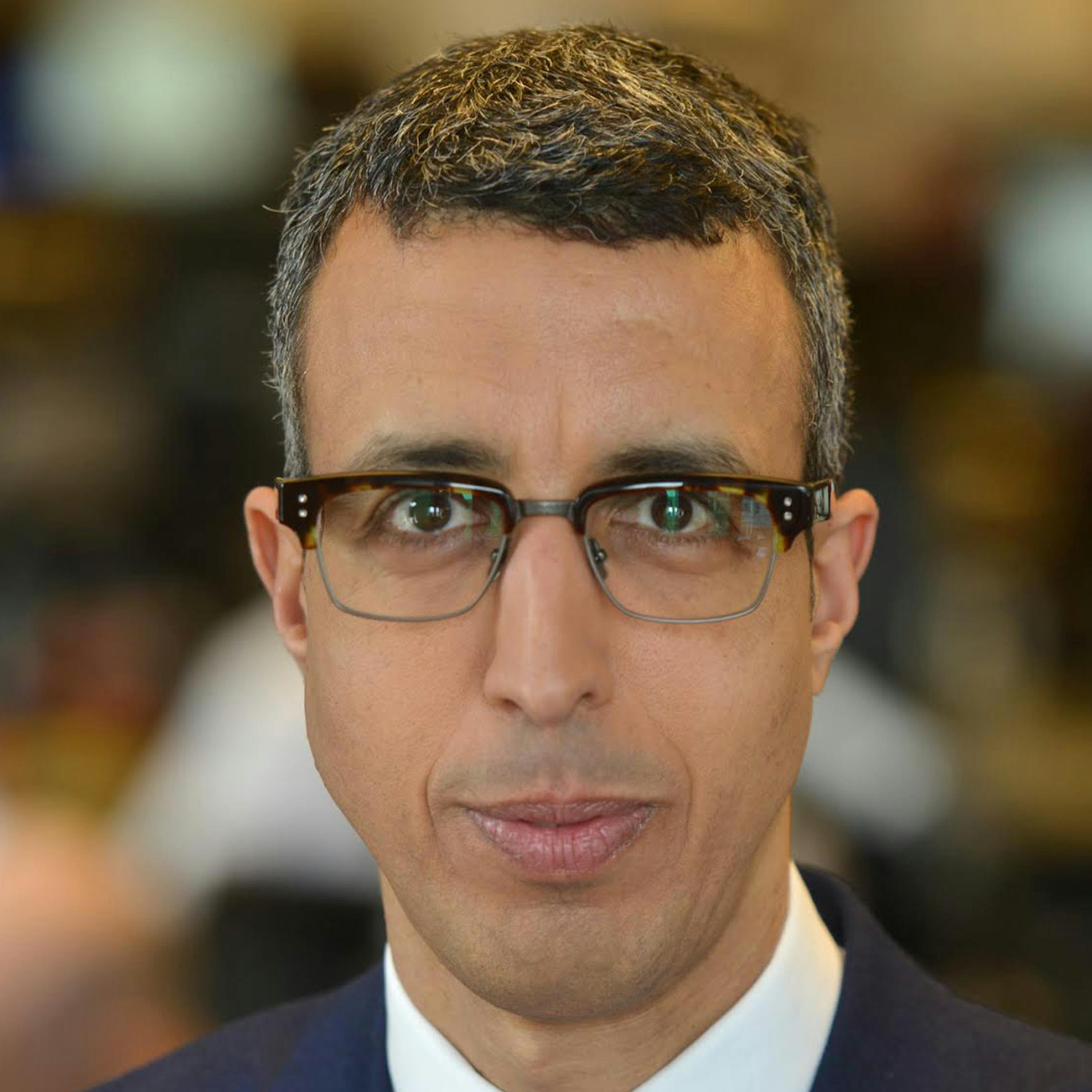
Kamal Ahmed and Razia Iqbal on Identity, Race and Prejudice
EThis week's episode of the Intelligence Squared podcast was a wide-ranging conversation about race and identity in Britain. In the studio we had Kamal Ahmed, BBC Editorial Director and author of The Life and Times of a Very British Man alongside the BBC News Presenter Razia Iqbal. Support this show http://supporter.acast.com/intelligencesquared. See acast.com/privacy for privacy and opt-out information. Learn more about your ad choices. Visit podcastchoices.com/adchoices

Bonus Episode: The Impeachment Election? Trump, Mueller and the Fight for America
Is this the last stand for American democracy? That’s what many of Donald Trump’s opponents believe. The upcoming US midterm election is the last chance to prevent the United States from becoming a truly authoritarian state. That fear has the Democrats campaigning hard. But the Republicans are scared too: If Democrats sweep the House and Senate, they could kill off Trump’s legislative agenda and gain new investigative powers to hit Trump hard over Russia, alleged obstruction of justice and the numerous allegations of influence-peddling at Trump’s businesses. And then there’s the Mueller investigation, which is due to conclude next year: if the special counsel finds evidence of criminal wrongdoing by the President, Democrats could begin impeachment proceedings. This may truly be the impeachment election. So what future awaits America in this historic election? Will Justice Kavanaugh’s acrimonious confirmation lead to a pro-Trump surge or will a wave of women voters sweep Republicans out of office? And in this hyper-partisan atmosphere, is there any chance to repair America’s fractured political landscape? Support this show http://supporter.acast.com/intelligencesquared. See acast.com/privacy for privacy and opt-out information. Learn more about your ad choices. Visit podcastchoices.com/adchoices

James Barr and Catherine Philp on the Secret British-American Rivalry in the Middle East
In this week’s episode of the Intelligence Squared podcast, the historian and author of Lords of the Desert James Barr sat down with Times journalist Catherine Philp to reveal the the story of the hidden 25-year rivalry between Britain and the United States, using newly declassified records and long-forgotten memoirs. Support this show http://supporter.acast.com/intelligencesquared. See acast.com/privacy for privacy and opt-out information. Learn more about your ad choices. Visit podcastchoices.com/adchoices

Kate Raworth and Matthew Taylor on Rethinking Economics For The 21st Century
In this week’s episode of the Intelligence Squared podcast, Oxford economist and author of Doughnut Economics Kate Raworth sat down with Matthew Taylor, chief executive of the RSA, to discuss her transformative ideas for a new economy. Support this show http://supporter.acast.com/intelligencesquared. See acast.com/privacy for privacy and opt-out information. Learn more about your ad choices. Visit podcastchoices.com/adchoices

Mistaken Identities: The Conflict Over Culture, Class, Gender and Nation with Kwame Anthony Appiah and John Gray
Race, religion and identity are being talked about as never before. While minority groups raise their voices for recognition and inclusion, others feel that their culture is being eroded. In these increasingly febrile times, Intelligence Squared brought together two of the world’s most prominent thinkers to debate the issues that are polarising our society. Kwame Anthony Appiah, Professor of Philosophy at New York University, unpicked the very notion of identity. He argues that our outdated prejudices taint the way we understand concepts of race, class, nationality and sexuality. Race, he claims, is a fiction based on Victorian-era pseudoscience. Appiah urges us to question and rethink our assumptions in order to build a more tolerant and accepting society. But how helpful is this viewpoint to those who face the reality of racism and feel the brunt of discrimination on a daily basis? In conversation with Appiah was John Gray, one of Britain’s most provocative and original commentators. In contrast to Appiah, Gray argues that categories like race are not just ‘mistakes’; they come about as the result of concrete political situations which cannot just be wished away by a philosopher in his ivory tower. Gray also contends that liberals who seek to undo traditional notions of identity have become even more dogmatic, intolerant and illiberal than the conservatives whom they criticise. In their hypocrisy, they have created a new hierarchy of identity which privileges ethnicity, gender and sexuality over nation and religion. Support this show http://supporter.acast.com/intelligencesquared. See acast.com/privacy for privacy and opt-out information. Learn more about your ad choices. Visit podcastchoices.com/adchoices

Dickens vs Tolstoy: The Battle Of The Great 19th-century Novelists PART 1
Dickens. Tolstoy. Their names and reputations shake the ground – and so do their books, if you drop one. But whose legacy is more enduring? Whose vision truer and more relevant today? Should you embark on War and Peace or Our Mutual Friend? To battle it out, in 2018 Intelligence Squared brought two celebrated writers, John Mullan for Dickens and Simon Schama for Tolstoy, to our stage. They called on a cast of star actors, including Tom Hiddleston, to bring their arguments to life with readings from the authors’ finest works. The debate was chaired by author, playwright and broadcaster Bonnie Greer. This is the first instalment of a three-part episode. We’d love to hear your feedback and what you think we should talk about next, who we should have on and what our future debates should be. Send us an email or voice note with your thoughts to [email protected] or Tweet us @intelligence2. And if you’d like to get ad-free access to all Intelligence Squared podcasts, including exclusive bonus content, early access to new episodes and much more, become a supporter of Intelligence Squared today for just £4.99, or the equivalent in your local currency . Just visit intelligencesquared.com/membership to find out more. Learn more about your ad choices. Visit podcastchoices.com/adchoices

Peter Biskind and Helen Lewis on Vampires, Zombies, X-Men and Political Extremism
In this Intelligence Squared podcast we were joined by Peter Biskind, cultural critic and author of The Sky Is Falling, alongside the New Statesman's Helen Lewis, in an examination of how popular culture has fuelled extremism in our politics. Support this show http://supporter.acast.com/intelligencesquared. See acast.com/privacy for privacy and opt-out information. Learn more about your ad choices. Visit podcastchoices.com/adchoices

Tristan Harris and Helen Lewis on how tech has hijacked our brains
In this episode of Intelligence Squared we were joined by Tristan Harris, former design ethicist at Google in conversation with the New Statesman's Helen Lewis, as they discussed the threat that technology poses to society and our minds. Support this show http://supporter.acast.com/intelligencesquared. See acast.com/privacy for privacy and opt-out information. Learn more about your ad choices. Visit podcastchoices.com/adchoices
Mariana Mazzucato and Stella Creasy on Making and Taking in the Global Economy, PART 1
In this two-part episode recorded in 2018, economist and author Mariana Mazzucato discusses her book, The Value of Everything, with UK Labour MP Stella Creasy. It's a wide-ranging discussion looking at how real wealth is created in our economy and how we can measure the true worth of both infrastructure and services. Mariana Mazzucato is Professor in the Economics of Innovation and Public Value at University College London. We’d love to hear your feedback and what you think we should talk about next, who we should have on and what our future debates should be. Send us an email or voice note with your thoughts to [email protected] or Tweet us @intelligence2. And if you’d like to get ad-free access to all Intelligence Squared podcasts, including exclusive bonus content, early access to new episodes and much more, become a supporter of Intelligence Squared today for just £4.99, or the equivalent in your local currency . Just visit intelligencesquared.com/membership to find out more. Learn more about your ad choices. Visit podcastchoices.com/adchoices

Jeremy Corbyn Is Unfit To Be Prime Minister
When Jeremy Corbyn won the Labour leadership he was shrugged off as an unelectable oddball in a scruffy suit who would doom Labour to certain defeat. But last year’s shock election result forces us all to consider the real possibility of a Corbyn-led government – a prospect which has some jumping for joy and others quaking in their boots. Intelligence Squared is bringing together some of Britain’s top political minds to debate whether Corbyn is potentially the saviour of Britain’s downtrodden or a fringe fanatic who is morally unfit to be Prime Minister. According to his critics, Corbyn leads a dangerous gang of hard-left zealots who cosy up to enemies of the West and are hell-bent on rehashing the disastrous politics of the 1970s. He has turned a blind eye to the antisemitism festering away within the Labour Party and has crafted a foreign policy which would make Putin proud. And when it comes to the economy, his old-school socialist programme of borrowing, tax hikes and renationalisation could be catastrophic. By pulling Labour away from the centre ground, Corbyn has gravely damaged one of Britain’s great political parties. He is a danger to this country, and is not fit to lead it. That’s the contention of the Corbyn-bashers. But what answers do they have to the crises that have plagued Britain since the 2008 financial crash? Inequality is rampant and wages have been squeezed for a decade, while many millennials struggle to get a foot on the property ladder. Homelessness and food bank usage have hit record highs across Britain, and each winter brings a new NHS crisis. Our current economic model has clearly failed, say the Corbynistas, so why not try something different? Corbynism isn’t the socialism of the 1970s – it’s a whole new set of radical, transformative policies and a vision for social justice that has enthused an entire generation of young people. Give Corbyn a chance, and he’ll build a Britain for the many, not the few. Arguing for the motion were novelist and journalist Howard Jacobson and Conservative MP Anna Soubry. Arguing against the motion were Senior Editor at Novara Media Ash Sarkar and Labour MP Chris Williamson. The debate was chaired by Vice Chancellor of the University of Buckingham Sir Anthony Seldon. Support this show http://supporter.acast.com/intelligencesquared. See acast.com/privacy for privacy and opt-out information. Learn more about your ad choices. Visit podcastchoices.com/adchoices

Linda Yueh and Jesse Norman on the Economists That Shaped History
Linda Yueh, renowned economist, broadcaster and author of The Great Economists, in conversation with Jesse Norman, MP for Hereford and South Herefordshire and author of Adam Smith: What He Thought, and Why it Matters, discussed the transformative legacies of history's great economists, from Adam Smith to Karl Marx. Support this show http://supporter.acast.com/intelligencesquared. See acast.com/privacy for privacy and opt-out information. Learn more about your ad choices. Visit podcastchoices.com/adchoices

Tom Baldwin and Nina Schick on How the Information Age Crashed Our Democracy
Tom Baldwin, former Director of Communications for the UK Labour Party under Ed Miliband and author of Ctrl Alt Delete, has spent the best part of three decades at the centre of politics and journalism. In a wide-ranging conversation with Nina Shick, Director of Data and Polling at Rasmussen Global, they explored the toxic relationship between today's politics, the media, and the new information age. Support this show http://supporter.acast.com/intelligencesquared. See acast.com/privacy for privacy and opt-out information. Learn more about your ad choices. Visit podcastchoices.com/adchoices

Tim Marshall in conversation with Catherine Philp on Why We're Living in an Age of Walls
Tim Marshall, renowned journalist and author of Divided, in conversation with the Times diplomatic correspondent Catherine Philp, examine the fault lines that will shape our world for years to come. Walls are going up around the world. Nationalism and identity politics are on the rise once more. What are the causes of this new era of division? Support this show http://supporter.acast.com/intelligencesquared. See acast.com/privacy for privacy and opt-out information. Learn more about your ad choices. Visit podcastchoices.com/adchoices

Jamie Susskind in conversation with Helen Lewis On How Tech Is Transforming Our Politics
Jamie Susskind, author of Future Politics, in conversation with the New Statesman's Helen Lewis, discuss how digital technology will radically transform how we live together, exploring how the very concepts of democracy, liberty, justice and power could be fundamentally changed by tech. Support this show http://supporter.acast.com/intelligencesquared. See acast.com/privacy for privacy and opt-out information. Learn more about your ad choices. Visit podcastchoices.com/adchoices

James Bloodworth in conversation with Matthew Taylor on the Gig Economy and the Reality of Low-Wage Work
Journalist James Bloodworth spent six months working undercover across Britain, taking on some of the country's most gruelling and menial jobs for his recent book Hired: Six Months Undercover in Low-Wage Britain. In this Intelligence Squared podcast in conversation with the RSA's Matthew Taylor, he discussed his findings from Amazon's warehouses to the care industry to the taxicabs of Uber. Support this show http://supporter.acast.com/intelligencesquared. See acast.com/privacy for privacy and opt-out information. Learn more about your ad choices. Visit podcastchoices.com/adchoices

Tom Whipple in Conversation With Rosamund Urwin on Why Gender Still Matters
EReferencing the latest research on the science of sexuality, Tom Whipple talks about dating apps, Love Island, the relative testicle size of bonobos and chimpanzees, and gay penguins, to throw light on why men and women behave the way they do when it comes to love and sex. He was in conversation with Rosamund Urwin about his book X and WHY: The rules of attraction: why gender still matters. Support this show http://supporter.acast.com/intelligencesquared. See acast.com/privacy for privacy and opt-out information. Learn more about your ad choices. Visit podcastchoices.com/adchoices
Blockchain: Quantum leap forward or digital snake oil?
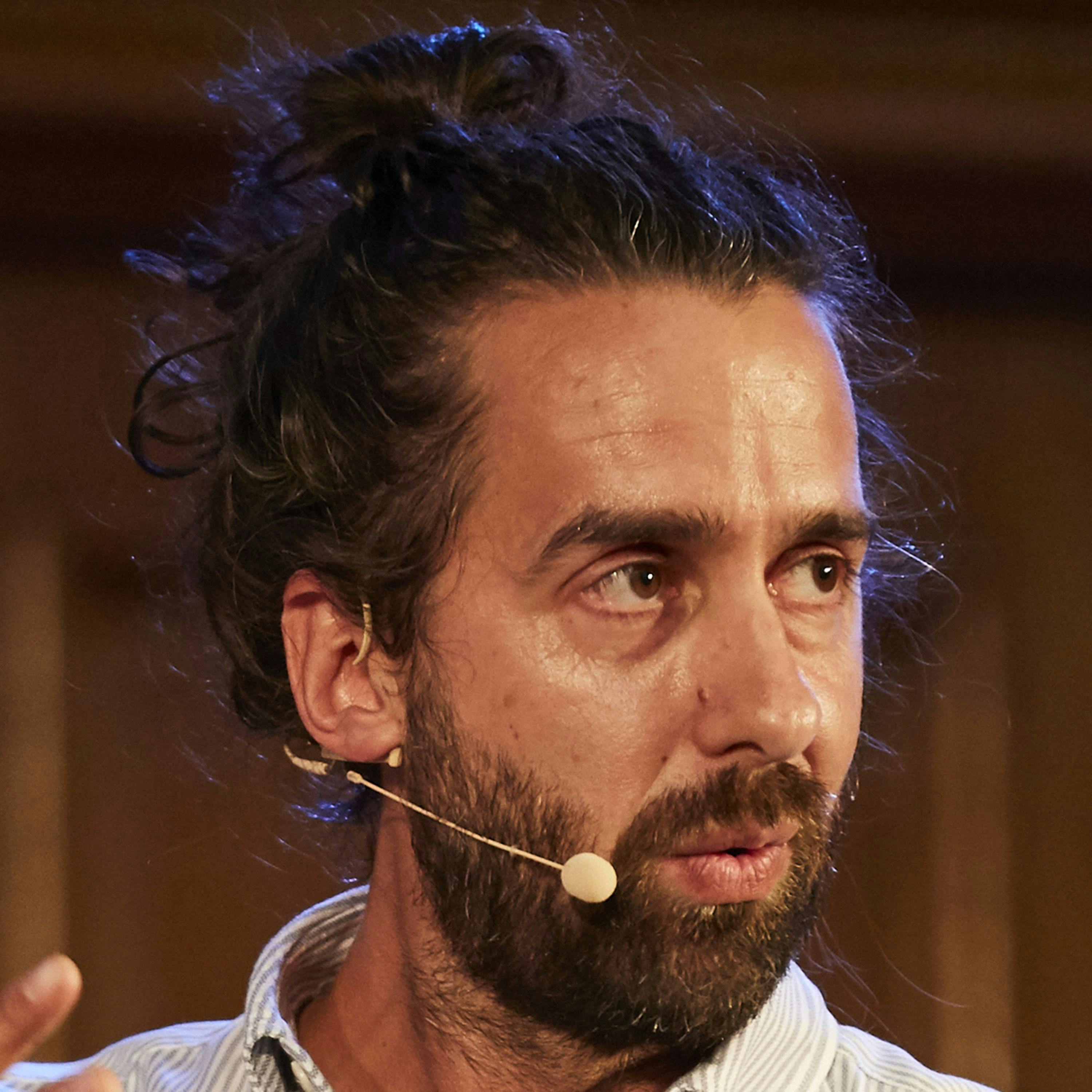
Blockchain, the technology on which Bitcoin is based, has gone mainstream. Evangelists describe it as a thrilling and versatile foundation that will revolutionise everything from finance to governance. But is it really the radical new paradigm its adherents claim? We were joined on stage by Jamie Bartlett, one of the UK’s leading thinkers on the politics and social influence of the internet; Primavera De Filippi, expert on the legal challenges and opportunities of blockchain technologies and author of Blockchain and The Law; David Gerard, author of the news blog and book Attack of the 50 Foot Blockchain: Bitcoin, Blockchain, Ethereum & Smart Contracts; and Vít Jedlička, founder and first elected president of the Free Republic of Liberland, which aims to be the first country to base its government structure on blockchain technology. The event was chaired by BBC Economics Editor Kamal Ahmed. Support this show http://supporter.acast.com/intelligencesquared. See acast.com/privacy for privacy and opt-out information. Learn more about your ad choices. Visit podcastchoices.com/adchoices
The Rise of the Smart City: Urban Wonderland or Fool’s Paradise?
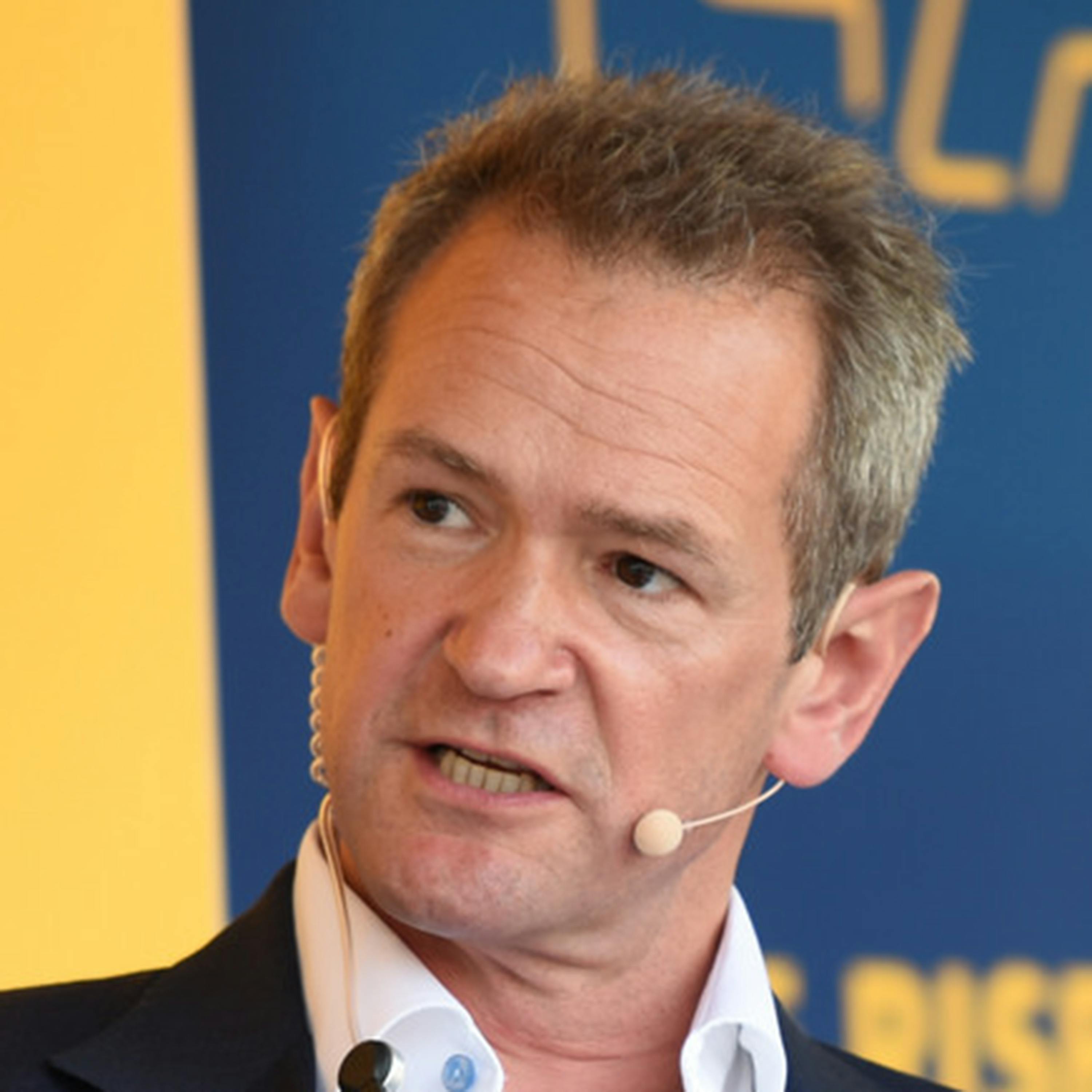
More humans than ever before live in cities. Technology is now being rolled out across the world’s urban areas, making day-to-day city living more pleasant, more efficient and more sustainable. For example, traffic flows are being improved by sensors that detect snarl-ups, allowing a central computer to coordinate traffic lights and even change the direction of a highway during rush hour – saving commuters time and lowering the pollution caused by stop-start congestion. Smart energy meters are allowing the power companies to provide the energy we need from the best sources, at the right times of day. But what we’re already seeing is just the beginning. By using computing, automation and big data, the cities of tomorrow will be transformed by practical, disruptive solutions, helping us tackle the energy challenge and achieve a lower carbon future. But there’s a flip side to letting technology take over the way our cities are run. Automation opens up systems like traffic, communications and power to hackers and hijackers. Increasing reliance on AI systems and complex networks makes us more vulnerable when outages occur. And the collection of data about you and your life from millions of sensors across the city raises serious concerns about personal freedom. And then there’s the question of what kind of places we actually want to live in. Most of the urban areas people flock to are attractive because of their charm, their history and their sheer haphazardness; will smart-city technology inevitably rationalise these charms away? And let’s not forget that many of the most urgent challenges facing cities, such as inequality and crime, will never be solved by endless number-crunching and smartphone apps. So what do we really want from our cities? The kind of connectivity that comes from technology, making our cities smooth-functioning and sustainable? Or the deeper human connection and sense of meaning that technology can never provide? We were joined by Anjana Ahuja, the award-winning science writer ; Jamie Bartlett, one of the UK's leading thinkers on the politics and social influence of the internet; Finlay Clark, UK Country Manager of the crowd-sourced traffic and navigation app Waze; and Stephen Lorimer, Smart London Strategy and Delivery Officer at the Greater London Authority. The debate was chaired by comedian, actor and television presenter Alexander Armstrong. This event, hosted by Shell in partnership with Intelligence Squared, brought together big thinkers from diverse backgrounds to debate how the digital revolution taking place in our cities is impacting our lives. Join us to learn how together we can #makethefuture today. Support this show http://supporter.acast.com/intelligencesquared. See acast.com/privacy for privacy and opt-out information. Learn more about your ad choices. Visit podcastchoices.com/adchoices