Intelligence Squared
1,654 episodes — Page 27 of 34

There Is No Planet B, with Mike Berners-Lee and Matthew Taylor
In this episode we were joined by Mike Berners-Lee, the climate change expert and author of There Is No Planet B: A Handbook For The Make Or Break Years. He was interviewed by Matthew Taylor of the RSA in a discussion on the real, concrete steps that we can all take to reduce our contributions to climate change and the destruction of the planet. This episode was recored on the 17th of January 2020 — We’d love to hear your feedback and what you think we should talk about next, who we should have on and what our future debates should be. Send us an email or voice note with your thoughts to [email protected] or Tweet us @intelligence2. And if you’d like to support our mission to foster honest debate and compelling conversations, as well as ad-free podcasts, exclusive bonus content, early access and much more, become a supporter of Intelligence Squared today. Just visit intelligencesquared.com/membership to find out more. Learn more about your ad choices. Visit podcastchoices.com/adchoices

Former UK Labour Deputy Leader Tom Watson Discusses How He Beat Obesity, and the Long Road Ahead for Labour
In this episode we were joined by Tom Watson, the Deputy Leader of the UK Labour Party who only recently stood down at last year's general election. He is now the author of a new book Downsizing: How I Lost 8 Stone, Reversed My Diabetes and Regained My Health, and in this wide-ranging interview with Ros Urwin he talks about his successful battle against obesity and diabetes, what this might mean for the global obesity epidemic, and how Labour might become electable again. Support this show http://supporter.acast.com/intelligencesquared. See acast.com/privacy for privacy and opt-out information. Learn more about your ad choices. Visit podcastchoices.com/adchoices

The Wonders of Nanotechnology, with Sonia Contera and Tom Whipple
In this episode we were joined by Sonia Contera, Professor of Biological Physics at the University of Oxford and the author of Nano Comes to Life: How Nanotechnology Is Transforming Medicine and the Future of Biology. In a wide-ranging conversation with Tom Whipple, the science editor at The Times, she explored the rapidly evolving nanotechnologies that are allowing us to manipulate the very building blocks of life, giving us radical control over our own biology. Support this show http://supporter.acast.com/intelligencesquared. See acast.com/privacy for privacy and opt-out information. Learn more about your ad choices. Visit podcastchoices.com/adchoices

Fighting Back Against Big Tech, with Rana Foroohar and Ros Urwin
In this episode we were joined by Rana Foroohar, FT global business columnist and author of Don't Be Evil: The Case Against Big Tech, alongside Ros Urwin of the Sunday Times. According to Foroohar, Silicon Valley has lost its soul, and the tech behemoths like Google, Facebook, Apple, and Amazon are monetising both our data and our attention without us seeing a penny of those exorbitant profits. These companies have become rapacious monopolies with the power to corrupt our elections, co-opt all our data, and control the largest single chunk of corporate wealth — while evading all semblance of regulation and taxes. And in Foroohar's view, they must be held to account. Support this show http://supporter.acast.com/intelligencesquared. See acast.com/privacy for privacy and opt-out information. Learn more about your ad choices. Visit podcastchoices.com/adchoices

Old World vs New World: The Great Wine Debate, with Oz Clarke and Jancis Robinson
France, Italy, Spain, Germany: these are the ancient Old World wine-growing regions of Europe, where continuity and history reign supreme. California, Australia, South Africa and Chile: these are some of the New World areas, where technology and science trump tradition. Old World wines tend to be light-bodied, with herbal, mineral and floral components. New World wines, thanks to warmer climates, are generally full-bodied, fruity and higher in alcohol. But which wines are the greater? To battle it out, Intelligence Squared brought together two of the UK’s most celebrated wine experts for this major debate. Fighting for the tradition and terroir of the Old World was Jancis Robinson, wine correspondent of the Financial Times and the first person outside the wine trade to qualify as a Master of Wine. Fighting for the modernising spirit of the New World was Oz Clarke, the last winner of the World Wine Tasting Championship, and the youngest ever British Wine Taster of the Year. The debate was chaired by Amelia Singer, TV presenter and former wine writer for Waitrose Food magazine. Plus there were questions from the audience from renowned wine experts Steven Spurrier and Hugh Johnson. Each member of the audience was given two glasses of wine, provided by Waitrose & Partner: Old World: Castello Colle Massari, Montecucco Rosso Riserva (Tuscany) New World: Saint Clair, Hawkes Bay Syrah, New Zealand (Hawke's Bay) Support this show http://supporter.acast.com/intelligencesquared. See acast.com/privacy for privacy and opt-out information. Learn more about your ad choices. Visit podcastchoices.com/adchoices
Privacy in an Age of Surveillance, with James Bennet and Jamie Bartlett
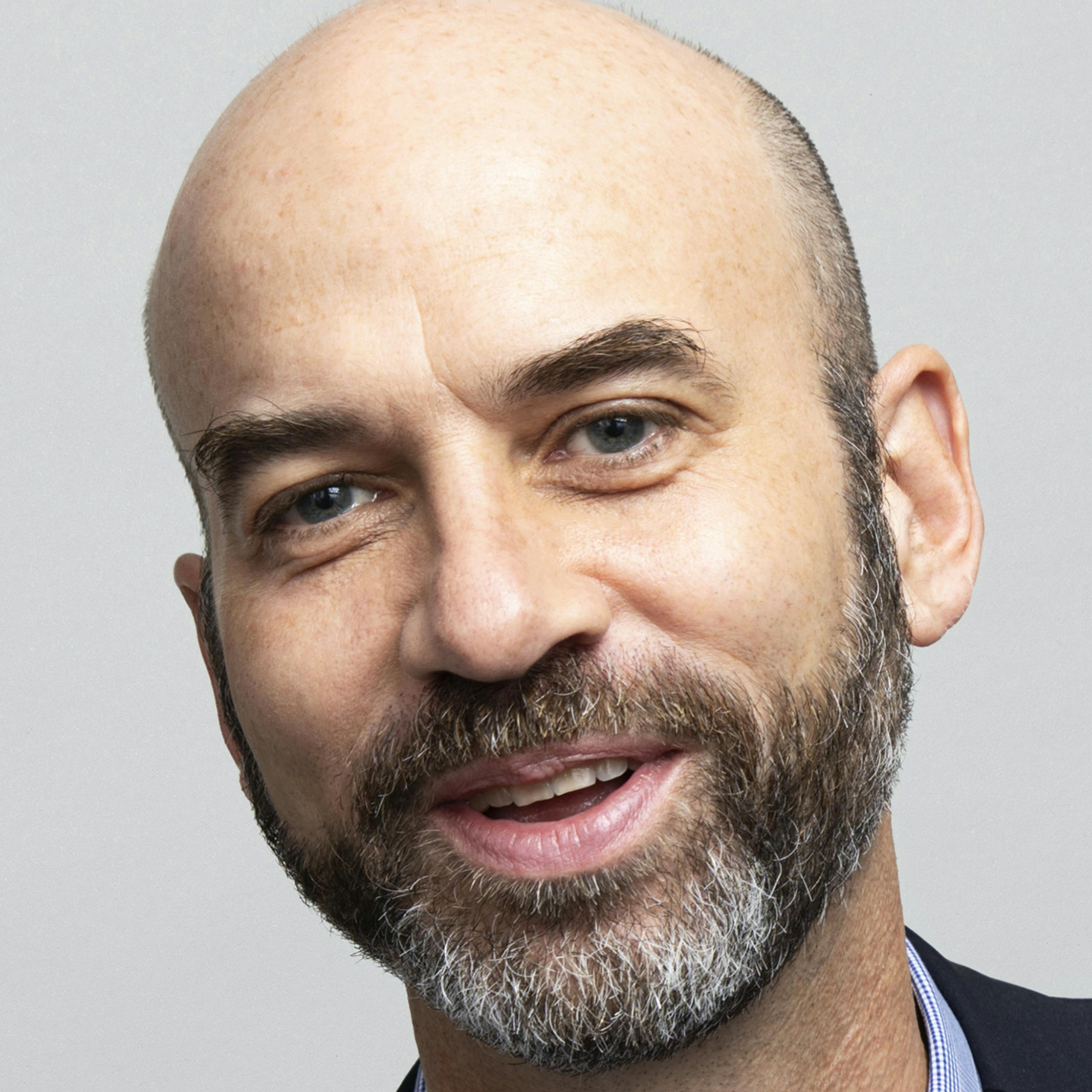
In this episode we were joined by The New York Times' editorial page editor James Bennet, to discuss the The New York Times' fascinating new editorial project, The Privacy Project. James was interviewed on the project by tech journalist Jamie Bartlett. Support this show http://supporter.acast.com/intelligencesquared. See acast.com/privacy for privacy and opt-out information. Learn more about your ad choices. Visit podcastchoices.com/adchoices

The Education of an Idealist, with Samantha Power and Helen Lewis
In this episode we were joined by Samantha Power, the former United States Ambassador to the United Nations under President Obama from 2013 to 2017 and author of a new book The Education of an Idealist. She was interviewed on her fascinating career in American diplomacy by Helen Lewis. Support this show http://supporter.acast.com/intelligencesquared. See acast.com/privacy for privacy and opt-out information. Learn more about your ad choices. Visit podcastchoices.com/adchoices

The West Should Make Amends With Putin
Is it high time for a rapprochement with Putin? As the transatlantic alliance flounders and Britain wallows in Brexit psychodrama, Europe can no longer afford to keep Russian relations strained. In fact, a detente is now a geopolitical necessity. Containment policies may have made sense under Obama, but with an erratic Trump in the White House, rapidly ceding influence to Putin in the Middle East, Russia is now a major global actor – and a vital European partner. The Kremlin has steered the Syrian war and co-opted Turkey and Iran in the process. Its cooperation is paramount in establishing stability in the region, and in quashing ISIS. To maintain sanctions and froideur against Russia threatens our own security — as well as crucial infrastructure projects like Nordstream 2. And with an ascendant China eyeing up its neighbour, it’s clearly in Europe’s interest to follow Macron’s lead and try to pivot Putin back towards the West. Hang on, say Putin’s critics. Have we forgotten whom we’re dealing with? This is the Russian leadership that annexed the Crimea, shot down a passenger airliner in 2014, and continues to breach the ceasefire in Eastern Ukraine. Malevolent Russian interference in the UK referendum and US elections, and support for far-right politicians in Italy and France, has destabilised the Western democratic order to the favour of divisive and isolationist populists. The Kremlin matches its concerted disinformation campaigns with a track record of callous assassinations on European soil, from Litvinenko and Skripal to the recent gunning down of a Chechen exile in Berlin. Russia has no interest in European friendship; on the contrary, it repeatedly shows itself intent on defying European rule of law and splintering European solidarity. What's more, the country’s entrenched corruption and dire human and LGBTQ rights record is fundamentally misaligned with European democratic values. Europe must stand firm, any acquiescence towards Putin will only strengthen the global drift towards authoritarianism. Speaking for the motion were Dominique Moïsi, political scientist and founding member of the Institut français des relations internationales; and Richard Sakwa, Professor of Russian and European Politics at the University of Kent. Speaking against the motion were Carole Cadwalladr, an investigative reporter for The Guardian and The Observer; and Bill Browder, financier and activist. Support this show http://supporter.acast.com/intelligencesquared. See acast.com/privacy for privacy and opt-out information. Learn more about your ad choices. Visit podcastchoices.com/adchoices

HOLIDAY BONUS: The Year in Review
As 2019 comes to a close, the Intelligence Squared team look back at some of their highlights from the year, both on the Intelligence Squared stage and on the podcast. They feature clips from big in conversation events with the likes of Thomas Friedman and Salman Rushdie to debating whether the West should cut ties with Saudi Arabia, to cultural events exploring letters that changed the world. Join us for this holiday special and let us know what you think by rating and reviewing us on Apple Podcasts. We are particularly keen to know what your highlights of Intelligence Squared in 2019 have been - and what you would be interested in us covering in 2020. Happy holidays from the Intelligence Squared team! Support this show http://supporter.acast.com/intelligencesquared. See acast.com/privacy for privacy and opt-out information. Learn more about your ad choices. Visit podcastchoices.com/adchoices

Chris Wylie on Whistleblowing the Facebook-Cambridge Analytica scandal
EThis episode features an interview from How I Found My Voice, another podcast by Intelligence Squared. Presented by the prominent BBC journalist Samira Ahmed, the podcast explores how some of the world's greatest artists and thinkers became such compelling – and unique – communicators. In this episode Samira speaks to the Cambridge Analytica whistleblower, Chris Wylie, about data micro-targeting, leaking documents that led to the Facebook-Cambridge Analytica data scandal and the part he played in developing technologies that can help shape election results. Subscribe to How I Found My Voice and listen to more episodes here: https://bit.ly/2XpFPyM Season 2 of How I Found My Voice is proudly supported by THE OUT, innovative car rental powered by Jaguar Land Rover. Support this show http://supporter.acast.com/intelligencesquared. See acast.com/privacy for privacy and opt-out information. Learn more about your ad choices. Visit podcastchoices.com/adchoices

Learning to Speak Machine, with John Maeda and Ros Urwin
John Maeda is one of the world's preeminent interdisciplinary thinkers on technology and design, and the author of How to Speak Machine. In this episode of the Intelligence Squared podcast, in conversation with Ros Urwin he explores a set of simple laws and guidelines that govern not only the computers of today, but the unimaginable machines of the future. Support this show http://supporter.acast.com/intelligencesquared. See acast.com/privacy for privacy and opt-out information. Learn more about your ad choices. Visit podcastchoices.com/adchoices

Conquerors and Liberators: War Leaders Who Shaped Our World
Managing a successful Premier League football team or a major company takes extraordinary fortitude and foresight. But try leading a nation of millions – and then persuading them to follow you into war, with all the pain and sacrifice that entails. That’s real leadership. So what makes for a wartime leader? This question has fascinated historian Andrew Roberts for decades and prompted him to write his latest book Leadership in War. In November 2019 Roberts was joined by Jeremy Paxman for a fascinating discussion about the qualities demonstrated by wartime generals and heads of state throughout history. All were driven by a sense of mission and an unconquerable self-belief, whether, as in Winston Churchill’s case, it stemmed from an upbringing that emphasised his right to lead and rule, or, as with Margaret Thatcher, it was the realisation that she could lead in a way that the men around her seemed incapable of doing. We tend to think of leadership as an inherently good thing, but, as the examples of Hitler and Stalin demonstrate, it is morally neutral. Whether agents of good or evil, did these important figures nevertheless have something in common? And are there particular qualities that tend to bring success and others that doom even the most promising leaders to failure? Support this show http://supporter.acast.com/intelligencesquared. See acast.com/privacy for privacy and opt-out information. Learn more about your ad choices. Visit podcastchoices.com/adchoices

Ken Clarke: The Big Beast of British Politics
After 49 years as a Conservative MP, Ken Clarke will be stepping down at the UK general election on December 12. In this episode of the Intelligence Squared podcast – staged just ten days before the election – Clarke came to the Intelligence Squared stage where, in conversation with John Humphrys, who recently stepped down as presenter of Radio 4’s Today programme, he reflected on his many years in politics and the twists and turns of the Brexit saga that have brought him to the curious position he is in today. Support this show http://supporter.acast.com/intelligencesquared. See acast.com/privacy for privacy and opt-out information. Learn more about your ad choices. Visit podcastchoices.com/adchoices
Yanis Varoufakis and Brian Eno on Money, Power and a Call for Radical Change
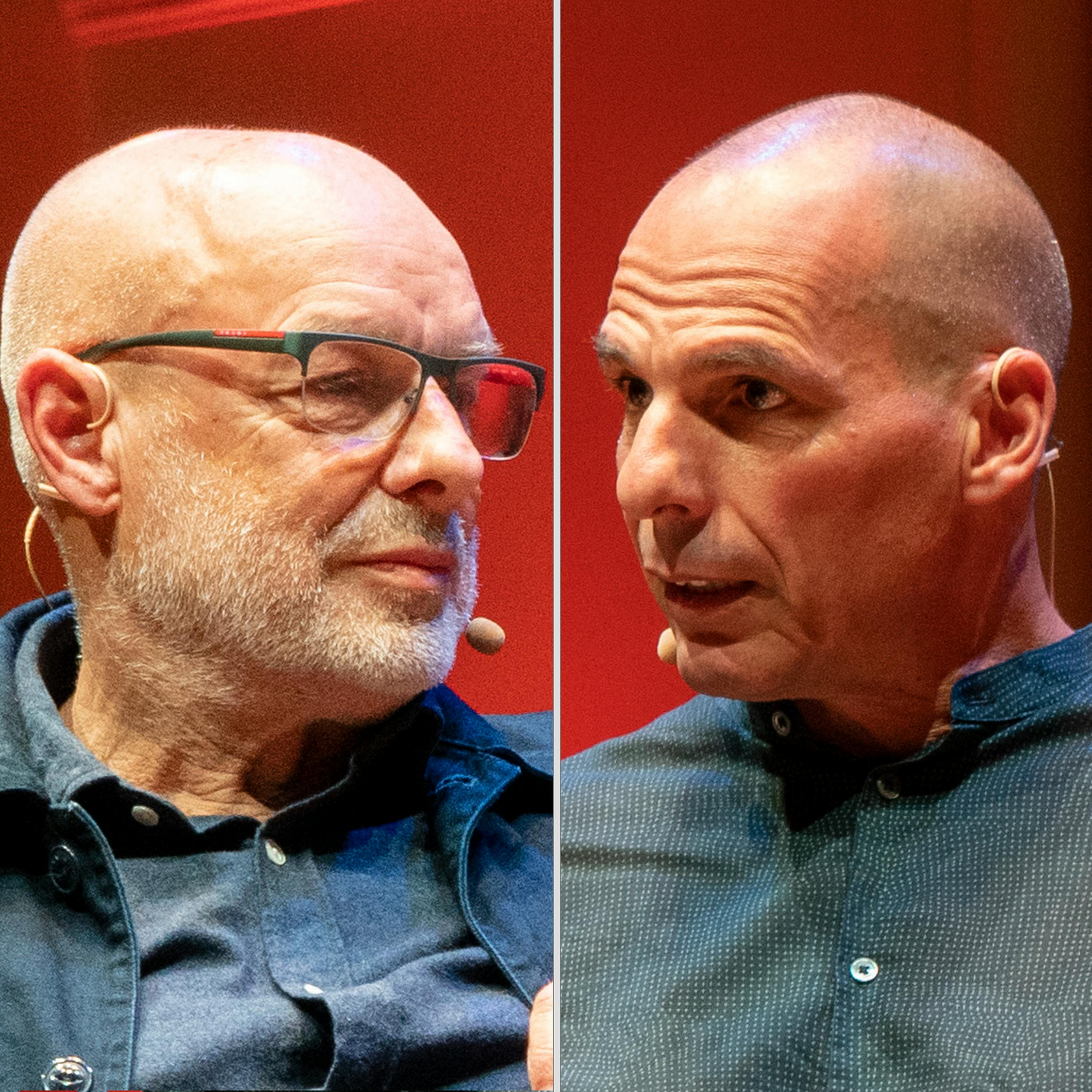
The liberal order is under threat. Increasing inequality, the rise of far-right nationalism and the climate emergency pose unprecedented challenges. It’s time for some radical thinking. In November 2019 Intelligence Squared brought to its stage two of the world’s great radicals – Yanis Varoufakis, the former Greek finance minister known for his trademark leather jacket, motorbike and self-described erratic Marxism, and legendary music producer Brian Eno, known for his progressive politics and human rights activism. The evening was chaired by BBC journalist and broadcaster Ritula Shah. Support this show http://supporter.acast.com/intelligencesquared. See acast.com/privacy for privacy and opt-out information. Learn more about your ad choices. Visit podcastchoices.com/adchoices
Richard Branson: How I Found My Voice
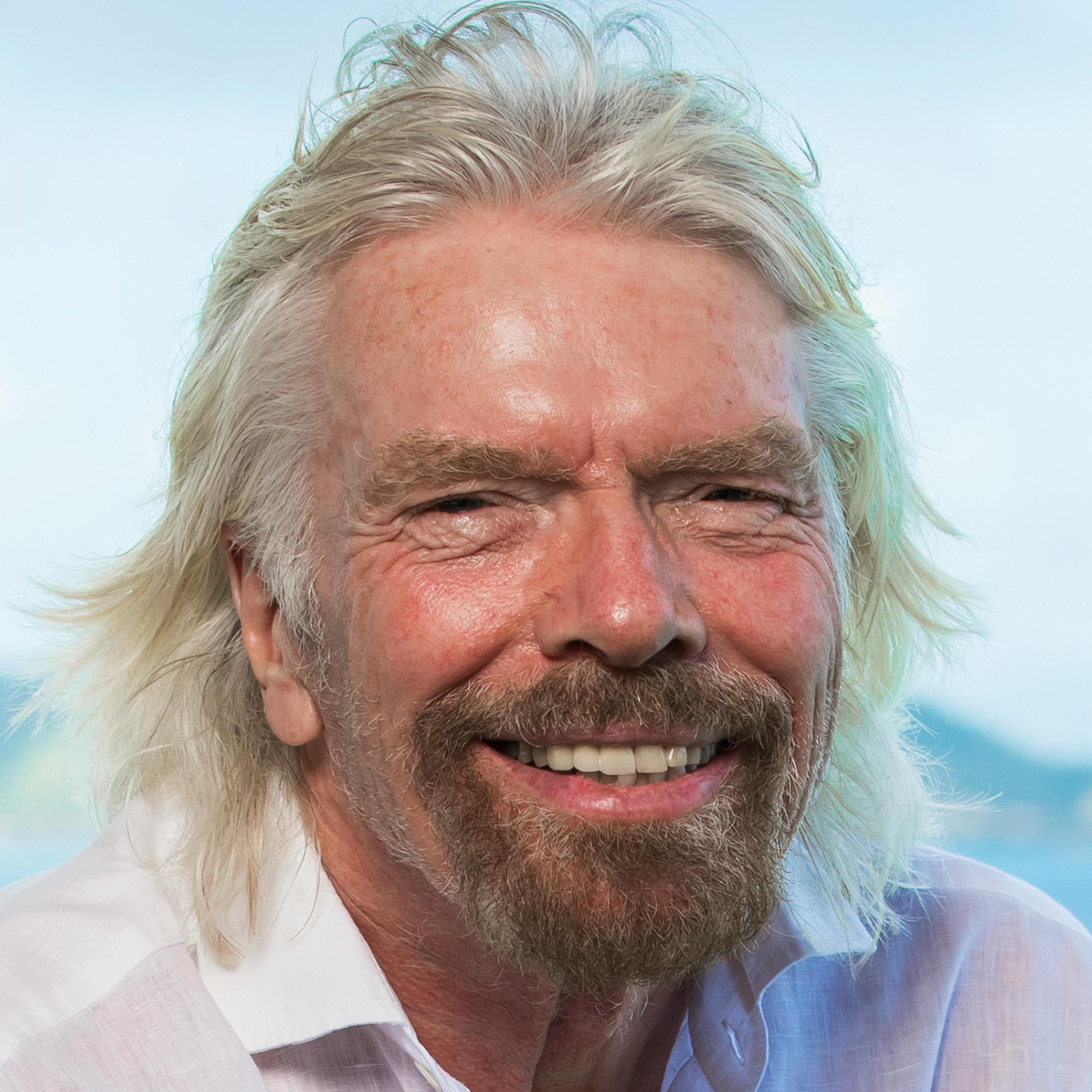
This is an episode from the second series of How I Found My Voice, a podcast from Intelligence Squared. Presented by the prominent BBC journalist Samira Ahmed, the podcast explores how some of the world's greatest artists and thinkers became such compelling – and unique – communicators. In this episode Samira speaks to business mogul Sir Richard Branson about becoming a serial entrepreneur developing the Virgin brand, signing some of the biggest names in music and the next frontiers of space travel. Subscribe to How I Found My Voice and listen to more episodes here: https://bit.ly/2XpFPyM Season 2 of How I Found My Voice is proudly supported by THE OUT, innovative car rental powered by Jaguar Land Rover. Photo credit: Visual Eye. Support this show http://supporter.acast.com/intelligencesquared. See acast.com/privacy for privacy and opt-out information. Learn more about your ad choices. Visit podcastchoices.com/adchoices

P.J. O’Rourke and Lionel Shriver on the Battle for the White House
This episode was from one of our live Intelligence Squared events, featuring satirist P. J. O’Rourke and bestselling author Lionel Shriver. They joined us for a night of withering satire, relentless ridicule and sharp political insight in a discussion chaired by Razia Iqbal of the BBC. Support this show http://supporter.acast.com/intelligencesquared. See acast.com/privacy for privacy and opt-out information. Learn more about your ad choices. Visit podcastchoices.com/adchoices

Naomi Klein on Climate Change, Extinction Rebellion & the case for a Green New Deal
This is an episode from the second series of How I Found My Voice, a podcast from Intelligence Squared. Presented by the prominent BBC journalist Samira Ahmed, the podcast explores how some of the world's greatest artists and thinkers became such compelling – and unique – communicators. In this episode Samira speaks to the journalist, social activist and New York Times best-selling author Naomi Klein about growing up in a politically active family, being at the forefront of protest movements, the case for a Green New Deal and her views on Extinction Rebellion. Subscribe to How I Found My Voice and listen to more episodes Photo credit: Kourosh Keshiri. This episode was recorded on the 11th of November 2019 — We’d love to hear your feedback and what you think we should talk about next, who we should have on and what our future debates should be. Send us an email or voice note with your thoughts to [email protected] or Tweet us @intelligence2. And if you’d like to support our mission to foster honest debate and compelling conversations, as well as ad-free podcasts, exclusive bonus content, early access and much more, become a supporter of Intelligence Squared today. Just visit intelligencesquared.com/membership to find out more. Learn more about your ad choices. Visit podcastchoices.com/adchoices

Intelligent Times: Dean Baquet and Simon Schama on Trump, Politics and The Future of News
Earlier this week we were joined by executive editor of The New York Times Dean Baquet and historian Sir Simon Schama for an examination of the role of the media in today’s increasingly polarised politics. Baquet is the first African-American editor of the world’s most influential news organisation. Schama, as well as being a celebrated author and television presenter, is a prolific political and social commentator, writing for leading international newspapers and journals. Baquet took us deep inside the decision-making process at The New York Times at a moment of unprecedented tension between the White House and the American press. How does he make sure his staff adhere to the rules of impartiality when they are themselves the targets of the Trump administration’s attacks? What pressure has the White House brought to bear on reporters and editors? How is The New York Times, and the press in general, coping with that pressure? Support this show http://supporter.acast.com/intelligencesquared. See acast.com/privacy for privacy and opt-out information. Learn more about your ad choices. Visit podcastchoices.com/adchoices

The Survival of Democracy in Eastern Europe, with Ivan Krastev, Timothy Garton Ash and Brian Klaas
In November 1989, 30 years ago this month, the collapse of the Berlin Wall ushered in a new era of democracy in Eastern Europe. But today, with populist strongmen like Orban in Hungary and Kaczyński in Poland on the rise, the future of democracy in the region looks uncertain. In this episode we were joined by Ivan Krastev, the Bulgarian political scientist and co-author of The Light That Failed and Oxford University's Timothy Garton Ash, who wrote The Magic Lantern, a book about the 1989 revolutions in Eastern Europe which came out thirty years ago this year. The conversation was moderated by Brian Klaas, the political scientist, Washington Post columnist and author of The Despot's Apprentice. Support this show http://supporter.acast.com/intelligencesquared. See acast.com/privacy for privacy and opt-out information. Learn more about your ad choices. Visit podcastchoices.com/adchoices

The Poetry Pharmacy Returns with William Sieghart and Sarah Dunant
William Sieghart’s The Poetry Pharmacy: Tried-and-True Prescriptions for the Heart, Mind and Soul was one of the publishing sensations of the past few years. Anyone who came to the event Intelligence Squared built around it – when Jeanette Winterson, Helena Bonham Carter, Jason Isaacs, Sue Perkins and Tom Burke joined Sieghart in celebrating the power of poetry – will remember what a magical evening it was. Now, after huge demand, Sieghart is back with a second volume – The Poetry Pharmacy Returns – and once again Intelligence Squared brought it to all to life on stage. Whether your spiritual ailment is loneliness, heartache or anxiety, Sieghart has a poem to meet your needs. He was joined in conversation by acclaimed novelist and broadcaster Sarah Dunant. With their signature warmth and wit, they discussed poems from the new book, each one matched to a particular problem, whether it’s unrequited love, fear of the unknown or feeling daunted by the challenges of family life. And we had a stellar cast of actors to perform the poems: Dominic West, Nina Sosanya, Greta Scacchi and Martha West. The event was chaired by author, playwright and broadcaster Bonnie Greer. Support this show http://supporter.acast.com/intelligencesquared. See acast.com/privacy for privacy and opt-out information. Learn more about your ad choices. Visit podcastchoices.com/adchoices

How I Found My Voice: Michael Palin
This is an episode from the second series of How I Found My Voice, a podcast from Intelligence Squared. Presented by the prominent BBC journalist Samira Ahmed, the podcast explores how some of the world's greatest artists and thinkers became such compelling – and unique – communicators. In this episode Samira speaks to the actor, writer and comedian Michael Palin. Part of the legendary Monty Python comedy group, Palin has helped shape British comedy on our TV screens. From growing up with a father who stuttered to finding his comedy partners and travelling the world, Palin speaks about the moments that shaped and inspired his voice. Season 2 is proudly supported by THE OUT, innovative car rental powered by Jaguar Land Rover. Photo credit: John Swannell. Support this show http://supporter.acast.com/intelligencesquared. See acast.com/privacy for privacy and opt-out information. Learn more about your ad choices. Visit podcastchoices.com/adchoices

Intelligent Times: Jodi Kantor and Megan Twohey on Breaking the Harvey Weinstein Story
Intelligent Times is a live event series collaboration between The New York Times and Intelligence Squared, bringing together leading New York Times journalists and thought leaders to discuss the key issues facing the globe today. On October 5th 2017, The New York Times published a story that helped set off a change in the relationship between men and women in the workplace and beyond. The piece, by Pulitzer Prize-winning reporters Jodi Kantor and Megan Twohey, broke the story of the Harvey Weinstein sexual misconduct allegations. Within days, women were coming forward with their own stories of harassment and abuse, igniting the global #MeToo movement. For the launch of our new series, “Intelligent Times” – a partnership between Intelligence Squared and The New York Times – we brought Kantor and Twohey to London for the first time since the story was published. They were joined on stage by three of the women who broke their long-buried silence over the Harvey Weinstein sexual abuse allegations: Rowena Chiu, Laura Madden and Zelda Perkins, who all worked for Weinstein in the 1990s. While many of the women who went on the record for Kantor and Twohey were Hollywood stars accustomed to being in the spotlight, these three accusers showed extraordinary courage in giving up their anonymity in order to pursue justice and try to change a system that many argue is still rigged in favour of sexual aggressors. The event was chaired by BBC News Presenter Carrie Gracie. Support this show http://supporter.acast.com/intelligencesquared. See acast.com/privacy for privacy and opt-out information. Learn more about your ad choices. Visit podcastchoices.com/adchoices

The Gendered Brain Myth, with Daphna Joel and Rosamund Urwin
In this episode of the Intelligence Squared podcast we were joined by the Israeli neuroscientist Daphna Joel, author of Gender Mosaic: Beyond the Myth of the Male and Female Brain. In conversation with Ros Urwin of The Sunday Times, she outlined her theory that our most foundational assumptions about gender are based on a myth - that women and men's brains are fundamentally different. Support this show http://supporter.acast.com/intelligencesquared. See acast.com/privacy for privacy and opt-out information. Learn more about your ad choices. Visit podcastchoices.com/adchoices

John Humphrys: The Terrier of Today, in conversation with Justin Webb
Earlier this month, as John Humphrys stepped down after 32 years at Today and published a long-awaited memoir, A Day Like Today, he came to the Intelligence Squared stage to give an exclusive, behind-the-scenes account of his extraordinary career. Turning the tables on him and pitching the questions was his former Today colleague Justin Webb. Support this show http://supporter.acast.com/intelligencesquared. See acast.com/privacy for privacy and opt-out information. Learn more about your ad choices. Visit podcastchoices.com/adchoices

The Battle Over Gender, Race and Identity with Douglas Murray and Anne McElvoy
In this episode we were joined by the conservative thinker Douglas Murray, whose new book The Madness of Crowds examines this century's most divisive issues: sexuality, gender, technology and race. He was interviewed on his ideas by Anne McElvoy, Senior Editor at The Economist and head of Economist Radio. Support this show http://supporter.acast.com/intelligencesquared. See acast.com/privacy for privacy and opt-out information. Learn more about your ad choices. Visit podcastchoices.com/adchoices

Trailblazers: Women Leading the Way
EWomen of colour have to navigate a world of work where they are often discriminated against because of their race as well as their gender. Prejudice in recruitment, opportunities for promotion, pay gaps, microaggressions – the list goes on. Moments that seemed like major turning points can fizzle out: Diane Abbott made history when she became the first black woman elected to Parliament in 1987 but it wasn’t until 2010 that Britain elected its first female Asian MPs. Halle Berry became the first black woman to win an Oscar for Best Actress in 2001 but since then we’ve seen 18 white actresses in a row pick up the award. Gender diversity in FTSE 100 companies is improving but today, out of the six female CEOs, not one is a woman of colour. Still, it’s not all bad news. Despite the challenges, women of colour are increasingly making their way to the top and carving out a new ‘normal’ for younger generations. To celebrate their success and share how they got there, Intelligence Squared and gal-dem are partnering to bring together pioneers from the worlds of media, politics and culture. Our panel includes Diane Abbott, Shadow Home Secretary and the UK’s first black female MP; Mishal Husain, presenter of BBC Radio 4’s flagship Today programme; Corinne Bailey Rae, award-winning singer-songwriter, Yomi Adegoke, co-author of Slay in Your Lane: The Black Girl Bible, and Bernardine Evaristo, an author shortlisted for this year’s Booker Prize with her novel Girl, Woman, Other. The conversation will be chaired by journalist and political activist Ash Sarkar. — We’d love to hear your feedback and what you think we should talk about next, who we should have on and what our future debates should be. Send us an email or voice note with your thoughts to [email protected] or Tweet us @intelligence2. And if you’d like to support our mission to foster honest debate and compelling conversations, as well as ad-free podcasts, exclusive bonus content, early access and much more, become a supporter of Intelligence Squared today. Just visit intelligencesquared.com/membership to find out more. Learn more about your ad choices. Visit podcastchoices.com/adchoices

The Underworld of the High Seas, with Ian Urbina and Razia Iqbal
In this episode of the Intelligence Squared podcast we were joined by the renowned investigative journalist Ian Urbina, who has a new book titled The Outlaw Ocean: Journeys Across the Last Untamed Frontier. In a conversation with the BBC's Razia Iqbal, he explored a vast, lawless and rampantly criminal world that few have ever encountered - on international waters. Support this show http://supporter.acast.com/intelligencesquared. See acast.com/privacy for privacy and opt-out information. Learn more about your ad choices. Visit podcastchoices.com/adchoices

Speeches and Letters That Changed The World, With Simon Sebag Montefiore and Kate Mosse
At the 2019 Cliveden Literary Festival, Intelligence Squared brought together historian Simon Sebag Montefiore and novelist Kate Mosse to discuss some of the speeches and letters in Sebag’s latest books Voices of History and Written in History. Bringing it all to life on our stage were the actors Jade Anouka, Alex Macqueen and Natascha McElhone. Support this show http://supporter.acast.com/intelligencesquared. See acast.com/privacy for privacy and opt-out information. Learn more about your ad choices. Visit podcastchoices.com/adchoices

The Social Media Addiction-Machine, with Richard Seymour and Jamie Bartlett
In this week's episode we were joined by Richard Seymour, the Marxist intellectual and author of The Twittering Machine, a book which uses psychoanalytic reflection and insights from users, developers, and security experts to examine the dystopian consequences of our relationship with social media. He was interviewed by the journalist and tech expert Jamie Bartlett. Support this show http://supporter.acast.com/intelligencesquared. See acast.com/privacy for privacy and opt-out information. Learn more about your ad choices. Visit podcastchoices.com/adchoices

The West Should Pay Reparations For Slavery
They are the crimes for which no one has ever made amends. The transatlantic slave trade enslaved between 10 and 12 million Africans. Historians estimate that 15 to 25% of the men and women packed into the slave ships died before they reached the Americas. The only people ever to be compensated? Slave owners and traders, to make up for their lost earnings when slavery ended. Today, generations later, the white majorities in the US and former colonial powers including the UK continue to benefit from the wealth generated by slavery. The descendants of enslaved Africans continue to suffer poverty and prejudice. Millions still face discrimination and limited access to education and jobs. Some say that only a broad programme of reparations – not just financial compensation, but acknowledgement of the crimes committed and the lasting damage caused – can begin to make up for the atrocity of slavery and bring an end to the systemic injustice millions of people still face. That would be a disaster, critics of reparations say. The whole idea is flawed. These were crimes committed by and to people long since gone. The costs would cripple economies and hurt the people reparations would supposedly help. Tensions between community groups would only worsen and some on the Right would use reparations as a rallying point to criticise already vulnerable and economically weak minority groups and countries. And good luck finding consensus on constructing a system to decide who gets what; no one would be happy and social tensions would only worsen. Instead of looking backwards, we should all focus on fighting racism now. We have enough pressing problems with discrimination in 2019. Let’s not make them worse by opening old wounds. CHAIR: Emma Dabiri - Social historian and presenter SPEAKERS FOR THE MOTION: Kehinde Andrews - Professor of Black Studies at Birmingham City University and author of The New Age of Empire: How Racism and Colonialism Still Rule the World and Esther Stanford-Xosei - Reparations activist and lawyer AGAINST THE MOTION: Katharine Birbalsingh - Headmistress and co-founder of Michaela Community School in London and Tony Sewell - Educational consultant and CEO of the charity Generating Genius — We’d love to hear your feedback and what you think we should talk about next, who we should have on and what our future debates should be. Send us an email or voice note with your thoughts to [email protected] or Tweet us @intelligence2. And if you’d like to support our mission to foster honest debate and compelling conversations, as well as ad-free podcasts, exclusive bonus content, early access and much more, become a supporter of Intelligence Squared today. Just visit intelligencesquared.com/membership to find out more. Learn more about your ad choices. Visit podcastchoices.com/adchoices

Satire, Boris and Brexit with Ian McEwan and Razia Iqbal
In this week’s episode of the Intelligence Squared podcast we were joined by the acclaimed novelist Ian McEwan. He was interviewed by the BBC’s Razia Iqbal to discuss his new satirical novella The Cockroach, in which a man wakes up one morning having been transformed into a giant creature who happens to be the most powerful man in Britain. Support this show http://supporter.acast.com/intelligencesquared. See acast.com/privacy for privacy and opt-out information. Learn more about your ad choices. Visit podcastchoices.com/adchoices

Parliament’s War of Words: Women in Power, with Mary Beard, Rachel Reeves and Sandip Verma
With tensions running high this week in the U.K. Houses of Parliament over Brexit and allegations about PM Boris Johnson's use of inflammatory language, Intelligence Squared staged an event with Labour MP Rachel Reeves, Conservative member of the House of Lords Sandip Verma, celebrated classicist Mary Beard and journalist Helen Lewis. They discussed the divisions in Parliament and around the country, and how women can negotiate political power in what remains in many ways a man’s world. Support this show http://supporter.acast.com/intelligencesquared. See acast.com/privacy for privacy and opt-out information. Learn more about your ad choices. Visit podcastchoices.com/adchoices

How I Found My Voice: Benjamin Zephaniah
This is an episode from a new podcast strand launched by Intelligence Squared called How I Found My Voice. Presented by the prominent BBC journalist Samira Ahmed, the podcast explores how some of the world's greatest artists and thinkers became such compelling – and unique – communicators. In this episode Samira Ahmed speaks to poet and activist Benjamin Zephaniah. From racist attacks and police brutality to receiving a letter from Bob Marley telling him that Britain needs him, Zephaniah talks about the moments that shaped and inspired his voice. To hear more episodes of How I Found My Voice go to https://play.acast.com/s/howifoundmyvoice. Support this show http://supporter.acast.com/intelligencesquared. See acast.com/privacy for privacy and opt-out information. Learn more about your ad choices. Visit podcastchoices.com/adchoices
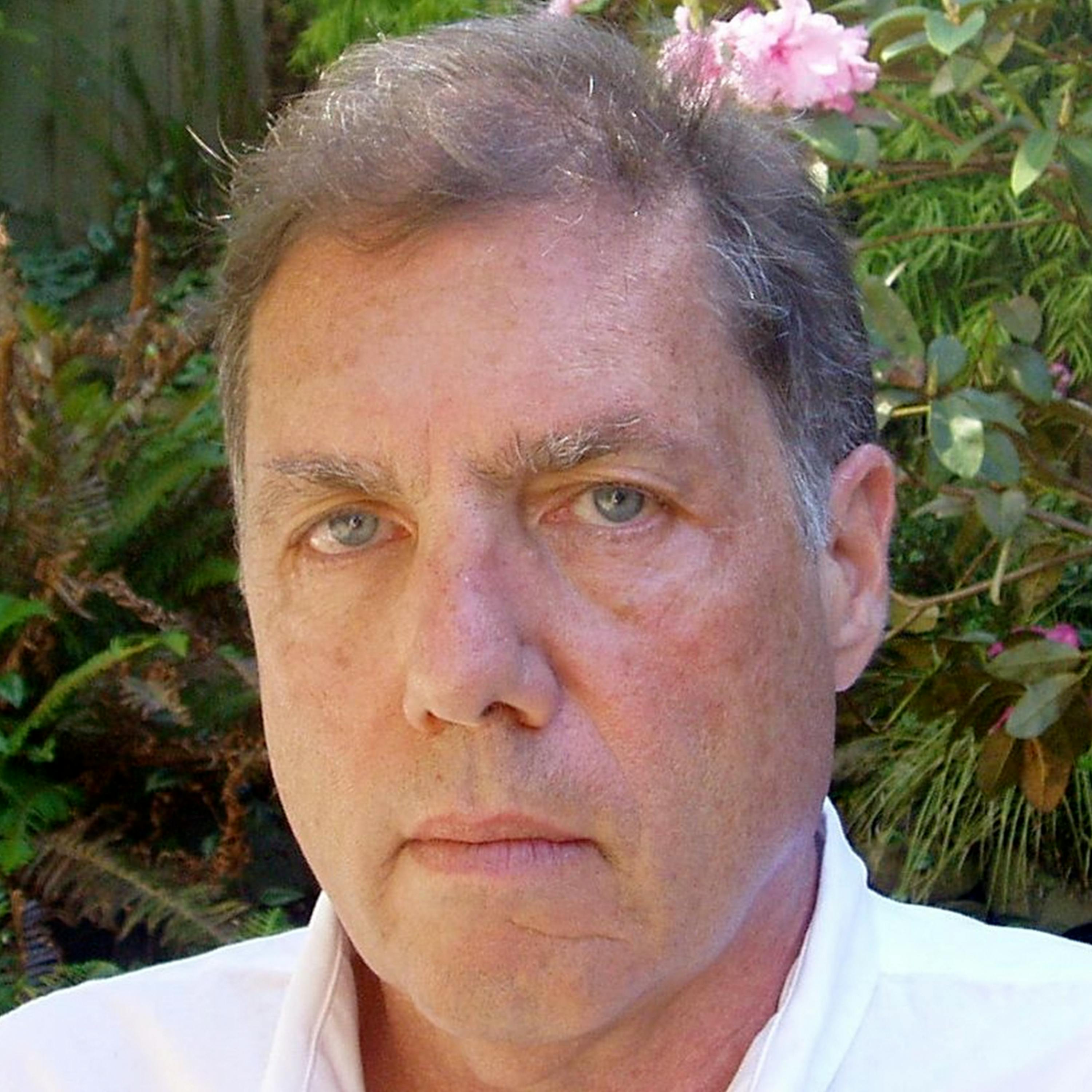
The Mindfulness Myth, with Ronald Purser and Helen Lewis
Mindfulness – the psychological practice of bringing one's attention to the present moment through meditation – has gone mainstream. It has been enthusiastically co-opted by Silicon Valley and other large corporations as well as schools, governments and even the U.S. military. But what if, instead of changing the world, mindfulness has become a banal form of capitalist spirituality that mindlessly avoids social and political transformation, reinforcing the status quo? That's the view of Ronald Purser, Professor of Management at San Francisco State University, Buddhist practitioner and author of McMindfulness. In this episode of the Intelligence Squared podcast, he was interviewed by Helen Lewis of The Atlantic on his radical critique of the mindfulness industry. Support this show http://supporter.acast.com/intelligencesquared. See acast.com/privacy for privacy and opt-out information. Learn more about your ad choices. Visit podcastchoices.com/adchoices

How I Found My Voice: Elif Shafak
This is an episode from a new podcast strand launched by Intelligence Squared called How I Found My Voice. Presented by the prominent BBC journalist Samira Ahmed, the podcast explores how some of the world's greatest artists and thinkers became such compelling – and unique – communicators. Samira Ahmed speaks to bestselling Turkish novelist Elif Shafak. From keeping a childhood diary and learning different languages to being taken to court on charges of 'insulting Turkishness' through the words of her fictional characters, Shafak talks about the moments that shaped and inspired her voice. To hear more episodes of How I Found My Voice go to https://play.acast.com/s/howifoundmyvoice. Support this show http://supporter.acast.com/intelligencesquared. See acast.com/privacy for privacy and opt-out information. Learn more about your ad choices. Visit podcastchoices.com/adchoices

An Evening With Salman Rushdie
Salman Rushdie is one of the world’s greatest storytellers. He came to the Intelligence Squared stage to discuss his career, his life and his new novel Quichotte with the BBC’s Razia Iqbal. The book is a wild ride through modern America — a society on the verge of moral and spiritual collapse — and examines racism, father–son relationships, the opioid crisis, cyber-spies and the end of the world. Support this show http://supporter.acast.com/intelligencesquared. See acast.com/privacy for privacy and opt-out information. Learn more about your ad choices. Visit podcastchoices.com/adchoices

How I Found My Voice: Lyse Doucet
This is an episode from a new podcast strand launched by Intelligence Squared called How I Found My Voice. Presented by the prominent BBC journalist Samira Ahmed, the podcast explores how some of the world's greatest artists and thinkers became such compelling – and unique – communicators. In this episode Samira speaks to the BBC's Chief International Correspondent Lyse Doucet. Renowned as a foreign correspondent in some of the toughest war zones in the past thirty years, Doucet speaks about the moments that shaped her voice from growing up in a small Canadian town to reporting from the front lines in Afghanistan, Syria and Yemen. To hear more episodes of How I Found My Voice go to https://play.acast.com/s/howifoundmyvoice. Support this show http://supporter.acast.com/intelligencesquared. See acast.com/privacy for privacy and opt-out information. Learn more about your ad choices. Visit podcastchoices.com/adchoices

The Politics of Video Games, with Pete Etchells and Ros Urwin
Are video games harmful to society? Recently the World Health Organisation classified 'gaming disorder' as a clinical mental health disorder and a danger to public health. But how real is the threat of video game addiction, and what about the potential benefits that gaming can bring to all of us? In this episode of the Intelligence Squared podcast we were joined by Pete Etchells, researcher into the psychological effects of video games and author of Lost In A Good Game: Why We Play Video Games and What They Can Do For Us. He was interviewed by Ros Urwin of The Sunday Times. Support this show http://supporter.acast.com/intelligencesquared. See acast.com/privacy for privacy and opt-out information. Learn more about your ad choices. Visit podcastchoices.com/adchoices

How I Found My Voice: Philip Pullman
This is an episode from a new podcast strand launched by Intelligence Squared called How I Found My Voice. Presented by the prominent BBC journalist Samira Ahmed, the podcast explores how some of the world's greatest artists and thinkers became such compelling – and unique – communicators. In this episode, Samira speaks to the best-selling author Sir Philip Pullman, most famous for the acclaimed His Dark Materials fantasy trilogy. From reading Rudyard Kipling as a child to discovering the power of poetry and how to be a storyteller as a teacher, they discuss the moments that shaped and inspired his voice. To hear more episodes of How I Found My Voice go to https://play.acast.com/s/howifoundmyvoice. Support this show http://supporter.acast.com/intelligencesquared. See acast.com/privacy for privacy and opt-out information. Learn more about your ad choices. Visit podcastchoices.com/adchoices
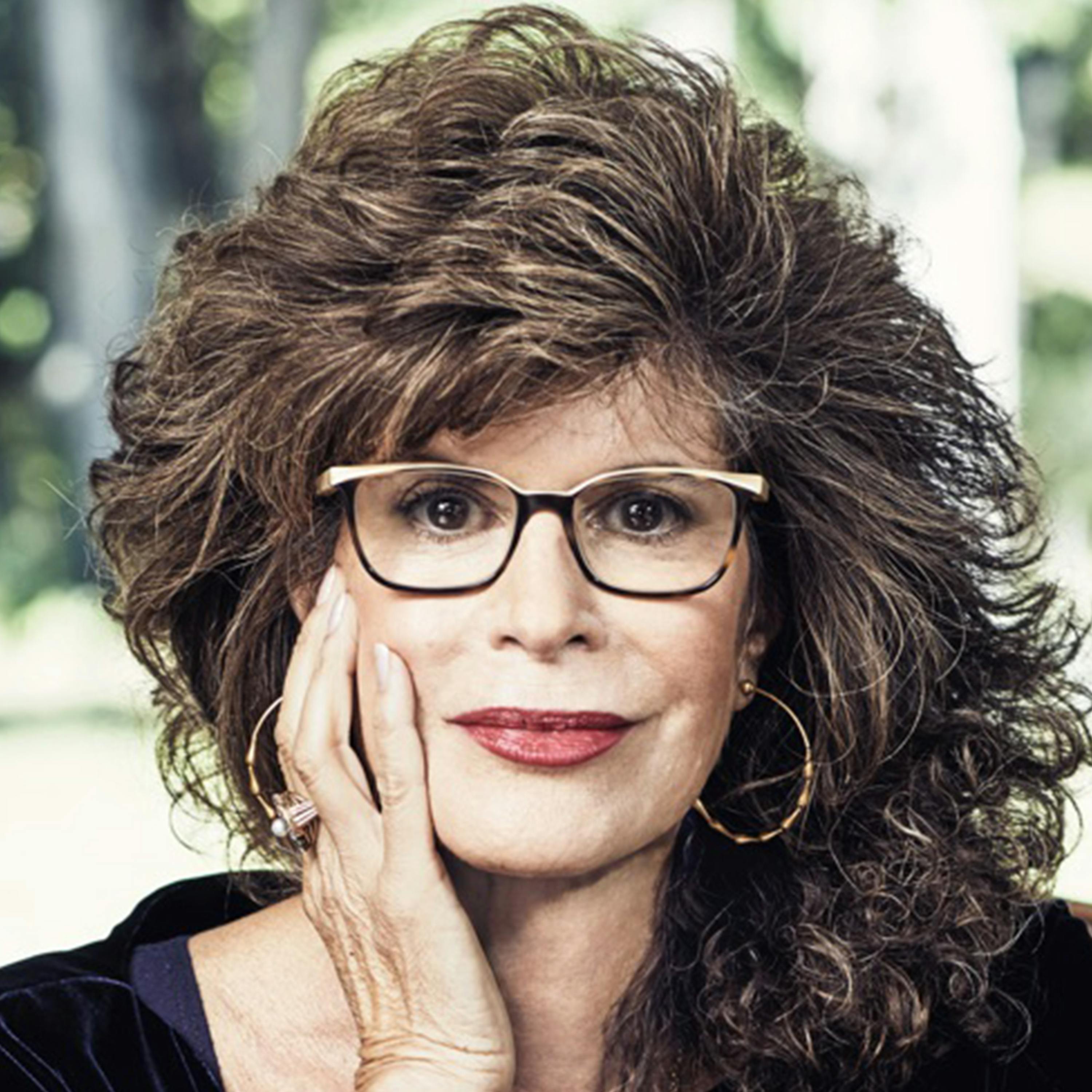
The Age of Surveillance Capitalism, with Shoshana Zuboff and Rosamund Urwin
We live in an age of "surveillance capitalism" - where technologies that were meant to liberate us have deepened inequality and stoked divisions. Big tech companies gather our information online and sell it to the highest bidder, and entire industries now depend not only on predicting our behaviour but modifying it too. That's the view of Shoshana Zuboff, Harvard professor and author of The Age of Surveillance Capitalism. In this week's episode of the Intelligence Squared podcast she was interviewed by Rosamund Urwin on the risks to our freedoms in this new era of human civilisation. Support this show http://supporter.acast.com/intelligencesquared. See acast.com/privacy for privacy and opt-out information. Learn more about your ad choices. Visit podcastchoices.com/adchoices
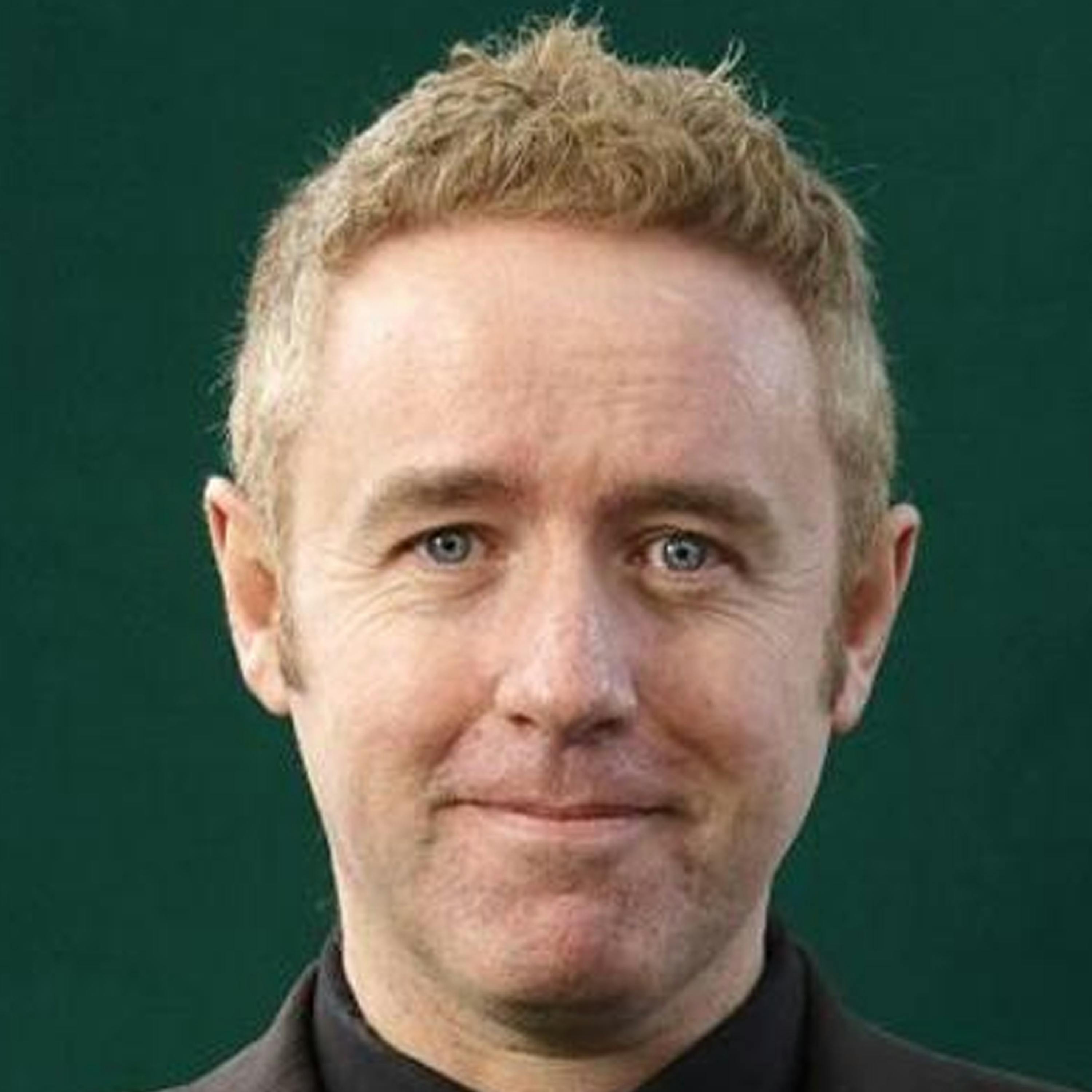
How I Found My Voice: Mark Millar
This is an episode from a new podcast strand launched by Intelligence Squared called How I Found My Voice. Presented by the prominent BBC journalist Samira Ahmed, the podcast explores how some of the world's greatest artists and thinkers became such compelling – and unique – communicators. This episode's guest is the best-selling comic-writer Mark Millar, most famous for creating and inspiring the Hollywood blockbusters Captain America: Civil War, Kingsman and Kick-Ass. From growing up in a small Scottish town to discovering Superman as a child and pursuing a career at Marvel and Netflix, Millar talks about the moments that shaped and inspired his voice. To hear more episodes of How I Found My Voice go to https://play.acast.com/s/howifoundmyvoice. Support this show http://supporter.acast.com/intelligencesquared. See acast.com/privacy for privacy and opt-out information. Learn more about your ad choices. Visit podcastchoices.com/adchoices

Ibram X. Kendi and Razia Iqbal on How To Be An Antiracist
What's the difference between being merely non-racist and being an antiracist? And what will it take to completely uproot racism from our societies, institutions and our own selves? In this episode were were joined by Ibram X. Kendi, the founding director of the Antiracism Research and Policy Center at American University and author of How To Be an Antiracist. He was interviewed by BBC presenter Razia Iqbal. — We’d love to hear your feedback and what you think we should talk about next, who we should have on and what our future debates should be. Send us an email or voice note with your thoughts to [email protected] or Tweet us @intelligence2. And if you’d like to support our mission to foster honest debate and compelling conversations, as well as ad-free podcasts, exclusive bonus content, early access and much more, become a supporter of Intelligence Squared today. Just visit intelligencesquared.com/membership to find out more. Learn more about your ad choices. Visit podcastchoices.com/adchoices

Michael Pollan and Xand Van Tulleken on the New Science of Psychedelics
EIn this episode of the Intelligence Squared podcast we were joined by the acclaimed food writer Michael Pollan, whose most recent book How To Change Your Mind is a deep dive into the world of psychedelic drugs and what they can teach us about consciousness, dying, addiction, depression and transcendence. He was interviewed by the doctor and science broadcaster Xand Van Tulleken. Support this show http://supporter.acast.com/intelligencesquared. See acast.com/privacy for privacy and opt-out information. Learn more about your ad choices. Visit podcastchoices.com/adchoices

Nessa Carey and Xand Van Tulleken on How Gene Editing Will Rewrite Our Futures
In this week's episode of the Intelligence Squared podcast we were joined by Nessa Carey, the molecular biologist and author of Hacking The Code Of Life. She was interviewed by the doctor and TV presenter Xand Van Tulleken in a wide-ranging discussion on the ethical and social implications for the revolutionary new tools scientists have developed to edit our genes. Support this show http://supporter.acast.com/intelligencesquared. See acast.com/privacy for privacy and opt-out information. Learn more about your ad choices. Visit podcastchoices.com/adchoices

Chris Hirst and Helen Lewis on No Bullsh*t Leadership
In this week's episode of the Intelligence Squared podcast we were joined by Chris Hirst, Global CEO for the advertising company Havas Creative Network and author of No Bullsh*t Leadership: Why the World Needs More Everyday Leaders and Why That Leader Is You. He was interviewed by The Atlantic staff writer Helen Lewis on his own unique philosophy for running a business. Support this show http://supporter.acast.com/intelligencesquared. See acast.com/privacy for privacy and opt-out information. Learn more about your ad choices. Visit podcastchoices.com/adchoices

Mark Galeotti and Edward Lucas on what the West gets wrong about Putin
In this episode of the Intelligence Squared podcast we were joined by Mark Galeotti, Russia expert and author of We Need to Talk About Putin. He was interviewed by Edward Lucas of The Times in an in-depth examination of the Russian President who is one of the world's most powerful politicians – who is the real Vladimir Putin? What does he want? And what will he do next? Support this show http://supporter.acast.com/intelligencesquared. See acast.com/privacy for privacy and opt-out information. Learn more about your ad choices. Visit podcastchoices.com/adchoices
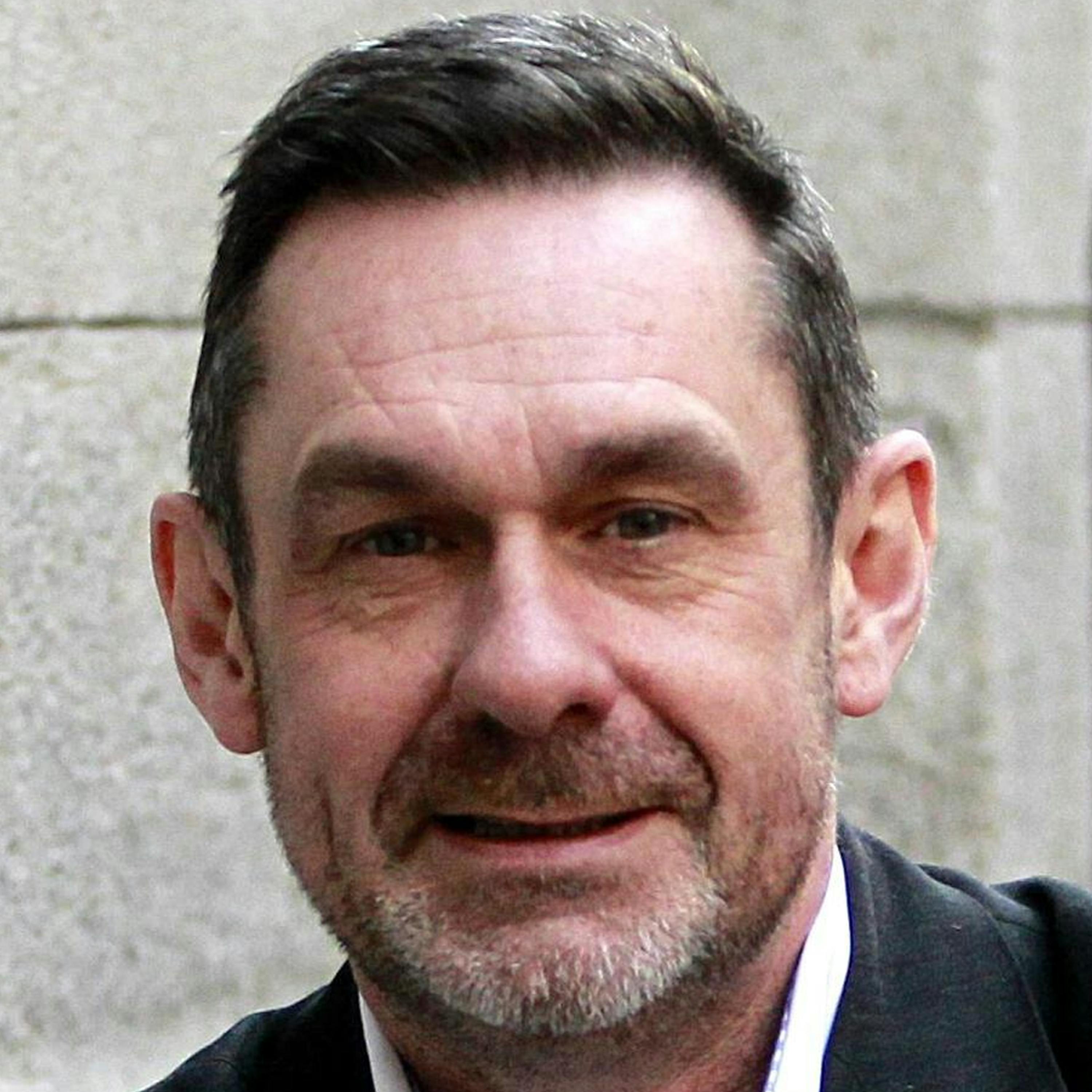
Paul Mason and Jesse Norman on a Revolutionary Defence of Humanity
In this week's episode of the Intelligence Squared podcast, the left-wing economics journalist Paul Mason was interviewed by the Conservative MP Jesse Norman. They discussed Mason's vision for a utopian future, which he sets out in his new book Clear Bright Future. According to Mason, the notion of humanity has been eroded as never before by the forces of populism, big data and untrammelled corporate power. Nevertheless, he believes that we are capable of shaping our future, and offers a vision of humans as more than puppets, customers or cogs in a machine. Support this show http://supporter.acast.com/intelligencesquared. See acast.com/privacy for privacy and opt-out information. Learn more about your ad choices. Visit podcastchoices.com/adchoices
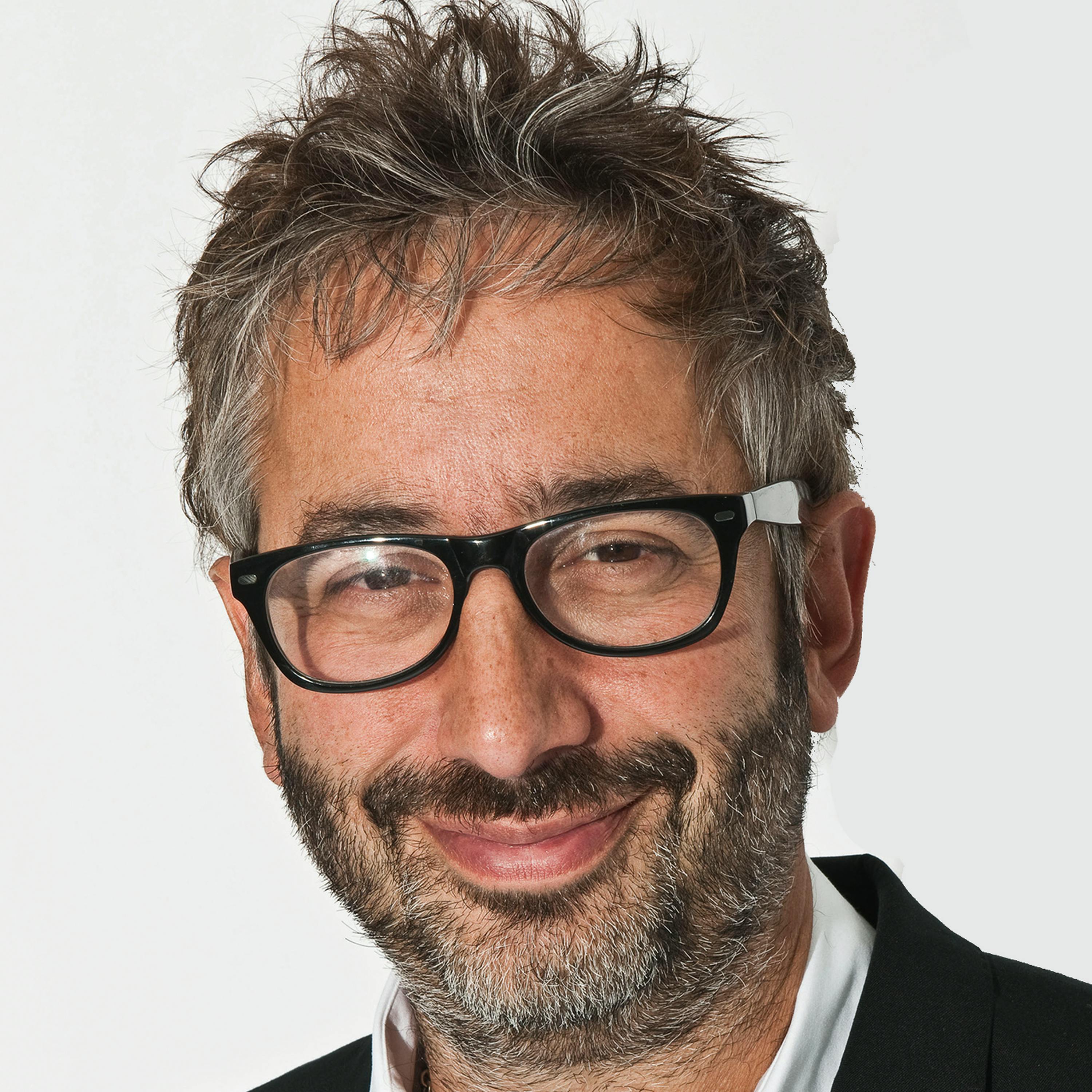
Debate: Old Testament vs New Testament
EAdam and Eve, Noah’s Ark, Moses and the Ten Commandments, the parting of the Red Sea. These are a few of the stories from the Old Testament. And then there’s the New Testament, with its account of the life of Jesus, the Good Samaritan, the raising of Lazarus and the feeding of the five thousand. Whatever our creed or background, these stories are embedded in our consciousness. They inform our everyday speech and much of our art, music and literature. But which of these books is the greater? For this archive episode, we gathered expert voices to consider the question including writer and broadcaster Anne Atkins, Booker Prize-winning novelist and journalist Howard Jacobson, Professor of Theology and Culture in the African Diaspora Robert Beckford, and Anglican priest and presenter the Rev. Richard Coles. Hosting the discussion is broadcaster, comedian and author David Baddiel. We’d love to hear your feedback and what you think we should talk about next, who we should have on and what our future debates should be. Send us an email or voice note with your thoughts to [email protected] or Tweet us @intelligence2. And if you’d like to get ad-free access to all Intelligence Squared podcasts, including exclusive bonus content, early access to new episodes and much more, become a supporter of Intelligence Squared today for just £4.99, or the equivalent in your local currency . Just visit intelligencesquared.com/membership to find out more. Learn more about your ad choices. Visit podcastchoices.com/adchoices
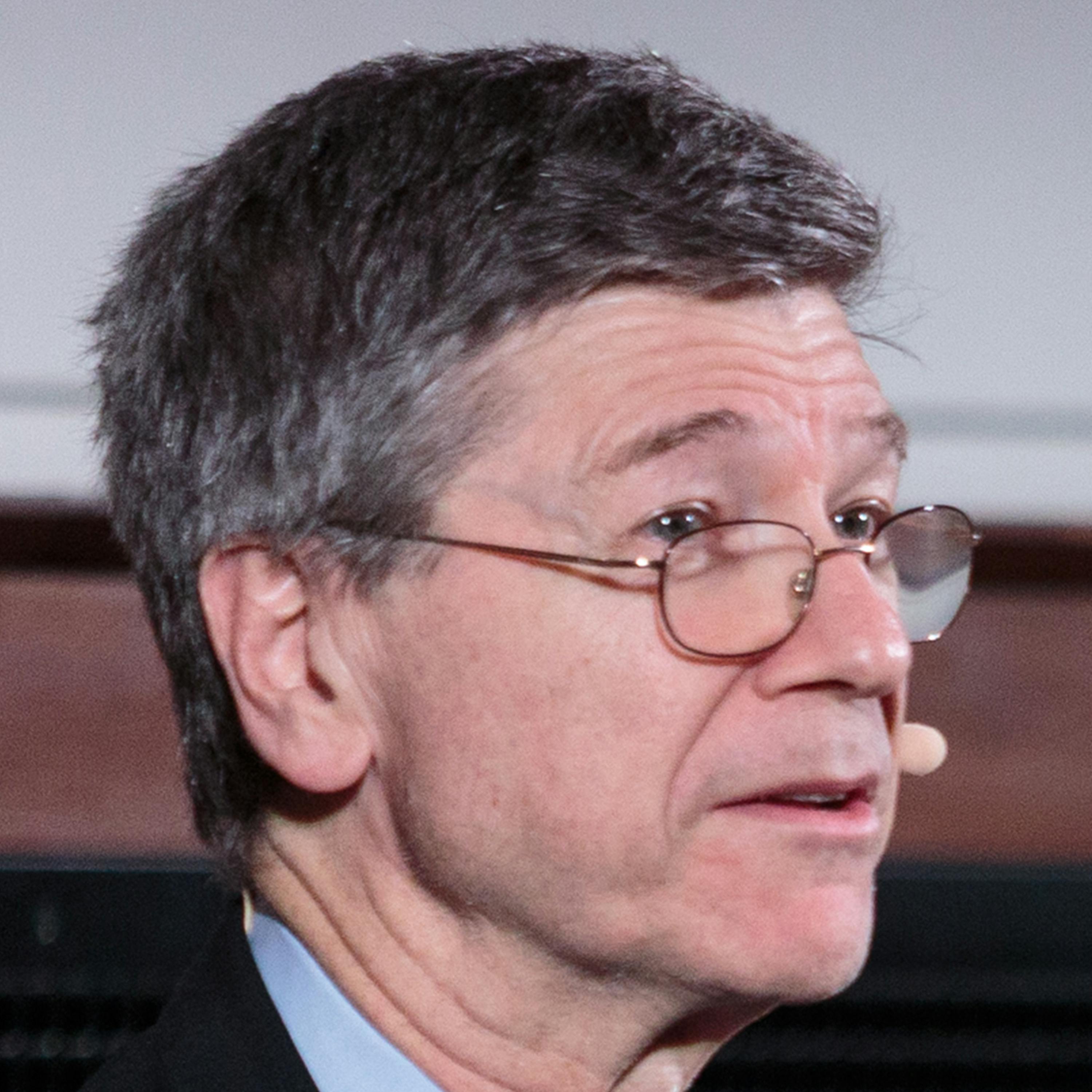
Jeffrey Sachs on the End of American Supremacy
Last month we were joined onstage by the University of Columbia economics professor Jeffrey Sachs, as he laid out his radical new vision for U.S. foreign policy. Instead of a world where America reigns as the sole superpower, Sachs argued for a new international system of equals, where America shares power and collaborates with former geopolitical rivals to solve today’s global crises. Sachs was in conversation with the BBC’s Chief International Correspondent Lyse Doucet. Support this show http://supporter.acast.com/intelligencesquared. See acast.com/privacy for privacy and opt-out information. Learn more about your ad choices. Visit podcastchoices.com/adchoices

Mark Zuckerberg on Trial: Facebook is Damaging Society
According to his critics, Mark Zuckerberg presides over a company which is undermining our basic freedoms. But should we give him the benefit of the doubt as he seeks to rebuild the world’s trust in Facebook? Defending Zuckerberg we had Dex Torricke-Barton, Zuckerberg's former speechwriter, alongside Ed Vaizey MP. They were up against the tech commentator Nina Schick and Damian Collins MP, the head of the UK Parliament's Digital Select Committee. The debate was chaired by Helen Lewis of the Atlantic. Support this show http://supporter.acast.com/intelligencesquared. See acast.com/privacy for privacy and opt-out information. Learn more about your ad choices. Visit podcastchoices.com/adchoices