
Intelligence Squared
1,654 episodes — Page 25 of 34

COVID-19 and The Vaccine: A Shot of Hope and A Return to Normal?
The world had been waiting for the news and on November 9 it finally came: a vaccine produced by Pfizer and BioNTech had proved to be more than 90% effective in preventing COVID-19 in clinical trials. And then just a week later another pharmaceutical company, Moderna, announced the results of its own clinical trials. Moderna’s vaccine showed a remarkable 95% efficacy in preventing Covid-19. With further promising results from the Oxford/AstraZenica vaccine showing between 70 – 90% protection, many policymakers now believe we are on track for a mass rollout of multiple vaccines in 2021 and a chance of normality resuming within months. But how realistic is this? And what questions still need to be answered? Many experts are warning that, while the news about vaccines is an encouraging episode in the pandemic story, it is by no means the end of it. We have many ethical and logistical challenges ahead of us in the coming months. The chief scientist behind the Pfizer/BioNTech vaccine, Uğur Şahin, has said we are unlikely to see any signs of the pandemic receding before the summer of 2021. In the meantime, a lot of questions remain unanswered: Should we continue with lockdowns until the summer or beyond? Who should be vaccinated first? The elderly so we can save lives and reduce the burden on healthcare providers? Or – as some are suggesting – the young, so we can kickstart the economy? And more broadly, is it fair that pharmaceutical companies should make vast profits from a vaccine? To answer these questions, Sarah Gilbert, Project Leader for the Oxford/AstraZeneca vaccine, Richard Horton, editor of The Lancet, and Tim Spector, epidemiologist and founder of the ZOE Covid symptom tracking app, joined us in December 2020. The event was hosted by Anjana Ahuja, leading science contributor for the Financial Times. Support this show http://supporter.acast.com/intelligencesquared. See acast.com/privacy for privacy and opt-out information. Learn more about your ad choices. Visit podcastchoices.com/adchoices

Debate: It’s Time for the West to Get Tough with China
In December 2020 we were joined by British Conservative MP Tom Tugendhat, who argued that we need to prevent a Beijing-dominated world, and Singaporean author Kishore Mahbubani, who contends that the West should accept that it’s only a matter of time before China usurps the US as the world’s most influential superpower. The debate was chaired by Manveen Rana, senior investigative journalist and host of the 'Stories of Our Times' podcast. Support this show http://supporter.acast.com/intelligencesquared. See acast.com/privacy for privacy and opt-out information. Learn more about your ad choices. Visit podcastchoices.com/adchoices
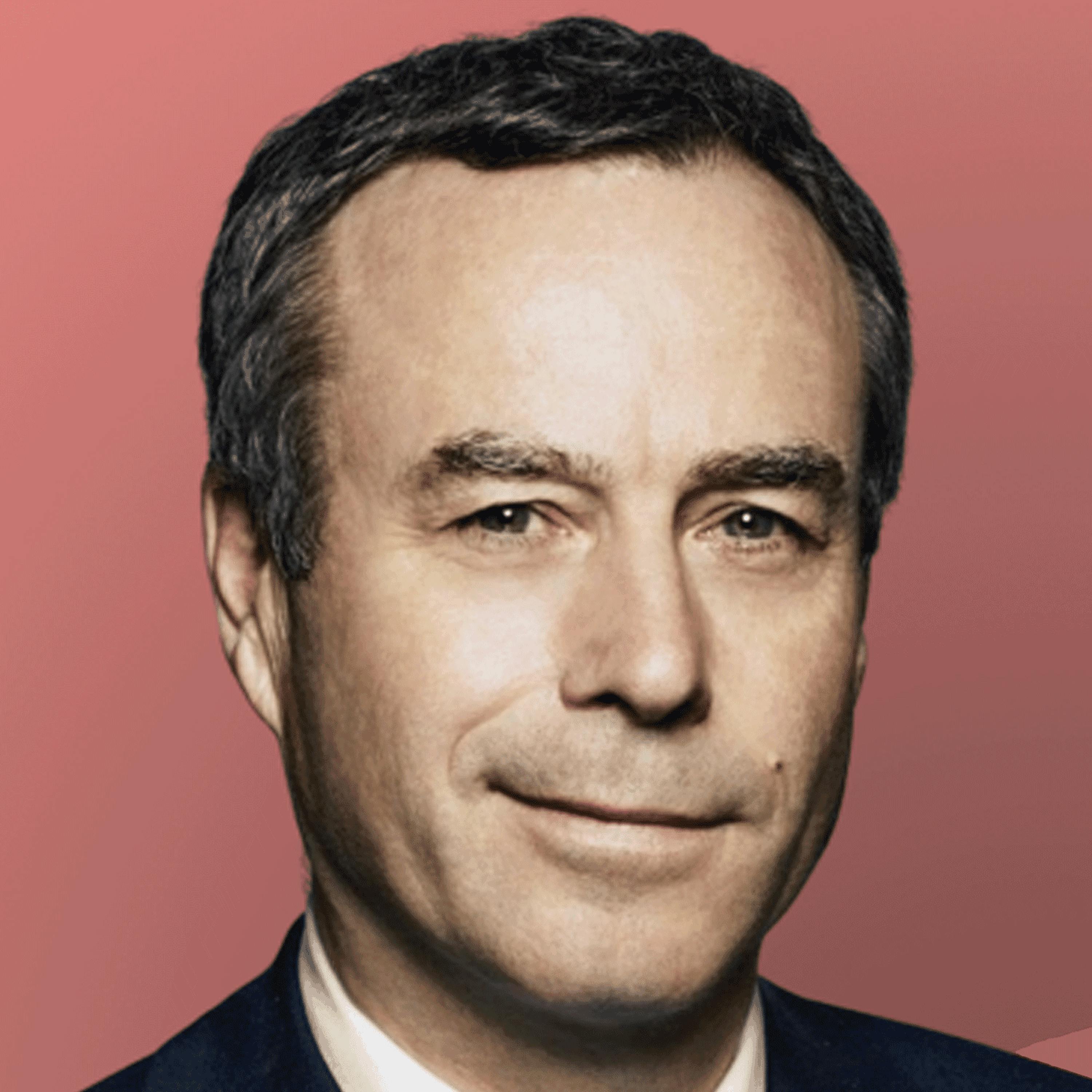
The Powerful and the Damned, with Lionel Barber and Manveen Rana
Lionel Barber was editor of the Financial Times for the tech boom, the global financial crisis, the continuing rise of China, Brexit, and the established media’s fight for survival in the age of disinformation. In this episode he revealed what transpired during interviews and private meetings and exchanges with Vladimir Putin, Angela Merkel and Prince Andrew. From the rise of China to conversations with billionaire bankers facing economic meltdown, Barber offered unique insight into the people who continue to shape our world and who, quite literally, make the news. Barber was in conversation with Manveen Rana, senior investigative journalist and host of the Stories of Our Times podcast. To find out more about Barber's book, click here: https://bit.ly/3mu62b8 Support this show http://supporter.acast.com/intelligencesquared. See acast.com/privacy for privacy and opt-out information. Learn more about your ad choices. Visit podcastchoices.com/adchoices

Travelling While Black, with Nanjala Nyabola and Yousra Elbagir
At this point in history we are witnessing the highest levels of migration on record. About 258 million people, or one in every 30, were living outside their country of birth in 2017. But whatever an individual’s reason for travel the experience tends to vary greatly depending on the colour of the traveller’s skin. In November 2020, writer and political analyst Nanjala Nyabola came to Intelligence Squared to discuss her new book 'Travelling While Black' and offer thoughtful and original reflections on migration, race and identity from an African woman abroad. She will speak of her experiences exploring the world, from working with migrants crossing the Mediterranean to confronting how tourism is often exclusively designed for white people. Drawing from her experiences in places including Nepal, Botswana, Sicily, Haiti, New York and Nairobi, Nyabola asks tough questions and offers surprising, shocking and sometimes funny answers. The event was hosted by award-winning journalist Yousra Elbagir. To find out more about the book click here: https://amzn.to/33qj6XM Support this show http://supporter.acast.com/intelligencesquared. See acast.com/privacy for privacy and opt-out information. Learn more about your ad choices. Visit podcastchoices.com/adchoices
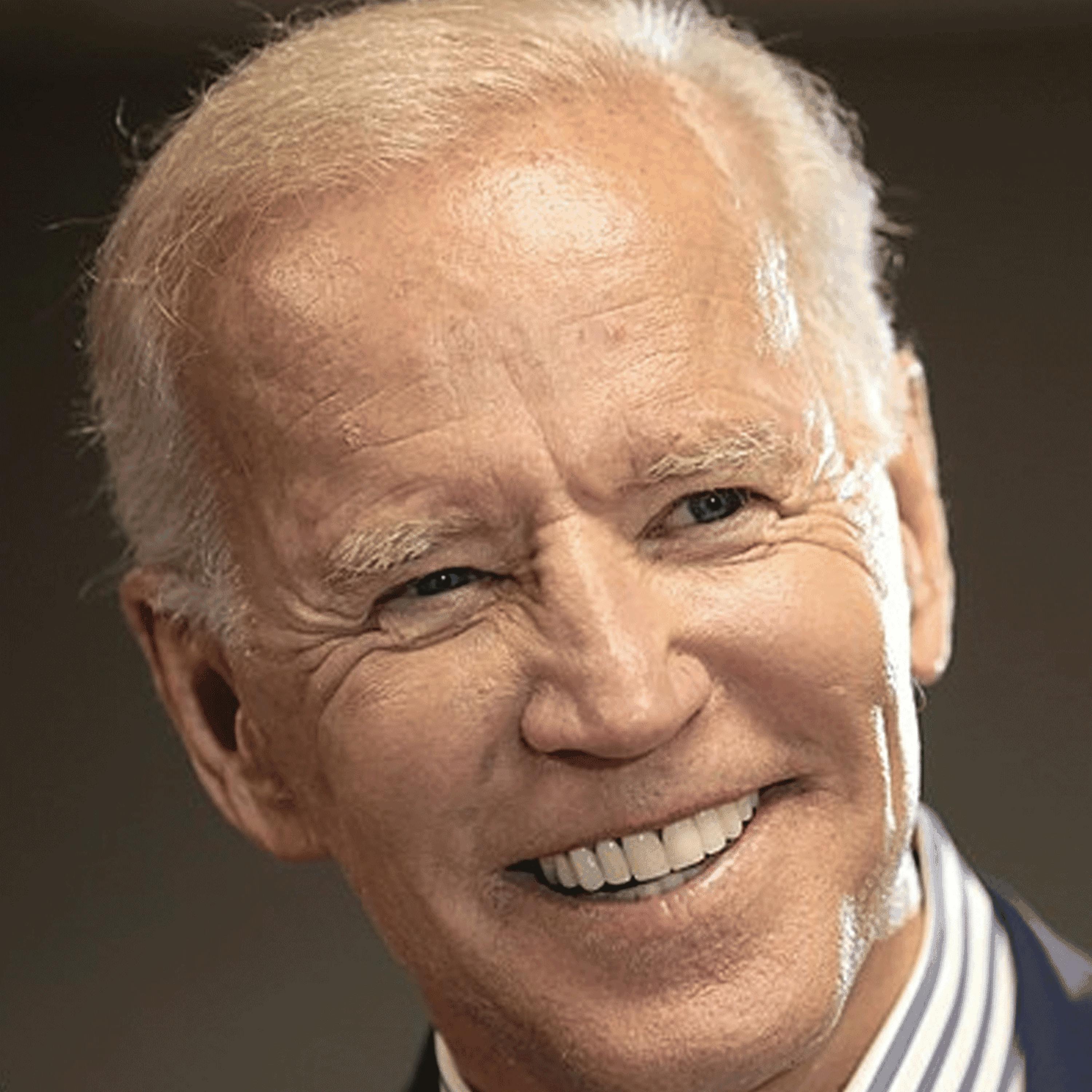
Debate: Joe Biden Won't Fix the Transatlantic Relationship
This week's episode features another debate from our friends at Intelligence Squared Germany, who in partnership with The European Council on Foreign Relations debated whether the election of Joe Biden as U.S President will really change the relationship between Europe and The United States. The debate featured Matt Karnitschnig, Chief Europe Correspondent, POLITICO going up against Sudha David-Wilp, Deputy Director, German Marshall Fund. The debate was chaired by Jana Puglierin, Senior Policy Fellow and Head of Berlin Office, European Council on Foreign Relations. To find out more about the ECFR click here: https://ecfr.eu/ Support this show http://supporter.acast.com/intelligencesquared. See acast.com/privacy for privacy and opt-out information. Learn more about your ad choices. Visit podcastchoices.com/adchoices

Anthony Scaramucci and Danielle Pletka on Trumpism and The Future of The Republican Party
This week Anthony Scaramucci, the former Director of Communications in President Donald Trump’s White House, and Danielle Pletka, former Vice President at the American Enterprise Institute, debate the Republican Party's response to the US election and the future of America. The podcast was hosted by Jonathan Freedland, columnist for the Guardian and regular presenter on BBC Radio 4. Find out more about Danielle Pletka's podcast here: https://podcasts.apple.com/us/podcast/what-the-hell-is-going-on/id1467993804 Support this show http://supporter.acast.com/intelligencesquared. See acast.com/privacy for privacy and opt-out information. Learn more about your ad choices. Visit podcastchoices.com/adchoices

Business and the Future of Immigration in 2021
In this special podcast brought to you by the Home Office and Intelligence Squared, Director of Border and Immigration Policy at the Home Office Philippa Rouse, Head of Immigration Policy at the FSB Emelia Quist, and Partner at Fragomen Ian Robinson discuss the UK's new points based immigration system and what it will mean for businesses and individuals. Hosted by broadcaster Linda Yueh, the panel delves into the key changes and dates businesses need to look out for and the guidance on offer to steer them through the process. For more information go to gov.uk/hiringfromtheEU Support this show http://supporter.acast.com/intelligencesquared. See acast.com/privacy for privacy and opt-out information. Learn more about your ad choices. Visit podcastchoices.com/adchoices

Margaret MacMillan and Peter Frankopan on How War Has Shaped Humanity
War - Do we care enough? In this episode, distinguished historian Margaret MacMillan explains why we should care about war and how it’s profoundly impacted our societies, political institutions, values, language and some of our greatest cultural treasures. In conversation with bestselling author and historian Peter Frankopan, MacMillan examines questions such as why warriors are typically men, what role women play, why there are wars with no clear objective or ending, and how non-state actors influence outcomes. Drawing on the themes of MacMillan’s book, 'War: How Conflict Shaped Us', the two also discuss the benefits of war, including votes for women, penicillin, and (arguably) nuclear power. Listen now to discover how war has shaped our past and will continue to shape our future. This event was recorded in November 2020 and produced by Senior Producer Conor Boyle with editing by Executive Producer Rowan Slaney and Daisy Moll — We’d love to hear your feedback and what you think we should talk about next, who we should have on and what our future debates should be about. Send us an email or voice note with your thoughts to [email protected] or Tweet us at @intelligence2. At Intelligence Squared we’ve got our own online streaming platform, Intelligence Squared+ and we’d love you to give it a go. It’s packed with more than 20 years’ worth of video debates and conversations on the world’s most important topics as well as exclusive podcast content. Tune in to live events, ask your questions or watch on-demand, totally ad-free with hours of discussion to dive into. Visit intelligencesquaredplus.com to start watching today Learn more about your ad choices. Visit podcastchoices.com/adchoices

Rematch Debate: To Stop Climate Collapse, We Must End Capitalism
Last January, before the coronavirus pandemic struck, Intelligence Squared staged a sold-out debate on whether we need a truly radical new economic system to deal with the looming climate catastrophe. While Covid-19 has dominated the headlines for most of the ensuing months, averting ecological disaster remains the single most important issue we face. We therefore restaged the debate online to give all who were unable to attend the in-person event a chance to hear the arguments, ask questions live and cast their vote. — We’d love to hear your feedback and what you think we should talk about next, who we should have on and what our future debates should be. Send us an email or voice note with your thoughts to [email protected] or Tweet us @intelligence2. And if you’d like to support our mission to foster honest debate and compelling conversations, as well as ad-free podcasts, exclusive bonus content, early access and much more, become a supporter of Intelligence Squared today. Just visit intelligencesquared.com/membership to find out more. Learn more about your ad choices. Visit podcastchoices.com/adchoices

S1 Ep 486Martin Amis on Love, Loss and Christopher Hitchens
Martin Amis is often called the Mick Jagger of the British book world. As famous for his love affairs, his friendships and his complicated family history as for his dazzling prose, he dominated the literary scene for decades. In this exclusive Intelligence Squared event he speaks about his much anticipated autobiographical novel Inside Story. It is perhaps Amis’s most intimate book, a meditation on love, loss, ageing and death. We encounter the vivid characters who have helped define Amis – his father Kingsley, his literary hero Saul Bellow, the poet Philip Larkin and his novelist stepmother Elizabeth Jane Howard. And of course there is his lifelong friend and conversation partner, Christopher Hitchens, whose death from cancer he chronicles in some of the tenderest prose he has ever written. In conversation with novelist Alex Preston, Amis reflects on his life and work and explore the hardest questions we all face: how to live, how to grieve, and how to die. This event was recorded in November 2020 and produced by Executive Producer Hannah Kaye with editing by Executive Producer Rowan Slaney To hear the full length episode in which Amis goes into the urgency of youth, the legacy we leave, and dealing with the death of Hitchens, become an Intelligence Squared Supporter today, just visit IntelligenceSquared.com/members — We’d love to hear your feedback and what you think we should talk about next, who we should have on and what our future debates should be. Send us an email or voice note with your thoughts to [email protected] or Tweet us @intelligence2. And if you’d like to get ad-free access to all Intelligence Squared podcasts, including exclusive bonus content, early access to new episodes and much more, become a supporter of Intelligence Squared today for just £4.99, or the equivalent in your local currency . Just visit intelligencesquared.com/membership to find out more. Learn more about your ad choices. Visit podcastchoices.com/adchoices
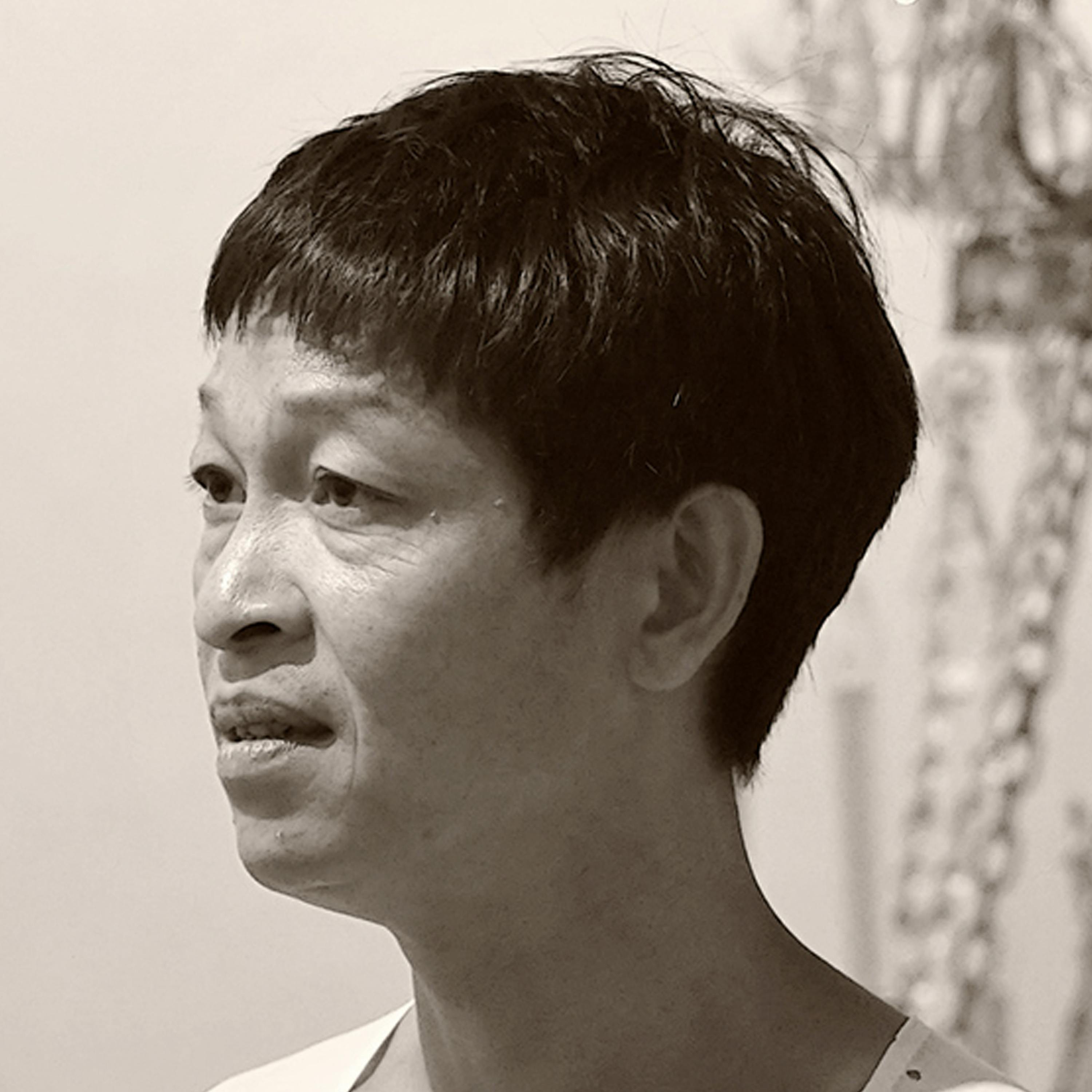
Danh Vo: Traces of History and The End of Empire
In this week's podcast Design Museum director Tim Marlow, South London Gallery director Margot Heller, academic and critic Shahidha Bari and botanist Roy Vickery discuss the White Cube Gallery exhibition 'Danh Vo: 'Chicxulub'. Incorporating imperial narratives, plant folklore, Catholicism and Coca-Cola, this podcast in partnership with White Cube is a fascinating exploration of an exhibition steeped in history and nature. To find out more about the exhibition and see photos of the works discussed click here: https://whitecube.com/exhibitions/exhibition/danh_vo_bermondsey_2020 To watch the video version of this talk, please visit our YouTube channel: https://www.youtube.com/iqsquared Support this show http://supporter.acast.com/intelligencesquared. See acast.com/privacy for privacy and opt-out information. Learn more about your ad choices. Visit podcastchoices.com/adchoices

Election Breakdown: Can Trump Still Beat Biden?
In this election special we were joined by Danielle Pletka, the Washington Post commentator and senior fellow at the American Enterprise Institute, and Josh Glancy, the Washington Bureau Chief of The Sunday Times to analyse how the candidates have performed in the key battleground States, what we can expect to unfold in the next few weeks and what this election means for the country and the world. The podcast was hosted by Linda Yueh, economist and broadcaster. To find out more about Danielle Pletka's podcast click here: https://podcasts.apple.com/us/podcast/what-the-hell-is-going-on/id1467993804 Support this show http://supporter.acast.com/intelligencesquared. See acast.com/privacy for privacy and opt-out information. Learn more about your ad choices. Visit podcastchoices.com/adchoices

Election Day Special: What's at Stake in Trump vs Biden?
In this U.S election special we were joined by historian Sarah Churchwell and Jonathan Freedland to speak about how Biden and Trump have performed in the final weeks of the presidential race, the battleground States listeners should look out for and what's at stake for the country as a whole. Support this show http://supporter.acast.com/intelligencesquared. See acast.com/privacy for privacy and opt-out information. Learn more about your ad choices. Visit podcastchoices.com/adchoices

Election Day Special, with Danielle Pletka, Emily Tamkin and Manveen Rana
In this week's episode we were joined by Danielle Pletka, Washington Post commentator and senior fellow at the American Enterprise; and Emily Tamkin, U.S editor of The New Statesman, to speak about how the candidates have performed in the final weeks of the race, the battleground States listeners should look out for and what's at stake for the country as a whole. The episode was hosted by Manveen Rana, senior investigative journalist for the Times newspaper. She is also the host of a podcast called Stories of Our Times which you can listen to here: https://apple.co/38jGWb1 Support this show http://supporter.acast.com/intelligencesquared. See acast.com/privacy for privacy and opt-out information. Learn more about your ad choices. Visit podcastchoices.com/adchoices

BONUS: Ilhan Omar on the State of American Politics
Rep. Ilhan Omar, the groundbreaking Somali-American community organizer from Minnesota, speaks to public intellectuals Dr Cornel West and Professor Tricia Rose. She lays out her #PeopleFirst plan to transform our society and how the progressive movement will do if Democrats win back the Senate and the White House. This special episode is a 'takeover' of the Intelligence Squared podcast by The Tight Rope. Listen to The Tight Rope on Spotify: https://spoti.fi/3jKajFj Listen to The Tight Rope on Apple Podcasts: https://apple.co/2HRIwpB Support this show http://supporter.acast.com/intelligencesquared. See acast.com/privacy for privacy and opt-out information. Learn more about your ad choices. Visit podcastchoices.com/adchoices
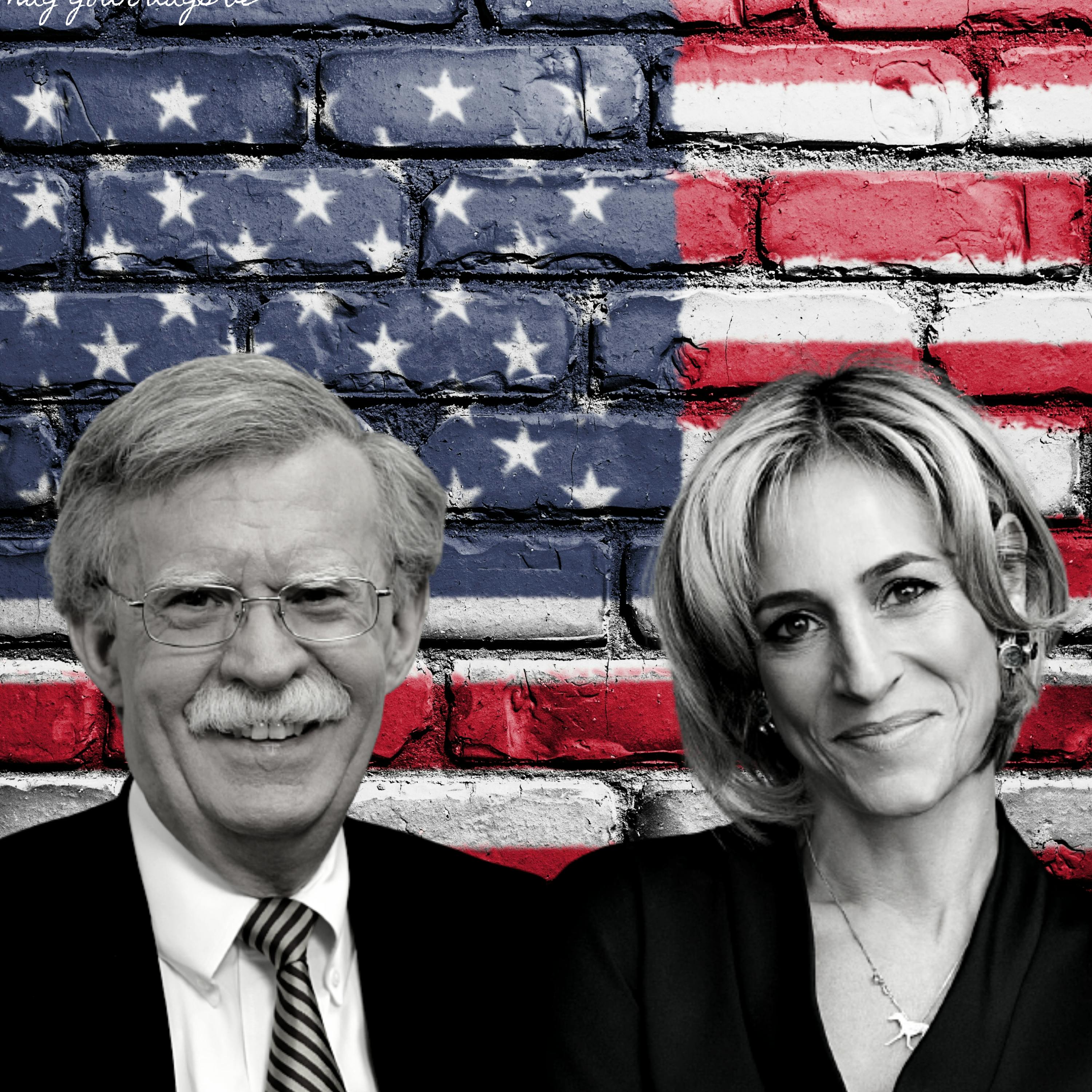
John Bolton and Emily Maitlis on Trump, Biden and the Election
John Bolton knows a thing or two about Donald Trump. So many things, in fact, that he’s now being investigated by the US Justice Department for potentially spilling classified information in his new book. On Wednesday October 28 he came to Intelligence Squared Plus to share what he knows – days before what could be the most important presidential election in American history. How does Bolton rate Trump’s chances of re-election? What kind of second term president will he be if he wins? How will his handling of the pandemic and the Black Lives Matter movement affect those crucial voters in the swing states? Bolton discusses a president he has called unfit for office, a country that is at its most politically divided in decades, and exactly what he thinks will happen on Election Day. The podcast was hosted by Emily Maitlis broadcaster and host of BBC Newsnight. You can find out more about Bolton's book here: https://bit.ly/3mAfgCh Support this show http://supporter.acast.com/intelligencesquared. See acast.com/privacy for privacy and opt-out information. Learn more about your ad choices. Visit podcastchoices.com/adchoices

Wake Up Call: Why The Pandemic Exposes The Weakness of the West
Fear is on the march. All over the world citizens have surrendered basic freedoms to the state in order to be protected from Covid-19. Good government has become not just important but a matter of life and death. But the assumption that Western governments have any advantage over the rest of the world is questionable: ask yourself, where would you feel safer today – in Los Angeles and Barcelona or in Singapore and Seoul? The pandemic has exposed the weaknesses of the West, argue bestselling authors John Micklethwait and Adrian Wooldridge, and it is accelerating a shift in the balance of power to the East. While Western democracies have been consumed by in-fights such as the battle over Brexit or partisan showdowns in Congress, countries such as South Korea, Singapore, Taiwan, as well as China, have been stealing a march economically, technologically and, arguably, politically in recent years. Earlier this month, Micklethwait and Wooldridge came to Intelligence Squared to talk about the themes of their new book, 'The Wake Up Call'. What are the lessons to be learned from the pandemic? Should we recognise, as many on the Left maintain, that big government is back for good and should be expanded permanently to deal with other global crises? Or should a balance be struck between collectivism on the one hand, and freedom and entrepreneurialism on the other? And how can the West respond creatively to the pandemic, reverse decades of decline, and ensure that China does not overtake the US in the struggle for global leadership? To find out more about the book click here: https://bit.ly/3ounpKl Support this show http://supporter.acast.com/intelligencesquared. See acast.com/privacy for privacy and opt-out information. Learn more about your ad choices. Visit podcastchoices.com/adchoices
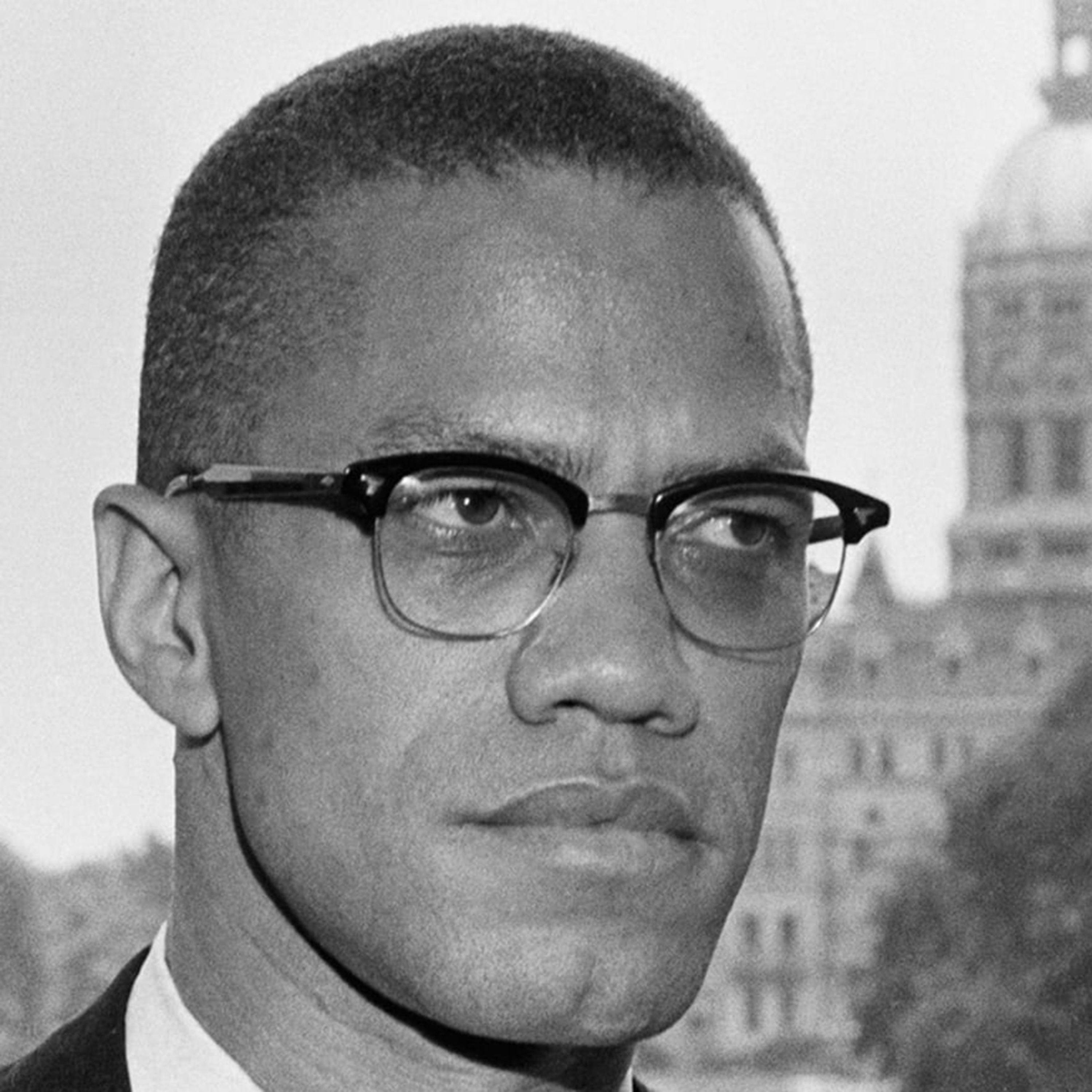
The Life and Legacy of Malcolm X. with Tamara Payne and Yassmin Abdel-Magied
Les Payne, the renowned Pulitzer Prize-winning investigative journalist, embarked in 1990 on a nearly thirty-year-long quest to interview anyone he could find who had actually known Malcolm X - including siblings, classmates, friends, cellmates, FBI moles and cops, and political leaders around the world. His goal was ambitious: to transform what would become hundreds of hours of interviews into a portrait that would separate fact from fiction. Following Payne's death, his daughter and primary researcher Tamara completed the biography, 'The Dead Are Arising'. In this week's episode Tamara spoke to writer Yassmin Abdel-Magied about this penetrating and riveting account of Malcolm X and his legacy in the African American freedom struggle. Find out more about the book here: https://amzn.to/2TipryK Support this show http://supporter.acast.com/intelligencesquared. See acast.com/privacy for privacy and opt-out information. Learn more about your ad choices. Visit podcastchoices.com/adchoices

The Seduction of Autocracy, with Anne Applebaum and Jonathan Freedland
In the years just before and after the fall of the Berlin Wall, people from across the political spectrum in Europe and America celebrated a great achievement, felt a common purpose and, very often, forged personal friendships. Yet over the following decades the euphoria evaporated, the common purpose and centre ground gradually disappeared, extremism rose once more and eventually the relationships soured too. In this week's Friday episode Anne Applebaum speaks to Jonathan Freedland about the 'Twilight of Democracy' combining her personal and political experience in an original way and brings a fresh understanding to the dynamics of public life in Europe and America, both now and in the recent past. You can find out more and order the book here: https://amzn.to/36IdGKc Support this show http://supporter.acast.com/intelligencesquared. See acast.com/privacy for privacy and opt-out information. Learn more about your ad choices. Visit podcastchoices.com/adchoices

The European Green Deal is Not Fit For Purpose
This week's podcast is from our friends at Intelligence Squared Germany who hosted a live debate in Berlin last week on whether the EU's 'Green Deal', a plan to deliver both economic growth and carbon neutrality, is really achievable. The debate was held in partnership with The European Council on Foreign Relations and featured Franziska Brantner of the German Green Party taking on renowned climate activist Dr. Tadzio Müller. It was hosted by BBC journalist Damien McGuinness. — Thank you for supporting our mission to foster honest debate and compelling conversations! Visit intelligencesquared.com to explore all your benefits including ad-free podcasts, exclusive bonus content, early access and much more We’d love to hear your feedback and what you think we should talk about next, who we should have on and what our future debates should be. Send us an email or voice note with your thoughts to [email protected] or Tweet us @intelligence2. Learn more about your ad choices. Visit podcastchoices.com/adchoices
The Ideological Roots of 'Wokeness'. with Helen Pluckrose and Helen Joyce
In this week's episode Helen Pluckrose documents the evolution of the ideas that inform today's radical social justice activism, from its coarse origins in French postmodernism to its refinement within activist academic fields. Pluckrose argues this dogma is recognizable as much by its effects, such as cancel culture and social-media dogpiles, as by its tenets, which are all too often embraced as axiomatic in mainstream media: knowledge is a social construct; science and reason are tools of oppression; all human interactions are sites of oppressive power play; and language is dangerous. As Pluckrose and Lindsay warn, the unchecked proliferation of these anti-Enlightenment beliefs present a threat not only to liberal democracy but also to modernity itself. While acknowledging the need to challenge the complacency of those who think a just society has been fully achieved, Pluckrose break down how this often-radical activist scholarship does far more harm than good, not least to those marginalized communities it claims to champion. The podcast was hosted by the writer and journalist Helen Joyce. You can find out more about the book here: https://amzn.to/3nu0jmw Support this show http://supporter.acast.com/intelligencesquared. See acast.com/privacy for privacy and opt-out information. Learn more about your ad choices. Visit podcastchoices.com/adchoices

Thomas Friedman and Robert Peston on the Final Days of the Presidential Race
Thomas Friedman has been called ‘the most influential columnist in America’. The Financial Times has described him as a ‘global star’ and he has won the Pulitzer Prize three times. On October 6, Friedman will be joining us online less than a month before Americans go to the polls to elect their next president. In conversation with ITV’s political editor Robert Peston, one of Britain’s leading journalists and broadcasters, Friedman will examine what is likely to be the most consequential Presidential elections of our times. Will enough Americans rally round President Trump to give him a second term, despite the innumerable scandals that have beset his administration? Or will the Democrats find a way to send him packing? And with the campaign already shaping up to be more bitter and divisive than any other in history, is there any hope for America’s fractured politics? You can find Tom Friedman's latest book Thank You For Being Late here: https://amzn.to/2FdmBIa Support this show http://supporter.acast.com/intelligencesquared. See acast.com/privacy for privacy and opt-out information. Learn more about your ad choices. Visit podcastchoices.com/adchoices

Kim Jong Un and The Bomb: is North Korea Really a Threat?
North Korea shocked the world in September 2017 by exploding the most powerful nuclear device tested anywhere in 25 years. Months earlier, it had conducted the first test flight of a missile capable of ranging much of the United States. Soon after, Kim Jong Un, the reclusive state’s ruler, declared that his nuclear deterrent was complete. World leaders, intelligence officials and many ordinary people around the world shuddered at the thought of a fully nuclear-armed North Korea. But how did this brutal nation build such a sophisticated nuclear programme? If the international community had taken non proliferation more seriously after the Cold War could things have turned out differently? And what should be our end game with the North Koreans? Should we be seeking an Iran style nuclear deal or would that be a fatal error of judgment? In September 2020 we were joined by Ankit Panda, renowned security expert and author of 'Kim Jong Un and The Bomb', who spoke to Dr Patricia Lewis, former Director of the UN Institute for Disarmament Research and head of international security at Chatham House, about how this small nation became a nuclear power—and how we can learn to live with it. The event was chaired by Edward Lucas. To find out more about Ankit Panda's book click here: https://amzn.to/3noOBcP Support this show http://supporter.acast.com/intelligencesquared. See acast.com/privacy for privacy and opt-out information. Learn more about your ad choices. Visit podcastchoices.com/adchoices
BONUS: Clive Woodward on No Bullsh*t Leadership in partnership with Havas
In this bonus episode we preview a new podcast created by Intelligence Squared called No Bullsh*t Leadership hosted by Chris Hirst, CEO of advertising group Havas Creative. Today's guest is the sporting legend and rugby coach Clive Woodward who speaks about his approach to leadership, relentless learning and creating a winning culture. SUBSCRIBE TO THE NO BULLSH*T LEADERSHIP PODCAST AND LISTEN TO THE FULL EPISODE HERE: Apple: https://apple.co/3iuENKZ Spotify: https://spoti.fi/36Adigw Clive Woodward is perhaps best known for leading England's rugby team to World Cup glory in Australia in 2003. Not only was it the first time England won, but the first time any nation in the northern hemisphere won the Rugby World Cup. Clive went onto become Director of Sport forTeam GB in the 2012 London Olympics, delivering Team GB’s most successful olympic games in modern times. He is currently a sports and business consultant and founder of Hive Learning, an app which digitises his coaching methods. Are you a business leader looking to hone your leadership skills? You can take part in Clive's online masterclass with Intelligence Squared on How to Lead in a Time of Crisis. To ensure maximum engagement with all participants the masterclass has a maximum of 20 places. Book now to avoid disappointment: https://bit.ly/36ih91Q For queries email [email protected]. Support this show http://supporter.acast.com/intelligencesquared. See acast.com/privacy for privacy and opt-out information. Learn more about your ad choices. Visit podcastchoices.com/adchoices

Incels and the Men Radicalised to Hate Women, with Laura Bates and Sonia Sodha
According to Laura Bates a vast network of incels and other men who hate women are able to operate, virtually undetected online. These extremists commit deliberate terrorist acts and violence against women. Vulnerable teenage boys are groomed and radicalised. In this episode Bates, the bestselling author and founder of The Everyday Sexism Project, speaks to Sonia Sodha about going undercover to expose misogynist networks and communities. To find out more about the book click here: https://amzn.to/304TE8f. Support this show http://supporter.acast.com/intelligencesquared. See acast.com/privacy for privacy and opt-out information. Learn more about your ad choices. Visit podcastchoices.com/adchoices

How to Lead a Sustainable Business with Clover Hogan and Alannah Weston
How can we mobilise mindsets to turn anxiety about the climate crisis into action? This week Intelligence Squared Recommends an episode from the How To Lead a Sustainable Business podcast, hosted by Alannah Weston, chairman of Selfridges Group. Alannah speaks with activist Clover Hogan, the 21-year-old founder of ‘Force Of Nature’ - a youth-led organisation empowering Gen Z to step up, rather than shut down in the face of the climate crisis. Clover has passionately highlighted one of the hidden side effects of the climate crisis, the rise in eco anxiety. At age 16, as she was lobbying decision-makers at the Paris climate meeting, she realised that the threat greater even than climate change was the universal feeling of powerlessness in the face of it. After graduating from the Green School in Indonesia, Clover worked with Impossible Foods on national youth strategy and consulted multinationals at Volans. She has worked alongside the world’s leading authorities on sustainability and consulted within the boardrooms of Fortune 500 companies. Clover shares with Alannah her remarkable journey and her mission to wake business leaders up and inspire them to take action. Listen to the How To Lead a Sustainable Business podcast: Apple Podcasts: https://podcasts.apple.com/gb/podcast/how-to-lead-a-sustainable-business/id1531135353 Spotify: https://open.spotify.com/show/7A0AL4EGHQ53vWNLiDv12p Support this show http://supporter.acast.com/intelligencesquared. See acast.com/privacy for privacy and opt-out information. Learn more about your ad choices. Visit podcastchoices.com/adchoices

How Covid-19 Will Shape the Next Decade, with Philip Rowley and Carl Miller
This week we were joined by Philip Rowley Media Futurist & Futures Director at Omnicom to explore how Covid-19 will shape the next decade of culture, politics and entertainment. From remote working to video gaming Phil provides a roadmap for businesses and individuals to adapt to the next decade. The conversation was hosted by author and research director Carl Miller. Support this show http://supporter.acast.com/intelligencesquared. See acast.com/privacy for privacy and opt-out information. Learn more about your ad choices. Visit podcastchoices.com/adchoices

Debate: Cancel Culture is Threatening Our Freedoms
JK Rowling, Scarlett Johansson, Kanye West. All have been ‘cancelled’ – denounced on social media for doing or saying something considered wrong or offensive, often on matters to do with race or gender. In this week's episode Ayaan Hirsi Ali and Julie Bindel debated Billy Bragg and Kehinde Andrews on whether cancel culture is a mob mentality, or a long overdue way of speaking truth to power. The debate was chaired by Jonathan Freedland. Support this show http://supporter.acast.com/intelligencesquared. See acast.com/privacy for privacy and opt-out information. Learn more about your ad choices. Visit podcastchoices.com/adchoices

China's Good War, with Rana Mitter and Gideon Rachman
For most of its history, the People’s Republic of China limited public discussion of the war against Japan. It was an experience of victimization—and one that saw Mao Zedong and Chiang Kai-shek fighting for the same goals. But now, as China grows more powerful, the meaning of the war is changing. In this week's episode Rana Mitter argues that China’s reassessment of World War II is central to its newfound confidence abroad and to mounting nationalism at home. To find out more about Rana Mitter's book click here: https://bit.ly/35RwkPf. To listen to Gideon Rachman's podcast click here: https://play.acast.com/s/therachmanreview -------------------------- Intelligence Squared+. The world's best speakers. Your questions. £4.99 per month. Intelligence Squared+ will bring you live, interactive events every week on our new online platform. Just like at our real-life events, you’ll be able to put your questions to our speakers, vote in live polls and interact with other members of the audience. Your subscription will give you access to multiple events featuring the world’s top thinkers and opinion formers, including Thomas Piketty, Margaret Atwood, Clive Woodward, Thomas Friedman, Meera Syal and Paloma Faith. For a full list of Intelligence Squared+ events and to subscribe, click here: https://bit.ly/2yfYIfm Support this show http://supporter.acast.com/intelligencesquared. See acast.com/privacy for privacy and opt-out information. Learn more about your ad choices. Visit podcastchoices.com/adchoices

A Secret History of Stars, with Jo Marchant and Helen Czerski
Jo Marchant and Helen Czerski take us on a journey through humanity’s relationship with the heavens. The stars have shaped who we are - our religious beliefs, power structures, scientific advances and even our biology. But over the last few centuries we have separated ourselves from the universe that surrounds us. And that disconnect comes at a cost. To find out more about Jo Marchant’s book, The Human Cosmos, click here: http://bit.ly/humancosmos -------------------------- Intelligence Squared+. The world's best speakers. Your questions. £4.99 per month. Intelligence Squared+ will bring you live, interactive events every week on our new online platform. Just like at our real-life events, you’ll be able to put your questions to our speakers, vote in live polls and interact with other members of the audience. Your subscription will give you access to multiple events featuring the world’s top thinkers and opinion formers, including Thomas Piketty, Margaret Atwood, Clive Woodward, Thomas Friedman, Meera Syal and Paloma Faith. For a full list of Intelligence Squared+ events and to subscribe, click here: https://bit.ly/2yfYIfm Support this show http://supporter.acast.com/intelligencesquared. See acast.com/privacy for privacy and opt-out information. Learn more about your ad choices. Visit podcastchoices.com/adchoices

The Spies Fighting Communism During the Cold War, with Scott Anderson and Hugo Lindgren
At the end of World War II, the United States dominated the world militarily, economically, and in moral standing – seen as the victor over tyranny and a champion of freedom. But it was clear – to some – that the Soviet Union was already executing a plan to expand and foment revolution around the world. The American government’s strategy in response relied on the secret efforts of a newly-formed CIA. In this week's episode Scott Anderson joins us to discuss his new book 'The Quiet Americans' chronicling the exploits of four American spies with journalist Hugo Lindgren. To find out more about the book, click here: https://amzn.to/3itTv5A. -------------------------- Intelligence Squared+. The world's best speakers. Your questions. £4.99 per month. Intelligence Squared+ will bring you live, interactive events every week on our new online platform. Just like at our real-life events, you’ll be able to put your questions to our speakers, vote in live polls and interact with other members of the audience. Your subscription will give you access to multiple events featuring the world’s top thinkers and opinion formers, including Thomas Piketty, Margaret Atwood, Clive Woodward, Thomas Friedman, Meera Syal and Paloma Faith. For a full list of Intelligence Squared+ events and to subscribe, click here: https://bit.ly/2yfYIfm Support this show http://supporter.acast.com/intelligencesquared. See acast.com/privacy for privacy and opt-out information. Learn more about your ad choices. Visit podcastchoices.com/adchoices

Journeys to Freedom After the Holocaust, with Rosie Whitehouse and Edward Lucas
Support this show http://supporter.acast.com/intelligencesquared ------ One summer’s night in 1946, over 1,000 European Jews waited silently on an Italian beach to board a secret ship. They had survived Auschwitz, hidden and fought in forests and endured death marches—now they were taking on the Royal Navy, running the British blockade of Palestine. From Eastern Europe to Israel via Germany and Italy, Rosie Whitehouse speaks to Edward Lucas about her new book following the footsteps of those secret passengers and uncovering their extraordinary stories—some told for the first time. You can buy the book here or any good book shop: https://bit.ly/3ihjaOO -------------------------- Intelligence Squared+. The world's best speakers. Your questions. £4.99 per month. Intelligence Squared+ will bring you live, interactive events every week on our new online platform. Just like at our real-life events, you’ll be able to put your questions to our speakers, vote in live polls and interact with other members of the audience. Your subscription will give you access to multiple events featuring the world’s top thinkers and opinion formers, including Thomas Piketty, Margaret Atwood, Clive Woodward, Thomas Friedman, Meera Syal and Paloma Faith. For a full list of Intelligence Squared+ events and to subscribe, click here: https://bit.ly/2yfYIfm Support this show http://supporter.acast.com/intelligencesquared. See acast.com/privacy for privacy and opt-out information. Learn more about your ad choices. Visit podcastchoices.com/adchoices

Clive, Capitalism and The East India Company, with William Dalrymple and Kavita Puri
Support this show http://supporter.acast.com/intelligencesquared ------ We still talk about the British conquering India, but that phrase disguises a more sinister reality. For it was not the British government that began seizing chunks of India in the mid-18th century, as historian William Dalrymple points out, but a dangerously unregulated private company headquartered in one small office, five windows wide, in London, and managed in India by a violent, ruthless and mentally unstable corporate predator — Robert Clive. India’s transition to colonialism, in other words, took place under a for-profit corporation, which existed for the purpose of enriching its investors. In this episode Dalrymple speaks with broadcaster Kavita Puri about why he believes the story of the East India Company has never been more relevant to understanding our world today. To find out more about his book The Anarchy click here: https://bit.ly/3hb9c06 and to find out more about kavita Puri's book click here: https://www.waterstones.com/book/partition-voices/kavita-puri/9781408898987. -------------------------- Intelligence Squared+. The world's best speakers. Your questions. £4.99 per month. Intelligence Squared+ will bring you live, interactive events every week on our new online platform. Just like at our real-life events, you’ll be able to put your questions to our speakers, vote in live polls and interact with other members of the audience. Your subscription will give you access to multiple events featuring the world’s top thinkers and opinion formers, including Thomas Piketty, Margaret Atwood, Clive Woodward, Thomas Friedman, Meera Syal and Paloma Faith. For a full list of Intelligence Squared+ events and to subscribe, click here: https://bit.ly/2yfYIfm Support this show http://supporter.acast.com/intelligencesquared. See acast.com/privacy for privacy and opt-out information. Learn more about your ad choices. Visit podcastchoices.com/adchoices

Taming Covid and Preventing the Next Pandemic, with Mark Honigsbaum and Sir David King
Support this show http://supporter.acast.com/intelligencesquared ------ In this week's episode we brought together two of Britain’s most esteemed experts on global pandemics to discuss what we got wrong about the virus and how we can learn from those mistakes going forward. Drawing on examples from history and scientific research, medical historian Mark Honigsbaum and former Chief Scientific Advisor to the U.K Government Sir David King, outlined the measures that need to be put in place, at both national and international levels, to end the pandemic and prevent this kind of catastrophe from ever happening again. The event was chaired by Manveen Rana, host of Stories of Our Times, a podcast from The Times. To buy Mark Honigsbaum's book click here: https://amzn.to/2FalGYn To listen to Manveen Rana's podcast click here:https://play.acast.com/s/storiesofourtimes -------------------------- Intelligence Squared+. The world's best speakers. Your questions. £4.99 per month. Intelligence Squared+ will bring you live, interactive events every week on our new online platform. Just like at our real-life events, you’ll be able to put your questions to our speakers, vote in live polls and interact with other members of the audience. Your subscription will give you access to multiple events featuring the world’s top thinkers and opinion formers, including Thomas Piketty, Margaret Atwood, Clive Woodward, Thomas Friedman, Meera Syal and Paloma Faith. For a full list of Intelligence Squared+ events and to subscribe, click here: https://bit.ly/2yfYIfm Support this show http://supporter.acast.com/intelligencesquared. See acast.com/privacy for privacy and opt-out information. Learn more about your ad choices. Visit podcastchoices.com/adchoices

Power, Control and Domestic Abuse, with Jess Hill and Ros Urwin
Support this show http://supporter.acast.com/intelligencesquared ------ Every week in England and Wales, two women are killed by a current or former partner. And still we ask the question: 'Why didn't she leave?' According to author award winning Jess Hill, we should be asking 'Why did he do it?' In this episode Hill speaks to Rosamund Urwin about the perpetrators of abuse and the systems that enable them. Her radical reframing of domestic abuse takes us beyond the home and explores some innovative solutions such as women only police stations in Latin America. To find out more about her new book, click here: https://bit.ly/3lD4H1D -------------------------- Intelligence Squared+. The world's best speakers. Your questions. £4.99 per month. Intelligence Squared+ will bring you live, interactive events every week on our new online platform. Just like at our real-life events, you’ll be able to put your questions to our speakers, vote in live polls and interact with other members of the audience. Your subscription will give you access to multiple events featuring the world’s top thinkers and opinion formers, including Thomas Piketty, Margaret Atwood, Clive Woodward, Thomas Friedman, Meera Syal and Paloma Faith. For a full list of Intelligence Squared+ events and to subscribe, click here: https://bit.ly/2yfYIfm Support this show http://supporter.acast.com/intelligencesquared. See acast.com/privacy for privacy and opt-out information. Learn more about your ad choices. Visit podcastchoices.com/adchoices

BONUS EPISODE: Shinzo Abe's Life and Legacy
Support this show http://supporter.acast.com/intelligencesquared ------ As Japan's longest serving premier, Prime Minister Shinzo Abe, steps down due to health concerns, we examine his life and legacy in a special bonus episode. We were joined by Tobias Harris, author of the new book 'The Iconoclast: Shinzo Abe and the New Japan' to discuss the story of Abe’s meteoric rise and stunning fall, his remarkable comeback, and his unlikely emergence as a global statesman laying the groundwork for Japan’s survival in a turbulent century. To find out more about the book click here: https://amzn.to/2GalwB7 Support this show http://supporter.acast.com/intelligencesquared. See acast.com/privacy for privacy and opt-out information. Learn more about your ad choices. Visit podcastchoices.com/adchoices

Rutger Bregman on Human Kindness in a Frightened World with Helen Lewis
Support this show http://supporter.acast.com/intelligencesquared ------ Human beings, we’re taught, are by nature selfish and governed by self-interest. From Hobbes’ theory about the state of nature to Richard Dawkins’ ‘selfish gene’, the roots of this belief are deeply ingrained in Western thought. But historian Rutger Bregman believes we have got human nature wrong – and that deep down we are all pretty decent. On August 3 Bregman came to the Intelligence Squared to persuade us that it is realistic, as well as revolutionary, to assume that people are good. And that the instinct to cooperate rather than compete, trust rather than distrust, has an evolutionary basis going right back to the beginnings of Homo Sapiens. In conversation with journalist and author Helen Lewis, Bregman will discuss some of the world’s most famous studies and events and reframe them, providing a new perspective on the last 200,000 years of human history. To find out more about the book click here: https://bit.ly/34FLsyK. --------------------------------------- Intelligence Squared+. The world's best speakers. Your questions. £4.99 per month. Intelligence Squared+ will bring you live, interactive events every week on our new online platform. Just like at our real-life events, you’ll be able to put your questions to our speakers, vote in live polls and interact with other members of the audience. Your subscription will give you access to multiple events featuring the world’s top thinkers and opinion formers, including Thomas Piketty, Margaret Atwood, Clive Woodward, Thomas Friedman, Meera Syal and Paloma Faith. For a full list of Intelligence Squared+ events and to subscribe, click here: https://bit.ly/2yfYIfm Support this show http://supporter.acast.com/intelligencesquared. See acast.com/privacy for privacy and opt-out information. Learn more about your ad choices. Visit podcastchoices.com/adchoices
Dark Money and Dirty Politics, with Peter Geoghegan and Nick Cohen
Support this show http://supporter.acast.com/intelligencesquared ------ Democracy is in crisis, and unaccountable and untraceable flows of money are helping to destroy it. According to Peter Geoghegan, politicians lie gleefully, making wild claims that can be shared instantly with millions of people on social media. Donald Trump, Boris Johnson, Jair Bolsonaro and populists in many other countries are the beneficiaries. This week Geoghegan speaks to Nick Cohen, columnist at the Observer, about the problems democracy faces and what can be done about it. To find out more and order Peter's new book 'Democracy for Sale: Dark Money and Dirty Politics' click here: https://bit.ly/34rOZAu. ----------------------------------- Intelligence Squared+. The world's best speakers. Your questions. £4.99 per month. Intelligence Squared+ will bring you live, interactive events every week on our new online platform. Just like at our real-life events, you’ll be able to put your questions to our speakers, vote in live polls and interact with other members of the audience. Your subscription will give you access to multiple events featuring the world’s top thinkers and opinion formers, including Thomas Piketty, Margaret Atwood, Clive Woodward, Thomas Friedman, Meera Syal and Paloma Faith. For a full list of Intelligence Squared+ events and to subscribe, click here: https://bit.ly/2yfYIfm Support this show http://supporter.acast.com/intelligencesquared. See acast.com/privacy for privacy and opt-out information. Learn more about your ad choices. Visit podcastchoices.com/adchoices

The Hidden Power of Caste, with Isabel Wilkerson and Yassmin Abdel-Magied
Support this show http://supporter.acast.com/intelligencesquared. -------- Race, class, gender. These are the categories that are commonly thought to define our lives. But Pulitzer Prize-winning author Isabel Wilkerson argues that ultimately the determining factor in societies is a more powerful, unspoken system of divisions: caste. On August 17 Wilkerson came to Intelligence Squared to talk about this hidden phenomenon, which she sets out in her acclaimed new book, Caste: The Lies That Divide Us. Isabel Wilkerson was in conversation with author and broadcaster Yassmin Abdel-Magied. To find out more about the book click here: https://www.waterstones.com/book/caste/isabel-wilkerson/9780241486511. --------------------------------- Intelligence Squared+. The world's best speakers. Your questions. £4.99 per month. Intelligence Squared+ will bring you live, interactive events every week on our new online platform. Just like at our real-life events, you’ll be able to put your questions to our speakers, vote in live polls and interact with other members of the audience. Your subscription will give you access to multiple events featuring the world’s top thinkers and opinion formers, including Thomas Piketty, Margaret Atwood, Clive Woodward, Thomas Friedman, Meera Syal and Paloma Faith. For a full list of Intelligence Squared+ events and to subscribe, click here: https://bit.ly/2yfYIfm Support this show http://supporter.acast.com/intelligencesquared. See acast.com/privacy for privacy and opt-out information. Learn more about your ad choices. Visit podcastchoices.com/adchoices

Ghost Ships and Geopolitics, with Ian Urbina and Ros Urwin
Ian Urbina, investigative reporter of The New York Times for 17 years returns to the podcast to discuss a new investigation, which he believes to uncover the largest known case of illegal fishing perpetrated by a single industrial fleet operating in another nation’s waters (a Chinese fleet of squid boats fishing in North Korean waters in violation of UN sanctions). He spoke to Rosamund Urwin about the case and why dead North Koreans were washing up on the shores of Japan. They also discussed the wider themes of Ian's book The Outlaw Ocean which you can find out more about here: https://www.theoutlawocean.com/ Support this show http://supporter.acast.com/intelligencesquared. See acast.com/privacy for privacy and opt-out information. Learn more about your ad choices. Visit podcastchoices.com/adchoices

Partition Voices, with Kavita Puri and Rajini Vaidyanathan
The division of the Indian subcontinent in 1947 into India and Pakistan saw millions uprooted and resulted in unspeakable violence. It happened far away, but it would shape modern Britain. In this week's episode Kavita Puri speaks to Rajini Vaidyanathan about how she tracked down and uncovered remarkable testimonies from former subjects of the Raj who are now British citizens - and persuaded them to break their silence. To find out more about Kavita Puri's book click here: https://www.bloomsbury.com/uk/partition-voices-9781408899069/. Support this show http://supporter.acast.com/intelligencesquared. See acast.com/privacy for privacy and opt-out information. Learn more about your ad choices. Visit podcastchoices.com/adchoices
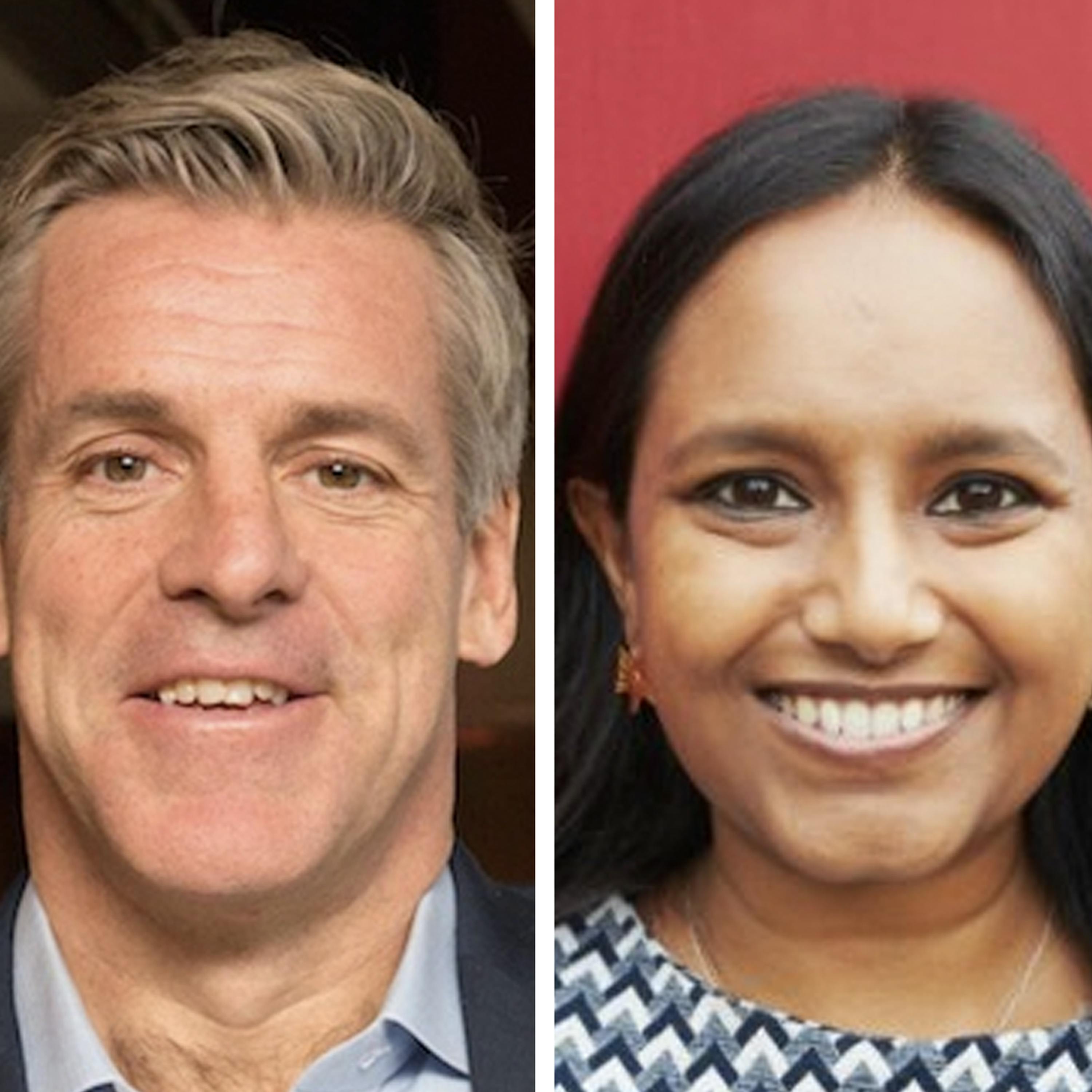
Can business deliver social good after Covid-19? With Warren Valdmanis and Michelle Meagher
As Covid-19 continues to suspend normal life across much of the globe, many commentators have argued the present moment offers a unique opening to re-imagine our societies and economic system. On this week's episode we delved into this topic with impact investor, Warren Valdmanis, and Michelle Meagher, founder of the inclusive Competition Forum, to discuss whether businesses can be a part of the solution to delivering social good in the age of Covid-19. The podcast was moderated by economist and broadcaster Linda Yueh. To order Warren Valdmanis's book click here: https://amzn.to/3gOEydo . To order Michelle Meagher's book click here: https://amzn.to/2XQl6pe. ------------------------------ Intelligence Squared+. The world's best speakers. Your questions. £4.99 per month. Intelligence Squared+ will bring you live, interactive events every week on our new online platform. Just like at our real-life events, you’ll be able to put your questions to our speakers, vote in live polls and interact with other members of the audience. Your subscription will give you access to multiple events featuring the world’s top thinkers and opinion formers, including Thomas Piketty, Margaret Atwood, Clive Woodward, Thomas Friedman, Meera Syal and Paloma Faith. For a full list of Intelligence Squared+ events and to subscribe, click here: https://bit.ly/2yfYIfm Support this show http://supporter.acast.com/intelligencesquared. See acast.com/privacy for privacy and opt-out information. Learn more about your ad choices. Visit podcastchoices.com/adchoices

Deepfakes and the Infocalypse with Nina Schick and Carl Miller
In this week's podcast Nina Schick speaks to Carl Miller about the rise of Deepfakes and what she believes is an impending 'Infocalypse'. Advances in AI mean that by scanning images of a person (for example using Facebook), a powerful machine learning system can create new video images and place them in scenarios and situations which never actually happened. When combined with powerful voice AI, the results are utterly convincing. So-called 'Deep Fakes' are not only a real threat for democracy but they take the manipulation of ordinary life experiences to new levels. To find out more and buy Nina's new book click here: https://ninaschick.org/ Support this show http://supporter.acast.com/intelligencesquared. See acast.com/privacy for privacy and opt-out information. Learn more about your ad choices. Visit podcastchoices.com/adchoices

Niall Ferguson On What History Can Teach Us About Covid-19
There are few big thinkers better placed to explain the implications of the Covid-19 pandemic than historian Niall Ferguson. In addition to his profound understanding of past crises, since early March he has been meticulously collating and analysing data about the one we are facing now – tracking how the pandemic began, how we got to where we are today and extrapolating what the future is likely to hold. In this special podcast taken from an Intelligence Squared+ online event Ferguson tackled the most pressing questions we all want answers to. To find out more about Intelligence Squared+ click here: https://www.intelligencesquared.com/plus/ ------------- Intelligence Squared+. The world's best speakers. Your questions. £4.99 per month. Intelligence Squared+ will bring you live, interactive events every week on our new online platform. Just like at our real-life events, you’ll be able to put your questions to our speakers, vote in live polls and interact with other members of the audience. Your subscription will give you access to multiple events featuring the world’s top thinkers and opinion formers, including Thomas Piketty, Margaret Atwood, Clive Woodward, Thomas Friedman, Meera Syal and Paloma Faith. For a full list of Intelligence Squared+ events and to subscribe, click here: https://bit.ly/2yfYIfm Support this show http://supporter.acast.com/intelligencesquared. See acast.com/privacy for privacy and opt-out information. Learn more about your ad choices. Visit podcastchoices.com/adchoices

An Artificial Revolution, with Ivana Bartoletti and Yassmin Abdel-Magied
In this week's episode world-leading privacy expert Ivana Bartoletti speaks about the reality behind the AI revolution, from the low-paid workers who train algorithms to recognise cancerous polyps, to the rise of data violence and the symbiotic relationship between AI and social media anger. She spoke to author and writer Yassmin Abdel-Maggied. To find out more about the book click here: https://amzn.to/2D8Rbl9. ------------------------------ Intelligence Squared+. The world's best speakers. Your questions. £4.99 per month. Intelligence Squared+ will bring you live, interactive events every week on our new online platform. Just like at our real-life events, you’ll be able to put your questions to our speakers, vote in live polls and interact with other members of the audience. Your subscription will give you access to multiple events featuring the world’s top thinkers and opinion formers, including Thomas Piketty, Margaret Atwood, Clive Woodward, Thomas Friedman, Meera Syal and Paloma Faith. For a full list of Intelligence Squared+ events and to subscribe, click here: https://bit.ly/2yfYIfm Support this show http://supporter.acast.com/intelligencesquared. See acast.com/privacy for privacy and opt-out information. Learn more about your ad choices. Visit podcastchoices.com/adchoices

Slavoj Žižek and Shahidha Bari on Hegel in a Wired Brain
In celebration of the 250th anniversary of the birth of G.W.F. Hegel, Slavoj Žižek speaks to Shahidha Bari about the philosophical giant that changed our way of thinking about posthumanism. Together they investigate what he might have had to say about the idea of the 'singularity' and the 'wired brain' – what happens when a direct link between our mental processes and a digital machine emerges. For more information on Slavoj Zizek's new book, click here: https://bit.ly/3g8E15M ------------------------------ Intelligence Squared+. The world's best speakers. Your questions. £4.99 per month. Intelligence Squared+ will bring you live, interactive events every week on our new online platform. Just like at our real-life events, you’ll be able to put your questions to our speakers, vote in live polls and interact with other members of the audience. Your subscription will give you access to multiple events featuring the world’s top thinkers and opinion formers, including Thomas Piketty, Margaret Atwood, Clive Woodward, Thomas Friedman, Meera Syal and Paloma Faith. For a full list of Intelligence Squared+ events and to subscribe, click here: https://bit.ly/2yfYIfm Support this show http://supporter.acast.com/intelligencesquared. See acast.com/privacy for privacy and opt-out information. Learn more about your ad choices. Visit podcastchoices.com/adchoices

Tony Blair and Andrew Adonis on Ernest Bevin, Britain’s Forgotten Political Giant
In this rare public appearance together, chaired by the BBC’s Rajini Vaidyanathan, the former Labour prime minister Tony Blair and cabinet minister Andrew Adonis discussed how the man known as ‘the working-class John Bull’ grew to become one of this country’s greatest political leaders and what lessons can be learned from his legacy today for politics and crisis today. Support this show http://supporter.acast.com/intelligencesquared. See acast.com/privacy for privacy and opt-out information. Learn more about your ad choices. Visit podcastchoices.com/adchoices

Science Fictions, with Stuart Ritchie and Tom Whipple
Medicine, education, health, parenting – wherever it really matters, we look to science for guidance and answers. In this episode Stuart Ritchie discusses his new book 'Science Fictions' and reveals the disturbing flaws that undermine our understanding of all of these fields and more. He spoke to Tom Whipple the science editor at The Times and to find out more about the book click here: https://amzn.to/2OF9a4C. ------------------------------ Intelligence Squared+. The world's best speakers. Your questions. £4.99 per month. Intelligence Squared+ will bring you live, interactive events every week on our new online platform. Just like at our real-life events, you’ll be able to put your questions to our speakers, vote in live polls and interact with other members of the audience. Your subscription will give you access to multiple events featuring the world’s top thinkers and opinion formers, including Thomas Piketty, Margaret Atwood, Clive Woodward, Thomas Friedman, Meera Syal and Paloma Faith. For a full list of Intelligence Squared+ events and to subscribe, click here: https://bit.ly/2yfYIfm Support this show http://supporter.acast.com/intelligencesquared. See acast.com/privacy for privacy and opt-out information. Learn more about your ad choices. Visit podcastchoices.com/adchoices

Sex Robots & Vegan Meat, with Jenny Kleeman and Carl Miller
Award-winning journalist and documentary-maker Jenny Kleeman takes us on a journey into the world of the people who are changing what it means to be human. Focusing on the central pillars of the human experience–birth, food, sex, and death. to find out more about the book click here: https://amzn.to/3ewD59X ------------------------------ Intelligence Squared+. The world's best speakers. Your questions. £4.99 per month. Intelligence Squared+ will bring you live, interactive events every week on our new online platform. Just like at our real-life events, you’ll be able to put your questions to our speakers, vote in live polls and interact with other members of the audience. Your subscription will give you access to multiple events featuring the world’s top thinkers and opinion formers, including Thomas Piketty, Margaret Atwood, Clive Woodward, Thomas Friedman, Meera Syal and Paloma Faith. For a full list of Intelligence Squared+ events and to subscribe, click here: https://bit.ly/2yfYIfm Support this show http://supporter.acast.com/intelligencesquared. See acast.com/privacy for privacy and opt-out information. Learn more about your ad choices. Visit podcastchoices.com/adchoices

Angrynomics: Why The World is So Angry, with Mark Byth, Eric Lonergan and Linda Yueh
Why are measures of stress and anxiety on the rise, when economists and politicians tell us we have never had it so good? While statistics tell us that the vast majority of people are getting steadily richer the world most of us experience day-in and day-out feels increasingly uncertain, unfair, and ever more expensive. In this week's podcast Professor Mark Blyth and Eric Lonergan speak to economist and broadcaster Linda Yueh about their new book 'Angrynomics', why the world feels so angry and how we can make things better. To find out more and buy Angrynomics the book click here: amazon.co.uk/dp/B0888SG7Y7/ref=dp-kindle-redirect?_encoding=UTF8&btkr=1 ------------------------------ Intelligence Squared+. The world's best speakers. Your questions. £4.99 per month. Intelligence Squared+ will bring you live, interactive events every week on our new online platform. Just like at our real-life events, you’ll be able to put your questions to our speakers, vote in live polls and interact with other members of the audience. Your subscription will give you access to multiple events featuring the world’s top thinkers and opinion formers, including Thomas Piketty, Margaret Atwood, Clive Woodward, Thomas Friedman, Meera Syal and Paloma Faith. For a full list of Intelligence Squared+ events and to subscribe, click here: https://bit.ly/2yfYIfm Support this show http://supporter.acast.com/intelligencesquared. See acast.com/privacy for privacy and opt-out information. Learn more about your ad choices. Visit podcastchoices.com/adchoices