
Institute for Government
542 episodes — Page 7 of 11
How can Labour deliver zero-carbon energy generation by 2030?
This event was part of the IfG's Labour Party Conference 2023 fringe programme. Speakers: Dr Alan Whitehead MP, Shadow Minister for Energy Security Keith Anderson, Chief Executive of ScottishPower Emma Pinchbeck, Chief Executive of Energy UK Jill Rutter, Senior Fellow at the Institute for Government This event was chaired by Dr Gemma Tetlow, Chief Economist at the Institute for Government. This event was kindly supported by Energy UK.
How should a future UK energy system be governed?
This event was part of the IfG's Labour Party Conference 2023 fringe programme. Speakers: Charlotte Nichols MP, Member of the Business and Trade Select Committee Dr Tony Ballance, Chief Strategy and Regulation Officer at Cadent Gas Laura Sandys CBE, Non-Executive Director at Energy Systems Catapult Dhara Vyas, Deputy Chief Executive at Energy UK This event was chaired by Olly Bartrum, Senior Economist at the Institute for Government. This event was kindly supported by Cadent Gas.
How can workforce retention in public services be improved?
This event was part of the IfG's Labour Party Conference 2023 fringe programme. Speakers: Dame Meg Hillier MP, Chair of the Public Accounts Select Committee Kate Bell, Assistant General Secretary at the Trades Union Congress Nick Davies, Programme Director at the Institute for Government Kate Shoesmith, Deputy Chief Executive Officer of the Recruitment and Employment Confederation This event was chaired by Dr Gemma Tetlow, Chief Economist at the Institute for Government. This event was kindly supported by the Recruitment and Employment Confederation.
How would a Labour government ensure we are prepared for serious risks?
This event was part of the IfG's Labour Party Conference 2023 fringe programme. Speakers: Dame Nia Griffith MP, Shadow Minister (Cabinet Office) Mike Adamson, Chief Executive of the British Red Cross Professor Clare Bambra, Professor of Public Health at Newcastle University Tom Sasse, Britain Public Policy Editor at The Economist This event was chaired by Emma Norris, Deputy Director of the Institute for Government. This event was kindly supported by the British Red Cross.
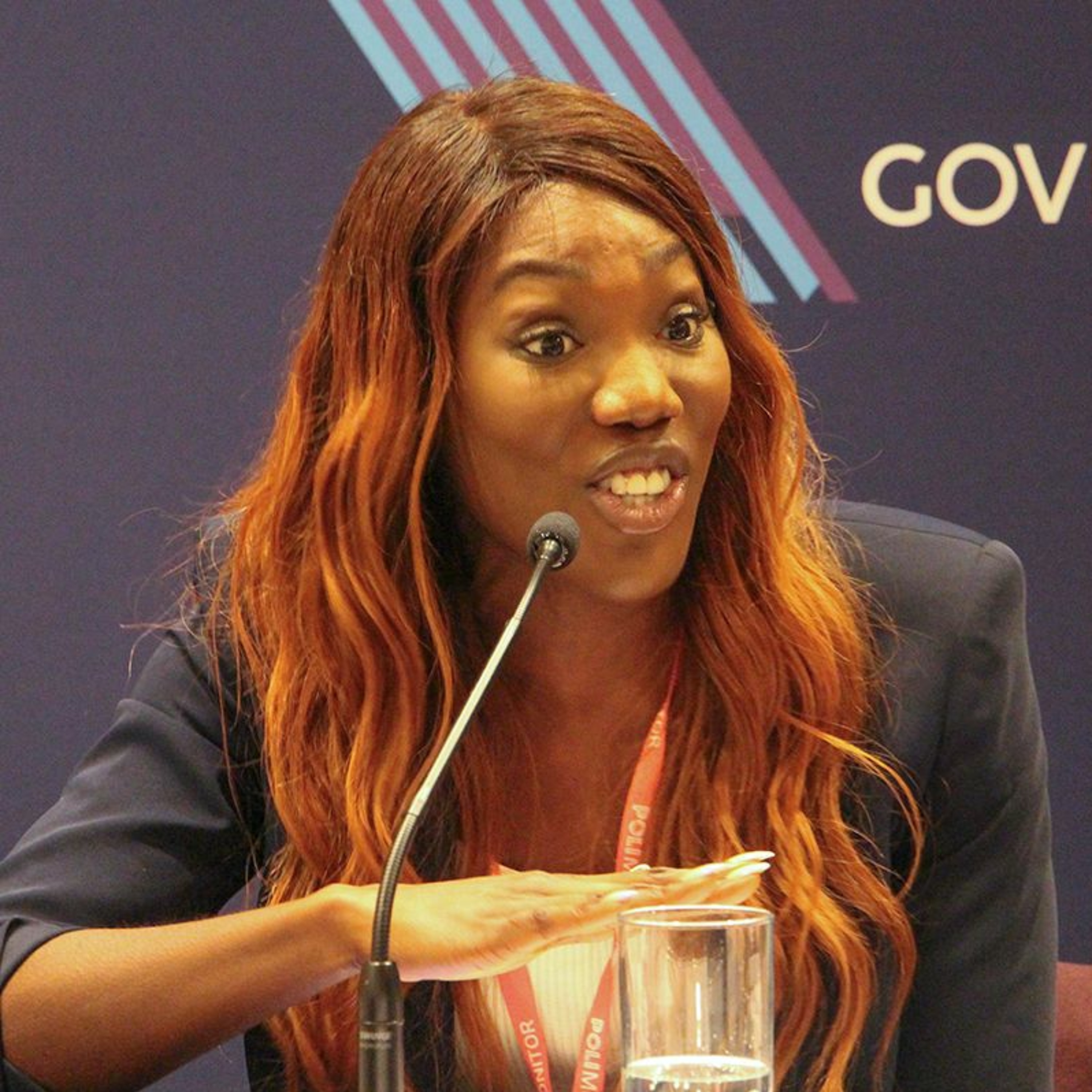
How can the centre of government deliver Rishi Sunak’s priorities?
This event was part of the IfG's Conservative Party Conference 2023 fringe programme. Speakers: Rt Hon Jeremy Quin MP, Paymaster General and Minister for the Cabinet Office Anita Boateng, former Special Adviser and Partner at Portland Communications Alex Thomas, Programme Director at the Institute for Government Ben Warner, former Chief Adviser on Digital and Data to the Prime Minister This event was chaired by Dr Hannah White, Director of the Institute for Government.
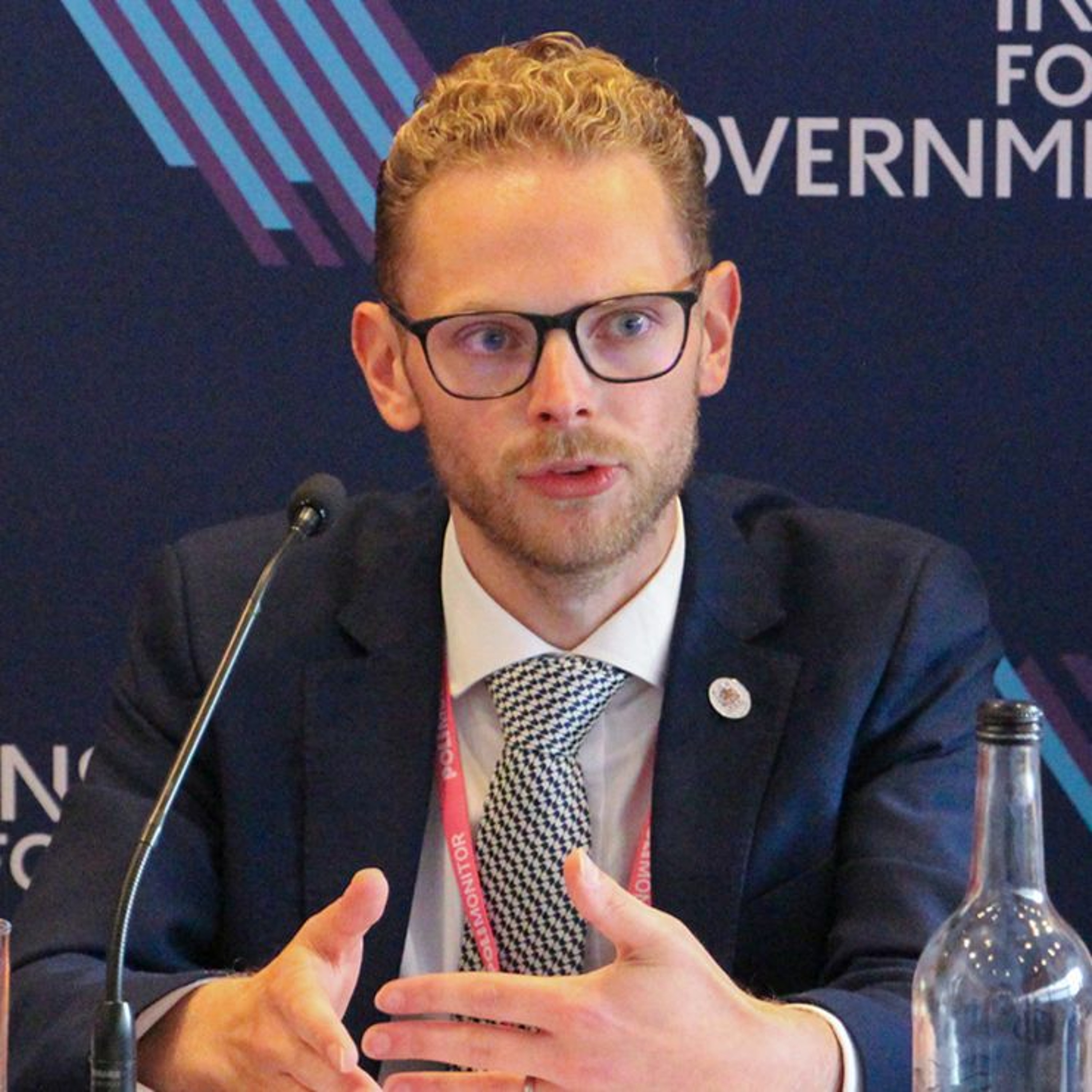
How can the government help build strong local institutions to deliver levelling up?
This event was part of the IfG's Conservative Party Conference 2023 fringe programme. Speakers: Jack Brereton MP, Member of the Transport Select Committee Cllr Abi Brown, Conservative Councillor for the Meir Park ward and former leader of Stoke-on-Trent City Council Akash Paun, Programme Director at the Institute for Government Andy Westwood, Professor of Government Practice and Vice Dean of Humanities at The University of Manchester This event was chaired by Thomas Pope, Deputy Chief Economist at the Institute for Government. This event was kindly supported by Policy@Manchester.
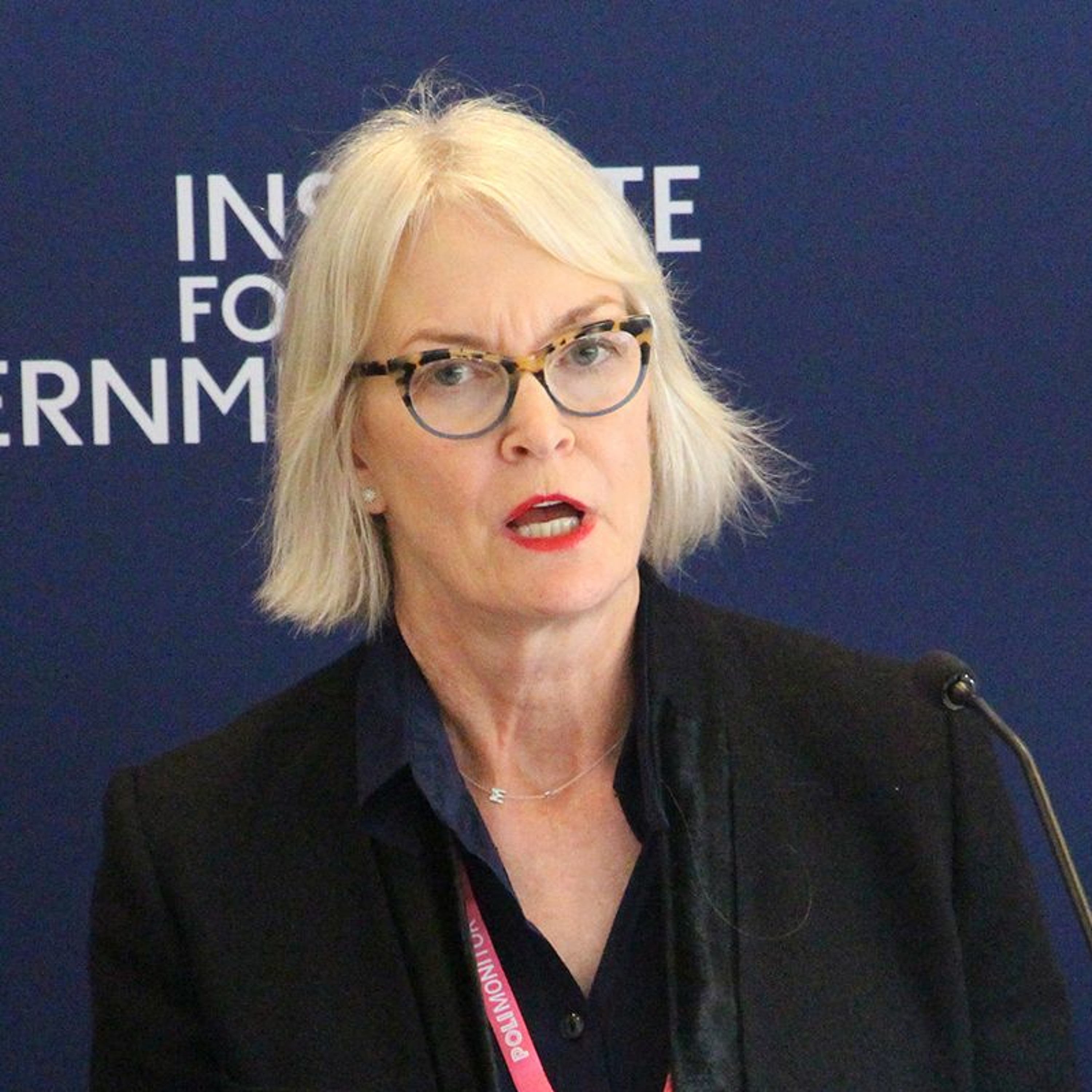
How can the government make progress on levelling up before the next election?
This event was part of the IfG's Conservative Party Conference 2023 fringe programme. Speakers: Cllr Ben Bradley MP, Leader of Nottinghamshire County Council and Member of Parliament for Mansfield Dr Fiona Aldridge, Head of Insight - Economic Delivery, Skills and Communities at the West Midlands Combined Authority Dr Victoria Hutchinson, Environment Practice Director at AtkinsRéalis Margot James, Executive Chair of Warwick Manufacturing Group and former Minister for Digital, Telecoms and the Creative Industries Thomas Pope, Deputy Chief Economist at the Institute for Government This event was chaired by Akash Paun, Programme Director at the Institute for Government. This event was kindly supported by AtkinsRéalis.
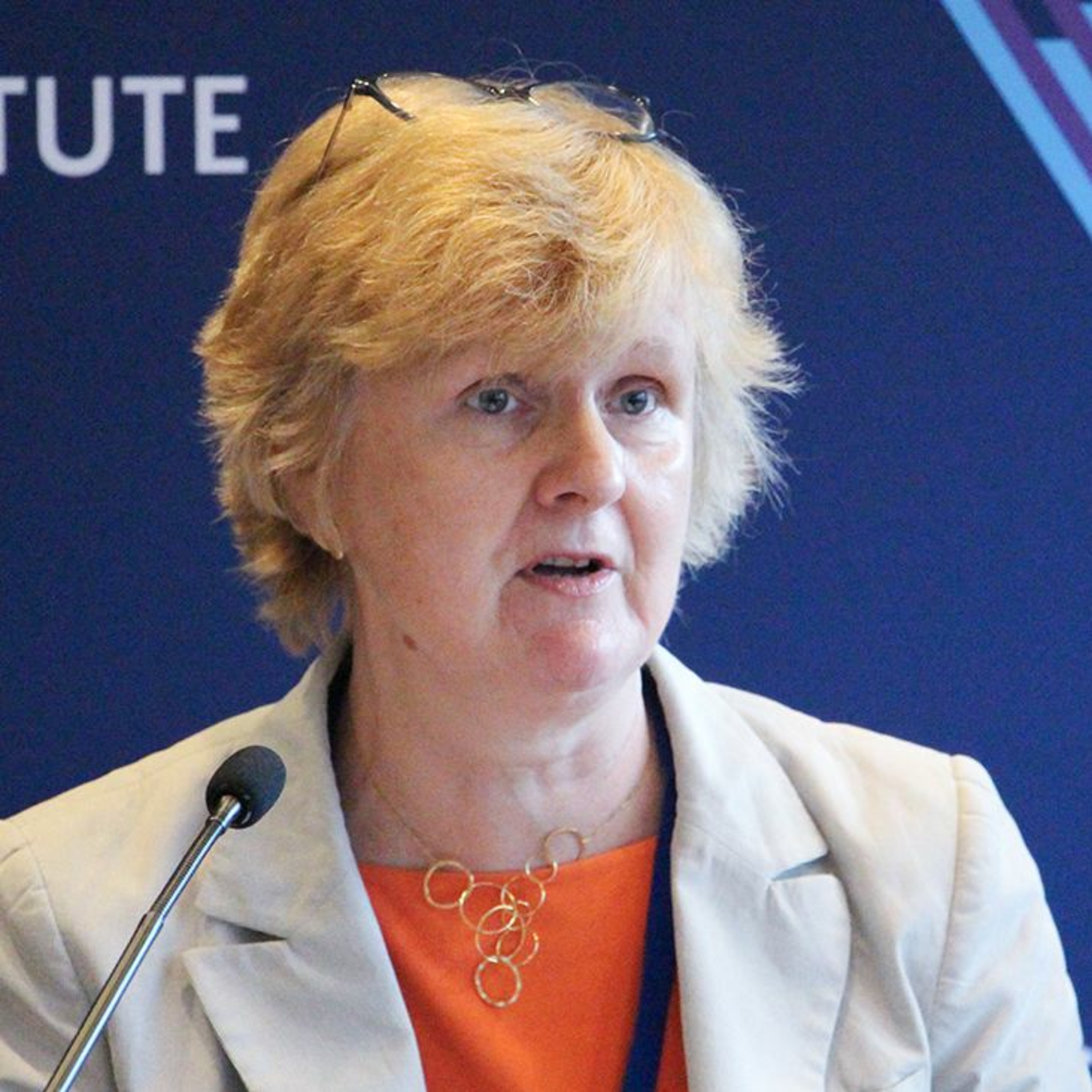
How can government’s obesity policy boost the UK's health and economy?
This event was part of the IfG's Conservative Party Conference 2023 fringe programme. Speakers: Jo Gideon MP, Member of Parliament for Stoke-on-Trent Central John Maingay, Director of Policy and Influencing at the British Heart Foundation Sophie Metcalfe, Researcher at the Institute for Government Dr Alison E Tedstone, Independent Adviser and former Chief Nutritionist at Public Health England/UK Health Security Agency This event was chaired by Emma Norris, Deputy Director of the Institute for Government. This event was kindly supported by the Obesity Health Alliance, The Food Foundation, and Sustain.
How should a future UK energy system be governed?
This event was part of the IfG's Conservative Party Conference 2023 fringe programme. Speakers: Dr Tony Ballance, Chief Strategy & Regulation Officer at Cadent Gas Josh Buckland, Partner at Flint Global Colm Murphy, Head of Transformation at National Grid ESO Dhara Vyas, Deputy Chief Executive at Energy UK This event was chaired by Olly Bartrum, Senior Economist at the Institute for Government. This event was kindly supported by Cadent Gas.
What can the government do to improve hospital performance?
This event was part of the IfG's Conservative Party Conference 2023 fringe programme. Speakers: Lord Bethell, former Parliamentary Under Secretary of State at the (Department of Health and Social Care Dr Layla McCay, Director of Policy at the NHS Confederation Rachel Wolf, Founding Partner at Public First This event was chaired by Nick Davies, Programme Director at the Institute for Government.
How can regulators promote growth and protect the public?
This event was part of the IfG's Conservative Party Conference 2023 fringe programme. Speakers: George Freeman MP, Minister of State at the Department for Science, Innovation and Technology James Wild MP, Member of Parliament for North West Norfolk Anna Bradley, Chair of the Solicitors Regulation Authority Phoebe Clay, Co-Director of Unchecked UK Antony Walker, Deputy Chief Executive Officer of techUK This event was chaired by Dr Matthew Gill, Programme Director at the Institute for Government. This event was kindly supported by the Solicitors Regulation Authority.
What does government need to do to ensure effective delivery of net zero?
This event was part of the IfG's Conservative Party Conference 2023 fringe programme. Speakers: Rt Hon Lord Maude of Horsham, Member of the House of Lords and former Minister of State for Trade and Investment and Minister for the Cabinet Office Virginia Crosbie MP, Member of Parliament for Ynys Môn Professor Adam Boddison OBE, Chief Executive Officer of the Association for Project Management Alastair Evans, Director of Corporate and Government Affairs of Rolls-Royce SMR This event was chaired by Jill Rutter, Senior Fellow at the Institute for Government. This event was kindly supported by the Association for Project Management.
How can science and innovation support an ambitious plan for economic growth?
This event was part of the IfG's Conservative Party Conference 2023 fringe programme. Speakers: George Freeman MP, Minister of State at the Department for Science, Innovation and Technology Katherine Bennett, Chief Executive Officer at the High Value Manufacturing Catapult Professor Nigel Brandon, Dean of the Faculty of Engineering at Imperial College London Giles Wilkes, Senior Fellow at the Institute for Government This event was chaired by Dr Gemma Tetlow, Chief Economist at the Institute for Government. This event was kindly supported by Imperial College London.
AI: governing the ungovernable?
This event was part of the IfG's Conservative Party Conference 2023 fringe programme. Speakers: Paul Scully MP, Parliamentary Under Secretary of State at the Department for Science, Innovation and Technology Dr Andrew Rogoyski, Institute for People-Centred Artificial Intelligence at the University of Surrey Hetan Shah, Chief Executive of the British Academy Anna Thomas, Co-Founder and Founding Director of the Institute for the Future of Work This event was chaired by Gavin Freeguard, Associate at the Institute for Government. This event was kindly supported by the Institute for People-Centred Artificial Intelligence at the University of Surrey.
Is there a Conservative case for constitutional reform?
This event was part of the IfG's Conservative Party Conference 2023 fringe programme. Speakers: John Penrose MP, former Minister for Constitutional Reform Henry Hill, Deputy Editor of ConservativeHome Amy Leversidge, Assistant General Secretary at the FDA Jess Sargeant, Associate Director at the Institute for Government This event was chaired by Dr Hannah White, Director of the Institute for Government. This event was kindly supported by the FDA.
Why does the UK underinvest in public service infrastructure – and how can the problem be fixed?
Revelations about the widespread use of – and failure to replace – reinforced autoclaved aerated concrete (RAAC) in schools have put government capital spending in the spotlight. For decades the UK has invested less than other wealthy nations. Government departments receive relatively ungenerous capital budgets, consistently underspend, and in some cases use capital budgets to cover day-to-day spending shortfalls. This has impacted on public service productivity and led to serious concerns being raised about the safety of some public buildings – with the concrete crisis in schools the most recent example. So why has the UK government historically set relatively low capital budgets and why do departments consistently underspend capital allocations? How can government provide public services with higher, more stable capital settlements and ensure that public service infrastructure is adequately maintained and renewed? What can we learn from other countries? To discuss these questions and more, the Institute for Government brought together a panel of experts including: Anita Charlesworth, Director of Research at the Health Foundation Chris Giles, Economics Editor at the Financial Times Edwin Lau, Head of the Infrastructure and Public Procurement Division Public Governance Directorate at the OECD Lord O'Donnell, former Cabinet Secretary and Permanent Secretary for the Treasury The event was chaired by Dr Gemma Tetlow, Chief Economist at the Institute for Government.
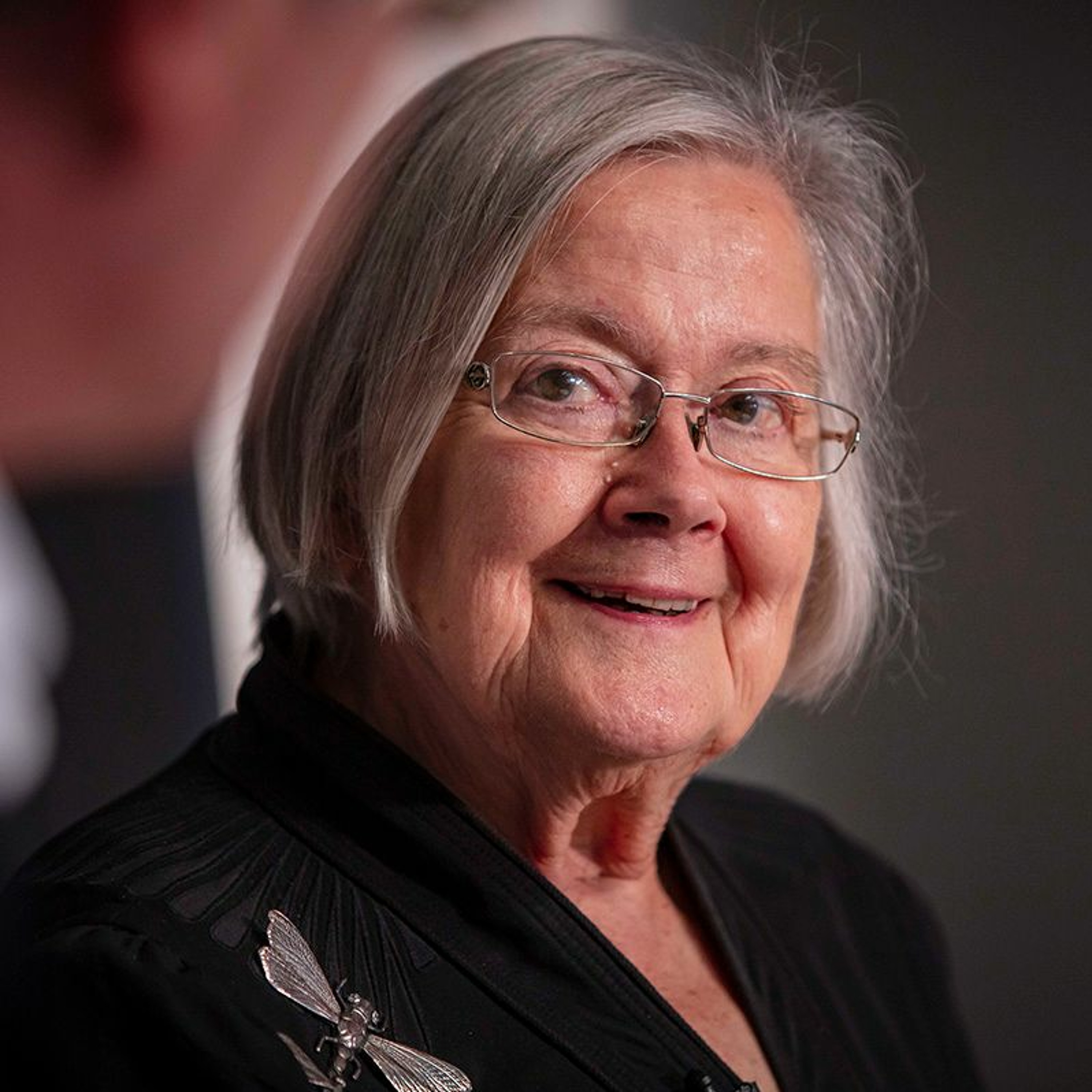
In conversation with the Rt Hon The Baroness Hale of Richmond, DBE PC FBA
Baroness Hale, former President of the Supreme Court, joins Dr Hannah White, Director of the Institute for Government, and Professor Michael Kenny, Director of Bennett Institute for Public Policy, University of Cambridge, for an in conversation. This event was part of the IfG and Bennett Institute's joint conference on the Future of the UK Constitution.
When and how should the public decide?
There is now an expectation that the public should be consulted on constitutional change. However, traditional routes for gaining public legitimacy – such as referendums and elections – can result in binary choices, or unclear mandates. So is there a greater role for deliberative democracy? Processes including citizens' assemblies, with informed discussions amongst a representative group of citizens, can offer many benefits to decision-makers, but getting them right is a challenge and getting them wrong can do more harm than good. When and how the public should be involved in constitutional decision making? How could options for deliberative democracy best be implemented? What are the challenges and benefits of this approach? Speakers: Sarah Allan, Director of Capacity Building and Standards at Involve Joanne Anderson, former Mayor of Liverpool Doreen Grove, Head of Open Government at the Scottish government Professor Alison L Young, Sir David Williams Professor of Public Law at the University of Cambridge This event was chaired by Dr Rebecca McKee, Senior Researcher at the Institute for Government. This event was part of the IfG and Bennett Institute's joint conference on the Future of the UK Constitution.
What needs to change in Westminster and Whitehall to make devolution work?
The devolution settlement of 1999 marked a major constitutional development for the UK, but over two decades on devolution is anything but settled. The devolved governments and parliaments have become established features of the UK constitution, but the UK’s central institutions have failed to adapt. With further devolution on the agenda, there may be more changes in the near future. So what can the UK government, parliament and civil service do to improve the workings of devolution? How can the UK government work with devolved legislatures to achieve common aims whilst also respecting the desire for policy divergence in different nations? How can the UK parliament reflect the multi-national state? And what civil service reforms are needed to facilitate co-operation over conflict? Speakers: Rt Hon Sir Robert Buckland MP, former Secretary of State for Wales Christine Jardine MP, Member of Parliament for Edinburgh West and Liberal Democrat Spokesperson (Scotland) Ciaran Martin, Professor of Practice in the Management of Public Organisations at the Blavatnik School of Government Jessica Studdert, Deputy Chief Executive of New Local The event was chaired by Professor Michael Kenny, Director of Bennett Institute for Public Policy, University of Cambridge
What will the next general election mean for the UK constitution?
Speakers: Dr Catherine Haddon, Programme Director at the Institute for Government Dr Alice Lilly, Senior Researcher at the Institute for Government> Jack Newman, Research Associate at the Productivity Institute and the Department of Politics, University of Manchester Akash Paun, Programme Director at the Institute for Government The event was chaired by Jess Sargeant, Associate Director at the Institute for Government. This event was part of the IfG and Bennett Institute's joint conference on the Future of the UK Constitution.
Is parliament able to fulfil its constitutional role?
Parliament is at the centre of the UK constitution, passing law, representing citizens, and holding the government to account. However, the government’s strong control of the House of Commons, and issues of democratic legitimacy in the House of Lords, have raised questions about whether parliament is an effective check on the executive. So how well does parliament fulfil its constitutional role? Are MPs and peers able – and willing to protect the constitution? What reforms are needed to help ensure that they can? Speakers: Rt Hon Sir David Lidington, former Chancellor of the Duchy of Lancaster Rt Hon the Baroness Smith of Basildon, Shadow Leader of the House of Lords Rt Hon the Lord Wallace of Saltaire, Liberal Democrat Lords Spokesperson on the Cabinet Office Dr Hannah White OBE, Director of the Institute for Government The event was chaired by Jess Sargeant, Associate Director at the Institute for Government. This event was part of the IfG and Bennett Institute's joint conference on the Future of the UK Constitution.
Welcome and launch of the final report of the Review of UK Constitution
Briefing on the final report from the IfG/Bennett Institute team. To mark the conclusion of the Institute for Government/Bennett Institute Review of the UK Constitution, this special one-day event brought together commentators, academics and parliamentarians for a series of keynote speeches and panels to consider all these questions and more.
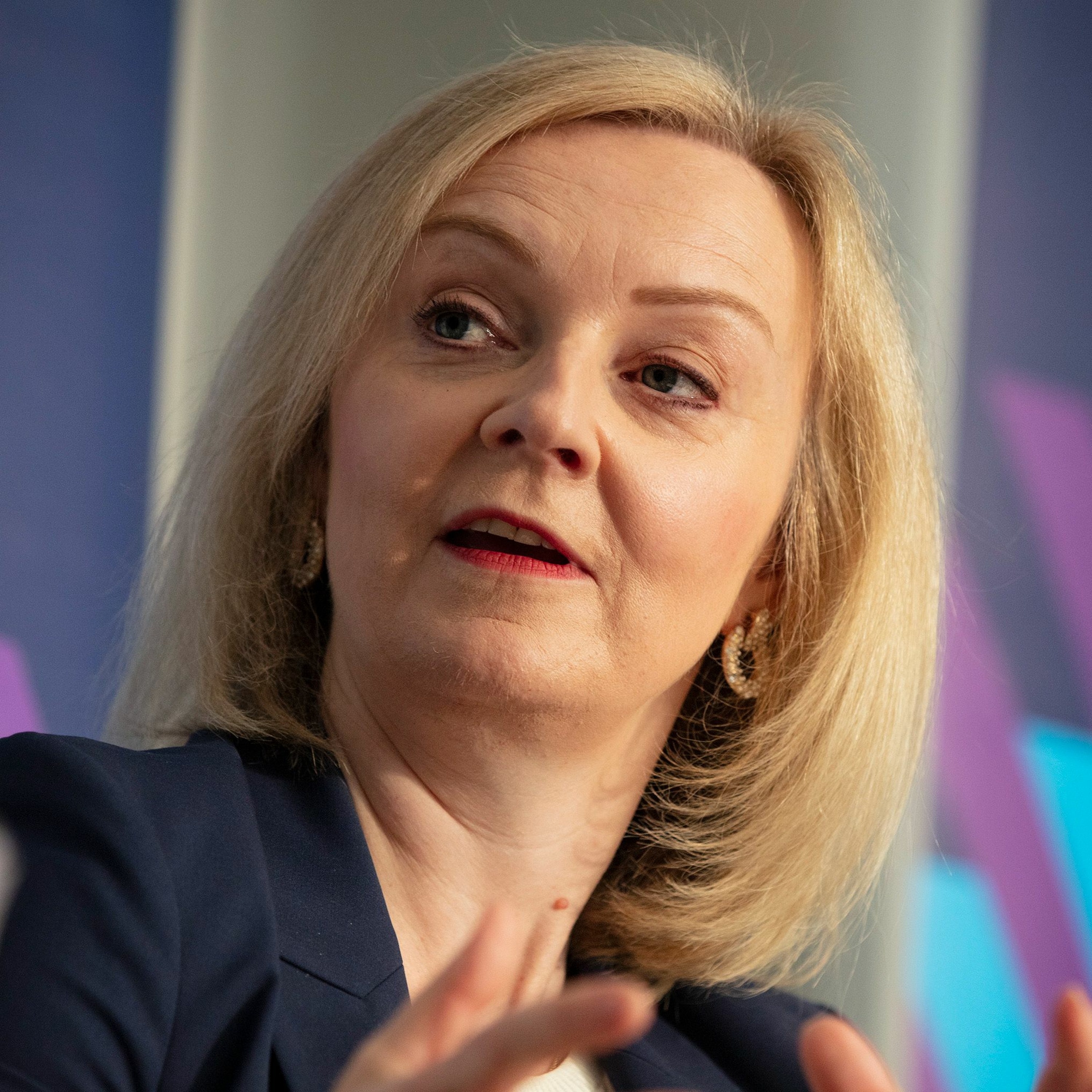
Keynote speech: Rt Hon Liz Truss MP
The Institute for Government welcomed Rt Hon Liz Truss MP to give a keynote speech on the economy. A year since her government’s Growth Plan – the September 2022 ‘mini-budget’ – including a programme of tax cuts and supply side reforms, the former prime minister set out her vision for how the government could enable the UK to achieve faster economic growth. Following her speech Liz Truss was in conversation with Dr Hannah White, the Director of the Institute for Government, before taking part in a Q&A with an invited audience.
Data Bites #45: Getting things done with data in government
Better use of data is key to more effective government. Across government, teams are doing fascinating work with data. But those projects don’t get the attention they deserve. Data Bites aims to change that. This event was the 45th in our series, where the speakers presented their work in an exciting, quickfire format. Each speaker had eight minutes, followed by eight minutes of questions from the audience. This month's speakers were: Penny Babb, Head of Policy and Standards at the Office for Statistics Regulation, on the review of the Code of Practice for Statistics. Ian Gordon, Head of Data at Parliament Restoration and Renewal on Data and the Built Environment Nic Granger, Director of Corporate and Chief Financial Officer at the North Sea Transition Authority and Chair of the Offshore Energy Data Strategy Taskforce, on digitalising offshore energy Kaveh Jahanshahi, Lead Data Scientist at the ONS Data Science Campus, on estimation of travel to work matrices The event was chaired by Gavin Freeguard, Associate at the Institute for Government.
Is the Darlington Economic Campus a blueprint for successful civil service relocation?
The Darlington Economic Campus is rapidly establishing itself as the civil service’s flagship office outside of London – and has been described by chancellor Jeremy Hunt as moving “decision makers and advisers closer to the communities we serve.” So how has the Darlington Economic Campus changed the way policy is made? What difference has it made to the local area and is it contributing to the levelling up agenda? What are the factors behind the campus’s success and should it be used as a blueprint for future relocations? And what are the next steps in the government’s plan to relocate the civil servants from London? A recent IfG report has evaluated the impact of the Darlington Economic Campus on the civil service and the local area and set out recommendations for current and future relocations. At this event, which was held in Darlington, there was a welcome from Nigel Robinson from PA Consulting, and a short presentation from Jordan Urban, the report’s lead author. Baroness Penn, Treasury Lords Minister, responded to the IfG's research. An expert panel discussion followed, featuring: Jo Crellin, Director General, Trading Systems at the Department for Business and Trade Mike Hughes, Business and Commercial Editor at The Northern Echo Baroness Penn, Treasury Lords Minister Andrew Perkin, Business Growth and Investment Manager at Darlington Borough Council Beth Russell, Second Permanent Secretary to the Treasury The event was chaired by Alex Thomas, Programme Director at the Institute for Government. This event was kindly supported by PA Consulting.
How can the government provide certainty over its investment plans to promote growth?
The government’s plans for capital projects have repeatedly shifted over the last decade. Capital budgets have been cut, then boosted, and now retrenchment is planned again. And major capital projects, such as HS2, have been subject to revisions in budget and scope. The five-year national infrastructure delivery plan and the national infrastructure and construction pipeline only apply to some projects and are still subject to change. This makes it difficult for the construction sector to plan, which can increase government costs and mean its capital budgets do not go as far. So what are the benefits of, and barriers to, a longer-term and more stable project pipeline? This event explored those key questions from both the government’s and industry’s perspective. To explore these questions and more, our expert panel included: Sir John Armitt, Chairman of the National Infrastructure Commission Steve Beechey, Group Public Sector Director at Wates Bill Esterson MP, Shadow Minister for Business and Industry Urvashi Parashar, Chief Impact Officer and Chief Economist at the UK Infrastructure Bank The event was chaired by Olly Bartrum, Senior Economist at the Institute for Government. This event was kindly supported by Wates Group.
How should central government be organised to deliver levelling up?
There has been no shortage of central government attempts to support regional development over past decades, but these have been insufficient to close the widening gaps in geographical disparities, with efforts lacking scale, coordination, data and effective oversight, and policies ultimately proving short lived. So what can be done to fix the problem? The Levelling Up White Paper proposed several reforms to 'rewire Whitehall' to ensure the government delivered more effective regional policy, including the creation of a Levelling Up Advisory Council (LUAC) – an expert group reporting to the levelling up secretary of state – to provide insight, challenge, and advice to the government on its design and delivery of the levelling up policy agenda. This event will also consider how central government can best be organised to deliver effective long-term regional policy, whether the white paper’s reforms are the right ones, what difference structures like the Advisory Council make, and what else is needed. So what progress has the government made on implementing the white paper proposals? What difference have the structures set out in the white paper made already and is the LUAC fulfilling the purpose it was set up for? What are the key challenges for a government when trying to deliver cross-cutting policy? And are the structures in place for cross-government working, between central and devolved governments, adequate to deliver regional policy effectively? To discuss these questions and more, the Institute for Government brought together an expert panel. Andy Haldane, Chair of the Levelling Up Advisory Council and Chief Executive of the RSA Rebecca McKee, Senior Researcher at the Institute for Government Jill Rutter, Senior Fellow at the Institute for Government Dr Hayaatun Sillem CBE, CEO of the Royal Academy of Engineering and member of the Levelling Up Advisory Council The event was chaired by Emma Norris, Deputy Director at the Institute for Government
Keynote speech: Angela Rayner MP, Labour’s Deputy Leader
How to restore trust in politics by strengthening standards in public life has been in the spotlight in recent years. The Labour Party has proposed a new, independent Ethics and Integrity Commission to “stamp out corruption in government, strengthen the rules and ensure they are enforced.” But how would that commission work in practice? If Labour forms the next government, what powers would the commission have to investigate alleged poor behaviour? How will it enforce its judgements? Who would sit on the commission and how will it work with government ministers? To answer all these questions and set out her vision for how to make politics work better at a time of depleted trust, the Rt Hon Angela Rayner MP, Labour’s Deputy Leader and Shadow Chancellor for the Duchy of Lancaster, gave a keynote speech at the Institute for Government. The event was chaired by Tim Durrant, Programme Director at the Institute for Government. Following her speech, Angela Rayner took part in a Q&A with the in-person and online audience.
Civil service impartiality: what can the UK learn from abroad?
Impartiality is a defining feature of the UK’s civil service – and one if its ‘core values’ – but the future of civil service impartiality is in the spotlight. Brexit, and the strained relationship between ministers and civil servants that characterised the Johnson and Truss governments, have seen ministers accuse officials of obstructing their agendas, with Dominic Raab attacking “increasingly activist” civil servants when he resigned from government. The ability of an impartial civil service to serve governments of any political persuasion has been widely acknowledged as one of its strengths for generations, but recent tensions have led to calls for more political appointees in government. So what can the UK learn from other countries? How do different governments approach the question of civil service impartiality? What are the benefits – and risks – of political appointments? And what is the right balance between impartial officials and political appointees? To explore these questions, and identify any lessons for the UK, the IfG brought together a panel of experts from around the world, including: Dr Catherine Haddon, Programme Director at the Institute for Government Professor Donald Moynihan, McCourt Chair at the McCourt School of Public Policy, Georgetown University, Washington D.C Peter Woolcott AO, former Australian Public Service Commissioner This event was chaired by Alex Thomas, Programme Director at the Institute for Government.
Data Bites #44: Getting things done with data in government
Better use of data is key to more effective government. Across government, teams are doing fascinating work with data. But those projects don’t get the attention they deserve. Data Bites aims to change that. This event was the 44th in our series, where the speakers presented their work in an exciting, quickfire format. Each speaker had eight minutes, followed by eight minutes of questions from the audience. This month's speakers were: Stan Gilmour, National Risk Technology Lead at the Office of the Chief Scientific Adviser, National Police Chief’s Council, to provide an update from his discussion at Data Bites #8 on the progress towards a Common Data Platform for cross-agency data collaboration in support of public health approaches to serious violence prevention and the potential for wider support to ‘whole of society’ change programmes Lex Jones, Chief Executive of the Registry Trust, on using better data to make better decisions Michał Poręba, Head of Profession for Data Architecture and Data Engineering at the Department for Business and Trade, on Data in DDaT: Our Perspective Jen Woolford, Director of Population Statistics at the Office for National Statistics, on the future of population statistics The event was chaired by Gavin Freeguard, Associate at the Institute for Government.
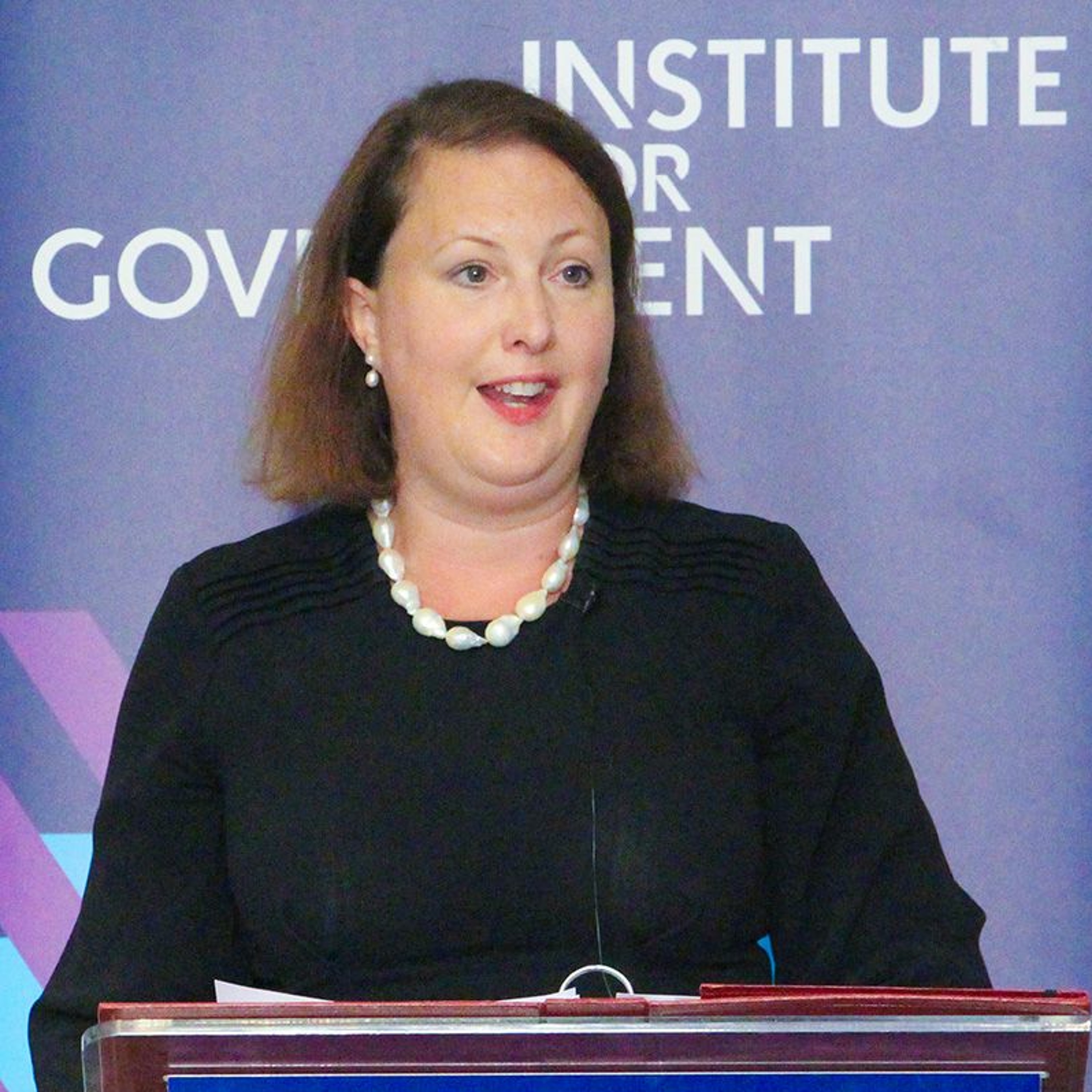
Keynote speech: Rt Hon Victoria Prentis KC MP, Attorney General
The rule of law is a fundamental principle of a constitutional democracy – but in recent years it has been the subject of much debate. What role should the rule of law play? What is the government’s commitment to the rule of law? And what part should public law play in solving political disputes? As Attorney General, Victoria Prentis KC MP acts at the intersection of politics and the law. She is Chief Legal Adviser to the Crown and advises the government on both domestic and international law. The Attorney General's Office oversees the Law Officers’ departments, which include the Crown Prosecution Service, the Serious Fraud Office, and the Government Legal Department, where the Attorney General was herself a government lawyer for 17 years before being elected as an MP. She gave a keynote speech at the Institute for Government. The event was chaired by Emma Norris, Deputy Director at the Institute for Government. Following her speech the Attorney General took part in a Q&A with the in-person and online audience.
How can England’s cities and counties make a success of devolution?
Devolution deals have transferred control of various budgets and functions – including over transport, skills, housing and planning – from central government to metro mayors and combined authorities in many parts of England. The devolution process is continuing. Five new mayors are due to be elected in 2024 – in the East Midlands, North East, York and North Yorkshire, Suffolk and Norfolk – and additional powers are being devolved to Greater Manchester and the West Midlands. A further wave of deals is expected before the 2024 general election, with Labour also committed to extending devolution if it forms the next government. So how can England’s cities and counties best negotiate and implement devolution deals? How should they establish effective new combined authorities to run devolved functions? And what lessons can be learnt from the past decade of devolution? The Institute for Government – in partnership with the University of Nottingham’s Institute for Policy and Engagement – hosted a launch event in Nottingham for its new report setting out evidence-based advice for how to make a success of devolution. After a welcome by Professor Jane Norman, Provost and Deputy Vice-Chancellor at the University of Nottingham, Akash Paun, Programme Director at the Institute for Government, presented the report’s findings. There was then be a discussion among panellists including: Cllr Ben Bradley MP, Leader of Nottinghamshire County Council and MP for Mansfield Professor Sarah Hall, Professor of Economic Geography at the University of Nottingham and Senior Fellow at UK in a Changing Europe Richard Parker, Labour Party candidate in 2024 for Mayor of the West Midlands The event was chaired by Dr Hannah White, Director of the Institute for Government.
How should the UK respond as other countries shift towards green industries?
Tackling climate change is one of the biggest challenges facing governments across the world. With both Rishi Sunak and Keir Starmer pledging to hit ambitious emissions targets and make the UK a clean energy ‘superpower’, the net zero agenda will be a major issue at the next general election. So what needs to be done to switch the UK from being an economy powered by carbon to one that is near emissions free, and does the UK have a credible plan to hit its net zero targets? To explore these critical questions, and examine what government needs to do to meet its climate objectives, the Institute for Government brought together leading politicians and experts from the UK and beyond for a special net zero conference. The morning focused on whether the UK government has the right policies in place to cut emissions. And in the afternoon we examined government’s role in supporting green industries, following major subsidies announced by the US and the EU. This event explored how the UK should respond as other countries shift towards green industries. Speakers included: Elisabetta Cornago, Senior Research Fellow at the Centre for European Reform Joss Garman, Executive Director of the European Climate Foundation Michael Liebreich, Chairman and CEO of Liebreich Associates Giles Wilkes, Senior Fellow at the Institute for Government and former special adviser Tom Sasse, Associate Director at the Institute for Government (chair) With a brief introduction from Amanda Tickel, Head of Tax and Trade Policy at Deloitte.
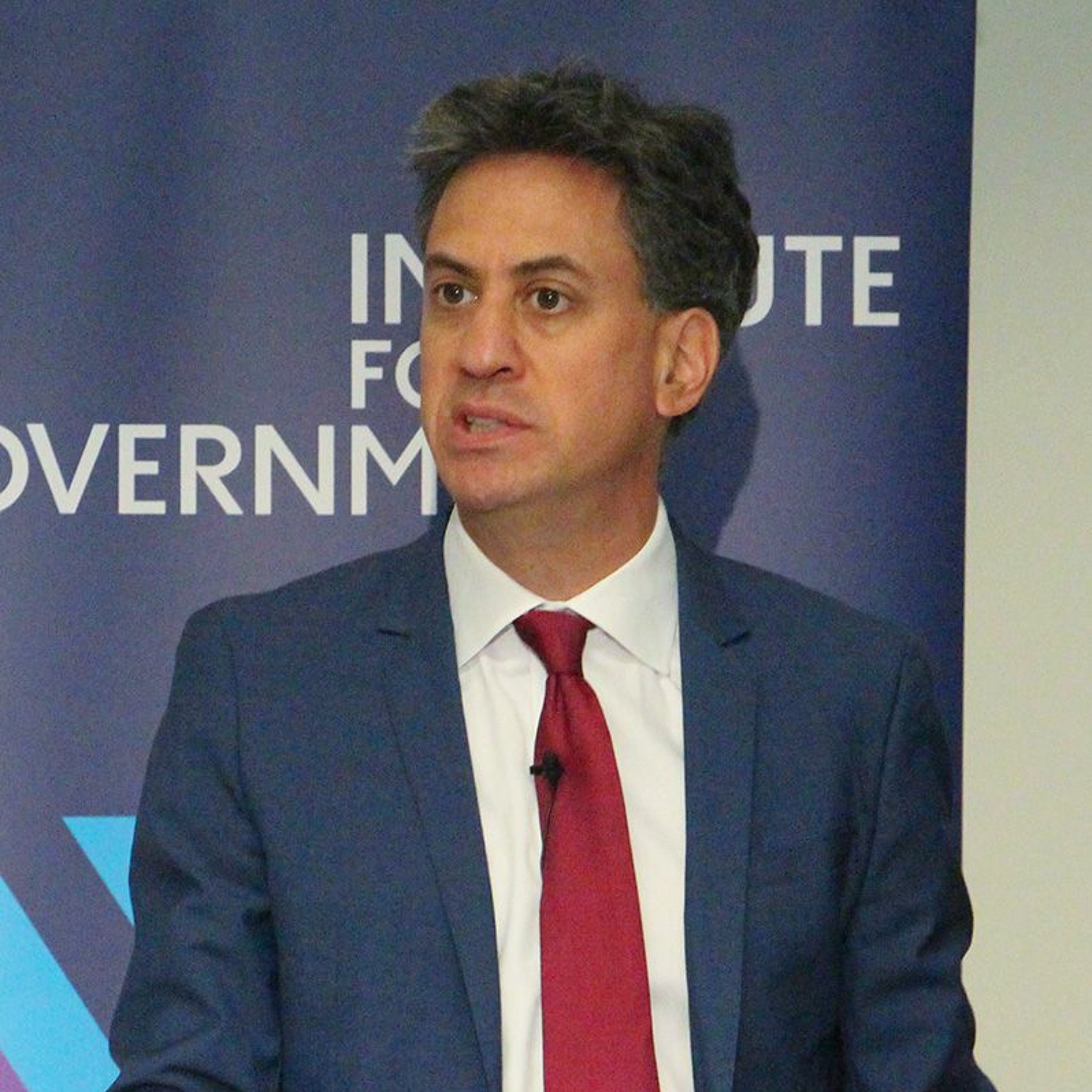
IfG Net Zero Conference: Keynote by Rt Hon Ed Miliband MP
At this session, the Rt Hon Ed Miliband MP, Shadow Secretary of State for Net Zero, joined Emma Norris, IfG Deputy Director, to discuss how a Labour government would do net zero differently. This event was part of the IfG's Net Zero Conference. Tackling climate change is one of the biggest challenges facing governments across the world. With both Rishi Sunak and Keir Starmer pledging to hit ambitious emissions targets and make the UK a clean energy ‘superpower’, the net zero agenda will be a major issue at the next general election. So what needs to be done to switch the UK from being an economy powered by carbon to one that is near emissions free, and does the UK have a credible plan to hit its net zero targets? To explore these critical questions, and examine what government needs to do to meet its climate objectives, the Institute for Government brought together leading politicians and experts from the UK and beyond for a special net zero conference. The morning focused on whether the UK government has the right policies in place to cut emissions. And in the afternoon we examined government’s role in supporting green industries, following major subsidies announced by the US and the EU.
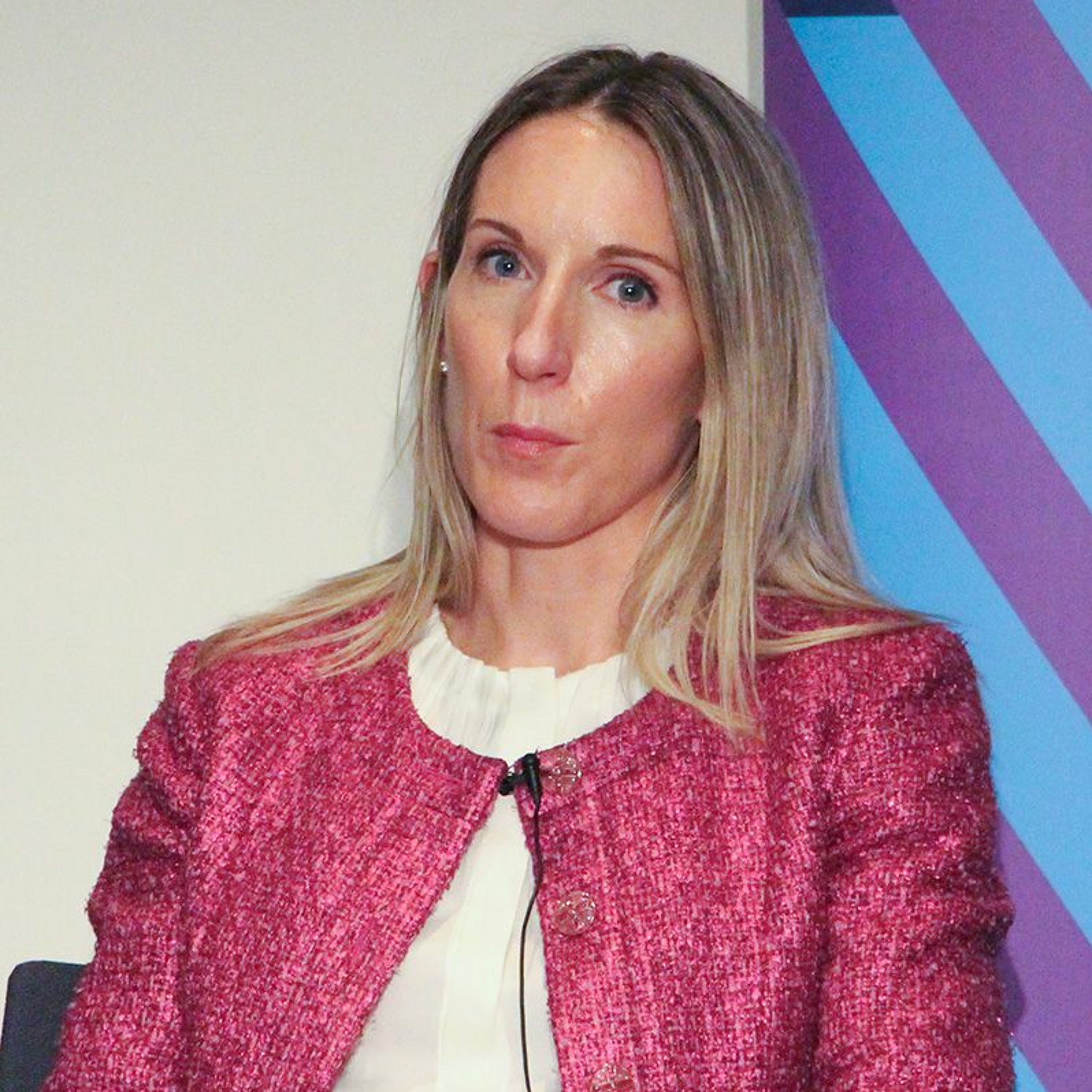
Delivering net zero – Does government have a robust plan for delivering net zero?
Tackling climate change is one of the biggest challenges facing governments across the world. With both Rishi Sunak and Keir Starmer pledging to hit ambitious emissions targets and make the UK a clean energy ‘superpower’, the net zero agenda will be a major issue at the next general election. So what needs to be done to switch the UK from being an economy powered by carbon to one that is near emissions free, and does the UK have a credible plan to hit its net zero targets? To explore these critical questions, and examine what government needs to do to meet its climate objectives, the Institute for Government brought together leading politicians and experts from the UK and beyond for a special net zero conference. The morning focused on whether the UK government has the right policies in place to cut emissions. And in the afternoon we examined government’s role in supporting green industries, following major subsidies announced by the US and the EU. At this session we explored whether the government has a robust plan for delivering net zero. Speakers included: David Joffe, Director of Analysis at the Climate Change Committee Guy Newey, Chief Executive of Energy Systems Catapult Tom Sasse, Associate Director at the Institute for Government Charlotte Warburton, Public Sector Sustainability & Climate Lead at Deloitte Jill Rutter, Senior Fellow at the Institute for Government (chair)
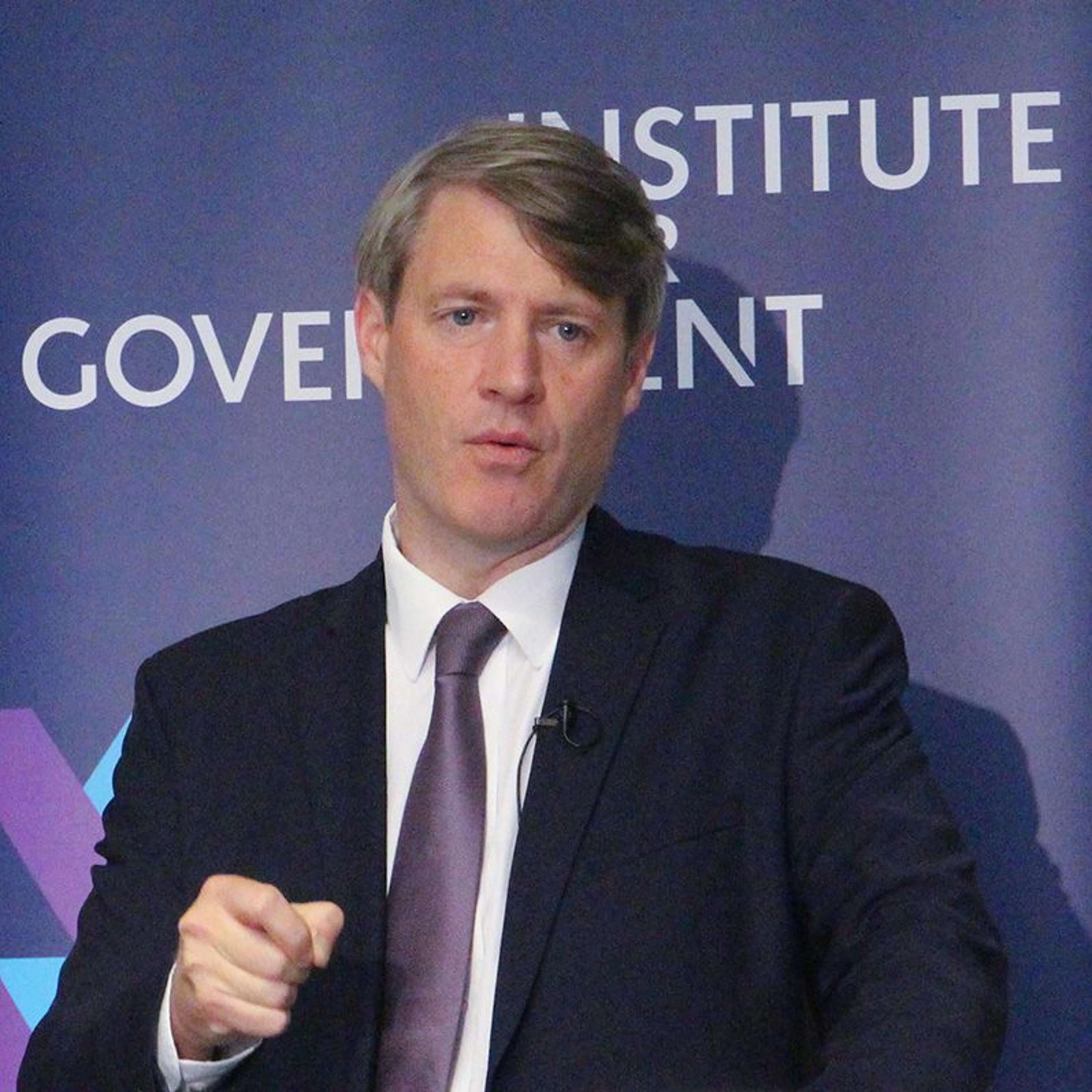
IfG Net Zero Conference: Welcome and opening keynote by Rt Hon Chris Skidmore MP
The Rt Hon Chris Skidmore MP joined Dr Hannah White, IfG Director, to discuss his Independent Review of Net Zero. This event was part of the IfG's Net Zero Conference. Tackling climate change is one of the biggest challenges facing governments across the world. With both Rishi Sunak and Keir Starmer pledging to hit ambitious emissions targets and make the UK a clean energy ‘superpower’, the net zero agenda will be a major issue at the next general election. So what needs to be done to switch the UK from being an economy powered by carbon to one that is near emissions free, and does the UK have a credible plan to hit its net zero targets? To explore these critical questions, and examine what government needs to do to meet its climate objectives, the Institute for Government brought together leading politicians and experts from the UK and beyond for a special net zero conference. The morning focused on whether the UK government has the right policies in place to cut emissions. And in the afternoon we examined government’s role in supporting green industries, following major subsidies announced by the US and the EU.
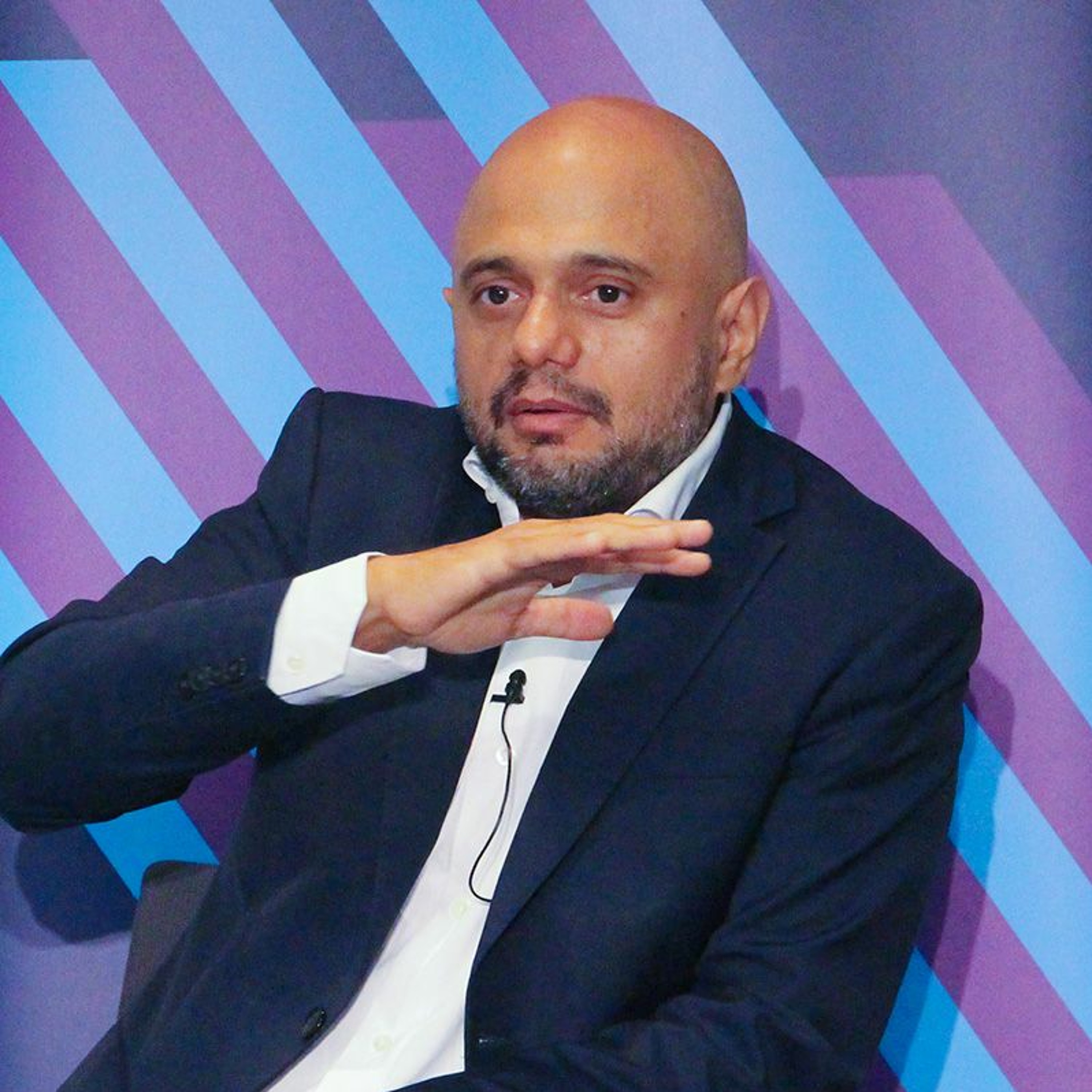
In conversation with the Rt Hon Sajid Javid MP
Over many years Sajid Javid held some of the most senior roles in British government, serving as a secretary of state in six different departments under three different prime ministers – including as Chancellor of the Exchequer and Home Secretary. Javid, who will stand down from parliament at the next election, is now a commissioner on the Institute for Government’s Centre Commission. At this ‘in conversation’ event he shared his experiences at the heart of government to evaluate the strengths and weaknesses at the centre and how they could be fixed. What are the biggest problems with the centre of government? What are the tensions between No.10 and the Treasury? How does the centre work with the rest of government? And how can the priorities of a prime minister best be delivered? To discuss these questions and more, Sajid Javid was in conversation with Dr Hannah White, Director of the Institute for Government, followed by a Q&A. Follow us on Twitter @ifgevents and join the conversation using #IfGCentre. The Institute for Government’s Commission on the Centre of Government is looking at why No.10, the Cabinet Office and HM Treasury do not always work as well as they should and what could be done to radically improve the centre of UK government. The Centre Commission’s purpose is to produce concrete recommendations for a confident, proactive, coherently-structured centre of government equipped to meet the challenges and take the opportunities of the 21st century and deliver for the people of the UK. The Commission will report in February 2024.
What policies can level up economic performance?
Improving economic performance outside London and the South East is a core aim of the government’s levelling up agenda. Drawing on past IfG research, this event explored what policies, and policy approaches, would best support economic performance outside London and the South East and compare these with the government’s current policies. Our panel discussed: What policies would be most effective to achieve the government’s productivity mission and what should the government prioritise? What will the Sunak government do differently to the Johnson government and where can it make improvements? Are there lessons from the way other countries have attempted to level up? And how important are the economic aspects of levelling up, as opposed to other missions to increase pride in place and wellbeing? To explore these questions, the IfG brought together an expert panel including: Adam Hawksbee, Deputy Director at Onward Ruth Kelly, Chief Analyst at the National Audit Office Thomas Pope, Deputy Chief Economist at the Institute for Government Professor Bart Van Ark, Professor of Productivity Studies at the Alliance Manchester Business School, and Managing Director of The Productivity Institute at The University of Manchester The event was chaired by Gemma Tetlow, Chief Economist at the Institute for Government.
In conversation with Rt Hon Chris Heaton-Harris MP, Secretary of State for Northern Ireland
Northern Ireland has had no ministers since October. The DUP is refusing to re-enter into power-sharing arrangements in protest over the Northern Ireland protocol; despite the new Windsor Framework agreement, the party has still not returned to Stormont. The Secretary of State has had to set a budget for Northern Ireland, and civil servants are obliged to make difficult decisions to balance the books. To discuss the ongoing governance challenges in Northern Ireland, reflect on the impact of the Windsor Framework, and set out the Northern Ireland Office’s approach to restoring power-sharing, Chris Heaton-Harris MP, the Northern Ireland Secretary, spoke at the Institute for Government. The event was chaired by Emma Norris, Deputy Director at the Institute for Government.
How is WhatsApp changing government?
With the government taking the Covid inquiry to court to protect WhatsApp messages, the use of WhatsApp is in the spotlight. It has become fundamental to the way Westminster and Whitehall works – but is this way of communicating good for government? It has been reported that key decisions during the pandemic were taken in WhatsApp groups – made up of the prime minister and a handful of advisers. While some messages have been leaked, much of the content may never see the light of day – particularly with some users setting their messages to ‘disappear’ within days or even hours. So is WhatsApp changing the way decisions are made or is it just the 21st century equivalent of an informal conversation in a corridor, a bar, or on a phone? What can be done to ensure decisions taken on WhatsApp are shared and scrutinised? And how much has changed in government since the app was first launched? To discuss all this and more, the Institute for Government brought together an expert panel: Dr Alice Lilly, Senior Researcher at the Institute for Government Emily Walch, former special adviser to Vince Cable and Senior Counsel at Grayling Matt Warman MP, former Minister of State in the Department for Digital, Culture, Media and Sport (appearing virtually) Henry Zeffman, Associate Political Editor at The Times This event was chaired by Tim Durrant, Programme Director at the Institute for Government.
How to reform a regulator: in conversation with Sir Jon Thompson
The Institute for Government was delighted to welcome Sir Jon Thompson, Chief Executive of the Financial Reporting Council (FRC) and former permanent secretary at the Ministry of Defence and HMRC. Sir Jon has led the FRC – which oversees audit and corporate governance reform of the UK's largest companies – through a period of major transformation, and last year the FRC issued record fines, including for misconduct at KPMG following its audits of Regenersis and Carillion. Ahead of standing down from leading the FRC, Sir Jon reflected on his experience of being a regulator and the role that the audit watchdog plays. How far should regulation prevent corporate failures? What is the future of audit reform? And how can regulation keep pace with technological and social change? To discuss these questions and look ahead to some of the key challenges facing regulators in the UK, Sir Jon was in conversation with Dr Matthew Gill, Programme Director at the Institute for Government. Sir Jon Thompson has been CEO of the FRC since 2019. He was appointed chair of High Speed Two in February 2023, and will leave the FRC later this year.
What makes a successful special adviser?
Special advisers ("SpAds") play a hugely important role in government, and successful ones are key to helping a minister achieve his or her priorities. The number of SpAds has more than doubled since 2010, but the job is not well understood by the public – or, in some cases, by special advisers themselves. So what do SpAds do on a day-to-day basis? How do they interact with ministers and the civil service? And what does it mean to be good at the job? Building on IfG research from 2020, this event will consider how the role has evolved over recent decades. What skills and capabilities are needed to be an effective SpAd? How should potential future SpAds approach the role? And how does the UK compare with other countries in the way its political advisers operate? To explore these questions, the IfG brought together an expert panel including: Sonia Khan, Associate Director at Cicero and former special adviser to Philip Hammond and Sajid Javid Jennifer Lees-Marshment, Associate Professor at the University of Auckland, focusing on the political adviser role in the UK, Canada, Australia and New Zealand Liz Lloyd, former Chief of Staff to Nicola Sturgeon Baroness Sally Morgan, former Director of Government Relations for Tony Blair and Chair of Ofsted The event was chaired by Tim Durrant, Programme Director at the Institute for Government.
Does devolution require a reformed UK constitution?
Westminster’s relationship with the UK’s nations and regions has changed radically over the last 25 years. Powers have been devolved, and new institutions in England, Scotland, Wales and Northern Ireland have been created. But does the UK’s constitution still work for these new arrangements or is reform needed? In Scotland, the question of independence looms large. In Northern Ireland, the future of power-sharing is in doubt. In Wales, there is growing interest in federalism. And in England, the pursuit of economic development is driving regional devolution. There are shared challenges too, including relationships with the central UK government and the lack of constitutional protection for devolved powers. This event – part of the IfG and the Bennett Institute Review of the UK constitution – brought together reflections from four roundtables held across the UK to discuss these issues, in partnership with the Senator George J. Mitchell Institute for Global Peace at Queen’s University Belfast, the Royal Society of Edinburgh, the Centre for Urban and Regional Development Studies, and Cardiff University’s Wales Governance Centre. What are the shared constitutional issues facing devolution across the UK? How can the unique constitutional questions across Scotland, Wales, Northern Ireland, and England be addressed? And are there ways that the constitution could be improved? To explore these questions, the IfG brought together an expert panel including: Professor Jo Hunt, Professor of Law in the Cardiff School of Law and Politics and a member of the Wales Governance Centre Professor Nicola McEwen, Professor of Public Policy at the University of Glasgow Professor Andy Pike, Chair of Regional Development Studies at the Centre for Urban and Regional Development Studies Sir David Sterling, former Head of the Northern Ireland Civil Service and Chair of the Chief Executives' Forum. This event was chaired by Jess Sargeant, Associate Director at the Institute for Government
How can different levels of government work together to deliver levelling up?
The government’s Levelling Up the United Kingdom white paper contained ambitious proposals to deliver a devolution deal to every area of England that wants one by 2030, but the proliferation of regional authorities and directly elected mayors across England alongside different arrangements in the devolved nations can make co-operation and co-ordination difficult. This event considered what structures and ways of working could help support cross-government action on levelling up. How well have mayoral combined authorities (MCAs) worked with central government? Do mayoral combined authorities need a single point of contact in Whitehall or is it better to work directly with different departments? Have MCAs successfully encouraged cross-council working on levelling up? How can the UK government work more effectively with the devolved nations? To explore these questions, the IfG brought together an expert panel including: Councillor Bev Craig, Leader of Manchester City Council Professor Francesca Gains, Professor of Public Policy at The University of Manchester Dr Jack Newman, Research Associate at The Productivity Institute and the Department of Politics at The University of Manchester Joe Rossiter, Policy and External Affairs Manager at the Institute of Welsh Affairs The event was chaired by Thomas Pope, Deputy Chief Economist at the Institute for Government.
How can government deliver its priorities while preparing for future shocks?
In recent years, government has had to contend with multiple crises, from the Covid pandemic to major increases in energy costs. Ministers and civil servants have often had to work in crisis mode – making major policy decisions at speed, rapidly deploying staff, and developing new systems. But the potential for further crises looms large, especially given continued international instability. And government is still dealing with the lingering effects of previous shocks, particularly Covid, on key public services. This means that government must be ready for future shocks, while managing the impact of previous ones – and it must do all of this while continuing to deliver on day-to-day priorities. So how can government do this? What lessons should it learn from the experience of recent crises? Is it effectively identifying and managing risk, so that it stands ready to address future shocks? And what does government need to ensure that it can still make progress on its day-to-day priorities? To discuss these questions, the Institute for Government brought together: Alex Chisholm, Chief Operating Officer for the Civil Service and Permanent Secretary for the Cabinet Office Dame Meg Hillier MP, Chair of the Commons Public Accounts Committee, whose seventh Chair's Annual Report examining these themes will be published the morning of 6 June This event was chaired by Dr Hannah White, Director of the Institute for Government.
Data Bites #43: Getting things done with data in government
Better use of data is key to more effective government. Across government, teams are doing fascinating work with data. But those projects don’t get the attention they deserve. Data Bites aims to change that. This event was the 43rd in our series, where the speakers presented their work in an exciting, quickfire format. Each speaker had eight minutes, followed by eight minutes of questions from the audience. This month's speakers were: Kris De Meyer, Science Communication Fellow at University College London, on turning climate change data into useful metrics Matt Lowe, Manager of FCA Innovation Lab, and Simran Singh, TechSprint Lead at FCA Innovation Lab, Financial Conduct Authority, on The Experimentation Wing of the Financial Conduct Authority: How the FCA’s Digital Sandbox and TechSprint initiatives enable the regulator to collaboratively explore and test out new technologies Teresa Soter, Senior Policy Adviser at the Department for Science, Innovation and Technology, on conducting a public dialogue on trust in digital identity services Liz Way, Senior Product Manager at NHS England, on the Secure Data Environment The event was chaired by Gavin Freeguard, Associate at the Institute for Government.
Has civil service impartiality had its day?
Recent events in government, including the circumstances following Dominic Raab’s resignation as justice secretary, have at least on the surface deepened a divide between ministers and officials – and civil service morale has dropped as the strained relationship between ministers and officials deteriorates. With Raab complaining of “increasingly activist civil servants” and warning that it had become “almost impossible for ministers to deliver for the British people”, there have been increasing calls to give more powers to ministers to bring their political allies into Whitehall. So has civil service impartiality had its day? Is it time to allow more political appointments into civil service roles? What would this mean for the civil service’s ability to give good advice and effectively implement government policy? What other changes would help the civil service recruit people with the skills and specialisms that ministers want and the public need? And what else can be done to restore the fractured relationship between ministers and officials? To explore these questions, the IfG bought together an expert panel including: George Eustice, Conservative MP and former Environment Secretary Ayesha Hazarika, Times Radio presenter and a former civil servant and special adviser Lord O’Donnell, former Cabinet Secretary Rachel Wolf, Founding Partner at Public First, a former adviser at 10 Downing Street and co-author of the Conservative Party's 2019 election manifesto This event was chaired by Alex Thomas, Programme Director at the Institute for Government.
Data Bites #42: Getting things done with data in government - justice special
Better use of data is key to more effective government. Across government, teams are doing fascinating work with data. But those projects don’t get the attention they deserve. Data Bites aims to change that. Our latest event, a justice special, was the 42nd in our series, where the speakers presented their work in an exciting, quickfire format. Each speaker had eight minutes, followed by eight minutes of questions from the audience. This month's speakers were: Karen Broadhurst, Professor of Social Work at Lancaster University Natalie Byrom, Director of Research at The Legal Education Foundation and Director of Justice Lab Amy Caldwell-Nichols, Deputy Director, Head of Insights & Analysis at HM Courts and Tribunal Service Lizzie Cook, Senior Lecturer in Sociology and Criminology at the Violence and Society Centre at City, University of London The event was chaired by Gavin Freeguard, Associate at the Institute for Government. We would like to thank The Nuffield Foundation for kindly supporting this event.
How can NHS procurement be improved?
The NHS spends over £30bn a year through procurement, on critical clinical services, medicines, equipment, IT, building maintenance, catering and cleaning. But does it spend this money well? During the pandemic questions were raised about value for money and transparency. With NHS England recently creating a new central commercial function to coordinate the work of the more than 4,000 staff working on NHS procurement and supply chain, how can the NHS make the most of its collective buying power and ensure money isn’t wasted? What lessons can be learned from NHS procurement during the pandemic? How can the NHS create more resilient supply chains? What role can procurement play in tackling health inequalities and the NHS’s commitment to reach net zero by 2045? And how can the NHS take advantage of the changes proposed in the Procurement Bill? To answer these questions, the Institute for Government convened an expert panel including: Jacqui Rock, Chief Commercial Officer at NHS England David Hare, Chief Executive of the Independent Healthcare Providers Network Patrick Parkin, Partner at Burges Salmon Luella Trickett, Director, Value and Access at the Association of British HealthTech Industries The event was chaired by Nick Davies, Programme Director at the Institute for Government.
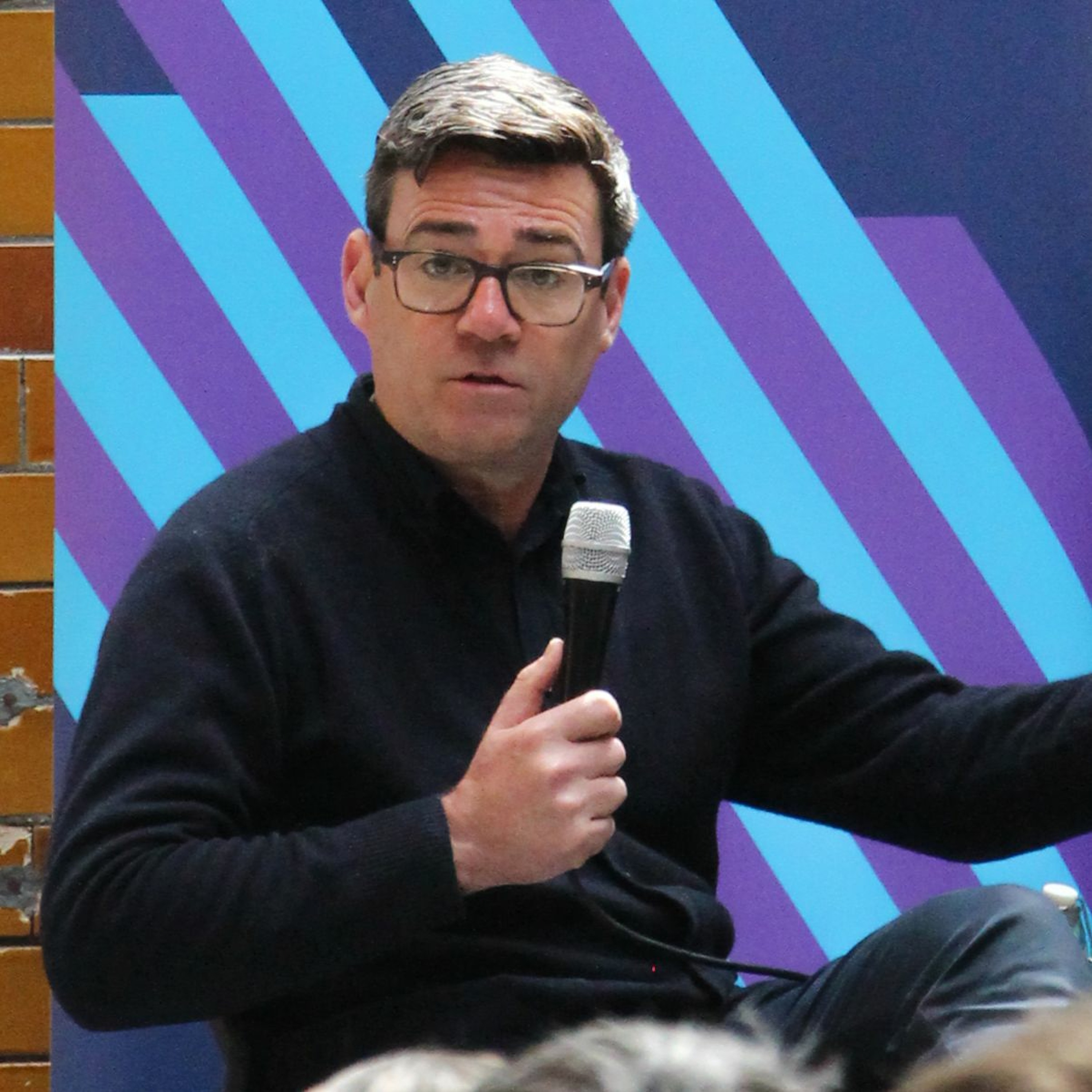
Where next for levelling up?
A commitment to level up the country was at the forefront of the Conservative Party’s 2019 manifesto, but how much progress can the government make on its flagship agenda with no more than 18 months remaining until the next general election? Is substantial progress on regional inequalities possible over the next few years given the broader economic circumstances? And should this and future administrations prioritise specific aspects of the agenda, such as skills? This event, which took place shortly after the 2023 local elections were held, assessed what comes next for levelling up. To explore these questions and more, our expert panel included: Debbie Abrahams MP, Member of Parliament for Oldham East and Saddleworth Andy Burnham, Mayor of Greater Manchester Andy Westwood, Professor of Government Practice and Vice Dean of Humanities at The University of Manchester Jennifer Williams, Northern England Correspondent at the Financial Times The event was chaired by Thomas Pope, Deputy Chief Economist at the Institute for Government.