
Institute for Government
542 episodes — Page 6 of 11
General election: How can think tanks shape policy and political debate?
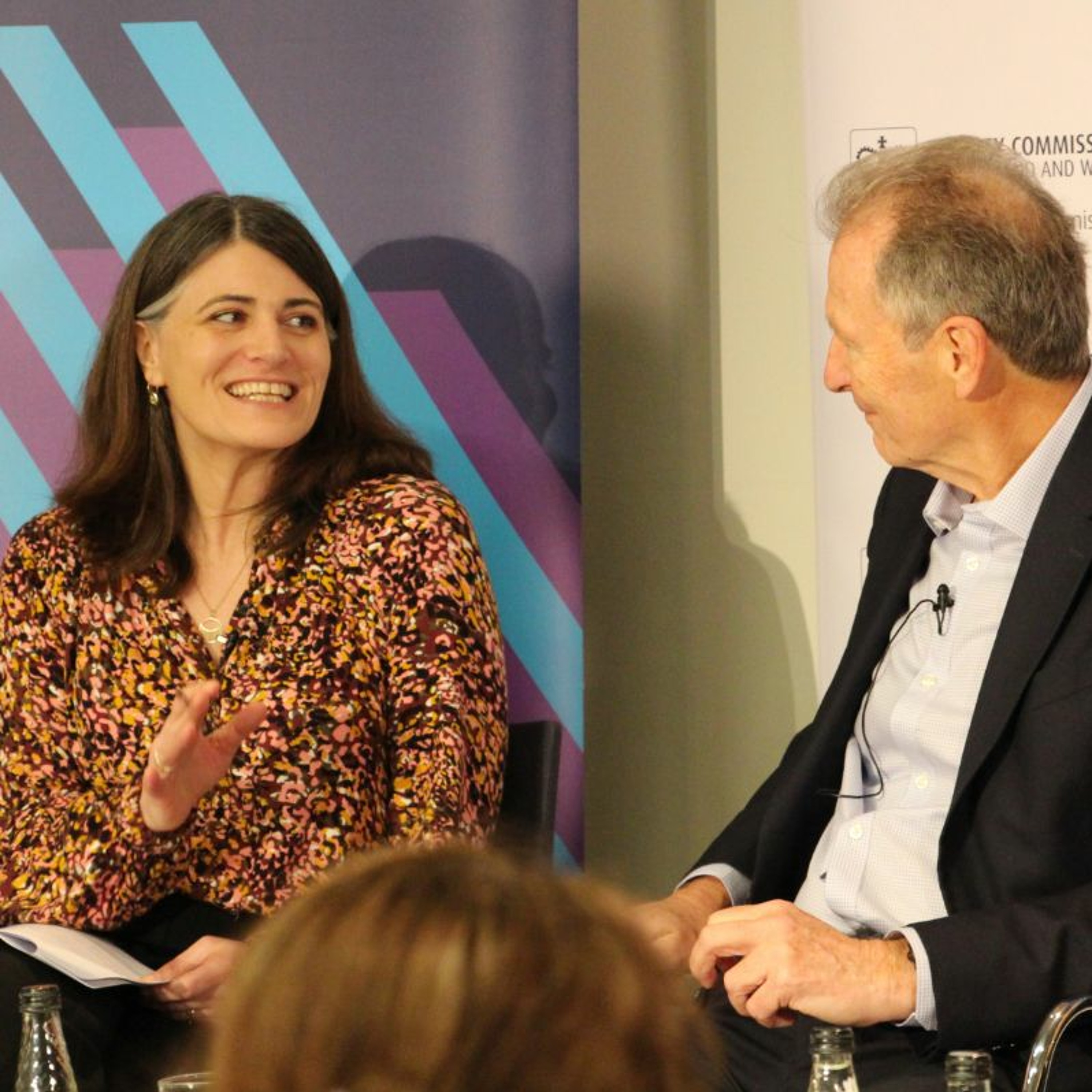
Political parties are increasingly focusing their energy and resources on the approaching general election campaign. The pace will be relentless. The atmosphere will be increasingly fraught. So as the campaign intensifies, how can think tanks make themselves heard – and help to shape policy and political debate? A dramatic – and sometimes chaotic – decade in British politics has brought new challenges to think tanks. Different think tanks, with a range of political views and policy priorities, play different roles – but how has their work evolved in recent years? What level of influence do they have in shaping the priorities and policies of opposition parties and government and how does this change in an election year? What are a think tank’s responsibilities when it works with political parties, government ministers or their advisers? And does being a registered charity impact how a think tank can inform and influence public debate and policy development? These questions and more were explored in a joint Institute for Government and Charity Commission event featuring: Andy Cook, Chief Executive of the Centre for Social Justice Polly Curtis, Chief Executive of Demos Orlando Fraser KC, Chair of the Charity Commission Dr Hannah White OBE, Director of the Institute for Government The event was chaired by Lord O'Donnell, former Cabinet Secretary and Head of the Civil Service (2005–11).
Fixing the centre of government
Fixing the centre of government by Institute for Government
Data Bites #48: Getting things done with data in government - smart data special
Data Bites #48: Getting things done with data in government - smart data special by Institute for Government
General election: What makes a good manifesto?
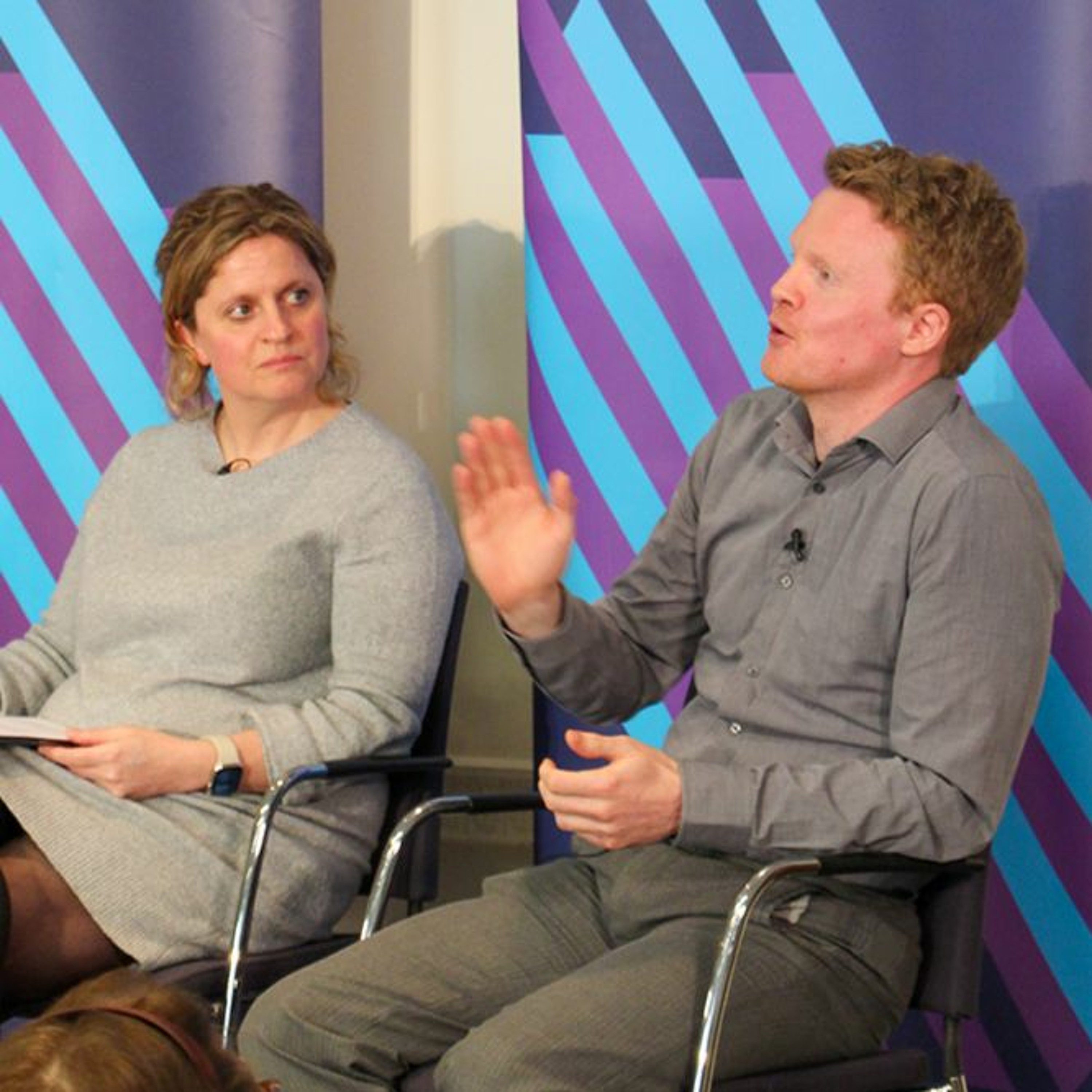
With the general election less than a year away, the Conservatives, Labour and all other political parties are drawing up their manifestos. Scrutinised by the media and voters, manifestos can shape debate, shift the polls, and play a major part in an election campaign – and shape what the winning part does in government. While manifestos are described as a contract between a party and the people, the reality in government is often quite different. Pledges may prove difficult to deliver in practice, with unforeseen crises and the day-to-day challenges of governing seeing commitments fall by the wayside. In a coalition or minority government, parties may have to compromise. So how do the parties develop and write their manifestos? What does a good manifesto actually look like? What are the questions that Rishi Sunak and Keir Starmer will be considering when signing off on their manifestos? And just how important are manifestos during – and after – a general election campaign? Joining us to discuss these questions and more were: Andrew Fisher, former Executive Director of Policy for the Labour Party, and author of the 2017 and 2019 Labour manifestos Robert Shrimsley, Chief UK Political Commentator and Executive Editor at the Financial Times Rachel Wolf, Founding Partner at Public First, and co-author of the 2019 Conservative manifesto The event was chaired by Dr Catherine Haddon, Programme Director at the Institute for Government.
Productivity Pitches #2: criminal justice and law enforcement
Productivity Pitches #2: criminal justice and law enforcement by Institute for Government
Inside the Political Mind: How the human side of politics shapes behaviour
Inside the Political Mind: How the human side of politics shapes behaviour by Institute for Government
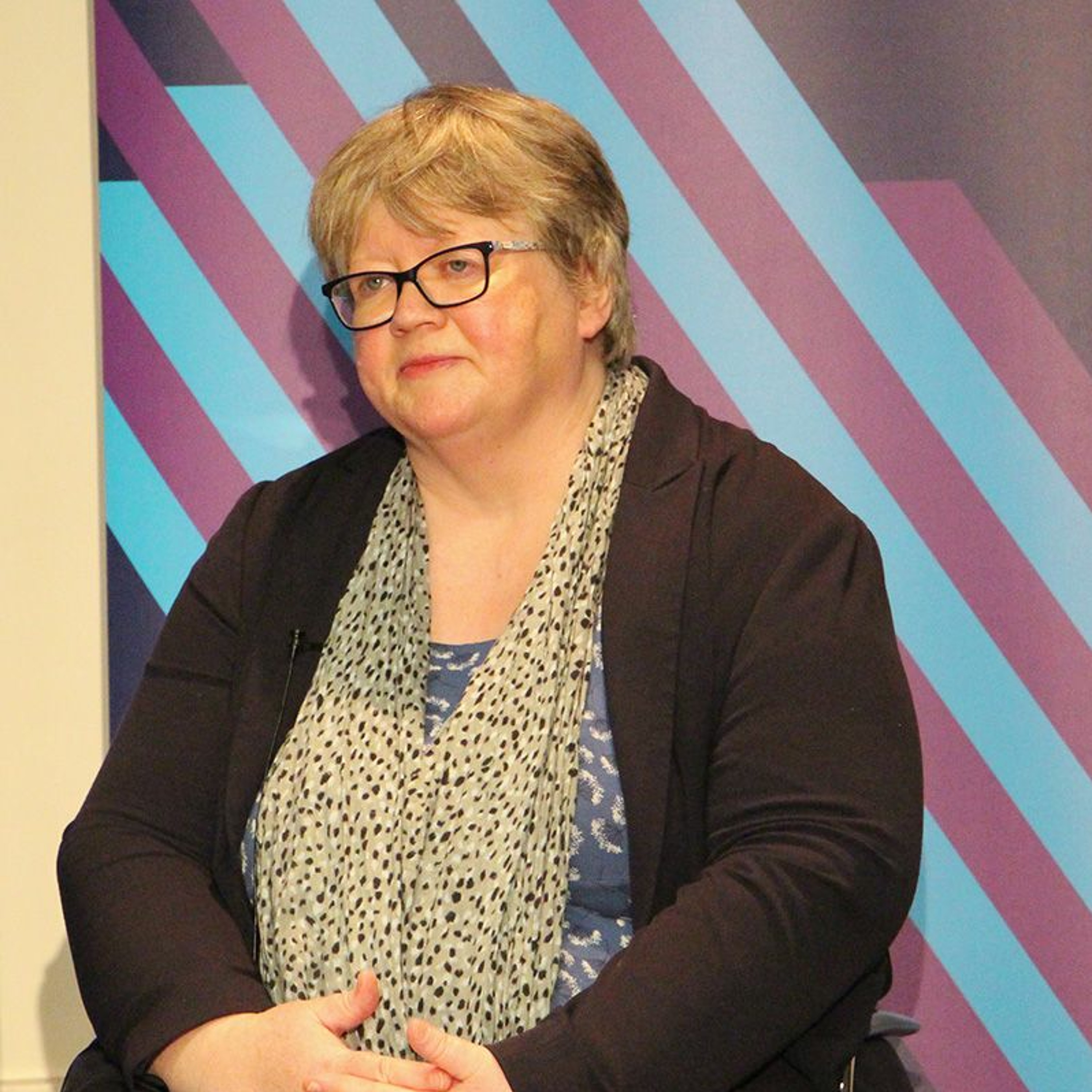
In conversation with Rt Hon Thérèse Coffey MP
Former deputy prime minister, health secretary and environment secretary Thérèse Coffey joined us at the Institute for Government to reflect on her nine years as government minister. https://www.instituteforgovernment.org.uk/event/therese-coffey
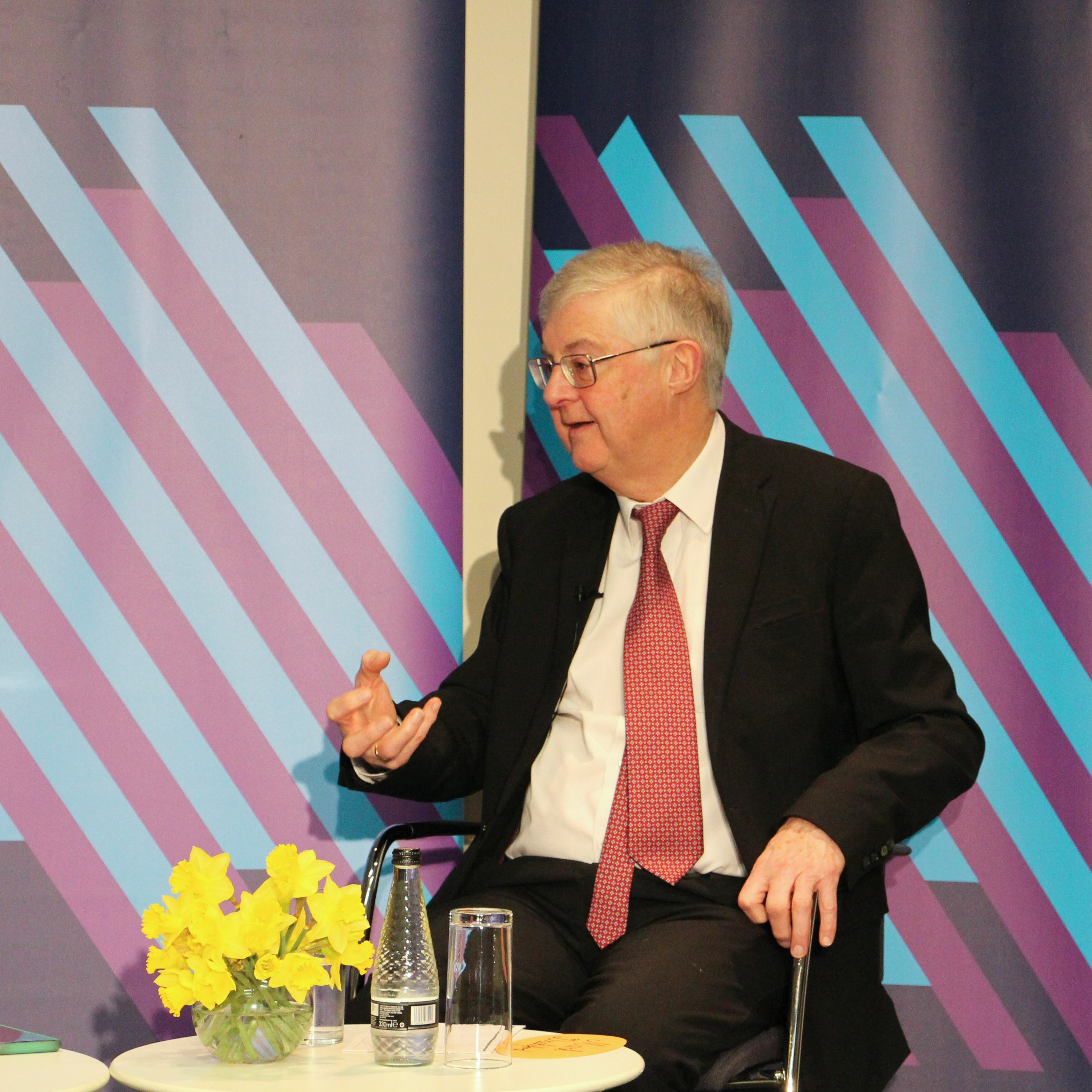
In conversation with Rt Hon Mark Drakeford MS, First Minister of Wales
Devolution to Wales is almost 25 years old. Since the first Welsh assembly elections in 1999, the powers of the devolved institutions in Cardiff have been substantially expanded –with Welsh voters backing the historic transformation of the assembly into a law-making parliament in a 2011 referendum. A quarter of a century since devolution began, what are the potential next steps in Wales’s unfinished constitutional journey? Set up to address this very question, the cross-party Independent Commission on the Constitutional Future of Wales, established by the Welsh government, will publish its final report in January 2024 – a key moment in the debate on the future of Wales. The Institute for Government was delighted to welcome Rt Hon Mark Drakeford MS, the First Minister of Wales, to discuss the findings of the commission, his perspective on how devolution to Wales could be protected and strengthened, and how a future Labour government in Westminster should reform the constitution and improve relations with the devolved administrations. Mr Drakeford was in conversation with Dr Hannah White, Director of the Institute for Government, followed by Q&A with the live and online audience.
Podcast recording: The Expert Factor Live!
A special live episode of The Expert Factor podcast. Adam Fleming, Presenter of BBC Newscast Paul Johnson, Director of the Institute for Fiscal Studies Professor Anand Menon, Director of UK in a Changing Europe Dr Hannah White OBE, Director of the Institute for Government
The essential IfG briefing and IfG Director's closing remarks
The essential IfG briefing From devolution to parliamentary scrutiny, standards in public life to net zero, a panel of IfG experts explore a range of key policy areas that this and future governments will need to focus on. Tim Durrant, Programme Director at the Institute for Government Dr Matthew Gill, Programme Director at the Institute for Government Akash Paun, Programme Director at the Institute for Government Jill Rutter, Senior Fellow at the Institute for Government Dr Catherine Haddon, Programme Director at the Institute for Government (Chair) 40:51- IfG Director’s closing remarks Dr Hannah White OBE, Director of the Institute for Government
Ready for reform: next steps for the civil service (including the launch Of Whitehall Monitor 2024)
Rhys Clyne, Associate Director at the Institute for Government, set out key findings from Whitehall Monitor 2024 – the IfG’s annual report into the shape, size and performance of the civil service – ahead of a panel discussion on how the civil service can be reformed to deliver for ministers. Rowena Mason, Whitehall Editor at the Guardian Rt Hon Lord Maude, author of the Independent Review of Governance and Accountability in the Civil Service Alex Thomas, Programme Director at the Institute for Government Rt Hon Nick Thomas-Symonds MP, Shadow Minister without Portfolio (Cabinet Office) Emma Norris, Deputy Director at the Institute for Government (Chair)
General election countdown: key challenges for government in 2024
A wide-ranging discussion on the key issues facing government – and the economy – as a general election draws near. Claire Ainsley, Director of the Project on Center-Left Renewal and former Executive Director of Policy to Keir Starmer Anita Boateng, Partner at Portland Communications and former Special Adviser for the Cabinet Office, MoJ and DWP Sam Freedman, Senior Fellow at the Institute for Government Giles Wilkes, Senior Fellow at the Institute for Government Joe Owen, Director of Impact at the Institute for Government (Chair)
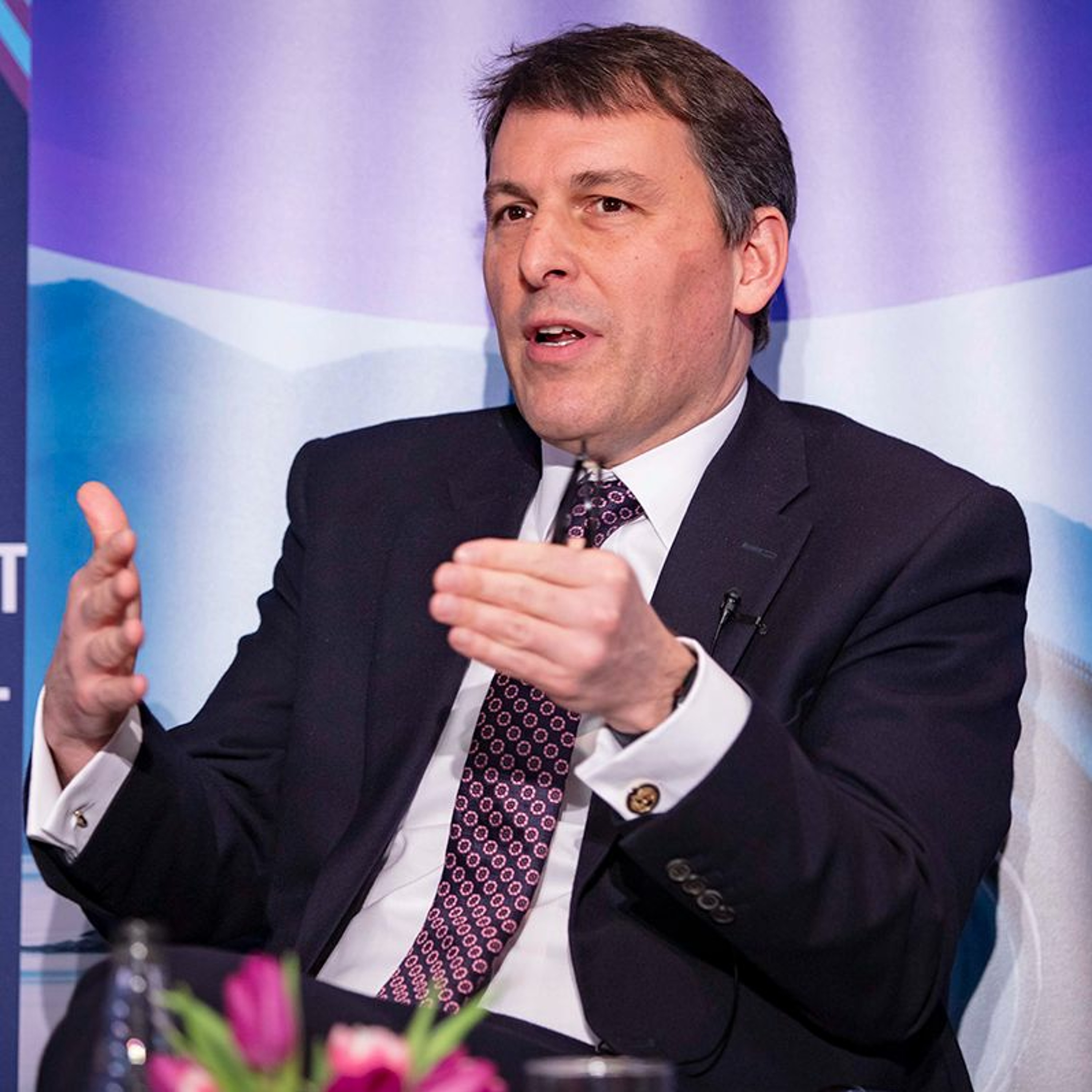
Government keynote speech: Rt Hon John Glen MP
Government keynote speech: Rt Hon John Glen MP by Institute for Government
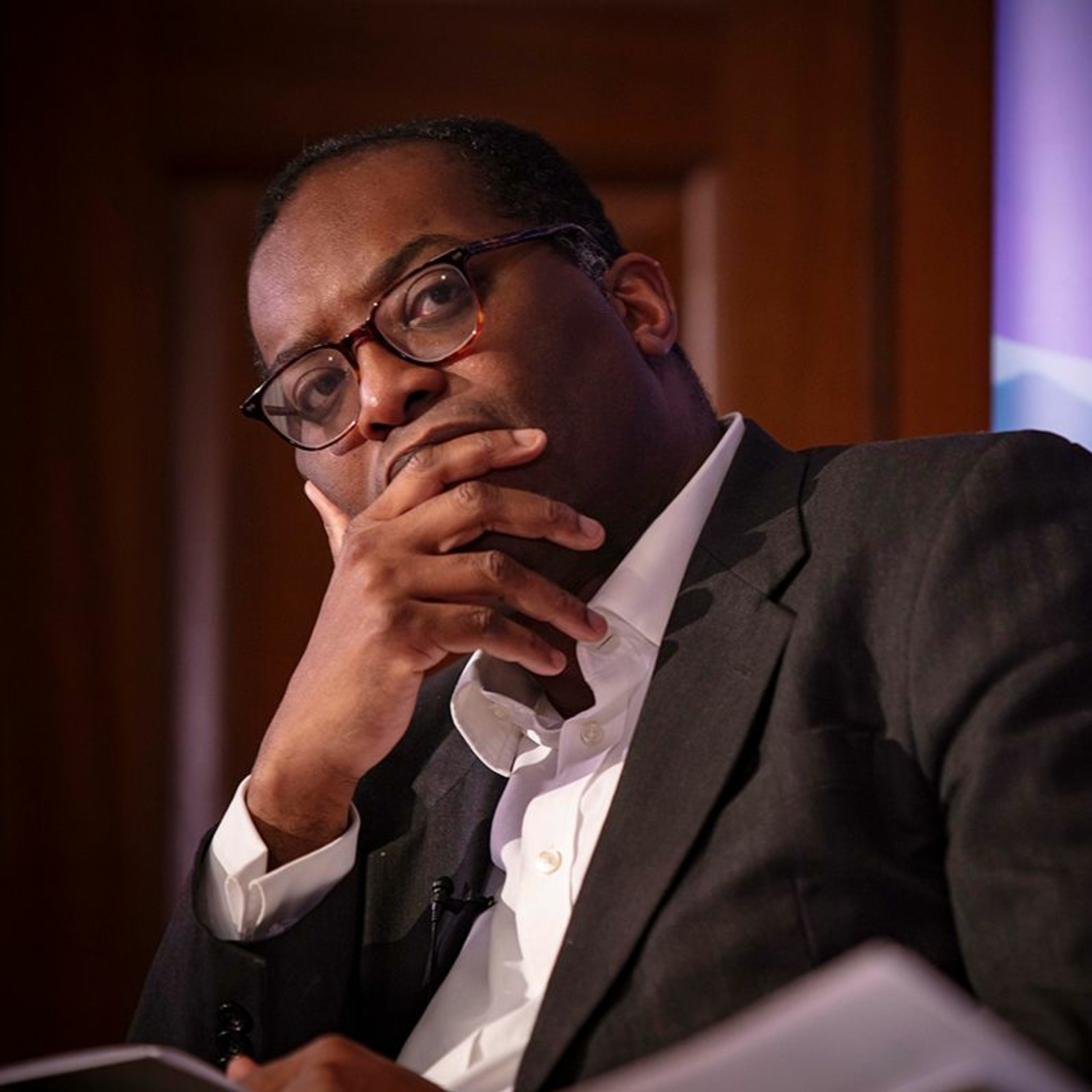
Ending the decline: how to fix public services
Stuart Hoddinott, Senior Researcher at the Institute for Government, set out key findings from Performance Tracker – the IfG’s annual stocktake of nine key public services – ahead of a panel discussion on how public service performance can be turned around. Adam Boulton, former Political Editor of Sky News Councillor Georgia Gould, Leader of Camden Council Rt Hon Kwasi Kwarteng MP, former Chancellor of the Exchequer Nick Davies, Programme Director at the Institute for Government (Chair)
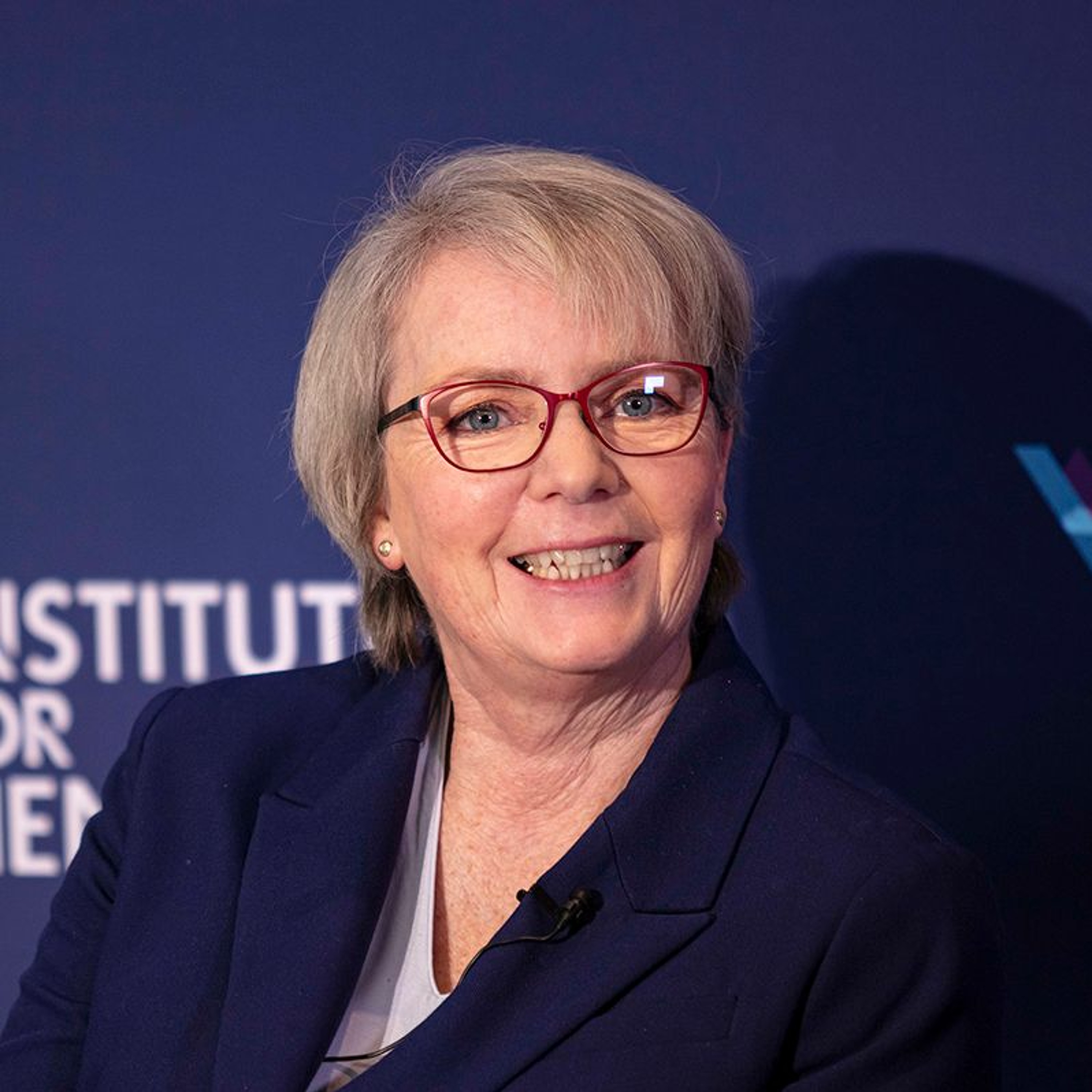
Labour keynote speech: Karin Smyth MP
We were delighted to welcome Karin Smyth MP, Shadow Minister of Health, for a keynote speech at Government 2024, the IfG's annual conference with Grant Thornton UK LLP. This was followed by an in conversation with Dr Hannah White OBE, Director of the IfG.
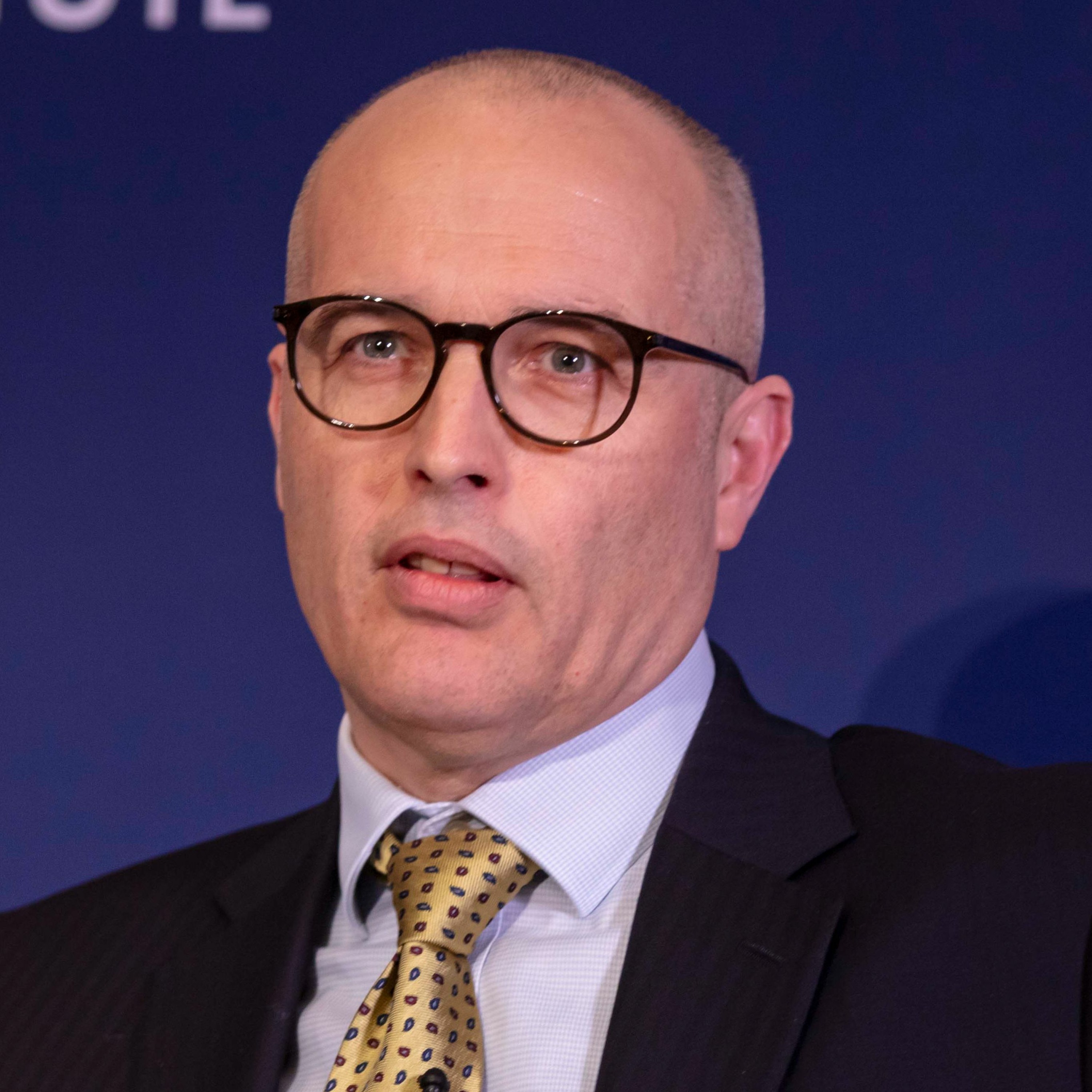
Government 2024 welcome and opening remarks
2024 will be a crucial year for government and for British politics. With a general election no more than a year away, Rishi Sunak has asked to be judged on meeting his five pledges – and the pressure is on Keir Starmer to add policy details to his five missions. To mark the start of this pivotal 12 months, the Institute for Government’s annual conference brought together influential speakers and IfG experts to explore the key questions facing government – and opposition parties – in 2024, stimulate new thinking and discuss the year ahead. Dr Hannah White, IfG Director, gave a welcome to the conference, followed by opening remarks by Phillip Woolley, Partner at Grant Thornton UK.
How can devolution contribute to regional growth in England
Audio recording of event held at the Institute for Government, 16 January 2024.
General election: How should an opposition prepare for government?
The next general election is – at most – one year away. If Labour wins, there will, as is almost always the case in the UK, be an overnight transition of power. A party that has spent 14 years in opposition would be instantly thrown into government. But having focused already limited resources on election campaigning, and often lacking the knowledge and experience of being in government, how can opposition parties prepare for an overnight transition? Which issues do they need to consider ahead of a possible election win? And what challenges might arise on that first day in power? As the Institute’s research shows, proper preparation can make the difference between success and stagnation once in office. This event, the latest in the Institute for Government’s General Election programme, discussed a new IfG report – Preparing for government: How oppositions should ready themselves for power – which sets out how to prepare for a possible transition into government. Joining us to the discuss the report and its findings was an expert panel, including: Wes Ball, former Director of the Parliamentary Labour Party Baroness Fall, former Deputy Chief of Staff to David Cameron Dr Catherine Haddon, Programme Director at the Institute for Government Lord Macpherson, former Permanent Secretary at HM Treasury (2005–16) The event was chaired by Joe Owen, Director of Impact at the Institute for Government. Follow us on X (formerly known as Twitter) @ifgevents and join the conversation using #IfGGeneralElection.
How can government ensure it learns effectively from the past in making public finance decisions?
Governments often tackle similar issues again and again – from day-to-day matters to major challenges such as natural disasters, public health threats or global financial or security crises. So it is vital that governments learn from experience about what works – and what doesn’t – to improve the functioning of government. But extensive churn in ministers – and the civil servants who support them – means that institutional memory can be lost. In the mid-2010s, the Treasury was grappling with how to maintain and improve public service performance as budgets were squeezed. Senior officials in the department identified the need for a review of historic evidence to ensure they understood what the experience of previous decades showed about how to manage public spending effectively The Nuffield Foundation funded a project involving the Institute of Fiscal Studies (Paul Johnson, Rowena Crawford and Ben Zaranko) and a team based at the Blavatnik School of Government in Oxford (Christopher Hood, Iain McLean, Maia King and Barbara Piotrowska). The task of the IFS team was to assess what happened to UK spending over 1993–2015 from the available statistics, while the Blavatnik team explored the more qualitative aspects of public spending control over the same period from a mixture of published sources, interviews and archival material – now published in book form (The Way the Money Goes: The Fiscal Constitution and Public Spending in the UK). Drawing on that work, this event will reflect on the value – but also the challenges – of historical research on government and explore what can be learnt from past experience in the planning and control of public spending. To discuss these questions and more, we were joined by a panel of experts: Sir Charles Bean, Professor of Economics at the London School of Economics and former member of the Budget Responsibility Committee at the Office for Budget Responsibility (2017–21) Mark Franks, Director of Welfare at the Nuffield Foundation Catherine Haddon, Programme Director at the Institute for Government Professor Christopher Hood, Visiting Professor at the Blavatnik School of Government, Oxford University Conrad Smewing, Director General, Public Spending at HM Treasury The event was chaired by Dr Gemma Tetlow, Chief Economist at the Institute for Government.
How can the government improve public service productivity?
In this first Productivity Pitches event, a new series that the Institute for Government will organise jointly with The Productivity Institute, we were delighted to welcome Cat Little, Second Permanent Secretary to the Treasury and Bart van Ark, Managing Director of The Productivity Institute to discuss these questions: What are the causes of weak productivity growth in public services? How can digital and AI play in improving public service productivity? What lessons can be learned from the private sector? With little room for manoeuvre to increase spending on struggling public services, the UK government must ensure that every pound is spent well. However, public service productivity fell both during and after the pandemic. For example, the government’s successful programme to increase the number of police officers by 20,000 has only resulted in a small improvement to charge rates. Some important hospital activity is still below pre-pandemic levels despite substantial spending increases and rising staff numbers. And ONS records show that adult social care productivity more or less stalled for the decade before the pandemic. So with the fiscal situation unlikely to improve in the immediate future, what can government and frontline services do to improve productivity? The event was chaired by Nick Davies, Programme Director at the Institute for Government. Productivity Pitches is a new quarterly series hosted by the Institute for Government highlighting examples of productivity improvements in public services. These events will look at innovations in everything from technology and IT to management and clinical improvements, allowing those on the frontline to showcase how their innovations are improving service performance and saving money.
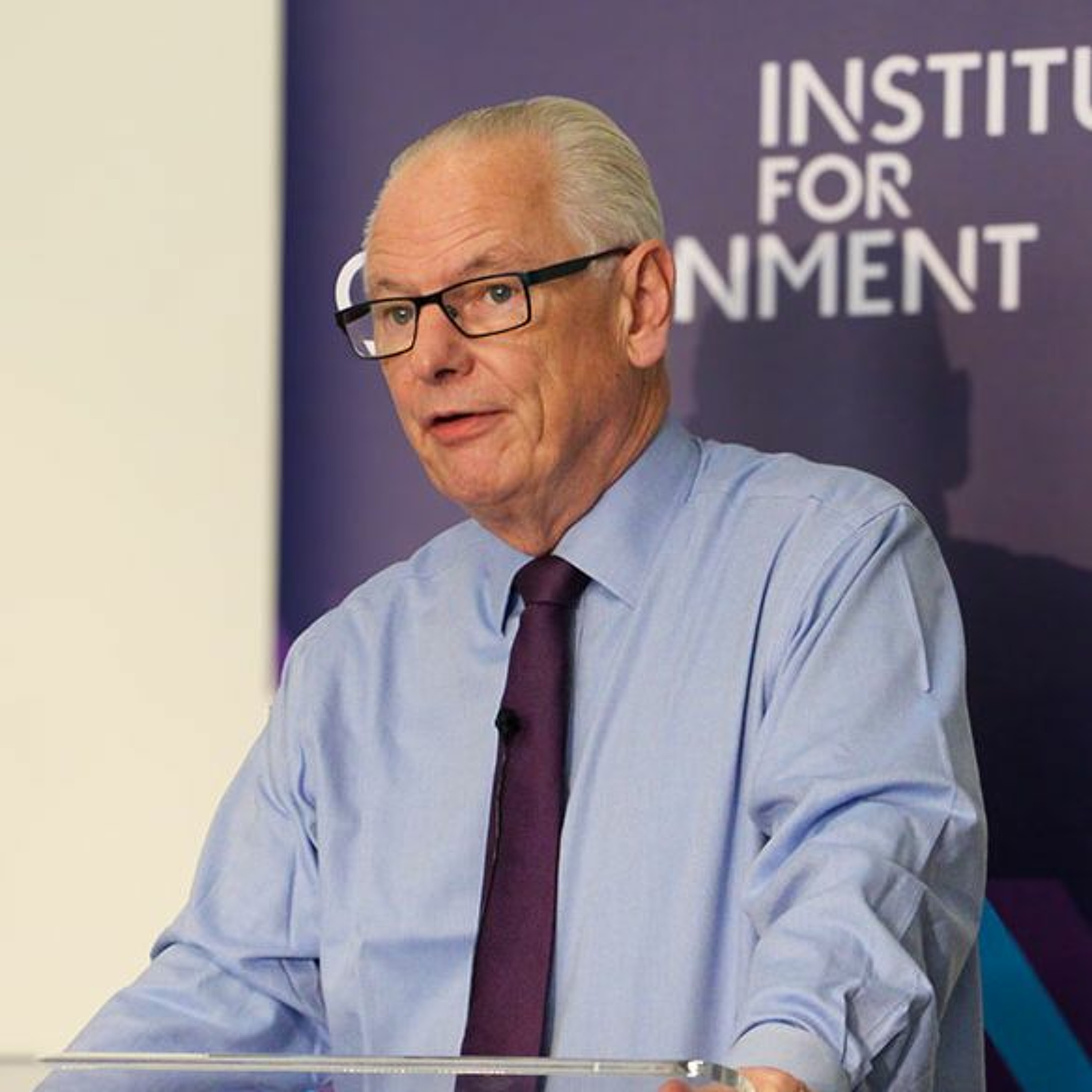
Fixing Whitehall: Is the Maude review the right plan for government reform?
Earlier this month Lord Maude, who served as Minister for the Cabinet Office from 2010-2015, published his Independent Review of Governance and Accountability in the Civil Service. The comprehensive review saw Maude speak to former and present civil service leaders, minister and ex-ministers, former prime ministers, and many civil servants. Maude concludes that “the arrangements for governance and accountability of the civil service are unclear, opaque and incomplete”, and that the centre of government has become "unwieldy, with confusion about where responsibilities lie." So what is Lord Maude’s plan to fix these problems and how would his 57 recommendations work? Ministers have reacted coolly to Maude’s plan to split the Treasury and create an Office of Budget and Management, but is he right? What responsibilities should the cabinet secretary hold? And what can be done to ensure this review of the civil service succeeds when so many previous attempts have failed? To discuss these questions and more, Lord Maude joined us in conversation at the Institute for Government. The event was chaired by Alex Thomas, Programme Director at the Institute for Government. Read the IfG's response to the Maude review.
How can local leaders help England reach net zero?
In 2019, the UK government passed trailblazing legislation committing itself to achieving ‘net zero’ greenhouse gas emissions by 2050. The UK has already made significant progress in decarbonising its economy: carbon emissions have fallen by over 45% from the 1990s levels. This has been mainly achieved through centrally directed policy to decrease emissions from power generation, by substituting coal generation for gas and investment in renewable energy. But reducing emissions further will require disruptive policy and behavioural change across a wider range of sectors, involving a more diffuse set of actors. Metro mayors and local government in England will play a key role, given their powers in critical areas such as transport, planning, housing, skills and economic strategy. This event explored how mayors and other local leaders are using devolved powers to achieve net zero at the regional level, by supporting the growth of green industry and energy, investing in clean transport and infrastructure, retrofitting houses and buildings to reduce emissions, and upskilling the population for the green jobs of the future. Drawing on research it published earlier this year, Net zero and devolution: The role of England’s mayors in the climate transition, the Institute for Government hosted a virtual event in partnership with The Royal Society to discuss these questions. To explore these questions and more, our expert panel included: Ed Cox, Executive Director - Strategy, Economy & Net Zero at the West Midlands Combined Authority (WMCA)Professor Joanna D. Haigh, Research Fellow at Imperial College LondonRosa Hodgkin, Researcher at the Institute for GovernmentShirley Rodrigues, Deputy Mayor for Environment and Energy at the Greater London Authority The event was chaired by Akash Paun, Programme Director at the Institute for Government. This event was kindly supported by The Royal Society.
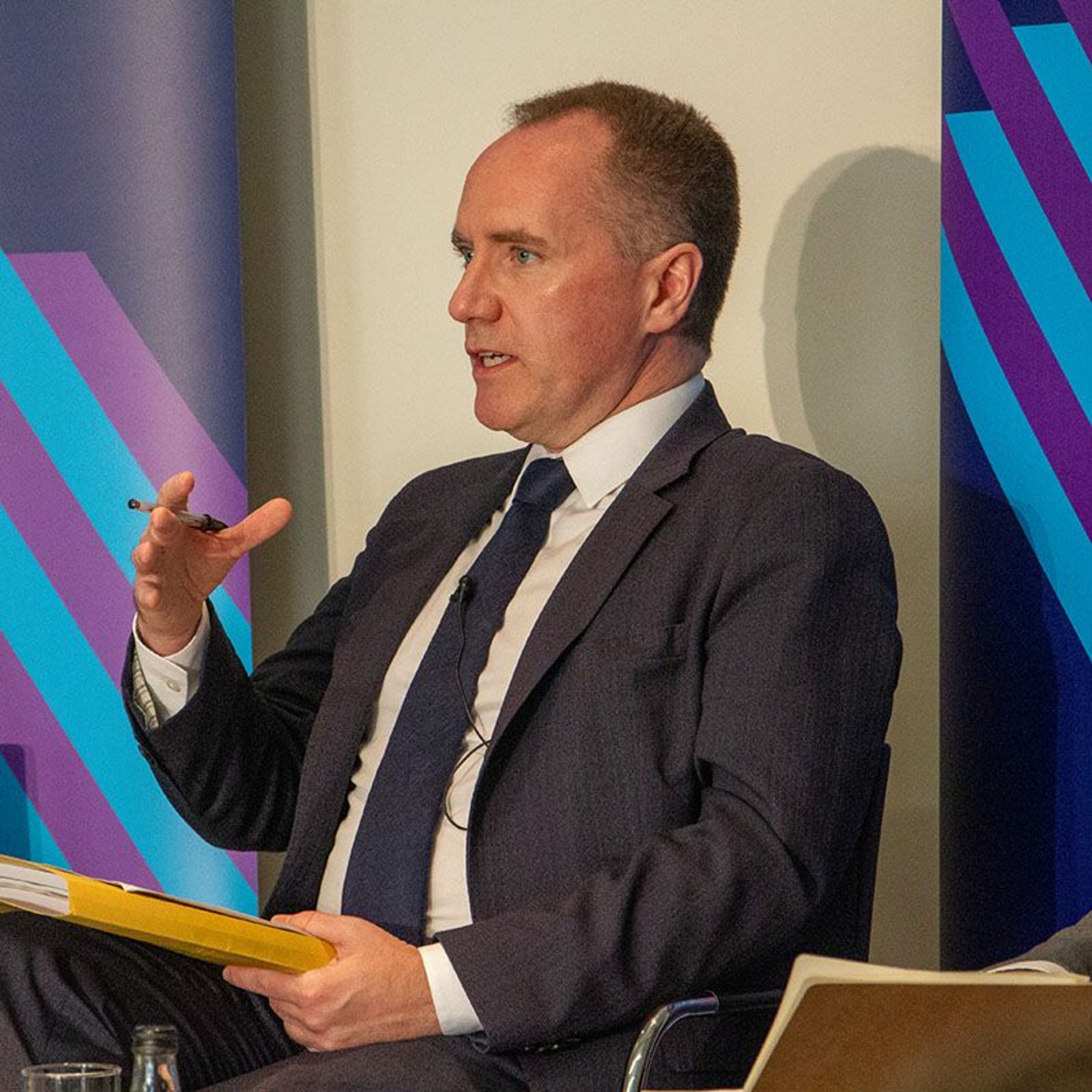
What does the 2023 autumn statement mean for UK fiscal policy?
After Rishi Sunak used the recent Conservative Party Conference to pitch himself as the ‘change’ candidate, the autumn statement on 22 November was Jeremy Hunt’s first opportunity to set out the government’s new tax and spending plans. But what the prime minister and chancellor offered was in part be shaped by the new economic and fiscal forecasts they were given by the Office for Budget Responsibility (OBR), the UK’s independent fiscal watchdog. So, what did the autumn statement reveal about this government’s approach to economic and fiscal policy? How has the economic and fiscal outlook changed since March and how might that shape the general election campaign? Does the government have any new plans to try to boost growth and household incomes? What do the government’s public spending plans look like – and are they plausible? To explore these questions and more, our expert panel included: - Anoosh Chakelian, Britain Editor of the New Statesman - Stuart Hoddinott, Senior Researcher at the Institute for Government - Richard Hughes, Chair of the Office for Budget Responsibility - Thomas Pope, Deputy Chief Economist at the Institute for Government The event was chaired by Hannah White, Director of the Institute for Government.
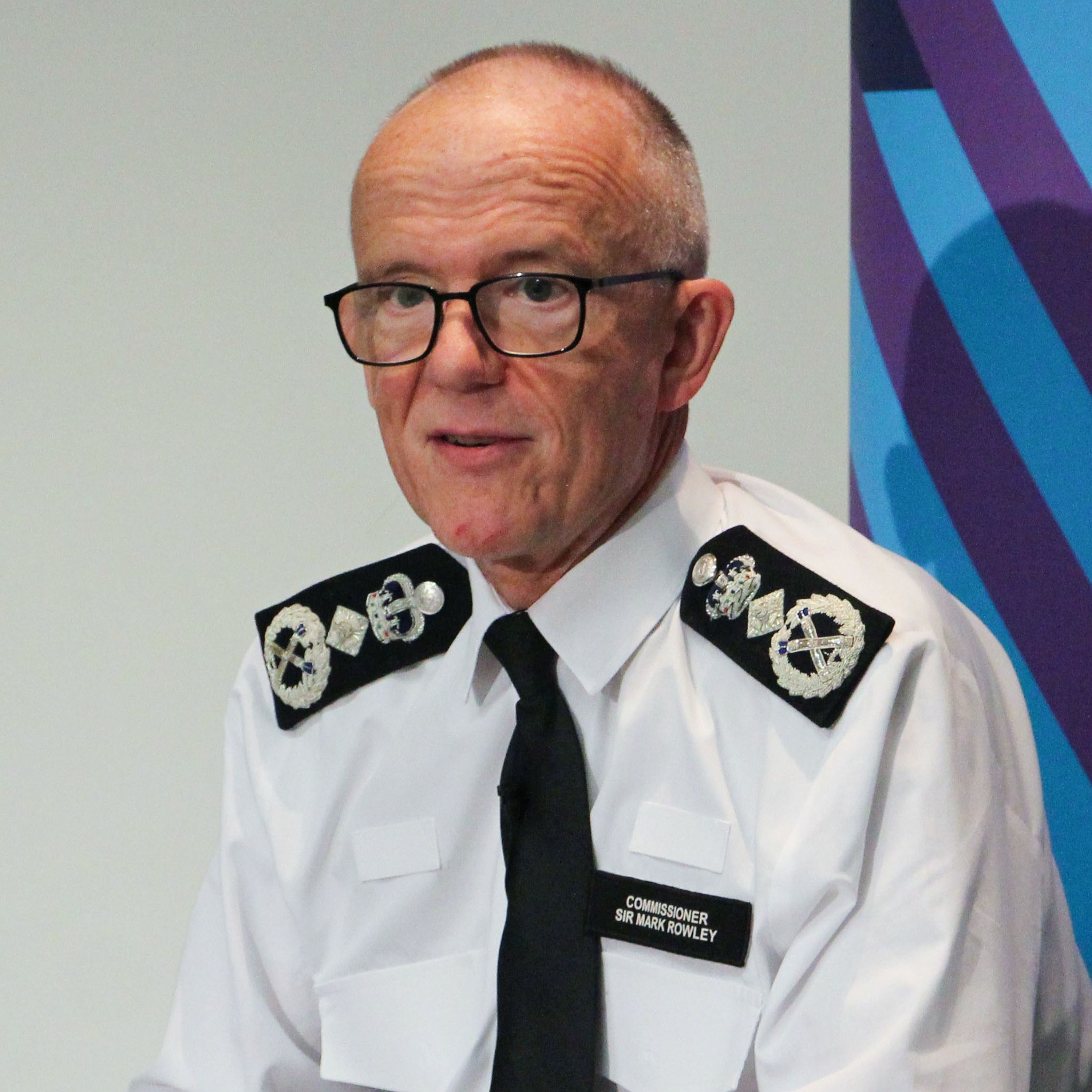
In conversation with Sir Mark Rowley, Commissioner of the Metropolitan Police Service
High standards are crucial for maintaining public trust in the police – but in recent years the reputation of the Metropolitan Police has been damaged by a number of scandals. Sir Mark Rowley was appointed as Met Commissioner in September 2022 with a mandate to bring in higher standards of policing, reduce crime rates, and deliver more trust in the Met Police. At this Institute for Government event, the Commissioner set out how he intends to achieve his priorities, including through changes to police structures, improved leadership, and the New Met for London plan. The event was chaired by Emma Norris, Deputy Director at the Institute for Government. Following his brief opening remarks, the Commissioner took part in a Q&A with the in-person and online audience.
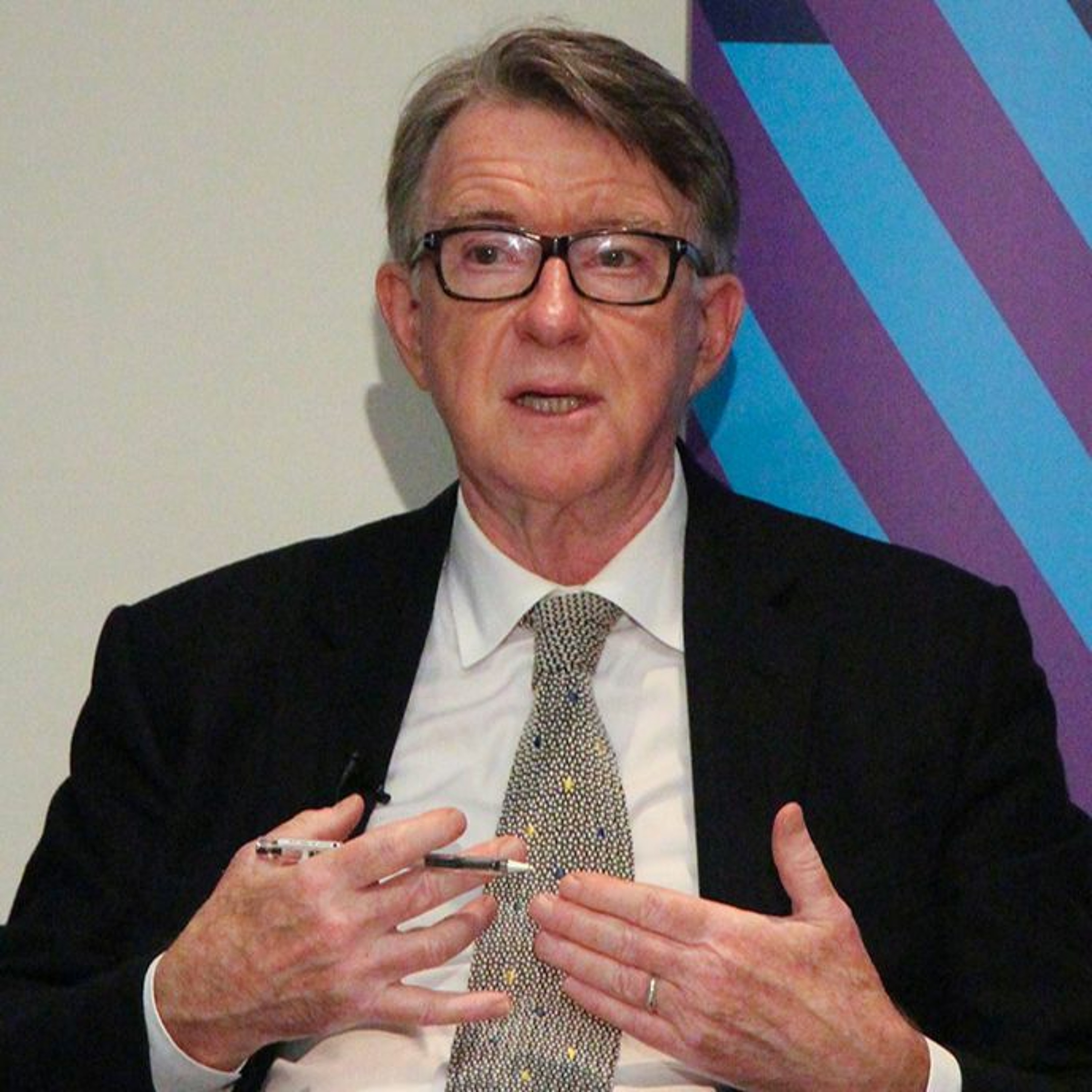
General election: what change do we need?
Rishi Sunak has until December 2024 to call an election. While the formal starting pistol has yet to be fired, and may not be for at least a year, the long campaign has already begun. Both Sunak and Starmer are presenting themselves as the change candidate and the person to fix a country that – they both argue – is struggling to find its way. Kicking off the Institute's General Election programme, this event reflected on the opening pitches of the two main parties at their recent conferences. It will ask what change the country, government and political system needs, what change the voters want, and whether either party has a plan to deliver it. Joining us were: Kelly Beaver, Chief Executive of Ipsos in the UK and Ireland Lord Mandelson, Chairman of Global Counsel and former minister in the Blair and Brown governments Kate McCann, Political Editor at Times Radio Lord Willetts, President of the Resolution Foundation and former minister in the Major and Cameron governments The event was chaired by Emma Norris, Deputy Director at the Institute for Government.
Data Bites #47: Getting things done with data in government
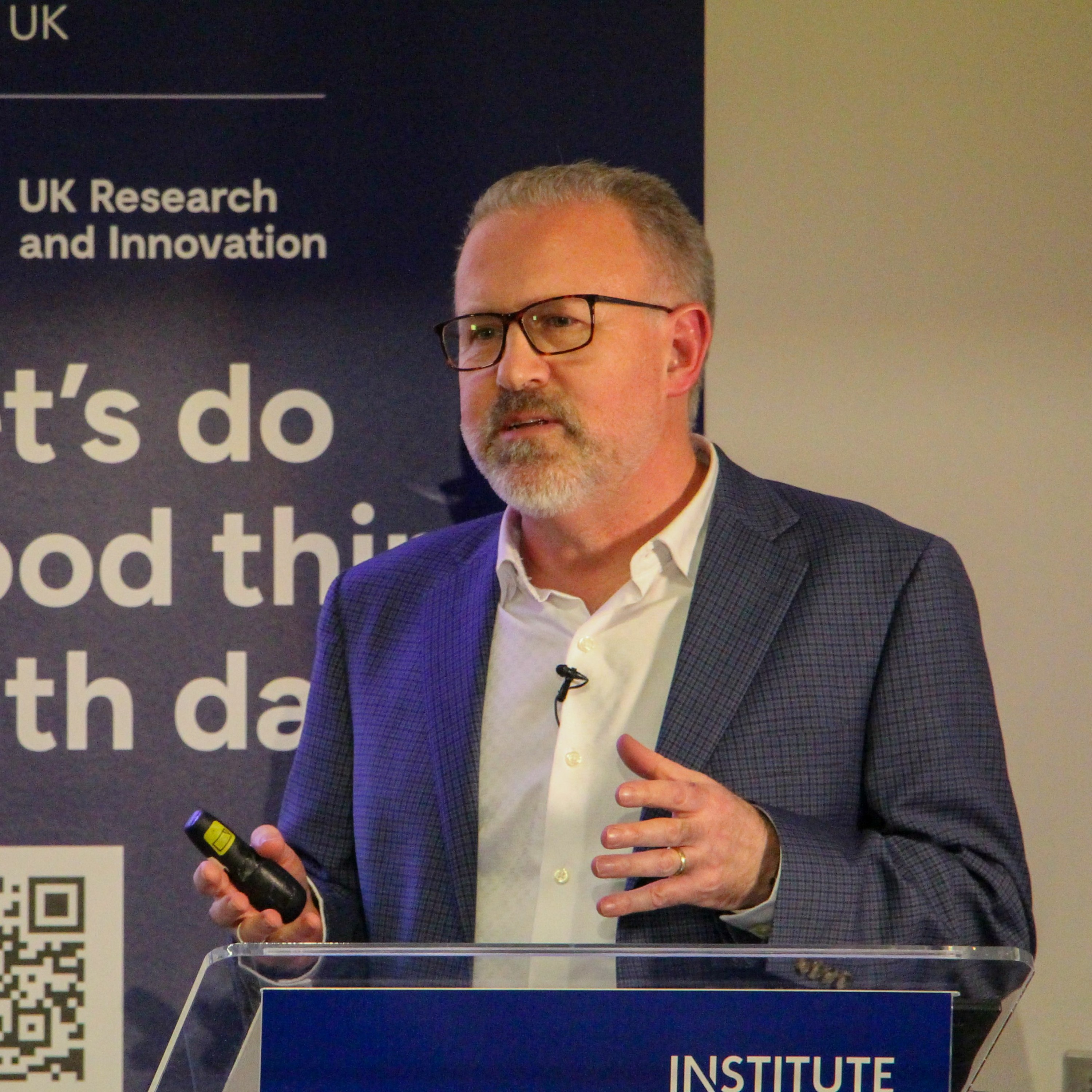
Better use of data is key to more effective government. Across government, teams are doing fascinating work with data. But those projects don’t get the attention they deserve. Data Bites aims to change that. This event was the 47th in our series, where the speakers present their work in an exciting, quickfire format. Each speaker had eight minutes, followed by eight minutes of questions from the audience. This month's speakers were: Phillip Davies, Deputy Director of Business Surveys and Registers Transformation, Office for National Statistics, on ‘Business Data Collection: Digital by Default & A Future Vision Gordon Guthrie, Research Fellow at Scottish Government under the First Minister's Digital Fellowship Programme, on constitutional oversight of data as the foundation for digital transformation Adam Locker, Head of Data Architecture and Engineering at National Highways, on getting data things done Siân Thomas, Chief Data Officer at the Department for Business and Trade, on agile governance of Large Language Models (LLMs) The event was chaired by Gavin Freeguard, Associate at the Institute for Government.
What makes a good minister?
The Ministers Reflect archive includes interviews with ministers who have served under every prime minister between Margaret Thatcher and Liz Truss. They all faced their own challenges and had to deal with the problems of the era in which they served in government, but there is much that unites their experience of holding ministerial office. So what does it mean to be a minister? What are the most important skills and attitudes for success? How has the role changed over recent years, and between different governments? And what can future ministers learn from their predecessors? Tim Durrant, Programme Director at the Institute for Government Dame Angela Eagle MP, Labour MP for Wallasey and member of the Treasury Select Committee Marie Le Conte, journalist and author Ann Francke, Chief Executive of the Chartered Management Institute This event was chaired by Dr Hannah White, Director of the Institute for Government. This event was part of the IfG's Ministers Reflect one-day conference.
Ministers Reflect around the world: how do ministers’ roles in different governments compare?
The Institute’s Ministers Reflect project includes several interviews with former ministers in the devolved governments in the UK, and the model of long-form interviews with former ministers has been exported to a number of countries around the world. Of course, the political and cultural contexts differ, and the ease of access to former ministers varies between these countries. But there are many similarities between the experiences of ministers and the challenges they face in leading officials, passing legislation and getting things done in government. To discuss how ministers’ roles vary around the UK and around the world, and how Ministers Reflect-style interviews can inform our understanding of government, we were joined by: Professor Caspar van den Berg, Chair in Global and Local Governance at the University of Groningen in the Netherlands, and member of the Dutch Senate Dr Hans Gutbrod, Associate Professor of Public Policy at Ilia State University in Georgia Akash Paun, Programme Director at the Institute for Government Dr Catherine Haddon, Programme Director at the Institute for Government This event was chaired by Tim Durrant, Programme Director at the Institute for Government. This event was part of the IfG's Ministers Reflect one-day conference.
What can academics learn from Ministers Reflect?
The Ministers Reflect archive is a unique source for those outside government too. The interviews provide a rich, publicly available seam of material for academics interested in UK government, politics and policy making. Several researchers are already interrogating the archive in a variety of ways – from using textual analysis to explore ministerial leadership styles, to qualitative comparisons examining different approaches to specific ministerial roles. To discuss how they have used Ministers Reflect interviews in their work and what they have found, we were joined by: Professor John Boswell, Associate Professor in Politics at the University of Southampton Dr Jessica Smith, Lecturer in Politics with Quantitative Methods at the University of Edinburgh Dr Orly Siow, Associate Senior Lecturer in Gender Studies at Lund University This event was chaired by Dr Alice Lilly, Senior Researcher at the Institute for Government. This event was part of the IfG's Ministers Reflect one-day conference.
How can the civil service work effectively with ministers?
One of the most common themes in Ministers Reflect interviews is the relationship between ministers and civil servants. From the importance of a good private office team, to civil servants’ poor understanding of parliament, to ongoing gripes around spelling and grammar, there are many things that ministers wish the civil service did differently. To discuss how the civil service can use Ministers Reflect to understand what ministers want, and how they can improve the support they offer, we were joined by: Chloe Smith MP, MP for Norwich North, and former minister at Department for Science, Innovation and Technology; Department for Work and Pensions; and Cabinet Office. Dame Una O’Brien DCB, former Permanent Secretary at the Department of Health and Social Care (then Department of Health) Alex Thomas, Programme Director at the Institute for Government This event was chaired by Dr Catherine Haddon, Programme Director at the Institute for Government. This event was part of the IfG's Ministers Reflect one-day conference.
Welcome and What is the reality of being a minister?
Ministers Reflect interviews show us what governing looks like from the inside. They offer a range of perspectives on what being a minister actually involves on a day-to-day basis, the different aspects of the job, and how ministers develop their approach to the role over time. To explore ministerial life and what the archive reveals about it, we were joined by Leighton Andrews, Professor of Practice in Public Service Leadership at Cardiff University, and a former Minister for Education and Minister for Public Services in the Welsh government. Leighton not only uses Ministers Reflect interviews in his teaching about government and policy making, but is also drawing on the archive in a forthcoming book about ministerial leadership. Tim Durrant, Programme Director at the Institute for Government This event was part of the IfG's Ministers Reflect one-day conference.
The autumn statement 2023: pressures on public services
Public services were hit hard by the pandemic, which exacerbated existing performance problems and pressures on staff. High inflation and widespread strikes have since caused further disruption. Ahead of the autumn statement, this event brought together an expert panel to discuss: How does public service performance compare to pre-pandemic levels? How can the government recruit and retain sufficient staff to improve public service performance? What are the key public service challenges that will be faced by the winner of the next election? As the Institute for Government and the Chartered Institute of Public Finance and Accountancy (CIPFA) publish the latest edition of Performance Tracker which features new analysis on the performance of public services, Nick Davies, Programme Director at the Institute for Government, presented the key findings. He was joined by Stephen Bush, Associate Editor and Columnist at the Financial Times, and Baroness Morris, Chair of the Lords Public Services Committee. The event was chaired by Emma Norris, Deputy Director of the Institute for Government, with opening remarks by Jeffrey Matsu, Chief Economist at CIPFA.
In conversation with Rachel Reeves MP: The Women Who Made Modern Economics
To mark the publication of her new book, The Women Who Made Modern Economics, Rachel Reeves MP sat down with IfG's Chief Economist, Dr Gemma Tetlow.
In conversation with Anas Sarwar MSP, Leader of the Scottish Labour Party
Twenty-five years after the Scotland Act established the devolved Scottish government and parliament, the future of devolution and Scotland’s place in the union remain contentious issues. The SNP continues to advocate for Scottish independence. Meanwhile, the UK government has pursued a strategy of ‘muscular unionism’. Scottish Labour has called for a new approach, based on greater cooperation between UK and Scottish governments, and for stronger local government within Scotland. So what does Scotland’s constitutional future hold? The Institute for Government was delighted to welcome Anas Sarwar MSP, Leader of the Scottish Labour Party. How can Scottish devolution be strengthened? What might a future Labour government at Westminster mean for relations with Holyrood? And what is Sarwar’s vision for Scotland’s place in a reformed union? To discuss these questions and more, Anas Sarwar was in conversation with Dr Hannah White, Director of the Institute for Government, followed by Q&A with the live and online audience. Follow us on X (formerly known as Twitter) @ifgevents and join the conversation using #IfGSarwar.
What would the constitution of an independent Scotland look like?
If Scotland became independent, the nation would face some fundamental questions about the operation of its political system. It would need a new constitution; which the Scottish government proposes should be a written one, enshrining key rights and principles. And it would need to decide whether to re-join the EU, in line with the SNP’s position, with implications for the operation of the government, the role of the courts and parliamentary scrutiny. The event sought to answer some of the following key questions: What would the process for agreeing a codified constitution look like? How would popular sovereignty work in practice? How could a new constitution command cross-party and public consensus? How should the constitution be changed? Should Scotland re-join the EU? Should Scotland hold a referendum? What would re-joining the EU mean for Scotland and its political system? What can we learn from other countries? Speakers: Jamie Hepburn MSP, Minister for Independence Professor Anand Menon, Director of UK in a Changing Europe Lesley Riddoch, Broadcaster, journalist and author Jill Rutter, Senior Fellow at the Institute for Government and UK in a Changing Europe Jess Sargeant, Associate Director at the Institute for Government This event was held in partnership with UK in a Changing Europe.
Data Bites #46: Getting things done with data in government
Better use of data is key to more effective government. Across government, teams are doing fascinating work with data. But those projects don’t get the attention they deserve. Data Bites aims to change that. This event was the 46th in our series, where the speakers presented their work in an exciting, quickfire format. Each speaker had eight minutes, followed by eight minutes of questions from the audience. This month's speakers were: Prateek Buch, Head of Collective Intelligence at Policy Lab, on their approach to crowdsourcing knowledge Craig Campbell, High Streets Data Service Manager at the Greater London Authority, on adaptive re-use of data for adaptive re-use of high streets Caroline Kempner, Head of Data Transformation at the Department for Education, on automated daily school attendance data Becky Tinsley, Deputy Director of ONS Local and Coherence, and Emma Hickman, Deputy Director of Subnational Statistics and Analysis at the Office for National Statistics, on ONS's work on subnational statistics and the ONS Local service The event was chaired by Gavin Freeguard, Associate at the Institute for Government.
Upholding standards in public life: A keynote speech by Lord Evans
Questions about standards in public life have dominated politics in recent years. As Chair of the independent Committee on Standards in Public Life since 2018, Lord Evans KCB DL has been at the heart of these debates, leading the committee’s work to define and uphold ethical standards across the public sector. As Lord Evans reaches the end of his five-year term, he joined the Institute for Government to reflect on the work of the committee and the UK’s approach to standards in public life more broadly. He discussed how the standards landscape has changed, the challenges he anticipates, and how he would like to see public standards strengthened in future. After his speech, Lord Evans was in conversation with Dr Hannah White, Director of the Institute for Government. There was an opportunity for questions from the audience.
What is the future of government outsourcing?
This event was part of the IfG's Conservative Party Conference 2023 fringe programme. Speakers: Baroness Neville-Rolfe, Minister of State (Cabinet Office) Brendan Clarke-Smith MP, former Minister at the Cabinet Office Anthony Kirby, Chief Executive Officer of Serco UK & Europe Sarah Vibert, Chief Executive Officer of the National Council for Voluntary Organisations This event was chaired by Nick Davies, Programme Director at the Institute for Government. This event was kindly supported by Serco.
How will Labour's proposed Ethics and Integrity Commission work?
This event was part of the IfG's Labour Party Conference 2023 fringe programme. Speakers: Dame Nia Griffith MP, Shadow Minister (Cabinet Office) Debbie Abrahams MP, MP for Oldham East and Saddleworth Aubrey Allegretti, Senior Political Correspondent for The Guardian Tim Durrant, Programme Director at the Institute for Government Duncan Hames, Director of Policy and Programmes at Transparency International UK Dr Susan Hawley, Executive Director of Spotlight on Corruption This event was chaired by Dr Hannah White, Director of the Institute for Government. This event was kindly supported by Transparency International UK, UK Anti-Corruption Coalition and Spotlight on Corruption.
AI: Governing the ungovernable?
This event was part of the IfG's Labour Party Conference 2023 fringe programme. Speakers: Matt Rodda MP, Shadow Minister for AI and Intellectual Property Dr Andrew Rogoyski, Institute for People-Centred Artificial Intelligence at the University of Surrey Hetan Shah, Chief Executive of the British Academy Anna Thomas, Co-Founder and Founding Director of the Institute for the Future of Work This event was chaired by Gavin Freeguard, Associate at the Institute for Government. This event was kindly supported by the Institute for People-Centred Artificial Intelligence at the University of Surrey.
What should Keir Starmer’s centre of government look like?
This event was part of the IfG's Labour Party Conference 2023 fringe programme. Speakers: Mike Clancy, General Secretary of Prospect Ian Mulheirn, Economist and public policy expert Sonia Sodha, Chief Lead Writer at the Observer Alex Thomas, Programme Director at the Institute for Government This event was chaired by Dr Hannah White, Director of the Institute for Government. This event was kindly supported by Prospect.
What is the future of government outsourcing?
This event was part of the IfG's Labour Party Conference 2023 fringe programme. Speakers: Dame Nia Griffith MP, Shadow Minister (Cabinet Office) Anthony Kirby, Chief Executive Officer of Serco UK & Europe Sarah Vibert, Chief Executive Officer of the National Council for Voluntary Organisations This event was chaired by Nick Davies, Programme Director at the Institute for Government. This event was kindly supported by Serco.
How can a Labour government build strong local institutions to reduce regional inequalities?
This event was part of the IfG's Labour Party Conference 2023 fringe programme. Speakers: Anneliese Dodds MP, Party Chair and Chair of the National Policy Review Dr Fiona Aldridge, Head of Insight - Economic Delivery, Skills and Communities at the West Midlands Combined Authority Councillor Bev Craig, Leader of Manchester City Council Akash Paun, Programme Director at the Institute for Government Andy Westwood, Professor of Government Practice and Vice Dean of Humanities at The University of Manchester This event was chaired by Thomas Pope, Deputy Chief Economist at the Institute for Government. This event was kindly supported by Policy@Manchester.
How could Labour use obesity policies to achieve its health mission?
This event was part of the IfG's Labour Party Conference 2023 fringe programme. Speakers: Daniel Zeichner MP, Shadow Minister for Farming, Food and Fisheries Sophie Metcalfe, Researcher at the Institute for Government Ben Reynolds, Deputy Chief Executive of Sustain Richard Sloggett, Founder and Programme Director at Future Health Nilani Sritharan, Group Head of Healthy and Sustainable Diets at Sainsbury’s This event was chaired by Emma Norris, Deputy Director of the Institute for Government. This event was kindly supported by Obesity Health Alliance, the Food Foundation and Sustain.
What could a Labour government do to improve the performance of health and care services?
This event was part of the IfG's Labour Party Conference 2023 fringe programme. Speakers: Andrew Gwynne MP, Shadow Minister for Social Care) Sam Freedman, Senior Fellow at the Institute for Government Rachel Sylvester, Political Columnist at The Times Dr Paul Williams, UK Division President at Maximus This event was chaired by Nick Davies, Programme Director of the Institute for Government. This event was kindly supported by Maximus.
How can science and innovation support an ambitious plan for economic growth?
This event was part of the IfG's Labour Party Conference 2023 fringe programme. Speakers: Chi Onwurah MP, Shadow Minister for Science, Research and Innovation Katherine Bennett, Chief Executive Officer at the High Value Manufacturing Catapult Chris Giles, Economics Commentator at the Financial Times Professor Mary Ryan, Vice-Provost (Research and Enterprise) at Imperial College London Giles Wilkes, Senior Fellow at the Institute for Government This event was chaired by Dr Gemma Tetlow, Chief Economist at the Institute for Government. This event was kindly supported by Imperial College London.
How should a future Labour government deepen and extend devolution across England?
This event was part of the IfG's Labour Party Conference 2023 fringe programme. Speakers: Paula Barker MP, Shadow Minister for Devolution and the English Regions Simon Christian, Director at Grant Thornton UK LLP Richard Parker, Labour & Co-op Candidate for West Midlands Mayor Akash Paun, Programme Director at the Institute for Government Jack Shaw, Affiliate Researcher, Bennett Institute for Public Policy, University of Cambridge Jessica Studdert, Deputy Chief Executive, New Local This event was chaired by Emma Norris, Deputy Director of the Institute for Government. This event was kindly supported by Grant Thornton UK LLP.
Can a Labour government deliver constitutional reform?
This event was part of the IfG's Labour Party Conference 2023 fringe programme. Speakers: Rt Hon Baroness Smith, Shadow Leader of the House of Lords Anas Sarwar MSP, Leader of the Scottish Labour Party Stephen Bush, Associate Editor at the Financial Times Dave Penman, General Secretary of the FDA Jess Sargeant, Associate Director at the Institute for Government This event was chaired by Dr Hannah White, Director of the Institute for Government. This event was kindly supported by the FDA.
The constitutional consequences of electoral reform
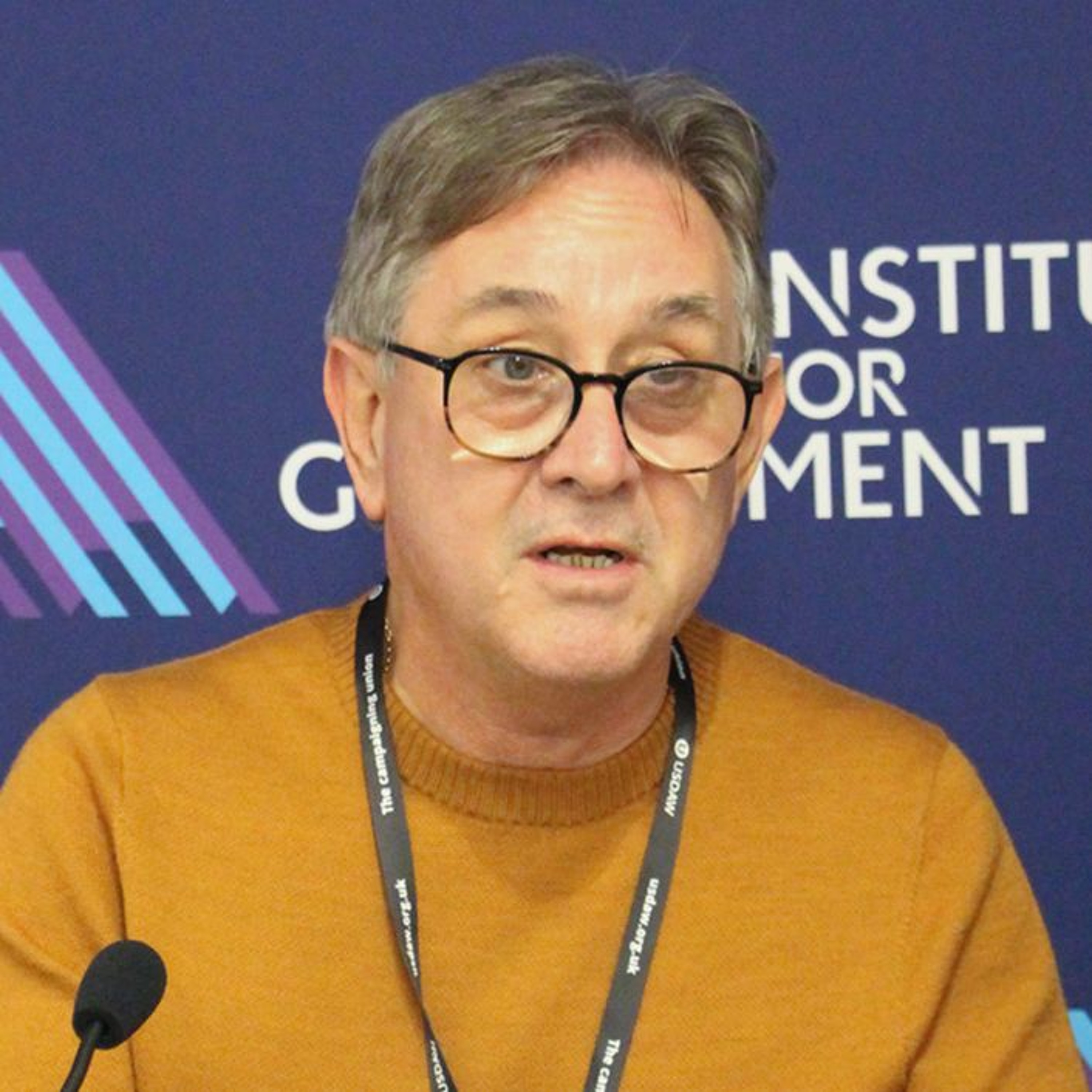
This event was part of the IfG's Labour Party Conference 2023 fringe programme. Speakers: Mick Antoniw MS, Counsel General of Wales and Minister for the Constitution for the Welsh Government Cllr Julia Buckley, Leader of Shropshire Council and prospective parliamentary candidate for Shrewsbury Darren Hughes, Chief Executive of the Electoral Reform Society Alex Thomas, Programme Director at the Institute for Government This event was chaired by Jess Sargeant, Associate Director at the Institute for Government. This event was kindly supported by the Electoral Reform Society.
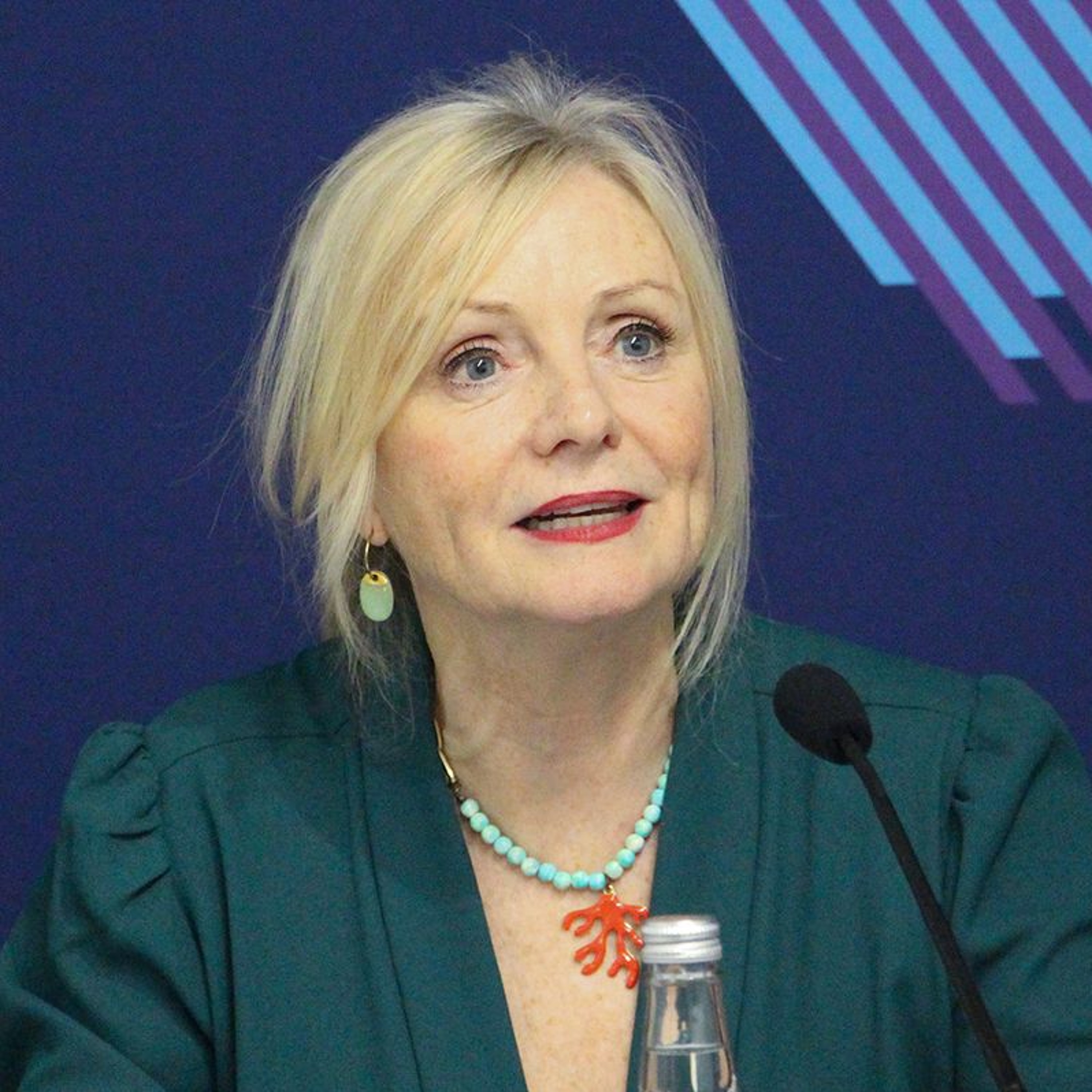
How could Labour set itself up to successfully devolve power and reduce regional inequality?
This event was part of the IfG's Labour Party Conference 2023 fringe programme. Speakers: Sarah Jones MP, Shadow Minister for Industry and Decarbonisation Tracy Brabin, Mayor of West Yorkshire Anna Turley, Prospective Parliamentary Candidate and former Member of Parliament for Redcar Dr Victoria Hutchinson, Director of Environment Practice at AtkinsRéalis Thomas Pope, Deputy Chief Economist at the Institute for Government This event was chaired by Akash Paun, Programme Director at the Institute for Government. This event was kindly supported by AtkinsRéalis.