
Institute for Government
542 episodes — Page 4 of 11
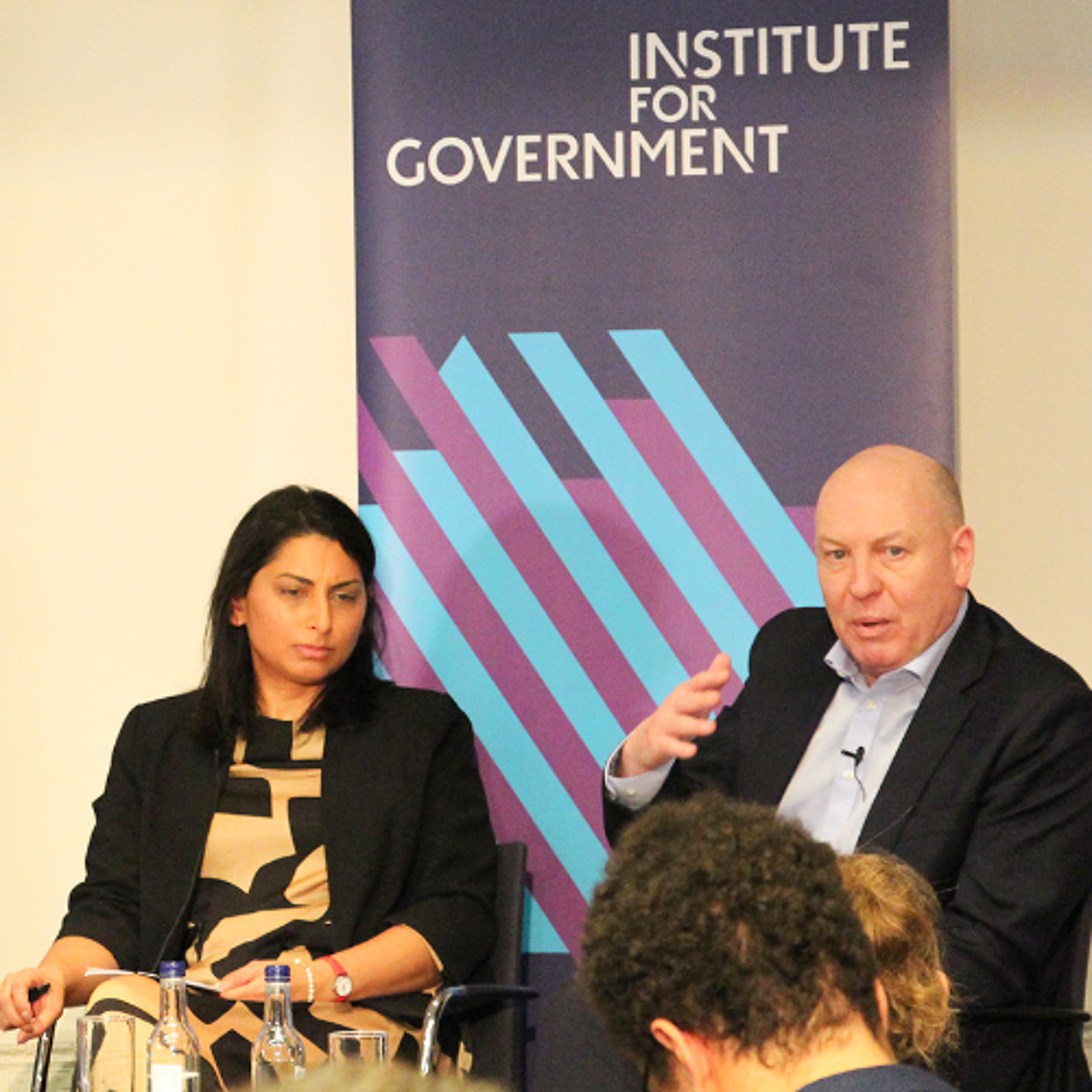
How can the government accelerate its clean power mission?
Decarbonising the power system by 2030 and accelerating to net zero is one of Labour's five key missions. But this extremely ambitious target means moving much faster than the previous government managed. So how much progress has the Labour government already made, and what more could it do to speed up delivery? The government’s first weeks in office saw it remove restrictions on onshore wind farms and put GB Energy and the National Wealth Fund into motion. So what impact have these actions had? What other steps could the government take to accelerate its missions? And with controversial announcements such as a third runway at Heathrow, what are the potential pitfalls to look out for, both to achieving the clean power mission and then accelerating to net zero? To answer these questions and more, this IfG event brought together an expert panel, including: Rosa Hodgkin, Senior Researcher at the Institute for Government Fintan Slye, CEO of the National Energy System Operator Chris Stark, Head of Mission Control for Clean Power 2030 Dhara Vyas, CEO of Energy UK The event was chaired by Jill Rutter, Senior Fellow at the Institute for Government. This event is part of a research project supported by a grant from the European Climate Foundation.
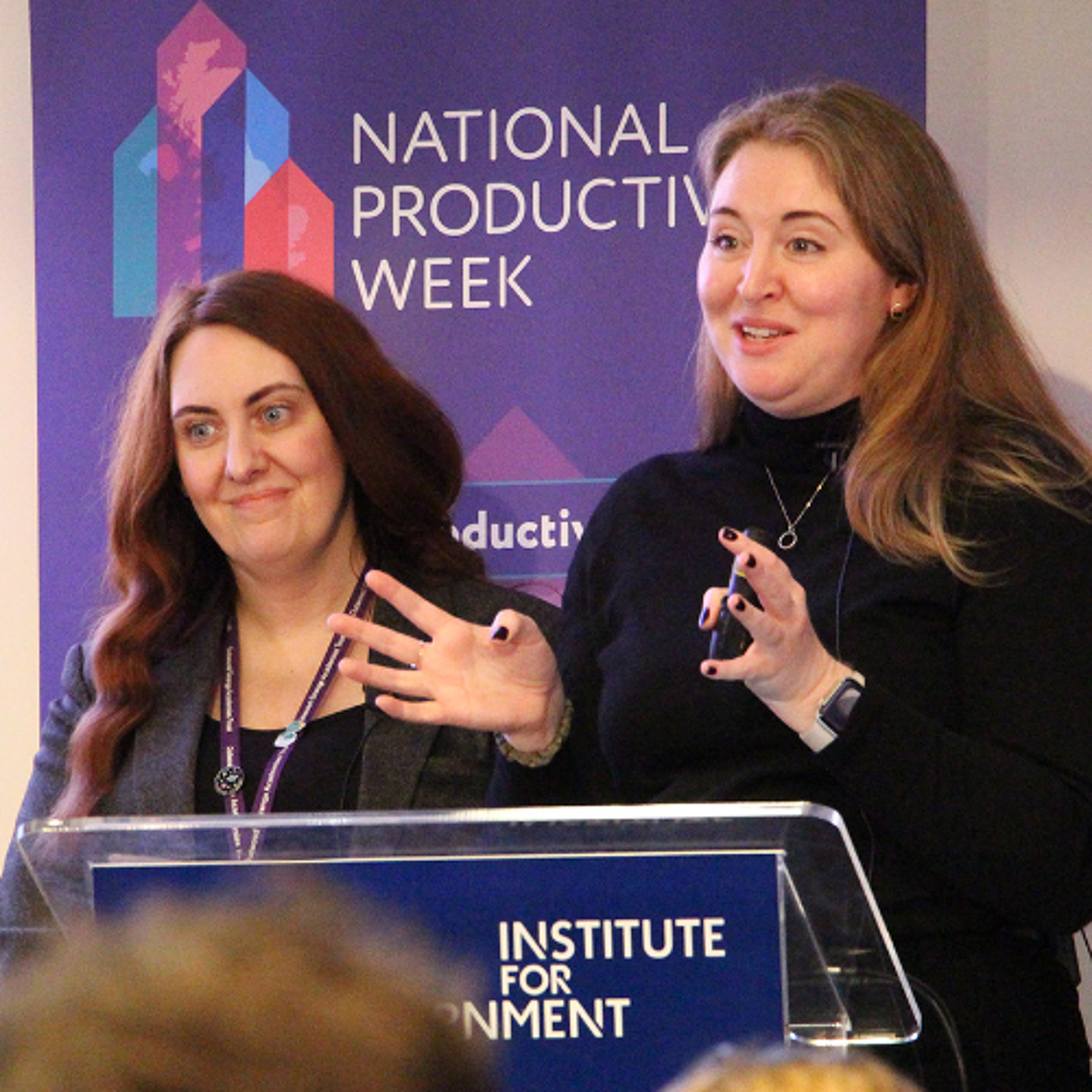
Productivity Pitches #5
Productivity in public services has never been more important. Most services are struggling to return to pre-pandemic performance levels, and the government has indicated that spending will be tight from April 2026 onwards. Improvements in performance will likely come from frontline workers finding new, innovative ways of delivering services. So what can be done to improve productivity? By highlighting outstanding examples of innovation across public services, Productivity Pitches, a series of events hosted by the IfG, aims to share and support ways to improve performance levels. This event is the fifth in the series and will focus on schools. Each speaker has 10 minutes to present their innovation, followed by 10 minutes of audience questions. The chair and a guest from the Productivity Institute – who are kindly supporting this event series – then brought together the common themes from the pitches and discuss the lessons for improving productivity. The speakers for this edition of Productivity Pitches are: George Barlow, Principal of Belgrave St. Bartholomew’s Academy on the outcome of providing every pupil and teacher with a tablet. Steph Hamilton, Director of The Engagement Platform part of the ImpactEd Group which run frequent School Employee surveys that allows schools and MATs to compare their employee satisfaction to peers and use this to improve engagement, satisfaction and retention and Cara Ackroyd, Executive Principal at Outwood Grange Academies Trust. Cara leads on school engagement work across Outwood Grange Academy Trust. The trust have been founding partners of TEP and have integrated the use of the data into their strategy and processes to support outcomes. Lauren Wilson, Head of Marketing and Communications at The Thinking Schools Academy Trust on consolidating communication and marketing functions. Allowing them to standardise their marketing materials and learn what works before rolling it out further. The event will be chaired by Nick Davies, Programme Director at the Institute for Government. Professor Anna Vignoles, Director of the Leverhulme Trust and Policy Advisor at The Productivity Institute Policy Unit joined to discuss the common themes. Productivity Pitches is kindly supported by The Productivity Institute.
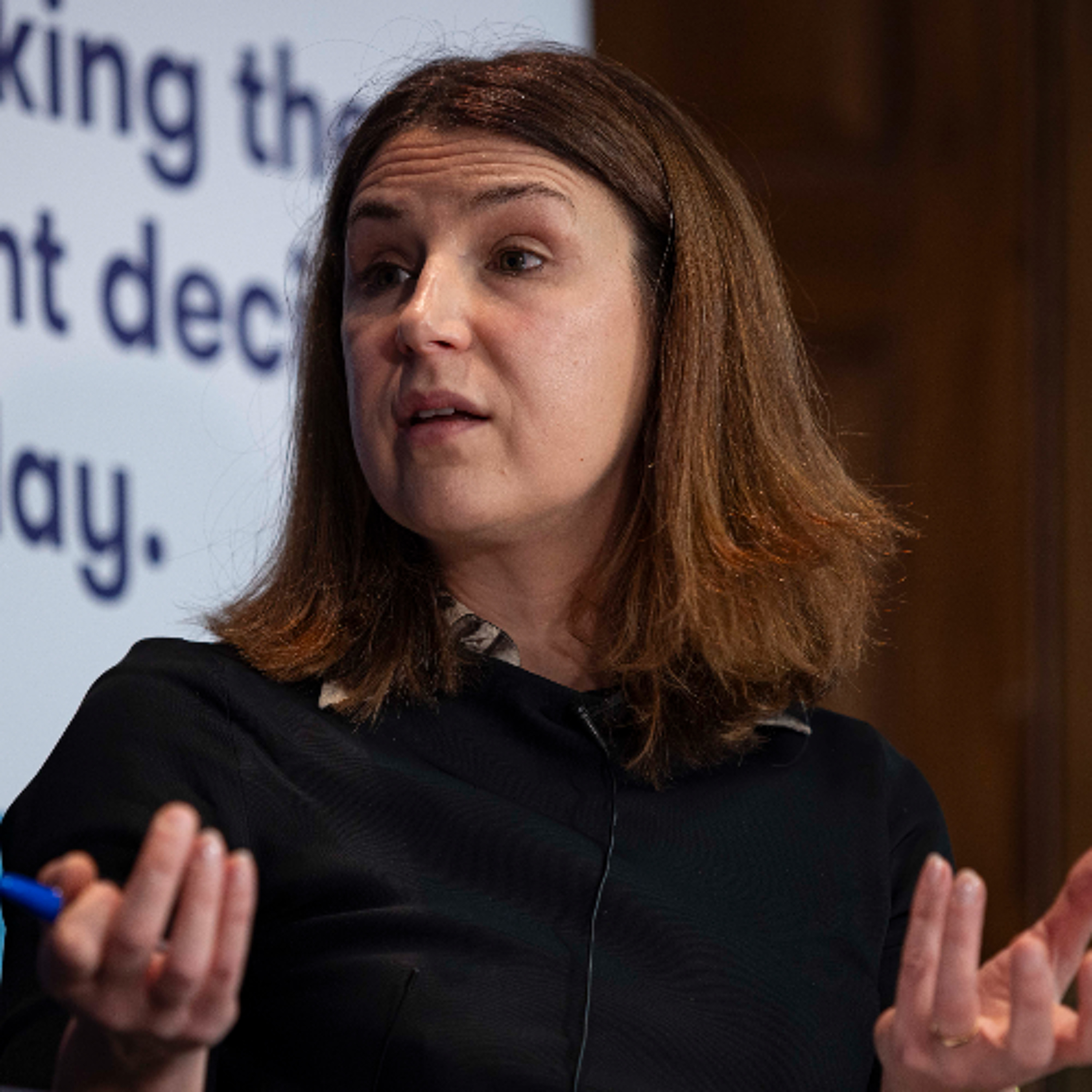
Rewiring the civil service: What can the UK learn from the rest of the world?
As Sir Chris Wormald starts his new job as cabinet secretary, two panels – one livestreamed from Singapore – brought together civil service leaders from other countries to explore how they approached the job and what the UK could learn from their experiences. With: Pamela Dow, Chief Operating Officer at Civic Future and a former UK civil servant Leslie Evans, Permanent Secretary to the Scottish Government 2015-2021 Martin Fraser, Ambassador of Ireland to the UK, Secretary General of the Department of the Taoiseach 2011–22 This panel was chaired by Alex Thomas, Programme Director at the Institute for Government.
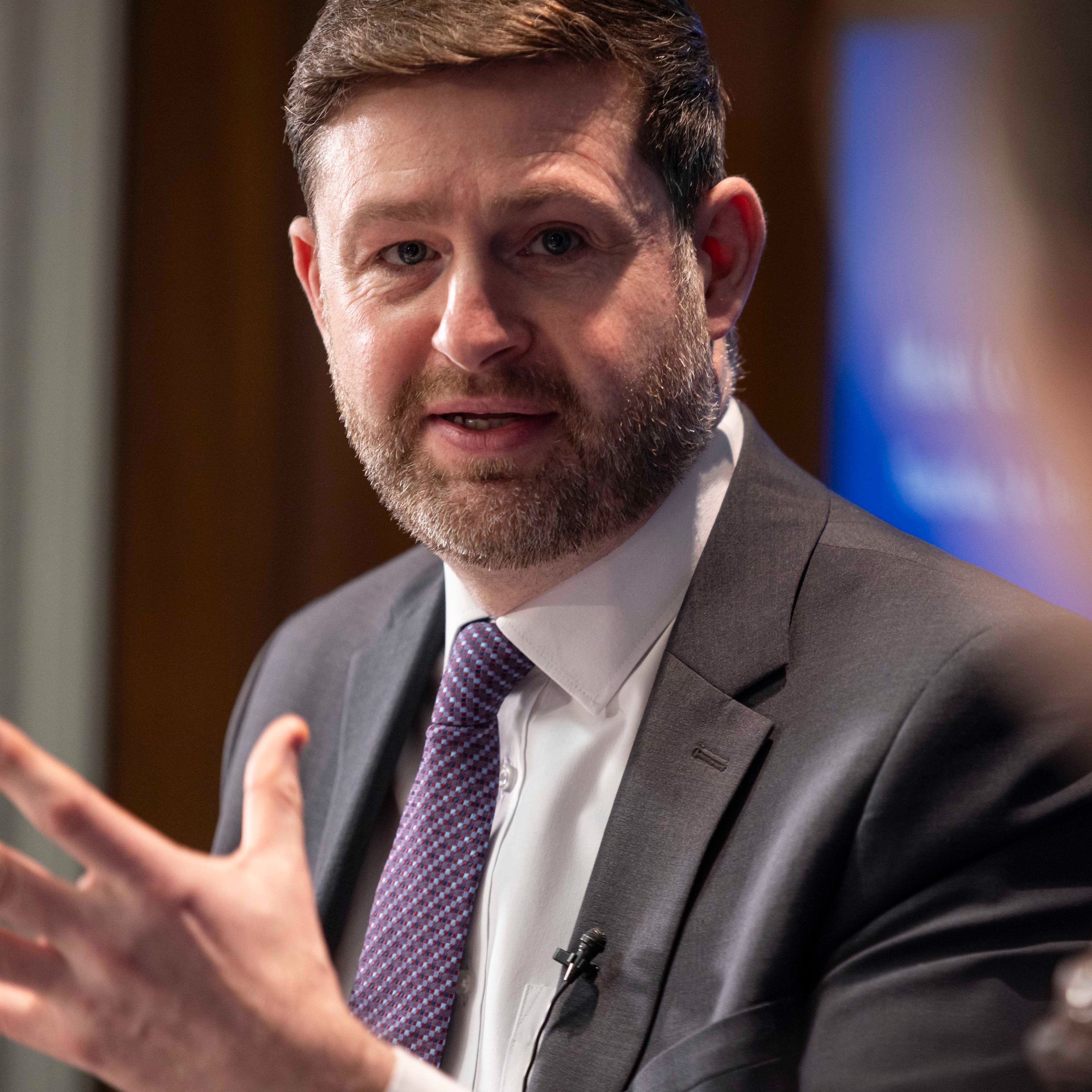
How to fix local government
Local government has faced huge financial pressures, leaving residents across England struggling to access services. Featuring presentations from council leaders, this panel explored what can be done to turn around performance. Presentations from: - Jenny Rowlands, Chief Executive of Camden Council - Claire Taylor, Chief Operating Officer, Sheffield City Council Panel: - Hilary Cottam, author, innovator and change maker and Honorary Professor at the Institute of Innovation and Public Purpose at UCL - Florence Eshalomi MP, Chair of the Housing, Communities and Local Government Select Committee - Jim McMahon MP, Minister of State (Minister for Local Government and English Devolution) This panel was chaired by Nick Davies, Programme Director at the Institute for Government.
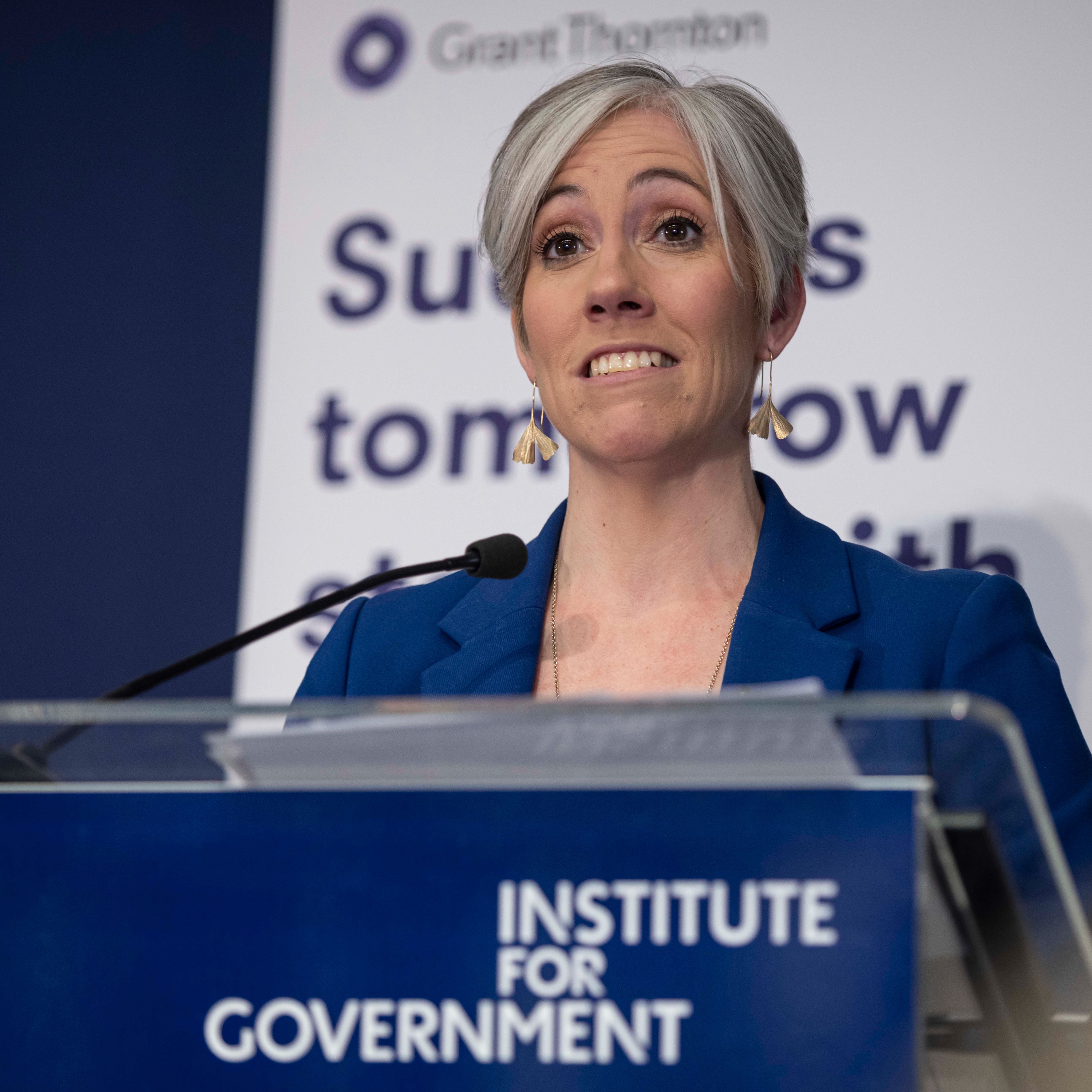
Liberal Democrat keynote: Daisy Cooper MP, Deputy Leader of the Liberal Democrats
Following her speech, Daisy Cooper MP was in conversation with Emma Norris, Deputy Director of the Institute for Government
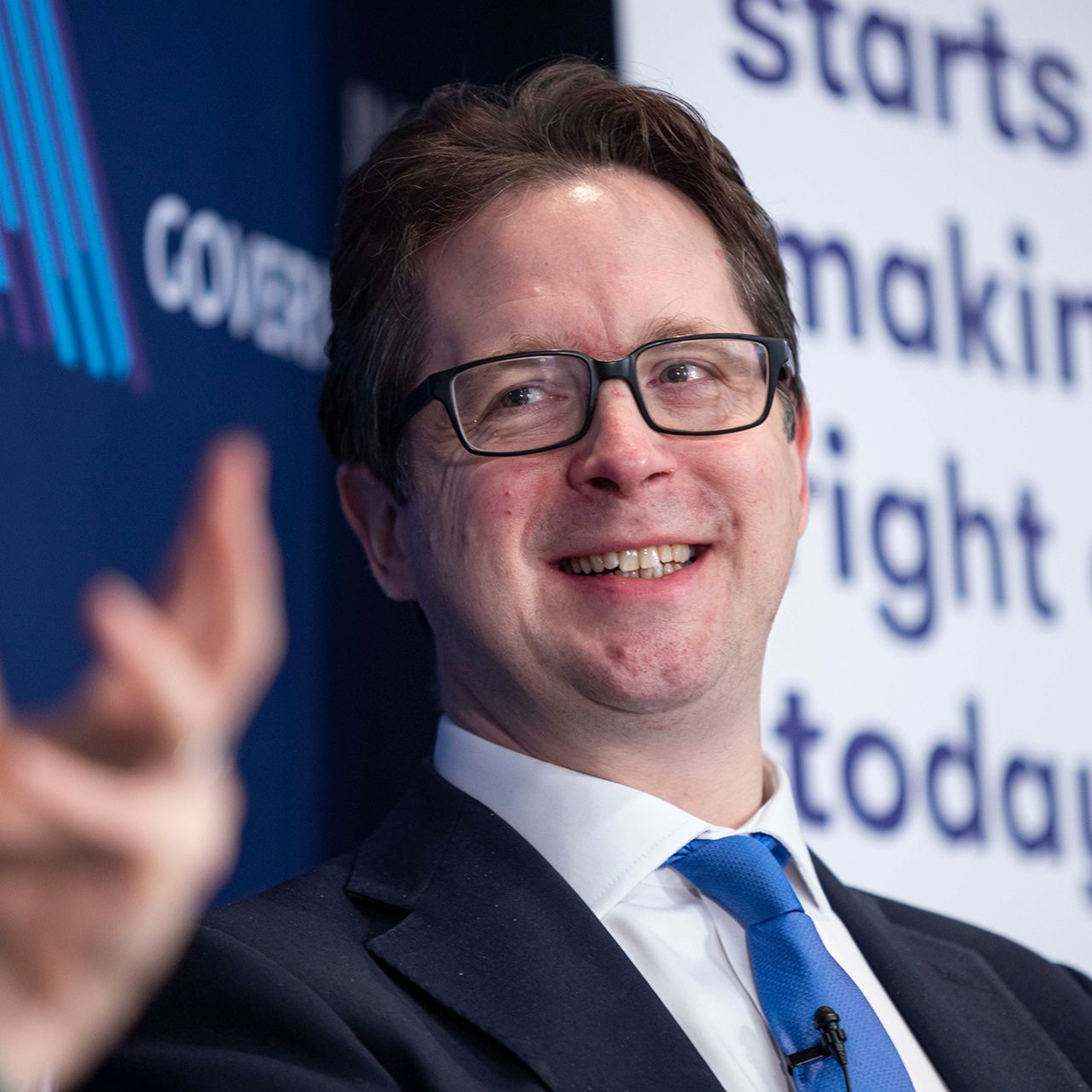
In conversation with Alex Burghart MP, Shadow Chancellor of the Duchy of Lancaster
Alex Burghart MP was in conversation with Dr Hannah White OBE, Director and CEO of the Institute for Government
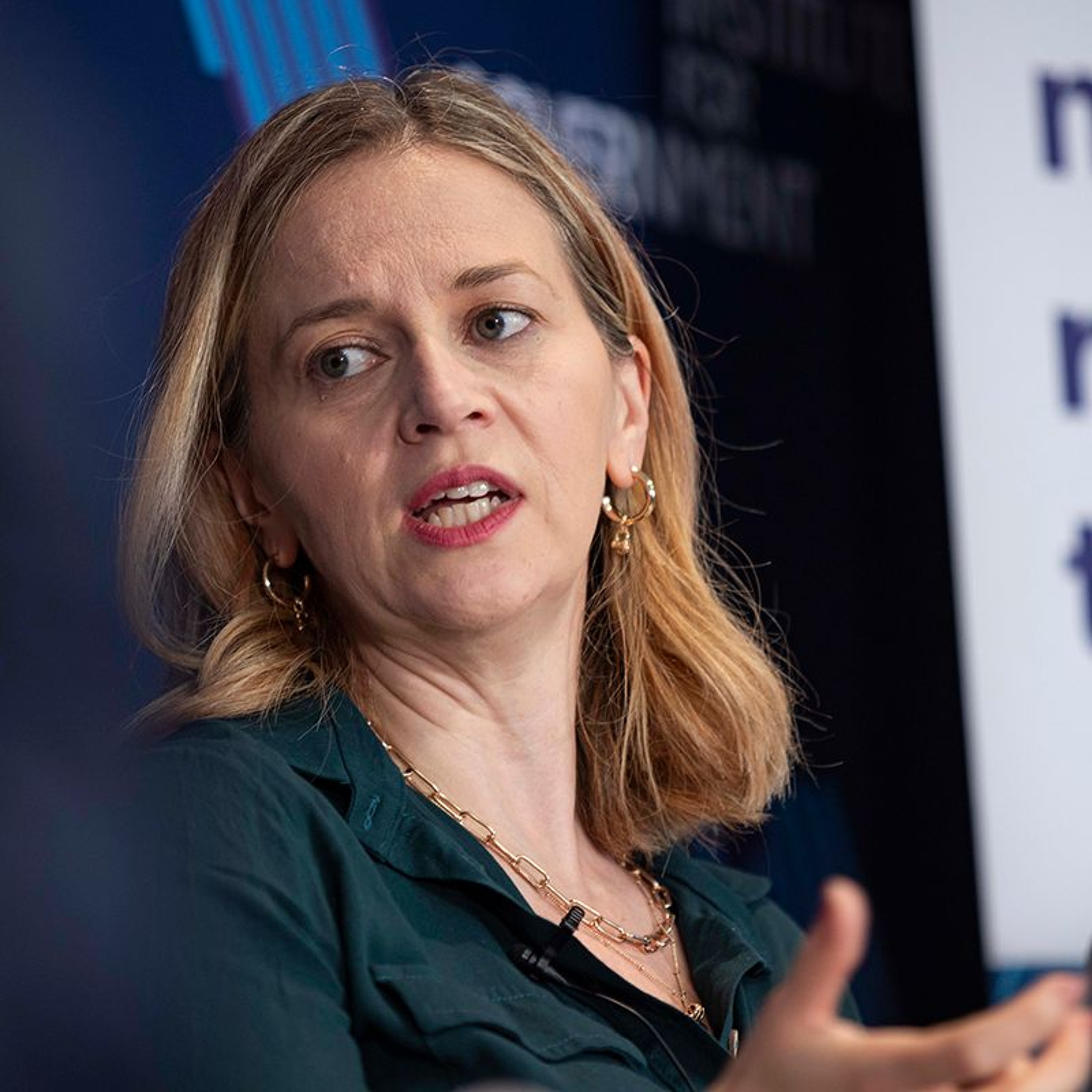
Six months on: How is the Labour government performing?
This expert panel assessed how Labour has performed since returning to government, and what challenges – and opportunities – await in 2025. Polling presentation by Joe Twyman, Director of Deltapoll. - Claire Ainsley, Director of the Project on Center-Left Renewal at the Progressive Policy Institute - Anushka Asthana, Deputy Political Editor at ITV News - Dr Danny Sriskandarajah, Chief Executive of the New Economics Foundation This panel was chaired by Emma Norris, Deputy Director of the Institute for Government.

Government keynote: Rt Hon Darren Jones MP, Chief Secretary to the Treasury
Following his speech, Rt Hon Darren Jones MP was in conversation with Dr Hannah White OBE, Director and CEO of the Institute for Government.
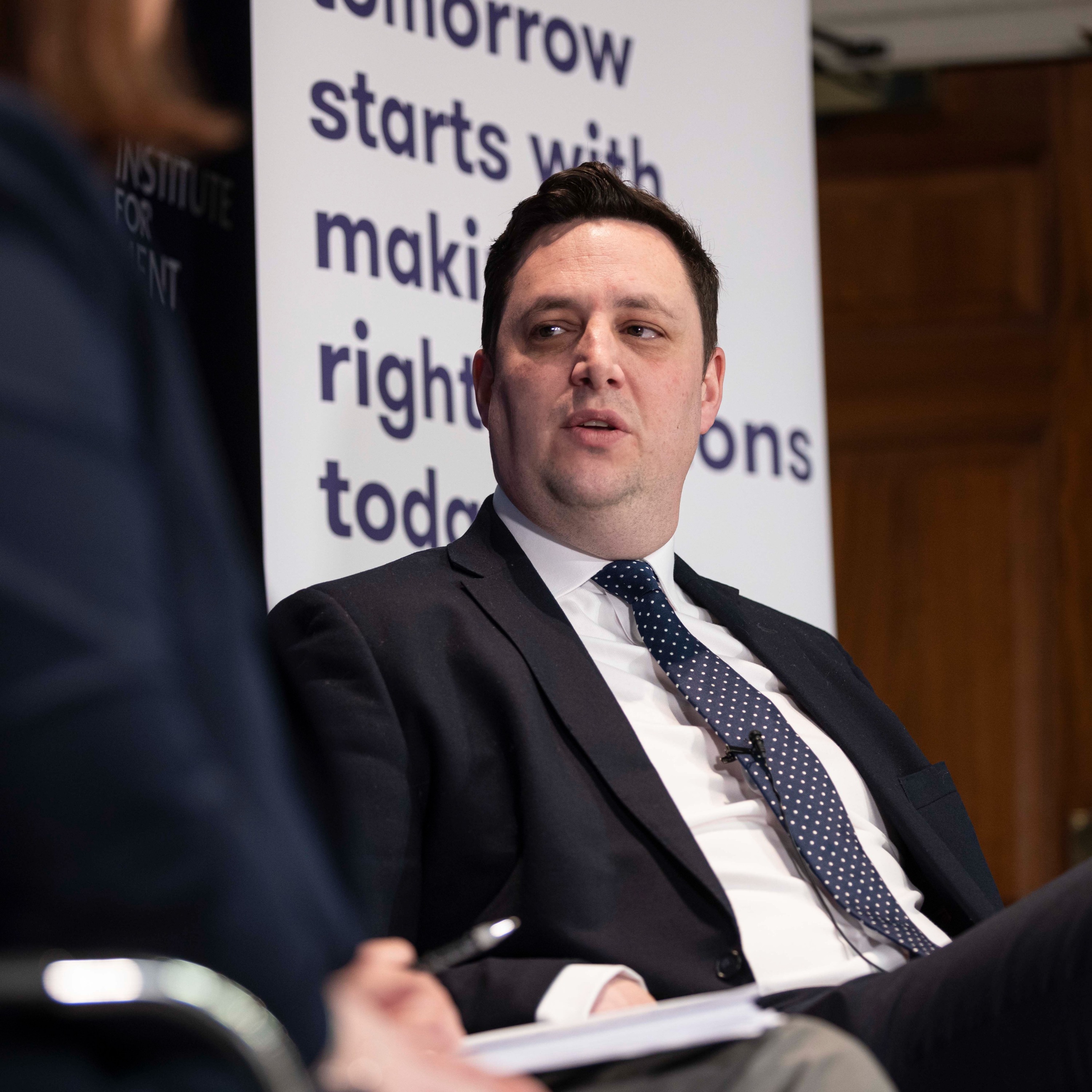
The devolution revolution: What next for England’s mayors?
Two of England’s elected mayors join an expert panel to explore how well mayors are working with central government – and what powers they need. - Ben Houchen, Mayor of Tees Valley - Claire Ward, Mayor of the East Midlands This panel was chaired by Akash Paun, Programme Director at the Institute for Government.
How to embed a mission-led approach in the spending review
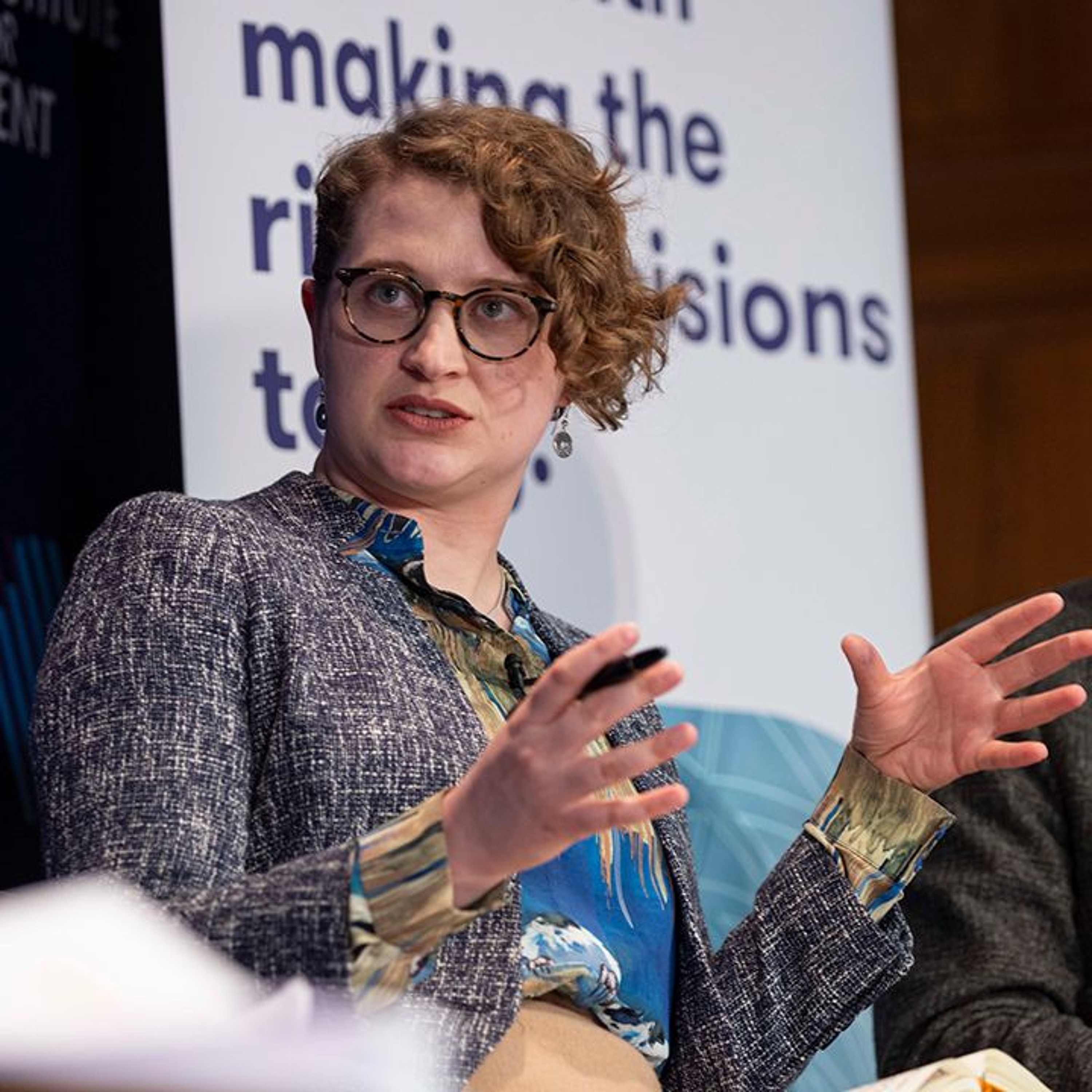
As the spending review approaches, this session, featuring IfG senior fellow Sam Freedman, explored how the government can best use its missions – and milestones – to shape its spending choices. - Nehal Davison, Programme Director at the Institute for Government - Cassia Rowland, Senior Researcher at the Institute for Government - Giles Wilkes, Senior Fellow at the Institute for Government This panel was chaired by Gemma Tetlow, Chief Economist at the Institute for Government.
Welcome and opening remarks
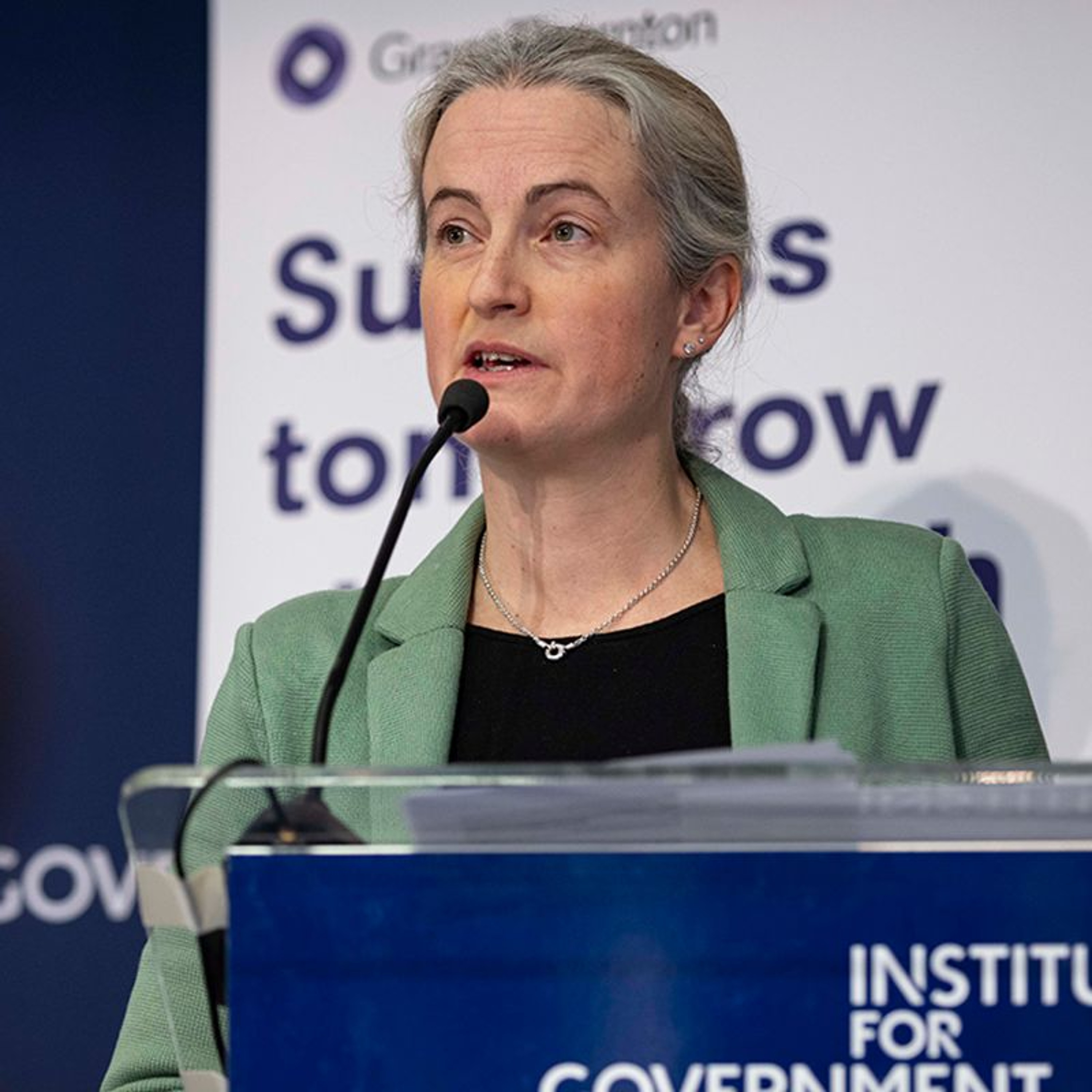
- Dr Hannah White OBE, Director and CEO of the Institute for Government - Phillip Woolley, Partner, Head of Public Sector Consulting at Grant Thornton UK LLP
Breakfast session: US election – The night after president Trump’s inauguration
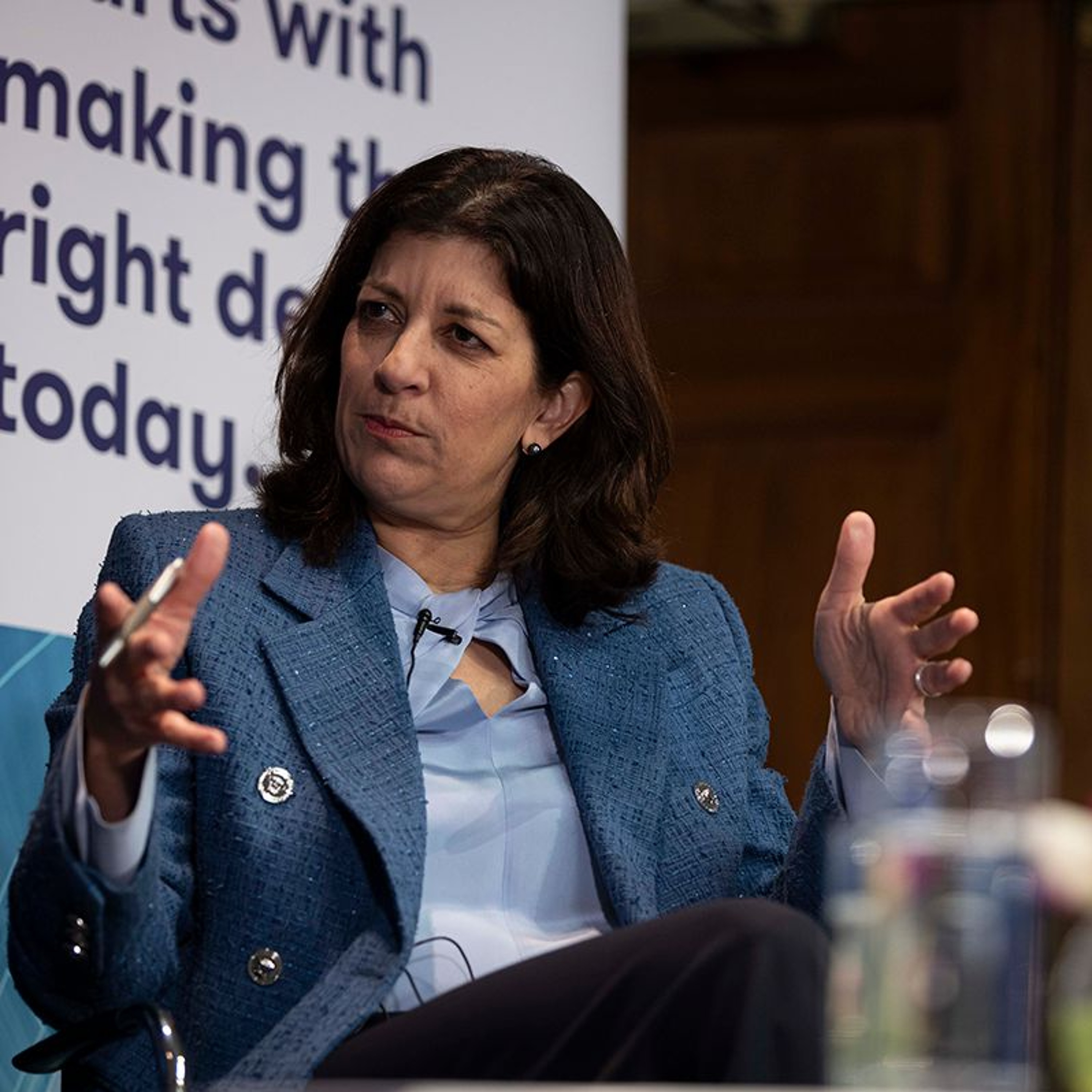
What will the return of Donald Trump to the White House mean for Keir Starmer, the government and British politics? - Mark Landler, London Bureau Chief at The New York Times - Dr Leslie Vinjamuri, Director, US and the Americas Programme at Chatham House This panel was chaired by Catherine Haddon, Programme Director at the Institute for Government.
What does Labour’s devolution white paper mean for England?
The government’s devolution white paper – published on 16 December – will set out the detail of Labour’s promised ‘devolution revolution’. Ministers plan to further empower England’s existing 12 metro mayors, to extend devolution to the whole of England, and to reorganise local government. But what exactly will the white paper commit the government to do? Which powers will be devolved, to where? How will mayors be involved in delivering the government’s growth, energy and public service missions? How will the proposed reforms to local government work? And what challenges lie ahead for the government in implementing this ambitious agenda? The panel: Matthew Fright, Senior Researcher at the Institute for Government Rebecca McKee, Senior Researcher at the Institute for Government Akash Paun, Programme Director at the Institute for Government Thomas Pope, Deputy Chief Economist at the Institute for Government
In conversation with Cat Little, Civil Service Chief Operating Officer
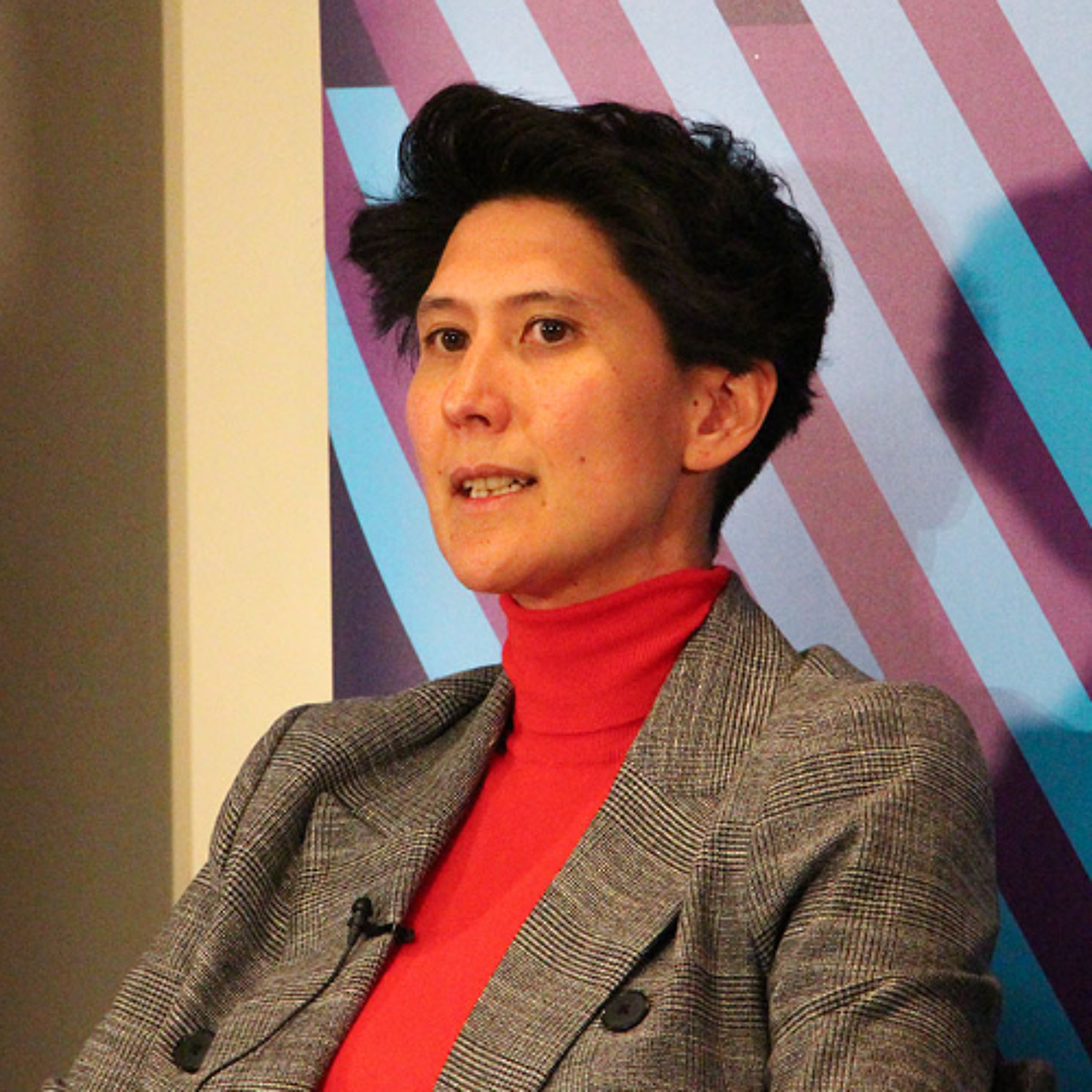
The government has set out its intention to support the civil service with the necessary tools to deliver for the public. As the IfG has argued, reforms to improve the capability of the civil service are needed – particularly in a tight fiscal situation where efficient and effective government is essential. We believe there are a variety of areas for attention. These include reducing staff churn, improving external recruitment, and seizing the opportunities of new technology. How is the civil service planning to address these questions while supporting the government’s agenda and delivering the prime minister’s promise to build a ‘government of service’? How can issues, like pay and lower morale, be addressed? And what will the civil service look like in 2030? We were delighted to host Cat Little, Civil Service Chief Operating Officer and Cabinet Office Permanent Secretary, to discuss these questions and more. She was in conversation with IfG Director and CEO Dr Hannah White.
In conversation with Cat Little, Civil Service Chief Operating Officer
The government has set out its intention to support the civil service with the necessary tools to deliver for the public. As the IfG has argued, reforms to improve the capability of the civil service are needed – particularly in a tight fiscal situation where efficient and effective government is essential. We believe there are a variety of areas for attention. These include reducing staff churn, improving external recruitment, and seizing the opportunities of new technology. How is the civil service planning to address these questions while supporting the government’s agenda and delivering the prime minister’s promise to build a ‘government of service’? How can issues, like pay and lower morale, be addressed? And what will the civil service look like in 2030? We were delighted to host Cat Little, Civil Service Chief Operating Officer and Cabinet Office Permanent Secretary, to discuss these questions and more. She was in conversation with IfG Director and CEO Dr Hannah White.
The new cabinet secretary: Can Sir Chris Wormald rewire the British state?
Following weeks of interviews and much speculation, Sir Chris Wormald has been confirmed as the new cabinet secretary. After a long civil service career, including stints as permanent secretary at the Department of Health and Social Care and the Department for Education and Skills, Wormald will succeed Simon Case and begin work as the country's most senior civil servant. Keir Starmer has said that it “will require nothing less than the complete rewiring of the British state to deliver bold and ambitious long-term reforms” – so how can Wormald meet that challenge? What is the best way for the new cabinet secretary to work with Keir Starmer and other senior ministers? How does a strong cabinet secretary add to the effectiveness of a government? How can Wormald change the way the civil service works so that it can best deliver the government's priorities? What steps can he take to restore civil service morale? And how might his experiences leading government departments help him approach the job of cabinet secretary? This special IfG webinar answered these questions – and yours – with a brilliant panel featuring: Dr Catherine Haddon, Programme Director at the Institute for Government Sir David Lidington, Cabinet Office minister and Chancellor of the Duchy of Lancaster, 2018–19 Alex Thomas, Programme Director at the Institute for Government The event was chaired by Emma Norris, Deputy Director of the Institute for Government.
What next for standards in public life?
Thirty years ago, following a series of high-profile political scandals, John Major set up the Committee on Standards in Public Life (CSPL) to advise him – and future prime ministers – on ethics and behaviour. So has the CSPL been a success – and what might come next for standards in public life? Over the last three decades the committee has been an influential voice on the standards expected of people in public office, including setting out the seven principles of public life that apply to politicians, public officials and frontline staff and the establishment of standards regulators including the parliamentary commissioner and the Electoral Commission. However, recent scandals like ‘partygate’ and controversies over the acceptance of gifts, alongside reports from the infected blood and Grenfell inquiries, demonstrate that work on embedding transparency and ethical behaviour remains unfinished. How can the committee respond to challenges posed by increased use of AI in the public sector? What more could be done to build greater trust in politicians and public services? And what difference could the Labour government’s planned Ethics and Integrity Commission make? To answer these questions, and more, we were joined by: Doug Chalmers CB DSO OBE, Chair of the Committee on Standards in Public Life Pippa Crerar, Political Editor at The Guardian Daniel Greenberg CB, Parliamentary Commissioner for Standards Dame Glenys Stacey, Chair of the Office for Environmental Protection The event was chaired by Tim Durrant, Programme Director at the Institute for Government.
In conversation with Kate Forbes MSP, Deputy First Minister of Scotland
The Institute for Government was pleased to welcome Kate Forbes MSP, Deputy First Minister (DFM) of Scotland and Cabinet Secretary for Economy and Gaelic, for an 'in conversation' event on 18 November 2024. The DFM reflected on the 10th anniversary of the Scottish independence referendum and the 25th anniversary of Scottish devolution. She also discussed the state of Scotland's economy and public services in light of the UK budget, and the Scottish government's policy and legislative agenda. The DFM was in conversation with Akash Paun, Programme Director for Devolution, which was followed by Q&A with the live and online audience.
What kind of reform does the NHS need?
The Labour government has inherited an NHS in crisis. Pre-existing challenges of growing demand, an ageing population, and high levels of staff vacancies have been exacerbated by the pandemic, resulting in record backlogs and waiting times. With substantial increases in hospital funding and staffing failing to turn performance round, the new government must help the NHS through the immediate crisis, set it on a sustainable long-term footing and consider the need for more fundamental reform. Should the NHS focus more on preventing, rather than treating, illness? Could the NHS become more local? Are the new Integrated Care Systems working or should they be reformed? How successful have past NHS reforms been? To answer these questions and more we were joined by an expert panel, including: Paul Corrigan, Expert adviser at the Department of Health and Social Care Penny Dash, Chair of NHS North West London Integrated Care Board Rachel Wolf, Founding Partner at Public First Thomas Cawston, Corporate Affairs Lead at Novartis UK The event was chaired by Nick Davies, Programme Director at the Institute for Government. This event was kindly supported by Novartis Pharmaceuticals UK.
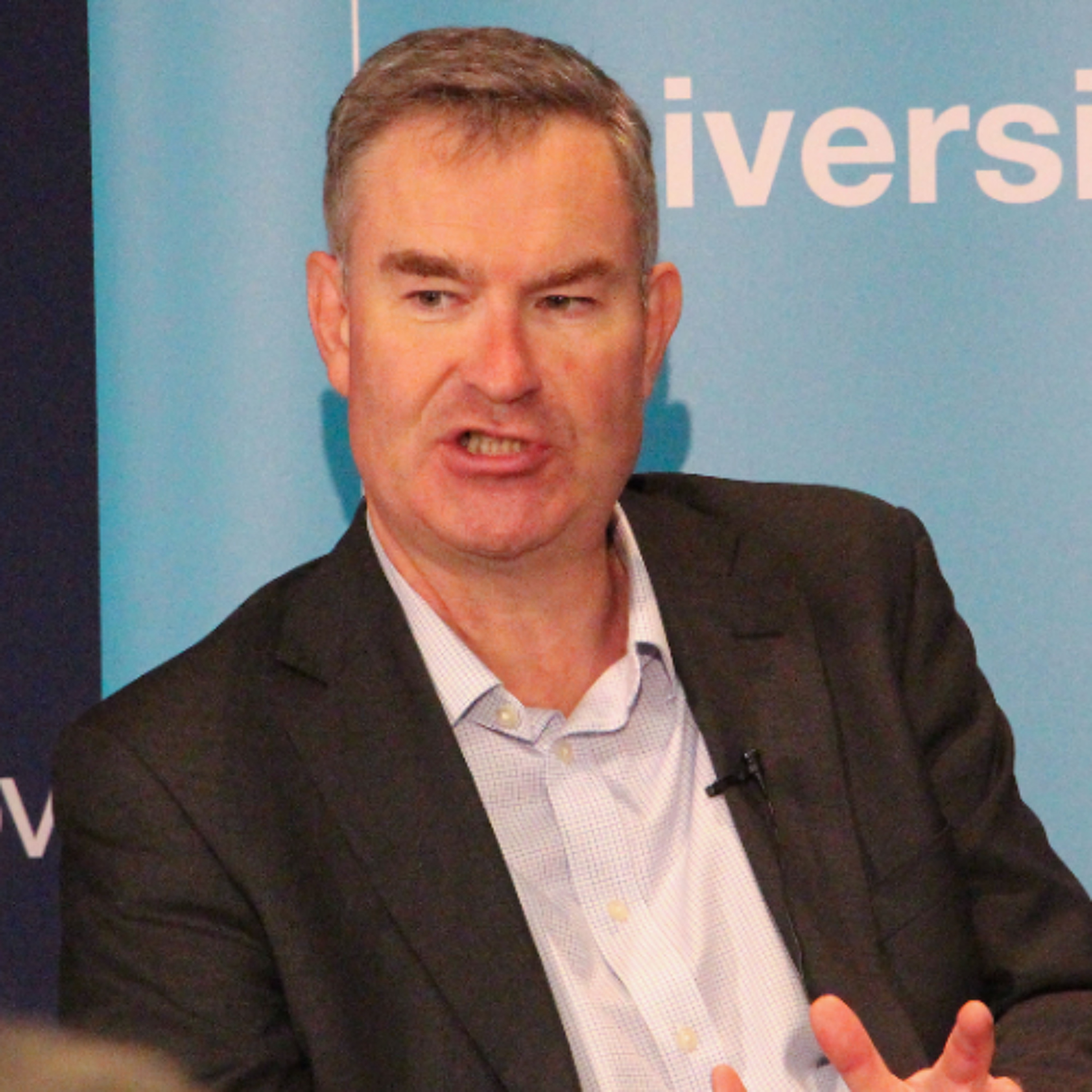
A view from the opposition: What should the Conservative Party’s vision for public services be?
Dissatisfaction with public services was a key reason for the Conservative defeat in the general election. How can the new party leader and frontbench regain public trust for running public services? What are the key elements of a distinctive Conservative vision for public services? How should the Conservative Party balance demands for higher public service spending and lower taxation? Steve Brine, former Chair of Health and Social Care Committee Rt Hon David Gauke, former Secretary of State for Justice Rt Hon Baroness Nicky Morgan, former Secretary of State for Education This session was chaired by Nick Davies, Programme Director at the Institute for Government. This event was part of the IfG's public services conference, kindly supported by UCL.
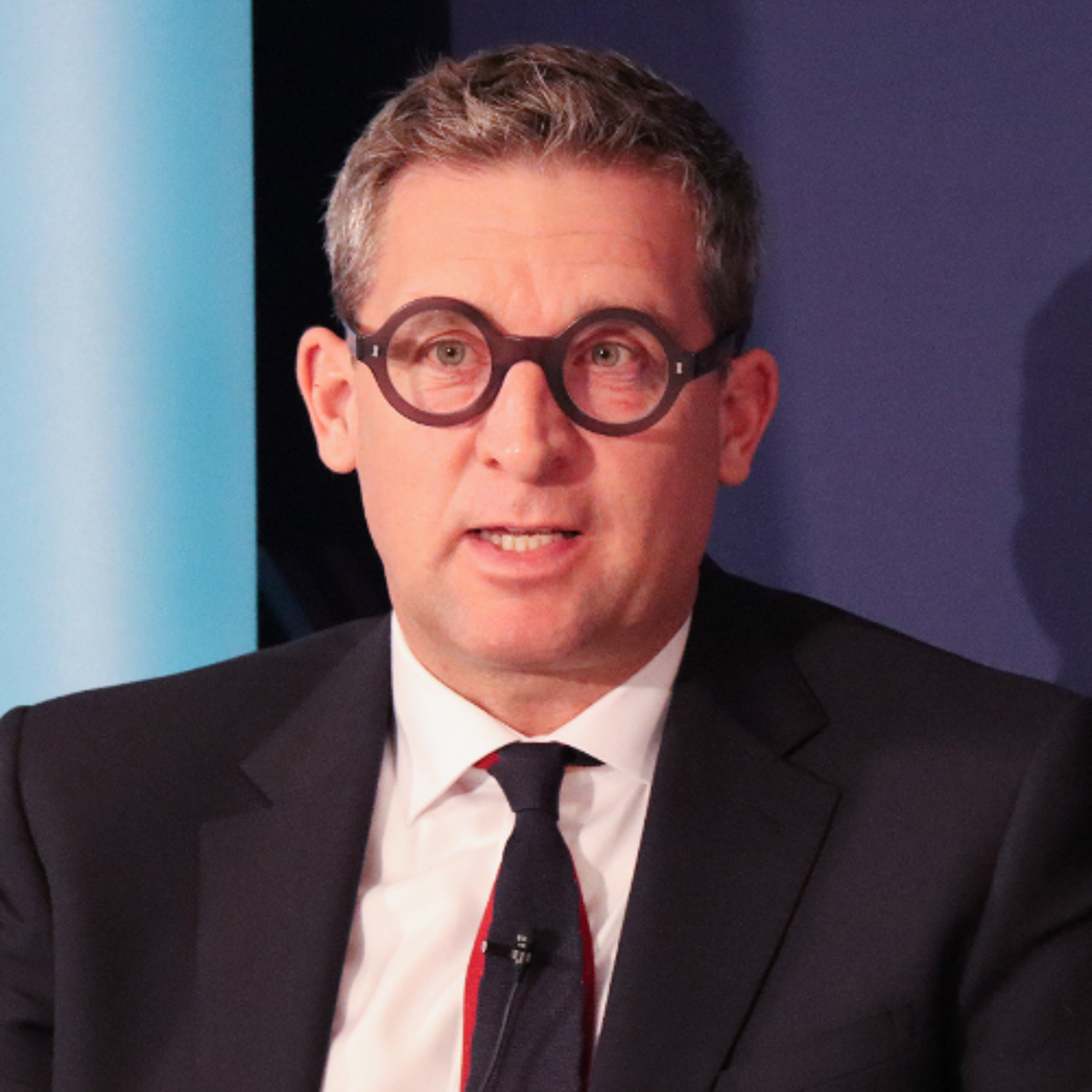
The criminal justice system: Is there a way to fix it?
The new government faces an extremely challenging inheritance in the criminal justice system. How can trust in the police and charging rates be improved? How can criminal court backlogs be tackled? How can government improve conditions and capacity in prisons? How can individual criminal justice services work together more effectively? And does the new government have a plan to address these challenges? Dr Karen Schucan Bird, Associate Professor at the UCL Social Research Institute Penelope Gibbs, Director of Transform Justice Lord Timpson OBE, Minister of State for Prisons, Probation and Reducing Reoffending This session was chaired by Cassia Rowland, Senior Researcher at the Institute for Government. This event was part of the IfG's public services conference, kindly supported by UCL.
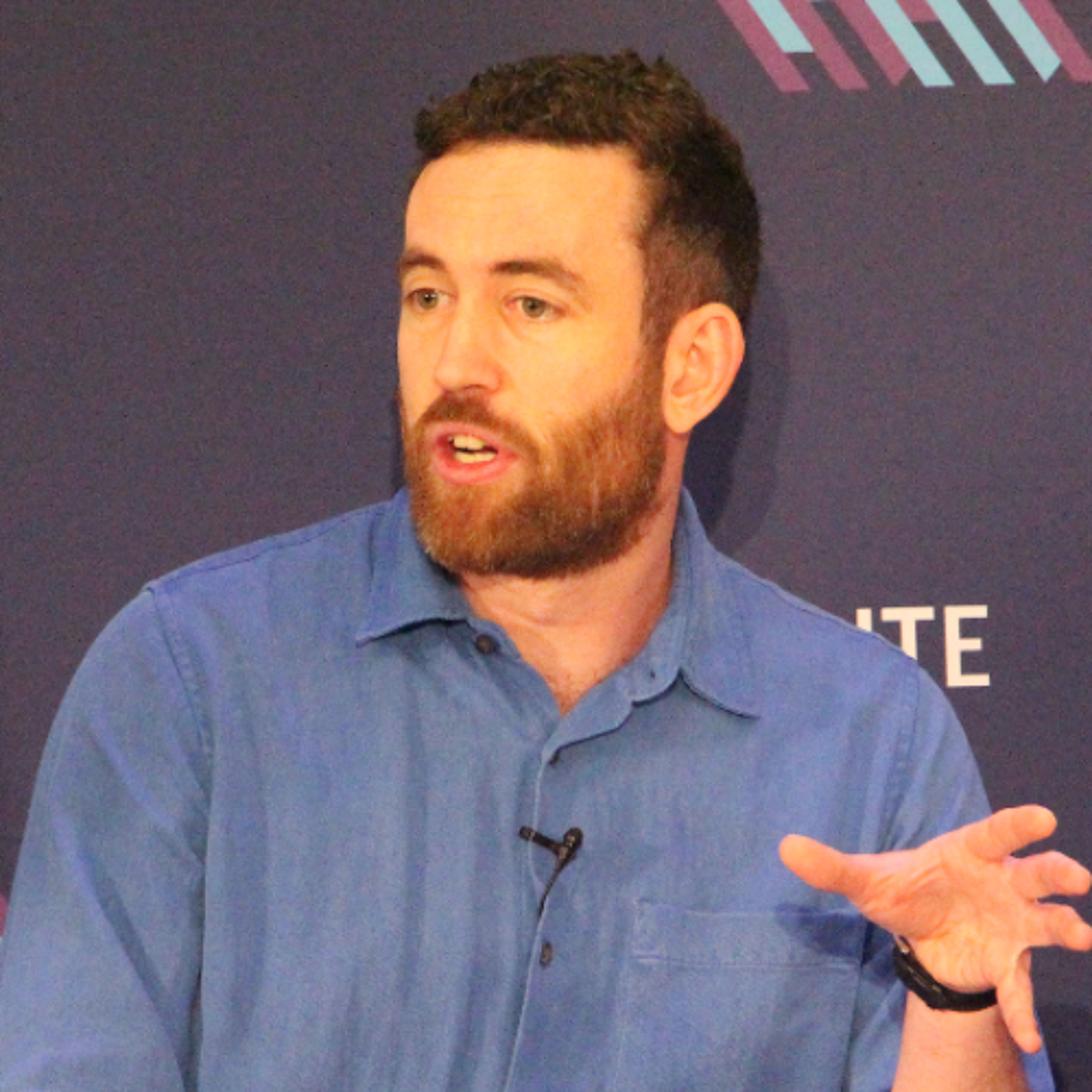
The IfG Expert Briefing: What next for public services?
The IfG team presented new analysis on the likely impact of the budget on public services performance. They also discussed the key questions facing the government ahead of the spending review, including widespread poor performance and record backlogs, tight funding settlements, industrial disputes, crumbling buildings, recruitment and retention problems, and resilience for future crises. Stuart Hoddinott, Senior Researcher at the Institute for Government Philip Nye, Senior Data Scientist at the Institute for Government Cassia Rowland, Senior Researcher at the Institute for Government This session was chaired by Emma Norris, Deputy Director of the Institute for Government. This event was part of the IfG's public services conference, kindly supported by UCL.
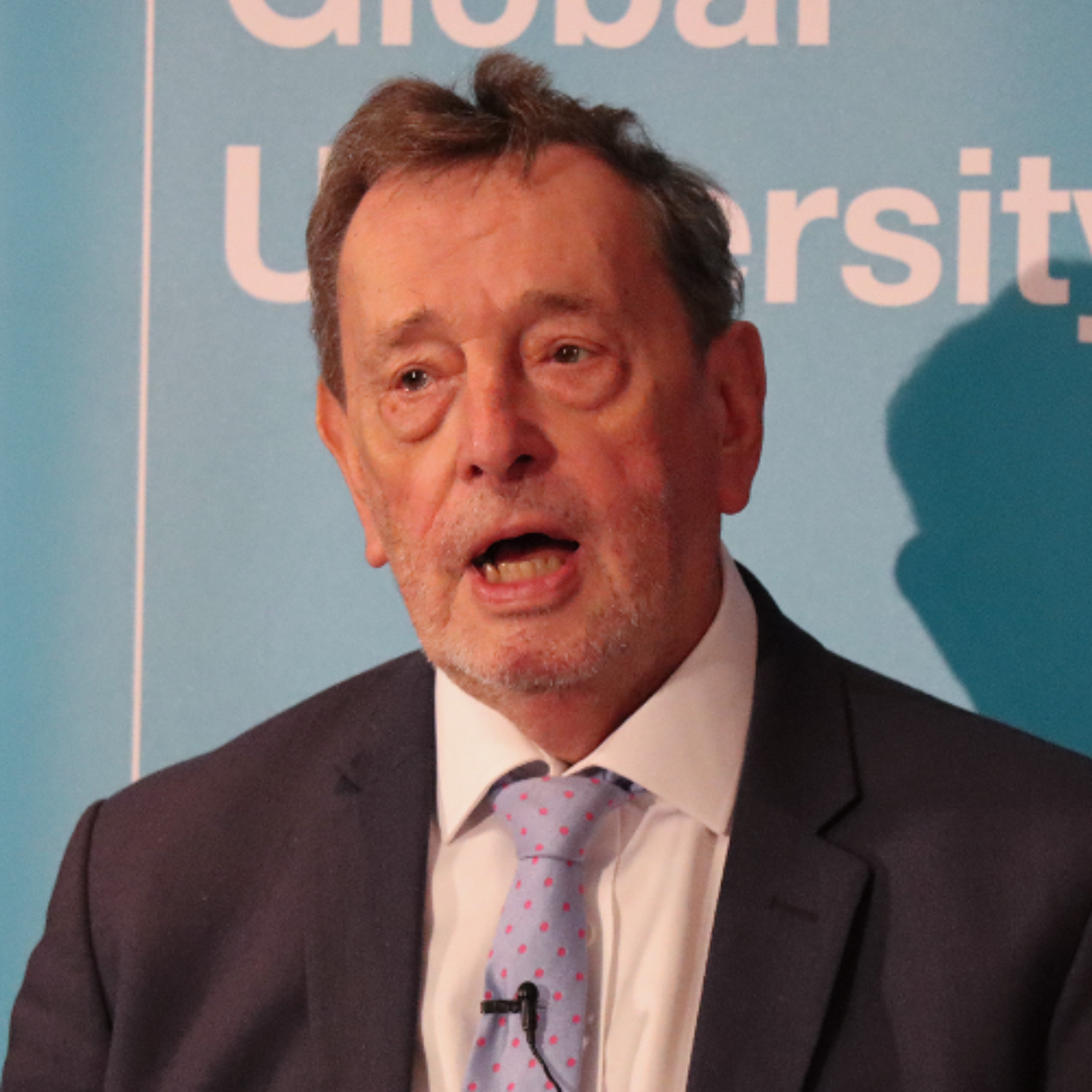
In conversation with Lord Blunkett
An in conversation with Lord Blunkett, former Home Secretary and Secretary of State for Education and Employment, and Emma Norris, Deputy Director of the Institute for Government. This event was part of the IfG's public services conference, kindly supported by UCL.
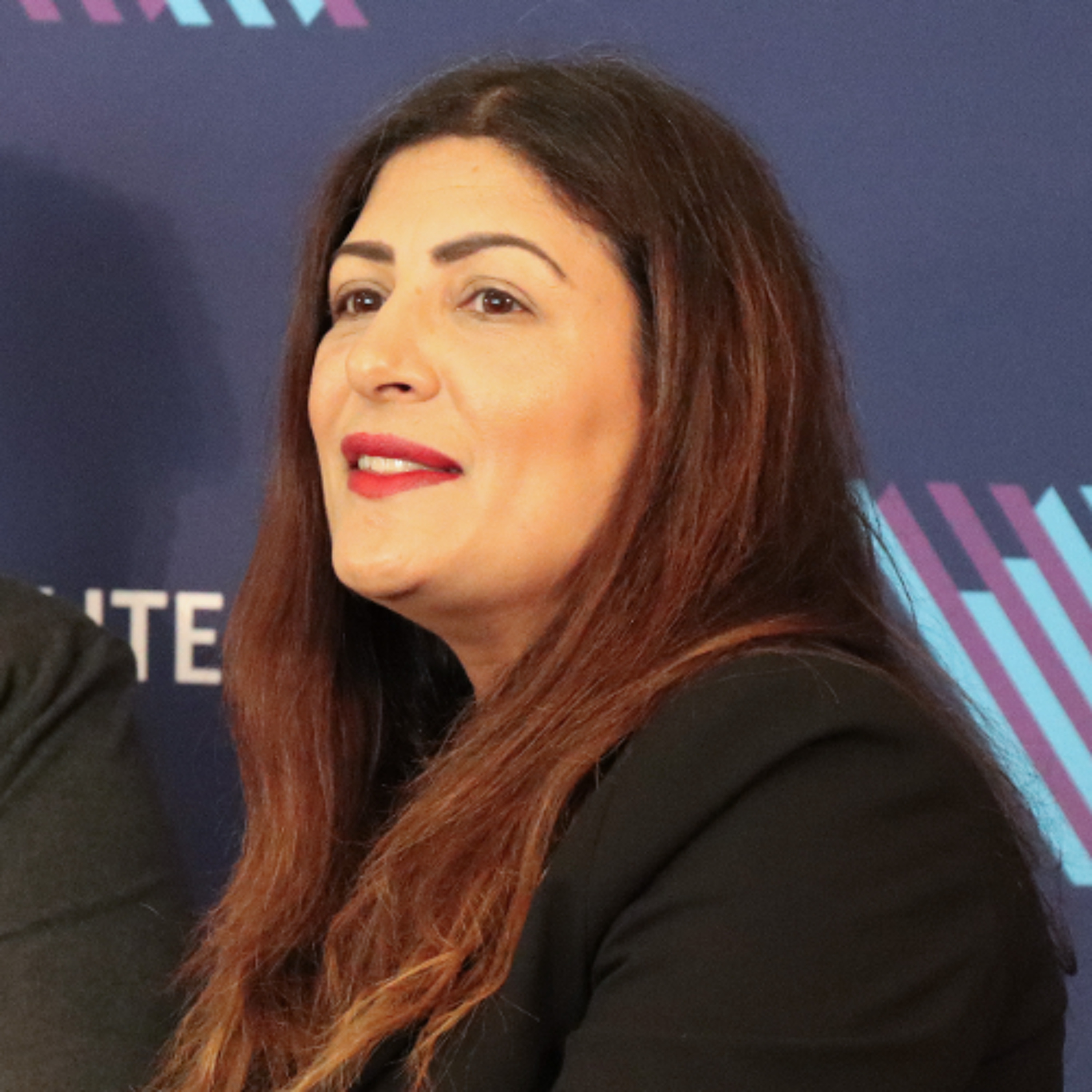
Reform or repair? What next for health and social care?
How can NHS backlogs be tackled and waiting times improved? What are the prospects for adult social care reform in this parliament? How can government ensure health and care services have sufficient workforces? Do health and care services have sufficient funding and is existing funding used effectively? To what extent can and should health services focus more on prevention? And to what extent do the government’s proposals address these challenges? Dr Becks Fisher, Director of Research and Policy at Nuffield Trust Professor Naomi Fulop, Professor of Health Care Organisation and Management at the UCL Institute of Epidemiology and Health Care Preet Gill MP, former Shadow Minister for Primary Care and Public Health Dame Una O'Brien, former Permanent Secretary in the Department of Health This session was chaired by Stuart Hoddinott, Senior Researcher at the Institute for Government. This event was part of the IfG's public services conference, kindly supported by UCL.
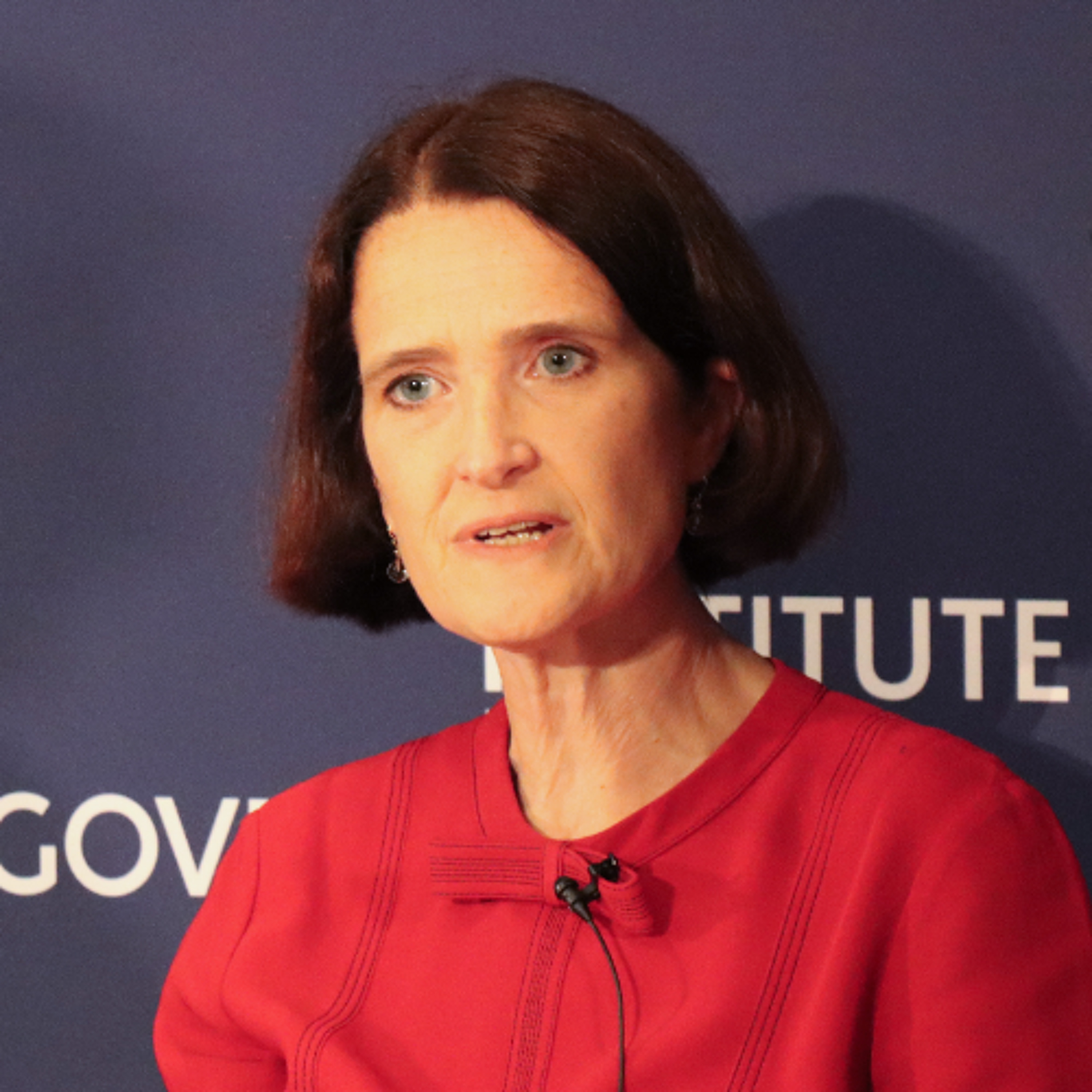
Funding public services: What do spending plans mean for performance?
On 30 October, the new government announced spending plans for 2025/26, with a spending review covering 2025/26 to 2027/28 due to be published in the spring. What are the implications of these spending plans for public service performance in 2025/26? What options should the spending review consider for raising revenue and boosting productivity? How can the government improve public services when funding is tight? Rupert Harrison, former Chief of Staff to George Osborne and Chair of the UK’s Council of Economic Advisors (2010–15) Paul Johnson, Director of the Institute for Fiscal Studies Professor Henrietta Moore, Founder and Director of the UCL Institute for Global Prosperity Rachel Sylvester, political columnist at The Times and Chair of the Times Health Commission This session will be chaired by Nick Davies, Programme Director at the Institute for Government. This event was part of the IfG's public services conference, kindly supported by UCL.
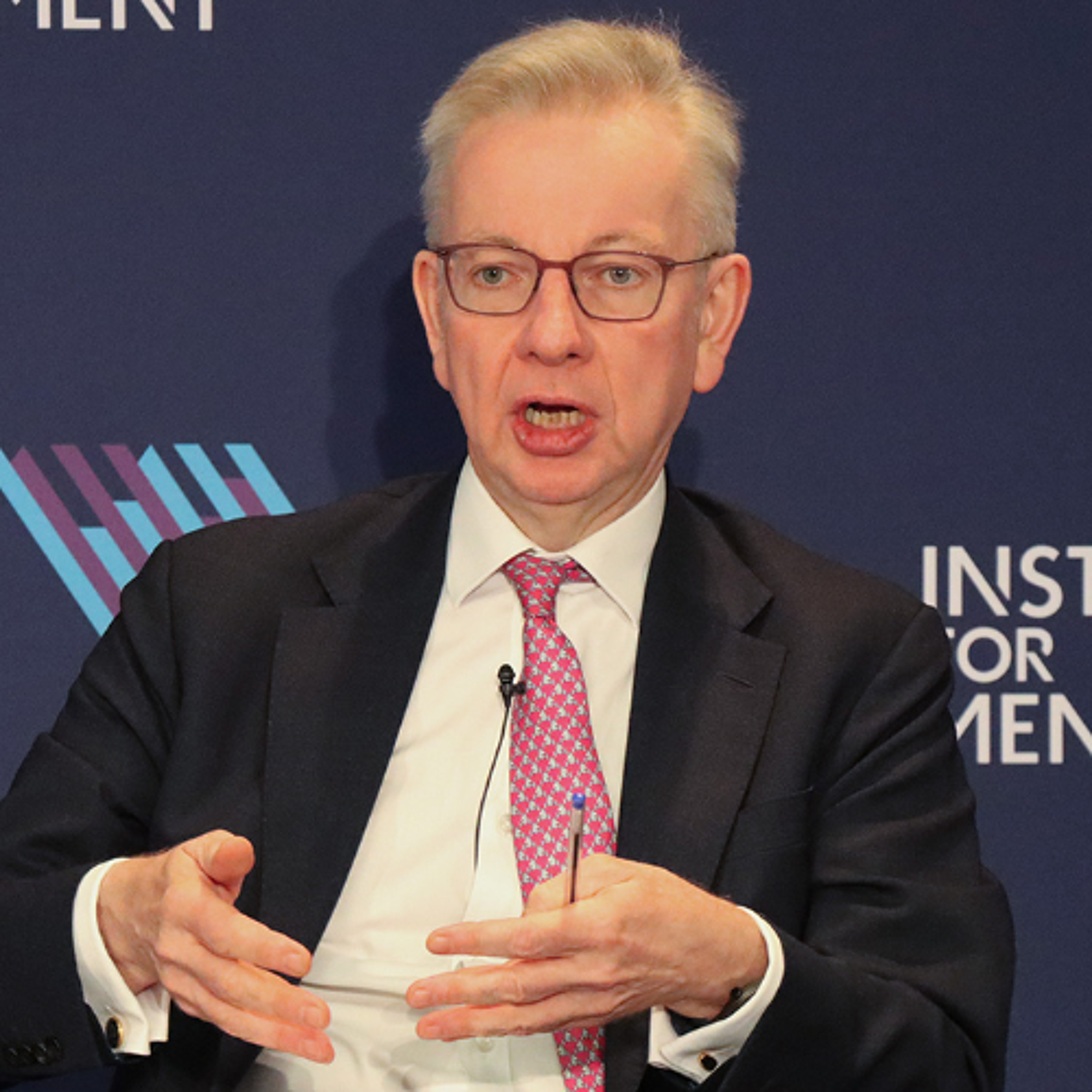
In conversation with Rt Hon Michael Gove
An in conversation with Rt Hon Michael Gove, Editor of the The Spectator and former Secretary of State for Levelling Up, Housing and Communities, and Dr Hannah White, Director and CEO of the Institute for Government. This event was part of the IfG's public services conference, kindly supported by UCL.
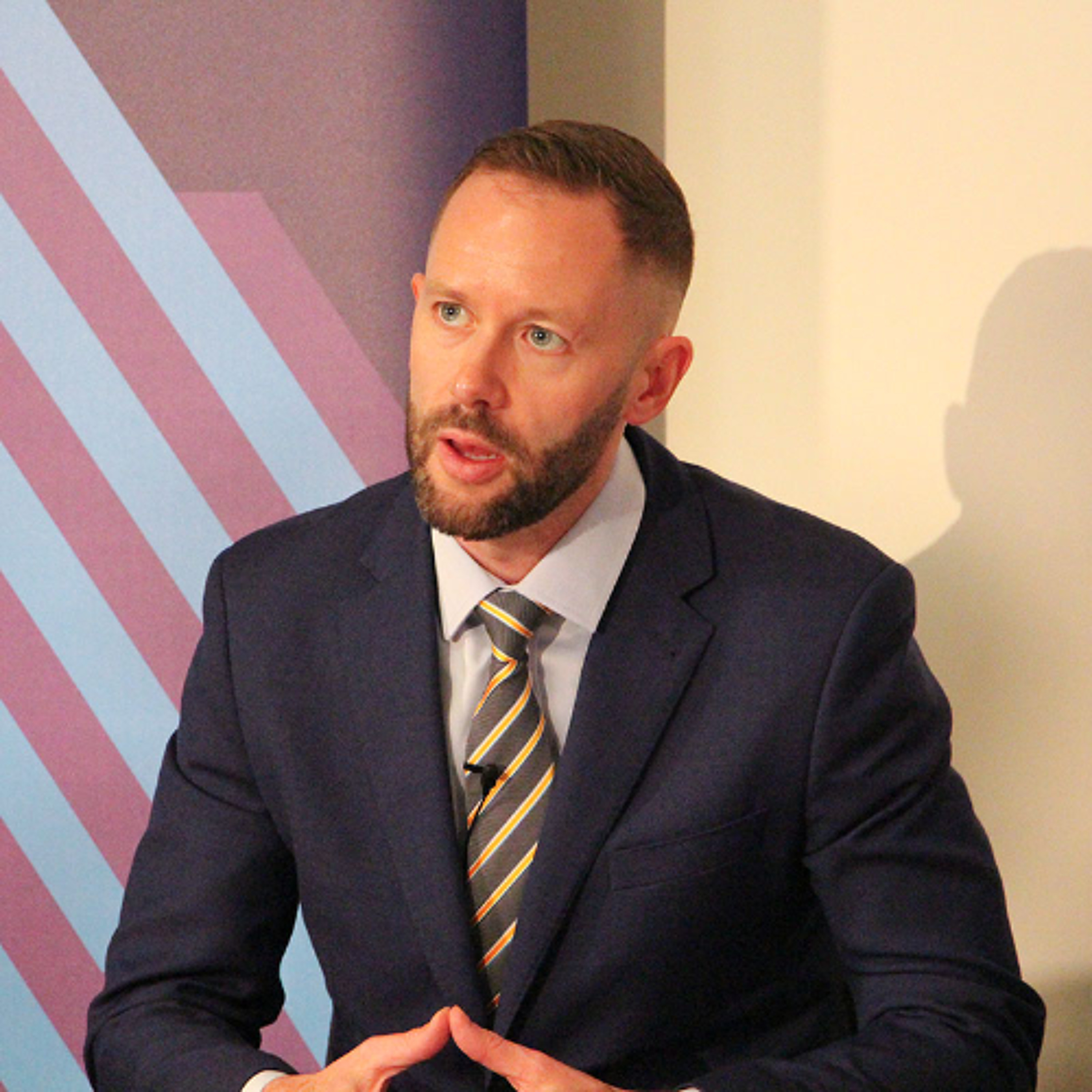
What role can prevention play in boosting public service productivity?
The new government has put prevention at the heart of public service reform plans. So what difference could this approach make? By intervening sooner, problems may not escalate, become embedded, or arise in the first place – meaning preventative services could be a major contributor to public sector productivity. With spending likely to be tight over the coming years, the theory behind an "invest to save" scheme is clear – but in practice it has been hard to implement, and cashable savings have often proved elusive. This event brought together a panel of experts to discuss: - Is it realistic to expect preventative programmes to deliver cashable savings? - How quickly could a shift towards a more preventative approach improve public service productivity? - What are the respective roles of the centre of government, departments, and frontline services in delivering this shift and realising productivity improvements? - How can additional investments be made in prevention when acute demand is high and spending tight? To discuss these questions and more, our panel included: - Dr Thomas Waite, Deputy Chief Medical Officer - Cllr Gillian Ford, Deputy Leader of Havering Council, Cabinet Member for Adults and Health - Daniel Sperrin, Partner at Newton - Moira Wallace, former Permanent Secretary The event was chaired by Nick Davies, Programme Director at the Institute for Government. We would like to thank Newton for kindly supporting this event.
What did Rachel Reeves’ budget reveal about the government’s priorities?
Rachel Reeves’ first budget promises to be one of the most consequential in years. Shortly after the chancellor addresses parliament, IfG experts examined her announcements and make sense of Reeves’ plans for the economy. What decisions has she taken on new fiscal rules, tax measures and public services? What does this budget mean for the government’s growth mission? Does Reeves have a credible plan for fixing the public spending “black hole”? And what does this budget reveal about this government’s priorities? The panel included: Stuart Hoddinott, Senior Researcher at the Institute for Government Thomas Pope, Deputy Chief Economist at the Institute for Government Giles Wilkes, Senior Fellow at the Institute for Government The event was chaired by Jill Rutter, Senior Fellow at the Institute for Government.
Lessons from the rise and fall of the Department for International Development
From its creation in 1997 to its merger with the Foreign Office in 2020, the Department for International Development (DfID) managed nearly £200 billion in total and played a global leadership role in reducing poverty. While DfID also had to deal with high-profile failures and public criticism, sustained political support from Labour, coalition and Conservative governments helped the department to achieve a record of delivery during its 23-year existence. A new book, The Rise and Fall of the Department for International Development, will be published in October. Sir Mark Lowcock, the book's co-author with Ranil Dissanayake, joined an expert panel at the Institute for Government to discuss what we can learn from DfID's history, with a particular focus on building the institution, how to maintain civil service capability, targeting resources and developing ways to measure value for money – with essential lessons for the new Labour government and what other departments can learn from DfID's focus on delivery. Joining Sir Mark Lowcock on the panel were: - Sarah Champion MP, Chair of the International Development Select Committee - Andrew Mitchell MP, Shadow Foreign Secretary and former Secretary of State for International Development The panel was chaired by Alex Thomas, Programme Director at the Institute for Government.
How can the government effectively roll out EV charging infrastructure?
The government has promised to restore the target to phase out the sale of new petrol and diesel vehicles by 2030. The zero emission vehicle (ZEV) mandate also requires that 80% of new cars and 70% of new vans sold in Great Britain will have to be zero emission by 2030. However, car makers have expressed concerns about their ability to hit these targets without further support, and the sale of electric vehicles (EVs) is lagging behind the government target. So what are the barriers to EV uptake? Charging infrastructure is one reason consumers hesitate to make the switch, with a lack of on-street charging, bottlenecks with motorway charging, as well as concerns about price differential and different rates of VAT for on- and off-street parking. More also needs to be done to ensure the electricity network can cope with demand, and that charge points can be easily and cheaply connected to the grid. So what could be done to accelerate the rollout of EV charging infrastructure? How does the new government plan to address these challenges? And where in the country are these problems most acute? To discuss these questions and more, our panel included: Lilian Greenwood MP, Parliamentary Under-Secretary of State (Minister for Future of Roads) Rosa Hodgkin, Researcher at the Institute for Government Ian Howells, Executive Vice President of Honda Motor Europe Bharat Pathania, Head of New Technologies at Midlands Connect This event was chaired by Nehal Davison, Programme Director at the Institute for Government.
Productivity Pitches #4: Local Government
Productivity in public services has never been more important. Most services are struggling to return to pre-pandemic performance levels, and the new Labour government have indicated that spending will remain tight. Improvements in performance will likely come from frontline workers finding new, innovative ways of delivering services. So what can be done to improve productivity? By highlighting outstanding examples of innovation across public services, Productivity Pitches, a series of events hosted by the IfG, aims to share and support ways to improve performance levels. This event was the fourth in the series and focused on local government. Each speaker had 10 minutes to present their innovation, followed by 10 minutes of audience questions. The chair and a guest from the Productivity Institute – who are kindly supporting this event series – then brought together the common themes from the pitches and discussed the lessons for improving productivity. The speakers for this edition of Productivity Pitches were: Gill Wilson and Tim Pearse, London Borough of Barking and Dagenham, on joining up previously disparate datasets across the local authority to better understand the needs of their residents and forecast demand for their services. This allows them to support residents at an earlier stage and making the best use of scarce council resources. Vicky Schofield and Cheryl Whitehouse, Wakefield Council children's services, on the council providing residential care and improving outcomes for care leavers. With the cost of commissioning children’s residential care with private providers increasing rapidly, Wakefield decided to operate and run its own children’s homes, with more stable staffing and fewer restrictions than traditional children’s homes. As a result, the cost of providing care has dropped dramatically and children have far better outcomes. Cllr Bridget Smith, South Cambridgeshire Council, on the outcomes of shifting to a four-day working week. The Covid-19 pandemic led to the council changing the way that it worked, making better use of technology, flexible and home working. As a result, council employees now complete 100% of their work in 80% of the time. An independent evaluation of the reforms found that the council was performing better on 22 of 24 metrics, including a large drop in turnover and reduced use of expensive agency staff. The event was chaired by Nick Davies, Programme Director at the Institute for Government. Andy Westwood, Professor of Public Policy, Government and Business at The University of Manchester joined the discussion of common themes. Follow us on X (formerly known as Twitter) @IfGEvents or on Bluesky @instituteforgov.bsky.social, and join the conversation using #ProductivityPitches Productivity Pitches is kindly supported by The Productivity Institute.
How can Keir Starmer ensure the centre of government works for the country?
Labour’s first 100 days in power have been marked by reports of conflict, dysfunction and delay at the centre of government. Sue Gray’s short tenure as Keir Starmer’s chief of staff has come to an end, with the prime minister choosing to reset his No.10 team just months after Labour won the general election. What reforms are needed to radically improve the centre of UK government? What does Morgan McSweeney – Starmer’s new chief of staff – need to do to make No.10 work for the prime minister and deliver for the country? What lessons should Starmer take from the way former PMs ran their centres of government – and from those who tried to reset their No.10? To answer these questions and more were: Tom Baldwin, author of Keir Starmer: The Biography and Labour’s Director of Communications (2010–15) Theo Bertram, Director of the Social Market Foundation and a former Special Adviser in No.10 Henry Newman, former Special Adviser at the Cabinet Office and in No.10 Hannah White, Director of the Institute for Government and Chair of the Commission on the Centre of Government The panel was chaired by Jill Rutter, Senior Fellow at the Institute for Government.
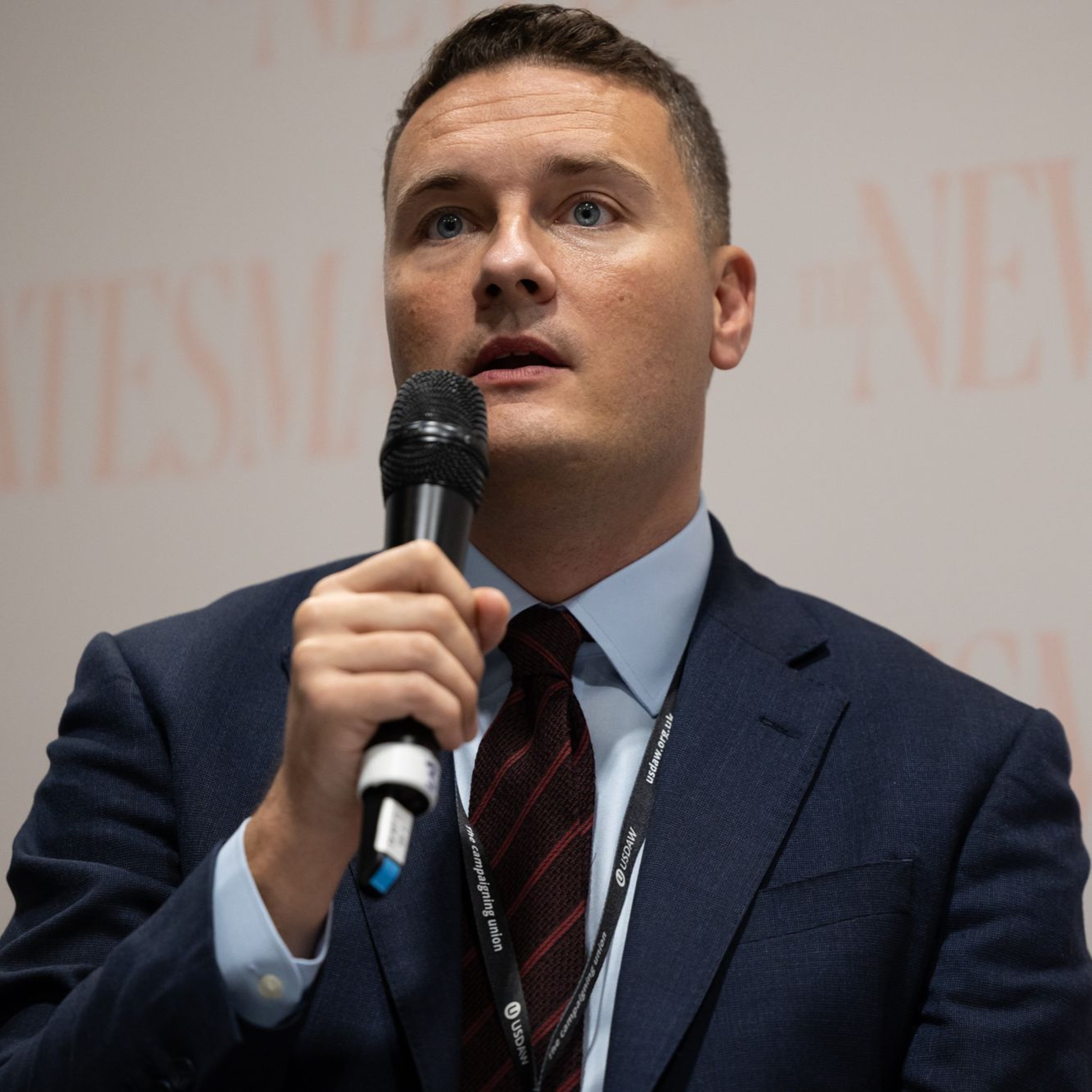
Institute for Government in conversation with Wes Streeting MP
Rt Hon Wes Streeting MP, Secretary of State for Health and Social Care, was in conversation with Dr Hannah White, Director and CEO of the Institute for Government.
After Sue Gray: How can Keir Starmer reset No.10?
Reports of dysfunction and unhappiness at the centre of government have led to Sue Gray’s departure as the prime minister’s chief of staff. In an effort to reset his top team, Keir Starmer has replaced Gray with Morgan McSweeney, and has also made a number of other key appointments to his No.10 operation. So what does this restructuring tell us about how Starmer wants to run his centre of government? What lessons should be taken from the difficulties – and disagreements – at the centre that have hindered Labour’s first 100 days in power? And what else needs to change to ensure No.10, the Cabinet Office and the Treasury deliver for the prime minister? The IfG’s final report of the Commission on the Centre of Government examined why the centre has failed successive prime ministers – and the early experiences of Keir Starmer’s administration have underlined, yet again, the urgent need to implement the Centre Commission’s seven recommendations for radical reform to create strengthened, united political leadership at the heart of government. This webinar explored Gray’s exit, assess Starmer’s reset, and discuss the IfG’s recommendations for reform. Our expert panel included: Sam Freedman, Author of Failed State and Senior Fellow at the Institute for Government Dr Catherine Haddon, Programme Director at the Institute for Government Alex Thomas, Programme Director at the Institute for Government This event was chaired by Tim Durrant, Programme Director at the Institute for Government.

AI in the public sector: How can government achieve the greatest impact?
This event was held at the 2024 Labour Party Conference in Liverpool. Speakers: Kate Bell, Assistant General Secretary of the Trades Union Congress Alwin Magimay, Global Head of AI at PA Consulting Gaia Marcus, Director of the Ada Lovelace Institute Gordon McKee MP, Member of Parliament for Glasgow South This event was chaired by Dr Matthew Gill, Programme Director at the Institute for Government. This event was in partnership with PA Consulting.
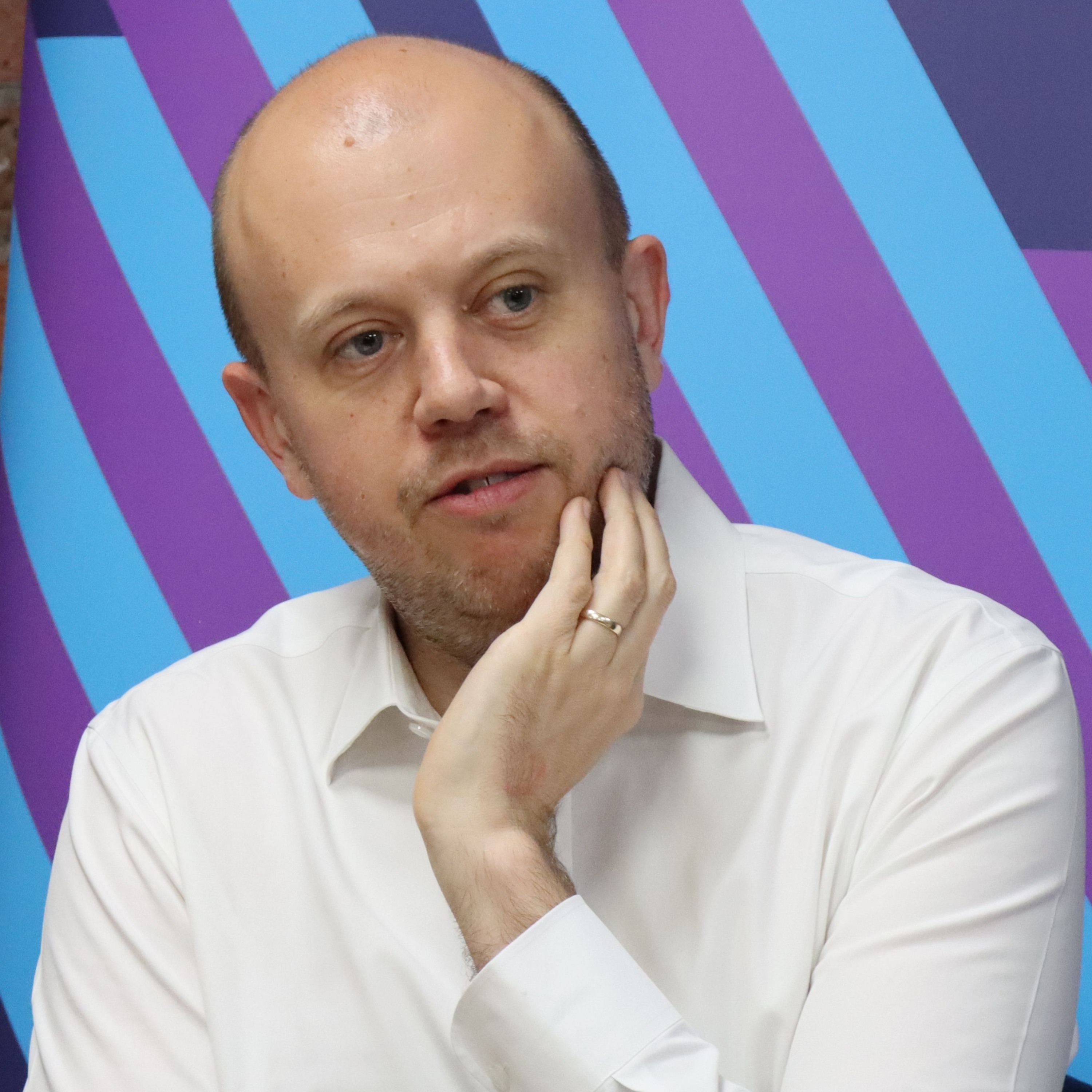
After the pandemic: How can confidence in public procurement be restored?
This event was held at the 2024 Labour Party Conference in Liverpool. Speakers: Katy Balls, Deputy Political Editor at The Spectator Daniel Bruce, Chief Executive of Transparency International UK Nick Davies, Programme Director at the Institute for Government Joe Powell MP, Chair of APPG on Anti-Corruption and Responsible Tax and Member of Parliament for Kensington and Bayswater This event was chaired by Emma Norris, Deputy Director of the Institute for Government. This event was in partnership with Transparency International UK.
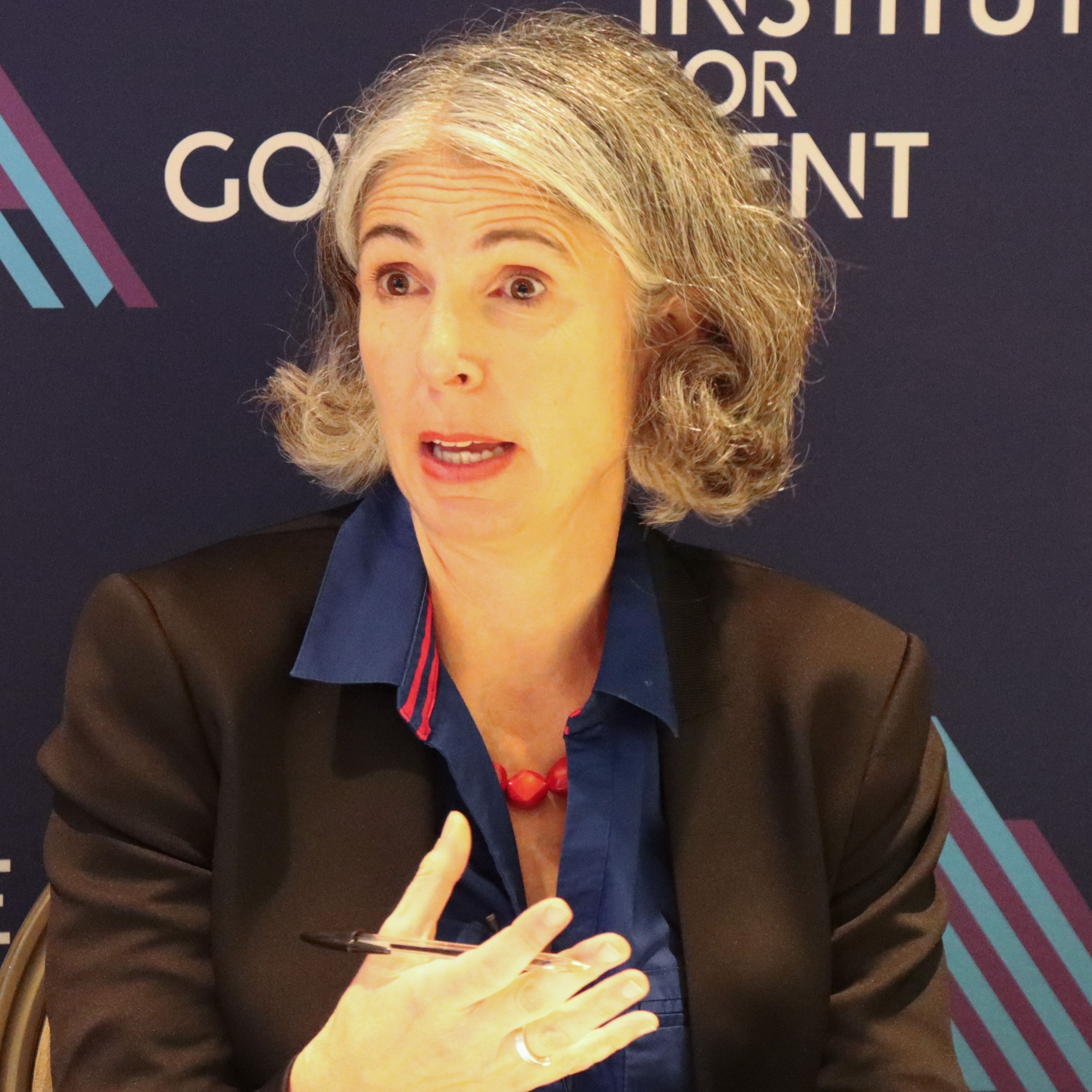
How can the Conservatives build on the last government's unsung industrial strategy?
This event was held at the Conservative Party Conference 2024 in Birmingham. Speakers: Andrew Griffith MP, Shadow Secretary of State for Science, Innovation and Technology Professor Nigel Brandon OBE, Dean of the Faculty of Engineering and Professor of Sustainable Development in Energy at Imperial College London Rain Newton-Smith, Chief Executive of the Confederation of British Industry (CBI) Giles Wilkes, Senior Fellow at the Institute for Government This event was chaired by Dr Gemma Tetlow, Chief Economist at the Institute for Government. This event was in partnership with Imperial College London.
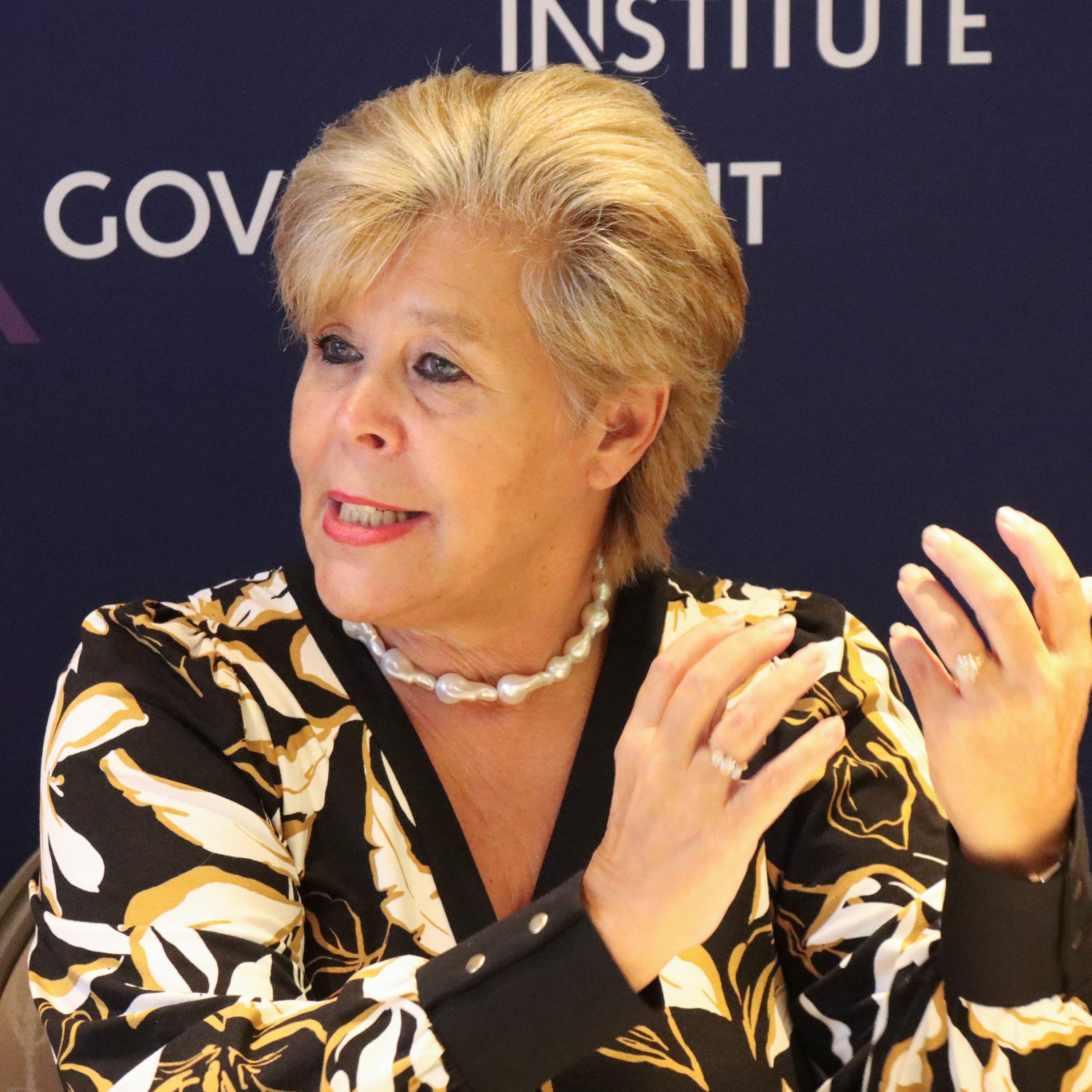
What is the Conservative vision for devolution across England?
This event was held at the Conservative Party Conference 2024 in Birmingham. Speakers: Councillor Anne Handley, Leader of East Riding of Yorkshire Council Professor Richard Jones, Vice-President for Regional Innovation and Civic Engagement at The University of Manchester Councillor Tim Oliver OBE, Leader of Surrey County Council and Chairman of the County Councils Network Laura Shoaf, Chief Executive of the West Midlands Combined Authority This event was chaired by Akash Paun, Programme Director at the Institute for Government. This event was in partnership with Policy@Manchester.
How would a Conservative government reduce demand for public services?
This event was held at the Conservative Party Conference 2024 in Birmingham. Speakers: Steve Brine, former Chair of the Health and Social Care Select Committee Polly Curtis, Chief Executive of Demos Stuart Hoddinott, Senior Researcher at the Institute for Government Sam Rowlands MS, Welsh Shadow Minister for Health This event was chaired by Emma Norris, Deputy Director of the Institute for Government.
Improving public service productivity: Can we have better services for less money?
This event was held at the Conservative Party Conference 2024 in Birmingham. Speakers: Baroness Neville-Rolfe, former Cabinet Office and Treasury minister Dan Butler, Head of Government Affairs at Google Cloud UK Nick Davies, Programme Director at the Institute for Government Professor Mark Thompson, Professor of Digital Economy at the University of Exeter This event was chaired by Emma Norris, Deputy Director of the Institute for Government. This event was in partnership with Google Cloud UK and the University of Exeter.
How can the Conservative Party learn from its failures to deliver in government?
This event was held at the Conservative Party Conference 2024 in Birmingham. Speakers: Rt Hon Damian Green, former First Secretary of State and Minister for the Cabinet Office Jill Rutter, Senior Fellow at the Institute for Government Joe Twyman, Co-Founder and Director of Deltapoll Henry Newman, former Special Adviser at No10 and the Cabinet Office This event was chaired by Dr Hannah White, Director of the Institute for Government.
Leading from the centre: How can prime ministers better deliver long-term policy objectives?
This event was held at the Conservative Party Conference 2024 in Birmingham. Speakers: Rt Hon John Glen MP, Shadow Paymaster General The Lord Norton of Louth, Conservative Peer and Professor of Government at the University of Hull Kartina Tahir Thomson, President of the Institute and Faculty of Actuaries Alex Thomas, Programme Director at the Institute for Government This event was chaired by Dr Hannah White, Director of the Institute for Government. This event was in partnership with the Institute and Faculty of Actuaries.
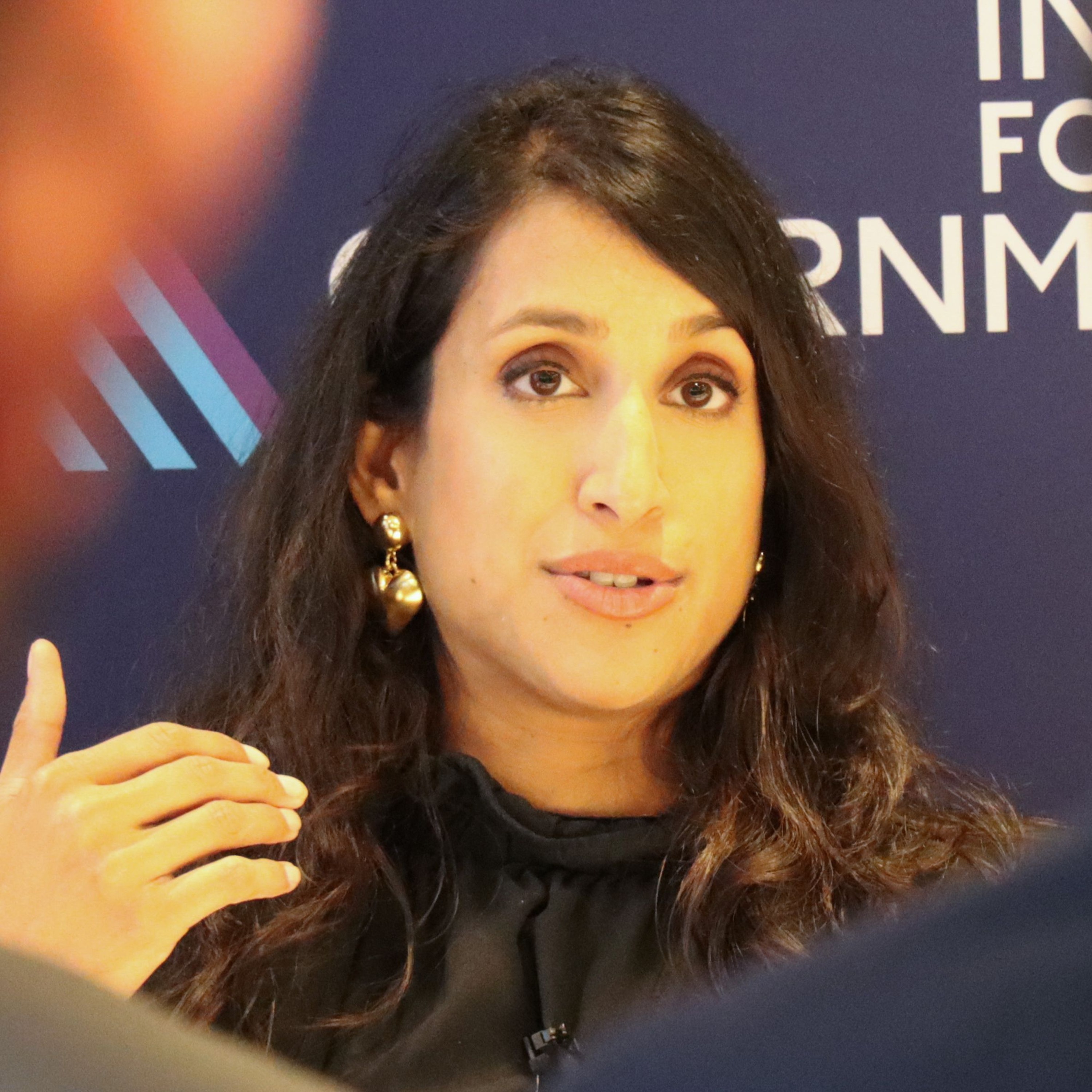
What next for the Conservative Party's approach to energy and net zero?
This event was held at the 2024 Conservative Party Conference in Birmingham. Speakers: Rt Hon Claire Coutinho MP, Shadow Secretary of State for Energy Security and Net Zero Sam Hall, Director of the Conservative Environment Network Rosa Hodgkin, Researcher at the Institute for Government Professor Karl Whittle, Professor of Zero Carbon and Nuclear Energy at the University of Liverpool This event was chaired by Jill Rutter, Senior Fellow at the Institute for Government. This event was in partnership with The Heseltine Institute for Public Policy, Practice and Place, University of Liverpool.
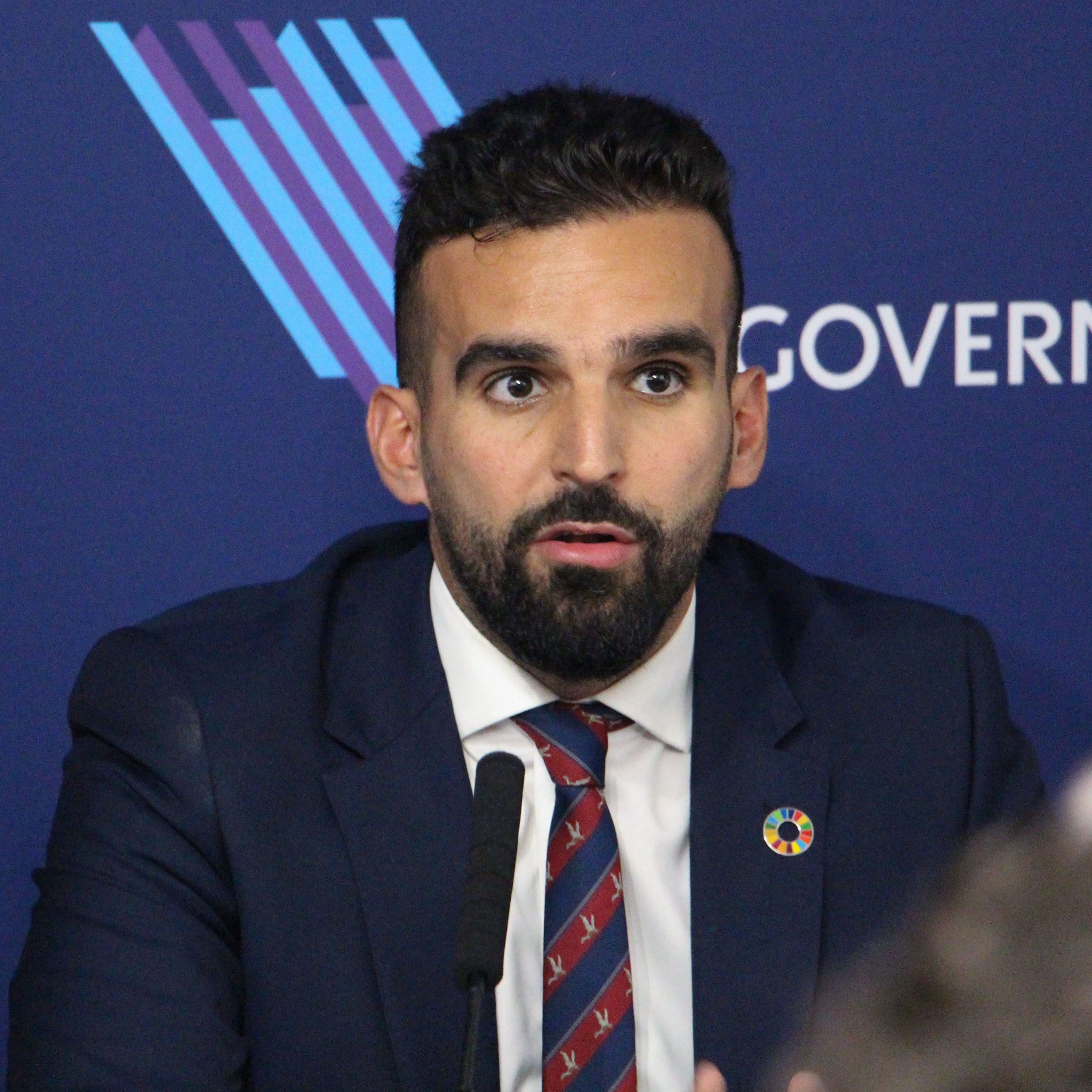
How can the Labour government achieve its clean power aims and accelerate to net zero?
This event was held at the 2024 Labour Party Conference in Liverpool. Speakers: Mete Coban MBE, Deputy Mayor for Environment and Energy at Greater London Authority Clem Cowton, Director of External Affairs at Octopus Energy Ed Cox, Executive Director for Strategy, Economy & Net Zero at West Midlands Combined Authority Rosa Hodgkin, Researcher at the Institute for Government Professor Karl Whittle, Professor of Zero Carbon and Nuclear Energy at the University of Liverpool This event was chaired by Jill Rutter, Senior Fellow at the Institute for Government. This event was in partnership with The Heseltine Institute for Public Policy, Practice and Place, University of Liverpool.
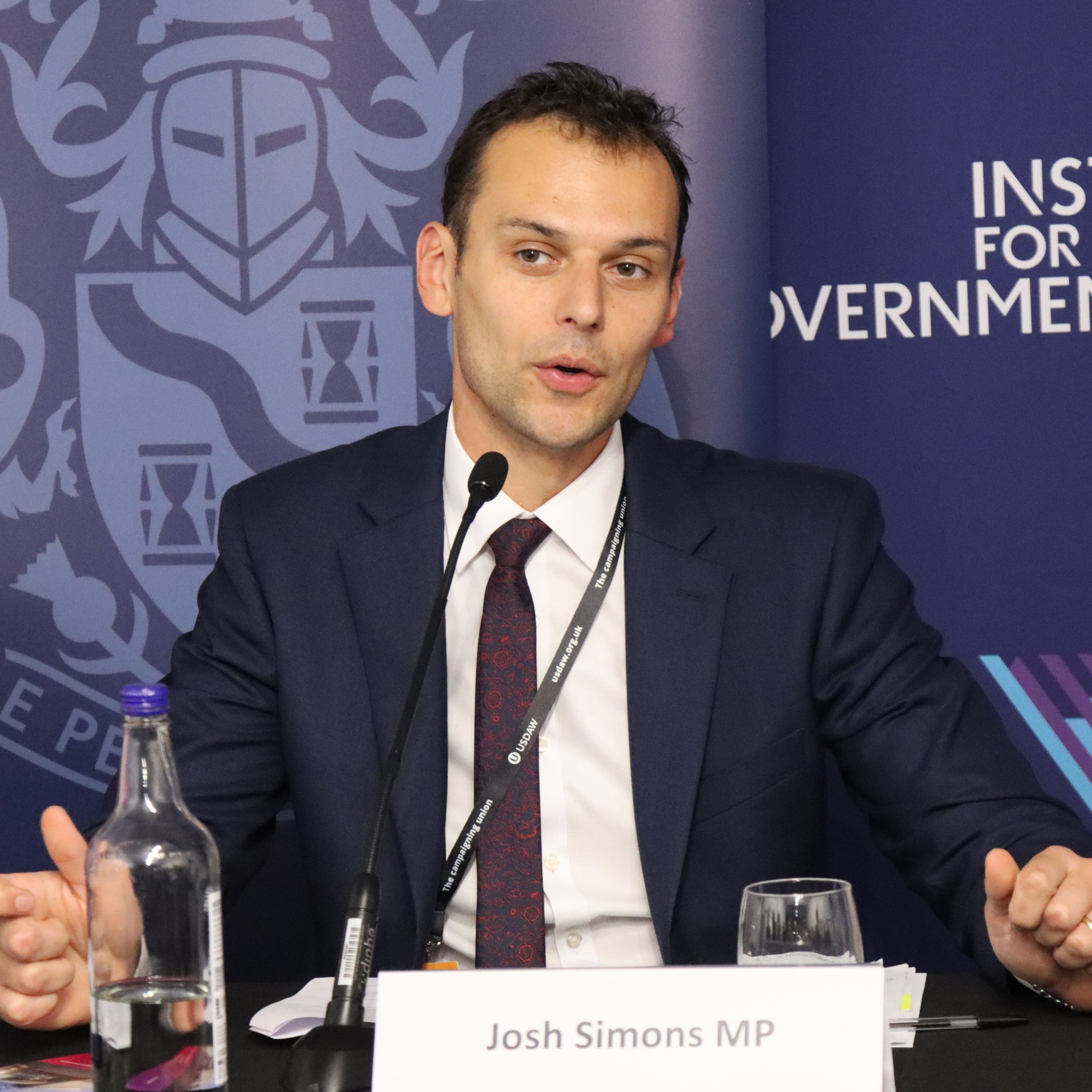
How can the government make a success of its mission-led approach?
This event was held at the 2024 Labour Party Conference in Liverpool. Speakers: Josh Simons MP, Member of Parliament for Makerfield and former Director of Labour Together Clare Moriarty, former Permanent Secretary and Chief Executive of Citizens Advice Kartina Tahir Thomson, President of the Institute and Faculty of Actuaries Alex Thomas, Programme Director at the Institute for Government This event was chaired by Dr Hannah White, Director and CEO of the Institute for Government. This event was in partnership with the Institute and Faculty of Actuaries.
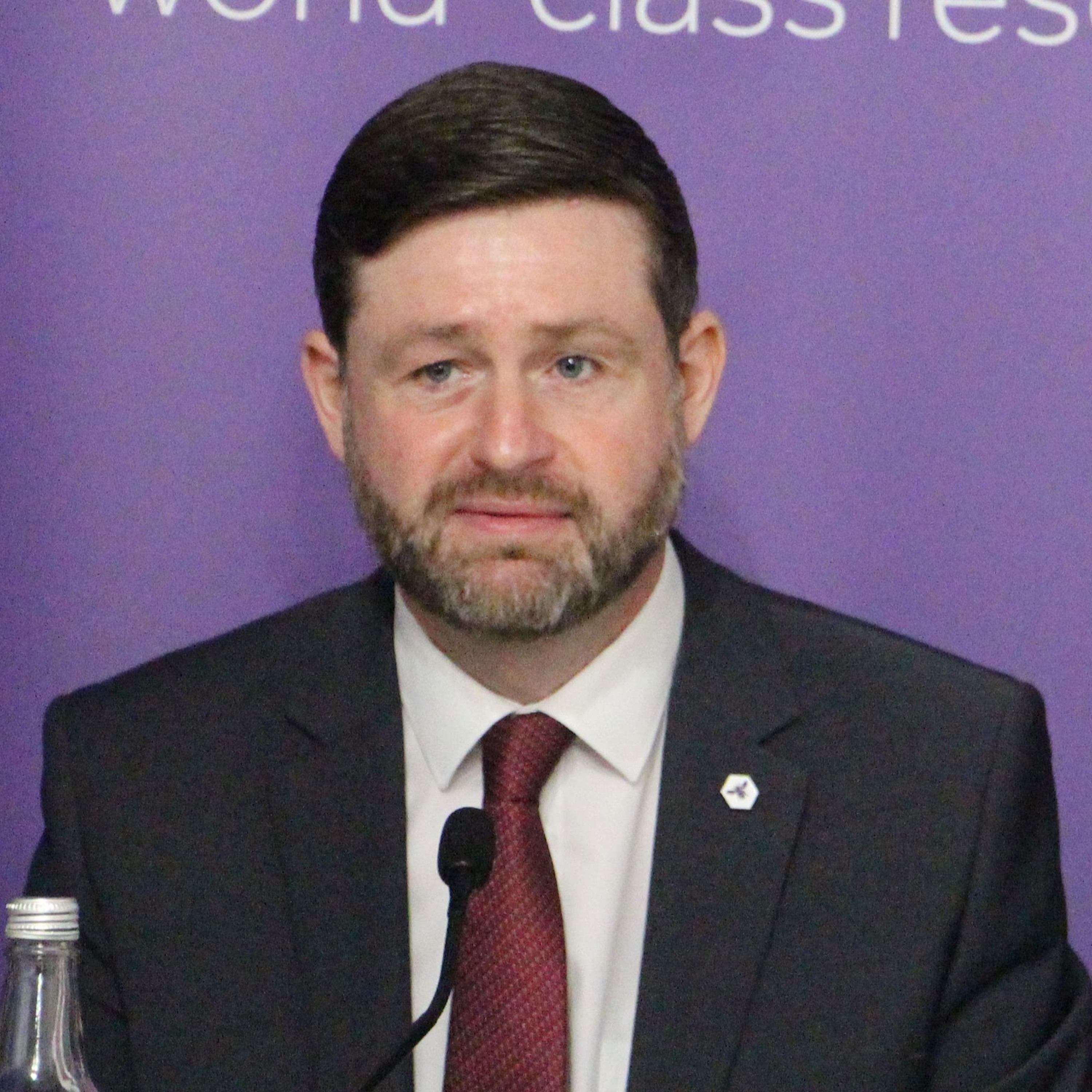
How can metro mayors help Labour achieve its missions for government?
This event was held at the 2024 Labour Party Conference in Liverpool. Speakers: Jim McMahon MP, Minister of State (Housing, Communities and Local Government) Kim McGuinness, Mayor of the North East Professor Richard Jones, Vice-President for Regional Innovation and Civic Engagement at The University of Manchester Jen Williams, Northern England Correspondent at the Financial Times This event was chaired by Akash Paun, Programme Director at the Institute for Government. This event was in partnership with Policy@Manchester.
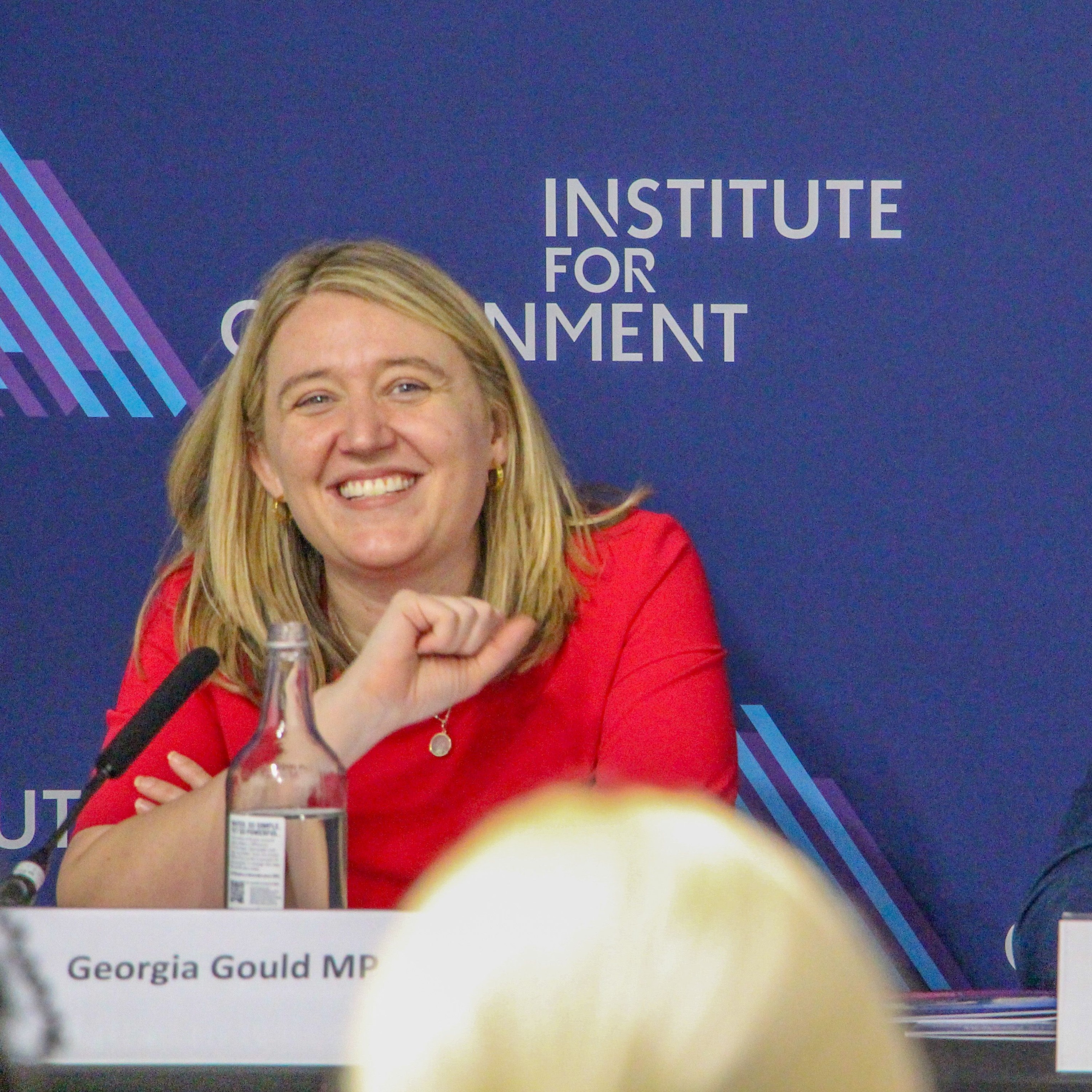
Improving public service productivity: Can we have better services for less money?
This event was held at the 2024 Labour Party Conference in Liverpool. Speakers: Georgia Gould MP, Parliamentary Secretary (Cabinet Office) Dan Butler, Head of Government Affairs at Google Cloud UK Nick Davies, Programme Director at the Institute for Government Professor Mark Thompson, Professor of Digital Economy at the University of Exeter This event was chaired by Emma Norris, Deputy Director of the Institute for Government. This event was in partnership with Google Cloud UK and the University of Exeter.
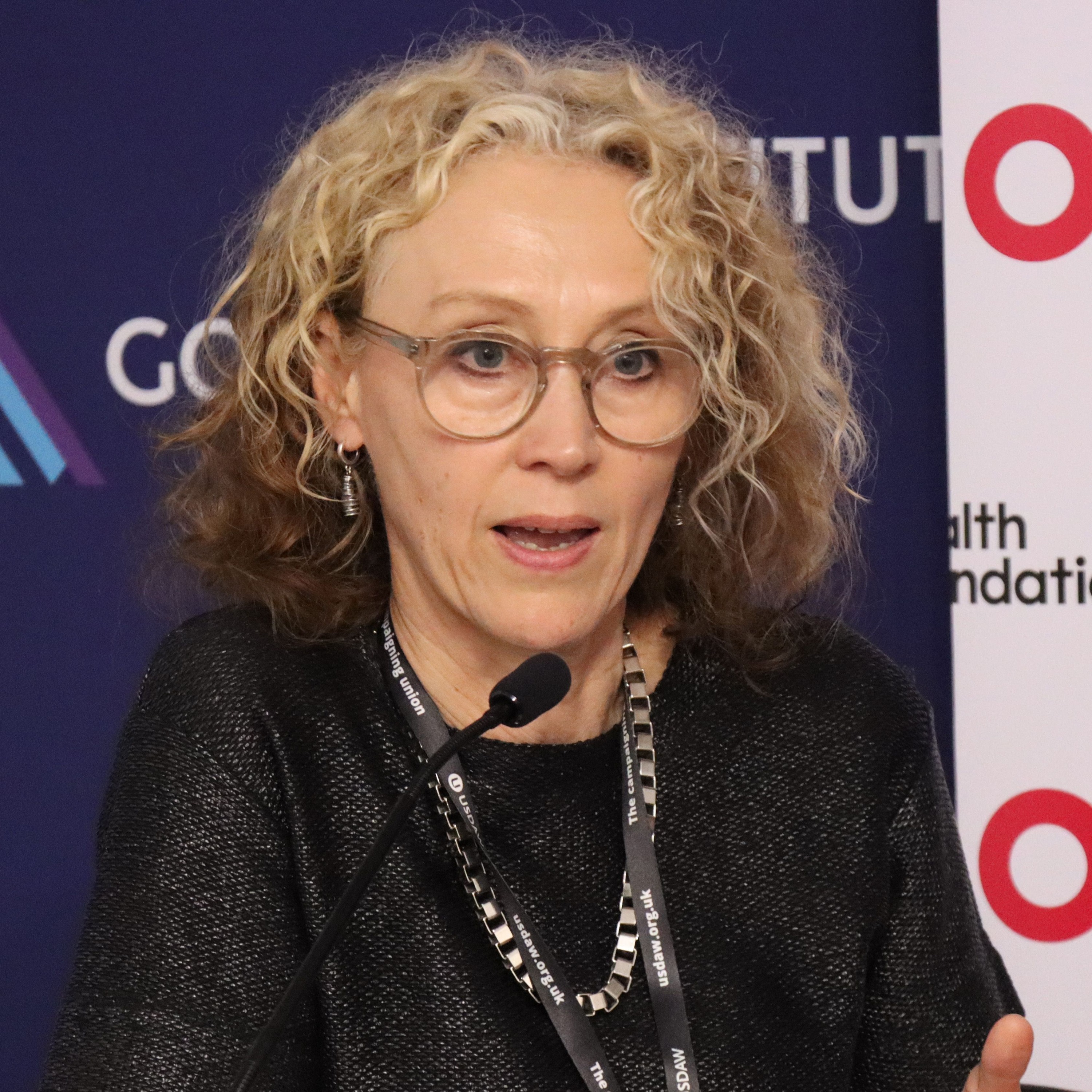
Prevention-led public services: Can the government make its rhetoric a reality?
This event was held at the 2024 Labour Party Conference in Liverpool. Speakers: Andrew Gwynne MP, Parliamentary Under-Secretary (Department of Health and Social Care) Nick Davies, Programme Director at the Institute for Government Dr Jennifer Dixon DBE, Chief Executive of The Health Foundation Paul Kissack, Group Chief Executive of Joseph Rowntree Foundation This event was chaired by Emma Norris, Deputy Director of the Institute for Government. This event was in partnership with The Health Foundation.
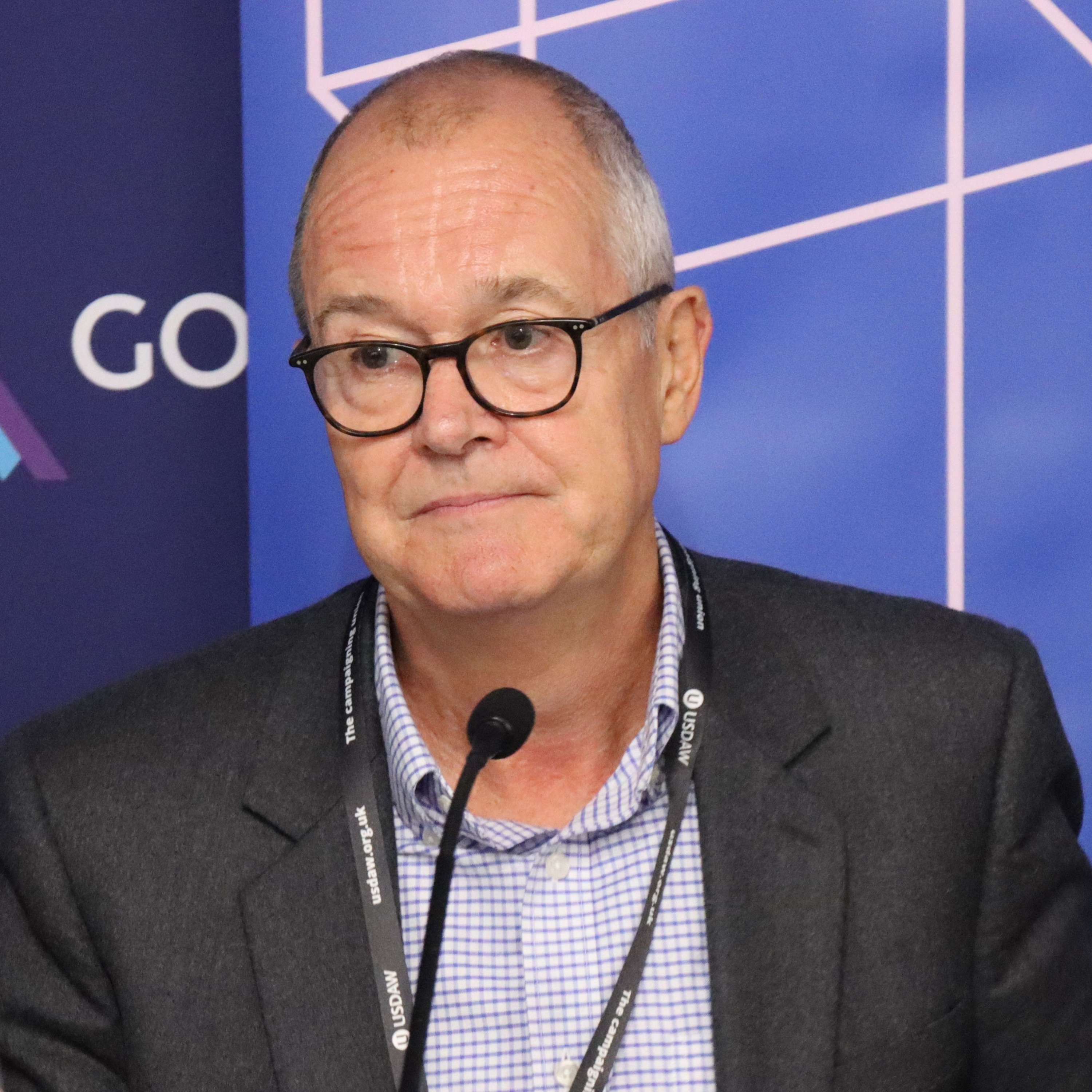
How can R&D ensure the new industrial strategy creates growth?
This event was held at the 2024 Labour Party Conference in Liverpool. Speakers: Lord Patrick Vallance, Minister of State for Science, Research and Innovation Peter Foster, Public Policy Editor at the Financial Times Professor Mary Ryan, Vice-Provost (Research and Enterprise) at Imperial College London Giles Wilkes, Senior Fellow at the Institute for Government This event was chaired by Dr Gemma Tetlow, Chief Economist at the Institute for Government. This event was in partnership with Imperial College London.
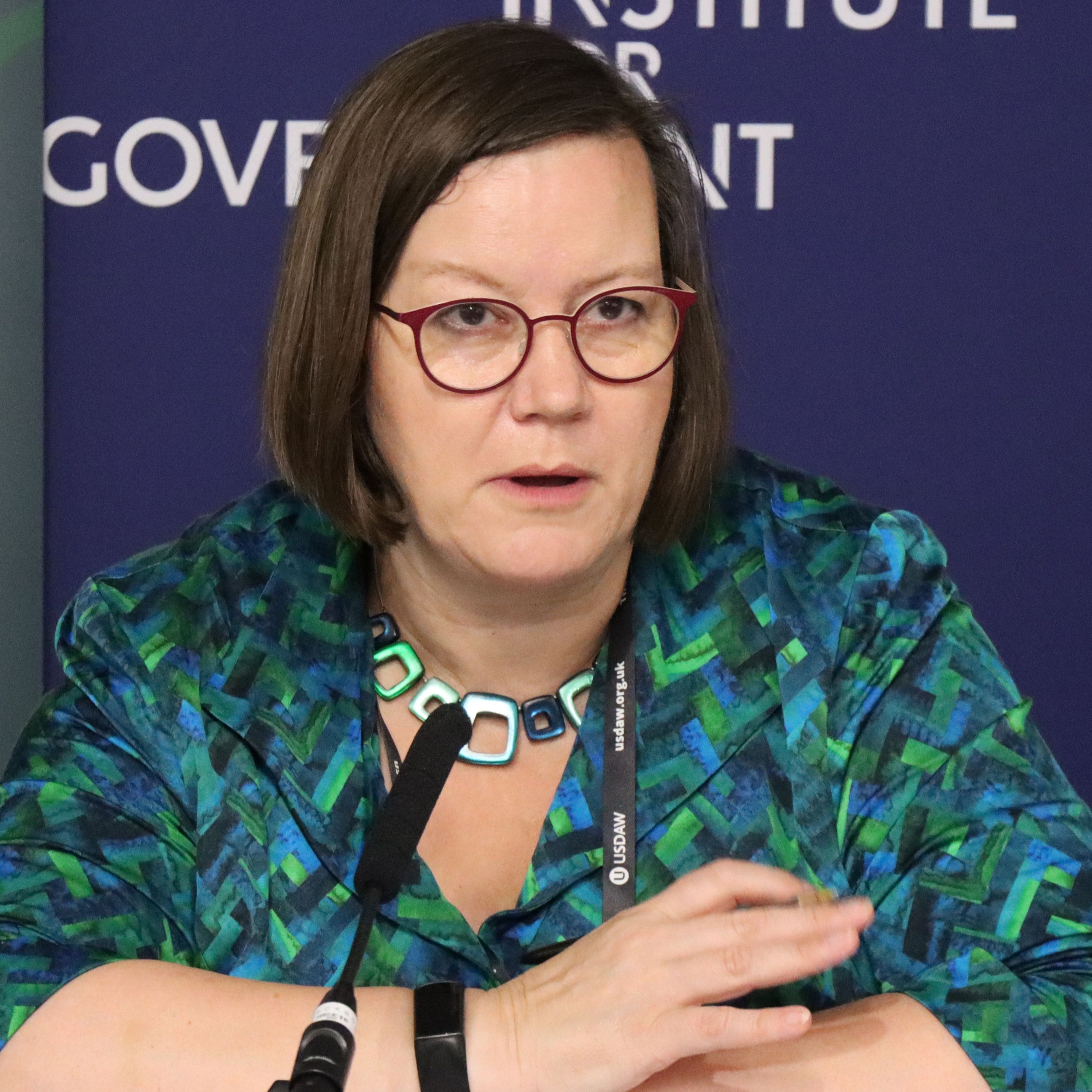
How can government spending decisions deliver Labour’s missions?
This event was held at the 2024 Labour Party Conference in Liverpool. Speakers: Dame Meg Hillier MP, Chair of the Treasury Select Committee Thomas Pope, Deputy Chief Economist at the Institute for Government Tom Sasse, Britain Public Policy Editor at The Economist Moira Wallace, former Permanent Secretary This event was chaired by Dr Gemma Tetlow, Chief Economist at the Institute for Government. This event was in partnership with the Association for Project Management.