
Institute for Government
542 episodes — Page 8 of 11
What lessons should the Treasury learn from the pandemic?
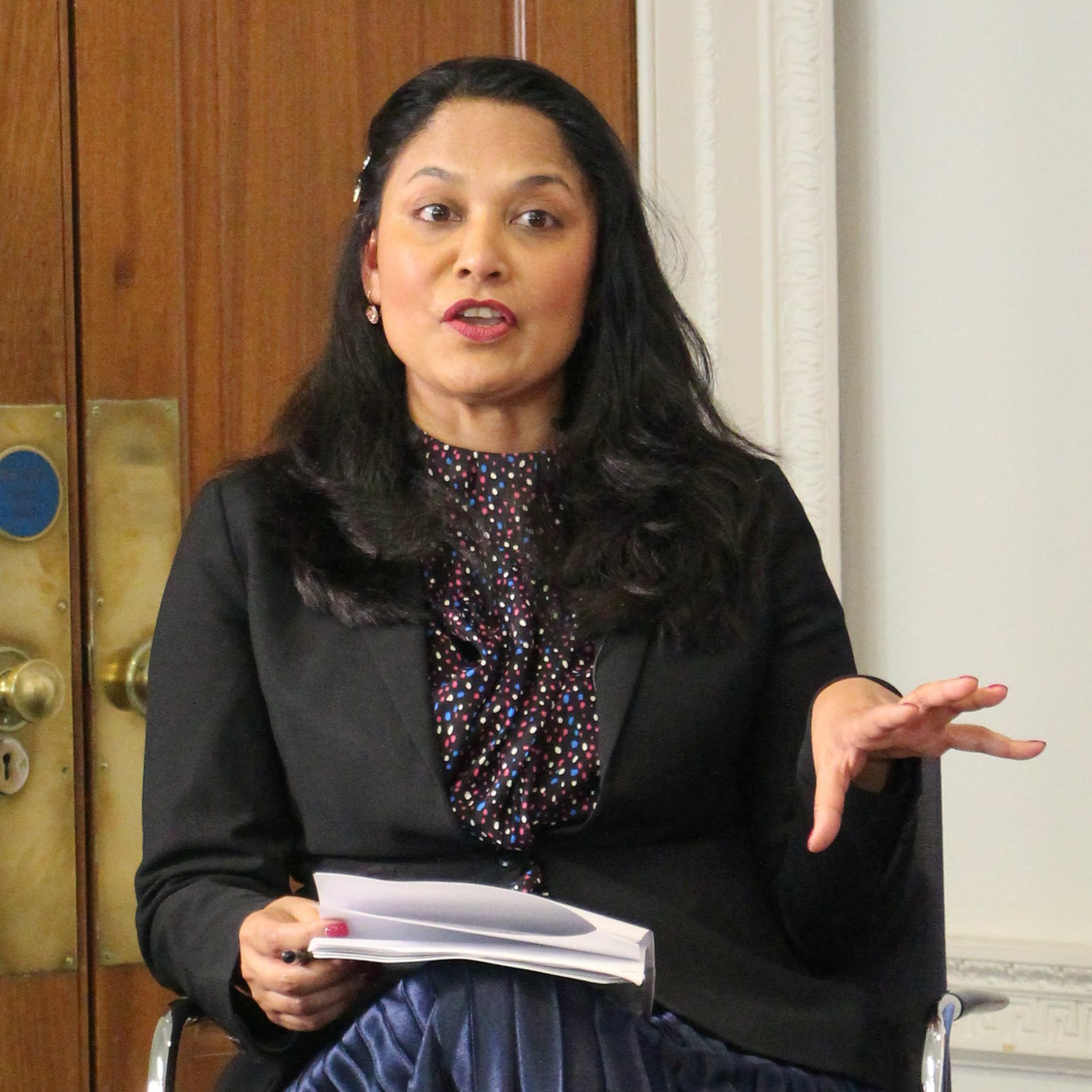
HM Treasury – the UK’s economics and finance ministry – played a crucial role in the government’s response to the Covid pandemic. While the crisis was fundamentally one of public health, shutting down the country saw the government pay the wages of around a third of the workforce and spend billions supporting businesses. So how successful were the Treasury’s policies and how well did it work with the rest of government? What lessons should the Treasury learn from its pandemic response? How can the department be better prepared to handle future crises? And what can be done to improve how the Treasury operates in normal times? This event presented and discussed the findings of a new report from the Institute for Government which examines how the Treasury implemented labour market and business finance support schemes, delivered an unprecedented amount of support to the country at incredible speed and under huge uncertainty, and worked with other government departments during the crisis. To explore these questions, the IfG brought together an expert panel including: Rushanara Ali MP, Member of the Treasury Select Committee Olly Bartrum, Senior Economist at the Institute for Government Prof Sir Charles Bean, former member of the Budget Responsibility Committee at the Office for Budget Responsibility (2017–21) Tracey Brown, Director of Sense about Science Sir Charles Roxburgh, former Second Permanent Secretary of HM Treasury (2016–22) The event was chaired by Dr Gemma Tetlow, Chief Economist at the Institute for Government.
Data Bites #41: Getting things done with data in government
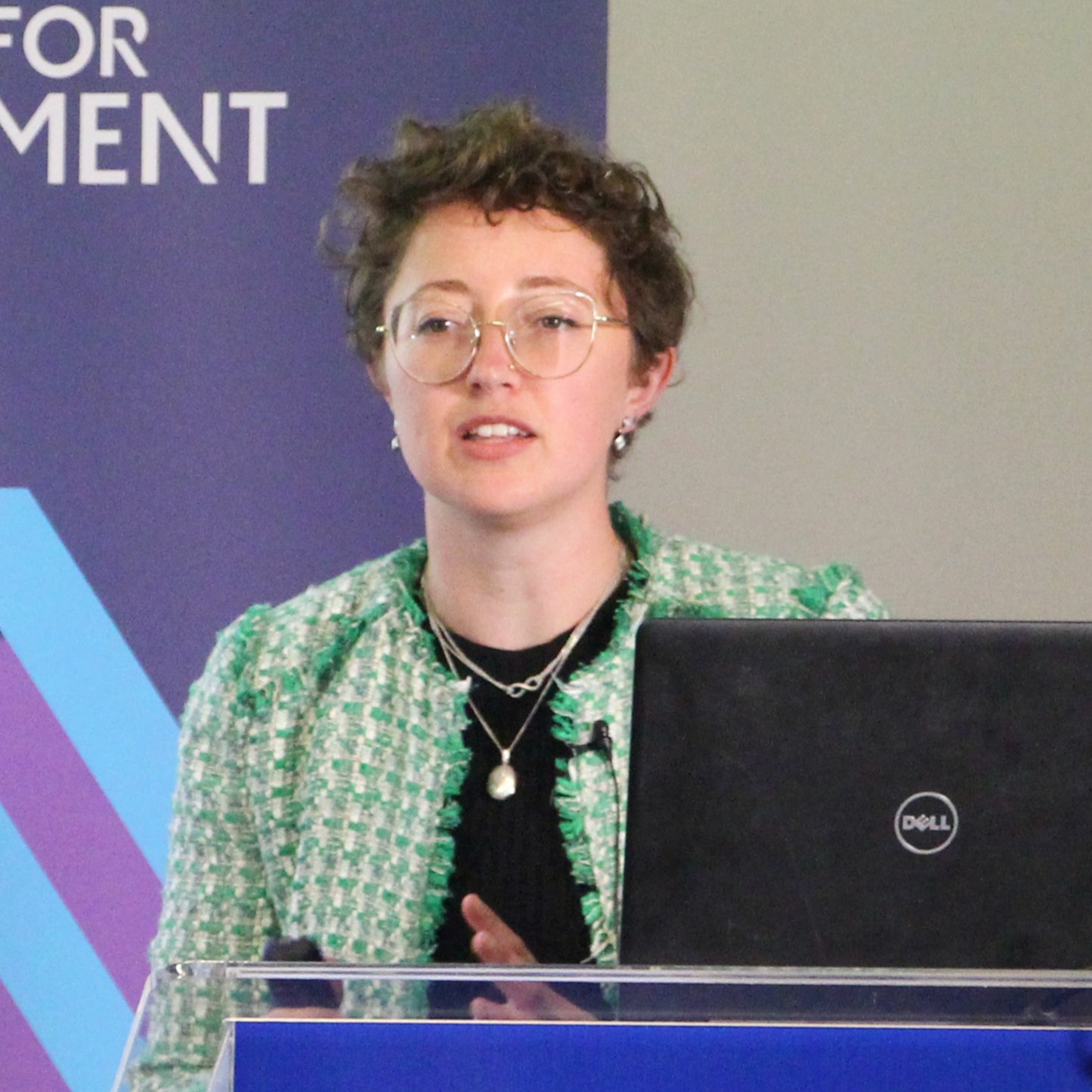
Better use of data is key to more effective government. Across government, teams are doing fascinating work with data. But those projects don’t get the attention they deserve. Data Bites aims to change that. This event was the 41st in our series, where the speakers presented their work in an exciting, quickfire format. Each speaker had eight minutes, followed by eight minutes of questions from the audience. This months speakers were: Sandrine Balley, Geographic Information Lead at the London Borough of Hackney, on how Hackney developed a webmap template to open up spatial data (and how you can use it too) Kathleen Caper, Head of Data Maturity and Governance at the Central Digital and Data Office, on Data Maturity Assessment for Government - more than a tool for the data function Dan Jeffery, Chief Information Security Officer and Deputy Chief Information Officer at NHS Blood and Transplant, on how NHSBT secure the supply of Blood, Organs, and Tissues services to the NHS from cyber threats Clara Clark Nevola, Group Manager (Technology) at the Information Commissioner’s Office, on Privacy Enhancing Technologies, how they relate to data protection requirements and how they can be used in practice The event was chaired by Gavin Freeguard, Associate at the Institute for Government.
Keynote speech: Stephen Flynn MP, SNP Westminster Leader
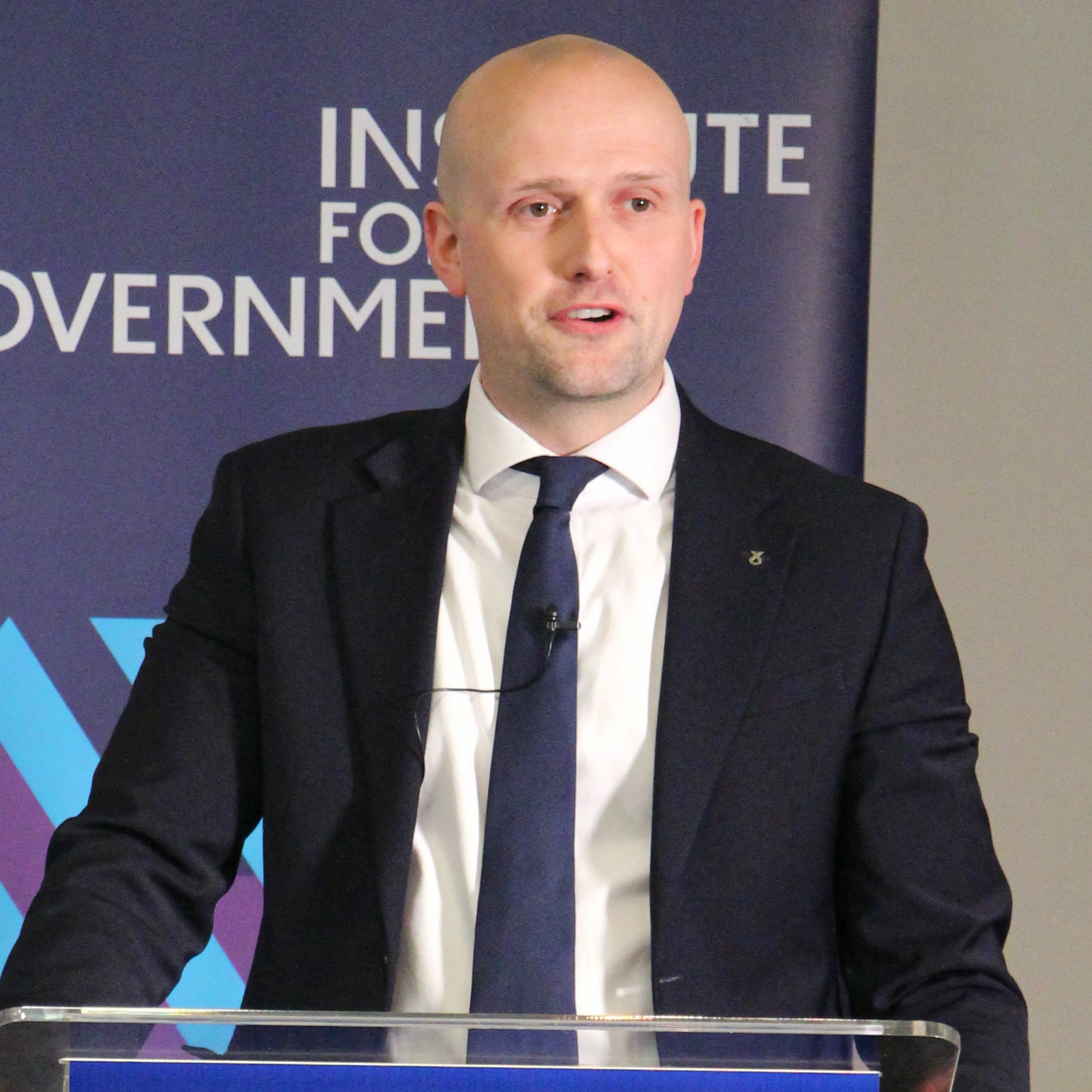
The SNP has a new leader and Scotland has a new first minister. So what does the election of Humza Yousaf mean for the Scottish government – and for the role that the SNP plays in Westminster? What does the future of the relationship between the Westminster and Holyrood governments look like and what opportunities are there for the two governments to work together? How will the SNP make the case for independence under new leadership? To explore these questions, the Institute for Government was delighted to welcome Stephen Flynn, the SNP’s leader in Westminster, to give a keynote speech. The event was chaired by Akash Paun, Programme Director at the Institute for Government.
How can the government tackle obesity?
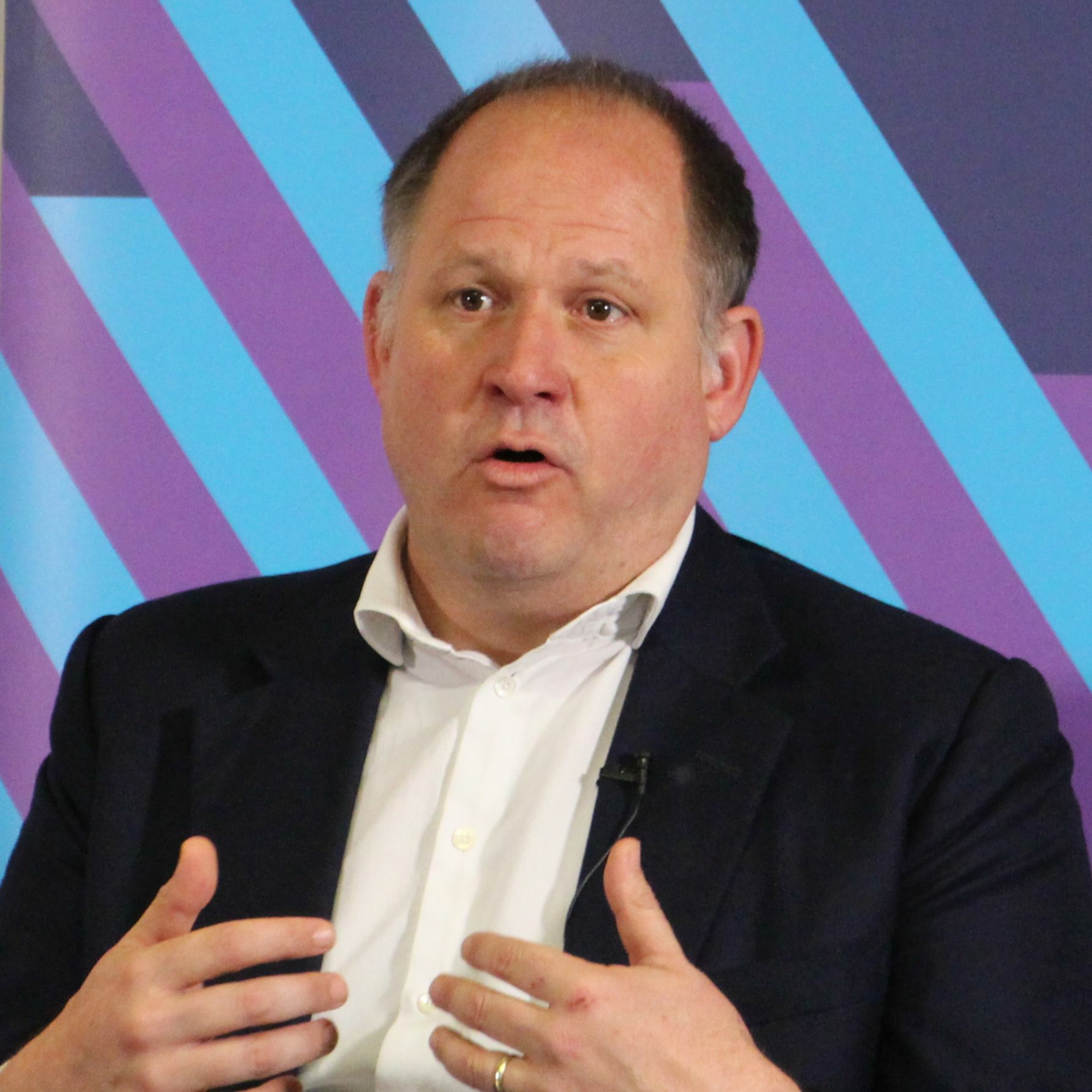
Our panel explored why successive governments have failed to address rising obesity and what would be needed to tackle it. We discussed which policies work, how to build support for them and the role of government in leading change. To explore these questions and more, our expert panel included: Henry Dimbleby, founder of Leon, former government adviser and author of Ravenous: how to get ourselves and our planet into shape Sophie Metcalfe, Researcher at the Institute for Government Dr Dolly Theis, Visiting Researcher at the Cambridge University MRC Epidemiology Unit The event was chaired by Tom Sasse, Associate Director at the Institute for Government.
Citizens and the constitution: education and engagement
Do citizens understand – or even care about – how the UK constitution works and the role it plays in making government work for them? If they don’t, then what can be done to ensure that the constitution and constitutional change has public support and legitimacy? In this event, we explored the current state of public understanding of – and interest in – constitutional issues. We looked at good practice for citizen engagement. And we considered what can be done to cultivate an engaged and empowered citizenry for the future. This event was part of the IfG and Bennett Institute Review of the UK Constitution. To explore these questions, we assembled an expert panel including: Catherine McKinnell MP, Chair of the Petitions Committee Alan Renwick, Professor of Democratic Politics at University College London and Deputy Director of UCL's Constitution Unit Tatton Spiller, Founder of Simple Politics The event was chaired by Rebecca McKee, Senior Researcher at the Institute for Government.
Data Bites #40: Getting things done with data in government - a justice special
Better use of data is key to more effective government. Across government, teams are doing fascinating work with data. But those projects don’t get the attention they deserve. Data Bites aims to change that. Our latest event, the 40th in our series, was a justice special, where the speakers presented their work in an exciting, quickfire format. Each speaker had eight minutes, followed by eight minutes of questions from the audience. This month's speakers were: Dan Corry, Chief Executive of New Philanthropy Capital, on the work of the Justice Data Lab Toby Hayward-Butcher, Head of Strategy & Delivery, Better Outcomes through Linked Data (BOLD) Programme, on better supporting people with complex needs by linking and improving the government data held on them in a safe and secure way Thomas Pope, Deputy Chief Economist at the Institute for Government Anna Powell-Smith, Director of the Centre for Public Data, on data and statistical gaps in criminal justice. The event was chaired by Gavin Freeguard, Associate at the Institute for Government.
What does artificial intelligence mean for government procurement?
Generative AI – artificial intelligence that creates new content using machine learning algorithms – is improving rapidly. This has major implications for procurement, which accounts for around a third of government expenditure. Writing bids for contracts takes time, investment and resources, but by enabling suppliers to create bid text more quickly, generative AI will likely lead to more firms bidding for more contracts. This could lower barriers to entry for suppliers that may otherwise lack the resources to apply for government contracts, leading to more competition and better outcomes for government. But it is also likely to mean government having to process a larger volume of bids, and creates the risk of suppliers submitting more speculative bids due to the lower effort required. So what impact will reducing the bureaucratic burden of bid writing have on suppliers? Will this help government secure value for money through procurement? What can government do to prepare for a higher number of bids? And what are the possible downsides of the increased use of generative AI in the procurement process? To discuss these questions, the Institute for Government, gathered an expert panel including: Richard Allan, Member of the House of Lords Einav Ben-Yehuda, Chief Commercial Officer at the Department for Environment, Food and Rural Affairs Sally Guyer, Global CEO of World Commerce and Contracting Kate Steadman, Group Strategy & Communications Director at Serco Sean Williams, Chief Executive of AutogenAI The event was chaired by Nick Davies, Programme Director at the Institute for Government.
In conversation with Sir Patrick Vallance, Government Chief Scientific Adviser
We were delighted to welcome the Government Chief Scientific Adviser, Sir Patrick Vallance, to speak at the Institute for Government. Appointed as the Government Chief Scientific Adviser (GCSA) in 2018, Sir Patrick has been responsible for providing advice on topics as varied as artificial intelligence, emerging pandemic diseases and climate change – and was a regular presence at No.10’s televised press conferences throughout the Covid crisis. With his five-year fixed-term ending in the spring, Patrick looked back at his time as Government Chief Scientific Adviser and ahead to some of the science-related challenges facing government. How can the government make best use of scientific evidence? What more can be done to place science at the heart of government decision making? The event was chaired by Jill Rutter, Senior Fellow at the Institute for Government, with an opening address from Patrick followed by a Q&A.
What does the spring budget mean for UK fiscal policy?
After a tumultuous autumn for economic policy, and against a backdrop of high inflation and a cost of living crisis, Jeremy Hunt will deliver his first budget on 15 March. On the following day an IfG event featuring Richard Hughes, Chair of the Office for Budget Responsibility, assessed the chancellor’s statement. What does the budget reveal about this government’s approach to economic and fiscal policy? How will the economic and fiscal outlook shape the general election campaign? What do the government’s public spending plans look like – and are they plausible? And what are the strengths and weaknesses of the rules that help shape the government’s fiscal plans? To explore these questions and more, our expert panel included: Stephen Bush, Columnist and Associate Editor at the Financial Times Nick Davies, Programme Director at the Institute for Government, lead author of the Institute’s Performance Tracker of public services performance Richard Hughes, Chair of the Office for Budget Responsibility Gemma Tetlow, Chief Economist at the Institute for Government. The event was chaired by Dr Hannah White, Director of the Institute for Government.
Tackling the UK’s energy efficiency problem
The UK’s homes and buildings are among the draughtiest in Europe, with successive governments struggling to design policies that boost energy efficiency. This failure has been brought into sharp focus as our reliance on fossil fuels has been exposed and energy bills hit record highs. So what does the government need to do to fix this problem? What gaps were there in last year’s Heat and Buildings Strategy and how should they be addressed? And what are the key barriers to accelerating the pace of housing upgrades and supporting a supply chain across the country to deliver these changes? To discuss these questions and more, our expert panel included: Gillian Charlesworth, Group CEO of BRE Rt Hon Philip Dunne MP, Chair of the Environmental Audit Committee Kerry McCarthy MP, Shadow Minister for Climate Change Andrew Sissons, Deputy Director of Sustainable Future Mission at Nesta The event was chaired by Tom Sasse, Associate Director at the Institute for Government.
Opening up the civil serivce: How to improve external recruitment
For more than 50 years, the civil service has committed to being better at external recruitment. But it continues to fall short at attracting, retaining and properly using the knowledge and skills present in wider society. Little progress has been made on the recent pledge, contained within June 2021’s Declaration on Government Reform, to “establish new, appropriately and consistently managed, entry routes for professionals from outside government”. The civil service is suffering as a result. So what more could be done to bring external talent into the civil service – and why has the government’s approach failed to make a difference? Building on the Institute’s recent report on the topic, this important event will discuss why external recruitment is so important to an effective civil service and how to make it happen in practice. To discuss the above and more, our expert panel included: Katharine Braddick, Group Head of Strategic Policy and Adviser to the Group CEO at Barclays and former senior civil servant Jonathan Simons, Partner at Public First and former senior civil servant Rt Hon Baroness Gisela Stuart of Edgbaston, First Civil Service Commissioner Jordan Urban, Researcher at the Institute for Government. The event was chaired by Alex Thomas, Programme Director at the Institute for Government.
Better Budgets: Has tax policy making improved?
Six years ago, the Institute for Government, Institute for Fiscal Studies and the Chartered Institute of Taxation published a joint report on Better Budgets: making tax policy better. Based on extensive interviews with tax policy stakeholders, the report concluded that the tax policy-making process was seriously flawed and that – to reduce taxpayer confusion, cut down costly errors and avoid embarrassing U-turns – the government should overhaul how it makes tax and budget decisions. Six years on from the report, and as chancellor Jeremy Hunt prepares to present his first budget following a tumultuous autumn for tax policy, this event will look back on the conclusions we reached and the recommendations we made. Did our report identify the right problems and solutions? Have there been any improvements in tax policymaking since then? And have any new problems or unexpected solutions appeared? To discuss these questions and more, our expert panel will include: Bill Dodwell, Outgoing Tax Director at the Office of Tax Simplification and former CIOT President Paul Johnson, Director of the Institute for Fiscal Studies Jill Rutter, Senior Fellow at the Institute for Government Sir Edward Troup, Tax and Tax Policy Commentator and former HMRC Permanent Secretary The event is chaired by Gemma Tetlow, Chief Economist at the Institute for Government.
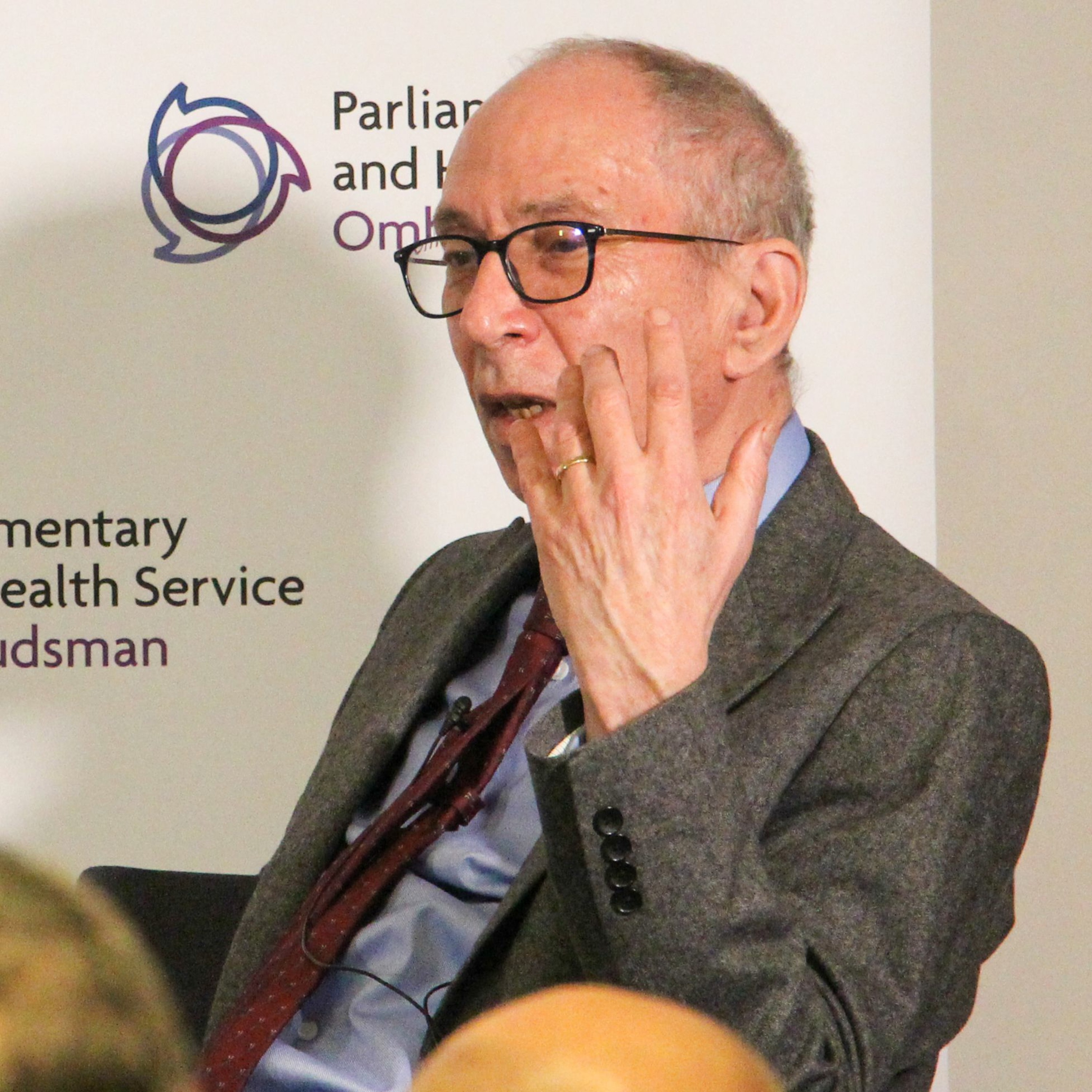
How can Ombuds schemes be reformed?
Ombuds schemes enable citizens to complain about the service they receive – and in the case of public services they play a crucial role in the balance of power between citizen and state. They hold government, the NHS, councils and other public bodies to account when their failings harm people – both resolving individual cases and informing public service improvement and reform. However, the public service Ombuds system in England is hamstrung by outdated powers and organisational structures, and has fallen behind systems in the devolved nations and other modern democracies. So how could Ombuds schemes be reformed? What are the options for reform? And why has it been so hard to achieve progress? One proposal is to establish a new Public Service Ombudsman (PSO) to bring together the jurisdictions of existing public service Ombuds schemes, but a bill drafted in 2016 was never passed. To discuss potential next steps for Ombuds reform, the Institute for Government was delighted to host an expert panel including: Rosemary Agnew, Scottish Public Services Ombudsman Rob Behrens CBE, Parliamentary and Health Service Ombudsman Sir Bernard Jenkin MP, former Chair, Public Administration and Constitutional Affairs Committee Sandra Verkuyten OBE, Former CEO of the Hearing Aid Council Patrick Vernon OBE, Social Commentator and Campaigner The event was chaired by Dr Matthew Gill, Programme Director at the Institute for Government.

Data Bites #39: Getting things done with data in government
Better use of data is key to more effective government. Across government, teams are doing fascinating work with data. But those projects don’t get the attention they deserve. Data Bites aims to change that. Our latest event, the 39th in our series, was a health special, where the speakers presented their work in an exciting, quickfire format. Each speaker had eight minutes, followed by eight minutes of questions from the audience. This month's speakers were: Elliot Bridges, Senior Data and Insights Analyst at Human Fertilisation and Embryology Authority, on trends in egg, sperm and embryo donation and their implications Sarah Deeny, Deputy Director, Analytics at the UK Health Security Agency, on how the use of data and forecasting during the pandemic can help us protect the NHS and the public during the winter Valentina Sassow, Deployment Strategist at Palantir Technologies, on Palantir's work on cancer pathways Becky Taylor, Director of Transformation and Quality Improvement at University Hospitals of Northamptonshire, on building the future of integrated care at Kettering General Hospital and Northampton General Hospital The event was chaired by Gavin Freeguard, Associate at the Institute for Government.
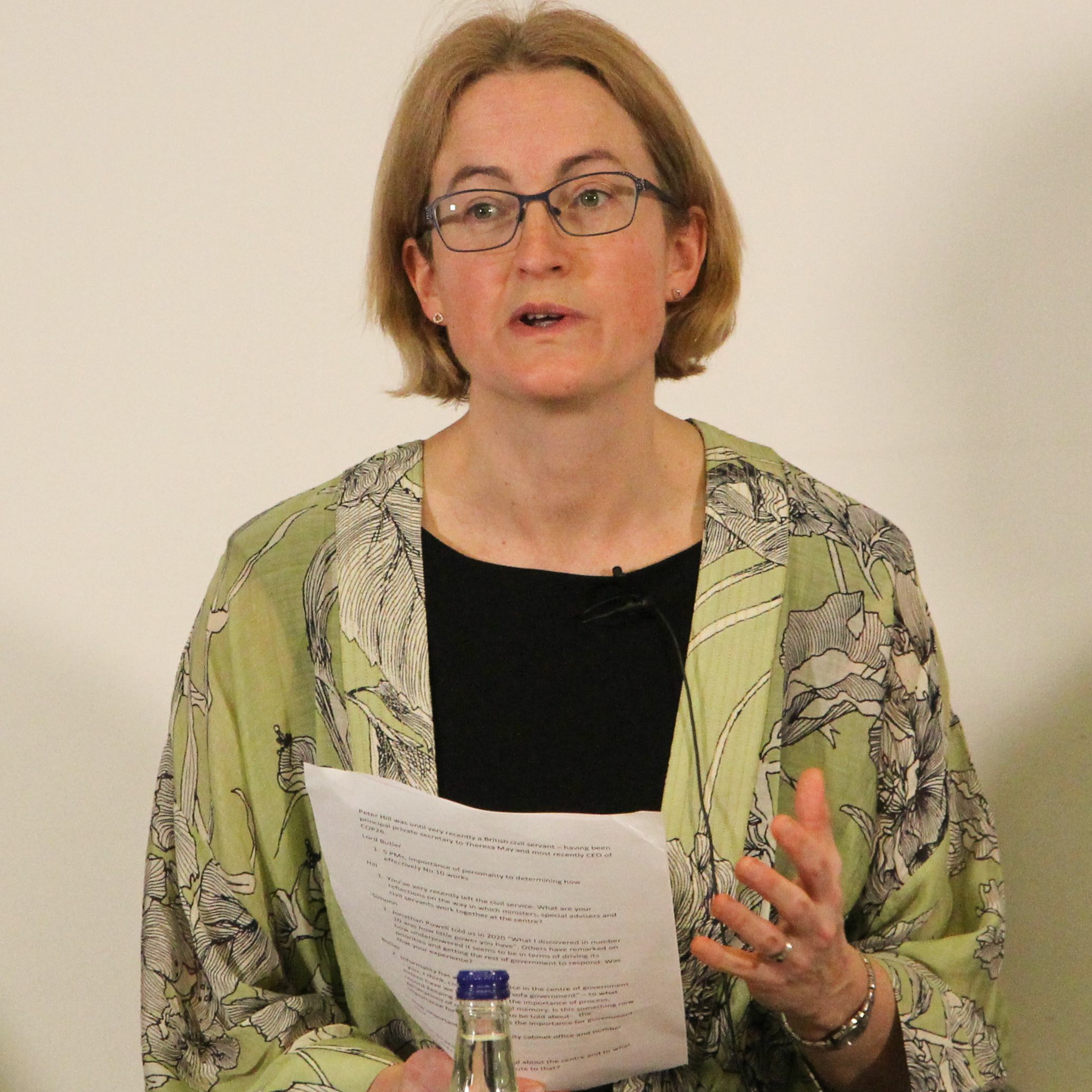
Why doesn't the centre of government work?
The centre of government does not function as well as it needs to. Successive prime ministers have complained of ‘rubber levers’ and reflected that the nature of the government machine can make it difficult to deliver their priorities. The last three premierships have not been helped, and sometimes have been hindered, by the failings of No.10, the Cabinet Office and Treasury. The civil service is not working as well as it should and Brexit and Covid in particular exposed deep problems with the whole of the government machine. But what exactly are these problems? Why have they not been solved? And what could be done to radically improve how the centre works? To launch a major new programme of work, we brought together an expert panel to discuss the current state of the centre and suggest how it could be reformed and improved. Our panellists were: Lord Robin Butler, Cabinet Secretary 1988-98 Baroness Simone Finn, Downing Street deputy chief of staff 2021–22 Peter Hill, former principal private secretary to the prime minister (2017-19) and CEO of COP 26 The event was chaired by Dr Hannah White, Director of the Institute for Government and Sir Anthony Seldon, author, political commentator and historian.
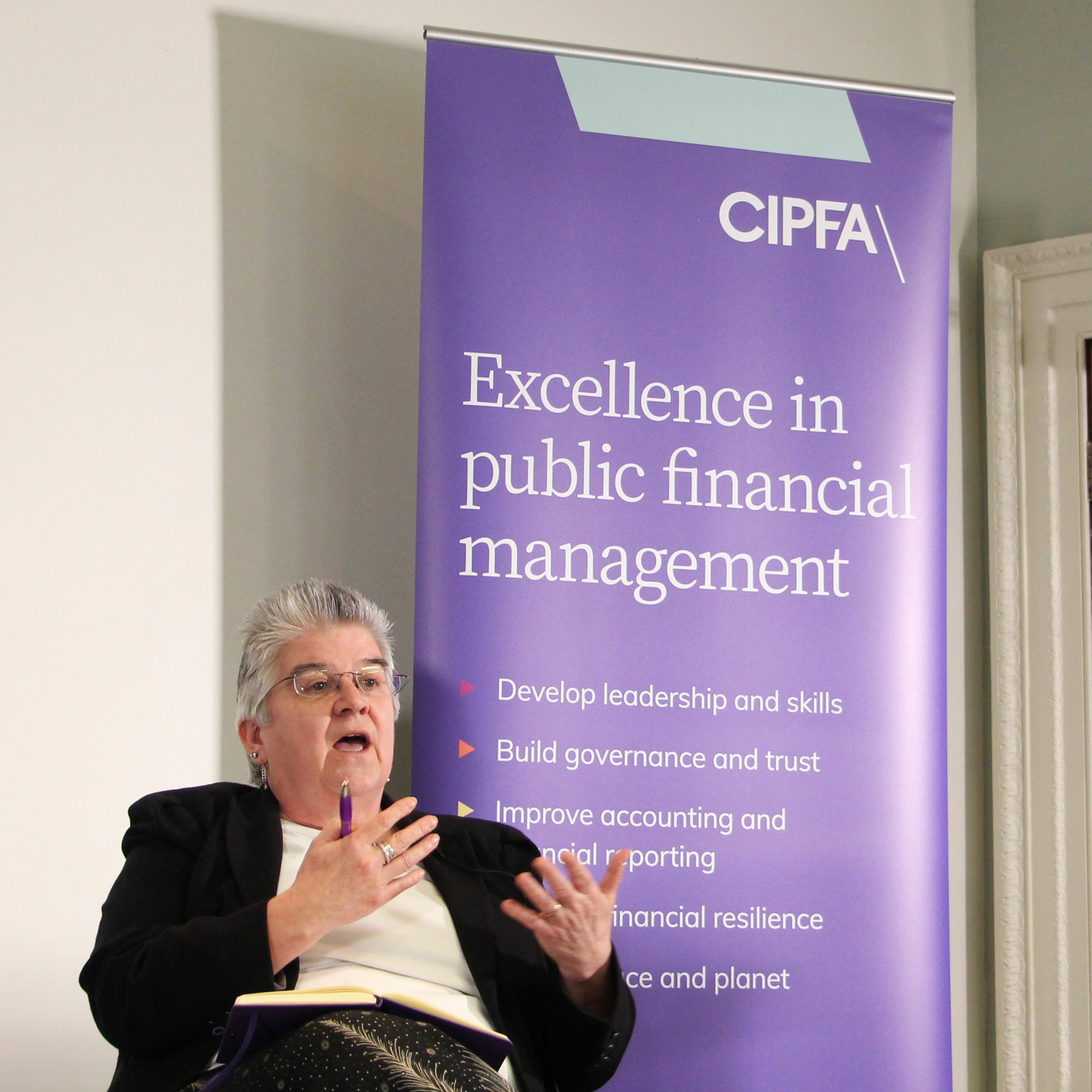
The spring budget 2023: the pressures on public services
The pressures on public services have been exacerbated by the pandemic. Recruitment and retention of staff is a growing problem, with widespread strikes, backlogs have increased and the public are waiting longer to access support. So what was the pandemic’s impact on spending, staff, and service performance? What does rising inflation mean for public service spending? And what impact will the spending announced in the autumn statement have on public services? As the Institute for Government and the Chartered Institute of Public Finance and Accountancy published new analysis on the performance of public services, Nick Davies, Programme Director at the Institute for Government, presented the key findings. He was joined by Stephen Morgan MP, Shadow Minister for Schools, and Aileen Murphie, Honorary Professor at Durham University Business School and Specialist Adviser to the Levelling Up, Housing & Communities Select Committee. The event was chaired by Emma Norris, Deputy Director of the Institute for Government, with opening remarks by Jeffrey Matsu, Chief Economist at CIPFA. We would like to thank the Chartered Institute of Public Finance and Accountancy (CIPFA) for partnering with us on this event. https://www.instituteforgovernment.org.uk/event/spring-budget-public-services
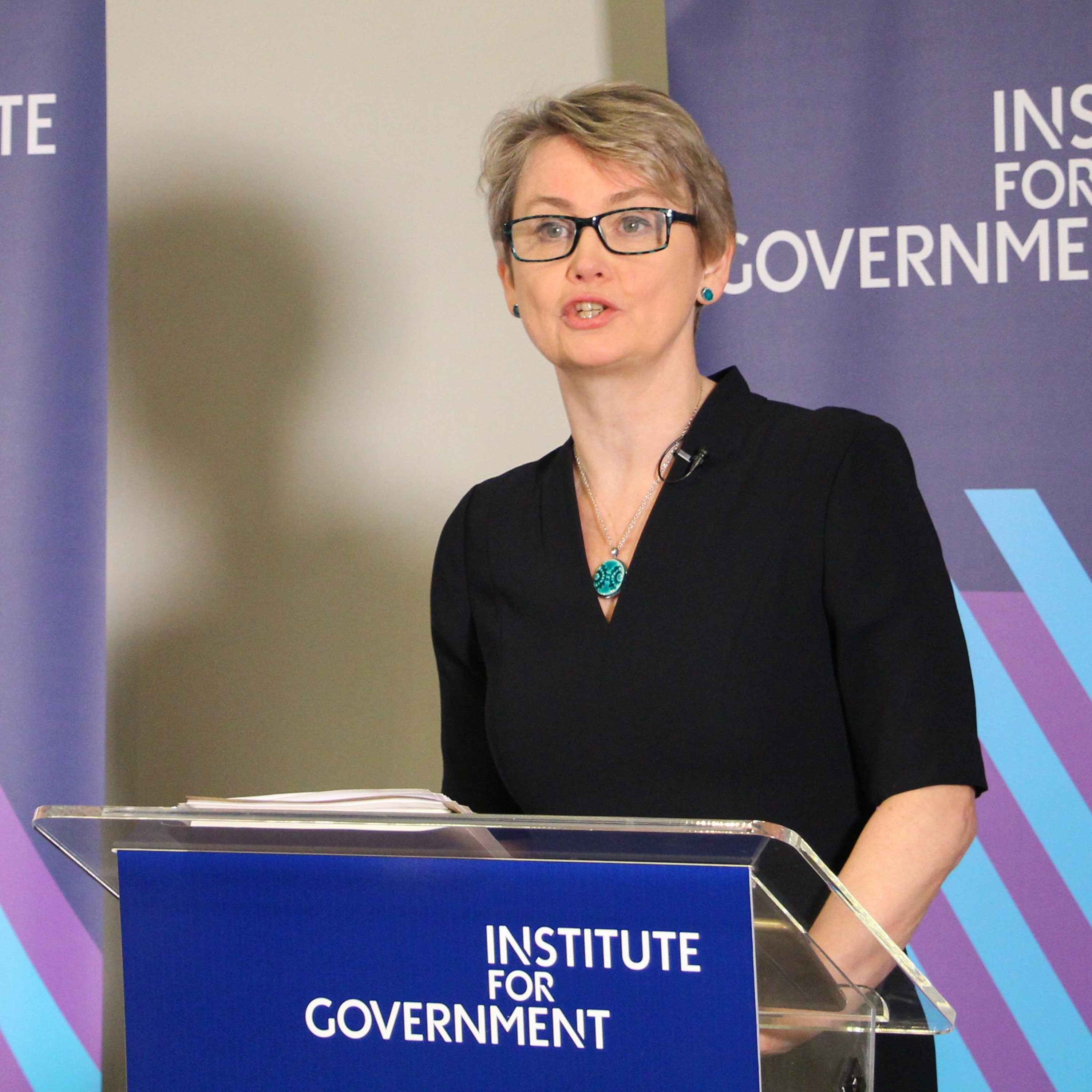
Keynote Speech: Rt Hon Yvette Cooper MP, Shadow Home Secretary
The Institute for Government was delighted to welcome the Shadow Home Secretary, Yvette Cooper MP. In a major speech, the Shadow Home Secretary set out the ways in which a Labour government would take a different approach to law and order and outlined her priorities for the Home Office should Labour win the next general election. In one of a series of speeches setting out Labour’s home affairs policies, the Shadow Home Secretary's speech at the IfG saw her discuss Labour’s plan to rebuild neighbourhood policing and reverse the collapse in charges and prosecutions over the last 13 years. Following her speech, Yvette Cooper was in conversation with IfG director Dr Hannah White. Yvette Cooper has been the Member of Parliament for Normanton, Pontefract, Castleford and Knottingley since 1997. Before her appointment as Shadow Home Secretary, she served as Chair of the Home Affairs Select Committee. In Government, she served as Secretary of State for Work and Pensions, Chief Secretary to the Treasury and Housing Minister. https://www.instituteforgovernment.org.uk/event/yvette-cooper-shadow-home-secretary
Lessons from data sharing during the pandemic
Sharing data across and beyond the public sector was critical to the government’s pandemic response. From providing vital information needed by leaders to make big decisions to standing up new services drawing on a range of data sources to serve citizens, data was used at the heart of government like never before. We discussed how to maintain this ‘high watermark’ in data use, drawing on various pandemic case studies to highlight lessons and best practice behaviour to continue into the future. The event picked up on different themes from a upcoming IfG report, Data sharing during the pandemic, including: What data sharing lessons should government learn? What are the benefits of existing rules and legislation for enabling data sharing? How do multidisciplinary teams contribute to data sharing success? What qualities, skills and experience do data-literate leaders require? What steps can be taken to reduce the perceived risks of data sharing? The panel, who represented different themes contained in the report Data sharing during the pandemic, were: Jess McEvoy, Principal Consultant at Scott Logic Paul Shepley, Data Scientist at the Institute for Government Ming Tang, National Director of Data and Analytics for NHS England and Improvement Juliet Whitworth, Head of Research and Information at the Local Government Association The event was chaired by Gavin Freeguard, Associate at the Institute for Government.
A year on from the levelling up white paper: how much progress has been delivered?
The Levelling Up the United Kingdom white paper, published in February 2022, was meant to provide the Johnson government’s flagship domestic policy. Containing 12 missions and pledging a ‘rewiring of Whitehall’, ministers heralded the white paper as a blueprint for a radical overhaul of the UK’s governance and economic geography. While Boris Johnson is no longer in post, prime minister Rishi Sunak has reaffirmed the government’s commitment to levelling up. But one year on from the levelling up white paper’s publication, how much progress has been achieved against its ambitions? What do the UK’s economic challenges mean for the levelling up agenda? And what more does the government need to do to reduce regional inequalities? To discuss these questions and more, our expert panel included: Councillor Abi Brown, Leader of Stoke-on-Trent City Council Anneliese Dodds MP, Chair of the Labour Party and Labour Policy Review Professor Richard Jones, Vice-President for Regional Innovation and Civic Engagement at The University of Manchester Councillor Jane Mudd, Vice-Chair of the Western Gateway Partnership and Leader of Newport City Council The event was chaired by Thomas Pope, Deputy Chief Economist at the Institute for Government.
Data Bites #38: Getting things done with data in government
Better use of data is key to more effective government. Across government, teams are doing fascinating work with data. But those projects don’t get the attention they deserve. Data Bites aims to change that. Our latest event, the 38th in our series was a defence special where the speakers will present their work in an exciting, quickfire format. Each speaker has eight minutes, followed by eight minutes of questions from the audience. This month's speakers were: Cameron Douglas, Engineering and Logistics Defence Lead at Palantir Technologies, on how to maintain vital control over sensitive data Ben Holloway, Head of Royal Navy Digital Anna Knack, Senior Research Associate at the Centre for Emerging Technology and Security, The Alan Turing Institute, on their new report, Human-Machine Teaming in Intelligence Analysis Commander Sue Seagrave, Data Sheriff for Royal Navy Project Renown, on growing the ‘data posse’ to improve Royal Navy ship availability The event was chaired by Gavin Freeguard, Associate at the Institute for Government.
Whitehall Monitor 2023: launch event
The Institute for Government was delighted to launch its tenth edition of Whitehall Monitor – our annual, data-driven assessment of the UK civil service, how it has changed and performed, and its priorities for the future. How did the civil service deal with the partygate affair? What is the impact of disputes over pay and the workforce? And how have officials coped with two changes of prime minister and record-breaking levels of ministerial turnover? As well as assessing the challenges of the last year, the report looks ahead to the civil service’s priorities in 2023. How can departments manage increasingly tight budgets? What are the next steps for government reform agenda? And given the political turmoil and shock events of 2022, how can the civil service improve its ability to manage the long-term capability of government? Rhys Clyne, Senior Researcher at the Institute for Government, presented the findings of this year’s Whitehall Monitor and was joined on the panel by: Dame Una O'Brien, former Permanent Secretary in the Department of Health Chris Smyth, Whitehall Editor of The Times Sally Warren, Director of Policy at The King’s Fund This event was chaired by Emma Norris, Deputy Director at the Institute for Government.
What do you need to know to work in government?
The Institute for Government has launched IfG Academy to give ministers, civil servants and people working in and around government the knowledge and skills they need to improve government effectiveness. There is currently little in the way of formal training for people who take on government roles. From first-time ministers to those promoted to cabinet, and from non-executive directors to special advisers, many people in government are expected to learn on the job. There is not much in the way of support to help people get up to speed, learn the inner workings of Whitehall and develop in their role. So what more could be done to change the culture and practice of support for those in government? Why has it been so difficult to reform the current approach? And how is IfG Academy going to fill the gap? To discuss these questions and more, the IfG brought together an expert panel including: Tim Durrant, Associate Director at the Institute for Government David Gauke, former Secretary of State for Justice, and former Secretary of State for Work and Pensions Philip Rycroft, former Permanent Secretary at the Department for Exiting the European Union Salma Shah, Partner at Portland Communications, former special adviser to Sajid Javid The event was chaired by Dr Hannah White, Director of the Institute for Government.
Data Bites #37: Getting things done with data in government
Better use of data is key to more effective government. Across government, teams are doing fascinating work with data. But those projects don’t get the attention they deserve. Data Bites aims to change that. Our latest event, the 37th in our series, was a social mobility special. The Social Mobility Commission presented its new report on data gaps across government and the impact that has on its work, complemented by other speakers on social mobility and missing data. Each speaker has eight minutes, followed by eight minutes of questions from the audience. This month's speakers were: Oliver Anderson, Longitudinal Education Outcomes (LEO) Strategic Analysis Lead at the Department for Education, on post-16 education and labour market activities and outcomes Alun Francis OBE, Interim Chair of the Social Mobility Commission (SMC) and Principal and Chief Executive of Oldham College, on the SMC's recently published data gaps report Michael Pandazis, Head of Evidence for the Social Mobility Commission, on the data gaps impacting the SMC's annual State of the Nation report Anna Powell-Smith, Director of the Centre for Public Data, with an update on their Missing Numbers work. The event was chaired by Gavin Freeguard, Associate at the Institute for Government.
A briefing on the energy market with Jonathan Brearley, Ofgem's Chief Executive Officer
The Institute for Government was delighted to welcome Jonathan Brearley, Ofgem’s Chief Executive Officer, for a briefing on the energy market, energy bills and a look ahead to what the coming year will mean for consumers across the UK. The event was chaired by Dr Hannah White, Director of the Institute for Government, with an opening address from Jonathan Brearley followed by a Q&A. Ofgem is the Office of Gas and Electricity Markets. It is a non-ministerial government department and an independent National Regulatory Authority. Jonathan Brearley became Ofgem's Chief Executive Officer on 3 February 2020. https://www.instituteforgovernment.org.uk/event/jonathan-brearley-ofgem

Inside Briefing – A live recording of the IfG’s weekly podcast
The Institute for Government hosted its inaugural annual conference, to look at the key questions facing government in 2023. After a tumultuous 2022, which saw three prime ministers, war in Europe and an unprecedented cost of living crisis, the Institute brought together influential speakers and IfG experts to share ideas, stimulate new thinking and discuss what we should expect from government in the coming year. This session was a live recording of the IfG’s weekly podcast. Speakers: Dan Snow, Historian, author, TV presenter and host of the HistoryHit podcast Gemma Tetlow, Chief Economist at the Institute for Government Giles Wilkes, Senior Fellow at the Institute for Government This event was chaired by Dr Hannah White, Director of the Institute for Government.
England 2023: Devolving power and tackling regional inequality
The Institute for Government hosted its inaugural annual conference, to look at the key questions facing government in 2023. After a tumultuous 2022, which saw three prime ministers, war in Europe and an unprecedented cost of living crisis, the Institute brought together influential speakers and IfG experts to share ideas, stimulate new thinking and discuss what we should expect from government in the coming year. Speakers included: Councillor Ben Bradley MP, Member of Parliament for Mansfield and Leader of Nottinghamshire County Council Jamie Driscoll, Mayor of the North of Tyne Seb Payne, Director of Onward Jennifer Williams, Northern England correspondent at the Financial Times This event was chaired by Akash Paun, Senior Fellow at the Institute for Government.
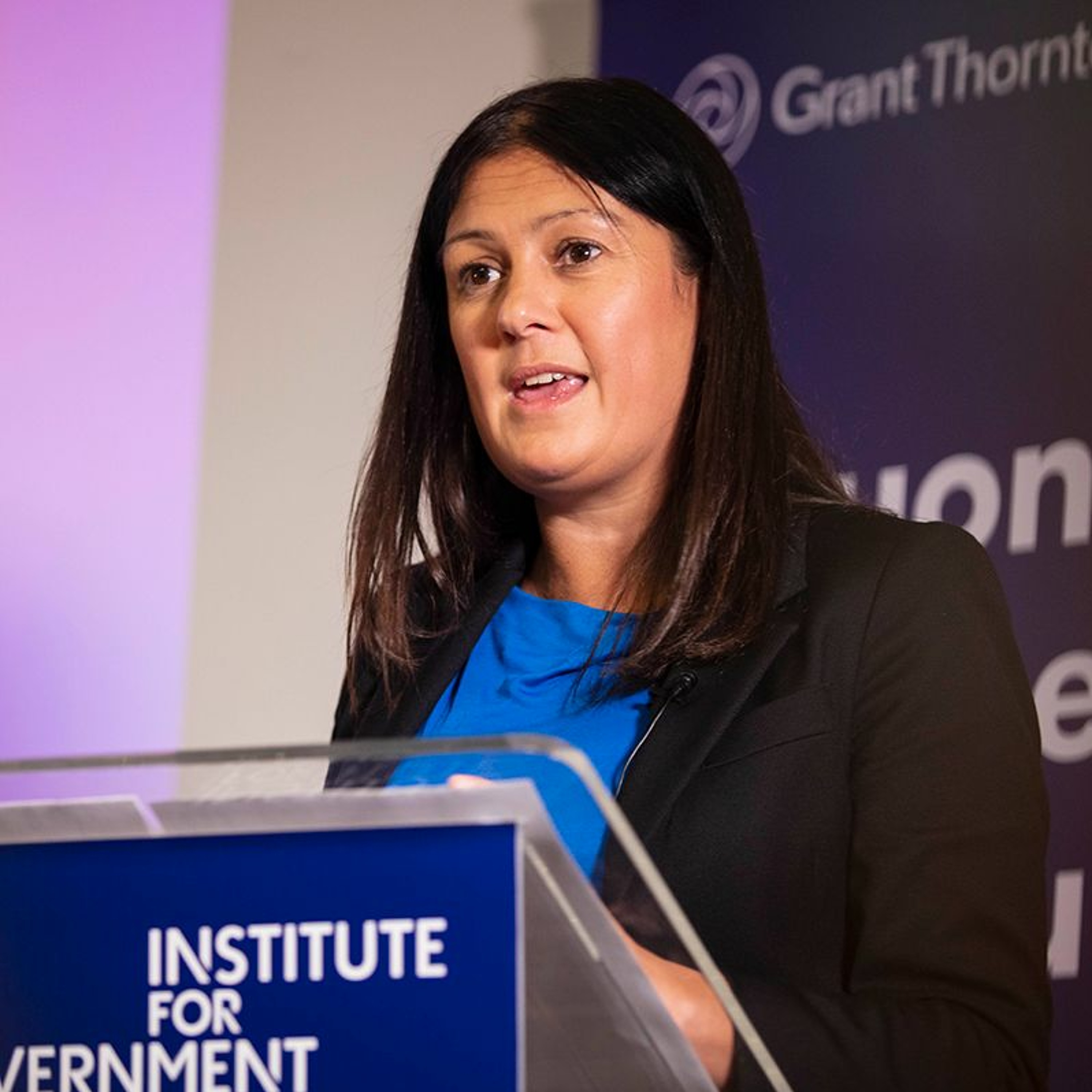
Keynote speech: Lisa Nandy MP, Shadow Secretary of State for Levelling Up, Housing and Communities
The Institute for Government hosted its inaugural annual conference, to look at the key questions facing government in 2023. After a tumultuous 2022, which saw three prime ministers, war in Europe and an unprecedented cost of living crisis, the Institute brought together influential speakers and IfG experts to share ideas, stimulate new thinking and discuss what we should expect from government in the coming year. This session was a keynote speech by Lisa Nandy MP, Shadow Secretary of State for Levelling Up, Housing and Communities. After her speech, Lisa Nandy was in conversation with Emma Norris, Deputy Director of the Institute for Government, and took questions from the audience.
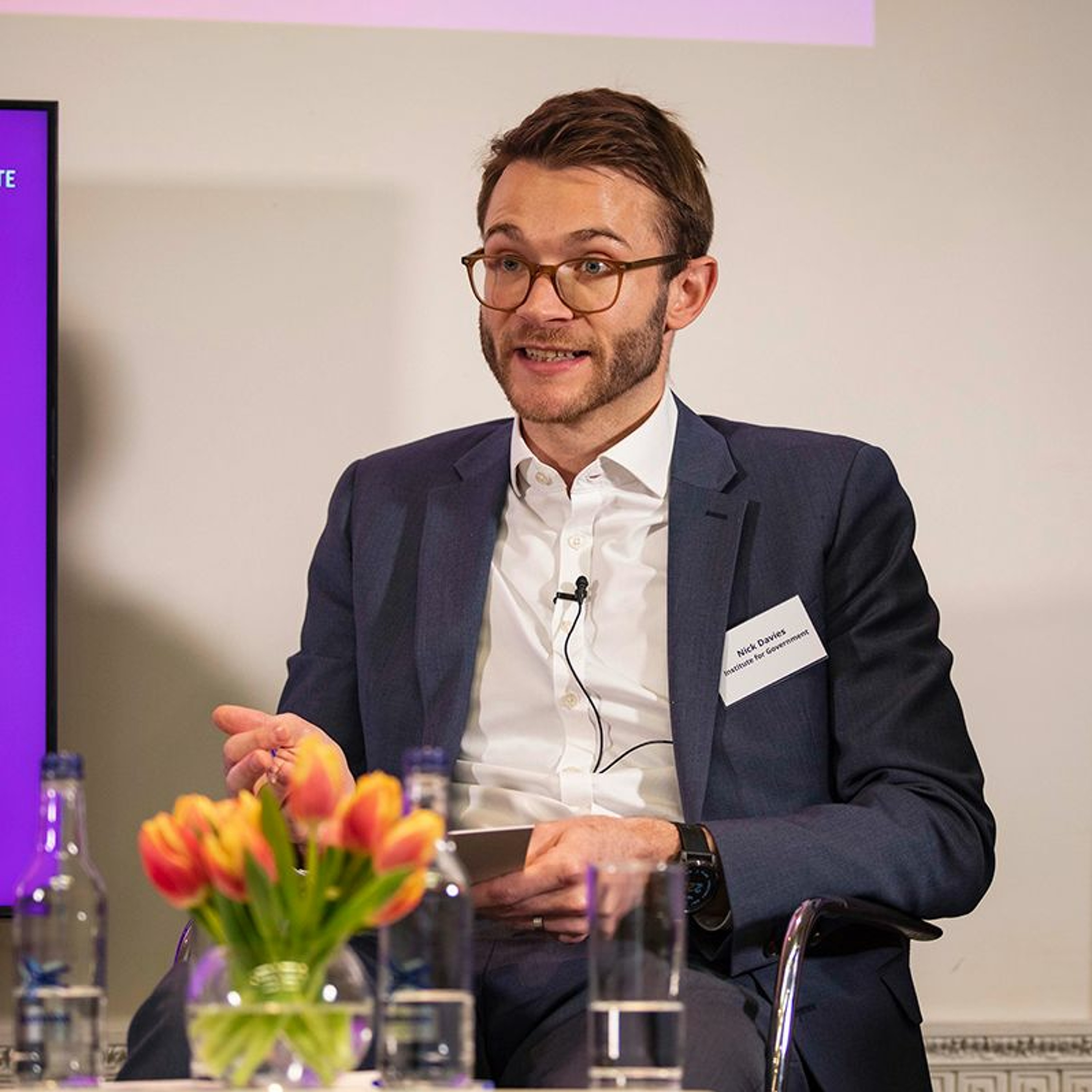
IfG expert briefing
The Institute for Government hosted its inaugural annual conference, to look at the key questions facing government in 2023. After a tumultuous 2022, which saw three prime ministers, war in Europe and an unprecedented cost of living crisis, the Institute brought together influential speakers and IfG experts to share ideas, stimulate new thinking and discuss what we should expect from government in the coming year. This session was an IfG expert briefing. Speakers included: Nick Davies, Programme Director at the Institute for Government Jess Sargeant, Senior Researcher at the Institute for Government Alex Thomas, Programme Director at the Institute for Government This session was chaired by Dr Hannah White, Director of the Institute for Government.
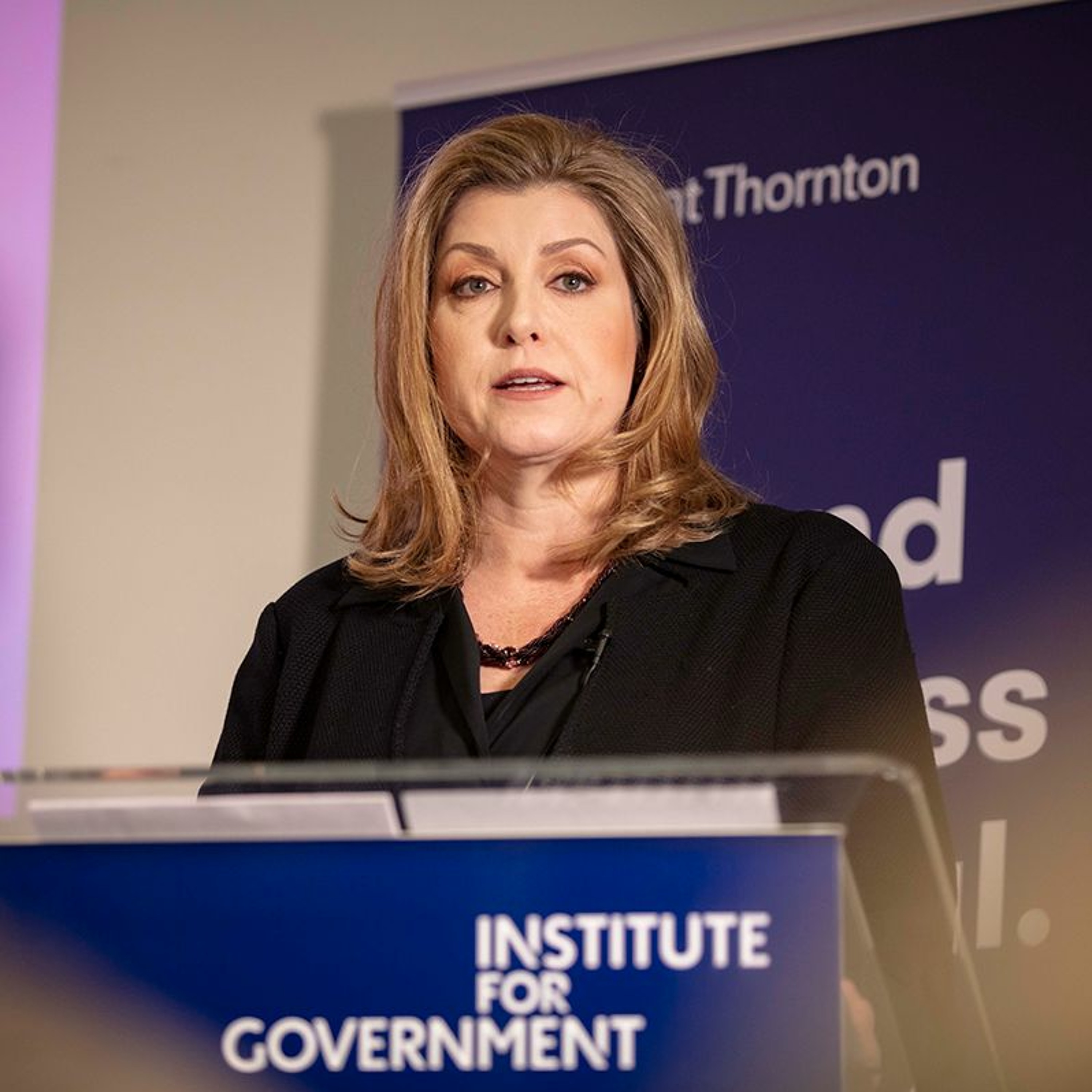
Keynote speech: Rt Hon Penny Mordaunt MP, Leader of the House of Commons
The Institute for Government hosted its inaugural annual conference, to look at the key questions facing government in 2023. After a tumultuous 2022, which saw three prime ministers, war in Europe and an unprecedented cost of living crisis, the Institute brought together influential speakers and IfG experts to share ideas, stimulate new thinking and discuss what we should expect from government in the coming year. This session was a keynote speech by Rt Hon Penny Mordaunt MP, Leader of the House of Commons. After her speech, Penny Mordaunt was in conversation with Dr Hannah White, Director at the Institute for Government, and took questions from the audience.
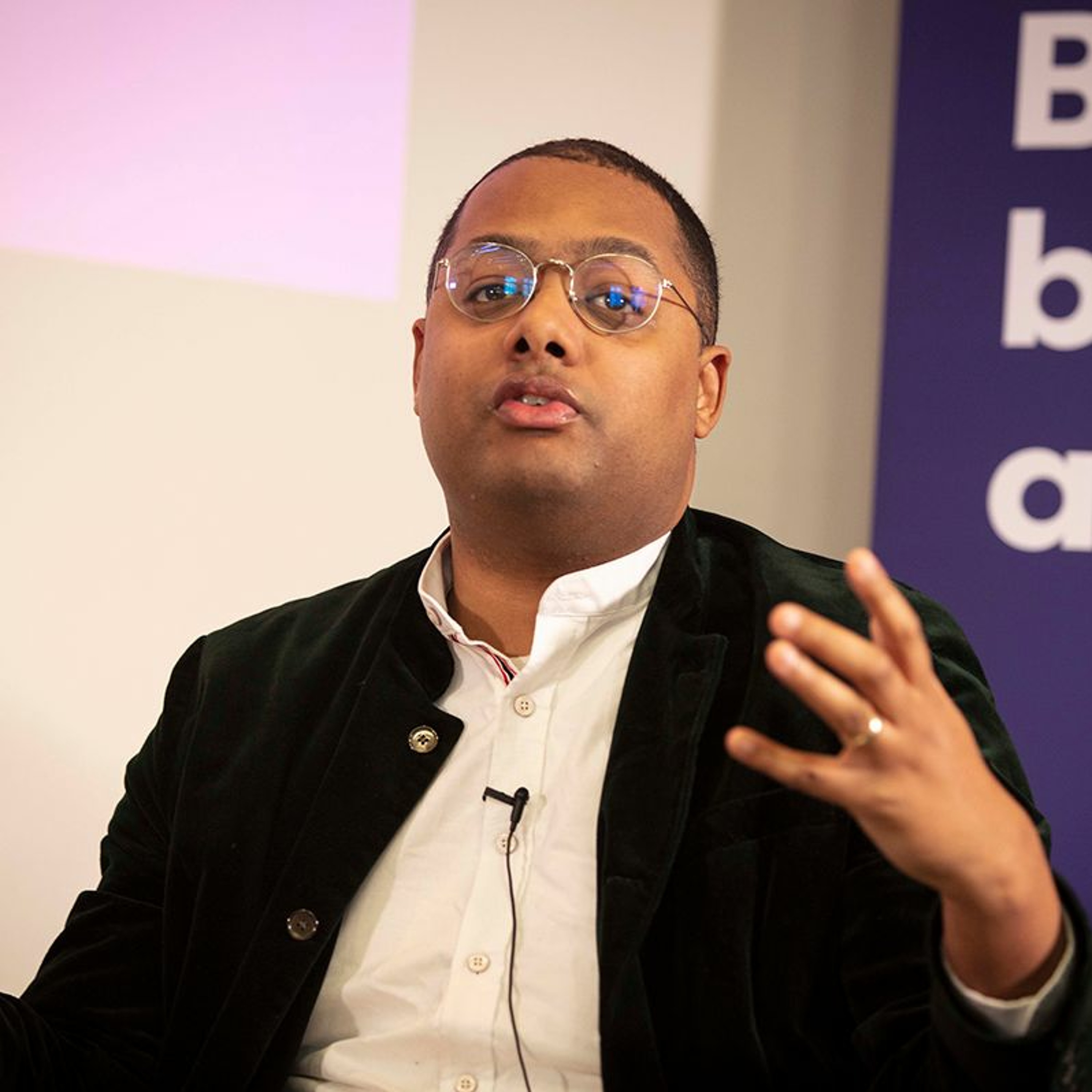
Civil service 2023: Reset, regroup or reform?
The Institute for Government hosted its inaugural annual conference, to look at the key questions facing government in 2023. After a tumultuous 2022, which saw three prime ministers, war in Europe and an unprecedented cost of living crisis, the Institute brought together influential speakers and IfG experts to share ideas, stimulate new thinking and discuss what we should expect from government in the coming year. This second session discussed whether the civil service needed to reset, regroup or reform in 2023. Speakers: Stephen Bush, Associate Editor and columnist at the Financial Times Munira Mirza, former Head of No.10 Policy Unit, and Chief Executive of Civic Future Antonia Romeo, Permanent Secretary at the Ministry of Justice This session was chaired by Alex Thomas, Programme Director at the Institute for Government.
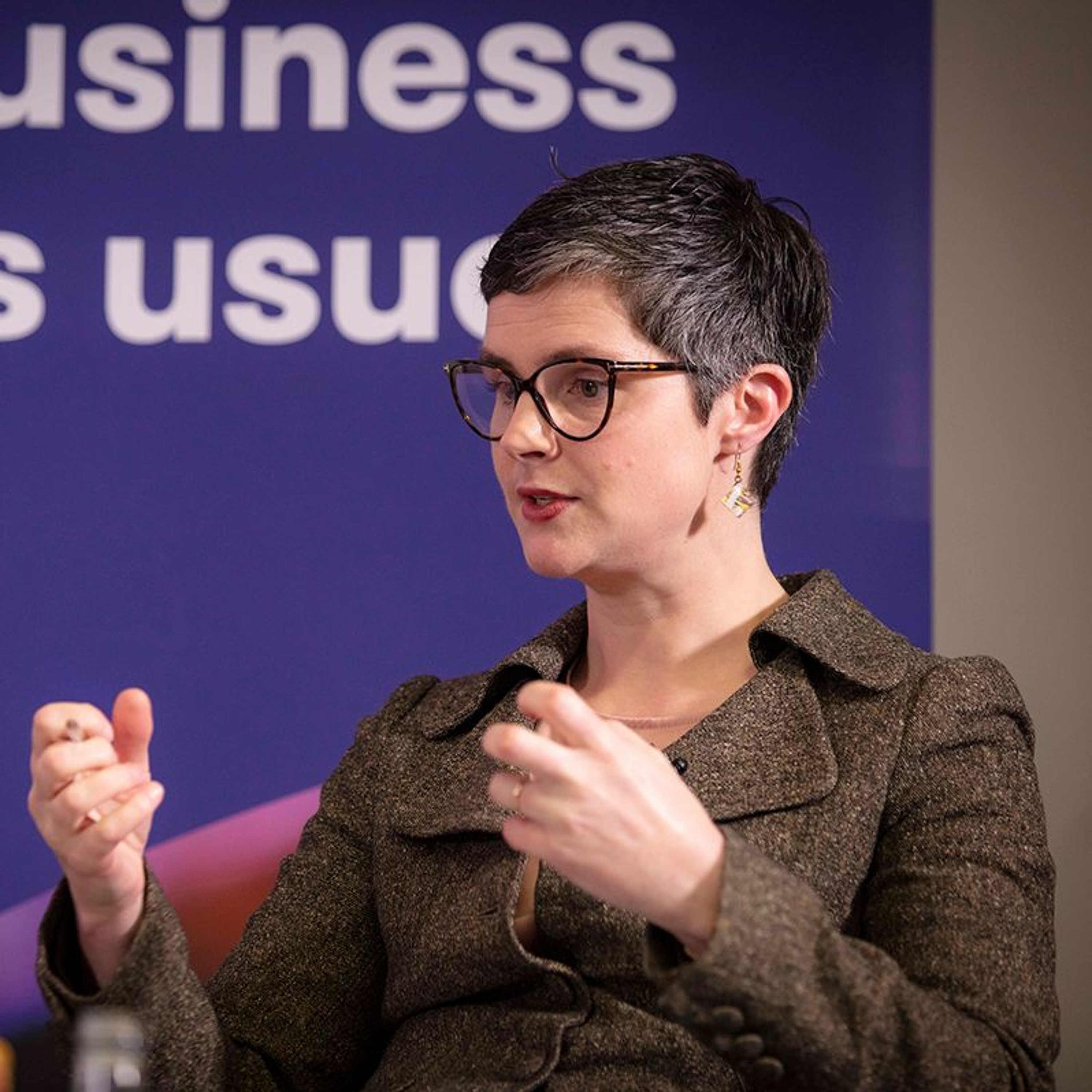
Introduction and Government 2023: the challenges of the year ahead
The Institute for Government hosted its inaugural annual conference, to look at the key questions facing government in 2023. After a tumultuous 2022, which saw three prime ministers, war in Europe and an unprecedented cost of living crisis, the Institute brought together influential speakers and IfG experts to share ideas, stimulate new thinking and discuss what we should expect from government in the coming year. This first session included an introduction from Dr Hannah White OBE, IfG Director, and Government 2023: the challenges of the year ahead. In her introduction to the conference, Hannah set out the Institute’s priorities for 2023 and explained how the IfG is working to make government more effective. Plus opening remarks from Grant Thornton UK. Speakers included: Sam Freedman, Senior Fellow at the Institute for Government Ayesha Hazarika, Times Radio presenter and former Labour adviser Paul Johnson, Director of the Institute for Fiscal Studies Rt Hon Chloe Smith MP, Member of Parliament for Norwich North
How can government win the battle for civil service skills?
Identifying, attracting, developing and deploying the right skills across the public sector workforce is critical to the success of all governments. But the civil service still has trouble planning the skills it requires, understanding the skills its officials already have, and developing the right skills and knowledge in the right places. In 2021, the Johnson administration’s Declaration on Government Reform described plans to “invest in training to equip our people with the skills and knowledge they need to tackle the challenges of the future”. As restrained public spending raises questions over whether and how skills reform and provision will be resourced in future years, the panel will discuss what civil servants’ and ministers’ priorities should be for improving the skills moving forward. This event, supported by Workday, convened an expert panel to discuss the progress made, and lessons learned, on government skills in recent years: Zamila Bunglawala, former International Director at the Department for Education Richard Doherty, Senior Director at Workday Pamela Dow, former Executive Director of the Government Skills and Curriculum Unit Nancy Hey, Executive Director of What Works Centre for Wellbeing This event was chaired by Alex Thomas, Programme Director at the Institute for Government. #IfGcivilservice We would like to thank Workday for kindly supporting this event.
How can the government strengthen the UK's resilience?
Both the Covid pandemic and recent extreme weather events, such as Storm Arwen-Franklin and the summer heatwaves, exposed flaws with the way the UK government prepares for long-term risks as well as vulnerabilities in communities and public services hit by crisis. The Covid Inquiry has begun to examine how the UK could be better prepared for future pandemics, while the government is in final stages of developing a new National Resilience Strategy. But what lessons should be learned from the pandemic? What should be at the forefront of the new government strategy? And what steps could the government take to boost the UK's resilience? To discuss how the UK can be better prepared for long-term risks, the Institute for Government was delighted to host an expert panel including: Mike Adamson, Chief Executive of the British Red Cross Fleur Anderson MP, Shadow Cabinet Office Minister Sophie Dannreuther, Director of the Centre for Long-Term Resilience Rt Hon Sir Oliver Letwin, former Chancellor of the Duchy of Lancaster This event was chaired by Tom Sasse, Associate Director at the Institute for Government.
(How) can the House of Lords be reformed?
The House of Lords is back in the spotlight. Boris Johnson’s resignation honours have reignited debates about the appointment process and the ability of politicians to hand life peerages to their friends, supporters and donors. Key figures across Westminster have called for stronger independent oversight of the appointment process. Labour Leader Keir Starmer has gone further, committing to replacing the House of Lords with an elected chamber if he wins the next general election, informed by the work of former prime minister Gordon Brown’s constitutional commission. However, as past governments have discovered, how to reform the second chamber is the cause of intense disagreement. Who should replace the current membership? What should be the role of a second chamber? What are the risks involved in embarking on major constitutional change – and are the knock-on impacts clearly understood? This event – part of the IfG Bennett Institute Review of the UK Constitution – will explore current proposals for reforming the House of Lords, including the newly-published Brown review, and consider how reform could be achieved. Matthew Hanney, former Special Adviser to Deputy Prime Minister Nick Clegg Darren Hughes, Chief Executive of the Electoral Reform Society Lord Norton of Louth, Conservative Peer and Professor of Government at the University of Hull Sarah Sackman, Commissioner, Brown Commission, Labour candidate for Finchley and Golders Green The was chaired by Jess Sargeant,Senior Researcher, Institute for Government. #IfGLordsReform

Data Bites #36: Getting things done with data in government
Better use of data is key to more effective government. Across government, teams are doing fascinating work with data. But those projects don’t get the attention they deserve. At our latest event, the 36th in our series, where the speakers will present their work in an exciting, quickfire format. Each speaker has eight minutes, followed by eight minutes of questions from the audience. December's speakers were: Ishraq Irteza, Deployment Strategist at Palantir Technologies, on the use of data in the Homes for Ukraine scheme Chris Pope, Principal for Research covering Digital, and Information Strategy at the Greater Manchester Combined Authority on data for local areas Tom Smith, Director of the Spatial Data Unit and Chief Data Officer, at the Department for Levelling Up, Housing and Communities, on data for levelling up Liz Zeidler, Chief Executive, at the Centre for Thriving Places The event was chaired by Gavin Freeguard, Associate at the Institute for Government. We would like to thank Palantir for kindly supporting this event.
What tools do local areas need to boost regional growth?
The UK is one of the most centralised advanced economies, and there is widespread agreement that further devolution is necessary if the economic performance of regions outside of London and the south east is to be improved. The Levelling Up the United Kingdom white paper contained ambitious devolution proposals, including the commitment that by 2030 “every part of England that wants one will have a devolution deal with powers at or approaching the highest level of devolution and a simplified long-term funding settlement”. It also contains a devolution framework which clarifies the powers available to local areas depending on the governance model adopted. However, devolution invariably brings trade-offs; it takes a certain capacity to deliver interventions correctly, these might increase costs by adding another layer of administration, and undermine efforts to produce a nationally consistent approach. This event will discuss what powers should be devolved for local areas to play their part in boosting regional growth to deliver on the government’s levelling up agenda. The event considered the following key questions: What should be the priority policy areas and powers to devolve? In which areas will the benefits be greater? What is the right level of geography to devolve powers to within England? Are combined authorities the right level? Should the powers devolved vary across the country or be ‘one size fits all’? How can the government ensure it is empowering rather than hindering subnational governments in its approach to boosting regional growth? Following opening remarks delivered by Robert Breedon, partner at Gowling WLG, our panel will included: Cllr. Brigid Jones, Deputy Leader of Birmingham City Council Prof. Neil Lee, Professor of Economic Geography at the London School of Economics John Wrathmell, Director of Strategy, Research & Economy at Greater Manchester Combined Authority The event was chaired by Thomas Pope, Deputy Chief Economist at the Institute for Government. #IfGlevellingup We would like to thank Gowling WLG for kindly supporting this event.
A keynote speech on climate change and resilience - Sir James Bevan
What can be done to create a nation that is better adapted and resilient to the changing climate? How does climate adaptation and resilience support a growing economy? And what can be done to ensure this generation is the first to leave the environment in a better state than we found it? From responding to flood risk to managing industry and waste, the Environment Agency is at the heart of all these questions. In a keynote address at the IfG, Sir James Bevan discussed the bold action needed to meet current and future environmental challenges faced by the UK. The chief executive of the Environment Agency, the UK’s environment regulator, Sir James also discuss the agency’s work in tackling flooding, drought, sea level rise and coastal, and how he believes the UK can become a nation that is resilient to climate change while encouraging green growth and a sustainable future. After his speech, Sir James was in conversation with Dr Hannah White, Director at the Institute for Government, and took questions from the audience. #IfGclimate Sir James Bevan joined the Environment Agency (EA) as Chief Executive in late November 2015. His previous roles include UK High Commissioner to India, Chief Operating Officer at the UK Foreign Office, and Visiting Fellow, Center for International Affairs, Harvard. He has also held a number of senior posts in the Foreign and Commonwealth Office including posts in Washington, Paris and Brussels
Procurement in the pandemic and beyond: Reflections and lessons for government commercial
The government’s ability to quickly and effectively procure goods and services was a critical part of the UK’s response to coronavirus. Whether goods like PPE or services such as testing facilities, the government handed out large contracts, often to new suppliers, at greater speed and with less competition than normal. The government was faced with difficult choices, and no easy options, raising questions about the decisions made and improvements that could be made in the future. At this event, an expert panel discussed: How effective were government changes to procurement guidance? Did the government strike the right balance between urgency and due process? What lessons can be learned from the success of the approach to procurement taken by the Vaccine Taskforce? How can the lessons from the pandemic be applied to future crises and the government’s Procurement Bill? To discuss these issues we were joined by: Sarah Ashley, Partner at Baringa Steve Bates, Chief Executive Officer of BioIndustry Association and former member of the Vaccine Taskforce Gareth Rhys Williams, Government Chief Commercial Officer This event was chaired by Nick Davies, Programme Director at the Institute for Government. #IfGprocurement We would like to thank Baringa for supporting this event.
Establishing new public bodies – what have we learnt?
There are well over 300 public bodies in the UK, ranging from NHS England to small advisory bodies. Government has announced plans to create several new public bodies in the coming years, including the Future Systems Operator, the Office for Local Government and Great British Railways. However, while there are strict guidelines on the circumstances in which a body can be created, there is less guidance on how to establish one effectively. This event explored how new bodies can establish effective operations and a strong reputation in their sector, to ensure they stand the test of time and are respected by new administrations. It brought together practitioners and experts on public bodies, particularly economic and trade bodies, to discuss the lessons from their experience of setting up new public bodies: Oliver Griffiths, CEO of the Trade Remedies Authority Sian Jones, Value for Money Director at the National Audit Office Alex Massey, Partner in Deloitte’s human capital practice Kate McGavin, Policy Director at the UK Infrastructure Bank Ceri Smith, Director General at the Department for International Trade This event was chaired by Dr Matthew Gill, Programme Director at the Institute for Government. We would like to thank Trade Remedies Authority and Deloitte for kindly supporting this event.
Autumn statement 2022: What have we learnt about Hunt and Sunak’s fiscal plans?
Following a turbulent two months in politics, policy and financial markets, on 17 November Jeremy Hunt presented the government’s autumn statement, alongside a new set of fiscal and economic forecasts from the Office for Budget Responsibility (OBR). The following day the IfG hosted an event to react to the chancellor’s statement. We were delighted that to be joined by Ben Chu, Economics Editor at BBC Newsnight, and Richard Hughes, Chair of the OBR, to discuss: What the new forecasts reveal about the outlook for the government, households and public services. What choices has Rishi Sunak made to help restore fiscal sustainability and credibility? Has it worked and will the government be able to deliver it all? What have the events of the past two months taught us about the importance and strength of the institutions at the heart of fiscal policy making – including the relationship between the OBR, the Treasury and ministers? Nick Davies, Programme Director at the Institute for Government, and Dr Gemma Tetlow, Chief Economist at the Institute for Government, will also join Richard to discuss the prime minister's fiscal plans drawing on the 2022 edition of the IfG and CIPFA Performance Tracker. Dr Hannah White, Director of the Institute for Government, chaired the panel. #IfGautumnstatement We would like to thank CIPFA for kindly supporting this event
In conversation with John Edwards, Information Commissioner
The Institute for Government was delighted to welcome John Edwards, the UK Information Commissioner. He was in conversation with the Institute’s Director of Research Emma Norris. Proper use of public data is key for maintaining trust in public bodies, as well as ensuring that government services run well. As the UK's independent data protection watchdog, the ICO is at the heart of discussions over data use and how to find the balance between privacy and transparency. So what steps can be taken to improve government transparency over data? Is it time to reassess how the UK’s Freedom of Information laws work? What will be the impact of the Online Safety Bill – and what changes will the government be introducing to this much talked about piece of legislation? John Edwards discussed his strategic priorities as Information Commissioner, the challenges faced by the ICO, and ICO25, the ICO’s new strategic plan. John Edwards was appointed as the UK’s sixth Information Commissioner last December, and began his role at the Information Commissioner's Office (ICO) in January. He previously spent eight years as New Zealand Privacy Commissioner.
Does the UK’s human rights regime need reform?
The protection of people’s rights and liberties is a key part of the UK’s constitution, dating all the way back to the twelfth century. In recent years, and with the Covid pandemic seeing unprecedented restrictions on people’s everyday lives, the debate about what rights should be protected – and how – has been reignited. The government has confirmed that it will bring back the British Bill of Rights, but it is likely to face challenges from politicians of all parties – some of whom think it goes too far, and others who think it does not far enough. So does the government need to reform how people’s rights are protected in the UK? What questions have been raised about the right to protest after the focus on how the public could show dissent during King Charles III’s accession? And what role should international institutions play in upholding human rights? Panellists: Rt Hon Baroness Chakrabarti CBE, former Shadow Attorney General Estelle Dehon KC, Public Law Barrister at Cornerstone Barristers Lord Faulks KC, former Minister of State for Justice Professor Colm O’Cinneide, Professor of Human Rights Law at UCL This event was chaired by Jess Sargeant, Senior Researcher at the Institute for Government. #IfGhumanrights We would like to thank Cornerstone Barristers for kindly supporting this event.
How can the government ensure it gets value for money from public spending?
To try to help fill a black hole in the public finances, Jeremy Hunt has asked government departments to outline ways that they could cut spending. This is just the latest in a long line of governments that have attempted to get greater value for money from public spending. There have been repeated attempts to focus on the outputs and outcomes achieved, rather than just the money going in. But the most enduring and tenacious approach has been a Treasury focus on keeping control of the purse strings, rather than monitoring and holding departments to account for the outputs and outcomes they achieve. Drawing on the findings of a major research programme led by Professor Christopher Hood and funded by the Nuffield Foundation assessing the operation of public expenditure control in the UK between 1993 and 2015, the Institute for Government was delighted to host this event to discuss what can be learned from the success and failure of efforts at spending control in the UK over the past three decades and lessons from abroad. Our panel included: Professor Niamh Hardiman, Professor in Political Science and Public Policy at UCD SPIRe Professor Christopher Hood, Visiting Professor at the Blavatnik School of Government Professor David Richards, Professor of Public Policy at the University of Manchester Dame Sharon White, Chair of the John Lewis Partnership, former Chief Executive of Ofcom and Second Permanent Secretary at HM Treasury The event was chaired by Dr Gemma Tetlow, Chief Economist at the Institute for Government. #IfGpublicspending We would like to thank Nuffield Foundation for kindly supporting this event.
How should public appointments be reformed?
The public appointments system struggles to appoint candidates in a timely and efficient way. It has been dogged by controversy in recent years, from media speculation over the appointment of new chairs of Ofcom and the BBC to delays at the Charity Commission and the Competition and Markets Authority. Politicians, officials, candidates and the public have expressed frustration with the process. The Institute for Government’s report, Reforming Public Appointments, proposes a package of reforms including clearer data on the causes of delays, fewer ministerial decision points, and an expansion of regulation to include more roles. Our panel explored what the purpose of the public appointments system is, how well it is working now and what reforms might be needed: Lord Jonathan Evans, Chair of the Committee on Standards in Public Life and former Director General of the UK Security Service Baroness Simone Finn, Former Deputy Chief of Staff at Number 10 Sue Gray, Second Permanent Secretary at the Department for Levelling Up, Housing and Communities Sir Bernard Jenkin MP, Chair of the Liaison Committee and former Chair of the Public Administration and Constitutional Affairs Committee William Shawcross CVO, Commissioner for Public Appointments This event was chaired by Dr Matthew Gill, Programme Director at the Institute for Government.

Data Bites #35: Getting things done with data in government
Better use of data is key to more effective government. Across government, teams are doing fascinating work with data. But those projects don’t get the attention they deserve. At this month's event, the 35th in our series, the speakers presented their work in an exciting, quickfire format. Each speaker had eight minutes, followed by eight minutes of questions from the audience. This month's speakers were: Carlos Ahumada, Public Policy Manager Data for Good at Meta, on Meta’s support to crisis response and policymaking through innovative data-based tools Niovi Karathodorou, Senior Data Scientist at the Office for National Statistics Data Science Campus Dr Alan Roberts, Head of Emerging Risks in the Cabinet Office, on blending data analysis with expert judgement to build a country stability index Donna Lyndsay, Strategic Market Lead – Environment & Sustainability at Ordnance Survey The event was chaired by Gavin Freeguard, Associate at the Institute for Government. Find out more about Data Bites: https://www.instituteforgovernment.org.uk/data-bites
How can Rishi Sunak fix the UK’s government?
An IfG expert briefing on the challenges facing the new PM Rishi Sunak has vowed to “fix” the mistakes made by his short-lived predecessor in No.10. But this country’s third prime minister in just over two months has inherited a daunting in-tray – and a party still reeling from the resignation of Boris Johnson, the fraught leadership contest that followed, and the 49 days of Liz Truss’s chaotic government. So how can Sunak lead a government which, in his words, displays “integrity, professionalism and accountability at every level”? How will the November 17 fiscal plan announcement define the former chancellor’s spending priorities and his vision for the economy? And what steps can he take to unite his party and fix the damage done by the Truss and Johnson premierships? We held an expert IfG briefing on the challenges which face the new prime minister. With: Sam Freedman, Senior Fellow at the Institute for Government Dr Catherine Haddon, Senior Fellow at the Institute for Government Jill Rutter, Senior Fellow at the Institute for Government Dr Gemma Tetlow, Chief Economist at the Institute for Government This event was chaired by Emma Norris, Director of Research at the Institute for Government.
'What works' in government: 10 years of using evidence to make better policy and what comes next
David Halpern, the ‘What Works’ National Adviser since 2013 and chief executive of the Behavioural Insights Team, has spent nearly a decade advising ministers and other leaders in government on using evidence to make better policy. As his term as national adviser comes to an end he spoke at the Institute for Government to look back at the successes, failures and future prospects for doing ‘what works’ and how it should continue to inform government practice and policy. Tamara Finkelstein, Permanent Secretary at the Department for Environment, Food and Rural Affairs and head of the civil service policy profession, joined David to reflect on good policy making, with Alex Thomas, Programme Director at the Institute for Government chairing the event. #IfGWhatWorks
How not to run a government: the lessons from Liz Truss's first 40 days
From u-turning on budgets to sacking chancellors, spooking the markets and seeing borrowing rates climb, it has been a dramatic, chaotic and, for many people, painful start to Liz Truss’s time as prime minister. What mistakes were made in the transition between Boris Johnson’s No.10 and Truss’s administration? Why were Truss and Kwasi Kwarteng so quick to disregard the value of institutions and experience in government? How should a prime minister change course when things go wrong? And what can Jeremy Hunt do as the new chancellor to restore faith in this government’s handling of the economy? As Truss attempts to calm the markets, the public and her party, the IfG’s new director Dr Hannah White brought together an expert IfG panel to examine where the prime minister went wrong and explore the lessons that should be learned from her first 40 days in No.10 for future incoming administrations. With Dr Catherine Haddon, Senior Fellow at the Institute for Government Jill Rutter, Senior Fellow at the Institute for Government Dr Gemma Tetlow, Chief Economist at the Institute for Government Alex Thomas, Programme Director at the Institute for Government #IfGTruss
A nation divided: what does Scotland’s constitutional future hold?
Scotland’s place in the union hangs in the balance. The Supreme Court is set to decide whether Nicola Sturgeon can hold her proposed 2023 independence referendum. If the verdict goes against the SNP, then Sturgeon’s Plan B is to place independence at the heart of the next general election campaign. The UK government is determined to prevent a rerun of the 2014 vote, while Labour is developing plans for further devolution and wider constitutional reform. Opinion polls reveal a nation split down the middle on independence. So what will the Supreme Court’s verdict mean? Where does the debate on independence go next? And what alternative constitutional scenarios could unfold in Scotland’s future? On the day after the Supreme Court hearing, the Institute for Government hosted an event to discuss the court case, the legal and constitutional principles at stake, and explore how Scotland can move towards a stable future – inside or outside the union. Our expert panel: Professor Aileen McHarg, Professor of Public Law and Human Rights at Durham Law School Rt Hon Jim Murphy, former Secretary of State for Scotland and former Leader of the Scottish Labour Party Stephen Noon, former Senior Policy Adviser to the First Minister of Scotland and strategist for Yes Scotland in the 2014 independence referendum Professor Adam Tomkins, John Millar Chair of Public Law at the University of Glasgow and former Scottish Conservative MSP The event will be chaired by Akash Paun, Senior Fellow of the Institute for Government. #IfGScotland
Is the Home Office fit for purpose?
It is 15 years since former home secretary John Reid reportedly described the Home Office as ‘not fit for purpose”. So what is the verdict in 2022? Just four years ago the Windrush scandal exposed systemic problems in the Home Office’s handling of immigration and citizenship, the way policies were made and the culture of the department. And since then the Home Office has continued to make headlines – and not always in a good way. Recent years have seen the department implement a new immigration system following the UK’s departure from the EU, respond to scandals over police competence and culture, fall out with the Mayor of London over the leadership of the Met Police and, more recently, spark a fierce debate over its plans to relocate asylum seekers to Rwanda. So, with Suella Braverman’s appointment as the fifth home secretary since the start of 2016, how well is the Home Office actually functioning? Does it have a coherent set of responsibilities or is it time to create a separate department for immigration? Has the split of homeland security and justice – with the 2007 creation of the Ministry of Justice – been a success? And what progress has been made since the Windrush scandal? To discuss all this we were joined by: Samuel Coates, Senior Associate Fellow at the Royal United Services Institute and former Special Advisor (Policy) at the Home Office Amelia Gentleman, reporter at the Guardian and author of the Windrush Betrayal Sir Philip Rutnam, former Permanent Secretary of the Home Office Enver Solomon, Chief Executive of the Refugee Council This event was chaired by Jill Rutter, senior fellow at the Institute for Government. Get involved and join the conversation using the hashtag #IfGHomeOffice