Health Lab
532 episodes — Page 7 of 11

Help Scientists Study Sars-CoV-2 and COVID-19 | Michigan Medicine
A quick guide to volunteering to help researchers understand the virus, the disease and its effects on people and society. For more information about this story visit: https://healthblog.uofmhealth.org/wellness-prevention/everyone-vs-covid-19-how-you-can-help-science-make-progressResources:Information on Donating to the University of Michigan Biorepository for COVID-19 ResearchUniversity of Michigan Health Research RegistryHEROES Registry for Health Care WorkersCOVID Near You StudyCOVID Symptom StudyNational Daily Health SurveyNational Institutes of Health Antibody Test Study to, "...find the number of people with detectable antibodies to SARS-COV2 from a sampling of adults who have no known exposure or clinical illness."Rare Disease ListResearch Survey for Rare Disease Patients and Their Families About Impacts of COVID‑19National Institute of Mental Health's Mental Health Impact of COVID-19 Pandemic StudyMap of COVID-19 Related Trials on ClinicalTrials.govClinicalTrials.gov Hosted on Acast. See acast.com/privacy for more information.
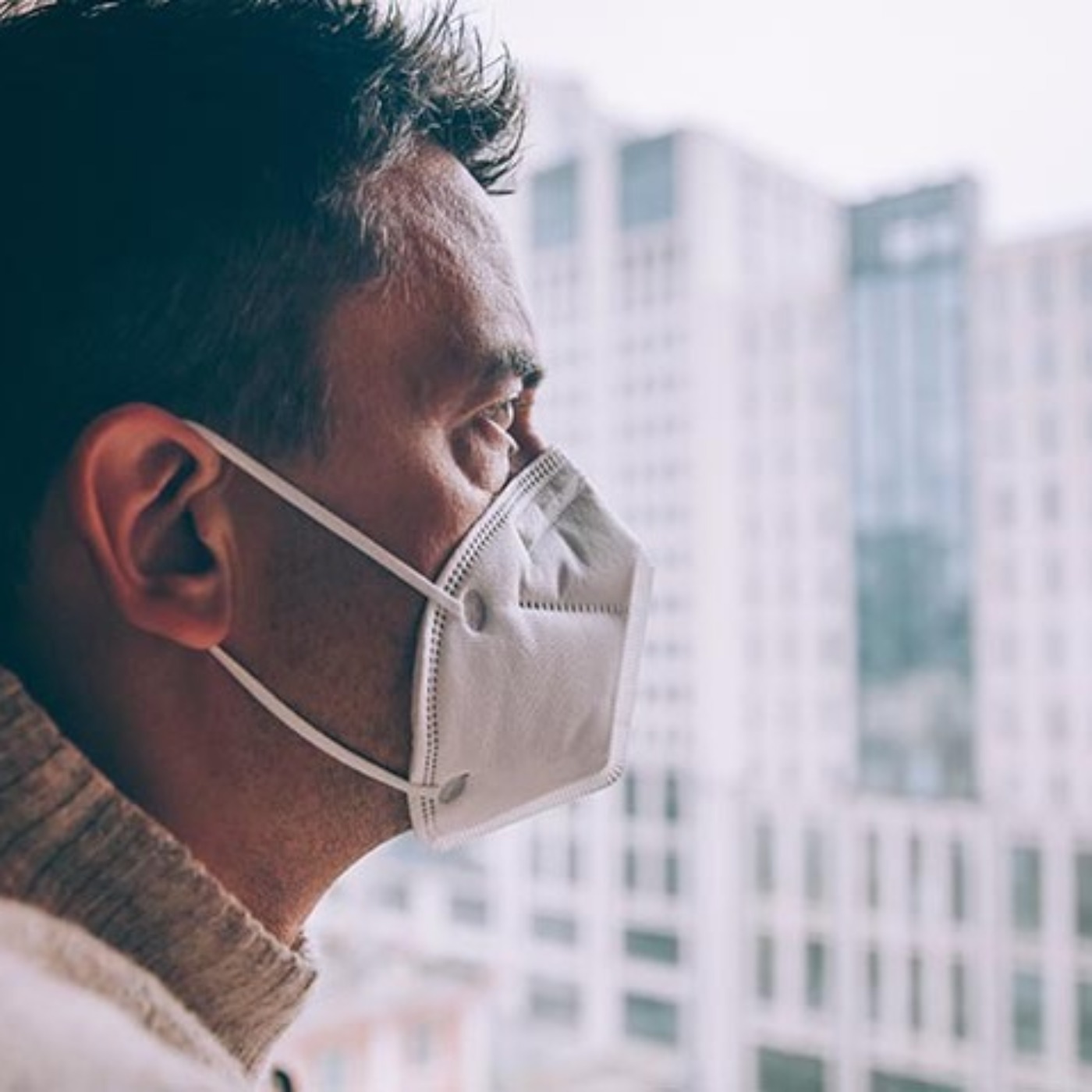
Living With a Mental Health Condition in a Pandemic | Michigan Medicine
Practical tips and online support can help people with depression, anxiety and other conditions cope. Living with depression, anxiety, bipolar disorder, PTSD and other mental health conditions can pose a challenge even in “normal” times.For more information about this story visit: https://healthblog.uofmhealth.org/wellness-prevention/getting-through-a-pandemic-when-you-have-a-mental-health-conditionResources:Michigan Psychiatry Resources for COVID-19: ToolkitMichigan Medicine Depression Center Toolkit Hosted on Acast. See acast.com/privacy for more information.

Resources to Support Children with Autism During COVID-19 Pandemic | Michigan Medicine
For children with autism spectrum disorder, who thrive on routines and predictability, the everyday disruptions and uncertainty from the pandemic may be especially stressful.For more information about this story visit: https://healthblog.uofmhealth.org/childrens-health/6-ways-to-support-children-autism-during-pandemicResources:Autism SpeaksMichigan Medicine Department of Psychiatry Program: Zero to ThriveDo2Learn Icons Hosted on Acast. See acast.com/privacy for more information.
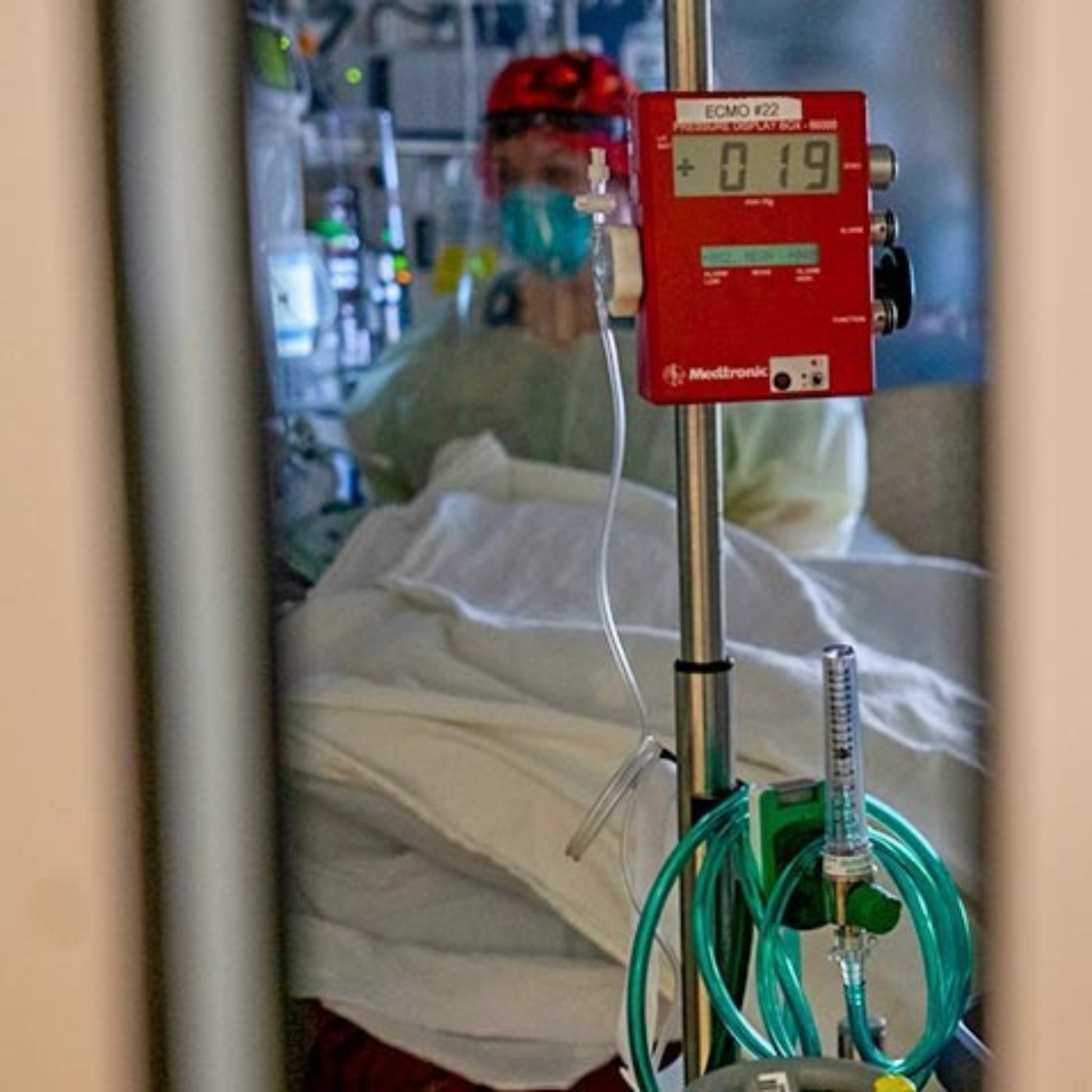
How ECMO Could Help COVID-19 Patients | Michigan Medicine
Ventilators have gotten a lot of attention in the ongoing fight against COVID-19. But hundreds of hospitals around the world have another, less publicized weapon that might help some of the most desperately ill patients survive when ventilators aren’t enough.Right now, hundreds of COVID-19 patients in intensive care worldwide are being kept alive using a life support technology called ECMO and the skills of specially trained teams of nurses, respiratory therapists, technicians and doctors.For more information about this story visit: https://labblog.uofmhealth.org/rounds/when-ventilators-dont-help-covid-19-patients-might Hosted on Acast. See acast.com/privacy for more information.
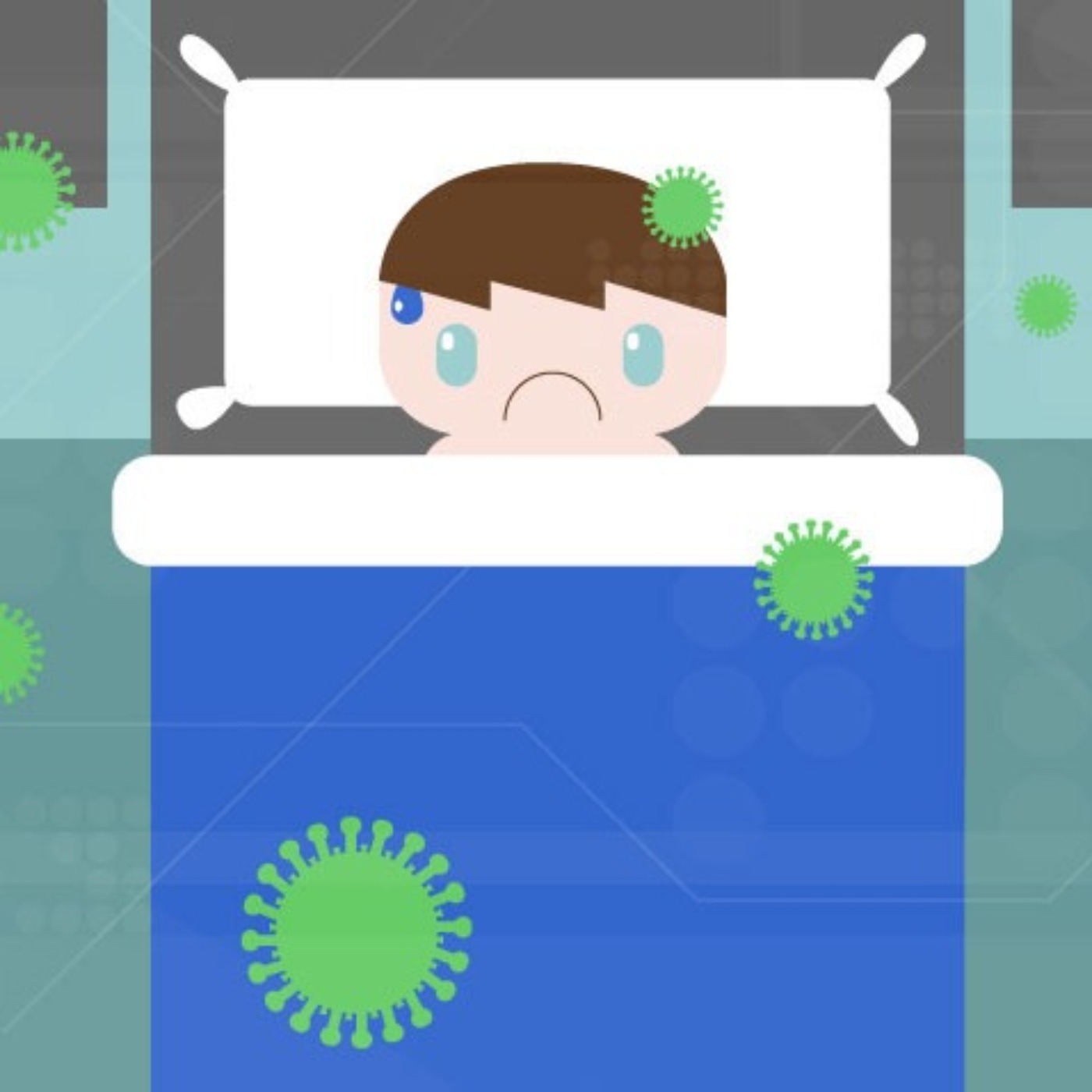
COVID-Related Pediatric Multi-System Inflammatory Syndrome (PMIS) | Michigan Medicine
The novel coronavirus still affects a very small number of children, but new reports describe serious symptoms in some pediatric cases in parts of the U.S. and Europe. For more information about this story visit: https://labblog.uofmhealth.org/rounds/rare-covid-related-inflammatory-disease-affecting-children Hosted on Acast. See acast.com/privacy for more information.

Disproportionate Death Rate During COVID Shows Persistent Racial Inequities and the Need to Address Them | Michigan Medicine
A startling and disproportionate death rate among black Americans around the country from COVID-19 is revealing persistent inequities and the need for solutions to address them.For more information about this story visit: https://labblog.uofmhealth.org/rounds/racial-disparities-time-of-covid-19 Hosted on Acast. See acast.com/privacy for more information.

Going From Nurse to Patient During a Pandemic | Michigan Medicine
A pediatric intensive care nurse survived COVID-19 in part due to the excellent treatment she received from her peers. This National Nurses Week, she shares her appreciation. For more information about this story visit: https://healthblog.uofmhealth.org/health-management/one-nurses-journey-surviving-covid-19-facing-a-long-road-to-recovery Hosted on Acast. See acast.com/privacy for more information.
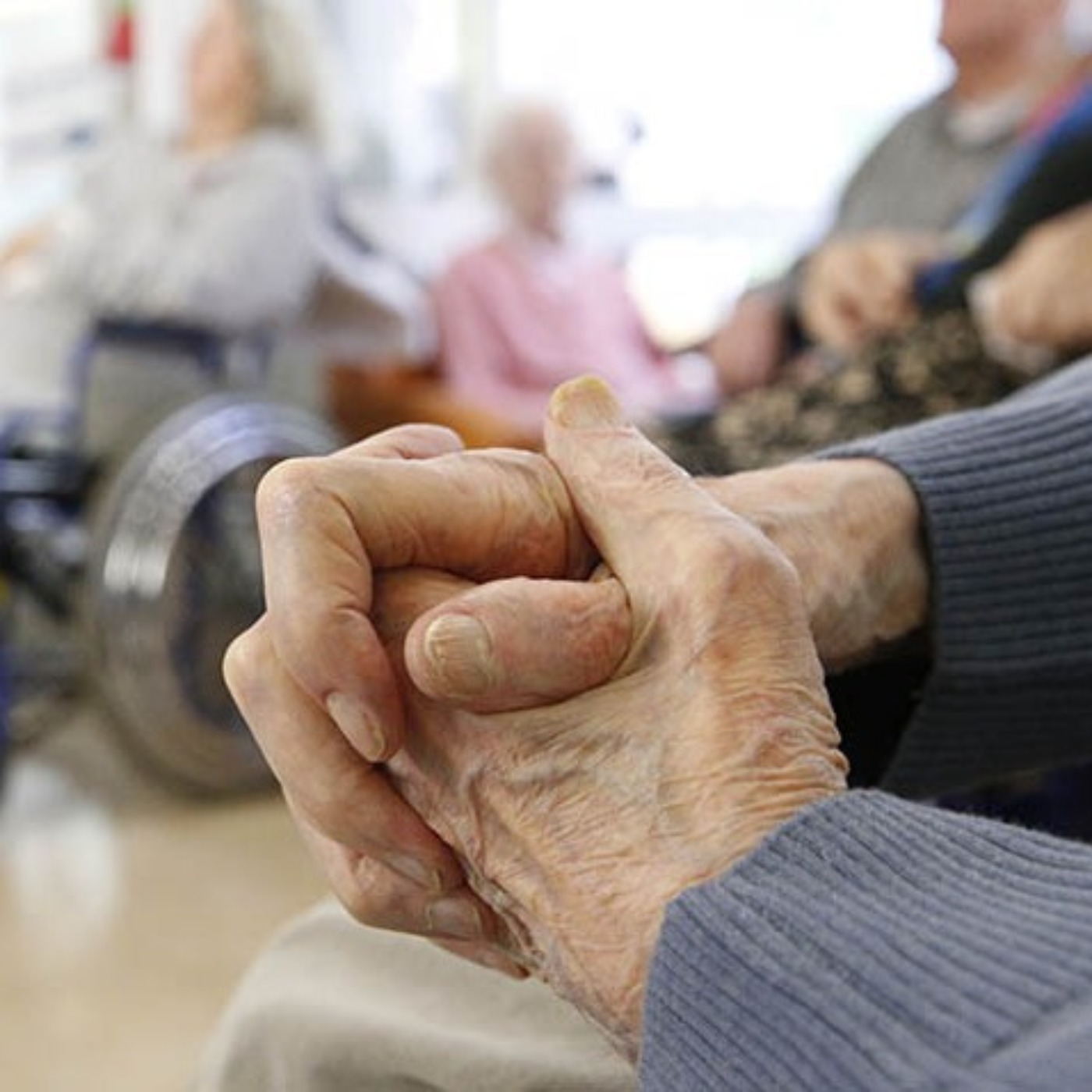
Nursing Home Preparedness During Pandemics | Michigan Medicine
A Survey of Michigan nursing homes at start of coronavirus suggests great improvement since just before the H1N1 pandemic.For more information about this story visit: https://labblog.uofmhealth.org/rounds/nursing-homes-prepared-for-pandemics-but-covid-19-reveals-gaps Hosted on Acast. See acast.com/privacy for more information.

Pregnancy in the Time of COVID | Michigan Medicine
Does COVID-19 impact pregnant people differently? Should pregnant people take extra precautions? More research is needed to better understand how the coronavirus affects pregnant people and babies. An OB/GYN weighs in about what we know and don’t know.For more information about this story visit: https://healthblog.uofmhealth.org/womens-health/12-things-to-know-about-covid-19-and-pregnancy Hosted on Acast. See acast.com/privacy for more information.
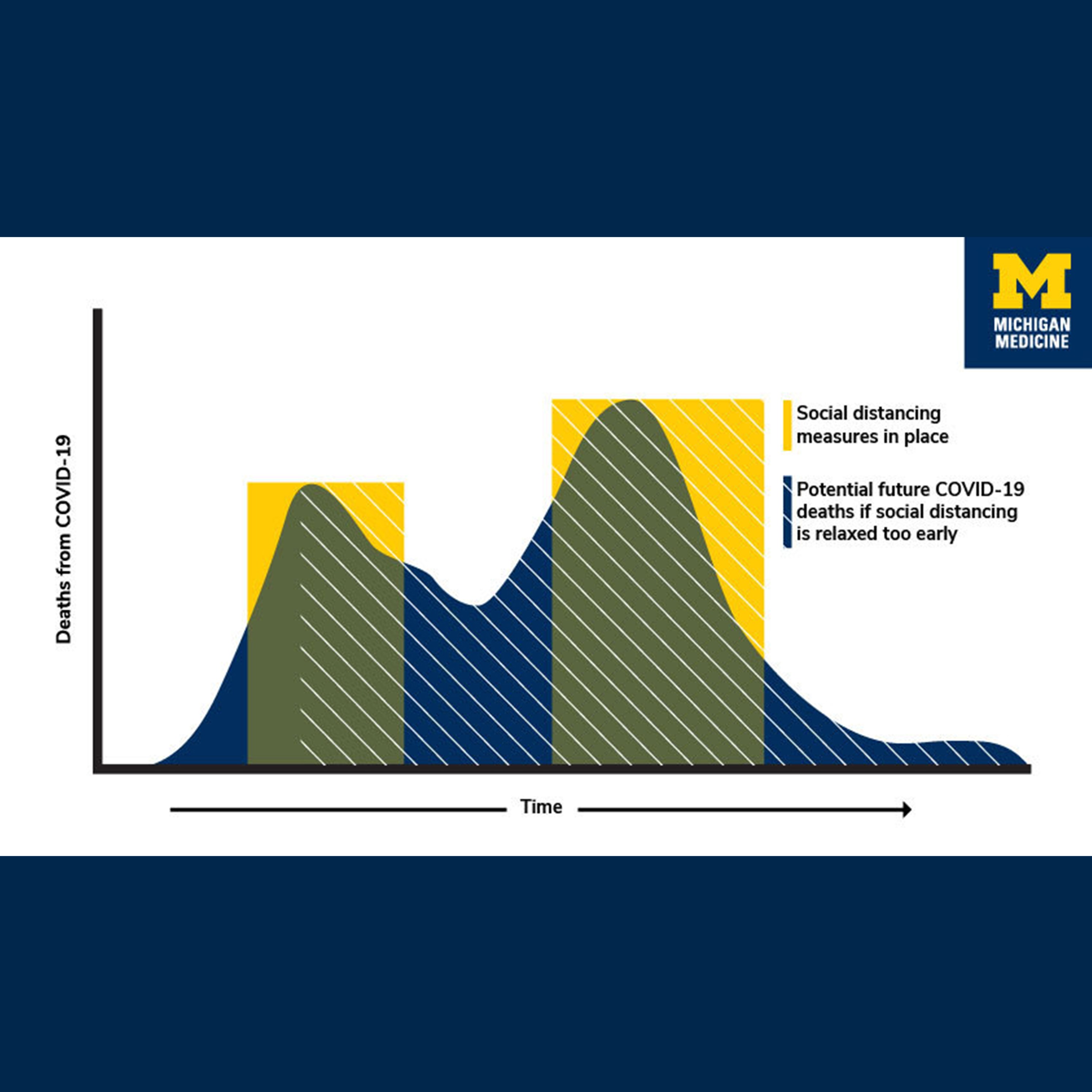
Preventing a Second Peak in the Curve for COVID-19 | Michigan Medicine
History shows the dangers of relaxing restrictions too soon in a pandemic. Easing up on “social distancing” steps too soon, and too quickly, could give the novel coronavirus a chance to race back into broad circulation. Serious cases, and deaths, could spike again, and waste all the progress that has been made so far.For more information about this story visit: https://labblog.uofmhealth.org/industry-dx/covid-19-curve-flattening-its-time-to-prevent-a-second-peak Hosted on Acast. See acast.com/privacy for more information.

MEDIC Works to Help Colleagues Take On COVID-19 | Michigan Medicine
A collaborative for emergency departments across the state of Michigan is working to help its colleagues through various aspects of the COVID-19 pandemic.For more information about this story visit: https://labblog.uofmhealth.org/industry-dx/emergency-departments-across-michigan-collaborate-on-covid-19-responseResources:MEDIC PPE InfographicMEDIC Supporting the COVID-19 Response Across Michigan Hosted on Acast. See acast.com/privacy for more information.
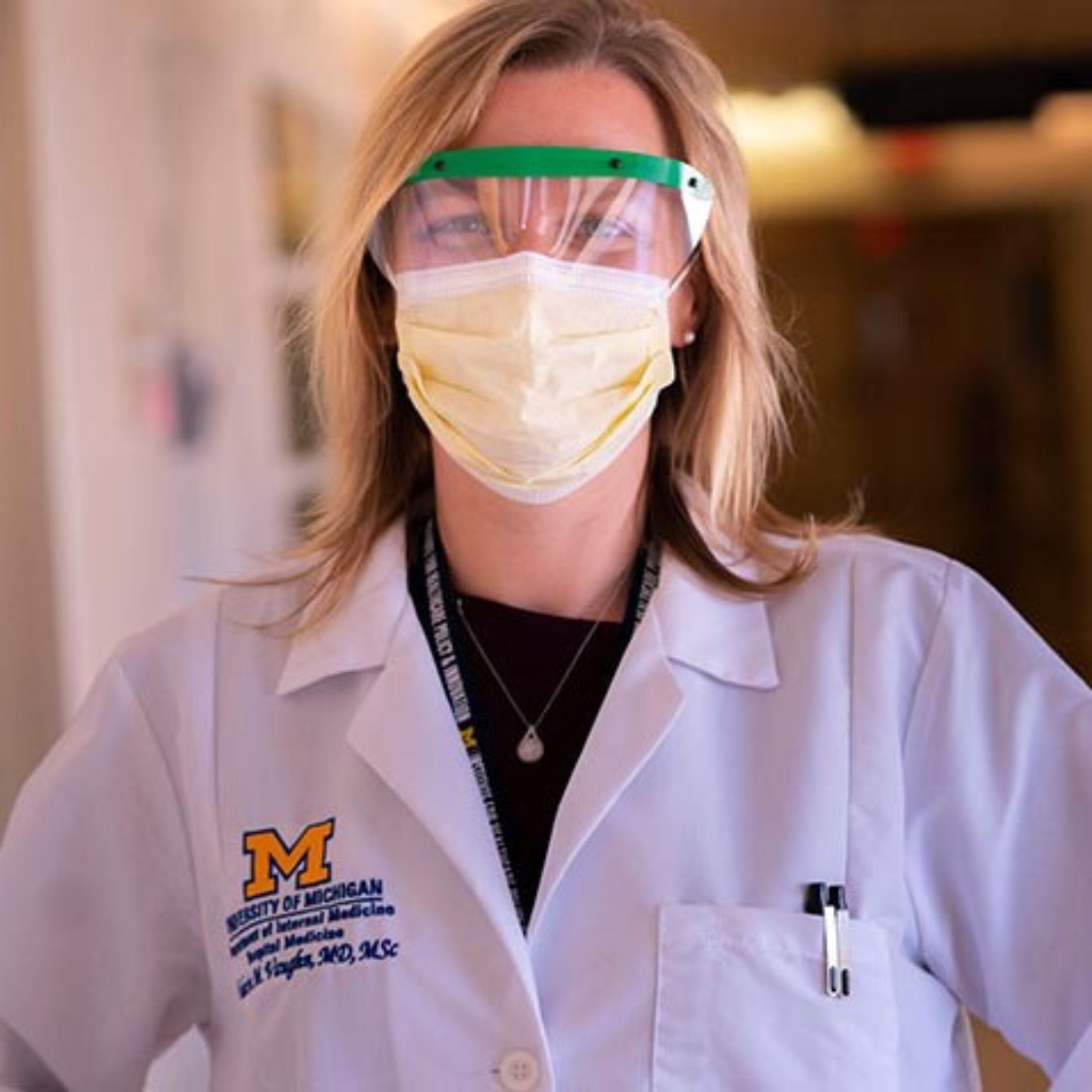
"Drafted" for COVID-19: Resources for Doctors Providing Care Outside Their Norm | Michigan Medicine
As more and more hospitals across the U.S. admit patients with COVID-19, a Michigan team offers advice for doctors “drafted" for duties outside their norm.For more information about this story visit: https://labblog.uofmhealth.org/rounds/switching-gears-at-high-speed-for-hospital-covid-19-careResources:COVID-19 Continuing Medical Education Portal Hosted on Acast. See acast.com/privacy for more information.
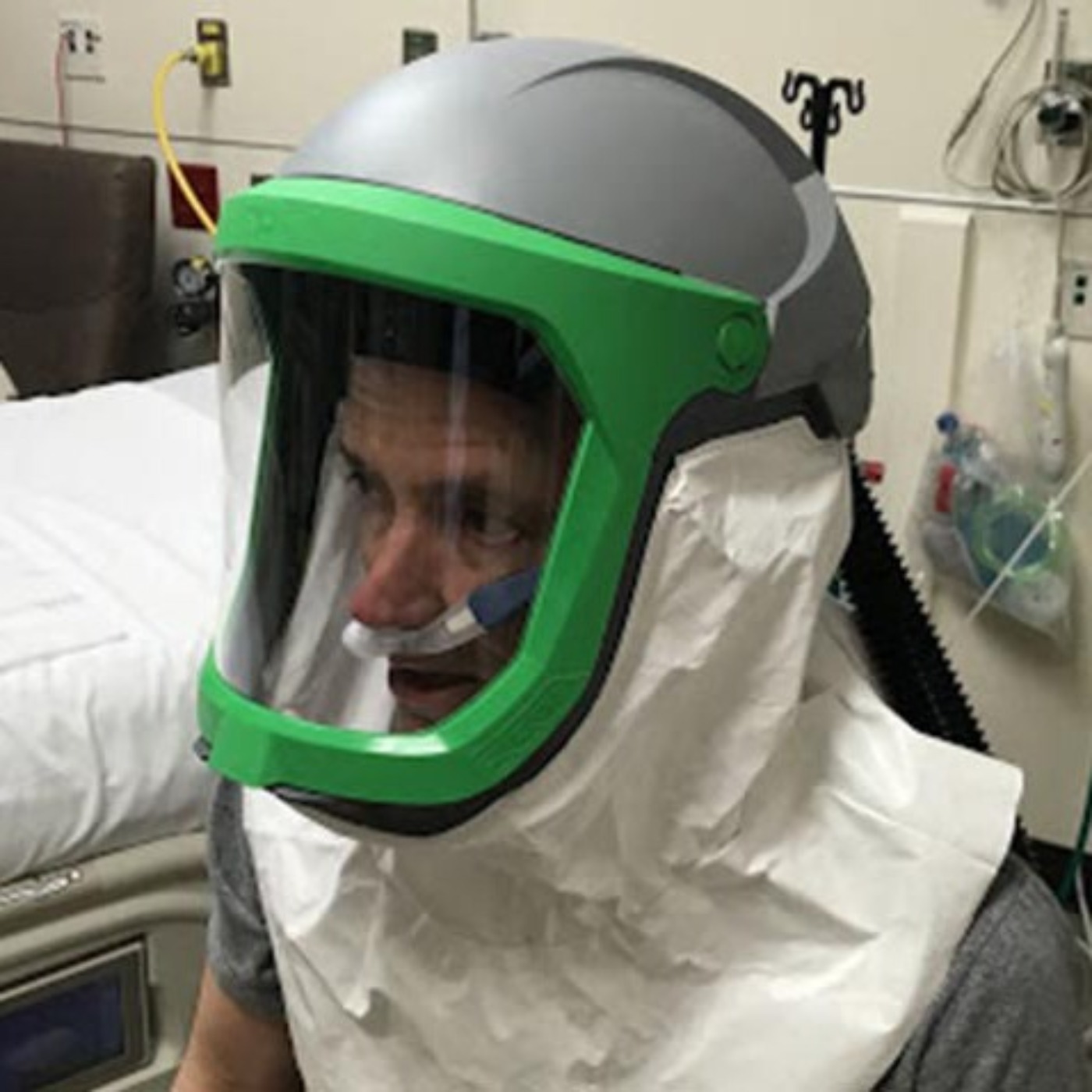
Seeking Innovative Solutions to Treat COVID-19 | Michigan Medicine
Researchers from the University of Michigan have developed a helmet solution to provide support for COVID-19 patients, protect health care workers and safeguard hospital systems.For more information about this story visit: https://labblog.uofmhealth.org/health-tech/repurposed-industrial-respirator-could-free-ventilators-for-covid-19-patients Hosted on Acast. See acast.com/privacy for more information.

Preventing Pediatric Injury During COVID and Beyond | Michigan Medicine
Being cooped up at home due to social distancing could put kids at higher risk of getting hurt. An expert offers tips for avoiding emergency room visits. With schools and daycare centers closed, many parents are working from home while making three meals a day, tending to home tasks and taking on teaching responsibilities. High on the list of challenges? Managing it all while still properly supervising rambunctious little ones.For more information about this story visit: https://healthblog.uofmhealth.org/childrens-health/how-to-prevent-7-common-pediatric-injuries Hosted on Acast. See acast.com/privacy for more information.

Diabetes Management in the Time of COVID | Michigan Medicine
An endocrinologist with diabetes shares guidance on how to manage the condition during the pandemic. Uncertainty surrounding the novel coronavirus, COVID-19, may be especially unsettling for people who fall into the often mentioned “high risk” groups, such as those with diabetes.For more information about this story visit: https://healthblog.uofmhealth.org/health-management/what-to-know-about-covid-19-if-you-have-diabetesResources:Diabetes 101: Taking Charge Hosted on Acast. See acast.com/privacy for more information.

Living With Lupus During the COVID-19 Drug Debate | Michigan Medicine
A patient with lupus weighs in on the COVID drug debate. Brian Joseph is no stranger to death. But life as a funeral director and a person living with lupus during the COVID-19 pandemic has given him pause. Mortuary services are considered critical services exempt from the shelter-in-place declarations designed to slow the spread of the disease. And recently the calls to his five funeral home locations in southeast Michigan have increased.For more information about this story visit: https://healthblog.uofmhealth.org/wellness-prevention/pandemic-fight-over-plaquenil Hosted on Acast. See acast.com/privacy for more information.

Taking Care of Your Mental Health During COVID-19 | Michigan Medicine
A wellness expert offers guidance on how to protect your psychological and emotional well-being during the pandemic. In the midst of managing a situation like the COVID-19 outbreak, it’s easy to feel overwhelmed and worried. Focusing on how to slow the spread of the virus is important for our physical health, however, identifying ways to manage our mental health is also crucial.For more information about this story visit: https://healthblog.uofmhealth.org/wellness-prevention/5-ways-to-manage-your-mental-health-during-covid-19 Hosted on Acast. See acast.com/privacy for more information.

Missing Milestones: Helping Teens During Social Distancing | Michigan Medicine
Social distancing due to the COVID-19 pandemic could be particularly challenging for adolescents and teens who thrive on social connections and may be missing events like prom and graduation. As the school year abruptly comes to a halt for teenagers around the country, many may be mourning the loss of missed milestones.For more information about this story visit: https://healthblog.uofmhealth.org/childrens-health/8-ways-to-help-teens-cope-social-distancing-bluesResources: Article: "After ’13 Reasons Why,’ a Spotlight on Teen Suicide Warning Signs"University of Michigan Depression Center Hosted on Acast. See acast.com/privacy for more information.

Staying Healthy While Sheltering in Place | Michigan Medicine
As many look for ways to stay calm in the midst of an unprecedented health crisis, a Michigan Medicine dietitian shares some helpful strategies for sheltering in place.For more information about this story visit: https://healthblog.uofmhealth.org/wellness-prevention/4-strategies-for-staying-healthy-a-quarantined-worldResources:Recipe: Mexican Stuffed Sweet PotatoesChair Workout Video: "Can't Stop The Feeling - Justin Timberlake""7 Minutes of Magic" Hosted on Acast. See acast.com/privacy for more information.

Research Continues, But No Proven Therapies to Prevent or Treat COVID-19 Yet | Michigan Medicine
There are no therapies proven to prevent or treat COVID-19 yet, but providers can help address symptoms while they continue researching new ideas.For more information about this story visit: https://labblog.uofmhealth.org/rounds/chloroquine-ibuprofen-and-beyond-doctors-discuss-latest-treatments-and-treatment-rumors-for Hosted on Acast. See acast.com/privacy for more information.
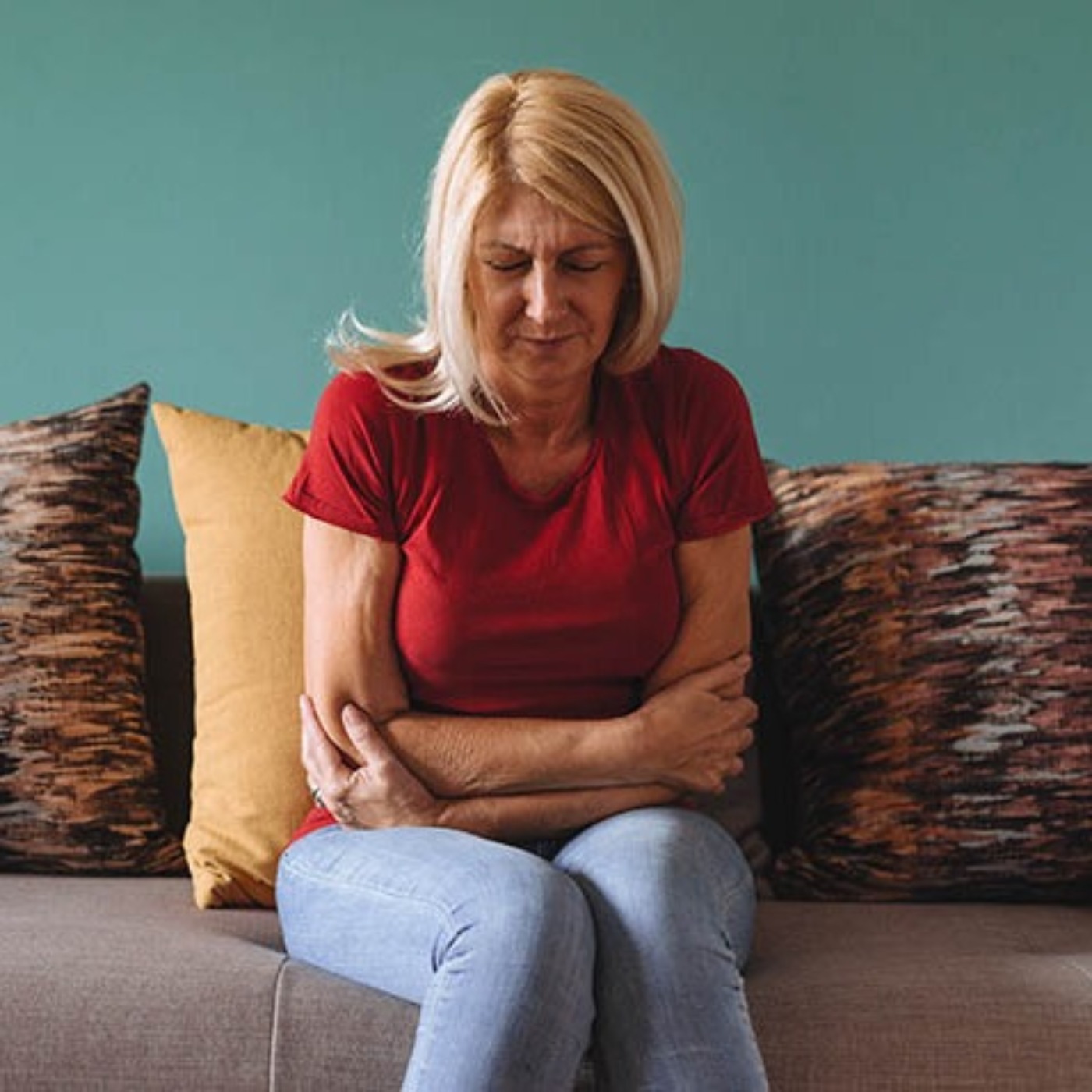
Helpful Tips for GI Issues Caused by COVID-19 Stress | Michigan Medicine
The gastrointestinal system may be a victim of COVID-19 stress. Here, experts help to navigate those tummy troubles. That stomachache you feel with each update on the COVID-19 outbreak? It’s real. So, too, are the indigestion and the heartburn. They’re symptoms of stress that manifest in the emotive digestive system, the connection between the brain and the gut. Stress-related digestive troubles may be on the rise as people around the globe worry in the midst of a pandemic, experts warn.For more information about this story visit: https://healthblog.uofmhealth.org/digestive-health/stress-from-covid-19-upsetting-your-stomach-7-self-comfort-tips-to-tryVIDEO: Diaphragmatic Breathing Demonstration from Michigan Medicine Hosted on Acast. See acast.com/privacy for more information.

Digestive Symptoms a Presenting Factor of COVID-19? | Michigan Medicine
A Michigan Medicine gastroenterologist discusses the latest GI-related research from Wuhan, China. A recent study conducted in Wuhan, China, and published by The American Journal of Gastroenterology, revealed that diarrhea can be an unrecognized symptom of COVID-19. The primary symptoms of the disease are generally defined as fever, cough and shortness of breath, with little research indicating gastroenterological effects associated with the condition.For more information about this story visit: https://labblog.uofmhealth.org/lab-report/are-digestive-issues-a-symptom-of-covid-19 Hosted on Acast. See acast.com/privacy for more information.

A New Approach to Prenatal Care During COVID-19 | Michigan Medicine
A multidisciplinary team at Michigan Medicine has unveiled a new clinical approach to prenatal care for low risk pregnancies to help limit exposure to the novel coronavirus (COVID-19). For more information about this story visit: https://labblog.uofmhealth.org/rounds/redesigning-prenatal-care-during-covid-19-pandemic Hosted on Acast. See acast.com/privacy for more information.

Modeling How Quickly COVID-19 Can Spread | Michigan Medicine
As the novel coronavirus (COVID-19) advances around the world, a growing number of researchers are using computational models to estimate this spread.For more information about this story visit: https://labblog.uofmhealth.org/lab-report/how-quickly-does-coronavirus-spread Hosted on Acast. See acast.com/privacy for more information.

Donate Blood Now if You Can to Help Fight COVID-19 | Michigan Medicine
Canceled blood drives across the country have driven the supply critically low, but demand is high and donor centers have new safety measures in place.“If you need to get out of the house, and you’re an eligible donor, this is the time to find a donor center near you and make an appointment,” he says. “It’s safe, they’re screening everyone who is walking through the door, and you can save a life.” - Robertson Davenport, M.D., Director of the Transfusion Medicine Program at Michigan Medicine.For more information about this story visit: https://healthblog.uofmhealth.org/wellness-prevention/need-to-get-out-of-house-give-blood-its-needed-more-than-everFind your local Red Cross donor center here: https://www.redcrossblood.org/From the American Red Cross: What to know about Coronavirus and Blood Donation Hosted on Acast. See acast.com/privacy for more information.

Tips for Parenting While Homebound Due to the Spread of Coronavirus | Michigan Medicine
As the coronavirus keeps families homebound, a childhood development expert shares ways to have productive days together. Due to the spread of COVID-19, school and daycare closures are keeping families around the world home together in unprecedented numbers. You, along with millions of other parents, are now left wondering: How will I manage it all? For more information about this story visit: https://healthblog.uofmhealth.org/childrens-health/stuck-at-home-6-ways-to-keep-your-kids-healthy-and-happyLinks to resources mentioned in the episode:Twinkl.com Education.com CommonSenseMedia.org also has suggestions for what to watch, read and play when your kids are stuck indoors, as well as recommendations for free educational apps Hosted on Acast. See acast.com/privacy for more information.

Ways to Help Yourself and Others Who May be Hit Hardest by COVID-19 | Michigan Medicine
The news about coronavirus may leave some people feeling helpless, like there’s nothing to do but wait for the worst. But that’s not true. In fact, there are plenty of actions you can take to help those around you, and yourself – and to feel like you’re really making a difference.Sometimes in anxiety producing situations, it can make a big difference to feel like you’re taking action to help.For more information about this story visit: https://healthblog.uofmhealth.org/wellness-prevention/feeling-helpless-about-coronavirus-10-things-you-can-doFor the articles mentioned in this episode on stress-reducing techniques, anxiety-reducing exercises, breathing techniques, and on self-care if you are a caregiver follow the hyperlinks here.Links to resources mentioned in the episode can be found here:The American Red CrossRed Cross guidance for donating blood during the coronavirus pandemicFind Your Local Food Bank at Feeding America211.orgUnited Way of Southeastern MichiganMeals on Wheels AmericaAnn Arbor Meals on WheelsArea Agency on Aging Eldercare LocatorAARP Assistance DirectoryAdministration for Community LivingInstitute of Museum and Library ServicesNational Diaper Bank NetworkRonald McDonald HouseRonald McDonald House Ann ArborFQHC.orgThe Hope ClinicAmericans for the Arts Hosted on Acast. See acast.com/privacy for more information.

Essential Components of Hospital COVID-19 Preparedness | Michigan Medicine
As coronavirus continues its spread across the United States, hospitals are bracing for the influx of patients who will need care for the most serious effects of the disease it causes, called COVID-19.What will it take to be ready? A new overview by two Michigan Medicine experts and their colleagues lays out the evidence, and gives practical advice for hospitals of all sizes.For more information about this story visit: https://labblog.uofmhealth.org/industry-dx/what-can-hospitals-do-to-prepare-for-covid-19-cases Hosted on Acast. See acast.com/privacy for more information.

They See The Masks Too. Talking to Kids About COVID-19 | Michigan Medicine
They see the masks too. A pediatric psychologist offers five tips for parents on how to talk about the pandemic with their children.Schools are closing, family vacations are being postponed and sports games are being canceled. While this viral pandemic may feel overwhelming as an adult, imagine how it feels for a child. As the news cycles and daily adult conversations continue to revolve around the ever-evolving COVID-19 pandemic, parents are encouraged to check in regularly with their kids to see how they’re processing information they’ve heard and coping with the many changes occurring around them, says Melissa Cousino, Ph.D, a pediatric psychologist at C.S. Mott Children’s Hospital.For more information about this story visit: https://healthblog.uofmhealth.org/wellness-prevention/how-to-talk-to-your-kids-about-covid-19 Hosted on Acast. See acast.com/privacy for more information.
Practical Things You Can Do to Prepare for COVID-19 | Michigan Medicine
A lot of uncertainty still surrounds the evolving coronavirus outbreak. A Michigan Medicine expert offers nine practical things you can do to prepare yourself in the event that COVID-19 comes to your community. The emergence of a new virus isn’t something most people think about, let alone prepare for in advance. As the numbers of cases of COVID-19 began to ramp up in countries around the world in mid-February, the U.S. Centers for Disease Control and Prevention warned in a statement that an outbreak “could be bad.” That sent some people rushing to the store for toilet paper and canned goods, and others wondering what the fuss is about.Epidemiologist Emily Martin, Ph.D., M.P.H., of the U-M School of Public Health offers some practical advice for people to consider when preparing for potential spread within their community.For more information about this story visit: https://healthblog.uofmhealth.org/health-management/how-to-prepare-for-covid-19 Hosted on Acast. See acast.com/privacy for more information.
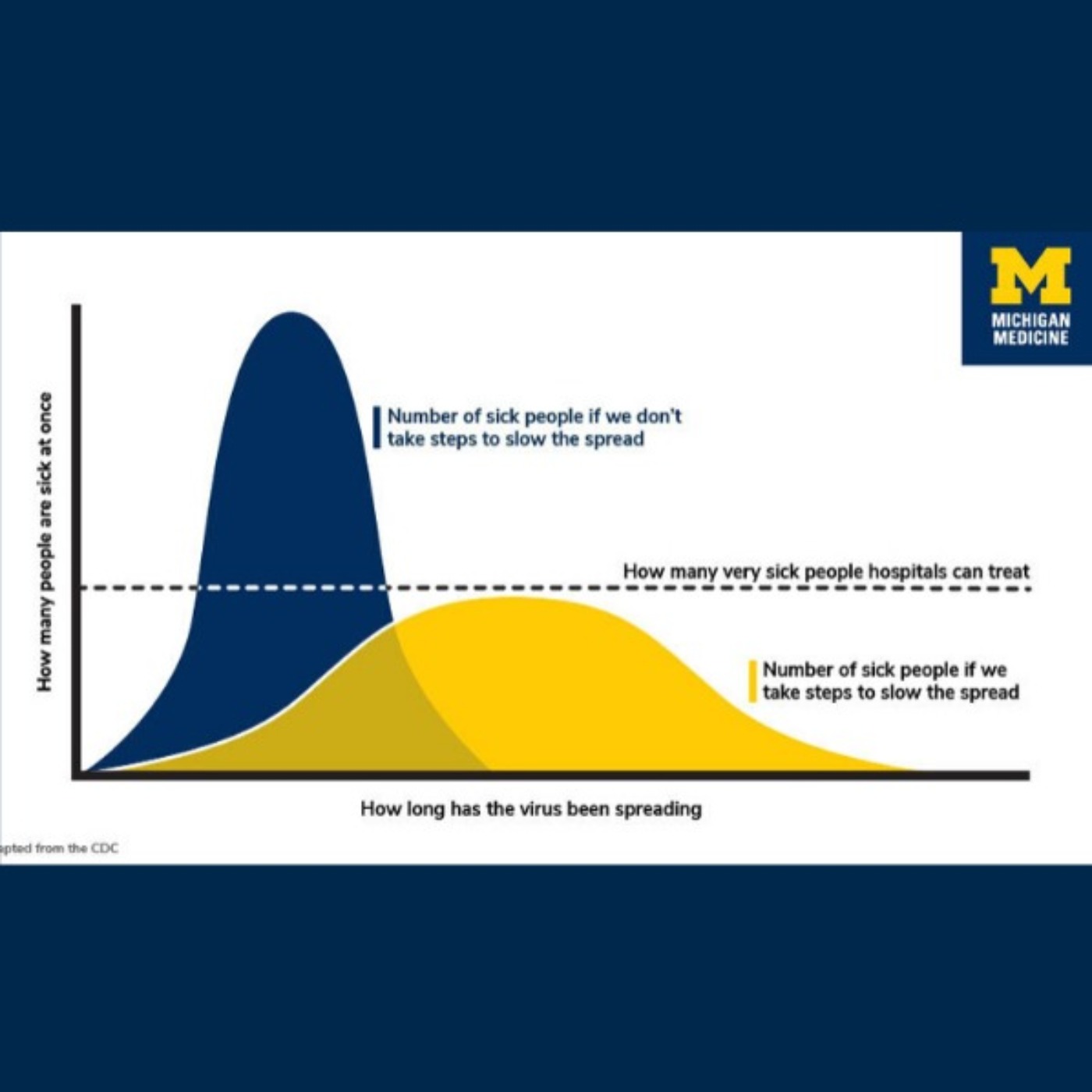
How Can We Flatten the Curve for COVID-19?
History shows that taking strong steps now to slow the spread of coronavirus will help communities and individuals. Cruises and flights canceled. Colleges and universities sending students home to watch lectures online. Public schools closing. Offices asking people to telecommute. Concerts, parades, festivals and sporting events postponed. Is all of this really necessary for the coronavirus? Are public health officials overreacting to the threat posed by the virus that causes the disease COVID-19? It’s absolutely necessary, because it’s worked in the past, says medical historian Howard Markel, M.D., Ph.D., a University of Michigan expert who has studied the effects of similar responses to past epidemics.For more information about this story visit: https://healthblog.uofmhealth.org/wellness-prevention/flattening-curve-for-covid-19-what-does-it-mean-and-how-can-you-help Hosted on Acast. See acast.com/privacy for more information.
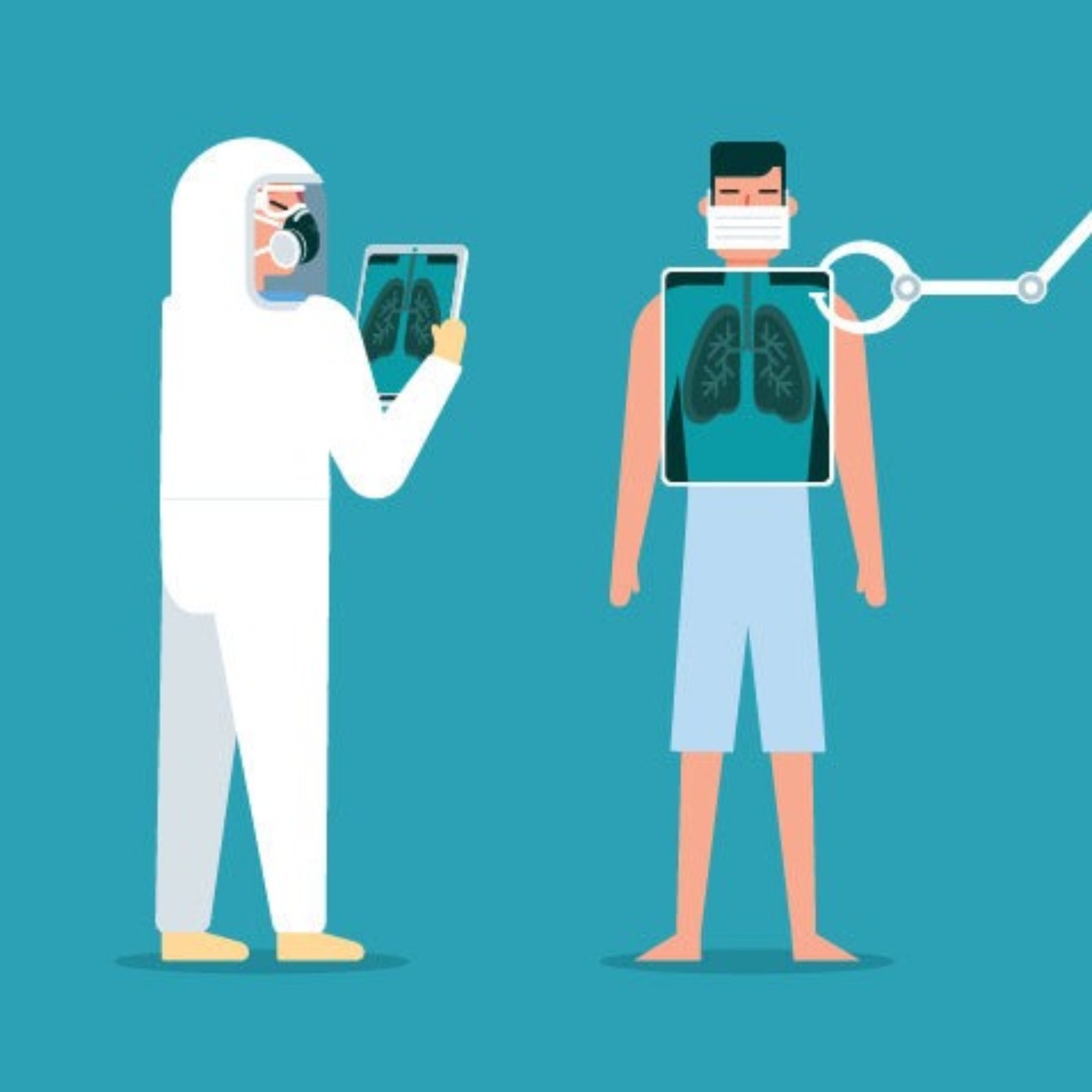
Radiologists Team Up to Examine the Appearance of COVID-19 in CT Scans | Michigan Medicine
A Michigan Medicine radiologist teams up with a counterpart in China to examine the appearance of COVID-19 in CT scans. While COVID-19, previously known as the novel coronavirus, was first reported in China, it was recently declared a global health emergency by the World Health Organization. Because most cases have been in China, clinicians elsewhere may be unfamiliar with how the virus appears in the lungs. And reports are now showing the importance of computed tomography (CT) in diagnosis and monitoring of the infection.For more information about this story visit: https://labblog.uofmhealth.org/lab-report/how-does-covid-19-appear-lungs Hosted on Acast. See acast.com/privacy for more information.

Hereditary Genetic Testing Impacts Breast Cancer Treatment
A new study finds breast cancer patients with an inherited genetic mutation don’t always get treatment that follows guidelines. For more information about this story visit https://labblog.uofmhealth.org/industry-dx/how-hereditary-genetic-testing-results-impact-breast-cancer-treatment Hosted on Acast. See acast.com/privacy for more information.

Improving Cystic Fibrosis Treatment Across the Globe
To reach patients in need, one doctor develops a training program to improve testing and care available for those with the genetic disease, starting in the Middle East. For more information about this story visit https://labblog.uofmhealth.org/rounds/a-mission-to-improve-cystic-fibrosis-treatment-across-globe Hosted on Acast. See acast.com/privacy for more information.

What You Should Know About The Novel Coronavirus Outbreak | Michigan Medicine
In an unprecedented effort to control the spread of a new virus, the Chinese government has closed off the city of Wuhan, restricting the movements of its more than 11 million citizens. So far, according to official WHO reports as of January 20, the novel coronavirus, called 2019-nCoV, has sickened 282 people and led to 6 deaths and those numbers are quickly increasing. Michigan Medicine’s experts weigh in on what’s known about the virus currently.For more information about this story visit: https://healthblog.uofmhealth.org/wellness-prevention/2019-novel-coronavirus-should-you-be-worried Hosted on Acast. See acast.com/privacy for more information.

Children Frequently Receive Unnecessary Medical
1 in 9 publicly insured and 1 in 11 privately insured children received low-value care in 2014, researchers find. For more information about this story visit: https://labblog.uofmhealth.org/rounds/children-frequently-receive-unnecessary-medical-care-regardless-of-insurance-type Hosted on Acast. See acast.com/privacy for more information.

New Baby Costs
Despite an ACA mandate that large, employer-based health plans cover maternity care, some are shouldering more of the expenses tied to having a baby. For more information about this story visit https://labblog.uofmhealth.org/rounds/having-a-baby-may-cost-some-families-4500-out-of-pocket Hosted on Acast. See acast.com/privacy for more information.

Opioid Overdose Risk Factors Same for Teens, Adults
Older teens may have similar risk factors for prescription opioid overdose as adults, a new study suggests. For more information about this story visit https://labblog.uofmhealth.org/rounds/opioid-overdose-risk-factors-for-teens-college-aged-youth-mirror-adults. Hosted on Acast. See acast.com/privacy for more information.

Workplace Depression
One in five Americans experience symptoms of depression during their lifetime. And yet, a distinct stigma still exists around the topic, especially in the workplace, according to the book Mental Health in the Workplace, co-authored by psychiatrist Michelle Riba, M.D., M.S., associate director of Michigan Medicine’s Comprehensive Depression Center. For more information about this story visit: https://healthblog.uofmhealth.org/health-management/when-depression-shows-up-workplace Hosted on Acast. See acast.com/privacy for more information.
Life-Threatening Pregnancy Complications
Women in rural communities experience higher rates of life-threatening complications during or after childbirth than mothers in urban cities, a new study finds. For more information about this story visit https://labblog.uofmhealth.org/rounds/rural-women-at-higher-risk-of-life-threatening-pregnancy-complications. Hosted on Acast. See acast.com/privacy for more information.
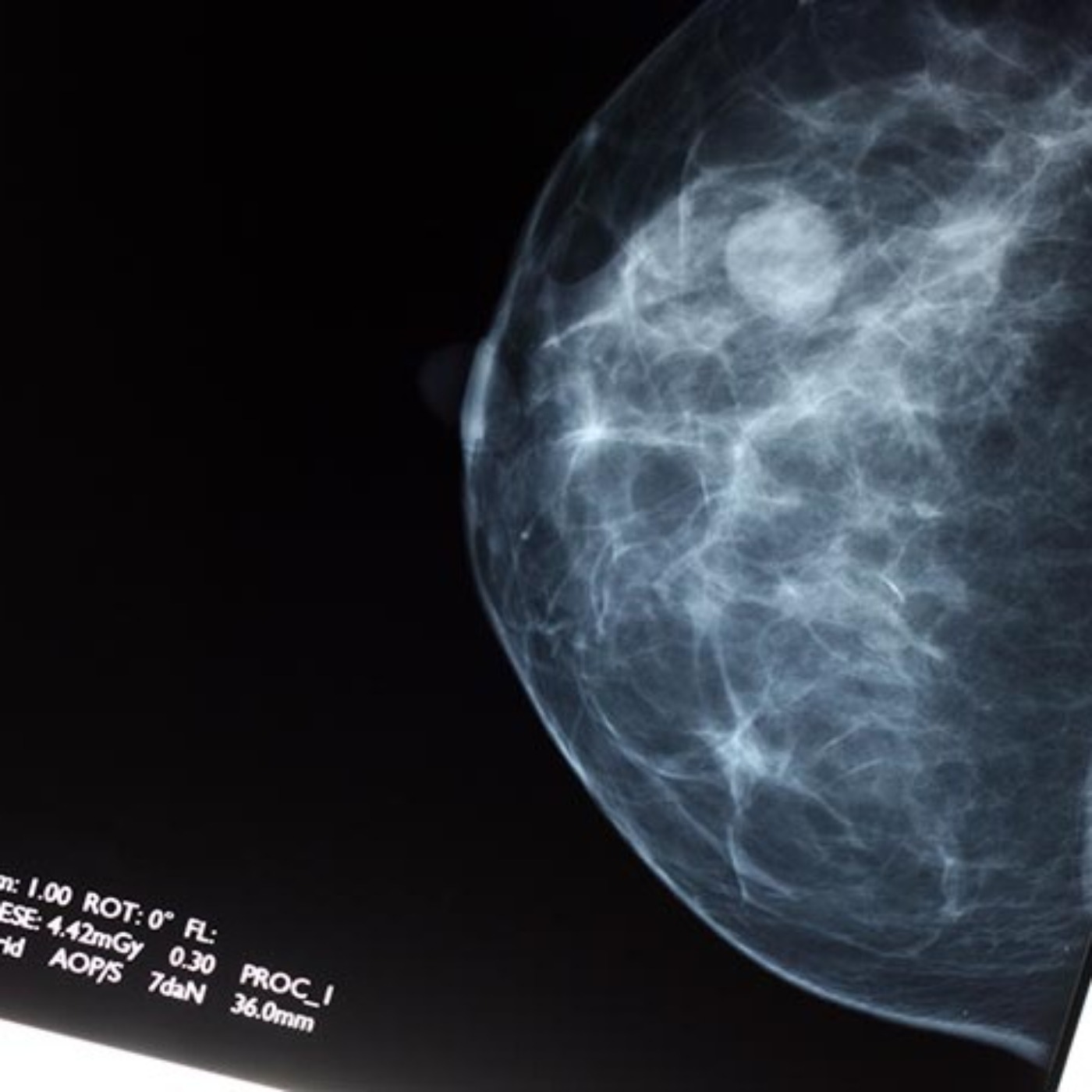
Annual Over Biennial Mammograms
How often should women get a mammogram? A new study makes a case for getting screened every year instead of every other year.Women diagnosed with breast cancer after receiving yearly mammograms had smaller tumors and less-advanced disease than women who had mammograms every other year, researchers from the University of Michigan Rogel Cancer Center found. For more information about this story visit https://labblog.uofmhealth.org/rounds/annual-over-biennial-mammograms-linked-to-less-advanced-breast-cancer. Hosted on Acast. See acast.com/privacy for more information.

The Importance of Cervical Cancer Screenings Doesn’t Decrease With Age | Michigan Medicine
Despite the fact that half of cervical cancers are diagnosed after age 49, participation in preventive screening steadily declines between ages 45 and 65, according to a first-of-its-kind analysis of three large national surveys led by the University of Michigan Rogel Cancer Center.For more information about this story visit: https://healthblog.uofmhealth.org/cancer-care/cervical-cancer-screening-numbers-drop-off-women-45-65 Hosted on Acast. See acast.com/privacy for more information.

Preventing Food Poisoning | Michigan Medicine
About 48 million people fall victim to the unpleasant illness each year. Follow these 6 steps to keep unwanted germs out of your food.For more information about this story visit: https://healthblog.uofmhealth.org/childrens-health/how-to-prevent-your-kids-from-getting-food-poisoning Hosted on Acast. See acast.com/privacy for more information.

A New Algorithm For Studying Sleep | Michigan Medicine
So far, wearables have held promise, but not results, when it comes to research or to patient care. Companies don’t share how they score sleep, nor do they publish the kind of rigorous research a sleep medicine expert would want to review to determine if they can trust the sleep report given. But because so many people own them, it makes sense to figure out how to use consumer wearables to improve sleep health, say Michigan Medicine researchers, who recently validated their own algorithm to score sleep using the Apple watch.For more information about this story visit: https://labblog.uofmhealth.org/body-work/a-consumer-sleep-tracker-researchers-can-actually-use Hosted on Acast. See acast.com/privacy for more information.

Bladder Problems Can Be Worse For Patients With Parkinson's | Michigan Medicine
Many people who are diagnosed with Parkinson’s disease experience urinary tract issues. A Michigan Medicine urologist discusses treatment options for patients to consider.For more information about this story visit: https://healthblog.uofmhealth.org/brain-health/parkinsons-disease-and-your-bladder Hosted on Acast. See acast.com/privacy for more information.
Easing Joint Pain | Michigan Medicine
Weight loss can do more than reduce joint pain in people who are overweight, a new study has found. Other big health improvements can happen, too. For more on this story visit: https://healthblog.uofmhealth.org/health-management/how-losing-weight-can-relieve-a-host-of-painful-problems Hosted on Acast. See acast.com/privacy for more information.

Intermittent Fasting: How Does it Work? | Michigan Medicine
This eating pattern, which features cycles of fasting and eating, is making headlines as research confirms it’s not only what you eat, but when you eat, that matters in the struggle to lose weight. For more on this story visit https://healthblog.uofmhealth.org/wellness-prevention/intermittent-fasting-it-right-for-you Hosted on Acast. See acast.com/privacy for more information.
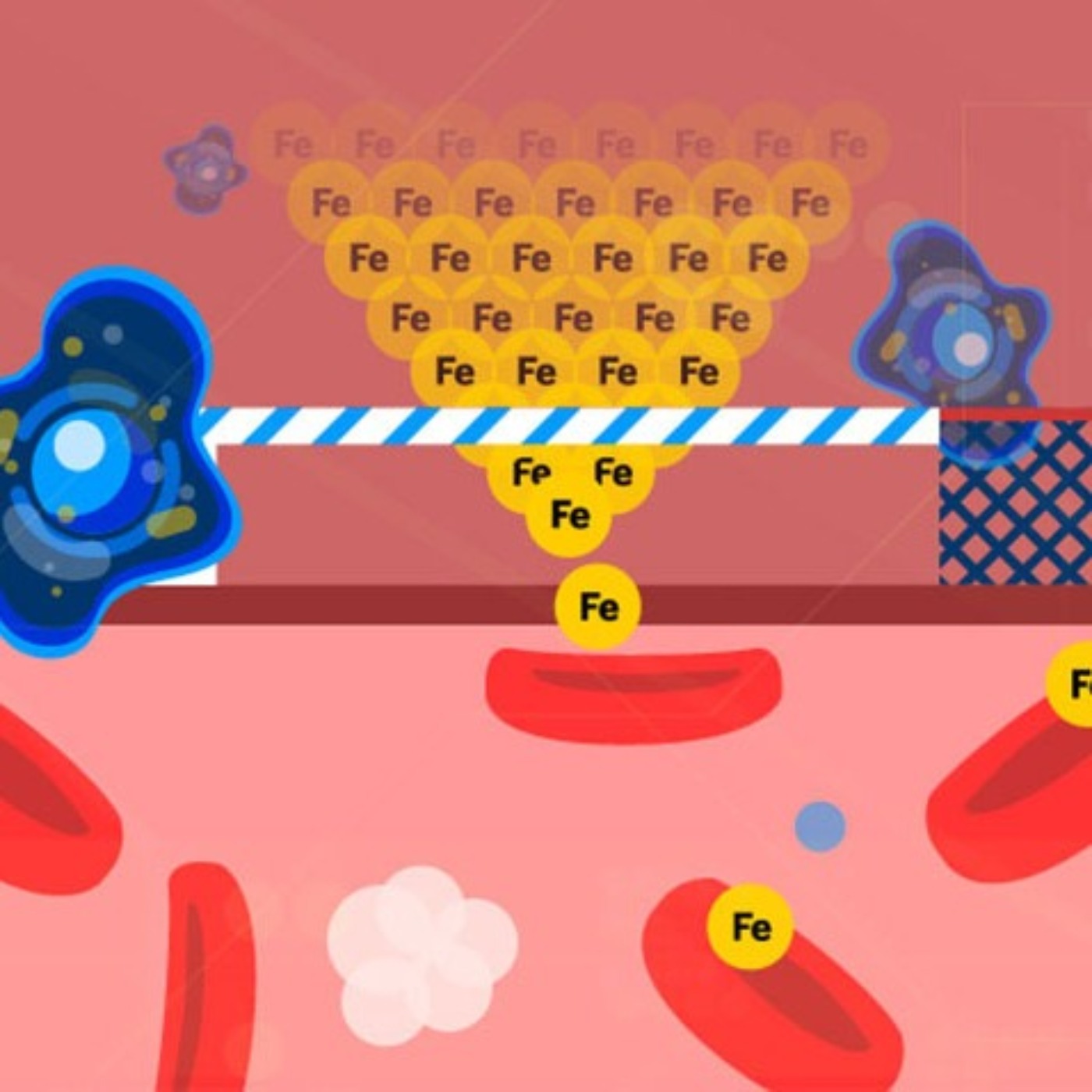
What Your Microbiome Has To Do With Iron Absorption | Michigan Medicine
The body’s resident bacteria play a major role in divvying out iron—a fact that could be used to treat iron-related disorders.Iron plays a critical role in providing oxygen to the body’s cells. Too little iron can lead to iron deficiency anemia and symptoms such as fatigue, heart palpitations and shortness of breath. Too much can lead to iron overload and a disease called hemochromatosis, which can cause heart failure.Michigan Medicine researchers have unlocked a mechanism behind how the body decides whether or not to absorb iron from the food--one that involves the trillions of bacteria in our guts known as the gut microbiome.For more information about this story visit: https://labblog.uofmhealth.org/lab-report/gut-microbiome-puts-brakes-on-iron-absorption Hosted on Acast. See acast.com/privacy for more information.

Michigan Medicaid Expansion Helping Patients with Chronic Conditions | Michigan Medicine
Nearly one in three low-income people who enrolled in Michigan’s expanded Medicaid program discovered they had a chronic illness that had never been diagnosed before, according to a new study.And whether it was a newly found condition or one they’d known about before, half of Medicaid expansion enrollees with chronic conditions said their overall health improved after one year of coverage or more. Nearly as many said their mental health had improved.For more information about this story visit: https://labblog.uofmhealth.org/industry-dx/expanding-medicaid-means-health-problems-get-found-and-health-improves-study-finds Hosted on Acast. See acast.com/privacy for more information.

How Bad Bacteria Overtake the Gut Microbiome in Crohn’s Disease | Michigan Medicine
One of the most common forms of IBD, called Crohn’s disease, is characterized by inflammation within the digestive tract and can lead to severe diarrhea, pain and weight loss. What causes IBD is still a mystery, but scientists now know that the gut microbiome, composed of the trillions of bacteria that make their home inside the intestines, are key players.For more information about this story visit: https://labblog.uofmhealth.org/lab-report/e-coli-gain-edge-by-changing-their-diets-inflammatory-bowel-disease Hosted on Acast. See acast.com/privacy for more information.