
Health Lab
543 episodes — Page 8 of 11

Life-Threatening Pregnancy Complications
Women in rural communities experience higher rates of life-threatening complications during or after childbirth than mothers in urban cities, a new study finds. For more information about this story visit https://labblog.uofmhealth.org/rounds/rural-women-at-higher-risk-of-life-threatening-pregnancy-complications. Hosted on Acast. See acast.com/privacy for more information.
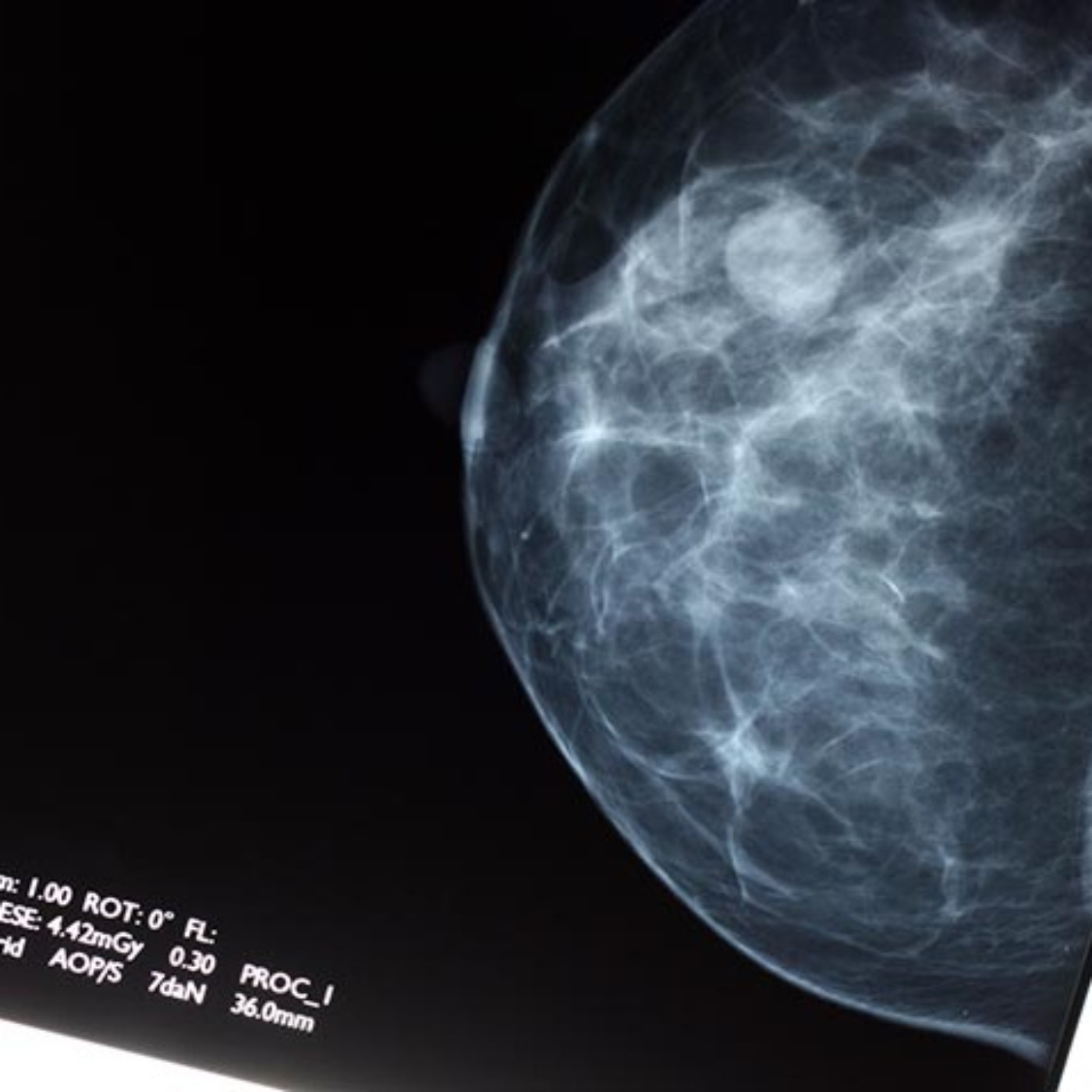
Annual Over Biennial Mammograms
How often should women get a mammogram? A new study makes a case for getting screened every year instead of every other year.Women diagnosed with breast cancer after receiving yearly mammograms had smaller tumors and less-advanced disease than women who had mammograms every other year, researchers from the University of Michigan Rogel Cancer Center found. For more information about this story visit https://labblog.uofmhealth.org/rounds/annual-over-biennial-mammograms-linked-to-less-advanced-breast-cancer. Hosted on Acast. See acast.com/privacy for more information.

The Importance of Cervical Cancer Screenings Doesn’t Decrease With Age | Michigan Medicine
Despite the fact that half of cervical cancers are diagnosed after age 49, participation in preventive screening steadily declines between ages 45 and 65, according to a first-of-its-kind analysis of three large national surveys led by the University of Michigan Rogel Cancer Center.For more information about this story visit: https://healthblog.uofmhealth.org/cancer-care/cervical-cancer-screening-numbers-drop-off-women-45-65 Hosted on Acast. See acast.com/privacy for more information.

Preventing Food Poisoning | Michigan Medicine
About 48 million people fall victim to the unpleasant illness each year. Follow these 6 steps to keep unwanted germs out of your food.For more information about this story visit: https://healthblog.uofmhealth.org/childrens-health/how-to-prevent-your-kids-from-getting-food-poisoning Hosted on Acast. See acast.com/privacy for more information.

A New Algorithm For Studying Sleep | Michigan Medicine
So far, wearables have held promise, but not results, when it comes to research or to patient care. Companies don’t share how they score sleep, nor do they publish the kind of rigorous research a sleep medicine expert would want to review to determine if they can trust the sleep report given. But because so many people own them, it makes sense to figure out how to use consumer wearables to improve sleep health, say Michigan Medicine researchers, who recently validated their own algorithm to score sleep using the Apple watch.For more information about this story visit: https://labblog.uofmhealth.org/body-work/a-consumer-sleep-tracker-researchers-can-actually-use Hosted on Acast. See acast.com/privacy for more information.

Bladder Problems Can Be Worse For Patients With Parkinson's | Michigan Medicine
Many people who are diagnosed with Parkinson’s disease experience urinary tract issues. A Michigan Medicine urologist discusses treatment options for patients to consider.For more information about this story visit: https://healthblog.uofmhealth.org/brain-health/parkinsons-disease-and-your-bladder Hosted on Acast. See acast.com/privacy for more information.

Easing Joint Pain | Michigan Medicine
Weight loss can do more than reduce joint pain in people who are overweight, a new study has found. Other big health improvements can happen, too. For more on this story visit: https://healthblog.uofmhealth.org/health-management/how-losing-weight-can-relieve-a-host-of-painful-problems Hosted on Acast. See acast.com/privacy for more information.

Intermittent Fasting: How Does it Work? | Michigan Medicine
This eating pattern, which features cycles of fasting and eating, is making headlines as research confirms it’s not only what you eat, but when you eat, that matters in the struggle to lose weight. For more on this story visit https://healthblog.uofmhealth.org/wellness-prevention/intermittent-fasting-it-right-for-you Hosted on Acast. See acast.com/privacy for more information.

What Your Microbiome Has To Do With Iron Absorption | Michigan Medicine
The body’s resident bacteria play a major role in divvying out iron—a fact that could be used to treat iron-related disorders.Iron plays a critical role in providing oxygen to the body’s cells. Too little iron can lead to iron deficiency anemia and symptoms such as fatigue, heart palpitations and shortness of breath. Too much can lead to iron overload and a disease called hemochromatosis, which can cause heart failure.Michigan Medicine researchers have unlocked a mechanism behind how the body decides whether or not to absorb iron from the food--one that involves the trillions of bacteria in our guts known as the gut microbiome.For more information about this story visit: https://labblog.uofmhealth.org/lab-report/gut-microbiome-puts-brakes-on-iron-absorption Hosted on Acast. See acast.com/privacy for more information.

Michigan Medicaid Expansion Helping Patients with Chronic Conditions | Michigan Medicine
Nearly one in three low-income people who enrolled in Michigan’s expanded Medicaid program discovered they had a chronic illness that had never been diagnosed before, according to a new study.And whether it was a newly found condition or one they’d known about before, half of Medicaid expansion enrollees with chronic conditions said their overall health improved after one year of coverage or more. Nearly as many said their mental health had improved.For more information about this story visit: https://labblog.uofmhealth.org/industry-dx/expanding-medicaid-means-health-problems-get-found-and-health-improves-study-finds Hosted on Acast. See acast.com/privacy for more information.

How Bad Bacteria Overtake the Gut Microbiome in Crohn’s Disease | Michigan Medicine
One of the most common forms of IBD, called Crohn’s disease, is characterized by inflammation within the digestive tract and can lead to severe diarrhea, pain and weight loss. What causes IBD is still a mystery, but scientists now know that the gut microbiome, composed of the trillions of bacteria that make their home inside the intestines, are key players.For more information about this story visit: https://labblog.uofmhealth.org/lab-report/e-coli-gain-edge-by-changing-their-diets-inflammatory-bowel-disease Hosted on Acast. See acast.com/privacy for more information.

FDA & Breast Implant Safety | Michigan Medicine
What you need to know about new breast implant recommendations from the FDA. For more information about this story visit https://healthblog.uofmhealth.org/cancer-care/understanding-breast-implant-safety. Hosted on Acast. See acast.com/privacy for more information.

Talk Therapy vs. Medication | Michigan Medicine
New cost-effectiveness analysis comparing antidepressants and cognitive behavioral therapy over five years suggests new patients should have more access to talk option. For more information about this story visit https://labblog.uofmhealth.org/rounds/long-run-drugs-talk-therapy-hold-same-value-for-depression-patients. Hosted on Acast. See acast.com/privacy for more information.

CBD and Pain | Michigan Medicine
People looking for a safer pain reliever are turning to cannabis-derived CBD. Michigan Medicine experts weigh in on what’s currently known about the trendy supplement. For more information about this story visit https://healthblog.uofmhealth.org/health-management/should-you-take-cbd-for-pain Hosted on Acast. See acast.com/privacy for more information.

Digital Play Versus Free Play | Michigan Medicine
Digital play versus free play: As more kids grow up with a seemingly endless menu of virtual activities offered through digital media, child development experts worry about the wane of traditional playtime.For more information about this story visit: https://labblog.uofmhealth.org/health-tech/gamified-childhood-are-digital-devices-replacing-traditional-playtime Hosted on Acast. See acast.com/privacy for more information.

The Challenge of Meeting Organ Donation Needs | Michigan Medicine
Organ donation must increase to meet the current need of patients awaiting transplants. A “presumed consent” organ donor model could help.For more information about this story visit https://labblog.uofmhealth.org/industry-dx/how-opt-out-donation-could-affect-us-waiting-lists Hosted on Acast. See acast.com/privacy for more information.

Essential Questions Before a Playdate | Michigan Medicine
A Mott pediatrician advises parents to follow this checklist before sending their child to another family’s home to help everyone feel safe and comfortable.For more information about this story visit: https://healthblog.uofmhealth.org/childrens-health/7-questions-all-parents-should-ask-before-a-playdate Hosted on Acast. See acast.com/privacy for more information.
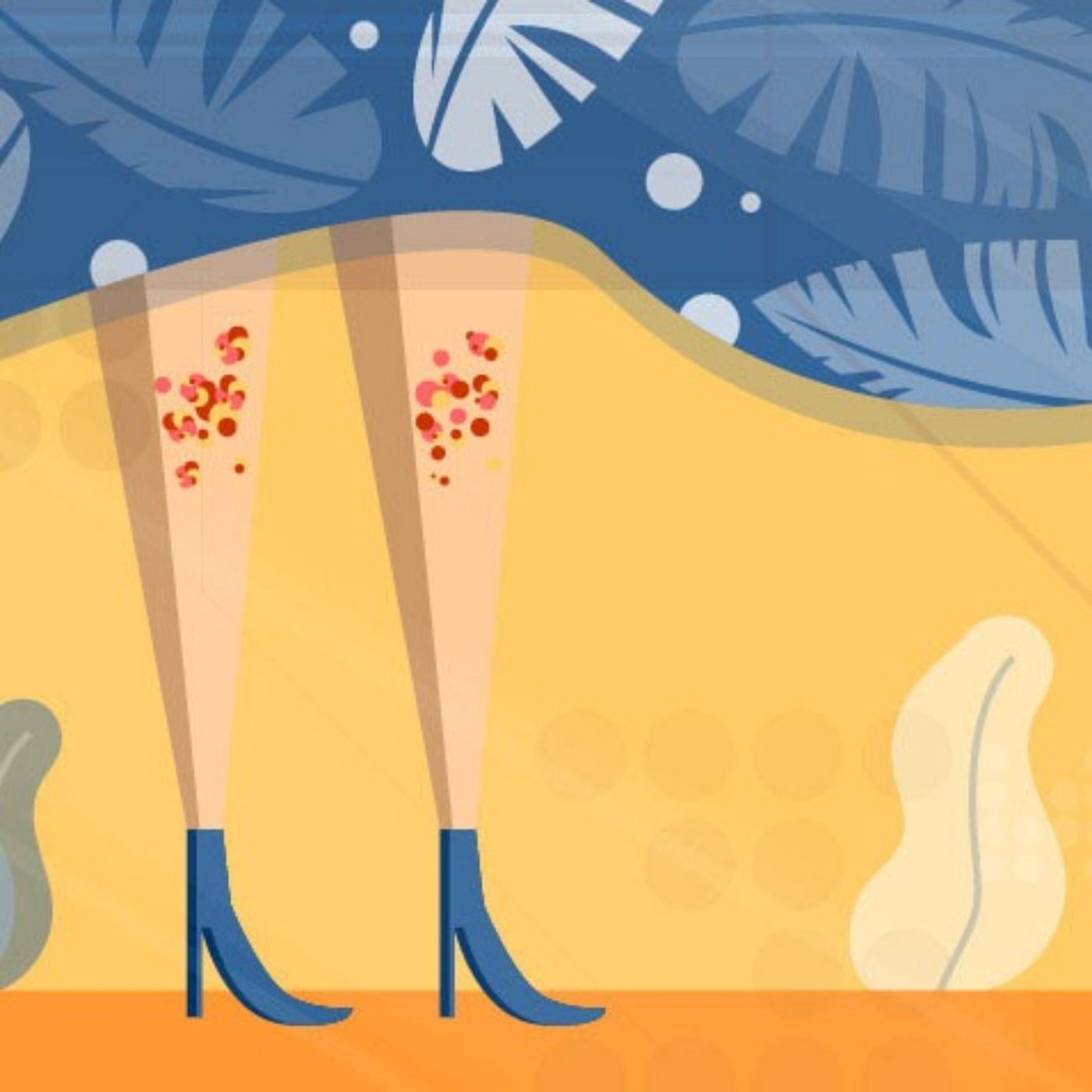
Facts About Psoriasis | Michigan Medicine
Psoriasis is a chronic skin problem with no cure, but here’s what experts, and especially sufferers, want you to understand about the condition.For more information about this story visit: https://healthblog.uofmhealth.org/health-management/5-things-a-dermatologist-wants-you-to-know-about-psoriasis Hosted on Acast. See acast.com/privacy for more information.

Reducing Opioids Through Conversations | Michigan Medicine
Involving patients in pain management decisions significantly decreased opioid prescriptions without compromising pain control. For more information about this story visit https://labblog.uofmhealth.org/rounds/simple-conversations-can-reduce-opioid-prescriptions-after-hysterectomy. Hosted on Acast. See acast.com/privacy for more information.
Pathologists Seeing Patients? | Michigan Medicine
Speaking directly with a pathologist could help patients better understand their diagnosis and feel empowered, a survey of patient sentiment finds. For more information about this story visit https://labblog.uofmhealth.org/industry-dx/cancer-patients-want-to-pull-back-curtain-on-pathology. Hosted on Acast. See acast.com/privacy for more information.
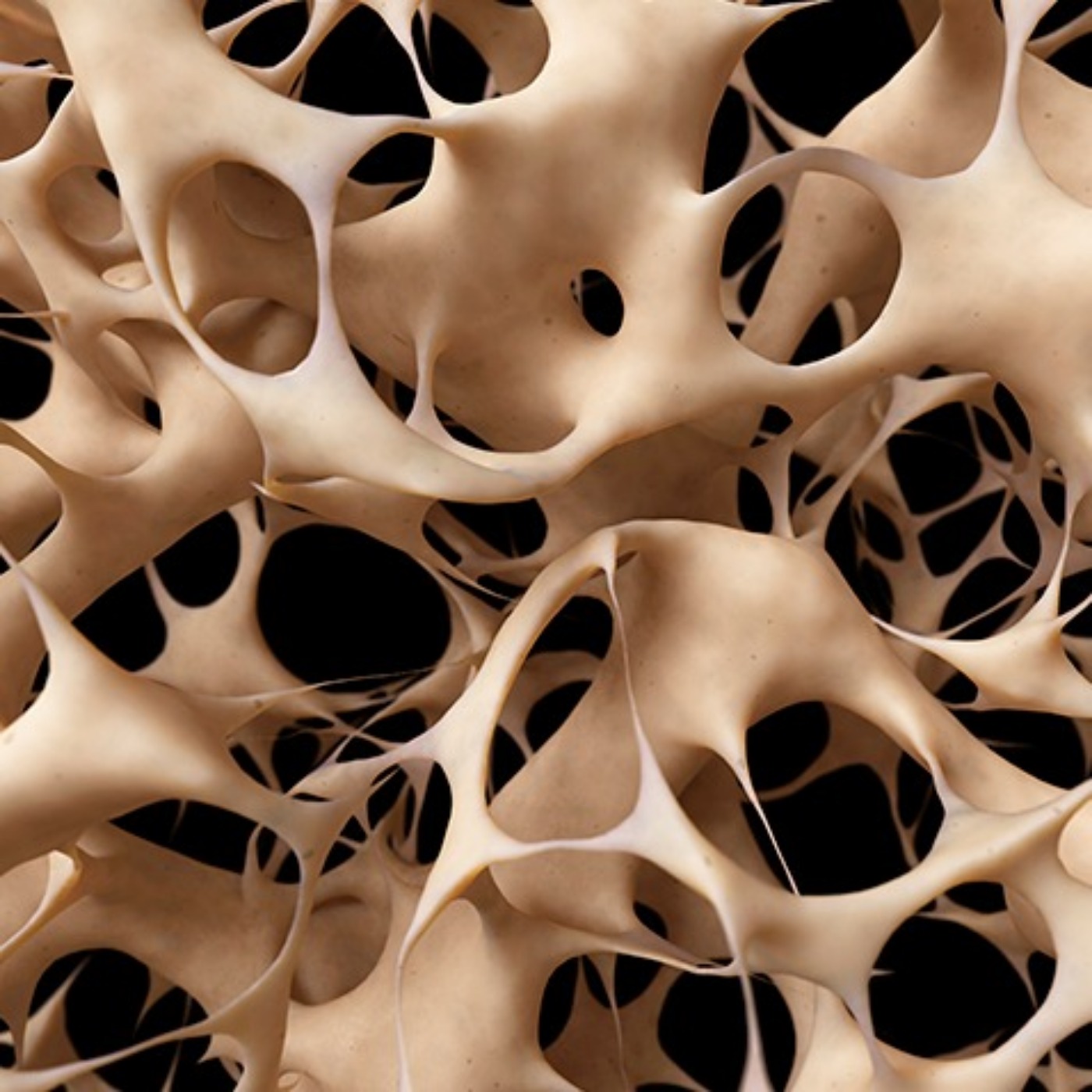
Osteoporosis Research Could Help Develop More Effective Treatments
Researchers identified two novel genes that affect bone-formation cells relevant to fractures and osteoporosis; understanding these genes could lead to more effective treatments.For more information about this story visit: https://labblog.uofmhealth.org/body-work/new-study-identifies-causative-genes-osteoporosis Hosted on Acast. See acast.com/privacy for more information.

New Diagnostic Method Could Help Infants Avoid Invasive Tests
Long hospital stays and invasive medical tests help identify serious bacterial infections in infants, but a U-M expert says there may be a more efficient, less painful way to make a diagnosis. For more information about this story visit: https://labblog.uofmhealth.org/industry-dx/study-helping-some-infants-fevers-avoid-painful-tests-er Hosted on Acast. See acast.com/privacy for more information.

Study Offers Hope for Patients with Lichen Planus | Michigan Medicine
It’s often difficult to manage patients with this skin inflammation, but new research identifies a target that existing medications are able to address.For more information about this story visit: https://labblog.uofmhealth.org/body-work/arthritis-treatment-could-provide-relief-for-lichen-planus-skin-rash Hosted on Acast. See acast.com/privacy for more information.

Genetic Origin of Severe Developmental Eye Condition Identified | Michigan Medicine
Those with a rare genetic condition called nanophthalmos have abnormally small eyes whose internal structures – including the size of the lens – are otherwise normal.The condition can cause a host of vision-related problems including amblyopia (“lazy eye”) or strabismus (“cross eyes”) in children, retinal detachments and glaucoma.By advancing ideas first cultivated at University of Michigan Kellogg Eye Center, a team of eye and genetics experts is the first to identify a gene mutation behind nanophthalmos and to describe a new pathway for eye growth and development.For more on this story, visit: https://labblog.uofmhealth.org/lab-report/genetic-origin-of-severe-developmental-eye-condition-identified Hosted on Acast. See acast.com/privacy for more information.

A Healthy Sex Life After Prostate Cancer | Michigan Medicine
There’s a perception that surgery to treat prostate cancer will spell the end of a man’s sex life. And while that often used to be the case, survivorship programs, like the one at the University of Michigan Rogel Cancer Center, offer counseling and interventions to promote sexual recovery after cancer treatment. For more information about this story visit https://healthblog.uofmhealth.org/cancer-care/prostate-cancer-patients-can-pursue-healthy-sex-lives-after-surgery Hosted on Acast. See acast.com/privacy for more information.

High Blood Pressure and Cold Meds | Michigan Medicine
Decongestants can pose a dangerous risk to people with hypertension. Try these other steps to safely treat a cold or allergies. For more on this story, visit: https://healthblog.uofmhealth.org/heart-health/why-high-blood-pressure-and-cold-meds-dont-mix Hosted on Acast. See acast.com/privacy for more information.

Handling a Picky Eater | Michigan Medicine
New research shows parental reactions to picky eating can have long-term effects, for better or worse. For more on this story visit: https://healthblog.uofmhealth.org/wellness-prevention/got-a-picky-eater-try-these-11-tips-at-table Hosted on Acast. See acast.com/privacy for more information.

How Pets Help with Health Issues | Michigan Medicine
Two-thirds of all pet owners say that having an animal helps them stay physically active. But for some older adults, time commitment, cost and allergies stand in the way. For more on this story, visit: https://healthblog.uofmhealth.org/wellness-prevention/poll-pets-help-older-adults-cope-health-issues Hosted on Acast. See acast.com/privacy for more information.

Fat Shaming Won’t Solve Obesity, But Science Might | Michigan Medicine
Science is with James Corden. Fat shaming shouldn’t make a comeback, and it won’t solve the nation’s obesity epidemic. Michigan Medicine rounds up 15 research papers and articles from our faculty proving why the treatment for obesity can’t adopt a “one size fits all” approach. For more information on this story, visit: https://labblog.uofmhealth.org/body-work/fat-shaming-wont-solve-obesity-science-might Hosted on Acast. See acast.com/privacy for more information.

What All Parents Should Consider Before Letting Teens Ride with Teens | Michigan Medicine
More than half of parents in the national C.S. Mott Children’s Hospital National Poll on Children’s Health believe their teen has been in an unsafe situation riding with a distracted teen driver. For more information about this story, visit: https://healthblog.uofmhealth.org/childrens-health/what-all-parents-should-consider-before-letting-teens-ride-teens Hosted on Acast. See acast.com/privacy for more information.
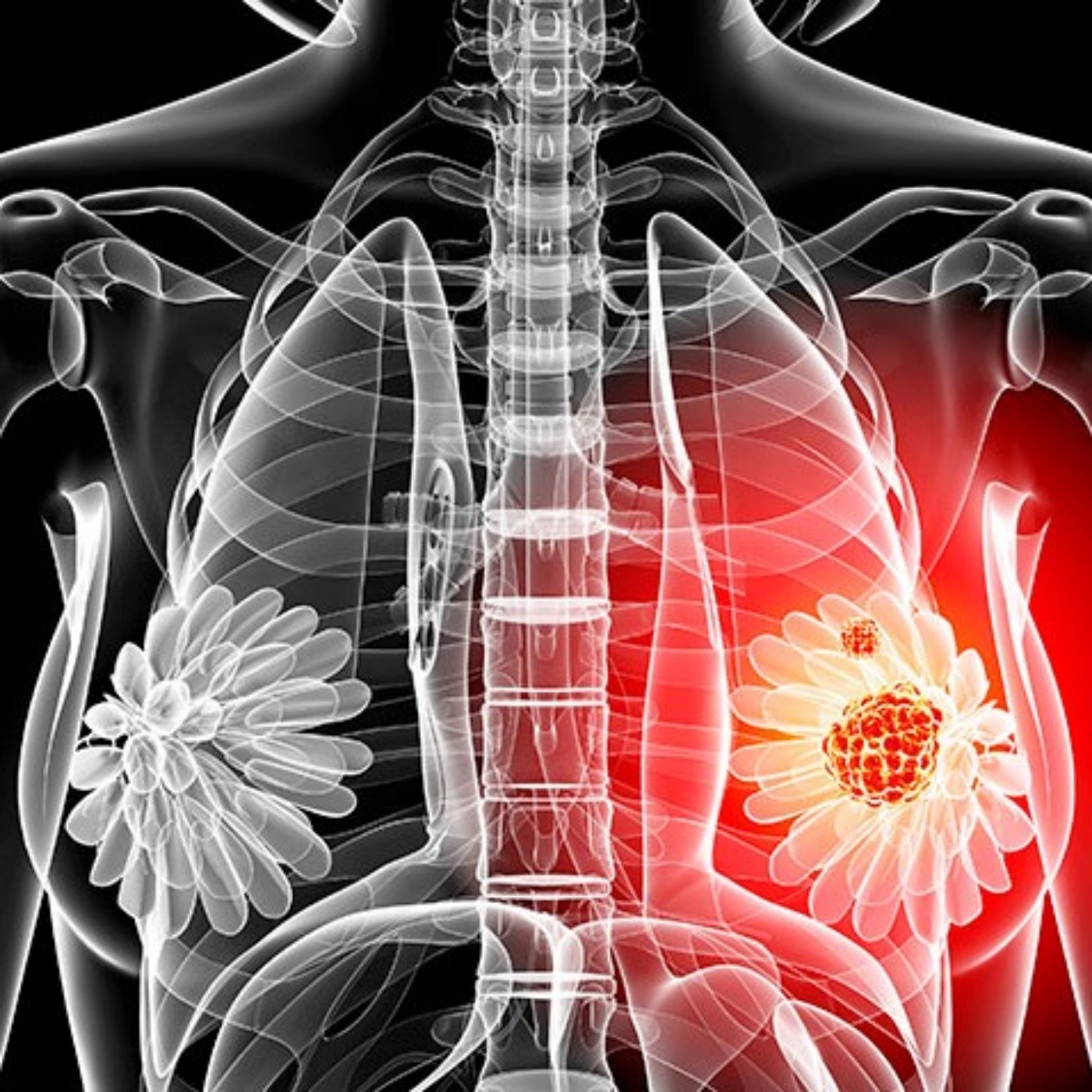
Mastitis: What You Should Know | Michigan Medicine
Being a new parent comes with a multitude of worries, including ones about breastfeeding or getting your baby to successfully latch. In an effort to keep infection off your list, Carrie Pawlowski, RN, a lactation consultant at Michigan Medicine, shares tips and tricks for keeping yourself mastitis free and what to do if you think you have it.For more information about this story visit: http://michmed.org/xop35 Hosted on Acast. See acast.com/privacy for more information.

New Technique Could Help Identify Early Stages of COPD | Michigan Medicine
Chronic obstructive pulmonary disease (COPD), an inflammatory disease of the small airways in the lungs, affects 16 million Americans and is the fourth leading cause of death in the United States, according to the National Heart, Lung, and Blood Institute. Physicians would like to identify the disease in its earliest stages, when it is most treatable.In a landmark study funded by the NHLBI, an international team of researchers led by Michigan Medicine discovered that a noninvasive technique called parametric response mapping, or PRM, could identify the small airway damage common in early stages of COPD.For more information about this story visit: http://michmed.org/Ylq1R Hosted on Acast. See acast.com/privacy for more information.

Who’s Minding the Children? | Michigan Medicine
For oncologists in the beginning of their career, scientific conferences present an opportunity for them to network, share their research, gain new knowledge and advance in their field. But many women find themselves skipping these conferences due to family obligations, a new study finds.For more information about this story visit: http://michmed.org/JbmrZ Hosted on Acast. See acast.com/privacy for more information.

Collaboration on CHD Research Helps Improve Patient Care | Michigan Medicine
Academic research has long been characterized by silos and protective instincts. A new crop of fresh-thinking physician scientists are turning that model on its head, and the results are saving little hearts.For more information about this story visit: https://labblog.uofmhealth.org/rounds/breaking-down-barriers-fight-against-congenital-heart-disease Hosted on Acast. See acast.com/privacy for more information.

Pancreatic Cancer Drug Clinical Trial Shows Promise | Michigan Medicine
An early clinical trial at U-M finds that a Wee1 inhibitor, combined with radiation and gemcitabine, is safe and potentially effective in pancreatic cancer treatment. Investigators ran a phase 1 clinical trial that looked at AZD1775, an inhibitor designed to block an enzyme called Wee1, which plays a role in repairing damaged DNA. The trial builds on almost 20 years of research at U-M focused on improving the treatment of pancreatic cancer cases that are too advanced for surgery.For more information about this story visit: https://labblog.uofmhealth.org/lab-report/new-drug-shows-encouraging-survival-results-for-pancreatic-cancer Hosted on Acast. See acast.com/privacy for more information.

Are timeouts bad for kids? | Michigan Medicine
A new study suggests that despite sometimes getting a bad rap in the news, the common disciplinary strategy isn’t linked to harmful effects in children. Researchers compared emotional and behavioral health between kids whose parents reported using timeouts and those who didn’t over a roughly eight-year period. The result: no difference.For more information about this story visit: https://labblog.uofmhealth.org/rounds/timeouts-not-associated-long-term-negative-effects-children Hosted on Acast. See acast.com/privacy for more information.

Making the Invisible Visible | Michigan Medicine
A new approach to RNA sequencing reveals thousands of previously inaccessible RNA fragments in blood plasma that might serve as disease- and organ-specific biomarkers. Advancing technology is allowing scientists increasingly to search for tiny signs of cancer and other health issues in samples of patients’ blood and urine. These “liquid biopsies” are less invasive than a traditional biopsy, and can provide information about what’s happening throughout the body instead of just at a single site.For more information about this story visit: https://labblog.uofmhealth.org/health-tech/making-invisible-visible-new-method-opens-unexplored-realms-for-liquid-biopsies Hosted on Acast. See acast.com/privacy for more information.
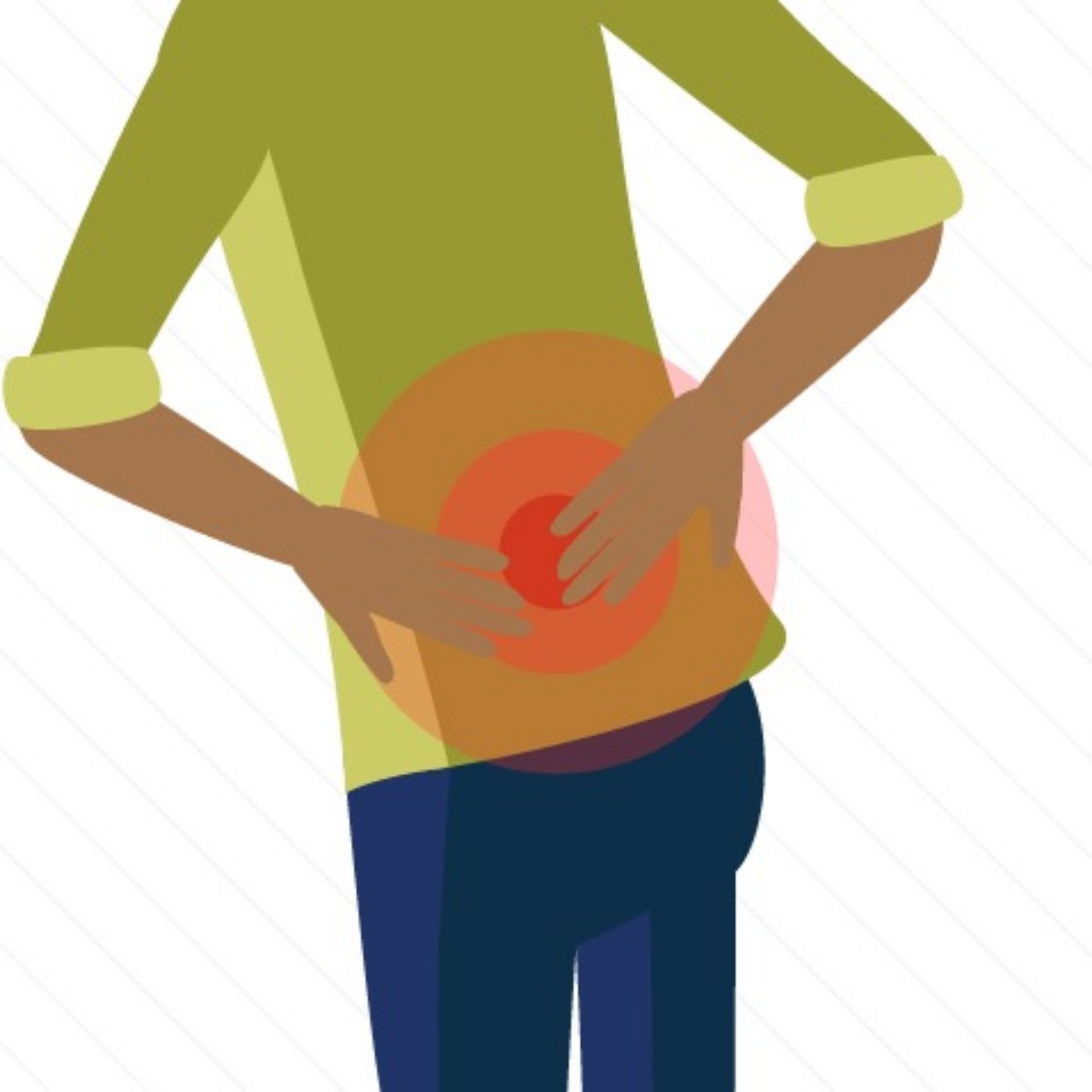
Acupressure Could Provide Relief For Back Pain
A recent study found that people with chronic lower back pain who performed self-administered acupressure experienced improvement in pain and fatigue symptoms. For more information about this story visit: https://labblog.uofmhealth.org/body-work/lower-back-pain-self-administered-acupressure-could-help Hosted on Acast. See acast.com/privacy for more information.

Old Drugs in Your Medicine Cabinet? Here’s What to Do with Them | Michigan Medicine
They’re haunting the back of your medicine cabinet like the Ghosts of Illnesses Past.Pain pills your doctor prescribed years ago after that operation. Antibiotics from a child’s last ear infection. Half-finished, crusty bottles of cough syrup and leftover sleeping pills. For more on this story visit: https://healthblog.uofmhealth.org/wellness-prevention/old-drugs-your-medicine-cabinet-heres-what-to-do-them Hosted on Acast. See acast.com/privacy for more information.

Investigating Risks from Vaping | Michigan Medicine
Vaping and e-cigarettes have gained quick popularity among teens, but an expert warns they won’t mitigate health risks and that they could be responsible for creating them. For more information about this story, visit: https://healthblog.uofmhealth.org/wellness-prevention/to-vape-or-not-to-vape Hosted on Acast. See acast.com/privacy for more information.

Hearing Aids Linked to Lower Risk of Dementia, Depression and Falls | Michigan Medicine
Older adults who get a hearing aid for a newly diagnosed hearing loss have a lower risk of being diagnosed with dementia, depression or anxiety in the following three years, and a lower risk of suffering fall-related injuries, than those who leave their hearing loss uncorrected, a new study finds. For more on this story visit: https://labblog.uofmhealth.org/rounds/hearing-aids-linked-to-lower-risk-of-dementia-depression-and-falls-study-finds Hosted on Acast. See acast.com/privacy for more information.
Systematic Underrepresentation of Women in STEM | Michigan Medicine
A new paper out today finds that while women are entering the medical field at equal numbers to men, they are not being promoted or recruited to senior roles at the same rate. For more on this story visit: https://www.uofmhealth.org/news/archive/201909/grades-are-gender-equality-report-card-reveals-systematic Hosted on Acast. See acast.com/privacy for more information.

Many Older Adults Aren’t Fully Prepared for Emergency Situations, Poll Finds | Michigan Medicine
Most people over 50 say they’re ready for natural disasters and emergency situations, but a new national poll shows that many haven’t taken key steps to protect their health and well-being in cases of severe weather, long-term power outages or other situations. For more on this story visit: https://labblog.uofmhealth.org/rounds/many-older-adults-arent-fully-prepared-for-emergency-situations-poll-finds Hosted on Acast. See acast.com/privacy for more information.

Preparing Your Teen To Manage Their Own Health Care | Michigan Medicine
Before your teen begins their freshman year of college, the University of Michigan’s Chief Health Officer recommends covering these key areas with your teen to help prepare them for taking charge of their own health care. For more information about this story visit: https://healthblog.uofmhealth.org/health-management/8-health-care-questions-to-discuss-your-college-bound-teen Hosted on Acast. See acast.com/privacy for more information.
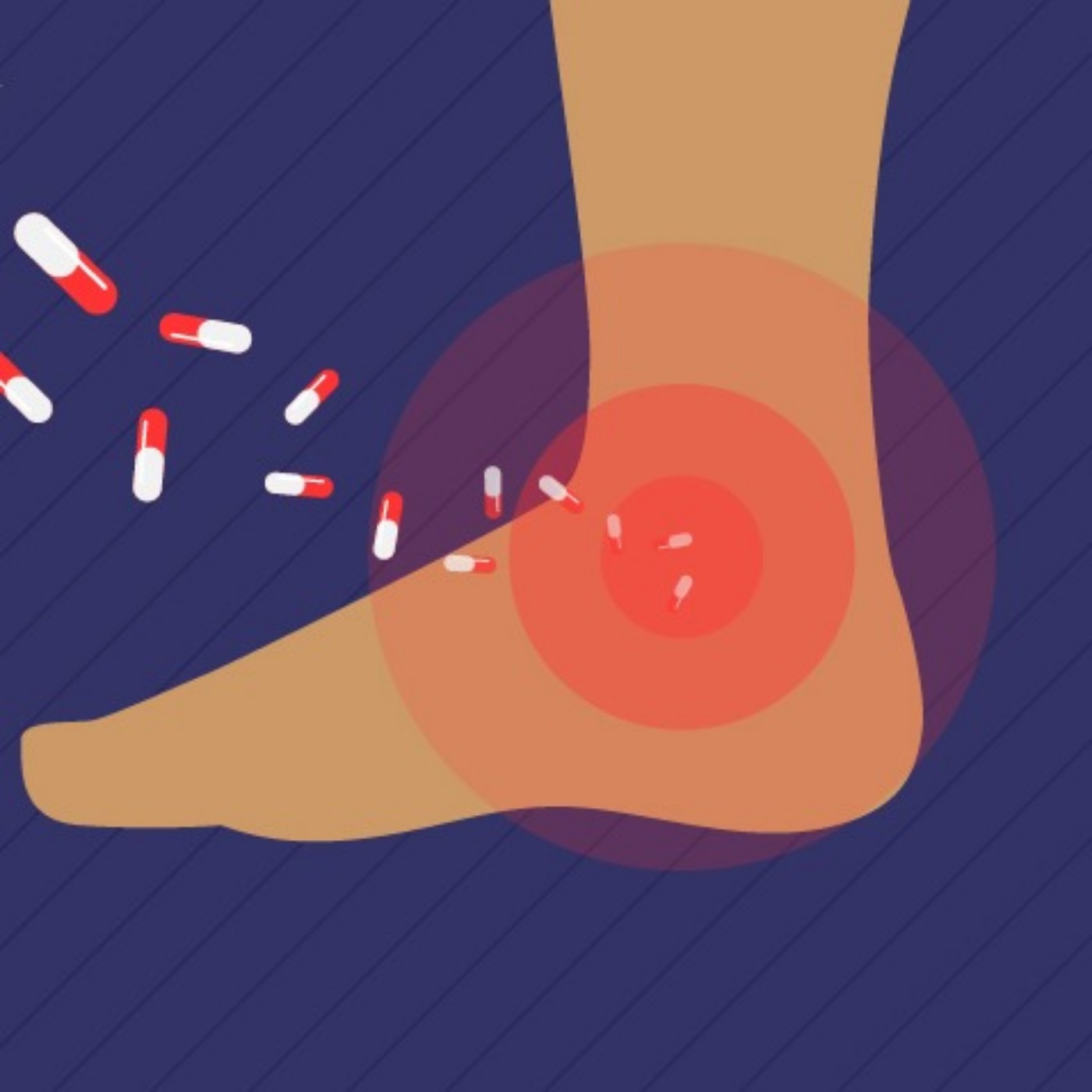
Managing Pain After An Ankle Sprain | Michigan Medicine
A new research report shows an increase in patients being prescribed opioids after experiencing an ankle sprain. The Michigan Medicine authors urge fellow physicians to be aware of the current treatment guidelines. For more information about this story visit: https://labblog.uofmhealth.org/body-work/prescribing-opioids-for-a-sprained-ankle Hosted on Acast. See acast.com/privacy for more information.

Stronger Policies Could Help Support Breastfeeding Physicians | Michigan Medicine
Pediatricians are often among the biggest advocates for mothers who want to breastfeed – whether a patient’s mom would like to continue nursing for a month or two years. But doctors who happen to be mothers themselves know all too well how challenging it can be to follow their own advice. For more on this story, visit: https://labblog.uofmhealth.org/rounds/supporting-physician-moms-breastfeeding-goals Hosted on Acast. See acast.com/privacy for more information.

An Experiment in Expansion: How U-M Turned Vacant into Vibrant | Michigan Medicine
It could have remained empty for years. Instead, the former pharmaceutical research campus has found new life as a thriving hub of innovation. For more on this story, visit: https://labblog.uofmhealth.org/industry-dx/an-experiment-expansion-how-u-m-turned-vacant-into-vibrant. Hosted on Acast. See acast.com/privacy for more information.
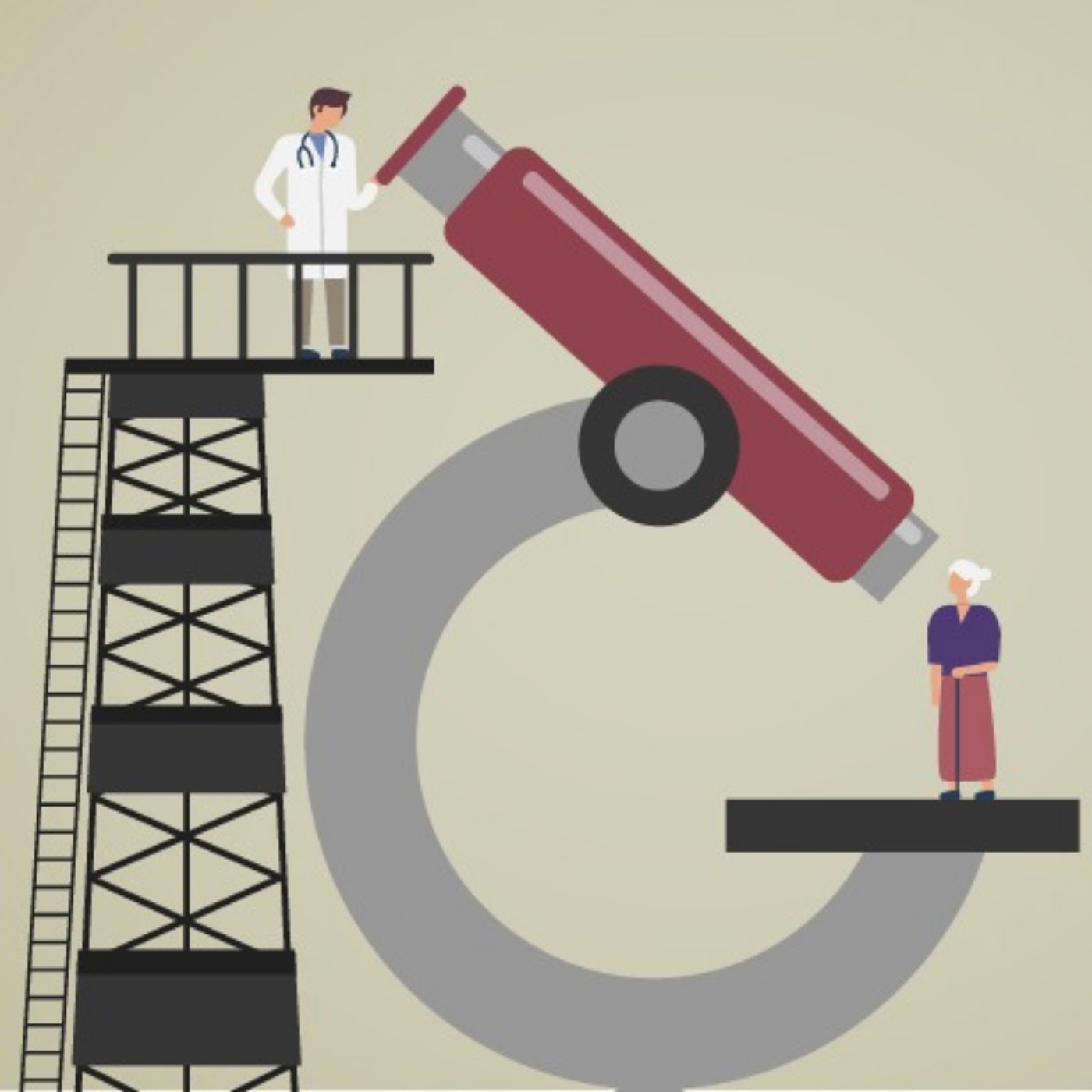
Heart Attack Patients with Mild Cognitive Impairment Get Fewer Treatments | Michigan Medicine
A new study finds people who have mild cognitive impairment (MCI), which lies on the continuum of cognitive decline between normal cognition and dementia, are less likely to receive proven heart attack treatment in the hospital. For more on this story, visit: https://labblog.uofmhealth.org/lab-report/heart-attack-patients-mild-cognitive-impairment-get-fewer-treatments Hosted on Acast. See acast.com/privacy for more information.

Mom’s Voice May Help Babies Sleep Better in the NICU | Michigan Medicine
Babies who spend their first days or weeks of life in the Neonatal Intensive Care Unit may not sleep as soundly as those who go home.Now, researchers are examining whether one simple difference could help soothe these infants to sleep: the sound of their mother’s voice. Read more by visiting our blog at https://labblog.uofmhealth.org/rounds/moms-voice-may-help-babies-sleep-better-nicu. Hosted on Acast. See acast.com/privacy for more information.

Fear of the Doctor in Children | Michigan Medicine
Children’s reactions during routine checkups can vary widely based on age and temperament. While some little ones remain calm, others are so distressed that efforts to calm them down dominate the visit. For more on this story visit: https://healthblog.uofmhealth.org/childrens-health/6-simple-ways-to-ease-childrens-fears-at-doctor Hosted on Acast. See acast.com/privacy for more information.