
GRDC Podcast
571 episodes — Page 4 of 12

GRDC in Conversation: John Woods
🎙Today's 'GRDC in Conversation' podcast interview is with John Woods. John is a business owner and farmer at his home property ‘Booroola’ in Northern New South Wales. He is well known to many in GRDC circles as the Chair of the Grains Research and Development Corporation. He is a fun, charismatic person known for his ability to get things done and have a laugh along the way. In this chat we chat to him about his tenure as chair of GRDC, his farming business, how he has seen Australian Grain Producers evolve over the years and potentially his most important question: Where is God’s country? Download the transcript for this episode More Information GRDC in Conversation is a limited series GRDC Podcast. It features in-depth interviews with growers and other experts in the grains industry who share their expertise, knowledge and experiences by exploring their personal stories, history, influences and motivations. The views expressed in this podcast are solely those of the interviewee and do not necessarily reflect the views of GRDC, the interviewees’ employer, institution or other associated parties. GRDC Code: HAG2308-001SAX Learn more about your ad choices. Visit megaphone.fm/adchoices

Everything you want to know about crop protection products and GRDC
GRDC invests in many different approaches to the control of weeds, pests and diseases, including crop protection products. The world of chemical regulation can be complicated, and GRDC’s role in it is something many growers would like a better understanding of. In this episode, Bencubbin grower and GRDC Western Panel Member Nick Gillett interviews GRDC Manager Chemical Regulation Gordon Cumming about GRDC’s role in chemical regulation. Download the transcript for this episode Contact Gordon Cumming GRDC [email protected] More information GRDC YouTube – Your questions answered | GRDC and crop protection products GroundCover – Grains industry scores A-plus for chemical residue compliance GRDC Update Paper – Chemical restrictions on export grain and the impacts on trade GRDC News and Media – Meet Gordon, Manager Chemical Regulation Learn more about your ad choices. Visit megaphone.fm/adchoices

Legume Leaders – Peter Daw: growing field peas for profit
At Ravensthorpe in Western Australia, about 200km west of Esperance, field peas seem to grow well on the high pH, high clay content soils of Peter Daw's farm. While getting the legume established in the farming system involved a bit of trial and error, after more than ten years, they are now often Peter's highest gross margin crop. Peter is a part of the cohort of 'Legume Leaders' that has been established by the Grower Group Alliance, with investment from GRDC. These leaders are sharing their insights on the various legume crops over a seven-part series throughout 2024. In this episode, Peter tells us about the pros and cons of growing field peas and shares some tips for those thinking about whether the crop is the right fit for their operation. Download the transcript for this episode Contact Peter Daw Grower [email protected] More information Grower Group Alliance – Closing the economic yield gap of grain legumes in WA Legume Leader bios and contact details GRDC Code: GGA2110-002SAX Learn more about your ad choices. Visit megaphone.fm/adchoices

Long coleoptile – Going to great depths to avoid rhizoctonia
New research insights suggest that deep sown long coleoptile wheat (LCW) varieties is an effective way to avoid rhizoctonia infection. It’s one of the many added benefits of LCW emerging as part of a $12.7 million GRDC investment to provide growers with the knowledge and tools to integrate LCW into their farming systems once the genetics become commercially available. In this podcast we hear all about the rhizoctonia research from two project participants, Dr Jonathan Anderson and Michael Lamond. This four-year long coleoptile wheat project, made possible with GRDC investment, is being led by CSIRO along with research partners including the University of Melbourne, New South Wales Department of Primary Industries, Queensland Department of Agriculture and Fisheries, SLR Agriculture, Department of Primary Industries and Regional Development, the University of South Australia, and EPAG research. Download the transcript for this episode Contact Dr Jonathan Anderson CSIRO [email protected] Michael Lamond SLR Agriculture [email protected] More information GroundCover – GRDC announces $12.7M project for long coleoptile wheat Investment – Integrating long coleoptile wheat into Australian farming systems through an integrated understanding of genetics, management and environment GRDC Code: CSP2212-007RTX Learn more about your ad choices. Visit megaphone.fm/adchoices

Emerging leader – Jana Freebairn
The GRDC Emerging Leader Award recognises the commitment of a professional with less than ten years’ experience in the grains industry. At the Adelaide GRDC update event in February 2024, Jana Freebairn (nee Dixon) was presented with the Emerging Leader Award for her work as an agronomy consultant helping deliver benchmarking and on-farm management succession services. Since finishing a Bachelor of Agricultural Sciences at the University of Adelaide five years ago, Jana has quickly become a highly regarded agronomic advisor in South Australia's lower and mid-north grain growing regions. In addition to her work as an agronomy consultant for Pinion Advisory, Jana investigated sustainable weed control practices and helped deliver the GRDC Weedsmart initiative which led her to play a key role in organising the National WeedSmart Conference in South Australia in 2020. Download the transcript of this episode Contact Jana Freebairn (nee Dixon) [email protected] More information GroundCover – Communications expert and agronomist each win grains industry awards GRDC website – GRDC RD&E capacity and ability: Awards Learn more about your ad choices. Visit megaphone.fm/adchoices

Sowing conventional wheat deep
For the 2024 growing season, some Western Australian growers are chasing moisture deeper than ever before, by successfully planting conventional wheat varieties down to around 60 to 80mm. This new thinking stems from positive findings from long coleoptile wheat (LCW) research. In this podcast, we hear from Tammin-based grower, Simon York, and SLR agriculture CEO Michael Lamond, on the benefits LCW will have accessing deep moisture and the success growers are having with planting conventional varieties deep this year. There's currently a four-year national GRDC investment underway to provide growers with the knowledge and tools to integrate long coleoptile wheat into their farming systems once the genetics become commercially available. The $12.7 million investment is being led by CSIRO along with research partners including the University of Melbourne, NSW Department of Primary Industries, QLD Department of Agriculture and Fisheries, SLR Agriculture, Department of Primary Industries and Regional Development, the University of South Australia and EPAG Research. Image courtesy of ABC Midwest Wheatbelt/Jo Prendergast Download the transcript for this episode Contact Michael Lamond SLR Agriculture [email protected] More information GroundCover – GRDC announces $12.7M project for long coleoptile wheat GRDC Code: CSP2212-007RTX Learn more about your ad choices. Visit megaphone.fm/adchoices

Legume Leaders – Ed Naisbitt: getting the most from your lupin crop
In the Lake Grace area, grower Ed Naisbitt has been growing lupins on the family farm for 40 years. It was a crop initially established by his father, and one that has remained a constant in the rotation as the years have gone by. Ed is a part of the cohort of 'Legume Leaders' that has been established by the Grower Group Alliance, with investment from GRDC. These leaders are sharing their insights on the various legume crops over a seven-part series throughout 2024. In this episode, Ed tells us about why he has stuck with lupins for four decades and the many benefits they bring to his farming operation. Download the transcript for this episode Contact Ed Naisbitt, Grower [email protected] More information Grower Group Alliance – Closing the economic yield gap of grain legumes in WA Airtable – Legume Leader bios and contact details GRDC Code: GGA2110-002SAX Learn more about your ad choices. Visit megaphone.fm/adchoices

Why the long coleoptile?
Long coleoptile wheat (LCW) varieties are proving to be a good insurance policy to ensure emergence in ameliorated soil. This is one of the many positive findings so far from the national $12.7m GRDC investment to help Australian growers integrate long coleoptile wheat into their farming systems once the genetics are commercially available. In this podcast, we hear from Dr Stephen Davies from the Department of Primary Industries and Regional Development (DPIRD) and the CSIRO’s Dr Greg Rebetzke on the trial results and insights on how long coleoptile wheat varieties can improve establishment in ameliorated soils. This four-year long coleoptile wheat project, made possible with GRDC investment, is being led by CSIRO along with research partners including the University of Melbourne, New South Wales Department of Primary Industries, Queensland Department of Agriculture and Fisheries, SLR Agriculture, DPIRD, the University of South Australia, and EPAG research. Download the transcript for this episode Contact Dr Greg Rebetzke [email protected] Dr Stephen Davies [email protected] More information GroundCover – GRDC announces $12.7M project for long coleoptile wheat GRDC Code: CSP2212-007RTX Learn more about your ad choices. Visit megaphone.fm/adchoices

Regenerative – it’s just a word
Does the term 'regenerative agriculture' make you want to high-five the farmer next to you, or send you running for the hills? In this week's podcast we talk to Dr Hanabeth Luke (Southern Cross University) and Victorian grain grower and GRDC Southern Panel member Tim McClelland about regenerative agriculture - what it means and what indicators we could use to measure progress towards improved soil health and farm resilience. The research team is looking for a broad range of growers to get involved, whether they see the type of farming they are doing as regenerative, sustainable, or something in between. To start with growers can help by doing survey. Download the transcript for this episode Contact Dr Hanabeth Luke, Southern Cross University [email protected] More information Farming practice survey GRDC Code: SCU2307-001RTX Learn more about your ad choices. Visit megaphone.fm/adchoices

GRDC in Conversation: Steve Madden
E🎙️ Today's 'GRDC in Conversation' podcast interview is with Steve Madden Steve Madden has over 30 years experience as an agronomist and is the inventor of an insect management device called Crop Capsule. In this GRDC in Conversation episode with Oli Le Lievre, Steve discusses his career progression, advancements in agricultural technology, using beneficial insects to manage pests in crops, the process in commercialising a product, agricultural community, evolutions and opportunities in the sector and learning from the generations before. Download the transcript for this episode More information Join the conversation visually and see our reactions on the video podcast on YouTube GRDC in Conversation is a limited series GRDC Podcast. It features in-depth interviews with growers and other experts in the grains industry who share their expertise, knowledge and experiences by exploring their personal stories, history, influences and motivations. The views expressed in this podcast are solely those of the interviewee and do not necessarily reflect the views of GRDC, the interviewees’ employer, institution or other associated parties. Learn more about your ad choices. Visit megaphone.fm/adchoices

Emerging leader – Robert Harrison
The GRDC Emerging Leader Award recognises the commitment of a professional with less than ten years’ experience in the grains industry. At the Perth GRDC update event in February 2024, Robert Harrison was presented with the Emerging Leader Award for his valuable work in legume and pasture agronomy. Robert is a research scientist at the Department of Primary Industries and Regional Development (DPIRD) and Murdoch University. Download the transcript for this episode Contact Robert Harrison, Department of Primary Industries and Regional Development (DPIRD) More information GroundCover – WA grains extension and innovation recognised with GRDC awards Learn more about your ad choices. Visit megaphone.fm/adchoices

GRDC in Conversation: Tony Lockrey
🎙️ Today's 'GRDC in Conversation' podcast interview is with Tony Lockrey Tony Lockrey is both a farmer and agronomist based in the farming community of Moree, New South Wales. Tony's contributions extend beyond aiding farmers with their cropping programs; he has emerged as a prominent figure in fostering safe spaces and facilitating important conversations. In this GRDC in Conversation episode with Oli Le Lievre, Tony discusses farming practises and cropping rotations in the area, his career path in agronomy and farming, innovation and sustainability, mentorships, importance of community and connection, fostering relationships, religion, legacy and a near-death experience in a helicopter accident. Download the transcript for this episode More information Join the conversation visually and see our reactions on the video podcast on YouTube GRDC in Conversation is a limited series GRDC Podcast. It features in-depth interviews with growers and other experts in the grains industry who share their expertise, knowledge and experiences by exploring their personal stories, history, influences and motivations. The views expressed in this podcast are solely those of the interviewee and do not necessarily reflect the views of GRDC, the interviewees’ employer, institution or other associated parties. GRDC Code: HAG2308-001SAX Learn more about your ad choices. Visit megaphone.fm/adchoices

Improving input use – a case study with James Venning and Andrew Sargent
Precision agriculture has been around for a while and it's meant to make a difference for the better, but does it always? In this episode we’re joined by two growers in similar parts of South Australia who have different takes on the value of precision ag or PA. James Venning, near Bute, has continually experimented with everything from variable-rate seeders to protein monitors. Nearby at Crystal Brook, Andrew Sargent's family were early adopters of precision ag. Download the transcript for this episode Contact James Venning Bute grower [email protected] Andrew Sargent Crystal Brook grower [email protected] More information GroundCover – What value can precision ag tools bring to your business? GroundCover – New SPAA manual brings grower insight to precision ag GRDC Code: SPA2201-001SAX Learn more about your ad choices. Visit megaphone.fm/adchoices

GRDC in Conversation: John Hamparsum
🎙️ Today's 'GRDC in Conversation' podcast interview is with John Hamparsum John Hamparsum farms on black soil plains near Gunnedah, New South Wales, in partnership with his sister. His father purchased the property from a soldier-settler in 1961 and it is now 1500 hectares of mostly irrigated land. In this GRDC in Conversation episode with Oli Le Lievre, John discusses his family history, the challenging period and learnings following his fathers passing, sustainable farming practices, soil health, business and emotional implications from adversity and mental health support through fishing. Download the transcript for this episode More information Join the conversation visually and see our reactions on the video podcast on YouTube GRDC in Conversation is a limited series GRDC Podcast. It features in-depth interviews with growers and other experts in the grains industry who share their expertise, knowledge and experiences by exploring their personal stories, history, influences and motivations. The views expressed in this podcast are solely those of the interviewee and do not necessarily reflect the views of GRDC, the interviewees’ employer, institution or other associated parties. GRDC Code: HAG2308-001SAX Learn more about your ad choices. Visit megaphone.fm/adchoices

Surveillance, flies and snails: new technologies for snail monitoring and control
Research into snails over the past decade has largely focussed on baiting and while a lot has been learned, baiting is only one part of an effective integrated management strategy for snails. That's why a new national GRDC investment is tackling the snail problem from multiple angles by combining technology and biological research to inform control management. The project is being led by the University of Adelaide and the South Australian Research and Development Institute or SARDI, and involves setting up cameras in paddocks to track snail movements and migration habits, while for biological control, a parasatoid fly has been released in WA for the first time to help suppress conical snails. Download the transcript for this episode Contact: Kim Perry, SARDI [email protected] Stirlings to Coast Farmers [email protected] SEPWA [email protected] More information: GroundCover – Multifaceted approach to combat snails in grain crops GRDC Code: UOA2205-005RTX Learn more about your ad choices. Visit megaphone.fm/adchoices

GRDC In Conversation: Matthew Durack
🎙️ Today's 'GRDC in Conversation' podcast interview is with Matthew Durack Matthew Durack started his career as a Veterinarian, but always wanted to try his hand at farming. When he was offered the management position on a property near Moree, New South Wales, he jumped at the opportunity and has been addicted ever since. In this GRDC in Conversation episode with Oli Le Lievre, Matthew discusses decision making and learnings throughout his career, water-use efficiency, challenges and opportunities in the grains industry, supply chain transparency and vertical integration and empowering the next generation. Download the transcript for this episode More information Join the conversation visually and see our reactions on the video podcast on YouTube GRDC Code: HAG2308-001SAX GRDC in Conversation is a limited series GRDC Podcast. It features in-depth interviews with growers and other experts in the grains industry who share their expertise, knowledge and experiences by exploring their personal stories, history, influences and motivations. The views expressed in this podcast are solely those of the interviewee and do not necessarily reflect the views of GRDC, the interviewees’ employer, institution or other associated parties. Learn more about your ad choices. Visit megaphone.fm/adchoices

Maximising the profitability of fallow
What are the reasons to use fallow in rotations and just what is the economic value of this farming practice? These are just some of the questions asked by growers in the west – questions that are now being answered by a current GRDC investment - Maximising the profitability of fallow. Dr Darren Hughes from Laconik – is leading this investment – and has some advice for growers on how to get the most out of fallow. Download the transcript for this episode Contact Dr Darren Hughes [email protected] GRDC Code: LAK2301-001SAX Learn more about your ad choices. Visit megaphone.fm/adchoices

GRDC in Conversation: Ben Taylor
🎙️ Today's 'GRDC in Conversation' podcast interview is with Ben taylor. Ben Taylor returned to the family farm near Condamine in 2000. They operate a structured cropping program in their broadacre operation and have some irrigated country. In the last ~20 years, they have invested heavily in a levelling program to mitigate the impact of Summer storms on their dryland country. In this GRDC In Conversation episode with Oli Le Lievre, Ben discusses their long-term farming decisions and investment, managing a team and staff, learnings from farming culture in Canada, prioritising work-life balance and his role in establishing a grower group in his farming community. Download the transcript for this episode More information Join the conversation visually and see our reactions on the video podcast on YouTube GRDC in Conversation is a limited series GRDC Podcast. It features in-depth interviews with growers and other experts in the grains industry who share their expertise, knowledge and experiences by exploring their personal stories, history, influences and motivations. The views expressed in this podcast are solely those of the interviewee and do not necessarily reflect the views of GRDC, the interviewees’ employer, institution or other associated parties. Learn more about your ad choices. Visit megaphone.fm/adchoices

Risks of pre-emergent herbicide degradation when dry sowing
The Bureau of Meteorology is forecasting a dry start to Western Australia's 2024 growing season. It's a prediction that’s seeing many growers kick into gear early with dry seeding. But without the knock down herbicide opportunity, growers are relying heavily on their pre-emergent herbicide choice to remove weeds from the system after the breaking rain. In this podcast, we hear from consultant Blake O’Meagher and research agronomist Dr Mike Ashworth on their recommendations to growers and the latest pre-emergent herbicide degradation research. Download the transcript for this episode Contacts Dr Mike Ashworth AHRI, University of Western Australia [email protected] Blake O’Meagher Farmanco Consultants [email protected] More information GroundCover – Spotlight on pre-emergent herbicides for early sown wheat GRDC Paddock Practice – Dry sowing and pre-emergent herbicides GRDC code: UOA1711-005RTX Learn more about your ad choices. Visit megaphone.fm/adchoices

GRDC in Conversation: Stuart and Lyndall Tighe
🎙️ Today's 'GRDC in Conversation' podcast interview is with Stuart and Lyndall Tighe Stuart and Lyndall Tighe found home farming in Moree, New South Wales. They built their farming scale through share-farming, contracting and more recently a direct to customer business model. In this GRDC in Conversation episode with Oli Le Lievre, Stuart and Lyndall Tighe discuss their backgrounds, supply chain optimisation and farming models, business ownership and growth, developing a product their customer cares about, mindset and dedication to business and ideas around sustainability and carbon. Download the transcript for this episode More information: Join the conversation visually and see our reactions on the video podcast on YouTube GRDC in Conversation is a limited series GRDC Podcast. It features in-depth interviews with growers and other experts in the grains industry who share their expertise, knowledge and experiences by exploring their personal stories, history, influences and motivations. The views expressed in this podcast are solely those of the interviewee and do not necessarily reflect the views of GRDC, the interviewees’ employer, institution or other associated parties. Learn more about your ad choices. Visit megaphone.fm/adchoices

Legume Leaders – Introduction: benefits and constraints to the adoption of grain legumes
A cohort of Legume Leaders has been established by the Grower Group Alliance in Western Australia, with investment from GRDC and the help of grower groups located from Yuna to Esperance. The Legume Leaders will be sharing their insights over a seven-part series, which will be released throughout 2024. In this introductory episode, we’re joined by GGA project manager Daniel Kidd and DPIRD senior research scientist Mark Seymour to discuss the benefits and constraints to adoption of grain legumes in the farming system, as well as the overall aims and outputs of the project. Download the transcript for this episode. Contacts: Daniel Kidd Grower Group Alliance [email protected] Mark Seymour Department of Primary Industries and Regional Development [email protected] More information: Grower Group Alliance – Closing the economic yield gap of grain legumes in WA WA 'Legume Leaders' Gallery GRDC Code: GGA2110-002SAX Learn more about your ad choices. Visit megaphone.fm/adchoices

GRDC in Conversation: Greg Rummery
🎙️ Today's 'GRDC in Conversation' podcast interview is with Greg Rummary Greg Rummery is an agronomist at Walgett, New South Wales. He has 30+ years experience in dryland grain production and pasture management in northern and western New South Wales. In this GRDC in Conversation episode with Oli Le Lievre, Greg discusses how the area manages their variable environment, the evolution in farming practises in the area, his role in transitioning the science to practical on-farm solutions, farming resilience, innovation and technology, his involvement in the community and where he sees opportunities in the future. Download the transcript for this episode More Information: Join the conversation visually and see our reactions on the video podcast on YouTube GRDC Code: HAG2308-001SAX GRDC in Conversation is a limited series GRDC Podcast. It features in-depth interviews with growers and other experts in the grains industry who share their expertise, knowledge and experiences by exploring their personal stories, history, influences and motivations. The views expressed in this podcast are solely those of the interviewee and do not necessarily reflect the views of GRDC, the interviewees’ employer, institution or other associated parties. Learn more about your ad choices. Visit megaphone.fm/adchoices

Late sowing of cereals due to waterlogging
Autumn and Winter waterlogging is relatively common in WA’s Albany and Esperance port zones, but it can severely impact grain production. But new research is giving growers greater confidence to sow late season cereal varieties or reseed in a challenging season. The research, made possible with GRDC investment, involves Stirlings to Coast Farmers, Fitzgerald Biosphere Group and Southeast Premium Wheat Growers Association (SEPWA). In this podcast, Lizzie Von Perger from Stirlings to Coast Farmers and Dave Cook from SEPWA talk us through the research findings and the insight collected so far. Download the transcript for this episode Contacts: Lizzy Von Perger Stirlings to Coast Framers [email protected] Michelle Hendley South East Premium Wheat Growers Association (SEPWA) [email protected] More Information: GRDC YouTube – Late sowing of cereals due to waterlogging GRDC farm trials portal – Results from this investment GRDC Codes: SCF2208-001SAX, SCF2306-005SAX Learn more about your ad choices. Visit megaphone.fm/adchoices

GRDC in Conversation: Tom Coggan
🎙️ Today's 'GRDC in Conversation' podcast interview is with Tom Coggan. Tom Coggan is a fifth-generation farmer at Meandarra, Queensland, with integrated enterprises of cropping, cattle and sheep. Tom has recently returned to the farm and has a Masters in Agribusiness. In this GRDC in Conversation episode with Oli Le Lievre, Tom discusses the importance of communication, his approach to managing their biggest asset being people, his aspirations in the family business, succession and evolution of the farm, balancing investments in innovation with the fundamentals of on-farm decision making, succession planning and technology adoption. Download the transcript for this episode More Information: Join the conversation visually and see our reactions on the video podcast on YouTube GRDC Code: HAG2308-001SAX GRDC in Conversation is a limited series GRDC Podcast. It features in-depth interviews with growers and other experts in the grains industry who share their expertise, knowledge and experiences by exploring their personal stories, history, influences and motivations. The views expressed in this podcast are solely those of the interviewee and do not necessarily reflect the views of GRDC, the interviewees’ employer, institution or other associated parties. Learn more about your ad choices. Visit megaphone.fm/adchoices

Carbendazim use and its alternatives
Carbendazim is a broad spectrum fungicide used to control a range of diseases on pulses. But as a schedule 7 chemical with restrictions on its use, there's growing uncertainty about maximum residue limits in some international markets. In this podcast, GRDC ‘s Gordon Cumming and Agriculture Victoria’s Dr Joshua Fanning, discuss the current situation on Carbendazim use in Australia and alternative chemical options. Dr Fanning is leading national research on integrated disease management strategies to reduce the impact of Ascochyta blight and Botrytis diseases on lentil and faba bean. The investment is being led by Agriculture Victoria, with co-investment from GRDC and support from New South Wales Department of Primary Industries (NSW DPI), the South Australian Research and Development Institute (SARDI), Field Applied Research Australia (FAR) and Trengove Consulting. Download the transcript for this episode Contact Gordon Cumming Manager Chemical Regulation [email protected] Dr Joshua Fanning Research Leader Plant Pathology [email protected] More information Paddock Practices – Carbendazim fungicide and its continued use in Australia GRDC Code: DJP2304-004RTX Learn more about your ad choices. Visit megaphone.fm/adchoices

GRDC in Conversation: Anna Madden
🎙️ Today's 'GRDC in Conversation' podcast interview is with Anna Madden. Anna Madden and her husband Steve own and operate an irrigated farm in Wee Waa, New South Wales. While studying Rural Science, a lecturer told Anna about the role plants will play in feeding the world's growing population, and so her career projection pivoted from the livestock industry into plants and she hasn’t looked back. In this GRDC in Conversation episode with Oli Le Lievre, Anna discusses her career progression, mentors, the balance between environment and production, their business in using biologicals to reduce the need for synthetics, learnings from overseas travel, the evolution of women’s influence in agronomy and inspiring the next generation. Anna is the brother to previous In Conversation guest, Mark Swift. This episode of GRDC in Conversation is available as a podcast and a video: Join the conversation visually and see our reactions on the video podcast GRDC in Conversation is a limited series GRDC Podcast. It features in-depth interviews with growers and other experts in the grains industry who share their expertise, knowledge and experiences by exploring their personal stories, history, influences and motivations. The views expressed in this podcast are solely those of the interviewee and do not necessarily reflect the views of GRDC, the interviewees’ employer, institution or other associated parties. Download the transcript for this episode GRDC Code: HOA2202-001SAX Learn more about your ad choices. Visit megaphone.fm/adchoices

Boosting soil productivity using the Australian Synchrotron
The Australian Synchrotron in Melbourne is a super high-tech operation that produces powerful beams of light a million times brighter than the sun. In a partnership between GRDC, the University of South Australia and the University of Queensland, researchers have been given access to the Australian Synchrotron and it's giving them a perspective on soil they've never had before. They're using the Synchrotron's imaging and medical beamline to produce high-quality 3D imagery of roots growing directly into large, undisturbed soil cores. To find out more, we caught up with the University of South Australia's Dr Casey Doolette and Dr Peter Kopittke from the University of Queensland. Download the transcript for this episode Contacts: Dr Peter Kopittke University of Queensland [email protected] Dr Casey Doolette University of South Australia [email protected] More Information: GRDC YouTube – Crop root research taken to the next level GroundCover – Synchrotron looks deep into wheat’s nutritional value GroundCover – Synchrotron technology sheds light on root distribution GRDC Code: UOQ1910-003RTX Learn more about your ad choices. Visit megaphone.fm/adchoices

Adapting technology with bots – a case study with WA grower Brad Jones
Tammin grower was an early adapter of the SwarmBot technology from SwarmFarm. GRDC’s GrainInnovate program has played a key role in supporting SwarmFarm’s progress and with Brad only the third person in WA to bring a bot on-farm, he has been able to harness the power of this innovation to streamline his farming operations, reduce costs, and minimise environmental impact. We spoke to Brad at a field day held on his farm as part of the 2023 Australian Precision Agriculture Symposium, hosted by SPAA and supported by GRDC. Download the transcript for this episode Contact: Brad Jones Tammin grower [email protected] More Information: GRDC YouTube – Precision Ag in Practice: Brad Jones | Adapting technology with bots GroundCover – Bots on the ground – farming’s new army GroundCover – Hope springs from GrainInnovate pipeline GroundCover – Clocking up a week’s work in just one day GroundCover – Grower insights bolster variable rate technology workshops GRDC Code: SPA2308-001AWX, ART1903-001OPX Learn more about your ad choices. Visit megaphone.fm/adchoices

Fall armyworm insights for when the season feels unmanageable
This summer has seen high numbers of fall armyworm (FAW) across Queensland and Northern New South Wales. In some late sown crops, FAW has had a disastrous impact and caught many growers and advisers off-guard. Dr Melina Miles, Principal Entomologist at the Queensland Department of Agriculture and Fisheries, shares her insights on what can be done to manage this pest in such a challenging season, and what it means for future plantings. Download the transcript for this episode. Contact: Dr Melina Miles Department of Agriculture and Fisheries Queensland [email protected] More information The Beatsheet – Fall armyworm GRDC Resources – Fall armyworm GRDC Webinar – Fall armyworm management tips and tactics Learn more about your ad choices. Visit megaphone.fm/adchoices

Integrated management strategies for net form of net blotch
Net form of net blotch is an important foliar fungal disease of barley and its impact on yield and decreased profitability has prompted a new GRDC co-investment: Integrated management strategies for net form net blotch in low, medium, and high rainfall zones. This investment aims to develop and deliver cost effective integrated disease management strategies across the northern and southern regions. Nick Poole from FAR Australia gives an insight into the disease and the new research development and extension surrounding it. Download the transcript for this episode Contact: Nick Poole FAR Australia [email protected] More Information: Fungicide resistance in barley fact sheet FAR Australia GRDC YouTube – Net form net blotch: Integrated disease management in barley GRDC Code: DAQ2304-008RTX Learn more about your ad choices. Visit megaphone.fm/adchoices

Raising the bar on crop nutrition
Raising the bar on crop nutrition in northern New South Wales is the aim of a new partnership between Outlook Ag and GRDC. Field trials have been established to help combat very area-specific problems and improve yield in a range of crops. In this episode, we speak with three of the lead consultants from Outlook Ag – Mitch Cuell in Narrabri, Greg Giblett on the Liverpool Plains, and Greg Rummery in the Northwest. Download the transcript for this episode Content: Mitch Cuell Outlook Ag [email protected] Greg Rummery Outlook Ag [email protected] Greg Giblett Outlook Ag [email protected] More information: Outlook Ag GRDC Code: OAG2305-001RTX Learn more about your ad choices. Visit megaphone.fm/adchoices

Managing green peach aphids and the emerging turnip yellows virus risk in canola
It’s 2024 and we’re looking at similar conditions across a wide portion of the country, particularly in Victoria and South Australia. There is enough soil moisture that self-sown canola will now survive until the sowing window creating the perfect green bridge for both aphids and virus. To help growers mitigate the risk over the upcoming sowing period, we speak to independent agronomist Craig Davis and research scientist Ben Congdon from WA’s Department of Primary Industries and Regional Development. Download the transcript for this episode Contact: Ben Congdon Senior Research Scientist, Department of Primary Industries and Regional Development [email protected] Craig Davis Independent Agronomist [email protected] More information: Insecticidal control of green peach aphid and turnip yellows virus – resistance threats, limitations and future alternatives GRDC Code: DAW2305-003RTX Learn more about your ad choices. Visit megaphone.fm/adchoices

AFREN podcast series – The why and how of rotating fungicides to minimise the risk of resistance
In this podcast, Associate Professor Fran Lopez, Program Leader for Fungicide Resistance Management and Disease Impacts at the Centre for Crop and Disease Management at Curtin University, talks about the importance of rotating fungicides to minimise the risk of fungicide resistance developing in your paddocks. He outlines strategies for growers to implement on farm including planning ahead, understanding regional resistance concerns, disease pressure and risks, fungicide availability and the use of tools such as the AFREN Management Guide and apps to guide fungicide decisions. Download the transcript for this episode Contact: Dr Anna-Sheree Krige AFREN [email protected] Dr Fran Lopez Ruiz AFREN/CCDM, Curtin University [email protected] More information: AFREN Centre for Crop and Disease Management (CCDM) – Fungicide Resistance GRDC Code: CUR2302-002RTX Learn more about your ad choices. Visit megaphone.fm/adchoices

Acid soil management – 5cm rule for soil pH testing
While previous acid soil testing practice was to not test as deep, new research, has identified greater acidic layering, where crop roots remain under the soil not benefiting from the full potential of amelioration. In this episode, we talk to Mark Richards from NSW DPI, and grower Andrew Lord about the new 5cm rule for testing soil pH. It allows the hidden acidity in lower layers to be recognised and treated, giving growers increased productivity and profit. Download the transcript for this episode Contact: Mark Richards NSW DPI [email protected] More information: Groundcover – Fixing acidity puts yields on the fast track NSW DPI – What is an acidic soil? NSW LLS – Managing soil acidity in the cropping zone GRDC webinar – Grains Research Update, online – Managing soil acidity – Identifying pH stratification to guide lime rates, acid soil management strategies and cropping programs GRDC YouTube – Acid soil management: New practices for better soil constraint identification Weedsmart – Competitive and profitable crops from fixing sub-soil acidity GRDC Code: UCS2204-001RTX Learn more about your ad choices. Visit megaphone.fm/adchoices

AFREN podcast series – Mung bean powdery mildew; fungicide sensitivities and management for Queensland growers (2/3)
In this podcast, University of Southern Queensland’s Centre for Crop Health Director Professor Levente Kiss talks about the challenges of managing powdery mildew in mung bean crops. Recent research trials have further validated the Powdery Mildew MBM management app and shown there is often no economic benefit in spraying the crop. As Professor Kiss points out, controlling powdery mildew in mung bean is difficult because there are limited fungicide options, and all mung bean varieties are susceptible to some degree. However, planting early is the best non-chemical way to reduce disease pressure, and growers can download and use the Powdery Mildew MBM app to determine if fungicide will deliver a benefit. Download the transcript for this episode Contact: Dr Anna-Sheree Krige AFREN [email protected] Professor Levente Kiss University of Southern Queensland [email protected] Dr Fran Lopez Ruiz AFREN/CCDM [email protected] More information: AFREN website Centre for Crop and Disease Management (CCDM) – Fungicide Resistance University of Southern Queensland Centre for Crop Health GRDC Code: CUR2302-002RTX Learn more about your ad choices. Visit megaphone.fm/adchoices

Getting the most out of deep ripping
Deep ripping is an expensive investment and a slow process, so it’s important to do it right the first time. Whether a grower is a first time or long-time ripper, it can always be done better. In this episode, Debra Bishop catches up with engineer Peter Nunn from Nufab to discuss all things ripping, as well as grower Brady Green about his first count experience of what to look out for. Download the transcript for this episode Contact: Peter Nunn Nufab [email protected] More information: Technology considerations for cost-effective subsoil loosening If, and when, to deep rip again GRDC YouTube – Get the most out of deep ripping: Tips on choice, set up and use of deep rippers GRDC Code: PLT1909-001SAX Learn more about your ad choices. Visit megaphone.fm/adchoices

AFREN podcast series – Rusts and managing rusts with fungicides (1/3)
In this podcast, Professor Robert Park, University of Sydney, talks about rusts and managing rusts with fungicides. Until now, there have been very few cases of resistance to fungicide in rusts. However, recent research has shown insensitivity in the barley and wheat leaf rust pathogens to Group 3 DMI fungicides. At this stage, there have been no known in-field failures of fungicides for rust but this does represent a shift. As Professor Park points out, the foundation of controlling rusts in crops needs to be based on genetics and selecting varieties with high levels of genetic resistance. The other elements of the Fungicide Resistance Five – crop rotation, non-chemical control methods, strategic spraying and rotating fungicide modes of action – are also important when controlling rusts. Download the transcript for this episode Contact: Dr Anna-Sheree Krige AFREN [email protected] Professor Robert Park University of Sydney [email protected] Dr Fran Lopez Ruiz AFREN/CCDM [email protected] More information: AFREN website Centre for Crop and Disease Management (CCDM) – Fungicide Resistance University of Sydney Rust Laboratory GRDC Code: CUR2302-002RTX Learn more about your ad choices. Visit megaphone.fm/adchoices
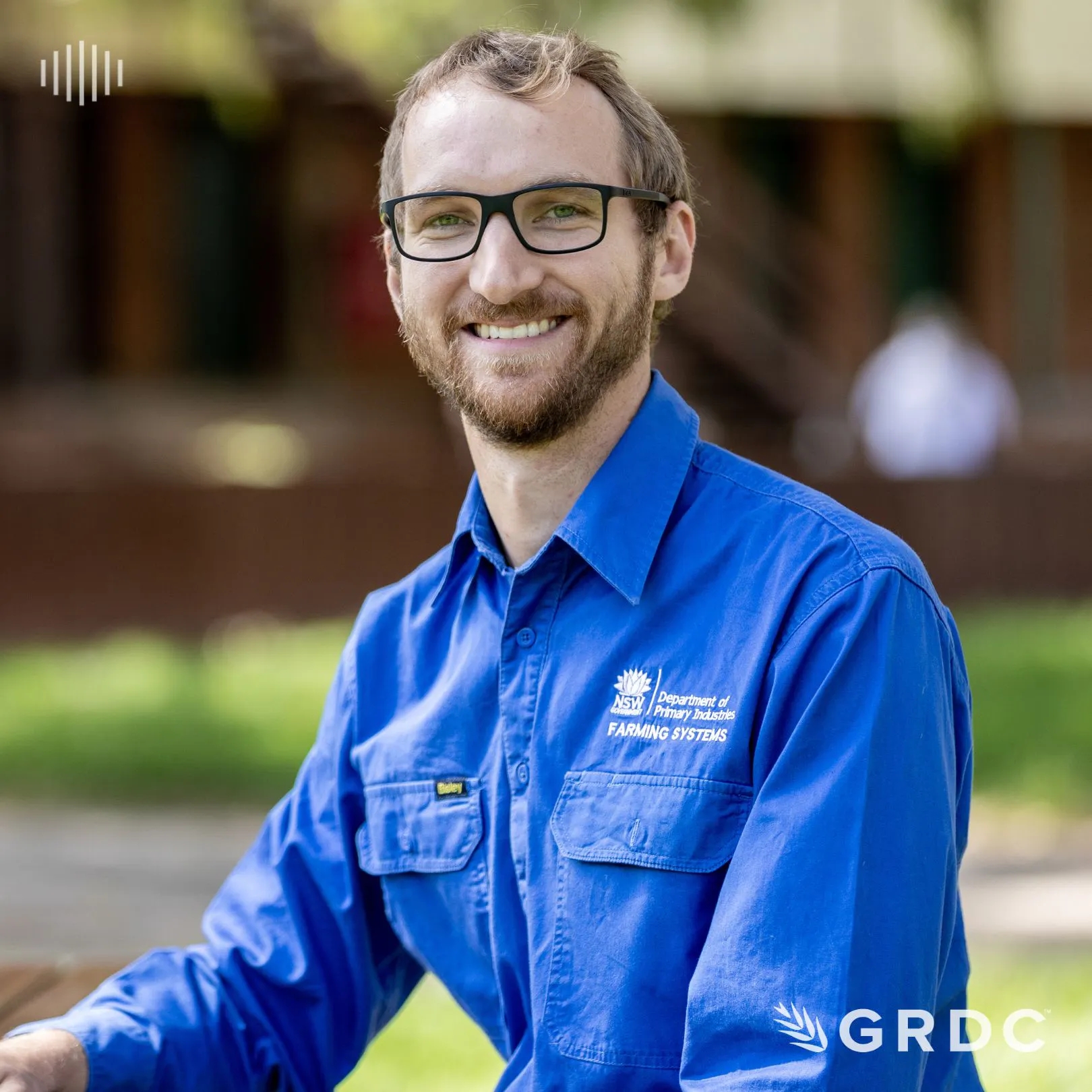
2023 Emerging Leader for the Northern Region: Mathew Dunn
GRDC's Emerging Leader Award for the Northern Region in 2023 was taken home by established research agronomist Mathew Dunn. Mathew has been working as part of a farming systems research team that is looking at identifying agronomic and management factors that drive profit and optimise returns from a long-term, whole system approach. In this episode, we chat with Mathew about his research, as well as GRDC Grower Relations Manager Graeme Sandral about why Mathew was such a worthy recipient. Download the transcript for this episode Contact: Mathew Dunn NSW DPI [email protected] Graeme Sandral GRDC Grower Relations Manager – North [email protected] More information: GRDC recognises young agronomist as a prominent, emerging leader Learn more about your ad choices. Visit megaphone.fm/adchoices

National Grower Network Forums – have your say
GRDC's National Grower Network Forums or NGNs provide opportunities for growers to meet and inform GRDC face-to-face about issues, constraints or research ideas that are acutely relevant to their farming system and location. The forums are all about designing and delivering research that's been identified and prompted from local grower feedback, drawing together local growers, regional advisors, and industry professionals to discuss local issues in a relaxed and local workshop environment. In this episode, we catch up with Luke Dawson, GRDC's Grower Relations Manager, after a constructive and spirited NGN Forum at Nyabing in WA's south-eastern Wheatbelt. Download the transcript for this episode Contact: Luke Dawson, GRDC Grower Relations Manager - West [email protected] More information: GRDC – Events GRDC Code: PIW2207-001SAX Learn more about your ad choices. Visit megaphone.fm/adchoices

Ameliorating sandy soils to increase production
Dealing with sandy soils has long been the bane of many grain growers. But a six-year GRDC investment in sandy soil amelioration in the southern region has come up with a raft of research and grower options which are providing impressive on-farm results. Because of it, affected growers are increasingly turning to deep ripping and spading to improve productivity. In this episode, we speak with some of the experts involved in the project and hear about getting the most out of your sandy soils. Download the transcript for this episode Contact: Therese McBeath CSIRO [email protected] Dr Melissa Fraser Soil Function Consulting [email protected] Dr Chris Saunders UniSA STEM [email protected] Royce Pitchford PINION Advisory [email protected] More information: GRDC – Investment list CSIRO – Sandy Soils Southern Region GRDC – Trial summary SANDBOX App GRDC Code: CSP1606-008RMX Learn more about your ad choices. Visit megaphone.fm/adchoices
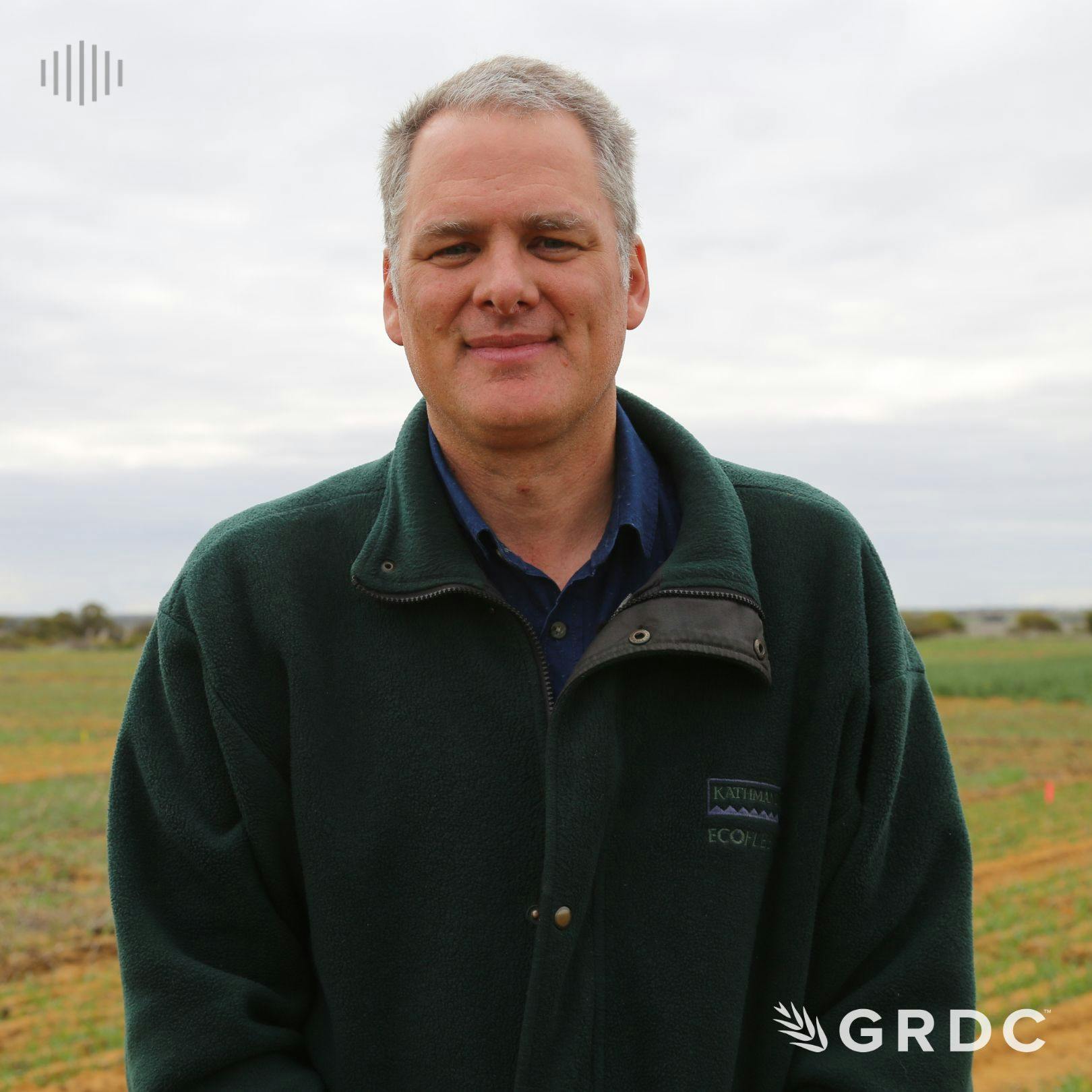
Longevity benefits after soil amelioration
Almost six million hectares of WA's sand-plain soils in the medium and high-rainfall zones feature multiple constraints, including water repellence, acidity, and compaction. An estimated 250,000 hectares of those six million have been ameliorated, typically involving strategic one-off deep tillage. A GRDC investment is helping to determine the longevity benefits following soil amelioration, looking at crop rotations, species choice and seedbed preparation. We hear from Dr. Stephen Davies from WA's Department of Primary Industries and Regional Development, on the project's initial findings. Download the transcript for this episode Contact: Stephen Davies DPIRD [email protected] More information: How does soil amelioration affect weed management? Unlocking WA soils' potential: Maintaining benefits of soil amelioration GRDC Code: DAW1901-006RTX Learn more about your ad choices. Visit megaphone.fm/adchoices
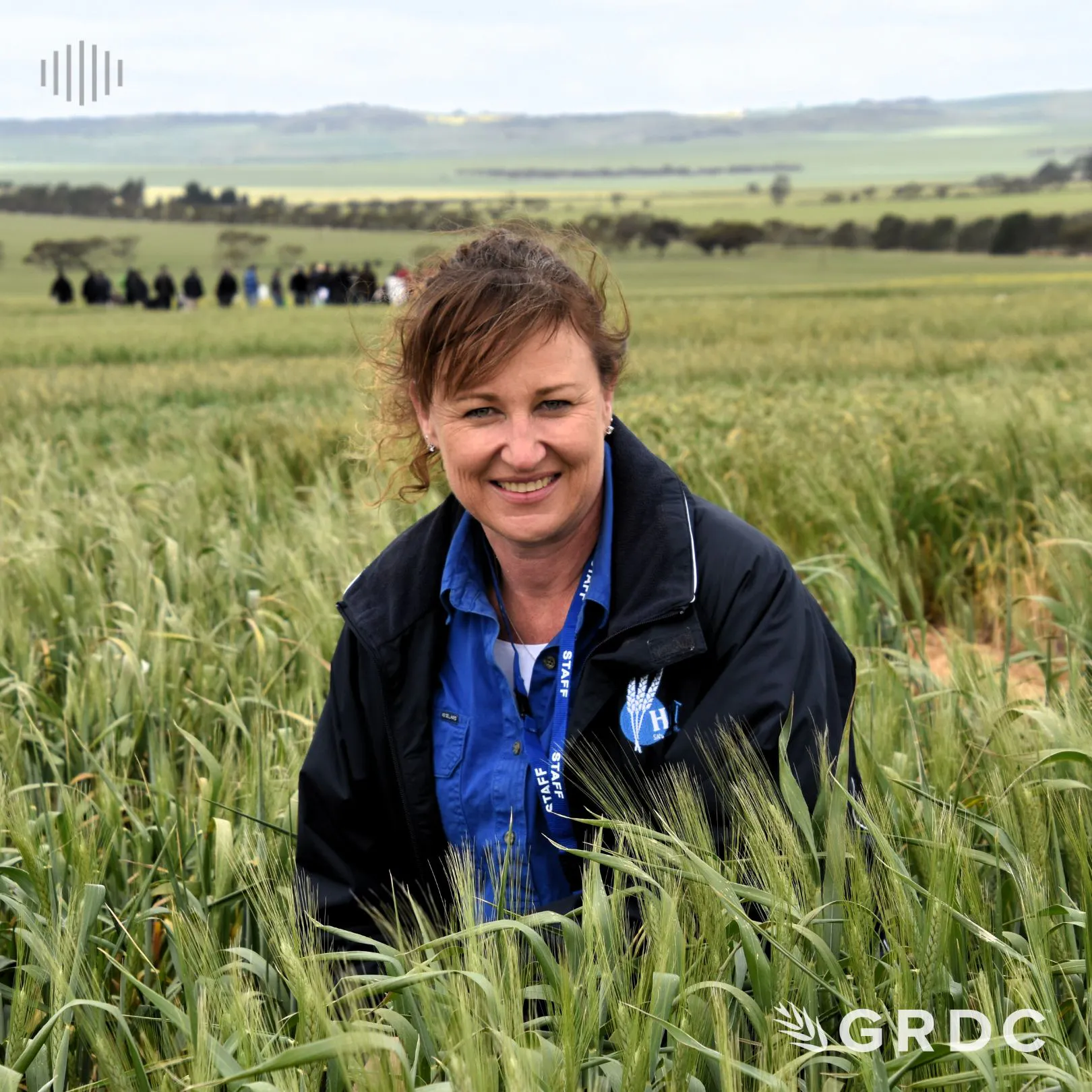
Behavioural insights and motivations into spraying
A GRDC investment focused on grower decision making for summer spraying has revealed several insights into the behaviours that motivate different spray decisions. It’s hoped that the outcomes of this research will help growers to better understand what might be affecting their decision making and influencing the effectiveness of their spray programs. This podcast will be followed by a series of workshops to be held mid-2024, that will include planning and management tools and strategies for growers. Download the transcript for this episode Contact Sandy Kimber Hart Field-Site Group [email protected] Lynette McLeod UNE [email protected] More information Spray Drift Hazardous inversion Workshop details to be published on the GRDC website later this year. GRDC Code: HFS2306-002SAX Learn more about your ad choices. Visit megaphone.fm/adchoices

Rutherglen bug: risk forecasting and management
Although it may be native to the northern region, the Rutherglen bug has, in recent years, changed its behaviour and its diet has expanded. It can now do significant damage to a range of summer crops. Very little is known about the ecology of the Rutherglen Bug; and as part of a GRDC investment, CSIRO has partnered with New South Wales Department of Primary Industries and the University of Queensland to help the industry better understand and improve its management. In this episode, we hear from Dr Hazel Parry, a research scientist with CSIRO and leader of this project, about this native bug that seems to have a taste for the exotic. Download the transcript for this episode Contact: Dr Hazel Parry CSIRO [email protected] Dr Zorica Duric NSW Department of Primary Industries [email protected] More Information: The main source of project information is the webpage on the CSIRO Agroecology team website – this is also where handouts are available for download. The Beatsheet Project Code: CSP2104-007RTX Learn more about your ad choices. Visit megaphone.fm/adchoices
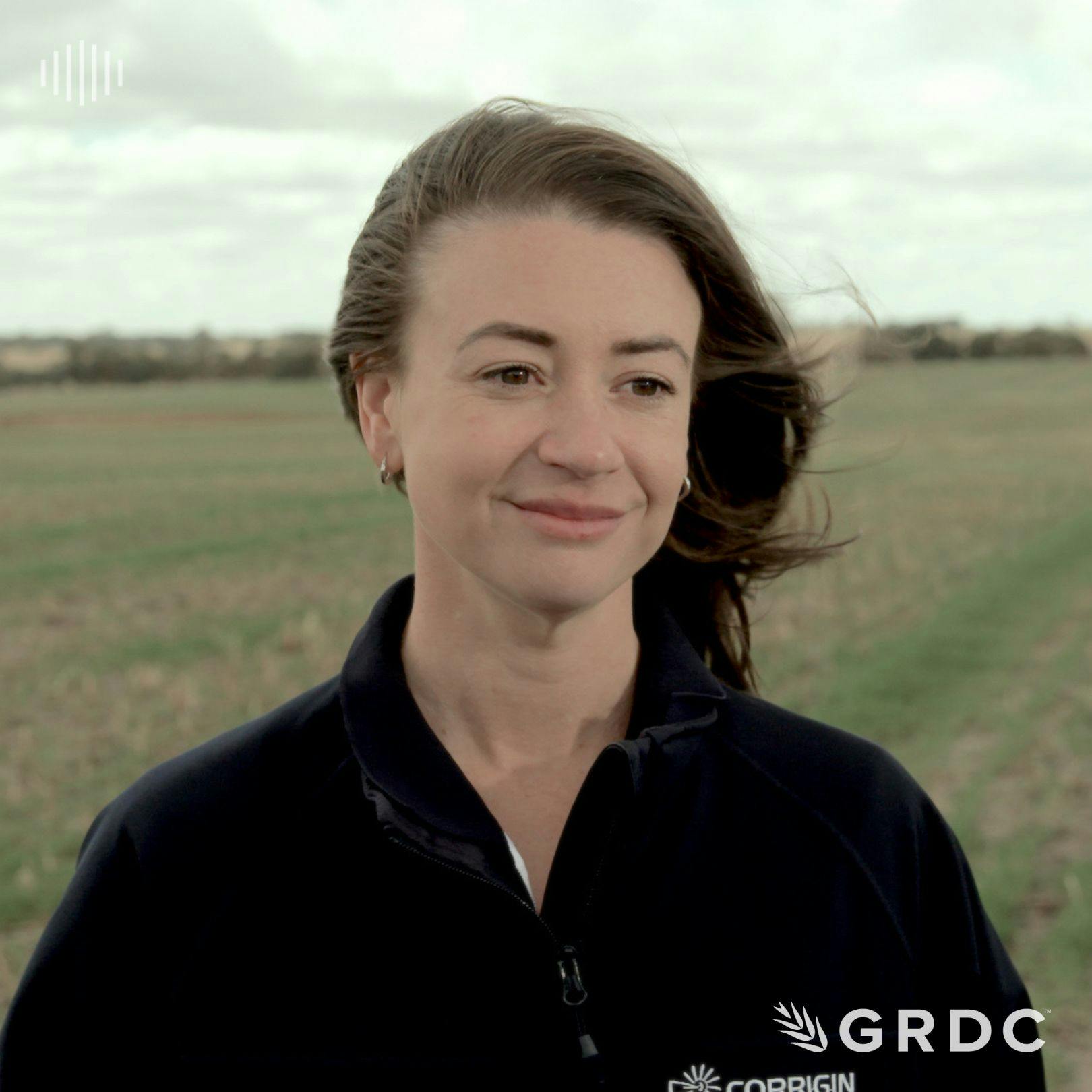
Measuring the impact of organic soil ameliorants
Incorporating readily available organic-soil ameliorants to boost productivity of sandy soils, has been the focus of a three-year GRDC investment in the medium to high rainfall zones of Western Australia's Wheatbelt. The experiments, using organic ameliorates such as hay, stubble straw, and manure, monitored effects of amelioration on crop growth and yield with results varying across trial sites. The trials and investment are almost complete with data currently being collated for year three. We talked to Professor Richard Bell from Murdoch University, and Veronica Crouch, the Executive Officer from the Corrigin Farm Improvement Group, who explain how the locally led trials, utilising readily available products on-farm, were eagerly adopted by this grower-driven, inspired group. Download the transcript of this episode Contact: Veronika Crouch, Corrigin Farm Improvements Group [email protected] Richard Bell, Murdoch University [email protected] More Information: GRDC Corrigin Farm Improvement Group Facey Group West Midlands Group GRDC Code: CFG2003-001SAX Learn more about your ad choices. Visit megaphone.fm/adchoices

Genetic gains in wheat
A trial near Bolgart in WA is showcasing historic wheat varieties, allowing growers to look back in time to measure yield and genetic gains that wheat breeders have achieved over the past 50 years. The trial site features 48 varieties starting from the late 60s, up to the most recent varieties of two to three years ago, including bread wheat, Clearfield-tolerant wheat, and udon wheat varieties. The different varieties see improved grain size, disease resistance, weight, and crop height, bringing with them harvesting changes over the years. GRDC has a long history in wheat breeding and pre-breeding, including partnerships with wheat breeding companies. In this episode, we caught up with AGT wheat breeder, Dion Bennett about the trial’s revelations over half a century. Download the transcript for this episode Contact: Dion Bennett, Wheat Breeder [email protected] More Information: AGT wheat varieties GRDC Code: AGT2108-001RTX Learn more about your ad choices. Visit megaphone.fm/adchoices

GRDC in Conversation: David Robb
🎙️ Today's 'GRDC in Conversation' podcast interview is with David Robb. David Anthony Robb is an Irrigation Advisor for Goanna Ag. He is also a grain producer, agricultural enthusiast, and UQ Agribusiness & Agricultural Science graduate. In this episode of GRDC In Conversation, David talks about life growing up on his family’s grain and cattle property west of Goondiwindi. David spent 14 years working on the farm before pursuing university and challenging himself to grow beyond the family business. Download the transcript for this episode GRDC Code: HOA2202-001SAX Learn more about your ad choices. Visit megaphone.fm/adchoices

On-farm Grain Storage podcast series – Silo maintenance (3/3)
Gas-tight sealable silos are the preferred system of grain storage and like all on-farm machinery, they require an annual maintenance health check, including pressure testing the silo. How can we ensure our silo’s health and avoid problems such as weather damage, wear, corrosion, deterioration to inlet and outlet seals and leaks? In this episode, we hear from GRDC's Grain Storage Extension team members, Ben White and Alex Conway on a detailed rundown and timing for that all-important annual silo maintenance checklist. Download the transcript for this episode Contact: Ben White, GRDC Grain Storage Extension Team [email protected] Alex Conway, Toowoomba QLD [email protected] More information: GRDC Stored Grain webpage Stored Grain homepage Grain Storage Extension Team hotline – 1800 WEEVIL (1800 933 845) GRDC Code: PRB2011-001SAX Learn more about your ad choices. Visit megaphone.fm/adchoices

GRDC in conversation: Paul McIntosh
🎙 Today's 'GRDC in Conversation' podcast interview is with Paul McIntosh. Mention the name Paul McIntosh to anyone in the northern grains industry and it’s almost guaranteed to invoke a smile, a humorous quip or an anecdote about his seemingly-boundless agronomic knowledge. Mr McIntosh, or Macca as he’s better known to many, is one of the region’s most recognised and respected agronomists and has been a luminary in broadening the understanding, adoption and community recognition of best practice farming throughout his 40-year career. In this GRDC In Conversation episode with Oli Le Lievre, Paul discusses his work as an industry development agronomist and how the grains industry has changed over the years. Download the transcript for this episode GRDC Code: HOA2202-001SAX Learn more about your ad choices. Visit megaphone.fm/adchoices
On-farm Grain Storage podcast series – Masks and meters (2/3)
Phosphine fumigation is commonly used in gas-tight, sealed silos to control weevils in grain. While phosphine is dangerous, it can be used safely with responsible handling and management. In this episode, we chat with Grain Storage Extension Project lead Chris Warrick, along with Alex Conway about the significant safety around phosphine, including masks and meters, which remains the most relied upon fumigant to control stored grain pests in Australia’s grain production systems. Download the transcript for this episode Contact: Chris Warrick – National Coordinator, GRDC Grain Storage Extension Team [email protected] Alex Conway – Queensland project delivery officer [email protected] More information: GRDC Stored Grain webpage Stored Grain homepage Grain Storage Extension Team hotline – 1800 WEEVIL (1800 933 845) GRDC Code: PRB2011-001SAX Learn more about your ad choices. Visit megaphone.fm/adchoices

GRDC in conversation: Mark Swift
E🎙️ Today's 'GRDC in Conversation' podcast interview is with Mark Swift. Mark Swift and his family farm 13 different cereal, oilseed, pulse and fibre crops across 4,000 hectares at Parkes, in Central West NSW. In this GRDC In Conversation episode with Oli Le Lievre, Mark discusses the family’s farming operation, the intellectual and physical challenges of farming, and the balance of technology, tradition, and innovation in agriculture. Download the transcript for this episode Please be advised that today's conversation includes more colourful language than usual, which may be inappropriate for some listeners. GRDC Code: HOA2202-001SAX Learn more about your ad choices. Visit megaphone.fm/adchoices