
GRDC Podcast
571 episodes — Page 5 of 12

National Variety Trials (NVT) New Variety Podcast series – Canola
The NVT program aims to assist Australian grain growers in varietal decision making by providing comparative information of commercially available grain varieties, including on yield performance, on disease resistance ratings and on grain quality. In this four-part series we will hear from a range of breeders – across seven crop types – and each one will provide information on newly commercialised cultivars in the NVT program that will be available to growers for the first time in the upcoming season. This podcast is all about canola – and we are hearing from five plant breeders from across the country. Download the transcript for this episode More information: visit the NVT website. Learn more about your ad choices. Visit megaphone.fm/adchoices
On-farm Grain Storage podcast series – Storage and aeration (1/3)
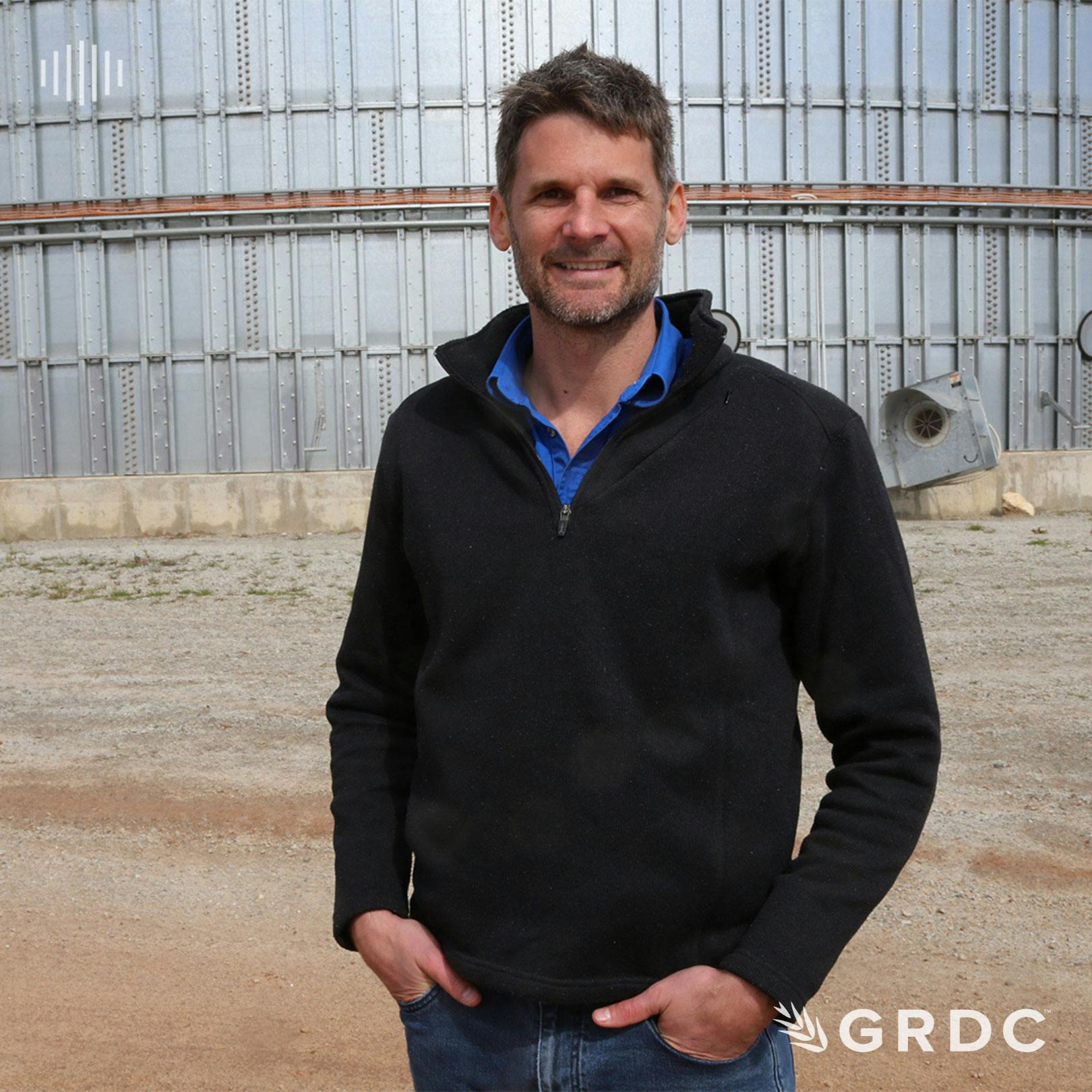
From cone and flat-bottomed silos, to sheds, bunkers, bags, and pits, grain storage options today are seemingly endless. It is not always the case that the cheapest option will be the most cost effective over time. Nor will the most expensive always be the most appropriate for your needs. On top of this, there is the need to keep your grain free from moisture, condensation, mould, and insects, which an aeration system can do by maintaining lower temperatures and consistent conditions. So, when choosing which grain storage option to invest in, where do we begin? We caught up with Ben White and Chris Warrick from the GRDC Grain Storage Extension Project to find out the starting points around grain storage options, along with the economics of aeration. Contact: Ben White GRDC Grain Storage Extension Team [email protected] Chris Warrick National Coordinator - GRDC Grain Storage Extension Team [email protected] More information: GRDC Stored Grain webpage Stored Grain homepage Grain Storage Extension Team hotline - 1800 WEEVIL (1800 933 845). Project Code: PRB2011-001SAX Read the podcast transcript. Learn more about your ad choices. Visit megaphone.fm/adchoices
GRDC in conversation: Maree Crawford
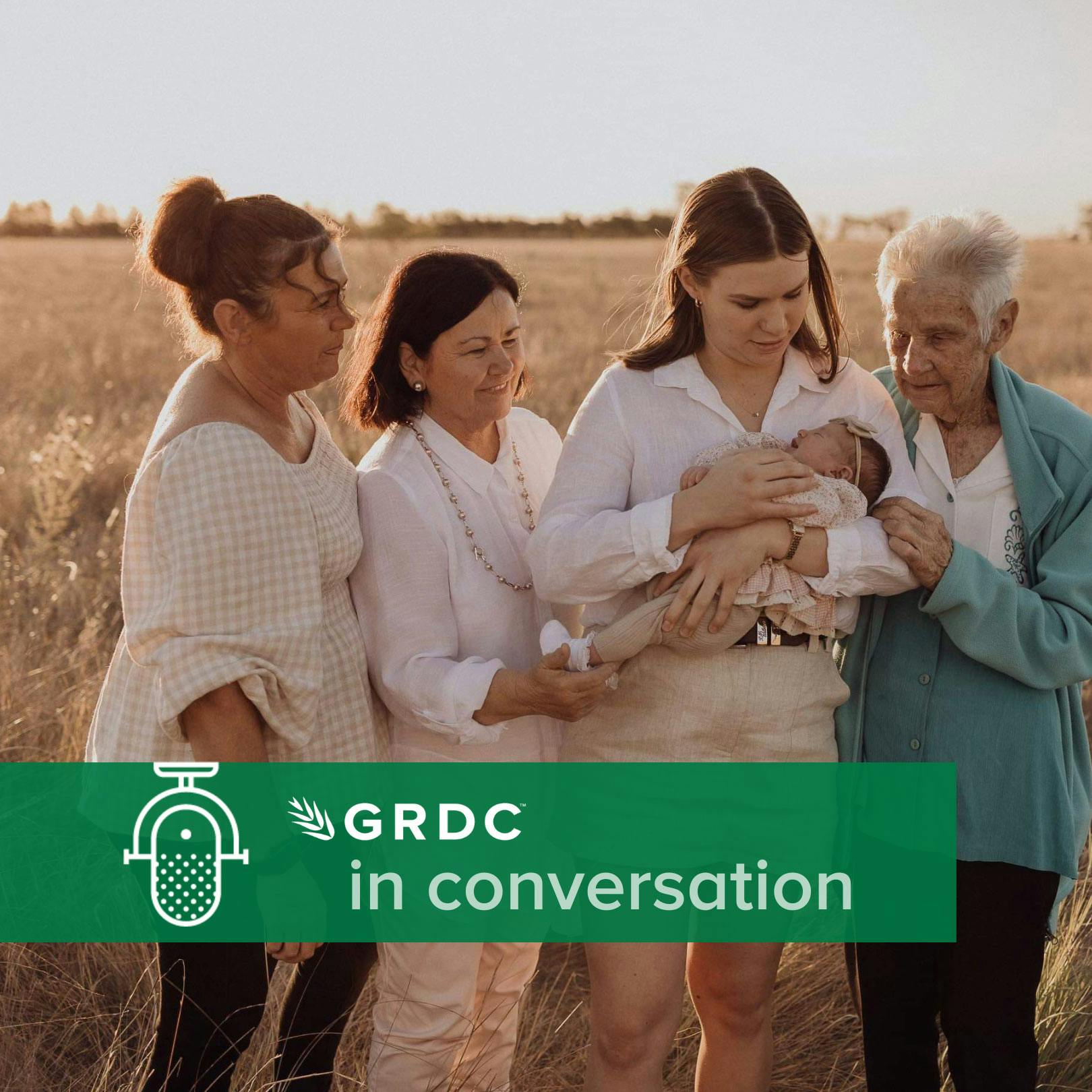
Maree Crawford is a passionate contributor to the Australian agricultural industry with a focus on delivering solutions through research, technology and best practice. She is a Technical Services Manager with Elders, and Non-Executive Director at Tosari Crop Research Centre. In this episode, Maree discusses what it was like growing up with 10 brothers, her love of sports, career influences, and the importance of upskilling young people in agriculture. View the transcript for this episode. Learn more about your ad choices. Visit megaphone.fm/adchoices
National Variety Trials (NVT) New Variety podcast series – Barley and Oats
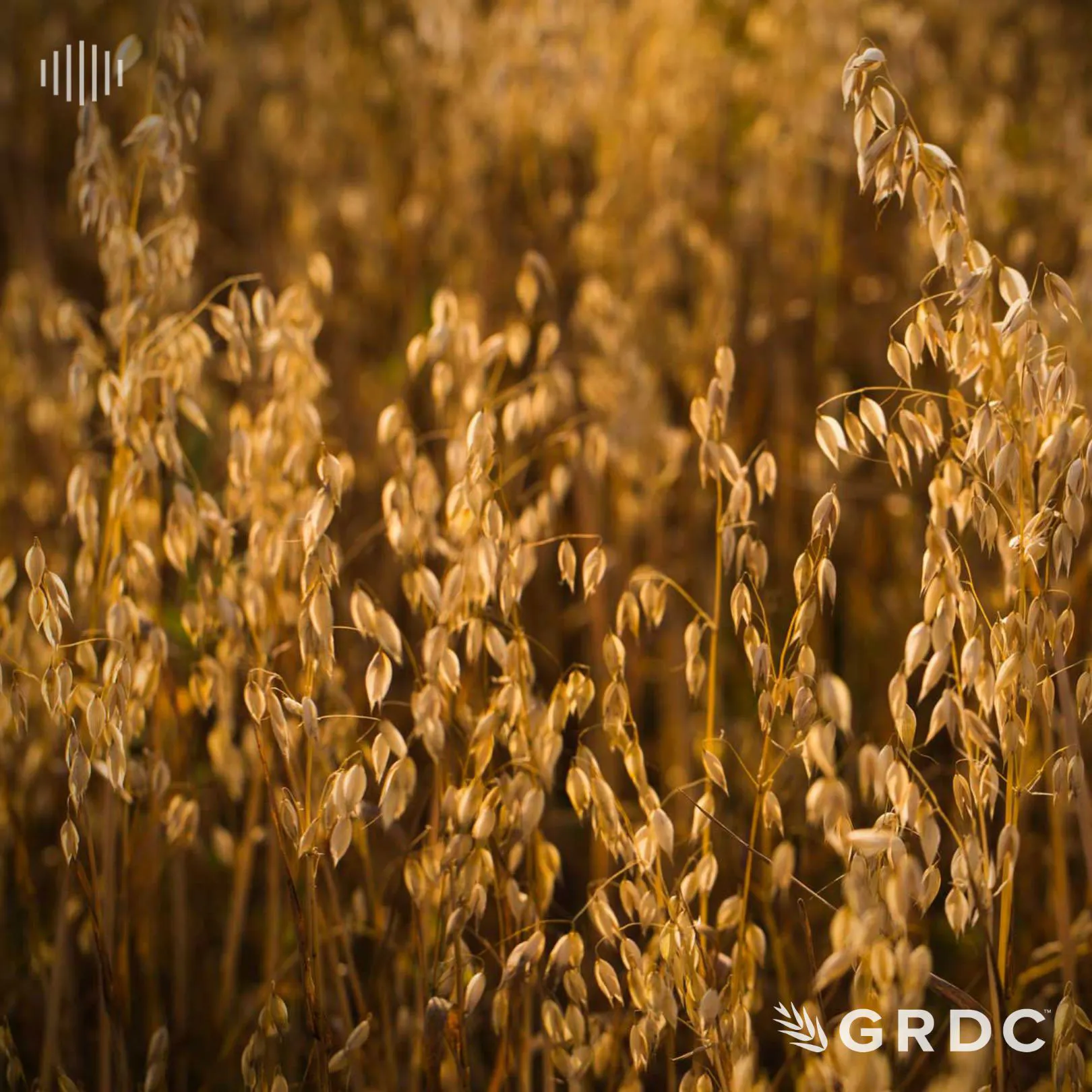
The NVT program aims to assist Australian grain growers in varietal decision making by providing comparative information of commercially available grain varieties, including on yield performance, on disease resistance ratings and on grain quality. In this four-part series we will hear from a range of breeders – across seven crop types – and each one will provide information on newly commercialised cultivars in the NVT program that will be available to growers for the first time in the upcoming season. This podcast is all about barley and oats – and we are hearing from three plant breeders from across the country. For more information, visit the NVT website. Download the podcast transcript. Learn more about your ad choices. Visit megaphone.fm/adchoices

Preventing harvester fires in lentils
With growers in the middle of harvest around the country, harvester fires are somewhat inevitable at this time of year. However, there are actions we can take to mitigate the risk. With lentil crops particularly susceptible to harvester fires, we spoke to Ben White from the Kondinin Group, as well as Adrian McCabe, a grower from South Australia, to find out why and what steps can be taken to reduce the chance of these incidents occurring. First up Ben explains the primary causes of harvester fires. Download the transcript for this episode Contact: Ben White Kondinin Group [email protected] More Information: GRDC Resources – Reducing harvest fires: The Back Pocket Guide GroundCover – Prepare to minimise fire risk this harvest GRDC Code: PRS2005-001SAX Learn more about your ad choices. Visit megaphone.fm/adchoices

GRDC in conversation: Tim Neale
🎙️ Today's 'GRDC in Conversation' podcast interview is with Tim Neale. For more than 20 years, Tim Neale has been running his own businesses and managing research, development and extension projects for broad spectrum of clients across a variety of agricultural sectors. He's was recognised as the Australian rural consultant of the year in 2018 and he is the co-founder of Data Farming – an ag technology company which services more than 35,000 farms across 50 countries with satellite imagery and insights. GRDC Code: HOA2202-001SAX Learn more about your ad choices. Visit megaphone.fm/adchoices

National Variety Trials (NVT) New Variety podcast series – Lentil, lupin and sorghum
The NVT program aims to assist Australian grain growers in varietal decision making by providing comparative information of commercially available grain varieties, including on yield performance, on disease resistance ratings and on grain quality. In this four-part series we will hear from a range of breeders – across seven crop types – and each one will provide information on newly commercialised cultivars in the NVT program that will be available to growers for the first time in the upcoming season. This podcast is all about lentil, lupin and sorghum – and we are hearing from four plant breeders from across the country. Download the transcript for this episode Visit the NVT website for more information. Learn more about your ad choices. Visit megaphone.fm/adchoices
The Australian Grains Genebank
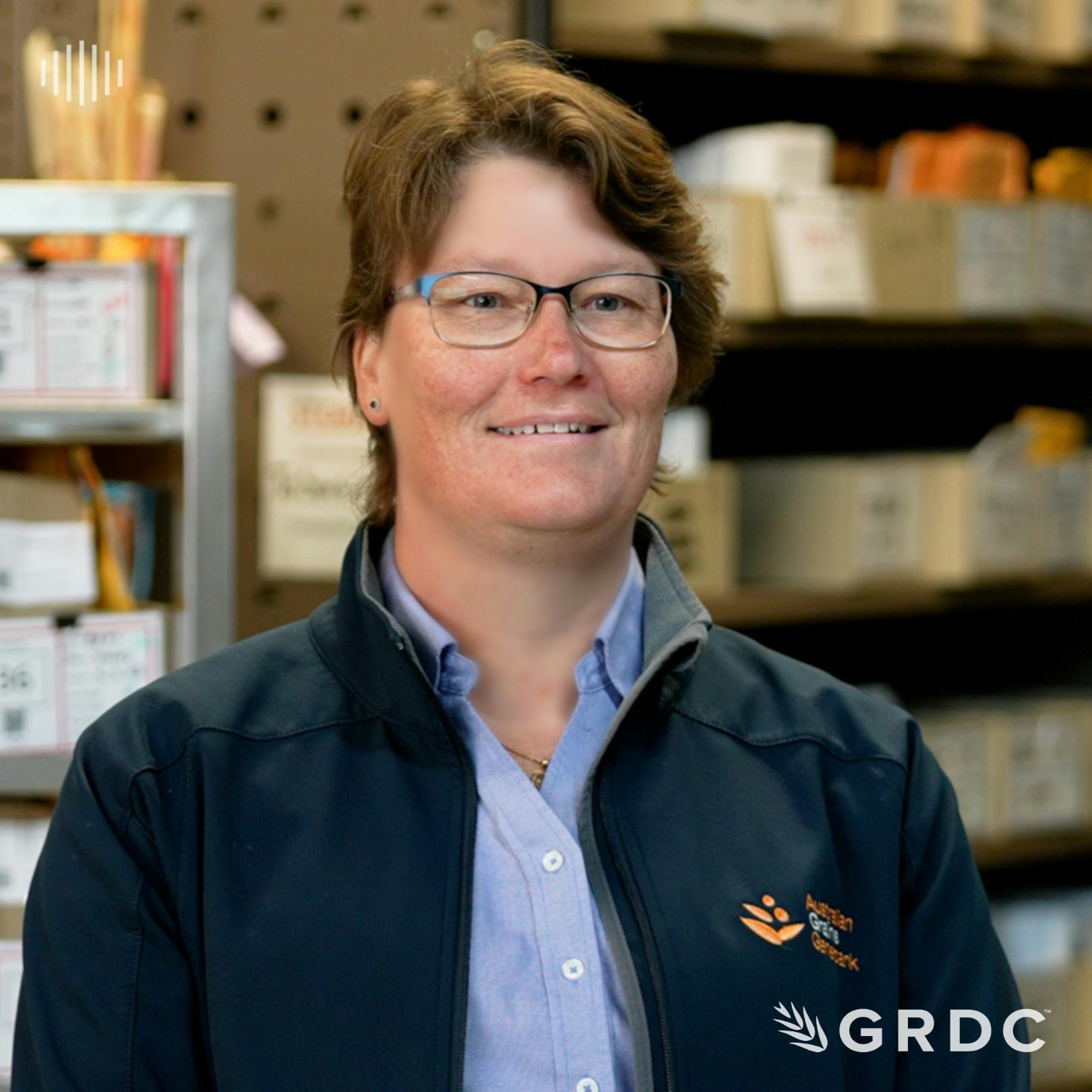
The Australian Grains Genebank (AGG) is the centrepiece of grain crop genetic resources for the Australian grains industry. Since it's opening in 2014, it has been a partnership between the Victorian Government (Agriculture Victoria) and GRDC. An additional $30M will support digital innovation and connectivity to international genebanks, improve the operational function, and establish new long term seed storage, laboratories and work areas. Join the AGG leader Dr Sally Norton and plant pathologist Dr Joshua Fanning discuss the scope of the genebank and how it delivers for grain growers. Download the transcript for this episode Contact: Please use our online catalogue to make a query or place an order. For any other queries, please email [email protected]. More information: GRDC YouTube – Australian Grains Genebank: Conserving diversity for future crop development Agriculture Victoria – The Australian Grains Genebank GRDC Code: DEE2206-009OPX Learn more about your ad choices. Visit megaphone.fm/adchoices

GRDC in conversation: Roy Hamilton
🎙️ Today's 'GRDC in Conversation' podcast interview is with Roy Hamilton. Roy is a long-standing northern panel member who operates a 4400-ha mixed family farming enterprise near Rand in NSW’s Riverina with his wife Leanne and son Michael. In this episode, Roy speaks about the life experiences, influences and lessons that have shaped him into person he is today, and the advice he has for future generations of Australian grain growers. Download the transcript for this episode Learn more about your ad choices. Visit megaphone.fm/adchoices

National Variety Trials (NVT) New Variety podcast series – Wheat
The NVT program aims to assist Australian grain growers in varietal decision making by providing comparative information of commercially available grain varieties, including on yield performance, on disease resistance ratings and on grain quality. In this four-part series we will hear from a range of breeders – across seven crop types – and each one will provide information on newly commercialised cultivars in the NVT program that will be available to growers for the first time in the upcoming season. This podcast is all about wheat – and we are hearing from six plant breeders from across the country. Visit the NVT website for more information. Learn more about your ad choices. Visit megaphone.fm/adchoices
Beneficials Chemical Toxicity table: Use it or lose ‘em
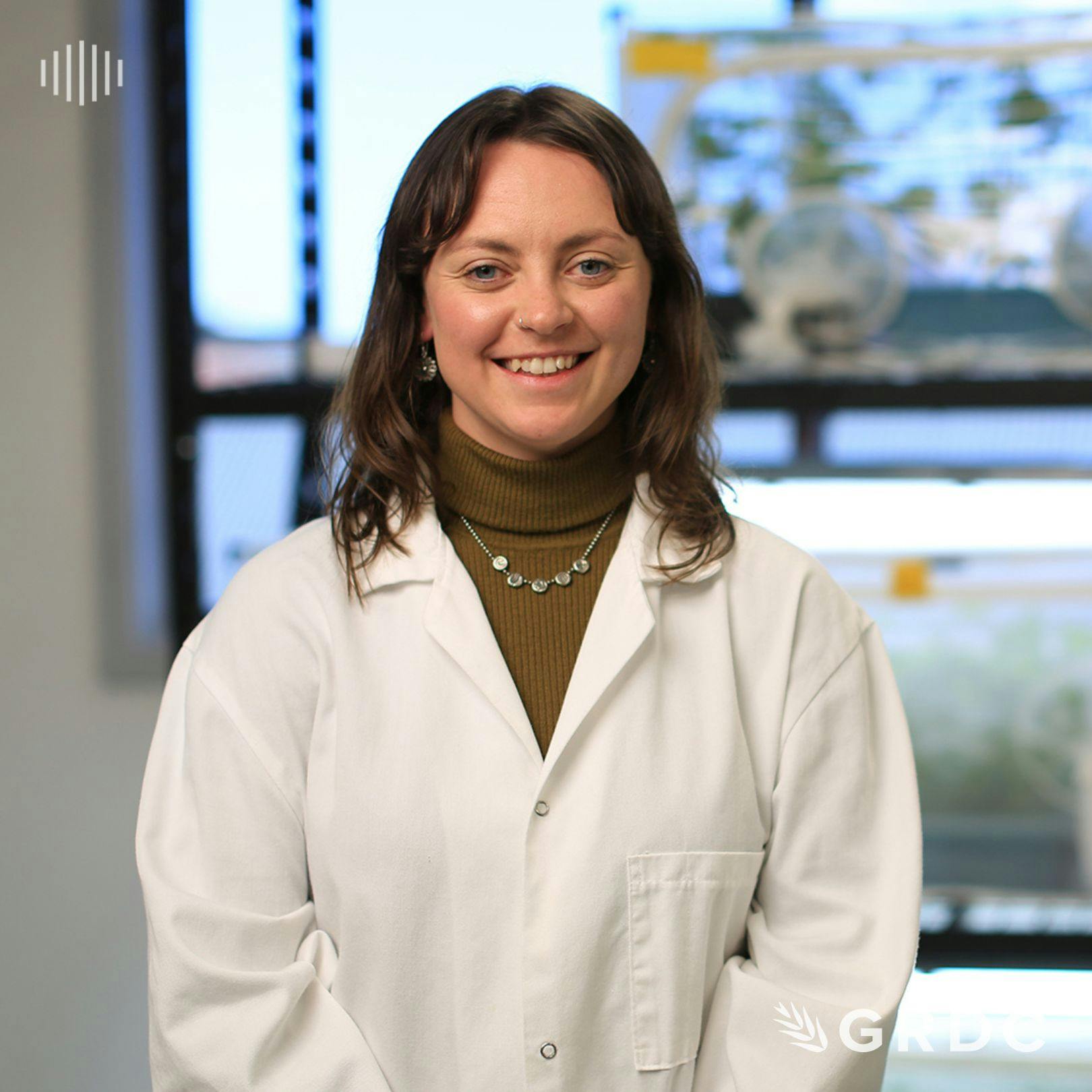
Beneficial insects play an important role in providing natural pest suppression for growers in cereal crops across Australia. Until recently there was no scientifically proven guide to help growers monitor the impacts of commonly used insecticides on beneficial insects. Rosie Knapp, from Cesar Australia, explains the new resource for growers. Download the transcript for this episode Contact: Rosie Knapp Cesar Australia [email protected] More Information: Cesar Australia – The Beneficials Chemical Toxicity Table GRDC Podcast: Natural enemies: beneficials, insect friends with benefits Endosymbionts – game changing bacteria in insect species Novel solutions for pest management Video: GRDC YouTube – Endosymbionts – Game changing bacteria in insect species GRDC Code: UOM1906-002RTX Learn more about your ad choices. Visit megaphone.fm/adchoices
Implementing variable rate technology on-farm
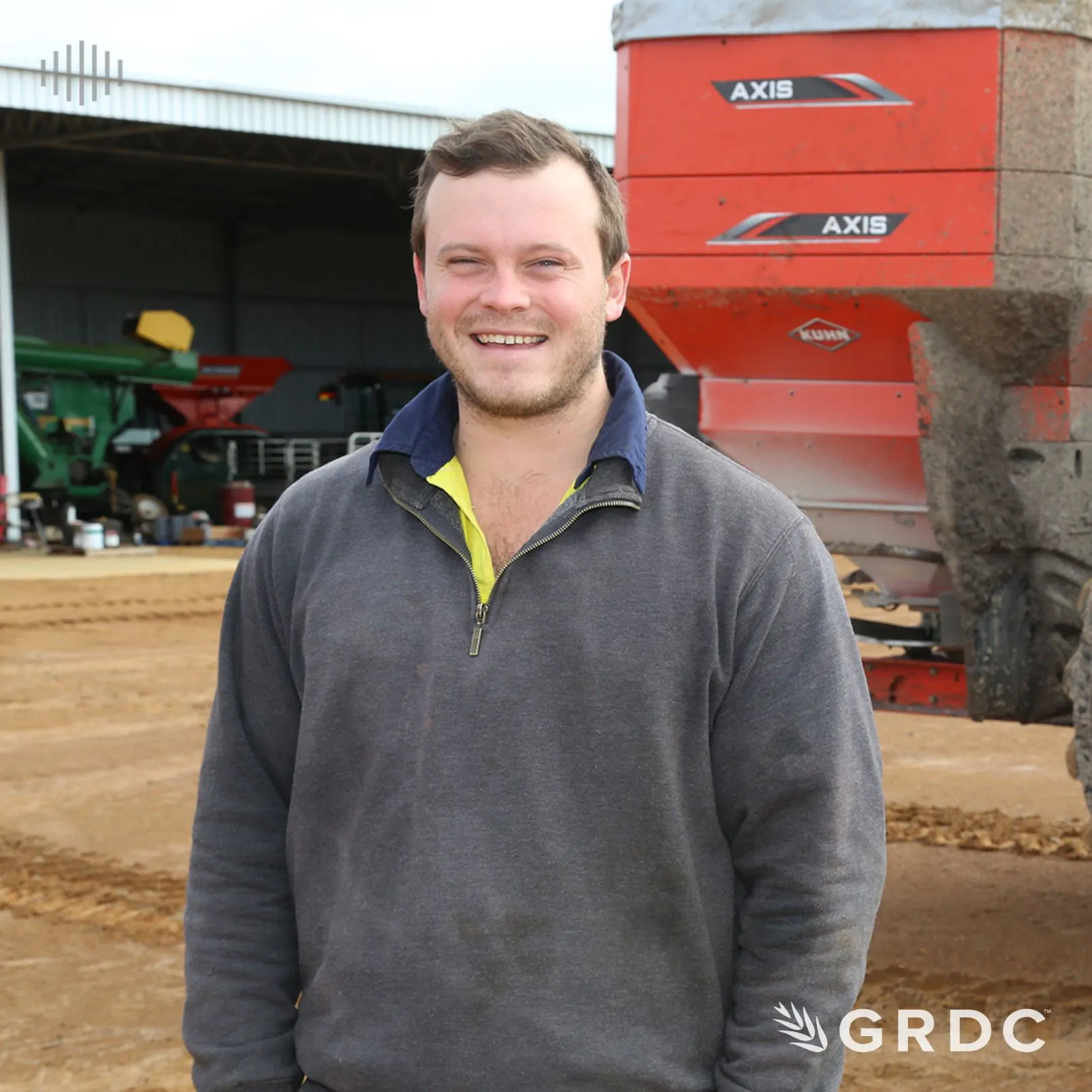
The Longmire’s farm at Beaumont, near Esperance in Western Australia, have been experimenting with variable rate technology for more than 20 years. As pros at using precision agriculture, Tom and Phil presented at workshops across WA earlier this year to share their experience implementing the technology on-farm. Tom joins us on this episode to tell us more. Download the transcript for this episode Contact: Tom Longmire Beaumont grower [email protected] More information: GroundCover article – Grower insights bolster variable rate technology workshops GroundCover article – Variable-rate technology adds input efficiency to cropping, experts say GRDC Code: SPA2201-001SAX Learn more about your ad choices. Visit megaphone.fm/adchoices
Plant Nutrition: the final Soil Quality ebook
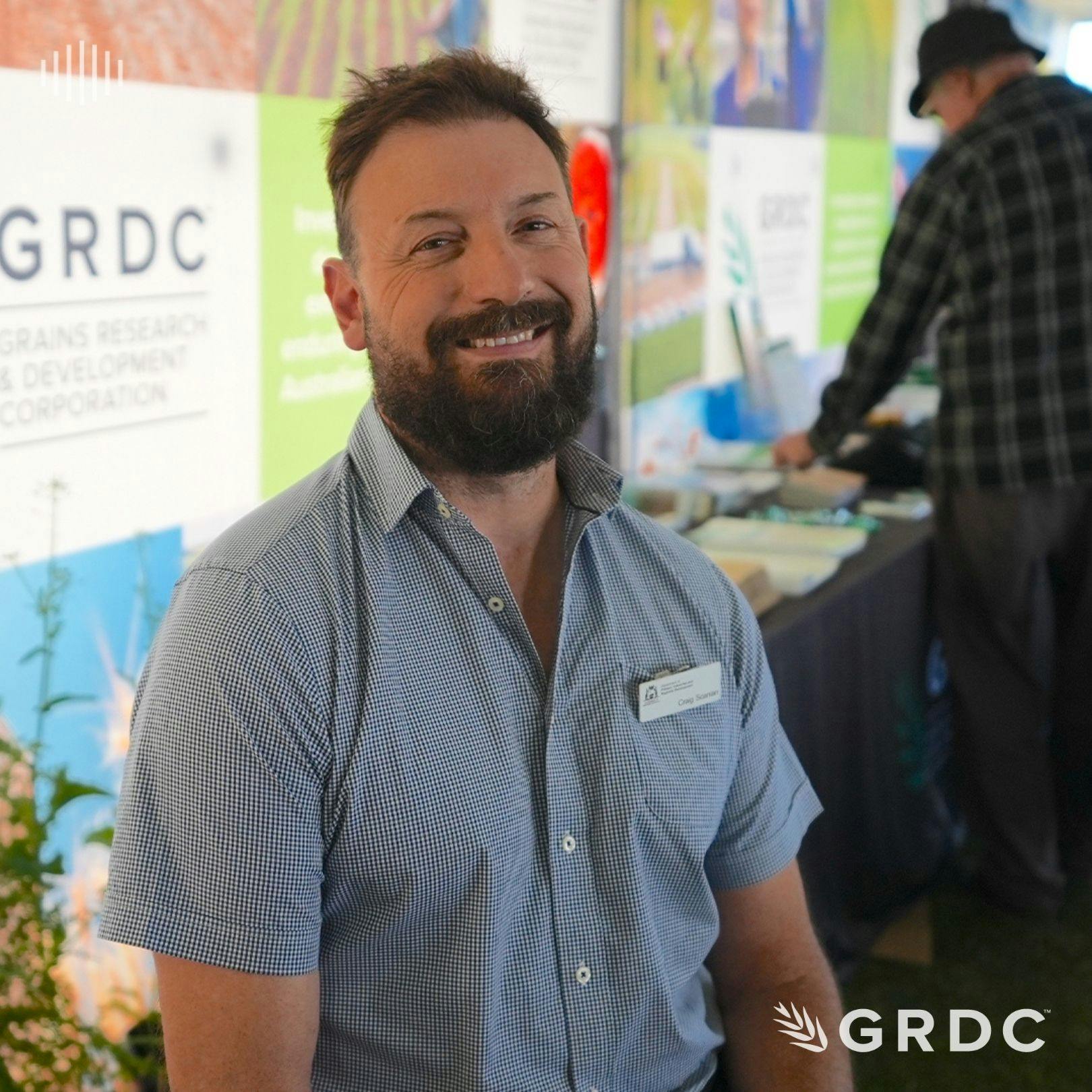
The Soil Quality ebook series, developed by SoilsWest with GRDC investment, draws upon a wealth of scientific published information, knowledge from dedicated soil science practitioners, industry perspectives and first-hand experience of growers. The 10th and final book in the series, covering the topic of plant nutrition, was released in October 2023 and the entire series is available to download for free from Apple Books. We sat down with Craig Scanlan from Western Australia’s Department of Primary Industries and Regional Development to find out what the final book has to tell us about the status of macro and micronutrients in WA. Contact: Craig Scanlan Department of Primary Industries and Regional Development [email protected] More information: Soil Quality ebook downloads from Apple Soil Quality ebook information GroundCover article – Gravel soil explored in new ebook launched at national conference GRDC code: UWA1806-008SAX Learn more about your ad choices. Visit megaphone.fm/adchoices
Precision fertiliser decisions in a tight economic climate
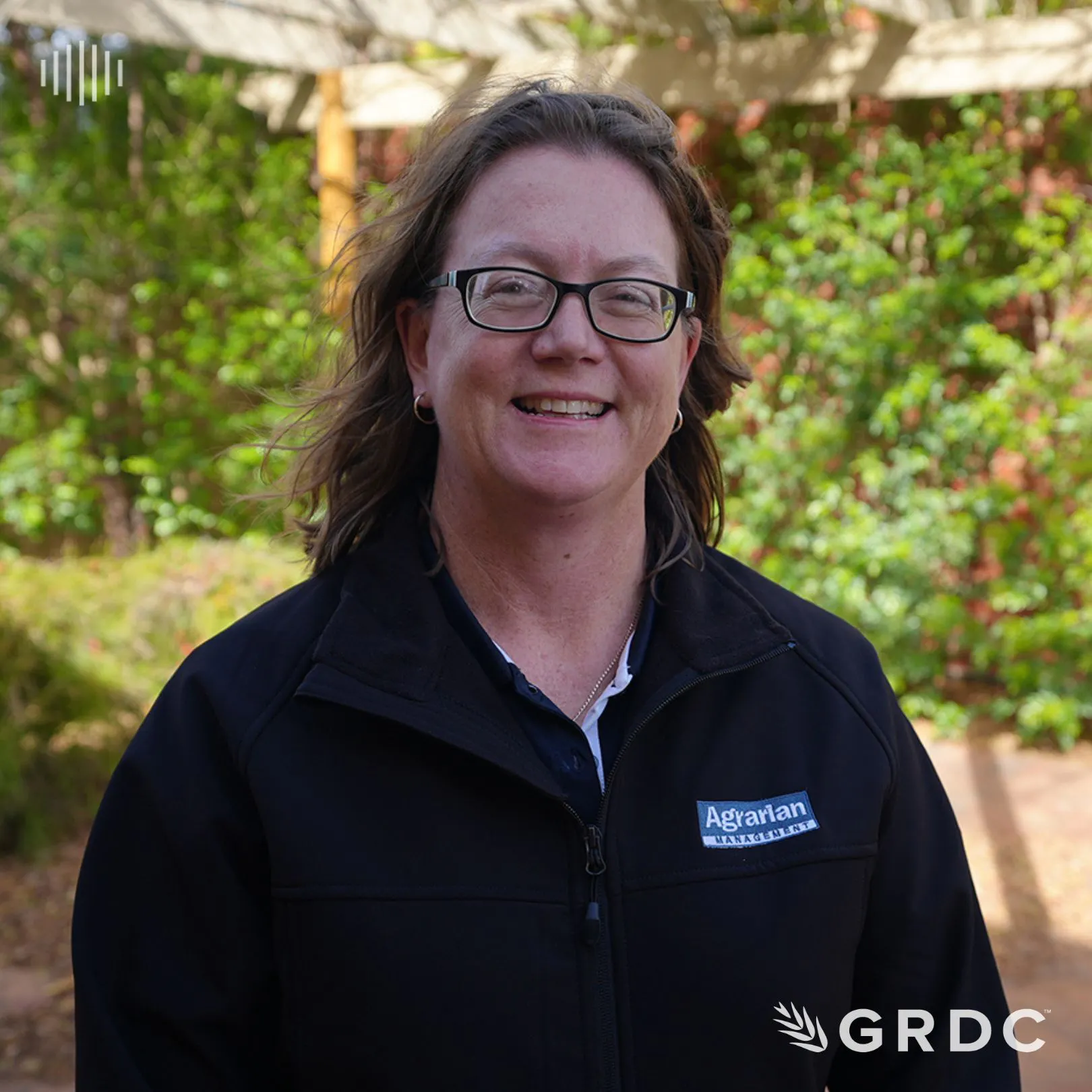
The price of fertiliser has reached record highs over the past few seasons, so any option to reduce the amount of inputs being used on-farm, without impacting yield or productivity, can only be a good thing. With GRDC investment, the Society of Precision Agriculture Australia has been hosting a series of face-to-face workshops around the country to try and help growers do just that. To find out more, we speak to Bindi Isbister, a precision ag specialist from Agrarian Management in Western Australia. Download the transcript for this episode Contact: Bindi Isbister Decision Agriculture Specialist, Agrarian Management [email protected] More information: GRDC publication – Embracing precision agriculture GroundCover article – What value can precision ag tools bring to your business? Project Code: SPA2201-001SAX Learn more about your ad choices. Visit megaphone.fm/adchoices

Natural enemies: beneficials, insect friends with benefits
The second tier of the Australian Grains Pest Innovation Program (AGPIP) looks at beneficial insects in Australian grain crops as an alternate pest control option. With the use of endosymbionts, the team at the University of Melbourne’s Pest and Environmental Adaptation Research Group (PEARG) are using new technology to help increase beneficial insect populations and supress plant virus transmission. Download the transcript for this episode Contact: Dr Josh Thia University of Melbourne PEARG [email protected] More information: Cesar Australia – How to send off samples Cesar Australia – Beneficial chemical toxicity table University of Melbourne – Pest and Environmental Adaptation Research Group (PEARG) GRDC Podcast – Novel pest solutions podcast Cesar Australia – AGPIP GRDC Podcast – Endosymbionts: Game changing bacteria in insect species Podcast GRDC YouTube – Endosymbionts: Game changing bacteria in insect species Video GRDC code: UOM1906-002RTX Learn more about your ad choices. Visit megaphone.fm/adchoices
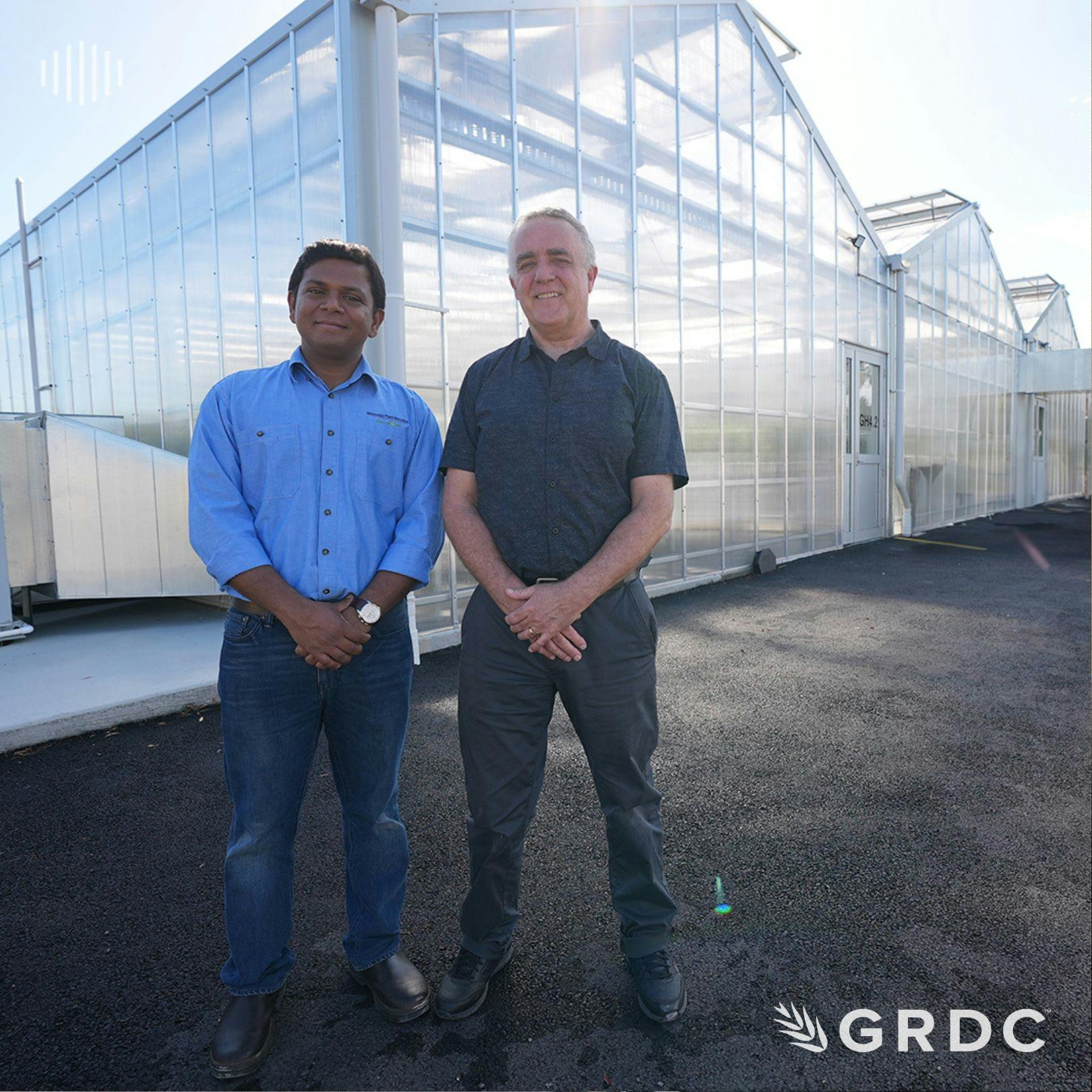
Impact of investment on Australia’s lentil industry
Join Dr Arun Shanmugam and Dr Gary Rosewarne from Agriculture Victoria as they discuss the impact of GRDC’s investment on the Australian Lentil Industry since its establishment in the 1990’s. This podcast also looks at the increased scale in operations and infrastructure to deliver new varieties for growers and also how new GRDC investment is expanding lentil production as a national program, into new areas of Australia, including WA. Download the transcript for this episode Contact: Dr Arun S Shunmugam Lentil Breeder Agriculture Victoria [email protected] More Information: Agriculture Victoria – Big boost for lentil breeding GRDC Podcast – Heat Tolerant Chickpea: update on heat tolerant chickpea lines GRDC Podcast – Expanding chickpeas in the west Video: GRDC YouTube – Lentils in Western Australia GRDC Code: DJP2104-003OPX Learn more about your ad choices. Visit megaphone.fm/adchoices
Managing changing MRLs and export implications
Growers at the GRDC Grains Research Updates at Minyip in Victoria in July 2023 were told by Gerard McMullen from the National Working Party on Grain Protection that applying chemicals according to the label rate did not necessarily mean grain would meet export market requirements. Gerard joins us on this podcast to talk about changing MRLs, the chemical review being undertaken by the APVMA and why products such as carbendazim should never be used off label. Download the transcript for this episode Contact: Gerard McMullen National Working Party on Grain Protection [email protected] More Information: GroundCover article – Grains industry scores A-plus for chemical residue compliance GroundCover article – EU changes residue limit for haloxyfop on canola Project Code: ORM1906-001SAX Learn more about your ad choices. Visit megaphone.fm/adchoices

Data Partnerships Initiative
A virtual goldmine of data generated from thousands of research, development and extension projects – all supported by GRDC – will soon be discoverable, accessible and able to be used to accelerate research outcomes. GRDC’s Data Partnerships Initiative is a $2.8 million investment over 18 months and it brings together 12 Australian research organisations that are currently working on projects in which GRDC has invested. Decades of data has been collected on a range of topics including yield, soils, genetics and climate - and this new initiative will collate existing data as well as provide a roadmap for improving data management in the future. We speak to Agriculture Victoria crop agronomy research leader – Associate Professor Glenn Fitzgerald – and Alexis Tindall Manager of Digital Stewardship for the Adelaide University Library. Download the transcript for this episode Contact: Glenn Fitzgerald, Agriculture Victoria crop agronomy research leader [email protected] Alexis Tindall, Manager of Digital Stewardship for the Adelaide University Library [email protected] More information: GroundCover article – Data partnership builds expertise to harness data treasure trove GRDC Code: DJP2201-004RTX, CUR2206-001SAX, DAW2206-007SAX, UMU2210-002BGX, DPI2206-024BGX, UOA2210-002BGX, UOA2206-008SAX, UOQ2301-004BGX, UOS2208-001BGX, UWA2206-005SAX Learn more about your ad choices. Visit megaphone.fm/adchoices

Emerging cereal diseases in the south, with a focus on Septoria Tritici Blotch (STB)
Spring is a critical time for disease detection in order to avoid or at least minimise yield losses; and already we are seeing higher infection levels than in previous years. Dr Hari Dadu is a senior research scientist with Agriculture Victoria has nearly a decade of experience working with crop diseases and is now leading the Septoria tritici blotch research in wheat, in the low and medium rainfall areas of the southern region. And in addition to this research, GRDC is also investing in three more projects in this space to develop new genetic resources – that will allow growers to have multiple solutions to reduce crop losses in near future. Download the transcript for this episode Contact: Dr Hari Dadu Agriculture Victoria [email protected] More Information: Disease ratings can be found on GRDC’s National Variety Trials website > nvt.grdc.com.au Agriculture Victoria produces its Cereal Disease Guide which can be accessed through The Australia Fungicide Resistance Extension Network’s website is AFREN.com.au Advancing genetic solutions for crop protection in Australian wheat: identifying novel resistance genes to Septoria tritici blotch Dissecting the molecular basis of disease and resistance to Septoria tritici blotch Project Code: FTS2006-001SAX, DJP2104-004RTX Learn more about your ad choices. Visit megaphone.fm/adchoices

Seasonal diseases update for canola and pulses: Northern region
Plant pathologist, Kurt Lindbeck from the New South Wales Department of Primary Industries (DPI) at Wagga Wagga, discusses the challenges for growers when assessing disease risk this season. What signs should growers be looking for, how is and does weather affect decision making and what are the considerations for fungicide application? Kurt’s key message for growers this season around disease detection is to get out there and walk among their crops and observe any signs of disease. Download the transcript for this episode Contact: Kurt Lindbeck NSW DPI [email protected] More Information: Crop diagnostic service runs out of DPI Tamworth and Wagga, that extends to providing advice for growers, dpi.nsw.gov.au GRDC Code: DPI2207-002RTX, DPI2206-023RTX Learn more about your ad choices. Visit megaphone.fm/adchoices
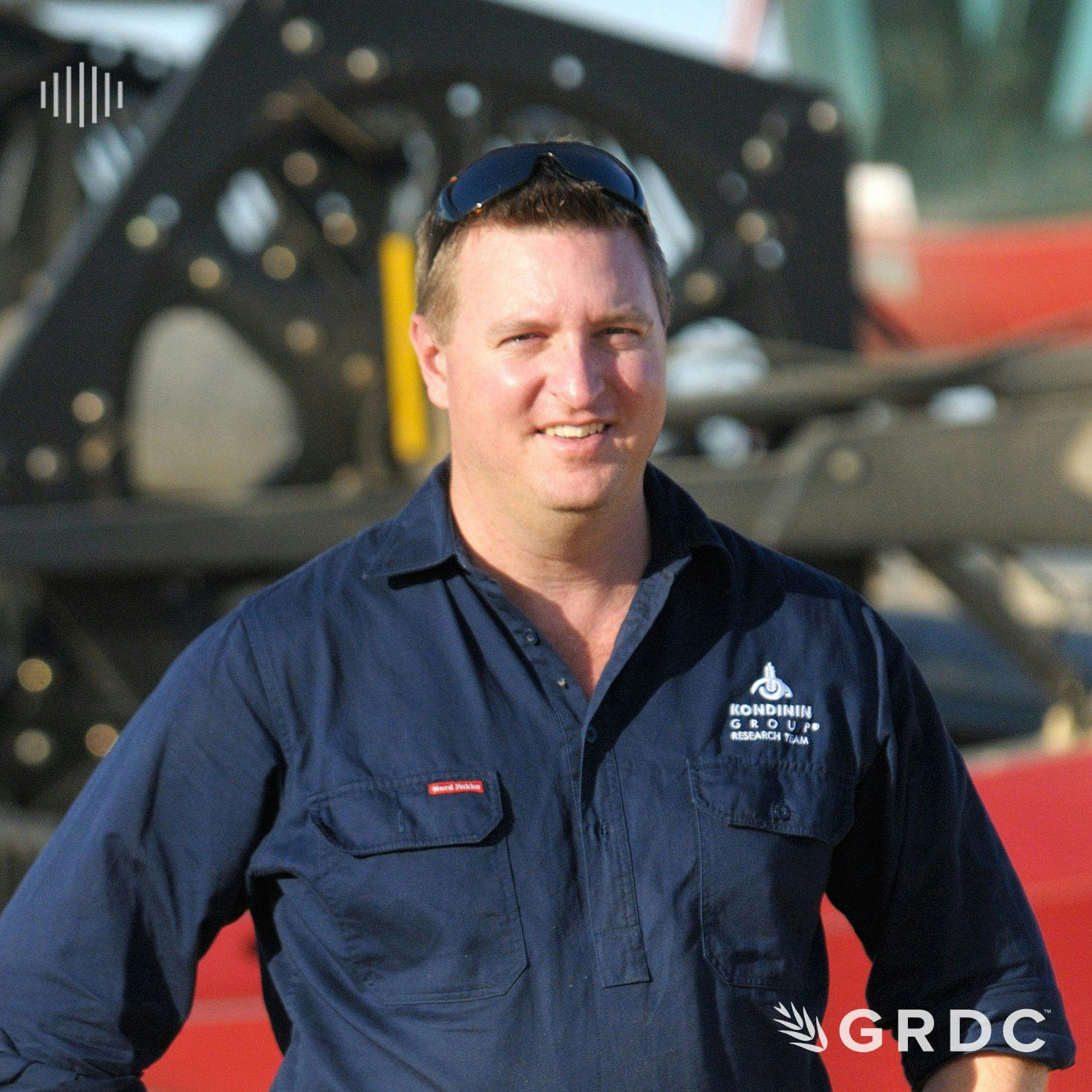
Measuring and preventing harvest losses in the western region
Data recently collected as part of the GRDC investment "Measuring Harvest Losses in the western region," has helped to identify opportunities for growers to reclaim grain that is lost during harvest. A report published on the back of this investment shows that more than $320 million dollars’ worth of grain was lost in Western Australia during the 2022/23 harvest. The podcast explores the data and what growers can do about lowering those losses. Download the transcript for this episode Contact: Daniel Kidd Grower Group Alliance [email protected] Ben White Kondinin Group [email protected] More Information: View more information on the GRDC Events page GRDC harvest setup workshops which will commence in September in the following locations: September 12, Hyden September 13, Dunn Rock September 14, Nyabing September 15, Beverley September 22, Cunderdin Agricultural College. Measuring harvest losses in the WA region 2022/23 Final report Project Code: GGA2211-001SAX Learn more about your ad choices. Visit megaphone.fm/adchoices
Urea supply and nitrogen decision making
Join agricultural procurement specialist and speaker at a recent GRDC Farm Business Update Rob Dawes talk about the urea supply and how to prevent getting caught short again. And then Horsham agronomist Matthew Sparke will share his insights on the strategic application of what nitrogen you do have to get the most out of it. Lack of urea supply is a major issue for growers, particularly in the south east of the country. A number of factors have contributed to the supply chain issue, and we speak to Robert Dawes from Robert Dawes Consulting to find out what happened and how to plan for next season. Meantime, agronomist Matthew Sparke from Sparke Ag Consulting talks about what growers can do now to make the most of their available nitrogen; and tips for future nitrogen decision making. Download the transcript for this episode Contact: Robert Dawes – [email protected] Matthew Sparke – [email protected] More Information: GroundCover Article – Resource released to help with nitrogen decision-making in season 2020 GRDC YouTube – Predicting nitrogen loss Project Code: ORM1906-002SAX Learn more about your ad choices. Visit megaphone.fm/adchoices
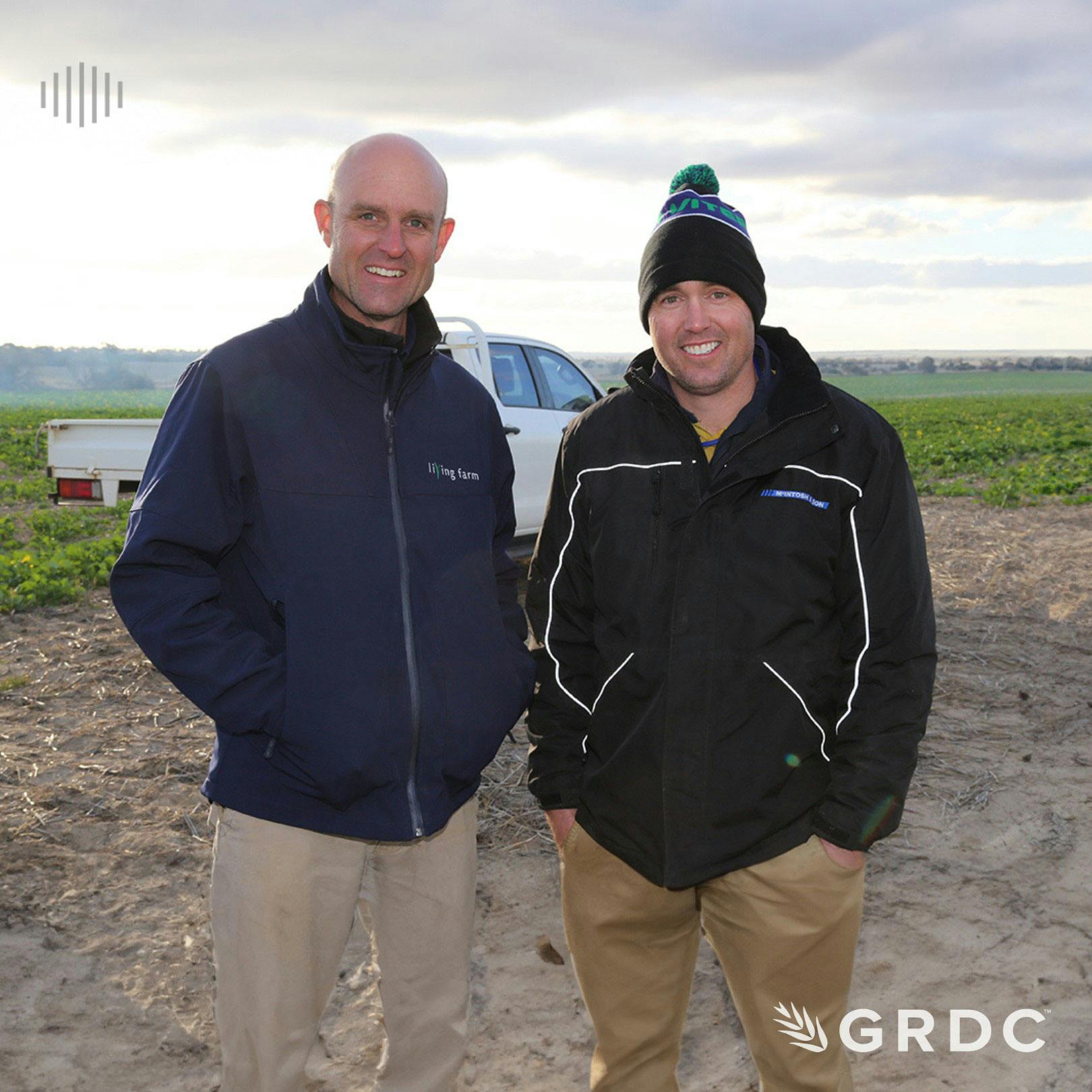
Successfully establishing canola in Western Australia’s LRZ
At GRDC Grower Network Forums in the Western region, the issue of poor canola establishment was raised by growers in the low rainfall zone who mainly flagged problems when the crop is dry sown. This investment aimed to validate and extend previous agronomic and management research on how to successfully establish canola in those regions and conditions. To find out more, we speak to Living Farm’s Andrew Wherrett, who has been leading the project, along with Merredin grower Phillip Gray who has a trial site located on his farm. Contact: Andrew Wherrett Senior Research Scientist, Living Farm E: [email protected] More Information: $8.2m national project to boost canola Risks and rewards of very early sown canola Western Australian Crop Sowing Guide GRDC Code: LIV2112-001SAX Learn more about your ad choices. Visit megaphone.fm/adchoices
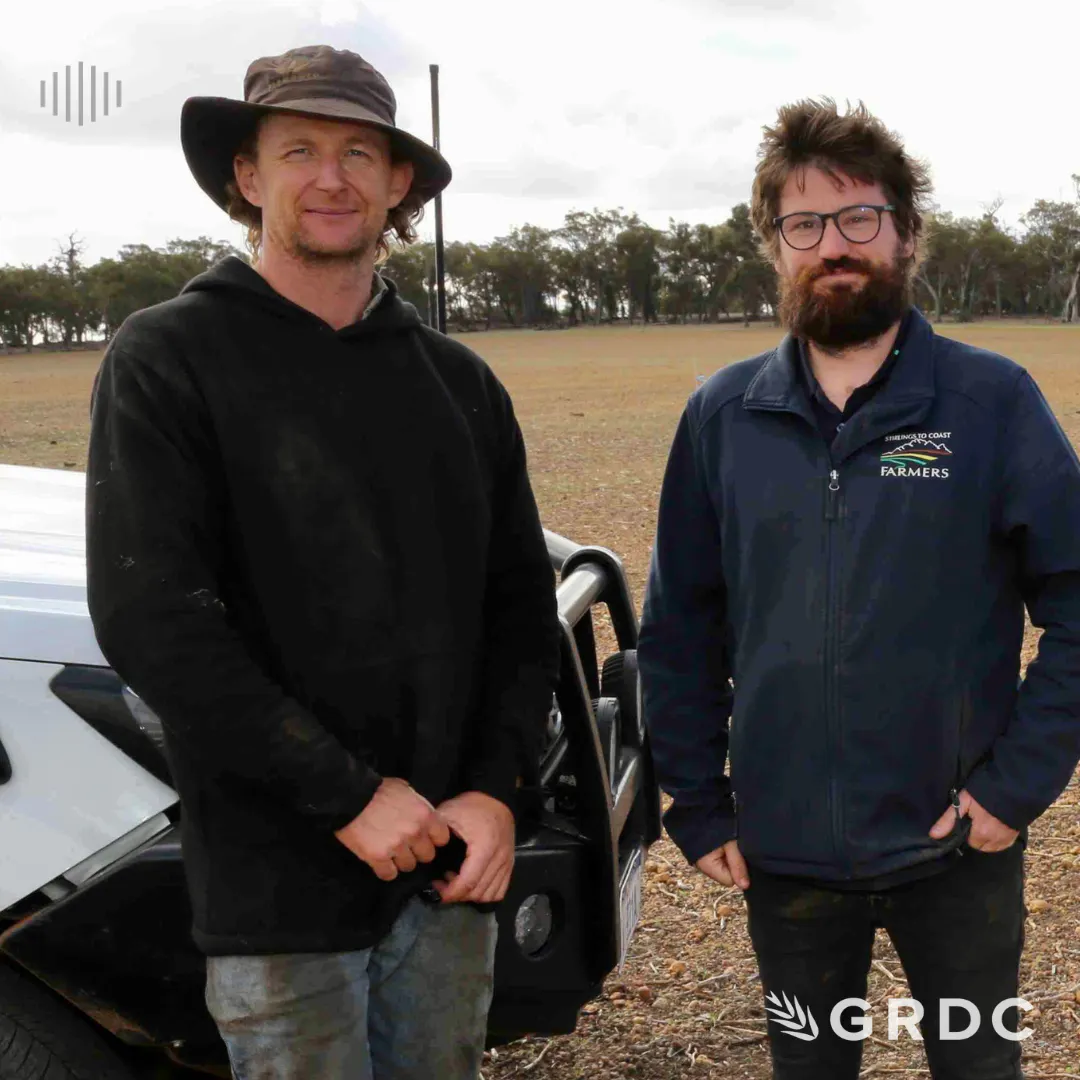
Improving claying efficiency on poor soils in WA
Trials taking place in Western Australia aim to provide growers with information and resources to increase the effectiveness of claying on poor soil. In this podcast, Dan Fay from Stirlings to Coast Farmers discusses the benefits and long-term soil amelioration that can be achieved by claying and grower Ben Webb shares his experiences with the trials and how it has positively affected yields. Contact: Dan Fay Stirlings to Coast Farmers [email protected] Watch the Improving claying efficiency on poor soil types WA video. More Information: Stirlings to Coast Farmers. GRDC Project Code: SCF2203-003SAX Learn more about your ad choices. Visit megaphone.fm/adchoices

GRDC in conversation: Terry Horan
🎙️ Today's 'GRDC in Conversation' podcast interview is with Terry Horan. Joining us from central Tasmania this week is agronomic specialist Terry Horan, in our last episode of Series 2 of the GRDC podcast In Conversation. For more than 40 years, Terry has been actively involved in agronomy in the low, medium and high rainfall cropping areas. He grew up in between Trundle and Parks, NSW, studied in Wagga, then his career took him from Temora to Tassie and from across the government to the private sector. But it has been his love of the grains industry that has been his constant. GRDC Project Code: HOA2202-001SAX Learn more about your ad choices. Visit megaphone.fm/adchoices

Endosymbionts – game changing bacteria in insect species
As part of the Australian Grains Pest Innovation Program’s (AGPIP) blue sky approach to tackling insect pests in Australian grain crops, endosymbionts are being used to influence an insect’s ability to transmit crop viruses and resist pesticides. Dr Perran Ross from the University of Melbourne’s Pest and Environmental Adaptation Research Group (PEAR–G) explains what endosymbionts are, how they are being used and what impact they will have; and PhD student, Eloise Ansermin explains the new behavioural studies that have never been trialled before. Contact: Dr Perran Ross University of Melbourne PEAR -G [email protected] More Information: How to send off samples Pest and Environmental Adaptation Research Group (PEAR-G) Novel pest solutions – podcast AGPIP Video: GRDC YouTube – Endosymbionts: Game changing bacteria in insect species Learn more about your ad choices. Visit megaphone.fm/adchoices

GRDC in conversation: Allan Mayfield
🎙️ Today's 'GRDC in Conversation' podcast interview is with Dr Allan Mayfield. In 2021, Allan was granted the GRDC Recognising and Rewarding Excellence Award for the southern region for his long-standing input and commitment to the nation’s grains industry. And it's not just the grains industry he's impressed, with Allan named as SA's Australia Day Citizen of the Year 2020. Allan grew up on the Eyre Peninsula, going onto become a researcher in plant pathology and eventually starting his own consultancy. Allan's also a middle-distance runner of acclaim - so get shoes on and join us for this cracker of a conversation. GRDC Project Code: HOA2202-001SAX Learn more about your ad choices. Visit megaphone.fm/adchoices
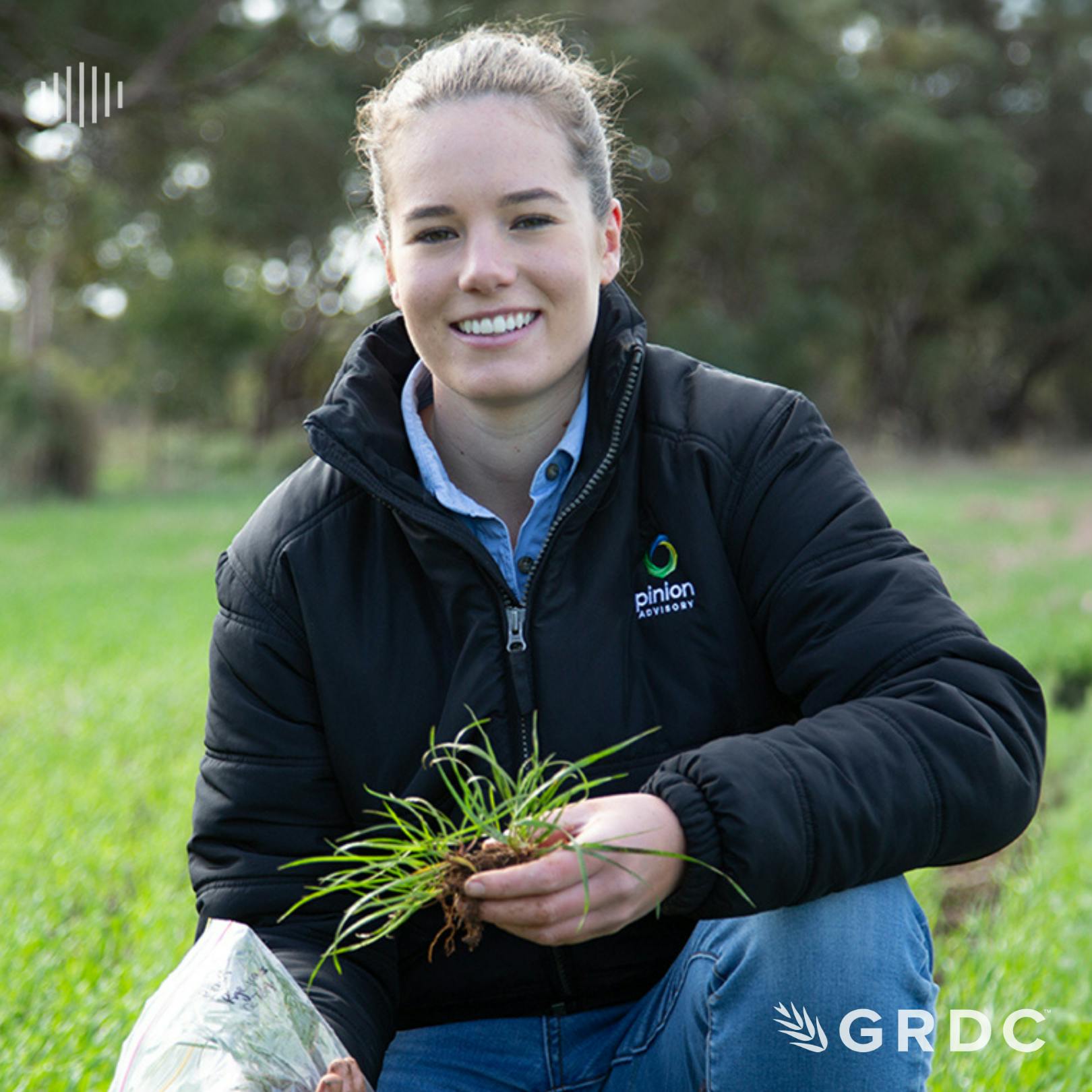
10 years of WeedSmart and the ‘Big 6'
WeedSmart provides solutions to control crop weeds using the ‘Big 6’ principles utilising herbicide, mechanical and cultural tactics. 2023 marks ten years of the WeedSmart program, with a focus on spray efficacy as part of the ‘Big 6’. WeedSmart agronomists, Jana Dixon and Greg Condon discuss the benefits of the WeedSmart ‘Big 6’ as they prepare for WeedSmart Week on 1 August in Dubbo, New South Wales. Download the transcript for this episode Contact: Jana Dixon WeedSmart high rainfall zone agronomist [email protected] Greg Condon WeedSmart southern extension agronomist [email protected] More Information: WeedSmart Registration for WeedSmart Week 2023 – Dubbo Project Code: UWA2007-001SAX Learn more about your ad choices. Visit megaphone.fm/adchoices

GRDC in conversation: Lynne MacDonald
🎙️ Today's 'GRDC in Conversation' podcast interview is with Dr Lynne MacDonald. Dr Lynne MacDonald is a research scientist with CSIRO where she leads a portfolio of research on soil carbon and low emissions agriculture. Her early love of agriculture and childhood memories of playing in the dirt stem back to Scotland. Years later, she was awarded a fellowship which saw her move to Canada, but she eventually landed in South Australia to study intensive cropping systems, and she has made it our country her home too. And we're grateful she did as she's been having a real impact into the future of the Aussie grains industry. GRDC Project Code: HOA2202-001SAX Learn more about your ad choices. Visit megaphone.fm/adchoices
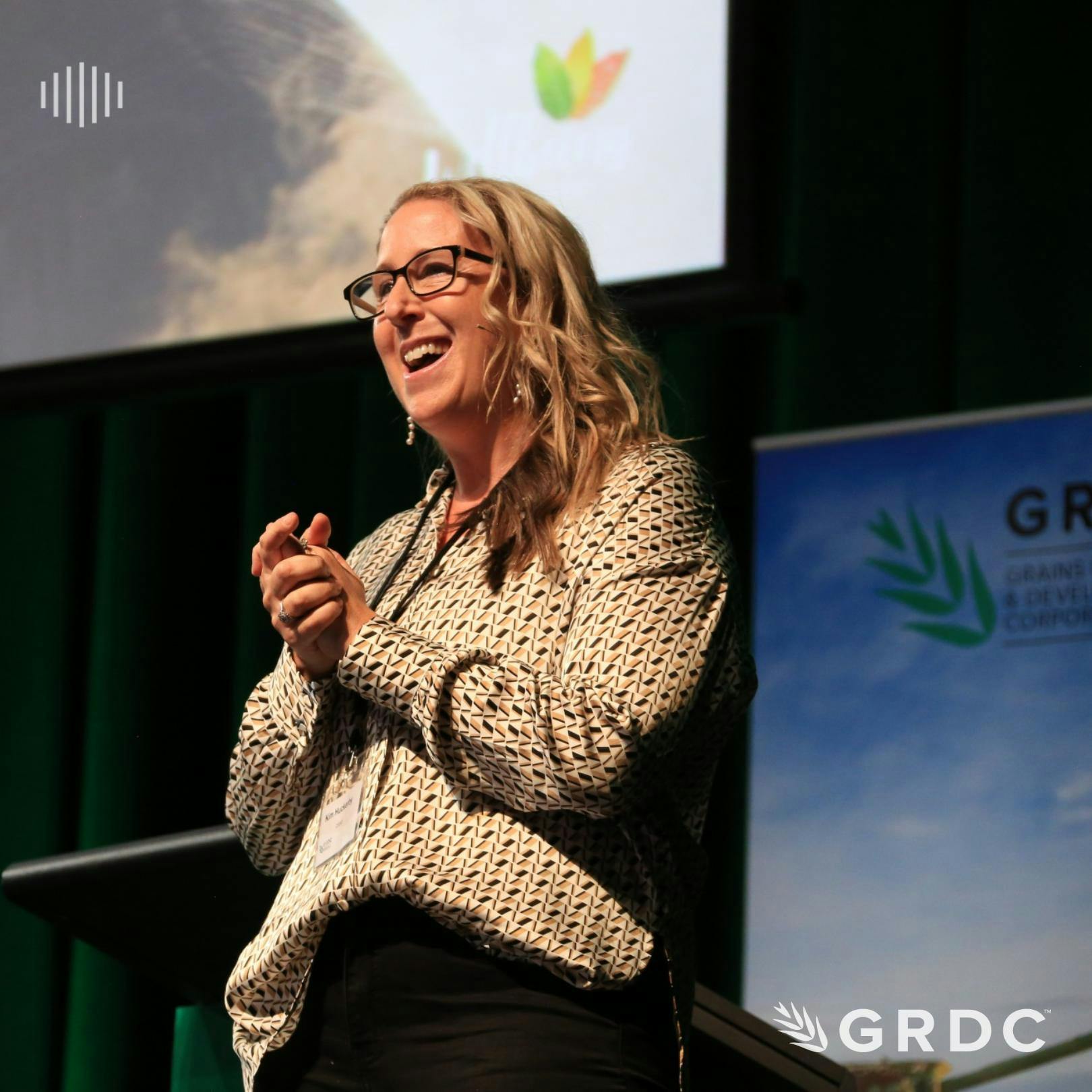
Insights to maintain a healthy mindset under pressure
Across the country, many growers have not had much of a break between harvest and this season's operations… and this comes on top of a tough couple of years that included the unpredictability of mother nature, as well as a global pandemic. This podcast explores strategies for maintaining a healthy mindset while under pressure. We spoke to Kim Huckerby from ‘The Wellbeing Affect’ who shares practical advice and steps that everyone can take. Download the transcript for this episode Contact: Kim Huckerby The Wellbeing Affect [email protected] More Information: The Wellbeing Affect Learn more about your ad choices. Visit megaphone.fm/adchoices

GRDC in conversation: James Hunt
🎙️ Today's 'GRDC in Conversation' podcast interview is with James Hunt. James Hunt is a Professor of agronomy at the University of Melbourne, but his journey there was interesting and included touring Europe as part of a heavy metal rock band and some home brewing detours. He grew up on a farm in western Victoria and has done quite a bit in the world of grain crop research and farming systems. James talks about the challenge of going from a researcher to a lecturer, how passionate he is about attracting researchers into agriculture and nurturing the next generation of researchers and agronomists. GRDC Project Code: HOA2202-001SAX Learn more about your ad choices. Visit megaphone.fm/adchoices
Nail the Snails! More effective control of pest snails in Australian grain crops
Dr Kym Perry from SARDI discusses all things snails including how they got to Australia and have spread across the whole country. He also discusses the new GRDC investment looking at monitoring techniques, biological control and a multifaceted approach to dealing with the widespread problem affecting the grains industry. Download the transcript for this episode Contact: Dr Kym Perry SARDI Entomology Project leader [email protected] More Information: Groundcover Article – Multifaceted approach to combat snails in grain crops GRDC Publications – Nail the Snails! (New) GRDC Publications – Burn’Em, Bash’Em, Bait’Em Project Code: UOA2205-005RTX Learn more about your ad choices. Visit megaphone.fm/adchoices
GRDC in conversation: Lawrence Richmond
🎙️ Today's 'GRDC in Conversation' podcast interview is with Lawrence Richmond. Growing up in Watchem in western Victoria, Lawrence Richmond had no idea that there were opportunities to be a farmer beyond his farm gate. But at 21, he picked up work in the world of corporate agriculture, opening his eyes to a world of possibility. Fast forward to today and Lawrence joins us from Romania, where he consults and helps to manage properties with farmers in Russia, Romania, Ukraine and Kazakhstan. His story is a great one. GRDC Project Code: HOA2202-001SAX Learn more about your ad choices. Visit megaphone.fm/adchoices

Identifying and managing soilborne disease
Soilborne disease and root health in cereals and pulses often doesn't get the attention it deserves because it's quite literally out of sight, out of mind. In this podcast, researchers Blake Gontar and Dr Liz Farquharson of the South Australian Research and Development Institute (SARDI), the research division of the Department of Primary Industries and Regions in South Australia, share their insight on identifying and managing soilborne diseases in cereals and pulses. They’re involved in a series of national grower workshops on soilborne disease and root health that have taken place over the past few years, made possible by a GRDC investment and collaboration with grower groups and other industry bodies. Download the transcript for this episode Contact: Blake Gontar Senior Research Officer SARDI [email protected] Dr Liz Farquharson Research Scientist SARDI [email protected] More Information: GRDC YouTube – Identifying and managing soilborne disease GRDC Project Code: FLR1912-003RTX Learn more about your ad choices. Visit megaphone.fm/adchoices

GRDC in conversation: Tanja Morgan
🎙️ Today's 'GRDC in Conversation' podcast interview is with Tanja Morgan. Twenty years ago, Tanja took up a job in the Mallee for a better work opportunity but was ‘devastated’ to move to the area. However, the place grew on her and farming in the Mallee has since become a large part of her life. She’s even moved further away from the big smoke residing in the little town of Geranium where she is a dog trainer, farmer and communicator. With an optimistic outlook on life and a refreshing approach to life’s challenges, Tanja has become an influential and involved part of the Mallee farming community. GRDC Project Code: HOA2202-001SAX Learn more about your ad choices. Visit megaphone.fm/adchoices

Soil amelioration in Irrigated crops
GRDC, the Irrigated Cropping Council and the NSW Department of Primary Industries have teamed up to explore the influence of soil amelioration and soil amendments on crop yield and profitability in irrigated farming systems. So far there have been mixed results from the project which aims to give growers an understanding of the costs and benefits of deep ripping on sodic soils. Download the transcript for this episode Contact: Irrigated Cropping Council Damian Jones [email protected] More Information: Irrigated Cropping Council Research – Optimising Irrigated Grains Project Code: ICF1906-002RTX Learn more about your ad choices. Visit megaphone.fm/adchoices

GRDC in conversation: Andy Barr
🎙️ Today's 'GRDC in Conversation' podcast interview is with Professor Andrew Barr. Andy is a valued SA local and well-known across the grains industry. He joins us to talk about his childhood memories on a mixed farm, where he developed a love for innovation, inspiring him to study agricultural science that led to a 30-year career in plant breeding. Andy shares his experiences of travelling the world and supporting grains research-for-development across some of the most interesting parts of the planet. Despite his successful career, Andrew's ultimate goal was to return to the family farm, which he eventually did. This year Andy was awarded GRDC's greatest honour - a Seed of Gold award - in recognition of his outstanding contributions to Australia’s grain industry. GRDC Project Code: HOA2202-001SAX Learn more about your ad choices. Visit megaphone.fm/adchoices

2023 Southern region slug update
The southern region is experiencing its worst season of slug infestation. GRDC is so aware of the problems growers are having with slugs, that it currently has a tender out to invest further in slug research. Meantime we catch up with agronomist, Tim Pohlner and invertebrate ecologist, Dr Michael Nash to discuss trouble shooting the problem now and in future seasons. Download the transcript for this episode Contact: Dr Michael Nash Invertebrate Ecologist [email protected] More Information: GRDC Resources – Slugs and Snails GRDC Factsheets – Slug Control GRDC Publications – Slugs in Crops: The Back Pocket Guide GRDC Tenders – Optimising slug management Project Code: MAN2204-001SAX Learn more about your ad choices. Visit megaphone.fm/adchoices
GRDC in conversation: Terry Enright
🎙️ Terry is the chair of Grains Australia Limited and this year was presented with a GRDC Seed of Gold award. In this episode, Terry talks about his passion for agriculture and how he started his career in the 1970s in Mount Barker, WA. Despite challenges like the collapse of the wool industry, Terry and his peers persevered, transitioning to grain and livestock. He shares his insights into WA’s Great Southern region, such as its Mediterranean climate and its reliance on winter rainfall for dryland agriculture, and his support for the West Coast Eagles football team. GRDC Project Code: HOA2202-001SAX Learn more about your ad choices. Visit megaphone.fm/adchoices

Sub-surface drainage ROI trial (The war on waterlogging)
Camilla Plunkett attends a demonstration day at Dalyup, WA to look at the latest in tile ploughing, a solution being used in the GRDC investment trial exploring sub-surface drainage ROI. Project officer Sophie Willsher from South Coast Natural Resource Management and grower, Rohan Marold discuss all things sub-surface drainage, including a ‘how to’ for growers; and the challenges and rewards of this method. Download the transcript for this episode Contact: Sophie Willsher, South Coast Natural Resource Management [email protected] More Information: GRDC Podcast – Rising interest in sub-surface drainage Project Code: SCF2005-001SAX Learn more about your ad choices. Visit megaphone.fm/adchoices

GRDC in conversation: Kevin Moore
🎙️ Today's 'GRDC in Conversation' podcast interview is with Dr Kevin Moore. A renowned plant pathologist, Kevin was recognised in 2023 with GRDC's highest accolade - a Seed of Gold award - for his work in crop protection. His extensive 55-year career has had long-lasting effects on the grains industry, with his research outcomes and pulse disease management strategies still actively used by fellow researchers and growers to improve profitability to this day. GRDC Project Code: HOA2202-001SAX Learn more about your ad choices. Visit megaphone.fm/adchoices

New genetics for improved canola establishment
Deborah Bishop finds out about the latest in canola genetics from CSIRO’s Dr Matt Nelson. Dr Nelson gives an insight into the GRDC invested genetics project exploring the key genetic traits contributing to successful canola establishment. The project also aims to provide canola breeders with improved genetics from overseas varieties and selection tools to accelerate the breeding of varieties with better establishment potential. Download the transcript for this episode Contact: Dr Matthew Nelson CSIRO [email protected] More Information: GroundCover Article – Canola establishment under the scope Project Code: CSP1907-001RTX Learn more about your ad choices. Visit megaphone.fm/adchoices

GRDC in conversation: Dan Bingham
🎙️ Today's 'GRDC in Conversation' podcast interview is with Dan Bingham. Dan runs a large-scale contracting and farming business Bingham Agriculture, from his home base in Skipton, Victoria. He loves the balance of the contracting and farming, lights up when he talks about supporting young people enter the industry and get their start, and says it's the "happy faces and good crops" that are his inspiration. GRDC Project Code: HOA2202-001SAX Learn more about your ad choices. Visit megaphone.fm/adchoices
South to West: key learnings for growers across regions
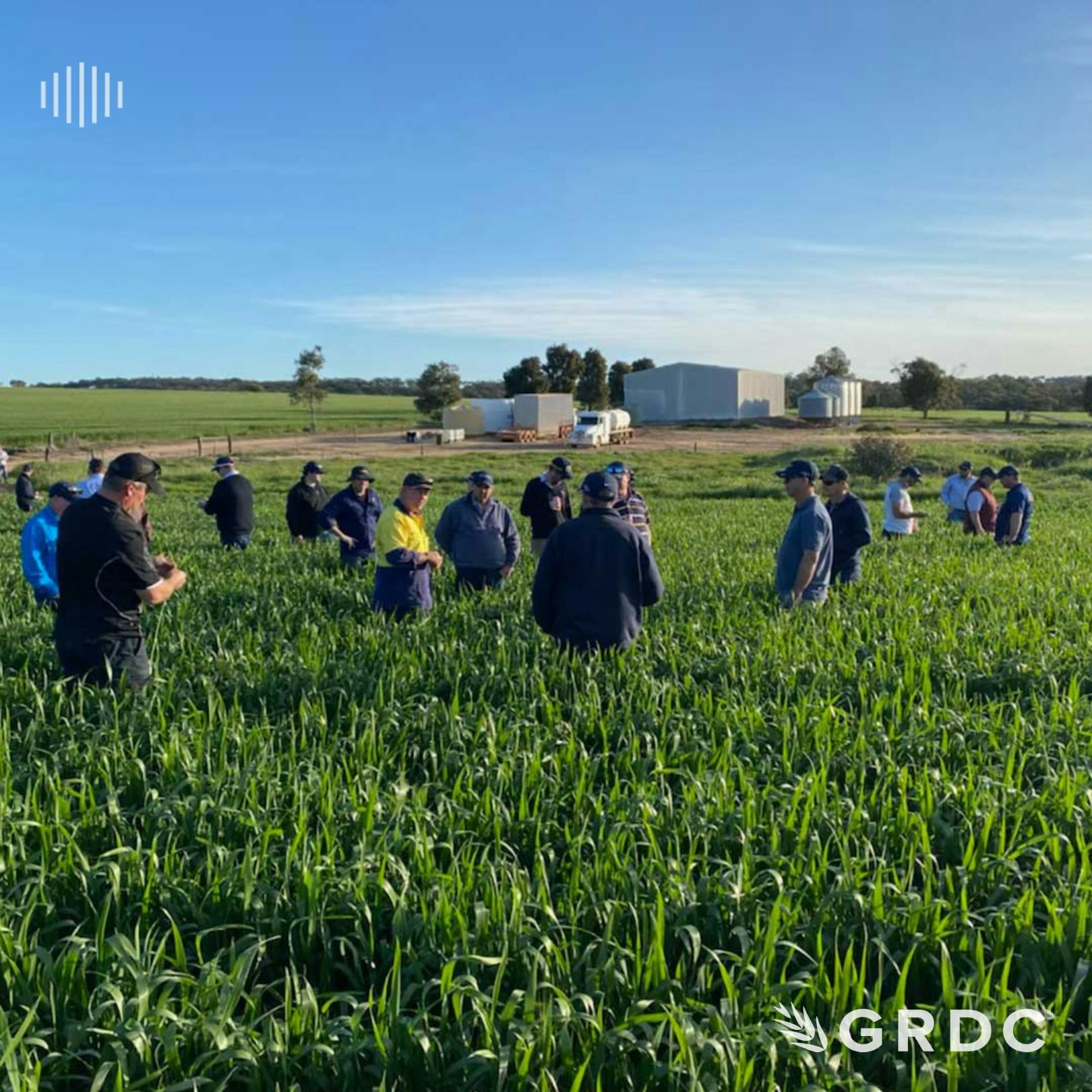
Sarah Sanderson catches up with Tom De Mattia, from Delta Ag and learns about the 3000km GRDC funded study tour which took a group of growers and advisors from Wagga Wagga NSW to Esperance WA to learn about the similarities and differences in management strategies for each area and highlight the ‘peer-learning’ approach of growers learning from growers. Download the transcript for this episode Contact: Tom De Mattia Delta Ag [email protected] Project Code: DEL2206-002AWX Learn more about your ad choices. Visit megaphone.fm/adchoices

GRDC in conversation: Cassandra Schefe
🎙️ Today's 'GRDC in Conversation' podcast interview is with Dr Cassandra Schefe. In the Forbes RSL using coasters and the RSL carpet as a reference, Cassie and two big names in agricultural sustainability came up with the idea for the Cool Soil Initiative, which now supports farmers explore practices to improve soil health. It's no surprise she brought such an idea to life, she grew up around farming and found a love for science and soils early on in her career and now runs her consultancy AgriSci Pty Ltd. She’s got a great story, acres of passion and a heap of knowledge, that she explains to us with the utmost care. GRDC Project Code: HOA2202-001SAX Learn more about your ad choices. Visit megaphone.fm/adchoices

Update on herbicide resistance in WA weed species
Deborah Bishop interviews Mechelle Owen from AHRI, Australian Herbicide Resistance Initiative about herbicide resistance in weed species in Western Australia and the data collected from the GRDC funded survey conducted during the 2020 harvest. Download the transcript for this episode Contact: Mechelle Owen AHRI, University of WA [email protected] More Information: GRDC Podcast – Annual ryegrass resistance to pre-emergent herbicides snapshot Project Code: UCS2008-001RTX Learn more about your ad choices. Visit megaphone.fm/adchoices
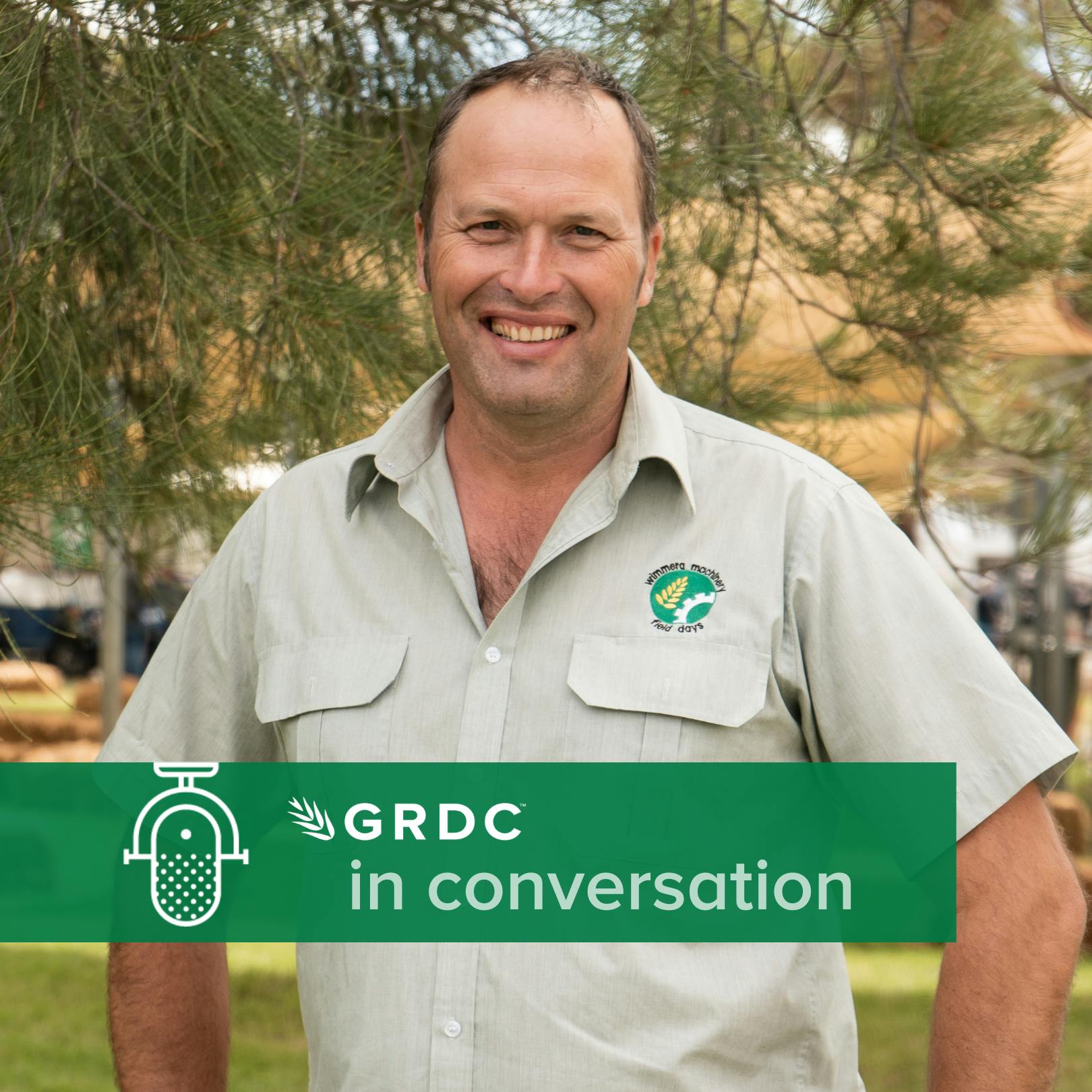
GRDC in conversation: David "DJ" Jochinke
Today's 'GRDC in Conversation' podcast interview is with David "DJ" Jochinke. DJ is the vice president of the National Farmers’ Federation, third generation grain and livestock farmer and an incredibly passionate advocate for the agriculture industry. This conversation feels like one motivational pep talk and we hear all about his education journey, why he cares so much about the work he does and the incident that inspired him to live life to the fullest. GRDC in Conversation is a limited series of the GRDC Podcast. It features in depth, long-form interviews with growers and other experts in the grains industry. It aims to help growers explore research outcomes and ideas through a different perspective. Interviewer Oli Le Lievre – presenter of Humans of Agriculture – weaves a story not just about the technical innovations but the expertise, history and personal background, influences and motivation of each guest. GRDC Project Code: HOA2202-001SAX Learn more about your ad choices. Visit megaphone.fm/adchoices
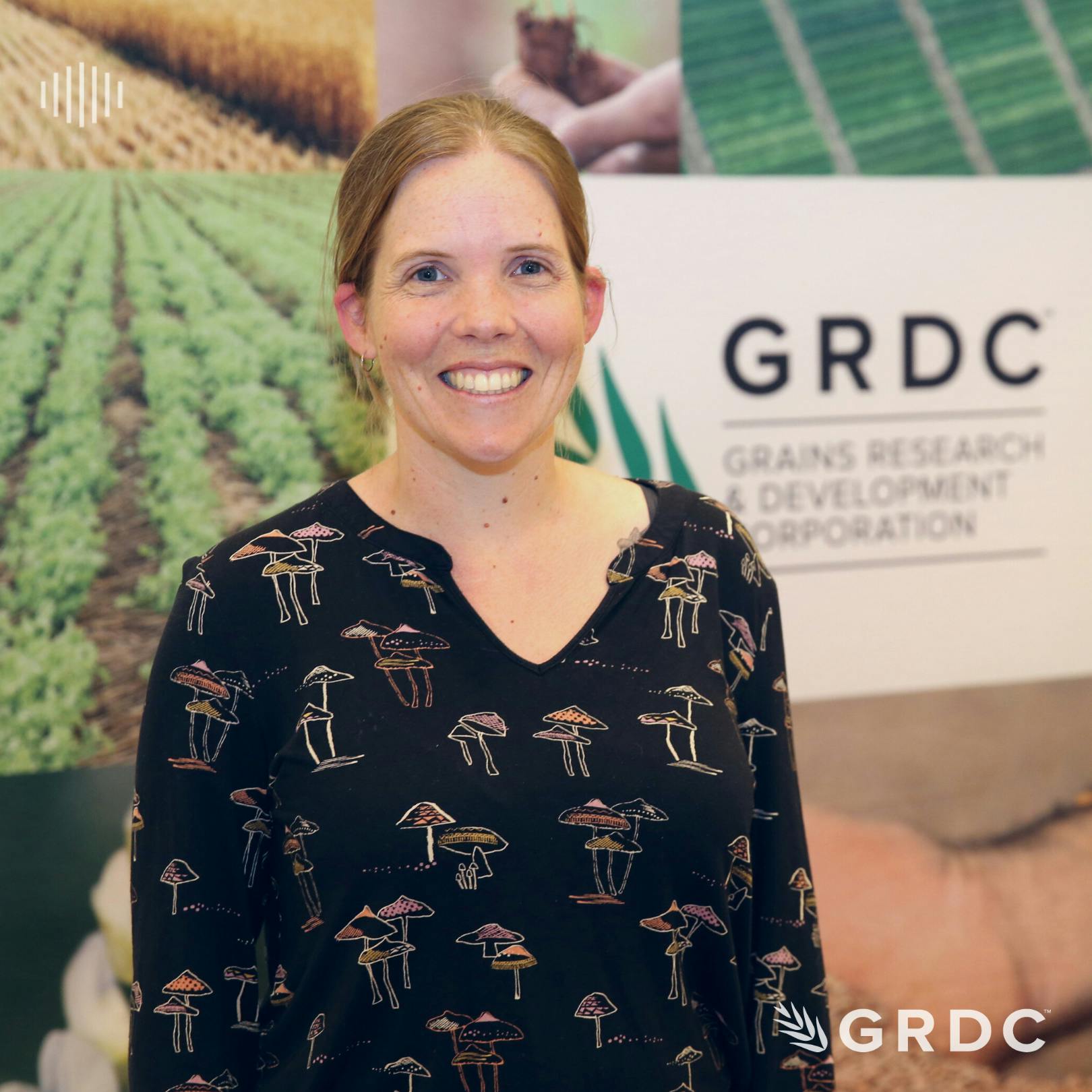
Re-thinking management options for redlegged earth mite
Deborah Bishop catches up with Dr Lizzy Lowe from Cesar Australia to discuss redlegged earth mite resistance and the surveillance measures being taken to develop up to date management recommendations and help with maintaining the effectiveness of current chemical control options. Download the transcript for this episode Contact Lizzy Lowe Cesar Australia [email protected] More Information GroundCover article – Growers urged to test redlegged earth mite for resistance GRDC Factsheet – Resistance management strategy for the Redlegged Earth Mite in Australian grains and pastures Cesar Australia – Redlegged earth mite management survey GRDC Project Code: CES2010-001RTX Learn more about your ad choices. Visit megaphone.fm/adchoices
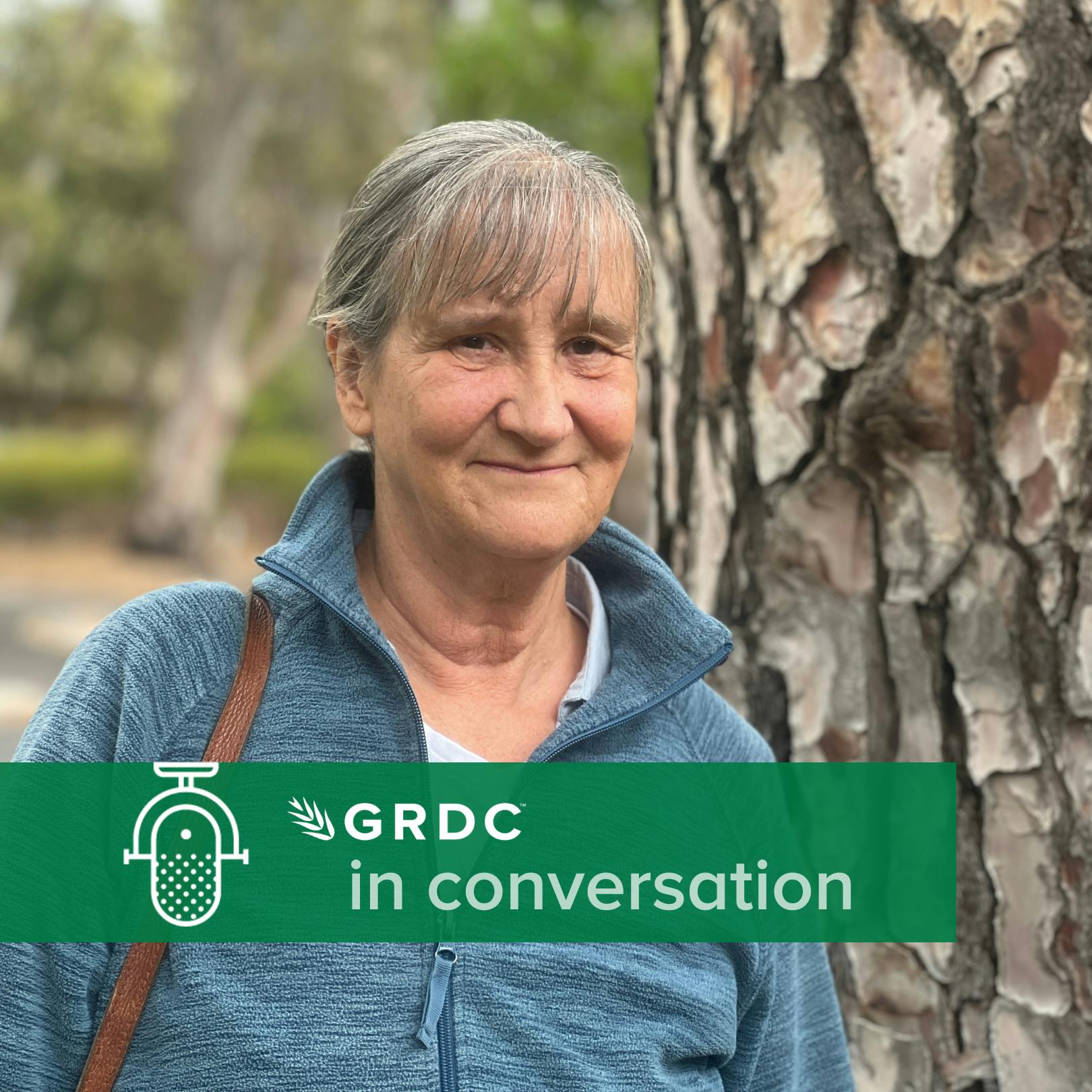
GRDC in conversation: Ann McNeill
Today's 'GRDC in Conversation' podcast interview is with Ann McNeill. A semi-retired soil scientist Ann started life in the UK, spent time in Syria working in dryland agriculture, and landed in Australia where she’s done a lot of work and research with farmers to help improve their crops. She has fascinating stories about research, her pathway into academia and the love she found along the way – have you ever gone for the same job as your partner? Ann has... and it’s interesting to hear how she navigated it. GRDC in Conversation is a limited series of the GRDC Podcast. It features in depth, long-form interviews with growers and other experts in the grains industry. It aims to help growers explore research outcomes and ideas through a different perspective. Interviewer Oli Le Lievre – presenter of Humans of Agriculture – weaves a story not just about the technical innovations but the expertise, history and personal background, influences and motivation of each guest. GRDC Project Code: HOA2202-001SAX Learn more about your ad choices. Visit megaphone.fm/adchoices

GroundUp Agtech Accelerator
Darryl Anderson comes live from Showcase Day at the Agtech and Logistics Hub in Toowoomba, Queensland. Darryl speaks with Agtech coordinator, Thomas Hall about the innovation behind some of the most current, up and coming products and services in agriculture and also catches up with participants from this year’s GroundUp, agribusiness accelerator program. Download the transcript for this episode Contact: Thomas Hall Agtech and Logistics Hub [email protected] More information: GRDC Podcast – Agtech and Logistics hub accelerator Agtech and Logistics Hub – GroundUp Homepage Video: GRDC YouTube – GroundUp Accelerator Program | Innovation Showcase Project Code: ACL2205-001SAX Learn more about your ad choices. Visit megaphone.fm/adchoices