
GRDC Podcast
571 episodes — Page 7 of 12

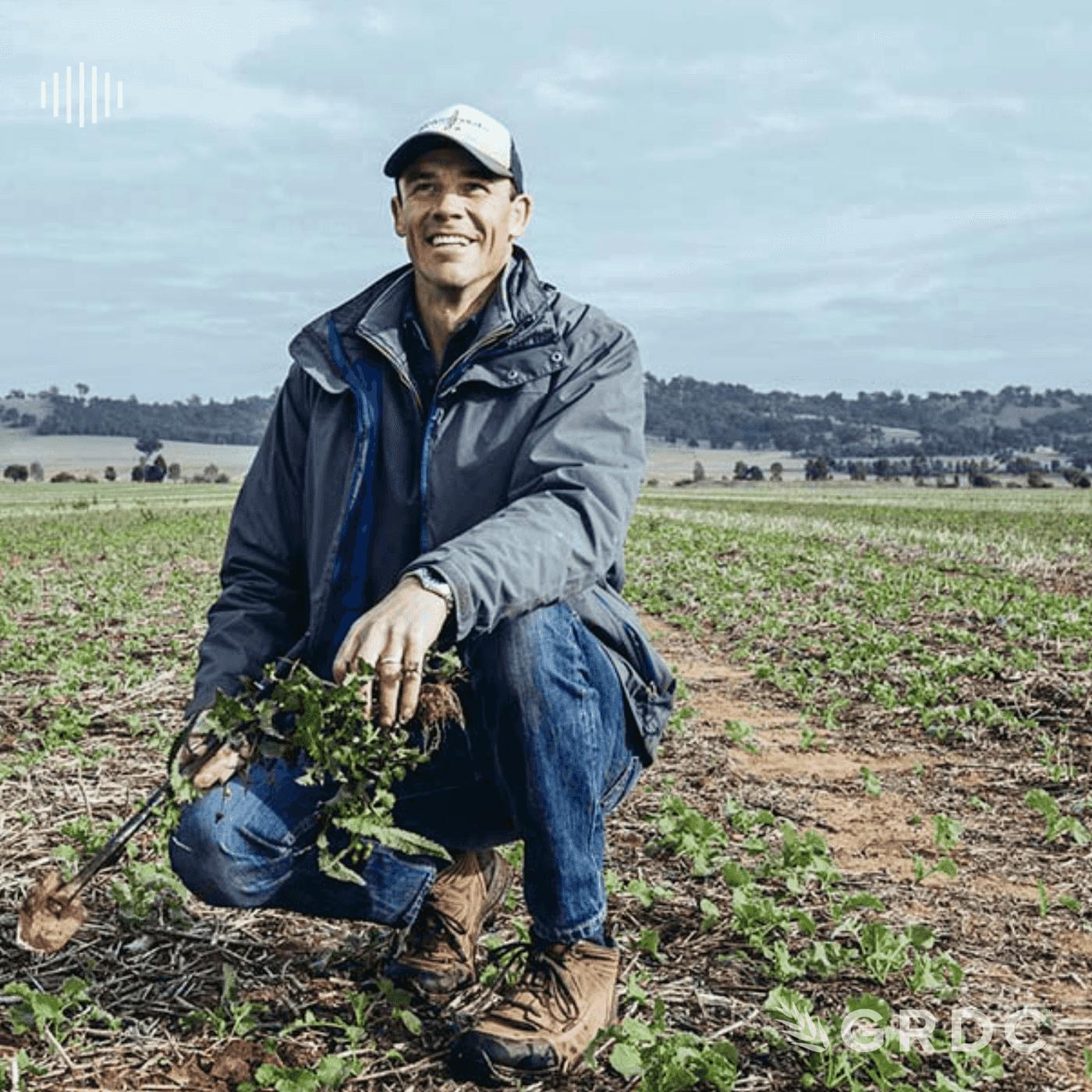
S1 Ep 271Reducing the impact of blackleg in canola
Australia’s canola industry continues to grow from strength to strength - despite the presence of blackleg, a common disease that has the potential to cause more than 90 per cent yield loss. This success story is thanks, in part, to decades of targeted GRDC investment into blackleg management – delivering significant genetic and agronomic advancements to help canola growers reduce the impact of this serious pathogen. Marcroft Grains Pathology Principal Dr Steve Marcroft has been at the forefront of this research for nearly 30 years and he discusses the impact that blackleg research has had. Contact: Dr Steve Marcroft Marcroft Grains Pathology [email protected] More Information: Early-sown canola may escape blackleg clutches Blackleg Management Guide Marcroft Grains Pathology Project Codes: UOM1904-004RTX, UOM1905-003RTX, UWA1905-006RTX, CSP1904-007RTX Learn more about your ad choices. Visit megaphone.fm/adchoices
S1 Ep 270Investing in water use efficiency yields results
One of the greatest barriers to improving farm productivity in Australia is water. Over the past ten years, GRDC investment in water use efficiency (WUE) research has resulted in significant yield gains and underpinned an evolution in the management of summer fallows and farming sequences across Australia’s southern and western cropping regions. Southern NSW agronomist Greg Condon has been involved with WUE research projects for more than 12 years, and in this podcast he delves into the research findings that are delivering real impact for growers. Contact Greg Condon Grassroots Agronomy [email protected] More information - Investing in water use efficiency yields results case study Project code CSP00111, DAS00089, CSP1707-019RTX, CSP1703-007RTX, CSP1706-015RMX Learn more about your ad choices. Visit megaphone.fm/adchoices

S1 Ep 269Predicting Nitrogen cycling and losses in Australian cropping systems
Excessive rainfall has hit northern growers over the past six months. With water logging across paddocks, growers are at heightened risk of losing nitrogen from denitrification, and it’s an issue GRDC is keen to understand better. Recent research supported by GRDC and led by Senior Research scientist at the New South Wales Department of Primary Industries, Dr Graeme Schwenke, found that on average, paddocks with waterlogging could lose 28 per cent of nitrogen from denitrification. To get the complete picture of nitrogen cycling and the conditions under which growers can lose nitrogen from the soil, GRDC has launched a new project to investigate how to better predict nitrogen cycling and losses in Australian cropping systems with a focus on augmenting measurements to enhance modelling. In this podcast Dr Schwenke discusses the state of play on the ground right now, and the value of further research into nitrogen cycling. Contact: Graeme Schwenke NSW DPI [email protected] More information: GRDC Update Paper: Nitrogen volatilisation: Factors affecting how much N is lost and how much is left over time Project code: UOQ2204-010RTX Learn more about your ad choices. Visit megaphone.fm/adchoices

S1 Ep 268Improving crop establishment with long coleoptile wheat
Long coleoptile wheat is getting a lot of grower interest and some new research been delivering some exciting results. This genetic approach is focused on wheat lines that produce a long first shoot, or a coleoptile, allowing for deeper sowing into soil with residual moisture. After successful paddock-scale trials, the research is helping growers mitigate the risk of poor or failed establishment because of unpredictable summer rain and sowing breaks. Led by CSIRO plant geneticist, Dr. Greg Rebetzke, we talk about the research that's got growers and the GRDC excited about the future potential of the long coleoptile wheats. Contact Dr Greg Rebetzke CSIRO Agriculture and Food 02 6246 5153 [email protected] More information - Are long coleoptile wheats an early sowing game-changer? - GRDC Grains Research Update Online, Southern Region 2022 - Day 1, Agronomy & management for a shifting climate (Adelaide & Bendigo) - On-farm assessment of new long-coleoptile wheat genetics for improving grain yield with deep sowing - Early learnings from multi-site, multi-system assessment of new long-coleoptile genetics for deep sowing of wheat Learn more about your ad choices. Visit megaphone.fm/adchoices

S1 Ep 267New agronomy insights for irrigated grains
When it comes to maximising the productivity of irrigated crops, research is proving it isn’t as simple as adding water and lots of nitrogen fertiliser. The Optimising Irrigated Grains project team have two seasons of impressive agronomy data under their belt –helped along by back-to-back mild spring conditions which has seen them achieve some pretty exceptional yields Contact Nick Poole Managing Director FAR Australia [email protected] More information - Optimising irrigated grains video - Grower insights on grazing crops under irrigation podcast - ICC website - Optimising irrigated grains podcast GRDC code: FAR1906-003RTX Learn more about your ad choices. Visit megaphone.fm/adchoices
S1 Ep 266Summer chickpeas show red-hot promise
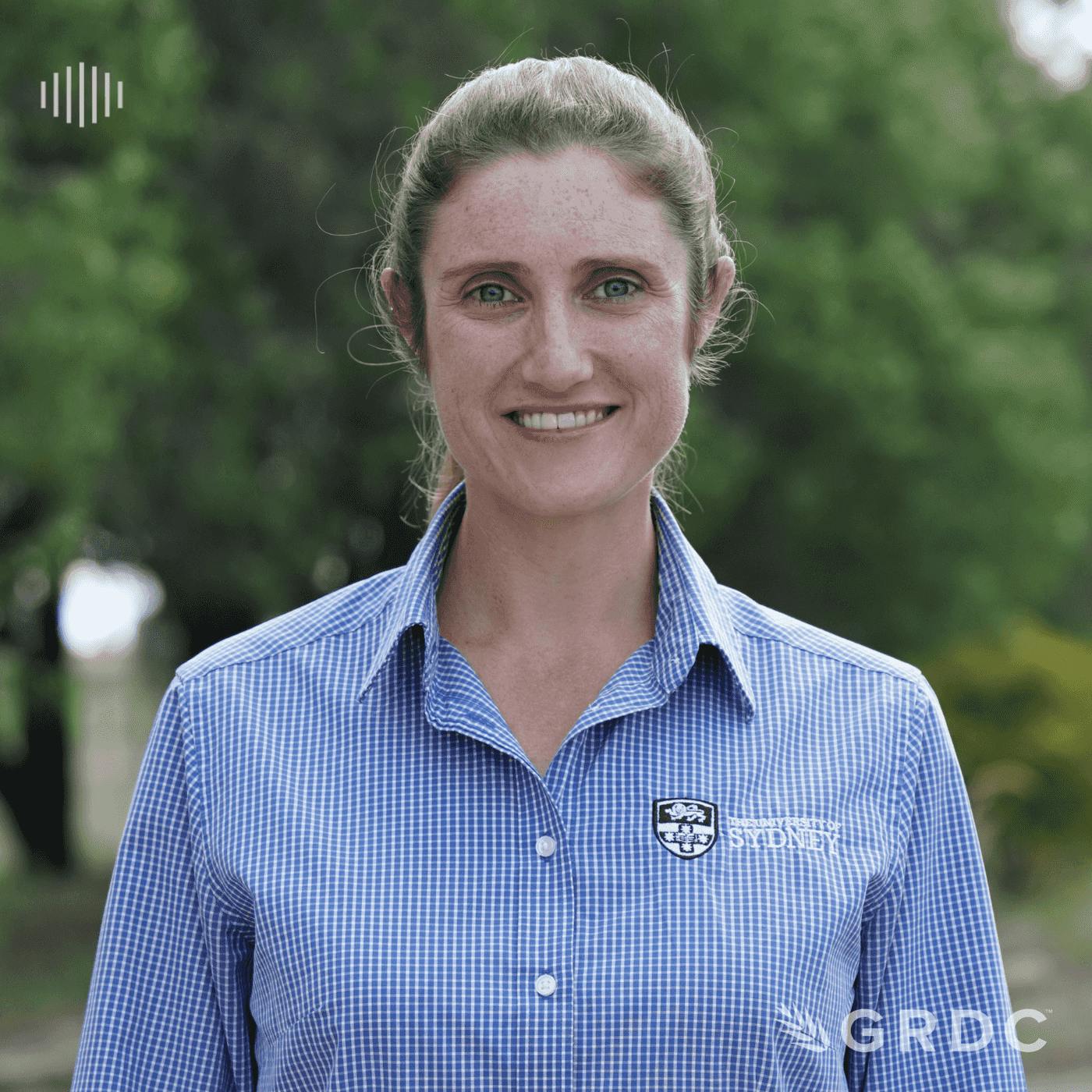
A 90-day summer chickpea crop could soon be a reality for the north, giving growers a pulse option to plant in February and harvest in June. Researchers involved in the summer chickpea project, made possible through GRDC investment, have spent the summer assessing the performance of 20 chickpea lines across five different locations. As project lead Dr Angela Pattison from the University of Sydney explains, the trial results and yield potential of the system are showing real promise. Contact Dr Angela Pattison The University of Sydney [email protected] More information - Summer chickpea video - GroundCover story - Turning necessity into opportunity with summer chickpeas - GroundCover story - International resources tapped for heat-tolerant chickpea germplasm for Australian breeding programs GRDC code: UOS2112-003RTX Learn more about your ad choices. Visit megaphone.fm/adchoices

S1 Ep 265Setting up your mungbean crop for success
What does it take to optimise mungbean yields in Australia’s northern growing region? It's the focus of a significant GRDC investment underway with Queensland Department of Agriculture and Fisheries. In this podcast, project participant Paul McIntosh from Pulse Australia shares the latest agronomy research findings on maximising productivity in mungbean systems. Contact Paul McIntosh Pulse Australia industry development manager [email protected] More information · Mungbean agronomy video · Mungbean yield gap and agronomy webinar - Marisa Collins · Exploring interactions of arbuscular mycorrhizal fungi (AMF), rhizobia and root-lesion nematode (Pratylenchus thornei) in mungbeans, Update Paper Learn more about your ad choices. Visit megaphone.fm/adchoices
S1 Ep 264Managing fusarium wilt in mungbeans
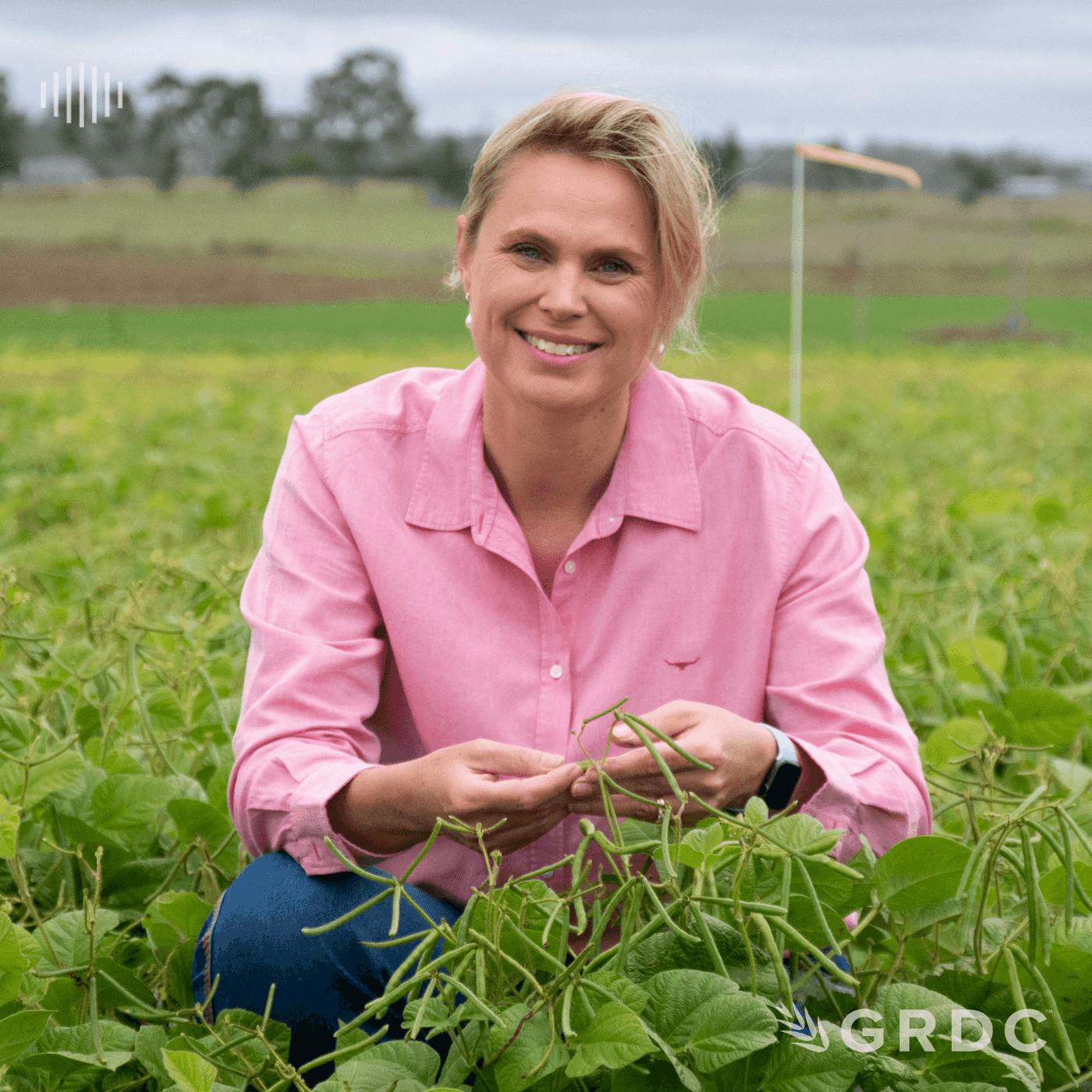
Fusarium wilt is significant mungbean disease that can result in up to 80 per cent yield loss. In an effort to arm growers with information about this costly disease, the Department of Agriculture and Fisheries (DAF) in Queensland has set up a variety of tolerance trials across the state as part of a wider GRDC and DAF co-investment on optimising mungbean yield in the northern region. In this podcast, DAF Extension Officer, Jayne Gentry, shares the latest research findings and her recommendations for managing fusarium wilt. Contact Jayne Gentry Principal Development Extension Officer, Crop and Food Sciences, Department of Agriculture and Fisheries [email protected] More information Mungbean disease webinar Project code: DAQ1806-003RTX Learn more about your ad choices. Visit megaphone.fm/adchoices
S1 Ep 263A new era for oat breeding
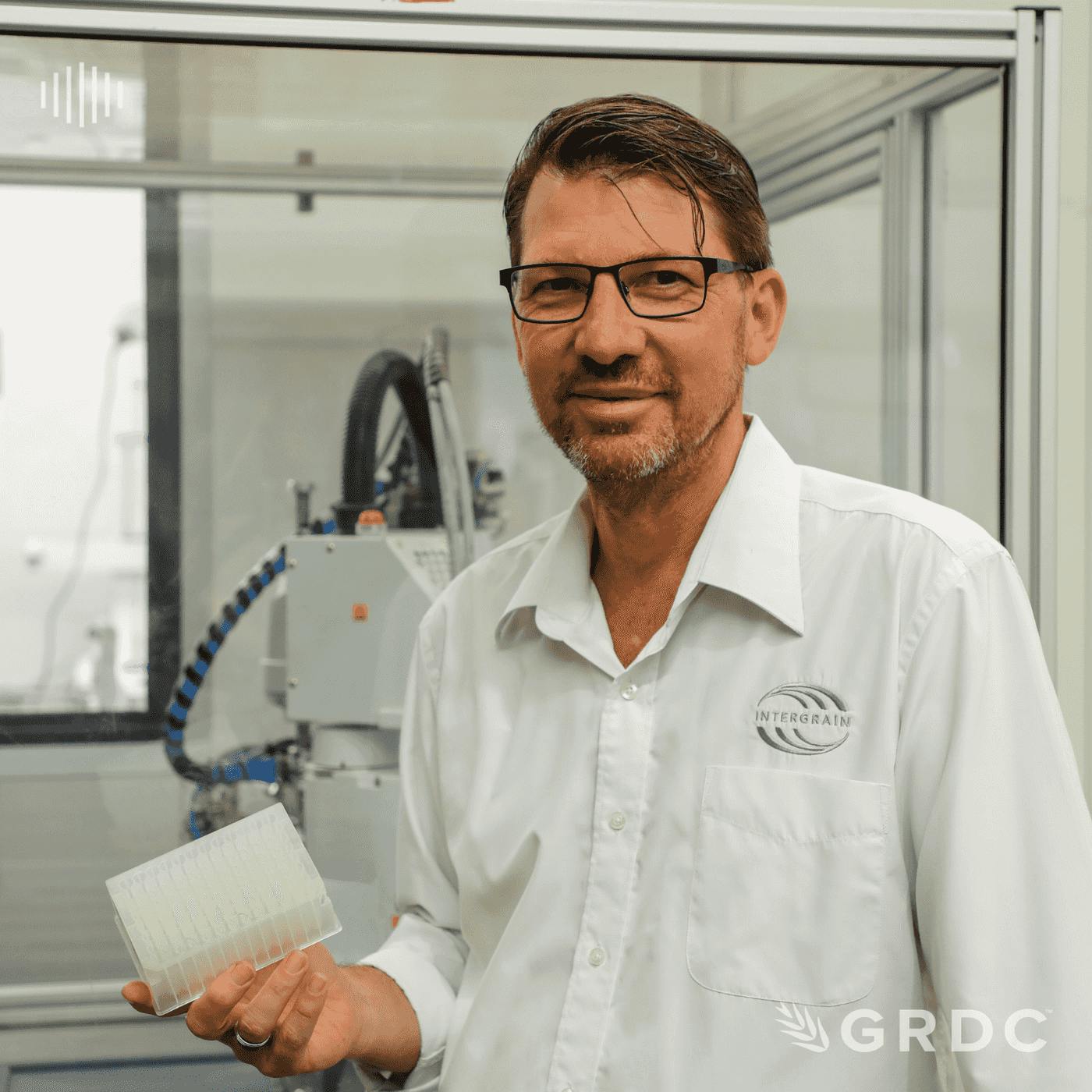
The National Oat Breeding Program, backed by joint $5.4 million investment from AgriFutures Australia and GRDC, is being propelled into a new era under the leadership of commercial breeding company, InterGrain. In this podcast, Intergrain’s Dr Allan Rattey shares all the details of the new program and how it will increase the genetic gain per dollar invested. The program is strengthened by significant collaboration with oat pre-breeding investments across Australia. This national research network provides valuable support to the success of the breeding programs and industry. Contact: Dr Allan Rattey Intergrain [email protected] More information February 2022 GRDC update presentation GRDC code IGP2103-001AWX Learn more about your ad choices. Visit megaphone.fm/adchoices

S1 Ep 262Optimising irrigated grains
Most irrigated crop research involves wheat or cotton - but the Optimising Irrigated Grains project is different. It’s focused on the agronomic and amelioration levers for maize, chickpeas, faba beans, canola, barley and durum. The three-year irrigation project has delivered some impressive results so far. Contact Ben Morris FAR Australia [email protected] More information · Optimising irrigated grains video · Optimising irrigated grains research report · WaterCan Profit calculator · WaterCan Profit calculator demo video. GRDC project code: FAR1906-003RTX Learn more about your ad choices. Visit megaphone.fm/adchoices

S1 Ep 261The versatility of vetch
Vetch got a bad rap back in the 1990s when a variety that looked like red lentils was substituted for the higher priced commodity and sold into export markets. Since then, this versatile crop has gone from strength to strength, thanks largely to the National Vetch Breeding Program. In this podcast, program leader Stuart Nagel explores the history of vetch and its adaptability in cropping and mixed farming systems. The breeding program has been trialling and releasing new varieties suited to Australian growing conditions since 1992. Contact Stuart Nagel, SARDI National Vetch Breeding Program Leader [email protected] More information: National Vetch Breeding Program video https://youtu.be/iiAo0C2jJHo GRDC code - DAS1711-015RTX Learn more about your ad choices. Visit megaphone.fm/adchoices

S1 Ep 260Slug control across southern Australia
As many southern growers know, good growing conditions for crops also means good ground conditions for slugs. After favourable springs in both 2020 and 2021, slug populations are on the rise and sliding into regions that don’t normally see them. As Dr Michael Nash explains, it’s about being proactive, understanding the risk factors and making informed management choices for the different species. Contact Dr Michael Nash [email protected] Ruth Peek [email protected] Learn more about your ad choices. Visit megaphone.fm/adchoices

S1 Ep 259Grower insights on grazing crops under irrigation
Dual-purpose crops under irrigation offer an attractive graze and grain return. But what's the best set-up to maximise potential at the paddock level? In this GRDC podcast, we hear from three growers who put forward paddocks in an ambitious effort to answer just that, as part of the Optimising Irrigated Grains investment. Contact Kate Coffey Riverine Plains [email protected] More information · Optimising irrigated grains video · Optimising irrigated grains research report Learn more about your ad choices. Visit megaphone.fm/adchoices

S1 Ep 258Area wide management for cropping systems weeds
Weed seeds and herbicide resistant genes have the potential to move across farm boundaries and between different land uses. A collaborative project, called area wide management for cropping systems weeds, is taking a unique approach to traditional weed control by collaborating beyond fence lines with varying land users across three pilot regions - the Sunraysia, the Darling Downs and the Murrumbidgee irrigation area. In this podcast, we hear from CSIRO's Dr Rick Llewellyn, and Mallee Sustainable Farming’s Tanja Morgan, about how the project is taking shape in the Sunraysia area. This project is supported through funding from the Australian Government, Department of Agriculture, Water and the Environment as part of its rural R&D for profit program and the Grains Research and Development Corporation and the Cotton Research and Development Corporation. The project also involves 11 research and development partners: Grains Research and Development Corporation, Cotton Research and Development Corporation, AgriFutures Australia, CSIRO, University of Queensland, University of Adelaide, University of Wollongong, Mallee Sustainable Farming, Millmerran Landcare Group, Irrigation Research & Extension Committee Inc, and the Toowoomba Regional Council. Contact: Dr Jason Emms, GRDC Manager Weeds [email protected] Dr Rick Llewellyn, CSIRO [email protected] Tanja Morgan, Mallee Sustainable Farming [email protected] More information: Could collaboration be the best weapon against weeds CSIRO Area wide management for cropping systems weeds Learn more about your ad choices. Visit megaphone.fm/adchoices
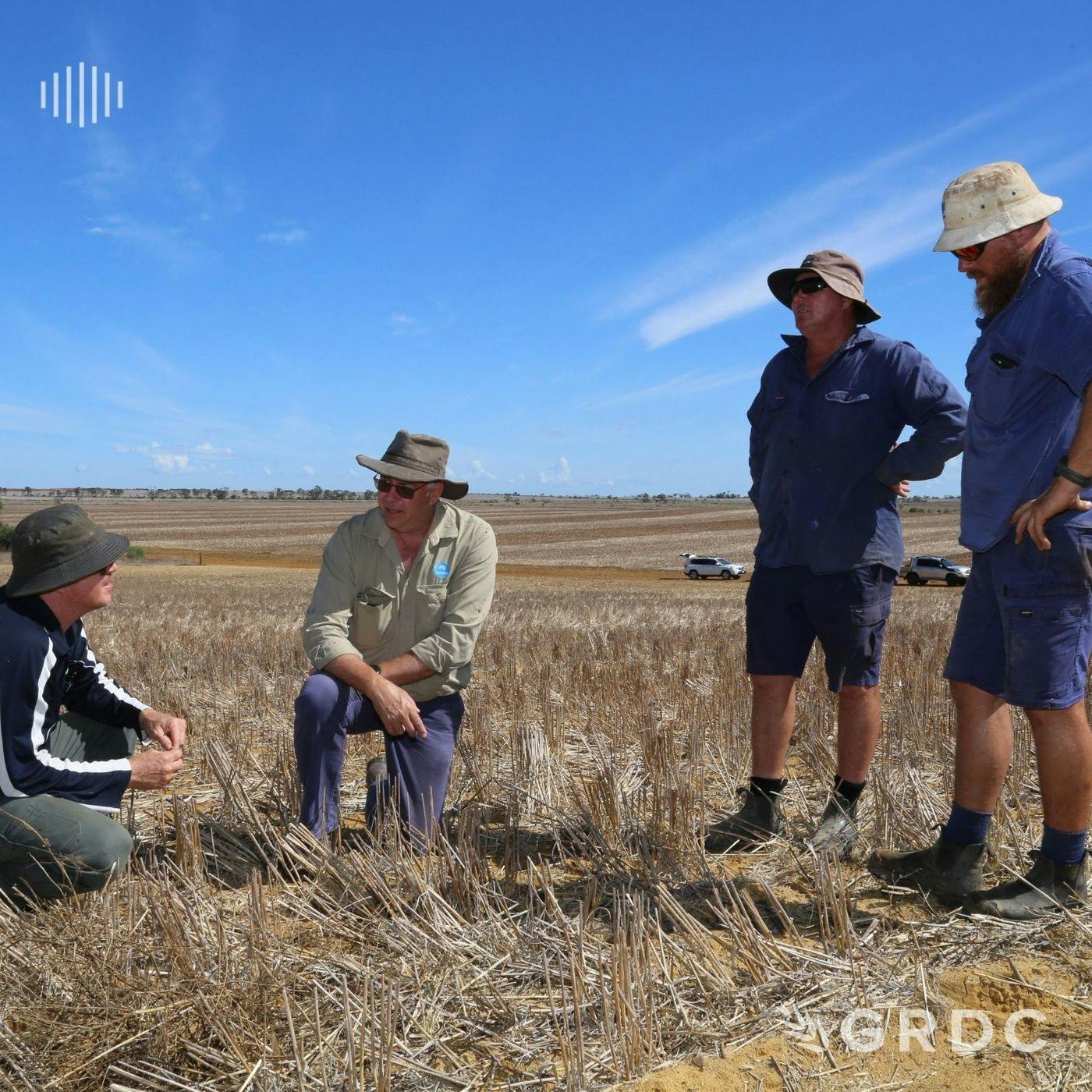
S1 Ep 257Mouse control in Western Australia
Across Western Australia’s grain growing regions, farmers are reporting increased mouse activity, sparking new concern about risks heading into the 2022 season. To help growers keep ahead of this issue, the CSIRO’s Steve Henry and Dr Wendy Ruscoe delivered GRDC mouse control workshops over 21 locations and 4 days across WA’s grain belt in March, speaking with 245 growers and advisers. In this podcast, Steve Henry shares key insights and recommendations from the workshops. Contact: Steve Henry Research Officer, CSIRO [email protected] Georgia Megirian Crop Protection Manager - West, GRDC [email protected] More information: Mouse management CSIRO mouse control. GRDC code: FMO2201-001SAX Learn more about your ad choices. Visit megaphone.fm/adchoices
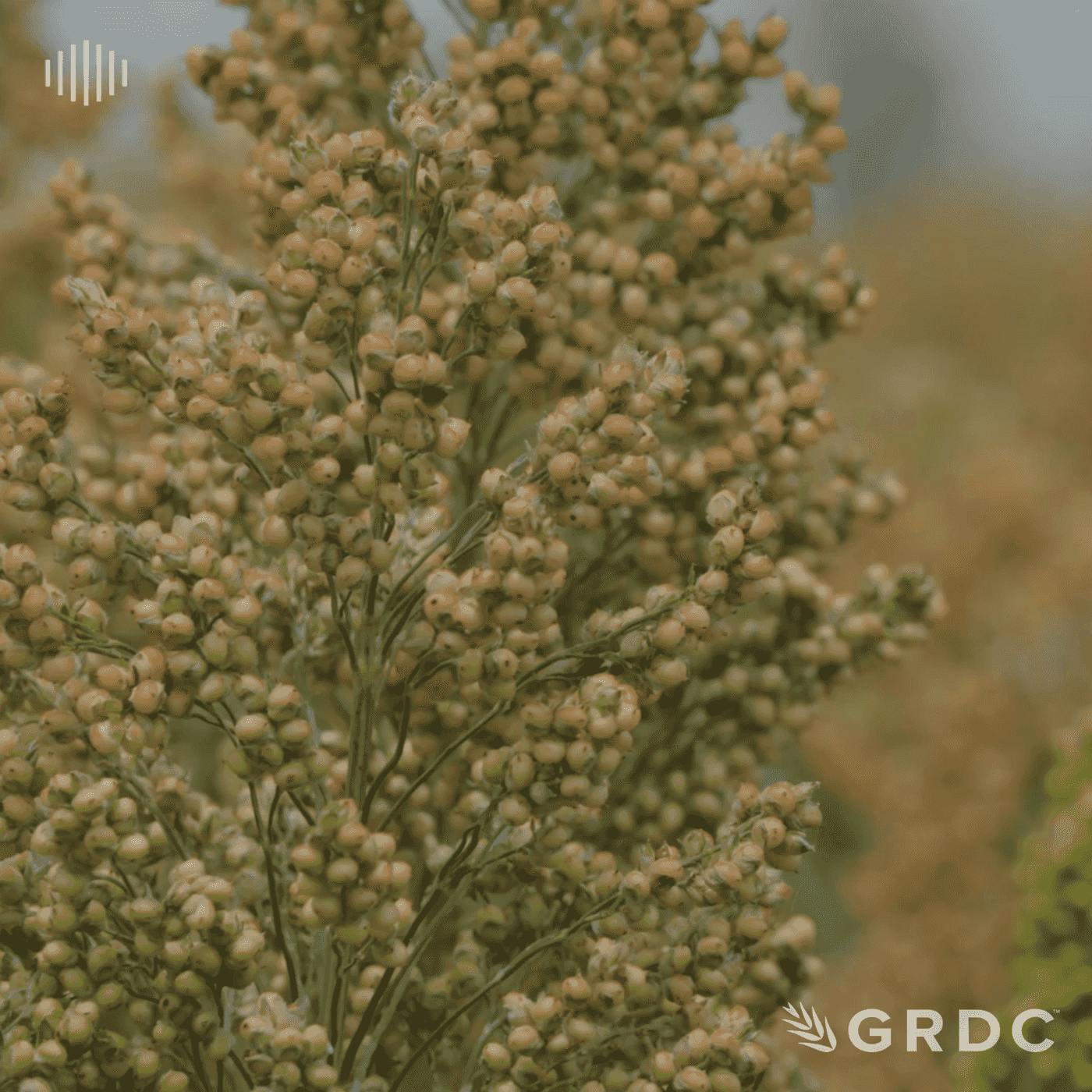
S1 Ep 256Beat the heat with late winter sown sorghum
The main summer grain crop in the northern grains region, sorghum is ordinarily planted between September and January. But for the past two years, scientists from the Queensland Alliance for Agriculture and Food Innovation at the University of Queensland have been trailing sowing the summer crop in winter. And while the trials have taken place in cool conditions, the results have proved to be red hot. Contact: Professor Daniel Rodriguez [email protected] More information: · Video: Beating the heat – maximizing productivity with late winter sown sorghum https://youtu.be/U-q9O5vHMl8 GRDC code: UOQ1808-001RTX Learn more about your ad choices. Visit megaphone.fm/adchoices
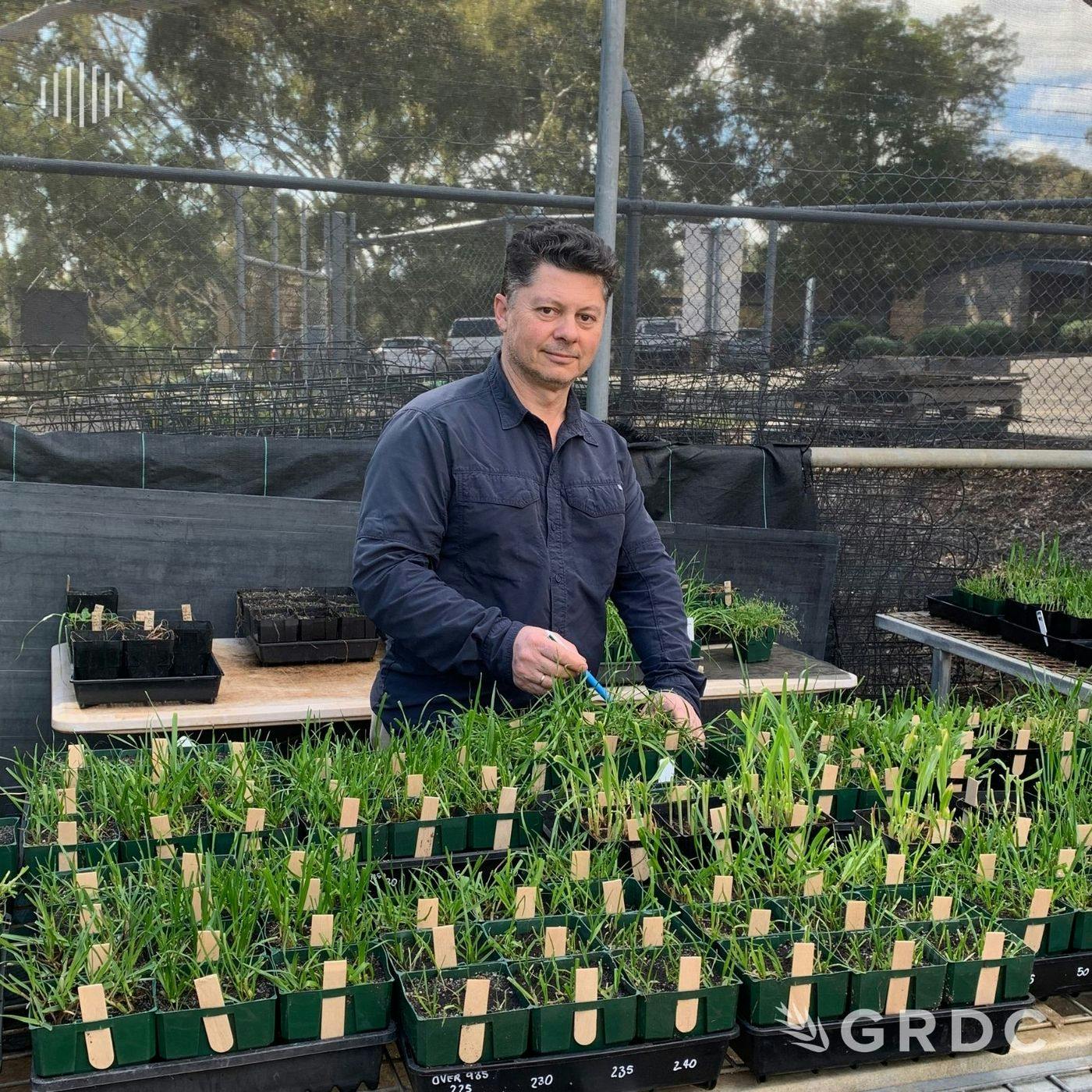
S1 Ep 255Annual ryegrass resistance to pre-emergent herbicides snapshot
For the first time ever, a national survey on herbicide resistance has been conducted as part of a GRDC investment. As Dr Peter Boutsalis from the University of Adelaide explains, there's good news on the resistance status of annual ryegrass to pre-emergent herbicides. Contact Dr Peter Boutsalis The University of Adelaide [email protected] More information Annual ryegrass weed management and paraquat resistance GRDC project code UCS2008-001RTX - Determining the incidence of herbicide resistance in Australian grain cropping Learn more about your ad choices. Visit megaphone.fm/adchoices

S1 Ep 254Stripe rust outlook for 2022
2022 is likely to be a high-risk year for rust, based on the widespread distribution of rust in 2020 and 2021 and the wet summer. Dr Grant Hollaway from Agriculture Victoria and Professor Robert Park from the University of Sydney share all the details on the latest variety disease ratings and recommendations to help growers make informed stripe rust management decisions this season. Contact: Dr Grant Hollaway Agriculture Victoria [email protected] Professor Robert Park The University of Sydney [email protected] More information: · 2022 NVT disease ratings · University of Sydney cereal rust interactive map · Information on the stripe rust WM app For more details about StripeRustWM and other disease management apps, search for ‘mobile app centre’ on AGRIC. Project code: UOS1801-004RTX Australian Cereal Rust Control Program (ACRCP) - University of Sydney: Delivering genetic tools and knowledge required to breed wheat and barley with resistance to leaf rust, stripe rust and stem rust Learn more about your ad choices. Visit megaphone.fm/adchoices
S1 Ep 253Getting the upper hand on annual ryegrass this season
Perth Update Event 2022 – Dr. Mike Ashworth The cost of constantly evolving weed infestations in Australia is staggering. Growers spend around $2.5 billion every year on the problem, with annual ryegrass the number one ranking Australian cropping system weed. In WA, a series of trials over several years has been studying the interaction between wheat seeding timing and pre emergent herbicides choice on annual ryegrass seed production, with some helpful results on offer. In this podcast, we talk to Dr Mike Ashworth, research agronomist, who’s heading the trials with the Australian Herbicide Resistance Initiative at the University of WA about the trials and his top tips for reducing annual ryegrass and wild radish seed production in wheat using crop competition. Learn more about your ad choices. Visit megaphone.fm/adchoices
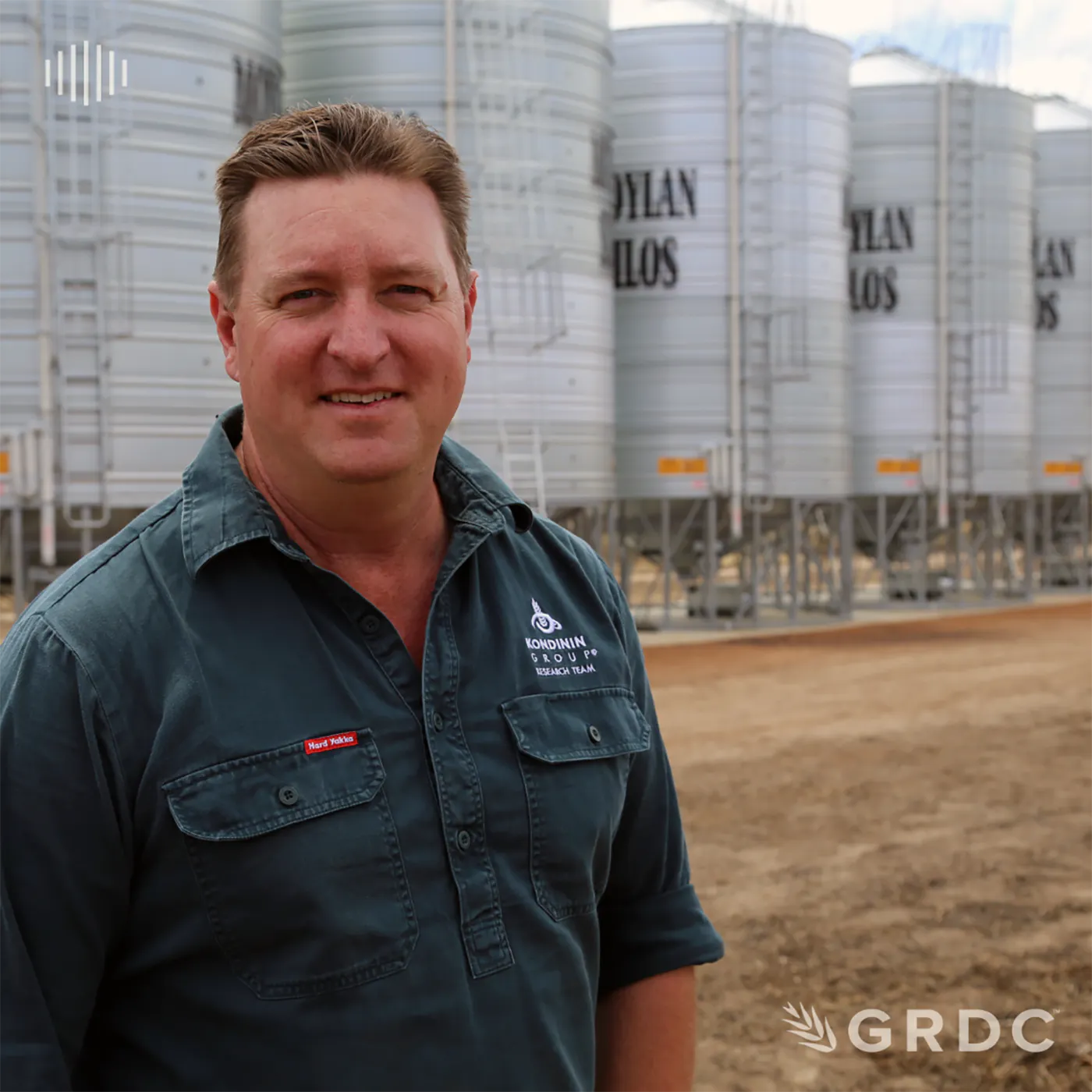
S1 Ep 251Grain storage
Grain storage is a long-term investment so it’s important to get it right from the start. Considerations need to include storage design and structural integrity, effective pressure testing and knowing how to seal silos correctly to achieve successful fumigation. Manufactures are a good source of information, but make sure they’re not your onlysource. And that’s where GRDC’sGrain Storage Extension Projectcan help. In this podcastnational extension team member Ben White takes youthrough the latest evolution in Silo features and pressure testing methods. Contact: Ben White e: [email protected] Phone 1800 WEEVIL (1800 933 845) Chris Warrick e: [email protected] Phone 1800 WEEVIL (1800 933 845) Resources: storedgrain.com.au Learn more about your ad choices. Visit megaphone.fm/adchoices

S1 Ep 250Seed of Gold – Emeritus Professor Stephen Powles
The Seed of Gold is one of the grains industry’s most prestigious awards. First presented in 2007 only four people have received this honour. The latest recipient is globally recognised research scientist Emeritus professor Stephen Powles from Western Australia who was presented with his Seed of Gold in 2021. The award is given in recognition of an individual’s outstanding contribution, dedication and commitment to communicating research outcomes to the Australian grains industry. Learn more about your ad choices. Visit megaphone.fm/adchoices
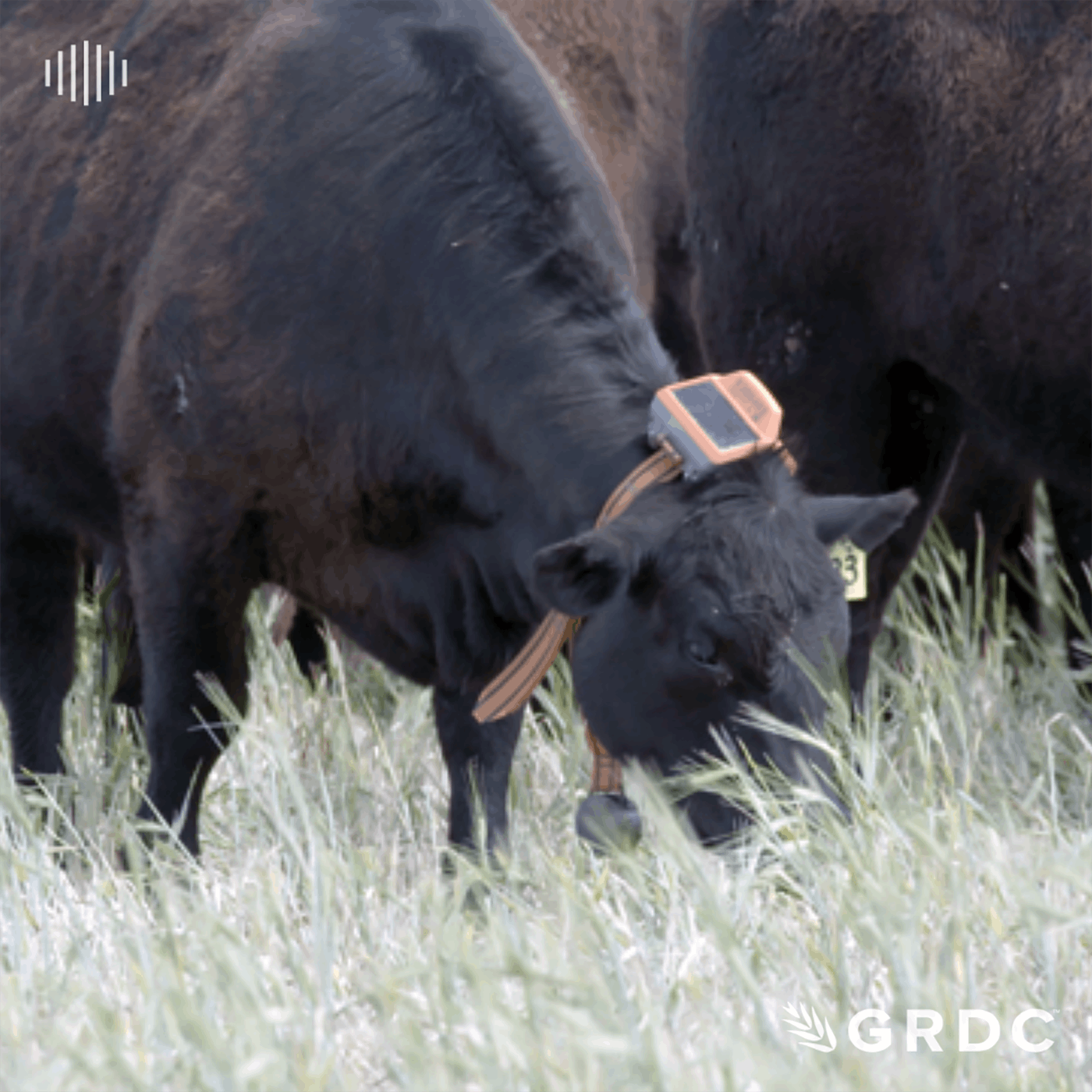
S1 Ep 249The invisible fenceline – how virtual fencing is reshaping weed control
It’s an unusual thing to see – a mob of cattle grazing contentedly in a patch of paddock, held there by an invisible border. But virtual fencing technology is really taking offand is showing promise as a tool to help mixed farmers control weeds. On Heath Nickolls’ cattle and grain property near Pinnaroo in the South Australian mallee, the CSIRO’s Dr Rick Llewellyn is leading a GRDC and Australian Wool Innovation investment trialling virtual fencing to gain better crop integrated weed management. As Rick and Heath explain, a strip grazing trial of 40 Angus heifersis delivering promising results. Learn more about your ad choices. Visit megaphone.fm/adchoices
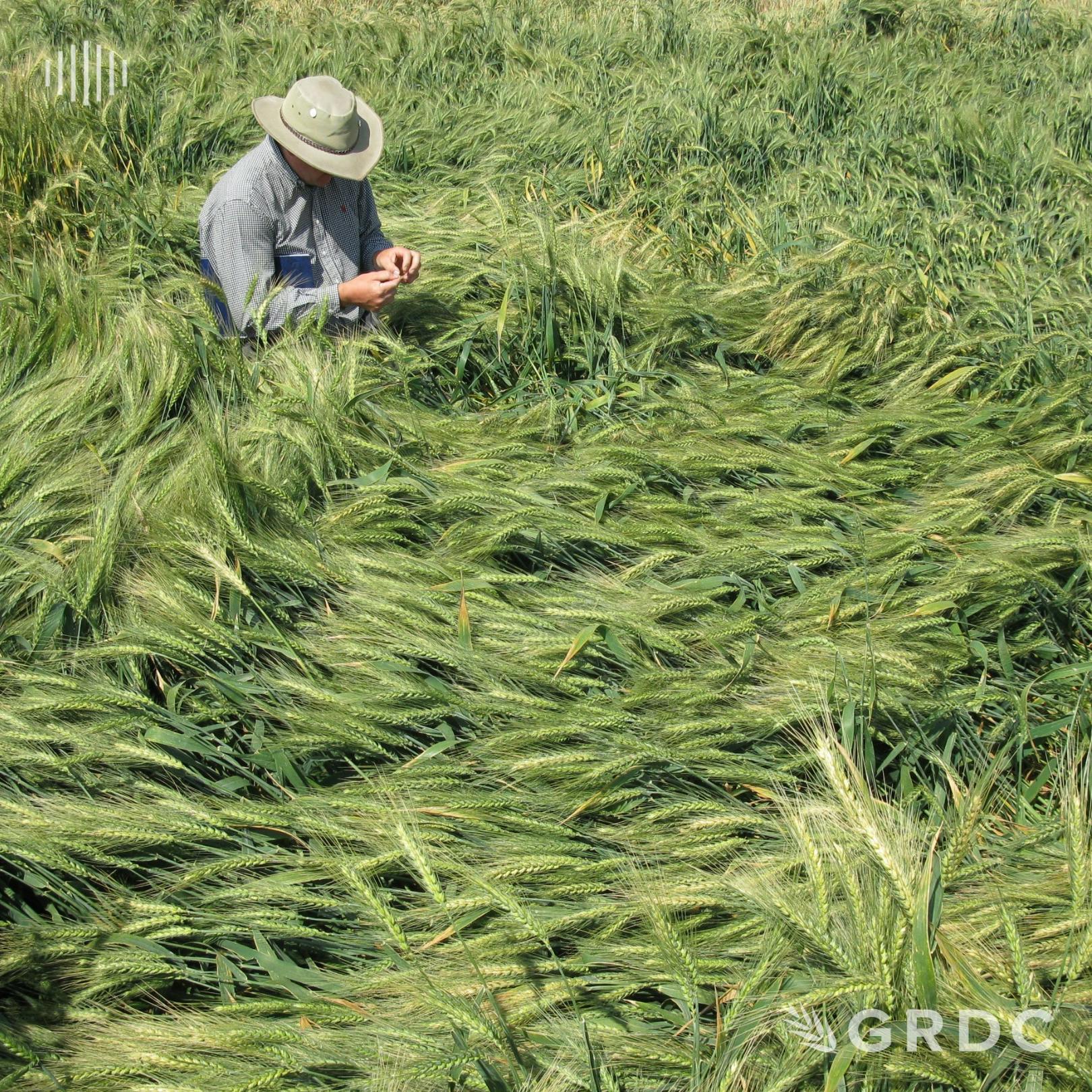
S1 Ep 248Applying fungicides for economic return with Nick Poole
Nick Poole from FAR Australia provides an excellent explanation of how to target fungicide applications for the best economic return. He describes the value of focusing on critical growth stages and their ‘money leaves’, the best way to manage disease risk in crops before tillering, and the importance of protecting fungicide effectiveness for the long term. Learn more about your ad choices. Visit megaphone.fm/adchoices
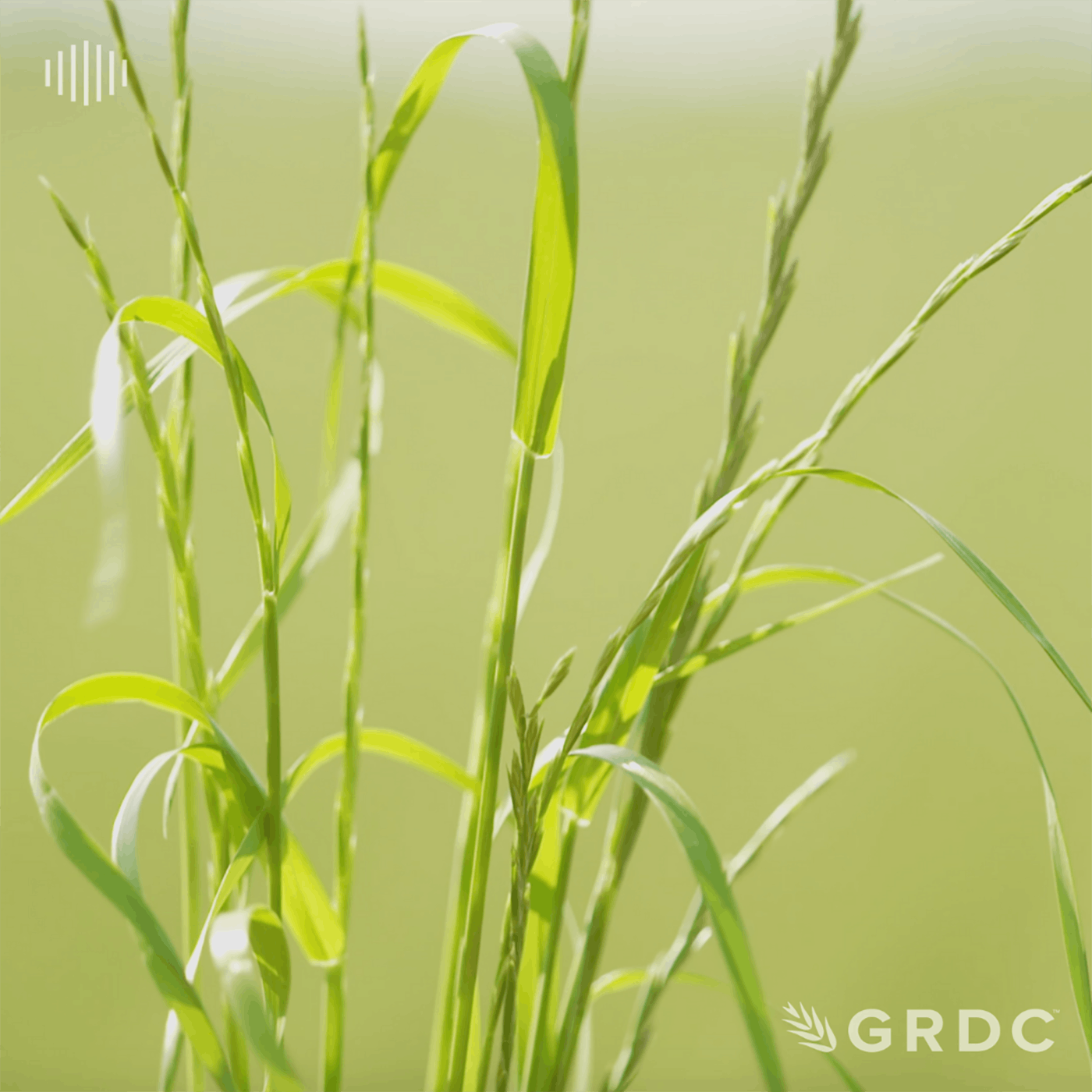
S1 Ep 247Triple threat – the three-pronged approach to tackling weeds
It’s been common practise across the southern grain growing region to wait for opening rains, before applying a knockdown herbicide, then seeding the crop. But new research is revealing weedsare better controlled by adopting a three-pronged approach of sowing early, at a high density crop seeding rate while also applying an efficient herbicide. As the University of Adelaide’s Dr Gurjeet Gill and Ben Fleet explain, the mid-trial results come from a five-year GRDC investment looking into weed management across a range of rainfall zones in SA, Vic and WA. Learn more about your ad choices. Visit megaphone.fm/adchoices

S1 Ep 246Fungicide risk factors with Dr Steven Simpfendorfer
While farmers typically spray fungicide to manage one disease, applications should be considered in a broader context. Dr Steven Simpfendorfer describes how spraying one pathogen can inadvertently encourage resistance in other pathogens that may be present. He outlines some typical examples, including rusts and powdery mildew in wheat; blackleg and sclerotinia in canola; as well as net blotches and powdery mildew in barley. Learn more about your ad choices. Visit megaphone.fm/adchoices

S1 Ep 245Rising interest in sub-surface drainage
The start of 2021 has seen widespread waterlogging in the Great Southern and Esperance regions. Sub-surface drainage, one of many water management options, is not widely adopted, for reasons that will be better understood during this project, with surveys used to understand current grower practice and opinions. Sub-surface drainage, one of many water management options, is not widely adopted, for reasons that will be better understood during this project, with surveys used to understand current grower practice and opinions. In total, the GRDC invests about $2 million nationally in projects addressing waterlogging, with work ranging from the new sub-surface drainage projects through to genetic research. Learn more about your ad choices. Visit megaphone.fm/adchoices
S1 Ep 244The seedbank life of emerging problem weeds
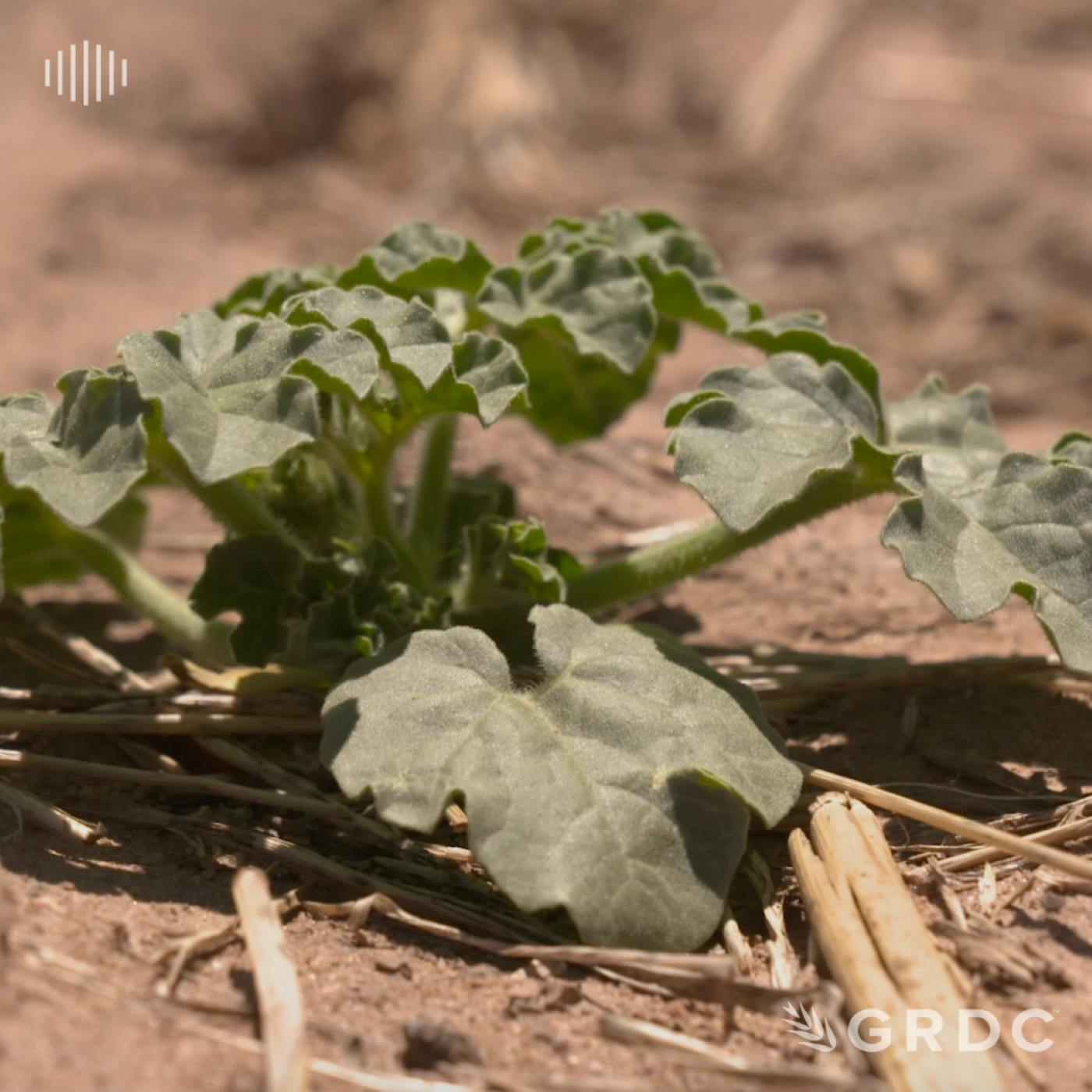
The seedbank is the link between the current weed populations and future infestations. While the seedbank life is well understood for major weed species such as annual ryegrass, new research has filled the knowledge gap on the seedbank life of emerging weed species. Learn more about your ad choices. Visit megaphone.fm/adchoices
S1 Ep 243Nutrient management for lateritic gravel soils
In Western Australia’s South West agricultural zone there are 3 million hectares of lateritic gravels or ironstone gravel soils. These are sandy soils that have a cemented laterite surface or caprock. Many growers are using contractors with specialised machinery that rips and pulverises this top-layer, making sowing easier and improving the likelihood of good crop establishment. What is also needed for developing crops is good nutrition and Lateritic soils bind-up phosphorus, an essential nutrient for young plants.With GRDC investment,on-farm trial are underway to test for nutrient levels in these soils and development nutrient packages for crop management. Learn more about your ad choices. Visit megaphone.fm/adchoices

S1 Ep 242Non-wetting soils and surfactants
When Western Australian Ag Research Company TrialCo signed on with GRDC to run a trial on non-wetting sandy soils in low rainfall country the last thing anyone expected was a wet start to the growing season. In this podcast TrialCo field operations manager and TrialCo’s executive officer outline the reasons for the trial and the methodology applied to evaluate the use of surfactants in sandy non-wetting soils. Learn more about your ad choices. Visit megaphone.fm/adchoices
S1 Ep 241New knowledge on ironstone gravel soils
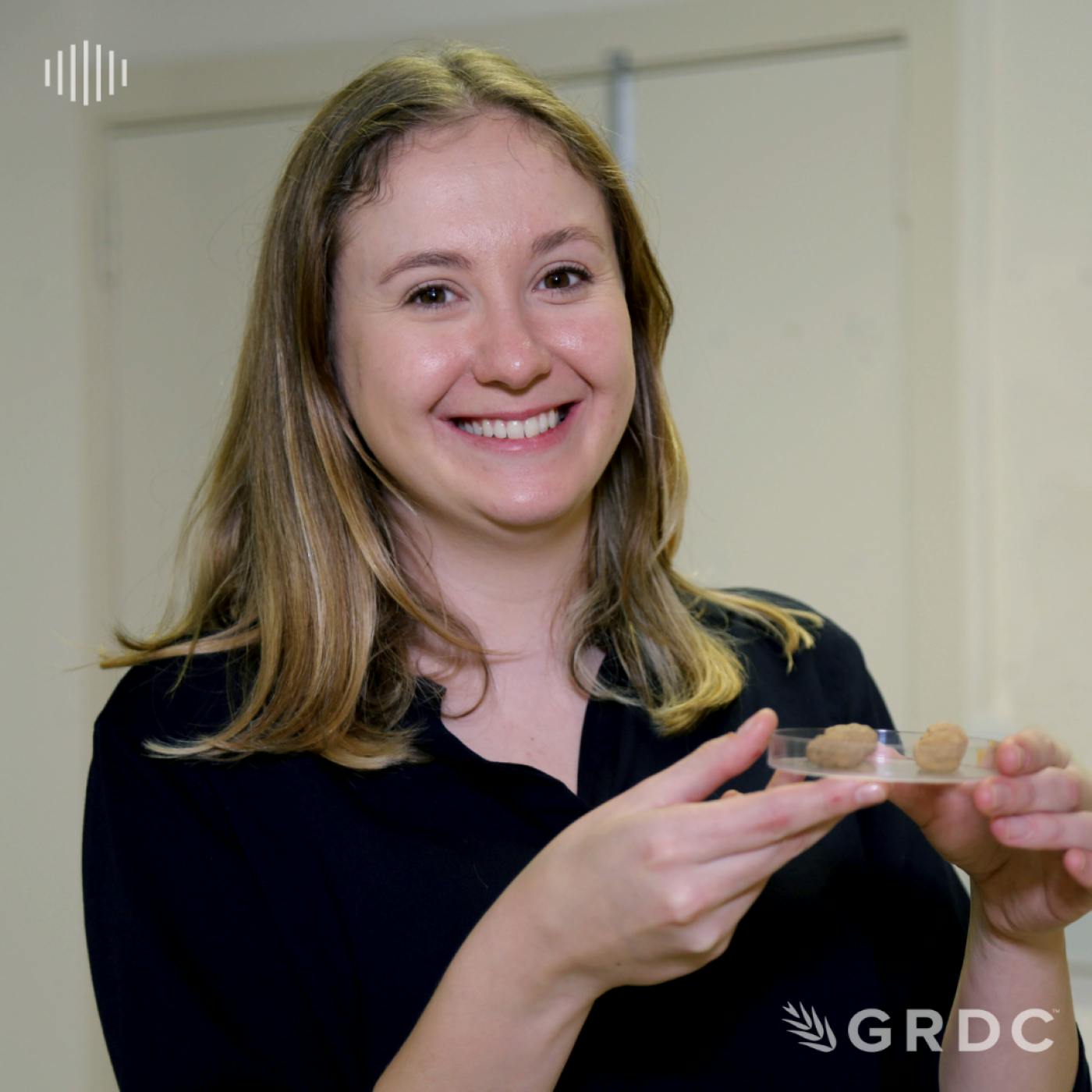
Innovative lab technology has helped uncover new information on the water and nutrient use efficiency of ironstone gravel soils. It's a first for the grains industry and a big step forward in managing this often-underperforming soil type. As Murdoch University’s Dr Fran Brailsford explains, the process of discovery involved analysing more than 400 gravel samples from across Australia’s growing regions. Made possible through GRDC investment, the research aims to increase the knowledge and profitability of cropping on ironstone gravel soils. Learn more about your ad choices. Visit megaphone.fm/adchoices

S1 Ep 240Fungicide resistance in canola crops with Dr Steve Marcroft
Generous rain and high prices have increased the economic risk from Sclerotinia and blackleg of canola this season. Dr Steve Marcroft outlines the very real risk of fungicide resistance developing in blackleg of canola in Australia – and how growers can achieve sustainable disease control. Learn more about your ad choices. Visit megaphone.fm/adchoices
Ep 238Strategic fungicide application with Nick Poole
The ‘Fungicide Resistance Five’ is the basis for an integrated disease management strategy that growers can use on-farm to reduce fungicide resistance pressure on crop pathogens. This six-part podcast series, produced through the Australian Fungicide Resistance Extension Network (AFREN), unpacks the individual elements of the strategy to inform growers why and how they should minimise the risk of fungicide resistance developing in their paddocks. AFREN is a significant GRDC investment that brings together a national network of regional plant pathologists, fungicide resistance experts and communications and extension specialists. It is co-ordinated through the Centre for Crop Disease Management (CCDM), a co-investment between the GRDC and Curtin University. Learn more about your ad choices. Visit megaphone.fm/adchoices
Ep 234General fungicide resistance management with Dr Kylie Ireland
The ‘Fungicide Resistance Five’ is the basis for an integrated disease management strategy that growers can use on-farm to reduce fungicide resistance pressure on crop pathogens. This six-part podcast series, produced through the Australian Fungicide Resistance Extension Network (AFREN), unpacks the individual elements of the strategy to inform growers why and how they should minimise the risk of fungicide resistance developing in their paddocks. AFREN is a significant GRDC investment that brings together a national network of regional plant pathologists, fungicide resistance experts and communications and extension specialists. It is co-ordinated through the Centre for Crop Disease Management (CCDM), a co-investment between the GRDC and Curtin University. Learn more about your ad choices. Visit megaphone.fm/adchoices
Ep 239Fungicide/Mode of Action rotation and mixtures with Fran Lopez-Ruiz
The ‘Fungicide Resistance Five’ is the basis for an integrated disease management strategy that growers can use on-farm to reduce fungicide resistance pressure on crop pathogens. This six-part podcast series, produced through the Australian Fungicide Resistance Extension Network (AFREN), unpacks the individual elements of the strategy to inform growers why and how they should minimise the risk of fungicide resistance developing in their paddocks. AFREN is a significant GRDC investment that brings together a national network of regional plant pathologists, fungicide resistance experts and communications and extension specialists. It is co-ordinated through the Centre for Crop Disease Management (CCDM), a co-investment between the GRDC and Curtin University. Using fungicide mixtures and rotating between Mode of Action groups is vital to eliminate resistant pathogen strains. Fungicide resistance specialist Dr Fran Lopez Ruiz from the Centre for Crop Disease Management at Curtin University highlights the importance of a dynamic spray program. Learn more about your ad choices. Visit megaphone.fm/adchoices
Ep 235Avoiding susceptible crop varieties with Grant Hollaway
The ‘Fungicide Resistance Five’ is the basis for an integrated disease management strategy that growers can use on-farm to reduce fungicide resistance pressure on crop pathogens. This six-part podcast series, produced through the Australian Fungicide Resistance Extension Network (AFREN), unpacks the individual elements of the strategy to inform growers why and how they should minimise the risk of fungicide resistance developing in their paddocks. AFREN is a significant GRDC investment that brings together a national network of regional plant pathologists, fungicide resistance experts and communications and extension specialists. It is co-ordinated through the Centre for Crop Disease Management (CCDM), a co-investment between the GRDC and Curtin University. Learn more about your ad choices. Visit megaphone.fm/adchoices

Ep 237Non-chemical strategies to reduce disease pressure with Dr Tara Garrard
The ‘Fungicide Resistance Five’ is the basis for an integrated disease management strategy that growers can use on-farm to reduce fungicide resistance pressure on crop pathogens. This six-part podcast series, produced through the Australian Fungicide Resistance Extension Network (AFREN), unpacks the individual elements of the strategy to inform growers why and how they should minimise the risk of fungicide resistance developing in their paddocks. AFREN is a significant GRDC investment that brings together a national network of regional plant pathologists, fungicide resistance experts and communications and extension specialists. It is co-ordinated through the Centre for Crop Disease Management (CCDM), a co-investment between the GRDC and Curtin University. South Australian plant pathologist Dr Tara Garrard covers the range of agronomic practices growers have at their disposal to reduce disease pressure, limit fungicide applications and lower the risk of promoting fungicide resistance in their crops. Learn more about your ad choices. Visit megaphone.fm/adchoices

Ep 236The value of crop rotation with Geoff Thomas
The ‘Fungicide Resistance Five’ is the basis for an integrated disease management strategy that growers can use on-farm to reduce fungicide resistance pressure on crop pathogens. This six-part podcast series, produced through the Australian Fungicide Resistance Extension Network (AFREN), unpacks the individual elements of the strategy to inform growers why and how they should minimise the risk of fungicide resistance developing in their paddocks. AFREN is a significant GRDC investment that brings together a national network of regional plant pathologists, fungicide resistance experts and communications and extension specialists. It is co-ordinated through the Centre for Crop Disease Management (CCDM), a co-investment between the GRDC and Curtin University. Learn more about your ad choices. Visit megaphone.fm/adchoices
Ep 233Fungicide resistance in the north
Growers in the north could consider fungicide resistance less of a threat than growers in the south and west, however there is no room for complacency. As Professor Levente Kiss from the University of Southern Queensland’s Centre for Crop Health points out in this podcast, as long as there are fungal crop diseases there is a risk of fungal resistance. Barley, wheat and pulses can all be affected. Northern growers need to appreciate the importance of rotating and mixing fungicides, including as seed treatments, in order not to encourage fungicide resistance in important diseases such as barley net blotches, mung bean powdery mildew, wheat powdery mildew and septoria tritici blotch. Learn more about your ad choices. Visit megaphone.fm/adchoices
Ep 231Fungicide resistance in the west
In Western Australia, outbreaks of fungicide resistance have occurred in several important diseases of barley. Resistance is a significant but preventable problem that can largely be managed by taking care not to repeatedly expose a pathogen to the same product or chemical Mode of Action Group. It is important for growers to recognise that this management regime can include fungicide seed treatments and in-furrow fungicide applications, as well as foliar sprays later in the season. Fungicide rotations to manage and prevent fungicide resistance need to take all of these applications into account. Geoff Thomas, plant pathologist from the Department of Primary Industries and Regional Development WA, discusses the importance of using an integrated disease management program to reduce disease pressure and manage fungicide use and resistance in WA cropping systems. Learn more about your ad choices. Visit megaphone.fm/adchoices
Ep 232Fungicide resistance in the south
South Australian grain growers have been alerted to several cases of fungicide resistance in recent growing seasons, including in net form net blotch of barley, and wheat powdery mildew. In this podcast, Dr Hugh Wallwork, from the South Australian Research and Development Institute, the Department of Primary Industries and Regions’ research division, talks about the factors that contribute to fungicide resistance and how fungicide management needs to begin with variety and seed treatment selection before sowing. He explains that growers should be using all available agronomic practices to reduce disease pressure and should avoid repeat applications of a single fungicide active or chemical Mode of Action. This will help protect the effectiveness and availability of their essential fungicide controls. Learn more about your ad choices. Visit megaphone.fm/adchoices
Ep 230Measuring the impact of disease on yield
Some ground breaking research has resulted in a breakthrough for growers and agronomists wanting to measure the potential impact of disease on yield. A national network of trials over five years will result in a new ability to quickly and accurately assess potential disease impact on some of the more popular cereal varieties. On this podcast we look at the results of that research and also how it all came about and salute the hard work of the many agronomists, scientists and biometricians involved. Useful resources: https://www.agric.wa.gov.au/grains/prototype-yield-loss-disease-model-online-tool Learn more about your ad choices. Visit megaphone.fm/adchoices

Ep 229Stripper fronts – time saving, fuel saving and moisture saving
Farmers across the Western Region are using a variety of stubble strategies to protect soil moisture over summer and to protect those soils from harsh winds. Noel Keding has taken stubble strategies to the next level using a stripper front on his cereals. Noel has some experience using stripper fronts in both low and higher rainfall environments, so his experience may help other growers who are wondering whether stripper fronts might be an option. On this podcast Noel talks about the advantages of using stripper fronts in his experience including significantly greater harvest efficiency but also some of the challenges such as getting the crop germinated and out of the ground because of the extra shading from the straw. Learn more about your ad choices. Visit megaphone.fm/adchoices

Ep 228Eroded top soil
Losing just one millimetre of topsoil in a wind erosion event can result in significant changes to soil fertility and cause yield losses in subsequent crops of up to six per cent. But there are some measures growers can take to protect their topsoil and reduce the impact of severe wind. In this podcast, Cropfacts consultant Harm van Rees, Agronomy Solutions director Sean Mason and South Australian Department of Primary Industries and Regions consultant Mary-Anne Young join in a discussion on dealing with the effects of wind erosion via ongoing soil management or tactics when multiple dry seasons have ruled out other options. Learn more about your ad choices. Visit megaphone.fm/adchoices

Ep 227Machine learning investments
The GRDC has for the first time committed to a multi-million-dollar global investment into dedicated research programs to address crop production constraints and the opportunities machine learning can provide, with the aim of driving profitability gains for Australian grain growers. Nine “use-cases” will form the core of the investment which will involve national and international research partners. Contact: Tom Giles Senior Manager, Enabling Technologies Grains Research and Development Corporation T: 08 8198 8400 W: www.grdc.com.au E: [email protected] Useful resources: GroundCover Supplement: https://groundcover.grdc.com.au/innovation/industry-insights/machine-learning-set-to-offer-new-solutions-to-grains-industrys-challenges Update Paper 2021: https://grdc.com.au/resources-and-publications/grdc-update-papers/tab-content/grdc-update-papers/2021/02/examples-of-using-machine-learning-for-mapping-soil-constraints-and-soil-moisture-to-support-improved-decision-making Update Paper 2020: https://grdc.com.au/resources-and-publications/grdc-update-papers/tab-content/grdc-update-papers/2020/02/lasers,-machine-learning,-weed-recognition-and-new-innovations-in-weed-management Learn more about your ad choices. Visit megaphone.fm/adchoices
Ep 226Accessing trial data – It’s never been easier
Online Farm Trials (OFT) is a website that contains a wealth of cropping data from the nation’s leading research organisations, and it’s proving to be an invaluable resource for both growers and researchers alike. This podcast shares how growers can use the platform to make informed management decisions, and how research organisations can benefit from getting involved and contributing trial information. This podcast features Federation University OFT project lead Nathan Robinson, GRDC emerging technologies officer John Rivers and Denielle Smith from Northern Growers Alliance. The OFT platform is a GRDC and Centre for eResearch and Digital Innovation collaboration. It hosts a range of past and present research trials undertaken and contributed by a range of grower and farming systems groups, government researchers, universities and private industry throughout Australia. Contact: John Rivers [email protected] Learn more about your ad choices. Visit megaphone.fm/adchoices
Ep 225Stubble management in a changing climate
Changing rainfall patterns in the drier parts of the western region have prompted a rethink of strategies for grower Clint Della Bosca. On this podcast focusing on stubble management in Western Australia, Clint talks about the vital importance of stubble in his system as weather patterns unfamiliar to his area begin to emerge. Clint is undertaking a soil amelioration program while adjusting to less rainfall overall and during the growing season which makes conserving moisture and protecting topsoil from wind erosion top priorities. Learn more about your ad choices. Visit megaphone.fm/adchoices

Ep 224Plant available water capacity
Plant Available Water, is key to determining potential crop yield. It’s also the basis for sowing decisions and fertiliser applications. Many things affect how much stored soil water is available, rainfall before and during the growing season, infiltration, evaporation and transpiration. And then there’s Plant Available Water Capacity, which is the total amount of water a soil can store and release to a crop which differs depending on the crop. Contact: Brett Cocks, CSIRO Agriculture and Food 07 4571 3280 / 0427 583 7564 [email protected] Learn more about your ad choices. Visit megaphone.fm/adchoices
Ep 223Mouse management pre-sowing
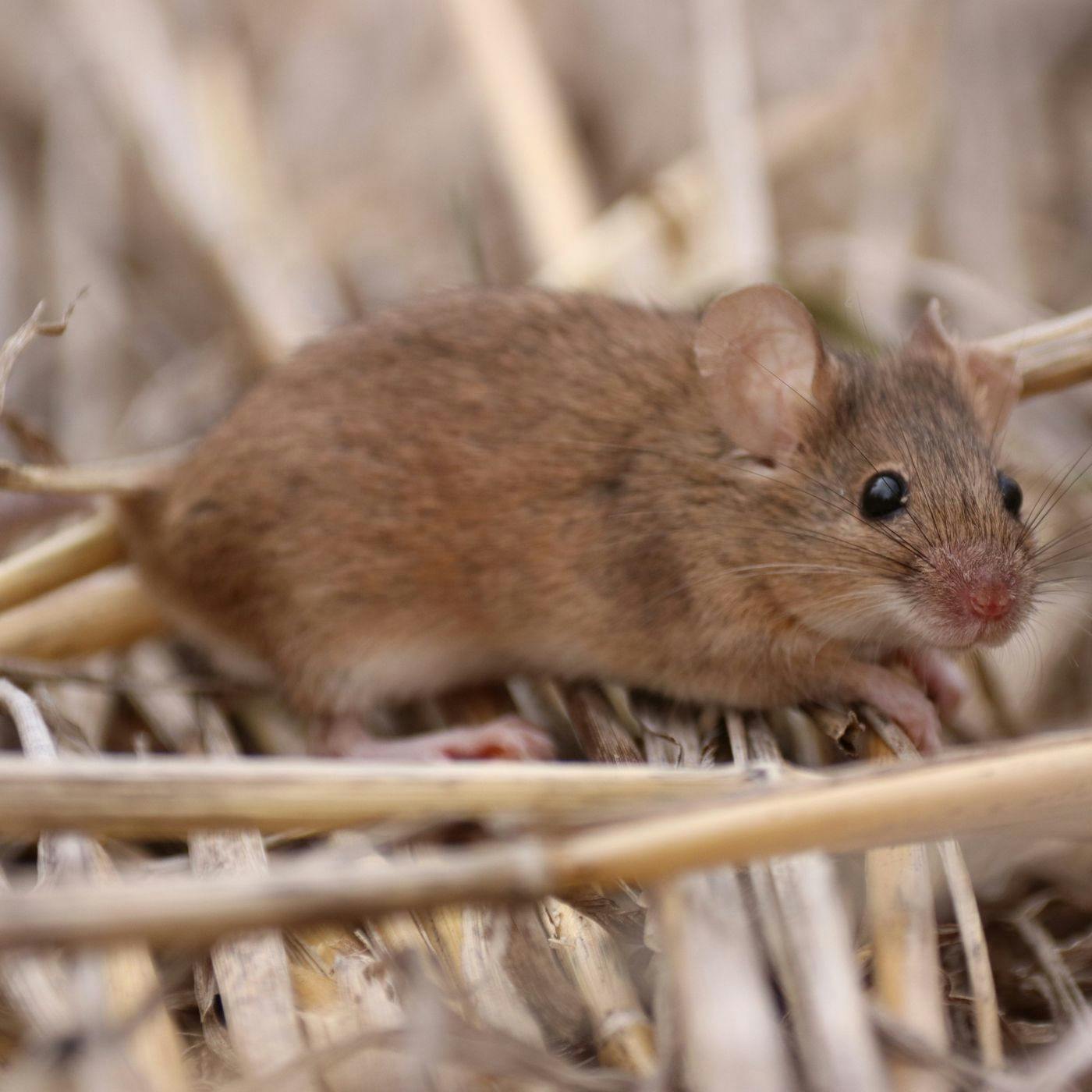
As many Western and Southern region grain growers start preparations for sowing this year’s winter crops, there are still a few areas in the eastern states northern region where late sown summer crops such as sorghum are still standing. In this podcast you’ll hear from a leading authority on Mouse behaviour and management, about the challenges facing growers yet to harvest and those needing to plan a mouse baiting strategy pre-sowing. Contact: Steve Henry e: [email protected] Resources: https://grdc.com.au/resources-and-publications/resources/mouse-control Learn more about your ad choices. Visit megaphone.fm/adchoices

Ep 222Barley Foliar Pathogens - The Global Search For Resistance (part 1)
Foliar diseases are a major constraint to profitable barley production across Australia, affecting both yield and quality. In this podcast, senior plant pathologist Dr. Lisle Snyman from the Department of Agriculture and Fisheries Queensland discusses the presence and spread of barley foliar pathogens across Australia's growing regions. Dr Snyman was part of the barley foliar pathogen project. The four-year GRDC investment successfully characterised major barley pathogens in Australia and identified effective resistance genes from around the world. Part two of this podcast focuses on a new three-year research initiative that is leveraging the findings from this completed research, by progressing the most promising NFNB, SFNB and scald resistance genes for use in Australian breeding programs. Contact: Lisle Snyman, DAF [email protected] More information: Barley foliar pathogens – the global search for resistance video https://youtu.be/J06bS6sgqCQ Learn more about your ad choices. Visit megaphone.fm/adchoices

Ep 221Barley foliar pathogens - the global search for resistance (part 2)
New research is harnessing advanced computer capabilities and artificial intelligence to fast-track the development of new barley varieties with improved foliar pathogen resistance – shaving years off conventional breeding program processes. Dr Kai Voss-Fels is the project lead and senior research fellow with the Queensland Alliance for Agriculture and Food Innovation, based at the University of Queensland in Brisbane. The program is off to a strong start, thanks to the findings from the four-year barley foliar pathogen project. Part one of this podcast explores these findings in more detail, with focus on pathogen presence and spread across Australia’s growing regions. Contact: Kai Voss-Fels, UQ [email protected] Learn more about your ad choices. Visit megaphone.fm/adchoices