
GRDC Podcast
571 episodes — Page 1 of 12
The moment leadership became real: TRAIL Emerging Leaders program
GRDC in Conversation: Henry Baskerville
Is pigeon pea a summer option for QLD and northern NSW growers?
Gravelling and sanding problematic sodic soils
Grain Automate: Dealer download - where farmers get stuck
Managing weeds in tough seasons: HRZ strategies that work
Reshaping the landscape: Landforming for water flow management
Dr Lisle Snyman: 2026 Seed of Light award - North
Global genomic research targets herbicide resistance
20 Tips for dual-purpose crops
Canola fungicides: Worth the spray in medium rainfall zones?
Grain Automate: Precision ag to farm automation
Dr Rick Llewellyn: 2026 Seed of Light award - South
MyGRDC: How we're using it
Managing capital in a farm enterprise
Legume profitability: How they stack up in the west
GRDC in Conversation: Jessica Koch
Avoid the smashed egg: Improve on-farm communication
GRDC in Conversation: Matthew Howell
Keeping crops clean and productive with disease management in faba and broad beans
Staying ahead of lentil diseases with strategies for healthier crops
What we’ve learned about lentil pod loss
GRDC in Conversation: James Hillcoat
Grain Automate: The Autonomous Agronomist
GRDC in Conversation: Edward Scott
Legume marketing: How it works in the west

GRDC in Conversation: James Walter
James Walter is the bioinformatics lead at Australian Grain Technologies (AGT), working at the intersection of genetics, data science and plant breeding. His role focuses on turning vast amounts of genomic and field data into practical insights that help breeders make better decisions and ultimately deliver improved crop varieties to growers. In this episode, James takes us behind the scenes of the plant breeding pipeline, unpacking the journey from initial crosses in the glasshouse through to years of field trials, quality testing and eventual commercial release. He explains how modern breeding balances resilience and performance, why stability across seasons is critical, and how the explosion of data and new technologies is reshaping how varieties are developed. This episode explores: ● James’ pathway from agricultural science into bioinformatics and plant breeding ● What a role in genomics and data science looks like in agriculture ● How plant breeding programs work from glasshouse to commercial release ● Why it takes 8–10 years to develop a new crop variety ● The importance of stability versus peak performance in different seasons ● How genetics and field data are combined to guide breeding decisions ● The role of large-scale field trials across multiple environments ● How new technologies, AI and data are transforming plant breeding ● The sheer scale of data involved in modern breeding programs ● Career opportunities in agriculture beyond traditional farm roles Watch this episode as a video on YouTube: https://youtu.be/hEJmhVcDmtg More information: https://groundcover.grdc.com.au/innovation/climate/global-search-helps-heat-tolerance-gains-to-be-made-in-wheat https://www.agtbreeding.com.au/ GRDC in Conversation is a limited series GRDC Podcast. It features in-depth interviews with growers and other experts in the grains industry who share their expertise, knowledge and experiences by exploring their personal stories, history, influences and motivations. The views expressed in this podcast are solely those of the interviewee and do not necessarily reflect the views of GRDC, the interviewees’ employer, institution or other associated parties. GRDC Project Code: HAG2507-001SAX Learn more about your ad choices. Visit megaphone.fm/adchoices

Herbicide safety and weed management in pulses
This episode explores how to set pulse crops up for success, because they really don't forgive shortcuts with herbicides. Navneet Aggarwal, a senior research agronomist for the South Australian Research and Development Institute or SARDI, has been a part of the South Australian Grain Legume Project looking specifically at herbicide safety and weed management in pulses. He says preparation is key, but if those crucial steps are missed, what are the options? The SA Grain Legume Project: ‘Development and extension to close the economic yield gap and maximise farming systems benefits from grain legume production in South Australia’ is led by the South Australian Research and Development Institute (SARDI), the research division of the Department of Primary Industries and Regions, alongside a number of project partners. Contact: Navneet Aggarwal South Australian Research and Development Institute navneet.a[email protected] More Information: https://grdc.com.au/resources-and-publications/grdc-update-papers/tab-content/grdc-update-papers/2024/07/broadleaf-weed-management-in-lentil-grown-on-different-soil-types-in-south-australiahttps://groundcover.grdc.com.au/crops/pulses/sa-research-push-to-close-pulse-yield-gaps https://groundcover.grdc.com.au/crops/pulses/fine-tuning-legume-agronomy-to-benefit-sa-growers https://grdc.com.au/grdc-investments/investments/investment?code=UOA2105-013RTX&_gl=1*yrqwkq*_ga*ODQxMzgxOTU0LjE3NzI1MDg1NjY.*_ga_ZTGWWXHVRC*czE3NzMxMDAzODYkbzckZzEkdDE3NzMxMDE5MjgkajI0JGwwJGgw Project Investment Code: UOA2105-013RTX Learn more about your ad choices. Visit megaphone.fm/adchoices

Improving pulse productivity in sandy soil with amelioration
This episode focuses on sandy soils and how to unlock their potential to successfully grow pulses, which have traditionally been a challenge. GRDC's investment in the South Australian Grain Legume project has led to a targeted approach to trialling a variety of methods for sandy soil improvement. Agronomist, Jason Brand, has worked closely on this project, previously with Agriculture Victoria and Frontier Farming Systems, but more recently as a director of GEM Agronomy. The SA Grain Legume Project: ‘Development and extension to close the economic yield gap and maximise farming systems benefits from grain legume production in South Australia’ is led by the South Australian Research and Development Institute (SARDI), the research division of the Department of Primary Industries and Regions, alongside a number of project partners. Contact: Jason Brand Director, Gem Agronomy [email protected] More Information: https://groundcover.grdc.com.au/crops/pulses/legume-challenges-addressed https://grdc.com.au/resources-and-publications/resources/sandy-soils Project Investment Code: UOA2105-013RTX Learn more about your ad choices. Visit megaphone.fm/adchoices
Pulse agronomy foundations: Getting pulses right from the start
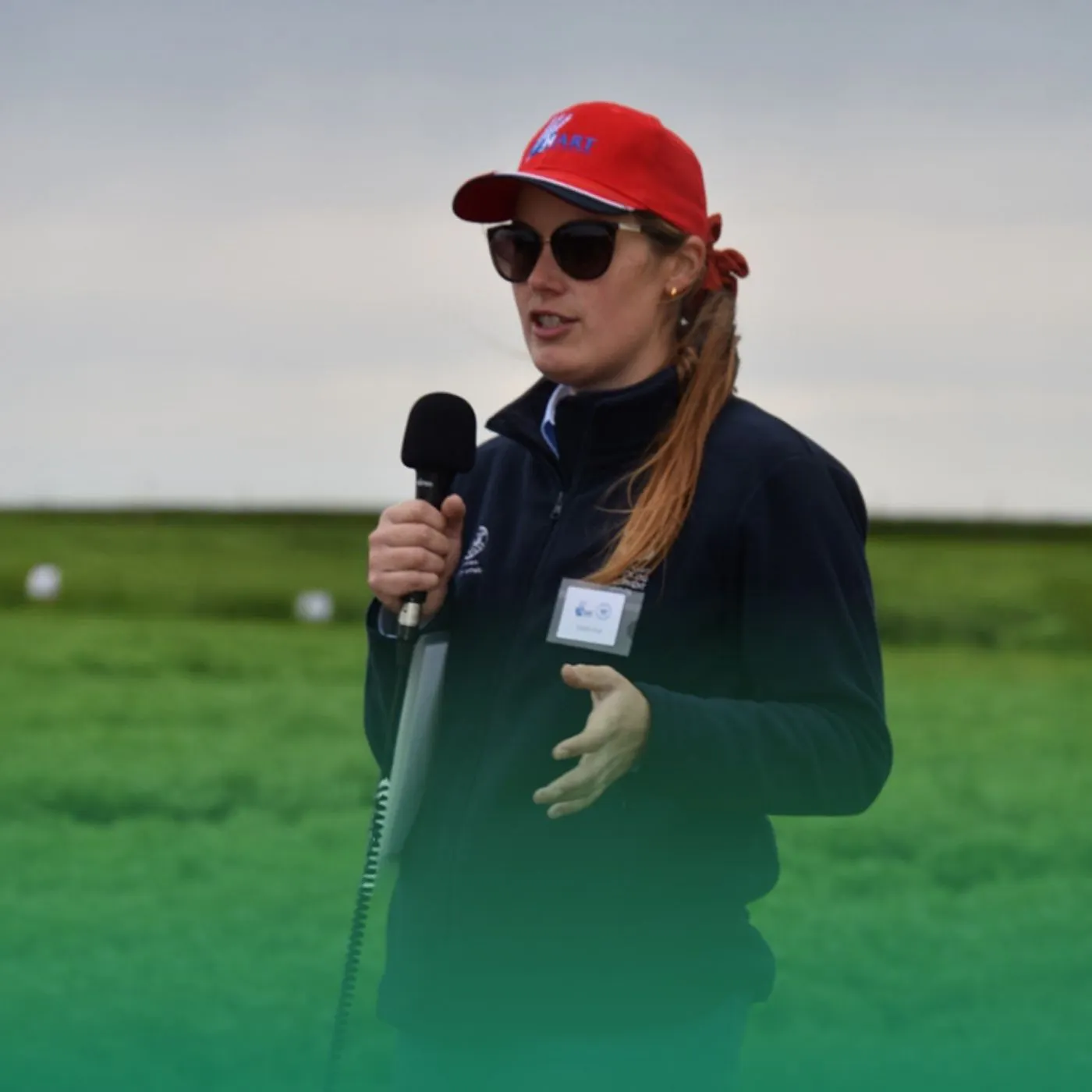
Get pulse agronomy foundations right on your farm to reduce risk and build long term profitability. This episode explores examples from the South Australian Grain Legume Project, a GRDC investment. We speak with Sarah Day, communications and extension manager with Mallee Sustainable Farming, and Wade Nickolls, whose family farms pulses at Pinnaroo in the Southern Mallee of South Australia and Victoria. Wade says while the pulse industry and agronomy has changed a lot in the last 30 years, the key drivers for success are still the same. The SA Grain Legume Project: ‘Development and extension to close the economic yield gap and maximise farming systems benefits from grain legume production in South Australia’ is led by the South Australian Research and Development Institute (SARDI), the research division of the Department of Primary Industries and Regions, alongside a number of project partners. Contacts: Sarah Day Mallee Sustainable Farming Communication and Extension Manager [email protected] Wade Nickolls Grower [email protected] Project Investment Code: UOA2105-013RTX Learn more about your ad choices. Visit megaphone.fm/adchoices

GRDC in Conversation: Ashley Amourgis
In this episode of GRDC in Conversation, Oli Le Lievre sits down with Ashley Amourgis, General Manager of Southern Farming Systems, just west of Geelong. Growing up on a dairy farm near Deloraine in Tasmania, Ashley developed a deep appreciation for agriculture as a way of life. That grounding has shaped her journey into the grains industry, where she now works at the intersection of research, extension and farming systems in Victoria’s high rainfall zone. Ashley shares her pathway from university uncertainty and early rejection to nearly a decade in grains, reflecting on confidence, mentorship and stepping into leadership. The conversation explores nitrogen management in high rainfall environments, the importance of long-term Farming Systems research, the role of drainage in transforming southwest Victoria, and why every farm requires context rather than cookie cutter advice. Ashley also offers advice for young professionals entering agriculture and explains why, despite advances in AI and technology, people remain at the heart of the industry. Watch highlights from this episode as a video on YouTube: https://youtu.be/bMjm1-wQzMQ More information: Farming systems project to inform decision making for southern growers https://groundcover.grdc.com.au/grdc/announcements/farming-systems-project-to-inform-decision-making-for-southern-growers Southern Farming Systems projects https://sfs.org.au/farming-systems/projects GRDC in Conversation is a limited series GRDC Podcast. It features in-depth interviews with growers and other experts in the grains industry who share their expertise, knowledge and experiences by exploring their personal stories, history, influences and motivations. The views expressed in this podcast are solely those of the interviewee and do not necessarily reflect the views of GRDC, the interviewees’ employer, institution or other associated parties. GRDC Project Code: HAG2507-001SAX Learn more about your ad choices. Visit megaphone.fm/adchoices

Grain Automate: From data to decisions
This episode is part two in the GRDC Grain Automate initiative series and is led by the Society of Precision Agriculture Australia (SPAA). Emma Ayliffe, a grower and director with Summit Ag in New South Wales Central West, takes us through a pragmatic approach to autonomy and agronomy. She covers how farm data can be structured and interpreted to support confident, actionable decision making rather than just generating dashboards. Emma is adamant growers need to be using more structure when assessing what to prioritise on farm. And at the top of that list is data. Contact: Emma Ayliffe Grower, Lake Cargelligo NSW [email protected] More Information: Grain Automate Are you ready for Autonomy? Major initiatives - Grain Automate SPAA Webinar – Paving the way for on-farm autonomy Project Code: SPA2404-002RTX Learn more about your ad choices. Visit megaphone.fm/adchoices

GRDC in Conversation: Darcy Warren
In this episode of GRDC In Conversation, host Oli Le Lievre sits down with Darcy Warren, a leading researcher at Field Applied Research (FAR) Australia based in Geelong. Darcy’s entry into agriculture was far from traditional; growing up in the leafy Melbourne suburb of Greensborough, he discovered agricultural science almost by accident at a university open day. From those early sparks of curiosity, Darcy has built a distinguished career, starting with a joint GRDC and Agriculture Victoria graduate program and progressing to help lead a national research team. The conversation explores the rapid growth of Field Applied Research (FAR) Australia from a small team of four to a national organisation. Darcy reflects on the "career-defining" Hyper Yielding Cereals project in Tasmania, the complexities of managing disease burdens, and the shifting landscape of fungicide resistance. Beyond the technical science, Darcy discusses the "people side" of agriculture—the importance of mentorship, the challenges of a travel-heavy career, and why he encourages the next generation of "city kids" to find their place in the grains sector. Watch highlights from this episode as a video on YouTube. More information Far Australia GRDC in Conversation is a limited series GRDC Podcast. It features in-depth interviews with growers and other experts in the grains industry who share their expertise, knowledge and experiences by exploring their personal stories, history, influences and motivations. The views expressed in this podcast are solely those of the interviewee and do not necessarily reflect the views of GRDC, the interviewees’ employer, institution or other associated parties. GRDC Project Code: HAG2507-001SAX Learn more about your ad choices. Visit megaphone.fm/adchoices
weedSAT: how satellite imagery is being used to pinpoint weeds
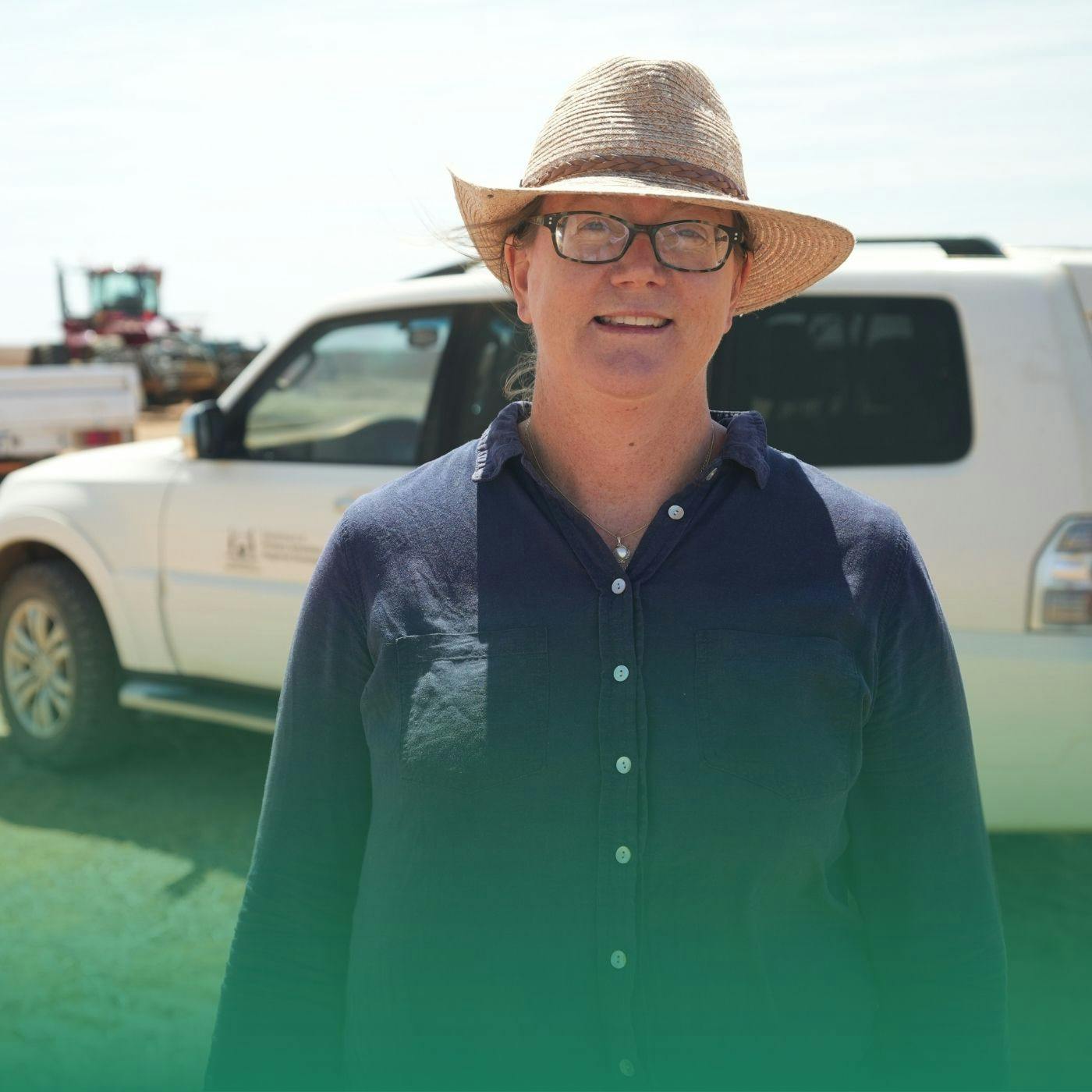
In this episode, Tim Neale from DataFarming explains a new precision ag tool, weedSAT. WeedSAT is a satellite-powered weed detection tool developed with investment from GRDC through the Grain Automate initiative. It uses high-resolution commercial satellite imagery to identify larger, hard-to-kill weeds across broadacre paddocks. This enables targeted spraying using existing boom spray section control systems before growers even enter the field. We also hear from Precision Ag consultant Bindi Isbister, who has been trialling the technology with Western Australian growers with good success. Contacts: Tim Neale Datafarming [email protected] Bindi Isbister Agrarian Management [email protected] More Information: Satellites deployed to pintpoint summer weeds weedSAT turning your conventional boom into a spot sprayer using ultra high resolution satellite imagery Project Investment Code: DFL2304-002RTX Learn more about your ad choices. Visit megaphone.fm/adchoices
Supporting young grower groups
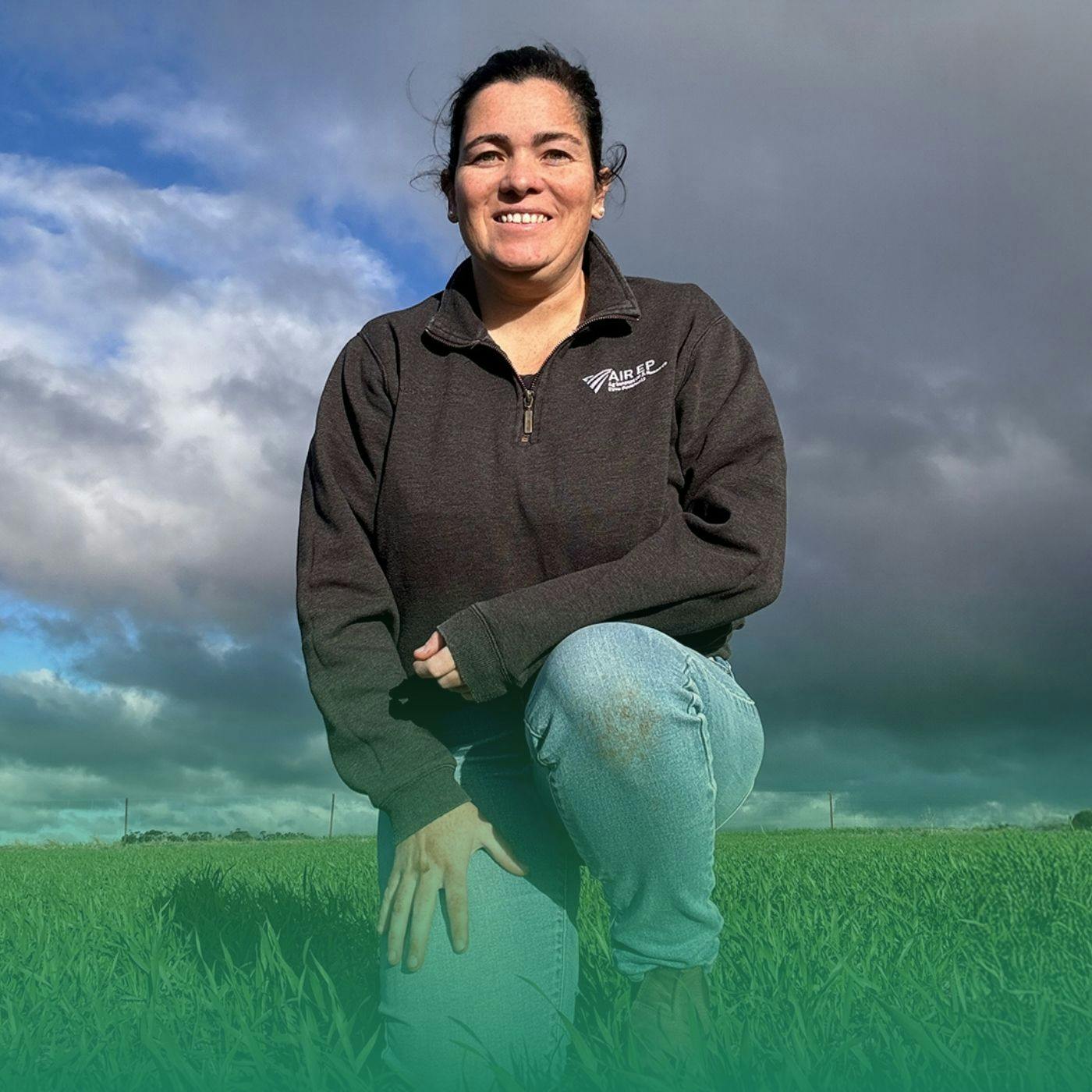
In this episode, facilitators Amy Wright and Lucy Pedler talk about the rise of young grower groups across South Australia’s Eyre Peninsula. Supported by AIR EP and the Future Drought Fund, these peer-to-peer networks are creating safe spaces for young growers to build skills, confidence and leadership capacity. Participants prioritise topics such as soils, technology adoption, drought resilience and business management—while also valuing connection, collaboration and time off-farm with peers. Amy and Lucy highlight increased confidence among members, with some stepping into leadership roles, industry panels and research committees. With study tours planned and momentum building, these groups are not only strengthening individual businesses but fostering the next generation of resilient, connected agricultural leaders. GRDC is proud to support many of these growers to attend study tours. Contacts: Agricultural Innovation & Research Eyre Peninsula Inc [email protected] George Pedler Ag [email protected] More Information: GRDC Sponsorship AIR EP Learn more about your ad choices. Visit megaphone.fm/adchoices
Legume harvesting (lentils): Tips and tricks for growers
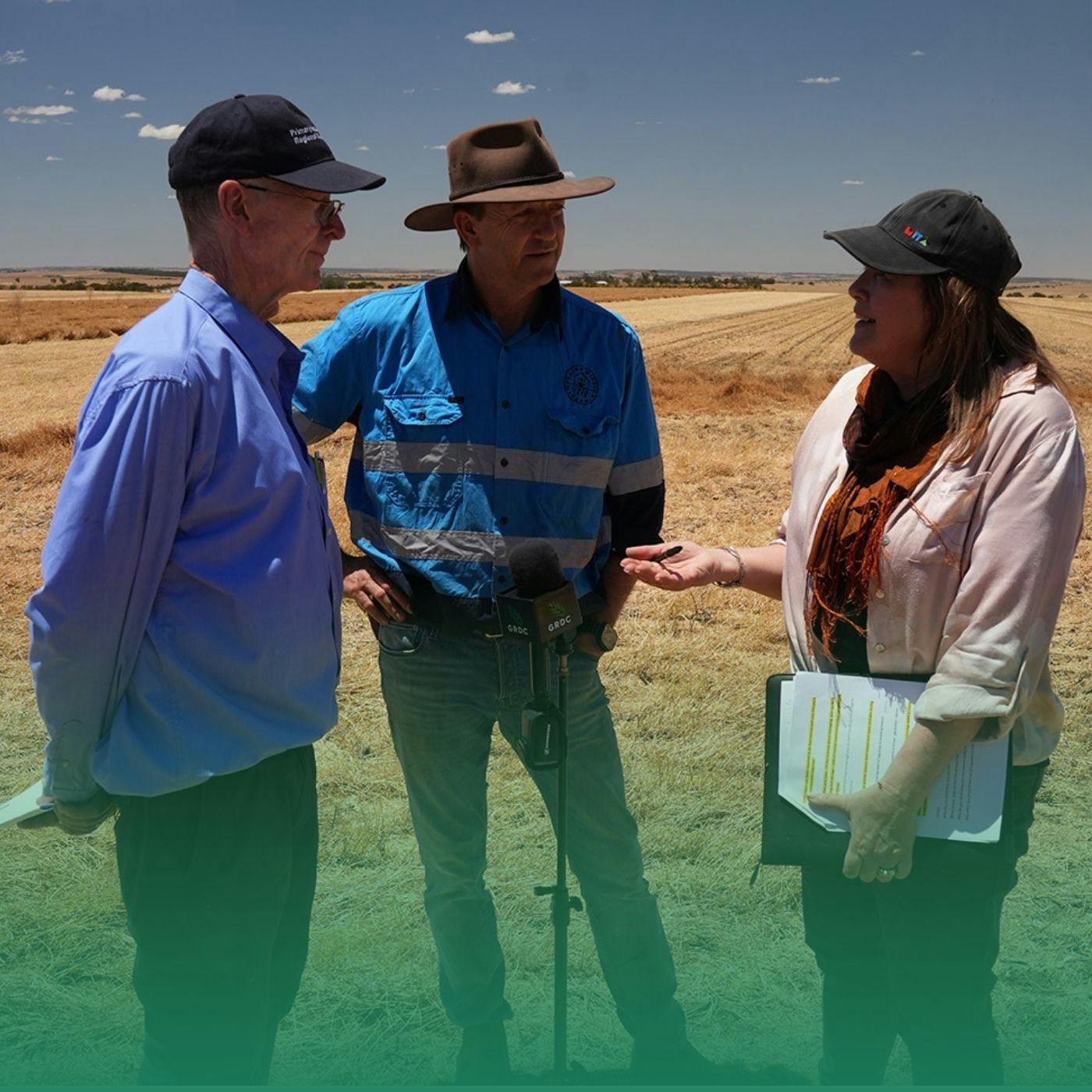
Have you been thinking of adding a legume to your rotation? In this episode, we are joined by Calingiri legume grower John Young and Glen Reithmuller who is from DPIRD in WA. John shares his experience with implementing legumes into his rotation and Glen shares the surprising efficiency of legume harvestability. Contacts: John Young WA Grower [email protected] Glen Reithmuller DPRID [email protected] More Information: Closing the economic yield gap of grain legumes in WALegume Harvesting video Project Investment Code: GGA2110-002SAX Learn more about your ad choices. Visit megaphone.fm/adchoices
Bushfire response: Coping, rebuilding & future-proofing
As we recorded this podcast, the bushfire threat in Victoria was ongoing with lives, homes, and thousands of hectares of cropping land still at risk. In this episode, we hear from Dennis Hoiberg from Lessons Learned Consulting and get some strategies for looking after your mental health in traumatic times such as a bushfire event. We also speak to South Australian grower, Andy Barr, who has firsthand experience dealing with the loss and devastation bushfires can cause. Contacts: Andy Barr Grower, South Australia [email protected] Dennis Hoiberg Lessons Learned Consulting [email protected] More Information: https://grdc.com.au/resources-and-publications/all-publications/publications/2023/reducing-harvest-fires https://grdc.com.au/events/past-events/2025/10/grdc-farm-business-update,-online-reducing-the-risk-of-harvest-fires https://lessonslearntconsulting.com https://www.lifeline.org.au https://www.beyondblue.org.au Learn more about your ad choices. Visit megaphone.fm/adchoices

What the eef are EEFs? Unlocking the potential of enhanced efficiency fertilisers
What the eef are EEFs? This episode dives deep into not only what EEFs are, but how they can change modern grain farming. On the face of it, they are enhanced efficiency fertilisers, but what it can mean is farmers are able to take control over fertiliser loss in their paddocks and be a lot closer to meeting global emissions targets. A four year multi-million dollar co-investment is aiming to explore how Australian grain growers can improve nitrogen use efficiency and reduce on farm greenhouse gas emissions. In this podcast we speak to project lead, Dr Arjun Pandey from The University of Melbourne and also grower, Russell Zwar who has experience using EEFs. Contact: Dr Arjun Pandey The University of Melbourne [email protected] More Information: Optimising the use of enhanced fertilisers Project Investment Code: UoM2404-007RTX Learn more about your ad choices. Visit megaphone.fm/adchoices

Grain automate: Getting started with autonomy
Adapting new technology on farm has always been vital to farming success. As modern Australian farming moves further into the digital age, fully automated systems are being considered and in this new Grain Automate podcast series, we'll be exploring innovative stories showing practical real-world examples of autonomy in grain farming. This episode emphasises that autonomy isn't about buying the newest robot. It's about building the right environment for automation to succeed and understanding why each change matters. Looking at the five foundational building blocks of autonomy and the structured process-first thinking required for successful implementation. Listen to Emma Leonard from AgriKnowHow, a consultancy company that specialises in helping farmers deal with change. Contact: Dr Emma Leonard AgriKnowHow [email protected] More Information: https://grainautomate.grdc.com.au https://groundcover.grdc.com.au/innovation/precision-agriculture-and-machinery/are-you-ready-for-autonomy Project Investment Code: SPA2404-002RTX Learn more about your ad choices. Visit megaphone.fm/adchoices

GRDC in Conversation: Wayne Pech
In this episode of GRDC In Conversation, mixed farmer Wayne Pech shares the sustainable farming practices he’s weaving into his business North Stirling Downs in WA’s Great Southern region; more specifically his focus on emission management, and the importance of family involvement in agriculture. Host Oli Le Lievre asks Wayne about the on-farm changes he’s made to improve water efficiency, and how his team of core staff members allows him to outsource daily tasks to his manager and free his mind to plan for the bigger picture of his business. More information GRDC in Conversation is a limited series GRDC Podcast. It features in-depth interviews with growers and other experts in the grains industry who share their expertise, knowledge and experiences by exploring their personal stories, history, influences and motivations. The views expressed in this podcast are solely those of the interviewee and do not necessarily reflect the views of GRDC, the interviewees’ employer, institution or other associated parties. GRDC Project Code: HAG2308-001SAX Learn more about your ad choices. Visit megaphone.fm/adchoices

Sandy soil amelioration on the Eyre Peninsula
In this episode, grower Tristan Baldock and agronomist Brett Masters from EPAG Research in South Australia talk about why growers on the Eyre Peninsula are trialling modification practices in a bid to combat their sandy soil constraints. Trials are taking place across more than 20 farms in the GRDC southern region, and it's all part of an ongoing co-investment between GRDC and CSIRO in collaboration with other research partners. Contacts: Brett Masters Research Agronomist, EPAG Research [email protected] Tristan Baldock Grower [email protected] More Information: Buckleboo Deep Ripping Trial Helping growers manage Sandy Soils Project Investment Code: CSP2403-017RTX Learn more about your ad choices. Visit megaphone.fm/adchoices

Durum: Gross margins and role in rotation
There are new tools available for durum wheat growers, presenting opportunities to close the yield gap with bread wheat. With a major pasta processing company in South Australia, durum is particularly sought after. The average area sown over the past five years in SA has been around the 50-thousand-hectare mark, but that area is now being extended into non-traditional durum growing regions such as the southeast of the state. With its natural genetic resistance to stripe rust and septoria tritici, and new varieties with improved yield potential, along with advanced techniques for crown rot management and weeds, durum is showing promise. In this podcast we hear from agronomist, Darcy King and local durum grower, Simon Ballinger. Contact: Darcy King Nutrien Ag [email protected] More Information: https://groundcover.grdc.com.au/crops/cereals/padthaway-durum-outclasses-bread-wheat-in-trial Trials support durum as a profitable alternative to bread wheat | GroundCover Project Investment Code: SAD2204-001SAX Learn more about your ad choices. Visit megaphone.fm/adchoices

GRDC in Conversation: Ian Longson
Ian Longson reflects on his incredible career in the grains sector spanning 55 years, servicing farmers and agriculture businesses and passionately advocating for the industry. Through various roles in economics and policy, he’s developed a deep respect for grain farmers; not just for the value they bring to the nation’s economy, but the contribution they make to the social fabric of regional areas. In this episode of GRDC In Conversation, host Oli Le Lievre chats to Ian about his childhood visits to his uncle’s dairy farm sparking a lifelong love for farming, the rapid pace of change in the grains industry and how he’s witnessed farmers move with the times and rapidly adopt the technology available to them. More information GRDC in Conversation is a limited series GRDC Podcast. It features in-depth interviews with growers and other experts in the grains industry who share their expertise, knowledge and experiences by exploring their personal stories, history, influences and motivations. The views expressed in this podcast are solely those of the interviewee and do not necessarily reflect the views of GRDC, the interviewees’ employer, institution or other associated parties. GRDC Project Code: HAG2308-001SAX Learn more about your ad choices. Visit megaphone.fm/adchoices

Cultivating learning: Ag education for Aussie kids
According to a survey done by the Primary Industries Education Foundation Australia (PIEFA), 75 per cent of surveyed students say they know nothing or little about the grains industry - despite it being one of Australia’s largest exports. In this episode, PIEFA CEO Luciano Mesiti outlines one of their key aims; to increase student knowledge and understanding through boosting teachers’ confidence with agricultural content. This is a concept shared by GRDC and reflected in their long-term relationship with PIEFA - a national not-for-profit company that advocates and works with industry groups to develop and promote the importance of food and fibre and agricultural education in schools. Contact: Luciano Mesiti, CEO Primary Industries Education Foundation Australia (PIEFA) [email protected] More information: https://grdc.com.au/resources-and-publications/all-publications/educational https://www.Primezone.edu.au https://www.careerharvest.com.au https://www.piefa.edu.au/ https://groundcover.grdc.com.au/innovation/industry-insights/lessons-awaken-students-interest-in-grains https://groundcover.grdc.com.au/agronomy/soil-and-nutrition/opportunities-abound-in-a-growing-industry Project Investment code: PIE2408-001SAX Learn more about your ad choices. Visit megaphone.fm/adchoices

From idea to investment: The rigour behind every GRDC project
GRDC has a rigorous process in and around how it invests. GRDC is constantly engaging with growers and looking for opportunitiesto take an idea, ground truth it and find out if there is a way to invest that will lead to a positive impact for growers. In this podcast GRDC southern panel Chair, Andrew Russell and senior regional manager for the southern region, Courtney Ramsey take us through GRDC’s process - from idea to investment. Contacts: Courtney Ramsey Senior Regional Manager - South [email protected] Rebecca Raymond Senior Regional Manager - North [email protected] Peter Bird Senior Regional Manager - West [email protected] More Information: GRDC investments Learn more about your ad choices. Visit megaphone.fm/adchoices

GRDC in Conversation: Clint Della Bosca
It doesn’t get much more marginal than Yilgarn, on the eastern fringe of WA’s wheatbelt, and it takes a certain kind of farmer to remain profitable and up for the challenge of a drying climate. Fourth generation grain farmer Clint Della Bosca has made some strategic decisions in recent years to steer his business in a more positive direction, as the next generation emerges. In this episode of GRDC In Conversation, host Oli Le Lievre chats with Clint about the evolution of this farming practices - why he’s removed livestock from his system to focus on his cropping program and how new technology like variable rate is dramatically improving soil health and crop yields. Like many farmers, Clint is pinning his hopes on automation to help with labour shortages, but he explains the need for more technically skilled staff in the industry to keep up with changing farming operations. More information: GRDC in Conversation is a limited series GRDC Podcast. It features in-depth interviews with growers and other experts in the grains industry who share their expertise, knowledge and experiences by exploring their personal stories, history, influences and motivations. The views expressed in this podcast are solely those of the interviewee and do not necessarily reflect the views of GRDC, the interviewees’ employer, institution or other associated parties. GRDC Project Code: HAG2507-001SAX Learn more about your ad choices. Visit megaphone.fm/adchoices
Harvest headaches: Managing regrowth in crops
Many growers are currently facing the challenges that come with paddocks that are split. Some nearly ready for harvest, others showing significant regrowth. In this episode, we talk about the ins and outs of managing regrowth in crop during harvest and hear from Matthew Sparke, an agronomist with Sparke Agricultural and Associates based in Victoria, and harvest specialist, Kassie Van Der Westhuizen. Contacts: Matthew Sparke Sparke Agriculture [email protected] Kassie Van Der Westhuizen One Shot Harvest [email protected] More Information: GRDC Harvester Guide GRDC website Project Investment Code: PRS2005-001SAX Learn more about your ad choices. Visit megaphone.fm/adchoices

A practical guide to tramline renovation machines
Permanent tramlines in a controlled-traffic farming system offer a range of benefits including less soil compaction across the whole paddock, fuel savings, higher yields and better in-crop access. Over time, tramlines can compact deeper than the rest of the paddock and can become rutted, with ridges forming where tyres push soil to the sides of the tramline. In this episode, we’re joined by Bindi Isbister from the Department of Primary Industries and Regional Development (DPIRD) and grower Cameron Johnson as part of a GRDC series looking at managing soil constraints in Western Australia. Together, we talk about the process of renovating these tramlines to keep them flat and even, as well as the different machinery options to get the job done. Contact: Bindi Isbister DPIRD (WA) [email protected] More information: Permanent tramlines in CTF systems need maintenance Renovating to prevent tramline erosion is now a key priority for CTF grower Developing a controlled traffic (tramline) farming system Project Code: PLT2409-001SAX Learn more about your ad choices. Visit megaphone.fm/adchoices
GRDC in Conversation: Courtney Piesse
Much like mechanics might have cars in a less-than-ideal state, agronomists often have the messiest crops, with their attention going to their customers first. Kojonup grain farmer and agronomist Courtney Piesse isn’t too worried though, as his own agronomy business keeps the bills paid and his mind connected to the people and innovation alive in the industry. In this episode of GRDC In Conversation, host Oli Le Lievre chats with Courtney about pivoting from his dream of being a fighter pilot to returning to ag, and his love of applying agronomy skills to care for different crops across the vast state of WA, from wheat in the Great Southern to irrigated horticulture in the far north. More information: GRDC in Conversation is a limited series GRDC Podcast. It features in-depth interviews with growers and other experts in the grains industry who share their expertise, knowledge and experiences by exploring their personal stories, history, influences and motivations. The views expressed in this podcast are solely those of the interviewee and do not necessarily reflect the views of GRDC, the interviewees’ employer, institution or other associated parties. GRDC Project Code: HAG2507-001SAX Learn more about your ad choices. Visit megaphone.fm/adchoices

Updates on Gazania control
Vibrant, colourful blooms and an attractive daisy-like appearance make them a popular choice for gardens and landscaping. But unfortunately, quick growing gazanias are actually a weed, one that's jumped the fence and is now invading the paddocks of grain growers. GRDC has identified gazania as a weed threat and is responding by investing in research to determine its distribution and abundance, review current control methods, and inform management strategies for the grains industry. In this podcast we hear from Dr Ali Bajwa, senior lecturer in weed science and agronomy at Melbourne's La Trobe University and South Australian grower Robin Schaefer on this episode. Contact: Dr Ali Bajwa, La Trobe University [email protected] Robin Schaefer, Bulla Burra Grower [email protected] More Information: Garden beauty turns into paddock pain Project Investment Code: ULA2402-002RTX Learn more about your ad choices. Visit megaphone.fm/adchoices