
Grating the Nutmeg
247 episodes — Page 4 of 5

S2 Ep 9090. Bob Steele, the Voice of Connecticut Radio
Bob Steele, the Voice of Connecticut Radio For more than sixty years, Bob Steele was the voice of Southern New England, entertaining listeners of WTIC AM with his wit and humor. Connecticut author Paul Hensler has written the first-ever biography of Steele, chronicling his hardscrabble beginnings in the Midwest, his early career as a boxer, and his almost accidental hiring as an announcer at WTIC in the midst of the Great Depression. In this episode, recorded at the CT Historical Society with Natalie Belanger, Hensler provides a look into Steele's life and work. Paul Hensler's book, Bob Steele on the Radio: The Life of Connecticut's Beloved Broadcaster, is published by McFarland. We wish to thank Natalie Belanger and author Paul Hensler. This episode was produced by Natalie Belanger and engineered by Patrick O'Sullivan. Be sure to join us for our next episode of Grating the Nutmeg.

S2 Ep 8989. Why Teaching African American History in Connecticut Matters
CT Explored publisher Elizabeth Normen sits down with Dr. Benjamin Foster and Connecticut State Representative Bobby Gibson to talk about their efforts to pass legislation requiring teaching African American history in Connecticut, their vision for the curriculum, and why it matters. "When kids started to say math is for whites," Foster, a longtime educator says, "I knew we had to do something" to reconnect students with their rich history of contributions to this nation. We wish to thank Dr. Benjamin Foster and Representative Bobby Gibson and Carmen Arace Middle School for hosting us. This episode was produced by Elizabeth Normen and engineered by Patrick O'Sullivan.
Ep 8888. Educated For Freedom
Anna Mae Duane has written an amazing new book about James McCune Smith and Henry Garnet, two African American boys who met as young students at the New York African Free School on Mulberry street. Their intertwined, but very different lives of antebellum antislavery activism helped define the possibilities for blacks in American Society. State historian Walt Woodward interviews UCONN English professor Duane, who talks about Educated for Freedom, and the inspiring and informative example Smith and Garnet provided for their generation, and ours. Episode recorded by Walt Woodward. Edited, mixed, and assembled by Matt Berky at Massive Productions

S2 Ep 8787. Time Capsule: Dirt Floor Studio and Connecticut Music
In the Winter 2019 issue of Connecticut Explored, Museum of Connecticut History curator Dave Corrigan tackles the obsolescence of everyday objects such as typewriters that were replaced by personal computers. With the advent of digital recording, CDs, and streaming music services, perhaps no industry has experienced more rapid change in the last 20 years than the music industry. But as historians, we know that some people value doing things in the traditional way. In today's episode, Assistant Publisher Mary Donohue and podcast engineer Patrick O'Sullivan visit Connecticut's legendary Dirt Floor Recording and Production Studios to talk to musician and Dirt Floor producer Eric Lichter. Connecticut Public Radio's John Dankosky calls Dirt Floor "the Music Sanctuary of Connecticut". Hear more about how Lichter uses old fashioned, hands-on musical instruments and recording methods to produce some of Connecticut's most popular new musicians. We wish to thank our guests Eric Michael Lichter and musician Angela Luna. To learn more about Dirt Floor Recording and Production Studios, go to dirtfloorrecordingstudio.com and for more about Angela Luna, go to her Facebook page at Luna & the Lost Souls. Our thanks to Luna & the Lost Souls for the music in the episode. This episode was produced by Mary Donohue, Assistant Publisher of Connecticut Explored, and engineered by Patrick O'Sullivan.

Ep 8686. Who Paid for the American Revolution? The Founding Fortunes
In our first episode for 2020, state historian Walt Woodward interviews author and historian Tom Shachtman talks about his just released book, The Founding Fortunes: How America's Wealthy Paid for and Profited From America's Revolution. In this fascinating economic history covering the years from the Birth of the Republic to the end of the War of 1812, Shachtman asks an important question most historians don't consider: Who paid for the war for independence? The answers come with some profound insights that still resonate in the present. Shachtman also helps us understand the national significance of a number of famous Revolutionary Connecticans, including Jeremiah Wadsworth, SIlas Deane, Eli Whitney, John Fitch, and Oliver Wolcott, Jr.
Ep 8585. Connecticut Christmas Stories & Song
For your holiday enjoyment, State Historian Walt Woodward has gathered together three historic Connecticut Christmas stories, and a Christmas Song: Francis S. Parsons "The Christmas Party" (1923), Louise Chandler Moulton's "What Came to Olive Haygarth" (1867), Abby Allin's "Old Santa Claus (1850), and Walt Woodward's own "A Children's Christmas." Happy Holidays From All the Grating the Nutmeg Team.

S2 Ep 8484. War, Maps & Mystery
Maps tell stories. In this episode of Grating the Nutmeg, Natalie Belanger and Ben Gammell of the CT Historical Society uncover the little-known story of 18th-century cartographer Bernard Romans. A new exhibit of his maps at the museum pieces together the life story of a bold, talented, and adventurous immigrant to Connecticut who put his considerable skills to work for the American cause and may have paid the ultimate price for it. "War, Maps, Mystery: Dutch Mapmaker Bernard Romans and the American Revolution" is on view at the Connecticut Historical Society until May 2, 2020. To learn more, visit chs.org. For more great stories on maps, order Connecticut Explored's back issue for Spring 2012 -entitled "Putting Connecticut on the Map"- at our website at ctexplored.org This episode was produced by Mary Donohue, Asst. Publisher of Connecticut Explored, and engineered by Patrick O'Sullivan.

Ep 8383. Exit Interview with a History Icon
For more than a generation, Kendall F. Wiggin has been one of the most influential champions of history issues and institutions in Connecticut. At the end of 2019, Ken is retiring after 21 years as Connecticut's State Librarian. In a revealing interview, State Historian Walter Woodward sat down with Ken for a wide-ranging discussion about his agency's complex role in preserving the state's past, the effect of the Internet on historical research and libraries, the role of Connecticut history in public education, his successes and regrets, some advice for his successor, and more.

S2 Ep 8282. Writing with Scissors: Mark Twain, Harriet Beecher Stowe and American Scrapbooks
How did Mark Twain aka Samuel Clemons use scrapbooks to fight unscrupulous publishers who reprinted his work without paying him? Why did celebrities like Abraham Lincoln, Frederick Douglass and Susan B. Anthony keep scrapbooks? How did abolitionists, suffragettes, and African Americans use scrapbooks to tell their story? Before the era of google and Instagram, how did American use scrapbooks to curate printed stories that contained information they wanted to save for the future? In this episode, our guest, Dr. Ellen Gruber Garvey explores how Americans from all walks of life created scrapbooks to document, store, critique, and participate in a rapidly changing world of information overload. This episode was recorded as a lecture at the Harriet Beecher Stowe Center. You'll have to use your imagination a little to picture some of the types of scrapbooks that Dr. Garvey refers to but you'll be fascinated by impact scrapbooks had on American history. We wish to thank our guest Dr. Ellen Gruber Garvey, professor of English at the New Jersey City University and the host for the lecture, the Harriet Beecher Stowe Center. Read more in Dr. Garvey's book Writing with Scissors American Scrapbooks from the Civil War to the Harlem Renaissance published by Oxford University Press. This episode was produced by Mary Donohue, Assistant Publisher of Connecticut Explored, and engineered by Patrick O'Sullivan. To hear more episodes of Grating the Nutmeg, subscribe on iTunes, IHeartRadio, GooglePlay, Spotify or at gratingthenutmeg.libsyn.com. Subscribe to Connecticut Explored and get the upcoming Winter issue with stories about events or inventions that disrupted history. Subscribe, buy back issues and collections—at ctexplored.org

Ep 8181. Wilbur L. Cross, Connecticut Yankee
" class= "Apple-web-attachment Apple-edge-to-edge-visual-media" style= "caret-color: #000000; color: #000000; font-style: normal; font-variant-caps: normal; font-weight: normal; letter-spacing: normal; orphans: auto; text-align: start; text-indent: 0px; text-transform: none; white-space: normal; widows: auto; word-spacing: 0px; -webkit-text-size-adjust: auto; -webkit-text-stroke-width: 0px; text-decoration: none; opacity: 1;" /> Say the name Wilbur Cross and most Connecticans think of a parkway. Wilbur Cross the man, however, was a Connectican of extraordinary accomplishment. Born in 1862 in the factory village of Gurleyville, he became a world-class scholar, author, educational reformer, founding Dean of the Yale Graduate school, and, starting at age 68, a popular four-term governor who guided Connecticut through the worst years of the Great Depression. In this episode, state historian Walt Woodward sits down at the New Haven Museum with poet and publisher David Wilk, whose City Point Press recently reissued Cross's 1943 autobiography Connecticut Yankee: An Autobiography of Wilbur L. Cross, to discuss Cross's remarkable nineteenth and twentieth century life. As a bonus, we include a reading by David Wilk of Wilbur Cross's 1936 Thanksgiving Proclamation, regarded then and now for its eloquent invitation to thankful reflection.
S2 Ep 8080. Novelist Ann Petry and Exploring the Family Tree
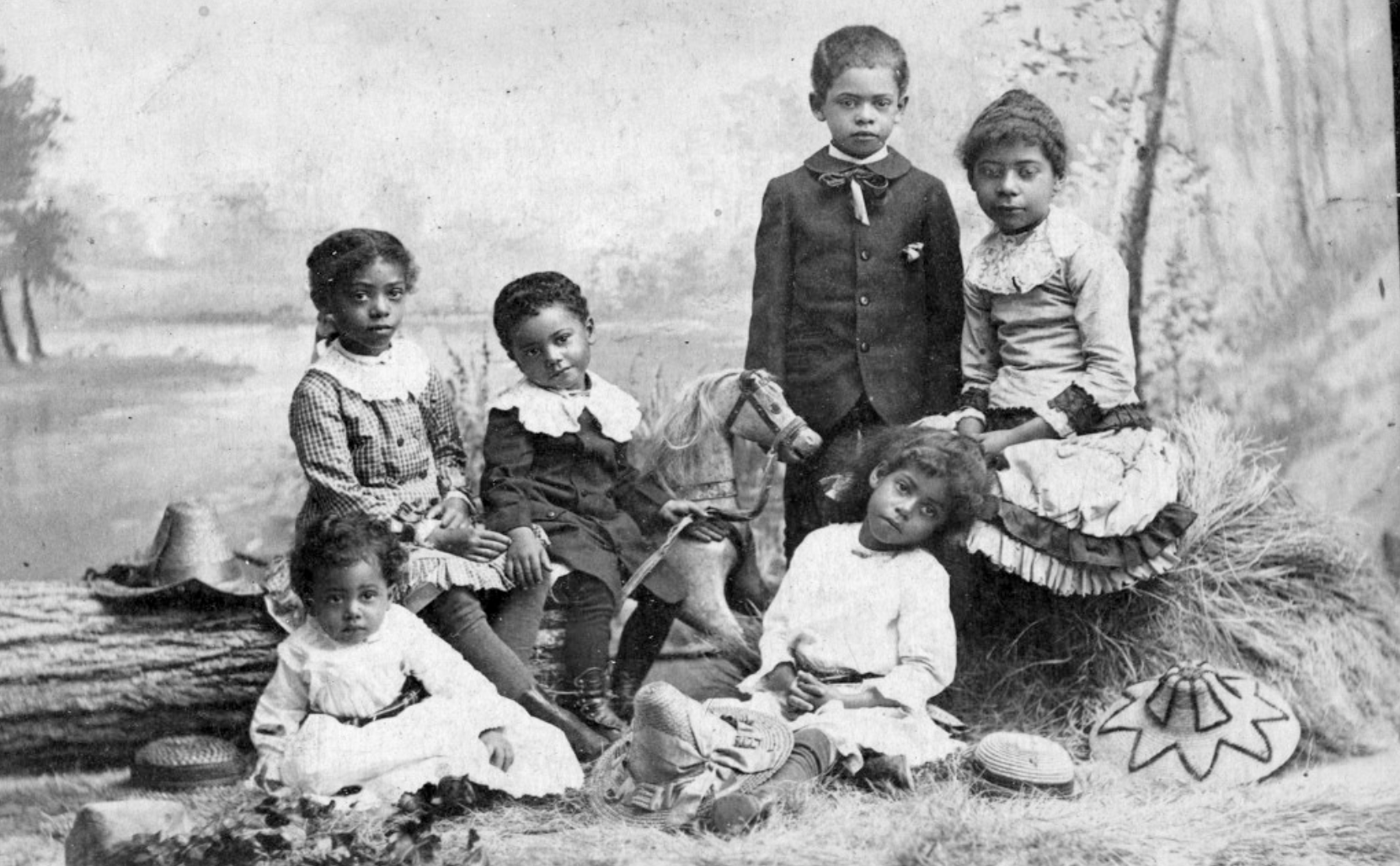
Our guest, Elisabeth Petry is a journalist. She knows how to uncover a clue, follow a lead, and tell a good story. Her mother was bestselling novelist Ann Petry, whose 1946 debut novel The Street became the first novel by an African American to sell more than a million copies. In this episode, Liz tells us more about her family tree—the James and Lane Families—four generations of strivers and achievers descended from self-emancipated slaves, who settled in New Haven, Hartford, and Old Saybrook, Connecticut. Four hundred family letters survive, many of which contained stories that were fodder for Ann Petry's novels. Hear more about how Liz and two of her cousins are taking the family's story to the screen. We join Steve Courtney at the Mark Twain House & Museum as he introduces the lecture from which this podcast was recorded. We wish to thank our guest Elisabeth Petry and the host for the lecture, the Mark Twain House & Museum. Read more about Liz's search for her family history in the Fall 2019 issue of Connecticut Explored where you'll also find Martha Hall Kelly's story about Caroline Ferriday. You can listen to our podcast with Kelly in episode 34 and to hear more about Barbara Beeching's research on the black middle class in Hartford, listen to Episode 53 of Grating the Nutmeg. For more information on the James Family project and documentary go to https://www.jamesfamilyletters.com/ This episode was produced by Mary Donohue, Assistant Publisher of Connecticut Explored, and engineered by Patrick O'Sullivan. To hear more episodes of Grating the Nutmeg, subscribe on iTunes, IHeartRadio, GooglePlay, Spotify or at gratingthenutmeg.libsyn.com Please leave a review! We'd love to get your feedback!

Ep 7979. Gov. Ned Lamont, "100 Years of Fake News and Real and Fake Wars"
Every Governor of our state makes history, but there have been very few who know their history as well as Connecticut's current governor Edward M. "Ned" Lamont." In this very special episode, Mary Donohue and Walt Woodward, along with Connecticut Explored publisher Elizabeth Normen and producer Patrick O'Sullivan went to the state capitol to talk with Governor Lamont about a speech – and now audio essay he recorded for this podcast – titled "100 Years of Fake News and Real and Fake Wars." In an era when Americans are challenged to separate fact from fiction in a myriad of different media, the Governor's message is a kind of cautionary tale for all of us. And, as you'll see, it reflects some keen and insightful thinking from a governor who takes his history seriously.

S2 Ep 7878. Uncovering African and Native American Lives in 17th - 18th Century Hartford
Four hundred years ago, in August 1619, more than 20 kidnapped enslaved African people were sold to the Virginia colonists. Slavery was well established in the early Connecticut Colony, too. Traded, sold, given as gifts, and subjected to beatings as documents attest, the enslaved people of Hartford suffered no less than enslaved people anywhere. In today's episode, Connecticut Explored's Mary Donohue finds out about an innovative, model project that uses fine-grained scholarship to uncover the lives of almost 500 Africans, African Americans, and Native Americans buried between 1640 and 1815 in Hartford's oldest historic site, the Ancient Burying Ground. She talks with Dr. Kathy Hermes, professor at Central Connecticut State University, about the project, sponsored by the Ancient Burying Ground Association and about the new website that makes all this research available with a click of a mouse. For more information, visit the new website at www.africannativeburialsct.org. Join us on September 12, 2019 at 6 p.m. at the Hartford History Center, Hartford Public Library, 500 Main Street, in downtown Hartford for a free lecture by Dr. Hermes "Uncovering Their History: African, African American and Native Americans Buried in Hartford's Ancient Burying Ground, 1640-1815" that will launch the website. To learn more about how to research Hartford's early black community, join Dr. Hermes for a workshop at the Hartford History Center, October 5, 2019, 11 a.m., also free to the public. And come view the exhibition at the Hartford History Center: Uncovering the Ancient Burying Ground, an exhibition featuring historic photos, maps, drawings, and postcards. This episode was produced by Mary Donohue, assistant publisher, Connecticut Explored, and engineered by Patrick O'Sullivan. Visual art by coramarshall.com. To order a Fall 2019 issue of Connecticut Explored with a feature article by Dr. Hermes about this project, go to ctexplored.org. Subscribe to Connecticut Explored and get the upcoming Winter issue with stories about events or inventions that disrupted history. Subscribe, buy back issues and collections—including a make-your-own collection at a special price—at ctexplored.org. To hear more episodes of Grating the Nutmeg subscribe on iTunes, IHeartRadio, GooglePlay, Spotify or at gratingthenutmeg.libsyn.com

77. The Delicious History of Pizza in New Haven
Food historian and author of Pizza in New Haven Colin M. Caplin tells State Historian Walt Woodward and co-host Betsy Golden Kellem the fascinating story of the creation and rise to world-class celebrity of New Haven Pizza. Join us at Modern Apizza in New Haven for a lunch-time food and information feast you won't want to miss. And at the end, you'll hear about a special offer that might have you joining Walt Betsy and Colin for another podcast lunch and another slice of New Haven Pizza.

S2 Ep 7676. The Rise of the Ku Klux Klan in Connecticut in the 1920s
In this installment of GTN, Natalie Belanger of the Connecticut Historical Society takes a walk through the museum's archival collection of documents related to the Ku Klux Klan. You'll learn about the Klan's sudden rise, and rapid fall, in 1920s Connecticut, a dark time when Connecticut was torn by disagreements over immigration policy and the changing demographics of United States. To learn more, you can join Natalie at the Connecticut Historical Society on September 14, 2019 for a gallery program related to this topic, or visit the CHS's Research Center anytime to view the Ku Klux Klan documents yourself. This episode was produced by Natalie Belanger and engineered by Patrick O'Sullivan. To hear more episodes of Grating the Nutmeg subscribe on iTunes, iHeartRadio, GooglePlay, Spotify or at gratingthenutmeg.libsyn.com. And for more great Connecticut history stories, subscribe to Connecticut Explored, the magazine of Connecticut history, at ctexplored.org Please leave a review on iTunes for Grating the Nutmeg-we'd appreciate it!

Ep 7575.For Whom The Tolls Toll. The History of Toll Roads in Connecticut.
In this Gate-leg Table interview with state historian Walt Woodward, transportation historian Richard DeLuca takes us on an expert's tour of Connecticut's long history of charging people to get from here to there. From turnpikes to bicycle roads, the state highway system to the parkways and toll roads Connecticut got rid of in the 1980s, DeLuca provides the background you need to make good decisions about The Toll Question in Connecticut. DeLuca is the author of POST ROADS AND IRON HORSES and PAVED ROADS AND PUBLIC MONEY, forthcoming from Wesleyan University Press.
S2 Ep 7474. Post WWII: 1949 Travel Diary of Beatrice Auerbach with Congresswoman Chase Woodhouse
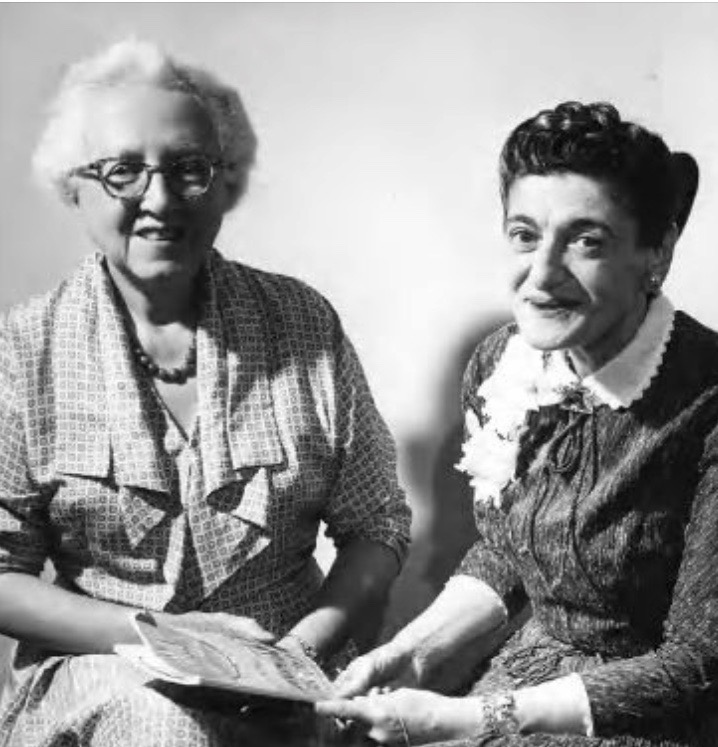
Two of Connecticut's most influential women, Beatrice Fox Auerbach, the owner of G. Fox, the largest privately-owned department store in the United States at the time and U.S. Congresswoman Chase Going Woodhouse, the second woman to be elected to the US Congress from Connecticut, spent seven weeks travelling through 10 countries in the Middle East and Europe in 1949. Only four years after the end of WWII and one year after the founding of the new nation of Israel, Auerbach and Woodhouse were shown battlefields, refugee camps, and the ruins of German cities. Auerbach's diary entries reveal what she saw and experienced-civil war in Greece, Arab refugee camps in Transjordan, the value of using Hebrew in Israel, and the fear of rising anti-Semitism and communism in Germany. In this episode, edited from a lecture given at the Jewish Historical Society of Greater Hartford, Dr. Tracey Wilson comments on Auerbach and Woodhouse's contribution to the development of women in leadership roles in Connecticut and reads from Mrs. Auerbach's travel diaries. Both women are in the Connecticut Women's Hall of Fame. Dr. Wilson received her Ph. D in history from Brown University and serves as the West Hartford Town Historian. To listen to the full lecture or view the videotape, contact the Jewish Historical Society of Greater Hartford. The Auerbach diaries are in the collection of the Connecticut Historical Society, Hartford, and the papers of Chase Going Woodhouse are in the collection of the Dodd Center, University of Connecticut at Storrs. To hear more about G. Fox Dept Store, listen to Episode 73 of Grating the Nutmeg, "Dept Stores, G. Fox and the Black Freedom Movement". This episode was produced by Mary Donohue and engineered by Patrick O'Sullivan. To hear more episodes of Grating the Nutmeg subscribe on itunes, iHeartRadio, GooglePlay, Spotify or at gratingthenutmeg.libsyn.com. And for more great Connecticut history stories, subscribe to Connecticut Explored, the magazine of Connecticut history, at ctexplored.org

S2 Ep 7373. Dept Stores, G.Fox and the Black Freedom Movement
This summer the Connecticut Historical Society is hosting an exhibition called Black Citizenship in the Age of Jim Crow. It's a traveling show that originated at the New-York Historical Society. The exhibition explores the struggle for full citizenship and racial equality that unfolded after the Civil War. Even though northern states like Connecticut did not institute Jim Crow segregation by law, discrimination and segregation were the norm in many public spaces, including elegant department stores like New York City's Macy's, Bloomingdales, and Hartford's G. Fox. In this episode, Dr. Traci Parker of the University of Massachusetts, with some editorial commentary from host Natalie Belanger talk about what department stores like G. Fox meant to consumers and retail workers alike, and how they become sites of struggle in the civil rights movement. Dr. Parker's new book is Department Stores and the Black Freedom Movement: Workers, Consumers, and Civil Rights from the 1930s to the 1980s published by the University of North Carolina Press. For more information about G. Fox Dept Store, contact the Connecticut Historical Society, Hartford. This episode was produced by Natalie Belanger and engineered by Patrick O'Sullivan. To hear more episodes of Grating the Nutmeg subscribe on itunes, iHeartRadio, GooglePlay, SoundCloud or at gratingthenutmeg.libsyn.com. And for more great Connecticut history stories, subscribe to Connecticut Explored, the magazine of Connecticut history, at ctexplored.org
72a BONUS EPISODE: Colin Calloway on Dartmouth as a School for Native Americans
BONUS CONTENT: LECTURE ONLY

72. "Samson Occom the Man" - Mohegan Elder Beth Regan
In Part 2 of our Series Commemorating the 250th Anniversary of the Founding of Dartmouth College and Its Roots in the town of Columbia. Mohegan Elder Beth Regan tells the story of Samson Occom. Occom, a Mohegan convert to Christianity, was educated by Rev. Eleazar Wheelock, became a teacher and minister, raised much of the money used to establish Dartmouth, and went on to found the utopian native Christian community of Brothertown, New York. Occom's story as told by Mohegan elder Regan provides a different and importantperspective on Dartmouth's founding, one that is not to be missed. This episode is dedicated to Mohegan Nonner and elder Faith Damon Davison, with whom Regan was to give her talk. She was prevented by the onset of an illness that led to her passing a few weeks later. A wise and wonderful person, Nonner Faith Damon Davison will be missed by all of us who knew her, -
S2 Ep 7171 Eleazar Wheelock, The Great Awakening, Samson Occom & the Indian School
Recently, alumni of Dartmouth College, members of the Mohegan nation, the Columbia Historical Society and state and local officials gathered in the quiet corner town of Columbia to commemorate the 250th anniversary of the founding of that Ivy League Institution. Why Columbia? That is where the Great Awakening minister Eleazar Wheelock, inspired by the educational achievements of Mohegan student Samson Occom, founded Moor's Indian Charity School, the training school for indigenous missionaries that led directly to Wheelock's founding of Dartmouth in 1769. In this episode, following Elder Beth Regan's Mohegan-language conference invocation, state historian Walt Woodward describes Eleazar Wheelock's life as a local minister and Great Awakening evangelist, his relationship with Samson Occom, and life at Moor's Indian Charity School. "Eleazar Wheelock, the Great Awakening, Samson Occom, and the Indian School - This episode of Grating the Nutmeg."

S2 Ep 7070. Anni and Josef Albers in Connecticut
This episode celebrates the 100th anniversary of the most influential design school of the twentieth century, the Bauhaus, and Connecticut's connection to it. Connecticut Explored's Assistant Publisher Mary Donohue and conceptual artist, photographer and frequent Connecticut Explored contributor Bob Gregson talk about pioneering Modern artists Anni and Josef Albers, who escaped Nazi Germany in the 1930s and made New Haven their home in 1950. It's a remarkable story. Josef was associated with the Bauhaus longer than any other artist and Anni was the last surviving teacher from the Bauhaus. Both had independent careers as world famous, influential teachers and artists. For more information about the Albers, read Bob's feature story in the Winter 2018-2019 issue of Connecticut Explored at ctexplored.org and for more about the Albers, go to the Josef & Anni Albers Foundation's website at albersfoundation.org. For more about our guest, go to BobGregson.com This episode was hosted and produced by Mary Donohue and engineered by Patrick O'Sullivan. And for more great Connecticut history stories, subscribe to Connecticut Explored, the magazine of Connecticut history, at ctexplored.org. Through May 31, 2019, for just $20, Grating the Nutmeg listeners receive 6 issues for the price of 4 with coupon code GTNSpring19. That's 2 free issues added to a one-year subscription with coupon code GTNSpring19 when you subscribe by May 31, 2019 at ctexplored.org/shop To hear more episodes of Grating the Nutmeg subscribe on iTunes, iHeartRadio, GooglePlay, Spotify or at gratingthenutmeg.libsyn.com.

S2 Ep 6969. The Breach: Voices Haunting a New England Mill Town
It's not very often that a historian interviews a poet for a history podcast, but in this episode state historian Walt Woodward interviews award-winning poet, novelist, essayist, environmentalist, and former Deputy Commission of the Connecticut Department of Environmental Protection David K. Leff about his new verse novel, The Breach: Voices Haunting a New England Mill Town (Homebound Books, 2019). The Breach is a fascinating study of decline in a New England factory village caught in the throes of both an economic and an environmental crisis. And - plus, plus, plus - it's a story told mostly by historical objects. Leff talks about his book, the reasons he lets objects tell the story, and reads some of the entries, too. Warning: Leff's readings contain a bit of profanity, one violent episode, and a hint of sex.

S2 Ep 6768. Fort Trumbull's Three Lives
In this podcast cross-over episode, Johnna Kaplan, author of Connecticut Explored's spring 2019 story about Fort Trumbull in New London, Connecticut is joined by her Going/Steadypodcast co-host Kerri Provost. Listen as they dive into the history of Fort Trumbull, a Connecticut state park that's seen a devastating Revolutionary War battle, witnessed Prohibition-era high-speed boat chases, and housed a top-secret military research facility. Today Fort Trumbull is one of New London's must-visit attractions, part of the new Thames River Heritage Park. Thanks to the co-hosts of Going/Steady, Kerri Provost of Real Hartford and Johnna Kaplan of The Size of Connecticut. Listen to Going/Steady podcast at goingsteadyct.com and on iTunes. For more information about the fort, visit ct.gov/deep and fortfriends.org. For more about the summer water taxi and historic attractions go to thamesriverheritagepark.org This episode produced by Mary Donohue and engineered by Patrick O'Sullivan. To hear more episodes of Grating the Nutmeg subscribe on iTunes, Spotify, iHeartRadio, GooglePlay, Soundcloud or at gratingthenutmeg.libsyn.com. And to read Johnna's story, subscribe to Connecticut Explored, the magazine of Connecticut history,at ctexplored.org. Through May 31, 2019, for just $20, Grating the Nutmeg listeners receive 6 issues for the price of 4 with coupon code GTNSpring19. That's 2 free issues added to a one-year subscription with coupon code GTNSpring19 when you subscribe by May 31, 2019 at ctexplored.org/shop

S2 Ep 6767. Louis Comfort Tiffany in New London
The story behind this episode started with the high-profile heist in 1991 of a stained-glass window from the nineteenth century mausoleum of a New London industrialist. The window was designed by world-famous artist Louis Comfort Tiffany. But the thieves hadn't counted on a persistent detective. Tiffany, best known for his brilliant innovations in glass, had deep Connecticut roots. A new permanent exhibition about his work, including 100 fine- and decorative-arts objects, is now on view at the Lyman Allyn Art Museum in New London. Join host Mary Donohue and curator Tanya Pohrt and museum director Sam Quigley to discover more about Tiffany's career, his family ties to New London, and his life-long pursuit of beauty. Read our story about Louis Comfort Tiffany in the Winter 2018-2019 issue online at ctexplored.org. For more information about the Lyman Allyn's exhibition "Louis Comfort Tiffany in New London" and the Lyman Allyn Art Museum visit lymanallyn.org. To see a fantastic interior designed by Louis Comfort Tiffany and his firm Associated Artists, visit the Mark Twain House & Museum in Hartford. This episode was hosted and produced by Mary Donohue and engineered by Patrick O'Sullivan with music by Miles Elliot. To hear more episodes of Grating the Nutmeg subscribe on itunes, iHeartRadio, GooglePlay,, Sound Cloud or at gratingthenutmeg.libsyn.com. And for more great Connecticut history stories, subscribe to Connecticut Explored, the magazine of Connecticut history, at ctexplored.org. Through May 31, 2019, we've got a special offer for Grating the Nutmeg listeners. For just $20, you'll receive 6 issues for the price of 4 with coupon code GTNSpring19. That's 2 free issues added to a one-year subscription with coupon code GTNSpring19 when you subscribe by May 31, 2019.

S2 Ep 6666. Sharon Cures: One Small Town of Medical Marvels
Recently, US News and World Report ranked Connecticut 4th best among the 50 states in the quality of our healthcare. We have great research universities and teaching hospitals, and pharma, biotech, and medical engineering companies most states envy. That's what makes this podcast so surprising. This is the story of how the little Litchfield County hill town of Sharon – with a population of 2700 people – has produced some of our state's leading medical innovators. And it's been doing so for centuries. Join State Historian Walt Woodward on a visit to the Sharon Historical Society where co-curators Susan Shepard and Marge Smith tell us about the breakthroughs in innoculation, immunotherapy, and gender equity in the medical field pioneered by Sharon residents. It's part of their exhibit "Sharon Cures: Centuries of Medicine in One Small Town". It's three stories in one, that will surprise, inform, and make you want to learn more about this town of medical marvels. While you're listening, view an album of photos from the exhibit on the Connecticut State Historian's Facebook Page

S2 Ep 6565. Norwalk's Village Creek Ahead of Its Time
After World War II, one Connecticut community made a conscious effort to reject racial segregation. The founders of Village Creek in Norwalk created a cooperative neighborhood which promised not to discriminate based on "race, color, creed or politics." Over the next decades, the Villagers faced criticism from many quarters, but the community survived and thrives today. In this episode, Natalie Belanger and Melica Bloom of the Connecticut Historical Society take a look at the founding of Village Creek, and some of the challenges it faced over the decades. If you'd like to learn more about the Village Creek Association, visit the Connecticut Historical Society's Research Center. And visit their special exhibition, "Patios, Pools and the Invention of the American Backyard," a travelling exhibition by the Smithsonian Institution, on view through February 23, 2019. Find out more at chs.org. And for more great Connecticut stories, subscribe to Connecticut Explored, the magazine of Connecticut history. The current issue is about our creative history and the upcoming spring issue explores in a surprising variety of stories how important water is to Connecticut's story. Find out more at ctexplored.org. We wish to thank Natalie Belanger, CHS Adult Programs Manager, and CHS Exhibit Developer Melica Bloom. This episode was produced by Natalie Belanger and Patrick O'Sullivan. Music on this episode by Miles Elliot @miles_aheadmusic.

S2 Ep 6464. Best Winter History Reads
State Historian Walt Woodward asked five of Connecticut's leading voices for the history community, what their favorite winter history reads are this year. Briann Greenfield of the Harriet Beecher Stowe Center, State Librarian Ken Wiggin, Sally Whipple of the Old State House, Jason Mancini of CTHumanities, and Christina Volpe of the Connecticut League of History Organizations, each shared the books that are providing them a fascinating escape from bleak midwinter, the 2019 edition.

S2 Ep 6363. Why the Constitution of 1818 Matters Today
This is the fifth in our series of talks presented by Connecticut's Old State House commemorating the 300th anniversary of Connecticut's first state constitution. In this episode judges Henry Cohn and Jon Blue wrap up our discussion of the state's first constitution in "Why the Constitution of 1818 Matters Today." This has been a great series pairing historians and legal scholars. In the first in the series, episode 45, state historian Walt Woodward provides the historian's view of the broader cultural context that brought us to a state constitutional convention. In this episode, Judge Blue gives us the legal perspective. And in episode 55, Wesleyan University professor emeritus Richard Buel does a deep dive into the political history that led to the constitution. Also in this episode, Judge Cohn gives a judge's perspective on the constitution's Declaration of Rights-- in particular what it has to say about our right to a jury trial, freedom of religion, and right to an education. For the historian's perspective on religion and the constitution, listen to Professor Robert Imholt in episode 59. Finally, legal scholar Wesley Horton describes the constitutional debates in episode 56. For the whole series, listen to episodes 45, 55, 56, 59, and 63. This episode was produced by Elizabeth Normen and Patrick O'Sullivan. This episode is sponsored by Attorney Peter Bowman. Find out more at bowman.legal.

S2 Ep 6262. Three Centuries of Christmas at the Webb-Deane-Stevens Museum
Charles Lyle, executive director of the Webb-Deane-Stevens Museum in Wethersfield, whets your appetite for a visit to the Webb, Stevens, and Deane houses to see how the holidays were celebrated in three eras: c. 1770, c. 1830, and c. 1930. Find out how, in the 1800s, Clement C. Moore and Thomas Nast created Santa Claus, and the origin of the New Year's resolution--all in this episode of Grating the Nutmeg! This episode is sponsored by attorney Peter Bowman, holding distracted drivers accountable for their actions. Find out more at bowman.legal For more great holiday listening, listen to episode 21 "A Connecticut Christmas Story by Harriet Beecher Stowe," and episode 11 to learn more about the Webb-Deane-Stevens Museum. This episode was produced by Elizabeth Normen, and Patrick O'Sullivan.

S2 Ep 6161. Feasts, Facts & Fictions : Cooking REAL New England Holiday Foods
Food historians Keith Staveley and Kathleen Fitzgerald join state historian Walt Woodward at his dinner table in Columbia for a talk about traditional New England holiday foods - authentic and not-so-authentic – and the stories behind them. PLUS, Keith and Kathy brought along 9 truly historic and delicious New England food recipes, translated into modern cooking instructions kitchen-tested for authentic flavor. Whether you want to wow your holiday dinner guests with some astonishing food facts, or cook up a dish or two they'll be talking about all year, this is your podcast. Listen to the stories, then DOWNLOAD THE RECIPES AT Connecticut Explored www.ctexplored.org/historic-holiday-recipes/ This episode is sponsored by attorney Peter Bowman, holding distracted drivers accountable for their actions. Find out more at bowman.legal Don't forget to listen to the special bonus add-on:a live reading Gov. Samuel Huntington's 1786 Thanksgiving meditation, recorded at the special Thanksgiving dinner at the Samuel Huntington homestead in Scotland, CT on November 10th (source of our historic dinner images)
S2 Ep 6060. SPECIAL CPTV Audio Documentary: BARNUM'S CONNECTICUT
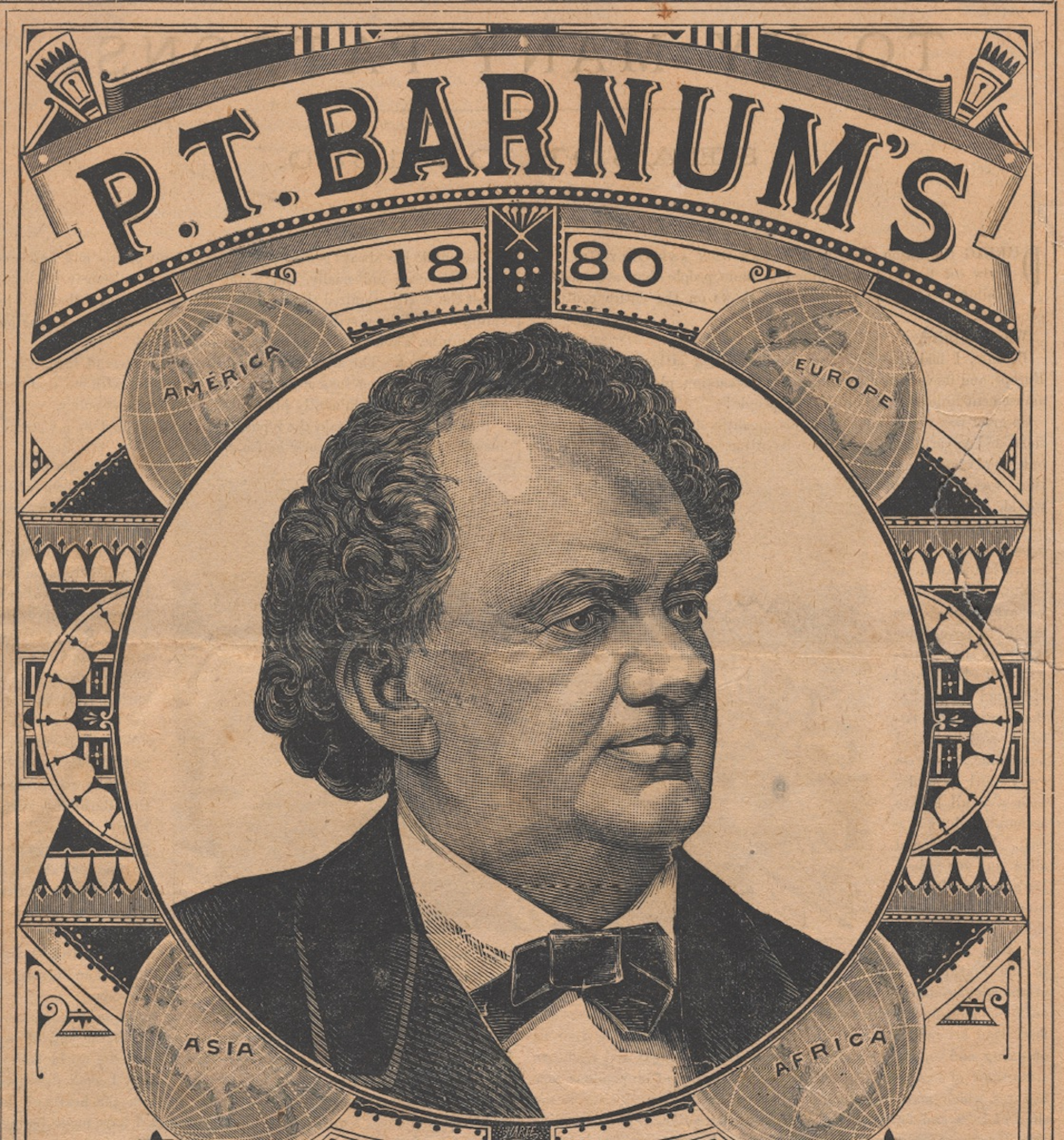
THE P T BARNUM YOU NEVER KNEW In this special Connecticut Public Television audio documentary, we tell the story almost no one knows about the other side of PT Barnum. Almost everyone is familiar with Barnum's extraordinary career as a showman, entrepreneur, and creator of The Greatest Show on Earth, but "Barnum's Connecticut", which host Walt Woodward wrote and produced as a companion to CPTV's broadcast of the American Experience documentary "The Circus" CPTV.org/thecircus shows a side of this world-changing impresario that will challenge anything you think about him right now. Featuring Kathy Maher of Bridgeport's Barnum Museum and Sally Whipple of Connecticut's Old State House in Hartford, this is an episode you don't want to miss. And to hear the companion episode "Barnum's Circus" visit the Connecticut Public Television "The Circus" webpage
S2 Ep 5959. Constitution of 1818 Part 4: Milestone in Church State Relations?
This episode, the fourth in our 6-part series commemorating the Constitution of 1818, explores one of the main accomplishments of the state's first constitution: the separation of church and state. Professor Robert Imholt challenges that assertion, though, arguing that the process to disentangle religion from the state began much earlier. Still, find out how deep our Puritan roots were as the state finally convened to write a state constitution in this episode of Grating the Nutmeg. This episode is sponsored by attorney Peter Bowman, holding distracted drivers accountable for their actions. Find out more at bowman.legal

S2 Ep 5858. Keeping it Clean in World War I
In the 1910s, a group of Connecticut reformers formed a society aimed at solving a growing crisis – the spread of venereal diseases. The United States' entry into WWI provided this so-called "social hygienist" movement with an unprecedented opportunity to influence the sexual mores of Americans. In this episode produced by Connecticut Historical Society's Natalie Belanger, Natalie tells us how that worked out for these well-intentioned reformers—especially one George P. Thayer, a crusader for clean living that saw a little more in France than he'd bargained for. This episode is sponsored by Attorney Peter Bowman. Find out more at bowman.legal. Read more about Connecticut in World War I at ctexplored.org in the Spring 2017 and Winter 2014/2015 issues.
S2 Ep 5757. Breaking Golf's Color Line in Hartford
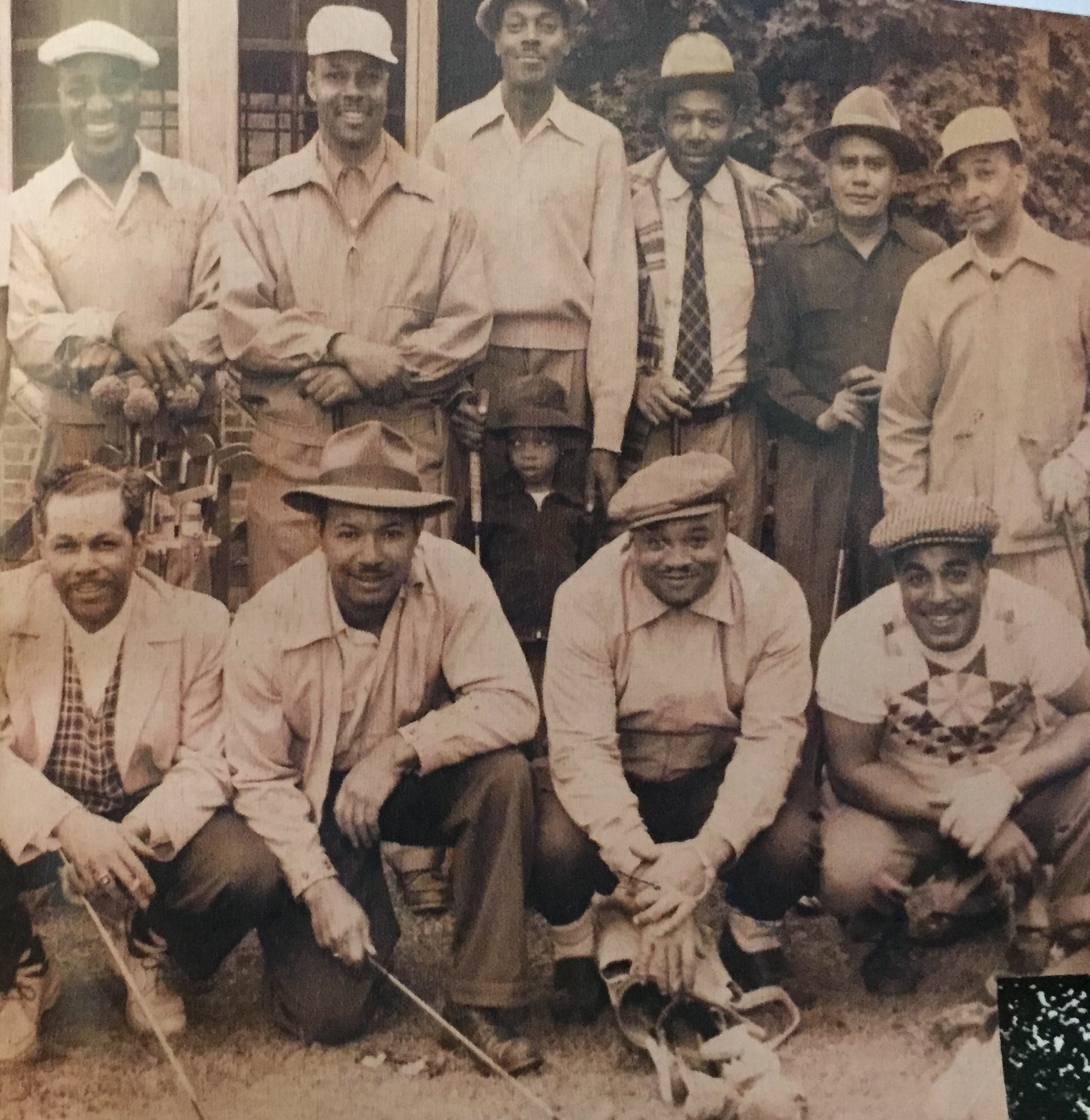
Hartford native Gerry Peterson has played golf with President Barack Obama and was inducted into the Black Golf Hall of Fame in 2015. Golf has always been a huge part of his life from his start as a kid caddie during the Depression to playing as a young executive at Aetna Life and Casualty. But what did it take for Peterson, a black golfer, to become a member of the whites-only Keney Park Golf Club in 1963? Gerry Peterson will tell us and historian Jeffrey Mainville , author of this summer 2018 issue's story "The Midway Golf Club" will reveal Hartford's part in the national struggle to end racial discrimination at municipal golf courses in America. This episode was produced by Mary Donohue, Asst. Publisher of Connecticut Explored and engineered by Patrick O'Sullivan, PDO Films. Subscribe at ctexplored.org For more stories of struggle and triumph by Connecticut's African American community, order your copy of our book African American Connecticut Explored, now in paperback, on Amazon. This episode was sponsored by attorney Peter Bowman, helping the seriously injured and holding distracted drivers accountable for their action. More at bowman.legal. And Connecticut Humanities, co-publisher of Connecticut Explored, the magazine of Connecticut history. Visit cthumanities.org

S2 Ep 5656. Constitution of 1818 Part 3: The Constitutional Debates
Attorney Wesley Horton, president of the Connecticut Supreme Court Historical Society, outlines the main issues of debate as state delegates finally gather to draft a state constitution. What happened inside the convention? How do we know? Find out in this episode of Grating the Nutmeg. This episode was recorded at Connecticut's Old State House and produced by Elizabeth Normen. This episode is sponsored by attorney Peter Bowman, holding distracted drivers accountable for their actions. Find out more at bowman.legal. And Connecticut Humanities, co-publisher of Connecticut Explored. See Episode 45 for Constitution of 1818 Part I Trouble in the Land of Steady Habits See Episode 55 for Constitution of 1818 Part 2 The Collapse of Federalist Dominance Read More! Buy the special 200th Anniversary of the Constitution of 1818 Fall 2018 issue of Connecticut Explored at ctexplored.org.

S2 Ep 5555. Constitution of 1818 Part 2: The Collapse of Connecticut Federalists' Dominance
Dr. Richard Buel Jr., Professor Emeritus, Wesleyan University, describes the political climate that led to the Constitution of 1818 and how we must look to what was happening in France, and the ongoing conflict between England and France to understand what was happening here. This episode is sponsored by attorney Peter Bowman, holding distracted drivers accountable for their actions. Find out more at bowman.legal. And Connecticut Humanities, co-publisher of Connecticut Explored.

S2 Ep 5454. The Long Journeys Home Part 1 - Henry 'Opukaha'ia
Part 1 - Henry 'Opukaha'ia Two young native men. Henry Opukaha'ia, a native of Hawaii, who died in Cornwall, CT in 1818. Albert Afraid of Hawk, a Lakota Sioux native who died in Danbury in 1900. Nick Bellantoni was the archaeologist tasked with helping return the remains of each of these men to their homes and families, more than a century after they had died. Hear him tell their strangely connected and deeply moving stories in this special two part Grating the Nutmeg episode based on Bellantoni's new Wesleyan Press book The Long Journeys Home: The Repatriations of Henry 'Opukaha'ia and Albert Afraid of Hawk This podcast is sponsored by attorney Peter Bowman, holding distracted drivers accountable for their actions. Find out more at bowman.legal. And Connecticut Humanities, copublisher of Connecticut Explored.

S2 Ep 5454. The Long Journeys Home Part 2 – Albert Afraid of Hawk
PART TWO: ALBERT AFRAID OF HAWK Two young men. Henry Opukaha'ia, a native of Hawaii, who died in Cornwall, CT in 1818. Albert Afraid of Hawk, a Lakota Sioux native who died in Danbury in 1900. Nick Bellantoni was the archaeologist tasked with helping return the remains of each of these men to their homes and families, more than a century after they had died. Hear him tell their strangely connected and deeply moving stories in this special two part Grating the Nutmeg episode based on Bellantoni's new Wesleyan Press book The Long Journeys Home: The Repatriations of Henry 'Opukaha'ia and Albert Afraid of Hawk
S2 Ep 5353. Hopes and Expectations: Creation of a Black Middle Class in Hartford
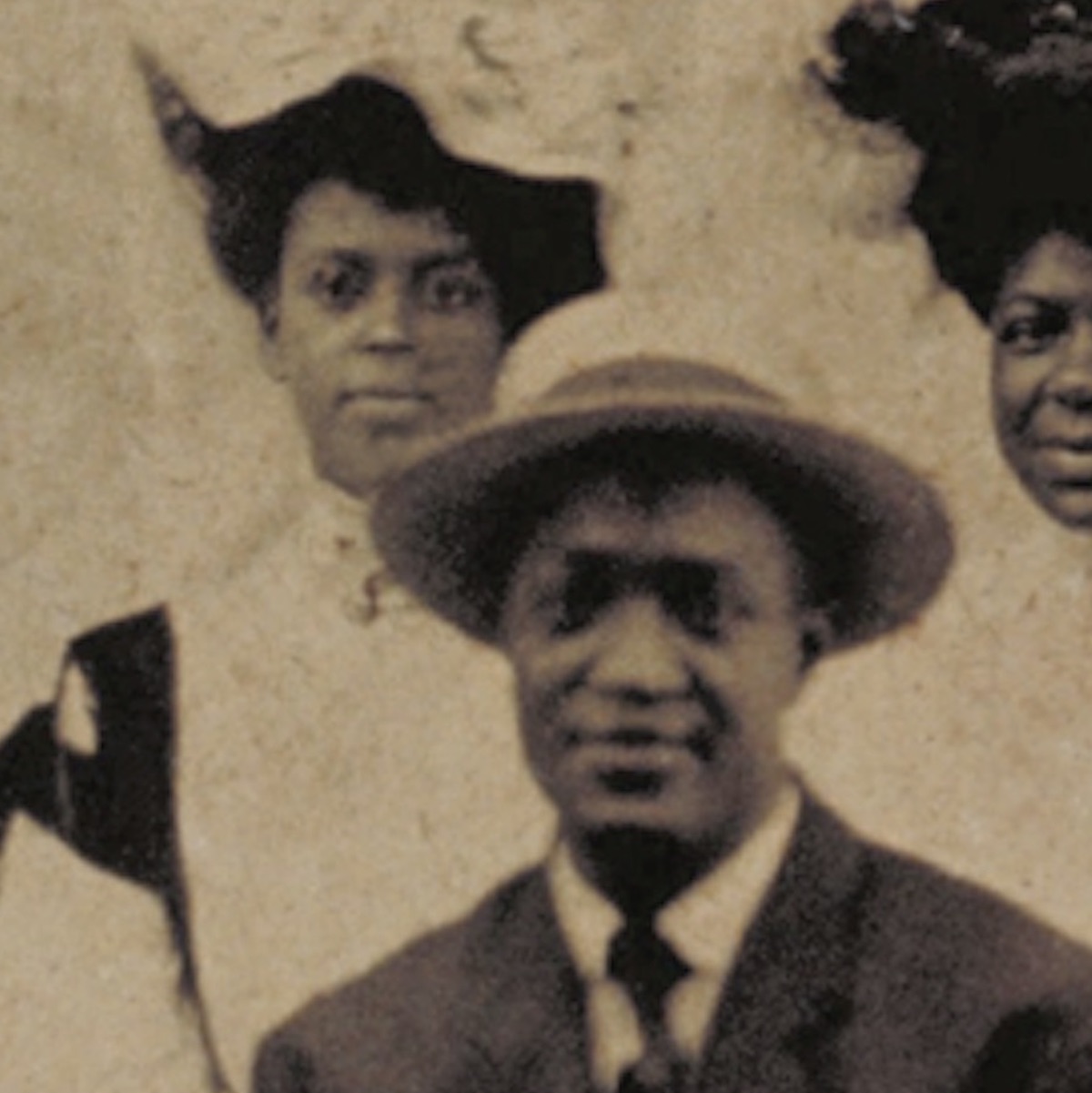
In an unforgettable interview, historian Barbara Beeching describes the creation of a black middle class in Hartford – not in the twentieth century, but back in the 1800s. It's a tale full of insights and surprises – not the least of which is Beeching herself. BONUS: For reasons that will become clear in the 1st five minutes, this episode may make you want to upgrade your Bucket List. WWW This episode is sponsored by Attorney Peter Bowman—find out more at bowman.legal, and Connecticut Humanities, co-publisher of Connecticut Explored, visit cthumanities.org.
S2 Ep 5252. Mark Twain's Native American Problem
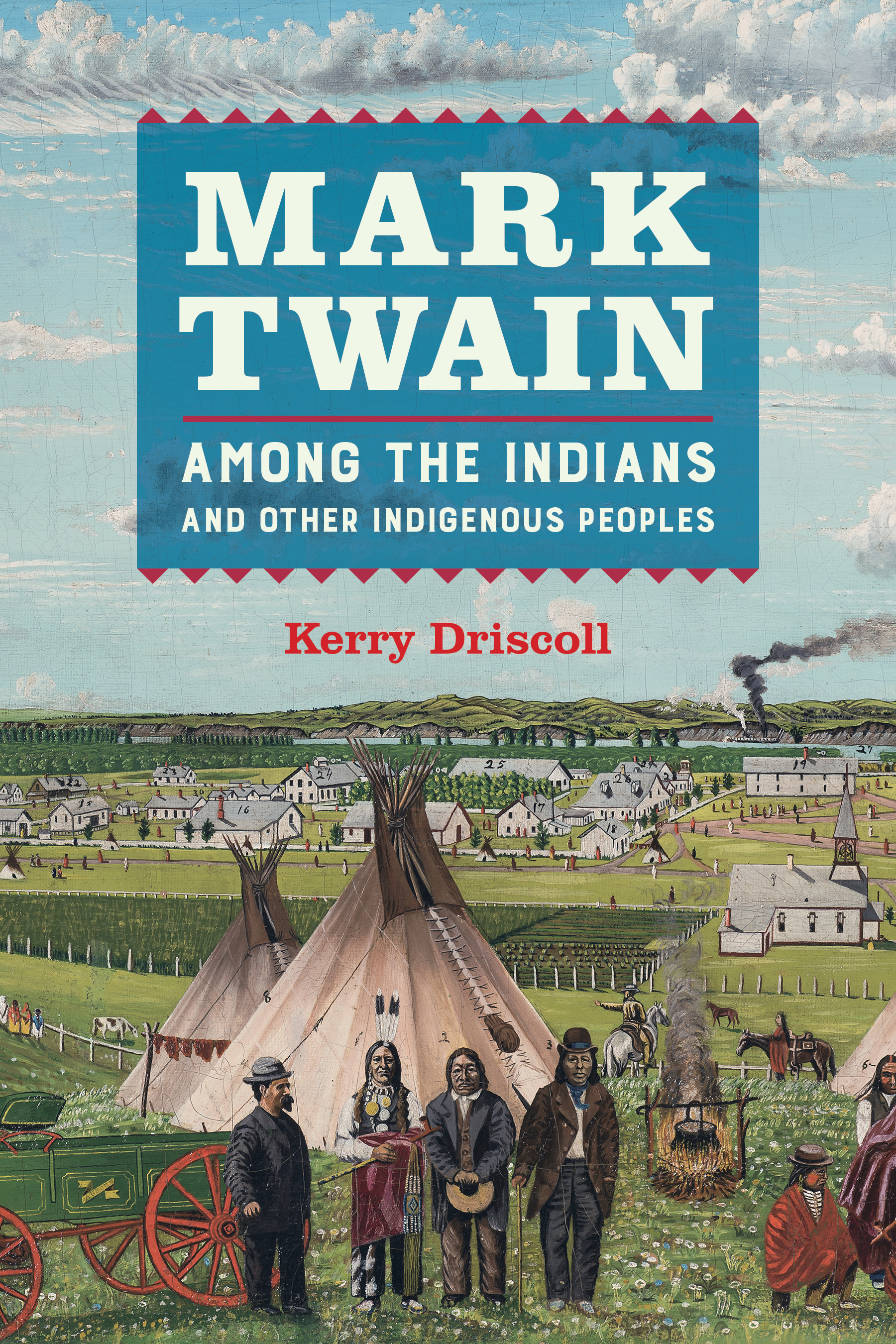
In this episode recorded at the Mark Twain House in Hartford, Twain scholar and University of St. Joseph Professor of English Emerita Kerry Driscoll explores one of the last unexamined aspects of American author and humorist Mark Twain. Twain, a resident of Hartford from 1871 to 1891, wrote some of his most beloved works while living in Hartford and was generally known for championing the underdog. But Driscoll unflinchingly reveals here and in her book, Mark Twain Among the Indians and Other Indigenous Peoples, Twain's blind spot when it came to America's first peoples. Want to win a copy of Mark Twain Among the Indians? Share the podcast on Facebook (facebook.com/CTExplored), Twitter (twitter.com/CTExplored), and Instagram (@ct_explored) and tag us to be entered in the drawing. Expires 7/15/18 This episode is sponsored by Attorney Peter Bowman—find out more at bowman.legal, and Connecticut Humanities, co-publisher of Connecticut Explored, visit cthumanities.org.

S2 Ep 5151. Greater Hartford's West Indian Diaspora
In 2010, Jamaicans became the largest foreign born population in Connecticut. At the same time, Jamaicans have the highest percentage of property ownership in Hartford County of any foreign born group. How did so many West Indians come to call Connecticut home? University of Connecticut Associate Professor Fiona Vernal documents this 70 year transformation in her traveling exhibit "Home Away From Home: Greater Hartford's West Indian Diaspora," currently at the Hartford Public Library. HPL's Jasmin Agusto and I asked Fiona to share this fascinating story with Grating the Nutmeg listeners. Its a great story, told by a natural-born story-teller. This episode presented by Attorney Peter Bowman, helping the seriously injured and holding distracted drivers accountable for their actions. More at bowman.legal. And Connecticut Humanities, co-publisher of Connecticut Explored magazine. The episode was produced by Walter Woodward.

S2 Ep 5050. A Seaside Village in the Big City: Morris Cove
What do you think of when you hear "New Haven?" Yale University? The New Haven Green? IKEA? How about the beach? Today we're taking you on a trip to the beach in New Haven! Morris Cove on the east shore of New Haven Harbor is a world apart from the rest of the city. A sandy beach, an armed attack by the British, a vanished amusement park, and the summer home of the New Haven Museum all come to light in this episode of Grating the Nutmeg. We'll hear from Jason Bischoff-Wurstle, director of photo archives and Ed Surato, librarian for the New Haven Museum about why Morris Cove was called the "Newport of Connecticut." Learn about one of the most interesting summer day trips in Connecticut, and plan to attend Morris Cove Day on June 9, 2018. Find out more about Morris Cove Day at morriscoveday.wordpress.com. For more information about the Pardee-Morris House, visit newhavenmuseum.org This episode was hosted and produced by Mary Donohue and engineered by Patrick O'Sullivan. This episode was sponsored by attorney Peter Bowman, helping the seriously injured and holding distracted drivers accountable for their actions. More at bowman.legal. And Connecticut Humanities, co-publisher of Connecticut Explored magazine. Visit cthumanities.org.

S2 Ep 4949. The Professor's Secret Life
All the time Joel Kupperman was a soft spoken, distinguished philosophy professor at the University of Connecticut, he carried a secret he discussed with no one – not even his family. That secret? That he had once been America's greatest child radio and tv star . Joel Kupperman was so popular he was written about by J D Salinger, Philip Roth, Nora Ephron, and the poet William Friedman. Now, as he slips into dementia , his son, the award-winning graphic novelist Michael Kupperman has created a graphic memoir about his father's hidden past. All the Answers uncovers Joel Kupperman's life as a Quiz Kid, and the cost being the most popular child celebrity in America inflicted, not just on Joel, but his whole family. This is one of our best ever podcasts, and at the end, we'll tell you how to enter to win a free copy of the book. This episode presented by Attorney Peter Bowman, helping the seriously injured and holding distracted drivers accountable for their actions. More at bowman.legal. And Connecticut Humanities, co-publisher of Connecticut Explored magazine.

S2 Ep 4848. Mid-century Modern in Connecticut
A group of architects known as the Harvard Five made their mark on New Canaan, Connecticut—a suburban town within commuting distance of New York City. They designed and built there some of the most influential and significant examples of Mid-century Modern architecture in the country. Today you can visit Philip Johnson's Glass House in New Canaan, now a museum operated by the National Trust for Historic Preservation. But stellar Modern architecture can be found in other Connecticut towns, too, commissioned by sophisticated clients including homeowners, mayors, and factory owners. Long-time architecture fans Robert Gregson and Peter Swanson take listeners to Hartford, New Haven, and Litchfield to discover some of the state's other Modernist landmarks. Every wonder what that big concrete building in front of Ikea in New Haven was? Find out in this episode. If you thought all there was to Connecticut was Colonial homes, this will change your mind! More Stories about Moderns in Connecticut! See Connecticut Explored, Winter 2009-2010 https://www.ctexplored.org/back-issues-winter-20092010/ including Bob Gregson's "Modernism in Connecticut" https://www.ctexplored.org/modernism-in-connecticut/ "Philip Johnson in His Own Words" https://www.ctexplored.org/philip-johnson-in-his-own-words/ "Discovering LaGardo Tackett" By Peter Swanson, Winter 2010-2011 https://www.ctexplored.org/discovering-lagardo-tackett/ Order your subscription at ctexplored.org This episode presented by Attorney Peter Bowman, helping the seriously injured and holding distracted drivers accountable for their actions. More at bowman.legal. And Connecticut Humanities, co-publisher of Connecticut Explored magazine. Episode produced by Mary Donohue and engineered by Patrick O'Sullivan. Visit ctexplored.org
S2 Ep 4747. How We Learned, Loved, & Mourned: A Field Trip
America's First Law School, Sarah Pierce's Academy, & The Way We Mourned It was home to America's first law school and to one of the first schools in which a woman could get a real education. Litchfield today is one of Connecticut's prettiest towns. Join state historian Walt Woodward on a field trip to the Litchfield Historical Society, where Executive Director Cathy Fields talks about her amazing institution and it's two brand new exhibits – one of the Sarah Pierce's Litchfield Female Academy and another on expressions of sorrow and mourning in the early 1800s. This episode was sponsored by attorney Peter Bowman, helping the seriously injured, and holding distracted drivers accountable for their actions. More at bowman.legal.

S2 Ep 4646. Staying on the Land: Five Generations of Connecticut Pioneers
Episode Notes. Episode 46 Staying on the Land: Five Generations of Connecticut Pioneers Political unrest, religious dissension, women's rights, and mental health-stories from today's news? All this happens in Thy Children's Children by historian Diana McCain. It's the story of a real family, the Lyman's of Middlefield, in the thick of CT and American history for more than a century. Hear how historian McCain wove decades of research into a compelling novel. Music on this episode by Henrik Andersson. Hosted by Mary Donohue and produced by PDO Media. Want to win a copy of the book? Share the podcast on Facebook (facebook.com/CTExplored), Twitter (twitter.com/CTExplored), and Instagram (@ct_explored) and tag us to be entered in the drawing. Exp. 5/1 Visit the author's website at dianarossmccain.com. Presented by Attorney Peter Bowman, personal injury lawbowman.legal Subscribe at ctexplored.org
S2 Ep 4545. Trouble in the Land of Steady Habits
On the 200th anniversary of the creation of the state Constitution of 1818, we remember one of Connecticut's least well known but most important events. Hear State Historian Walter Woodward's Old State House talk about the events that led to the Constitution of 1818, and all that document did and didn't do. Presented by Attorney Peter Bowman, helping the seriously injured and holding distracted drivers accountable for their actions. More at bowman.legal
44. The Amazing Story Behind America's First Cookbook
When co-host Brenda Miller suggested we do a podcast with the authors of a new book about America's first (1796) cookbook, I thought a culinary episode might be a nice change of pace. What we found, though, is that Keith Staveley and Kathleen Fitzgerald have not only written an extraordinary history of Amelia Simmons's Hartford-published American Cookery, they've also written one of the best books about Connecticut history in a generation. This is an episode you don't want to miss. Presented by Attorney Peter Bowman, helping the seriously injured and holding distracted drivers accountable for their actions. More at bowman.legal .
S2 Ep 4343. The Challenge of Fair Housing in CT's Suburbs
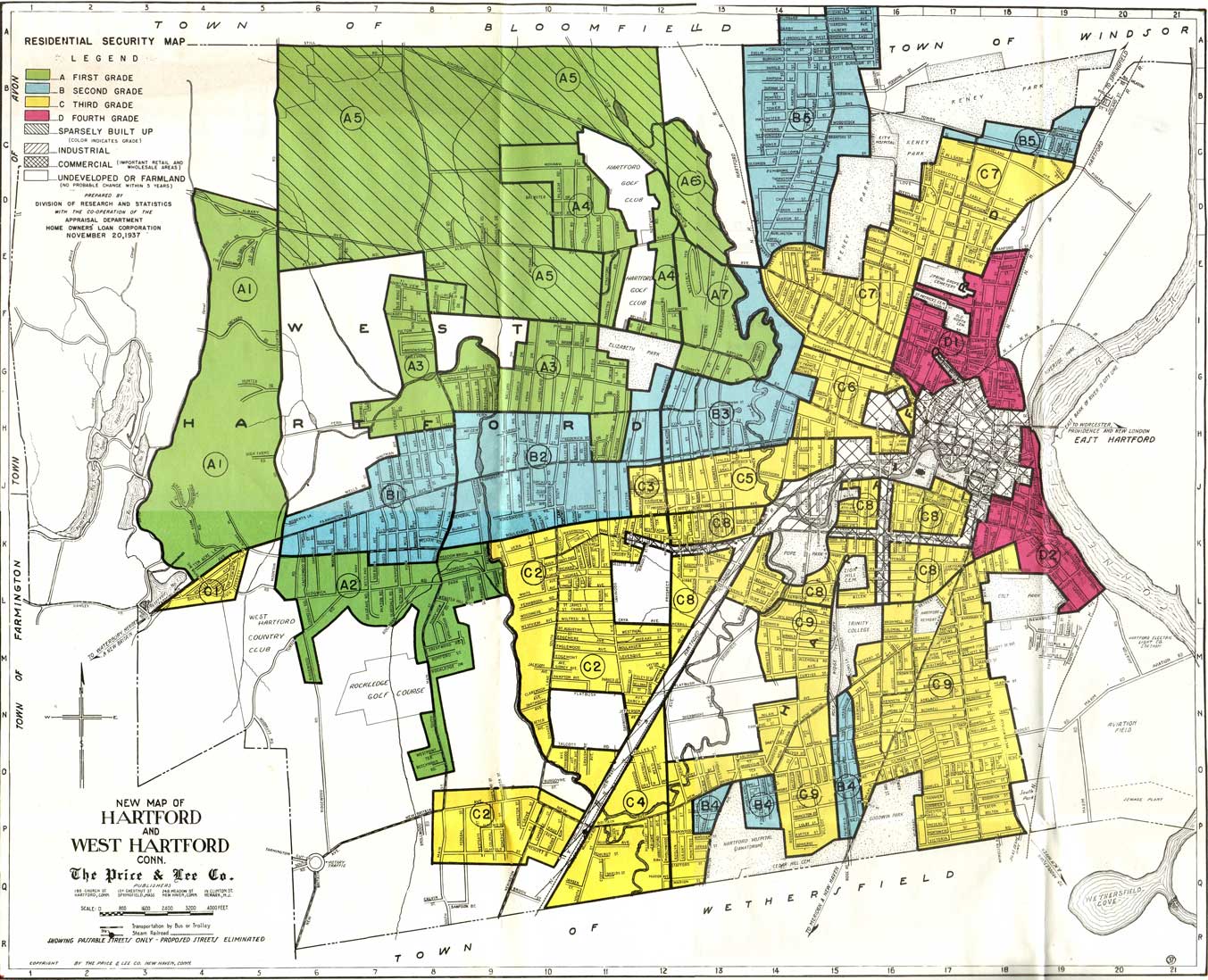
Americans moved out of the cities and into the suburbs in droves after World War II looking for single-family homes. In this episode, we talk with the experts about Connecticut's history of steering certain people to certain neighborhoods through restrictive covenants, racial and religious discrimination, and federal housing policies—all of which helped determine where African American and Jewish homebuyers could purchase homes. Using West Hartford as an example, learn what some common real estate terms really mean—"redlining," steering, and exclusionary zoning—and how they affected West Hartford's neighborhoods. Please note that this episode contains outdated language used in historical context. Guests are West Hartford Town Historian Dr. Tracey Wilson and Trinity College's Dr. Jack Dougherty View Dr. Dougherty's accompanying presentation at http://bit.ly/2017-11-02 and also visit his online book On The Line: How Schooling, Housing, and Civil Rights Shaped Hartford and its Suburbs at OnTheLine.trincoll.edu. Get all the historic preservation and architecture stories that matter to you! Get all five historic preservation back issues in a Collection at a special value price! Great reading on a snowy day or on a sunny beach. See all the theme collections at ctexplored.org. You can even put together your own collection by choosing the back issues you want to read!