
Grating the Nutmeg
247 episodes — Page 3 of 5

S2 Ep 139139. Architect Donn Barber Designs Hartford's Early Skyscrapers
In this episode, architectural historian Mary Donohue and podcast engineer Patrick O'Sullivan explore the Hartford work of early twentieth century architect Donn Barber especially his magnificent Connecticut State Library building and two of the city's early skyscrapers. Her guest, retired Connecticut State Librarian Ken Wiggin, explains how Barber got the plum commission to design the Connecticut State Library. Donn Barber, born in 1871, a New York City architect, could be called the "Father of Hartford Skyscrapers." He designed Hartford's first skyscraper, the Hartford National Bank in 1911, and another, the Travelers Tower in 1919, that reigned as the tallest in New England for decades. The first—the Hartford National Bank Building—was demolished in 1990, while the other—Travelers Tower—is still an icon of the Hartford skyline, one whose owner restored it in 2013. Barber and these two buildings not only dramatically changed Hartford's skyline, they also played a role in advancing the city's burgeoning white-collar banking and insurance industries in the early 20th century. By 1906, architect Donn Barber had received his first commission from the Travelers Insurance Company to design the first section of the Travelers building on Main Street. But was the magnificent Connecticut State Library and Supreme Court Building in 1910 that cemented his reputation in Hartford for designing grand show stopping buildings. Barber's Hartford work included several landmark buildings. He designed the Connecticut State Library in 1910, the unrealized Charter Oak Bank Building in 1914, the Travelers Tower in three stages between 1906 and 1919; the Hartford Times Building in 1920, and the Travelers Insurance Co. building at Grove and Prospect streets in 1921. Washington, D.C.-born Donn Barber received the best architectural training available and worked in some of New York City's toniest architectural design firms. He was educated at Yale and Columbia universities and the Ecole des Beaux-Arts in Paris, France. The Ecole fostered a generation of American architects who designed in what became known in architecture and city-planning circles as the Beaux Arts style. This Classically-based style reshaped American taste, and its cities, at the beginning of the 20th century. Barber worked for Carrere & Hastings, Cass Gilbert (architect of Waterbury City Hall and New Haven's Union Station and former owner/resident of Ridgefield's Keeler Tavern Museum), and Lord & Howlett before opening his own office in 1900. Learn more about his Hartford work here: https://www.ctexplored.org/connecticut-state-library-george-godard-gets-his-building/ https://www.ctexplored.org/saving-face-the-hartford-times-building/ and in the Spring 2022 issue of Connecticut Explored. This episode of Grating the Nutmeg was produced by Mary Donohue and engineered by Patrick O'Sullivan, High Wattage Media, LLC. Subscribe to Connecticut Explored at https://www.ctexplored.org/subscribe/

S2 Ep 138138. The Glorious Wide Awakes
Spurred by Abraham Lincoln's campaign stop in Hartford in March 1860, the Wide Awake movement spread from Connecticut throughout the North like wildfire. In this episode of Grating the Nutmeg, the Connecticut Historical Society's Natalie Belanger takes a look at this pivotal youth movement of the Civil War era. Listen to find out how this home-grown political movement and their signature torchlit parades helped to redefine American democracy on the eve of the Civil War. This topic was inspired by "Albert's Odd Jobs," an exhibition on view at the CT Historical Society through April 16, 2022. It covers the life of Glastonbury's Albert Walker, a farmer, skilled artisan, amateur magician, and, of course, a Wide Awake. You can take a virtual 3D tour of "Albert's Odd Jobs" on the museum's website, chs.org. Special thanks to guest Jon Grinspan, the Curator of Political History at the Smithsonian's National Museum of American History. Grinspan studies the deep history of American democracy, especially the wild partisan campaigns of the 1800s. He frequently contributes to the New York Times, and his work has been featured in The New Yorker, the Washington Post, The Atlantic, and elsewhere. His most recent book is The Age of Acrimony: How American Fought to Fix Their Democracy 1865-1915. Learn more about Connecticut and the Civil War here: https://www.ctexplored.org/connecticut-in-the-civil-war-2/ This episode of Grating the Nutmeg was produced by Natalie Belanger and engineered by Patrick O'Sullivan. Subscribe to Connecticut Explored at https://www.ctexplored.org/shop/ Image credit: Wide Awake Flag, 1889. This flag was reportedly carried by the Wide Awakes during an excursion to Washington, D.C. for the Presidential inauguration parade of Benjamin Harrison on 4 March 1889. CHS Collection, 1950.530.0

S2 Ep 137137. An American Woman Artist Abroad — Mary Rogers Williams
March is Women's History Month and in this episode publisher Elizabeth Normen talks with author Eve Kahn about her 2019 book, Forever Seeing New Beauties: The Forgotten Impressionist Mary Rogers Wiliams,1857 - 1907 (Wesleyan University Press, 2019). It's a rare insider view of the challenges women artists faced in the late 19th century. Kahn drew from a collection of Williams's gossipy letters home in which she describes her desperation to escape her teaching job at Smith College to paint and travel abroad. Hear how Williams talked her way into artist James McNeil Whistler's London home, and about drawing from a cadaver at the Ecole des Beaux Arts in Paris. Find out more about the book at https://www.evekahn.com and read her story in the Winter 2021-2022 issue of CTExplored at https://www.ctexplored.org/mary-rogers-williams-we-shall-want-to-do-a-lot-of-rambling/.

Ep 136136. The Lemon Law Turns 40
Forty years ago, a freshman legislator in the Connecticut General Assembly wrote and engineered passage of one of the most important pieces of consumer protection legislation in history – The Lemon Law (actually two laws passed in 1982 and 1984) that required automobile manufacturers to repair defective vehicles in a timely manner, replace the vehicle with a new one, or refund the customer's purchase price. Today Lemon Laws are in place in every state of the union and countries around the world. John J Woodcock, father of the Lemon Law, tells the story of the Lemon Law's creation, passage, and the years long battle with car manufacturers to preserve its integrity. Produced by Walter Woodward.

S2 Ep 135135. Zinc Gravestones - Bridgeport's Monumental Bronze Company
As we all ease into 2022, we want to thank our listeners for supporting Grating the Nutmeg! We've just had our 6th birthday and hit over 100,000 downloads! We couldn't have done it without you. Be sure to let us know if there are topics you think we should investigate. If you could manufacture something out of stone or metal and make a buck, chances are it was produced in Connecticut. Asst. Publisher Mary Donohue explores the history of an unusual and unique--in the truest sense of the word--Connecticut company that made grave markers out of zinc. Affectionately known as "Zinkies" by cemetery buffs, these bluish-grey metal gravestones were made in Bridgeport and shipped across the country. The company's slogan was "As enduring as the pyramids" but was that true or just boosterism? We'll find out with author and Bridgeport historian Carolyn Ivanoff whose feature article on the Monumental Bronze Company comes out in Connecticut Explored's upcoming Spring 2022 issue. Her book, "We Fought at Gettysburg," scheduled for publication in late spring 2022, features first-hand accounts by the survivors of the 17th Connecticut Infantry and their experiences on the greatest battlefield of the American Civil War. Thanks to Carolyn Ivanoff for being our guest. You can find her Bridgeport history blog at https://bportlibrary.org/hc/business-and-commerce/monuments-everlasting-bridgeports-monumental-bronze-company/#more-14000 Don't forget to get your copy of Connecticut Explored's Spring 2022 issue to read more about the "Zinkies." And to see dozens of Zinkies from across the country, follow the "gardenofwhitebronze" on Instagram. The digitized catalog at the Smithsonian Institution can be seen here https://library.si.edu/digital-library/book/whitebronzemonu00monu Episode photo shows the Beech Family monument, Mountain Grove Cemetery, Bridgeport. The front panel shows the iconic harvested wheat and scythe bas-relief. The "golden sheaf" on the front panel symbolized that the deceased had had a long and abundant life. Photo by Carolyn Ivanoff. This episode of Grating the Nutmeg was produced by Mary Donohue and engineered by Patrick O'Sullivan. Donohue has documented the built environment and pop culture for over 30 years. Contact her at [email protected] Did you know that you can get our new e-newsletter, CTExplored/Inbox by signing up at our website ctexplored.org? You'll receive your bi-weekly newsletter from Connecticut Explored with the latest stories, the newest Grating the Nutmeg podcast, programs and exhibitions from around the state to see or watch this month and more!

S2 Ep 134134. "Another Name for Happiness:" The Life of Ann Plato
In this episode, Connecticut Historical Society's Natalie Belanger, frequent contributor to Grating the Nutmeg, talks with Antoinette Brim-Bell, Professor of English at Capital Community College, about Ann Plato, one of the first Black women to publish a book in the United States. Ann Plato is part of Capitol Community College's NEH-funded Hartford Heritage Project which highlights the history of the Talcott Street Church, the first Black congregation in Hartford and where Plato was a teacher. Many thanks to Antoinette Brim-Bell! If you want to learn more about the Hartford Heritage Project, visit their website. Ann Plato's book, Essay: Including Biographies and Miscellaneous Pieces, in Prose and Poetry, has been digitized by the New York Public Library and is available to read online. Want to know more about Connecticut's landmarks, museums, art, and history? Subscribe to Connecticut Explored-in your mailbox or inbox- https://www.ctexplored.org/ And for a daily dose of history, visit Today in Connecticut History produced by Connecticut State Historian Walt Woodward at https://todayincthistory.com/ This episode was produced by Natalie Belanger and engineered by Patrick O'Sullivan. Please join us again for the next episode of Grating the Nutmeg!

S2 Ep 133133. P.T. Barnum Builds a City
Is there a sucker born every minute? I don't have the answer to that but it is attributed to one of Connecticut's most famous residents, circus showman P. T. Barnum. Did he really say it-no one knows for sure but we do know that he made and lost several fortunes, helped to create the American circus, exhibited a phony mermaid cobbled together from a monkey and a fish and that he loved Bridgeport! Mary Donohue, Asst. Publisher of Connecticut Explored, the magazine of Connecticut history, finds out more about the Barnum's over the top life and his lasting mark on Bridgeport, Connecticut with her guest Bruce Hawley, author of "P. T. Barnum Builds a City" in the Winter 2021 issue of Connecticut Explored. Mr. Hawley is a board member the Barnum Museum Foundation, the Circus Historical Society, and the Circus Fans Association of America. He is a distant cousin of P.T. Barnum. The Barnum Museum, originally called The Barnum Institute of Science and History, was just designated a National Historic Landmark by the US Dept of the Interior. Plan your visit at https://barnum-museum.org/ Here's more about Barnum in these Connecticut Explored stories and Grating the Nutmeg episodes-enjoy! https://www.ctexplored.org/building-art-of-clay/ https://www.ctexplored.org/tom-thumb-and-the-age-of-celebrity/ https://gratingthenutmeg.libsyn.com/gtn-30-p-t-barnum-and-the-art-of-money-getting https://gratingthenutmeg.libsyn.com/gtn60-special-cptv-audio-documentary-barnums-connecticut-0 https://gratingthenutmeg.libsyn.com/30-part-2-the-1st-ten-rules-for-making-money-by-p-t-barnum-0 https://gratingthenutmeg.libsyn.com/30-part-3-p-t-barnums-the-art-of-money-getting This episode of Grating the Nutmeg was produced by Mary Donohue and engineered by Patrick O'Sullivan. Donohue has documented the built environment and pop culture for over 30 years. Contact her at [email protected] This episode of Grating the Nutmeg received support from the State Historic Preservation Office of the Dept of Economic and Community Development with funds from the Community Investment Act of the State of Connecticut. Subscribe to Connecticut Explored at https://www.ctexplored.org/subscribe/

Ep 132132. "John Norton's Vagabond," A Victorian Christmas Story
In the spirit of the season, we're pleased to present a Victorian era Christmas story, written by the celebrated 19th century author from Guilford, Reverend William Henry Harrison Murray. Better known as "Adirondack" Murray, because his books almost single-handedly transformed that region from a New York wilderness to one of the country's most popular tourist destinations, Murray was one of the first mass audience authors to promote recreational camping as a leisure time activity, and coined the term "vacation." He is recognized as a father of the American Outdoor movement. His belief that the north woods were health giving and spiritually beneficial, and that the rustic nobility of Adirondack woodsmen was produced by their wilderness life, drew Americans by the millions to the woods, and to his books and tales. In "John Norton's Vagabond," fro Murray's 1897 book "Holiday Tales: Christmas in the Adirondacks," we meet one of those noble rustic woodsmen, the trapper John Norton, who decides, in counsel with his dogs Rover and Sport, to hold a Christmas dinner, to which he will invite even vagabonds. It might be helpful to know that in John Norton's trapper's world the word vagabond meant more than just a person who wanders about–it meant a person who stole other men's traps and poached their furs, in short, the worst of the worst. So with that as background, get a cup of cocoa, grab an easy chair, and have a listen to Rev, William Henry Harrison "Adirondack Murray's" Christmas story, "John Norton's Vagabond. Special thanks to the Free Music Archive, Creative Commons, and these amazingly talented artists for the use of this wonderful music: Borrtex, "Christmas Memory," "Christmas Tree," Poddington Bear, "Angels We Have Heard on High" Rue Royale, "Snow on Snow"
S2 Ep 131131. When Contraception Was a Crime: Griswold v. CT
Natalie Belanger of the Connecticut Historical Society is joined by historian Barbara Sicherman, the William R. Kenan Jr. Professor Emerita at Trinity College, to discuss the landmark reproductive rights case, Griswold v. Connecticut. Professor Sicherman talks about the origins of the lawsuit, what it meant for women in our state, and its long-term influence on civil rights rulings. If you want to learn more, you can read Barbara Sicherman's article, "Connecticut Women Fight for Reproductive Rights", in the Fall 2017 issue of Connecticut Explored, or see her pieces about Estelle Griswold and Catharine Roraback in the Summer 2011 article, "Women Who Changed the World." This episode of Grating the Nutmeg was produced by Natalie Belanger and engineered by Patrick O'Sullivan. Subscribe to Connecticut Explored, the magazine of Connecticut history at https://www.ctexplored.org/subscribe/

Ep 130130. Whatever Happened to Nick Bellantoni?
Recently, Connecticut State Historian Walt Woodward announced he will be retiring next July 1st. To find out what "historical" retirement is like, Woodward sat down with Nick Bellantoni, who retired as state archaeologist in 2014, and is now Connecticut's state archaeologist emeritus. The resulting conversation was a fascinating discussion of archaeological sites in Connecticut, Nick's successor state archaeologists, and Nick's own career of amazing discoveries.

S2 Ep 129129. Revolver: Sam Colt and the Six-Shooter That Changed America
What more do we need to know about Sam Colt? In Hartford we have the iconic blue-domed Colt Armory, Colt Park, the Colt addition to the Wadsworth Atheneum, the Church of the Good Shepard and Colt's home Armsmear. But it turns out that we may not have known much about Colt's life before he became fabulously wealthy—he traveled with a novelty act, womanized, drank, smuggled guns to Russia, bribed politicians, and blew up ships in New York Harbor with electricity. Mary Donohue, Asst. Publisher of Connecticut Explored, the magazine of Connecticut history, digs into some of these stories with Jim Rasenberger, author of Revolver: Sam Colt and the Six-shooter that Changed America. He is the author of three other books—The Brilliant Disaster; America, 1908; and High Steel—and has contributed to the New York Times, Vanity Fair, Smithsonian, and other publications. A native of Washington, DC, he lives in New York City. Find out more at https://www.jimrasenberger.com/ Coltsville, Sam's industrial village including the Colt Armory, workers housing, and his estate, have been listed as a National Historic Landmark and authorized as a National Historical Park under the guidance of the National Park Service. For more history and self-guided tours, go to their website at nps.gov/colt. Find out more about Sam Colt in these Connecticut Explored stories: https://www.ctexplored.org/the-suspicious-colt-armory-fire/ https://www.ctexplored.org/sam-colt-mines-the-arizona-territory-2/ https://www.ctexplored.org/making-a-success-of-coltsville/ This episode of Grating the Nutmeg was produced by Mary Donohue and engineered by Patrick O'Sullivan. Donohue has documented the built environment and pop culture for over 30 years. Contact her at [email protected] This episode of Grating the Nutmeg received support from the State Historic Preservation Office of the Dept of Economic and Community Development with funds from the Community Investment Act of the State of Connecticut. Subscribe to Connecticut Explored at https://www.ctexplored.org/subscribe/

128. A Connecticut Historian Makes History: Recovering Phyllis Wheatley's Lost Years
A Connecticut Historian Makes History: Recovering Phyllis Wheatley's Lost Years UCONN legal historian Cornelia Hughes Dayton was searching through Massachusetts Court cases from the 1700s, working on a project involving mental disabilities in early America, when she came upon a find that was itself history-making: a cache of court cases that illuminate the formerly "missing years" in the life of America's first published African American author and the mother of the African-American literary tradition Phyllis Wheatley Peters. Dayton discusses her discovery of the court cases and their many revelations, as recounted in her just published and prize-winning article Lost Years Recovered: John Peters and Phillis Wheatley Peters in Middleton," New England Quarterly 94 (September 2021): 309-351. Watch for the release of primary source documents from the "Middleton dossier" on the the Wheatley Peters Project website (forthcoming). Track its progress at the Twitter account #Wheatley_Peters.
S2 Ep 127127. Telling Your Family Story with Jill Marie Snyder and Orice Jenkins
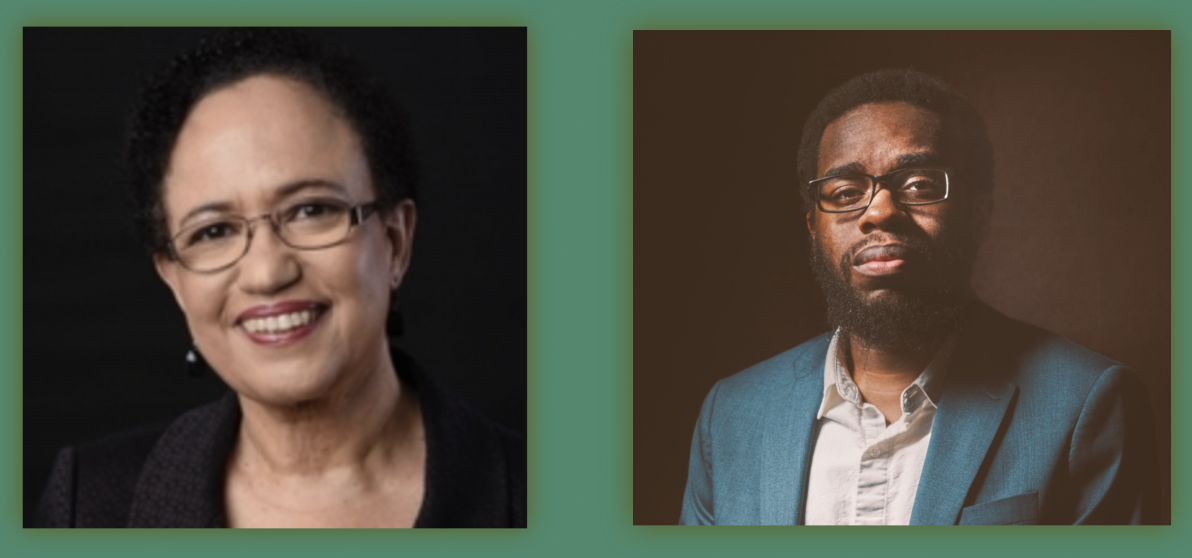
Are you your family's historian? The one that listens to all the elders' stories or digs into that big box of old family photographs? Ever wonder how many of your dad's stories are really true? Or if you have a big family secret that hasn't been revealed for generations? If so, this episode is for you! In celebration of National Archives Month, we're talking to two accomplished family historians. Mary Donohue, Asst. Publisher of Connecticut Explored, the state's history magazine, interviews author Jill Marie Snyder. Snyder has a B.A. in Urban Studies from the University of Connecticut and an M.A. in Communication from Fairfield University. Retired from a corporate career in the insurance industry, she's completed Boston University's Principles of Genealogy course. Her book Dear Mary, Dear Luther, based on letters written between her parents, won the Afro-American Historical and Genealogical Society Award for Nonfiction Romance/history in 2020. Jill will be teaching a workshop on "Telling Your Family Story, Putting it all together" on Oct 20, 2021 for the Ancient Burying Ground Association and Hartford Public Library. Register for the workshop on the Ancient Burying Ground Association's Facebook page under events. Our second guest is well-known Hartford Jazz musician and recording artist Orice Jenkins. He studied music at the Hartt School and has released four solo albums including the fantastic Centennial Cole: the Music of Nate King Cole in 2019. He teaches in his hometown of Hartford and tours nationally with the Afro-Semitic Experience. His website features his family history blog Chesta's Children: a Collection of Stories, People, History, Records and Research. Find out more about our guests at their websites, https://www.jillmariesnyder.com/ https://oricejenkins.com/ Order Snyder's book at https://www.amazon.com/Dear-Mary-Luther-Courtship-Letters-ebook/dp/B0793Q7LTM/ref=sr_1_1?dchild=1&keywords=Jill+marie+snyder&qid=1633030224&sr=8-1 For more about family histories, read the stories in Connecticut Explored's Family History issue here https://www.ctexplored.org/fall-2019-family-history-separating-fact-from-fiction/ For more on Connecticut's African American history, visit our Topics page at https://www.ctexplored.org/african-american-history-in-connecticut-2/ This episode was produced by Mary Donohue and engineered by Patrick O'Sullivan. Donohue as documented the built environment and pop culture for over 30 years. Contact her at [email protected] Subscribe to Connecticut Explored at https://www.ctexplored.org/subscribe/

Ep 126126. The Three Lives of Kevin Johnson
History has often been described as the present having a conversation with the past. Meet Kevin Johnson, who makes those conversations both real and personal: as a Technical Assistant in the History and Genealogy unit of the Connecticut State Library in Hartford; as William Webb, a Civil War volunteer in the 29th Connecticut Colored Volunteer infiantry; and as Jordan Freeman, the African American who died a heroes death at the Revolutionary War Massacre at Fort Griswold. It's 250 years of history, all through one person: "The Three Lives of Kevin Johnson."

S2 Ep 125125. Precious Memories Captured in Hair
In this episode, join Mary Donohue, Asst. Publisher of Connecticut Explored, for a discussion with Dr. Helen Sheumaker about Victorian jewelry and wreaths made from human hair. Dr. Sheumaker is the author of Love Entwined: The Curious History of Human Hair Work. She teaches history and American Studies at Miami University of Ohio. Find out more about this now unfashionable way to remember your loved ones! Read Dr. Sheumaker's feature story in the Fall 2021 issue of Connecticut Explored-order your copy at ctexplored.org And see more about her book here: https://www.amazon.com/Love-Entwined-Curious-History-Hairwork/dp/0812240146/ref=sr_1_2?dchild=1&keywords=Love+Entwined&qid=1630356702&sr=8-2 This episode was produced by Mary Donohue, Assistant Publisher of Connecticut Explored, and engineered by Patrick O'Sullivan. Donohue has documented Connecticut's built environment and popular culture for over 30 years. Contact her at [email protected] And our thanks to the Lane Public Library in Oxford, Ohio for providing Dr. Sheumaker with a recording space. Want to know more about Connecticut's landmarks, museums, art, and history? Subscribe to Connecticut Explored-in your mailbox or inbox. And for a daily dose of history, visit Today in Connecticut History produced by the Connecticut State Historian at TodayinCThistory.com

124. Lydia Sigourney, Benedict Arnold, & The Battle of Bunker Hill
What do the nineteenth century author Lydia Sigourney, the 18th century hero-turned-traitor Benedict Arnold, and the Revolutionary War battle of Bunker Hill have in common? They all come together in the story you are about to hear from Sigourney's 1824 book SKETCH OF CONNECTICUT FORTY YEARS SINCE. Sigourney's book, written early in her career, is a rare historical treat: a tale by a future-famous writer, written in 1824, reminiscing about life forty years earlier in 1784. The past remembering the past, in this episode of Grating the Nutmeg.

S2 Ep 123123. Connecticut Seen: The Photography of Pablo Delano and Jack Delano
In this episode, join Mary Donohue, Asst. Publisher of Connecticut Explored, for a discussion with Pablo Delano, visual artist, photographer and professor of fine arts at Trinity College - and the artist behind the new book Hartford Seen, published in 2020 by Wesleyan University Press. His work is featured in the photo essay "Visually Breathtaking Hartford Explored" in the Summer 2021 issue of Connecticut Explored magazine. Professor Delano's father, Jack Delano, was a renown American New Deal-era photographer for the Farm Security Administration who photographed Connecticut in 1940. To see more of Pablo Delano's work, visit www.pablodelano.com and look for his new book Hartford Seen wherever you get your books or order here https://www.hfsbooks.com/books/hartford-seen-delano/ For more information on "The Museum of the Old Colony" exhibition, see the exhibit website and exhibition information below: Official website: www.museumoftheoldcolony.org Web page from the last iteration of the project at Center for Art, Design and Visual Culture: https://cadvc.umbc.edu/pablo-delano-the-museum-of-the-old-colony/ Web page from Photoville Festival https://photoville.nyc/the-museum-of-the-old-colony/ Exhibition catalog from CADVC https://cadvc.umbc.edu/files/2020/02/Museum-of-The-Old-Colony-2.pdf Exhibition catalog from Hampshire College https://sites.hampshire.edu/gallery/files/2018/10/MoOC_catalogue_spreads.pdf To see more of Jack Delano's work as a photographer for the Federal Security Administration, go to the Library of Congress website at LOC.gov Jack Delano Photographs, Library of Congress https://www.loc.gov/photos/?fa=subject:color%7Ccontributor:delano,+jack Jack Delano Papers, 1927-1995, Library of Congress https://www.loc.gov/item/mm98084274/ To read more about Jack Delano's photographs taken of Connecticut's Jewish farmers, get the book A Life of the Land: Connecticut's Jewish Farmers available from the Greater Hartford Jewish Historical Society on their website at https://jhsgh.org/ This episode was produced by Mary Donohue, Assistant Publisher of Connecticut Explored, and engineered by Patrick O'Sullivan. Contact Donohue at [email protected] Want to know more about Connecticut's landmarks, museums, art, and history? Subscribe to Connecticut Explored-in your mailbox or inbox. And for a daily dose of history, visit Today in Connecticut History produced by the Connecticut State Historian at TodayinCThistory.com

S2 Ep 122122. The New Connecticut Yankee
In this special summer episode we visit Frank and Lisa Catalano, who in their 18th-century home garden in Lebanon, are using some very inventive approaches to bring back an old Connecticut tradition – self-sufficient food production. It's a history show for garden geeks . . . or maybe a garden show for history geeks.

S2 Ep 121121. Rooted in History: Connecticut's Trees
In this episode, Dr. Leah Glaser and students from her 2021 Public History class at Central Connecticut State University present stories about the state's witness trees — a project that evolved out of a semester-long class on local and community history. Trees are central characters in the state's history, myths and legends. They witnessed the changing environmental, political, social, economic, and cultural landscape for decades and even centuries. What's a witness tree, you ask? Find out in this episode of Grating the Nutmeg. Find Dr. Glaser's article about witness and memorial trees in the Spring 2021 issue of Connecticut Explored online at www.ctexplored.org/trees-as-memorials-and-witnesses-to-history/ Dr. Leah Glaser is a professor at Central Connecticut State University and Coordinator of the Public History Program. Her 2021 class researched tree stories and each student presented one story on the podcast. Contact her at [email protected] Andy King-The Mashantucket Pequots and the rhododendron David Prochorena-Pinchot Oak, Simsbury Helena Torres Diaz-The Witch Tree and the Hartford Witch Trials, Hartford Despina Merriman-Nathan Hale Pear Tree, Coventry Gregory Franklin-Puritans to Patriots (Ye Olde Oak), Easton Cameron Clarke-John Brown's Tree, Torrington Grayson Belisle- Teddy Roosevelt and the McKinley Tree, Farmington Emma Koss-Land Stewardship and the Dewey Oak, Granby Valerie Chase-WWII Patriotism and Arbor Day, Windham Benjamin Johnson-The Old Oak Tree and the Coltsville labor strike, Hartford Kaitlyn Oberndorfer- Blue Cedars and the Rural Cemetery Movement, Hartford Patricia Wallace– The Cypress Tree Mystery at an Olmsted Park, New Haven Garrett Saranich-The Chestnut Oak, Shipbuilding on the Connecticut shoreline, Clinton Ben Haberman- The Black Cherry Tree oversees Seaport to Coastal Gateway, Madison Tom Ieronimo- Of Hickory and Baseball, Hartford For more information on Hartford's historic trees, go to the Hartford Preservation Alliance website at https://hartfordpreservation.org/ccsu-tree-history/ Find the Connecticut Notable Tree Project at http://oak.conncoll.edu:8080/notabletrees/ Read More! Connecticut Explored ctexplored.org https://www.ctexplored.org/site-lines-connecticut-state-parks-at-100/ https://www.ctexplored.org/cherry-trees-for-wooster-square/ https://www.ctexplored.org/wickham-park-in-manchester/ https://www.ctexplored.org/connecticuts-historic-rose-gardens/ Listen Grating the Nutmeg Podcast https://www.ctexplored.org/grating-the-nutmeg-115-americas-first-public-rose-garden-elizabeth-park/ Subscribe to our free newsletter at https://www.ctexplored.org/ Want to know more about Connecticut's landmarks, museums, art and history? Subscribe to Connecticut Explored magazine — in print to your mailbox or digitally to your e-mail inbox. Visit ctexplored.org to subscribe. And for a daily dose of history, visit Today in Connecticut History produced by the Office of the State Historian at TodayinCThistory.com. This episode was produced by Leah Glaser and Mary Donohue and engineered by Patrick O'Sullivan. Please join us again for the next episode of Grating the Nutmeg!
S2 Ep 120120. How Four Connecticut Inventors Helped Change The Way We Live, Think, & Act
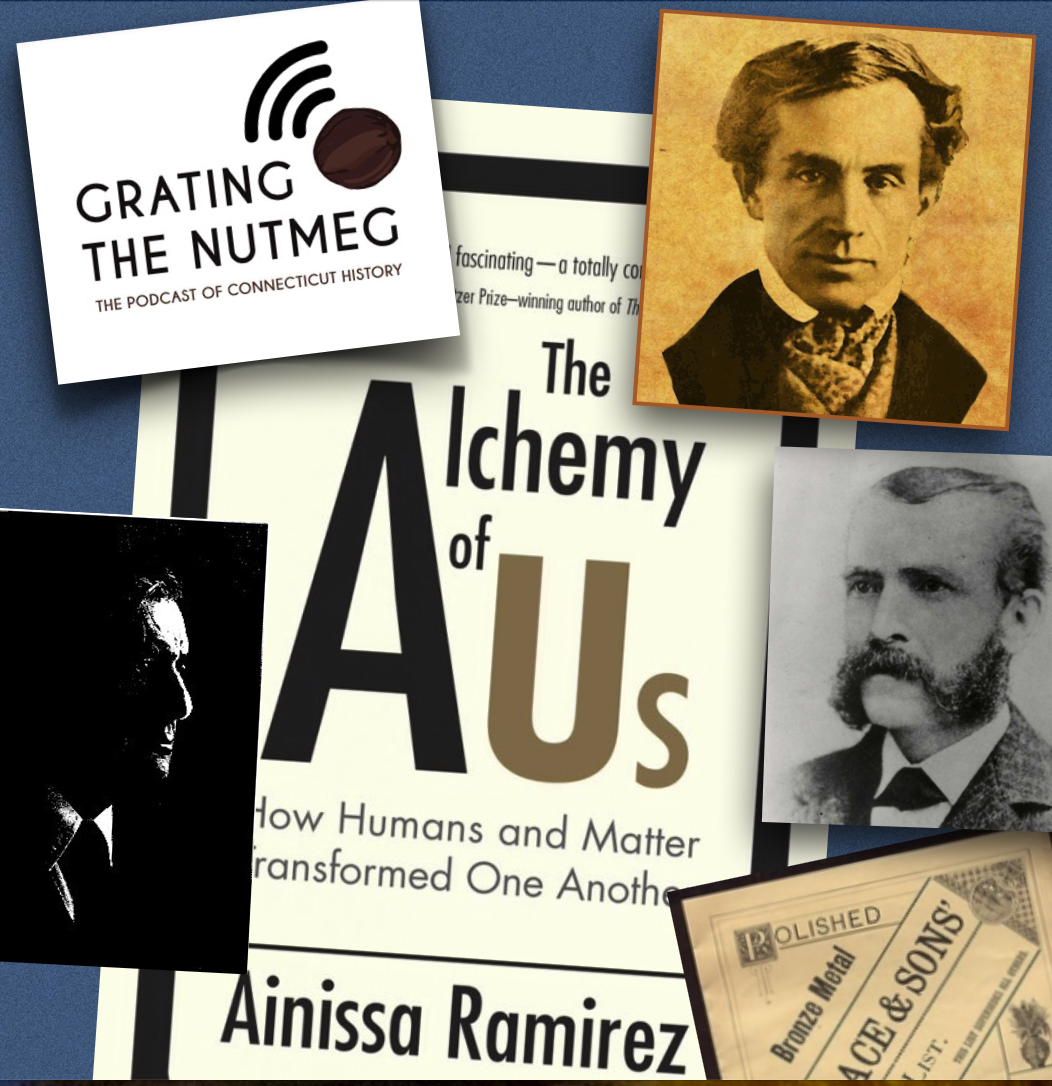
State Historian Walt Woodward talks with award-winning author and materials scientists Ainissa Ramirez about her award-winning and highly acclaimed book The Alcehmy of Us: How Humans and Matter Transformed One Another. On virtually every national Top Science Book of the Year List for 2020, The Alchemy of Us is a wonderfully readable, lively, smart and witty account of the development of eight inventions that have not only transformed the way we live, but have transformed us, too. Not surprisingly, half of those inventions have important Connecticut connections. Ramirez and Woodward discuss the roles Samuel F Morse, Edwin Land, Ansonia's William Wallace and New Haven's George Coy played in creating inventions that have helped the world Convey, See, Capture and Think in new and different ways. It's a fascinating and surprising story fest with one of the science world's best story tellers.
S2 Ep 119119. Uncovering Connecticut's LGBTQ History
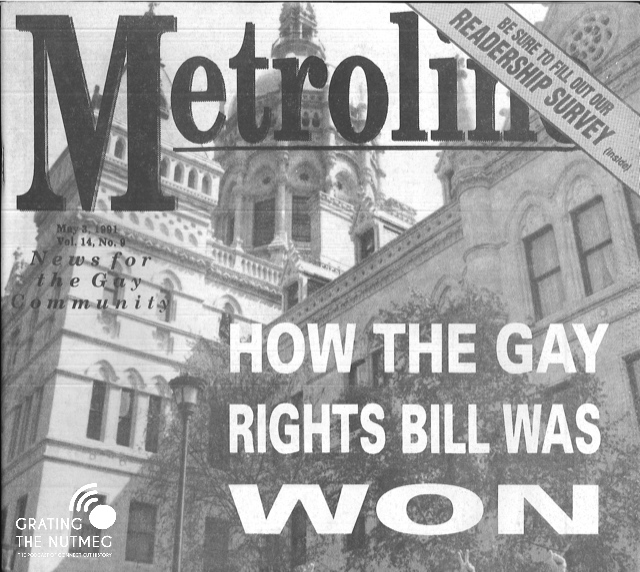
Lives of the state's LGBTQ citizens have moved from being hidden and solitary to claiming visible, powerful, valuable, and contributing places in society. In this episode, Mary Donohue, Asst. Publisher of Connecticut Explored, interviews CCSU Assistant Professor of History William J. Mann about when and how the LGBTQ movement started in Connecticut, what legislative goals and strategies drove the movement, and what the current goals are for the LGBTQ movement. Mann discusses the impact of AIDS and the ways that the LGBTQ community supported its members. He describes how his students helped to research and uncover the people and events highlighted in the online exhibition, "Historic Timeline of Connecticut's LGBTQ Community." Mann wrote CT Explored's "A Brief History of Connecticut's Gay Media," available at www.ctexplored.org/a-brief-history-of-connecticut-gay-media/. Mann teaches LGBTQ history, film history, and the history of AIDS. He is the director of CCSU's LGBTQ Center. From 1989-1995, he was the editor and later publisher of Metroline, the state's LGBTQ newsmagazine, and coordinator of Your Turf, the first LGBTQ youth group in the state. In 1989, along with Terri Reid, William founded the long-running queer film festival known today as Out Film CT. He is author of 12 books, many on American film history. Find the LGBTQ Timeline at https://chs.org/lgbtq/. It is a partnership between Central Connecticut State University and the Connecticut Historical Society, and is based on the work of Richard Nelson, CCSU 403 students in 2019, and will continue to grow. Read more! Sign up for our free newsletter at www.ctexplored.org/ LGBTQ Icons Ann Stanback- https://www.ctexplored.org/women-who-changed-the-world/ https://www.ctexplored.org/an-early-advocate-for-connecticuts-gay-community/ https://www.ctexplored.org/site-lines-a-love-story-at-the-palmer-warner-house/ https://www.ctexplored.org/philip-johnsons-50-year-experiment-in-architecture-and-landscape/ https://www.ctexplored.org/stonington-poet-james-merrills-house/ This episode was produced by Mary Donohue, Assistant Publisher of Connecticut Explored, the magazine of Connecticut history and mixed by Patrick O'Sullivan. Mary Donohue has documented Connecticut's architecture, built environment and popular culture for over 30 years. Contact her at [email protected]

S2 Ep 118118. The Connecticut RIver Valley Flood of 1936
In this episode, Josh Shanley – firefighter, paramedic, and Emergency Management Director for Northampton, Massachusetts, talks about the Great Connecticut RIver Flood of 1936, its devastating effects, long-term consequences, and the message it has for a world in climate change. Based on his new book, Connecticut River Valley Flood of 1936 from the History Press.

S2 Ep 117117. Before 42: Ball Players of Color in Connecticut
Connecticut Historical Society's Natalie Belanger talks with labor historian Steve Thornton of The Shoeleather History Project about Black baseball in Connecticut. Thornton is the author of Connecticut Explored's "African American Greats in Connecticut Baseball," Summer 2018. Read or Watch More!To learn more about the Negro Leagues, check out this recent talk at the CT Historical Society by Bob Kendrick, President of the Negro Leagues Baseball Museum in Kansas City. "African American Greats in Connecticut Baseball," Summer 2018 Shoeleather History Project at https://shoeleatherhistoryproject.com/ Follow the Greater Hartford Twilight Baseball League here. This episode was produced by Natalie Belanger and engineered by Patrick O'Sullivan. Photo Credit: Johnny "Schoolboy" Taylor and Savitt Gems business manager Bernie Ellovich, 1930s-40s. Connecticut Historical Society 1990.51.988

S2 Ep 116116. Connecticut In Motion: The Story of Our Time
No one knows more about transportation in Connecticut than historian, civil engineer, and highway and transportation planner Richard DeLuca. In this recent virtual lecture for Cheshire Public Library, promoting his new, second volume on Connecticut transportation history Paved Roads and Public Money (Wesleyan University Press), DeLuca underscores the inseparable relationships among population, technology, and the environment.
S2 Ep 115115. America's First Public Rose Garden - Elizabeth Park
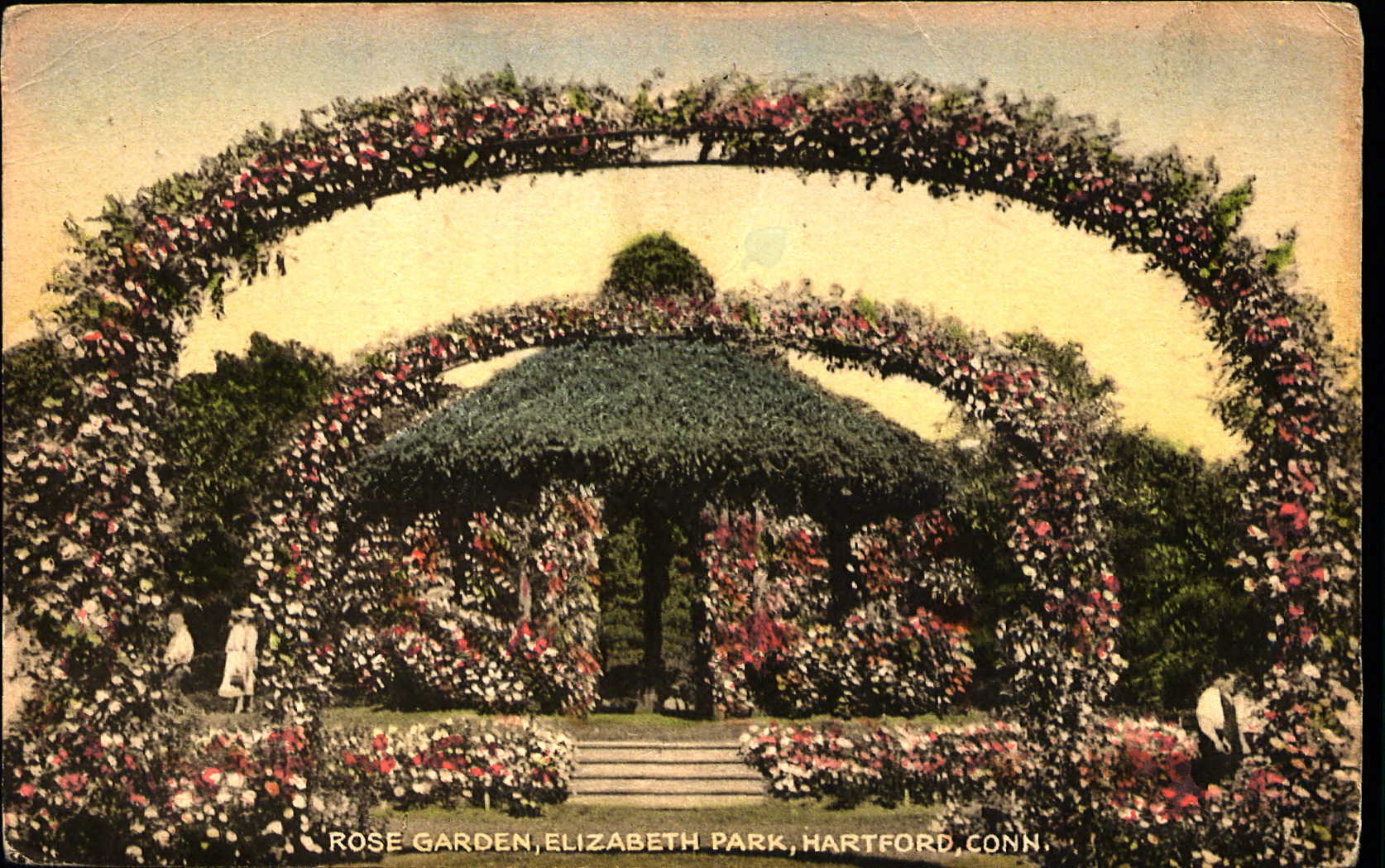
Visitors have been enchanted by the thousands of soft and fragrant rose petals in Elizabeth Park's Rose Garden since it opened in 1904. Climbing roses intertwined in overhead garlands, hybrid tea roses and heritage roses in every color symbolize romance, friendship, and passion. Elizabeth Park on the Hartford-West Hartford border is home to the country's oldest public rose garden. Visitors by the thousands come to stroll in the rose garden and sit in the vine-covered gazebo. Generations of prom goers as well as wedding parties have had their photos taken there. But how did Elizabeth Park become the public park it is today? Find out how Frederick Law Olmsted, the father of landscape architecture, a contested will and a beloved wife are all part of the story. Mary Donohue interviews Elizabeth Park's Rosarian Stephen Scanniello about all things roses. Read more! Sign up for our free newsletter ctexplored.substack.com https://www.ctexplored.org/connecticuts-historic-rose-gardens/ https://www.ctexplored.org/off-the-streets-into-the-parks/ This episode was produced by Mary Donohue, Assistant Publisher of Connecticut Explored, the magazine of Connecticut history and engineered by Patrick O'Sullivan. Donohue has documented Connecticut's architecture, built environment and popular culture for over 30 years. Contact her at [email protected] Visit www.elizabethparkct.org

S2 Ep 114114. When Tombs Are Also Crime Scenes
Sometimes tombs become crime scenes. State Archaeologist Emeritus Nick Bellantoni talks with Walt Woodward about two such cases in which he was called in to do forensic archaeology, and the process of doing historic detective work in pursuit of justice. He also provides the latest developments concerning the discovery of revolutionary war skeletons in a basement in Ridgefield in December 2019.

S2 Ep 113113. Yale Needs Women
In 1969, women were allowed entry to undergraduate study at Yale for the first time. Their experience was not the same as their male peers enjoyed. Isolated from one another, singled out as oddities and sexual objects, and barred from many of the school's privileges, the young women nonetheless met the challenge of being first and changed Yale in ways it had never anticipated. Mary Donohue interviews historian and Yale alumna Anne Gardiner Perkins, author of Yale Needs Women: How the First Group of Girls Rewrote the Rules of an Ivy League Giant and New Haven leader Constance Royster, one of Yale's first women undergrads. Anne Gardiner Perkins is an award-winning historian and higher education expert, and the author of Yale Needs Women, which won the 2020 Connecticut Book Award. Ms. Royster holds a J.D. from Rutgers University Law School – Newark, and a B.A. cum laude from Yale University. Read more!"UConn Law: The Trailblazing Bessye Bennett," Spring 2014 "Yale's Grace Murray Hopper College," Fall 2017 This episode was produced by Mary Donohue, Assistant Publisher of Connecticut Explored, the magazine of Connecticut history and engineered by Patrick O'Sullivan. Ms. Donohue has documented Connecticut's architecture, built environment and popular culture for over 30 years. Contact her at [email protected]

S2 Ep 112112. And So The Tomb Remained
What secrets about the past can an ancient tomb reveal? The answers, as State Archaeologist emeritus Nick Bellantoni explains, are many, surprising, and incredibly interesting. In this conversation about Nick's new book, And So the Tomb Remained: Exploring Archaeology and Forensic Science in Connecticut's Historical Family Mausolea, State Historian Walt Woodward and Bellantoni, who in his 30 plus years as state archaeologist entered more tombs that any other archeologist, talk about Nick's experiences doing restoration, recovery work, and crimonal investigations in the tombs of some of Connecticut's oldest and most powerful families.

S2 Ep 111111. The New Haven Black Panther Trials
Fifty years ago, Ericka Huggins and Bobby Seale of the Black Panthers were on trial for their lives in New Haven. In this episode, Natalie Belanger of the Connecticut Historical Society takes a look back at the New Haven Black Panther trials, using some of the many primary sources available. To learn more about the New Haven Black Panther Trials: To see Robert Templeton's courtroom sketches of the Black Panther Trials, go here. The trial transcripts are available digitally through Yale Law School's Lillian Goldman Law Library. The online exhibit, "Bulldog and Panther: The 1970 May Day Rally and Yale," at Yale University Library, covers the events leading up to the May Rally, and its aftermath. The recording of Alex Rackely's interrogation can be heard via Youtube through this link to the New Haven Independent's reporting of its discovery. Editor Paul Bass co-wrote, with Douglas W. Rae, Murder in the Model City: The Black Panthers, Yale, and the Redemption of a Killer. Yohuru Williams's essay, "The New Haven Black Panther Trials," appears in African American Connecticut Explored, published through a collaboration between Connecticut Explored and the Amistad Center for Art & Culture. Williams is also the author of Black Politics, White Power: Civil Rights, Black Power, and the Black Panthers in New Haven. And in these two Connecticut Explored articles online below: https://www.ctexplored.org/the-hartford-chapter-of-the-black-panthers-an-interview-with-butch-lewis/ https://www.ctexplored.org/the-new-haven-black-panther-trials/ You can learn more about this topic by tuning in to a virtual talk by Dr. Yohuru Williams, historian and founder of the Racial Justice Initiative at the University of St Thomas in St. Paul, Minnesota, on February 24, 2021. "No Haven: Civil Rights, Black Power and Black Panthers in New Haven," hosted by the Connecticut Historical Society, will be streamed live on Crowdcast and available after for re-watch. Click here to register. Natalie Belanger is the Adult Programs Manager at the Connecticut Historical Society. You can contact her at [email protected]. Produced by Natalie Belanger and engineered by Patrick O'Sullivan. Photo Credit: Black Panther Community News Service, CHS Collection, 2018.22.2

S2 Ep 110110. Polish Jewish History, World War II and a Jewish Child's Survival
This lecture was presented by Dr. Leon Chameides for the Jewish Historical Society of Greater Hartford, Voices of Hope, and The Emanuel Synagogue. Learn more about Polish-Jewish history and how our guest Dr. Leon Chameides survived the Nazi occupation of Poland as a Jewish child. Despite the fact that many American Jews trace their family to Poland, there are many misconceptions about Polish history and the history of Polish-Jewish relations. Dr. Leon Chameides was born in Poland in 1935 and spent the war years hidden in a Ukrainian Greek-Catholic monastery. He went to England in 1946 and came to the United States in 1949. He was Director of Pediatrics at Hartford Hospital for 10 years. To read more about Dr. Chameide's life and family, look for his book Strangers in Many Lands, available on Amazon books. For more information about Hartford's Jewish history, go to the website of the Jewish Historical Society of Greater Hartford at https://jhsgh.org/ and for more about Connecticut's connection to the Holocaust, go to the website of Voices of Hope at http://ctvoicesofhope.org/ For more about Connecticut's military history, go to https://www.ctexplored.org/connecticut-at-war/ and to read Dr. Chameides story in the Fall issue of Connecticut Explored, the magazine of Connecticut history, go to https://www.ctexplored.org/a-jewish-childs-experience-of-war/ This episode was produced by Mary Donohue, Assistant Publisher of Connecticut Explored and engineered by Patrick O'Sullivan. Mary M. Donohue is the Asst. Publisher of Connecticut Explored. She has documented Connecticut's architecture, built environment and popular culture for over 30 years. Contact her at https://www.granthousect.com/

S2 Ep 109109. Communicating with the Spirits: Theodate Pope Riddle
In 1938 pioneering female architect and founder of the Hill-Stead Museum, Theodate Pope Riddle of Farmington enjoyed an excursion through Europe. While in London she participated in three sittings with trance mediums, continuing an avocational interest in spiritualism that lasted 34 years. Hear more about Riddle's efforts to scientifically prove the ability to communicate with the deceased in this episode hosted by Mary Donohue, Asst Publisher of Connecticut Explored and Melanie Bourbeau, Curator and Director of Interpretation and Programs at the Hill-Stead Museum. If you'd like to learn more about the Theodate Pope Riddle and Spiritualism, visit the museum's website at https://www.hillstead.org/ and read Bourbeau's article in the Winter 2020-21 issue of Connecticut Explored, the magazine of Connecticut History. Theodate Pope Riddle was inducted into the Connecticut Women's Hall of Fame-read more here: https://www.cwhf.org/inductees/theodate-pope-riddle For more on Spiritualism in Connecticut, go to the website of Connecticut Explored for these articles at: https://www.ctexplored.org/isabella-beecher-hooker-and-the-spirit-of-reform/ https://www.ctexplored.org/the-pine-grove-spiritualist-camp/ Mary M. Donohue is the Asst. Publisher of Connecticut Explored. She has documented Connecticut's architecture, built environment and popular culture for over 30 years. This episode was produced by Mary M. Donohue and engineered by Patrick O'Sullivan. Want a daily dose of Connecticut history? Subscribe to TODAYINCTHISTORY.com and follow Connecticut Explored on Facebook and Instagram.

Ep 108108. Up and Down the River
Mohegan Medicine Woman, Tribal Historian, and award-winning playwright and screenwriter Meissa Tantaquidgeon Zobel does a virtual sit-down with state historian Walt Woodward to talk about the radio drama Up and Down the River she and her equally accomplished daughter Madeline Sayet recently wrote, produced, and directed for Hartford's Heartbeat Ensemble. The five short plays provide a unique and important window into key moments in Mohegan history and culture. Zobel provides both a writer's and a people's perspective on the stories, and tells how everyone can - for a limited time - hear the radio drama for free on the Heartbeat Ensemble website

S2 Ep 107107. Miss Florence's Boardinghouse and American Impressionism
In this episode, Mary Donohue talks to Curator Amy Kurtz Lansing about one of the most beautiful places to visit in Connecticut - the Florence Griswold Museum in Old Lyme. Did Old Lyme become the home to an art colony because of the good food at Miss Florence's boardinghouse or because of the soft, lovely light on the salt marshes along the Lieutenant River? The episode uncovers the roots of the Old Lyme Art Colony and also new exhibitions up now including Celebrating 20 Years of the Hartford Steam Boiler Collection, an exhibit that marks the arrival of 190 works of art in 2001, a gift that transformed the Griswold Museum, and a second exhibition, the Centennial of the Lyme Art Association Gallery , the museum's neighbor, that partially recreates their 1921 inaugural exhibition in their shingle style building designed by society architect Charles A. Platt, designer of the Freer Art Gallery in Washington, DC and the Lyman Allyn Museum in New London, Connecticut. Florence Griswold was inducted into the Connecticut Women's Hall of Fame in 2002. https://www.cwhf.org/inductees/florence-griswold For more information and photos go to the website of Connecticut Explored at: https://www.ctexplored.org/the-spirit-of-miss-florence-restored/ https://www.ctexplored.org/painting-with-needle-thread/ https://www.ctexplored.org/only-waiting-to-be-painted-the-inspirational-landscape-of-old-lyme/ To learn more about the Florence Griswold Museum and the current exhibitions, go to https://florencegriswoldmuseum.org/ Mary M. Donohue is the Asst. Publisher of Connecticut Explored, the magazine of Connecticut history. She has documented Connecticut's architecture, built environment and pop culture for over 30 years. This episode was produced by Mary M. Donohue and engineered by Patrick O'Sullivan. You can help us continue to produce Grating the Nutmeg. Please make a gift to Friends of Connecticut Explored and use coupon code Gratingthenutmeg to have your gift support the podcast. All gifts with this coupon code will be shared with the Office of the State Historian to support its outreach efforts. Go to ctexplored.org to make your donation.

S2 Ep 106106–Part 1 Steve Grant's Legendary 1991 Source-to-Sea Connecticut River Journey
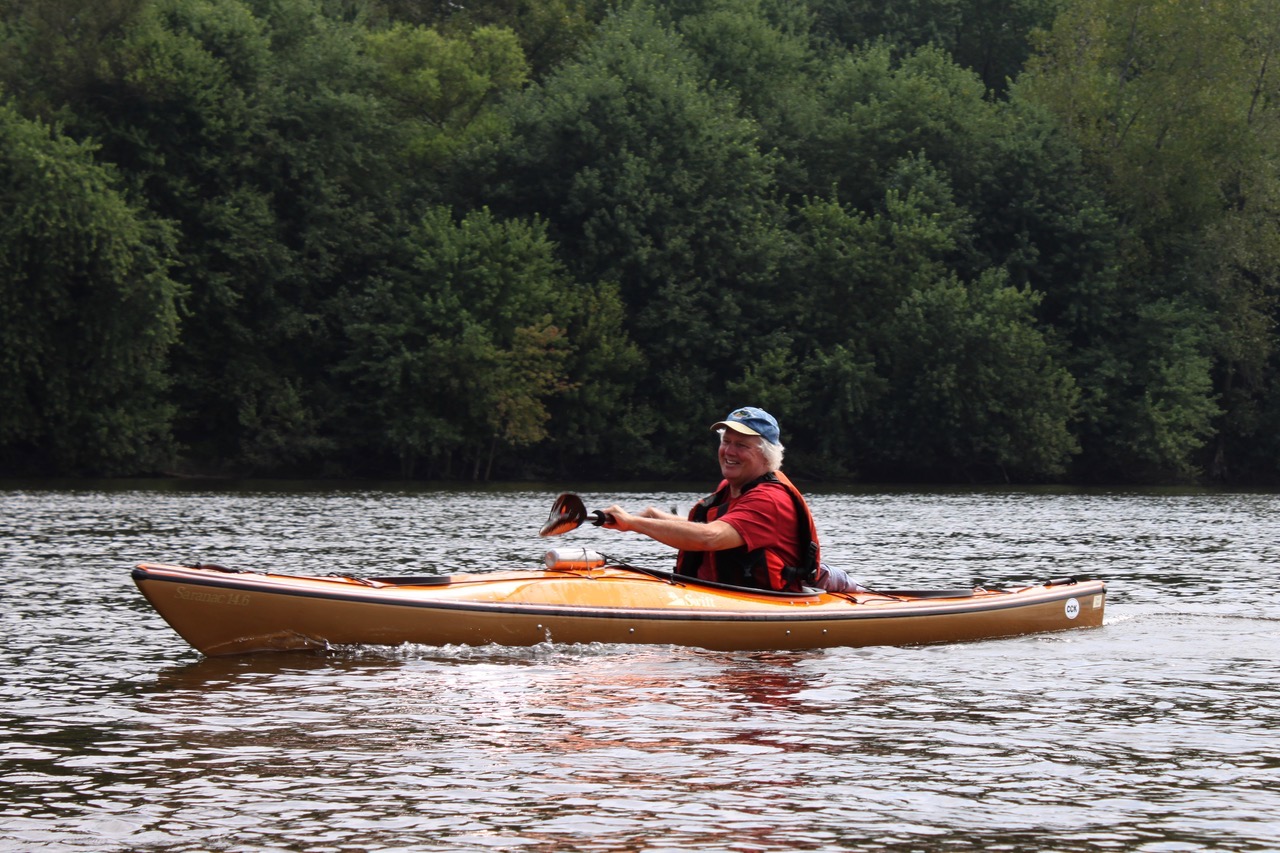
In the summer of 1991, reporter and environmentalist Steve Grant traveled the entire 410 miles of the Connecticut River from its source near the Canadian border in New Hampshire to the Long Island Sound by self-addled canoe. Throughout the 33 day journey, Grant reported on his voyage in stories for the Hartford Courant. His every-other-day tales made Grant a celebrity and his journey a legend. Twenty-nine years after that life-changing trip,State Historian Walt Woodward met Grant on the banks of the Connecticut River in Hartford, to talk about the journey, the man, and the river in another time. It's a fascinating two-part interview that covers everything from early 90's internet technology, to environmental restoration, to moose-induced traffic jams in the Great North Woods. "The Connecticut River: First National Blueway Runs Through Connecticut," Spring 2014 "Connecticut River Legends," Spring 2019 "Pleasure Boating on the Connecticut River," Summer 2018 Read all of our stories about Connecticut's landscape and environment on our TOPICS page.
S2 Ep 1061106 - Part 2. Steve Grant's Legendary 1991 Source to Sea Connecticut River Journey
In part two oof Steve Grant's Legendary 1991 Source-to-Sea journey on the Connecticut River, we'll talk about Some of the Connecticut RIver's endangered species, the issues that affected the river's health then and now, the celebrations at the end of the voyage, and what the journey means to Grant some thirty years one. "The Connecticut River: First National Blueway Runs Through Connecticut," Spring 2014 "Connecticut River Legends," Spring 2019 "Pleasure Boating on the Connecticut River," Summer 2018 Read all of our stories about Connecticut's landscape and environment on our TOPICS page. To read Steve's work and see more of his nature photography visit thestevegrantebsite.com The song 'Great River" by Walt Woodward, was peformed by Walt and The Band of Steady Habits –– Rachel Smith, Teagan Smith, Jeremy Teitelbaum, Duke York, & Walt Woodward

S2 Ep 105105. Connecticut's Rosie the Riveter: Working Women in WWII
In this episode, Natalie Belanger of the Connecticut Historical Society takes a look at the iconic Rosie the Riveter character. To get the scoop on what it was like to be a real-life "Rosie" in CT during WWII, she speaks to Gretchen Caulfield, President of the American Rosie the Riveter Association. (https://rosietheriveter.net/) Get our Commemorative 75th Anniversary of World War II Fall 2020 issue-full of CT WWII stories-by subscribing to Connecticut Explored at our Special Podcast Sale Price! Get 6 issues for the price of 4 or 10 issues for the price of 8! Teacher rates excluded. Use the code NUTMEG on our website at https://www.ctexplored.org/subscribe/ And see photos of Connecticut's own Working Women in WWII at this link: https://www.ctexplored.org/connecticuts-own-rosie-the-riveter/ This episode was produced by Natalie Belanger and engineered by Patrick O'Sullivan.
S2 Ep 104104. Great Traditions: The Connecticut Election Cake
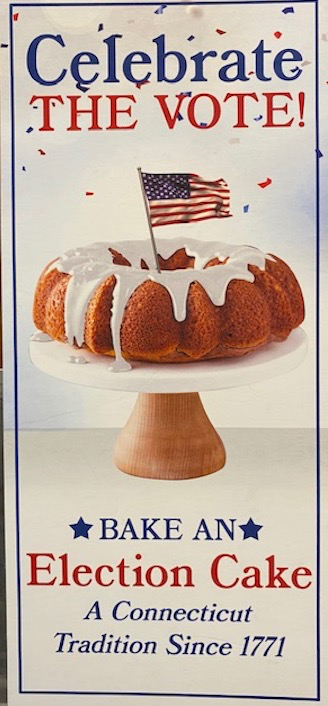
(Image - Brookfield Registrars, chistinascucina.com) With elections leaving so many people with a bitter taste in their mouths, we're celebrating one of Connecticut's oldest – and for centuries best known – traditions; the Connecticut Election cake. In this conversation with Allie Kyff of the Connecticut Democracy Center at Connecticut's Old State House,state Historian Walt Woodward discusses the fascinating history of this delicious tradition. BAKE YOUR WAY TO GLORY! Join in a statewide election cake decorating contest held by Connecticut's Old State House. Celebrate a 200-year old Connecticut Election Day tradition by entering our Election Day Cake Virtual Contest. Inspire everyone to vote by baking a cake, decorating it, and entering to win! Bake your cake using the original Election Day Cake recipe or follow a recipe of your own choosing! Since our judges won't be able to taste your delicious creations, we are going to judge on decoration alone. Make a cake that you would love to eat on election day-- one that looks as good as it tastes, celebrates elections, and inspires voting! Watch our Facebook Live interview with State Historian Dr. Walt Woodward from September 23rd, Hartford's Election Day Cake: A Yummy Civic Tradition, to learn more about this great tradition. Make sure that your are following Connecticut's Old State House on Facebook, Instagram (@CTOldStateHouse) and Twitter (@CTOldStateHouse) or opt into our email list for October updates and the winning announcement on Monday, November 2, 20202! Rules: 1. Bake a cake and decorate it in a way that celebrates voting and inspires people to vote on November 3rd. 2. The cake MUST be non-partisan. 3. Cakes that promote an issue, party, or person will be disqualified. 4. Submit no more than three pictures of your cake. One photo must be of the entire cake either from above or at an angle. 5. Send your submission to [email protected] by 5pm on Monday, October 26, 2020. 6. Only one submission per person is permitted. 7. This contest is open to all ages. Winners and prizes will be announced on Monday, November 2, 2020. ------------------------------------------------- Please note that this is a virtual event. There is no in-person component.

S2 Ep 103103. Cannonballs and Skyscrapers: Keeler Tavern Museum
Owned by the same family for its first 200 years then purchased by star architect Cass Gilbert in 1907 for his summer home, the Keeler Tavern was there when the American Revolution's Battle of Ridgefield happened and it has a cannonball embedded in the façade to prove it. New York City architect Cass Gilbert, designer of early skyscrapers like the Woolworth Building in New York City, kept all of the home's Colonial charm and added to it! Cass Gilbert had a big impact on Connecticut's architecture in Hartford, Waterbury, Waterford and New Haven. But there's more to the Keeler Tavern than a pretty place! New research is enhancing the museum's ability to tell women's and African American history in programming for adults and children. The pandemic pushed many museums to reach out to their audience using new technologies. Hear more about how the Keeler Tavern Museum and History Center's dynamic staff is telling their story and finding new audiences in 2020 with architectural historian Mary Donohue. Thank our guests Hildi Grob, Executive Director, Catherine Prescott, Chief Curator, and Melissa Houston, Educational Director from the Keeler Tavern Museum and History Center. See more at https://keelertavernmuseum.org/ Find a photo album for this episode at https://www.ctexplored.org/ Read more online at ctexplored.org in the article https://www.ctexplored.org/benedict-arnold-and-the-battle-of-ridgefield/ And read about architect Cass Gilbert in our online articles including https://www.ctexplored.org/glamour-and-purpose-in-new-havens-union-station/ https://www.ctexplored.org/longer-lasting-than-brass-waterburys-city-hall-restored/ https://www.ctexplored.org/seaside/ Our mid-reel sponsor is the Wilton Historical Society at http://wiltonhistorical.org/ Mentioned in the episode: Historical Interpreter-Cheyney McKnight at NotYourMommasHistory http://www.notyourmommashistory.com/ Playwrights: Joanne Hudson, Redding, CT and Royal Shiree, Lynchburg, VA This episode was produced by Mary Donohue, Assistant Publisher of Connecticut Explored, and engineered by Patrick O'Sullivan. Music by Hyde.

S2 Ep 102102. Archimedes, Silk Worms, Vanderbilt & The Perfect Screw
In this podcast from the memoir of Ellsworth S Grant, one of the state's great historians, Walt Woodward tells us about the invention of the world's best fastening device. It's a story that begins with Archimedes, and that came to fruition because of silk worms, Cornelius Vanderbilt, an entrepreneur named Dimoch, and an Irish inventor who gave this unique tool its name. It's a story for anyone who ever put together a piece of Ikea furniture - the story of the recessed hexagonal screw and the Allen wrench

S2 Ep 101101. Sophie Tucker, Hartford's Red Hot Mama
Sophie Tucker was one of the 20th century's most successful and highest paid performers. A singer and humorist, she transitioned successfully through vaudeville, recordings, Broadway, radio, movies, nightclubs and finally television. Born into a Jewish family that immigrated from Eastern Europe, her parents ran a kosher restaurant in Hartford's Front Street district. Many of the threads that run through her life resonant with women now including body positivity, female agency, an artist's control of their own work and career as well as a rags to riches immigrant success story. This episode includes snippets from three of her most famous songs-"One of These Days" by African American composer Sheldon Brooks; "I'm the Last of the Red Hot Mama's" by Milton Agar and Jack Yellen, and "My Yiddishe Momme" by Jack Yellen. Tucker never forgot Hartford and contributed to numerous local charities. She left almost 400 scrapbooks documenting her full career to the New York Public Library. She was inducted into the Connecticut Women's Hall of Fame in 1999. https://www.cwhf.org/inductees/sophie-tucker For more information and photos go to the website of Connecticut Explored at https://www.ctexplored.org/sophie-tucker-last-of-the-red-hot-mamas/ Tor read more about her mother and the "Handkerchief Brigade" go to https://www.ctexplored.org/the-handkerchief-brigade/ Look for a new online exhibition in late Sept, 2020 on the website of the Jewish Historical Society of Greater Hartford at https://jhsgh.org/ Mary M. Donohue is the Asst. Publisher of Connecticut Explored, the magazine of Connecticut history. She has documented Connecticut's architecture, built environment and pop culture for over 30 years. This episode was produced by Mary Donohue and engineered by Patrick O'Sullivan. To hear more episodes of Grating the Nutmeg subscribe on iTunes, Spotify, iHeartRadio or at gratingthenutmeg.libsyn.com. And for more great Connecticut history stories, subscribe to Connecticut Explored, the magazine of Connecticut history, at ctexplored.org

Ep 100100. The Unlikely Legend – and History – of the Charter Oak
For our 100th episode, a revealing new look at Connecticut's oldest and most iconic legend - the Charter Oak. State historian Walt Woodward dug deep into this time-honored tale, and offers a new, true, and sometimes amusing look into the history behind this foundational legend.

S2 Ep 9999. Connecticut's Mount Rushmore Connection
In this episode of Grading the Nutmeg, Mary Donohue, Asst. Publisher of Connecticut Explored, reveals Connecticut's connection to Gutzon Borglum, the sculptor of Mount Rushmore, and the run up to his most contentious project, the Mount Rushmore National Monument in South Dakota. Perhaps the largest outdoor sculpture in the country, Mount Rushmore has been controversial since it was proposed. Where it's located, who it commemorates, and its sculptor are all part of the national conversation now. Built on Native American land, it features the faces of four American presidents--two of whom were slaveholders (Washington and Jefferson) and two of whom were involved in efforts to uproot Western Native American tribes (Lincoln and Roosevelt). And the sculptor behind the design, Connecticut resident Gutzon Borglum? He was someone who, according to the New York Times article "How Mount Rushmore became Mount Rushmore" published July 1, 2020, formed great bonds with leaders of the Ku Klux Klan and participated in their meetings to secure funding for the Stone Mountain project in Georgia. Borglum also espoused white supremacist and anti-Semitic ideas. To read the full article, go to https://www.ctexplored.org/connecticuts-mount-rushmore-connection/ To read more about his career, go to http://www.tfaoi.com/newsm1/n1m582.htm This episode was produced by Mary Donohue and engineered by Patrick O'Sullivan. To hear more episodes of Grating the Nutmeg subscribe on itunes, iHeartRadio, GooglePlay, Sound Cloud or at gratingthenutmeg.libsyn.com. And for more great Connecticut history stories, subscribe to Connecticut Explored, the magazine of Connecticut history, at https://www.ctexplored.org/

Ep 9898. Two Stories From World War II
In "Two From World War II." state historian Walt Woodward presents two stories he wrote for this Fall's special "Remembering World War II" edition of Connecticut Explored Magazine. The first tells how Pratt & Whitney Aircraft prepared for the coming crisis. The second tells the story of Gordon H. Stirling, Connecticut's 1st World War II hero.

S2 Ep 9797. Uncovering African American Women's Fight for Suffrage
In this episode, Natalie Belanger of the Connecticut Historical Society talks to historians Brittney Yancy and Karen Li Miller about their ongoing project to uncover the suffrage work of women of color in Connecticut. African American women rallied for the woman's suffrage cause, determined to ensure black women's inclusion and electoral self-representation. if you'd like to learn more about this topic, visit the CHS's website at CHS.org/wocvotes. For a broader look at the woman's suffrage movement in CT, you can see the exhibit "A Vote of Her Own: The Long Fight for Woman Suffrage" on view at the CHS in fall 2020. And don't forget to order your copy of the Summer issue of CT Explored at ctexplored.org with the article "Uncovering African American Women's Fight for Suffrage" by Karen Li Miller, available at ctexplored.org/shop Read more about Mary Townsend Seymour at https://www.ctexplored.org/audacious-alliance-mary-townsend-seymour/ Thank you to our guests. This episode was produced by Natalie Belanger and engineered by Patrick O'Sullivan. Photo credit: Mary A. Johnson (center) with Elizabeth R. Morris (left) and Rosa J. Fisher (right) representing Hartford's Colored Women's Liberty Loan Committee, 1918. Photographer Edward M. Crocker, The Hartford Courant, State Archives, Connecticut State Library.

Ep 9696. Rough Justice for Nathan Hale
State historian Walt Woodward takes a new look at the actions surrounding the Revolutionary War execution of state hero Nathan Hale, and finds there are still some burning questions left to be answered about this hasty and irregular event. It's a story from Walt's new book Creating Connecticut: Critical Moments That Shaped a Great State, just out from Globe Pequot Press. As you'll soon hear, when looking for answers about the Rough Justice handed out to Nathan Hale by the British in New York in 1776, where there's smoke, there's fire.

S2 Ep 9595. Beware of the Sea, for it is a Wide, Wide Love
In this episode CT Explored publisher Elizabeth Normen draws inspiration from the haunting words of her great-great grandmother, the wife of a sea captain during the Great Age of Sail. Her ancestor was one of hundreds of women in the 19th century who made the difficult choice to leave all they knew and those they loved for the uncertainly of a life at sea. What were the joys and hardships for women who made that choice? Find out in this episode of Grating the Nutmeg. Find more stories about brave women in our Summer 2020 issue commemorating the 100th Anniversary of Women's Suffrage, available now at ctexplored.org, including important stories about Native American and African American women and the right to vote. And for more stories about Connecticut's maritime history, see the Spring 2009 issue online at ctexplored.org. Please support us by subscribing at ctexplored.org. This episode was produced by Elizabeth Normen and Patrick O'Sullivan. Thanks for Moira O'Sullivan for narrating portions of the story.

S2 Ep 9494. Connecticut's Jewish Farmers
Mary Donohue, Asst. Publisher of Connecticut Explored and co-author of the book A Life of the Land: Connecticut's Jewish Farmers explores the story of Connecticut's Jewish farmers in the last century. Surprised that there were Jewish farmers? Many people are but scores of newly arrived Jewish immigrants were assisted in making their lives in poultry and dairy farming throughout the state. Some farms developed into resorts catering to vacationing urbanites seeking a bigotry free relaxing vacation in the countryside. To read more about Connecticut's Jewish farmers, go to the Connecticut Explored website to read "Hebrew Tillers of the Soil" from the Spring 2006 issue and "The Connecticut Catskills" in our Summer 2018-both articles are on online. To order Ms. Donohue's book, A Life of the Land: Connecticut's Jewish farmers, go to the website of the Jewish Historical Society of Greater Hartford at jhsgh.org/store/ This episode was produced by Mary Donohue, Assistant Publisher of Connecticut Explored and engineered by Patrick O'Sullivan. It features the voices of Moira O'Sullivan and Patrick O'Sullivan. Music by New Town Klezmer. Subscribe to Connecticut Explored, buy back issues and collections—including a make-your-own collection at a special price-- at ctexplored.org.

S2 Ep 9393. Connecticut and the Pandemic of 1918
State historian Walt Woodward used his recent shelter-in-place time to create a podcast about the deadliest disease to ever hit Connecticut. The influenza pandemic of 1918, like C0VID-19, stopped life as people-knew-it in its tracks. Emergency Hospital #16 New Haven[Library of Congress] He asked the questions we're asking about today's pandemic to pandemic of a century ago. Where did it come from? How did it spread? Who did it affect the most? How did the medical community respond to it? How did state and local governments respond? What social distancing measures were taken? And how did its impact change Connecticut and its people? Walt found history, as always, to be an important reference point. We think you will, too. If you like what you hear, please share it with your friends.
S2 Ep 9292. Connecticut's Carnegie Libraries: Bricks, Bucks and Books
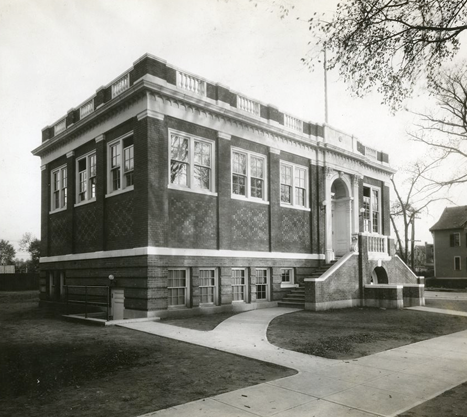
Architectural historian Mary Donohue digs deep to uncover which local libraries in Connecticut were funded by robber baron, steel tycoon and philanthropist Andrew Carnegie at the beginning of the 20th century. Why did the City of New Haven turn down a generous gift of $300,000 from Carnegie in 1903 meant to build a large public library? How did communities apply for library construction grants from Carnegie and what were the requirements? What were the strings attached to accepting the money? And, what has become of these well-built landmarks in Connecticut? Find out from guest Robert Kinney, Outreach Services Librarian at the Connecticut State Library and Pastor of Mount Hope Temple Church in New Haven what it takes to adaptively reuse an almost 100-year-old library building for a new purpose. We wish to thank our guest Robert Kinney. Read more in online at ctexplored.org in the Fall 2015 article "Connecticut's Carnegie Libraries" This episode was produced by Mary Donohue, Assistant Publisher of Connecticut Explored, and engineered by Patrick O'Sullivan.

S2 Ep 9191. Tom Linskey's Hearth-Cooked Feast
Twice a year, restoration carpenter Tom Linsky and his wife Sally Irons host a heart-cooked colonial feast in their historic 18th century Portland home, as a benefit for their favorite charities. For those events Chef Tom Linskey spends an entire week prepping, preparing, and cooking a totally hearth-cooked panoply of colonial dishes to serve for the benefits' guests. Last month (February 2020), State Historian Walt Woodward stopped in to see Tom throughout the week to learn about hearth-cooking and feasting in the colonial era. The result was a delicious and wonderfully informative encounter with hearth-cooking and colonial foodways. You can view photos of the hearth cooking experience and some of the items in the Linskeey's colonial tavern room on the Connecticut State Historian's Facebook page.