
Good Beer Hunting
743 episodes — Page 9 of 15
SL-014 Protest Beer "Fuck PG&E" Unleashes Fury of Internet Trolls
EIf you're a regular Sightlines reader, you may have come across a story we published on Nov. 1 called "A Show of Hands – Breweries Take Political and Business Risks Mixing Beer and Social Stances." The idea behind that piece was to give context around the space where political opinion and the beer business collide, all while poking at the question, as it relates to breweries engaging with drinkers: "Is taking action inevitable?" As part of reporting for that story, David Faris, an associate professor of political science at Roosevelt University and a host of Good Beer Hunting's Electing to Drink podcast, said this: "When the president himself gets involved in deeply divisive cultural-political issues and won't let them go, he forces people to take into consideration actions they never would have thought about before." In this Sightlines podcast, you'll hear from a California brewery owner facing this exact situation, creating an audio connection to the anecdotes and analysis from that written story. In the midst of wildfire season in California, one man decided to vent his frustration via the name of a new beer, creating backlash and leading to online trolling. On Nov. 6, Santa Rosa, California's Shady Oak Barrel House posted a photo of a hazy, hop-forward beer to social media channels, announcing: "Happy hump day with a new beer release!!!" The post continued: "FUCK PG&E is a classic California pale ale, featuring Cashmere and Simcoe hops and a touch of malt sweetness. Coming in at 5.8%, come try it for happy hour!!!!" It finished the announcement with four exclamation points before reminding readers that trivia was set to start at 7 p.m. that evening. Things were quiet until a few days later when online trolls came in, attacking the brewery and owner Steve Doty. Angry comments and one-star Yelp reviews flooded Shady Oak's online footprint after Doty made the decision to vent anger toward energy company Pacific Gas & Electric Company with the beer's name. PG&E is in the midst of a host of legal troubles stemming from damage, death, and injuries caused by wildfires started by PG&E equipment in the past four years. At times, those fires have caused chaos while destroying vast acres of land, numerous homes, and forcing the evacuation of tens of thousands of residents. In 2018, all the California wildfires combined amounted to just over 8,500 fires. In total, they burned almost 2 million acres. And that's becoming commonplace: each fall, you probably hear something about a major wildfire in the Golden State, including right now. Doty could have chosen any other name—or no specific name at all and just used the beer's style—but we'll let him give some background on what led to this decision. This is the Sightlines podcast. Listen in.
OL-002 Mark Spence Reads The Second Entry from "Beer is Offal," Called "Load of Baloney"
EThe is GBH Out Loud, and I'm Ashley Rodriguez. Today, you'll hear Mark Spence read the second entry of his blog, Beer is Offal, called "Load of Baloney," published on Good Beer Hunting on September 27, 2019. In this article, Mark extols the virtues of an unlikely hero: baloney. Before he starts, he tells us all about his rituals surrounding the lunch meat—the exact way he likes to eat it, and the perfect ingredients for a baloney sandwich. As is the case with all of Mark's stories, we learn that this story is about much more than just deli meat. This is Mark Spence reading an entry of his blog, Beer is Offal, called "Load of Baloney." Listen in.
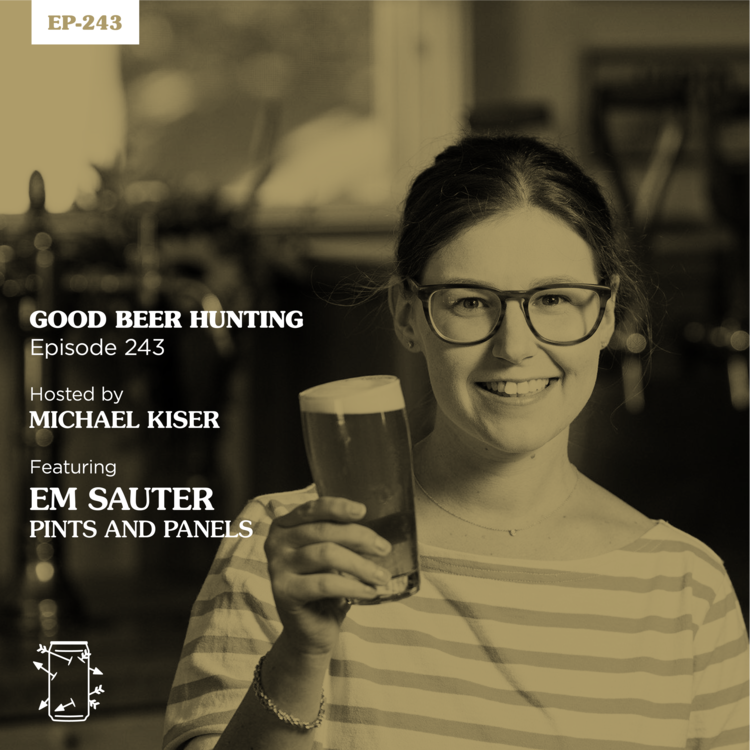
EP-243 Em Sauter of Pints and Panels
EThere are so many ways you can engage with the beer world on a professional level—but few are more ambitious that attempting to become a Master Cicerone. The term "Cicerone" is still a relatively new concept in the beverage world—but you've probably heard of a Master Sommelier in the wine industry. It's not exactly the same thing—for example, the Cicerone exam focuses significantly on troubleshooting draft technology—but they're similar in that both require an intense knowledge base (both historic and contemporary), as well as a master-level tasting ability. For most people, it takes hundreds of hours of study, an almost full-time dedication and focus to pull it off. And even then, almost everyone fails. In today's conversation, I sit down with Em Sauter: a cartoonist and beer educator who found herself compelled towards beer for some not-so-obvious reasons. When we speak, she's preparing to take her second Master Cicerone exam the day after we record. It's an incredibly tense, existential time. I mean, she's already been through all this once, failed, and is coming back for more with no guarantee that she'll make it this time either. But for the purposes of capturing an oral history of a time, person, and place in beer, it couldn't be more perfect. This is Em Sauter of Pints and Panels. Listen in.

CL-039 Beca Grimm's LiveJournal Password is Probably a Saves The Day Reference
EThere's always more to every story you read. As a writer, I'm perpetually intrigued by the choices other writers make—what to include, what to cut—and I'm especially interested in people who are super clear about who their work is for. Part of that is selfish: I host a podcast, called Boss Barista, that I describe as a feminist coffee podcast—I like to let people know what they're in for from the get-go, and that they're probably not going to hear light coffee chatter. And for the first time ever, I got to talk to someone who uses the exact same language to describe their own project. Beca Grimm is an Atlanta-based freelance writer and co-founder of the zine Dope Girls, which describes itself as a feminist cannabis culture zine. Beca also lends her talents to Good Beer Hunting, writing articles, also called Dope Girls, about the issues surrounding cannabis as it becomes legalized around the country. Along with her latest article, which profiles Lowell Farms: A Cannabis Cafe in West Hollywood, Beca tackles really fundamental questions surrounding the growing cannabis market. She also keeps one foot on the ground, reminding us that, as the cannabis market grows, there are people whose voices are often not heard. Dope Girls is an attempt to elevate those voices, as they talk about issues of gender, race, and clemency in their articles. Along with these serious issues, during this conversation we also talk about the grind of freelancing, and what it's like to hound editors for money or feedback, and wax poetic about being a freelancer for GBH. Spoiler alert: it rules, partially because of our amazing editorial team, whom Beca talks about, and partially because you can actually count on getting paid. But moreso because the connection between cannabis and beer isn't a far one, and as Beca discovers, there are more similarities than she ever imagined.
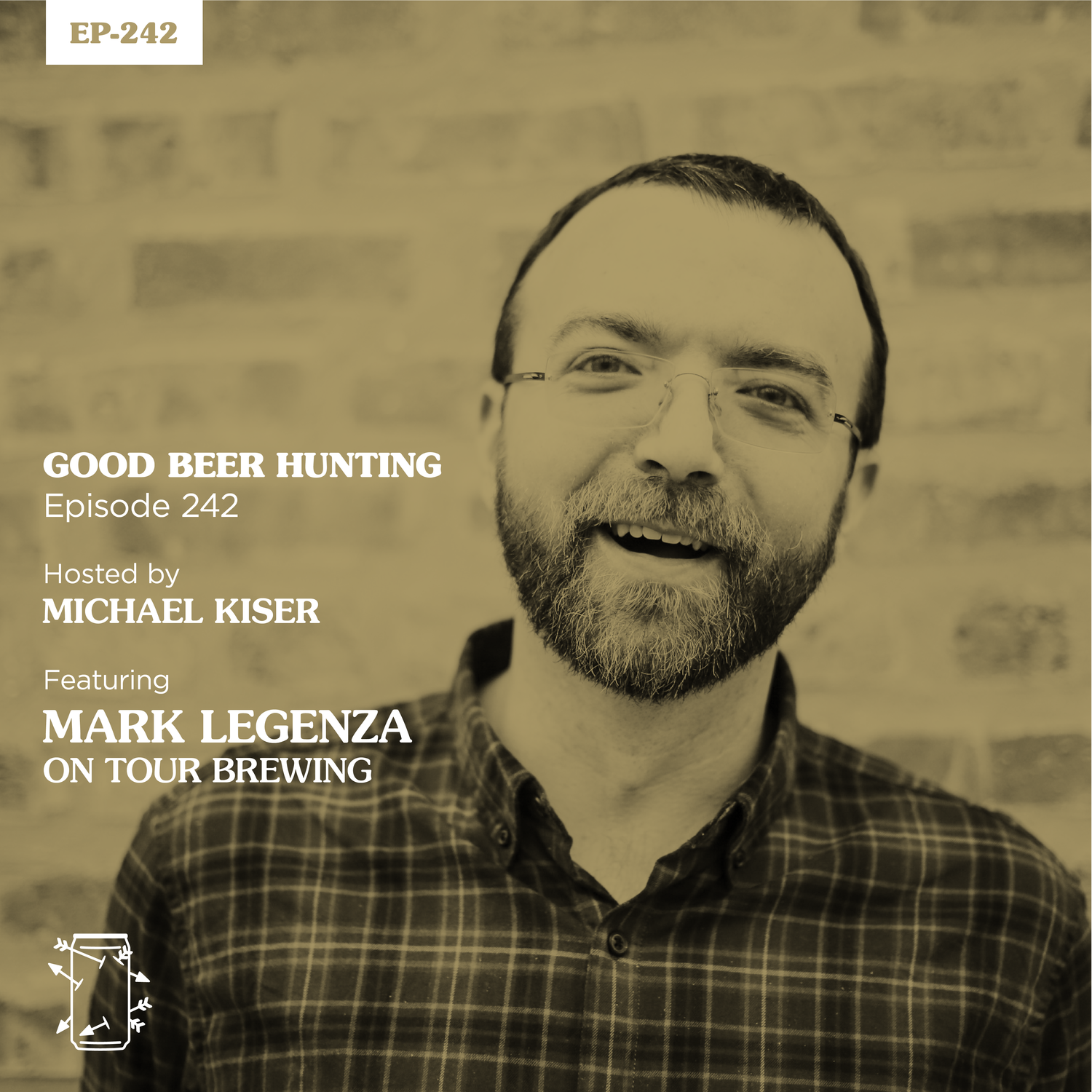
EP-242 Mark Legenza of On Tour Brewing
EToday's guest is one of the most unassuming brewery owners in Chicago: Mark Legenza of On Tour Brewing Company. On Tour is located in the brewery district that's popped up around Goose Island's Fulton Street production facility. The area is now home to half-a-dozen breweries and as many coffee roasters, and it's where the GBH Studio is located, too. So why is it that he hasn't been on the GBH Podcast before? Well, it's definitely my fault. It's one of those situations when familiarity creates a sort of blindness. On Tour is where our team goes for many of our end-of-week happy hours. We've said goodbye to colleagues there, and welcomed new ones. It's even where I temporarily recorded a podcast episode while our Studio was being built out down the street. On Tour is an automatic destination for me. And so much of this podcast is an exercise in seeking out what I don't already know. But today I'm happy to remedy that with Mark. On Tour previously won the Very Small Brewing Company award, only 10 months after opening, at the Great American Beer Festival. And this year it finally launched into packaging for the first time, with a Pilsner and a Pale Ale. They're two releases that define what this place is so damn good at: making classic beers that taste quintessential. In today's craft beer world, tasting a Pale Ale or a Brown Ale of exceptional quality is almost the exotic thing. So I'm pleased to sit down with our neighbor, and owner of On Tour Brewing Co. in Chicago, Mark Legenza. Listen in.

CL-038 Bryan Roth Asks For a Third Time
EToday I'm going to catch up with our Sightlines editor and lead contributor, Bryan Roth. It's been a busy couple of years for Bryan, but this past week's range of stories is evidence of all the ways Sightlines has become essential reading for our audiences. From proactive analysis of the Denver scene as Colorado retail laws shift to digging into the closure of Lagunitas' Community Room in Portland to keeping up with the shifting responses to the Founders racial discrimination case, and sensitively reporting a story of that importance—it's all in a week's work for Bryan. So we'll catch up on how all that reporting came to be, and what he's working on next. But we'll especially dig into the process behind the Founders stories that he's written, as well as the other essential updates that have been published by a range of publications. In fact, that's turned into a new part of the site called FYI, which is designed to keep track of all the updates in a major story in one place—and which you can find by going to GoodBeerHunting.com/FYI/Founders. This is Bryan Roth, Good Beer Hunting's Sightlines editor. Listen in.

EP-241 Hayes Humphreys and Jason Oliver of Devils Backbone
EWhat happens to a brewery when a game-changing opportunity comes along? There have been 11 buyouts of American breweries by Anheuser-Busch InBev since 2011, and in this episode, we're getting some insight from one of them. Roseland, Virginia's Devils Backbone Brewing Company was brought into the AB InBev network—now known as the Brewer's Collective—in 2016. At the time it was producing 65,000 barrels per year, and grew to about 80,000 in 2018. When it was acquired, Devils Backbone was known for selling the top craft six-pack in its home state: Vienna Lager. A lot has changed since. Today, Devils Backbone is expanding in a variety of ways. It's not just the number of barrels or headquarters nestled in the mountains of Virginia. Now, there's hard lemonade, and canned cocktails. New beers and expanded packaging to move higher volumes of beers like Vienna Lager and Gold Leaf Lager, now in 15-packs. Whereas the business once eyed steady growth to stay competitive in Virginia, its success in the Mid-Atlantic is now a real thing, with shoppers in grocery and convenience stores interacting with the brand across increased shelf space. So what happens to a brewery when this takes place? We're going to find out from two perspectives. First, you'll hear from Hayes Humphreys, the COO of Devils Backbone, who brings a point of view that ranges as far and wide as the potential reach of the company. That's followed by a conversation with brewmaster Jason Oliver, and we'll get a little in the weeds with him about what his job has been like, and what's changed for someone who's been with the company since 2008. These chats offer perspective on Devils Backbone's continuing evolution, and I hope they'll give you additional understanding of what life is like for one of AB InBev's core craft brands. This is Hayes Humphreys and Jason Oliver of Devils Backbone. Listen in.
CL-037 J. Nikol Jackson-Beckham Pulls the Thread
EIf you're part of the beer world, you've probably heard folklore about our Founding Fathers—the men who signed the Constitution, the first American presidents—brewing their own beer. That's an appealing story, a fun tidbit you might tell a friend when they ask you about your own brewing adventures. And yet, how critically have we regarded this story? Think about the timeframe folks like George Washington or Thomas Jefferson were operating in. Both men, the first and third presidents of the United States, respectively, were slaveholders. And it's much more likely—guaranteed, even—that their slaves, not them, were the actual brewers. Dr. J Nikol Jackson-Beckham pulled at the thread of this tale to point out its logical fallacies, and to shine a light on the actual brewers, specifically Peter Hemings, in her piece, "Missing Ingredients — The (Incomplete) Story of Thomas Jefferson's Unsung Brewer," which was published on our website on December 12, 2018. The path to this story wasn't quite linear for Dr. J, as she's known throughout the beer world. Dr. J, who has a PhD in Communication & Cultural Studies, and who uses her training to study the beer world, started having inklings about this story as she was still working on PhD, but couldn't quite find a place for it. We've all had this happen—a brilliant idea strikes us while we're working on a different project, and we can't exactly articulate where it belongs. So it stayed with her. For almost a decade. Now, in our conversation, she shares more about its long evolution—and its rewarding payoff. This is the Good Beer Hunting Collective podcast. Here's Dr. J.
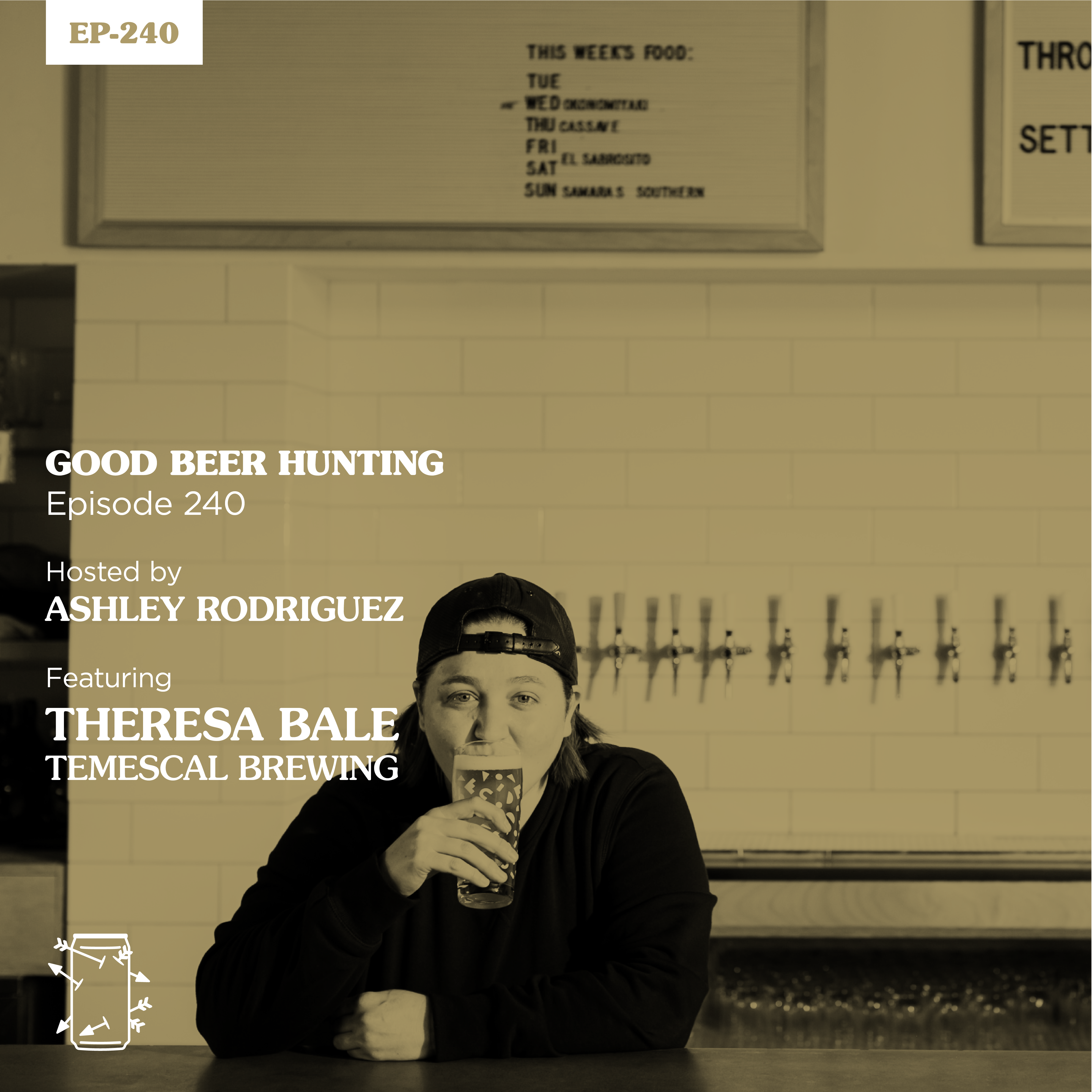
EP-240 Theresa Bale of Temescal Brewing
EWelcome to the Good Beer Hunting Podcast. I'm Ashley Rodriguez. I remember the very first time I went to Temescal Brewing in Oakland, California. I had been watching the buildout for months, waiting in anticipation. You could step outside of my apartment building and see it from the corner. So when they finally opened, I was excited—and pleasantly surprised by the number of crushable, low-ABV beers they offered from the get-go. I was immediately on board. My relationship with Temescal Brewing is a mirror of my time in Oakland, initially because of proximity—I could throw a load of clothes in the washing machine and have a beer as I waited to transfer them to the dryer. Eventually, however, it evolved into a closer connection with the folks who ran the brewery. I was used to talking with the bartenders—at that time there were maybe six or seven regular folks I'd see—and eventually I ended up joining the bar staff, and being forever changed not just by the way they brew beer, but by the way they hire, the way they advocate for the rights of others, and the way they became a guiding light for businesses seeking to operate ethically and responsibly. A lot of what I love about Temescal comes from owner Sam Gilbert, who we interviewed on this podcast a couple of weeks ago, but also from then-taproom manager Theresa Bale. Theresa hired me back in the day, and is also the founder of Queer First Friday, the Bay's only craft-beer-focused queer dance party. Every first Friday of the month, Temescal holds one of the most exciting and inclusive queer events in the area. From queer families who bring their children in at the beginning of the night to folks hopping on the dance floor to new performers, DJs, and singers showcasing their talents for the very first time, Queer First Friday is one of the loveliest celebrations of diversity and inclusion that I've encountered. And it's all because of Theresa. In this episode, we talk a lot about Queer First Friday—I was at the very first one, slinging beers from the outside bar, slightly overwhelmed by the number of people who showed up, clamoring to get in, and we also talk about how Theresa thinks about hiring for diversity. Theresa isn't shy about this—she's intentional, she's open, and she makes a point to seek out bartenders who maybe don't have a ton of experience or know that much about beer. Because, for Theresa, to build a truly inclusive staff, you have to look outside the corners and social networks you know. I could talk about Temescal and what it means to me forever. But I'll let Theresa, who recently transitioned from taproom manager to head of operations, a job she created for herself, tell the story. This is Theresa Bale, head of operations for Temescal Brewing in Oakland, California. Listen in.

CL-036 Luke Robertson Opens the World's Tiniest Pop-Up
EWelcome to the Good Beer Hunting Collective podcast, the show where members of our team interview each other to get a behind-the-scenes look at our favorite articles. I'm Jonny Garrett, and I'm a staff writer and podcaster here at Good Beer Hunting. In our Mother of Invention series with Guinness, we've been looking at the great innovations in beer—ideas that have changed or could change the course of the industry. In the context of brewing, invention can mean a lot of different things. Usually it implies the discovery of something new: an ingredient, a recipe, a process, a piece of equipment. But sometimes, it means looking back to find something we lost along the way. Luke Robertson, a GBH writer in Australia, found one of those things hanging from a washing line at a house party. A "goon" is the Aussie term for a bag of wine, and staggeringly, during the '80s and '90s, the goon accounted for over half of all wine sales in Australia. While that trend has died due to the product's association with poor quality, the bag-in-box format has started to take off in the beer world for styles that don't require much—or indeed any—carbonation. That means lightly sparkling British ales and, of course, Lambic. Luke and I start with the remarkable history of the bag-in-box and its invention in Australia, then muse on the benefits it might have when reapplied to beer. Along the way we dig into the party game, Goon of Fortune—and explain why that bag of wine ended up on a washing line—as well as the difficulties of talking to some older, less press-friendly Belgian breweries. We also discuss Luke's role at the Independent Brewers Association, which supports and represents small Australian breweries. The IBA just held this year's conference in Melbourne, during which Luke was on a panel about mental well-being. This is Luke Robertson, GBH writer. Listen in.
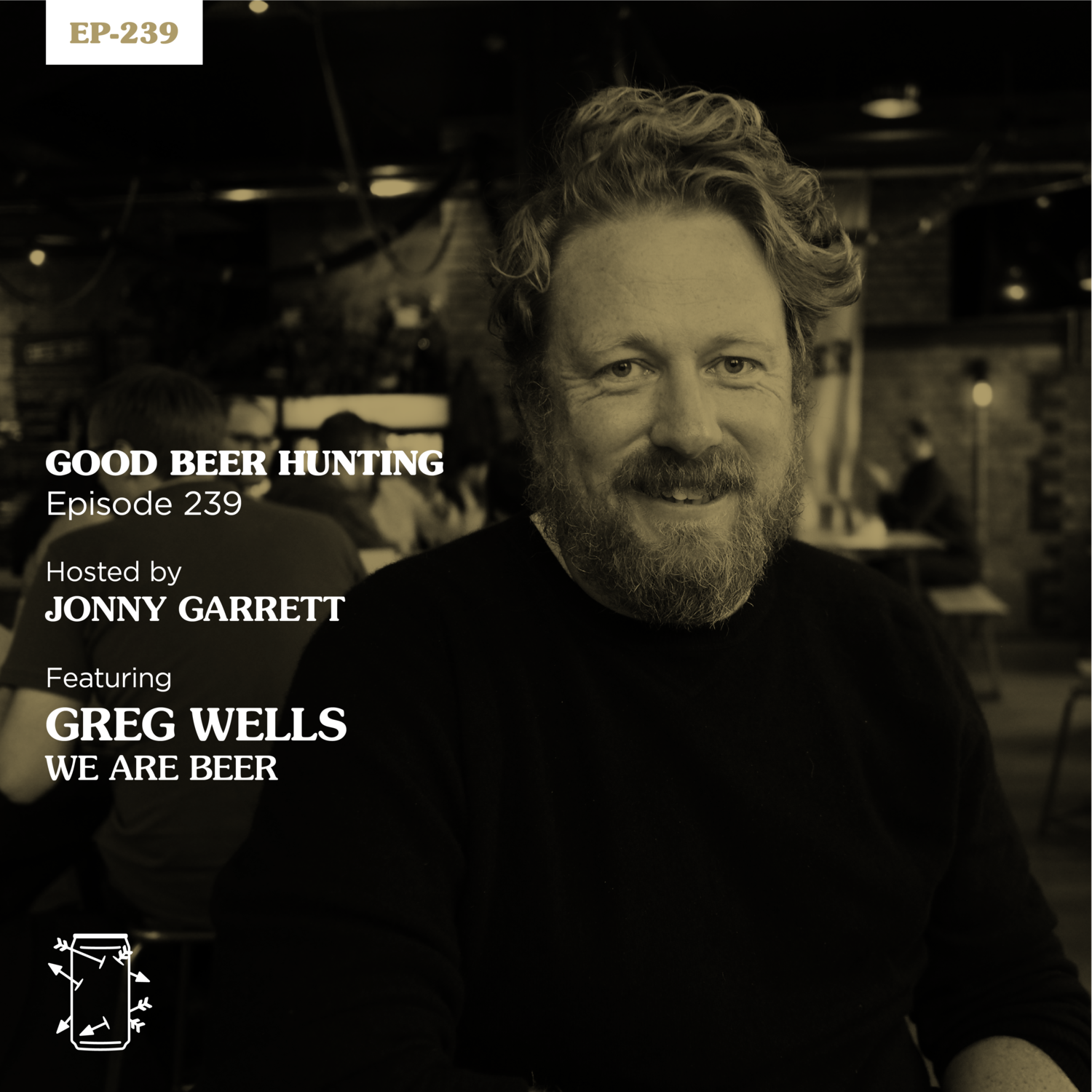
EP-239 Greg Wells of We Are Beer
I remember the first London Craft Beer Festival like it was yesterday. It was actually six years ago, but I distinctly recall the excited atmosphere, revelatory flavor of Pressure Drop's new foraged Hefeweizen, and the look on my friend's face as he tried his first Saison. It's easy to recall because it felt like the start of something—not just for the festival itself, but the beer industry. It was just one small room, a few hundred people, and a handful of volunteers, but many of the young brewers pouring beers would go on to run multi-million-pound companies. I'll let founder Greg Wells tell the origin story himself, but it's as organic, chaotic, and risky as any brewery launch would be. In the time since, however, the London Craft Beer Festival has grown to welcome over 9,000 people every year, and has sprouted offshoots in Edinburgh, Bristol, and Birmingham, with more destinations in the pipeline. With business partner Dan Sylvester, Wells went on to form We Are Beer, an umbrella company that is close to becoming a multi-million-pound concern itself. As the company grows, Wells has found himself fighting to keep the fresh experience of that first festival—to retain the sense of excitement and wonder for those who are new to beer, while making sure those deeper into the scene have plenty new to see, too. We talk about how he has brought in other cultures and ideas, tried to encourage diversity, and support the brewers who want to grow—all with the aim of helping good beer reach the mainstream. While doing this, Wells has had to balance his deep love of beer with making a profit, and we spend a lot of time talking about the conflict that creates, including their decision to allow breweries who sell to multinationals to still attend, and to take sponsorship from a Heineken subsidiary. All this to say, running a beer festival—indeed four of them—isn't half as easy as many revelers might think, but it's a vital part of beer's battle to reach and convert new drinkers. This is Greg Wells of We Are Beer. Listen in.
OL-001 Mark Spence Reads The First Entry from his Blog Called, "Beer is Offal"
This is GBH Out Loud, a new series where we invite authors and staff members to read their favorite articles out loud, and provide tidbits and secret stories about the work that went into producing them. I'm Ashley Rodriguez. Today you'll hear Mark Spence read the first entry in his new blog, Beer is Offal called, "Fuck it, Let's Go," published on Good Beer Hunting on September 13, 2019. Beer is Offal is a food blog—treating life like four burners and a hot oven. And it goes beyond just talking about food. It's emotional, it's captivating, and it finds deep connections between ourselves and the things we choose to eat. Expect to see entries on our website monthly. This is Mark Spence, reading the first entry of his blog, Beer is Offal called, "Fuck it, Let's Go." Listen in.

EP-238 Sarah Bennett, beer and food writer
ETake it from me: Journalism, as a career, is a difficult one to hold in 2019's socio, political, and economic climate. For some though, like today's guest, LA-area writer and editor Sarah Bennett, it's way more than a job. It's how to support her community and the underrepresented voices within it. It's a way to elevate those who really keep Los Angeles great. Sarah was formerly a beer and arts contributor to LA Weekly, the premiere Southern California alt weekly publication. But that was before the magazine was purchased by a shadowy, allegedly politically-motivated group of investors who wound up firing most of the weekly's in-house staff. Since then, the new LA Weekly has invoked the ire of many in the independent journalism world. Quickly, a group of expat writers and editors regrouped, and created their own new home in a quarterly magazine called The LAnd, where Sarah serves as managing editor. But it's hardly her only hustle. Sarah also works as editor at the Long Beach Post, a city publication chronicling the happenings of the large but relatively insular Long Beach community. Here, Bennett studies local restaurants, and, very importantly, beer, among a few other things. Months ago, Sarah asked me to appear at the California Craft Beer Summit to discuss beer and journalism with other beer writers and gathered brewers. A few hours before the panel was due to begin, I asked her to give me her thoughts on all things community, city life, beer, and journalism. What she said echoed part of The LAnd's mission statement: "Angelenos deserve vigorous reporting and thoughtful writing." This is Sarah Bennett, beer and food writer and editor. Listen in.
FF-025 Jim Plachy makes skin contact, is an acclaimed brewer
EWelcome to another Fervent Few episode of the Good Beer Hunting podcast where myself, Jim Plachy, and GBH's strategic director, Michael Kiser, catch up. We'll talk about the topics and discussions that took place in our membership community in the last couple weeks. Our 500 or so subscribers are scattered all over the world. Sometimes we meet up with them when we're on the road, or they hang out with each other, but it all comes together in our community forum on Slack. If you value the content and experiences that GBH produces, you should join. Your monthly subscription gets you access to the community, special events, and exclusive gear deigned just for members. I joined, and now I manage it all. Plus, it's my favorite place on the Beer Internet. Visit goodbeerhunting.com/ferventfew to strike up a conversation in beer.

EP-237 Amie Fields of Botanist & Barrel Cidery & Winery
EHard seltzer aside, conversations around the alcohol industry still tend to circle the trio of beer, wine, and spirits. Flavored malt beverages, like those seltzers, have recently entered our lexicon, but what about cider? It feels like discussions about cider as the next big step in booze happened far in the past—it might only have been a few years ago, but that timeframe can feel far extended in beer years. While major cider labels like Angry Orchard, Crispin, Woodchuck, and others have slowly given away a little of their market share, local and regional cider brands have been on fire in recent years. "Macro" versions of the drink have shown double-digit losses around the country for a while, while the more local counterparts have seen the exact opposite, growing in the teens pretty much anywhere you might shop for the apple-based, alcoholic drink. In this episode of the podcast, we're going down to the orchard with Amie Fields, the sales manager and a partner at Cedar Grove, North Carolina's Botanist & Barrel, a cidery and winery. As a self-described "experimental" fermentation company, Botanist & Barrel's business model wouldn't sound too out of place if you transferred the idea to a brewery. The Botanist & Barrel team focuses on how one-off and specialty batches react with different fruit, and age their ciders in a variety of wooden casks as a way to lend nuance and terroir to a drink many consumers may think of in terms of a straightforward, sugary-sweet beverage. There's a lot of ground to cover with Amie, and if you're not a cider drinker, this conversation gives you a peek behind the curtain of what that side of the beverage alcohol industry is like right now. Amie sheds light on what it means to convince people to think differently about cider, the challenges of selling the product, and what a career in wine has provided her as she finds new ways to talk about cider, whether bottled for special occasions, or canned for more casual buyers. It's always good to step outside our areas of expertise, and I hope you pick up insight into the cider category you didn't know about before. Amie's perspective was incredibly valuable to me, particularly in the context of learning about a category we don't often consider. This is Amie Fields of Botanist & Barrel. Listen in.

CL-035 Evan Rail Questions a Budweiser by Any Other Name
EFor this Collective episode, I'm talking to writer Evan Rail. Evan is based in Prague, and has become more active with Good Beer Hunting as we increasingly look beyond the U.S. beer market and bring you stories from around the world. Evan has a unique perspective, having grown up in Fresno, California, and later relocated to the Czech Republic. For us he's an essential voice: both because he has an endless curiosity about European beer history, but also because his work ethic motivates him beyond the obvious headline—and pushes him to look for the thing that's just out of sight, around the corner, or behind the next door. His interview technique pulls out remarkable stories from people you'd otherwise rarely hear from. And in the end, he understand a story's place in a publication like Good Beer Hunting, which is still, and probably always will be, a U.S.-minded publication to one degree or another. Not many writers can do all that. And that's how we ended up talking today—because all those factors came together in a recent piece about the long, weird, and newly complicated story of the Budweiser trademark. It involves a tiny town in the Czech Republic, and the world's largest-ever brewing conglomerate, AB InBev. We discuss the process of writing that piece, Evan's approach to interviewing, and mention a couple other things coming up with Evan that you'll want to look out for. This is Evan Rail, GBH contributor and beer writer based in Prague. Listen in.
CL-034 David Faris Gets Kicked Out of His Apartment, Starts a Politics Podcast
What does beer have to do with politics? It's a simple enough question. And some would argue that beer has nothing to do with politics—the two should remain totally separate. Here at Good Beer Hunting, that idea has never really sat well with us. So instead of staying away from politics, we invited it in. After a particularly low day—the 2016 election, GBH founder Michael Kiser was talking to his neighbor, David Faris. David lived just above the GBH studios, then in Logan Square in Chicago, and was absolutely devastated by the results of the election. So, after a few beers, they decided they wanted to create something new. In January of this year, David and Michael, with some help from me along the way, launched Electing to Drink, a podcast that invites progressive thinkers, writers, and elected officials to talk about the topics they're excited about while sharing a beer with us. Part catharsis, part town hall, what makes Electing to Drink so special is David. He's uniquely positioned to go into the depths of political discourse while still making information accessible and useful for most people. This isn't a show where David invites progressive big wigs to yell ideological nonsense at you—it's a show where you can sit back, grab a drink, and feel like you're amongst friends, just discussing some of the most important ideas driving society. Here's David Faris, host of Electing to Drink. Listen in.
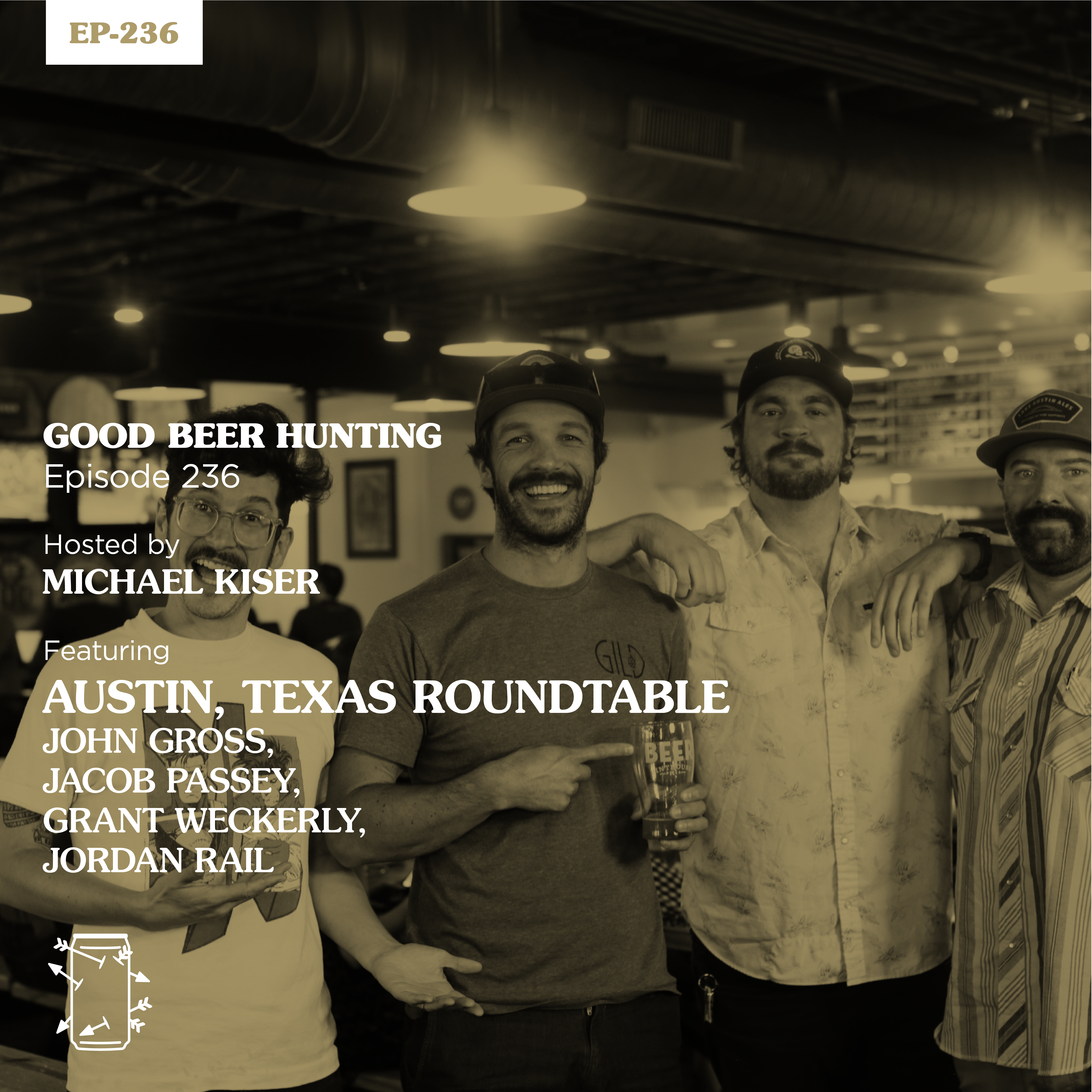
EP-236 Austin, Texas Roundtable
Today's episode is a bit of an ensemble cast. With the limited time I had in Austin, Texas, I wanted to get some quick and clear perspective on the city's scene, both past and present. To that end, I collected a few fast friends along the way, and gathered them all at Pinthouse Pizza, one of the city's more contemporary craft brewers. A recent legislative session saw some massive changes to Texas' beer laws make it through intact, much to the shock of some Guild members and beer fans. With a couple weeks to go before the beer-to-go laws go into effect, it was the perfect time to host this roundtable of sorts. We have John Gross of the Alamo Drafthouse; Jordan Rail, director of sales for Lake Austin Ales; Grant Weckerly, head of marketing at Pinthouse Pizza; and Jacob Passey, head brewer of Pinthouse Pizza. We grabbed a picnic table and some mics—all hand-held by me for the duration, so forgive a little of my shuffling and the background noise on this one. Special thanks to our sound engineer Jordan Stalling for making this a decent listen. This is the Good Beer Hunting podcast. Listen in.
CL-033 Gray Chapman Learns About Cities, One Spirit at at Time
I live in Chicago, and there's this liquor—maybe some of you have heard of it—called Malort, which is made from wormwood. If you ask anyone in Chicago what their local spirit is, they'd point to Malort, perhaps tricking their own of town friends to take a straight shot of it when they come to visit the city. And everyone knows how hard it is to drink Malort. Even the founder, Carl Jeppson, was known to be quoted saying, "'My Malort is produced for that unique group of drinkers who disdain light flavor or neutral spirits.' It is not possible to forget our two-fisted liquor. The taste just lingers and lasts – seemingly forever. The first shot is hard to swallow! Perservere [sic]. Make it past two 'shock-glasses' and with the third you could be ours... forever." Some would say that this—this sentiment—is a perfect encapsulation of the people of Chicago. Perhaps not for everyone on the first sip, but they grow on you with time. Other might find that comparison silly, but it's interesting to figure out what a city's chosen liquor says about the city's history and spirit. In this episode of the GBH Collective, I interview Gray Chapman, a freelance writer and frequent GBH contributor. She's launching a new series for us called, "beer and a shot," profiling the relationship between bartenders, spirits, and their relationships to the cities they inhabit. In this six part series, made in partnership with Miller High Life, Gray will write about a different city and a different bartender, and we'll learn about a city's culture through its choice of spirit a couple ounces at a time. This is Gray Chapman, GBH contributor. Listen in.

EP-235 Josh Hare of Hops and Grain
EToday's guest was a must-see during our time in Austin, Texas. Josh Hare is the lone founder of Hops and Grain Brewing. He's an avid cyclist, and a massive Lager advocate. He's long been one of those Twitter handles that I was attracted to—his rational, skeptical voice stands out within an industry that can sometimes be an irrational, cynical place. He's a breath of fresh air. And back in 2017, he became a member of our subscriber community, The Fervent Few. In fact, he was the very first pro-tier subscriber we ever got, and he's been there ever since. Another thing that makes Josh interesting—particularly at a time when most craft breweries are starting with small teams, or at least co-founders with complementary skill-sets—is that he took the plunge himself. That changes a lot of the dynamics related to the kind of team he needed to build, as well as the responsibilities that fall on him in a small, growing brewery. We're going to spend a good deal of time digging into the implications of that emotionally, psychologically, physically, and strategically. We're also going to talk about the state of Austin beer. Josh's next move has him looking at San Marcos for a second location as he contemplates the meaning behind, and the opportunity for, community-building in the area. And finally, we get into his wild program. As Texas laws have recently changed to allow beer to go, the opportunity for small-batch, specialty releases is a new frontier for a brewery like Hops and Grain. And the things in store there are delicious. This is Josh Hare of Hops and Grain Brewing. Listen in.
Into the Wild: Austin
Welcome to the third episode of Into the Wild—part of our six-city tour across the U.S. this year with New Belgium Brewing. I'm Ashley Rodriguez, and together with Good Beer Hunting's creative director Michael Kiser and studio designer Cooper Foszcz, I recently headed to Austin, Texas, for three days of great food, hot days, and unique events celebrating the specialness of wild and sour beers. It was 100° Fahrenheit during the three days we were in Austin—and yet, everywhere we went, folks poured out onto patios, people ate and drank outside, and everyone was just as friendly as you'd imagine. We partnered with some of the best restaurants, bars, and folks that make the Austin food and beverage scene unique. On the one hand, Austin features bars, institutions with storied pasts, and streets lined with neon signs that are reminiscent of a past era. On the other, owing to its the growing population, the city is relatively accessible for those who want to push new ideas. This straddling of old and new—which Austin seems to do effortlessly—made it the perfect place to pour wild and sour beers from New Belgium. It was a celebration of craft and tradition, and an homage to creativity and new ideas. In the beginning of the show, you hear from New Belgium's wood cellar director Lauren Limbach, who's addressing attendees at a beer dinner. You also hear a little bit from the band Shotgun Friday, who played music and told wild stories—perhaps even wilder than the beers—throughout the event. Later, you'll hear Lauren again. But let's start with the very first event of the tour: a dinner called Sacred and Profane held at The Brewer's Table, highlighting the power and possibility of fermentation. Come along as we walk you through our weekend of wild beers, sweltering days, and weird times. This is Good Beer Hunting's Into the Wild podcast. Listen in.
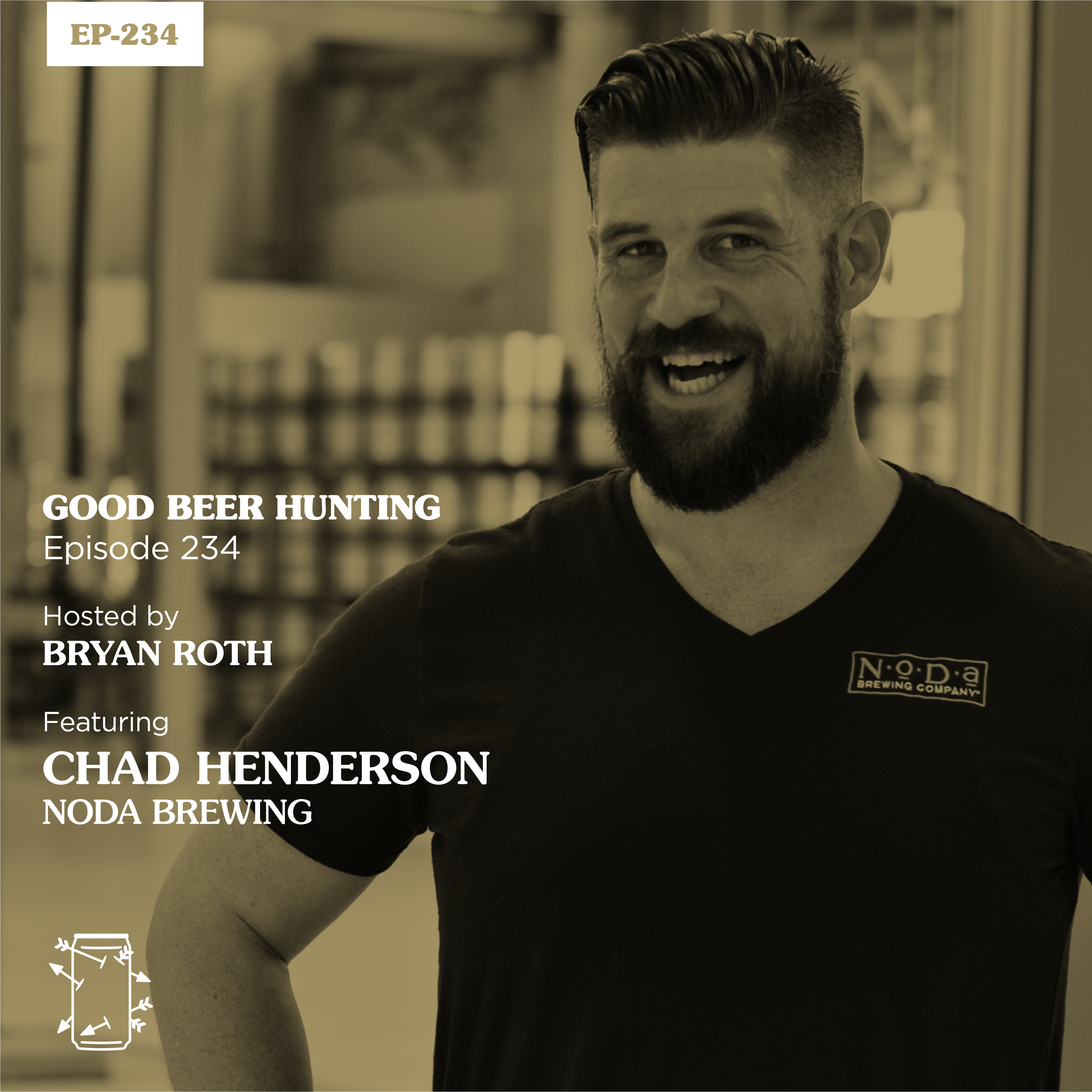
EP-234 Chad Henderson of NoDa Brewing Company
EFounders' All Day IPA. Firestone Walker's 805 Blonde Ale. Victory's Golden Monkey Tripel. These are all examples of brands that have shaped bottom lines and shifted futures for some of the country's biggest breweries. For most of them, that runaway success and influence came about serendipitously. These are business-altering beers that now steer the course of their respective companies—and there are plenty of other examples of similar players scattered across the country. In today's podcast, we're going to hear about one of those—and how in 2014, an IPA from a 9,000-barrel brewery in Charlotte, North Carolina, completely changed the trajectory of the personal and professional life of its head brewer, Chad Henderson. That beer is NoDa Brewing Company's Hop, Drop 'n Roll, the 2014 World Beer Cup gold medal winner in the American-Style IPA category. It's a West Coast IPA that continues to move fast to this day, even in an era of hazy, juicy counterparts. Five years ago, when some kind of monumental success at the bi-annual, global competition was the last thing Chad was expecting, his world got turned upside down. In this conversation, we follow this path of how a single beer changed so much for Chad, NoDa's co-owners Todd and Suzie Ford, and the brewery itself. From sales, to quality control, to management of the NoDa beer portfolio, Hop, Drop 'n Roll is a continuous thread that runs through it all. It helped push the brewery to almost 16,000 BBLs' of production last year. And, perhaps unsurprisingly, we'll also mention a little about making hard seltzer, too. After all, if you're talking IPA, you might as well hit on one of the other most important categories impacting beer and breweries in 2019. For now, let's shift to hops. This is Chad Henderson, head brewer and co-owner of NoDa Brewing Company. Listen in.

CL-032 Lily Waite Uses All The Salt and Butter
EWelcome to the Good Beer Hunting Collective podcast, the show where members of our team interview each other to get the behind-the-scenes look at some of our favorite articles. I'm Claire Bullen and I'm the Editor in Chief at Good Beer Hunting. I have an almost endless appetite—no pun intended—for stories about food and beer. This isn't particularly surprising, given the fact that I wrote a cookbook on the subject, The Beer Lover's Table, earlier this year. At risk of sounding like an evangelist, I think beer is such a natural at the table—so versatile, so flexible, so broad—that it feels like a real shame that we still ascribe dinner-party dominance to wine. That's why Good Beer Hunting's recently revived Provisions column fills me with such hope. Beyond one-to-one beer and food pairings, and recipes, our Provisions pieces celebrate the way that beer organically fits into a meal. Many of our writers and readers are as passionate about good food as they are good beer, and so the two frequently and naturally intersect in our lives. Provisions aims to capture these memorable moments of hospitality—the stories and travels and friendships that lead up to special, beer-centric meals along the way. And so, when Lily Waite, one of Good Beer Hunting's London-based staff writers, recently pitched me a fantastical Provisions story featuring Cornish fishing trips and wild foraging sessions and multi-course beer-and-seafood feasts, I couldn't wait to read the end result. Her final piece, and its accompanying photos, was as exquisite as expected—Lily is a true polymath. In addition to being an exceptional writer, photographer, artist, and cook, she's also the visionary behind the Queer Brewing Project, a non-profit, collaborative brewing project that supports LGBTQ+ voices and visibility in the beer and brewing industries. In this conversation, we talk about how a brewery visit turned into an unplanned fishing trip, which in turn yielded an extraordinary meal. We also talk about Lily's various creative endeavors, from pottery classes to brew days. Here's Lily Waite. Listen in.
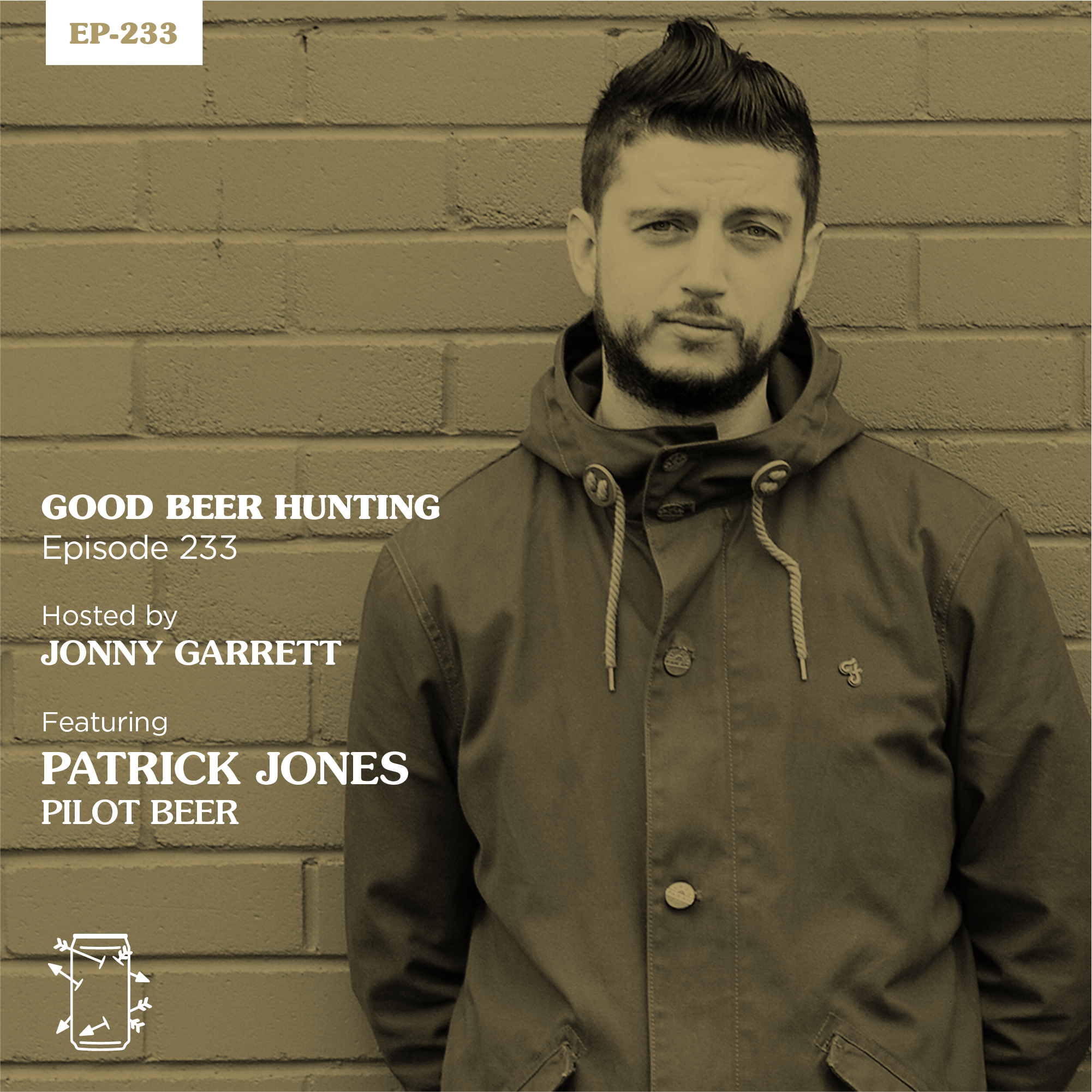
EP-233 Patrick Jones of Pilot Beer
EEven if you barely dip your toe in the shark-infested waters of Beer Twitter, there's a chance you've heard of Pilot Beer. You don't even have to follow the brewery for it to regularly hit your timeline, as its pithy, satirical, and self-deprecating posts are retweeted and liked hundreds of times. So you'd be forgiven for thinking that Pilot is much bigger than it is. It's still a five-man operation and its Twitter account is more an extension of one of the founder's personalities than any attempt at a social-media strategy. In fact, cofounder Patrick Jones is as surprised and delighted as anyone about the success they have found online by tweeting things like: "We're only stuck with this stupid brewery because of a typo when we tried selling a load of artisan bees." The irony is the brewery still sells almost all of its beer in its hometown of Leith, a port suburb of Edinburgh. Despite being part of the inner Twitter bubble, its beer doesn't reach many markets, and the dry, session styles it brews certainly don't cater to them either. We caught up at the London Craft Beer Festival, an event Patrick freely admits he and Pilot wouldn't have been invited to if it weren't for their social presence. The party hasn't started yet and they're still setting up—so excuse the old bang or rumble—but it was heartening to see how Pilot's session beers were loved by the public later on, despite their stall being opposite some of the buzzy American brewers. It turns out if you talk honestly and with humor, session beer and open conversation are all you really need. This is Patrick Jones of Pilot Beer. Listen in.
SL-013 There's More to Beer Than Hops, You Know
EWelcome to the Sightlines podcast from Good Beer Hunting. I'm Bryan Roth. If there were ever a defining slogan to sum up the past decade in American craft beer, "hops rule everything around me" may be a good fit. Pale Ales begat IPAs in all their bitter, then fruity, then juicy, then hazy glory, pushing sales and success for many businesses. IPAs, quite frankly, are driving key growth, but they're also just one style—or collection of styles, depending on how you think about them—among so many other possibilities. So as beer lovers, industry professionals, or members of the media, we talk a lot about hops … but what about everything else? Other ingredients are just as essential in bringing a beer to life, and in a world of hoppiness, there are some who are trying to find ways to bring attention back to these lesser-appreciated pieces of the fermented puzzle. In this episode, we're talking with two people who spend a lot of time thinking about "not hops." They're trying to redefine how drinkers may learn about beer, as well as bring new appreciation for the locality and specialness of the other ingredients that act as the backbone and soul of every pint. This is the Sightlines podcast. Listen in.
EP-232 Lucia Solis of Luxia Coffee Solutions
ECoffee starts its life as the seed of a cherry. You wouldn't think that when you look at a bag of beans, but there's a whole process that coffee goes through before it gets to you. It's picked, it's washed, it's milled, it's shipped, it travels across the globe—and that's all before it's roasted, packaged, and brewed by your favorite barista. Somewhere in the middle of all that, coffee hangs out with a bunch of yeast. Lucia Solis is a coffee fermentation expert—probably not a job you dreamed about in school or even knew existed, but her job can make a coffee go from just OK to excellent. She started her career studying viticulture at the University of California, Davis, and was a winemaker before jumping into the world of coffee. She was able to use her training to explore a big gap in the coffee industry. Solis is interested in "processing," which refers to how the layers around a coffee seed are removed, and how the sugars and starches surrounding the bean interact with yeasts and other bacteria. She visits coffee farms around the world and helps producers control consistency and cup quality through understanding what's happening on the micro level—and investigating how yeasts can transform the flavor of coffee. It's a scary topic, thinking about yeasts in your coffee, but there are a lot of similarities between the role of yeasts in both beer and coffee. Solis was one of my main sources in an article I wrote for our Uppers and Downers series on lactic acid fermentation, a series that explores big topics relevant to both the beer and coffee industries, and her insights helped elucidate just how important microbiology is to the future of coffee. Solis is continuing to expand her scope, and recently gave a talk called "Worms and Germs," which discussed how soil health can improve fermentation. We sat down to chat after one of these talks, and in our conversation, we dive deep into chemistry, the fundamentals of coffee farming, and how we're constantly interacting with the microscopic world around us. This is Lucia Solis, coffee fermentation expert. Listen in.
EP-231 Sam Gilbert of Temescal Brewing
EThere are easy topics brewery owners love to talk about to promote themselves: interesting beer releases, charity work, GABF awards, or cheeky packaging. And then there are other, much stickier issues most avoid addressing: gentrification, racism and sexism in the industry; labor; and a brewery's moral responsibility to its community and the people within it. Sam Gilbert, who co-founded Oakland's Temescal Brewing about three years ago in the neighborhood with which it shares a name, doesn't shy away from such difficult conversations. Oakland's changing, and it's well past time to talk about it. Temescal Brewing came into existence in great part because of the community it now counts as patrons. A successful crowdfunding campaign helped the brewery get off the ground, and Gilbert hasn't forgotten the significance of that. Since then, Temescal has prioritized hiring hyperlocal residents, hosting regular LGBT-focused bashes, and proactively reaching out to communities less frequently seen in your standard brewery taproom. But the vibes aren't always positive. Sometimes, being a good neighbor can be much less fun, as when AB InBev announced an intention to open a Golden Road taproom not far from Temescal's brewhouse. Gilbert, like others in the Oakland craft beer scene, was outspoken against the idea. Ultimately, the plan was quashed, and some believe it was in large part due to vocal critics like Gilbert, and to Oakland's anti-corporate ideologies. All of this is to say nothing of the beer. Temescal is frequently cited as one of Bay Area drinkers' favorite breweries, and its focus on soft, nuanced, and low-ABV styles (and in particular Pilsners) has made fans out of the pickiest consumers. It's becoming increasingly common to see the brewery's brightly colored cans in fridges around the Bay. There's a reason Temescal's reputation is as colorful as its approachable, pastel-splashed taproom. It aims for inclusion. And it lives by the motto: "No jerks." This is Sam Gilbert of Temescal Brewing. Listen in.

CL-031 Sean McEmerson is Afraid You Won't Understand a Word He Says
One of my favorite things about industries like ours (beer, wine, food and drink) is the sense of community that springs up around them. People find others who want to talk about what excites them—and one of those communities is The Fervent Few. Initially a group of beer enthusiasts, The Fervent Few has transformed into a lively corner of the internet that explores the world of beer in a way that's nuanced, considered, and honest. The Fervent Few is a paid-membership community, with its own Slack channel (if you're unfamiliar, think of Slack as the modern-day version of a chatroom, where people talk and share ideas), and we're always surprised by the conversations that happen there. People aren't just talking about beer: they're sharing the passions and hobbies that shape their lives. One of the Slack channels that gets a lot of traffic is the photography section. Folks take pictures of beers, taprooms, and anything else they find interesting, and we've found a lot of new GBH contributors through this channel. One of those people who recently made the jump from Fervent Few member to contributor is Sean McEmerson, originally from Scotland and now residing in East London. As someone who made a not-so-dissimilar jump from podcaster to GBH writer and producer, I wanted to talk to Sean about how he got into beer and what fueled his interest to learn more and join a community like The Fervent Few. Sean recently published his first piece with us—it's part of our b-Roll series, where we showcase photos of everyday life from members of our team—and I learned that, even once you get your work published somewhere, it's still hard to make the jump that you've done it: you're a photographer now. This conversation was pretty straightforward, and you don't need to have read any articles or know anything ahead of time to understand what we're talking about. Instead, you'll hear two folks talking about their beginnings in beer, a little bit about street photography, and how passion and interest can take you down new and exciting pathways. Here's Sean McEmerson. Listen in.
Introducing Electing to Drink
EToday, we bring you an episode of Good Beer Hunting's newest show, Electing to Drink. Hosted by author and professor David Faris and produced by GBH, Electing to Drink explores progressive politics, personalities and policies over a guest's favorite beer. This is Electing to Drink. Listen in. Subscribe to Electing to Drink on iTunes, Spotify, or wherever you get podcasts.

Into The Wild: Bay Area
EWelcome to the second episode of Into the Wild—part of our six-city tour across the U.S. with New Belgium Brewing this year. This episode comes out of our experiences in the Bay Area, San Francisco and the East Bay, where we partnered with a few restaurants, bars, and special people therein to produce some of the best and most unique experiences I've ever had around food and beverages. And that's the whole idea here—to put wild and sour beer into a context that's either entirely unprecedented or, if it's familiar (like a beer dinner), to take it to a level that's rarely seen. First, you'll hear from New Belgium's Lauren Limbach, who brings people together at City Beer Store in San Francisco for a sensory tasting—which we jokingly called a "sensory deprivation tasting"—because her goal was to expose how much precondition we bring to every sip we take. In this podcast, we follow Lauren and other folks we met along the way, chronicling our weekend of eating, drinking, and learning. But first, I wanted to let you know about our next stop in Austin, Texas on August 14th through 16th, which will feature a fermentation-forward dinner, beer, and art experience at The Brewer's Table called Sacred & Profane with Jason White (who's formerly of the Noma Fermentation Lab in Copenhagen). Then we're heading over to the Brew & Brew for a dance party with Wild Ale, so if you're more interested in the fun side of things, that's certainly for you. Finally, we're bringing Wild Ale to the people with a food truck dinner at Draft House. It's three days and three entirely unique events in Austin, and if you're in the area or want to be, we hope you join us for that leg of the tour. This is Good Beer Hunting's Into the Wild podcast. Listen in.
CL-030 Stan Hieronymus has a lot of bottle openers to tell you about
EWelcome to the Good Beer Hunting Collective podcast, the show where members of our team interview each other to get a behind-the-scenes look at some of our favorite articles. I'm Bryan Roth, and I'm the Sightlines editor for Good Beer Hunting. Whether you're a beer drinker or an industry pro, chances are you may have heard someone talking about "innovation" in beer. Usually, that means a brewery is releasing a new beer, sometimes a new style it hasn't made before, or using a novel technique, or ingredient. It's a word that gets thrown around a lot for a product that's existed for, well, thousands of years. That's not to take away from all the incredible changes, old and new, that take place in beer—but in today's Collective podcast, we're talking about literal invention. In his latest piece for Good Beer Hunting, Stan Hieronymus shares the story, "There's a Beer Patent for That — A Brief History of Curious Beer Ideas." It's his second story for Good Beer Hunting's Mother of Invention series, which is told in collaboration with Guinness. In his story on patents, Stan looks at the history of beer, and the variety of people who have applied to get their creations protected through a longstanding government process. It's a way to ensure that a creator's ideas and intellectual property stay with them. Stan pored over a treasure trove of beer patents to find the examples he shares in his story. Many were tracked down thanks to fellow writer Jay Brooks, who maintains a running collection of beer-related patents on his blog. Along with discussions with GBH editorial director Austin L. Ray (which also led to a previous piece on hop oils), it was Jay's digital cache that set Stan on his way in telling this story. This is the Good Beer Hunting Collective podcast. Listen in.

SL-012 Under The Influencers
ECraft beer has always had an uncomfortable relationship with marketing, Instagram and social media, and things like hype, status, and influencers. It's also long had an issue with women. Not just sexuality, but of course, also that. Not just gender and inclusion, but also that. Not just diversity and equality, but also that. In the most general, broad sense, craft beer (and beer in general), both culturally and as an industry, has long been a walled garden for men in the U.S. And over the past couple weeks, we saw that play out in a pretty specific, explicit fashion. Here's how it went down. - Links to the folks we spoke to: Zach Johnston, Senior Writer-at-Large for Uproxx Caitlin Johnson, beer blogger and content creator, @bigworldsmallgirl Megan Stone, brewer for Duclaw Brewing Co., @isbeeracar Alyssa Thorpe, head brewer for Jagged Mountain Craft Brewery, @southernbeergirl
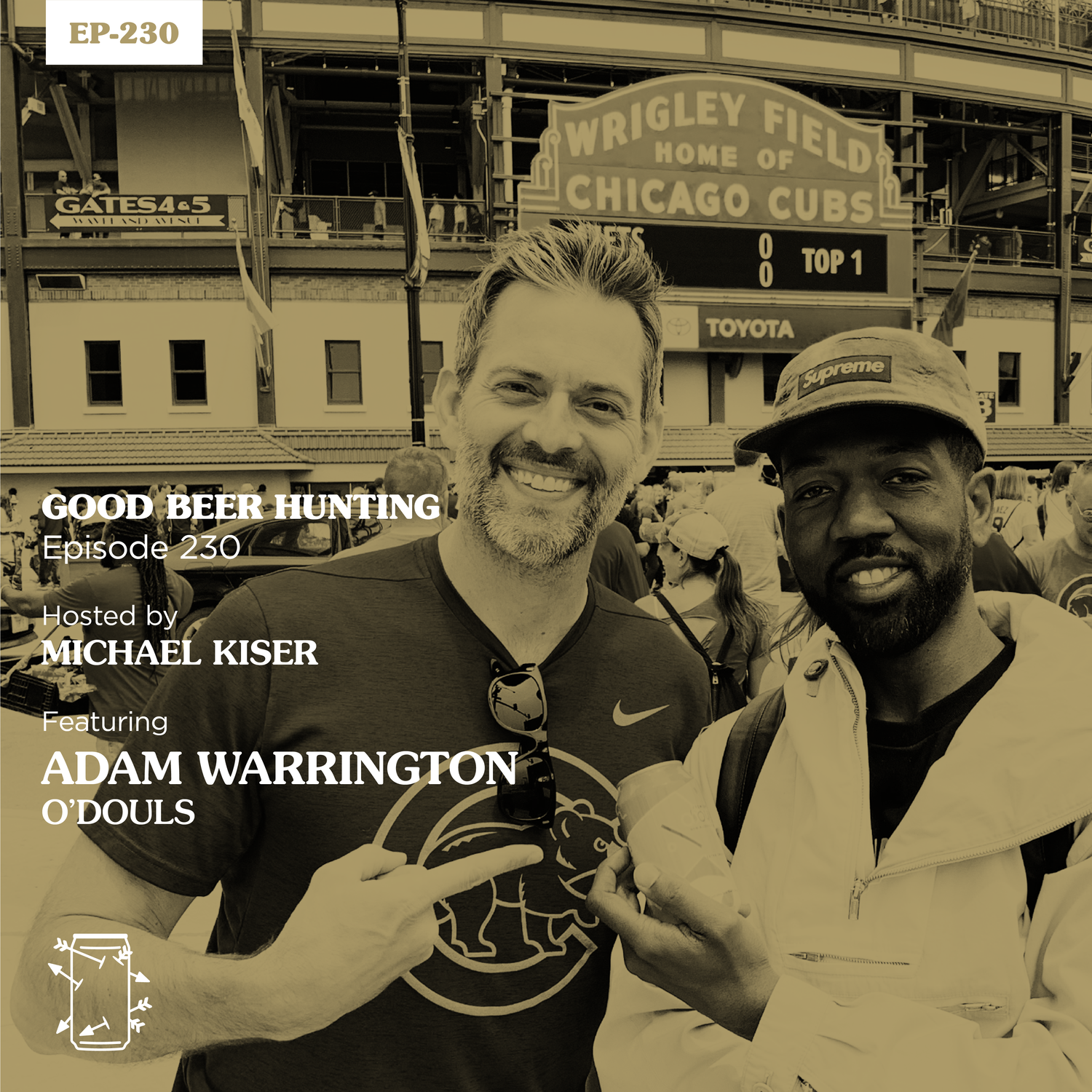
EP-230 Adam Warrington of O'Douls
EToday's conversation is another deep dive into a product that fits into the emerging "Better For You" category of low calorie beer and non-alcoholic beer, hard seltzers, kombucha, and whatnot that grocer stores are starting to organize their shelves around as drinkers start looking for options that satisfy that itch for a beer or a drink, but doesn't interrupt their flow. These kinds of drinks used to be seen as alternatives. Something you drank as a compromise when you really wanted something else. But as you'll hear today, these drinks are increasingly being seen as a primary option—something that's desirable and perfectly designed to fit what you want from a moment or an occasions. There have been dozens of articles written lately, published in places like the New York Times, about the increasingly popular sober lifestyle. What's behind that trend, and how big it is is entirely up for debate. In this conversation with Adam Warrington of AB InBev, who recently launched a new project with an old standby NA brand called O'Doul's, we try to get at the heart of the matter from a variety of directions. Health consciousness, designated driving and moderation in general, but also some of the newer social conventions that give NA beer new relevance, like social media, and our increasing desire to always be in control and well-presented to an imaginary audience. Think about it. If you got a little drunk 10 years ago and did something lame, maybe five of your friends were there to see it. But now, you could wind up being viewed by tens of thousands. Which has implications for everything we do—from how we decorate our apartments to the things we eat and drink, to the freedom we feel to let loose, or not, based on how vulnerable we feel This winds up being a very small part of the conversation today—this observation anxiety society we're all living in—but it was by far the biggest takeaway for me, and I can't stop thinking about it. How does the anxiety of being observed and exposed outside of our control play in to the decisions we make around food and beverage? There's a lot going on there, and non-alcoholic beer is perhaps a small sliver of that. But it's growing at an impressive rate. Are we ready for more emphasis on a sober lifestyle amongst the next generation? Are we ready for a more sober society in general? O'Douls and other emerging NA brands are getting ready. In fact, AB InBev and others think non-alcoholic and ver low alcoholic beer could be as big as 20% of their worldwide sales in the next 5 years. That's a very big bet they're all making. And most of us still think beers like O'douls are just that beer that sits low on the shelf in the back of the liquor store. How wrong we might be. This is Adam Warrington of AB InBev, listen in.
FF-024 Jim Plachy is so farm team he can't get into the beer cave
EWelcome to another Fervent Few episode of the Good Beer Hunting podcast where myself, Jim Plachy, and GBH's strategic director, Michael Kiser, catch up. We'll talk about the topics and discussions that took place in our membership community in the last couple weeks. Our 500 or so subscribers are scattered all over the world. Sometimes we meet up with them when we're on the road, or they hang out with each other, but it all comes together in our community forum on Slack. If you value the content and experiences that GBH produces, you should join. Your monthly subscription gets you access to the community, special events, and exclusive gear deigned just for members. I joined, and now I manage it all. Plus, it's my favorite place on the Beer Internet. Visit goodbeerhunting.com/ferventfew to strike up a conversation in beer.
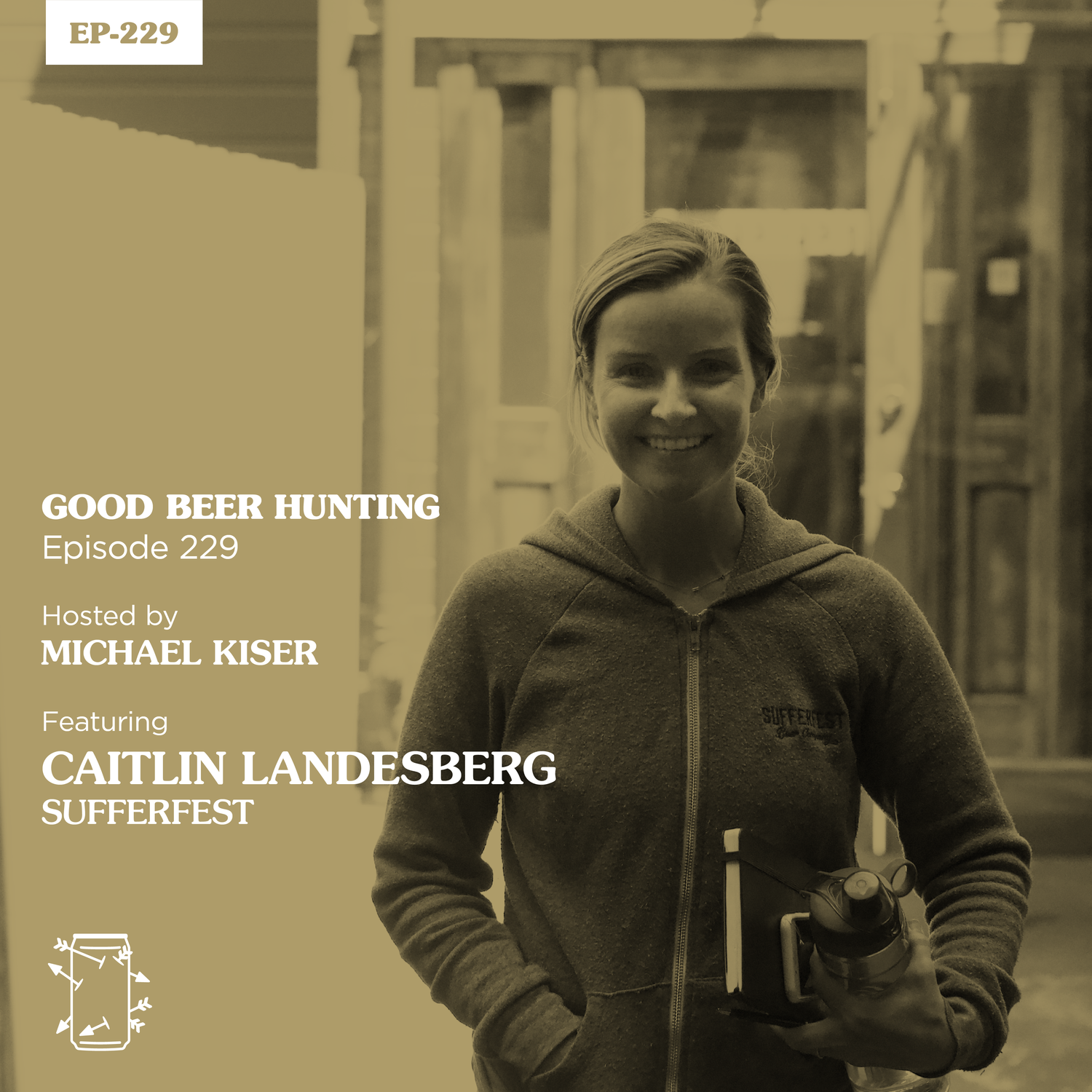
EP-229 Caitlin Landesberg of Sufferfest
EIf you haven't noticed, the world is starting to think about the role that craft beer plays in a healthy lifestyle. Is this a reaction to the Pastry Stouts and high ABVs of contemporary craft beer? Or is it part of a larger trend where drinkers want to know more about what's going into their bodies and how it impacts their lives? Anyone in the business of selling beer right now is talking about an emerging category known as "better for you," which covers everything from low-calorie craft beer and kombucha to hard seltzers and gluten-free or gluten-reduced beer. You've probably seen GBH reporting on Michelob Ultra, the low-calorie, low-carb front-runner, which is the fastest growing brand in beer history. Mich Ultra is sort of the tip of the spear for the category, giving corporate and craft brewers alike the confidence they need to explore some of these new directions for beer. But while most brands are focused on the functional components of these beers—touting low-calorie, low-ABV, and other benefits—very few of them have tried to build a community around their brands and lifestyles the way today's guest has. Caitlin Landesberg is the founder and CEO of Sufferfest, based in San Francisco. Her brand was born out of, and still lives in, athlete culture. As a former marketing executive in the fitness tech start-up world, Caitlin had a front-row seat to athletes' needs and motivations. And she was one herself. As a result of these interests, her homebrewing hobby took a radically different approach to beer making. She brewed for flavor, and fitness, and for a reduced-gluten profile. She used healthful ingredients and considered athletic occasions as prime beer-drinking moments. She should know—she loves to celebrate a win with a beer. A moment that she has dubbed "sufferfest"—hence the company name. This year, Caitlin and her team are making a massive transition, as they recently earned the attention of Sierra Nevada, who will now brew their beers. Sierra is also working to expand the distribution footprint of Sufferfest as a major new portfolio play. I've been working in and thinking about this "better-for-you" space for the last year on our studio side, helping our clients pivot and expand to new audiences interested in these beers. That plays into this conversation, and one way it shows up is that you'll mistakingly hear me refer to Sufferfest as part of the non-alcoholic, or NA, trend. It's not, though—Sufferfest's beers definitely have alcohol, and that mistake is just part of my brain blurring a few conversations I was having that day. So for clarity, Sufferfest beers are gluten-reduced, and offer a host of other benefits. This is Caitlin Landesberg of Sufferfest—listen in.
CL-029 Evan Rail hopes, after all, that the beer is really good
EWelcome to the Good Beer Hunting Collective podcast, the show where members of our team interview each other to get the behind the scenes look at some of our favorite articles. I'm Michael Kiser, and I'm the founder and director of Good Beer Hunting. And for today's conversation, I was also the photographer. I recently shot a unique story assignment in a remote corner of the Czech Republic, called South Moravia. South Moravia, as you'll hear, is a famous wine-producing region. And now, it's also home to one of the country's most wine-inspired brewers—Jitka Ilčíková of Wild Creatures. I was especially keen to go on this assignment because it meant rejoining my friend and colleague, Evan Rail, who lives in Prague. I've joined Evan on a few journeys, starting way back around 2013 in Prague and Pilsen, when he first took me to Pilsner Urquell, Kout na Šumavě, and beyond. On this trip we met in Budapest for a conference and hitched a ride from some brewers to Mikulov, where we planned to visit what might be the country's only wild ale producer. Listen in.
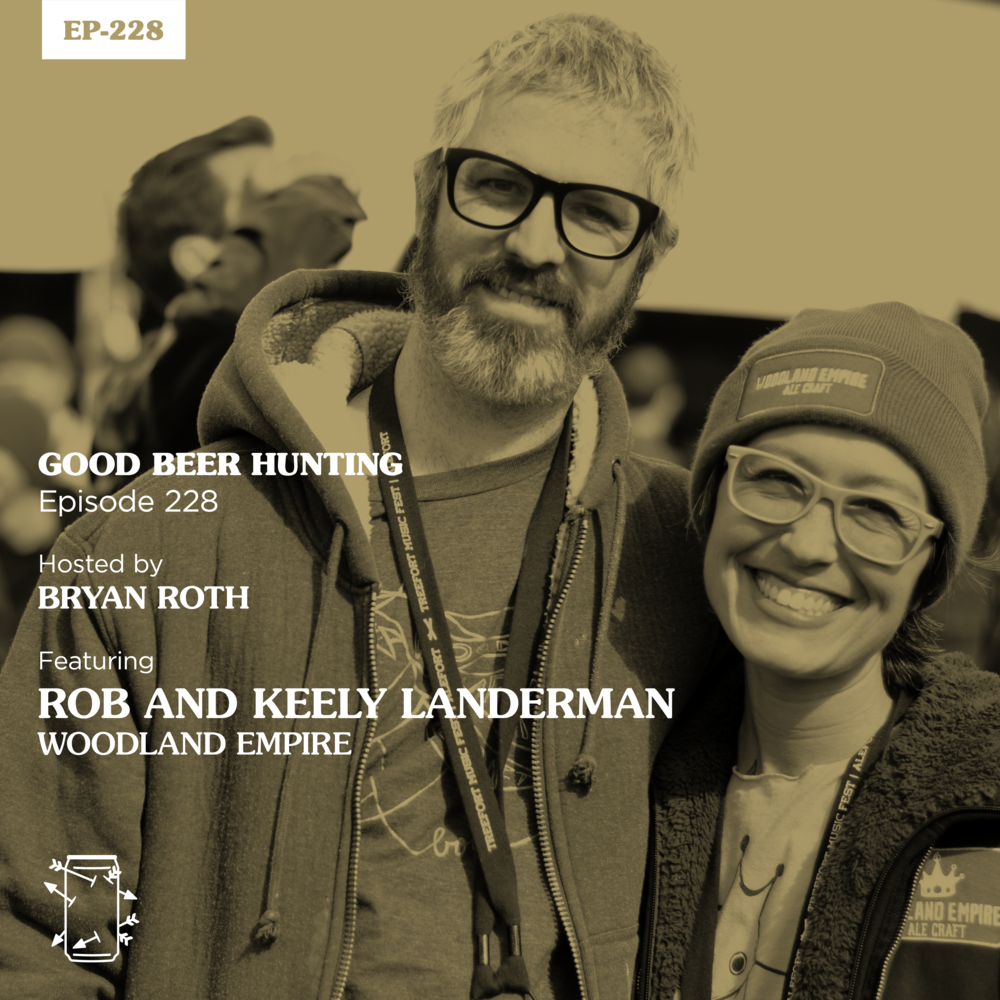
EP-228 Rob and Keely Landerman of Woodland Empire
EWhat's the balance between being a bit "punk" and also being a responsible business owner? You can probably find examples from a variety of companies in beer that straddle this line. In this podcast, you're hearing from the owners of one of them. At Boise, Idaho's Woodland Empire Ale Craft, founders Rob and Keely Landerman have long been said to produce some of the best beer in town. Online references started popping up not long after the brewery opened in 2014 ,and have picked up steam in recent years. But for this husband-and-wife duo, the focus behind the scenes hasn't been about chasing trends or finding ways to get high scores on rating platforms. As you'll hear in this conversation, a lot of it has to do with finding balance between pursuing their own passions and appreciations for beer alongside ways to address what drinkers are into at a certain moment. In one example, these factors can be seen by way of their Ada County Stout, a barrel-aged Imperial Stout created to specifically mimic Goose Island's Bourbon County Brand Stout in name and visuals. You'll hear the reasoning behind these decisions—and a variety of legal considerations that came along the way. There's also talk about how and why a need for certain hazy kinds of IPA came to be, and finding the right balance between brewing what you want and giving customers what they want, too. The pair share their path toward beer, which winds through the country's music scene, and how they ended up choosing Idaho as a place to base their entrepreneurial project. Their company hasn't been around for a long time, but it has played a part in helping to shape the next wave of Boise beer. This is Rob and Keely Landerman of Woodland Empire Ale Craft. Listen in.

FF-023 Jim Plachy is too expensive and stabs himself in the hand
EWelcome to another Fervent Few episode of the Good Beer Hunting podcast where myself, Jim Plachy, and GBH's strategic director, Michael Kiser, catch up. We'll talk about the topics and discussions that took place in our membership community in the last couple weeks. Our 500 or so subscribers are scattered all over the world. Sometimes we meet up with them when we're on the road, or they hang out with each other, but it all comes together in our community forum on Slack. If you value the content and experiences that GBH produces, you should join. Your monthly subscription gets you access to the community, special events, and exclusive gear deigned just for members. I joined, and now I manage it all. Plus, it's my favorite place on the Beer Internet. Visit goodbeerhunting.com/ferventfew to strike up a conversation in beer.
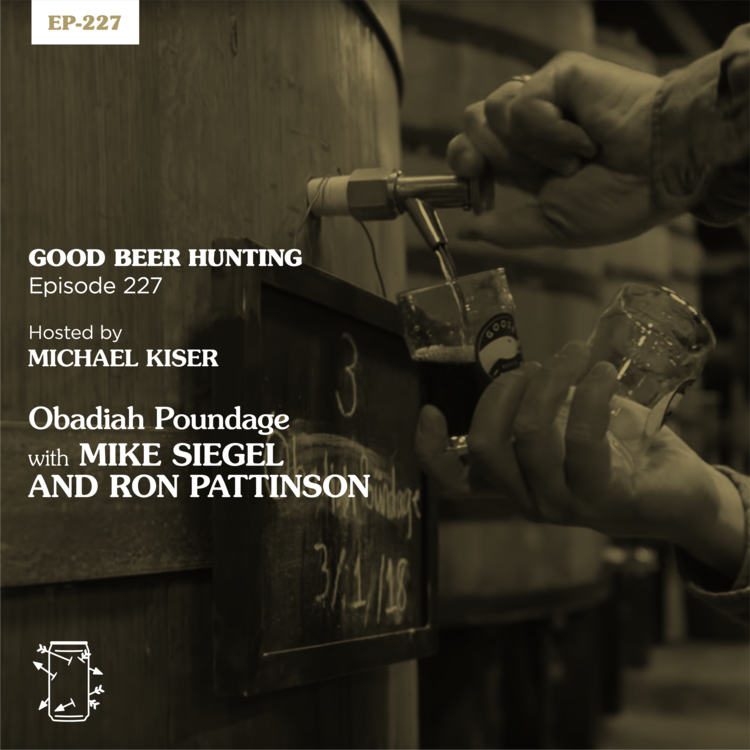
EP-227 Obadiah Poundage with Mike Siegel and Ron Pattinson
EToday's episode is the second we've done with this duo of Mike Siegel of Goose Island and Ron Pattinson, beer historian, writer, and a collaborator on a recipe revival project of sorts. Way back in 2016 we invited these two over to the studio to discuss their Brewery Yard Stock Pale Ale, a barrel-aged brett pale reminiscent of what a beer brewed in England over a century ago may have been like according to their research. Today's conversation is about a new beer called Obadiah Poundage, which isn't trying to replicate a recipe so much as try to approximate what a porter might have tasted like if it were brewed in London in 1840. These beers have both been fascinating, not only for their history and story, but the final product itself. They taste and feel familiar, but with an edge that's entirely foreign. Like a bizarro world version of a beer you think you know. Sometimes that's an ingredient choice, or a process decision, or in some cases, a fermentation character that's just slightly outside the norm. All of it adding up to a wholly enjoyable, yet intriguing version of, in this case, a porter. I love getting these two guys together—you can see the child-like excitement that comes out of their shared passion for these collaborations. It's a great reminder of how genuinely fun beer, brewing, and history can be when it all comes together in a project like this. This is Ron Pattinson and Mike Siegel, listen in.

Hāpi Festival and Symposium — Matt Tarpey of The Veil
EGarage Project's Hāpi Festival and Symposium was held earlier this year in the lead-up to New Zealand's hop harvest. The symposium and festival form the public-facing side of a hop-breeding initiative Garage Project has undertaken with New Zealand's Freestyle Farms, and with backing from the country's Ministry for Primary Industries. Over the course of a day in Wellington's famous Museum of New Zealand Te Papa Tongarewa, speakers such as Alexandra Nowell from Three Weavers Brewing Company, Matt Brynildson from Firestone Walker Brewing Company, and Paul Jones from Cloudwater Brew Co. gave talks with a focus on hops. Good Beer Hunting was there to capture a slice of the discussion. Afterwards, the invited breweries poured for a small festival of 1,000 people. It was a surreal situation: seeing world-renowned breweries like Trillium, Other Half, Hill Farmstead. Tired Hands and Cellarmaker serving beer in New Zealand's national museum. *** "Crucial Taunt" is a great name for a fictional band, a beer, and a hacky-sack team—at least that's what Matt Tarpey from The Veil and I decided when we caught up at the Hāpi Festival and Symposium. When I saw him pass me in the symposium hall, my immediate thought was, "Damn, that's a nice Veil jacket." Then I wondered why he looked familiar to me. It's because The Veil was profiled in 2016 on Good Beer Hunting, complete with some incredible photography from Cory Smith. That story went live soon after the brewery launched; since then, Matt's talents in the brewhouse have helped The Veil build a sterling reputation for hop-forward beers. In this fourth and final episode from our Hāpi Festival and Symposium, Matt also shares the story of his first helicopter experience, and even gives us a scoop on some expansion plans for the brewery. Listen in.

Hāpi Festival and Symposium — Andrew Bell of The Bruery
EGarage Project's Hāpi Festival and Symposium was held earlier this year in the lead-up to New Zealand's hop harvest. The symposium and festival form the public-facing side of a hop-breeding initiative Garage Project has undertaken with New Zealand's Freestyle Farms, and with backing from the country's Ministry for Primary Industries. Over the course of a day in Wellington's famous Museum of New Zealand Te Papa Tongarewa, speakers such as Alexandra Nowell from Three Weavers Brewing Company, Matt Brynildson from Firestone Walker Brewing Company, and Paul Jones from Cloudwater Brew Co. gave talks with a focus on hops. Good Beer Hunting was there to capture a slice of the discussion. Afterwards, the invited breweries poured for a small festival of 1,000 people. It was a surreal situation: seeing world-renowned breweries like Trillium, Other Half, Hill Farmstead. Tired Hands and Cellarmaker serving beer in New Zealand's national museum. *** What's the correct rate for dry hopping with graham crackers? We learn that in part three of our Hāpi Festival and Symposium podcast series. The Bruery, from Placentia, California is not a brewery that I had ever associated with hop-forward beers, so I was curious to know why they were at a hop symposium. It turns out, however, that The Bruery recently launched a side project focused on hoppy beers called Offshoot Beer Co., and its innovation manager Andrew Bell was on hand to tell us all about it. As it is The Bruery, we also got to talking about Imperial Stouts. After our conversation, I tasted Share This: Mole Imperial Stout—if I'm honest, it may have been one of the best beers I tried all day. Listen in.

Hāpi Festival and Symposium — J.C. Hill of Alvarado Street Brewery
EGarage Project's Hāpi Festival and Symposium was held earlier this year in the lead-up to New Zealand's hop harvest. The symposium and festival form the public-facing side of a hop-breeding initiative Garage Project has undertaken with New Zealand's Freestyle Farms, and with backing from the country's Ministry for Primary Industries. Over the course of a day in Wellington's famous Museum of New Zealand Te Papa Tongarewa, speakers such as Alexandra Nowell from Three Weavers Brewing Company, Matt Brynildson from Firestone Walker Brewing Company, and Paul Jones from Cloudwater Brew Co. gave talks with a focus on hops. Good Beer Hunting was there to capture a slice of the discussion. Afterwards, the invited breweries poured for a small festival of 1,000 people. It was a surreal situation: seeing world-renowned breweries like Trillium, Other Half, Hill Farmstead. Tired Hands and Cellarmaker serving beer in New Zealand's national museum. *** I was happy to talk to J.C. Hill from Alvarado Street Brewery, based in Monterey, California, as part of our Hāpi Festival and Symposium podcast series. I'd heard exciting things about his beers and loved the artwork on the labels. In our conversation, and in the following interviews, I really wanted to get an understanding of how the experience of visiting New Zealand hop fields would influence brewers when they got back into the brewhouse. We also talk a bit about Cryo Hops, Italian Pilsners, and how good New Zealand tomatoes taste. Listen in.

Hāpi Festival and Symposium — Jos Ruffell of the Garage Project
Garage Project's Hāpi Festival and Symposium was held earlier this year in the lead-up to New Zealand's hop harvest. The symposium and festival form the public-facing side of a hop-breeding initiative Garage Project has undertaken with New Zealand's Freestyle Farms, and with backing from the country's Ministry for Primary Industries. Over the course of a day in Wellington's famous Museum of New Zealand Te Papa Tongarewa, speakers such as Alexandra Nowell from Three Weavers Brewing Company, Matt Brynildson from Firestone Walker Brewing Company, and Paul Jones from Cloudwater Brew Co. gave talks with a focus on hops. Good Beer Hunting was there to capture a slice of the discussion. Afterwards, the invited breweries poured for a small festival of 1,000 people. It was a surreal situation: seeing world-renowned breweries like Trillium, Other Half, Hill Farmstead. Tired Hands and Cellarmaker serving beer in New Zealand's national museum. *** Out of Wellington, New Zealand, Garage Project was launched in 2011 by brothers Ian and Pete Gillespie and their friend Jos Ruffell. The trio first made their presence known with the brewery's "24/24" series: 24 beers released in 24 weeks to an eager Wellington public. Since then, Garage Project has made its name by continuing to push boundaries with unusual creations and projects, such as layered beer designed to imitate a flat white, making beers for the Royal New Zealand Ballet, and even releasing a series of natural wines spiked with Lactobacillus or aged on unusual oak. Over the next seven years, they will also be working on the Hāpi project for the benefit of New Zealand's hop growing industry. I had the chance to take Jos aside, as the festival was in full swing, so he could share just what it was all about. Listen in.
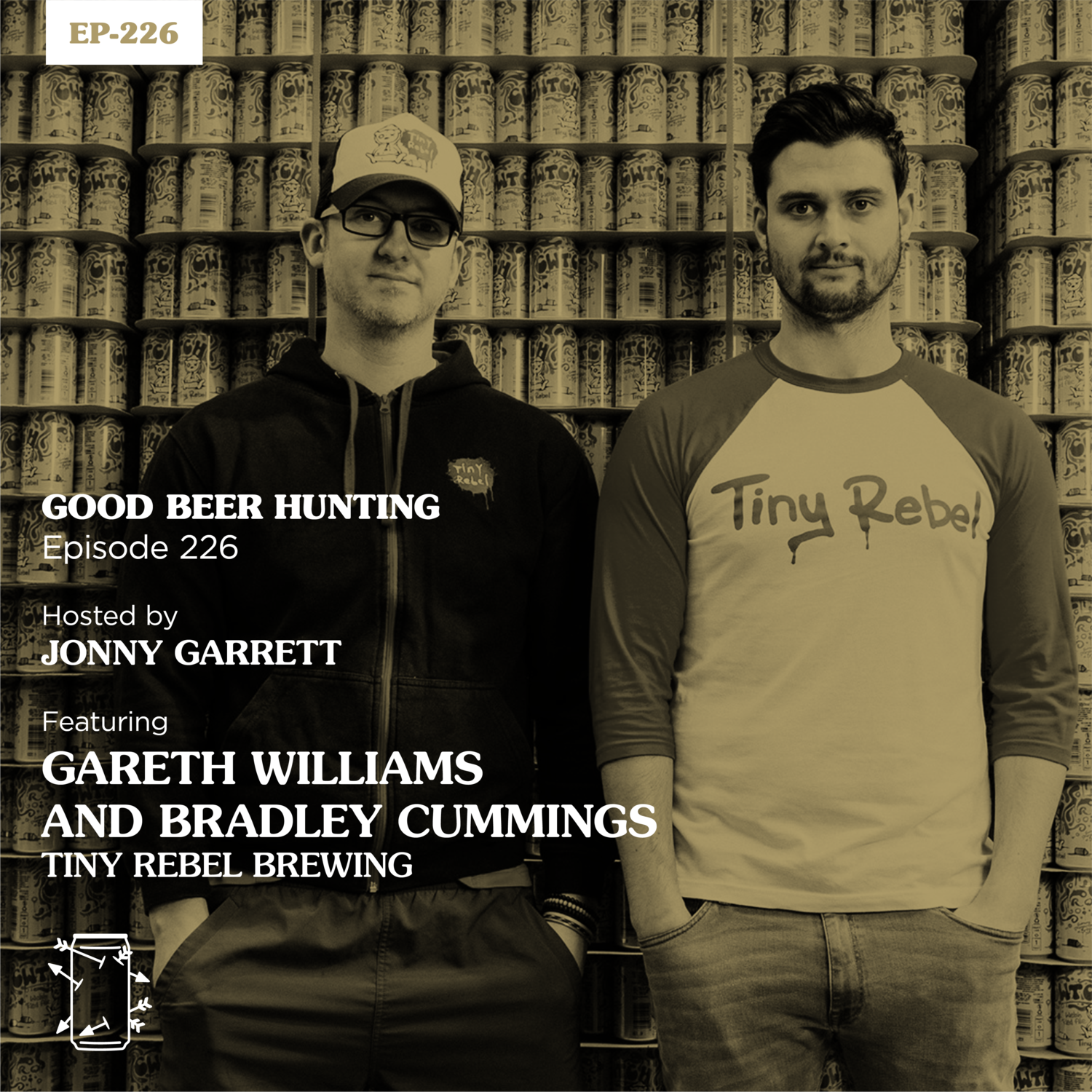
EP-226 Gareth Williams and Bradley Cummings of Tiny Rebel Brewing
ELike all of the U.K., Wales has a long, rich history of brewing. The Welsh brewing industry has pretty much had the same fortunes, too—peaking in the late 1800s then declining thanks to temperance, World Wars, and consolidation throughout the 20th century. But at some point in the early 2000s, the countries' paths diverged. While Scotland got Harviestoun and then BrewDog, and England gained Dark Star, Rooster's, Thornbridge, and others, Wales didn't catch on to modern craft beer as quickly. In fact, it still only has a handful of well regarded craft breweries, of which my guests today are easily the best known. Founded in 2012 in a garage in South Wales, Tiny Rebel has had a meteoric rise to fame, buoyed by some incredible and unlikely successes. In 2013, the brewery won gold, silver and bronze in CAMRA's Champion Beer of Wales competition, and its flagship Red Ale, Cwtch, went on to win Champion Beer of Britain in 2015, making Tiny Rebel the youngest brewery ever to take the prize. That triumph, which caught the brewers completely by surprise, was a watershed moment, and put them on course for where they are now—a towering brewery and taproom that looks like it's straight out of San Diego but is actually in an industrial park in Rogerstone, just outside Newport. There Tiny Rebel brews 17,000bbl (20,000hl) a year, with Cwtch and juicy pale ale Club Tropicana taking up most of the tanks. It has become a local landmark, welcoming hundreds of drinkers every day who get through around 1,100bbls a year. They've just broken ground across the road too, where they will build a £3-million sour facility and distillery. Like all fast-growing and successful businesses, Tiny Rebel has had its controversies along the way. Such success breeds suspicion, and recently there were wild rumors of a sale to Molson Coors that proved completely unfounded. Tiny Rebel's nostalgic branding has also gotten them in trouble with industry watchdog The Portman Group, and the brewery's heavy use of adjuncts has earned them ire from less well humored beer geeks. We talk through all that and more when I sit down with founders Bradley Cummings and Gareth Williams. But what is most remarkable is the humor, and sense of fun, that pervades the conversation. Some may be uneasy with what they do, but they are very easy in themselves, and rightly proud of what they have achieved. This is Brad and Gazz of Tiny Rebel Brewing. Listen in.

CL-028 Bryan Roth learns that everyone's got a barrel guy
Barrel aging beer is like stepping back in time. But over the last few years, more and more breweries are turning to the historic practice, using it as a way to impart new flavors, expand their beer portfolios, and give a nod back to traditional brewing practices. But how did barrels make a comeback? Our Sightlines editor, Bryan Roth, who we sometimes joke is the man with all the charts, decided to find out. As our Sightlines editor, you'll usually find Bryan's name on breaking news stories and analysis industry trends. So it was exciting to see Bryan take on a topic like the rise of barrel aging because I knew I'd read something comprehensive and learn a ton about something I didn't know much about. This was a fun conversation because it was such a change from the way we normally talk to each other—usually we go back and forth on things like deadlines, or where in the latest episode of our Sightlines podcast I need him to clarify something or cut down content, and it was refreshing to dive deep on a story and learn more about how Bryan approached this topic.
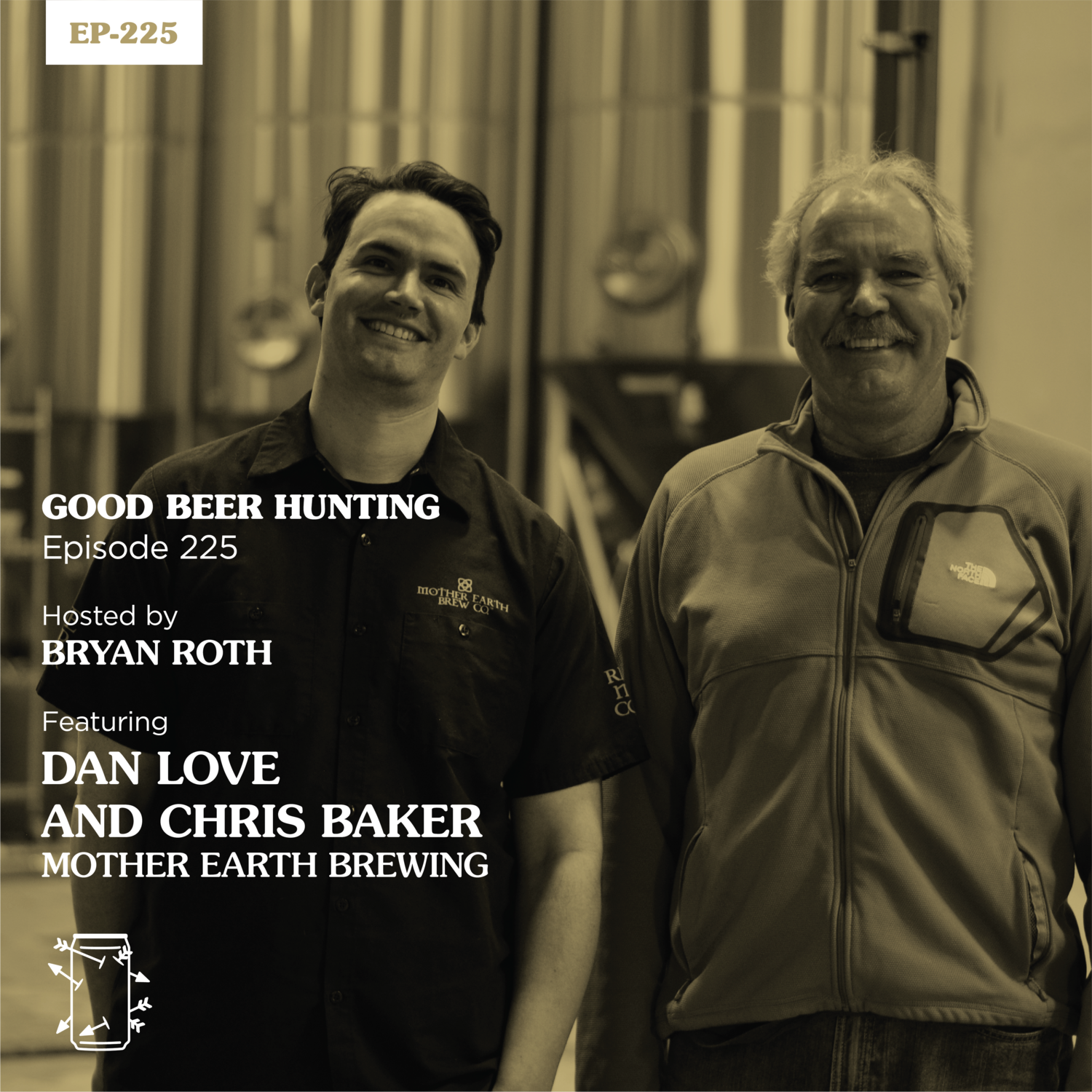
EP-225 Dan Love and Chris Baker of Mother Earth Brewing
EIt's no longer a surprise these days when a brewery announces it's opening another location. Secondary production facilities and taprooms aren't ubiquitous, but they are becoming more common for companies who quickly outgrow modest homes and expectations. In 2018, the largest brewer in Idaho came from California. Brewing a little over 10,000 barrels at its Nampa facility just outside of Boise, Mother Earth Brew Company has quickly become a mainstay in the state after opening its second space in 2016. The output from Idaho was about a quarter of all beer the business made last year, with its original facility still cranking out beer in Vista, California. So, what does it take to pull this off? While traveling through Idaho this spring, I sat down with Mother Earth's president and CEO, Dan Love, and Chris Baker, director of brewing operations, to get an idea. In this conversation, they reveal that it's not just a matter of time and money, but relationships and community-building can play a big role. And that's before you even get to making and shipping the beer. With rapid expansion thanks to the popularity of beers like Boo Koo Mosaic IPA and Cali Creamin' Vanilla Cream Ale, there's a lot to navigate on the march toward 100,000 barrels. In addition to selling beer, that also includes a unique situation—Idaho's Mother Earth Brew Company happens to share an eerily close name to North Carolina's Mother Earth Brewing. For a company coming east and entering many locations around the Tar Heel State, it creates a wild and interesting backstory you'll hear in this interview. Dan and Chris share a lot on running a modern brewery over this hour, and it's definitely representative of the variety of challenges owners and brewers have to consider today. This is Dan Love and Chris Baker of Mother Earth Brew Company. Listen in.

CL-027 Don't steal a turkey leg from Steph Byce
ESteph Byce was one of the first people I met when I started hanging out with the folks at Good Beer Hunting. I was judging an Irish Coffee Competition, as part of yearly celebration of coffee and beer called Uppers and Downers, and Steph was hovering around me, taking photos. Steph is GBH's resident photographer—she's based in Chicago, and at any Good Beer Hunting event, you'll usually find her snapping photos. There's one of me in particular that she captured at our annual get together called Olly Olly, where I'm looking longingly at a burrito—it's pretty perfect. But she's also a longtime contributor, and went to Durago, Colorado to report on Ska Brewing's 23rd anniversary party. The article was published in May on our website, and I got to talk to Steph in our studio about how this story came to be.

EP-224 Teagan Thompson and Zach Ruskin on Cannabis in Beer
ETo outsiders, the cannabis industry might seem like a mysterious machine. The myriad regulatory rules, the constantly changing legalities, and the complicated distribution practices make this business confusing and a bit unwieldy. And yet, in California's fledgling legal market, cannabis is flourishing. With more than eleven hundred acres of permitted cannabis farms in the state, some expect to see California cannabis become a $5 billion industry this year or next. It's a notable statistic, considering sales of the plant for recreational use only became legal here in 2018. For brewers, cannabis' rapid growth has become potential cause for concern. Some fear the expanding use and social acceptance of recreational weed — be it in vape, flower, edible or concentrated form — could one day soon cut into beer's market share. It's a topic Teagan Thompson is well acquainted with. Thompson spent 7 years in marketing for Anchor Brewing Company in San Francisco before making the jump to a concentrated cannabis start-up called Space Coyote several months ago. After working through the most recent craft beer boom, she's now poised to experience cannabis as it explodes in popularity too. Zack Ruskin, a freelance cannabis journalist in San Francisco, stands ready to document that growth. He spends days conversing with new cannabis companies and testing strains for the curious consumer. He also highlights the growing pains of a blossoming industry. Will cannabis become a threat to beer? Or can they work together? Let's hash it out. This is Teagan Thompson, Chief of Marketing for Space Coyote, and cannabis journalist Zack Ruskin. Listen in.

FF-022 Jim Plachy goes to Tulsa, starts a lifestyle brand
EWelcome to another Fervent Few episode of the Good Beer Hunting podcast where myself, Jim Plachy, and GBH's strategic director, Michael Kiser, catch up. We'll talk about the topics and discussions that took place in our membership community in the last couple weeks. Our 500 or so subscribers are scattered all over the world. Sometimes we meet up with them when we're on the road, or they hang out with each other, but it all comes together in our community forum on Slack. If you value the content and experiences that GBH produces, you should join. Your monthly subscription gets you access to the community, special events, and exclusive gear deigned just for members. I joined, and now I manage it all. Plus, it's my favorite place on the Beer Internet. Visit goodbeerhunting.com/ferventfew to strike up a conversation in beer.

EP-223 Fish Scales of Nappy Roots
EAt this point in the American beer scene, a love for IPAs, Wheat Ales, Stouts, and Saisons comes from all over. Our friends and parents. Our neighbors and celebrities. When we learn that someone has an adoration for craft beer, there's not a lot of surprise left to be had, except what kind of beer we can share as part of this fun bond. This spring, I had that debate—between a Wheat Ale and IPA—with the musician and rapper, Fish Scales of Nappy Roots. Scales, whose real name is Melvin Adams Jr., isn't just accomplished in the world of music, but he and others in the Grammy-nominated group see beer as a next step in their creative journey. They've already made collaboration beers with Atlanta's Monday Night Brewing and Louisville's Against the Grain Brewery, and I sat down with Scales this spring in Boise, Idaho, where Nappy Roots was performing and releasing a new beer with the city's Woodland Empire Ale Craft. In recent years, there have been a variety of musicians, groups, actors, and athletes who have gotten into the world of beer. Scales and Nappy Roots are among that growing number, and his appreciation for the history, process, and what he sees beer to be culturally is what's propelling him toward this love while still performing about 100 times a year. As many conversations have circled around in beer lately, there is a component to this effort to bring craft beer to audiences that were long neglected. We talk about that, the cross-section of music and beer, and so much more, during the course of this conversation. So, what's the perspective on beer from one of the most successful musicians in America? This is Fish Scales, beer lover and rapper, of Nappy Roots. Listen in.