
Good Beer Hunting
743 episodes — Page 12 of 15

#BEAVEREX18 — A is for Action — How the Inclusivity Debate Becomes a Movement
EA is for Action — How the Inclusivity Debate Becomes a Movement Host: Matthew Curtis Panelists: Lily Waite (We Are Beer/GBH), Alexandra Sewell (The Black Malt Bottle Share), Melissa Cole (Beer Writer & Journalist) The topics of inclusivity and diversity have, rightly, dominated the beer discourse this year. It's a crucial talking point, but how do we take these conversations and ensure they in turn become action? And how do we ensure that when we talk about diversity, we mean everyone, from women, to PoC, to the LGBT+ community and the less able. In this panel GBH speaks to people who are doing exactly that.
#BEAVEREX18 — A Change Can Do You Good — Keeping a Brand Fresh in a Dynamic Market
EA Change Can Do You Good — Keeping a Brand Fresh in a Dynamic Market Host: Michael Kiser Guest Speakers: Nanna Guldbæk (Lervig), Nick Dwyer (Beavertown), Shaun O'Sullivan (21st Amendment) It still feels almost as though modern beer has only just arrived in the UK. The last decade has been a whirlwind, with once traditional and iconic beer brands being met by those with modern, vibrant and striking designs. Brewers really are putting the can in canvas. But how do you maintain a modern image in such a dynamic market, and why rebrand when drinkers have already put their stock in your existing brand?
#BEAVEREX18 — The Shit Post — How Social Media Managers are Coping with the Hardest Job at a Brewery
EThe Shit Post — How Social Media Managers are Coping with the Hardest Job at a Brewery Host: Chris Hall Panelists: Kamilla Hannibal (Beavertown), Richard Burhouse (Magic Rock), Henok Fentie (Omnipollo) Your local pub or bar has always been the best place to chew through some of life's most challenging topics, but what happens when that bar never closes? Social Media has been an essential driving force in the growth of the modern beer sector, but how do we work to ensure that the conversations here are open, intellectual and valuable? And how do we actively avoid encouraging negative discourse so as to ensure everyone is welcome within the online space?

#BEAVEREX18 — Michael Kiser's Opening Statement + Keynote
EOpening Statement & Keynote Michael Kiser, Founder and Director of Good Beer Hunting The Future of the Relationship Between the UK and US Beer Industries This year we were invited to return to the Beavertown Extravaganza to run the now annual symposium, bringing together brewers and leaders from all over the world to discuss the topics of the day — some of which inspire the industry and some that keep it up at night. Last year's fist ever symposium for the Extravaganza covered the spread from terroir in beer to hazy IPA, and this year was no less ambitious. But the context for this year's symposium naturally shifted as beaver towns own ambitions came to light in the months leading up to their minority partnership with Heineken. Some brewers took offense and pulled out, others soldiered on, and still others rallied to their side and joined the festival, sending a clear message that as the beer industry continues to evolve and grow more complex, the simple notions that once seemed to spur it on are perhaps not as simple as many thought after all. The topics for this year's extravaganza followed nationally on that signal - covering topics such as how beer and wine are sold differently, the value of independence and investment, and of course, what's going to happen to hazy IPA after all this. Congrats to Beavertown and their crew for forging ahead and throwing a spectacular event in the midst of a challenging time of change. Thanks for inviting us to come and co-host the symposium with you all. After all, the purpose of the symposium is to dig into these issues, not shy away from them, and that's exactly what we did. You'll hear from a number of GBH team members hosting these talks, and I'm quite proud of that. Our U.K. team is growing, and our bench is deep. So for some of you, it'll be the first time you've heard form folks like Chris Hall, Johnny Garret, and Claire Bullen, all lead by our U.K. Editor, Matthew Curtis. But it surely won't be the last.

EP-190 Hollie Stephenson + Peter Wiens of Guinness Open Gate Brewery
EThis week's episode rounds out our focus on the Baltimore scene where we talked to folks from Black Diamond, Maryland Comptroller Peter Franchot, Chris Leonard from Heavy Seas, and even made it down the shore to Chincoteague Island's Black Narrows. Its the first time we've taken such a comprehensive approach to a single area with the podcast, and it was a great experiment for us as we learned a ton from one interview to the next for the context of the stat and city's beer scene. In that way, every interview informed the next. And looking back, it's an astonishing amount of perspective to gather in a single place and time. Our final interview in this set of episodes involves a newcomer in the Baltimore scene - and a wholly unlikely one at that. Guinness. A couple years ago it would have been unthinkable that someone like Guinness would become part of a beer culture in a city like Baltimore. But as we've seen with other elements of beer, nothing stays the same very long. Guinness had a temporary U.S. presence decades ago with a brewery they overtook on Long Island, but this brewery, commissioned in an old distillery owned by Diageo on the outskirts of the city is unique in that it also serves as a pilot brewery and taproom for the Irish-born but globally produced brand for their US fans. Watching this project come together was fascinating, from the way it catalyzed debate over taproom and distributions laws in Maryland, how it transformed a brick rick house into a brewery and hospitality center, and getting our first taste of the American-inspired beers that would come from it's bite tanks, but none of that was as fascinating as the team they would assemble in the brewery itself. And that begins with a feature story the Bryan Roth wrote for GBH focused on Highland in Asheville, North Carolina over a year ago. Hollie Stephenson was the brewer at Highland at the time. She'd succeeded in transforming Highlands offering, modernizing the styles and bringing them into a new age of relevance. It was one of the most effective and well-executed turnarounds I'd seen for a brewery that was already pretty damn good. At the time, the lingering question for me was "what happens if she leaves?" I never expected that to come true so quickly - but as you'll hear in the interview, neither did she. But an opportunity to brew for a world icon like Guinness, at a new purpose-built brewery in Baltimore, was too good of an offer to pass up. And the icing on the cake, was that she'd get to brew alongside her former mentor, Peter Wiens with whom she worked when they both did a stint at Stone Brewing. a few years back. So it's a reunion of sorts. And for Guinness, it's a helluva team with which to make your U.S. debut. And I was excited to follow that story. It's worth noting of course that Guinness is an underwriting advertiser for GBH - you may have seen the series of stories they provide the funding for through their advertising partnership with us called Mother of Invention in which we explore historical and contemporary technical innovation in brewing. This interview is not part of that series, but we clearly have a relationship at the business level. In fact, one of the reasons I was in town that week at all and able to record all these Baltimore episodes is because our studio team was coming out to shoot some video as part of that underwriting, which you'll see later this fall. So while this particular episode has nothing to do with that underwriting, it also completely does. But I'm fine with that as long as you know what's up and I hope you enjoy this conversation as much as I did.
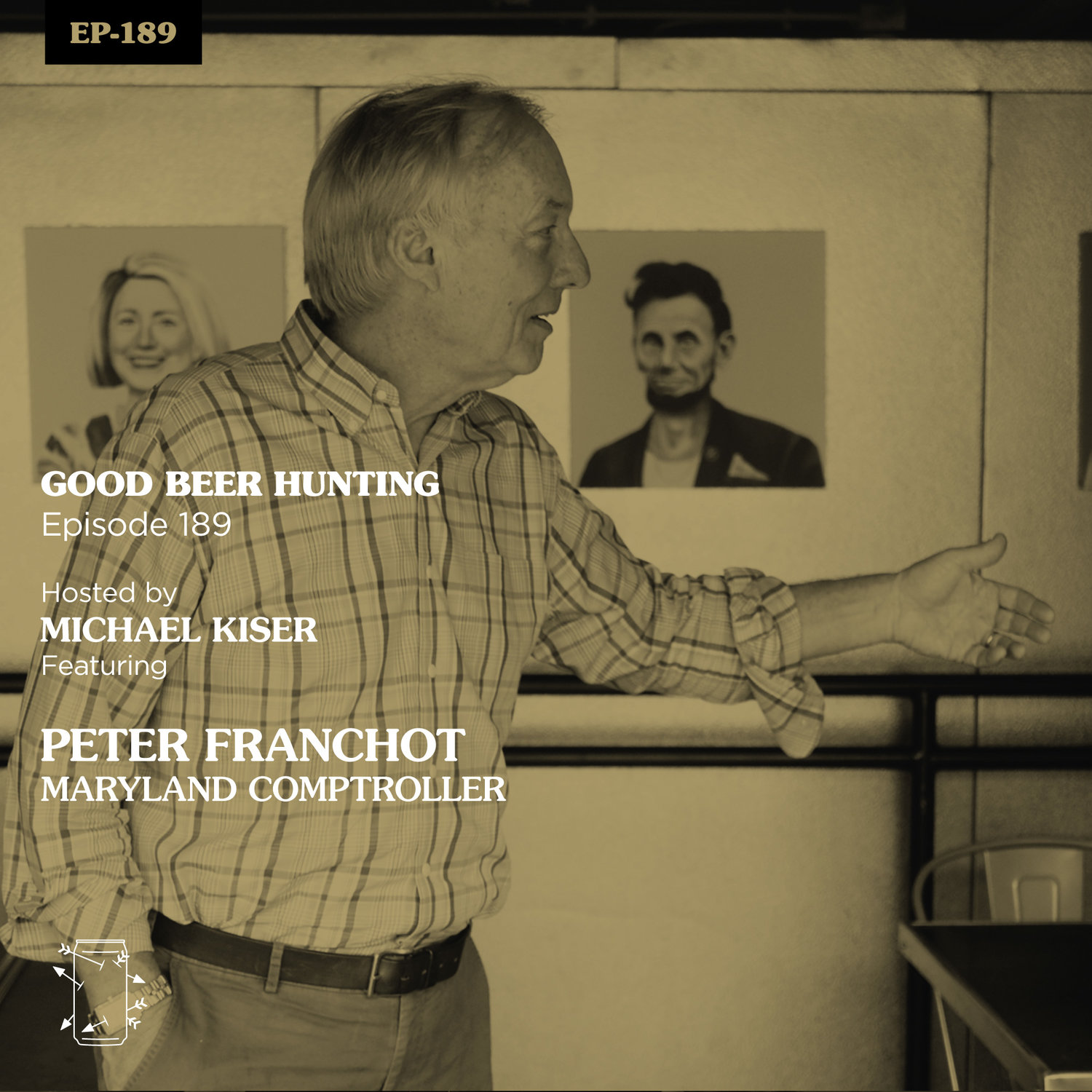
EP-189 Peter Franchot, Maryland Comptroller
EToday's guest is a first for GBH - we're speaking with a state wide, publicly elected political figure - who finds himself at the center of a political movement working to change the laws for Maryland's small craft brewers. It's no accident that he ended up in this movement - states all over the union have been reinventing their beer laws to make way for new business models necessary to support small craft brewer, especially when it comes to own-premise taproom models, self-distribution, and franchise rights with wholesalers. Most states have incrementally improved these laws over time, attempting to balance the needs of federally mandated wholesale tier, meant to prevent monopolies, and the beds of consumers and brewers, and more recently, the retail voice has been finding its way into these discussions as well. But a few states, like Texas, Georgia, Alabama, and Maryland, have been especially slow to evolve. In these states, the multi-generational wealth of wholesalers, backed by the largest brewing conglomerates in the world, have held an immense amount of influence over politicians. And progress in those states beer laws has been all but static. Peter Franchot, the state's elected comptroller, is very well known and depending on your view of things, he's either a uniquely divisive figure in Maryland politics, or he's uniquely talented at uniting folks around an issue. His role as comptroller is to structure the states financial agenda, which includes tax incentives for industry, and creating fairness is its economic systems, among many other related things. Unlike most states, Maryland doesn't appoint their comptroller through the governor's office, but instead elects the comptroller directly. And that means two important things - 1. it enables the voters to compartmentalism their financial interests from the rest of their political agendas - and 2. it protects that office from political influence to a degree, because the comptroller is beholden to the voters, not the governor. For Franchot - that can sometimes put him at odds with his own party's agenda when they're in power. And it can sometimes put him in the position of courting the factor of a republican governor when he wants to get something done, and that works against the democratic machine. And he seems to relish in it. And he keeps getting re-elected - with barely any contention. One of the ways he maintains that powerful role is through the campaigns he initiates that tend to be popular, perhaps even populist agendas. He's gone after common sense school reforms, he fought against sot machines infiltrating his state, and most recently he's saddled atop the rapid growth in craft beer as a way to rally his voters around something they want to see more of, and against the special interests it threatens. And he's riding that saddle to electoral victory over and over again, but so far, doesn't have a victory to show for it on behalf of he brewers themselves. He's had remarkable success using the uncommon leverage of his office and its popularity to ram through big changes that most states are required to piece-meal over time. He makes a lot of enemies along the way, and more than a few friends, and it remains to be seen wether that's good for craft beer legislation, or if this might be one battle he takes to the teeth of big beer money and power, and perhaps walks away wounded for the effort. It remains to be seen - and there are small brewers I spoke with on its sides of that strategy. Some are rallying behind the effort while others fear it may hinder their progress at the expense of Franchot having a self-serving campaign that keeps him popular even if he fails. Most would be happy with even a small win. But Franchot, never a meek contender, only seems interested in making his cause bigger in the meantime. In fact, as we sat and talked, I watched his handler wince more than once as Franchot, on the spot, started spontaneously adding new provisions to his bill. It's a bold strategy. Let's see if it pays off for him.

BCTC-06 Message in a Bottle—Keynote Panel
This year, we were lucky enough to be invited to Cooperstown, New York to take part in Brewery Ommegang's annual camping and music festival, Belgium Comes to Cooperstown. It's a famous festival in the northeast, with thousands of people setting up for a full weekend of bottle sharing, music, food, and of course, the beer festival part. And this year, as part of our Underwriting collaboration with Brewery Ommegang, we wanted to help lead a conversation around this idea of Belgian. Weather it's Belgian-inspired, as you'll hear U.S. brewers often say, or it's authentically Belgian, or Belgian style, or anyways strain, or it's some part of a brewing process, an ingredient, or even the mystery and closely guarded secrets that sometimes distinguishes Belgian brewing from other traditions. And of course, what parts of that even matter in 2018 when so much of what's happening in the most popular aspects of American craft beer seem to be moving in the opposite direction. At least for now. Even Brewery Ommegang, somewhat of a trendsetter when they opened back in 1997, is on that 2018 juicy IPA trend with an excellent entry of their own. And if you look at the history of Belgian brewing, full of pilsners and English ales, and the likes, no one can reasonably scoff at the idea. Keeping the lights on and brewing beers that people want, even if only for a time, is as much a part of the Belgian brewing tradition as anything else we associate it with. Brasserie Dupont taught me that. But that's only one part of the conversation. There are so many aspects of American craft brewing we take for granted that are basically driven by the brewing traditions Belgium then and now. And we wanted to talk about all of it as part of our underwriting series called Message in a Bottle. So we invited a bunch of brewers, a few cider makers, and people who work in the longer value chain of craft beer around the world to try and get a sense of where this long tradition of Belgian influence hots America's shores today. This episode is the keynote conversation called "Message in a Bottle" Generations of brewers have been inspired by Belgian brewing. What's so appealing? How has it been put to use? And where is it going next? The panelists are: Geoff Wenzel, New Belgium Brewing Nick Purdy, Wild Heaven Beer Phil Leinhart, Brewery Ommegang

BCTC-05 Message in a Bottle — The U.S. Evolution of Belgian
This year, we were lucky enough to be invited to Cooperstown, New York to take part in Brewery Ommegang's annual camping and music festival, Belgium Comes to Cooperstown. It's a famous festival in the northeast, with thousands of people setting up for a full weekend of bottle sharing, music, food, and of course, the beer festival part. And this year, as part of our Underwriting collaboration with Brewery Ommegang, we wanted to help lead a conversation around this idea of Belgian. Weather it's Belgian-inspired, as you'll hear U.S. brewers often say, or it's authentically Belgian, or Belgian style, or anyways strain, or it's some part of a brewing process, an ingredient, or even the mystery and closely guarded secrets that sometimes distinguishes Belgian brewing from other traditions. And of course, what parts of that even matter in 2018 when so much of what's happening in the most popular aspects of American craft beer seem to be moving in the opposite direction. At least for now. Even Brewery Ommegang, somewhat of a trendsetter when they opened back in 1997, is on that 2018 juicy IPA trend with an excellent entry of their own. And if you look at the history of Belgian brewing, full of pilsners and English ales, and the likes, no one can reasonably scoff at the idea. Keeping the lights on and brewing beers that people want, even if only for a time, is as much a part of the Belgian brewing tradition as anything else we associate it with. Brasserie Dupont taught me that. But that's only one part of the conversation. There are so many aspects of American craft brewing we take for granted that are basically driven by the brewing traditions Belgium then and now. And we wanted to talk about all of it as part of our underwriting series called Message in a Bottle. So we invited a bunch of brewers, a few cider makers, and people who work in the longer value chain of craft beer around the world to try and get a sense of where this long tradition of Belgian influence hots America's shores today. This episode is called "The U.S. Evolution of Belgian" The ways in which flavor, ingredients, and technique have been pushed by American brewers has a lot of commonality with Belgian brewers. The panelists are: Eric Johnson, Wild Heaven Beer Patrick Woodson, Brewery Bhavana

BCTC-04 Message in a Bottle — Vertical Integration
This year, we were lucky enough to be invited to Cooperstown, New York to take part in Brewery Ommegang's annual camping and music festival, Belgium Comes to Cooperstown. It's a famous festival in the northeast, with thousands of people setting up for a full weekend of bottle sharing, music, food, and of course, the beer festival part. And this year, as part of our Underwriting collaboration with Brewery Ommegang, we wanted to help lead a conversation around this idea of Belgian. Weather it's Belgian-inspired, as you'll hear U.S. brewers often say, or it's authentically Belgian, or Belgian style, or anyways strain, or it's some part of a brewing process, an ingredient, or even the mystery and closely guarded secrets that sometimes distinguishes Belgian brewing from other traditions. And of course, what parts of that even matter in 2018 when so much of what's happening in the most popular aspects of American craft beer seem to be moving in the opposite direction. At least for now. Even Brewery Ommegang, somewhat of a trendsetter when they opened back in 1997, is on that 2018 juicy IPA trend with an excellent entry of their own. And if you look at the history of Belgian brewing, full of pilsners and English ales, and the likes, no one can reasonably scoff at the idea. Keeping the lights on and brewing beers that people want, even if only for a time, is as much a part of the Belgian brewing tradition as anything else we associate it with. Brasserie Dupont taught me that. But that's only one part of the conversation. There are so many aspects of American craft brewing we take for granted that are basically driven by the brewing traditions Belgium then and now. And we wanted to talk about all of it as part of our underwriting series called Message in a Bottle. So we invited a bunch of brewers, a few cider makers, and people who work in the longer value chain of craft beer around the world to try and get a sense of where this long tradition of Belgian influence hots America's shores today. This episode is called "Vertical Integration" The history of Belgian brewing is full of farm-based brewing and close ties to local agriculture — something cider makers and farm-based brewers in the U.S. understand well. The panelists are: Carrie Blackmore Good Nature Brewery Alejandro Del Peral Nine Pin Cider

BCTC-03 Message in a Bottle — Unpreproducibly Belgian
This year, we were lucky enough to be invited to Cooperstown, New York to take part in Brewery Ommegang's annual camping and music festival, Belgium Comes to Cooperstown. It's a famous festival in the northeast, with thousands of people setting up for a full weekend of bottle sharing, music, food, and of course, the beer festival part. And this year, as part of our Underwriting collaboration with Brewery Ommegang, we wanted to help lead a conversation around this idea of Belgian. Weather it's Belgian-inspired, as you'll hear U.S. brewers often say, or it's authentically Belgian, or Belgian style, or anyways strain, or it's some part of a brewing process, an ingredient, or even the mystery and closely guarded secrets that sometimes distinguishes Belgian brewing from other traditions. And of course, what parts of that even matter in 2018 when so much of what's happening in the most popular aspects of American craft beer seem to be moving in the opposite direction. At least for now. Even Brewery Ommegang, somewhat of a trendsetter when they opened back in 1997, is on that 2018 juicy IPA trend with an excellent entry of their own. And if you look at the history of Belgian brewing, full of pilsners and English ales, and the likes, no one can reasonably scoff at the idea. Keeping the lights on and brewing beers that people want, even if only for a time, is as much a part of the Belgian brewing tradition as anything else we associate it with. Brasserie Dupont taught me that. But that's only one part of the conversation. There are so many aspects of American craft brewing we take for granted that are basically driven by the brewing traditions Belgium then and now. And we wanted to talk about all of it as part of our underwriting series called Message in a Bottle. So we invited a bunch of brewers, a few cider makers, and people who work in the longer value chain of craft beer around the world to try and get a sense of where this long tradition of Belgian influence hots America's shores today. This episode is called "Unpreproducibly Belgian" While brewers the world over are inspired by Belgian beers, not everything from the homeland can be reproduced abroad. The panelists are: Jeff Alworth, Beervana Dusty Howe, Upland Brewing Co.

BCTC-02 Message in a Bottle—International Export
This year, we were lucky enough to be invited to Cooperstown, New York to take part in Brewery Ommegang's annual camping and music festival, Belgium Comes to Cooperstown. It's a famous festival in the northeast, with thousands of people setting up for a full weekend of bottle sharing, music, food, and of course, the beer festival part. And this year, as part of our Underwriting collaboration with Brewery Ommegang, we wanted to help lead a conversation around this idea of Belgian. Weather it's Belgian-inspired, as you'll hear U.S. brewers often say, or it's authentically Belgian, or Belgian style, or anyways strain, or it's some part of a brewing process, an ingredient, or even the mystery and closely guarded secrets that sometimes distinguishes Belgian brewing from other traditions. And of course, what parts of that even matter in 2018 when so much of what's happening in the most popular aspects of American craft beer seem to be moving in the opposite direction. At least for now. Even Brewery Ommegang, somewhat of a trendsetter when they opened back in 1997, is on that 2018 juicy IPA trend with an excellent entry of their own. And if you look at the history of Belgian brewing, full of pilsners and English ales, and the likes, no one can reasonably scoff at the idea. Keeping the lights on and brewing beers that people want, even if only for a time, is as much a part of the Belgian brewing tradition as anything else we associate it with. Brasserie Dupont taught me that. But that's only one part of the conversation. There are so many aspects of American craft brewing we take for granted that are basically driven by the brewing traditions Belgium then and now. And we wanted to talk about all of it as part of our underwriting series called Message in a Bottle. So we invited a bunch of brewers, a few cider makers, and people who work in the longer value chain of craft beer around the world to try and get a sense of where this long tradition of Belgian influence hots America's shores today. This episode is called "International Export" How Belgian beer is thought about differently around the world, and how it makes sense locally. The panelists are: Chris Toia, Mikkeller Daniel Leeman, Global Beer Network

BCTC-001 Message in a Bottle — Striking a Balance
This year, we were lucky enough to be invited to Cooperstown, New York to take part in Brewery Ommegang's annual camping and music festival, Belgium Comes to Cooperstown. It's a famous festival in the northeast, with thousands of people setting up for a full weekend of bottle sharing, music, food, and of course, the beer festival part. And this year, as part of our Underwriting collaboration with Brewery Ommegang, we wanted to help lead a conversation around this idea of Belgian. Weather it's Belgian-inspired, as you'll hear U.S. brewers often say, or it's authentically Belgian, or Belgian style, or anyways strain, or it's some part of a brewing process, an ingredient, or even the mystery and closely guarded secrets that sometimes distinguishes Belgian brewing from other traditions. And of course, what parts of that even matter in 2018 when so much of what's happening in the most popular aspects of American craft beer seem to be moving in the opposite direction. At least for now. Even Brewery Ommegang, somewhat of a trendsetter when they opened back in 1997, is on that 2018 juicy IPA trend with an excellent entry of their own. And if you look at the history of Belgian brewing, full of pilsners and English ales, and the likes, no one can reasonably scoff at the idea. Keeping the lights on and brewing beers that people want, even if only for a time, is as much a part of the Belgian brewing tradition as anything else we associate it with. Brasserie Dupont taught me that. But that's only one part of the conversation. There are so many aspects of American craft brewing we take for granted that are basically driven by the brewing traditions Belgium then and now. And we wanted to talk about all of it as part of our underwriting series called Message in a Bottle. So we invited a bunch of brewers, a few cider makers, and people who work in the longer value chain of craft beer around the world to try and get a sense of where this long tradition of Belgian influence hots America's shores today. This episode is called "Striking a Balance" While some brewers go all-in on "Belgian" others strike a balance in their portfolios. The history of Belgian brewing welcomes both. The panelists are: Amit Ram, Peekskill Brewery Steve Crider, 2nd Shift Brewery Doug Campbell, Brewery Ommegang

EP-188 Colin Marshall, Tom Foster, and Zach Kaiser of Diamondback Brewing
EToday's guests are behind a fairly new brewery in Baltimore - a city where many of the breweries are fairly new. I remember Chicago going through this phase when after being a bit slow to start, we suddenly had a large number of breweries opening at once. In Chicago's context, the beers that were popular at the time influenced those concepts - it influenced the kinds of beers those brewers wanted to make. Because the shelves were already full of world class IPAs, many chose to go a different direction and the result is one of the most exciting spectrums of beers styles available in any one city. Baltimore in the midst of its own propagation in 2017 and 2018 is having a very different experience. Adjunct stouts and hazy IPAs are so popular, that the ubiquitous strategy, as in many other small cities, is to emulate those trends. As start up brewers with limited cash flow and desperate for a customer base, it's almost impossible not to. Diamondback was one of these breweries. And to an extent, still operates along these trends. But only a couple years in they've started thinking differently about who they are, what they want to brew and drink, and what that means for them long-term. A trip around the northeast to places like Suarez Family Brewery has a profound effect on them as a group. Would brewing crispy little lagers give them something they felt they were missing in both sales and spirit? Would it attract a new customer base they were eager to meet? Would they derive an intellectual satisfaction or an emotional resonance by shifting their priorities from short term trends to long term relevance? It was a great conversation to be having with a group so young but wise beyond their years. Whichever way they go, the most important thing is they're thinking about it now.

MU-011 Guinness Extra Stout
Our resident composer for the podcast and our commercial video work, Andrew Thiboldeaux, is writing original scores devoted to beers he finds fascinating. These are interpretations of the experience of drinking them. But they're also just great tunes.

EP-187 Chris Leonard of Heavy Seas Beer
EWhen beer lovers think of what goes on behind the scenes at a brewery, thoughts may drift to barrels or exotic ingredients or post-shift taste trials of the latest, trendy creation. Rarely does it concern the long hours, professional development and rather yeoman work it takes to become good at a job that straddles art and manufacturing. Here in the U.S., we recently celebrated Labor Day, a holiday to give thanks to all the effort our workforce provides to help our country and economy chug along. This kind of effort should never be lost on the behind-the-scenes staff who make the American beer industry what it is. I didn't expect to follow this kind of thematic path when I sat down with Chris Leonard, brewmaster and operations manager at Heavy Seas Beer, not far outside of Baltimore. But over the course of our recent conversation, I became enamored with his perspective on recruitment, retention, and professional development. These are unsexy HR terms we don't often think about when it comes to beer, but they're also the key tenants to an otherwise apprentice profession that uses these learning opportunities to create some of the most thoughtful, innovative, and efficient brewers in the country. And there is a lot that goes into teaching a brewer, let alone running one of the most successful brewing operations in the country. Over the course of our conversation, Chris will offer you perspective on what it's like to oversee a collection of young brewers, but the impacts and considerations he has to weigh when it comes to creating and improving some beloved brands. These are the kinds of conversations I love to have, when I can step back from the excitement of daily news and dig into the day-to-day issues that directly impact what happens to the beer in our glass. As we'll come to learn, Chris' voice is a worthwhile one to consider.

EP-186 Black Narrows Brewing Co. Family Meal
I spent the better part of last week traveling around the Baltimore area for the first time. I was there to shoot a series of short documentary videos we're producing for Guinness as part of our Coming to America series . It was a fantastic few days of eating and drinking and shooting around Baltimore—places like WC Harlan, Bar Clavel and Woodberry Kitchen. I have a ton of stuff to share from that part of the trip, but I'm going to start at the end, because that's where my heart still lingers. I drove three hours south across the bay to Chincoteague Island, a long barrier island off the coast of Virginia, to visit a guy I met a few years ago at Wicked Weed's Funk Fest—a brewer named Josh Chapman. I'll never forget him popping up out of nowhere late at night at the fest to tell me a story of a time he was visiting a cidery in Virginia. And as he started poking around in the back of the place, he got to chatting with the producer, and they started setting up for dinner in the back, a staff meal of sorts, and they causally invited him to join. He was stunned by the invitation, to what seemed like an intimate gathering. But he slipped right in, sat down, and did what he described as his own little version of "doing the Good Beer Hunting." There's a lot packed into that summary of events, described as Good Beer Hunting, but it was all quite familiar to me. So many of my best memories are from unexpected invitations into someone's small world where you learn what drives them, how they live, and how all that supports how they do business. A few years later, Josh has his own little brewery out on Chincoteague called Black Narrows. It's a small, family business with his wife and her parents, and it supports his two young children, the newest of which is only a few months old. So he invited me by, set the table with some oysters and clams and corn and tomato pie, and had me sit with his staff for a meal. While he prepped dinner in the kitchen, and the grandparents Bob and Wendy sat at the table with me, and his wife and business partner Jenna held the baby, and their little girl and her friend ran around the house, I turned on the mics, and did what Josh might call "the Good Beer Hunting."
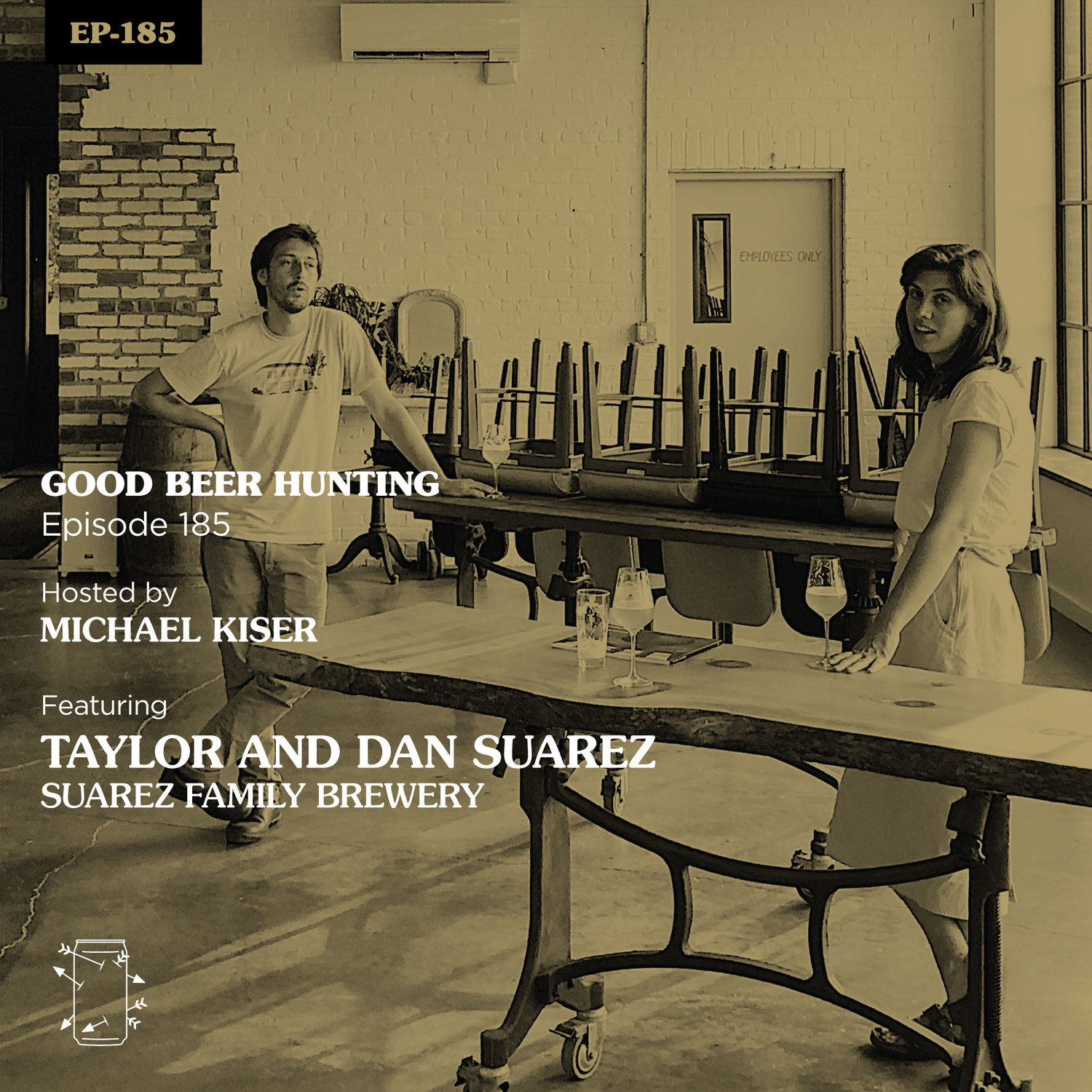
EP-185 Taylor and Dan Suarez of Suarez Family Brewery
ESuarez Family Brewery has become something of a North Star for our editorial staff—not to mention many brewers and drinkers around the country—for everything that's right about craft beer in 2018. Sessionable, delicious beers made by a family in the Hudson Valley that's part of a small community of farmers and small businesses in the area: What's not to love? To top it all off, Dan Suarez's brother owns an essential restaurant in Germantown called Gaskin's. At the little brewery on U.S. Route 9 across the from the corn fields and housed in an old lighting factory, the Suarez family makes exquisite Pilsners and Pale Ales alongside what they call Country Beers—those that are barrel-aged or wild-fermented, but still every bit as delicate and balanced. Their taproom is family-friendly, in large part because they have a small, young family of their own. How could it not be? Our Editorial Director Austin L. Ray's profile of the brewery in 2016 was something of a coveted assignment amongst our team, and one of the few that Austin claimed for himself. It's a moving portrait. You should read it. But like any small business so closely tied to the family that runs it, there's struggle, too. And it's about more than just making ends meet. While the beers may be the epitome of balance, balancing one's life is every bit as difficult and necessary. Managing the start-up pace of a small, hands-on brewery, expanding the market for those beers via delivery runs to New York City, raising a toddler, and maintaining a busy taproom that's increasingly becoming a destination for beer fans? These things, perhaps even more than trying to crack the code on these so-called "crispy little beers," are what's keeping Taylor and Dan Suarez up at night. Not that you'd believe they struggle with anything. Their reputation for being very relaxed, chill folks with a small town brewery is, at least on the surface, the epitome of the small brewer dream in America. Taking a deeper look, as we do today, will only make you love them more.

EP-184 The White Hag Hagstravaganza 4
EBefore we get started today I want to tell you about a couple of upcoming GBH events happening right here in London this September. First up, we're incredibly excited to be bringing New Belgium's wonderful sours to British shores for the first ever time, in an event called Into the Wild. They'll be pouring their 2018 iterations of Le Terroir, Transatlantique Kriek and, of course, La Folie, alongside some incredible cheeses selected by Cheesemonger Ned Palmer, meats from The Charcuterie Board and sourdough from Bread by Bike. We've also hand picked a small selection of brewers, cider makers and winemakers to pour alongside them, in an effort to showcase all things delicious and fermentation driven—and crucially—what they all have in common. Along with New Belgium themselves we'll be joined by, Burning Sky, Cloudwater, Beavertown's Tempus Project, Boundary, Oliver's Cider and Perry and New Zealand's Garage Project, who'll be bringing natural wines from their Crushed series. It's happening on September 5th at the Beer Merchants Tap in Hackney, and I hope to see some of you there. We're also busy prepping for this year's Beavertown Extravaganza. We'll be there again this year with two days worth of panel talks happening over the course of both sessions on the 7th and 8th of September. A few tickets are still available, but they're selling fast, so head over to beavertownbrewery.co.uk to grab yours now, and we'll see you there. Now onto this week's episode—an experiment of sorts that ended up being a lot of fun to record. A couple weeks back I travelled to Sligo, on the West Coast of Ireland to visit The White Hag brewery, which happened to be celebrating its fourth birthday with its annual Hagstravaganza Festival. I can't tell you how many emails and tweets I've had over the years from Irish beer lovers asking me when I was going to visit and experience the Emerald Isle's thriving beer culture for myself. So, while at the festival, I tried to capture as much of that culture as possible in a series of shorter interviews. I hope you'll agree that the passion, and enthusiasm for Irish beer is infectiously evident in each one of them. Over the next couple of hours you'll hear from The White Hag's head brewer, Joe Kearns. Tom Delaney, head brewer at Galway Bay Brewery, and his own mixed-fermentation project Land and Labour. Cormac Wall, an Irishman working for Honest Brew in London, who also recently started contributing to GBH's b-Roll blog. Wayne and Janice Dunne, who collectively as The Irish Beer Snobs author a blog, and host a podcast of their own. Mark Twig and Maurice Deasy of Canvas Brewery, and Francesca Slattery, of London's Five Points Brewing Company, who lives in Dublin and works as the brewery's rep out in Ireland. The Irish beer market is a fascinating one, and also one not without its struggles. It's an industry dominated by the giants of Heineken and Diageo via its Guinness Brand—the latter going as far as to serve as a core part of this nation's identity for so many. However, what I found, was that if you scratch below the surface—even just a little—you'll soon find a thriving set of young, entrepreneurial brewers, each one desperate to prove that the beer scene here is composed of far more than merely "the Black Stuff." A quick note—this episode was recorded at a working beer festival, so there is some noise. But hopefully that'll convey how fantastic the atmosphere was at this event.

EP-183 Ryan Witter-Merithew and Mahalia Breen of Casita Cerveceria
EA reoccuring theme we've had here on the audio version of GBH is one of partnerships. Marriages, siblings, friendships — the full gamut. The guests on this episode are another example. Ryan Witter-Merithew and Mahalia Breen have traveled the world together for the sake of beer as Ryan's job has taken him around the country and abroad. As far as they've gone, family has remained a connective part of who they are and how they consider business, which has led them to starting Casita Cerveceria, a brand launched at Hill Farmstead and since brought home to North Carolina. Their relationship and family are at the core of what they do. Despite a rather prolific career, Ryan has somehow managed to fly a little under the radar to beer fans. As you'll find out, he's played something of a Kevin Bacon role over the last decade, interacting and connecting with some of the biggest brewing names in the business. His dedication, talent and curiosity is what led him to start his own business, in addition to a little motivation from Mahalia, too. Contract brewing has had a strange relationship with craft beer, going back a couple decades when there was an impression anyone who didn't own their equipment and have skin in the game might have been doing it for the wrong reasons. Namely to make quick money and not care as much about the beer. But brewers like Ryan have shifted that impression, showing just how much love and attention can go into production even if you're not the one carrying debt. Throughout it all, Ryan and Mahalia have supported each other, creating stronger bonds and lasting stories which they'll share with us in this conversation.
ITW-01 Into The Wild with Dick Cantwell + Jay Goodwin
EThis is a special episode of the podcast, made possible by the underwriting of New Belgium Brewing and our collaborative series, Into the Wild. Last week, New Belgium kicked off their Sour Saison blending tour, starting in California, pulling this rad vintage trailer behind a pickup truck and parking it at bars and breweries across the country. I joined them for that leg of the journey, and again recently here in my hometown of Chicago. Right now, it's headed back to Denver and then L.A., so you still have time to link up with the tour. One of the reasons this collaboration is so special for us is because it's helping us devote a portion of our editorial, this podcast, and our design team to a category of beers we love—wild fermentation, sour, wood-aged, mixed-ferm. Those beers that are keeping alive an ancient tradition for a new generation of drinkers. In addition to the articles we're writing, we also published a print mag, which we're handing out for free at the events. And we've been able to put together some one-off podcast episodes, like this one, featuring Jay Goodwin of The Rare Barrel, and Dick Cantwell, formerly of Elysian, and now the owner of Magnolia brewing, not to mention the author of numerous books on brewing. So while the taproom at The Rare Barrel was full of people sampling and blending Sour Saison, and Dick was demonstrating how to take apart and re-build an oak barrel, we got together on the stage and struck up a conversation about the state of the category.
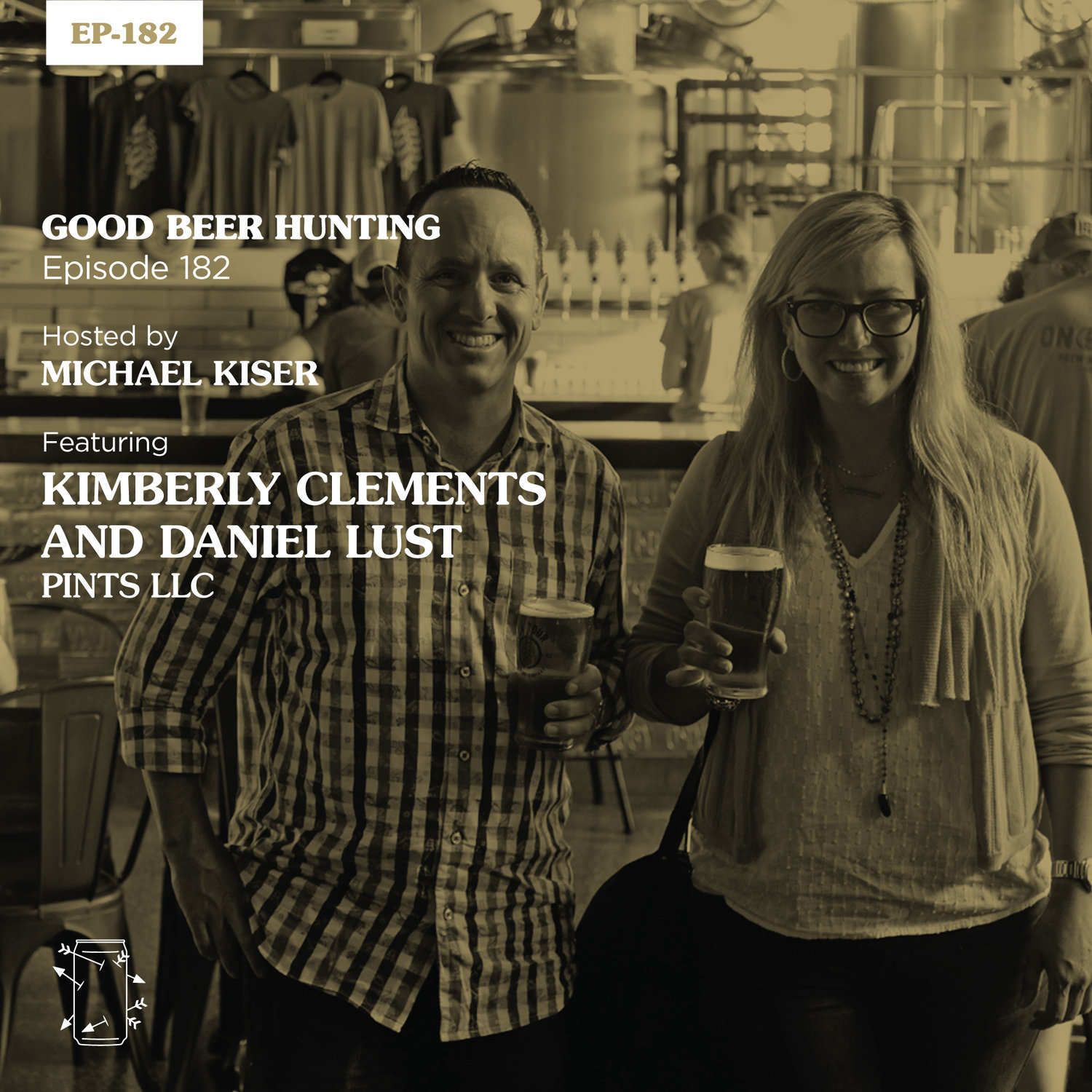
EP-182 Kimberly Clements and Daniel Lust of Pints
EToday we're going to dig into a part of the beer business that's hard to crack—distribution. It's typically very difficult to talk about this part of the three-tier system because it's full of confusing laws that vary state-to-state, it's federally mandated and regulated, and probably he most important reason is that no one is incentivized to really discuss it. It's where a lot of the concentration of wealth happens in the beer industry, and when things get consolidated, there's rarely progress, innovation, or even basic transparency as to how it all works. It's a bit of a black box. But looking at it from the craft brewer's perspective, it's a box that needs opening. And in the last decade, a lot of the power dynamic has shifted due to new laws that increase access to market for brewers—things like self-distribution, dock sales, and own-premise taprooms have put producers much more in the roles of distributors and retailers than ever before. As a result, they're having ideas. They're getting ambitious about their go-to-market strategies. And they're starting to get creative. Today's guest is a catalyst for that kind of change. Kimberly Clements, a former owner of Golden Eagle distributors in Arizona, and her business partner Daniel Lust, who was a pricing analyst and territory manager at Golden Eagle, are the founding duo behind Pints LLC, a consulting company that helps brewers strategize new markets and distribution. They also work on the distribution side of things, helping align the interests of craft brewers and distributors across the country. Their insight into this part of the business is amazing. If you've ever wanted to learn how distributions really works, and what the challenges really look like, this is the episode for you. As a bonus, we get a really stark look into exactly how distribution networks, even so-called independent distributors, are controlled by AB-InBev's influence form one generation to the next. It's an amazingly candid conversation with someone who knows the ins and outs, both historical and contemporary. And before we begin, a quick shoutout to On Tour brewing for hosting us for this talk. As some of you know, we're moving to a new studio space just down the street from On Tour, but it's not ready until next week, so they were really gracious in hosting us so we had a temporary place to record this episode. I certainly didn't want to miss my chance to talk to these folks. So thanks to On Tour for the hospitality. And fair warning, this is a live brewery taproom environment, so it's not the quiet studio recording you're used to. But it's totally worth the listen. Thanks to Mark and the On Tour crew for helping us out. They're great neighbors.

EP-181 — Jeff Cioletti, writer
EAfter last week's brief layover in Colorado for a chat with WeldWorks, we're returning to Spain this week. If you haven't already, you can check out a thematic part one to this episode featuring Xavier Losada, brewer and bottle shop owner of Bee Beer Craft Beer and Cheeses. This time around, we catch up with Jeff Cioletti, a fellow writer and prolific traveler who's long covered the world's many alcoholic offerings. I've been lucky to know Jeff for some time, but we typically only see each other once or twice a year around the U.S. beer industry's big events of the Craft Brewers Conference and Great American Beer Festival. In June, however, we found ourselves In Madrid as part of a short media tour hosted by Mahou San Miguel. It was as good a time as any to chat on and off the mic. Along with writing for All About Beer and DRAFT magazines, CraftBeer.com and acting as editor at large of Beverage World, Jeff has also written multiple books, including the most recent The Drinkable Globe, also the name of his website where he tracks the wide world of booze. Needless to say, Jeff is well versed in a variety drinks, history and their global connections, and continues to explore them. He's most recently diving deep into sake. But beer is still where we can find a wheelhouse, and that's what brought us together, so I decided it would be good to pick his brain about what he's learned and continues to think about in beer and beyond.

EP-180 WeldWerks Brewing — Colin Jones, Neil Fisher, Kristin Popcheff, Jake Goodman, Arne Garlick
EToday's podcast is with the folks from Colorado's WeldWerks Brewing Company—and it's a fun one. In fact I might go as far as to say that this is one of my favorite conversations I've had, since I started contributing to this podcast a couple years ago. You'll hear a number of WeldWerks voices over the next hour or so, including owners Colin Jones and Neil Fisher, Ops Director Kristin Popcheff, brewer Arne Garlick and Sales Director Jake Goodman. It's been quite the journey for WeldWerks since they set up in the town of Greeley, some 30 miles east of Fort Collins and Loveland, along the Front Range in Northern Colorado just three years ago. They exploded onto the scene thanks to beers like their New England IPA, Juicy Bits—a beer that impressed me so much I was compelled to visit, and eventually write about this fascinating brewery for GBH. In its short existence, WeldWerks has already experienced critical acclaim for beers like Juicy Bits and its pastry stouts such as Medianoche. In fact the barrel aged version of the latter picked up a coveted gold medal in the barrel-aged stout category at last years Great American Beer Festival. But this is just the tip of the iceberg when it comes to their repertoire. WeldWerks released 100 different beers over the past year. And amongst zeitgeisty NEIPAs and Pastry Stouts, there were also tart Gose, crispy Pilsners and much more. This brewery is far from being a one, or two, trick pony. The brewery's rapid growth and increase in popularity hasn't been without its challenges, however. They've had to deal with long lines on beer release days, and in some cases, disappointed customers—some of whom, made their feelings towards the brewery pretty explicit in these instances. Learning to balance these reactions from consumers has been as important as it has building their relationships with industry partners, as they manage strong own-premise sales with increasing demand from retailers. What's perhaps most impressive is that—along with fellow Greeley brewery Wiley Roots and local bars like Patrick's Irish Pub—WeldWerks has helped to put its hometown on the American beer map. It would have perhaps been easier (but far more expensive) to set up their brewery in say, Downtown Fort Collins or Denver's exploding River North district. But no, Greeley is where this Colorado brewery's heart is—and their efforts are helping to develop the image of a town that locally is typically associated with industrial scale agriculture.

EP-179 Xavier Losada of Bee Beer Craft Beer and Cheeses
EBeer people love to talk about how the beverage they care about so much has brought the same kind of sentiment with other human beings. We're often finding ways that malt, barley, hops and yeast have given us another figurative ingredient: friends. For those of us who think about beer too much, it's always a treat to find like-minded others wherever we go. In June, I found myself in downtown Madrid while staying in the city as part of short media tour hosted by Mahou San Miguel. I wanted to find some local craft beer and Google led me to Bee Beer Craft Beer and Cheeses, a small bottle shop with brands from around Spain, most notably the namesake brewery of the business. It was there I wound up chatting with owner Xavier Losada, learning about what led him to open a craft-focused store in a market where that kind of beer still feels a little new. Xavier has a curiosity to create something new that wouldn't feel too out of place in an American market and he's working to change the mentality of locals, not just tourists like me who wander into a welcoming bar that feels like home. These kinds of conversations, where there's an international insight to trends or interests we may take for granted stateside, can be so valuable. It's a time to meet others who are watching what's happening in beer with a new perspective and better grasp all the changes taking place as craft beer becomes increasingly important around the globe. I heard all that from Xavier, who also actively watches the boundaries of flavor as he creates new brands to serve under the Bee Beer banner.

EP-178 Phil Tavey of Grand Cru Beers
EToday's guest sit at the intersection of so many aspects of Irish craft beer. He's an importer of American brands like Lagunitas. He's a distributor of Ireland's domestic craft brands like Galway Bay. He's also the country's first, and perhaps only official Beer Sommelier. So his perspective accounts for the curation, sales, distribution, and education of craft beer in a small country that's recently flipped a switch in terms of its interests, with many people now drinking small craft, trendy beers like New England IPA alongside traditional beers like Guinness and Murphys. And in a market with incredibly entrenched brands as Ireland has, that sudden new interest has a major uphill battle to fight to gain awareness and shelf and tap handle space in the country's on and off-license establishments, better known in the US as on and off premises - namely bars, restaurants, and liquor store and bottles shops. As of yet, there really isn't a taproom model to speak of, with very few exceptions. So to get a crash course on the many factors influencing Irish craft beer right now, for better and worse, I sat down with Phil Tavey of Grand Cru beers. We posted up at a bar called Sine é in Dublin who's tap lists were a perfect representation of the state of things, running the gamut from Guinness to Galway Bay and a host of other small brewery offerings. This is Phil Tavey of Grand Cru Beers, listen in.
CL-008 Best friends, bylines, and beers
EFor this latest version of the GBH Collective, I sat down with Oliver Gray, a fellow writer at Good Beer Hunting who recently took his love for beer by going pro. He's currently helping launch Guinness' new brewery in Baltimore as the marketing manager for the Guinness Open Gate Brewery and Barrel House. As a bit of disclosure, while Guinness is an underwriter for GBH, the reason Oliver and I sat down together was a rare occasion that we found ourselves in the same city at the same time, having both traveled to Nashville for the recent Craft Brewers Conference. For the sake of full disclosure, Oliver is one of my best friends, and we've shared lots of long conversations about beer, life, writing and more and it just so happened that I had my podcast equipment this time around. I've done hundreds, if not thousands, of interviews in my life as a reporter, but there's something special about getting to ask questions of people who are close to you as a way to share them with others. Oliver is an important person in my life, and he's been a valuable part of the Good Beer Hunting team whether it's through his byline or expertise behind the scenes. I'm glad we had the chance to talk as a way to share more with you.
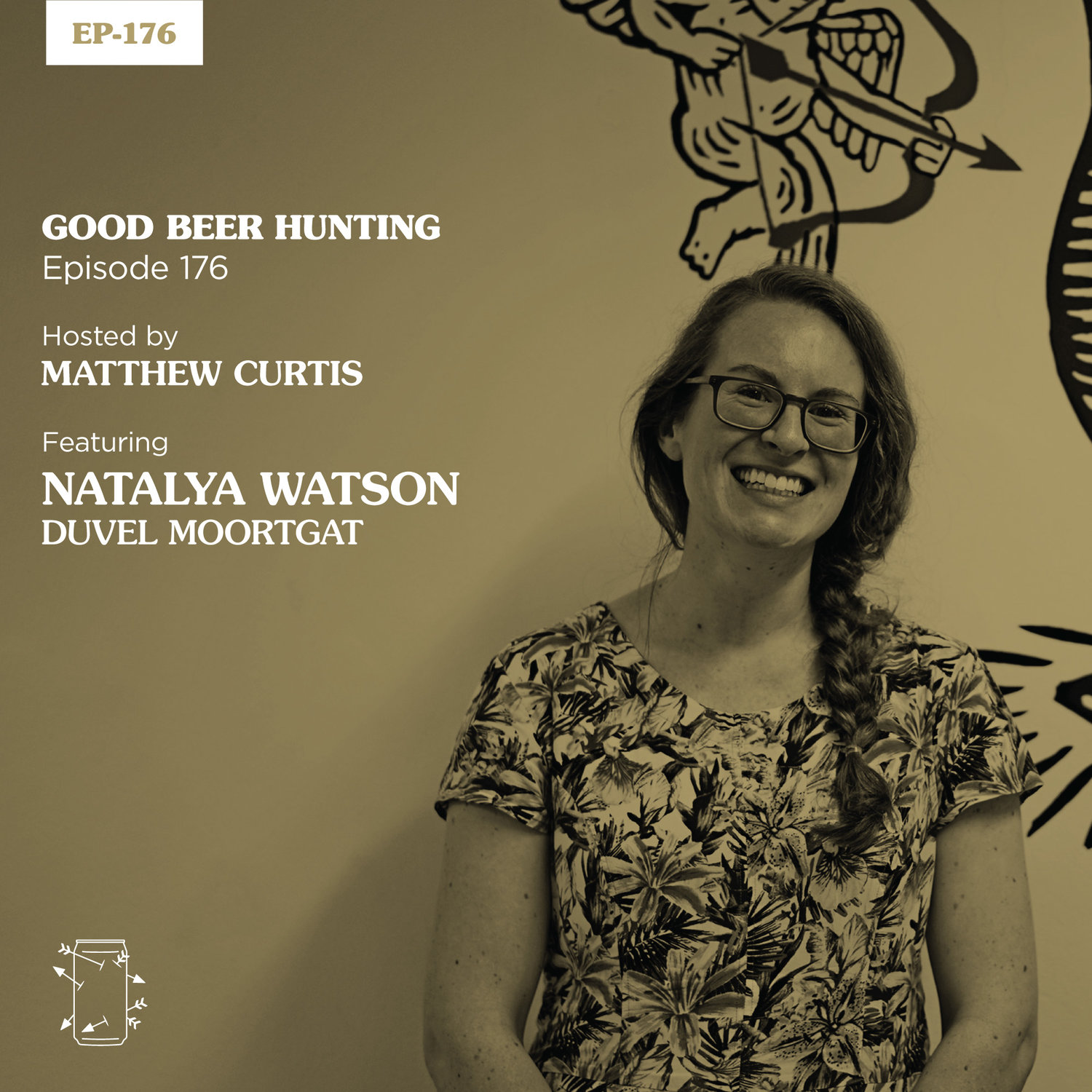
EP-176 Natalya Watson of Duvel Moortgat
EToday's guest is Natalya Watson of Duvel Moortgat. Watson's upbringing was something of an adventure, born to Northern Irish parents in Canada, then living back in Northern Ireland before growing up in California. Watson would then go on to live in New York, before eventually putting her British passport to good use, and moving to London in 2015. The start of her new adventure in beer here in the UK began behind the bar at Mother Kelly's—an East London bar and bottle shop that's become something of an institution among beer fans. Shortly after this she landed her current gig at Duvel Moortgat, where she's held her role as UK marketing manager for almost three years. The Duvel-Moortgat family currently consists of 12 of brands spread acrossmainland Europe and the United States. However, it doesn't presently have a stake in a UK brewery. The UK arm of its business looks after seven of these brands within this territory, which are: De Koninck, Vedett, Maredsous, Liefmans, Brasserie Achouffe, Boulevard in Kansas City and Duvel itself. Not all of the brands in its portfolio fall under Duvel UK's jurisdiction, however, with examples like California's Firestone Walker and Bernard in Czechia acting autonomously in this market. It's an interesting time for Duvel in the UK—the British beer market is a landscape that's unrecognizable from what it was 10, maybe even 5 years ago. It needs to find a way to compete in this space but in a way, the activation of the modern UK beer market has been a benefit to the Belgian company. In fact Duvelas a beer saw a 16% retail sales jump in 2017, and this year that figure might be closer to 25%. Remarkable numbers for a beer that will be celebrating itscentenary in 2023. Perhaps this is because as a beer, Duvel no longer looks so alien on the supermarket shelf to some consumers. In Britain—a land built on the back of sessionable ales—an 8.5% Belgian Golden Ale is nothing if not a little intimidating. Now, Duvel has been joined on these shelves by Double IPA's, Imperial Stouts, Saisons and more, somehow making it feel more accessible than ever. Over the course of the next hour we'll also find out why Duvel has decided to roll out a new draft version of its flagship using a unique dispense system. And we'll speak about its US brands like Boulevard, Ommegang and Firestone Walker, examining why some of them are more prevalent here in the UK than others.
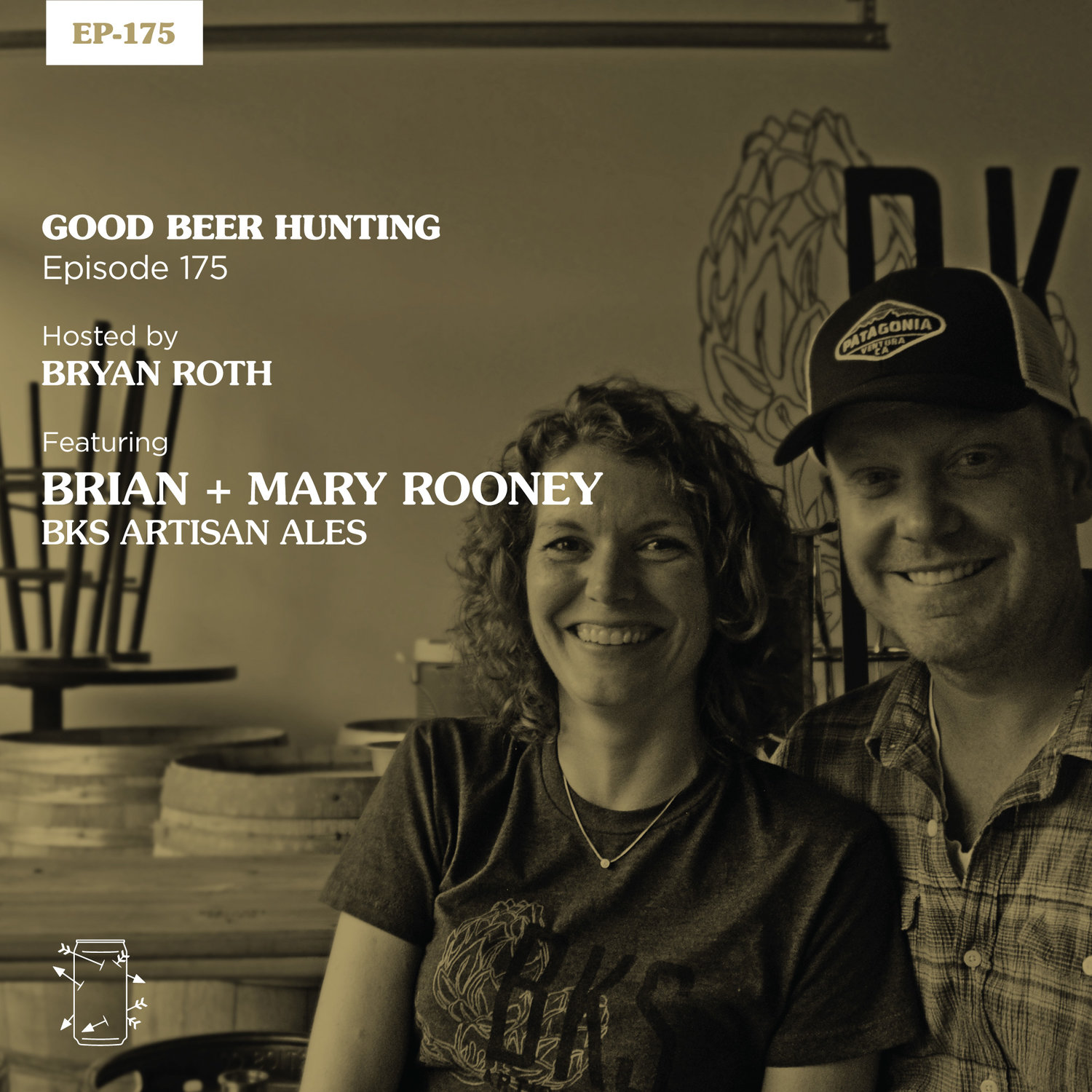
EP-175 Brian and Mary Rooney of BKS Artisan Ales
ETo some, vacation prep can feel almost as time consuming as act of being away itself, sorting through an endless number of online suggestions and guides with what you simply can't miss in whatever location you may be visiting. And like so many other beer lovers, I've got the process down to a science. When I'm off to visit someplace new, I love tips of where to and what to drink. On a recent stop in Kansas City, I was thrilled to have seen one small up-and-comer pop up several times over. BKS Artisan Ales - like so many other breweries in the City of Fountains - is helping to establish a new era of beer in Kansas City. Boulevard Brewing has long been an attraction, but there are more and more small producers catching the eye and taste buds of beer enthusiasts, with BKS being a prominent one. Best of all, BKS is still growing. After opening toward the end of 2017, the neighborhood taproom has been forced to expand its hours - from one day to two - as owners Brian and Mary Rooney find ways to strike work-life balance with a passionate local fanbase eager to line up for their New England IPAs, saisons and more. They haven't even been open for a year, but have already considered what small changes to their space can mean in terms of production, efficiency and quality. It's amazing what a canning machine can mean for saved time and sanity. Having navigated local laws to finally get open, the business has set itself up for an exciting future in Kansas City. All you have to do is check online message boards to follow along, but maybe the cat's out of the bag now.
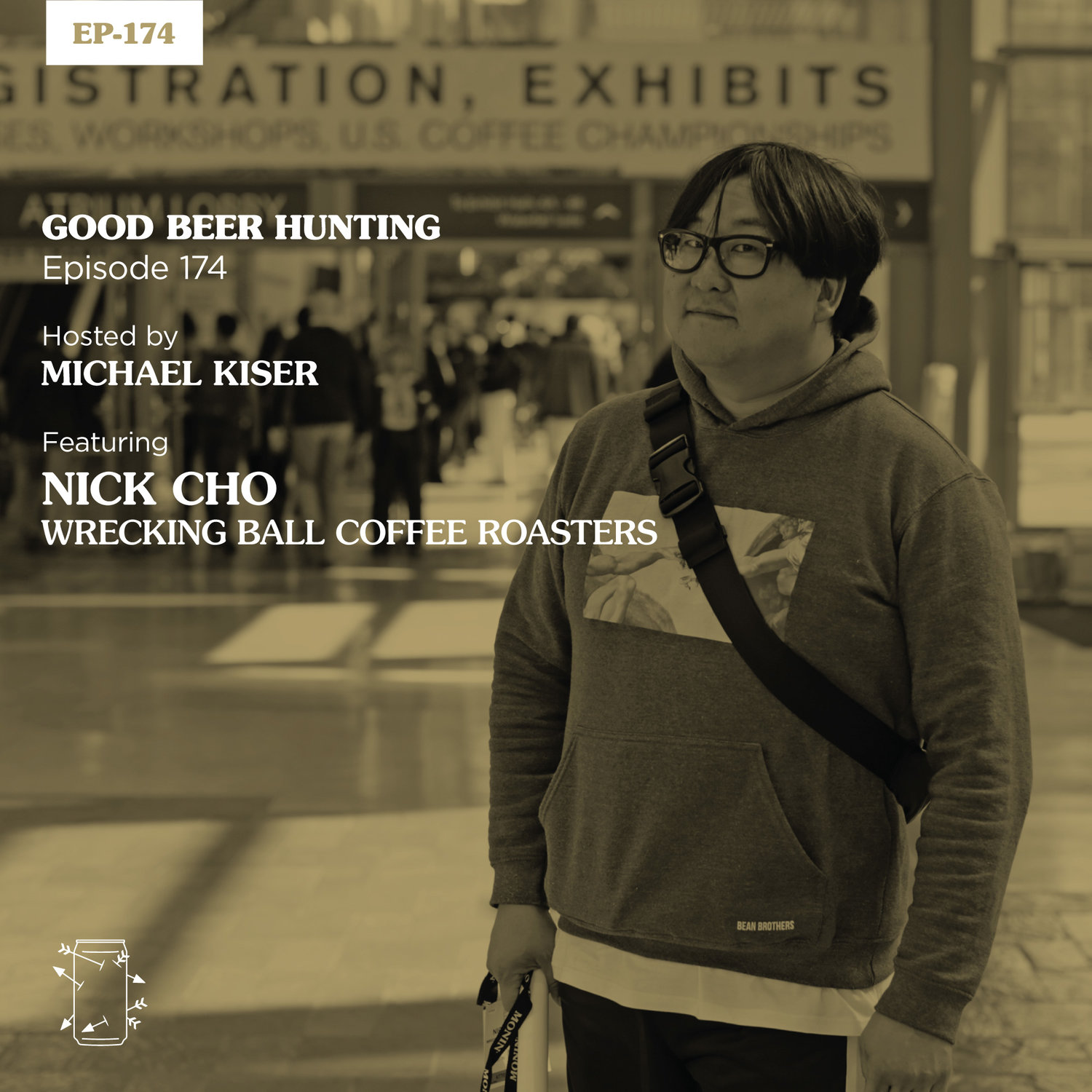
EP-174 Nick Cho of Wrecking Ball Coffee Roasters
Today's guest is basically one of my personal hobbies. He's one of my windows into coffee culture, and following him on Twitter has given me insight into so many of the social, business, product, and values issues within coffee that I find highly relevant to beer. It's not always a straightforward translation, of course, and much of what we talk about today is about the gaps between the two. Coffee and beer, and craft-oriented niches, have so much in common. But the differences are meaningful and instructive. Nick Cho has been there for much of it. He's served as director of the Barista Guild of America's Executive Council, the SCA's board of directors, World Barista Championship board, and chaired the U.S. Barista Championship, among many other roles. He's also opened his own roaster, Wrecking Ball, has been a guest lecturer at Berkeley, Dartmouth, and UC Davis, and used to have a podcast of his own. But this all pre-dates how I came to know him, and that was as a #CoffeeTwitter personality that people either get excited about or roll their eyes at. I've always found him to be a fantastic window into it all, with a point of view few others are willing or able to offer in public. And, like me, he hates cold brew. So at the most recent SCA Expo in Seattle, the coffee world's GABF, I took a break from Uppers & Downers with Nick to unite these forces for better and worse. Better for me, I think, but I'm not sure about him. For coffee folks, the beer world is just weird. This is Nick Cho of Wrecking Ball Coffee Roasters. Listen in.

EP-173 Jez Galaun and Xochitl Benjamin of Brixton Brewery
EOn today's episode I'm joined by Jez Galaun and Xochitl Benjamin, two of the four founders behind South London's Brixton Brewery. Six months previously, I had sat down for a brief chat with the same pair, before GBH broke the news that the brewery had sold a minority stake of 49% to Heineken. Now that the dust kicked up by that announcement has had the chance to settle I wanted to catch up with Galaun and Benjamin to find out how things had been going for the brewery post investment. Brixton was the latest in a string of acquisitions and investments that demonstrated an increasing trend in the interest in the London beer market from some of the industry's biggest players. We saw SABMiller purchase Meantime Brewery back in May 2015, before it was subsequently sold on to Asahi following SAB's merger with Anheuser Busch-InBev, a year later. In December 2015 AB-InBev's ZX Ventures investment arm acquired Camden Town Brewery, before also investing in its purpose built £30 million brewing facility in Enfield, North London. Denmark's Carlsberg also entered the fray in July 2017, when it purchased the struggling London Fields Brewery, in partnership with Brooklyn Brewery—the latter adding London Fields to its growing empire of international brewpubs. Heineken's investment in Brixton a few months later only further served to demonstrate that London's breweries are hot property. This investment means that like Camden, Brixton will be able to expand into a larger facility, although on nowhere near the same scale. At its existing facility under the arches near Brixton Station—which the brewery has called home since it was founded in 2013—it was producing almost 3000hl (around 2500 US bbls) per year. When commissioned later this year, the new facility will allow Brixton to produce ten times this amount annually. But this will still keep them under the volumes of several other London breweries, including smaller independents like Beavertown and Fourpure. The new site will also be located in the heart of Brixton itself, just 600 meters from the existing location as the crow flies. Galaun, Benjamin and I unpack the importance of this during the course of our conversation. We also discuss how the London scene is still undergoing dramatic change and whether or not that Heineken stake is evidence of an eventual path to control, as it was when they acquired Lagunitas.
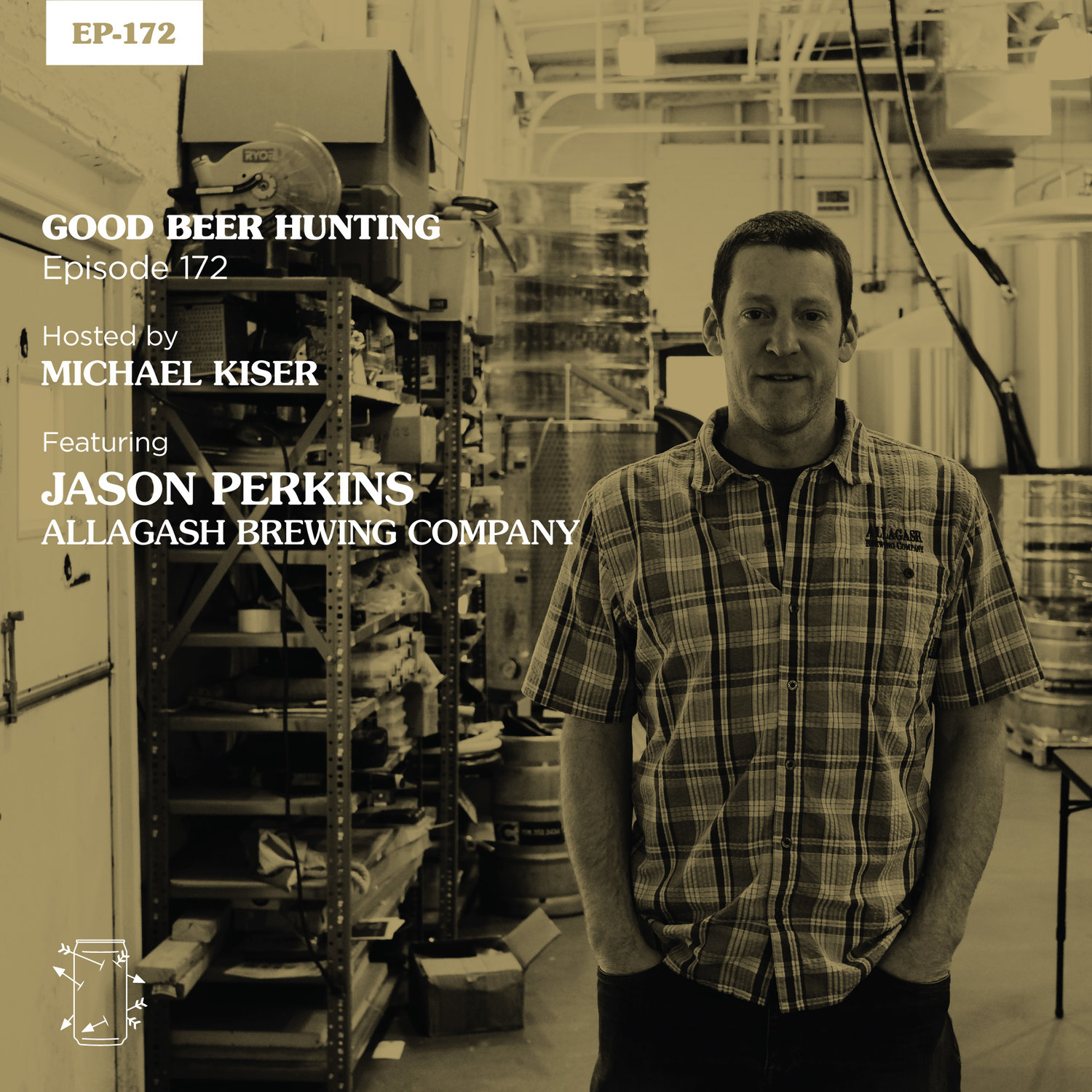
EP-172 Jason Perkins of Allagash Brewing Company
EThis week's episode is with one of the country's best and most-loved brewers. But unless you follow the industry closely, you probably don't know him. He won the Brewers Association's Russell Schehrer Award for Innovation in Craft Brewing in 2016 in recognition of his outstanding work at Allagash as their brewmaster, as well as the many committees and teams he serves on for the association itself. So much of what makes the Brewers Association a progressive, impactful part of our everyday drinking lives isn't in the marketing campaigns or politics, but in the incremental analysis, research, goal-setting, and internal lobbying for quality, technical education, and investments in agriculture. These are the rails upon which the future of craft brewing in the U.S. will run. And Jason is working at the heart of so much of it, both through the association, but also his own brewery in Maine. Jason was in Chicago for Allagash's Saison Day in which he brewed a collaboration beer with John Laffler of Off Color. So we set aside some time in the morning after their brew day and a night on the town in Chicago. And to his credit, despite his travel-weariness, not to mention this being probably the most boring part of his trip, Jason still showed up. I was delighted. I learned a ton. And I'm happy to share it with you all. Listen in.

EP-171 Alex Tweet of Fieldwork Brewing Co.
EThis week's guest is a fascinating one for me. I first came to know Alex Tweet, one of the founders of Fieldwork in Berkeley, California, during his run-in with Shaun Hill of Hill Farmstead over the use of the word Vermont to describe one of Fieldwork's farmhouse-style beers. The argument that followed between the two resulted in a Sightlines story on GBH, not so much because there was a disagreement, but because it brought up really interesting thoughts about what constitutes an appellation in beer making, especially in the U.S. We're used to thinking of Belgian beers being from Belgium, but could Vermont have a similarly important and respected origin in the future of American craft beer? Should it? To that end, so much about what makes Fieldwork interesting is the anachronistic qualities of its brand and voice, much of it coming through Alex himself. Fieldwork makes old-world styles of farmhouse-inspired, yeast-driven beers, but they also make New England IPAs and Pastry Stouts. The vibe is rustic and simple, but the business plan is ambitious and newly sprawling with a system of taprooms scattered around the Bay Area, taking advantage of California's generous licensing for craft brewers. And, of course, there's Alex himself, a somewhat anxious, energetic, always-thinking kind of guy wrestling with duality as many brewers do, between what he likes and what he sells, and his place in the world, trying to decide if he cares too much, or too little about a variety of aspects of brewery ownership. I admire his candor and his interest in talking it all out, which is what's made this podcast so rewarding. And I'm glad I get to share it with you all. Listen in.
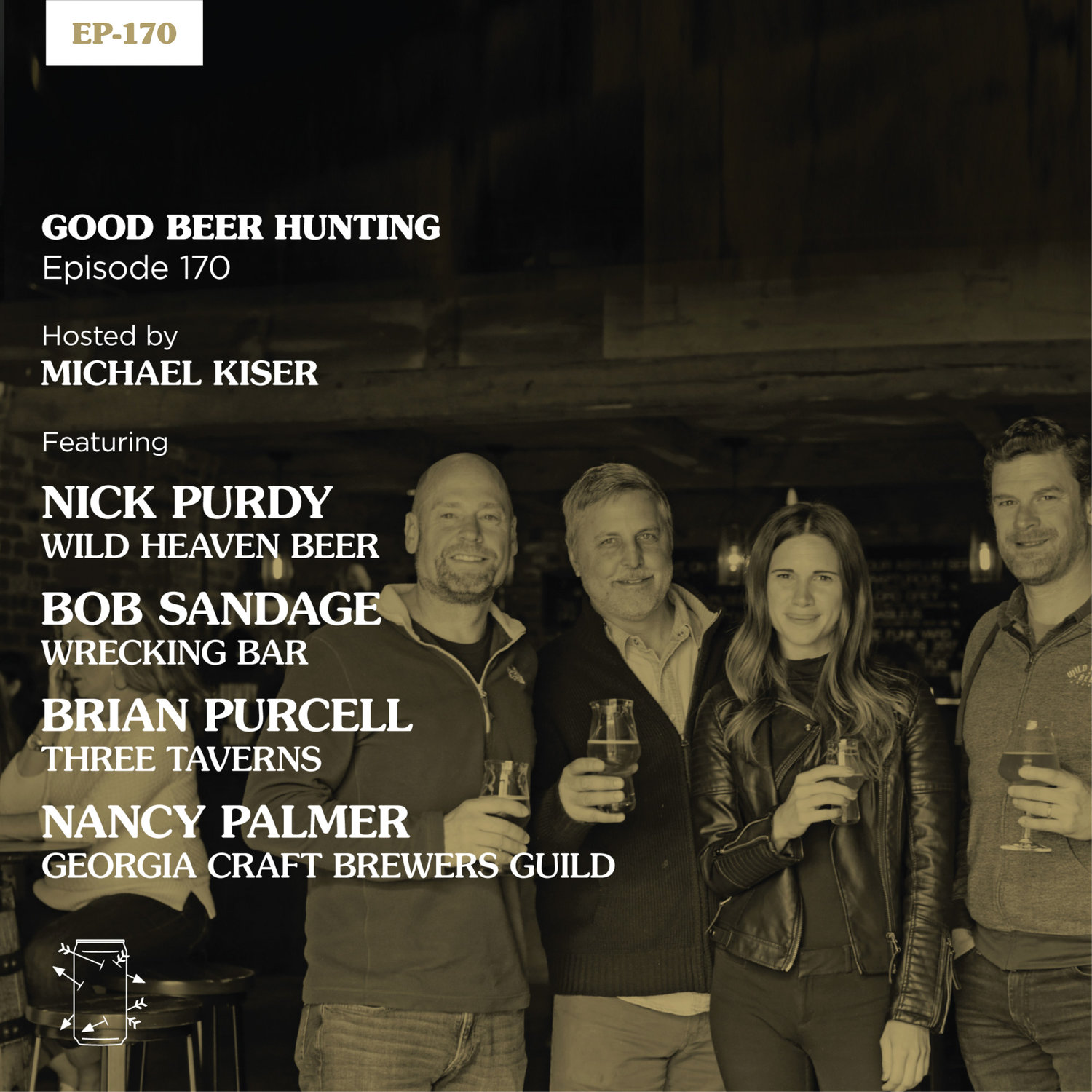
EP-170 Georgia Roundtable with Nancy Palmer, Brian Purcell, Bob Sandage, and Nick Purdy
EOur editorial director, Austin L. Ray, lives in Atlanta, which means I've had plenty of reasons to spend some time down there over the past few years getting to know the city through his perspective—its food, music and, of course, its beer. Recently, I watched as Austin's life as a beer drinker in the state of Georgia was dramatically changed with the passage of a new law that enabled breweries to sell their beer directly to drinkers in their own taprooms, over their own bars, and out their own doors. For some breweries, it's an opportunity for incremental sales. For others, it's an evolution of their business plan. And for those that are in the process of opening new breweries, it's a chance to introduce entirely new business models for making and selling beer in the state of Georgia. It's been about six months since the laws passed, which has given everyone—brewers and drinkers alike—some time to get used to the new normal. And by all accounts, it's been a pretty exciting time full of new opportunities and some hard lessons. It's also inspiring new thinking about the future. Austin helped me put together a group of folks, all with a unique perspective on the state of Georgia beer, to talk about their role in the changes, and what they're going to do next. My guests in this roundtable are: Bob Sandage from Wrecking Bar, a brewpub with its own farm who recently started can sales for the first time ever. Nick Purdy from Wild Heaven Beer, who said he wouldn't have signed the lease for his expansion without the new laws being signed. Brian Purcell of Three Taverns in Decatur who's now getting lines down the block for new releases and considering an off-site taproom to build the brand. And most importantly, Nancy Palmer, Executive Director of the Georgia Craft Brewers Guild, who was perhaps most responsible for getting the new legislation enacted on behalf of her constituents, and seems to have not lost a moment working on what's next. This week, Nancy also won the prestigious F.X. Matt Defense of the Industry Award from the Brewers Association, largely in recognition of those successful efforts. It's a helluva group to chat about the future of beer with. Listen in.
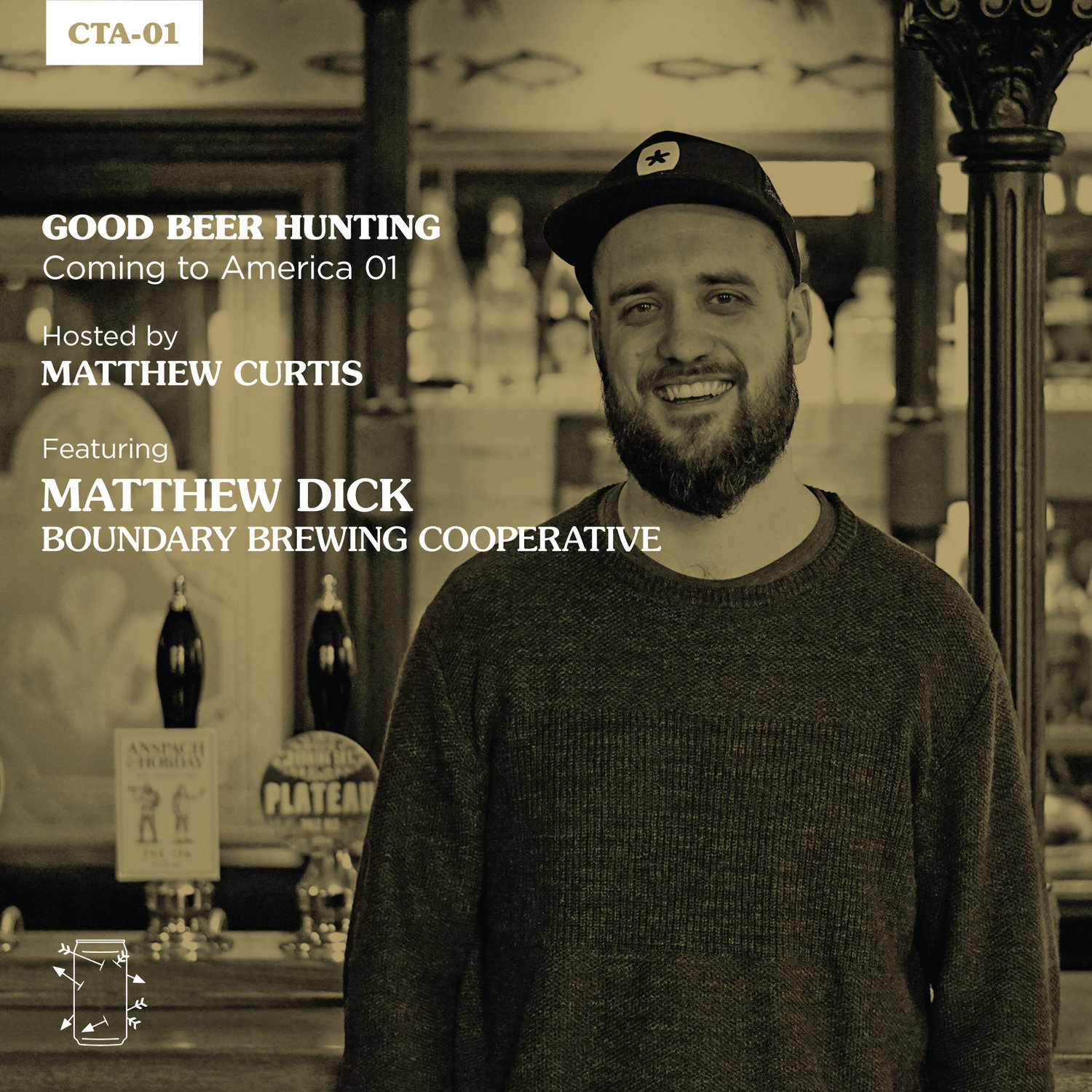
CTA-01 Matthew Dick of Boundary Brewing
EWelcome to this special edition of the GBH podcast, which forms part of our Coming to America series, brought to you in collaboration with Guinness. Before we get started today, I want to tell you how excited I am about bringing our Uppers and Downers festival of coffee, beer and coffee beers to London this May. It takes place at Mick's Garage in Hackney Wick on Saturday May 19th and will feature over 30 exceptional brewers and roasters—including today's guests, Boundary—each collaborating on some new and exclusive beers that you'll only be able to try at the event. Tickets are limited and selling fast, so head over to goodbeerhunting.com and hit get tickets to secure your space. In our Coming to America series we've brought you stories about upstart and iconic breweries from around the world that have been impacting U.S. drinkers for generations, and those that are just beginning to make the journey. Stories like how Pilsner Urquell originally came to the US, and how young breweries like Denmark's Alefarm are trying to find their place in the same market in the age of modern and local. Today's guest is Matthew Dick, co-founder of Boundary Brewing Cooperative, based in Belfast, Northern Ireland. If you read our article on Boundary back in May 2016 then you'll already be somewhat familiar with this Northern Irish upstart, which is only the second brewery to open in Belfast. Using the cooperative model as a base, which Dick will explain in detail later in this episode, Boundary began its journey in 2015, thanks to the investments made by over 1000 owner-members. It's a model that's relatively unique within the UK brewing industry, but its one that's so far proved successful for this young business Before the brewery opened however, Dick spent many years living out in the United States. He met his wife in Reno, Nevada, where he lived for several years, and latterly he spent some time in Austin, Texas, where he worked for the now defunct homebrew equipment manufacturer, Brewbot. To say that the US brewing scene inspired Dick—in particular breweries working with barrels and mixed-fermentation beers like Jester King—would be something of an understatement. An American-inspired entrepreneurial spirit resonates through everything that Boundary does. With three years under its belt it's starting to become established in its home markets of the UK and Ireland, but this isn't without its challenges, especially with the ever-darker clouds of Brexit looming on the horizon. Now, however, Boundary is beginning to look further afield and after securing a distribution deal with Shelton Brothers it has started to export its beer to the US. Boundary had the honor of taking over the taps at DC's Churchkey this past St. Patrick's Day. It also recently debuted its beer in New York City with an event at The Jeffrey. In this episode we'll learn about the value of these US exports to such a small brewery, and how it balances this alongside activity the needs of its domestic market.

EP-169 Devon Kreps of 7venth Sun Brewery
EI didn't expect to talk about a serial killer when I sat down with Devon Kreps recently, but sometimes life can be full of surprises. For a while, that was a recurring theme for Devon and her brewery, 7venth Sun, which she co-owns with Justin Stange. As you'll hear in our discussion, natural disasters and local tragedies played an unexpected and unfortunate role in the early story of their brewery's new production space in Tampa, Florida. But when we got together, it was in the cozy confines of their original brewery and taproom in Dunedin, a sort of golf cart community also on the western side of the state. Devon and Justin opened 7venth Sun in 2012 after meeting at Sweetwater Brewing, and her roots in beer go back to a degree in fermentation science from Oregon State University and time spent with Anheuser-Busch. You'll hear from Devon on a lot of similar topics craft brewers are facing today, from finding a niche in a local market to learning how to best run a business and, perhaps most important, overcome unexpected challenges for which you have no control. Through it all, Devon has helped run one of the flagship breweries in the greater Tampa area providing growth and excitement for her team and customers alike. Grab a Florida weisse, relax in a reclining chair and think of sandy beaches.

FF-013 Jim Plachy is a value brand, and members tell us about lagers and travel-planning
EWelcome to another episode of The Fervent Few podcast. Every few weeks we present you with this bonus episode of the GBH podcast where we chat with members of our subscriber community. The Fervent Few subscribe to GBH like a magazine making a monthly contribution via Patreon. Members join us in a forum to talk about a wide range of topics that doesn't just stop at beer. And every week we pick one of these topics and present the community's answers to readers in the form of an article posted to Good Beer Hunting. You can find out more information by visiting patreon.com/goodbeerhunting On this episode we talk to Zach Rothman (an attorney and beer blogger) and Chase Brooks (a cidermaker) about the recent uptick in lagers, and Nick Yoder, a distribution sales rep, about how he plans his beer travel.

EP-168 Sayre Piotrkowski of HenHouse Brewing
EThis is our second interview recorded during San Francisco beer week - and it happened to be our second interview with someone who works at HenHouse Brewing up in the north bay. When I first contacted Sayre to come on the podcast, I didn't even know he worked for Henhouse, which becomes part and parcel of the conversation. Sayre Piotrkowski is a great example of someone who's hustled their way through a variety of jobs in the beer world, from door man, to bartender to beer buyer and sales rep. The variety of his experiences comes together to form a uniquely complex and interesting take on the implications of today's beer market - how the biggest players affect communities, and how the smallest movers motivate change. Sayre's also been quite vocal about his opinions. He wrote an op-ed outlining his opposition to the Golden Road pub moving into Oakland that garnered a lot of attention - and we'll talk about that in depth here. But it's the underlying principles at play that really drive this conversation into interesting territory for me. And at times, Sayre and I sort of wander into the wildness together as we sort through the nuance of our own opinions and the questions we're asking of each other. So pardon the looseness of this one if you can, and just come along for the ride. Some of the things we discuss are still haunting me a bit, as unresolved as they are. But I enjoyed every minute of it, and I hope you do too. This is Sayre Piotrkowski of Henhouse brewing, listen in.
MU-010 Austin Beerworks Pearl Snap
Our resident composer for the podcast and our commercial video work, Andrew Thiboldeaux, is writing original scores devoted to beers he finds fascinating. These are interpretations of the experience of drinking them. But they're also just great tunes.
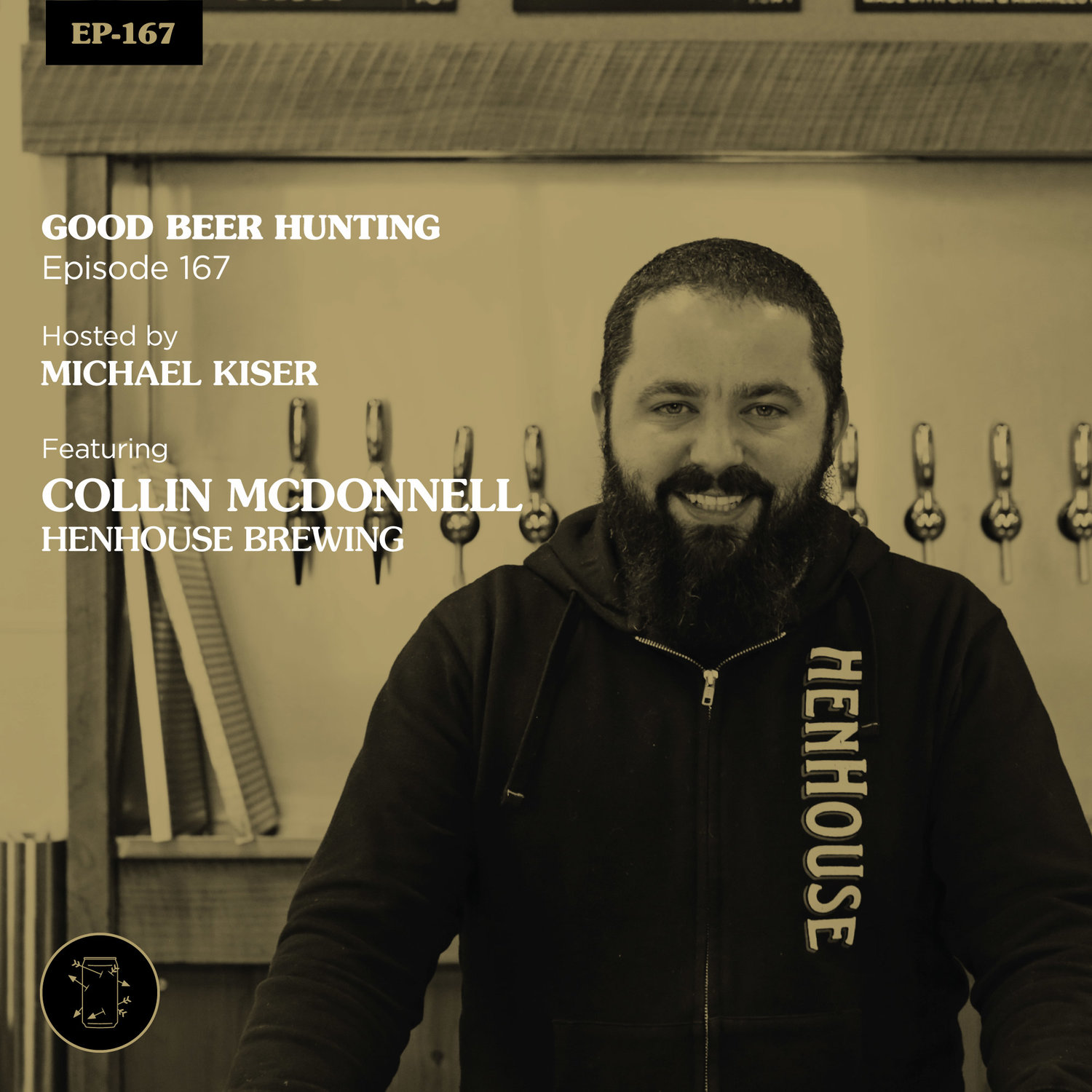
EP-167 Collin McDonnell of HenHouse Brewing
EI was lucky enough to get to the San Francisco and Bay Area for beer week earlier this year, and for the first time, I stayed on the Oakland side. Not only did this give me an entirely different perspective on the evolving scene of the East Bay, it also gave me quick access to the North Bay—and I took full advantage of it. I needed to get up to Santa Rosa for a shoot at Russian River for the Pliny release which was just published as part of Alyssa Pereira's first GBH story. Check that out when you get a moment—it's a great one. And that gave me good reason to make a stop at another brewery up that way, one I've been following mostly through its founder's Twitter personality for the last couple years. HenHouse Brewing Company started in Petaluma before growing up a bit and moving North into the front of a sauerkraut production facility where they've been transitioning a bit. While they started as a farmhouse brewery making some fantastic Saisons and traditional styles, they're now fully embracing the Double IPA and haze craze, working to figure out if that's an existential crisis, a business they should openly embrace, or both. Sometimes, especially in small business, existential questions make for poor business, and great business makes for a poor existence. HenHouse co-founder Collin McDonnell seems to appreciate the duality—and works through his thoughts more openly than most. His public Twitter account is where I find some of the most intriguing and intellectually honest conversations happening in craft beer. It's a place where he argues about things like independence, the distribution system, corporate and craft beer, and a host of other gnarly discussions, and one of the reasons I think he does it so well is that he doesn't take any of those words for granted. So often when the rest of the world hunkers down into their rhetorical trenches, Collin swings by with a reframe of the situation, and exposes the impractical flaws in both sides of the argument. Does independence matter if everyone's doing the same thing? Does distribution and access to market need to evolve, or should it be replaced by a new idea entirely? And in the end, who's going to shut up and take responsibility for the beer? This guy is an example of the kind of person who makes working in the beer industry so challenging and fulfilling. And he makes damn good beer. Listen in.

FFT-005 Sour Wild Ales Guild (S.W.A.G.)
EThe state of wild and sour beer in America is rapidly evolving. And this year, in partnership with Green Bench Brewing in St Petersburg Florida, the GBH team hosted a series of interviews and discussions at the Foeder for Thought festival. These discussions are meant to help us all dig in to the future of this loosely-defined, but highly-sought-after category of beers. It's also a chance to get to know some of the people and stories behind how these beers are made, sold, and enjoyed all over the country. In this 5-part series, you'll hear from a variety of perspectives from this niche of the industry.
FFT-004 Troy Casey, Casey Brewing & Blending
EThe state of wild and sour beer in America is rapidly evolving. And this year, in partnership with Green Bench Brewing in St Petersburg Florida, the GBH team hosted a series of interviews and discussions at the Foeder for Thought festival. These discussions are meant to help us all dig in to the future of this loosely-defined, but highly-sought-after category of beers. It's also a chance to get to know some of the people and stories behind how these beers are made, sold, and enjoyed all over the country. In this 5-part series, you'll hear from a variety of perspectives from this niche of the industry.
FFT-003 Sour Beer and Retail
EThe state of wild and sour beer in America is rapidly evolving. And this year, in partnership with Green Bench Brewing in St Petersburg Florida, the GBH team hosted a series of interviews and discussions at the Foeder for Thought festival. These discussions are meant to help us all dig in to the future of this loosely-defined, but highly-sought-after category of beers. It's also a chance to get to know some of the people and stories behind how these beers are made, sold, and enjoyed all over the country. In this 5-part series, you'll hear from a variety of perspectives from this niche of the industry.

FFT-002 Interview w/ Q&A - Chase Healey of American Solera
EThe state of wild and sour beer in America is rapidly evolving. And this year, in partnership with Green Bench Brewing in St Petersburg Florida, the GBH team hosted a series of interviews and discussions at the Foeder for Thought festival. These discussions are meant to help us all dig in to the future of this loosely-defined, but highly-sought-after category of beers. It's also a chance to get to know some of the people and stories behind how these beers are made, sold, and enjoyed all over the country. In this 5-part series, you'll hear from a variety of perspectives from this niche of the industry.

FFT-001 State of sour/wild beer in Florida
EAt this year's Foeder for Thought, the festival of wild and sour beers hosted by Green Bench Brewing Co. in St. Petersburg, Florida, the GBH team co-hosted panels and discussions that help us all dig in to the future of this loosely-defined, but highly-sought-after category of beers. WATCH THE ENTIRE SERIES ON VIDEO HERE. This podcast series includes: // State of sour/wild beer in Florida, featuring: Bob Sylvester of Saint Somewhere Brewing Co. Khris Johnson of Green Bench Brewing Matt Manthe of Odd Breed Wild Ales // Interview w/ Q&A - Chase Healey of American Solera // Sour Beer and Retail, featuring: Blake Tyers of Creature Comforts Greg Engert of Churchkey, Sovereign, Bluejacket, and more Veronica Danko of The Independent, Jug & Bottle Christian Gregory of Shelton Brothers // Interview w/Q+A - Troy Casey, Casey Brewing and Blending // Sour Wild Ales Guild (S.W.A.G.) featuring: Jeffery Stuffings of Jester King Erin Jones of Point Five Creative Consulting Brandon Jones of Yazoo Brewing Company Josh Haimbright of Central State Brewing and Jeff Porn of Atom Brewing Company
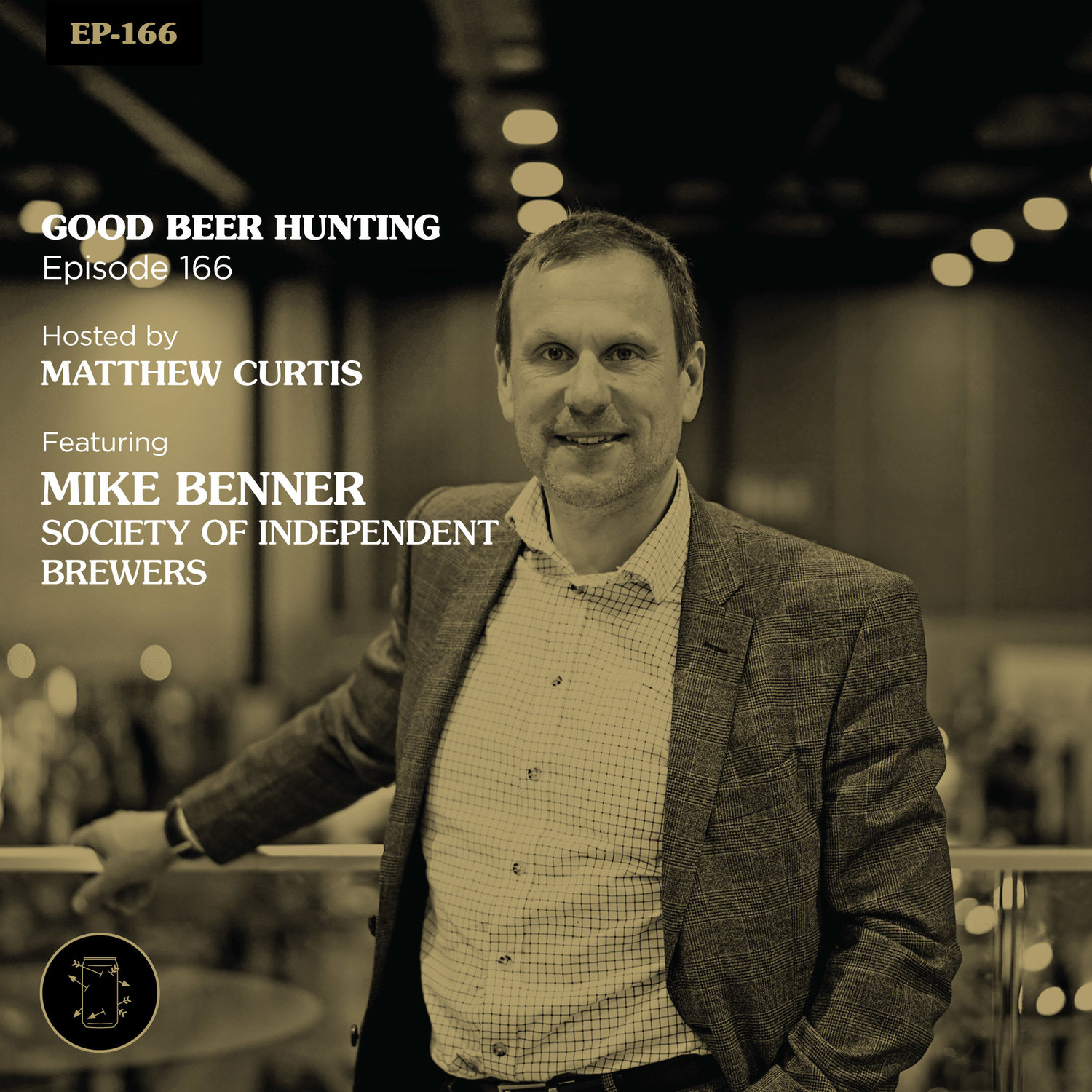
EP-166 Mike Benner of the Society of Independent Brewers
EThis week's guest is Mike Benner, Chief Executive of the Society of Independent Brewers, or SIBA for short. SIBA is the largest UK trade body representing the independent arm of the British brewing industry. Founded in 1980 as the Small Independent Brewers Association, SIBA currently represents around 830 brewer members as well as around 300 or so non-brewing supplier associates. Its equivalent in the US would be the Brewers Association, and Benner's equivalent at the BA would be its CEO and President, Bob Pease. I recently attended the SIBA annual conference and trade show, BeerX, which also serves as its members Annual General Meeting. The meeting itself was full of fired up statements from some of the association's smallest members. Folks who are feeling somewhat disenfranchised from an organization they feel should be helping them claw out some market share in an ever more competitive field but not delivering. At BeerX a motion was proposed by SIBA to raise its threshold for membership from 200,000hl a year (just over 170,000 US barrels) to a figure that reflects 1% of current total UK beer production—just short of 440,000hl (or 375,000bbl). The motion was rejected by a slim majority, mostly due to the ire presented by the smaller members in attendance at the meeting. Had it passed it would have allowed two of the UK's largest independent breweries, Fullers and St. Austell, to rejoin, after loosing their associate status, when this was scrapped in a similar vote in 2017. This is one of many challenges Benner and his team at SIBA has to grapple with as it tries to meet the needs of its various members. Perhaps its greatest challenge is how these needs differ between its smallest and larger members. There just isn't a one size fits all solution—and as SIBA attempts to evolve in a beer market that shows no signs of slowing down—trying to meet these varying needs becomes seemingly ever more difficult. But if it wasn't for SIBA, some of these very small brewers might not have had the opportunity to break into the industry in the first place. The actions of the association were key in the introduction of progressive beer duty or PBD—sometimes referred to as small brewers duty relief—in 2002. PBD meant that brewers producing less than 5000hl a year were eligible for a 50% tax discount on the beer they were producing. Once production is over 5000hl, the amount of relief is tapered until it hits 60,000hl, when a brewer will pay the full rate of tax on the beer they produce. As well as its trade association, SIBA also operates a commercial arm with. It launched a direct delivery service, now called BeerFlex, in 2002. This scheme allowed small breweries to sell to larger pub companies through SIBA. Recently, this scheme has been surrounded by controversy, as the pub companies continue push their prices ever lower, despite market conditions ensuring that the cost of beer production is rising. To compound these difficulties, SIBA recently acquired a distributor, Flying Firkin, to bolster its commercial wing, much to the ire of some SIBA members. Finding a balance between its trade association and commercial arms is a challenge that's been made all the greater by the emergence of hundreds of new brewers within the last decade—many of which feel that the association doesn't represent them, and choosing not to become members. However, despite all of this relative uncertainty, Benner himself still seems positively upbeat. In fact he almost appeared to relish these new challenges as we sat down for this chat on the trade floor at BeerX a couple of weeks ago.
FF-12 Jim Plachy gets categorical and a member shares their SKU'd perspective on distribution
EWelcome to another episode of The Fervent Few podcast. Every few weeks we present you with this bonus episode of the GBH podcast where we chat with members of our subscriber community. The Fervent Few subscribe to GBH like a magazine making a monthly contribution via Patreon. Members join us in a forum to talk about a wide range of topics that doesn't just stop at beer. And every week we pick one of these topics and present the community's answers to readers in the form of an article posted to Good Beer Hunting. You can find out more information by visiting patreon.com/goodbeerhunting On this episode we talk to Thad Parsons of Crystal City Wine Shop about distribution and keeping track of so many SKU's. But first Michael and I talk about Speciation Artisan Ale's stealth tasting room opening, Hazy IPA becoming an officially recognized style by the Brewers Association, and what are we going to do with all of these 15 packs of lager?
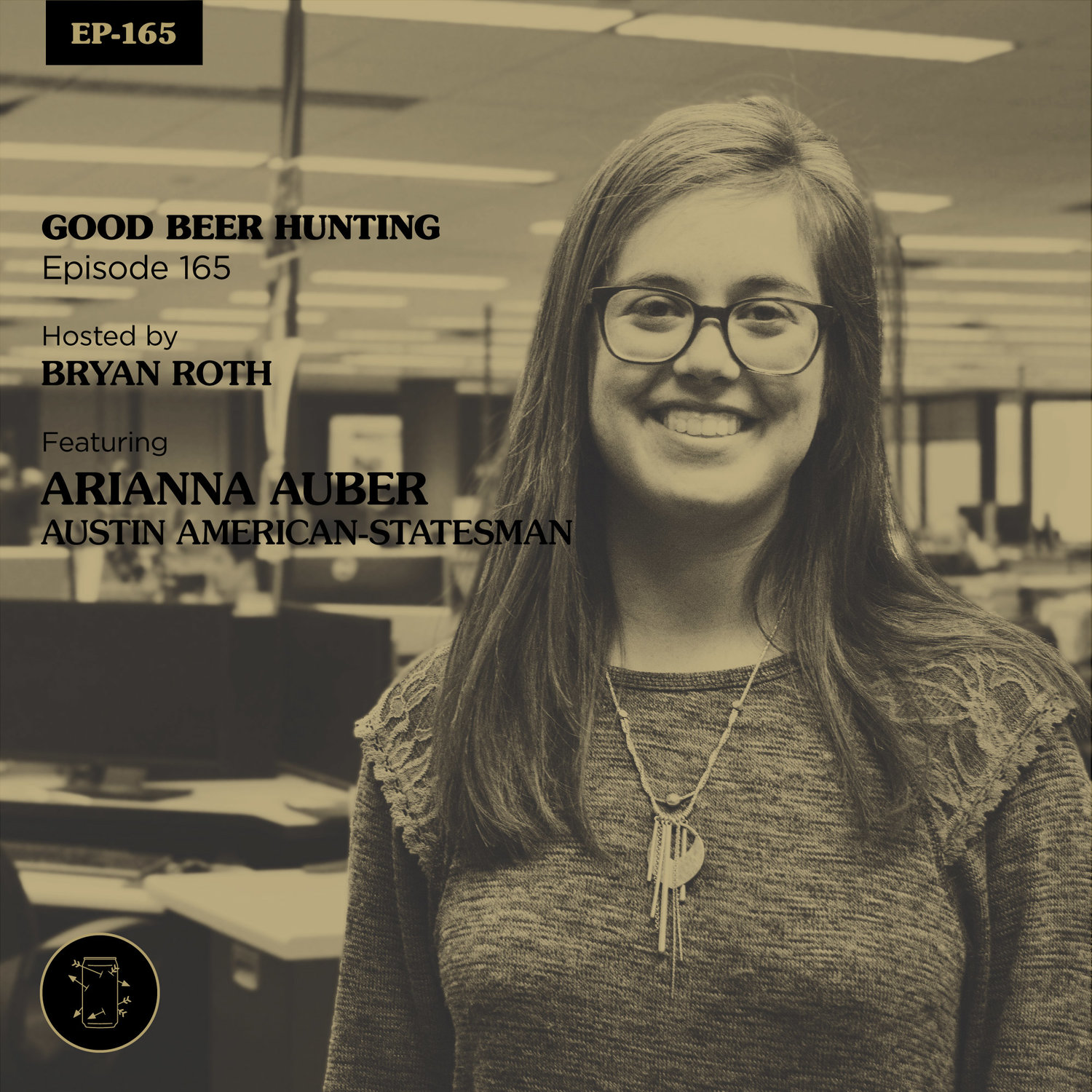
EP-165 Arianna Auber of Austin American-Statesman
ETexas continues to receive plenty of attention from the beer world, and here on the GBH podcast, this episode rounds out a trio of recent opportunities to hear about what's going on in the Lone Star State. Jester King's Jeff Stuffings and a whole crew from Austin Beerworks have offered some context of what's going on with them in their corner of the beer world, and now we turn to someone sitting just outside the industry for extra perspective. Arianna Auber has worked as a journalist covering the city for the Austin American-Statesman since 2012 and has written about beer, wine and spirits for almost that entire time. The position has allowed her to watch the local scene evolve as foodies and beer lovers have made Austin a popular destination. Many beer enthusiasts know about Jester King, but the city provides so much more in terms of its drinking culture, whether about beer or not. During her time at the newspaper, Auber has had the opportunity to not only cover the stories shaping Austin's food and drink industry, but she's also been one of the people helping to shape perspective, informing residents on what's cool, interesting and even the basics of beer, from vernacular to state and country-wide trends. I love talking to other journalists, especially about the details that make reporting so special, and Arianna's insight is a great example of why it's important to take a step back and survey the entire beer landscape, especially as the industry tries to attract new drinkers and get people to think about beer differently.
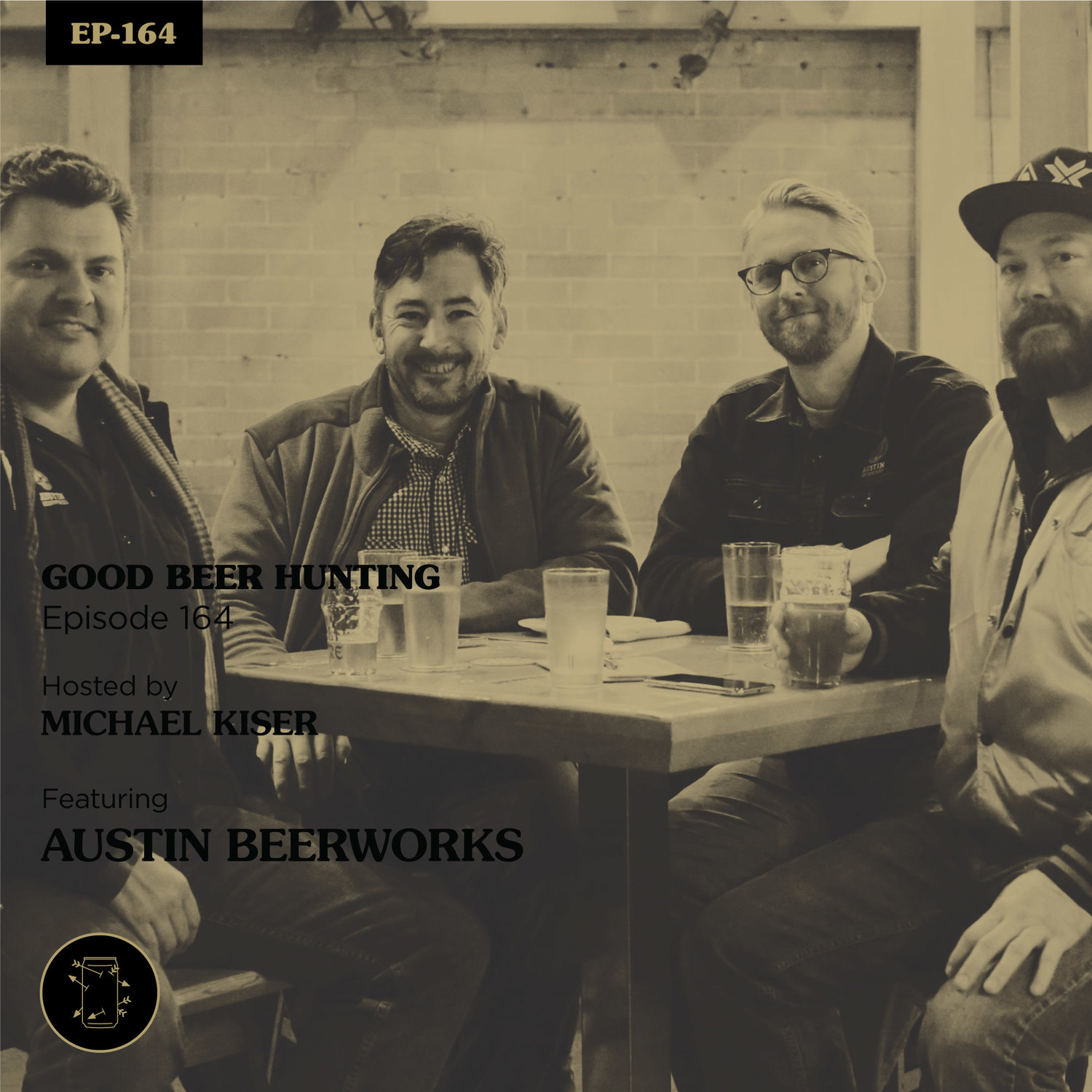
EP-164 Austin Beerworks
EI'm currently sitting in the car outside Black Back Pub in Waterbury, VT waiting for one of my favorite bars in the country to open its doors. I came out to visit Hill Farmstead for the quarterly pickup of their Collected Works membership club. It's my first time joining the club, which I mostly did as an excuse to force myself to visit more often. It's buried in about a foot or two of snow at the moment, but it's as special as ever. And now my bags are full for the trip home. I'm also here for the weekend for a grafting workshop with Shacksbury Cider. A bunch of us are holing up in an old farmhouse and learning how to graft apple trees in an orchard outside of Middlebury. So I figured I better bring some bottles of Hill Farmstead's Dorothy to share. As much as I admire these kinds of artisanal producers (they really speak to what I love about the ancient traditions of making these delicate, fermentation-driven beers and ciders), if you've been listening for a while, you know that another part of my brain is just as turned on by the business and strategy of running a contemporary craft brewery. This week's guest is Austin Beer Works, one of the best in that regard, and someone I've been following closely for a while now. They have a strong brand, they're growing, they self-distribute, and they know their market. They're really the quintessential case study for how to make and sell contemporary craft beer in a somewhat underdeveloped market—especially when you know that market won't stay that way for long. Very few do these days. So this is Austin Beerworks—pretty much the whole crew, which represents a variety of skill sets and perspectives, but with a unified goal—discussing the many facets of what constitutes their vision, strategy, and execution. Listen in.

EP-163 Jaega Wise of Wild Card Brewery
EYou may have already heard of Wild Card Brewery's Jaega Wise—especially over the past few months, as she's positioned herself as a prominent anti-sexism campaigner within the British beer industry. I had hoped to highlight the great work Wise is doing within this field in this episode, but was also keen to learn more about her history as a brewer and her businesses plans for future expansion. The danger with conversations like sexism in beer, as Wise and I discuss, is that too often the din of conversation can drown out voices, like hers, which are far more relevant and important to these vital conversations that we're having. While it's crucial that every effort is taken to create a platform for these voices, it's equally important to know when it's time to pipe down and let these voices be heard. And to all the dudes listening in right now, I'm talking about you and me. Wise originally hails from Nottingham, in the British Midlands—the "land of the Pale Ale," as she puts it. She speaks passionately about the region's pub culture and how it raised her into the world of beer. It's an industry she kind of just fell into, after studying Chemical Engineering at Loughborough University. Wise is also a musician, currently fronting a London based rock band as a singer. Oh, and she's a TV host, providing her wealth of beer knowledge on Channel 5's The Wine Show. Despite all of this attention, she appears to be at her happiest and most content when she's working at her brewery, based in Walthamstow, North East London. When she's not brewing, you can usually find her in the taproom which, along with neighboring businesses like Pillars Brewery and God's Own Junkyard, has become an important hub for the local community. That sense of community has been key to this brewery's growth too, as it raised £300,000 last year, aiding it's expansion to a new site this spring. Wild Card's five years of existence has not been without its obstacles, however. Wise is quick to point out the challenging margins available for cask beer within the current UK market. And, she concedes that despite trying not to succumb to trends, the pull of those such as New England IPA have been too great to resist. Listen in.
EP-162 Uppers & Downers Hangover Party 2018
EHey we did it - we made it through another year of Uppers & Downers in Chicago, home to our annual festival of coffee, beer, and coffee beers held in collaboration with our friends at Thalia Hall. This time around, of course, we decided to make an entire week out of it, with a series of smaller events leading up to the festival featuring tours of local coffee roasters, espresso demos, tap takeovers, an incredible chef-driven dinner, an Irish cocktail competition with some of chicago best bartenders. It was a real haul, but we were thrilled to bring in so many new partners and collaborators this year to pull it off. So as we do every year, but especially this year, is we sit down for the Hangover party and reflect on what we learned and what we were inspired by from the festival with some of the brewers, roasters, and others who came to town. Our co-founder, world Barista Champion Stephen Morrissey couldn't be with us this year, he was off in London getting ready for our first major Uppers & Downers festival there this May 19th — he was doing a site visit and working with the brewers, roasters, and our London-based editor Matthew Curtis in the run-up to what will be a major international expansion for us with the festival. we've got some really exciting things to share. Tickets for the London fest are on sale now - on goodbeerhunting.com/events But to sit alongside me for the recap podcast was a very worthy substitute with Nick Kohout and Jen Hoverstad of Counter Culture Coffee based in North Carolina, but with a lab here in Chicago.