
Good Beer Hunting
743 episodes — Page 14 of 15

#BEAVEREX17 — Keynote — Steve Grossman, Sierra Nevada — On the Past, Present & Future of Craft Beer
EKEYNOTE Steve Grossman Sierra Nevada Brewing Company On the Past, Present & Future of Craft Beer Good Beer Hunting was thrilled to partner with Beavertown Brewery at their Extravaganza anniversary celebration this year to bring you some compelling discussions and presentations about the state of craft beer in 2017. A wide range of topics and personalities were available to discuss some of the more pressing, and exciting pursuits in beer. You can learn more about Beavertown's educational investments on their blog.

#BEAVEREX17 — Art & Craft
EART & CRAFT Why your brand is as important as your recipes Host: Matthew Curtis, Good Beer Hunting Guest Speakers: Nick Dwyer, Beavertown Brewery Michael Kiser, Good Beer Hunting Good Beer Hunting was thrilled to partner with Beavertown Brewery at their Extravaganza anniversary celebration this year to bring you some compelling discussions and presentations about the state of craft beer in 2017. A wide range of topics and personalities were available to discuss some of the more pressing, and exciting pursuits in beer. You can learn more about Beavertown's educational investments on their blog.

#BEAVEREX17 — Forever Young, Part 1
EFOREVER YOUNG (PART 1) Staying Relevant in the Modern Beer Landscape, Part 1 Host: Michael Kiser, Good Beer Hunting Guest Speakers: Kim Jordan, New Belgium Brewing Paul Jones, Cloudwater Brew Co. Good Beer Hunting was thrilled to partner with Beavertown Brewery at their Extravaganza anniversary celebration this year to bring you some compelling discussions and presentations about the state of craft beer in 2017. A wide range of topics and personalities were available to discuss some of the more pressing, and exciting pursuits in beer. You can learn more about Beavertown's educational investments on their blog.

#BEAVEREX17 — Sour Beer as a Genre
ESOUR BEER AS A GENRE How do we update nomenclature to encompass an ever broadening set of styles? Host: Michael Kiser, Good Beer Hunting Guest Speakers: Pierre Tilquin, Gueuzerie Tilquin André Ek, Brekeriet Tomme Arthur, The Lost Abbey Good Beer Hunting was thrilled to partner with Beavertown Brewery at their Extravaganza anniversary celebration this year to bring you some compelling discussions and presentations about the state of craft beer in 2017. A wide range of topics and personalities were available to discuss some of the more pressing, and exciting pursuits in beer. You can learn more about Beavertown's educational investments on their blog.
#BEAVEREX17 — The Modern Beer Portfolio
ETHE MODERN BEER PORTFOLIO Balancing a core range vs consumer demand for special releases Host: Matthew Curtis, Good Beer Hunting Guest Speakers: Cosmo Sutherland, Beavertown Brewery Evin O'Riordain, The Kernel Darron Anley, Siren Craft Brew Good Beer Hunting was thrilled to partner with Beavertown Brewery at their Extravaganza anniversary celebration this year to bring you some compelling discussions and presentations about the state of craft beer in 2017. A wide range of topics and personalities were available to discuss some of the more pressing, and exciting pursuits in beer. You can learn more about Beavertown's educational investments on their blog.

#BEAVEREX17 — Keynote — Logan Plant, Beavertown Brewery, The State of British Craft Beer
EKEYNOTE Logan Plant Beavertown Brewery The State of British Craft Beer in 2017 YOU CAN FIND THE ENTIRE #BEAVEREX17 LIBRARY HERE Good Beer Hunting was thrilled to partner with Beavertown Brewery at their Extravaganza anniversary celebration this year to bring you some compelling discussions and presentations about the state of craft beer in 2017. A wide range of topics and personalities were available to discuss some of the more pressing, and exciting pursuits in beer. You can learn more about Beavertown's educational investments on their blog.
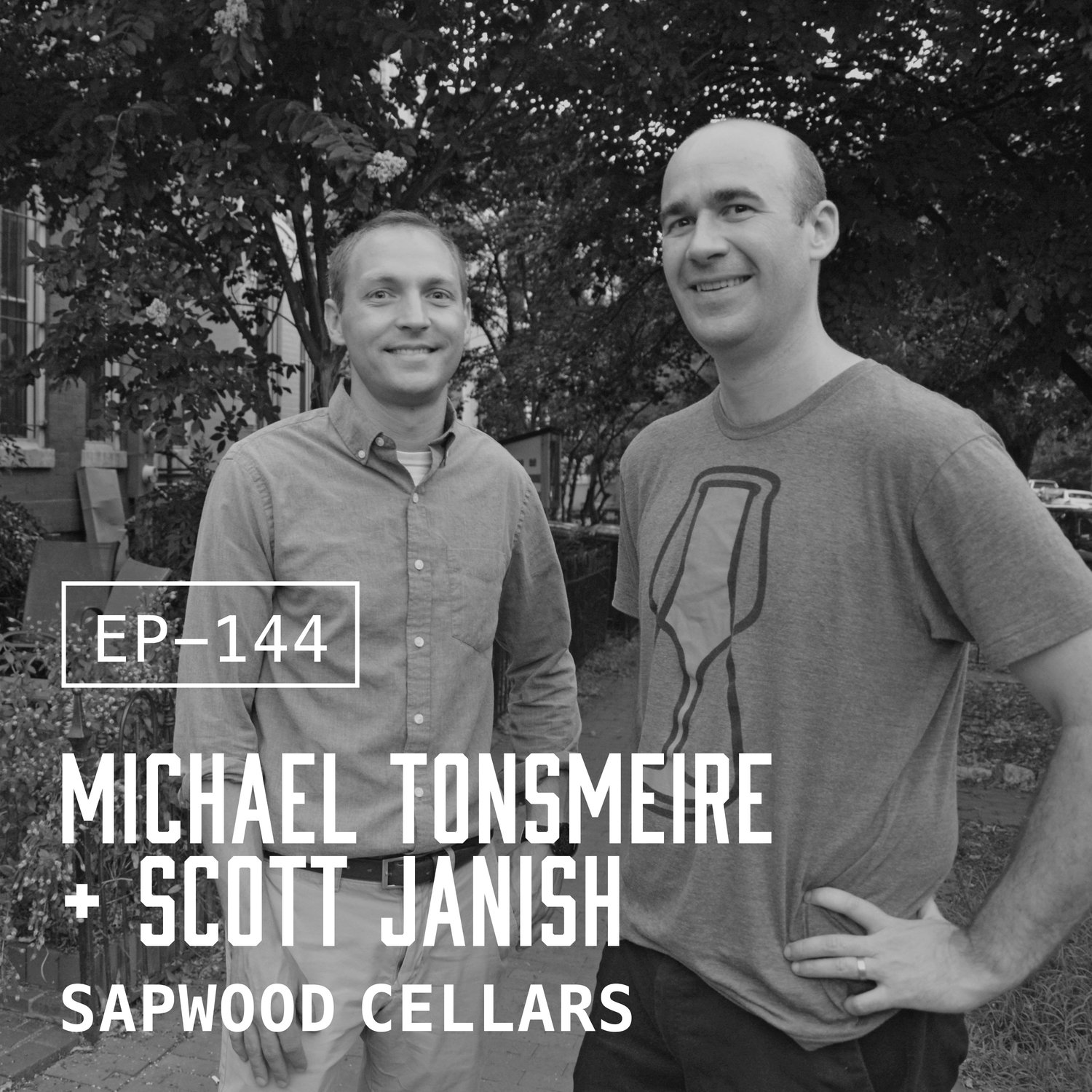
EP-144 Michael Tonsmeire and Scott Janish of Sapwood Cellars
EToday is a special kind of geekery, so pull out your lab coats, pocket protectors and hydrometers, because things are about to get nerdy. Especially when it comes to New England IPAs. One of the amazing things I've found covering the beer industry is the number of brilliant people who fill up the ranks of bartenders, brewers, biologists and more. It makes perfect sense within a profession that blends aspects of science and art, and when I find myself in the midst of a particularly engaging conversation that goes well beyond talking beer styles, ratings or trends du jour, it's something I really value. Lucky for me, this podcast provides the opportunity to make such occurrences happen. While I was recently passing through Washington DC, I met up with Michael Tonsmeire and Scott Janish, two highly-accomplished homebrewers who will soon go pro together with the launch of Sapwood Cellars. From my perspective, these are two of the smartest guys in the business, not just because they've made great homebrew, or in Michael's case help launch barrel programs for commercial breweries, but because I know it - they're two of the most public brewers who share recipes, research and in-depth insight through Michael's Mad Fermentationist blog and at ScottJanish.com, where Scott puts in heavy lifting sorting through white papers and academic analysis related to beer. They've also literally written the book on their areas of expertise, with Michael behind the book, American Sour Beers, and Scott just recently announcing he's writing one about the modern IPA. Whether you love or hate New England IPAs, I think the first half of our conversation will help you think about them differently, as Michael, Scott and I do a deep dive into recipes, chemistry and psychology of the trendy style. We'll also hit on the challenges of opening a brewery in today's market and what the DC and Maryland area can expect when Sapwood eventually opens. Grab a notebook or simply sit back and let the mentions of polyphenols wash over you.
FF-007 Jim Plachy goes to camp and an Irish farmer readies the kettle
EWelcome to another episode of The Fervent Few podcast. Every few weeks we present you with this bonus episode of the GBH podcast where we chat with members of our subscriber community. The Fervent Few subscribe to GBH like a magazine making a monthly contribution via Patreon. Members join us in a forum to talk about a wide range of topics that doesn't just stop at beer. And every week we pick one of these topics and present the community's answers to readers in the form of an article posted to Good Beer Hunting. You can find out more information by visiting patreon.com/goodbeerhunting On this episode we talk to Mark Twig of the hopefully soon to open Canvas Brewery in Ireland. But first Michael Kiser and I chat about our upcoming getaway to the wilds of Wisconsin, the difference between taprooms and bars, and what went down at this year's Great American Beer Festival.

EP-143 Louisa Spencer and Steve Wood of Farnum Hill Cider
EThis week, I chat with a couple that makes phenomenal cider in New Hampshire at Farnum Hill. It's all orchard-based from their own land at Poverty Lane Orchards. In fact, it's all made right there on-site in a repurposed barn. Steve Wood and Louisa Spencer have made a life with their cider, but in recent years as the sort of pseudo-craft-cider boom has created both momentum and vulnerability in the cider category, things have gotten a bit out of whack. After all, what is craft cider if it's not up to par with orchard-based traditional cider? It's a bit like starting up a craft beer craze when you already have Hill Farmstead and Jester King around. But that's what's happened in cider as these traditional orchardists have had to start competing alongside some fairly mundane cider in canned six packs. It's a blessing and a curse. The size of the pie increases, but the consumer is more confused than ever before. Despite that quandary, Farnum Hill is growing. They're building an entirely new cider house next to the old barn, and hoping the future is as bright as it seems. I stopped by on a whim. I was simply in the area for a wedding this summer and wasn't going to miss my chance to visit one of my favorite cider producers in the world. So this interview starts a bit spontaneously as Steve expected a chat, and I quickly realized that he and his partner Louisa needed to sit down and talk some things out. It starts abruptly and ends abruptly, but that's what oral history sounds like. And I treasure this conversation.
FF-006 Jim Plachy loves binging and a Texan goes to Maine
EWelcome to another episode of The Fervent Few podcast. Every few weeks we present you with this bonus episode of the GBH podcast where we chat with members of our subscriber community. The Fervent Few subscribe to GBH like a magazine making a monthly contribution via Patreon. Members join us in a forum to talk about a wide range of topics that doesn't just stop at beer. And every week we pick one of these topics and present the community's answers to readers in the form of an article posted to Good Beer Hunting. You can find out more information by visiting patreon.com/goodbeerhunting Today we're going to call Dave Riddile of Collective Brewing Project in Ft. Worth Texas. They just got back from the beer meets wood festival in Portland Maine and Dave is fired up about their first major festival. But first lets catch up with Michael Kiser and hear about the first ever Good Beer Hunting Symposium that just took place recently in London.
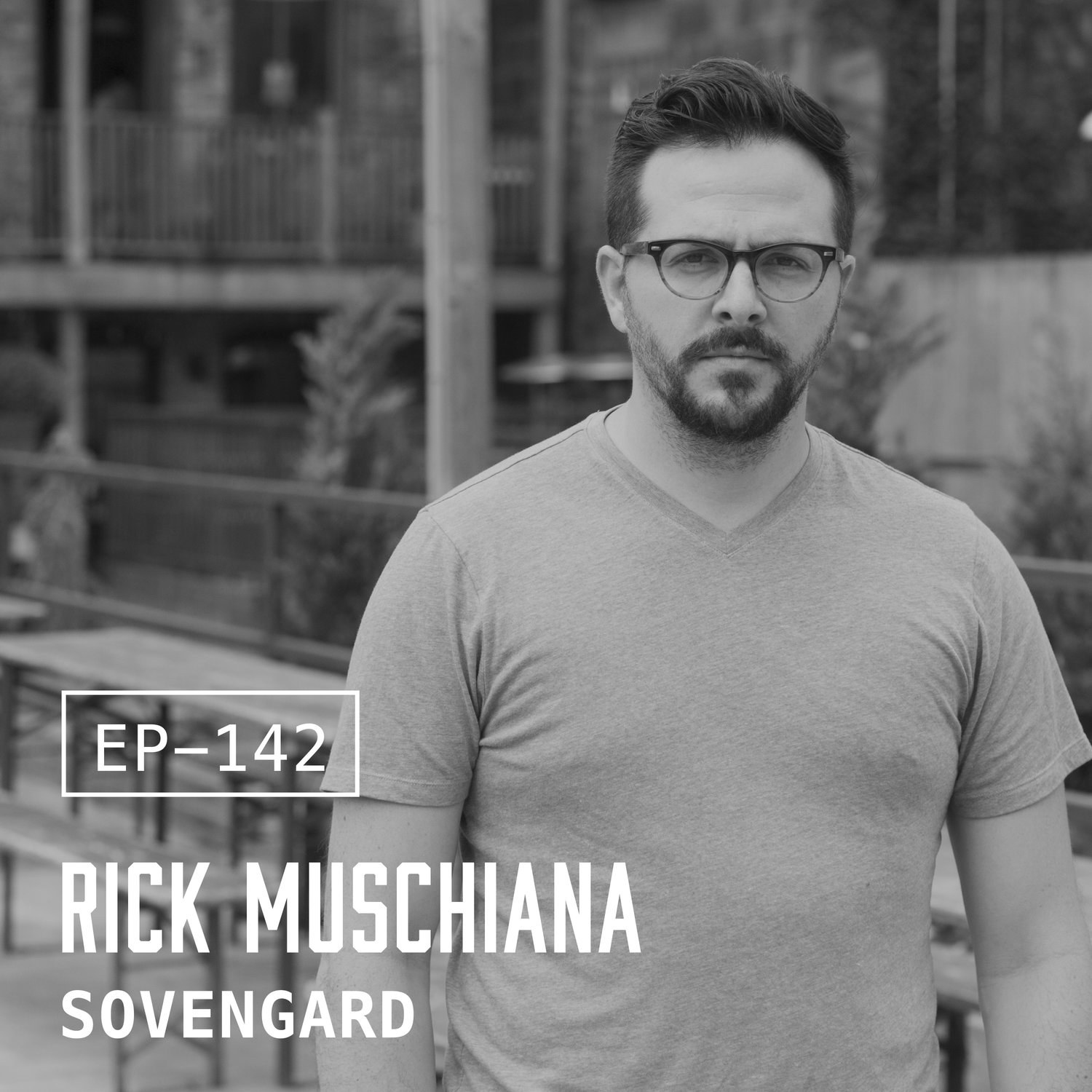
EP-142 Rick Muschiana of Sovengard
EYou'll sometimes hear people describe craft beer as a sort of zeitgeist all its own, coming out of nowhere to upend a century-old domination of the big corporate brewers, rising like punk rock to legendary status by following its own rules, and changing people's expectations for what beer can be in the process. And a lot of that's true, though it didn't happen in a vacuum. Way back in episode 18 with Gary Fish of Deschutes, you hear a much more contextual perspective. Which is to say: craft beer, at least in its current form, is part of something much bigger that's changing about the way we eat and drink. The slow food movement that has transformed so many of the world's dining experiences from city to city, bringing things like "farm to table" into our common vernacular. Phrases like "know your farmer," which sounds a lot like "know your brewer." And "locavore," which sounds a lot like "drink local." All these things were setting a stage that craft beer now dances on. It just happens to be a part in the play where beer is stealing the show a bit. And that brings us to today's guest, Rick Muschiana. I first met Rick when he was working at Brewery Vivant in Grand Rapids. Back in episode 10, we talked to founders Jason and Kristen Spaulding about their unique community and sustainability-focused brewpub. Rick helped them grow that operation, playing roles in marketing, sales, and operations. He then went on to lead Michigan sales for Virtue Cider in Fenville, Michigan. And then he took the plunge into his own concept, focused on a sort of Nordic style of cuisine alongside great beer, wine, and more in a restaurant and garden concept called Sovengard in Grand Rapids. It's there you'll find the culmination of Rick's former professional experiences, but also something more fundamental—the influence his parents had on his perspective on food, beverage, and hospitality. They remain an influence to this day. The result is a place in Grand Rapids unlike any other.
MU-007 Pacifico Clara
Our resident composer for the podcast and our commercial video work, Andrew Thiboldeaux, is writing original scores devoted to beers he finds fascinating. These are interpretations of the experience of drinking them. But they're also just great tunes.
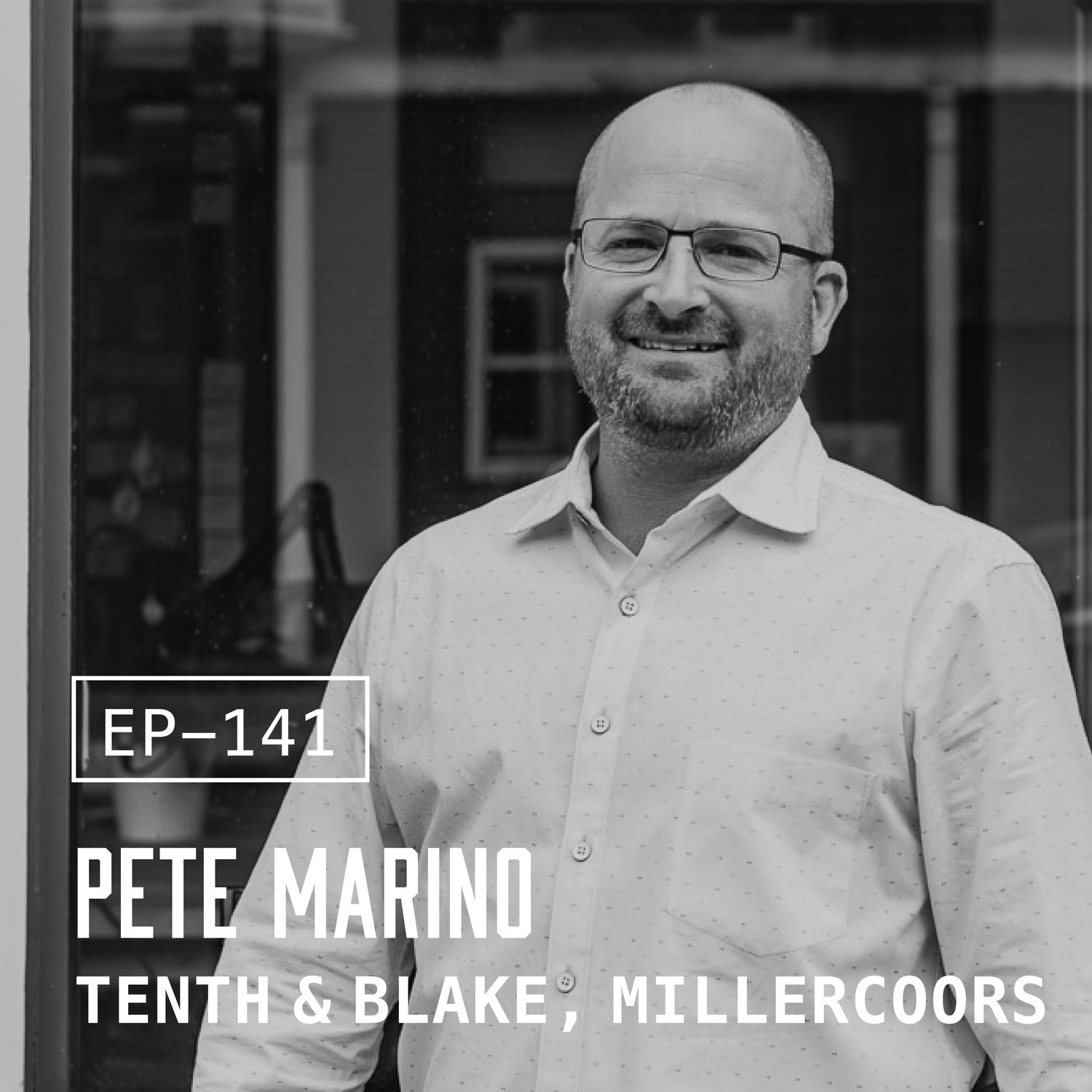
EP-141 Pete Marino of Tenth & Blake, MillerCoors
EAs much as we talk about the acquisitions of craft brands, it's not often we get to hear directly from the people involved, and how they think about and manage these acquisitions. How do breweries transition to their new realities? How do they get integrated into a portfolio? How do they enable growth, but also look to safety, quality, and sales with a critical eye? It's a lot to handle, and a lot of big questions remain. For AB InBev's High End, things seem to move really, really fast. For MillerCoors and its Tenth & Blake team, which is in charge of its craft acquisitions and imports, things seem to move much, much slower. Leinenkugels, for example, was a craft acquisition back in the 1980s, and they're still working patiently by comparison to most. Terrapin is another, still operating mostly regionally despite having partial MillerCoors ownership since 2012 (more recently, they took the majority). Compare that to the now-international presence of a brand like Goose Island under ABI's ownership, and the national move being made by specific beers like Elysian Space Dust and others, and you start to see a very different strategy at play between these two corporate brewers. But what is that difference, and what's it inspired by? Today we're going to talk to Pete Marino, who's taking on a new leadership position at Tenth & Blake and we're going to try to explore this very subjective question. Also in the room will be Lisa Zimmer, a guest you might remember from way back in episode 79 when she was working in the Tenth & Blake group. She's since move up to MillerCoors proper, but her perspective on the legacy of Tenth & Blake combined with Pete's more recent point of view is productive.
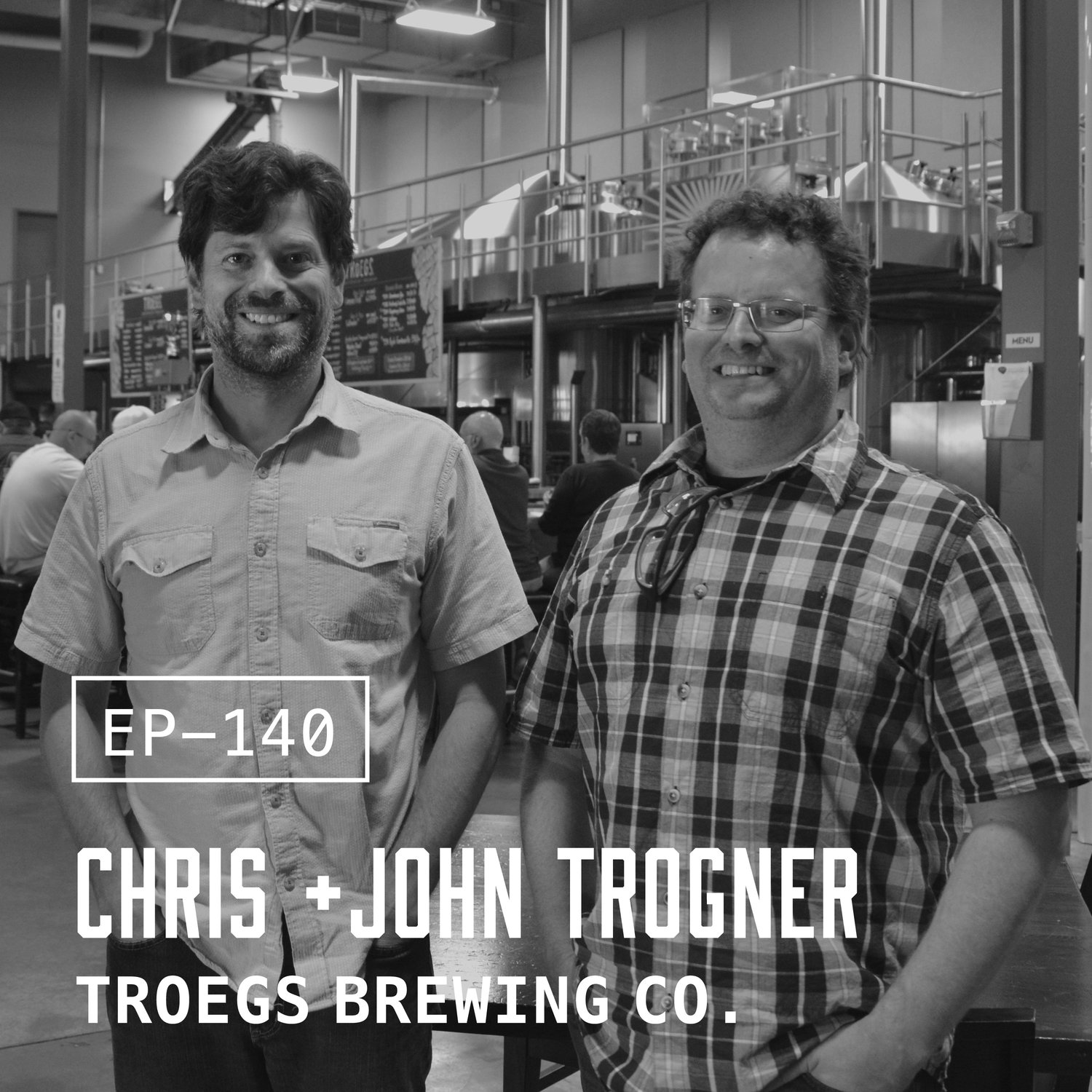
EP-140 Chris + John Trogner of Troegs Brewing Company
EThere are so many paths people take to follow their passion, often surrounded by the support of friends and family. No matter what excites us enough to go pro for the thing that we love, there's still a shared experience in the fact that entrepreneurship is intimate. It's not uncommon to find partners in business to also be partners in life. Friends, spouses, parents, and siblings are all taking risks—every day and together—to create something they deeply care about. From a surprisingly early age, Chris and John Trogner assumed this would be their lot in life. A duo served well by their love of brainstorming and invention, teamwork between this pair has led to youthful mischief (a homemade cannon), practicality (a skateboard ramp), and what they're now best known for—beer. This summer marked 20 years in business for Troegs Brewing Company, now one of the 50 largest breweries in the United States. Behind a quickly growing production limit and expanding staff are these two brothers, overseeing an evolving company that is adapting to the industry through new additions at their Hershey, Pennsylvania headquarters and their lineup of beers, which offer new experiences and inspiration through their beloved Scratch series of experimental batches. Stories of how people came to start a business in beer are plentiful, each with their unique anecdotes and nuance. Sitting down this summer with the founders of Troegs provided an opportunity to not only talk shop, but learn more about the personal and familial ties that have helped them become so successful. Behind all the company has accomplished, it's still about two brothers who care deeply about beer and the people who help them share it with the world.
FF-005 Jim Plachy says 'hit me," and a West Coaster wants his personal space
EWelcome to another episode of The Fervent Few podcast. Every two weeks we present you with this bonus episode of the GBH podcast where we chat with members of our subscriber community. The Fervent Few subscribe to GBH like a magazine making a monthly contribution via Patreon. Members join us in a forum to talk about a wide range of topics that doesn't just stop at beer. And every week we pick one of these topics and present the community's answers to readers in the form of an article posted to Good Beer Hunting. You can find out more information by visiting patreon.com/goodbeerhunting On this episode we play Where in the World is Michael Kiser and we talk to James Raynon who just moved to Chicago from Souther California. We'll talk to him about the differences in locales and his time in the Fervent Few. But first we find out where Michael Kiser is hiding.
EP-139 Alan Newman, Craft Beer Emeritus
EWay back in 1994, in Burlington, Vermont, a little brewery named Magic Hat sprung to life making what for many of its customers was the first "craft beer" they'd ever taste. One of its co-founders was Alan Newman, who became not only the entrepreneurial force behind the company, but the whimsical, hippie, bearded face of the brand itself. By the time he'd gotten Magic Hat off the ground, he was already well on his way to being a serial entrepreneur, and after his frustrated departure from the brewery in 2010, as part of a private equity deal, he went on to be the strategic, creative and, again, somewhat-of-a-face for brands like Coney Island, Concrete Beach, the Traveler Shandy company, and Angel City Brewery. At the latter, he was working as part of the Alchemy & Science portfolio owned by Boston Beer. Indeed, he was working directly with Jim Koch. I worked alongside Alan and his team for a couple years as they built and re-positioned these brands, so part of today's conversation will include a look back at some of the challenges and opportunities in that work from Alan's perspective. Now? He's done. He's walking away from the beer industry. Or so he says. I don't exactly believe it. Alan has a funny way of always reeling himself back into the business. Alan and beer just can't quite quit each other. And regardless of whether he comes back, or new ventures await, his perspective on what's happening in our industry now is always fascinating and instructive for me because he was there in the room when so many decisions were made. Decisions like who will be defined as a "craft brewer" in the first place. And what's the value of that definition? And then, of course, how so many of the challenges he faced with Magic Hat in the '90s are timeless for small brewers today. The more things change, the more they stay the same, as it were.
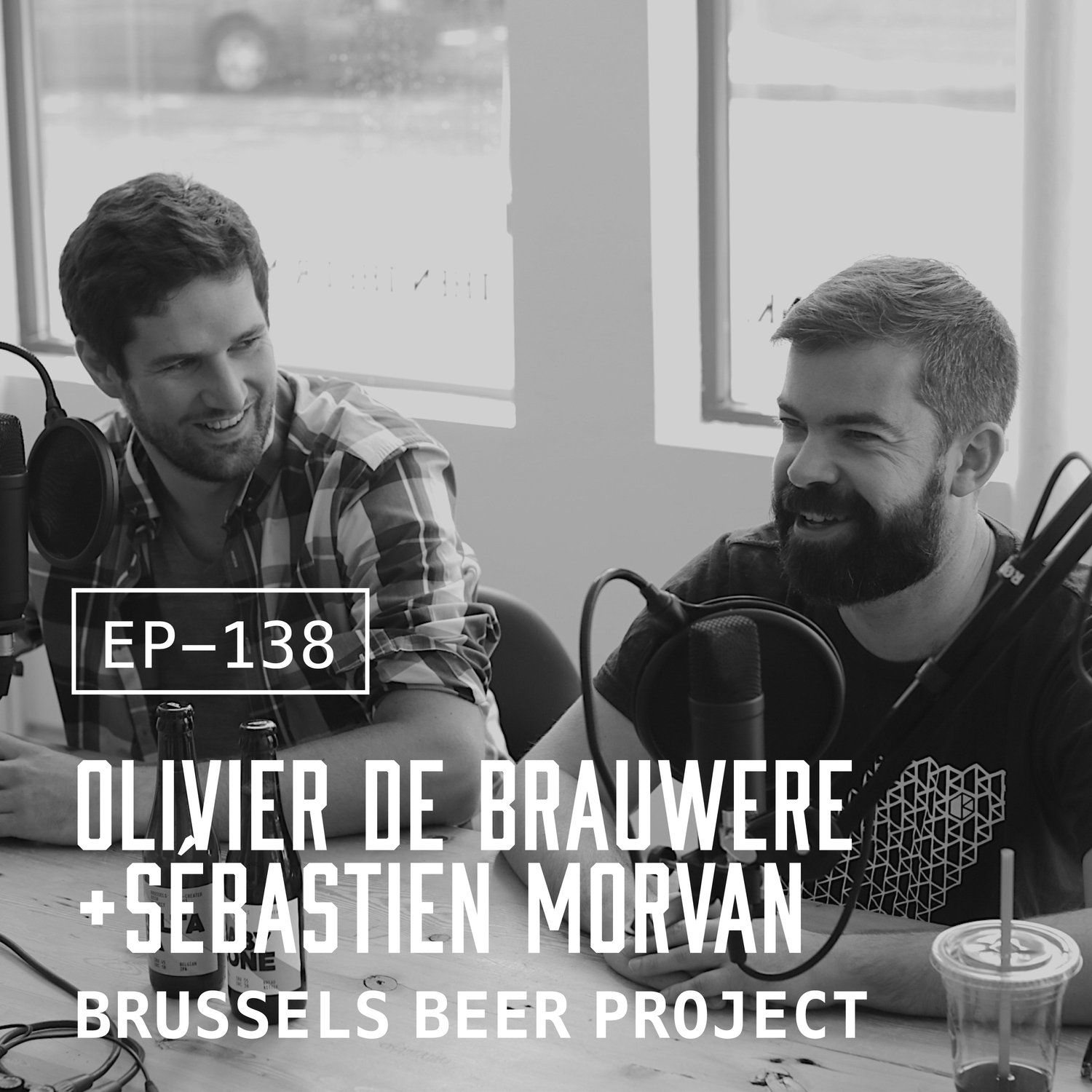
EP-138 Olivier de Brauwere and Sébastien Morvan of Brussels Beer Project
EThis weeks guests are from Brussels, Belgium. It's there that they own a very American-inspired brewery called Brussels Beer Project. I first visited their spot a couple years ago when they'd just established themselves after contract brewing. It was a space defined by a new urban aesthetic that you find the world over, with bright colors, cafe-style furniture, and an open floor plan. Not to mention beer styles ranging from hoppy IPAs to big, sweet Stouts, Saison, and everything in between—a bit of a universal vibe that you might associate more with cities in general than Brussels specifically. Indeed, their project is very much defined by its young community audience, folks who have helped them raise funds and decide on beer styles. That dynamic creates a very different approach and vision for what a brewery means to its fans and customers. And it's a big step away from tradition in a historical brewing county like Belgium. As you saw with last week's guest, there are strong opinions in Belgian beer about things such as contract brewing, techniques, and traditions. But what I find, taking a step back, aren't oppositional forces but, rather, differing visions for what a brewery can and should be. And I think a big part of what you'll hear in this interview is that maybe the word "should" can be left out of the conversation, as every generation defines these things for themselves. And rather, focus on "could," that magical word that makes it possible to consider other ways of doing things, with a different purpose, but valuable and interesting all the same. Running these interviews back-to-back is coincidental. I happened to meet the founders of Brussels Beer Project in Chicago recently at a taproom opening and invited them over to record. But I'm happy for this overlap as they are highly relevant to each other in both location and subject matter.
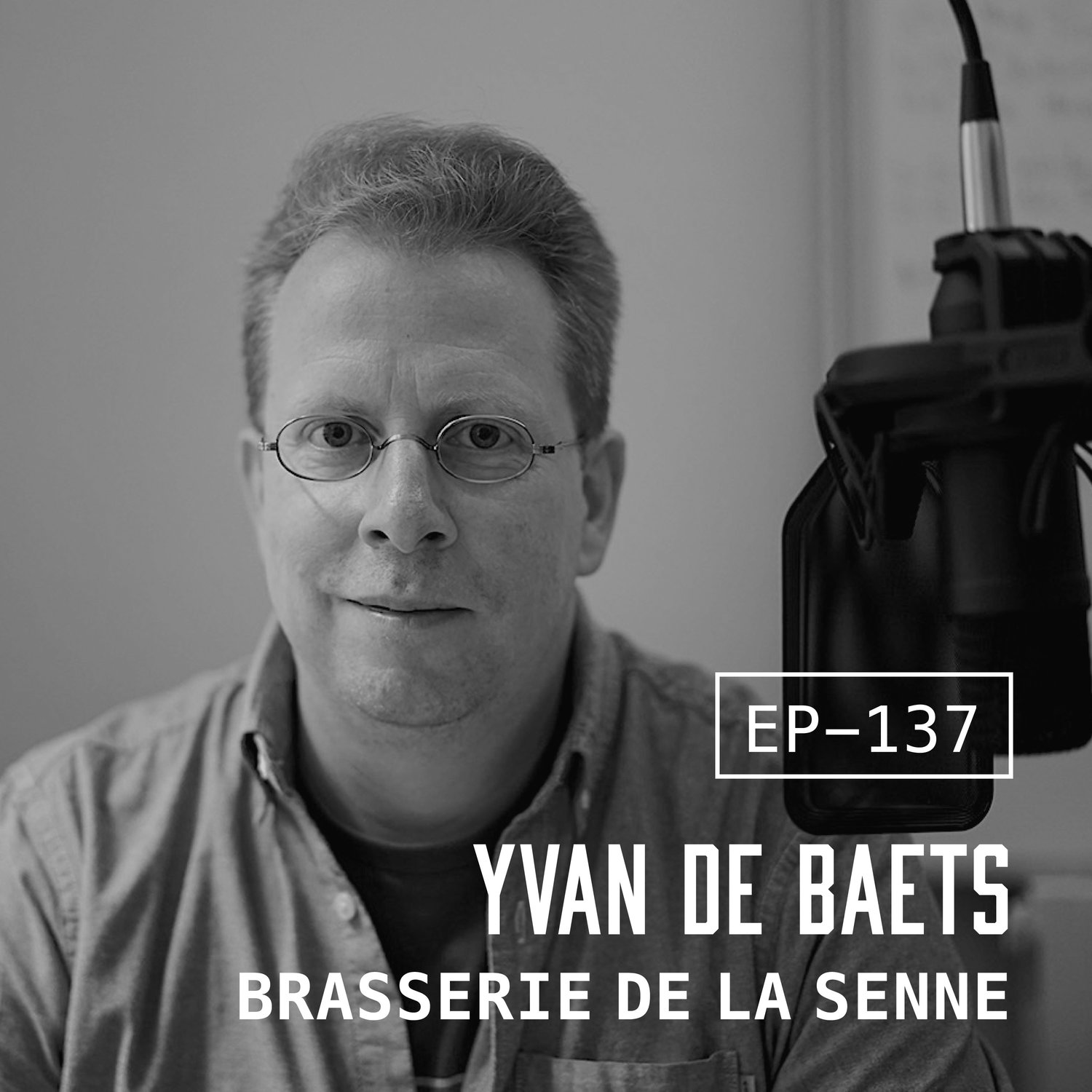
EP-137 Yvan de Baets of Brasserie de la Senne
EGBH founder—and one of the co-hosts of this podcast—Michael Kiser has previously described some episodes of this podcast as being "bucket-list" interviews. Folks like Brooklyn Brewery's Garrett Oliver and Allagash's Rob Todd, for example: folks who've played huge roles in shaping the industry as we know it and still continue to do so. Now, it's my turn. Today, I sit down for a conversation with Yvan de Baets, head brewer and co-founder of Brasserie de la Senne in Brussels, Belgium. You're more than likely already familiar with the beers that de la Senne produces. Despite only being in existence since 2003, its beers, such as the dry and bitter Taras Boulba and the balanced, rounded Zinnebir, could easily be described as timeless and iconic. These aren't words to be thrown around lightly, but try asking a brewer what his or her favorite beer is and more often than not, it'll be one of them. It's no surprise, either, as we'll learn from de Baets later in this episode that Taras Boulba is a beer made for brewers. De Baets was in town for a string of events centered around a new specialty Belgian beer festival here in London called Ales Tales. The night before we met for this interview we had hosted an event with him at The Prince in Wood Green, North London and our conversation picks up from the points we discussed that evening. This includes the origins of de la Senne and how their first beer was brewed in a Brussels squat, to just how intrinsic the Belgian capital is to everything this brewery does. Yvan pulls no punches when discussing what he calls "fake brewers," or what most of us know as contract, or so-called "gypsy brewers." He even goes as far as to call some of them a disease within the industry. He even weighs in on the use of Belgian beer terminology, such as Lambic and Gueuze, around the world—including the recent fracas between Jester King and HORAL .
MU-006 Central State Brewing's Table
Our resident composer for the podcast and our commercial video work, Andrew Thiboldeaux, is writing original scores devoted to beers he finds fascinating. These are interpretations of the experience of drinking them. But they're also just great tunes. Central State happens to be a client of GBH's studio team. However, Andrew chooses the beers he wants to score of his own volition.
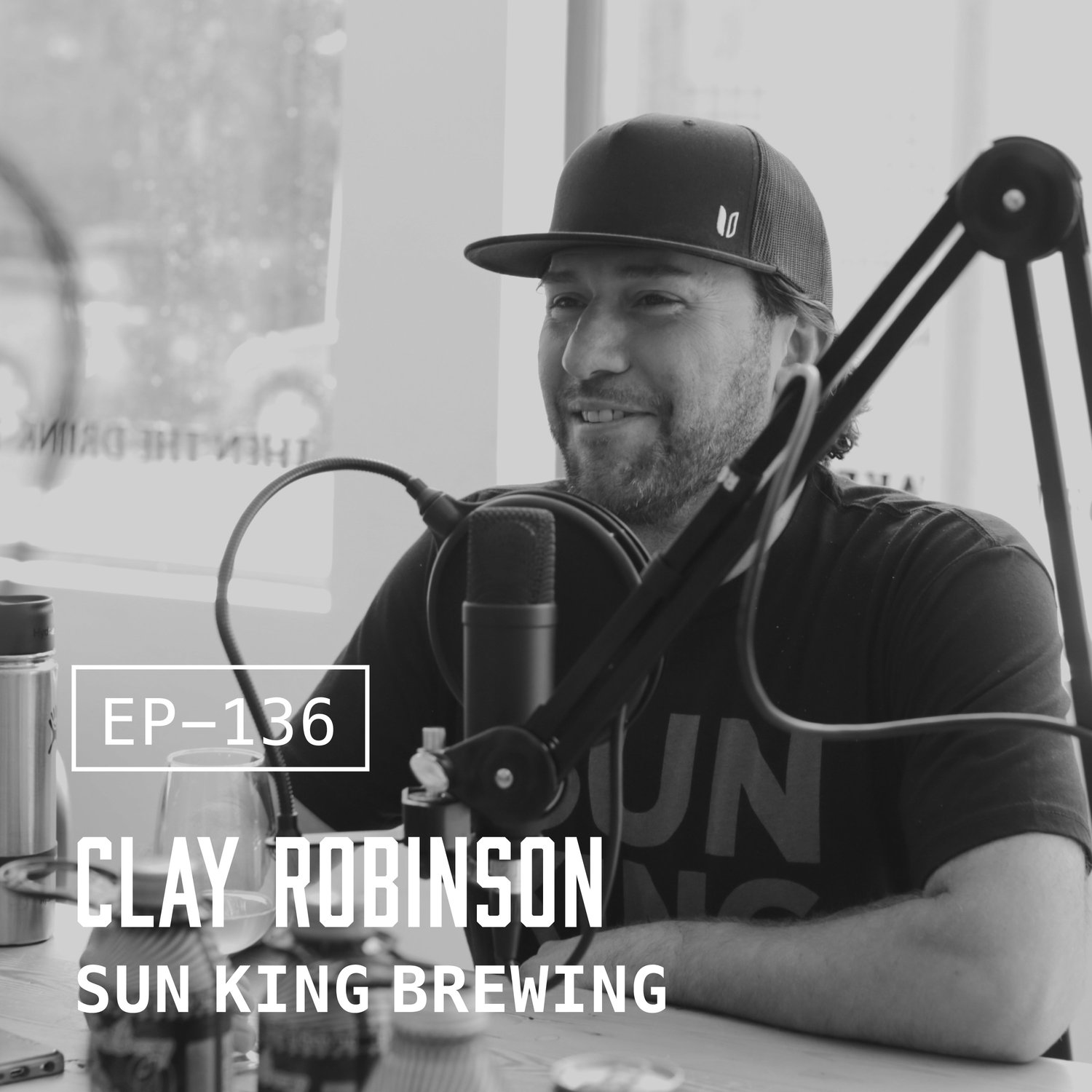
EP-136 Clay Robinson of Sun King Brewing
ESo many breweries in start-up mode have a crystal clear vision for their future. But as they mature, and as the market shifts, and as those early days start to feel farther and farther away, we find out what a brewery is really made of. Do they stick with that adolescent firebrand kind of rhetoric? Or do they adopt a more practical outlook on what's possible—and even desirable—for a craft brewery? For most, it's somewhere in between. In today's market, a more diverse set of business models are available than ever before. Factor in changing state laws and consumer demand, and that vision for what a craft brewer can be is evolving quickly. What previously seemed counter to craft now seems perfectly permissible—encouraged, even. Just look at how the conversation around contract brewing—now oftentimes referred to as "gypsy" brewing—has shifted over time. That's an easy one, but what about things like cold storage? Staying local? And the recent interest in employee ownership and what they says about succession planing? Are we open to our ideas on those opinions changing too? We better be. Today's guest is Clay Robinson of Sun King, a guy who's gone on the record early and often about what he would and wouldn't do. And today, most of that, in hindsight, was short-sighted. But he's not letting it hold him back. Instead, he's casting off the burden of his former outlook and working hard to embrace a future where he thinks practically about his business, adopts a never-say-never attitude, and starts looking at things like grocery chains, conventional distribution, ESOP and acquisitions pros and cons, even distilling, as his potential growth plan going forward. This conversation is a wild ride through so many of the issues small breweries are wrestling with today, and Clay handles it with an uncanny transparency. I'm thankful I got a chance to sit down with him and hash out the details.
FF-004 Jim Plachy an ounce at a time, and Texas BBQ
EWelcome to another episode of The Fervent Few podcast. Every two weeks we present you with this bonus episode of the GBH podcast where we chat with members of our subscriber community. The Fervent Few subscribe to GBH like a magazine making a monthly contribution via Patreon. Members join us in a forum to talk about a wide range of topics that doesn't just stop at beer. And every week we pick one of these topics and present the community's answers to readers in the form of an article posted to Good Beer Hunting. You can find out more information by visiting patreon.com/goodbeerhunting Today we're going to call Kate Nolan a freelance social media manager from the suburbs of Chicago and Brad Redick a sales manager from the Dallas, TX area . But before we talk to them here's Michael Kiser and I talking about what's been going on since the last episode.

EP-135 Julie Verratti and Jeff Ramirez of Denizens Brewing Co.
EWhether personal or professional, there are always types of risks when starting a new business. That's often the case in the beer industry, where men and women quit their day jobs on a near daily basis to chase a dream of serving IPAs, Stouts, or Lagers to a thirsty public. These owners and brewers have a lot on the line. It's no different for the people behind Denizens brewing in Silver Springs Maryland, where family support helps to prop up very real risks of the three-year-old business. Denizens is doing just fine, by the way, having celebrated their anniversary not long ago with hundreds of friends and patrons. But it still means that checking the books at the end of every month carries a lot of weight. The public support behind the brewery, however, makes things easier for co-owners Jeff Ramirez and Julie Verratti. They're two of the three people behind Denizens, who have created a community hotspot just over the border from Washington DC. A very specifically selected location, as you'll hear, that connects deeply to the values of Jeff, Julie, and Emily Bruno, the third person behind Denizens. Among a spacious indoor and outdoor taproom, I recently sat down with Jeff and Julie to talk about all the things that they've learned in the first few years of operation. What those lessons are, and how they're being integrated in the day-to-day, are bound to be a big big part of successes for all the other ambitious homebrewers and entrepreneurs looking to enter beer.
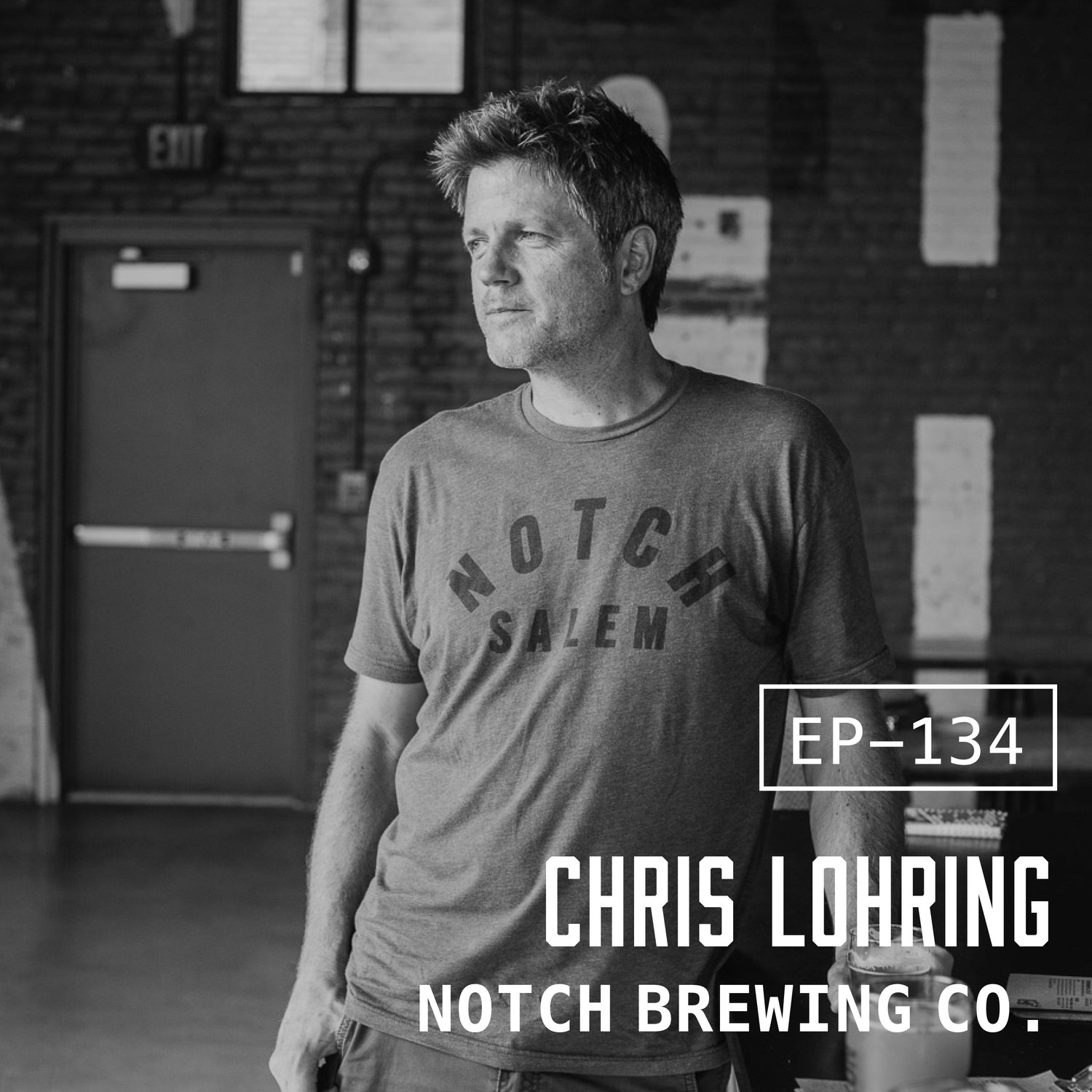
EP-134 Chris Lohring of Notch Brewing Co.
E"Session" is a new word to many a craft beer drinker's lexicon, but the idea of session beer far predates whatever new lingo is helping sell balanced, lower alcohol brews. You may have also seen the words "light," or "table" used in a similar context. Meaning: easy to drink, balanced, dare I say crushable? Some of you just cringed, I know, but it's been hard going for anyone looking to sell these kinds of beers in our culture of extreme flavor and high alcohol and rarity. That is, until someone decided to pair it with IPA. They need a pitch, a hook, to get people interested in what really, for most people around the world, defines normal everyday great beer. I mean, you don't see Pilsner Urquell going around pitching itself as light or sessionable. But this is America—it all needs a qualifier of some sort. One brewery in Salem, Massachusetts has done more than just pitch their beer with the word "session" in the title—they've gone all in on the concept, referring to their entire portfolio as American Session Beer. Notch Brewing—under founder Chris Lohring—started out as a contract brand, largely because he couldn't convince anyone that these styles would ever be in favor. That's hard to imagine in 2017 when it seems every craft brewer is gunning for the easy-drinking Lager, Hoppy Pilsner, and Golden Ale. So he took a hard road, scraping together support from fellow brewers with capacity, building his brand and base, and finally, just last year, got the investment he needed to open his own small brewery with a taproom and take another step into the future of his idea. Oh, and the beers are absolutely delicious. When I was there recently, I had the Pilsner, which was clearly more refined and delicate than most you'll have in the U.S., and we'll dig in to the reasons why in this episode. I also had the smoked Grodziskie, which was layered and balanced and just sang on the palate. I also enjoyed his take on the hazy IPA which, when viewed through the lens of session beer, makes a whole lot of sense.
FF-003 Jim Plachy takes the reins, and seasonal creeps
EOn this week's episode of the Fervent Few podcast, we'll talk with a couple of members of the community about taprooms, social media, what they find exciting about the Fervent Few and whatever else comes up. The Fervent Few is our subscriber community who subscribe to GBH like a magazine making a monthly contribution via Patreon. Members join us in a forum to talk about a wide range of topics that doesn't just stop at beer. Every week we pick one of these topics and present the community's answers to readers in the form of an article posted to Good Beer Hunting. You can find out more information by visiting patreon.com/goodbeerhunting Today we're going to call Chris Koentz a brewer at Pollyanna brewing in the suburbs of Chicago.
EP-133 Richard Burhouse of Magic Rock Brewing Company
EThe county of Yorkshire has more breweries per capita than anywhere else in the UK. And though it's home to buzzing city hubs such as Leeds and Sheffield, much of the brewing landscape is to be found within the county's rural environment and smaller towns. It's home to traditional breweries such as Theakston's, Timothy Taylor, and Black Sheep as well breweries with a more modern outlook, such as Summer Wine and Rooster's. Richard Burhouse, along with his brother Johnny and head brewer Stuart Ross, founded Magic Rock Brewing Company in the town of Huddersfield in 2010. Before the arrival of Magic Rock, Huddersfield already had a reputation for being a great beer town, as it was home to renowned pubs such as The Grove and The Sportsman. However, it was perhaps the arrival of Magic Rock, and subsequently its taproom in 2015, which really put the town on the national beer map. As well as being inspired by Yorkshire's real-ale heritage, Burhouse was also fascinated by what was happening in the U.S., and has spent plenty of time researching beer in the States. The influence of West Coast breweries such as Stone, Green Flash, and Russian River is immediately apparent in his beers, such as High Wire Pale Ale and Cannonball IPA. Not content to rest on its laurels, however, Magic Rock is constantly adapting its brewing processes to keep pace with trends. The past 12 months has seen them release several New England-inspired limited release IPAs, some of which have been collaborations with the likes of Cloudwater and Other Half. At the same time, Burhouse is trying to balance his brewery in the local market by simultaneously offering a high quality, nicely priced range of cask ales. In this episode, we skip from topics such as pricing and quality issues, to the takeover of RateBeer, which has often showered plaudits on Magic Rock's beers. We also speak briefly about the sold out Uppers & Downers London, where we're super excited to have Magic Rock pouring a collab with Dark Woods Coffee this September. This episode was recorded in a working pub near my home in North London home, and as a result, there's a couple occasions where there's a little background noise. Thanks for your patience.

EP-132 - Suzanne Schalow + John Thompson of Craft Beer Cellar
EOn a recent trip to Boston and the surrounding area I was keen to hit up some of the more sought-after breweries like Trillium and Lamplighter, but also a few places that were fundamental to the still-underdeveloped scene in the area, like Cambridge Brewing and the business of today's guest, Suzanne Schalow of Craft Beer Cellar. Suzanne was the voice in the desert for awhile in Belmont, a short drive from the city, in a commuter town that has a lot of questions about craft beer when she and her partner Kate first opened their doors 16 years ago. Fundamental questions that we're all still trying to answer in different ways, like, "What is craft beer?" And earlier this year, as Suzanne lead the business into a national franchise model, she encountered a few unknowns, like how to talk about and manage quality with her franchisees—and who makes a decision about quality. It seems simple in many ways that a retailer would have a strong point of view in their curation process, but like defining craft, defining quality presented a host of issues as well. So speaking with Suzanne and her new brand manager John Thompson, it was clear that while we were at the end of one long phase of the Craft Beer Cellar's story, a whole new chapter was about to begin.

FF-002 Jim Plachy's unexpected job interview and first amendment rights
EOn this week's Fervent Few bonus episode, we're going to get to know some more of our subscribers, a community we started called Fervent Few. These folks subscribe to GBH like a magazine, supporting us financially each month, and as part of there subscriber benefits, they join the GBH team in a community forum where we discuss a wide range of topics, often including professional retailers, brewers, distributors and sales people with expert perspectives. But in the Fervent Few community, everyone has an equal voice, and a respect for others opinions. I've been thrilled to see so many genuine and intellectually honest conversations transpire. Our Fervent Few community is managed by Jim Plachy, and each week he hosts a weekly topic with our members and captures their opinions in a regular column on the site. We'll ring up a couple Fervent Few members, Kristen Foster a blogger and GBH fan from Boston and Michael Boyer a lawyer from North Carolina who works with a host of craft breweries.
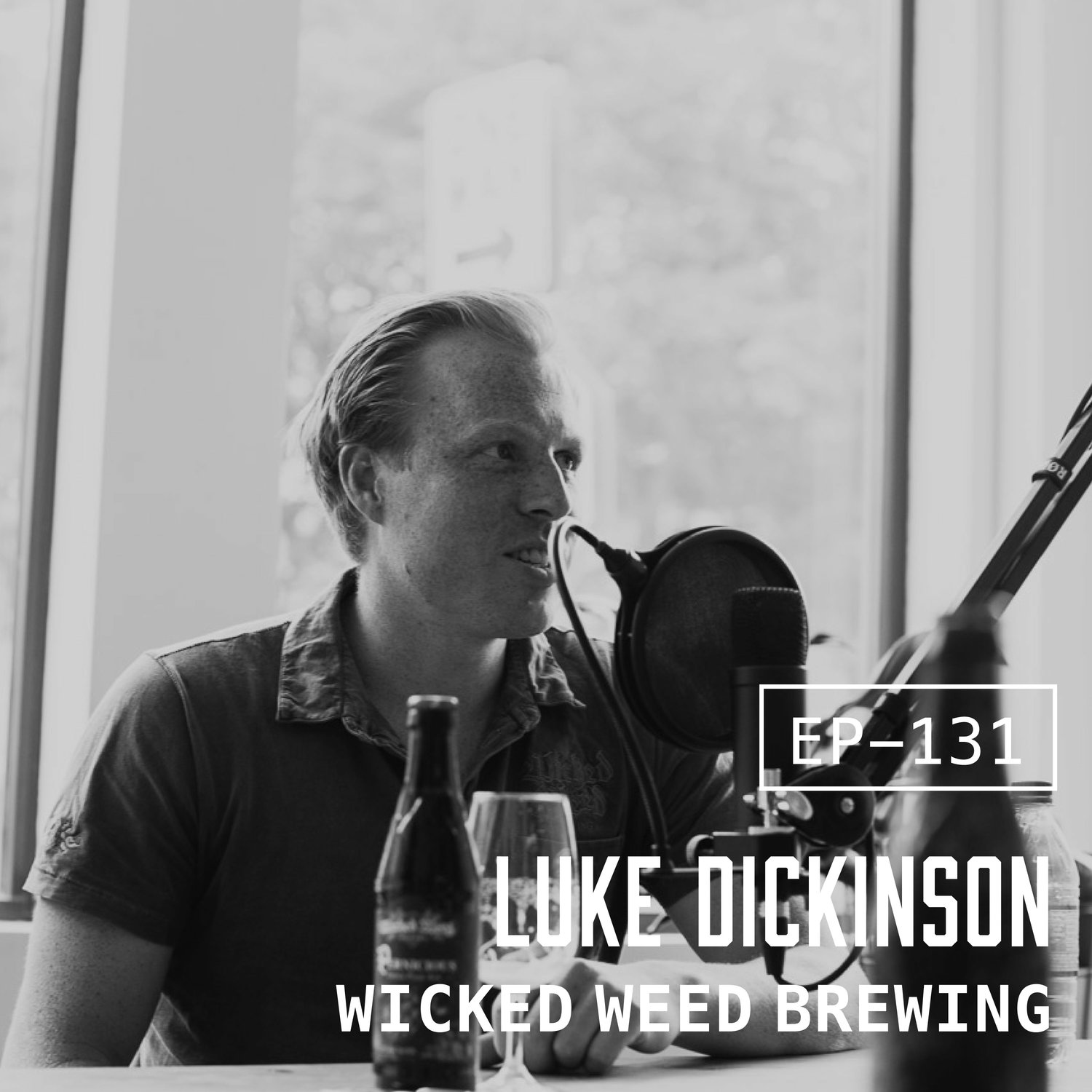
EP-131 Luke Dickinson of Wicked Weed Brewing
EWe're a little over two months since Wicked Weed, one of the nation's most popular and ambitious sour beer producers, was acquired by AB InBev in a sale that set the beer world on edge. Indeed, it seemed to push many people over the edge, galvanizing craft beer's hardcore base against AB while others started reconsidering the future of craft beer, from its definitions and divisions to even the future of their own breweries and customers. Since then, AB InBev itself has seemed to get a bit on edge with the release of the Brewers Association "independence" seal. Despite the fact that the seal was reportedly in the works for more than two years, the timing of its release seemed to add fuel to the fire of an imminent crisis point between BA-defined craft brewers and those who had passed over the threshold into just being brewers of craft beer. In response, AB's High End group, which is a portfolio populated by those acquired craft brewers, many of whom have maintained their posts, are now part of a strategic and creative leadership team for AB. They created a somewhat impromptu video response to the BA encouraging them to think about the overall health of the beer category, which is indeed shrinking, as a result of increased competition from wine and spirits. Unity was their call, rather than division. And that, depending on your scale, priorities, and opinion of AB InBev, is either prescient or absurd. Needless to say, it's been a wild couple of months for craft beer. This barely scratches the surface, really. But relevant to today's guest, that's more than enough context for what makes this interview both timely and interesting to me. Today, I'm talking to Luke Dickinson of Wicked Weed. Luke is the less-exposed, less-publicized brother of Walt Dickinson. This starts as a story of siblings, Luke being the quiet one who was initially inspired to start a brewing career based on his time at Dogfish Head, and Walt being the more entrepreneurial type who saw Luke's vision for what was meant to be a nano brewery on paper, and consistently found opportunities to finance and scale the concept for Wicked Weed into the force it is now, including the sale to AB InBev, alongside the Guthys, a very successful, Asheville-based business family they've known since they were children. Talking to Luke, the story of Wicked Weed comes to light as a sort of humble concept that created its own vortex of growth and a series of can't-say-no kind of opportunities. It's a story of what happens when a single idea gets dispersed amongst four other partners, each with their own skill sets, resources, and ambitions. And if nothing else, it tells a story of how two brothers can challenge and motivate each other into unknown—and what remains still a somewhat-unknown territory. Before we begin, I wanted to give a couple shoutouts. First to Marco from Craft Commander down in Florida and Artisan & Apprentice, two blogs whose interviews with Luke some time ago served as great primary resources for some of the things we talk about today. It's amazing how much craft brewing history has been captured by writers all over the country in the last five years, and we appreciate what you do so much.
MU-005 Creature Comforts Tropicalia
Our resident composer for the podcast and our commercial video work, Andrew Thiboldeaux, is writing original scores devoted to beers he finds fascinating. These are interpretations of the experience of drinking them. But they're also just great tunes.
EP-130 Will Hawkes, Journalist, Beer Writer
ELondon's beer scene is made up of a complex tapestry of interesting folks. Like with any beer community, its people are what really makes it, and here in London, one of those people is journalist Will Hawkes. Hawkes has written about beer since 2010 for mainstream publications such as The Independent, The Washington Post, and The Financial Times as well as specialist beer mags like BeerAdvocate and All About Beer. He's authored two books including the city beer guide Craft Beer London along with its accompanying app. And in 2013, he won the prestigious British Guild of Beer Writers Beer Writer of the Year Award. Will is also the brains behind London's original craft beer week, London Beer City, which is now entering its fourth year this August. Full disclosure: I'm now involved with helping Will organize this year's event, and as is often the case it was this involvement that made me realize that we should sit down and record a conversation together. As you might expect, our chat is typically London-centric as we dig into topics such as cask ale, the recent opening of Camden Town Brewery's $40 million facility and the recent acquisition of London Fields Brewery by Carlsberg and Brooklyn Brewery.

FF-001 Jim Plachy's in a club that would have him as a member
EOn this week's bonus episode, we're going to get to know some of our subscribers, a community we started called the Fervent Few. These folks subscribe to GBH like a magazine, supporting us financially each month. As part of their subscriber benefits, they join the GBH team in a community forum where we discuss a wide range of topics—a forum that includes professional retailers, brewers, distributors, and sales people with expert perspectives. But in the Fervent Few community, everyone has an equal voice, and a respect for others opinions. I've been thrilled to see so many genuine and intellectually honest conversations transpire. The community is managed by Jim Plachy, and each week he hosts a weekly topic with our members. We're going to get to know him a little bit better this week, and I think you'll see why we immediately fell in love with him and put him in charge of this thing. He joined as a subscriber himself, and through his natural force of personality, started running the show. After that, we'll ring up a couple Fervent Few members and get their perspective on the community, and what they thought about this past week's topic, the new Independent logo created by the Brewers Association.
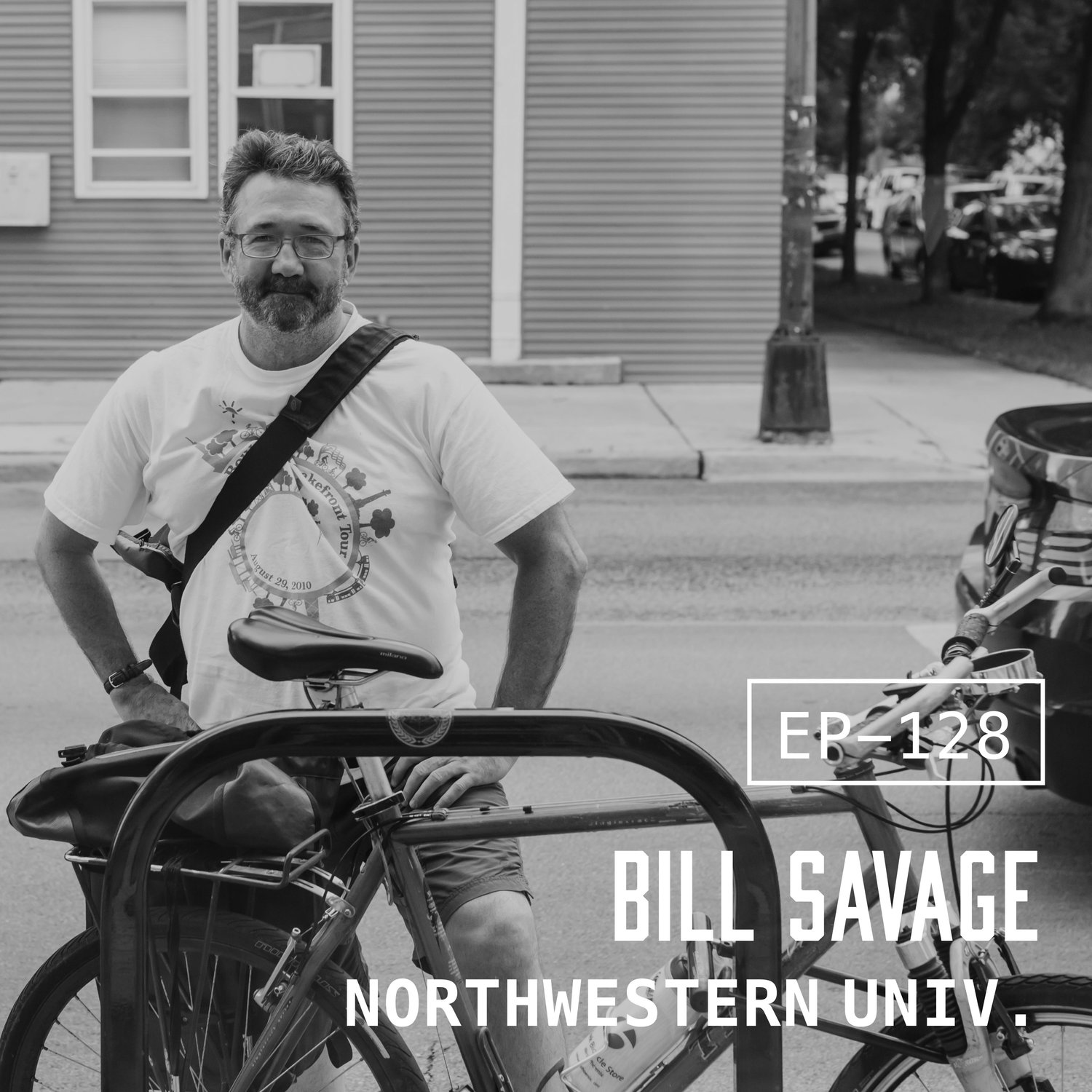
EP-129 Bill Savage of Northwestern University
EChicago's beer story is an historical one, full of the bawdiness that to this day continues the association of beer with the rougher parts of our civility. It's political - in the burbs is where the temperance movement spawned, we've had workers riots and rallies, and our alderman would use their saloons to sway the vote. As American craft brewing brings beer back to the local, and hyperlocal level, some of these histories don't seem so remote. Tied houses, saloon culture, and good old-fashioned bartending are newly refreshed in their relevance to our daily experience, but the ways in which history repeats itself are sometimes not what we expect. Are breweries with taprooms the same concern as tied houses a hundred years ago? Does "local" mean the same thing in contemporary craft brewing? What's the role of a bar when it's not just the corner spot but some sort of craft beer concept, or a sportsbar. And for today's guest, a lot of that is tied to the role of the bartender themselves. Bill Savage is a Chicago historian, writer, teacher, and long-time bartender going back some 30 years. All of that has led to him being one of the most important voices in Chicago's drinking culture, and that of our entire country. His new project, The Old Time Saloon originally written by George Ade and resurrected by Bill, kicks off today's conversation. And it serves as great window into many topics relevant to today's craft beer drinker.

EP-128 Rob Tod of Allagash Brewing Co.
EWe've got what I consider a bucket-list interview today. In the past, I've been thrilled to sit down with people like Sam Calagione, Lauren Limbach (formerly Salazar), Jim Koch, Garrett Oliver, Bill Covaleski, and others who were so fundamental to the world of beer that we enjoy now with all its diversity, innovation, and re-invention of the model. These are people who made it all happen by practically rubbing two sticks together. And because of that, almost anyone willing to put in the work has the opportunity to follow in their footsteps. But of course, for breweries like Allagash, their story isn't all about the past. Allagash, one of my north star breweries, is a company still making big moves and leading the way on things like regional agriculture, wild ales and, more recently, within the Brewers Association. Founder Rob Tod started Allagash in 1995 with a Belgian White Ale. But these days, his most important role is arguably his post at the Brewers Association as he helps them welcome in a new generation of brewers, sometimes referred to as the "long tail." Alongside his brewmaster, Jason Perkins, he's also helping lead conversations on resourcing and quality that are critical to craft beer, as a niche, not missing a step on its longterm growth trajectory. And one of the things I admire about Allagash the most is its ability to focus on what's possible in craft brewing rather than complaining about the things that have always held it back. Beer is a competitive industry with a lot of different kind of players, but for Allagash's part, it seems as though there aren't enough hours in the day to devote to all the positive, impactful things that a brewery connected to its community can accomplish. And that kind of attitude comes through in every person I've ever met from the company. But especially this guy.
MU-004 Trophy Brewing Co. Trophy Wife
Our resident composer for the podcast and our commercial video work, Andrew Thiboldeaux, is writing original scores devoted to beers he finds fascinating. These are interpretations of the experience of drinking them. But they're also just great tunes. This episode is devoted to Trophy Brewing Co's Trophy Wife Session IPA
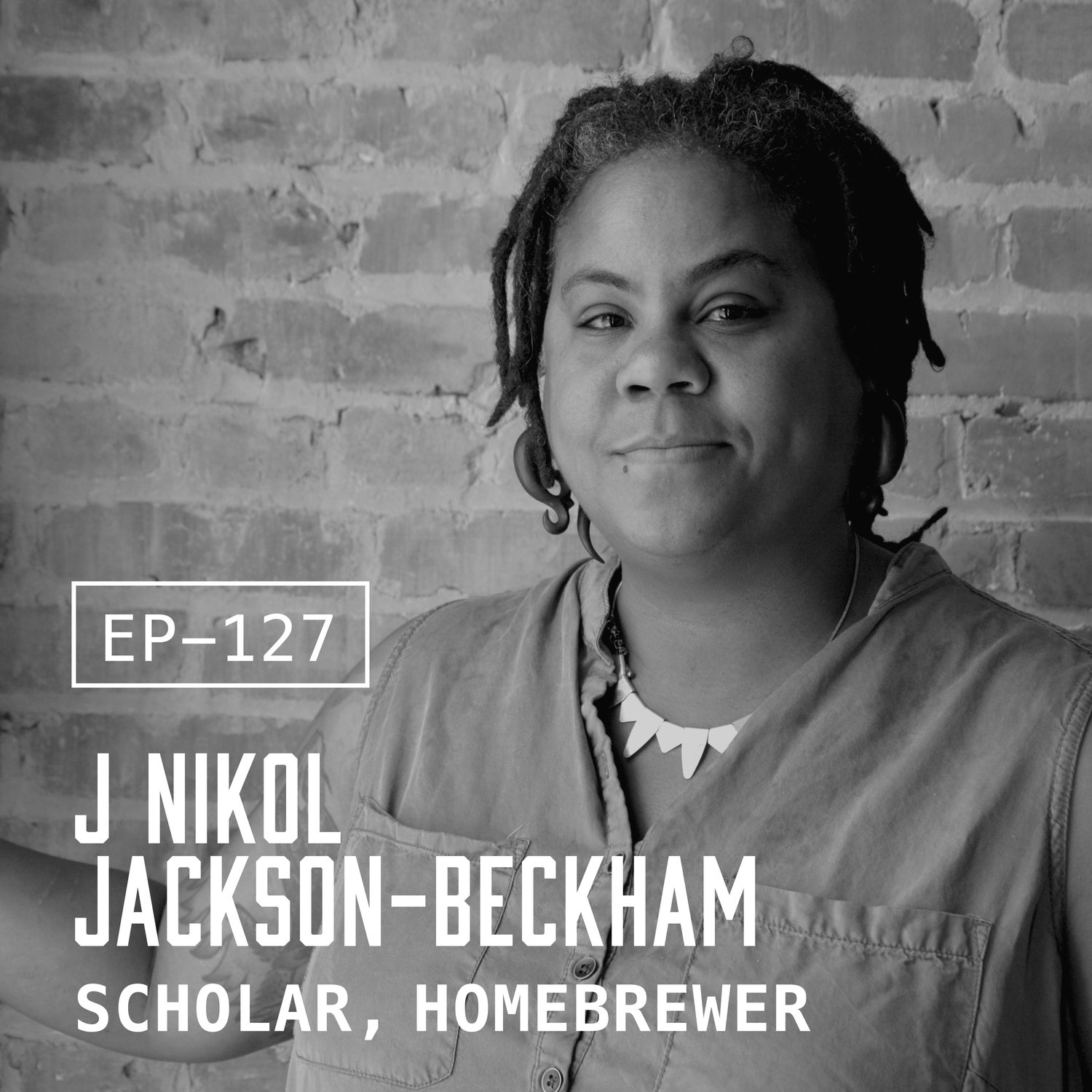
EP-127 J. Nikol Jackson-Beckham of Randolph College
EAt this point of the American brewing industry, it's safe to say beer is many things to many different people. It can be nothing more than a drink or maybe something to be discussed, but at an increasing rate, it's also become the core of serious study. J. Nikol Jackson-Beckham is many things. She's a teacher, writer, homebrewer, community activist, and more. In many ways, beer finds itself at the center of her wide-ranging universe. As Assistant Professor of Communication Studies at Randolph College, she teaches on topics of media and technology, but she's also long examined the connections between beer and its place in American culture, often through an analysis of people and histories that tell the beneficial and challenging sides of the industry. For generations, beer has acted as a foundation for so many other aspects of our lives. It's not just a packaged good or something poured from a tap, but a major piece of our social structure, for good or bad. J.'s work provides context to the stories and myths that surround this beloved thing—a fermented beverage that can bring people together and, at times, push them apart. With a complex history and culture, beer is a way to better understand the psychological and social realities that surround our lives. It's a part of who we are, and, as J. shared with me, there's not always easy answers to the difficult questions beer can raise—as a product or focus of academic study.

EP-126 Alexa Long of Legion Brewing
EAsk a beer lover, and there are plenty of cities whose names can be synonymous with the drink they love. San Diego, Grand Rapids, Portland, Fort Collins ... Portland again. In North Carolina, Asheville has long held that designation, gaining local and national attention, but part of the fun of watching beer's growth can be the creation and explosion of cultures in new places. In recent years, that's been the case in Charlotte, North Carolina, about two hours away from Asheville and now home to about 20 breweries and a burgeoning beer scene. One person who's had a unique perspective of seeing this happen is Alexa Long, head brewer at Legion Brewing, an almost two-year-old business in the city's Plaza Midwood neighborhood. After graduating from UNC-Charlotte in 2011 and working locally at a homebrew store, Long went pro at Charlotte's Heist Brewing before joining Legion in fall 2015 and being a part of the crew that earned Legion the title of "best new neighborhood brewery" by Charlotte magazine in 2016. Long's connection to Charlotte provides her a unique perspective of how the city and its love of beer has changed, as drinkers have now come to expect more than just juicy IPA, even if that continues to be a bestseller for Legion and others. As Charlotte's star continues to rise, Long has and continues to be a part of that.

EP-125 Scott Ungermann of Anchor Brewing and Distilling
EIn the age of hyper-local craft, we have a competing—or perhaps complementary?—narrative in the U.S., and that's heritage brands. You may have heard my counterpart, Matthew Curtis (who's based in London), mention the UK's traditional breweries more than once. It's an interesting dynamic having young, upstart craft brands entering the market alongside these elder statesmen who are sometimes hundreds of years old, and both sets of companies are trying to reach drinkers with a message about quality and craftsmanship. To U.S. ears, it's a bit like listening in on a bizarro universe. We simply don't have much of that traditional brewery credibility left because of prohibition. Most U.S. drinkers only rewind the tape as far as Sierra Nevada or Sam Adams. If you're from Pennsylvania like me, you might think of Yuengling (founded in 1829). Or in Minnesota, perhaps Schell's comes to mind (founded in 1860). But those are the wonderful exceptions that prove the rule. By and large, the U.S. doesn't have a traditional brewing scene. One other exception, this time on the west coast, is Anchor Brewing Company. Founded in 1896, it's largely known for its Steam Beer, or the California Common, arguably the only wholly-American-invented style of beer. It even owns the trademark on that. It operated in regional obscurity for almost 100 years before Fritz Maytag bought it and saved it from closure. Without that beer, the story goes, breweries like Sierra Nevada may have never started. Anchor is still brewing its open fermentation beers, as well as many newer styles, in the location on Potrero Hill it moved to in 1979. But in 2010, it was purchased by The Griffin Group, an investment company specializing in alcoholic beverages. Shortly after, the brewery started distilling spirits. Through all those years, the changes have been few, including the changes in brewmaster. And the latest shift in that role happened quite recently, leading to a host of new beer offerings that straddle the line between the traditional brewing approach of Anchor, and the constantly evolving craft beer industry of 2017. Scott Ungermann has taken the weighty rings of this storied business and is combining his longstanding desire to have his own brewery with his experience at Anheuser-Busch to help bring Anchor along into the next generation ever so delicately.

MU-003 — Foley Brothers Maple Brown
Our resident composer for the podcast and our commercial video work, Andrew Thiboldeaux, is writing original scores devoted to beers he finds fascinating. These are interpretations of the experience of drinking them. But they're also just great tunes. This episode is devoted to Foley Brothers Maple Brown.
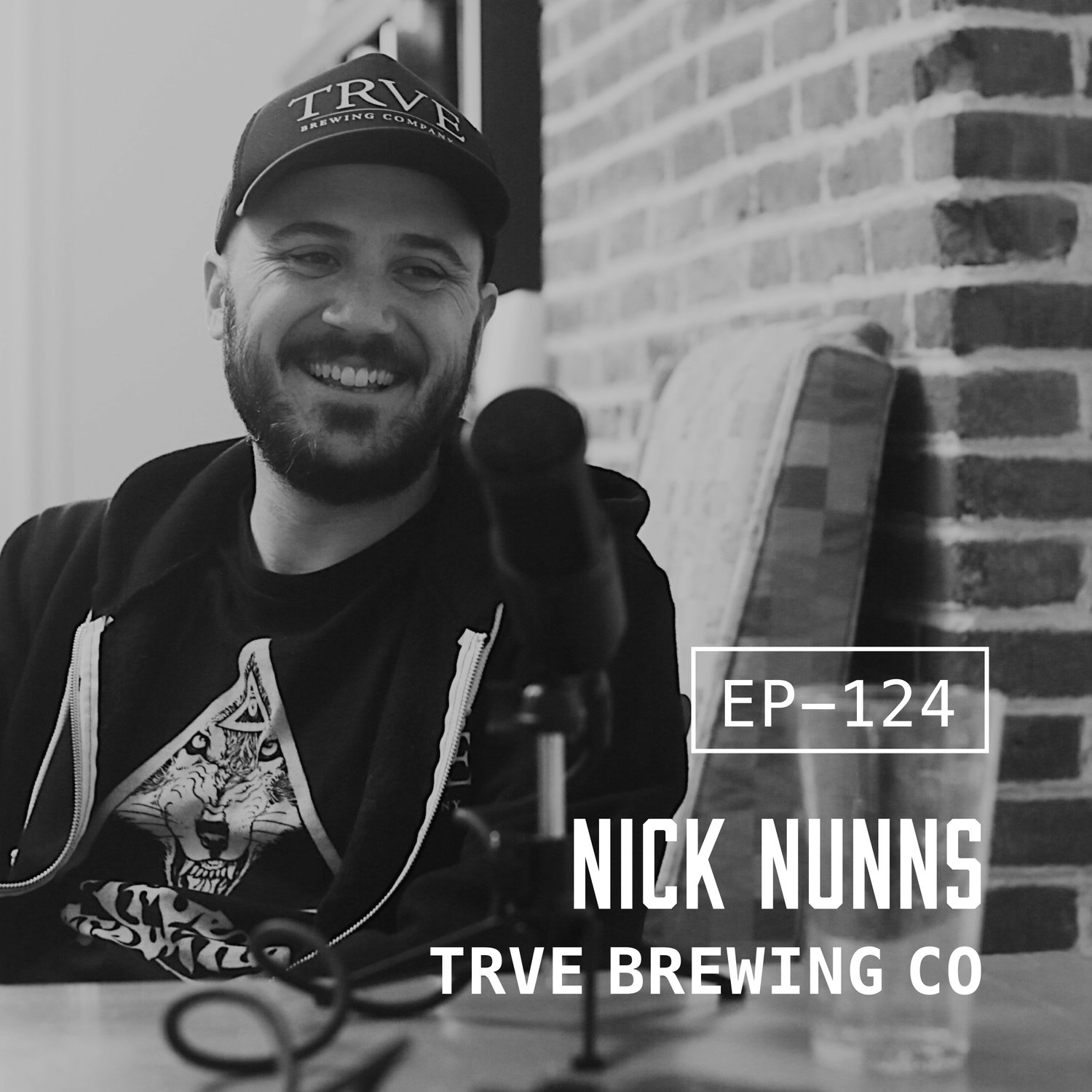
EP-124 Nick Nunns of Trve Brewing Co.
EFor anyone who's gone brewery hopping in Denver, CO, you know how lively and enjoyable that experience can be in one of the country's pre-eminent beer towns. With generations of brewers all working alongside each other, Denver has a brewing history and status unlike any other. But if you're like me, you've also noticed some common—maybe too common—themes in Denver breweries. Lots of IPAs, outdoorsiness, and that sort of early 2000s don't-try-too-hard aesthetic in the form of picnic tables and raw wood and concrete that passes for authenticity unquestioned among craft enthusiasts. And let's face it: some of it's real, some of it's not. So when TRVE Brewing Co. brewing popped up on the scene, it was a violation of the Mile High City's Pleasantville-like beer scene in more ways than one. Founder Nick Nunns was making yeast-driven beers with a heavy metal theme in a neighborhood far from the sparkle of Denver's eye. Much has changed since then, but mostly in ways that continue to put TRVE at the edge of a still-somewhat-monoculture beer scene, as good as it is, with a few great exceptions. And in this next phase? Nunns is going to make things even weirder.
CL-004 GBH Collective — Wicked Weed, Mitch Steele in Atlanta, and Crew Drives
EThis week we've got Austin Ray, our Editorial Director talking about our Wicked Weed coverage pretty much as we were writing it, and his interview with Mitch Steel about his new atlanta brewpub concept. We'll also check in with Bill Holland, one of our newest recruits who' been contributing to our b-Roll section in between his hours selling beer for MillerCoors, which lends a unique perspective to our team. As usual, a diverse range of topics from some great storytellers.
EP-123 Odyssey + Oddities — A GBH Panel Discussion hosted by Blue Jacket
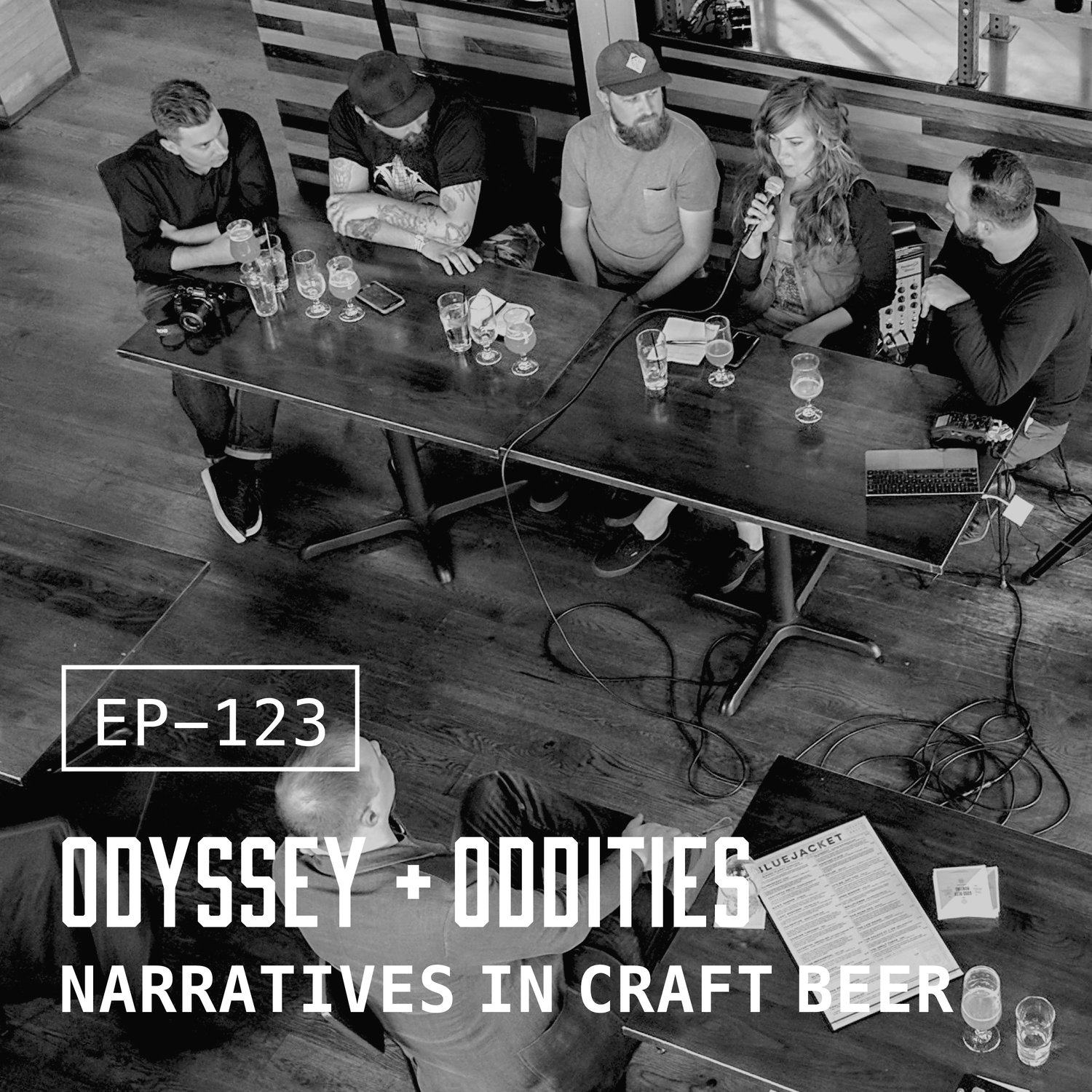
EAt this year's Craft Brewers Conference, the GBH team held a panel discussion on the topic of storytelling for breweries, how it evolves as it grows, and how the story of craft and the story of a single brewery can align and diverge. Breweries have historically united to tell the story of "craft beer" as they work together to build the category and create an educated consumer. But in the past few years, the emphasis has shifted to the uniqueness of the individual journey, and how one brewery differs from another as they both collaborate and compete for the same customers. So we put our thoughts into a short presentation and panel discussion with GBH's storytellers and representatives from breweries as we discuss the similarities and differences between these approaches, all the while trying to determine what's at stake for the next generation of storytelling in American beer. Panelists: Michael Kiser, GBH Founder + Creative Director Erin Jones, Marketing Director, Burial Beer Co. Josh Hambright, Central State Brewing, co-founder Matthew Curtis, GBH storyteller, podcast host Kyle Kastranec, GBH designer and storyteller Special thanks to our friends at Bluejacket for generously hosting us. Photo by Oliver Gray
EP-122 Jason Alexander of Free Range Brewing
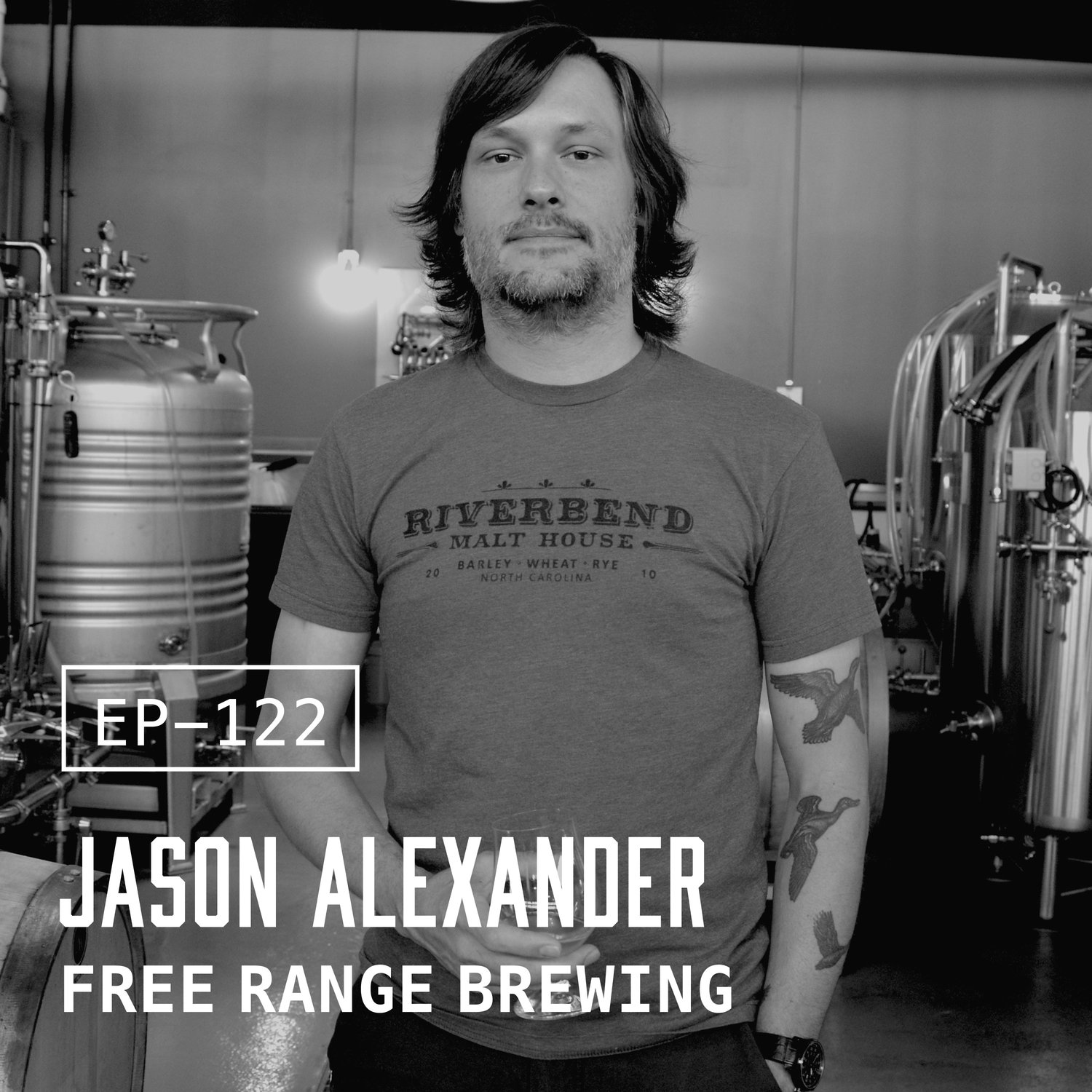
EToday's breweries come in all shapes and sizes. Different tap lineups and business models. Each has a unique ethos and purpose told through individual stories and names. Somewhere amongst all this, there is Free Range Brewing, a business based on the ideas of agriculture and locality situated in one of the largest cities in the United States. Just a couple miles from the literal downtown marker of Charlotte, North Carolina, the almost-two-year-old brewery has found its niche with a constantly changing, eclectic lineup of farmed and foraged beers that includes Saisons with pine and juniper tips, IPA made with a 200-year old sourdough culture, and a rotating collection of Carolina Common—an in-state twist on the California Common. Those kinds of beers may not be wholly unique in a country with more than 5,000 breweries, but they do stake a claim for a special niche in Charlotte, a city often overlooked for its beer because of its proximity to well-known Asheville, just a 90-minute drive away. The story of how brothers Jeff and Jason Alexander decided to get to this point in their personal and professional lives details how powerful the pull of good food and drink can be, especially as a way to bring together family, friends and, ultimately, drinkers. With no professional experience, little training, and on something of a whim, Jason Alexander has transferred a once-budding appreciation for ideas of fresh and local into a tangible business plan. And he's making a kind of beer-based, farmers-market mentality work amongst one of the fastest growing areas of Charlotte.
EP-121 Artisanal Imports, Whiner Beer, Dovetail with Lanny Hoff + Co.
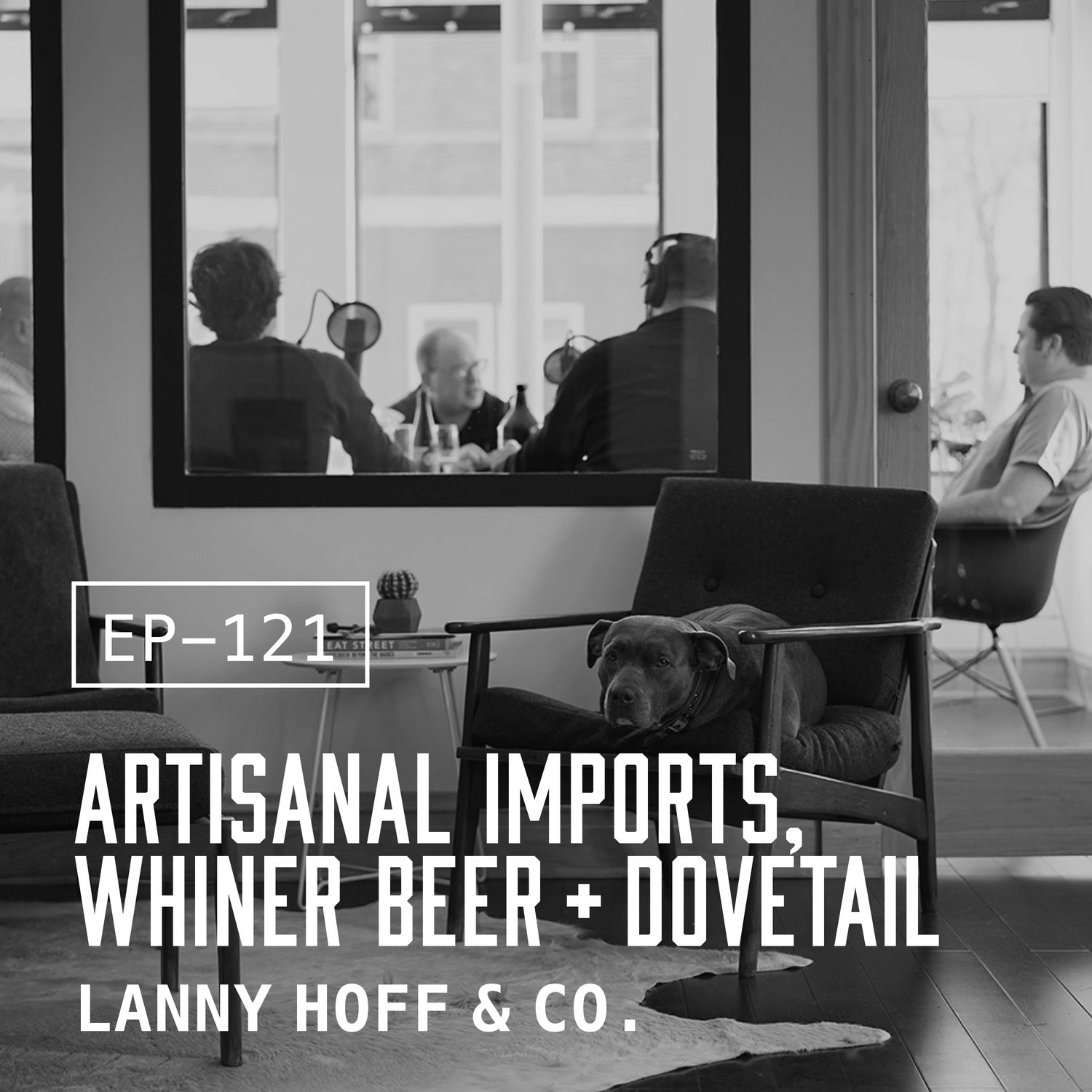
EThe three-tier system is something that's continuously up for debate in our country, surfing on arguments about who it serves poorly and who it services well, who it protects us from and who it favors. It's a complicated value chain mandated by the federal government to exist, but also regulated by states, and increasingly getting sliced up into more unique and critical ways of bringing your favorite breweries to market. One part of that value chain that's been quietly evolving is the role of the importer. They work between the brewer and distributor, and traditionally bring you beers from oversees from places like Belgium, the UK, and Germany. You may have heard our interviews from Shelton Fest two years ago when we interviewed two of their operators to demystify this part of the business, and shine a light on the value that importers bring even when they're working with domestic instead of foreign breweries. For its part, Shelton Brothers just announced their next festival will be in Atlanta on August 18-19. Then there's the domestic side of the import business, sometimes even called a domestic importer. It's really a convoluted way of describing an importer who moves products domestically through their existing infrastructure, state-to-state instead of country-to-county. As more and more small local breweries are finding ways to grow sustainably and gain access to market when the shelves are tight and tap handles are scarce, the role of the domestic importer is helping some of these niche breweries find niche audiences wherever they might be. Today's guests are excited to talk about a very unique scenario in this vein. Artisanal Imports, known for importing brands like Sunner Kolsch, St Feuillen, and De Proef, are now partnering with U.S. brands. They've been working in U.S. cider for some time now with Farnhum Hill and EZ Orchards, which are among the best in the world. But niche, hyperlocal breweries is a new step towards diversifying their business and finding new territory to explore. In Chicago, they've partnered with Dovetail and Whiner Beer, two newcomers with unique portfolios. Today we're going to hear about what's behind that move, and why it might be a new model for small brands going forward. It's a full room on this one, so I do my best to keep it all straight. We've got Hagen Dost and Bill Wesselink from Dovetail Brewery, Brian Taylor of Whiner Beer Company, and Lanny Hoff of Artisanal Imports. Listen in.

EP-120 Hinrik Carls Ellertsson + Steinn Stefansson
EDespite what some politicians may rally against, there is plenty of value of what a globalized society can bring. The different perspectives and experiences that flow from one border to the next has created a connectivity that enhance ideas the world over. It may come as no surprise, that also lends itself to how people from different countries use hops and malt, too. On assignment for GBH, I traveled in February to Reykjavik, Iceland with the goal of learning more about what that country's beer scene is and what it offers drinkers a world apart from my bubble stateside. It's easy to get caught up in an almost orthodox point of view of the global beer industry, where the Old World - countries like England, Belgium or Germany - and the New World - the United States - are the areas we most believe are worth our attention. But the flip side of that is the influence and cultural cache these places have, and how they're helping to shape the way others think about and make beer. At KEX Hostel in downtown Reykjavik, I met with Hinrik Carl Ellertsson and Steinn Stefansson to talk about their small-time gypsy brewing operation and popular interests in the Iceland beer scene, which, no surprise, seem to be trending toward the hoppy side of things as Scandinavians look to the U.S. for inspiration. With visitors from around the world coming to Iceland for an annual beer festival, we found a spot in the shared space of the hostel where Hinrik and Steinn described what it's like to work in a young industry seeking inspiration from today's biggest names in beer. Some that will sound awfully familiar to American beer lovers.
MU-002 Score: Tired Hands Saison Hands
Our resident composer for the podcast and our commercial video work, Andrew Thiboldeaux, is writing original scores devoted to beers he finds fascinating. These are interpretations of the experience of drinking them. But they're also just great tunes. This episode is devoted to Tired Hands Saison Hands.
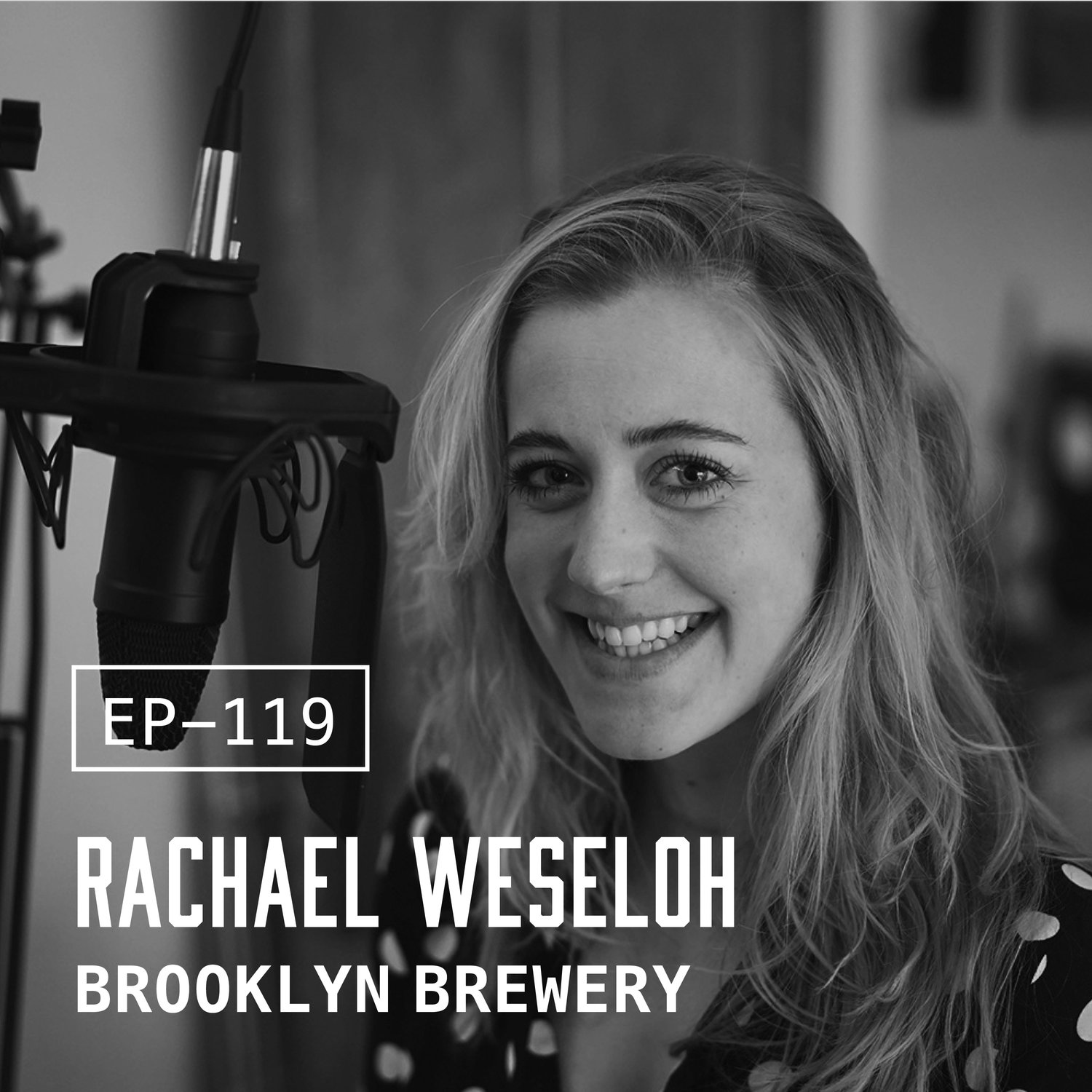
EP-119 Rachael Weseloh of Brooklyn Brewery
EIn the age of small and local, some of the more mature craft beer brands in the US are looking to new markets to find the relevance, brand awareness and the resulting sales that they seek. For the 28 year old Brooklyn Brewery this means investing heavily in markets all over the world including The UK, Sweden, Australia and more recentlt East Asia, thanks to the recent sale of a 24% stake in the business to Japan's Kirin. But finding that relevance isn't as simple as just shipping over a few containers worth of beer, throwing a launch party and hoping it sells. Building relevance requires the careful investment of time and resources and Brooklyn, who've been exporting to beer to the UK for over a decade, should know more about this than most. In fact, such is the success of their export market that 45% the beer it produces is now sold overseas. Rachael Weseloh has been Brooklyn's UK brand ambassador for just over two years now. As well as being the brewery's eyes and ears on the ground, she's also throwing events like Brooklyn's popular Beer Mansion and annual Mash party, which are creating a deep sense of engagement with consumers, while behind the scenes it's endearing the brand to wholesalers and retailers alike. Weseloh originally hails from Humboldt County in the North of California and it was here she began her beer journey, working for Fortuna's Eel River Brewing Company. She eventually made her way to Paris, where she worked in the French capitals vibrant Cocktail scene, before she eventually landed her gig with Brooklyn and made London her home. Over the next hour or so Weseloh and I chat about this continuing search for relevance by beer brands and just how important markets like the UK are to Brooklyn as the brewery continues to increases the impetus behind its export program. We also chat about Brooklyn's sister breweries, Swedens New Carnigie and Norway's E. C. Dahl's as well as the brewery's relationships with its distributor, Carlsberg and it's new partner, Kirin.

CL-003 GBH Collective — BrewDog's Misadventures, Lost & Grounded, Pricing in the U.K., A Grafting Workshop and Homemade Cider
EWelcome back to another episode of the GBH Collective where we bring you the stories behind the stories from our writers and photographers all over the world. This is our third edition of this format - and if you're liking it, let us know. The team really enjoys sharing their perspectives, and I can say personally, I'm enjoying hearing more about their adventures. And of course, this new series of episodes is made possible by our Patreon subscribers. Patron is a way that our readers and listeners can subscribe to GBH with a monthly contribution, just like subscribing to a magazine. We give back to our subscribers, which we call the Fervent few through events, discounts, exclusive gear and art, and a host of other perks. Because tot us, being a Fervent Few member makes you part of the team - and you'll see that come true when we launch the community section of the website in the next month. So to all those who signed up already, thanks so much - you're already enjoying the fruits of that subscription. If you want to join, visit patreon.com/goodbeerhunting, or click on the link on our show notes. This week we've got Matthew Curtis from London talking about stories underway with Wild Beer Co. and Lost & Grounded and others, but also the recent news cycles about BrewDog, which are troubling. And his recent trip to New Zealand. We'll also be checking in with Steph Byce based here in Chicago. She'll be in the studio with her homemade ciders, as she prepares for a Vermont Trip to visit Shacksbury for a grafting workshop. And she'll share her experience up in Michigan at Dark Horse as well. An incredibly diverse range of topics from some great storytellers.
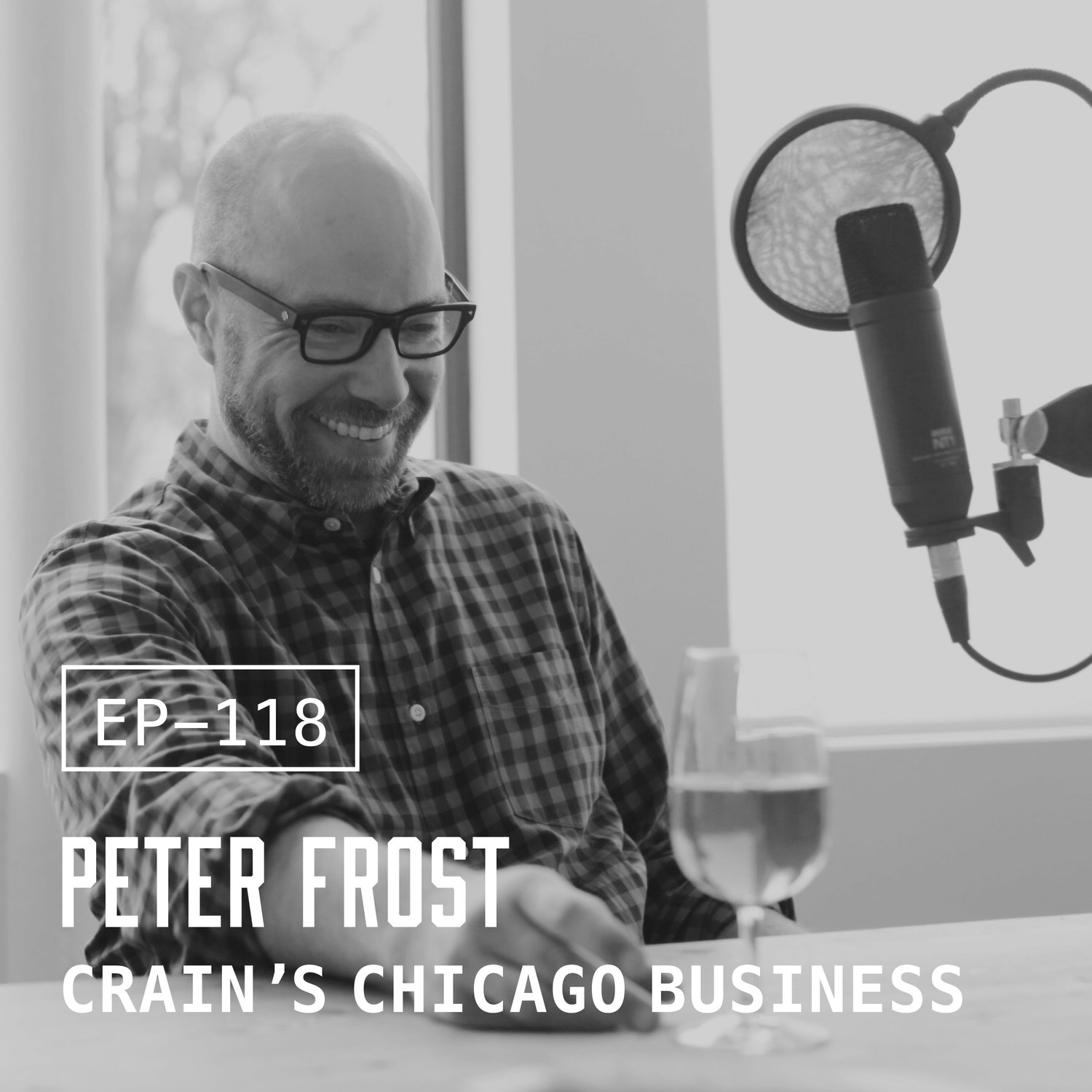
EP-118 Peter Frost of Crain's Chicago Business
EBeer Writer is a term that gets tossed around a lot these days, but it's used to describe a wide variety of amateurs and professionals alike. Everyone from a personal blogger to a freelancer writing for magazines, to an author with half a dozen books under their belt, to people who cover the business of beer for established outlets like the Tribune or the New York Times. But each of these kinds of beer writers has their own audience and their own angle on the beer world, which of course is also incredibly diverse in terms of the types of beers being made, business models they support, and the markets those brands are active in. Everything is changing all the time. One of the writers I like the most here in Chicago is Peter Frost who writes for Crain's, a business focused publication that has increasingly written about smaller breweries over the years as they collectively started to occupy a sizable portion of the market, which makes them a factor in the lives of investors and entrepreneurs - the heart of a business publication's audience. But there's also clearly a personal interest being expressed by Peter as some of the writing he's produced around smaller breweries isn't about the business angle at all — at times it's been a bit personal and review-like. Something quite uncommon for a publication like Crain's. I wanted to sit down with Peter and get the wider view on how he ended up writing about beer for a place like Crain's and how a reporter like him thinks about the industry at large. But also, what motivates him and his publication to keep doing it at all. Peter is a beer writer, but also a business and food industry writer. Before that he wrote about healthcare and a host of other things. He's one more fascinating part of our world.
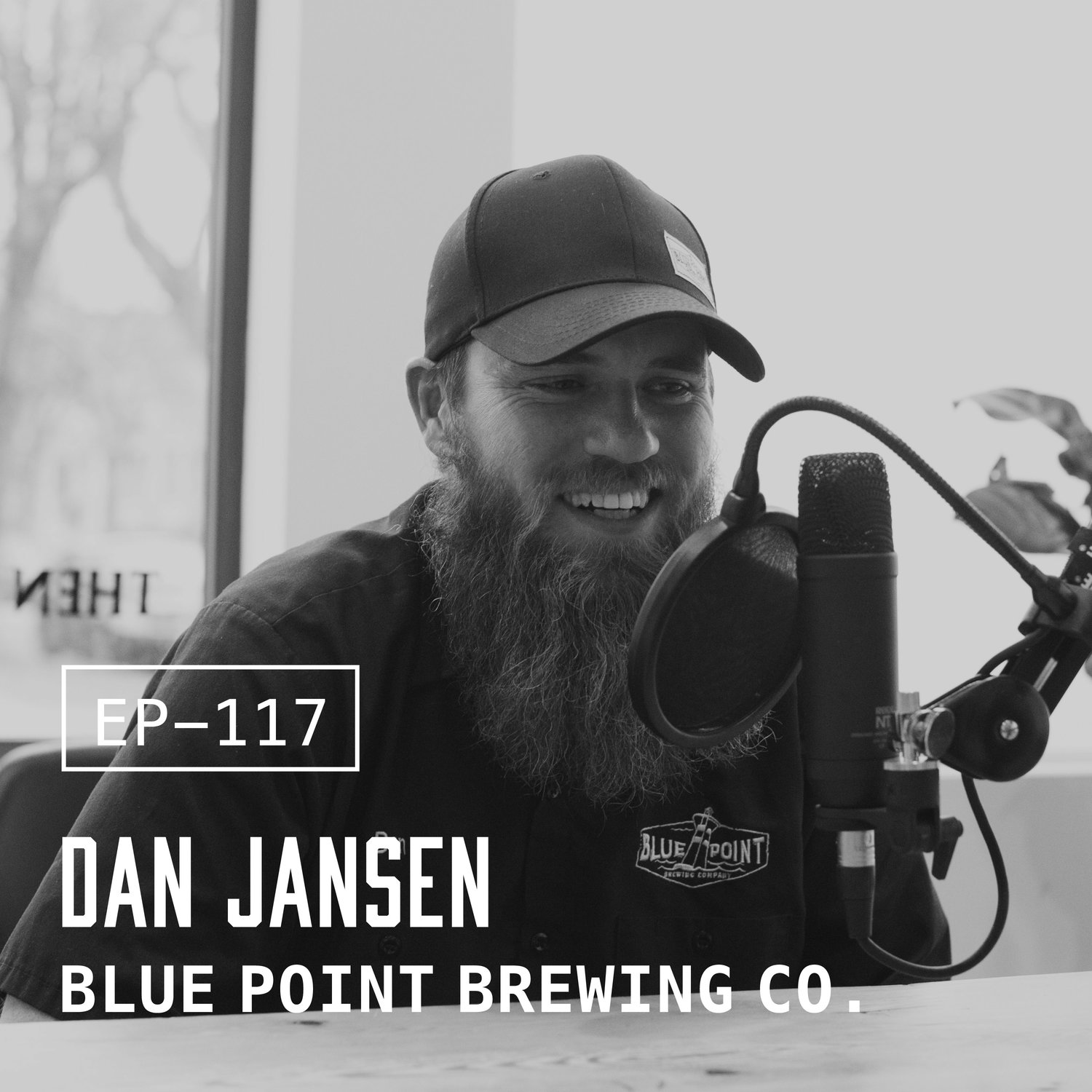
EP-117 Dan Jansen of Blue Point Brewing Co.
EA few years ago on vacation on Long Island, I stumbled across a few local beers that caught my attention—Toasted Lager and Rastafa Rye were two of them, both beers from Blue Point. After some searching, we found the brewery a road just a short walk from the center of a sleepy town. It was closed that day, so I didn't get to visit, but the image of that building—a sort of repurposed gas station with an old school dive bar for a tap room—stuck with me. Shortly after, I started seeing the growth of Toasted Lager as close as Michigan, and the Bluepoint story started to become regional. That little brewery on Long Island had contracted their Lager in upstate New York, like so many growing brands on the east coast. And it was about this time that AB InBev took notice as well, acquiring the brewery in a deal that was largely ignored compared to the uproar that came with some of their other acquisitions. Who was Blue Point? And why did AB want to buy them? Those questions were the common refrain. I'll admit, other than the regional advantage, it seemed like a curious choice to me at the time, too. But watching the brand evolve since the acquisition, some themes emerge. The coastal story is more prominent. The connection to the local culinary culture is there. And of course, they had a unique Lager that was already scaling up and reaching new markets. Now? They're distributing to Chicago for the first time. In all that change, Blue Point brought on a new brewmaster, a guy who came up through the St. Louis Budweiser brewery, a trained engineer who found his passion for beer. When the opportunity opened up for a role in one of AB's craft breweries, he leapt at the chance. It's a career story that can only exist in 2017 with America's talent pool starting to move back and forth from big and little breweries within the same ownership structure, as each seek out a particular expertise. Whether it be engineering or cultural, both work to define innovation for themselves, and as some talent graduates, along with opportunities for scaling up or down, your focus as a brewer becomes valuable. Interesting times.

CL-002 GBH Collective — Spain, Arizona Wilderness, White Labs, Mountain Goat, and conspiracy theories
EWelcome back to another episode of the GBH Collective where we bring you the stories behind the stories from our writers and photographers all over the world. This is our second edition of this format - and if you're liking it, let us know. The team really enjoys sharing their perspectives, and I can say personally, I'm enjoying hearing more about their adventures. And of course, this new series of episodes is made possible by our Patreon subscribers. Patron is a way that our readers and listeners can subscribe to GBH with a monthly contribution, just like subscribing to a magazine. We give back to our subscribers, which we call the Fervent few through events, discounts, exclusive gear and art, and a host of other perks. Because tot us, being a Fervent Few member makes you part of the team - and you'll see that come true when we launch the community section of the website in the next month. So to all those who signed up already, thanks so much - you're already enjoying the fruits of that subscription. If you want to join, visit patreon.com/goodbeerhunting, or click on the link on our show notes. This week we've got our new Australian writer, Luke Robertson who lives in Melbourne. He'll be sharing his experience of documenting the Mountain Goat story, and talking about some of his upcoming work for GBH. We'll also check in with Oliver Gray, one of our newest recruits who recently published a great interview with Chris White from White labs. And finally, Cory Smith, our storyteller out of Brooklyn talking about his recent travels through Spain and the southwest where he connected with the guys from Arizona Wilderness. An incredibly diverse range of topics from some great storytellers.