
Good Beer Hunting
743 episodes — Page 3 of 15

EP-371 Chantel Columna of Novel Strand Brewing
ELike most of my beer friends, I first met Chantel Columna on Instagram. Our online conversations eventually led to an in-person meeting when a work trip brought Chantel to Atlanta in 2021. We enjoyed beers while diving into a conversation about the beer industry and life at large. Last year, my husband and I traveled to Denver. I knew I couldn't leave the city without visiting Novel Strand Brewing Company, the brewery Chantel, along with her husband, Tamir Danon, and Ayana Coker, opened in 2018. Again, this meetup led to a deep conversation about culture and life. With a great selection of beers and a focus on Tamir's Israeli and Chantel's Dominican culture, it's no surprise to me that last year, Hop Culture named the brewery the best in the country for those very same things and more. Novel Strand doesn't shy away from injecting their culture into thei r brewery. I was reminded of this passion when I ran into them at this year's Craft Brewers Conference, and we continued our easy flowing conversation over incredible Lagers. After sharing great talks with Chantel, it was hard for me to keep her compassionate and endearing energy from you. In this episode, we'll talk about the business of beer with a key focus on her work as general manager for Novel Strand. How does she approach this role? What's a North Star that guides her in work and life? We also share our experiences with entrepreneurship and what we've both learned along the way.
CL-127 Legacy, Heritage, and Family — How To Live Forever Through Food
EFamily recipes, passed down through generations, are one of life's greatest blessings. In my house, it's a salsa recipe, started in earnest by my mother, fiddled with endlessly by me, and one that I plan to pass down to my son. For Good Beer Hunting community editor and cooking enthusiast Stephanie Grant, it's her grandmother's recipe for red rice, an evolved version of the West African staple jollof, and one that she had to seek out in order to nurture a connection to her Gullah-Geechee identity. In a story for Good Beer Hunting titled "Hidden Heritage — A Search for Culture, Heirlooms, and My Grandma's Red Rice Recipe," Stephanie describes the culinary treasures of past generations and how they shaped her love and longing to understand the people who came before her. In this episode, you'll hear her talk about how she's been writing this story since childhood, and what it's meant to her to see Black Southern culture be honored in kitchens and cookbooks as a long overdue legacy. You'll also hear how her search for red rice began, how it ended, and where it's going, as she continues to put her own touch on food and history, which is something she says all generations are born to do in order to keep traditions alive and accessible. Food is a link to our past, present, and future, and it's something we can all look to as a common tie even in divisive times.
EP-370 Tony Rahí Jaquez Moreno of Outsider Brewing
EFor many of us, beer is a passion. It's something that tastes great, brings us together with loved ones, and provides small details we can fret over in an endless quest to best understand everything that goes into the beverage. It can also be a lifeline. In this episode, you'll learn why a job in beer became so pivotal for Tony Rahí Jaquez Moreno, who came to the U.S. at 19 to study at the University of Nevada, but turned away from a career in mechanical engineering to immerse himself in malt, hops, water, and yeast. Known as "Tony J" to friends as well as fans of his hip hop, he's now a multi-hyphenate brewer, marketer, taproom manager, and more for North Carolina's Outsider Brewing. He's also a recipient of the Sir Geoff Palmer Scholarship Award for Brewing from the Michael James Jackson Foundation for Brewing & Distilling. As we learn from Tony about what drew him to beer, you'll better understand his love of art and science, how he approaches brewing, and how a truly unique set of equipment at Outsider helps him communicate with drinkers. You'll want to pay close attention to how we describe this patented setup, which lowers barriers for casual beer drinkers and enhances a taproom experience for enthusiasts. In both cases, it allows Tony to connect with customers to literally show them a brew day in process and share why they should care more about what ends up in their glass.
CL-126 Clear Eyes, Full Hearts, No Booze — On Sobriety & Cutting Back on Consumption
EThe phrase "sober curious" is picking up steam in beverage alcohol circles—perhaps most notably in the craft beer industry. More non-alcoholic products, sober events, and shared conversations regarding our collective consumption habits are taking place than ever before, but a stigma remains. If you're not drinking, why are you even in a beer space to begin with? That's exactly what today's conversation is about. I'm joined by writers Jerard Fagerberg and Mark LaFaro to discuss Jerard's sober-curious column "Let Go or Get Dragged" and Mark's recent piece on Good Beer Hunting titled "Tapped Out — The Problematic Culture of Overdrinking in the Alcoholic Beverage Industry." Neither writer shies away from sharing personal, sometimes very raw experiences with alcohol consumption, in an attempt to destigmatize moderation and sobriety as well as provide resources for those interested in cutting back. This episode is part of a series exploring both personal and cultural shifts regarding alcohol, where we discuss the evolving vocabulary around sobriety—or steps towards it—and unpack the core reasons why people congregate around beer in the first place. As someone who still works behind the bar, Mark reveals some ugly truths about what breweries expect from consumers (spoiler alert: It's not always in the individuals' best interest), as well as where they both find support in a sometimes judgemental landscape. You never have to explain why you're not drinking, or even drinking less, but whether you're curious about minimizing or eliminating alcohol from your diet, listening to those who have been through it before is a great foundation on where you can begin.
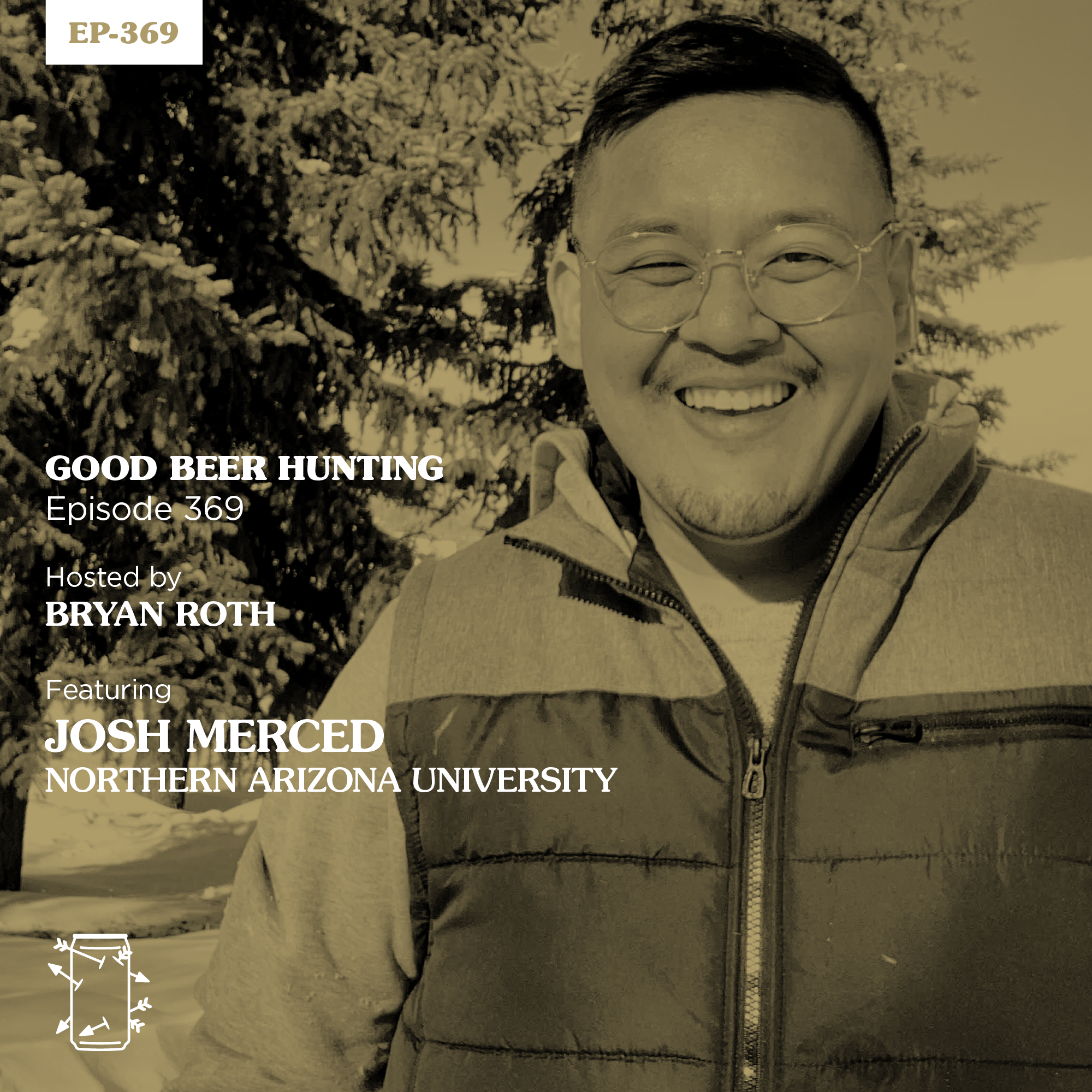
EP-369 Josh Merced of Northern Arizona University
EOver the last decade, one of the aspects of beer and brewing I've admired the most has been an increased attention from the world of academics. Wine has long been a centerpiece for research, but it feels like college faculty are now catching up thanks to a better understanding of the social, cultural, and community side of beer. There is a ton to be learned beyond the science of making beer and in this conversation, we'll get insight on how space and place inspire one professor. It may be summer, but we're heading back to campus with Josh Merced. Josh is a geographer by education, with a Ph.D from the University of North Carolina at Greensboro and teaching experience at Florida State University, UNC-Greensboro, Middle Tennessee State University, and come this fall, he'll be newly appointed at Northern Arizona University. At each stop, his research has had important crossover with craft beer, most recently teaching the class "Geographies of Craft Beer and Breweries" in Tennessee. If you've ever sat in a brewery or thought about how cities and landscapes impact who drinks craft beer and why, Josh will clue you in on valuable findings throughout our chat. From locations to music to our own lived experiences, it may come as no surprise that these all impact the way we come to interact with beer—or not at all. Josh will explain why this is particularly important for us to understand and change. You don't need to have a stack of highlighters or visit a bookstore to benefit from this educational opportunity. I hope that getting to know Josh and his work puts him on your map as someone to follow that will help you form deeper understandings and new questions about what craft beer offers and how we can consider what might change to offer more to more people.
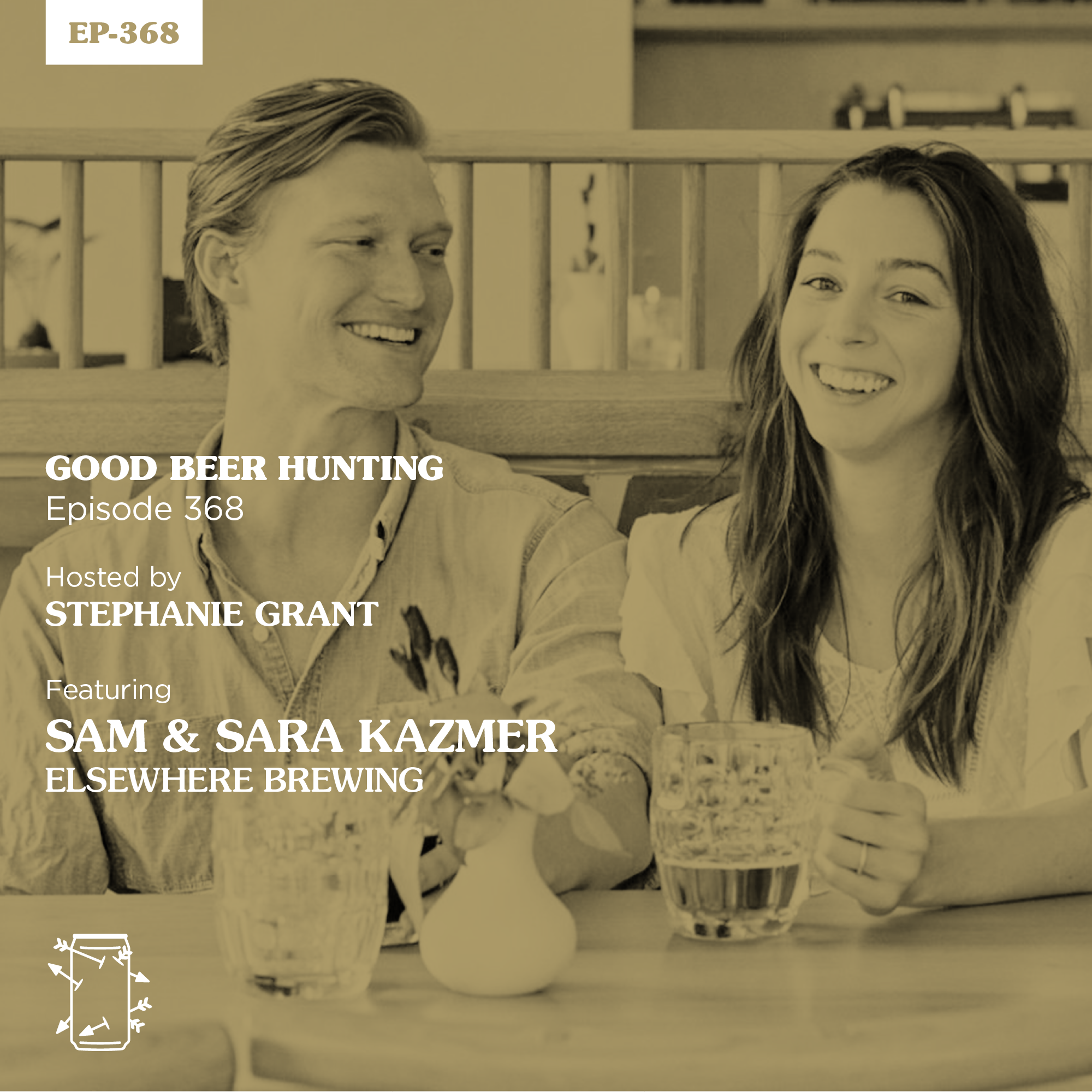
EP-368 Sara and Sam Kazmer of Elsewhere Brewing
EBack in 2019, my husband and I traveled to Cuba, and as part of our entry into the country, we had to book a cultural experience. We chose a tour around the city of Havana, visiting different local spots while learning about the history and present day struggles of the country. Our tour ended at our guide's grandmother's house, where she served us rum and coffee. It was a beautiful experience that encouraged me to continue to get off the beaten path whenever I travel. My friends Sara and Sam Kazmer champion getting off the beaten path. The couple met at a bar while traveling in Florence, Italy, so it's no surprise that seeing the world has become part of their lives and business. Since then, Sara and Sam have visited several continents before opening Elsewhere Brewing in Atlanta in 2020. You can hear all about their story in episode 298 of this podcast. In this episode, we talk about their recent trip to Patagonia, Argentina, where they led a group of people with their friend, Richard, as a guide. After reading a post on Instagram from Sara recapping the trip, I knew I had to have her and Sam on the podcast to share their experience. You'll hear them talk about why it's important to create trips that allow them to connect to people and culture in a deeper way. They also aren't shy about sharing the difficulties of balancing their duties as hosts with the desire to disconnect and recharge or how a language barrier and fluctuating inflation made planning this trip much harder than they anticipated. Stay tuned to the end where they divulge their next destination, which sounds like a dream.
CL-125 Love, Loss & Grief — Remembering John Stoner
EAs a former resident of Richmond, Virginia, and with family and friends still there, I visit the city fairly frequently. But seeing it through the eyes of someone else and hearing them describe places like the James River, Ardent Craft Ales, or Mekong made me long to go back. But the story you'll hear about today isn't a typical travel piece: Rather, it's a bittersweet exploration of the city, an ode to a friendship that ended too soon. In her first story for Good Beer Hunting, titled "Share What You Have — Seeing Richmond, Virginia, Through the Eyes of John Stoner," writer and cartoonist Em Sauter takes readers on a uniquely personal journey to memorialize her friend John Stoner, a Richmond beer fixture and early supporter of her own work at Pints & Panels, her visual beer education and art business. John died unexpectedly in 2021, sparking a wave of grief Em couldn't help but ride until she decided to honor his legacy and friendship by visiting his town to remember him as he was and to explore what he meant to her. In this episode, you'll hear how writing the story acted as a therapeutic balm for her, a way to sit with her feelings and memories as her own life moves forward. I'm sure you can relate to the idea of having online friends—and especially online beer friends—whose lives may or may not ever come in direct contact with you, but help shape your experiences in unexpected ways. In the end, it's kindness that Em hopes people share with one another. That, and a love of beer.
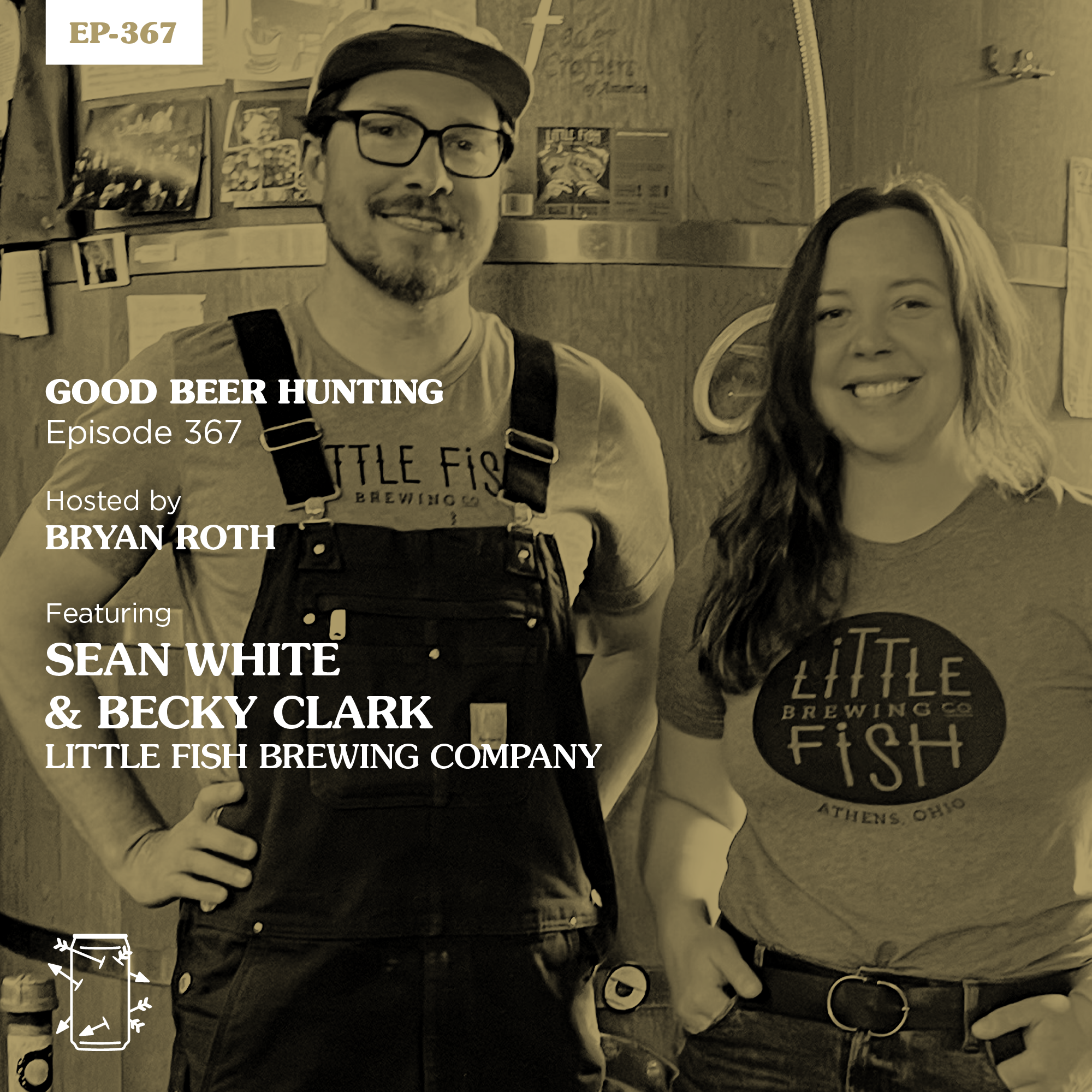
EP-367 Becky Clark and Sean White of Little Fish Brewing
EWhether food or drink, there's so much that goes into process. That could mean how a brewer combines hops, malt, water, and yeast to get the flavor of a beer just right, or how a chef takes even more ingredients to build a dish with cascading tastes on every bite. In this episode, process and place come together in a unique way from a brewery in Ohio. Little Fish Brewing Company doesn't just have a curious head brewer in co-founder Sean White, but also a James Beard Award-nominated executive chef in Becky Clark. And whether through their beer or restaurant menu, you'll hear in this conversation common themes of appreciation for a place—Athens, Ohio—and process that makes local agriculture a key component of experiencing what Little Fish has to offer. While we start by discussing what it means to explore food and beer pairings, you'll also hear how and why Becky and Sean care about the process of what they do and how they hope it shows up whenever someone takes a sip of Little Fish beer or a bite of their food. It's clear that Becky and Sean think about their home as key to what they're building at Little Fish, and as you listen to what they share you'll gain a better understanding of what the brewery and a college town in Ohio may offer you, too.

EP-366 Eric Pham of Prison City Brewing
EMany of the people who work in the craft beer industry got their start because they were passionate about the liquid in their glass. Eric Pham, head brewer and innovation brewer at Prison City Brewing in Auburn, New York, is one of those people. After feeling unfulfilled at his desk job, Eric's fiancé suggested he look for a job in the beer industry since they spent many of their weekends visiting breweries. Eric found his way into beer in 2018 as a warehouse assistant at Lamplighter Brewing Company, with roles at Trillium Brewing Company, Tree House Brewing Company, and Other Half Brewing Company. Each role would eventually prepare him for a leadership position at Prison City. In our conversation, he'll describe this journey from his early days at the company to becoming a head brewer. One of the valuable lessons he learned along the way is that there's no magic in big breweries like Trillium or Tree House, but simply a team of people working hard to get a pint in your hands. We also talk about his Michael Jackson Fund Scholarship and what he hopes to learn, but more importantly, how he hopes his moment in the spotlight will help him encourage other BIPOCs to join the beer industry.

EP-365 Michelle Vanderwalker and Sean Umstead of Kingfisher Cocktail Bar
EFor years, spirits have taken up a larger share of alcohol consumption across the U.S. Almost exclusively stealing sales from beer, this trend has been boosted by increased interest in cocktails. Whether making them at home, buying them canned and ready to drink, or going out to a bar or restaurant, America's cocktail culture is thriving as drinkers search for new flavor experiences. In this episode, we're going to explore a few aspects of why. Durham, North Carolina's Kingfisher bar was among this year's semi-finalists for a James Beard Award in the Outstanding Bar Program category. Considered one of the highest honors a food or drink-focused business can receive, the nomination came as a testament to the unique agricultural and gastronomic focus created by co-owners Michelle Vanderwalker and Sean Umstead. Along with a dedicated list of year-round cocktails built off southern fruit and vegetables, Kingfisher also experiments with the idea of time and place through special collections like its "Biome Series," a way to explore terroir through spirits through themes of different environments. A "Desert" cocktail includes yucca flower, a "Prairie" sunflower shoots and sunchokes, or "Marine" with its oyster shells and caviar. But that's the drinking part of what Kingfisher offers. As you'll hear in the first part of our conversation, creating a sense of space at Kingfisher is pivotal to a drinking experience. Similar to how people may see drinking at a brewery taproom an immersive opportunity with beer, Michelle will walk us through why so much detail goes into building somewhere people want to drink cocktails and what that conveys when they sit down at the bar. Spirits and cocktails are thriving all over the country and don't show any loss in momentum. With Michelle and Sean, you'll get a peek into why from their corner of the Southeast.

EP-364 Josh Kopp & Chrissie Pinney of Hana Koa Brewing Co.
EBeer has never been "just beer." It can divide as well as it can unite. Some efforts to use beer as a force for good have resulted in initiatives that call for an end to sexual violence, raise money for lifesaving medical research, and even promote literacy. Among those leading the charge to use beer as a force for good are the duo behind Hana Koa Brewing Company in Honolulu, Hawai'i. Head brewer Josh Kopp and director of operations Chrissie Pinney launched Hana Koa in 2019, and from day one, focused on goals of sustainability, community building, and social good. Their most ambitious initiative, called Shine a Light, supports survivors of sexual assault and seeks proactive change to prevent sexual violence from occuring in the future. In this episode, you'll hear from Chrissie and Josh as they outline the brewery's origins, their own backstories, and how their upbringings led them to want to do good wherever they can, using the brewery as a conduit to make the world a better place. In the conversation you're about to hear, we do discuss things like rape, assault, and other potentially triggering topics, so please use caution when listening. But you'll also hear how the pair balances a responsibility to their community with self-care and where they manage to find joy, even when carrying heavy burdens of trauma and struggle. Chrissie says beer is much more than a beverage, and I tend to agree with her.

CL-124 Discovery in What's Not There — Finding the Great Outdoors While Searching for Bigfoot
EI recently learned that California has 461 recorded Bigfoot sightings. That's second only to Washington State, but far more than the mythical creature's presumed home turf in British Columbia, which counts a mere 134 sightings since 1924. But how many sightings can be credited to the power of suggestion? Or were they all real instances that just so happened to occur to true believers? We may never know, but that's not really the point. You can believe, or not believe, but staying open-minded to the possibility of unexplained mysteries is something humans should all strive for, according to freelance writer Jacqueline Kehoe. In her piece titled "Our Wilder Selves — The Hunt for Sasquatch in Middle America," a story published as part of our Olly Olly series in collaboration with Oskar Blues, Jacqueline documents her own quest to find the creature known as Sasquatch and Bigfoot in the woods of Iowa. You'll hear about what she finds, what she didn't, and what she hoped to discover in the first place. We talk about cryptids and aliens and mythical monster folklore, but also about the magic behind humanity's connection with nature and how to find catharsis in the wilderness. Society has tamed itself, pulling further away from what was once an untamed landscape. But there are pockets still out there, if only we look outside our own perceptions.

EP-363 Paul Schneider of Cinderlands
EToday's guest, if we're speaking in beer years, is a lifelong friend. But what feels like a lifetime really only started around 2011 in Chicago when Good Beer Hunting, at the time just a personal hobby of mine, was basically unknown outside of a small community in Chicago. At the time, Paul Schneider was still a history teacher in the burbs homebrewing and volunteering at small start-up breweries around the area. We met at a Goose Island First Thursday event, which was a loosely defined monthly occasion where fans got together in the Seibel Institute room in front of the Clybourn Brewpub. We would share dark Goose Island beers, home-brews, and other sought after bottles. It was truly the glory days of the 2nd wave of craft beer kind of thing. The timeline is too full of milestones between then and now, but here's a quick look at Paul's career in craft beer: after volunteering around town, he got his first real gig at Solemn Oath in Naperville—as one of their first employees. he went on to fill a broad role there between operations, special creative projects, some brewing and marketing he left to sign on as a founding brewer as a partner in a brewery in Pittsburgh that he initially consulted on and then was offered the role once they realize the multi-faceted talent and experience he brought that led me and Paul to work together in an official capacity for the first time, as GBH signed on to the project to help define the brand and trajectory of the brewery with Paul and the Warden family, for what would become known as Cinderlands Since then Paul has become a brewer's brewer, making precise Lagers, exquisite Saisons, as well as crowd-pleasers like their sought-after Tartshake series. Paul's unique perspective as a brewer, and also a student and former teacher of history, gives him a view on humanity and how beer fits into it that is uncommonly balanced. There's an auteur in him of the finer elements of brewing. But there's also the practical business person who knows better than to push back against the demands of the market. In fact, rather than be mutually exclusive as so many small operators often see these seemingly opposing forces—he seems to elegantly align the two to create opportunities for himself and others that are truly satisfying as a creator. And that's not to say that holding that line is easy. It's a position that's maintained through a constantly shifting, reflective, informed effort to navigate a very human marketplace that can be both high-minded, hype-driven, and incredibly fickle at times. The history of beer is like the history of all things fashionable. And the present is no exception. Paul was in town for a collaboration release with his friends at Solemn Oath, and a bit of a homecoming. So we took the moment to catch up on some of these threads and open some bottles for friends and peers at the studio. We were also finalizing plans for our latest collaborative project—Cindi's Hard Mountain Tea—which is launching at PNC park in Pittsburgh as I speak.
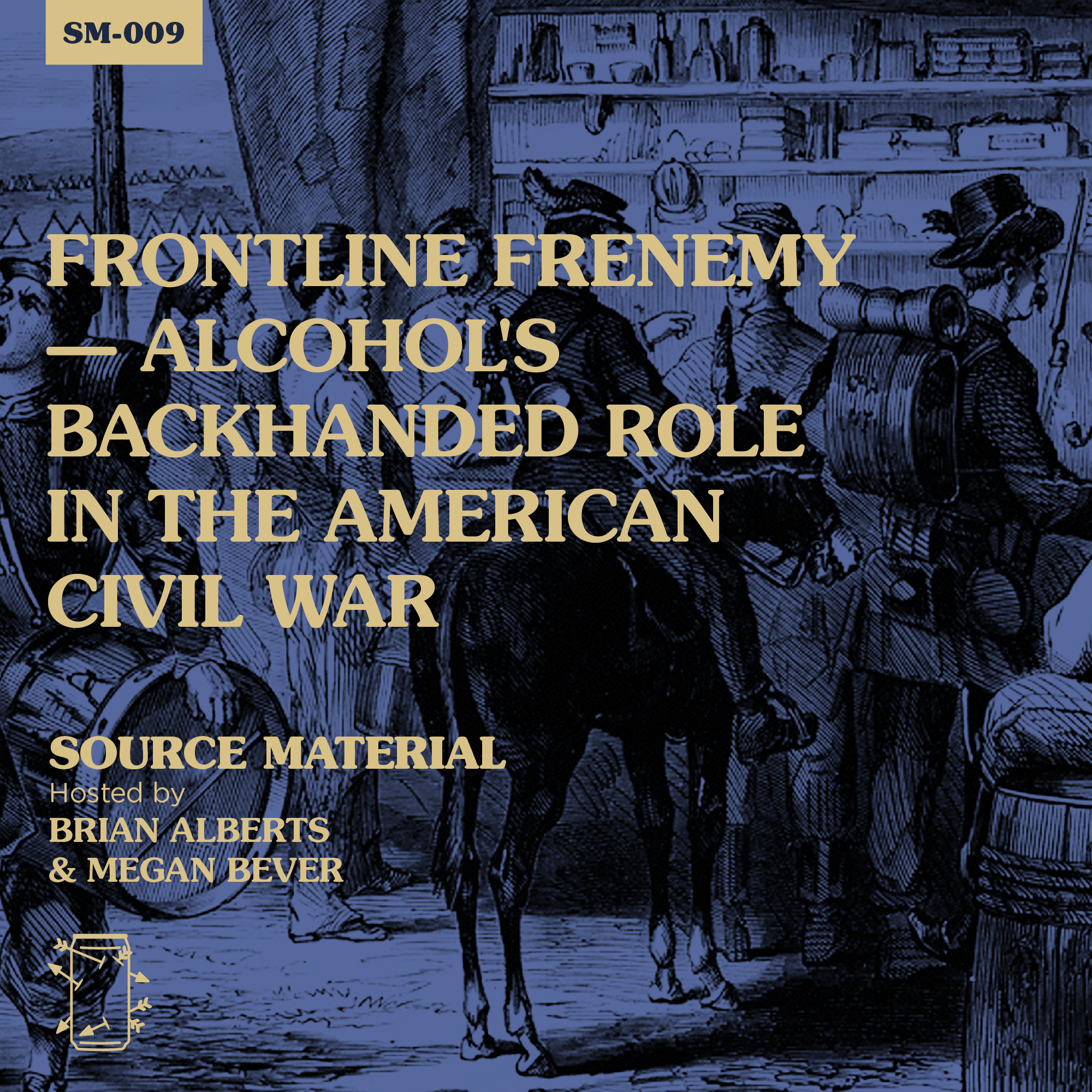
SM-009 Frontline Frenemy — Alcohol's Backhanded Role in the American Civil War
EIn the runup to the American Civil War, the number one political issue on everyone's minds was…slavery. Of course it was. But it's easy to forget that the number two issue was alcohol. Back then, like today, debates over drinking boiled down to a few key points: who should drink what—and in particular what kind of liquor—how much, when, and what that drinking said about a person's character. When American drinkers, usually men, marched to war in the Union and Confederate militaries, the politics of alcohol enlisted with them. It's the subject of a new book by Missouri Southern State University professor Megan Bever called "At War with King Alcohol: Debating and Drinking Masculinity in the Civil War." Her research reveals the many ways alcohol intersected with the war: as medical cures, an escape from the whiplash of combat and boredom in military life, as big business for opportunistic civilians, as a thorn in the side of temperance reformers, and as an ongoing point of discourse among leaders on both sides. For this episode, I sat down with Megan to talk about this history and the deeper issues it laid on the table. When booze seeped into both Union and Confederate encampments—and it did by the barrel—it raised some big questions. If a soldier drinks, does that make them a coward? Can they perform their duty? Are they even a "real man"? And in civilian life, contention also raged as to whether distilling whiskey or brewing beer meant entrepreneurs provided a valuable service or acted as profiteers stealing resources from the war effort. Running through it all was the debate about whether "King Alcohol," as some called it, was a tool for victory, or another insidious enemy to fight.

CL-122 A Sip Of The Big Apple — A Brief History of NYC's Beer Bars
ENew York City is, in almost all respects, on the cutting edge, the vanguard of the very cultures we consume through fashion, art, music, and food. But when it comes to the craft beer scene, the city that never sleeps seems to have done just that—slept on the industry's development and growth, until, of course, they joined the party, which is still going strong. In her latest love letter to New York, titled "Vagabond Shoes Longing to Stray — Through Years and Boroughs, for the Beer Bars of New York," writer Courtney Iseman pens more than an ode to the people (and places) that shaped the city's craft beer bar scene. It's an encyclopedia of knowledge, punctuated with first-person accounts, recollections, and memories, all seen through a haze of looming nostalgia from her impending move away from the area for the very first time. She taps a dozen or more voices, each lending unique insight into the city's growth, evolution, and future as part of the country's overall craft beer scene. It's a long but fascinating read, which lends itself to today's conversation about her process, motives, emotions, and future plans as they relate to her relationship with the city and beer itself. We discuss that though there's plenty about beer to feel discouraged about, sometimes it's looking to the past that helps us rediscover how we got here and why we came in the first place.
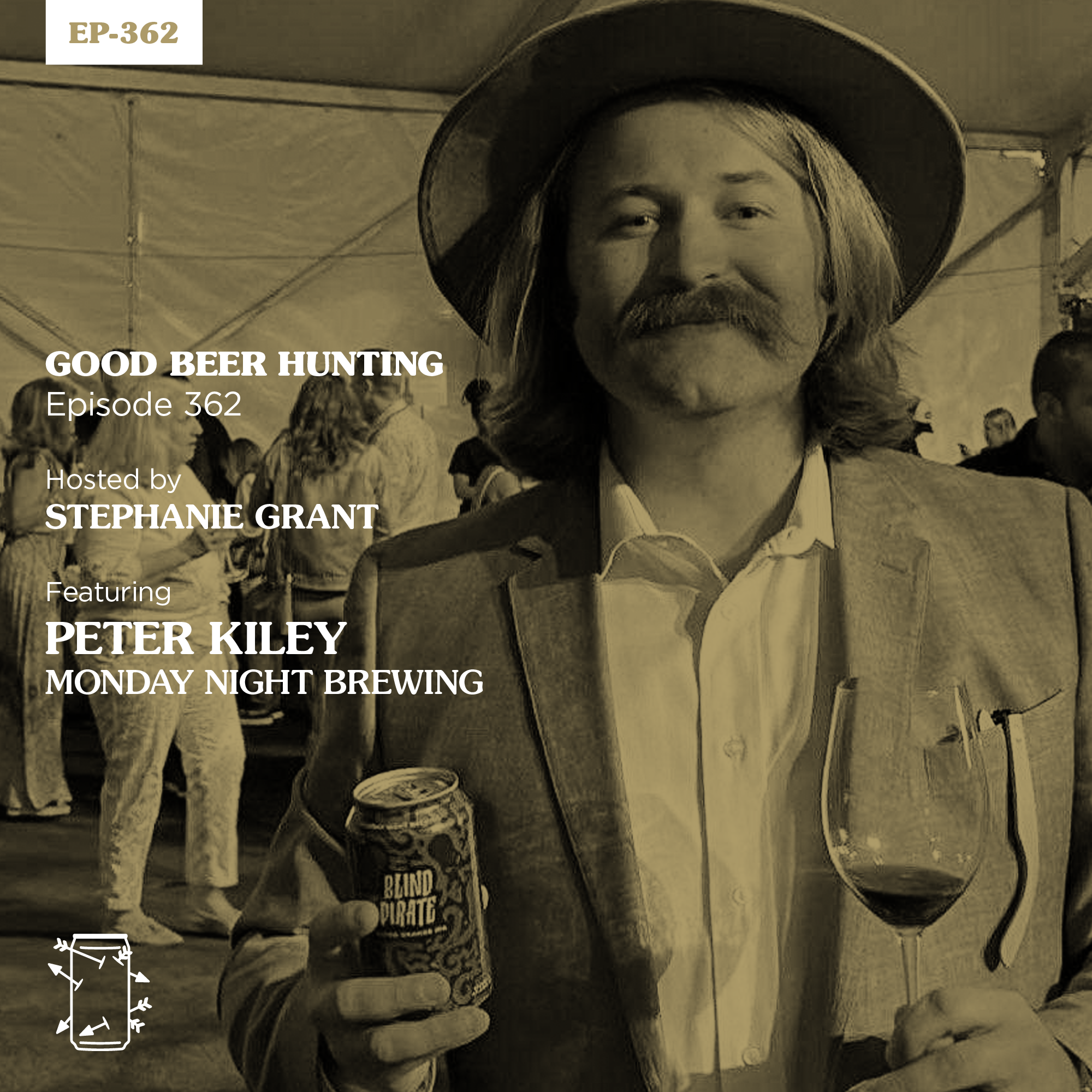
EP-362 Peter Kiley of Monday Night Brewing
ECreativity of all kinds fascinates me. I love seeing artists work and watching their final products take form. But most of all, I love to hear them talk about their processes, their frustrations, their joys. No matter the medium—design, food, or in this case beer—I like to glimpse the way their minds influence their work. Those moments of visibility bring a level of understanding of the creative process that I couldn't get to on my own. When I worked at Monday Night Brewing here in Atlanta, I had the pleasure of spending time with several creatives. Among them was Peter Kiley, the brewery's brewmaster. On several occasions, a conversation about the latest beer release would turn into a deep dive into topics about life, creativity (or "producing," as you'll hear Peter call it), and beer culture. Earlier this year, Monday Night dropped a spirit line, including gin, vodka, bourbon, rye, and an agave spirit. Hearing about this new venture, I wanted to talk to Kiley to hear his thoughts on this new realm. How did this transition differ from when he left the wine world to pursue brewing? In our conversation, we dive into his 16-year career making alcohol, why he likes to use the word "passion" sparingly, and his views of people who think they know it all.

CL-121 Full Tank - How a Maine Gas Station Became a Craft Beer Pioneer
ESometimes, hidden gems remain hidden for a reason. Those in-the-know may jealously limit access to outsiders; other times, it's simply because surprises can blossom in the most unexpected places. When it comes to craft beer, our hidden gems tend to be places like old-school beer bars or hyper-local destinations that remain off the radar of tourists. But occasionally, entire subcultures have been built in the most unlikely of places—and that's what we decided to spotlight in our newest series, Gas Station Week. Gas Station Week is a celebration of the unconventional and a look into the roadside stands, convenience stores, and yes, gas stations that have influenced entire communities of beer lovers across the country. Kicking off our Gas Station Week series is the story that inspired it all. In his piece titled "The Gas Station That Changed Everything — Swett's Tire & Auto in Bangor, Maine," writer Nic Stevens describes how 30 years ago, craft beer wasn't just a novelty in Central Maine. It was nonexistent—that is, until one discerning entrepreneur saw its potential. Eventually, the beer shelves at Swett's Tire & Auto, a gas station strategically located on the Interstate 95 corridor, directly spawned a brewery, a beer bar, and helped develop a tight-knit homebrew scene and number of independent breweries, all with deep ties to the local community. Nic stumbled across the story, literally. In today's conversation, he describes his unorthodox approach to uncovering stories such as this by hopping on public transportation and relying on the kindness of strangers to take him in as he explores the United States in search of the next great hidden gem. Since folks in Maine aren't typically known for embracing outsiders—that is, anyone from outside of Maine—Nic says telling this particular tale wouldn't have been possible through conventional journalistic methods. We'll discuss his approach, as well as his discoveries that didn't make it into the final draft and why he thinks this story couldn't have happened anywhere else.

EP-361 Shibli Haddad of Arroyo Shell
EWhat if I told you one of the best places in the country to find the coolest, freshest craft beer is in Pasadena, California? That probably wouldn't surprise. But what if I also told you that when you go to find the latest releases from Humble Sea or Trillium, or even a bottle of Cantillon, you could also fill up your gas tank a few dozen feet from that refrigerator door? In this episode, you're going to meet Shibli Haddad, who owns and runs a Shell gas station that has become one of the most important beer stores in the U.S. Not only does Shibli stock some of the most sought-after beer from across America, but he brings a clear passion for connecting with people because of it. You'll hear him describe the way he talks to customers to learn about them and what would be exciting to find in his store, how he tracks trends, and why it's important to offer special beer at an accessible price. He came to run the store because of his dad, started stocking unique beer because of his sister, and has become a part of California beer culture because of his commitment to forming relationships with his customers. This conversation is part of Good Beer Hunting's coverage for Gas Station Week, a series of stories, essays, and podcasts meant to highlight how people all over can find unique beer experiences in typically unexpected places. Make sure to visit goodbeerhunting.com for more voices that highlight this corner of the beer world.

EP-360 Nicole Oliver of Edmund's Oast Brewing Co
EScience has always been intimidating to me. I was never good at memorizing the periodic table or combining an array of chemical compounds to get a desired—and safe—mixture. Despite the challenges that lasted from middle into high school, I still found it all fascinating, the act of testing and discovery and using specialized equipment that can provide meaningful answers to all kinds of questions. And in this episode, we're talking about it all in relation to beer. Our guide will be Nicole Oliver, the laboratory operations manager at South Carolina's Edmund's Oast Brewing Company. She is an actual scientist and helps to oversee quality control at one of the Palmetto State's fastest-growing breweries. And it's not just her ability to help her colleagues create better beer that makes her role fascinating, but the way she's doing it in an evolving beer market where it's not just about making sure a Blonde Ale is brewed to perfection. Nicole has to collaborate with brewers to ensure that fruited Sours or pastry-inspired beers taste just as perfect and have the kind of shelf stability that other companies sometimes ignore, packaging beer in cans that may cause the package to swell, grow, and sometimes explode in a puree mess. If your favorite brewery cares about its beer, it should have a quality control program. Not every business has the financial ability to have a full-time scientist to lead the work, but it's pivotal work that improves everything about the brewing process. And as you'll hear from Nicole, it can be nerdy and fun and exhilarating and meaningful. For her, her colleagues, and drinkers.
CL-120 David Neimanis On The Magic (And Misconceptions) Of Non-Alcoholic Spirits
ENon-alcoholic spirits, beer, wine, and beyond have finally graduated from punchlines to premium products in their own right, filling up store shelves and restaurant menus in greater numbers than ever before. But as writer David Neimanis explains in his latest piece for Good Beer Hunting, there's still a long way to go for many of these products—non-alcoholic spirits in particular—to achieve their potential as legitimate and valuable alternatives to the status quo. That piece, titled "Spirited Away — The Brands, Bartenders, and Bottle Shops Paving the Way for Non-Alcoholic Spirits," which was published on February 4, 2023, looks as some of the pioneers of the industry, including makers who aim to create an entirely new space for their fresh takes on alcohol-free spirits, as well as those attempting to recreate signature spirits, such as gin or tequila, for drinkers who seek a familiar burn without the backfire. Both approaches have their benefits, but in today's conversation, you'll hear David unpack his own fascination with botanicals, who he sees as leading the NA charge, and why these developments are something to be excited about. He'll explain some of the regulatory differences between standard spirits versus their non-alcoholic counterparts, and how he hopes that one day, consumers will perceive the value of each with equal respect. Today's discussion is the first of what we hope will be several conversations around the rise of non-alcoholic options across beverage alcohol, so stay tuned for more discussions with other writers and explorers of the NA space.

SL-034 Does Cider Have a Problem? Or an Opportunity?
EThe question at the center of this episode is simple: Does hard cider have a problem or an opportunity? The answer may be a little bit of both, with your own perspective making the glass of Angry Orchard or 2 Towns or Hudson North slightly more than half empty or half full. So, while we may not have clear-cut answers by the end of the episode, you will hear from a few different perspectives about this challenging and hopeful and evolving time for American cider. To explore all this, you'll hear from some great voices. In part one, we chat with Ryan Burk, a long time American cider pro who started out at Michigan's Virtue Cider before spending years as head cider maker for Angry Orchard, the largest cider company in the country. He now leads formulation and sensory strategy for Feel Goods, Good Beer Hunting's parent company that's a full-definition studio that builds beverage brands. (Ryan is also a colleague of mine at Feel Goods, where I work as an analyst.) After we set the stage with Ryan, we travel to Chicago for a conversation with Good Beer Hunting contributors Ruvani de Silva and Beth Demmon. The three of us were in attendance at this year's American Cider Association conference and gathered for our own reflections on the state of cider and what we started to see and hear on our first day at the event.

EP-359 Soham Bhatt of Artifact Cider Project
EWhen you think about beer or wine or spirits or any alcoholic beverage "beyond" these categories, what do you think of? Is it flavor? Friends? Or maybe just a vibe? It's that last thing that I got stuck on recently thinking about cider and its place amongst all these options. For years, cider has been a steady 1(ish)% of the beer category in the U.S., where it's classified. But at a time when some segments are trying to tread water, like wine or beer, that steadiness seems … pretty good. And in the context of trying to consider what it all meant, I came across Massachusetts' Artifact Cider Project. If you head over to their website at ArtifactCider.com, you'll find the company actually does sell its cider on vibes. One cider is for "late night bonfires" while another is meant for "brunch and beach." There's even a cider named Wolf at the Door that carries the vibe of "fight not flight," adding a layer of mystery to whatever that may mean to you, dear drinker. Anyway, while in Chicago for the annual American Cider Association conference, it was a great excuse to seek out Soham Bhatt, co-founder of Artifact, and someone who I came to learn has an insatiable curiosity. It's that trait that led him to cider and as you'll hear, drives what he and the Artifact team continue to do in search of all kinds of drinkers. In this conversation we get philosophical about how hobbies turn into careers and what it takes to convince people to pick cider over other alcohol options. Along the way, you'll also get an appreciation for Soham's never-ending quest to learn more—whether that's about cider, movies, people, or just about anything else. Whenever you last picked up a cider, be it for a search for flavor or something a friend just handed you, Soham's perspective will help you think about all this in another way. How vibes matter in the pursuit of something new.
CL-119 David Nilsen On His Craft Beer Origin Story, Thanks To Great Lakes Brewing
ESpring is a time of emerging, reawakening, and growing beer sales after the category's typical winter lull—at least for most breweries. But Ohio's largest brewery, Great Lakes Brewing Company, goes against that seasonal wisdom: Its slow season happens in the warmer months, while winter is its annual highpoint. What gives? That's just one of the questions writer and photographer David Nilsen attempts to answer in his latest piece titled "Lore of the Lakes — Great Lakes Brewing Company, Cleveland, Ohio," which was published on February 1, 2023 as part of Good Beer Hunting's Signifier series. Inspired by his own coming-of-age story as a beer drinker from Ohio, he dives into the brand's history, legacy, and future, all of which seem tied together by two big questions: Just who is Great Lakes, and who is it becoming? Today, David and I discuss how his story evolved from love letter to detailed look at the brewery's operations and iconic beers themselves, like the beloved Christmas Ale that's released each October. He doesn't shy away from Great Lakes' struggle to define itself in the face of a changing industry, and where it had to look to find inspiration. That inspiration is leading the brewery in interesting, and sometimes unexpected, directions, none of which are off-limits to the historic brand as it attempts to balance legacy and innovation. While the story of a beloved craft brewery and its cherished releases can often seem romantic, David reveals how the struggles behind the scenes aren't always quite so charming. But there's still plenty of beauty in each word and picture, so come on a journey to the shores of Lake Erie and hear all about it.

CL-118 Stephanie Grant Says We All Need To Get Outside
EExperiencing the uninterrupted beauty of nature should be easy, and in theory it is—for some. As writer Stephanie Grant explores in a new story, going camping can feel like an insurmountable barrier reserved for the wealthy and white. But she hopes that's changing, thanks to organizations like Outdoor Gear and Beer, which are building a more inclusive beer community for people of color and Black campers who simply wish to enjoy the majesty of the great outdoors. In her Olly Olly piece titled "Unplugged Under the Stars — How Black Beer Organizations are Diversifying Camping," published on March 1, 2023, Stephanie discusses resources for Black campers both in and out of the beer world, outlining the many reasons why they may not feel comfortable camping or out in nature at all. Nick and Amanda Brooks of Outdoor Gear and Beer help break down some of common fears and hesitations for the uninitiated, acting as expert guides before and during the camping process. Stephanie learned first-hand how their guidance gives people a new perspective—it's one she gained herself on a recent trip, one that took her dreams of camping and made them a reality. In today's conversation, Stephanie reveals how her expectations for the trip compare to her experience, and why she continues to feel strongly pulled to nature. It's an instinctively human feeling, but one that can be out-of-reach for certain people due to time, money, or fear. Fear plays a big role in both the piece and our discussion: Stephanie talks about how it robbed her of years of potential outdoor enjoyment, how to conquer it through knowledge, and the difference between things like fear of bears and fear of people (because sometimes, it's the people who are the most unpredictable). Olly Olly is all about getting outside, finding freedom in the possibilities of the Earth. What possibilities does Stephanie see?
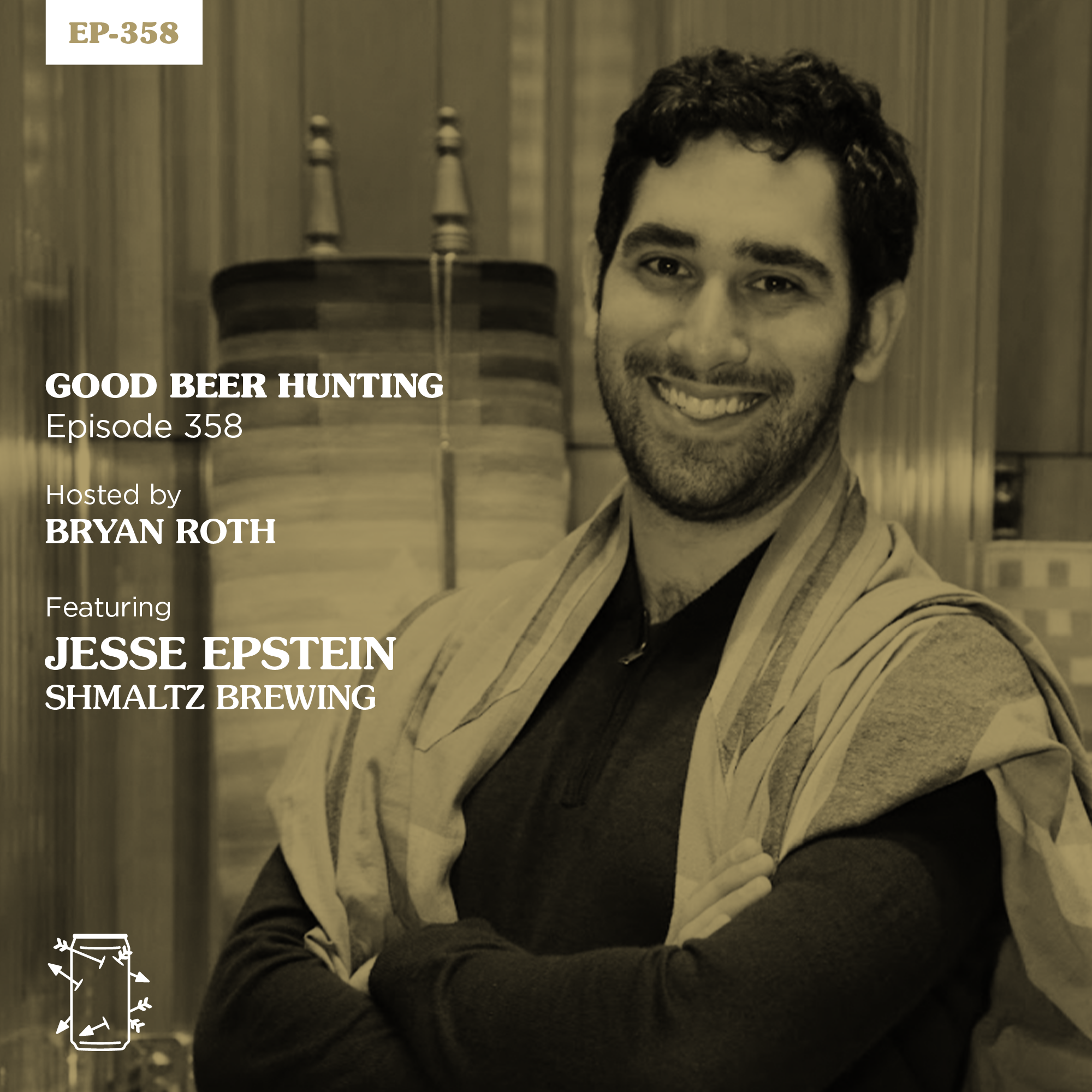
EP-358 Jesse Epstein of Shmaltz Brewing
EAt some point in your life, you've probably been told that you're not supposed to talk about religion or politics in certain settings. Especially when you meet someone for the first time. In this episode, we're breaking that rule. As much as it may be one, at least. This conversation combines the secularness of beer with values of Judaism as our guest walks us through why this is a balance that will bring something new and exciting to the industry. Jesse Epstein is a rabbinical student at Hebrew Union College - Jewish Institute of Religion and the new owner of Shmaltz Brewing. The brand was founded in 1996, retired in 2021, and right at the end of 2022 came back to life after Epstein bought the rights to one of the longer-tenured craft beer brands in the country. While Judaism has always been a part of Shmaltz' schtick, Epstein plans to deepen that connection even more through his own education and work and commitment to caring for others and social justice. A homebrewer-turned-owner, Epstein is brand new to the professional world of beer, but his vision for what he wants Shmaltz to become is rooted in who he is, the values he's learned from family and his synagogue, and an interest for exploring what a Jewish beer brand can accomplish in 2023 and beyond. His hope is that one pint at a time, he can provide a reason for drinkers to consider how they can be a part of repairing the world through human connection. Join me in getting to know Jesse over the first 15 minutes of our conversation, which will give lots of context for why religion and politics becomes center to the rest of what we talk about, and what he wants to do with beer.

CL-117 Rachel Hendry Unpacks 500 Years Of Champagne's Influence
EEverybody loves bubbles. What's not to love? They're fun, they pop, and they taste amazing—especially in drinks like Champagne, or what the French writer Voltaire called "the most glorious expression" of French civilization. In her first piece for Good Beer Hunting, writer and wine enthusiast Rachel Hendry explores Champagne's history as a status symbol as well as its influence on other beverages—specifically, beer. That piece, titled "Traditional Method — Exploring Champagne's Influence on the Brewing Industry," was published on January 4, 2023 and covers 500 years of history, evolution, and the ongoing significance of the luxurious beverage, one that some beer makers (you'll find out who) believe they can outshine. I'm not sure that's the case, and neither is Rachel. In our conversation today, she'll reveal when and why she decided to pursue writing about the opulent world of Champagne and how her original idea transformed into a sprawling exploration of the celebratory bubbly. We'll hear about when Champagne went from still to sparkling, how a demand for wartime wood changed the structural integrity of glass bottles—which helped stabilize Champagne's volatility—and what fascinates her about the wine, which remains out of reach for the average person on an average day. We go from high to low, beer to wine, and beyond. Take a walk on the sparkling side with us, right now.
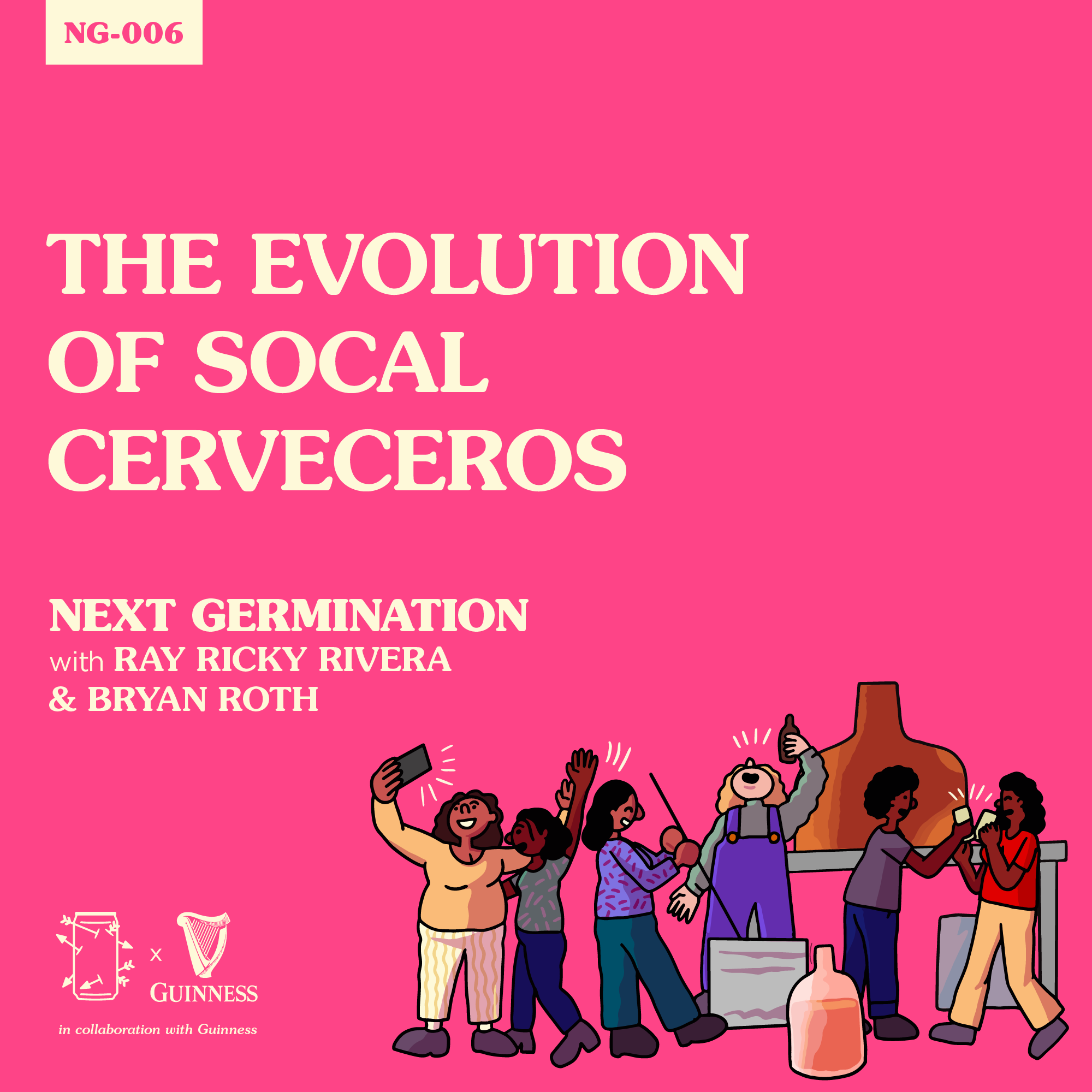
NG-006 — The Evolution of SoCal Cerveceros
ENearly all of the stories you read and interviews you hear from Good Beer Hunting include professionals in beer. But one of the wonderful things about this beverage is you don't have to be a working pro to make and enjoy it. And like other areas of the industry, there's a growing collection of people who've embraced homebrewing that bring demographics and backgrounds historically underrepresented in beer. That's a space we're exploring in this episode thanks to Ray Ricky Rivera, the journalist behind one of Good Beer Hunting's Next Germination stories—a series produced in partnership with Guinness—that focused on the SoCal Cerveceros, the largest Latino homebrew club in the country that's also been dubbed "one of the most important homebrew clubs in the world." As a member of the group, Ray brings a unique perspective to his story you can find on goodbeerhunting.com and one you'll get a sense of here. Instead of recapping what was written, however, we're going to share with you three acts to represent growth and change in homebrewing, with a highlight of what's next. First, you'll hear from Julia Herz, executive director of the American Homebrewers Association, to learn about the hobby and priorities for the organization. Then, Ray will take us to a SoCal hangout, where we'll meet a couple members, learn about their involvement, and listen in during their brew day. Lastly, we'll catch up with Ray to hear about the ongoing impact SoCal Cerveceros has on its members and local beer lovers in California. This is the audio companion to "'I See You' — The Evolution of SoCal Cerveceros," stories for our Next Germination series, produced in partnership with Guinness. First, we visit with Julia Herz of the American Homebrewers Association.

EP-357 Julia Herz of American Homebrewers Association
EThis conversation is all about stories. Tales of recent history and childhood memories. Recalling inspiration from others and happy accidents. Joining me to stroll down memory lane is Julia Herz, someone who has provided plenty of people in and around beer their own mental souvenirs to cherish. Julia is a longtime fixture in beer, having served for years as a de facto "face" of craft brewers' trade organization, the Brewers Association. She was part of a round of COVID-influened layoffs in 2020, but is now back with the Brewers Association's sister group, the American Homebrewers Association, serving as executive director. Julia's connections, relationships, and impact runs deep in American beer, and you can get a good sense of that as well as reflections on a temporary career change in Good Beer Hunting podcast episode 286 which features a conversation with Julia and GBH colleague, Beth Demmon. But in this episode, you'll hear Julia talk about her own appreciation for homebrewing, some of what her organization is up to, and share stories of the many things that led her to where she is today. Including a chance encounter with the Homebrewers Assoication's original founder that feels uniquely perfect to her journey.
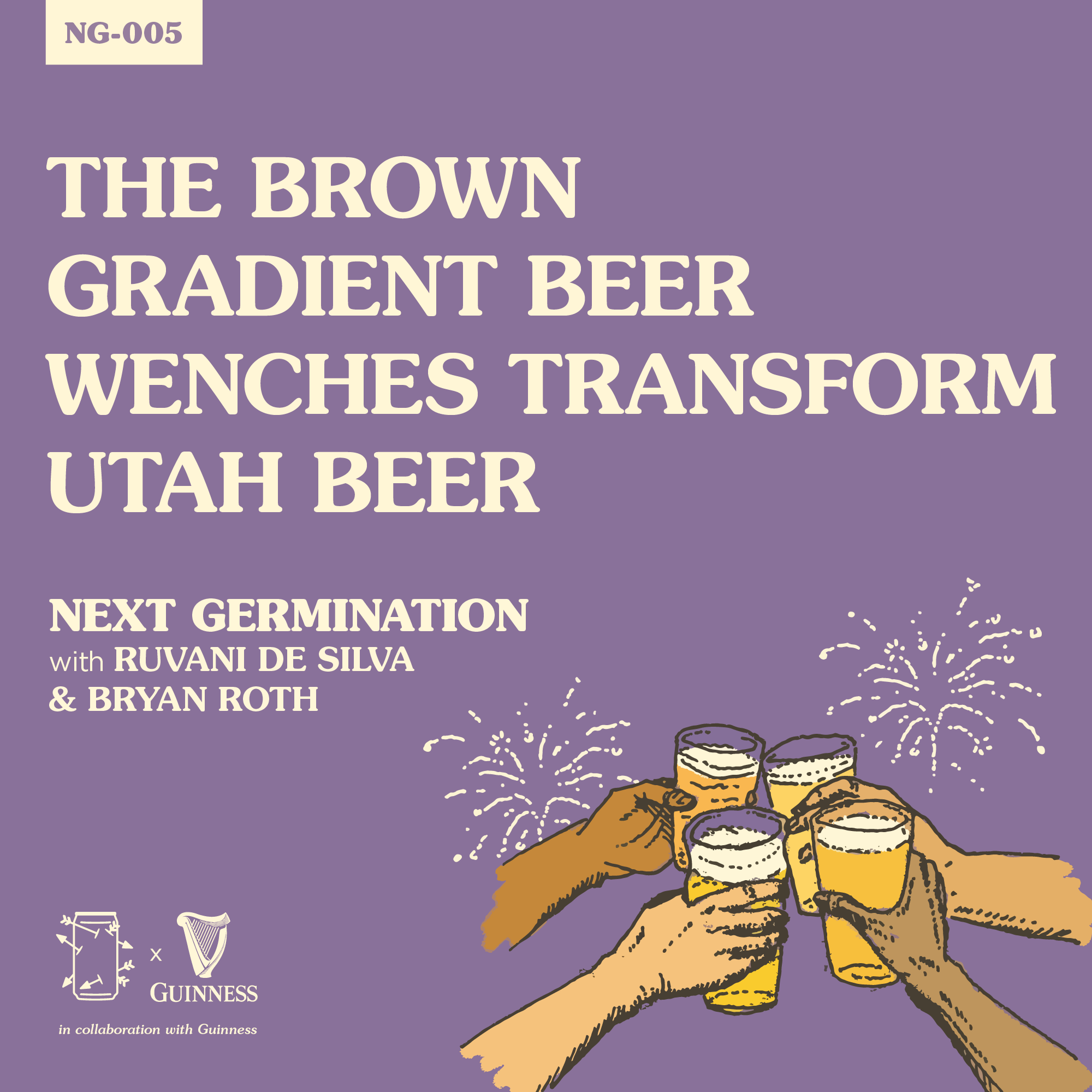
NG-005 Next Germination — The Brown Gradient Beer Wenches Transform Utah Beer
ERepresentation in beer matters for everyone—the more people means more ideas means better experiences—but as you'll soon hear, it holds particular weight for Ruvani de Silva. She's the journalist behind one of Good Beer Hunting's Next Germination stories—a series produced in partnership with Guinness—that focused on a diverse group of women who showcase breweries and the beer community in Utah. Ruvani will provide you with the background and a proper introduction, but here's a sample of Ruvani's writing that helps set the stage for what to expect in her story and what you'll experience in this podcast. In her profile, Ruvani writes of the Brown Gradient Beer Wenches: "The energy the foursome exudes as a group is visible; it reminds me of the electric sparks of a band delivering a set so tight the members' connection feels telepathic …They are luminous in each other's presence—and they know it." We hope these conversations offer a little extra light for you, too.

CL-116 Chelsea Carrick on Promises, Politics, and The Price of Beer
EClimate change. Drought. Lack of clean water. We hear about these issues all the time, but how much do we see them? Do we feel them? And are we really doing anything about them? In her latest piece for Good Beer Hunting, Mexico City-based freelance writer Chelsea Carrick talks about some of these problems; specifically, how they are affecting the beer industry in Mexico in real time. That piece, titled "Waiting for the Rain — How Drought in Northern Mexico Impacts the Country's Beer Industry," which was published on January 12, 2023, explores the historical inequity of water access between the United States and Mexico, how the water-intensive beer industry contributes to economic instability, and how shifting the issue from North to South might not have the favorable results the country's president hopes for. In today's conversation, Chelsea and I talk about the evolution of her piece, as well as what we can do as consumers to limit the destructive aspects of food and drink production as a whole. As individuals, climate change can feel insurmountable. But we shouldn't, and can't, ignore the environmental injustices that will affect us all at one point or another, no matter how far we bury our heads in the sand. Protecting the Earth is everyone's problem, and everyone's responsibility. Let's hear about the balances she's made and the choices we'll all face.
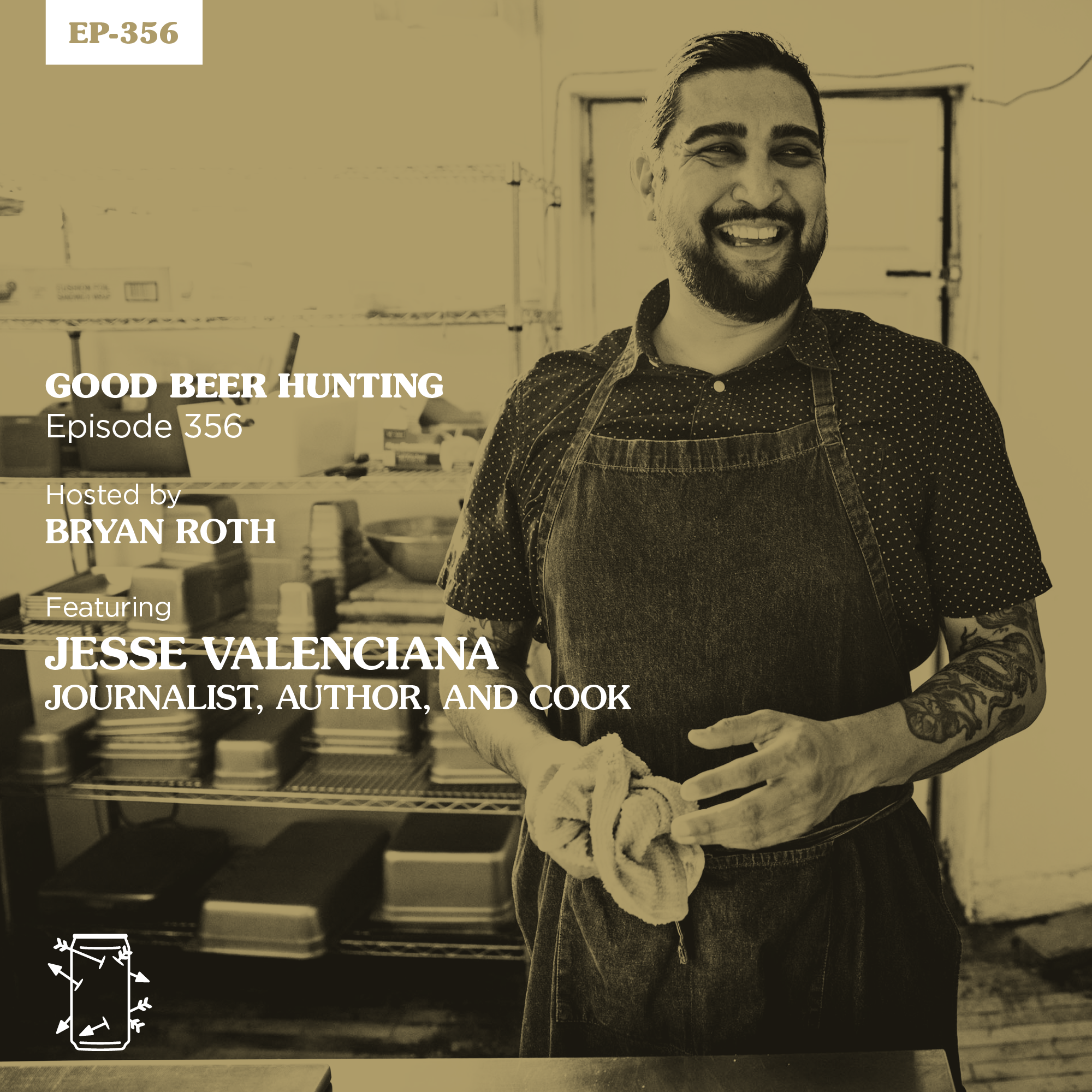
EP-356 Jesse Valenciana, Journalist, Author, and Cook
EWhen I'm doing prep for the interviews you hear on this podcast, I try to look across digital footprints for insights that help me gauge a person, their personality, and the kinds of questions I should ask. It's all based on instinct and hope that my own impression from a distance gives me enough to offer you a meaningful conversation that introduces someone new or helps you gain a deeper appreciation for someone who's familiar. Sometimes, the idea of a person I'm researching matches exactly who they are in our conversation, and that's the case with Jesse Valenciana. As you'll hear right away, the trail of breadcrumbs he leaves on social media and with his professional connections make it clear he cares deeply for his loved ones and his heritage. Jesse most recently worked as director of marketing for Kentucky's Against the Grain Brewery—his time there ended after we recorded this podcast as part of budget cuts at the brewery. So, if you hear us talking about Against the Grain in the present tense in this conversation, that's why. Jesse says it's onward and upward for him and his career, however, which also includes a varied skill set: he's also a food and beverage journalist, author, cook, and a person who seems to always consider how his past connects to his present in these roles. In this conversation, you'll learn about all this, from his childhood visiting family in Mexico to how those roots shaped his personality and relationships, including the way his history and culture helps him view America's craft beer industry. After years of working in beer, Jesse shares the way he's been shaped by his own passions, microaggressions from others, and why it matters to the way he does his job now and in the future.
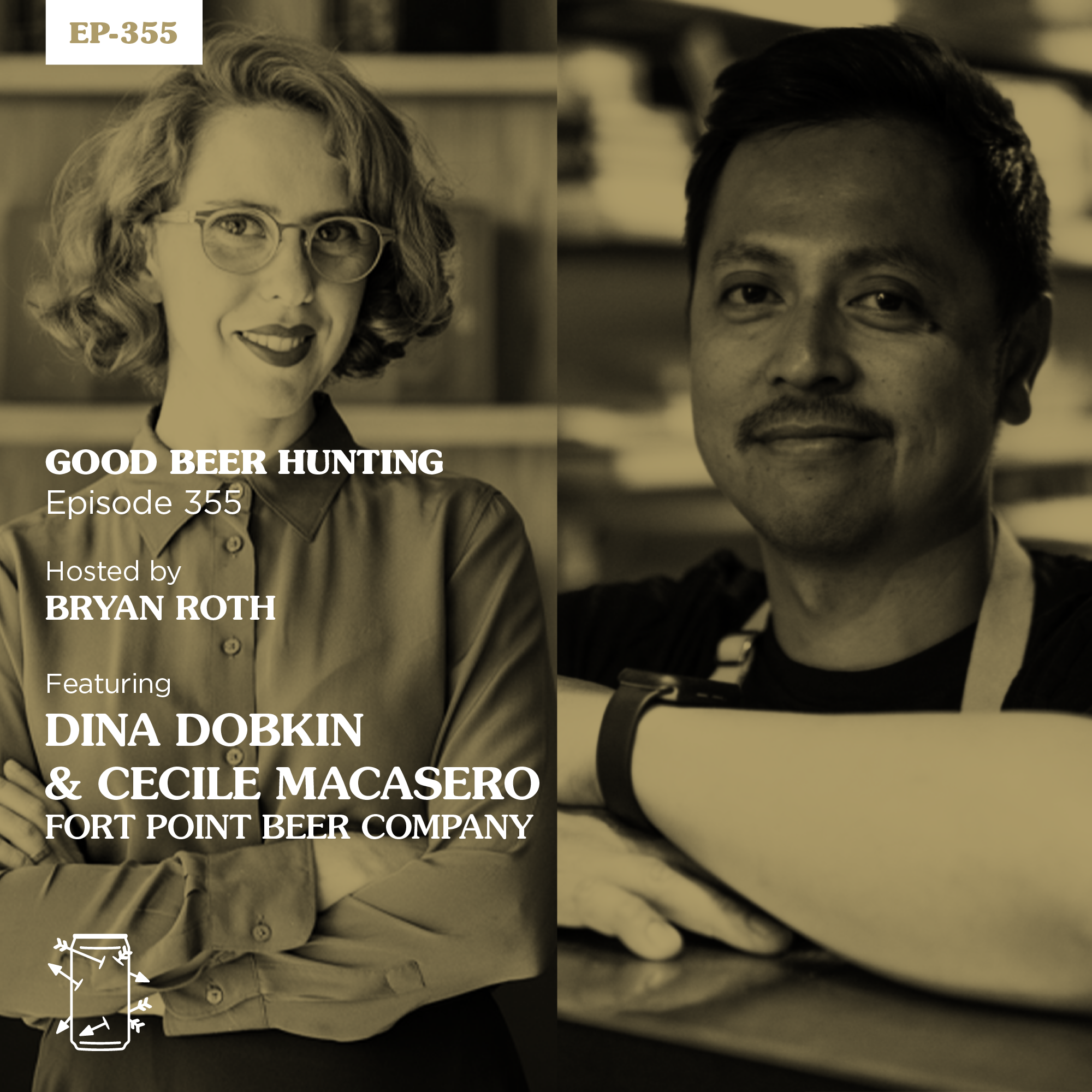
EP 355 - Cecile Macasero and Dina Dobkin of Fort Point Beer Company
EYou're used to hearing about beer, but in this conversation, we're pairing that topic with food. Brewpubs and beer-focused bars and restaurants across the country all have their particular takes on menus that incorporate the two. What you'll hear momentarily shares philosophy and strategy around what people can expect from California's Fort Point Beer Company, which features full-time culinary director Cecile Macasero. Cecile has worked at prestigious restaurants recognized with James Beard awards and Michelin stars. He's organized menus for staff at Google. And as you'll hear, the things he's learned elsewhere have helped him conceptualize what food can provide to beer lovers when they visit Fort Point and what it means to create dishes that try to capture the spirit of San Francisco. Along with Cecile, we're joined by Dina Dobkin, co-owner and chief brand officer at Fort Point, who sheds additional light on the ideas and processes to create a special on-premise experience for people who visit the brewery to drink and eat. Together, Cecile and Dina explain why it's important to have a component of food at a taproom, how their family histories from outside the United States have shaped their own appreciation for food, and how beer and food can find a fun middle ground between what's interesting and what's easy to love.
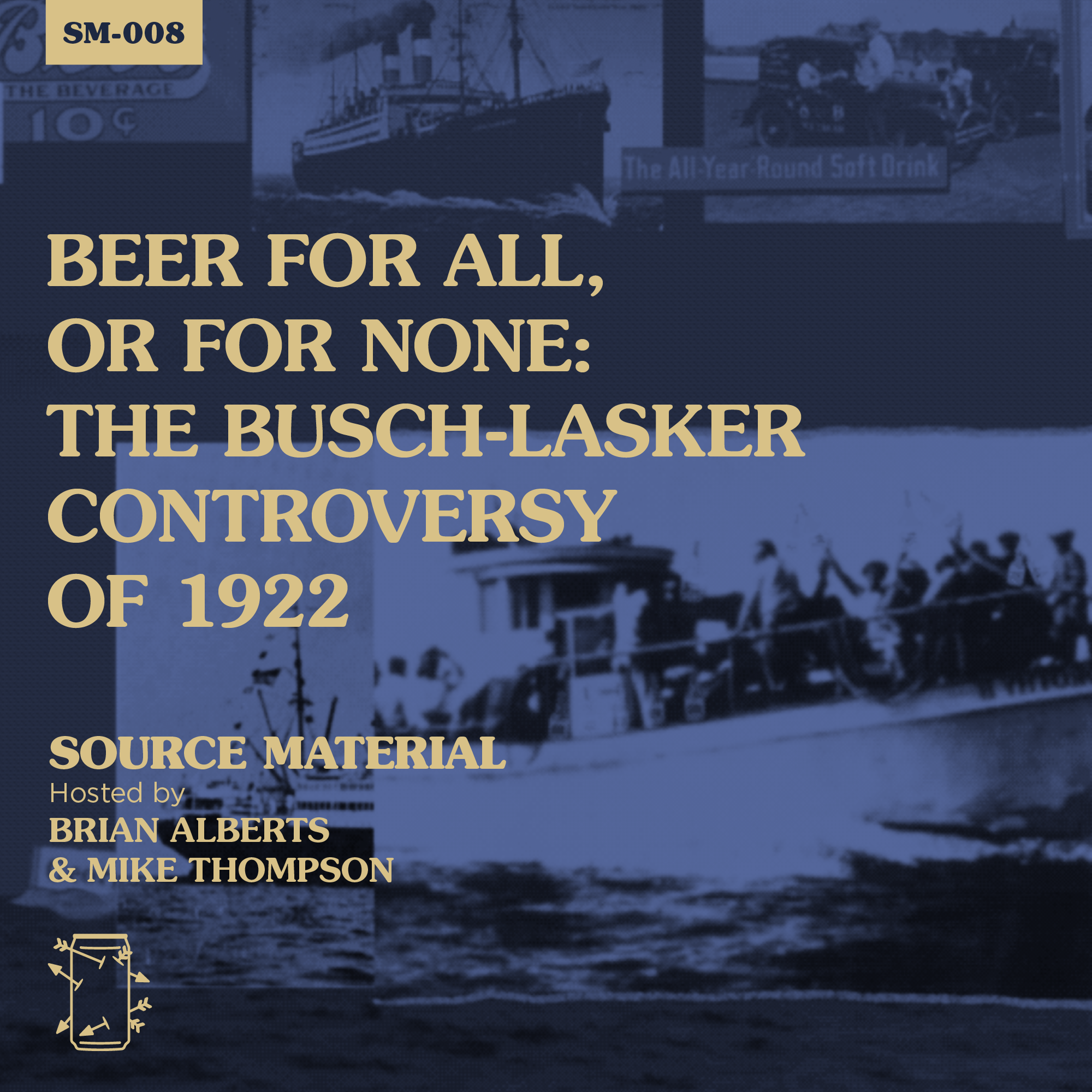
SM-008 Beer For All or None: The Busch-Lasker Controversy of 1922
EIt was 1922, and August A. Busch, Sr. needed a break. A long one. It turns out that running a gigantic brewing company like Anheuser-Busch during Prohibition was kind of stressful. And so, being the patriarch of one of the country's wealthiest family dynasties at the time, Busch did what dynasts do: he treated the word "summer" like a verb. On May 15th of that year, Busch boarded the SS George Washington, a passenger ship about half the size of the Titanic, bound for a three-month retreat at the family's country estate in western Germany. Now, we could all get a cheap laugh at the elitist image of Anheuser-Busch's president leaving his titan brewery so a luxury liner can whisk him away to his personal castle on a German hillside, but I urge you to resist the temptation. If you'd had the run that Busch had so far, you'd need a vacation too. Prohibition in the United States, which banned the manufacture, importation, transportation, and sale of alcoholic beverages nationwide, had been in effect for over two years now–which meant the beer that had built the Busch family's empire was illegal. Many of the nation's thousand-ish breweries simply closed, but Anheuser Busch was one of the few that tried to survive in a post-beer country. And so far…it wasn't going well. The brewery was millions in the red, the products they made to replace beer weren't cutting it, and the government was failing spectacularly to contain the growing hordes of moonshiners and bootleggers across the country. But if you're going through hell, keep going. Whether it was pure faith or rational assessment, Busch believed that Prohibition wouldn't last forever. Even so, it was clearer every day that fighting the 18th Amendment would be a marathon, not a sprint. Which brings us back to the George Washington. Busch boarded and the ship set sail, but the George Washington was barely underway when Busch saw something shocking. As soon as the ship passed into international waters, and out of U.S. jurisdiction, the ship's staff threw open cabinets full of liquors, wines, and beer, and opened up a bar. Actually, they opened five bars, all over the ship. And because American alcohol producers, like Busch, had all been put out of business, the booze was entirely foreign in origin–even the so-called "Old American Moonshine Whiskey." As you might imagine, this made Busch a little angry. The George Washington, like many American passenger liners at the time, wasn't just some ship. It was owned and operated by the United States Shipping Board, a government agency. In other words, the government that was enforcing Prohibition on Americans was also slinging drinks on the side. August Busch wasn't about to take this lying down. The United States government had become, in his words, the "biggest bootlegger in the world," and everyone was going to know about it. In this episode, the strict impositions of Prohibition draws a once and future titan of the brewing industry, Busch, into a very public feud with Albert Lasker, an advertising guru turned reluctant chairman of the Shipping Board. Their battle over the right to sell alcohol at sea delighted a sensationalist media, put a finger on the scales of the 1922 congressional midterm elections, spurred a Supreme Court case, and laid bare the strange politics of the Prohibition era. As Prohibition expanded the size and reach of the U.S. government, it also kindled political conflicts that went far beyond the morality of drinking beer. In fact, Prohibition laid bare the complications involved in implementing, adapting to, or coping with high minded social concepts. Whether that idea is a controversial moral creed like banning alcohol, or a hopefully straightforward ideal like democracy, the devil will always be in the details.
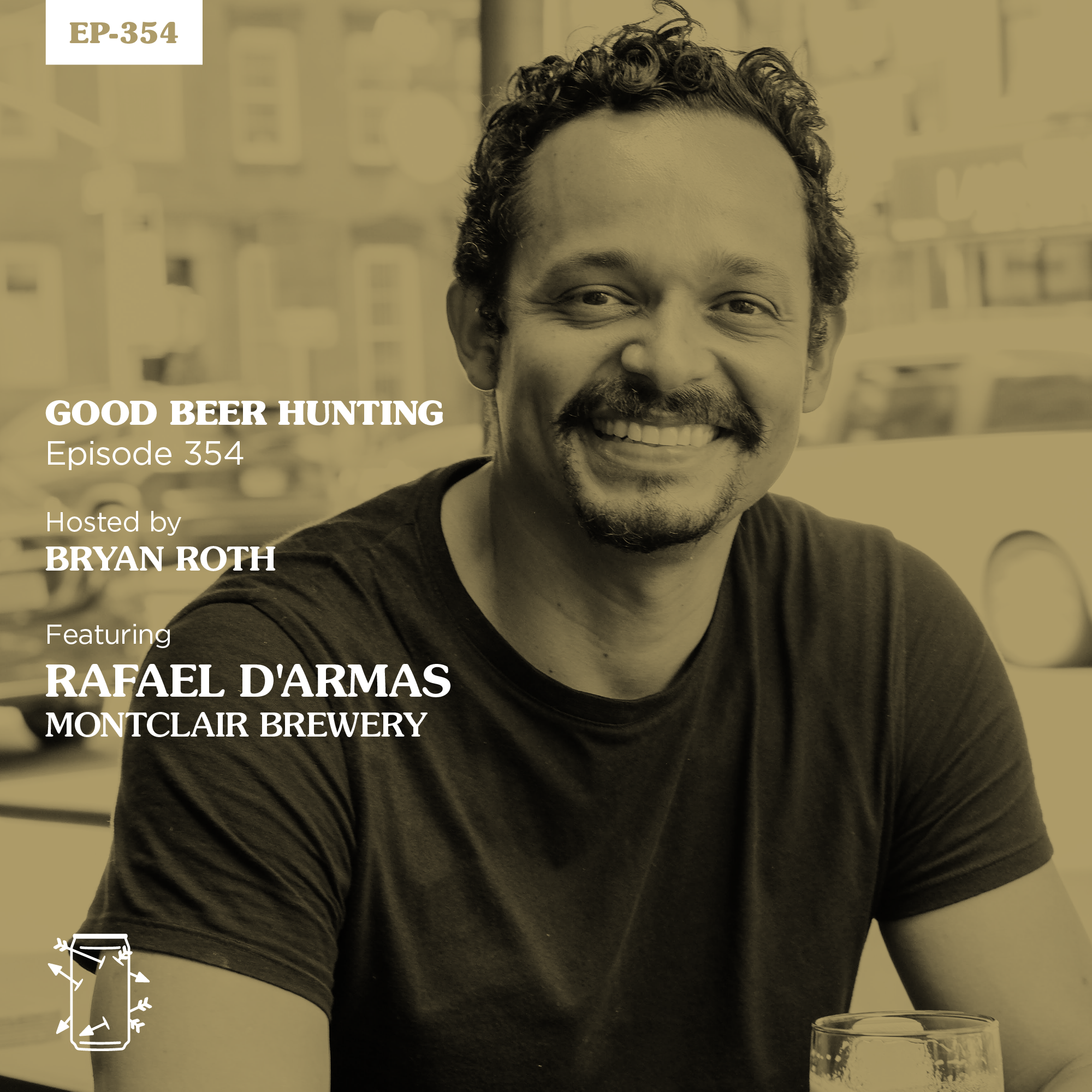
EP-354 Rafael D'Armas of Montclair Brewery
EWhat does a banana taste like? I want you to take a moment to consider it, whether you like them or not. As you think about unpeeling the fruit and taking a first bite, do you imagine something sweet? Maybe the texture is mushy. Is there a scene playing out in your mind? I promise this question isn't for nothing, and in this conversation, you'll eventually hear how one skilled brewer thinks about eating a banana he can only find in memory. Get ready to meet Rafael D'Armas, who came to homebrewing and the beer industry through a career that started in political science and international relations. Originally from Venezuela, you'll hear how politics, history, and culture shaped his early assumptions of what he wanted to do for work, and then how a friend and some beer changed his mind. Rafael started in beer at New York City's Bronx Brewery through an internship program made possible with Beer Kulture, a nonprofit working to foster a more inclusive beer industry, and is currently a brewer at Montclair Brewery in New Jersey. This fall, it was announced he received the Michael Jackson Foundation's Sir Geoff Palmer Award for Brewing to attend the prestigious Siebel Institute of Technology, which has trained generations of some of the best brewers in the world. But all that is just background for the person you'll come to understand Rafael to be as we talk about his home country, what it was like trading political science research for beer, what "innovation" means when it's made personal … and bananas, of course. This is a chance to get to know an up-and-coming brewer who has unique and deep ideas of what beer can be, and how he wants to be a part of change.

NG-004 Next Germination — Lost in Translation
EPast is prelude, as they say, and it's always interesting to find foreshadowings of our contemporary beer culture deep in the history books. Take monastery breweries, for example, which are some of the oldest beer makers in the world, with a tradition going back a thousand years or more. But not all monastery breweries date back quite so far. In fact, new ones are still opening up today—not often, of course, but at least occasionally, as at Mount Saint Bernard Abbey in Leicestershire, England, which only started brewing its beer, called Tynt Meadow, in 2018. In this episode, I'm talking to the beer writer Mark Dredge, who published a Signifier, "The More You Master Something, the More Free You Feel," about the new monastery brewery at Mount Saint Bernard Abbey on October 19, 2022. But that's not the only story Mark has done for us recently. His article "Lost in Translation — How Flavor Wheels and Tasting Tools Can Evolve to Speak with Global Beer Drinkers" was published on August 18, as part of our Next Germination series, made in partnership with Guinness. If monastic brewing has centuries of backstory, then the topic of "Lost in Translation"—tasting notes, and the way we describe flavors in beer—is a much newer practice. As Mark explains, the comparative language we use to describe flavor mostly originated in the wine world in the 1970s. His story explores this evolution, and also questions how relevant those words and terms are for someone on a different continent, or in a different culture. In this episode, we delve into both of Mark's recent stories, and explore the possibility of updating flavor wheels and tasting tools for more modern—and more diverse—audiences. We also discuss monastic brewing, the rigors of monastic life, and Mark's abiding interest in running, which leads into another article he's been working on for us.
NG-004 Next Germination — A Land of Rice and History
EOne of the wonderful and unique things about food and beverage is the ability to transcend time. Something with a long history and personal past can be made and shared today, connecting points in time in ways we never might have expected. In one of Good Beer Hunting's Next Germination stories—a series produced in partnership with Guinness—reporting from Anna Sulan Masing plays the part of time machine. For her piece, "A Land of Rice and History," she traces the background and cultural connections of tuak, a drink brewed from rice native to Malaysia. Tuak is rooted in ritual and memory and in this episode, you'll hear from Anna, the people making tuak lovingly referred to as "aunties," and business leaders trying to find ways to expand understanding of tuak and the opportunities for modern drinkers to enjoy it. We start with something that goes back into Anna's own background and highlights what can be next for herself and others.
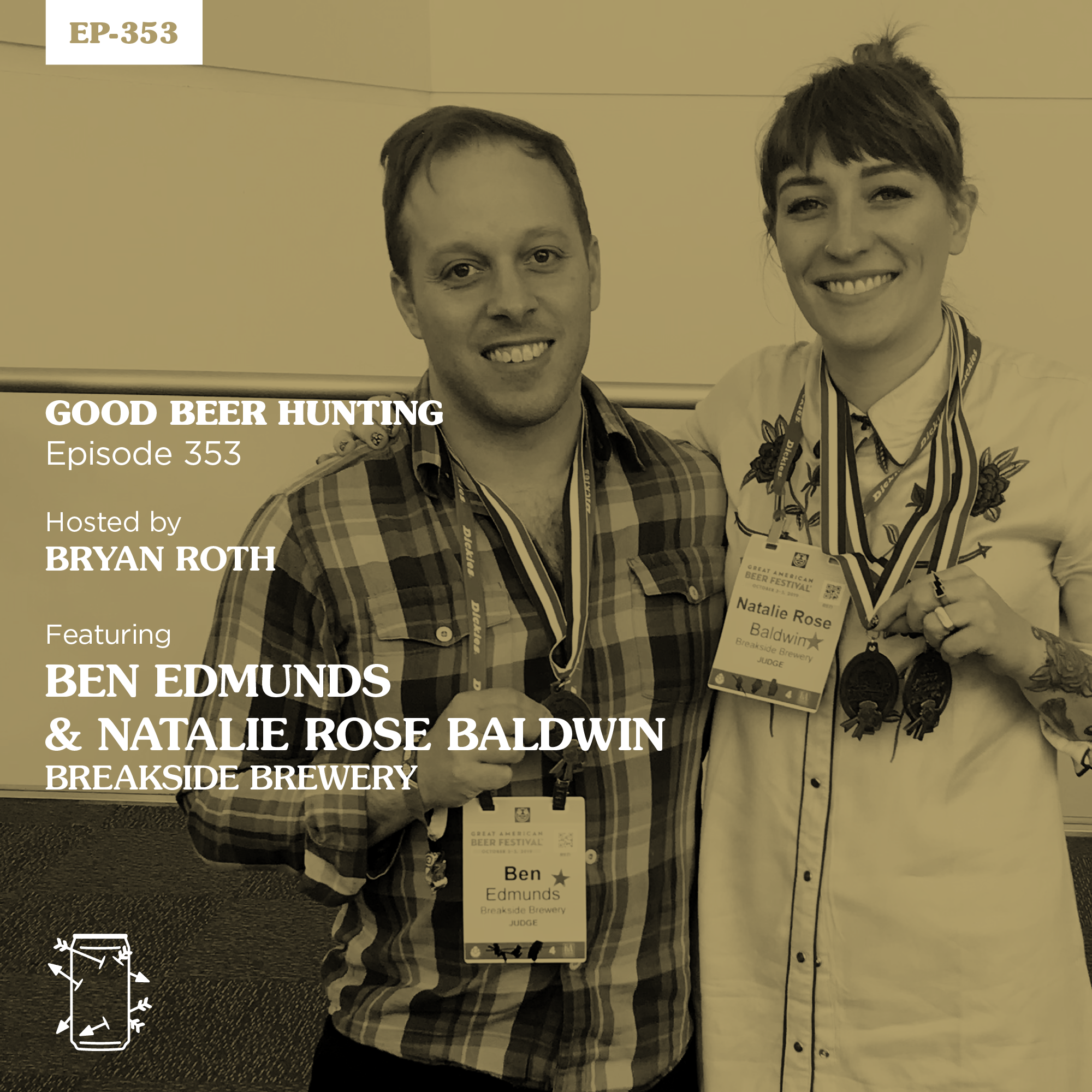
EP-353 Natalie Rose Baldwin and Ben Edmunds of Breakside Brewery
EYou don't have to be an in-the-weeds beer enthusiast to figure out there can be a whole lot of ways to make a beer. Just look at any taplist. There are different ingredients, fermentation options, ABVs, and plenty more spaces in which a brewer can play. When seeking any kind of flavor experience—guided by tradition or new ideas—there can be an endless array of choices to make. In this conversation, we meet with two of the beer world's smartest minds to learn more about the research and development of beer at one of the country's leading craft breweries. At Oregon's Breakside Brewery, collaboration and innovation come together for Ben Edmunds, the company's brewmaster, and Natalie Rose Baldwin, Breakside's R&D brewer. Inspired by food, other beverages, and nature, the pair will share with us how they translate ideas from out in the world into a glass of beer and why it's important to think about ingredients instead of just flavor. When it comes to creating a new beer, what does innovation mean today? And where do successful brewers look to consider what's next? In a world full of Pastry Stouts and New England IPAs that can all feel sort of familiar, it's brewers like these that get to run with fun, weird, and unique combinations of ingredients that can offer new experiences and ideas of how and when we can enjoy a beer.

CL-115 Anaïs Lecoq Shouldn't Have To Keep Waiting
EIf a tree falls in a forest and no one is around to hear it, does it make a sound? And if French women scream at the top of their lungs for acceptance, respect, and change, does anyone listen? That's the question freelance writer Anaïs Lecoq set out to answer in her piece for Good Beer Hunting titled "Pas Encore — French Women Are Sick of Waiting for Their Beer Revolution," which was published on October 20, 2022. In the piece, Anaïs describes the pervasive avoidance the French beer scene has towards conversations about sexual harrassment, violence, and assault when such conversations are initiated by women. When they do occur, they almost always end in litigation, ensuring that the current culture of fear, trauma, and repression continues to be the status quo. In fact, in our conversation today, she says the entire reason she wrote the piece is due to the fact that despite publishing an open letter signed by hundreds of women working in the French beer scene, they were met with virtual silence and apathy. What will actually get people to listen and make change, she wonders? I find myself wondering the same thing. You're about to hear what she thinks it will take, as well as a recent bombshell she hopes might trigger a #MeToo movement similar to the one Brienne Allan instigated in the United States in 2021. However, Anaïs' hope is clouded by pessimism when we discuss how even those efforts, once promising, have fizzled. Actions may start with words, but they shouldn't end there, and she describes what actions need to be taken in order for the fledgling French beer scene to grow in such a way that everyone is valued. Let's listen to what has happened, what's happening, and what she thinks is about to happen.
Empire State of Mind: Launch event at Villages Taproom, London
ESometimes it feels like everything that can be said about beer has been said. But then something comes along that fundamentally changes the way we think about a style, or our culture. For me, that recently took place with David Jesudason's GBH story, Empire State of Mind – Interrogating IPA's Colonial Identity. Today's hop-forward beers are so divorced from the original 18th century IPA that it's rare to even hear the acronym spelled out – India Pale Ale. And until now, I'd never given much thought to how the marketing of IPA could reflect our modern understanding of empire – or lack thereof. Empire State of Mind combines personal storytelling with historical reporting, and in the space of a few thousand words, IPA goes from a symbol of craft beer's revolution to one of colonialist invasion, exploitation and erasure. The article was mostly born out of David's frustrations at having to educate himself about this important and dark part of British history.

CL-114 Jacopo Mazzeo Keeps Coming Back
EWhat's new is old and what's old is precious in a small corner of southern England, where writer and journalist Jacopo Mazzeo takes us on a tour of the wild and sprawling New Forest National Park. In his latest piece for Good Beer Hunting titled "Curiouser and Curiouser — In Search of Brewing Novelty In England's Ancient New Forest," which was published on October 13, 2022, he explores the ancient landscape with a local's eye, sharing the natural beauty and growing beer scene through personal experience, community connection, and research into the nearly thousand-year history of the region. In today's conversation with Jacopo, he shares how the COVID-19 pandemic forced him to look closer to home for travel inspiration, which led to fortuitous results. Growing up in Italy, the countryside wasn't as accessible to him as it is in the United Kingdom, the country he's made his home over the past 11 years. That's why he treasures the nearby New Forest, a historical area he continues to be drawn to time and time again. He talks about that draw of nature, as well as why he keeps coming back to experience the growing craft beer scene first-hand. He'll also share a few insider tidbits that didn't quite make it into his final piece, as well as where he's headed next as the world slowly continues to reopen. (I'll just say his upcoming trips to Lebanon and the Seychelles sound deliciously libatious.) Let's start our journey into this rustic wonderland, right now.

EP-352 Joe Mettle and Roger Apollon, Jr of Entrepreneurship and Equity in Brewing
EOne of my favorite things about hosting this podcast is the chance to meet people and discuss who they are, not just what they do in the world of beer or beverage alcohol. It's really important for me to showcase the humans who make up these industries, what makes them think, and what makes them special. In this conversation, our two guests do the heavy lifting to introduce themselves. Their voices and experiences will help guide you to consider what it means to be a black man in beer, an entrepreneur and visionary, and each a better half of a dynamic duo. There's Joe Mettle, an author and educator, and Roger Apollon Jr., a musician, educator, and co-founder of Four City Brewing Company. Located in New Jersey, both are also the minds behind an educational startup that is helping to launch new ideas and careers. Together, Joe and Roger started Entrepreneurship and Equity in Brewing, a training program that offers Black, Indigenous, people of color, and other underrepresented people an opportunity to learn the business of beer. Their program was launched with the hope of helping others find greater appreciation for beer, the potential for a new career, and most important, advancement in the beer industry. In recent years, many organizations, events, and efforts across beer have worked to lift up people long underserved and less seen, and Entrepreneurship and Equity in Brewing—which you'll also hear referred to as "EEB" in our chat—is another example of grassroots work creating change. I'll let Joe and Roger take it from here so you can learn what makes them tick and why their work deserves our attention and admiration.

CL-113 Megan Eaves On The Incomparable Wild Of Africa
EYou can't fully understand the awe-inspiring nature of an African safari until you've experienced it for yourself, or at least so says freelance writer and journalist Megan Eaves. In her first piece for Good Beer Hunting, she inches readers closer than ever to the majesty, fragility, and sometimes violent necessities of life in the bush in her longform feature titled "Life Stays Close to the River — Solar Beer and Wildebeest in the Serengeti," which was published on October 5, 2022. Through her words and photos, Megan brings readers on a special journey, and shares how beer brewed in this remote place is more than just a drink. It's a lifeline to clean water in a parched land, and an economic addition to an area that's heavily dependent on tourism for the survival of most, if not all, of its inhabitants. She paints a vivid portrait of life, death, and rebirth in this fragile region, one that doesn't just deserve our attention and awe, but requires it for its preservation. We'll take her experience even further in today's conversation. Megan shares additional memories from the 14-day sojourn into the heart of the Serengeti, including a bloody encounter with a pride of lions and one unlucky elephant. From the dizzying spectacle of the night sky to the haunting sound of 100,000 migrating wildebeests, Megan's experience becomes our experience, and one we're lucky to peer into.
SM-007 Women's Work: What the Story of a 17th-Century Brewster Can Teach Us About 21st-Century Brewery Ownership
EIn July 2022, Miller Lite hosted an event in Philadelphia where the brand released a special-edition can. It used beer history to convey a simple message: "There's no beer without women." The can celebrated Mary Lisle, a woman who owned and operated a brewery in the early 1700s. According to Miller Lite–and many of the books and articles you might find on American women's beer history–Lisle was the first documented woman brewery owner in colonial American history. Celebrating Lisle was a way to spotlight the countless ways women have sustained, elevated, and even saved the American brewing industry. That was true in colonial times, and it's true now. The acknowledgement is overdue: women's contributions are regularly diminished or overlooked entirely among beer's commonly-accepted narratives. This history isn't just dusty trivia that's nice to know. It helps us understand why statistically few women, especially single women and women of color, own breweries today. It helps reveal the social and economic barriers behind those statistics as the injustices they truly are. Putting Mary Lisle's story on a beer can, especially one as high profile as Miller Lite, helps do that. And we're fans. …but… Mary Lisle wasn't the earliest known woman to own a brewhouse in colonial North America. That's a misconception that just happens to get repeated a lot. The messy history of the early colonial beer trade actually contains lots of evidence that women brewed and sold beer professionally before Lisle–so many that we don't personally know who was first! But rather than worry about firsts or historical nitpicks, we're going to focus on another woman brewery owner: Sarah Frankes. Frankes brewed beer for her own tavern in 1670s Boston, some 50 years before Mary Lisle took the reins in her own brewhouse. Again, Frankes wasn't the first any more than Lisle was, but we chose her because her life and career reveal not just her own contributions to American beer, but those of her entire generation. They also reveal the omnipresent, shapeshifting barriers that women brewers have faced since America's earliest days. This episode is a conversation about what we've found, and what it means today. We spoke to several women across the U.S. who own, or hope to own, their own breweries. Even though there are plenty of differences between Sarah Frankes' 17th century world and our own, their stories overlap in places. The past and present barriers hindering women in the beer trade have more in common than they should.
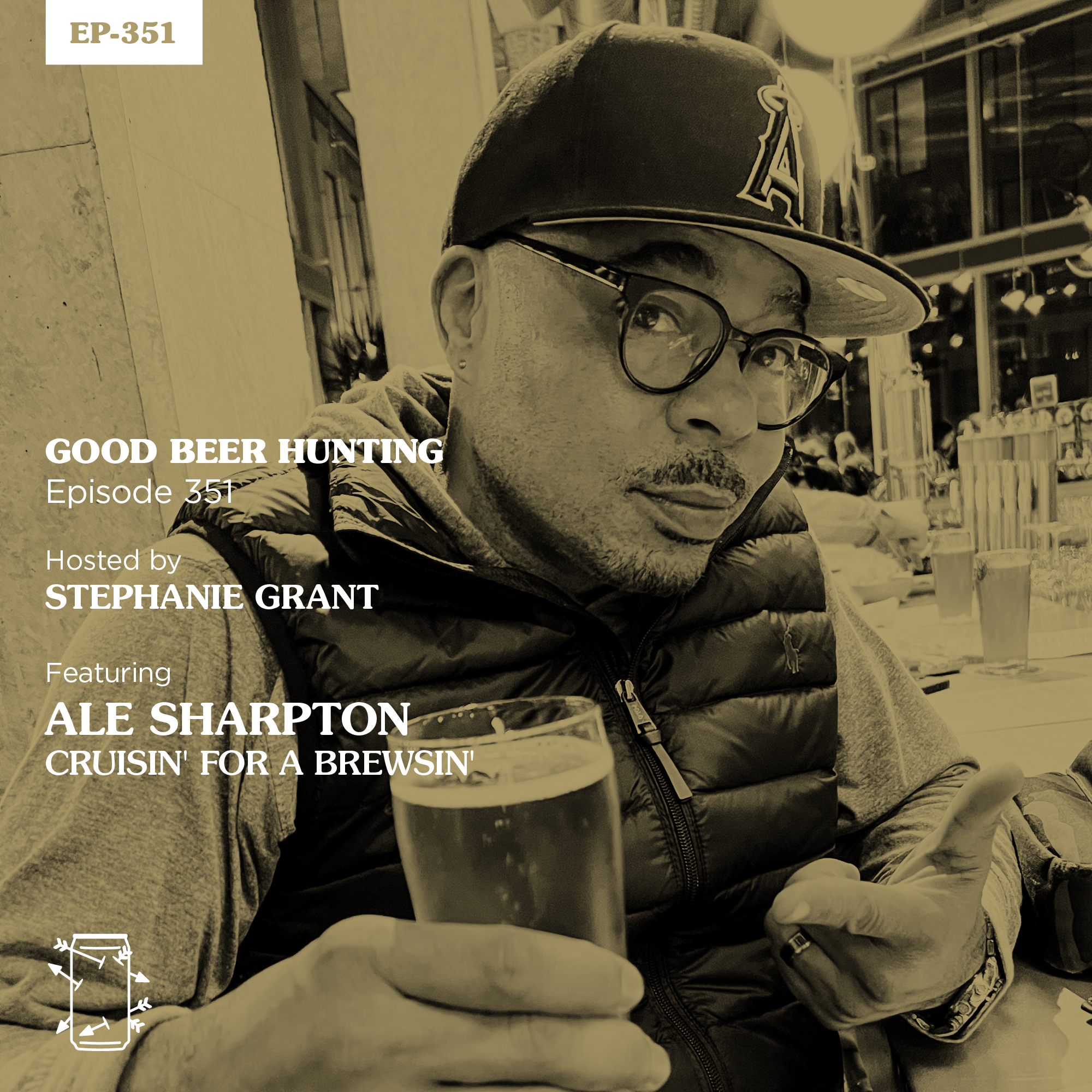
EP-351 Ale Sharpton of Cruisin' for a Brewsin'
EIf you've spent a significant time in the beer community, then you probably have heard the name Ale Sharpton. Back when I was a fledgling beer writer and looking for a mentor, I stumbled across Ale's work and immediately knew I needed to meet him. One unanswered email later, which I still tease him about, and we finally met at the inaugural Dames & Dregs Beer Festival. Since bombarding him with questions on how to break into the industry, Ale has been in my corner supporting me as I find my own way in beer. And he continues to serve as a model of what you can accomplish in the beer industry, through his partnership with New Belgium Brewing on the ongoing Piano Keys collaboration, as well as his involvement in the newly founded Leaders of the Brew School (a collective of BIPOC brewers, beer industry pros, and enthusiasts). Despite being a transplant, one thing's clear: Ale Sharpton loves Atlanta and its growing beer scene as much as this local. You can see it in the way he's repped this city for more than a decade. In how he makes it a point to support the people and breweries that make up its beer community, or in how he uses every chance to give back to the city through his charitable contributions. You'll hear him talk about how the beer city he dreamed of is blossoming now, where his journey into the industry has taken him so far, and how he turned a beer collab with New Belgium into an opportunity to donate to Black-owned nonprofits.
CL-112 Lana Svitankova Wants To Taste Everything
EThe concept of "beer-flavored beer" doesn't actually exist—at least not universally. One person's disgusting is another person's delicious, and a lot of it has to do with your upbringing, culture, and culinary traditions. With this in mind, writer Lana Svitankova calls beer an opportunity to experience "liquid nostalgia," a concept that she explores in-depth in her latest piece titled "Sour, Salty, Umami — The Ukrainian Brewers Transforming Pickling Traditions Into Beer," which was published on October 12, 2022 as part of Good Beer Hunting's Critical Drinking series. In the piece, Lana delves into the relatively young beer industry in Ukraine, which has experimented with pickle beers and other culinary-inspired styles in ways places like the United States have only begun to explore. From tomato beers to those inspired by gazpacho or borscht, these beverages have the ability to connect drinkers with the past as well as the very land around them, a land that remains under threat to this day. We'll talk about that ongoing conflict, as well as Lana's ability to find joy not just in beer itself, but in the strength, courage, and resilience of the beer community as it grapples with survival as well as the human need to experience comfort and cheer. She describes her favorite anecdote she's told thus far, which involves oysters and a personal redefinition of what beer is, as well as the very specific food-inspired beer she's holding out for an intrepid brewer to make. Finally, Lana breaks down individual preferences not just in what we eat or drink, but the music we listen to, the art we love, and the way we experience the world around us. Chaos can be as gorgeous as a symphony, and with an open mind, the possibilities for new sensations are endless.

EP-350 Colleen Quinn of Greater Good
EIn recent years, there's a good chance you've read, heard, or watched news about the incredible rise of non-alcoholic brands. A company like Athletic Brewing—one of the fastest-growing breweries in the country—or non-alc wine appearing in the latest TV revival of Sex and the City. There are examples galore, but the truth is that even as these sub-segments of non-alcoholic options grow rapidly, they remain a literal fraction of today's alcohol market. And the opposite, high-end ABV side of things is also showing lots of strength. In this episode, we talk with Colleen Quinn, CEO at America's first brewery to exclusively focus on beer and seltzer at 8% ABV and up, Greater Good Imperial Brewing Company. Based on a recent analysis for Good Beer Hunting's Sightlines+ subscriber news section, we found that somewhere between 8-10% of craft beer sold in retail carries an ABV around 8% and up, a share that has basically tripled from five years ago and continues to grow. If we have products offering something for non-alcoholic occasions, Greater Good is working to position itself at the other end of the spectrum as the brewery people turn to for big, bold flavors in beer. Colleen's beer industry experience that led her to the Massachusetts-based company started with Craft Brew Alliance—a consortium of beer companies from across the country—before a short stint with Anheuser-Busch after the company bought Craft brew Alliance in 2020. After running her own consulting firm, Colleen is now at the reins of Greater Good, which grew its production by +66% between 2019-2021. Simply put, this brewery is positioned to capitalize on an established trend in a unique way and has lots of room to run. What does that mean for how the company accomplishes a goal of being the leading producer of big beer in the U.S.? That's for Colleen to explore and us to learn.

CL-111 Hollie Stephens Is Running Out Of Time
EThe Earth is burning—so why don't more people care? It turns out, one way to get people's attention is to let them know that if things don't change (a lot, and soon), we might not have beer for much longer. In her piece titled "Seeds of Change — The Promise (and Challenges) of New Brewing Grains," which was published on September 28, 2022, freelance writer Hollie Stephens explores the world of experimental and sustainably oriented grains like Kernza and Salish Blue, which agricultural scientists hope will change the face of craft beer and the ingredients that it's made from. As a writer who often covers topics like sustainability and climate change, Hollie describes a sense of growing fear she feels as she learns more about the agricultural side of things. But in today's conversation, she also shares a sense of optimism due to the ingenuity and passion of people working to make the world not just a better place, but one that simply continues to exist. Today, you'll hear about her initial discovery of experimental grain growing programs and why she decided to dive into their origins, scientific importance, and their effects on craft beer. We also discuss the ways that we as consumers can help incentivize brewers to invest in this developing technology. As it turns out, things are changing whether we like it or not, so time is of the essence if we hope to keep up. Hollie says it's a wonderful time to be a beer drinker, but only if we collectively commit to understanding and engaging with where that beverage we all hold dear comes from, and where it might be going next.

CL-110 Courtney Iseman Found Her Family
EHow many of us have dreamed of opening a "third space"—as in, a social space that isn't our home and isn't our workplace—whether it be a collective art studio, a bookstore-slash-gallery, a coffee shop with live music—or perhaps a beer bar with shelves upon shelves of vinyl records? Well, the Maestro family did just that, and they did it well. In Courtney Iseman's piece titled "Better on Vinyl — BierWax in Brooklyn and Queens, New York," which was published on Good Beer Hunting on September 21, 2022, she dives deep into BierWax's history, origins, pandemic struggles, and unique place in New York City beer history. She encourages visitors to head to BierWax to discover something new, whether it be beer or music, and leave with a sense of welcoming community that serves to engage and inspire. In today's conversation about her piece, we'll talk about how Chris and Yahaira Maestro created an extension of their home, how they became living proof of a dream realized, and why there simply aren't more places like their bar out there. We'll also discuss how it is possible to like your job, how Courtney found a new family at BierWax, and the ways in which authenticity and intention can help nurture a warm, inviting space that remains an all-too-rare outlier in the beverage scene. If you've ever nurtured a still-unrealized dream, this is the conversation that may encourage you to finally go for it. This is Courtney Iseman on BierWax.

EP-349 Nicki Werner of Jefferson Beer Supply
EWhen people think of South Dakota, beer doesn't likely come to mind. Maybe Mount Rushmore. Probably agriculture. But in this episode, we're exploring what it means to be a part of building a culture and knowledge for beer in a state where that's still sort of new. We're chatting with Nicki Werner, director of brewing at Jefferson Beer Supply in Jefferson, South Dakota, a city with a small population and until just recently, a lack of exposure to homegrown beer. Nicki opened the business with her partner and Jefferson native, Anthony Roark, and together the pair are showing how a commitment to education and community can grow something unique in places where the idea of "craft beer" is still new. Light Lager may dominate the minds and taste buds of local residents, but Nicki's skill in the brewhouse is working to introduce customers to pastry Sours, Imperial Stouts, and Hazy IPAs. As you'll hear from Nicki, it takes a holistic effort to pull it off, and it helps to also find inspiration from peers that show how connecting to the place where you live and work can be translated to the way you make and sell beer.
EP-348 Reggie Duvalsaint — Ballpark Vendor Extraordinaire
ESo … what did you do over your summer vacation? It's a classic question so many of us would answer whenever returning to school each fall, and if Reggie Duvalsaint was sitting in a circle with peers to recap, he'd have a hell of a story. This summer, Reggie crisscrossed the country to work at baseball stadiums in every corner of the U.S. As a ballpark vendor, he sold beer and food to fans. And as an astute social being and with a good business mindset, he also took note of what people became excited about and why ideas of "local" can drive sales. So, in this conversation you'll meet Reggie, hear about his one-of-kind journey to visit 30 ballparks, and pick up some inside tips of what people were eating and drinking while out to a ballgame. It's a fun snapshot to a moment in time with a tour guide who spent months compiling experiences and knowledge. With that, he hopes to inspire others to find excitement with whatever they may want to accomplish, whether that's with travel, meeting new people, or just finding an excuse to do something new and different.