Energy Gang
583 episodes — Page 9 of 12
California's Grid Is Facing an Existential Crisis
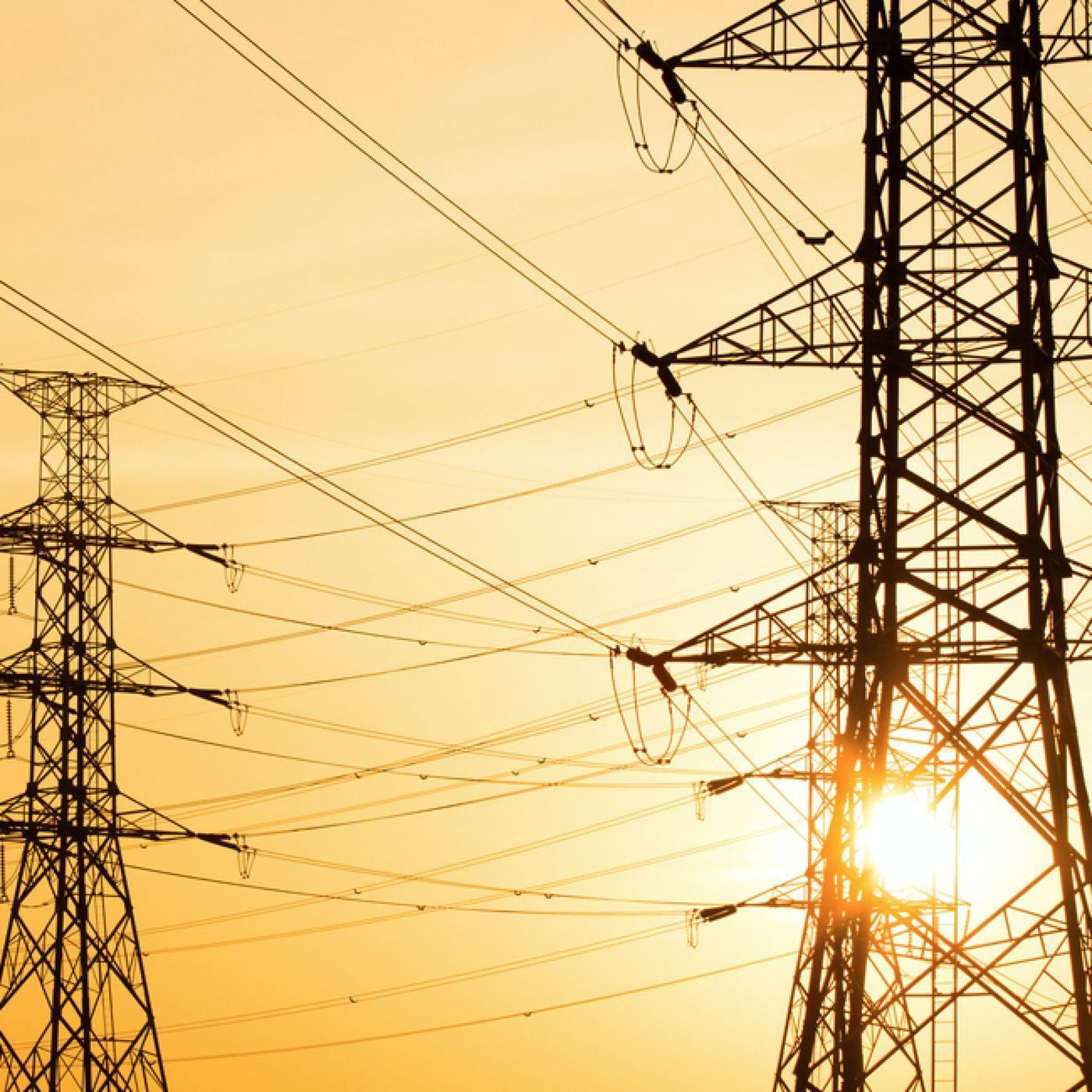
California released a white paper last week documenting the stunning decline of the customer base for investor-owned utilities in the state. Meanwhile, the state is facing more and more curtailments, negative electricity pricing, and, on top of it all, a looming solar eclipse. What can we learn about market design from the nation’s solar leader? Then, getting to terawatt-scale PV. Researchers and policymakers are getting serious about thousands and thousands of gigawatts of solar in the coming decades. And they’re asking some hard questions about market design. What does the world look like under that scenario? Finally, we'll end with a fast cycle through some of the top news stories. How worried should you be? This week's podcast was recorded live at GTM's Solar Summit. For access to videos of all our sessions -- featuring First Solar, Sunpower, Sunshot, Google, SEIA, Sunrun and more -- sign up for GTM Squared. This podcast is sponsored by KACO New Energy, a leading solar inverter company with superior engineering and unmatched customer service. See Privacy Policy at https://art19.com/privacy and California Privacy Notice at https://art19.com/privacy#do-not-sell-my-info.
Is Tesla's Solar Roof a Good Deal?
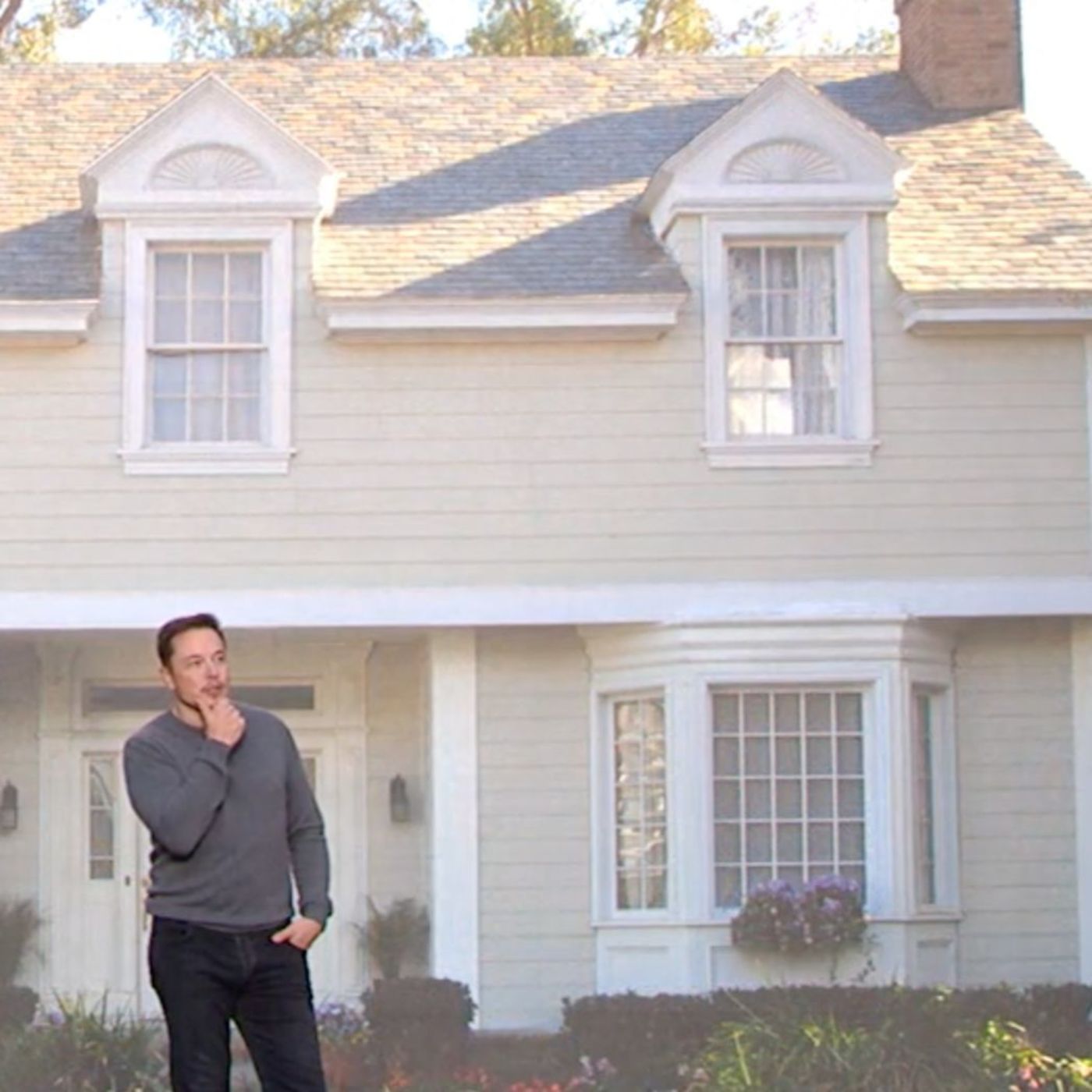
Now that Tesla has unveiled pricing details for its solar roof, everyone is trying to figure out if it's a good deal. Depending on what your assumptions are -- what kind of roof you're replacing, what kind of market you live in, how much in subsidies you're earning, and what kind of solar system you're competing with -- the value can vary wildly. Some say it's a surprisingly good deal. Others say it's far more expensive than Tesla claims. In this week's podcast, we'll discuss the economic viability of the Tesla solar roof. We'll also look at growth prospects, potential barriers to adoption, and where the product might fit into Tesla's long-term solar strategy. Then, Walmart’s Project Gigaton: A look at the mega-retailer’s new plan to slash emissions deep in its supply chain. Finally, FERC nominees: After 4 months, we have some candidates for America’s top energy regulatory body. We’ll talk about how they could shape the country’s energy landscape over the next few years. This podcast is sponsored by KACO New Energy, a leading solar inverter company with superior engineering and unmatched customer service: kaco-newenergy.com See Privacy Policy at https://art19.com/privacy and California Privacy Notice at https://art19.com/privacy#do-not-sell-my-info.

Bringing the Smart City to Life [SPONSORED CONTENT]
In this show, sponsored by Itron, we discuss the emergence of the smart city. Itron has been at the forefront of developing smart city infrastructure. We speak with Sharelynn Moore, the VP of Marketing at Itron, about how the company is using sensors and software to make the smart city come alive. Learn more about Itron's smart cities work: http://www.itron.com/na/industries/smart-cities See Privacy Policy at https://art19.com/privacy and California Privacy Notice at https://art19.com/privacy#do-not-sell-my-info.
Tesla's Grid Storage Architect
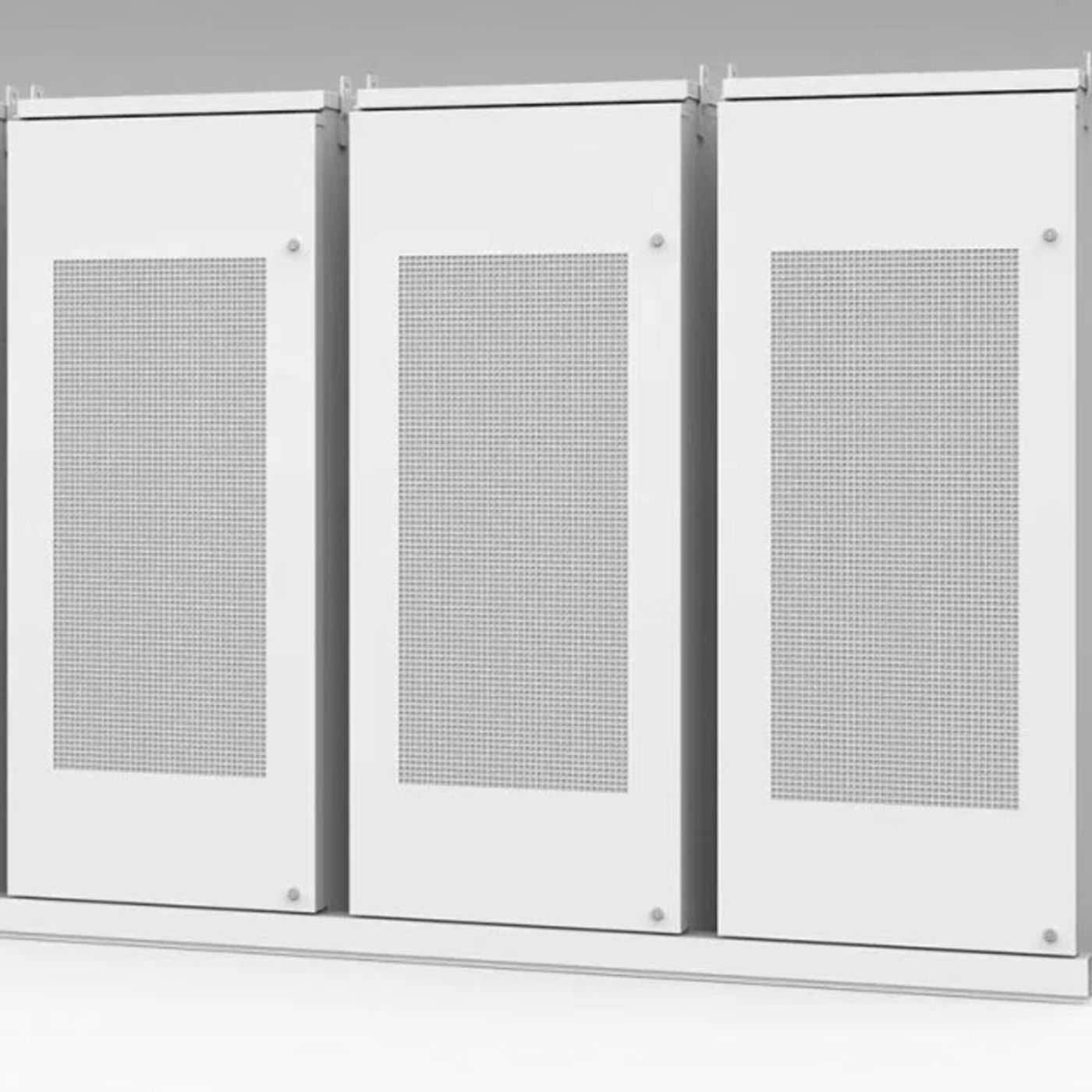
Since the day Tesla was founded, executives saw stationary storage as a compliment to the electric car business. That was Martin Eberhard's plan when he co-founded the company and envisioned the Tesla Energy Group. Years later, after launching the Powerwall, CEO Elon Musk said the storage business could soon eclipse automobiles. Today, storage is an integral part of Tesla's package of offerings for consumers, and its development plans for utilities. In 2009, Mateo Jaramillo was hired to execute Tesla's storage strategy. Well, eventually. First, he was responsible for developing the company's powertrain. Over time, he became more heavily involved in stationary storage -- eventually building Tesla's in-house storage development arm and the team that designed the Powerwall and Powerpack. He drew on his years of experience at Gaia Power Technologies, where he worked on some of the earliest behind-the-meter battery systems in New York. Last December, Jaramillo left Tesla to focus on his next career move in storage. The LinkedIn description of his new job job reads: "The Next Thing." This week, we caught up with Jaramillo to talk about what that "next thing" might be. We talked about the history of behind-the-meter storage, the evolution of Tesla's approach to the market, and where storage business models and applications are headed. Thanks to our launch sponsor, AES Energy Storage. The grid is changing. Fast. And AES Energy Storage is helping utilities harness the power of battery-based energy storage to make the electric power system cleaner, more flexible, and more reliable. Find out more. Big thanks to our launch sponsor, AES Energy Storage: http://aesenergystorage.com/interchange Make sure to subscribe to the Interchange: iTunes: https://itunes.apple.com/us/podcast/the-interchange/id1221460035?mt=2 SoundCloud: https://soundcloud.com/theinterchangepodcast Stitcher: http://www.stitcher.com/podcast/the-interchange Our RSS Feed: http://feeds.soundcloud.com/users/soundcloud:users:298570872/sounds.rss Bookmark our Interchange web page: https://www.greentechmedia.com/podcast/the-interchange See Privacy Policy at https://art19.com/privacy and California Privacy Notice at https://art19.com/privacy#do-not-sell-my-info.

France's Presidential Election and the Future of Nuclear
To many, France’s ongoing elections are the latest showdown between the liberal world order and a new brand of right-wing populism. That narrative follows a similar path in energy. France’s elections are pitting nuclear versus renewables, closed markets versus open, and disruption versus protectionism. France is going through a quite radical revaluation of its electricity mix. It gets about 75 percent of its electricity from nuclear. However, in 2015, President François Holland set a policy that would phase out aging nuclear plants, and reduce nuclear generation to 50 percent by 2025. He wants to fill in the gap with more renewables and efficiency. Now the two presidential candidates -- Emmanuel Macron and Marine Le Pen -- are sparring over what to do with nuclear. It’s part of a broader debate over nationalizing the energy giant EDF, expanding or limiting energy trading with the E.U., and mixing variable renewables with a really high nuclear grid. On this week's podcast: As we near the May 7 run-off election between Macron and Le Pen, we consider the future of the world’s leading nuclear energy power during a time of political volatility and electricity market transformation. Then, are we at the start of a new solar trade war between America and the rest of the world? We'll discuss Suniva's wide-ranging trade complaint to the government. Finally, the U.K. recently went coal-free for a day. We place its significance. This podcast is sponsored by KACO New Energy, a leading solar inverter company with superior engineering and unmatched customer service: http://kaco-newenergy.com/ Make sure to subscribe to our other podcast, The Interchange. iTunes: https://itunes.apple.com/us/podcast/the-interchange/id1221460035?mt=2 SoundCloud: https://soundcloud.com/theinterchangepodcast See Privacy Policy at https://art19.com/privacy and California Privacy Notice at https://art19.com/privacy#do-not-sell-my-info.
Is Cheap Offshore Wind Coming to America?
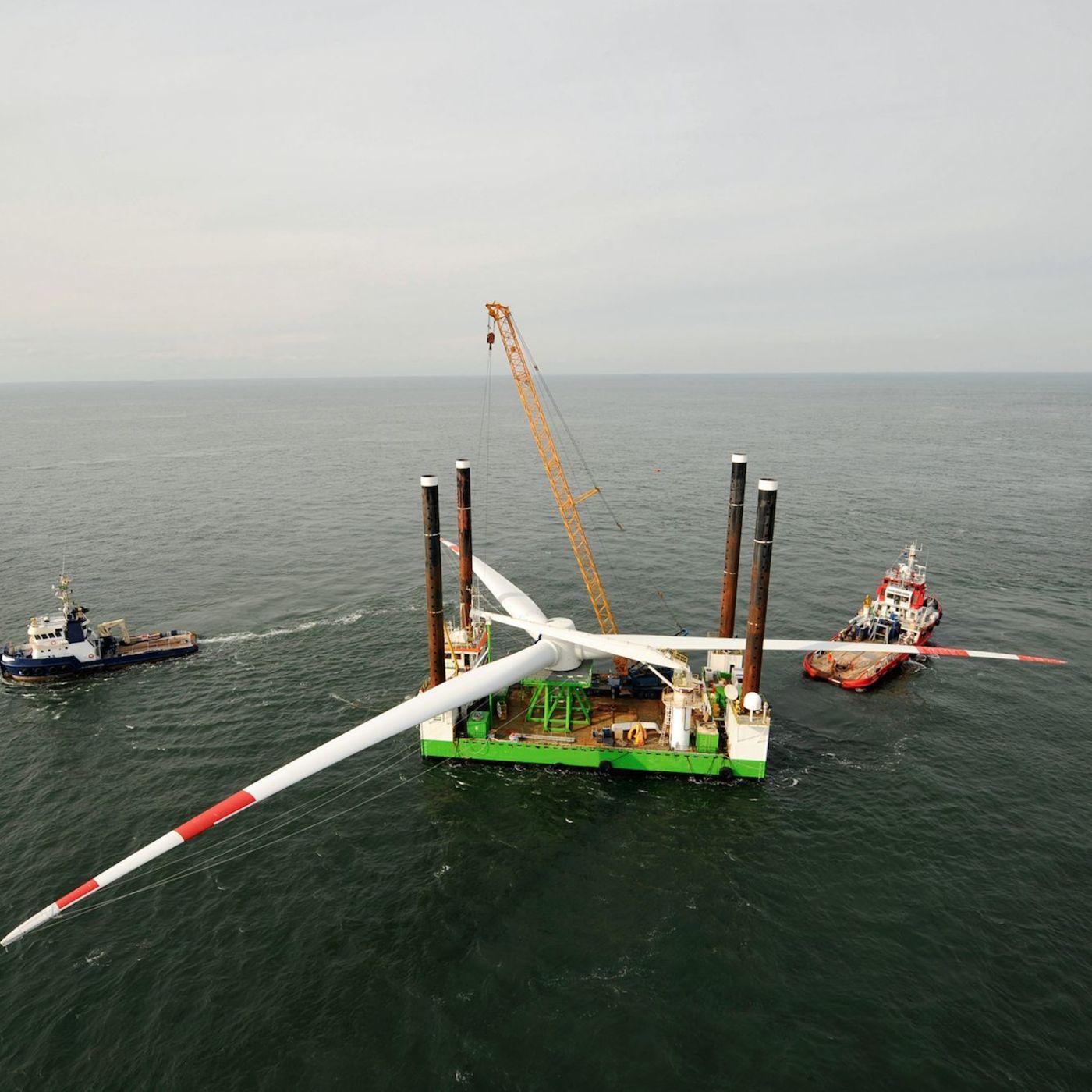
We've heard a lot about record low prices in utility-scale solar. Get ready for more records in offshore wind. In the last two months, we've seen offshore project developers in Europe bidding for pennies per kilowatt-hour -- easily beating 2020 price estimates. Now the Europeans want to export that learning to America. In this week's episode, we'll look at how the two markets compare -- and why some of the market and policy conditions that favor offshore wind in Europe don't exist in the U.S. Then, Energy Secretary Rick Perry wants to know if renewable energy is a danger to America’s grid. His recent memo on energy markets was only a page and a half long, but it was packed with a lot of assumptions –- and we'll unpack them ourselves. Finally, we'll discuss Plug Power’s deal with Amazon. It’s not just about fuel cells -- it’s about finding any cost advantage in the ultra-competitive retail sector. This podcast is sponsored by KACO New Energy, a leading solar inverter company with superior engineering and unmatched customer service: http://kaco-newenergy.com/ Make sure to subscribe to our other podcast, The Interchange! iTunes: https://itunes.apple.com/us/podcast/the-interchange/id1221460035?mt=2 SoundCloud: https://soundcloud.com/theinterchangepodcast See Privacy Policy at https://art19.com/privacy and California Privacy Notice at https://art19.com/privacy#do-not-sell-my-info.

The Complexity of a Zero-Carbon Grid
What will it take to slash carbon emissions in the electric sector by 100 percent? We're already making immense progress. And we could use wind, solar and storage to cost-effectively cut grid emissions in half. But to go from 50 percent reductions to 100 percent will take a much more diverse range of technologies. That is the conclusion of a new literature review of 30 studies, written by Jesse Jenkins and Samuel Thernstrom. Jesse Jenkins joins us on the podcast. He’s an energy thinker, writer and a PhD candidate at MIT with an expertise in electric power system engineering. In this week's episode of The Interchange, we define "deep decarbonization," discuss the limitations of our current pathway, and talk about the intense tribalism that feeds the debate over how to transition to a zero-carbon system. We're re-launching the show this week publicly. Make sure to subscribe to us on SoundCloud, iTunes, Stitcher Radio or simply copy and paste our RSS feed into the podcast app of your choice. Big thanks to our launch sponsor, AES Energy Storage: Make sure to subscribe to the show! Links below: http://aesenergystorage.com/interchange iTunes: https://itunes.apple.com/us/podcast/the-interchange/id1221460035?mt=2 SoundCloud: https://soundcloud.com/theinterchangepodcast Stitcher: http://www.stitcher.com/podcast/the-interchange Our RSS Feed: http://feeds.soundcloud.com/users/soundcloud:users:298570872/sounds.rss Bookmark our Interchange web page: https://www.greentechmedia.com/podcast/the-interchange And other links from the show are below. What we're reading: https://foresightdk.com/in-search-of-a-cure-for-cannibalisation/ Jesse Jenkins' paper on deep decarbonization: http://bit.ly/2oeRvBb See Privacy Policy at https://art19.com/privacy and California Privacy Notice at https://art19.com/privacy#do-not-sell-my-info.
Westinghouse's Bankruptcy Threatens the Nuclear Revival
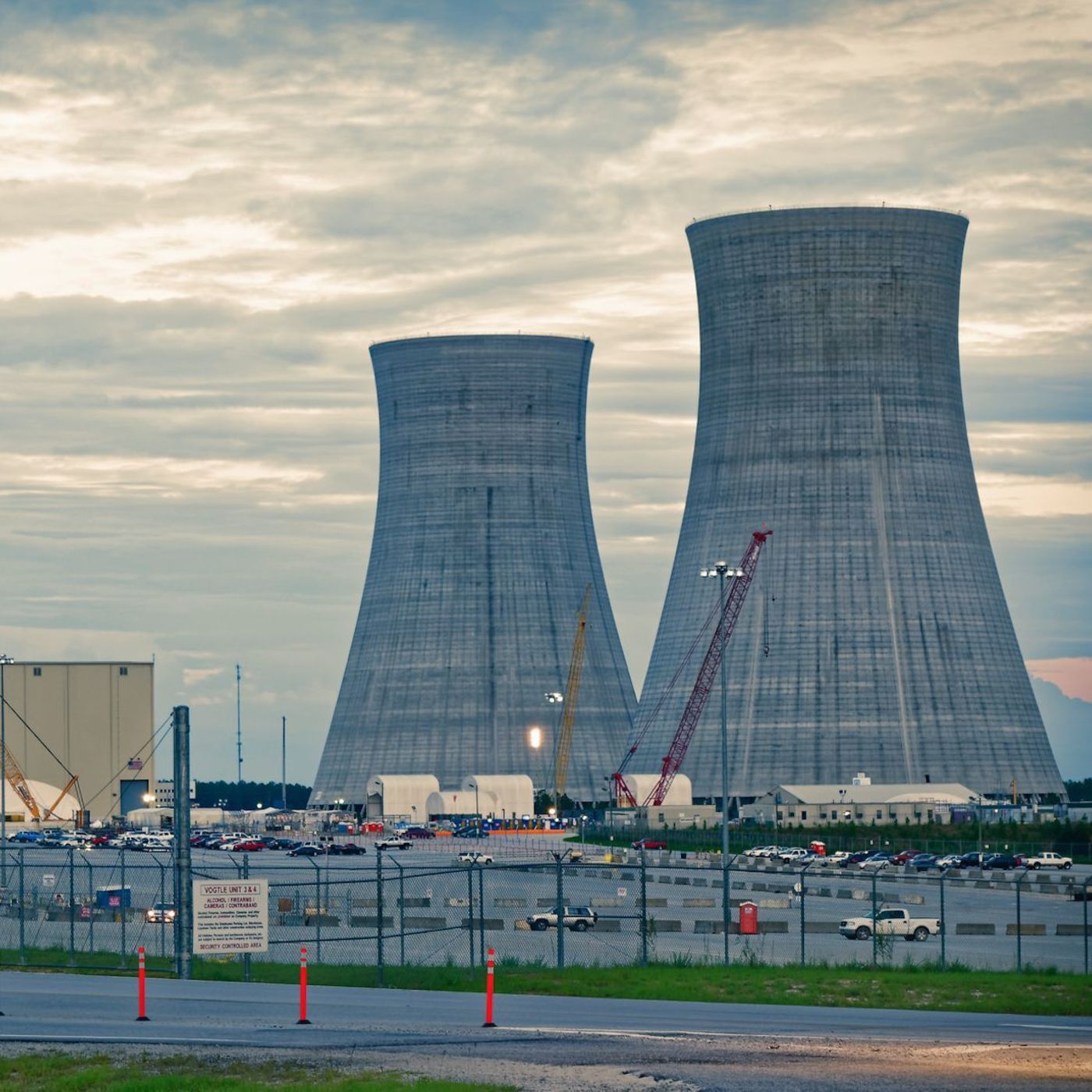
Westinghouse, of the most important players in nuclear, filed for bankruptcy protection last week. It's a potential blow to the global industry. After all, half of the world's nuclear reactors use Westinghouse technology. The company has been working on two major nuclear power plants in Georgia and South Carolina -- both of which are now behind schedule and over budget. Will the reactors get built by the 2019 deadline? We'll talk about what happened to the company, and consider what it means for nuclear in the U.S. and around the world. Then, Brexit. Will the U.K. end its climate commitments now officially leaving the European Union? Finally, a lesson in traffic control. What we can learn about driver behavior from highway crises in Georgia and Los Angeles. Podcast PSA: We're making The Interchange podcast public! Listen to Shayle Kann and Stephen Lacey go deep on the forces guiding the global energy transformation. You can subscribe by searching for us in iTunes. Just search for "The Interchange" under podcasts. Or simply copy and paste our RSS feed into the podcast app of your choice: http://feeds.soundcloud.com/users/soundcloud:users:298570872/sounds.rss Or you can follow us on SoundCloud: https://soundcloud.com/theinterchangepodcast (And don't worry, if you're a GTM Squared member, you'll get access to all our episodes and all our transcripts.) This podcast is sponsored by KACO New Energy, a leading solar inverter company with superior engineering and unmatched customer service: http://kaco-newenergy.com/ See Privacy Policy at https://art19.com/privacy and California Privacy Notice at https://art19.com/privacy#do-not-sell-my-info.

Sungevity's Bankruptcy: What It Says About Residential Solar
Sungevity was founded in 2007 with a promise of revolutionize solar sales through software. It sparked a move toward the "platform" approach to customer acquisition and sales. Sungevity eventually built up its sales, procurement and financing in-house -- peaking as the number-three residential solar company in 2014. Over the years, the company's cash-burn rate increased and Sungevity started outsourcing more of its operations. This month, after failing to close bridge financing, the company declared bankruptcy and sold off its financing platform. Would Sungevity have survived if it had stuck simply to lead generation? On this week's podcast, we'll look at Sungevity's struggles. We'll compare Sungevity's problems with other residential solar companies that have failed or faced challenges. We’re joined by Nicole Litvak, a senior analyst with GTM Research’s solar team, who will provide some insight into the sustainability of the national installation and sales model. Then, Trump’s executive order on climate change is finally here. But it’s not changing the minds of any utilities. We’ll talk about what’s in it, and discuss the difference between political optics and reality. Jigar will also share his disdain for the America versus China narrative that often frames this topic. This podcast is sponsored by KACO New Energy, a leading solar inverter company with superior engineering and unmatched customer service: http://kaco-newenergy.com/ See Privacy Policy at https://art19.com/privacy and California Privacy Notice at https://art19.com/privacy#do-not-sell-my-info.
Coal Is Losing
The headwinds for coal are coming from every direction. Since 2010, More than 250 coal plants in America have been shuttered, or are set to close. Meanwhile, in the most energy-hungry regions of the world, thousands of megawatts of new coal plants have been halted. This week, we’re covering the struggles of coal from a few different angles. First, the steady drumbeat of plant closures in the U.S. What has caused them, and what comes next? We’ll talk about the just-announced closure of the Navajo Generating Station -- the biggest coal plant in the West -- and why it encompasses all the complicated factors around the transition away from coal. Then, a clean coal redux. As billions of dollars in cost overruns mount at America’s first commercial carbon-capture plant, the coal industry looks to the White House for more support. And finally, the international picture. Coal is still the dominant source of generation around the world, but new build-outs are slowing in key countries. Can we say that peak coal has arrived? Our guest co-host this week is Mary Anne Hitt, the director of the Sierra Club's Beyond Coal Campaign. She also co-hosts a climate podcast called No Place Like Home. This podcast is sponsored by KACO New Energy, a leading solar inverter company with superior engineering and unmatched customer service: http://kaco-newenergy.com/ See Privacy Policy at https://art19.com/privacy and California Privacy Notice at https://art19.com/privacy#do-not-sell-my-info.

An Uncertain Future for Electric Cars in America
America's electric car market is entering an uncertain period. States are rolling back their support for EVs, the federal government is revisiting fuel standards designed to support EVs, and consumers are still not electric in the numbers that many people assumed. At the same time, however, many automakers are moving ahead with new models, giving consumers more choices. Will drivers increasingly choose electric? Or will lagging policy hurt the market? We'll discuss on this week's podcast. In the second segment, we'll talk about the official White House budget released this week. Plus, we’ll talk about Trump’s business advisory council, which is filled with some of the biggest renewable energy investors in the world. Finally, can Elon Musk fix South Australia’s energy crisis? This podcast is sponsored by KACO New Energy, a leading solar inverter company with superior engineering and unmatched customer service: http://kaco-newenergy.com/ See Privacy Policy at https://art19.com/privacy and California Privacy Notice at https://art19.com/privacy#do-not-sell-my-info.
Week 7: Trump Dumps the Environment
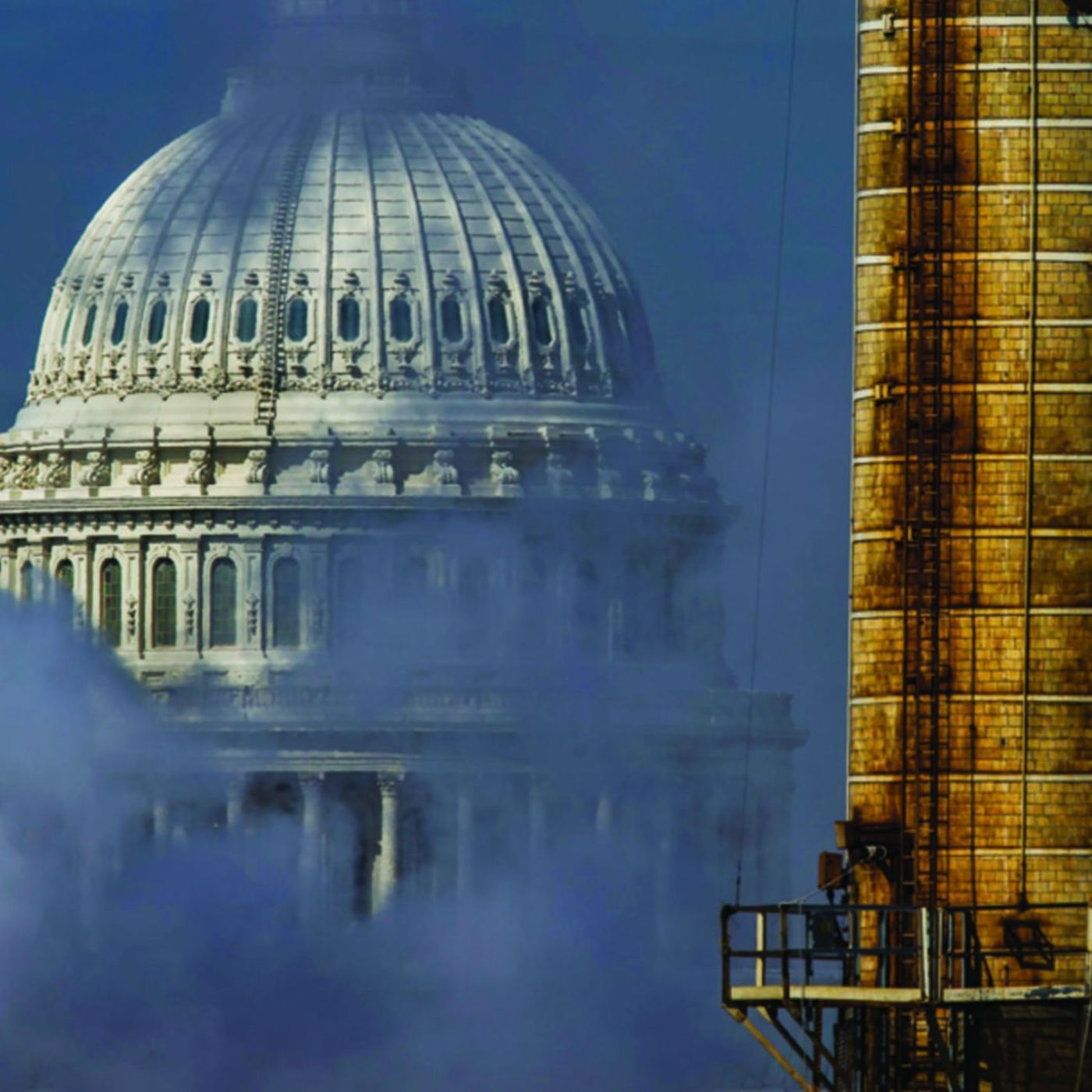
We’re on week seven of the Trump Presidency. In the months since the election, we've been stalwart in our view that things are not as bad as they seem -- despite the contradictions and confrontations, clean energy will emerge largely unscathed. That may be true. But it’s also impossible to ignore how quickly Trump’s team has worked to unwind the country’s environmental policy. As more details emerge, it’s becoming clear that the White House is not interested in a traditional conservative approach to environmental protection or a thoughtful redesign of top-down regulations -- it is intent on burning them to the ground. In this week's show, we'll talk about the impending reversal of climate regulations, new staff changes, and across-the-board budget cuts. And then we’re going to shift over to some bellwether business activity in the solar industry. What does AES’ acquisition of sPower say about the health of America’s utility-scale solar sector? We’ll end with a discussion about why electricity prices in Ontario, Canada have skyrocketed. Who’s to blame? This podcast is sponsored by KACO New Energy, a leading solar inverter company with superior engineering and unmatched customer service. See Privacy Policy at https://art19.com/privacy and California Privacy Notice at https://art19.com/privacy#do-not-sell-my-info.

Cleantech Career Advice
There are now more than 100,000 people working in the clean energy sector across Massachusetts. What is the state doing right? This week, we're talking about workforce development in cleantech. In recent months, we've seen a sharp increase in requests from listeners asking for advice on job opportunities in cleantech. There are also many educators or economic development experts trying to stay head of the curve. If this industry becomes as big as everyone says it will be, how can local economies reap the benefit? This subject is particularly relevant at a time when everyone is talking about the future of work. We are in the middle of the most dramatic economic transitions in history. The forces of globalization, automation and consumer tech are shattering traditional notions of work. In parallel, cleantech and other distributed technologies are changing what it means to work in energy. This week, we sit down with Tamika Jacques, the director of workforce development at the Massachusetts Clean Energy Center. We’ll answer some common career questions, and look at what it takes to build a cleantech jobs strategy in a state or region. This podcast is sponsored by KACO New Energy, a leading solar inverter company with superior engineering and unmatched customer service: http://kaco-newenergy.com/ Below are some career resources mentioned by Jacques on the podcast: MassCEC jobs board: www.masscec.com/jobs Clean Energy Education website: http://cleanenergyeducation.org/ New England Clean Energy Council: http://www.necec.org/ Greentown Labs events calendar: https://www.greentownlabs.com/events See Privacy Policy at https://art19.com/privacy and California Privacy Notice at https://art19.com/privacy#do-not-sell-my-info.

Is Retail Electricity Choice Coming to California?
As if California's electric grid isn't already changing fast enough, the state's leading regulator says it's probably time to change even faster. In an interview on this week's Interchange podcast, Michael Picker, president of the California Public Utilities Commission, said that he believes the state should consider liberalizing its retail electricity market in order to broaden customer choice. While listening, make sure to sign up for GTM's event, California's Distributed Energy Future. Commissioner Picker will be there to elaborate more on retail choice. Interchange listeners get 15% off. Just use the promo code INTERCHANGE when checking out: http://bit.ly/2lzw4dD See Privacy Policy at https://art19.com/privacy and California Privacy Notice at https://art19.com/privacy#do-not-sell-my-info.
What's in Scott Pruitt's Emails?
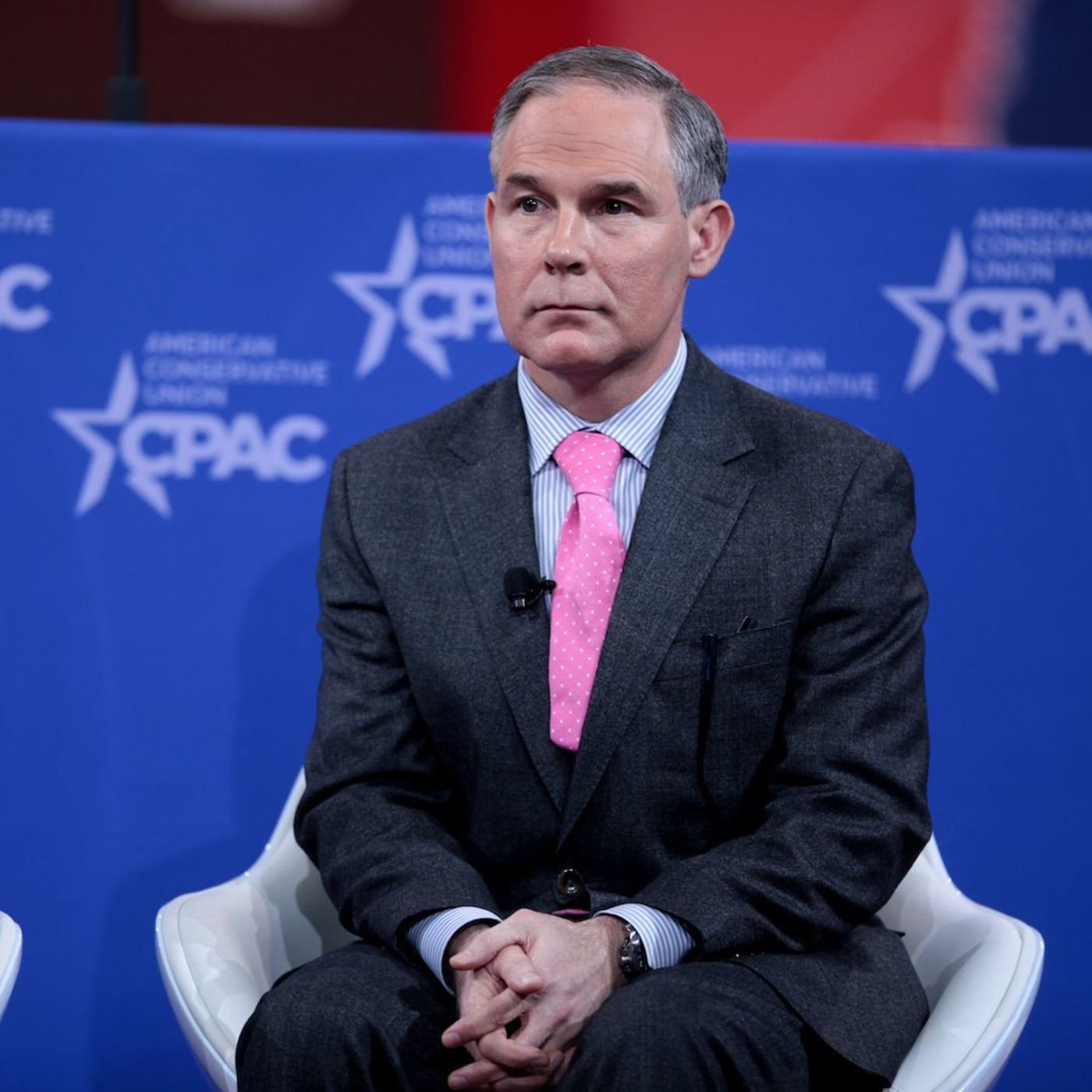
The scope of the Environmental Protection Agency expanded dramatically under President Obama. Now under President Trump and new administrator Scott Pruitt, the agency is likely to be scaled way back. How far back? No one knows. But there are a lot of clues – including 7,500 pages of Pruitt’s emails. This week, while Pruitt started his job as America’s top environmental cop, his past emails as Oklahoma Attorney General were released on court order. And they provide a window into how he’ll manage the agency he has spent so long attacking over his career. Climatewire reporter Emily Holden joins us to talk about the emails, Pruitt's approach to running the EPA, and the future of the Clean Power Plan. Then, autonomy is taking hold in the oil and gas sector, destroying tens of thousands of jobs. Will robots kill jobs in cleantech too? Read the NY Times story here: http://nyti.ms/2lewyWC This podcast is sponsored by KACO New Energy, a leading solar inverter company with superior engineering and unmatched customer service: http://kaco-newenergy.com/ See Privacy Policy at https://art19.com/privacy and California Privacy Notice at https://art19.com/privacy#do-not-sell-my-info.
A Republican Carbon Tax?
Last week, a group of highly respected Republicans released a plan for a $40-per-ton carbon tax on point-of-source emissions from coal, oil and gas. Why now? With a Republican White House and Congress, they argued, now is the perfect time to show America that conservatives have better ideas than the command-and-control Democrats who are only interested in more regulation as a solution to climate change. A steadily-rising carbon tax is the most economically efficient way of dealing with carbon pollution. But it certainly doesn’t play well in American politics. And now that Republicans have control of Congress and the White House, they have little incentive to trade a carbon tax for an end to regulations. Still, some are hopeful that grassroots supporters, prominent Republicans and even officials like Rex Tillerson can help shape President Trump's mind on a carbon price. On this week's show, we'll look at what it would take to move carbon pricing forward. Then, there’s a growing movement to get scientists running for office. Should clean energy professionals also consider public office? Finally, remembering Art Rosenfeld, the godfather of energy efficiency. This podcast is sponsored by KACO New Energy, a leading solar inverter company with superior engineering and unmatched customer service: http://kaco-newenergy.com/ See Privacy Policy at https://art19.com/privacy and California Privacy Notice at https://art19.com/privacy#do-not-sell-my-info.
Will Electric Buses Take Over the Transit World?
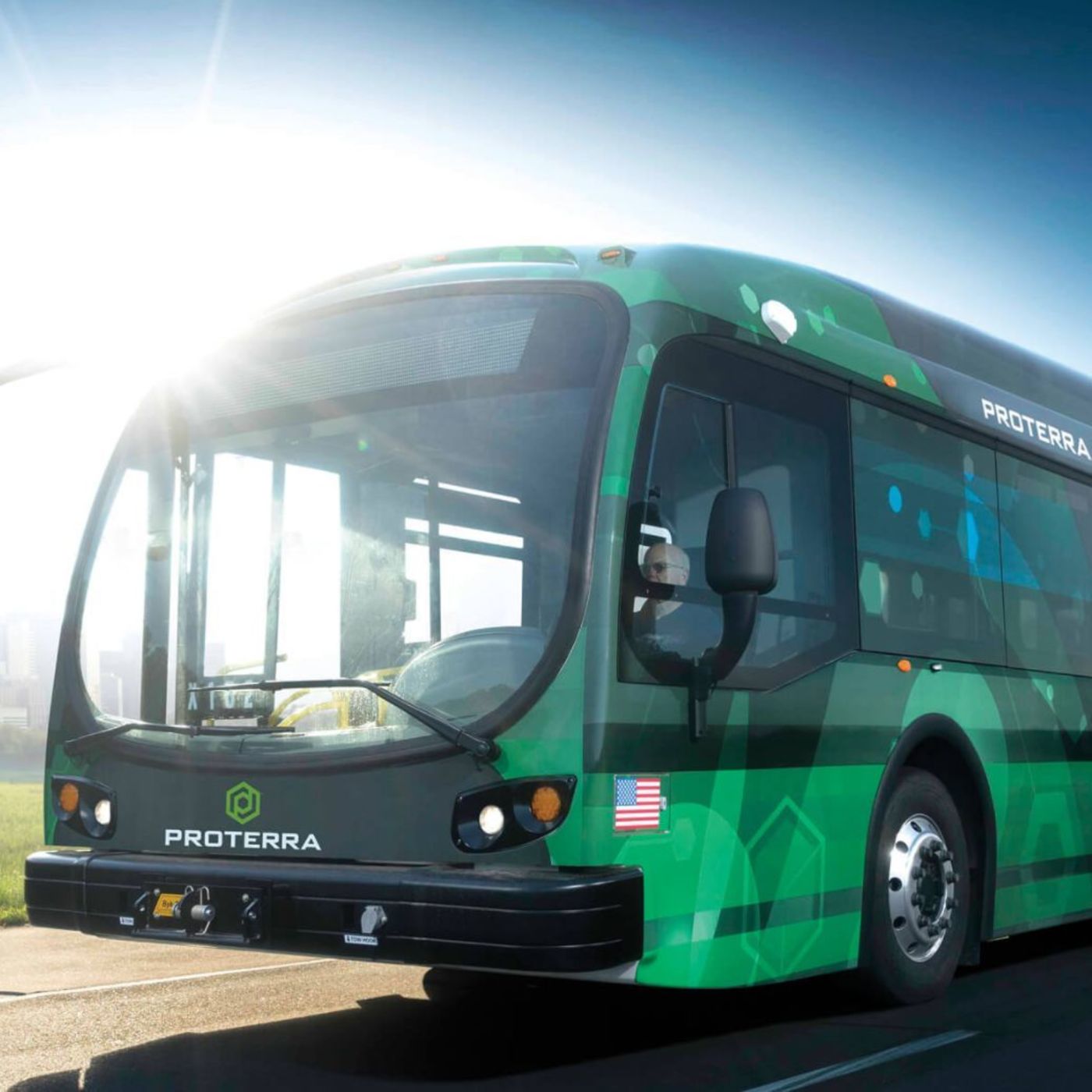
By 2020, one-third of new fleet bus purchases will be electric. By 2025, electric buses will make up half of new sales to transit agencies. By 2030, every single transit bus sold will run on electricity. That's what Ryan Popple, the CEO of electric bus manufacturer Proterra, believes will happen. And there's plenty of evidence that the shift is underway, even if the current fleet is mostly diesel and compressed natural gas. In this week's podcast, we'll talk with Popple about his plan to kick combustion engines out of transit. We'll also talk about his career path that brought him from the Army to Tesla to venture capital, and eventually to Proterra. Then, renewables are becoming the “new normal” in the U.S. We will glimpse at two important reports on solar jobs and the American energy economy that put the current clean energy boom in perspective. This podcast is sponsored by KACO New Energy, a leading solar inverter company with superior engineering and unmatched customer service: http://kaco-newenergy.com/ See Privacy Policy at https://art19.com/privacy and California Privacy Notice at https://art19.com/privacy#do-not-sell-my-info.

Making Sense of Donald Trump
This week, we’re live from Columbia University’s Energy Symposium in New York City. The Gang was joined by former NRG CEO David Crane for a lively conversation about Trumpland. We start the conversation off with a look at the turbulent first weeks of the Trump Administration. We’ve had nominations, executive orders, blackouts, bans, proposed budget cuts, resignations, rogue twitter accounts and growing protests. We’re just 14 days into the Trump Administration – what can we expect for the next 100 days? Then, we turn the mic around on David Crane. In 2014, while CEO of NRG, he wrote a letter to shareholders saying the power provider needed to become the google, apple or amazon of the energy sector. It didn’t take long for shareholders to sour on that vision –- so what does this say about how hard it is to transition from brown to green? Finally, how to get a job. We go through many of the questions that people ask us when looking for a job in cleantech, and we’ll try to pass on some advice worth following. This podcast is sponsored by KACO New Energy, a leading solar inverter company with superior engineering and unmatched customer service: http://kaco-newenergy.com/ See Privacy Policy at https://art19.com/privacy and California Privacy Notice at https://art19.com/privacy#do-not-sell-my-info.

The Grid as a Digital Lab
America’s first power plant was built in Manhattan. The first transmission of electricity occurred between Niagara Falls and Buffalo. And the first public power organization was founded in New York State. Today, that power provider, the New York Power Authority -- or NYPA -- is working to digitize the state’s grid end-to-end. We’ll talk with NYPA CEO Gil Quiniones about his push to create a "digital foundry" where the next generation of electricity inventors and innovators can re-imagine the grid. In the second half of the show, Katherine Hamilton gives us an update from the World Economic Forum, where thinkers from all across the globe are also re-imagining the energy system -- while also grappling with a new world order in the wake of America's election. Make sure to come to our live show on February 3 in New York City. We'll be at the Columbia Energy Symposium debating the latest developments in energy and cleantech: http://www.cuenergysymposium.com/ This podcast is sponsored by KACO New Energy, a leading solar inverter company with superior engineering and unmatched customer service: http://kaco-newenergy.com/ See Privacy Policy at https://art19.com/privacy and California Privacy Notice at https://art19.com/privacy#do-not-sell-my-info.

Autonomous Car Fleets: A Dystopian or Utopian Future?
For years, researchers have been working behind the scenes to improve autonomous vehicles. And all of a sudden that work is playing out in a very public way. Top tech companies and automakers are testing new models on the streets, talking bullishly about fleets of self-driving cars, and thinking about how to combine electrification with automation. Meanwhile, regulators and city planners are trying to keep up with the pace of technological change. This year will likely mark the beginning of the commercial autonomous car era. Will that era bring sweeping efficiency improvements to the transportation sector? Or will it result in a chaotic, overcrowded hellscape for our streets? The decisions we make today will determine our fate. In this week's show, we'll talk with Joshua Goldman, a senior policy analyst for clean vehicles at the Union of Concerned Scientists, about those two potential futures. In the second half of the show, we’ll examine Uber’s attempt to help city planners by opening up some of its data. And we’ll discuss President Obama's article in Science magazine arguing that the clean energy transition is "irreversible." This podcast is sponsored by KACO New Energy, a leading solar inverter company with superior engineering and unmatched customer service. See Privacy Policy at https://art19.com/privacy and California Privacy Notice at https://art19.com/privacy#do-not-sell-my-info.

2016 Year-End Extravaganza
There are just two weeks left of 2016. And you know what? We're tapping out early. This is the last podcast of the year. It’s been such a crazy 12 months for news that we’re packing it up and saving our energy for 2017. Throughout the year, we've discussed every big story impacting the industry -- bankruptcies, acquisitions, legal challenges, the bloodbath in the public markets, new products, and, yes, the election of Donald Trump. Before we call it a year, we are strapping on our seat belts one last time and taking you with us on a ride through the twists and turns of 2016. We'll kick off with a look at Trump's picks of ExxonMobil CEO Rex Tillerson for Secretary of State, former Texas Governor Rick Perry for Energy Secretary, and Oklahoma Attorney General Scott Pruitt to lead the Environmental Protection Agency. And then we'll discuss our other top stories in federal policy, state policy, international developments, business deals and technological improvements. Finally, we'll launch our Predict-O-Meter for 2017. Endless thanks to our devoted listeners. We'll be back in early January. See Privacy Policy at https://art19.com/privacy and California Privacy Notice at https://art19.com/privacy#do-not-sell-my-info.
Marijuana Legalization and Microgrids
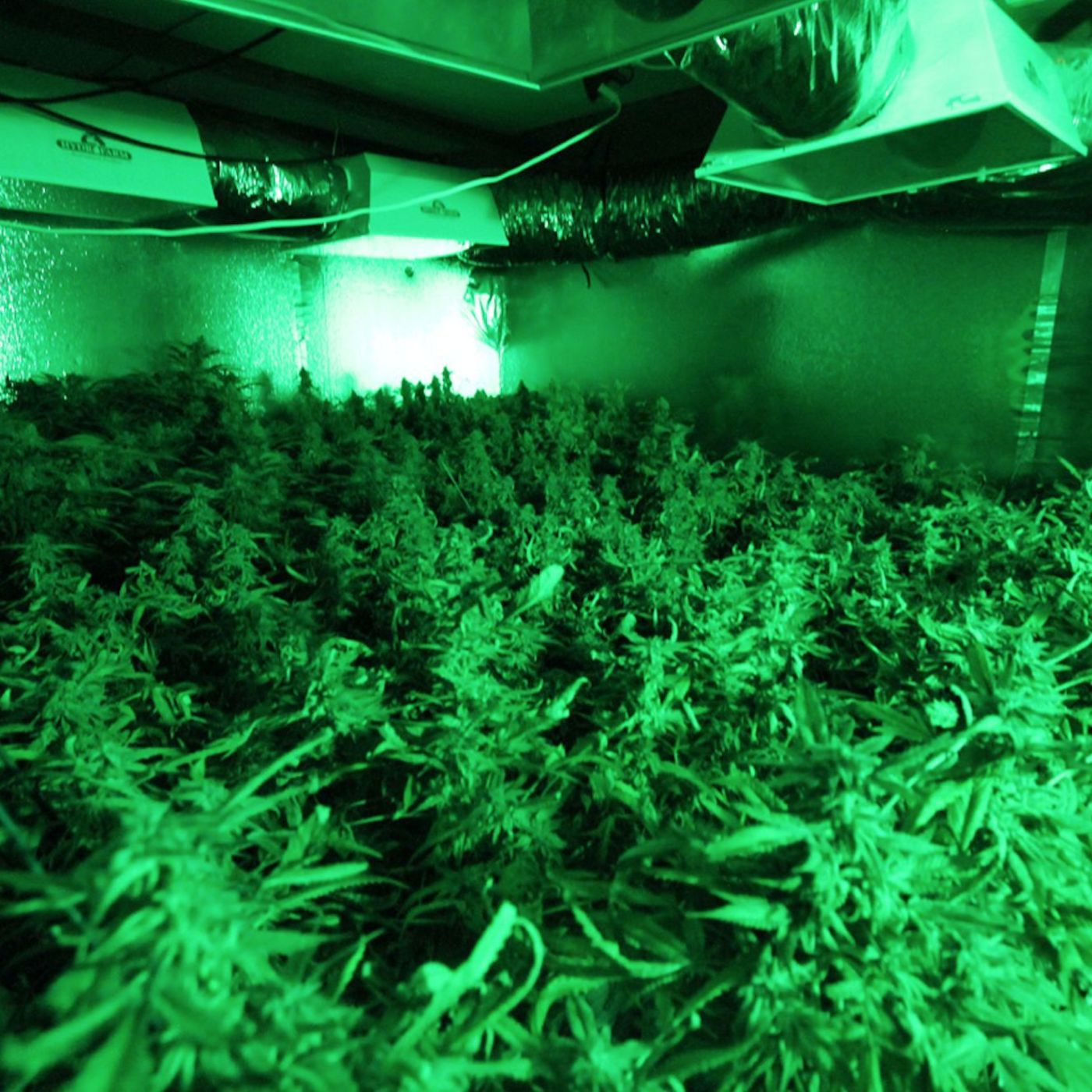
It's often said that electric vehicles are the key to bringing back load growth for utilities in the U.S. But maybe there’s another way: Marijuana. After the November election, seven states and the district of Columbia have now legalized marijuana for recreational use. In the early states that legalized, energy use is already growing. In Washington State and Colorado, where marijuana has been legalized for years, utilities are seeing a spike in electricity consumption. In Denver, for example, cannabis growers account for 2 percent of electricity use. In Washington State, grow operations could suck up more electricity than electric cars over the coming decades. This may pose challenges to utilities, which are seeing increased outages and may have trouble addressing cannabis head-on because of the conflict between state and federal laws. It also presents an opportunity for serving a new class of customers. This week’s guest has been watching all of this play out. This week, we're talking with Tim Hade, the co-founder of Scale Energy Solutions, about the energy impact of marijuana legalization. He'll also talk about the financial opportunity -- and risks -- in managing that energy use. In the second half of the show, we’re going to discuss the legal, cultural and environmental motivations behind the Dakota Access pipeline protests that are rocking North Dakota. We’ll end with a quick discussion about what comes next for Tesla now that it has acquired SolarCity. Thanks to our sponsor, Mission Solar Energy: http://www.missionsolar.com/ See Privacy Policy at https://art19.com/privacy and California Privacy Notice at https://art19.com/privacy#do-not-sell-my-info.

Chasing Donald Trump
Two weeks after the election, we have more clues about how president-elect Donald Trump may form a domestic energy policy and position America against the rest of the world on climate. But mostly we're dealing with speculation -- bits of insider information from the transition team, some new hires, and some deeper portraits of the people guiding Trump’s early energy policy. There are way more unknowns than knowns. That doesn’t mean there’s a lack of things to talk about. There's been a lot of compelling reporting over the last couple of weeks on the new world for energy, cleantech and the environment. Like last week, we're going to focus only on Trump’s energy and climate policy. The Gang was joined by Lisa Friedman, the editor of E&E Publishing’s ClimateWire, who helps us sift through the Trump's transition team picks, his statements about climate diplomacy, and the role of the business community in the next administration. Thanks to our sponsor, Mission Solar Energy. Find out more about Mission's American-made solar cells and modules: http://www.missionsolar.com/ See Privacy Policy at https://art19.com/privacy and California Privacy Notice at https://art19.com/privacy#do-not-sell-my-info.
Art of the Deal: How Corporates Are Investing in Renewables
This week, we're coming to you live from General Motors' world headquarters, where we'll talk about how corporate renewable energy deals are structured, and what's motivating companies to keep investing. GTM's Stephen Lacey and Shayle Kann are joined by Hervé Touati, managing director of the Rocky Mountain Institute and co-manager of the Business Renewables Center. They're also joined by Rob Threlkeld, the general manager of renewable energy at General Motors. Thanks to Mission Solar for sponsoring this show. Find out more about the company's American-made solar cells and modules: www.MissionSolar.com And don't forget to come to our Storage Summit on December 7 in San Francisco. Energy Gang listeners get 15% off by using the promo code ENERGYGANG: https://www.greentechmedia.com/events/live/u.s.-energy-storage-summit-2016 See Privacy Policy at https://art19.com/privacy and California Privacy Notice at https://art19.com/privacy#do-not-sell-my-info.

President Trump's Energy Policy
Whether or not you agreed with the top-down, government-centric, executive-level strategy of the Obama Administration -- it was, arguably, America's only federal political path forward on decarbonization. President-Elect Donald Trump plans to rip up that path as soon as he enters the White House. So how and where will he create a new one? This week, we’re trying to figure out what Trump's win means for the energy industry broadly – and what it means for the business of clean energy specifically. We fielded many questions from our listeners on Twitter yesterday. They asked about the Paris climate deal, domestic carbon regulations, renewable energy tax credits, coming legislation, and the role of states. So we’re going to break from our traditional format and try to address as many of them as possible. Thanks to our sponsor, Mission Solar Energy. Find out more about Mission's American-made solar cells and modules: http://www.missionsolar.com/ See Privacy Policy at https://art19.com/privacy and California Privacy Notice at https://art19.com/privacy#do-not-sell-my-info.

Tesla's Solar Roof: A Guide for Skeptics
This is a free version of the Interchange. For more on how to access all our premium content, visit GTM Squared: https://www.greentechmedia.com/squared Back in August, Elon Musk broke into SolarCity's earnings call to make a surprise announcement: Tesla and SolarCity were designing a building-integrated solar product. "It's a solar roof as opposed to a module on a roof," said Musk. Just a few weeks earlier, Tesla went public with its intentions to acquire SolarCity. The solar roof was seen as an example of what the combined companies could create, market and sell. "We don't want to show all of our cards right now, but I think people are going to be really excited about what they see," said Musk. Their cards are now on the table after Musk unveiled the solar roof last Friday. The product was stunning -- but Tesla failed to release any substantive details about cost, performance, financing, or its business model for deploying solar roofs. (Given that very few building-integrated PV companies have actually succeeded, the lack of details was particularly fishy.) In this week's podcast, we dig into all the knowns and unknowns about Musk's mysterious solar roof. Does this represent a radical new business opportunity? Or is it just glitzy PR designed to convince investors of Tesla's plan to buy SolarCity? See Privacy Policy at https://art19.com/privacy and California Privacy Notice at https://art19.com/privacy#do-not-sell-my-info.
Making Stuff Is Hard
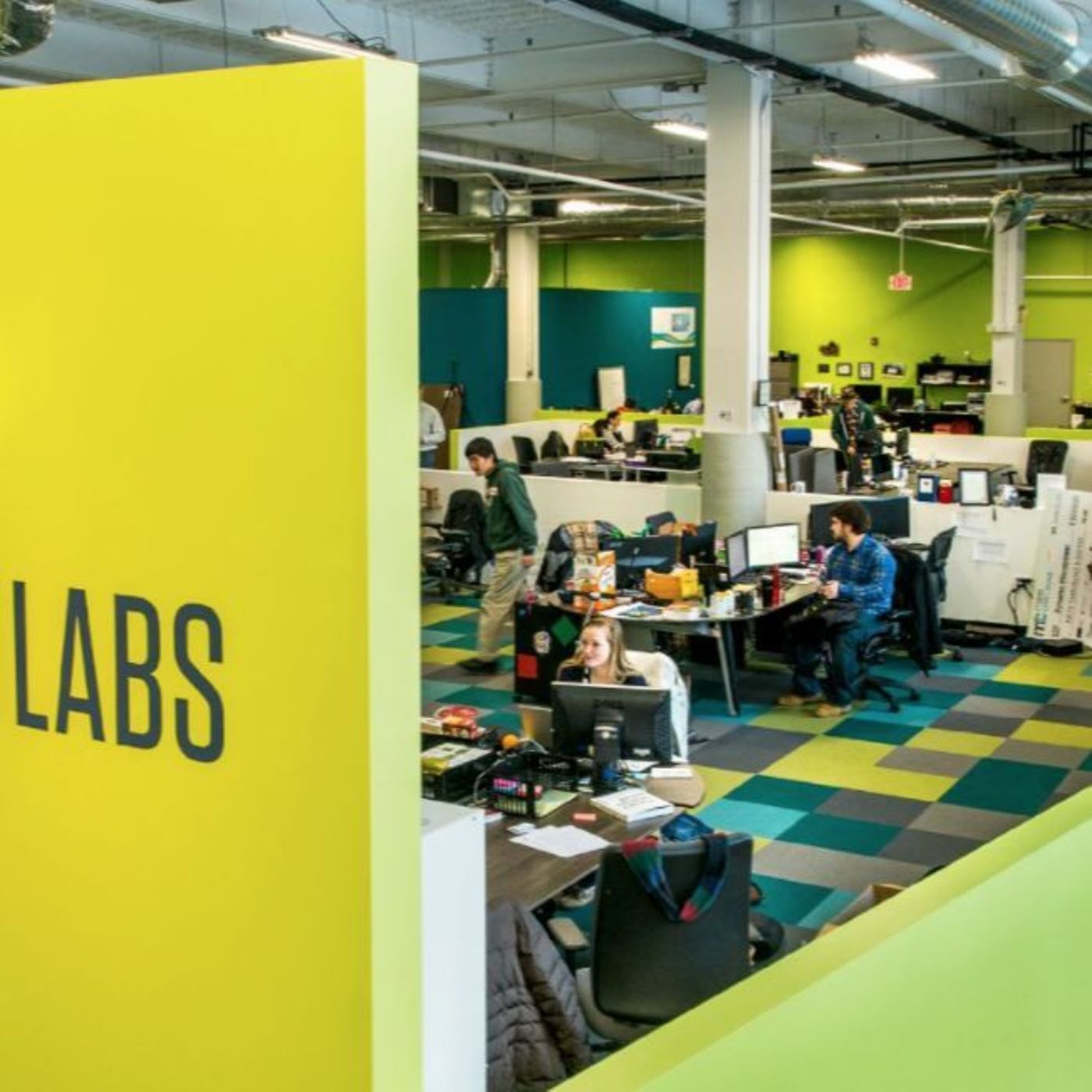
Dreaming, designing, building and deploying new kinds of hardware is tough in any business. But in the energy business, where change comes particularly slow, developing new tech is an especially hellacious undertaking. All of our segments tie into this theme. We’ll start off by talking with Emily Reichert, the CEO of Greentown Labs, a hardware-specific cleantech incubator. We’ll talk about where entrepreneurs tackling this space are finding the financial and human capital to get them to scale. Then we’ll turn to the ongoing saga of SolarCity. The company made a big bet on solar manufacturing last year – and new developments suggest that the decision to make its own solar panels was the wrong one. Finally, the solar industry in general is undergoing a lot of turmoil – particularly in manufacturing. We’ll broaden the discussion to talk about why solar producers are struggling, and why the solar industry may be facing a bloodbath in 2017. Thanks to our sponsor, Mission Solar Energy. Find out more about Mission's American-made solar cells and modules: http://www.missionsolar.com/ See Privacy Policy at https://art19.com/privacy and California Privacy Notice at https://art19.com/privacy#do-not-sell-my-info.

A Civil War Over Carbon Taxes
In November, Washington State voters have the chance to pass the most ambitious carbon tax ever proposed in the U.S. But there’s one problem: Virtually every major green group in the state is against it, or afraid to support it. What is going on? We'll talk with David Roberts, a writer with Vox, about the strange battle within the environmental left over carbon pricing. Then, we'll turn to the hacked emails from Hillary Clinton’s campaign. They also show a tense relationship between left-leaning environmentalists and centrists like Clinton. And finally, we’ll discuss a landmark global treaty to slash HFCs. It’s another win for global diplomacy and the Obama Administration. But will a Republican Senate ratify it? Read David Roberts' piece on the carbon tax fight: http://www.vox.com/2016/10/18/13012394/i-732-carbon-tax-washington This podcast is sponsored by Mission Solar Energy, a producer of American-made solar cells and modules. Find out more at: http://www.missionsolar.com/ See Privacy Policy at https://art19.com/privacy and California Privacy Notice at https://art19.com/privacy#do-not-sell-my-info.
How Should We Pay for the Grid?
We are at the beginning of one of the greatest economic and consumer behavior experiments ever seen in the energy sector. How do we refine pricing in order to rapidly transition our aging, centralized grid to a clean, decentralized one? And can we do it so that we limit the economic losers, pay for the fixed costs of operating the grid, and make everyone whole? It’s a complicated question. The range of actual rate design options – decoupling, minimum bills, demand charges, fixed charges, and time-of-use – offer so many varying benefits and drawbacks. Everyone agrees that we’re moving to a distributed grid. But there’s a lot of disagreement on how to pay for it. That is what we’re tackling in the show this week. We’re joined by Lisa Wood, the executive director of the Edison Institute for Electric Innovation, and Ralph Cavanagh, a senior attorney with the National Resources Defense Council. Their perspectives on rate design are featured in a new report from the Lawrence Berkeley Lab, called "Recovery of Utility Fixed Costs: Utility, Consumer, Environmental and Economist Perspectives." This podcast is sponsored by Mission Solar Energy, an American solar cell and module manufacturer: http://www.missionsolar.com/ This is a complimentary episode of our premium podcast, The Interchange. Find out more about GTM Squared: http://www.greentechmedia.com/squared See Privacy Policy at https://art19.com/privacy and California Privacy Notice at https://art19.com/privacy#do-not-sell-my-info.
Live From SXSW Eco
This week, we present our live conversation from SXSW Eco. We're really sorry for the audio quality. There were some technical difficulties, and we did our best to clean up what we had. We'll be back with a normal show next week. See Privacy Policy at https://art19.com/privacy and California Privacy Notice at https://art19.com/privacy#do-not-sell-my-info.

Inside the Minds of Solar Consumers
With over 1 million residential solar systems in the U.S., photovoltaics are entering mainstream. But how do installers sell the next 10 million systems while giving consumers a good experience? This week, we're talking about what consumers are looking for when solar shopping. We'll talk with Vikram Aggarwal, the CEO of EnergySage, about the company's latest Solar Market Intel report that tracks buying habits and sales tactics. We'll explore the trends covered in the report. Then, we discuss South Australia’s state-wide blackout. Was wind power to blame? And finally, New York City’s solar market is taking off. Now it wants to do the same for storage. How did the city turn its solar market around so quickly? This podcast is sponsored by Mission Solar Energy, a producer of American-made solar cells and modules: http://www.missionsolar.com/ See Privacy Policy at https://art19.com/privacy and California Privacy Notice at https://art19.com/privacy#do-not-sell-my-info.

Donald Trump’s Energy Delusion
Last night, Donald Trump and Hillary Clinton squared off on the presidential debate stage -- coming face-to-face for the first time in the campaign. Almost immediately, the candidates debated over energy and climate change. Clinton started the debate with a direct swing at Trump’s climate denial and dismissive comments on renewables. “Some country is going to be the clean-energy superpower of the 21st century. Donald thinks that climate change is a hoax perpetrated by the Chinese. I think it's real,” said Clinton. Trump swung back with an an awkward attempt to conjure up Solyndra, the government-backed solar company that went bust in 2011. “She talks about solar panels. We invested in a solar company, our country. That was a disaster. They lost plenty of money on that one,” said Trump. In the days leading up to the debate, more details emerged on Trump’s energy transition team. And during the debate, voters got a few additional hints at his worldview. This week, we’re going to square Trump’s stances on energy with, well, reality. Then, we’ll have an update on Obama’s signature climate rule that is now stuck in court. Finally, GM is getting ready to roll out its 2017 all-electric car, the Bolt. Is this the affordable EV we’ve all been waiting for? Links: Our sponsor, Mission Solar Energy: http://www.missionsolar.com/ Solar Market Insight conference: http://www.greentechmedia.com/events/live/us-solar-market-insight-2016 (Use the code ENERGYGANG for a 15% discount.) Bill Holmberg obituary: http://www.biofuelsdigest.com/bdigest/2016/09/08/bioenergy-legend-bill-holmberg-dies-at-88/ See Privacy Policy at https://art19.com/privacy and California Privacy Notice at https://art19.com/privacy#do-not-sell-my-info.
Breaking Diesel Dependence on Small Island Nations
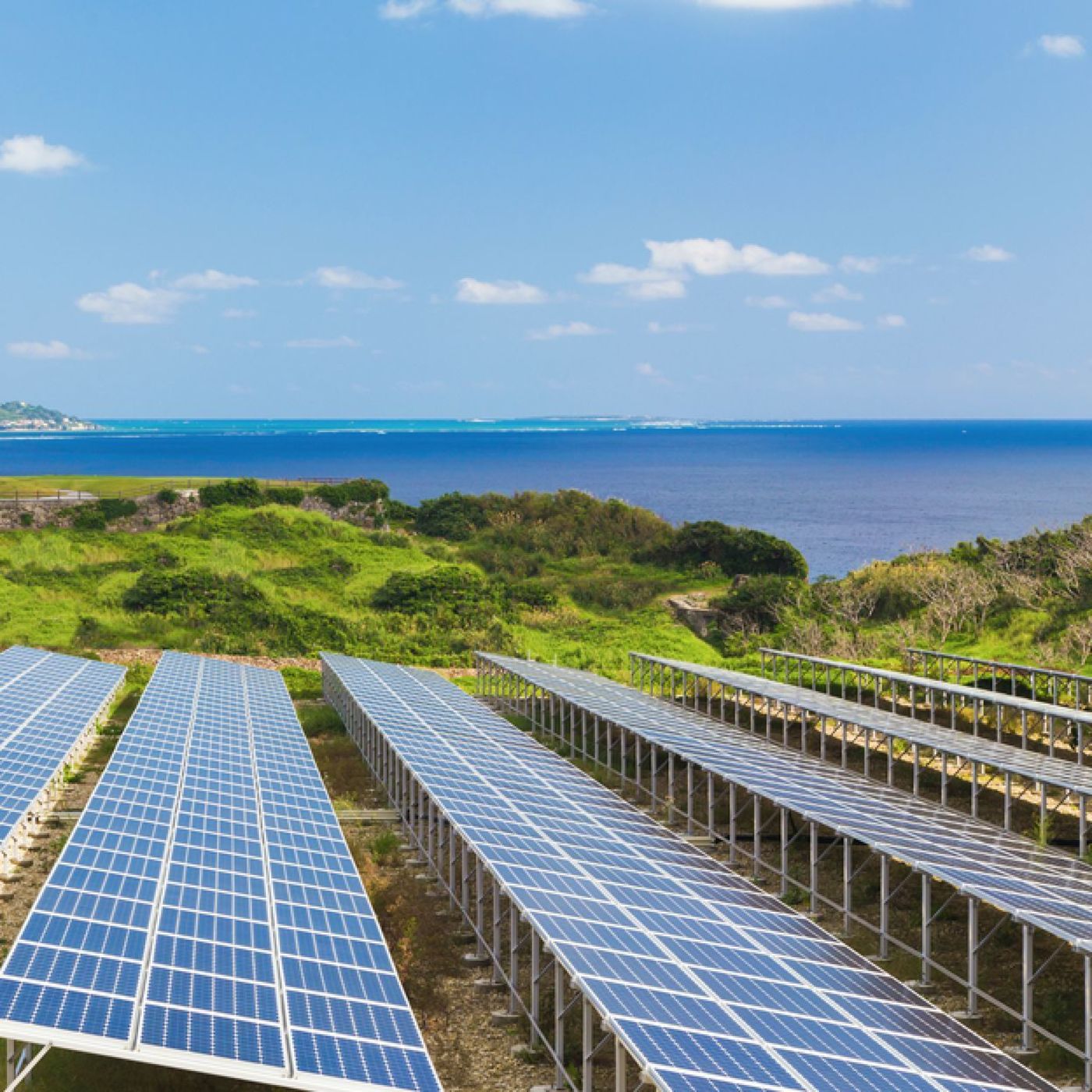
Renewables like wind and solar are largely not linked to oil prices. But there are markets where the success of renewables is more closely tied to oil: islands. Or, more specifically, small island developing states, which make up 20 percent of UN member countries. These small island states are dangerously dependent on diesel -- causing energy prices to fluctuate wildly and forcing many people into fuel poverty. That makes them perfect candidates for renewables. In this week's show, we talk to Leslie Labruto, director of the islands energy program at the Clinton Climate Initiative, about why opportunities in island markets are expanding, even in the face of low oil prices. Then, a pivotal moment for nuclear. After much scrutiny, the UK government approved the 3.2-gigawatt Hinkley Point C nuclear expansion. We'll discuss this historic test case for the competitiveness of nuclear. Finally, a pivotal moment for America’s solar industry. We’ll dig into a debate about where the country’s biggest solar lobbying group needs to turn its attention. Thanks to Mission Solar for sponsoring the show. Check out Mission's American-made solar panels: http://www.missionsolar.com/ See Privacy Policy at https://art19.com/privacy and California Privacy Notice at https://art19.com/privacy#do-not-sell-my-info.

America's Local Solar Politics
This week, we hop around to a few U.S. states where there’s been a lot of action: Nevada, California and Florida. Julia Pyper, GTM’s senior reporter, joins us for the discussion. In Nevada, we’ll look at the continued fallout after the decision to end net metering last December. In California, we’ll discuss the unprecedented amount of activity on climate and energy at the end of the legislative session. And in Florida, we’ll talk about the ballot initiative battle that has pitted the state’s utilities against a broad coalition of solar supporters. This week's show is sponsored by Mission Solar Energy. Find out more about Mission's solar cells and modules, made in the USA: http://www.missionsolar.com/ See Privacy Policy at https://art19.com/privacy and California Privacy Notice at https://art19.com/privacy#do-not-sell-my-info.

Are We Making Global Energy Poverty Worse?
Big development banks are pouring billions in energy projects in developing countries. Between 2000 and 2014, the World Bank Group alone invested $63.5 billion in electricity access. But we still have more than 1.5 billion people without access to energy services. What is the disconnect? This week, we'll talk about one of the biggest institutional barriers to energy access –- why multilateral development banks are not set up to solve energy poverty quickly. We'll talk to Aaron Leopold, the deputy director for global advocacy at the Power for All campaign, about how to speed up energy access by changing the way we think about traditional investment. Then, are prominent business journalists willfully ignoring the growth in U.S. clean energy jobs? Finally, America is now dealing with its first set of climate refugees in Alaska and Louisiana. A sign of things to come? This week's podcast is brought to you by SolarEdge and Mission Solar Energy. See Privacy Policy at https://art19.com/privacy and California Privacy Notice at https://art19.com/privacy#do-not-sell-my-info.
Is an Offshore Wind Boom Coming for America?
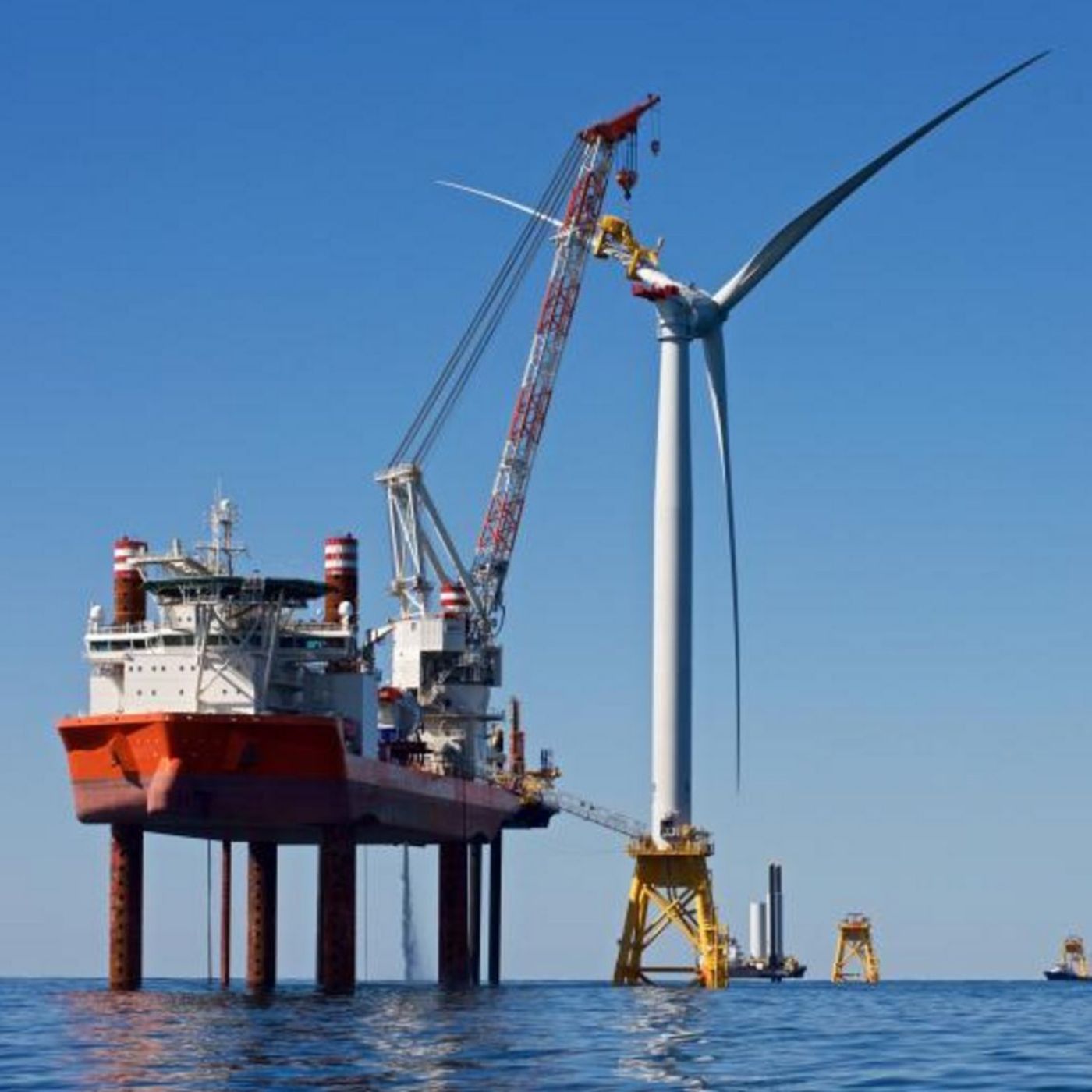
America’s first offshore wind project, the 30-megawatt Block Island Wind Farm off the coast of Rhode Island, is almost complete. The developer, Deepwater Wind, is already eyeing much bigger projects off the Atlantic coast. Meanwhile, following the federal government’s attempts to make offshore leasing easier, a number of East Coast states are adopting policies to encourage new projects. These developments have onlookers excited about the prospects for offshore wind in the U.S. Is America set to follow Europe, which has built many thousands of megawatts of projects? We'll discuss all the latest developments for offshore wind in the country. Later in the show, we'll discuss Bill McKibben’s latest piece on WWIII mobilization for cleantech. Finally, we’ll look back on the last ten years for the Northeastern regional carbon trading market, called RGGI. See Privacy Policy at https://art19.com/privacy and California Privacy Notice at https://art19.com/privacy#do-not-sell-my-info.
Extra: Wind Technology Trends
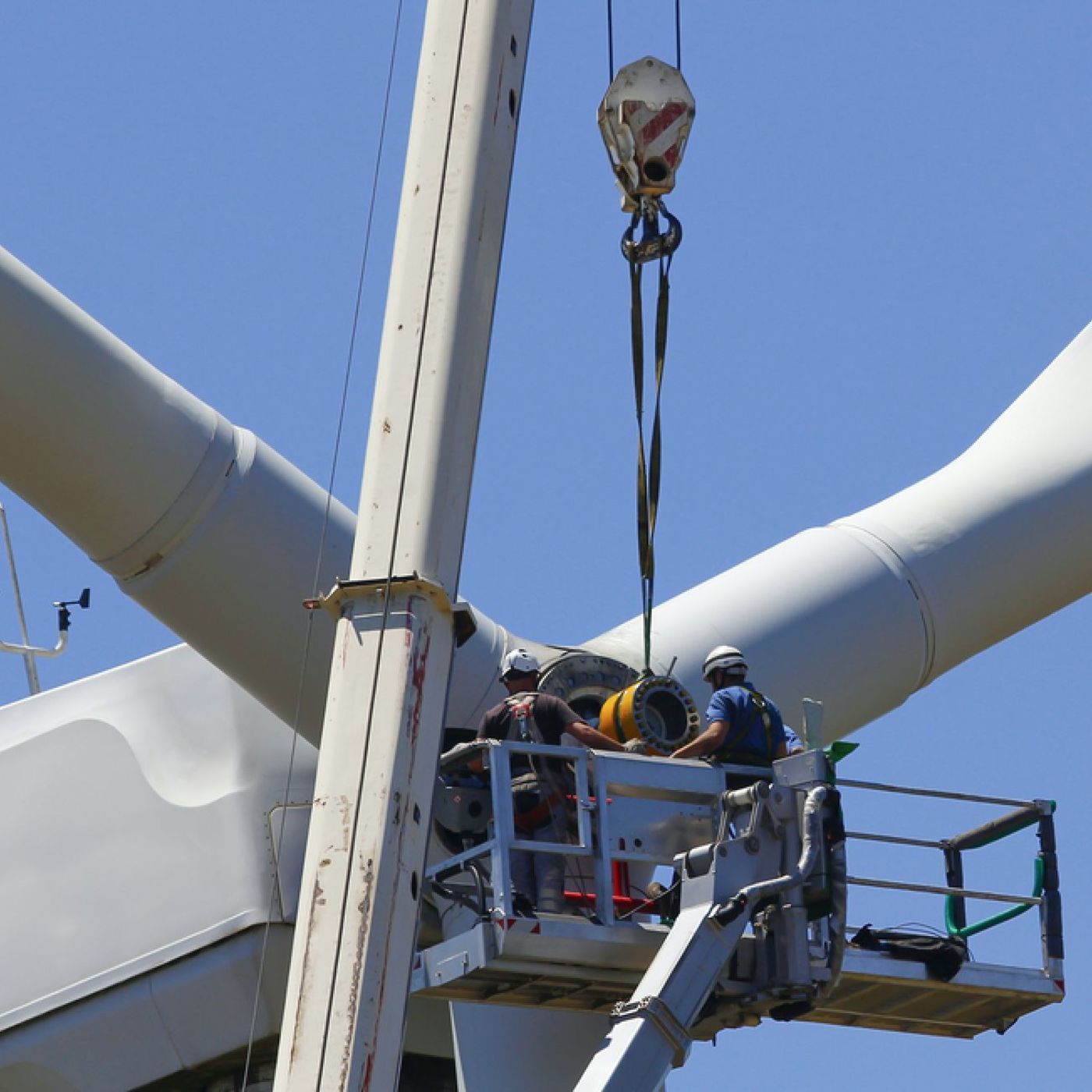
Wind keeps getting cheaper and cheaper. According to the latest wind technologies report from the Lawrence Berkeley National Lab, the average price of new U.S. wind contracts came in at 2 cents per kilowatt-hour last year. That coincided with record installations, record generation and continued improvements in technology design. All of those trends were documented by our guest, Ryan Wiser, a senior scientist at Berkeley Lab, along with his colleague Mark Bollinger. In this week's show, we'll talk with Wiser about record installation numbers, technology improvements, and the competitiveness of wind after federal tax credits phase out. This Squared content has been unlocked by ABB Automation & Power World. ABB has a virtual conference coming up in September, called Risk, reliability & recovery. This free online event will focus on the real-world solutions to the challenges that utilities face: shrinking budgets, aging assets, new regulations and a host of new distributed energy assets. Register here: new.abb.com/apw/gtm2 If you sign up for ABB’s conference, you will also get $100 off a new GTM Squared membership. If you’re not already a Square and you want to be, now is the time. See Privacy Policy at https://art19.com/privacy and California Privacy Notice at https://art19.com/privacy#do-not-sell-my-info.
Extra: The Commercial Storage Market Is Getting Interesting
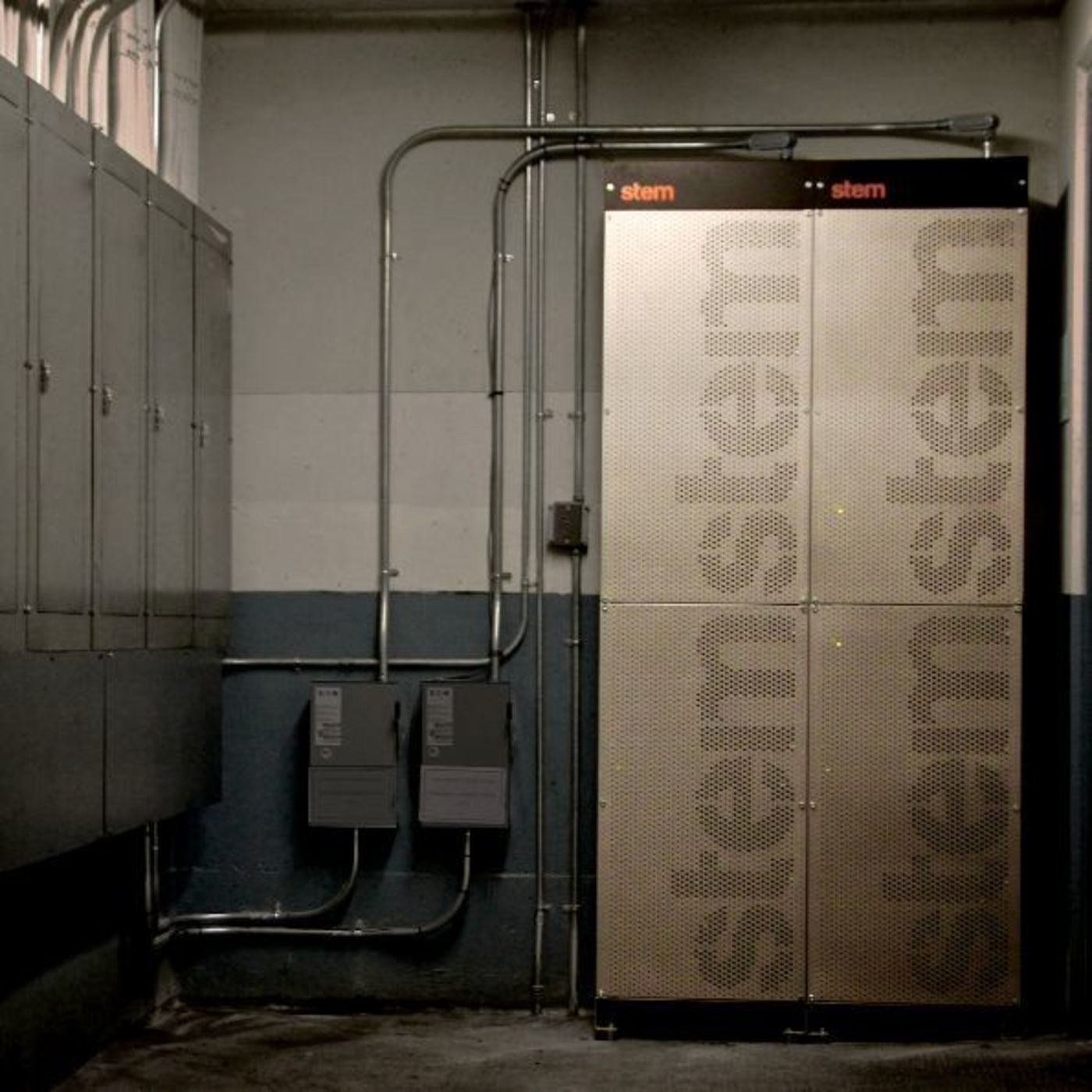
A growing number of businesses are using behind-the-meter batteries to cut utility fees. In the U.S., the commercial storage market is still small (36 megawatts in 2015) but it is growing quickly for demand charge management. And it is now starting to grow beyond anchor markets like California, New York and Hawaii. In this episode, we look at how use cases for commercial and industrial battery storage projects are getting more attractive. Ravi Manghani, the director of GTM research’s storage practice, joins us for the conversation. We’ll also going to talk about some new offerings from up-and-coming storage providers, and talk about how Tesla’s planned acquisition of SolarCity would impact C&I storage. This episode is brought to you by ABB Automation & Power World. ABB has a virtual conference coming up in September, called Risk, Reliability & Recovery. This free online event will focus on the real-world solutions to the challenges that utilities face: shrinking budgets, aging assets, new regulations and a host of new distributed energy assets. Register here: new.abb.com/apw/gtm. See Privacy Policy at https://art19.com/privacy and California Privacy Notice at https://art19.com/privacy#do-not-sell-my-info.
A Brief History of Solar Research With SunPower Founder Dick Swanson
SunPower founder Dick Swanson is an icon in the American solar industry –- an elder statesman, if you will. Swanson led groundbreaking solar research in the 70s, experimented with all kinds of solar cell types, broke efficiency records, and helped make SunPower one of the most successful solar companies of all time. Oh, and he’s also known for Swanson’s Law – even though he didn’t actually create the law. In this bonus episode of the Energy Gang, we feature a wide-ranging conversation with Swanson about the early days of solar research, the difficulties in building a solar manufacturing business, and what the future holds for photovoltaics. This podcast is sponsored by SolarEdge, a leader of the DC optimizer market and a leading supplier of inverters to the U.S. residential market. See Privacy Policy at https://art19.com/privacy and California Privacy Notice at https://art19.com/privacy#do-not-sell-my-info.

Cleantech VC Is Dead! Long Live Cleantech VC!
Enjoy this free episode of The Interchange from GTM Squared. If you like what you hear, make sure to become a member: http://www.greentechmedia.com/squared We’re more than a decade on from the beginning of the cleantech gold rush -- and a lot of venture capital firms failed to strike it rich. In this week's show, we tally the boom and bust in cleantech VC, and look at how it compares with other sectors. We're joined by Varun Sivaram, a fellow at the Council on Foreign Relations, and Ben Gaddy, the director of technology development at the Clean Energy Trust. The two recently teamed up with another colleague, Frank O’Sullivan from the MIT Sloan School of Management, to log the performance of venture investments in clean energy and materials from 2006 to 2011. They then compare it to the medical field and software. They found that the failure rate in cleantech was much higher (and the returns were much lower) than these other fields. Their conclusion: venture capital is not the right model for revolutionizing the energy industry. So if that’s true, what should take its place? We debate. See Privacy Policy at https://art19.com/privacy and California Privacy Notice at https://art19.com/privacy#do-not-sell-my-info.
Elon Musk's Master Plan for Tesla
Last week, Tesla Motors dropped “motors” from its name, and is now calling itself just Tesla. This is an indication that the electric car company is thinking about much more than cars. And Elon Musk went way beyond indicating a shift – he explicitly spelled it out in his new master plan, published last Thursday. His first master plan, published in 2006, described the company we know today: build an expensive electric car, improve manufacturing, build a less expensive car, grow manufacturing, and finally build a mass market EV. While Tesla hasn’t always hit Musk’s ambitious timeframes, it is on a path to achieving his original vision. Part two is much more ambitious. It includes building a seamless solar-plus-storage offering, dominating grid-scale storage, revolutionizing busses and tractor trailers, and making shared fleets of autonomous vehicles available to all. As Musk described in his post: “Starting a car company is idiotic and an electric car company is idiocy squared.” So is his latest plan idiocy cubed? Or the right amount of Muskian ambition at just the right time? In this week's podcast, we dissect the plan. Then, we'll discuss energy in campaign politics. We’ll look at Hillary Clinton’s pick of Tim Kaine for vice president, and examine Donald Trump’s relationship with fracking tycoon Harold Hamm. Finally, we’ll take the pulse of regulators, who debated how to grapple with distributed resources at a big meeting this week. See Privacy Policy at https://art19.com/privacy and California Privacy Notice at https://art19.com/privacy#do-not-sell-my-info.

Does 'Clean' Coal Have a Future?
At this week’s Republican National Convention in Cleveland, the GOP doubled down on its commitment to coal -- calling it “an abundant, clean, affordable, reliable domestic energy resource.” Coal can get cleaned up. But it comes at a steep price. And that price can make it hard for even the most ardent supporters to get behind carbon capture and sequestration in practice. Earlier this month, the New York Times published an investigation on the Kemper Power plant, a carbon capture and sequestration project supported by the stimulus that is billions of dollars over budget and still not in service. Securities regulators are investigating the use of government funds, ratepayers in Mississippi are suing Southern Company, and now a whistleblower has released thousands of documents showing that Southern Company covered up its problems and lied about timelines. This is the latest blow to the clean coal industry – which detractors say will never materialize. This week, we'll talk about what Kemper means for the future of carbon capture and sequestration in the U.S. Later in the show, we'll provide some context to an FBI investigation into the 2014 Arizona Corporation Commission elections. And we'll end with a discussion about NextEra's failed bid to acquire Hawaiian Electric Industries. See Privacy Policy at https://art19.com/privacy and California Privacy Notice at https://art19.com/privacy#do-not-sell-my-info.

Imagining the Future of Transportation: How Optimistic Should We Be?
As the world awaits Elon Musk's master plan for Tesla, we provide a glimpse into America's master plan for transportation on this week's podcast. Reuben Sarkar, the deputy assistant secretary for transportation at the Department of Energy, joins us to talk electric cars, natural gas cars, autonomous cars, car efficiency and how the public sector can make automotive innovation easier in the private sector. We ask him: how optimistic should we really be about what all the changes underway in the sector? In the second half of the show, we’ll discuss the end of nuclear power in California. We’ll also ask about Sungevity’s novel approach to going public – a worrying sign, or a clever way to raise money? See Privacy Policy at https://art19.com/privacy and California Privacy Notice at https://art19.com/privacy#do-not-sell-my-info.
What If We Redesigned the Grid From Scratch?
What would the electric grid look like if we redesigned it from scratch using today's vast array of new technologies and rate designs? Would utilities, regulators and distributed energy providers agree on the design? They might agree on more than you think. In this week's show, we'll talk with Julia Hamm, president and CEO of the Smart Electric Power Alliance, about how to reconcile rapid technology change with the way electric utilities are structured. Then, we’ll talk Brexit. How will Britain’s exit from the European Union complicate energy markets and climate goals? Finally, we’ll untangle the mess in Brazil. It’s been a really rough year economically for the country – and that has spilled over into renewables. This podcast is sponsored by SolarEdge, a leader of the DC optimizer market and a leading supplier of inverters to the U.S. residential market. See Privacy Policy at https://art19.com/privacy and California Privacy Notice at https://art19.com/privacy#do-not-sell-my-info.
Debating Tesla's Plan To Acquire SolarCity
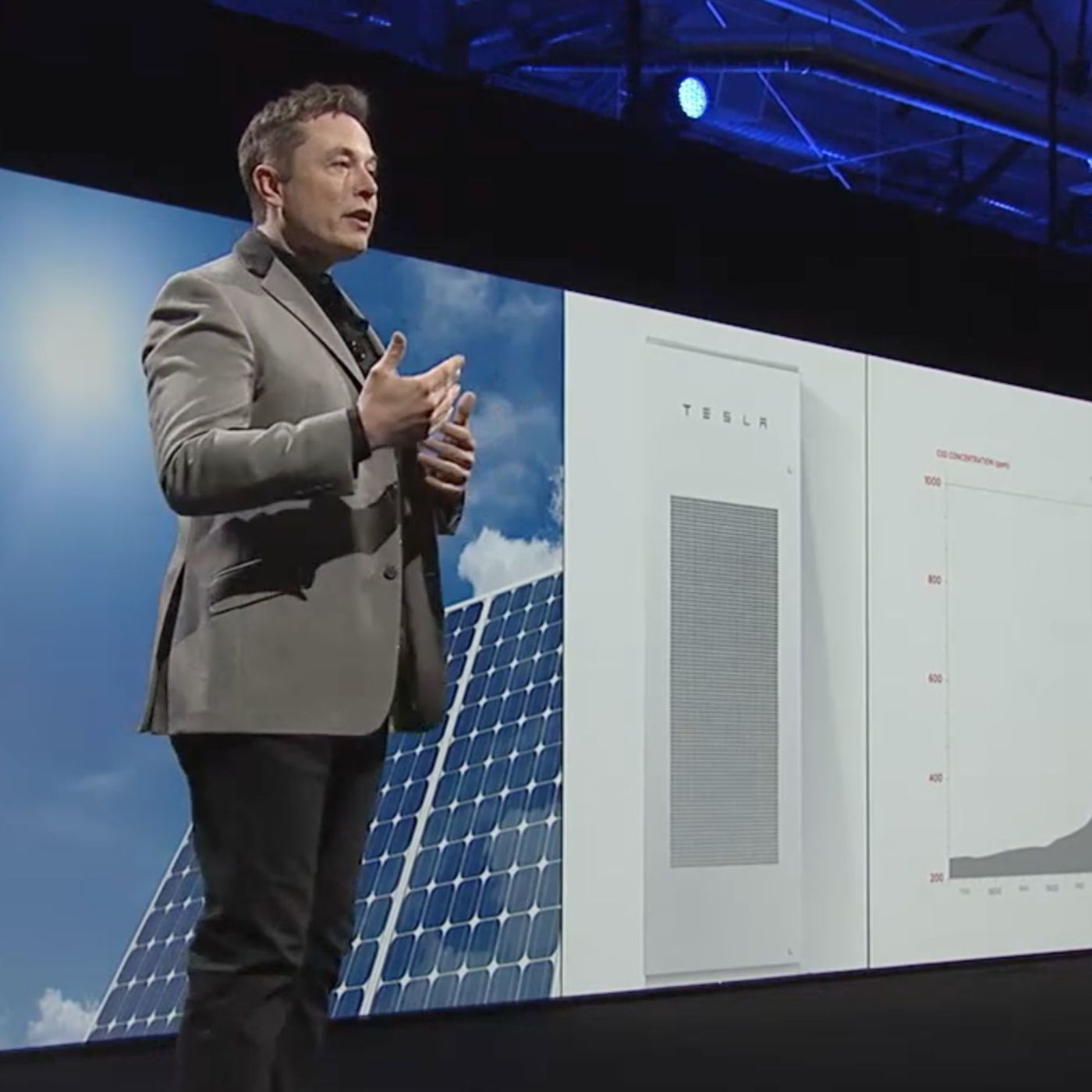
Will Tesla acquire SolarCity? Yesterday, news broke that Tesla’s board offered to buy SolarCity for roughly $2.5 billion. While shareholders and financial analysts don't seem to like the proposed deal, Elon Musk says it's a pivotal part of his long term plan. This week, we're coming live from GTM's Grid Edge World Forum. We'll debate what an acquisition would mean for both companies – and whether shareholders will bite. Then we'll discuss whether the smart home will ever materialize. It's been a difficult decade in the smart home sector. What will it take to turn things around? And finally, we'll take a sober look at fuel cells. Is there any love or respect for them anymore? Eric Wesoff, GTM's editor in chief, gives his bearish take on the future of the fuel cell industry. See Privacy Policy at https://art19.com/privacy and California Privacy Notice at https://art19.com/privacy#do-not-sell-my-info.

The Climate Crisis Worsens
Thirty years ago, a Congressional committee held a two-day hearing on climate change. In June of 1986, scientists didn’t have the sophisticated measurement tools and supercomputer models that they do today. But they did have a lot of data showing that greenhouse gases were steadily warming the planet -- and that failure to curb those emissions would bring dire consequences. Three decades later, those predictions are playing out with alarming accuracy. In the last few months, we’ve seen a slew of research showing that the planet has a worsening fever. We haven’t yet hit summer, but we’re already smashing more climate and weather records. We will talk about the barrage of alarming climate news over the last couple of months. Then, new data shows that renewables are on their way overtaking fossil fuels in the electric sector. Is the development as positive as it seems? Finally, we’ll talk transmission. A couple new projects in the U.S. illustrate how to build new lines effectively to support carbon-free energy. See Privacy Policy at https://art19.com/privacy and California Privacy Notice at https://art19.com/privacy#do-not-sell-my-info.

Getting Subsidies Right for Renewable Energy
Renewables are getting really cheap. But does that mean we need to get rid of all subsidies to support them? Many experts argue that we just need to retarget government support in a smarter way. In this week's show, we’ll explain how that might be done for both renewables and nuclear. Then, in a related conversation, we’ll ask whether nuclear needs to be included in state-level renewable energy mandates. We'll end with a look at a landmark agreement between the U.S. and India that could leverage $1 billion for off-grid solar and microgrid projects. See Privacy Policy at https://art19.com/privacy and California Privacy Notice at https://art19.com/privacy#do-not-sell-my-info.
How One of the Most Successful Wind Tycoons Stayed Ahead of the Energy Markets
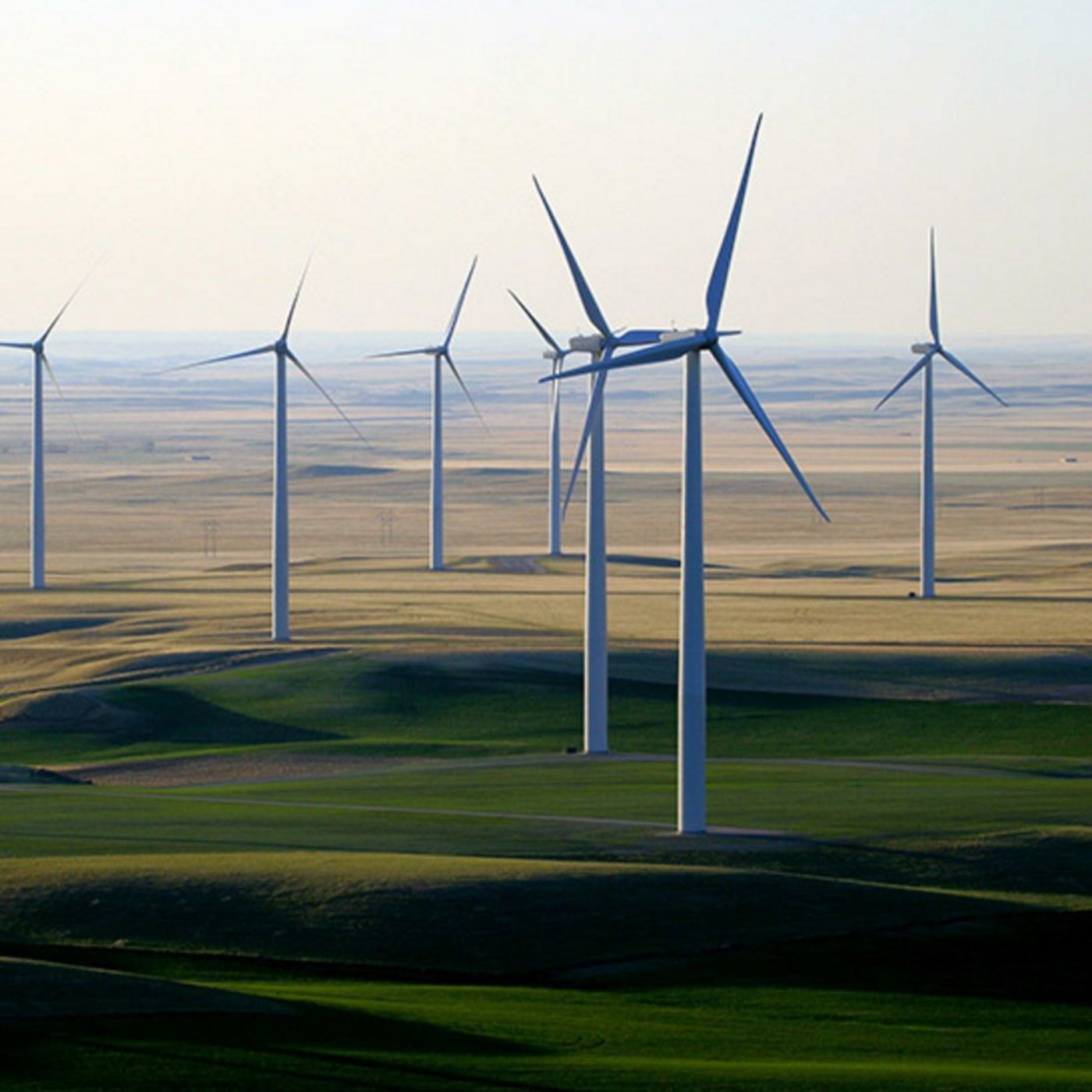
Two years after Michael Polsky moved from Soviet Ukraine to the U.S. in 1976, America passed a law allowing independent developers to own power plants. He knew he needed to get in on the action. Polsky eventually became one of the most successful energy developers of all time -- building multiple successful businesses around cogeneration, natural gas and wind. Polsky is now the president and CEO of Invenergy, a company with nearly 14,000 megawatts of wind, solar, natural gas and energy storage projects operating or under construction in the U.S., Canada and Europe. He joins us this week to talk about what he foresaw before most others -- and what he sees as the future of energy. In the second half of the show, we'll discuss Donald Trump's energy speech in North Dakota last week. And we'll end with a quick look at the latest global investment figures for renewable energy. See Privacy Policy at https://art19.com/privacy and California Privacy Notice at https://art19.com/privacy#do-not-sell-my-info.

A Sign of the Utility Death Spiral?
Nevada Power is likely doing a lot of soul searching. Last week, two of the biggest Las Vegas casino companies -- MGM Resorts and Wynn – filed to leave Nevada Power and set off to buy wholesale electricity on their own. MGM has particularly strong renewable energy goals, and this move signals that the company thinks it can procure clean electrons cheaper than the utility. As more large corporations make similar moves, will it lead to a financial disaster for utilities? This week, we'll discuss the implications with Cory Honeyman, the associate director of GTM’s US solar research practice, who has been following the commercial customer class closely. Then, Exxon rejects shareholder demands on climate. We’ll look at the latest salvo over the oil giant’s carbon accounting. And we will end on a low note. Lake Mead, America’s biggest reservoir serving over 20 million people in the West, hit its lowest level ever. Are water wars on the horizon? See Privacy Policy at https://art19.com/privacy and California Privacy Notice at https://art19.com/privacy#do-not-sell-my-info.

The Solar Coaster: Troubles at Yingli Solar and the Flatlining Global PV Market
This year, GTM Research is forecasting that 66 gigawatts of PV capacity will be installed around the world -- a 21 percent increase over last year. But next year, capacity will only expand by 4 percent. In fact, without some of the top markets like India, America and China, the global solar market would likely retract next year. Meanwhile, Yingli Solar -- once the world's top producer of solar modules -- is having trouble paying back its loans and may be approaching bankruptcy. Why is the company doing so poorly while most other leading manufacturers are healthy? In this week's show, we'll talk with Mohit Anand, GTM Research's senior global solar analyst, about the ups and downs for PV around the globe. In the second half of the show, we'll talk about the controversy over shoddy labor practices at a Tesla contractor. And we'll finish by discussing the latest in the political war over solar in Nevada. Don't forget to check out our live show at the Grid Edge World Forum. Any new registrants get a 10 percent discount through the podcast. Just use the promo code ENERGYGANG while checking out to get your listener discount. Find the Grid Edge World Forum here: https://www.greentechmedia.com/events/live/grid-edge-world-forum-2016 See Privacy Policy at https://art19.com/privacy and California Privacy Notice at https://art19.com/privacy#do-not-sell-my-info.