Energy Gang
583 episodes — Page 6 of 12

An Anxious Accountant's Journey to the Top [Special Content]
This is an original, branded podcast from GTM Creative Strategies, produced in collaboration with CohnReznick.In 2004, Ted Gunther started a new job at a big accounting firm. He led the team overseeing transactions in newly-deregulated electricity markets.On his first day, he met the "Green Book," a thick, complicated book that sets standards for derivatives, hedging strategies and contracts structures.“I still remember it vividly. [...] I remember the partner at the time putting that book on my desk and asking me to go ahead and read this and I just looked at it and I thought to myself, ‘Wow, that's going to be a lot to read.’Ted used The Green Book to become an expert in complicated energy markets.As his career blossomed, he started grappling with another complicated problem: anxiety.It started to grip Ted during meetings. “The heart's really beating fast. You know you have something to say but you have a hard time just getting it out and saying it.” But he wasn’t going to let anxiety hold him back. Ted got help, moved past it, and became a partner at CohnReznick.Today, he leads CohnReznick's renewable energy industry practice, and helps utilities and other energy companies execute all kinds of transactions, from long-term contracts to hedging strategies to tax structures.In this special episode: how Ted is using the lessons from overcoming anxiety to help clients and colleagues grow.CohnReznick serves a wide range of industries from tech to government to entertainment. It’s a leader in cutting-edge fields like renewable energy and cannabis. To learn more about how people like Ted can help you work through some of the most complicated transactions in energy, visit CohnReznick.See Privacy Policy at https://art19.com/privacy and California Privacy Notice at https://art19.com/privacy#do-not-sell-my-info.
A 90% Clean Grid Is Possible Quickly
Most decarbonization proposals play out over 30 years, aiming toward 2050. But a new roadmap from researchers at UC Berkeley and the policy firm Energy Innovation shows the grid can get 90% clean in just 15 years. No new fossil fuel plants. Lower rates for consumers. 85,000 lives saved. 500,000 additional jobs. Region by region, they lay out exactly how.Prices have fallen so quickly that our understanding of what’s possible hasn’t kept pace. And now, say researchers, we have the chance to decarbonize much earlier than many thought possible.This week, we’ll dig into the study and its implications.Then: pollsters say Americans are “fully bought in” to a clean energy future — and want bigger societal issues addressed with it. But among crucial swing voters, is anyone even thinking about climate? We’ll look at what the latest polling tells us.Lastly, BP decides its assets are worth $17 billion dollars less than they thought. It’s a massive write down. Is this a tipping point? A leading indicator? Co-hosts Katherine Hamilton, Jigar Shah and Stephen Lacey discuss. Resources:UCB Goldman School of Public Policy: The 2035 ReportEnergy Innovation LLC: 2035 Data ExplorerGreentech Media: 90% Clean Grid by 2035 Is Not Just Feasible, But Cheaper, Study SaysEnvironmental Research Letters: Combining Climate, Economic, and Social Policy Builds Public Support for Climate Action in the US (Bergquist, Mildenberger & Stokes)WAPO Opinion: Protesters Want Justice — Including on Social, Economic and Climate DemandsYale Program on Climate Comm: Politics and Global Warming April 2020Climate 2020 Podcast: How Do You Message Climate In This Political Moment?Bloomberg opinion: BP Submits to Brutal Reality on the Future of OilTwitter: Mark Campanale, Carbon TrackerBloomberg opinion: Big Oil Can Help Renewables by Spinning Them OffThe Energy Gang is brought to you by Sungrow, the leading global supplier of inverter solutions for renewables. During these uncertain times, Sungrow is committed to protecting its employees and continuing to reliably serve its customers around the world. Sungrow has also leveraged its extensive network across the United States to distribute face masks to communities in need.The Energy Gang is also brought to you by KORE Power. Based in the U.S., KORE Power is situated to meet the growing global demand of the energy storage market. KORE Power is building the first large-scale battery cell manufacturing facility in the U.S. owned by an American company. Once it’s operational, the 1-million-square-foot facility will have 10 gigawatt-hours of scalable manufacturing capacity. Learn more. See Privacy Policy at https://art19.com/privacy and California Privacy Notice at https://art19.com/privacy#do-not-sell-my-info.
Europe Invests Big in Green Recovery, While US Keeps the Status Quo
We’re back with another live show from quarantine. Europe is crafting a €750 billion recovery package in response to the economic impact of coronavirus. It will devote more than €200 billion directly to low-carbon infrastructure projects. That could enable hundreds of billions more for renewables, efficiency, clean public transport, and hydrogen.Meanwhile, here in the U.S., our recent stimulus sent billions of dollars to debt-laden oil producers. With potentially one shot left to pass another recovery package, everyone is afraid to utter the word “climate.”Coronavirus highlights yet another political and economic divide. How badly is America squandering this historic moment?Plus, we address listener questions about offshore wind, undercovered climate solutions, career advice, and the mysterious ‘MOPR‘ that could override states’ clean energy preferences. Thanks to all our listeners who tuned in live!Mentioned on the the show: Freestyle Rapper for Pexapark: Chris TurnerRap Artist Who Rhymes on Science: Baba Brinkman Heavy Metal Elon Musk Tribute Band: Raptor CommandRecommended reading: DeutcheWelle: Germany pushes electric cars in $145B stimulus. Bloomberg: The world’s greenest stimulus plan from GermanyBBC: Could the “Green stimulus” go global? Climate Change News: Spain unveils climate law to cut emissions to net zero by 2050Bloomberg: Europe’s Recovery Plan Has Green Strings AttachedThe Energy Gang is brought to you by Sungrow, the leading global supplier of inverter solutions for renewables. During these uncertain times, Sungrow is committed to protecting its employees and continuing to reliably serve its customers around the world. Sungrow has also leveraged its extensive network across the United States to distribute face masks to communities in need.The Energy Gang is also brought to you by KORE Power. Based in the U.S., KORE Power is situated to meet the growing global demand of the energy storage market. KORE Power is building the first large-scale battery cell manufacturing facility in the U.S. owned by an American company. Once it’s operational, the 1-million-square-foot facility will have 10 gigawatt-hours of scalable manufacturing capacity. Learn more. See Privacy Policy at https://art19.com/privacy and California Privacy Notice at https://art19.com/privacy#do-not-sell-my-info.
Breathing While Black in America
This week: as anger over police brutality explodes into the once-empty streets, we tackle an equally oppressive force for black Americans: environmental racism.Coronavirus has exposed an unsettling reality for black and brown people, who are dying at higher rates in the country’s most polluted communities. We’re suddenly talking again about structural racism in policing and criminal justice. But the story of race, energy and the environment is also very important to understanding the anger of the moment.We’re going to speak with a seasoned lawyer and organizer, who is working on the “mass melanization” of the environmental movement: Tamara Toles O’Laughlin, the North America Director for 350.orgLater in the show: if people lose their jobs and can’t pay their bills, what does that mean for their safety in a summer heat wave? And what does it mean for the financial health of utilities?Finally, a new approach to residential demand response. Why are Consumers Energy, Uplight and Google giving away 100,000 free smart thermostats?Don't forget to sign up for our FREE live show on June 9! Join us and submit your questions.VOX: One reason why coronavirus is hitting black Americans the hardestNY Times: In the Shadows of America’s Smokestacks, Virus is one More Deadly RiskAP: 'Death By Racism': Part of America's DNA From the Start?LA Times Boiling Point: Pandemic. Heat. And for the most vulnerable, no A/CGizmodo: Coronavirus, Summer Heat, and Poverty Could Create a 'Triple Whammy'GTM: Can Free Smart Thermostats Get Homeowners to Enroll in Summertime Demand Response?GTM: Residential Demand Response to Play Key Role Managing US Load This SummerThe Energy Gang is brought to you by Sungrow, the leading global supplier of inverter solutions for renewables. During these uncertain times, Sungrow is committed to protecting its employees and continuing to reliably serve its customers around the world. Sungrow has also leveraged its extensive network across the United States to distribute face masks to communities in need.The Energy Gang is also brought to you by KORE Power. Based in the U.S., KORE Power is situated to meet the growing global demand of the energy storage market. KORE Power is building the first large-scale battery cell manufacturing facility in the U.S. owned by an American company. Once it’s operational, the 1 million square foot facility will have 10 gigawatt-hours of scalable manufacturing capacity. Learn more.See Privacy Policy at https://art19.com/privacy and California Privacy Notice at https://art19.com/privacy#do-not-sell-my-info.
Watt It Takes: Building Distributed, 'Restorative' Hydropower
Gia Schneider and her brother Abe started Natel Energy based on a hydropower turbine their father designed. And after more than a decade of R&D, pilots, software development and a project for Apple, Natel is preparing for the next level of scale.“Our objectives have actually not wavered. But they haven’t wavered because of rigid adherence to dogma, they have not wavered because we check in consistently about ‘is this the right problem to solve?’” says Schneider. Natel is commercializing a turbine for low-head hydro applications at old dams, irrigation canals and run-of-river projects. It’s designed to protect wildlife and drastically cut the ecological impact of hydropower. The original design came from Gia’s father, who started working on low-flow turbines back in the 1970s -- but it’s come a long way since then.Gia also has a long history in energy. She worked at Constellation Energy and in Accenture’s utility practice. She started the energy and carbon trading desks at Credit Suisse. And in 2009, she launched Natel with her brother Abe.In March, Natel closed an $11 million round led by Schneider Electric and Breakthrough Energy Ventures, just before the economy shut down.In this episode, Powerhouse CEO Emily Kirsch talks with Gia about starting a company with her family, how to balance short-term tech development with long-term deployment goals, and how coronavirus could impact the next phase of growth.This series is normally recorded in front of a live audience. But we’re now recording the interviews remotely. See future events hereWe’re hosting a live episode of The Energy Gang on June 9. Sign up for free here.The Energy Gang is brought to you by Sungrow, the leading global supplier of inverter solutions for renewables. During these uncertain times, Sungrow is committed to protecting its employees and continuing to reliably serve its customers around the world. Sungrow has also leveraged its extensive network across the United States to distribute face masks to communities in need.See Privacy Policy at https://art19.com/privacy and California Privacy Notice at https://art19.com/privacy#do-not-sell-my-info.
The Battery Boom Continues
This week, we cover some hopeful signs amidst the economic destruction. First, we’ll look at the record-breaking activity in battery storage.A coal plant in North Dakota will be replaced in part with a one-acre battery array from Form Energy that uses a new technology capable of discharging for 150 hours – that’s more than 30 times longer than lithium batteries. Hawaii’s electric utility just awarded contracts for 16 projects that add up to more than 3 gigawatt-hours of storage, in order to replace an oil-fired and a coal-fired power plant. And in California, Southern California Edison signed contracts for 770 megawatts of batteries, many paired with solar projects, to replace gas plants. That’s 200 megawatts more than the entire battery capacity installed in 2019.Plus, in China, more hybrid wind/solar and battery plants are starting to emerge. This led Dan Finn-Foley, Wood Mackenzie’s head of energy storage, to declare: “The utility energy storage market is blowing through milestones faster than we can report them.”Then, renewables are surging and coal is declining. A new IEA report says that renewable generation will increase in 2020 -- pushing higher-cost fossil resources out of the market. "In all regions that implemented lockdown measures," the IEA report said, "the electricity supply underwent a notable shift towards low-carbon energy sources." We’ll look at why.Finally: presumptive presidential nominee Joe Biden just unveiled a new climate task force. From the Sunrise Movement to a former EPA chief, we’ll talk about who’s on it, and look at their roles. What will this task force accomplish in terms of agenda-setting and setting the political tone?Recommended reading:GTM: ‘Blowing Through Milestones’: Hawaiian Electric Picks Winners in Solar-Storage BonanzaGTM: Long Duration Breakthrough? Form Energy’s First Project Tries Pushing Storage to 150 HoursBloomberg: China’s Great Energy Shift Sets Mega Hybrid Plants in MotionInside Climate News: With Planned Closing of North Dakota Coal Plant, Energy Transition Comes Home to Rural AmericaE&ENews: How Lockdowns Boost Renewables and Harm CoalGTM: WoodMac: Global Solar Market Set to Resume Growth in 2021 as Coronavirus Impact FadesCarbon Brief: Will China Build Hundreds of New Coal Power Plants in the 2020s?Inside Climate News: Biden Names Ocasio-Cortez, Kerry to Lead His Climate Task Force, Bridging Democrats’ DivideThe Verge: How the Left is Trying to Fix BidenThe Energy Gang is brought to you by Sungrow, the leading global supplier of inverter solutions for renewables. During these uncertain times, Sungrow is committed to protecting its employees and continuing to reliably serve its customers around the world. Sungrow has also leveraged its extensive network across the United States to distribute face masks to communities in need.See Privacy Policy at https://art19.com/privacy and California Privacy Notice at https://art19.com/privacy#do-not-sell-my-info.
Layoffs Surge in Clean Energy
This week, we look at sky-high layoffs in clean energy. How do we get people back to work? The first major analysis of unemployment in the clean energy sector has been released for April. According to E2 and BW Research, nearly 600,000 jobs were lost in energy efficiency, manufacturing, electric vehicles and clean power and fuels. We’ve seen a 17 percent drop in the green workforce since the start of the year. Those losses amount to double the employment growth in clean energy for the last three years. It’s likely to get worse before it gets better. How much should we worry? And what sectors will come back the fastest?Then, what do 200 of the world’s top economic advisers think about the most effective low-carbon solutions for economic recovery?And finally, we’ll revisit wildfires. Why can’t California utilities, especially northern giant PG&E, get it right when it comes to fire prevention? Recommended reading:E2: Clean energy Unemployment Claims April 2020NASEO & EFI: 2020 Energy & Employment ReportThe New Republic: There are Green Jobs Hiding in the OilfieldsOxford Report with Stern and Stiglitz: Will COVID-19 fiscal recovery packages accelerate or retard progress on climate change?Axios: Clean energy and climate change unlikely to lead American recoveryPG&E: Q1 Earnings ReportCPUC: Draft Report CA Current: Wildfire Plans Riddled with DeficienciesJudge Alsup: Order Modifying Conditions of PG&E ProbationGTM: Why California Residents Could See Even More Blackouts This YearL.A.Times: California Faces Perilous Fire Season as Coronavirus Threatens FirefightersThe Energy Gang is brought to you by Sungrow, the leading global supplier of inverter solutions for renewables. During these uncertain times, Sungrow is committed to protecting its employees and continuing to reliably serve its customers around the world. Sungrow has also leveraged its extensive network across the United States to distribute face masks to communities in need.See Privacy Policy at https://art19.com/privacy and California Privacy Notice at https://art19.com/privacy#do-not-sell-my-info.
Trump’s Deregulation Push + Michael Moore’s Bad-Faith Movie
This week: while the country is distracted by infection rates, deaths and protests, what else have we been missing?We peek out from behind the quarantine curtain to see what the Trump administration has been up to on the energy front. The Trump administration has declared a national emergency over cyber threats to the power grid. Equipment vendors “where a foreign adversary has an interest” will be banned. Most transformers are built in China. Will this create uncertainty or slow grid work?The executive branch has been busy with environmental rollbacks. The Trump administration wants to loosen as much environmental regulation as possible in the six months before the election. We look at the list.Then, we answer your questions. We sourced nearly 200 questions from our recent live show. And we’re going to tackle some of them.They include: Michael Moore’s bad-faith trashing of clean energy and the environmental movement; one group’s attempt to kill solar net metering nationwide; and how the current economic mess is impacting cities and corporates.The Energy Gang is brought to you by Sungrow, the leading global supplier of inverter solutions for renewables. During these uncertain times, Sungrow is committed to protecting its employees and continuing to reliably serve its customers around the world. Sungrow has also leveraged its extensive network across the United States to distribute face masks to communities in need. See Privacy Policy at https://art19.com/privacy and California Privacy Notice at https://art19.com/privacy#do-not-sell-my-info.
Watt It Takes: From Self-Replicating Machines to Decarbonization
This week on Watt It Takes: Powerhouse CEO Emily Kirsch sits down with Saul Griffith, the founder and chief scientist at Other Lab.Saul Griffith has a PhD in materials science and information theory. He’s co-founded over a dozen companies. And now he’s determined to prove that we already have what it takes to decarbonize the economy.“The reality is I think it's still possible to completely decarbonize by 2030 and save everyone money. And we just got to start thinking about it correctly,” says Saul.Other Lab is an R&D incubator and accelerator that helps pair startups in robotics and renewable energy with government labs and corporate investors. It has partnered with NASA, the Navy, the Department of Energy, Google, Facebook, GE and Ford to help build and fund projects in energy, automation, and robotics “in service of 100% decarbonization.”Saul co-founded Makani Wind, the high-altitude wind company acquired by Google, and the tracker company Sunfolding. He brings the grit of an entrepreneur, the rigor of a scientist, the dirty mouth of a sailor to his passionate work on climate change.A word of warning: there is some swearing in this interview. It might not be appropriate for some young ears.In this episode, Emily talks with Saul about the many companies he’s helped build, and how he’s taken on a new mission to convince people that we have most of what we need — right now — to decarbonize large swaths of the economy.This conversation was recorded at the Powerhouse headquarters in Oakland, California, before the pandemic. Our next episode will be recorded remotely for an online audience. You find more details here. Subscribe to GTM’s newsletter to learn more about the companies we profile on this series.This podcast is brought to you by CPower. CPower is offering a market-by-market analysis of the issues, trends, and regulations that organizations should understand in 2020 to make better decisions about energy. Get your copy today of the “2020 State of Demand-Side Energy Management in North America” here.See Privacy Policy at https://art19.com/privacy and California Privacy Notice at https://art19.com/privacy#do-not-sell-my-info.
Live From Our Homes to Yours, Literally
This week, we bring you a joint episode of The Energy Gang and The Interchange, recorded in front of a live audience from our quarantine quarters around the country. When we started making our podcasts seven years ago, it was clear that the energy transition would be a difficult one. Both shows were designed as a forum to grapple with tough issues in an accessible, candid way. The clean energy industry has faced its share of crises over the years — but nothing quite like the current pandemic and economic freeze.Supply chains are in limbo, funding opportunities for startups have vanished, and once-growing companies are at a standstill. Meanwhile, political leaders are trying to get money to struggling people and businesses, setting the stage for trillions more dollars in spending on infrastructure. How will it all pan out? We’re trying to figure it out, just like you. In this episode, we take listener questions about how to use the current crisis as an opportunity. We use some thought exercises as a way to break up the gloom, and do a mental health check-in with each other. Listeners submitted over 120 questions. We’ll be considering them on future shows. If you have any other show topic ideas, tag The Energy Gang and The Interchange on Twitter. (And please give us a rating and review on Apple podcasts!)This show is brought to you by CPower. Get your copy today of the 2020 State of Demand-Side Energy Management in North America at thecpowerway.com/future.See Privacy Policy at https://art19.com/privacy and California Privacy Notice at https://art19.com/privacy#do-not-sell-my-info.
Reckoning With Utilities’ Dirty Past
We’re doing a free live show from our homes! Sign up here to join us on Wednesday April 22nd. You can watch a behind-the-scenes recording with The Energy Gang and The Interchange.This week: The many ways that dirty energy has controlled the politics of clean energy.Dr. Leah Stokes, an expert on interest groups and their influence over policy, joins the gang. Her new book, Short Circuiting Policy, is the focus of our episode.Who are the truly bad actor utilities? How have they held back climate policy, and where would we be without their resistance?Suddenly, utilities are embracing much more ambitious carbon-free energy targets. How optimistic should we be about their intentions?We’ll talk about the history of clean energy politics detailed in Leah’s book, which she researched over a seven-year period.Then: the election. With Bernie Sanders out, what will his climate voters do? How long will they hold out, what influence do they have, and how will they wield it? Recommended reading:Leah Stokes: Short Circuiting PolicyWashington Post: Elizabeth Warren says ‘government has been bought and paid for’ by big business. Political scientists say she’s got a point.Guardian: Trump Administration Declines to Strengthen U.S. Clean Air StandardsL.A. Times: Exposure to Air Pollution Linked to Higher Coronavirus Death RatesThe Atlantic: Trump’s New Auto Rollback is an Economic DisasterThe Atlantic: “We Knew They Had Cooked the Books”NYT: Coronavirus Does Not Slow Trump’s Regulatory RollbacksNYT: Trump’s Environmental Rollbacks Find Opposition Within: Staff ScientistsThe Hill: Democrat questions WH transparency in rollback of bedrock env lawInside Climate News: Joe Biden Must Convince Climate Voters He’s a True BelieverThe Hill: State of the Race: Green groups press Biden after Sanders exitsCommon Dreams: After Sanders Exits Race, Climate Campaigners Thank Him for 'Raising the Bar' and Urge Biden to 'Step Up'Guardian Opinion: Dear Joe Biden, Here is how you can earn our supportThis podcast is brought to you by CPower. CPower is offering a market-by-market analysis of the issues, trends, and regulations that organizations should understand in 2020 to make better decisions about energy. Get your copy today of the “2020 State of Demand-Side Energy Management in North America” here.See Privacy Policy at https://art19.com/privacy and California Privacy Notice at https://art19.com/privacy#do-not-sell-my-info.
Will Pollution Pauses Have a Lasting Impact?
The world is experiencing a sudden, dramatic drop in all kinds of air pollution. The skies are dramatically different. People can hear birds they didn’t even know were there, and see landscapes that have been shrouded for decades.It’s saved thousands of lives in averted asthma and heart attacks. When this is all over, will people clamor for cleaner air? We discuss the potential long-term impacts on this week’s episode.Then: the 2020 climate summit is postponed. Could that be a good thing? What are the political benefits and diplomatic drawbacks?Finally, we’ll assess curtailments of solar and wind energy as electricity consumption drops around the world.Recommended reading:Clean Air Memes from India: You Can See Los Angeles from Mumbai NowReuters: Biggest fall in carbon emissions since World War TwoWSJ: Coronavirus Lockdowns Clear the Air But the Effect Could be FleetingTwitter: Katharine Hayhoe’s Most Recent Cool ExplainerBulletin of the Atomic Scientists: Will the coronavirus have a lasting impact on carbon emissions?Forbes: Why Offering “Home-Office” Balance Leads to the Most Productive EmployeesBloomberg: What It Means to Have a Year Without Climate DiplomacyE&ENews: Pandemic Delays Global Climate SummitClimate Action Tracker: How the Pledges of Each Nation Stack UpGTM: California Curtailment Surge as Coronavirus Cuts DemandITWeb: Eskom’s COVID-19 power curtailment bid stuns wind sectorGTM: 2017 Primer–Too Much of a Good Thing? An Illustrated Guide to Solar Curtailment on California’s GridThis podcast is brought to you by CPower. CPower is helping organizations chart a path to energy’s future. Visit thecpowerway.com/future to learn how CPower can guide your decisions on distributed generation, demand response and your energy spend.See Privacy Policy at https://art19.com/privacy and California Privacy Notice at https://art19.com/privacy#do-not-sell-my-info.
Does the Economic Crisis Shift the Clean Energy Calculus?
This week: The coronavirus shockwave brings staggering losses of lives, jobs, and money.So many applied for unemployment last week – 5 times more than ever before – that it was hard for graphic artists to draw a Y-axis that would fit them in historical comparisons. We’re now at 10 million unemployment claims. With so much turmoil and uncertainty, we are going to dig back into some of the big themes of the week. First, we’ll have a recap of stimulus activity. The day after the unprecedented unemployment numbers, the federal government approved a boost to the economy twice as large as any before in the history of the United States. What’s in it? What’s coming next?Then, essential workers in energy: how grid operators are making sure that all-important juice keeps flowing to your home or essential workplace.And finally, how the oil price shock may – or may not – impact renewables investment from fossil fuel majors.Mentioned on the show:Gail Tverberg: Our Infinite WorldDSIRE: The database of renewablesEnergy Storage News: Editor’s BlogRecommended reading:VOX: How the Covid-19 Recession Could Become a DepressionWSJ: After 3 Coronavirus Packages, Congress is Already Prepping a FourthThe Hill: McCarthy Says Fourth Stimulus Might Not Be NecessaryBloomberg: Winners and Losers in Congress’s $2 Trillion Rescue PlanAmerican Petroleum Institute: Open Letter to Congress and White HouseInside Climate News: Trump’s Move to Suspend Env. Enforcement is a Lifeline to OilE&ENews: Inside New York’s Grid LockdownDailyEnergyInsider: PJM Adapts to New Normal During Covid-19 CrisisBloomberg: US To Let Nuclear Plants Defer Repairs, Schedule Longer ShiftsOilPrice.com: Can Big Oil Still Fund Its Renewable Energy Push?This podcast is brought to you by CPower. CPower is helping organizations chart a path to the energy future. Visit thecpowerway.com/future to learn how CPower can guide your decisions on distributed generation, demand response and your energy spend.See Privacy Policy at https://art19.com/privacy and California Privacy Notice at https://art19.com/privacy#do-not-sell-my-info.
Election Special: Coronavirus and Climate Collide
This is a special crossover episode between The Energy Gang and Climate 2020.Coronavirus brought the 2020 election to a screeching halt. Climate was once a top issue in the Democratic primary, but it’s been overtaken by a virus and a looming economic apocalypse. Primaries are delayed. Traditional campaigning has stopped. Biden is hiding out, preparing for the general election. Bernie Sanders is hanging on. And the way we think about all kinds of issues has totally flipped.So how will climate, cleantech and the environment fit into this new political world?The climate community is struggling with how to message. What are the appropriate ways to keep the focus on climate change, while we face public health and economic crises? What about the intersection of extreme weather and coronavirus? Many state officials fear the next season’s floods, hurricanes and fires – events that can require evacuation while people are supposed to stay homebound. How will climate change compound the problem?The Gang includes Stephen Lacey, Katherine Hamilton and Jigar Shah.Jeff Nesbit, the executive director of Climate Nexus and co-host of the podcast Climate 2020, joins the gang for this special joint episode on politics. Jeff is also an author, former journalist, a senior public affairs official at the FDA, and Dan Quayle’s director of comms.Mentioned on the show: Twitter: Rachel Bitecofer’s FeedTwitter: Leak Stokes’ FeedPriorities USA: Political Ad Recommended:Scientific American: U.N. Shifts from Climate Change to CoronavirusThe New Yorker: The Coronavirus and the Climate Movement by Bill McKibbenInside Climate News: In the Face of a Pandemic, Climate Activists Reevaluate Their TacticsThis podcast is brought to you by CPower. CPower is helping organizations chart a path to the energy future. Visit thecpowerway.com/future to learn how CPower can guide your decisions on distributed generation, demand response and your energy spend.See Privacy Policy at https://art19.com/privacy and California Privacy Notice at https://art19.com/privacy#do-not-sell-my-info.

The Vast Potential of Networked EV Chargers [Content From Enel X]
This is an original, branded podcast produced in partnership with Enel X and GTM Creative Strategies.Electric vehicle chargers now outnumber gas stations in some countries. They’re getting easier to find. They’re easier to install in homes. And they’re getting way smarter.So how can we harness all these chargers for the benefit of the grid and consumers?In this special podcast episode, produced in partnership with Enel X, we’re exploring the vast potential of electric vehicle chargers. We’ll talk with Giovanni Bertolino, the head of e-mobility for North America at Enel-X about a concept called managed charging. It’s also known as intelligent charging.Giovanni’s team deploys networks of chargers that can adapt to pricing and grid needs — providing demand response services, and potentially, real-time services to manage the frequency of the grid. We speak with Giovanni about the rise of managed charging. We started with the underlying market conditions: the grid is getting saturated with wind and solar. So how can chargers paired with demand response help support more renewables?Large energy users partner with Enel X to manage risk on the energy markets, maximize payments through demand response, and finance upgrades to facilities to improve demand response earnings. They also increasingly work with Enel X to use chargers to manage the grid.Find out more about how Enel X can help you capitalize on your biggest energy opportunities.See Privacy Policy at https://art19.com/privacy and California Privacy Notice at https://art19.com/privacy#do-not-sell-my-info.
The Coronavirus Fallout
This week: how coronavirus could accelerate or decelerate the energy transition.We’re facing an oil shock amid a pandemic, supply chains are still in disarray, economic gears are grinding to a near halt, and countries are scrambling to put stimulus packages in place. How will this shape the energy system?We’re going to break the conversation into three parts: the impact on fossil fuels and renewables; long-term prospects for decarbonization; and a blueprint for a low-carbon stimulus.Where will the money go when this is all over? Could clean energy have the advantage over fossil energy from investors and governments?Recommended reading:GTM: Could the Oil Price Collapse Drive More $$ Into RenewablesGTM: For Wind and Solar Sectors, Biggest Coronavirus Risk May Be a Damaged EconomyBusiness Insider: Coronavirus Stunts Clean Energy GrowthWSJ: Oil Markets Point to Lasting Glut of CrudeWSJ: Oil Drop Takes Down Hedge FundOilPrice.com: Oil Price Crash Continues Despite $1.5 Trillion Fed InterventionOilPrice.com: Morgan Stanley Expects Net Zero Demand Growth in ChinaE&ENews: The Oil Crash and Climate: What to KnowE&ENews: Green Energy's $10T Revolution Faces Oil Crash TestE&ENews: Senate GOP Eyes Energy Aid in Response to Market FalloutThis podcast is brought to you by CPower. CPower is helping organizations chart a path to energy’s future. Visit thecpowerway.com/future to learn how CPower can guide your decisions on distributed generation, demand response and your energy spend.See Privacy Policy at https://art19.com/privacy and California Privacy Notice at https://art19.com/privacy#do-not-sell-my-info.

Watt It Takes: Turning Real Estate Into Clean-Power Assets
This week on Watt It Takes: Powerhouse CEO Emily Kirsch sits down with Robyn Beavers, the co-founder and CEO of Blueprint Power. Blueprint works with real estate companies to turn their buildings into clean energy power plants. Blueprint developed software that helps building owners optimize their use of co-generation, fuel cells, solar or batteries.Robin has a long history in the worlds of tech, real estate and energy. She was an early employee at Google, and went on to found the company’s environmental strategy group. She later built the innovation team at NRG Energy. She later went into the world of real estate, where she oversaw venture investments at Lennar. Today, she’s bringing all that experience together in the hopes of making buildings more dynamic actors on the grid. This conversation was recorded at the Powerhouse headquarters in Oakland, California. To learn more about future speakers and attending a live event, go to Powerhouse.fund and click on the events tab. You can listen to all of the episodes of Watt It Takes here.This podcast is brought to you by CPower. CPower is helping organizations chart a path to energy’s future. Visit thecpowerway.com/future to learn how CPower can guide your decisions on distributed generation, demand response and energy spend.See Privacy Policy at https://art19.com/privacy and California Privacy Notice at https://art19.com/privacy#do-not-sell-my-info.
We Spend Jeff Bezos’ Climate Money
What to do with all this climate money moving around? The richest man in the world, Jeff Bezos, says he is going to channel $10 billion of his own dollars into climate solutions. Is this the biggest climate philanthropy ever? And where should he be devoting those dollars? We’ll help him spend it.Then, the mushy middle. Our own Jigar Shah’s Generate Capital has raised another billion dollars to fund climate tech that is less attractive to some investors – fuel cells, microgrids and unconventional solar projects. We’ll talk about the underserved opportunities in finance. And a new pot of money from ARPA-E to scale up existing technologies. It’s paltry compared to the money people like Gates and Bezos are throwing into the space. What role is the government playing to scale climate tech? Recommended reading:EENews: He Wants to Own It. Will $10B Buy the Climate Movement?The Atlantic: $10 Billion? In This climate?GTM: Generate Capital’s $1B Raise Draws Global Infrastructure Funds to CleantechGreen Car Congress: ARPA-E Offers Up to $50 Million for Scaleups That Have a PathThis podcast is brought to you by CPower. CPower is helping organizations chart a path to energy's future. Visit thecpowerway.com/future to learn how CPower can guide your decisions on distributed generation, demand response and your energy spend.See Privacy Policy at https://art19.com/privacy and California Privacy Notice at https://art19.com/privacy#do-not-sell-my-info.
Is BP's Shift for Real?
Just weeks after taking over as CEO of BP, Bernard Looney unveiled a series of climate targets. This isn’t the first time BP has tried to make a push into clean energy and decarbonization -- is this time different?In this week’s episode, we’ll look at the pressures that BP is facing. What does it take for a publicly-owned company to reevaluate its core product? And how do you reduce the carbon intensity of a hydrocarbon business? We’ll dig through the details.Then, natural gas is suddenly in the hot seat. For gas-only utilities, one pathway is clear. They have to push renewable methane. But what are the limitations? And how will the battle over natural gas connections play out?Finally, we’ll talk about another reversal, this time in Virginia. The state legislature is right in the middle of setting some pretty strong goals for offshore wind and storage, and they’ve got a governor who wants to sign it. What caused the politics to turn around so suddenly? Recommended reading:Vox: The False Promise of Renewable Natural GasGTM: Virginia Lawmakers Race to Define Clean Energy Goals, Offshore Wind PlansWSJ: BP Wants to Become Carbon Neutral by 2050, But Doesn’t Say How=This podcast is brought to you by Energetic Insurance. Energetic’s EneRate Credit Cover policy is an easy button for commercial solar — similar to a FICO score in residential solar. This enables savvy developers and investors to quickly finance commercial solar projects and turn around portfolio refinancings more rapidly. Find out more.This podcast is brought to you by KORE Power. KORE Power is a leading manufacturer of high-density, high-voltage energy storage solutions for utility, industrial, microgrids and mission-critical markets. Find out more. See Privacy Policy at https://art19.com/privacy and California Privacy Notice at https://art19.com/privacy#do-not-sell-my-info.
The State of Off-Grid Energy Access
This week: The cutting-edge business of bringing power to the last billion people on Earth without it. We’ll follow the money, the markets, the business models and ask whether distributed renewables are providing a real alternative to slow grid connections. Investments in off-grid power in Africa and Asia have skyrocketed in the last five years. Thirty times more money went into the sector in 2018 compared with 2013. More than $500 million dollars was invested in electrification in 2018, for the first time, an analysis by Wood Mackenzie found.The money is finally bringing lights, cell phone charging and electric stoves to millions of people who had to rely on kerosene and wood. But is the money getting funneled to the right projects? Can they scale to meet a high-energy society? And what are the bottlenecks in international finance preventing these solutions from expanding faster?Ben Attia joins us for a dive into the state of the market. Ben has spent years immersed in the world of solar home systems and off grid renewables in the Middle East and Africa. He leads emerging coverage of off-grid power markets for Wood MacKenzie. Resources:Wood MacKenzie: Strategic Investments in Energy Access (by Ben)GTM: Report: Investment in Off-Grid Energy Access Totals $1.7B Through 2018MIT–Rockefeller Commission Report:Financial Times: Mobisol, A Cautionary Tale for Impact InvestorsKahawatungu: M-Kopa Unveils Solar Refrigerators for Off-Grid CustomersForbes Tata Power Aims to Boost Electricity for Rural IndiaBloomberg Tata, Rockefeller Foundation Plan 10,000 India MicrogridsSouth Africa Business Day: Digital tech in solar will be big help to emerging countriesThis podcast is brought to you by Energetic Insurance. Energetic’s EneRate Credit Cover policy is an easy button for commercial solar — similar to a FICO score in residential solar. This enables savvy developers and investors to quickly finance commercial solar projects and turn around portfolio refinancings more rapidly. Find out more.This podcast is brought to you by KORE Power. KORE Power is a leading manufacturer of high-density, high-voltage energy storage solutions for utility, industrial, microgrids and mission-critical markets. Find out more. See Privacy Policy at https://art19.com/privacy and California Privacy Notice at https://art19.com/privacy#do-not-sell-my-info.

Watt It Takes: Bringing Printable Batteries From Lab to Market
This week on Watt It Takes: Powerhouse CEO Emily Kirsch sits down with Dr. Christine Ho, the co-founder and CEO of Imprint Energy.Imprint Energy is the company created to commercialize Christine’s invention: a tiny, zinc-based solid-state battery that can be screen printed. It’s being integrated into sensors and other tiny devices across the internet-of-things.Christine’s father was an entrepreneur. She saw the highs and lows of that life. She followed his path -- and has faced her own similar tumult. Today, Imprint is licensing its technology to multiple manufacturers, and it’s printed hundreds of thousands of batteries.This conversation was recorded at the Powerhouse headquarters in Oakland, California. To learn more about future speakers and attending a live event, go to Powerhouse.fund and click on the events tab. Listen to all of the episodes of Watt It Takes here.Subscribe to GTM’s newsletter to learn more about the companies we profile on this series.This podcast is brought to you by Energetic Insurance. Energetic’s EneRate Credit Cover policy is an easy button for commercial solar — similar to a FICO score in residential solar. This enables savvy developers and investors to quickly finance commercial solar projects and turn around portfolio refinancings more rapidly. Find out more.This podcast is brought to you by KORE Power. KORE Power is a leading manufacturer of high-density, high-voltage energy storage solutions for utility, industrial, microgrids and mission-critical markets. Find out more.See Privacy Policy at https://art19.com/privacy and California Privacy Notice at https://art19.com/privacy#do-not-sell-my-info.
Arizona Public Service’s Historic Shift
This week: The largest utility in one of the West’s reddest states will go carbon-free by 2050. The power company that has poured tens of millions of dollars into electing friendly regulators and fighting renewable energy says it’s all in for zero carbon electricity — even if the exact pathway isn’t yet clear. Wasn’t APS investing heavily in keeping the Four Corners coal plant open longer? What happened? And how will this impact the way the utility starts planning its resource mix today? Then, Congressional Republicans say they’re getting serious about climate. They’ve got a new messaging bill. We’ll talk about what’s in it — or what’s not in it — and ask why they’re tackling the issue now?Plus, plug-in hybrids versus electric cars. Honda’s CEO says he thinks plug-in hybrids will dominate for a long time. What will the electric mobility transition look like? Will we jump straight to EVs, or will hybrids be a viable interim step for some automakers? Resources:Greentech Media: Arizona Public Service Carbon Free Power 2050AZ Central: APS CEO says Company Won’t Spend on Political Campaigns Politico: House Republicans Caught Between Trump and Young Voters on CCAxios: Elements of the GOP PlanInside EVs: What’s Better, A Plug-in Hybrid or a Fully ElectricExtremeTech: Did Honda’s CEO Say BEVs Make No Sense? Not ExactlyThis podcast is brought to you by Energetic Insurance. Energetic’s EneRate Credit Cover policy is an easy button for commercial solar — similar to a FICO score in residential solar. This enables savvy developers and investors to quickly finance commercial solar projects and turn around portfolio refinancings more rapidly. Find out more.This podcast is brought to you by KORE Power. KORE Power is a leading manufacturer of high-density, high-voltage energy storage solutions for utility, industrial, microgrids and mission-critical markets. Find out more. See Privacy Policy at https://art19.com/privacy and California Privacy Notice at https://art19.com/privacy#do-not-sell-my-info.
Microsoft’s Carbon-Negative Gambit
This week: Microsoft is setting a new standard for corporate climate targets.The technology company promised to remove all of the carbon that it’s ever put in the atmosphere -- going back to when it was founded in an Albuquerque garage in 1975. That includes $1 billion in carbon removal technologies and methods. Can it pull off such an ambitious plan? And will it force other corporates to follow?Then, a landmark climate case. Twenty-one young people who sued the federal government for the right to live in a stable climate prevailed and prevailed and prevailed…until they lost. A judge agreed with their case, but said the courts weren’t the place to remedy climate change. What does it mean for future litigation?Plus, we have a new member of the gang we’re going to meet. It’s Ingrid Lobet, our senior editor. Make sure to follow her on Twitter. Resources:MIT Technology Review: Microsoft Will Invest $1B in Carbon Reduction and Removal TechWall Street Journal: Microsoft Raises Stakes in Corporate Climate Pledge RaceVox: 21 Kids Sued the Government Over Climate ChangeAP: U.S. Courts Dismisses Suit by Youth Over Climate ChangeThis podcast is brought to you by Energetic Insurance. Energetic’s EneRate Credit Cover policy is an easy button for commercial solar — similar to a FICO score in residential solar. This enables savvy developers and investors to quickly finance commercial solar projects and turn around portfolio refinancings more rapidly. Find out more.This podcast is brought to you by KORE Power. KORE Power is a leading manufacturer of high-density, high-voltage energy storage solutions for utility, industrial, microgrids and mission-critical markets. Find out more. See Privacy Policy at https://art19.com/privacy and California Privacy Notice at https://art19.com/privacy#do-not-sell-my-info.
The World’s Biggest Capitalist Says Climate Is ‘Reshaping Finance’
The world’s largest asset manager, BlackRock, is suddenly putting sustainability and climate risk at the center of its investment strategy. “Investors are increasingly...recognizing that climate risk is investment risk. These questions are driving a profound reassessment of risk and asset values. And because capital markets pull future risk forward, we will see changes in capital allocation more quickly than we see changes to the climate itself,” wrote BlackRock CEO Larry Fink in his yearly investment letter.BlackRock manages over $7 trillion in assets. This new strategy could have a wide impact on the world of finance -- and put climate risk at the top of investor considerations.Plus, activists are targeting banks like Chase and Citibank by hitting them on the consumer finance side. We check in on the divestment movement as it gains momentum.Then, a look at some lesser-known, but formidable greenhouse gases: refrigerants. How much a problem are they?Finally, California looks beyond lithium-ion batteries. The state is looking to fund the next ideas in energy storage. What are those technologies and how will they be deployed?Resources:New York Times: BlackRock C.E.O. Larry Fink: Climate Crisis Will Reshape FinanceListen to the Climate 2020 podcast interview with Bill McKibbenBill McKibben in NYT: Want to Do Something About Climate? Follow the MoneyE&E News: Senators Float HFC Phase-Down BillGreenBiz: Why Supermarkets are Key to a Cooler ClimateUtility Dive: California Is Looking for Better StorageThis podcast is brought to you by Energetic Insurance. Energetic’s EneRate Credit Cover policy is an easy button for commercial solar – similar to a FICO score in residential solar. This enables savvy developers and investors to quickly finance commercial solar projects and turn around portfolio refinancings faster. Find out more.This podcast is brought to you by KORE Power. KORE Power is a leading manufacturer of high-density, high-voltage energy storage solutions for utility, industrial, microgrids and mission-critical markets. Find out more. See Privacy Policy at https://art19.com/privacy and California Privacy Notice at https://art19.com/privacy#do-not-sell-my-info.
Will Australia's Hellish Fires Influence Climate Politics?
This week, a look at the bushfires in Australia — their impact to the country, to the grid, and to politics of climate.Then, a big change could be coming to a foundational federal policy in America. Are the proposed changes to PURPA a thoughtful response to market conditions and cheap renewables, or a political play?Finally, we learn to code. Joe Biden is the latest democrat to push the idea that laid-off miners should learn to code. Why did it spark so much derision?Recommended reading:The Atlantic: Australia Will Lose to Climate ChangeGTM: FERC Proposal Brings New Threat to Already-Suffering PURPA Solar MarketsGizmodo: Biden Tells Miners to Learn to CodeThis podcast is brought to you by KORE Power. KORE Power is a leading manufacturer of high density, high voltage energy storage solutions for utility, industrial, microgrids, and mission-critical markets. Find out more. See Privacy Policy at https://art19.com/privacy and California Privacy Notice at https://art19.com/privacy#do-not-sell-my-info.
Presenting: The Deep Decarbonization Draft
We have some bonus listening as we close out the year!We present one of our most popular episodes of The Interchange: The Deep Decarbonization Draft.It's like fantasy sports for energy nerds. The premise is simple: Shayle and Stephen choose their teams of decarbonization technologies and methods, and then pit them against each other to determine who’s best at saving the planet.Go subscribe to The Interchange anywhere you get your podcasts. It's the perfect compliment to The Energy Gang.Happy New Year!See Privacy Policy at https://art19.com/privacy and California Privacy Notice at https://art19.com/privacy#do-not-sell-my-info.
Reflections on the Last 10 Years, Projections for the Next 10
We’re closing out the decade this week with a retrospective. We have been doing this show since 2013. So we are going to share some of our top story lines in energy and cleantech of the last 10 years — many of which played out while we were doing this show.We’ll start with some personal retrospectives. What was consuming us back in 2009? How did that story shake out?Then we’ll choose the most important stories that defined the teens. Katherine will choose the top policy trend, Jigar will choose the top business trend, and Stephen will choose the top tech trend.Finally, we’ll look ahead to 2030 and beyond. What needs to happen in policy, business, technology to “win” the decade?=If you’re looking for more listening over the holidays, check out our year-end episode of The Interchange. Support for the Interchange comes from Schneider Electric, the leader of the digital transformation in energy management and automation. Support for this podcast comes from PG&E. PG&E is helping to electrify corporate fleet vehicles. Get in touch with PG&E’s EV specialists to find out how you can take your transportation fleet electric.See Privacy Policy at https://art19.com/privacy and California Privacy Notice at https://art19.com/privacy#do-not-sell-my-info.

Watt It Takes: The Founder-Engineer Turning CO2 Into Usable Stuff
This week on Watt It Takes: Emily Kirsch sits down with Dr. Etosha Cave, the co-founder and chief science officer of Opus 12.Opus 12 is a team of engineers, electrochemists and materials scientists working on a technology that converts carbon dioxide into useable products. They are developing a metal catalyst that can turn CO2 into synthetic gas for fuels and ethylene for plastics.If the tech works at commercial scale, it would be a vital solution for slashing CO2 from industrial sources. The company has brought in about $20 million in funding. In this interview, Etosha talks about the inspiration for the technology, which came from her love of space and desire to go to Mars.She talks about being a founder who’s also a black woman, and how that’s influenced her relationships with other people in energy.And she talks about where Opus 12’s tech development stands. To learn more about future speakers and attending a live event, go to Powerhouse.fund and click on the events tab. Listen to all of the episodes of Watt It Takes here.Support for this podcast is brought to you by Sungrow. With the world’s most powerful 250-kilowatt, 1,500-volt string inverter, Sungrow is providing disruptive technology for utility-scale projects.Subscribe to GTM podcasts via Apple Podcasts, Spotify, Google Podcasts, Stitcher or wherever you find your audio content.See Privacy Policy at https://art19.com/privacy and California Privacy Notice at https://art19.com/privacy#do-not-sell-my-info.

This Clean-Energy Tax Pro Knows Your Deepest Secrets [Special Content]
This is a branded podcast made in collaboration between CohnReznick Capital and GTM Creative Strategies. Sheslie Royster is the person that big companies turn to when making an acquisition, investing in real estate, or finding a creative way to use tax credits. She’s a tax expert, focused mostly in wind and solar.Those deals include a lot of numbers and math, of course. But Sheslie says the math isn’t as important as it seems. It’s the interpretation of the math that matters.“I'd say a minimal amount is math. I'd say in the deals that we have where we're discussing tax issues, the numbers play a part but it's a smaller part. It's more the theory behind what's going on behind the numbers. What does this mean? What was the intent of the law? What is the intent of the deal?”Sheslie is a tax partner at CohnReznick. She works on some very complicated projects that require a deep level of trust and intimacy.“It's a personal relationship. People are telling you things about themselves that sometimes their spouses don't even know. Intimate details that people just don't tell when you meet them at a cocktail party,” she says.So how does Sheslie get people to tell her things their spouses don’t know? In this episode, we’ll uncover the the secrets of one of the best tax experts in the business. This episode was produced by GTM Creative Strategies in collaboration with CohnReznick. CohnReznick serves a wide range of industries, from tech to government to entertainment. It’s a leader in cutting-edge fields like renewable energy and cannabis. To learn more about how people like Sheslie can help you get the most out of your deals, visit CohnReznick. See Privacy Policy at https://art19.com/privacy and California Privacy Notice at https://art19.com/privacy#do-not-sell-my-info.
Tesla's Cybertruck: Win or Fail?
Truck buyers are historically some of the most brand-loyal auto consumers But recent surveys suggest that loyalty is loosening.Into the picture steps Elon Musk, who dropped the Tesla Cybertruck last month. This space-age truck concept is truly putting the shift in consumer preferences to the test. It’s also tearing a lot of opinionated people apart.In this episode: what is the Cybertruck and where might it fit into the emerging electric truck market? And can it sway truck buyers who don't care about Tesla?Then, there’s a major tax bill in Congress right now that would be a boon to renewables — what are its chances?Finally, what would we do with a million dollars? We answer a listener question about how to invest with impact.Support for this podcast is brought to you by Sungrow. With the world’s most powerful 250-kilowatt, 1,500-volt string inverter, Sungrow is providing disruptive technology for utility-scale projects.Subscribe to GTM podcasts via Apple Podcasts, Spotify, Google Podcasts, Stitcher or wherever you find your audio content.See Privacy Policy at https://art19.com/privacy and California Privacy Notice at https://art19.com/privacy#do-not-sell-my-info.
New Candidates, 'Climategate' Redux, & Top Turkeys of 2019
This week: our pre-thanksgiving intellectual feast. It’s a four-course meal as usual.For the hors d’oeuvres, we’re serving up something new: a roundup of the new entrants into the presidential race, and how they stack up on environmental issues.For the side dishes, we’ll reheat some leftovers. We’ll look at the climategate debacle 10 years later.And for the main course. What people or companies will we choose as the top turkeys of the year?We’ll end with a little aperitif — our free electrons. Read along with us:POLITICO: The Left Smells a Rat in Bloomberg, Patrick BidsGreenwire: As Mass. Governor, Deval Patrick Promoted RGGI, Clean PowerBBC Documentary: Climategate 10 Years LaterColumbia Journalism Review: Michael Mann on Coverage Since ‘Climategate’Our top Turkeys: Andrew Wheeler's plan to dismantle EPA; Saudi Aramco's lagging IPO; and Elon Musk's lies about solar.Support for this podcast is brought to you by Sungrow. With the world’s most powerful 250-kilowatt, 1,500-volt string inverter, Sungrow is providing disruptive technology for utility-scale projects.Subscribe to GTM podcasts via Apple Podcasts, Spotify, Google Podcasts, Stitcher or wherever you find your audio content.See Privacy Policy at https://art19.com/privacy and California Privacy Notice at https://art19.com/privacy#do-not-sell-my-info.
Is Big Tech Fueling the Climate Disinformation War?
As we reckon with the dark side of Silicon Valley’s tech giants, there’s more scrutiny into how these companies are assisting climate denial and obfuscation.We’ll look at a few different stories:Climate and clean energy are getting disadvantaged by Facebook and Twitter’s different policies on political ads: how do we define issue ads and political speech?Google, Facebook and others are getting called out for their support of groups that spread extreme climate denial: How much criticism do they deserve?And Amazon, Microsoft and Google are building the digital backbone of industries that are wrecking the planet. How should we think about their role and culpability?In the second half of the show, we’ll discuss America’s withdraws from the Paris climate treaty. With U.S. global leadership in shambles, who’s going to fill the gap? And how could elections change things?Finally, how California’s wildfire crisis is stoking the state’s distributed generation market. We’ll look at the business impacts.Recommended resources:Heated: Exxon Climate Ads Aren’t Political, According to TwitterVox: Watch AOC Ask Mark Zuckerberg if She Can Run Fake Green New Deal AdsGuardian: Google Made Large Contributions to Climate Deniers Guardian: Facebook Video Spreads Climate Denial to 5 Million UsersGTM: Power Shutoff Disruption ‘Resets’ California’s Residential MarketJigar Shah/Timothy Hade Op-Ed: It’s Time to Evolve California’s Electrical GridSupport for this podcast is brought to you by Sungrow. With the world’s most powerful 250-kilowatt, 1,500-volt string inverter, Sungrow is providing disruptive technology for utility-scale projects.Subscribe to GTM podcasts via Apple Podcasts, Spotify, Google Podcasts, Stitcher or wherever you find your audio content.See Privacy Policy at https://art19.com/privacy and California Privacy Notice at https://art19.com/privacy#do-not-sell-my-info.
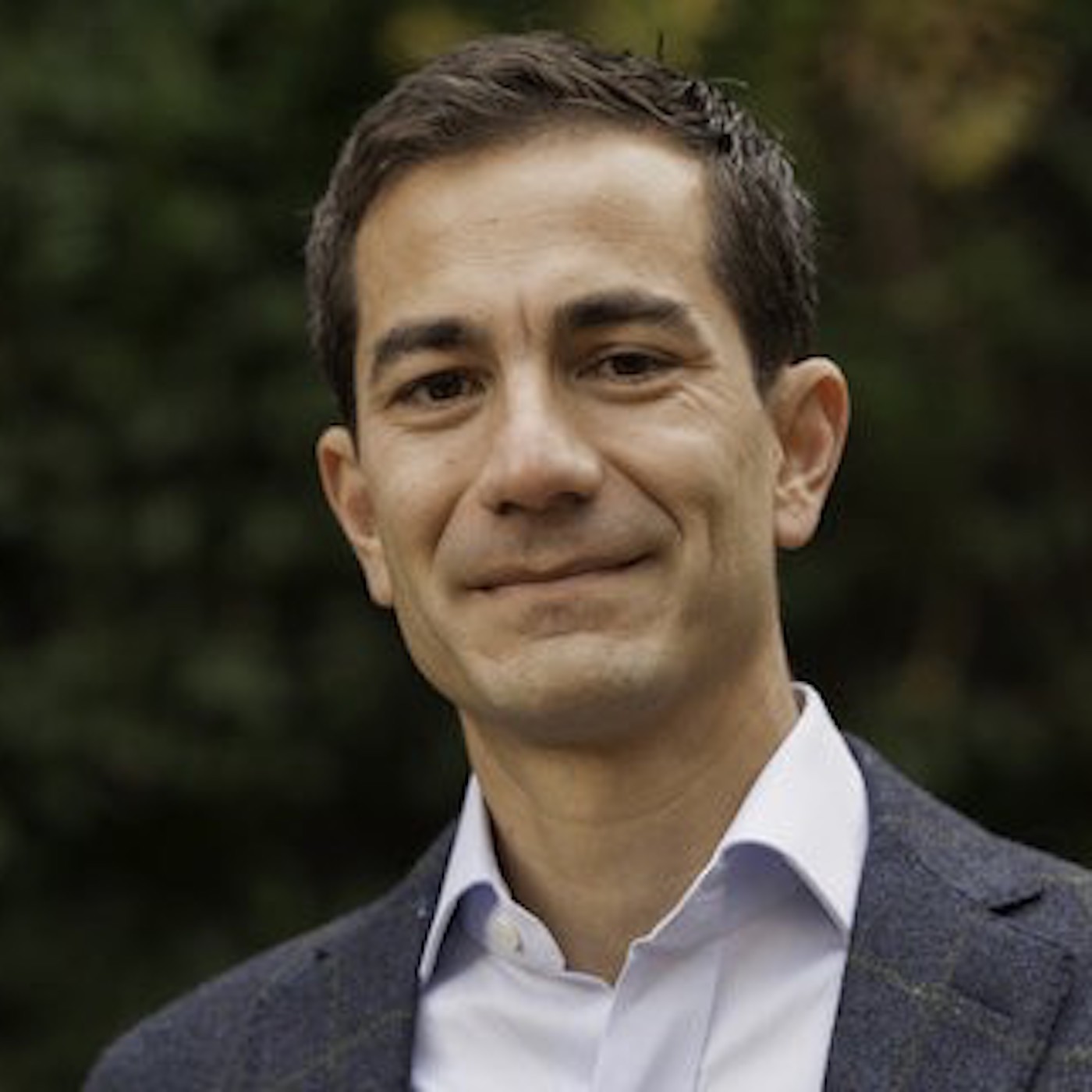
Watt It Takes: A Tesla Veteran’s Mission to Build Long-Duration Batteries
This week on Watt It Takes: how a would-be priest made it his mission to spread the gospel of battery storage.In this episode, Powerhouse CEO Emily Kirsch sits down with Mateo Jaramillo, the CEO and co-founder of Form Energy.Form is working on a new kind of long-duration battery. And Mateo has one of the longer-duration careers in the storage industry. In the early 2000s, he deployed the first behind-the-meter systems in New York for demand response — seeing the grid services potential well before anyone else.Mateo went on to start the stationary energy storage unit at Tesla, launching and building the powerwall business. He also helped launch the supercharger business.Today, he’s working on a new electrochemical battery that could provide storage services for days, not just hours. The idea is to unlock baseload renewables.The chemistry was spun out of work from MIT researchers. It’s being scaled by a group of engineers and entrepreneurs with deep technical experience — and like Mateo, the bumps and bruises that come from scaling an early market.In this interview, Mateo talks about what it took to power through the early days of battery storage, when everything sale and installation was a battle. And he’ll talk about what it will take to create Form’s new storage tech to unlock even more renewable energy.To learn more about future speakers and attending a live event, go to Powerhouse.fund and click on the events tab. Listen to all of the episodes of Watt It Takes here.Support for this podcast is brought to you by Sungrow. With the world’s most powerful 250-kilowatt, 1,500-volt string inverter, Sungrow is providing disruptive technology for utility-scale projects.Subscribe to GTM podcasts via Apple Podcasts, Spotify, Google Podcasts, Stitcher or wherever you find your audio content.See Privacy Policy at https://art19.com/privacy and California Privacy Notice at https://art19.com/privacy#do-not-sell-my-info.
The Scariest Stories of the Year
We recorded this episode on Halloween morning. We woke up and felt like celebrating the theme of the holiday.If you’re listening after Halloween, don’t fret. There’s still plenty of newsworthy stuff in here.First up, we’re choosing the story from 2019 that is most worthy of its own horror movie. As a bonus, we are also choosing the genre of horror.Then, we pick the zombie story or trend of the year that just won’t die.And finally, the company or person that deserves a treat.We’ll end with some bone-chilling Free Electrons.Could you do us a favor? Take our listener survey so we can give you more relevant content: bit.ly/gtmpodcastSupport for this podcast is brought to you by Sungrow. With the world’s most powerful 250-kilowatt, 1,500-volt string inverter, Sungrow is providing disruptive technology for utility-scale projects.Subscribe to GTM podcasts via Apple Podcasts, Spotify, Google Podcasts, Stitcher or wherever you find your audio content.See Privacy Policy at https://art19.com/privacy and California Privacy Notice at https://art19.com/privacy#do-not-sell-my-info.
Who’s Trying to Re-Kill the Electric Car?
Could you do us a favor? Take our listener survey so we can give you more relevant content: bit.ly/gtmpodcastThis week: it’s the oil industry versus the world. We’re examining two legal battles for oil majors playing out in states. One involves electric cars and one involves responsibility for climate change.We’ll start first with a story from POLITICO’s Gavin Bade. Advocacy groups backed by oil companies are increasingly lobbying against utilities that are trying to support electric vehicles. Are we seeing a coming political clash between the oil industry and utility industry?We’re joined by Gavin, who’s been tracking these emerging challenges.Then, we are devoting our second half of the show to the legal challenges against fossil fuel companies. Exxon is on trial in New York and numerous other states and cities are bringing suit against oil majors. It’s got everyone paying attention to this very complicated yet riveting issue: as the science and legal arguments evolve, will big fossil fuel companies be held accountable for a warming planet?Support for this podcast is brought to you by Sungrow. With the world’s most powerful 250-kilowatt, 1,500-volt string inverter, Sungrow is providing disruptive technology for utility-scale projects.Subscribe to GTM podcasts via Apple Podcasts, Spotify, Google Podcasts, Stitcher or wherever you find your audio content.See Privacy Policy at https://art19.com/privacy and California Privacy Notice at https://art19.com/privacy#do-not-sell-my-info.
We Didn’t Start the Fire
Could you do us a favor? Take our listener survey so we can give you more relevant content: bit.ly/gtmpodcastThe world’s fifth-largest economy looked more like a developing country last week, as PG&E purposefully cut power to millions of people in Northern California for days.We knew this was coming. The growing safety and financial risk of wildfires in the state mean mass power outages will become more common. But in this case, PG&E was slammed for the way it handled things.We’ll dig into the scope, the fallout, and the solutions of California’s power shutoffs due to wildfire threats.Then: Dyson made a big business out of selling $400 hair dryers and $500 vacuum cleaners, but it couldn’t make a high-end electric car work. We’ll talk about why Dyson wrote off its EV plans.Finally, the Trump administration lifts a tariff exemption for bifacial solar panels. So why are these two-sided solar panels becoming so popular now?Additional resources:New York Times: Inside PG&E’s Control RoomBloomberg: What Happens When a Vacuum Company Tries to Make an Electric CarGTM Squared: Has Bifacial Solar Finally Moved From Theoretical to Practical?Support for this podcast is brought to you by Sungrow. With the world’s most powerful 250-kilowatt, 1,500-volt string inverter, Sungrow is providing disruptive technology for utility-scale projects.Subscribe to GTM podcasts via Apple Podcasts, Spotify, Google Podcasts, Stitcher or wherever you find your audio content.See Privacy Policy at https://art19.com/privacy and California Privacy Notice at https://art19.com/privacy#do-not-sell-my-info.
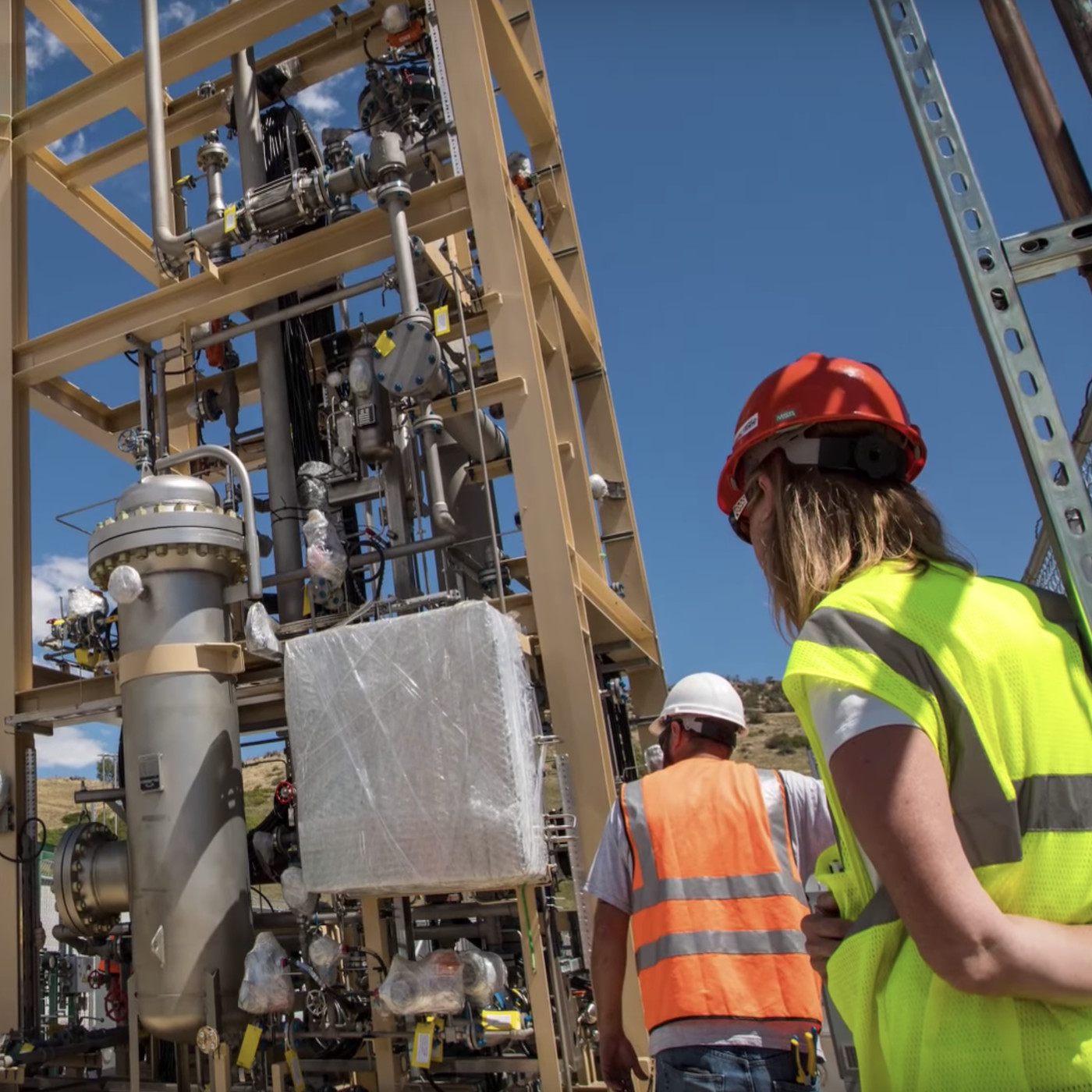
Are Ancient Bugs the Key to Storing Wind and Solar? [Special Content From NREL]
This is a branded podcast made in collaboration between the National Renewable Energy Laboratory and GTM Creative Strategies. As grids get saturated with wind and solar electricity, there’s pressure to find new ways to store that energy across daily, monthly or seasonal variations.Could the answer be a billion-year-old microbe?The National Renewable Energy Laboratory and SoCalGas are currently testing a new bioreactor that could turn renewable electrons into renewable methane -- allowing excess generation to be “stored” in existing natural gas pipelines.The system relies on an ancient microorganism that ferments hydrogen and carbon dioxide and turns it into methane. By feeding the bugs hydrogen from renewable resources and CO2 from industrial sources, companies like SoCalGas could harness a new supply of renewable natural gas.NREL has been testing the process in the lab for years. And it finally built a larger-scale version of the bioreactor. We sent producer Catherine Jaffee to NREL’s lab in Golden, Colorado to check it out. We’ll learn how it works in the first part of the episode.In the second half of the episode, we talk with NREL’s Kevin Harrison and SoCalGas’ Ron Kent about how the system is performing so far.Learn more about all the world-changing research on clean energy happening at NREL.See Privacy Policy at https://art19.com/privacy and California Privacy Notice at https://art19.com/privacy#do-not-sell-my-info.

Watt It Takes: The Startup Making Solar-Storage Better Than the African Grid
Could you do us a favor? Take our listener survey so we can give you more relevant content: bit.ly/gtmpodcastThis week on Watt It Takes: how a computer nerd who loved assembling electronics became obsessed with designing a solar-storage system to light up Africa.In this episode, Powerhouse CEO Emily Kirsch sits down with Xavier Helgesen, the co-founder and chief technology officer at ZOLA Electric.Zola is a provider of solar and storage systems in Africa. Since its founding in 2012, the company has served over a million people with clean power in five countries.Over the years, Zola has evolved from a small, scrappy startup that offered very basic energy packages into a hardware company that installs sleek, scalable power systems that function better than the grid. “[Our goal] was not to be worse than the grid, but available anywhere — but to just be better than the grid. For solar and batteries to fundamentally be cheaper and more reliable than the grid. And if we succeed in that in the developing world, then the market is almost limitless,” says Helgesen.In this interview, Helgesen talks about how he first got interested in energy access, the complexities of setting up a company as an outsider in Tanzania, and how Zola shifted into designing its own hybrid system.This conversation was recorded live at Powerhouse’s headquarters. To learn more about future speakers and attending a live event, go to Powerhouse.fund and click on the events tab. Support for this podcast is brought to you by Sungrow. With the world’s most powerful 250-kilowatt, 1,500-volt string inverter, Sungrow is providing disruptive technology for utility-scale projects.Subscribe to GTM podcasts via Apple Podcasts, Spotify, Google Podcasts, Stitcher or wherever you find your audio content.See Privacy Policy at https://art19.com/privacy and California Privacy Notice at https://art19.com/privacy#do-not-sell-my-info.

Clean Energy’s Ever-Changing Policy Risk [Special Content From CohnReznick]
This is a branded podcast made in collaboration between CohnReznick Capital and GTM Creative Strategies. Britta Von Oesen knows risk. As an intern in Lehman Brothers’ global energy unit in 2008, she watched the collapse of the investment bank in real time. Later, she watched European markets grind to a halt after feed-in-tariffs were reversed.And in the U.S., she’s monitored the ever-changing tax policies and regulations that impact wind, solar and storage.Today, Britta is a managing director at CohnReznick Capital. Her job is to help figure out how to get wind and solar deals done in the face of policy and financial risk. In this special episode, produced in collaboration with CohnReznick Capital, we sit down with Britta Von Oesen to unpack some of those policy uncertainties and what they mean for renewables.Go to CohnReznickCapital.com to learn more about how the company builds relationships, closes deals, and helps clean energy companies excel.See Privacy Policy at https://art19.com/privacy and California Privacy Notice at https://art19.com/privacy#do-not-sell-my-info.
Turmoil at an Iconic American Hydropower Giant
The Bonneville Power Administration, the government-owned “power marketing agency” that serves the Pacific Northwest, is facing a strong current of problems. As cheap renewables make hydro less competitive in the region, BPA is now bleeding money. There’s now concern that its utility customers will stop buying hydro after contracts expire.Meanwhile, the cost of rehabilitating salmon populations is mounting. As the power provider grapples with $15 billion in debt, some are calling for a reformation of BPA. How can the government prepare the hulking agency for the competitive clean energy future?We’ll talk to a Jeremy P. Jacobs, a reporter for E&E’s Greenwire, who’s been digging into the story. You can read parts one, part two and part three of his ongoing series.Then, climate strikes swept the globe last Friday, raising unprecedented media coverage. How is this different from previous mobilizations around climate? We’ll put this moment in the context of recent history.Finally, offshore wind is getting dirt cheap in Europe. According to Carbon Brief, recent offshore wind prices are set to compete with existing gas seven years ahead of schedule. We’ll venture out to the leading edge of offshore wind development.Read along with us:E&E News: Jeremy Jacobs’ reporting on Bonneville Power AdministrationNew York Times: Climate Protesters and World Leaders on Same Planet, Different WorldsGTM: UK’s Offshore Wind Auction So Successful It Might Have Made Itself RedundantCarbon Brief: Record-Low Price for UK Offshore Wind Cheaper Than Existing Gas Plants by 2023Support for this podcast is brought to you by Sungrow. With the world’s most powerful 250-kilowatt, 1,500-volt string inverter, Sungrow is providing disruptive technology for utility-scale projects.Subscribe to GTM podcasts via Apple Podcasts, Spotify, Google Podcasts, Stitcher or wherever you find your audio content.See Privacy Policy at https://art19.com/privacy and California Privacy Notice at https://art19.com/privacy#do-not-sell-my-info.
Does Climate Change Make Good Political TV?
This week: We’ve gone from drought to flood.People who care about climate change have spent the last three presidential election cycles cajoling, prodding and begging television news outlets to cover the issue. But the more pressure mounted, the more coverage lagged. Across all three debates between Clinton and Trump in 2016, environmental issues got just under 5 and a half minutes of air time. And in all of 2016, the major networks talked about climate for just 50 minutes combined.And then suddenly in September, we got CNN’s town hall, a seven-hour extravaganza that actually allowed candidates some time to tease out the nuances of their plans.Sure, the moderators asked some weird questions about cheeseburgers, plastic straws and electric cars. But for the most part, the conversation was substantive and helpful.In this episode, we’re digging into a few questions: Did the town hall advance the narrative? Did it change the campaign and polling? And which candidate performed the best?We’re joined by Dr. Leah Stokes, an assistant professor of political science at the University of California Santa Barbara, who watched and analyzed all seven hours closely.Read Leah’s top twitter threads on the candidates:Elizabeth WarrenBernie SandersJoe BidenAndrew YangKamala HarrisJay InsleeYou can also read her analysis in the Washington Post comparing the candidates. Follow the gang on twitter: Katherine, Jigar, Stephen and The Energy Gang.Support for this podcast is brought to you by Sungrow. With the world’s most powerful 250-kilowatt, 1,500-volt string inverter, Sungrow is providing disruptive technology for utility-scale projects.Subscribe to GTM podcasts via Apple Podcasts, Spotify, Google Podcasts, Stitcher or wherever you find your audio content.See Privacy Policy at https://art19.com/privacy and California Privacy Notice at https://art19.com/privacy#do-not-sell-my-info.
How America Thwarted a Giant ‘Extension Cord’ for Renewables
America is a place where if you can dream something — no matter how big or ambitious — you can do it. Unless you’re trying to string 700 miles of high-voltage transmission lines to bring wind power from Oklahoma to Tennessee. Our guest this week is Russell Gold, author of a new book about the saga that unfolded when wind energy pioneer Michael Skelly tried just that. The book, “Superpower,” is all about Skelly’s attempt to build one of the most ambitious energy infrastructure projects in recent history — and how he faced nearly every obstacle imaginable. What does Skelly’s journey tell us about America’s diminishing ability to do great things?Russell Gold is a veteran newspaper reporter who was a pulitzer prize finalist for his reporting on the Deepwater Horizon oil spill. He wrote a book in 2014 on the rise of fracking, called “The Boom.” He’ll join us to talk about the reasons why Skelly’s transmission plan failed.Then, two top presidential candidates are calling for a ban on fracking and promising to phase out nuclear power. What would be the consequences if a democrat actually put those promises into action?Finally: we’re digging into a piece from Jonathan Franzen in the New Yorker that got a lot of angry criticism. Should we just give up and stop pretending we can do anything about climate change?Support for this podcast is brought to you by Sungrow. With the world’s most powerful 250-kilowatt, 1,500-volt string inverter, Sungrow is providing disruptive technology for utility-scale projects.Subscribe to GTM podcasts via Apple Podcasts, Spotify, Google Podcasts, Stitcher or wherever you find your audio content.See Privacy Policy at https://art19.com/privacy and California Privacy Notice at https://art19.com/privacy#do-not-sell-my-info.
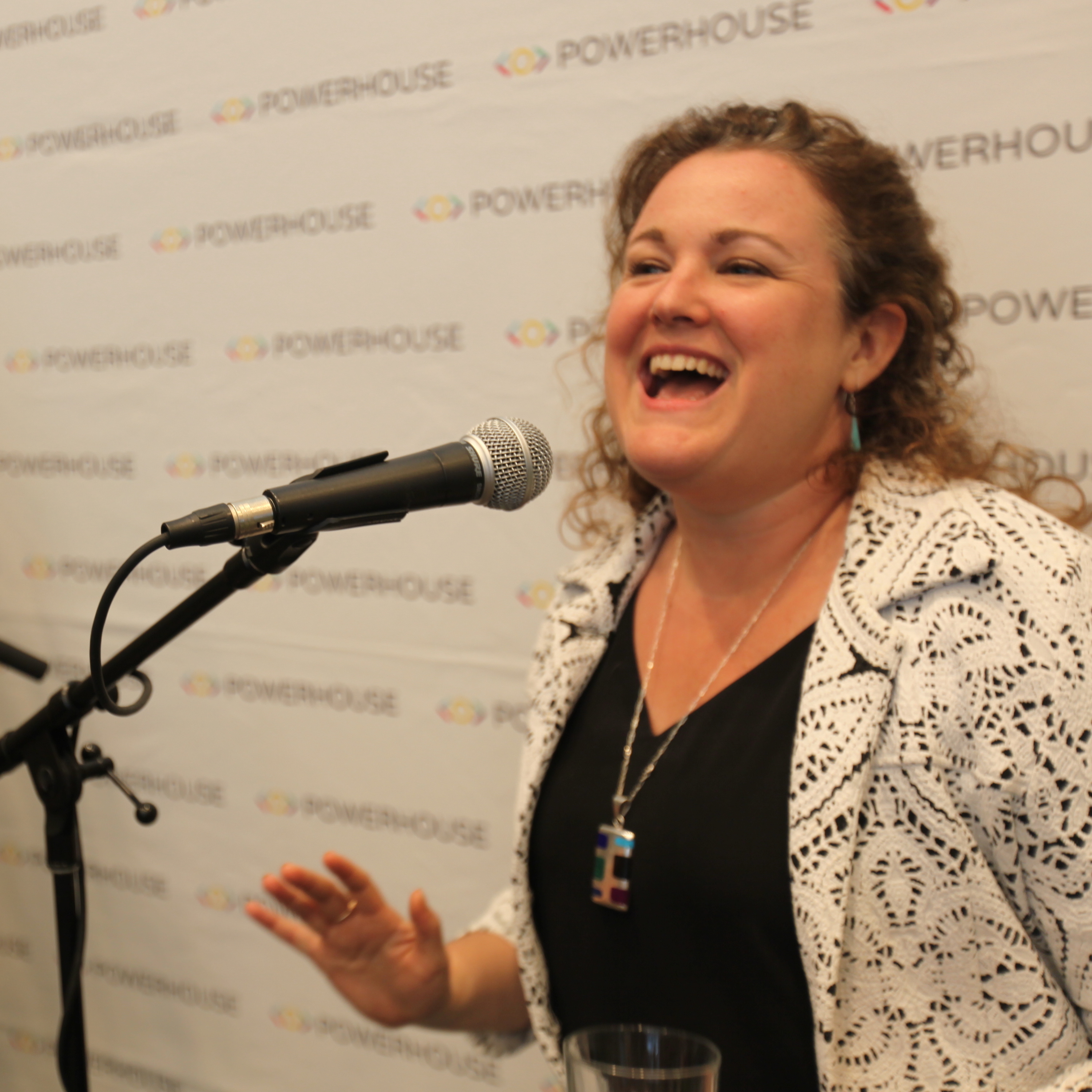
Watt It Takes: The Startup Reshaping Mobility Planning With Data
This week on Watt It Takes: How an energy researcher obsessed with electric vehicles stumbled upon a vast trove of transportation data and built a company that is reshaping infrastructure planning for mobility.Powerhouse CEO Emily Kirsch sits down with Laura Schewel, the founder and CEO of Streetlight Data. Laura spent her career studying storage, electric vehicles, and transportation systems at the Rocky Mountain Institute, Federal Energy Regulatory Commission, and then as a research fellow at UC Berkeley. While at UC Berkeley, she got interested in finding a way to give electric vehicle owners more information about how they were driving their cars. She ended up uncovering a data gold mine in the process. Laura built a company that now processes over 100 billion data points and provides transportation and urban planners with a granular view of how roads, bike lanes and sidewalks are being used.In this episode, Laura Schewel talks about how she ultimately pursued the idea, and what she encountered in the wild world of entrepreneurship.This conversation was recorded live at Powerhouse’s headquarters in Oakland, California. Buy tickets for upcoming events.Support for this podcast is brought to you by Sungrow. With the world’s most powerful 250-kilowatt, 1,500-volt string inverter, Sungrow is providing disruptive technology for utility-scale projects.Subscribe to GTM podcasts via Apple Podcasts, Spotify, Google Podcasts, Stitcher or wherever you find your audio content.See Privacy Policy at https://art19.com/privacy and California Privacy Notice at https://art19.com/privacy#do-not-sell-my-info.
The Problem With Carbon Offsets
With flight shame growing in popularity, extreme weather intensifying, and the Amazon burning, there’s more demand than ever for carbon offsets to assuage our guilt and make us feel like we’re doing something.But those credits many not be doing what you think they are — or anything at all.This week, we’re discussing the complicated and frustrating world of carbon offsets. There’s a reason why even the United Nations is now calling out their limitations. This conversation is particularly important as California considers joining the Tropical Forest Standard as part of its cap-and-trade program.Then, we’ll talk about new climate plans from Bernie Sanders and Andrew Yang. What’s in them? And who will become the climate candidate?Finally, we dig into a bill from Ohio that bails out big utilities and guts clean energy. The politics of this thing are ugly — and they are only getting uglier.Read along with us:ProPublica: An Even More Inconvenient TruthBloomberg: Greta Thunberg and ‘Flight Shame’ Are Fueling a Carbon Offset BoomNew York Times: Bernie Sanders' Green New DealVox: Ohio Just Passed the Worst Energy Bill of the 21st CenturySupport for this podcast is brought to you by Sungrow. With the world’s most powerful 250-kilowatt, 1,500-volt string inverter, Sungrow is providing disruptive technology for utility-scale projects.Subscribe to The Energy Gang podcast via Apple Podcasts, Spotify, Google Podcasts, Stitcher or wherever you find your audio content.See Privacy Policy at https://art19.com/privacy and California Privacy Notice at https://art19.com/privacy#do-not-sell-my-info.
The New Normal for the Grid: Batteries
In nearly every corner of the country, energy storage projects are finding their way onto the grid — they’re getting bigger, cheaper, more diverse, and even a little bit weirder. Most of all, they’re just becoming normal.This week, we’re talking about the new normal for power operations. It includes a lot of batteries. And maybe some air tanks, water pumps and cranes too.GTM Staff Writer Julian Spector joins us as a guest co-host to round up the most topical projects and tell us where the storage market is headed.Then we’ll look at a novel approach to long-duration storage: a gravity-based system from Energy Vault that just got a major injection of Japanese venture dollars. How skeptical should we be?And finally, we’ll look at all the other alternatives to lithium-ion that are vying for traction in the market. Will pumped hydro see a revival? Can flow batteries finally prove themselves?Read Julian Spector’s reporting here. And sign up for the GTM newsletter here. Support for this podcast is brought to you by Sungrow. With the world’s most powerful 250-kilowatt, 1,500-volt string inverter, Sungrow is providing disruptive technology for utility-scale projects.Subscribe to The Energy Gang podcast via Apple Podcasts, Spotify, Google Podcasts, Stitcher or wherever you find your audio content.See Privacy Policy at https://art19.com/privacy and California Privacy Notice at https://art19.com/privacy#do-not-sell-my-info.
How Electric Cars and Renewables Could Beat Oil
Solar and wind sent European utilities into financial disarray, and U.S. utilities are facing a similar fate. Are global oil companies next?A new report from one of the world’s biggest banks, BNP Paribas, says that solar and wind paired with electric cars provide up to 7 times more useful energy for mobility than gasoline dollar for dollar. And that economic reality could hit oil companies sooner than they think.“The oil industry has never before in its history faced the kind of threat that renewable electricity in tandem with EVs poses to its business model,” concludes the report.This week, we’ll dig into the findings. How does it square with current projections for EV growth and oil demand? Then, a regulatory surprise from the Trump Administration is delaying an 800-megawatt offshore wind project. It could also hurt other projects planned for the East Coast. Is this a careful step, or a cynical political move from a hostile White House?Finally, 16-year-old climate activist Greta Thunberg is on her way to the U.S. — and she’s come under fire from the conservative media. We’ll look at the strange reaction to her rise and influence.Support for this podcast is brought to you by Sungrow. With the world’s most powerful 250-kilowatt, 1,500-volt string inverter, Sungrow is providing disruptive technology for utility-scale projects.Subscribe to The Energy Gang podcast via Apple Podcasts, Spotify, Google Podcasts, Stitcher or wherever you find your audio content.See Privacy Policy at https://art19.com/privacy and California Privacy Notice at https://art19.com/privacy#do-not-sell-my-info.
Watt It Takes: Nest Co-Founder Matt Rogers
This week on Watt It Takes: How a former Apple engineer applied design principles from the iPod and the iPad to smart thermostats — jolting an industry badly in need of change.Powerhouse CEO Emily Kirsch sits down with Matt Rogers, the co-founder and former chief product officer of Nest.Nest is best known for its elegant learning thermostat, the first major breakout hit in the smart home space. Google later acquired the company for $3.2 billion. In this interview, Rogers talks about his Apple influence, how he and co-founder Tony Fadell initially got obsessed with the connected home, and how Nest fit into the Google structure. Before Nest launched, “the connected home wasn’t really a thing. It was a bunch of hackers stringing things together, there were no products to speak of, really,” says Rogers. “And I was like ‘this is a huge opportunity, we can go and make great products like we did at Apple.’”This conversation was recorded live at Powerhouse’s headquarters in Oakland, California. Buy tickets for upcoming events.Support for this podcast is brought to you by Sungrow. With the world’s most powerful 250-kilowatt, 1,500-volt string inverter, Sungrow is providing disruptive technology for utility-scale projects.Subscribe to The Energy Gang podcast via Apple Podcasts, Spotify, Google Podcasts, Stitcher or wherever you find your audio content.See Privacy Policy at https://art19.com/privacy and California Privacy Notice at https://art19.com/privacy#do-not-sell-my-info.
Why Is Trump Suddenly Talking About the Environment?
Note: after this episode, we will be on hiatus for a few weeks while Stephen Lacey goes on paternity leave. We’ll be back soon!On July 8, Donald Trump stood in the East Room of the White House and delivered a speech on his “environmental leadership.” What could he possibly talk about?Onlookers called the speech “Orwellian.” The Trump Administration has tried to pull America out of a global climate agreement, sent officials to try to sell coal at the latest UN climate summit, forced climate scientists out of the government, and rolled back 83 environmental rules.So why is Trump talking about the environment now? What does it tell us about how voters feel about the issue going into the election? We’ll look at the possible political reasons for the timing of the speech.Then, we’ll look at New York’s big climate law. How does the state plan to cut emissions 85 percent by 2050? And how will ambitious policy in California and New York influence other states?Finally, we tackle the seasonal debate over air conditioning. As the world gets hotter, AC use is exploding around the world. How do we cool the world without baking the climate?Recommended reading:New York Times: Trump Saw Opportunity in Speech on Environment. Critics Saw a ‘“1984” Moment.’Vox: New York Just Passed the Most Ambitious Climate Target in the CountryNew York Times: Do Americans Need Air-Conditioning?Bloomberg: Air Conditioning Is the World's Next Big ThreatSupport for this podcast is brought to you by Sungrow. With the world’s most powerful 250-kilowatt, 1500-volt string inverter, Sungrow is providing disruptive technology for utility-scale projects.Subscribe to The Energy Gang podcast via Apple Podcasts, Spotify, Google Podcasts, Stitcher or wherever you find your audio content.See Privacy Policy at https://art19.com/privacy and California Privacy Notice at https://art19.com/privacy#do-not-sell-my-info.

Greening the Cannabis Industry [Special Content From CohnReznick]
This week, we present a special episode produced on behalf of CohnReznick.There’s a bonanza sweeping across North America: cannabis.As more states legalize marijuana, the industry is attracting high-profile investors and bringing in $6.5 billion in yearly sales. But it also faces two major challenges: limited access to banking and high energy costs.Because cannabis is still illegal at the federal level, traditional banks are unwilling to do business with the thousands of companies serving the market. At the same time, the industry now eats up $6 billion in electricity costs. Growers are paying tens of thousands of dollars per month to power cultivation sites, and some utilities are worried about strain on the grid in certain locations.Trying to slash that electricity use is very hard for cash-only companies that can’t get access to traditional financing.“The capital you would most typically have to deploy if you wanted to site solar at a cultivation facility will end up being very expensive because you don’t have access to traditional bank financing,” explains Mark Hooley, a managing partner at CohnReznick.In this episode, we talk with Mark about the intersection of cannabis and renewable energy. What will it take to green up America’s newest cash crop?Learn more about CohnReznick’s cannabis practice. See Privacy Policy at https://art19.com/privacy and California Privacy Notice at https://art19.com/privacy#do-not-sell-my-info.
The Trump-Branded Version of the Clean Power Plan
This week: we examine the Trump alternative to the Clean Power Plan, look at the gap between red and blue states on climate change, and review the presidential debates.Up first: how Trump's EPA is replacing Obama's major climate rule. Then, the red-blue climate divide. States are putting ambitious new climate plans in place. But they’re almost all in states dominated by democrats -- and the new EPA power plant rule only makes that gap bigger. What are the long-term economic consequences for the red states failing to change?Finally, we got 15 minutes of climate talk in the first two Democratic presidential debates. Does this yet again prove why we need a climate-only debate?Recommended reading:Yale Climate Connections: The Trump EPA Strategy to Undo the Clean Power PlanNew York Times: Blue States Roll Out Aggressive Climate Strategies. Red States Keep to the SidelinesThe Guardian: A Climate-Themed Debate? The Democrats Owe It to VotersSupport for this podcast is brought to you by Sungrow. With the world’s most powerful 250-kilowatt, 1500-volt string inverter, Sungrow is providing disruptive technology for utility-scale projects. Subscribe to The Energy Gang podcast via Apple Podcasts, Spotify, Google Podcasts, Stitcher or wherever you find your audio content.See Privacy Policy at https://art19.com/privacy and California Privacy Notice at https://art19.com/privacy#do-not-sell-my-info.