Energy Gang
583 episodes — Page 8 of 12
Tesla's Layoffs: Musk Pushes for Profits
Elon Musk announced Monday that Tesla is laying off 9 percent of salaried employees at the company. This is not the first round of sweeping layoffs at Tesla — the most recent came after the SolarCity acquisition. But this appears to be the biggest so far.We'll discuss Elon's new quest for profitability.Then, we'll cover the never-ending saga in Washington over saving coal plants. The Trump Administration is now trying to invoke national security to prop up closing coal and nuke plants – and the nation’s top energy regulators are giving it the cold shoulder.Finally, The Energy Gang is celebrating its fifth anniversary this week. To mark the occasion, we'll each pick a single moment from the last five years caused an unstoppable ripple in the world of energy.This podcast is brought to you by Sense. Sense installs in your home's electrical panel and provides insight into your energy use and home activity through iOS, Android and web apps. Find out more.Recommended reading/listening:GTM: Tesla to Cut Workforce by 9%; Musk Says It Won’t Affect Model 3 ProductionBloomberg: Musk’s Model 3 Miscalculation Culminates in Major Tesla Job CutsHarvard Law podcast with Ari Peskoe on DOE's coal bailoutBloomberg: Trump Prepares Lifeline for Money-Losing Coal PlantsSubscribe to The Energy Gang podcast via Apple Podcasts, Google Play, Stitcher or wherever you find your audio content.And while you're there, subscribe to our other podcasts, The Interchange and Political Climate.See Privacy Policy at https://art19.com/privacy and California Privacy Notice at https://art19.com/privacy#do-not-sell-my-info.
Your Questions Answered: The Politics Edition
What’s the optimal way to spend money raised by a carbon tax?How should climate play in Florida’s big toss-up Congressional race?What’s the best energy platform for gubernatorial candidates?This week: your questions answered. We got a bunch of queries from listeners about politics — so that’s the direction we’re headed. We'll discuss what these individual stories tell us about nationwide elections in 2018.The Energy Gang is brought to you by Sense. Sense installs in your home's electrical panel and provides insight into your energy use and home activity through iOS, Android and web apps. Find out more.Recommended reading:PERI report on NY carbon tax: An Economic Framework for Promoting Climate Stabilization and Expanding Good Job OpportunitiesMiami Herald: Republicans Can’t Generate Buzz for Ros-Lehtinen’s Seat, and Some Say It’s UnwinnableMother Jones: The Illinois Governor’s Race Is Poised to Become the Most Expensive in HistorySubscribe to The Energy Gang podcast via Apple Podcasts, Google Play, Stitcher or wherever you find your audio content.And while you're there, subscribe to our other podcasts, The Interchange and Political Climate. See Privacy Policy at https://art19.com/privacy and California Privacy Notice at https://art19.com/privacy#do-not-sell-my-info.
Electrify Everything: Rethinking Home Performance
There’s a new phrase bouncing around energy circles: Electrify Everything.This week, we talk to Nate Adams, a home performance expert whose personal mission is to rip gas meters out of homes and move us closer toward full electrification. As he’s learned from experience, it’s not easy.The electrification of homes may be getting easier in California, however.In the second half of the show, we’re going to tackle California’s new building codes. Starting in 2020, most new homes will have to come with solar panels on the roof. And there are new incentives for electric space heating and water heating – a very big step toward electrification of everything.The codes have created a very strong reaction, both positive and negative – and we’ll look at both sides.The Energy Gang is brought to you by Sense. Sense installs in your home's electrical panel and provides insight into your energy use and home activity through iOS, Android and web apps. Find out more.Recommended reading:GTM: Electrify Everything! A Practical Guide to Ditching Your Gas MeterGTM: What Does It Take to Electrify Everything in Your Home?Vox: The Key to Tackling Climate Change: Electrify EverythingGTM: California Rooftop Solar Mandate to Boost Sales 14% Over 4 YearsBloomberg: California Puts Solar on the Roof and Up For GrabsVox: California Will Require Solar Panels on All New Homes. That’s Not Necessarily a Good ThingSubscribe to The Energy Gang podcast via Apple Podcasts, Google Play, Stitcher or wherever you find your audio content.And while you're there, subscribe to our other podcasts, The Interchange and Political Climate. See Privacy Policy at https://art19.com/privacy and California Privacy Notice at https://art19.com/privacy#do-not-sell-my-info.
Watt It Takes: Billy Parish, From Dropout Activist to Solar CEO
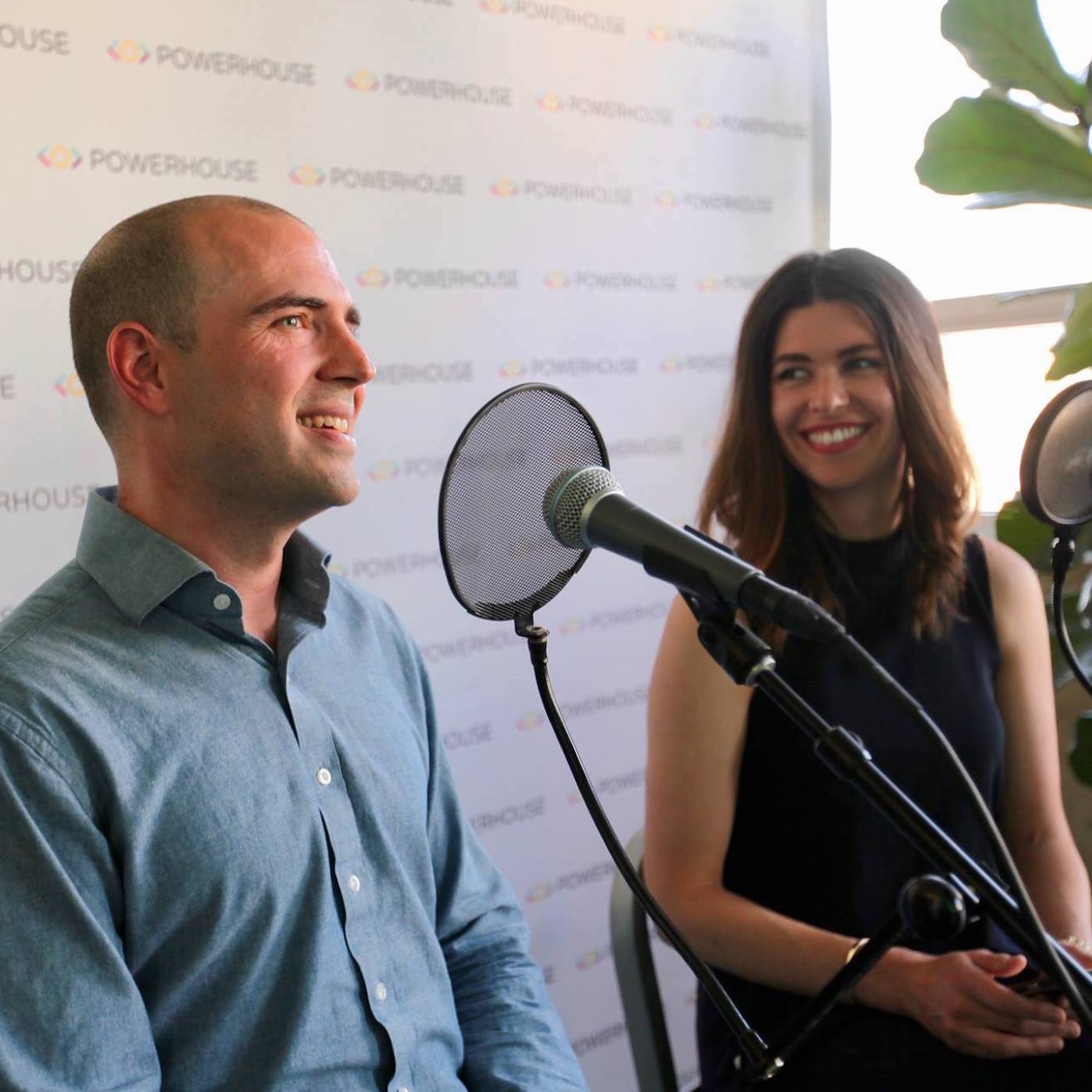
Billy Parish dropped out of college to pursue a career in climate activism. Today, he's the CEO of America's biggest rooftop solar loan company, Mosaic.In this edition of Watt It Takes, Powerhouse CEO Emily Kirsch interviews Parish about his transition from activist to executive. They'll talk about the many iterations of Mosaic, difficulties in raising money from VCs, and Parish's philosophy on building a successful team.Watt It Takes is a live interview series produced by Powerhouse in partnership with GTM. The conversation was recorded live in Oakland, California.This podcast is brought to you by Sense. Sense installs in your home's electrical panel and provides insight into your energy use and home activity through iOS, Android and web apps. Find out more.Listen to our other episodes of Watt It Takes:Nancy Pfund’s Pro Tips for Getting Started in CleantechSunPower Founder Dick Swanson’s Guide to Launching a Cleantech StartupLessons From the Fall of SungevityDan Shugar, the King Midas of SolarA History of Greentech Media With Scott ClavennaSungage's Sara Ross on Starting a Solar Loan CompanyJigar Shah on the Origin Story of SunEdisonLike our shows? Make sure to give The Interchange, The Energy Gang and Political Climate a rating and review on Apple podcasts. And make sure to subscribe to both shows on Apple podcasts, Google Play, Stitcher, or anywhere you get your podcasts.See Privacy Policy at https://art19.com/privacy and California Privacy Notice at https://art19.com/privacy#do-not-sell-my-info.
Mythbusting
We all fall victim to myths. But when they're deeply tied to our belief systems, they can be nearly impossible to break. On this week's show, we're busting some of the most common myths in clean energy:No, storage doesn't necessarily increase emissions. It depends on how it's used.No, solar isn't just for rich Democrats. In California, Republicans are buying solar more often.No, renewable energy doesn't inherently raise electric rates. In fact, U.S. electricity prices have fallen.In the second half of the program, we'll revisit the swampy politics of solar in Alabama, South Carolina and Florida. A battle over net metering wages in South Carolina; a dispute over solar leasing continues in Florida; and a legal fight over solar fees in Alabama escalates.Do you have a question you want us to answer? We want to hear from you. Record yourself asking your question in a quiet room and send your voice memo to [email protected]. Maybe we'll answer it in an upcoming episode.The Energy Gang is brought to you by Sense. Sense installs in your home's electrical panel and provides insight into your energy use and home activity through iOS, Android and web apps. Find out more.Subscribe to The Energy Gang podcast via Apple Podcasts, Google Play, Stitcher or wherever you find your audio content.See Privacy Policy at https://art19.com/privacy and California Privacy Notice at https://art19.com/privacy#do-not-sell-my-info.

For Taxis, It's Uber. For Utilities, Could It Be DERs? [Original Content]
This podcast episode sponsored by West Monroe Partners, and brought to you by creative strategies.How do we think about change in the electric utility industry caused by distributed resources? Is it like telecom? Internet-based retail?Sam Uyeno, senior manager in West Monroe Partners’ energy and utilities practice, says that it may be more like ride sharing. As distributed resources flourish, he argues that utilities will have to think about how to leverage new customers within its network — just as Uber came into the taxi market and allowed anyone to become operators. When you consider distributed resource management software, “maybe that’s the Uber.”Utilities are making large investments to keep up with the quickening pace of technological innovation. But it may not be enough to keep up with distributed energy resources. Utilities should also be looking for a new regulatory compact all together, argues Tom Hulsebosch, senior managing director for West Monroe Partner’s Energy & Utilities and sustainability practice. In this podcast, we talk with Hulsebosch and Uyeno about the technology investments and business practices that utilities need to adopt in order to get ahead of the wave of distributed assets connecting to the grid.Recommended reading:Addressing the Challenge of Distributed Energy Resource GrowthPositioning Utilities to Win the Battle for CustomersNew Role for Utilities Leads to Business OpportunitiesSee Privacy Policy at https://art19.com/privacy and California Privacy Notice at https://art19.com/privacy#do-not-sell-my-info.
A New Era of Grid Planning: "Folks Are Frustrated"
Are we entering a new era of grid planning? In recent years, we've assumed that sweeping reforms are the best way to get distributed energy built. But in pockets of the country, a more localized approach to deploying these assets is taking hold – and it could be the sign of a much bigger shift to come.On this week's Energy Gang, we'll look at Washington, D.C.'s new proposal for an authority that would push PEPCO to consider distributed alternatives to infrastructure projects.Then, why is one of the most progressive utilities in the country slow in scaling distributed energy offerings? We'll look at the mixed experience of Green Mountain Power.Finally, we revisit Puerto Rico. The power is mostly back on, but hurricane season is approaching quickly. What comes next?Do you have a question you want us to answer? We want to hear from you. Record yourself on your phone asking the question in a quiet room and send us your voice memo to [email protected]. Maybe we'll answer it in an upcoming episode.The Energy Gang is brought to you by Sense. Sense installs in your home's electrical panel and provides insight into your energy use and home activity through iOS, Android and web apps. Find out more.Recommended reading:GTM Squared: A Radical Approach to Grid Edge Regulatory ReformGTM: Green Mountain Power’s Distributed Energy Business Isn’t Scaling Fast EnoughMicrogrid Knowledge: The Microgrids Worked as Puerto Rico’s Grid Went Down AgainReveal investigation of Tesla: The Hidden Problems of Silicon ValleySubscribe to The Energy Gang podcast via Apple Podcasts, Google Play, Stitcher or wherever you find your audio content.See Privacy Policy at https://art19.com/privacy and California Privacy Notice at https://art19.com/privacy#do-not-sell-my-info.
Why SunPower Is Buying SolarWorld USA
SunPower couldn’t convince the Trump Administration to abandon tariffs on imported solar panels. So now it plans to buy one of the companies pushing tariffs in the first place.Yesterday, SunPower unveiled plans to acquire SolarWorld’s U.S. operations. Two months ago, CEO Tom Werner said SunPower was going to divest from America. But now he’s buying his way back in.In this week's episode, we'll explain how Trump's demands for tariffs are shifting the PV manufacturing landscape.Then, 173 countries agreed to cut emissions from the shipping sector by 2050. What are the technological solutions for a sector that could make up one-fifth of global emissions by the middle of the century?We'll end with the latest from Germany. Katherine was in the country getting an update on the closely scrutinized energy transition there — and we’ll get her take on where things stand.The Energy Gang is brought to you by Sense. Sense installs in your home's electrical panel and provides insight into your energy use and home activity through iOS, Android and web apps. Find out more.You can subscribe to Political Climate podcast via Apple Podcasts, Google Play and Stitcher. Recommended reading:GTM: SunPower CEO: SolarWorld Acquisition ‘Aligns Us’ With the Trump AdminGrist: The Shipping Industry Sets Sail Toward a Carbon-Free FutureAtlas of Germany's EnergiewiendeSubscribe to The Energy Gang podcast via Apple Podcasts, Google Play, Stitcher or wherever you find your audio content.See Privacy Policy at https://art19.com/privacy and California Privacy Notice at https://art19.com/privacy#do-not-sell-my-info.
Statoil Bets on Floating Wind and Carbon Capture
Statoil is the largest operator of oil and gas rigs around the world. Consequently, the company's biggest low-carbon investments are offshore: floating wind farms and distributed carbon capture and storage.This week, we're talking to Stephen Bull, the VP in charge of Statoil's low-carbon business, about where he sees the most potential. We'll talk to him about the performance of floating wind, the economics of CCS, and whether oil companies are investing enough in their new energy divisions.We'll spend the second half of the show talking about two days of debate in Washington over the future of technology. No, it wasn't Mark Zuckerberg's hearing on Capitol Hill. It was a conference at FERC, where regulators are trying to figure out how to integrate distributed resources into wholesale markets. What did they accomplish? What does it portend for the future of distributed energy?The Energy Gang is brought to you by Sense. Sense installs in your home's electrical panel and provides insight into your energy use and home activity through iOS, Android and web apps. Find out more.Recommended reading:GTM: Statoil Plans to Integrate Battery Storage With Floating Offshore WindGTM: World’s First Floating Offshore Wind Farm Achieves 65% Capacity Factor After 3 MonthsGas Strategies: Carbon Capture & Storage Key to Delivering on the Paris AgreementGTM: Utilities, Grid Operators Tell FERC They Need Real-Time Data to Better Manage DERsSubscribe to The Energy Gang podcast via Apple Podcasts, Google Play, Stitcher or wherever you find your audio content.See Privacy Policy at https://art19.com/privacy and California Privacy Notice at https://art19.com/privacy#do-not-sell-my-info.
Reality Check? Global Fossil Fuel Consumption Grows
After a multi-year decline, global carbon emissions are on the upswing.The International Energy Agency now says that emissions grew in 2017 -- caused by an increase oil, natural gas and coal demand. Nearly three-quarters of new energy demand across the globe was served by fossil fuels.At the same time, America saw another yearly drop in carbon emissions, which IEA says was assisted by renewables. But with more and more carbon-free nuclear plants slated for closure across the U.S., many worry the trend will end.In this week's Energy Gang, we'll look at trends in global energy demand. We'll also look to the situation in the U.S., where concerns about losing nuclear are growing.Then, we'll talk about FirstEnergy Solutions' bankruptcy. Could the company find a way to save its nuclear plants by compromising with renewables advocates? Finally, EPA chief Scott Pruitt is cutting back on Obama-era fuel efficiency standards. We’ll explore the consequences. Are CAFE standards even the right policy?The Energy Gang is brought to you by Sense. Sense installs in your home's electrical panel and provides insight into your energy use and home activity through our iOS, Android, and web apps. Find out more.Recommended reading:EIA: Global Energy and CO2 Status ReportThird Way: How Nuclear Retirements Might Undermine Clean Power Plan ProgressGTM: FirstEnergy Seeks Bankruptcy Protection for Ailing Coal and Nuclear SubsidiariesGTM: California Girds for Battle as EPA Rules to Weaken Vehicle Emissions StandardsR Street Institute: Replacing Fuel-Economy Rules With Clean Tax CutsSubscribe to The Energy Gang podcast via Apple Podcasts, Google Play, Stitcher or wherever you find your audio content.See Privacy Policy at https://art19.com/privacy and California Privacy Notice at https://art19.com/privacy#do-not-sell-my-info.
Trouble at Silicon Valley Car Companies
It’s been a bad couple of weeks for two of Silicon Valley’s top car companies.After a pedestrian was killed by one of Uber’s autonomous cars in Arizona, the company’s AV operations were suspended. Other driverless car companies are now weighing the consequences to the technology, and regulators are asking if we need to slow down real-world testing.Tesla is dealing with two crashes of its own. The crash of a Model X is raising questions about autopilot mode, and its stock has crashed 25 percent this month as investors worry about Model 3 delivery problems.We'll look at the latest for Uber and Tesla in this week's episode.Then, we'll return to Washington. It was also a bad week for Trump, who didn’t get his cuts to energy programs in the latest federal budget. We’ll look at why the GOP is so out of step with the White House on clean energy cuts.This podcast is brought to you by CPower Energy Management. Find out more about CPower's demand-side energy management solutions.Recommended reading:GTM: Arizona Suspends Uber’s Autonomous Cars After a Death. What’s Next for Driverless Cars?GTM: Tesla Hit by Executive Churn, Model 3 Quality ConcernsGTM: The President’s Own Party Still Doesn’t Back His Attempts to Dismantle Clean EnergySubscribe to The Energy Gang podcast via Apple Podcasts, Google Play, Stitcher or wherever you find your audio content.See Privacy Policy at https://art19.com/privacy and California Privacy Notice at https://art19.com/privacy#do-not-sell-my-info.

The SunEdison Origin Story
In the early 2000s, investors weren't very interested in SunEdison's business plan to finance solar with power purchase agreements."No one wanted to hear about physical infrastructure," said Jigar Shah, who drafted the business plan and co-founded the company.It took until 2006 to raise venture capital. But soon after, PPA customers started rolling in: Staples, Ikea, then Whole Foods."It was an idea who's time had come," said Shah. The PPA is now the backbone of solar.In this week's edition of the live podcast series Watt It Takes, Shah sits down with Powerhouse CEO Emily Kirsch to discuss his career in solar -- from Astropower to the Department of Energy to BP Solar and, eventually, to founding (and leaving) SunEdison.Jigar talks about why he left SunEdison, why he thinks Goldman Sachs was a terrible board member, and why cleantech entrepreneurs are taking really dumb money.Watt It Takes is a live interview series produced by Powerhouse in partnership with GTM. The conversation was recorded live in Oakland, California.This podcast is brought to you by CPower Energy Management. Find out more about CPower's demand-side energy management solutions.Listen to our other episodes of Watt It Takes:Nancy Pfund’s Pro Tips for Getting Started in CleantechSunPower Founder Dick Swanson’s Guide to Launching a Cleantech StartupLessons From the Fall of SungevityDan Shugar, the King Midas of SolarA History of Greentech Media With Scott ClavennaSungage's Sara Ross on Starting a Solar Loan Company Like our shows? Make sure to give The Interchange and The Energy Gang a rating and review on Apple podcasts. And make sure to subscribe to both shows on Apple podcasts, Google Play, Stitcher, or anywhere you get your podcasts.See Privacy Policy at https://art19.com/privacy and California Privacy Notice at https://art19.com/privacy#do-not-sell-my-info.
EVs, AVs and Sharing: Don't Screw Up the Transportation Revolution
There are three forces coming together in the transportation sector: vehicle autonomy, vehicle sharing, and vehicle electrification.On their own, app-based sharing and electric vehicles are powerful agents of change. Together with automation, "they're revolutionary," argues Dr. Dan Sperling, author of a new book on the subject."It will change our lifestyles, it'll change the automobile industry, it'll change land use and cities, it'll change energy," he explains on this week's podcast.Sperling is the author of Three Revolutions: Steering Automated, Shared, and Electric Vehicles to a Better Future. He joins us on The Energy Gang for a conversation about whether these revolutions will reinvent -- or ruin -- the way we get around.In the second half of the show, we'll talk about the continued realignment of global energy giants. We’ll run through some of the recent strategy shifts at the world’s top energy companies as they grapple with the clean energy, customer-centric transition.This podcast is brought to you by CPower Energy Management. Find out more about CPower's demand-side energy management solutions.Recommended reading:Amazon: Three Revolutions -- Steering Automated, Shared, and Electric Vehicles to a Better Future.Bloomberg: Only Carpools Can Keep the Driverless Future From Becoming a NightmareGTM: Statoil Is Now Equinor, in a Rebrand for the Energy TransitionGTM: E.ON and RWE Merger to Create New European Giants in Renewables and Retail EnergyGTM: Engie Advances ‘Energy Transition’ Plan With Major Stake in Electro Power SystemsSubscribe to The Energy Gang podcast via Apple Podcasts, Google Play, Stitcher or wherever you find your audio content.See Privacy Policy at https://art19.com/privacy and California Privacy Notice at https://art19.com/privacy#do-not-sell-my-info.

What Utilities Can Learn From Amazon [Original Content From Tendril]
Amazon's analytical approach to understanding the customer allowed it to move beyond books and dominate the retail space. Entire industries are getting upended and transformed as a result.This story about disruption is a familiar one. We’ve seen how it plays time and time again – and it’s not pretty for the incumbents who fail to catch up with technology. It's a compelling narrative in the utility space, where we are smack in the middle of an Amazon moment. Electricity consumers want choice. They respond to personalization. And there’s a new generation of technology providers who think they can give consumers what they want – better than traditional brick and mortar utilities.And that’s why Tendril CEO Adrian Tuck sees the importance of talking about Amazon as a model.“How did they go from one thing to this broad level of disruption? They massively focused on the customer and what the customer wants. They looked at every piece of the chain and they tried to make everything easier for the customer. They’re really looking at all those pieces and innovated rapidly to make the buying experience compelling and simple to use," said Tuck.In this podcast, we'll talk with Tuck about the future of data acquisition, personalization, demand-side management and utility business models. Recommended reading:Tendril e-book: The Amazon Effect: Energy in the On Demand Era and What It Means for UtilitiesGTM: Utilities Have the Tools to Unleash the Power of CustomersThis podcast is brought to you by Tendril, the industry’s leading DSM data analytics software provider. See Privacy Policy at https://art19.com/privacy and California Privacy Notice at https://art19.com/privacy#do-not-sell-my-info.
The Coal Boss, the Comedian and the Squirrel
Last June, comedian John Oliver devoted a long segment to the struggling coal industry on his HBO show Last Week Tonight. He turned his attention to Robert Murray, the CEO of Murray Energy, one of the most bombastic advocates of coal. And then Murray sued Oliver for defamation.That defamation lawsuit was thrown out by a judge last week. But the saga tells us a lot about Robert Murray, one of the most influential figures behind the Trump Administration's coal policies.In this week's episode, we'll discuss Murray's approach to promoting coal and silencing critics.Then, a look at some new documents from the Seminar Network, a group created by Charles and David Koch, claiming big wins on killing climate policy. The group is planning to spend up to $400 million on mid-term elections. We'll talk about how the Kochs killed America's climate conversation over the last decade.Finally, Trump is now claiming he saved the solar industry with tariffs. We discuss the truth. This podcast is brought to you by CPower Energy Management. Find out more about CPower's demand-side energy management solutions.Recommended reading:The Times-Picayune: How John Oliver and a Giant Squirrel Had Their Day in Court -- and WonNew York Times: How a Coal Baron’s Wish List Became President Trump’s To-Do ListThe Intercept: Koch Document Reveals Laundry List of Policy VictoriesGTM: Trump Claims Solar Tariffs Are ‘Reopening Plants.’ They’re NotSee Privacy Policy at https://art19.com/privacy and California Privacy Notice at https://art19.com/privacy#do-not-sell-my-info.
A Historic Moment for Energy Storage
If storage is the Swiss Army Knife of the electric grid, then U.S. energy regulators are breaking out their tool belts.Last week brought a historic ruling at FERC. Commissioners told regional grid operators to create rules valuing the grid services of energy storage. Will it screw natural gas peakers – or maybe cut, saw, file, prune, hook, or crimp them?Later in the podcast, an infrastructure redux. The White House’s infrastructure plan is out. When it comes to energy, the Trump Administration is making pipelines a priority, and largely bypassing clean energy.We’re heading down to Mexico for our final segment. GTM was there for our solar summit last week, and we’ll share a bit of insight into the forces behind one of the hottest -- and cheapest -- solar markets in the world.This podcast is brought to you by CPower Energy Management. Find out more about CPower's demand-side energy management solutions.Recommended reading:GTM: FERC Allows Energy Storage to Play in Nationwide Wholesale MarketsFERC: Final Rule on Electric Storage Participation in Regional MarketsGTM: The Trump Infrastructure Plan Is ‘a Big Nothing Burger’ for Clean EnergyWaPo: Trump's Infrastructure Plan Would Make It Harder to Challenge PipelinesGTM: Mexico’s Solar Market Is Booming, but Still Has Key Hurdles to ClearSubscribe to The Energy Gang podcast via Apple Podcasts, Google Play, Stitcher or wherever you find your audio content.See Privacy Policy at https://art19.com/privacy and California Privacy Notice at https://art19.com/privacy#do-not-sell-my-info.
Are Trump's Solar Tariffs Working?
Since the White House slapped penalties on solar panels made outside America, a handful of companies say they’re likely to ramp up production in the U.S.In recent weeks, two Asian producers -- Jinko Solar and United Renewable Energy -- said they're planning to set up new module assembly plants. Other domestic producers are making plans to hire new employees.How should we interpret this activity? Does this mean the tariffs are working? On this week's Energy Gang, we're joined by GTM Senior Editor Julia Pyper, who outlines the latest activity as the tariffs become law.Then, it’s the news circuit. We’ll explore Puerto Rico’s utility privatization plans, Tesla’s virtual power plant in Australia, the Northern Pass transmission rejection, and Arizona’s conservative clean energy plan.This podcast is brought to you by CPower Energy Management. Find out more about CPower's demand-side energy management solutions.Stories referenced in this podcast:Did Trump’s Solar Tariffs Just Launch a US Manufacturing Renaissance?JinkoSolar Set to Build a US Factory, the First Planned in Response to TariffsPuerto Rico’s Utility Moves Toward Privatization, With Strained CooperationNew Hampshire Rejects Northern Pass Transmission Line PermitArizona Regulator Proposes Biggest Storage and Clean Energy Target YetSubscribe to The Energy Gang podcast via Apple Podcasts, Google Play, Stitcher or wherever you find your audio content.See Privacy Policy at https://art19.com/privacy and California Privacy Notice at https://art19.com/privacy#do-not-sell-my-info.
How We Perceive Wind Farms Near Our Homes
There are tens of thousands large-scale wind turbines scattered across America. That means over a million and a half households are located five miles from a turbine. And they’re actually inching closer to homes on average, according to government researchers. So how do those machines impact our property values, our soundscapes, and our quality of life?The Lawrence Berkeley National Lab has a slew of new data on the impact of wind turbines on our lives. In this week's podcast, we’re going to dive into it. (Spoiler: the majority of people like them. We'll explain why.)Then we’re going to talk about the president’s State of the Union Address. Why did Trump duck away from the coal renaissance narrative?And finally, we'll explore the controversy around Massachusetts' deal with Northern Pass to supply 17 percent of its electricity with Canadian hydro.Recommended reading:LBNL: National Survey of Attitudes of Wind Power Project NeighborsGTM: Trump Touts the End of the ‘War on American Energy’GTM: The Controversy Surrounding Massachusetts’ $1.6B Hydropower Transmission LineVox: Reckoning With Climate Change Will Demand Ugly TradeoffsThe Energy Gang is brought to you by CPower Energy Management. Find out more about CPower's demand-side energy management solutions.See Privacy Policy at https://art19.com/privacy and California Privacy Notice at https://art19.com/privacy#do-not-sell-my-info.
Trump Issues Solar Tariffs: We Answer Your Questions
The Trump Administration just imposed 30 percent tariffs on imported solar cells and modules. How much will it stunt solar growth in America? Will it spark a broader trade war?There are a lot of questions about the impact. In this podcast, we’re giving you the answers – or, as many answers we have, just a day after the decision.This week, we'll bring together our teams from The Interchange and The Energy Gang together to answer listener questions about the tariffs. We'll also talk with GTM Research's Cory Honeyman about how (and where) the 30 percent penalty will impact projects around the U.S.Thanks to sponsor, C Power Energy Management. Find out more about CPower's demand-side energy management solutions.In this episode, we address:What does a 30 percent tariff mean for project economics in the residential and utility-scale sectors?How will the 2.5 gigawatt cell quota work?Will the decision help domestic U.S. manufacturing? Will it hurt domestic installation jobs?What kind of challenges will we see at the World Trade Organization?Is there a pathway toward a negotiation with China?How could local policy blunt the negative impact of these tariffs?Read all our previous coverage and analysis of the Trump Administration's solar tariffs:GTM Research: New Tariffs to Curb US Solar Installations by 11% Through 2022GTM: Trump Administration Issues 30% Solar Panel Import TariffGTM: Foreign Solar Manufacturers Weigh Opening US Facilities as Tariff Decision LoomsLike our shows? Make sure to give The Interchange and The Energy Gang a rating and review on Apple podcasts. And make sure to subscribe to both shows on Apple podcasts, Google Play, Stitcher, or anywhere you get your podcasts.See Privacy Policy at https://art19.com/privacy and California Privacy Notice at https://art19.com/privacy#do-not-sell-my-info.
Electric Airplanes Are the Future of Aviation
The next sector ripe for electrification: aviation.Electric airplanes could completely make over the regional airline sector -- fundamentally changing the way we move around the country and creating new economic opportunities.On this week's Energy Gang, we'll talk with Ashish Kumar, the CEO of Zunum Aero, about the company's electric propulsion system and hybrid-electric airplane model. We'll discuss design challenges, battery requirements, immediate market opportunities, and the long-term economic consequences of electrified aviation.Then, a look at the latest global figures on renewables investment. China had another explosive year in 2017, while America had an anemic one. We'll tease out the latest global numbers that broke over the last week.The Energy Gang is brought to you by CPower Energy Management. Find out more about CPower's demand-side energy management solutions.Recommended reading:Zunum Aero technology and designGTM: Zunum Aero, an Electric Airplane Startup Backed by Boeing and JetBlue Ventures, UnstealthsGTM: Global Renewable Energy Prices Will Be Competitive With Fossil Fuels by 2020GTM: China More Than Doubles America’s 2017 Investments in Clean Energy, in a ‘Runaway’ YearSubscribe to The Energy Gang podcast via Apple Podcasts, Google Play, Stitcher or wherever you find your audio content.See Privacy Policy at https://art19.com/privacy and California Privacy Notice at https://art19.com/privacy#do-not-sell-my-info.
Trump's Washington: Year One
Nearly one year after President Trump was sworn into office, we’re re-examining the state of energy politics in Washington.Our post-election episodes were some of our most popular shows of last year. This week, we’re returning to the subject now that we’ve got experience, and not just speculation.Amy Harder, an energy and climate reporter with Axios, joins us to talk about a wide range of topics: Rick Perry's NOPR rejection, deregulation, solar tariffs, ANWR drilling, carbon taxes, an infrastructure bill, and the future of climate negotiations.The podcast is also brought to you by CPower Energy Management. Find out more about CPower's demand-side energy management solutions. Recommended reading:GTM: FERC Rejects Energy Secretary Rick Perry’s Coal and Nuclear Energy Market Bailout PlanAxios: Eight Climate and Energy Issues to Watch in 2018Politico: White House Preparing for Trade CrackdownSubscribe to The Energy Gang podcast via Apple Podcasts, Google Play, Stitcher or wherever you find your audio content.See Privacy Policy at https://art19.com/privacy and California Privacy Notice at https://art19.com/privacy#do-not-sell-my-info.
The Dismantling of EPA
What's it like inside the Environmental Protection Agency as the Trump Administration dismantles it from the top down?This week, ProPublica’s Talia Buford joins us on The Energy Gang to talk about how Scott Pruitt’s aggressive regulatory rollback agenda is changing the agency’s relationship to science, to industry, and to the staffers who've worked there for decades. An abandoned rule on effluent from power plants tells us a lot about Pruitt's approach to disassembling the EPA.Then, New York Governor Andrew Cuomo unveiled his latest energy vision, which features big targets for offshore wind and energy storage. Is New York suddenly the country’s hottest storage market?And finally, we’ll wrap up with a glance at two once-mighty companies in solar that are re-emerging after tough times: BP Solar and SunEdison. The podcast is also brought to you by CPower Energy Management. Find out more about CPower's demand-side energy management solutions. Recommended reading:ProPublica: What It’s Like Inside the Trump Administration’s Regulatory Rollback at the EPAGTM: Andrew Cuomo Throws Political Weight Behind Offshore Wind and Energy StorageGTM: SunEdison Emerges From Bankruptcy a Shadow of Its Former SelfGTM: BP Jumps Back Into Solar With a $200 Million Investment in Europe’s Biggest Project DeveloperSubscribe to The Energy Gang podcast via Apple Podcasts, Google Play, Stitcher or wherever you find your audio content.See Privacy Policy at https://art19.com/privacy and California Privacy Notice at https://art19.com/privacy#do-not-sell-my-info.
Watt It Takes: The Origin Story of Greentech Media
We spend most of our time talking about other companies. For our first podcast of the year, we're turning the tables and reflecting on GTM.In this edition of Watt It Takes, Powerhouse CEO Emily Kirsch interviews GTM Co-Founder Scott Clavenna about the origins of our company, the challenges of being a startup in the cleantech world, and our recent acquisition by Wood Mackenzie. Watt It Takes is a live interview series produced by Powerhouse in partnership with GTM. The conversation was recorded live in Oakland, California.As we prepare for the onslaught of news in 2018, this interview will give you more insight into how we operate as a company.The podcast is also brought to you by CPower Energy Management. Find out more about CPower's demand-side energy management solutions. See Privacy Policy at https://art19.com/privacy and California Privacy Notice at https://art19.com/privacy#do-not-sell-my-info.
How Utilities Blew $40 Billion on Failed Power Plants
Good journalism is more important than ever. In our last episode of the year, we're choosing our favorite energy reporting of 2017.We'll start off with a conversation about a damning investigative piece on how U.S. utilities put ratepayers on the hook for $40 billion in failed coal and nuke projects.Tony Bartelme, a special projects reporter at the Post and Courier, joins us to talk about his bombshell story, "Power Failure: How Utilities Across the U.S. Changed the Rules to Make Big Bets With Your Money."He and his team talked with 50 sources in industry and government. They uncovered a systematic effort to obfuscate problems with risky coal and nuke projects -- and pay executives handsomely while doing so.In the second half of the show, we'll discuss some of our other favorite stories about microgrids, coal country, electric cars, fuel cells, politics, and the global energy transition.This podcast is sponsored by Mission Solar Energy, a solar module manufacturer based in San Antonio, Texas. You can find out more about Mission’s American-made, high-power modules at missionsolar.com.Here's a list of our favorite stories that we discussed on the show:Vox: Meet the Microgrid, the Technology Poised to Transform ElectricityNY Times: Where Wind Farms Meet Coal Country, There's Enduring Faith in TrumpMedium: The Last Auto MechanicQuartz: Amazon’s Hydrogen-Powered Forklifts Are Its Latest Attempt to Beat WalmartGTM: Global Oil Majors Are Poised for a Resurgence in Solar and WindGTM: In Storage vs. Peaker Study, CAISO’s Outdated Cost Estimates Produce Higher Price Tag for StorageGTM: The Rising Tide of Evidence Against Blaming Wind and Solar for Grid InstabilityGTM: First Solar Proves That PV Plants Can Rival Frequency Response Services From Natural Gas PeakersGTM: What Superstorm Sandy Taught Consolidated Edison, 5 Years OnTwitter: Suggestions from the energy community on the top stories Subscribe to The Energy Gang podcast via Apple Podcasts, Google Play, Stitcher or wherever you find your audio content.See Privacy Policy at https://art19.com/privacy and California Privacy Notice at https://art19.com/privacy#do-not-sell-my-info.
Energy Storage Has Arrived
Energy storage has arrived. This year brought numerous record-breaking battery projects, dozens of acquisitions and partnerships, and over a dozen utility integrated resource plans that factor storage. Within a decade, the U.S. storage market could be 25 times bigger than it is today -- swamping natural gas peaker plants, and enabling a vast array of new grid applications.In this week's episode, we open up our vault of data and describe the state of storage in America: which sectors are dominating, how utilities are thinking about the technology, where the economics stand, and what to look for in 2018.Plus, we'll have a conversation with Green Mountain Power CEO Mary Powell about how customer-sited battery storage fits into the utility's broad culture and tech shift.This podcast is sponsored by Mission Solar Energy, a solar module manufacturer based in San Antonio, Texas. Find out more about Mission’s American-made, high-power modules.Recommended reading:· GTM Research: U.S. Energy Storage Monitor, Q4 2017· GTM: The 10 Stories That Defined Energy Storage in 2017· GTM Squared: Watch the Live Broadcast From US Energy Storage Summit 2017 Make sure to subscribe to The Energy Gang on Apple podcasts, Google Play, Stitcher, or wherever you get your audio.See Privacy Policy at https://art19.com/privacy and California Privacy Notice at https://art19.com/privacy#do-not-sell-my-info.
The Hidden History of Quebec's Hydropower
Southern New England is hungry for more clean energy, and states like Connecticut and Massachusetts are turning to Hydro-Quebec for its excess hydropower.There's one sticking point: they need a new transmission line to get all that power from Northern Quebec. And citizens in the states that could host new transmission projects -- New Hampshire, Vermont and Maine -- are resisting construction plans.A lot of attention has focused on controversial transmission projects like Northern Pass. But what about the source of the electrons feeding the line? In this week's podcast, we talk with Sam Evans-Brown, a journalist who's been exploring the history of Canadian hydro. It's a decades-long story filled with conflict, controversy, racism, and billions of dollars at stake.Sam is host of the Outside/In podcast. He and his colleague Hannah McCarthy just published a 4-part audio series, called Powerline, about the hydropower working its way down to the Northeastern U.S. We'll talk about the stories they uncovered.Then, Cape Wind is dead. We’ll have a eulogy.And finally, we'll discuss that tax bill again. It’s messier than anyone thought possible.This podcast is sponsored by Mission Solar Energy, a solar module manufacturer based in San Antonio, Texas. You can find out more about Mission’s American-made, high-power modules at missionsolar.com.Are you coming to GTM's Storage Summit on December 12-13? Podcast listeners get 20 percent off their registration with the promo code PODCASTS.Recommended reading and listening:Outside/In: The 4-part Powerline seriesGTM: Cape Wind’s Demise Comes Amidst a Resurgence for US Offshore WindGTM: Senate Doubles Down on Tax Provisions That Would Harm Renewable EnergySubscribe to The Energy Gang podcast via Apple Podcasts, Google Play, Stitcher or wherever you find your audio content.See Privacy Policy at https://art19.com/privacy and California Privacy Notice at https://art19.com/privacy#do-not-sell-my-info.
Startup Stories of 2017: Blockchain, Batteries and Acquisitions
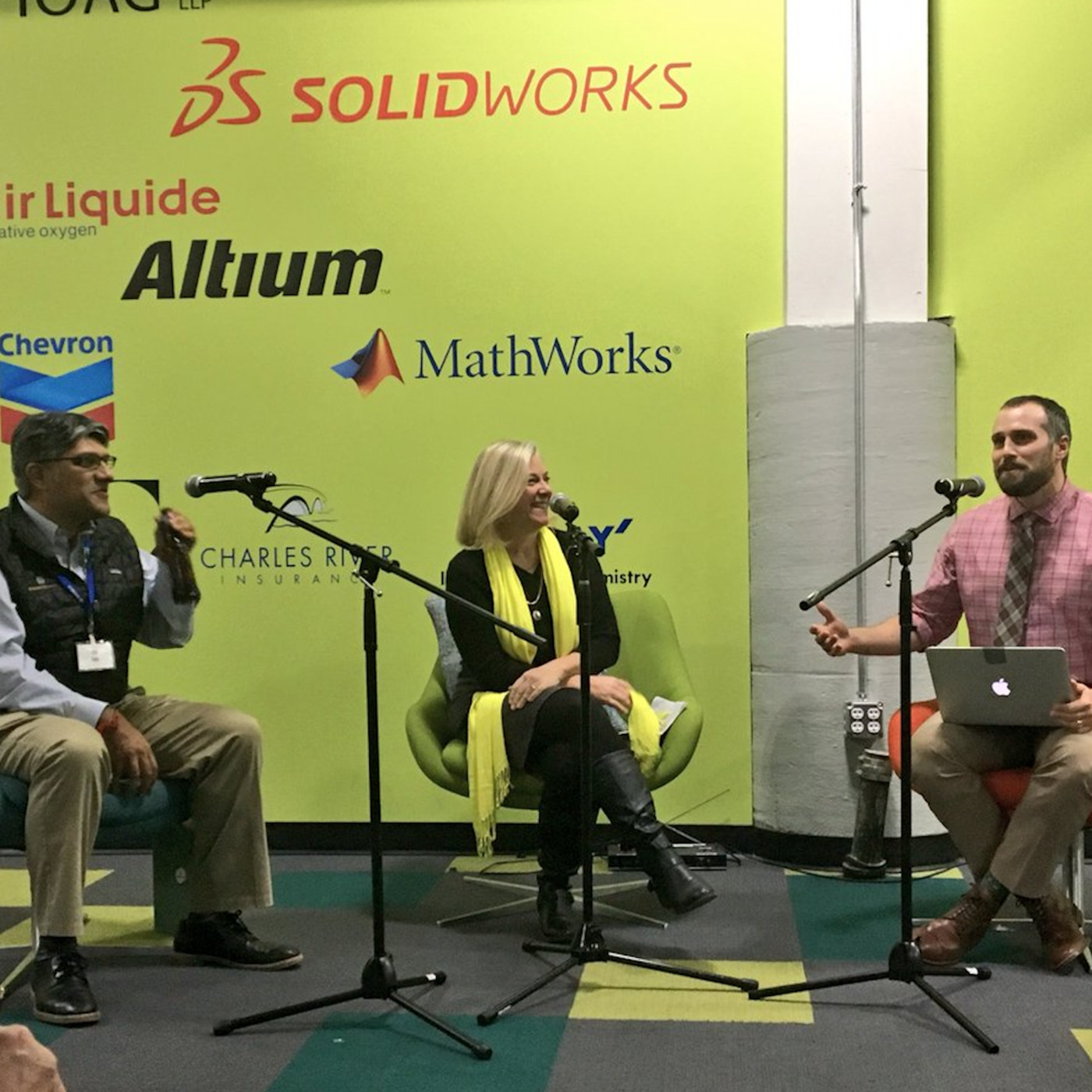
We've reached a new stage in cleantech. Years after the VC bubble popped, startups are pursuing new approaches to scaling, finding customers, partnering, and raising money.Those new approaches to scaling early-stage cleantech were crystallized this year. And we're going to talk about them.This week, we recorded live at Greentown Labs, the largest cleantech incubator in the country. We discussed a wide range of trends: the emergence of blockchain, a diversifying class of corporate investors, the blitz of mergers and acquisitions, low-cost ways of scaling new technologies, how to ask for money, and where startups can engage in policy.Plus, we ran through the top headlines of the week: Tesla's 100-megawatt battery, the heinous Congressional tax bill, and the Bonn climate talks. This podcast is sponsored by Mission Solar Energy, a solar module manufacturer based in San Antonio, Texas. You can find out more about Mission’s American-made, high-power modules at missionsolar.com.Are you coming to GTM's Storage Summit on December 12-13? Podcast listeners get 20 percent off their registration with the promo code PODCASTS.Recommended reading:Can LO3 Energy Cut Through the Hype on Blockchain?A Battery-Material Startup Applies Lessons From the Venture Capital BustEuropean Utility Giants Are on a Grid Edge Shopping Spree in 2017Subscribe to The Energy Gang podcast via Apple Podcasts, Google Play, Stitcher or wherever you find your audio content.See Privacy Policy at https://art19.com/privacy and California Privacy Notice at https://art19.com/privacy#do-not-sell-my-info.
Watt It Takes: Dan Shugar, the King Midas of Solar
Dan Shugar lives, breathes and bleeds solar. "If you cut my wrist, pure silicon comes out," he exclaimed in an interview with Powerhouse CEO Emily Kirsch, as part of the Watt It Takes interview series. This week, Shugar steps behind the microphone to talk about turning his passion for PV into deals and acquisitions worth over $1 billion.Shugar has a storied career. Some call him the "King Midas" of solar, because he's turned so many ventures into gold. He's the former president of Powerlight, the pioneering developer acquired by SunPower in 2006. He's now CEO of the tracker company NEXTracker, which was sold to Flextronics for $330 million last year. In this edition of Watt It Takes, Shugar describes the moment he realized solar's potential while working for PG&E; how Powerlight was founded and funded; the risks he took when getting into solar; his passion for the environment; and why everyone is underestimating the growth of PV.This conversation was recorded live in Oakland, California at Powerhouse. In the next episode, GTM Co-Founder Scott Clavenna takes the stage.This podcast is brought to you by Mission Solar. Find out more about Mission's high-quality, American-made solar modules. Listen to earlier episodes of Watt It Takes:SunPower Founder Dick Swanson’s Guide to Launching a Cleantech StartupLessons From the Fall of SungevityLike our shows? Make sure to give The Interchange and The Energy Gang a rating and review on Apple podcasts. And make sure to subscribe to both shows on Apple podcasts, Google Play, Stitcher, or anywhere you get your podcasts.See Privacy Policy at https://art19.com/privacy and California Privacy Notice at https://art19.com/privacy#do-not-sell-my-info.
Tax Reform and Tesla's Semi-Truck
The House passed its tax reform bill yesterday that includes cuts to renewable energy tax credits. The package is already having a chilling effect as developers stall projects because of a potential change to the tax code.What will happen when the Senate and House try to reconcile their two bills? We'll try to anticipate the political chess match before the pieces move.Then, we'll take a look at Tesla's newest shiny object: the electric semi-truck. Is this a convenient distraction for Musk as Tesla's financial health worsens? Or yet another master plan step that most of us will never understand until much later?(Note: we recorded these segments on Thursday afternoon. For more on the House tax bill, read this overview; for a rundown of the new semi-truck, read Julia Pyper's reporting.)We end the show why talking about IEA's latest worries about nuclear shut-downs in Europe. While global emissions rise, renewables may have a hard time filling in the gap.This podcast is sponsored by Mission Solar Energy, a solar module manufacturer based in San Antonio, Texas. You can find out more about Mission’s American-made, high-power modules at missionsolar.com.Are you coming to GTM's Storage Summit on December 12-13? Podcast listeners get 20 percent off their registration with the promo code PODCASTS.Recommended reading:GTM: Why Tesla’s Electric Semi Truck Is the Toughest Thing Musk Has Attempted YetWashington Post: The House Just Passed Its Big Tax Bill. Here’s What Is in It.Recharge: Wind and PV Build-Out Too Slow to Replace Aging Nuclear, Says IEASubscribe to The Energy Gang podcast via Apple Podcasts, Google Play, Stitcher or wherever you find your audio content.See Privacy Policy at https://art19.com/privacy and California Privacy Notice at https://art19.com/privacy#do-not-sell-my-info.
Sungevity CEO Andrew Birch
This week: a conversation with Andrew Birch, the co-founder and CEO of Sungevity.For those who’ve been following the wild ride in solar, you’re going to want to listen to this conversation.Sungevity was once one of the biggest residential solar installers in the U.S. – until it filed for bankruptcy protection at the beginning of the year. In this interview, Andrew Birch talks candidly about how Sungevity was founded, what killed an acquisition deal to save the installer, how market forces and the political landscape hurt the business, and where he thinks global solar trends are headed.This interview was conducted on-stage at Powerhouse, an incubator based in San Francisco. It’s part of the “Watt It Takes” series on how top cleantech entrepreneurs built their companies. The series is produced by Powerhouse, in partnership with Greentech Media.This podcast is brought to you by Mission Solar Energy, a solar module manufacturer based in San Antonio, Texas. To find out more about Mission’s high-power, American quality modules visit missionsolar.com.See Privacy Policy at https://art19.com/privacy and California Privacy Notice at https://art19.com/privacy#do-not-sell-my-info.
EPA's Science Purge
Since taking over as administrator of the EPA, Scott Pruitt's meeting calendar has been filled almost exclusively with industry interests. Now he's opening the door even wider for industry.On Tuesday, the Administrator issued a new decree: any scientist getting funding from the EPA will no longer be allowed to serve on the agency's scientific advisory board. He's replacing scientists with representatives from the chemical, fossil fuel and utility industries.The scientific community is up in arms, saying there is already a very detailed process for ensuring scientific integrity and avoiding conflicts. Former EPA officials who served in the Reagan, George H.W. Bush and George W. Bush administrations are criticizing the move as a way to stifle independent science.This week, we'll discuss the latest in Pruitt's campaign to unravel the EPA. Then, European utilities are scooping up American distributed energy companies at a record pace. We'll talk about Enel's acquisition of Enernoc, eMoterWerks, Demand Energy and a range of other distributed energy players. Is it sustainable?We'll end with a conversation about the latest developments in the ongoing solar trade case. Is the sky falling yet? MJ Shiao, head of Americas research at GTM, talks through the different penalties on imports proposed by international trade commissioners. Recommended reading:Washington Post: Scott Pruitt Blocks Scientists With EPA Funding From Serving as Agency AdvisersNew York Times: A Stream of Industry Meetings and Trips Home on EPA Chief's CalendarGTM: European Utility Giants Are on a Grid Edge Shopping Spree in 2017GTM Webinar: US Solar Outlook Under Section 201GTM: ITC Issues Recommended Remedies in Section 201 Solar Trade CaseThis podcast is sponsored by Mission Solar Energy, a solar module manufacturer based in San Antonio, Texas. You can find out more about Mission’s American-made, high-power modules at missionsolar.com.Subscribe to The Energy Gang podcast via Apple Podcasts, Google Play, Stitcher or wherever you find your audio content.See Privacy Policy at https://art19.com/privacy and California Privacy Notice at https://art19.com/privacy#do-not-sell-my-info.
Rick Perry Picks Winners and Losers
"Don’t let government pick winners and losers."That was Rick Perry’s mantra as Texas governor and a presidential candidate. But it didn’t take him long to abandon it as energy secretary. This week, we’ll revisit the rare, bizarre request from Perry asking federal regulators to restructure electricity markets and prop up struggling coal and nuclear plants.Then, the latest on the post-Hurricane energy crisis in Puerto Rico. We'll talk about the rebuilding effort, a controversial grid-rebuilding contract with an unknown company, and the strained Washington-Puerto relationship.Finally, an Alaskan sovereign wealth fund is betting big on distributed energy through Generate Capital. We'll talk about what the fund says about new investment approaches in emerging tech.Recommended reading and listening:The Interchange: An interview With Ari Peskoe About the Legal Holes in Perry's NOPRVox: What Rick Perry Would Have Recommended If He Listened to His Own Grid StudyMartin Heinrich op-ed: Coal Bailout Is a Crude Attempt to Pay for Campaign PromisesWashington Post: FEMA Cites 'Significant Concerns' Over Whitefish Energy Deal in Puerto RicoGTM: Generate Capital Raises $200 Million FundSee Privacy Policy at https://art19.com/privacy and California Privacy Notice at https://art19.com/privacy#do-not-sell-my-info.
Dick Swanson, Founder of SunPower
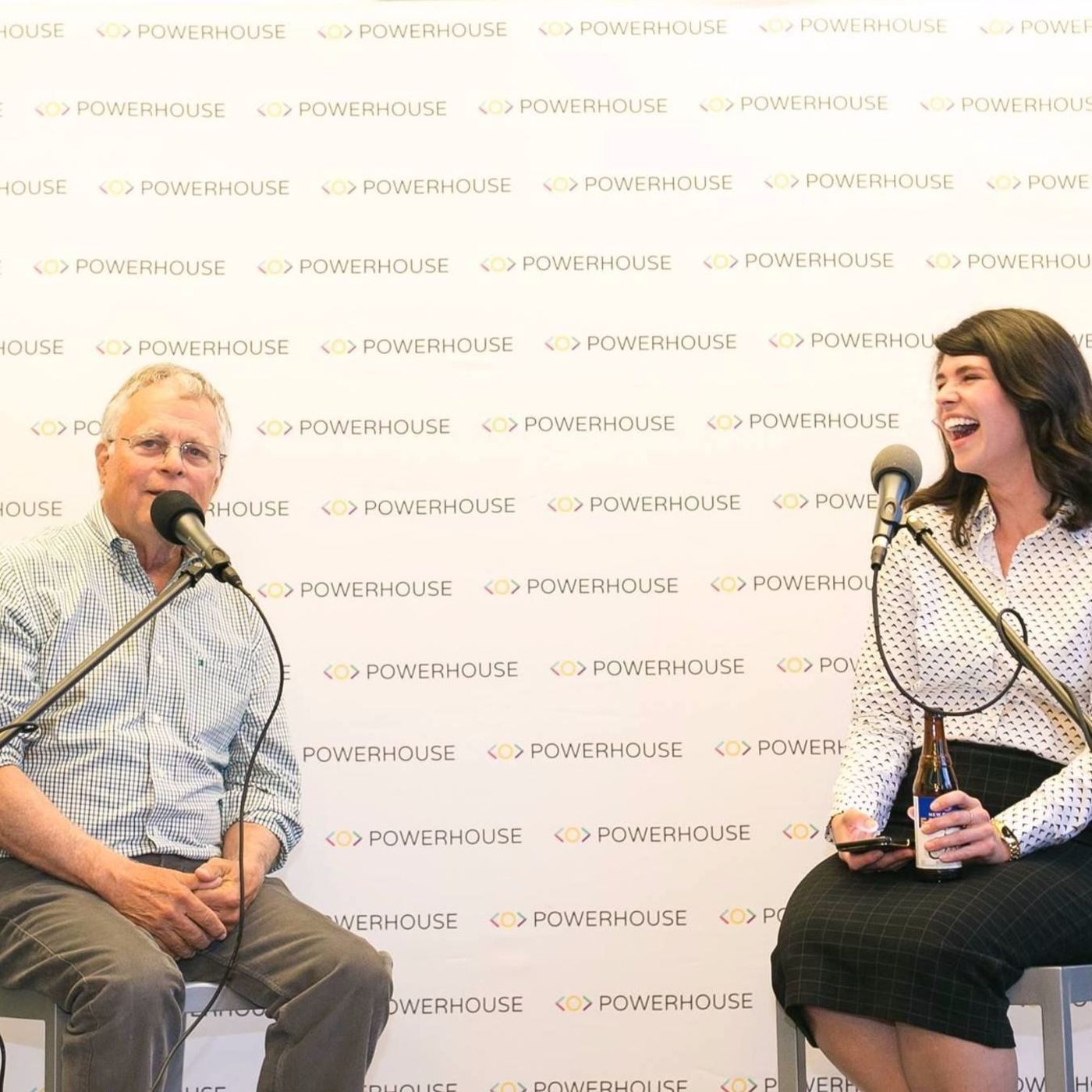
This week, we’re unveiling a new podcast collaboration between Greentech Media and Powerhouse, called "Watt it Takes." Watt It Takes is produced and recorded live at Powerhouse, a cleantech incubator and seed fund in Oakland, CA. Each month, a founder of a top clean energy company shares the personal story behind the company they’ve built. Our first episode features Dick Swanson, founder, and former CEO and CTO of SunPower, who talks about the wild ups and downs of building one of the largest solar companies in the world. The show begins with Shayle Kann, SVP at GTM, providing some market context. And then Powerhouse Founder and CEO Emily Kirsch leads the interview with Swanson. Want to meet these industry luminaries and watch a live recording? Get tickets for future events: wattittakesoct2017.splashthat.com. See Privacy Policy at https://art19.com/privacy and California Privacy Notice at https://art19.com/privacy#do-not-sell-my-info.

Episode 200: We Reflect on the Biggest Changes in Energy
When we first hit the record button four years ago, the energy landscape looked very different. Oil prices were above $90 per barrel. Utilities were only just starting to take distributed resources seriously as grid assets. Coal was still on the upswing globally. There was great uncertainty around a global climate deal. And Donald Trump was still two years away from announcing his presidential campaign. For our 200th episode of The Energy Gang, we'll reflect on the biggest changes we saw coming -- and didn't see coming -- since the podcast started. Before we reflect back, we'll start the show with a conversation about Puerto Rico. The U.S. territory is facing unspeakable devastation after Hurricanes Irma and Maria -- made worse by a bankrupt utility and an American government slow to send help. What do we know about the scope of the commonwealth’s energy problems post-hurricane? This podcast is sponsored by Mission Solar Energy, a solar module manufacturer based in San Antonio, Texas. You can find out more about Mission’s American-made, high-power modules at missionsolar.com. See Privacy Policy at https://art19.com/privacy and California Privacy Notice at https://art19.com/privacy#do-not-sell-my-info.
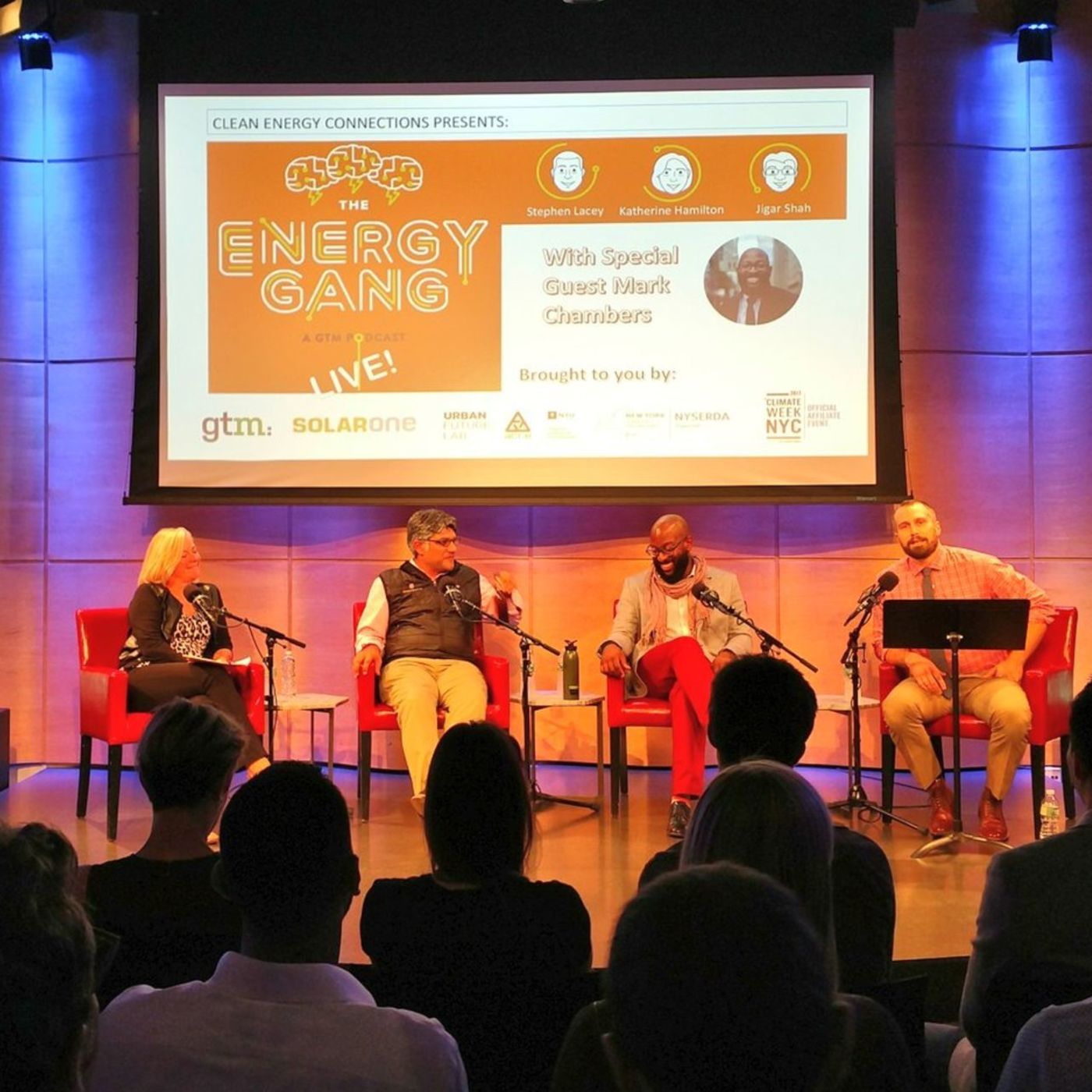
Live From New York: Local Climate Policy in the Trump Era
Donald Trump was in New York City this week. We left him some tickets for our live podcast at the box office, but he never showed up. Still, we had a blast taping our latest episode at WNYC's performance space in Manhattan. And this week, we've got that episode in its entirety. Special guest Mark Chambers, director of the mayor's office of sustainability, joined us on stage for a lively discussion. In this extended episode, we feature a variety of segments. First, we tested the gang’s knowledge of New York’s energy scene with a little segment we called "Climate Week: The Game." Then, we interviewed Mark Chambers, who offered insight into the city's climate action plan. Then, we went deep. We had a debate about the importance of local climate and energy policy in the Trump era -- with a little audience Q&A mixed in, too. Finally, we completed a quick news circuit and analyzed some top energy stories in the news. A big thanks to Urban Future Lab, ACRE, Solar One, and NYSERDA for partnering with GTM on the Clean Energy Connections series. This podcast is sponsored by Mission Solar Energy, a solar module manufacturer based in San Antonio, Texas. You can find out more about Mission’s American-made, high-power modules at missionsolar.com. See Privacy Policy at https://art19.com/privacy and California Privacy Notice at https://art19.com/privacy#do-not-sell-my-info.
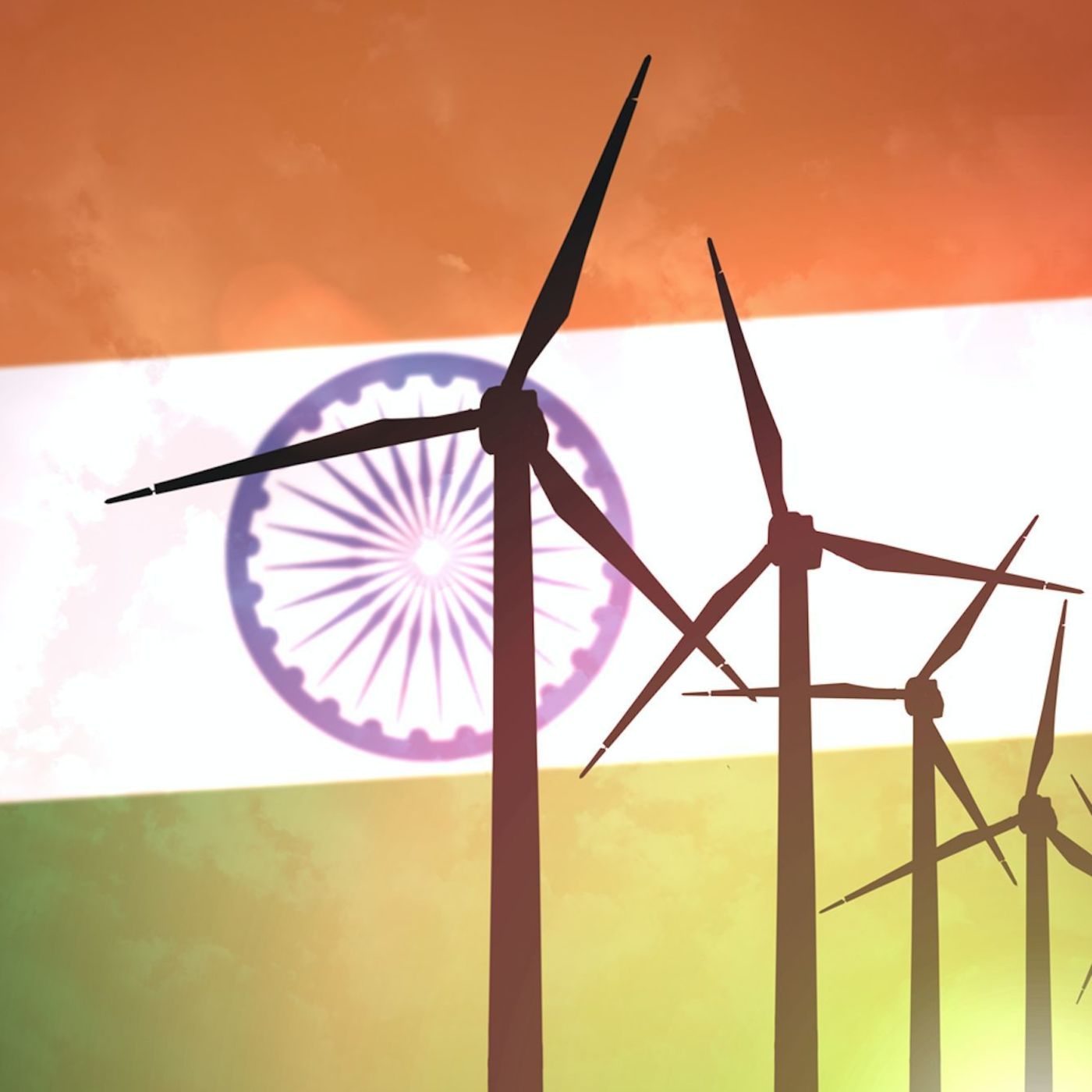
Inside India's Solar and Wind Boom
India has blossomed into one of the most important renewable energy markets in the world. It currently has the fourth-most cumulative wind capacity installed, and will become the third-biggest solar market globally by 2022. The country also has plans to sell only electric vehicles by 2030. With immense growth comes new businesses and economic opportunity -- but also political and economic risk. This week, we'll talk with the CEO of India's top independent renewable energy developers about navigating that risk. Sumant Sinha is the founder and CEO of ReNew Power. He's overseen 2 gigawatts of completed wind and solar projects, and has plans to build 10 gigawatts more in the coming years. In this show, we interview Sinha about the many forces that are changing India’s energy markets. We address: The solar boom: Can India meet its 100 gigawatt solar target? Grid planning: Can central and state governments better coordinate market expansion? Quality: The importance of maintaining quality standards for projects The rise of auctions: Are record-low prices sustainable? India's EV target: Will it tangentially help ReNew Power's expansion: What will it take to hit 10 gigawatts of projects? This podcast is sponsored by Mission Solar Energy, a solar module manufacturer based in San Antonio, Texas. You can find out more about Mission’s American-made, high-power modules at missionsolar.com. See Privacy Policy at https://art19.com/privacy and California Privacy Notice at https://art19.com/privacy#do-not-sell-my-info.
The Fall's Top Energy Stories
We made it. We finished summer without nuclear war or an international catastrophe -- and now we can calm our nerves with pumpkin spice everything. This week, as we close out summer and prepare for a busy fall news cycle, we're checking in on the stories that we think will define the remainder of 2017. Katherine gives us a rundown on the top priorities for Congress. Jigar talks about the shakeout coming for the auto sector. And Stephen looks at the potential impact of solar tariffs. This podcast is sponsored by Mission Solar Energy, a solar module manufacturer based in San Antonio, Texas. Visit Mission Solar at the upcoming Solar Power International conference at Booth 3975. You can find out more about Mission’s American-made, high-power modules at missionsolar.com. See Privacy Policy at https://art19.com/privacy and California Privacy Notice at https://art19.com/privacy#do-not-sell-my-info.

Painful Lessons From Hurricane Harvey
While Texans start the painful process of rebuilding their lives after Hurricane Harvey, many are asking: could anything have been done to lessen the impact? In this week's podcast, we're going to discuss the storm through the lens of climate, urban planning and federal policy. All three of those factors created the perfect storm for maximum damage. Marianne Lavelle, a reporter with InsideClimate News, joins us to talk about the important stories to watch in the wake of the hurricane. Then, a DOE grid study redux. We’ll offer up some thoughts on the final version of that contentious federal grid reliability report that you’ve heard so much about. Then, China’s solar frenzy continues. Wasn’t it supposed to be a slow year? Also, don't forget to join us for our live podcast in NYC on September 19. Tickets here: http://bit.ly/2wbutCx Also, use the discount code "ENERGYGANG" for a 15 percent discount to our NY REV Future conference in Brooklyn on September 26 and 27. Register here: http://bit.ly/2woZNOn This podcast is sponsored by Mission Solar Energy, a solar module manufacturer based in San Antonio, Texas. You can find out more about Mission’s American-made, high-power modules at: missionsolar.com. Recommended reading: Will Harvey's Damage Shift How Congress Sees Climate Change and Budget Cuts? http://bit.ly/2vItHKv Harvey’s Devastation Shows the Need for Distributed Energy, Microgrids During Disasters: http://bit.ly/2wsSVhm The Interchange episode with Travis Fisher, lead on DOE’s epic grid reliability report: http://bit.ly/2wXrcsg See Privacy Policy at https://art19.com/privacy and California Privacy Notice at https://art19.com/privacy#do-not-sell-my-info.
From the Vault: Elon Musk and Grid Fan Fiction
What makes Elon Musk tick? What will the grid look like in 2030? This week, we (re)answer both of those questions. We're featuring a couple of our favorite podcast segments for your summer listening enjoyment. First up, a 2015 Energy Gang interview with Ashlee Vance, a Bloomberg reporter and author of the book, Elon Musk: Tesla, Space X and the Quest for a Fantastic Future. Vance gives us an intimate look at why Elon operates in such a unique way. It's been two years since the book was released, but it's still just as relevant. In our second interview, we dig into The Interchange vaults and serve up a conversation about what the grid may look like in 2030. It’s like a literary review of geeky grid fan fiction, written by Shayle Kann. Sign up for our live Energy Gang in New York City on September 19: This podcast is sponsored by Mission Solar Energy, a solar module manufacturer based in San Antonio, Texas. Visit Mission Solar at the upcoming Solar Power International conference at Booth 3975. You can find out more about Mission’s American-made, high-power modules at missionsolar.com. Recommended reading: Elon Musk: Tesla, Space X and the Quest for a Fantastic Future -- https://www.amazon.com/Ashlee-Vance/e/B003YLHAJG See Privacy Policy at https://art19.com/privacy and California Privacy Notice at https://art19.com/privacy#do-not-sell-my-info.

Did Steve Bannon Hint at a Solar Trade War?
White House Chief Strategist Steve Bannon (unwittingly) gave an interview this week, saying America is locked in "an economic war with China." Bannon mentioned arcane sections of the 1974 Trade Act to penalize China for alleged steel and aluminum dumping. Could solar be on the list, too? Bannon's comments suggest he's also paying attention to Section 201 of the trade act -- which is the foundation of Suniva and SolarWorld’s case for slapping severe penalties on imported solar cells and modules from Asia and the rest of the world. Those companies, plus dozens of other heavy hitters in solar, were in Washington this week to argue their case in front of the International Trade Commission. In this week's show, we’ll have the latest on solar trade politics. Then, we'll dig into a fascinating new study on second-order climate beliefs. It’s not just about what you believe -- it’s about what you believe others believe. Finally, we’ll revisit the rise of non-wires alternatives. More utilities are opting for distributed resources in place of traditional wires upgrades on the grid. We’ll discuss a new project in Arizona and then look across the landscape of other projects. This podcast is sponsored by Mission Solar Energy, a solar module manufacturer based in San Antonio, Texas. Visit Mission Solar at the upcoming Solar Power International conference at Booth 3975. You can find out more about Mission’s American-made, high-power modules at missionsolar.com. Recommended reading: The Messy Politics Surrounding the Solar Trade Case: https://www.greentechmedia.com/articles/read/the-messy-politics-surrounding-the-solar-trade-case The Importance of Second-Order Opinions for Climate Politics: https://pdfs.semanticscholar.org/74f6/8960cca93ebe036baea022bfaf2e4c4e9e70.pdf APS Buys Energy Storage From AES for Less Than Half the Cost of a Transmission Upgrade: https://www.greentechmedia.com/articles/read/aes-buys-energy-storage-for-less-than-half-the-cost-of-a-wires-upgrade See Privacy Policy at https://art19.com/privacy and California Privacy Notice at https://art19.com/privacy#do-not-sell-my-info.
South Carolina's Nuclear Disaster
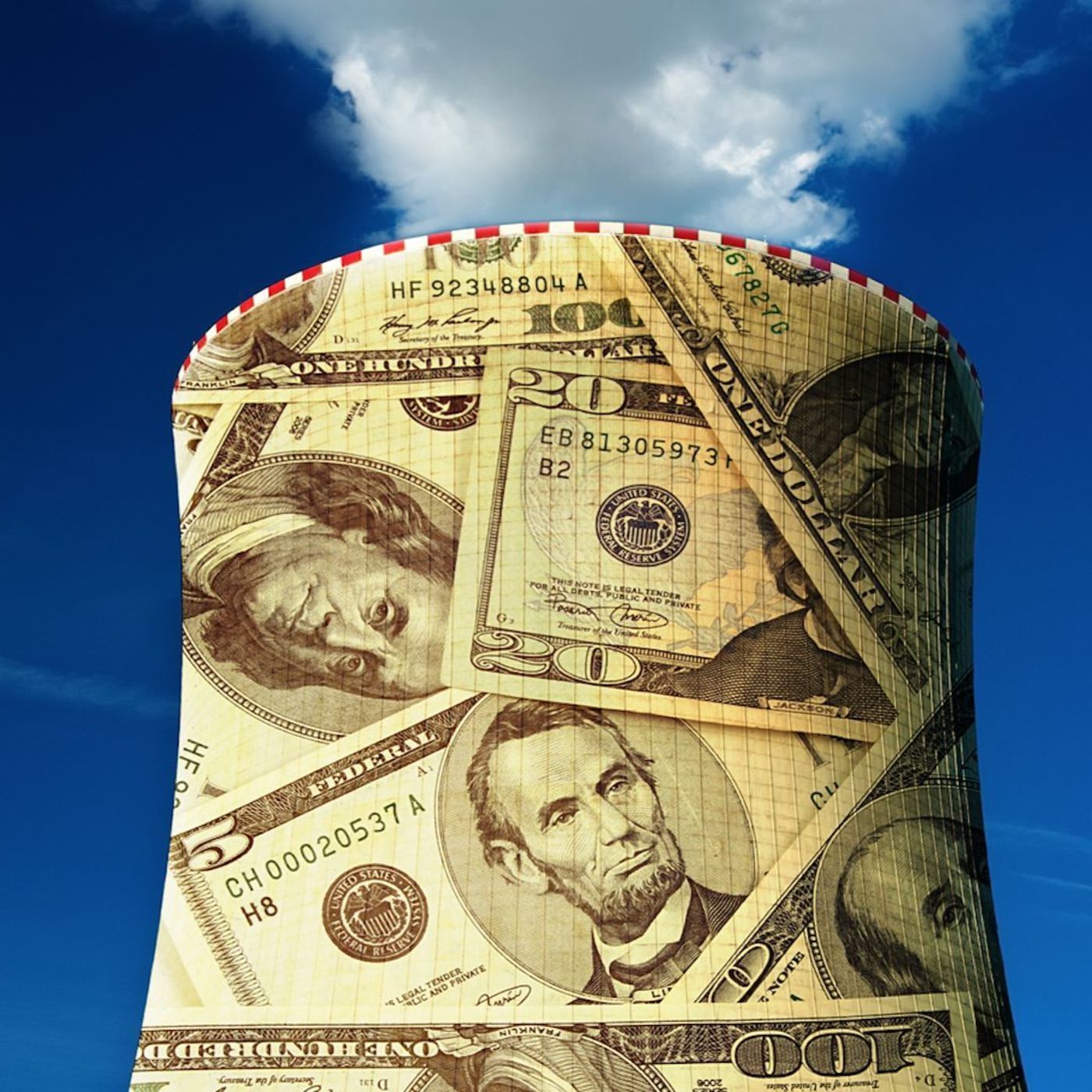
What happens when lawmakers and industry craft a large, complicated bill and then rush it through the legislature without reading it? We saw the consequences in South Carolina. That's where two utilities in the state walked away from a nuclear plant they were building – leaving ratepayers to foot the bill and putting thousands of people out of work. It's the result of a piece of legislation quietly passed a decade ago. In this week's episode of The Energy Gang, we'll look at the political factors that led to South Carolina's nuclear debacle. Then, we'll review two newly published features about Louisiana – one on the state's disastrous environmental record, and the other on the slow recovery after last year’s record-breaking floods. We'll start the show off with a quick peek at the latest Tesla news, including the Model 3 unveiling and a major bond issuance. This podcast is sponsored by Mission Solar Energy, a solar module manufacturer based in San Antonio, Texas. Visit Mission Solar at the upcoming Solar Power International conference at Booth 3975. You can find out more about Mission’s American-made, high-power modules at missionsolar.com. Recommended reading: How SC Lawmakers Passed a 2007 Law That Failed Power Customers: http://www.thestate.com/news/politics-government/article165641762.html The Louisiana Environmental Apocalypse Road Trip: https://longreads.com/2017/07/13/the-louisiana-environmental-apocalypse-road-trip/amp/ Disaster and Neglect in Louisiana: http://reports.climatecentral.org/great-flood-louisiana/one-year-later/ See Privacy Policy at https://art19.com/privacy and California Privacy Notice at https://art19.com/privacy#do-not-sell-my-info.

So You Want to Build a Cleantech Startup?
While venture capitalists swoon over startups devoted to making people click on ads and stare at their phones longer, they’re decidedly less interested in solving more difficult real-world problems -- like transforming the energy sector. Yes, we’ve been talking about this downward trend for years now. And there are still a number of venture firms actively pursuing opportunities in energy decarbonization and decentralization. But startups are realizing they can’t rely on venture capitalists like they used to. So where do they turn for support? This week, we feature a conversation with four execs from incubators around the country. We chat about the emergence of new funding sources, different business models for incubators and accelerators, and the importance of corporate partnerships. Joining the conversation: Emily Kirsch, the founder and CEO of Powerhouse, a software-focused incubator and accelerator in Oakland, California: https://powerhouse.solar/ Emily Reichert, CEO of Greentown Labs, a hardware-focused incubator in the country, based in Somerville, Massachusetts: https://www.greentownlabs.com/ Path Sapinsley, managing director of cleantech initiatives at the Urban Future Lab in Brooklyn, New York, which houses the ACRE incubator: http://ufl.nyc/ Beth Hartman, project manager at the IncubateEnergy Network at the Electric Power Research Institute in Boulder, Colorado: https://incubatenergy.org/ This podcast is brought to you by Wunder Capital, an award-winning investment platform that allows you to invest directly in solar projects and earn up to 8.5 percent annually. Create an account for free at WunderCapital.com/gtm. See Privacy Policy at https://art19.com/privacy and California Privacy Notice at https://art19.com/privacy#do-not-sell-my-info.

Al Gore, Michael Lewis and Rick Perry Walk Into a Bar...
Al Gore is back in the climate spotlight with the release of "An Inconvenient Sequel." This week, we’ll revisit his role as the unofficial spokesman for climate action. There’s still an active debate over how effective Gore has been in that role throughout the last decade. Then, Energy Secretary Rick Perry didn’t give away any nuclear secrets in his 22-minute call with Russian phone pranksters. But that may be the least of our worries. We’ll talk about a blockbuster new piece from Michael Lewis in Vanity Fair about the disordered transition in the Department of Energy. Finally, Britain makes some bold battery moves. We’ll glance at two new plans to boost distributed battery storage and ban gas-powered cars. This podcast is sponsored by Mission Solar Energy, a solar module manufacturer based in San Antonio, Texas. Visit Mission Solar at the upcoming Solar Power International conference at Booth 3975. You can find out more about Mission’s American-made, high-power modules at missionsolar.com. Atlantic piece on Al Gore: https://newrepublic.com/article/143966/troubling-return-al-gore-profile-inconvenient-sequel Michael Lewis' piece on the DOE: http://www.vanityfair.com/news/2017/07/department-of-energy-risks-michael-lewis See Privacy Policy at https://art19.com/privacy and California Privacy Notice at https://art19.com/privacy#do-not-sell-my-info.

California's Cap-and-Trade Win
After numerous attempts, a desperate plea from the governor, and some pot sweeteners to industry, legislators in California finally passed an extension of cap-and-trade to 2030. It’s a big deal. California is the world’s seventh-largest economy. With Governor Brown vowing to fill in the climate diplomacy vacuum left by Donald Trump, it would have been a huge setback to let cap-and-trade languish. We'll look at the significance. Then, can geothermal heating and cooling follow the path of solar? Dandelion, a new startup spun off from Google X, thinks so. We'll end with a look at the wave of executive departures from SolarCity's team in the aftermath of the Tesla acquisition. This podcast is sponsored by Mission Solar Energy, a solar module manufacturer based in San Antonio, Texas. Visit Mission Solar at the upcoming Solar Power International conference at Booth 3975. You can find out more about Mission’s American-made, high-power modules at missionsolar.com. See Privacy Policy at https://art19.com/privacy and California Privacy Notice at https://art19.com/privacy#do-not-sell-my-info.

The Inconvenient Truth About Cities and Sustainability
With America now a climate pariah on the global stage, cities around the country are stepping up their commitments to action. But are they just cheerleading, rather than actually leading? This week, guest Sam Brooks tells the hard truth about why cities are not living up to their bold pronouncements -- not yet, anyway. Brooks is the former director of the District of Columbia's sustainability division. He recently penned a piece for GTM on why cities are not leading on climate in the way they claim. We'll talk to him about the data behind his argument and his experience working in city government. Then, we'll discuss a couple big business moves. NRG is selling off its renewable energy assets as part of a major restructuring plan. We’ll tell you why. And AES creates a joint venture with Siemens to scale up utility-scale storage. We’ll take a look at the global storage arms race. This podcast is sponsored by Mission Solar Energy, a solar module manufacturer based in San Antonio, Texas. Visit Mission Solar at the upcoming Solar Power International conference at Booth 3975. You can find out more about Mission’s American-made, high-power modules at missionsolar.com. Read Sam Brooks' piece: https://www.greentechmedia.com/articles/read/hard-truths-about-city-failures-with-clean-energy See Privacy Policy at https://art19.com/privacy and California Privacy Notice at https://art19.com/privacy#do-not-sell-my-info.
Live: Can Oil Majors Dominate in an Era of Electrification?
This week, we're coming to you live from Grid Edge World Forum. We kick off the show with a look at oil majors. Oil companies have toyed with renewables over the decades with mixed success -- but is it time to take them seriously in the era of electrification? Then, the latest experience with distributed renewables as grid assets. We’re all awaiting the release of a DOE report ordered by Energy Secretary Perry on how wind and solar are threatening baseload power and the health of the grid. We will go beyond the politics, and look to real-world applications as a guide for what’s really going on. In our last segment, we quickly flow through the most talked-about current events, including blockchain, artificial intelligence and the role of consumer tech giants in energy. This podcast is brought to you by Kaco New Energy. See Privacy Policy at https://art19.com/privacy and California Privacy Notice at https://art19.com/privacy#do-not-sell-my-info.

The Fight Over 100% Renewables
A bitter dispute. A clash. A battle royale. Those are just a few descriptions of a new study countering Mark Jacobson's 2015 report showing that we can source 100 percent of America's energy from wind, solar and water. Jacobson's study is controversial. Celebrities like Mark Ruffalo and Bernie Sanders have lauded his work. Other experts have long questioned his assumptions. Jacobson himself has called it the "only moral choice." This week, Twitter erupted with debate over Jacobson's assumptions -- resulting in personal attacks, a litany of tweet storms and wide press coverage. In this episode, we're going to dig into the dispute over 100 percent renewables that has spilled out of academia and into the mosh pit of Twitter and politics. In the second half of the show, we'll focus on reliability and renewables. Does Europe’s better outage record tell us anything about variable wind and solar and the health of the grid? Finally, America just got 10 percent of its electricity from non-hydro renewables. What does that tell us about where we are headed? This podcast is sponsored by KACO New Energy, a leading solar inverter company with superior engineering and unmatched customer service. See Privacy Policy at https://art19.com/privacy and California Privacy Notice at https://art19.com/privacy#do-not-sell-my-info.

Inside the Minds of Top Utility Executives
Utility executives poured into Boston from across the country this week for the Edison Electric Institute’s annual conference. They talked about everything from crazy national politics to rate design to artificial intelligence and the future of workers. We brought our recording gear and tracked down some top names in the industry. In this episode, we hear what's on the minds of utility executives. Here are some highlights from the interviews: Tom Fanning, CEO of Southern Company, on why decarbonization will continue under Trump: "We don't chase fads. Our business approach, our strategies, our models, have a much longer life than any political party or any particular administration." Pat Vincent-Collawn, PNM Resources CEO, on automation and the future of work: "We're not thinking about that enough yet." Julia Hamm, the CEO of SEPA, on how distributed energy is wrapped up in smart cities and artificial intelligence: "Utility executives are really starting to think about how does that suite of distributed energy resources fit into an even bigger picture." David Owens, retiring VP of regulatory affairs at EEI, on the new priorities for investor-owned utilities: We've gotten very aggressive in the industry's vision. And that vision is focused around cleaner energy, a smarter energy infrastructure, and providing customized or individualized solutions so we can respond to customer needs." And here's our reading list mentioned at the top of the show: R Street Institute report on why baseload retirements don't necessarily mean unreliability: bit.ly/2sA7uAH Rocky Mountain Institute piece on outdated notions of baseload power: bit.ly/2swyRdY Researchers debunk the premise of Rick Perry's baseload report in The Conversation: http://bit.ly/2rnBH1k GTM article summarizing a report on why ARPA-E is a success so far: http://bit.ly/2sGFevU Wall Street Journal article on oil giants shifting their focus to electricity: http://on.wsj.com/2tuE2bL The Interchange is brought to you by AES Energy Storage. AES is helping utilities harness the power of battery-based energy storage to make the electric power system cleaner, more flexible, and more reliable. Find out more: http://bit.ly/2oxZ5dT Make sure to subscribe to The Interchange podcast via iTunes, SoundCloud or Stitcher, or integrate our RSS feed into the podcast app of your choice. See Privacy Policy at https://art19.com/privacy and California Privacy Notice at https://art19.com/privacy#do-not-sell-my-info.
Covering America's Climate Troll-in-Chief
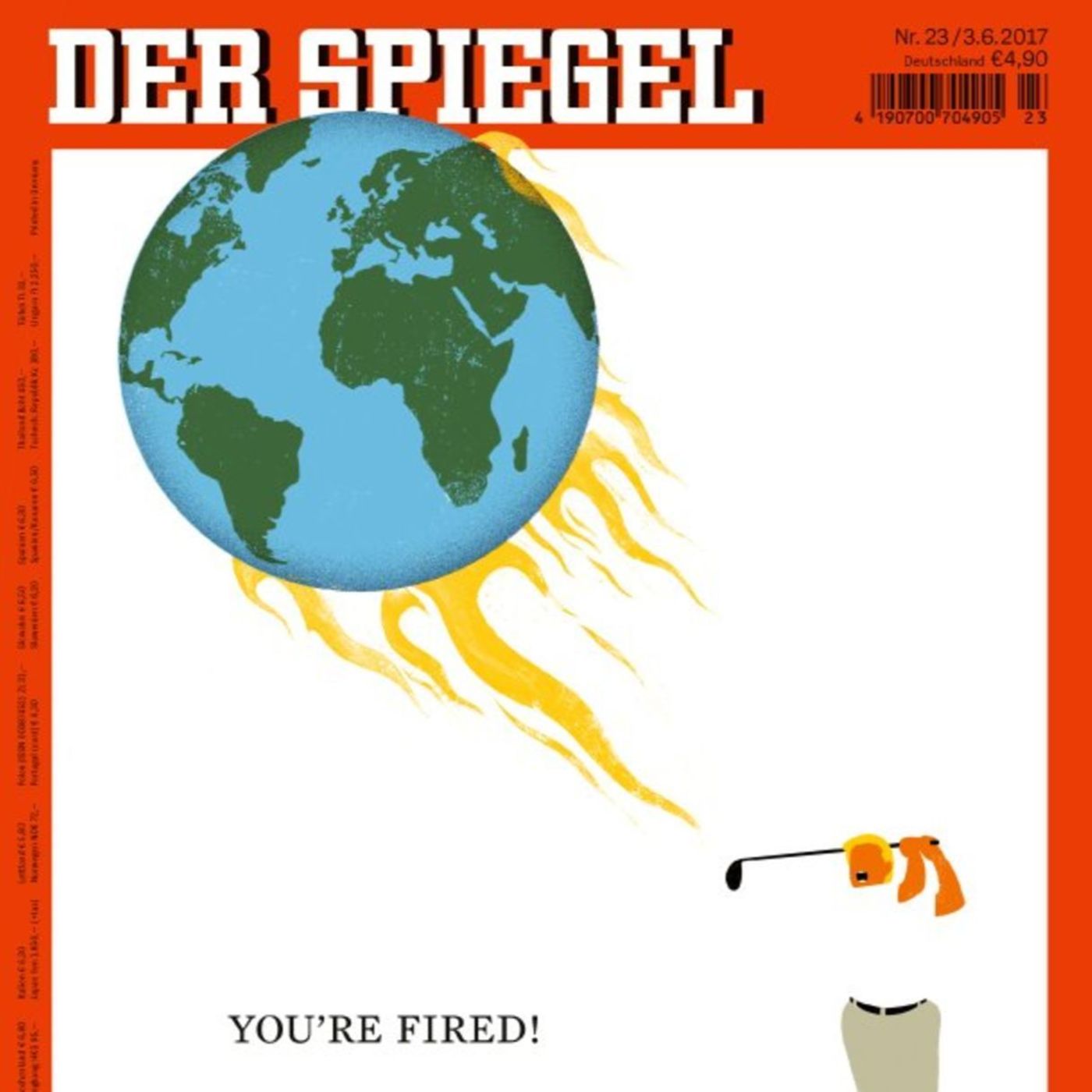
We’ve had a week to let the media digest Trump’s climate trolling. EPA administrator Scott Pruitt has been all over the airwaves defending the decision to withdraw from Paris, and journalists have been all over the administration for its loose relationship with the facts. We’ll look at how Paris has played out in the press. Then, after killing net metering, Nevada is suddenly back on the table as one of the most important solar markets –- and now one of the most important storage markets. We'll have an overview of the stunning reversal in the Silver State. And finally, we’ll talk about a new report warning of a coming auto-industry death spiral. This podcast is brought to you by Kaco New Energy: http://kaco-newenergy.com/ See Privacy Policy at https://art19.com/privacy and California Privacy Notice at https://art19.com/privacy#do-not-sell-my-info.
Trump's Paris Ruse
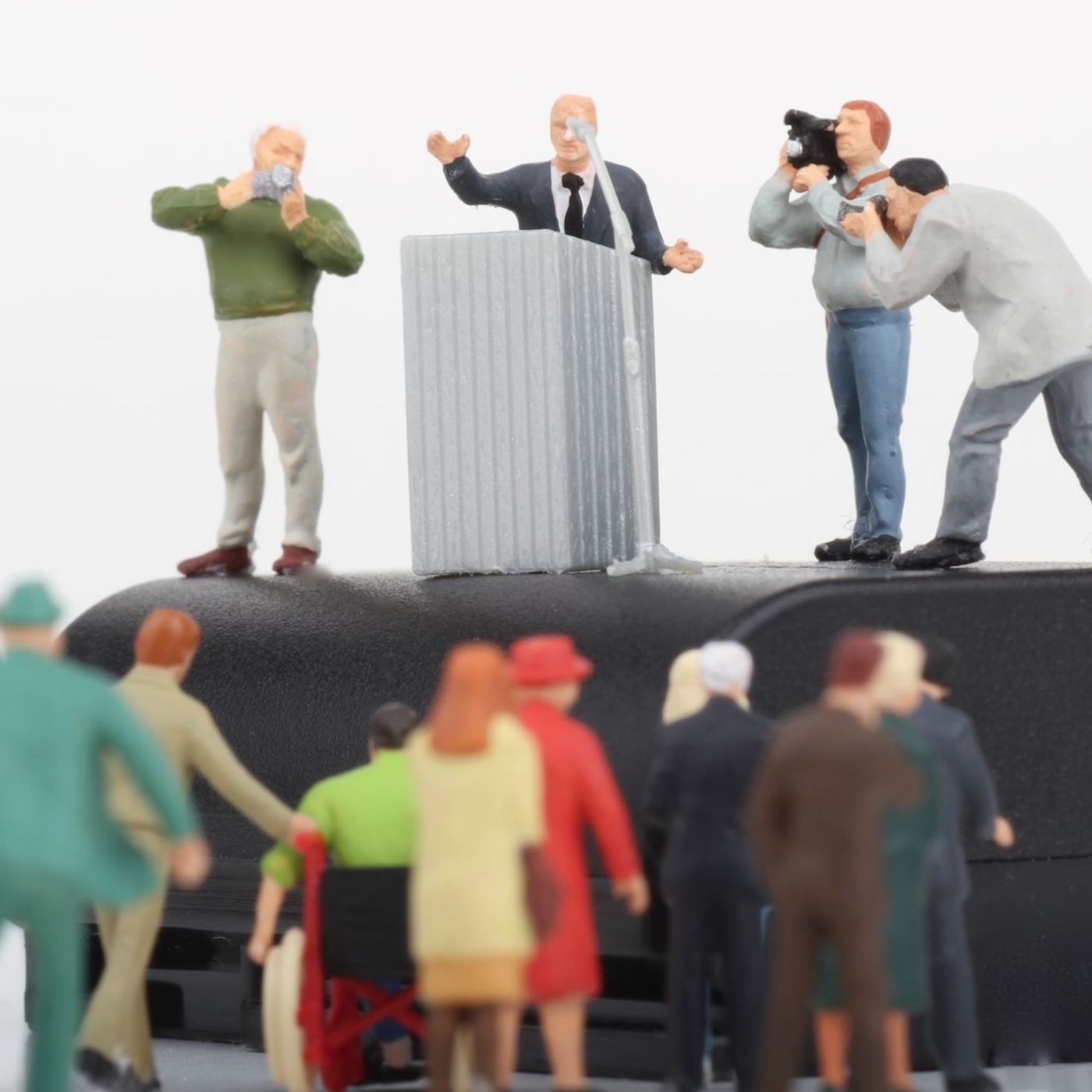
We all just became actors in Donald Trump’s reality TV show. After an elaborate tease over the Paris climate deal in recent weeks, the president finally revealed that he’s walking away from the historic agreement. Soon after Trump’s speech, world leaders issued bold statements: It’s not going to happen. There is no renegotiation process. The deal is the deal. Then local officials spoke up. It didn’t take long for dozens of U.S. mayors and governors to adopt the targets set by the climate accord. And then the corporate fallout started. Already, Elon Musk and Disney CEO Bob Iger have quit Trump’s business advisory council. Many more executives have publicly rebuked the president. The international and domestic consequences of this decision are still playing out. In this episode of the Energy Gang, we grapple with in the immediate aftermath of Trump’s speech. What should we take seriously? This episode is sponsored by KACO New Energy: kaco-newenergy.com See Privacy Policy at https://art19.com/privacy and California Privacy Notice at https://art19.com/privacy#do-not-sell-my-info.