Energy Gang
583 episodes — Page 10 of 12

Live From New York: Making America Great Again
In this live episode from New York City, the Energy Gang is joined by two prominent energy journalists — Yuliya Chernova of the Wall Street Journal and Chris Martin of Bloomberg — to talk about the hottest stories in energy and cleantech. We’ll talk about bankruptcies, politics and the latest from New York’s bold plan to reform its energy market. See Privacy Policy at https://art19.com/privacy and California Privacy Notice at https://art19.com/privacy#do-not-sell-my-info.
From Shell to SolarWorld: The Technology Stages of Solar
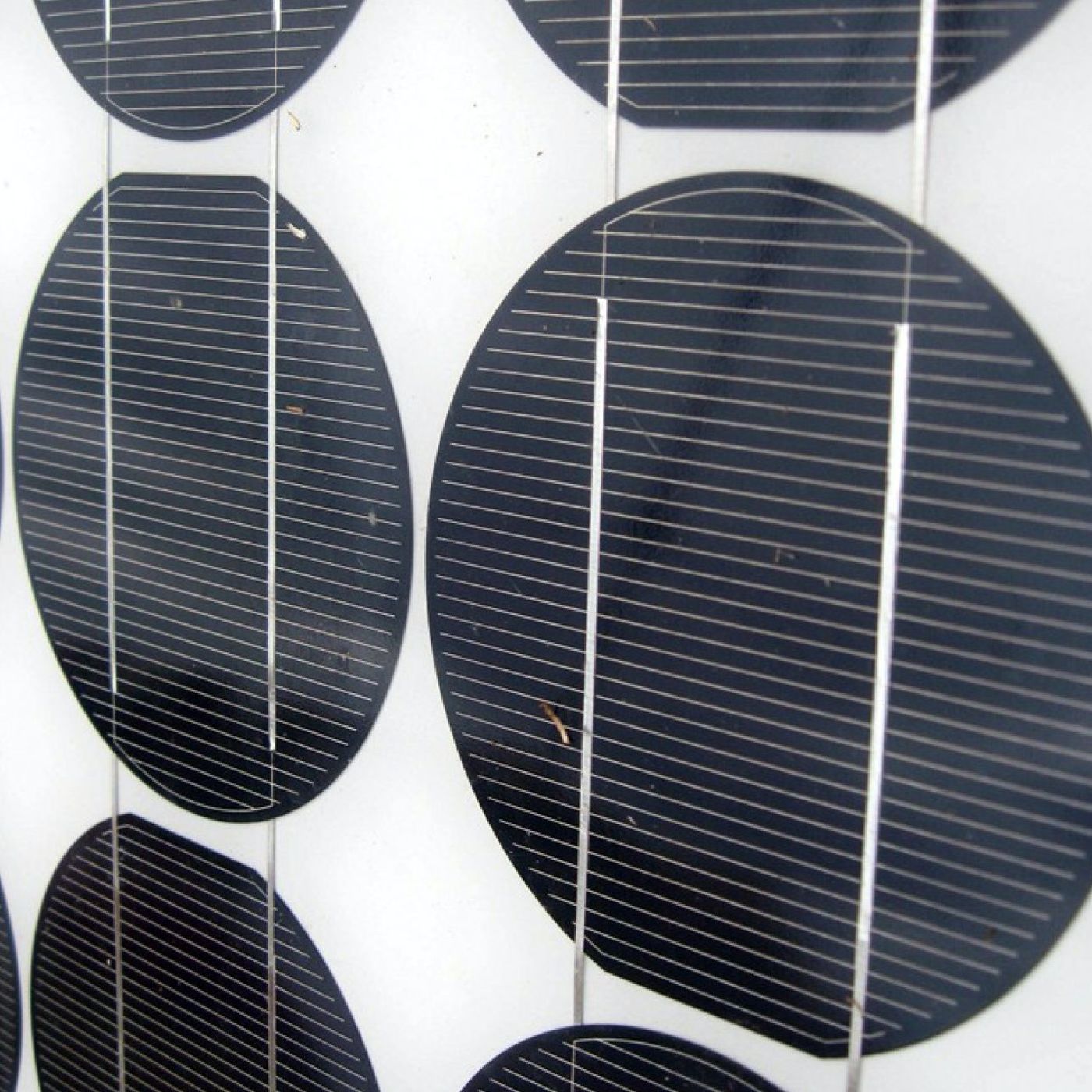
Terry Jester started her solar career in 1979 as the VP of engineering at ARCO Solar, one of the early oil companies investing in photovoltaics. Over the years, the company was sold to Siemens, Shell and SolarWorld -- and Jester stayed through it all. Jester, who has also worked for SoloPower and SunPower, is now CEO of a solar-grade silicon manufacturer Silicor. We'll talk with her about the early days of solar, how the upstream business has changed, and discuss the future of solar production. In the second half of the show, we'll discuss a comprehensive bipartisan energy bill passed by the Senate this week. We'll end with the legacy of Rhone Resch, who is retiring as president of the solar industry’s national trade group after 12 years. Make sure to buy tickets for our upcoming live event on May 4: http://www.cleanecnyc.org/next-event/ See Privacy Policy at https://art19.com/privacy and California Privacy Notice at https://art19.com/privacy#do-not-sell-my-info.

Beyond Bitcoin: How Blockchain Could Transform the Energy Sector
The cryptocurrency Bitcoin is changing the way people think about operating financial markets and banking systems. Meanwhile, distributed energy is changing the way people think about running grids. Can the two influence one another? Many experts believe that the blockchain -- the public database that tracks Bitcoin -- will be the catalyst for the distributed, transactive grid. This week, we'll talk with Paul Brody of Ernst & Young about how the blockchain can be applied to energy and the internet of things. We'll describe how blockchains work, why they're useful, and when they'll start influencing the energy business. In the second half of the show, we'll discuss concerns about rolling blackouts and too much renewable energy in California. We'll end the show by talking about a controversial proposal to give away millions of free solar kits in Kenya. See Privacy Policy at https://art19.com/privacy and California Privacy Notice at https://art19.com/privacy#do-not-sell-my-info.
Tesla's Model 3: The iPhone or Blackberry of the Auto Sector?
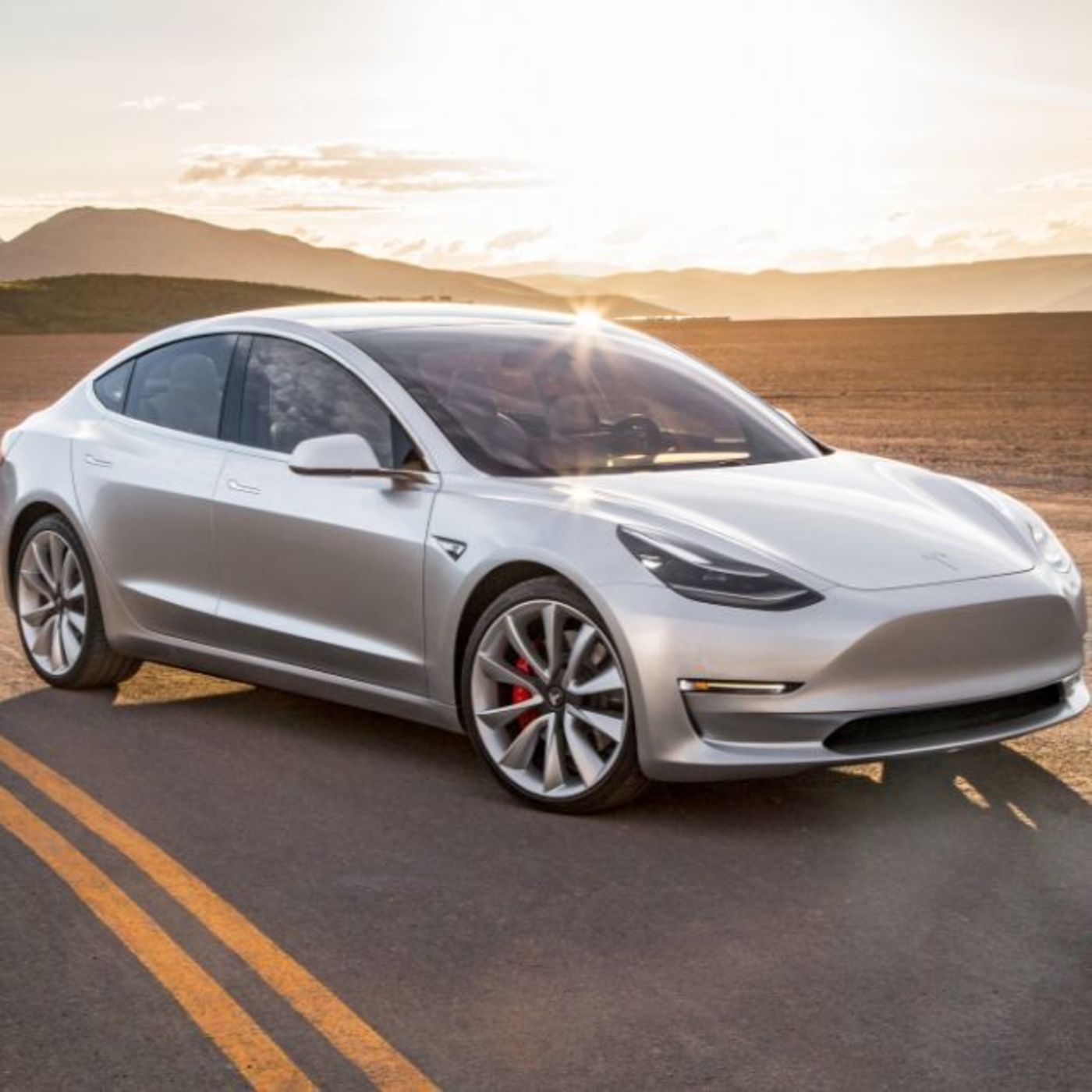
Many are billing Tesla's Model 3 launch as an iPhone moment. If the hype and pre-orders are any indication, the boutique electric vehicle manufacturer has indeed taken another step toward transforming the auto industry. But could the Model 3 also be a Blackberry moment? If sales don't live up to expectations and Tesla faces any sort of quality control issue, it could take a big hit. And there are plenty of incumbents looking to fill Tesla's role. In this week's show, we'll talk about the meaning of the Model 3 with Dana Hull, a Bloomberg business reporter covering Tesla and SpaceX. In the second segment, we'll ask how consumers can better protect themselves from fraud or poor investments in home solar systems. And we'll finish with a conversation about James Hansen's latest dire (and controversial) warning on climate change. Make sure to come to our live show in New York City on May 4. We'll be joined by Yuliya Chernova of the Wall Street Journal and Chris Martin of Bloomberg for a discussion of the hottest topics in energy and cleantech. Our last show sold out, so make sure to get your tickets today! Get tickets here: www.eventbrite.com/e/the-energy-gang-live-a-candid-take-on-the-clean-energy-transition-tickets-24231943395 The Energy Gang is produced by Greentechmedia.com. The show features weekly discussions between energy futurist Jigar Shah, energy policy expert Katherine Hamilton and Greentech Media Editor Stephen Lacey. See Privacy Policy at https://art19.com/privacy and California Privacy Notice at https://art19.com/privacy#do-not-sell-my-info.

Inside Amazon's Drone-Based Solar Installation Service
Amazon upended book publishers and brick-and-mortar retailers. Is it about to upend solar installers too? Two months ago, GTM researchers stumbled upon a patent filed by Amazon for a drone-based solar installation system. After an extended investigation, we've confirmed that the company is working on the technology as part of its broader drone-based package delivery service. Amazon already has FAA approval to pilot the drones, and plans to roll out the service within two years. If Amazon is successful, drone-based solar installation could completely change the way consumers buy solar. In this episode, we'll outline how the service will work and what impact it may have on the installation business. This podcast is part of GTM's premium service, Squared. Enjoy this week's episode for free. Sign up for Squared to hear more in-depth analysis every week. (If you're still reading this, please note the publish date: April 1.) See Privacy Policy at https://art19.com/privacy and California Privacy Notice at https://art19.com/privacy#do-not-sell-my-info.

The Utility Industry Is Rebranding Itself
Utilities are often criticized for not connecting deeply enough with their customers. In a world where choice is becoming more important -- turning ratepayers into dynamic consumers -- power companies need to offer a wider range of services and communications outlets. One way to better connect: use more consumer-friendly language. According to a report in the Huffington Post this week, the Edison Electric Institute recently hired a marketing expert to help member companies better message themselves. “They view us a monopoly, no incentives to serve the customers. They view us as stuck in the past in terms of technology," said PR guru Michael Maslansky in a presentation to the EEI board this January on consumer focus groups. "We need to be able to think about something sustained, something repetitious, something ongoing.” Is this just a public relations ploy to improve the image of utilities? Or is it a serious attempt to engage with customers? We'll discuss in this week's show. In our second segment, we'll talk about the Energy Information Administration's new report defending its forecasting and data gathering. Finally, we'll discuss a new analysis from the National Renewable Energy Laboratory showing that America can technically get 39 percent of its electricity from rooftop solar. The Energy Gang is produced by Greentechmedia.com. The show features weekly discussions between energy futurist Jigar Shah, energy policy expert Katherine Hamilton and Greentech Media Editor Stephen Lacey. See Privacy Policy at https://art19.com/privacy and California Privacy Notice at https://art19.com/privacy#do-not-sell-my-info.

The Libertarian View On The Distributed Energy Transition
It wasn't just science that got Eli Lehrer to accept the reality of climate change. It was insurance markets. As a free-market expert on insurance policy, Lehrer realized many years ago where the industry models were headed. "Every modeling firm used by the insurance industry acknowledged climate change is real. If markets have the ability to aggregate information, then either markets don't work or climate change is real. My judgment is that markets work and therefore climate change is real," says Lehrer. In 2012, Lehrer founded the R Street Institute, a think tank devoted to spreading free market principles. In recent years, he's become a libertarian thought leader on environmental protection, carbon pricing and, most recently, the distributed energy transition. In this episode, the gang talks with Lehrer about how to make these issues more palatable to the political right. In our second segment, we'll talk about a new consumer poll on rate design and subsidies for solar. We'll end the show with a look at United Airlines' big biofuels announcement. See Privacy Policy at https://art19.com/privacy and California Privacy Notice at https://art19.com/privacy#do-not-sell-my-info.

The Second Coming Of Storage In America
America is undergoing a second wave of storage growth. The first wave came between 2011 and 2013, when grid-scale projects backed by the government stimulus came online. The second wave is based largely on two applications for lithium-on batteries: frequency regulation and demand charge management. These two applications helped the U.S. storage market grow 243 percent in 2015, according to the new Energy Storage Monitor from GTM Research and the Energy Storage Association. In 2020, America’s energy storage market will be 28 times bigger than it was in 2015. This third wave of growth, says GTM Senior Storage Analyst Ravi Manghani, will be catalyzed by a broader range of revenue streams as regional wholesale markets get more sophisticated. In this week's show, we'll look at the trends behind America's storage surge. In the second segment, we'll talk about China's war on coal. In the last segment, we'll discuss the consequences of Vivint's decision to kill an acquisition agreement with SunEdison. See Privacy Policy at https://art19.com/privacy and California Privacy Notice at https://art19.com/privacy#do-not-sell-my-info.

The Latest Technology Trends at the Grid Edge
ARPA-E, the government agency founded in 2007 to support R&D in cutting-edge energy technologies, has invested $1.3 billion into power electronics, new solar materials and novel battery chemistries over the years. According to the agency, the private sector has already responded with $1.25 billion in follow-on funding. Much of that money is going toward technologies that will help enable a distributed, responsive, renewable grid. In this week's show, we're joined by Jeff St. John, GTM's senior grid reporter, for a discussion on ARPA-E's grid edge strategy. How's it working? Later in the show, we'll have an update on the drama surrounding Exelon’s $7 billion bid to acquire Pepco. Is the deal dead? We will end by talking about a WTO ruling against India’s local content requirements for solar. How will it impact the country’s burgeoning solar market? The Energy Gang is produced by Greentechmedia.com. The show features weekly discussions between energy futurist Jigar Shah, energy policy expert Katherine Hamilton and Greentech Media Editor Stephen Lacey. See Privacy Policy at https://art19.com/privacy and California Privacy Notice at https://art19.com/privacy#do-not-sell-my-info.

Troubles at Google-Owned Nest?
Nest, the smart home company acquired by Google in 2014, is under scrutiny. In the wake of multiple glitches that screwed with Nest thermostats this winter, there are now reports of unrest within the company. But are these issues really that big of a deal for the maker of smart home devices? We’ll dissect the speculation about "internal problems" and ask whether recent bugs will impact Nest's position in the market. Then, we’ll look at what the sudden death of Supreme Court Justice Antonin Scalia means for President Obama’s climate plan. We’ll end with a heated conversation about whether solar is really capable of helping developing countries leapfrog the grid. Check out our Grid Edge Customer Network here: www.greentechmedia.com/customernetwork See Privacy Policy at https://art19.com/privacy and California Privacy Notice at https://art19.com/privacy#do-not-sell-my-info.

Silicon Valley's Conflicted Relationship With Cleantech
In 2012, Wired magazine ran a prominent feature on why "the cleantech boom went bust." A couple years later, after a slew of venture investment failures in the industry, 60 Minutes ran a major story on "the cleantech crash." The stories were widely criticized by cleantech experts as incomplete or inaccurate (the Energy Gang even ran its own critique of the 60 Minutes story). But they did reveal some hard truths: venture investors lost a lot of money on clean energy investments. There was indeed an investment bubble -- and it popped. Over the last couple of years, investors have taken on a more capital-lite, software-dominant approach to cleantech. But now some of the biggest companies in Silicon Valley are taking on one of the most capital-intensive industries of all: automobiles. So what are we to make of the venture investment climate? This week, we'll talk with Katie Fehrenbacher, a senior writer at Fortune, about trends she's seeing in the sector. Later in the show, we'll take a look at SunEdison's latest troubles. And we'll end with a discussion about the recycling industry's economic woes. The Energy Gang is produced by Greentechmedia.com. The show features weekly discussions between energy futurist Jigar Shah, energy policy expert Katherine Hamilton and Greentech Media Editor Stephen Lacey. See Privacy Policy at https://art19.com/privacy and California Privacy Notice at https://art19.com/privacy#do-not-sell-my-info.

Adapt or Die? National Grid's Plan to Embrace the Future of Energy
What does it take to truly change a large utility? Not just cosmetic changes to branding -- but true structural changes around distributed energy deployment and customized offerings for customers. In this week's show, we’ll talk with an industry veteran who’s trying to usher in those changes. Ed White, vice president of New Energy Solutions at National Grid, joins the Gang to discuss the utility's new plan to integrate solar, efficiency, storage, electric cars and grid automation all into one area of the business. It's not an easy task. But we'll talk with White about how he hopes to pull it off. Later in the show, we'll discuss two major Supreme Court decisions on demand response and Obama's landmark climate rule. And we'll finish with a quick discussion of the positive outcome of California's net metering debate. See Privacy Policy at https://art19.com/privacy and California Privacy Notice at https://art19.com/privacy#do-not-sell-my-info.

Is Rooftop Solar Screwed in Nevada?
Nevada's sweeping changes to net metering last December shook the solar industry. And the drama continues in 2016. Our GTM editorial and research team has been consumed by the situation in the state. Will consumers start defaulting on their PPAs? Will solar companies permanently leave the state? Will it make solar a bigger national political issue? In this bonus episode, we'll bring on GTM Senior Writer Julia Pyper to dissect the situation in Nevada. We'll get a detailed update on one of the most controversial stories in solar. See Privacy Policy at https://art19.com/privacy and California Privacy Notice at https://art19.com/privacy#do-not-sell-my-info.

Hawaii's Unique Approach to Funding Cleantech Startups
Many states prioritize tech incubators for a variety of economic reasons. The Energy Excelerator in Hawaii has a much more specific mission: tie support for startups to a 100% renewable energy target set by the state last year. That mission guides the way Energy Excelerator funds projects, chooses awards, and works with incumbents. This week, we'll talk with Dawn Lippert, the organization's co-founder and director, about how Hawaii plans to support innovation in distributed energy. Later in the show, we'll look at where Generate Capital (where co-host Jigar Shah acts as president) is deploying $150 million for "infrastructure-as-a-service" projects in underserved markets. We'll finish with a look at the political prospects for a carbon tax in 2016. The Energy Gang is produced by Greentechmedia.com. The show features weekly discussions between energy futurist Jigar Shah, energy policy expert Katherine Hamilton and Greentech Media Editor Stephen Lacey. See Privacy Policy at https://art19.com/privacy and California Privacy Notice at https://art19.com/privacy#do-not-sell-my-info.

Diversifying Cleantech: Race and Class in the Energy Transition
In 2012, an NAACP analysis found that Americans living within three miles of a coal plant are disproportionately low-income and disproportionately non-white. The report echoed government studies from the 1980s showing how toxic waste facilities and power plants were overwhelmingly located in communities of color across the U.S. -- studies that helped spark the environmental justice movement. Today, environmental justice isn't just about fighting toxic facilities. It's about ensuring the transition to clean energy is fair, inclusive and economically beneficial. In this week's show, we'll talk with Jacqueline Patterson of the NAACP about what clean energy can learn from the environmental justice movement. In the second part of the show, GTM's Eric Wesoff joins us to talk about his analysis of Vinod Khosla's venture investments in biofuels, batteries, solar and materials. We'll finish by talking about the natural gas leak outside Los Angeles that has forced thousands of people from their homes. See Privacy Policy at https://art19.com/privacy and California Privacy Notice at https://art19.com/privacy#do-not-sell-my-info.

Should We Be Optimistic or Pessimistic About the Future?
The final month of 2015 was one of the best in recent memory for climate action. The world's carbon emissions dipped for the first time during a period of economic growth. The Paris climate talks ended with a global agreement to reduce greenhouse gases. And America extended key tax credits for renewables that will ensure strong growth in the years ahead. Some are cheering. But others are not so sure we should be optimistic. Brad Plumer, a senior editor at Vox, shares the cautious view on these developments. In this week's show, we'll talk with Plumer about the hard work that comes after Paris if world leaders are serious about decarbonizing the global economy. Later in the show, we'll talk with GTM Senior Reporter Julia Pyper about how electric cars and autonomous vehicles are playing into the Consumer Electronics Show. We'll wrap up with a discussion about Nevada's controversial decision to slash net metering for all solar customers in the state. See Privacy Policy at https://art19.com/privacy and California Privacy Notice at https://art19.com/privacy#do-not-sell-my-info.

2015: The Year In Review
For our last podcast of the year, we offer up our picks for the top stories from the last 12 months. In the first segment, we'll get Katherine's take on policy developments for climate and clean energy. In the second segment, Jigar will describe why he thinks the R&D versus deployment debate has been resolved. And in our last segment, Stephen will talk about the dislocation for public solar companies. This podcast is sponsored by Huawei Technologies, a leading global ICT solutions provider. Huawei is proud to offer its FusionSolar PV solution -- a unique approach to integrating, optimizing and digitizing solar-power plants. See Privacy Policy at https://art19.com/privacy and California Privacy Notice at https://art19.com/privacy#do-not-sell-my-info.

Autonomous Cars and the Future of Mobility
The world’s biggest automakers are suddenly under threat from consumer technology companies in Silicon Valley. Are they up to the threat? This week, we talk with Anand Shah, the leader of the autonomous mobility unit at Albright Stonebridge Group. Anand worked previously at Audi and the BMW group, where he analyzed all the forces changing the auto industry. We’ll discuss those forces, which include autonomous driving, electrification and ride sharing. In the second half of the show, we’ll talk about some positive developments for renewable energy tax credits. We’ll also look at the details of the international climate deal signed in Paris. This podcast is sponsored by Huawei Technologies, a leading global ICT solutions provider. Huawei is proud to offer its FusionSolar PV solution -- a unique approach to integrating, optimizing and digitizing solar-power plants. See Privacy Policy at https://art19.com/privacy and California Privacy Notice at https://art19.com/privacy#do-not-sell-my-info.

Get a Job in Cleantech
There are roughly 8 million jobs globally in the renewable energy sector. A lot of people -- both young students and those with established careers -- want to know how they can be one of them. In this week's podcast, we'll talk with Dawn Dzurilla, founder of Gaia Human Capital Consultants, about best practices in job hunting: Should you get a graduate degree? What kind of skills are employers looking for? How do you keep yourself relevant during a long job search? In the second half of the show, we'll discuss the deep troubles at Abengoa. We'll end with a brief synopsis of what's happening during the final hours of the Paris climate talks. This podcast is sponsored by Huawei Technologies, a leading global ICT solutions provider. Huawei is proud to offer its FusionSolar PV solution -- a unique approach to integrating, optimizing and digitizing solar-power plants. See Privacy Policy at https://art19.com/privacy and California Privacy Notice at https://art19.com/privacy#do-not-sell-my-info.

Will Global Climate Talks Succeed?
Will developing countries sign on to binding carbon reduction targets? Will rich and poor countries agree to a financing package for climate adaptation? Will anyone pay attention to Republican climate deniers posturing on the global stage? Those are the questions people are looking to answer at the ongoing UN climate talks in Paris. In this week's show, we'll talk with ClimateWire Deputy Editor Lisa Friedman about how things are playing out at the negotiations. In the second half of the show, we'll look at a couple shakeups and spinoffs in the utility sector: David Crane's departure as NRG's CEO, and RWE's decision to split up its distributed energy and conventional energy businesses. We'll end with a conversation about how the U.S. government can more effectively support offshore wind. This podcast is sponsored by Huawei Technologies, a leading global ICT solutions provider. Huawei is proud to offer its FusionSolar PV solution -- a unique approach to integrating, optimizing and digitizing solar-power plants. See Privacy Policy at https://art19.com/privacy and California Privacy Notice at https://art19.com/privacy#do-not-sell-my-info.

Will Residential Storage Thrive? Will Solar Survive After The ITC? We Discuss.
This week, we're serving up a couple of our favorite Interchange podcasts from this fall. In our first segment, we talk with Ravi Manghani, a senior storage analyst at GTM Research, about where residential storage makes sense economically. In our second segment, we chat with MJ Shiao, the GTM's director of solar research, about what will happen to the U.S. solar industry if its tax credit isn't extended. Every week, we're having deep conversations about what's driving change in the cleantech and utility sectors. If you like what you hear, visit GTM Squared to become a subscriber and learn more about our premium content. http://www.greentechmedia.com/squared See Privacy Policy at https://art19.com/privacy and California Privacy Notice at https://art19.com/privacy#do-not-sell-my-info.

Live: The Changing Utility-Solar Relationship
This week, we have a live podcast from the Solar Focus conference in Washington, DC, hosted MDV-SEIA. The theme of the discussion: what role utilities play in implementing solar and other distributed resources. We’ll start with a conceptual framework in our first segment and look at some specific utility ownership programs in our second segment. At the end of the show, we’ll talk about the state of play for extending the Investment Tax Credit. This week’s guest host is Tanuj Deora, the chief strategy officer of the Solar Electric Power Association. See Privacy Policy at https://art19.com/privacy and California Privacy Notice at https://art19.com/privacy#do-not-sell-my-info.

We Need a Fuel Sticker for Buildings
We use labels to advertise fuel economy of automobiles and the efficiency of appliances. Why don’t we do the same thing for our buildings? There are now 16 cities around the U.S. with building energy disclosure laws in place. Early data shows the laws are working to encourage efficiency measures and behavior change. But how far can they take us? In this week’s show, we’ll talk about the effectiveness of building energy disclosure laws with Cliff Majersik, the executive director of the Institute for Market Transformation. In the second half of the show, we’ll dissect President Obama’s decision to reject the Keystone XL pipeline and discuss why SolarCity’s stock has taken such a big hit. This show is sponsored by Huawei Technologies. Find out more: http://www.huawei.com/us/ Find out more about our new premium service, GTM Squared: http://www.greentechmedia.com/squared See Privacy Policy at https://art19.com/privacy and California Privacy Notice at https://art19.com/privacy#do-not-sell-my-info.

Can Opower Keep Utilities in Control of the Distributed Grid?
Opower has evolved a lot over the years. The software provider started with a simple efficiency solution for utilities, and has since deepened its analytics and moved into demand response, billing, segmentation and customer care. One thing has stayed the same over the years: Opower firmly believes that the utility will be the arbiter of the distributed grid. In this week’s show, we’ll talk with Opower CEO Dan Yates about the promise and perils of selling software to utilities. He’ll also discuss why he believes strengthening utility interactions with customers will be crucial for realizing a renewables-heavy grid. Later in the show, we’ll discuss Hawaii’s decision to slash net metering. And we’ll wrap up with a preview of the Paris climate talks -- will an agreement be reached? Don't forget to check out our new premium service, GTM Squared: http://www.greentechmedia.com/squared. See Privacy Policy at https://art19.com/privacy and California Privacy Notice at https://art19.com/privacy#do-not-sell-my-info.

Elon Musk: the Man Behind the Hype
At a time when Silicon Valley entrepreneurs are criticized for their lack of ambition to create world-changing ideas, Elon Musk has emerged as a hero to many. Like Steve Jobs, Musk is both loved and reviled for his unwavering commitment to his vision. That vision: power the world with solar, make electric cars the dominant form of transportation, and revolutionize space travel. Some believe Musk is overhyped. Others think he's a savior of American manufacturing and innovation. Who is the man behind the myth? And how does run his companies? In this episode, we'll talk with Bloomberg Businessweek writer Ashlee Vance about his new book, "Elon Musk: Tesla, SpaceX and the Quest for a Fantastic Future." Vance describes Musk's leadership style, ambitious goals, and potential legacy. Later in the show, we'll discuss ISIS hacking attacks on the U.S. grid. We'll finish the show with a look at how Canada's new prime minister may influence climate and clean energy policy. Don't forget to check out our new premium service, GTM Squared: http://www.greentechmedia.com/squared. See Privacy Policy at https://art19.com/privacy and California Privacy Notice at https://art19.com/privacy#do-not-sell-my-info.
YieldCos: Understanding the Renewables Financing Bubble
When a slew of leading developers started forming YieldCos in 2013, they were hailed as a revolution in renewable energy financing. Not so much anymore. After enjoying a long surge in stock pricing, YieldCos have come crashing down -- some falling as far as 50 percent in value since July. Why did they all see such a dramatic reversal all at once? Is it that YieldCos are inherently risky? Or was there just an irrational exuberance that has leveled out? We'll answer those questions in this episode. We talk with finance expert Tom Konrad about how YieldCos are structured, why they were overvalued, what a market correction looks like, and whether they still represent the future of financing renewable energy projects. The Interchange is a brand new podcast available to GTM Squared subscribers. For one month, we’re giving away the show for free. Visit the http://www.greentechmedia.com/squared to find out more about our premium content. See Privacy Policy at https://art19.com/privacy and California Privacy Notice at https://art19.com/privacy#do-not-sell-my-info.

Are Climate Goals Doomed Without Nuclear?
When the Obama Administration released its carbon rule this summer, it was hailed as a "historic step" to cutting carbon pollution. But is it really? Lots of supporters and analysts think the targets are too weak. Many now worry that the government created a rule so fragile that it could break down with a modest change in the energy mix. The reason: existing nuclear has been left out. In this episode, we'll talk with energy analyst Jesse Jenkins about why maintaining nuclear plants is vital to keeping Obama's climate rule from collapsing. Later in the show, we'll talk about the fight over demand response that hit the Supreme Court this week. We'll also look at how energy and climate were discussed during the Democratic presidential debate. See Privacy Policy at https://art19.com/privacy and California Privacy Notice at https://art19.com/privacy#do-not-sell-my-info.
Creating the Next Billion-Dollar Solar Firm
Solar has been around for decades. But it’s only in the last 10 years when the billion-dollar companies have emerged. With solar business models still so new, there a lot more room for many more startups to emerge as the next behemoths in the industry. But can software companies do it? In this episode of The Interchange, we’ll talk with Emily Kirsch, the co-founder and CEO of Powerhouse, an incubator and accelerator dedicated to the distributed solar industry. She’ll discuss where she sees the greatest opportunities for growth. We’ll talk about why Powerhouse is so focused on software companies, hear about common mistakes made by entrepreneurs pitching their companies, and discuss some alternatives to venture capital. The Interchange is a brand new podcast available to GTM Squared subscribers. For one month, we’re giving away the show for free. Visit the http://www.greentechmedia.com/squared to find out more about our premium content. See Privacy Policy at https://art19.com/privacy and California Privacy Notice at https://art19.com/privacy#do-not-sell-my-info.
Winning Strategies In Home Energy Management
After a few years of struggles, tech providers are finally getting traction in home energy management. This is partly due to the rapid adoption of smart phones, which give companies cheap ways to interact with customers and monitor their energy consumption. It's also due to the success of laying energy services on top of home security packages, cable and internet packages, and solar contracts. So who will emerge as a winner in the space? In this edition of The Interchange, Stephen Lacey and Shayle Kann talk with Omar Saadeh, a senior grid analyst at GTM Research, about winning strategies in HEMS 2.0. The Interchange is a brand new podcast available to GTM Squared subscribers. For one month, we're giving away the show for free. Visit the gtmsquared.com to find out more about our premium content. See Privacy Policy at https://art19.com/privacy and California Privacy Notice at https://art19.com/privacy#do-not-sell-my-info.

Can SunEdison Recover From Its Slump?
It's been a tough summer and fall for the world's biggest renewable energy developer. Since SunEdison announced its acquisition of Vivint Solar in July, the company's stock price has fallen by 70 percent. Just this week, executives announced they are laying off 15 percent of the company's workforce -- amounting to a cut of around 1,000 people. How did a leading renewable energy company riding so high earlier in the year reverse course so quickly? In this week's podcast, we'll discuss the factors behind SunEdison's recent woes and look at its new plan to get back on track. Later in the show, we'll provide updates on Exelon's bid to buy up Pepco, Shell's decision to abandon Arctic drilling, and some energy bills making their way through Congress. See Privacy Policy at https://art19.com/privacy and California Privacy Notice at https://art19.com/privacy#do-not-sell-my-info.
How Cheap Can Solar Get?
This week, we present a special episode from our new podcast series, called "The Interchange." The Interchange is a brand-new podcast available to GTM Squared subscribers. For one month, we’re giving away the show for free. Visit gtmsquared.com to find out more about our premium content. Solar costs are on a strong downward trajectory. But competitiveness is a moving target. High levels of PV on the grid forces wholesale prices downward, potentially making the technology less competitive over time. At the same time, subsidies for the industry will likely continue to fade away. So what will it take for solar to become resistant to these forces? In the first episode of The Interchange, Stephen Lacey and Shayle Kann talk with solar expert Varun Sivaram, a fellow at the Council on Foreign Relations, about the technology and rate design improvements needed to keep PV growth strong. See Privacy Policy at https://art19.com/privacy and California Privacy Notice at https://art19.com/privacy#do-not-sell-my-info.

Exxon's Hidden Past
In the mid 1970s, Exxon invested millions of dollars into sophisticated climate research and determined that greenhouse gas emissions would warm the planet to dangerous levels if left unchecked. But then something changed. In the mid 1980s and into the 90s, Exxon curtailed much of that research and started sowing doubt about the reality of the problem. By one tally, Exxon has spent $30 million supporting front groups and climate denying politicians in order to prevent action on reducing carbon emissions. Why such a dramatic reversal? In this episode, we talk with Neela Banerjee, a reporter with Inside Climate News, about a lengthy investigative series she's co-writing on Exxon's conflicted climate past. (Make sure to read part one, part two and part three of the Inside Climate News series.) Later in the show, we'll look at the good and bad pieces of California's latest climate and clean energy bill. And we'll end with a discussion of trends from Solar Power International. This podcast is sponsored by ReneSola, a Tier 1 solar cell and module manufacturer with a decade of experience in the cleantech industry. The Energy Gang is produced by Greentechmedia.com. The show features weekly discussions between energy futurist Jigar Shah, energy policy expert Katherine Hamilton and Greentech Media Editor Stephen Lacey. See Privacy Policy at https://art19.com/privacy and California Privacy Notice at https://art19.com/privacy#do-not-sell-my-info.

Shell's Arctic Drilling Gamble
In 2012, Shell ventured up to the Arctic to drill exploratory offshore oil wells. A lot went wrong. Its containment dome failed, a ship ran aground, another vessel was threatened by ice, one of its contractors was fined for safety violations -- and after all that, Shell never completed its exploratory drilling operation. The company has spent $7 billion to explore for oil in Arctic waters. And with a new plan of attack and fresh approval from the Obama Administration, Shell plans to spend $1 billion every year to get access to the region's rich reserves. In this episode, we look at the environmental, economic and political risks that Shell faces as it searches for oil in the Arctic. We'll also ask if its money could be better spent on harnessing energy resources beyond petroleum. Later in the show, we'll talk about how Hurricane Katrina influenced the environmental justice movement over the last 10 years. And we'll end with a discussion about steep feed-in tariff cuts for solar in the UK that business say will destroy the industry. This podcast is sponsored by ReneSola, a Tier 1 solar cell and module manufacturer with a decade of experience in the cleantech industry. The Energy Gang is produced by Greentechmedia.com. The show features weekly discussions between energy futurist Jigar Shah, energy policy expert Katherine Hamilton and Greentech Media Editor Stephen Lacey. See Privacy Policy at https://art19.com/privacy and California Privacy Notice at https://art19.com/privacy#do-not-sell-my-info.

Distributed Batteries Are Following Solar's Success
Behind-the meter battery storage is experiencing strong growth in the U.S. But with only 6.4 megawatts of capacity installed in 2014, companies have barely touched the market’s potential. Stem is one of a handful of companies leading the deployment of distributed batteries in commercial and industrial buildings. The company has since raised $75 million from a range of high-profile investors, and it is set to install about 10 megawatts of behind-the-meter battery systems this year. In this week’s show, Stem CEO John Carrington joins us to talk about why behind-the-meter storage is taking off, and where the economics and applications are headed. Carrington brings years of experience in solar to the storage industry. Later in the show, we’ll discuss the government’s investigation of the Solyndra loan guarantee, which was finally released after four years in the works. We’ll end the show with a discussion about Warren Buffett’s energy investments. This podcast is sponsored by ReneSola, a Tier 1 solar cell and module manufacturer with a decade of experience in the cleantech industry. The Energy Gang is produced by Greentechmedia.com. The show features weekly discussions between energy futurist Jigar Shah, energy policy expert Katherine Hamilton and Greentech Media Editor Stephen Lacey. See Privacy Policy at https://art19.com/privacy and California Privacy Notice at https://art19.com/privacy#do-not-sell-my-info.

How Activists Killed a $6.9 Billion Utility Acquisition
Until this week, most people thought Exelon's planned $6.9 billion acquisition of Pepco was a sure bet. But in a blow to both companies, regulators in the District of Columbia rejected the deal.What happened? The story is not just about a business deal gone awry. It’s a story about local empowerment, how utilities are dealing with the dramatic swing in America’s electricity market, and the tough decisions regulators are grappling with as they consider how to promote a cleaner grid. We will talk to Anya Schoolman, an organizer in DC who opposed the deal, about how a group of citizens derailed one of the largest utility acquisitions in history. Later in the show, we'll examine how recent turmoil in the financial markets may impact energy markets. And we'll finish with a discussion of President Obama's latest announcement on PACE and loan guarantees. This podcast is sponsored by ReneSola, a Tier 1 solar cell and module manufacturer with a decade of experience in the cleantech industry. The Energy Gang is produced by Greentechmedia.com. The show features weekly discussions between energy futurist Jigar Shah, energy policy expert Katherine Hamilton and Greentech Media Editor Stephen Lacey. See Privacy Policy at https://art19.com/privacy and California Privacy Notice at https://art19.com/privacy#do-not-sell-my-info.

The Most Important Energy Bill You've Never Heard Of
If there’s any concept that can cut through politics of distributed energy, it’s “personal energy independence.” Some utilities may not like the idea, but many supporters believe it’s a helpful way to frame policies supporting solar, storage and microgrids, both nationally and locally. That is what encouraged Senator Angus King (I-ME) to introduce a bill in Congress that would establish a nationwide integration plan for distributed energy. Called “The Free Market Energy Act,” the legislation wouldn’t mandate any specific technology; rather, it would direct states to establish rate structures and interconnection laws supporting on-site energy systems in a way that’s fair to utilities and individual customers. “It’s absolutely clear this is where the future is going and people are going to demand their own personal energy,” explained King, speaking on the Energy Gang. This week, we talk with Senator King about his bill and discuss the politics of energy in Congress. Later in the show, we’ll explore the business opportunities in Latin America for solar companies looking to expand internationally. We’ll wrap up with a look at the politics of race surrounding President Obama’s landmark climate rule. This podcast is sponsored by ReneSola, a Tier 1 solar cell and module manufacturer with a decade of experience in the cleantech industry. The Energy Gang is produced by Greentechmedia.com. The show features weekly discussions between energy futurist Jigar Shah, energy policy expert Katherine Hamilton and Greentech Media Editor Stephen Lacey. See Privacy Policy at https://art19.com/privacy and California Privacy Notice at https://art19.com/privacy#do-not-sell-my-info.

Is Obama's Big Climate Plan Really That Ambitious?
The Obama Administration finally completed its landmark climate rule that will require states to cut power plant carbon emissions. It's been hailed by supporters as historic, and demonized by opponents as an economic threat. But is it really all that big of a deal? That depends on how you look at it. In this week's show, we'll talk with Michael Grunwald, a senior reporter at Politico, who argues that the climate law is not very ambitious when it comes to carbon reductions. However, it will still be good for clean energy businesses, which will see new state markets open up because of the rule. We'll examine all the implications. Later in the program, we'll look at why the U.K.'s Green Deal efficiency program failed, and ask if there are lessons for U.S. efficiency programs. In our last segment, we'll discuss the philosophy behind Bill Gates' billion-dollar investment in clean energy. This podcast is sponsored by ReneSola, a Tier 1 solar cell and module manufacturer with a decade of experience in the cleantech industry. The Energy Gang is produced by Greentechmedia.com. The show features weekly discussions between energy futurist Jigar Shah, energy policy expert Katherine Hamilton and Greentech Media Editor Stephen Lacey. See Privacy Policy at https://art19.com/privacy and California Privacy Notice at https://art19.com/privacy#do-not-sell-my-info.

Why Coal Companies Are Collapsing in Spectacular Fashion
Pretty much everything bad that could happen to the coal industry is happening. Global coal demand is slumping; low natural gas prices and competitive renewables are shifting the energy mix in America; and a slew of regulations are causing plants to close at an unprecedented rate. Since 2012, more than 40 U.S. coal companies have filed for bankruptcy. And just this week, Peabody Energy, one of the largest coal firms in the world, reported $1 billion in quarterly losses. In this week’s show, we’ll talk with Taylor Kuykendall, a coal reporter with SNL, about all the factors contributing to coal’s demise. Then, we’ll discuss new grid rules in California that will allow companies to aggregate distributed resources and bid them into wholesale electricity markets. And we’ll end with a look at Hillary Clinton’s proposed plan to install 140 cumulative gigawatts of solar in America by 2020. This podcast is sponsored by ReneSola, a Tier 1 solar cell and module manufacturer with a decade of experience in the cleantech industry. The Energy Gang is produced by Greentechmedia.com. The show features weekly discussions between energy futurist Jigar Shah, energy policy expert Katherine Hamilton and Greentech Media Editor Stephen Lacey. See Privacy Policy at https://art19.com/privacy and California Privacy Notice at https://art19.com/privacy#do-not-sell-my-info.

Inside SunEdison's Acquisition Bonanza
SunEdison is on a mission to become one of the biggest energy companies in the world – built entirely on renewables. It still has a ways to go. SunEdison has a $9 billion market capitalization. The two biggest oil companies, PetroChina and ExxonMobil, are worth $376 billion and $342 billion respectively. And Duke Energy, America’s largest utility, has a market cap of $50 billion. But with a slew of billion-dollar acquisitions of wind and solar companies – most recently Vivint Solar -- SunEdison believes it is on the path to rivaling the world’s supermajors. "We are building the next generation of the biggest energy companies on earth," said Julie Blunden, SunEdison's chief strategy officer, this week after announcing plans to buy Vivint Solar for $2.2 billion. In this week’s show, we will discuss SunEdison’s business strategy and ask if the company is on a sustainable growth path. In the second half of the show, we’ll talk about a new report showing renewables outpacing nuclear power, and look at a scientific study of climate records that were shattered in 2014. This podcast is sponsored by ReneSola, a Tier 1 solar cell and module manufacturer with a decade of experience in the cleantech industry. The Energy Gang is produced by Greentechmedia.com. The show features weekly discussions between energy futurist Jigar Shah, energy policy expert Katherine Hamilton and Greentech Media Editor Stephen Lacey. See Privacy Policy at https://art19.com/privacy and California Privacy Notice at https://art19.com/privacy#do-not-sell-my-info.

Political Turmoil for Renewables in Australia and Spain
Two countries with some of the richest renewable energy resources in the world – Australia and Spain – are also two of the most hostile to the industry’s growth. Last week, Australia abruptly changed its national policies for renewables, upsetting project development plans. And in June, Spain proposed yet another tax on storage systems to discourage self-consumption. In this episode, we’ll talk about the turmoil and Australia and Spain, and look at the consequences for politicians and the renewable energy industry. We’ll finish up by debunking a new report from the Taxpayer’s Protection Alliance claiming that the solar industry is causing a bubble similar to the housing bubble that caused the 2008 financial crisis. The Energy Gang is produced by Greentechmedia.com. The show features weekly discussions between energy futurist Jigar Shah, energy policy expert Katherine Hamilton and Greentech Media Editor Stephen Lacey. See Privacy Policy at https://art19.com/privacy and California Privacy Notice at https://art19.com/privacy#do-not-sell-my-info.

Why Global Solar Demand Will Be Off The Charts
By the end of the decade, the solar industry could be installing 135 gigawatts yearly – more capacity in 12 months than all cumulative installations over the last four decades. The 2020 solar market will look much different today. It will be defined by fewer subsidies, greater geographic diversity and more sophisticated business models. This week, we’ll talk with Adam James, a senior solar analyst at GTM Research, about some of the most interesting findings from his new global demand report. Later in the show, we’ll discuss the Supreme Court ruling against the EPA’s mercury and air toxics rule for power plants. We’ll wrap up with a look at leading residential installer Sunrun as it prepares to go public. This podcast is sponsored by ReneSola, a Tier 1 solar cell and module manufacturer with a decade of experience in the cleantech industry. The Energy Gang is produced by Greentechmedia.com. The show features weekly discussions between energy futurist Jigar Shah, energy policy expert Katherine Hamilton and Greentech Media Editor Stephen Lacey. See Privacy Policy at https://art19.com/privacy and California Privacy Notice at https://art19.com/privacy#do-not-sell-my-info.

A Top Utility Engineer Talks Distributed Energy Integration
This week, we have a taping of the Energy Gang from GTM’s Grid Edge Live conference in San Diego. We’ll talk with Tom Bialek, the chief engineer at San Diego Gas & Electric, about the utility’s landmark microgrid project, its new distributed resource management system, and how to improve the utility-customer relationship. And we’ll wrap up with a look at how California’s pro-distributed energy policies are shaping utility procurements. This podcast is sponsored by ReneSola, a Tier 1 solar cell and module manufacturer with a decade of experience in the cleantech industry. The Energy Gang is produced by Greentechmedia.com. The show features weekly discussions between energy futurist Jigar Shah, energy policy expert Katherine Hamilton and Greentech Media Editor Stephen Lacey. See Privacy Policy at https://art19.com/privacy and California Privacy Notice at https://art19.com/privacy#do-not-sell-my-info.

Is the Republican Party Incapable of Addressing Climate Change?
After Pope Francis issued his strongly worded encyclical on climate change and the environment, many wondered how it would influence skeptical conservatives. It didn’t take long to get an answer. “I don’t think we should politicize our faith,” said Republican presidential hopeful Jeb Bush, who brushed off climate change as an inherently political issue. So what would it take to get Republicans more engaged on climate and cleantech? This week’s guest, Vox staff writer David Roberts, believes change won’t come from some kind of utopian post-partisan framework. “The other strategy is to beat the other side. If you can’t win them over, you beat them. For some reason, the whole idea of winning as opposed to transcending partisan battles is alien” to progressives, said Roberts. We’ll talk with David about the difference between “conservatism of the mind” and “conservatism as it exists” in energy policy. Later in the show, we’ll discuss the importance of the Pope’s encyclical on the environment. And we’ll wrap up with a look at underperforming concentrating solar power plants in Arizona and California. This podcast is sponsored by ReneSola, a Tier 1 solar cell and module manufacturer with a decade of experience in the cleantech industry. The Energy Gang is produced by Greentechmedia.com. The show features weekly discussions between energy futurist Jigar Shah, energy policy expert Katherine Hamilton and Greentech Media Editor Stephen Lacey. See Privacy Policy at https://art19.com/privacy and California Privacy Notice at https://art19.com/privacy#do-not-sell-my-info.

New York's Energy Czar on Transforming the Electricity System
Richard Kauffman has a lot of responsibilities as New York's "energy czar." He oversees multiple agencies and utilities, advises the governor on energy issues, and works closely with regulators in their attempt to build a new electricity market based on distributed resources. "Often the entities are diffuse and everyone is in their own silo. The benefit we have [in New York] is to develop and implement an integrated energy policy," explained Kauffman on the Energy Gang. This week, we'll talk with Kauffman about the state's unique approach to energy policy. We'll also talk about how he's trying to use markets -- not top-down government programs -- to stimulate change in the electricity sector. Later in the show, we'll debate the significance of EPA's report on groundwater contamination from fracking. To wrap up the show, we'll ask how much Australia overpaid for its solar boom. This podcast is sponsored by ReneSola, a Tier 1 solar cell and module manufacturer with a decade of experience in the cleantech industry. The Energy Gang is produced by Greentechmedia.com. The show features weekly discussions between energy futurist Jigar Shah, energy policy expert Katherine Hamilton and Greentech Media Editor Stephen Lacey. See Privacy Policy at https://art19.com/privacy and California Privacy Notice at https://art19.com/privacy#do-not-sell-my-info.

Are We Measuring Energy Use All Wrong?
We measure energy use with a commodity-based approach -- monitoring electrons, therms and gallons. But is there a better way to gauge the efficiency of the economy? Energy Economist Skip Laitner has been exploring a new method based on measuring "exergy," which shows that America's economy is only 14 percent efficient. And he says it's getting less efficient every year. In this week's show, we'll talk with Laitner about why measuring usable energy is better for understanding economic productivity. And we'll ask: how do we apply it to the real world? Later in the program, we'll discuss the state of the storage industry. And we'll look at why America's flagship clean coal project in Kemper, Mississippi is so delayed and over budget. This podcast is sponsored by ReneSola, a Tier 1 solar cell and module manufacturer with a decade of experience in the cleantech industry. The Energy Gang is produced by Greentechmedia.com. The show features weekly discussions between energy futurist Jigar Shah, energy policy expert Katherine Hamilton and Greentech Media Editor Stephen Lacey. See Privacy Policy at https://art19.com/privacy and California Privacy Notice at https://art19.com/privacy#do-not-sell-my-info.

Should Utilities Own the Solar Panels on Your Roof?
Whether the solar industry likes it or not, more regulated utilities in America are going to propose owning residential PV systems themselves. It's a controversial development. At our recent Solar Summit in Phoenix, GTM's Stephen Lacey and Shayle Kann hosted a debate on the following motion: "Regulated utilities should be allowed to own and rate-base residential solar." Lon Huber, a former advisor at Arizona's ratepayer advocate and current director of Strategen Consulting's government and utility program argued in favor of the motion. Court Rich, a senior partner at the Rose Law Group, argued against the motion. This week's episode is sponsored by Renesola, a top supplier and manufacturer of clean energy equipment. See Privacy Policy at https://art19.com/privacy and California Privacy Notice at https://art19.com/privacy#do-not-sell-my-info.

The 21st-Century Power System May Be Closer Than You Think
Discussion about changing utility business models has always been abstract. But with large utilities now getting hit financially by distributed energy, “Utility 2.0” is starting to seem much more real. This week, we’ll look at the progress that’s been made in New York, California and Massachusetts, where reformation of the power sector is currently underway in different stages. Lisa Frantzis, senior VP of strategy at Advanced Energy Economy, joins us to talk about how leading states are attempting to create a fair, open market for distributed energy. Later in the show, we’ll look at what’s behind the financial troubles at Yingli Solar. We’ll end with a discussion about New York’s massive new report on the environmental and health impacts of fracking. This podcast is sponsored by ReneSola, a Tier 1 solar cell and module manufacturer with a decade of experience in the cleantech industry. The Energy Gang is produced by Greentechmedia.com. The show features weekly discussions between energy futurist Jigar Shah, energy policy expert Katherine Hamilton and Greentech Media Editor Stephen Lacey. See Privacy Policy at https://art19.com/privacy and California Privacy Notice at https://art19.com/privacy#do-not-sell-my-info.

Peak Oil in an Era of Fossil Fuel Abundance
Over the last few years, analysts and academics worried about peak oil have been on the defensive. The fracking revolution has brought an abundance of oil and gas that no one thought possible a decade ago. So we can declare peak oil dead, right? Chris Nelder, an energy analyst who’s written extensively on the subject has a simple answer: no. In this week’s show, we’ll talk with Nelder about predicting the messy oil market, and get his thoughts on the long-term viability of unconventional fossil fuels. Later in the show, we’ll talk about Bank of America’s decision to phase out its coal investments. And then we’ll finish with a discussion of Hawaii’s plan to get 100 percent of its electricity from renewables. This podcast is sponsored by ReneSola, a Tier 1 solar cell and module manufacturer with a decade of experience in the cleantech industry. The Energy Gang is produced by Greentechmedia.com. The show features weekly discussions between energy futurist Jigar Shah, energy policy expert Katherine Hamilton and Greentech Media Editor Stephen Lacey. See Privacy Policy at https://art19.com/privacy and California Privacy Notice at https://art19.com/privacy#do-not-sell-my-info.

Tesla’s New Battery: Is the Market Ready?
Tesla’s new storage unit has everyone talking about distributed batteries. But is the U.S. market ready for them? This week, we’ll talk about what needs to happen on a regulatory level to take distributed storage beyond limited applications. Sky Stanfield, an attorney representing the Interstate Renewable Energy Council, joins us to chat about proactive approaches to storage integration. We’ll also look at a new bill proposed in Congress that would implement best practices on battery and solar interconnection nationwide. Then, we’ll look more specifically at the cost, applications and reaction to Tesla’s new battery. We’ll end with a discussion on whether fracking wastewater can be economically used as a geothermal resource. This podcast is sponsored by ReneSola, a Tier 1 solar cell and module manufacturer with a decade of experience in the cleantech industry. The Energy Gang is produced by Greentechmedia.com. The show features weekly discussions between energy futurist Jigar Shah, energy policy expert Katherine Hamilton and Greentech Media Editor Stephen Lacey See Privacy Policy at https://art19.com/privacy and California Privacy Notice at https://art19.com/privacy#do-not-sell-my-info.

SunEdison's CEO Talks Clean Energy Megatrends
Ahmad Chatila worked in the chip industry for 18 years before taking over as CEO of the semiconductor manufacturer MEMC in 2009. As a veteran of the industry, Chatila well understood the difficulties of the silicon wafer business. Semiconductors are a commodity, and the company was facing intense pricing pressure from Chinese competitors. So he decided to make MEMC an energy company -- zeroing in on SunEdison as an acquisition target. Nearly seven years after the acquisition, SunEdison is branching out beyond solar and into wind, battery storage, microgrids, and is eyeing hydro and even natural gas. The development arm became so important to the health of the company, MEMC adopted the SunEdison name in 2013. So how does Chatila see the business evolving? In this bonus episode of the Energy Gang, we feature an interview with Chatila on project development strategies, emerging markets, battery storage and vertical integration. We'll also talk about the megatrends that excite him most -- and also make him most nervous when it comes to competition. his podcast is sponsored by ReneSola, a Tier 1 solar cell and module manufacturer with a decade of experience in the cleantech industry. The Energy Gang is produced by Greentechmedia.com. The show features weekly discussions between energy futurist Jigar Shah, energy policy expert Katherine Hamilton and Greentech Media Editor Stephen Lacey See Privacy Policy at https://art19.com/privacy and California Privacy Notice at https://art19.com/privacy#do-not-sell-my-info.