Energy Gang
583 episodes — Page 7 of 12
Watt It Takes: Creating a Battery Unicorn
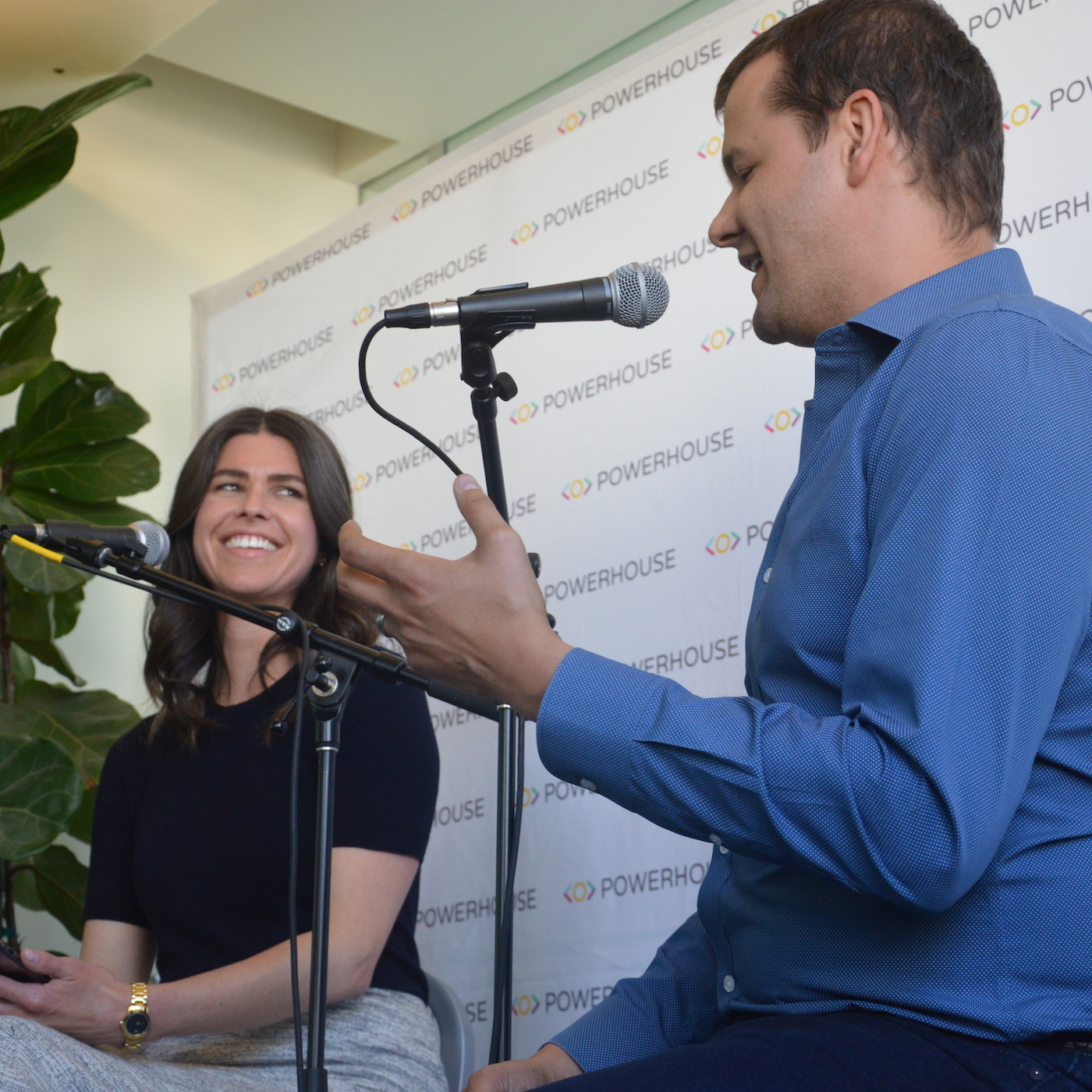
This week on Watt It Takes: How a Ukrainian immigrant quietly toiled away on a new battery chemistry and created a billion-dollar unicorn.Powerhouse CEO Emily Kirsch sits down with Gene Berdichevsky, the CEO of Sila Nanotechnologies.Sila is developing a new lithium-ion battery chemistry that uses silicon in place of graphite — leading to an improvement in battery density by 20 percent. This spring, Daimler led a $170 million round in Sila, valuing the startup at $1 billion.Berdichevsky was the seventh employee at Tesla, where he developed the Roadster’s battery.For the last eight years, Berdichevsky’s team at Sila has been working on a drop-in replacement for today’s lithium-ion batteries.This conversation was recorded live at Powerhouse’s headquarters. Buy tickets for upcoming events.Support for this podcast comes from PG&E. Did you know that 20 percent of EV drivers in the U.S. are in PG&E’s service area in Northern California? PG&E is helping to electrify corporate fleet vehicles. Get in touch with PG&E’s EV specialists to find out how you can take your transportation fleet electric.We're also sponsored by Wunder Capital. Wunder Capital is the leading commercial solar financing company in the United States. Click here to find out how Wunder Capital can help you finance your next commercial solar project.Subscribe to The Energy Gang podcast via Apple Podcasts, Spotify, Google Podcasts, Stitcher or wherever you find your audio content.See Privacy Policy at https://art19.com/privacy and California Privacy Notice at https://art19.com/privacy#do-not-sell-my-info.
Will Geothermal Ever Boom Like Fracking?
It’s been a decade since the fracking boom reshaped U.S. energy markets — so when will we ever use our drilling prowess to create a similar geothermal boom?That’s the hope. The Department of Energy just released a massive new report revisiting America’s geothermal potential in conventional hydrothermal, enhanced geothermal, direct use and heat pumps. And the potential is enormous — but it’s just sitting there, largely untapped. We’re going to open up DOE’s report and see which borehole it takes us down.Then, the Biden and Warren campaigns both unveiled their energy and climate plans. Have they risen to the political and environmental stakes?Finally, are states squandering billions in settlement dollars from the VW diesel scandal?Support for this podcast comes from PG&E. Did you know that 20 percent of EV drivers in the U.S. are in PG&E’s service area in Northern California? PG&E is helping to electrify corporate fleet vehicles. Get in touch with PG&E’s EV specialists to find out how you can take your transportation fleet electric.We're also sponsored by Wunder Capital. Wunder Capital is the leading commercial solar financing company in the United States. Click here to find out how Wunder Capital can help you finance your next commercial solar project.Subscribe to GTM podcasts via Apple Podcasts, Google Podcasts, Stitcher, Spotify or wherever you find your audio content, or integrate our RSS feed into the app of your choice.See Privacy Policy at https://art19.com/privacy and California Privacy Notice at https://art19.com/privacy#do-not-sell-my-info.
Comparing Presidential Candidates on Climate and Cleantech
It may be a couple election cycles late, but we’re finally getting a wave of climate plans from presidential candidates. The issue is now front and center in the Democratic primaries.We’ve spent the last week collecting the plans from leading candidates, surveying the stances of the rest of the field, and monitoring the reactions. We’ll sort through them in this week’s Energy Gang episode. In the first half of the show, we’ll compare and contrast the unique plans from Elizabeth Warren, Jay Inslee, Beto O’Rourke, Michael Bennet and John Delaney. What is unique about each candidate’s proposal?Then, we’ll tackle the rest of the field in the second half of the episode. Most of them are either using the Green New Deal as a fallback, or using it as a foil. We will take an account of how that short-but-influential congressional resolution — and the activism behind it — is having an impact on the presidential campaign.Recommended reading:Buzzfeed: Democrats Want To Make 2020 The Climate Change ElectionBeto O’Rourke’s climate planJay Inslee’s “Evergreen Economy” planElizabeth Warren’s plan to make the military climate-readyMichael Bennet’s climate planJohn Delaney’s climate planSupport for this podcast comes from PG&E. Did you know that 20 percent of EV drivers in the U.S. are in PG&E’s service area in Northern California? PG&E is helping to electrify corporate fleet vehicles. Get in touch with PG&E’s EV specialists to find out how you can take your transportation fleet electric.We're also sponsored by Wunder Capital. Wunder Capital is the leading commercial solar financing company in the United States. Click here to find out how Wunder Capital can help you finance your next commercial solar project.Subscribe to GTM podcasts via Apple Podcasts, Google Podcasts, Stitcher, Spotify or wherever you find your audio content, or integrate our RSS feed into the app of your choice.See Privacy Policy at https://art19.com/privacy and California Privacy Notice at https://art19.com/privacy#do-not-sell-my-info.
Breaking Down Global Subsidies for Fossil Fuels
A new report from the International Monetary Fund shows that the world spent $5.2 trillion on fossil fuel subsidies in 2017. That’s half a trillion dollars more than in 2015.But it also shows that fossil fuel subsidy spending is down by half since 2012. What gives? How much are we actually spending to make fossil fuels cheaper?We’ll clarify the different ways economists are measuring that spending.Then, U.S. tax subsidies for solar and wind are set to ramp downward as part of a deal struck in 2015. But some are calling for an extension of those credits once again. Wait, didn’t the industry say it would be just fine without them? We’ll look at arguments for and against another extension.Finally, PG&E is warning California customers about planned blackouts during this year’s fire seasons. Does this open up a new opportunity for commercial microgrids and residential battery backup?Recommended reading:Atlantic: The Hidden Subsidy of Fossil FuelsGTM: US Solar Industry Braces for ITC Stepdown While Making the Case for Another ExtensionBloomberg: Democrats Try to Extend Wind, Solar Aid They Agreed to Let DieSF Chronicle: Fire Danger Could Force SF Blackout, PG&E SaysSupport for this podcast comes from PG&E. Did you know that 20 percent of EV drivers in the U.S. are in PG&E’s service area in Northern California? PG&E is helping to electrify corporate fleet vehicles. Get in touch with PG&E’s EV specialists to find out how you can take your transportation fleet electric.We're also sponsored by Wunder Capital. Wunder Capital is the leading commercial solar financing company in the United States. Click here to find out how Wunder Capital can help you finance your next commercial solar project.Subscribe to GTM podcasts via Apple Podcasts, Google Podcasts, Stitcher, Spotify or wherever you find your audio content, or integrate our RSS feed into the app of your choice.See Privacy Policy at https://art19.com/privacy and California Privacy Notice at https://art19.com/privacy#do-not-sell-my-info.
America Has 2 Million Solar Systems. How'd We Get Here?
It took four decades for America to install a million solar systems. And it took just three years to install the second million.From here on out, the U.S. market will likely see a million systems every couple of years, according to the latest data from Wood Mackenzie.To mark this new era of scale, we’re going to look back at the most important trends that got us to the first couple of million systems — and the most important trends that will keep many more millions coming.Then, Tesla has a new way to package and sell solar online. Will it work?Finally, what’s the best way to frame climate change and the clean energy transition? Presidential candidates are talking about the issues, and press outlets are trying to reframe coverage. What's working and what needs to change?Recommended reading:GTM: US Surpasses 2 Million Solar Installations as Industry Looks to ‘Dominate’ the 2020sGTM: Tesla Embraces New Solar Strategy But Analysts Remain SkepticalNew York Times: These Days, It’s Not About the Polar BearsColumbia Journalism Review: The Climate Crisis Is a Story for Every BeatSupport for this podcast comes from PG&E. Did you know that 20 percent of EV drivers in the U.S. are in PG&E’s service area in Northern California? PG&E is helping to electrify corporate fleet vehicles. Get in touch with PG&E’s EV specialists to find out how you can take your transportation fleet electric.We're also sponsored by Wunder Capital. Wunder Capital is the leading commercial solar financing company in the United States. Click here to find out how Wunder Capital can help you finance your next commercial solar project.Subscribe to GTM podcasts via Apple Podcasts, Google Podcasts, Stitcher, Spotify or wherever you find your audio content, or integrate our RSS feed into the app of your choice.See Privacy Policy at https://art19.com/privacy and California Privacy Notice at https://art19.com/privacy#do-not-sell-my-info.
How Much Do Renewable Energy Mandates Really Cost?
For well over a decade, researchers have been modeling the cost of state renewable energy mandates.The results break down in predictable ways: conservative and progressive groups often come to very different conclusions based about costs and benefits.An authoritative 2015 report from the Lawrence Berkeley National Lab found that compliance costs for state renewables targets only make up 2 percent of retail rates in most U.S. states.After a lull, the debate over the cost of renewable energy targets is re-emerging. A new working paper from economists at the University of Chicago concludes that mandates are the most expensive way to reduce carbon pollution — and that they are much bigger drivers of rate increases than previously thought.Many researchers are pushing back on the economists’ modeling of electricity rates. But it’s worth revisiting this debate, since renewables and carbon-free energy targets are used as placeholders for more ambitious climate policy.In this week’s podcast, we’re discussing the findings of this study, the criticism, and how it fits into current trends U.S. in energy policy.Then, Rivian continues to bring in money for electric trucks. What do Amazon and Ford see in the company? Are trucks the next big target for electrification?Finally, a brief look at 5G networks. They could revolutionize energy services, but they’re also fraught with geopolitical and cybersecurity risk. Will the benefits outweigh the risk?Recommended reading:Twitter threads from Jesse Jenkins, Alex Gilbert, Jacob Mays, and Sam Ori.University of Chicago working paperNew York Times: Ford to Invest $500 Million in Rivian, a Tesla RivalNew Yorker: The Terrifying Potential of the 5G NetworkSupport for this podcast comes from PG&E. Did you know that 20 percent of EV drivers in the U.S. are in PG&E’s service area in Northern California? PG&E is helping to electrify corporate fleet vehicles. Get in touch with PG&E’s EV specialists to find out how you can take your transportation fleet electric.We're also sponsored by Wunder Capital. Wunder Capital is the leading commercial solar financing company in the United States. Click here to find out how Wunder Capital can help you finance your next commercial solar project.Subscribe to The Interchange podcast via Apple Podcasts, Google Podcasts, Stitcher, Spotify or wherever you find your audio content. Or integrate our RSS feed into the app of your choice.See Privacy Policy at https://art19.com/privacy and California Privacy Notice at https://art19.com/privacy#do-not-sell-my-info.
Watt It Takes: Why This Founder Dug Into Home Geothermal
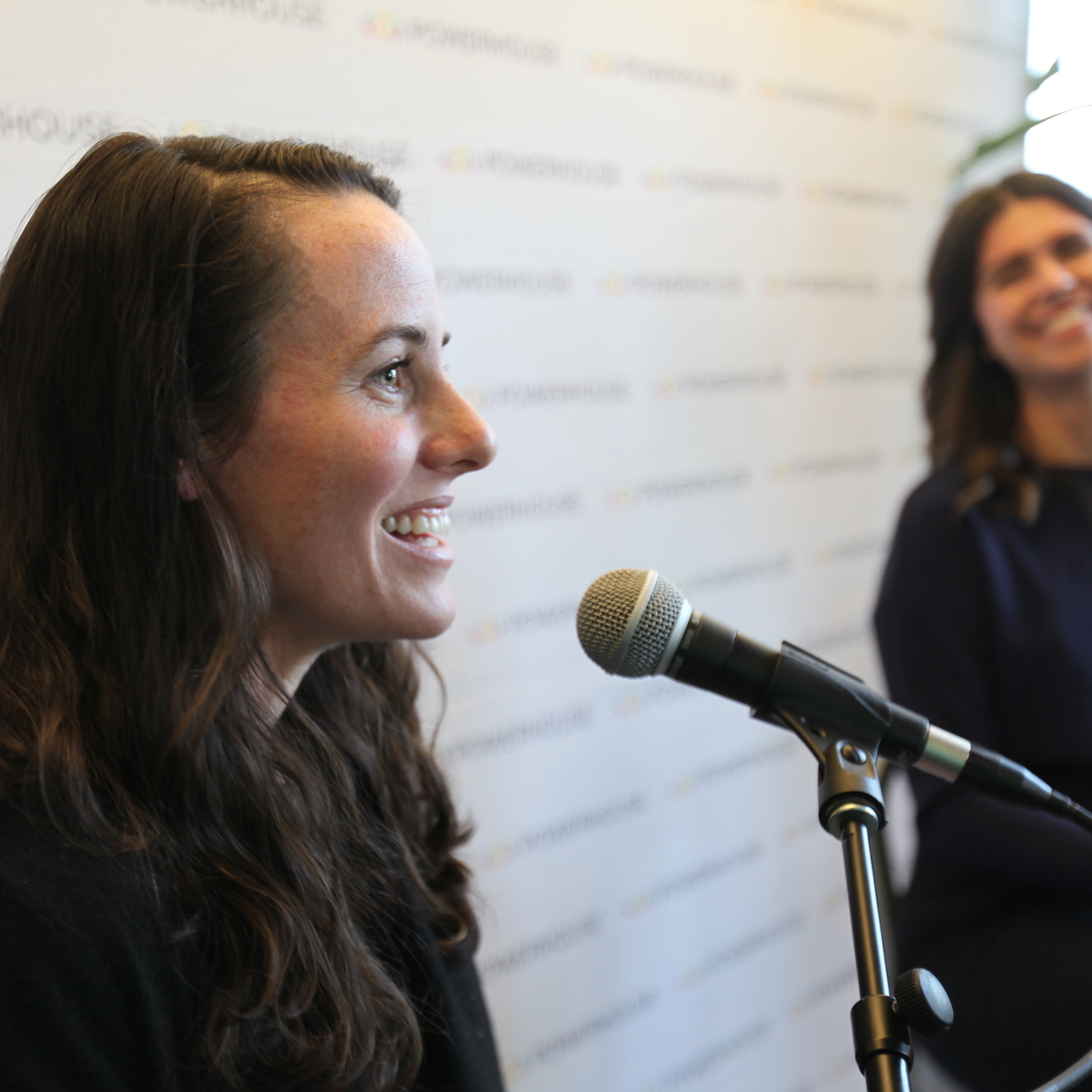
This week on Watt It Takes: How a product manager at Google saw promise in geothermal heat pumps — and applied the lessons of solar to an underserved market.In this episode, Powerhouse CEO Emily Kirsch sits down with Kathy Hannun, the co-founder of Dandelion, a home geothermal company that uses a proprietary drilling technique, simple product design, and financing to cut the cost of ground-source heating and cooling.For seven years, Kathy was on the rapid evaluation team at Alphabet X — formerly Google X — evaluating technology moonshots. That’s where she stumbled upon the opportunity in geothermal. We’re going to hear from Kathy about what she learned trying to tackle a tough tech like home geothermal. We’ll also hear about what she learned from her time at Google, how she built her team, and why raising money as an expecting mother presented some unique challenges. This conversation was recorded live at Powerhouse’s headquarters. Buy tickets for upcoming events.Support for this podcast comes from PG&E. Did you know that 20 percent of EV drivers in the U.S. are in PG&E’s service area in Northern California? PG&E is helping to electrify corporate fleet vehicles. Get in touch with PG&E’s EV specialists to find out how you can take your transportation fleet electric.We're also sponsored by Wunder Capital. Wunder Capital is the leading commercial solar financing company in the United States. Click here to find out how Wunder Capital can help you finance your next commercial solar project.Subscribe to The Energy Gang podcast via Apple Podcasts, Spotify, Google Podcasts, Stitcher or wherever you find your audio content.See Privacy Policy at https://art19.com/privacy and California Privacy Notice at https://art19.com/privacy#do-not-sell-my-info.

The Art of Closing Billions in Wind and Solar Deals [Special Content From CohnReznick]
This week, we present a special episode produced in collaboration with CohnReznick Capital.How do you broker billions of dollars worth of renewable energy deals — and do it again and again?It takes grit, sure. But it also requires empathy.And that, says Conor McKenna, is the real art of the deal.McKenna is a senior managing director at CohnReznick Capital Markets. He’s helped close 8 gigawatts of wind, solar and biomass projects over his career.We all know “The Art of the Deal,” Donald Trump’s 1987 book that offers hard-nosed business advice. The book includes lessons like fight back, play the game hard, and deliver the goods. This advice has shaped our perception of real estate and Wall Street culture. But McKenna says one important lesson is missing: how to form good relationships so that everyone benefits from a deal.“Every time we’ve seen someone focus on getting that last dollar out of an individual transaction, we’ve found that they’ve had a much harder time in repeating business and growing and scaling at the same rate as this industry.”This isn’t a soft tactic. When you’re trying to pull together hundreds or thousands of megawatts of projects — and repeat the process over many times — you have to actually care about the people on the other side of the table.“Those that have left money on the table and and allowed for their partners to feel successful as well, have had a lot more repeat business.”In this episode, we look at how empathy can translate into billions of dollars in cash and push renewables further into the mainstream. Find out more about CohnReznick Capital's portfolio.See Privacy Policy at https://art19.com/privacy and California Privacy Notice at https://art19.com/privacy#do-not-sell-my-info.
Amazon Cozies Up to Fossil Fuels
The tech giants are all going long on renewables, but Amazon seems to be going long on oil and gas.A new story details Amazon’s budding romance with the fossil fuel industry, while also lagging behind its peers in buying clean energy for its operations.Other tech companies are using their analytics for helping extract more fossil fuels — but is the extent of Amazon’s pursuit unique?Then, a new study shows that three-quarters of all coal in the US is more expensive than new renewables. But there’s an ongoing push in states from coal groups to force plants to stay open. We’ll have the latest in the feeble attempt to save coal.Finally, the supreme court rejects a challenge to state nuclear subsidies. Is it a green light for more states to save their nuke fleets?Recommended reading:Gizmodo: Amazon Is Aggressively Pursuing Big Oil as It Stalls Out on Clean EnergyVox: Amazon Says It’s a Leader on Fighting Climate Change. 5,000 Employees DisagreeIndy Star: Out-of-State Coal Interests Are Funding a Battle to Keep Coal Plants From ClosingHouston Chronicle: Supreme Court Denies Challenge to NY Nuclear SubsidySupport for this podcast comes from PG&E. Did you know that 20 percent of EV drivers in the U.S. are in PG&E’s service area in Northern California? PG&E is helping to electrify corporate fleet vehicles. Get in touch with PG&E’s EV specialists to find out how you can take your transportation fleet electric.Subscribe to The Energy Gang podcast via Apple Podcasts, Spotify, Google Podcasts, Stitcher or wherever you find your audio content.See Privacy Policy at https://art19.com/privacy and California Privacy Notice at https://art19.com/privacy#do-not-sell-my-info.
Interpreting GOP Responses to the Green New Deal
This week, the Green New Deal ripples through Washington.A few leading Republicans are responding to the progressive climate plan with some ideas of their own: the New Manhattan Project and the Green Real Deal. They’ve gotten a mostly cold response from the left. But have we finally broken the ice for a legitimate cross-party policy discussion on climate? We’ll look at the GOP responses.Then, Trump’s latest verbal convulsion. Speaking at a fundraiser, the president said wind noise causes cancer and kills property values. We’ll take this opportunity to review what the literature says about the impact of wind.Finally, we’ll go to Virginia, where there’s been a ton of legislative activity on solar, efficiency, grid infrastructure and climate — some of which was blocked by the state’s mega-utility Dominion Energy. We’ll examine the politics.Recommended reading:Bloomberg: GOP Tiptoes Toward Climate Plans as Ocasio-Cortez Turns Up HeatMatt Gaetz: 'Green Real Deal' ProposalLamar Alexander: The New Manhattan ProjectThe Conversation: Wind Turbine Syndrome, a Classic ‘Communicated’ DiseaseVirginia Mercury: How the General Assembly Failed Virginia Again on Clean EnergySupport for this podcast comes from PG&E. Did you know that 20 percent of EV drivers in the U.S. are in PG&E’s service area in Northern California? PG&E is helping to electrify corporate fleet vehicles. Get in touch with PG&E’s EV specialists to find out how you can take your transportation fleet electric.Subscribe to The Energy Gang podcast via Apple Podcasts, Spotify, Google Podcasts, Stitcher or wherever you find your audio content.See Privacy Policy at https://art19.com/privacy and California Privacy Notice at https://art19.com/privacy#do-not-sell-my-info.
Live at MIT: The 2040 Grid
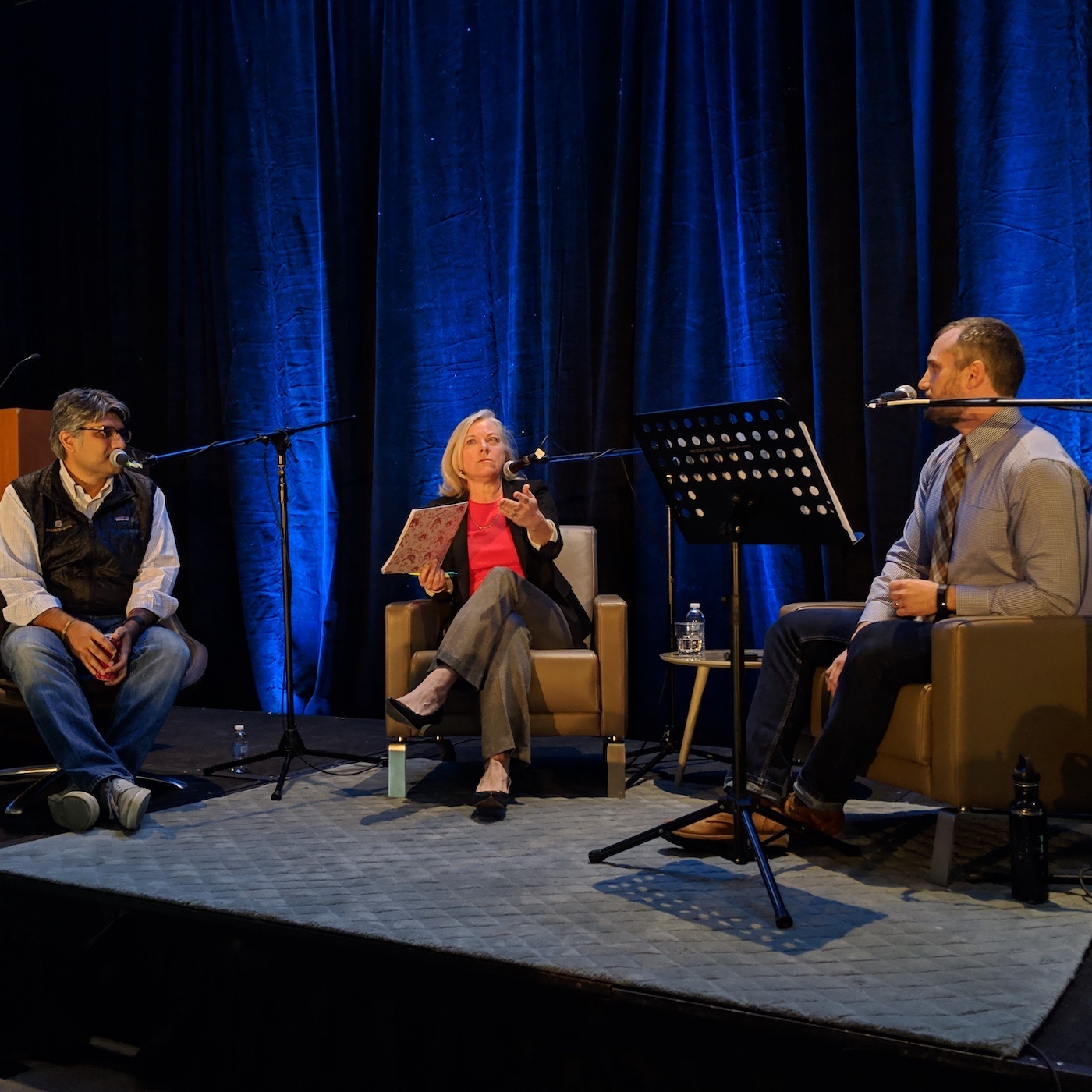
This past week, we recorded a live show at the MIT Energy Conference. The theme of the show: what the grid may look like by 2040.As a topical show, we usually don’t know what we’re going to be discussing until a day or two in advance. But the theme of the MIT conference was "tough tech and the 2040 grid" — so we decided to take it head on. To start, we’ll adjust our brains to the 2040 timeframe with some fantastical scenarios.Then, we create our own plans. We will each outline a possible future for the 2040 time frame — Katherine will look at policy and politics, Jigar will look at the business environment, and Stephen looks at technology make-up. Finally, a news circuit. We’ll provide some quick commentary on top stories of the day.And we’ll end with our Free Electrons. See Privacy Policy at https://art19.com/privacy and California Privacy Notice at https://art19.com/privacy#do-not-sell-my-info.
What Does Lyft's IPO Signal for the Future of Mobility?
Lyft is set for an IPO on Friday; Uber is driving up to the IPO window soon. Investors seem enthusiastic, but skeptics see a lot of risks and a bumpy path to profitability.In 2018, transportation network companies — pretty much Lyft and Uber — gave 2.6 billion rides. Lyft gave a billion of those rides, doubling its revenue over 2017 to $2.2 billion.We know the consumer appetite is there. But as Lyft hits the public markets, many wonder if that volume can be turned into profits. Autonomous cars, competition from other shared mobility companies, and regulations are all a potential risk.So what does Lyft’s IPO — and soon Uber’s — tell us about where mobility is headed? We're discussing on this week's Energy Gang podcast.Then, one of America’s biggest utilities said recently it will offer only carbon-free energy by 2050. In the second half of the show, we’re going to dig into Xcel’s plan. How will they do it? And will it encourage other big power companies to do the same?Finally, Midwestern floods have caused $3 billion in damages and devastated rural communities. We’ll look at our poor infrastructure management, and where the floods fit into climate trends.Recommended reading:Seattle Times: As It Gets Set for IPO, Lyft Outlines All the Reasons Ride-Sharing Could FailNPR: Ride-Hailing Services Add To Traffic Congestion, Study SaysCityLab: If Your Car Is Stuck in Traffic, It's Not Uber and Lyft's FaultVox: For the First Time, a Major US Utility Has Committed to 100% Clean EnergyXcel Energy: Building a Carbon-Free FutureAtlantic: Midwestern Flooding Isn’t a Natural DisasterReport: Climate Change in the MidwestSupport for this podcast comes from Dandelion Energy, the leading home geothermal company. Dandelion is making it easier for homeowners to get geothermal. Customers who switch to geothermal heating save on average $2,250 per year. See if your home qualifies.We're also brought to you by Wunder Capital. Listen to our careers episode produced with Wunder Capital. We talked with Wunder CTO Dave Riess about the framework he used to completely change his career path into solar — eventually co-founding a successful company. Listen to that episode in The Interchange feed or find it here.Subscribe to The Energy Gang podcast via Apple Podcasts, Spotify, Google Podcasts, Stitcher or wherever you find your audio content.See Privacy Policy at https://art19.com/privacy and California Privacy Notice at https://art19.com/privacy#do-not-sell-my-info.
Replay: The Story Behind Greentech Media's Founding
We're on spring break this week. We'll be back on Thursday with our regular show.To get you through the next few days, we’re offering up an earlier episode of Watt It Takes about the origin story of Greentech Media.In this edition of Watt It Takes, Powerhouse CEO Emily Kirsch interviews GTM Co-Founder Scott Clavenna about the beginning of the company, the challenges of being a startup in the cleantech world, and our recent acquisition by Wood Mackenzie. Watt It Takes is a live interview series produced by Powerhouse in partnership with GTM. The conversation was recorded live in Oakland, California.Don't forget to subscribe to our other GTM podcast, The Interchange.See Privacy Policy at https://art19.com/privacy and California Privacy Notice at https://art19.com/privacy#do-not-sell-my-info.
The Battery Storage Market Kicks Into High Gear
The latest numbers for U.S. energy storage activity are out. They show a surge of activity coming over the next five years, leading to 6x market growth.By 2024, the storage market will be worth $4.7 billion dollars, driven evenly by utility-scale and behind-the-meter battery projects.On this week's episode, we'll unpack the numbers in the latest Energy Storage Monitor from Wood Mackenzie and the Energy Storage Association. They show a doubling and then a tripling of storage to come — making batteries an important part of utility planning in every region of the country.Where’s growth happening, and what does it mean for grid planning?Then, with many farmers in crisis, more of them are putting solar on their land. That’s providing new sources of income, but many fear it could take prime croplands out of commission. How do we site solar on agricultural lands properly?And finally, what is going on over at Tesla? We’ll make try to make sense of the confusing series of decisions at the company.Recommended reading:GTM: US Energy Storage Broke Records in 2018, but the Best Is Yet to ComeGTM: APS Plans to Add Nearly 1GW of New Battery Storage and Solar Resources by 2025Washington Post: The Next Money Crop for FarmersInterchange podcast: What's Up With Tesla Energy?New York Times: Tesla Says Never Mind, It Raises Prices and Keeps Most StoresBloomberg: Musk Pledges Belt-Tightening as Tesla Cuts Prices, Warns of LossSupport for this podcast comes from Dandelion Energy, the leading home geothermal company. Dandelion is making it easier for homeowners to get geothermal. Customers who switch to geothermal heating save on average $2,250 per year. See if your home qualifies.We're also brought to you by Wunder Capital. Listen to our careers episode produced with Wunder Capital. We talked with Wunder CTO Dave Riess about the framework he used to completely change his career path into solar — eventually co-founding a successful company. Listen to that episode in The Interchange feed or find it here.Subscribe to The Energy Gang podcast via Apple Podcasts, Spotify, Google Podcasts, Stitcher or wherever you find your audio content.See Privacy Policy at https://art19.com/privacy and California Privacy Notice at https://art19.com/privacy#do-not-sell-my-info.
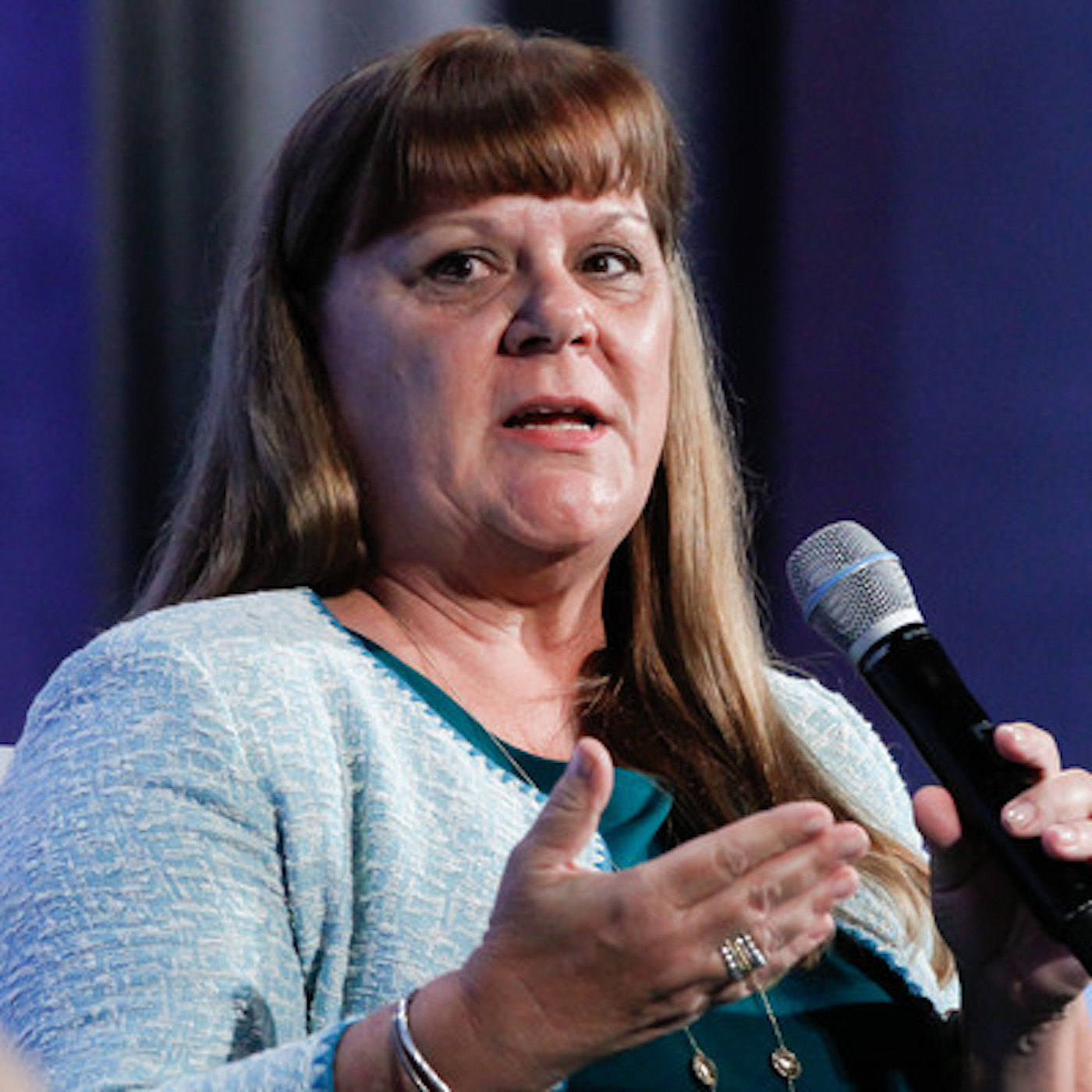
Watt It Takes: Terry Jester Brings 40 Years of Solar Experience to Startups
This week on Watt It Takes: Terry Jester has seen it all in her four-decade career in solar and electronics. As both an engineer and an executive, she’s learned that timing is everything in the energy business. “I think as I’ve gotten older, I understand when best to strike…a good idea can not make it for bad timing, and a bad idea can go too far.”In this episode, Powerhouse CEO Emily Kirsch sits down with Terry, who is now chief executive of SolPad, maker of a modular home solar-storage system. Terry started her career at ARCO solar in 1979, where she worked on making products that could last decades. She’s since held operations or engineering positions at Shell, Siemens, SunPower, SolarWorld and Solaria — witnessing the initial evolution and eventual explosion of solar firsthand.Terry is now in the startup world, where she’s trying to help SolPad carve out a niche in the market for home solar-battery systems. So we’re going to hear about how she’s applying operations lessons from big corporations to a startup.This conversation was recorded live at the Women of Renewable Industries and Sustainable Energy forum in Denver, CO. Watt It Takes is a collaboration between Powerhouse and Greentech Media. The series is normally recorded in front of a live audience at Powerhouse headquarters in Oakland, California. Buy tickets for upcoming events.Support for this podcast comes from Dandelion Energy, the leading home geothermal company. Dandelion is making it easier for homeowners to get geothermal. Customers who switch to geothermal heating save on average $2,250 per year. See if your home qualifies.We're also brought to you by Wunder Capital. Wunder Capital is the leading commercial solar financing company in the United States. Click here to find out how Wunder Capital can help you finance your next commercial solar project.See Privacy Policy at https://art19.com/privacy and California Privacy Notice at https://art19.com/privacy#do-not-sell-my-info.
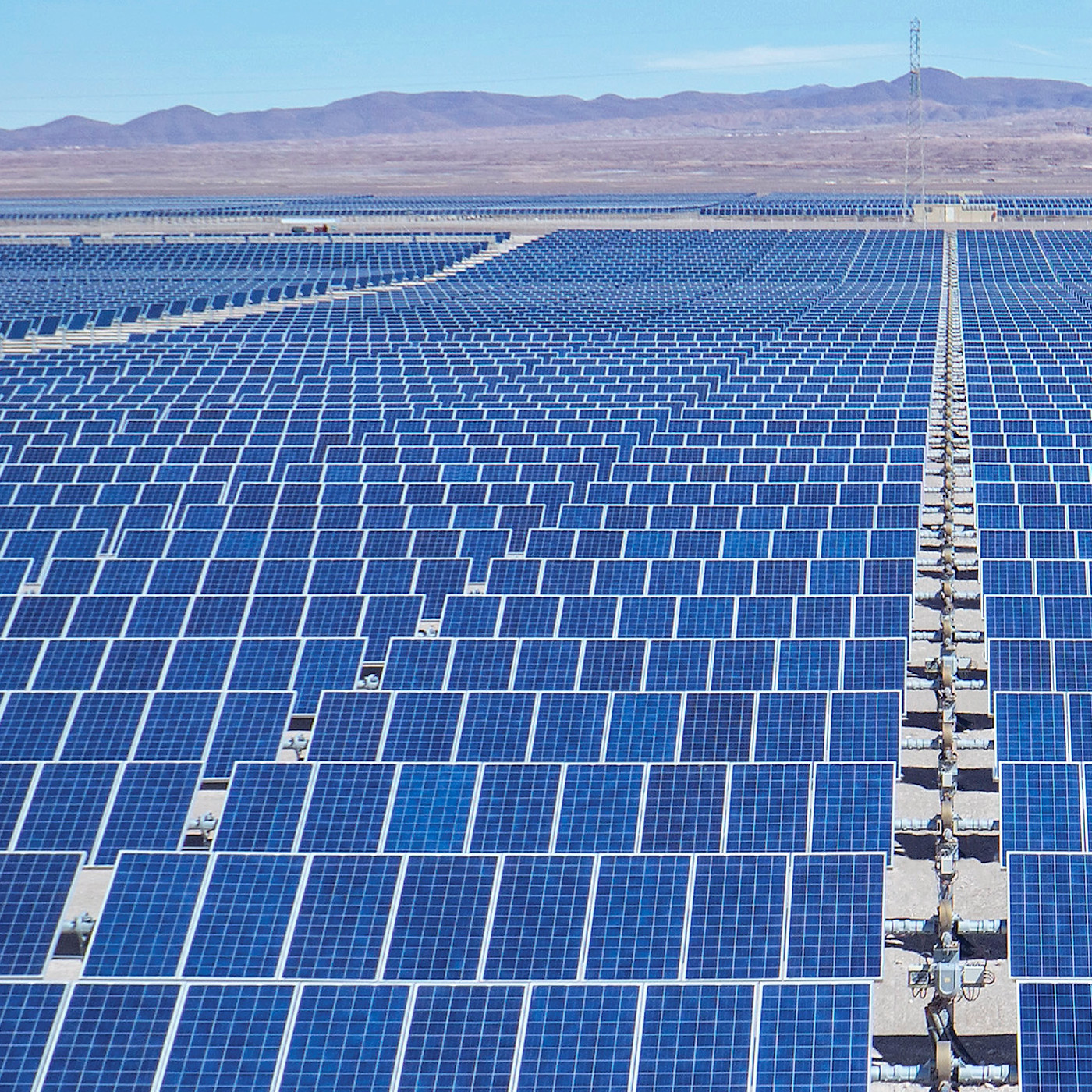
Risks and Rewards of Latin America's Solar Boom [Special Content From NEXTracker]
This week, we’ve got a bonus episode produced in collaboration with NEXTracker.It’s all about the risks and rewards of doing business in the roaring Latin American solar market.We are speaking with two of the most in-the-know people on the subject.We’re joined by Manan Parikh, Wood a solar analyst focused on the Americas for Wood Mackenzie Power & Renewables. And we’ll hear from Alejo Lopez, a senior director at NEXTracker, who’s helped grow a 3-gigawatt pipeline of trackers in Latin America — resulting in some of the cheapest and grandest solar projects in the world. Auctions in Mexico, Chile, Argentina, Colombia, and Brazil are unleashing extremely low prices — between 2 and 3 cents a kilowatt-hour. As a result, the region is actually the strongest for trackers compared to the rest of the world.It’s also a pretty crazy place to do business. Every country is very different. Political and economic volatility can make markets super hot one year, and then nonexistent the next. And ultra-low prices aren’t always healthy.Still, Wood Mackenzie Power & Renewables projects exponential growth for Latin America — making it 10% of the global market within the next few years.So what does exponential growth look like? And what do solar markets based on unsubsidized, extremely low priced projects mean for businesses? Learn about how NEXTracker helped deliver 754 megawatts of trackers to the largest solar project in the Americas. Listen to our episode of Watt It Takes with NEXTracker CEO Dan Shugar, a solar pioneer.See Privacy Policy at https://art19.com/privacy and California Privacy Notice at https://art19.com/privacy#do-not-sell-my-info.
Is Climate Delayism the New Denialism?
We weren’t planning on making the Green New Deal a weekly item on the show. Then a video of Senator Dianne Feinstein dropped over the weekend, where she appears to lecture climate-protesting kids. It set off a chain reaction of outrage.The social media fervor has since died down, but some really interesting journalism was left in its wake. This whole affair highlighted the crazy upheaval in climate politics — we’re going to tackle some of the bigger questions raised. Are kids a legitimate constituency? What makes climate politics so different from other issues? Are climate delayers as bad as climate deniers? What’s the end game for Democrats?Then, another ethics conflict for Trump’s energy people. We’ll talk about an EPA official who worked with a secretive utility group that lobbies against air pollution regulations, just months before he took a role regulating air pollution. Zack Colman of Politico joins us to talk about the ties he uncovered. What do they tell us about the state of lobbying ethics and utility power in the nation’s capital?Don’t forget about our live show on April 4 at the MIT Energy Conference in Cambridge, Massachusetts. Listeners get 10% off using the code “energygang” when they buy a ticket. Get tickets: bit.ly/mitenergygangRead along with us:The New Yorker: The Hard Lessons of Dianne Feinstein’s Encounter With the Young Green New Deal ActivistsAxios: Dianne Feinstein's Green New Deal Video Basically Explains the Debate on Fighting Climate ChangeAtlantic: Dianne Feinstein Doesn’t Need a Do-OverPolitico: Documents Detail Multimillion-Dollar ties Involving EPA Official, Secretive Industry GroupSupport for this podcast comes from Dandelion Energy, the leading home geothermal company. Dandelion is making it easier for homeowners to get geothermal. Customers who switch to geothermal heating save on average $2,250 per year. See if your home qualifies.We're also brought to you by Wunder Capital. Listen to our careers episode produced with Wunder Capital. We talked with Wunder CTO Dave Riess about the framework he used to completely change his career path into solar — eventually co-founding a successful company. Listen to that episode in The Interchange feed or find it here.See Privacy Policy at https://art19.com/privacy and California Privacy Notice at https://art19.com/privacy#do-not-sell-my-info.
How Trump's Tariffs Hit US Solar, One Year On
It’s been one year since the Trump White House slapped 30 percent tariffs on solar cells and modules imported into the US. What happened since?The solar industry said tariffs would destroy tens of thousands of jobs and set the market back years. Turns out, the market is a lot more resilient than presumed. We now have the jobs numbers and installation data for 2018 — and yes, the tariffs definitely hurt solar, but not nearly as much as expected.We’ll take stock of how tariffs shaped America’s solar market over the last year, both bad and good.Then, Shell continues its distributed-energy acquisition spree. The oil giant just scooped up German battery services company sonnen — one month after buying EV charging firm Greenlots in January. What’s the end game?We’ll end with a Trump Administration plan to freeze lighting standards. Is this Trump’s vendetta against hipster bars using globe lights and Edison bulbs?We’re doing a live show at the MIT Energy Conference on April 4 in Cambridge, Massachusetts. Follow this link and use the promo code “energygang,” and we’ll give you a 10% discount on your ticket. Come join us for a fun live show on the energy picture in 2040.Recommended reading:GTM: New Tariffs to Curb US Solar Installations by 11% Through 2022GTM: US Solar Job Numbers Decline for the Second Consecutive YearGTM: Oil Supermajor Shell Acquires Sonnen for Home Battery ExpansionACEEE: Rollback of Light Bulb Standards Would Cost Consumers BillionsSupport for this podcast comes from Dandelion Energy, the leading home geothermal company. Dandelion is making it easier for homeowners to get geothermal. Customers who switch to geothermal heating save on average $2,250 per year. See if your home qualifies.We're also brought to you by Wunder Capital. Wunder Capital is the leading commercial solar financing company in the United States. Listen to our special podcast episode on careers produced in partnership with Wunder.Subscribe to The Energy Gang podcast via Apple Podcasts, Spotify, Google Podcasts, Stitcher or wherever you find your audio content.See Privacy Policy at https://art19.com/privacy and California Privacy Notice at https://art19.com/privacy#do-not-sell-my-info.
Parsing the Green New Deal
The Green New Deal plan is out, and we’re suddenly having a national conversation about climate change again. It’s also injecting some early drama into the presidential primaries.This week, we’re digging into the plan. We’ll tell you what’s in it, assess the reactions, and look at whether it will amount to anything. Also: is the democratic-socialist agenda antithetical the “creating climate wealth” framing — or complimentary?Then, recycling is in crisis. You’re probably recycling wrong. China is cracking down. And your city is probably losing money. We’ll ask how to address it.Finally, lab-grown meat and meat alternatives are facing a backlash from the meat industry. Bills are getting introduced in states around the country to prevent companies from using the word "meat." Could it set the industry back just as these products are gaining traction?We’re doing a live show at the MIT Energy Conference on April 4 in Cambridge, Massachusetts. Follow this link and use the promo code “energygang,” and we’ll give you a 10% discount on your ticket. Come join us for a fun live show on the energy picture in 2040.Recommended reading:Read the Green New Deal resolutionPolitico: The Impossible Green Dream of Alexandria Ocasio-CortezVox: The Green New Deal Is a 2020 Litmus TestFinancial Times: Why the World’s Recycling System Stopped WorkingNew York Times: You Call That Meat? Not So Fast, Cattle Ranchers SaySupport for this podcast comes from Dandelion Energy, the leading home geothermal company. Dandelion is making it easier for homeowners to get geothermal. Customers who switch to geothermal heating save on average $2,250 per year. See if your home qualifies.We're also brought to you by Wunder Capital. Wunder Capital is the leading commercial solar financing company in the United States. Click here to find out how Wunder Capital can help you finance your next commercial solar project.Subscribe to The Energy Gang podcast via Apple Podcasts, Spotify, Google Podcasts, Stitcher or wherever you find your audio content.See Privacy Policy at https://art19.com/privacy and California Privacy Notice at https://art19.com/privacy#do-not-sell-my-info.
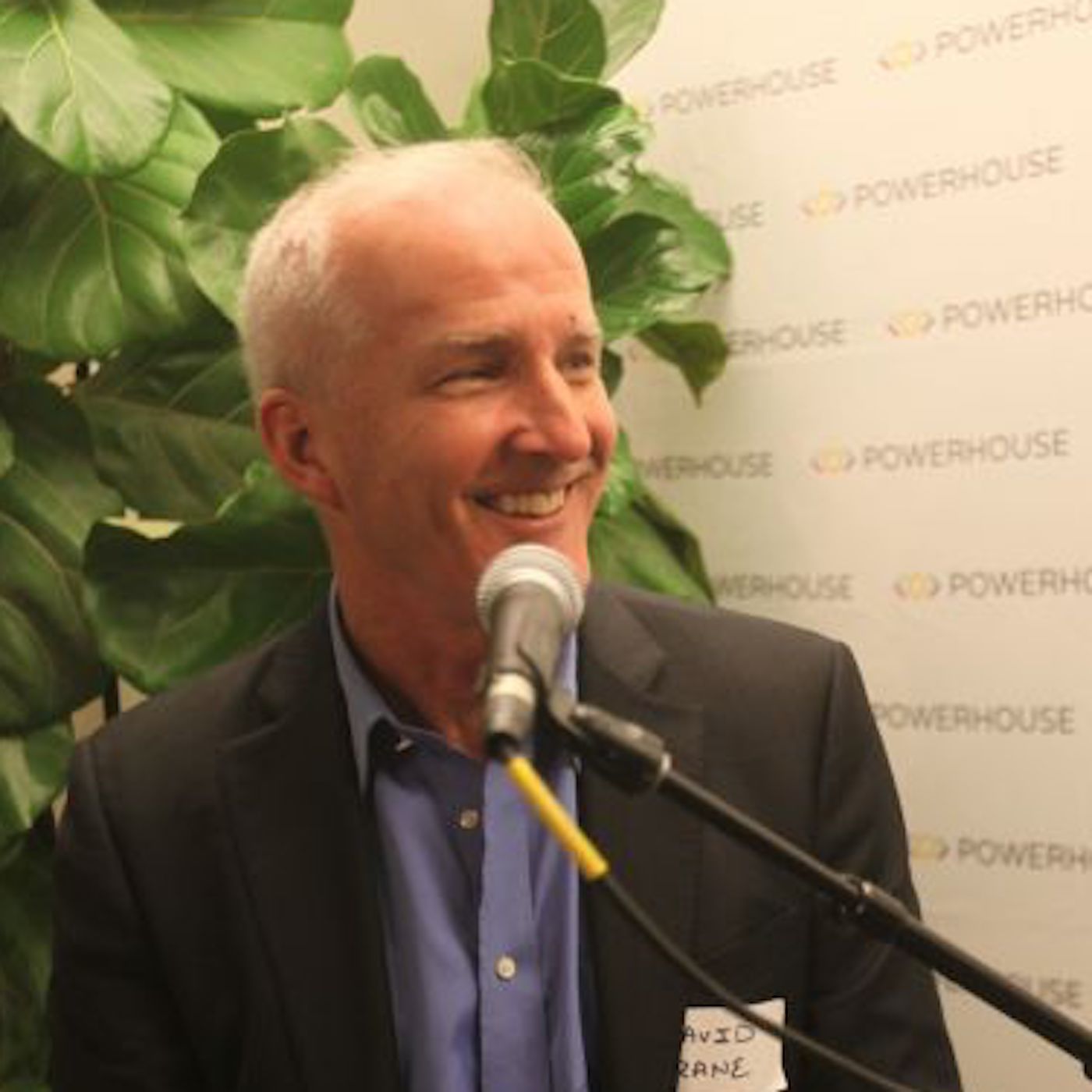
Watt It Takes: How David Crane Jolted the Power Sector
This week on Watt It Takes: How David Crane worked his way up in the power business to become CEO of NRG Energy — only to get tossed out of the job for his bold stance on climate.In this episode, Emily Kirsch talks with Crane about taking risks in the conservative power industry. We’re going to hear from Crane about why being a CEO is so lonely, how his open exit letter to NRG employees went viral, the best investment he ever made, and his early career.Watt It Takes is a collaboration between Powerhouse and Greentech Media. The series is recorded in front of a live audience at Powerhouse headquarters in Oakland, California. Buy tickets for upcoming events.Subscribe to GTM podcasts via Apple Podcasts, Google Play, Stitcher or wherever you find your audio content.See Privacy Policy at https://art19.com/privacy and California Privacy Notice at https://art19.com/privacy#do-not-sell-my-info.
The Interchange: Utilities vs Oil Majors vs Mobility Providers vs Big Tech
This week: a battle Royale for energy dominance.We're cross-posting an episode from our other Greentech Media podcast, The Interchange. The competitors: utilities, oil & gas majors, mobility providers and big tech. We’re pitting them against each other inside of a voice-activated, electrified cage to see who will emerge as the energy company of the future.Subscribe to The Interchange podcast via Apple Podcasts, Google Podcasts, Stitcher, Spotify or wherever you find your audio content. Or integrate our RSS feed into the app of your choice.See Privacy Policy at https://art19.com/privacy and California Privacy Notice at https://art19.com/privacy#do-not-sell-my-info.
The Debate Over America's 2050 Energy Mix
What will the U.S. grid mix look like in 2050? It depends on which models you follow.The future according to the Energy Information Administration's latest report: wind will stop growing, coal will stop declining, demand for electricity will keep going up, and emission reductions will moderate. A lot of people are unhappy about it.It's no secret that EIA is ultra-conservative in its modeling. But why is there such a disconnect from the technological and economic shifts in energy markets? And why does EIA have such a hard time mapping technological change? We'll offer some solutions to the government's data problem.Then: cancel your trip to Disneyland, stock up on Coca-Cola, and hoard as many iPhones as possible. We'll look at how the world’s biggest companies are detailing their risks to climate change.Finally, we'll end on a philosophical note: who is to blame for climate change? Individuals? Companies? Governments? We'll take a cue from an articulate 16-year-old in Davos.Don't forget to rate and review us on Apple podcasts. We're giving away a free subscription to GTM Squared to the person who writes the most interesting review by February 1.Read along with us:InsideClimate News: What the Government Misses in Its Energy Outlook and Why It MattersUtility Dive: US Far Off Track for Global Climate Goals as Fossil Fuel Reliance PersistsTwitter: Jesse Jenkins thread on EIA dataTwitter: Alex Gilbert reactions to EIA dataBloomberg: Corporate America Is Getting Ready to Monetize Climate ChangeBarron's: Climate Change Could Hit These Companies HardestLinkedIn: Discussion of Greta Thunberg's Davos SpeechSupport for this podcast comes from Wunder Capital. Wunder Capital is the leading commercial solar financing company in the United States. Click here to find out how Wunder Capital can help you finance your next commercial solar project.Subscribe to The Energy Gang podcast via Apple Podcasts, Spotify, Google Podcasts, Stitcher or wherever you find your audio content.See Privacy Policy at https://art19.com/privacy and California Privacy Notice at https://art19.com/privacy#do-not-sell-my-info.
A New Paradigm for Energy Efficiency
What is energy efficiency? That sounds like a pretty simple question. But it’s not.Defining efficiency used to be pretty straightforward: weatherize, upgrade equipment and lighting, use a bit of social science to cut consumption. But now efficiency is becoming just as much about shaping demand in real-time to support distributed energy. And that’s shaping how it gets defined, implemented and tracked.A confluence of factors — the rise of new consumer tech in the home, bundled distributed energy offerings, a shifting demand curve due to PV, improvements to data collection, and the “electrify everything movement — are changing efficiency's role on the grid. We'll discuss this changing paradigm in our first segment.Then, we'll move to electrification. Why are heat pumps suddenly getting so much attention? And how can they help meet efficiency and decarbonization goals?Finally, we'll end with an update on how global power brokers are thinking about energy at the World Economic Forum in Davos, Switzerland. Katherine comes to us from the event.Don't forget to rate and review us on Apple podcasts. We're giving away a free subscription to GTM Squared to the person who writes the most interesting review before the end of January.Read along with us:Twitter thread of efficiency resources suggested by listenersACEEE: Snapshot of Energy Efficiency Performance Incentives for Electric UtilitiesNexant: The Need for a Holistic Electrification StrategyGTM: Electric Heating Accelerates the Push for Deep Decarbonization, but Cost Remains an IssueGTM: Electric Heat Pumps Can Slash Heating Emissions by More Than Half in California HomesStrategen Consulting: Is the "Duck Curve" Eroding the Value of Energy Efficiency?Support for this podcast comes from Wunder Capital. Wunder Capital is the leading commercial solar financing company in the United States. Click here to find out how Wunder Capital can help you finance your next commercial solar project.Subscribe to The Energy Gang podcast via Apple Podcasts, Spotify, Google Podcasts, Stitcher or wherever you find your audio content.See Privacy Policy at https://art19.com/privacy and California Privacy Notice at https://art19.com/privacy#do-not-sell-my-info.
PG&E's Looming Historic Bankruptcy
We are about to witness one of the most contentious and consequential bankruptcies in the history of energy.PG&E, California’s biggest utility, is reeling from wildfire costs — and it is now headed to the courts, where it will likely be dismantled.Will it crush California’s goals to clean up the electric grid? Or will lawmakers step in with a political fix? The stakes couldn’t be higher. We’re going to tackle the big questions raised by PG&E’s spiral.Then, why are hundreds of liberal green groups shutting down every technology except wind and solar as part of the Green New Deal? We’ll discuss a letter has raised a lot of criticism — and risks fighting among allies even before a real plan is considered.Finally, we’ll have a rundown of a terrifying Wall Street Journal story about how the Russians infiltrated dozens of utilities, allowing them to hide out inside the computer systems controlling the grid.Don't forget to rate and review us on Apple podcasts. We're giving away a free subscription to GTM Squared to the person who writes the most interesting review before the end of January.Read along with us:GTM: The Big Questions Raised by PG&E’s Coming BankruptcyLos Angeles Times: PG&E’s Bankruptcy Could Slow California’s Fight Against Climate ChangeJigar's op-ed in The Hill: Modern Energy Infrastructure Could Mitigate California’s Wildfire CrisisVox: Here’s One Fight the Green New Deal Should Avoid for NowWall Street Journal: America’s Electric Grid Has a Vulnerable Back Door—and Russia Walked Through ItSupport for this podcast comes from Wunder Capital. Wunder Capital is the leading commercial solar financing company in the United States. Click here to find out how Wunder Capital can help you finance your next commercial solar project.Subscribe to The Energy Gang podcast via Apple Podcasts, Spotify, Google Podcasts, Stitcher or wherever you find your audio content.See Privacy Policy at https://art19.com/privacy and California Privacy Notice at https://art19.com/privacy#do-not-sell-my-info.
Government Shuts Down, Pollution Ramps Up
The political insanity in Washington can feel disconnected from reality. But two years into the Trump presidency, Americans all over the country are feeling it in the form of higher pollution.In this week's episode, we're starting off with a look at how the government shutdown and Trump's regulatory rollback are impacting energy-related agencies, and encouraging the discharge of more chemicals, heavy metals and air pollutants.Then Bill Gates is once again talking about the limits of renewables and the importance of nukes. Where does Gates’ message and investment thesis stack up with the reality of the global emissions picture?Finally, we revisit the media and climate change. 60 Minutes is talking about the New Green Deal; Meet the Press devoted an hour to climate; and the New York Times called climate change the most important story of 2018. A sign of things of change in the media environment?Read along with us:New York Times: 'This Is Our Reality Now'The Guardian: Americans' Health at Risk as Shutdown Slashes EPANew York Times: The Most Important Story of 2018Bill Gates: What I Learned at Work This Year60 Minutes: A Profile of Alexandria Ocasio-CortezJigar Shah: Give Trump Money for a Wall by Funding the Green New DealSupport for this podcast comes from Wunder Capital. Wunder Capital is the leading commercial solar financing company in the United States. Click here to find out how Wunder Capital can help you finance your next commercial solar project.Subscribe to The Energy Gang podcast via Apple Podcasts, Spotify, Google Podcasts, Stitcher or wherever you find your audio content.See Privacy Policy at https://art19.com/privacy and California Privacy Notice at https://art19.com/privacy#do-not-sell-my-info.
2018 Reflections and Prognostications
This week, it’s our year-ender episode. And you know what that means: we’re going round the horn with our assessment of 2018.First, we’ll discuss the top trends of the year. Then, a roundup of the best energy journalism of 2018. And finally, some predictions for 2019 — with a twist.Here some links to our top journalism choices:“The Coal Bailout Nobody is Talking About,” by Joseph Daniel“Drilled” podcast, by Amy WesterveltAn interview with Ken Ward, jr. about his MacArthur Genius grant for investigative reporting on the coal industry.And Stephen’s other picks for top podcasts of the year.The Energy Gang is brought to you by GE's Reservoir, a modular lithium-ion energy storage system that can slash construction costs by 50 percent. Find out more about what Reservoir can do for your electric grid, solar plant, wind farm, microgrid or thermal power plant.Use the promo code PODCAST to get a $50 discount for a GTM Squared membership this holiday season. Get your GTM Squared discounted membership here.See Privacy Policy at https://art19.com/privacy and California Privacy Notice at https://art19.com/privacy#do-not-sell-my-info.
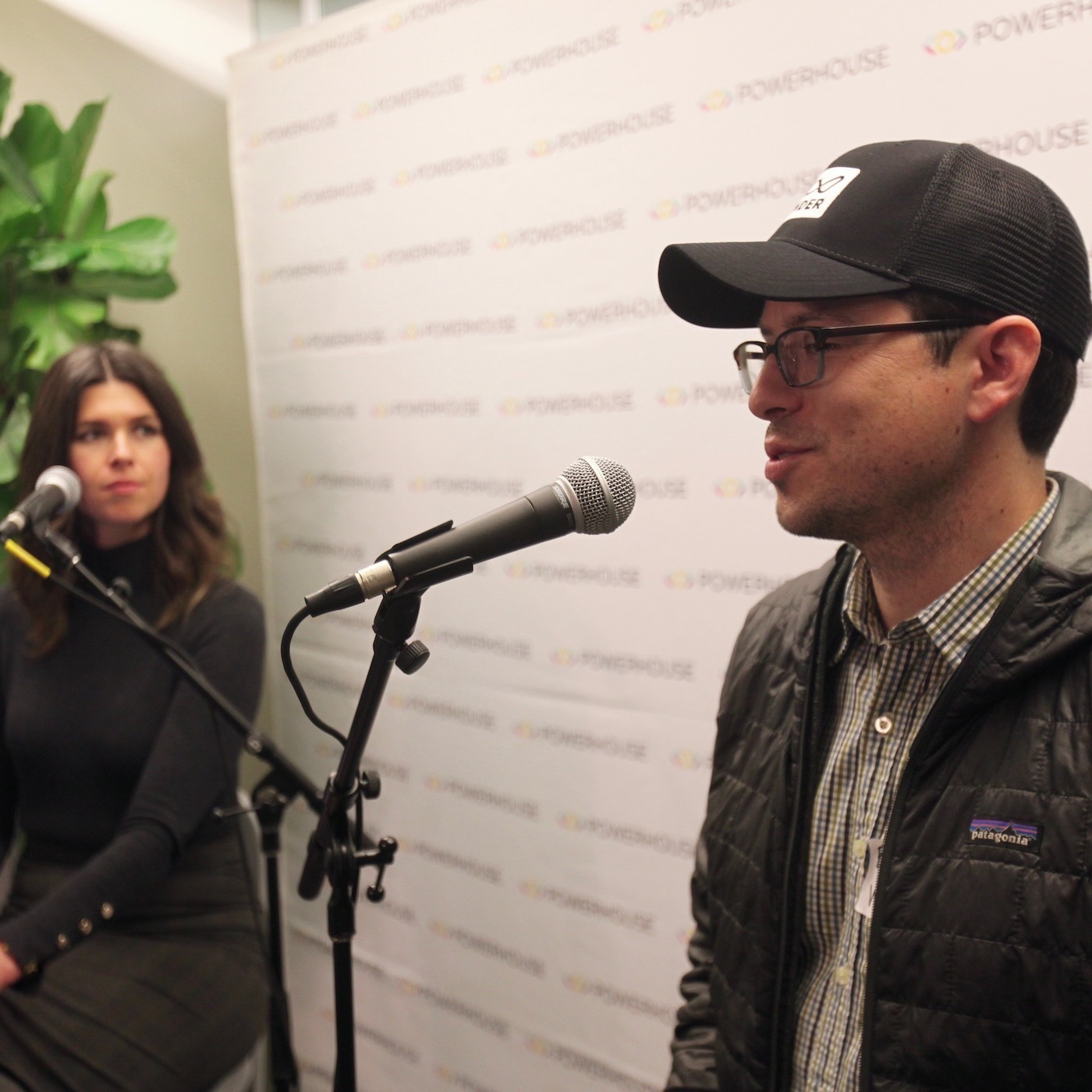
Watt It Takes: The Origin Story of Wunder Capital
This week on Watt It Takes: Wunder Capital CEO Bryan Birsic on why he wants to solve the commercial solar financing challenge, when so many others couldn't."That is what a startup is to me. It's 50 or 100 people who can move a multi-billion-dollar industry in a way that an incumbent with thousands of people and multitudes of resources cannot," says Birsic.Since its launch in 2014, Wunder has exploded onto the solar scene. In this edition of Watt It Takes, Powerhouse CEO Emily Kirsch talks with Birsic about applying the lessons from fintech to cleantech.Watt It Takes is a collaboration between Powerhouse and Greentech Media. The series is recorded in front of a live audience at Powerhouse headquarters in Oakland, California. Buy tickets for upcoming events.This podcast is brought to you by GE's Reservoir, a modular lithium-ion energy storage system that can slash construction costs by 50 percent. Find out more about what Reservoir can do for your electric grid, solar plant, wind farm, microgrid, or thermal power plant.We’re giving listeners major discounts this fall. Use the promo code PODCAST to get a $50 discount for a GTM Squared membership and 20% off our final GTM conferences of the season. Get your GTM conference discount here. Get your GTM Squared discounted membership here.Listen to our other episodes of Watt It Takes: Nancy Pfund’s Pro Tips for Getting Started in CleantechSunPower Founder Dick Swanson’s Guide to Launching a Cleantech StartupLessons From the Fall of SungevityDan Shugar, the King Midas of SolarA History of Greentech Media With Scott ClavennaSungage's Sara Ross on Starting a Solar Loan CompanyJigar Shah on the Origin Story of SunEdisonThe Origin Story of Mosaic With Billy ParishHow Roboticist Leila Madrone Built the Air-Based Solar Tracker Firm SunfoldingThe Death-Defying Reinvention of Advanced Microgrid SolutionsAssessing the Promise of Electric Buses With Proterra CEO Ryan PoppleHow Sunnova’s John Berger Convinced Oil & Gas Investors to Believe in SolarBertrand Piccard: ‘If You Can Fly Around the World in a Solar Airplane, You Can Do Everything’The Origin Story of Sunrun With Lynn JurichSubscribe to GTM podcasts via Apple Podcasts, Google Play, Stitcher or wherever you find your audio content.See Privacy Policy at https://art19.com/privacy and California Privacy Notice at https://art19.com/privacy#do-not-sell-my-info.
Can Geothermal Scale?
Back in 2008, there was a lot of excitement about geothermal. Many major banks were backing large-scale geothermal projects around the world; a wide range of startups were promising to unlock new resources; and wind and solar hadn’t shown their explosive growth yet. But then the financial crisis hit. In the decade since, growth in geothermal has been lumpy — relegated to a handful of supportive markets around the world. Why has geothermal grown so slowly compared to other renewables? What’s holding it back?This week, we’re joined by Alexander Richter, the founder of the geothermal news site ThinkGeoEnergy. Alex has experience in project finance, research and journalism. We’ll talk with him about the last decade of geothermal development.Then, in the second half of the show, we discuss the Green New Deal. There’s a movement within the Democratic Party to push climate hard. What’s behind it? How would the New Green Deal work? (For a compliment to this discussion, check out the latest episode of Political Climate.)The Energy Gang is brought to you by GE's Reservoir, a modular lithium-ion energy storage system that can slash construction costs by 50 percent. Find out more about what Reservoir can do for your electric grid, solar plant, wind farm, microgrid or thermal power plant.We’re giving listeners major discounts this fall. Use the promo code PODCAST to get a $50 discount for a GTM Squared membership and 20% off our final GTM conferences of the season.Get your GTM conference discount here. Get your GTM Squared discounted membership here.Subscribe to The Energy Gang podcast via Apple Podcasts, Spotify, Google Play, Stitcher or wherever you find your audio content.See Privacy Policy at https://art19.com/privacy and California Privacy Notice at https://art19.com/privacy#do-not-sell-my-info.
What if Utilities Are to Blame for Wildfires?
California has seen a million and a half acres of forest burned this year. As the state recovers from the devastating Camp Fire and Woolsey Fire, residents are looking for someone to blame.Now attention turns to utilities. Both Southern California Edison and Pacific Gas & Electric are under investigation and facing class-action lawsuits for potentially starting the blazes.What happens to utilities if they are found at fault? And how do you protect a vulnerable electric grid as these fire get worse and worse? We'll discuss.Then, we’ll mark the Thanksgiving week in the second half of the show. We’ll each share our picks for the top turkey of 2018. Who made the biggest blunders this year?Recommended reading:GTM: If Wildfires Drive PG&E Into Bankruptcy, What Happens to Renewable Energy Contracts?SF Chronicle: California Regulator Lays Groundwork for PG&E BailoutNational Geographic: See How a Warmer World Primed California for Large FiresThe Energy Gang is brought to you by GE's Reservoir, a modular lithium-ion energy storage system that can slash construction costs by 50 percent. Find out more about what Reservoir can do for your electric grid, solar plant, wind farm, microgrid, or thermal power plant.We’re giving listeners major discounts this fall. Use the promo code PODCAST to get a $50 discount for a GTM Squared membership and 20% off our final GTM conferences of the season.Get your GTM conference discount here. Get your GTM Squared discounted membership here.Subscribe to The Energy Gang podcast via Apple Podcasts, Spotify, Google Play, Stitcher or wherever you find your audio content.See Privacy Policy at https://art19.com/privacy and California Privacy Notice at https://art19.com/privacy#do-not-sell-my-info.
Watt It Takes: The Origin Story of Sunrun
This week on Watt It Takes: How Sunrun CEO Lynn Jurich convinced homeowners and banks to invest millions into third-party rooftop solar during the great recession.“Everybody said it won’t work. We took it as a challenge,” says Jurich. “And so we just went for it.”Sunrun was a pioneer in residential solar services. Unlike some of its fallen brethren pushing the national model, Sunrun grew at a much more sustainable clip. Today, the company is at the top of its game. Sunrun installed 100 megawatts of residential solar last quarter. It will likely install 5,000 residential batteries. It’s now partnering with utilities on using those batteries and rooftop systems as a virtual power plant. In this edition of Watt It Takes, Powerhouse CEO Emily Kirsch talks with Jurich about how she went from begging homeowners at county fairs to signing hundreds of thousands of customers.This podcast is brought to you by GE's Reservoir, a modular lithium-ion energy storage system that can slash construction costs by 50 percent. Find out more about what Reservoir can do for your electric grid, solar plant, wind farm, microgrid, or thermal power plant.We’re giving listeners major discounts this fall. Use the promo code PODCAST to get a $50 discount for a GTM Squared membership and 20% off our final GTM conferences of the season. Get your GTM conference discount here. Get your GTM Squared discounted membership here.Subscribe to The Energy Gang podcast via Apple Podcasts, Google Play, Stitcher or wherever you find your audio content.See Privacy Policy at https://art19.com/privacy and California Privacy Notice at https://art19.com/privacy#do-not-sell-my-info.
Post-Election Punditry
This week: we make sense of America’s midterm elections.Will Democrats do anything on energy in the House? Why did so many ballot initiatives fail? What does the score tell us about the value of running as a climate hawk?First, we’ll look at what happened in states with major ballot questions on carbon pricing, market design and renewables. Then, what happens over the next two years under Democratic leadership in the House.Finally, some specific races we were watching and why.We’re giving listeners major discounts this fall. Use the promo code PODCAST to get a $50 discount for a GTM Squared membership and 20% off our final GTM conferences of the season. Get your GTM conference discount here. Get your GTM Squared discounted membership here.The Energy Gang is brought to you by GE's Reservoir, a modular lithium-ion energy storage system that can slash construction costs by 50 percent. Find out more about what Reservoir can do for your electric grid, solar plant, wind farm, microgrid or thermal power plant.See Privacy Policy at https://art19.com/privacy and California Privacy Notice at https://art19.com/privacy#do-not-sell-my-info.
How the 2008 Financial Crisis Shaped Clean Energy
Ten years ago this week, stock markets around the world cratered as fears grew that the global economy was headed into a deep, dark recession.Alan Greenspan called it “a once-in-a-century credit tsunami.”Today, we are still feeling the economic and geopolitical consequences of the financial crisis. Energy markets were also transformed as a result — often in surprisingly positive ways.In this episode of The Energy Gang, we’ll discussing the impact of the 2008 market meltdown a decade on. Would clean energy have received the same kind of government support without the crisis?Then, we’ll turn to biomass. Biomass is one of the world’s top renewable resources for heat and electricity, but it’s facing some serious challenges, particularly here in the U.S. We’ll detail some of those problems.Finally, Canada is putting a national carbon tax in place. How will it work? And can Prime Minister Trudeau rally Canadians in conservative-leaning provinces behind it?The Energy Gang is brought to you by GE's Reservoir, a modular lithium-ion energy storage system that can slash construction costs by 50 percent. Find out more about what Reservoir can do for your electric grid, solar plant, wind farm, microgrid, or thermal power plant.Recommended reading/listening:Axios: The Financial Meltdown's Green AftermathThis American Life: The Giant Pool of Money (Stephen's free electron pick)Power Magazine: U.S. Biomass Power, Dampened by Market Forces, Fights to Stay AblazeBloomberg: Trudeau Imposes Carbon Tax, With Rebates, on Four ProvincesCheck out more energy-themed Halloween costume ideas on twitter.Subscribe to The Energy Gang podcast via Apple Podcasts, Google Play, Stitcher or wherever you find your audio content.See Privacy Policy at https://art19.com/privacy and California Privacy Notice at https://art19.com/privacy#do-not-sell-my-info.
Trump's Coal Bailout Stalls; Brexit Looms Large for Energy
This week: the White House abandons a plan to save coal plants. Did Trump read the IPCC’s latest report and have a change of heart? Turns out, the legally-flimsy effort caved under its own weight. We’ll explain.Then, failing Brexit talks weigh heavily on energy companies in the UK. If a deal can’t be struck with the EU, what will happen to energy markets?Finally, Illinois came out of nowhere with an ambitious community solar program. But it’s gone nowhere. What happened?Recommended reading:Politico: Rick Perry’s Coal Rescue Runs Aground at White HouseBloomberg: Report Debunking Trump’s Coal Plan Is Under Review, Administration SaysGTM: No-Deal Brexit Leaves Renewables ExposedGTM: Inside the ‘Chaos’ Enveloping Illinois’ Distributed Solar MarketSubscribe to The Energy Gang podcast via Apple Podcasts, Google Play, Stitcher or wherever you find your audio content.See Privacy Policy at https://art19.com/privacy and California Privacy Notice at https://art19.com/privacy#do-not-sell-my-info.
Debating the New IPCC Report: Hellish or Hopeful?
For two years, the Intergovernmental Panel on Climate Change has been working on a new analysis about global emissions pathways. The report was released this week — and the conclusion is pretty dire.Or is it actually more hopeful than it appears? This week, we’ll discuss the IPCC’s findings, debate the tone, and dissect media coverage of the report. Then, Orsted, the Danish mega-energy producer, is buying a leading American offshore wind developer. What does it say about the coming rush of offshore activity?And finally, over to biofuels. President Trump is asking the EPA to lift restrictions on higher ethanol-gasoline blends in the summer. Farmers love it. The oil industry hates it. What was the political calculus?Subscribe to The Energy Gang podcast via Apple Podcasts, Google Play, Stitcher or wherever you find your audio content.See Privacy Policy at https://art19.com/privacy and California Privacy Notice at https://art19.com/privacy#do-not-sell-my-info.
Live in NYC: Are We Making Progress?
This week, we're live in New York City.Our theme: are we making progress? We're joined by special guest Eric Roston, the sustainability editor at Bloomberg.A big thanks to the Urban Future Lab, ACRE and Solar One for organizing the show as part of Clean Energy Connections.See Privacy Policy at https://art19.com/privacy and California Privacy Notice at https://art19.com/privacy#do-not-sell-my-info.
Watt It Takes: How to Fly a Solar Airplane Around the World
For all our East Coast fans of The Energy Gang: make sure to get your tickets for our live show on October 4 in New York City! Find them here. This week on Watt It Takes: Why one man spent 15 years of his life obsessed with flying a solar airplane around the world. We’re going to hear from Bertrand Piccard, a Swiss-balloonist-turned-futurist who co-piloted Solar Impulse, the first solar-electric airplane to navigate the globe. Piccard is a very inspiring person. His entire mission was to do the impossible so that he could prove what is possible with renewable energy.“We gave a new understanding of the level of complexity that renewable energies can solve. If you can fly around the world in a solar airplane, you can do everything,” says Piccard.Powerhouse CEO Emily Kirsch sat down with Piccard to hear more about the 15 years of work that went into his historic flight – and about the deep family history that influenced him.Buy tickets to future Watt It Takes events here. See Privacy Policy at https://art19.com/privacy and California Privacy Notice at https://art19.com/privacy#do-not-sell-my-info.
Hurricane Redux: Toxic Sludge, Climate Denial and Battery Storage
Before you do anything else, buy tickets to our live show on October 4 in New York City. It sells out fast, so get your tickets now!One year after Hurricanes Harvey and Maria crushed Texas and Puerto Rico, Florence became one of the ten costliest hurricanes in U.S. history. North Carolina is still reeling from severe flooding. And like Houston last year, the damage was made worse because of coastal development policies — even while state scientists sounded the alarm about rising sea levels. We’re going to recap where things stand.Then, residential battery storage. All these storms are creating new demand for batteries. It’s changing solar. We’ll discuss how much.And then the billion-dollar pickup for Lucid Motors. Weren’t the Saudis supposed to take Tesla private? How did they end up throwing a $1 billion into lesser-known electric car company?The Energy Gang is brought to you by Mission Solar Energy, a solar module manufacturer based in San Antonio, Texas. Mission Solar's high-performance solar panels have the highest testing ratings among any North American manufacturer in the market. Learn more about Mission's high-efficiency modules.Recommended reading:New York Times: North Carolina, Warned of Rising Seas, Chose to Favor DevelopmentGTM: Clean Energy Players Weather FlorenceForbes: Hurricane Florence Brings The Issue Of Coal Ash Back To The SurfaceGTM: Residential Storage Has Jumped Ahead. Can Utilities Keep Up?Bloomberg: Saudi Wealth Fund to Invest $1 Billion in Tesla's Rival LucidVox: The Public Wants 100% Renewable Energy, and QuickSubscribe to The Energy Gang podcast via Apple Podcasts, Google Play, Stitcher or wherever you find your audio content.See Privacy Policy at https://art19.com/privacy and California Privacy Notice at https://art19.com/privacy#do-not-sell-my-info.
Watt It Takes: How Sunnova's John Berger Convinced Oil & Gas Investors to Believe in Solar
This week on Watt It Takes: How a Texas entrepreneur with fossil fuel roots came to see solar and storage as the future of energy. We feature a conversation with John Berger, the CEO of the residential solar-and-storage firm Sunnova, about his mission to convince traditional energy investors to put their money into solar. Sunnova has pulled in tens of millions of dollars from investors who once thought solar was laughable."I'm proud of getting a bunch of oil and gas money. I worked hard to get that money. And I want a lot more of it. The reason is that there's been a lot of success — whether you love it or not — there's been a lot of financial success in oil and gas and there's a lot of really talented companies that have built big companies. And we need them to start putting their money in this space," says Berger.Today, Sunnova is the fourth-biggest third-party solar provider in America, according to Wood Mackenzie's U.S. Distributed Solar Service.Berger’s path is different than a lot of others in residential solar, who’ve mostly come tech, finance, or the environmental world. In this edition of Watt It Takes, Powerhouse CEO Emily Kirsch talks with Berger about his time at Enron, his belief in battery storage, his focus on resiliency in Puerto Rico, and his leadership strategy.Watt It Takes is a collaboration between Powerhouse and Greentech Media. The series is recorded in front of a live audience at Powerhouse headquarters in Oakland, California. Buy tickets for upcoming events.The Energy Gang is brought to you by Mission Solar Energy, a solar module manufacturer based in San Antonio, Texas. Mission Solar's high-performance solar panels have the highest testing ratings among any North American manufacturer in the market. Learn more about Mission's high-efficiency modules.Listen to our previous episode of Watt It Takes:Nancy Pfund’s Pro Tips for Getting Started in CleantechSunPower Founder Dick Swanson’s Guide to Launching a Cleantech StartupLessons From the Fall of SungevityDan Shugar, the King Midas of SolarA History of Greentech Media With Scott ClavennaSungage's Sara Ross on Starting a Solar Loan CompanyJigar Shah on the Origin Story of SunEdisonThe Origin Story of Mosaic With Billy ParishHow Roboticist Leila Madrone Built the Air-Based Solar Tracker Firm SunfoldingThe Death-Defying Reinvention of Advanced Microgrid SolutionsAssessing the Promise of Electric Buses With Proterra CEO Ryan PoppleSubscribe to The Energy Gang podcast via Apple Podcasts, Google Play, Stitcher or wherever you find your audio content.See Privacy Policy at https://art19.com/privacy and California Privacy Notice at https://art19.com/privacy#do-not-sell-my-info.
California's 100% Clean Energy Gambit
This week: California passes a bill to source 100% clean electricity by 2045. What does that actually mean? And more importantly, how will the target be met?Then, writing in the New York Times this weekend, journalist Bethany McLean warned about fracking’s financial bubble. Is this a dire warning or a re-hash of old arguments?We’ll end with a look at battery materials. Sustainability concerns are growing, while markets for lithium, nickel and cobalt fluctuate wildly. Are EVs and stationary storage batteries already shaking things up?Recommended reading/listening:Political Climate: Taking 100% Clean Energy From ‘Radical’ to ‘Political Reality’New York Times: The Next Financial Crisis Lurks UndergroundGTM: Battery Markets and Metals Markets Have Officially CollidedThe Energy Gang is brought to you by Mission Solar Energy, a solar module manufacturer based in San Antonio, Texas. Mission Solar's high-performance solar panels have the highest testing ratings among any North American manufacturer in the market. Learn more about Mission's high-efficiency modules.See Privacy Policy at https://art19.com/privacy and California Privacy Notice at https://art19.com/privacy#do-not-sell-my-info.
1979-1989: The Decade We Almost Saved the Planet
This week, we're using an entire episode to discuss an ambitious piece of reporting on climate change. Earlier this month, the New York Times Magazine devoted an entire issue to a specific period of time in modern history: 1979 and 1989.It was a time when we first reckoned with the impact of climate change — a period of great awakening in science, politics and industry to the threat of greenhouse gases.As we’re painfully aware, that awakening didn’t turn into action. The 31,000-word piece weaves together a narrative to help explain why — when everyone seemed to be on the same page about the threat — we failed.We talk with Author Nathaniel Rich about the reason he wrote the piece, detail some of the most important moments during the decade, and address criticisms.The Energy Gang is brought to you by Mission Solar Energy, a solar module manufacturer based in San Antonio, Texas. Mission Solar's high-performance solar panels have the highest testing ratings among any North American manufacturer in the market. Learn more about Mission's high-efficiency modules.Recommended reading:New York Times: The Decade We Almost Stopped Climate ChangeAtlantic: The Problem With The New York Times’ Big Story on Climate ChangeGuardian: 30 Years on, World Is Failing 'Miserably’ to Address Climate ChangeSubscribe to The Energy Gang podcast via Apple Podcasts, Google Play, Stitcher or wherever you find your audio content.See Privacy Policy at https://art19.com/privacy and California Privacy Notice at https://art19.com/privacy#do-not-sell-my-info.
Watt It Takes: The Promise of Electric Buses With Proterra CEO Ryan Popple
This week on Watt It Takes: How Ryan Popple’s experience in the military, Tesla and venture capital helped him lead electric bus maker Proterra.“It’s good for the ‘keep calm and carry on mentality’ when people tend to bring me a box of broken parts. So if you’re the founder or CEO of an organization, you shouldn’t be surprised when most of what is brought to you is bad news.”Proterra is on a roll. The company is a leading manufacturer of heavy-duty electric buses in North America, with over 50 customers, a one-year backlog and vehicles on the road in two dozen cities. The company’s current pipeline represents 10 percent of the US transit fleet.It took many years to reach this stage. Proterra faced numerous difficult technical re-designs and slow customer adoption over the last decade. In this interview, Popple reflects on how the company moved through the valley of death. Watt It Takes is a collaboration between Powerhouse and Greentech Media. The series is recorded in front of a live audience at Powerhouse headquarters in Oakland, California. Buy tickets for upcoming events.The Energy Gang is brought to you by Mission Solar Energy, a solar module manufacturer based in San Antonio, Texas. Mission Solar's high-performance solar panels have the highest testing ratings among any North American manufacturer in the market. Learn more about Mission's high-efficiency modules.Subscribe to The Energy Gang podcast via Apple Podcasts, Google Play, Stitcher or wherever you find your audio content.See Privacy Policy at https://art19.com/privacy and California Privacy Notice at https://art19.com/privacy#do-not-sell-my-info.
One Trillion Watts of Wind and Solar
There are now one trillion watts of wind and solar installed around the world, according to new figures from BNEF.It took a few decades to get here, but it’ll only take five years to do it again — and nearly 50 percent cheaper. Now that we’ve reached the terawatt scale, the true acceleration begins.This week on the podcast, we'll contextualize that landmark for renewables.Then, we'll discuss Tesla’s privatization debacle. Musk claimed on twitter that he has a plan to take Tesla private. Insiders said he didn’t. The board said it was never notified. Securities lawyers said Musk is flirting with the law. We’ll explain what’s going on.We end in Germany, where a new commission is planning an end to coal in the country. Can it be a model for other industrialized countries?The Energy Gang is brought to you by Mission Solar Energy, a solar module manufacturer based in San Antonio, Texas. Mission Solar's high-performance solar panels have the highest testing ratings among any North American manufacturer in the market. Learn more about Mission's high-efficiency modules.Recommended reading:BNEF: World Reaches 1,000GW of Wind and Solar, Keeps GoingNew York Times: Tesla Directors, in Damage Control Mode, Want Elon Musk to Stop TweetingGTM: A Timeline of Tesla's Privatization SagaGTM: German Commission Grapples With an End to Coal: ‘The Biggest Story No One Is Talking About’Subscribe to The Energy Gang podcast via Apple Podcasts, Google Play, Stitcher or wherever you find your audio content.See Privacy Policy at https://art19.com/privacy and California Privacy Notice at https://art19.com/privacy#do-not-sell-my-info.
Introducing Political Climate
The Gang is on summer vacation this week. We'll be back soon with our regular analysis and debate on the stories in energy.Meanwhile, we'd like to introduce you to Political Climate, GTM's newest podcast hosted by Senior Editor Julia Pyper. The show features healthy debates from Republicans and Democrats over the politics of energy and climate. Enjoy this bonus episode and share your feedback with The Energy Gang and Political Climate on Twitter.Subscribe to Political Climate via Apple Podcasts, Google Play, TuneIn, Overcast, Stitcher and Spotify.See Privacy Policy at https://art19.com/privacy and California Privacy Notice at https://art19.com/privacy#do-not-sell-my-info.
Watt It Takes: How Schwarzenegger’s Chief of Staff Built a Battery Company
This week on Watt It Takes: We’ll hear from Susan Kennedy, the CEO of Advanced Microgrid Solutions, about her transition from politics to behind-the-meter energy storage.Kennedy was an important player in California environmental politics. She influenced some of the biggest pieces of legislation that launched the state’s solar industry and cap-and-trade market. She also worked as a senior advisor to some the biggest names in both parties, including Dianne Feinstein and Arnold Schwarzenegger.After two decades in policy and politics, Kennedy set out to build a company that could take on the unique challenges of distributed energy integration. AMS was born. It has since become one of the most important startups in the booming behind-the-meter storage market."You have to believe that you can do anything. You have to have courage and faith to do what you've never done before."Watt It Takes is a collaboration between Powerhouse and Greentech Media. The series is recorded in front of a live audience at Powerhouse headquarters in Oakland, California. Buy tickets for upcoming events.The Energy Gang is brought to you by Mission Solar Energy, a solar module manufacturer based in San Antonio, Texas. Mission Solar's high-performance solar panels have the highest testing ratings among any North American manufacturer in the market. Learn more about Mission's high-efficiency modules.Subscribe to The Energy Gang podcast via Apple Podcasts, Google Play, Stitcher or wherever you find your audio content.See Privacy Policy at https://art19.com/privacy and California Privacy Notice at https://art19.com/privacy#do-not-sell-my-info.
A Grab Bag With Vox's David Roberts
This week, David Roberts, a staff writer at Vox, joins the gang to talk about a wide range of topics in the news.How would a good carbon tax work? Are we fooling ourselves thinking Republicans will ever support one?In the absence of a carbon price, is 100% renewable energy good politics? Is it good policy?Should we bail out nuclear? Can renewables fill in the gap created by closing nuke plants?What should we be hopeful about?We’ll spend the second half of the show talking about electric buses. Jigar’s company, Generate Capital, is deploying $200 million for electric bus leases. Are we reaching a tipping point for transit?The Energy Gang is brought to you by Mission Solar Energy, a solar module manufacturer based in San Antonio, Texas. Mission Solar's high-performance solar panels have the highest testing ratings among any North American manufacturer in the market. Learn more about Mission's high-efficiency modules.Subscribe to The Energy Gang podcast via Apple Podcasts, Google Play, Stitcher or wherever you find your audio content.See Privacy Policy at https://art19.com/privacy and California Privacy Notice at https://art19.com/privacy#do-not-sell-my-info.
Trump, Putin and European Gas
See Privacy Policy at https://art19.com/privacy and California Privacy Notice at https://art19.com/privacy#do-not-sell-my-info.
The Billion-Dollar Crash of Better Place
Dozens of companies across solar, batteries and biofuels have imploded over the years. But it's hard to match the spectacular implosion of Better Place five years ago.Better Place rose to fame in 2007, pulling in nearly $1 billion of venture capital by promising to put millions of cheap electric cars and battery switching stations on roads around the world. It fell nearly as quickly into bankruptcy after a series of poor decisions, market twists and bitter internal disputes.A new book on the company's history, Totaled: The Billion-Dollar Crash of the Startup that Took on Big Auto, Big Oil and the World, uncovers lots of engrossing details on Better Place's quixotic mission to revolutionize electric vehicles.On this week's Energy Gang podcast, we're talking to author Brian Blum about the Israeli EV company's rise and demise. "When you're an entrepreneur of any size, being able to change and to iterate is going to make your company a success. And Better Place really didn't do that," said Blum.Blum will also talk about his personal experience with Better Place's car made in collaboration with Renault.Later in the show, what does Donald Trump’s Supreme Court pick mean for environmental and energy law? We’ll look at the record of Judge Brett Kavanaugh.The Energy Gang is brought to you by Mission Solar Energy, a solar module manufacturer based in San Antonio, Texas. Mission Solar's high-performance solar panels have the highest testing ratings than any North American manufacturer in the market. Learn more about Mission's high-efficiency modules.Recommended reading and listening: Israel Story podcast: A Better Place?Fast Company: The Spectacular Failure of The Startup That Was Going to Change The WorldNew York Times: How Brett Kavanaugh Could Reshape Environmental Law From the Supreme CourtSubscribe to The Energy Gang podcast via Apple Podcasts, Google Play, Stitcher or wherever you find your audio content.And while you're there, subscribe to our other podcasts, The Interchange and Political Climate.See Privacy Policy at https://art19.com/privacy and California Privacy Notice at https://art19.com/privacy#do-not-sell-my-info.
Fantasy Sports for Energy Nerds
Like fantasy sports? Listen to our deep decarbonization draft. The Energy Gang is break this week for the July 4 holiday. We'll be back next week. In the meantime, we're offering up a re-run from The Interchange. In this episode, Shayle and Stephen choose their rosters of nine technologies to decarbonize the global economy. The goal: find the best resource mix to keep global temperatures below 2 degrees Celsius. The draft has nine rounds. The “team” resulting from each person’s picks will need to stand on its own.Each pick must be a unique technology. For example, “energy efficiency” is not a pick, but “LED lighting” is.Technologies with major subsets must be picked separately. For example, rooftop solar and centralized solar are two different picks.The existing technology mix will stand. (We don’t need to pick “transmission & distribution" in order to have electricity.)The time horizon will be through 2050.The winner will be chosen by listeners.If you like what you hear, subscribe to The Interchange anywhere you get your podcasts!The Energy Gang will be back next week.See Privacy Policy at https://art19.com/privacy and California Privacy Notice at https://art19.com/privacy#do-not-sell-my-info.
We Have a Gas Problem
A new peer-reviewed study in the journal Science gives us a clearer picture of the climate impact of natural gas. According to researchers, methane leakage across oil and gas operations in the U.S. are 60 percent higher than government estimates. Put another way: the methane leakage from oil and gas has the same warming effect over a 20-year time period as all America’s coal capacity in 2015.Natural gas has been vital to lowering power-sector carbon emissions. Are methane leaks reversing that progress? We'll provide some context.Then, we'll talk about how GE and Siemens are grappling with dramatic changes in demand for gas turbines. Both companies are de-emphasizing their gas businesses, while accelerating investments in renewables and efficiency. How will these power giants evolve?This podcast is brought to you by Sense. Sense installs in your home's electrical panel and provides insight into your energy use and home activity through iOS, Android and web apps. Find out more.Recommended reading:Journal Science: Assessment of Methane Emissions From the U.S. Oil and Gas Supply ChainNew York Times: The Natural Gas Industry Has a Leak ProblemJesse Jenkins Twitter analysis on the studyRichard Meyer Twitter analysis on the studyGTM: The ‘New’ New General Electric: Renewables Are In, Distributed Gas Generators Are OutSubscribe to The Energy Gang podcast via Apple Podcasts, Google Play, Stitcher or wherever you find your audio content.And while you're there, subscribe to our other podcasts, The Interchange and Political Climate.See Privacy Policy at https://art19.com/privacy and California Privacy Notice at https://art19.com/privacy#do-not-sell-my-info.
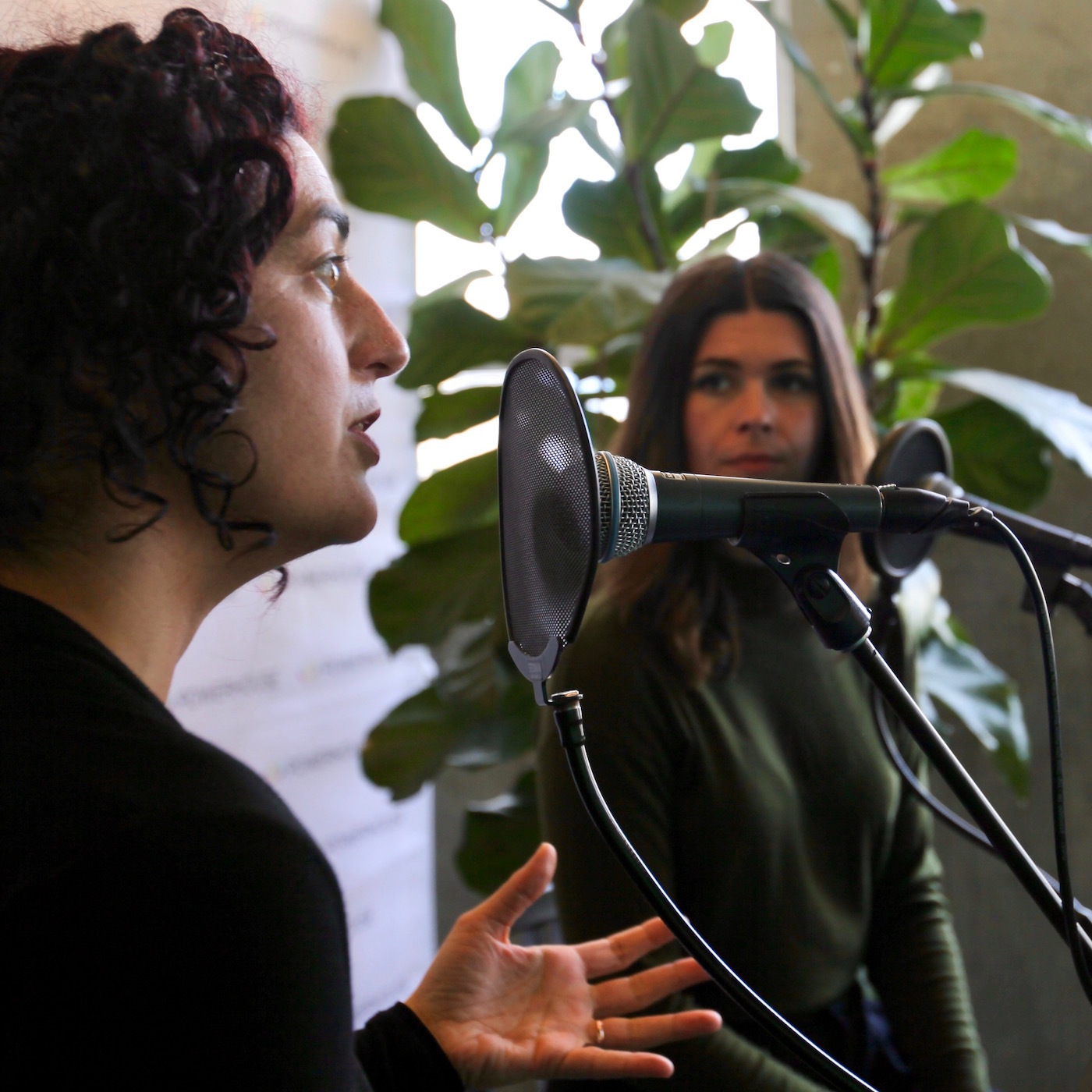
Watt It Takes: How a NASA Roboticist Built a Groundbreaking Solar Tracker
Leila Madrone was constantly looking for creative ways to use robots. In the mid 2000's, she co-founded a music group called Ensemble Robot, which featured robots that played music. "I had this great passion to use robotics to have meaning in the world," said Madrone. Later, Madrone worked for NASA's intelligent robotics group. Then she caught the solar bug: "Solar seemed like where the most possibility was for the future."She teamed up with Saul Griffith, an expert in self-replicating machines, to start Sunfolding. It started with a seemingly simple idea: Solar trackers move solar panels over the day to create the most energy. But they’re made of heavy, expensive components. What if you could develop a cheaper, more efficient tracker using premium plastic materials and the power of air to maximize energy production?With that idea, Leila built Sunfolding’s AirDrive technology that combines the functionality of motors, gears, dampers and batteries into a single component primarily composed of air.In this edition of Watt It Takes, Powerhouse CEO Emily Kirsch interviews Leila Madrone about her path from music-making NASA roboticist to solar-tracker CEO.This podcast is brought to you by Sense. Sense installs in your home's electrical panel and provides insight into your energy use and home activity through iOS, Android and web apps. Find out more.Watt It Takes is a live interview series produced by Powerhouse in partnership with GTM. The conversation was recorded live in Oakland, California.Listen to our other episodes of Watt It Takes:Nancy Pfund’s Pro Tips for Getting Started in CleantechSunPower Founder Dick Swanson’s Guide to Launching a Cleantech StartupLessons From the Fall of SungevityDan Shugar, the King Midas of SolarA History of Greentech Media With Scott ClavennaSungage's Sara Ross on Starting a Solar Loan CompanyJigar Shah on the Origin Story of SunEdisonThe Origin Story of Mosaic With Billy ParishLike our shows? Make sure to give The Interchange, The Energy Gang and Political Climate a rating and review on Apple podcasts. And make sure to subscribe to our shows on Apple podcasts, Google Play, Stitcher, or anywhere you get your podcasts.See Privacy Policy at https://art19.com/privacy and California Privacy Notice at https://art19.com/privacy#do-not-sell-my-info.