
Emergency Medical Minute
1,173 episodes — Page 19 of 24

Deep Dive #6: Bacteriuria and the Elderly
Author: Heidi Wald, MD, MSPH Associate Professor of Medicine - University of Colorado School of Medicine, Physician Advisor - Colorado Hospital Association Dr. Heidi Wald explains common misconceptions of UTI's in elderly patients and provides tips on how to properly identify them. References: Trestioreanu , Adi Lador , May-Tal Sauerbrun-Cutler and Leonard Leibovici Antibiotics for asymptomatic bacteriuria Cochrane Collaborative Online Publication Date: April 2015. Trautner BW, Bhimani RD, Amspoker AB, et al. Development and validation of an algorithm to recalibrate mental models and reduce diagnostic errors associated with catheter-associated bacteriuria. BMC Med Inform Decis Mak 2013;13:48. Trautner BW, Grigoryan L, Petersen NJ, et al. Effectiveness of an Antimicrobial Stewardship Approach for Urinary Catheter Associated Asymptomatic Bacteriuria. JAMA Intern Med 2015. D'Agata E, Loeb MB, and Mitchell. Challenges in assessing nursing home residents with advanced dementia for suspected urinary tract infections. J Am Geriatr Soc.2013 Jan;61(1):62-6. doi: 10.1111/jgs.12070. Stone ND, Ashraf MS, Calder J, et al. Surveillance definitions of infections in long-term care facilities: revisiting the McGeer criteria. Infect Control Hosp Epidemiol 2012;33:965-77.
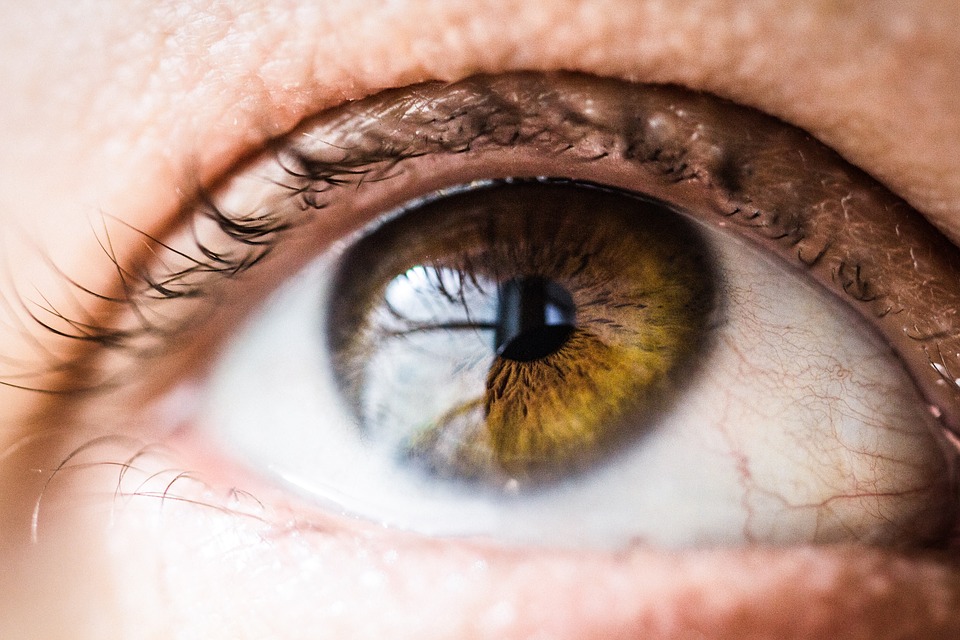
Podcast #255: Posterior Vitreous Detachment
Author: Erik Verzemnieks, M.D. Educational Pearls Posterior vitreous detachment is the tearing of the lining in the back of of the eye. Patients often present with loss of vision and floaters. Diagnosis can be made with US. This is a benign diagnosis, but 10-15% can progress to retinal detachment , so follow up with ophthalmology is recommended. References: http://www.medscape.com/viewarticle/513226

Podcast #254: Myths About Antibiotic Course Length
Author: Chris Holmes, M.D. Educational Pearls There's little/no data about the necessary length of an antibiotic course, nor has it proven that stopping a course of antibiotics early selects for the most resistant bugs. There's little incentive for drug companies to fund this type of study. Pro-calcitonin levels have been used in some settings to distinguish if an infection has resolved or not, but this may not be feasible in an outpatient setting. References: Llewelyn, Martin J et al. The antibiotic course has had its day. 2017. BMJ

Podcast #253: Total Eclipse of the Eye - Solar Retinopathy
Author: Nick Hatch, M.D. Educational Pearls Photic or solar retinitis occurs when you stare at the sun. The refractive power of the lens of the eye concentrates the light of the sun on the retina, stimulating the production of free radicals, damaging photoreceptors. Solar retinitis may present hours-days after light exposure. Patients will present with patchy loss of vision without pain, since the retina has no pain receptors. In one study during an eclipse in the UK, of those who initially presented with vision loss due to solar retinitis, 92% recovered full vision. References: Dobson R. UK hospitals assess eye damage after solar eclipse. BMJ : British Medical Journal. 1999;319(7208):469.
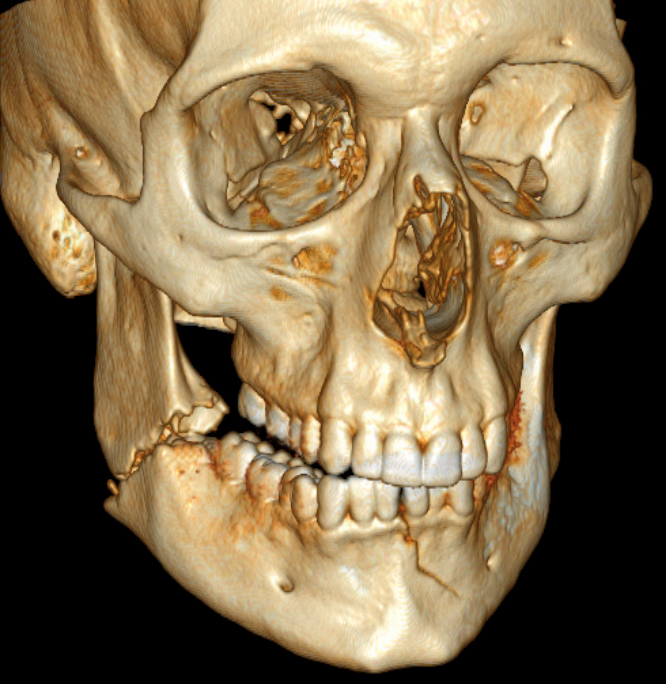
Podcast #252: Mandible Fractures
Author: Sam Killian, M.D. Educational Pearls The tongue blade test is done for mandible fractures, which make up 40-60% of facial fractures. The test is done by having the patient bite down on a tongue depressor on one side of the mouth. The provider then tries to snap the tongue depressor. This is repeated on the other side of the mouth. The test is positive if the patient complains of pain before the depressor can be broken on either side. It has been compared to CT and X-ray and has a similar sensitivity and specificity (95% and 65%, respectively). References: J. Neiner, et al. Tongue Blade Bite Test Predicts Mandible Fractures. Craniomaxillofac Trauma Reconstr. 2016
Podcast #251: Cyanide Poisoning
Author: Rachel Beham, PharmD, Advanced Clinical Pharmacist – Emergency Medicine Educational Pearls Cyanide poisoning is suspected in patients who present with lactic acidosis after being trapped around burning household objects. It affects our ability to metabolize and can quickly lead to CV collapse and death. Because cyanide blood levels are not quickly available, the diagnosis is made by history and lactic acidosis on ABG. The cyanokit is the key treatment. It contains hydroxocobalamin, which binds to cyanide so it can be excreted. One side effect to be aware of is that the cyanokit will turn everything red, including mucous membranes, saliva, urine, and skin. This will interfere with some lab values, so make sure to get labs before administration. References: Mégarbane B, et al. Antidotal treatment of cyanide poisoning. J Chin Med Assoc. 2003

Podcast #250: Desmopressin
Author: Rachael Duncan, PharmD BCPS BCCCP Educational Pearls Desmopressin is an ADH mimetic and helps retain water, release von Willibrand Factor (in high doses), and treat diabetes insipidus (in low doses). It can also be used in renal colic, because it may reduce muscle spasm in the ureters. The dosing for renal colic is very small (40 micrograms). References: http://reference.medscape.com/drug/ddavp-stimate-noctiva-desmopressin-342819

Podcast #249: Detecting Pulses
Author: Jared Scott, M.D. Educational Pearls Overall, medical providers are bad at detecting pulses. However, only 2% of patients do not have a detectable DP pulse. In one study, for patients with limb claudication, there was only about 50% agreement on the presence of a DP pulse. References: Brearley et al. Peripheral pulse palpation: an unreliable physical sign. Annals of the Royal College of Surgeons of England. 1992

Podcast #248: Family Presence During Resuscitation
Author: Aaron Lessen, M.D. Educational Pearls Traditionally the family is removed from the room during procedures and codes, but recent research shows that family presence may be beneficial. 50% patients want family present during a code. Family-related outcomes were improved with presence. There was no change in medical outcomes, and no increased incidence of medicolegal issues. References: Jabre et al. Family Presence during Cardiopulmonary Resuscitation. NEJM. 2013.
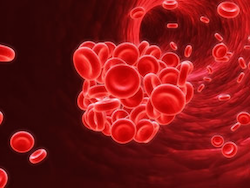
Podcast #249: D-Dimer
Author: Michael Hunt, M.D. Educational Pearls In the recent YEARS study, investigators checked every patient with suspicion for PE with a D-dimer, using a modified Wells score for risk stratification. The goal of the study was to show that CT scan usage could safely reduced using this screening method. The Wells Criteria measures they used to stratify risk were: PE mostly likely dx, hemoptysis, and evidence of DVT. If the d-dimer was 1, but the patient had none of the Wells criteria, the patient did not get a CT. If the patient had any of the criteria, but the d-dimer was only 0.5, the patient did not get a CT scan. The investigators reduced CT usage by 14% using the new criteria, with no significant increase in morbidity and mortality. References: van der Hulle et al. Simplified diagnostic management of suspected pulmonary embolism (the YEARS study): a prospective, multicentre, cohort study. The Lancet. 2017
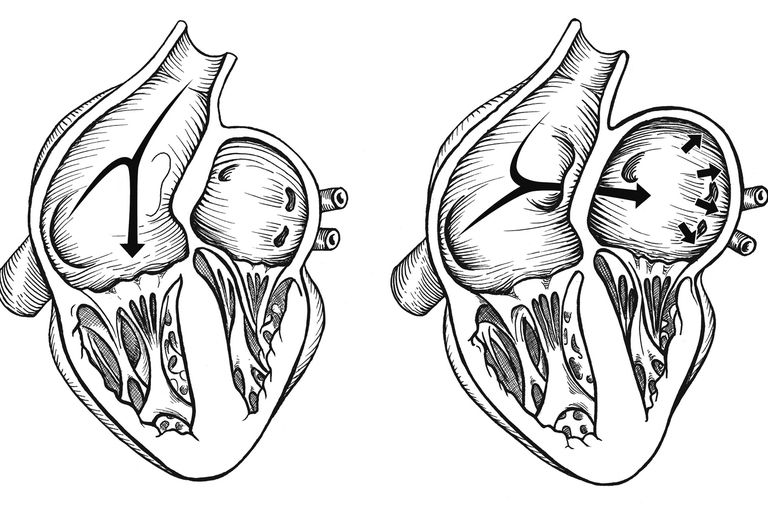
Podcast #248: Patent Foramen Ovale
Author: Jared Scott, M.D. Educational Pearls The foramen ovale (FO) connects the left and right atria to allow oxygenated blood to bypass the developing lungs, it usually closes at birth but for some it remains patent (PFO). A PFO allows clots to cross from the venous to arterial circulation, increasing the likelihood of stroke. PFO is present in 25% of general population, present in 50% of those with stroke of unknown cause, and very common those with stroke under 50 years old. Treat with anticoagulation or surgical correction. References: http://www.heart.org/HEARTORG/Conditions/More/CardiovascularConditionsofChildhood/Patent-Foramen-Ovale-PFO_UCM_469590_Article.jsp#.WarsZZN95E4

Podcast #247: Are You Listening? - 3 Ear Emergencies You Can't Miss!
Author: Don Stader, M.D. Educational Pearls Ear pain is a common complaint in adults and kids. A red, hot, painful ear with involvement of the pinna could indicate perichondritis - an infection of the cartilage that is usually caused by pseudomonas. A painful, swollen ear with involvement of the mastoid process could be mastoiditis, which needs to be treated with IV antibiotics to avoid cerebellar abscess. Ear pain with significant drainage and a cranial nerve deficit points to malignant otitis externa, which needs to be treated with IV antibiotics. References: John W. Ely, Marlan R. Hansen, Elizabeth C. Clark. Diagnosis Of Ear Pain. 2008. American Family Physician.
Podcast #246: Fever in Sepsis
Author: Nick Hatch, M.D. Educational Pearls A recent observational cohort study found that the biggest predictor for sepsis survival was fever. Those with higher fevers had better outcomes. Some possible explanations for this finding are that high fevers indicate good immune response or that high fever cued providers to treat sepsis more aggressively. References: Paul J Young, Rinaldo Bellomo. Fever in Sepsis: is it cool to be hot?. 2014. Critical Care

Podcast #245: Hypoglycemia
Author: Dylan Luyten, M.D. Educational Pearls Hypoglycemia is very common in type 2 diabetics, and is often caused by insulin overdose or missed meals. Knowing the peak time of action for common diabetes medications can help inform treatment and disposition. Regular insulin's action peaks around 60 minutes. By the time most of these patients present to the ED, the drug has had most of its effect. Lantis' action does not peak, and will continue to exert its effect for 12 or more hours. Levamir has a peak around 6-8 hours. Metformin sensitizes tissues to insulin, so it cannot cause hypoglycemia alone. Glipizides have half-lives over 12 hours and work by increasing insulin release by the pancreas. Hypoglycemia in a patient taking a glipizide usually indicates there is another medical issue interfering with clearance References: http://emedicine.medscape.com/article/122122-workup
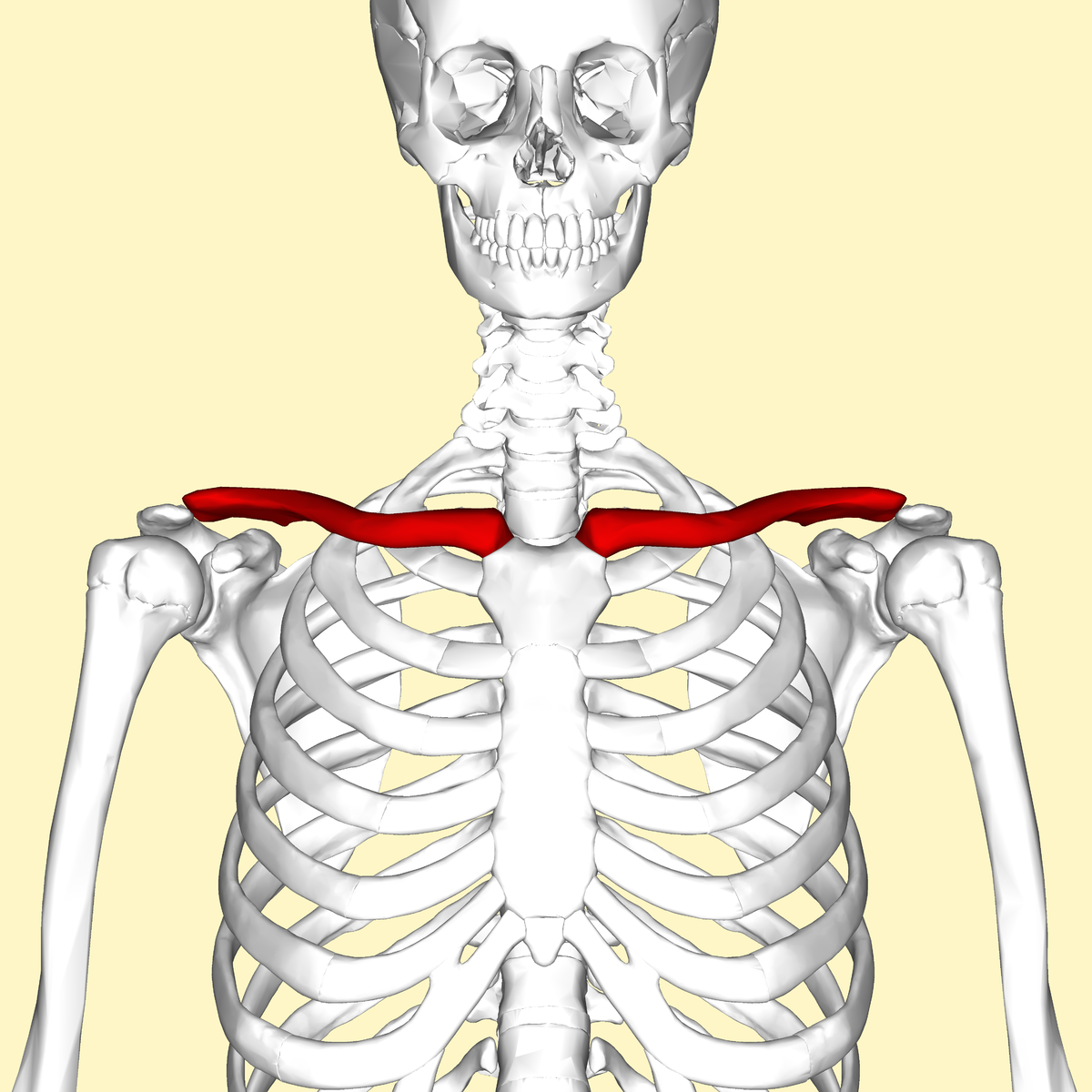
Podcast #244: Clavicle Fracture Review
Author: Nick Hatch, M.D. Educational Pearls The force required to break a clavicle is significant, so clavicle fracture may be associated with other injury (pneumothorax, vascular injury). Most fractures occur in the middle 1/3 of the clavicle. Traditionally, clavicle fractures have been managed without surgery. However, recent studies have shown that surgery may be beneficial in a larger population than previously thought. References: http://emedicine.medscape.com/article/398799-overview
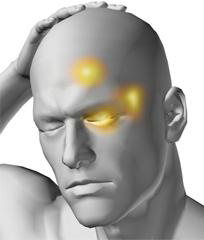
Podcast #243: Sphenopalatine Nerve Block
Author: Don Stader, M.D. Educational Pearls Cluster headaches are usually intense, unilateral, and involve the periorbital area. CN V (Trigeminal) provides sensory and autonomic innervation the face and eyes, which play roles in headache pathology. Cluster headaches can be treated with high flow oxygen, but a new treatment involves blocking the sphenopalatine ganglion (SPG) with lidocaine. Because sensory and autonomic branches of the trigeminal traverse the SPG, lidocaine will effectively treat a cluster headache. To block the ganglion, intranasal lidocaine may be used, or a Q-tip soaked in 4% lidocaine can be applied to the most posterior aspect of the pharynx for 10-15 minutes. References: https://www.aliem.com/2017/03/trick-sphenopalatine-ganglion-block-primary-headaches/
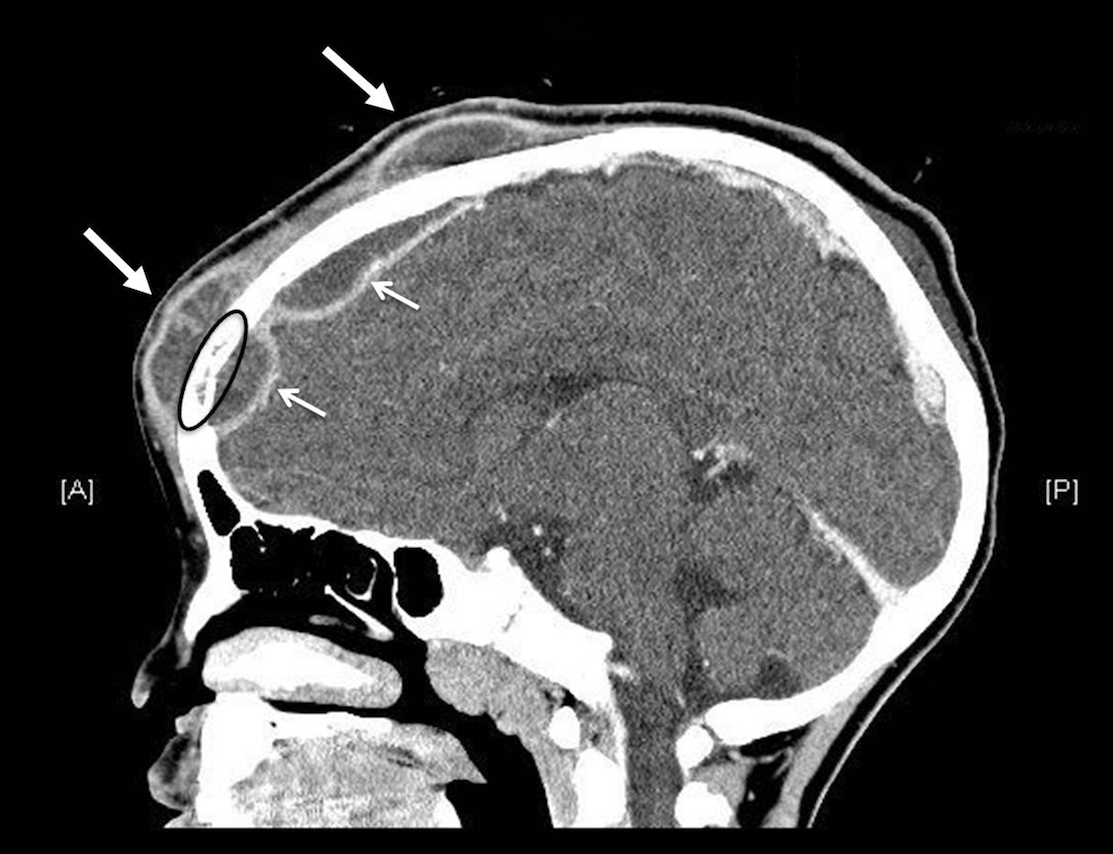
Podcast #242: Pott's Puffy Tumor
Author: Suzanne Chilton, M.D. Educational Pearls Pott's puffy tumor is a subperiosteal abscess of the frontal bone that arises from hematologic spread or direct infection via the frontal sinuses. The primary symptom is facial swelling. It is much more common in children and adolescents. Treatment involves removal of the frontal bone, reconstructive surgery, and 6-8 weeks of IV antibiotics. References: Grewal HS, Dangaych NS, Esposito A. A tumor that is not a tumor but it sure can kill! The American Journal of Case Reports. 2012;13:133-136. doi:10.12659/AJCR.883236.
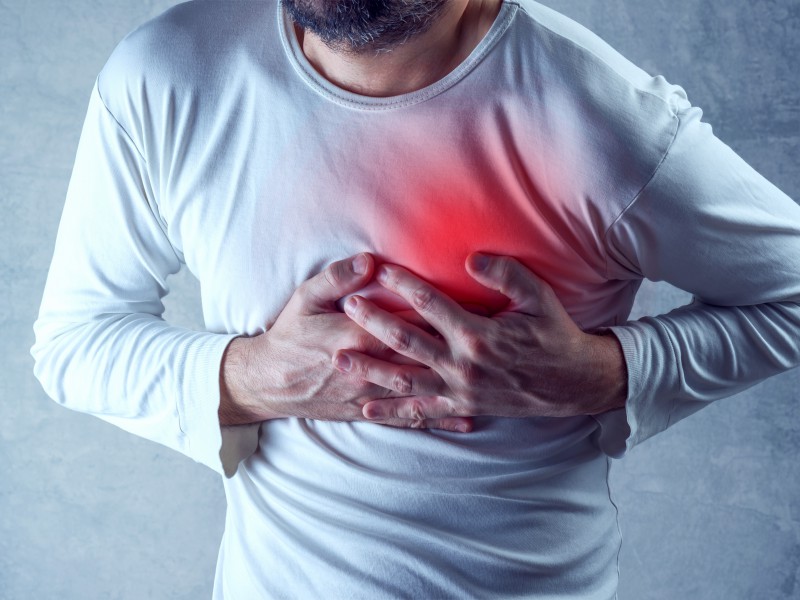
Podcast #241: GERD vs. MI
Author: Dave Rosenberg, M.D. Educational Pearls MI and GERD can present similarly. For example, 47% with angina report increased belching with an anginal attack, and 20% of people with an MI describe symptoms of indigestion that are relieved by antacids. Overall, GERD is more common in those with CAD, so don't be "reassured" by GERD symptoms in the setting of chest pain. References: http://www.mdedge.com/ecardiologynews/article/82215/cad-atherosclerosis/gerd-may-boost-risk-mi

Podcast #240: Honey and Burns
Podcast #240: Honey and Burns Author: Nick Hatch, M.D. Educational Pearls Honey can be used to treat burns because it has antibacterial properties. In one study, honey outperformed silver sulfadiazine for burn treatment, but more research is needed in this area. In practice, honey is likely more useful outside the ER than inside the ER. References: Gupta SS, Singh O, Bhagel PS, Moses S, Shukla S, Mathur RK. Honey Dressing Versus Silver Sulfadiazene Dressing for Wound Healing in Burn Patients: A Retrospective Study. Journal of Cutaneous and Aesthetic Surgery. 2011;4(3):183-187. doi:10.4103/0974-2077.91249.
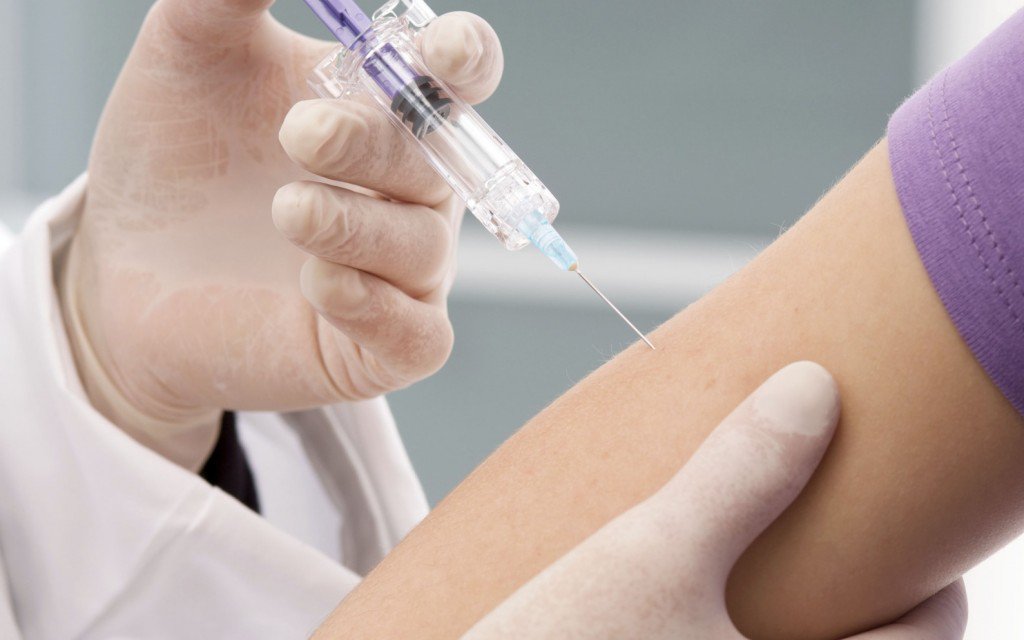
Podcast #239: Tetanus in the ED
Author: Rachel Beham, PharmD, Advanced Clinical Pharmacist - Emergency Medicine Educational Pearls Tetanus Ig is indicated in those who have no or unknown tetanus vaccination history who present with contaminated cuts that or dirty puncture wounds The tetanus vaccine is a 5 shot series (DTAP) for children, TDAP is used for adults There is no harm is receiving the TDAP more than once if vaccination history is unknown References: https://www.cdc.gov/features/tetanus/index.html
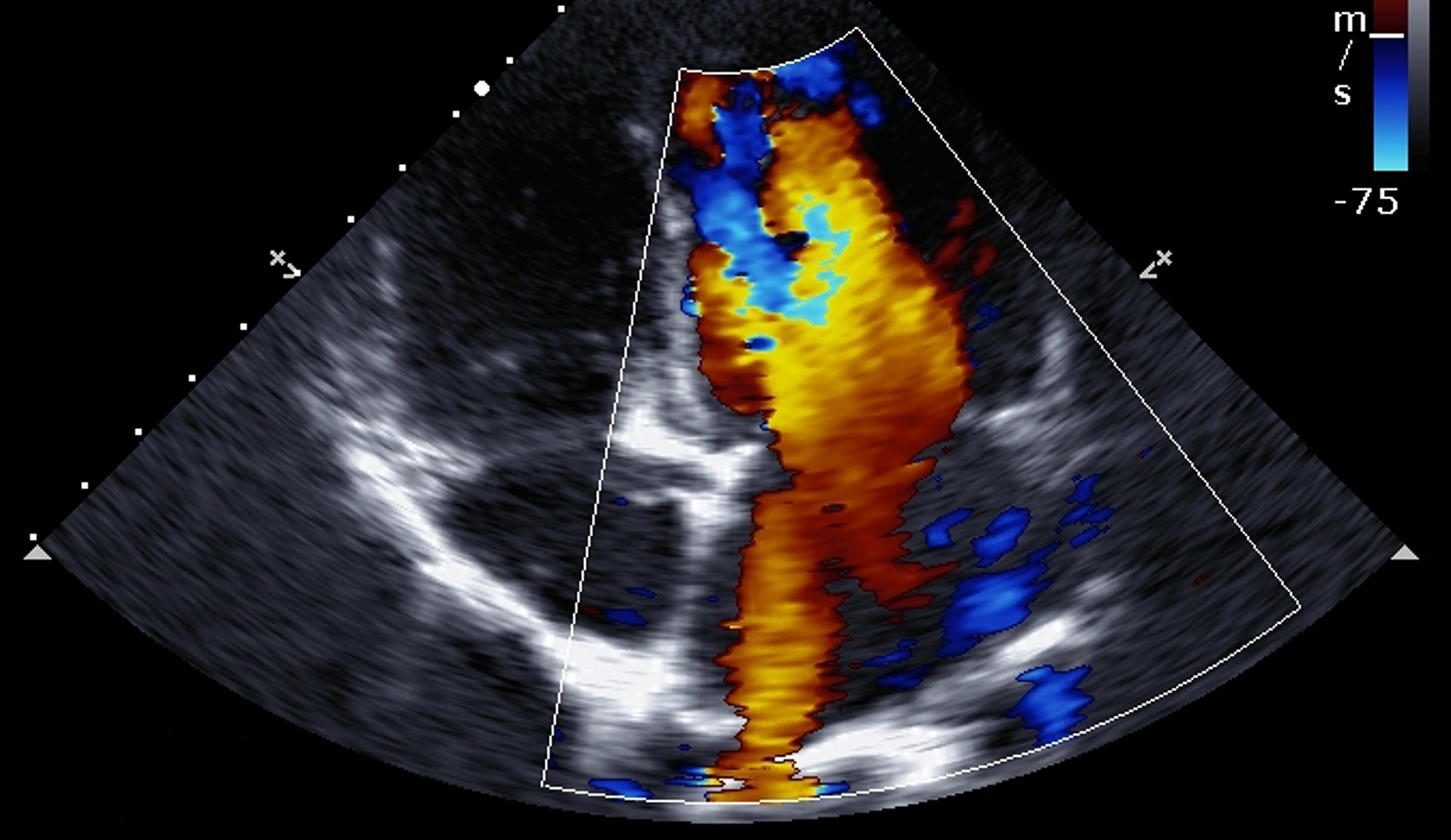
Podcast #238: Ultrasound in Cardiac Arrest
Author: Aaron Lessen M.D. Educational Pearls Ultrasound is helpful in the setting of cardiac arrest for finding a cause like cardiac tamponade or PE, but also for predicting outcomes for non-shockable rhythms. One study showed that in those that presented with asystole or PEA and cardiac activity on US had a 4% survival rate, while those without cardiac activity had almost no chance. References: Philip Salen, Larry Melniker, Carolyn Chooljian, John S. Rose, Janet Alteveer, James Reed, Michael Heller, Does the presence or absence of sonographically identified cardiac activity predict resuscitation outcomes of cardiac arrest patients?, The American Journal of Emergency Medicine, Volume 23, Issue 4, 2005, Pages 459-462, ISSN 0735-6757, http://dx.doi.org/10.1016/j.ajem.2004.11.007.

Deep Dive #5: The Evolution of Sepsis Treatment
Author: Susan Brion, M.D. Dr. Brion enlightens us on the ever-evolving standard of sepsis management.

Podcast #237: Phimosis vs. Paraphimosis
Author: Sam Killian, M.D. Educational Pearls Phimosis refers to the inability to retract the distal foreskin over the glans penis in uncircumcised males. Paraphimosis is the entrapment of the foreskin proximal to the glans penis in these patients. Phimosis is rarely a medical emergency, but requires follow up with urology. Paraphimosis, on the other hand, can cause venous and lymphatic insufficiency, leading to infarction, necrosis and autoamputation. Therefore, paraphimosis requires emergent treatment with manual reduction of the foreskin or surgery. References: Aaron Vunda, M.D., Laurence E. Lacroix, M.D., Franck Schneider, Sergio Manzano, M.D., and Alain Gervaix, M.D. Reduction of Paraphimosis in Boys. N Engl J Med 2013; 368:e16

Podcast #236: Peripheral IJ Access
Author: Nick Hatch, M.D. Educational Pearls When peripheral or central IV access is difficult, sometimes providers will try to use a peripheral IV setup at an IJ site using US guidance. Case studies have shown that this method is often successful, with the most common complication being the loss of access. References: Ash AJ, Raio C. Seldinger Technique for Placement of "Peripheral" Internal Jugular Line: Novel Approach for Emergent Vascular Access. Western Journal of Emergency Medicine. 2016;17(1):81-83. doi:10.5811/westjem.2015.11.28726.

Podcast #235: ER Discharge and Mortality
Author: Pete Bakes, M.D. Educational Pearls One of the roles of the ER provider is to discharge patients only after life-threatening conditions have been ruled out. However, some patients that are discharged from the ED die within days of their discharge. One recent study sought to investigate the factors and diagnoses associated with death within 7 days of discharge. This study was a retrospective study in 10 million medicare recipients that presented to the ER over 10 years. They excluded palliative, hospice and SNF patients. 0.12% of these patients died within 7 days of ER discharge. Signs and symptoms such as altered mental status, general malaise and fatigue, and nonspecific dyspnea had relative risks of 3-5 for death following discharge. Think carefully before discharge in patients with the signs/symptoms above. References: Obermeyer Ziad, Cohn Brent, Wilson Michael, JenaAnupam B, Cutler David M. Early death after discharge from emergency departments: analysis of national US insurance claims data BMJ 2017;356 :j239
Podcast #234: CIN AEM Study
Author: Dylan Luyten, M.D. Educational Pearls Around 30% of patients in the ER receive CT imaging, and the sensitivity of CT imaging may be improved with IV contrast. However, contrast is often withheld for fear of contrast-induced nephropathy. A recent, single-center, retrospective cohort study compared the rates of nephropathy between contrast CT, non-contrast CT, and no CT control patients, and found no differences. This study confirms what many have believed to be true - that the dangers of modern contrast may be overstated. However, the results should be interpreted with caution, as this was a retrospective, single-center study. References: Hinson, Jeremiah S. et al.. Risk of Acute Kidney Injury After Intravenous Contrast Media Administration. Annals of Emergency Medicine , Volume 69 , Issue 5 , 577 - 586.e4

Podcast #233: Carfentanil
Author: Don Stader, M.D. and Rachael Duncan, PharmD BCPS BCCCP Educational Pearls Carfentanil is an opioid elephant tranquilizer that can be used recreationally. It is 1000 times stronger than fentanyl, and looks like a white powder. Healthcare workers must be cautious when carfentanil overdose is suspected, as the drug can be absorbed through caregivers' skin if it is present on the patient's clothes. Overdose may require large amounts of naloxone, and a drip may be started at a rate equivalent to the bolus dose that the patient responded to. For example, if the patient responded to a 10mg bolus dose of naloxone, he would then be started on a 10mg/hr naloxone drip. References: https://www.dea.gov/divisions/hq/2016/hq092216.shtml

Podcast #232: HAPE
Author: Gretchen Hinson, M.D. Educational Pearls High-Altitude Pulmonary Edema (HAPE) is caused when hypoxemia due to low ambient pO2 leads to breakdown and constriction of the pulmonary vasculature leading to edema. HAPE is very rare under 8000 ft, but common over 10000 ft (6%). Over 18,000 ft the incidence is very high (12-15%). Symptoms include dyspnea, cough, weakness and chest tightness. Signs include hypoxemia, crackles, wheezing, central cyanosis, tachypnea and tachycardia. Drugs that reduce pulmonary resistance have been shown to help, but increased oxygenation and descent are the best treatments. References: http://emedicine.medscape.com/article/300716-overview
Podcast #231: Esophageal Tearing
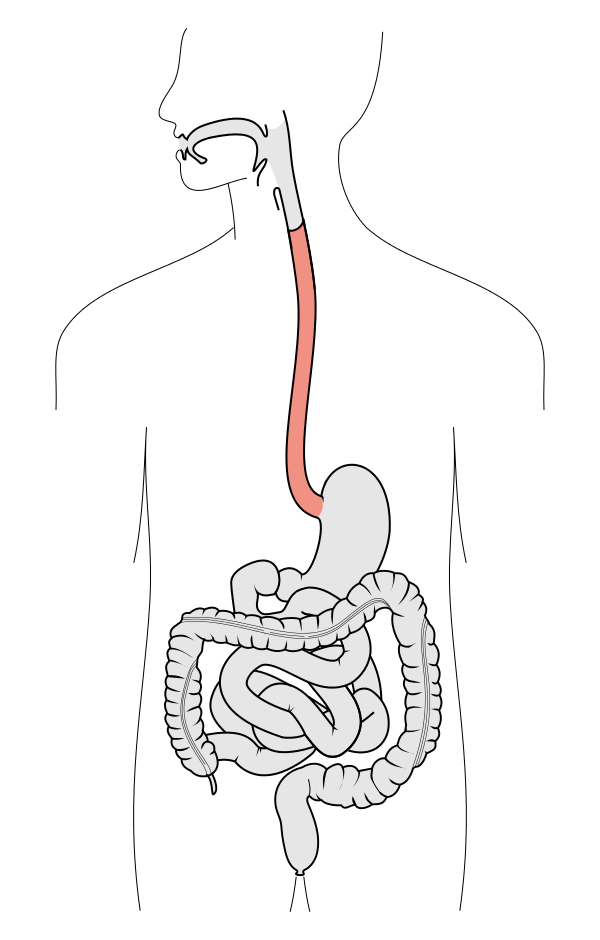
Author: Jared Scott, M.D. Educational Pearls Boerhaave syndrome (aka effort rupture of the esophagus) accounts for 10% of esophageal ruptures and is usually caused by strain during vomiting episodes. It can also be caused by childbirth, seizure, or prolonged coughing or laughing. Food and water swallowed after the tear end up in the mediastinum, eventually causing infection. Therefore, Boerhaave syndrome is a surgical emergency. Best diagnostic techniques are CT or endoscopy. Mallory-Weiss syndrome may present similarly, however it is less serious since it involves only a small tear through the mucosa at the gastroesophageal junction. This can be managed on an outpatient basis with PPI's. References: https://radiopaedia.org/articles/boerhaave-syndrome
Podcast #230: Concussive Treatment
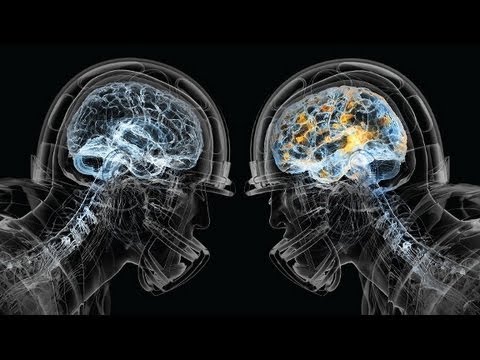
Author: Aaron Lessen, M.D. Educational Pearls 2 studies this past year looked at pediatric and adolescent patients following a concussion. They found people who returned to activity sooner did better than those who went on "brain rest". While patients should still follow up with their PCP following a concussion, it is ok for patients to return to physical activity as tolerated. References: Grool AM, Aglipay M, Momoli F, Meehan WP, Freedman SB, Yeates KO, Gravel J, Gagnon I, Boutis K, Meeuwisse W, Barrowman N, Ledoux A, Osmond MH, Zemek R, for the Pediatric Emergency Research Canada (PERC) Concussion Team. Association Between Early Participation in Physical Activity Following Acute Concussion and Persistent Postconcussive Symptoms in Children and Adolescents. JAMA. 2016;316(23):2504-2514. doi:10.1001/jama.2016.17396

Podcast #229: Andrew Jackson
Author: Sam Killian, M.D. Educational Pearls Andrew Jackson was the 7th president of the USA. He served 2 terms from 1829-1837. He had had many medical issues during his presidency. He was said to be chronically underweight with rotting teeth. Furthermore, he had chronic infections and lead poisoning from bullets lodged in his arm and chest. He suffered from smallpox that he contracted while in a British prison during the Revolutionary War. He died from "dropsy" (CHF). References: http://www.doctorzebra.com/prez/g07.htm

Podcast #228: BB Guns
Author: Jared Scott, M.D. Educational Pearls BB gun eye injuries are most common in August and September. They most often happen to males aged 16-17 year old. Around 10% of the BB eye injuries lead to eye loss. Accidental firearm injury is common in children and is a common cause of mortality. One-third of homes with children have a firearm. Most accidental pediatric gun injuries happen to young, male children with guns owned by family members. It is important to educate gun owners about proper gun storage. References: Childhood Firearm Injuries in the United States Katherine A. Fowler, Linda L. Dahlberg, Tadesse Haileyesus, Carmen Gutierrez, Sarah Bacon. Pediatrics Jun 2017, e20163486; DOI: 10.1542/peds.2016-3486
Podcast #227: CPR-Induced Consciousness
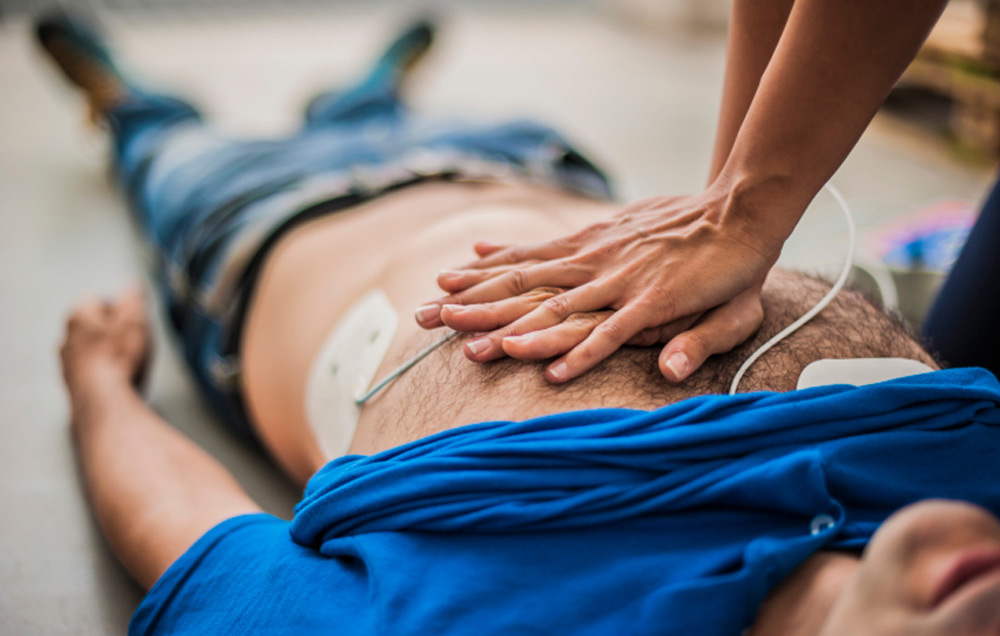
Author: Nick Hatch, M.D. Educational Pearls CPR-induced consciousness is a phenomenon that occurs when someone who was previously unconscious and is undergoing CPR regains consciousness and makes purposeful movements. Studies have shown that this phenomenon is increasing, likely because of increased quality of CPR. Many people use a sedative such as ketamine to keep patients unconscious to reduce the psychologic trauma of CPR. 39% of people who survive CPR with good neurologic details remember the process of CPR . References: Joshua Pound, P. Richard Verbeek, and Sheldon Cheske. CPR Induced Consciousness During Out-of-Hospital Cardiac Arrest: A Case Report on an Emerging Phenomenon. 2017. Prehospital Emergency Care Vol. 21.
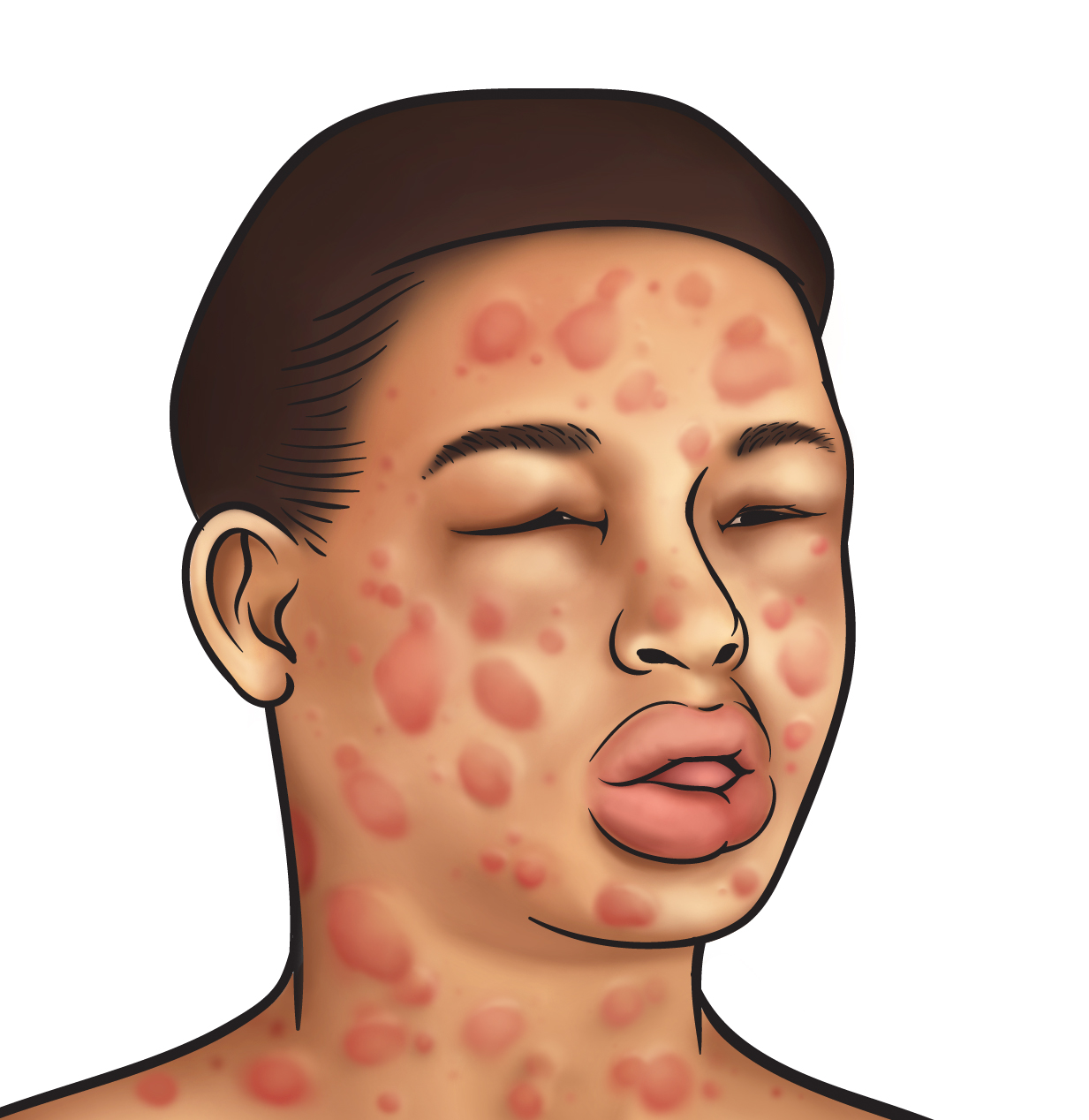
Podcast #226: Biphasic Anaphylaxis
Author: Sam Killian, M.D. Educational Pearls Anaphylaxis is common in the ED. These patients are treated and then usually watched for 4-6 hours. Biphasic happens in patients that have a complete resolution of their anaphylaxis for at least an hour, but then have a recurrence that requires pharmacologic intervention. Most of the time this happens 3-6 hours later, but can happen more than 10 hours later. More commonly happens in patients that have a delayed presentation, a wide pulse pressure, need multiple doses of epi, require the use of a beta agonist, or are ages 6-9 years old. Educate patients about the possibility of Biphasic anaphylaxis before discharge. References: http://www.medscape.org/viewarticle/583328_7

Podcast #225: Rhogam
Author: Dylan Luyten, M.D. Educational Pearls Rhogam is commonly used when an Rh negative woman has an Rh positive fetus. It is commonly used in the ER in the setting of a miscarriage. Rh(+) fetal blood can enter the Rh(-) maternal circulation, sensitizing the woman to the Rh antigen. During a subsequent pregnancy, if the fetus is Rh(+), the woman may mount an immune response to the fetus, lead to fetal demise. Rhogam is used to block this process. Use of Rhogam has reduced this complication from 16% of Rh(+) pregnancies in the 1960's to less than 1% today. Under 10 weeks, the amount of maternal-fetal blood exchange is very small, so the use of Rhogam in a 1st trimester miscarriage is unnecessary. It should be used in patients with a miscarriage after 12 weeks, or women undergoing a surgical D&C. Rhogam is expensive and in limited supply, so it is important to only use it when necessary. References: Hannafin, Blaine et al. Do Rh-negative women with first trimester spontaneous abortions need Rh immune globulin? 2006. The American Journal of Emergency Medicine, Volume 24 , Issue 4 , 487 - 489
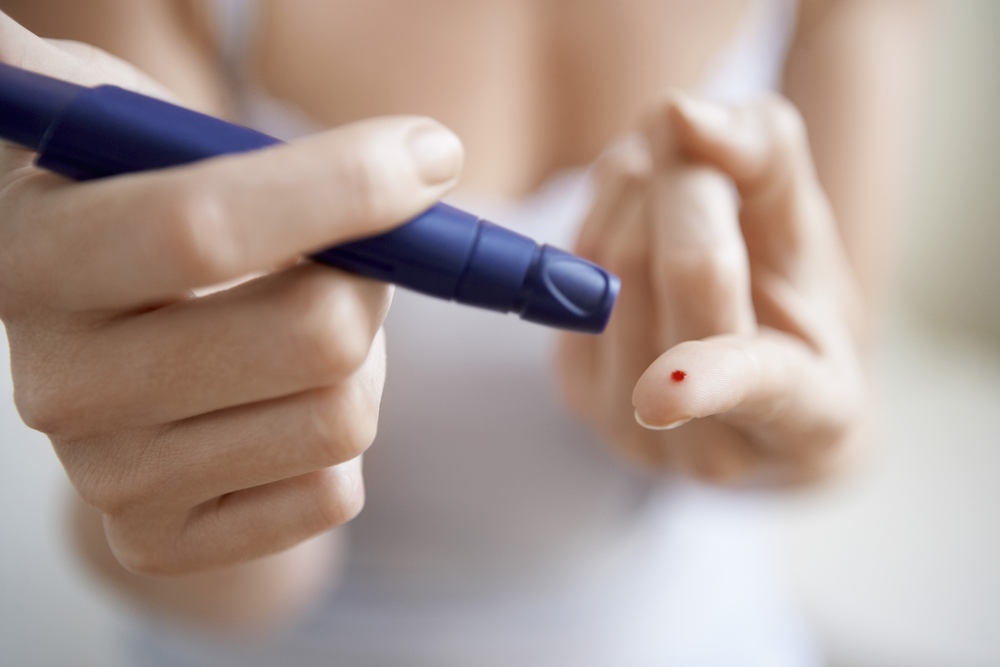
Deep Dive #4: Pediatric Type I DKA
Author: Justin Harper Justin Harper, a paramedic married to a pediatric nurse, discovered his own son had type I diabetes 2 years ago. Despite their medical experience, this diagnosis came as surprise to Justin and his wife. This is the compelling story about how their son was diagnosed with type I diabetes and how this has impacted their lives.

Brewcast Part VIII: Cannabis in Colorado
Author: Dr. Larry Wolk, Executive Director and Chief Medical Officer for the Colorado Department of Public Health and Environment. Topic: Dr. Larry Wolk educates us on how cannabis has affected Colorado since medical and recreational legalization.

Brewcast Part VII: A Patient's Perspective on Medical Marijuana
Authors: Don Stader, M.D. & Lauren Gibbs Topic: Lauren breaks the stoner stereotype and explains how marijuana has positively impacted her life.
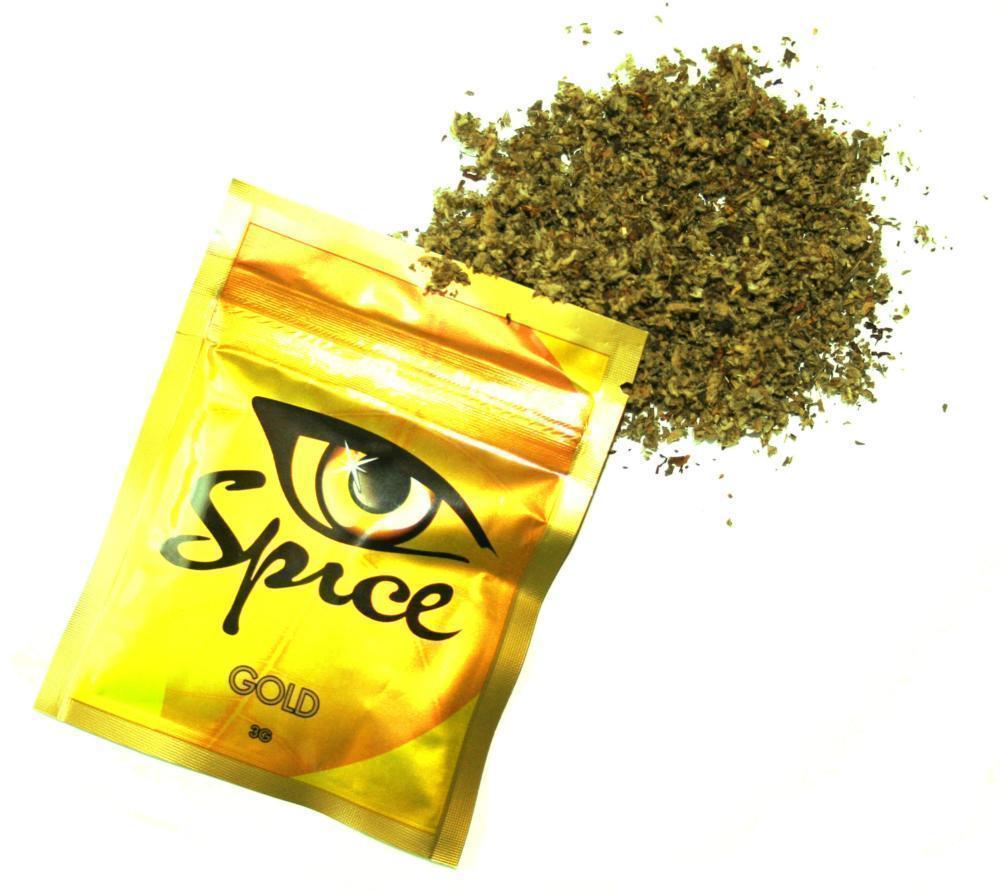
Brewcast Part VI: Synthetic Marijuana
EAuthor: Erik Verzemnieks, M.D. Topic: Erik speaks about how slightly altering the chemical composition of marijuana can create a drug with drastic effects on the human body. WARNING: Explicit Language

Brewcast Part V: Researching Cannabis
Author: Sophie Yorkwilliams -B.A. (Psychology) -Dual Ph.D. Candidate, Clinical Psychology and Neuroscience. Expected graduation: 2020 Topic: Studying cannabis comes with its own set of challenges. Find out how Sophie and her team have overcome obstacles to get accurate data on marijuana.

Brewcast Part IV: A Physician's Perspective on Medical Marijuana
Authors: Don Stader, M.D. & Peter Pryor, M.D. Topic: What caused Dr. Pryor to leave emergency medicine and enter the realm of medical marijuana?

Brewcast Part III: Cannabinoid Hyperemesis Syndrome
Author: Rachael Duncan, PharmD BCPS BCCCP Topic: Rachel explains the science behind one of the most common maladies thought to be induced by chronic cannabis use.

Brewcast Part II: Pharmacology of Cannabis
Author: Brett Marlin, M.D. Topics: Brett explains the biochemical and physiological properties of cannabis.
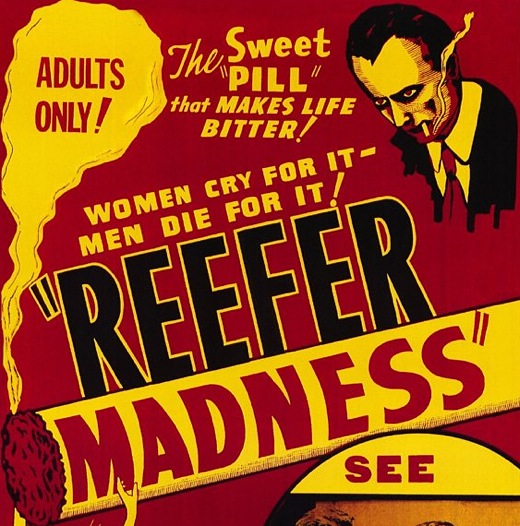
Brewcast Part I: The History of Cannabis in Medicine
Author: Don Stader, M.D Topic: Don kicks things off with an overview of the history of marijuana and how it has made its way into medicine.
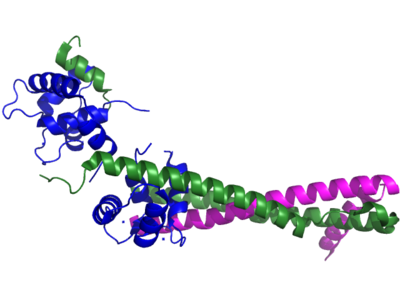
Podcast #224: Troponin
Author: Sam Killian, M.D. Educational Pearls Not every troponin elevation is an MI. Trop elevates in about an hour in ACS and stays elevated for days. Non-MI conditions that cause elevated troponin: Critical illness (sepsis), increased cardiac demand, right heart strain, LV dysfunction, hypotension, pressor use, acute PE, SAH, chronic renal failure, CHF, aortic dissection, and peri/myocarditis. Elevated troponin in settings other than MI is correlated with increased mortality. References: Korff S, Katus HA, Giannitsis E. Differential diagnosis of elevated troponins. Heart. 2006;92(7):987-993. doi:10.1136/hrt.2005.071282.
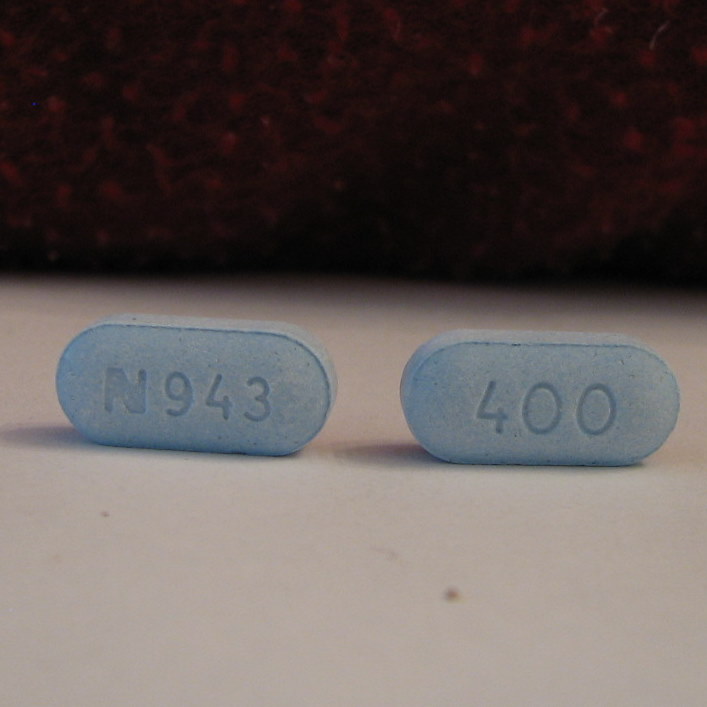
Podcast #223: Acyclovir Toxicity
Author: Nick Hatch, M.D. Educational Pearls Acyclovir toxicity can uncommonly cause altered mental status, low blood glucose, hallucinations and myoclonic jerks. Toxicity often occurs in the setting of renal insufficiency, as it is cleared by the kidneys. Acyclovir is often used to treat shingles, which can also cause similar symptoms as acyclovir toxicity due to encephalitis - rule this out in the setting of a concomitant shingles infection. References: http://www.rxlist.com/zovirax-drug.htm

Podcast #222: Wells Criteria for PE
Author: Michael Hunt, M.D. Educational Pearls Wells Criteria was initially designed to screen patients for further workup for PE. Aspects of the Wells Criteria include: signs and symptoms of DVT (3 points), PE most likely dia (3 points), HR > 100 (1.5 points), immobility for > 3 days or surgery in last 4 weeks (1.5 points), documented history of PE (1.5), hemoptysis (1), treatment for cancer in last 6 mo (1). ACEP uses a score of less than or equal to 4 to define "low risk." Greater than 4 is "high risk". Use Wells to guide clinical decisions about PE workup. References: http://www.ebmedicine.net/media_library/files/1212%20Pulmonary%20Embolism
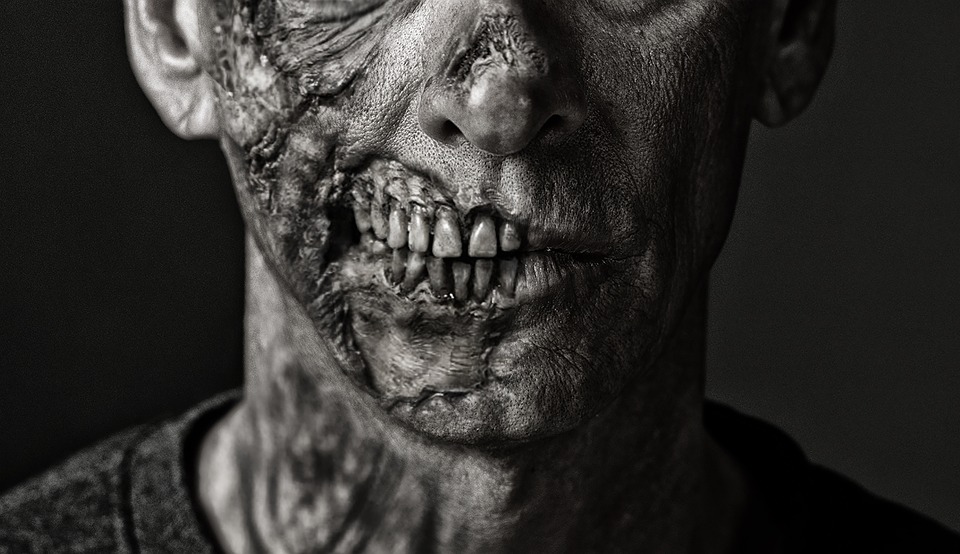
Podcast #221: Walking Corpse Syndrome
Podcast #221: Walking Corpse Syndrome Author: Erik Verzemnieks, M.D. Educational Pearls Walking Corpse Syndrome (aka Cotard Delusion) is a very rare psychiatric disorder that leads to the belief that one is a "walking corpse". Often co-presents with depression, schizophrenia, and starvation. Responds to ECT. References: https://en.wikipedia.org/wiki/Cotard_delusion

Podcast #220: A-Fib Cardioversion
Author: Aaron Lessen, M.D. Educational Pearls Atrial fibrillation is common. One of the best treatments for a fib is cardioversion back into sinus rhythm. Cardioversion may increase stroke risk if A-Fib duration is greater than 48 hours, but some new data suggests that this risk may happen as soon as 12 hours. However, newer studies show that cardioversion is generally safe as a treatment for A-Fib. References: Aatish Garg, Monica Khunger, Sinziana Seicean, Mina K. Chung, Patrick J.Tchou Incidence of Thromboembolic Complications Within 30 Days of Electrical Cardioversion Performed Within 48 Hours of Atrial Fibrillation Onset. JACC: Clinical Electrophysiology Aug 2016, 2 (4) 487-494; DOI: 10.1016/j.jacep.2016.01.018

Podcast #219: History of Sepsis
Author: Chris Holmes, M.D. Educational Pearls "Sepo' is a term from Homer (author of The Iliad and The Odyssey), and means "I rot". Hippocrates in 400 BC identified sepsis as a "dangerous decay within the body". Galen in 200 AD believed pus was "laudable". The Greeks and Romans used the term "myasma" to describe the smell of swamp and rotting flesh. Dr. Emmanuel Rivers in Detroit did one of the the first big studies about sepsis and was an advocate for goal-directed therapy. Now, Vitamin C cocktails are in use, but new sepsis treatments should be investigated carefully before implementation. References: Funk, Duane J. et al. Sepsis and Septic Shock: A History. Critical Care Clinics , Volume 25 , Issue 1 , 83 - 101