
Emergency Medical Minute
1,173 episodes — Page 18 of 24

Dreamland in Denver Part III: "Opioid Mythbusters: 10 Fallacies that Fueled the Opiate Crisis"
Dr. Robert Valuck, director of the Colorado Consortium, presents 10 fallacies that have fueled the Opioid Epidemic.

Dreamland in Denver Part II: "Why Calling it 'the Opioid Epidemic' Misses the Point
The Honorable Alby Zweig shares his impactful first-hand experience with addiction, recovery and triumph.

Dreamland in Denver Part I: "No Family is S.A.F.E. ...Yet"
Admiral James Winnefeld and Mary Winnefeld speak publicly for the first time about the tragic overdose of their son, Jonathon, and how 'No Family is S.A.F.E...yet'.

Podcast #300: Probiotics
Author: Peter Bakes, M.D. Educational Pearls Probiotics are living bacteria that are taken as an oral supplement. Most of the data to support their use is in the prevention of antibiotic-related diarrhea and the reduction of the symptoms of ulcerative colitis (UC). Some studies have some a reduction of the incidence of antibiotic-related diarrhea in children of up to 12% with the use of probiotics. There may be a reduction of up to 60% in the incidence of antibiotic-related C. diff infection in adults with probiotic use Studies have shown a 10% or more reduction in the duration and severity of the symptoms of UC with probiotic use. Proposed mechanisms of probiotics include a decrease in gut permeability and a decrease in pathogenic gut bacteria due to resource competition. References: http://www.cochrane.org/CD006095/IBD_use-probiotics-prevent-clostridium-difficile-diarrhea-associated-antibiotic-use

Podcast #299: Black Death, Lice, Math, and Pottery
Author: Chris Holmes, M.D. Educational Pearls It's estimated that about 25 million people died during the Black Plaque. Researchers have confirmed this number by assessing how much old, broken pottery was buried in front of homes and churches from that time period. Traditional thinking has been that the Black Plague was spread primarily by flea bites. However, using mathematical modeling, researchers have theorized that person-to-person spread was more common. References: https://www.washingtonpost.com/news/speaking-of-science/wp/2016/05/24/broken-pottery-reveals-the-sheer-devastation-caused-by-the-black-death/
Podcast #298: Seizures
Author: Sam Killian, M.D. Educational Pearls The availability of antiepileptic treatment has changed in the last 30 years. A recent study in JAMA followed 18,000 pts with epilepsy for 30 years to assess the effectiveness of looked at seizure control. The study found that although there have been new drugs introduced over the last 30 years, there has not been much of an improvement in seizure control. Side effect profiles and medicine compliance may have improved in this time period, but the main goal of reducing seizure frequency has not been reached. References: Chen Z, Brodie MJ, Liew D, Kwan P. Treatment Outcomes in Patients with Newly Diagnosed Epilepsy Treated With Established and New Antiepileptic DrugsA 30-Year Longitudinal Cohort Study. JAMA Neurol. Published online December 26, 2017. doi:10.1001/jamaneurol.2017.3949
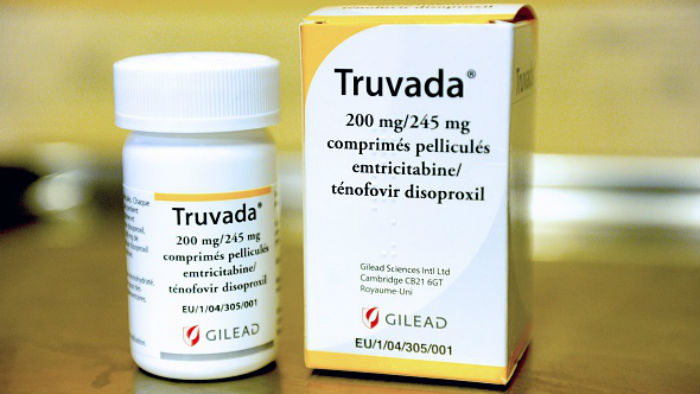
Podcast #297: Truvada
Educational Pearls Truvada (Emtricitabine/tenofovir) is a combination nucleotide reverse transcriptase inhibitor that can be used as pre-exposure prophylaxis (PrEP) for HIV. It has been shown to dramatically reduce the risk of contracting HIV. It is used in high-risk patients, like the MSM community or those who are in a relationship with someone with HIV. Side effects include nausea, vomiting, headache, and liver damage. HIV testing should be performed every 3 months while taking it, since it is not meant to fight an actual infection. Since 2012, there have only been 3 confirmed cases of transmission while using Truvada. It costs between 50-60$ dollars per pill, but it is covered by most insurances, including Medicaid. Generic version has recently been FDA approved. References: https://www.cdc.gov/hiv/pdf/prep_gl_patient_factsheet_truvada_english.pdf
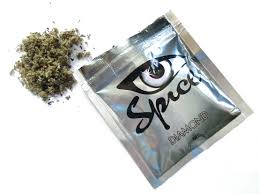
Podcast #296: Synthetic Cannabinoids
Author: Rachael Duncan, PharmD Educational Pearls A NEJM study report in July 2016 discussed a situation in New York during which 30 people became "zombie-like" after ingesting synthetic cannabinoids (aka "Spice). The ER managed to coordinate with the CDC to evaluate blood samples from 18 patients who were transported to the hospital. Of those who went to the ER, the mean age was 36.8, many of them were homeless, all of them were male. Mass spectrometry was used to confirm the presence of synthetic cannabinoid in their blood. Compared to normal THC, synthetic cannabinoids have a much lower EC50 and LD50. Spice intoxication presents in a variety of ways -patients may be hyperthermic, combative, delirious and/or seizing. Treatment is supportive, including fluids, cooling, electrolyte management, and sedatives. References: Adams, A. J., Banister, S. D., Irizarry, L., Trecki, J., Schwartz, M., & Gerona, R. (2017). "Zombie" Outbreak Caused by the Synthetic Cannabinoid AMB-FUBINACA in New York. New England Journal of Medicine, 376(3), 235-242. doi:10.1056/nejmoa1610300
Podcast #295: UTI
Author: Sam Killian, M.D. Educational Pearls Traditionally, UTI diagnosis has been dependent on urine culture, urinalysis and clinical symptoms. But a recent study casts some doubt on the utility of urine cultures. A study in the Journal of Clinical Microbiology did urine cultures and E. coli PCR in 220 women with UTI symptoms and 86 women without UTI symptoms. In the symptomatic women, 67% had positive E. Coli PCR and 98% had a pathogenic bacteria in their urine culture. In the asymptomatic women, 10% had positive E. coli PCR and/or urine culture. Therefore, this study suggests that urine culture may be of limited utility, since symptoms alone seemed to predict bacteriuria. References: Burd EM, Kehl KS. A Critical Appraisal of the Role of the Clinical Microbiology Laboratory in the Diagnosis of Urinary Tract Infections. Journal of Clinical Microbiology. 2011;49(9 Supplement). doi:10.1128/jcm.00788-11.
Podcast #294: Rhabdomyolysis
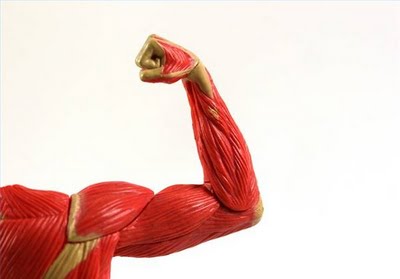
Author: Michael Hunt, M.D. Educational Pearls Rhabdomyolysis is caused by the destruction of skeletal muscle that leads to the release of myoglobin, which causes renal failure. It presents with pain and weakness in the affected muscle, as well as dark urine. Diagnosis is made with creatinine kinase levels It can happen to extreme athletes after competition, but the most common presentation is in people who fall and are immobilized for long periods of time. Other causes include burns, crush injuries, viral infections (influenza), bacterial infections (Legionella), and medications (statins in adults, propofol in kids) Treatment is aggressive fluids References: Huerta-Alardín AL, Varon J, Marik PE. Bench-to-bedside review: Rhabdomyolysis – an overview for clinicians. Critical Care. 2005;9(2):158-169. doi:10.1186/cc2978.

Podcast #293: Transient Global Amnesia
Author: Sam Killian, M.D. Educational Pearls Transient global amnesia is a paroxysmal, transient memory issue. Remote and immediate memory is preserved, but new memories cannot be made. Patients will have a normal neurological exam and usually no other complaints. The episode will last less than 24 hours, but they usually resolve after 1-2 hours. This is relatively common. It happens in 5/100000 people, mostly men over 50. Recurrence is rare. There is no known cause, but it is associated with migraines and classically occurs after heavy physical exertion or emotional stress. Workup includes a full neuro exam, imaging for ongoing symptoms, and labs to rule out other causes. Patients can be sent home with reassurance after symptoms resolve. Instruct them to follow up with neurology. Patients with continuing symptoms should be admitted. References: Owen D, Paranandi B, Sivakumar R, Seevaratnam M. Classical diseases revisited: transient global amnesia. Postgraduate Medical Journal. 2007;83(978):236-239. doi:10.1136/pgmj.2006.052472.

Podcast #292: Hypercalcemia
Author: John Winkler, M.D. Educational Pearls Normally, the parathyroid is the master regulator of serum Ca levels. It secretes PTH, which stimulates calcium uptake from the bone and gut. Causes of hypercalcemia include: parathyroid tumor, lytic bone lesions (multiple myeloma), breast cancer, renal injury, and some lung cancers. Hypercalcemia can lead to poor bone quality and pathological fractures. It can also cause heart arrhythmias. It is important to order an ionized calcium to quantify the level of hypercalcemia, since calcium binds to albumin. Treatment for hypercalcemia includes fluids and loop diuretics. References: https://emedicine.medscape.com/article/766373-treatment
Podcast #291: Cincinnati Stroke Scale
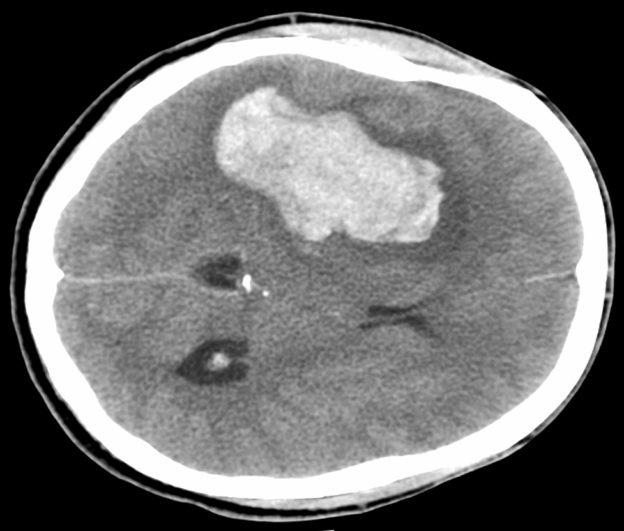
Author: Nick Hatch, M.D. Educational Pearls The Cincinnati Stroke Scale uses 3 measures to screen for ischemic stroke. The measures are: facial asymmetry, speech quality and arm drift. This scale is used commonly in EMS systems as a screening tool. Studies show that having one out of the 3 elements correlates with a 72% chance of having an ischemic stroke, while having all 3 of the elements correlates with an 85% chance. Overall the scale is highly sensitive but not very specific (92% and 48%, respectively, in one study). The measures focus on anterior circulation function, and often misses posterior circulation strokes. The Cincinnati Stroke Scale is good for EMS, but not necessarily for emergency physicians. References: http://onlinelibrary.wiley.com/store/10.1002/9781118783467.app5/asset/app5.pdf?v=1&t=jcf2yn71&s=3c2341ba472c1fcc88003dc0af7eac28691dd980
Podcast #290: The Biochemistry of DKA
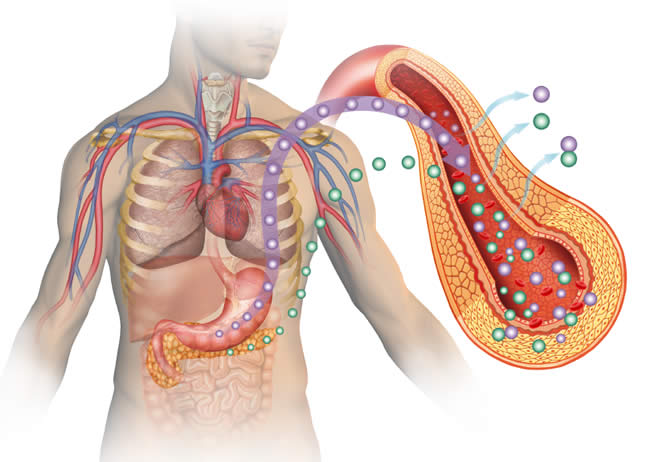
Author: Dave Rosenberg, M.D. Educational Pearls DKA commonly causes hyperkalemia, leading to peaked T-waves on ECG. However, DKA causes hypokalemia at the same time. In DKA, glucose cannot be taken into the cells. This signals the body to create and use acidic ketones for energy. This leads to acidosis. To compensate for increased acid, H ions are pumped into cells. To maintain electroneutrality, K is pumped out of the cell. At the kidney, K is lost in the urine. Overall, while serum K is high in DKA, total body K is low. The derangement in K can lead to life-threatening arrhythmias. Treatment for DKA can induce hypokalemia, as the K will shift back into the cells with insulin administration. Therefore, treatment for DKA needs to include K. References: http://www.merckmanuals.com/professional/endocrine-and-metabolic-disorders/diabetes-mellitus-and-disorders-of-carbohydrate-metabolism/diabetic-ketoacidosis-dka
Podcast #289: Cannabinoid Hyperemesis
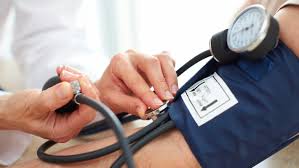
Author: Dylan Luyten, M.D. Educational Pearls Cannabinoid Hyperemesis syndrome is a relatively new diagnosis that presents with vomiting and abdominal pain without a clear etiology in the setting of daily marijuana use. The pathophysiology is not well-understood well, but may involve cannabinoid receptors in the gut. Treatment is abstinence from marijuana, fluids, dextrose, and antiemetics (haldol, ondansetron, etc). Opioids should be avoided. Capsaicin cream on the abdomen may be helpful, as it can distract from the pain and vomiting. Milk can be used to reverse its effects. References: Galli JA, Sawaya RA, Friedenberg FK. Cannabinoid Hyperemesis Syndrome. Current drug abuse reviews. 2011;4(4):241-249.

Podcast #288: Diarrhea
Author: Peter Bakes, M.D. Educational Pearls Chronic diarrhea is defined as 3 or more loose, watery stools lasting more than 2-3 weeks. Look for clues in the history, including travel (could suggest infectious etiology), antibiotic use (could suggest C. Diff), and family history. Irritable Bowel Disease (Crohn's/Ulcerative Colitis) is an autoimmune disorder that affects 1.3 million Americans and is a leading cause of chronic diarrhea. Crohn's always involves the terminal ileum, but can present anywhere along the GI tract. It causes transmural inflammation of the bowel wall and can lead to adhesions, perforations, and fistulas. Ulcerative colitis usually involves the rectum and causes mucosal inflammation only. Workup for IBD includes colonoscopy and tissue biopsy. Treatment for IBD includes dietary changes, 5-ASA/Mesalamine, steroids, and infliximab (anti-TNF alpha). References: https://www.aafp.org/afp/2011/1115/p1119.html
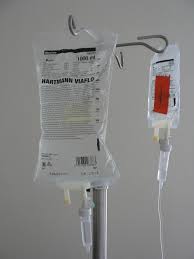
Podcast #287: Sepsis Bundles
Author: Aaron Lessen, M.D. Educational Pearls Treatment "bundles" are a popular approach to the rapid resuscitation of septic patients. A recent study in New York, where sepsis bundles are mandatory, sought to figure out which aspects of the bundle had impacts on mortality. In a study of 40,000 septic patients, the study found that early antibiotics were associated with better outcomes, while early IV fluids were not associated with better outcomes. This study affirms the important role of early antibiotics in sepsis. IV fluids may play an important role in the treatment of sepsis in some patients, but its role is less clear than antibiotics. References: Time to Treatment and Mortality during Mandated Emergency Care for Sepsis Christopher W. Seymour, M.D., Foster Gesten, M.D., Hallie C. Prescott, M.D., Marcus E. Friedrich, M.D., Theodore J. Iwashyna, M.D., Ph.D., Gary S. Phillips, M.A.S., Stanley Lemeshow, Ph.D., Tiffany Osborn, M.D., M.P.H., Kathleen M. Terry, Ph.D., and Mitchell M. Levy, M.D. N Engl J Med 2017; 376:2235-2244 June 8, 2017 DOI: 10.1056/NEJMoa1703058

Podcast #286: Coronary Vascular Conditions that aren't STEMI
Author: Don Stader, M.D. Educational Pearls While we usually associate the coronary vasculature with STEMIs, there are other pathologies that can affect the heart's blood supply. Kounis syndrome: an allergic vasospasm of the coronary arteries. This can happen post anaphylaxis or be caused by a stent allergy. It is best treated with aggressive management of the allergic reaction. Kawasaki disease: An autoimmune condition that presents in kids as conjunctivitis, lymphadenopathy, hand/foot swelling, rash, and fever. It can also cause coronary aneurysms, which can rupture and be rapidly fatal. Prinzmetal angina: Caused by coronary vasospasm. Presents with transient chest pain at rest. Treat with CCBs. Cocaine: Causes coronary vasospasm. Cocaine-induced vasospasm is best treated with BZDs. Coronary artery dissection: increased risk in pregnant women and those with connective tissue disorders. References: Memon S, Chhabra L, Masrur S, Parker MW. Allergic acute coronary syndrome (Kounis syndrome). Proceedings (Baylor University Medical Center). 2015;28(3):358-362.
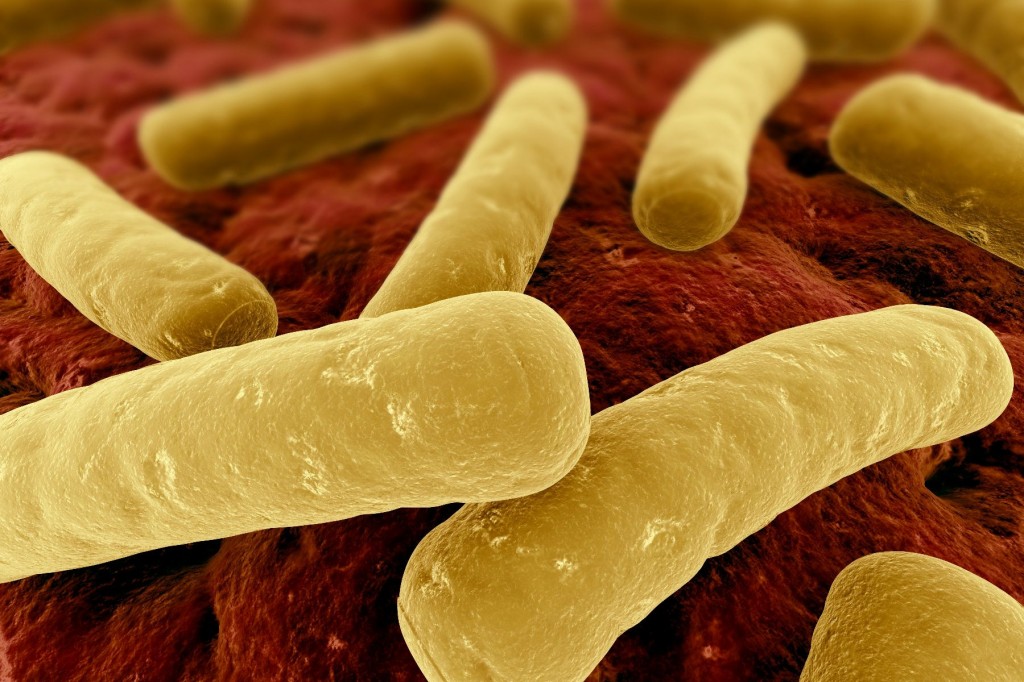
Podcast #285: C Diff
Author: Aaron Lessen, M.D. Educational Pearls While C. difficile infections are generally thought of as nosocomial, there is a subset of patients who acquire the infection in the community. One recent study showed that about 10% of patients presenting to the ED with diarrhea and without vomiting had a C. diff infection. Another study found risk factors for community-acquired C. diff included recent ED/Urgent care visits and antibiotic use. However, 36% of the patients in that study had no identifiable risk factors. References: Gupta A, Khanna S. Community-acquired Clostridium difficile infection: an increasing public health threat. Infection and Drug Resistance. 2014;7:63-72. doi:10.2147/IDR.S46780.

Podcast #284: Plane Emergencies
Author: Erik Verzemneicks, M.D. Educational Pearls 1/600 flights has an on-board request for medical assistance. Most common complaints on board include: syncope, respiratory complaints, and GI complaints. Most of the time, these are exacerbations of underlying chronic conditions. Except for situations involving gross negligence, the Aviation Assistance Act protects providers from legal action as long as they are acting within their scope of practice. Flight crew are CPR and AED trained. The onboard medical kit includes: epinephrine, dextrose, nitroglycerin, NSAIDs, injectable antihistamine, antiemetic, steroids, beta-blocker, aspirin, stethoscope, BP cuff, airway tools, thermometer and more. There is ground-based medical control for consult and guidance. References: https://www.acep.org/Clinical---Practice-Management/Emergency-at-30,000-Feet---What-You-Can-Do/#sm.0001eqpidqrpoczltzg1epg0m0aqu

Podcast #283: Snow Blindness
Author: John Winkler, M.D. Educational Pearls Photokeratitis is a UV burn of the sclera and cornea, which can cause blindness. UV light causes eyelid swelling with diffuse scarring of the eye (widespread, punctate uptake of fluorescein dye). While this can eventually heal, it is incredibly painful. Snow reflects light underneath sunglasses, so wrap-around goggles are the best form of prevention. This can happen to welders, sunbathers or any other person with prolonged UV light exposure. References: https://emedicine.medscape.com/article/799025-treatment
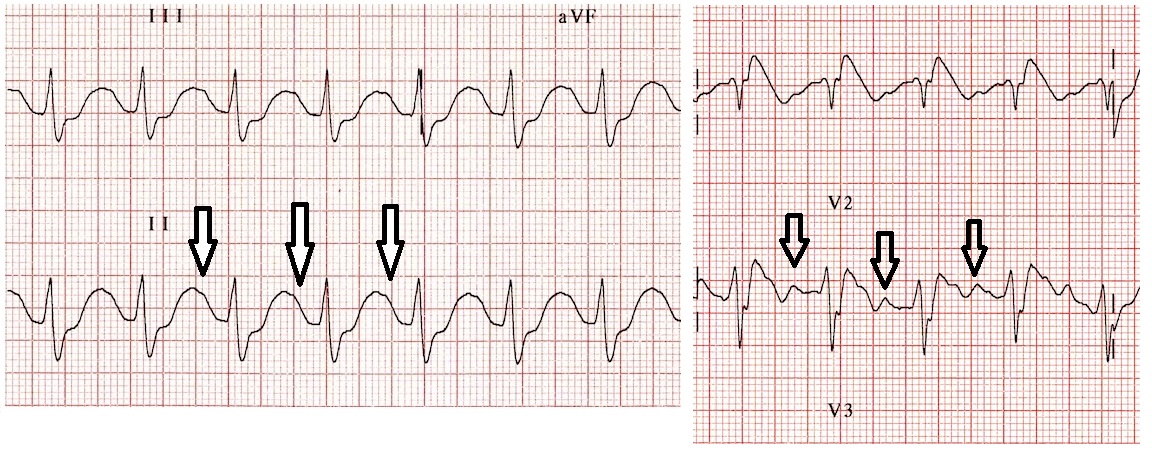
Podcast #282: EKG Changes in DKA
Author: Dave Rosenberg, M.D. Educational Pearls EKG changes that can be seen in DKA include ST elevation and peaked T-waves secondary to derangements in K levels. In DKA, serum K is high, but total body K is low, which can cause said EKG abnormalities. Many things cause ST elevation besides MI, so think beyond STEMI. When someone in in DKA, think about the "Three I's" for underlying cause: (not taking) insulin, ischemia, infection. References: Nageswara Rao Chava. ECG in Diabetic Ketoacidosis. Arch Intern Med. 1984;144(12):2379–2380. doi:10.1001/archinte.1984.00350220101022

Deep Dive #8: Wintertime Wilderness Medicine
Author: John Winkler, M.D. Dr. Winkler shares his knowledge of wilderness medicine and provides insight on how to prevent and treat conditions such as hypothermia, frostbite and sun blindness. More importantly, he gives us tips on how to stay safe while doing our favorite wintertime activities!
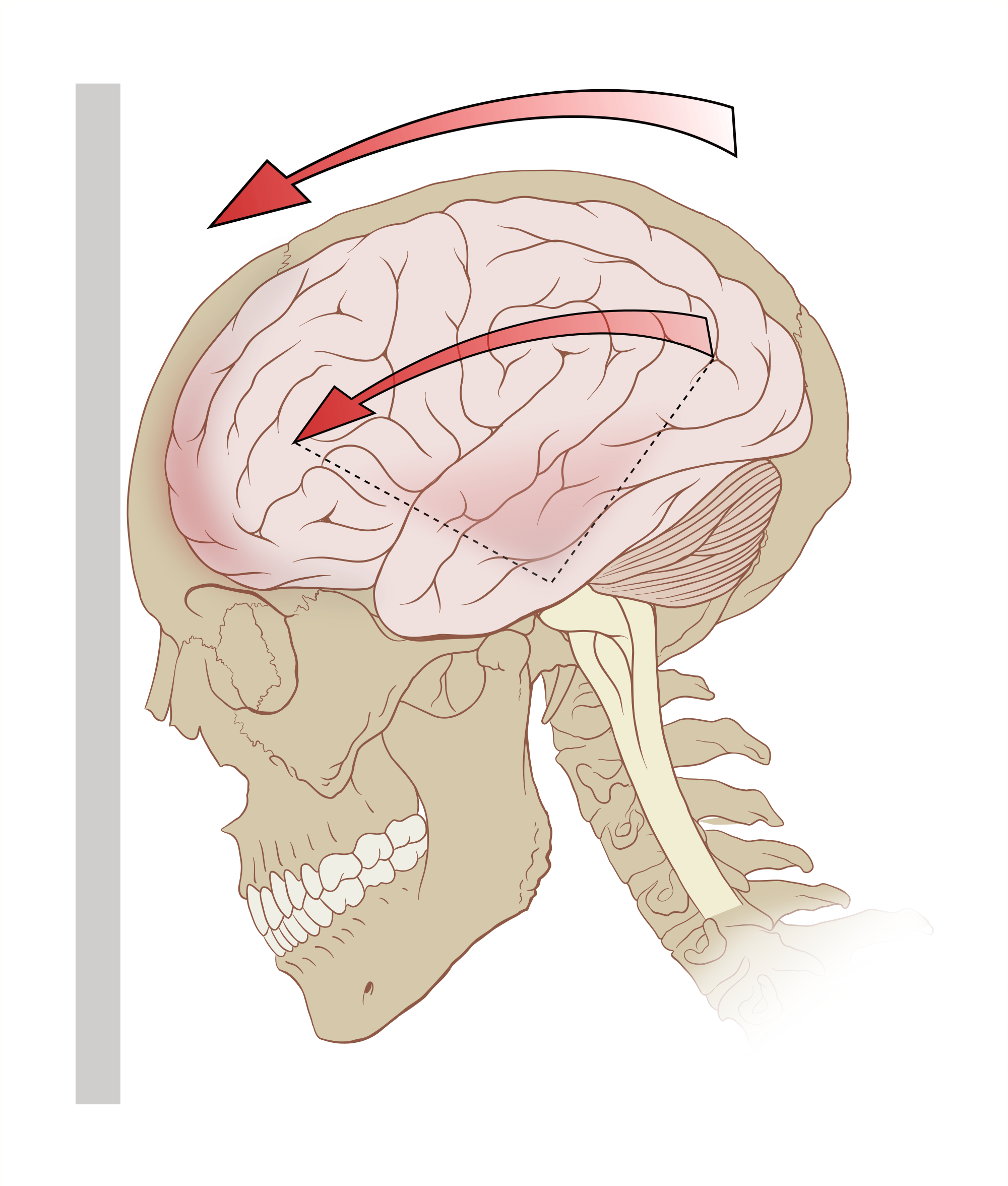
Podcast #281: Intracranial Hemorrhage Treatment
Podcast #281: Intracranial Hemorrhage Treatment Author: Don Stader, M.D. Educational Pearls Types of traumatic bleeds include subdural, epidural, and subarachnoid. Treatment for a traumatic bleed includes maintenance of systolic BP above 120 and seizure prophylaxis with phenytoin. In atraumatic bleeds, treatment should focus on lowering blood pressure to reduce bleeding. References: https://www.aliem.com/2017/09/intracranial-hemorrhage-management/

Podcast #280: Isolated Aphasia in Stroke
Author: Aaron Lessen, M.D. Educational Pearls Patients with an ischemic stroke from occlusion of the left middle cerebral artery often present with aphasia in addition to other neurological deficits. A recent study looked at patients presenting with suspected stroke. Of the 700 patients recruited, 3% had isolated aphasia on exam. On follow-up, none of the 3% had evidence of stroke on imaging. Underlying causes of the isolated aphasia in these patients included syncope, infections, seizures were the underlying cause. References: Gabriel Casella, Rafael H. Llinas, Elisabeth B. Marsh, Isolated aphasia in the emergency department: The likelihood of ischemia is low, Clinical Neurology and Neurosurgery, Volume 163, 2017, Pages 24-26, ISSN 0303-8467, https://doi.org/10.1016/j.clineuro.2017.10.013.
Podcast #279: Sedation After Intubation
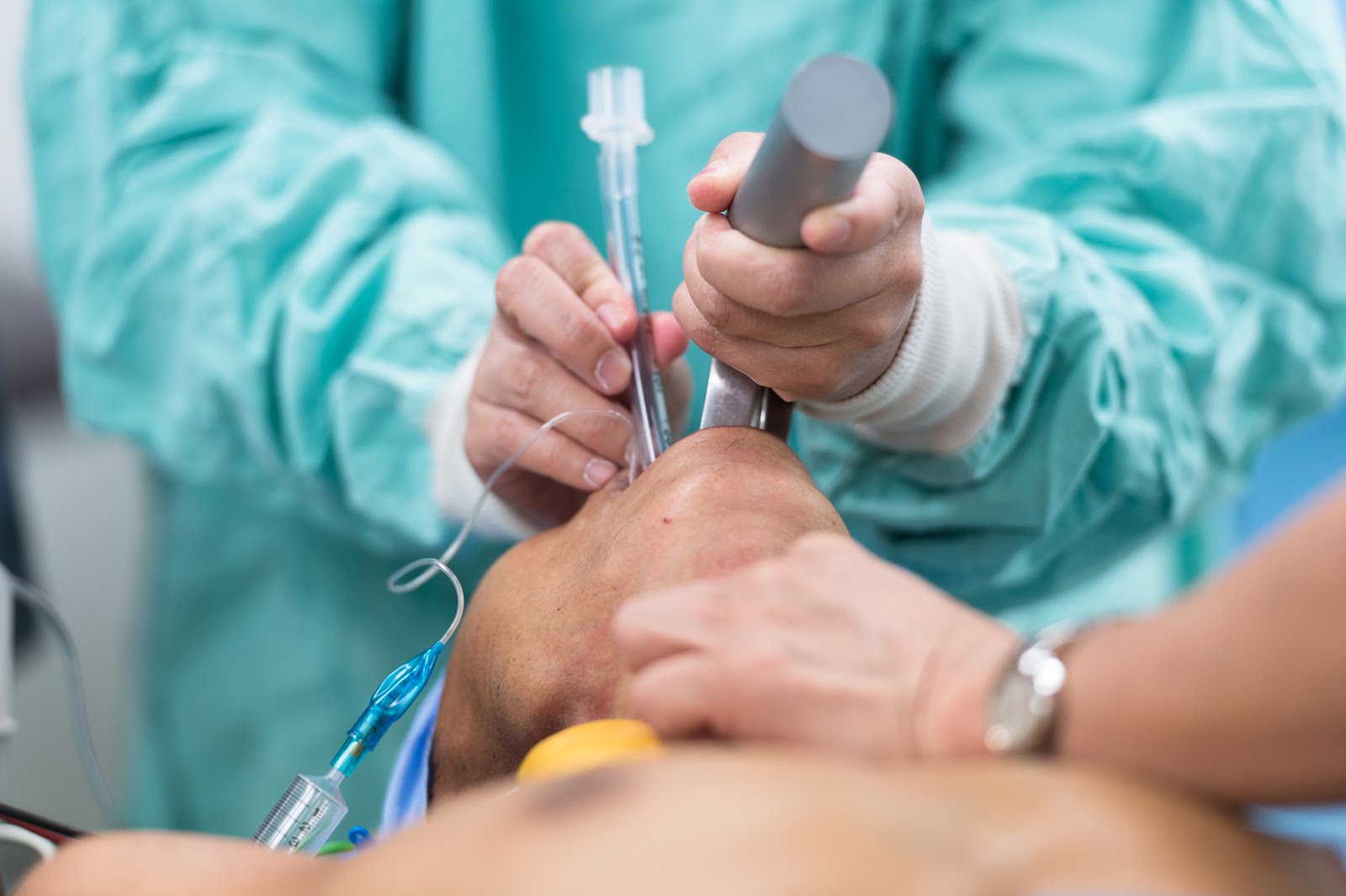
Author: Aaron Lessen, M.D. Educational Pearls Post-intubation care should always include pain control and adequate sedation. Commonly used sedation agents include propofol, ketamine and versed. However, too much sedation is harmful. Deep sedation (RASS -4 to -5) is associated with worse long-term outcomes. RASS of 0 to -2 is ideal, as long as the patient is comfortable. References: https://coreem.net/core/post-intubation/
Podcast #278: Subdural Hematomas
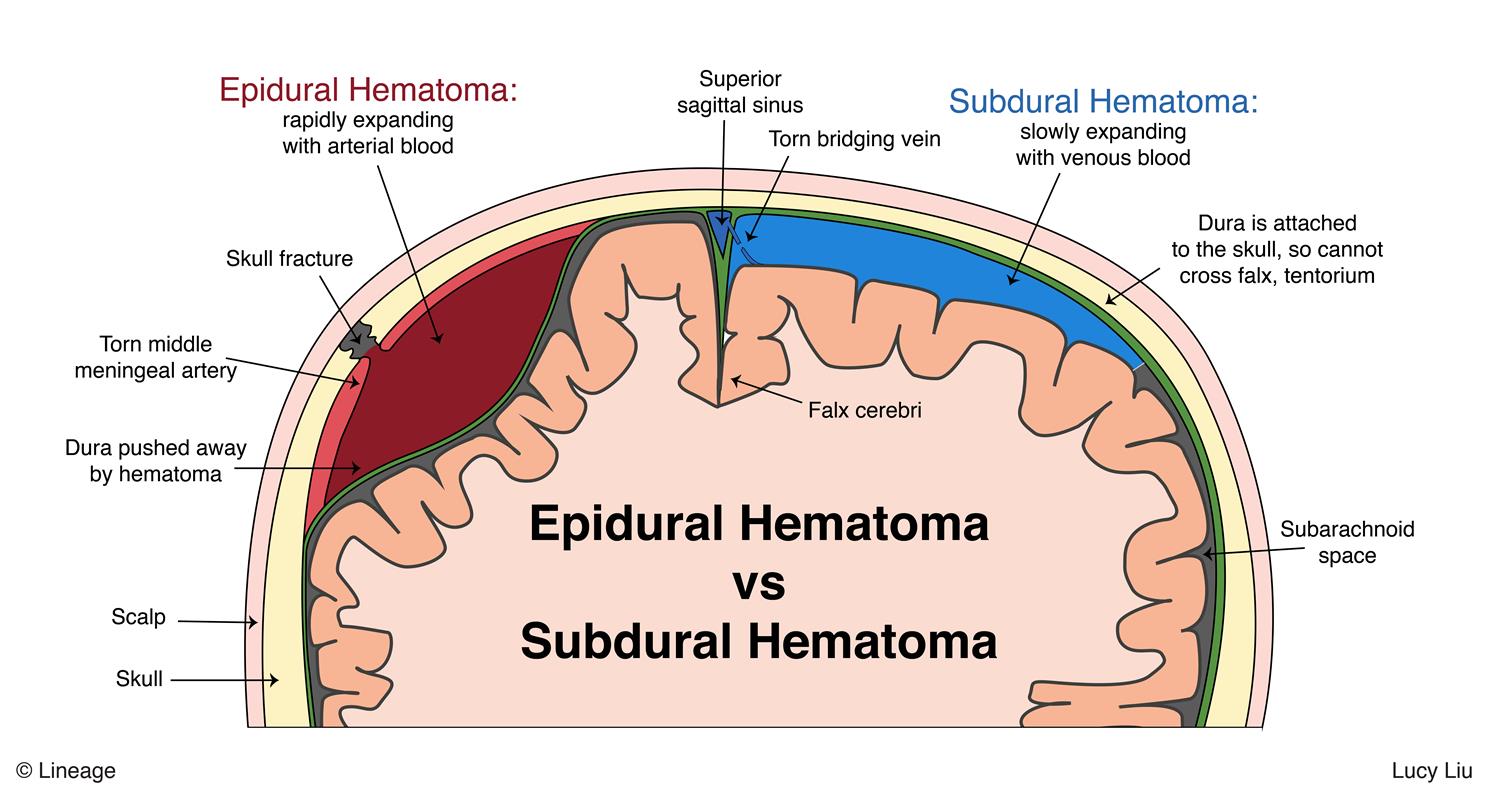
Educational Pearls Subdural hematomas can happen in the elderly because of brain atrophy, and can manifest with neurological deficit. Subdural hematomas are caused by rupture of the bridging veins of the brain. This can be caused by trauma, brain atrophy, or possibly by anticoagulant use. They are crescent-shaped on head CT. Epidural hematomas, in contrast, are caused by rupture of meningeal arteries secondary to trauma. They are usually lens-shaped on head CT. Subdurals are difficult to pick up on head CT because they may be isodense to brain tissue. References: Management of Recurrent Subdural Hematomas Desai, Virendra R. et al. Neurosurgery Clinics , Volume 28 , Issue 2 , 279 - 286

Podcast #277: Mucor
Author: Don Stader, M.D. Educational Pearls Mucor/Rhizopus fungal infections usually present in diabetic or immunocompromised patients as a black, necrotic lesion on the face. The fungus invades the vasculature of the face, causing tissue ischemia and necrosis. The infection is more common in the diabetic population because the fungus prefers more acidic and glucose-rich environments. This is a surgical emergency since it is cured only with excision of the affected tissue References: Vijayabala GS, Annigeri RG, Sudarshan R. Mucormycosis in a diabetic ketoacidosis patient. Asian Pacific Journal of Tropical Biomedicine. 2013;3(10):830-833. doi:10.1016/S2221-1691(13)60164-1.
Podcast #276: Angioedema
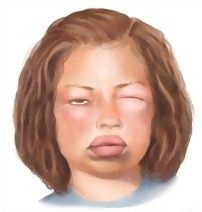
Author: John Winkler, M.D. Educational Pearls Angioedema is immediately life-threatening due to airway obstruction. Mechanisms include allergic reaction (histamine-related) or bradykinin-related (ACE-inhibitor, C1 esterase inhibitor deficiency). The bradykinin-related mechanism will not respond to the traditional meds used for anaphylaxis. Instead, use FFP to replace depleted factors. If a patient displays signs of respiratory compromise, intubation is indicated. Anesthesia should be consulted as this will be a very difficult airway. References: https://emcrit.org/pulmcrit/treatment-of-acei-induced-angioedema/

Podcast #275: Battery Ingestions
Author: Nick Hatch, M.D. Educational Pearls Unlike coin ingestions, button batteries can cause necrosis of the GI tract. If lodged in the esophagus, removal within 2 hours is important, because they can cause problems such as strictures or esophago-aortic fistula. If the battery is in the stomach or beyond, it may be ok to let it pass but give strict return precautions. Small hearing aid batteries are not as dangerous, but still require close follow-up to ensure the battery passes. Delayed effects (after passage of the battery) are possible. References: https://www.poison.org/battery/guideline
Podcast #274: Pediatric Sedation
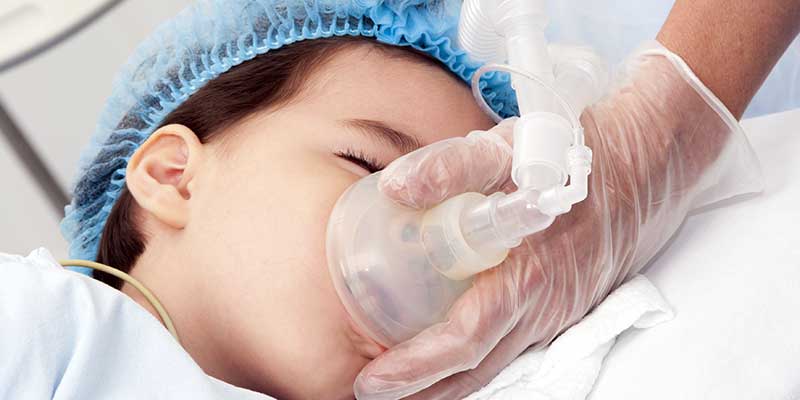
Author: Aaron Lessen, M.D. Educational Pearls A recent prospective observational study was performed to examine the safety of different sedation medications in the pediatric ED. This study included 6000 children, and looked at the rate of serious adverse events following administration of different sedatives. Overall, the safest drug to use was ketamine alone, with an adverse event rate of about 1%. Propofol, BZDs, and opiates had increased rates of adverse events. References: https://lifeinthefastlane.com/pediatric-procedural-sedation-with-ketamine/
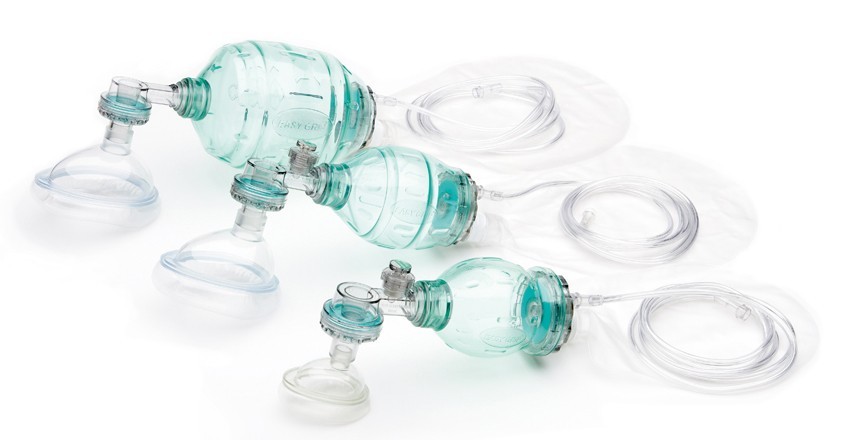
Podcast #273: Bag Valve Masks
Author: Sam Killian, M.D. Educational Pearls Difficulty with bag valve mask (BVM) ventilation can be addressed using the MOANS mnemonic. Mask seal, Obesity/obstruction, Age, No teeth, Sleep apnea. Often BVM difficulty can be addressed by an extra set of hands. References: https://www.aliem.com/2012/10/mnemonics-for-difficult-airway/

Podcast #272: More on Temperature in Sepsis
Author: David Rosenberg, M.D. Educational Pearls A study of 20,000 subjects found that reducing fever in sepsis did not improve outcomes such as morbidity, mortality, or length of stay. However, correcting fever may help for patient comfort. References: Zhang Z, Chen L, Ni H. Antipyretic Therapy in Critically Ill Patients with Sepsis: An Interaction with Body Temperature. Azevedo LCP, ed. PLoS ONE. 2015;10(3):e0121919. doi:10.1371/journal.pone.0121919.
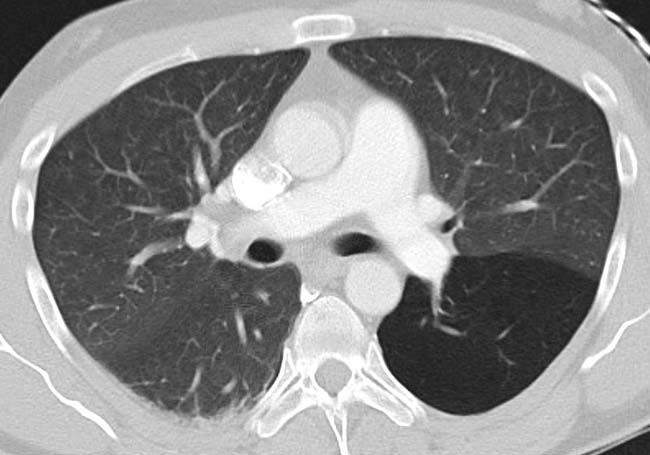
Podcast #271: Nexus Chest CT Scan Guidelines
Author: Chris Holmes, M.D. Educational Pearls The nexus chest CT scan rule is based on an 11,000 subject, multicenter study that looked for signs following a trauma that predicted significant findings on subsequent chest CT. Findings that were associated with abnormal chest CT included: abnormal CXR, distracting injury, chest wall, sternal, thoracic spine or scapular tenderness. Furthermore, a mechanism of injury that includes rapid deceleration was also associated. If a patient has none of the above findings, then there is only a small chance that there will be an abnormal chest CT. References: https://www.mdcalc.com/nexus-chest-ct-decision-instrument-ct-imaging
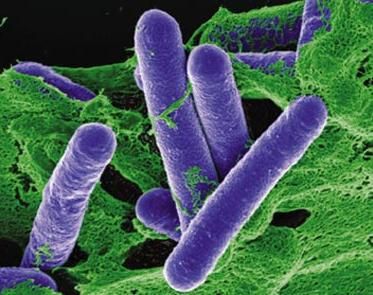
Podcast #270: Wound Botulism
Author: Don Stader, M.D. Educational Pearls Wound botulism should be considered in patients with cutaneous lesions and neuromuscular weakness. The toxin produced by clostridium botulinum is the causative agent. It forms spores, so it is very resistant to killing by heat. It presents with weakness, most often in the extraocular muscles. Treatment includes wound care and respiratory support. Anti-toxin is rarely used as it is stored at the CDC and must be flown in. References: Kalka-Moll WM, Aurbach U, Schaumann R, Schwarz R, Seifert H. Wound Botulism in Injection Drug Users. Emerging Infectious Diseases. 2007;13(6):942-943. doi:10.3201/eid1306.061336.

Podcast #269: Tattoo Ink Complications
Author: Michael Hunt, M.D. Educational Pearls Tattoo ink is applied below the skin, and because of this, they can lead to keloids, granulomas, tetanus, hepatitis B and C, and skin infections. Tattoo pigment has been found to contain substances like lead, cadmium, chromium, and arsenic; however, there are no long-term studies of the health effects of tattoos. In one study 14% of inks had ingredients that were banned in cosmetics. Nanoparticles of tattoo pigment can be found in the lymph nodes, and laser removal can precipitate their spread. Those with tattoos could experience complications with MRI because of the metal content of the ink. References: Khunger N, Molpariya A, Khunger A. Complications of Tattoos and Tattoo Removal: Stop and Think Before you ink. Journal of Cutaneous and Aesthetic Surgery. 2015;8(1):30-36. doi:10.4103/0974-2077.155072.
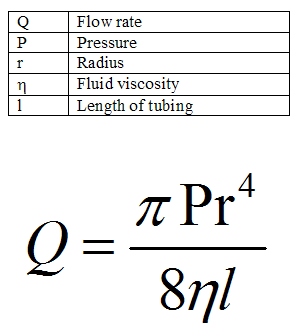
Podcast #268: Poiseuille's Law
Author: Dave Rosenberg, M.D. Educational Pearls Poiseuille's Law addresses the flow of a fluid through a tube. Many common ED presentations involve alterations in flow: asthma, MI, ischemic stroke, etc. According to the law, flow increases with the 4th power of the radius. That is to say, doubling the radius of the tube will increase the flow by 16x. Therefore, in situations that require re-opening of an anatomic tube (artery, airway), small changes in the size of the opening will result in dramatic effects. References: https://www.openanesthesia.org/poiseuilles_law_iv_fluids/

Podcast #267: Causes of Very High Lactate
Author: Dylan Luyten, M.D. Educational Pearls Lactate is a byproduct of anaerobic metabolism, a sign of dying tissue. Dangerous causes of high lactates will not normalize with repeat labs. Crush injuries, seizures, bowel necrosis, end-stage liver disease, and metformin toxicity are common causes of highly elevated lactate. References: https://lifeinthefastlane.com/ccc/lactic-acidosis/
Podcast #266: MI in Young Patients
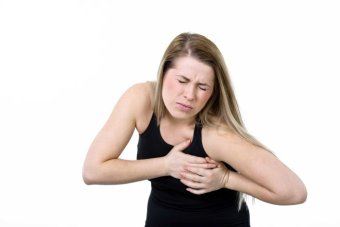
Author: John Winkler, M.D. Educational Pearls Some risk factors for MI in the young are history of CAD, stimulant drug use, coronary spasm and diabetes. In those with diffuse ST elevations on EKG, think pericarditis. Troponin will also be elevated. References: Egred M, Viswanathan G, Davis GK Myocardial infarction in young adults Postgraduate Medical Journal 2005;81:741-745.

Podcast #265: The 2017 Flu Vaccine
Author: Rachel Beham, PharmD, Advanced Clinical Pharmacist - Emergency Medicine Educational Pearls CDC recommends using the inactivated, injectable flu vaccine in those 6 months and older. The live attenuated vaccine is not used because of low efficacy. Pregnant women should be vaccinated, and can receive the vaccine at any stage of their pregnancy. The vaccine is contraindicated ONLY in those with a history of a severe anaphylactic reaction to the injection in the past. Antivirals (oseltamivir, zanamivir) are useful for Flu A and B. Their dosing needs to be adjusted for renal function, and it is contraindicated in those with ESRD who are not receiving dialysis. It should be used for prophylaxis in those with exposure and/or for the very young, very old, morbidly obese, nursing home residents, and those who are immunocompromised. They may be effective as long as 72 hours after symptom onset. References: https://www.cdc.gov/flu/professionals/index.htm
Podcast #264: Witnessed Cardiac Arrest
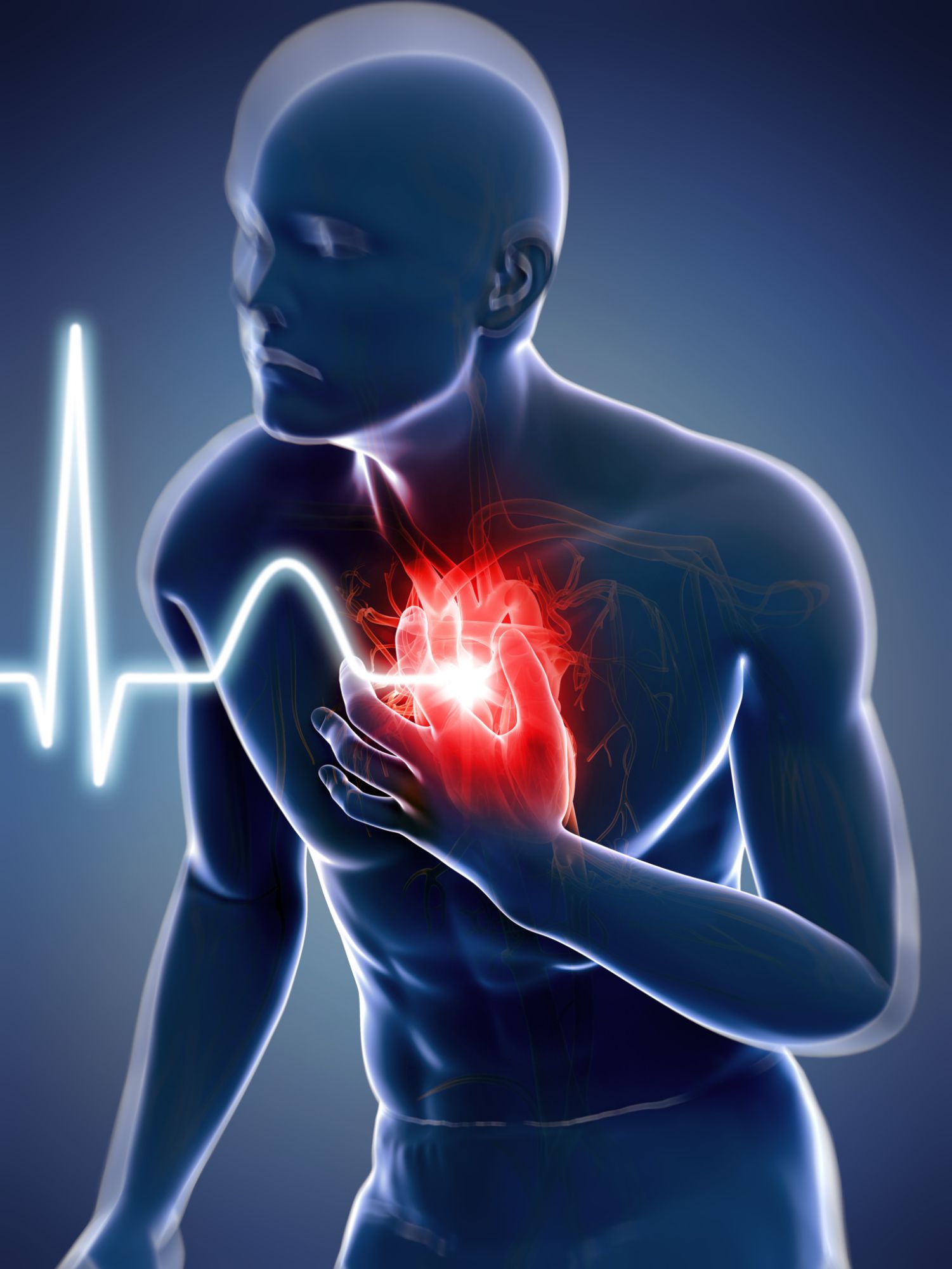
Author: Aaron Lessen, M.D. Educational Pearls For patients with in-hospital cardiac arrest, intubation in the 1st 15 minutes of resuscitation was associated with worse outcomes (mortality, neurologic outcome). This is likely due to cessation of high-quality CPR and defibrillation during the intubation sequence. In those with an in-hospital, shockable, cardiac arrest, administration of epinephrine before the 2nd defibrillatory shock was associated with worse outcome. This was likely due to the cessation of high-quality CPR. For in-hospital cardiac arrest, resuscitation should focus on high-quality CPR. References: Andersen LW, Granfeldt A, Callaway CW, Bradley SM, Soar J, Nolan JP, Kurth T, Donnino MW, for the American Heart Association's Get With The Guidelines–Resuscitation Investigators. Association Between Tracheal Intubation During Adult In-Hospital Cardiac Arrest and Survival. JAMA. 2017;317(5):494–506. doi:10.1001/jama.2016.20165

Podcast #263: Early Antibiotics in Sepsis
Educational Pearls After the first hour, every 1 hour delay in antibiotics in a patient with septic shock patient is associated with a 4% increase in mortality. In patients with high suspicion for septic shock (fever and hypotension), antibiotics should be initiated ASAP. Rocephin (ceftriaxone) should be used for those with community-acquired sepsis, zosyn for nosocomial or IV-associated sepsis. References: https://lifeinthefastlane.com/ccc/antibiotic-timing/

Podcast #262: Pertussis
Author: Julian Orenstein, M.D. Educational Pearls Colorado has a high population of unvaccinated children, and is at increased risk for pertussis outbreaks. The causative organism is Bordetella pertussis. It causes causes respiratory epithelial necrosis leading to congestion of the bronchioles, leading to cough. The cough is unique - it is usually a series of expiratory coughs followed by one deep inspiration The clinical presentation is divided into 3 phases: Catarrhal: cough and congestion with low-grade fever and coryza. Whooping: characteristic cough. Resolution: recovery with persistent cough. Infants may not get this presentation, but may get apnea and nonspecific cough. Tongue depressor can be used to elicit cough for diagnosis. References: Tozzi AE, Pastore Celentano L, Ciofi degli Atti ML, Salmaso S. Diagnosis and management of pertussis. CMAJ : Canadian Medical Association Journal. 2005;172(4):509-515. doi:10.1503/cmaj.1040766.

Deep Dive #7: Domestic Violence
Authors: Katie Sprinkel, MD Emergency Medicine Physician SANE Medical Director, Medical Center of Aurora Amy Ferrin, Senior Deputy District Attorney County Court Supervisor Office of the District Attorney, 18th Judicial District Amy Ferrin and Dr. Katie Sprinkel speak about the medical and legal aspects of domestic violence.
Podcast #261: Icatibant
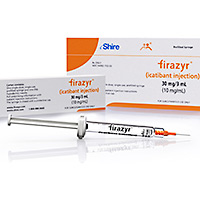
Author: Aaron Lessen, M.D. Educational Pearls Icatibant was introduced to treat ACE-inhibitor induced angioendema. This type of angioedema is refractory to epinephrine and antihistamines, and is likely mediated by elevated bradykinin.(which is inactivated by ATII and ACE). Icatibant initially was shown to reduce facial swelling and airway obstruction in the setting of ACE-I angioedema, but later, better-powered studies showed that it had no benefit compared to standard treatment. References: Sinert R et al. Randomized Trial of Icatibant for Angiotensin-Converting Enzyme Inhibitor-Induced Upper Airway Angioedema. J Allergy Clin Immunol Pract 2017. PMID: 28552382
Podcast #260: Preoxygenation
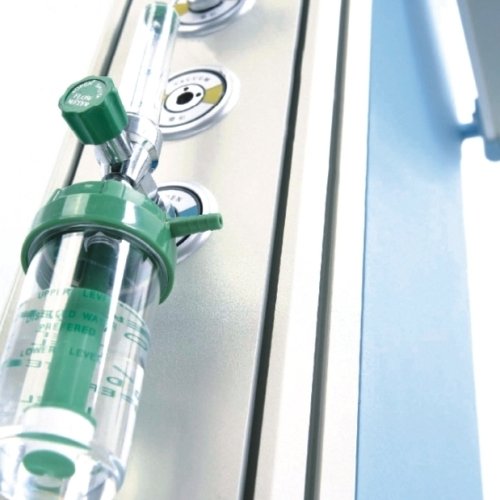
Author: David Rosenberg, M.D. Educational Pearls Preoxygenation is done before rapid sequence intubation, and should be done even if SaO2 is at 100%. Preoxygenation is done to fill the lungs with oxygen rather than ambient air, which is only 20% O2. While the patient is paralyzed, the O2-filled lungs will continue to oxygenate venous blood, buying you more time for intubation. BiPAP is an effective tool for pre-oxygenation. References: https://lifeinthefastlane.com/ccc/preoxygenation/
Podcast #259: Transient Ischemic Attacks
Podcast #259: TIA Author: Peter Bakes, M.D. Educational Pearls A TIA is defined as focal neurological deficit that resolves within 24 hours and has negative imaging. The etiology is a transient thrombus, embolus, or narrowing of a branch of a cerebral artery. Screening tests are generally negative and low-yield. MRI and vascular imaging are usually done to look for reversible causes. Patients presenting with TIA are usually admitted because of a higher risk for stroke. However, there are some patients that are low-risk and do not require admission. Risk can be assessed using the "ABCD" mnemonic: Age>60, BP (history of HTN), Clinical presentation (area of deficit), Diabetes/Duration of symptoms. See reference link for scoring sheet. Patients with a low enough score may be eligible for outpatient follow-up. References: http://www.stroke.org/sites/default/files/resources/tia-abcd2-tool.pdf?docID
Podcast #258: REBOA
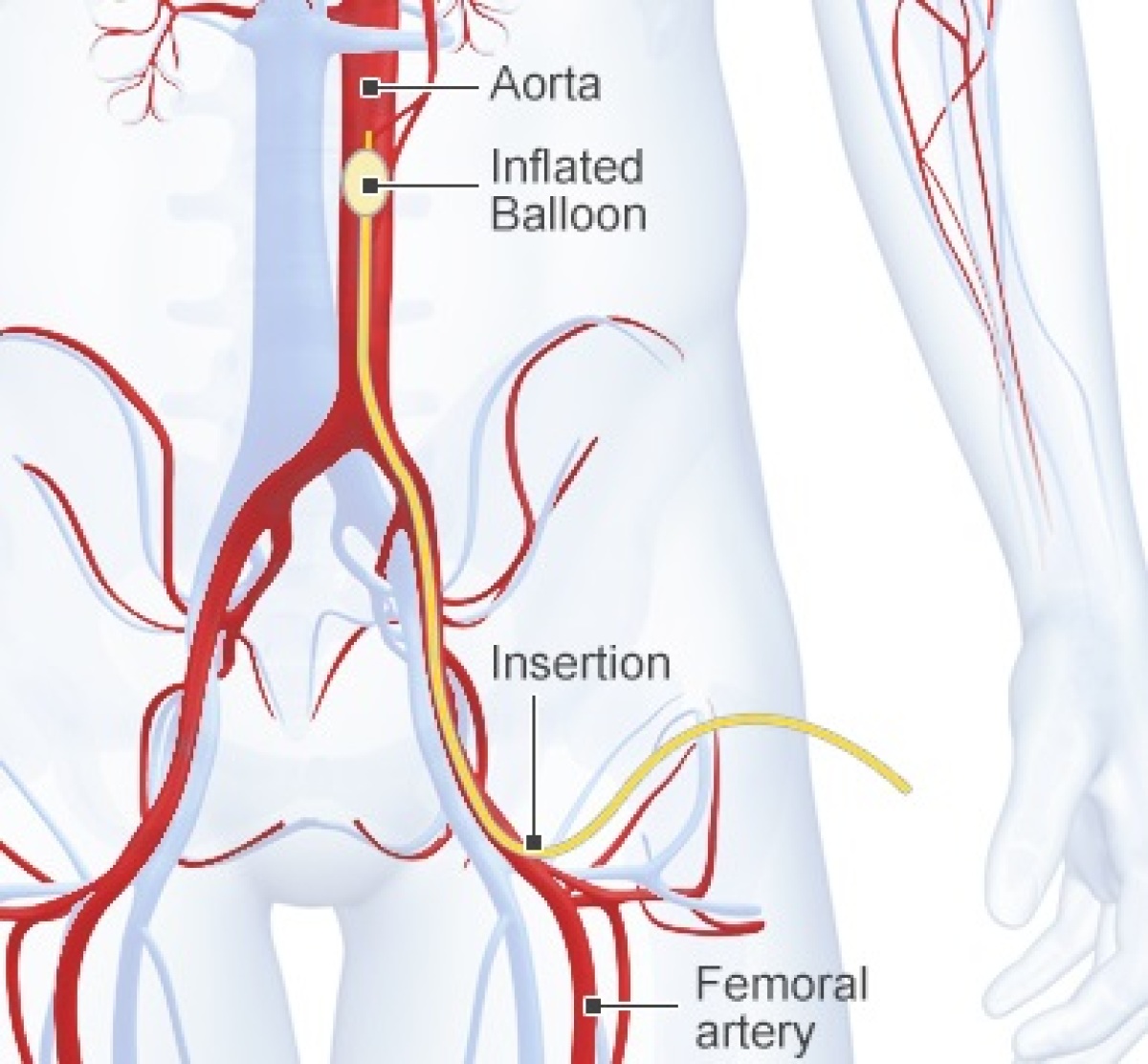
Author: Dylan Luyten, M.D. Educational Pearls Resuscitative Endovascular Balloon Occlusion of the Aorta (REBOA). Exsanguination is a major cause of mortality in trauma One temporizing technique to buy time to definitive hemorrhage control is to occlude the aorta thereby shunting blood away from pelvis and lower extremities, increasing cardiac afterload to increase myocardial and brain perfusion. Rather than perform a thoracotomy to cross clamp aorta, a REBOA catheter may be introduced into the aorta via the common femoral artery and a balloon inflated in the descending aorta to occlude it. The indications for REBOA include PEA arrest of brief duration attributable to exsanguination for sub-diaphragmatic source in a young, healthy patient, or severe hypovolemic shock or those in an agonal state due to non-compressible hemorrhage not responding to volume and in whom obstructive cause of shock has been ruled out. Contraindicated in prolonged arrest, suspected proximal aortic injury, advanced age/comorbidities. Controversies and evidence: High quality evidence is lacking - as it is for much of what we do and even consider standard of care in trauma. It has not been shown to improve survival, which is hard to demonstrate. Role in remote settings vs trauma centers unclear. Further refinements of indication for use are likely to occur with time and experience. Summarize - REBOA is a promising relatively new technology that may have potential to improve outcomes in the sickest of trauma patients. Reference: https://lifeinthefastlane.com/ccc/resuscitative-endovascular-balloon-occlusion-aorta-reboa/

Podcast #257: Strangulation
Educational Pearls Strangulation is common in cases of domestic violence and sexual assault, and it is associated with higher mortality People who have been strangled have a higher rate of stroke due to vascular damage to carotid artery Only 50% of people who die from strangulation show external signs of trauma CTA should be done in all those who experience LOC or incontinence from strangulation 50-60sec of strangulation is all that is required to produce LOC References: http://epmonthly.com/article/clinical-focus-strangulation-and-hanging-injuries/
Podcast #256: Fentanyl Ingestion
Authors: Don Stader, M.D & Rachael Duncan, PharmD BCPS BCCCP Educational Pearls Fentanyl patches may be abused in many ways, including changing the patches more frequently, chewing them, extracting the fentanyl in a tea, and administering them rectally. Fentanyl is very lipophilic and has a fast onset, but it has a very low bioavailability when given enterally, because it does not survive the stomach and 1st pass metabolism. It can be given IV, intranasal, through the buccal mucosa, or transdermal. When patients present with fentanyl overdose due to ingestion of a patch, it is more important to find out how long the patient had the patch in their mouth, since that is the principal form of absorption. References: http://www.medscape.org/viewarticle/518441_3