
Emergency Medical Minute
1,173 episodes — Page 20 of 24

Podcast #218: Estimating Pediatric Weight
Author: Aaron Lessen, M.D. Educational Pearls Asking parents and Broselow Tape are common options for estimating pediatric weight. Equipment sizes should not be adjusted for under/overweight kids based on Broselow Tape estimates. The finger counting method (see reference) is just as accurate as Broselow Tape method, according to one study. References: http://handtevy.com/images/Casestudies/Americanjournalofemergencymedicine.pdf
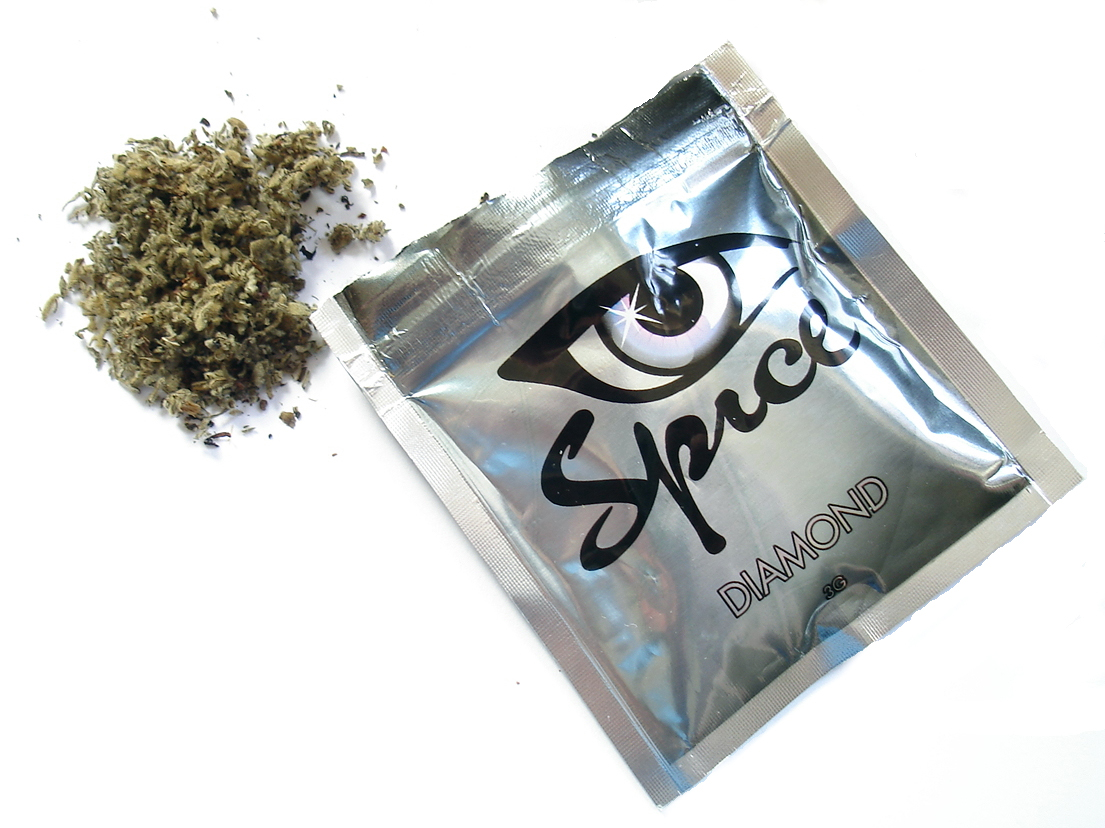
Podcast #217: Designer Drugs
Author: John Winkler, M.D. Educational Pearls: Designer, or "synthetic" drugs include bath salts, synthetic THC, and many others. Many of these drugs are originally manufactured in China and are shipped globally. Treatment usually involves airway control and sedation - ketamine may be useful. Traditional tox screens do not test for these drugs. References: https://www.drugabuse.gov/related-topics/trends-statistics/national-drug-early-warning-system-ndews

Podcast #216: Roller Coasters and Kidney Stones
Author: Aaron Lessen, M.D. Educational Pearls: Anecdotal evidence suggests that roller coasters may help with kidney stones. A recent study used a model of a kidney and ureter with different sized stones and put it on Thunder Mountain roller coaster in Disney World. There was "dramatic passage" of the kidney stones at the rear of the roller coaster. References: Marc A. Mitchell, DO; David D. Wartinger, DO, JD. Validation of a Functional Pyelocalyceal Renal Model for the Evaluation of Renal Calculi Passage While Riding a Roller Coaster. The Journal of the American Osteopathic Association, October 2016, Vol. 116, 647-652. doi:10.7556/jaoa.2016.128. http://jaoa.org/article.aspx?articleid=2557373
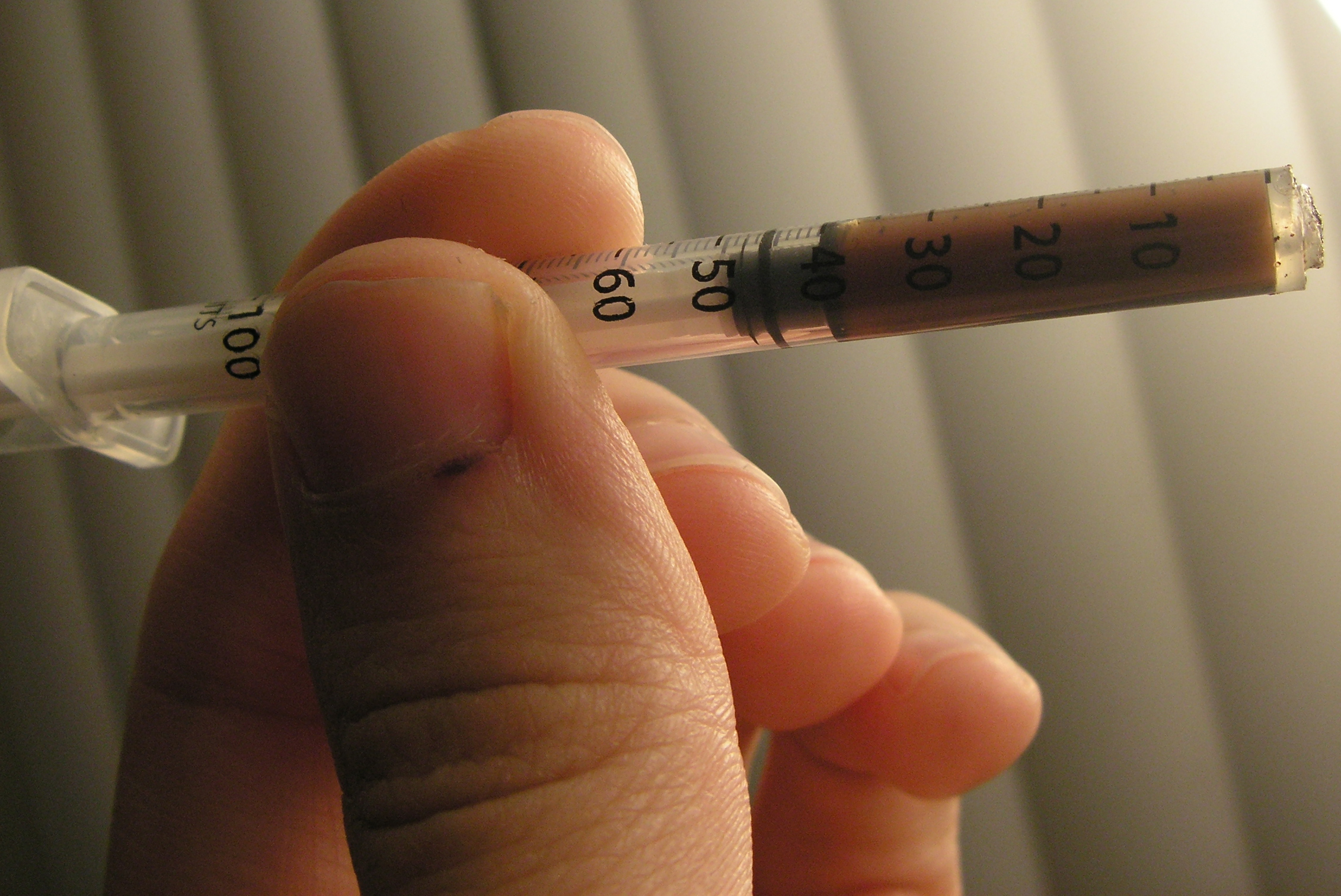
Opioid MIniseries Part IV: Harm Reduction
PRACTICE RECOMMENDATIONS 1. Patients who abuse opioids should be managed without judgement; addiction is a medical condition and not a moral failing. Caregivers should endeavor to meet patients "where they are," infusing empathy and understanding into the patient/medical provider relationship. 2. Every emergency clinician should be well-versed in the safe injection of heroin and other intravenous (IV) drugs, and understand the practical steps for minimizing the dangers of overdose, infection, and other complications. When treating patients with complications of IV drug use, injection habits should be discussed and instruction should be given about safe practices. 3. Emergency department patients who inject drugs should be referred to local syringe access programs, where they can obtain sterile injection materials and support services such as counseling, HIV/hepatitis testing, and referrals. 4. Emergency departments should provide naloxone to high-risk patients at discharge. If the drug is unavailable at the time of release, patients should receive a prescription and be informed about the over-the-counter availability of the drug in most Colorado pharmacies. 5. Emergency clinicians should be familiar with Colorado's regulations pertaining to naloxone. State laws eliminate liability risk for prescribing the drug, encourage good samaritan reporting of overdose, and make naloxone legal and readily available over the counter in most pharmacies. 6. Emergency department patients who receive prescriptions for opioids should be educated on their risks, safe storage methods, and the proper disposal of leftover medications. POLICY RECOMMENDATIONS 1. Harm reduction agencies and community programs that provide resources for people who inject drugs (PWID) should be made readily available. 2. When local programs are unavailable for PWID, emergency departments should establish their own programs to provide services such as safe syringe exchanges.
Opioid Miniseries Part III: Alternative to Opioids
PRACTICE RECOMMENDATIONS 1. All emergency departments should implement ALTO programs and provide opioid-free pain treatment pathways for the following conditions: a. Acute on chronic opioid-tolerant radicular lower back pain b. Opioid-naive musculoskeletal pain c. Migraine or recurrent primary headache d. Extremity fracture or joint dislocation e. Gastroparesis-associated or chronic functional abdominal pain f. Renal colic 2. Emergency departments should integrate ALTO into their computerized physician order entry systems to facilitate a seamless adoption by clinicians. 3. Low-dose, subdissociative ketamine (0.1-0.3 mg/kg) is an effective analgesic that can be opioid-sparing for many acute pain syndromes. Institutional guidelines and policies should be in place to enable clinicians and nurses who administer this agent for pain. 4. For musculoskeletal pain, consider a multimodal treatment approach using acetaminophen, NSAIDs, steroids, topical medications, trigger-point injections, and (for severe pain) ketamine. 5. For headache and migraine, consider a multimodal treatment approach that includes the administration of antiemetic agents, NSAIDs, steroids, valproic acid, magnesium, and triptans. Strongly consider cervical trigger-point injection. 6. For pain with a neuropathic component, consider gabapentin. 7. For pain with a tension component, consider a muscle relaxant. 8. For pain caused by renal colic, consider an NSAID, lidocaine infusion, and desmopressin nasal spray. 9. For chronic abdominal pain, consider low doses of haloperidol, diphenhydramine, and lidocaine infusion. 10. For extremity fracture or joint dislocation, consider the immediate use of nitrous oxide and low-dose ketamine while setting up for ultrasound-guided regional anesthesia. 11. For arthritic or tendinitis pain, consider an intra-articular steroid/anesthetic injection. POLICY RECOMMENDATIONS 1. Hospitals should update institutional guidelines and put policies in place that enable clinicians to order and nurses to administer dose-dependent ketamine and IV lidocaine in non-ICU areas. 2. Emergency departments are encouraged to assemble an interdisciplinary pain management team that includes clinicians, nurses, pharmacists, physical therapists, social workers, and case managers. 3. Reimbursement should be available for any service directly correlated to pain management, the reduction of opioid use, and treatment of drug-addicted patients.

Opioid Miniseries Part II: Limiting Opioids in the Emergency Department
RACTICE RECOMMENDATIONS 1. Opioids are inherently dangerous, highly addictive drugs with significant abuse potential, numerous side effects, lethality in overdose, rapid development of tolerance, and debilitating withdrawal symptoms. They should be avoided whenever possible and, in most cases, initiated only after other modalities of pain control have been trialed. 2. Prior to prescribing an opioid, physicians should perform a rapid risk assessment to screen for abuse potential and medical comorbidities. Alternative methods of pain control should be sought for patients at increased risk for abuse, addiction, or adverse reactions. 3. Emergency physicians should frequently consult Colorado's prescription drug monitoring program (PDMP) to assess a patient's history of prescription drug abuse, misuse, or diversion. 4. Emergency physician groups should strongly consider tracking, collecting, and sharing individual opioid prescribing patterns with their clinicians to decrease protocol variabilities. 5. Strongly consider removing prepopulated doses of opioids from order sets in computerized provider order entry (CPOE) systems. 6. Opioid alternatives and nonpharmacological therapies should be used to manage patients with acute low back pain, in whom opioids are particularly detrimental. Opioids should be prescribed only after alternative treatments have failed. 7. Potential drug interactions must be evaluated, and opioids should be avoided in patients already taking benzodiazepines, barbiturates, or other narcotics. 8. Patients with chronic pain should receive opioid medications from one practice, preferably their primary care provider or pain specialist. Opioids should be avoided in the emergency department treatment of most chronic conditions. Emergency physicians should coordinate care with a patient's primary care or pain specialist whenever possible, and previous patient-physician contracts regarding opioid use should be honored. 9. Clinicians should abstain from adjusting opioid dosing regimens for chronic conditions and avoid routinely prescribing opioids for acute exacerbations of chronic noncancer pain. 10. "Long-acting" or "extended-release" opioid products should be avoided for the relief of acute pain. 11. Patients receiving controlled medication prescriptions should be able to verify their identity. 12. Patients who receive opioids should be educated about their side effects and potential for addiction, particularly when being discharged with an opioid prescription. 13. When considering opioids, clinicians should prescribe the lowest possible effective dose in the shortest appropriate duration (eg, 14. Emergency departments should refuse to refill lost or stolen opioid prescriptions. POLICY RECOMMENDATIONS 1. As has been done in other states, the Colorado PDMP should develop an automated query system that can be more readily integrated into electronic health records and accessed by emergency clinicians. 2. Pain control should be removed from patient satisfaction surveys, as they may unfairly penalize physicians for exercising proper medical judgement. 3. Opioid prepacks should be avoided or eliminated in the emergency department if 24-hour pharmacy support is available. 4. Pain should not be considered the "fifth vital sign."
Opioid Miniseries Part I: Medicine's Greatest Folly
The Emergency Medical Minute proudly presents an educational podcast series sponsored by the Colorado Hospital Association addressing our the United States' opioid epidemic.
Podcast #215: Ankle Pain
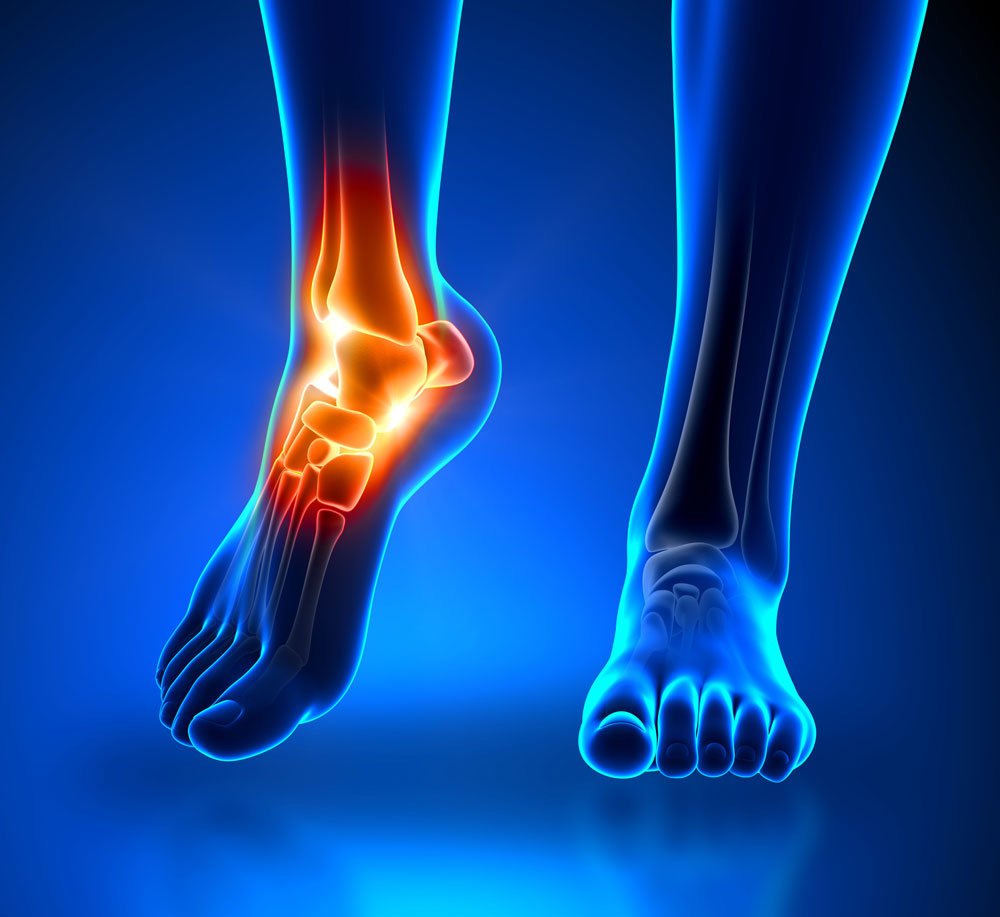
Author: Donald Stader, M.D. Educational Pearls: The most common ankle injury mechanism is an inversion. Most common broken bone in the ankle is the fibula. During exam, it is important to palpate over the fibular head, medial and lateral malleoli, over the 5th metatarsal and over the cuboid bone. If no tenderness in these areas and the patient is walking - they have a sprain and can be sent home without imaging. In calcaneal fractures, make sure to image the lumbar spine since up to 30% of calcaneal fractures are associated with lumbar spine injury. References: http://orthosurg.ucsf.edu/oti/patient-care/divisions/sports-medicine/physical-examination-info/ankle-physical-examination/
Podcast #214: Dizziness
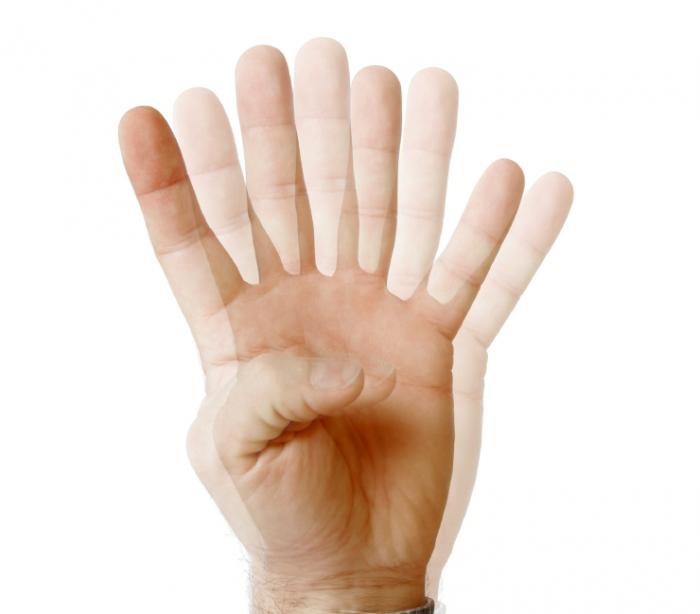
Author: Aaron Lessen, M.D. Educational Pearls: We can differentiate verto into benign problems such as vestibular problem (peripheral problem), or something more worrisome that originates in the brain (central problem). Dizziness + other symptoms makes us think about origination in the CNS. Symptoms include Dizziness, Diplopia, Dysarthria, Dysphagia, Dysmetria. References: http://www.medicalnewstoday.com/knowledge/160900/vertigo-causes-symptoms-treatments http://www.mayoclinic.org/diseases-conditions/dizziness/basics/causes/con-20023004

Podcast #213: Oats and Potatoes
Author: Michael Hunt, M.D. Educational Pearls: Oats have been shown to lower LDL. Oat bran is the most effective way to consume oats to lower LDL. A Swedish study of 69,000 people who ate at least 3 servings of potatoes a week showed no increased risk of a MI or stroke associated with potato consumption. References: Larsson SC, Wolk A. Potato consumption and risk of cardiovascular disease: 2 prospective cohort studies. Am J Clin Nutr. 2016

Podcast #212: Knights Who Say Pessary
Author: Jared Scott, M.D. Educational Pearls: A pessary is a device inserted into the vagina for medical purposes. Examples include birth control and mechanical support of the pelvic structures. In older women, collapse of the pelvic structures is common, and many may have pessaries to aid in treatment. References: https://www.ncbi.nlm.nih.gov/pmc/articles/PMC2876320/

Podcast #211: E-cigarettes
Author: Michael Hunt, M.D. Educational Pearls: Children under age of 6 are at greatest risk of accidental nicotine overdose from ingestion. Biphasic presentation: Hyperadrenergic = nausea, vomiting, tachycardia, flushing. Bradycardia and respiratory depression. References: http://www.aapcc.org/alerts/e-cigarettes/ Mayer B. How much nicotine kills a human? Tracing back the generally accepted lethal dose to dubious self-experiments in the nineteenth century. Archives of Toxicology. 2013;88(1):5-7. doi:10.1007/s00204-013-1127-0.

Podcast #210: Bear Mauling
Author: Jared Scott M.D. Educational Pearls: Bear mauling is not a common issue in the ED. The Ursus americanus (black bear) is the most common in Colorado, but Ursus arctos horribilis (grizzly bear) attacks are more frequent because they are more aggressive. Head and neck lacerations are the most common injuries. Complications include infection and long term PTSD. Most bear attacks are defensive in nature. If a bear attacks you - lay face down and cover your neck with your hands. References: Frank RC, Mahabir RC, Magi E, Lindsay RL, de Haas W. Bear maulings treated in Calgary, Alberta: Their management and sequelae. The Canadian Journal of Plastic Surgery. 2006;14(3):158-162. https://www.ncbi.nlm.nih.gov/pmc/articles/PMC2539044/

Podcast #209: Rabbit Done Died
Author: Sam Killian, M.D. Educational Pearls: "The Rabbit Has Died" is a lesser used phrase to denote finding out one is pregnant. During a test used in the 1930s, the "Rabbit's Test," a rabbit was injected with a potentially pregnant woman's urine. If the woman was pregnant, the rabbit would begin displaying signs of pregnancy itself. This test required killing the rabbits to visualize the ovaries, hence the term "Rabbit Done Died". References: https://www.early-pregnancy-tests.com/history
Podcast #208: Vocal Cord Dysfunction
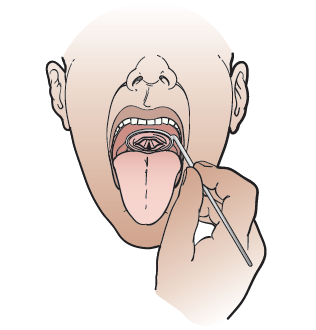
Author: Martin O'Bryan M.D. Educational Pearls: Vocal cord dysfunction can mimic other causes of stridor, such as asthma and upper airway obstruction. Patients are often very anxious because of the difficulty of inspiration. The definitive diagnosis is laryngoscopy that must be done by a pulmonologist. The treatment is general reassurance, asthma medications will not help. CPAP and heliox can be used to help with the stridor. Benzodiazepines can be used to reduce the associated anxiety. References: https://asthmarp.biomedcentral.com/articles/10.1186/s40733-015-0009-z

Podcast #207: Boxer's Fracture
Author: Sam Killian, M.D. Educational Pearls: Defined as fracture of neck (distal segment) of 5th metacarpal. Intrinsic muscles of hand pull segment to palmar aspect of hand. 30 degrees of angulation is allowed. Any more increases risk of chronic pain, grip strength and grasping deficits, and rotational deformities. Reduce fracture if more than 30 degrees of angulation or if rotation is present. Splint fracture in "ulnar gutter" with goal being flexion at MCP and extension at DIP and PIP. References: http://www.emedicinehealth.com/boxers_fracture/article_em.htm
Podcast #206: Urethral Injuries
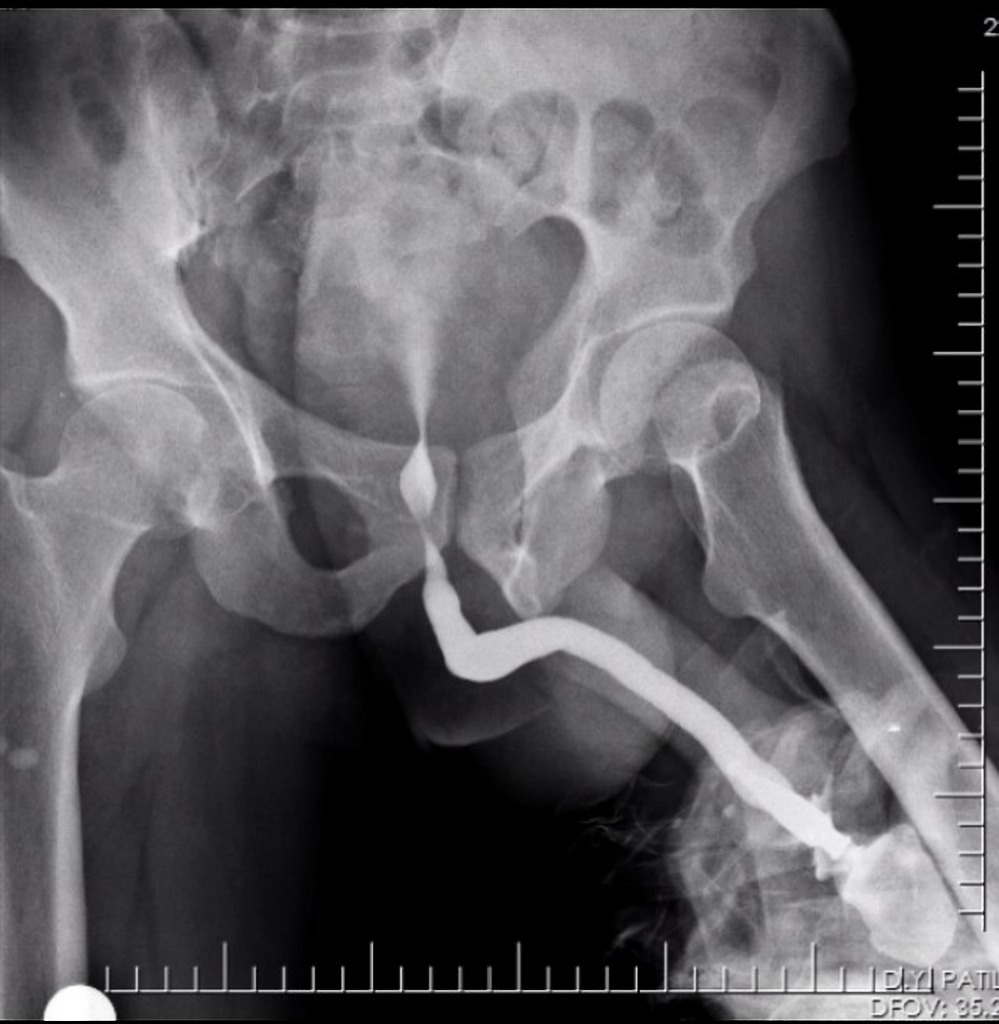
Author: Jared Scott, M.D. Educational Pearls: DDx for blood at urethral meatus includes: pelvic fracture, ruptured bladder, kidney laceration, penile trauma. Retrograde Urethrogram (RUG) must be performed before placing foley and is critical for diagnosis. References: https://www.ncbi.nlm.nih.gov/pubmed/16488282
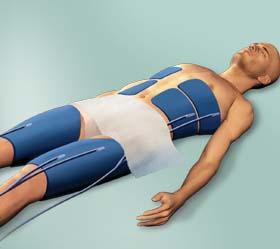
Podcast #205: Post Cardiac Arrest Temperature Control
Author: Michael Hunt, M.D. Educational Pearls: Research has shown that the higher temperatures post-cardiac arrests may lead to poorer outcomes. Initially, 33 deg C was the target temp. However, more research is being done to find therapeutic temperature levels. New studies have shown that the cooling protocol differs for inpatient cardiac arrests vs. outpatient cardiac arrests. The results show that it may not be necessary to cool inpatient cardiac arrests. References: http://www.hopkinsmedicine.org/healthlibrary/test_procedures/cardiovascular/therapeutic_hypothermia_after_cardiac_arrest_135,393/

Deep Dive #3: The New Standard in Stroke Treatment
Authors: Rebecca van Vliet MS, APN; Michelle Whaley MSN, CNS, CCNS, ANVP-VC The Stroke Team at Swedish Medical Center gives us a taste of how they are breaking records with door-to-needle time in management of acute cerebrovascular accidents.
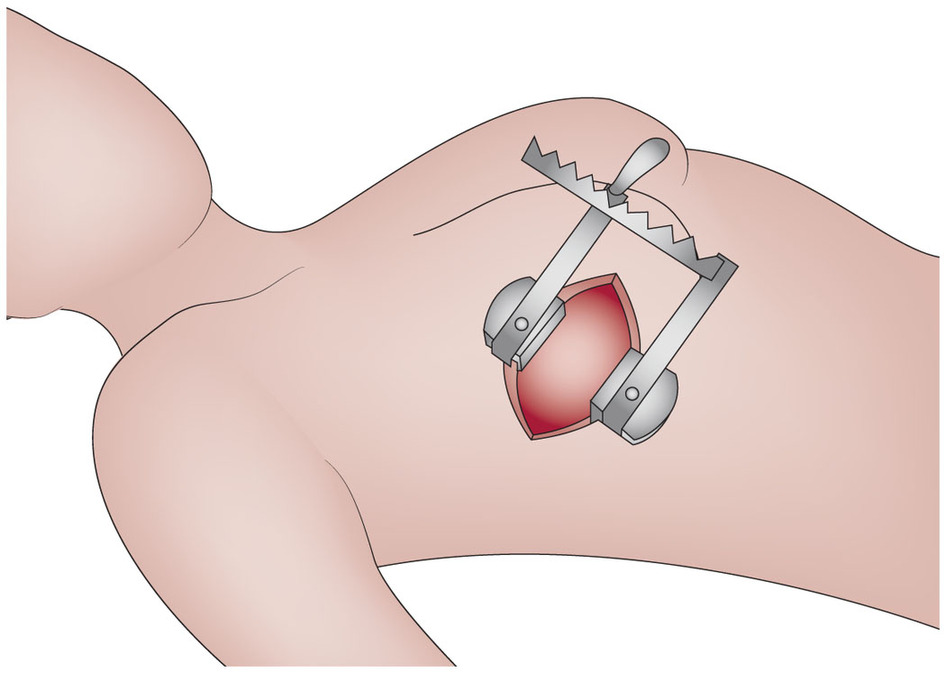
Podcast #204: Thoracotomy
Author: Aaron Lessen M.D. Educational Pearls: Thoracotomy is a potentially life-saving procedure. However, outcomes are often poor and the procedure itself poses many risks to provider and patient. Chance of surviving a thoracotomy when there is no cardiac activity on ultrasound is 0%. Performing a thoracotomy is unlikely to benefit patients with no cardiac activity on ultrasound or patients that lost vital signs greater than 10 minutes before starting the procedure. A thoracotomy is maximally beneficial in patients with a penetrating chest injury that occurred less than 10 minutes before the procedure. References: K. Inaba et al, "FAST Ultrasound Examination as a Predictor of Outcomes After Resuscitative Thoracotomy: A Prospective Evaluation" Ann. of Surgery, 2015. https://www.ncbi.nlm.nih.gov/pubmed/26258320

Podcast #203: Wine, Milk and… Vaccines!?
Author: Dave Rosenberg M.D. Educational Pearls: Louis Pasteur developed the technique that is now known as pasteurization. It was first used in the wine-producing regions of France, and eventually in dairy products like milk. Pasteur also investigated infectious disease. During one experiment, Pasteur's lab assistant accidentally infected chickens with a weakened form of cholera. When none of the chickens died, Pasteur re-infected them with a stronger strain. This time, none of the chickens became sick because they had been inoculated against the disease. This experiment paved the way for modern vaccination. References: Smith KA. Louis Pasteur, the Father of Immunology? Frontiers in Immunology. 2012;3:68. doi:10.3389/fimmu.2012.00068.
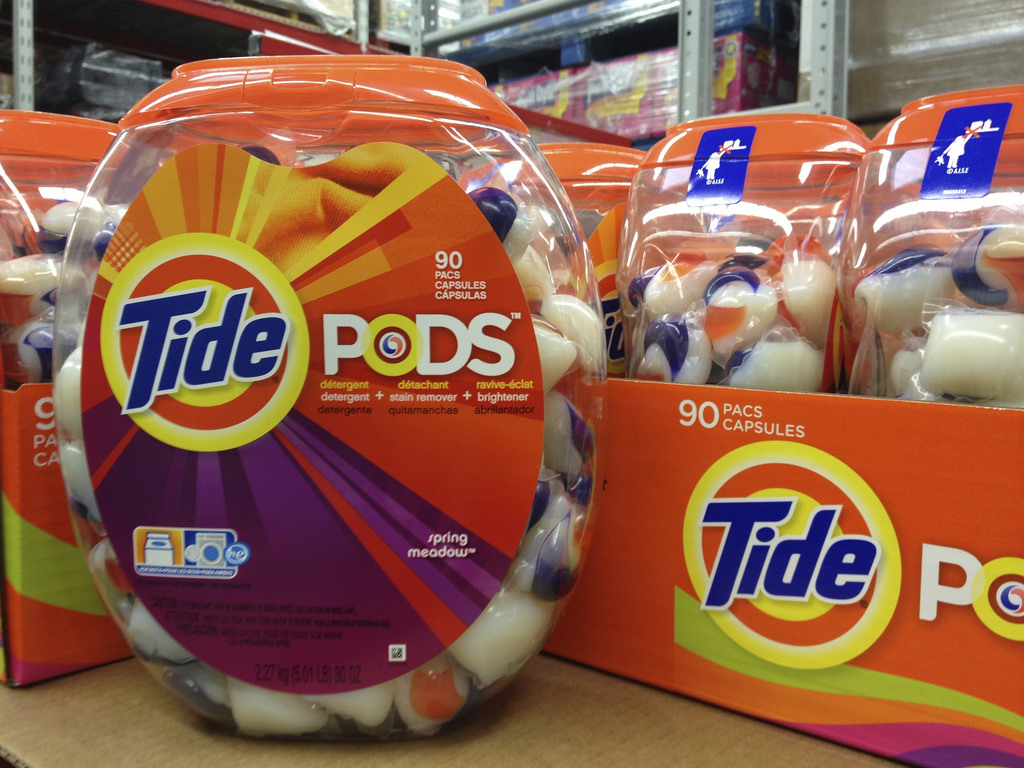
Podcast #202: Tide Pods
Author: Susan Brion M.D. Educational Pearls: Laundry and dishwasher detergent pods resemble candy and can be ingested by children. These tide pods are very highly concentrated and can cause chemical burns of the lips, airway, eyes, mouth and esophagus. The strong bases in detergent pods (pH>12) can cause liquefactive necrosis, which can cause immediate perforation of the esophagus. Common symptoms associated with ingestion of detergent pods include pain, dysphagia, drooling, mediastinal pain, upper airway inflammation. The presence or absence of symptoms does not indicate severity - suspected ingestions should be admitted and undergo bronchoscopy. Mental status should be assessed rapidly because detergent ingestion can lead to CNS depression and aspiration. References: Bonney AG, Mazor S, Goldman RD. Laundry detergent capsules and pediatric poisoning. Canadian Family Physician. 2013;59(12):1295-1296.

Podcast #201: Task Interruption
Author: Mark Kozlowski M.D. Educational Pearls: Humans cannot "multitask" effectively - a more accurate term is "task interruption." When doing more than one task at once, we are more likely to forget key details and perform both tasks more slowly overall. Do not interrupt people who are focusing on critical tasks - programming a pump or drawing up doses. Think about ways to reduce task interruption in your hospital for a better clinical practice. References: Westbrook JI, Woods A, Rob MI, Dunsmuir WTM, Day RO. Association of Interruptions With an Increased Risk and Severity of Medication Administration Errors. Arch Intern Med. 2010;170(8):683-690. doi:10.1001/archinternmed.2010.65
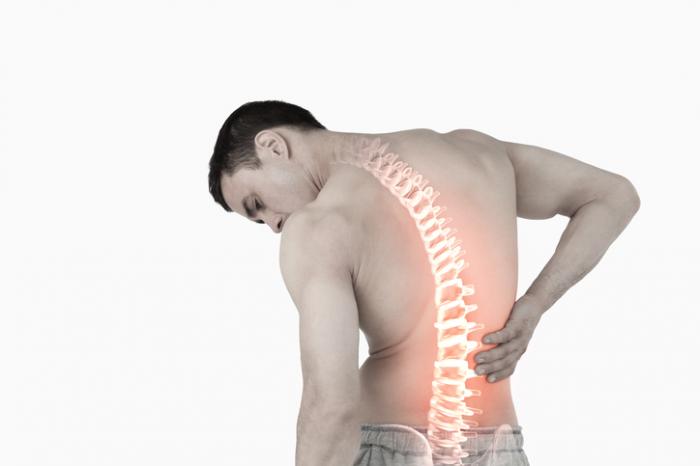
Podcast #200: Non-traumatic Back Pain
Author: Don Stader M.D. Educational Pearls: Non-traumatic back pain is a very common complaint in the Emergency Department. Conditions that can manifest with back pain include: ruptured abdominal aortic aneurysm, retroperitoneal bleeding, cauda equina syndrome, epidural abscess or cancer. Patients with cauda equina syndrome or epidural abscess prefer to sit forward, while people with disc issues tend to sit upright. References: https://emergencymedicinecases.com/episode-26-low-back-pain-emergencies/
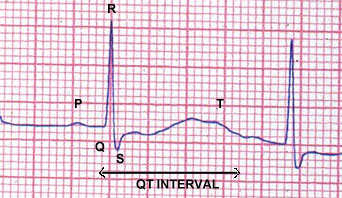
Podcast #199: Prolonged QT with Zofran
Author: Arthur Lessen M.D. Educational Pearls: Zofran (ondansetron) is generally safe to use for the treatment of nausea and vomiting. However, it can prolong the QT interval and increase the chance for torsades. Low doses of Zofran are not likely to be an issue. However, when multiple doses are given, especially in the setting of a preexisting LQTS, clinical concern should be raised. When giving Zofran to a patient with an increased risk for torsades, consider continuous cardiac monitoring or an alternate anti-emetic. References: https://www.fda.gov/Drugs/DrugSafety/ucm310190.htm
Podcast #198: Imodium
Author: Aaron Lessen M.D. Educational Pearls: Imodium (loperamide) is a mu-opioid receptor agonist. Traditionally, it is used as an anti-diarrheal. It is also abused recreationally for an opioid high and to self-treat opioid withdrawal. 40 or more pills are often ingested. People often co-ingest with cimetidine to potentiate the desired effects. Patients will present with opioid overdose symptoms (narrow pupils, respiratory depression). Narcan is effective in reversing an overdose of Imodium. Imodium prolongs QT and predisposes to Torsades, so monitor rhythm and then treat like any other opioid OD. References: http://www.tandfonline.com/doi/abs/10.3109/15563650.2016.1159310
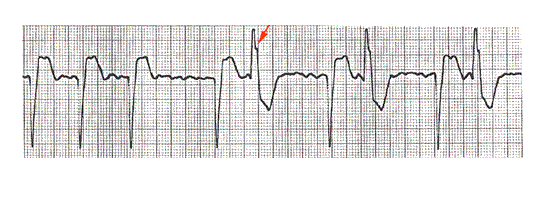
Podcast #197: Ashman Phenomenon
Author: Dylan Luyten M.D. Educational Pearls: Ashman's Phenomenon occurs in the setting atrial fibrillation and mimics ventricular tachycardia, but is harmless. On ECG, the pattern of Ashman Phenomenon is a long cycle, followed a short cycle, followed by a complex wide complex beat. The wide complex beats have right BBB morphology. The long R-R followed by a short R-R leads to conduction down the left bundle branch while the right bundle branch is still in a refractory period. References: https://lifeinthefastlane.com/ecg-library/atrial-fibrillation/
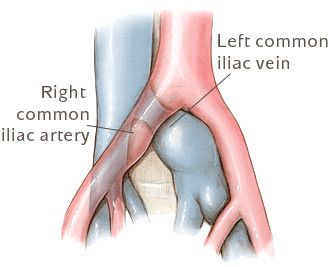
Podcast #196: DVT and May-Thurner Syndrome
Author: Samuel Killian M.D. Educational Pearls: Lower extremity DVTs are extremely common. There are more left lower extremity DVT due to anatomical variation. May-Thurner Syndrome is a form of anatomical variation in which the left iliac artery compresses the left iliac vein. Anticoagulation may not be sufficient to treat those with May-Thurner syndrome - endovascular stenting may be needed Patients with with recurrent LLE DVT, especially those in whom anticoagulation fails, should be referred to a specialist. References: Peters M, Syed RK, Katz M, et al. May-Thurner syndrome: a not so uncommon cause of a common condition. Proceedings (Baylor University Medical Center). 2012;25(3):231-233. https://www.ncbi.nlm.nih.gov/pmc/articles/PMC3377287/
Podcast #195: How to Properly Inject Heroin
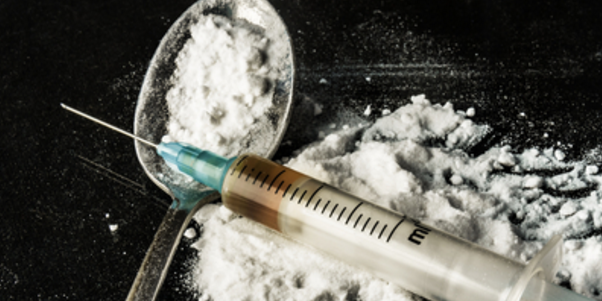
Author: Don Stader, M.D Educational Pearls: It is important for providers to know how to use IV drugs properly so that they can instruct their patients on how to avoid injury. Heroin use is increasing. Hepatitis, HIV and infection are possible complications of improper IV drug use The first step of heroin use is to dissolve the solid heroin in water using heat - a spoon and lighter are often used for this step. Next, the heroin is drawn into the syringe through a filter (cotton is often used). Heroin concentration often varies widely - counsel patients to test their heroin first. Sterility of the needle, water, cooker, cotton and syringe is paramount. Refer patients to a needle exchange program where they can get clean supplies. Hepatitis C can live outside the body for 4 days - NEVER share ANY supplies. Sterile procedure is important - needles should not be licked. References: http://drugsense.org/flyers/10_tips_for_safer_use.pdf
Podcast #194: Atruamatic ICH
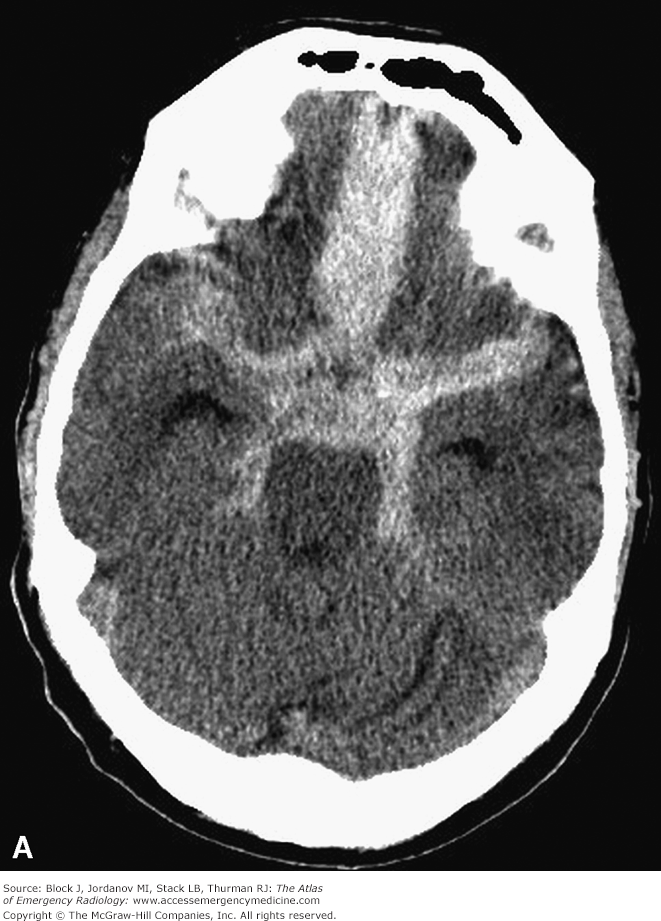
Author: Peter Bakes, M.D Educational Pearls Intracerebral hemorrhage is an intracranial bleed within the brain tissue or ventricles. Subarachnoid aneurysm causes about 50% of all ICH. Amyloid deposition can lead to ICH in elderly patients. Hypertension is another common cause of atraumatic ICH, commonly leading to pontine, cerebellar, or basal ganglial bleeding. Bleeding in other locations is suggestive of a different etiology. ICH will often present with depressed mental status, but specifically a patient with a systolic BP > 220 is suggestive of hypertensive ICH. CT is the first diagnostic step. CTA should be considered when the bleeding is in an atypical area. Significant edema on imaging can be suggestive of a tumor. Treatment should include hemostatic measures and BP control. Transfuse platelets if necessary and reverse any anticoagulation. BP target is References: Sahni R, Weinberger J. Management of intracerebral hemorrhage. Vascular Health and Risk Management. 2007;3(5):701-709. https://www.ncbi.nlm.nih.gov/pmc/articles/PMC2291314/
Podcast #193: The Quick Wee
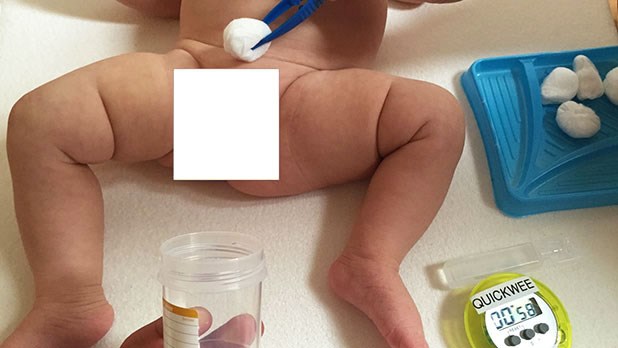
Author: JP Brewer M.D. Educational Pearls: The "Quick Wee" was a method to get urine out of infants who need to have a UA in the Emergency Department. A randomized-controlled experiment was done with 350 infants between the ages of 1 to 12 months. The "Quick Wee" method is taking a sterile saline gauze with cool saline and rubbing it over the suprapubic abdomen for five minutes. The results were significant, with 31% in the treatment group voided after five minutes, 12% in the control group voided after five minutes. References: http://www.bmj.com/content/357/bmj.j1341

Podcast #192: Back Fat Hernia
Author: Jared Scott M.D. Educational Pearls: There are two anatomical triangles on the back, the inferior lumbar triangle and the superior lumbar triangle. Herniation occurs whenever something moves to a place where it is not supposed to be, often through a fascial weakness. A "back hernia" can happen when the contents of of the abdominal cavity herniate into the back, usually through the superior lumbar triangle. This is also known as a Grynfeltt-Lesshaft hernia. Back hernias can be traumatic or congenital. These hernias are typically treated surgically. References: https://www.ncbi.nlm.nih.gov/pmc/articles/PMC3959346/
Podcast #191: Blunt Cervical Trauma
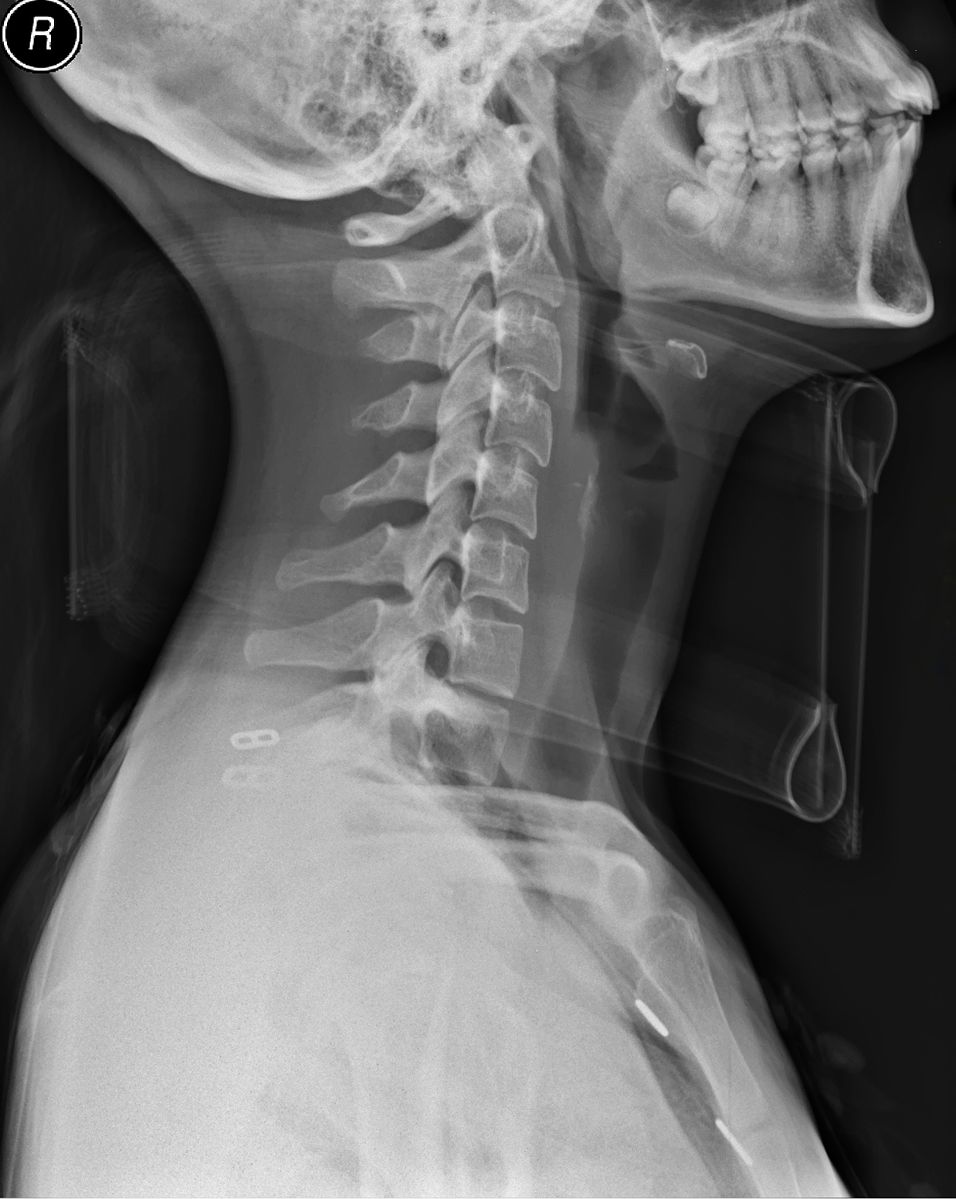
Author: Chris Holmes M.D. Educational Pearls: Mechanism of injury involves hyperextension/hyperflexion Pathophysiology: inside of the arteries in the neck becomes disrupted, similar to a dissection. This is thrombogenic and leads to cerebral infarction Neurologic deficit is common. Other risk factors include facial fracture and cervical-spine fracture. Treat with anticoagulation - aspirin or other antiplatelet agents are appropriate. Increase clinical suspicion when patient presents with neurological deficit and has a negative CT. References: https://www.east.org/education/practice-management-guidelines/blunt-cerebrovascular-injury

Deep Dive #2: Biological Terrorism
Author: Michael Hunt M.D. Dr. Hunt shares his wealth of experience with biological terrorism over the course of his career.
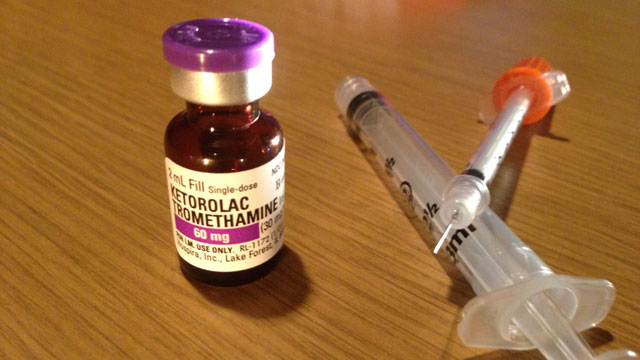
Podcast #190: Toradol Dosing
Author: Rachel Duncan, PharmD BCPS Educational Pearls: Toradol (Ketorolac) is an NSAID used for its anti-inflammatory properties In practice, the common dosages are 30mg IV or 60mg IM. Clinical concerns arise in patients with renal insufficiency or bleeding, but the risks are small ( Studies have found that doses over 7.5mg have the same efficacy in pain control as higher doses. Consider lower-dose Toradol (15mg) and decrease dose in the elderly and those with a CrCl References: Motov S, Yasavolian M, Likourezos A, et al. "Comparison of Intravenous Ketorolac at Three Single-Dose Regimens for Treating Acute Pain in the Emergency Department: A Randomized Controlled Trial". Ann Emerg Med 2016. http://www.annemergmed.com/article/S0196-0644(16)31244-6/fulltext
Podcast #189: Caffeine
Author: Donald Stader M.D. Educational Pearls: Coffee originates from Ethiopia. Its "active ingredient" is caffeine. Caffeine is a xanthine alkaloid used in medicine to control headache and as a neonatal stimulant. Studies have shown that coffee may increase lifespan. Overdose can be encountered in those using diet pills or concentrated caffeine pills and is treated with dialysis. References: Juliano, LM et al. "A critical review of caffeine withdrawal: empirical validation of symptoms and signs, incidence, severity, and associated features." Psychopharmacology, 2004. https://www.ncbi.nlm.nih.gov/pubmed?term=15448977

Podcast #188: Monoarthritis
Author: Peter Bakes M.D. Educational Pearls: Some common causes of monoarticular arthritis include: crystal arthropathies (gout and pseudogout), infection (septic joint), reactive arthritis and acute presentations of chronic arthritides. Lyme disease usually presents with a targetoid lesion associated with constitutional symptoms. The common triad of symptoms associated with reactive arthritis (aka Reiter's Syndrome) consists of conjunctivitis, urethritis, and arthritis. Reactive arthritis commonly presents with a history of a GU infection (often chlamydia) or GI infection (Shigella, Campylobacter, Yersinia, Salmonella). It is more common in men and those between 20 and 40 years old. Treatment for reactive arthritis is usually supportive. References: www.emedicine.medscape.com/article/331347-overview

Podcast #187: Mumps
Author: Gretchen Hinson M.D. Educational Pearls: The key imaging of a mumps patient is "chipmunk cheeks" or parotitis. The swelling can extend almost to the ears and can be extremely painful - in about 25% of cases the swelling is unilateral. Other organs can be involved as well including: testicles, ovaries, breast tissue, other salivary glands, and the brain/spinal cord. Mumps is transmitted through droplets in the air. Two immunizations will get you 88% probability immunity and one immunization will get you 78% probability of immunity. Yet, immunity can wane and there can be viral strains not covered by the immunization. Mumps outbreaks are common in the winter season because of close quarters. You can test for Mumps using an IGM blood test, (more likely to see a spike in this if the patient is not vaccinated) Buckle swabs, & Urine test. References: https://www.cdc.gov/mumps/index.html
Podcast #186: IV Contrast
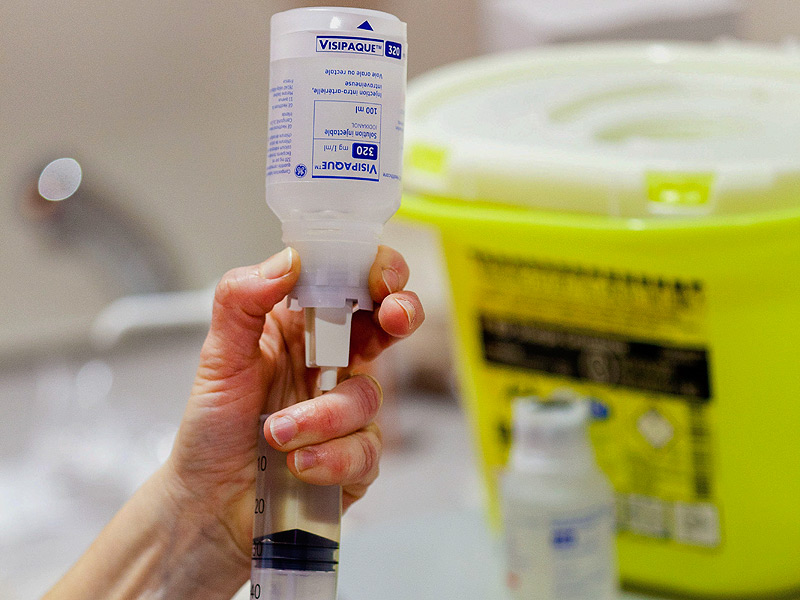
Author: Aaron Lessen M.D. Educational Pearls: Regularly a patient's creatinine level is an important factor in determining whether a patient will receive IV contrast with a CT because it is thought that contrast can harm the kidneys and could worsen underlying kidney disease. A recent retrospective study compared the rates of worsening kidney problems between patients who received a CT scan with contrast, a CT without contrast, and no CT. The study even included patients with creatinines of up to 4 before excluding patients. The study suggested that there is no difference in the rate of worsening kidney problems between the three groups. References: http://www.annemergmed.com/article/S0196-0644(16)31388-9/fulltext

Deep Dive #1: Travel Medicine
Author: Peter Bakes M.D. Dr. Peter Bakes takes us through how he developed his interest in travel medicine as well as some of the more interesting aspects of the specialty.
Neuromuscular Blocking Agents
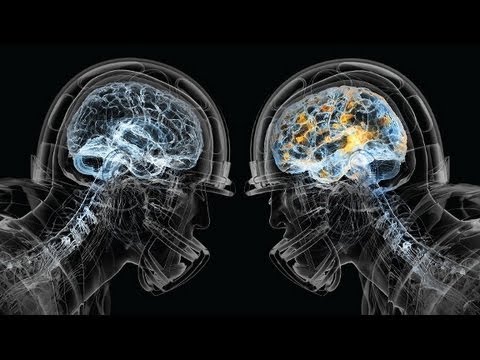
Author: Peter Bakes Educational Pearls: The Neuromuscular Junction (NMJ) is a neuronal synapse in skeletal muscle mediated by nicotinic acetylcholine receptors. Paralytic agents, commonly used in the ED for intubation, include succinylcholine and rocuronium/vecuronium. Succinylcholine is a depolarizing paralytic while rocuronium is a non-depolarizing agent. A newly developed reversing agent, sugammadex, can be used to counter the effects of curonium based paralytics. This is especially helpful due to the long duration of action of rocuronium (45 minutes to 1 hour) as compared to succinylcholine ( References: https://www.acep.org/Physician-Resources/Clinical/Thoracic-Respiratory/Rocuronium-vs--Succinylcholine--Which-Is-Best-/
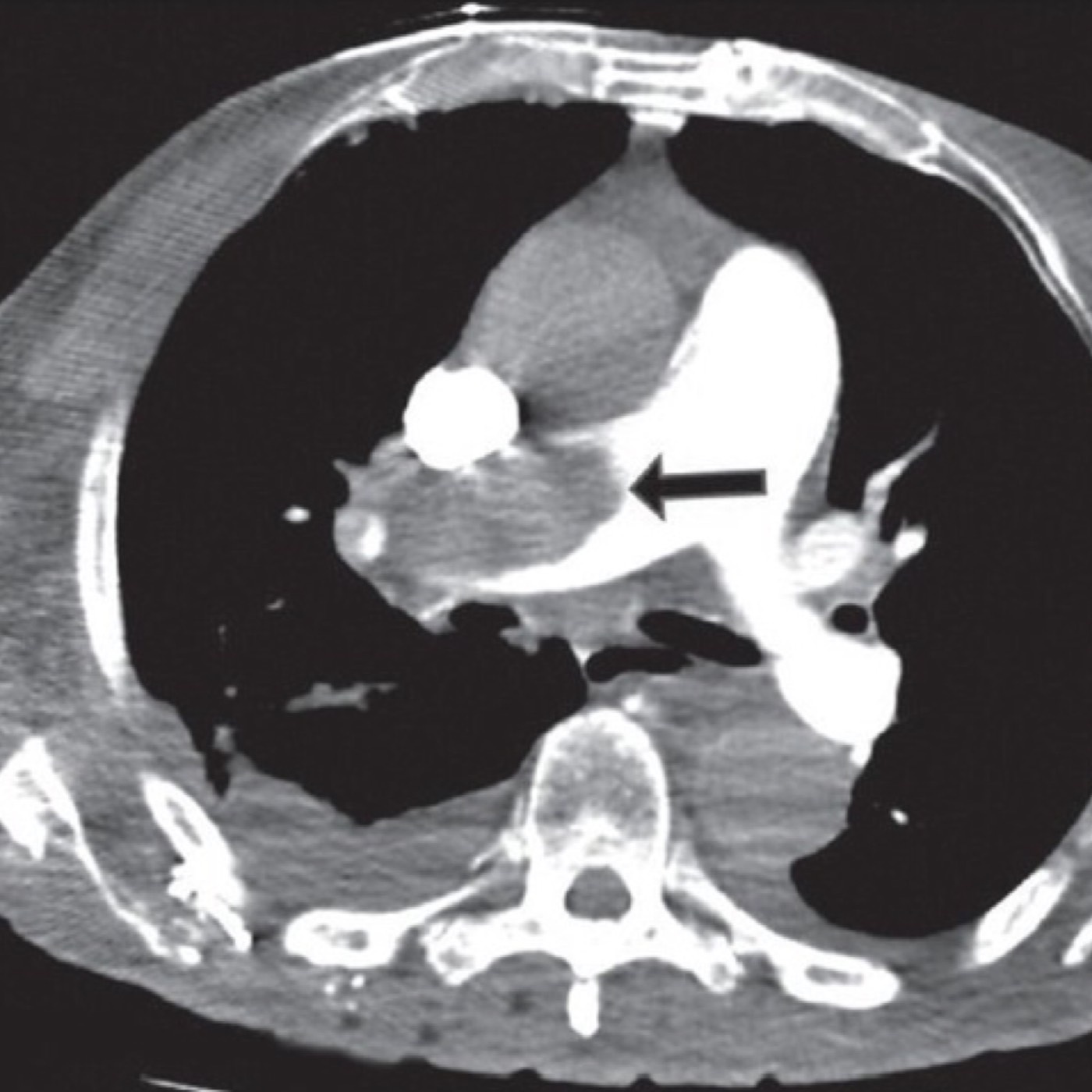
Syncope and PE
There are many causes of syncope and a pulmonary embolism may be a commonly missed reason.
Electrolyte Emergency
Electrolytes it's what your bodies crave.
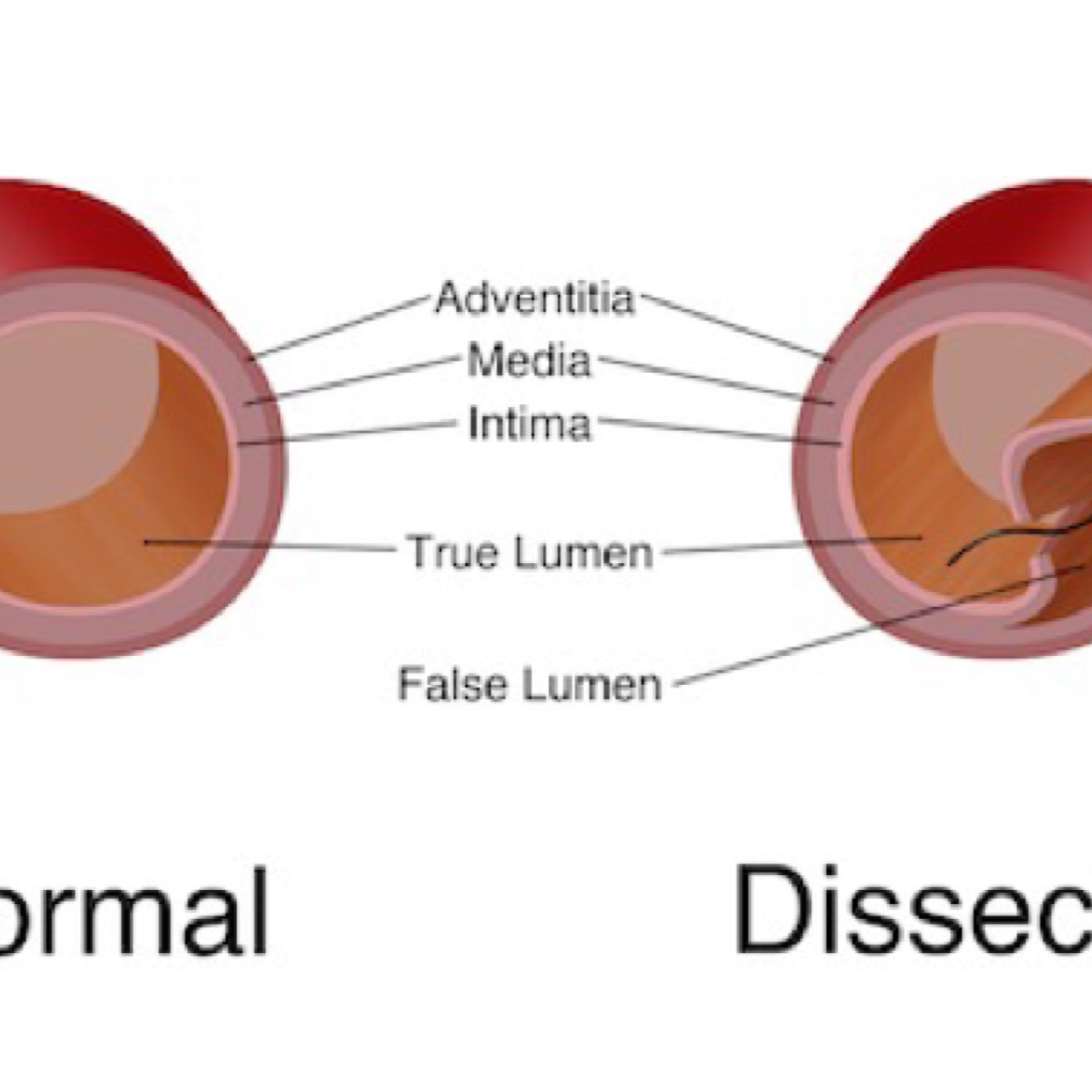
Aortic Dissection
What's the difference between an Aortic Dissection and an Aortic Aneurysm?
Concussions
New information about concussion precautions for patients
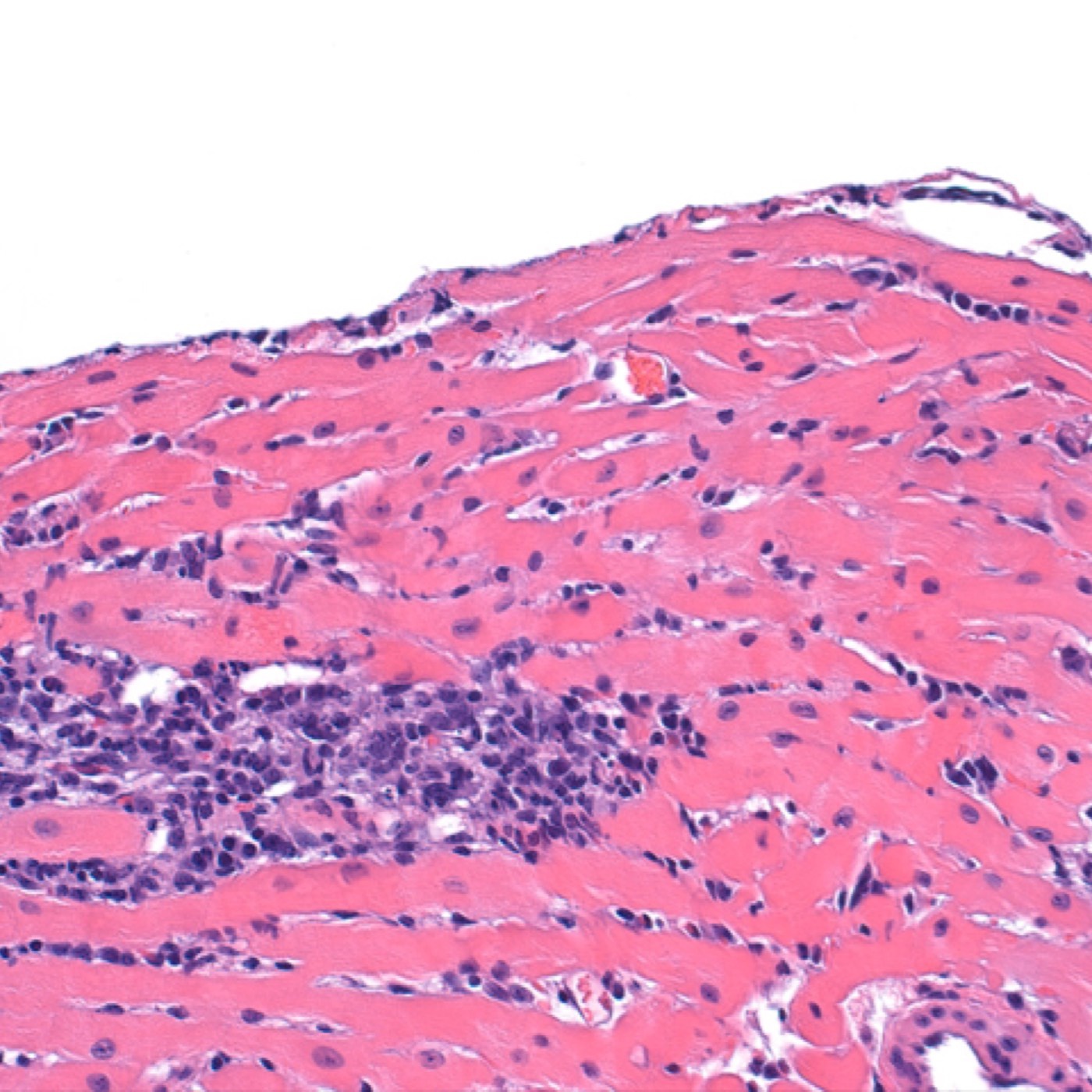
Lupus Myocarditis
A case presentation of an abnormal rhythm in a younger patient with Lupus.

Rectal Prolapse
Probably not what Def Leppard were thinking about when they wrote "Pour Some Sugar on Me".

Football Injuries
Learning about football injuries may not make you a pro bowl player, but it can help you treat patients like one.
Preeclampsia
A discussion on the clinical features and testing for preeclampsia in the ER.

The Cervical Spine
Are cervical collars disappearing? Probably not soon, but there are a few reasons why collars may not be as helpful as we think.