
Emergency Medical Minute
1,187 episodes — Page 21 of 24

Podcast #188: Monoarthritis
Author: Peter Bakes M.D. Educational Pearls: Some common causes of monoarticular arthritis include: crystal arthropathies (gout and pseudogout), infection (septic joint), reactive arthritis and acute presentations of chronic arthritides. Lyme disease usually presents with a targetoid lesion associated with constitutional symptoms. The common triad of symptoms associated with reactive arthritis (aka Reiter's Syndrome) consists of conjunctivitis, urethritis, and arthritis. Reactive arthritis commonly presents with a history of a GU infection (often chlamydia) or GI infection (Shigella, Campylobacter, Yersinia, Salmonella). It is more common in men and those between 20 and 40 years old. Treatment for reactive arthritis is usually supportive. References: www.emedicine.medscape.com/article/331347-overview

Podcast #187: Mumps
Author: Gretchen Hinson M.D. Educational Pearls: The key imaging of a mumps patient is "chipmunk cheeks" or parotitis. The swelling can extend almost to the ears and can be extremely painful - in about 25% of cases the swelling is unilateral. Other organs can be involved as well including: testicles, ovaries, breast tissue, other salivary glands, and the brain/spinal cord. Mumps is transmitted through droplets in the air. Two immunizations will get you 88% probability immunity and one immunization will get you 78% probability of immunity. Yet, immunity can wane and there can be viral strains not covered by the immunization. Mumps outbreaks are common in the winter season because of close quarters. You can test for Mumps using an IGM blood test, (more likely to see a spike in this if the patient is not vaccinated) Buckle swabs, & Urine test. References: https://www.cdc.gov/mumps/index.html
Podcast #186: IV Contrast
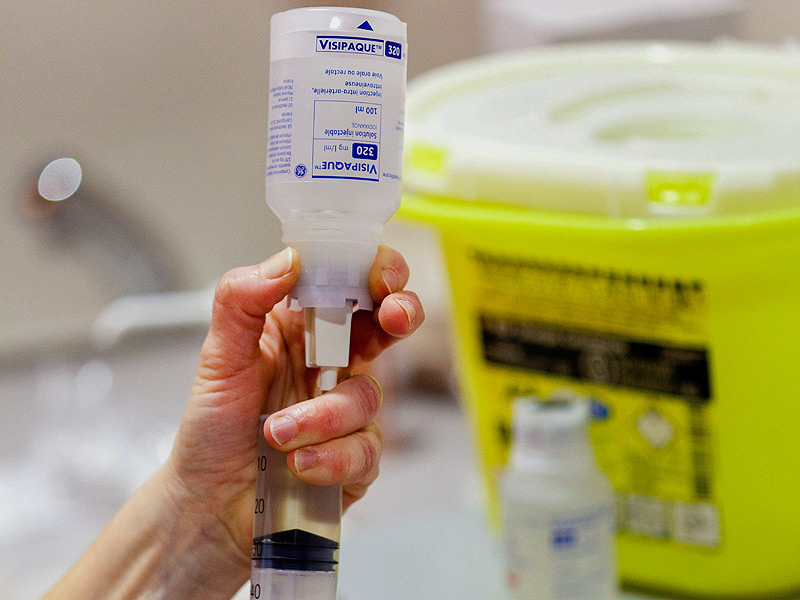
Author: Aaron Lessen M.D. Educational Pearls: Regularly a patient's creatinine level is an important factor in determining whether a patient will receive IV contrast with a CT because it is thought that contrast can harm the kidneys and could worsen underlying kidney disease. A recent retrospective study compared the rates of worsening kidney problems between patients who received a CT scan with contrast, a CT without contrast, and no CT. The study even included patients with creatinines of up to 4 before excluding patients. The study suggested that there is no difference in the rate of worsening kidney problems between the three groups. References: http://www.annemergmed.com/article/S0196-0644(16)31388-9/fulltext

Deep Dive #1: Travel Medicine
Author: Peter Bakes M.D. Dr. Peter Bakes takes us through how he developed his interest in travel medicine as well as some of the more interesting aspects of the specialty.
Neuromuscular Blocking Agents
Author: Peter Bakes Educational Pearls: The Neuromuscular Junction (NMJ) is a neuronal synapse in skeletal muscle mediated by nicotinic acetylcholine receptors. Paralytic agents, commonly used in the ED for intubation, include succinylcholine and rocuronium/vecuronium. Succinylcholine is a depolarizing paralytic while rocuronium is a non-depolarizing agent. A newly developed reversing agent, sugammadex, can be used to counter the effects of curonium based paralytics. This is especially helpful due to the long duration of action of rocuronium (45 minutes to 1 hour) as compared to succinylcholine ( References: https://www.acep.org/Physician-Resources/Clinical/Thoracic-Respiratory/Rocuronium-vs--Succinylcholine--Which-Is-Best-/
Syncope and PE
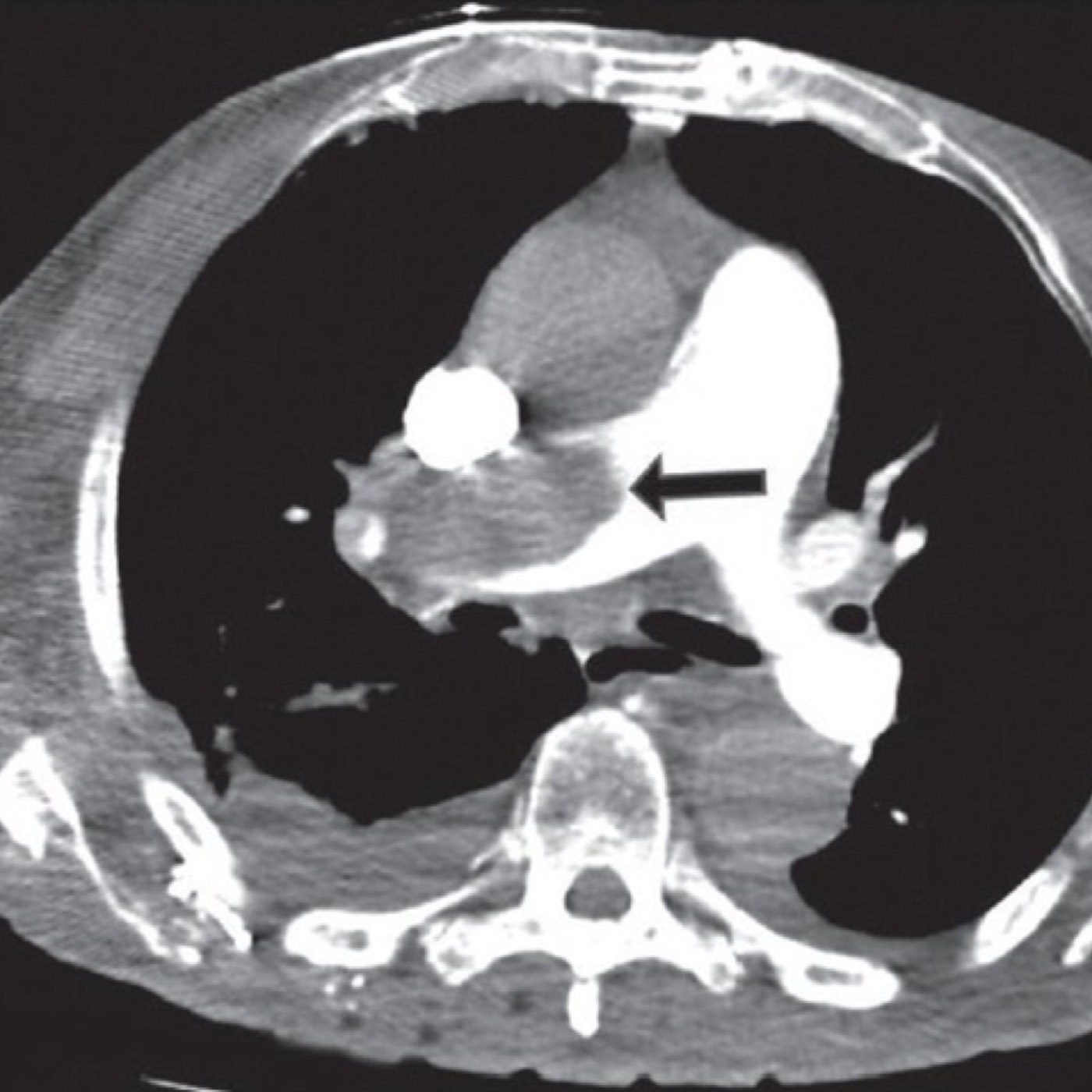
There are many causes of syncope and a pulmonary embolism may be a commonly missed reason.
Electrolyte Emergency
Electrolytes it's what your bodies crave.
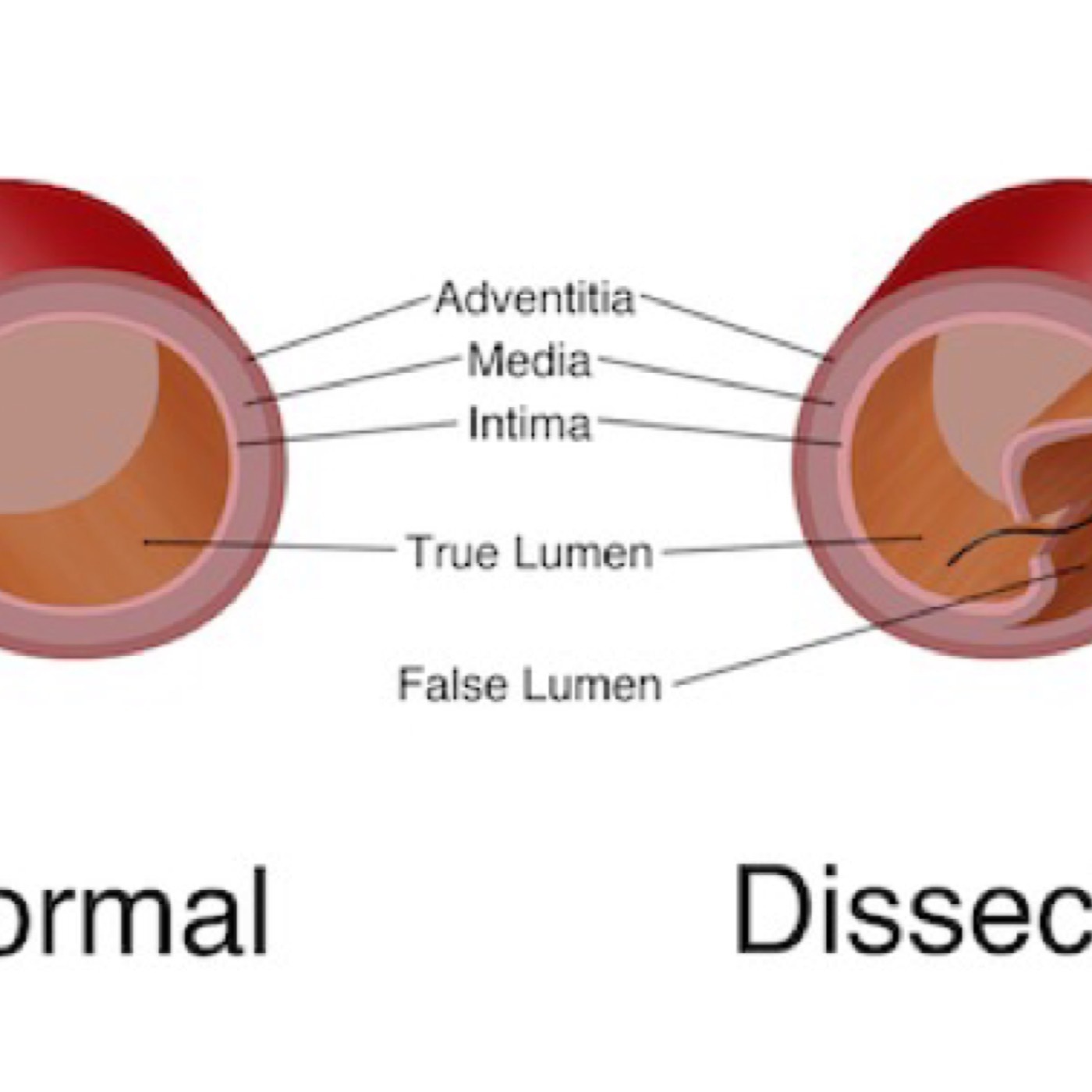
Aortic Dissection
What's the difference between an Aortic Dissection and an Aortic Aneurysm?
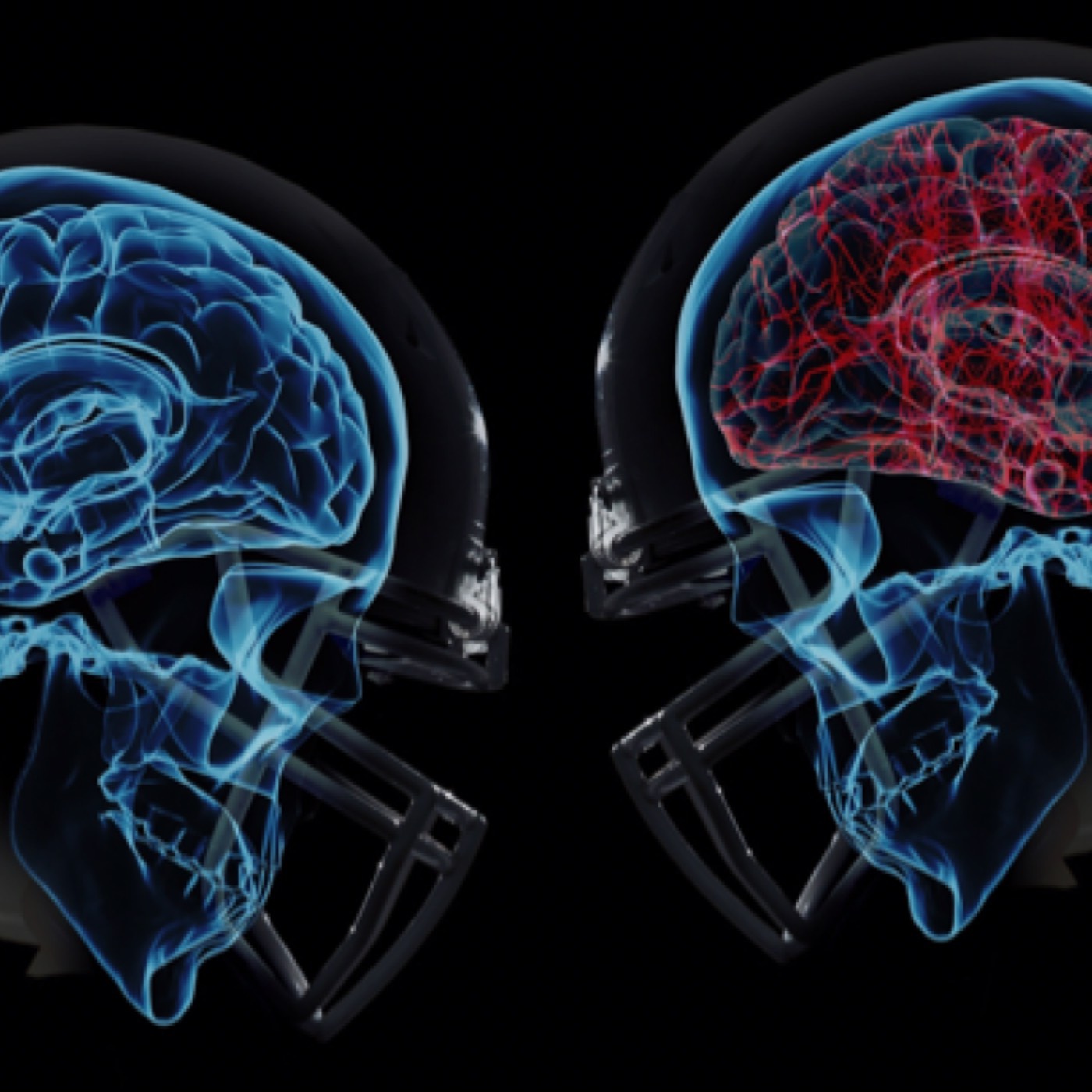
Concussions
New information about concussion precautions for patients
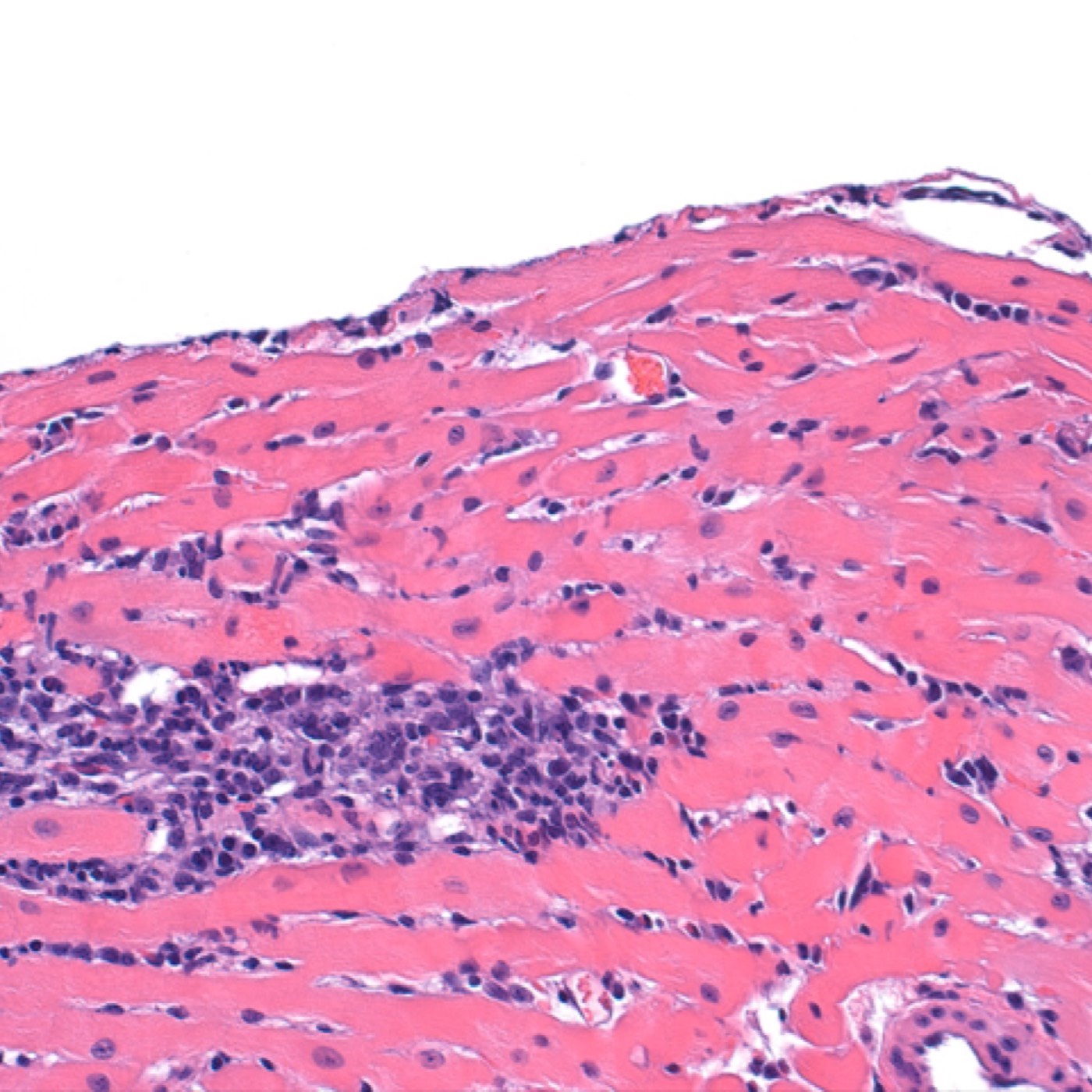
Lupus Myocarditis
A case presentation of an abnormal rhythm in a younger patient with Lupus.
Rectal Prolapse
Probably not what Def Leppard were thinking about when they wrote "Pour Some Sugar on Me".
Football Injuries
Learning about football injuries may not make you a pro bowl player, but it can help you treat patients like one.
Preeclampsia
A discussion on the clinical features and testing for preeclampsia in the ER.

The Cervical Spine
Are cervical collars disappearing? Probably not soon, but there are a few reasons why collars may not be as helpful as we think.
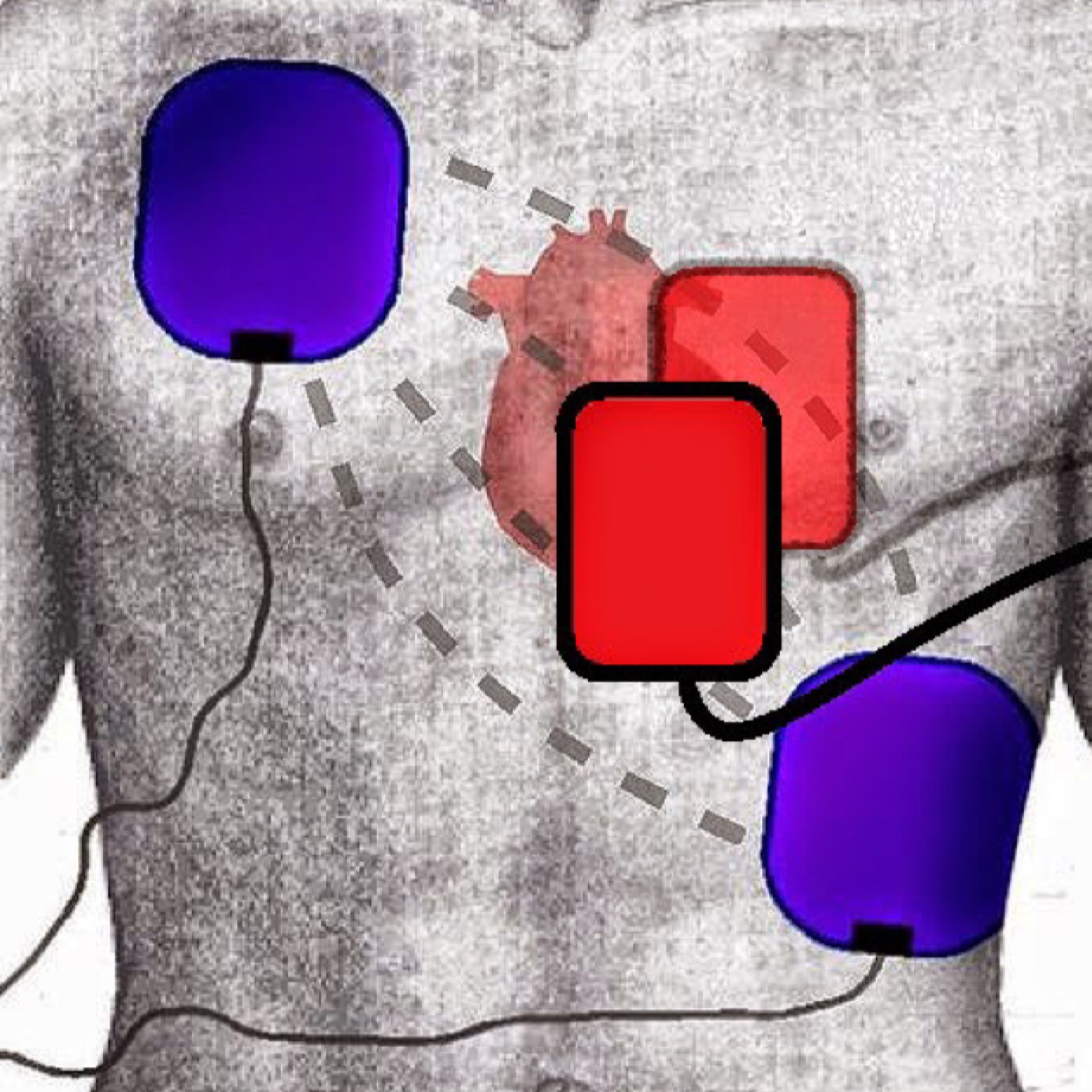
Defibrillation
A few quick tips to help increase the success of defibrillating a patient in persistent ventricular fibrillation.
CPSSS
A permutation of the Cincinnati pre-hospital stroke scale to help EMS decide when to take patients to a comprehensive stroke center.
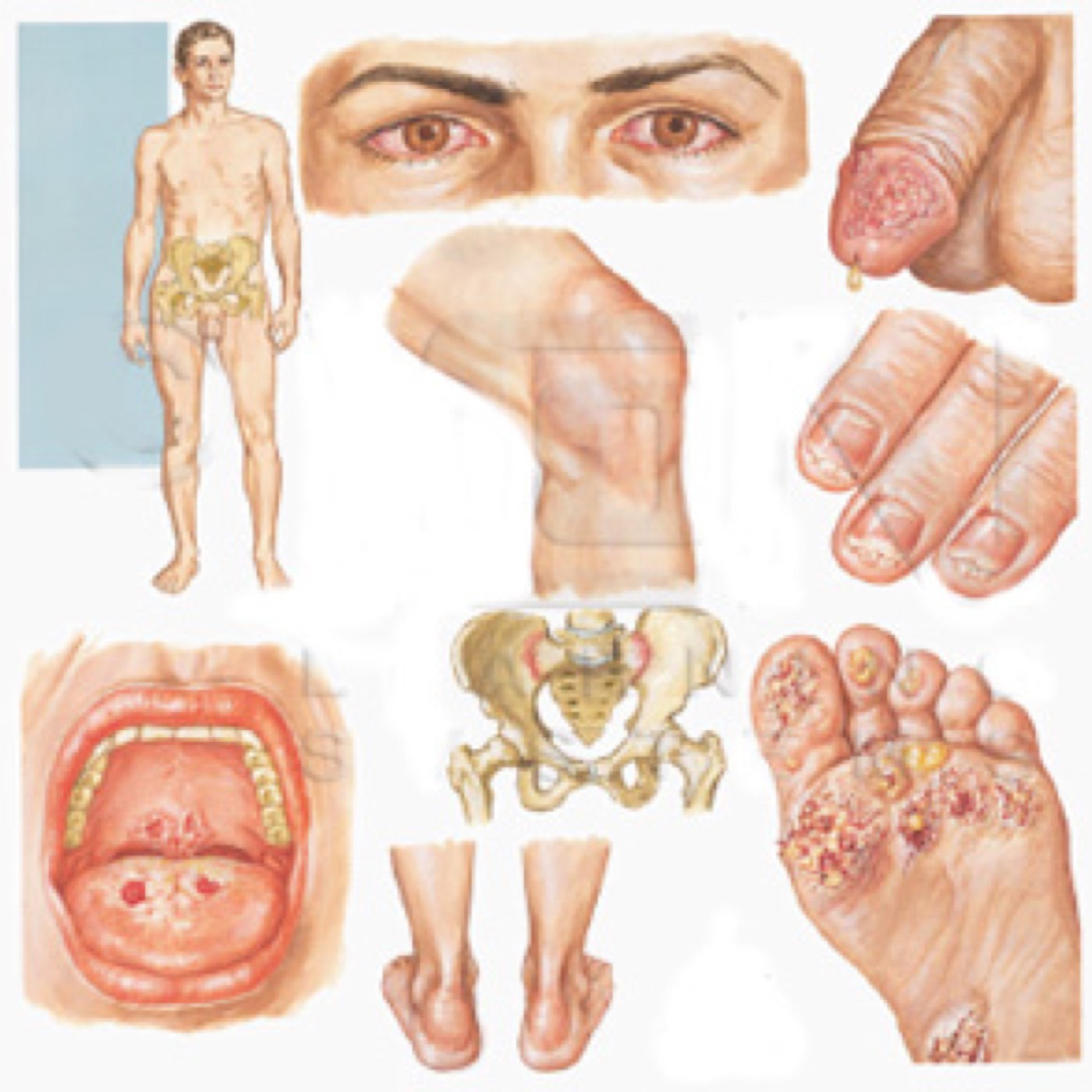
Reiter's Syndrome
A unique disease with a bizarre presentation is discussed.
Spice
Learn about the dangers of synthetic marijuana and why it is a huge problem for emergency rooms.
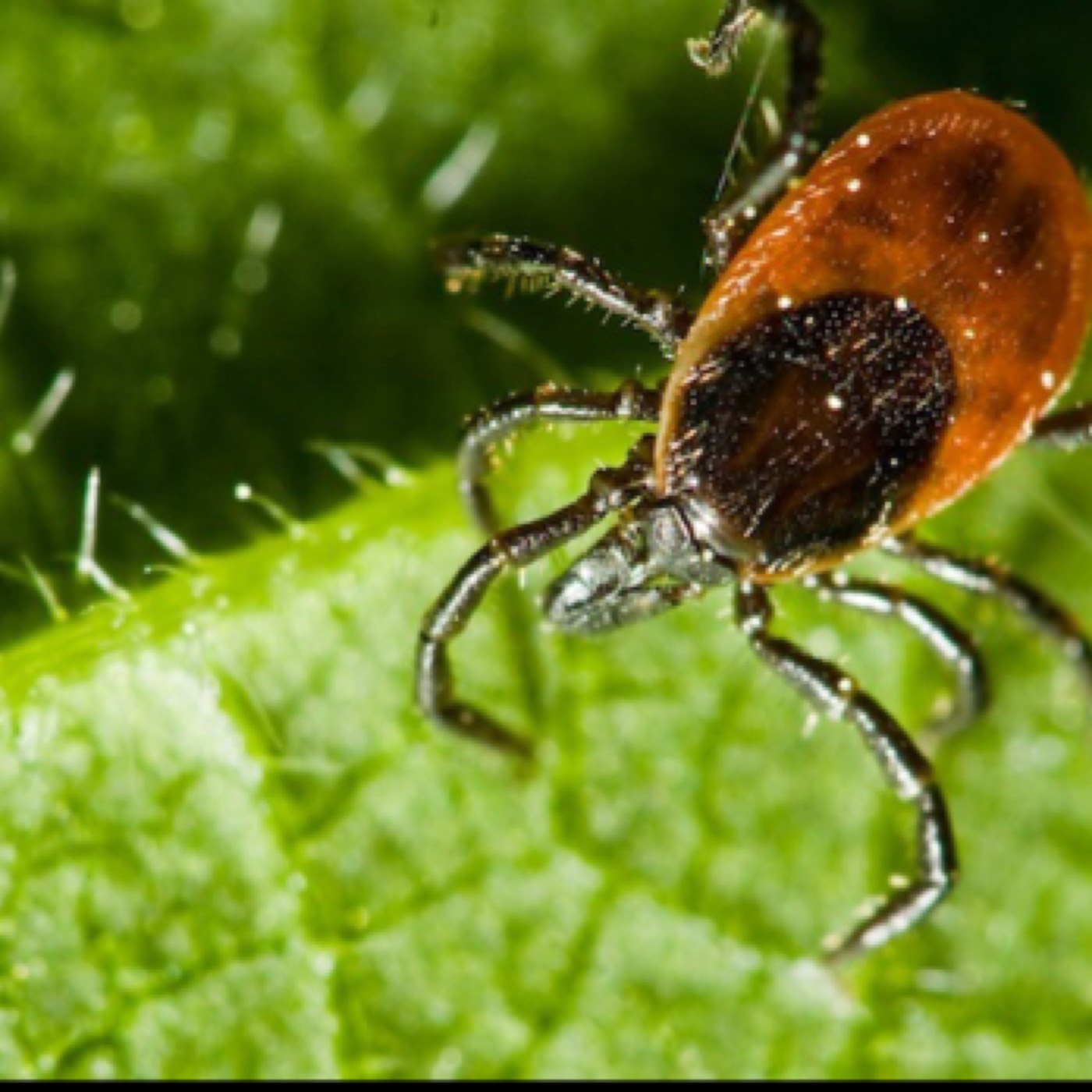
Lyme Disease
What are the symptoms of Lyme and why is it becoming a more frequent occurrence in the New England and upper Midwest.

GSW with Neurogenic Shock
A case of neurogenic shock in patient with a GSW of the spine is discussed.
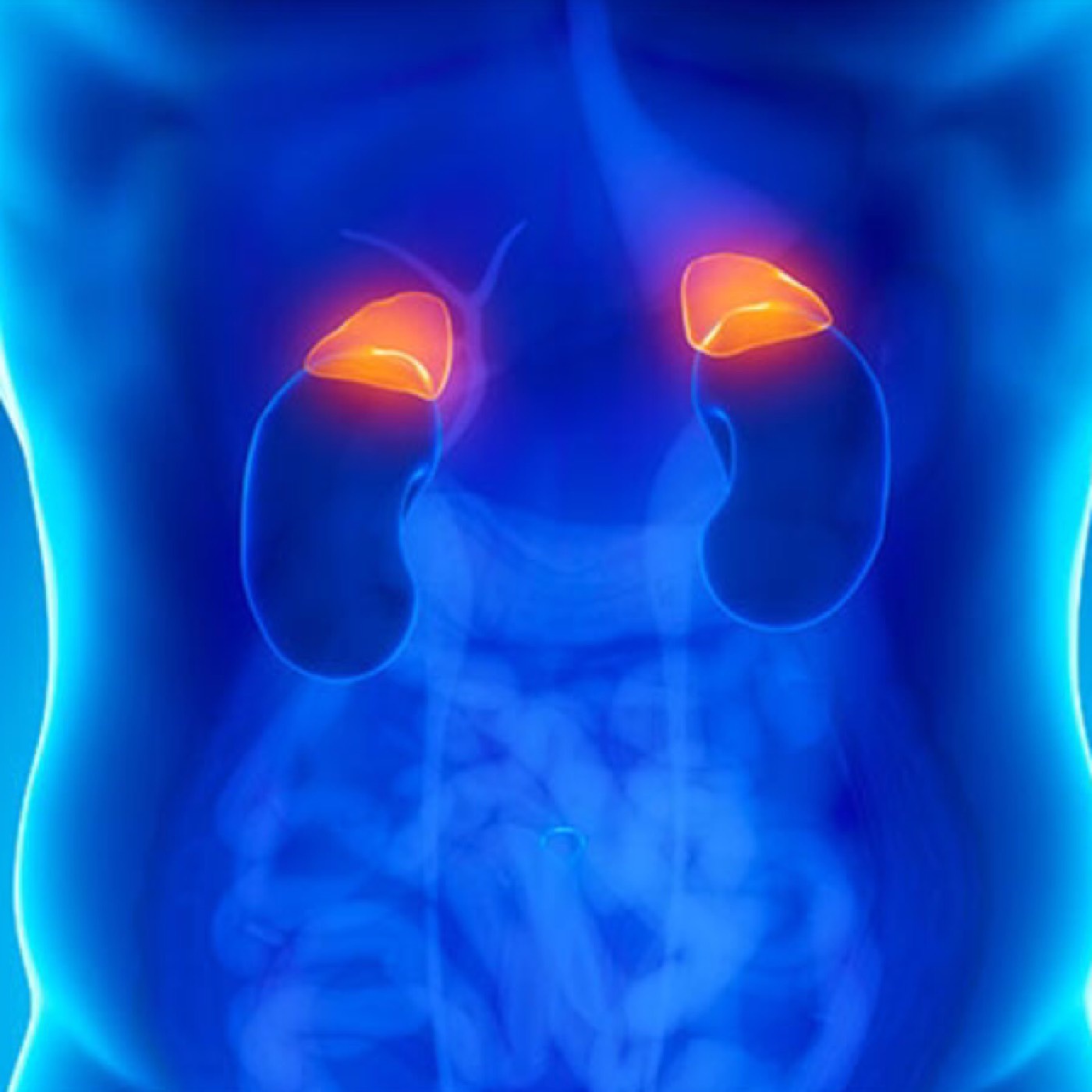
Adrenal Glands
Some of the possible side effects of suppressing or completely removing the adrenal glands.
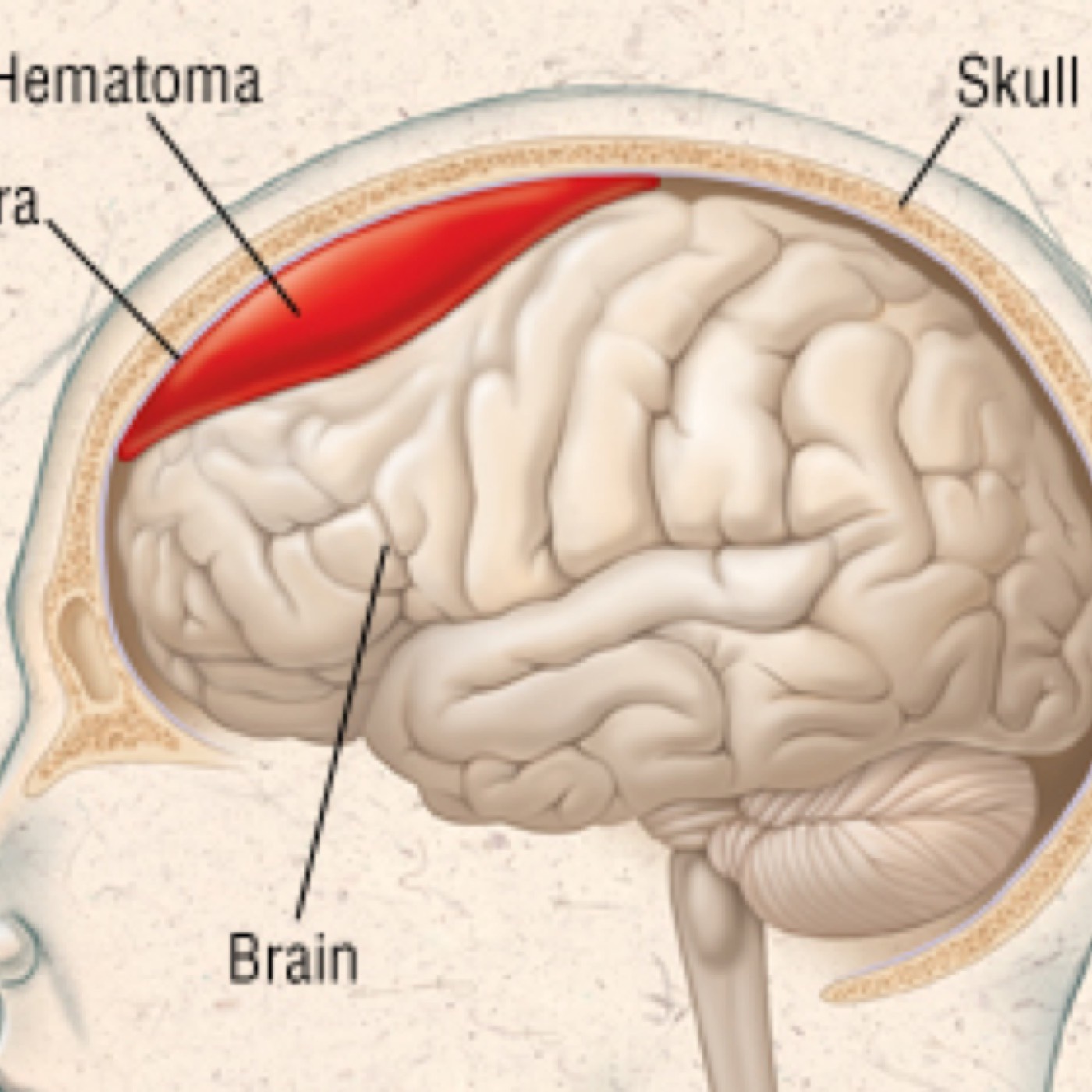
Subdural Hematoma
A discussion about the presentation and treatments for SDH, both chronic and acute.
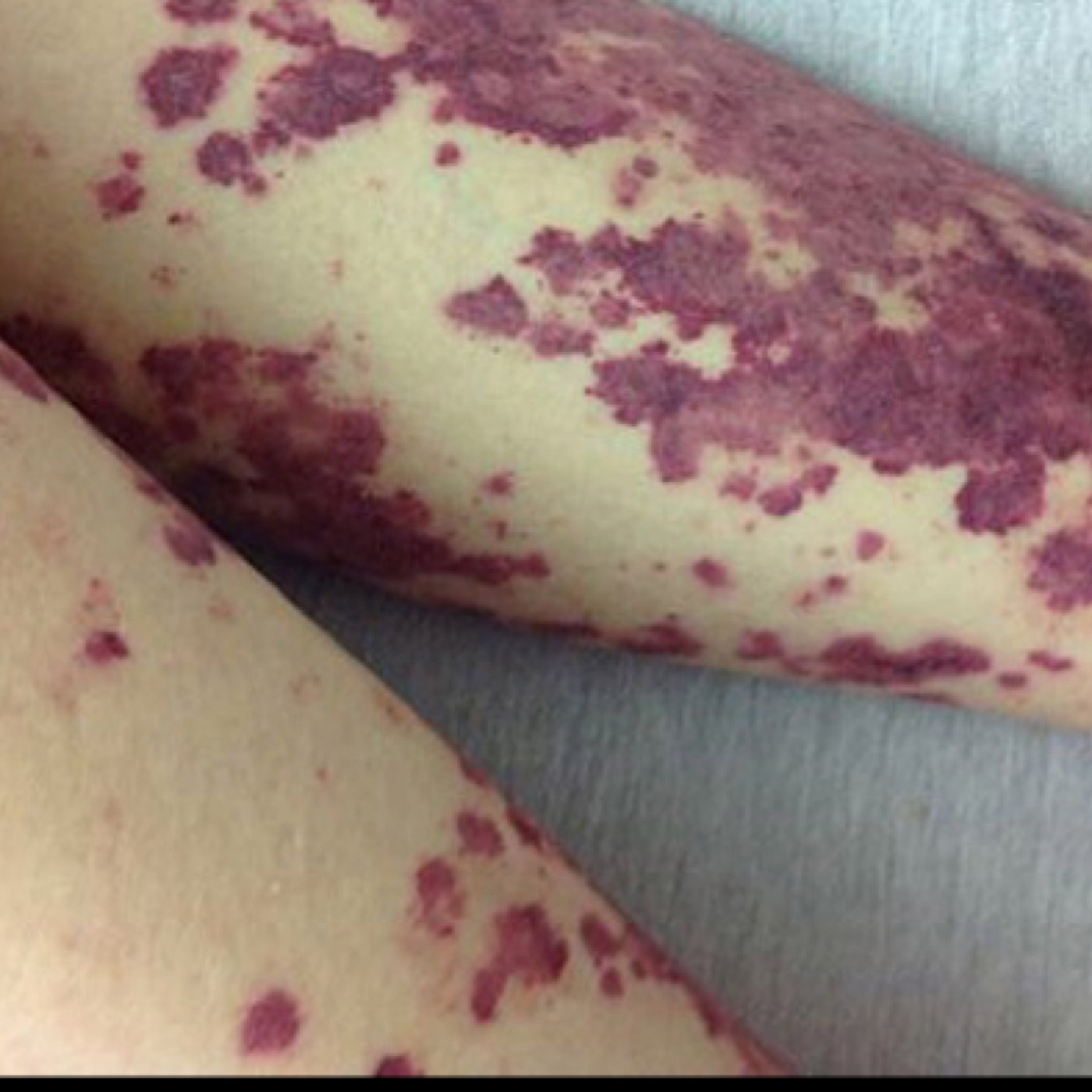
TTP
The clinical presentation of a critical illness that can become fatal if not treated properly.
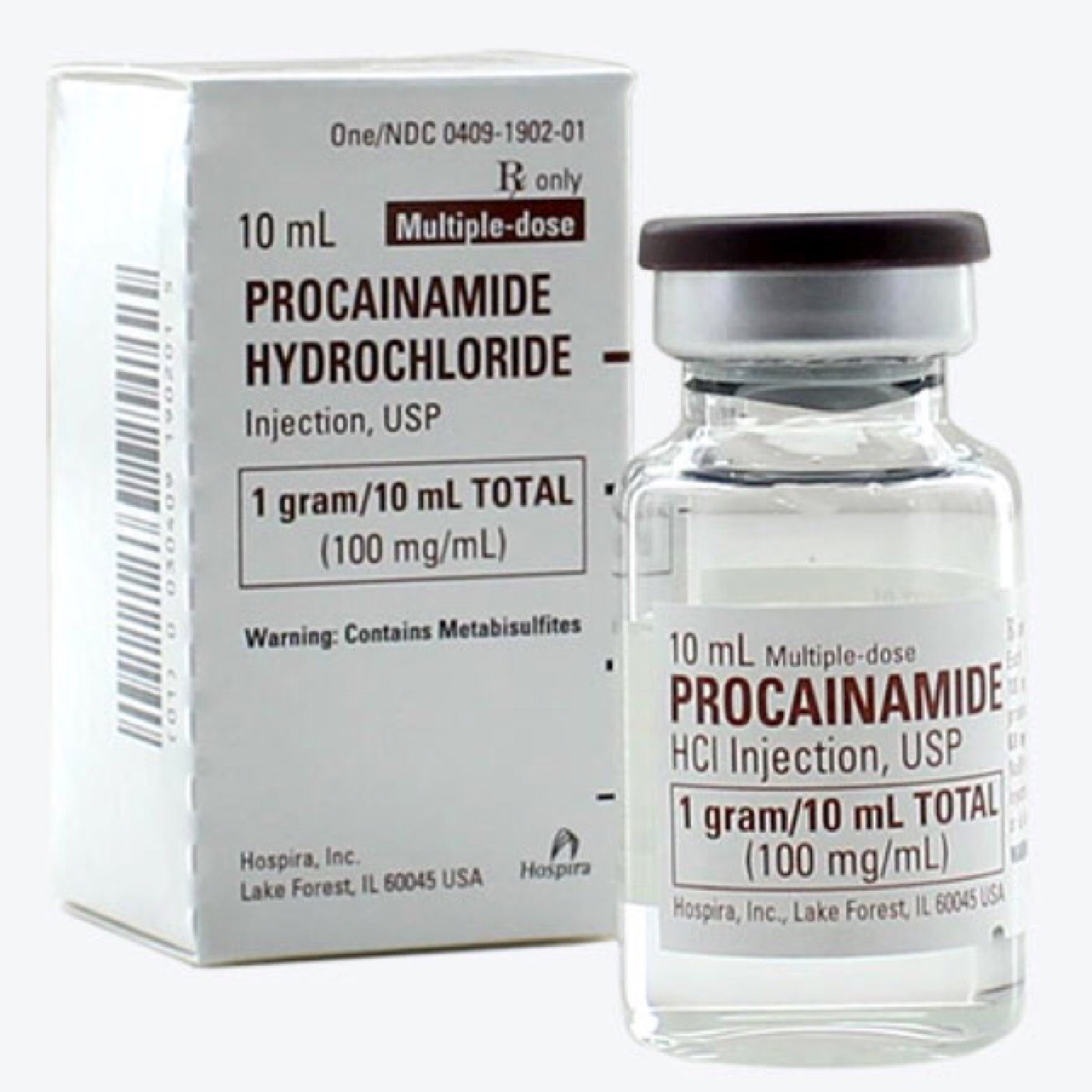
Procainamide
Need a drug to convert a stable wide complex tachycardia patient? Why not procainamide?

Pregnancy and Radiation
We all know what a dollar is right? But what about a gray? Let Dr. Scott explain how to approach radiation in pregnancy.
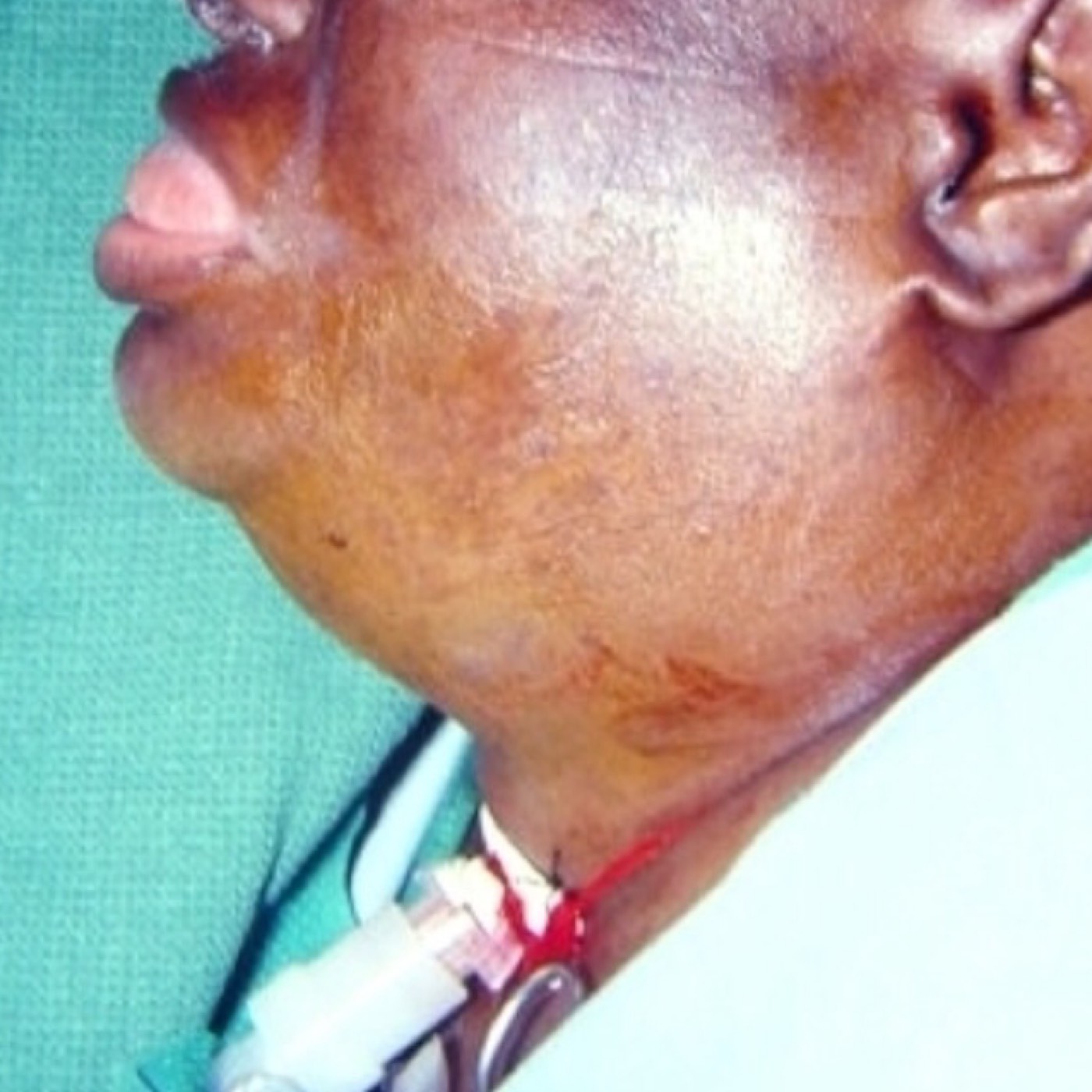
Jaw Infections
Ludwig's Angina, what it presents as and what to be prepared for.
Panel Q&A
Some interested questions and comments from some lovely folks.
An Opioid Free ED?! - How One ER Kicked the Habit
From our friend, the famed Mark Rosenberg MD.
COACEP's Opioid Guidelines - How Colorado Can Revolutionize Pain Management
From our fearless leader Donald Stader MD.

What Will Happen if We Limit Opioids
From our friend Adam Lembitz MD.
Recovering from Addiction, My Story
From our friend, the brave Tiffany Middleton.
Harm Reduction and Narcan - What We Can Do to Save Lives
From our friend Lisa Rizzo from the Denver Harm Reduction Action Center.

Addiction Can Happen to Anyone
From our friend Dana Bushell RN.
Prescription Drug Abuse - Colorado, We Have a Problem
From our friend Robert Valuck PhD RPh.

How Opioids Became Our Drug of Choice for Pain
From our friend, Steve Cantrill MD.
The Opioid Crisis: An Introduction
Donald Stader MD and Dylan Luyten MD lead in a transformative night discussing opiates and medicine.

The Most Common Fatal Ingestion
Haunted houses, headaches, and hyperbaric chambers.
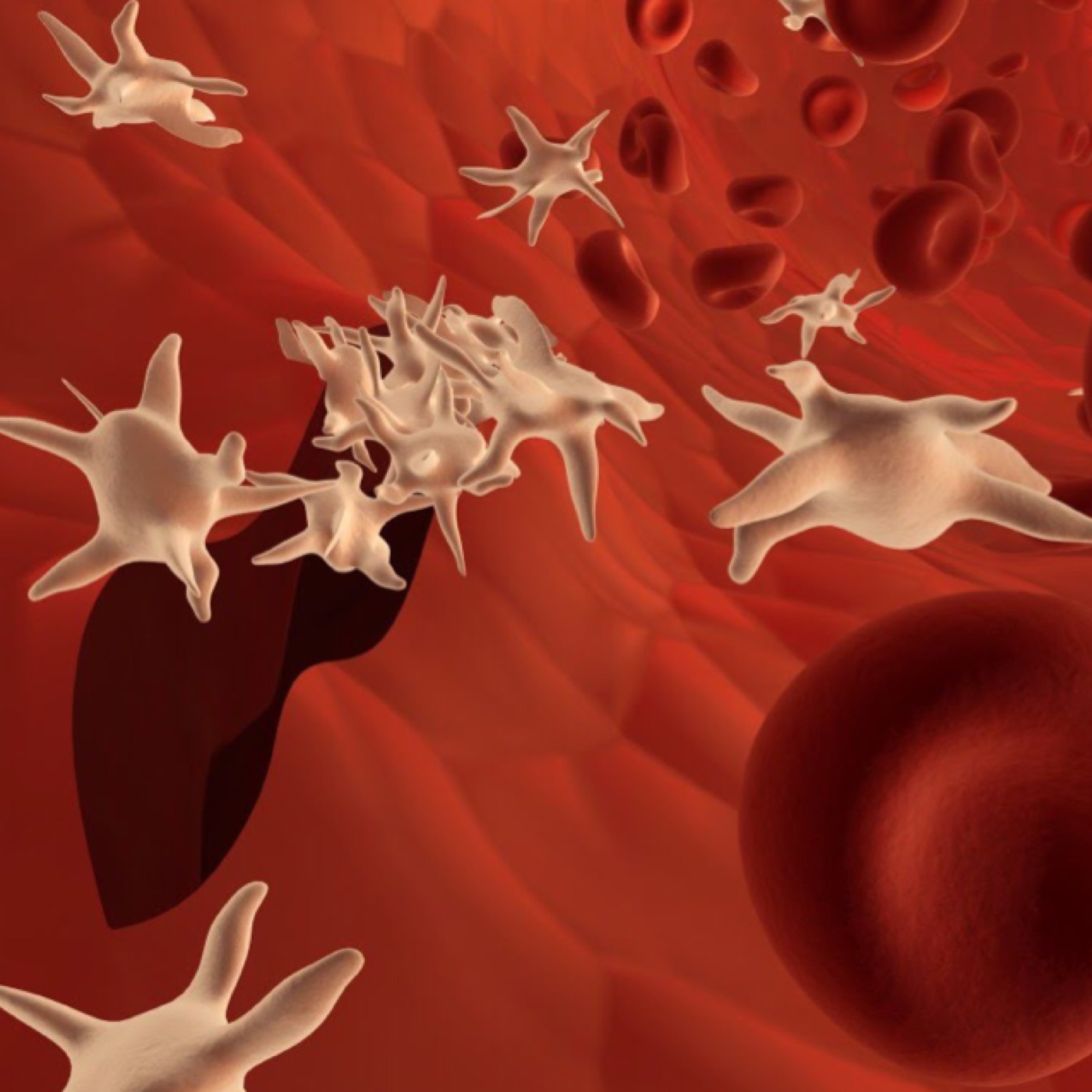
Platelet Transfusion
An overview of a study that scrutinizes the effectiveness of platelet transfusions in patients with spontaneous intracranial hemorrhage.
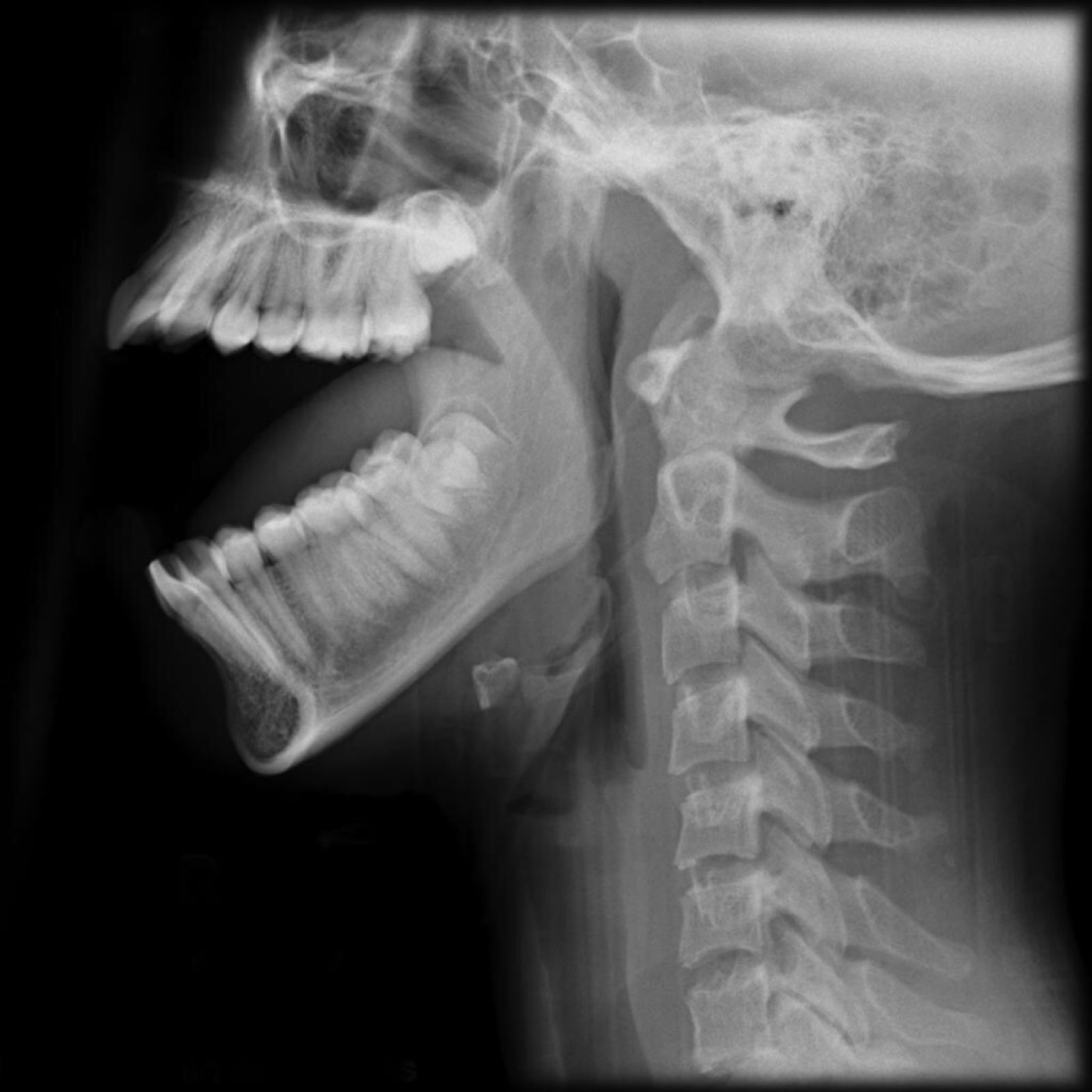
TMJ Dislocation
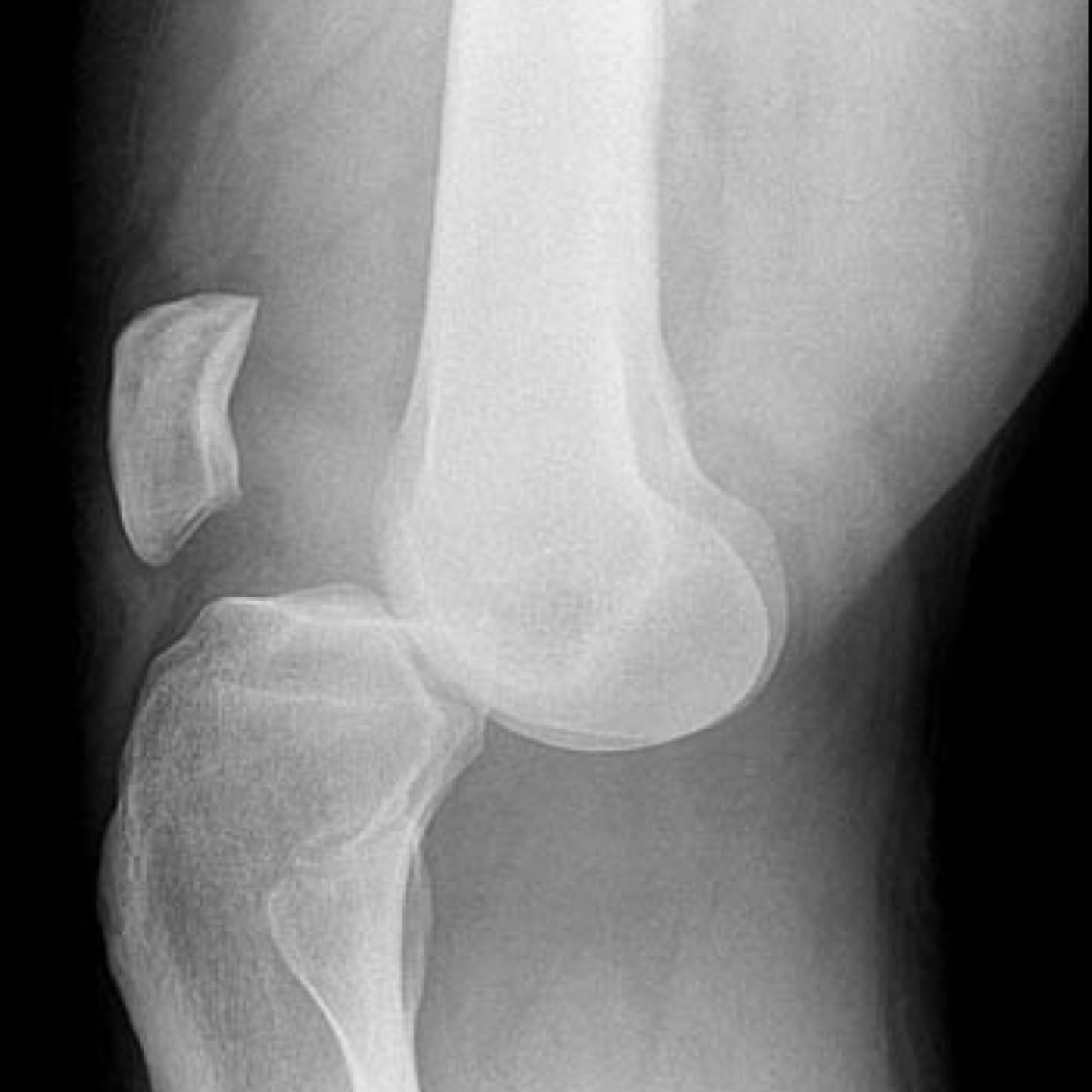
Knee Dislocation
Complications and treatment for a true knee dislocation.

GI Bleed - 1966
The process of identification and treatment for GI bleeds in the year 1966.
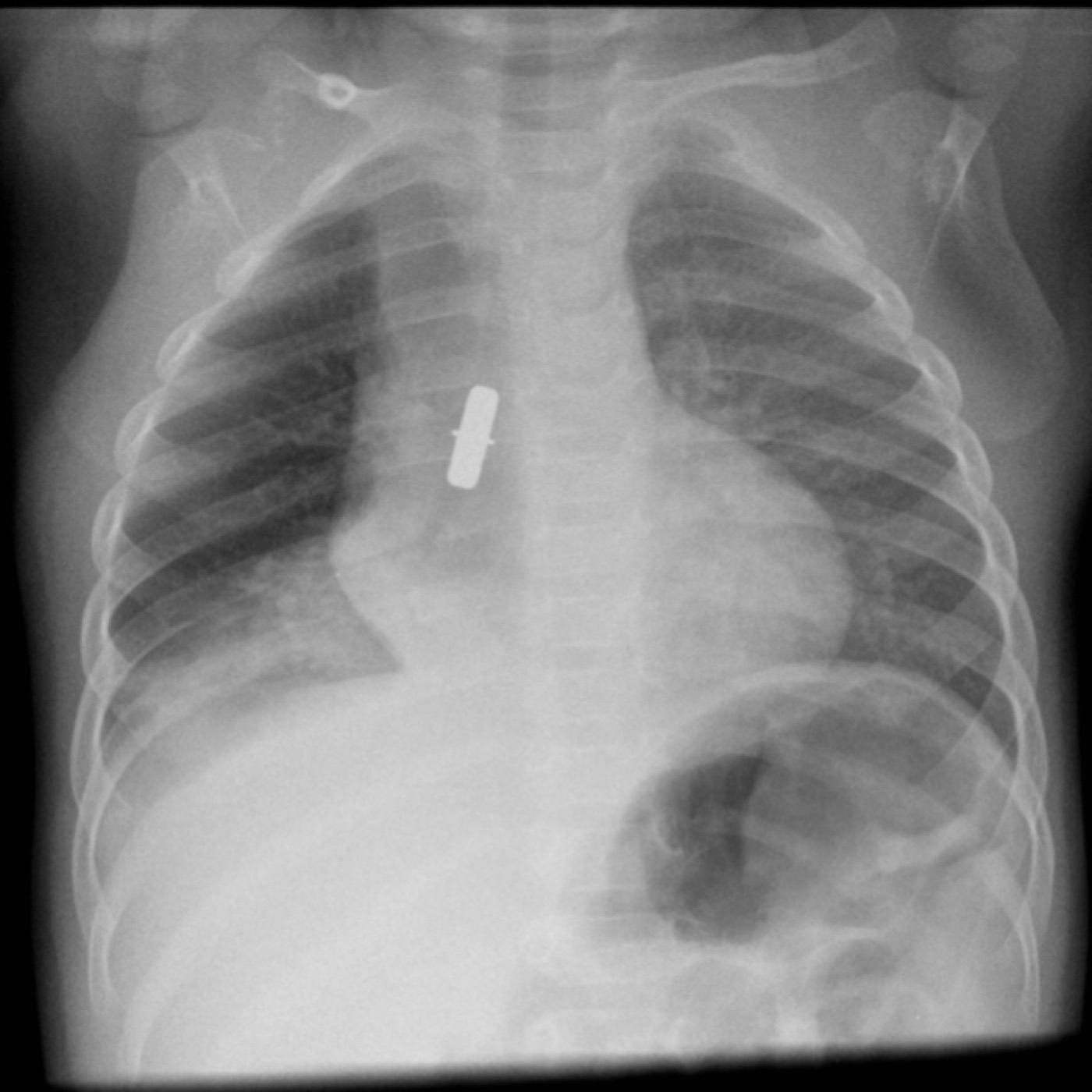
Tracheal Foreign Bodies
Preparing for a patient that is actively choking, and the steps that can be taken in the ER to get the patient to the operating room.
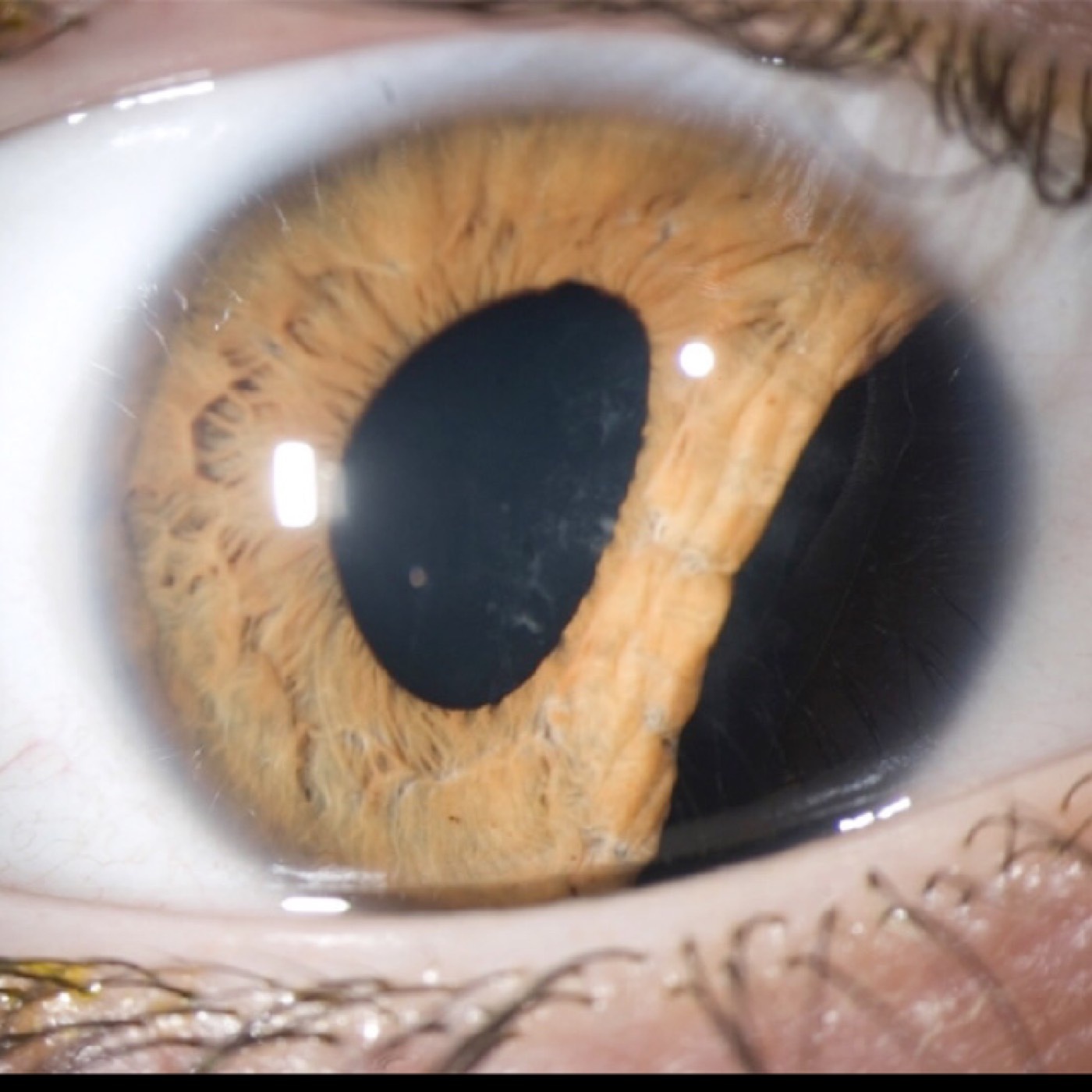
Eye Injuries
Eye trauma is never fun! Iridodialysis is one example of a bad time.
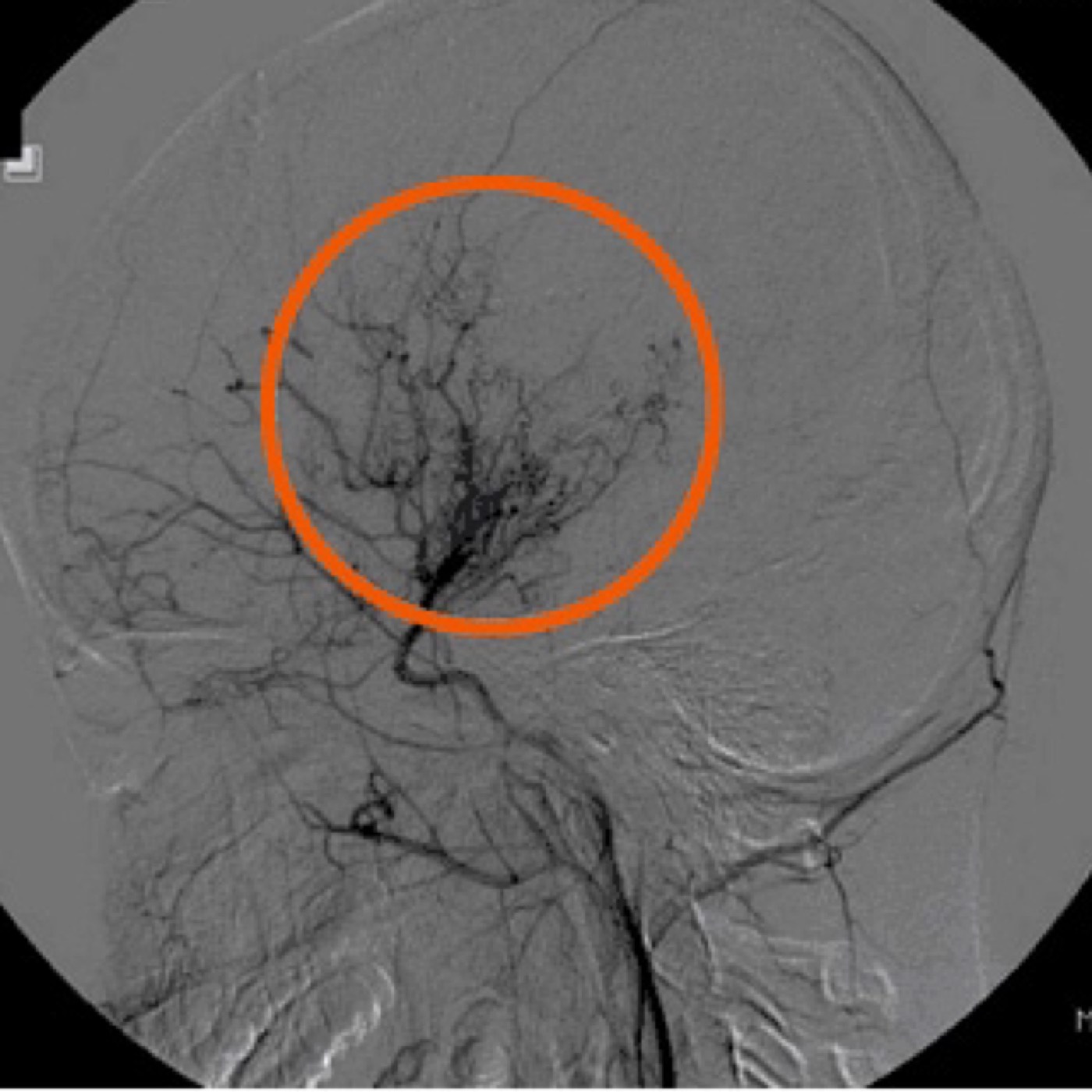
Moyamoya
A discussion about a specific type of brain bleed.
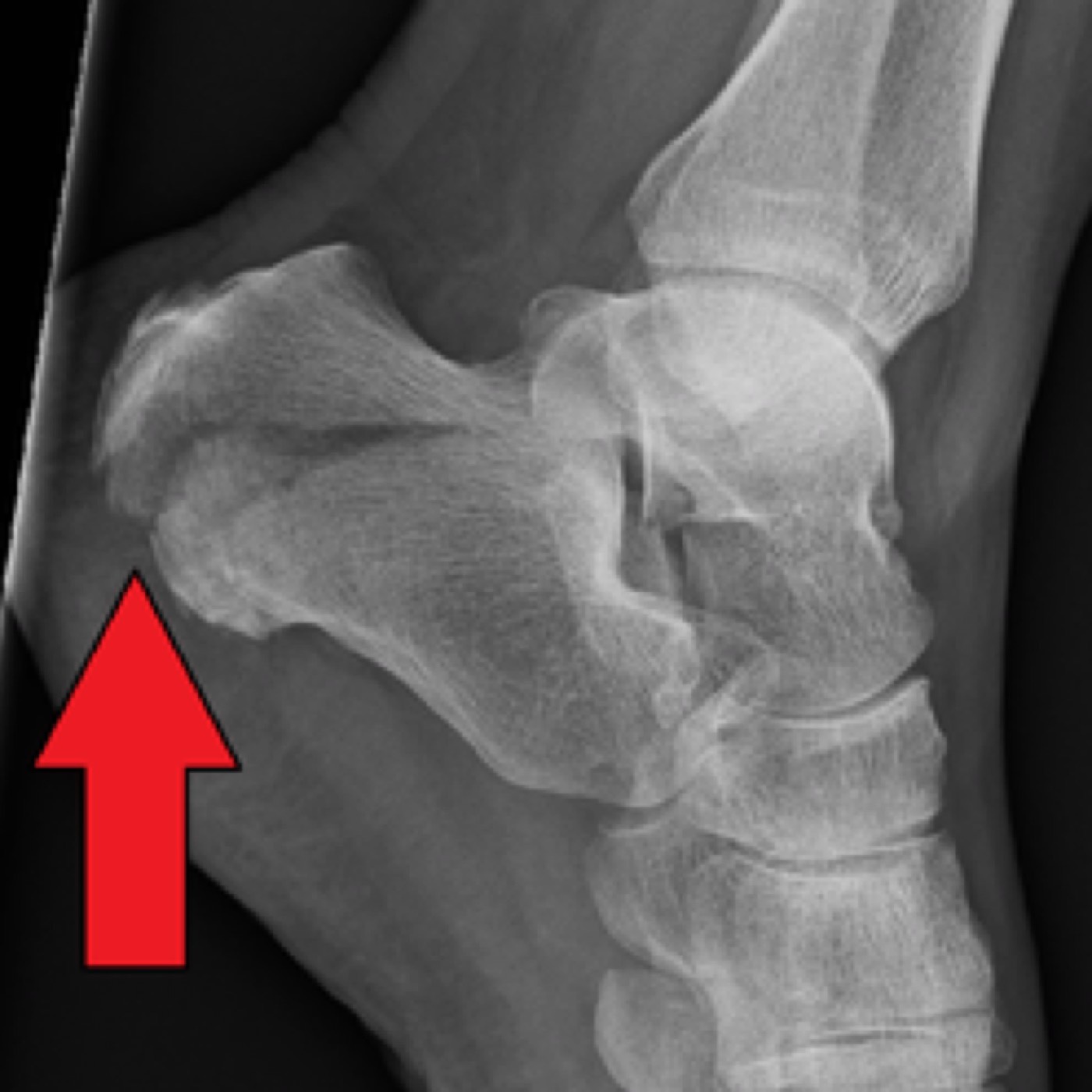
Calcaneal Fractures
A quick discussion on the mechanism of Calcaneal fractures and how they are managed in the ED.
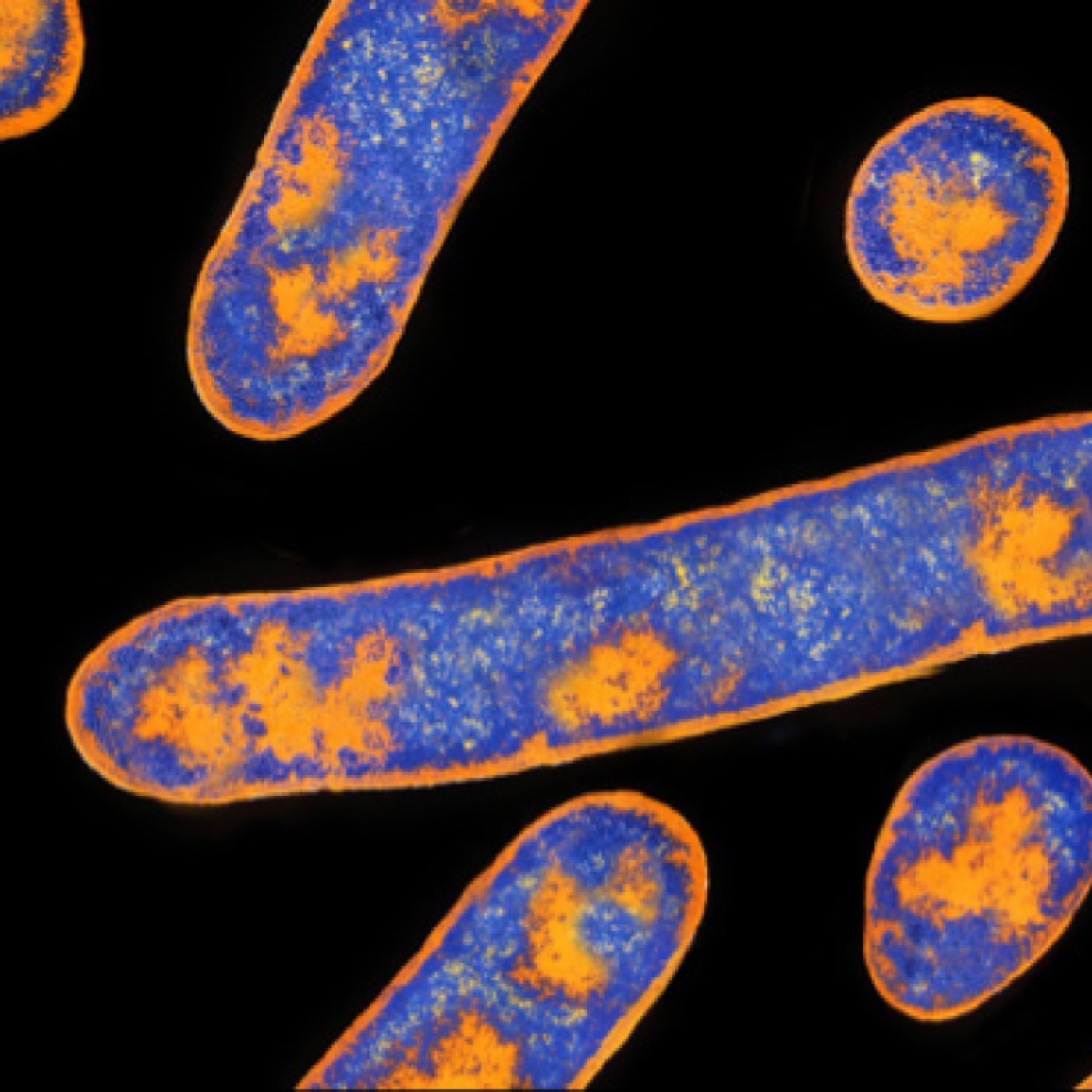
Botulism from Black Tar Heroin
The toxin from Clostridium Botulinum is the deadliest toxin known to man and can now be found in heroin in Colorado!
Heat Stroke
Complications from staying out in high heat for too long, including a serious medical emergency.
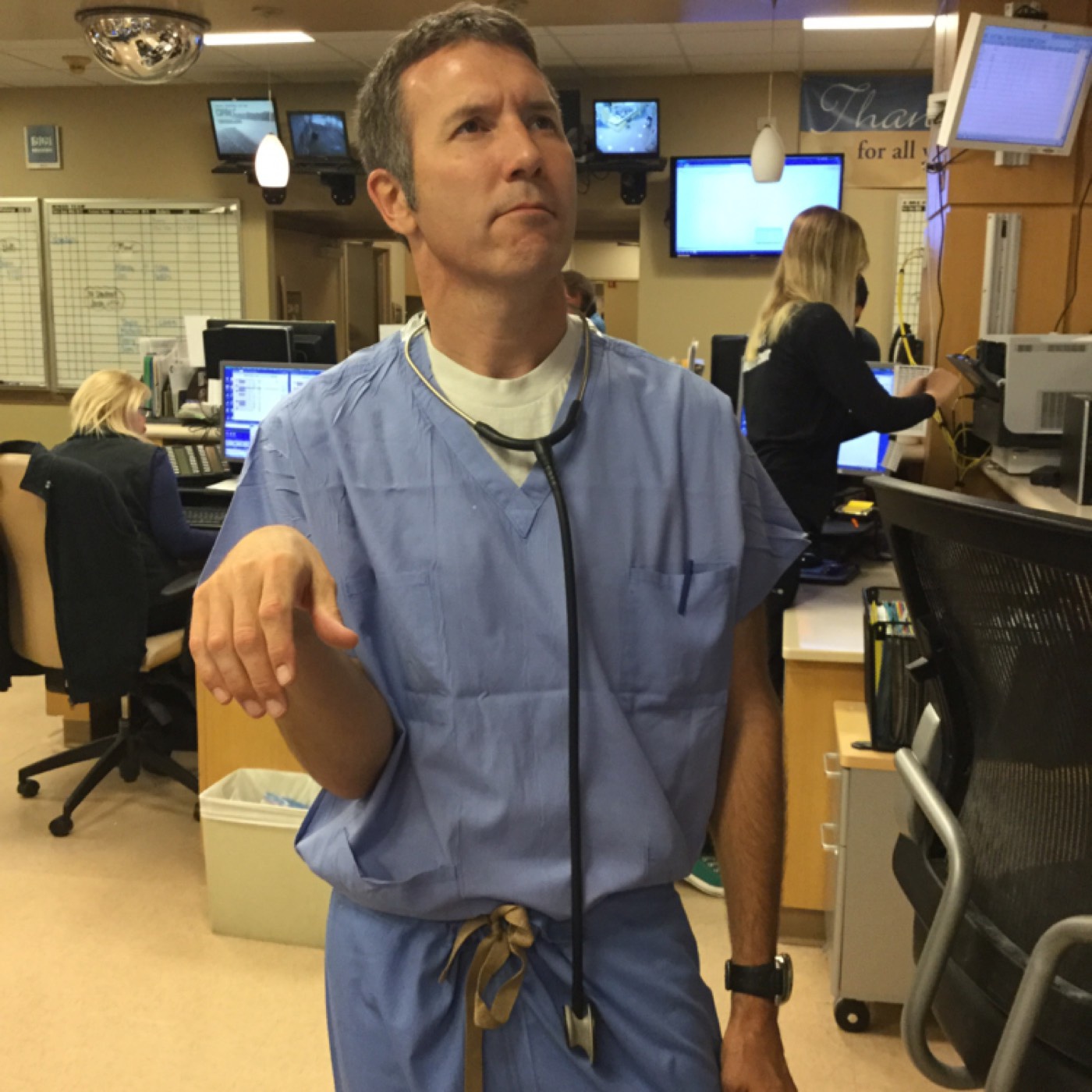
Saturday Night Palsy
Just look at that pose! Luckily there is an easy way to look just like him. Simply fall asleep on your arm...whether you're drunk or not is up to you.
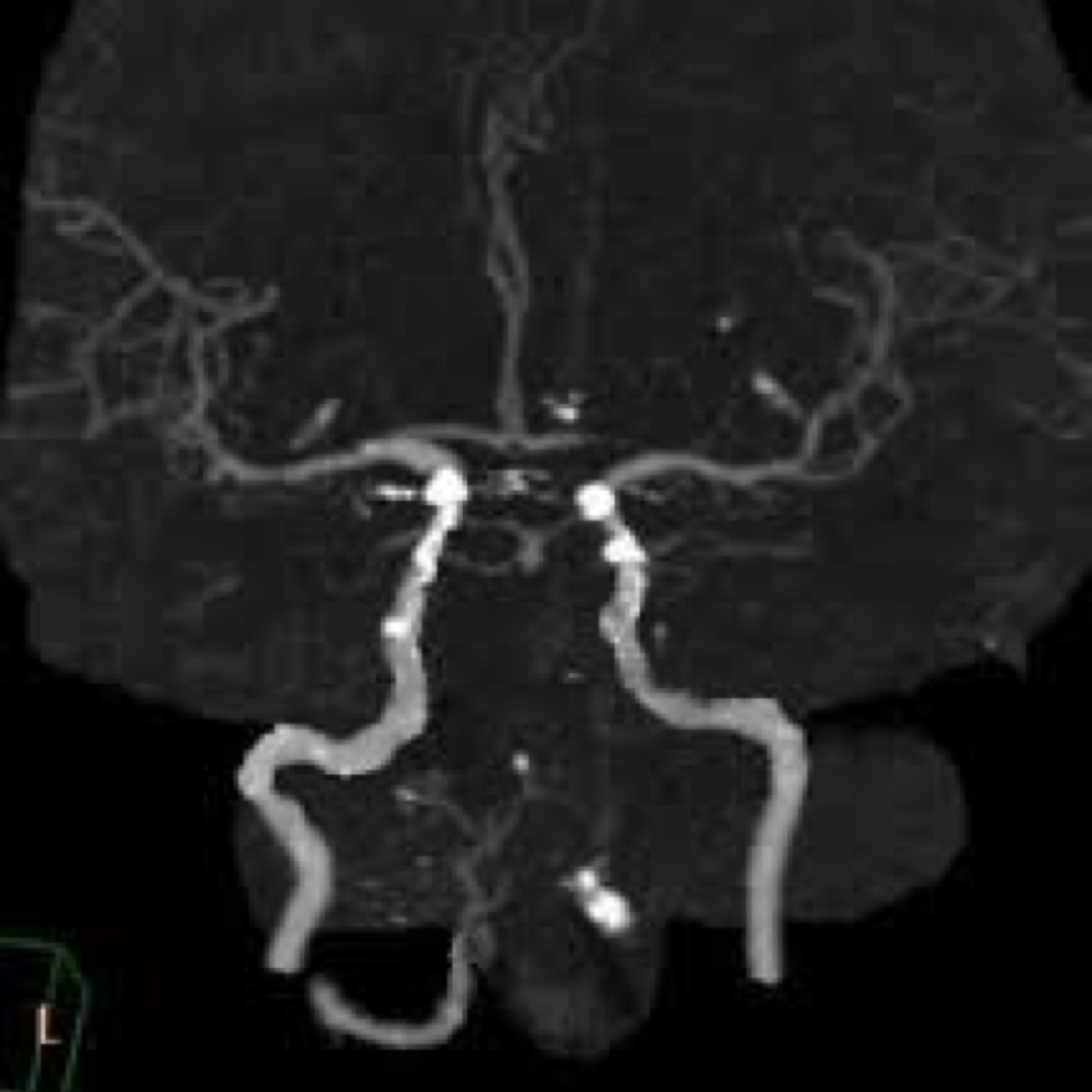
Locked-in Syndrome
It brings tears to even the most manly men, but what causes it?
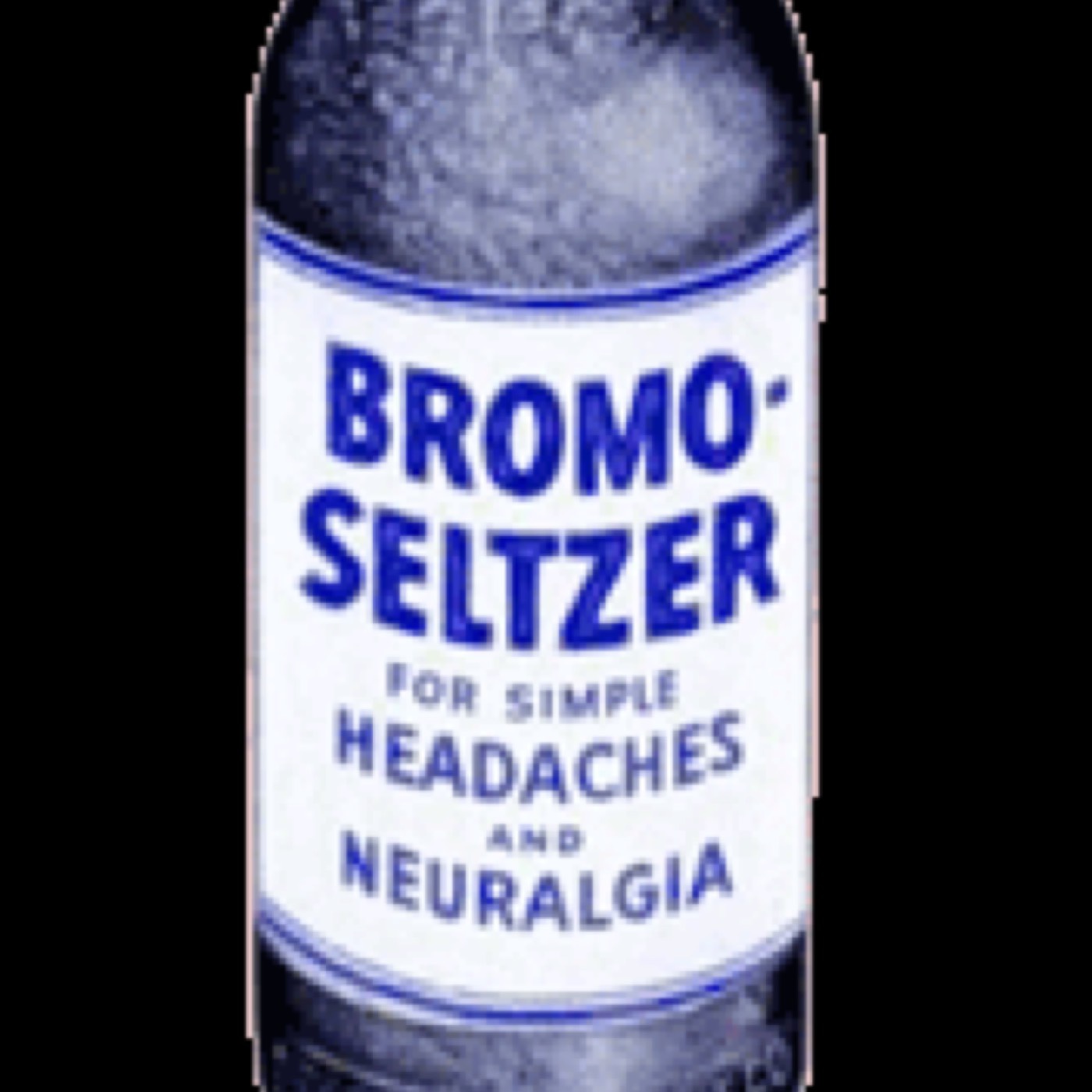
Bromide Toxicity - 1966
Another journey back in time to look at bromide and how it can cause altered mentation.