
Emergency Medical Minute
1,187 episodes — Page 14 of 24

Colorado MAT Part 4: Buprenorphine in the Emergency Department
Treatment with buprenorphine is easier, less time consuming and far more effective for management of opioid withdrawal and OUD than standard care with clonidine, IVF, haldol and other symptomatic therapies. Induction with buprenorphine is easy, requires no IV or labs, and is usually accomplished in 1-2 hours. It requires a chair, not a hospital bed. To identify patients who are candidates, be sure they're in sufficient opioid withdrawal using clinical impression or the COWS scale, obtain a history of type of opioid use and time of last use and any prior experience with buprenorphine, and confirm patient consent for buprenorphine induction. Precipitated withdrawal is a risk with induction if a patient is not sufficiently in withdrawal. Consensus on the treatment of precipitated withdrawal will require further study. Some protocols recommend stopping buprenorphine if withdrawal symptoms worsen, while others recommend treatment with additional doses of buprenorphine in addition to symptomatic meds. Patients should be discharged with overdose education, naloxone and a plan for close follow-up with a warm handoff to an OTP or OBOT. For adolescents 16 years old or older with OUD, buprenorphine is an option. For pregnant women, buprenorphine is a life-saver for both fetus and mother. ED providers can be part of the solution to the opioid epidemic. Consistent appropriate use of buprenorphine in the ED has the potential to transform ED care of patients with OUD. Click HERE for more information.

Colorado MAT Part 3: Medications for MAT in the ED
There are three MAT drugs available to treat addiction: naltrexone (brand name Vivitrol), methadone (brand names Dolophine or Methadose) & buprenorphine (brand name Suboxone, Subutex, and Sublicade). The only MAT drug appropriate for initiation in the ED is buprenorphine. Buprenorphine is a semi-synthetic opioid which acts as partial agonist at the mu receptor. Buprenorphine does not produce as much euphoria or as much of the respiratory depression seen with other opioids. It has a quick onset and long half-life and is usually administered sublingually. The most commonly used formulation of buprenorphine is mixed with naloxone for one reason and one reason only - to prevent diversion and IV drug use. When taken orally, the buprenorphine effect is predominant; when taken IV, the naloxone effect is predominant Any ED provider can administer buprenorphine in the ED for up to 3 consecutive days in order to bridge a patient to addiction services. X-Waivers allow you to prescribe buprenorphine from the ED, which is a great service you can provide your patients, particularly in rural communities. In 2019 ACEP will be producing an ED physician specific X-Waiver training which will focus exclusively on ED-based care. Click HERE for more information

Colorado MAT Part 2: Medication Assisted Treatment
Medication Assisted Treatment or (Medication for Addiction Treatment) is an important frontier in ED care of patients with Opioid Use Disorder. Naltrexone, methadone and buprenorphine are the medications approved for the treatment of OUD. Addiction is a disease that is widely misunderstood and rarely taught in medical school. It is a dangerous myth that the best treatment of all addictions is simply abstinence. The evolving consensus around OUD is that is best treated with medication. An opioid addiction should be treated with an opioid agonist. MAT is shown to substantially decrease mortality and morbidity for OUD. The treatment gap for OUD is egregious--as high as 75% in Colorado. Emergency department providers can be part of the solution to this problem by understanding and, when indicated, initiating proper treatment for OUD. Click HERE for more information

Colorado MAT Part 1: Understanding Addiction & Opioid Use Disorder
Addiction is widely misunderstood by the public and by many healthcare providers. It is not taught in most medical schools. Combating the opioid epidemic will require providers to understand Opioid Use Disorder (OUD) and its treatment. Addiction is a chronic, relapsing disease with extraordinarily high morbidity and mortality. It is the transition from controlled to impulsive and compulsive drug intake. Physiologic dependence is just one aspect of addiction. The behavioral and social derangements seen in addiction are the major source of harm for people with substance use disorders. Addiction is not a personal failure of will. The role of genetics and environment are enormous. It is more useful to think of addiction as a kind of "brain failure." Dopamine and different dopaminergic systems are severely affected by drug use, resulting in chronic changes and even death to areas of the brain. We do not stigmatize patients with diabetes or CHF for life choices contributing to their disease, nor do we refuse them care or make their care conditional on their behavior. We treat them. Opioid use disorder is a treatable disease. It is time that ED providers start treating it. Click HERE for more information

Podcast #500: 2018-19 Rapid Fire EM Literature Review
Author: Dave Saintsing Educational Pearls: Poor sleep is an independent risk factor for development of health problems such as type 2 diabetes. A 2019 study, randomized participants to 3 groups: 9 hours of sleep, 5 hours of sleep with weekend catch-up sleep, and 5 hours of sleep without catch-up sleep. In the sleep deprived (5 hour) groups, there was significantly more insulin resistance, calorie intake, and weight gain regardless of catch-up sleep. Tramadol is prescribed 25 million times a year in the USA, usually to avoid prescribing traditional opiates such as Percocet or Oxycodone. Tramadol has complex pharmacology in that is is both an SNRI and mu-opiate agonist after metabolism in the liver. The pharmacogenetics of this vary greatly between people. Many people have rapid metabolism that will lead to increased opiate effects. Other medications interfere with metabolism (such as SSRI's). A recent study demonstrated increased risk of hypoglycemia in diabetics taking Tramadol. Use caution when prescribing this drug. Sepsis resuscitation has traditionally been gauged by following lactate levels on the presumption that lactate is an adequate marker of organ perfusion. Unfortunately, lactate levels are often elevated by medications and other health conditions such as kidney or liver disease, making lactate an often ineffective biomarker for perfusion. The Andromeda-Shock trial compared using capillary refill to lactate as guides for resuscitation with the primary endpoint of reducing 28-day mortality. The capillary refill group had a 9% absolute risk reduction in mortality, but this did not reach statistical significance. However, capillary refill can be used as another data point while resuscitating your septic patients. When should you start pressors for patients in septic shock? A 2019 study compared routine resuscitation (30cc/kg fluid bolus) to initiation of norepinephrine with the first 30cc/kg crystalloid. They found that the early pressor group had significantly more "shock control" (MAP>65) at 6 hours, compared to the control group. While there was a trend towards less mortality in the early pressor group, it was not statistically significant. Keep an eye out for more studies in this area! A recent study in JAMA found that 88% of deaths from sepsis were unavoidable, due to severe chronic comorbidities. Remember that patients will still die from septic shock despite your best efforts and knowledge of the newest literature. References Depner CM, Melanson EL, Eckel RH, Snell-Bergeon JK, Perreault L, Bergman BC, Higgins JA, Guerin MK, Stothard ER, Morton SJ, Wright KP Jr. Curr Biol. 2019 Feb 11. pii: S0960-9822(19)30098-3. doi: 10.1016/j.cub.2019.01.069. [Epub ahead of print]. PMID:30827911. Fournier J, Azoulay L, Yin H, Montastruc J, Suissa S. Tramadol Use and the Risk of Hospitalization for Hypoglycemia in Patients With Noncancer Pain. JAMA Intern Med. 2015;175(2):186–193. doi:10.1001/jamainternmed.2014.6512 Hernández G, Ospina-Tascón GA, Damiani LP, et al. Effect of a Resuscitation Strategy Targeting Peripheral Perfusion Status vs Serum Lactate Levels on 28-Day Mortality Among Patients With Septic Shock: The ANDROMEDA-SHOCK Randomized Clinical Trial. JAMA. Published online February 17, 2019321(7):654–664. doi:10.1001/jama.2019.0071 Permpikul C, Tongyoo S, Viarasilpa T, Trainarongsakul T, Chakorn T, Udompanturak S. Early Use of Norepinephrine in Septic Shock Resuscitation (CENSER). A Randomized Trial. Am J Respir Crit Care Med. 2019 May 1;199(9):1097-1105. doi: 10.1164/rccm.201806-1034OC. Rhee C, Jones TM, Hamad Y, et al. Prevalence, Underlying Causes, and Preventability of Sepsis-Associated Mortality in US Acute Care Hospitals. JAMA Netw Open. Published online February 15, 20192(2):e187571. doi:10.1001/jamanetworkopen.2018.7571 Summarized by Will Dewispelaere, MS4 | Edited by Erik Verzemnieks, MD From CarePoint PA Academy, 2019
Podcast #499: Posterior Circulation Ischemia
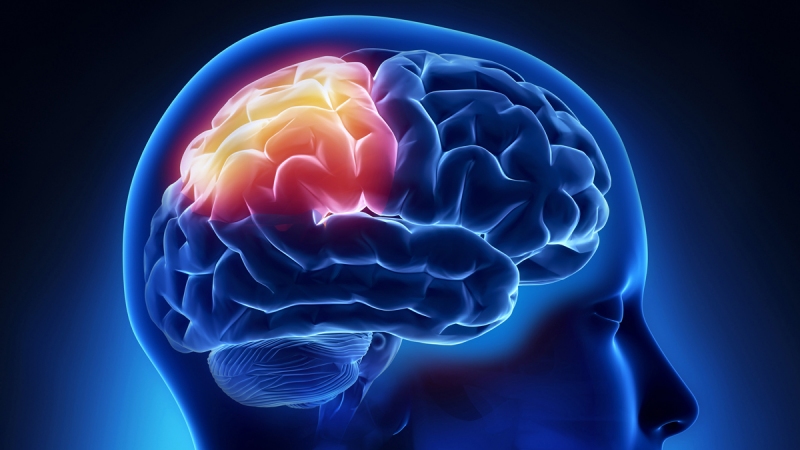
Podcast # 499: Posterior Circulation Strokes Contributor: Neal O'Connor, MD Educational Pearls: Dizziness is a very common complaint in the emergency department, but how can we find patients with a dangerous cause of their symptoms, namely a posterior circulation stroke? Consider a posterior circulation stroke in those with an abrupt onset of headache with neck pain, balance problem, blurred vision, or dysphagia Thorough cranial nerve exam can be important to screen for posterior circulation stroke, as much of the brainstem is supplied by the posterior circulation. The most common posterior circulation stroke is a lateral medullary infarct (Wallenberg Syndrome), which produces dysphagia due to cranial nerve IX and XII involvement Other physical exam findings include truncal ataxia, extremity ataxia, visual field cuts, and Horner syndrome (Ptosis, Miosis, Anhidrosis) The HINTS exam (Head Impulse - Nystagmus - Test of Skew)can be used to differentiate between peripheral and central causes of dizziness Concerning exam findings for central cause may include vertical nystagmus, gaze skew, or inability to track with head impulse References Áine Merwick, David Werring. Posterior circulation ischaemic stroke. BMJ 2014;348:g3175 doi: 10.1136/bmj.g3175 Kattah JC, Talkad AV, Wang DZ, Hsieh YH, Newman-Toker DE. HINTS to diagnose stroke in the acute vestibular syndrome: three-step bedside oculomotor examination more sensitive than early MRI diffusion-weighted imaging. Stroke. 2009;40(11):3504–3510. doi:10.1161/STROKEAHA.109.551234 Nouh A, Remke J, Ruland S. Ischemic posterior circulation stroke: a review of anatomy, clinical presentations, diagnosis, and current management. Front Neurol. 2014;5:30. Published 2014 Apr 7. doi:10.3389/fneur.2014.00030 From CarePoint PA Academy, 2019

Podcast # 498: Ortho Tips
Author: Susan Ryan, DO Educational Pearls: General orthopedic principles: Examine above and below the injury Document neurovascular status X-ray imaging typically requires three different views Fracture description should include name the bone, location of fracture, degree of displacement, and if it is closed or open Osgood-Schlatter (tibia) and Sever's (calcaneus) disease are apophyseal injuries caused by ligaments that are "stronger" than the bones they attach to When looking for scaphoid injuries, get extra (turned) views of the wrist. Remember that the scaphoid has a reverse blood flow and is prone to avascular necrosis Acute carpal tunnel syndrome can occur in forearm fractures. Again, don't forget your neuro exam. Distal radial-ulnar joint (DRUJ) injuries are caused by tears in the ligaments that stabilize the wrist. They cause chronic pain with pronation and supination. Posterior effusions in the elbow in the 90 degree view nearly always indicate a fracture Lisfranc injuries are commonly missed, especially if the mechanism is perceived as low energy. Look for the "fleck sign", which is an avulsion fracture at the base of 2nd metatarsal Syndesmotic injuries of the ankle (a high ankle sprain) can be identified through the squeeze test Knee dislocations are neurovascular emergencies

Podcast #497: Does my patient with CP have ACS?
Author: Dylan Luyten, MD Educational Pearls: While certain aspects of the history, exam, and EKG may increase likelihood of ACS, there is no one element that performs well on its own Elements of the history have been found to have different likelihood ratios, which can increase or decrease the probability of a patient having ACS Likelihood ratios greater than one increase the chance of the patient having the disease. Ratios less than one decrease it Bilateral arm radiation is one of very few historical features that increases the likelihood of ACS ST depressions are one of the few EKG findings with a high LR for ACS Scoring systems such as the HEART score can be useful to risk stratify your patients References Fanaroff AC, Rymer JA, Goldstein SA, Simel DL, Newby LK. Does This Patient With Chest Pain Have Acute Coronary Syndrome?: The Rational Clinical Examination Systematic Review. JAMA. 2015 Nov 10;314(18):1955-65. doi: 10.1001/jama.2015.12735. Review. PubMed PMID: 26547467. Backus BE, Six AJ, Kelder JC, Bosschaert MA, Mast EG, Mosterd A, Veldkamp RF, Wardeh AJ, Tio R, Braam R, Monnink SH, van Tooren R, Mast TP, van den Akker F, Cramer MJ, Poldervaart JM, Hoes AW, Doevendans PA. A prospective validation of the HEART score for chest pain patients at the emergency department. Int J Cardiol. 2013 Oct 3;168(3):2153-8. doi: 10.1016/j.ijcard.2013.01.255. Epub 2013 Mar 7. PubMed PMID: 23465250. From CarePoint PA Academy, 2019

Podcast # 496: Hallucinogens
Author: David Holland, MD Educational Pearls: Hallucinogenics have been used for a variety of cultural and religious reasons for thousands of years In the 1960's a Harvard professor began experimenting with psilocybin mushrooms. There was resulting public outcry, eventually leading to all hallucinogens being listed as schedule I drugs Common hallucinogens include: LSD (acid), Mescaline (peyote), DMT (ayahuasca), Psilocybin (mushrooms), MDMA (ecstacy) Effects vary by specific drug but may include auditory/visual hallucinations, increased empathy, loss of fear Physiologic effects often include mydriasis, tachycardia, hyperthermia and hypertension Recent neuroimaging studies have shown increased neural connectivity in people after administration of hallucinogens Each hallucinogen has a specific dose and duration, some can last half a day or more References Heal DJ, Gosden J, Smith SL. Evaluating the abuse potential of psychedelic drugs as part of the safety pharmacology assessment for medical use in humans.Neuropharmacology. 2018 Nov;142:89-115. doi: 10.1016/j.neuropharm.2018.01.049. Epub 2018 Feb 8. Review. PubMed PMID: 29427652. Garcia-Romeu A, Kersgaard B, Addy PH. Clinical applications of hallucinogens: A review. Exp Clin Psychopharmacol. 2016 Aug;24(4):229-68. doi: 10.1037/pha0000084. Review. PubMed PMID: 27454674; PubMed Central PMCID: PMC5001686. Bogenschutz MP, Johnson MW. Classic hallucinogens in the treatment of addictions.Prog Neuropsychopharmacol Biol Psychiatry. 2016 Jan 4;64:250-8. doi: 10.1016/j.pnpbp.2015.03.002. Epub 2015 Mar 14. Review. PubMed PMID: 25784600. From CarePoint PA Academy

Podcast # 495: Trauma in the Elderly
Author: Rachel Brady, MD Educational Pearls: Elderly patients (>65 years old) have a higher trauma mortality compared to younger patients, even though they have lower mechanisms of injury Elder trauma is often under-triaged due to low-energy mechanisms and lack of physiologic response due to age and medications such as beta-blockers. Do not be reassured by normal vital signs. Image elderly patients with head injury aggressively since they are at high risk of intracranial bleeds Be sure to ask about anticoagulation use. Up to 15% of asymptomatic head injury patients on warfarin will have intracranial bleeds on CT. Be on the lookout for unstable C-spine injuries such as type II odontoid fractures Central cord syndrome is a possibility with any neck extension injury Rib fractures are common, with mortality increasing greatly with more than 2 ribs involved The elderly are more prone to musculoskeletal injuries due to loss of bone density Always discuss goals of care with these patients References Rathlev NK, Medzon R, Lowery D, Pollack C, Bracken M, Barest G, Wolfson AB, Hoffman JR, Mower WR. Intracranial pathology in elders with blunt head trauma. Acad Emerg Med. 2006 Mar;13(3):302-7. doi: 10.1197/j.aem.2005.10.015. PubMed PMID: 16514123. Keller JM, Sciadini MF, Sinclair E, O'Toole RV. Geriatric trauma: demographics, injuries, and mortality. J Orthop Trauma. 2012 Sep;26(9):e161-5. doi: 10.1097/BOT.0b013e3182324460. PubMed PMID: 22377505. Bulger EM, Arneson MA, Mock CN, Jurkovich GJ. Rib fractures in the elderly. J Trauma.2000 Jun;48(6):1040-6; discussion 1046-7. doi: 10.1097/00005373-200006000-00007. PubMed PMID: 10866248. Hashmi A, Ibrahim-Zada I, Rhee P, Aziz H, Fain MJ, Friese RS, Joseph B. Predictors of mortality in geriatric trauma patients: a systematic review and meta-analysis. J Trauma Acute Care Surg. 2014 Mar;76(3):894-901. doi: 10.1097/TA.0b013e3182ab0763. Review. PubMed PMID: 24553567. Brooks SE, Peetz AB. Evidence-Based Care of Geriatric Trauma Patients. Surg Clin North Am. 2017 Oct;97(5):1157-1174. doi: 10.1016/j.suc.2017.06.006. Review. PubMed PMID: 28958363.

Podcast #494: A Standard Toxicology Approach
Contributor: JP Brewer, MD Educational Pearls: Obtaining collateral is often vital to determine the potential drugs accessible to the patient - this may include After this, use ancillary sources such as EMS, family/friends, and police to determine the patient's last normal, PMH and medications To help separate toxidromes, pupillary exam and skin exam are helpful Important physical exam clues in toxicology include the pupils and the skin Adjunct laboratory evaluation may include liver function tests, acetaminophen level, salicylate levels, urine drug screens, particularly in unknown ingestions Your local toxicologist (if you are fortunate to have one) or the Poison Center can always provide assistance in treatment and workup - consider involving them early References Erickson TB, Thompson TM, Lu JJ. The approach to the patient with an unknown overdose. Emerg Med Clin North Am 2007; 25:249.
Podcast # 493: One Pill for the Kill
Contributor: JP Brewer, MD Educational Pearls: Because of their smaller size, there are a variety of adult-dose pills that are potentially toxic to children. The most common categories of medications that may be toxic include cardiac, diabetic, pain, psychiatric, anti-malarial, and herbals/caustics Oral hypoglycemics such as sulfonylureas can be particularly dangerous in children. Opiates and benzodiazepines have the potential for respiratory arrest Anti-malarial medications are arrhythmogenic to children Camphor, batteries, oil of wintergreen (for the salicylate), and household caustic materials are dangerous non-pharmacologic ingestions to think about in children If you encounter any of the above situations, consult your local poison control center 1-800-222-1222 or your toxicologist if you are lucky enough to have one on call References https://www.acep.org/how-we-serve/sections/toxicology/news/march-2016/one-pill-or-sip-can-kill/ Schillie SF, Shehab N, Thomas KE, Budnitz DS. Medication overdoses leading to emergency department visits among children. Am J Prev Med 2009;37:181-7. Oz B, Levichek Z, Koren G. Medications That Can Be Fatal For a Toddler with One Tablet or Teaspoonful A 2004 Update. Pediatric Drugs, 2004; 6(2): 123-126

Podcast # 492: Pain While on Buprenorphine
Contributor: Don Stader, MD Educational Pearls: Buprenorphine is a partial Mu-agonist and binds with higher affinity than most opioids Pain management with opioids therefore can be difficult in patients taking buprenorphine Ketamine is a good option for pain control in these patients You can also consider using additional buprenorphine Intravenous buprenorphine is dosed differently than oral formulations Consider receptor availability - patients on high doses of buprenorphine (32mg) will have few Mu receptors available, and thus will likely not benefit from opiate pain meds of any kind References Alford DP, Compton P, Samet JH. Acute pain management for patients receiving maintenance methadone or buprenorphine therapy. Ann Intern Med. 2006;144(2):127–134. Summarized by Will Dewispelaere, MS3 | Edited by Erik Verzemnieks, MD

Podcast # 491: Buprenorphine for Withdrawal
Educational Pearls: Buprenorphine is a semi-synthetic derivative of the opium poppy FDA approved for the treatment of opiate use disorder and chronic pain Benefit in emergency department use is the ceiling effect - producing less euphoria as well as respiratory depression with higher doses It has an onset of 30-60 minutes, peak effect at 1-4 hours Duration of action depends is dose dependent, typically 6-12 hours, but can be as long as 24-72 hours in doses over 16 mg Use buprenorphine in those in moderate to severe opiate withdrawal Clinical Opioid Withdrawal Scale (COWS) can be used to assess and score severity of withdrawal A reasonable starting dose is 8mg. A second dose can be given after an hour, ranging from 8-24 mg depending on symptoms still present Buprenorphine can induce withdrawals so someone needs to be in true withdrawals for it to provide benefit References https://www.mdcalc.com/cows-score-opiate-withdrawal https://ed-bridge.org Herring AA, Perrone J, Nelson LS. Managing Opioid Withdrawal in the Emergency Department With Buprenorphine. Ann Emerg Med. 2019 May;73(5):481-487. doi: 10.1016/j.annemergmed.2018.11.032. Epub 2019 Jan 5. Review. PubMed PMID: 30616926. Summarized by Will Dewispelaere, MS4 | Edited by Erik Verzemnieks, MD

Podcast # 490: Canadian Syncope Rule
Contributor: Don Stader, MD Educational Pearls: Syncope is usually benign but can be caused by serious etiologies which include: PE, certain cardiac arrhythmias, AAA, intracranial bleed/stroke The Canadian Syncope Rule appears to identify those patients with syncope and low risk of serious outcomes The score is based on vital signs, EKG and history Negative scores preclude a very low risk of adverse events A calculated score greater than 1 are considered medium risk Scores greater than 4 are high risk Anyone with a medium risk or higher should have their cause thoroughly investigated - which may involve admission or a shared decision making utilizing this rule if discharged Editor's note: just remember this rule has not been externally validated… yet References https://www.mdcalc.com/canadian-syncope-risk-score Thiruganasambandamoorthy V, Kwong K, Wells GA, et al. Development of the Canadian Syncope Risk Score to predict serious adverse events after emergency department assessment of syncope. CMAJ. 2016;188(12):E289–E298. doi:10.1503/cmaj.151469 Summarized by Will Dewispelaere, MS4 | Edited by Erik Verzemnieks, MD

Podcast # 489: Bats & Rabies
Contributor: Jared Scott, MD Educational Pearls: The CDC recommends rabies prophylaxis if there was a direct encounter with a possibly rabid animal except... Bats are treated differently since their bites may be very superficial and not seen/felt. All people with possible close encounters with a bat should receive rabies prophylaxis From 1990-2007 there were 34 rabies cases associated with bats: 6 of these had a reported bat bite 15 there was a reported exposure but no reported bite 11 had no reported bat exposure but DNA testing revealed that the rabies came from a bat References Pieracci EG, Pearson CM, Wallace RM, Blanton JD, Whitehouse ER, Ma X, Stauffer K, Chipman RB, Olson V. Vital Signs: Trends in Human Rabies Deaths and Exposures - United States, 1938-2018. MMWR Morb Mortal Wkly Rep. 2019 Jun 14;68(23):524-528. doi: 10.15585/mmwr.mm6823e1. PubMed PMID: 31194721; PubMed Central PMCID: PMC6613553. https://www.cdc.gov/rabies/specific_groups/doctors/index.html Summarized by Will Dewispelaere, MS4 | Edited by Erik Verzemnieks, MD
Podcast # 488: Dalbavancin
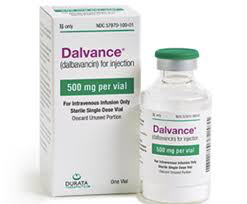
Contributor: Nick Hatch, MD Educational Pearls: Dalbavancin (Dalvance®) is an antibiotic that can be used for skin and soft tissue infections, providing MRSA coverage It cannot be used in other infections or sepsis Dalbavancin may be appealing as a single dose lasts about 2 weeks Expense is currently a large barrier to use Patients with a vancomycin allergy will likely be allergic to Dalbavancin as the two are related References Patel M, Smalley S, Dubrovskaya Y, Siegfried J, Caspers C, Pham V, Press RA, Papadopoulos J. Dalbavancin Use in the Emergency Department Setting. Ann Pharmacother. 2019 Jun 3;:1060028019855159. doi: 10.1177/1060028019855159. [Epub ahead of print] PubMed PMID: 31155916. Summarized by Will Dewispelaere, MS4 | Edited by Erik Verzemnieks, MD

Podcast # 487: Hunting for Epiglottitis
Contributor: Michael Hunt, MD Educational Pearls: Due to the efficacy of vaccination, epiglottitis is now more common in adults than children Risk factors include smoking and other immunocompromising co-morbidities, such as diabetes Epiglottitis can present with sore throat and fever, with potential rapid progression to respiratory distress and stridor Diagnosis can include x-ray to look for the "thumbprint sign," nasofiberoptics, and/or CT Antibiotics are mainstay of treatment but severe cases may need establishment of a definitive airway, typically done with fiberoptics in the operating room due to the potential to irritate the epiglottitis with traditional laryngoscopy References Li RM, Kiemeney M. Infections of the Neck. Emerg Med Clin North Am. 2019 Feb;37(1):95-107. doi: 10.1016/j.emc.2018.09.003. Review. PubMed PMID: 30454783. Tsai YT, Huang EI, Chang GH, Tsai MS, Hsu CM, Yang YH, Lin MH, Liu CY, Li HY. Risk of acute epiglottitis in patients with preexisting diabetes mellitus: A population-based case-control study. PLoS One. 2018;13(6):e0199036. doi: 10.1371/journal.pone.0199036. eCollection 2018. PubMed PMID: 29889887; PubMed Central PMCID: PMC5995441. Guerra AM, Waseem M. Epiglottitis. [Updated 2018 Nov 15]. In: StatPearls [Internet]. Treasure Island (FL): StatPearls Publishing; 2019 Jan-. Available from: https://www.ncbi.nlm.nih.gov/books/NBK430960/ Summarized by Will Dewispelaere, MS4 | Edited by Erik Verzemnieks, MD

Podcast # 486: Morel Mushrooms
Contributor: Nick Hatch, MD Educational Pearls: True morel mushrooms are commonly foraged The false morel mushroom (Gyromitra esculenta) looks similar to the true morel, but is toxic False morel mushroom toxicity can cause gastrointestinal symptoms as well as liver failure, rhabdomyolysis, and seizures Seizures can be refractory to benzodiazepine therapy and may require use of vitamin B6 and propofol References Horowitz KM, Horowitz BZ. Gyromitra Mushroom Toxicity. [Updated 2019 May 12]. In: StatPearls [Internet]. Treasure Island (FL): StatPearls Publishing; 2019 Jan-. Available from: https://www.ncbi.nlm.nih.gov/books/NBK470580/ Summarized by Will Dewispelaere, MS4 | Edited by Erik Verzemnieks, MD
Podcast # 485: Cerebellar Stroke
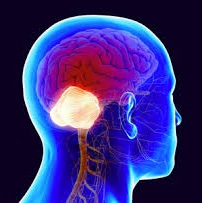
Contributor: Jared Scott, MD Educational Pearls: Cerebellar strokes make up a disproportionate number of missed or delayed diagnosis for stroke likely due to the subtle nature of the presentation Cerebellar strokes can present with vomiting, dizziness, and ataxia. Unlike anterior circulation stroke, exam findings in a cerebellar stroke are ipsilateral to the lesion On neuro exam, findings may include: Dysmetria: lack of coordination with overshooting/undershooting intended position of limb Dysdiadochokinesia: difficulty with rapid alternating movements Ataxia Nystagmus Consider a cerebellar stroke in patients presenting with vomiting and dizziness without an alternative diagnosis References Edlow JA, Newman-Toker DE, Savitz SI. Diagnosis and initial management of cerebellar infarction. Lancet Neurol. 2008 Oct;7(10):951-64. doi: 10.1016/S1474-4422(08)70216-3. Review. PubMed PMID: 18848314. Datar S, Rabinstein AA. Cerebellar infarction. Neurol Clin. 2014 Nov;32(4):979-91. doi: 10.1016/j.ncl.2014.07.007. Epub 2014 Sep 13. Review. PubMed PMID: 25439292. Summarized by Will Dewispelaere, MS4 | Edited by Erik Verzemnieks, MD
Podcast # 484: Elevated ICP
Contributor: Charleen Gnisci, PharmD Educational Pearls: Causes of increased intracranial pressure may include intracranial hemorrhage, malignancy, and trauma. While definite treatment is to remove the offending cause, there are emergency medicine Non-pharmacologic methods include elevating head of bed and removing noxious stimuli Pharmacologic options include mannitol and hypertonic saline Hypertonic saline is best delivered through a central line but not required Both these agents benefit from adequate renal function Before using mannitol, be sure to inspect the bag to ensure that it has not precipitated. If it has, try warming the bag before administration. References https://pulmccm.org/critical-care-review/hyperosmolar-therapy-for-increased-intracranial-pressure-review-nejm/ Burgess S, Abu-Laban RB, Slavik RS, Vu EN, Zed PJ. A Systematic Review of Randomized Controlled Trials Comparing Hypertonic Sodium Solutions and Mannitol for Traumatic Brain Injury: Implications for Emergency Department Management. Ann Pharmacother. 2016 Apr;50(4):291-300. doi: 10.1177/1060028016628893. Epub 2016 Jan 29. Review. PubMed PMID: 26825644. Summarized by Will Dewispelaere, MS4 | Edited by Erik Verzemnieks, MD

Podcast # 483: Dual Antiplatelet Therapy in TIA
Contributor: Don Stader, MD Educational Pearls: Antiplatelets include aspirin and clopidogrel, and are generally used for arterial clotting (MI, stroke) Anticoagulants such as coumadin, Xarelto, Eliquis are generally used for venous clotting (DVT/PE) Growing data suggests that dual antiplatelet therapy (aspirin+clopidogrel) is superior to aspirin alone in reducing stroke for diagnosed with TIA References: Kheiri B, Osman M, Abdalla A, Haykal T, Swaid B, Ahmed S, Chahine A, Hassan M, Bachuwa G, Al Qasmi M, Bhatt DL. Clopidogrel and aspirin after ischemic stroke or transient ischemic attack: an updated systematic review and meta-analysis of randomized clinical trials. J Thromb Thrombolysis. 2019 Feb;47(2):233-247. doi: 10.1007/s11239-018-1786-z. PubMed PMID: 30511260. Summarized by Will Dewispelaere, MS4 | Edited by Erik Verzemnieks, MD

Podcast # 482: Tetracyclines and Hyperpigmentation
Contributor: Michael Hunt, MD Educational Pearls: Tetracycline antibiotics such as minocycline can cause greyish hyperpigmentation This hyperpigmentation can sometimes be reversible but not always Minocycline has been used for its effects in autoimmune and neurological diseases, where it is often taken chronically, which can lead to increased pigmentation References La Placa M, Infusino SD, Balestri R, Vincenzi C. Minocycline-Induced Blue-Gray Discoloration. Skin Appendage Disord. 2017 Aug;3(3):161-162. doi: 10.1159/000469712. Epub 2017 Apr 22. PubMed PMID: 28879193; PubMed Central PMCID: PMC5582477. Summarized by Will Dewispelaere, MS4 | Edited by Erik Verzemnieks, MD

Podcast # 481: Medical Errors and Cognitive Bias
Contributor: Peter Bakes, MD Educational Pearls: While there are many different types of medical error, one of the most common errors in emergency medicine is failure to diagnose Systematic error in thinking that negatively affects judgement Medical errors are often driven by cognitive biases, which include anchoring, attribution, and availability Anchoring bias occurs when early information leads to premature closure on a single diagnosis. There is subsequent failure to consider alternative diagnoses, even in the face of conflicting new data and test results. Attribution bias occurs when assumptions about personal and medical characteristics are made about a specific group of people. Availability bias occurs when recent experiences drive providers to over or under consider diagnoses. References Croskerry P. Cognitive forcing strategies in clinical decisionmaking. Ann Emerg Med. 2003 Jan;41(1):110-20. doi: 10.1067/mem.2003.22. PubMed PMID: 12514691. Redelmeier DA. Improving patient care. The cognitive psychology of missed diagnoses. Ann Intern Med. 2005 Jan 18;142(2):115-20. doi: 10.7326/0003-4819-142-2-200501180-00010. PubMed PMID: 15657159. https://www.nuemblog.com/blog/cognitive-bias Summarized by Will Dewispelaere, MS4 | Edited by Erik Verzemnieks, MD
Podcast # 480: Inhalant Abuse
Author: Sam Killian, MD Educational Pearls: Abuse occurs by breathing in volatile substances such as solvents, glues, paints, butane, and propane Inhalants are generally depressants Estimated that 100-125 people die every year in the US from acute inhalant abuse. Short-term effects include memory impairment, slurred speech, diplopia, seizures, and cardiac arrhythmias Long term effects include renal dysfunction, neuropathy, blindness and cognitive blunting Evaluation includes a detailed lung exam, cardiac monitoring, and assessments of oxygenation and renal function Treatment is generally supportive. References Lipari RN. Understanding Adolescent Inhalant Use. 2013;. Review. PubMed PMID: 28722849. Howard MO, Bowen SE, Garland EL, Perron BE, Vaughn MG. Inhalant use and inhalant use disorders in the United States. Addict Sci Clin Pract.2011 Jul;6(1):18-31. Review. PubMed PMID: 22003419; PubMed Central PMCID: PMC3188822. Summarized by Will Dewispelaere, MS4 | Edited by Erik Verzemnieks, MD

Podcast # 479: Clots and Pregnancy
Author: Nick Hatch, MD Educational Pearls: Pregnancy is a hypercoagulable state, which predisposes women to venous thromboembolism, but also elevates levels of circulating d-dimer A recent study evaluated the YEARS protocol in combination of adjusted d-dimer cutoffs in pregnant women to evaluate for DVT and PE Using this protocol, only 1 DVT was missed. No PE's were missed. This protocol has growing evidence as an option in pregnant women in whom you must rule out a DVT/PE but more validating studies are likely necessary References van der Pol LM, Tromeur C, Bistervels IM, Ni Ainle F, van Bemmel T, Bertoletti L, Couturaud F, van Dooren YPA, Elias A, Faber LM, Hofstee HMA, van der Hulle T, Kruip MJHA, Maignan M, Mairuhu ATA, Middeldorp S, Nijkeuter M, Roy PM, Sanchez O, Schmidt J, Ten Wolde M, Klok FA, Huisman MV. Pregnancy-Adapted YEARS Algorithm for Diagnosis of Suspected Pulmonary Embolism. N Engl J Med. 2019 Mar 21;380(12):1139-1149. doi: 10.1056/NEJMoa1813865. PubMed PMID: 30893534. Summarized by Will Dewispelaere, MS3 | Edited by Erik Verzemnieks, MD

Podcast # 478: Psychedelics and Depression
Author: Chris Holmes, MD Educational Pearls: Hallucinogenic drugs have been in use since ancient times for both medical and recreational purposes Ayahausca is an ancient psychedelic with origins in Bolivia that causes intense vomiting followed by a psychedelic experience This and other hallucinogens are gaining gaining interest for their use in depression with some startling positive initial results References https://www.nationalgeographic.com/culture/2019/05/ancient-hallucinogens-oldest-ayahuasca-found-shaman-pouch/ Carhart-Harris RL et. al. Psilocybin with psychological support for treatment-resistant depression: six-month follow-up. Psychopharmacology (Berl). 2018 Feb;235(2):399-408. doi: 10.1007/s00213-017-4771-x. Epub 2017 Nov 8. PubMed PMID: 29119217; PubMed Central PMCID: PMC5813086. Palhano-Fontes F et. al. Rapid antidepressant effects of the psychedelic ayahuasca in treatment-resistant depression: a randomized placebo-controlled trial. Psychol Med. 2019 Mar;49(4):655-663. doi: 10.1017/S0033291718001356. Epub 2018 Jun 15. PubMed PMID: 29903051; PubMed Central PMCID: PMC6378413. Summarized by Will Dewispelaere, MS4 | Edited by Erik Verzemnieks, MD

Podcast # 477: Postpolypectomy Electrocoagulation Syndrome
Author: Nick Hatch, MD Educational Pearls: Postpolypectomy electrocoagulation syndrome (PES) is a rare complication of polypectomy and electrocautery during colonoscopy Occurs when cautery causes transmural thickening from a contact burn Patients can present as if they have peritonitis, with guarding, leukocytosis, fever, etc. CT is the imaging of choice mainly to evaluate for bowel perforation as PES may not be seen on imaging Treatment is often with antibiotics and supportive care - in severe cases, hospitalization may be required. References Benson BC, Myers JJ, Laczek JT. Postpolypectomy electrocoagulation syndrome: a mimicker of colonic perforation. Case Rep Emerg Med. 2013;2013:687931. doi: 10.1155/2013/687931. Epub 2013 Jul 15. PubMed PMID: 23956889; PubMed Central PMCID: PMC3728495. Summarized by Will Dewispelaere, MS4 | Edited by Erik Verzemnieks, MD

Podcast # 476: Evidence for Patient Satisfaction
Author: Dylan Luyten, MD Educational Pearls: Actual wait times are weakly correlated to patient satisfaction but the difference between perceived/expected wait times and actual wait times is strongly correlated Having others in the room or with the patient while they wait also has a positive effect Under-promising and over-delivering can result in better patient experience Managing up others and services provided also is demonstrated to improve satisfaction Perceived time with health care members (physicians, APPs, nurses, etc) also is supported to improve satisfaction Sitting with patients increases the perception of time References Trout A, Magnusson AR, Hedges JR. Patient satisfaction investigations and the emergency department: what does the literature say?. Acad Emerg Med. 2000 Jun;7(6):695-709. Review. PubMed PMID: 10905652. Sonis JD, Aaronson EL, Lee RY, Philpotts LL, White BA. Emergency Department Patient Experience: A Systematic Review of the Literature. J Patient Exp. 2017;5(2):101–106. doi:10.1177/2374373517731359 Summarized by Will Dewispelaere, MS3 | Edited by Erik Verzemnieks, MD
Podcast # 475: Orthostatic Vital Signs and Syncope
Author: Michael Hunt, MD Educational Pearls: A recent study evaluated the relationship between abnormal orthostatic vital signs and serious outcomes within 30 days in patients over 60 presenting to the ED with syncope Of the roughly 2000 patients enrolled, about ⅓ had abnormal orthostatic vital signs There was no statistically significance between orthostatic vital signs and serious outcomes in 30 days Editor's note: study used a composite end-point of multiple serious outcomes References White JL, Hollander JE, Chang AM, Nishijima DK, Lin AL, Su E, Weiss RE, Yagapen AN, Malveau SE, Adler DH, Bastani A, Baugh CW, Caterino JM, Clark CL, Diercks DB, Nicks BA, Shah MN, Stiffler KA, Storrow AB, Wilber ST, Sun BC. Orthostatic vital signs do not predict 30 day serious outcomes in older emergency department patients with syncope: A multicenter observational study. Am J Emerg Med. 2019 Mar 25;. doi: 10.1016/j.ajem.2019.03.036. [Epub ahead of print] PubMed PMID: 30928476. Summarized by Will Dewispelaere, MS3 | Edited by Erik Verzemnieks, MD

Podcast # 474: Obesity Hypoventilation Syndrome
Author: Peter Bakes, MD Educational Pearls: The differential diagnosis for pedal edema includes issues in the heart, kidney, and liver Obesity hypoventilation syndrome (OHS) is an important and common cause of right heart failure. Nighttime hypoventilation leads to pulmonary hypertension, causing right heart strain followed by right heart failure OHS criteria includes obesity, sleep disordered breathing, and alveolar hypoventilation (PaCO2 > 45 mmHg) The causes of OHS are multifactorial, and include mechanical problems with breathing and hormonal changes References Balachandran JS, Masa JF, Mokhlesi B. Obesity Hypoventilation Syndrome Epidemiology and Diagnosis. Sleep Med Clin. 2014;9(3):341–347. doi:10.1016/j.jsmc.2014.05.007 Summarized by Will Dewispelaere, MS3 | Edited by Erik Verzemnieks, MD

Podcast # 473: Direct to Consumer Antibiotics
Author: Sam Killian, MD Educational Pearls: A recent study in Pediatrics compared the rates of antibiotic prescriptions for acute respiratory infections (ARIs) between direct to consumer (DTC) telemedicine, urgent care, and primary care providers Among the nearly 530,000 visits studied, the rate of antibiotic prescription was 52%, 42% and 31% for telemedicine, urgent care, and primary care providers, respectively Nearly 4/10 antibiotic prescriptions from telemedicine visits were not indicated based on antibiotics guideline recommendations References Ray KN, Shi Z, Gidengil CA, Poon SJ, Uscher-Pines L, Mehrotra A. Antibiotic Prescribing During Pediatric Direct-to-Consumer Telemedicine Visits. Pediatrics. 2019 May;143(5). doi: 10.1542/peds.2018-2491. Epub 2019 Apr 8. PubMed PMID: 30962253. Summarized by Will Dewispelaere, MS3 | Edited by Erik Verzemnieks, MD

Podcast # 472: SMART Crystalloids
Author: Gretchen Hinson, MD Educational Pearls: In most healthcare settings, normal saline (NS) has become ubiquitous as an intravenous fluid despite some potential drawbacks Compared to normal saline, a balanced crystalloid (either lactated Ringer's or Plasma-Lyte) was associated with a lower composite endpoint of mortality, renal replacement therapy, and renal injury in SMART (Isotonic Solutions and Major Adverse Renal Events Trial) Balanced crystalloids such as lactate Ringer's may be preferable in more critically ill populations References Yau YW, Kuan WS. Choice of crystalloids in sepsis: a conundrum waiting to be solved. Ann Transl Med. 2016;4(6):121. doi:10.21037/atm.2016.02.09 Semler MW, Self WH, Wanderer JP, et al. Balanced Crystalloids versus Saline in Critically Ill Adults. N Engl J Med. 2018;378(9):829–839. doi:10.1056/NEJMoa1711584 Summarized by Will Dewispelaere, MS3 | Edited by Erik Verzemnieks, MD

Podcast # 471: Cyclic Vomiting
Author: Don Stader, MD Educational Pearls: Cyclic vomiting syndrome (CVS) is different than cannabis hyperemesis syndrome (CHS). It is important to differentiate the two. CHS is thought to be caused by activation of THC receptors in the gut CVS is associated with migraines and therefore responds to similar medications Olanzapine (Zyprexa) is an alternative to haloperidol (Haldol) Amitriptyline, as well as anti-epileptics can be used to prevent CVS Opioids worsen CVS References Lapoint J, Meyer S, Yu CK, Koenig KL, Lev R, Thihalolipavan S, Staats K, Kahn CA.Cannabinoid Hyperemesis Syndrome: Public Health Implications and a Novel Model Treatment Guideline. West J Emerg Med. 2018 Mar;19(2):380-386. doi: 10.5811/westjem.2017.11.36368. Epub 2017 Nov 8. PubMed PMID: 29560069; PubMed Central PMCID: PMC5851514. Boles RG, Lovett-Barr MR, Preston A, Li BU, Adams K. Treatment of cyclic vomiting syndrome with co-enzyme Q10 and amitriptyline, a retrospective study. BMC Neurol. 2010;10:10. Epub 2010 Jan 28. Hikita T, Kodama H, Kaneko S, Amakata K, Ogita K, Mochizuki D, Kaga F, Nakamoto N, Fujii Y, Kikuchi A. Sumatriptan as a treatment for cyclic vomiting syndrome: a clinical trial. Cephalalgia. 2011;31(4):504. Epub 2010 Dec 8. Summarized by Will Dewispelaere, MS3 | Edited by Erik Verzemnieks, MD
Podcast # 470: Zofran and Pregnancy
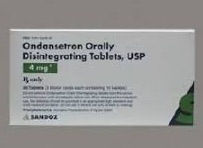
Author: Jared Scott, MD Educational Pearls: Ondansetron (Zofran) is one of the latest drugs that has had concerns raised about side effects, particularly in pregnancy 2018 study probed two birth defect databases to assess increases in 51 major birth defects with increased exposure to ondansetron Only two of the 51 had even a modest increase, which is unclear in causation (cleft palate and renal agenesis) When administering ondansetron (or any drug) to pregnant women, be able to discuss any potential risks for an informed decision by the patient Editor's note: in this study, adjusted odds ratios for risk of birth defects from exposure to ondansetron were: cleft palate 1.6 (95% CI 1.1-2.3) and renal agenesis 1.8 (95% CI 1.1-3.0) References Parker SE, Van Bennekom C, Anderka M, Mitchell AA. Ondansetron for Treatment of Nausea and Vomiting of Pregnancy and the Risk of Specific Birth Defects. Obstet Gynecol. 2018 Aug;132(2):385-394. doi: 10.1097/AOG.0000000000002679. PubMed PMID: 29995744. Summarized by Will Dewispelaere, MS3 | Edited by Erik Verzemnieks, MD

Podcast # 469: Go PO
Author: Dave Rosenberg, MD Educational Pearls: Nothing by mouth (NPO) status routinely used before surgery to reduce the theoretical risk of aspiration However, surgery poses a large physiological stress. Calories and fluid are needed to overcome stresses like these Patients who drank 1/2 strength Gatorade up to 2 hours before surgery did better than those who did not References Alyssa Cheng-Cheng Zhu, Aalok Agarwala, Xiaodong Bao. Perioperative Fluid Management in the Enhanced Recovery after Surgery (ERAS) Pathway. Clinics in Colon and Rectal Surgery 2019; 32(02): 114-120. DOI: 10.1055/s-0038-1676476 Summarized by Will Dewispelaere, MS3 | Edited by Erik Verzemnieks, MD

Podcast # 468: Typhlitis
Educational Pearls: Tiflitis refers to the presence of enterocolitis in the setting of neutropenia - also known as neutropenic enterocolitis Commonly a result of chemotherapy for hematologic malignancies. The infection is usually polymicrobial/fungal and can lead to septic shock Usually presents with fever, abdominal pain, with associated GI complaints Workup includes CBC for the ANC (usually Treatment typically with broad-spectrum antibiotics with or without anti-fungal agents Mortality can be as high as 50% References Cloutier RL. Neutropenic enterocolitis. Emerg Med Clin North Am. 2009 Aug;27(3):415-22. doi: 10.1016/j.emc.2009.04.002. PubMed PMID: 19646645. Rodrigues FG, Dasilva G, Wexner SD. Neutropenic enterocolitis. World J Gastroenterol.2017 Jan 7;23(1):42-47. doi: 10.3748/wjg.v23.i1.42. Review. PubMed PMID: 28104979; PubMed Central PMCID: PMC5221285. Summarized by Will Dewispelaere, MS3 | Edited by Erik Verzemnieks, MD

Podcast # 467: Cauda Equina Syndrome
Author: Erik Verzemnieks, MD Educational Pearls: Cauda equina syndrome is caused by the compression of the nerve roots that extend beyond the termination of the spinal cord Trauma, infection, hematoma, disc rupture/herniation can cause this - basically anything that can cause pressure and fill space Symptoms can include saddle anesthesia, lower extremity pain, numbness, incontinence, and constipation Post-void residual that is abnormally high may be an indicator MRI is diagnostic modality of choice Emergent surgical decompression is treatment References Jalloh I, Minhas P. Delays in the treatment of cauda equina syndrome due to its variable clinical features in patients presenting to the emergency department. Emerg Med J. 2007 Jan;24(1):33-4. doi: 10.1136/emj.2006.038182. PubMed PMID: 17183040; PubMed Central PMCID: PMC2658150.
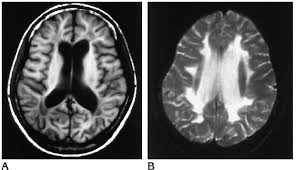
Podcast # 466: Subacute Sclerosing Panencephalitis
Author: Nicholas Hatch, MD Educational Pearls: Measles has a period of infectivity starts before the appearance of the characteristic rash, up to 4-5 days A devastating consequence of measles is Subacute Sclerosing Panencephalitis (SSPE), which manifests 7-10 years after the initial measles infection SSPE is a central nervous system disease that has no cure and is nearly universally fatal Educating patients on the importance of vaccination should include discussion of these long term consequences References Pallivathucal LB, Noymer A. Subacute sclerosing panencephalitis mortality, United States, 1979-2016: Vaccine-induced declines in SSPE deaths. Vaccine. 2018 Aug 23;36(35):5222-5225. doi: 10.1016/j.vaccine.2018.07.030. Epub 2018 Jul 26. PubMed PMID: 30057285. Summarized by Will Dewispelaere, MS3 | Edited by Erik Verzemnieks, MD

Podcast # 465: As easy and 1, 2, 10 - Capillary Refill and Sepsis
Author: Ryan Circh, MD Educational Pearls: The 2019 ANDROMEDA-SHOCK trial compared using serum lactates to capillary refill assessment in septic shock patients to guide resuscitation Capillary refill time was standardized (this is not straightforward): A glass microscope slide was pressed on the ventral side of the right index finger Pressure was increased until the skin was blanched This pressure was sustained for another 10 seconds After pressure was removed, the time to return to normal skin color was timed Greater than three seconds was considered abnormal. No difference between the two groups for mortality at 28-days Editor's note: lactates have become so ingrained in our practice it will be tough to change habits but this is an excellent quiver for those of us that hate the over reliance on this lab value alone, despite some of the limitations of the study. References Hernández G, Ospina-Tascón GA, Damiani LP, et al. Effect of a Resuscitation Strategy Targeting Peripheral Perfusion Status vs Serum Lactate Levels on 28-Day Mortality Among Patients With Septic Shock: The ANDROMEDA-SHOCK Randomized Clinical Trial. JAMA. 2019;321(7):654–664. doi:10.1001/jama.2019.0071 Summarized by Will Dewispelaere, MS3 | Edited by Erik Verzemnieks, MD

Podcast # 464: Narcan't?
Author: Aaron Lessen, MD Educational Pearls: A problem of take-home-naloxone is the administration of it by an able-bodied bystander Australian study looked at consecutive opioid overdose deaths in a single year to identify characteristics of overdose and potential for bystander administered naloxone Of the 235 fatal heroin overdoses reviewed, 83% were alone with only 17% (38 cases) having another person present Half of those in the presence of others had a bystander that was not impaired Take-home-naloxone needs a competent person to administer it. Make sure to review this along with other harm reduction strategies when prescribing/dispensing it to patients References Stam NC, Gerostamoulos D, Smith K, Pilgrim JL, Drummer OH. Challenges with take-home naloxone in reducing heroin mortality: a review of fatal heroin overdose cases in Victoria, Australia. Clin Toxicol (Phila). 2019 May;57(5):325-330. doi: 10.1080/15563650.2018.1529319. Epub 2018 Nov 17. PubMed PMID: 30451007. Summarized by Will Dewispelaere, MS3 | Edited by Erik Verzemnieks, MD
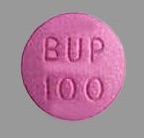
Podcast # 463: Buproprion Overdose
Author: Erik Verzemnieks, MD Educational Pearls: Buproprion is used as an antidepressant and for smoking cessation Severe buproprion overdoses can cause seizures and lead to cardiac dysrhythmias Benzodiazepines are treatment of choice for seizures Bicarbonate and Interlipid are also possible treatment options with less evidence References Stall N, Godwin J, Juurlink D. Bupropion abuse and overdose. CMAJ. 2014 Sep 16;186(13):1015. doi: 10.1503/cmaj.131534. Epub 2014 Apr 28. PubMed PMID: 24778361; PubMed Central PMCID: PMC4162783. Balit CR, Lynch CN, Isbister GK. Bupropion poisoning: a case series. Med J Aust. 2003 Jan 20;178(2):61-3. PubMed PMID: 12526723. Bruccoleri RE, Burns MM. A Literature Review of the Use of Sodium Bicarbonate for the Treatment of QRS Widening. J Med Toxicol. 2016 Mar;12(1):121-9. doi: 10.1007/s13181-015-0483-y. Review. PubMed PMID: 26159649; PubMed Central PMCID: PMC4781799.

Podcast # 462: Death after OD
Author: Don Stader, MD Educational Pearls: 10% of patients seen in the emergency department for opioid overdose patients will die within a year Half of these overdoses will occur in the next month This mortality rate is higher than patients with STEMI, of which 7% will die within one year Take-home naloxone, as well as medication assisted treatment like buprenorphine can save lives References Olfson M, Crystal S, Wall M, Wang S, Liu SM, Blanco C. Causes of Death After Nonfatal Opioid Overdose. JAMA Psychiatry. 2018 Aug 1;75(8):820-827. doi: 10.1001/jamapsychiatry.2018.1471. PubMed PMID: 29926090; PubMed Central PMCID: PMC6143082. Olfson M, Wall M, Wang S, Crystal S, Blanco C. Risks of fatal opioid overdose during the first year following nonfatal overdose.Drug Alcohol Depend. 2018 Sep 1;190:112-119. doi: 10.1016/j.drugalcdep.2018.06.004. Epub 2018 Jul 4. PubMed PMID: 30005310. Summarized by Will Dewispelaere, MS3 | Edited by Erik Verzemnieks, MD

Podcast # 461: Breath Stacking
Author: Gretchen Hinson, MD Educational Pearls: Breath stacking occurs when a patient is unable to expire fully before another inspiration In intubated/ventilated patients, this is because adequate time has not passed before exhalation Asthmatics are susceptible due to the prolonged expiratory phase Complications can include reduction in cardiac preload and cardiovascular collapse Pursed-lip breathing can help in the spontaneously breathing patient Intubation may be required when patients present with status asthmaticus and breath stacking References Phipps P, Garrard CS. The pulmonary physician in critical care . 12: Acute severe asthma in the intensive care unit. Thorax. 2003 Jan;58(1):81-8. Review. PubMed PMID: 12511728; PubMed Central PMCID: PMC1746457. Pohlman MC, McCallister KE, Schweickert WD, Pohlman AS, Nigos CP, Krishnan JA, Charbeneau JT, Gehlbach BK, Kress JP, Hall JB. Excessive tidal volume from breath stacking during lung-protective ventilation for acute lung injury. Crit Care Med. 2008 Nov;36(11):3019-23. doi: 10.1097/CCM.0b013e31818b308b. PubMed PMID: 18824913. Summarized by Will Dewispelaere, MS3 | Edited by Erik Verzemnieks, MD

Podcast # 460: Hunting for PE in Syncope
Author: Michael Hunt, MD Educational Pearls: Most causes of syncope are benign Pulmonary embolism can result in syncope and is life threatening A recent study of Canadian and US ED patients with syncope showed that 0.4% of patients had a PE at 30 day follow-up PE should always be considered in cases of syncope but overall is a rare cause Editor's note: this study puts to rest a previous study from 2016 that reported a rate of PE in syncope as high as 1 in 6 in patients admitted to syncope - which was met with much skepticism based on clinical practice. References Roncon L, Zuin M, Casazza F, Becattini C, Bilato C, Zonzin P. Impact of syncope and pre-syncope on short-term mortality in patients with acute pulmonary embolism. Eur J Intern Med. 2018 Aug;54:27-33. doi: 10.1016/j.ejim.2018.04.004. Epub 2018 Apr 11. PubMed PMID: 29655808. Summarized by Will Dewispelaere, MS3 | Edited by Erik Verzemnieks, MD
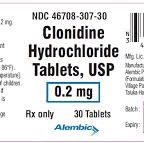
Podcast # 459 Clonidine Ingestion
Author: Julian Orenstein, MD Educational Pearls: Severe clonidine ingestion can present as a fluctuating mental status between typically accompanied by changes in vital signs (hypotension/bradycardia) Respiratory depression requiring intubation is not uncommon References Isbister GK, Heppell SP, Page CB, Ryan NM. Adult clonidine overdose: prolonged bradycardia and central nervous system depression, but not severe toxicity. Clin Toxicol (Phila). 2017 Mar;55(3):187-192. doi: 10.1080/15563650.2016.1277234. Epub 2017 Jan 20. PubMed PMID: 28107093. Spiller HA, Klein-Schwartz W, Colvin JM, Villalobos D, Johnson PB, Anderson DL. Toxic clonidine ingestion in children. J Pediatr. 2005 Feb;146(2):263-6. PubMed PMID: 15689921. Summarized by Will Dewispelaere, MS3 | Edited by Erik Verzemnieks, MD

Podcast # 458: A Tylenol a Day Keeps the Delirium Away?
Author: Nick Hatch, MD Educational Pearls: A recent study investigated the effect of scheduled IV acetaminophen on the incidence of delirium in post-CABG patients in the ICU The use of scheduled IV acetaminophen reduced the rate of delirium in these patients compared to placebo This may be due to the analgesic effect of acetaminophen and/or less requirement on other deliriogenic medications (opiates) References Subramaniam B, Shankar P, Shaefi S, Mueller A, O'Gara B, Banner-Goodspeed V, Gallagher J, Gasangwa D, Patxot M, Packiasabapathy S, Mathur P, Eikermann M, Talmor D, Marcantonio ER. Effect of Intravenous Acetaminophen vs Placebo Combined With Propofol or Dexmedetomidine on Postoperative Delirium Among Older Patients Following Cardiac Surgery: The DEXACET Randomized Clinical Trial. JAMA. 2019 Feb 19;321(7):686-696. doi: 10.1001/jama.2019.0234. PubMed PMID: 30778597. Summarized by Will Dewispelaere, MS3 | Edited by Erik Verzemnieks, MD

Podcast # 457: Stroke Scores
Author: Jared Scott, MD Educational Pearls: Modified Rankin Score: measure of disability often used to qualify outcomes following stroke = no disability, 6=dead, 0-1 indicate good outcome) 0-6 Scale 0-1 indicative of good outcome ASPECT score: uses CT to quantify the extent of changes in the brain due to ischemia 0-10 Scale 10 areas are assessed on non-contrast CT to assess for early stroke changes -1 for each area with these findings 8-10 is indicative of better outcomes References Aviv RI, Mandelcorn J, Chakraborty S, Gladstone D, Malham S, Tomlinson G, Fox AJ, Symons S. Alberta Stroke Program Early CT Scoring of CT perfusion in early stroke visualization and assessment. AJNR Am J Neuroradiol. 2007 Nov-Dec;28(10):1975-80. Epub 2007 Oct 5. PubMed PMID: 17921237. https://manual.jointcommission.org/releases/TJC2018A/DataElem0569.html Summarized by Will Dewispelaere, MS3 | Edited by Erik Verzemnieks, MD

Podcast # 456 Hypoglycemia: Not feeling so sweet
Author: Jared Scott, MD Educational Pearls: Beta-blockers can mask the effects of hypoglycemia Prolonged/refractory hypoglycemia should raise a suspicion for sulfonylurea (or other oral hypoglycemic) overdose Interventions to reverse hypoglycemia include feeding the patient, IV dextrose, glucagon Octreotide can be used as an antidote with sulfonylurea ingestion Editor's note: Here is an interesting case report on using steroids for severe hypogylcemia caused by insulin overdose. Perhaps another treatment modality to keep in your back pocket? References Alsahli M, Gerich JE. Hypoglycemia. Endocrinol Metab Clin North Am. 2013 Dec;42(4):657-76. doi: 10.1016/j.ecl.2013.07.002. Review. PubMed PMID: 24286945. Moore C, Woollard M. Dextrose 10% or 50% in the treatment of hypoglycaemia out of hospital? A randomised controlled trial.Emerg Med J. 2005 Jul;22(7):512-5. PubMed PMID: 15983093; PubMed Central PMCID: PMC1726850. Fasano CJ, O'Malley G, Dominici P, Aguilera E, Latta DR. Comparison of octreotide and standard therapy versus standard therapy alone for the treatment of sulfonylurea-induced hypoglycemia. Ann Emerg Med. 2008 Apr;51(4):400-6. Epub 2007 Aug 30. PubMed PMID: 17764782. Summarized by Will Dewispelaere, MS3 | Edited by Erik Verzemnieks, MD
Podcast # 455: Hunting for PeeCP
Author: Michael Hunt, MD Educational Pearls: Like all tests, urine toxicology (utox) screens can have false positives Prescription medications such as demerol, antipsychotics, ketamine, and tramadol can all produce a false positive utox for PCP Over-the-counter medication such as dextromethorphan also mimic PCP on utox References Doyon S. (January 2014). False Positive Urine Screens for Phencyclidine. ToxTidbits. Retrieved from https://www.mdpoison.com/media/SOP/mdpoisoncom/ToxTidbits/2014/January%202014%20ToxTidbits.pdf Summarized by Will Dewispelaere, MS3 | Edited by Erik Verzemnieks, MD