
Emergency Medical Minute
1,173 episodes — Page 13 of 24

Podcast 520: Approach to the arresting patient
Contributor: Peter Bakes, MD Educational Pearls: Peri-arrest patients present a particular challenge to ED providers, as the differential is broad and time is critical The differential for near cardiac arrest includes the "H's and T's", just as in true cardiac arrest The 6 H's include: hypoxia, hypo/hyperkalemia, hypovolemia (including shock states), hydrogen (acidosis), hypothermia The 6 T's include: tension pneumothorax, cardiac tamponade, thrombus (PE/MI), toxins, trauma Use your history skills to narrow down this list (i.e renal failure leads to hyperkalemia, trauma leads to tension pneumothorax or tamponade) Summarized by Will Dewispelaere, MS4 | Edited by Erik Verzemnieks, MD

CBHW Summit: The Cycle of Drug-Related Stigma - Implications for the Opioid Crisis
From DU's 1st annual Colorado Behavioral Health and Wellness Summit: Contributor: Michael Miller, Strategic Initiatives Coordinator, Jefferson County Public Health

CBHW Summit: A Strategic Framework for Addiction Medicine
From DU's 1st annual Colorado Behavioral Health and Wellness Summit: Contributors: Judith Shlay, MD, MSPH, Associate Director, Denver Public Health, and Brooke Bender, MPH, Center for Addiction Medicine Planner, Denver Health

CBHW Summit: Safe Prescribing 101/201
From DU's 1st annual Colorado Behavioral Health and Wellness Summit: Contributor: Christopher Urbina, MD, MPH, Colorado Consortium for Prescription Drug Abuse Prevention

CBHW Summit: Male Mental Health - A Crisis in Public Health
From DU's 1st annual Colorado Behavioral Health and Wellness Summit: Contributor: Jason Vitello, MSW, Behavioral Health Coordinator, Denver Public Health/CPHA

CBHW Summit: Children's Mental Health
From DU's 1st annual Colorado Behavioral Health and Wellness Summit: Contributors: Sarah Davidon, EdD, Director of Research & Child and Adolescent Strategy, Mental Health Colorado, and Sarah Younggren, LCSW, Child & Adolescent Specialist, Mental Health Colorado

CBHW Summit: Positive Psychology and Well-Being
From DU's 1st annual Colorado Behavioral Health and Wellness Summit: Contributor: Carl Clark, MD, President & Chief Executive Officer, Mental Health Center of Denver

CBHW Summit: Words Matter - How Language Can Shift Public Thinking
From DU's 1st annual Colorado Behavioral Health and Wellness Summit: Contributor: Karen Prestia, MBA, Director, Marketing & Communications, Mental Health Center of Denver

CBHW Summit: Integrated Substance Use, Family Systems, and Culturally Responsive Treatment in Community Mental Health Settings
From DU's 1st annual Colorado Behavioral Health and Wellness Summit: Contributors: Allison Miller, LCSW, LAC, Program Manager of Child and Family Outpatient Services, Mental Health Center of Denver, and Jon Roberts, LCSW, CAC II, Licensed Mental Health Therapist, Mental Health Center of Denver

CBHW Summit: Substance Use During the Perinatal Period
From DU's 1st annual Colorado Behavioral Health and Wellness Summit: Contributors: Tracy Vozar, Ph.D., Director of the Infant and Early Childhood Mental Health Specialty, and Jennifer M. Tippett, Psy.D., Director of the Substance Use Disorder Specialty, both at the University of Denver's Graduate School for Professional Psychology

CBHW Summit: Strategies for Remaining Adaptive and Agile in Response to the Dynamic Issue of Substance (Mis)use
From DU's 1st annual Colorado Behavioral Health and Wellness Summit: Contributors: Marion Rorke, MPH, Substance Use Resource Coordinator, City and County of Denver, and Maggie Kauffman, MPH, Health Equity Data Analyst, City and County of Denver, and Jean Finn, RN, Substance Misuse Manager, City and County of Denver

CBHW Summit: Project Colorado Opioid Synergy
From DU's 1st annual Colorado Behavioral Health and Wellness Summit: Contributors: Lesley Brooks, MD, Chief Medical Officer, Sunrise Community Health Center; Medical Director – Quality, North Colorado Health Alliance, and Heather Ihrig, RN, CO-SLAW Program Director, North Colorado Health Alliance, and Meredith Silverstein, PhD, Sr. Research Associate, Butler Institute for Families, Graduate School of Social Work, University of Denver, and Kali Jefferson, MSW, Research Assistant, Butler Institute for Families, Graduate School of Social Work, University of Denver

CBHW Summit: Innovative and Interactive Approaches to Suicide Assessment and Safety Planning
From DU's 1st annual Colorado Behavioral Health and Wellness Summit: Contributor: Khara Croswaite Brindle, MA, LPC, ACS, Croswaite Counseling, PLLC

CBHW Summit: Benzos - Boon or Blunder?
From DU's 1st annual Colorado Behavioral Health and Wellness Summit: Contributor: Steven Wright, MD, Colorado Consortium for Prescription Drug Abuse Prevention

Podcast 519: Malaria Drug Resistance
Contributor: John Winkler Educational Pearls: There is increasing resistance to antimalarial drugs, especially in P. falciparum. This trend started with chloroquine, but is now spreading to the other first-line drugs. Resistant strains have been identified in Cambodia and Thailand 220 million people were infected last year The best treatment of malaria is prevention from bites - DEET and permethrin are typical effective options. Permethrin may be applied to clothing items before travel, and will last through 6-8 wash cycles. While malaria is rare in the US, it should be considered in those having recently travelled References Hamilton WL, Amato R, van der Pluijm RW, et al. Evolution and expansion of multidrug-resistant malaria in southeast Asia: a genomic epidemiology study. Lancet Infect Dis. 2019;19(9):943–951. doi:10.1016/S1473-3099(19)30392-5 Summarized by Will Dewispelaere, MS4 | Edited by Erik Verzemnieks, MD

Podcast 518: Professional Complications
Contributor: Jared Scott, MD Educational Pearls In a 4 yr period at 2 hospital systems, unprofessional behavior of surgeons was monitored via a complaint system. Number of complaints was compared with surgical complications. In 13000 patients over this period, the number of surgical complications was found to vary with the number of complaints. Surgeons with with zero complaints had a 10% complication rate, 1-3 complaints had a 14% rate, and those with >4 and an 11.9% rate. There was statistical significance that persisted after adjustment for a variety of patient factors It never hurts to be professional! References Cooper WO, Spain DA, Guillamondegui O, et al. Association of Coworker Reports About Unprofessional Behavior by Surgeons With Surgical Complications in Their Patients. JAMA Surg. 2019;154(9):828–834. doi:https://doi.org/10.1001/jamasurg.2019.1738 Summarized by Will Dewispelaere, MS4 | Edited by Erik Verzemnieks, MD

Podcast 517: It's all about the PEEP
Contributor: Dylan Luyten, MD Educational Pearls: Bag-valve masks (BVM) typically have a port to connect O2 to. Unfortunately room air becomes entrained in the mask, reducing the FiO2 delivered to the patient. This can be overcome by using a PEEP (positive end-expiratory pressure) valve on the BMV PEEP valves function by keeping alveoli open in the lungs at the end of expiration. This increases the oxygen diffusing ability of the lungs, keeping patients' oxygen saturations higher. Patients who are critically ill can become quickly hypoxic after RSI meds due to reduced functional residual lung capacity - an issue that can be overcome with a PEEP valve PEEP also will reduce work of breathing in COPD and CHF patients References Bucher JT, Cooper JS. Bag Mask Ventilation (Bag Valve Mask, BVM) [Updated 2019 Jul 30]. In: StatPearls [Internet]. Treasure Island (FL): StatPearls Publishing; 2019 Jan-. Available from: https://www.ncbi.nlm.nih.gov/books/NBK441924/ Summarized by Will Dewispelaere, MS4 | Edited by Erik Verzemnieks, MD

UnfilterED #2: Lisa Raville & Dr. Josh Blum
ELisa Raville and Dr. Josh Blum, two pioneers of harm reduction in Denver, discuss the addiction crisis, the current state of harm reduction and how it will evolve in the future. Intro Music: Backbay Lounge Kevin MacLeod (incompetech.com) Licensed under Creative Commons: By Attribution 3.0 License http://creativecommons.org/licenses/by/3.0/

Podcast 516: Narcan and Pulmonary Edema
Contributor: Erik Verzemnieks, MD Educational Pearls: Important to realize complications can occur in the post-opioid overdose patient regardless of cause Narcan administration has been associated with non-cardiogenic pulmonary edema, although the mechanism of this is not quite known Symptoms include progressive shortness of breath and hypoxia. Treatment is with positive-pressure ventilation and diuresis, similar to cardiogenic causes Though rare, it would appear this typically resolves with treatment Reference Jiwa N, Sheth H, Silverman R. Naloxone-Induced Non-Cardiogenic Pulmonary Edema: A Case Report. Drug Saf Case Rep. 2018;5(1):20. Published 2018 May 10. doi:10.1007/s40800-018-0088-x All by Erik Verzemnieks, MD

Podcast 515: Non-Accidental Trauma
Contributor: Jared Scott, MD Educational Pearls: Non-accidental trauma (NAT) to children is commonly missed by medical providers Try to remember TEN-4-FACES as a useful aide for concerning patterns that may reflect NAT: Torso, ears, neck and any bruising in child 4 months or longer Frenulum, angle of the mandible, cheek, eyes, sclera References Pierce MC, Magana JN, Kaczor K, Lorenz DJ, Meyers G, Bennett BL, Kanegaye JT. The Prevalence of Bruising Among Infants in Pediatric Emergency Departments. Ann Emerg Med. 2016 Jan;67(1):1-8. PMID: 26233923. Pierce MC, Kaczor K, Aldridge S, O'Flynn J, Lorenz DJ. Bruising characteristics discriminating physical child abuse from accidental trauma. Pediatrics. 2010 Jan;125(1):67-74. PMID: 19969620. Summarized by Will Dewispelaere, MS4 | Edited by Erik Verzemnieks, MD
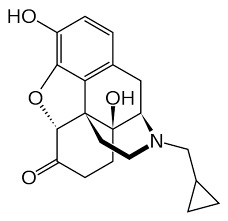
Podcast 514: Pain Control While on Naltrexone
Author: Don Stader, MD Educational Pearls: Suboxone, methadone, and naltrexone are commonly used as treatments for opiate use disorder. Naltrexone is a full mu-opiate receptor antagonist, making acute pain control difficult in patients taking it. Options for pain control in patients on naltrexone include nerve blocks, NSAIDS, ketamine, and high doses of opiates. Of the opiates, Dilaudid (hydromorphone) has the highest affinity for mu-opiate receptors, and will be the most effective. References Vickers AP, Jolly A. Naltrexone and problems in pain management. BMJ. 2006;332(7534):132–133. doi:10.1136/bmj.332.7534.132 Summarized by Will Dewispelaere, MS4 | Edited by Erik Verzemnieks, MD

Podcast 513: Plague
Author: John Winkler, MD Educational Pearls: The plague (black death) is caused by the Yersinia Pestis bacteria. This bacteria is spread by fleas and carried by rats. It is very contagious and only needs ~ 100 bacteria to cause an infection. The pulmonary form presents with cough, fever, night sweats, hemoptysis and has a near 100% fatality rate if not treated in the first day of symptoms The bubonic form causes buboes, which are necrotic, purulent lymph nodes that can lead to sepsis. Prairie dogs are a common carrier in modern times References https://www.cdc.gov/plague/index.html Summarized by Will Dewispelaere, MS4 | Edited by Erik Verzemnieks, MD

Podcast 512: Abstinence is Bad, mmmkay?
Author: Don Stader, MD Educational Pearls: Abstinence from substances such as tobacco or alcohol are effective strategies to achieve long term sobriety However, abstinence is not an effective strategy for achieving sobriety with opiate use disorder (OUD) Up to 90% of those who use an abstinence-only strategy for OUD will relapse within a month. Attending a rehabilitation facility increases mortality in those with OUD due to decreased tolerance and higher rates of overdose. Medication-assisted therapy (MAT) with naltrexone, buprenorphine or methadone for OUD is supported by evidence, and is the preferred method for achieving remission References Nielsen S, Larance B, Degenhardt L, Gowing L, Kehler C, Lintzeris N. Opioid agonist treatment for pharmaceutical opioid dependent people. Cochrane Database Syst Rev. 2016 May 9;(5):CD011117. doi: 10.1002/14651858.CD011117.pub2. Review. PubMed PMID: 27157143. Medications for Opioid Use Disorder Save Lives. 2019 Mar 30;. doi: 10.17226/25310. Review. PubMed PMID: 30896911. Summarized by Will Dewispelaere, MS4 | Edited by Erik Verzemnieks, MD Music credit: "Smooth Lovin" by Kevin MacLoed (incompetech.com). Licensed under Creative Commons By Attribution 3.0 License. http://creativecommons.org/licenses/by/3.0/

Podcast 511: Ebola Treatment
Author: Rachel Beham, PharmD Educational Pearls: There are currently many Ebola vaccines that are being studied, and one (recombinant VZV-Ebola vaccine) is currently being used in Africa. This vaccine has so far shown good efficacy in reducing Ebola infections and mortality from Ebola in those who do become infected. There are antibody-based treatments that are currently under investigation for the treatment of Ebola. They have been well tolerated in phase 1 trials and show some promise of efficacy. References Shcheblyakov D et. al. Development and characterization of two GP-specific monoclonal antibodies, which synergistically protect non-human primates against Ebola lethal infection. Antiviral Res. 2019 Oct 5:104617. doi: 10.1016/j.antiviral.2019.104617. [Epub ahead of print] Fries L et. al. A Randomized, Blinded, Dose-Ranging Trial of an Ebola Virus Glycoprotein (EBOV GP) Nanoparticle Vaccine with Matrix-M™ Adjuvant in Healthy Adults. J Infect Dis. 2019 Oct 11. pii: jiz518. doi: 10.1093/infdis/jiz518. [Epub ahead of print] Summarized by Will Dewispelaere, MS4 | Edited by Erik Verzemnieks, MD Music credit: "Smooth Lovin" by Kevin MacLoed (incompetech.com). Licensed under Creative Commons By Attribution 3.0 License. http://creativecommons.org/licenses/by/3.0/

Podcast # 510: Ebola
Author: John Winkler, MD Educational Pearls: There is a new outbreak of Ebola in The Congo. This is likely due to civil war and rebel attacks on healthcare workers in the area. Ebola is now spreading from the Congo into neighboring Uganda, but vaccination efforts are staving off the spread across the border Early symptoms of Ebola are similar to the flu Spread occurs through close contact with bodily fluids. Proper PPE is required when treating patients with suspected ebola References https://wwwnc.cdc.gov/travel/notices/alert/ebola-democratic-republic-of-the-congo https://www.cdc.gov/vhf/ebola/symptoms/index.html Malvy D, McElroy AK, de Clerck H, Günther S, van Griensven J. Ebola virus disease. Lancet. 2019 Mar 2;393(10174):936-948. doi: 10.1016/S0140-6736(18)33132-5. Epub 2019 Feb 15. Summarized by Will Dewispelaere, MS4 | Edited by Erik Verzemnieks, MD Music credit: "Smooth Lovin" by Kevin MacLoed (incompetech.com). Licensed under Creative Commons By Attribution 3.0 License. http://creativecommons.org/licenses/by/3.0/

Podcast 509: Circadian Rhythm and Shift Work, From Z to Z
Contributor: Jared Scott, MD Educational Pearls: Sleep deprivation and disturbed sleep cycles increases the risk of many acute and chronic medical issues such as motor vehicle accidents, diabetes, cardiovascular disease, psychiatric disease, and shift work sleep disorder (difficulty sleeping, fatigue, interference with daily activities) Stages of sleep Stage 1: 5-10 minutes (light sleep, may not recognize). Stage 2: Spindle waves, mostly unstudied Stage 3: Restorative sleep Stage 4 (REM): Paralysis, memory consolidation One sleep cycle takes about 120 minutes Light is critical for regulating sleep cycles. Exposure to light (especially blue light) inhibits melatonin release from the pineal gland, which influences the suprachiasmatic nucleus (master sleep controller in the brain) How can you optimize sleep before your night shifts? On the day of your first night shift, sleep until you wake naturally, then take a 90min nap between 2-6pm before you start your shift Sleepy on shift? A 5 minute nap is helpful to increase your attention span and thinking. A 30 minute nap is good for achieving more restorative sleep. Naps between 30 and 60 minutes are not recommended due to increased sleep inertia How do I optimize myself on shift? Keep active and take a 5 minute nap if needed. Do not use caffeine within the last 4 hours of your shift (it will interfere with your sleep!). More than 200-300mg a caffeine are not recommended, if you do use it.Use built in checks to reduce errors, as errors are increased during night shifts! Leaving your shift, reduce exposure to light by wearing sunglasses, avoid screens and alcohol, and get to sleep ASAP Got things to do? Remember that some sleep is better than none! References Kuhn G et al. Circadian rhythm, shift work, and emergency medicine. Ann Emerg Med. (2001) 37:1, 88-98. McKenna Helen, Wilkes Matt. Optimising sleep for night shifts BMJ (2018). 360:j5637 Summarized by Will Dewispelaere, MS4 | Edited by Erik Verzemnieks, MD Music credit: "Smooth Lovin" by Kevin MacLoed (incompetech.com). Licensed under Creative Commons By Attribution 3.0 License. http://creativecommons.org/licenses/by/3.0/

Podcast 508: Are you with child?
Contributor: Chris Holmes, MD Educational Pearls: In ancient Egypt, pregnant women would urinate over barley and wheat seeds to help determine the sex of thier fetus, as well as if they were pregnant. Amazingly, this has 70% accuracy (!!) for determining pregnancy (not sex). Piss Prophets in the middle ages would examine urine for changes in color to determine if a woman was pregnant or not. In the early 1900's, after discovering progesterone, and it's associated with pregnancy, the A-Z pregnancy urine test was created. Urine was collected from the woman of interest and injected into an immature rat or rabbit. If the urine put the animal into heat (due to the presence of progesterone in the urine), this was interpreted as a positive test. References https://history.nih.gov/exhibits/thinblueline/timeline.html Summarized by Will Dewispelaere, MS4 | Edited by Erik Verzemnieks, MD Music credit: "Smooth Lovin" by Kevin MacLoed (incompetech.com). Licensed under Creative Commons By Attribution 3.0 License. http://creativecommons.org/licenses/by/3.0/

Podcast 507: Who gonna crump?
Contributor: Nick Tsipis, MD Educational Pearls: Communication proves time and time again to be most helpful in preventing surprises after patient admission Frequent re-evaluations and repeat vital signs can be important to evaluating a patient's risk for deterioration once admitted as well as selecting the proper level of care at admission Broad categories of patients who most commonly have a change in condition after admission are septic patients and those admitted for respiratory complaints References Kennedy M, Joyce N, Howell MD, et al. Identifying infected ED patients admitted to the hospital ward at risk of clinical deterioration and intensive care unit transfer. Acad Emerg Med. 2010;17(10):1080–1085. Caterino JM, Jalbuena T, Bogucki B. Predictors of acute decompensation after admission in ED patients with sepsis. Am J Emerg Med. 2010;28(5):631–636. doi: 10.1016/j.ajem.2009.04.020. Wardi G, Wali AR, Villar J, et al. Unexpected intensive care transfer of admitted patients with severe sepsis. J Intensive Care. 2017;5:43. Published 2017 Jul 12. doi:10.1186/s40560-017-0239-7 Boerma LM, Reijners EPJ, Hessels RAPA, V Hooft MAA. Risk factors for unplanned transfer to the intensive care unit after emergency department admission. Am J Emerg Med. 2017;35(8):1154–1158. Summarized by Will Dewispelaere, MS4 | Edited by Erik Verzemnieks, MD

UnfilterED #1: Dr. Michael Hunt
On the first installment of this new series, Dr. Michael Hunt shares stories, lessons and advice as he reflects on his 35 year career as an emergency physician. Intro Music: Backbay Lounge Kevin MacLeod (incompetech.com) Licensed under Creative Commons: By Attribution 3.0 License http://creativecommons.org/licenses/by/3.0/

Podcast 506: Seymour Fracture
Contributor: Don Stader, MD Educational Pearls: Seymour fracture is an eponym for a Salter-Harris I/II fracture of the distal phalanx of the finger or toe in children, associated with a nailbed inury These may present and subtle as a subungal hematoma with a fracture on x-ray but carry a significant risk of complications While in adults a hammer-finger deformity indicates an avulsion injury of the extensor tendon, in children it can indicate disruption of the growth plate. This is coupled with disruption of the proximal nail bed. Because these fractures affect the growth plate, they can lead to arrest of the growth plate or chronic osteomyelitis These injuries require orthopedic consultation for possible debridement and fixation Summarized by Will Dewispelaere, MS4 | Edited by Erik Verzemnieks, MD
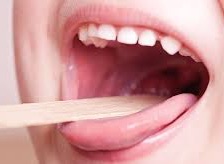
Podcast 505: Sleep on Strep Throat
Contributor: Don Stader, MD Educational Pearls: Only 10% of patients receiving antibiotics for strep throat actually have the diesease Treatment of strep with antibiotics only slightly reduces the duration of illness. Most studies say the reduction is between 16 and 24 hours Antibiotic treatment may reduce complications such as peritonsilar abscess and otitis media but antibiotics also increase the risk of diarrhea and yeast infection Rheumatic fever is caused by a specific serotype of strep that is no longer prevalent in the United States, so treating strep throat likely has no effect on preventing this complication References Anand Swaminathan, "Do Patients with Strep Throat Need to Be Treated with Antibiotics?", REBEL EM blog, January 5, 2015. Available at: https://rebelem.com/patients-strep-throat-need-treated-antibiotics/. Summarized by Will Dewispelaere, MS4 | Edited by Erik Verzemnieks, MD
PREVIEW: UnfilterED
...coming October 2019 Music: emotional by Barradeen | https://soundcloud.com/barradeen Music promoted by https://www.free-stock-music.com Creative Commons Attribution-ShareAlike 3.0 Unported https://creativecommons.org/licenses/by-sa/3.0/deed.en_US

Podcast 504: Ocular Compartment Syndrome
Contributor: Don Stader, MD Educational Pearls: The eye is surrounded by relatively inflexible tissues such as the bone of the orbit and the fibrous tissue of the eye. This makes it relatively susceptible to damage from outside compression, which is most common from trauma. This phenomenon is called ocular compartment syndrome (OCS) Look for OCS when patients have face, head or direct eye trauma OCS will present with a swollen, bulging eye associated with pain and blurry vision. Typically diagnosed with an elevated intraocular pressure (>40) OCS needs to be treated with a lateral canthotomy to help expand the area around the eye, reducing the pressure. Can't see the eye due to swelling? Use paper clips to make eyelid retractors! References Lima V, Burt B, Leibovitch I, Prabhakaran V, Goldberg RA, Selva D. Orbital compartment syndrome: the ophthalmic surgical emergency. Surv Ophthalmol. 2009 Jul-Aug;54(4):441-9. doi: 10.1016/j.survophthal.2009.04.005. Review. PubMed PMID: 19539832. Rowh AD, Ufberg JW, Chan TC, Vilke GM, Harrigan RA. Lateral canthotomy and cantholysis: emergency management of orbital compartment syndrome. J Emerg Med. 2015 Mar;48(3):325-30. doi: 10.1016/j.jemermed.2014.11.002. Epub 2014 Dec 16. PubMed PMID: 25524455. Summarized by Will Dewispelaere, MS4 | Edited by Erik Verzemnieks, MD
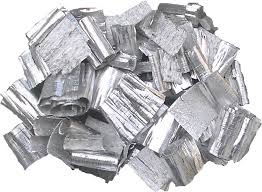
Podcast 503: Magical Magnesium
Contributor: Dylan Luyten, MD Educational Pearls: Those that are hypokalemic are often hypomagnesemic, and should receive magnesium (Mg) supplementation if repleting potassium Mg levels are typically not necessary - if someone is suspect to have hypomagnesemia, just given them Mg Mg increases the AV node refractory period and therefore may be helpful as an adjunct to those in atrial fibrillation with a rapid ventricular response Mg is the preferred treatment for seizure prophylaxis in preeclampsia. All patients with suspected preeclampsia should get 4g Mg IV over 20 min Mg may reduce hospital admissions in those with severe asthma, though it has not shown to have mortality or other benefits in acute exacerbations Editor's note: and we didn't even touch on magnesium in headaches References Huang CL, Kuo E. Mechanism of hypokalemia in magnesium deficiency. J Am Soc Nephrol. 2007 Oct;18(10):2649-52. doi: 10.1681/ASN.2007070792. Epub 2007 Sep 5. Review. PubMed PMID: 17804670. Ismail Y, Ismail AA, Ismail AA. The underestimated problem of using serum magnesium measurements to exclude magnesium deficiency in adults; a health warning is needed for "normal" results. Clin Chem Lab Med. 2010 Mar;48(3):323-7. doi: 10.1515/CCLM.2010.077. PubMed PMID: 20170394. Heitz C, Morgenstern J, Bond C, Milne WK. Hot Off the Press: Low-dose Magnesium Sulfate Versus High Dose in the Early Management of Rapid Atrial Fibrillation: Randomized Controlled Double-blind Study. Acad Emerg Med. 2019 Sep;26(9):1093-1095. doi: 10.1111/acem.13720. Epub 2019 Mar 18. PubMed PMID: 30815951. Levy Z, Slesinger TL. Does intravenous magnesium reduce the need for hospital admission among adult patients with acute asthma exacerbations?. Ann Emerg Med.2015 Jun;65(6):702-3. doi: 10.1016/j.annemergmed.2014.07.019. Epub 2014 Aug 13. PubMed PMID: 25128007. Summarized by Will Dewispelaere, MS4 | Edited by Erik Verzemnieks, MD

Podcast 502: EMS Psych Clearance
Contributor: Aaron Lessen, MD Educational Pearls: Patients with psychiatric complaints are often complicated to disposition from the main ED, and many will require inpatient psychiatric stays Some health systems have dedicated psychiatric ED's that are specialized in taking care of these patients For example, in Oakland, CA, EMS are permitted to "clear" a patient for transport to a psych-only facility. 5-year retrospective study of this system showed 40% of psych patients were cleared by EMS for transfer directly to a psychiatric facility Only 0.3% of these patients "bounced back" and required an emergency department visit This technique could be used elsewhere to provide the most appropriate care for psych patients References Trivedi TK, Glenn M, Hern G, Schriger DL, Sporer KA. Emergency Medical Services Use Among Patients Receiving Involuntary Psychiatric Holds and the Safety of an Out-of-Hospital Screening Protocol to "Medically Clear" Psychiatric Emergencies in the Field, 2011 to 2016. Ann Emerg Med. 2019 Jan;73(1):42-51. doi: 10.1016/j.annemergmed.2018.08.422. Epub 2018 Sep 28. PubMed PMID: 30274946. Summarized by Will Dewispelaere, MS4 | Edited by Erik Verzemnieks, MD
Podcast # 501: Take Down Potions
Author: Jared Scott, MD Educational Pearls: Study from Hennepin County EM studied the efficacy of different drugs for agitation, which included 737 patients Most patients in this study were male and *surprise* drunk Compared doses of common sedatives with primary outcome of sedation at 15 minutes (all intramuscular) haloperidol 5 mg ziprasidone 20 mg olanzapine 10 mg midazolam 5 mg haloperidol 10 mg with the main outcome of agitation at 15 minutes Intramuscular midazolam resulted in the lowest level of agitation at 15 minutes, followed by ziprasidone. There were no differences in adverse effects. References Klein LR, Driver BE, Miner JR, Martel ML, Hessel M, Collins JD, Horton GB, Fagerstrom E, Satpathy R, Cole JB. Intramuscular Midazolam, Olanzapine, Ziprasidone, or Haloperidol for Treating Acute Agitation in the Emergency Department. Ann Emerg Med. 2018 Oct;72(4):374-385. doi: 10.1016/j.annemergmed.2018.04.027. Epub 2018 Jun 7. PubMed PMID: 29885904. Summarized by Will Dewispelaere, MS4 | Edited by Erik Verzemnieks, MD

Colorado MAT Part 4: Buprenorphine in the Emergency Department
Treatment with buprenorphine is easier, less time consuming and far more effective for management of opioid withdrawal and OUD than standard care with clonidine, IVF, haldol and other symptomatic therapies. Induction with buprenorphine is easy, requires no IV or labs, and is usually accomplished in 1-2 hours. It requires a chair, not a hospital bed. To identify patients who are candidates, be sure they're in sufficient opioid withdrawal using clinical impression or the COWS scale, obtain a history of type of opioid use and time of last use and any prior experience with buprenorphine, and confirm patient consent for buprenorphine induction. Precipitated withdrawal is a risk with induction if a patient is not sufficiently in withdrawal. Consensus on the treatment of precipitated withdrawal will require further study. Some protocols recommend stopping buprenorphine if withdrawal symptoms worsen, while others recommend treatment with additional doses of buprenorphine in addition to symptomatic meds. Patients should be discharged with overdose education, naloxone and a plan for close follow-up with a warm handoff to an OTP or OBOT. For adolescents 16 years old or older with OUD, buprenorphine is an option. For pregnant women, buprenorphine is a life-saver for both fetus and mother. ED providers can be part of the solution to the opioid epidemic. Consistent appropriate use of buprenorphine in the ED has the potential to transform ED care of patients with OUD. Click HERE for more information.

Colorado MAT Part 3: Medications for MAT in the ED
There are three MAT drugs available to treat addiction: naltrexone (brand name Vivitrol), methadone (brand names Dolophine or Methadose) & buprenorphine (brand name Suboxone, Subutex, and Sublicade). The only MAT drug appropriate for initiation in the ED is buprenorphine. Buprenorphine is a semi-synthetic opioid which acts as partial agonist at the mu receptor. Buprenorphine does not produce as much euphoria or as much of the respiratory depression seen with other opioids. It has a quick onset and long half-life and is usually administered sublingually. The most commonly used formulation of buprenorphine is mixed with naloxone for one reason and one reason only - to prevent diversion and IV drug use. When taken orally, the buprenorphine effect is predominant; when taken IV, the naloxone effect is predominant Any ED provider can administer buprenorphine in the ED for up to 3 consecutive days in order to bridge a patient to addiction services. X-Waivers allow you to prescribe buprenorphine from the ED, which is a great service you can provide your patients, particularly in rural communities. In 2019 ACEP will be producing an ED physician specific X-Waiver training which will focus exclusively on ED-based care. Click HERE for more information

Colorado MAT Part 2: Medication Assisted Treatment
Medication Assisted Treatment or (Medication for Addiction Treatment) is an important frontier in ED care of patients with Opioid Use Disorder. Naltrexone, methadone and buprenorphine are the medications approved for the treatment of OUD. Addiction is a disease that is widely misunderstood and rarely taught in medical school. It is a dangerous myth that the best treatment of all addictions is simply abstinence. The evolving consensus around OUD is that is best treated with medication. An opioid addiction should be treated with an opioid agonist. MAT is shown to substantially decrease mortality and morbidity for OUD. The treatment gap for OUD is egregious--as high as 75% in Colorado. Emergency department providers can be part of the solution to this problem by understanding and, when indicated, initiating proper treatment for OUD. Click HERE for more information
Colorado MAT Part 1: Understanding Addiction & Opioid Use Disorder
Addiction is widely misunderstood by the public and by many healthcare providers. It is not taught in most medical schools. Combating the opioid epidemic will require providers to understand Opioid Use Disorder (OUD) and its treatment. Addiction is a chronic, relapsing disease with extraordinarily high morbidity and mortality. It is the transition from controlled to impulsive and compulsive drug intake. Physiologic dependence is just one aspect of addiction. The behavioral and social derangements seen in addiction are the major source of harm for people with substance use disorders. Addiction is not a personal failure of will. The role of genetics and environment are enormous. It is more useful to think of addiction as a kind of "brain failure." Dopamine and different dopaminergic systems are severely affected by drug use, resulting in chronic changes and even death to areas of the brain. We do not stigmatize patients with diabetes or CHF for life choices contributing to their disease, nor do we refuse them care or make their care conditional on their behavior. We treat them. Opioid use disorder is a treatable disease. It is time that ED providers start treating it. Click HERE for more information

Podcast #500: 2018-19 Rapid Fire EM Literature Review
Author: Dave Saintsing Educational Pearls: Poor sleep is an independent risk factor for development of health problems such as type 2 diabetes. A 2019 study, randomized participants to 3 groups: 9 hours of sleep, 5 hours of sleep with weekend catch-up sleep, and 5 hours of sleep without catch-up sleep. In the sleep deprived (5 hour) groups, there was significantly more insulin resistance, calorie intake, and weight gain regardless of catch-up sleep. Tramadol is prescribed 25 million times a year in the USA, usually to avoid prescribing traditional opiates such as Percocet or Oxycodone. Tramadol has complex pharmacology in that is is both an SNRI and mu-opiate agonist after metabolism in the liver. The pharmacogenetics of this vary greatly between people. Many people have rapid metabolism that will lead to increased opiate effects. Other medications interfere with metabolism (such as SSRI's). A recent study demonstrated increased risk of hypoglycemia in diabetics taking Tramadol. Use caution when prescribing this drug. Sepsis resuscitation has traditionally been gauged by following lactate levels on the presumption that lactate is an adequate marker of organ perfusion. Unfortunately, lactate levels are often elevated by medications and other health conditions such as kidney or liver disease, making lactate an often ineffective biomarker for perfusion. The Andromeda-Shock trial compared using capillary refill to lactate as guides for resuscitation with the primary endpoint of reducing 28-day mortality. The capillary refill group had a 9% absolute risk reduction in mortality, but this did not reach statistical significance. However, capillary refill can be used as another data point while resuscitating your septic patients. When should you start pressors for patients in septic shock? A 2019 study compared routine resuscitation (30cc/kg fluid bolus) to initiation of norepinephrine with the first 30cc/kg crystalloid. They found that the early pressor group had significantly more "shock control" (MAP>65) at 6 hours, compared to the control group. While there was a trend towards less mortality in the early pressor group, it was not statistically significant. Keep an eye out for more studies in this area! A recent study in JAMA found that 88% of deaths from sepsis were unavoidable, due to severe chronic comorbidities. Remember that patients will still die from septic shock despite your best efforts and knowledge of the newest literature. References Depner CM, Melanson EL, Eckel RH, Snell-Bergeon JK, Perreault L, Bergman BC, Higgins JA, Guerin MK, Stothard ER, Morton SJ, Wright KP Jr. Curr Biol. 2019 Feb 11. pii: S0960-9822(19)30098-3. doi: 10.1016/j.cub.2019.01.069. [Epub ahead of print]. PMID:30827911. Fournier J, Azoulay L, Yin H, Montastruc J, Suissa S. Tramadol Use and the Risk of Hospitalization for Hypoglycemia in Patients With Noncancer Pain. JAMA Intern Med. 2015;175(2):186–193. doi:10.1001/jamainternmed.2014.6512 Hernández G, Ospina-Tascón GA, Damiani LP, et al. Effect of a Resuscitation Strategy Targeting Peripheral Perfusion Status vs Serum Lactate Levels on 28-Day Mortality Among Patients With Septic Shock: The ANDROMEDA-SHOCK Randomized Clinical Trial. JAMA. Published online February 17, 2019321(7):654–664. doi:10.1001/jama.2019.0071 Permpikul C, Tongyoo S, Viarasilpa T, Trainarongsakul T, Chakorn T, Udompanturak S. Early Use of Norepinephrine in Septic Shock Resuscitation (CENSER). A Randomized Trial. Am J Respir Crit Care Med. 2019 May 1;199(9):1097-1105. doi: 10.1164/rccm.201806-1034OC. Rhee C, Jones TM, Hamad Y, et al. Prevalence, Underlying Causes, and Preventability of Sepsis-Associated Mortality in US Acute Care Hospitals. JAMA Netw Open. Published online February 15, 20192(2):e187571. doi:10.1001/jamanetworkopen.2018.7571 Summarized by Will Dewispelaere, MS4 | Edited by Erik Verzemnieks, MD From CarePoint PA Academy, 2019
Podcast #499: Posterior Circulation Ischemia
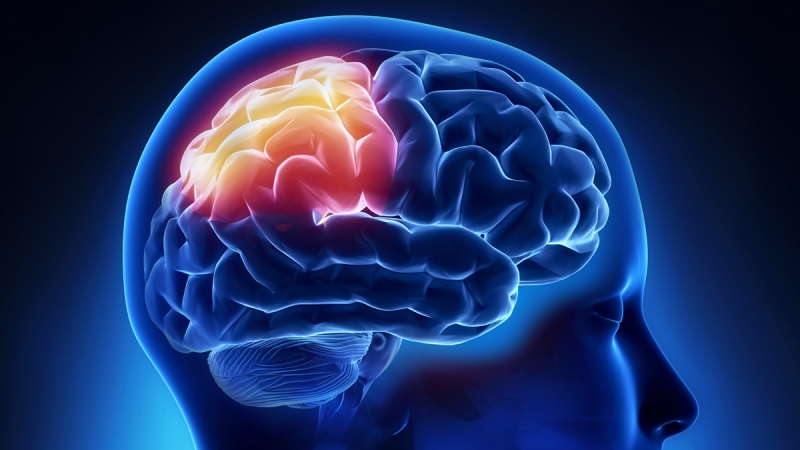
Podcast # 499: Posterior Circulation Strokes Contributor: Neal O'Connor, MD Educational Pearls: Dizziness is a very common complaint in the emergency department, but how can we find patients with a dangerous cause of their symptoms, namely a posterior circulation stroke? Consider a posterior circulation stroke in those with an abrupt onset of headache with neck pain, balance problem, blurred vision, or dysphagia Thorough cranial nerve exam can be important to screen for posterior circulation stroke, as much of the brainstem is supplied by the posterior circulation. The most common posterior circulation stroke is a lateral medullary infarct (Wallenberg Syndrome), which produces dysphagia due to cranial nerve IX and XII involvement Other physical exam findings include truncal ataxia, extremity ataxia, visual field cuts, and Horner syndrome (Ptosis, Miosis, Anhidrosis) The HINTS exam (Head Impulse - Nystagmus - Test of Skew)can be used to differentiate between peripheral and central causes of dizziness Concerning exam findings for central cause may include vertical nystagmus, gaze skew, or inability to track with head impulse References Áine Merwick, David Werring. Posterior circulation ischaemic stroke. BMJ 2014;348:g3175 doi: 10.1136/bmj.g3175 Kattah JC, Talkad AV, Wang DZ, Hsieh YH, Newman-Toker DE. HINTS to diagnose stroke in the acute vestibular syndrome: three-step bedside oculomotor examination more sensitive than early MRI diffusion-weighted imaging. Stroke. 2009;40(11):3504–3510. doi:10.1161/STROKEAHA.109.551234 Nouh A, Remke J, Ruland S. Ischemic posterior circulation stroke: a review of anatomy, clinical presentations, diagnosis, and current management. Front Neurol. 2014;5:30. Published 2014 Apr 7. doi:10.3389/fneur.2014.00030 From CarePoint PA Academy, 2019

Podcast # 498: Ortho Tips
Author: Susan Ryan, DO Educational Pearls: General orthopedic principles: Examine above and below the injury Document neurovascular status X-ray imaging typically requires three different views Fracture description should include name the bone, location of fracture, degree of displacement, and if it is closed or open Osgood-Schlatter (tibia) and Sever's (calcaneus) disease are apophyseal injuries caused by ligaments that are "stronger" than the bones they attach to When looking for scaphoid injuries, get extra (turned) views of the wrist. Remember that the scaphoid has a reverse blood flow and is prone to avascular necrosis Acute carpal tunnel syndrome can occur in forearm fractures. Again, don't forget your neuro exam. Distal radial-ulnar joint (DRUJ) injuries are caused by tears in the ligaments that stabilize the wrist. They cause chronic pain with pronation and supination. Posterior effusions in the elbow in the 90 degree view nearly always indicate a fracture Lisfranc injuries are commonly missed, especially if the mechanism is perceived as low energy. Look for the "fleck sign", which is an avulsion fracture at the base of 2nd metatarsal Syndesmotic injuries of the ankle (a high ankle sprain) can be identified through the squeeze test Knee dislocations are neurovascular emergencies

Podcast #497: Does my patient with CP have ACS?
Author: Dylan Luyten, MD Educational Pearls: While certain aspects of the history, exam, and EKG may increase likelihood of ACS, there is no one element that performs well on its own Elements of the history have been found to have different likelihood ratios, which can increase or decrease the probability of a patient having ACS Likelihood ratios greater than one increase the chance of the patient having the disease. Ratios less than one decrease it Bilateral arm radiation is one of very few historical features that increases the likelihood of ACS ST depressions are one of the few EKG findings with a high LR for ACS Scoring systems such as the HEART score can be useful to risk stratify your patients References Fanaroff AC, Rymer JA, Goldstein SA, Simel DL, Newby LK. Does This Patient With Chest Pain Have Acute Coronary Syndrome?: The Rational Clinical Examination Systematic Review. JAMA. 2015 Nov 10;314(18):1955-65. doi: 10.1001/jama.2015.12735. Review. PubMed PMID: 26547467. Backus BE, Six AJ, Kelder JC, Bosschaert MA, Mast EG, Mosterd A, Veldkamp RF, Wardeh AJ, Tio R, Braam R, Monnink SH, van Tooren R, Mast TP, van den Akker F, Cramer MJ, Poldervaart JM, Hoes AW, Doevendans PA. A prospective validation of the HEART score for chest pain patients at the emergency department. Int J Cardiol. 2013 Oct 3;168(3):2153-8. doi: 10.1016/j.ijcard.2013.01.255. Epub 2013 Mar 7. PubMed PMID: 23465250. From CarePoint PA Academy, 2019

Podcast # 496: Hallucinogens
Author: David Holland, MD Educational Pearls: Hallucinogenics have been used for a variety of cultural and religious reasons for thousands of years In the 1960's a Harvard professor began experimenting with psilocybin mushrooms. There was resulting public outcry, eventually leading to all hallucinogens being listed as schedule I drugs Common hallucinogens include: LSD (acid), Mescaline (peyote), DMT (ayahuasca), Psilocybin (mushrooms), MDMA (ecstacy) Effects vary by specific drug but may include auditory/visual hallucinations, increased empathy, loss of fear Physiologic effects often include mydriasis, tachycardia, hyperthermia and hypertension Recent neuroimaging studies have shown increased neural connectivity in people after administration of hallucinogens Each hallucinogen has a specific dose and duration, some can last half a day or more References Heal DJ, Gosden J, Smith SL. Evaluating the abuse potential of psychedelic drugs as part of the safety pharmacology assessment for medical use in humans.Neuropharmacology. 2018 Nov;142:89-115. doi: 10.1016/j.neuropharm.2018.01.049. Epub 2018 Feb 8. Review. PubMed PMID: 29427652. Garcia-Romeu A, Kersgaard B, Addy PH. Clinical applications of hallucinogens: A review. Exp Clin Psychopharmacol. 2016 Aug;24(4):229-68. doi: 10.1037/pha0000084. Review. PubMed PMID: 27454674; PubMed Central PMCID: PMC5001686. Bogenschutz MP, Johnson MW. Classic hallucinogens in the treatment of addictions.Prog Neuropsychopharmacol Biol Psychiatry. 2016 Jan 4;64:250-8. doi: 10.1016/j.pnpbp.2015.03.002. Epub 2015 Mar 14. Review. PubMed PMID: 25784600. From CarePoint PA Academy
Podcast # 495: Trauma in the Elderly
Author: Rachel Brady, MD Educational Pearls: Elderly patients (>65 years old) have a higher trauma mortality compared to younger patients, even though they have lower mechanisms of injury Elder trauma is often under-triaged due to low-energy mechanisms and lack of physiologic response due to age and medications such as beta-blockers. Do not be reassured by normal vital signs. Image elderly patients with head injury aggressively since they are at high risk of intracranial bleeds Be sure to ask about anticoagulation use. Up to 15% of asymptomatic head injury patients on warfarin will have intracranial bleeds on CT. Be on the lookout for unstable C-spine injuries such as type II odontoid fractures Central cord syndrome is a possibility with any neck extension injury Rib fractures are common, with mortality increasing greatly with more than 2 ribs involved The elderly are more prone to musculoskeletal injuries due to loss of bone density Always discuss goals of care with these patients References Rathlev NK, Medzon R, Lowery D, Pollack C, Bracken M, Barest G, Wolfson AB, Hoffman JR, Mower WR. Intracranial pathology in elders with blunt head trauma. Acad Emerg Med. 2006 Mar;13(3):302-7. doi: 10.1197/j.aem.2005.10.015. PubMed PMID: 16514123. Keller JM, Sciadini MF, Sinclair E, O'Toole RV. Geriatric trauma: demographics, injuries, and mortality. J Orthop Trauma. 2012 Sep;26(9):e161-5. doi: 10.1097/BOT.0b013e3182324460. PubMed PMID: 22377505. Bulger EM, Arneson MA, Mock CN, Jurkovich GJ. Rib fractures in the elderly. J Trauma.2000 Jun;48(6):1040-6; discussion 1046-7. doi: 10.1097/00005373-200006000-00007. PubMed PMID: 10866248. Hashmi A, Ibrahim-Zada I, Rhee P, Aziz H, Fain MJ, Friese RS, Joseph B. Predictors of mortality in geriatric trauma patients: a systematic review and meta-analysis. J Trauma Acute Care Surg. 2014 Mar;76(3):894-901. doi: 10.1097/TA.0b013e3182ab0763. Review. PubMed PMID: 24553567. Brooks SE, Peetz AB. Evidence-Based Care of Geriatric Trauma Patients. Surg Clin North Am. 2017 Oct;97(5):1157-1174. doi: 10.1016/j.suc.2017.06.006. Review. PubMed PMID: 28958363.

Podcast #494: A Standard Toxicology Approach
Contributor: JP Brewer, MD Educational Pearls: Obtaining collateral is often vital to determine the potential drugs accessible to the patient - this may include After this, use ancillary sources such as EMS, family/friends, and police to determine the patient's last normal, PMH and medications To help separate toxidromes, pupillary exam and skin exam are helpful Important physical exam clues in toxicology include the pupils and the skin Adjunct laboratory evaluation may include liver function tests, acetaminophen level, salicylate levels, urine drug screens, particularly in unknown ingestions Your local toxicologist (if you are fortunate to have one) or the Poison Center can always provide assistance in treatment and workup - consider involving them early References Erickson TB, Thompson TM, Lu JJ. The approach to the patient with an unknown overdose. Emerg Med Clin North Am 2007; 25:249.
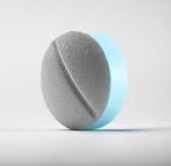
Podcast # 493: One Pill for the Kill
Contributor: JP Brewer, MD Educational Pearls: Because of their smaller size, there are a variety of adult-dose pills that are potentially toxic to children. The most common categories of medications that may be toxic include cardiac, diabetic, pain, psychiatric, anti-malarial, and herbals/caustics Oral hypoglycemics such as sulfonylureas can be particularly dangerous in children. Opiates and benzodiazepines have the potential for respiratory arrest Anti-malarial medications are arrhythmogenic to children Camphor, batteries, oil of wintergreen (for the salicylate), and household caustic materials are dangerous non-pharmacologic ingestions to think about in children If you encounter any of the above situations, consult your local poison control center 1-800-222-1222 or your toxicologist if you are lucky enough to have one on call References https://www.acep.org/how-we-serve/sections/toxicology/news/march-2016/one-pill-or-sip-can-kill/ Schillie SF, Shehab N, Thomas KE, Budnitz DS. Medication overdoses leading to emergency department visits among children. Am J Prev Med 2009;37:181-7. Oz B, Levichek Z, Koren G. Medications That Can Be Fatal For a Toddler with One Tablet or Teaspoonful A 2004 Update. Pediatric Drugs, 2004; 6(2): 123-126

Podcast # 492: Pain While on Buprenorphine
Contributor: Don Stader, MD Educational Pearls: Buprenorphine is a partial Mu-agonist and binds with higher affinity than most opioids Pain management with opioids therefore can be difficult in patients taking buprenorphine Ketamine is a good option for pain control in these patients You can also consider using additional buprenorphine Intravenous buprenorphine is dosed differently than oral formulations Consider receptor availability - patients on high doses of buprenorphine (32mg) will have few Mu receptors available, and thus will likely not benefit from opiate pain meds of any kind References Alford DP, Compton P, Samet JH. Acute pain management for patients receiving maintenance methadone or buprenorphine therapy. Ann Intern Med. 2006;144(2):127–134. Summarized by Will Dewispelaere, MS3 | Edited by Erik Verzemnieks, MD

Podcast # 491: Buprenorphine for Withdrawal
Educational Pearls: Buprenorphine is a semi-synthetic derivative of the opium poppy FDA approved for the treatment of opiate use disorder and chronic pain Benefit in emergency department use is the ceiling effect - producing less euphoria as well as respiratory depression with higher doses It has an onset of 30-60 minutes, peak effect at 1-4 hours Duration of action depends is dose dependent, typically 6-12 hours, but can be as long as 24-72 hours in doses over 16 mg Use buprenorphine in those in moderate to severe opiate withdrawal Clinical Opioid Withdrawal Scale (COWS) can be used to assess and score severity of withdrawal A reasonable starting dose is 8mg. A second dose can be given after an hour, ranging from 8-24 mg depending on symptoms still present Buprenorphine can induce withdrawals so someone needs to be in true withdrawals for it to provide benefit References https://www.mdcalc.com/cows-score-opiate-withdrawal https://ed-bridge.org Herring AA, Perrone J, Nelson LS. Managing Opioid Withdrawal in the Emergency Department With Buprenorphine. Ann Emerg Med. 2019 May;73(5):481-487. doi: 10.1016/j.annemergmed.2018.11.032. Epub 2019 Jan 5. Review. PubMed PMID: 30616926. Summarized by Will Dewispelaere, MS4 | Edited by Erik Verzemnieks, MD