
Dementia Researcher Blogs
728 episodes — Page 6 of 15
Ep 482Dr Clíona Farrell - News from the Trisomy 21 Research Society Conference
Dr Clíona Farrell, narrating her blog written for the Dementia Researcher website. Clíona she shares highlights from the 2024 International Trisomy 21 Research Society (T21RS) conference in Rome. Focusing on Alzheimer's disease in individuals with Down syndrome, Clíona discusses the latest research advancements, the genetic link between Down syndrome and Alzheimer's, and the critical need for inclusive clinical trials. The blog also emphasises the conference's commitment to accessibility and inclusivity, featuring engaging sessions for researchers, individuals with Down syndrome, and their families. Find the original text, and narration here on our website. https://www.dementiaresearcher.nihr.ac.uk/blog-news-from-the-trisomy-21-research-society-conference/ #DementiaResearch #DownSyndrome #Trisomy21 -- Dr Clíona Farrell is a Postdoctoral Researcher in the UK Dementia Research Institute at University College London. Her work focuses on understanding neuroinflammation in Down syndrome, both prior to, and in response to, Alzheimer’s disease pathology. Originally from Dublin, Ireland, Clíona completed her undergraduate degree in Neuroscience in Trinity College, and then worked as a research assistant in the Royal College of Surgeons studying ALS and Parkinson’s disease. She also knows the secret behind scopping the perfect 99 ice-cream cone. @ClionaFarrell_ -- Enjoy listening? We're always looking for new bloggers, drop us a line. http://www.dementiaresearcher.nihr.ac.uk This podcast is brought to you in association with Alzheimer's Association, Alzheimer's Research UK, Alzheimer's Society and Race Against Dementia, who we thank for their ongoing support. -- Follow us on Social Media: https://www.instagram.com/dementia_researcher/ https://www.facebook.com/Dementia.Researcher/ https://twitter.com/demrescommunity https://www.linkedin.com/company/dementia-researcher
Ep 481Dr Sarah Griffiths - Ethical review process guided by people with dementia
Dr Sarah Griffiths, narrating her blog written for the Dementia Researcher website. Discover how people with dementia play a crucial role in guiding the ethical review process in research. Sarah Griffiths from University College London shares her insights and experiences in involving patients and carers through Patient and Public Involvement and Engagement (PPIE). Learn how this collaborative approach leads to successful NHS ethics applications and ensures inclusive, accessible research practices. Find the original text, and narration here on our website. https://www.dementiaresearcher.nihr.ac.uk/blog-ethical-review-process-guided-by-people-with-dementia/ #DementiaResearch #Ethics #ResearchEhtics #EthicalReview -- Dr Sarah Griffiths has a background in speech and language therapy and has been involved in aphasia research. For 14 years she was a senior lecturer on a BSc Speech and Language Therapy course at Plymouth Marjon University. Now Sarah is is a Senior Research Fellow in the Centre for Ageing Population Studies, Research Department of Primary Care and Population Health at University College London. -- Enjoy listening? We're always looking for new bloggers, drop us a line. http://www.dementiaresearcher.nihr.ac.uk This podcast is brought to you in association with Alzheimer's Association, Alzheimer's Research UK, Alzheimer's Society and Race Against Dementia, who we thank for their ongoing support. -- Follow us on Social Media: https://www.instagram.com/dementia_researcher/ https://www.facebook.com/Dementia.Researcher/ https://twitter.com/demrescommunity https://www.linkedin.com/company/dementia-researcher

Ep 480Dr Lis Grey - Academic precarity: Moving the discussion forward
Lis Grey, narrating her blog written for the Dementia Researcher website. Dr Lis Grey's first blog for Dementia Researcher, "Academic Precarity: Moving the Discussion Forward," tackles the pressing issue of job insecurity faced by researchers. She explores the negative impacts of short-term contracts and the lack of stable positions in academia. With insightful analysis and practical suggestions, Lis urges the research community to engage in meaningful discussions and propose solutions to improve job security for researchers. Have a listen and join the conversation to create a more secure future for academic professionals. Find the original text, and narration here on our website. https://www.dementiaresearcher.nihr.ac.uk/blog-academic-precarity-moving-the-discussion-forward/ #DementiaResearch #ResearchCulture -- Dr Lis Grey is an NIHR / Alzheimer's Society Dem Comm Research Fellow at University of Bristol and NIHR ARC West. Her interest lie in understanding how people with neurodegenerative disorders experience health and care services, and developing ways to improve services and support people to live well with these conditions. Lis is also passionate about working to improve research culture, and away from her work, a passionate gardner overly-ambitious baker. Connect with Lis on LinkedIn. -- Enjoy listening? We're always looking for new bloggers, drop us a line. http://www.dementiaresearcher.nihr.ac.uk This podcast is brought to you in association with Alzheimer's Association, Alzheimer's Research UK, Alzheimer's Society and Race Against Dementia, who we thank for their ongoing support. -- Follow us on Social Media: https://www.instagram.com/dementia_researcher/ https://www.facebook.com/Dementia.Researcher/ https://twitter.com/demrescommunity https://www.linkedin.com/company/dementia-researcher
Ep 479Emily Spencer - Identity revisited: Becoming a parent
Emily Spencer, narrating her blog written for the Dementia Researcher website. In this blog Emily revisits the topic of identity in the context of becoming a parent. She reflects on her initial struggles with the concept of motherhood and how it has evolved over six months. Emily shares her experiences of the challenges and loneliness of new parenthood, from sleepless nights and self-doubt to the pressures of social expectations and competitive parenting. Despite feeling like an outsider in various parent groups, she finds solace in unexpected friendships and realises that her approach to parenting, which integrates her baby into her usual activities, is valid. Ultimately, Emily concludes that parenthood has allowed her to grow into her role while maintaining her unique identity and interests - and it's almost time to return to PhD studies.... Find the original text, and narration here on our website. https://www.dementiaresearcher.nihr.ac.uk/blog-identity-revisited-becoming-a-parent/ #DementiaResearch #AcademicMother #Academia #MaternityLeave #Research -- Emily Spencer is a PhD Student at University College London looking at improving how GPs communicate with people with dementia and their family carers about their future care. Emily previous had a 5 year career break to pursue a career as a musician, and has previously undertaken research on improving the care people with dementia receive from their GP practice, as well as end-of-life and palliative care provision in the community. Emily is also a new mum and will be writing about her experiences navigating motherhood and a research career. -- Enjoy listening? We're always looking for new bloggers, drop us a line. http://www.dementiaresearcher.nihr.ac.uk This podcast is brought to you in association with Alzheimer's Association, Alzheimer's Research UK, Alzheimer's Society and Race Against Dementia, who we thank for their ongoing support. -- Follow us on Social Media: https://www.instagram.com/dementia_researcher/ https://www.facebook.com/Dementia.Researcher/ https://twitter.com/demrescommunity https://www.linkedin.com/company/dementia-researcher
Ep 468Dr Yvonne Couch - The Cost of Research
Dr Yvonne Couch, narrates her blog written for the Dementia Researcher website. Yvonne explores the increasing challenges faced by researchers in securing funding and sustaining scientific progress. Highlighting her personal experiences and comparisons over the past two decades, she underscores the dramatic rise in costs, the growing competition for limited funds, and the impact of modern research expenses. Yvonne also reflects on the broader economic and institutional factors that have made it harder for early career researchers to thrive, painting a vivid picture of the current landscape of scientific research and the urgent need for more robust financial support. Find the original text, and narration here on our website. https://www.dementiaresearcher.nihr.ac.uk/blog-the-cost-of-research/ -- Dr Yvonne Couch is an Alzheimer's Research UK Fellow and Associate Professor at the University of Oxford. Yvonne studies the role of extracellular vesicles and their role in changing the function of the vasculature after stroke, aiming to discover why the prevalence of dementia after stroke is three times higher than the average. It is her passion for problem solving and love of science that drives her, in advancing our knowledge of disease. Yvonne writes about her work, academic life, and careers as she takes a new road into independent research @dr_yvonne_couch -- Enjoy listening? We're always looking for new bloggers, drop us a line. http://www.dementiaresearcher.nihr.ac.uk This podcast is brought to you in association with Alzheimer's Association, Alzheimer's Research UK, Alzheimer's Society and Race Against Dementia, who we thank for their ongoing support. -- Follow us on Social Media: https://www.instagram.com/dementia_researcher/ https://www.facebook.com/Dementia.Researcher/ https://twitter.com/demrescommunity https://www.linkedin.com/company/dementia-researcher
Ep 478Dr Helena Gellersen - Ultimate guide to making the most of the AAIC
Helena Gellersen, narrates her blog written for the Dementia Researcher website. Helena shares valuable tips on making the most of academic conferences, particularly the Alzheimer’s Association International Conference (AAIC). She offers practical advice on leveraging conference resources, setting goals, effective networking, and presenting research. She emphasises the importance of preparation, strategic planning, and follow-up to enhance the conference experience and foster meaningful connections, ultimately advancing one's career. Her guidance is particularly beneficial for early career researchers navigating the often overwhelming environment of large academic conferences. Find the original text, and narration here on our website. https://www.dementiaresearcher.nihr.ac.uk/blog-ultimate-guide-to-making-the-most-of-the-aaic/ -- Dr Helena Gellersen is a Postdoctoral Researcher at the German Center for Neurodegenerative Diseases (DZNE) and current Education Chair Trainee for the ISTAART Neuroimaging. The focus of Helena's work is on identifying preclinical signatures of Alzheimer’s disease and to develop novel memory and neuroimaging markers for the early detection of Alzheimer’s disease and for monitoring disease progression. @HGellersen Find out more about the Neuroimaging PIA and ISTAART at alz.org/istaart -- Enjoy listening? We're always looking for new bloggers, drop us a line. http://www.dementiaresearcher.nihr.ac.uk This podcast is brought to you in association with Alzheimer's Association, Alzheimer's Research UK, Alzheimer's Society and Race Against Dementia, who we thank for their ongoing support. -- Follow us on Social Media: https://www.instagram.com/dementia_researcher/ https://www.facebook.com/Dementia.Researcher/ https://twitter.com/demrescommunity https://www.linkedin.com/company/dementia-researcher
Ep 477Rebecca Williams - Perfectionism: The Why Matters
Rebecca Williams, narrates her blog written for the Dementia Researcher website. Rebecca reflects on the intense pressure she has felt throughout her academic career to be perfect, driven by the fear of failure and the need to prove her worth in a privileged position. She discusses how this perfectionism, common in academia, stems from a deep-seated need to justify her place and avoid the perceived monster of failure. Through her journey, she learns to shift her perspective from running away from failure to embracing her passion for science, realising the importance of balance, and accepting that making mistakes is a fundamental part of being human. Sound familiar? Let us know what you think in the comments. Find the original text, and narration here on our website. https://www.dementiaresearcher.nihr.ac.uk/blog-perfectionism-the-why-matters/ -- Rebecca Williams is PhD student at the University of Cambridge. Though originally from ‘up North’ in a small town called Leigh, she did her undergraduate and masters at the University of Oxford before defecting to Cambridge for her doctorate researching Frontotemporal dementia and Apathy. She now spends her days collecting data from wonderful volunteers, and coding. Outside work, she plays board games, and is very crafty. @beccasue99 -- Enjoy listening? We're always looking for new bloggers, drop us a line. http://www.dementiaresearcher.nihr.ac.uk This podcast is brought to you in association with Alzheimer's Association, Alzheimer's Research UK, Alzheimer's Society and Race Against Dementia, who we thank for their ongoing support. -- Follow us on Social Media: https://www.instagram.com/dementia_researcher/ https://www.facebook.com/Dementia.Researcher/ https://twitter.com/demrescommunity https://www.linkedin.com/company/dementia-researcher

Ep 476Amelia Robson - Is age just a number? Working with patients from a different generation
Amelia Robson, narrates her blog written for the Dementia Researcher website. In her first blog for Dementia Researcher, Amelia shares her experiences as a young researcher working with people living with dementia, highlighting the importance of building rapport through genuine conversation and shared interests. She discusses the challenges of connecting with older generations and offers practical tips on engaging patients, such as complimenting their home décor and discussing common hobbies like birdwatching and stargazing. Amelia's insights emphasise the significance of a positive, open approach to foster trust and improve the research experience for both patients and researchers. Find the original text, and narration here on our website. https://www.dementiaresearcher.nihr.ac.uk/blog-working-with-patients-from-a-different-generation/ -- Amelia Robson is a Research Assistant at Northumbria University supporting delivery of NHS Clinical Trials, particularly in working with Dementia with Lewy bodies and Alzheimer’s disease patients. This work currently involves visiting patient’s homes and applying polysomnography sleep equipment on their face, scalp and body. Amelia graduated in Psychology in 2021 and is passionate about supporting people living with the dementia, and providing help for care givers. Her top tip.... Trust your Gut to stay on the right path. Follow Amelia Robson on LinkedIn -- Enjoy listening? We're always looking for new bloggers, drop us a line. http://www.dementiaresearcher.nihr.ac.uk This podcast is brought to you in association with Alzheimer's Association, Alzheimer's Research UK, Alzheimer's Society and Race Against Dementia, who we thank for their ongoing support. -- Follow us on Social Media: https://www.instagram.com/dementia_researcher/ https://www.facebook.com/Dementia.Researcher/ https://twitter.com/demrescommunity https://www.linkedin.com/company/dementia-researcher

Ep 475Dr Clarissa Giebel - What actually happens at funding committees?
Dr Clarissa Giebel narrates her blog written for Dementia Researcher. Clarissa discusses her learning from serving on an NIHR funding committee, detailing the rigorous process of grant review and decision-making. She highlights the valuable lessons learned about crafting strong grant applications, the importance of presenting research clearly to a diverse committee, and the critical role of patient and public involvement. Clarissa also discusses the commitment required for this role and encourages early career researchers to get involved in grant reviewing and committee membership for professional growth and a deeper understanding of the funding landscape. -- Find the original text, and narration here on our website. https://www.dementiaresearcher.nihr.ac.uk/blog-what-actually-happens-at-funding-committees/ -- Dr Clarissa Giebel is a Senior Research Fellow at the University of Liverpool and NIHR ARC North West Coast. Clarissa has been working in dementia care research for over 10 years focusing her research on helping people with dementia to live at home independently and well for longer, addressing inequalities that people with dementia and carers can face. Outside of her day work, Clarissa has also organised a local dementia network - the Liverpool Dementia & Ageing Research Forum. -- If you would like to write your own blog drop us a line, we're always on the look out for new contributors to write about their research, careers + more [email protected] This podcast is brought to you in association with Alzheimer's Association, Alzheimer's Research UK, Alzheimer's Society and Race Against Dementia, who we thank for their ongoing support. -- Follow us on Social Media: https://www.instagram.com/dementia_researcher/ https://www.facebook.com/Dementia.Researcher/ https://twitter.com/demrescommunity https://www.linkedin.com/company/dementia-researcher
Ep 474Athena Bratopoulou and Dr Zsófia László - The Quest to Understand MND / ALS
Join Athena Bratopoulou as she interviews Dr Zsófia László about her research on Amyotrophic Lateral Sclerosis (ALS) / Motor Neuron Disease (MND) Athena Bratopoulou, an undergraduate Neuroscience student at the University of Dundee, interviews Dr Zsófia László, an MNDA Junior Fellow. They discuss Dr László's journey into the field of Motor Neuron Disease (MND) research, her work on synaptic connections, and the crucial role of glial cells in neurodegeneration. The conversation highlights the challenges and triumphs of scientific research, the importance of a supportive research environment and the connecting with people living with the disease, and the hope for new treatments for MND. This blog provides a personal and professional glimpse into the lives of researchers dedicated to understanding and combating MND. Find the original text, and narration here on our website. https://www.dementiaresearcher.nihr.ac.uk/blog-the-quest-to-understand-motor-neuron-disease/ #MND #ALS -- Athena Bratopoulou is currently I am doing an internship in the Henstridge Lab at the School of Medicine, University of Dundee, which is centred around synaptoneurosomes in health and in ALS. Athena moved from Greece with her heart set on studying the brain, with a firm belief that it is the single most fascinating thing! Dr Zsofia Laszlo from the School of Medicine, University of Dundee and Euan MacDonald Centre. Zsofia moved to Scotland in October 2020, after finishing her PhD at the Institute of Experimental Medicine in Budapest, Hungary. She joined the laboratory of Euan MacDonald Centre member Dr Chris Henstridge to investigate the mechanisms behind the loss of connection (synapses) between brain cells in MND. -- Enjoy listening and reading our blogs? We're always on the look out for new contributors, drop us a line and share your own research and careers advice [email protected] This podcast is brought to you in association with Alzheimer's Association, Alzheimer's Research UK, Alzheimer's Society and Race Against Dementia, who we thank for their ongoing support. -- Follow us on Social Media: https://www.instagram.com/dementia_researcher/ https://www.facebook.com/Dementia.Researcher/ https://twitter.com/demrescommunity https://www.linkedin.com/company/dementia-researcher

Ep 472Dr Sam Moxon - Diet and Motor Neuron Disease, Is There Anything Here?
Dr Sam Moxon, narrates his blog written for Dementia Researcher. In this blog, Sam explores the potential link between diet and Motor Neuron Disease (MND). With only 10% of MND cases being genetically inherited, Sam investigates the role of environmental factors, particularly diet, in the development and management of MND. He examines various diets, including carnivore, ketogenic, paleo, Mediterranean, and vegan, evaluating their potential benefits and drawbacks. While some diets show promise in reducing oxidative stress and inflammation, the evidence remains inconclusive. Sam emphasises the need for further research to understand the impact of diet on MND and to develop personalised nutritional strategies for people at risk and those living with the disease. Find the original text, and narration here on our website. https://www.dementiaresearcher.nihr.ac.uk/blog-diet-and-motor-neuron-disease-is-there-anything-here/ -- Dr Sam Moxon is a biomaterials Research Fellow at University of Birmingham. His expertise falls on the interface between biology and engineering. His PhD focussed on regenerative medicine and he now works on trying to develop 3D bioprinting techniques with human stem cells, so that we better understand and treat degenerative diseases. Outside of the lab he hikes through the Lake District and is an expert on all things Disney. -- Enjoy listening and reading our blogs? We're always on the look out for new contributors, drop us a line and share your own research and careers advice [email protected] This podcast is brought to you in association with the NIHR, Alzheimer's Association, Alzheimer's Research UK, Alzheimer's Society and Race Against Dementia, who we thank for their ongoing support. -- Follow us on Social Media: https://www.instagram.com/dementia_researcher/ https://www.facebook.com/Dementia.Researcher/ https://twitter.com/demrescommunity https://www.linkedin.com/company/dementia-researcher
Ep 473Dr Hannah Smith - The grant review process; perspective of an ECR
Dr Hannah Smith narrates her blog written for Dementia Researcher. In her first blog for Dementia Researcher, Hannah provides a detailed account of her experience as the first Early Career Researcher (ECR) on MND Scotland’s Scientific Advisory Panel. She emphasises the immense value this role has brought to her career development and the benefits it offers to both the research community and those affected by motor neuron disease. Hannah discusses the challenges ECRs face in transitioning to independent research roles and highlights how observing the grant review process has enhanced her grant-writing skills. She advocates for other funding bodies to include ECRs in their panels, noting the unique perspectives and technical insights they bring to the table. Find the original text, and narration here on our website. https://www.dementiaresearcher.nihr.ac.uk/blog-the-grant-review-process-perspective-of-an-ecr/ #MND -- Dr Hannah Smith is a committed science communicator, ECR rep on MND Scotland’s grant reviewing Scientific Advisory Panel and Postdoctoral Research Fellow working on Motor Neuron Disease (MND) at The University of Edinburgh. Hannah's current work is bioinformatics-focused, generating and analysing the transcriptome and translatome in the motor neurons at pre- and early symptomatic stages. She hopes to find new insights into the earliest cellular dysfunction of ALS/MND, focused around changes to the protein translation. -- Enjoy listening and reading our blogs? We're always on the look out for new contributors, drop us a line and share your own research and careers advice [email protected] This podcast is brought to you in association with Alzheimer's Association, Alzheimer's Research UK, Alzheimer's Society and Race Against Dementia, who we thank for their ongoing support. -- Follow us on Social Media: https://www.instagram.com/dementia_researcher/ https://www.facebook.com/Dementia.Researcher/ https://twitter.com/demrescommunity https://www.linkedin.com/company/dementia-researcher
Ep 471Dr Connor Richardson - Academic Promotions: A Tale of Two Tries (Part 1)
Dr Connor Richardson narrates his blog written for Dementia Researcher. Connor narrates his journey in his blog "Academic Promotions: A Tale of Two Tries." He discusses the challenges and emotional rollercoaster of applying for an academic promotion, detailing his unsuccessful first attempt and the lessons he learned from it. Connor reflects on the daunting application process, the feelings of imposter syndrome, and the eventual disappointment. However, he also highlights the growth and new perspectives gained, including a more realistic view of his career and the importance of self-worth. His story is a candid and insightful read for anyone navigating the complexities of academic promotions. Find the original text, and narration here on our website. https://www.dementiaresearcher.nihr.ac.uk/blog-academic-promotions-a-tale-of-two-tries/ -- Dr Connor Richardson is a Neuro-epidemiology Research Associate (soon to be NIHR Research Fellow) in the Newcastle University Population Health Sciences Institute. Connor is the research statistician for the Cognitive Function and Ageing studies (CFAS) multi-centre population cohort. His research interest lies in using advanced statistical modelling and machine learning to measure dementia risk. Connor blogs about his research, Equality, Diversity and Inclusion and sometimes his Pomapoo’s. -- Enjoy listening? We're always looking for new bloggers, drop us a line. http://www.dementiaresearcher.nihr.ac.uk This podcast is brought to you in association with Alzheimer's Association, Alzheimer's Research UK, Alzheimer's Society and Race Against Dementia, who we thank for their ongoing support. -- Follow us on Social Media: https://www.instagram.com/dementia_researcher/ https://www.facebook.com/Dementia.Researcher/ https://twitter.com/demrescommunity https://www.linkedin.com/company/dementia-researcher
Ep 470Ajantha Abey - The Transformative Potential of AI on Basic Science
Ajantha Abey narrates his blog written for Dementia Researcher. In his guest blog, Ajantha, a PhD student at the University of Oxford, explores the transformative potential of AI in dementia research at the basic science level. He discusses how AI can enhance literature searches, improve conference collaborations, and analyse large datasets, thereby accelerating discoveries and innovations in the field. By utilising AI, researchers can navigate the overwhelming amount of scientific literature, find relevant collaborations, and efficiently analyse complex data, ultimately leading to more targeted and effective research outcomes. Ajantha also addresses the challenges and risks associated with AI, emphasising the need for responsible and ethical implementation to maximise its benefits in dementia research. Find the original text, and narration here on our website. https://www.dementiaresearcher.nihr.ac.uk/blog-the-transformative-potential-of-ai/ #AI #BasicScience #DementiaResearch -- Ajantha Abey is a PhD student in the Kavli Institute at University of Oxford. He is interested in the cellular mechanisms of Alzheimer's, Parkinson's, and other diseases of the ageing brain. Previously, having previoulsy explored neuropathology in dogs with dementia and potential stem cell replacement therapies. He now uses induced pluripotent stem cell derived neurons to try and model selective neuronal vulnerability: the phenomenon where some cells die but others remain resilient to neurodegenerative diseases. -- Enjoy listening and reading our blogs? We're always on the look out for new contributors, drop us a line and share your own research and careers advice [email protected] This podcast is brought to you in association with Alzheimer's Association, Alzheimer's Research UK, Alzheimer's Society and Race Against Dementia, who we thank for their ongoing support. -- Follow us on Social Media: https://www.instagram.com/dementia_researcher/ https://www.facebook.com/Dementia.Researcher/ https://twitter.com/demrescommunity https://www.linkedin.com/company/dementia-researcher
Ep 469Dr Yvonne Couch - Waste in Academic Research
Dr Yvonne Couch, narrates her blog written for the Dementia Researcher website. This time Yvonne discusses waste in academic research and sheds light on the systemic inefficiencies plaguing the academic world, where valuable resources, time, and expertise are often squandered. She highlights the prevalence of unused, expensive equipment gathering dust, the precarious nature of short-term research contracts, and the vast amounts of lab space lying idle. Yvonne calls for a rethink of how academic institutions allocate funds, manage space, and support researchers to reduce waste and improve the overall productivity and impact of scientific research. Her personal anecdotes and insightful observations make a compelling case for urgent reforms in academia. Find the original text, and narration here on our website. https://www.dementiaresearcher.nihr.ac.uk/blog-waste-in-academic-research/ -- Dr Yvonne Couch is an Alzheimer's Research UK Fellow and Associate Professor at the University of Oxford. Yvonne studies the role of extracellular vesicles and their role in changing the function of the vasculature after stroke, aiming to discover why the prevalence of dementia after stroke is three times higher than the average. It is her passion for problem solving and love of science that drives her, in advancing our knowledge of disease. Yvonne writes about her work, academic life, and careers as she takes a new road into independent research @dr_yvonne_couch -- Enjoy listening? We're always looking for new bloggers, drop us a line. http://www.dementiaresearcher.nihr.ac.uk This podcast is brought to you in association with Alzheimer's Association, Alzheimer's Research UK, Alzheimer's Society and Race Against Dementia, who we thank for their ongoing support. -- Follow us on Social Media: https://www.instagram.com/dementia_researcher/ https://www.facebook.com/Dementia.Researcher/ https://twitter.com/demrescommunity https://www.linkedin.com/company/dementia-researcher

Ep 467Yasmin Bonsu - Benefits of Completing a Placement Year
Yasmin Bonsu, narrates her blog written for the Dementia Researcher website. Yasmin, a Neuroscience student at The University of Manchester, discusses the invaluable benefits of completing a placement year. She explains how such experiences bridge the gap between theoretical learning and practical application, enhancing scientific skills and confidence. Yasmin shares her journey of securing a placement, highlighting the challenges of rejection and the ultimate rewards of perseverance. She emphasises that a placement year not only makes students more attractive to employers but also helps them clarify their career goals. Ultimately, she encourages students to gain practical experience to better understand their post-university aspirations. Find the original text, and narration here on our website. https://www.dementiaresearcher.nihr.ac.uk/blog-benefits-of-completing-a-placement-year/ -- Yasmin Bonsu is an an undergraduate student from the University of Manchester currently undertaking a placement year at Wade-Martins Lab at Oxford University. Yasmin is investigating the activity of proteoforms of the granin family in cortical neurons insulted with oligomerised amyloid beta. Her goal is to finish her placement year, earn her bachelor’s degree in neuroscience, and then pursue a PhD in clinical neuroscience. Through Yasmin's blogs we'll gain insights on life as an undergraduate, and hopefully inspire others to pursue a career in dementia research. @yasminnnx2 -- Enjoy listening? We're always looking for new bloggers, drop us a line. http://www.dementiaresearcher.nihr.ac.uk This podcast is brought to you in association with Alzheimer's Association, Alzheimer's Research UK, Alzheimer's Society and Race Against Dementia, who we thank for their ongoing support. -- Follow us on Social Media: https://www.instagram.com/dementia_researcher/ https://www.facebook.com/Dementia.Researcher/ https://twitter.com/demrescommunity https://www.linkedin.com/company/dementia-researcher

Ep 466Dr Jodi Watt - Should I Stay or Should I Go?
Dr Jodi Watt, narrating a new blog they wrote for the Dementia Researcher website. In this blog Jodi shares their personal journey of grappling with the decision to remain in academia or pursue a different career path. They discuss the pressures and uncertainties they face, from the desire for personal growth and career advancement to the challenges of finding job security and a supportive work environment. Through introspective questions and reflections, Jodi explores the complexities of making such a pivotal career choice, aiming to find clarity and direction amidst the indecision. Have you faced a similar decision? How did you approach the question? Find the original text, and narration here on our website. https://www.dementiaresearcher.nihr.ac.uk/blog-should-i-stay-or-should-i-go/ #Academia -- Dr Jodi Watt is a Postdoctoral Researcher at University of Glasgow. Jodi's academic interests are in both healthy ageing and neurodegenerative diseases of older age, and they are currently working on drug repurposing for dementia. Previously they worked on understanding structural, metabolic and physiological brain changes with age, as measured using magnetic resonance imaging. As a queer and neurodiverse person, Jodi is also incredibly interested in improving diversity and inclusion practices both within and outside of the academic context. -- Enjoy listening? We're always looking for new bloggers, drop us a line. http://www.dementiaresearcher.nihr.ac.uk This podcast is brought to you in association with Alzheimer's Association, Alzheimer's Research UK, Alzheimer's Society and Race Against Dementia, who we thank for their ongoing support. -- Follow us on Social Media: https://www.instagram.com/dementia_researcher/ https://www.facebook.com/Dementia.Researcher/ https://twitter.com/demrescommunity https://www.linkedin.com/company/dementia-researcher
Ep 465Dr Clarissa Giebel - Journal Clubs: How can I set one up?
Dr Clarissa Giebel narrates her blog written for Dementia Researcher. Clarissa shares her experience in running a successful journal club for a dementia research group at the University of Liverpool. Meeting monthly, the club allows members to discuss recent papers, critically analyse research, and build capacity in public speaking. Tips for setting up a journal club include booking rooms and presenters in advance, selecting recent papers, and encouraging open discussions. Additionally, inviting external participants can enrich the discussions and make the club more inclusive. Clarissa emphasises the minimal effort required to maintain the club once established and invites others to join. Don't have colleagues who would join, or the time to start your own? Dementia Researcher can help... find out more.... https://www.dementiaresearcher.nihr.ac.uk/virtual-journal-club-platform-for-dementia-researchers/ -- Find the original text, and narration here on our website. https://www.dementiaresearcher.nihr.ac.uk/blog-journal-clubs-how-can-i-set-one-up/ -- Dr Clarissa Giebel is a Senior Research Fellow at the University of Liverpool and NIHR ARC North West Coast. Clarissa has been working in dementia care research for over 10 years focusing her research on helping people with dementia to live at home independently and well for longer, addressing inequalities that people with dementia and carers can face. Outside of her day work, Clarissa has also organised a local dementia network - the Liverpool Dementia & Ageing Research Forum, and has recently started her own podcast called the Ageing Scientist. -- If you would like to write your own blog drop us a line, we're always on the look out for new contributors to write about their research, careers + more [email protected] This podcast is brought to you in association with Alzheimer's Association, Alzheimer's Research UK, Alzheimer's Society and Race Against Dementia, who we thank for their ongoing support. -- Follow us on Social Media: https://www.instagram.com/dementia_researcher/ https://www.facebook.com/Dementia.Researcher/ https://twitter.com/demrescommunity https://www.linkedin.com/company/dementia-researcher
Ep 464Dr Emma Law - So, you think you could be a rater…Maybe not!
Dr Emma Law, narrating her blog written for the Dementia Researcher website. Emma has over 35 years of experience in clinical trials, and in this blog she offers a candid look into the role of a 'rater' within clinical trials. She highlights the necessity for consistency in rating cognitive abilities across global trials and illustrates the challenges faced by raters, including stringent vendor assessments and the paradox of qualifications versus practical experience. Through personal anecdotes, she reveals the often arbitrary nature of rater selection and the impact it can have on research sites, emphasising the need for a more equitable and effective assessment system. Find the original text, and narration here on our website. https://www.dementiaresearcher.nihr.ac.uk/blog-so-you-think-you-could-be-a-ratermaybe-not/ #DementiaResearch #ClinicalTrails #CognitiveAssessment #Research #MMSE -- Dr Emma Law is Strategic Manager for the The Neuroprogressive and Dementia Network in Scotland. Emma has 13 years experience as a Clinical Trails Network Manager and over 35 years experience as a Nurse, many of which were spent in the delivery of Clinical Research Trials. Emma completed her PhD and is passionate about giving people living with dementia and their carers access to participate in research. -- Enjoy listening? We're always looking for new bloggers, drop us a line. http://www.dementiaresearcher.nihr.ac.uk This podcast is brought to you in association with Alzheimer's Association, Alzheimer's Research UK, Alzheimer's Society and Race Against Dementia, who we thank for their ongoing support. -- Follow us on Social Media: https://www.instagram.com/dementia_researcher/ https://www.facebook.com/Dementia.Researcher/ https://twitter.com/demrescommunity https://www.linkedin.com/company/dementia-researcher
Ep 463Bernie McInally - Fate, Research and Retirement
Bernie McInally narrates his blog written for Dementia Researcher. Bernie McInally, a retired mental health nurse, shares his journey of finding purpose and fulfilment in dementia research. Initially reluctant, Bernie’s involvement with the Scottish Dementia Clinical Research Network (SDCRN) transformed his retirement, merging clinical expertise with newfound research skills. His story highlights how fate led him to continue contributing to the field post-retirement, making his transition seamless and rewarding. Bernie’s experience underscores the value of blending clinical experience with research, encouraging others to explore similar paths as they approach retirement. Find the original text, and narration here on our website. https://www.dementiaresearcher.nihr.ac.uk/blog-fate-research-and-retirement/ -- Bernie McInally is a Clinical Studies Officer at NHS Lothian and the Neuroprogressive and Dementia Network. Bernie's background is in Nursing, working in Mental Health and with Older People. He retired from full time NHS clinical work, and is now back working in Clinical Research supporting delivery of the Enabling Research in Care Homes (ENRICH) Scotland. He is passionate about research delivery, and opening access to people in all communities. -- Enjoy listening and reading our blogs? We're always on the look out for new contributors, drop us a line and share your own research and careers advice [email protected] This podcast is brought to you in association with the NIHR, Alzheimer's Association, Alzheimer's Research UK, Alzheimer's Society and Race Against Dementia, who we thank for their ongoing support. -- Follow us on Social Media: https://www.instagram.com/dementia_researcher/ https://www.facebook.com/Dementia.Researcher/ https://twitter.com/demrescommunity https://www.linkedin.com/company/dementia-researcher
Ep 462Dr Clíona Farrell - Tackling the PhD thesis through planning
Dr Clíona Farrell, narrating her blog written for the Dementia Researcher website. Clíona shares her personal journey of writing a PhD thesis, offering invaluable tips and strategies to make the process more manageable and enjoyable. She emphasises the importance of meticulous planning, from setting clear timelines and choosing examiners to structuring the thesis and selecting conducive writing environments. Cliona candidly discusses the challenges she faced (but you will notice she is Dr, so it worked), including managing time effectively and maintaining a work-life balance, while encouraging readers to celebrate small milestones and prioritize self-care. Her practical advice aims to demystify the thesis-writing process, making it less daunting for PhD students. Find the original text, and narration here on our website. https://www.dementiaresearcher.nihr.ac.uk/blog-tackling-the-phd-thesis-through-planning/ #DementiaResearch #ThesisWriting #PhDStudent #PhDTips #PhDHelp -- Dr Clíona Farrell is a Postdoctoral Researcher in the UK Dementia Research Institute at University College London. Her work focuses on understanding neuroinflammation in Down syndrome, both prior to, and in response to, Alzheimer’s disease pathology. Originally from Dublin, Ireland, Clíona completed her undergraduate degree in Neuroscience in Trinity College, and then worked as a research assistant in the Royal College of Surgeons studying ALS and Parkinson’s disease. She also knows the secret behind scopping the perfect 99 ice-cream cone. @ClionaFarrell_ -- Enjoy listening? We're always looking for new bloggers, drop us a line. http://www.dementiaresearcher.nihr.ac.uk This podcast is brought to you in association with Alzheimer's Association, Alzheimer's Research UK, Alzheimer's Society and Race Against Dementia, who we thank for their ongoing support. -- Follow us on Social Media: https://www.instagram.com/dementia_researcher/ https://www.facebook.com/Dementia.Researcher/ https://twitter.com/demrescommunity https://www.linkedin.com/company/dementia-researcher

Ep 461Emily Spencer - Life after Maternity leave: planning a return to work
Emily Spencer, narrating her blog written for the Dementia Researcher website. In her blog, Emily talks about the challenges she faces transitioning back to work after maternity leave.Candidly discussing the difficulties of finding suitable accommodation in London's demanding rental market and the reality of securing childcare while managing a limited budget. Despite these challenges, Emily remains optimistic about her ability to balance work and family life effectively, thanks to the flexible nature of her PhD program. Her narrative not only highlights the logistical hurdles but also reflects on the emotional and strategic planning required for such a significant life change. Find the original text, and narration here on our website. https://www.dementiaresearcher.nihr.ac.uk/blog-life-after-maternity-leave-planning-a-return-to-work/ #DementiaResearch #AcademicMother #Academia #MaternityLeave #Research -- Emily Spencer is a PhD Student at University College London looking at improving how GPs communicate with people with dementia and their family carers about their future care. Emily previous had a 5 year career break to pursue a career as a musician, and has previously undertaken research on improving the care people with dementia receive from their GP practice, as well as end-of-life and palliative care provision in the community. Emily is also a new mum and will be writing about her experiences navigating motherhood and a research career. -- Enjoy listening? We're always looking for new bloggers, drop us a line. http://www.dementiaresearcher.nihr.ac.uk This podcast is brought to you in association with Alzheimer's Association, Alzheimer's Research UK, Alzheimer's Society and Race Against Dementia, who we thank for their ongoing support. -- Follow us on Social Media: https://www.instagram.com/dementia_researcher/ https://www.facebook.com/Dementia.Researcher/ https://twitter.com/demrescommunity https://www.linkedin.com/company/dementia-researcher

Ep 460Dr Yvonne Couch - Supervising PhD Students
Dr Yvonne Couch, narrates her blog written for the Dementia Researcher website. In her blog, Yvonne explores the dynamics of supervising PhD students, comparing different supervision styles to parenting methods. She describes a spectrum ranging from 'Drone' supervision, where advisors micromanage every detail, to 'Free-range' supervision, which allows students considerable independence. Yvonne advocates for a balanced approach, warning against the extremes of over-involvement or neglect. She emphasises the importance of adapting supervision style to the individual needs of students to foster resilience, adaptability, and genuine learning, ultimately aiming for what she terms 'Lighthouse' supervision—guiding without over-directing. Find the original text, and narration here on our website. https://www.dementiaresearcher.nihr.ac.uk/blog-supervising-phd-students-blog/ #PhDSupervisor #PhDLife #PI #PrincipleInvestigator #Teacher -- Dr Yvonne Couch is an Alzheimer's Research UK Fellow and Associate Professor at the University of Oxford. Yvonne studies the role of extracellular vesicles and their role in changing the function of the vasculature after stroke, aiming to discover why the prevalence of dementia after stroke is three times higher than the average. It is her passion for problem solving and love of science that drives her, in advancing our knowledge of disease. Yvonne writes about her work, academic life, and careers as she takes a new road into independent research @dr_yvonne_couch -- Enjoy listening? We're always looking for new bloggers, drop us a line. http://www.dementiaresearcher.nihr.ac.uk This podcast is brought to you in association with Alzheimer's Association, Alzheimer's Research UK, Alzheimer's Society and Race Against Dementia, who we thank for their ongoing support. -- Follow us on Social Media: https://www.instagram.com/dementia_researcher/ https://www.facebook.com/Dementia.Researcher/ https://twitter.com/demrescommunity https://www.linkedin.com/company/dementia-researcher
Ep 459Dr Kamar Ameen-Ali - What type of role models do we need in academia?
Dr Kamar Ameen-Ali narrates her blog written for Dementia Researcher. Kamar's blog explores the critical issue of the lack of diversity in academia, particularly within STEM fields, and the role of role models in addressing these disparities. Highlighting the specific challenges faced by women and racial/ethnic minorities, she discusses the importance of role models who reflect diverse demographic characteristics to inspire and guide underrepresented groups. Kamar argues that having role models in senior academic positions can help challenge the status quo and break the cycle of underrepresentation, thus fostering a more inclusive and diverse academic environment. Her insights underscore the significant impact that relatable role models can have on the career trajectories of individuals in academia, especially in fields like dementia research where women are disproportionately affected yet underrepresented in senior roles. Find the original text, and narration here on our website. https://www.dementiaresearcher.nihr.ac.uk/blog-what-type-of-role-models-do-we-need-in-academia/ -- Dr Kamar Ameen-Ali is a Lecturer in Biomedical Science at Teesside University & Affiliate Researcher at Glasgow University. In addition to teaching, Kamar is exploring how neuroinflammation following traumatic brain injury contributes to the progression of neurodegenerative diseases that lead to dementia. Having first pursued a career as an NHS Psychologist, Kamar went back to University in Durham to look at rodent behavioural tasks to completed her PhD, and then worked as a regional Programme Manager for NC3Rs. -- Enjoy listening? We're always looking for new bloggers, drop us a line. http://www.dementiaresearcher.nihr.ac.uk This podcast is brought to you in association with Alzheimer's Association, Alzheimer's Research UK, Alzheimer's Society and Race Against Dementia, who we thank for their ongoing support. -- Follow us on Social Media: https://www.instagram.com/dementia_researcher/ https://www.facebook.com/Dementia.Researcher/ https://twitter.com/demrescommunity https://www.linkedin.com/company/dementia-researcher
Ep 458Dr Sam Moxon - Enhancing Dementia Drug Discovery with AI
Dr Sam Moxon, narrates his blog written for Dementia Researcher. Sam discusses the pivotal role of artificial intelligence (AI) in advancing dementia research. He highlights AI's capability to rapidly analyse vast datasets, which is crucial given the pressing time constraints in dementia research, where every three seconds someone develops dementia. The blog details how machine learning algorithms can efficiently identify potential new therapeutic targets by analysing proteomic data from dementia patients. This leads Sam to exploring the potential for AI in assessing the potential of repurposing existing drugs for new therapeutic uses, which could expedite clinical trials and approval processes. Sam emphasises the ethical considerations essential in employing AI, particularly in handling sensitive health data, ensuring patient confidentiality, and maintaining informed consent. Could AI unlock the key to new treatments? Find the original text, and narration here on our website. https://www.dementiaresearcher.nihr.ac.uk/blog-enhancing-dementia-drug-discovery-with-ai/ -- Dr Sam Moxon is a biomaterials Research Fellow at University of Birmingham. His expertise falls on the interface between biology and engineering. His PhD focussed on regenerative medicine and he now works on trying to develop 3D bioprinting techniques with human stem cells, so that we better understand and treat degenerative diseases. Outside of the lab he hikes through the Lake District and is an expert on all things Disney. -- Enjoy listening and reading our blogs? We're always on the look out for new contributors, drop us a line and share your own research and careers advice [email protected] This podcast is brought to you in association with the NIHR, Alzheimer's Association, Alzheimer's Research UK, Alzheimer's Society and Race Against Dementia, who we thank for their ongoing support. -- Follow us on Social Media: https://www.instagram.com/dementia_researcher/ https://www.facebook.com/Dementia.Researcher/ https://twitter.com/demrescommunity https://www.linkedin.com/company/dementia-researcher

Ep 457Dr Jodi Watt - Should I Consider My Environmental Impact in Academia?
Dr Jodi Watt, narrating a new blog they wrote for the Dementia Researcher website. Jodi discusses the environmental impact of academic practices, particularly focusing on the carbon footprint associated with conference travel and the publishing industry's dual role in environmental science and unsustainable practices. Jodi reflects on personal experiences and dilemmas as an early career researcher, weighing the benefits of international collaboration against its environmental costs. Cutting to the chase... Jodi calls for a collective push towards more sustainable practices within academia, suggesting that while individual actions might seem limited in scope, they are part of a broader movement necessary for significant change. Find the original text, and narration here on our website. https://www.dementiaresearcher.nihr.ac.uk/blog-should-i-consider-my-environmental-impact-in-academia/ #Environment -- Dr Jodi Watt is a Postdoctoral Researcher at University of Glasgow. Jodi's academic interests are in both healthy ageing and neurodegenerative diseases of older age, and they are currently working on drug repurposing for dementia. Previously they worked on understanding structural, metabolic and physiological brain changes with age, as measured using magnetic resonance imaging. As a queer and neurodiverse person, Jodi is also incredibly interested in improving diversity and inclusion practices both within and outside of the academic context. -- Enjoy listening? We're always looking for new bloggers, drop us a line. http://www.dementiaresearcher.nihr.ac.uk This podcast is brought to you in association with Alzheimer's Association, Alzheimer's Research UK, Alzheimer's Society and Race Against Dementia, who we thank for their ongoing support. -- Follow us on Social Media: https://www.instagram.com/dementia_researcher/ https://www.facebook.com/Dementia.Researcher/ https://twitter.com/demrescommunity https://www.linkedin.com/company/dementia-researcher

Ep 456Anika Wuestefeld - Building a Successful Grant Application
Anika Wuestefeld narrates her blog written for Dementia Researcher. Anika's blog is a vital resource for early-career dementia researchers navigating the complexities of grant writing. It offers practical advice, from selecting the right grants to apply for, to crafting a compelling application that meets formatting and content expectations. It also highlights useful resources like the ISTAART Guide to Grants and relevant podcasts, making it an indispensable guide for those new to the research funding process. Find the original text, and narration here on our website. https://www.dementiaresearcher.nihr.ac.uk/blog-building-a-successful-grant-application/ -- Anika Wuestefeld is a PhD Student at Lund University, she also works as part of the ISTAART PEERs PIA European working group and the Interdem Academy. Anika's research explores the nuances of both aging and Alzheimer's disease, using multimodal methods, such as various modalities of in-vivo and ex-vivo magnetic resonance imaging, positron emission tomography, and fluid biomarkers. @WuestefeldAnika -- Enjoy listening? We're always looking for new bloggers, drop us a line. http://www.dementiaresearcher.nihr.ac.uk This podcast is brought to you in association with Alzheimer's Association, Alzheimer's Research UK, Alzheimer's Society and Race Against Dementia, who we thank for their ongoing support. -- Follow us on Social Media: https://www.instagram.com/dementia_researcher/ https://www.facebook.com/Dementia.Researcher/ https://twitter.com/demrescommunity https://www.linkedin.com/company/dementia-researcher
Ep 455Sara Zsadanyi - A Look Inside AAIC Neuroscience Next
Sára Erzsebet Zsadányi narrates her blog written for Dementia Researcher. Sara shares her thoughts on last months AAIC Neuroscience Next Conference. This hybrid event, designed to bridge local and global scientific communities, has successfully showcased emerging talent in Alzheimer’s and dementia research over the past four years. Focusing on inclusivity and accessibility, the conference offers free participation and features multiple hubs worldwide, including Brazil, San Francisco, India, Ireland, Ethiopia, Serbia, and Chicago. It combines live and virtual elements to facilitate broad engagement, emphasising opportunities for early-career researchers. The event's innovative format not only promotes knowledge exchange across continents but also supports economic activities in host locations, thereby broadening the conference's impact beyond the academic sphere. To express an interest in hosting a hybrid hub in 2025, make sure to submit your application. Find the original text, and narration here on our website. https://www.dementiaresearcher.nihr.ac.uk/blog-a-look-inside-aaic-neuroscience-next/ -- Sára Erzsebet Zsadányi is a PhD Student at the Sant Pau Memory Unit – Neuroimaging Core and Universitat Autonoma de Barcelona. Originally from New Zealand, Sára's current work focusses on neuroimaging of small vessel disease in Down Syndrome. In previous roles she has worked on healthy brain aging and meditation, and is currently an ISTAART Ambassador. -- Enjoy listening? We're always looking for new bloggers, drop us a line. http://www.dementiaresearcher.nihr.ac.uk This podcast is brought to you in association with Alzheimer's Association, Alzheimer's Research UK, Alzheimer's Society and Race Against Dementia, who we thank for their ongoing support. -- Follow us on Social Media: https://www.instagram.com/dementia_researcher/ https://www.facebook.com/Dementia.Researcher/ https://twitter.com/demrescommunity https://www.linkedin.com/company/dementia-researcher
Ep 454Emily Spencer - The illusion of choice when starting a family
Emily Spencer, narrating her blog written for the Dementia Researcher website. Emily is writing about her experience of navigating the complexities of starting a family while forging an academic career. In this blog Emily reflects on her personal experiences and the unexpected openness about family planning that followed her announcement of having a baby. She explores the broader challenges faced by academics, particularly women, who must balance short-term contracts and uncertain job security with the desire to expand their families. Emily's blog highlights the additional planning and sacrifices required in academia compared to other professions and calls for systemic changes to support academics in their family planning decisions. Find the original text, and narration here on our website. https://www.dementiaresearcher.nihr.ac.uk/blog-the-illusion-of-choice-when-starting-a-family/ #DementiaResearch #AcademicMother #Academia #MaternityLeave #Research -- Emily Spencer is a PhD Student at University College London looking at improving how GPs communicate with people with dementia and their family carers about their future care. Emily previous had a 5 year career break to pursue a career as a musician, and has previously undertaken research on improving the care people with dementia receive from their GP practice, as well as end-of-life and palliative care provision in the community. Emily is also a new mum and will be writing about her experiences navigating motherhood and a research career. -- Enjoy listening? We're always looking for new bloggers, drop us a line. http://www.dementiaresearcher.nihr.ac.uk This podcast is brought to you in association with Alzheimer's Association, Alzheimer's Research UK, Alzheimer's Society and Race Against Dementia, who we thank for their ongoing support. -- Follow us on Social Media: https://www.instagram.com/dementia_researcher/ https://www.facebook.com/Dementia.Researcher/ https://twitter.com/demrescommunity https://www.linkedin.com/company/dementia-researcher
Ep 453Dr Connor Richardson - Reserve, Resilience, and Protective Factors PIA Year in Review Recap
Dr Connor Richardson narrates his blog written for Dementia Researcher. Connor reflects on the latest advancements in dementia research, focusing on cognitive reserve and resilience. Connor revisits seminal papers and discussions from a recent webinar moderated by Harriet Demnitz-King of University College London, highlighting the complexities of defining and measuring cognitive reserve. The discussions explored various theories and mechanisms such as Brain Maintenance and Brain Reserve, with a particular emphasis on resilience in maintaining cognitive functions despite aging and disease. Key findings from the year include the role of astrocyte reactivity in Alzheimer's disease and the protective influence of educational attainment on dementia, showcasing both new insights and persistent challenges in the field. The review underscores ongoing debates and the introduction of novel approaches in studying cognitive decline, suggesting a promising direction for future research. Find the original text, and narration here on our website. https://www.dementiaresearcher.nihr.ac.uk/blog-reserve-resilience-protective-factors-pia-year-in-review-recap/ Don’t forget, you can get involved in the RRPF PIA by joining ISTAART and get access to previous webinars! -- Dr Connor Richardson is a Neuro-epidemiology Research Associate (soon to be NIHR Research Fellow) in the Newcastle University Population Health Sciences Institute. Connor is the research statistician for the Cognitive Function and Ageing studies (CFAS) multi-centre population cohort. His research interest lies in using advanced statistical modelling and machine learning to measure dementia risk. Connor blogs about his research, Equality, Diversity and Inclusion and sometimes his Pomapoo’s. -- Enjoy listening? We're always looking for new bloggers, drop us a line. http://www.dementiaresearcher.nihr.ac.uk This podcast is brought to you in association with Alzheimer's Association, Alzheimer's Research UK, Alzheimer's Society and Race Against Dementia, who we thank for their ongoing support. -- Follow us on Social Media: https://www.instagram.com/dementia_researcher/ https://www.facebook.com/Dementia.Researcher/ https://twitter.com/demrescommunity https://www.linkedin.com/company/dementia-researcher

Ep 452Dr Marianne Coleman - Connecting Globally: Insights from the ADI Conference
Dr Marianne Coleman narrates her blog written for the Dementia Researcher website. Explore the latest global insights on Alzheimer's research with Marianne's blog reflecting on the Alzheimer's Disease International (ADI) Conference. Read or listen to learn more about her work, the conference experiences, and gain a deeper understanding of the progress being made in the field and how these developments can impact patients and research communities worldwide. Find the original text, and narration here on our website. https://www.dementiaresearcher.nihr.ac.uk/blog-connecting-globally-insights-from-the-adi-conference/ #ADI2024 #DementiaResearch #Dementia -- Dr Marianne Coleman is an Orthoptist and Clinical Eyecare Research Fellow at the University of Melbourne & Australian College of Optometry (National Vision Research Institute). Marianne's research focusses on visual function and access to eyecare for people living with dementia. With a background working within the NHS, she notices that she saw lots of older adults, but few with dementia, and this inspired her to try and understand why. @MPOrthoptics -- Enjoy listening? We're always looking for new bloggers, drop us a line. http://www.dementiaresearcher.nihr.ac.uk This podcast is brought to you in association with Alzheimer's Association, Alzheimer's Research UK, Alzheimer's Society and Race Against Dementia, who we thank for their ongoing support. -- Follow us on Social Media: https://www.instagram.com/dementia_researcher/ https://www.facebook.com/Dementia.Researcher/ https://twitter.com/demrescommunity https://www.linkedin.com/company/dementia-researcher
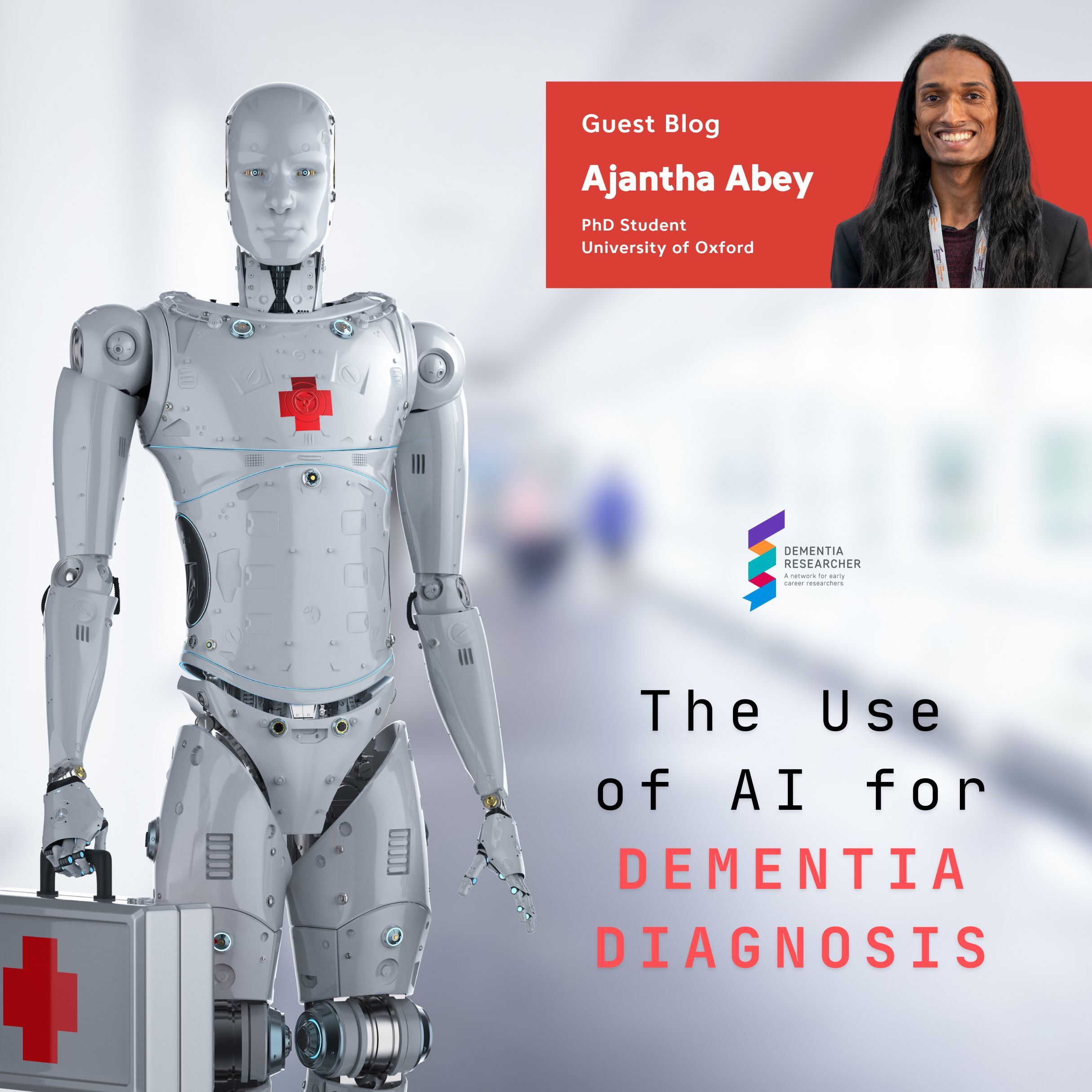
Ep 451Ajantha Abey - The Use of AI for Dementia Diagnosis
Ajantha Abey narrates his blog written for Dementia Researcher. Ajantha's blog offers a professional and thought-provoking exploration of the integration of artificial intelligence in dementia research and diagnosis. He discusses both the opportunities and risks presented by AI technologies, from their potential to improve diagnostic accuracy and speed to the ethical concerns about bias and data privacy. This blog is a well-researched text, with insights drawn from recent academic debates and the Ajantha's own expertise. It is a must-read for professionals in the healthcare and technology sectors who are interested in the future of AI in medical research. Join Ajantha as she navigates through these complex topics with clarity and critical analysis, opening up a discussion on how AI can truly benefit dementia research (a story of AI potential for dementia diagnosis is in the news almost weekly) while considering the moral imperatives and risks involved. Find the original text, and narration here on our website. https://www.dementiaresearcher.nihr.ac.uk/blog-the-use-of-ai-for-dementia-diagnosis/ #AI #DementiaDiagnosis #DementiaResearch -- Ajantha Abey is a PhD student in the Kavli Institute at University of Oxford. He is interested in the cellular mechanisms of Alzheimer's, Parkinson's, and other diseases of the ageing brain. Previously, having previoulsy explored neuropathology in dogs with dementia and potential stem cell replacement therapies. He now uses induced pluripotent stem cell derived neurons to try and model selective neuronal vulnerability: the phenomenon where some cells die but others remain resilient to neurodegenerative diseases. -- Enjoy listening and reading our blogs? We're always on the look out for new contributors, drop us a line and share your own research and careers advice [email protected] This podcast is brought to you in association with Alzheimer's Association, Alzheimer's Research UK, Alzheimer's Society and Race Against Dementia, who we thank for their ongoing support. -- Follow us on Social Media: https://www.instagram.com/dementia_researcher/ https://www.facebook.com/Dementia.Researcher/ https://twitter.com/demrescommunity https://www.linkedin.com/company/dementia-researcher

Ep 450Dr Dylan Williams - The Genetic Culprit Behind Alzheimer's
Dr Dylan Williams, narrates his blog written for the Dementia Researcher website. In this article Dr Dylan Williams shares his research on the significant role of genetic variation, particularly concerning Apolipoprotein E (apoE), in the development of Alzheimer's disease. Dylan explains that specific isoforms of apoE, identified through genetic research, contribute differentially to the risk of developing this neurodegenerative condition. By focusing on the prevalent and impactful ε3 and ε4 isoforms, he underscores their substantial contribution to the disease, potentially accounting for three-quarters of all cases. This insight not only advances our understanding but also opens new avenues for targeted prevention strategies, demonstrating the power of genetic research in addressing complex diseases like Alzheimer's. Find the original text, and narration here on our website. https://www.dementiaresearcher.nihr.ac.uk/blog-the-genetic-culprit-behind-alzheimers/ -- Dr Dylan Williams is a Principle Research Fellow at University College London. By day Dylan is a molecular epidemiologist investigating the causes of neurodegenerative diseases. Outside work, he is dad to two young children, so he no longer have hobbies. However, he does read spent many hours listening to music and creating playlists & trail running (but only if the weather is nice). @dylan_wi11iams -- Enjoy listening? We're always looking for new bloggers, drop us a line. http://www.dementiaresearcher.nihr.ac.uk This podcast is brought to you in association with Alzheimer's Association, Alzheimer's Research UK, Alzheimer's Society and Race Against Dementia, who we thank for their ongoing support. -- Follow us on Social Media: https://www.instagram.com/dementia_researcher/ https://www.facebook.com/Dementia.Researcher/ https://twitter.com/demrescommunity https://www.linkedin.com/company/dementia-researcher
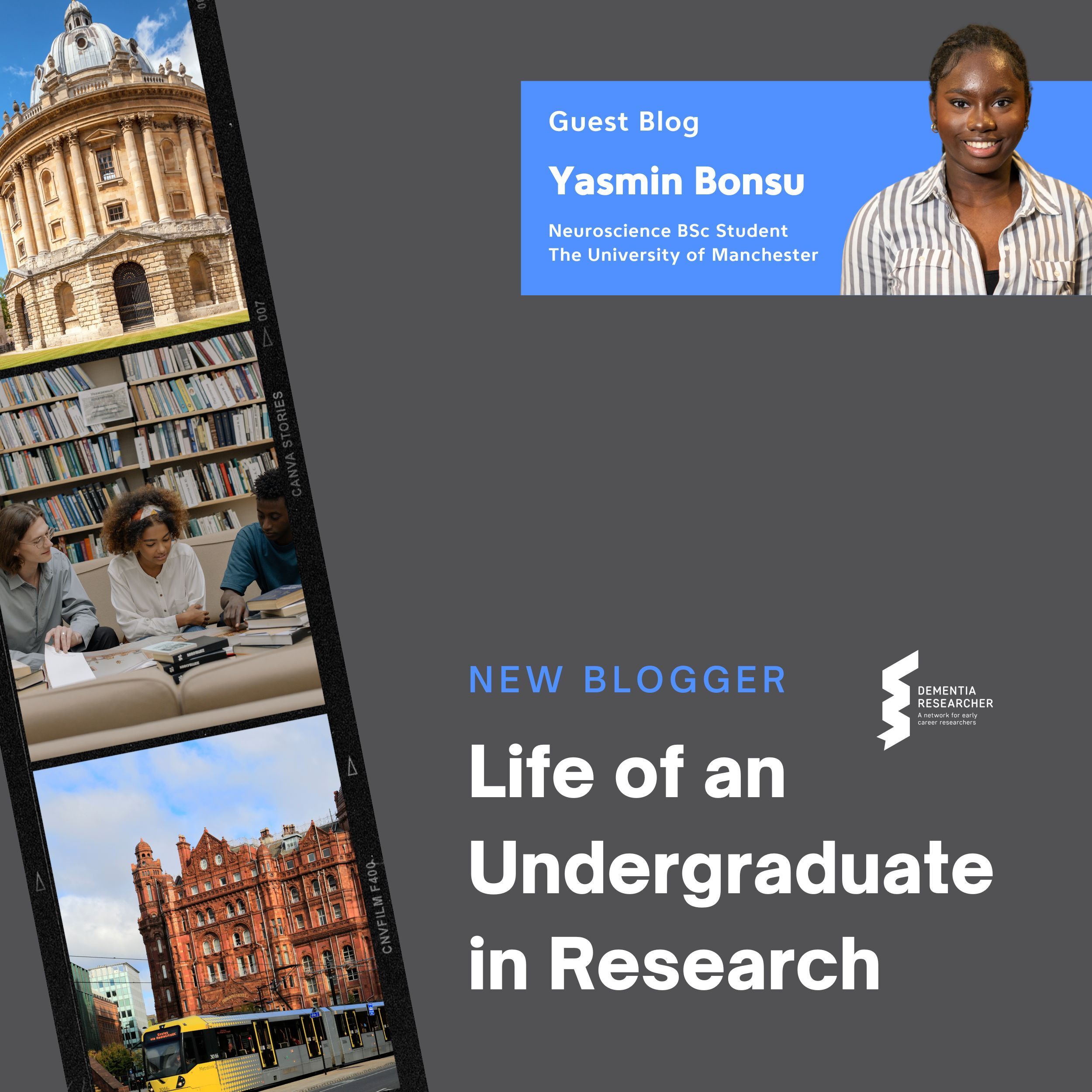
Ep 449Yasmin Bonsu - Life of an Undergraduate in Research
Yasmin Bonsu, narrates her blog written for the Dementia Researcher website. Meet our newest monthly blogger... Yasmin Bonsu, a third-year neuroscience student at the University of Manchester, shares her journey as an undergraduate engaged in research during her placement year at the University of Oxford. Under the mentorship of Dr. Becky Carlyle and her colleague Amelia, Yasmin has navigated the complexities of academic research, experimenting with biological procedures and personal growth, despite the challenges of social anxiety and a strenuous commute from Milton Keynes to Oxford. Her research focuses on the potential protective effects of granin family neuropeptides on neurons affected by Alzheimer’s disease, with a goal to explore neuronal resilience. With genuine candour, Yasmin reflects on overcoming self-doubt, recognising the value of support systems, and the importance of embracing imperfection in the learning process. We hope you will enjoy hearing from Yasmin every month and follow her continued explorations in academia. Find the original text, and narration here on our website. https://www.dementiaresearcher.nihr.ac.uk/blog-life-of-an-undergraduate-in-research/ -- Yasmin Bonsu is an an undergraduate student from the University of Manchester currently undertaking a placement year at Wade-Martins Lab at Oxford University. Yasmin is investigating the activity of proteoforms of the granin family in cortical neurons insulted with oligomerised amyloid beta. Her goal is to finish her placement year, earn her bachelor’s degree in neuroscience, and then pursue a PhD in clinical neuroscience. Through Yasmin's blogs we'll gain insights on life as an undergraduate, and hopefully inspire others to pursue a career in dementia research. @yasminnnx2 -- Enjoy listening? We're always looking for new bloggers, drop us a line. http://www.dementiaresearcher.nihr.ac.uk This podcast is brought to you in association with Alzheimer's Association, Alzheimer's Research UK, Alzheimer's Society and Race Against Dementia, who we thank for their ongoing support. -- Follow us on Social Media: https://www.instagram.com/dementia_researcher/ https://www.facebook.com/Dementia.Researcher/ https://twitter.com/demrescommunity https://www.linkedin.com/company/dementia-researcher

Ep 448Rebecca Williams - Genetic Mystery Solved: The Importance of Collaboration
Rebecca Williams, narrates her blog written for the Dementia Researcher website. Rebecca's blog explores how collaboration across scientific disciplines can lead to major breakthroughs in understanding diseases. Her article illuminates the importance of team effort in research, as it can unlock the historical roots of genetic conditions and point towards future therapeutic strategies. By embracing the past and pooling diverse expertise, Rebecca demonstrates how today's MS have been paving the way for new treatments, which could even include the potential of parasites to alleviate neurological conditions. Find the original text, and narration here on our website. https://www.dementiaresearcher.nihr.ac.uk/blog-genetic-mystery-solved-the-importance-of-collaboration/ -- Rebecca Williams is PhD student at the University of Cambridge. Though originally from ‘up North’ in a small town called Leigh, she did her undergraduate and masters at the University of Oxford before defecting to Cambridge for her doctorate researching Frontotemporal dementia and Apathy. She now spends her days collecting data from wonderful volunteers, and coding. Outside work, she plays board games, and is very crafty. @beccasue99 -- Enjoy listening? We're always looking for new bloggers, drop us a line. http://www.dementiaresearcher.nihr.ac.uk This podcast is brought to you in association with Alzheimer's Association, Alzheimer's Research UK, Alzheimer's Society and Race Against Dementia, who we thank for their ongoing support. -- Follow us on Social Media: https://www.instagram.com/dementia_researcher/ https://www.facebook.com/Dementia.Researcher/ https://twitter.com/demrescommunity https://www.linkedin.com/company/dementia-researcher
Ep 447Dr Gaia Brezzo - Who does the ‘housework’ in academia?
Dr Gaia Brezzo narrates her blog written for Dementia Researcher. Drawing on a study published in Current Sociology, Gaia explores how societal gender roles have seeped into academia, leading to women disproportionately shouldering 'academic housework'—non-meritorious tasks like mentoring students and organizing conferences. The study, involving 163 interviews with social science professors in Denmark, categorises responses to academic admin into compliance, evasiveness, barter, and investment, revealing stark gender differences in engagement. Women, more often than not, find themselves in positions of compliance, accepting and performing these tasks far more than their male counterparts who frequently evade them. The implications are significant, affecting women’s research output and career progression within academia. To gain a deeper understanding of this pervasive issue and its potential solutions, read the full blog or listen to Dr. Brezzo's narration for more insights. Find the original text, and narration here on our website. https://www.dementiaresearcher.nihr.ac.uk/blog-who-does-the-housework-in-academia/ #DementiaResearch #AcademicHousework #Academia #ResearchCulture -- Dr Gaia Brezzo is a Research Fellow based within the UK Dementia Research Institute at The University of Edinburgh. Gaia's research focuses on understanding how immune alterations triggered by stroke shape chronic maladaptive neuroimmune responses that lead to post-stroke cognitive decline and vascular dementia. Raised in Italy, Gaia came to the UK to complete her undergraduate degree, and thankfully, stuck around. Gaia writes about her work and career challenges, when not biking her way up and down hills in Edinburgh. Follow Gaia on Twitter: @Gaia_Brezzo -- Enjoy listening? We're always looking for new bloggers, drop us a line. http://www.dementiaresearcher.nihr.ac.uk This podcast is brought to you in association with Alzheimer's Association, Alzheimer's Research UK, Alzheimer's Society and Race Against Dementia, who we thank for their ongoing support. -- Follow us on Social Media: https://www.instagram.com/dementia_researcher/ https://www.facebook.com/Dementia.Researcher/ https://twitter.com/demrescommunity https://www.linkedin.com/company/dementia-researcher

Ep 446Dr Beth Eyre - It’s not the end, it’s a new beginning
Dr Beth Eyre narrates her blog written for Dementia Researcher. Beth reflects on her enriching journey from a PhD student to a postdoctoral researcher, in this heartfelt farewell blog. Beth shares insights from her experiences, the challenges of experimental failures, and the lessons learned in resilience and self-belief. As she prepares for a new role in Boston, USA, specialising in brain clearance and cerebral amyloid angiopathy, she shares her anticipation for future learning and her commitment to supporting upcoming researchers. This blog shares the essence of her academic and personal growth, emphasising the importance of perseverance and community in scientific discovery. As we say goodbye, Beth concludes with gratitude to the listeners and readers of her blogs, and shares her excitement for her next adventure in dementia research. Join her as she steps into this new chapter, continuing to contribute passionately to the field. After a little more than 3 years, and 32 blogs charting the early days of her PhD to finding a great postdoc position, it has been wonderful to work with Beth. We hope you will join us in thanking her for taking us along with her on her PhD journey - post your comments below and leave a review. Find the original text, and narration here on our website. https://www.dementiaresearcher.nihr.ac.uk/blog-its-not-the-end-its-a-new-beginning/ Find all Beth's blogs on on our website. -- Dr Beth Eyre is a Postdoctoral Researcher at The University of Sheffield, researching Neurovascular and cognitive function in preclinical models of Alzheimer’s disease. Beth has a background in psychology, where she gained her degree from the University of Leeds. Inside and outside the lab, Beth loves sharing her science and in her blogs, she discusses her work, career and shares lessons she learns as she navigates life as an early career researcher. -- This podcast is brought to you in association with Alzheimer's Association, Alzheimer's Research UK, Alzheimer's Society and Race Against Dementia, who we thank for their ongoing support. Enjoy listening? We're always on the look out for new contributors, if you would like to write and narrate your own blog - drop us a line [email protected]. Don't forget to also listen to our fortnightly podcast, just look for Dementia Researcher in your podcast app. -- Follow us on Social Media: https://www.instagram.com/dementia_researcher/ https://www.facebook.com/Dementia.Researcher/ https://twitter.com/demrescommunity https://www.linkedin.com/company/dementia-researcher
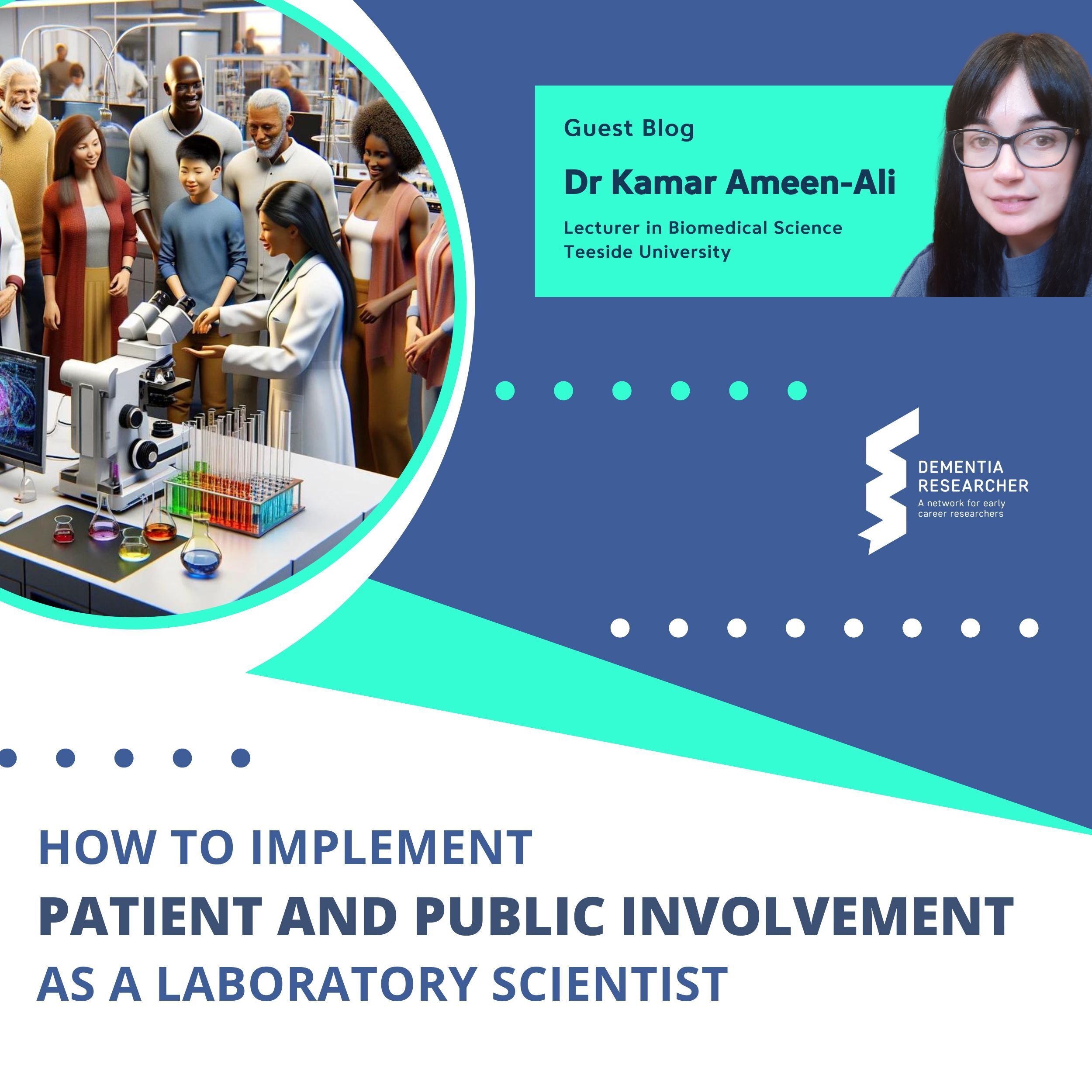
Ep 445Dr Kamar Ameen-Ali - Implementing Patient & Public Involvement as a lab scientist
Dr Kamar Ameen-Ali narrates her blog written for Dementia Researcher. Kamar helps us discover how Patient and Public Involvement (PPI) can revolutionise laboratory research, leading to breakthroughs that resonate more deeply with the needs of society. Engage in this critical dialogue to elevate the quality and impact of scientific discovery. #PPI #ResearchWithImpact Find the original text, and narration here on our website. https://www.dementiaresearcher.nihr.ac.uk/blog-how-to-implement-patient-public-involvement-as-a-lab-scientist/ -- Dr Kamar Ameen-Ali is a Lecturer in Biomedical Science at Teesside University & Affiliate Researcher at Glasgow University. In addition to teaching, Kamar is exploring how neuroinflammation following traumatic brain injury contributes to the progression of neurodegenerative diseases that lead to dementia. Having first pursued a career as an NHS Psychologist, Kamar went back to University in Durham to look at rodent behavioural tasks to completed her PhD, and then worked as a regional Programme Manager for NC3Rs. -- Enjoy listening? We're always looking for new bloggers, drop us a line. http://www.dementiaresearcher.nihr.ac.uk This podcast is brought to you in association with Alzheimer's Association, Alzheimer's Research UK, Alzheimer's Society and Race Against Dementia, who we thank for their ongoing support. -- Follow us on Social Media: https://www.instagram.com/dementia_researcher/ https://www.facebook.com/Dementia.Researcher/ https://twitter.com/demrescommunity https://www.linkedin.com/company/dementia-researcher

Ep 444Adam Smith - Listening: Key to Effective PI Leadership
Adam Smith narrates his blog written for Dementia Researcher. In this blog Adam talks about the critical role of listening in effective principal investigator (PI) leadership. Adam emphasises the necessity for PIs to develop deep listening skills to successfully guide and support their research teams, particularly early career researchers. He argues against the common yet counterproductive reassurance reflex, advocating for a more engaged and empathetic approach to address the real concerns of team members. The blog highlights the benefits of active listening, including fostering trust, enhancing team dynamics, and driving robust scientific outcomes. He finishes with some practical strategies for PIs to improve their listening capabilities, ultimately transforming the dynamics of their teams and nurturing future scientific leaders. Find the original text, and narration here on our website. https://www.dementiaresearcher.nihr.ac.uk/blog-listening-key-to-effective-pi-leadership/ #PISkills #PrincipalInvestigator #ListeningSkills #LeadershipSkills -- Adam Smith was born in the north, a long time ago. He wanted to write books, but ended up working in the NHS, and at the Department of Health. He is now Programme Director in the Office of the NIHR National Director for Dementia Research (which probably sounds more important than it is) at University College London. He has led a number of initiatives to improve dementia research (including this website, Join Dementia Research & ENRICH), as well as pursuing his own research interests. In his spare time, he grows vegetables, builds Lego & spends most of his time drinking too much coffee and squeezing technology into his house. -- Enjoy listening? We're always looking for new bloggers, drop us a line. http://www.dementiaresearcher.nihr.ac.uk This podcast is brought to you in association with Alzheimer's Association, Alzheimer's Research UK, Alzheimer's Society and Race Against Dementia, who we thank for their ongoing support. -- Follow us on Social Media: https://www.instagram.com/dementia_researcher/ https://www.facebook.com/Dementia.Researcher/ https://twitter.com/demrescommunity https://www.linkedin.com/company/dementia-researcher

Ep 443Dr Yvonne Couch - What It’s Really Like Being a PI
Dr Yvonne Couch, narrates her blog written for the Dementia Researcher website. Yvonne offers an unvarnished insight into the life of a Principal Investigator (PI). With a candid perspective drawn from her experience as an ARUK Research Fellow at the University of Oxford, Yvonne sheds light on the multifaceted role that goes far beyond research alone. From the relentless need for grant writing to the nuances of publishing papers and managing a laboratory, she explores the challenges and administrative demands that define the PI's journey. Aimed at junior researchers, her narrative is a valuable resource, offering a truthful preview of the dedication and skills required to navigate the academic summit, along with a reassuring reminder of the transferrable skills that are highly regarded beyond the ivory tower of academia. Find the original text, and narration here on our website. https://www.dementiaresearcher.nihr.ac.uk/blog-what-its-really-like-being-a-pi/ -- Dr Yvonne Couch is an Alzheimer's Research UK Fellow and Associate Professor at the University of Oxford. Yvonne studies the role of extracellular vesicles and their role in changing the function of the vasculature after stroke, aiming to discover why the prevalence of dementia after stroke is three times higher than the average. It is her passion for problem solving and love of science that drives her, in advancing our knowledge of disease. Yvonne writes about her work, academic life, and careers as she takes a new road into independent research @dr_yvonne_couch -- Enjoy listening? We're always looking for new bloggers, drop us a line. http://www.dementiaresearcher.nihr.ac.uk This podcast is brought to you in association with Alzheimer's Association, Alzheimer's Research UK, Alzheimer's Society and Race Against Dementia, who we thank for their ongoing support. -- Follow us on Social Media: https://www.instagram.com/dementia_researcher/ https://www.facebook.com/Dementia.Researcher/ https://twitter.com/demrescommunity https://www.linkedin.com/company/dementia-researcher
Ep 442Emily Spencer - Maternity Leave Priorities
Emily Spencer, narrating her blog written for the Dementia Researcher website. Emily shares an honest and reflective exploration of balancing new motherhood with academic ambitions. With a sharp wit and refreshing candour, Emily talks about the societal expectations of maternity leave, her personal trials in navigating baby classes, and her triumphant yet tumultuous journey through continuing academic work amidst motherhood. Whether it's relishing cinema outings at parent and baby screenings or grappling with the pressures of publishing academic articles, Emily's narrative offers a glimpse into the complexities of balancing babies and books. Her update is not just about the challenges faced but also about the small victories and realisations that come with this unique phase of life, making it a must-read for new parents and academics alike. Find the original text, and narration here on our website. https://www.dementiaresearcher.nihr.ac.uk/blog-maternity-leave-priorities/ #DementiaResearch #AcademicMother #Academia #MaternityLeave #Research -- Emily Spencer is a PhD Student at University College London looking at improving how GPs communicate with people with dementia and their family carers about their future care. Emily previous had a 5 year career break to pursue a career as a musician, and has previously undertaken research on improving the care people with dementia receive from their GP practice, as well as end-of-life and palliative care provision in the community. Emily is also a new mum and will be writing about her experiences navigating motherhood and a research career. -- Enjoy listening? We're always looking for new bloggers, drop us a line. http://www.dementiaresearcher.nihr.ac.uk This podcast is brought to you in association with Alzheimer's Association, Alzheimer's Research UK, Alzheimer's Society and Race Against Dementia, who we thank for their ongoing support. -- Follow us on Social Media: https://www.instagram.com/dementia_researcher/ https://www.facebook.com/Dementia.Researcher/ https://twitter.com/demrescommunity https://www.linkedin.com/company/dementia-researcher
Ep 441Dr Jodi Watt - Art-based communication for dementia & brain health
Dr Jodi Watt, narrating a new blog they wrote for the Dementia Researcher website. Discover the powerful role of art in enhancing communication around dementia and brain health with Dr Jodi Watt, a passionate advocate for integrating creativity into research and outreach. In their enlightening blog, they reflect on their journey from aspiring artist to a postdoctoral researcher specialising in dementia at the University of Glasgow. They make a compelling case for the use of art as a universal language, surpassing barriers and enriching the lives of those with dementia through expressive, hands-on activities. By merging art with science, Dr Watt invites us to consider a more inclusive and empathetic approach to dementia research and community engagement. Find the original text, and narration here on our website. https://www.dementiaresearcher.nihr.ac.uk/blog-art-based-communication-for-dementia-brain-health/ #ArtInDementia #BrainHealth #CreativeCommunication #DementiaResearch #ArtAsLanguage #InclusiveScience #HandsOnLearning #ExpressiveTherapy #ScienceAndArtistry -- Dr Jodi Watt is a Postdoctoral Researcher at University of Glasgow. Jodi's academic interests are in both healthy ageing and neurodegenerative diseases of older age, and they are currently working on drug repurposing for dementia. Previously they worked on understanding structural, metabolic and physiological brain changes with age, as measured using magnetic resonance imaging. As a queer and neurodiverse person, Jodi is also incredibly interested in improving diversity and inclusion practices both within and outside of the academic context. -- Enjoy listening? We're always looking for new bloggers, drop us a line. http://www.dementiaresearcher.nihr.ac.uk This podcast is brought to you in association with Alzheimer's Association, Alzheimer's Research UK, Alzheimer's Society and Race Against Dementia, who we thank for their ongoing support. -- Follow us on Social Media: https://www.instagram.com/dementia_researcher/ https://www.facebook.com/Dementia.Researcher/ https://twitter.com/demrescommunity https://www.linkedin.com/company/dementia-researcher
Ep 440Hannah Hussain - Pulling together your PhD Thesis
Hannah Hussain narrates her blog written for Dementia Researcher. In this blog Hannah provides an essential guide to crafting your PhD thesis! Gain practical advice on navigating the journey with structured strategies, insightful feedback, and engaging storytelling. Your roadmap to success starts here! Find the original text, and narration here on our website. https://www.dementiaresearcher.nihr.ac.uk/blog-pulling-together-your-thesis/ -- Hannah Hussain is a PhD Student in Health Economics at The University of Sheffield. As a proud third generation migrant and British-Asian, her career path has been linear and ever evolving, originally qualifying as a Pharmacist in Nottingham, then Health Economics in Birmingham. Her studies have opened a world into Psychology, Mental Health and other areas of health, and with that and personal influences she found her passion for dementia. -- This podcast is brought to you in association with Alzheimer's Association, Alzheimer's Research UK, Alzheimer's Society and Race Against Dementia, who we thank for their ongoing support. Enjoy listening? We're always looking for new bloggers, drop us a line [email protected] -- Follow us on Social Media: https://www.instagram.com/dementia_researcher/ https://www.facebook.com/Dementia.Researcher/ https://twitter.com/demrescommunity https://bsky.app/profile/dementiaresearcher.bsky.social https://www.linkedin.com/company/dementia-researcher
Ep 438ISTAART Research Retrospectives - Professor Bruce Miller
Dr. Claire Sexton interviews Professor Bruce Miller about his career in dementia research, specifically focusing on frontotemporal dementia (FTD). Professor Miller discusses his early work in the 1990s, when FTD was often dismissed as too rare to diagnose and differentiate from Alzheimer's disease. He credits his mentors, Frank Benson and Jeff Cummings, for supporting his belief in FTD as a distinct and common form of dementia. Professor Miller also discusses the resistance he faced in convincing the medical community of FTD's existence and the pivotal role of his 1991 paper in neurology. He highlights the importance of mentorship and collaboration in advancing research. Professor Miller also discusses the evolution of FTD research, including the identification of genetic forms of the disease and the development of potential treatments. He expresses optimism about the future of FTD research and treatment, particularly with the advent of gene-editing technologies like CRISPR. Dr. Miller also discusses his work with the Global Brain Health Institute, which aims to democratize health and focus on dementia in low and middle-income countries. He emphasizes the importance of compassionate care in conjunction with research. Professor Miller will be attending the Alzheimer's Association Tau 2024 Conference & AAIC Satellite Symposium - find more information at https://www.alz.org Find a transcript for this podcast, links to bios and the papers discussed in this podcast on our website: https://www.dementiaresearcher.nihr.ac.uk/istaart-research-retrospectives-professor-bruce-miller/ -- Like what you hear? Please review, like, and share our podcast - and don't forget to subscribe to ensure you never miss an episode. If you would like to share your own experiences or discuss your research in a blog or on a podcast, drop us a line to [email protected]
Ep 439Ajantha Abey - The Pros and Cons of using iPSCs in Dementia Research
Ajantha Abey narrates his blog written for Dementia Researcher. Explore Ajantha's insights on the revolutionary impact and challenges of using induced pluripotent stem cells (iPSCs) in dementia research. Ajantha reflects on the journey with iPSC models, highlighting the groundbreaking potential to study diseases like Alzheimer’s and Parkinson’s by examining human brain cells without invasive methods. The blog emphasises the transformative nature of iPSC technology, which allows for in-depth exploration into the mechanisms of dementia, yet it also brings to light the considerable effort, attention, and resources required to maintain and differentiate these cells. Through a balanced lens, Ajantha offers a concise overview of the scientific opportunities iPSCs provide against the backdrop of the technical and logistical hurdles researchers face, presenting a clear picture of iPSC technology's role in advancing dementia research. Find the original text, and narration here on our website. https://www.dementiaresearcher.nihr.ac.uk/blog-the-pros-and-cons-of-using-ipscs-in-dementia-research/ #iPSCs #StemCells #DementiaResearch -- Ajantha Abey is a PhD student in the Kavli Institute at University of Oxford. He is interested in the cellular mechanisms of Alzheimer's, Parkinson's, and other diseases of the ageing brain. Previously, having previoulsy explored neuropathology in dogs with dementia and potential stem cell replacement therapies. He now uses induced pluripotent stem cell derived neurons to try and model selective neuronal vulnerability: the phenomenon where some cells die but others remain resilient to neurodegenerative diseases. -- Enjoy listening and reading our blogs? We're always on the look out for new contributors, drop us a line and share your own research and careers advice [email protected] This podcast is brought to you in association with Alzheimer's Association, Alzheimer's Research UK, Alzheimer's Society and Race Against Dementia, who we thank for their ongoing support. -- Follow us on Social Media: https://www.instagram.com/dementia_researcher/ https://www.facebook.com/Dementia.Researcher/ https://twitter.com/demrescommunity https://www.linkedin.com/company/dementia-researcher
Ep 436Dr Beth Eyre - Eye as a Biomarker for AD PIA Year in Review Recap
Dr Beth Eyre narrates her blog written for Dementia Researcher. Beth's blog discusses the advancing field of using retinal imaging as a biomarker for Alzheimer's disease (AD), bringing highlights from the recent ISTAART Eye as a Biomarker for AD PIA, year in review. The session highlighed the eye's potential for non-invasive early detection. Recent studies showcase the retina's susceptibility to AD changes, mirroring brain pathology, which could be observed using high-resolution imaging akin to standard optician equipment. Notably, retinal vascular changes in high-risk patients, as well as the use of 3D-organoid models, suggest the retina's significant role in monitoring and detecting AD, marking an exciting era for this research. Find the original text, and narration here on our website. https://www.dementiaresearcher.nihr.ac.uk/blog-eye-as-a-biomarker-for-ad-pia-year-in-review-recap/ Don’t forget, you can get involved in the Eye as a Biomarker for AD PIA by joining ISTAART and get access to previous webinars! -- Dr Beth Eyre is a Postdoctoral Researcher at The University of Sheffield, researching Neurovascular and cognitive function in preclinical models of Alzheimer’s disease. Beth has a background in psychology, where she gained her degree from the University of Leeds. Inside and outside the lab, Beth loves sharing her science and in her blogs, she discusses her work, career and shares lessons she learns as she navigates life as an early career researcher. -- This podcast is brought to you in association with Alzheimer's Association, Alzheimer's Research UK, Alzheimer's Society and Race Against Dementia, who we thank for their ongoing support. Enjoy listening? We're always on the look out for new contributors, if you would like to write and narrate your own blog - drop us a line [email protected]. Don't forget to also listen to our fortnightly podcast, just look for Dementia Researcher in your podcast app. -- Follow us on Social Media: https://www.instagram.com/dementia_researcher/ https://www.facebook.com/Dementia.Researcher/ https://twitter.com/demrescommunity https://www.linkedin.com/company/dementia-researcher
Ep 435Emily Spencer - PhD Finances & Maternity: A Reality
Emily Spencer, narrating her blog written for the Dementia Researcher website. If you're playing catch-up, let us recap... Emily is a PhD student at UCL and a new mother. In this blog Emily addresses the rarely discussed intersection of academia, parenthood, and finances. Sharing her personal struggle with the exorbitant costs of childcare in London, which exceed her PhD stipend. Emily reveals the harsh realities of managing on a limited budget when extra expenses arise with a child. As she navigates the complexities of maternity entitlements and the lack of support for student parents, particularly PhD candidates who are not considered working parents for childcare subsidies. Emily's narrative sheds light on the need for institutions to reassess how they can better support the unique challenges faced by early career researchers with caring responsibilities. Her candid account underscores the broader issue of equity in academia, especially for women, and the urgent call for change. Find the original text, and narration here on our website. https://www.dementiaresearcher.nihr.ac.uk/blog-phd-finances-maternity-a-reality/ #DementiaResearch #AcademicMother #Academia #MaternityLeave #Research -- Emily Spencer is a PhD Student at University College London looking at improving how GPs communicate with people with dementia and their family carers about their future care. Emily previous had a 5 year career break to pursue a career as a musician, and has previously undertaken research on improving the care people with dementia receive from their GP practice, as well as end-of-life and palliative care provision in the community. Emily is also a new mum and will be writing about her experiences navigating motherhood and a research career. -- Enjoy listening? We're always looking for new bloggers, drop us a line. http://www.dementiaresearcher.nihr.ac.uk This podcast is brought to you in association with Alzheimer's Association, Alzheimer's Research UK, Alzheimer's Society and Race Against Dementia, who we thank for their ongoing support. -- Follow us on Social Media: https://www.instagram.com/dementia_researcher/ https://www.facebook.com/Dementia.Researcher/ https://twitter.com/demrescommunity https://bsky.app/profile/dementiaresearcher.bsky.social https://www.linkedin.com/company/dementia-researcher

Ep 437ISTAART Research Retrospectives - Professor Alison Goate
In a conversation with Dr. Claire Sexton, Professor Alison Goate discusses her career in dementia research, focusing on two of her landmark papers. The first, published in 1991, identified a missense mutation in the amyloid precursor protein gene associated with familial Alzheimer's disease. The second, published in 2021, integrated Alzheimer's disease genetics and myeloid genomics to identify disease risk regulatory elements and genes. Goate reflects on the evolution of genetic research methods, the shift in focus from amyloid and tau to the immune system, and the importance of global collaboration in Alzheimer's research. She also discusses her personal journey, including her move from the UK to the US, and the impact it had on her research and family life. Professor Goate will be attending the the Alzheimer's Association Tau 2024 Conference - find more information at https://www.alz.org/tau Find a transcript for this podcast, links to bios and the papers discussed in this podcast on our website: https://www.dementiaresearcher.nihr.ac.uk/istaart-research-retrospectives-professor-alison-goate/ -- Like what you hear? Please review, like, and share our podcast - and don't forget to subscribe to ensure you never miss an episode. If you would like to share your own experiences or discuss your research in a blog or on a podcast, drop us a line to [email protected]
Ep 434Dr Sam Moxon - How ‘Publish or Perish’ Harms Research Commercialisation
Dr Sam Moxon, narrates his blog written for Dementia Researcher. Sam discusses the dilemma faced by academics between publishing research quickly and protecting their work through patents. He suggests that the "publish or perish" mentality can discourage the commercialisation of research, as it pressures researchers to publish instead of securing patents that are attractive to investors. This rush to publish can undermine the development of practical applications and commercial potential of research, potentially hindering the translation of academic work into societal and economic benefits. He advocates for a balanced approach, allowing for both academic contributions and the protection of ideas, to ensure research can truly benefit those in need. Find the original text, and narration here on our website. https://www.dementiaresearcher.nihr.ac.uk/blog-how-publish-or-perish-harms-research-commercialisation/ -- Dr Sam Moxon is a biomaterials Research Fellow at University of Birmingham. His expertise falls on the interface between biology and engineering. His PhD focussed on regenerative medicine and he now works on trying to develop 3D bioprinting techniques with human stem cells, so that we better understand and treat degenerative diseases. Outside of the lab he hikes through the Lake District and is an expert on all things Disney. -- Enjoy listening and reading our blogs? We're always on the look out for new contributors, drop us a line and share your own research and careers advice [email protected] This podcast is brought to you in association with the NIHR, Alzheimer's Association, Alzheimer's Research UK, Alzheimer's Society and Race Against Dementia, who we thank for their ongoing support.

Ep 433Dr Jodi Watt - Making your presentations more accessible
Dr Jodi Watt, narrating a new blog they wrote for the Dementia Researcher website. In this blog Jodi's focus is on making scientific presentations more accessible. They highlight common pitfalls, such as using small font sizes or poor colour contrasts, that can make presentations exclusionary. The blog provides practical tips for improvement, such as using clear, sans-serif fonts, defining jargon, ensuring high-contrast colours, and being consistent in design. Captioning, signposting, and avoiding distracting animations are advised to make presentations more inclusive. Jodi encourages using accessibility checkers and being flexible to cater to diverse audience needs, aiming for science communication that is as inclusive as possible (and don't forget Alt Descriptions for non-decorative images). Find the original text, and narration here on our website. https://www.dementiaresearcher.nihr.ac.uk/blog-making-your-presentations-more-accessible/ #PresentationSkills #MakingSlides #Presenting #AcademicPresentations #AcademicTalks #PowerPointSlides #Accessibility #EDI -- Dr Jodi Watt is a Postdoctoral Researcher at University of Glasgow. Jodi's academic interests are in both healthy ageing and neurodegenerative diseases of older age, and they are currently working on drug repurposing for dementia. Previously they worked on understanding structural, metabolic and physiological brain changes with age, as measured using magnetic resonance imaging. As a queer and neurodiverse person, Jodi is also incredibly interested in improving diversity and inclusion practices both within and outside of the academic context. -- Enjoy listening? We're always looking for new bloggers, drop us a line. http://www.dementiaresearcher.nihr.ac.uk This podcast is brought to you in association with Alzheimer's Association, Alzheimer's Research UK, Alzheimer's Society and Race Against Dementia, who we thank for their ongoing support. -- Follow us on Social Media: https://www.instagram.com/dementia_researcher/ https://www.facebook.com/Dementia.Researcher/ https://twitter.com/demrescommunity https://bsky.app/profile/dementiaresearcher.bsky.social https://www.linkedin.com/company/dementia-researcher