
Climate One
918 episodes — Page 7 of 19
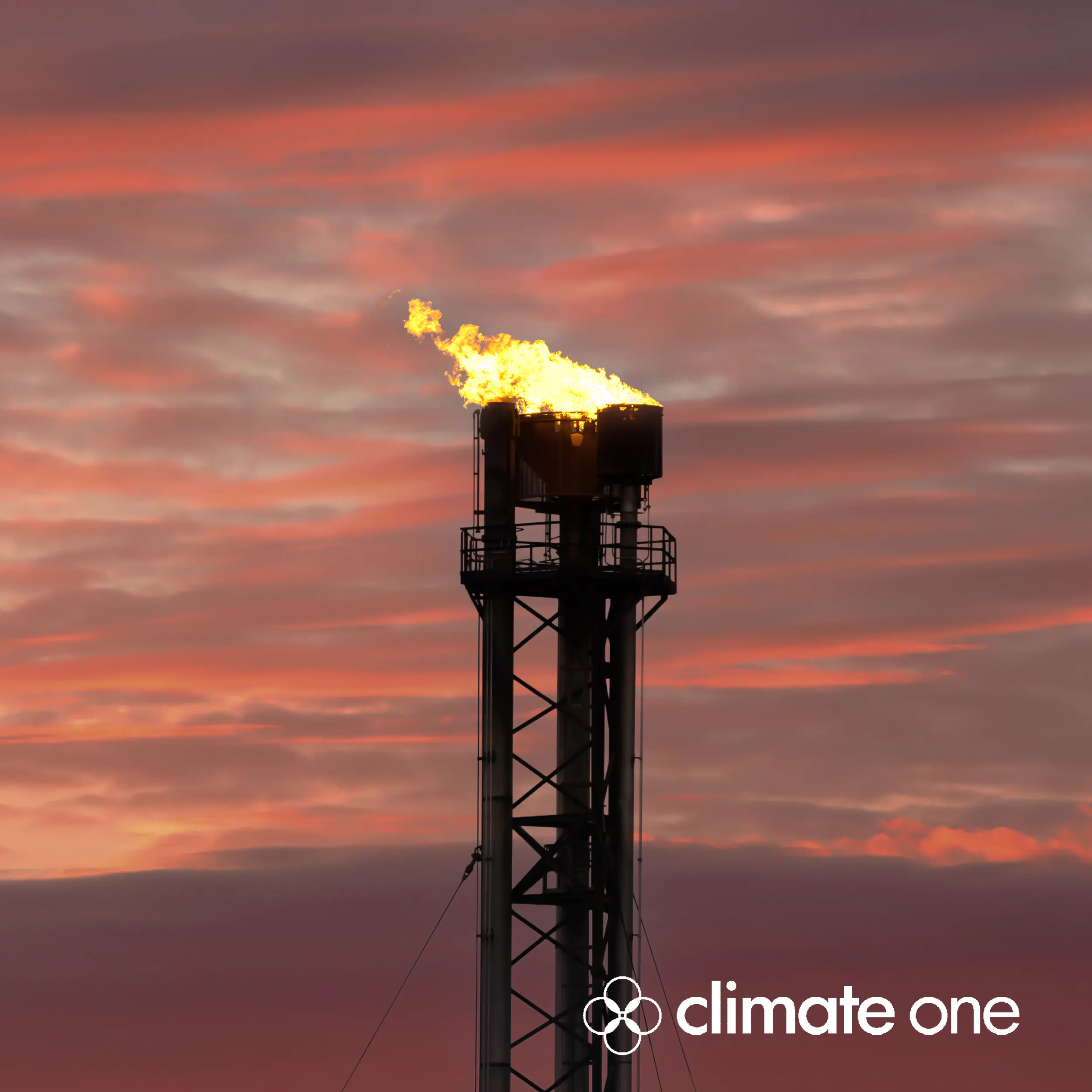
Hot Cities, Methane Leakers and the Catholic Church
Mapping has emerged as a powerful tool for helping humans combat climate disruption. Technology for measuring the totality of global carbon emissions, for example, is highly refined: we know that half of all the carbon pollution humans have dumped into the sky has happened in just the last three decades. But understanding the specific sources of those emissions at the scale of factories or communities has been more elusive. Riley Duren, CEO of Carbon Mapper, has said, “you can’t manage what you can’t measure.” Carbon Mapper, a public-private partnership that includes universities and NASA’s Jet Propulsion Lab and is backed by philanthropists, uses satellites to pinpoint super emitters of both CO2 and methane in real time with the goal of reducing emissions. But this isn’t the only technology that may point the way toward a better understanding of climate threats and potential solutions. The Catholic Church, for example, holds vast tracts of land across the globe. But until Molly Burhans came on the scene, the Vatican had no real understanding of what they own. Burhans founded her nonprofit mapping organization Goodlands to provide the Church with the tools to use their landholdings to address issues ranging from erosion and biodiversity loss to climate migration. On the local level, Ariane Middel’s research uses a human-sized mobile weather station to look at variations in actual heat on the ground, chronicling how small differences in landscape and urban design can add up to major differences in heat impacts experienced by those who live and work in various built environments. Guests: Molly Burhans, Founder / Executive Director, GoodLands Riley Duren, CEO, Carbon Mapper Ariane Middel, Senior Sustainability Scientist, Global Institute of Sustainability and Innovation Learn more about your ad choices. Visit megaphone.fm/adchoices
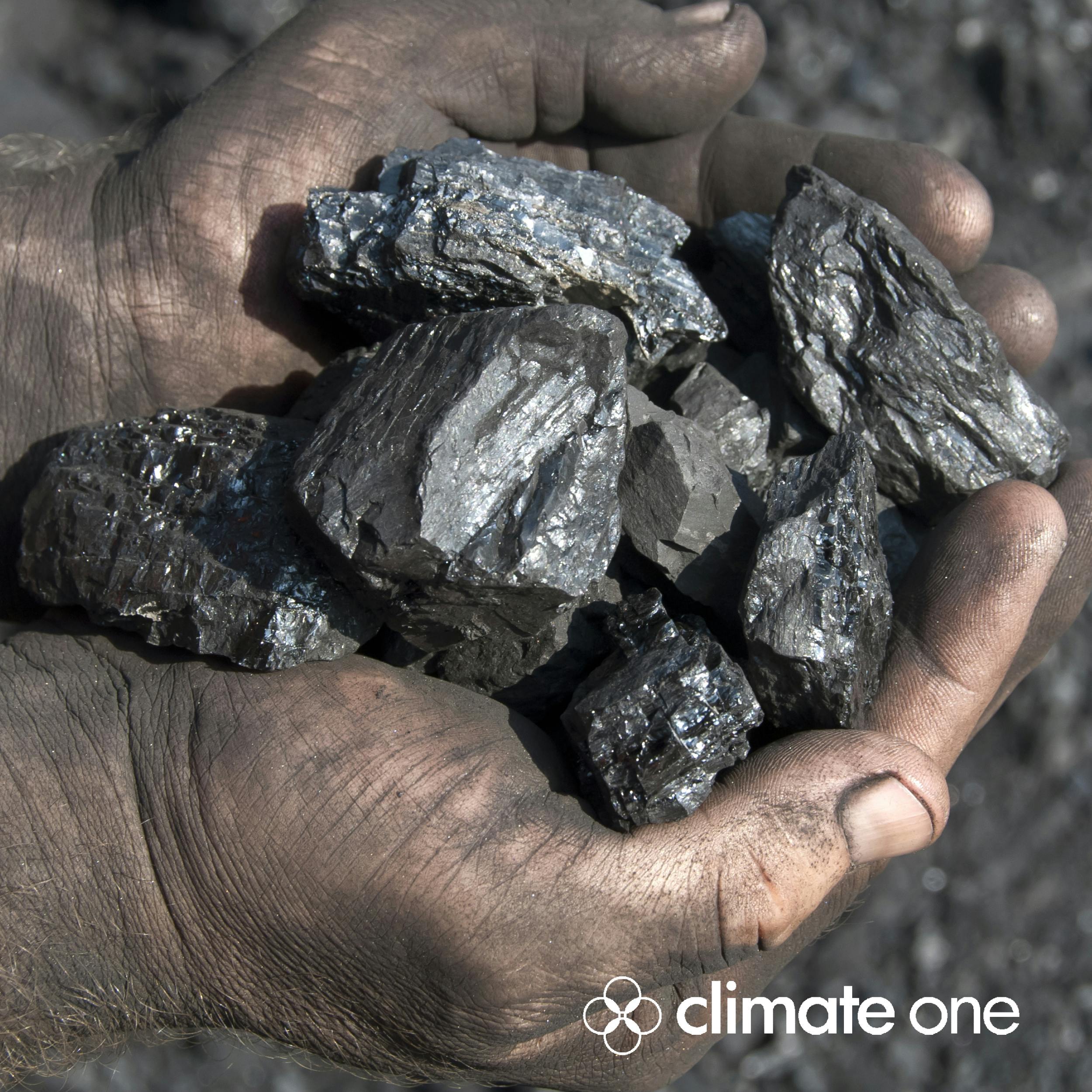
Journey of a Former Coal Miner
What motivates the activists? Grassroots activism can take many forms, from protests to letter-writing to citizen science to community organizing. But these often more local forms of activism can get short shrift compared to the more powerful, national players in climate and environmental movements. Nick Mullins, a former fifth-generation coal miner, grew up seeing multiple generations of his family endure hardships created by our nation’s demand for cheap coal. In search of decent pay, he became a miner himself – but he eventually left the industry in search of justice for his mountain communities. James Coleman started his career as a teenage climate activist before becoming the youngest elected public official in California in over 100 years. San Francisco activist Marie Harrison fought against environmental contamination of her community by the U.S. Navy and a fossil-fuel-burning power plant – and now her daughter, Arieann Harrison, has picked up her mantle to continue pushing for environmental justice. Mullins, Coleman, and dozens of activists featured in Audrea Lim’s book The World We Need, Stories and Lessons from America’s Unsung Environmental Movement represent just a fraction of those motivated to take action on climate. “The thing about grassroots activism, actually, apart from the stereotype is that it’s really just people in a community who see a problem and then they get together on their own and try to find a solution to it,” says Audrea Lim. What can grassroots activists do that national organizations can’t? And what can their stories and experiences teach us? Guests: Nick Mullins, former fifth-generation coal miner, blogger, Thoughts of a Coal Miner Audrea Lim, Journalist & Editor, The World We Need, Stories and Lessons from America’s Unsung Environmental Movement James Coleman, City Councilor, South San Francisco Learn more about your ad choices. Visit megaphone.fm/adchoices
Climate Stories We Tell Ourselves
How do our identities and values shape the way we listen to others’ climate experience? Author Nathaniel Rich and journalist Meera Subramanian cover the hopes, fears, and middle-of-the-night concerns affecting the people living closest to climate change. In Georgia, farmers were convinced that climate is a political issue — until too-warm winters began upending the Peach State’s prized crop. In a wealthy Los Angeles suburb, an invisible methane gas leak caused outrage and hysteria for local residents concerned about personal health and property values — but not the climate. “I think we've all gotten really used to telling our stories, putting them out there in the world, and it sometimes feels like maybe not so many people are actually listening to them,” Subramanian says. “And so I think sometimes showing up as a journalist and just being all ears can feel kind of profound.” Guests: Nathaniel Rich, Author, Losing Earth; Second Nature Meera Subramanian, Environmental Journalist Have you ever had a difficult conversation about climate? A disagreement, perhaps, or coming to terms with a new reality? We’d like to hear your stories. Please call (650) 382-3869 and leave us a voicemail about your toughest climate conversation. Or drop us a line at [email protected]. We may use your story in an upcoming episode. Learn more about your ad choices. Visit megaphone.fm/adchoices
Distorted Democracy and the “Zero-Sum Game”
In the US, we’ve become accustomed to climate – like nearly everything else – being politicized. Even when potential solutions might benefit everyone, a zero-sum mentality has taken hold where there’s an “us” and a “them” and progress for them comes at the expense of us. “Racism in our politics and policymaking is distorting our ability to respond to big problems and to advance collective solutions,” says political strategist Heather McGhee. But does it have to be this way? Can we look to the UK and elsewhere for a different model? Is it even possible to make the whole planet a winner? Guests: Heather McGhee, Political Strategist & Author, The Sum of Us: What Racism Costs Everyone and How We Can Prosper Together Rebecca Willis, Researcher & Author, Too Hot to Handle? The Democratic Challenge of Climate Change We have been nominated for a Webby! Please give us your vote as the Best Science and Education Limited Series in the 25th Annual People's Voice Award below: https://vote.webbyawards.com/PublicVoting#/2021/podcasts/limited-series-specials/science-education Learn more about your ad choices. Visit megaphone.fm/adchoices
Living with Climate Disruption
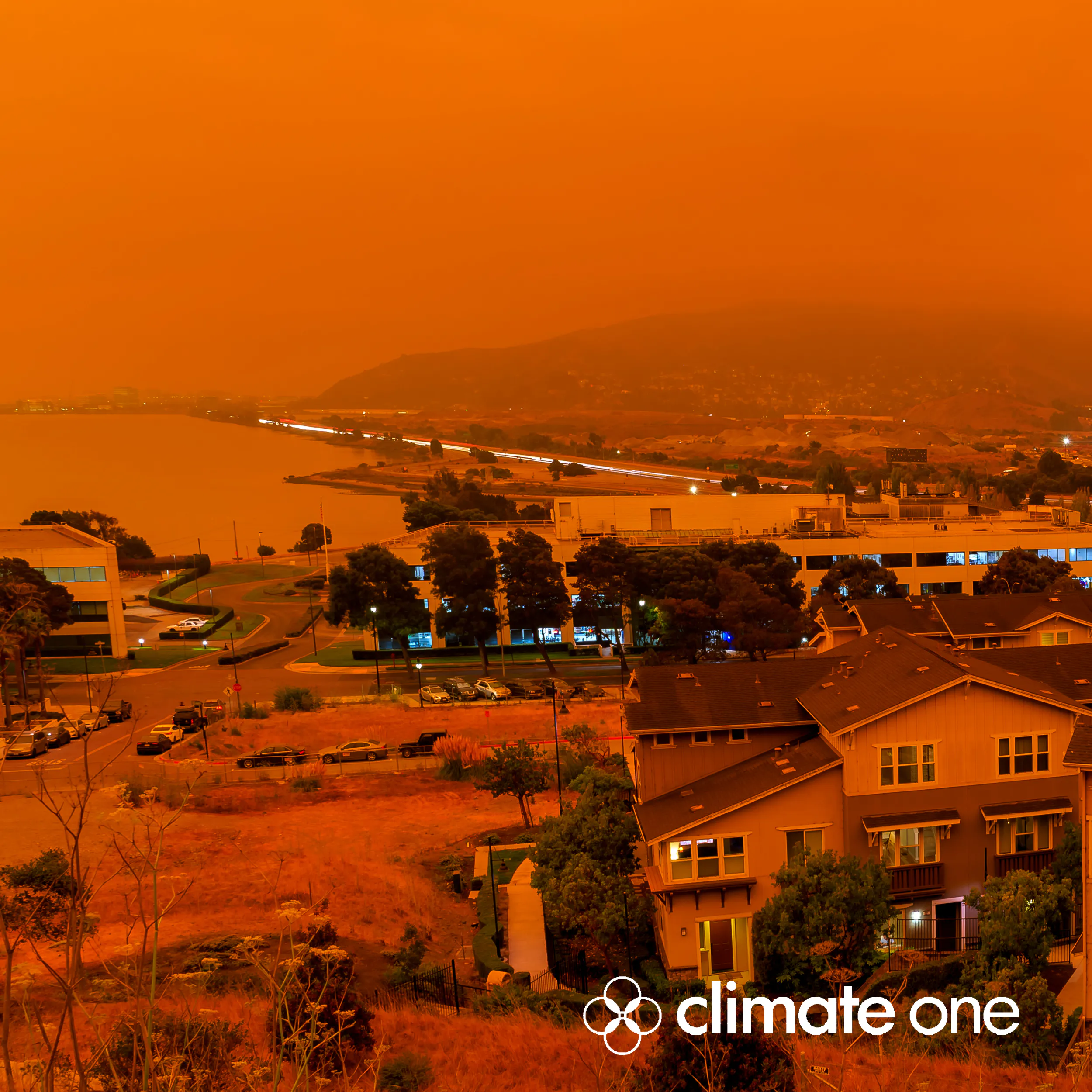
Guests: Tamara Conry, Camp Fire survivor Julia Fay Bernal, director of Pueblo Action Alliance Britt Wray, postdoctoral researcher at Stanford University focused on the intersection of mental health and the climate crisis The impacts of climate change may come fast or slow. A wildfire amplified by drought may rip through a town in a matter of hours, or rising seas may take years to destroy a neighborhood. Health impacts may show up in months, or take the form of devastating cancer rates that rise over a decade. Regardless of speed or intensity, the climate emergency will impact us all. How do we live alongside climate disruption? This story is part of Covering Climate Now, a global journalism collaboration strengthening coverage of the climate story. Related Links: Pueblo Action Alliance Eco-anxiety and Gen Dread We have been nominated for a Webby! Please give us your vote as the Best Science and Education Limited Series in the 25th Annual People's Voice Award below: https://vote.webbyawards.com/PublicVoting#/2021/podcasts/limited-series-specials/science-education Learn more about your ad choices. Visit megaphone.fm/adchoices
REWIND: Billionaire Wilderness
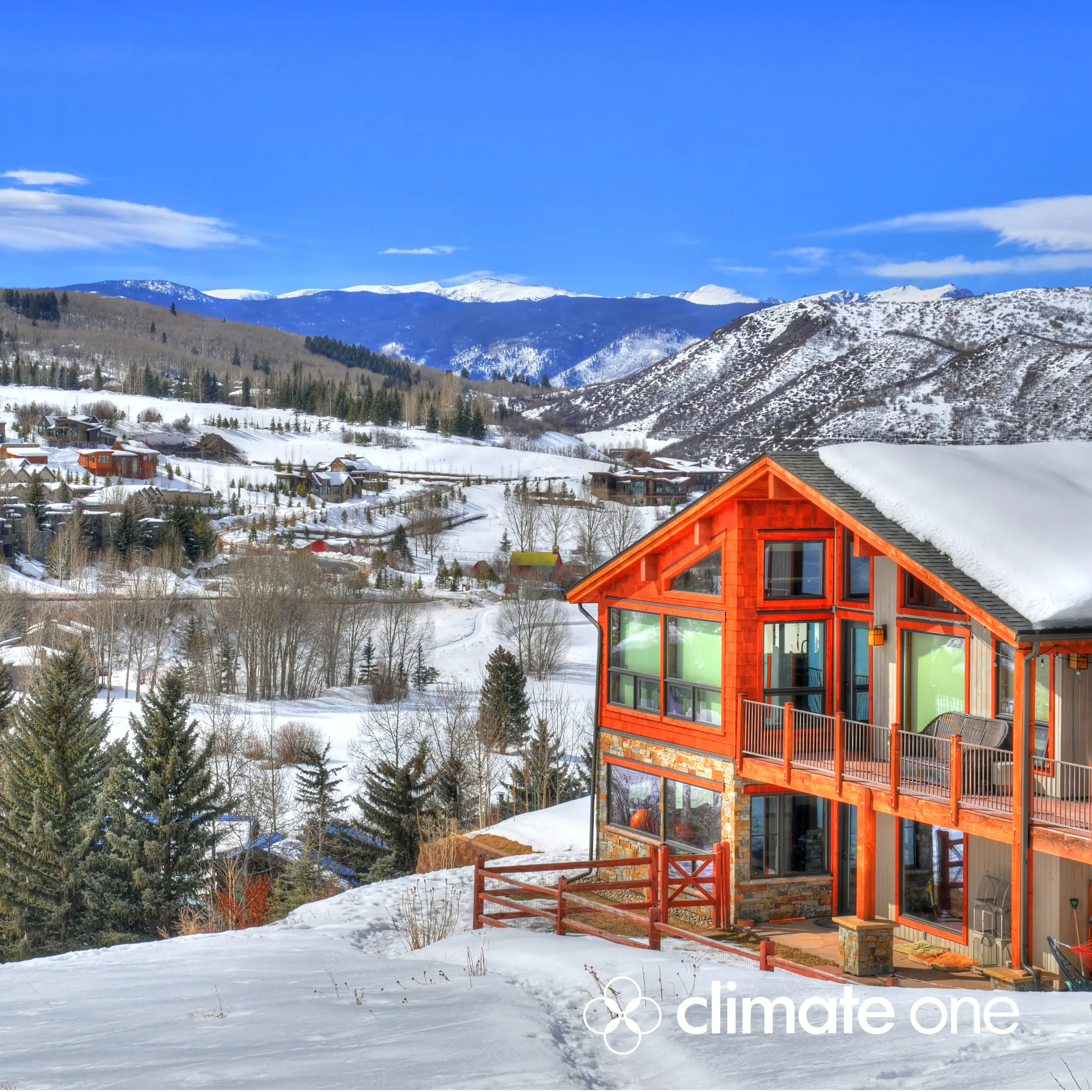
For many of us, the story of the American wilderness begins when Europeans arrived on these shores and began conquering it. The wide open spaces of the American West loom large in our country’s mythology. But what often gets written out is the history and culture of those native societies who were here to begin with — and whose relationship to this land is very different. And while one-percenters have contributed generously to preserve and protect the pristine wilderness they love, the people who work for them are often struggling, working two or three jobs. How are public and private land interests competing in the American West? Can conservation and recreation coalesce in a way that is inclusive of all communities? Guests: Dina Gilio-Whitaker, American Indian Studies Lecturer, California State University San Marcos Justin Farrell, Author, Billionaire Wilderness: The Ultra-Wealthy and the Remaking of the American West (Princeton University Press, 2020) Diane Regas, President and Chief Executive Officer, The Trust for Public Land Jessica Newton, Founder, Vibe Tribe Adventures For show notes and related links, visit our website. Learn more about your ad choices. Visit megaphone.fm/adchoices
Investing in a Clean and Equitable Recovery
Speakers: Julian Brave NoiseCat, Vice President of Policy and Strategy, Data for Progress Julie Pullen, Director of Product, Jupiter Intelligence Alicia Seiger, Managing Director, Sustainable Finance Initiative, Precourt Institute for Energy, Stanford University The COVID-19 shutdown has hit women and minorities hardest: four times as many women as men dropped out of the workforce in September 2020, with Latina and Black women seeing the highest levels of unemployment. The Biden Administration’s COVID recovery plans promise to prioritize climate and equity alongside economic growth—can those values carry over to a post-pandemic workforce that doesn’t leave anyone behind? “The solutions to climate expand far beyond simple carbon math,” says Alicia Seiger of Stanford University. How will climate resilience be built into America's economic recovery? Related Links: The American Rescue Plan Data for Progress Jupiter Intelligence Precourt Institute for Energy The All We Can Save Project Waterfront Alliance Learn more about your ad choices. Visit megaphone.fm/adchoices
Entrepreneurs Creating an Inclusive Economy
Guests: Sandra Kwak, CEO and Founder, 10Power Donnel Baird, CEO, BlocPower Andreas Karelas, Author, Climate Courage: How Tackling Climate Change Can Build Community, Transform the Economy, and Bridge the Political Divide in America Summary: As the spring of 2021 arrives, it would be hard to design a more challenging — or more promising — moment for implementing climate solutions. Americans are reeling from an economic shutdown that’s pushed many out of the workforce, and widened the gap between the wealthy and the poor. In this brave new post-Covid world, can President Biden step up where Obama couldn’t? “I'm delighted about what I'm seeing from the Biden-Harris team,” notes Donnel Baird, CEO of BlocPower. “Climate justice and racial equality are wedded together alongside employment, alongside public health and working our way out of these kinds of four simultaneous crises we’re dealing with.” From big tech to clean energy, what are the opportunities for scaling new solutions — and where do inequity and politics continue to set us back? Related links: 10Power BlocPower Climate Courage Re-volv Learn more about your ad choices. Visit megaphone.fm/adchoices
Weird Winters
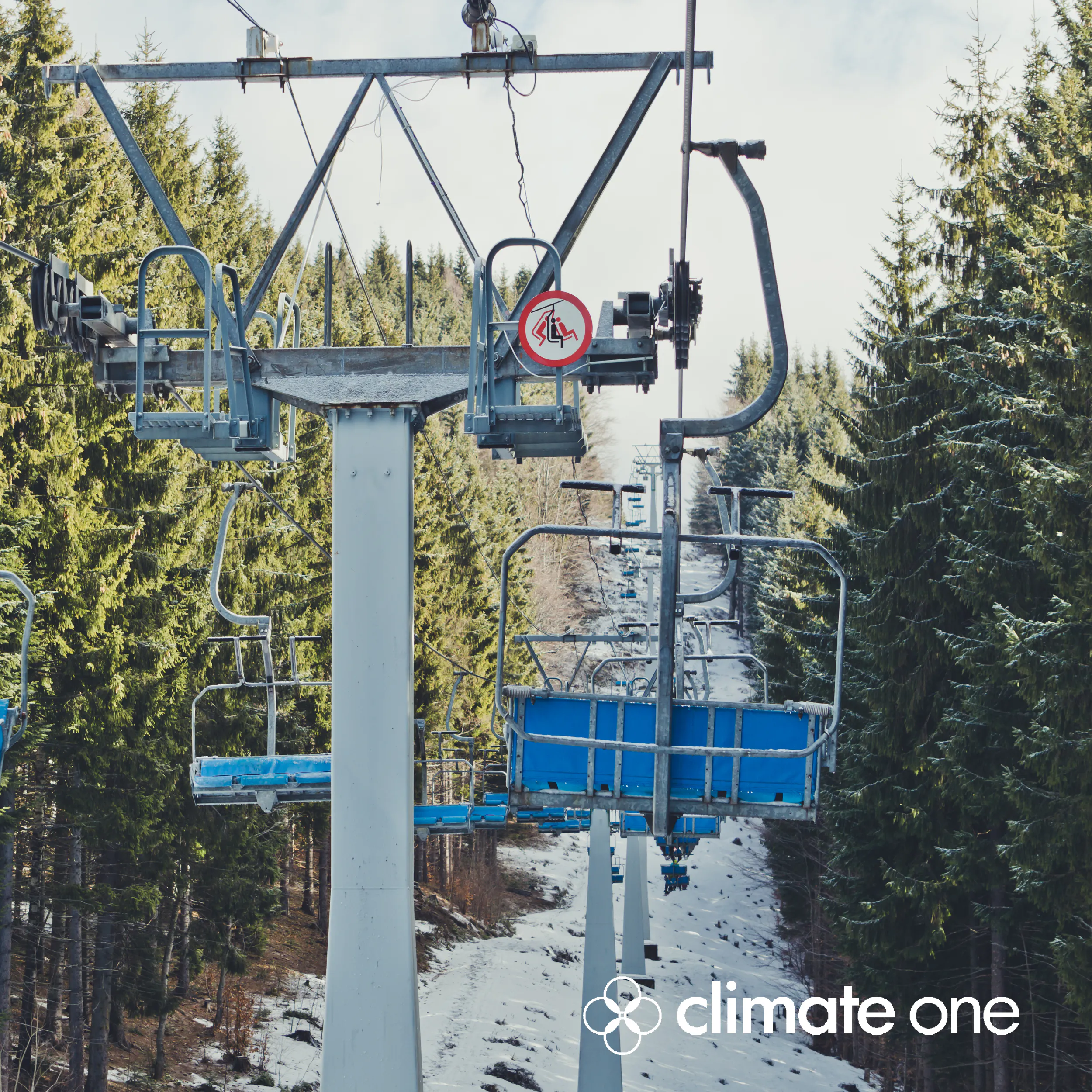
Warmer, shorter winters may sound like an impact of climate change that would inspire more joy than despair. But rising temperatures and decreasing snowpack won’t just transform water supplies and species ranges. It will also disrupt a multi-billion dollar winter sport industry, including the jobs and local economies associated with them. “If we're not able to ski or snowboard anymore,” says Mario Molina, CEO of Protect Our Winters, “the least of our concerns will be the activities that we participate in.” So how are winter sports enthusiasts and others preparing to weather the storm? Speakers: Elizabeth Burakowski, Assistant Professor, Earth Systems Research Center, University of New Hampshire Kit DesLauriers, National Geographic Explorer; Skimountaineer Geraldine Link, Director of Public Policy, National Ski Areas Association Mario Molina, CEO, Protect our Winters Related Links: Protect Our Winters Higher Love: Climbing and Skiing the Seven Summits National Ski Areas Association Learn more about your ad choices. Visit megaphone.fm/adchoices
When Words Aren’t Enough: The Visual Climate Story
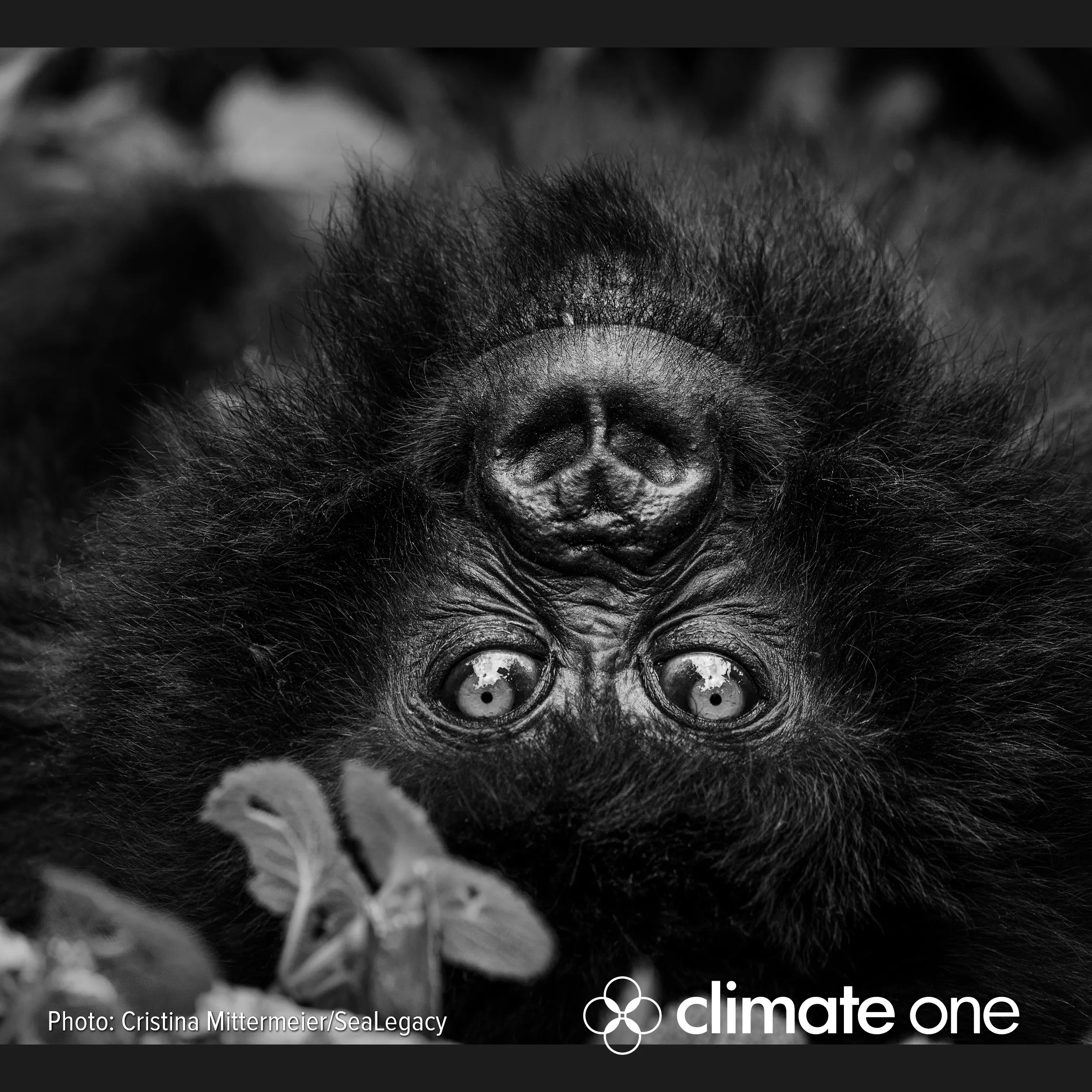
Guests: Céline Cousteau, Explorer and Filmmaker Davis Guggenheim, Director, An Inconvenient Truth; Founder, Concordia Studio Cristina Mittermeier, National Geographic Photographer; Co-Founder, SeaLegacy While IPCC risk assessments and emission projections can help us understand climate change, they don’t exactly inspire the imagination or provoke a personal response to the crisis. But a growing league of storytellers is using photographs, films and the human experience to breathe life into the cerebral science of climate change and conservation. “It's not the blockbuster, big-splash film,” says explorer and filmmaker Céline Cousteau, “It's truth, it’s intimacy, and some of it is ugly and some of it is beautiful.” So how far can images and sound go to inspire a global climate response? Related Links: He Named Me Malala My Octopus Teacher SeaLegacy Tribes on the Edge Learn more about your ad choices. Visit megaphone.fm/adchoices
The Political Reality of Climate Action
True to his campaign promise, President Biden dove right into the climate crisis on Day One, signing a stack of executive orders that signaled his determination. But how effective are they? “Executive orders, I think, are often very splashy when they're introduced, and they get a lot of attention,” notes Axios reporter Ben Gemen. “I think the better way to look at an executive order is sort of firing a starting gun for an extraordinarily long race.” But while he faces certain blowback from Republicans in Congress, there are signs that when it comes to conservative thought, the wind may be changing. What can the Biden Administration accomplish using existing authority? How much will conservatives and businesses step in and step up on climate? Guests: Rep. Kathy Castor (D-FL), Chair of House Select Committee on the Climate Crisis Rich Powell, Executive Director, ClearPath Ben Geman, Energy Reporter, Axios For complete show notes, visit our website. Learn more about your ad choices. Visit megaphone.fm/adchoices

Temperature Check: Science, Texas, and Climate Chaos
Just two months into 2021, deadly winter temperatures left millions of Texans without water and power. Meanwhile, California is preparing for another year of intense drought, and Wall Street millionaires are moving their remote work to Florida, ground zero for flooding and sea-level rise. “We think about the Earth as a system,” says Marshall Shepherd, director of Atmospheric Sciences Program at the University of Georgia, “so we can't understand climate change unless we understand changes in the Arctic, or in the ocean circulations, or in the biosphere, and so forth.” “Hope or waiting and seeing is no longer a valid risk mitigation strategy." Guests: Katharine Mach, Associate Professor, Marine Ecosystems and Society, University of Miami Marshall Shepherd, Director, Atmospheric Sciences, University of Georgia For complete show notes, visit our website. Learn more about your ad choices. Visit megaphone.fm/adchoices
John Kerry, Gina McCarthy and Biden’s Climate Team
“The long-term energy future of America is not going to be written in fossil fuels,” declared John Kerry last April. President Biden recently appointed the former Secretary of State to a top position in his climate cabinet - United States Special Presidential Envoy for Climate. Joe Biden did not start his campaign as the “climate candidate.” But as he starts his second month as president, he is looking at everything through a climate lens – from jobs and infrastructure to international diplomacy, public health and social justice. “He really is a person who was engaged somewhat in climate, but I don't think it was as yet sort of ingrained into him,” said former EPA Administrator Gina McCarthy. “Well, it is now!” McCarthy and Kerry are just two of the climate leaders that President Joe Biden has tapped to put his ambitious climate plan into action. In this program, we revisit conversations with these and other Climate One guests from the past year that have been named to prominent roles in the Biden-Harris administration. Speakers: Jay Inslee, Governor of Washington Gina McCarthy, Former President & CEO, NRDC Action Fund John Kerry, Former U.S. Senator and Former Secretary of State Sonia Aggarwal, Former Vice President of Energy, Energy Innovation Brian Deese, Former Managing Director, Global Head of Sustainable Investing, BlackRock Learn more about your ad choices. Visit megaphone.fm/adchoices

Climate Narratives with Jeff Biggers, Elizabeth Kolbert and Kim Stanley Robinson
In the past decade, narratives of a dystopian climate future have helped connect people with heroes in worlds decimated by climate disruption and industrial expansion. In today’s real world, scientists are looking to geo-engineering and other human innovations to preserve the wellbeing of life on Earth. “What we’re missing is a way to galvanize people to support policies that are actually gonna change,” says Jeff Biggers, founder of The Climate Narrative Project. So how can climate storytelling help us reckon with our changing environment? Do we need a new climate narrative to help us understand and solve the climate emergency? Guests: Jeff Biggers, Founder, The Climate Narrative Project Elizabeth Kolbert, Staff Writer, The New Yorker Kim Stanley Robinson, Science Fiction Author Related Links: Climate Narrative Project Resistance: Reclaiming an American Tradition The Ministry for the Future Under a White Sky: The Nature of the Future Learn more about your ad choices. Visit megaphone.fm/adchoices
Killer Combination: Climate, Health and Poverty
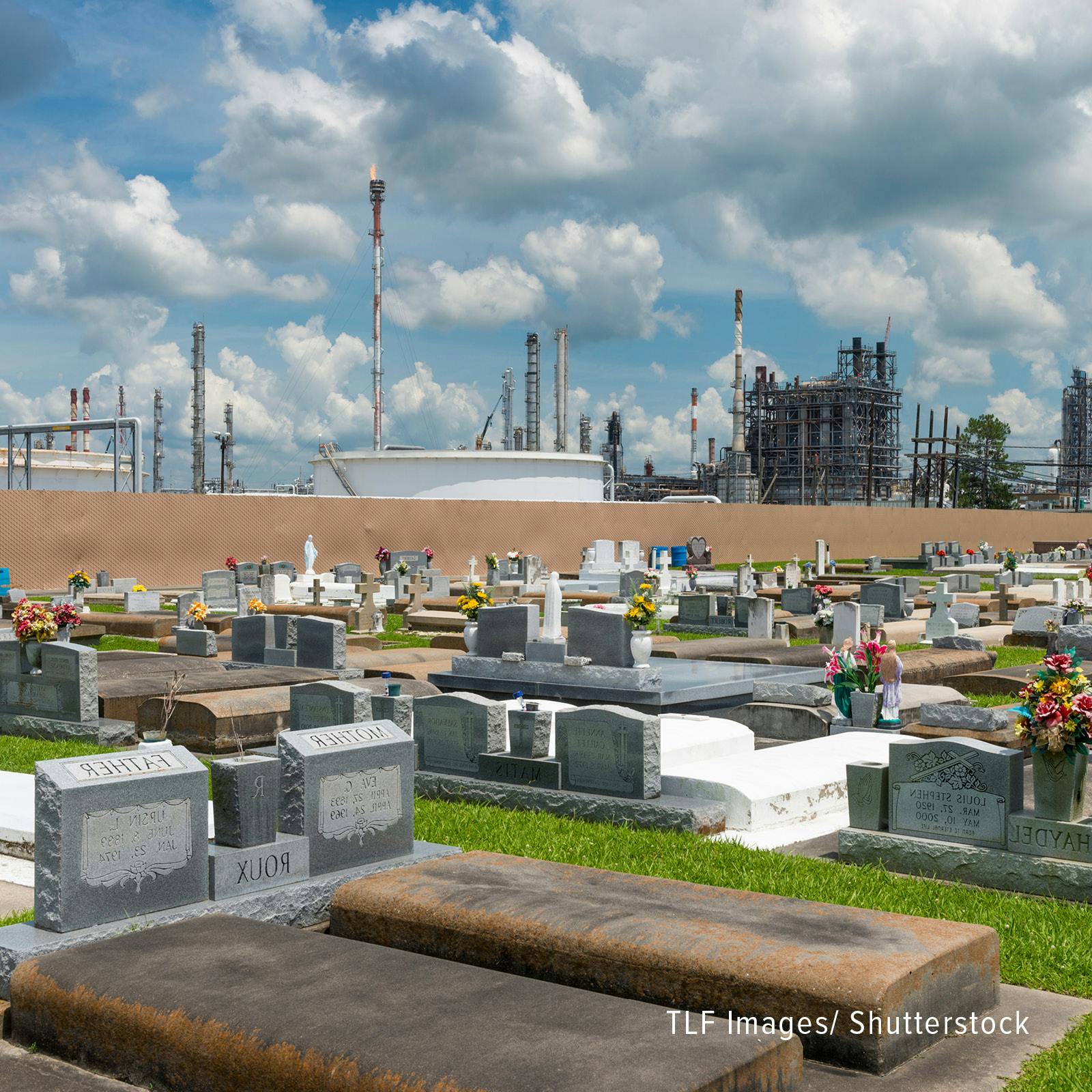
Experts have warned us that COVID-19 is just one example of climate change-related diseases on the rise. And while climate disruption, environmental health and the current pandemic may seem like three distinct problems, to those in the health and environmental justice field, that’s not the case. "All of them are connected," says Adrienne Hollis of the Union of Concerned Scientists. "And the underlying cause is systemic racism." "If you want to address pandemics, and you want to address climate change, you’ve got to focus on equity," agrees Aaron Bernstein of the Harvard Chan School of Public Health. "And the solution, and the great news in some ways, is that these actions you need to take are one and the same." How are heat, lack of sanitation, and other environmental issues killing Americans in underserved communities? A conversation on what happens when climate, health, and poverty converge. Guests: Catherine Coleman Flowers, Founder, Center for Rural Enterprise and Environmental Justice; Author, Waste: One Woman’s Fight Against America’s Dirty Secret (The New Press, 2020) Adrienne Hollis, Senior Climate Justice and Health Scientist, Union of Concerned Scientists Aaron Bernstein, Interim Director, Center for Climate, Health, and the Global Environment at the Harvard T. H. Chan School of Public Health For complete show notes, visit our website. Learn more about your ad choices. Visit megaphone.fm/adchoices

This Moment in Climate with Michael Mann & Leah Stokes
With a new pro-science, pro-climate action administration in the White House, there are more pathways — and far greater political will — than ever before for the clean energy transition. The question is now less about what can be done to act on climate, and more about how soon. “We have the best opportunity in more than a decade now to see federal climate action through legislation,” says Leah Stokes from UC Santa Barbara. So how quickly can a new administration turn around a gutted EPA, myriad environmental law rollbacks, and a legacy of climate denial from fossil fuel companies? Guests: Michael Mann, Distinguished Professor of Atmospheric Science, Penn State University Leah Stokes, Assistant Professor of Political Science, UC Santa Barbara Related Links: Executive Order on Tackling the Climate Crisis at Home and Abroad The New Climate War: The Fight to Take Back Our Planet Short Circuiting Policy: Interest Groups and the Battle Over Clean Energy and Climate Policy in the American States Learn more about your ad choices. Visit megaphone.fm/adchoices
Varying Degrees: Climate Change in the American Mind
A decade ago, a nationwide survey showed that only around twelve percent of Americans were seriously concerned about climate change. Today, public perceptions have changed. “The alarmed are between a quarter and 30% of the public,” says Edward Maibach. “That makes them the largest single segment of Americans…as their name implies, they’re alarmed about climate change.” How does understanding the perceptions of a broadly concerned public enable our leaders to create lasting change? How do climate concerns break down across political, economic, and regional divides? A conversation with Anthony Leiserowitz and Edward Maibach, recipients of the tenth annual Stephen H. Schneider Award for Outstanding Climate Science Communication. At a time when understanding climate perceptions has never been more important, Dr. Leiserowitz and Dr. Maibach have exemplified the ability to be both scientists and powerful communicators through their work on the public’s understanding of climate change, including the seminal Global Warming’s Six Americas project. Guests: Anthony Leiserowitz, Director and Senior Research Scientist, Yale Program on Climate Change Communication Edward Maibach, Director, George Mason University Center for Climate Change Communication Host: Greg Dalton Related Links: Global Warming’s Six Americas Yale Climate Connections Podcast Climate Matters – Jim Gandy Climate Matters in the Newsroom White House Fact Sheet: President Biden’s Executive Actions on Climate Change Learn more about your ad choices. Visit megaphone.fm/adchoices
Fast, Fair and Clean: The New Energy Transition
Hopes and expectations are high for President Biden’s first weeks in office. His recovery plans promise to take on COVID-19, a battered economy, and a rapid clean energy transition in a way that doesn’t leave communities behind. But Navajo Nation, which until recently was home to the largest coal-fired power plant in the U.S., has been left out of economic and energy plans for a long time. “The community that has been the provider is the one that has the most homes that don't have access to electricity,” notes Wahleah Johns, Co-Founder and Director of Native Renewables. Can the incoming administration improve energy access for all Americans while phasing out fossil fuels? Guests Loretta Lynch, Former President, California Public Utilities Commission Wahleah Johns, Co-Founder & Director, Native Renewables Paula Glover, President, Alliance to Save Energy; former President and CEO, American Association of Blacks in Energy Jeremiah Baumann, Director of Federal Policy, Energy Innovation Visit our website for more information on today's episode. Learn more about your ad choices. Visit megaphone.fm/adchoices
Biden’s Climate Opportunity (Part 2)
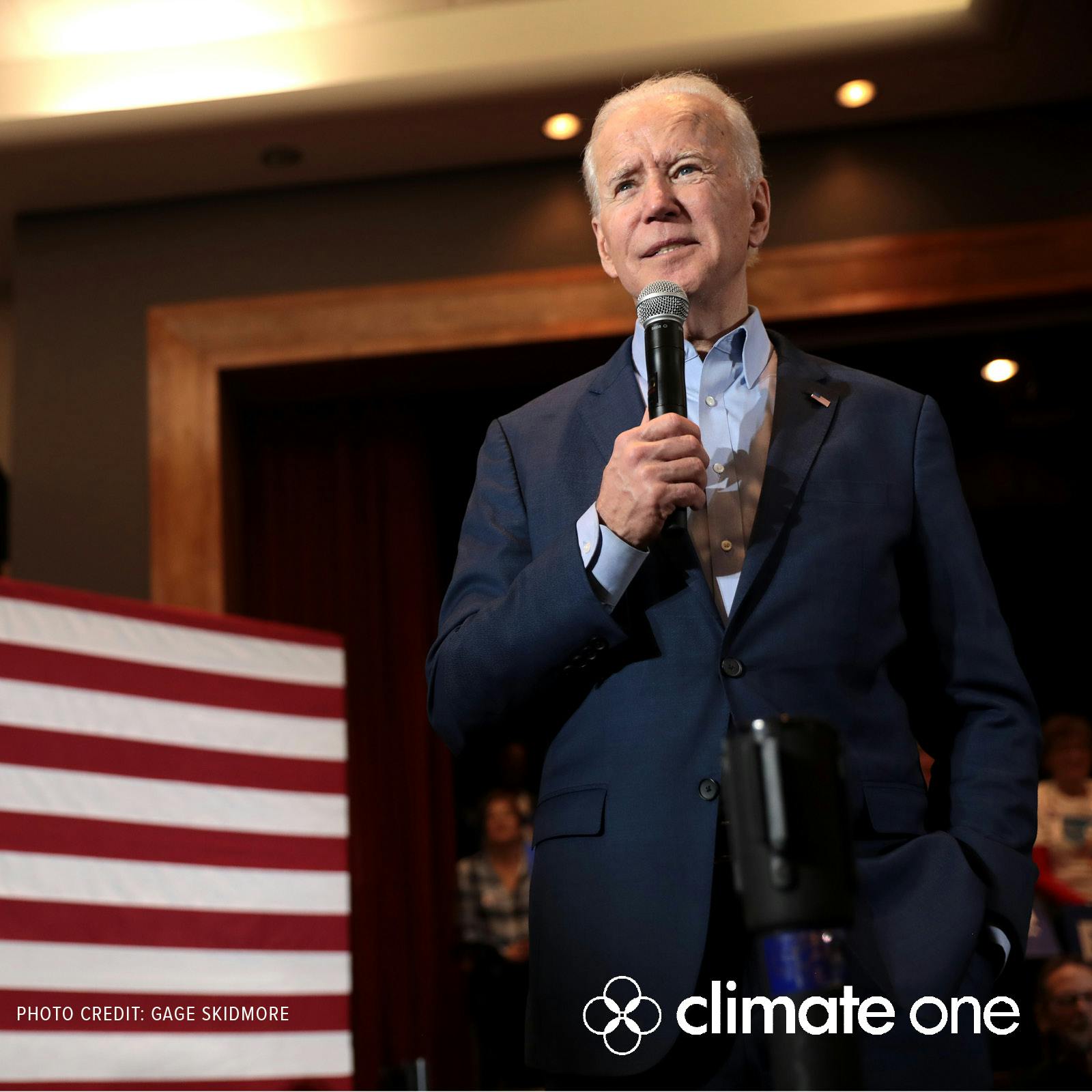
Incoming President Biden faces an unimaginable set of challenges, including the COVID-19 pandemic, a gutted economy and a nation reeling from the recent capital attack. With all of that and more on his plate, what of Biden’s plans to fight climate change? “This President-elect has shown that he is absolutely committed to addressing the issue of climate,” says former EPA Administrator Christine Todd Whitman. “Because it affects everything.” Advancing a bipartisan climate agenda will be a hard sell. But in his nearly four decades in the Senate, Biden has made friends and earned respect from his Republican peers. “That isn’t gonna fix everything, of course not,” admits former Defense Secretary Chuck Hagel. But if you start with that...there are enough Republicans in the Senate who will respond to that.” Visit climateone.org/watch-and-listen/podcasts for more information on today's episode. Guests: Christine Todd Whitman, former Governor of New Jersey, former EPA Administrator Chuck Hagel, former U.S. Secretary of Defense; former Republican Senator from Nebraska John Podesta, Founder, Center for American Progress; former Hillary Clinton Campaign Chairman Learn more about your ad choices. Visit megaphone.fm/adchoices
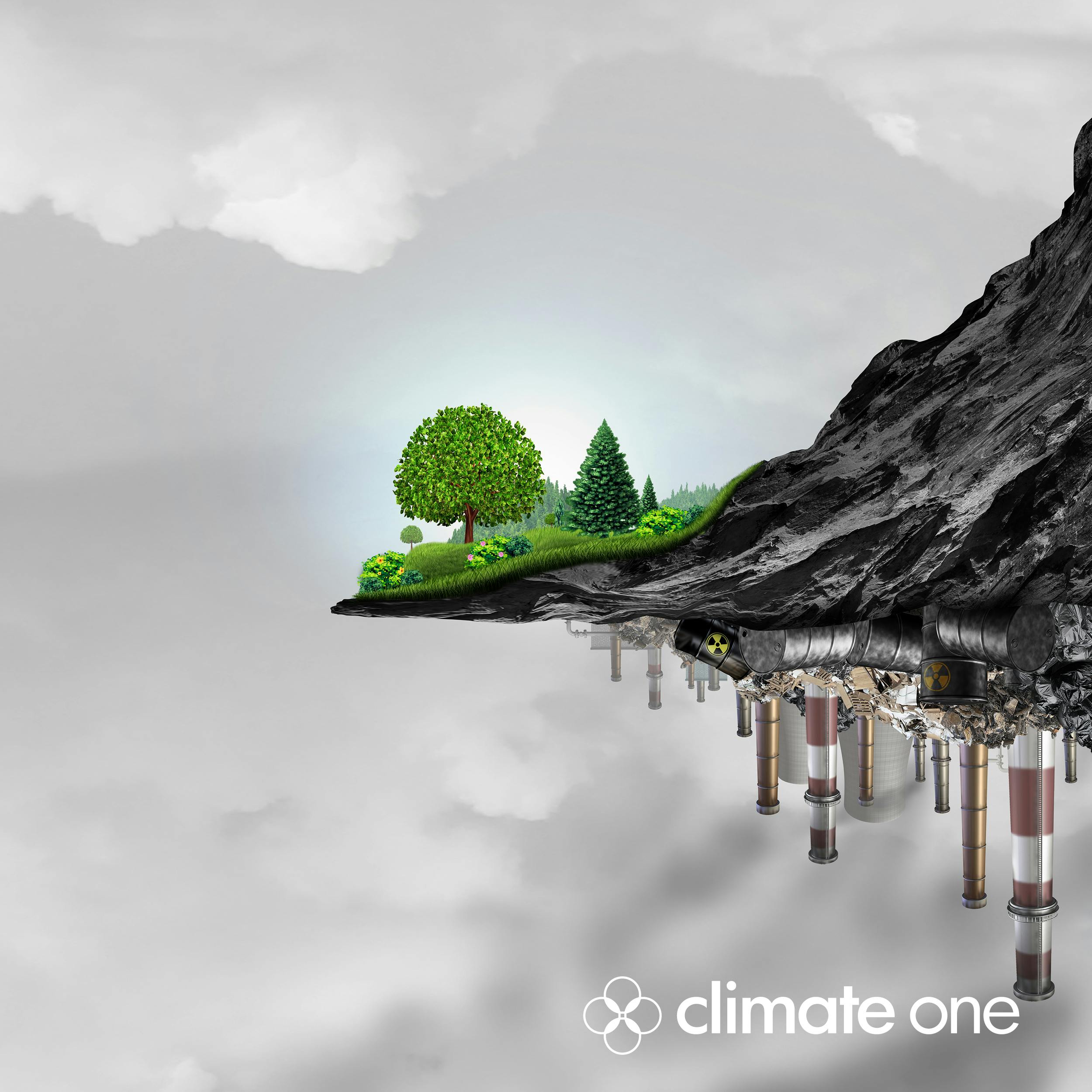
Talk Green, Play Dirty: Corporate America’s Mixed Record
Questioning science, funding vocal climate denial groups, and encouraging the focus on personal carbon footprints are corporate America’s preferred tools for shifting the responsibility for action on climate from industry to the individual. “Companies that are very much pro-climate action, that are acting in their own operations, are mostly silent on public policy,” says Bill Weihl, former Sustainability Director at Facebook. But with more workers holding their employers accountable and the start of a departure from shareholder-first capitalism, is the role of the corporation shifting? Visit our website for more information on today's episode. Guests: Mike Toffel, Senator John Heinz Professor of Environmental Management, Harvard Business School; Founder, Climate Rising Podcast Emily Atkin, Climate Journalist, Heated Newsletter & Podcast Bill Weihl, Founder and Executive Director, ClimateVoice; Former Sustainability Director, Facebook Barbara Freese, Author, Industrial-Strength Denial: Eight Stories of Corporations Defending the Indefensible, from the Slave Trade to Climate Change Learn more about your ad choices. Visit megaphone.fm/adchoices
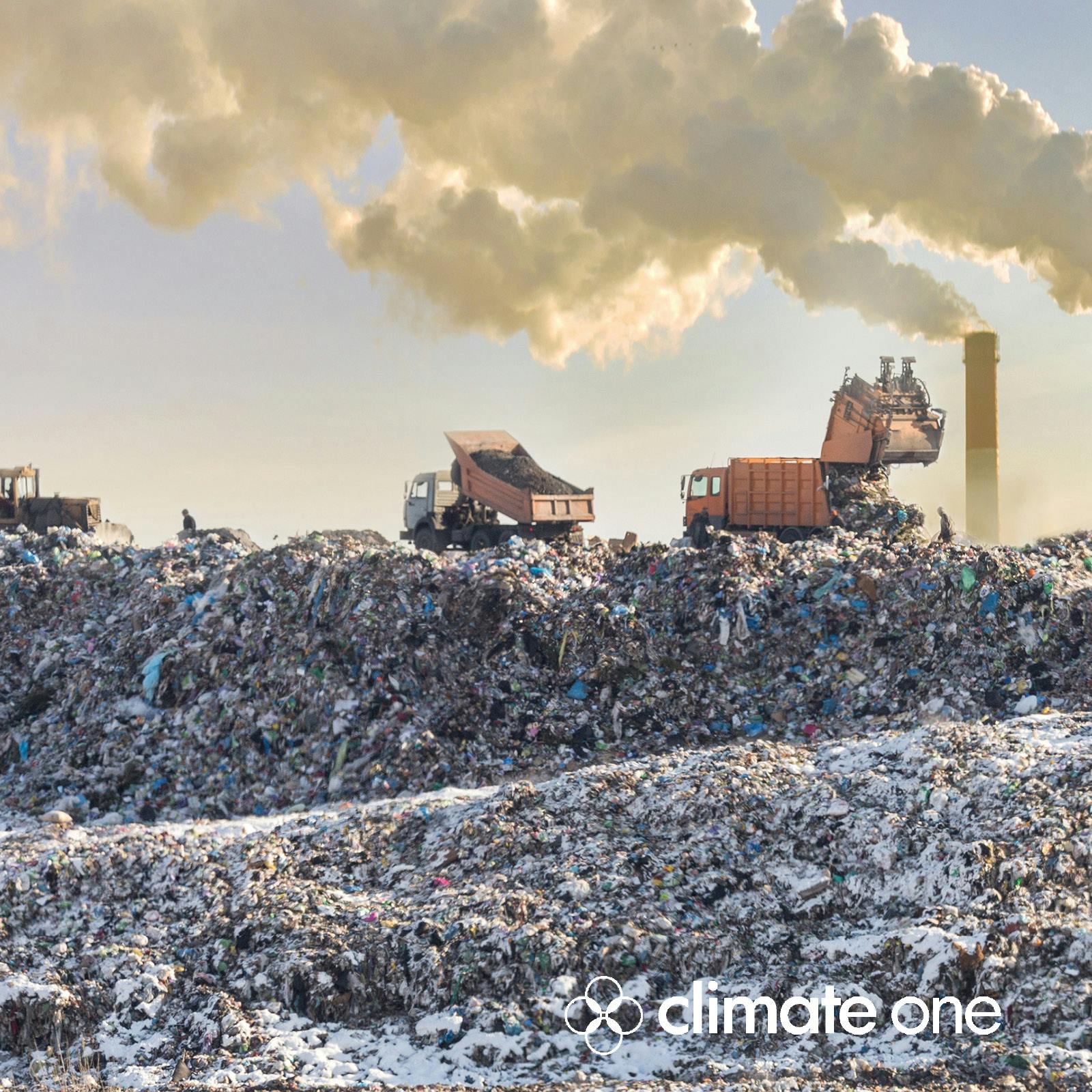
REWIND: Erin Brockovich / Inconspicuous Consumption
Twenty years ago, Julia Roberts won an Oscar for her portrayal of maverick environmental activist Erin Brockovich in the film of the same name. These days, in addition to her work on water safety and toxins in communities, Brockovich has taken on the climate emergency. In her mind, the connection is fundamental. “Climate change is about too much water, not enough water, no water, drought, flooding,” Brockovich says, adding, “It’s becoming real because it's tangible, it's touchable. You're running from it, you’re breathing it. You're swimming in it. You could be drowning in it. I just think it's here.” Also, New York Times reporter Tatiana Schlossberg on how everyday choices – like deciding what to eat, wear or binge-watch – may impact the planet more than you think. And two experts on sustainable apparel uncover the hidden carbon footprint stuffed in our drawers, closets and gym bags. Visit our website for more information on today's episode. Guests: Erin Brockovich, Author, Superman's Not Coming: Our National Water Crisis and What We the People Can Do About It (Pantheon, 2020) Tatiana Schlossberg, Author, Inconspicuous Consumption: The Environmental Impact You Don't Know You Have (Grand Central Publishing, 2019) Rebecca Burgess, Founder and Director, Fibershed Amina Razvi, Executive Director, Sustainable Apparel Coalition Learn more about your ad choices. Visit megaphone.fm/adchoices
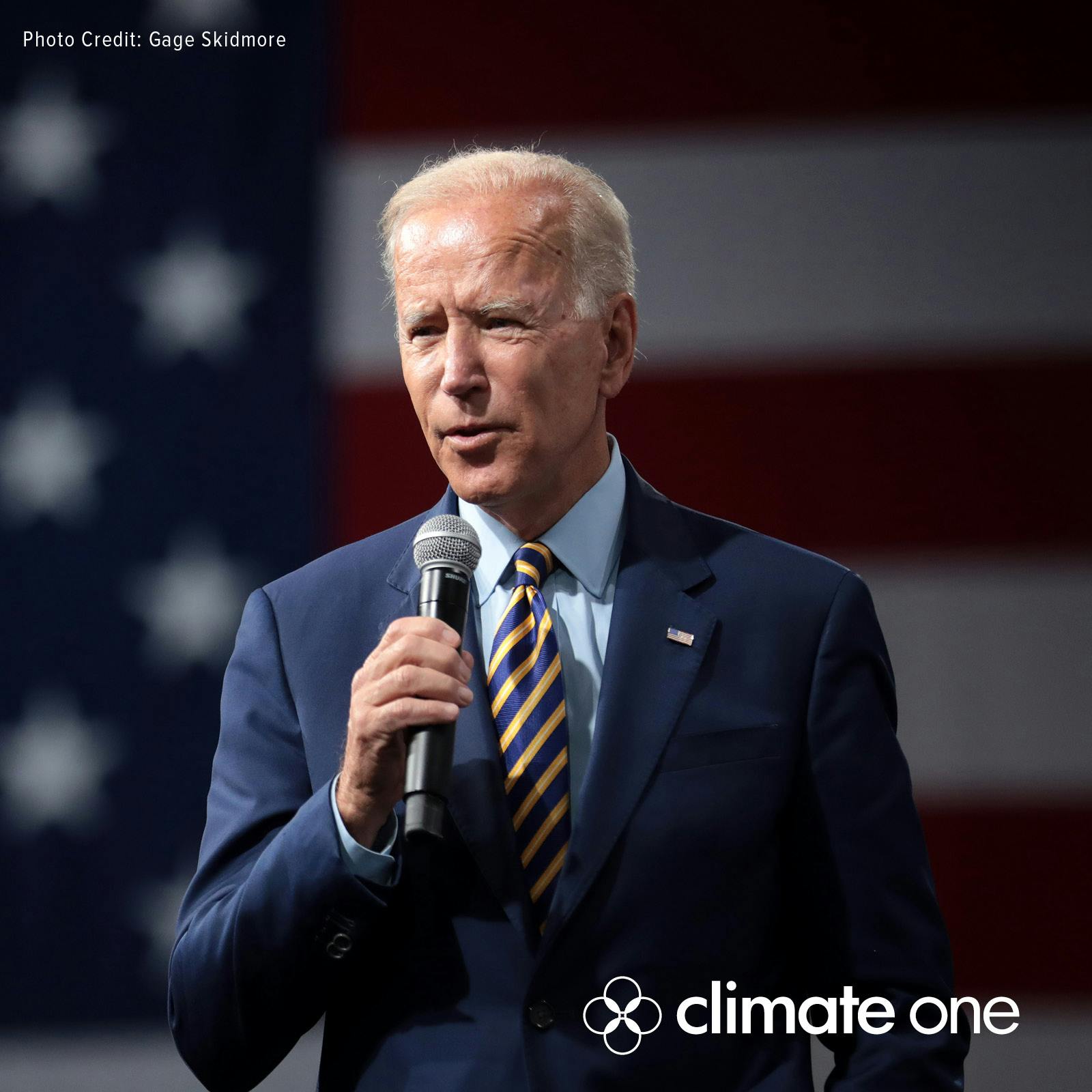
Biden’s Climate Opportunity (Part 1)
President-elect Joe Biden says he will infuse climate change into every corner of his agenda. That’s becoming evident looking at his emerging team. "You're already seeing signs from the nominees and the people they’re choosing that climate is going to be a part of every single agency," says Christy Goldfuss, Senior Vice President for Energy and Environment Policy at the Center for American Progress. But it will take more than staff buy-in to get the country to net-zero emissions. When he’s sworn in on January 20th, Biden will likely be facing a Republican-led Senate that opposes his climate goals. He’s announced an ambitious plan designed to achieve a one-hundred-percent clean economy and net-zero emissions by 2050, and is assembling a team of heavy hitters to get the job done. But he faces criticism from both sides. Republicans claim his plan is too expensive. Sunrise Movement and other progressives accuse him of not being ambitious enough. Join us for a discussion about the Biden climate agenda -- what he hopes to accomplish and what he can get done, with or without congressional support. Visit climateone.org/watch-and-listen/podcasts for more information on today's episode. Guests: Scott Segal, Partner, Bracewell LLP Christy Goldfuss, Senior Vice President, Energy and Environment Policy, Center for American Progress J ared Blumenfeld, Secretary for Environmental Protection, California Amy Westervelt, Founder, Critical Frequency Podcast Network; Host, Drilled Podcast Learn more about your ad choices. Visit megaphone.fm/adchoices
REWIND: Reimagining Capitalism / Fossil Fuels in Your Portfolio
Maintaining a consumption-driven economy while keeping emissions down seems more and more like a pipe dream -- is it time to re-think capitalism altogether? “The only thing it requires is a massive cultural and political movement changing the rules that constrain capitalism,” says Rebecca Henderson, author of Reimagining Capitalism in a World on Fire, “but as soon as we can do that we’re done.” Short of a whole new capitalism, can the stock market be used as a tool for climate action? We may not all be managing billions in assets, but can we use our nest eggs to help finance a green economy? Visit climateone.org/watch-and-listen/podcasts for more information on today's episode. Guests (Part 1) Rebecca Henderson, John and Natty McArthur University Professor, Harvard University Hope Jahren, Researcher, Centre for Earth Evolution and Dynamics, University of Oslo This program was originally broadcast on June 26, 2020. Guests (Part 2) Brian Deese, Managing Director, Global Head of Sustainable Investing, BlackRock Lori Keith, Portfolio Manager, Parnassus Investments Pratima Rangarajan, CEO, Oil and Gas Climate Initiative This program was originally broadcast on April 24, 2020. Learn more about your ad choices. Visit megaphone.fm/adchoices
Mary Nichols: A Climate Champion’s Legacy
Throughout a 45-year career as an environmental regulator, Mary Nichols has been a powerful champion for climate action and cutting emissions. Having been called everything from “Trump's nemesis” to “the most influential environmental regulator of all time,” Nichols has both taken on automakers and collaborated with them. Environmentalists have cheered her moves to limit carbon emissions, while occasionally criticizing her for not doing enough for disadvantaged communities. So where does California’s climate leadership go from here, and what’s ahead for a new national climate agenda in 2021? Visit climateone.org/watch-and-listen/podcasts for more information on today's episode. Guest: Mary Nichols Chair, California Air Resources Board This program was recorded via video on November 17, 2020. Learn more about your ad choices. Visit megaphone.fm/adchoices
Breaking Through: A Year of Climate Conversations
“Unprecedented” is one of the most overused words of 2020, but it reflects the superstorm of disruption brought on by an overlapping pandemic, racial justice awakening, and presidential election. For the first time ever, climate change galvanized a record number of voters to elect Joe Biden to the Presidency. How has the focus on climate shifted in a year shaped by multiple social and economic crises? Join us for a look back on a year of climate conversations like no other. Visit climateone.org/watch-and-listen/podcasts for more information on today's episode. Guests (in order of appearance): Justin Worland, Senior Climate Correspondent, TIME Katharine Wilkinson, Vice President, Project Drawdown Ayana Elizabeth Johnson, Marine Biologist; co-author, All We Can Save: Truth, Courage and Solutions for the Climate Crisis Darryl Molina Sarmiento, Executive Director, Communities for a Better Environment Kevin de Léon, Los Angeles City Councillor; Former President, California State Senate Susan Clayton, Professor of Psychology; Chair of Environmental Studies, College of Wooster Peter Atwater, Adjunct Professor of Economics, College of William & Mary Aaron Bernstein, Interim Director of The Center for Climate Health and the Global Environment, Harvard School of Public Health Amy Jaffe, Director, Program on Energy Security and Climate Change, Council on Foreign Relations Kathleen Day, Finance Lecturer, Johns Hopkins University Tamara Toles O’Laughlin, North America Director, 350.org Gina McCarthy, President, NRDC Action Fund; Former Administrator, US EPA Saul Griffith, Founder and Chief Scientist, Otherlab Chase Purdy, Author, Billion Dollar Burger: Inside Big Tech’s Race for the Future of Food. Sophie Egan, Author, How to Be a Conscious Eater: Making Food Choices That Are Good for You, Others, and the Planet Hui He, China Regional Director, International Council on Clean Transportation Colin McKerracher, Head of Transport Analysis, BloombergNEF Learn more about your ad choices. Visit megaphone.fm/adchoices
Last Call for Gasoline
Is this the end of the road for the internal combustion engine? California isn’t the first major economy to ban gas-powered cars and trucks, and it won’t be the last. Fifteen countries, including some of the world’s top auto markets, have announced plans to phase out gas-powered engines as a step toward a 100% zero-emission vehicle future. It’s a bold move, but a critical one for climate. Transportation emits more greenhouse gas than any other sector of the US economy, and 15% of all global emissions come from road transport. What does this mean for drivers, for automakers, for infrastructure and for businesses that depend on a gas-powered economy? Can we get to a zero-emission future quickly enough? Visit climateone.org/watch-and-listen/podcasts for more information on today's episode. Guests: Part 1 Craig Scott, Group Manager, Toyota North America Katie Sloan, Clean Energy and Electrification Executive, Southern California Edison; Board Member, CalStart Emily Castor Warren, Senior Policy Advisor, Nelson\Nygaard Consulting Associates Guests: Part 2 Colin McKerracher, Head of Advanced Transport analysis at BloombergNEF Hui He, ICCT China Regional Director This program was recorded in November 2020 and is underwritten by the ClimateWorks Foundation. Learn more about your ad choices. Visit megaphone.fm/adchoices
REWIND: Racism and Climate / Climate Change Through the Artist’s Eyes
In this program, we revisit two Climate One programs from earlier in the year. First, events of the past year, including the murders of George Floyd, Breonna Taylor and other Black citizens by police, have shone a glaring spotlight on the racism embedded in every aspect of American society. How can we amplify and advocate for leaders of color in the fight against climate change? Can art help us process our changing climate? The story of climate change is typically told in the language of facts and figures, graphs and charts. But through dance, music, sculpture and other media, artists can reach people on a deeper and more emotional level, designing cultural moments that can bring us together - and bring us to tears. Choreographer Alonzo King sees the union of art and science as the perfect balancing act. “There is nothing that exists that you can create that does not have science -- it's impossible,” says King. “There's nothing that doesn't have music. It's impossible.” Visit climateone.org/watch-and-listen/podcasts for more information on today's episode. Guests: Part 1 Mustafa Santiago Ali, Vice President of Environmental Justice, Climate, and Community Revitalization, National Wildlife Federation Glynda Carr, CEO and Co-Founder, Higher Heights for America Robert Bullard, Distinguished Professor of Urban Planning and Environmental Policy, Texas Southern University This program was first broadcast on July 3, 2020. Guests: Part 2 Alonzo King, Choreographer and Founder, LINES Ballet Nora Lawrence, Senior Curator, Storm King Art Center Additional Speaker: Adam Schoenberg, Composer This program was generously underwritten by the Sidney E. Frank Foundation and was first broadcast on August 28, 2020. Learn more about your ad choices. Visit megaphone.fm/adchoices
Cropped Out: Land, Race and Climate
Harvest season is especially hard this year as the pandemic strains farmers and food systems, highlighting a deeply divided and often unjust America. Black farmers are no strangers to the intersection of these challenges, as structural racism in the food system makes it increasingly challenging for non-white farmers to own and profit from land. Is small-scale, regenerative agriculture a solution to climate disruption? How have years of redlining and discriminatory real estate policies shaped land ownership in the US? How is climate gentrification shaping access to land? Visit climateone.org/watch-and-listen/podcasts for more information on today's episode. Amber Tamm, farmer and horticulturist Chris Newman, farmer and co-founder, Sylvanaqua Farms Andrew Kahrl, Professor of History and African-American Studies, University of Virginia Learn more about your ad choices. Visit megaphone.fm/adchoices
The 2020 Election: Anxiety and Incrementalism
The 2020 campaign season has finally come to a close. And days after November 3rd has passed, the country is still reeling. About seventy percent of Americans - Democrats, Independents and Republicans - say the election caused a significant amount of anxiety and stress in their lives. That’s up from fifty percent four years ago. How should we process those difficult emotions surrounding the election? Climate psychologist Renée Lertzman recommends practicing self-awareness and self-care. “It’s very important for us each to know what our own thresholds are,” she says. “So knowing when it's time to sort of disengage and to take care of ourselves. To do what we need to do to restore our sense of being grounded, of being connected, of being in balance. So definitely, it’s a balancing act.” Visit climateone.org/watch-and-listen/podcasts for more information on today's episode. Guests: David Roberts, Energy & Climate Change Writer, Vox Renée Lertzman, Climate Engagement Strategist, author and founder of Project InsideOut Eric Utne, Founder, Utne Reader; Author, Far Out Man: Tales of Life in the Counterculture (Penguin Random House, 2020) Learn more about your ad choices. Visit megaphone.fm/adchoices
Power Shift: Jamie Margolin and Dorceta Taylor
What is the role of power in deciding the fate of a planet? 2020 has seen a reckoning with various forms of power embedded in racial, gender, and generational identities. As we think about a transfer of U.S. presidential power, what can we learn about how other types of power are shaping our climate and our future? “It is precisely for people when they vote to not just think of the vote as voting for health or voting for schools or libraries, but to start connecting the dots,” says Dorceta Taylor, an original leader of the environmental justice movement. “That's another dimension of power.” Guests: Dorceta Taylor, Professor, Professor of Environmental Justice, Yale School for the Environment Jamie Margolin, Co-Executive Director, Zero Hour; Author, Youth to Power: Your Voice and How to Use It This program was recorded via video on October 26, 2020 and September 15, 2020. Visit our website for full show notes. Learn more about your ad choices. Visit megaphone.fm/adchoices
Steve Schmidt and Varshini Prakash on Disrupting Climate Politics
Can we break up the political logjam on climate? “The brokenness of our politics,” says Republican political strategist Stephen Schmidt, “is that we have 90% agreement on a dozen different solutions that we cannot get through the state or federal legislative processes -- because of the systemic brokenness of politics.” Not long ago, Democrats and Republicans basically agreed on climate change. Republican Governor Arnold Schwarzennegger put California at the head of the charge to reduce greenhouse gas emissions. Senator John McCain crossed the proverbial aisle to co-sponsor three versions of the Climate Stewardship Act -- none of which made it through the senate. In today’s ultra-partisan climate, when even wearing a face mask is seen as a political statement, can both parties ever get on the same page? “I do think that one of the aspects, if we want to move climate change forward as an issue,” Schmidt continues, “is that the two sides, they’re gonna have to learn to speak American to each other.” Visit climateone.org/watch-and-listen/podcasts for more information on today's episode. Guests: Steve Schmidt, Co-Founder, The Lincoln Project; Former Senior Presidential Campaign Strategist, John McCain Varshini Prakash, Co-Founder & Executive Director, Sunrise Movement, co-author, Winning the Green New Deal: Why We Must, How We Can (Simon & Schuster, 2020) This program was recorded on September 18 and September 24, 2020. Learn more about your ad choices. Visit megaphone.fm/adchoices
Climate Ambition with Gina McCarthy, Annie Leonard and Tamara Toles O’Laughlin
Environmental groups like NRDC, 350.org, and Greenpeace helped move climate onto the presidential agenda last year, pushing Joe Biden and other Democrats’ stance on bold action. Now organizers and advocates are backing recovery plans that bolster clean energy jobs, help strengthen communities, and dismantle systems that exploit people and the planet. “We’re not calling for a referendum on business as usual,” says Tamara Toles O'Laughlin, North America Director of 350.org, “we’re calling for the end of business as usual.” Can activism finally bring America’s political ambitions in line with climate science? Visit climateone.org/watch-and-listen/podcasts for more information on today's episode. Guests: Annie Leonard, Executive Director, Greenpeace USA Gina McCarthy, President & CEO, NRDC Action Fund Tamara Toles O'Laughlin, North America Director, 350.org This program was recorded via live stream on September 22, 2020. Learn more about your ad choices. Visit megaphone.fm/adchoices
A Feminist Climate Renaissance
Pathways for reducing carbon emissions include electrifying transportation, replacing fossil fuels with wind and solar power. But in this time of national reckoning on racial and economic disparities there is growing support for a more holistic approach. This view holds that the climate crisis won’t be resolved until we first address the systemic imbalances that have fueled it - racism, capitalism, white supremacy and patriarchy. In their new book, All We Can Save:Truth, Courage and Solutions for the Climate Crisis, co-editors Katharine Wilkinson and Ayana Elizabeth Johnson bring together the voices of women artists, writers and changemakers who are at the forefront of climate action. “The work that we’re doing is instigating or nurturing a feminist climate renaissance,” says Johnson, “which is what we feel the climate movement so desperately needs right now.” Visit climateone.org/watch-and-listen/podcasts for more information on today's episode. Guests: Ayana Elizabeth Johnson, marine biologist Katharine Wilkinson, Vice President, Project Drawdown Co-editors, All We Can Save:Truth, Courage and Solutions for the Climate Crisis Christine Nieves Rodriguez, Co-founder and President, Emerge Puerto Rico. Sherri Mitchell, author, Sacred Instructions: Indigenous Wisdom for Living Spirit-Based Change Heather McTeer Toney, National Field Director, Moms Clean Air Force Jainey Bavishi, Director, Mayor's Office of Resiliency, New York City Learn more about your ad choices. Visit megaphone.fm/adchoices
Tech to the Rescue?
Technology has helped the world survive, thrive and stay connected through the COVID-19 lockdown. As countries look toward re-opening in a post-pandemic world, does tech hold the same promise in the fight to solve climate change? From mapping weather patterns with pinpoint accuracy using artificial intelligence, to engineering algae that gobbles up carbon dioxide, climate tech is ripe with breakthroughs. “The technology is there,” says inventor and entrepreneur Saul Griffith, ”it’s now down to the politics and the financing.” Guests: Saul Griffith, Founder & Chief Scientist, Otherlab Valerie Shen, Chief Operating Officer, G2VP Michael Wilshire, Head of Strategy, Bloomberg NEF This program was recorded on August 18, 2020. For full show notes, visit our website. Learn more about your ad choices. Visit megaphone.fm/adchoices
Erin Brockovich: Superman’s Not Coming
Twenty years ago, Julia Roberts won an Oscar for her portrayal of maverick environmental activist Erin Brockovich in the film of the same name. These days, in addition to her work on water safety and toxins in communities, Brockovich has taken on the climate emergency. “Climate change is about too much water, not enough water, no water, drought, flooding,” Brockovich says. “I think it's becoming real because it's tangible, it's touchable. You're running from it, you’re breathing it. You're swimming in it. You could be drowning in it. I just think it's here.” Superman’s not coming to protect our water or environment, writes Brockovich in her latest book — and neither are corporations, politicians or the “gutted” EPA. “Climate change will be about our response, our preparedness, our defending ourselves,” Brockovich maintains. “And not just thinking that because you can’t see it, it’s not going to happen.” An unfiltered conversation with an environmental icon. Guest: Erin Brockovich, Author, "Superman's Not Coming: Our National Water Crisis and What We the People Can Do About It" (Pantheon, 2020) This interview was recorded via video on September 11, 2020. Visit our website for more information. Learn more about your ad choices. Visit megaphone.fm/adchoices
Daniel Yergin: Energy, Markets and the Clash of Nations
From pipelines to clean power, the world’s biggest economies are brokering developments in oil, gas, and renewables that will shape climate and politics for years to come. But COVID, plummeting oil prices, and expectations for diversity and sustainability are changing the way successful industries must do business. “This isn't about supply and demand, this is about the economies being open or closed,” says Pulitzer Prize-winning author Daniel Yergn. Will the pursuit of energy and economic efficiency help solve our global dependence on fossil fuels — or leave many societies behind? Guests: Daniel Yergin, Author, The New Map: Energy, Climate, and the Clash of Nations Roger Martin, Author, When More is Not Better: Overcoming America’s Obsession with Economic Efficiency This program was recorded on August 24 and September 14, 2020. Visit our website for more information on today's episode. Learn more about your ad choices. Visit megaphone.fm/adchoices
Living With Fire
Wildfires are nothing new – they’ve been part of the west’s ecology for millennia. But burning fossil fuels and suppressing the burning of forests over the past century have led to larger, more frequent and ever-more catastrophic wildfires. And burning trees release carbon dioxide. California’s fires now are so big and fierce that they threaten to erase the state’s progress in reducing greenhouse gas emissions. And even for those miles from the flames, the smoke from raging wildfires presents an extra danger in the age of coronavirus. "How and when exposure to wildfire smoke increases the likelihood of infection with COVID-19, we’re still trying to figure that out," says Vin Gupta of the Institute for Health Metrics and Evaluation at the University of Washington. "But there is a clear symmetry between exposure and the likelihood of infection." Visit climateone.org/watch-and-listen/podcasts for more information on today's episode. Guests: Part 1: Wade Crowfoot, California Secretary of Natural Resources Julie Cart, Reporter, CalMatters Part 2: Leroy Westerling, Professor of Management of Complex Systems, University of California Merced Part 3: Vin Gupta, Affiliate Assistant Professor of Health Metrics Sciences at the Institute for Health Metrics and Evaluation (IHME) at the University of Washington Additional speaker: Lenya Quinn-Davidson, Director of the Northern California Prescribed Fire Council. This episode was recorded in August 2020. Learn more about your ad choices. Visit megaphone.fm/adchoices
Polluting and Providing: The Dirty Energy Dilemma
The cost and health burdens of electricity production have long been higher for low-income communities of color than for wealthy white ones. But for many of those communities the fossil fuel industry is also a source of jobs, tax dollars, and cheap energy. “It makes it difficult for anyone to speak out against the hand that’s feeding them,” says Ivan Penn, Alternative Energy Reporter for the New York Times. “The NAACP would typically support the positions of the utility companies.” So is the industry an example of community leadership, manipulative greenwashing — or something in between? Visit climateone.org/watch-and-listen/podcasts for more information on today's episode. Speakers: Derrick Hollie, President, Reaching America Jacqueline Patterson, Director, NAACP Environmental and Climate Justice Program Ivan Penn, Alternative Energy Reporter, The New York Times Vien Truong, Climate Justice Director, Tom Steyer PAC Additional Speaker: Andres Soto, Richmond Community Organizer, Communities for a Better Environment This program was recorded via video on August 11, 2020. Learn more about your ad choices. Visit megaphone.fm/adchoices
Climate Change Through the Artist's Eyes with Alonzo King
Can art help us process our changing climate? The story of climate change is typically told in the language of facts and figures, graphs and charts. But through dance, music, sculpture and other media, artists can reach people on a deeper and more emotional level, designing cultural moments that can bring us together - and bring us to tears. Choreographer Alonzo King sees the union of art and science as the perfect balancing act. “There is nothing that exists that you can create that does not have science -- it's impossible,” says King. “There's nothing that doesn't have music. It's impossible.” A conversation about art, beauty and humanity in the age of climate disruption. Visit climateone.org/watch-and-listen/podcasts for more information on today's episode. Guests: Alonzo King, Choreographer and Founder, LINES Ballet Nora Lawrence, Senior Curator, Storm King Art Center Additional Speaker: Adam Schoenberg, Composer This program was generously underwritten by the Sidney E. Frank Foundation and was recorded via video on August 6, 2020. Learn more about your ad choices. Visit megaphone.fm/adchoices
COVID-19 and Climate: Implications for our Food System
Coronavirus outbreaks in food markets, food plants, and farmworker communities have impacted food access and put a spotlight on food insecurity. Farmers are hurting as supply chains for fresh, perishable foods shrivel, while food banks have seen a surge in demand that has required distribution support from the National Guard. “Farmers saw a lot of increased demand direct to consumer, which requires extra labor, extra packaging -- just so much time essentially creating a whole new business model,” says Lisa Held, Senior Reporter with Civil Eats. Will COVID-19 change our food system for good? Visit climateone.org/watch-and-listen/podcasts for more information on today's episode. Guests: Lisa Held, Senior Policy Reporter, Civil Eats Karen Ross, Secretary, California Department of Food and Agriculture Helene York, Professor, Food Business School, Culinary Institute of America Additional speakers: Shay Myers, CEO, Owyhee Produce Gabriel Morales, Program Director, Brandworkers This program was recorded via video on July 30, 2020. Learn more about your ad choices. Visit megaphone.fm/adchoices
Flooding in America
Miami may be the poster child of rising waters in the U.S., but further inland, states are grappling with torrential flooding that is becoming the new norm. The Great Flood of 2019 caused destroyed acres of farmland and caused billions in damage throughout the Midwest. And scientists predict that there’s more climate-related precipitation to come. What does that mean for America’s aging infrastructure? “It’s absolutely going to fail for future climate events,” warns Martha Shulski of the Nebraska State Climate Office. “If you're not planning for the climate of 2040 or 2060 then there's going to be failure. There's going to be impacts in a very extreme way perhaps.” What happens when there is too much water — or not enough? “The problem with water is we treat it as if it’s, you know, inexhaustible,” says Betsy Otto, Global Water Director at the World Resources Institute. How are companies and communities planning for a future of water saturation and scarcity? Visit climateone.org/watch-and-listen/podcasts for more information on today's episode. Guests: Julia Kumari Drapkin, CEO and Founder, ISeeChange Ed Kearns, Chief Data Officer, First Street Foundation Martha Shulski, Director, Nebraska State Climate Office; Nebraska State Climatologist Betsy Otto, Global Water Director, World Resources Institute Additional interview: Jack Mulliken, farmer in Northeast Nebraska This program was recorded on July 28 and August 4, 2020, and is generously underwritten by the Water Foundation. Learn more about your ad choices. Visit megaphone.fm/adchoices
Billion Dollar Burger
Long before the coronavirus began disrupting America’s trillion-dollar meat industry, lab-grown proteins were upending the way we consume chicken, pork, and beef. With an environmental footprint far smaller than traditional animal agriculture, are cell-cultured and plant-based meat products — now on the menus of major chains like Burger King — still the future of food? "While no one should reasonably be expected to eat a thousand dollar, million dollar burger, so too should we really be questioning the concept of a dollar burger," says Sophie Egan, author of How to Be a Conscious Eater: Making Food Choices That Are Good for You, Others, and the Planet. Will food science and tech help us make better-informed decisions for our bodies and the planet, or do we need to get back to basics? Visit climateone.org/watch-and-listen/podcasts for more information on today's episode. Guests: Sophie Egan, Author, How to Be a Conscious Eater: Making Food Choices That Are Good for You, Others, and the Planet Chase Purdy, Author, Billion Dollar Burger: Inside Big Tech’s Race for the Future of Food Additional Speaker: Riana Lynn, CEO of Journey Foods This program was recorded via video on July 9, 2020. Learn more about your ad choices. Visit megaphone.fm/adchoices
The Future Earth: Eric Holthaus and Katharine Wilkinson
Science has given us a realistic picture of what Earth will look like with unmitigated climate change: increased extreme weather events, crippled economies, and a world where those with the least are the hardest hit. By creating community and sharing feelings of fear and determination, “you can rely on each other and feed off each other…having an ecosystem of all these different people and entities and organizations that are involved in this great transformation effort is so critical,” says Project Drawdown VP Katharine Wilkinson. What would a radically re-envisioned future look like? What solutions do we need to replace tomorrow’s doom-and-gloom projections with thriving equitable cities, renewed political consciousness and carbon-free economies? A conversation on reimagining our role in creating climate solutions. Visit climateone.org/watch-and-listen/podcasts for more information on today's episode. Guests: Eric Holthaus, Author, The Future Earth: A Radical Vision for What's Possible in the Age of Warming (HarperOne, 2020) Katharine Wilkinson, Vice President, Project Drawdown Additional Speaker: Michael Méndez, assistant professor of environmental planning and policy at the University of California, Irvine This program was recorded via video on July 21, 2020. Learn more about your ad choices. Visit megaphone.fm/adchoices
Billionaire Wilderness
For many of us, the story of the American wilderness begins when Europeans arrived on these shores and began conquering it. The wide open spaces of the American West loom large in our country’s mythology. But what often gets written out is the history and culture of those native societies who were here to begin with - and whose relationship to this land is very different. In some places like Jackson Hole, Wyoming, one-percenters contribute generously to preserve and protect the pristine wilderness they love, while the people who work for them are often struggling, working two or three jobs. “The idea of ...giving your time and philanthropy to protect nature is through this elite sort of white lens that can be based on, you know, this romanticized view of nature,” Farrell says. “And a nature that for example for Yellowstone had to remove certain people to create that Eden.” How are public and private land interests competing in the American West? Can conservation and recreation coalesce in a way that is inclusive of all communities? Visit climateone.org/watch-and-listen/podcasts for more information on today's episode. Guests: Dina Gilio-Whitaker, American Indian Studies Lecturer, California State University San Marcos Justin Farrell, Author, Billionaire Wilderness: The Ultra-Wealthy and the Remaking of the American West (Princeton University Press, 2020) Diane Regas, President and Chief Executive Officer, The Trust for Public Land Additional interview: Jessica Newton, Founder, Vibe Tribe Adventures This program was recorded via video on July 7, 2020. Learn more about your ad choices. Visit megaphone.fm/adchoices
John Kerry: The Global Dynamics Of Decarbonization
The COVID-19 pandemic is expected to cut U.S. carbon emissions by 7.5% in 2020 — exactly the rate needed globally to meet the climate goals outlined in the Paris Agreement. Can other major economies like China and Europe make plans to decarbonize at the same rate without throwing their economies over a cliff? What happens when the world’s top clean energy exporters are also the top greenhouse gas emitters? With post-COVID economic recovery plans taking precedence, will the transition to a clean economy be pushed to the back burner? Guests: John Kerry, Former U.S. Senator and Secretary of State Justin Wu, Head of Asia-Pacific, Bloomberg NEF David Sandalow, Inaugural Fellow, Center on Global Energy Policy, Columbia University Julia Poliscanova, Senior Director of Vehicles & E-mobility, Transport & Environment Lisa Fischer, Senior Policy Advisor, E3G This program was recorded between April 21 and June 26, 2020. Visit our website for complete show notes. Learn more about your ad choices. Visit megaphone.fm/adchoices
The 2020 Election with Tiffany Cross, Rick Wilson and Rich Thau
Racism, police and the pandemic are dominating hearts and headlines, but will they translate to votes in national and regional elections? One study found wavering Trump voters rank immigration and climate change as top reasons for a possible vote change, but it’s unclear if that will materialize. Other studies contend climate doesn’t even rank on the minds of swing voters. Young, liberal Americans are leading the charge on climate, but Bernie Sanders learned they are more likely to protest than vote. What issues are top of mind for Obama-Trump voters in swing states? How will the Coronavirus and racial justice crises of 2020 impact voters this cycle? Guests: Tiffany Cross, Co-Founder, The Beat DC; Author, Say It Louder! Black Voters, White Narratives, and Saving Our Democracy Rich Thau, President & Co-founder, Engagious Rick Wilson, Republican Political Strategist This program was recorded via video on June 23, 2020. For full show notes, visit our website. Learn more about your ad choices. Visit megaphone.fm/adchoices
Real Talk: Racism and Climate
The national uprising ignited by the murder of George Floyd has cast a spotlight on the country’s embedded, institutional racism, including the fraught relationship between environmentalism and communities of color. Air pollution, severe weather and the economic upheaval brought on by climate change impacts black and minority communities first and worst, yet their voices are often left out of policy responses and market solutions. How can we amplify and advocate for leaders of color in the fight against climate change? What can allies do to create a green movement that is inclusive and actively anti-racist? Visit climateone.org/watch-and-listen/podcasts for more information on today's episode. Guests: Mustafa Santiago Ali, Vice President of Environmental Justice, Climate, and Community Revitalization, National Wildlife Federation Glynda Carr, CEO and Co-Founder, Higher Heights for America Robert Bullard, Distinguished Professor of Urban Planning and Environmental Policy, Texas Southern University This program was recorded via video on June 11, 2020 This program was recorded via video on June 11, 2020 Learn more about your ad choices. Visit megaphone.fm/adchoices
Reimagining Capitalism: Wealth, Power, and Patriarchy
Expanding oil extraction and clean energy, supporting capitalism while fighting climate change: can humans ever really have it all? In their new books, authors Hope Jahren and Rebecca Henderson explore how a healthy climate might coexist with a consumption-driven economy — and what we need to change to get the best of both worlds. Meanwhile, is Norway the perfect example of having it all — or just a walking contradiction? Like “a drug dealer who doesn’t use its own product”, Norway’s sovereign wealth fund is the largest in the world, supported exclusively by petroleum revenues. As they continue to explore new avenues for drilling, the country has also moved away from using the fossil fuels they produce, electrifying their economy and leading in climate friendly technologies. Visit climateone.org/watch-and-listen/podcasts for more information on today's episode. Guests (Part 1): Hope Jahren, Researcher, Centre for Earth Evolution and Dynamics, University of Oslo Rebecca Henderson, John and Natty McArthur University Professor, Harvard University Guests (Part 2): Richard Milne, Nordic and Baltic Correspondent, The Financial Times Sveinung Rotevatn, Norwegian Minister of Climate and Environment Part 1 of this program was recorded on April 7, 2020. Part 2 of this program was recorded on May 25, 2020. Learn more about your ad choices. Visit megaphone.fm/adchoices
Empowering Women: The Climate Solution We Don’t Talk About
As the global population approaches eight billion, humans continue to test the number of bodies that can fit onto a planet of finite resources. Empowering women through access to education and family planning may be at the core of establishing a healthy population balance, not just for the planet’s sake, but for ours. So why aren’t we talking about it more? How big a role can gender equity play in reducing our global carbon footprint — and who gets to decide? Visit climateone.org/watch-and-listen/podcasts for more information on today's episode. Guests: Musimbi Kanyoro, Former President & CEO, Global Fund for Women; Chair of the Board, United World Colleges Ertharin Cousin, Visiting Scholar, Stanford Center on Food Security and the Environment; Former Director, World Food Programme Corrine Sanchez, Executive Director, Tewa Women United Additional Interview: Evelyne Ajwang, Programme Manager MNCH/FP at Pathfinder International This program was recorded via video on May 21, 2020. Learn more about your ad choices. Visit megaphone.fm/adchoices
Will Climate Matter in the Election?
With less than four months before early voting begins in the presidential election, America is enraged and inflamed across the country. People of all races are expressing their anger and solidarity in the streets and on social media. Separately, COVID infection rates are rising in over 20 states including South Carolina, Georgia, Utah and Washington. Still, primary voting continues apace. So how will the turmoil across America impact the November election? How will voters cast their ballots? And how will climate concerns rank amid racial strife and the global pandemic? Visit climateone.org/watch-and-listen/podcasts for more information on today's episode. Guests: Vanessa Hauc, Journalist, Telemundo Jeff Nesbit, Executive Director, Climate Nexus Nathaniel Stinnett, Founder and Executive Director, Environmental Voter Project Additional interviews: Antony Leiserowitz Director, Yale Program on Climate Change Communication Natasha Kennedy, graphic designer in Seattle This program was recorded via live stream on June 3, 2020. Learn more about your ad choices. Visit megaphone.fm/adchoices