
Climate One
918 episodes — Page 5 of 19
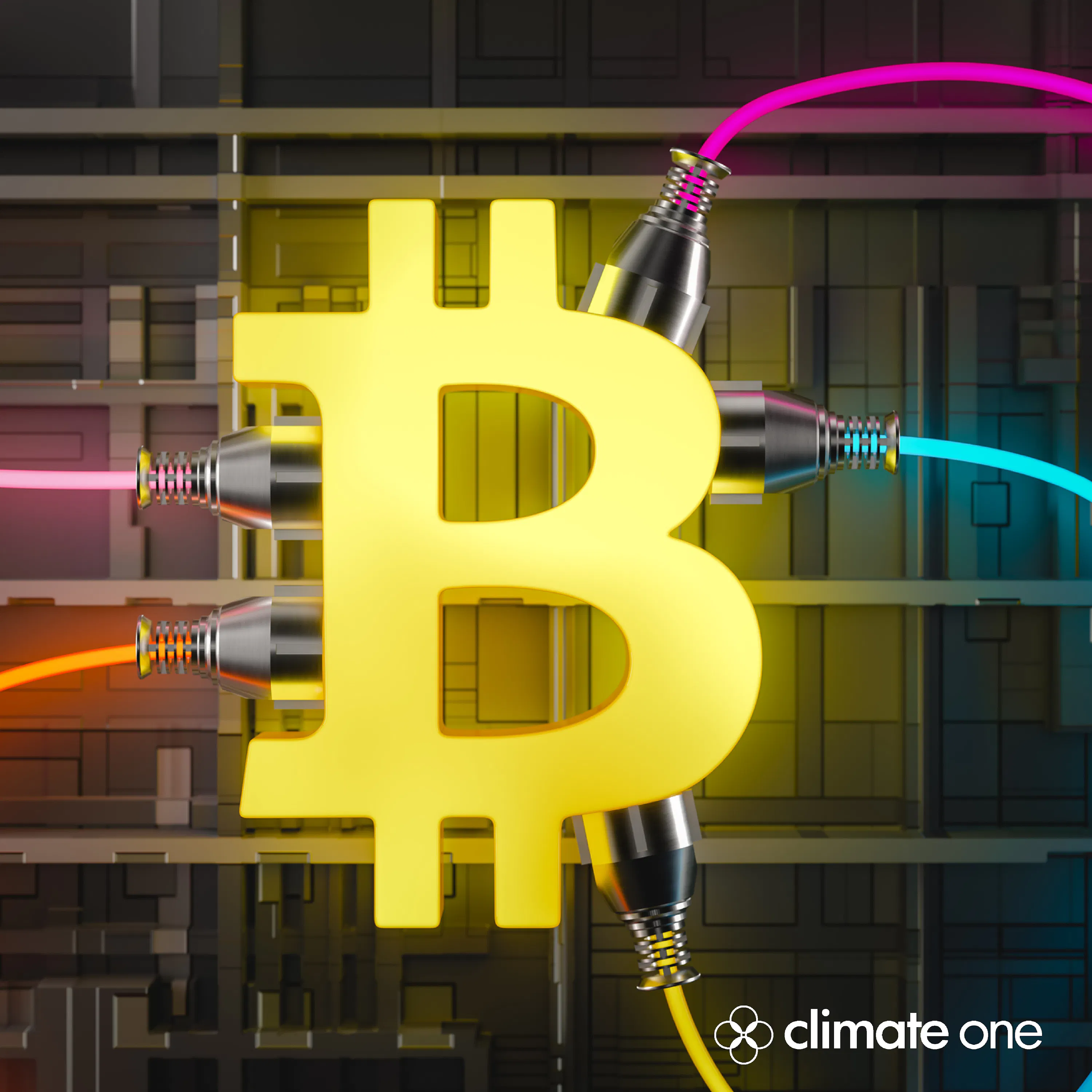
Bitcoin Uses a Ton of Energy — On Purpose. Is it Worth It?
Studies estimate that global bitcoin mining uses more electricity than most countries, and that bitcoin mining may be responsible for about 65 megatons of carbon dioxide a year, comparable with the emissions of Greece. Some bitcoin operations are bringing old coal plants back on line, even as lobbyists for the bitcoin mining industry argue that mining operations can have a positive impact on the climate by creating more demand for carbon-free power. But even if all of the power were derived from green sources, is bitcoin mining really the best use of renewable electricity? This episode features a report by multimedia journalist Lily Jamali of the public radio program Marketplace, who takes us inside a crypto mining facility in upstate New York. Guests: Rolf Skar, Senior Advisor, Greenpeace USA Brittany Kaiser, Chair of the Board, Gryphon Digital Mining Thomas Cmar, Senior Attorney, Earthjustice For show notes and related links, visit our website. Learn more about your ad choices. Visit megaphone.fm/adchoices
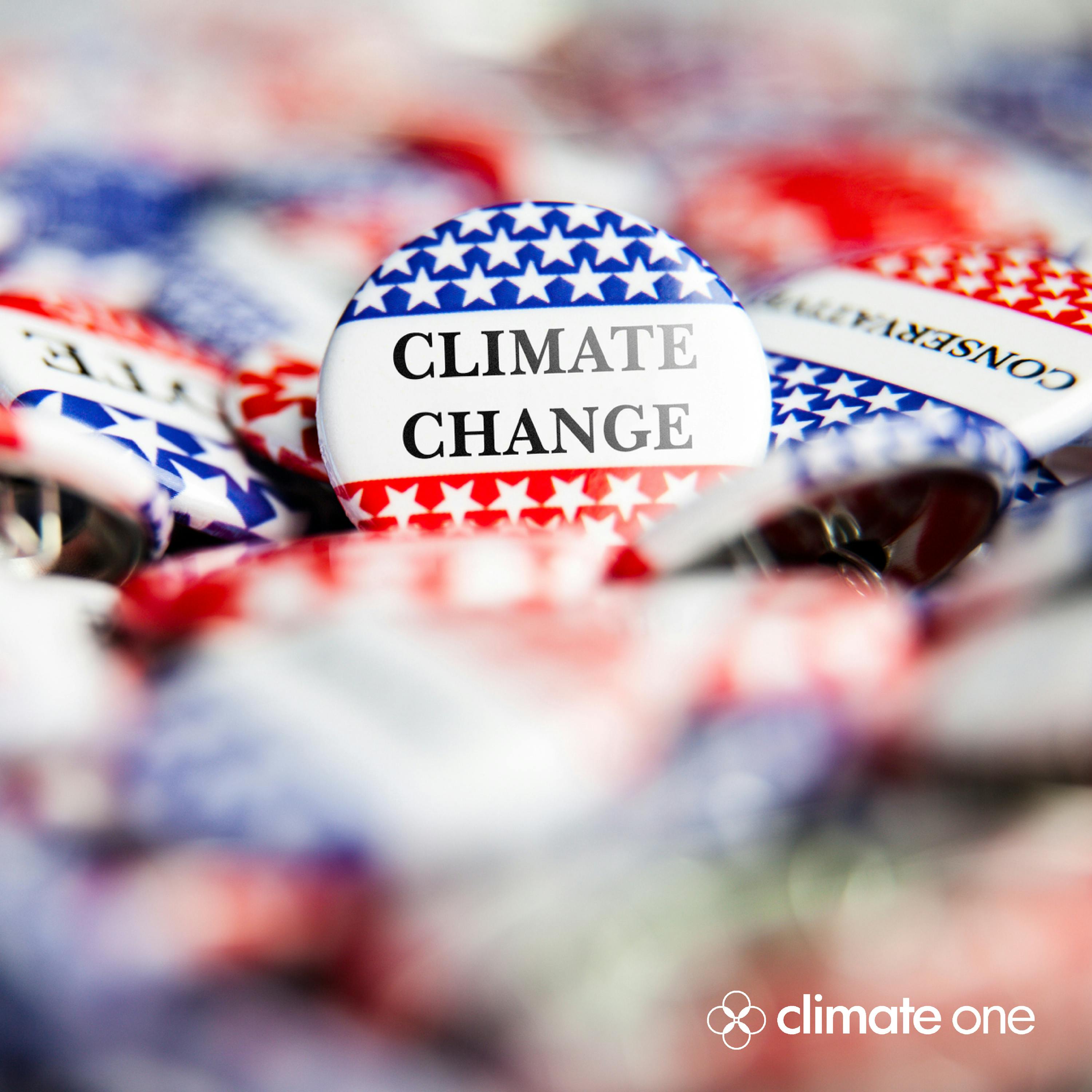
Two Voices on Climate That Will Surprise You
It’s easy to write off people outside our own ideological bubbles, even when we may have many goals in common. But as the effects of the climate crisis become more apparent, we need leaders from all political and industrial perspectives to work together. In the U.S., climate is a polarizing issue where it’s too easy to assume that one side is working to reduce emissions and the other side is defending the status quo. But that’s only a caricature of reality. There are people from many ideological backgrounds trying to address the climate crisis. So how can common ground be found between environmentalists on the left and Republicans on the right? And what does an EV-driving member of the ConocoPhillips board have to say about reducing emissions? Guests: John Curtis, U.S. Representative (R-UT) Arjun Murti, Partner, Veriten; Director, ConocoPhillips board For show notes and related links, visit ClimateOne.org. Learn more about your ad choices. Visit megaphone.fm/adchoices
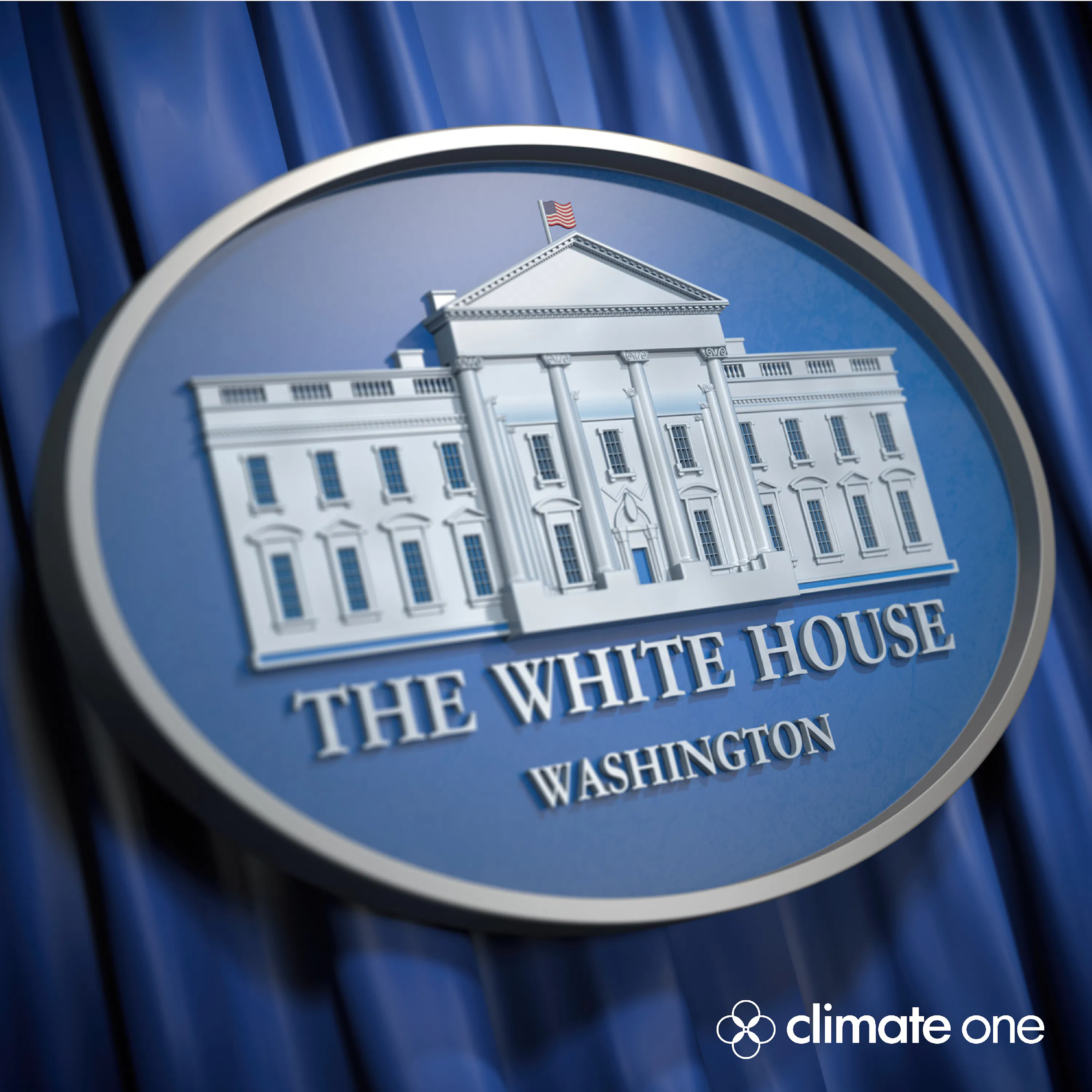
White House Climate Advisor Ali Zaidi on Willow and Biden’s Climate Agenda
Biden’s policy wins have secured vast amounts of funding for the energy transition, and that money is just beginning to flow, with new programs becoming available to everyday Americans. With hundreds of billions tagged for chip and battery plants, climate smart agriculture, rail, modernizing the electric grid, and tax incentives for citizens to run their homes and cars on electricity, ensuring these dollars and programs have real impact is now the name of the game. White House National Climate Advisor Ali Zaidi plays a leading role in coordinating the implementation of the biggest investments in clean energy the U.S. has ever made. This week he joins us to discuss the complicated maze of industrial policy intended to create a more just economy while reducing greenhouse gas emissions. Guest: Ali Zaidi, White House National Climate Advisor For show notes and related links, visit https://www.climateone.org/watch-and-listen/podcasts Learn more about your ad choices. Visit megaphone.fm/adchoices

Yes, Happiness and Climate Action Can Go Together
Our brains have evolved over millions of years to deal with immediate and direct challenges, but they’re not so great at processing large existential threats, like the climate crisis. Understanding why people behave the way they do could be a critical step in bringing about more meaningful climate action. Despite having the technical ability we need to stay under 1.5 degrees Celsius of warming, we’re on a path to surpass that number by the early 2030s. Yet doom and gloom framing can drive people away from even thinking about the climate crisis. How can we use our understanding of behavior to incorporate happiness into meaningful climate action? Guests: Ann-Christine Duhaime, Pediatric Neurosurgeon, Author of Minding the Climate: How Neuroscience Can Help Solve Our Environmental Crisis Jiaying Zhao, Associate Professor, University of British Columbia For show notes and related links, visit ClimateOne.org. Learn more about your ad choices. Visit megaphone.fm/adchoices
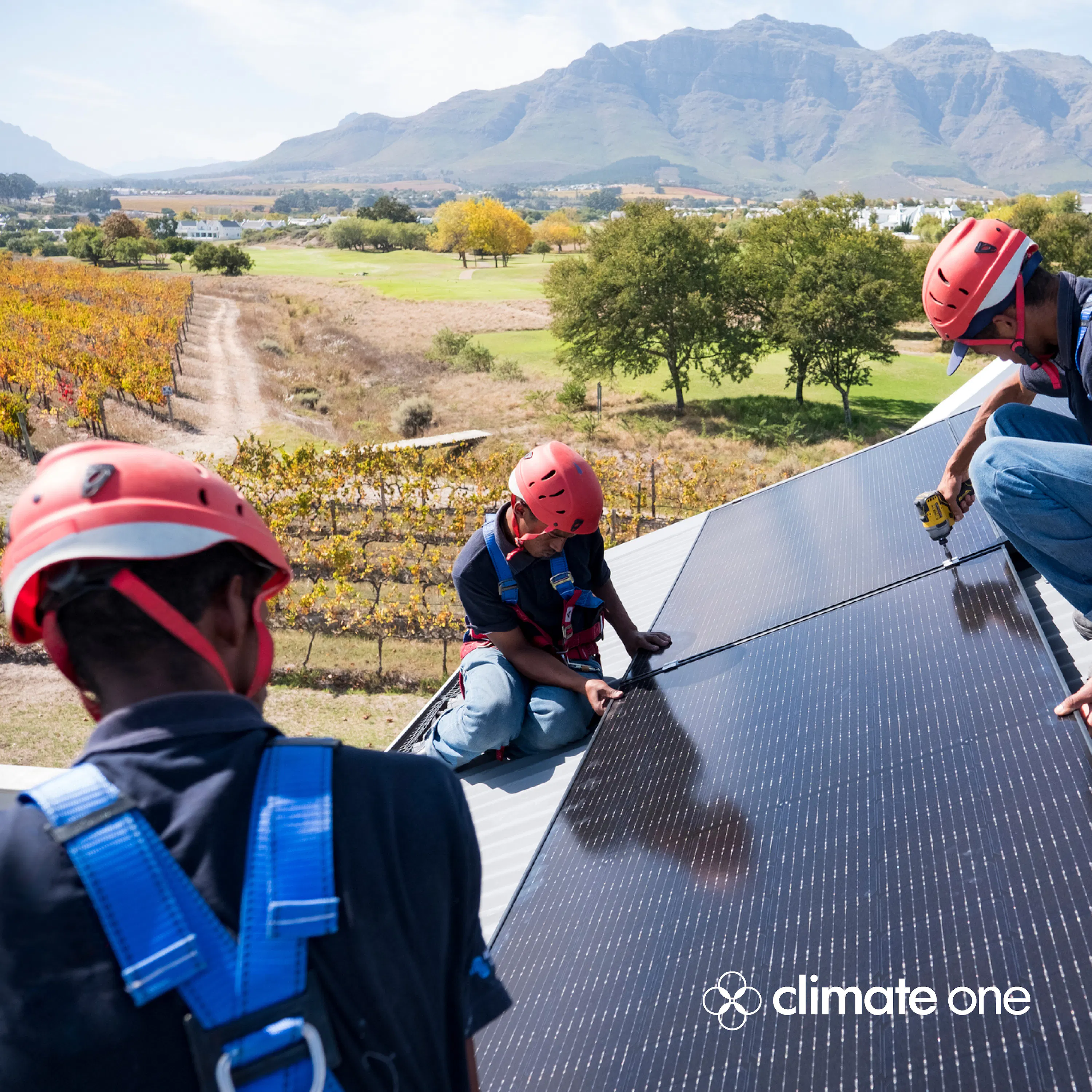
A Global Just Transition — For Whom?
According to the United Nations Development Program, 54 countries, accounting for half the world’s population, face such critical debt burdens that they simply cannot finance climate adaptation and mitigation on their own. Most of these same countries are in the most climate-vulnerable regions in the world, setting them up for compounding disasters. At the same time, every nation on earth is being asked to reduce their dependence on fossil fuels — which enabled the richest countries to develop their economies. So how can those in the developing world make the transition to a clean energy economy while centering economic justice? This episode is a collaboration with Foreign Policy’s Heat of The Moment podcast. Guests: Ani Dasgupta, President and CEO, World Resources Institute This episode features stories from Amy Booth and Elna Schütz for Heat of The Moment podcast For show notes and related links, visit our website. Learn more about your ad choices. Visit megaphone.fm/adchoices

Stop, Listen, What’s that Sound?
Every place we inhabit has its own tapestry of sound, whether you’re hiking through the woods or sitting in a cafe with a friend. And not only are sounds a part of our sensory experience, but they can give us vital information about the health of our ecosystems. As the planet warms and we lose biodiversity, those sounds are changing. The natural world isn’t the only space where the soundscape is changing. Electrifying everything will have a direct effect on the sound of urban centers. What will cities sound like in the future? Will we listen to the messages our world is sending us, or will we tune them out? Guests: Bernie Krause, Soundscape Ecologist Dan Hill, Director, Melbourne School of Design For show notes and related links, visit ClimateOne.org. Learn more about your ad choices. Visit megaphone.fm/adchoices
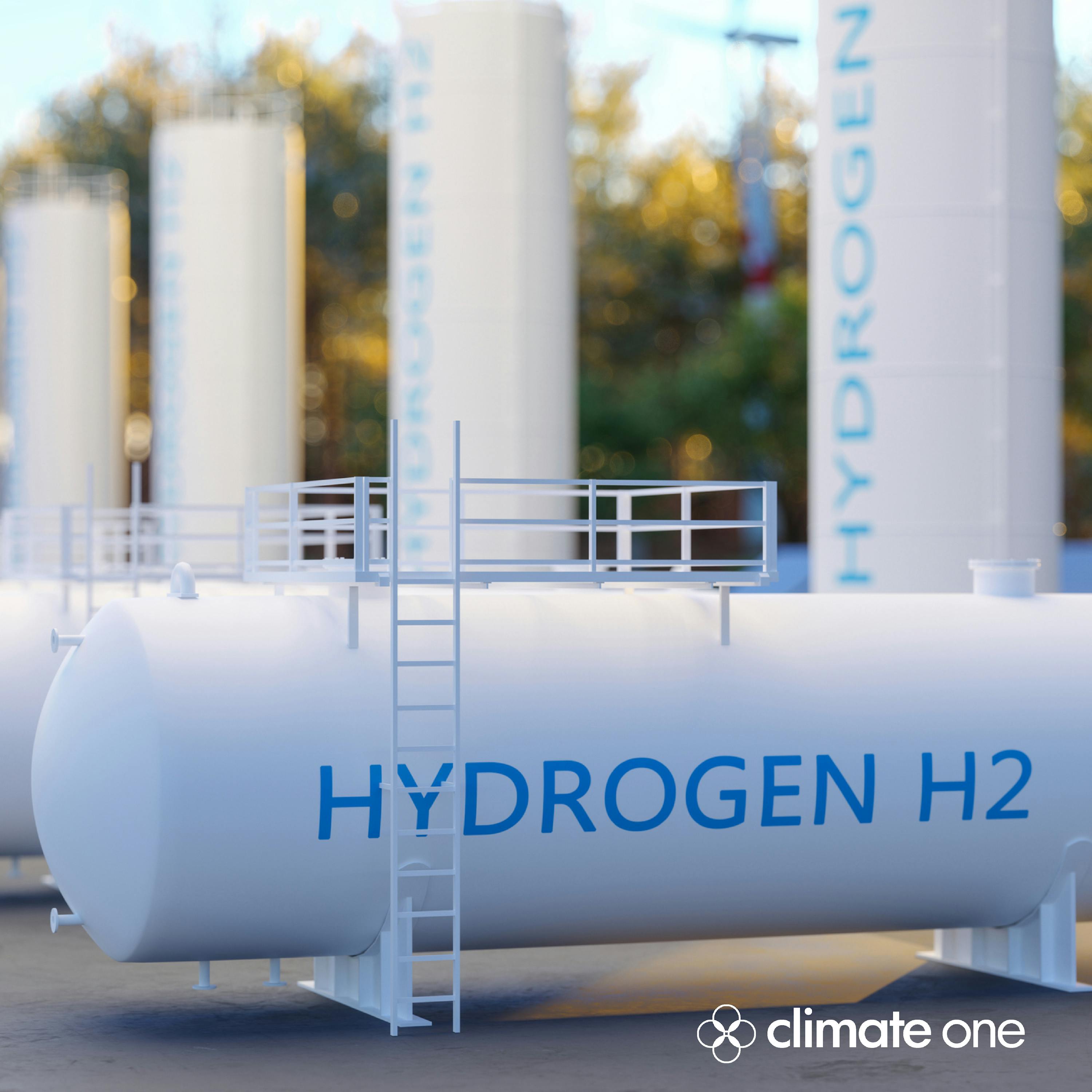
Has Hydrogen’s Moment Finally Arrived?
Not long ago, it was said that “hydrogen is the fuel of the future - and always will be.” Now, with the Bipartisan Infrastructure Law tagging $9.5 billion for developing a domestic hydrogen economy, this simplest of all elements is increasingly being discussed as a viable pathway for long-distance trucking, shipping, and hard-to-decarbonize industries like cement and steel. But how clean is clean hydrogen, really? And what will it take to make green hydrogen a cost-competitive option in applications like manufacturing, transportation, and grid-scale energy storage? Guests: Julio Friedmann, Chief Scientist, Carbon Direct Sunita Satyapal, Director, Hydrogen and Fuel Cell Technologies Office, DOE Alan Krupnick, Senior Fellow, Resources for the Future For show notes and related links, visit https://www.climateone.org/watch-and-listen/podcasts Learn more about your ad choices. Visit megaphone.fm/adchoices
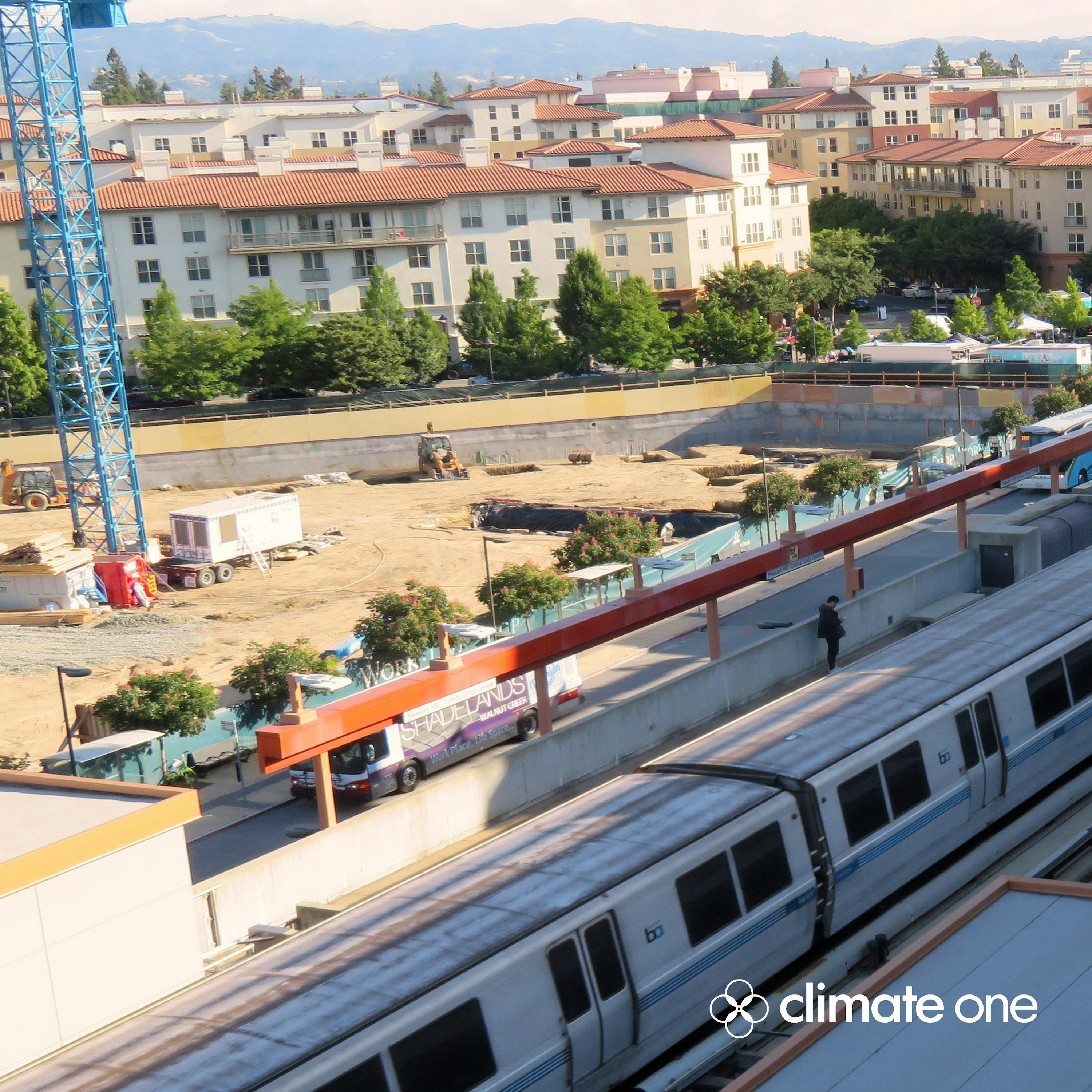
Housing Density as a Climate Lever with Scott Wiener
The lack of affordable housing in the U.S. has contributed to a homelessness crisis and has forced people to move farther away from urban centers. Inevitably, that increases car travel and emissions. One solution is to increase density in areas where jobs and infrastructure exist to accommodate more people. But some aren’t comfortable with the idea of their neighborhoods growing, and building multi-story apartments in urban cores usually costs more per square foot than one or two-story houses where land is cheaper. So how do we address both the need for affordable housing and the climate crisis? Guests: Scott Wiener, California State Senator Jennifer Hernandez, Partner, Holland & Knight Ben Bartlett, Berkeley Vice Mayor For show notes and related links, visit ClimateOne.org. Learn more about your ad choices. Visit megaphone.fm/adchoices
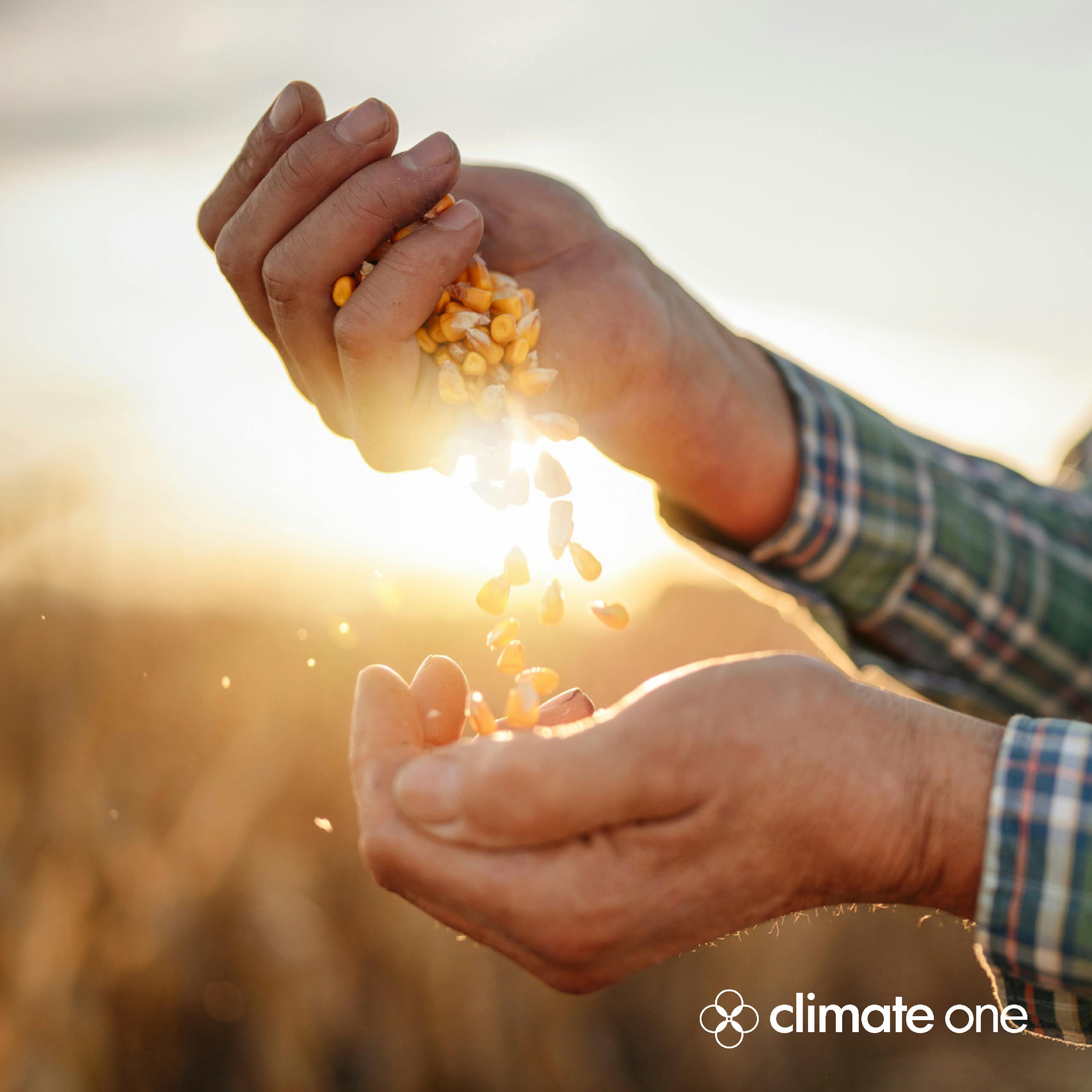
Climate Smart Agriculture with Secretary Tom Vilsack
Agriculture is responsible for around 11% of U.S. carbon emissions. And yet soil holds the potential for massive carbon sequestration. Conventional agriculture focuses more on crop productivity than soil health, relying on pesticides, fertilizer, and other practices that contribute to climate-changing emissions rather than reduce them. U.S. Agriculture Secretary Tom Vilsack advocates for a federal initiative focused on supporting “climate smart” agriculture for commodity crops that comprise the bulk of what’s grown on American farms: corn, soybeans, wheat. Meanwhile, the restaurateur behind Zero Foodprint is working to create change from table to farm, by crowdsourcing funds from customers to support regenerative farming practices directly. Guests: Tom Vilsack, Secretary, US Department of Agriculture Jeremy Martin, Senior Scientist, Union of Concerned Scientists Anthony Myint, Executive Director, Zero Foodprint For show notes and related links, visit https://www.climateone.org/watch-and-listen/podcasts Learn more about your ad choices. Visit megaphone.fm/adchoices
What We’re Watching in Climate Now
2022 was a banner year for climate – both in terms of climate-fueled disaster and historic federal investments in clean energy, electric vehicles and home electrification. The questions now: How will the programs be implemented ? How will the money be spent – and who will benefit? This week, we examine the coming trends in raw material prices, the impact of the Inflation Reduction Act, new investments in clean tech, tighter rules on pollution and western water negotiations. Guests: Felicia Marcus, Visiting Fellow, Stanford University Nat Bullard, Senior Contributor, Bloomberg NEF, Bloomberg Green Catherine Coleman Flowers, Vice Chair, White House Environmental Justice Advisory Council For show notes and related links, visit ClimateOne.org. Learn more about your ad choices. Visit megaphone.fm/adchoices
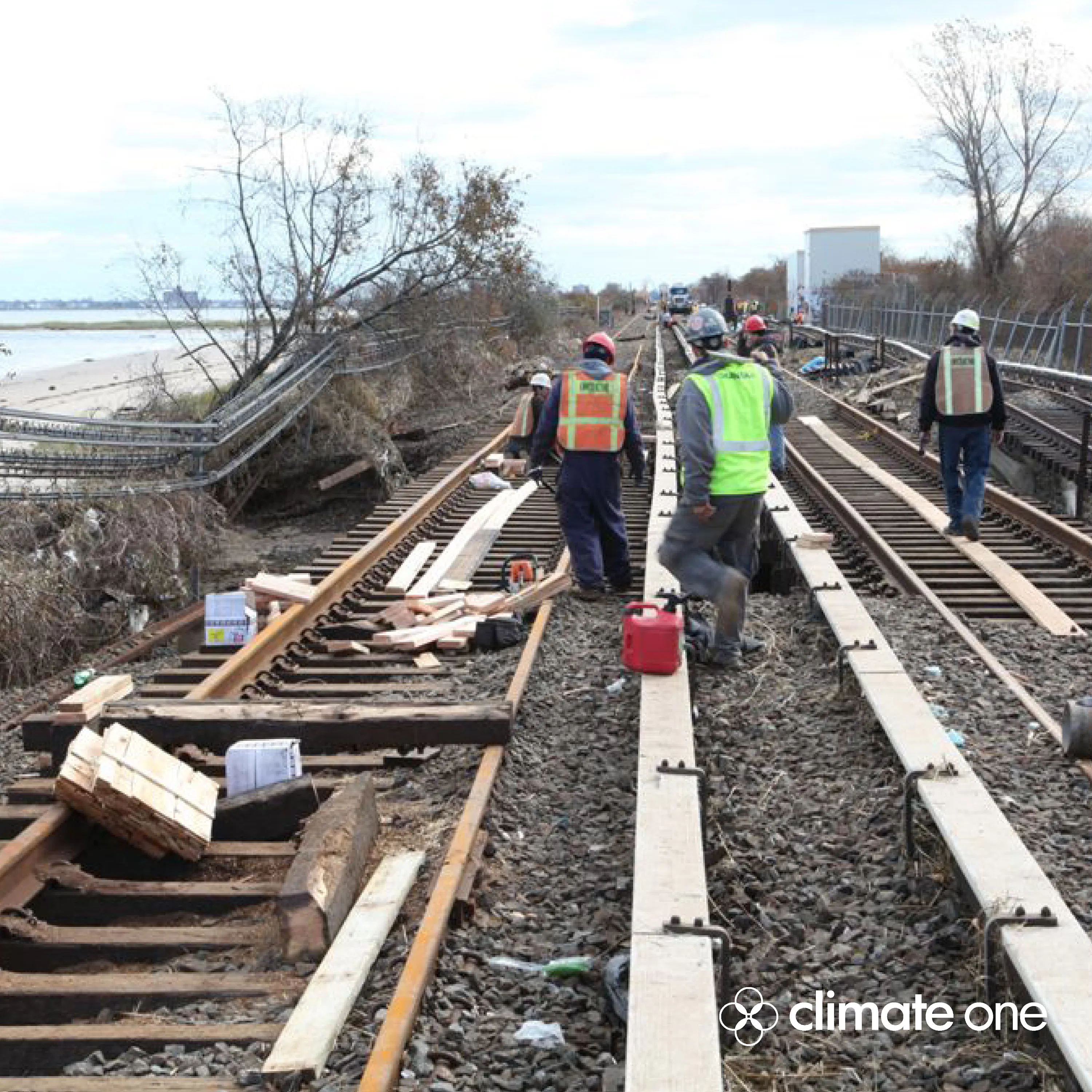
Saket Soni on the People Who Make Disaster Recovery Possible
Who cleans up and rebuilds our communities after floods, fires, and hurricanes? COVID redefined America's definition of “essential workers,” but many who help communities recover from climate disasters remain underpaid and overlooked. In 2006, labor organizer Saket Soni got an anonymous call from an Indian migrant worker in Mississippi who had scraped together $20,000 to apply for the “opportunity” to rebuild oil rigs after Hurricane Katrina. The caller was only one of hundreds lured into Gulf Coast labor camps, surrounded by barbed wire, and watched by armed guards. Since then, the frequency and intensity of climate-related disasters has only increased – and disaster recovery has become big business. How are the lives of people displaced by disasters intertwined with those helping to rebuild? Guests: Saket Soni, Founder and Director, Resilience Force Daniel Castellanos, Director Of Workforce Engagement, Resilience Force For show notes and related links, visit https://www.climateone.org/watch-and-listen/podcasts Learn more about your ad choices. Visit megaphone.fm/adchoices
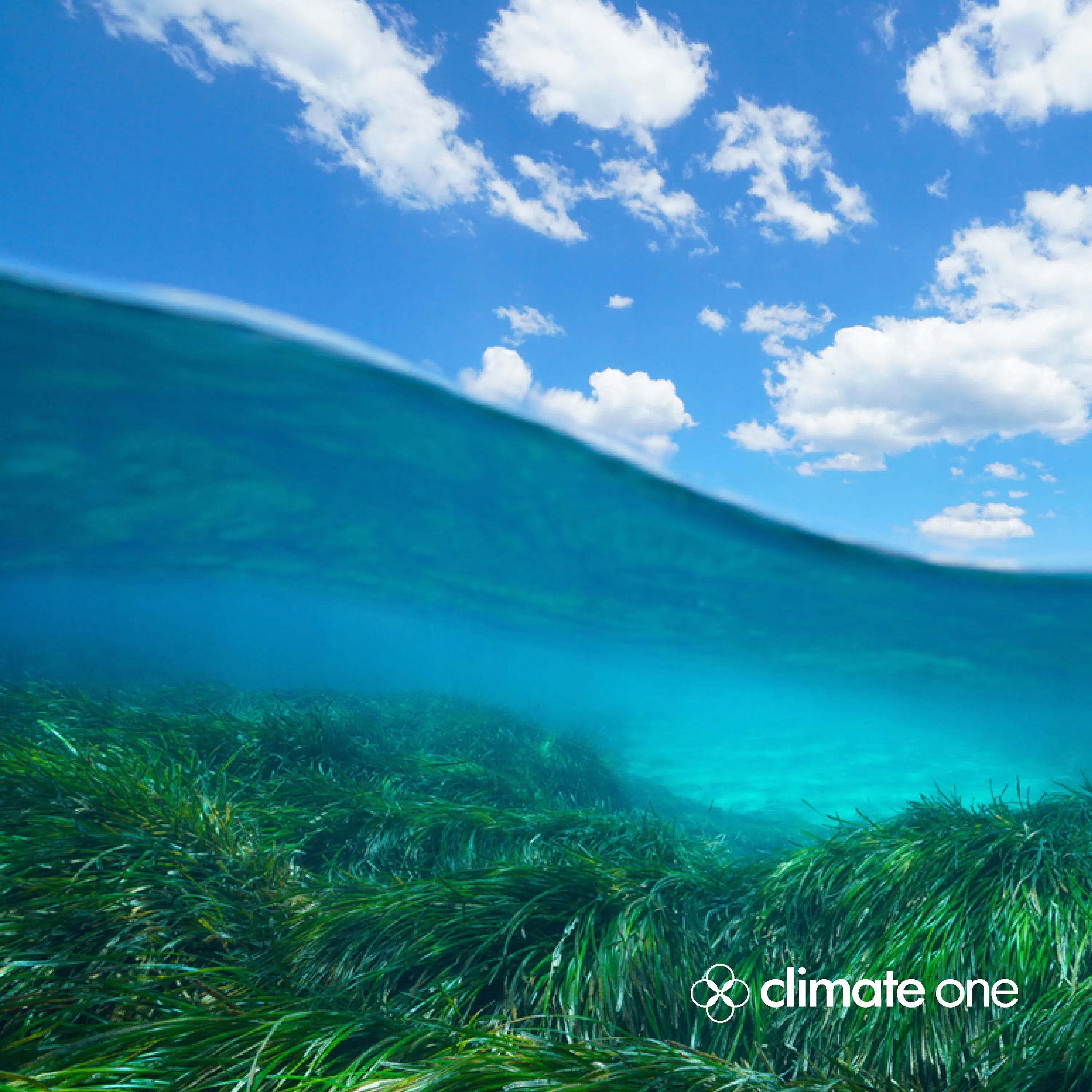
Blue Carbon: Sinking It in the Sea
When most of us think about using nature to remove carbon dioxide from the air, we think of trees. Yet blue carbon, a new name for storing carbon dioxide in coastal and marine ecosystems where it can no longer trap heat in our atmosphere, may have even greater potential. Salt marshes and mangroves have carbon-capturing capacity that may surpass that of terrestrial forests. Seagrasses, for example, currently cover less than 0.2% of the ocean floor, but store about 10% of the carbon buried in the oceans each year. How can natural, ocean-based solutions benefit both the planet and the people who live in and depend on coastal ecosystems? Guests: Ralph Chami, Assistant Director, Western Hemisphere Division, Institute for Capacity Development, IMF Emily Pidgeon, Vice President, Ocean Science And Innovation, Conservation International Irina Fedorenko-Aula, Founder, Co-CEO, Vlinder Isabella Masinde, CEO, Umita For show notes and related links, visit our website. Learn more about your ad choices. Visit megaphone.fm/adchoices

Activism, Art and Environmental Justice
Art can inspire community and conversation, provide fresh insights into understanding history, and cultivate connection. It can challenge your worldview and shift perspectives. This week we discuss how art and activism can work together to elevate some of the vast inequities that exist between those who benefit from fossil fuel energy and resource extraction and those who suffer its impacts. Guests: Ladonna Williams, Program Director, All Positives Possible Doug Harris, documentary filmmaker Christine Abadilla Fogarty, Associate Director, Global Museum at San Francisco State University Sofía Córdova, multimedia artist and musician For show notes and related links, visit our website. Learn more about your ad choices. Visit megaphone.fm/adchoices

REWIND: Coping with Climate through Music
Music and social movements have historically gone hand in hand. Folk music played a unifying role for the labor movements in the United States. Music was central to the protests against the Vietnam War and in favor of Civil Rights. As more people become aware of the climate crisis, music is starting to reflect that. But there is still no one song or artist inspiring climate action the way music catalyzed other movements. Why aren’t more musical artists raising the alarm over the growing climate catastrophe? And for the artists who are, how do they express the anxiety and grief that they and their listeners are experiencing? Guests: Tamara Lindeman, Musician, The Weather Station Jayson Greene, Contributing Editor, Pitchfork For show notes and related links, visit our website. Learn more about your ad choices. Visit megaphone.fm/adchoices
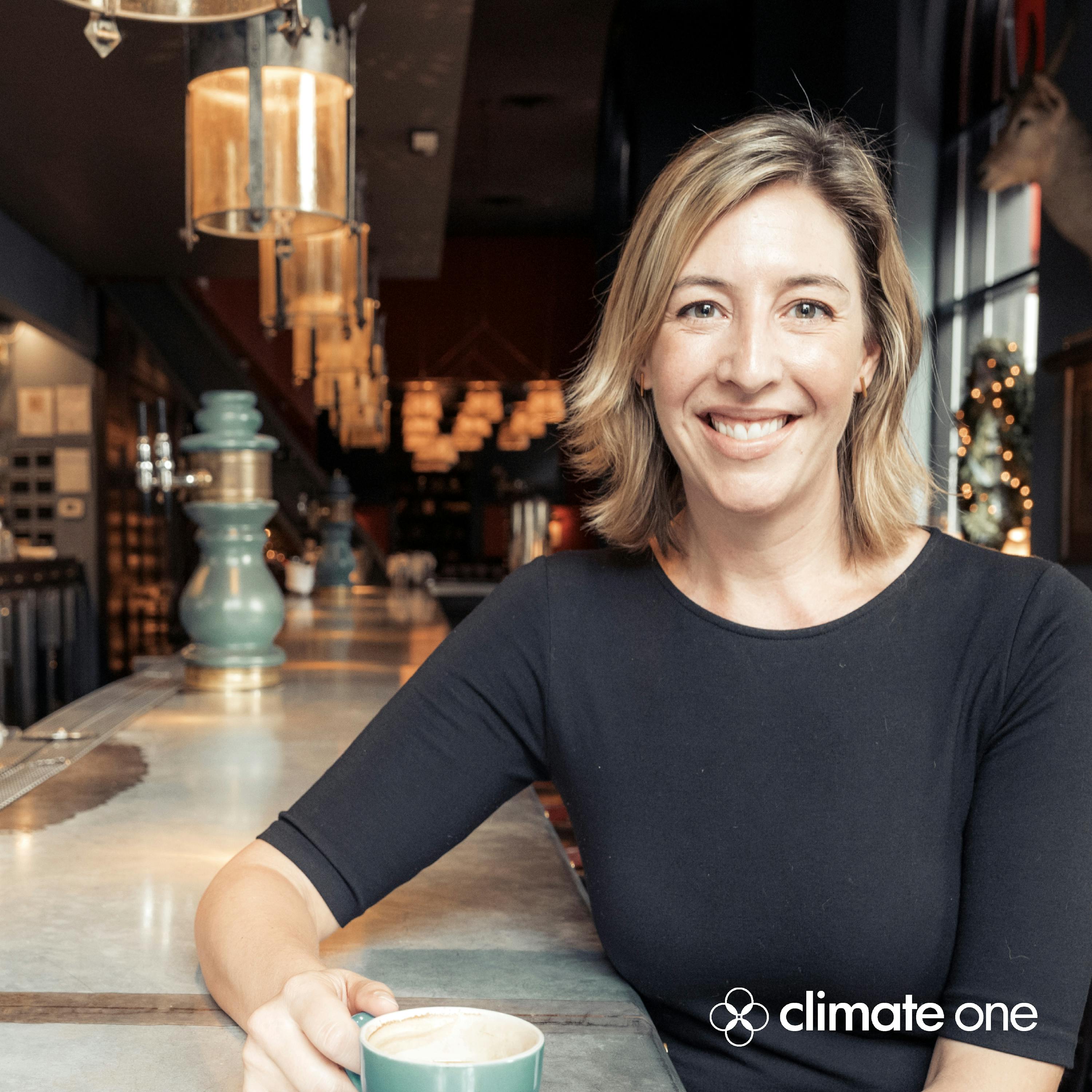
REWIND: Molly Wood on Tech, Money and Survival
After a 20-year career as a tech reporter for CNET, the New York Times, and the public radio program Marketplace, Molly Wood has come to see the climate crisis as an engineering problem requiring an acceleration of investment. And so, after producing the acclaimed climate podcast “How We Survive” for Marketplace, she left that program to begin a new career in venture capital. What are the limits of media in changing human behavior? And what is the role of capital in addressing the climate crisis, even while considering that capitalism itself may be incompatible with survival? Guests: Molly Wood, Climate Solutions Investor, Podcaster Learn more about your ad choices. Visit megaphone.fm/adchoices
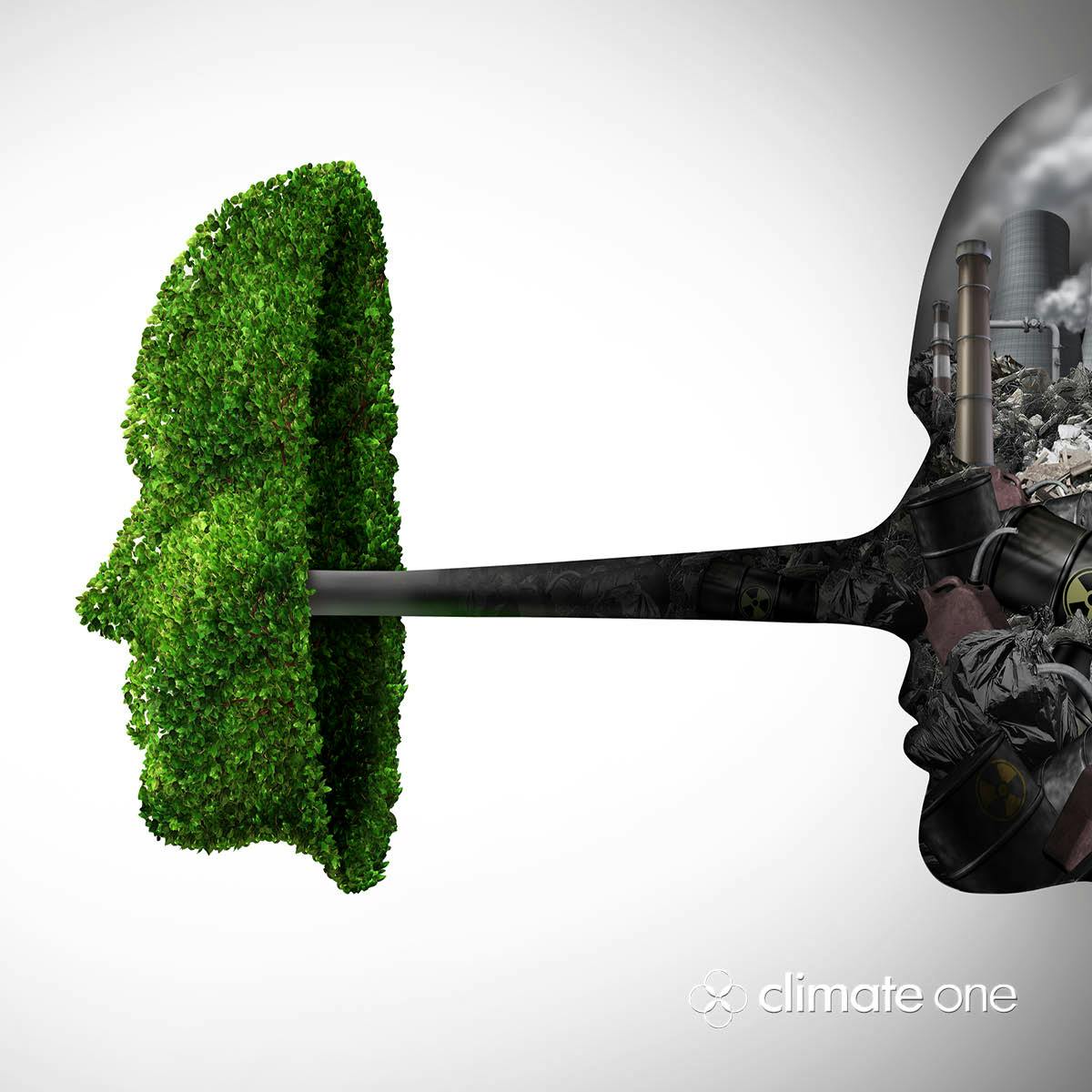
Revisiting The Enablers: The Firms Behind Fossil Fuel Falsehoods
For years, fossil fuel companies have claimed to support climate science and policy. Many have recently pledged to hit net zero emissions by midcentury. Yet behind the scenes, they fight those very same policies through industry associations, shadow groups, and lobbying – all while spending vast sums on advertising and PR campaigns touting their climate commitments. This week we focus on the PR and consultancy firms helping fossil fuel companies delay the transition to clean energy while claiming they are on the side of climate protection. Guests: Michael Forsythe, Reporter, New York Times Dr. Benjamin Franta, Senior Research Fellow and Head of the Climate Litigation Lab, Oxford Sustainable Law Programme. Jamie Henn, Founder and Director, Fossil Free Media Christine Arena, former Executive Vice President, Edelman; Founder, Generous Films For show notes and related links, visit ClimateOne.org. Learn more about your ad choices. Visit megaphone.fm/adchoices
This Year in Climate: 2022
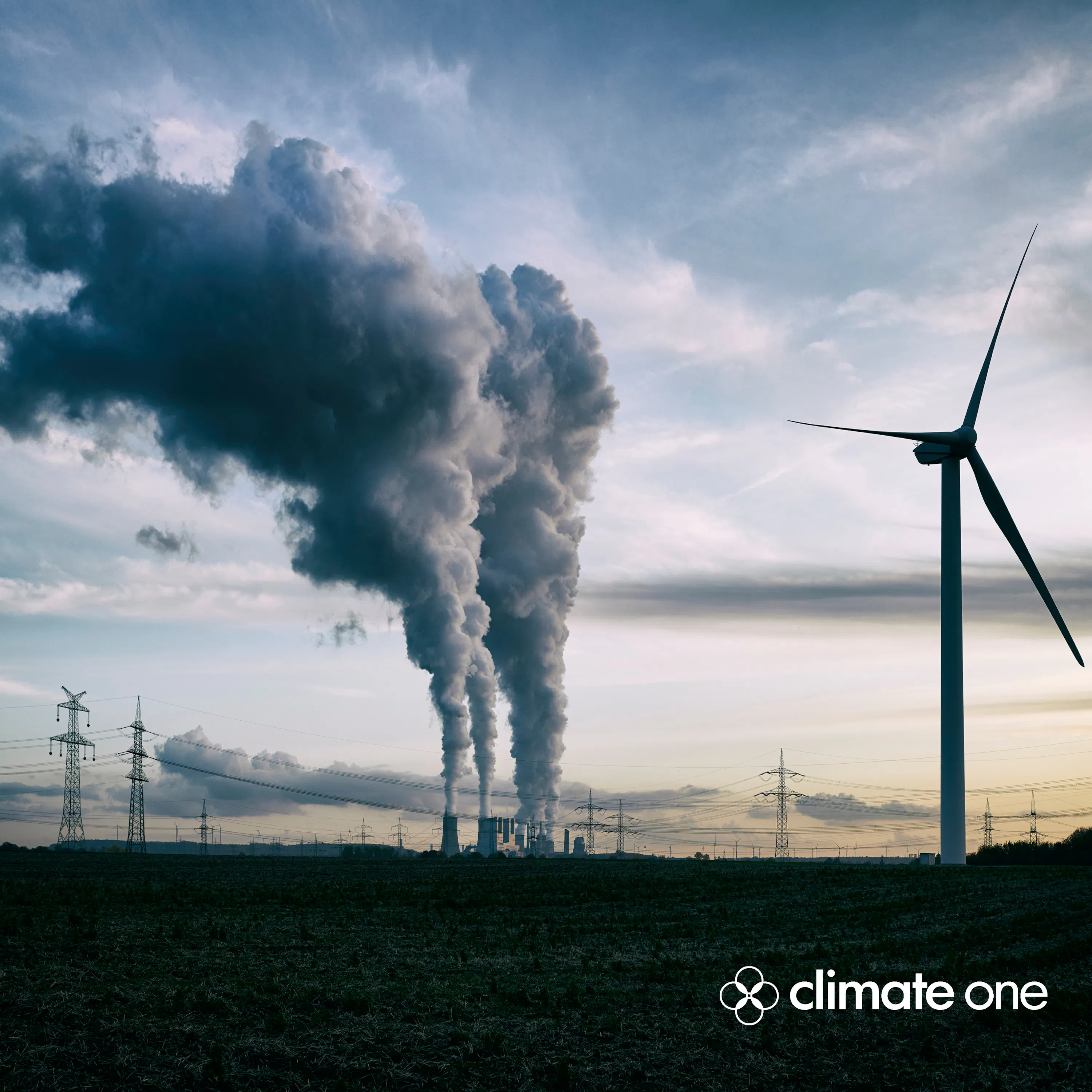
Russia’s February invasion of Ukraine sent shockwaves through global energy markets, destabilized international food security, and continues to keep the world wondering whether the war will accelerate the transition to clean energy or lead to renewed dependence on fossil fuels. Climate One hosts Greg Dalton and Ariana Brocious review the top climate stories of the year, from the war’s global impacts, to the passage and signing of the Inflation Reduction Act, to the recent international climate summit in Egypt. This special episode features excerpts from some of Climate One’s most profound interviews of 2022, including conversations with such luminaries as Jamie Raskin, Wanjira Mathai, and Anand Giridharadas. Guests: Roman Zinchenko, Co-founder, Greencubator Amy Myers Jaffe, Director of NYU’s Energy, Climate Justice and Sustainability Lab Gina McCarthy, Former White House Climate Advisor, Former EPA Administrator Jamie Raskin, U.S. Representative, Maryland’s 8th Congressional District Anand Giridharadas, Author, The Persuaders: At the Front Lines of the Fight for Hearts, Minds, and Democracy Chloe Maxmin, Maine State Senator Wanjira Mathai, Vice President and Regional Director for Africa, World Resources Institute David Munene, Programs Manager, Catholic Youth Network for Environmental Sustainability in Africa Lagipoiva Cherelle Jackson, Reporter, The Guardian; Host of An Impossible Choice podcast David Wallace-Wells, Columnist, New York Times Magazine; Author of The Uninhabitable Earth: Life After Warming Gavin McCormick, Co-founder, Climate TRACE For show notes and related links, visit www.climateone.org Learn more about your ad choices. Visit megaphone.fm/adchoices
Stefan Rahmstorf: 2022 Schneider Award Winner
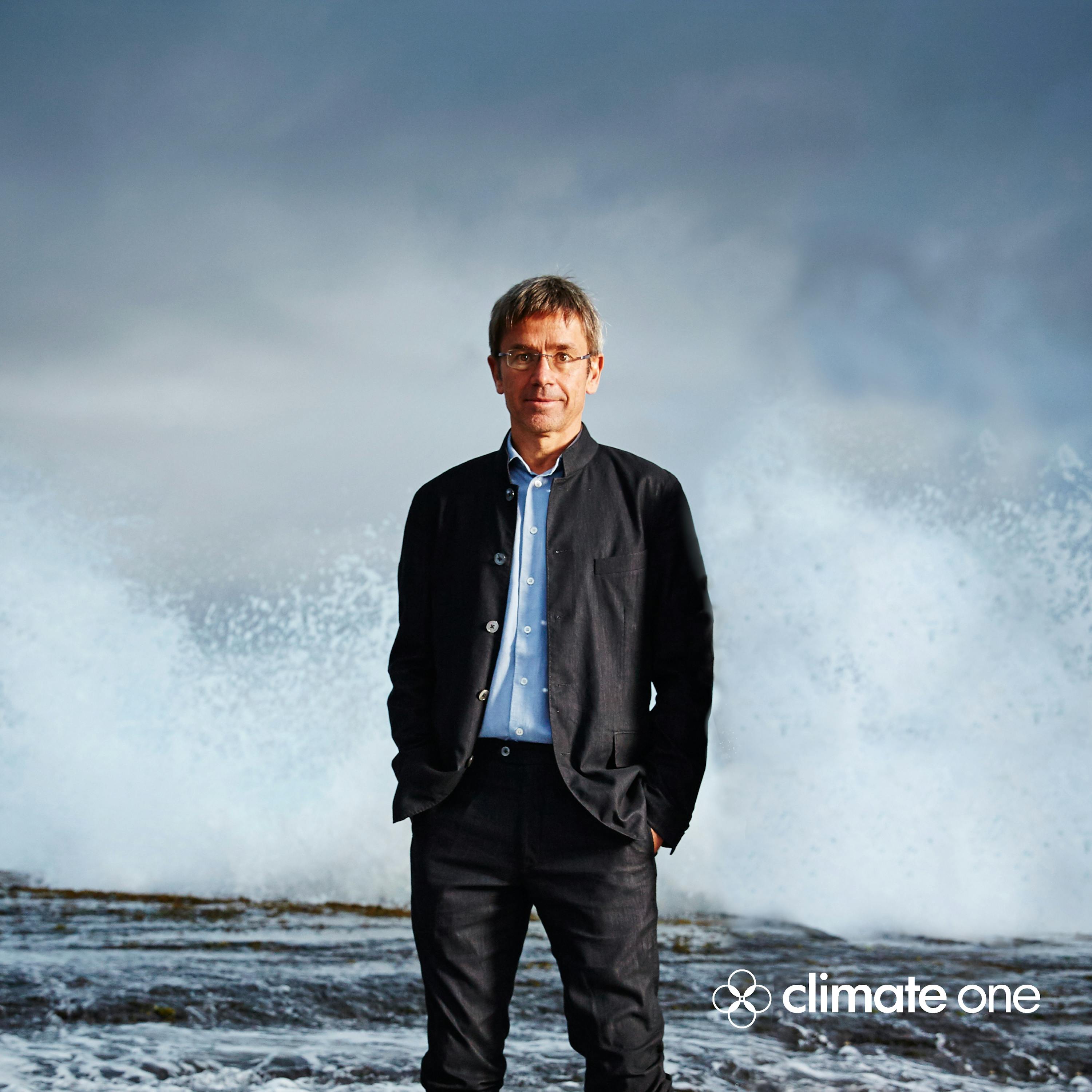
Every year, Climate One grants an award in memory of pioneering climate scientist Steve Schneider, who fiercely took on the denial machine from the 1970s until his death in 2010. This year's recipient is German physicist and ocean expert Dr. Stefan Rahmstorf. Dr. Rahmstorf says we’re running toward a cliff in a fog. What can science tell us where that cliff is – and how to avoid it? In a time of oceanic changes happening at an unprecedented pace, Dr. Rahmstorf exemplifies the rare combination of superb scientist and powerful communicator. He works to convey the impact of climate disruption on ocean currents, sea level rise, and increasing extreme weather events fueled by warmer oceans. We also talk with past Schneider Award winner Ayana Elizabeth Johnson about the need for broader inclusion among climate leaders. What can the study of past ice ages tell us about our climate future? And what should be the role of scientists in the public sphere? Guests: Stefan Rahmstorf, Co-Head of Research, Department on Earth System Analysis of the Potsdam Institute for Climate Impact Research (PIK); Professor of Physics of the Oceans, University of Potsdam Ayana Elizabeth Johnson, marine biologist, writer For show notes and related links, visit ClimateOne.org Learn more about your ad choices. Visit megaphone.fm/adchoices
Green Buildings: Cooking Without Gas
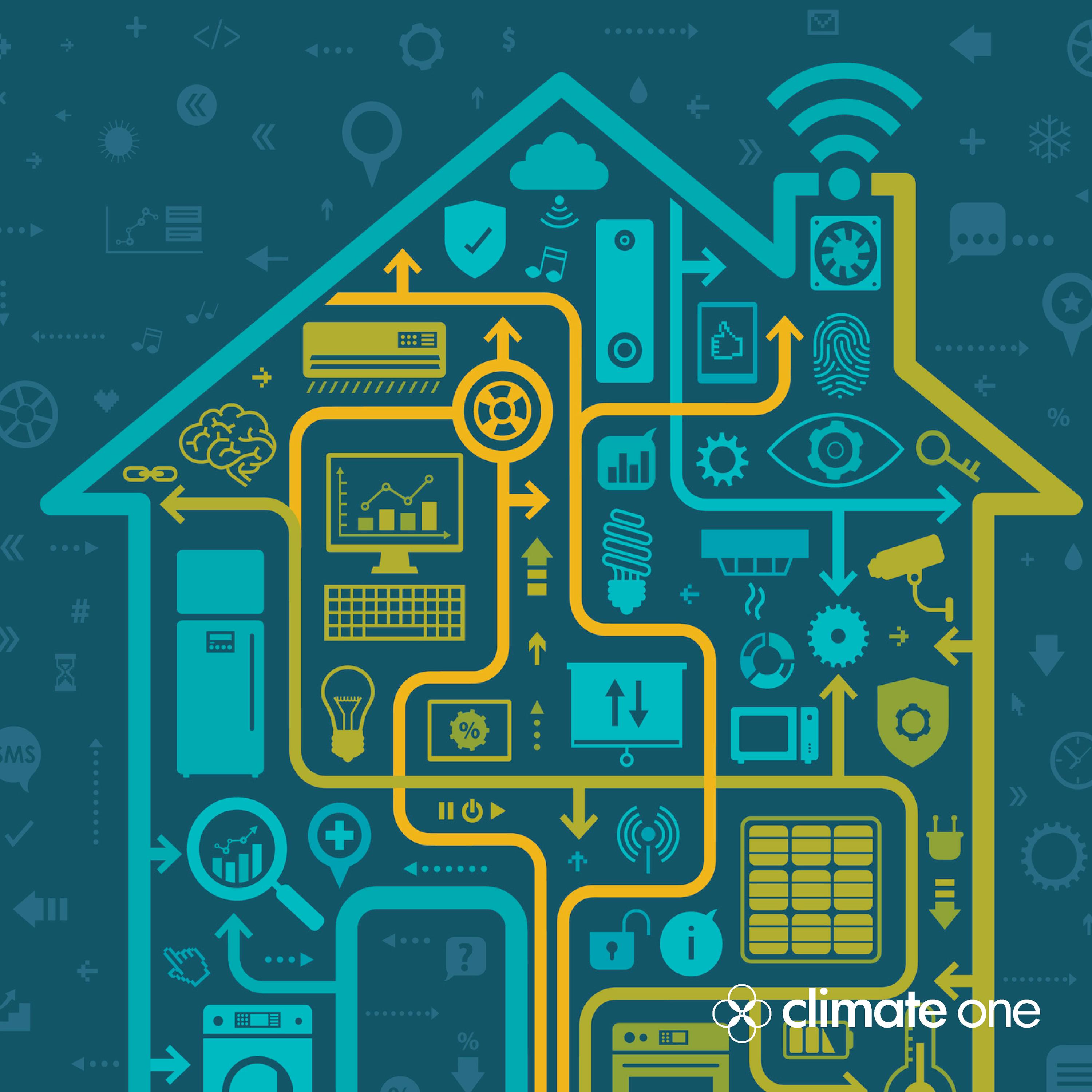
It’s become common for homeowners to install solar panels to provide themselves with emission-free electricity. But increasingly more attention is being paid to decarbonizing things inside the home – the machines that heat and cool water and air, dry our clothes and cook our food. The Inflation Reduction Act includes many ways for homeowners and renters to start to electrify their lives. And in some places, builders are developing highly efficient, all electric homes from the get-go. What more is needed to make our buildings greener and get away from fossil fuels? Guests: Mark Chambers, Sr. Director Building Emissions & Community Resilience, White House Council on Environmental Quality Bruce Nilles, Executive Director, Climate Imperative Contributing Producer: Cody Short, WBHM For show notes and related links, visit ClimateOne.org Learn more about your ad choices. Visit megaphone.fm/adchoices
What’s in My Air?
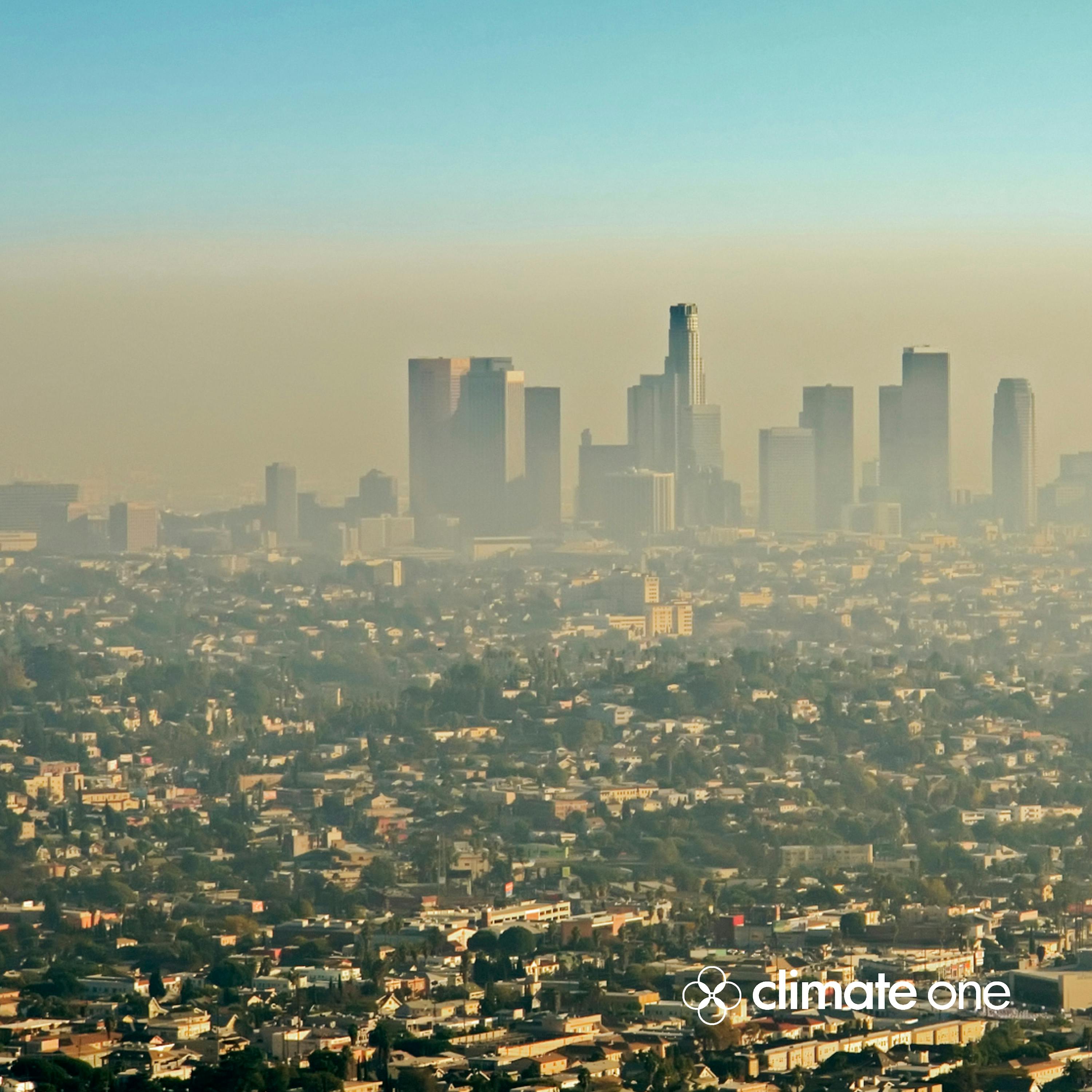
Over a 20-year period, methane is 80 times more potent a greenhouse gas than carbon dioxide. Yet those responsible for releasing methane into the atmosphere often don’t even know how much they themselves are emitting. And methane is only one of many harmful air pollutants that result from our dependence on burning fossil fuels. Now, research coalitions, citizen scientists and activists are using a slate of new tools to detect and report emissions. They’re also using many of the same tools to shine a light on exactly how and where other deadly fossil fuel pollutants, like nitrogen dioxide and particulate matter, are affecting community health. Such data could become a critical tool for regulation, leading to greater emissions reductions. Guests: Davida Herzl, Co-founder and CEO, Aclima Kendra Pinto, Four Corners Indigenous Community Field Advocate, Earthworks Gavin McCormick, Co-founder, Climate TRACE For show notes and related links, visit ClimateOne.org Learn more about your ad choices. Visit megaphone.fm/adchoices
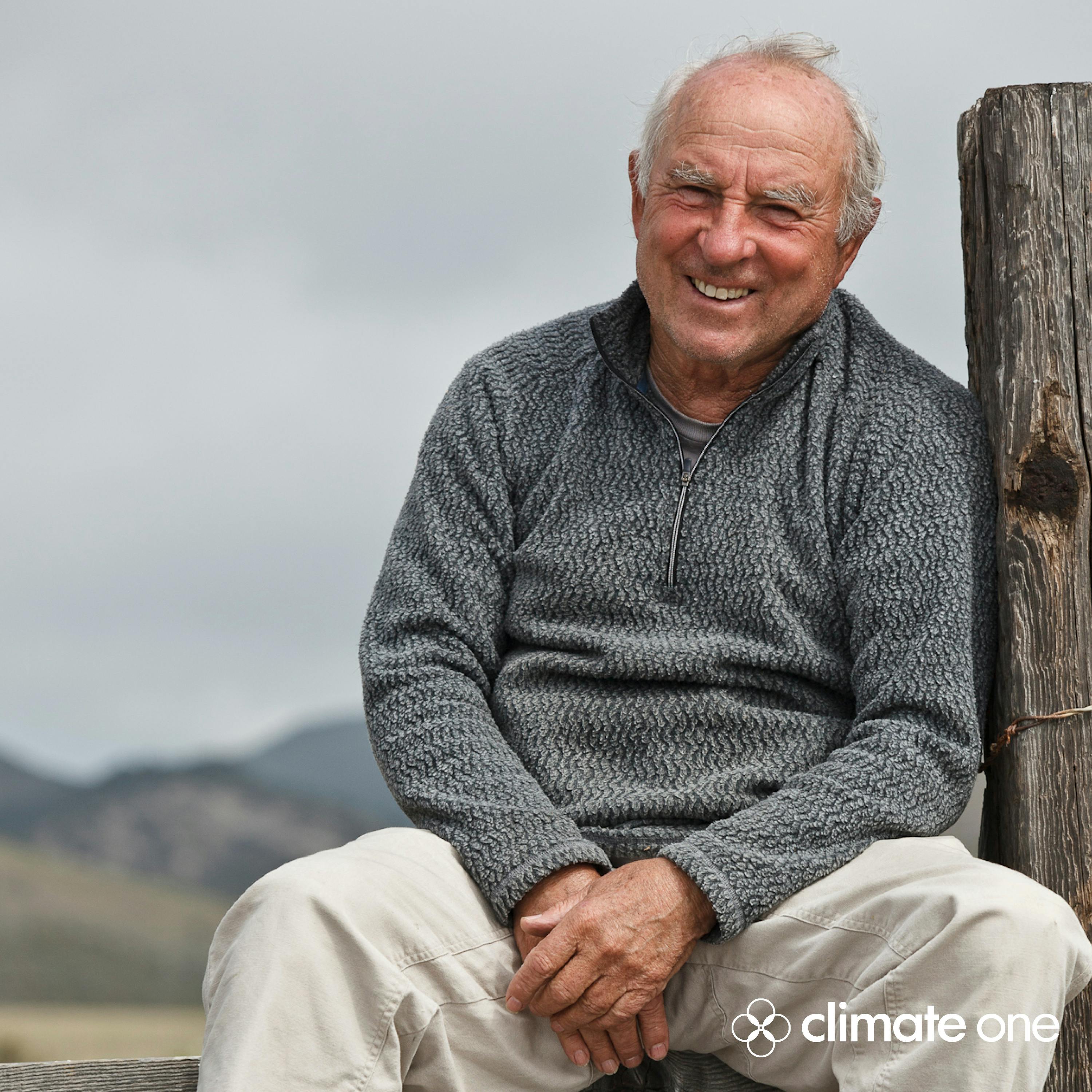
Yvon Chouinard: Giving It All Away
Patagonia founder Yvon Chouinard made headlines recently when he announced that he and his family had transferred their $3 billion stake in the storied outdoor gear company to a special purpose trust and nonprofit that would give away $100 million a year, specifically to environmental causes. Patagonia has a long history of donating at least one percent of its profits – and 100% of profits made on Black Friday – to grassroots environmental non-profits. Yet even with this massive gift, and Laurene Powell Jobs’ own recent $3.5 billion pledge, climate philanthropy still only accounts for a small fraction of all charitable giving. This Thanksgiving weekend, we look back to our 2016 interview with Yvon Chouinard and bring the story up to date with Inside Philanthropy’s Michael Kavate. Guests: Yvon Chouinard, Founder, Patagonia Michael Kavate, Staff Writer, Inside Philanthropy For show notes and related links, visit our website. Learn more about your ad choices. Visit megaphone.fm/adchoices
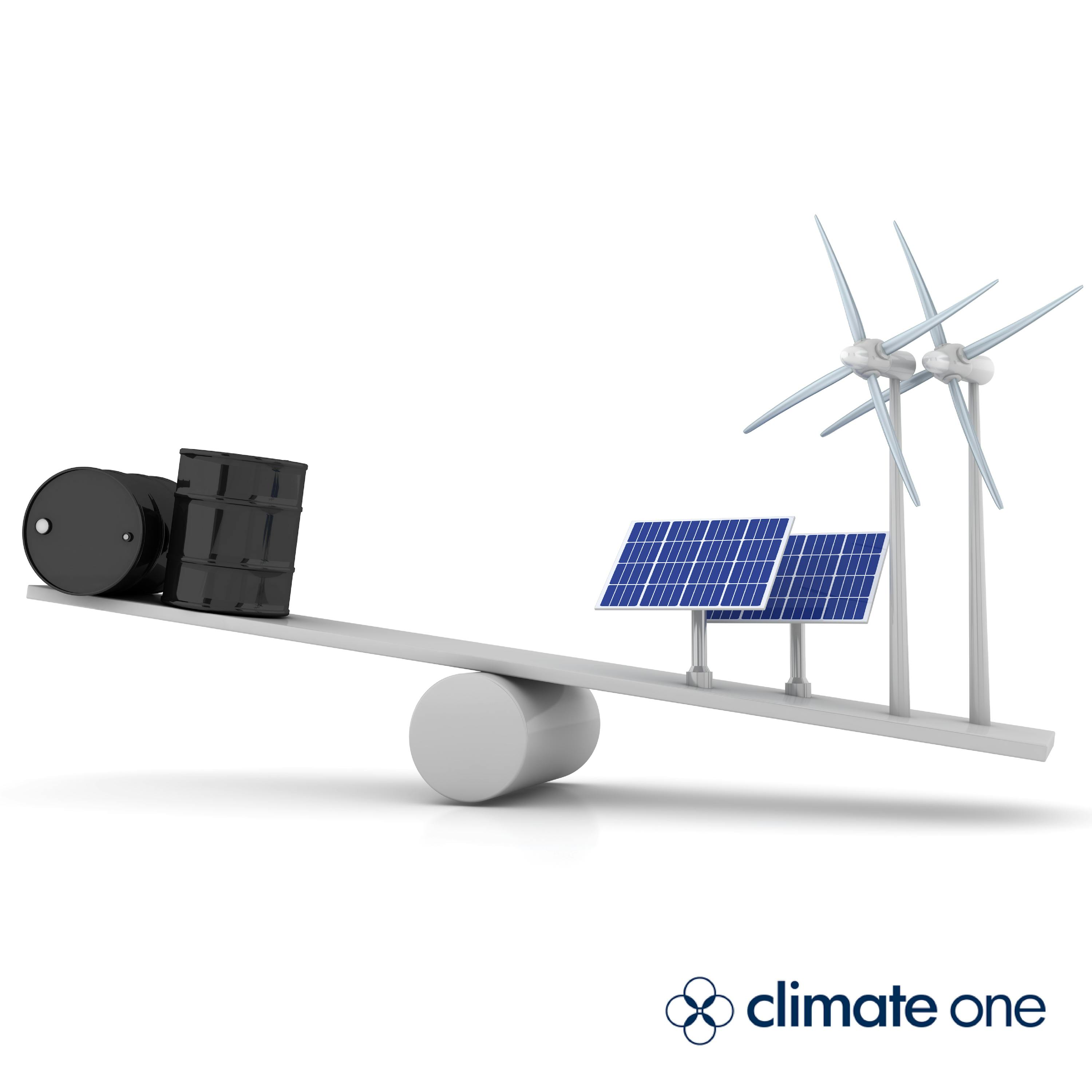
In Person at COP27: Funding the Global Energy Transition
Climate One has been at this year's UN climate summit, COP27, where one of the issues at the forefront of the conversation has been “loss and damage” – the idea that rich countries who have historically emitted the vast majority of climate-disrupting pollution should have to pay for the resulting suffering borne by those least responsible for the problem. At the same time, the whole world needs to drastically reduce its emissions and transition to clean energy – and that costs money, too. When even wealthy countries struggle to meet self imposed goals to cut down on carbon pollution, how can developing countries, who are already suffering the effects of the climate crisis, fund their own moves to clean energy? Guests: Bogolo Joy Kenewendo, UN Climate Change High-Level Champions’ Special Advisor, Africa Director Arunabha Ghosh, CEO, Council on Energy, Environment and Water Alastair Marsh, Reporter, Bloomberg Johnson Cerda, DGM Global For show notes and related links, visit ClimateOne.org Learn more about your ad choices. Visit megaphone.fm/adchoices
On the Ground at COP27: Tallying Payments and Progress
The 27th UN convention on climate change, known as COP27, is now underway in Sharm El Sheikh, Egypt. When Climate One spoke with Egyptian Ambassador Wael Aboulmagd in October, he argued that progress at this year’s summit would be more rapid than in past years, because this year, the focus is on implementation rather than negotiation. And for the first time, loss and damage — what richer nations owe poorer ones for the climate impacts their emissions have caused — is on the agenda. How will these issues play out during the conference? Are countries increasing their ambition as promised, and keeping the goal of limiting warming to 1.5 degrees alive? Climate One brings us interviews with those on the ground pushing for meaningful change in Egypt. Guests: Preety Bhandari, Senior Advisor, Global Climate Program and the Finance Center, World Resources Institute Claire Stockwell, Senior Climate Policy Analyst, Climate Analytics David Munene, Programs Manager, Catholic Youth Network for Environmental Sustainability in Africa For show notes and related links, visit our website. Learn more about your ad choices. Visit megaphone.fm/adchoices
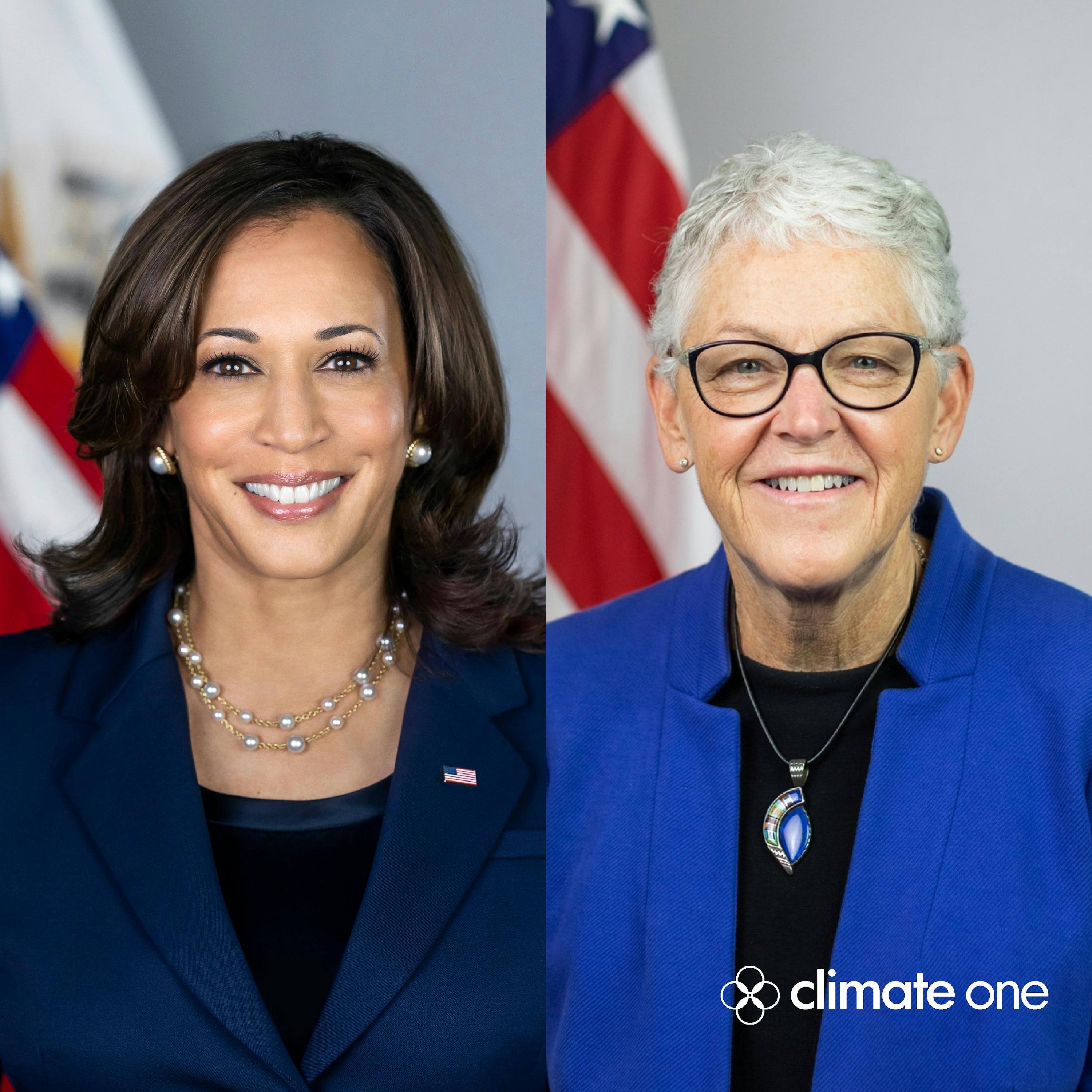
Kamala Harris and Gina McCarthy: Views From The Inside
It’s been a big year for U.S. climate policy. Three major pieces of legislation: the Bipartisan Infrastructure Act, the CHIPS and Science Act and the Inflation Reduction Act have all become law, ushering in the largest commitment of federal money toward the climate crisis to date. In a bipartisan vote, the Senate also finally ratified the Kigali Amendment to the Montreal Protocol, which will help phase out some of the most potent greenhouse gasses. Gina McCarthy has helped shepherd these achievements in her former role as White House Climate Advisor, and joins us to discuss her time leading climate action under President Biden. We also feature a special interview about the Biden administration’s climate priorities between Vice President Kamala Harris and the hosts of the podcast A Matter of Degrees, Katharine Wilkinson and Leah Stokes. Guests: Kamala Harris, Vice President, United States Gina McCarthy, former U.S. White House National Climate Advisor, former U.S. EPA Administrator Guest Hosts: Katharine Wilkinson, Co-host, A Matter of Degrees, Co-Founder and Executive Director of The All We Can Save Project Leah Stokes, Co-host, A Matter of Degrees, Associate Professor of Environmental Politics, UC Santa Barbara For show notes and related links, visit ClimateOne.org Learn more about your ad choices. Visit megaphone.fm/adchoices
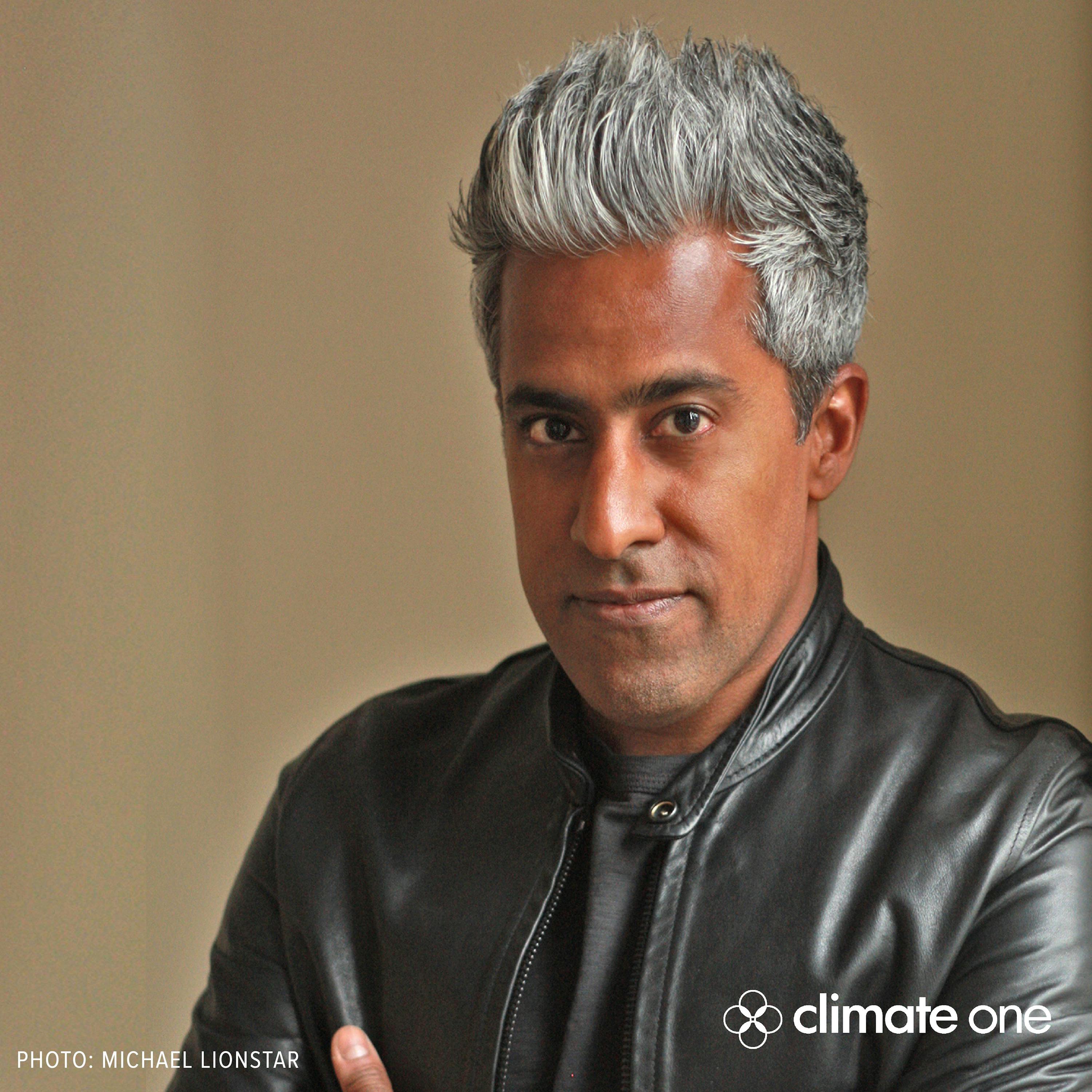
Anand Giridharadas: Persuaders in a Hot and Polarized World
In a democracy, meaningful change often requires adapting views and building coalitions. Some believe finding common ground and building rapport is the best way to change minds. Others believe activism and protests are key to raising awareness. Increasingly, however, the acts of listening and persuasion are left out, as each side is convinced that the other is unmovable. Anand Giridharadas is a journalist, columnist, on-air political analyst, and author. His latest book, The Persuaders: At the Front Lines of the Fight for Hearts, Minds, and Democracy, explores how the tactics of persuasion can help strengthen democracy and foster positive societal change. Guests: Anand Giridharadas, Journalist, Author, The Persuaders: At the Front Lines of the Fight for Hearts, Minds, and Democracy For show notes and related links, visit ClimateOne.org Learn more about your ad choices. Visit megaphone.fm/adchoices
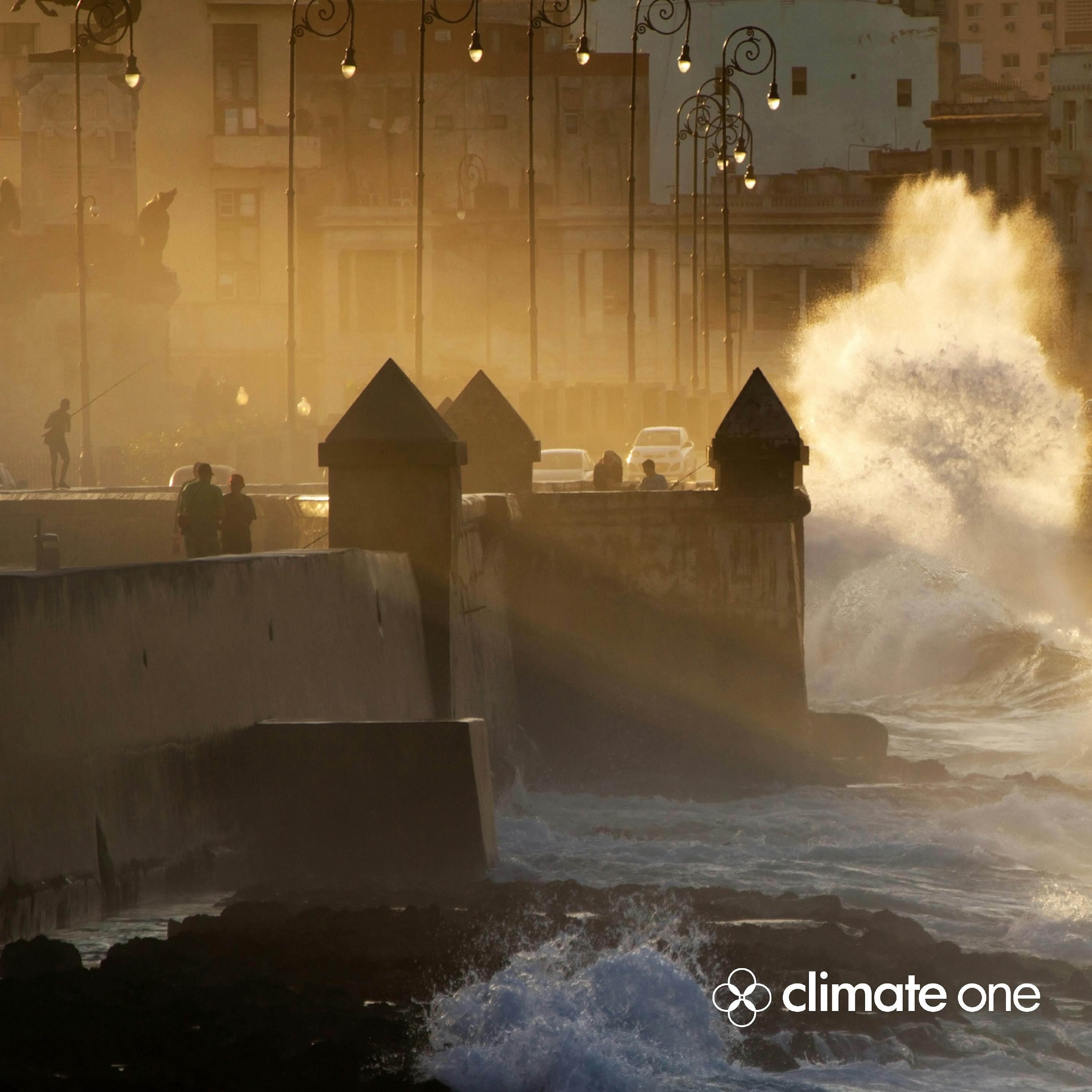
Two Hemispheres, One Story: Reporting on Rising Seas
Twenty of the world’s richest countries – mostly in the Global North – are responsible for 80 percent of the carbon pollution that’s driving extreme weather and supercharging natural disasters. Yet poorer countries in the Global South are experiencing climate-induced disasters first and worst. Wealthier and whiter countries in the Global North are being hit by climate disruption as well, but they also have more resources to adapt. We talk with two award-winning journalists, one from each hemisphere, about covering climate change in their part of the world and bridging the disconnect that exists between North and South. Guests: Lauren Sommer, Reporter, NPR Lagipoiva Cherelle Jackson, Reporter for The Guardian, Host of An Impossible Choice. For show notes and related links, visit ClimateOne.org. Learn more about your ad choices. Visit megaphone.fm/adchoices
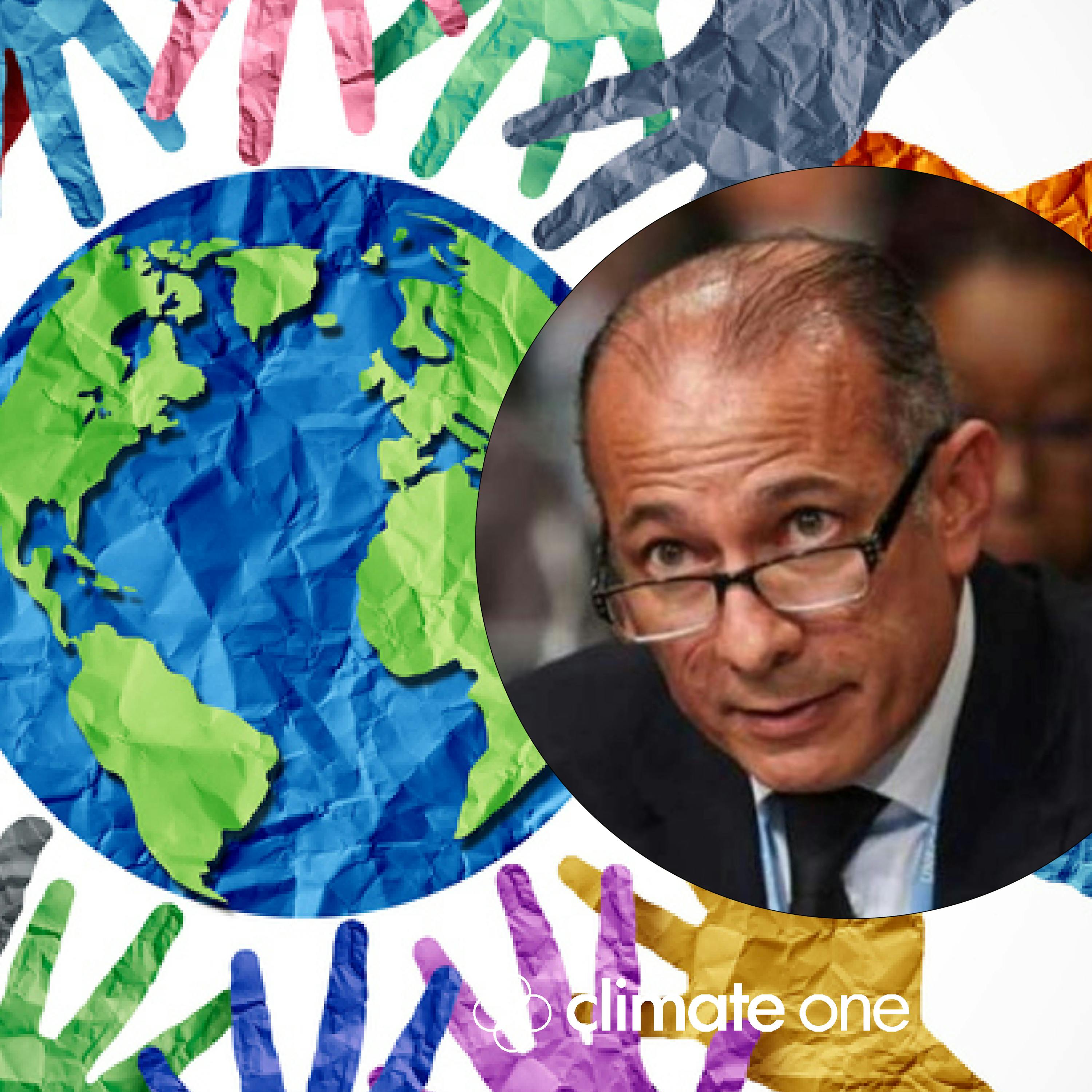
Bonus COP27 Preview: Egyptian Ambassador Wael Aboulmagd
The Paris Agreement requires every country to declare their own nationally determined contributions, or NDCs, for reducing emissions. Last year at COP26 in Glasgow, it became clear that even the updated targets would – at best – limit warming to 2.4°C, almost a full degree above the 1.5° goal. But even more important than goals or promises is how every country turns policy into reality. This year’s COP27, hosted by the Arab Republic of Egypt, is being framed as “the implementation COP,” where the stated goal is to move from negotiations to action. In this special episode, Climate One Host Greg Dalton speaks one-on-one with Egyptian Ambassador and Special Representative of the COP27 President, Wael Aboulmagd, about how Egypt plans to close the gap between promises and implementation. Guest: Wael Aboulmagd, Egyptian Ambassador, Special Representative of the COP27 President For show notes and related links, visit ClimateOne.org Learn more about your ad choices. Visit megaphone.fm/adchoices
Countdown to COP27: Feeling the Heat
For decades, scientists and activists have called for action to slow the pace of global warming. The political process has struggled and largely failed to keep up with the growing climate crisis. But through annual summits known as the United Nations Conference of the Parties, or COP, countries have finally started to commit to reducing their emissions. At last year’s climate summit, nations that make up about two thirds of the global economy committed to reducing emissions enough to try to limit global heating to 1.5 degrees celsius. At this year’s 27th COP in Sharm El-Sheikh, Egypt, central questions will focus on how to pay for climate adaptation and mitigation. And, since the world’s 20 biggest economies are responsible for 80% of all climate disrupting emissions, how much money do those nations owe poorer countries suffering from a problem they didn’t create? Guests: Jonathan Pershing, Former Special Envoy for Climate Change, U.S. Department of State Omnia El Omrani, COP27 Youth Envoy Ambassador Wael Aboulmagd, Special Representative of the COP27 President Contributing Producer: Rabiya Jaffery For show notes and related links, visit our website. Learn more about your ad choices. Visit megaphone.fm/adchoices

Political Climate: The Midterm Forecast
With the US midterm elections looming, the window for enacting meaningful climate policy may be closing. November’s elections will determine which party controls Congress, and that will have far reaching implications for the planet. Historically, the midterms have been bad news for the party in control of the White House, but the Dobbs decision by the Supreme Court overturning Roe v. Wade and the passage of the Inflation Reduction Act may have changed that calculus. Where do voters stand going into the midterms, and how does climate factor into their decisions? Guests: Nathaniel Stinnett, Founder & Executive Director, Environmental Voter Project Chelsea Henderson, Director of Editorial Content, RepublicEN Jean Chemnick, Climate Reporter, E&E News For show notes and related links, visit ClimateOne.org Learn more about your ad choices. Visit megaphone.fm/adchoices
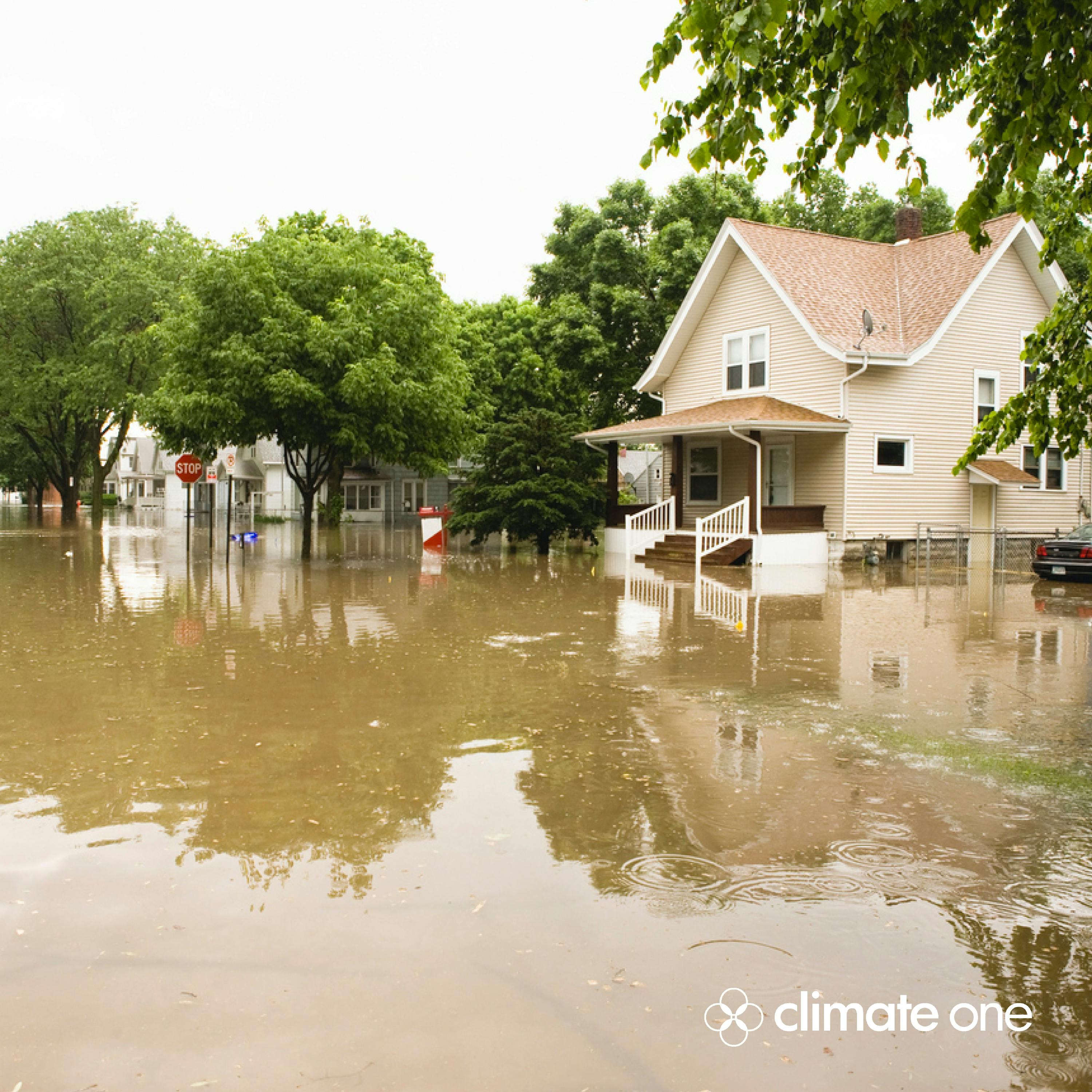
Risky Business: Underinsured Against Climate Disaster
In recent years, hundreds of thousands of people in high-risk disaster areas across the US have been dropped from their insurance policies, leaving them both physically and financially vulnerable. At the same time, premiums have sky-rocketed, making insuring homes and businesses out of reach for many. And federal insurance and relief programs have come under scrutiny for payouts that contribute to inequality. The insurance industry wasn’t set up to account for climate change, which is increasing the frequency, scale and severity of disaster claims. From Hurricane Ian flooding communities across the coast of Florida to fires in the Pacific Northwest, and further storm damage from Puerto Rico to Nova Scotia, we’ve seen frequent and fierce weather take lives and devastate communities. As more people and property face loss due to extreme weather events, who will pay to protect and rebuild communities? And what policies are being constructed to help the insurance industry stay afloat? Guests: Junia Howell, Urban Sociologist, University of Illinois Chicago Simon Young, Senior Director, Climate and Resilience Hub, Willis Towers Watson Carolyn Kousky, Associate Vice President for Economics and Policy, Environmental Defense Fund; author of Understanding Disaster Insurance: New Tools for a More Resilient Future Umair Irfan, Climate and Covid Reporter, VOX Eric Letvin, Deputy Assistant Administrator for Mitigation, FEMA For show notes and related links, visit ClimateOne.org Learn more about your ad choices. Visit megaphone.fm/adchoices
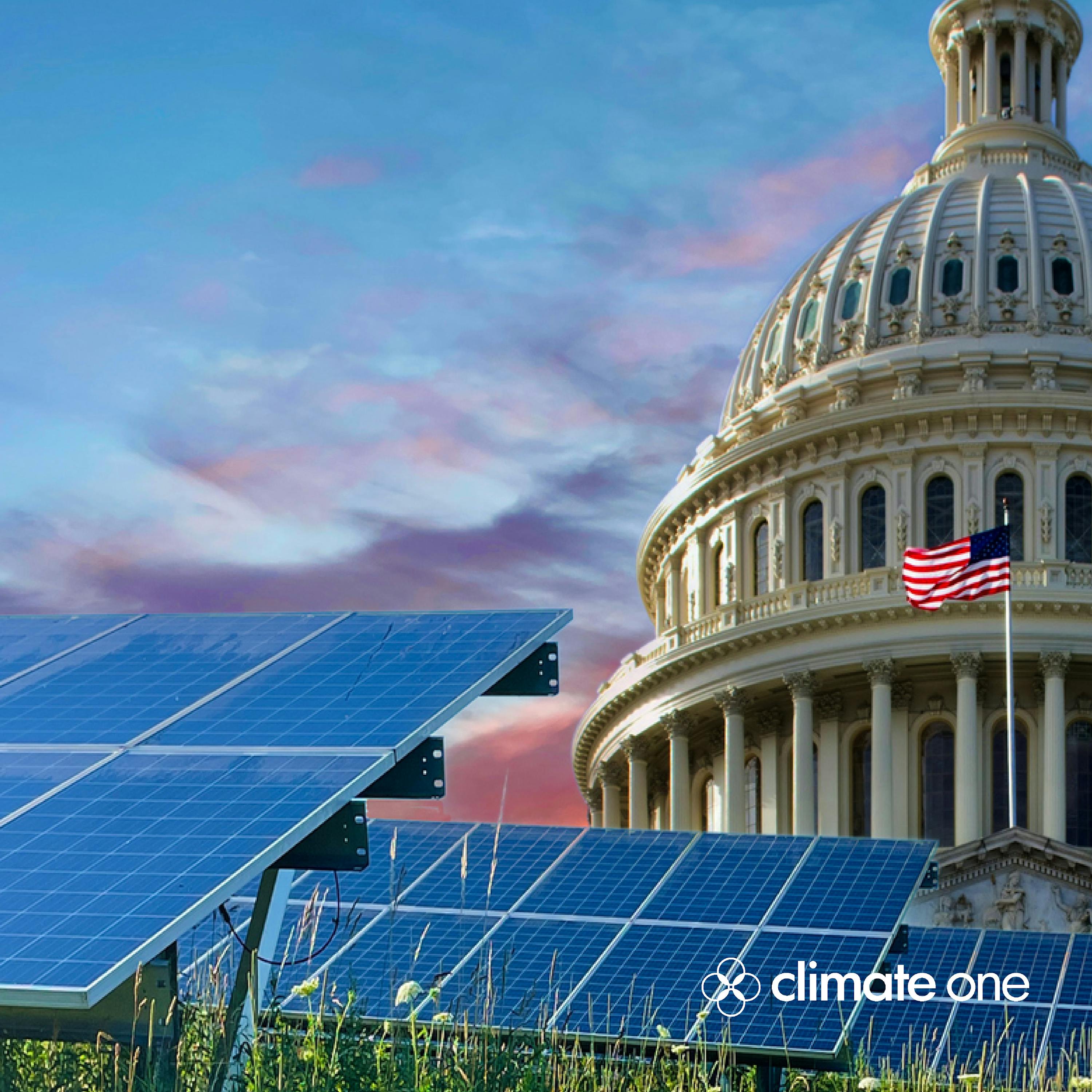
The Inflation Reduction Act Passed. Now What?
In August, President Biden signed the Inflation Reduction Act into law. The IRA allocates around $370 billion over ten years to invest in renewable energy, make EVs more affordable, address climate inequities, reduce greenhouse gas emissions and help mitigate the climate crisis. But like any law, the way the money is doled out matters, and the law’s implementation will ultimately determine its success. Some of the IRA money moves through state governments, including some that are outright hostile to the law. Consumers will have access to a suite of rebates and credits designed to electrify their lives, if they can get the necessary support to take advantage of them. How can government agencies, companies, investors and individuals take the law from words on a page to real functioning programs? Guests: Carla Frisch, Principal Deputy Director, Office of Policy for the U.S. Department of Energy Ryan Panchadsaram, Advisor to the Chairman at Kleiner Perkins Erwin Chemerinsky, Dean, Berkeley Law Dan Bowerson, Senior Director, Energy & Environment, Alliance for Automotive Innovation For show notes and related links, visit ClimateOne.org Learn more about your ad choices. Visit megaphone.fm/adchoices

Molly Wood on Tech, Money and Survival
After a 20-year career as a tech reporter for CNET, the New York Times, and the public radio program Marketplace, Molly Wood has come to see the climate crisis as an engineering problem requiring an acceleration of investment. And so, after producing the acclaimed climate podcast “How We Survive” for Marketplace, she recently left that program to begin a new career in venture capital. Now, in conversation with Climate One Host Greg Dalton, Molly Wood explores the limits of media in changing human behavior and the role of capital in addressing the climate crisis, even while considering that capitalism itself may be incompatible with survival. Guests: Molly Wood, Investor, Podcaster For show notes and related links, visit ClimateOne.org Learn more about your ad choices. Visit megaphone.fm/adchoices

No Going Back: EVs and Clean Tech Tipping Points with Albert Cheung
In the tech world, there’s a common belief that once a new device hits 5% market penetration, it rapidly goes from a niche to mass adoption. According to Bloomberg, the US has just passed that critical 5% tipping point for new EV purchases. Norway, an oil-rich country, was first to hit that 5% mark in 2013 and today boasts a stunning 86% of new cars being fully electric. Now California is driving the US along a similar road away from gasoline and diesel by passing a new law that will only allow emission free vehicles to be sold by 2035. Even with that California law, how confident can we be that all new American cars will be running clean? What does the 5% tipping point mean for other clean tech adoption? Guests: Albert Cheung, Head of Global Analysis, BloombergNEF For show notes and related links, visit ClimateOne.org Learn more about your ad choices. Visit megaphone.fm/adchoices
Bridging The Great American Divide
Most Americans support climate action, but you wouldn’t know it from Congress or the courts – or from most of the media. People on both the left and the right experience the same devastating floods, the same life-threatening heatwaves and the same catastrophic wildfires. Yet individuals tend to socialize within insulated political tribes, operate in completely different information bubbles and see the problems and solutions through different lenses. How can we learn to bridge ideological divides, develop trust, and find the common ground needed to rebuild respectful civil discourse? Guests: Chloe Maxmin, Maine State Senator Joan Blades, Co-founder, LivingRoomConversations.org John Gable, Co-founder, AllSides.com For show notes and related links, visit ClimateOne.org Learn more about your ad choices. Visit megaphone.fm/adchoices
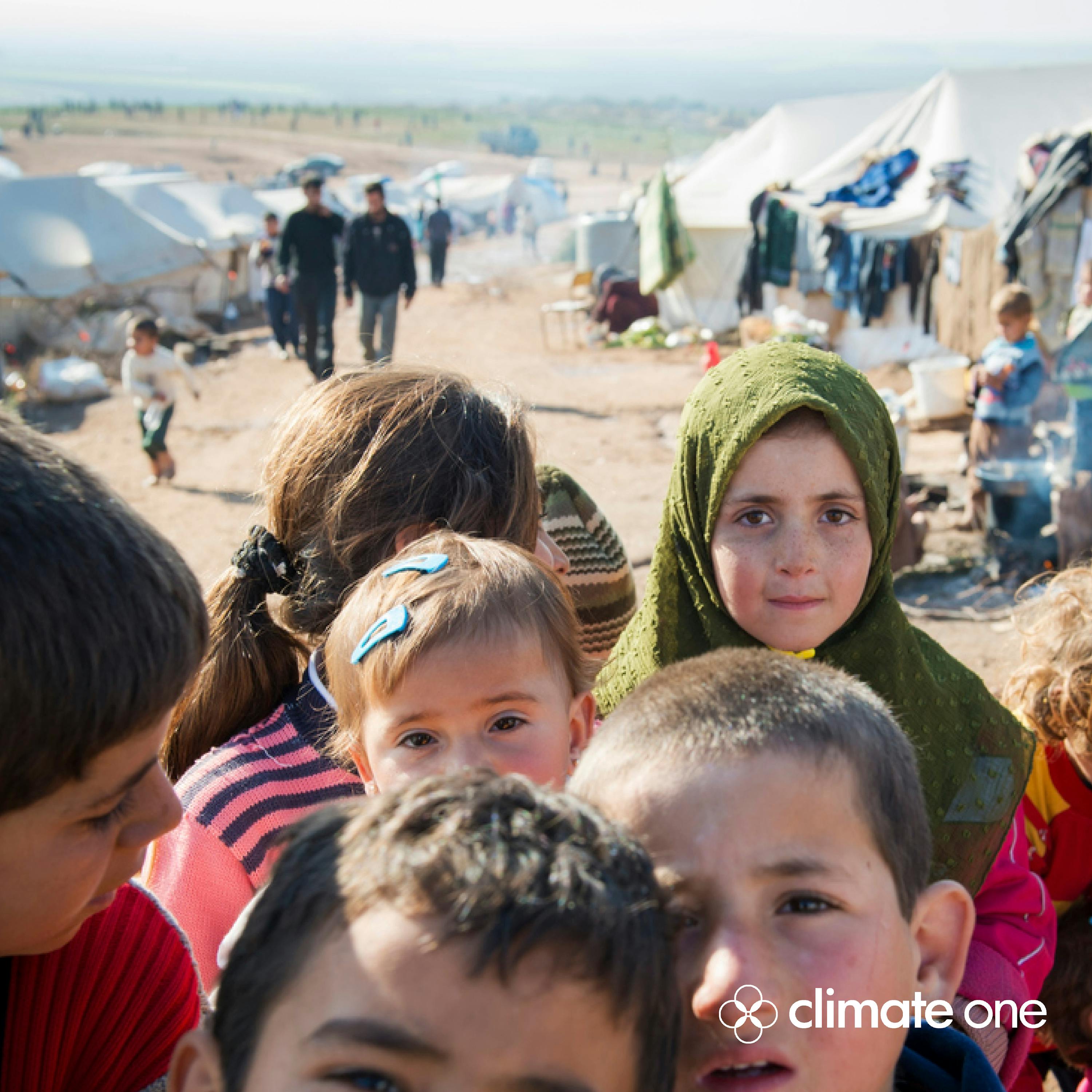
Ukraine and the Middle East: Climate Action in Conflict Zones
Russia’s invasion of Ukraine has caused horrific damage and casualties, in spite of Ukraine’s remarkable efforts to defend itself. The conflict has disrupted energy markets, grain shipments and is still destabilizing the global economy. All of this has shoved climate further down the list of international priorities, as has happened so many times before. Yet within conflict zones, many brave individuals and organizations work every day to stave off the even greater threat of climate catastrophe. We talk with climate activists in Ukraine and the Middle East about the realities of operating environmental organizations in conflict zones, and how to balance immediate needs with working toward a better future. Guests: Roman Zinchenko, Co-Founder, Greencubator Nada Majdalani, Palestine Director, EcoPeace Middle East For show notes and related links, visit ClimateOne.org Learn more about your ad choices. Visit megaphone.fm/adchoices

Will Sustainable Aviation Ever Take Off?
For those of us who love to travel, climate guilt weighs heavily. Civil aviation accounts for about 3% of global greenhouse gas emissions, and that number is going up. But while electrifying cars and trucks is already well underway, flying planes on anything other than liquid fuels remains devilishly difficult. Despite that difficulty, there are options. Sustainable aviation fuels, or SAFs, hold the most promise, as they can theoretically drop right into existing engines and infrastructure. Beyond that, a number of startups are tinkering with electric battery-powered aircraft, as well as hydrogen-powered electric planes. But how sustainable are these options, and are they really ready for prime time? Guests: Fred Ghatala, Director of Carbon & Sustainability, Advanced Biofuels Canada Stephanie Searle, Fuels Program Director, ICCT Scott Cary, Project Manager, NREL Christina Beckman, Co-creator, Tomorrow’s Air; Vice President, Adventure Travel Trade Association Learn more about your ad choices. Visit megaphone.fm/adchoices
The Inflation Reduction Act: What’s in the Sausage?
For nearly six decades, the US government passed no comprehensive climate legislation. Now that’s changed. The Inflation Reduction Act contains approximately $370 billion of investments in clean energy and climate solutions. But not everyone is happy. To get through the Senate, the bill offered carrots to entrenched fossil fuel interests, along with investments in renewable power. Many in disadvantaged communities, who so often bear the brunt of climate-induced disasters, feel they’ve been left out yet again. Guests: Chelsea Henderson, Director of Editorial Content, RepublicEn Sam Ricketts, Co-Founder, Evergreen Action Ozawa Bineshi Albert, Co-Executive Director, Climate Justice Alliance Somini Sengupta, International Climate Reporter & Anchor, Climate Forward Newsletter, New York Times For show notes and related links, visit ClimateOne.org Learn more about your ad choices. Visit megaphone.fm/adchoices
REWIND: Climbing, Conservation and Capitalism
Rick Ridgeway estimates he’s spent about five years of his life sleeping in tents, often in the world’s most remote places alongside fellow outdoor adventure luminaries. Ridgeway worked for Patagonia for 15 years and was behind the company’s infamous “Don’t Buy This Jacket” ad campaign, which paradoxically advocated sustainability and increased sales. Outdoor companies like Patagonia may push for sustainability, but they largely still present a mostly white, wealthy experience with nature, which can be off-putting for people of color. “You know if you can't see yourself in those spaces then it’s hard to feel invited or welcome in that movement,” says writer and social justice facilitator Amanda Machado. What is the role of corporations in conservation? And how can the outdoor industry help make nature more safe, accessible and welcoming for all? Guests: Rick Ridgeway, former Vice President of Public Engagement, Patagonia Amanda Machado, writer and social justice facilitator For show notes and related links, visit ClimateOne.org Learn more about your ad choices. Visit megaphone.fm/adchoices
Patti Poppe: Reinventing Utilities During a Climate Emergency
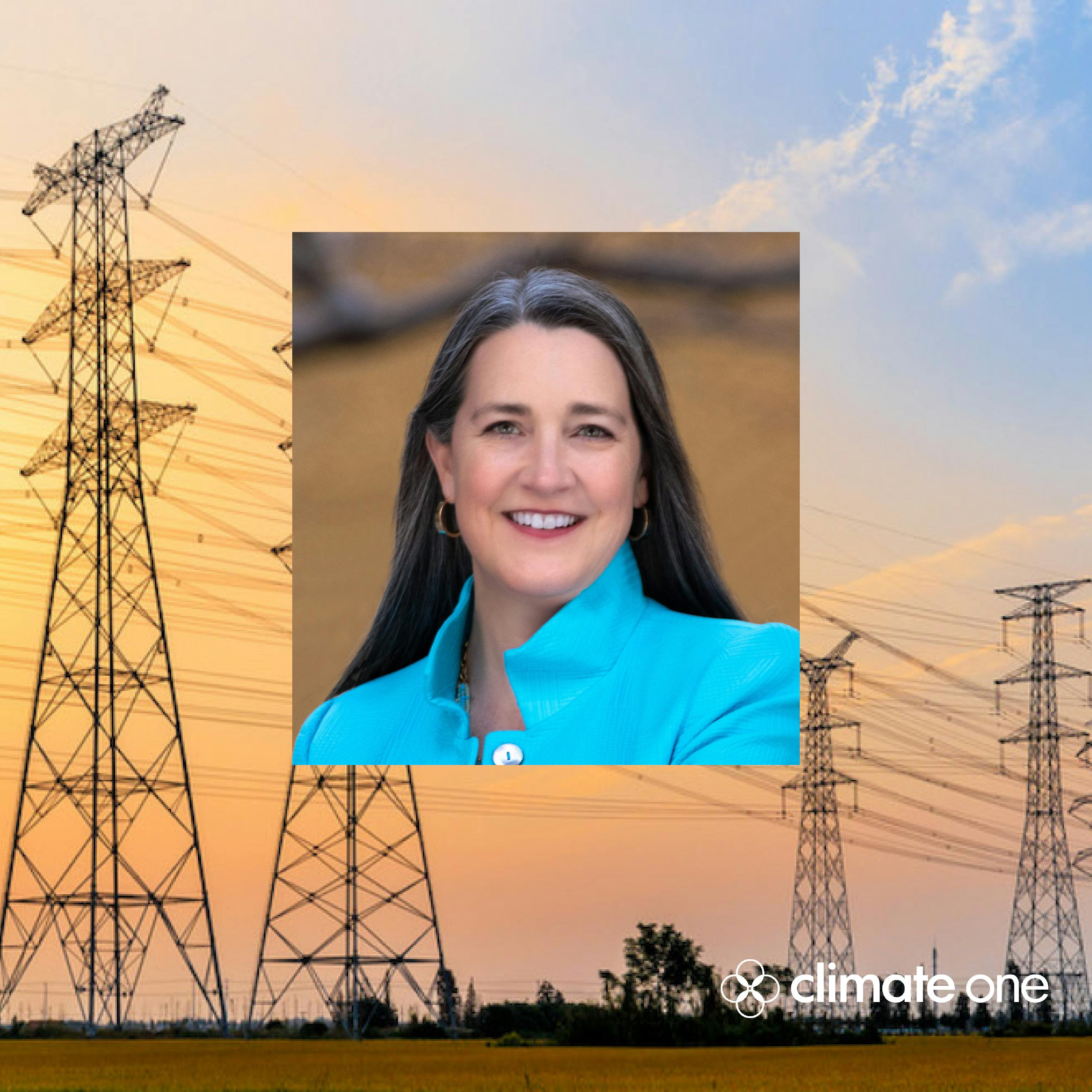
As the CEO of the California utility giant PG&E, Patti Poppe is charged with navigating the company through massive wildfires, disrupted energy markets, and lingering public distrust of the utility. The company is undergrounding 10,000 miles of electric lines, working with GM and Ford on incorporating power from electric vehicles into homes and the grid, deploying batteries at large power plants, and pushing to change net metering rates that pay homeowners for electricity generated on their roofs. How can utilities like PG&E reinvent themselves and modernize the electric grid to deliver renewable power when their own systems are threatened by catastrophic climate change? Guests: Patricia Poppe, CEO, PG&E Katherine Blunt, Reporter, Wall Street Journal For show notes and related links, visit ClimateOne.org Learn more about your ad choices. Visit megaphone.fm/adchoices

Turning Down the Heat: Decarbonizing Cement and Steel
Along with aviation, the construction industry is one of the hardest to decarbonize sectors in the global economy. Cement and steel production together are responsible for about 15% of global CO2 emissions. But look around our modern world and it’s hard to imagine doing without these materials. Carbon-negative cement has been talked about for years, and innovations in steel production show promise as well, but is either technology ready for primetime? And what about replacing these materials with engineered wood, which could also store carbon for decades? Guests: John Fernández, Professor of Architecture, MIT Chathurika Gamage, Manager, Climate Aligned Industries, RMI Radhika Lalit, Chief Strategy Officer, RMI For complete show notes, visit our website. Learn more about your ad choices. Visit megaphone.fm/adchoices
On The Run: Voluntary and Forced Climate Migration
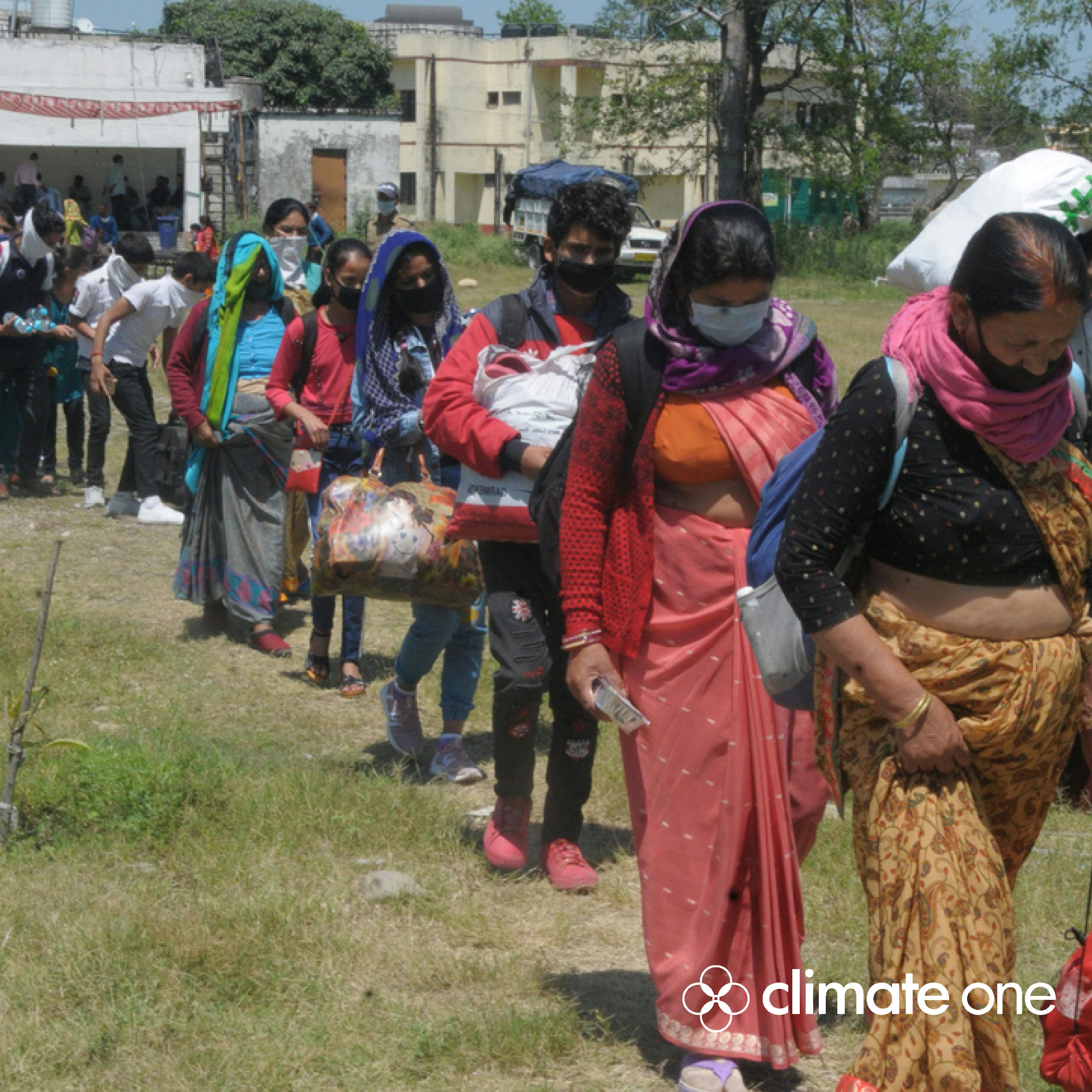
The climate crisis is a growing driver of human migration, exacerbating the misery of already struggling communities. According to the UN Refugee Agency, climate change typically creates internal displacement within countries before it pushes people across national borders. While much of this displacement is involuntary, many with wealth and foresight are able to move before they personally feel the most devastating effects. How well are governments prepared to handle an influx of people driven from their homes – and support those who are left behind? Guests: Abrahm Lustgarten, Senior Reporter at ProPublica Colette Pichon Battle, Esq., Co-Executive Director, Taproot Earth Kayly Ober, Senior Advocate and Program Manager, Climate Displacement Program, Refugees International Learn more about your ad choices. Visit megaphone.fm/adchoices
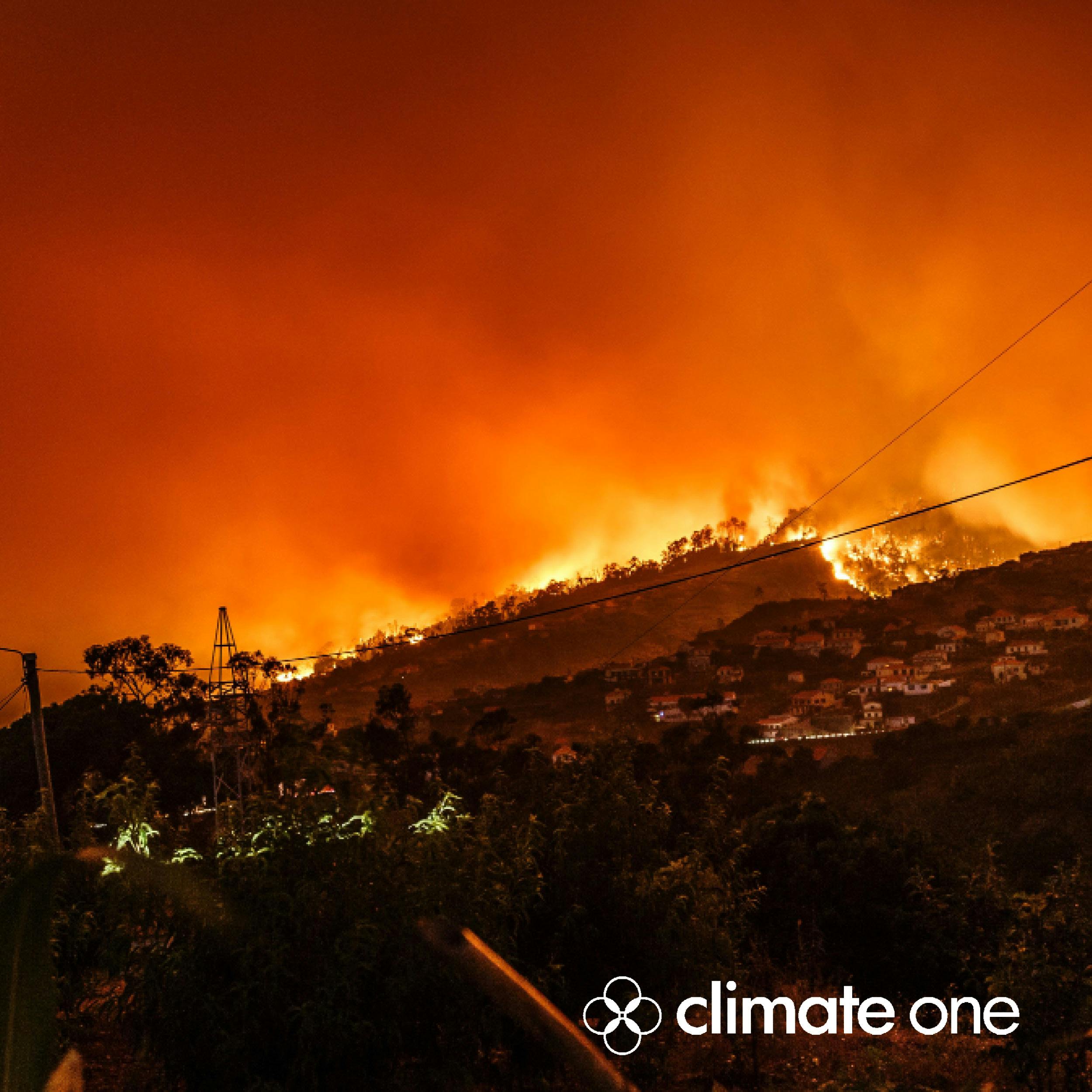
REWIND: Firefight: How to Live in the Pyrocene
We’re on track for yet another summer of record wildfires in the western U.S., endangering lives, displacing communities, and sending unhealthy smoke across the nation. The science is clear: human-caused climate change is making lands more conducive to burning, and we are increasingly living in flammable landscapes. Forest experts say there are tools to help reduce the risk of catastrophic fires, keep forests alive as valuable carbon sinks and make communities more resilient to megafires. But we may also have to become accustomed to more fire – and smoke – in our lives. How can we better live with fire, including using it as a tool, rather than always fighting it? This week, we also take a deep dive into the recent Supreme Court case West Virginia v. EPA with Erwin Chemerinsky, Dean of Berkeley Law. Guests: Erwin Chemerinsky, Dean, Berkeley Law Stephen Pyne, author, The Pyrocene: How We Created an Age of Fire, and What Happens Next Susan Husari, member of the California Board of Forestry and Fire Protection Chad T. Hanson, author, Smokescreen: Debunking Wildfire Myths to Save Our Forests and Our Climate Jaime Lowe, author, Breathing Fire: Female Inmate Firefighters on the Front Lines of California’s Wildfires Learn more about your ad choices. Visit megaphone.fm/adchoices
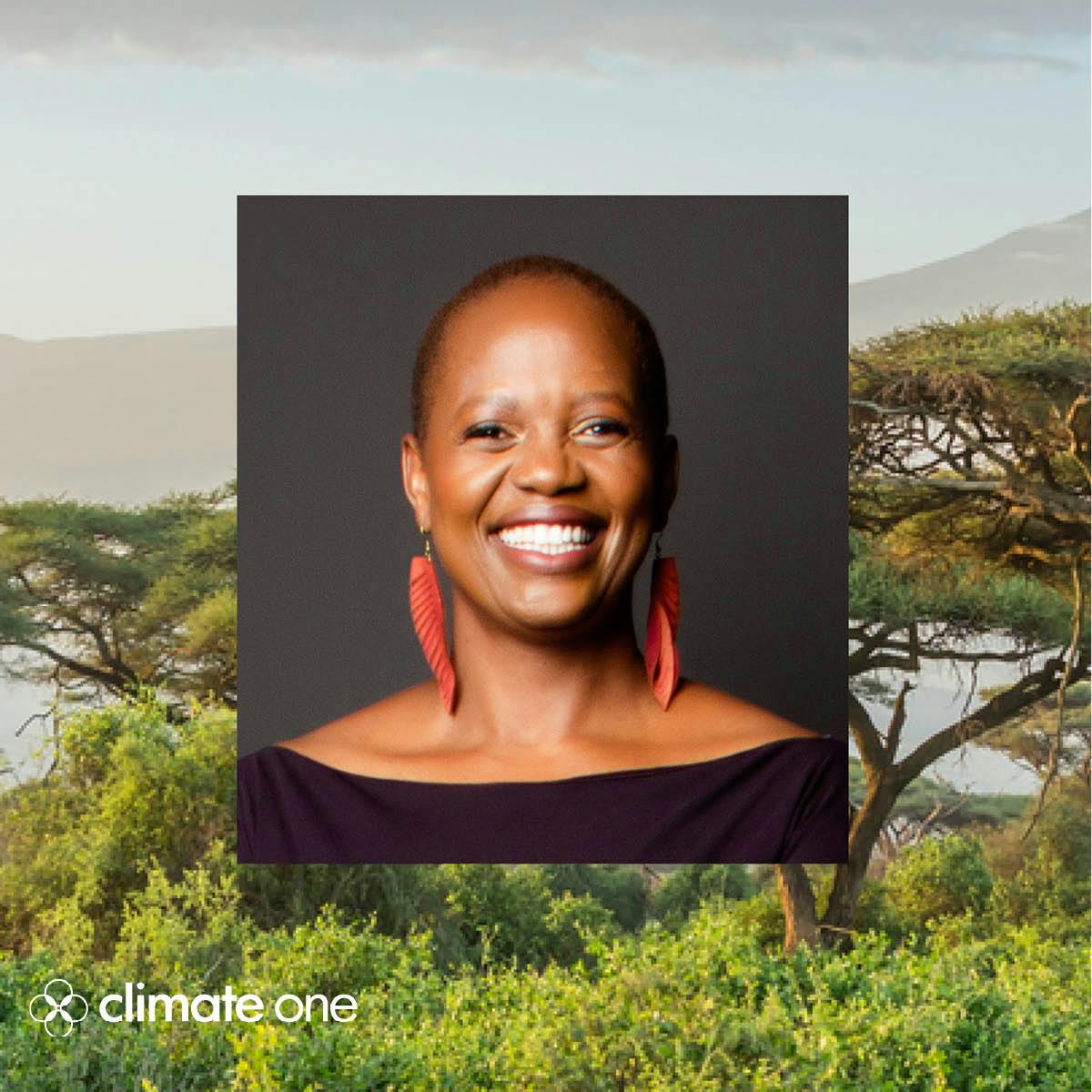
Wanjira Mathai on Sustainable Development and the Power of Women
Africa is responsible for only less than 4% of global greenhouse gas emissions. Yet its people are already suffering some of the world’s most devastating climate impacts. For Wanjira Mathai, Regional Director for Africa and Vice President at the World Resources Institute, and the daughter of Nobel Peace Prize laureate Wangari Maathai, this raises a central moral question: When those most affected are those least responsible, how can those most responsible address that injustice? Guest: Wanjira Mathai, Vice President and Regional Director for Africa, World Resources Institute Learn more about your ad choices. Visit megaphone.fm/adchoices
Rebuilding for Climate: Successful City Strategies
83% of people in the United States live in urban areas. And these days that’s where important climate progress is happening. Cities all over the country and globe are experimenting with climate resilience projects specific to their local environments and challenges. In many cases, these projects also look to address historic injustices and provide more equitable models for transportation, housing, green space, and more. This week, we feature stories from a few different cities around the country working to address climate challenges. Guests: Tamika L. Butler, Founder + Principal, Tamika L. Butler Consulting, LLC Donnel Baird, Founder, BlocPower J. Morgan Grove, Research Scientist and Team Leader, US Forest Service Contributing Producer: Aubrey Calaway Learn more about your ad choices. Visit megaphone.fm/adchoices
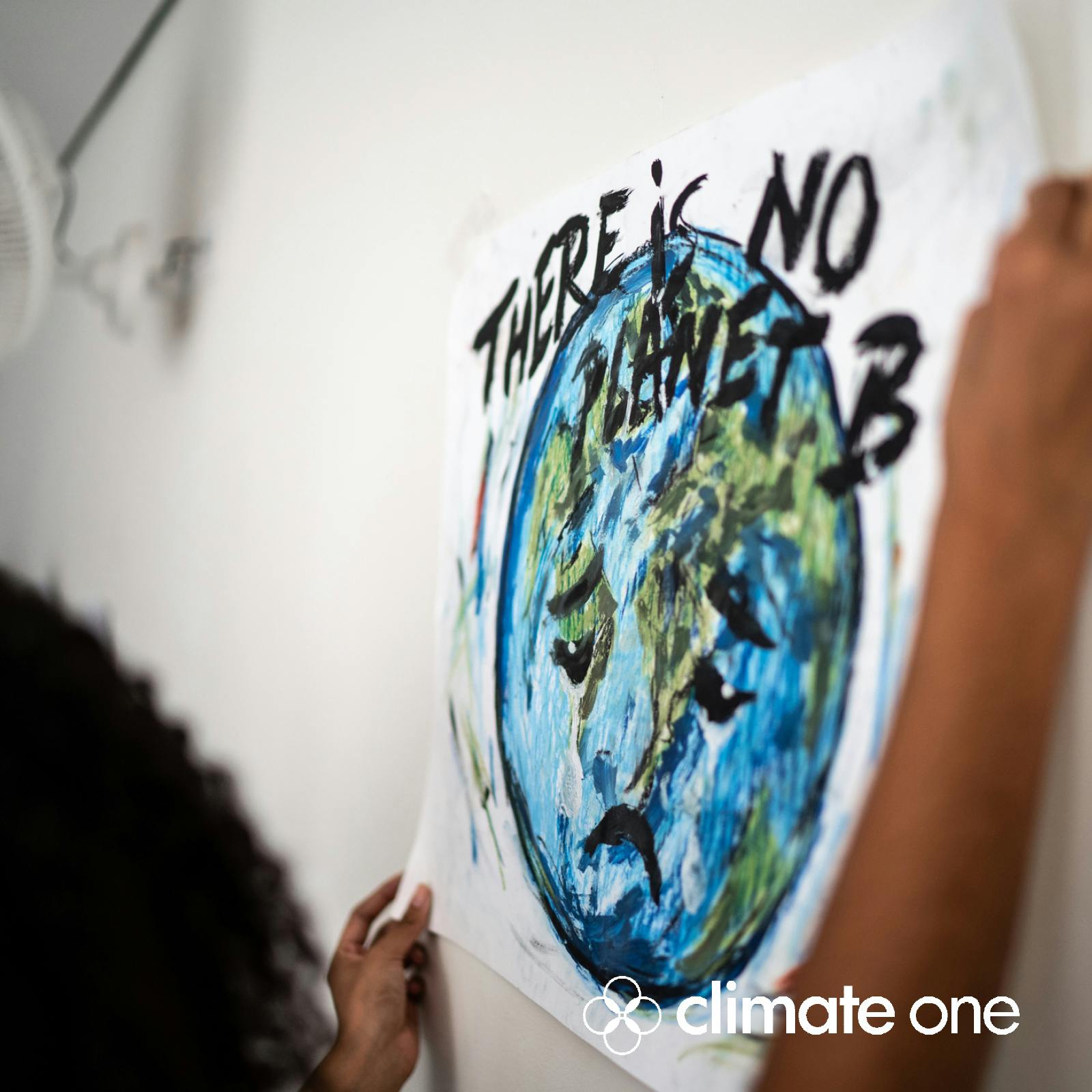
REWIND: Climate Miseducation
Climate change science isn’t taught accurately — or equally — across the country. Investigative reporter Katie Worth dug into textbooks and talked with dozens of children and teachers to find out why. In her book, Miseducation: How Climate is Taught in America, Worth unpacks the influence of the fossil fuel industry, state legislatures and school boards on school curricula in their effort to spread confusion and misinformation about the climate crisis. Some organizations skip the textbook battle entirely and try to reach children directly through assemblies and social media. How do teachers navigate these dynamics in the classroom? How can we ensure our children are learning to be engaged, educated and climate-aware citizens? For transcripts and other information, visit: https://www.climateone.org/watch-and-listen/podcasts Guests: Katie Worth, investigative journalist, author, Miseducation: How Climate is Taught in America Lea Dotson, Campaigner, Action for the Climate Emergency Ann Reid, Executive Director, National Center for Science Education Ben Graves, former science teacher in Delta County, CO Learn more about your ad choices. Visit megaphone.fm/adchoices
Digging Deep into the Next Farm Bill
Roughly every five years, the U.S. designs and implements a new farm bill, which sets federal policy on agriculture across a huge swath of programs, including subsidies, food assistance, land practices and more. As the discussion around what to include in the 2023 farm bill intensifies, many are pushing for climate mitigation and adaptation measures to be a primary focus of the legislation. Then there’s equity. Since the 1930s, the Federal Government has supported farmers with subsidies, credit, and crop insurance. Yet historically, Black, Indigenous, and other farmers of color have been excluded from these benefits. Can we make progress on equity and climate today that we couldn’t in the past? Guests: Chuck Conner, President and CEO, National Council of Farmer Cooperatives Scott Faber, Senior VP, Government Affairs, EWG Jonathan Coppess, Assistant Professor, University of Illinois John W. Boyd, Jr., President, National Black Farmers Association Learn more about your ad choices. Visit megaphone.fm/adchoices
Disrupted Energy Markets: Fossil Revival or Renewable Opportunity?
As Russia’s invasion of Ukraine and other economic pressures disrupt global energy markets, even insiders are scrambling to make sense of this moment. Ahead of the midterm elections, the Biden administration has signaled it wants more oil and gas now to ease the pain of surging fuel prices while maintaining support for cutting carbon emissions. Oil and gas aren’t the only commodities affected by market chaos. The supply chain, including for clean energy technology, has also been disrupted. How are surging fossil fuel prices, changes in policy, and supply chain turmoil affecting US climate goals? Guests: Kate Larsen, Partner, Rhodium Group David M. Turk, Deputy Secretary, US Department of Energy Justin Guay, Director, Global Climate Strategy, Sunrise Project Learn more about your ad choices. Visit megaphone.fm/adchoices
Indigenous Insights on Healing Land and Sky
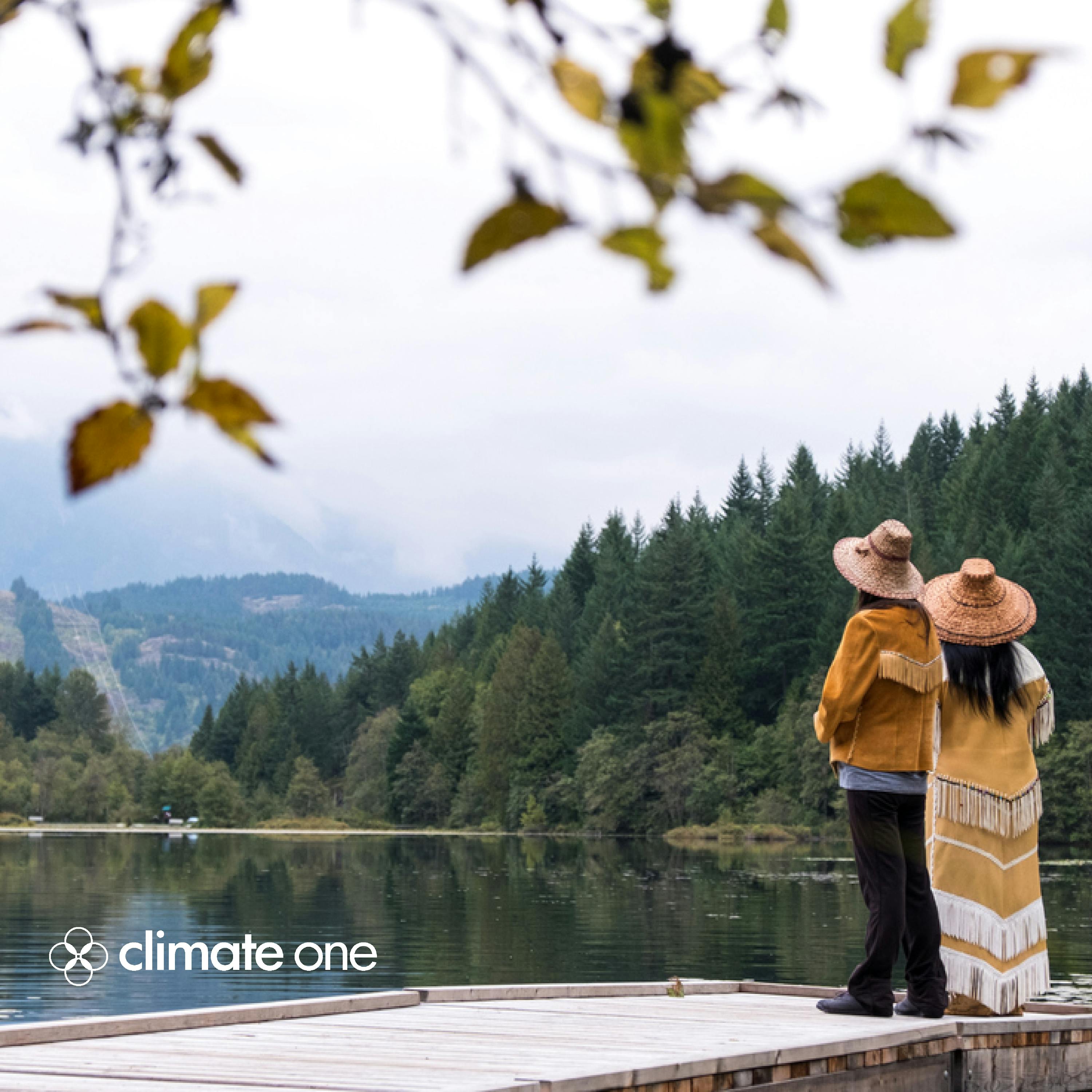
According to the World Bank, land managed by Indigenous peoples is associated with lower rates of deforestation, reduced greenhouse gas emissions, and better biodiversity protection. But in many places, Indigenous people have been displaced from their ancestral lands through outright theft, land grabs, violence and war — sacrificing both indigenous livelihoods and the traditional knowledge that has protected their lands for centuries. Still, across the U.S. we can find examples of land access, stewardship and ownership being restored to Indigenous people – and more efforts being made to involve tribal nations in conservation and climate resilience. “Climate change isn't just about protecting the natural world; it’s also about protecting our culture and who we are because we've resisted against so many colonial forces for so long,” says Julia Fay Bernal, director of the Pueblo Action Alliance. Guests: Jessica Hernandez, author, Fresh Banana Leaves Priscilla Hunter, Board Chairwoman, Intertribal Sinkyone Wilderness Council Sam Hodder, President and CEO, Save the Redwoods League Julia Fay Bernal, Director, Pueblo Action Alliance Contributing Producer: Sam Schramski Learn more about your ad choices. Visit megaphone.fm/adchoices

Coping with Climate through Music
Music and social movements have historically gone hand in hand. Folk music played a unifying role for the labor movements in the United States. Music was central to the protests against the Vietnam War and in favor of Civil Rights. As more people become aware of the climate crisis, music is starting to reflect that. But there is still no one song or artist inspiring climate action the way music catalyzed other movements. Why aren’t more musical artists raising the alarm over the growing climate catastrophe? And for the artists who are, how do they express the anxiety and grief that they and their listeners are experiencing? Guests: Tamara Lindeman, Musician, The Weather Station Jayson Greene, Contributing Editor, Pitchfork Learn more about your ad choices. Visit megaphone.fm/adchoices
Russ Feingold on Biodiversity, Climate and The Courts
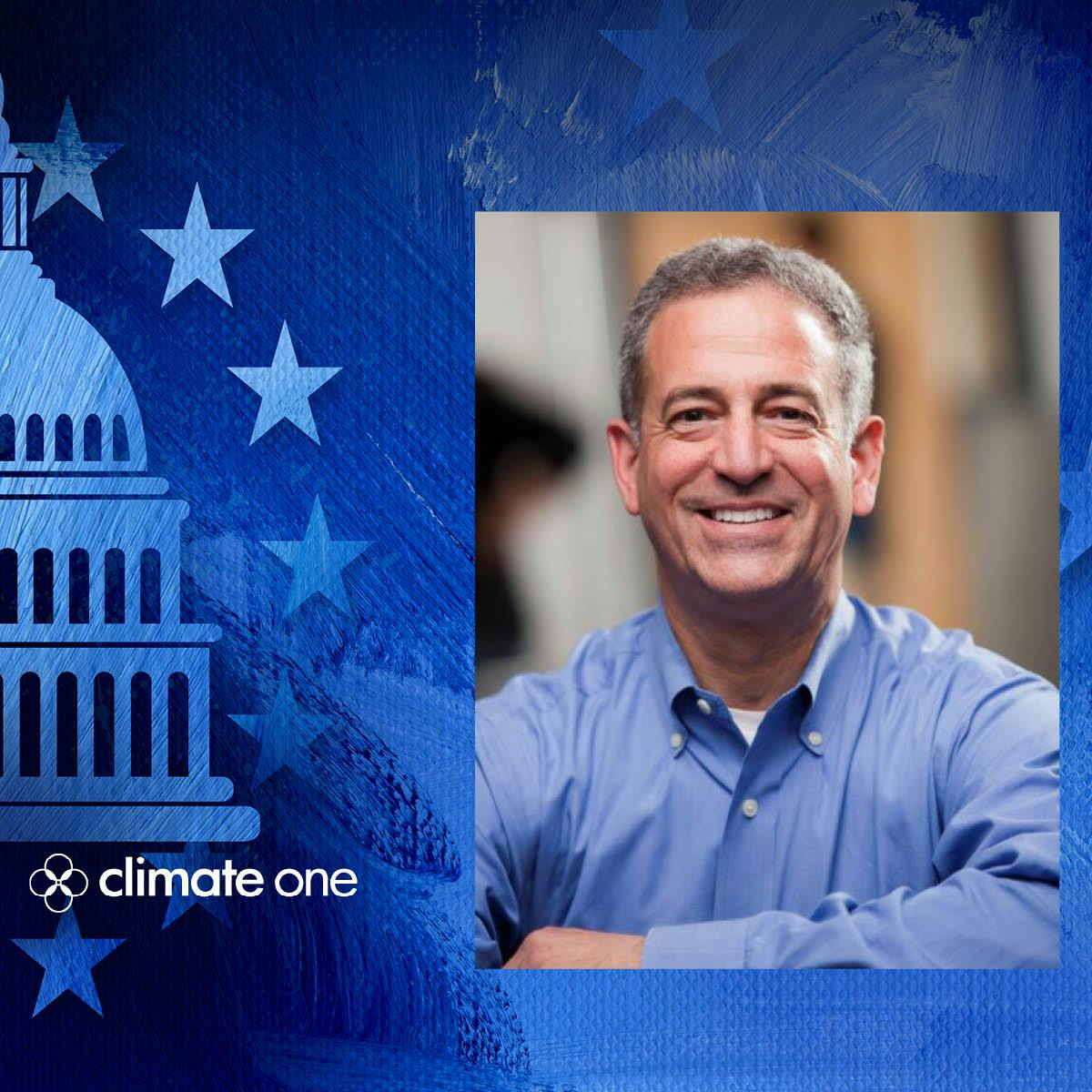
Russ Feingold became a household name co-authoring the Bipartisan Campaign Reform Act, more commonly known as McCain-Feingold. It’s the only major piece of campaign finance reform legislation passed into law in decades. Today he is using his experience navigating the levers of power to tackle alarming biodiversity loss and the worsening climate crisis. Feingold believes, “The threats posed to people from the destruction of nature are just as serious as those posed by climate change.” Guests: Russ Feingold, President of the American Constitution Society, former Senator from Wisconsin Jean Su, Energy Justice Director and Senior Attorney, Center for Biological Diversity Dan Farber, Professor of Law, Faculty Director, Center for Law, Energy, and the Environment, University of California, Berkeley Learn more about your ad choices. Visit megaphone.fm/adchoices