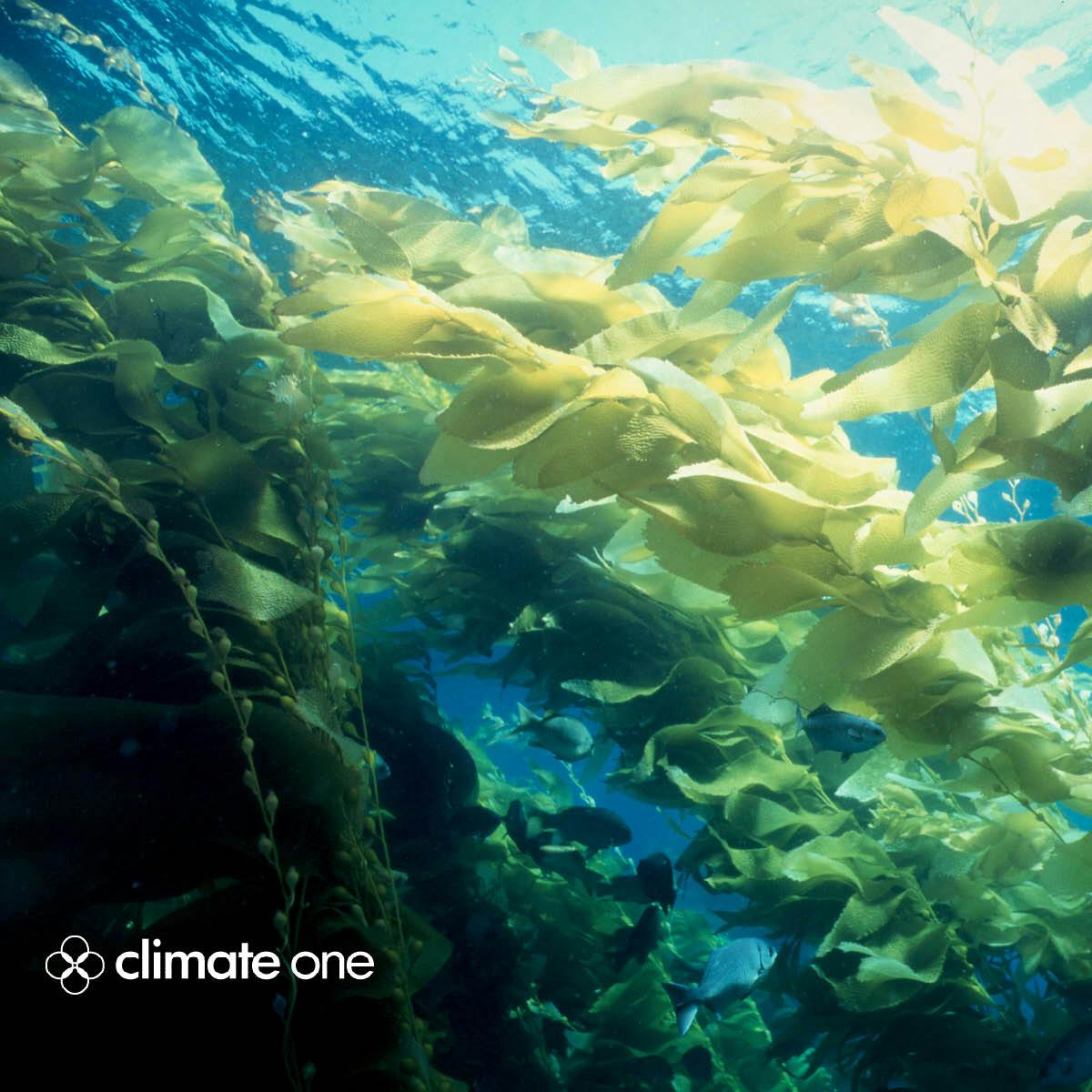
Peat, Kelp and Trees: Nature-Based Carbon Capture
To limit climate disruption, we need to pull vast amounts of carbon dioxide out of the sky. Nature already has many ways of doing this. So how can we maximize those powerful tools? This week, we delve into the carbon benefits of peat bogs, forests, soil and kelp beds.
Climate One · Climate One from The Commonwealth Club
Audio is streamed directly from the publisher (podtrac.com) as published in their RSS feed. Play Podcasts does not host this file. Rights-holders can request removal through the copyright & takedown page.
Show Notes
Humans must dramatically rein in greenhouse gas emissions in order to slow the planetary warming caused by centuries of fossil fuel combustion. But even if we accomplish that through major reforms to our power supply, food systems, industrial industries and more, we still need to remove huge amounts of carbon already in the atmosphere to stave off the worst impacts of climate disruption. This is no easy task. We need to explore every option – both nature-based solutions and tech solutions. In a two-part series, we look at both categories. First up, the natural mechanisms for carbon capture and storage, from forests to peat bogs to kelp beds.
Guests:
Ugbaad Kosar, Deputy Director of Policy, Carbon180
Edward Struzik, author, Swamplands: Tundra Beavers, Quaking Bogs and the Improbable World of Peat
Bren Smith, Co-Executive Director and Owner, Thimble Island Ocean Farm
Benjamin Preston, Senior Policy Researcher, RAND Corporation
Learn more about your ad choices. Visit megaphone.fm/adchoices