
Climate One
918 episodes — Page 6 of 19
Big Money: Investment Managers Driving Corporate Action
More than half of Americans are invested in the stock market, either directly or through their retirement funds, but individual investors rarely think about how their money is actually being put to use. And even if they decide to take a stand and divest from fossil fuels, that may not translate into a single molecule less carbon being released into the atmosphere. On the other hand, large institutional investors - like those that manage individuals’ retirement funds - can wield huge influence over the companies in their portfolios. So how are asset managers accounting for climate risk? And how can they drive corporate leaders to be more accountable for their emissions today, and cut emissions tomorrow? This episode was supported in part by The ClimateWorks Foundation. Guests: Cynthia McHale, Senior Director, Ceres Dylan Tanner, Executive Director, Influence Map Shane Khan, Head of Research, JUST Capital Yasmin Dahya Bilger, Head of ETFs, Engine No. 1 Learn more about your ad choices. Visit megaphone.fm/adchoices

Dismantling White Supremacy to Address the Climate Crisis
A fundamental injustice of the climate crisis is that those who have contributed to it least are already bearing the brunt of the impacts, and that will continue as global temperatures rise. Like many other environmental and societal challenges, we can’t make real progress if certain groups are left behind. How might a new model for working together to solve interconnected crises, by tracing the origins of ecofeminism, environmental justice and other movements that center the voices and experiences of Black, Indigenous and people of color, work? Guests: Leah Thomas, author, Founder, The Intersectional Environmentalist Hop Hopkins, director of organizational transformation, The Sierra Club Learn more about your ad choices. Visit megaphone.fm/adchoices
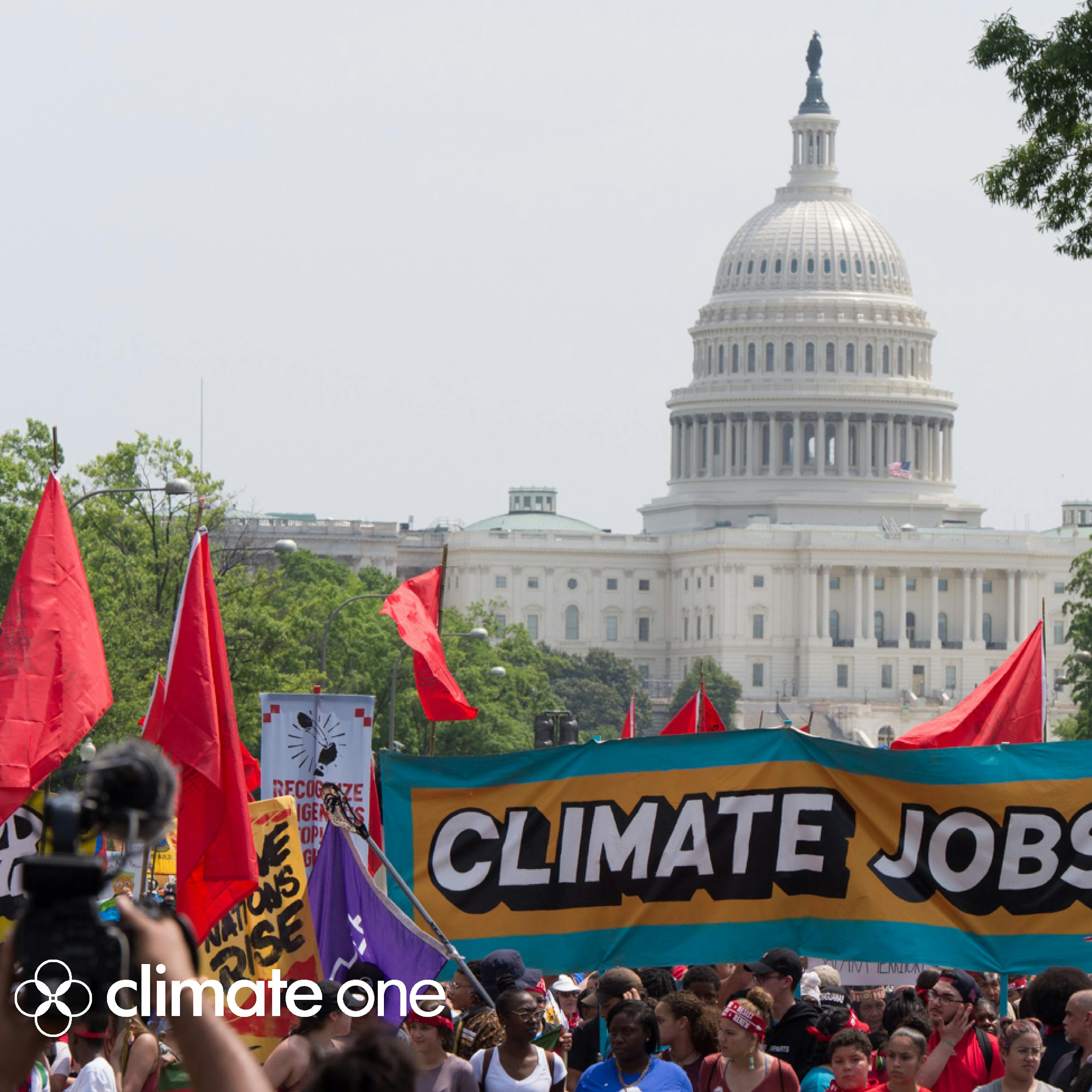
Climate & Democracy with Jamie Raskin, Heather McGhee and Rebecca Willis
Congressman Jamie Raskin (D-MD) took the national spotlight as the lead manager for the second impeachment trial of the former president. As a member of the House Oversight and Reform Committee, he has grilled fossil fuel executives on the industry’s long history of intentionally misleading the public. And as a constitutional law professor, he has offered deep insight into the connections between an informed citizenry and a robust democracy. At a time when many Americans doubt Congress’s ability to get anything done, what are the government’s strongest levers for climate action? And what are the connections between climate and democracy? This story is part of ‘Climate & Democracy,’ a series from the global journalism collaboration Covering Climate Now. Guests: Jamie Raskin, U.S. Representative, Maryland’s 8th Congressional District Heather McGhee, Board Chair, Color of Change; author, The Sum of Us: What Racism Costs Everyone and How We Can Prosper Together Rebecca Willis, Professor, Lancaster University; author, Too Hot to Handle? The Democratic Challenge of Climate Change Visit our website for show notes. Learn more about your ad choices. Visit megaphone.fm/adchoices
Breaking Down Climate Misinformation with Amy Westervelt and John Cook
Fossil fuel companies and others have spent decades casting doubt on climate science to allow them to continue to profit. As documented by climate communication expert John Cook and others, these strategies have taken many forms: deny, dismiss, delay, deflect; and they have evolved over time. They’ve also included a concerted effort to recast political speech, banned and regulated in some contexts, as protected free speech, giving corporations more leeway in broadcasting their messages. In a special collaboration with Amy Westervelt of Drilled, we trace the origins of this free speech argument and break down the tactics used to spread misinformation. Guests: Amy Westervelt, journalist, Founder and Executive Producer, Drilled, Critical Frequency Podcast Network John Cook, Postdoctoral Research Fellow, Climate Change Communication Research Hub, Monash University Learn more about your ad choices. Visit megaphone.fm/adchoices
Can We Get Clean Energy Without Dirty Mines?
Global sales of electric vehicles more than doubled in 2021. Projections for this year are for another huge gain as more automakers introduce more models with increasing range. This is all good news for transitioning to a clean energy economy. But sourcing the materials needed for clean energy might not be so clean. Mining is the leading industrial polluter in the U.S., but the climate crisis demands a transition to technologies that require raw materials to be extracted. How can the world get the minerals it needs to mitigate the climate crisis without creating other ecological disasters in the process? Guests: Morgan Bazilian, Director, Payne Institute, Colorado School of Mines Payal Sampat, Mining Program Director, Earthworks Maureen Penjueli, Coordinator, Pacific Network on Globalisation Learn more about your ad choices. Visit megaphone.fm/adchoices
Solar Flare-ups
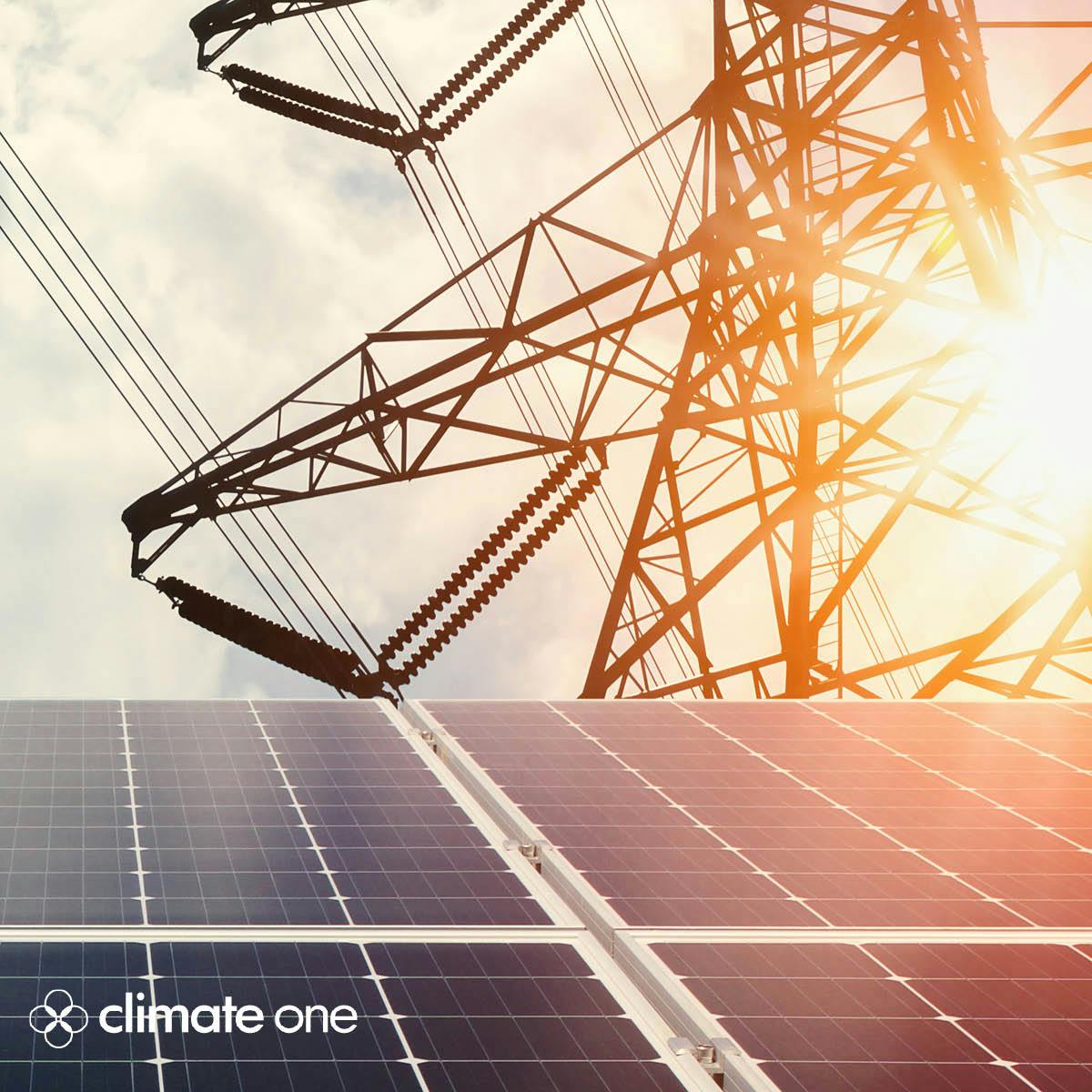
Earlier this year, California regulators were set to propose significant changes to the incentives that drive rooftop solar installations. After widespread opposition from industry and climate advocates, the California Public Utilities Commission paused the effort. The issue centers on how much rooftop solar customers pay to use the grid and what rewards they get for selling their excess power. But California is far from the only state where net metering is a hotly contested issue. While utility-scale projects may offer more bang for the buck in some contexts, rooftop solar offers distributed generation and a tool for resilience. This week, we explore the debate between rooftop and utility-scale solar. Guests: Adam Browning, Co-Founder and Executive Director Emeritus, Vote Solar Bernadette Del Chiaro, Executive Director, California Solar and Storage Association Tom Beach, Principal Consultant, Crossborder Energy Emily Sanford Fisher, General Counsel & Corporate Secretary, Sr. Vice President, Clean Energy, Edison Electric Institute Learn more about your ad choices. Visit megaphone.fm/adchoices

Coping with COVID and Climate Fatigue
Since March 2020, the global community has grappled with an unprecedented pandemic. At first, most people were willing to do what it takes to keep themselves and others safe. Two years in, pretty much everyone feels exhausted by the effort and by the general anxiety of living with COVID. The global community simultaneously faces an even greater existential threat: climate change. For those fighting to stave off this slower-moving catastrophe, fatigue is a familiar feeling. What have we learned from two years of COVID disruption that can inform how we deal with climate fatigue? Guests: David Wallace-Wells, Editor-At-Large, New York Magazine Britt Wray, Human and Planetary Health Fellow, Stanford University Learn more about your ad choices. Visit megaphone.fm/adchoices
Playing With Fire: Russia, Ukraine and the Geopolitics of Energy
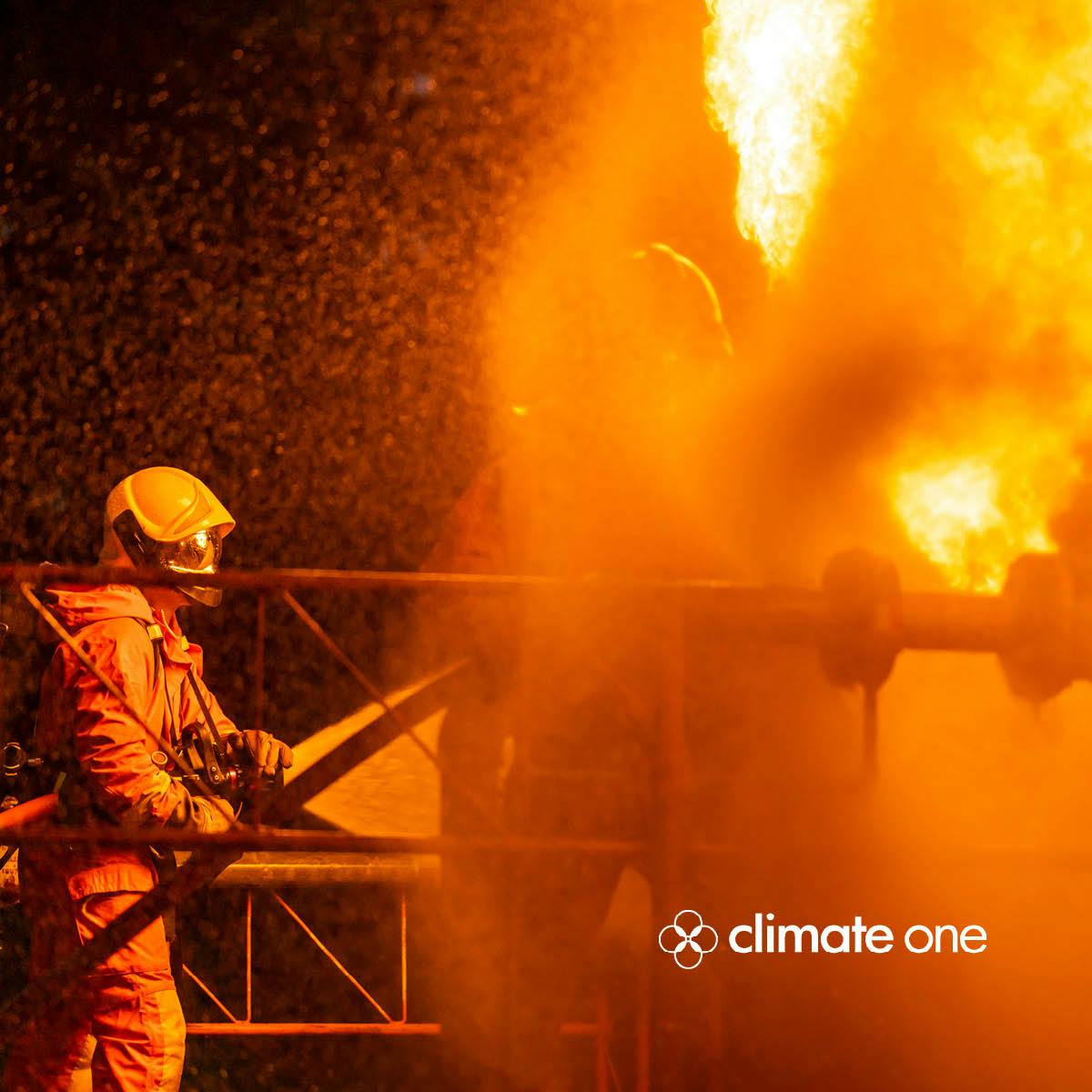
The IPCC released its latest report the same day as the U.S. Supreme Court heard the most environmentally significant case in a decade, all while Russia’s invasion of Ukraine has rattled global energy markets. It’s a lot to take in all at once. Will the disruption of methane gas supplies to Europe give it the extra push it needs to decarbonize, or will some countries always be beholden to untrustworthy partners for the resources they need? What other options exist to power our economies more sustainably in the short and long term? Guests: Amy Myers Jaffe, Managing Director, Climate Policy Lab, Tufts University Erwin Chemerinsky, Dean, Berkeley Law Learn more about your ad choices. Visit megaphone.fm/adchoices
Turning Air into Stone: Tech-Based Carbon Removal
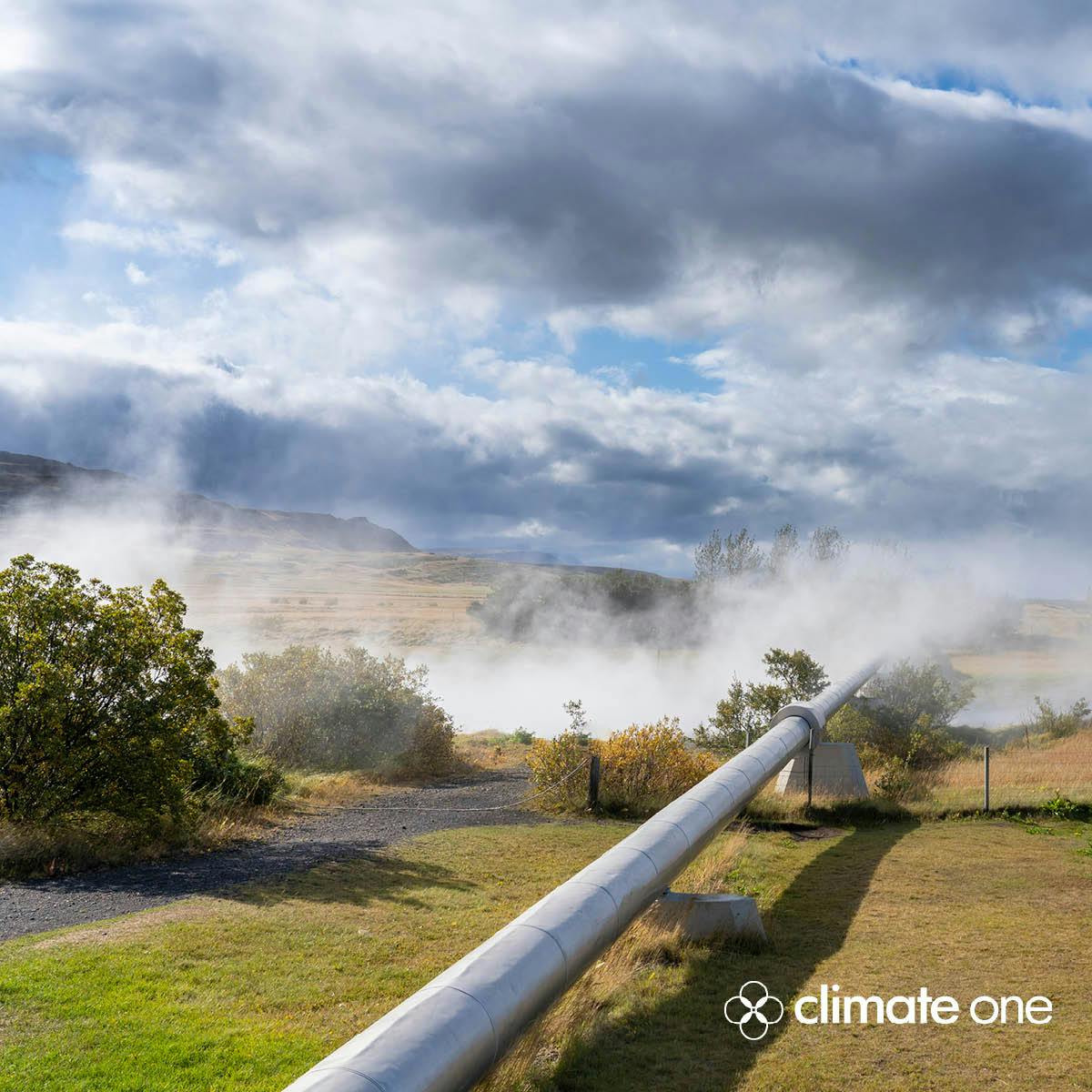
It has been 3 million years since there’s been this much CO2 in the atmosphere. Even if we stop all burning of fossil fuels today, humans have already emitted enough CO2 that we’ll continue experiencing extreme weather events for years to come. Not only do we need to stop emitting greenhouse gasses, but according to the IPCC, we also need to accelerate the removal of CO2. With forests burning faster than we can grow them, nature-based solutions may not be enough. What role might tech-based solutions play? Can they be implemented in a just, equitable way that does not give license for fossil fuel interests to continue business as usual? Guests: Marcius Extavour, VP, Energy & Climate, XPRIZE Angela Anderson, Director of Industrial Innovation and Carbon Removal at World Resources Institute Rachel Glennerster, Associate Professor of Economics, University of Chicago Learn more about your ad choices. Visit megaphone.fm/adchoices
Peat, Kelp and Trees: Nature-Based Carbon Capture
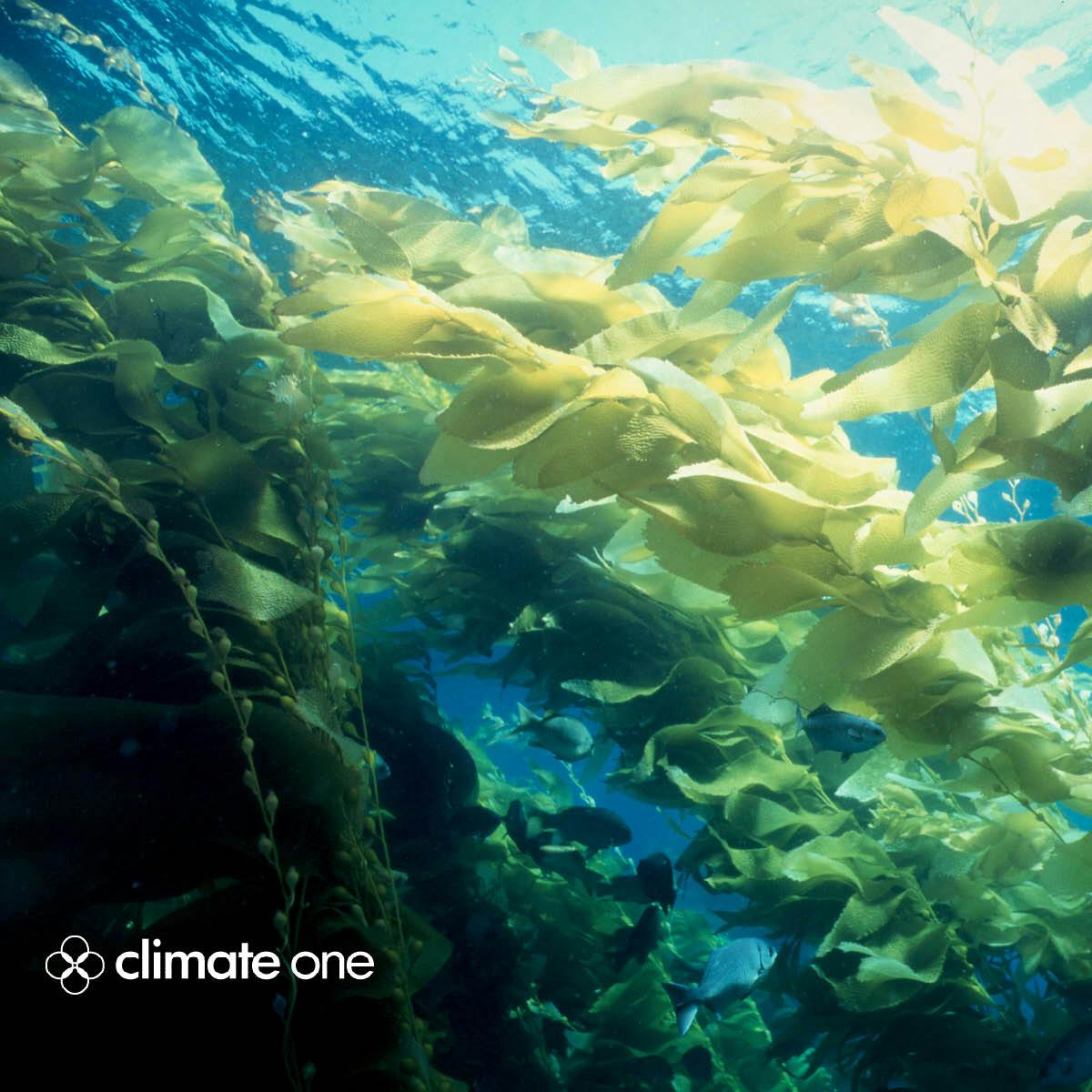
Humans must dramatically rein in greenhouse gas emissions in order to slow the planetary warming caused by centuries of fossil fuel combustion. But even if we accomplish that through major reforms to our power supply, food systems, industrial industries and more, we still need to remove huge amounts of carbon already in the atmosphere to stave off the worst impacts of climate disruption. This is no easy task. We need to explore every option – both nature-based solutions and tech solutions. In a two-part series, we look at both categories. First up, the natural mechanisms for carbon capture and storage, from forests to peat bogs to kelp beds. Guests: Ugbaad Kosar, Deputy Director of Policy, Carbon180 Edward Struzik, author, Swamplands: Tundra Beavers, Quaking Bogs and the Improbable World of Peat Bren Smith, Co-Executive Director and Owner, Thimble Island Ocean Farm Benjamin Preston, Senior Policy Researcher, RAND Corporation Learn more about your ad choices. Visit megaphone.fm/adchoices
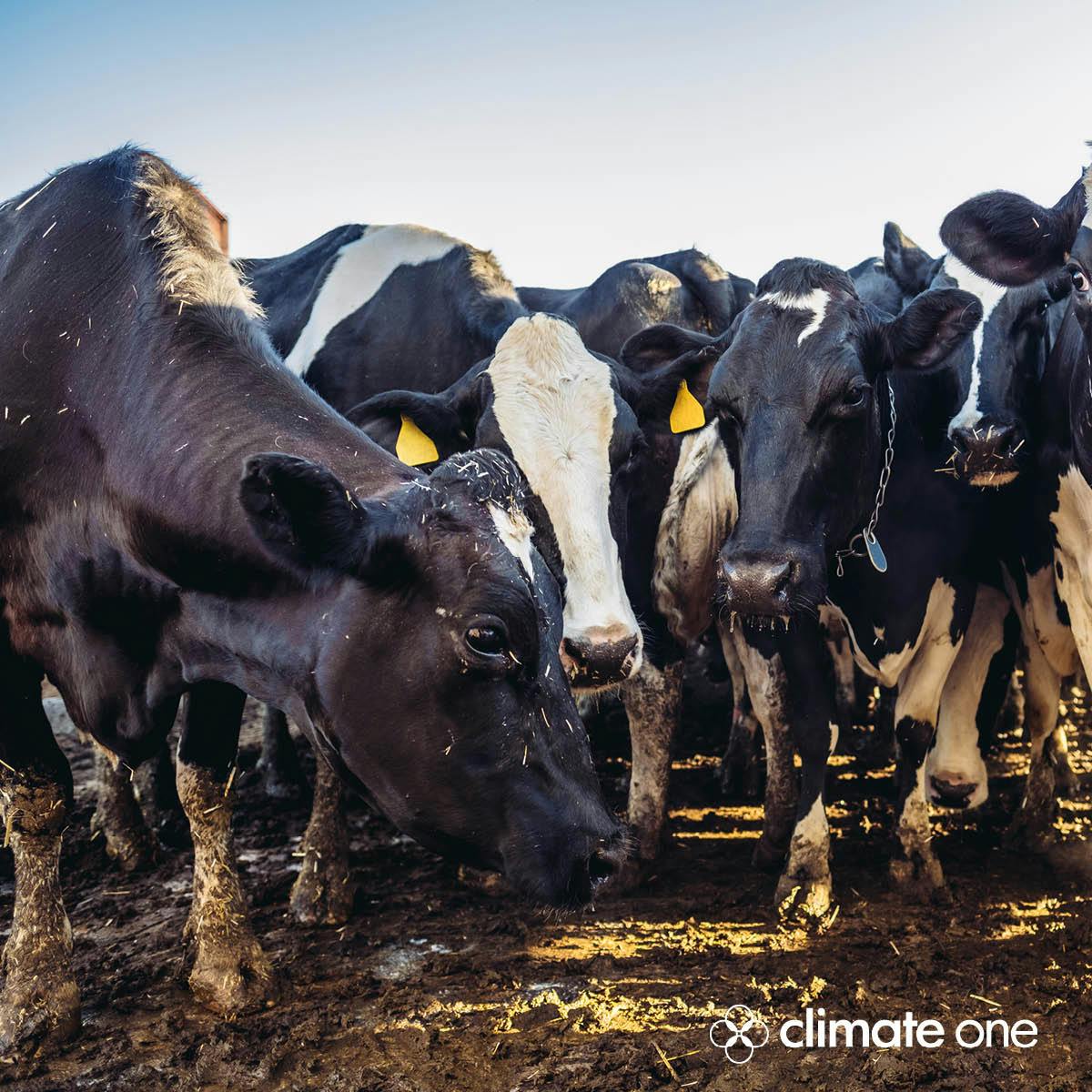
Cow Poop and Compost: Digesting the Methane Menace
In a 20-year time frame, methane is 80 times more damaging to the climate than carbon dioxide. Nationally, 37% of methane emissions come from cows. 17% of all US methane emissions come from food waste rotting in landfills. More than 100 countries, including the US, signed The Global Methane Pledge, promising to reduce methane emissions by 30% by 2030. In California, a new law went into effect directly addressing the state’s methane emissions from organic waste and dairy farms. The law targets a 40% reduction in the same time frame. That’s ambitious. What effect will this law have on industrial agriculture, and the general population? Guests: Neil Edgar, Executive Director, California Compost Coalition J Jordan, Policy Coordinator, Leadership Council for Justice and Accountability Michael Boccadoro, Executive Director, Dairy Cares Monique Figueiredo, Chief Executive Officer / Founder / Co-Owner, Compostable LA Allen Williams, Understanding Ag Learn more about your ad choices. Visit megaphone.fm/adchoices
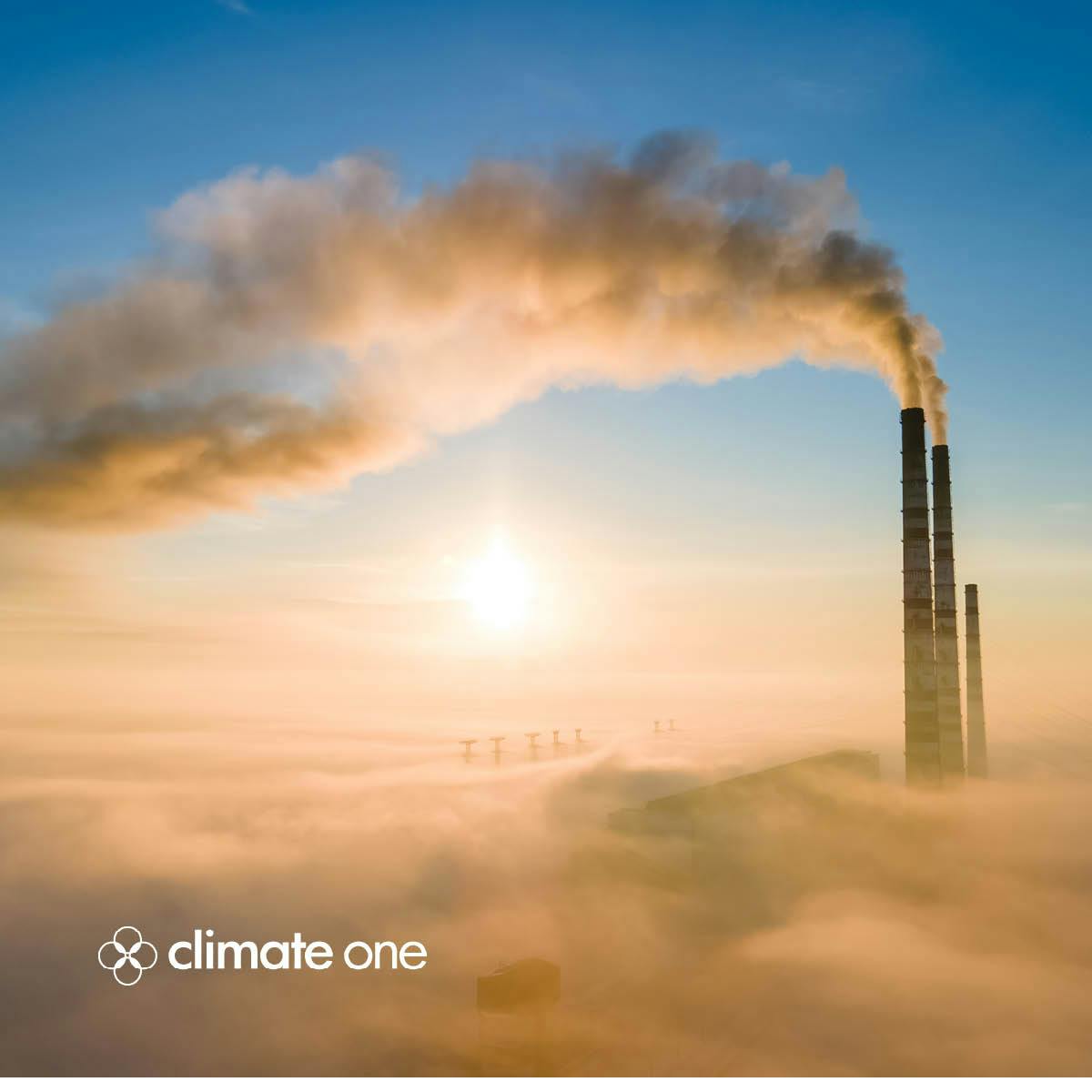
Our Greatest Unintended Experiment
For years, scientists, activists, and politicians have tried to warn the world of the potential catastrophic consequences of dumping greenhouse gases into the atmosphere: Think of An Inconvenient Truth in 2006. Or NASA scientist James Hansens’ testimony before the U.S. Senate in 1988, in which he said that “the greenhouse effect has been detected and it is changing our climate now.” Or go all the way back to 1856, when Eunice Newton Foote first warned the world that an atmosphere heavy with carbon dioxide could send global temperatures soaring. Writer and climate campaigner Alice Bell lays out the history of evolving climate science and our forays into different energy technologies in Our Biggest Experiment: An Epic History of the Climate Crisis. Despite our current emissions trajectory, Bell says there’s still reason to hope: “We have been left a lot of opportunities and we still have got some time to seize them.” Guests: Alice Bell, climate campaigner, author, Our Biggest Experiment: An Epic History of the Climate Crisis Meera Subramanian, environmental journalist Katerina Gonzales, climate scientist Learn more about your ad choices. Visit megaphone.fm/adchoices
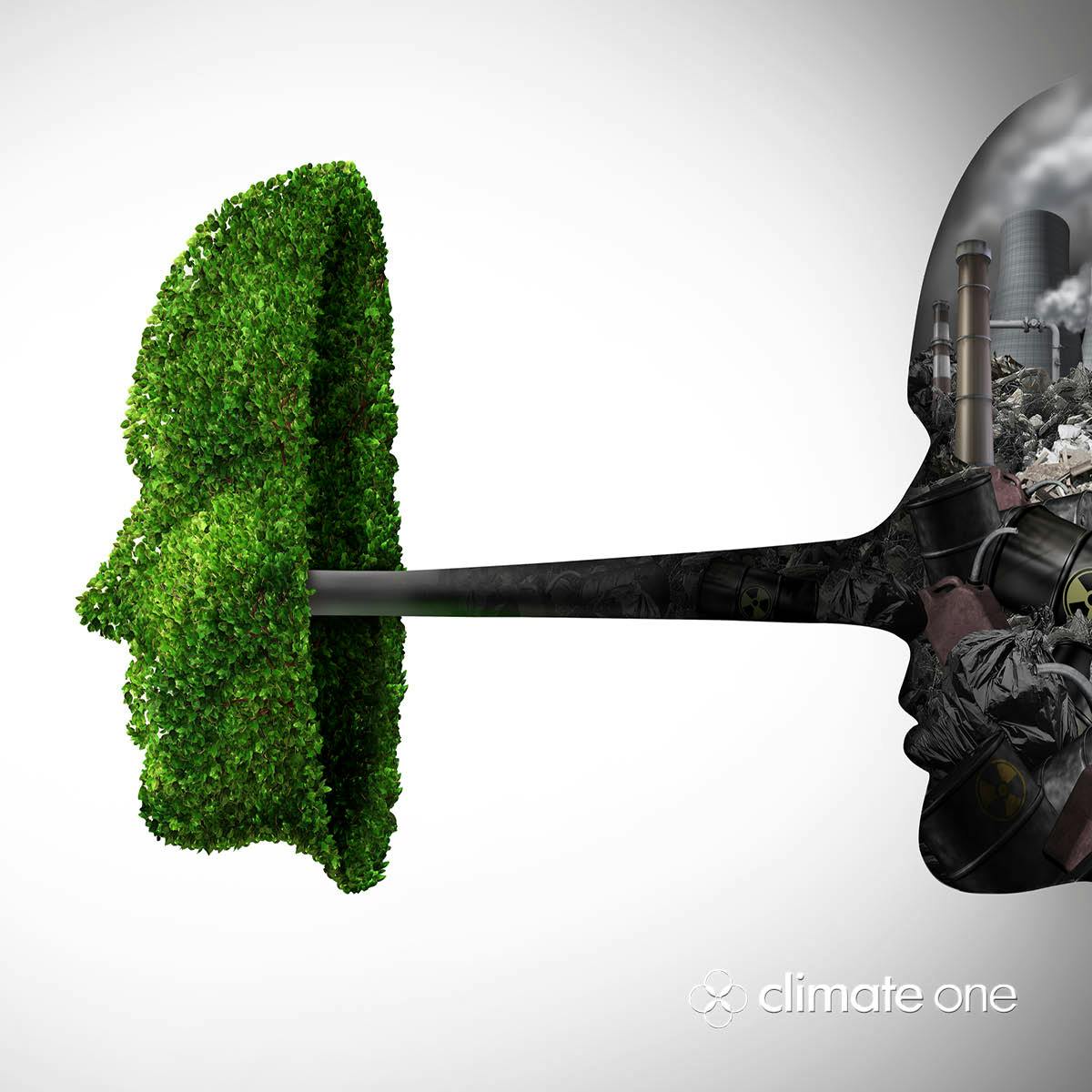
The Enablers: The Firms Behind Fossil Fuel Falsehoods
For years, fossil fuel companies have claimed to support climate science and policy. Many have recently pledged to hit net zero emissions by midcentury. Yet behind the scenes they fight those very same policies through industry associations, shadow groups, and lobbying – all while spending vast sums on advertising and PR campaigns touting their climate commitments. This week we focus on the PR and law firms helping fossil fuel companies delay the transition to clean energy while claiming they are on the side of climate protection. Guests: Benjamin Franta, PhD candidate in History of Science, Stanford University. Jamie Henn, founder and director, Fossil Free Media Kathryn Lundstrom, sustainability editor, Adweek Christine Arena, former Executive Vice President, Edelman; founder, Generous Films Michaela Anang, law student, UC Davis Learn more about your ad choices. Visit megaphone.fm/adchoices
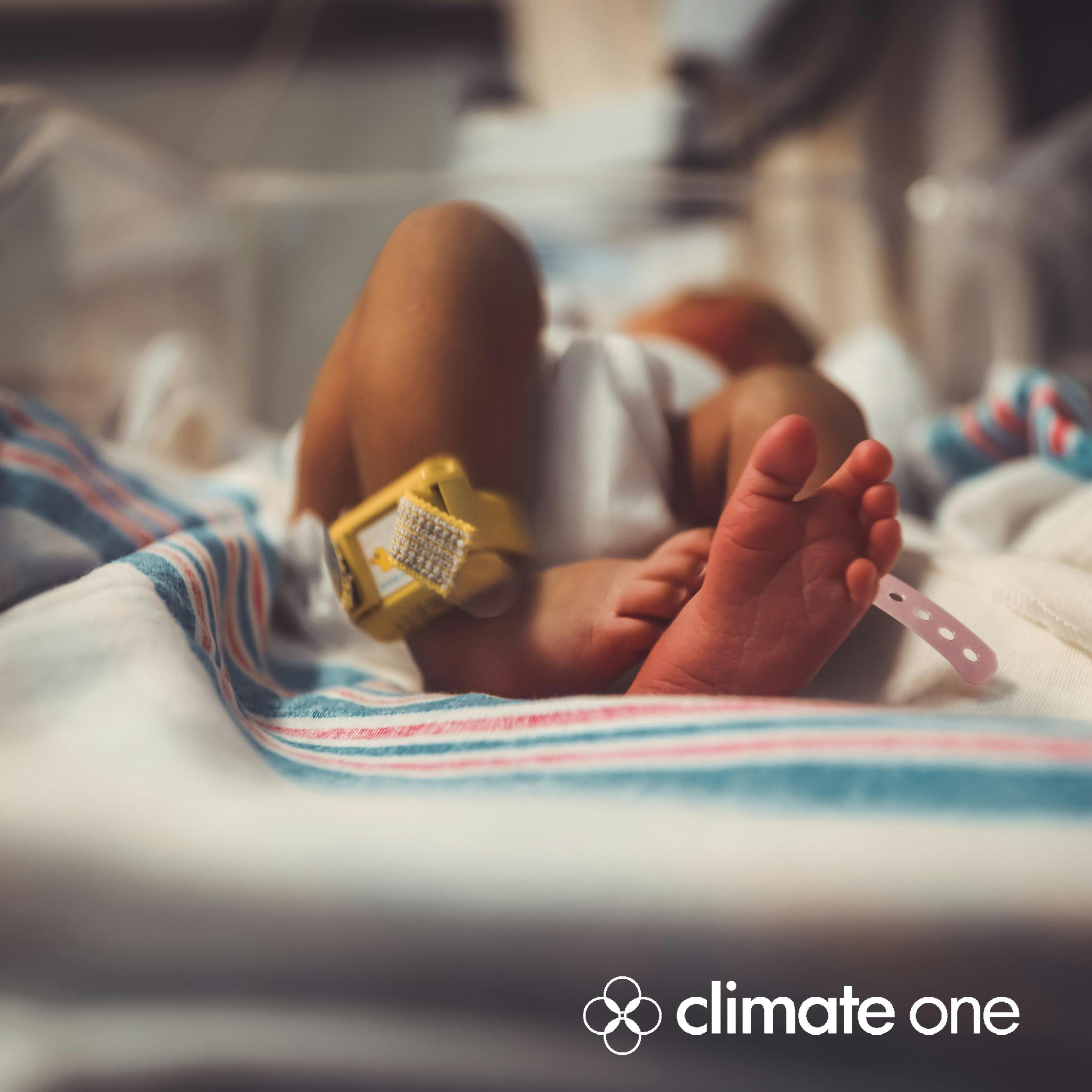
REWIND: Should We Have Children in a Climate Emergency?
The climate crisis seems to be unfolding faster than ever before — with catastrophic floods, winter wildfires, and last summer’s killer heat. It’s becoming increasingly hard to mentally set climate aside as a future problem — it is here, real in our present moment. How do we grapple with the weight of these changes, and process our fear for what is coming for us, and for the next generation? And how do those emotions affect our decisions about whether or not to have children, who in many ways represent an embodied version of our hope for the future? Guests: Daniel Sherrell, Author, Warmth, Coming of Age at the End of Our World Seb Gould, physics teacher Irène Mathieu, pediatrician and poet Virginie Le Masson, co-director of the Centre for Gender and Disaster at University College London Learn more about your ad choices. Visit megaphone.fm/adchoices
State of the Unions: Navigating Job Creation and Destruction
With expanding electrical infrastructure and some jurisdictions beginning to ban gas appliances in new construction, the transition to a clean energy economy is already happening. Understandably, labor unions that represent workers tied to the fossil fuel infrastructure are digging in their heels. While recognizing that climate change is a threat, the Laborers’ International Union of North America and the Utility Workers Union of America are skeptical of promises of a just transition, saying green jobs are typically non-union and pay far less. So how can we transition to a low-carbon economy while protecting good-paying jobs? Guests: Austin Keyser, Assistant to the International President for Government Affairs at International Brotherhood of Electrical Workers (IBEW) Yvette Pena-O'Sullivan, Executive Director, Office of the General President, LiUNA Lee Anderson, Director of Government Affairs, Utility Workers Union of America Carol Zabin, Director, Green Economy Program, UC Berkeley Labor Center Norman Rogers, Second Vice President of United Steelworkers, California Learn more about your ad choices. Visit megaphone.fm/adchoices
Corporate Net Zero Pledges: Ambitious or Empty Promises?
Corporate pledges of reaching net zero carbon emissions have quickly become commonplace. Critics argue that such pledges are mere greenwashing, and even if pledges are fulfilled, the balance sheets usually utilize carbon offsets, which can be of questionable quality and accountability. Proponents of corporate net zero pledges say we’ll never get to net zero emissions without corporate action, and pledges represent legitimate ramping up of ambition and commitment. How can consumers, investors and policy leaders distinguish between stalling and increased ambition? Can third party auditors hold companies accountable? Learn more about your ad choices. Visit megaphone.fm/adchoices
REWIND: Should Nature Have Rights?
If corporations can be legal persons, why can’t Mother Earth? In 2017, New Zealand granted the Whanganui River the full legal rights of a person. India granted full legal rights to the Ganges and Yamuna rivers, and recognized that the Himalayan Glaciers have a right to exist. In 2019, the city of Toledo passed the Lake Erie Bill of Rights with 61 percent of the vote, but then a year later, a federal judge struck it down. As Lindsey Schromen-Wawrin, an attorney who represented Lake Erie, explains, the problem stems from a 500-year history of Western property law. Our legal system grants rights to property owners, but not to property itself. “If we’re treating ecosystems as property, then ultimately, we as property owners have the right to destroy our property and that fundamentally has to change,” Schromen-Wawrin says. Rebecca Tsosie, a law professor focused on Federal Indian law and Indigenous peoples’ human rights, says there are other rights frameworks to consider. “If we go into Indigenous epistemology, many times it’s a relational universe that comes with mutual responsibility.” Guests: Lindsey Schromen-Wawrin, attorney, formerly with the Community Environmental Legal Defense Fund Rebecca Tsosie, Regents Professor of Law at the University of Arizona; Co-Chair, Indigenous Peoples’ Law and Policy Program Carol Van Strum, author of A Bitter Fog, activist Learn more about your ad choices. Visit megaphone.fm/adchoices
John Doerr And Ryan Panchadsaram: An Action Plan For Solving Our Climate Crisis Now
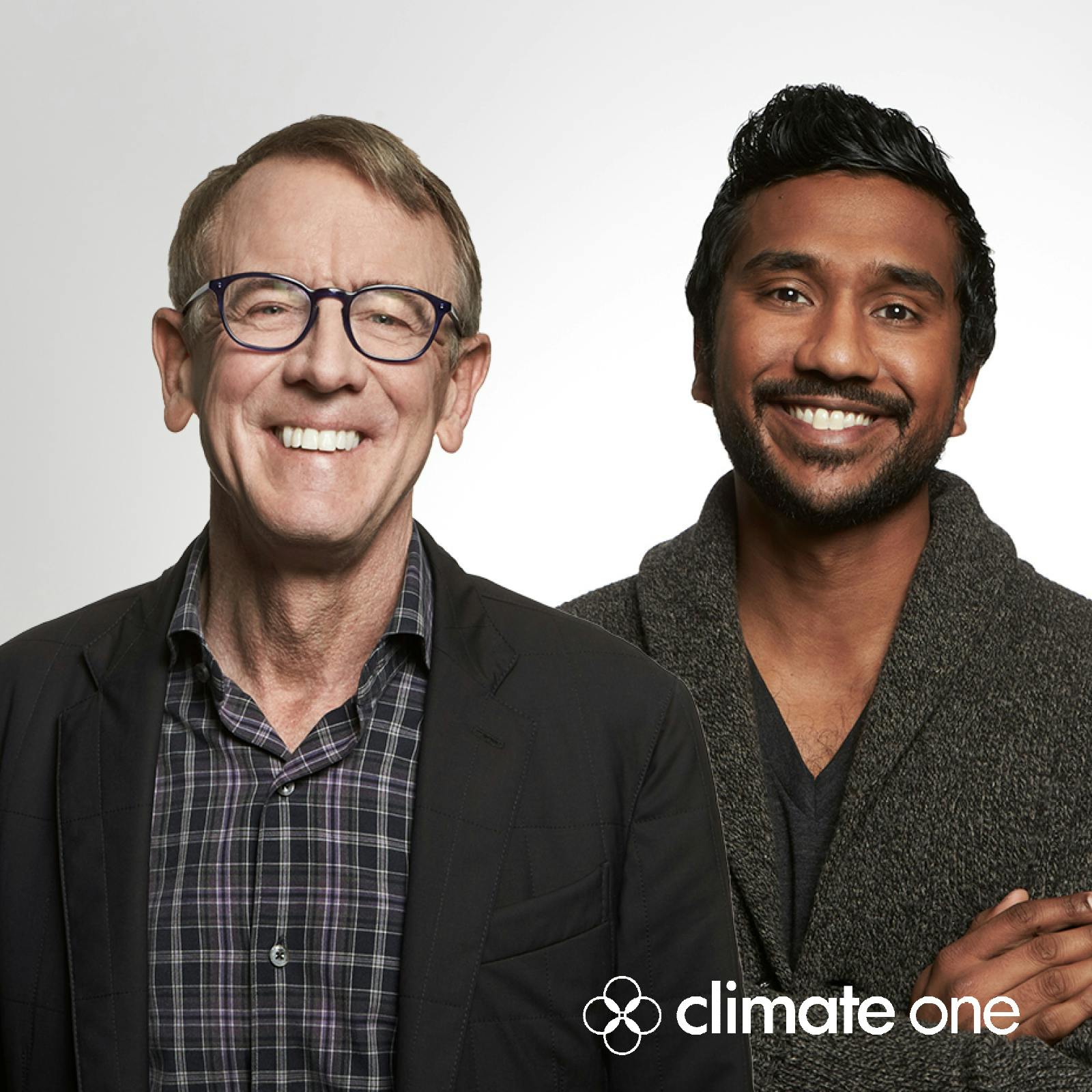
Beyond his position as chairman of the venture capital firm Kleiner Perkins, John Doerr rose to global prominence in the business world with his popularization of OKRs (Objectives and Key Results), which he promoted in his best-selling book, Measure What Matters. Could the same set of management tools be applied to preventing the growing climate crisis? In Speed & Scale: An Action Plan for Solving Our Climate Crisis Now, John Doerr and Kleiner Perkins advisor Ryan Panchadsaram argue that it can. For transcripts and other information, visit: https://www.climateone.org/watch-and-listen/podcasts Guests: John Doerr, Chairman, Kleiner Perkins Ryan Panchadsaram, Advisor, Kleiner Perkins Learn more about your ad choices. Visit megaphone.fm/adchoices
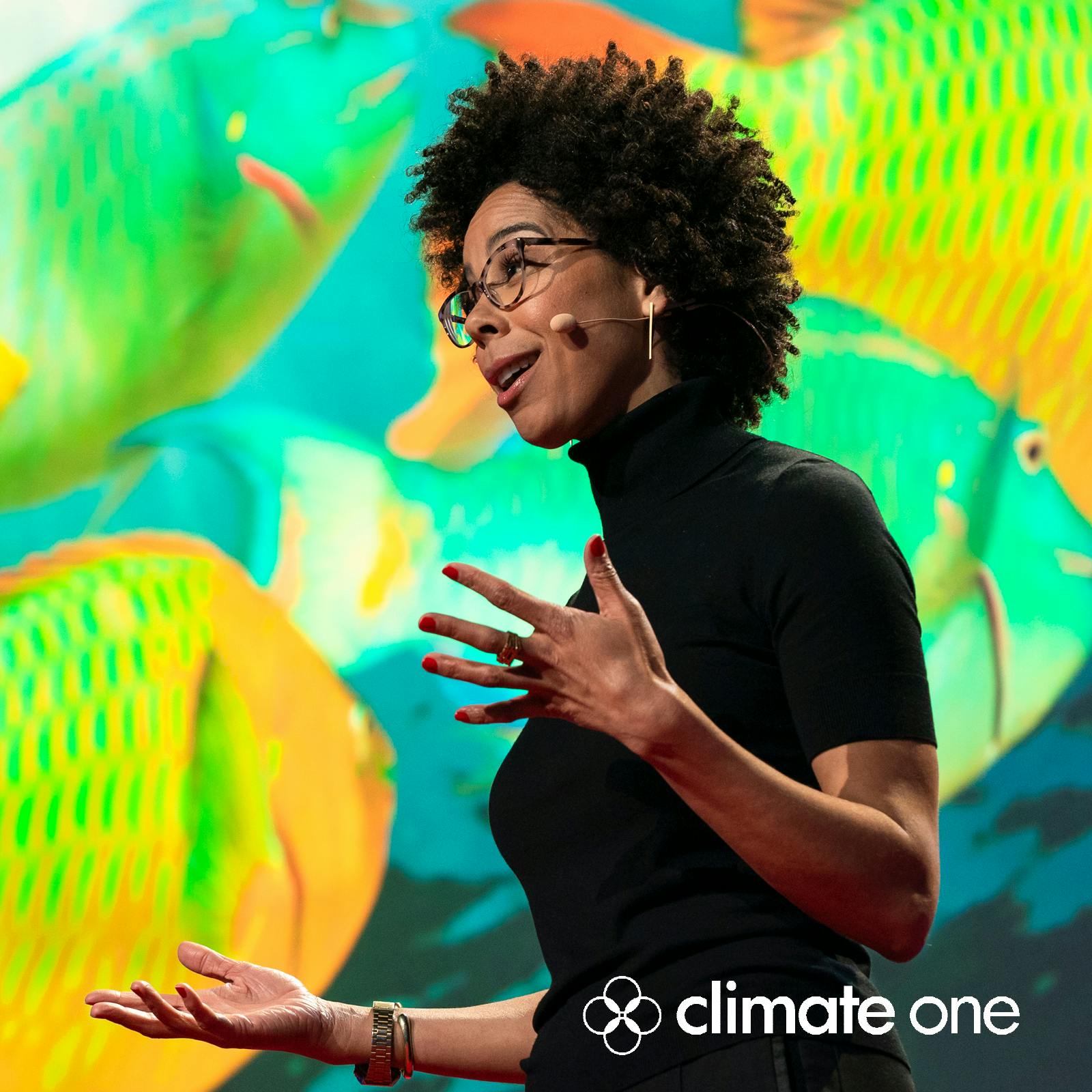
Ayana Elizabeth Johnson and Naomi Oreskes: The Schneider Award
Each year, Climate One gives an award to a natural or social scientist for excellence in science communication. This year’s recipient of the Stephen H. Schneider Award is marine biologist Dr. Ayana Elizabeth Johnson, co-founder of the Urban Ocean Lab and co-creator of the All We Can Save project. “What gets me out of bed in the morning, what makes this work of communicating about climate science and policy so important, is that we have such a huge spectrum of possible futures available to us. And which one we get depends on what we do,” Johnson says. This episode also features past award winner and noted climate historian Naomi Oreskes discussing sexism in the sciences and the ongoing disinformation campaigns perpetrated by fossil fuel companies. For transcripts and other information, visit: https://www.climateone.org/watch-and-listen/podcasts Guests: Ayana Elizabeth Johnson, marine biologist, writer Naomi Oreskes, Professor, History of Science, Harvard University Learn more about your ad choices. Visit megaphone.fm/adchoices
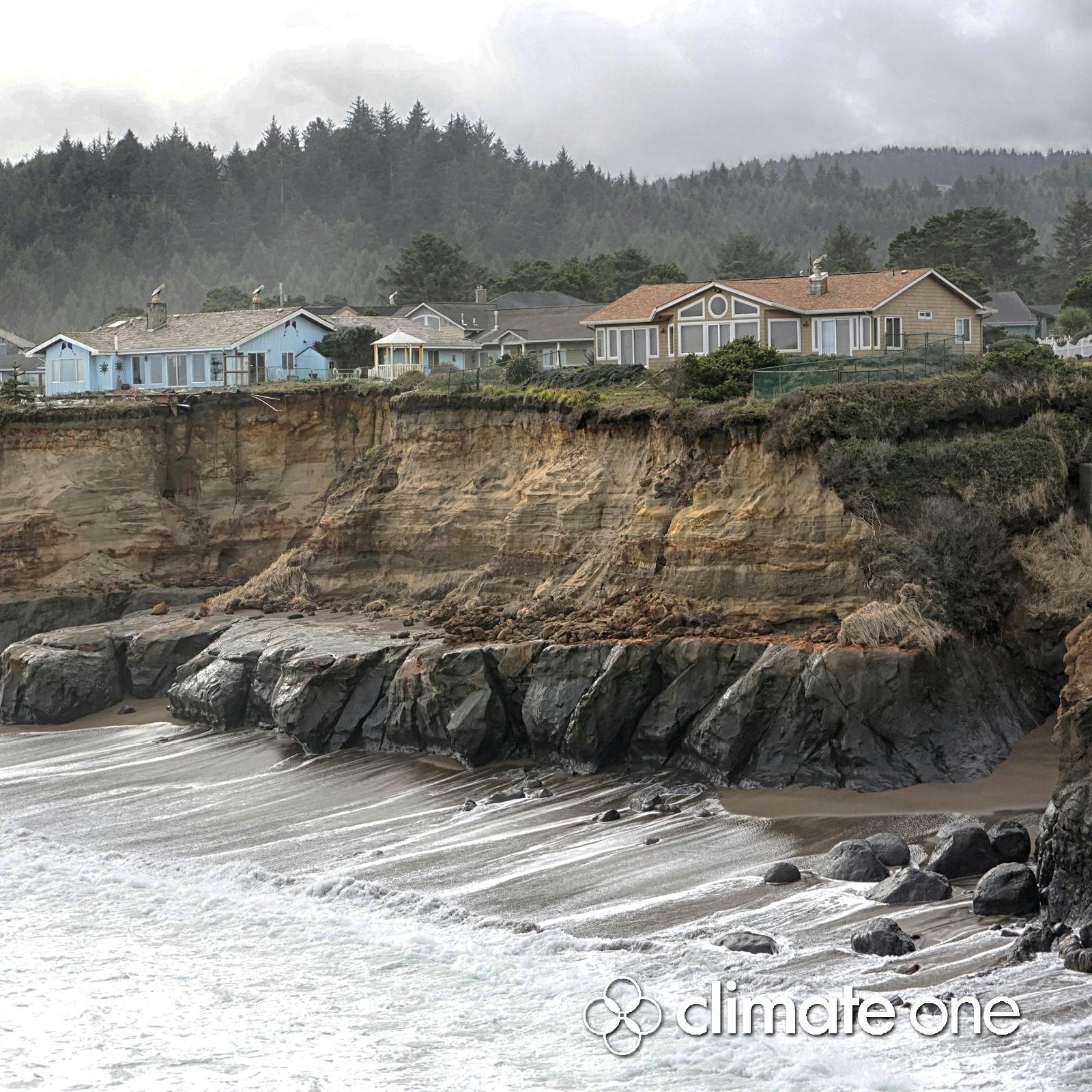
Managed Retreat: When Climate Hits Home
Southeastern Virginia currently experiences the fastest rate of sea level rise on the Atlantic seaboard, and that’s only projected to accelerate. For many neighborhoods, it’s not a question of if they will go underwater, but when. On the west coast, between $8 billion and $10 billion of existing property in California is likely to be underwater by 2050, with an additional $6 billion to $10 billion at risk during high tides. Increasingly, local and regional governments are considering – and starting – buyouts of flood-prone properties. How will we manage the homes, farms, naval bases and infrastructure destined to go under water? How do federal and private insurance programs hamper or help moves away from climate-disrupted regions? And what are the equity issues with managed retreat? For transcripts and other information, visit: https://www.climateone.org/watch-and-listen/podcasts Guests: Sam Turken, reporter, “At A Crossroads” series for WHRO Amy Chester, Managing Director, Rebuild By Design Kia Javanmardian, Senior Partner, McKinsey and Company Learn more about your ad choices. Visit megaphone.fm/adchoices
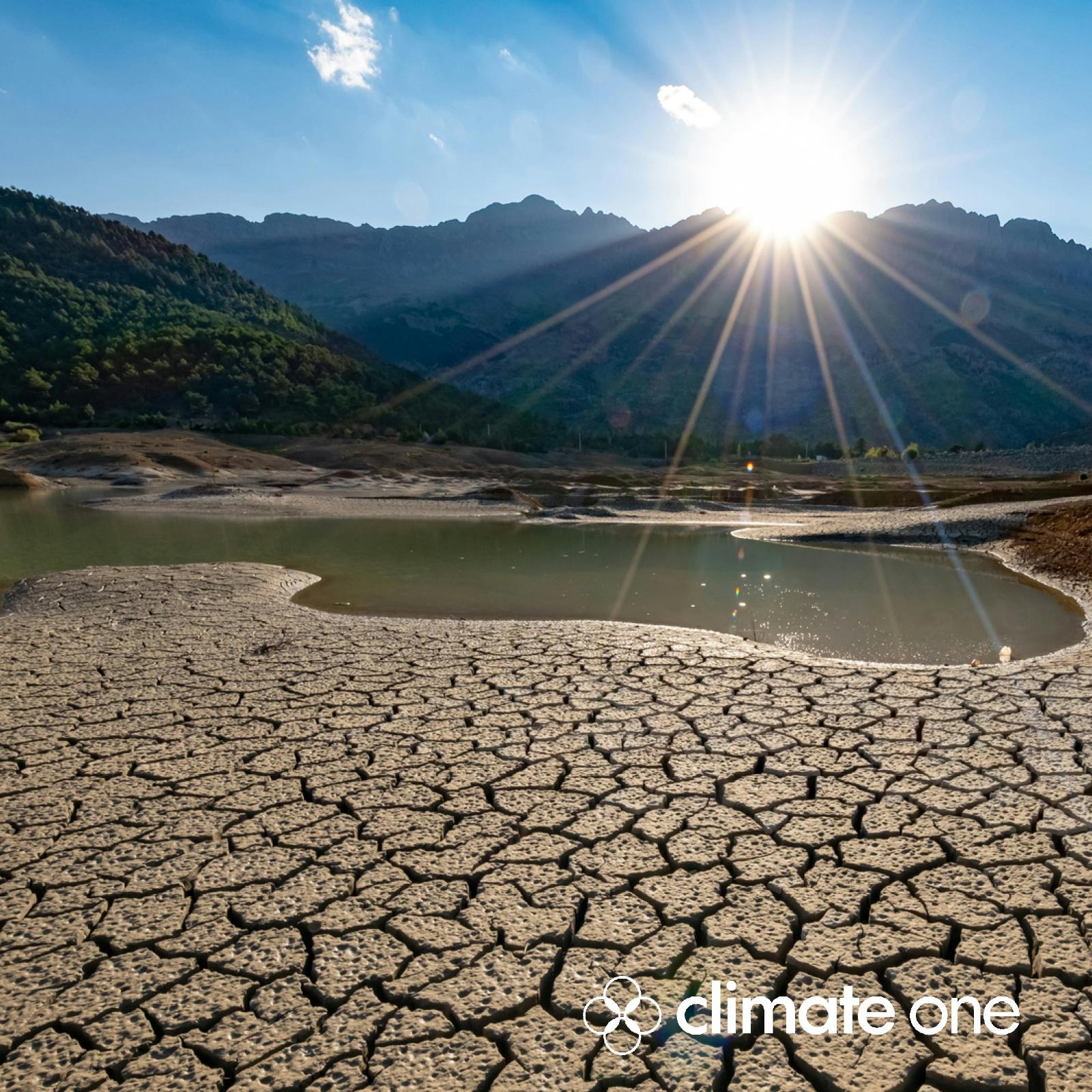
This Year in Climate: 2021
A recent poll shows that in 2021, for the first time, a majority of Americans personally felt the effects of climate change. But has that growing awareness translated into action? This week, Climate One hosts Greg Dalton and Ariana Brocious review the top climate stories of the year – from Joe Biden’s climate agenda to the extreme weather events so many experienced, to the recent international climate summit in Glasgow, to the passage and signing of the Bipartisan Infrastructure Deal. This special episode features excerpts from some of Climate One’s most profound interviews of 2021, including conversations with such luminaries as Jay Inslee, Mark Carney, and Katharine Hayhoe. For transcripts and other information, visit: https://www.climateone.org/watch-and-listen/podcasts Guests: Kathy Baughman-McLeod, Senior Vice President and Director, Atlantic Council’s Adrienne Arsht-Rockefeller Foundation Resilience Center Jay Inslee, Governor, State of Washington Carla Frisch, Principal Deputy Director, Office of Policy, U.S. Department of Energy Sasha Mackler, Executive Director, The Energy Project, Bipartisan Policy Center Beth Osborne, Director, Transportation for America Rich Thau, Moderator, The Swing Voter Project Jiang Lin, Adjunct Professor, University of California Berkeley Albert Cheung, Head of Global Analysis, Bloomberg New Energy Finance Amanda Machado, Writer and Social Justice Facilitator Mark Carney, UN Special Envoy on Climate Action and Finance Katharine Hayhoe, Climate Scientist Sister True Dedication, Thich Nhat Hanh student Support our work: climateone.org/donate Learn more about your ad choices. Visit megaphone.fm/adchoices
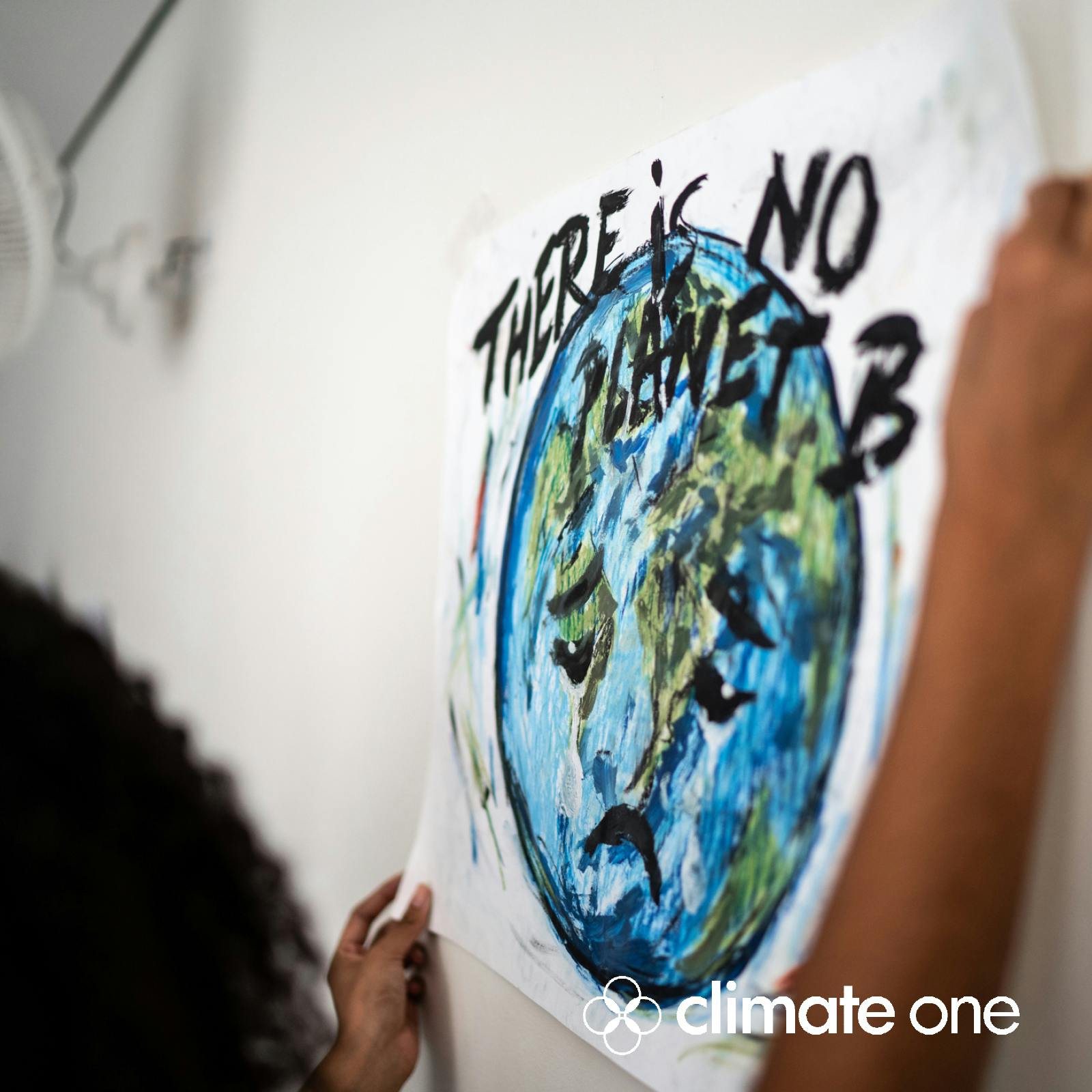
Climate Miseducation
Climate change science isn’t taught accurately — or equally — across the country. Investigative reporter Katie Worth dug into textbooks and talked with dozens of children and teachers to find out why. In her book, Miseducation: How Climate is Taught in America, Worth unpacks the influence of the fossil fuel industry, state legislatures and school boards on school curricula in their effort to spread confusion and misinformation about the climate crisis. Some organizations skip the textbook battle entirely and try to reach children directly through assemblies and social media. How do teachers navigate these dynamics in the classroom? How can we ensure our children are learning to be engaged, educated and climate-aware citizens? For transcripts and other information, visit: https://www.climateone.org/watch-and-listen/podcasts Guests: Katie Worth, investigative journalist, author, Miseducation: How Climate is Taught in America Lea Dotson, Campaigner, Action for the Climate Emergency Ann Reid, Executive Director, National Center for Science Education Ben Graves, former science teacher in Delta County, CO Support our work: climateone.org/donate Learn more about your ad choices. Visit megaphone.fm/adchoices
What the Infrastructure Deal Means for Climate
President Biden recently signed the biggest piece of climate legislation in U.S. history into law. To be sure, the Infrastructure Investment and Jobs Act got pared down significantly from what was first put on the table, but the final measure still contains five times more money for projects aimed at mitigating the climate crisis than the best legislation the Obama administration could get through. What did it take to get 19 Republican senators (not to mention Joe Manchin and Kyrsten Sinema) to vote with the Democrats? And with the states being given great latitude over how to spend the money, will the billions available for highways negate any positive climate impacts? For transcripts and other information, visit: https://www.climateone.org/watch-and-listen/podcasts Guests: Carla Frisch, Principal Deputy Director, Office of Policy, U.S. Department of Energy Sasha Mackler, Executive Director, The Energy Project, Bipartisan Policy Center Beth Osborne, Director, Transportation for America Michael Grunwald, journalist, author, The New New Deal Support our work: climateone.org/donate Learn more about your ad choices. Visit megaphone.fm/adchoices

REWIND Finding the Heart to Talk About Climate
Ever have a difficult conversation about climate? Pretty much everyone has. Knowing all the facts and figures only goes so far when talking to someone who just doesn’t agree. So how do we break through the barriers? Scientists trained to present information in a one-way lecture format face a particular challenge: they first need to unlearn old habits. “Everybody's trying to figure out ‘how do we move past this idea that just arming people with facts will lead to a better world,’ right, because we’ve just seen that that’s absolutely not true,” says Faith Kearns, author of Getting to the Heart of Science Communication. Kearns argues that we all need to move from an “information deficit” model of communication – where it’s assumed that the audience simply needs more information – to a relational model, where the science communicator does as much listening as talking in order to first find empathy and common ground. Guests: Faith Kearns, author, Getting to the Heart of Science Communication Katerina Gonzales, doctoral research fellow, Stanford University Support our work: climateone.org/donate Learn more about your ad choices. Visit megaphone.fm/adchoices
Taking Stock of COP26
In 2015, delegates from 196 nations entered into the legally binding treaty on climate change known as the Paris Agreement, which set a goal of limiting global warming to “well below 2 and preferably to 1.5 degrees Celsius compared to pre-industrial levels.” Yet in August of this year, the United Nations Intergovernmental Panel on Climate Change released a new assessment report that starkly illustrated the world’s collective failure to meet that target. Delegates from across the globe have just met in Glasgow for the international climate summit known as COP26, with the hope of strengthening commitments to keep emissions targets at that 1.5 degree level. After two weeks of negotiations, presentations and protests in Glasgow, COP26 is a wrap. This week we discuss what was achieved - and what wasn’t - at the summit. For transcripts and other information, visit: https://www.climateone.org/watch-and-listen/podcasts Guests: Vanessa Nakate, Ugandan climate activist Jiang Lin, Adjunct Professor, University of California Berkeley Albert Cheung, Head of Global Analysis, Bloomberg New Energy Finance Support our work: climateone.org/donate Learn more about your ad choices. Visit megaphone.fm/adchoices
Climbing, Conservation and Capitalism
Rick Ridgeway estimates he’s spent about five years of his life sleeping in tents, often in the world’s most remote places alongside fellow outdoor adventure luminaries. Ridgeway worked for Patagonia for 15 years and was behind the company’s infamous “Don’t Buy This Jacket” ad campaign, which paradoxically advocated sustainability and increased sales. Outdoor companies like Patagonia may push for sustainability, but they largely still present a mostly white, wealthy experience with nature, which can be off-putting for people of color. “You know if you can't see yourself in those spaces then it’s hard to feel invited or welcome in that movement,” says writer and social justice facilitator Amanda Machado. What is the role of corporations in conservation? And how can the outdoor industry help make nature more safe, accessible and welcoming for all? For transcripts and other information, visit: https://www.climateone.org/watch-and-listen/podcasts Guests: Rick Ridgeway, former Vice President of Public Engagement, Patagonia Amanda Machado, writer and social justice facilitator Learn more about your ad choices. Visit megaphone.fm/adchoices
Geoengineering: Who Should Control Our Atmosphere?
According to the latest IPCC Assessment Report, we’re currently on course for at least 3°C (5.4°F) of warming by 2100 even if all of the voluntary Paris Agreement emissions pledges are fulfilled. Clearly the world needs to do more to reduce emissions. But what if that’s still not enough? Solar geoengineering – such as putting sulfate aerosols into the stratosphere to reduce the amount of the sun’s heat from reaching the earth – could be one tool to slow warming temporarily. But it has become so politically fraught that even research into the subject is contentious. Who decides who should control our atmosphere? And what global governance structures should be put in place before any experimentation begins? This program is generously underwritten in part by the Laney and Pasha Thornton Foundation. For transcripts and other information, visit: https://www.climateone.org/watch-and-listen/podcasts Guests: Janos Pasztor, Executive Director, Carnegie Climate Governance Initiative, former Assistant Secretary General, United Nations Sheila Jasanoff, Professor of science and technology studies, Harvard Kennedy School Albert Lin, Professor, University of California Davis School of Law David Keith, Professor of applied physics and public policy, Harvard Learn more about your ad choices. Visit megaphone.fm/adchoices
Electrify Everything
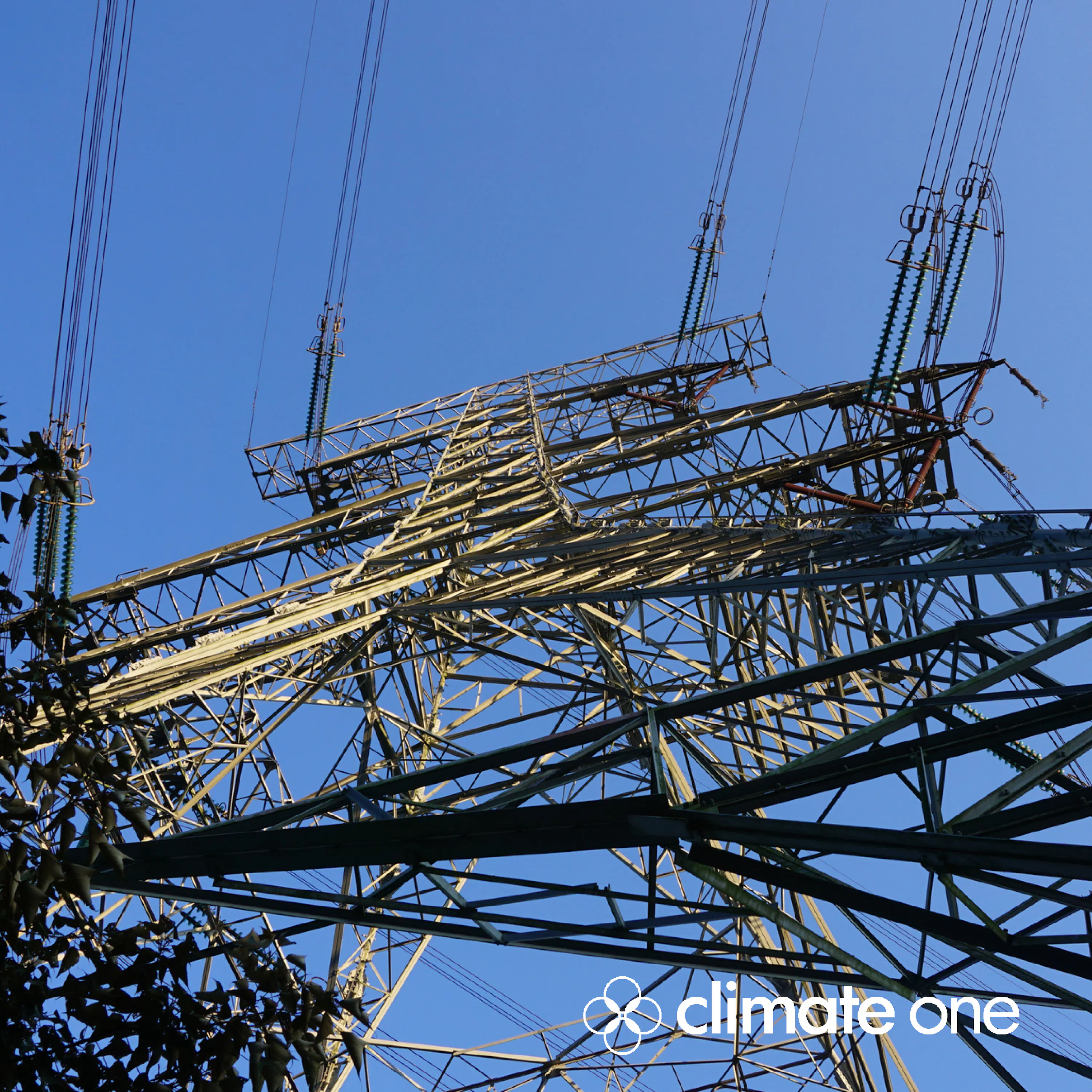
Fully electrifying our homes, cars and industries could cut the amount of total energy we need by half, says Saul Griffith, an entrepreneur, inventor and author of Electrify: An Optimist’s Playbook for Our Clean Energy Future. This electric revolution would mean significantly scaling up our solar, wind and battery storage and reorienting the electric grid – but could also mean “thousands of dollars in savings in every household, every year.” President Biden wants half the cars sold in the US to be electric by 2030. And automakers are increasingly putting money and marketing muscle behind EVs. When Ford announced its all-electric F-150, it sent a powerful jolt through the transportation industry. Pre-orders for the F-150 Lightning surpassed 100,000 within three days, signalling that EVs are no longer just for kale-eating coastal elites. Note: Ford Motor Co. is among Climate One’s sponsors. This program was underwritten in part by ClimateWorks Foundation. For transcripts and other information, visit: https://www.climateone.org/watch-and-listen/podcasts Guests: Saul Griffith, author, Electrify: An Optimist Playbook for Our Clean Energy Future Cynthia Williams, Global Director, Sustainability, Homologation and Compliance, Ford Motor Co. Sara Baldwin, Director of Electrification Policy, Energy Innovation Josh Nassar, Legislative Director, United Auto Workers Learn more about your ad choices. Visit megaphone.fm/adchoices
What’s on Tap at COP26 in Glasgow
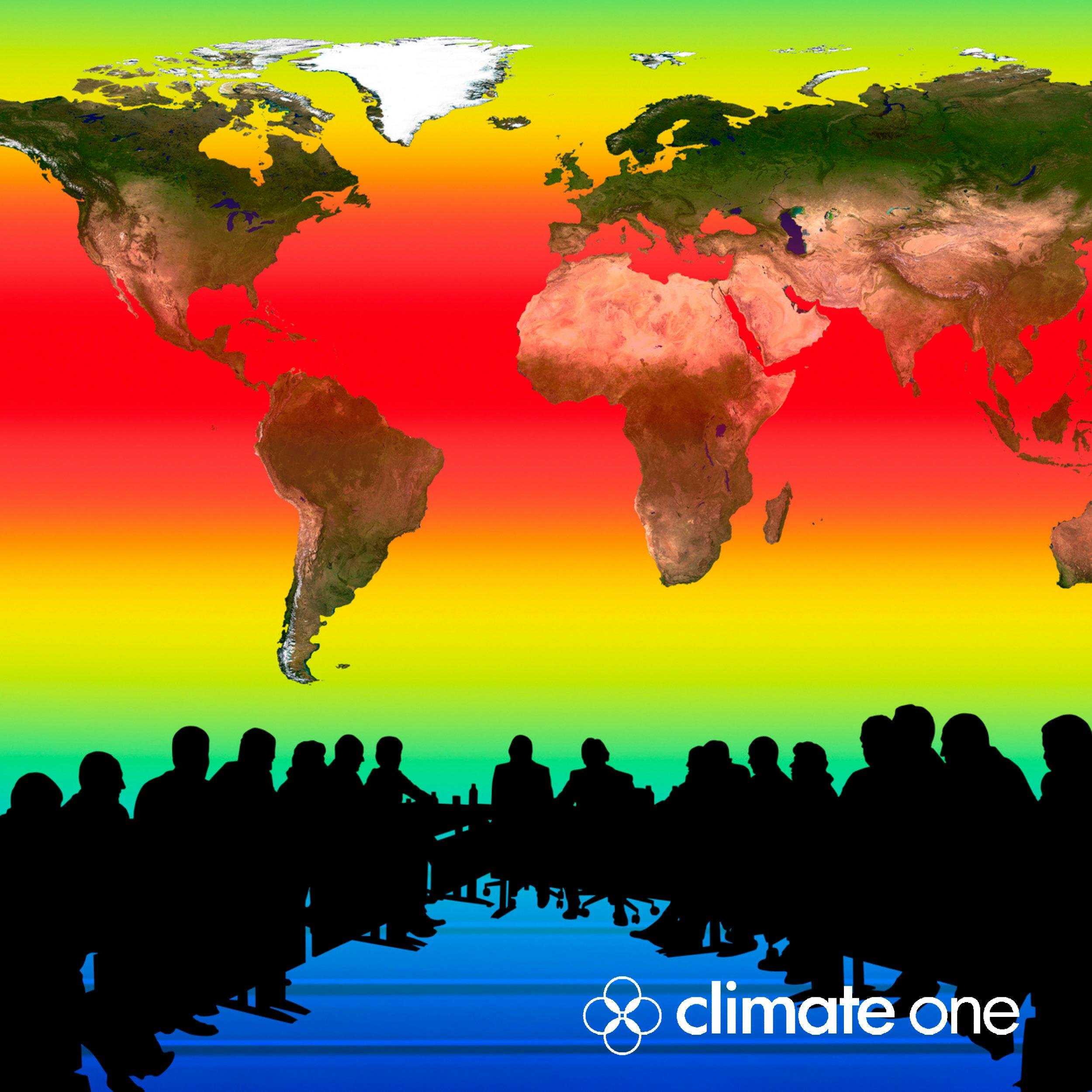
People around the world have been experiencing unprecedented extreme weather events – raging wildfires, killer heatwaves and catastrophic floods. In August, the UN Intergovernmental Panel on Climate Change released a new Assessment Report, which UN Secretary General Antonio Guterres called “code red for humanity,” adding that alarm bells are deafening and the evidence is irrefutable. Against this backdrop, delegates from across the globe are set to convene for the international climate summit known as COP26, where they’re expected to hammer out commitments to reduce carbon emissions in hopes of avoiding the worst impacts of climate disruption. Six years on from the Paris agreement, is there finally enough urgency to turn ambition and promises into action? For transcripts and other information, visit: https://www.climateone.org/watch-and-listen/podcasts Guests: Kate Larsen, Director, International Energy & Climate, Rhodium Group Albert Cheung, Head of Global Analysis, Bloomberg NEF Mitzi Jonelle Tan, Climate Justice Activist, Youth Advocates for Climate Action Philippines Carlon Zackhras, Marshall Islands youth climate activist Learn more about your ad choices. Visit megaphone.fm/adchoices
Zen and Coping with Climate
How do we manage our own anxiety around an uncertain climate future – let alone help our children work through their feelings and fears? In his latest book, Zen and the Art of Saving the Planet, internationally renowned Zen Master and Nobel Peace Prize nominee Thich Nhat Hahn argues that addressing the intersection of ecological destruction, rising inequality, racial injustice, and the lasting impacts of a devastating pandemic requires us to strengthen our clarity, compassion, and courage to act. “The power of Zen and the power of mindfulness is that it roots us in the present moment so we can be alert to what is going on, we can be responsive, we can be the master of our mind and awareness in any given situation,” including climate disruption, says Sister True Dedication, contributor and editor of Thich Nhat Hahn’s book. Psychotherapist Leslie Davenport, author of All the Feelings Under the Sun: How to Deal With Climate Change, provides thoughtful, practical exercises to help young readers process their feelings about climate change. For transcripts and other information, visit: https://www.climateone.org/watch-and-listen/podcasts Guests: Sister True Dedication, Zen Buddhist nun, editor of Thich Nhat Hanh’s book Zen and the Art of Saving The Planet Leslie Davenport, author, Emotional Resiliency in the Era of Climate Change; All the Feelings Under the Sun: How to Deal With Climate Change Learn more about your ad choices. Visit megaphone.fm/adchoices
Firefight: How to Live in the Pyrocene
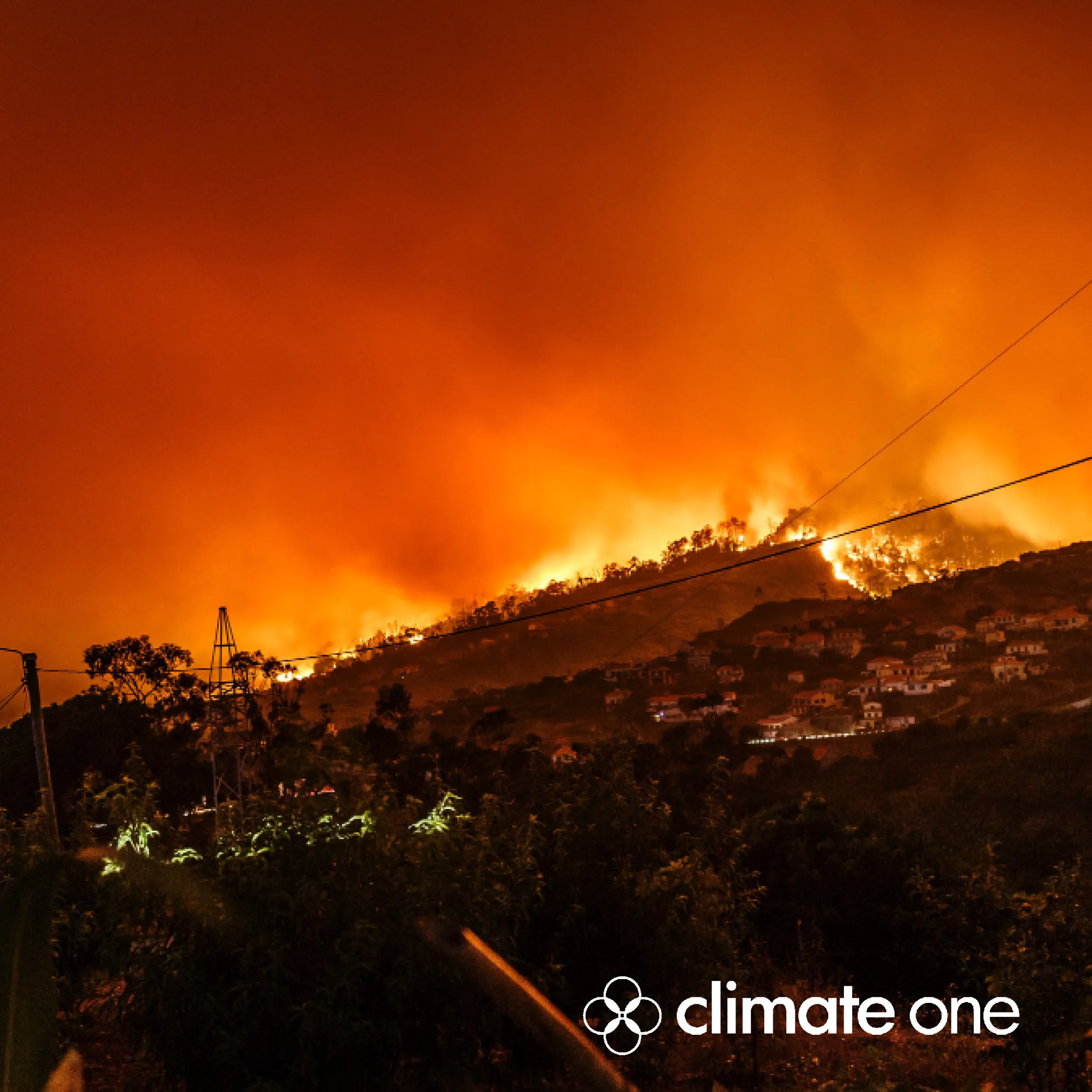
We’ve experienced yet another summer of record wildfires in the western U.S., endangering lives, displacing communities, and sending unhealthy smoke across the nation. The science is clear: human-caused climate change is making lands more conducive to burning, and we are increasingly living in flammable landscapes. Forest experts say there are tools to help reduce the risk of catastrophic fires, keep forests alive as valuable carbon sinks and make communities more resilient to megafires. But we may also have to become accustomed to more fire – and smoke – in our lives. How can we better live with fire, including using it as a tool, rather than always fighting it? For transcripts and other information, visit: https://www.climateone.org/watch-and-listen/podcasts Guests: Stephen Pyne, author, The Pyrocene: How We Created an Age of Fire, and What Happens Next Susan Husari, member of the California Board of Forestry and Fire Protection Chad T. Hanson, author, Smokescreen: Debunking Wildfire Myths to Save Our Forests and Our Climate Jaime Lowe, author, Breathing Fire: Female Inmate Firefighters on the Front Lines of California’s Wildfires Learn more about your ad choices. Visit megaphone.fm/adchoices
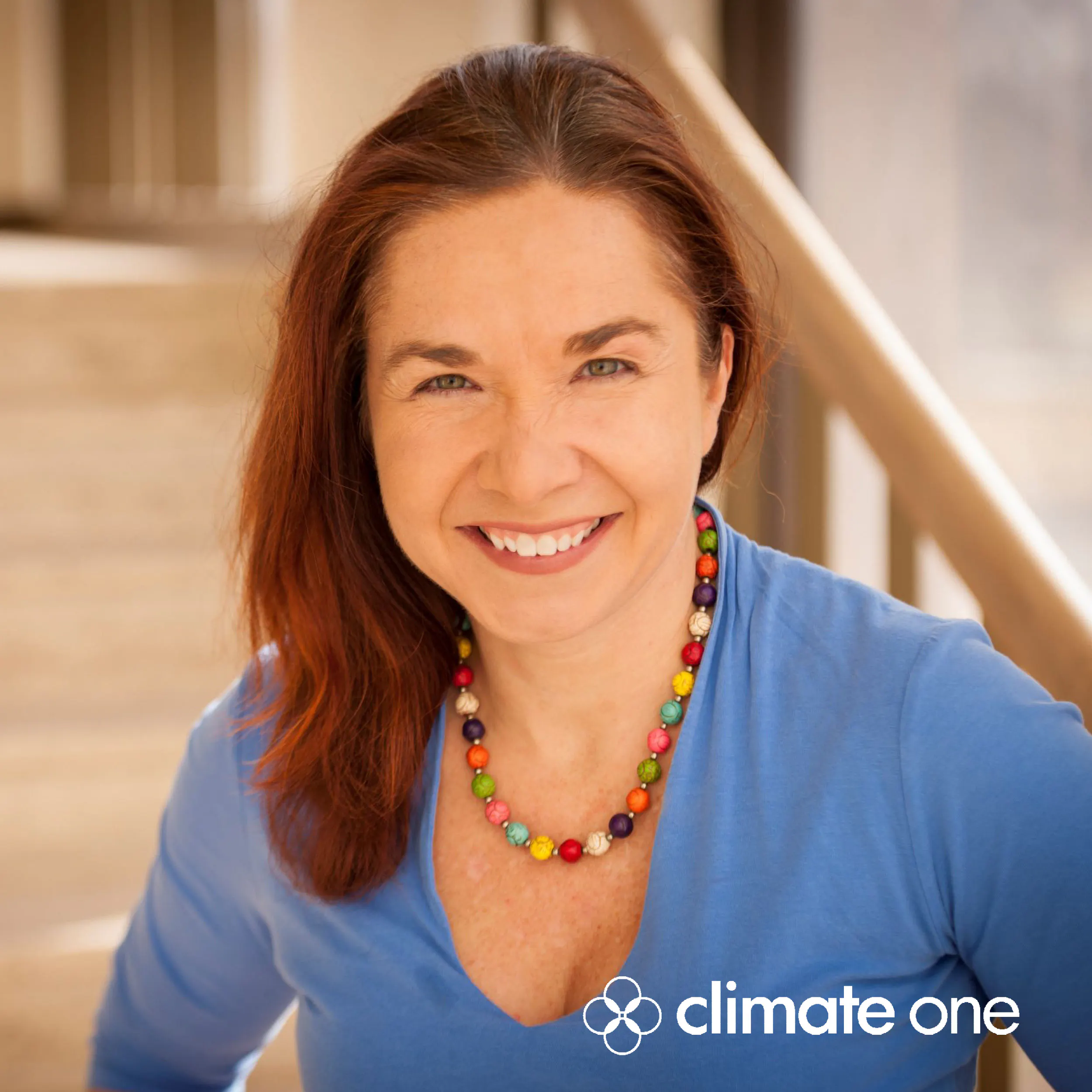
Katharine Hayhoe on Hope and Healing
Despite her identity as an evangelical, climate scientist Katharine Hayhoe doesn't accept global warming on faith; she crunches the data, analyzes the models, and helps engineers, city managers and ecologists quantify the impacts. In her new book, Saving Us: A Climate Scientist’s Case for Hope and Healing in a Divided World, Hayhoe argues that when it comes to changing hearts and minds, facts are only one part of the equation. “The biggest problem we have is not the people who willfully decide to reject 200 years of basic science,” she says. “The bigger problem is the number of people who say, ‘it's real’ but they don’t think it matters to them.” Hayhoe says we need to find shared values with others to drive conversations and collective action on climate disruption. Guest: Katharine Hayhoe, climate scientist and chief scientist, The Nature Conservancy; author, Saving Us: A Climate Scientist’s Case for Hope and Healing in a Divided World Learn more about your ad choices. Visit megaphone.fm/adchoices
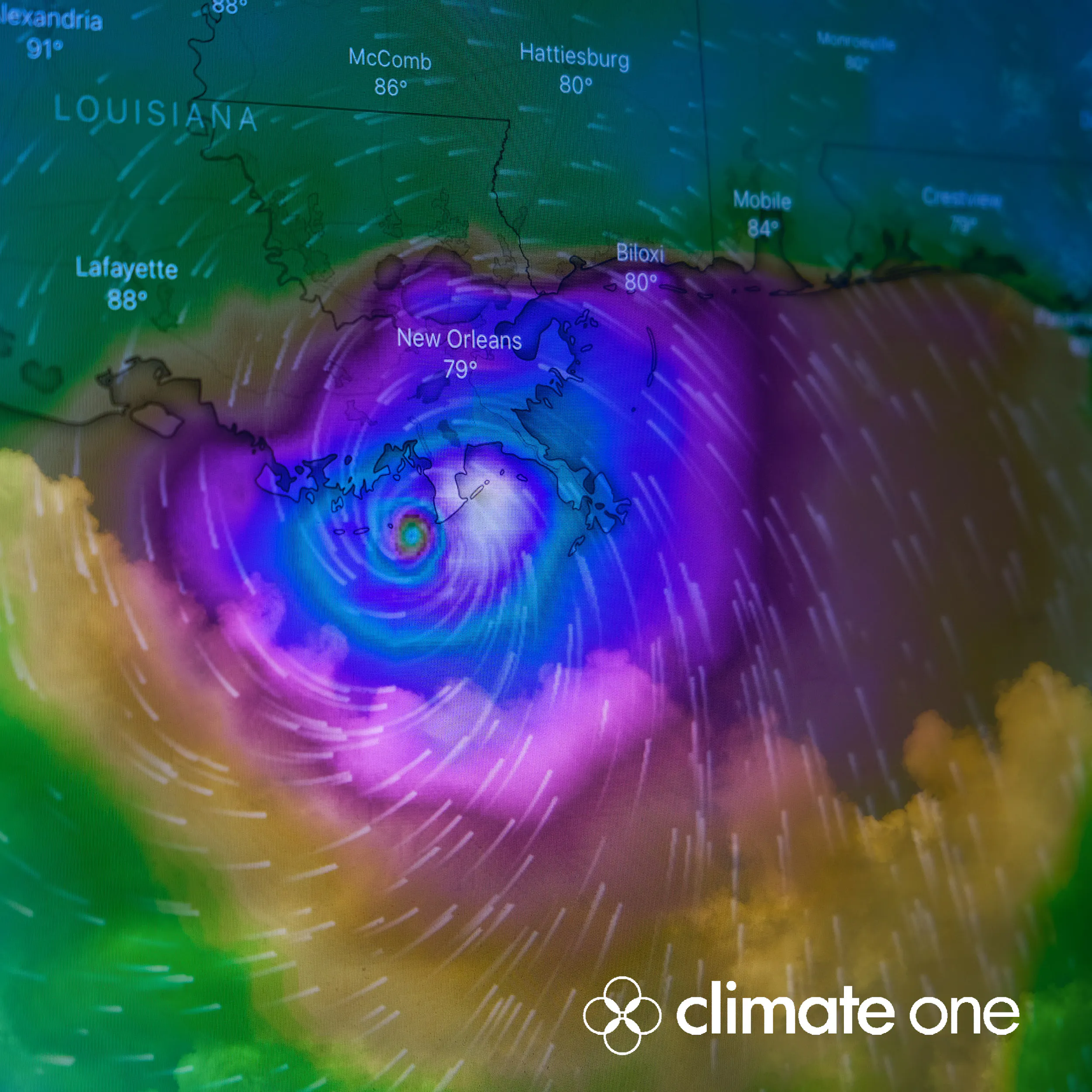
Preparing for Disasters We Don’t Want to Think About
The COVID-19 pandemic revealed structural weaknesses and inequities that existed long before 2020. Like COVID-19, climate change is another “threat multiplier,” with the power to disrupt many of our social systems. In her new book, The Fight for Climate After COVID-19, Alice Hill says we need to adapt our thinking and our policies to combat the ever-increasing threat of climate change. Especially when we see more compound disasters – like a wildfire followed by a mudslide. “We need to come together to understand the risks, understand the vulnerabilities and then start making decisions with the support and the aid of the federal government to have better outcomes,” Hill says. What changes can we make now to better prepare for future risks and climate disasters? Guests: Alice Hill, author, The Fight for Climate After COVID-19, Senior Fellow for Climate Change Policy, Council on Foreign Relations Lt. Gen. (Ret.) Thomas P. Bostick, Former Commanding General, U.S. Army Corps of Engineers Francis Suarez, Mayor of Miami Learn more about your ad choices. Visit megaphone.fm/adchoices

Diet for a Threatened Planet
This September marks the 50th anniversary of the seminal work Diet for a Small Planet, in which Frances Moore Lappé argued that cattle constitute “a protein factory in reverse.” Lappé’s book inspired countless people to adopt vegetarian diets for environmental reasons. But in the last 50 years the industrial food systems in America have only grown bigger and more concentrated, and – as the Lappés would argue – more powerful. Together with her daughter Anna Lappé, author of Diet for a Hot Planet, the two now focus on the intersections between democracy, environment, food, and justice. “It's really important that we understand that in order to change our food environment, we need to really work to get money out of politics, and we really need to work on how to take on that kind of consolidated power in the industry,” Anna Lappé says. Guests: Frances Moore Lappé, author, Diet for a Small Planet Anna Lappé, author, Diet for a Hot Planet Analena Hope Hassberg, Associate Professor, Ethnic and Women's Studies Department, California State Polytechnic University, Pomona Ruth Richardson, Executive Director, Global Alliance for the Future of Food Learn more about your ad choices. Visit megaphone.fm/adchoices
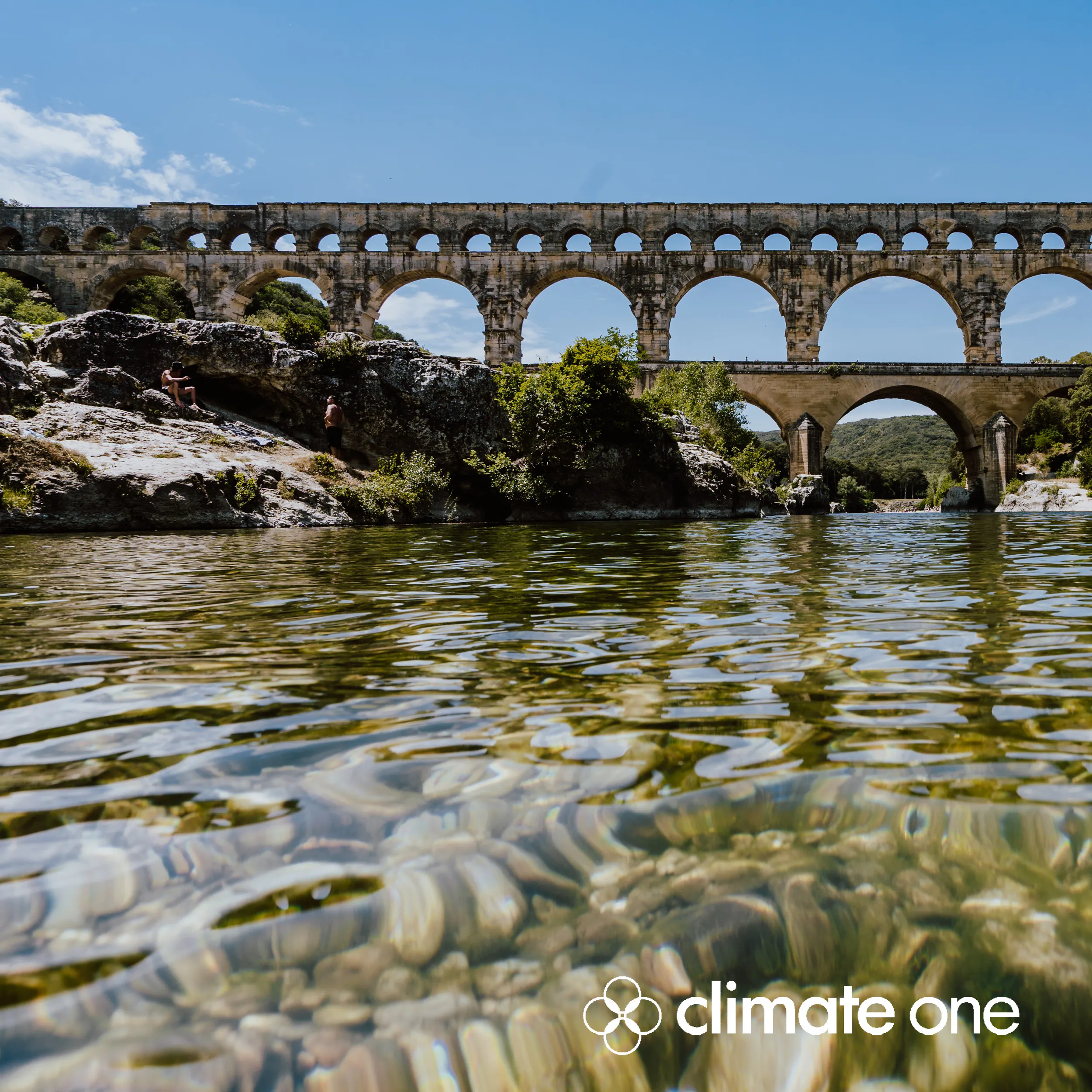
Water and Civilization: Resilience and Collapse
Water is essential for life, and throughout history we have sought to control and make use of it. As Giulio Boccaletti explores in his new book, Water: A Biography, that relationship with water has underpinned human civilization, forming an integral part of society, government and land use systems. But despite its essential nature, access to water has never been equal or entirely fair. Climate disruption will further destabilize the systems we’ve built to control water in our environment – even as it remains a public good without fair and equal public access. What can 10,000 years of history teach us about how we should handle water in our current and future climate? Guests: Giulio Boccaletti, Author, Water: A Biography Sara Aminzadeh, Vice President of Partnerships, U.S. Water Alliance Learn more about your ad choices. Visit megaphone.fm/adchoices
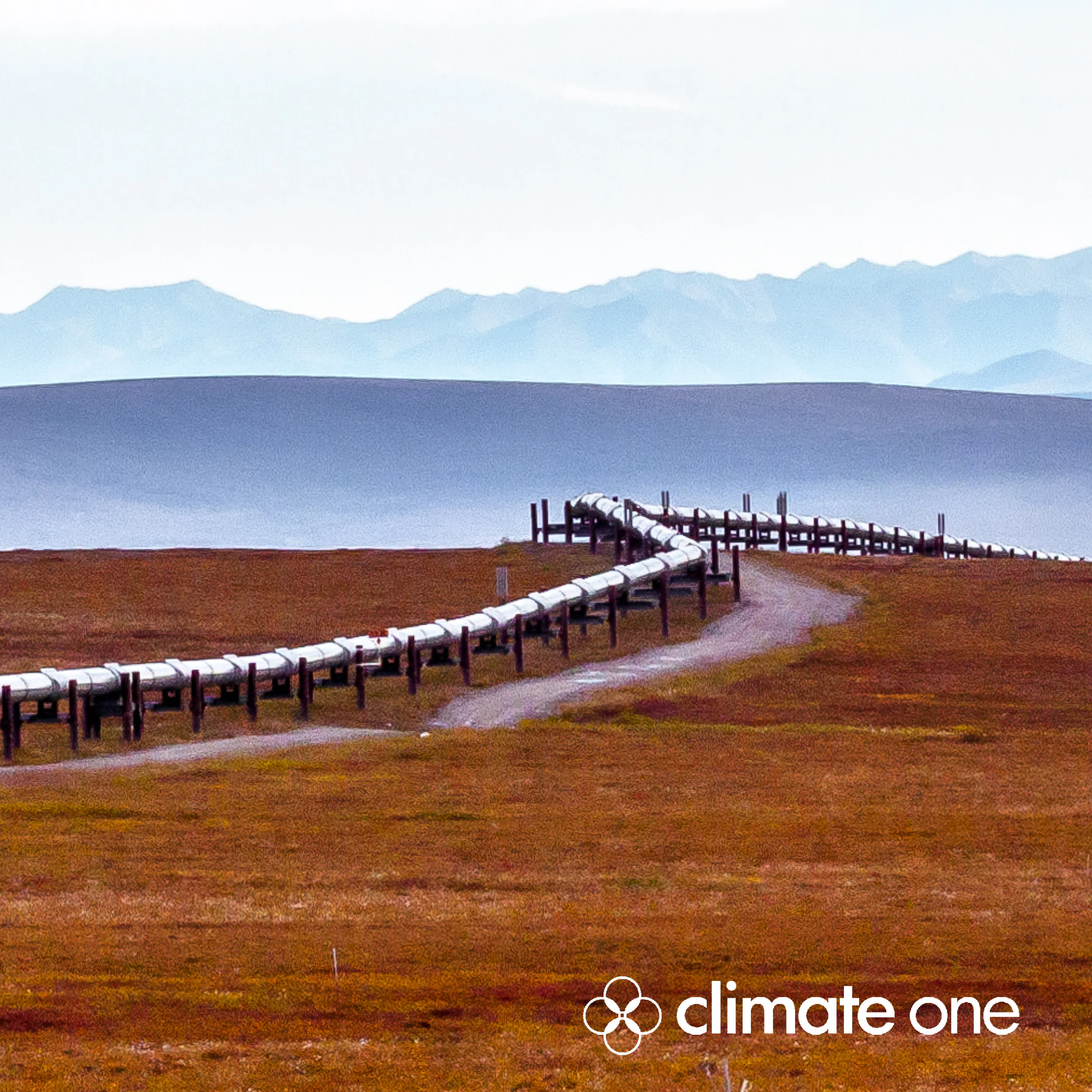
The Fight Over Pipelines
Hundreds of people have been arrested in Minnesota in ongoing protests against Line 3, a pipeline that will move Canadian tar sands oil, and which could be operational as soon as this month. Pipeline advocates, like Mike Fernandez of Enbridge (Line 3’s builder), argue that as long as people are still using oil, we need a way to transport it — and pipelines are the safest, least carbon-intensive means of doing so. Opponents, like Sierra Club’s Kelly Sheehan Martin, argue that oil companies bolster markets for oil and gas as a way to justify continued profits from building pipelines and extracting oil. Sheehan Martin argues that to seriously address the climate crisis, we need to keep the oil in the ground, and listen to the voices of those worried about harm to waterways and tribal lands. Why have oil pipelines become such a point of contention in the environmental movement? And what can all sides agree on to work toward the same less-carbon-reliant future? Guests: Mike Fernandez, Senior Vice President, Public Affairs, Communications & Sustainability, Enbridge Daniel Raimi, Fellow, Resources for the Future Kelly Sheehan Martin, Senior Director of Energy Campaigns, Sierra Club Learn more about your ad choices. Visit megaphone.fm/adchoices
Should We Have Children in a Climate Emergency?
Listener Advisory: This episode contains some content related to a suicide. If you or someone you love is thinking about suicide, the National 24-hour Suicide Prevention Lifeline is 1-800-273-8255. This summer, the climate crisis seems to be unfolding faster than ever before — with catastrophic floods, huge wildfires, and killer heat. It’s becoming increasingly hard to mentally set climate aside as a future problem — it is here, real in our present moment. How do we grapple with the weight of these changes, and process our fear for what is coming for us, and for the next generation? And how do those emotions affect our decisions about whether or not to have children, who in many ways represent an embodied version of our hope for the future? Guests: Daniel Sherrell, Author, Warmth, Coming of Age at the End of Our World Seb Gould, physics teacher Irène Mathieu, pediatrician and poet Virginie Le Masson, co-director of the Centre for Gender and Disaster at University College London Learn more about your ad choices. Visit megaphone.fm/adchoices
Which Way Are Swing Voters Swinging on Climate?
In early August, the Intergovernmental Panel on Climate Change released a report unequivocally connecting global warming and extreme weather to human-driven greenhouse gas emissions, and warning of much more dramatic climate futures if we don’t change course soon. Since the 2020 election, Rich Thau’s Swing Voter Project has been querying those who shifted from Trump in 2016 to Biden in 2020 about a range of issues. How will their views affect the 2022 midterms and the 2024 election? Where does climate rate on their list of issues? And does the accelerating climate crisis matter enough to affect their votes? Guests: Rich Thau, Moderator, The Swing Voter Project; Co-founder and President, Engagious Andrew Freedman, Climate and Energy Reporter, Axios Venkatachalam “Ram” Ramaswamy, Director of NOAA’s Geophysical Fluid Dynamics Laboratory Learn more about your ad choices. Visit megaphone.fm/adchoices
30x30: This Land Is Whose Land?
In October 2020, California Gov. Newsom announced a plan to protect 30% of his state by 2030. In 2021, the Biden Administration announced its own 30x30 plan, later dubbed America the Beautiful. With 12% of the U.S. already under some form of protection, where will the other 18% come from? In states like Nebraska, nearly all the land is in private hands — and the owners are worried. With increased focus on the climate crisis, it’s easy to think we have enough to worry about without considering species other than our own. But the natural world provides critical resources that counteract the damaging impacts of climate change and sustain all life — including human life. About one million animal and plant species are now threatened with extinction. How much land does nature need to survive? Guests: Paula Ehrlich, CEO, E.O. Wilson Biodiversity Foundation Woody Lee, Executive Director, Utah Diné Bikéyah Jennifer Norris, Deputy Secretary for Biodiversity and Habitat, California Natural Resources Agency Catherine Semcer, Research Fellow, Property and Environment Research Center Learn more about your ad choices. Visit megaphone.fm/adchoices
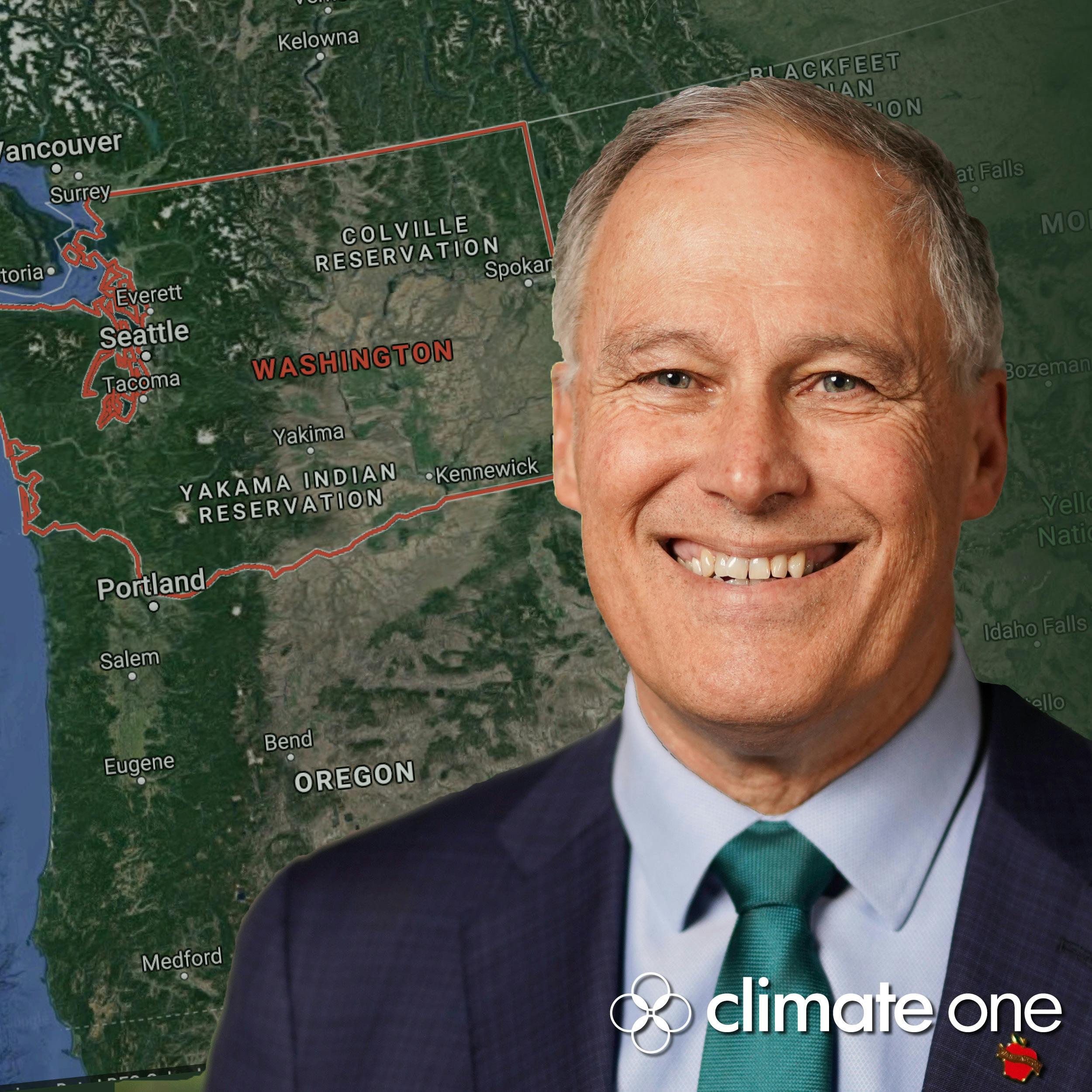
Jay Inslee, BP and Washington’s Climate Story
In Washington State, voters defeated initiatives to put a price on carbon ― twice. Governor Jay Inslee himself then lost his personal bid for the White House. Yet his bold ideas have proven staying power. The state legislature recently passed a carbon cap and invest bill that will reduce economy-wide greenhouse gas emissions 95 percent by 2050. “We’ve got to wake up every morning figuring out ‘how can I disrupt the status quo.’ Because the status quo is deadly, it’s fatal, it will destroy economies and the biology that we exist on,” Inlsee says. Even big oil, which spent tens of missions to defeat the 2018 carbon pricing proposal, seems to be changing its tune, with BP now supporting a price on carbon. How might Washington State be a bellwether for Washington DC? Learn more about your ad choices. Visit megaphone.fm/adchoices
Vandana Shiva and the Hubris of Manipulating Nature
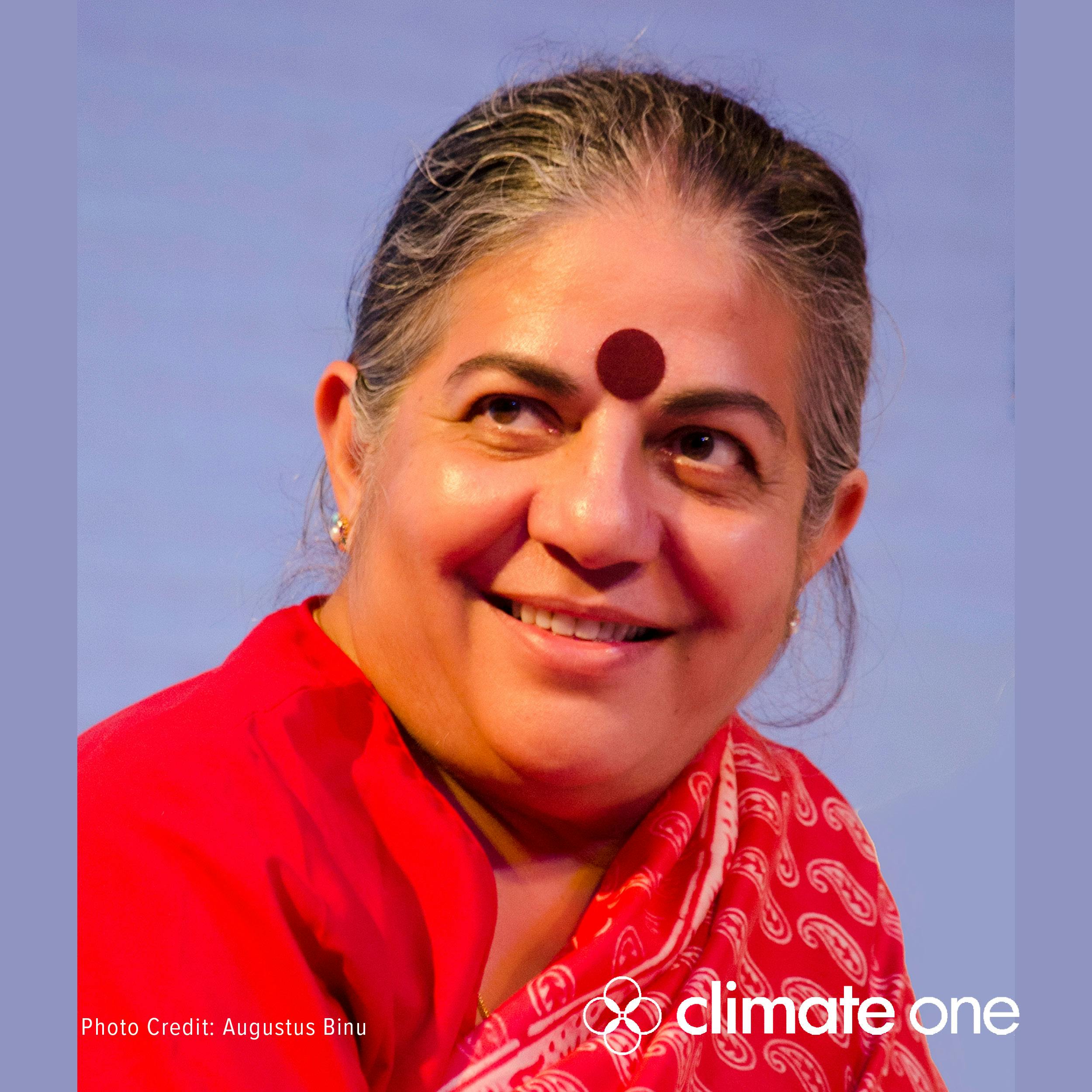
From clearing land for pasture to building dams, humans have long changed the face of the Earth. But Indian eco-feminist Vandana Shiva is highly critical of how we’ve changed our relationship with the land through industrial monocrop agriculture. She firmly opposes genetically modified crops, and has called seed patents “bio-piracy.” But it’s not just the technology she’s critical of. “I’m critical of the world view of arrogance. The worldview that came with colonialism, the mechanistic mindset of the conquering man being the creator of the earth and creator of the wealth,” Shiva says. Shiva argues for a renewed focus on biodiversity and regenerative agriculture to help solve the climate crisis. Guests: Vandana Shiva, director of the Foundation for Science, Technology & Ecology Learn more about your ad choices. Visit megaphone.fm/adchoices
How a Manufactured Car Culture Blocks Transit
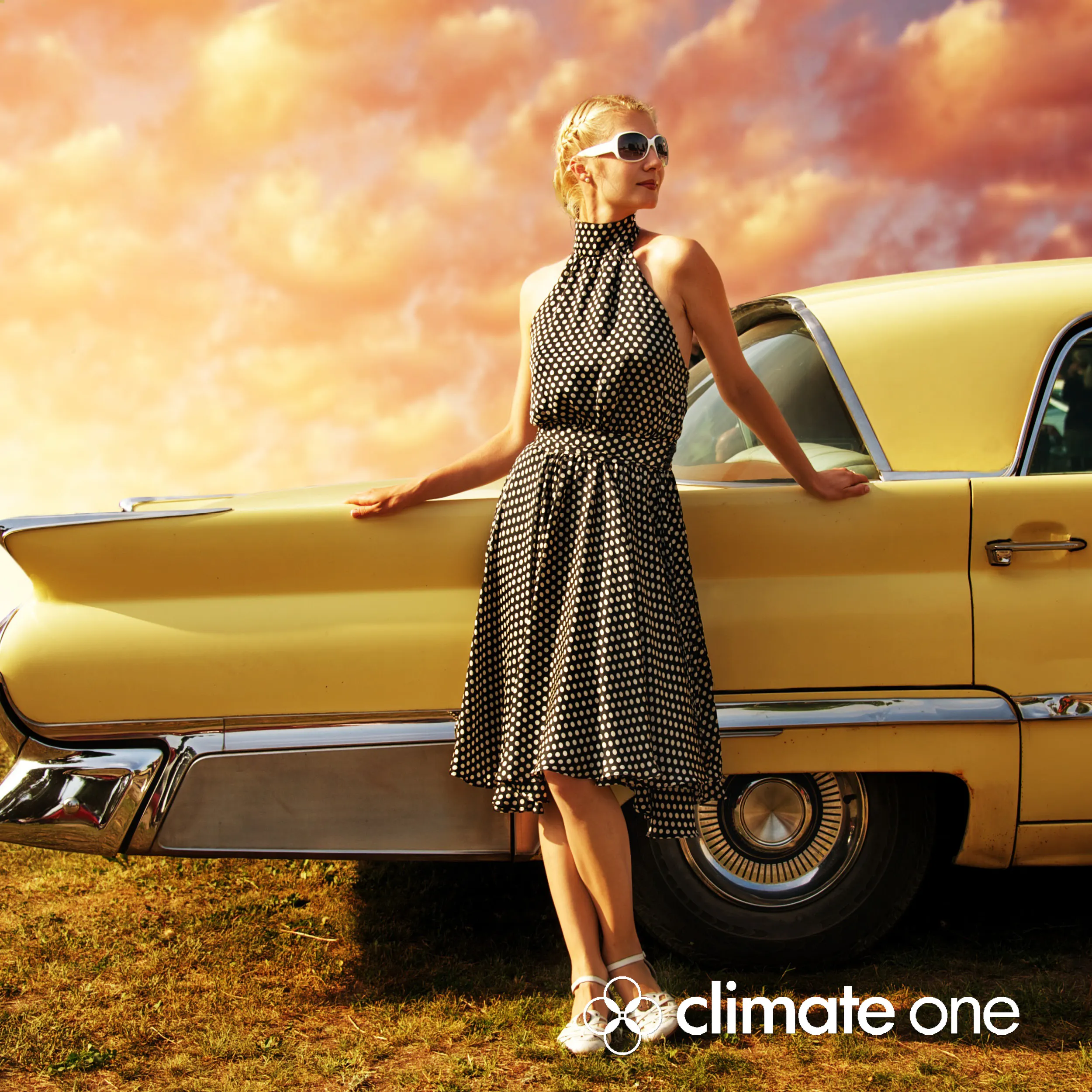
The United States is famous for its car culture. But a hundred years ago, pedestrians didn’t want cars to take over the streets — and it took decades of pressure and lobbying by car companies to make them feel otherwise. Today, traffic jams, maintenance and pollution make cars more like the cigarette no one wants to quit. Urban areas have grown up and spread out along ever widening highways with parking spaces required for each new building, further entrenching the car into our lives and choking cities with smog. Public transit holds tremendous possibilities for reducing our transportation emissions while better moving people through cities. But there’s a lot to overcome when trying to change the mobility model in most American cities, starting with the lack of good public transit and the high costs of construction. How can we make good public transportation work in America? Guests: Peter Norton, associate professor of history at the University of Virginia; author of Fighting Traffic and Autonorama Eric Goldwyn, assistant professor at the NYU Marron Institute of Urban Management; co-founder of the Transit Costs Project Amanda Eaken, director of transportation for the Bloomberg American Cities Climate Challenge at the Natural Resources Defense Council Learn more about your ad choices. Visit megaphone.fm/adchoices
REWIND: A Feminist Climate Renaissance
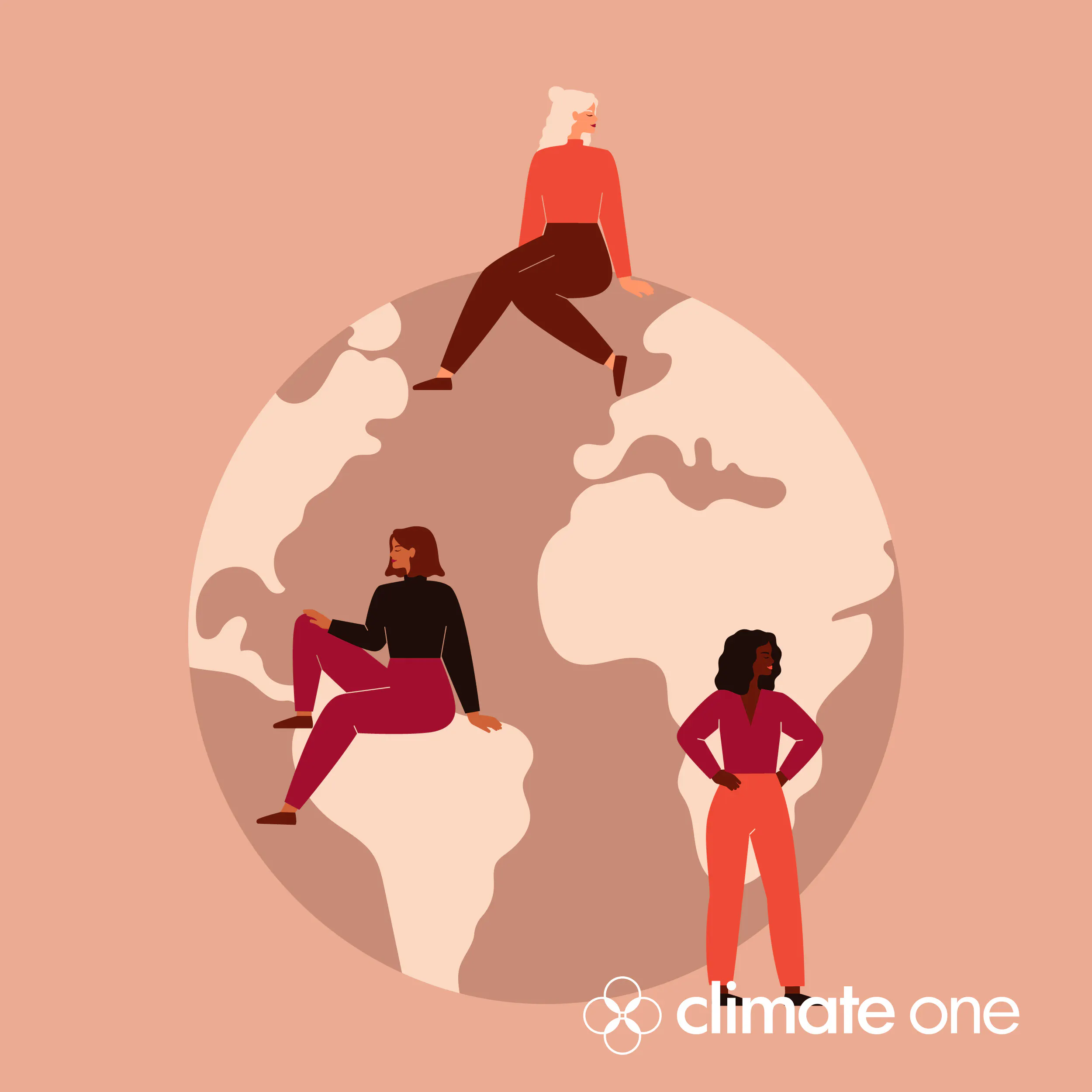
Pathways for reducing carbon emissions include electrifying transportation and replacing fossil fuels with wind and solar power. But in this time of national reckoning on racial and economic disparities, there is growing support for a more holistic approach. This view holds that the climate crisis won’t be resolved until we first address the systemic imbalances that have fueled it – racism, capitalism, white supremacy and patriarchy. In their recent book, All We Can Save: Truth, Courage and Solutions for the Climate Crisis, co-editors Katharine Wilkinson and Ayana Elizabeth Johnson bring together the voices of women artists, writers and change-makers who are at the forefront of climate action. “The work that we’re doing is instigating or nurturing a feminist climate renaissance,” says Johnson, “which is what we feel the climate movement so desperately needs right now.” Guests: Ayana Elizabeth Johnson, marine biologist Katharine Wilkinson, Vice President, Project Drawdown Co-editors, All We Can Save:Truth, Courage and Solutions for the Climate Crisis (One World, 2020) Christine Nieves Rodriguez, Co-founder and President, Emerge Puerto Rico. Sherri Mitchell, author, Sacred Instructions: Indigenous Wisdom for Living Spirit-Based Change (North Atlantic Books, 2018) Heather McTeer Toney, National Field Director, Moms Clean Air Force Jainey Bavishi, Director, Mayor's Office of Resiliency, New York City Learn more about your ad choices. Visit megaphone.fm/adchoices
Mark Carney, Fatih Birol and the Narrow Path to Net Zero
When we think of action on climate change, we usually think of what individuals can do, what governments can do, and maybe what businesses can do. But what about the broader economic levers that affect behaviors? Can we get companies to walk away from billions of dollars they’ve already invested in a fossil fuel-based economy? Insurers are on the front lines of climate disruption; it’s their business to put a price on risk. So how can the financial and insurance sectors create better-aligned incentives for companies, businesses and even governments to get on the ever-narrowing path to net zero carbon emissions before it’s too late? Guests: Mark Carney, UN Special Envoy on Climate Action and Finance Fatih Birol, executive director of the International Energy Agency Learn more about your ad choices. Visit megaphone.fm/adchoices
Clearing the Air on Carbon Offsets
For over two decades, carbon offset programs have promised individuals and businesses that they can reduce their overall carbon footprint by paying someone else to reduce their carbon emissions. Yet many programs have been plagued by scandal – like shady accounting and paying forest owners not to cut down trees they weren’t planning to log anyway. A new nonprofit called Climate Vault wants to buy emissions permits from regulated markets and lock them away so other polluters can’t buy and use them. Will this finally be an approach that works? Or are all carbon offset programs just smoke and mirrors? Learn more about your ad choices. Visit megaphone.fm/adchoices
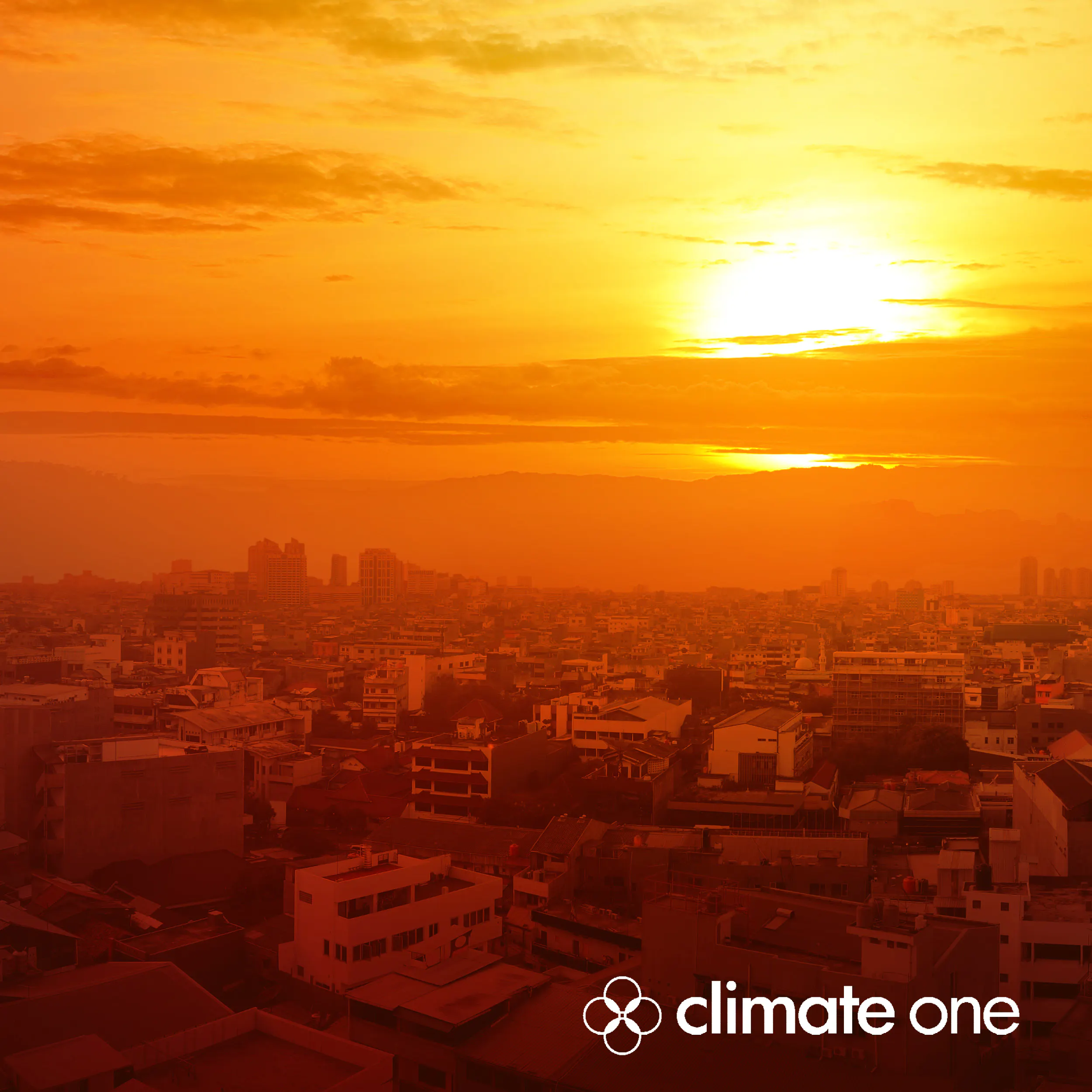
Extreme Heat: The Silent Killer
Extreme heat causes more deaths than any other weather-related hazard in the U.S., wreaking quiet havoc on the health and economic well-being of billions of people across the world. But it’s rarely given the same billing or resources as other, more dramatic, natural disasters. Because of racist and discriminatory housing and development practices, extreme heat also disproportionately impacts poorer and minority communities. Recognizing a growing need for local responses to a global problem, the mayors of Miami-Dade, Athens, Greece and Freetown, Sierra Leone recently announced they are appointing the world’s first Chief Heat Officers. How can we prepare for and address the impacts of extreme heat? Learn more about your ad choices. Visit megaphone.fm/adchoices
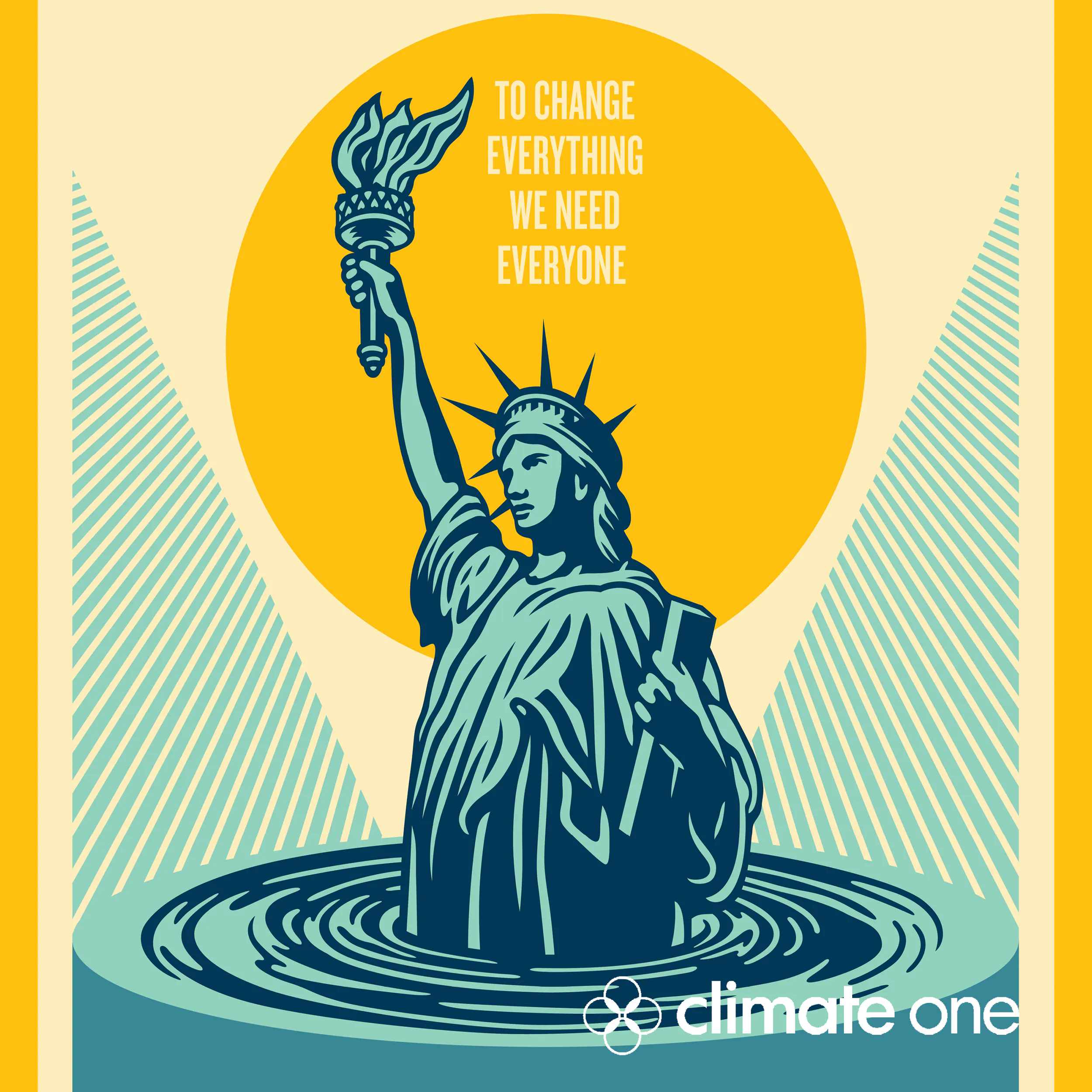
Shepard Fairey, Mystic and the Power of Art
From activism to political campaigns to corporate advertising, the power of music and images is undeniable. So how can the arts inspire and advance the climate conversation? For more than three decades, Shepard Fairey’s work has provoked thought and controversy in the art and political spheres. Now, with a public weary of climate charts and apocalyptic images of melting glaciers and emaciated polar bears, we explore how the arts can provoke a more productive conversation with Fairey and Grammy-nominated hip hop artist Mystic. Please consider making a tax-deductible donation to support our work. Go to climateone.org/donate to help us reach our goal of $10,000 by July 1. Learn more about your ad choices. Visit megaphone.fm/adchoices
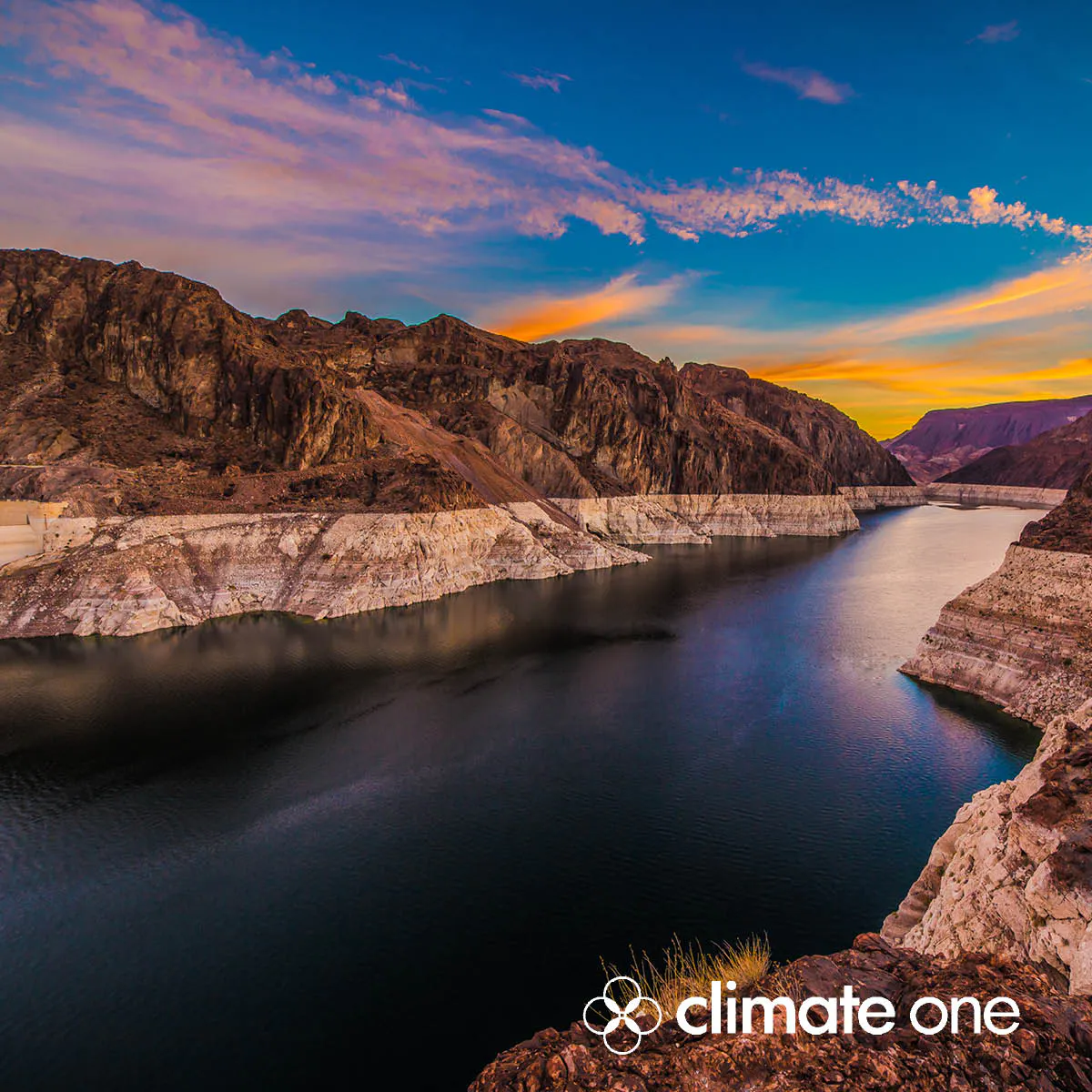
Colorado River Reckoning: Drought, Climate and Equal Access
The Colorado River supplies water to more than 40 million people across seven states. Lake Mead has fallen to its lowest level since it was filled in the 1930s, which could trigger the first stage of real water cutbacks. For years, “much of the discussion in the Colorado River Basin has been who gets the next drop,” says journalist Luke Runyon. “The conversation very recently has shifted to who has to use less.” In the midst of long-term drought, warming temperatures and decreasing runoff, water managers are gearing up for the next round of negotiations to divvy up the Colorado River’s supply in the future. Tribal water users are hoping to have a bigger say in those basin-wide negotiations, and to finally correct an historic injustice by ensuring universal access to clean water for tribes. Please consider making a tax-deductible donation to support our work. Go to climateone.org/donate to help us reach our goal of $10,000 by July 1. Learn more about your ad choices. Visit megaphone.fm/adchoices

Finding the Heart to Talk About Climate
Ever have a difficult conversation about climate? Pretty much everyone has. Knowing all the facts and figures only goes so far when talking to someone who just doesn’t agree. So how do we break through the barriers? Scientists trained to present information in a one-way lecture format face a particular challenge: they first need to unlearn old habits. “Everybody's trying to figure out ‘how do we move past this idea that just arming people with facts will lead to a better world,’ right, because we’ve just seen that that’s absolutely not true,” says Faith Kearns, author of Getting to the Heart of Science Communication. Kearns argues that we all need to move from an “information deficit” model of communication – where it’s assumed that the audience simply needs more information – to a relational model, where the science communicator does as much listening as talking in order to first find empathy and common ground. Learn more about your ad choices. Visit megaphone.fm/adchoices
Should Nature Have Rights?
If corporations can be legal persons, why can’t Mother Earth? In 2017, New Zealand granted the Whanganui River the full legal rights of a person. India also recently granted full legal rights to the Ganges and Yamuna rivers, and recognized that the Himalayan Glaciers have a right to exist. In 2019, the city of Toledo passed the Lake Erie Bill of Rights with 61 percent of the vote, but then a year later, a federal judge struck it down. As Lindsey Schromen-Wawrin, an attorney who represented Lake Erie, explains, the problem stems from a 500-year history of Western property law. Our legal system grants rights to property owners, but not to property itself. “If we’re treating ecosystems as property, then ultimately, we as property owners have the right to destroy our property and that fundamentally has to change,” Schromen-Wawrin says. Rebecca Tsosie, a law professor focused on Federal Indian law and Indigenous peoples’ human rights, says there are other rights frameworks to consider. “If we go into Indigenous epistemology, many times it’s a relational universe that comes with mutual responsibility.” Guests: Lindsey Schromen-Wawrin, attorney at Shearwater Law, Community Environmental Legal Defense Fund Rebecca Tsosie, Regents Professor of Law at the University of Arizona, Indigenous Peoples’ Law and Policy Program Carol Van Strum, author of A Bitter Fog, activist Learn more about your ad choices. Visit megaphone.fm/adchoices