
Built to Sell Radio
576 episodes — Page 1 of 12
Ep 567 Rejected at 4x, Sold for 8 Figures: The Growth Mistake That Nearly Cost Jim Fitzgerald Half His Exit
Ep 566 From "Unsellable" to $112M, a Bootstrapped Sale to Intertek
Ep 565 He 10X'd His Money in 3 Years With a Painting Franchise
Ep 564 7x on Paper. Break Even in Cash. Adam Spector on Staying in the Game After a Sale.
Ep 563 Heath Adams Said No to the Biggest Offer of His Life, Then Doubled It
Ep 562 Selling 20 Companies at 4x ARR, With Stuart Faught
Ep 561 The $40M Earnout That Never Got Paid, and the One That Did - Rob Walling and Garren Hilow
Ep 560 Dane Pan Gave Up 4x to Get 100% Cash: Selling a $1.3M Amazon Brand
Ep 559 The Good, Bad and Ugly of a $2.1M Searcher Deal | Built to Sell Radio
Ep 558 $6M Wedding Marketplace Courted The Knot for 4 Years with Janessa White
Ep 557 4 Types of Buyers Circling Your Business, and the One Now Doing 28% of Deals
Ep 556 How Decamillionaires Think About Money. The 3 Digit Rule, Mistakes That Cause Founders to Walk Away From Life-Changing Offers, and Why the Best Thing About Selling Has Nothing to Do With What You Can Buy.
Ep 555 How to Avoid an Earn Out and Get Your Employees to Sell Like You, Featuring the World's Leading Positioning Expert, April Dunford
Ep 554 $325M Exit After Coke Walked Away From Suja Juice | Built to Sell Radio
Ep 553 Why 17.5% of Owners Are Burnt Out and Want to Sell
Ep 552: What to Know Before Selling to an ETA Buyer | Built to Sell Radio
Ep 551 Cameron Passmore Sold Half an $8 Billion Firm—Then Acquired 5 More Businesses
Ep 550 The One Phrase That Can Ruin a $10 Million Business Sale
Ep 549 How a $105M Appliance Dealer Learned the (Second) Most Important Number on an LOI
Ep 548 Inside the Mind of an Acquirer: The Threat and Curse of AI
Ep 547 How to Get Your Partners to Buy You Out
Ep 546 $14M Raised, A Car-Changing Exit
Ep 545 $15M for 15 Employees — How Aaron Leibtag Structured His Pentavere Sale to HealWell
Ep 544 Why He Regrets Selling for 3.5X EBITDA
Ep 543 From $32M Valuation to Fire Sale — How Ret Taylor Sold Ned After an Apple Update Crushed His Margins and Re-Invented Himself as a Spiritual Guide
Ep 542 The 15X Multiple That Let Him Walk Away in 12 Months
Ep 541 Mastering the Deal: 7-Figure Negotiation Mistakes Founders Make When Selling Their Business with MIT's John Richardson, Author of Never Settle

Ep 540 From $40K to 8 Figures -- How Murray Kent Sold His Electrical Conduit Business for 6.2x EBITDA
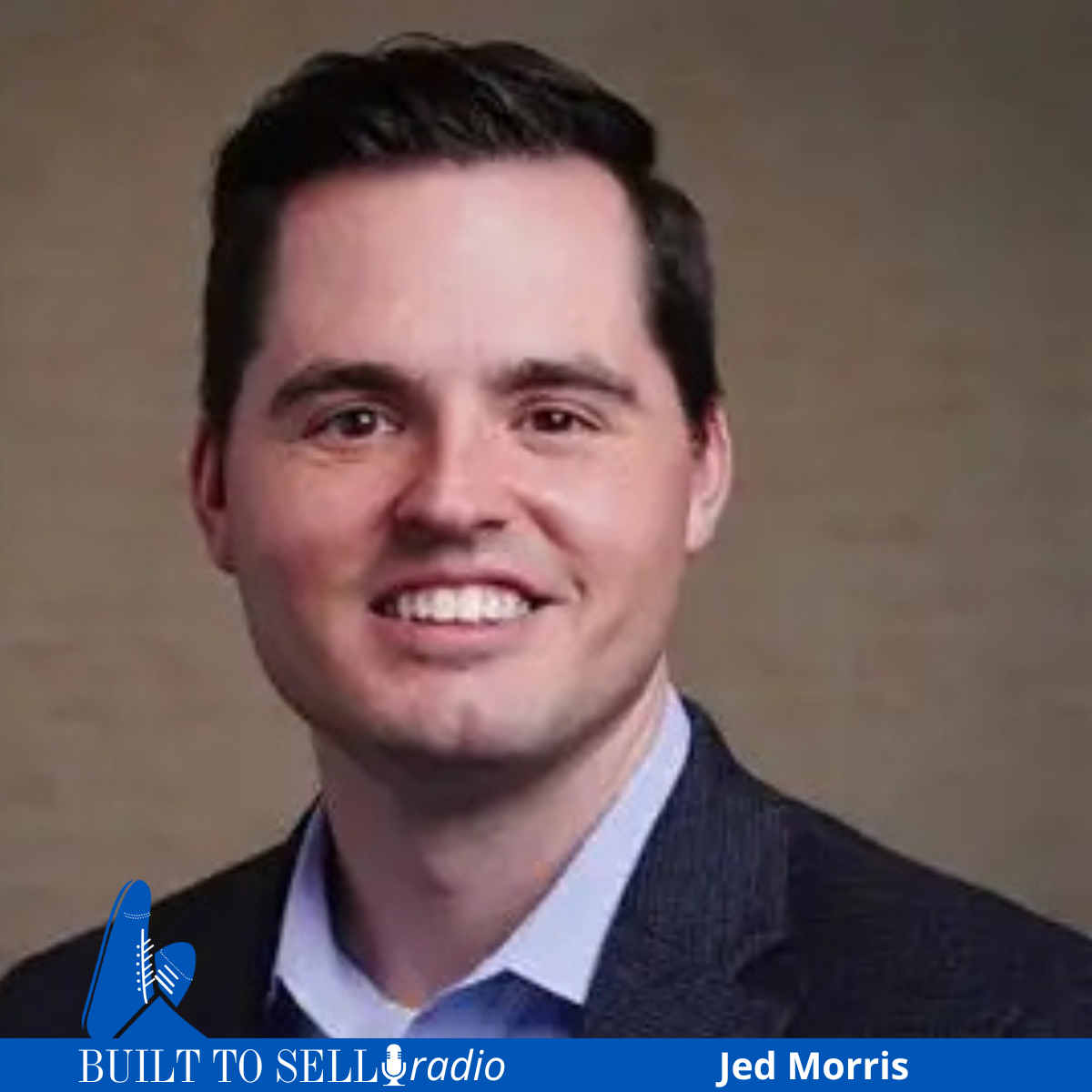
Murray Kent had no background in electrical conduit fittings when he paid $40,000 for a four-person business that, as he put it, looked like a bit of a crack den. What he did have was Value Builder's 8 drivers -- pinned to the wall next to his desk as a literal road map for every decision he made. In this episode of Built to Sell Radio, you discover how to negotiate a clean exit with no earn-out complications and no equity rollover. You'll learn: Why posting the eight drivers next to your desk changes the decisions you make every day How Murray reduced his biggest customer from 50% of revenue to the low 20s -- and why even that required extra meetings to satisfy the buyer The counterintuitive reason a surprisingly high offer should make you more cautious, not less How Murray turned a proposed earn-out into a simple 12-month warranty holdback worth less than 5% of the sale price Why Murray broke the news to staff in small groups rather than a town hall -- and how he kept each group from spoiling it for the next Why open-book management and profit sharing made his team part of the business, not just employees of it What Murray wishes he had known going in: the one negotiation skill no podcast can fully prepare you for

Ep 539 Deal Collapsed at LOI, Sold for 6x EBITDA Anyway
Jay Richards spent five months deep in an acquisition process. He had a letter of intent. He had mentally checked out. He was planning what came next. Then issues surfaced in diligence and the deal collapsed. This week on Built to Sell Radio, Jay walks John Warrillow through the full story of selling Imagen Insights, a qualitative research platform with clients like Visa, Google, and Amazon, and how you discover how to navigate two very different acquisition conversations and come out the other side with a deal you are genuinely happy with. You'll learn why: an LOI means far less than you think, and how problems in your books can kill a deal founders who shop their company can signal desperation, and what Jay did instead the eventual buyer valued the business on EBITDA instead of revenue, and why that worked in Jay's favor Jay accepted an earn-out worth more than half the deal, and why he was comfortable with it handing out equity without vesting created a problem at the worst possible moment a long-standing accountant relationship does not guarantee clean books, and how this nearly killed the deal the moment the DocuSign came through did not bring relief, but a flood of new ideas

Ep 538 How 2 Brothers Bootstrapped AppArmor to a $40M Exit — The Answer That Almost Cost Them $20M
David Sinkinson and his brother Chris built AppArmor over eleven years without taking a single dollar from outside investors. They bootstrapped it by running side businesses, plowing the profits back in, and staying lean through long sales cycles and compliance-heavy buyers. By the time they were ready to sell, they had over 250 universities on the platform and roughly $6 million in annual recurring revenue — profitable, with no cap table to split with anyone. Then an acquirer asked them a simple question, and they answered it. That answer nearly cost them $20 million. Recorded live at the Value Builder Summit, this is David Sinkinson's second appearance on Built to Sell Radio. This time he goes beyond the mechanics of the deal — into the surprising struggles he faced after the sale, and a take on employee equity that is going to challenge what most founders believe.

Ep 537 Why this $5M Business Sold for $25M
When Sharon Gillenwater built Boardroom Insiders, she was doing something nobody else wanted to do: manually researching the personal work styles, business initiatives, and habits of Fortune 500 executives so that enterprise sales teams could finally get a meeting with the C-suite. It was hard, painstaking work — and that was exactly the point. After more than a decade of bootstrapping, consulting on the side to fund payroll, and raising just $275,000 from three people she knew personally, Sharon sold Boardroom Insiders to London-based public company EuroMoney for $25 million — all cash at close, no earn-out. In this episode, you discover how to build and sell a business where customers love you so much they follow you from company to company. You'll learn: Why a cold call from a PE firm offering $48 million was actually the worst thing that could have happened to Sharon — and what she did instead The one overheard side conversation that changed her negotiation posture entirely and helped her push from a $17–20M offer to $25M Why Sharon insisted on all cash at close — and why her angel investor told her a lower number in cash beats a higher number with strings attached What convertible notes look like after a decade — and why her investors converted their notes just six months before the sale Why Sharon cried on her birthday, the day she was quietly walked out of the company she had spent 13 years building How she watched the acquirer run Boardroom Insiders into the ground, tried to buy it back — and then decided to rebuild from scratch anyway The land-and-expand growth strategy that took Boardroom Insiders from zero to $5 million ARR without ever cracking the demand generation problem

Ep 536 Mastering the Deal: 3 Types of Sellers, 3 Very Different Deals — Which One Are You?
Most founders approach a sale with one goal: get the highest price possible. But Mark Ferrer argues that focusing only on price can lead to the wrong deal, the wrong partner, and a painful transition after closing. In this episode of Built to Sell Radio, John Warrillow talks with Ferrer about what he has learned after moving from founder to buyer, and why every owner needs to know whether they are a transactional, transitional, or transformative seller before they go to market. In this episode, you discover how to identify your seller type before a buyer does it for you. You'll learn: Why a transactional founder who insists they just want the money often turns out to be something else entirely — and why getting that wrong poisons the deal What a buyer learns about you when they ask whether you would sell to your biggest competitor for the same price Why the multiple is just the starting point, and how cash at closing, seller financing, and rolled equity can swing the real outcome by more than most founders expect How Mark lost 8 to 14 percent of his own deal proceeds not because of bad faith, but because he did not ask the right questions about his rolled equity Why pushing for agreement after a sale closes is the fastest way to destroy a partnership — and what to focus on instead What working capital and normalized earnings actually mean, and why founders who gloss over both almost always regret it How to clarify the role you want after closing before it becomes the source of tension no one saw coming

Ep 535 Inside the Mind of an Acquirer: When Your Buyer Is Risking Their House
Most business owners assume their buyer will be a private equity group or a strategic acquirer. But if you run a smaller business in a niche category, the person most likely to buy you is an individual — someone who likes what you've built, can see a path to improve it, and is willing to put their own name on the line to finance the deal. This week on Built to Sell Radio, Joe Soelberg joins the Inside the Mind of an Acquirer series to pull back the curtain on what that kind of buyer actually looks like — and what it means for you as a seller. Listen and you discover how to: spot the tells of a real buyer versus "capital partners" theater pressure-test proof of funds without turning it adversarial use a seller note as a credibility filter, not just a concession understand why individual buyers consistently misread the cash down, seller note, bank structure and how to use that to your advantage ask questions that surface risk early, before lawyers get involved

Ep 534 Why a "short list" of acquirers may be a trap
Andrew McConnell built a SaaS company that helped vacation rental managers price homes like airlines using dynamic pricing based on demand. He eventually successfully exited, but not before learning the hard way that building a company and selling one require two entirely different skill sets. In this episode of Built to Sell Radio, Andrew walks through the pivot that saved his business, why his VC backers stayed on board, and the exact moment he realized that a "short buyer list" is a dangerous trap for founders. Listen in to discover how to: Spot the "hidden ceiling" in a business that looks like it's doubling—right up until it isn't. Move a cap table from a failed bet into a new one without lighting your professional relationships on fire. Understand liquidation preference in plain English (and why it can erase a founder's take-home pay at exit). See why a banker's real value isn't just managing the process—it's forcing pressure and widening the field of potential acquirers Avoid the "I can sell this myself" mindset that often results in a year of free research for buyers and zero leverage for you.
Ep 533 Inside the Mind of an Acquirer: The Anatomy of a Failed Deal
This episode is part of our Inside the Mind of an Acquirer series, and it unpacks the ETA (Entrepreneurship Through Acquisition) wave now flooding the market. For business owners, ETA is a double-edged sword. On the upside, more buyers courting you means more choice, more urgency, and more liquidity. On the downside, many ETA buyers are first-timers who lean on heavy leverage and seller financing. If they misread your business or hit a snag they can't handle, the part of the deal you financed can quickly become the part you never collect.

Ep 532 Is Your Business Worth More Dead or Alive?
We often think of a "successful exit" as handing over the keys to a perfectly oiled machine—a business that is growing, profitable, and operationally sound. But what happens when the machine starts to sputter? What if the margins are too thin, the operations are exhausting, and you are simply burned out? It is easy to assume that a broken business model means a worthless company. But as this week's guest on Built to Sell Radio proves, sometimes the individual parts are worth more than the whole. Meet Jason Patel. Jason built Transitions Education, a college counseling marketplace. On the surface, it looked great: upper six-figure revenue and a noble mission. But under the hood, customer acquisition costs were eating his margins, and he was carrying $250,000 in personal debt to keep it afloat. He was ready to walk away. He assumed he had zero leverage. Then, a "Micro Private Equity" firm reached out. They didn't want his headaches. They didn't want his operations. They didn't even want his business model. They wanted his "parts." Specifically, they wanted his SEO ranking, his blog traffic, and his 5-star reputation. They realized they could strip away the expensive service delivery and plug his high-performing marketing assets into their own portfolio. In this episode, Jason breaks down how he structured an asset sale that allowed him to: Sell the high-value "parts" (marketing assets) without the operational baggage. Avoid a grueling earn-out (because the buyer didn't need him to run the company). Pay off his debt and fund his next venture. If you feel like your business model is grinding you down, this episode will open your eyes to the hidden value sitting on your balance sheet right now.

Ep 531 The #1 M&A Mistake Founders Make with Nick Katz
acasa helps people run a shared home without the usual friction. It started as a simple way for housemates to track and split rent, bills, and groceries, then added payments and utility setup so households could manage recurring bills in one place. When Nick Katz tried to sell acasa on his own, the downside wasn't just a slow process. It created a setup where buyers had the leverage: they could keep asking for information, keep "exploring," and never commit to an LOI.

Ep 530 $40M for a Big Fish in a Small Pond
Nick Telson-Sillett and his co-founder built what you could call "OpenTable for bars and nightclubs" in the UK. Instead of chasing the US (the move most founders are told to make), they went big fish, small pond: dominate their home market first. That focus helped them build DesignMyNight into a business that sold for more than $40M. In this episode of Built to Sell Radio, Nick shares what happened, so you discover how to: Turn one clear customer frustration into a business idea you can explain fast Choose focus over hype when everyone tells you to chase the biggest market Set a "financial freedom" number and use it to make cleaner decisions Run a sale process without tipping off competitors too early Negotiate an earn-out tied to revenue so the targets stay in your control Plan for the morning after the deal, when your identity gets reset
Ep 529 The Personal Brand Trap and how to slash a 3-Year Earn-Out to 9 Months Without Giving Up Value
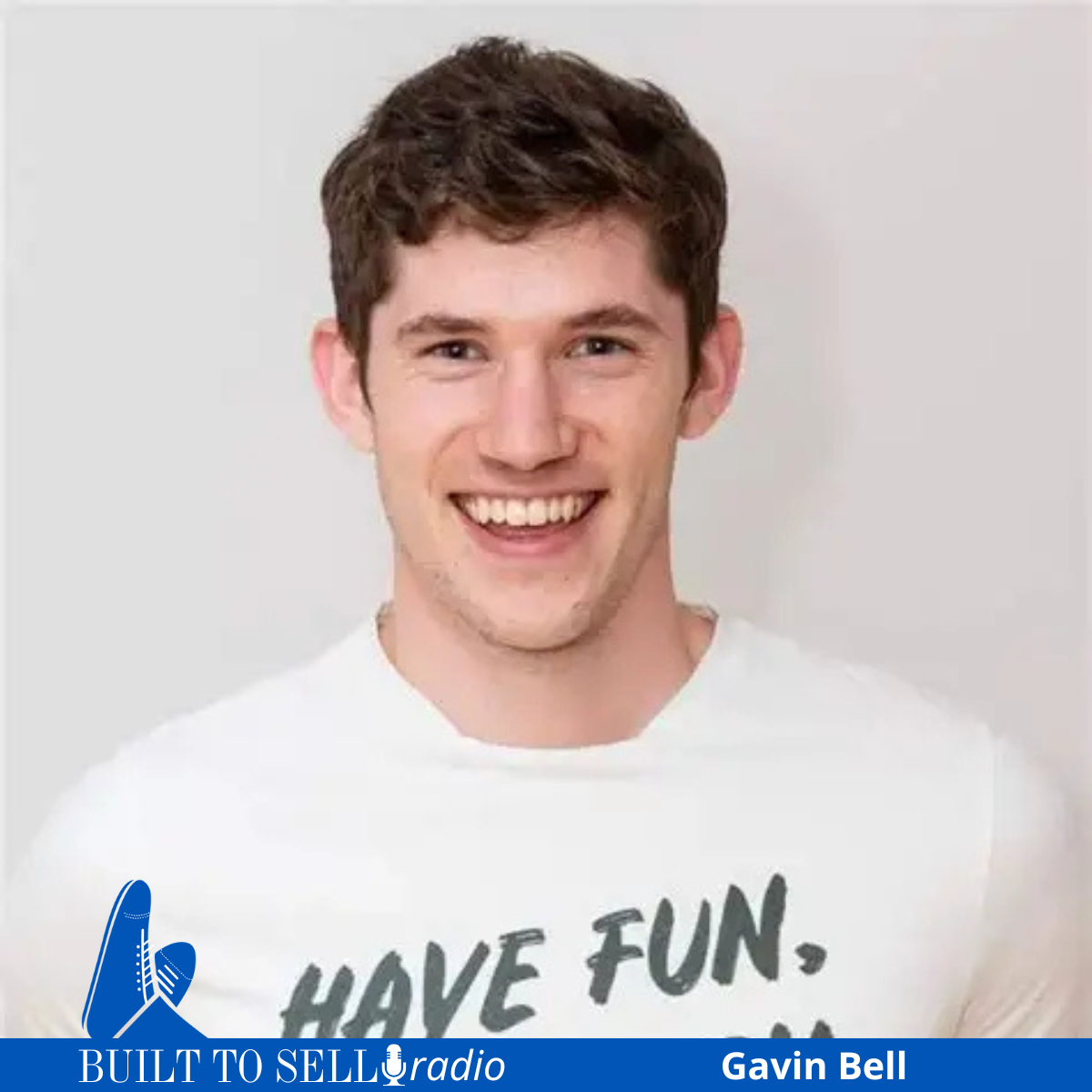
The fastest way to make a service company unsellable is building it around a personal brand. When clients hire you—because of your reputation, your name, and your specific expertise—you haven't built a business; you've built a high-paying job. And as Gavin Bell realized, you can't sell a reputation. Gavin was known as the "Facebook Ads Guy" in the UK. He was making good money, but he knew that to build a sellable asset, he had to fire himself as the face of the company. He rebranded his firm from "Gavin Bell" to "Yatter," productized his service, and systematically removed himself from sales and delivery. The result? He sold Yatter to a larger agency, Velstar, in a deal that closed just one minute before a major tax deadline. In this episode of Built to Sell Radio, Gavin breaks down exactly how he made the switch.
Ep 528 The Dirty Businesses that Create Quiet Millionaires
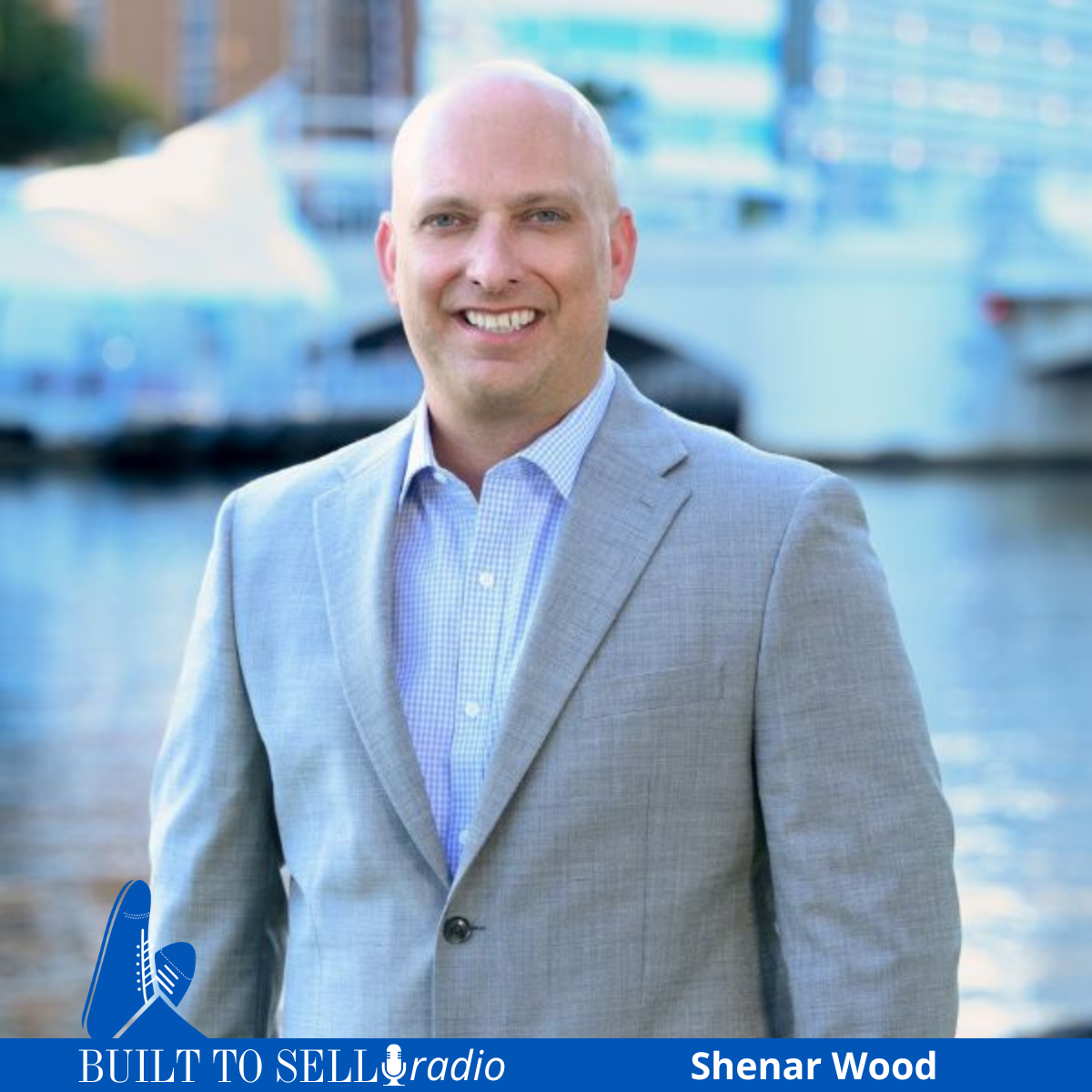
Some of the richest founders don't run trendy companies. They run dirty ones. The kind of work you'd never brag about at a dinner party, but that quietly throws off real money because it's hard, risky, and most people won't do it. This Built to Sell Radio episode follows Shenar Wood, who built an underground power business by taking on personal risk, earning trust job by job, and eventually selling when he hit a ceiling that had nothing to do with demand, you discover how to: Recognize the hidden ceiling that has nothing to do with demand and everything to do with your balance sheet Stop confusing "more revenue" with "more value" when margin and risk aren't improving Build a reputation flywheel where customers feed you better work because they trust how you operate Separate assets from value so you don't overestimate what a buyer will pay for "stuff" Fix the financial story before a buyer forces an expensive cleanup under pressure Negotiate earn-out terms so the buyer can't hit your results by moving costs onto your books Decide when it's smarter to sell now than grind for years just to add a rounding error to valuation

Ep 527 How to Avoid an Earn-Out (Even in a Service Business)
Most business owners hit a fork in the road. Stay "on the tools" and keep making great money. Or start feathering back your personal involvement so the business can grow beyond you. In this episode of Built to Sell Radio, Dr. Michael Filosi walks through how he made that shift in a dental practice, without jeopardizing cash flow. He didn't rip the band-aid off. He reduced his patient days one day at a time while the practice added clinicians and transitioned patients carefully. Over a few years, his billings went from roughly 43% of revenue to single digits, and he only went to zero once the business was already producing most of his take-home income. In this episode, you discover how to Spot the "capped upside" moment when your time becomes the constraint Feather back from four days on the tools to three, then two, then zero Time each reduction using numbers, not hope Transition customers off the owner without breaking trust Remove key-person risk by ensuring no one producer dominates revenue Keep cash flow steady while you trade personal production for enterprise value The result: Filosi sold his practice and collected 100% of his cash at closing, which is almost unheard of in dentistry.

Ep 526 Best of 2025: 4 Moments That Change How You Exit
Built to Sell Radio just dropped a year-end special that pulls the strongest moments from 2025 into one episode. Across four formats (Exit Story, Inside the Mind of an Acquirer, Mastering the Deal, and After the Deal), you discover how to Choose exit value over lifestyle income before comfort caps valuation Spot the "founder-dependent" trap that scares off serious buyers See how buyers price risk, not just revenue and EBITDA Use imperfections as leverage instead of liabilities Build leverage before a first offer quietly sets your ceiling Create real alternatives so negotiations stop feeling one-sided Prepare for the identity shift that hits after the wire clears

Ep 525 How to Know When to Get Out: What to do when Shopify threatens, Selling vs. hiring a CEO. A controlled process instead of massive auction and getting your cash up front.
If you're feeling a little queasy about the pace of change, you're not alone. AI is accelerating competition in almost every market, and it's making some business models feel irrelevant almost overnight. In this episode of Built to Sell Radio, John Warrillow talks with Ryan O'Leary, who saw a similar wave coming in payments when Shopify started bundling merchant processing into its plans. O'Leary chose to sell before the shift crushed margins, structuring a deal that put most of his cash in hand up front. In this episode, you discover how to • Decide whether to raise capital, hire a CEO, roll equity, or sell • Spot the early signals that a platform is about to "bundle" you into irrelevance • Run a tight sale process with a short target list and still generate multiple LOIs fast • Negotiate for deal structure that protects you, not just a higher multiple • Limit earnout risk by keeping the earnout short and the rules hard to game • Separate emotion from the numbers so you can negotiate clean • Keep your team aligned through the transition by sharing upside, including the earnout

Ep 524 3 Non-Negotiables to Walk Away Clean, Turn Your Expertise into Recurring Revenue, and Avoiding a Deal-Killing Clause.
Most experts who start a practice or studio end up trapped by their own success. The schedule is packed, the waitlist is long, but every dollar still depends on them showing up. In this week's episode of Built to Sell Radio, John talks to a physical therapist who turned a fully booked, owner-dependent practice into a boutique fitness business with recurring revenue, a second-in-command, and a clean exit on her terms. After a first deal collapsed on closing day thanks to a last-minute bank clause, she went back to market with three non-negotiables and still got a seven-figure outcome.

Ep 523 15 x EBITDA for a Service Firm
In this episode of Built to Sell Radio, John Warrillow sits down with Ujwal Arkalgud, who built the same company twice. Chapter one was a classic problem: a profitable, founder-heavy services firm with impressive EBITDA but a ceiling on valuation. Chapter two began when he turned that service into a productized offering, transformed how customers bought his work, and ultimately sold for more than 15x EBITDA — roughly three times the offer he received as a simple service provider.

Ep 522 The difference between 4x vs.8x EBITDA, Customer Concentration Discounts, PE Re-trades with Eric Wiklendt on this special edition of Inside the Mind of an Acquirer
For many owners, private equity feels like a black box: a buyer shows up with a multiple, some debt, and a term sheet, and it is hard to tell whether you are getting a fair shake or being set up for a painful re-trade later. In this Inside the Mind of an Acquirer episode of Built to Sell Radio, John Warrillow sits down with Speyside Equity managing director Eric Wiklendt.

Ep 521 10x Outcome Selling Tiny to Private Equity and how to make the 'Cruise vs Double Down' Decision
Andrew Roberts spent two decades turning a bootstrapped family company from Brisbane into one of the most widely used text editors on the web, then faced the hardest call of his career: keep a comfortable, profitable business or push for a bigger exit with venture capital and private equity in the mix.

Ep 520 How Chris Hutchins convinced Google to buy Milk—and Wealthfront to acquire Grove—despite not generating much revenue (and no EBITDA)
A strategic acquirer is a company buying to advance its own roadmap, distribution, or capabilities—unlike financial buyers (private equity, family offices) who buy primarily for cash flow. To a strategic, value may sit in what you've built, not what you've earned. Chris Hutchins' story makes the point. He co-founded Milk, acquired by Google, and later founded Grove, acquired by Wealthfront. Both saw assets they could plug in—product, team, IP—even when revenue and EBITDA weren't impressive. If you want a strategic acquirer to pay for what you've built rather than how much money you make, this episode of Built to Sell Radio is for you. You'll discover how to: • Define and prioritize the assets a strategic may value now (team, product, customer list, roadmap, even your lease) • Reframe your pitch so a distribution-rich buyer may see an immediate lift from your assets • Run a fast, momentum-led process that invites quick noes and surfaces real interest • Split assets across buyers when it improves the overall outcome • Protect employees and customers while you move quickly toward a decision If a strategic exit is on your radar, this playbook helps you create options when EBITDA won't carry the deal.
Ep 519 How to Avoid the Unforced Errors That Can Wipe Out Your Equity
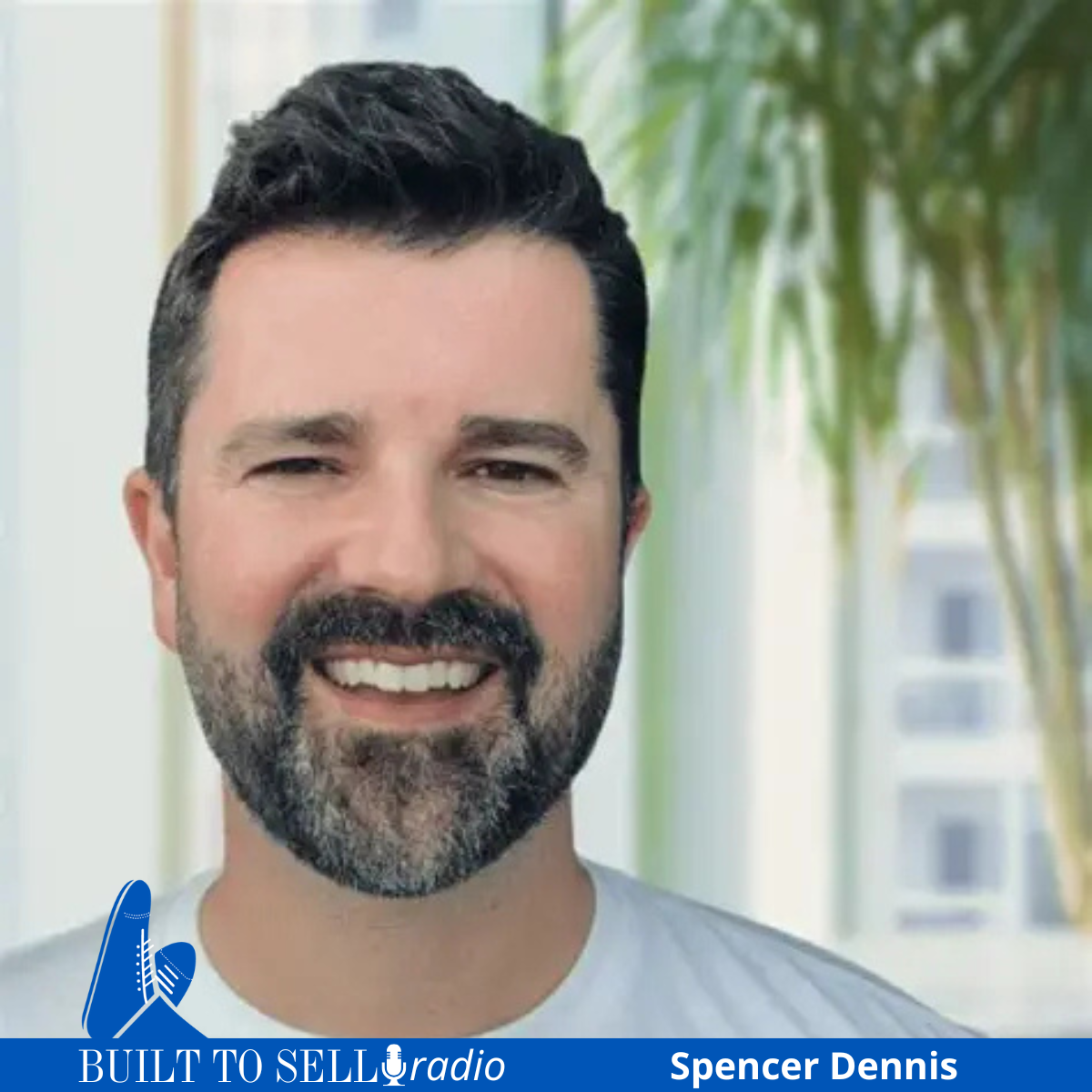
Spencer Dennis was an elite golfer whose playing career ended with spine surgery in his teens. He became a tour-level coach, running high-performance programs for juniors, college players, and pros. Managing parents, trainers, and recruiters through texts and email was chaos, so he built CoachNow to guide athletes between sessions. CoachNow caught on quickly with busy coaches. Then a run of decisions—turning off revenue under "grow fast" advice, stacking convertibles and preferences, and accepting stock-for-stock deals—left Spencer with little to show for a product customers loved. This is a cautionary tale for any owner negotiating with "sophisticated" investors.
Ep 518 Growth Equity, Control, and When Rolling Equity Fails — John Ruffolo (Inside the Mind of an Acquirer)
If you're considering your endgame, you're probably looking at private equity. Most PE firms use a familiar formula: buy a majority stake and ask the owner to "roll equity"—re-invest part of the proceeds—into the newco they're building. The downside: you become a minority shareholder in a business you no longer control. There's another path: growth equity, which lets you take chips off the table via a secondary while maintaining control. That's the business John Ruffolo is in as Founder & Managing Partner at Maverix Private Equity (he also founded OMERS Ventures).